
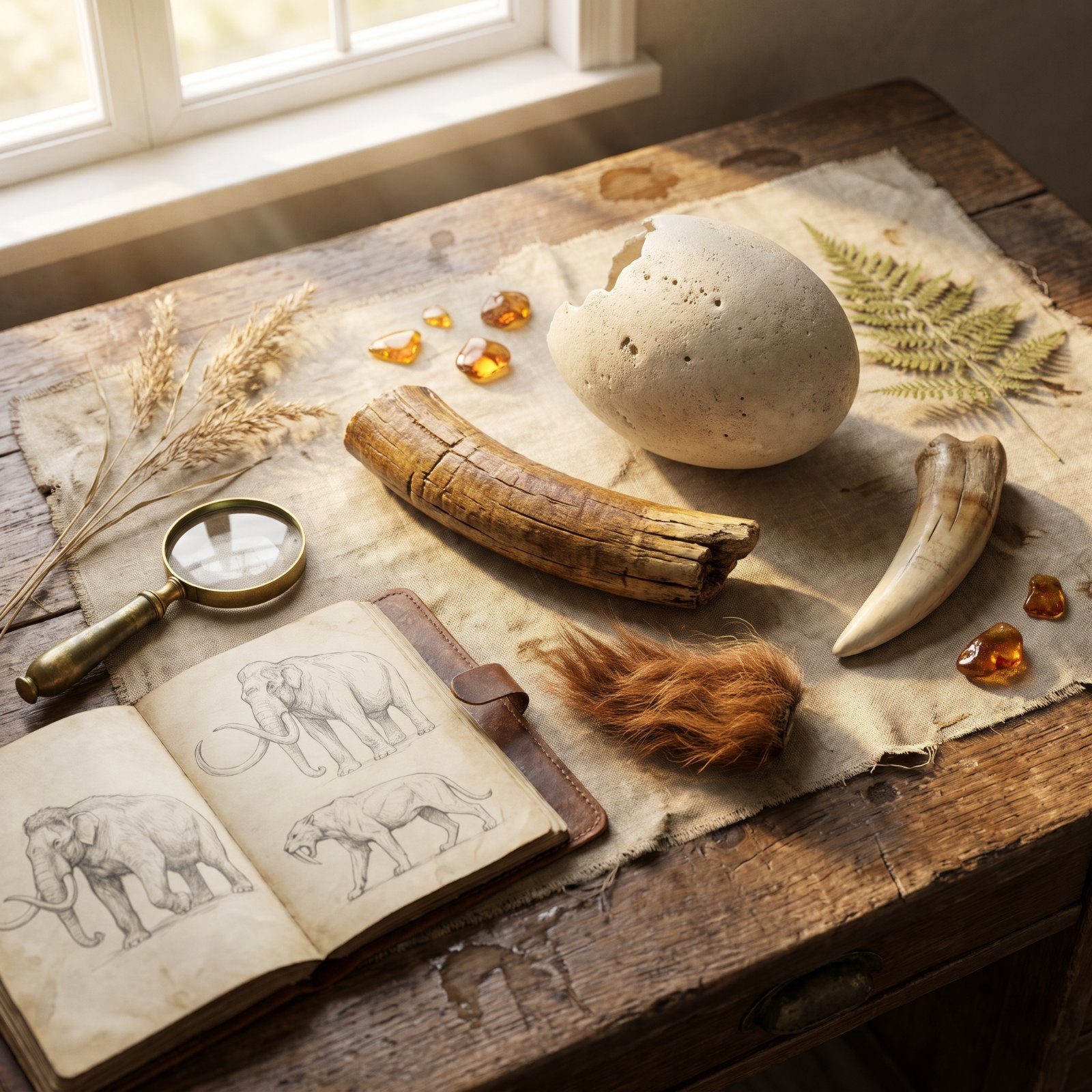
A frozen baby mammoth named Lyuba came out of the Siberian permafrost in 2007 with her stomach still full of her mother’s milk. That’s how close some of these animals feel. Close enough to touch, too far to ever see alive. AI illustration lets us stand them back up, skin on muscle on bone, built from fossils and frozen tissue and a century of patient science. Every creature below walked, flew, or hunted on this planet. Some vanished long before humans showed up; others we helped push out the door ourselves. Here they are, rendered as they likely looked, with the real story of how we know.
41. The Woolly Mammoth, Rebuilt From Frozen Flesh
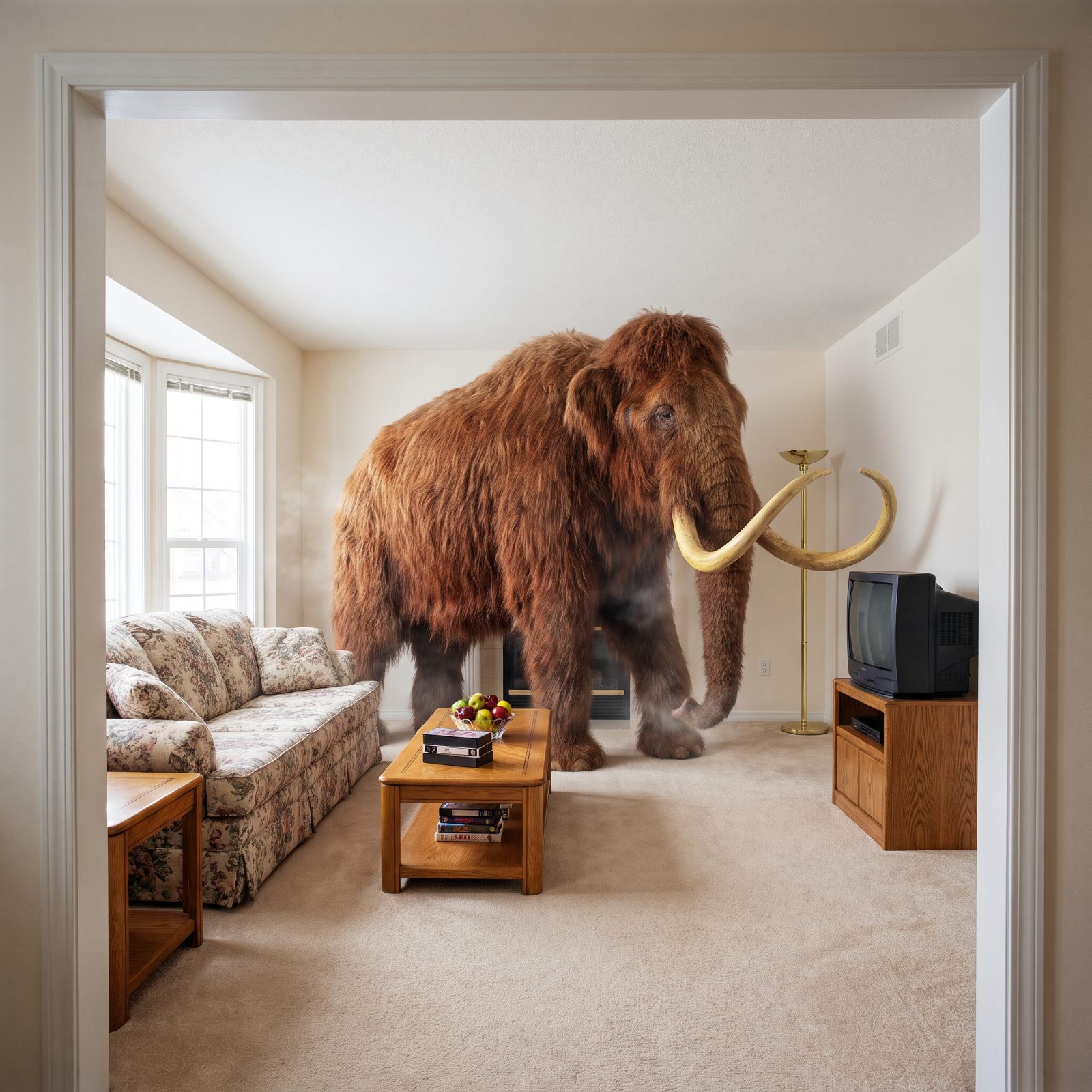
We don’t guess much with the mammoth. We’ve pulled whole frozen animals out of the Siberian and Alaskan permafrost, hide and hair and gut contents intact, and baby Lyuba, found in 2007, is so complete you can still see the shape of her trunk.
So the render here isn’t fantasy. The reddish tint of the coat comes from real recovered hair and pigment genes, and the crossed tusks, the fat hump over the shoulders, the tiny heat-saving ears — all of it is documented.
40. Smilodon, The Cat That Stabbed Instead of Bit
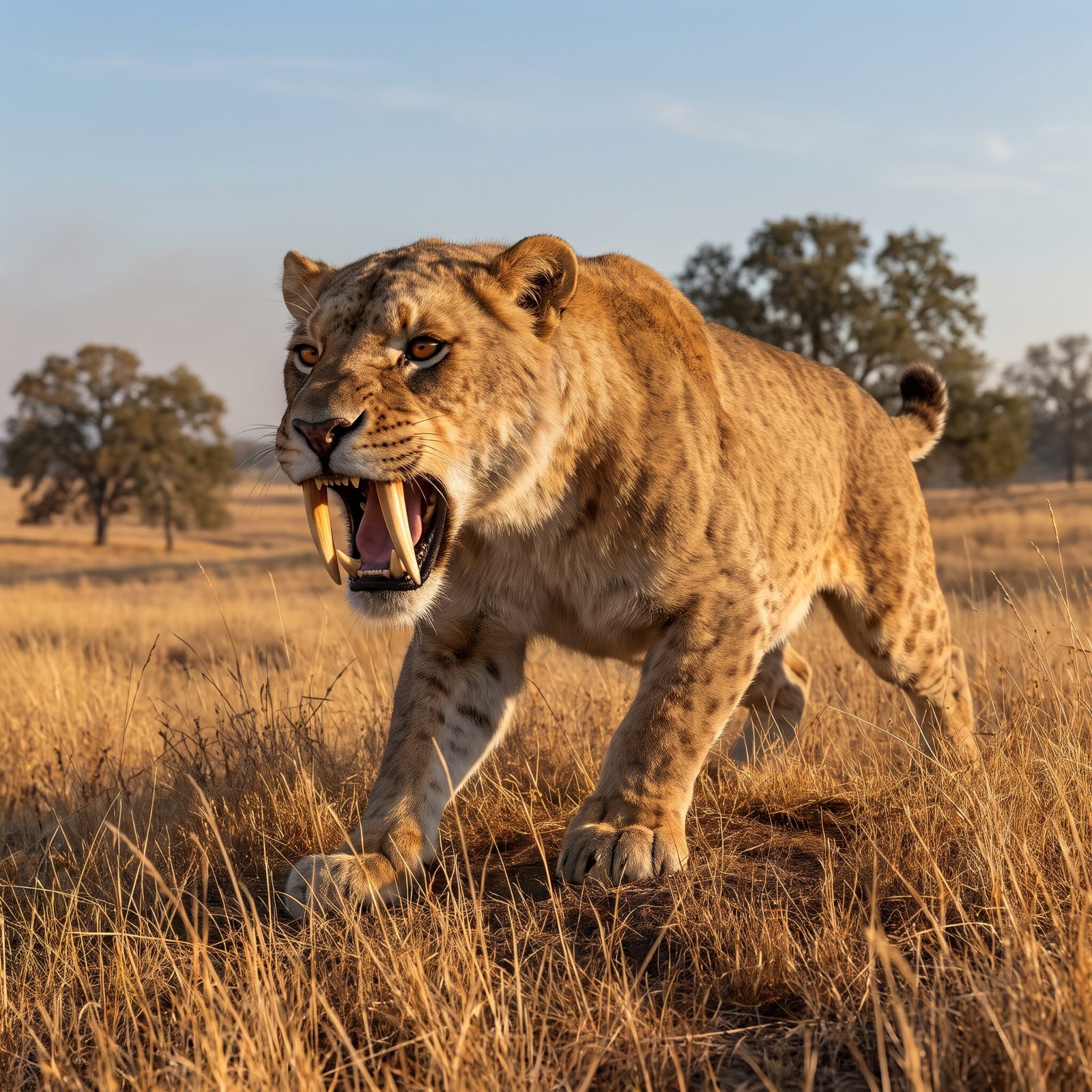
Those teeth could not take a direct bite into bone. People picture Smilodon crunching skulls. Wrong. The canines were long, flat, and surprisingly fragile from the side — one bad twist and they’d snap clean off.
The real method was all upper-body. Smilodon was built like a linebacker, with forelimbs strong enough to pin big prey flat to the ground, and only then, with the animal held still, did it drive those sabers into the soft throat. Power first, blade second. The render keeps the proportions honest: stocky, short-tailed, nothing like the lean cheetah shape most of us imagine.
39. The Thylacine, Filmed Alive and Gone by 1936
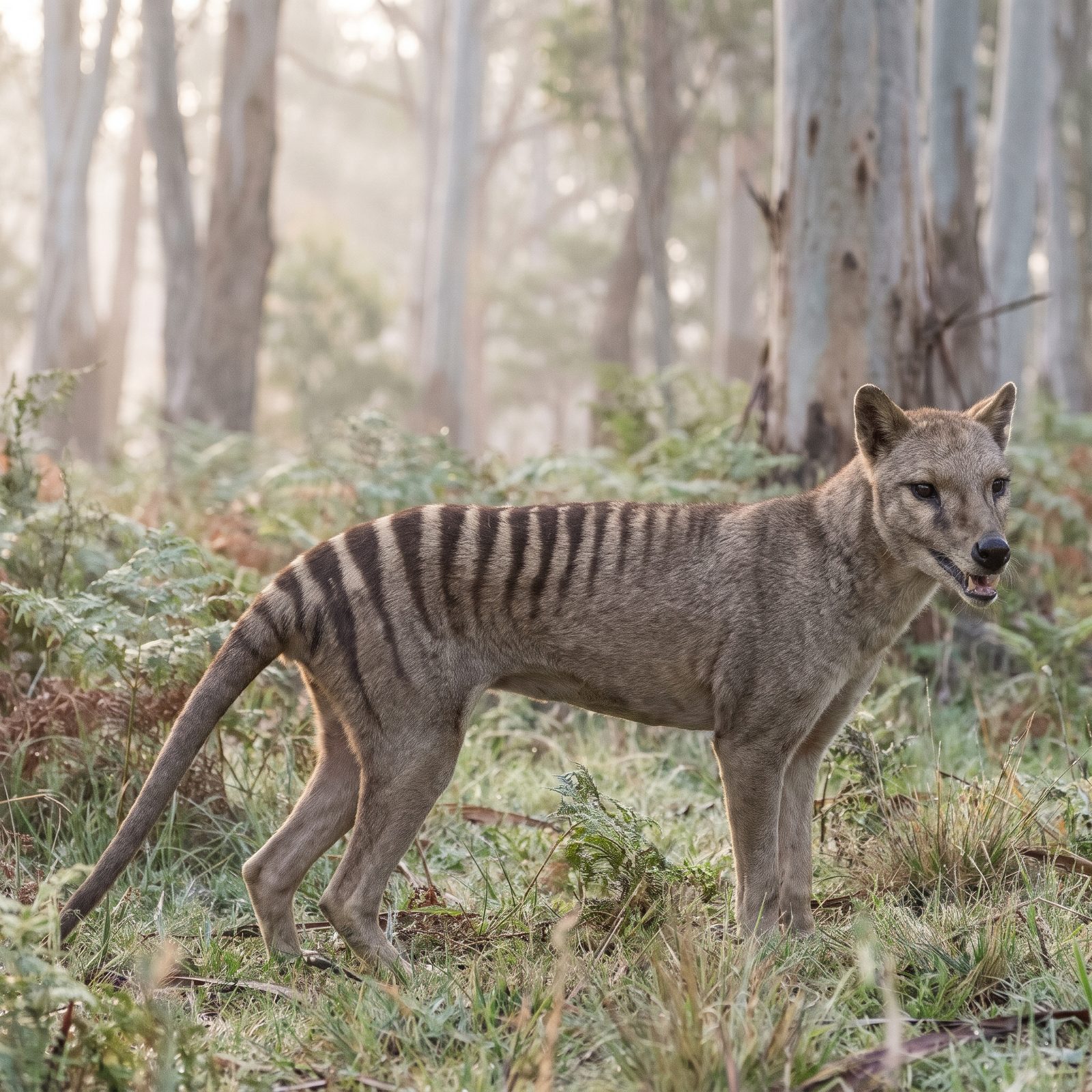
This one hurts, because we have film of it. Black-and-white footage shows the last known thylacine pacing a concrete enclosure at Hobart Zoo, yawning that jaw open almost 90 degrees. It died in 1936, likely from neglect and exposure.
A marsupial that looked like a dog, wore tiger stripes, and carried its young in a pouch the way a kangaroo does.
38. The Dodo, Clumsier in Myth Than in Life
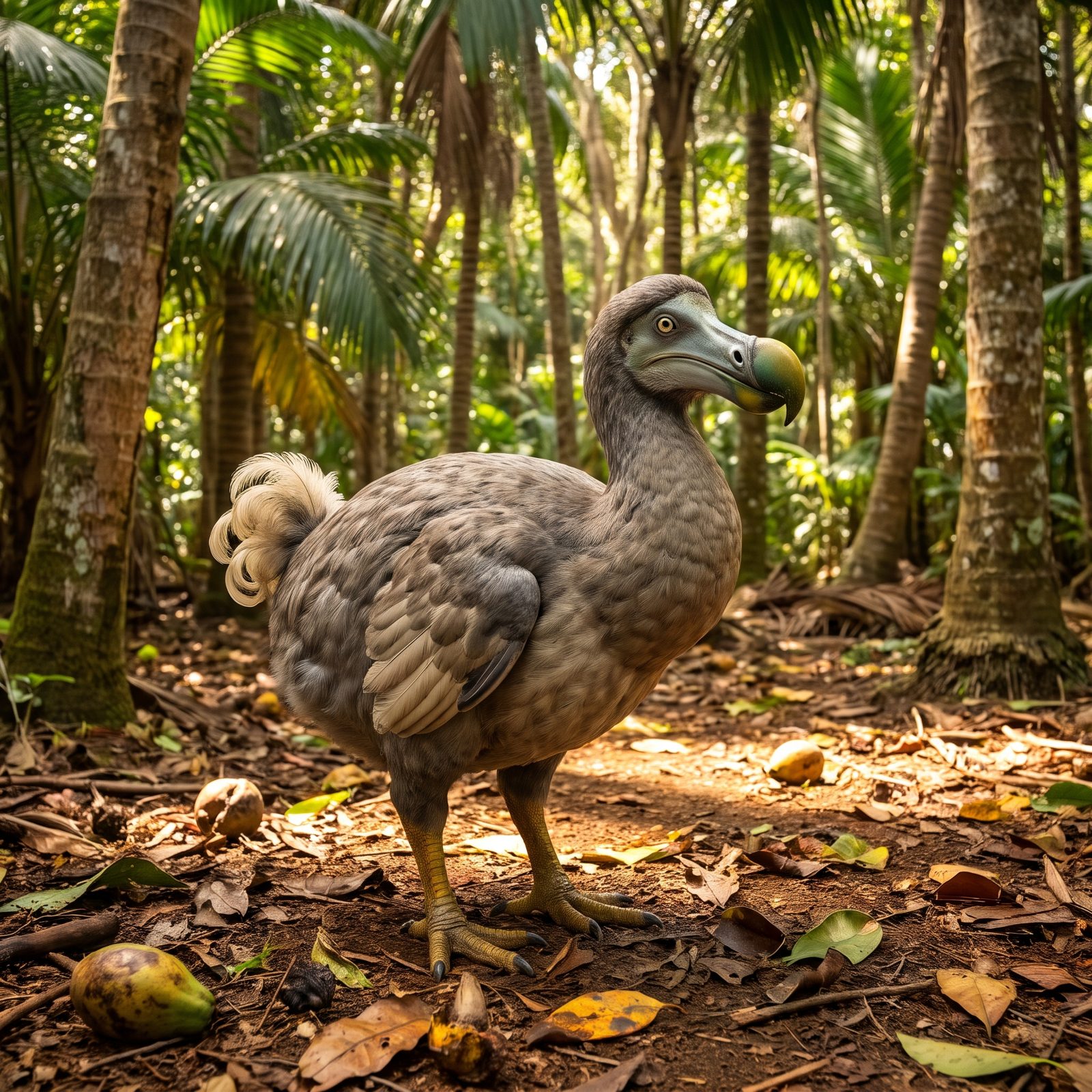
Pictured here is the classic dodo: rotund, barrel-bodied, with a fluffy curled tail. But studies of dodo skeletons suggest the living bird was leaner, more upright and surprisingly athletic. That chubby image we all carry comes partly from overfed captive dodos and the exaggerated European paintings made from them.
Native only to Mauritius, it had no predators for millions of years, so it never learned fear. Then sailors arrived around 1600 with pigs, rats, and monkeys that ate its ground-laid eggs. Within a few generations it was gone.
37. The Woolly Rhinoceros and Its Cave-Painted Portrait
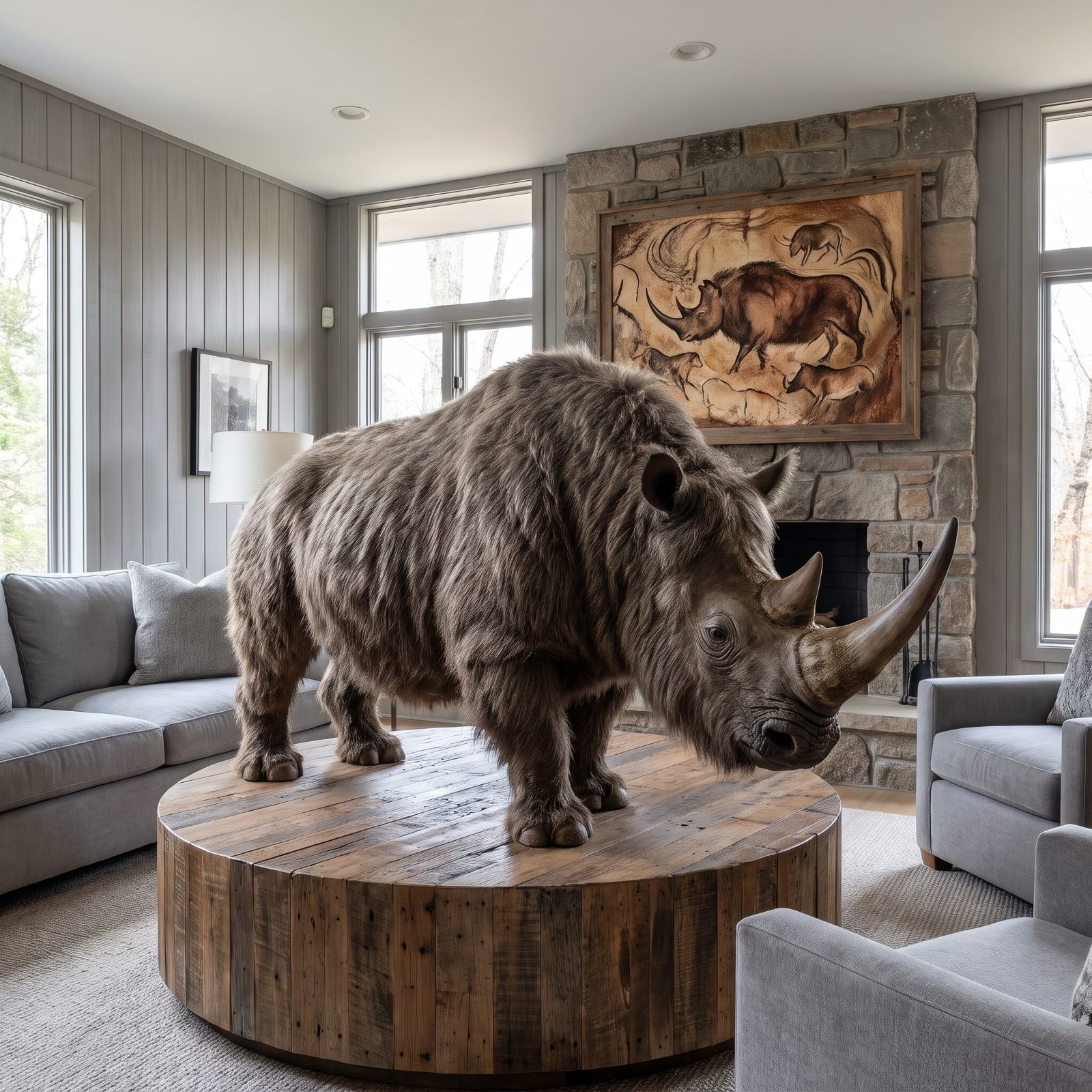
Ice Age humans drew this animal on cave walls, so we’ve got a built-in fact check. The paintings at Chauvet in France match the frozen carcasses pulled from permafrost almost exactly.
That giant front horn wasn’t decoration. Wear patterns on recovered horns suggest the woolly rhino swept it side to side to clear snow off the grass it fed on — a built-in plow.
The render leans on hard evidence: shaggy coat, fatty shoulder hump, and a horn that in some specimens topped three feet.
36. Megatherium, A Ground Sloth the Size of an Elephant
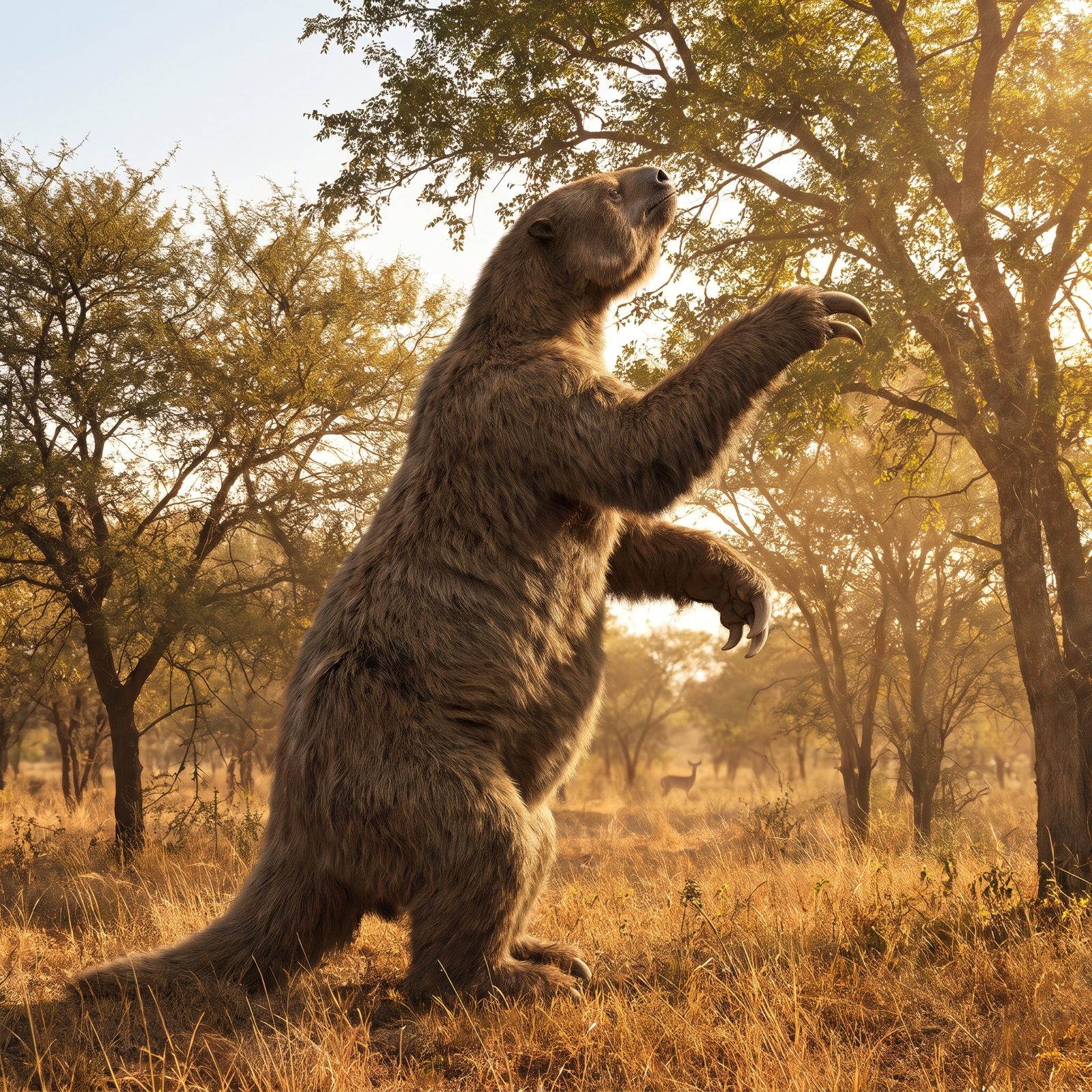
Imagine a sloth that could look an elephant in the eye. Megatherium stood around twelve feet tall when it reared back on its tail like a tripod to reach high branches.
The claws are the giveaway. They were so big the animal walked on the sides of its feet to keep them off the ground — the same awkward gait modern anteaters still use.
35. The Irish Elk, Carrying Twelve Feet of Antler
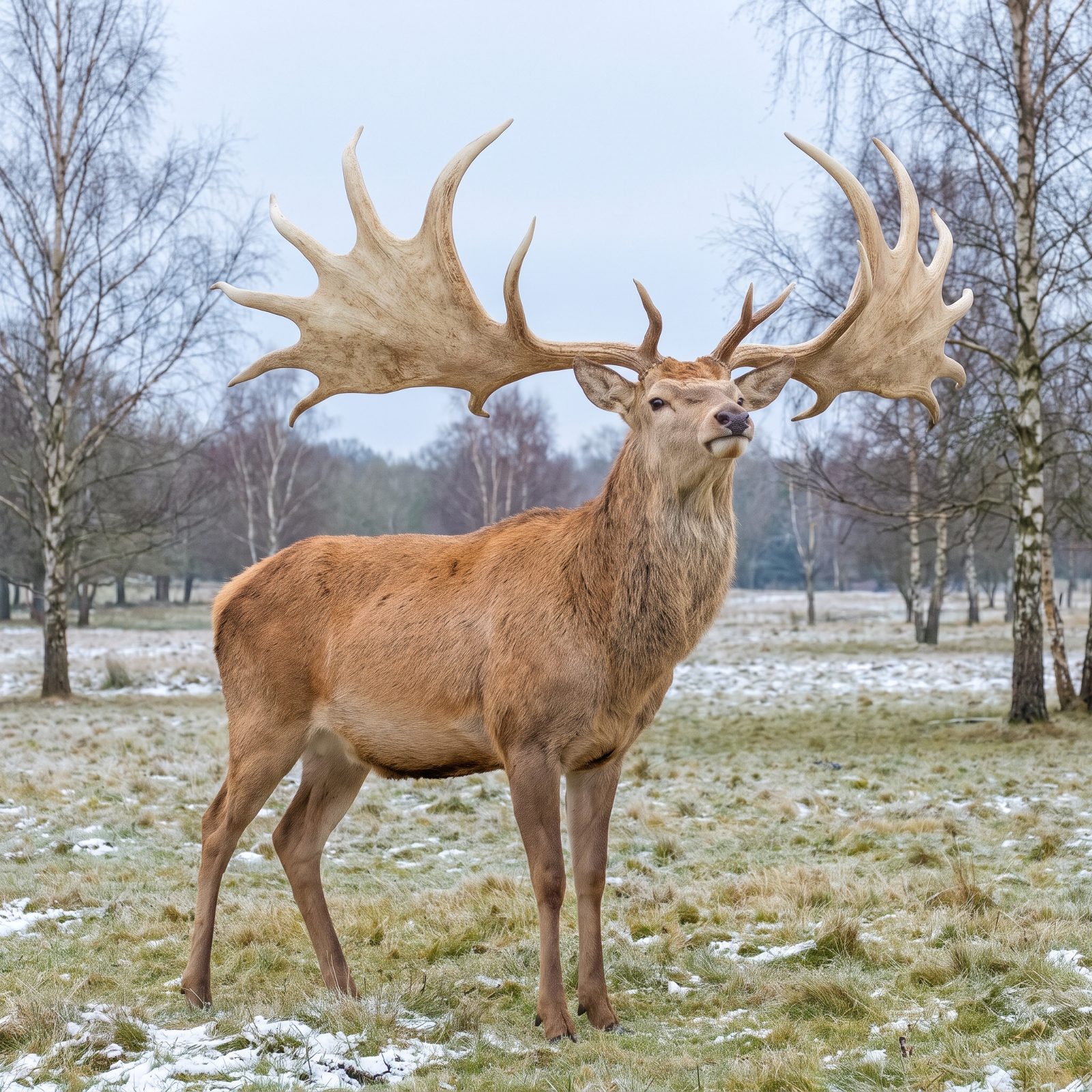
Its antlers spanned up to twelve feet. Wider than a car. The Irish elk, which wasn’t Irish and wasn’t an elk, grew the largest antlers of any animal that ever lived.
And it regrew the whole set every single year. That meant mining its own skeleton for calcium each spring, then packing it all back into bone — a biological bill almost no modern animal could pay.
Fossils turn up so often in Irish peat bogs that the name stuck, even though the giant deer ranged across Europe and Asia and vanished only around 7,700 years ago.
34. The Elephant Bird, Whose Egg Could Hold a Bowling Ball
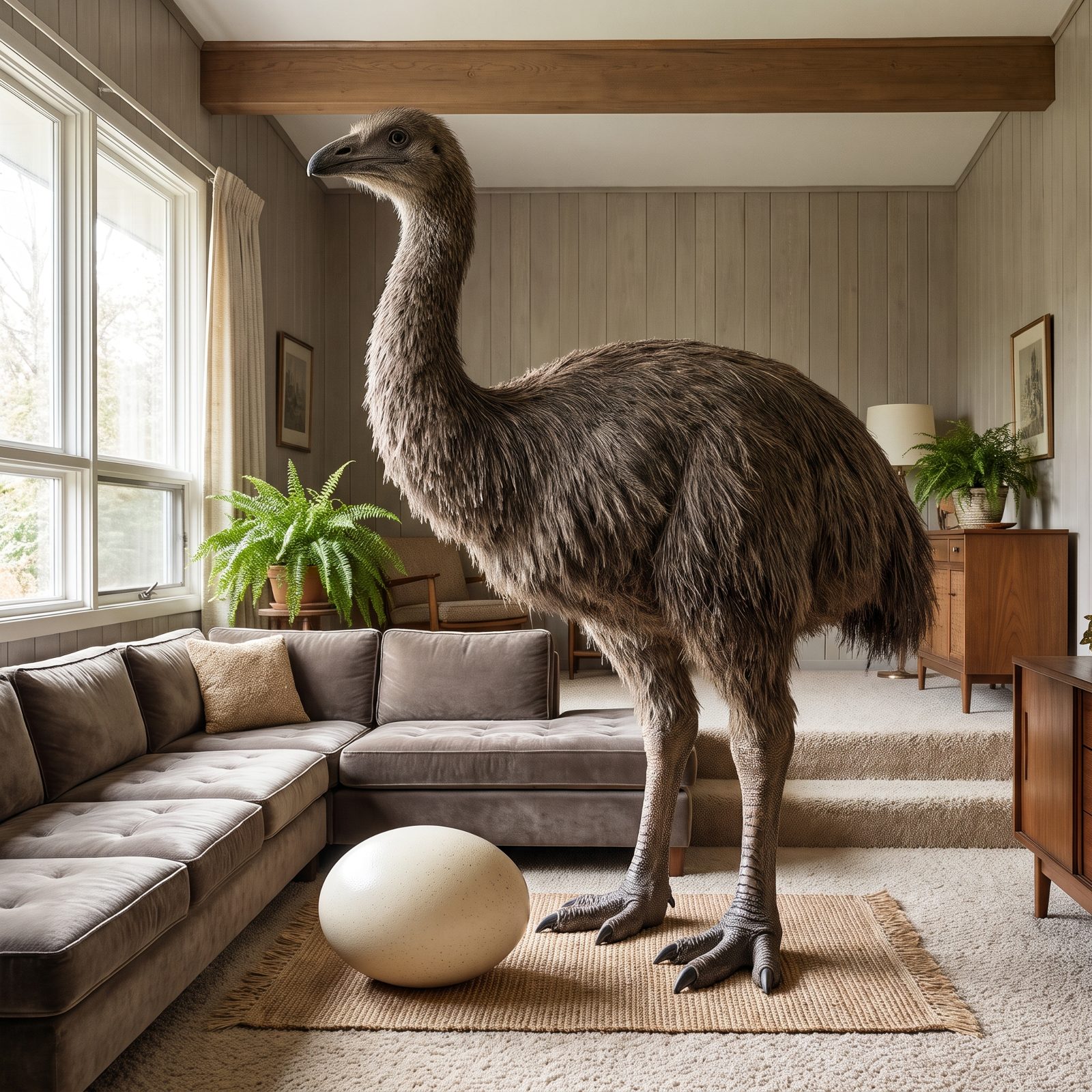
The egg is the headline. Elephant bird eggs measured over a foot long and held the volume of roughly 150 chicken eggs. Intact ones still turn up buried in Madagascar’s sands, and a few sit in museums today.
The bird itself stood close to ten feet and weighed as much as a small car — the heaviest bird ever documented. It hung on in Madagascar until perhaps 1,000 years ago, when human egg-harvesting likely helped finish it off.
33. Gastornis, The Giant Bird That Probably Ate Plants
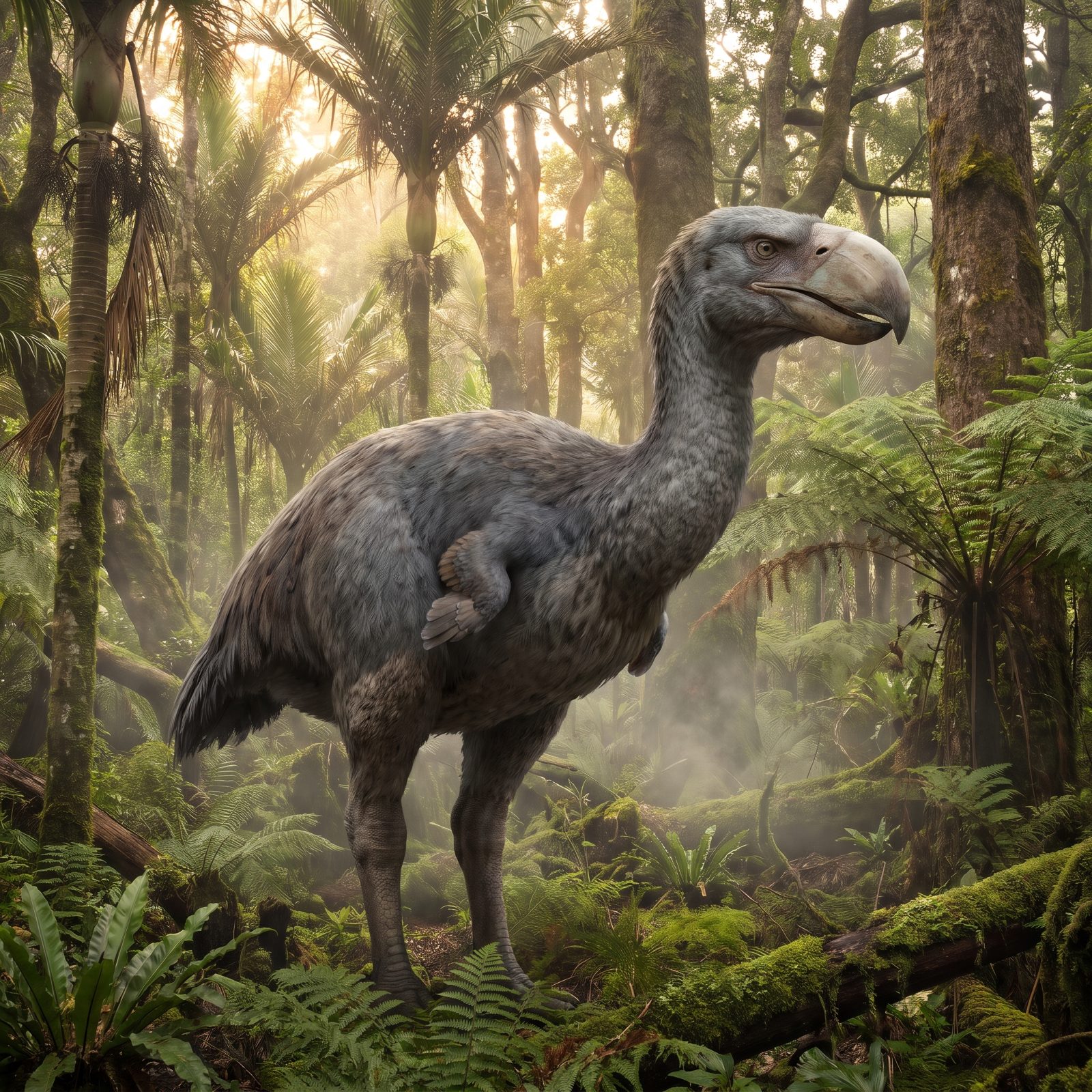
For decades Gastornis starred as a horror of the Eocene, a seven-foot bird crushing little early horses in that enormous beak. Good story. The evidence pulled it apart.
Chemical analysis of the bones found no signature of a meat diet, and the beak turns out to be better suited to cracking hard seeds and tough vegetation than tearing flesh. A fossil footprint even lacks the hooked talons a predator would need.
So the render shows a calmer giant. Still huge, still carrying that absurd beak, but likely busy with nuts and roots rather than chasing prey.
32. The Dire Wolf, Bigger and Stranger Than the TV Version
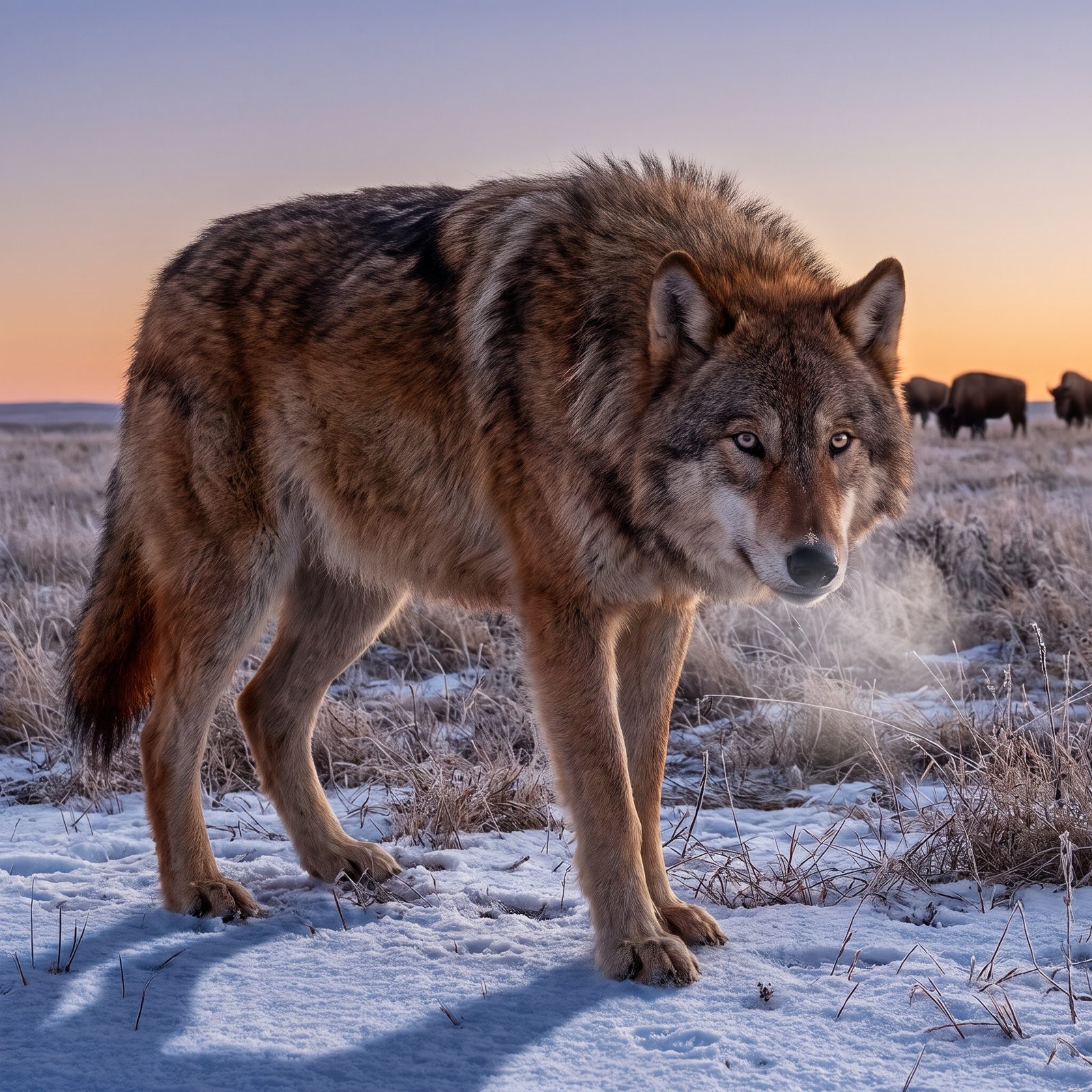
Thousands of dire wolves are preserved in the La Brea tar pits, so we know the body well — heavier than a grey wolf, with a stronger bite and bigger teeth, built to bring down Ice Age giants.
Then a 2021 DNA study dropped a bombshell: the dire wolf wasn’t really a wolf at all. It split from the line leading to modern wolves and dogs millions of years ago. The resemblance is a coincidence, evolution stumbling onto the same shape twice.
It vanished around 13,000 years ago, probably as its big prey disappeared. The render shows the real animal, not the fantasy one: robust, reddish, and no relation whatsoever to your dog.
31. Glyptodon: The Volkswagen-Sized Armadillo With a Clubbed Tail
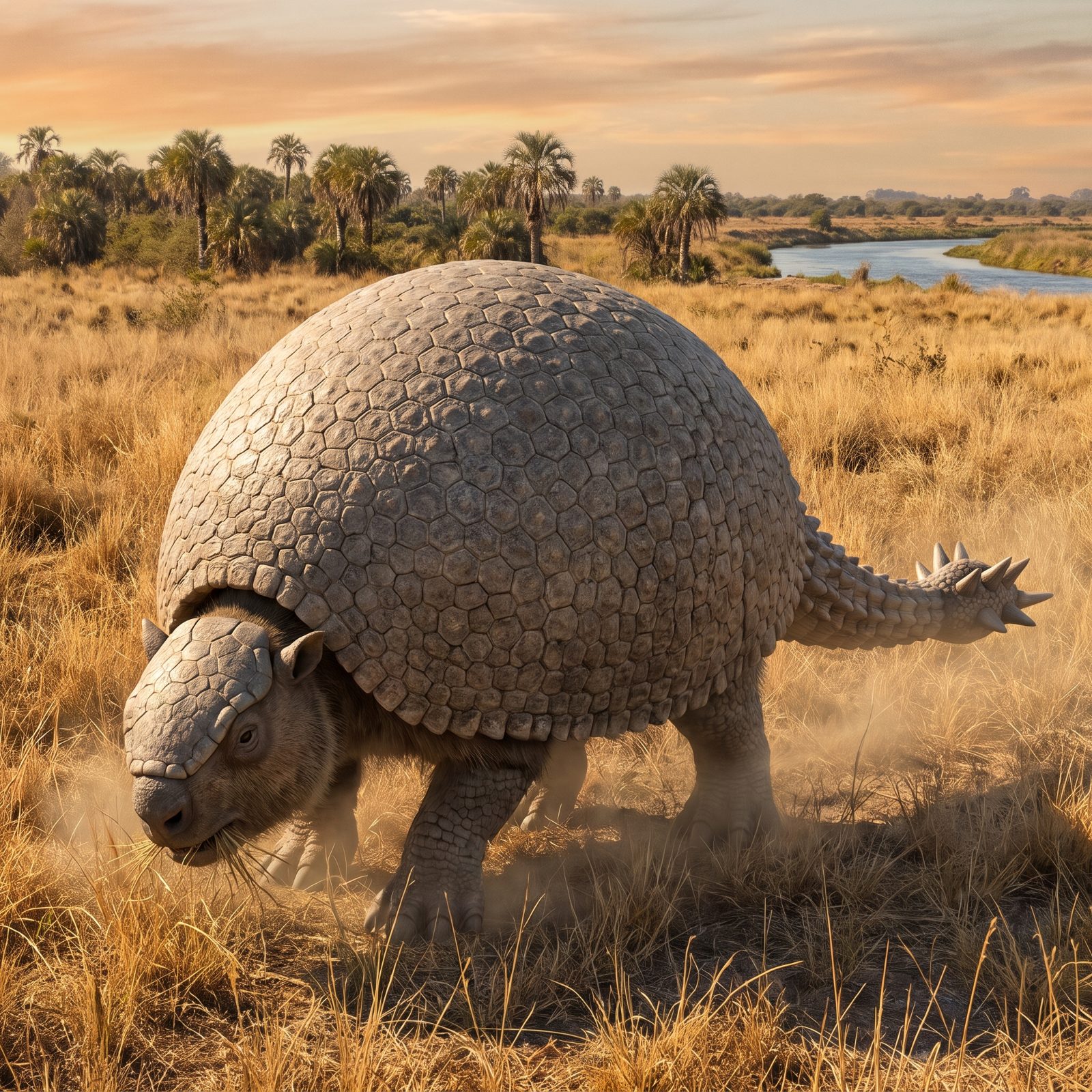
Imagine a grazing animal built like an armored car. That was Glyptodon, a relative of today’s armadillos that tipped the scales near a ton and carried a shell big enough for a human to shelter under. Some did, apparently — there’s fossil evidence suggesting early South Americans used the emptied shells as roofs.
The tail is the part that really gets under the skin. Some species had a spiked bony club on the end, and when you look at the healed damage on their shells, it starts to look like males whacked each other for territory or mates. A dinosaur-grade weapon on a giant armadillo.
30. Steller’s Sea Cow: The 30-Foot Gentle Giant Hunted to Zero in 27 Years
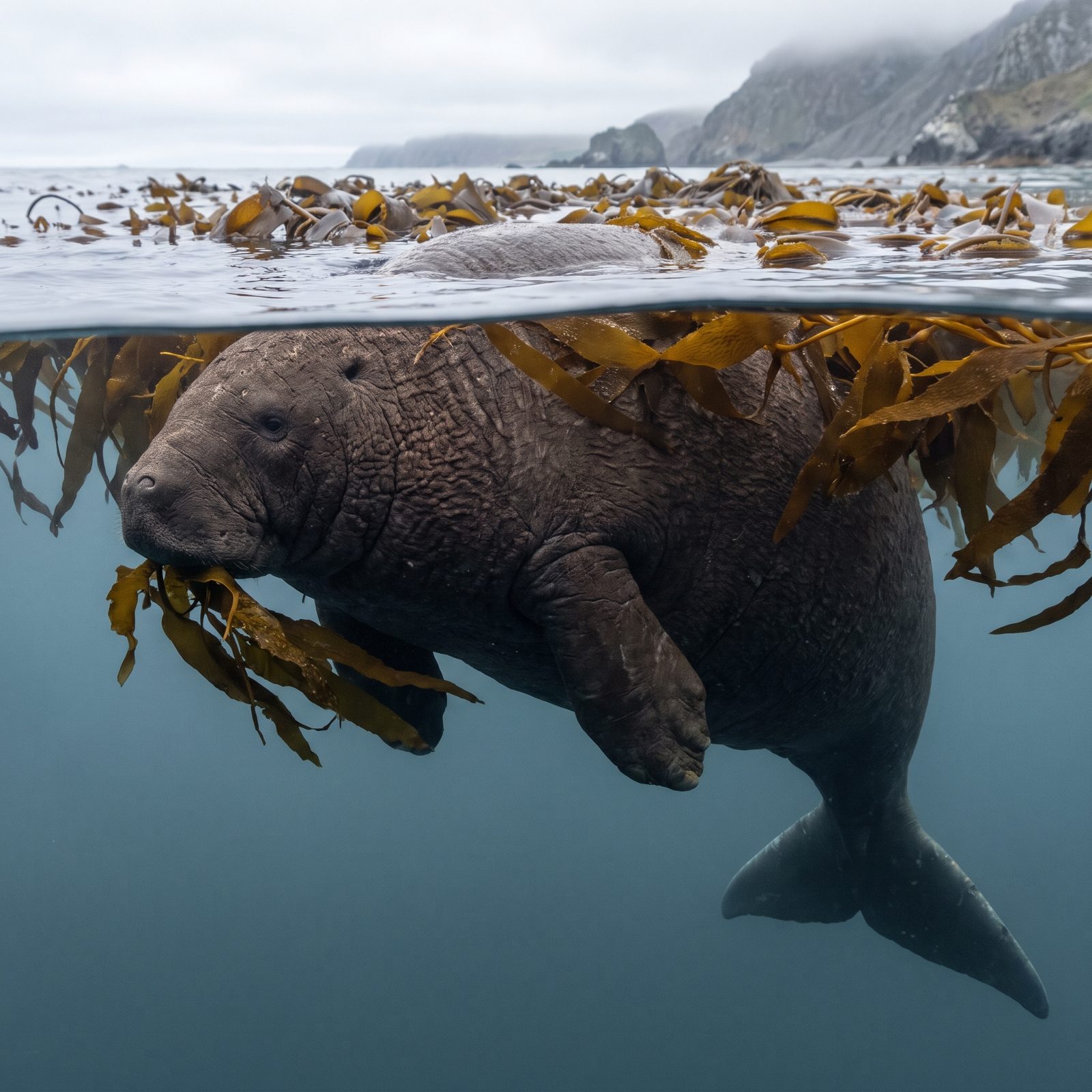
Found in 1741. Gone by 1768. Read that twice.
Steller’s sea cow was a cold-water cousin of the dugong, stretching close to 30 feet and weighing as much as a loaded truck. It drifted through North Pacific kelp beds doing almost nothing but eating, so tame and so slow it barely reacted to boats. That gentleness killed it. Sailors and fur traders found the meat and blubber easy to take, and within a single human lifetime the whole species was gone.
Nobody even got a clean scientific specimen before it vanished. We rebuild it from bones, sketches, and the notes of one naturalist who actually watched it alive.
29. Haast’s Eagle: The Giant Raptor That Hunted Humans in New Zealand
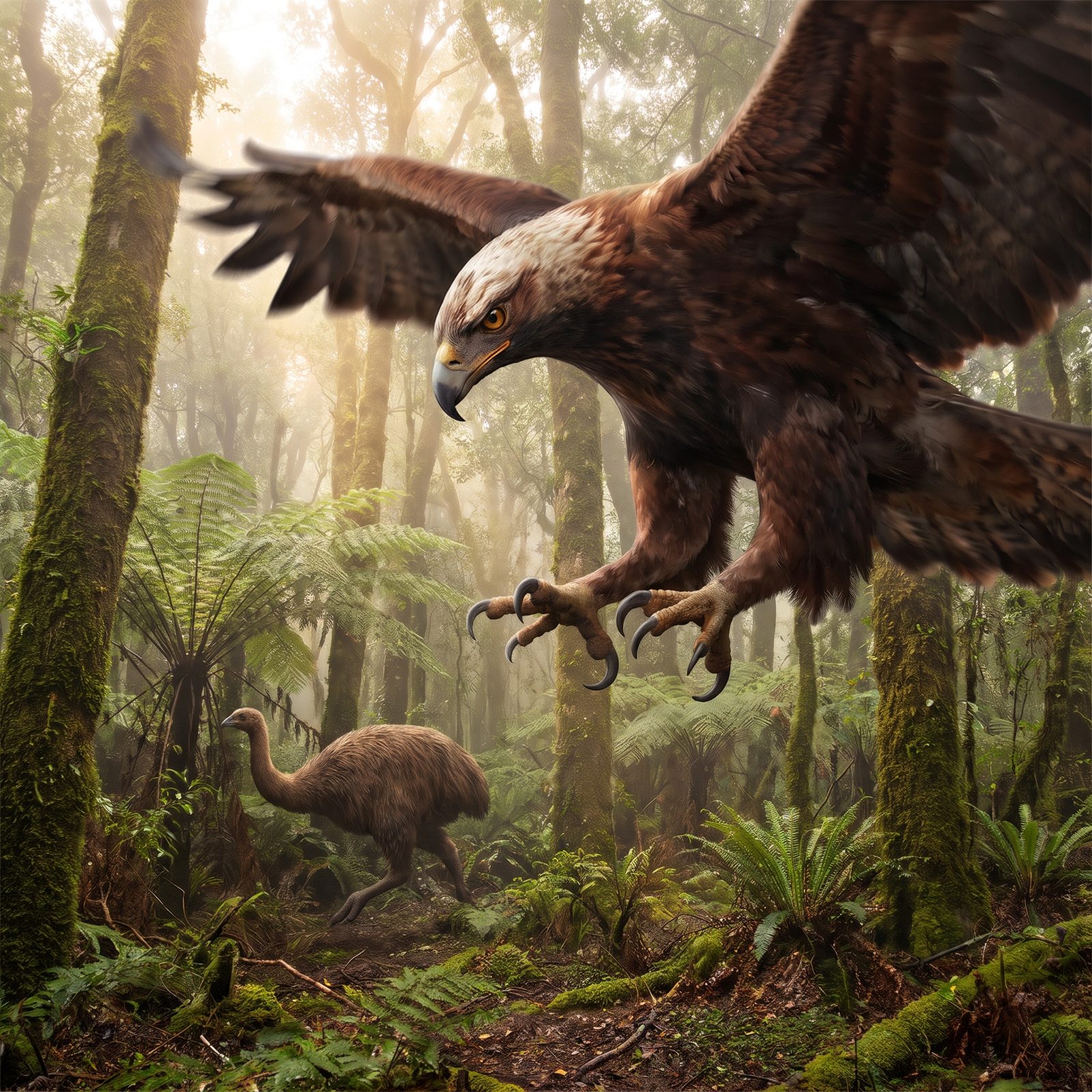
This was the biggest eagle that ever lived, and it hunted animals fifteen times its own weight.
Haast’s eagle ruled the skies of New Zealand until maybe 600 years ago. Its talons were the size of a tiger’s claws, and it killed by diving at tremendous speed into the pelvis and skull of giant moa — one strike, delivered with the force of a cinder block dropped off a roof.
Here’s the chilling part. Maori oral tradition tells of a huge bird called Pouakai that snatched people. Scientists shrugged it off as legend for ages. Then they found eagle talon damage and realized a bird that big could absolutely have taken a child. The myth had a skeleton.
28. Moa: The Twelve-Foot Flightless Bird With No Wings at All
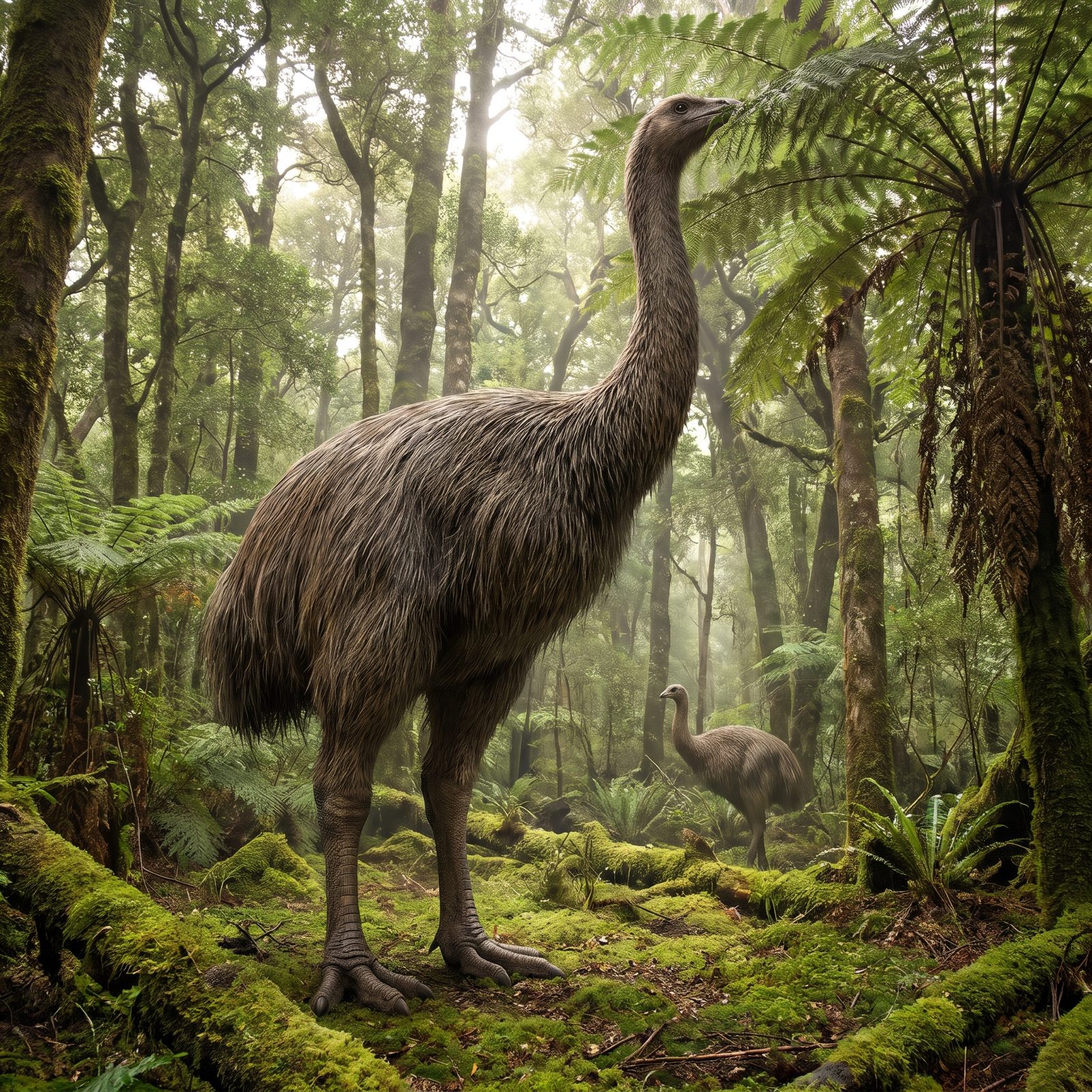
The moa didn’t just lose the ability to fly — it lost its wings entirely. No stubs, no vestigial bones to flap uselessly. It’s the only known bird with no wing structure at all, which is about as committed to the ground as a bird can get.
The tallest species stood around twelve feet with its neck stretched up, taller than a basketball hoop. Nine species roamed New Zealand with no mammalian predators to worry about, only Haast’s eagle overhead. Then people arrived. Within a couple of centuries every single one was gone.
We’ve got preserved feathers, eggs, even dried soft tissue. For an extinct giant, the moa left a surprisingly rich paper trail.
27. Cave Lion: The Maneless Ice Age Cat Painted on Cave Walls
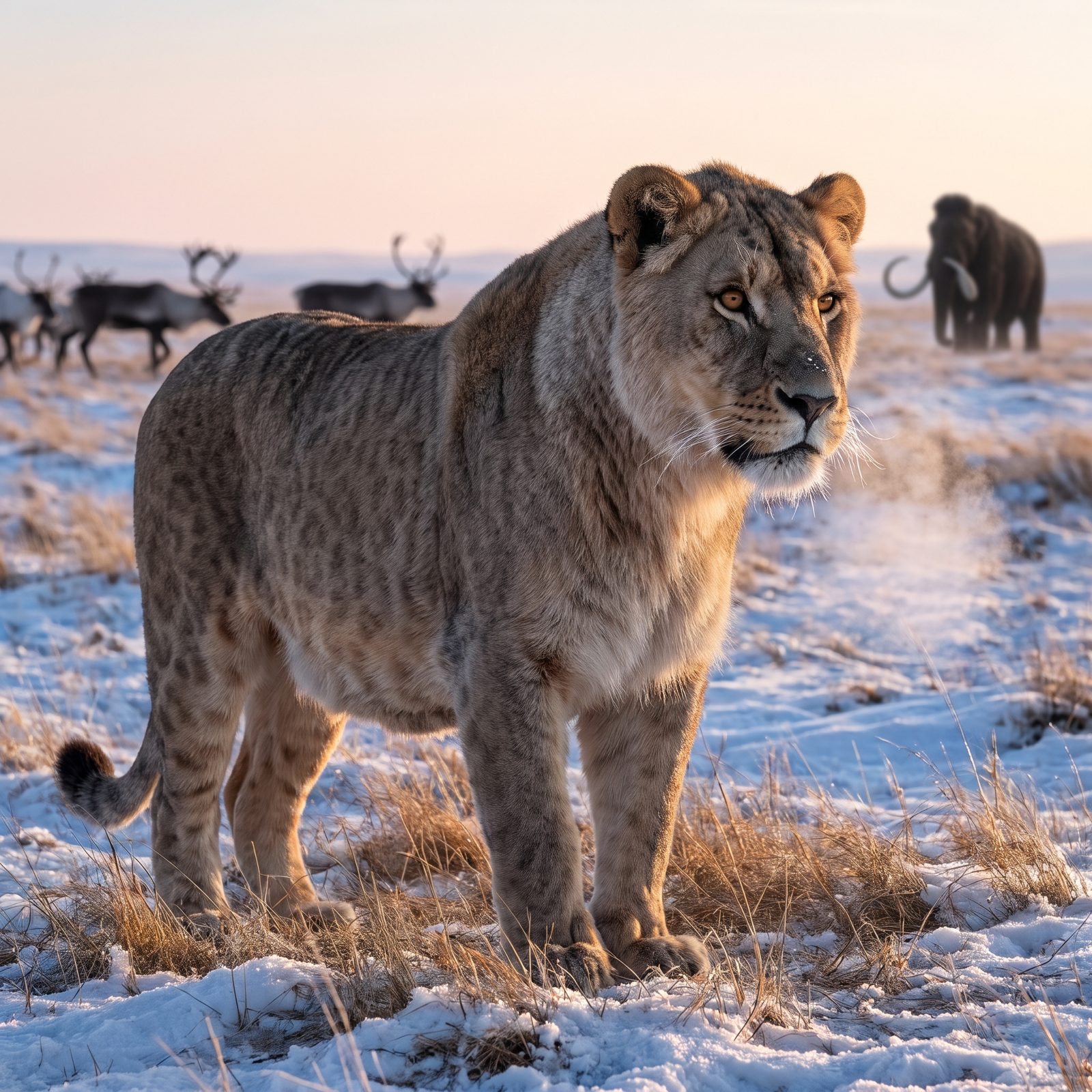
We know what this lion actually looked like because the people who feared it drew it.
The cave lion prowled Ice Age Europe and Asia, and Paleolithic humans painted it on cave walls with real care. Those paintings show no mane, which matches what the bones suggest. Faint stripe or rosette patterns sometimes turn up too.
Then came the deep-freeze bonus. In Siberia, researchers pulled frozen cave lion cubs out of the permafrost — fur and whiskers intact, tens of thousands of years old. You can see the actual color of the coat. Not a painting, not a guess. The animal itself, flash-frozen like a snapshot.
26. Short-Faced Bear: The Long-Legged Giant That Stood 12 Feet Tall
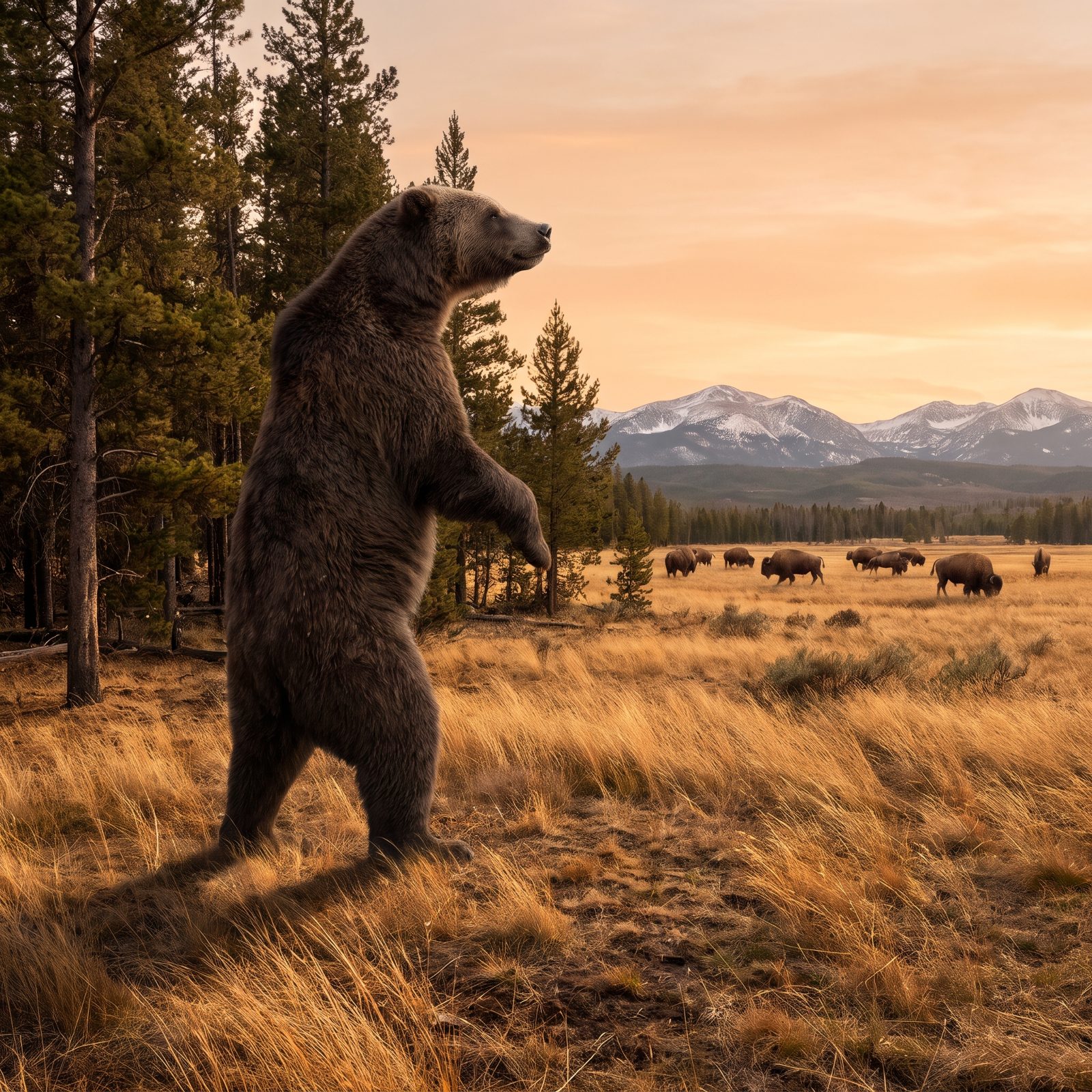
Most people picture extinct bears as just bigger grizzlies. Here, that picture falls apart.
The short-faced bear had long legs, a relatively lean frame and a short, broad muzzle, and standing upright it could reach eleven or twelve feet — tall enough to look an elephant in the eye. That powerful build suggests serious strength, though whether it was a sprinting hunter or a long-distance scavenger is still argued.
What isn’t argued is the scale. The biggest individuals may have weighed over a ton. When humans first walked into North America, this was likely the largest land predator they met. Imagine the pucker factor on that introduction.
25. American Lion: The 500-Pound Cat That Dwarfed Today’s Lions

Five hundred pounds of cat. That’s the American lion, one of the biggest cats that ever lived.
It ranged across North America during the Ice Age (not a giraffe-dotted African savanna like the one in this illustration) and dwarfed the lions you see on safari today, running up to a quarter larger. Hundreds of them got stuck in the La Brea tar pits in Los Angeles, lured in by trapped prey and then caught themselves — grim, but it means we have a gorgeous collection of bones.
Did it have a mane? Nobody’s sure. The La Brea cats left no soft tissue, so the magnificent flowing mane you might picture is an artist’s guess, not a fact.
24. Cave Bear: The Vegetarian Giant With Mountains of Bones in Caves
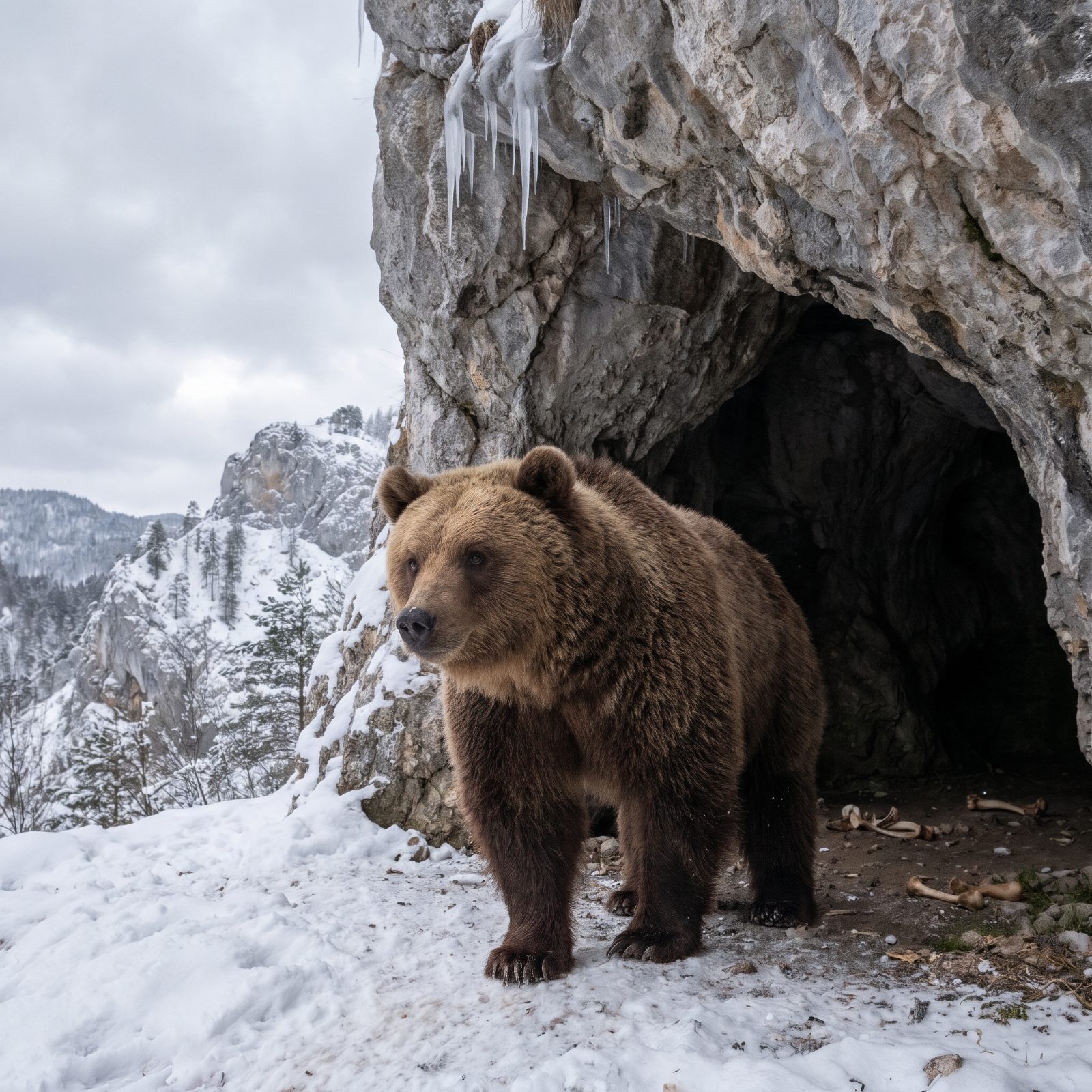
Some European caves hold the bones of thousands of cave bears, stacked by millennia of animals that crawled in to hibernate and never crawled back out. One cave in Romania alone held remains of around 140 bears. Whole chambers are essentially bone yards.
Despite the fearsome size, this bear was mostly a vegetarian. Its worn, flat teeth and skull chemistry point to a diet heavy on plants — more salad than slaughter. It had to pack on serious fat before each long winter sleep, and the brutal Ice Age winters that followed probably starved it into extinction.
23. Megalania: The Car-Length Monitor Lizard That Stalked Australia
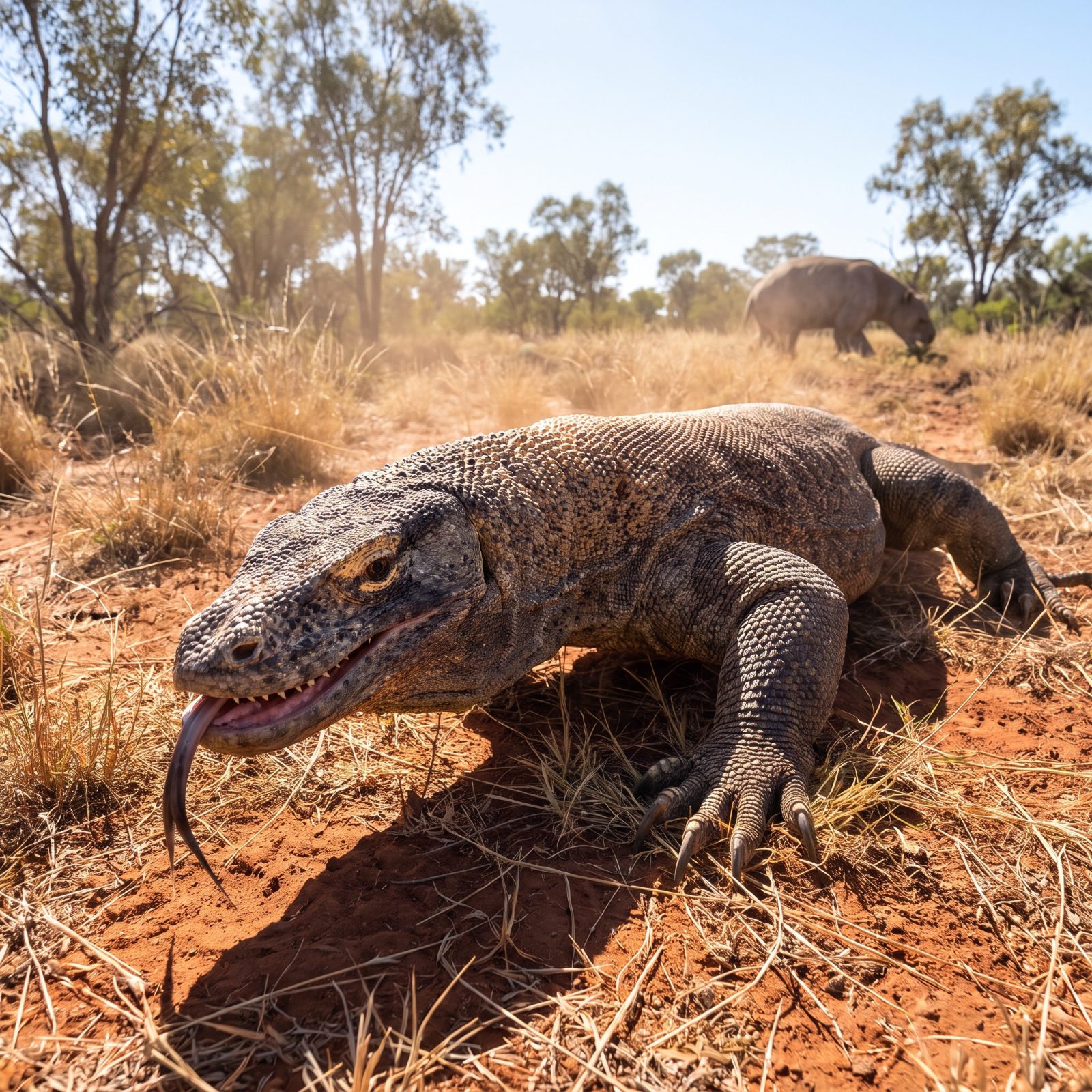
The Komodo dragon is terrifying enough at ten feet. Now double it.
Megalania was a giant monitor lizard that stalked Australia during the Ice Age, and the largest estimates push it past twenty feet, though the fossils are fragmentary enough that the exact size stays up for grabs. The family resemblance is clearer. It was a close relative of today’s Komodo dragon, probably sharing those serrated teeth and possibly a venomous bite.
Early Aboriginal people would have shared the land with it. A reptile that size, ambushing giant marsupials — that’s the kind of neighbor you’d want to know about.
22. Diprotodon: The Rhino-Sized Wombat Bigger Than a Car
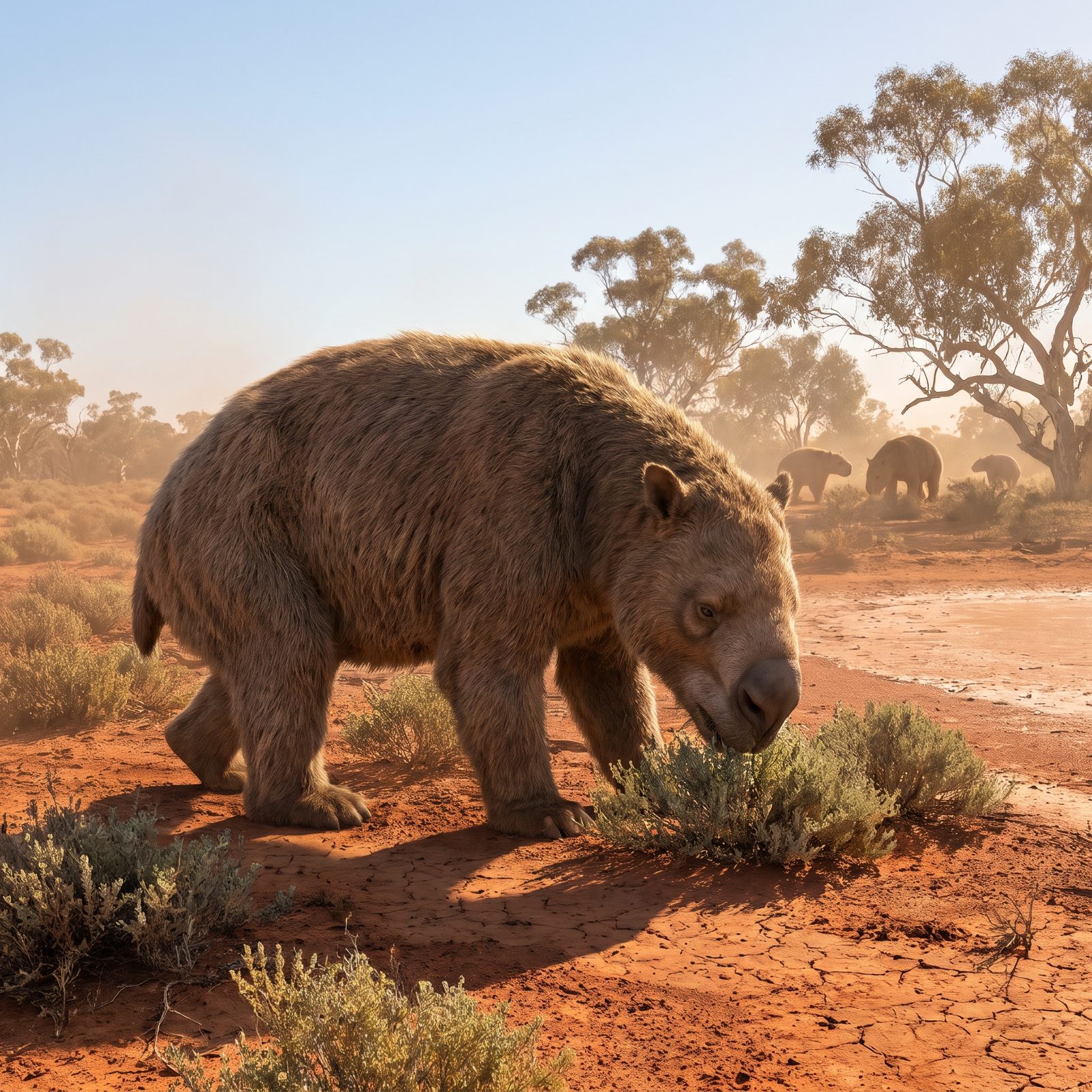
Picture a wombat the size of a rhino. That’s Diprotodon, the largest marsupial ever to live, weighing up to three tons and plodding across Ice Age Australia in herds.
It wasn’t a predator, just an enormous grazing machine working through shrubs and saltbush. Fossil trackways show whole groups moving together, and some sites contain dozens of skeletons where herds got trapped in drying lake mud and died where they stood.
Aboriginal Australians lived alongside Diprotodon, and some researchers think it survives in Dreamtime stories of a giant creature called the bunyip. Possible, not proven. But we love the thought that the memory of a three-ton marsupial might still echo through oral tradition thousands of years later.
21. Megaladapis: The Koala-Faced Giant Lemur of Madagascar
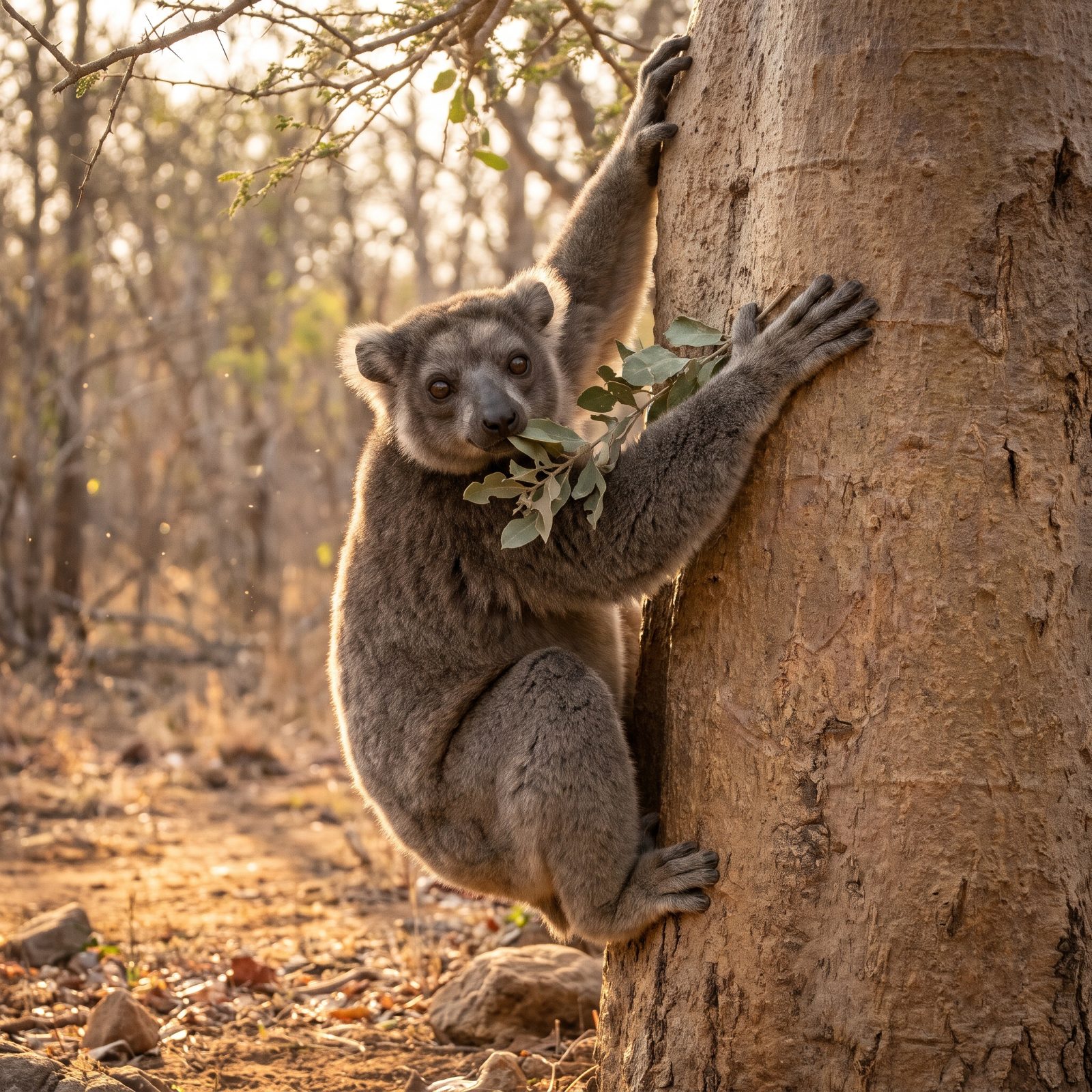
Picture a lemur you’d struggle to lift, built more like a koala than anything that swings through branches. That was Megaladapis. It weighed up to 110 pounds and couldn’t leap, so it hauled itself slowly up trunks, grabbed leaves with hands and feet, and chewed with a long, heavy snout, the koala comparison coming from its clinging, leaf-eating life.
It survived on Madagascar until roughly 500 years ago, which means people and this slow giant overlapped. That overlap is also, most likely, why it’s gone.
20. Macrauchenia: The Trunk-Nosed Camel That Baffled Darwin
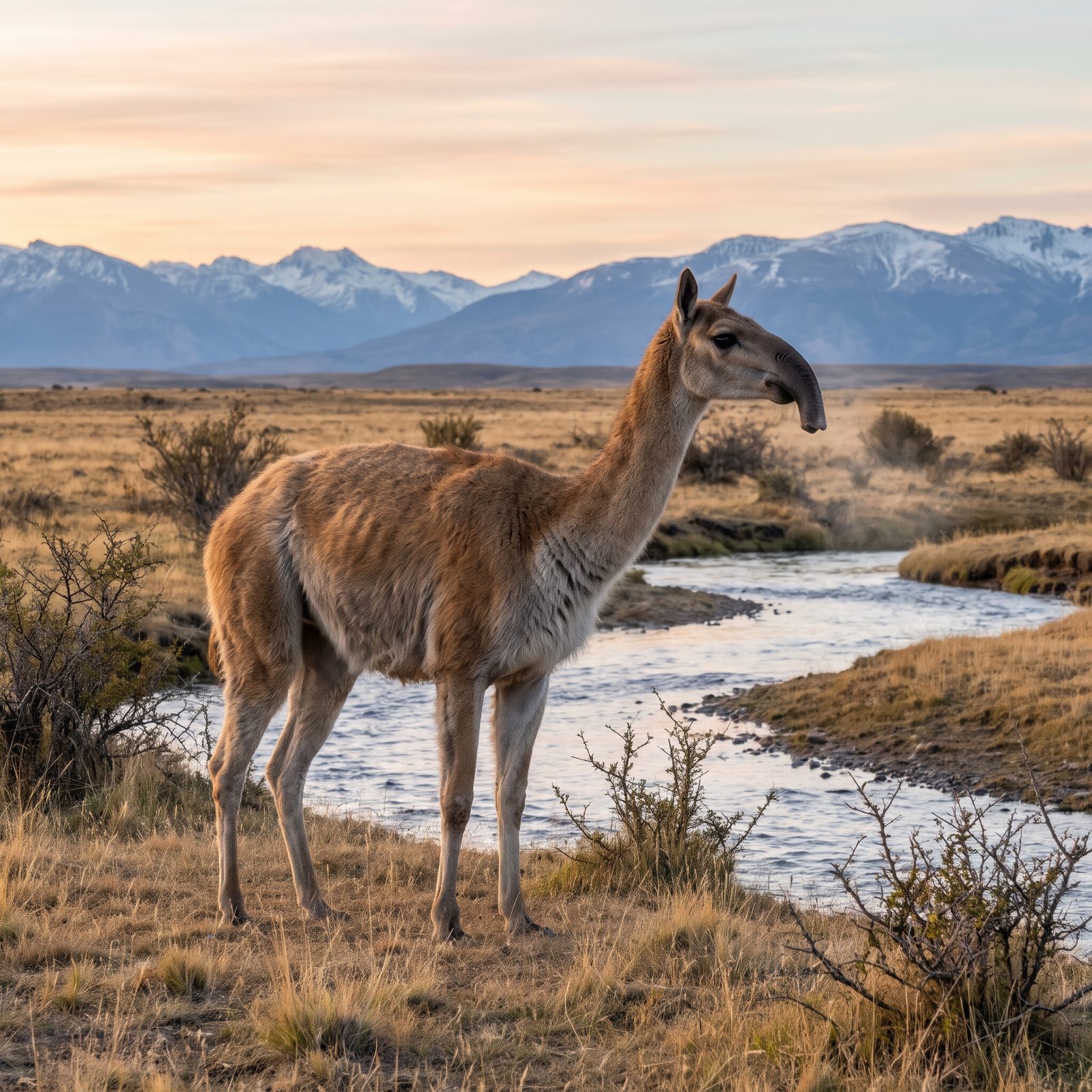
Darwin found its bones in Patagonia and couldn’t place it. No wonder. Macrauchenia looks like a llama and a camel got assembled by committee, after which someone bolted on a short flexible snout and slid the nostrils up near the top of the skull.
For nearly 180 years nobody could figure out what it was related to. Ancient protein analysis finally cracked it in 2015, and the answer was a surprise: its closest living cousins are horses, rhinos, and tapirs, all split from Macrauchenia by tens of millions of years.
It vanished around 10,000 years ago, one more large South American oddity that didn’t make it past the last ice age.
19. Toxodon: The Rhino-Hippo That Wasn’t Related to Either
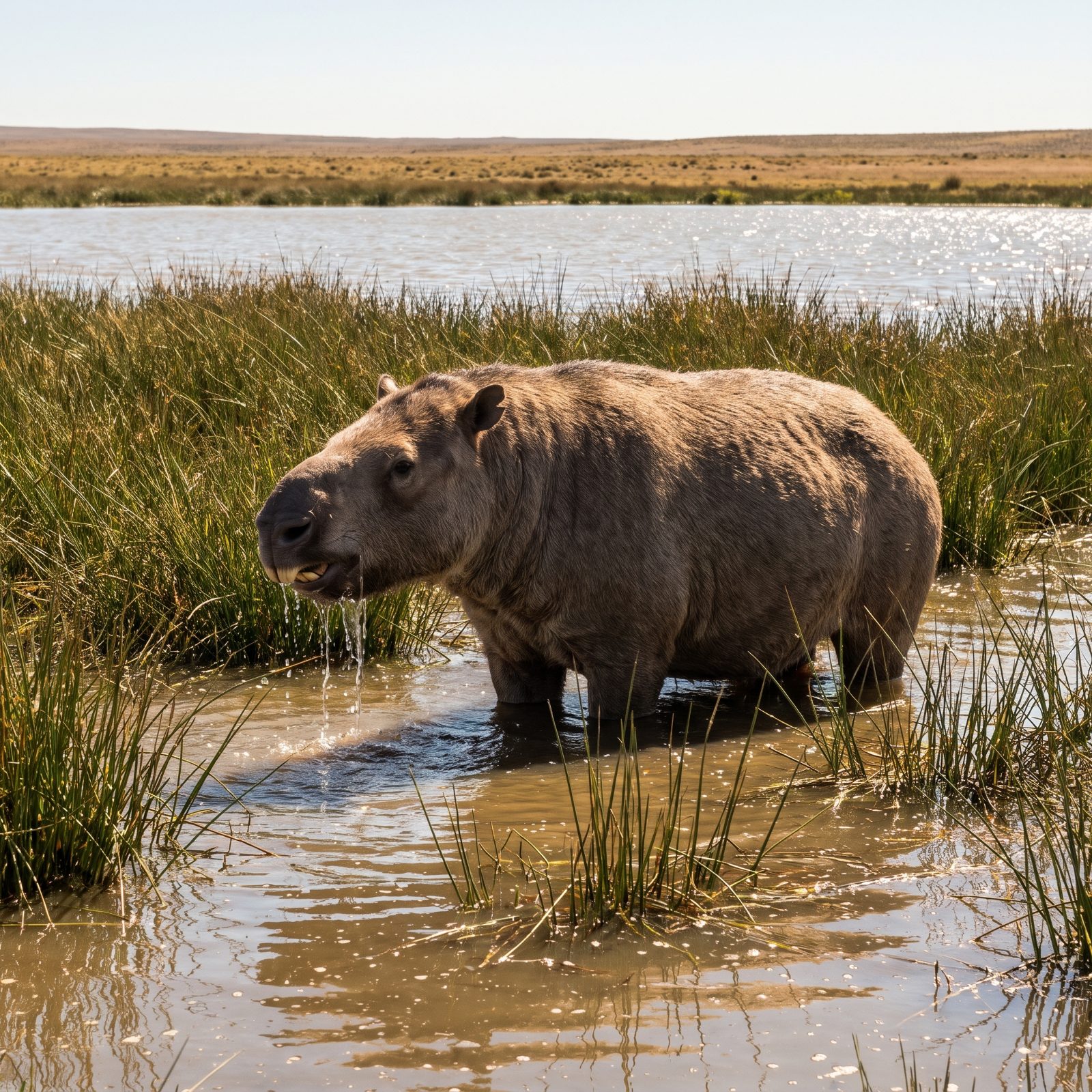
It walked like a rhino and wallowed like a hippo, and it was neither. Toxodon belonged to a wholly South American group of mammals that evolved in isolation and left no living descendants whatsoever.
Study the build and it gets stranger. Short splayed legs, a massive barrel of a body, teeth that never stopped growing. Darwin bought a Toxodon skull for eighteen pence from a farmer in Uruguay, and he later called it “perhaps one of the strangest animals ever discovered.”
Trust that instinct. The whole lineage is a reminder of how far life drifts when a continent spends millions of years marooned as an island.
18. Platybelodon: The Shovel-Tusked Relative of Elephants
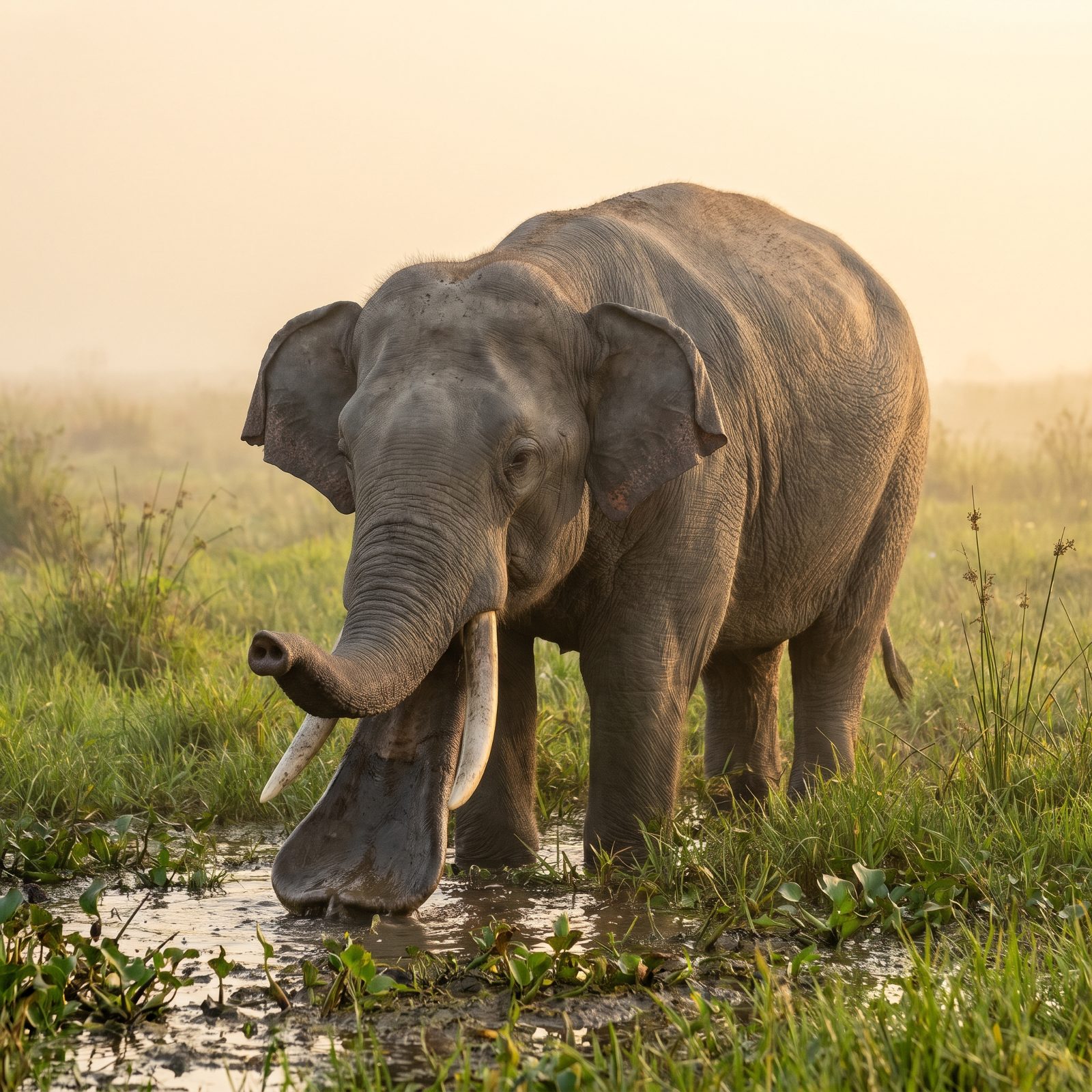
Someone looked at an elephant and decided the real problem was the lower jaw. That’s roughly what evolution did with Platybelodon, whose long lower jaw ended in a pair of broad, flat tusks set side by side like a shovel blade.
The old story said it scooped mud and stripped aquatic plants like a living backhoe. Wear patterns on the tusks now suggest something messier. It probably dragged those flat lower tusks across bark and sliced through tough vegetation, more knife than scoop.
17. Doedicurus: The Car-Sized Armadillo With a Spiked Tail Club
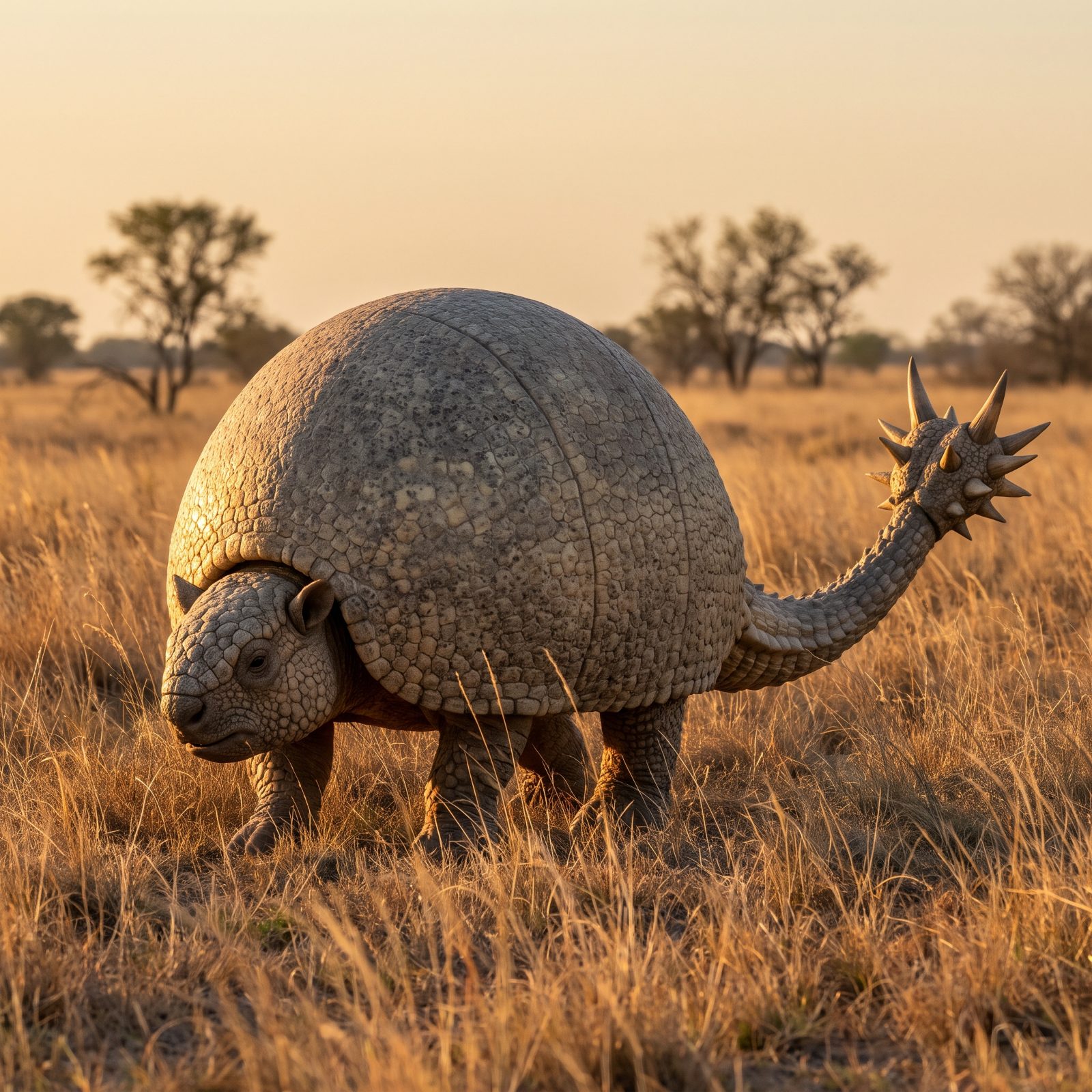
Imagine an armadillo the size of a small car, lugging a bony dome on its back and swinging a spiked club off the end of its tail. Doedicurus was real, and that tail was no decoration.
Biomechanical studies of the club suggest it could swing hard enough to crack bone, and dents in some fossil shells line up with exactly that kind of impact. The leading guess? Males battered each other, club against armor, in slow and brutal contests over mates.
It lived until around 7,000 years ago, overlapping with people who almost certainly hunted it. Genetic work has since confirmed these armored giants were true relatives of today’s armadillos.
16. Castoroides: The Bear-Sized Beaver of the Ice Age
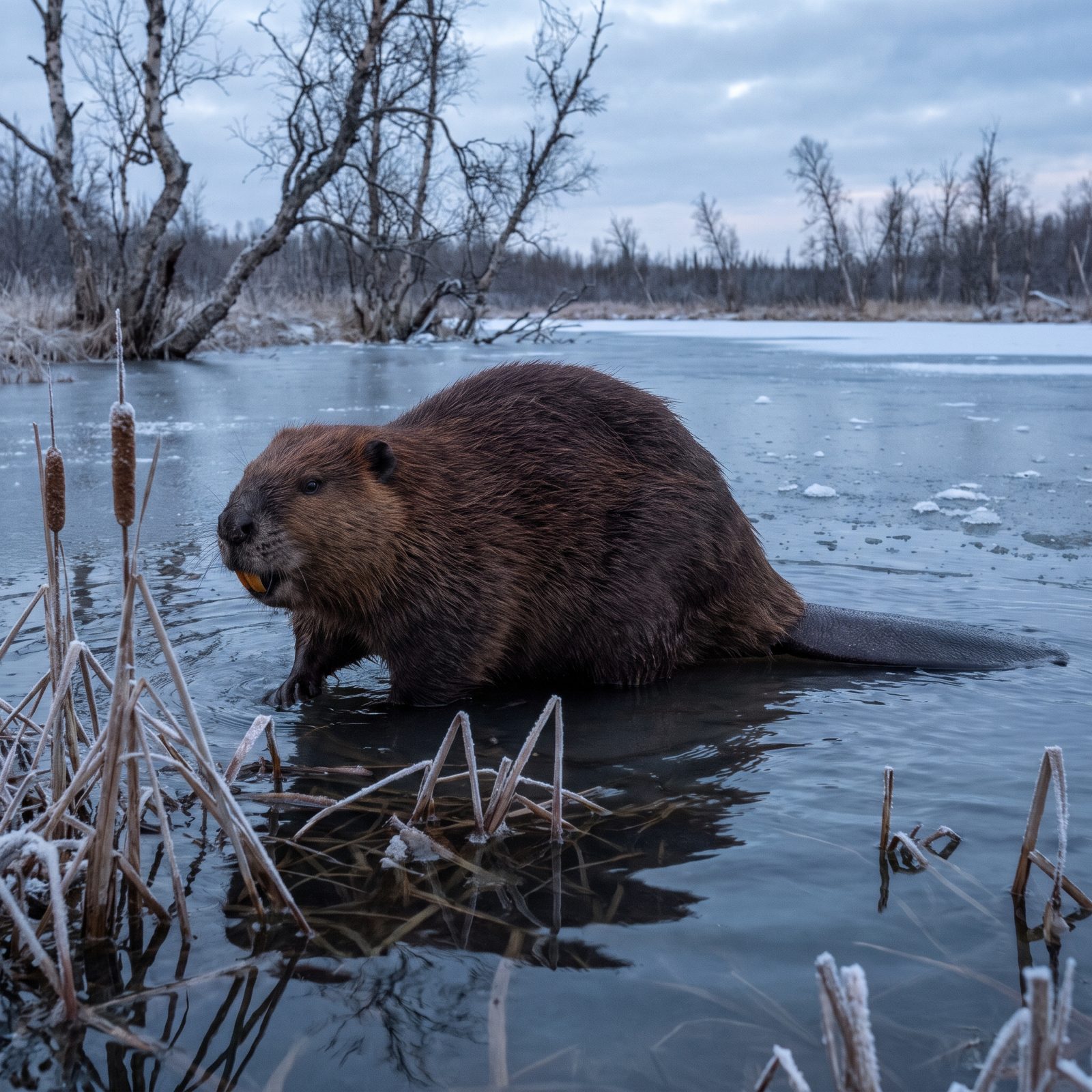
The giant beaver was nearly seven feet long and weighed as much as a grown man. But here’s where the picture most people carry around falls apart.
It had huge incisors, bright orange, and as far as we can tell it never built a single dam. Those teeth were blunt and broad, nothing like a modern beaver’s chisels. Better suited to soft wetland plants than to gnawing through logs.
So the bear-sized beaver engineered nothing. It waded through northern marshes eating vegetation, and when those wetlands dried at the end of the ice age it disappeared around 10,000 years ago.
15. The Great Auk: The Flightless ‘Penguin’ of the North Atlantic
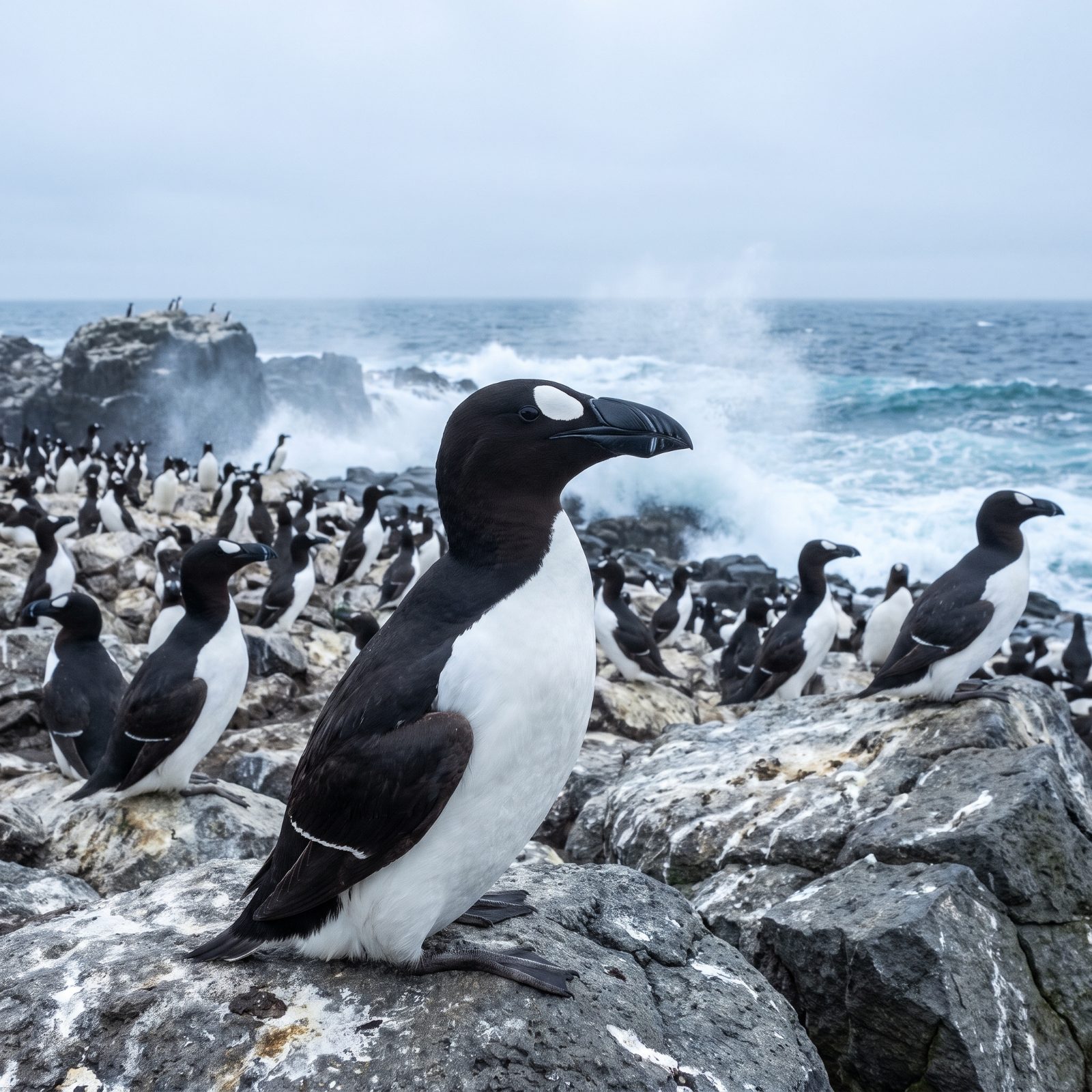
Before anyone laid eyes on a southern-hemisphere penguin, the word “penguin” belonged to this bird. The Great Auk stood almost three feet tall, swam like a torpedo, and couldn’t fly a single inch.
For millions of years that was fine. It became a death sentence the moment sailors arrived, because a flightless colonial bird is almost comically easy to catch. Hunters took them for feathers, meat, and oil by the boatload.
14. The Passenger Pigeon: The Billion-Strong Bird We Wiped Out
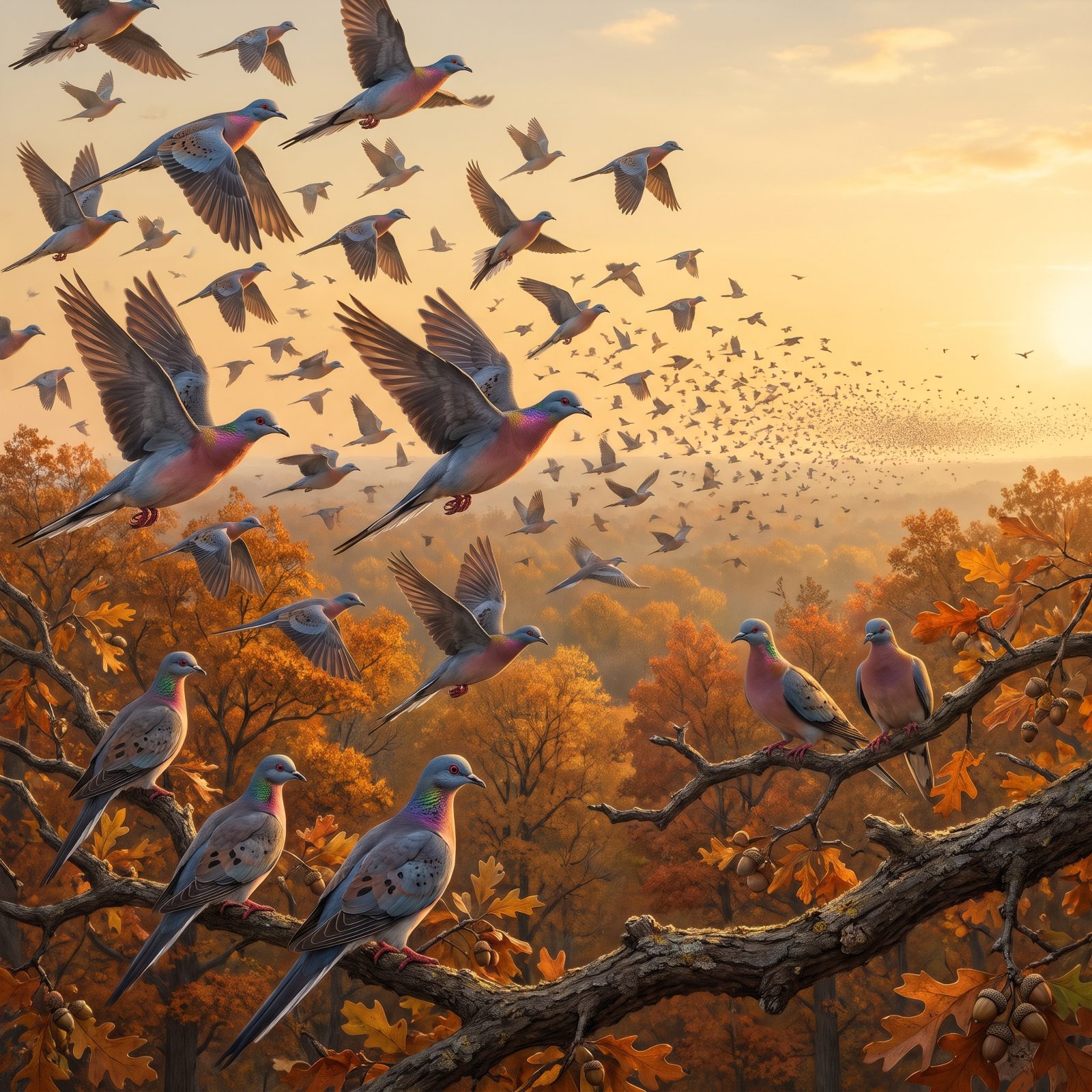
Flocks once blackened the sky for hours at a stretch. Early accounts describe birds in a single passing cloud by the billion, wingbeats loud enough to drown out conversation. The passenger pigeon may have been the most abundant bird on Earth.
Then commercial hunting and forest clearing hit it, and the collapse was staggeringly fast. A species numbering in the billions crashed to nothing in a few decades.
The last one, a captive female named Martha, died at the Cincinnati Zoo on September 1, 1914. That’s the detail that stops people cold. We know the exact day the most numerous bird in North America ran out.
13. The Carolina Parakeet: America’s Only Native Parrot, Gone by 1918
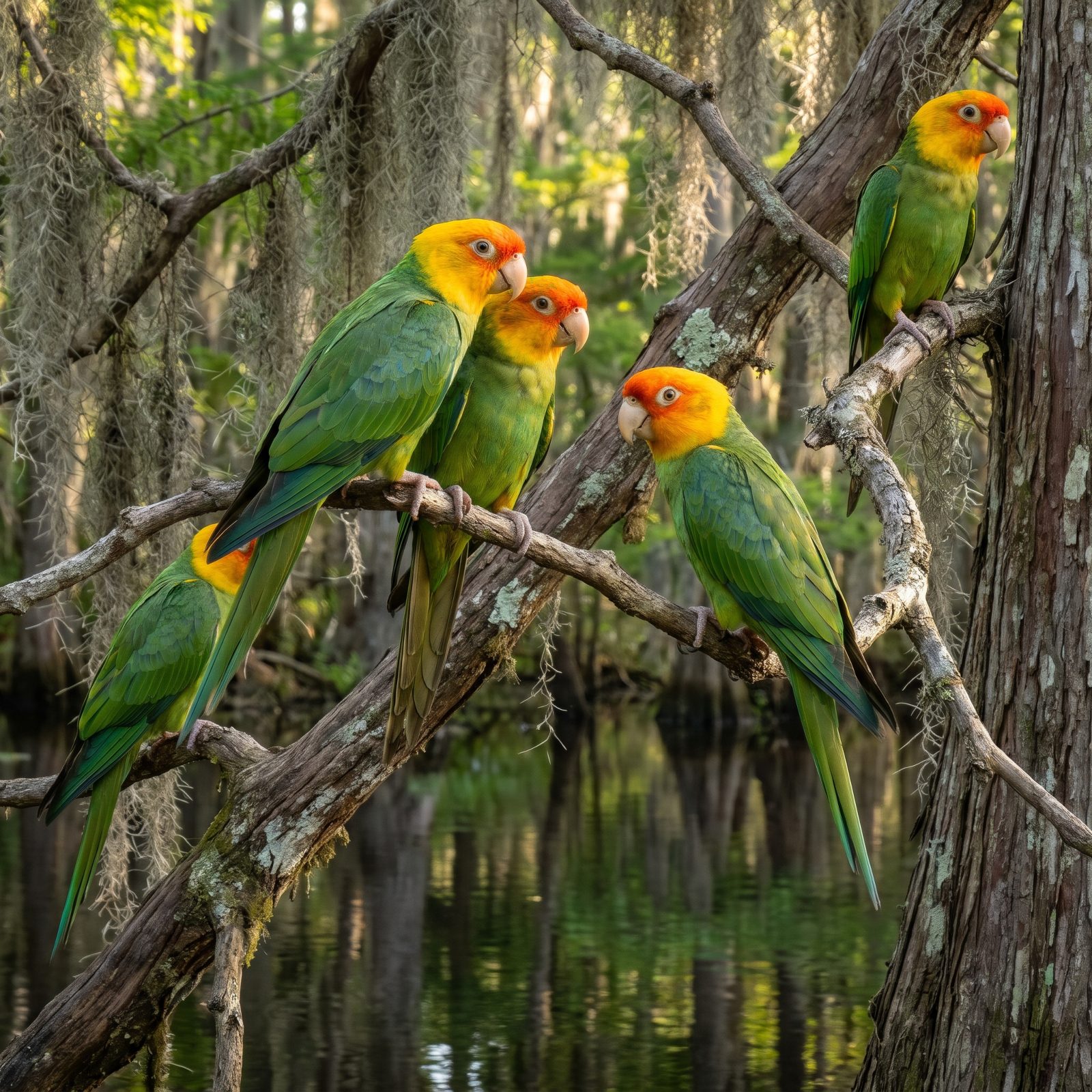
The only parrot native to the eastern United States was green and gold with a face the color of a flame. Flocks of Carolina parakeets once brightened swamps and orchards from New York down to the Gulf.
Farmers shot them as crop pests. Milliners wanted their feathers for hats. And the birds had a fatal quirk that sealed everything: when one was shot, the rest of the flock circled back to the fallen bird instead of fleeing, so a single hunter could clear a whole group in an afternoon.
The last known individual, a male called Incas, died at the Cincinnati Zoo in February 1918. He went in the very same cage where Martha the passenger pigeon had died less than four years earlier.
12. The Quagga: Half a Zebra, Fully Gone by 1883
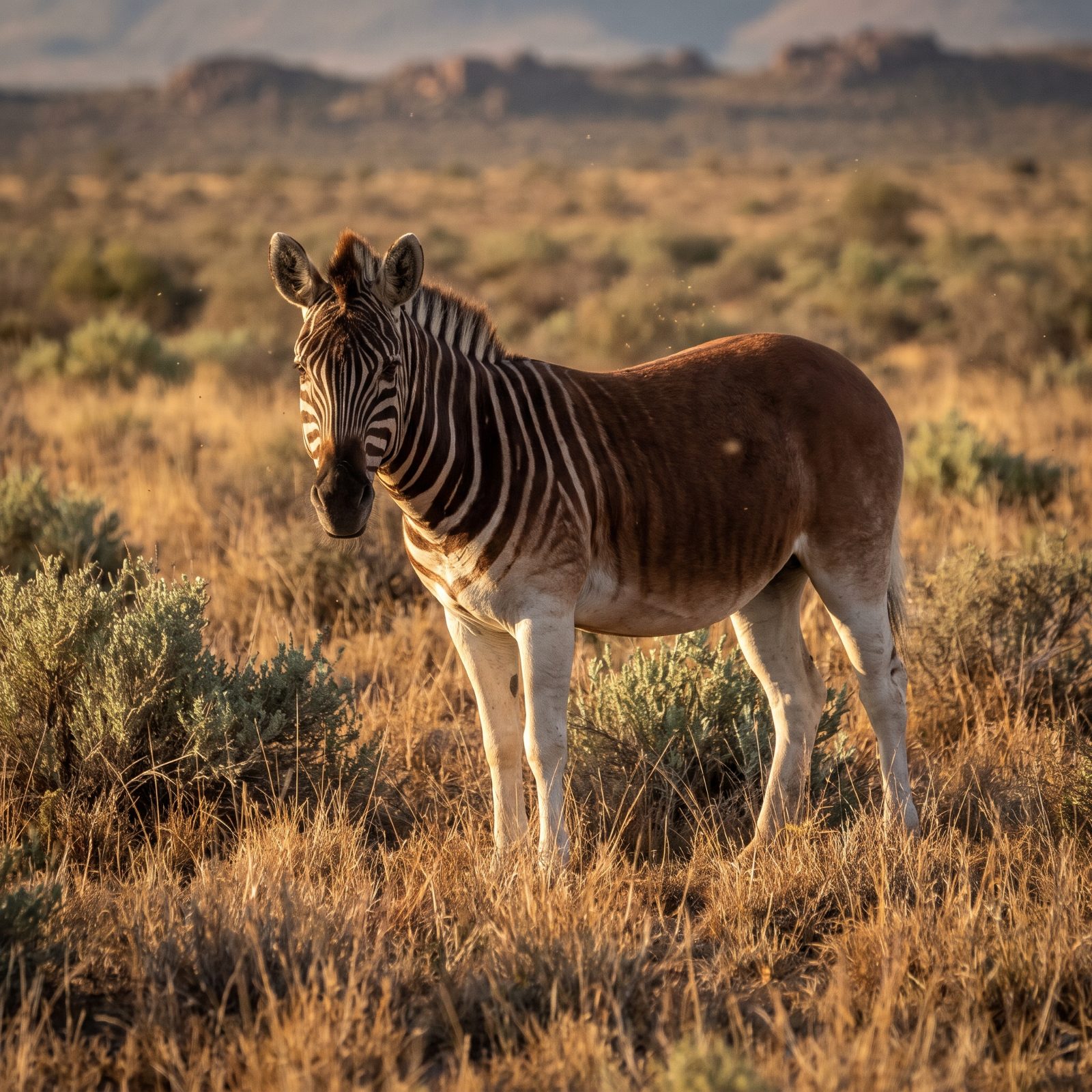
Front half zebra, back half horse. That’s not a riddle — it’s the quagga, and for ages people were convinced it was its own species. Wrong. DNA pulled from a museum skin in 1984 settled the argument for good: the quagga was just a plains zebra that skipped most of its stripes.
The last wild one fell to a hunter’s rifle in the 1870s. The very last of them, a lone mare, died in an Amsterdam zoo on August 12, 1883 — and nobody realized she was the final page of the whole story until she was already gone.
11. The Aurochs: The 6-Foot Wild Bull Behind Every Cow
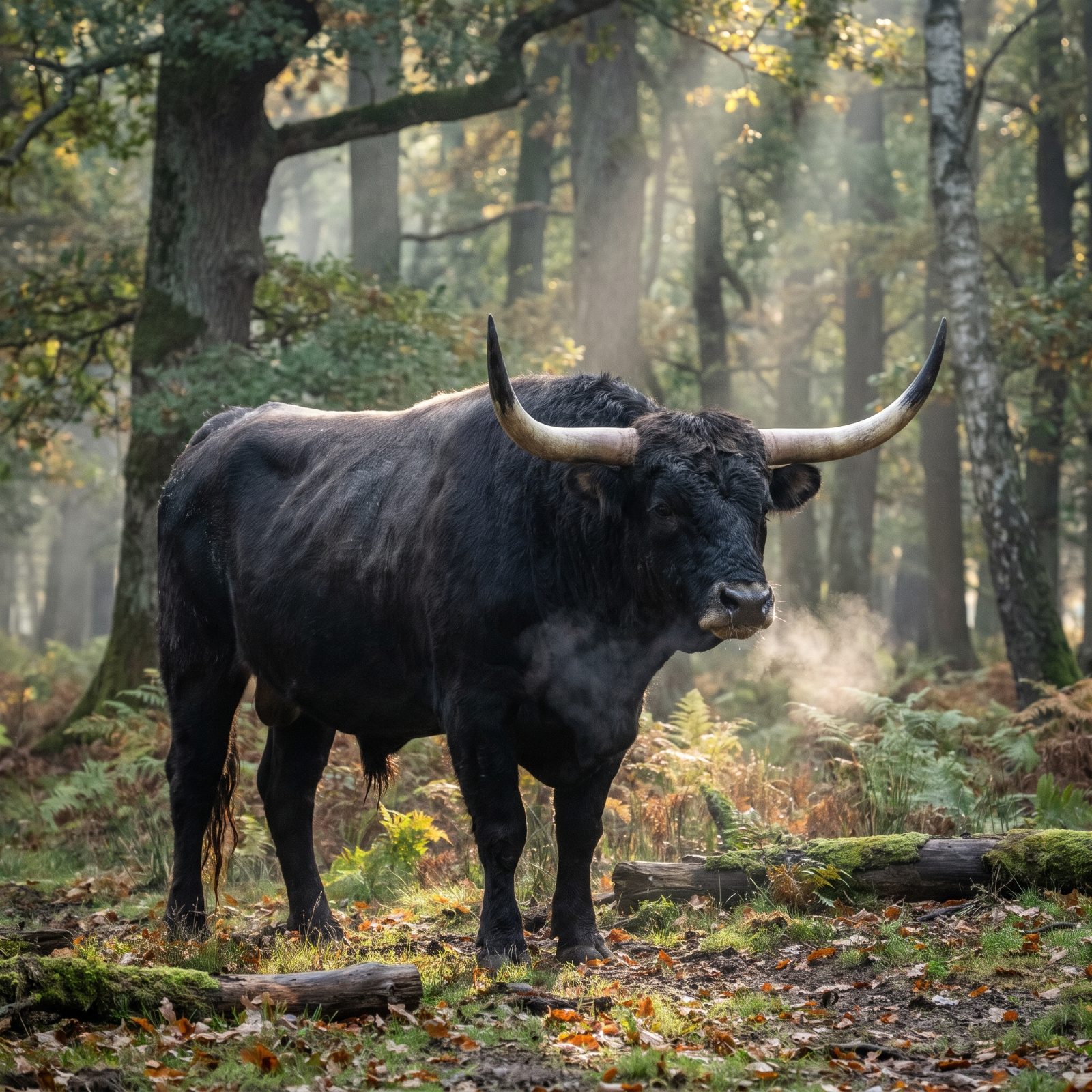
Every cow you’ve ever seen is a shrunken, mellowed-down edit of this beast. The aurochs stood nearly six feet at the shoulder, carried horns curved like scythes, and once thundered across a range that stretched from Britain all the way to China.
Hunting and vanishing forest squeezed it down to one last population in Poland, where a single cow held out in the Jaktorów Forest until 1627. We know the exact date because the Polish royal foresters kept records on her — which makes her one of the first extinctions anyone ever bothered to write down.
10. The Pyrenean Ibex: The Animal That Went Extinct Twice
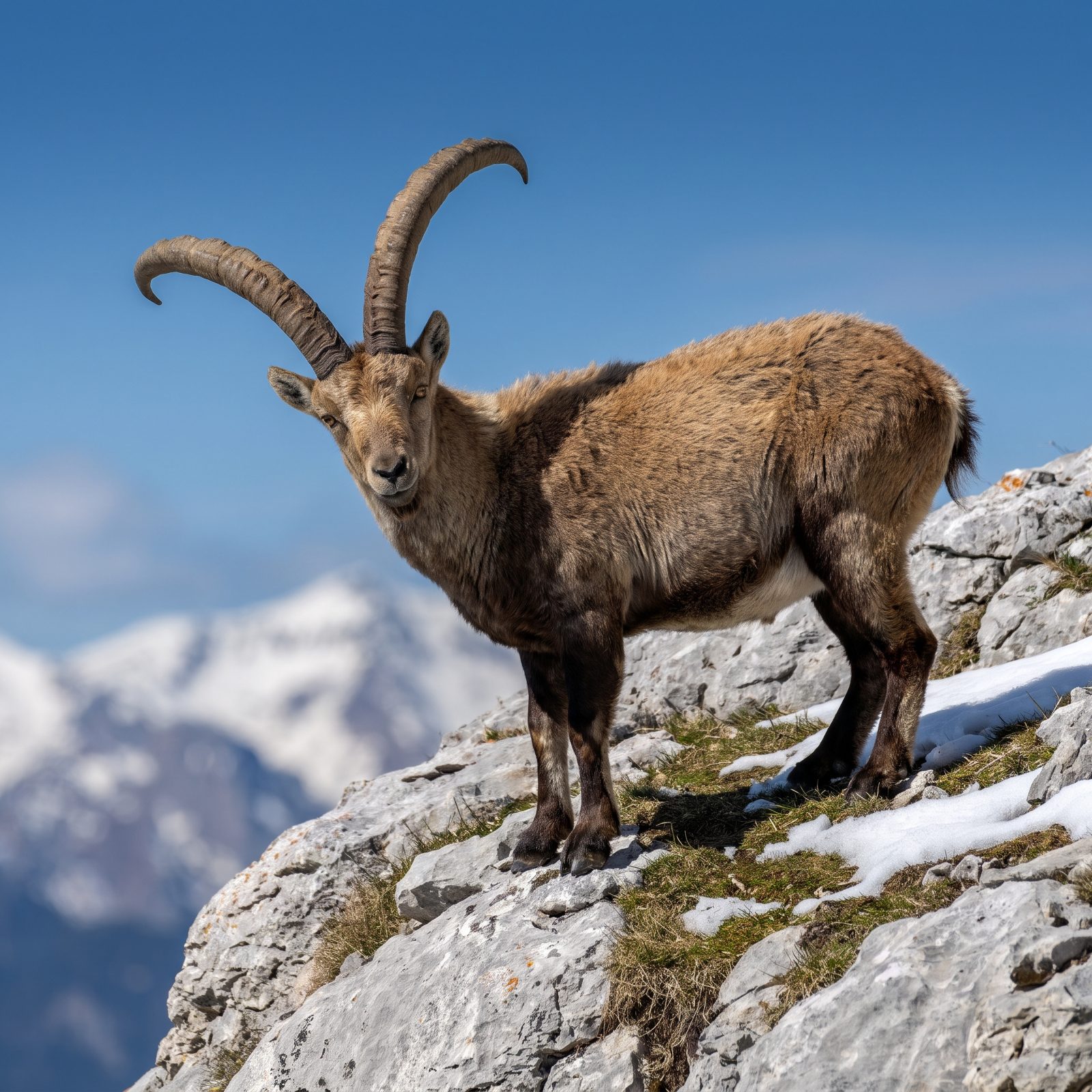
This is the only animal on Earth to have gone extinct, come back, and gone extinct again.
The last Pyrenean ibex was a female named Celia, found crushed under a fallen tree in January 2000. Scientists had banked her cells. Three years later they cloned her and slipped the embryo into a domestic goat.
The clone was born alive. It breathed for about seven minutes before a lung defect killed it. For those seven minutes, a species that was already extinct existed again — and then, just like that, it was extinct a second time.
9. The Baiji: The Yangtze River Dolphin Declared Gone in 2006
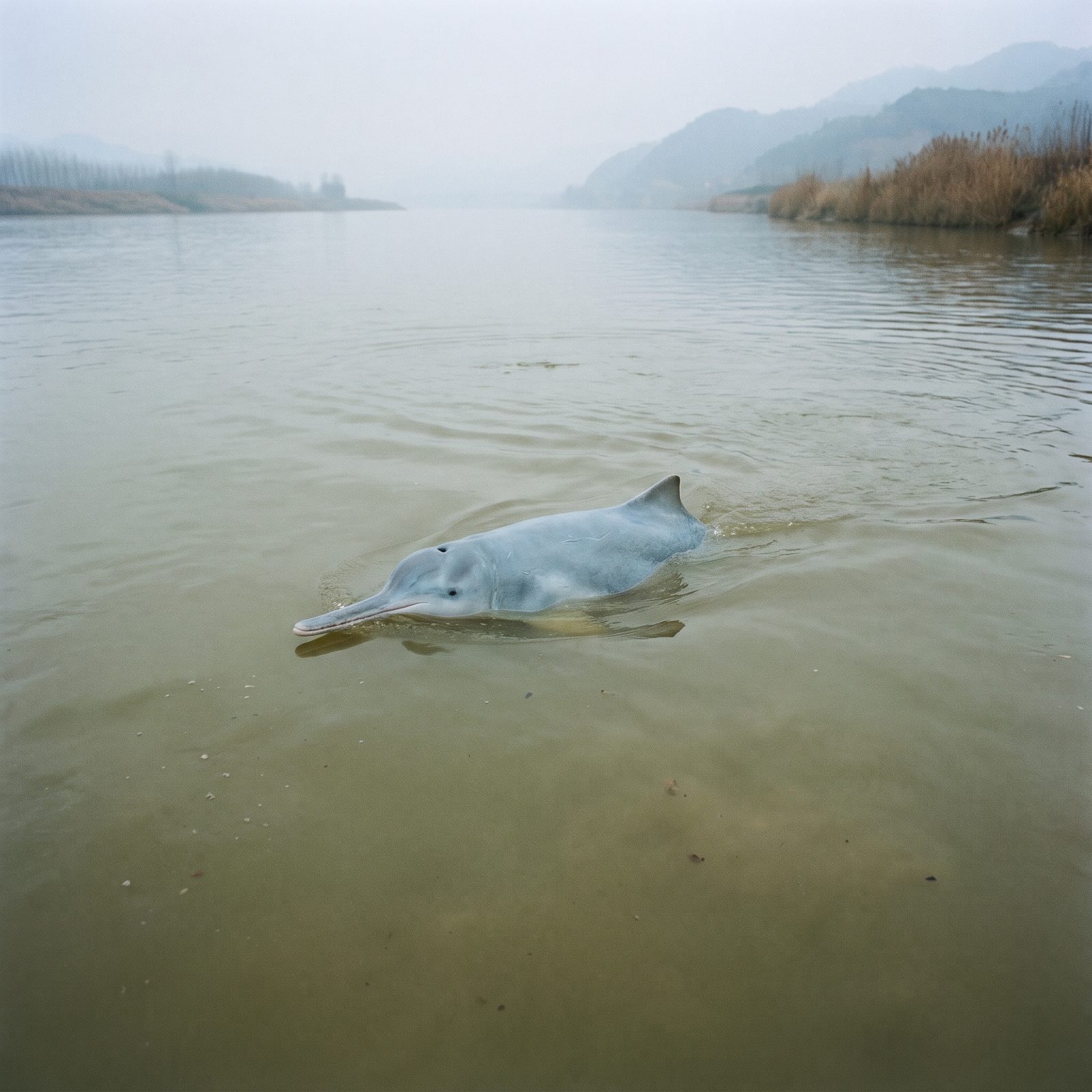
Chinese fishermen called it the Goddess of the Yangtze. For twenty million years it threaded the river almost blind, leaning on sound instead of sight because the water was forever too muddy to see through.
Then came the dams, the propellers, the pollution, the tangle nets. A dedicated survey swept the entire river in 2006 and came back with nothing — zero. And so the baiji became the first dolphin species humans drove off the planet. A possible sighting flickered in 2007, then faded. No one has confirmed one since.
8. The Caribbean Monk Seal: Columbus Met It, We Finished It
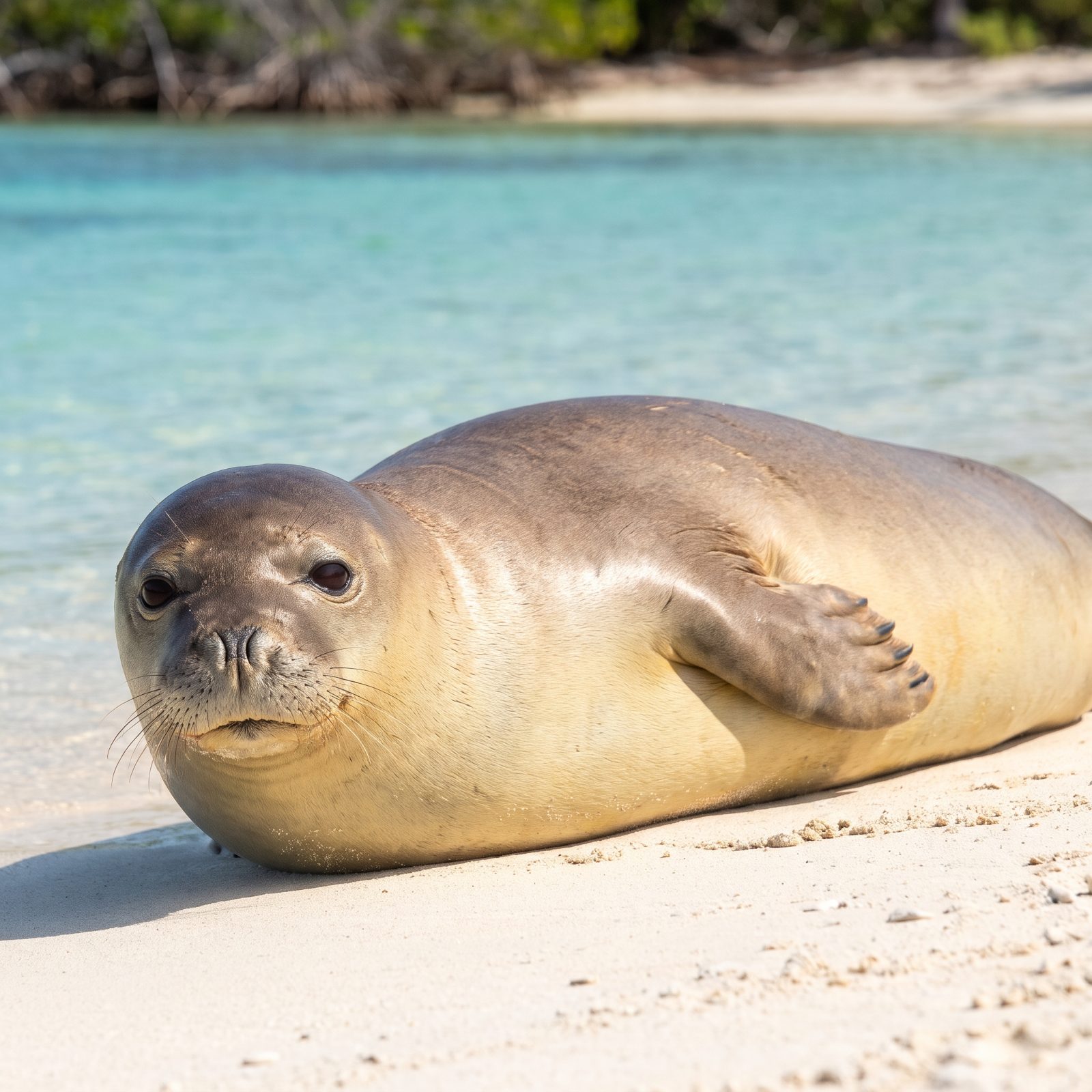
Columbus’s crew blundered into these seals on his second voyage in 1494. They called them sea wolves and promptly clubbed eight for meat — a grim little overture to the next four centuries.
Hunted without mercy for oil and skins, the Caribbean monk seal had almost no fear of people, which made it absurdly easy to corner on the beach. The last confirmed sighting was a small colony at Serranilla Bank in 1952, and extinction became official in 2008.
7. The Western Black Rhino: Poached to Zero by 2011
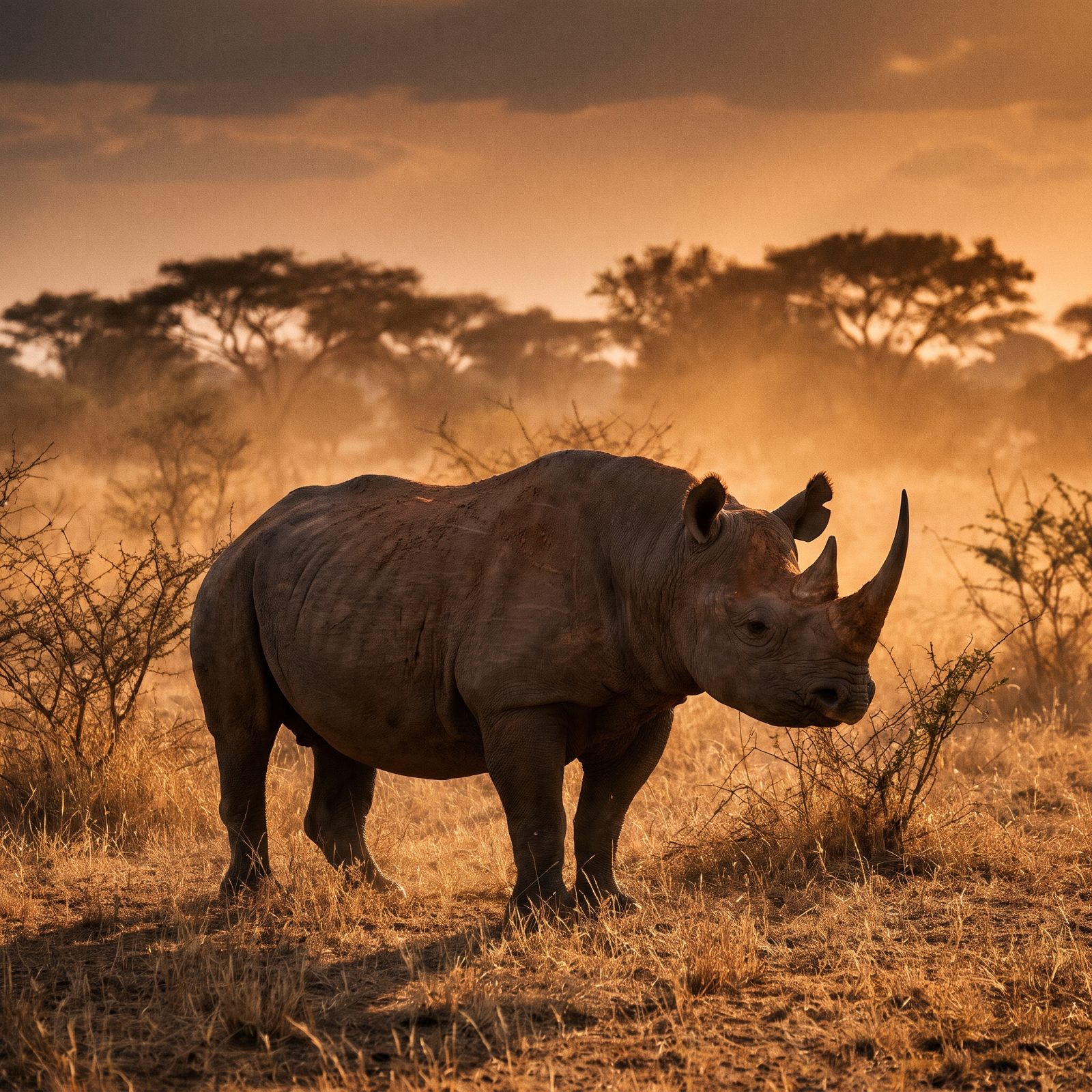
This one is recent enough to sting. The western black rhino was declared extinct in 2011, and the cause couldn’t be more infuriatingly simple: poaching, driven by demand for a horn made of exactly the same stuff as your fingernails.
No disease. No asteroid. No creeping climate shift. Just rifles and a persistent myth about medicine. The last of them lived in Cameroon, where surveys through the 2000s turned up fewer and fewer tracks — and then none.
6. The Bluebuck: Africa’s First Antelope Loss, Gone by 1800
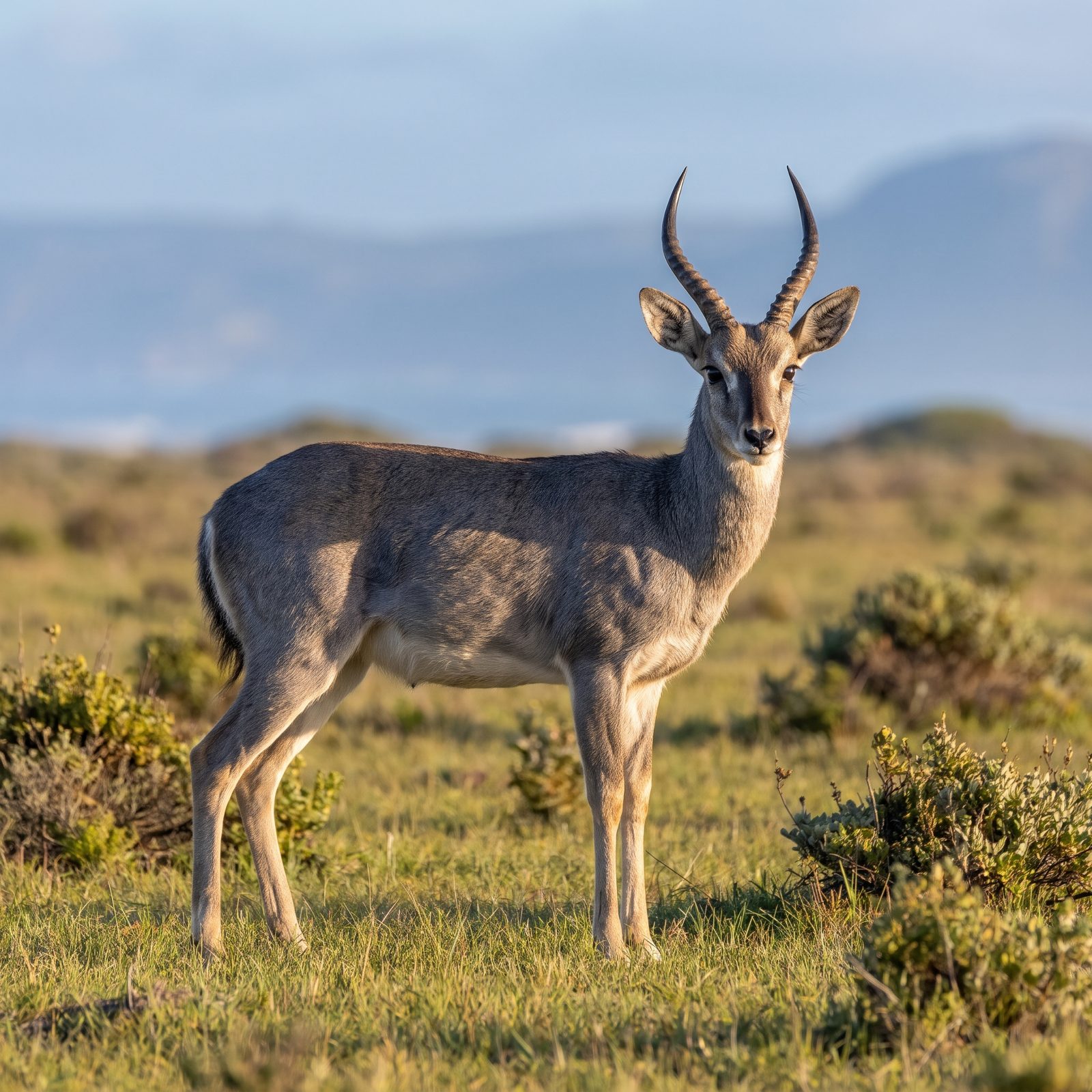
Its coat carried a strange bluish sheen — not from blue pigment, but from black and yellow hairs mixing the way a well-worn pair of dark jeans fades. Dutch colonists named it the blaauwbok.
By the time Europeans got around to describing it, the bluebuck was already scarce, hemmed into a narrow strip of the Cape. Hunting and farming finished it off in a hurry. The last was shot around 1800, making it the first large African mammal of the historical era to disappear. Four mounted skins are all that’s left, scattered across museums in Europe.
5. The Falkland Islands Wolf: The Only Mammal Darwin Watched Die Out
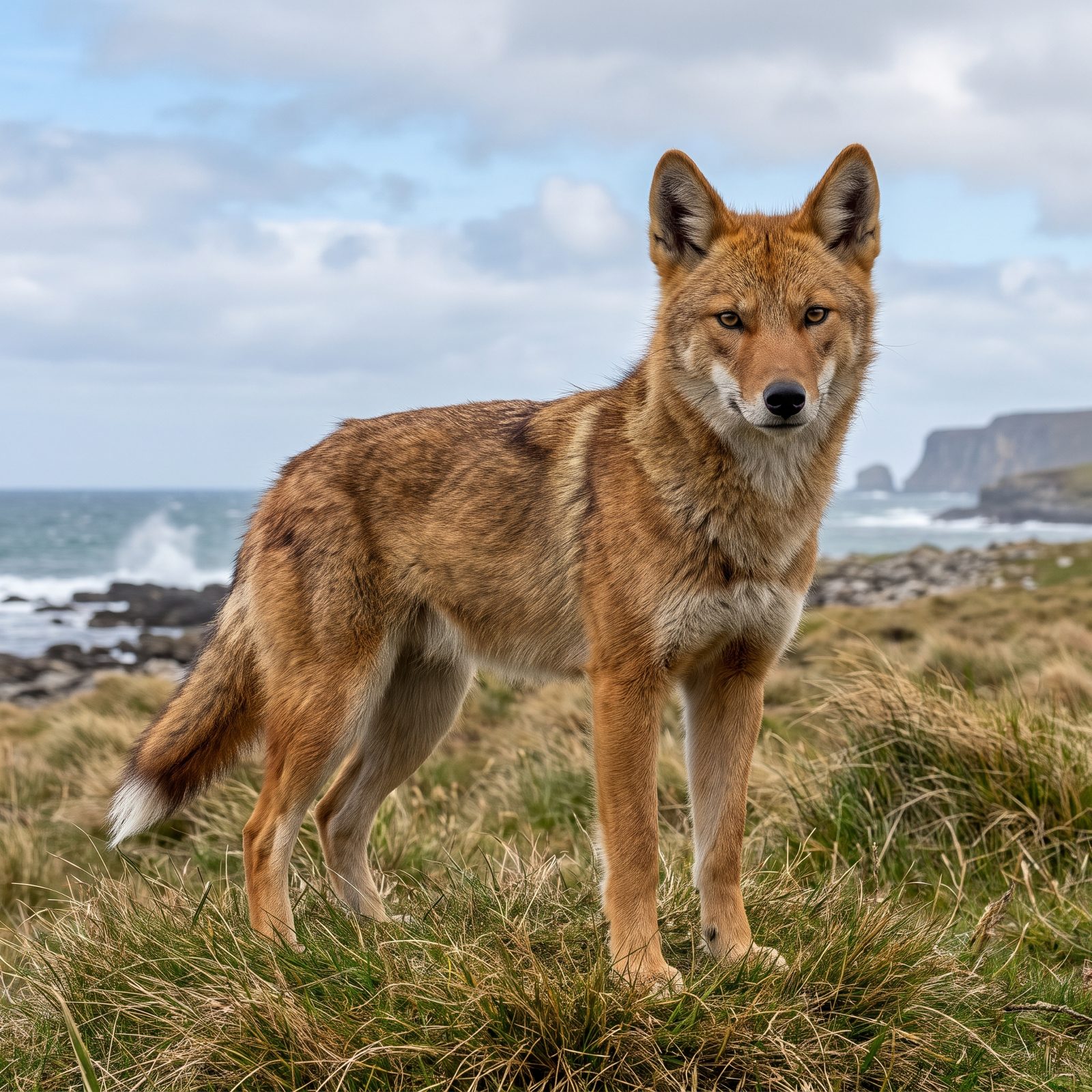
Charles Darwin crossed paths with this animal during the voyage of the Beagle in 1833, and it rattled him. The warrah was so tame and so curious that a gaucho could hold out a scrap of meat with one hand and drive a knife home with the other.
Darwin predicted it would vanish. He was right — settlers, sheep farmers and fur hunters wiped it out by 1876.
4. The Huia: The Bird Where Male and Female Had Different Beaks
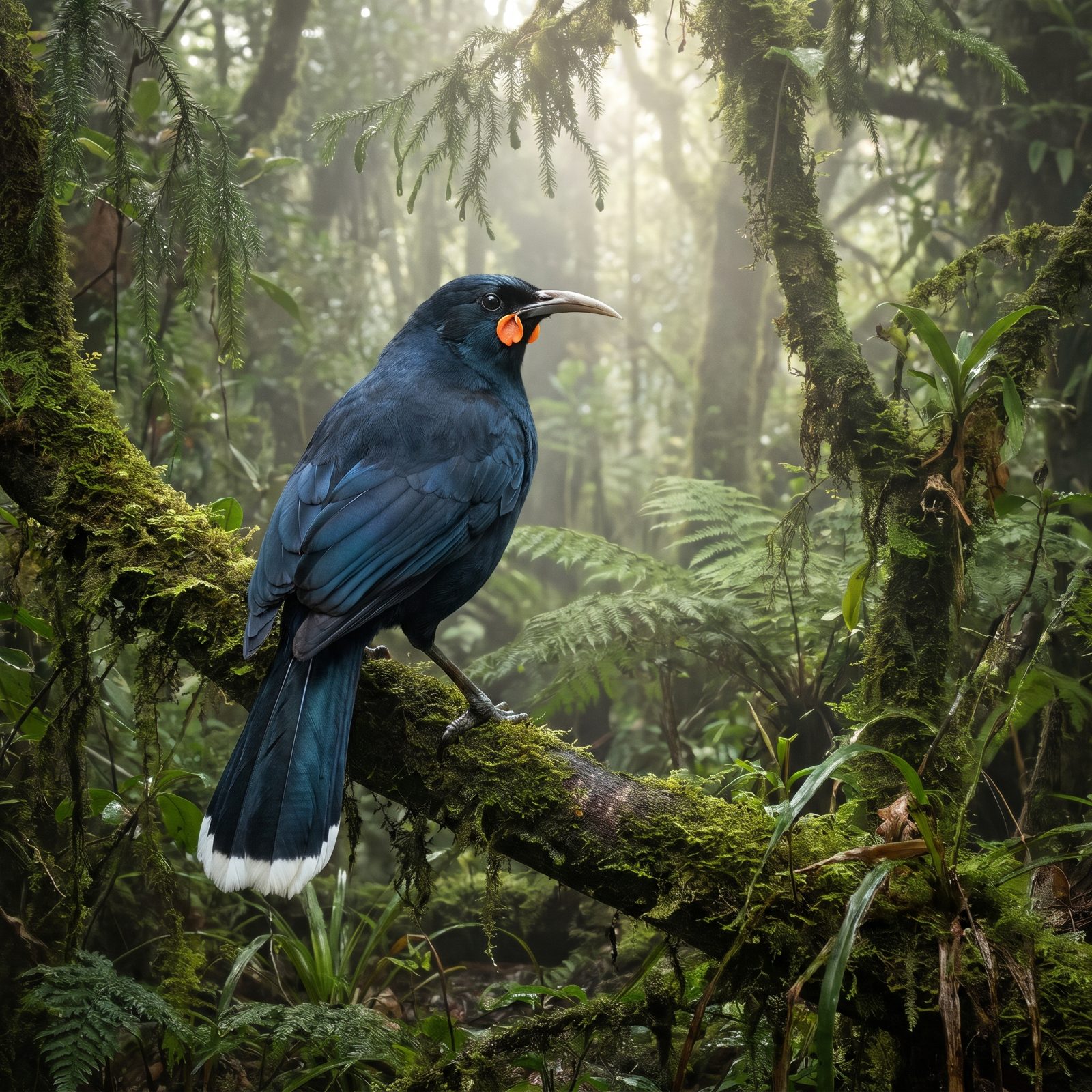
Here’s something no other bird on record ever pulled off: the male and female huia had completely different beaks. His was short and stout, a chisel for ripping bark away. Hers was long and curved, built for probing deep into rotten wood. Together the pair fed as a team, each unlocking what the other couldn’t reach.
Māori treasured its white-tipped tail feathers as sacred ornaments. Then a visiting royal wore one in 1901, demand exploded overnight, and collectors and hat-makers closed in to finish the job. Last confirmed sighting: 1907.
One species, two tools, one niche split neatly down the middle between the sexes. There is nothing else quite like it.
3. The Labrador Duck: North America’s Great Unsolved Extinction

Nobody really knows why this one died out. The Labrador duck was never common, never heavily hunted, never obviously doomed — it simply grew rarer and rarer, then stopped turning up at all.
The last one anyone shot was on Long Island in 1875, making it the first North American bird to vanish after 1500. It left biologists a genuine whodunit. The best guesses point to collapsing shellfish beds it depended on, paired with a naturally tiny population that had no slack to spare. A handful of museum specimens are all that remain, and even those keep their secrets.
2. The Golden Toad: Costa Rica’s Neon Amphibian That Vanished in a Single Season
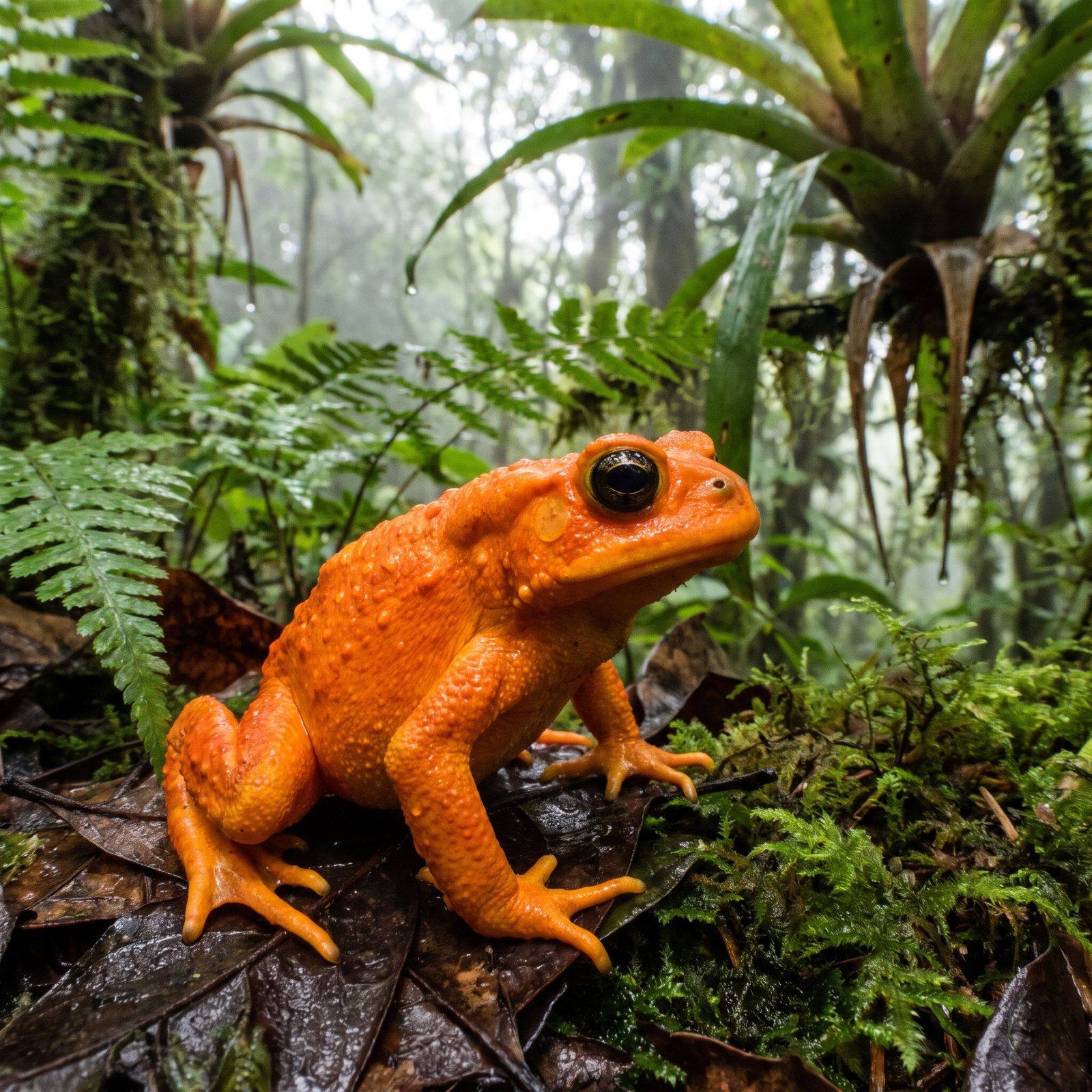
You could have mistaken it for a toy. The male golden toad wore a shade of orange so loud it looked painted on, a color almost no other amphibian on Earth comes close to. And it lived in exactly one place: a single patch of cloud forest above Monteverde, Costa Rica, and nowhere else on the planet.
Hundreds gathered in the rain pools to breed in 1987. By 1989, searchers turned up a single male. Then nothing. Nobody has laid eyes on one since, and the species was declared extinct in 2004.
What makes this one sting is the speed of it. A chytrid fungus outbreak collided with a freak dry year tied to shifting climate patterns, and that was enough — an entire species gone in roughly the time it takes to finish a mortgage application.
1. The Stephens Island Wren: A Flightless Songbird Possibly Erased by a Single Lighthouse Cat
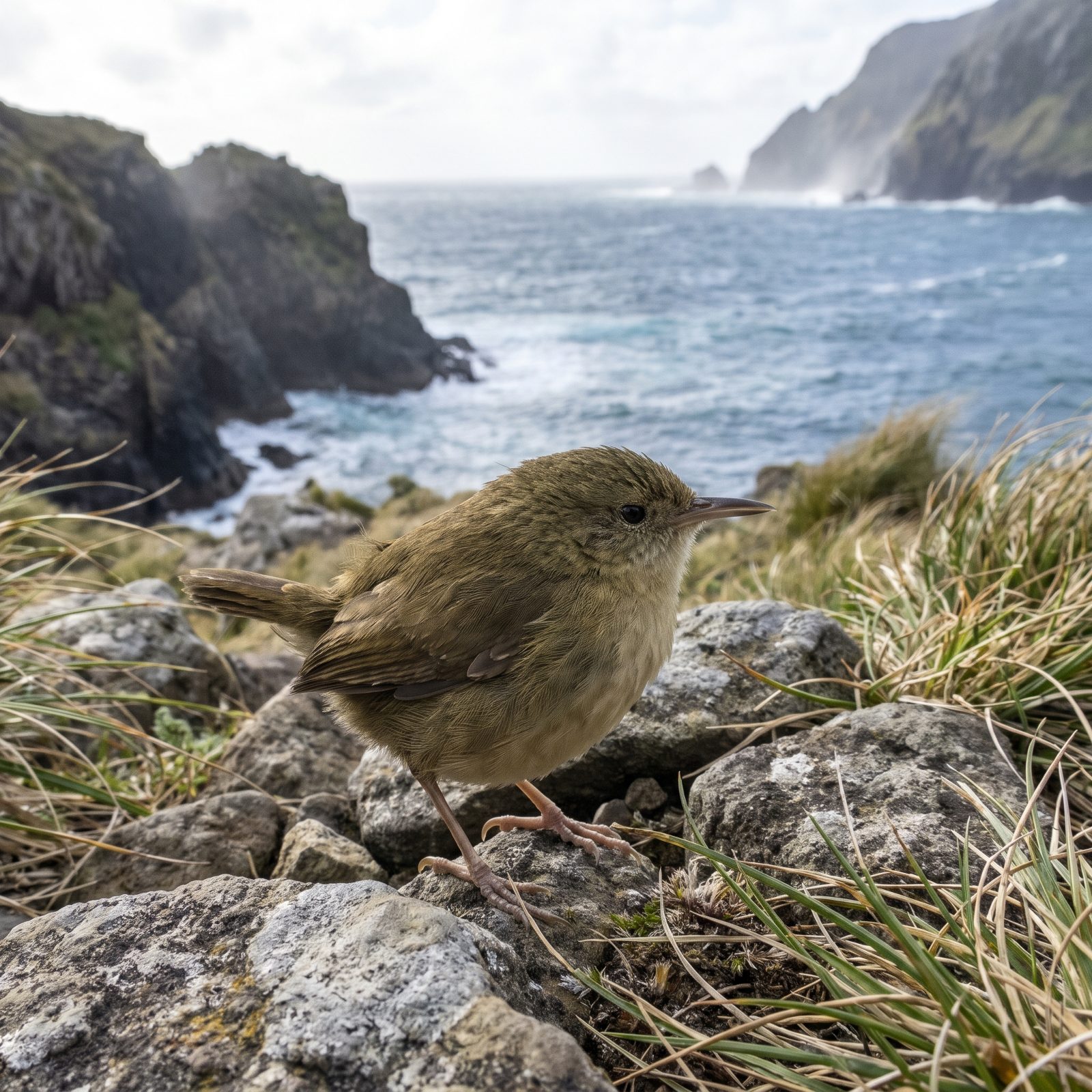
A songbird that couldn’t fly, on an island with no predators. Then the island got predators.
This wren lived on one rocky dot in New Zealand’s Cook Strait and nowhere else. Millions of years without mammals had made flight pointless, so it scurried through the rocks like a feathered mouse — defenseless by design, and never knowing it.
The famous version blames a lighthouse keeper’s cat named Tibbles, who supposedly delivered the entire species to science and to its grave in a single year, 1894. Neat story. Too neat, as it happens. Records point instead to multiple feral cats and a growing colony finishing the job, with the bird gone within a couple of years of people setting foot there.
The lesson outlived the legend. Creatures that evolved without any threat have no instinct to run, and a few introduced predators can empty a place before anyone even notices something’s wrong.