A blue sea creature washes up on an Australian beach and the first ten people who see it assume somebody dropped a toy. They didn’t. Nature keeps building things that look rendered rather than born — electric colors, impossible armor, faces that seem glitched. These animals confuse our eyes because evolution had no obligation to make sense to us. It only had to work. What follows are documented, catalogued, photographed living things, with no filters, no 3D software, and no artist’s imagination behind them. Just the strangest shapes life has stumbled into, and the real reasons they exist.
33. The Blue Dragon Sea Slug (Glaucus atlanticus)
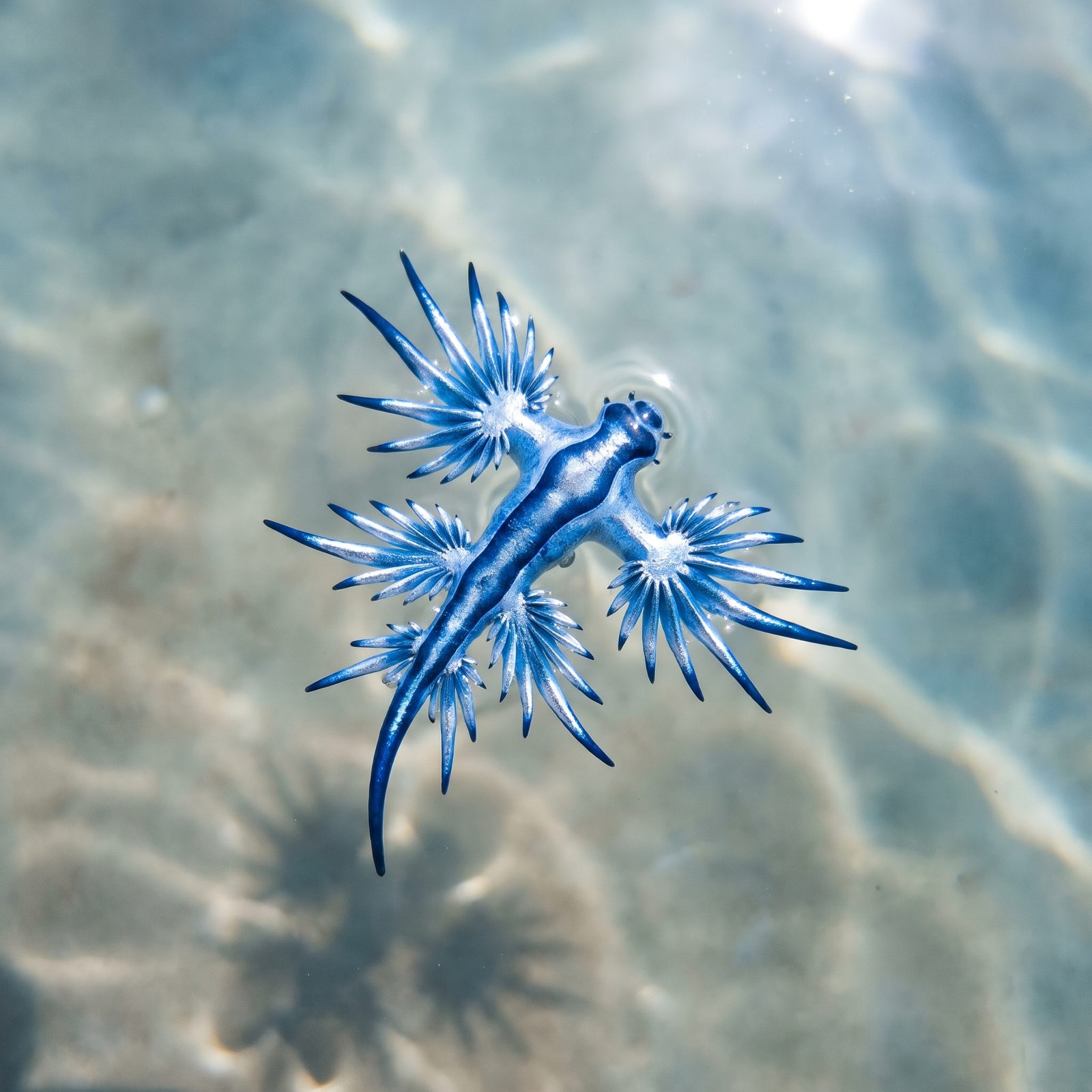
It floats upside down on the surface tension of the open ocean, looking for all the world like somebody designed a Pokémon and forgot to mention it was real. Blue faces the sky, silver faces the water — camouflage working in two directions at once.
Now the part people underestimate. This inch-long slug eats the Portuguese man o’ war, steals the venom, concentrates it in those finger-like tips, and can sting you worse than its prey could. Pick one up off a beach and you’ll regret it fast.
32. The Mantis Shrimp and Its Alien Eyes
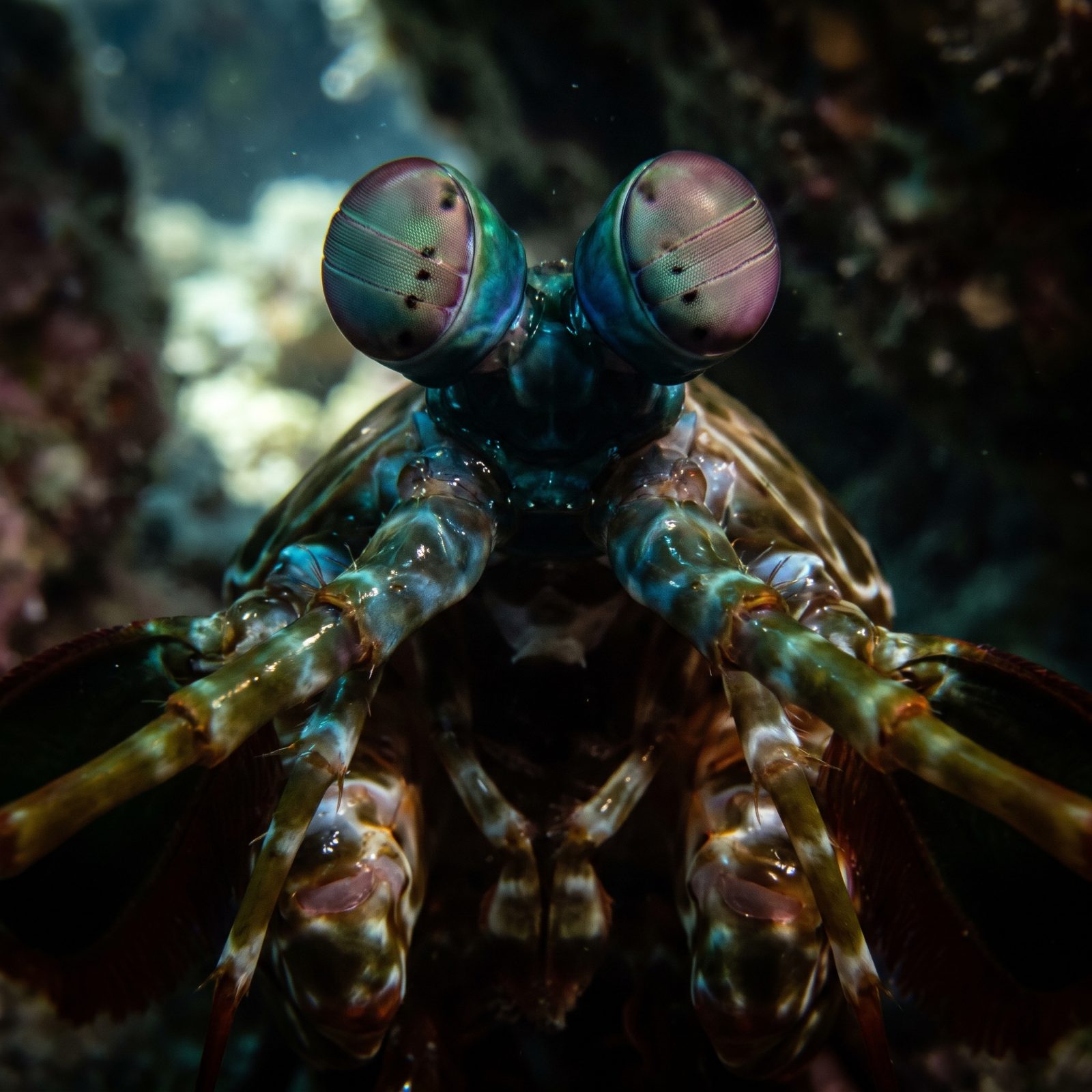
Those eyes aren’t a graphics glitch. The mantis shrimp sees with many more types of color receptor than you do, and it detects polarized light — a whole category of vision you simply have no access to.
And then there’s the punch. Certain species strike with a spring-loaded club that accelerates fast enough to boil the water around it into a tiny flash of light. People keep them in aquariums, and the shrimp crack the glass.
31. The Panther Chameleon’s Impossible Color Range
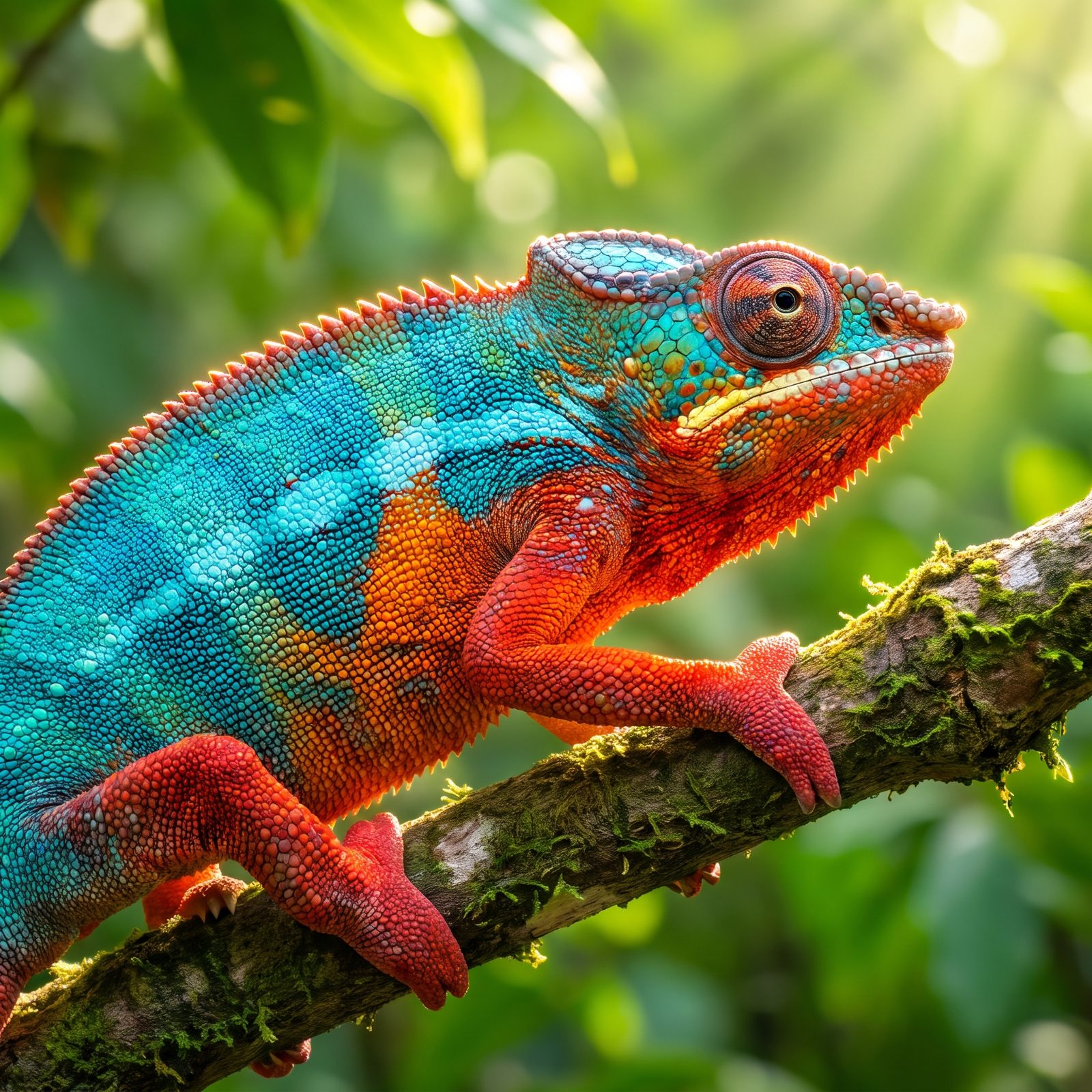
Most people think chameleons change color to match their background. Mostly wrong. They shift to signal mood, temperature, and intention — especially to rivals and mates. A calm panther chameleon and a furious one look like two different species.
The mechanism is the weird part. Color here doesn’t come from pigment alone. It comes from microscopic crystals in the skin that the animal physically rearranges, changing how light bounces off them. Structural color, tuned in real time, closer to a smart display than a paint job.
30. The Mandarinfish, Painted in Impossible Hues
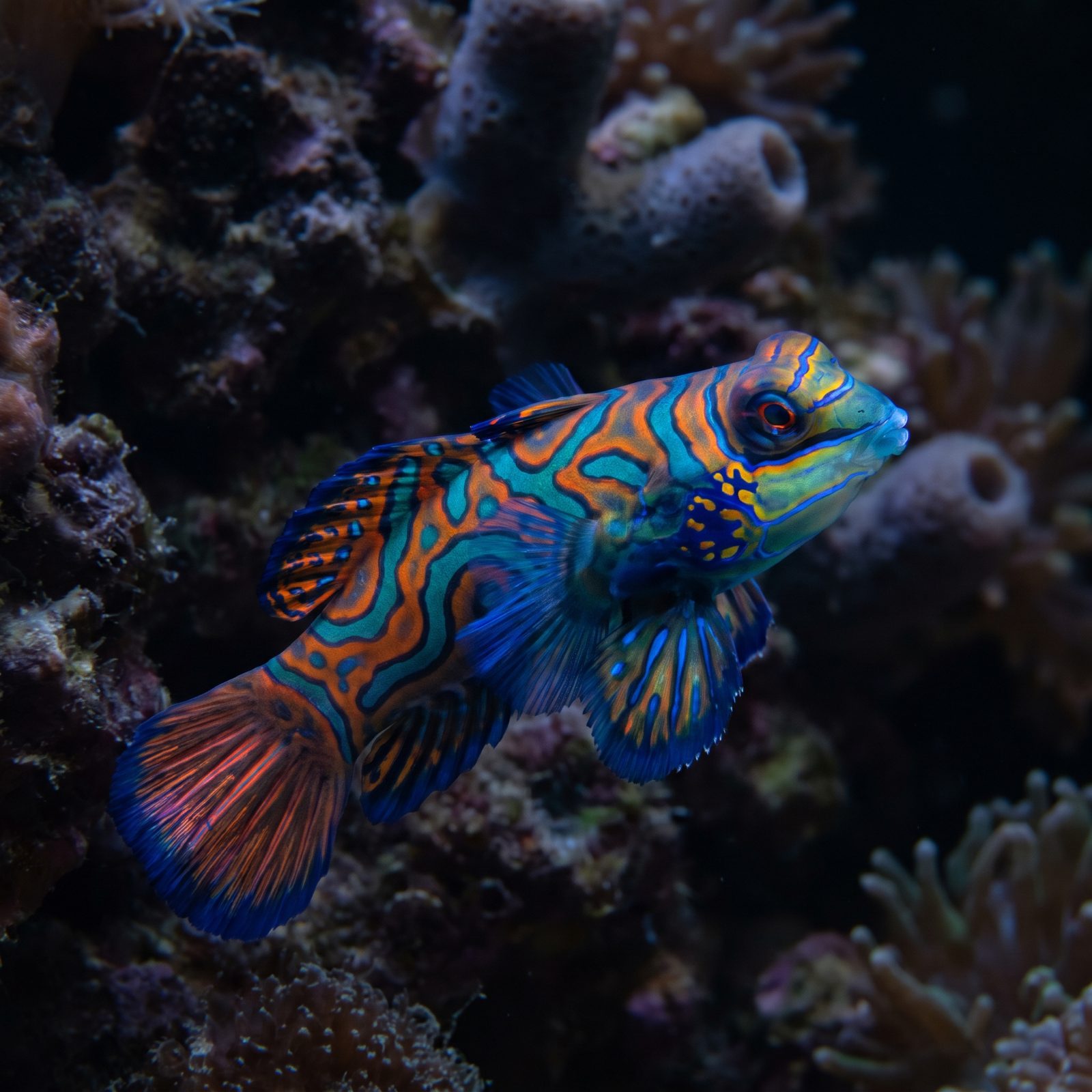
Barely two inches long and patterned like a lava lamp with an opinion. The mandarinfish is one of only a handful of animals on Earth whose blue color comes from actual blue pigment in the skin, not a light trick. Almost everything else you think of as blue is faking it.
Catch is, you’ll rarely see one. They hide in coral rubble all day and only emerge at dusk to mate, rising up in pairs for a few seconds in the fading light. Divers wait hours for that moment.
29. The Leafy Sea Dragon That Pretends to Be Seaweed
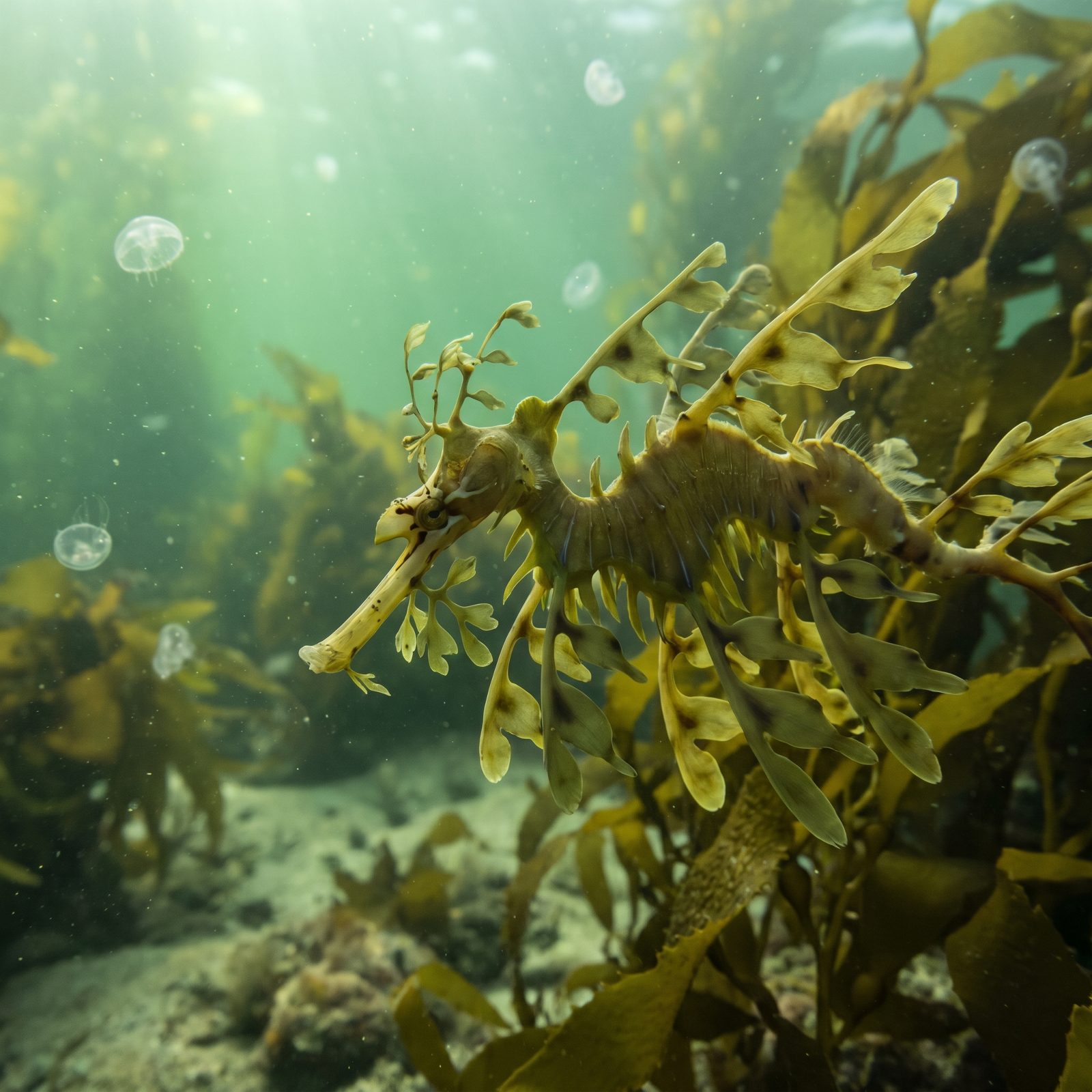
Those leaf-shaped flaps hanging off its body do nothing for swimming. They’re pure disguise, so convincing that the animal vanishes among drifting seaweed. It moves by beating two nearly transparent fins you can barely see, which leaves it looking like a scrap of dead plant matter afloat on a current.
The males carry the eggs. A female deposits them onto a patch under the male’s tail, where they stay cemented until they hatch. Found only along the southern coast of Australia — nowhere else on the planet.
28. The Thorny Devil That Drinks Through Its Skin
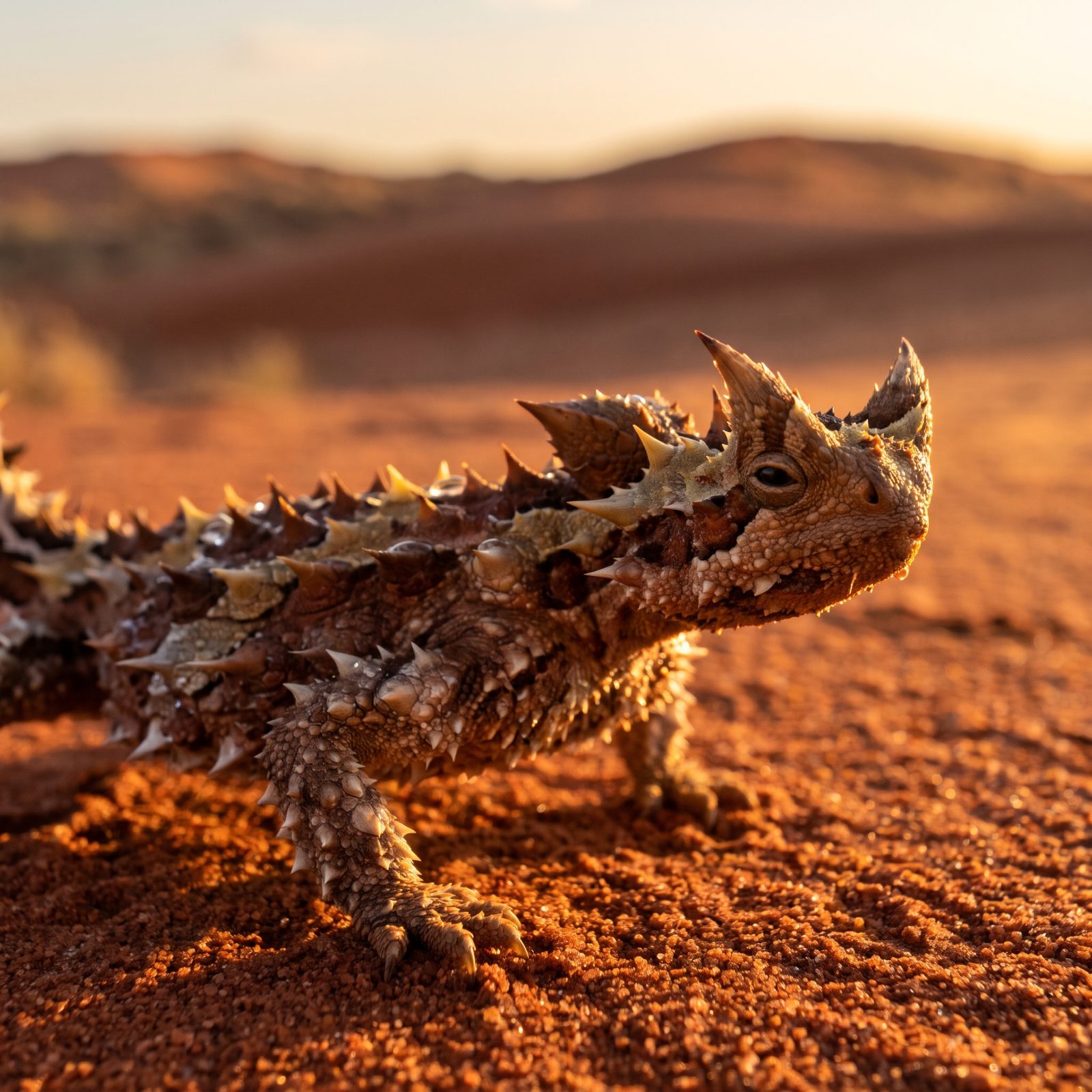
It looks armored for a fight it never has. The thorny devil eats almost nothing but ants, thousands a day, flicking them up one at a time.
The genuinely strange trick is water. This lizard can’t drink by lapping. Instead, grooves between its spines wick moisture across the whole surface of the body, pulling it uphill against gravity through tiny channels, straight to the corners of its mouth — morning dew, damp sand, a puddle it stands in. The skin is a plumbing system. And that knob on its neck? A decoy head, there to tempt predators away from the real one.
27. The Saiga Antelope’s Prehistoric Nose
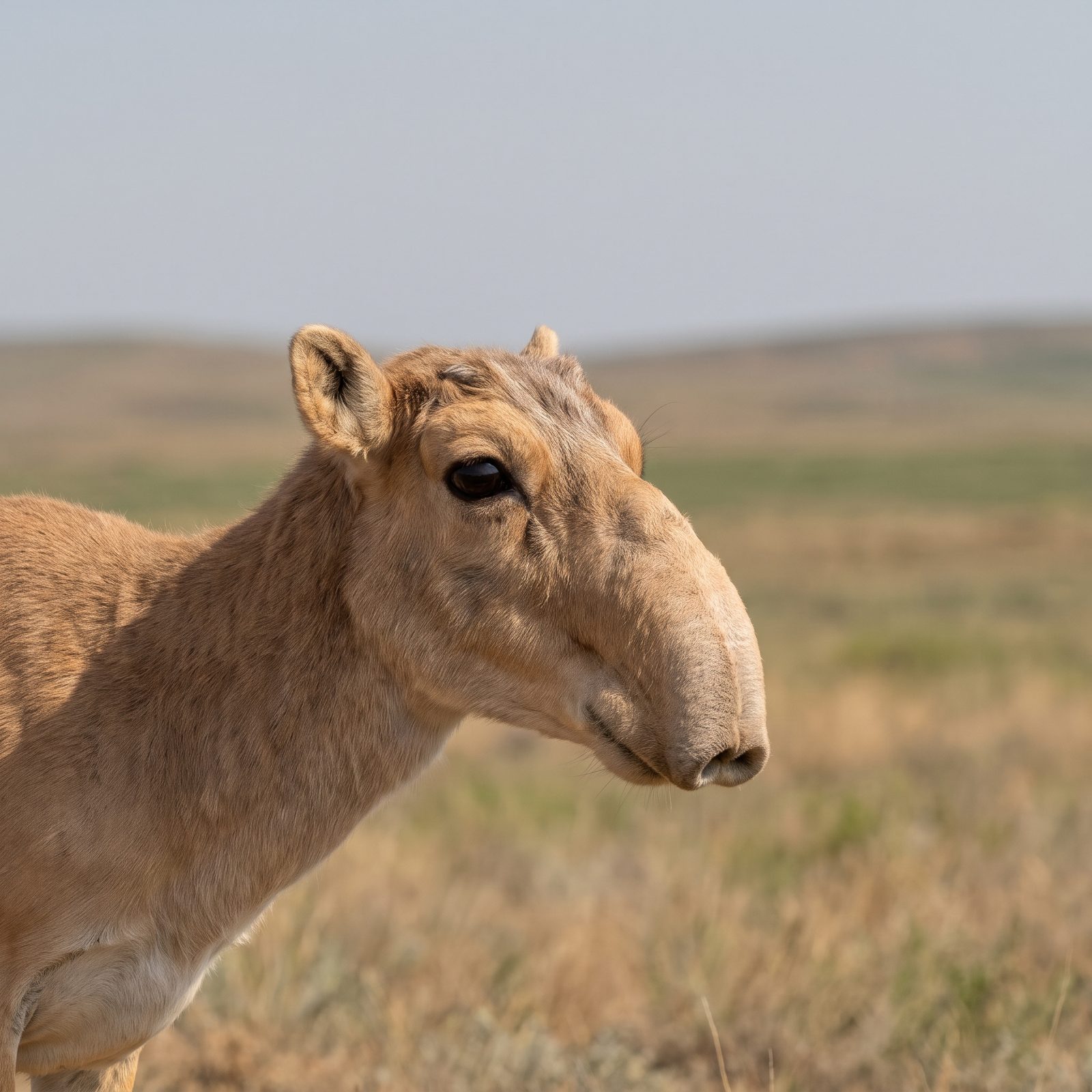
That nose looks like a mistake. It isn’t. The saiga’s oversized, floppy snout warms freezing winter air before it hits the lungs and filters out dust during blistering summer migrations across the Central Asian steppe. Function first, looks never considered.
They’ve survived since the age of mammoths. Then, in 2015, a bacterial outbreak killed more than half the global population in a matter of weeks — one of the fastest mass die-offs ever recorded in a large mammal. The species is still clawing its way back.
26. The Shoebill Stork, a Living Statue With a Terrifying Stare
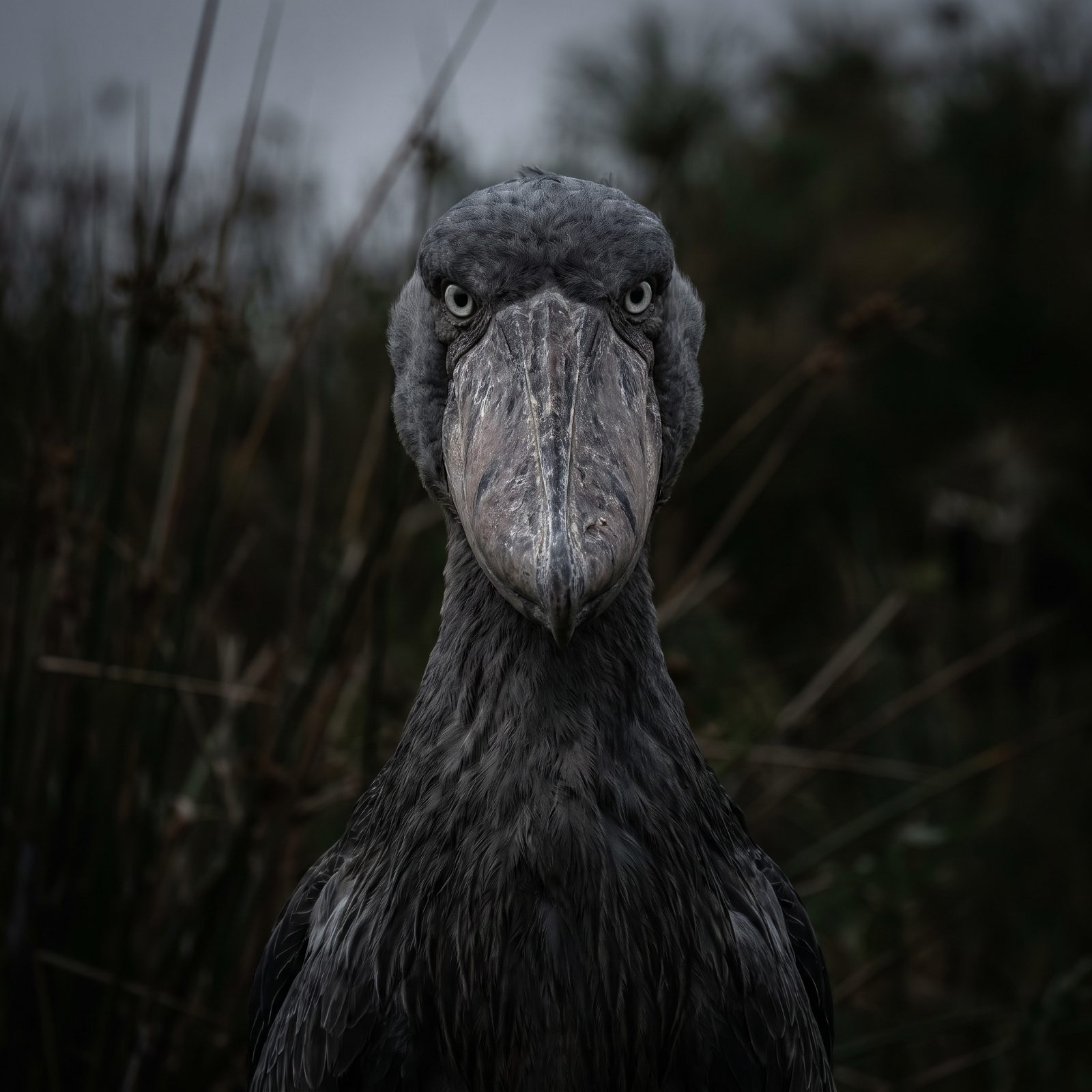
Five feet tall, a bill like a wooden clog, and a stare that feels personal. The shoebill stands dead still for hours in African swamps, waiting. When it strikes, it lunges with the whole body and that huge bill snaps shut on lungfish, baby crocodiles, even young turtles.
It makes a sound like a machine gun by clattering its bill. Zookeepers say the birds will bow to humans they recognize. Whether that’s affection or sizing you up is anyone’s guess.
25. The Pink Fairy Armadillo You Almost Never See
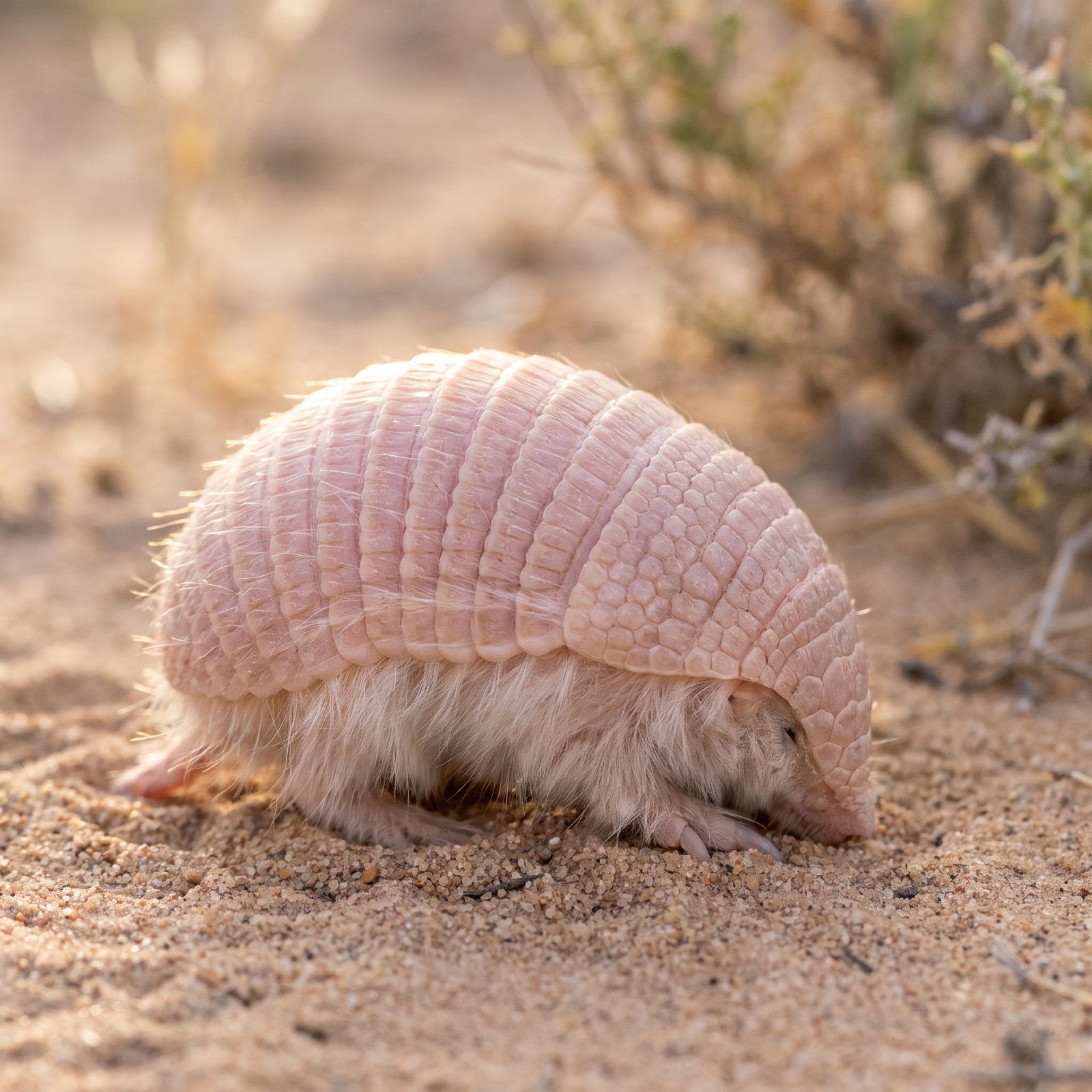
The smallest armadillo alive, roughly the size of your palm, wrapped in a shell that’s genuinely pink. The color comes from blood vessels close to the surface of the armor, which the animal uses to regulate its temperature, flushing rosier when it needs to shed heat.
Good luck ever meeting one. It lives almost entirely underground in central Argentina, swimming through dry sand with oversized claws, surfacing so rarely that scientists know shockingly little about how it lives. Most photos you’ll find were taken of animals that didn’t survive long in captivity.
24. The Glass Frog You Can See Right Through
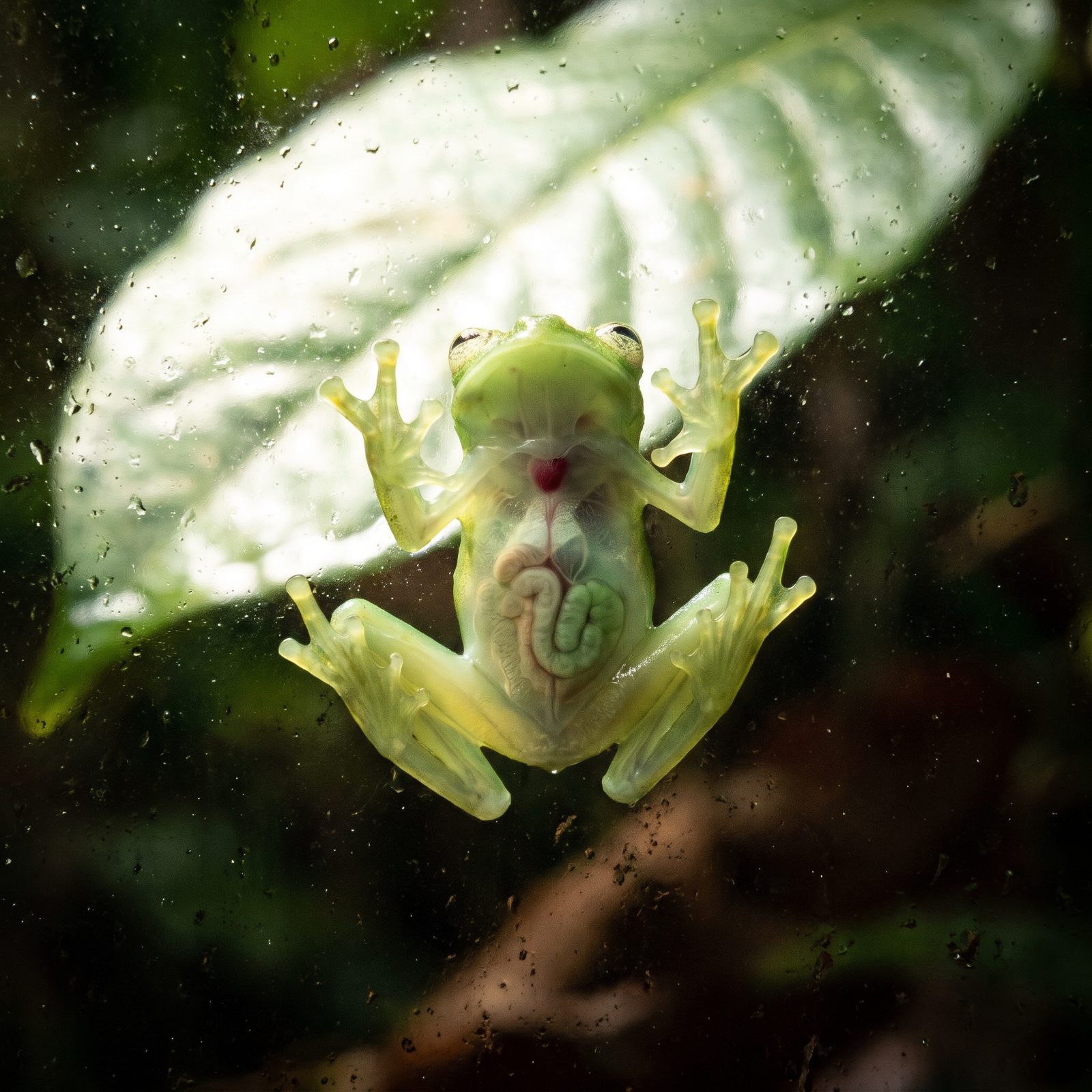
Flip one over and you look straight into its body. Through the belly skin you can see the heart beating, the loops of intestine, sometimes the eggs. It’s not a model with the casing left off — it’s a living frog whose underside is genuinely transparent.
Scientists recently cracked another trick. When a glass frog sleeps, it pulls most of its red blood cells into its liver, becoming even more see-through so predators can’t spot it against a leaf. It hides its own blood to disappear. No render could improve on that.
23. Sunda Colugo: The Gliding Mammal That Looks Like a Flying Blanket
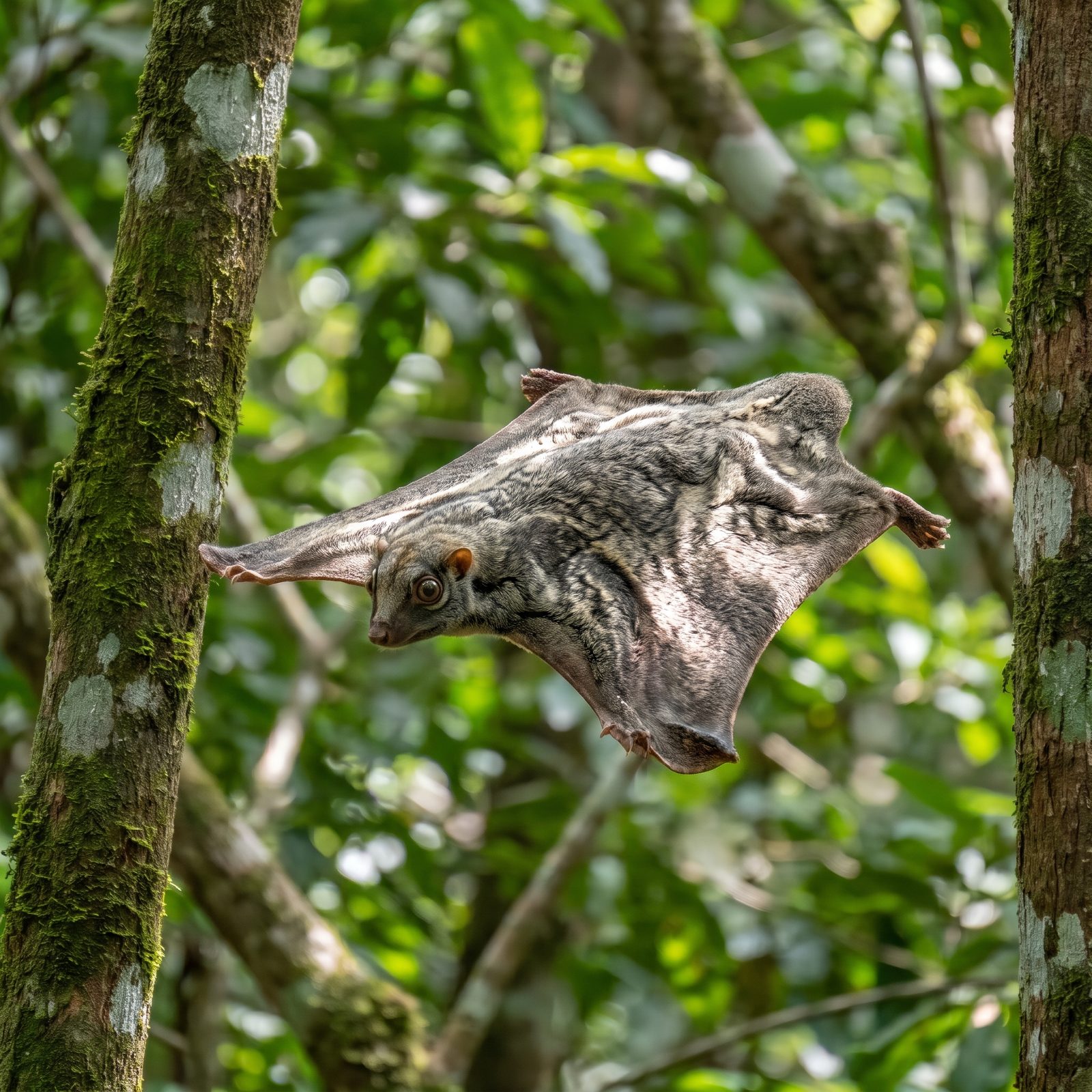
Watch one launch off a trunk and you’ll swear someone dropped a tea towel out of the canopy. The Sunda colugo stretches a membrane from its neck all the way to the tips of its fingers and the end of its tail, so the whole animal flattens into a diamond with eyes.
It doesn’t fly. It glides, and it’s astonishingly good at it, clearing well over a hundred meters between trees while barely losing height. The webbing even runs between its toes, which is why newborns ride along, tucked into the fold like a pocket.
22. Blue-Footed Booby: The Seabird Whose Feet Are an Impossible Shade of Turquoise
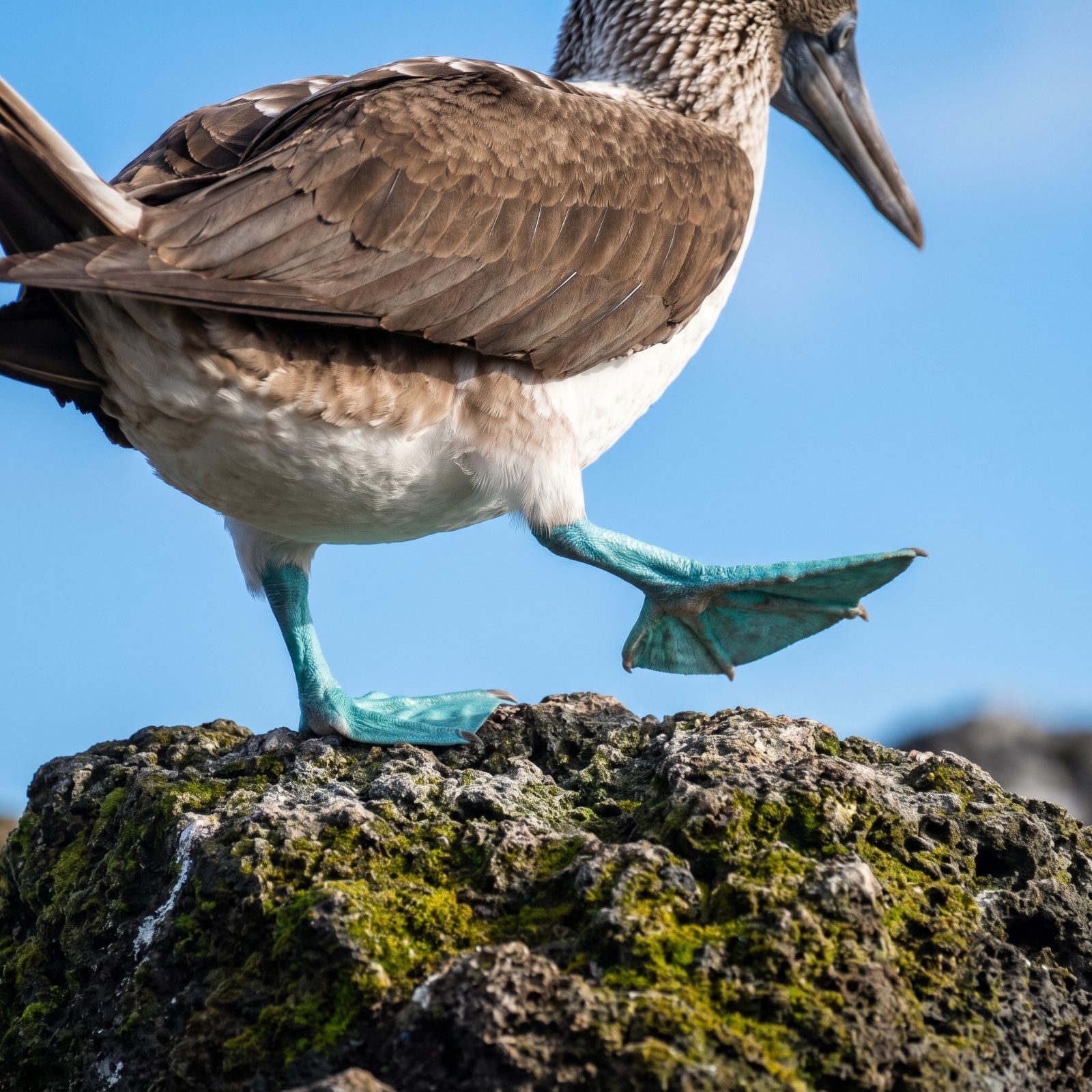
The feet look fake. That’s the point.
A booby’s blue comes from pigments in the fish it eats, so brighter feet mean a better fisherman. Females read those feet like a résumé. During courtship the male lifts each one in an exaggerated slow strut, practically waving them in her face, and a dull-footed suitor gets passed over.
Starve a booby for a couple of days and the color fades. The honesty is built in. You cannot fake a good foot.
21. Axolotl: The Smiling Salamander That Never Grows Up
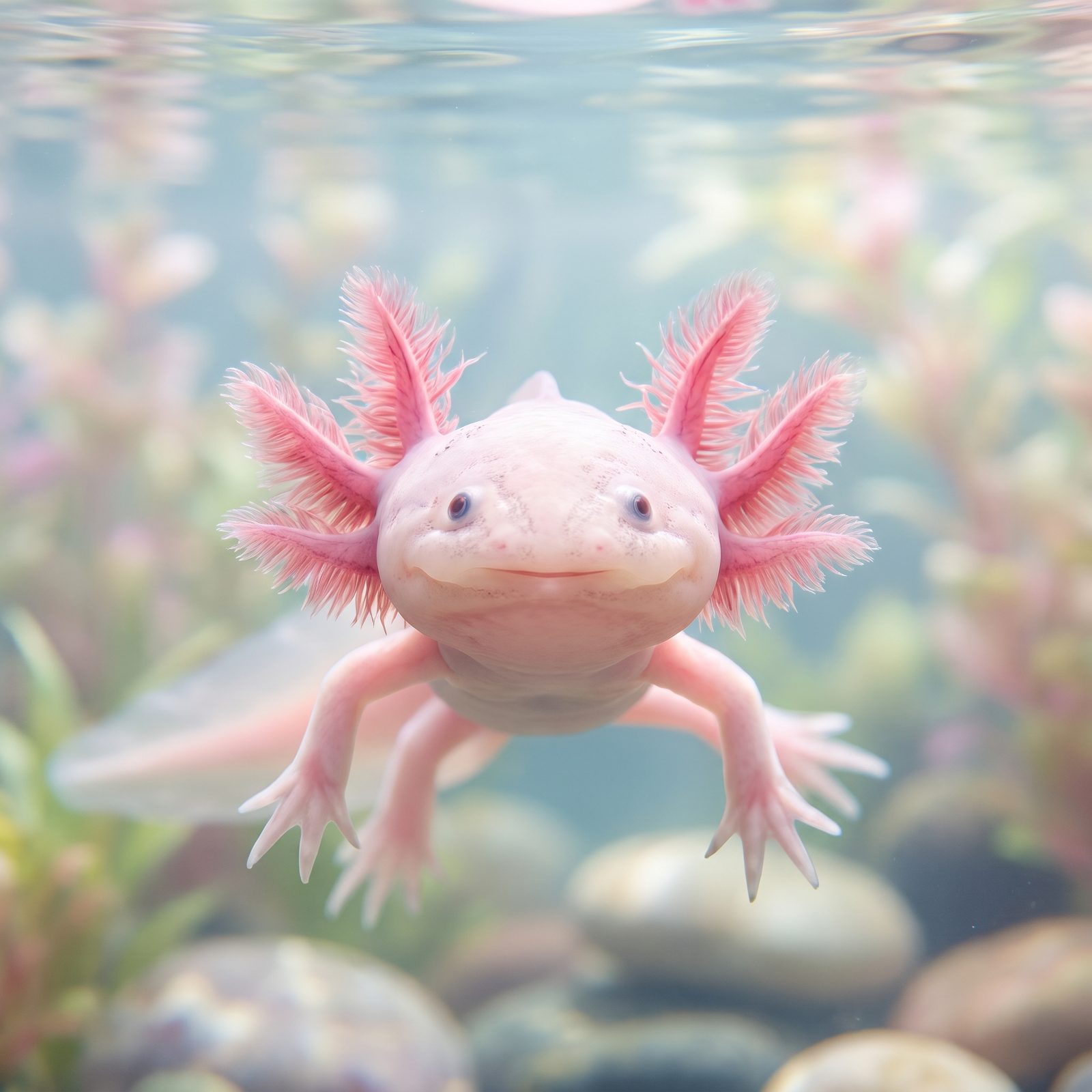
Nothing about the axolotl looks like it should exist. Those feathery gill stalks sprouting from its head aren’t decoration — they’re external gills, because this salamander never completes metamorphosis. It stays in its larval form its whole life, breeding and living underwater like a tadpole that refused to leave.
The real headline is regeneration. Lose a leg, and an axolotl grows back a perfect one — nerves, bone, muscle, the lot. It can even regrow parts of its heart and brain, which is why labs around the world keep so many of them.
And yet in the wild, in the canals of Xochimilco near Mexico City, it’s critically endangered. The creature that cheats injury is losing to habitat loss.
20. Venezuelan Poodle Moth: The Fuzzy Insect That Broke the Internet
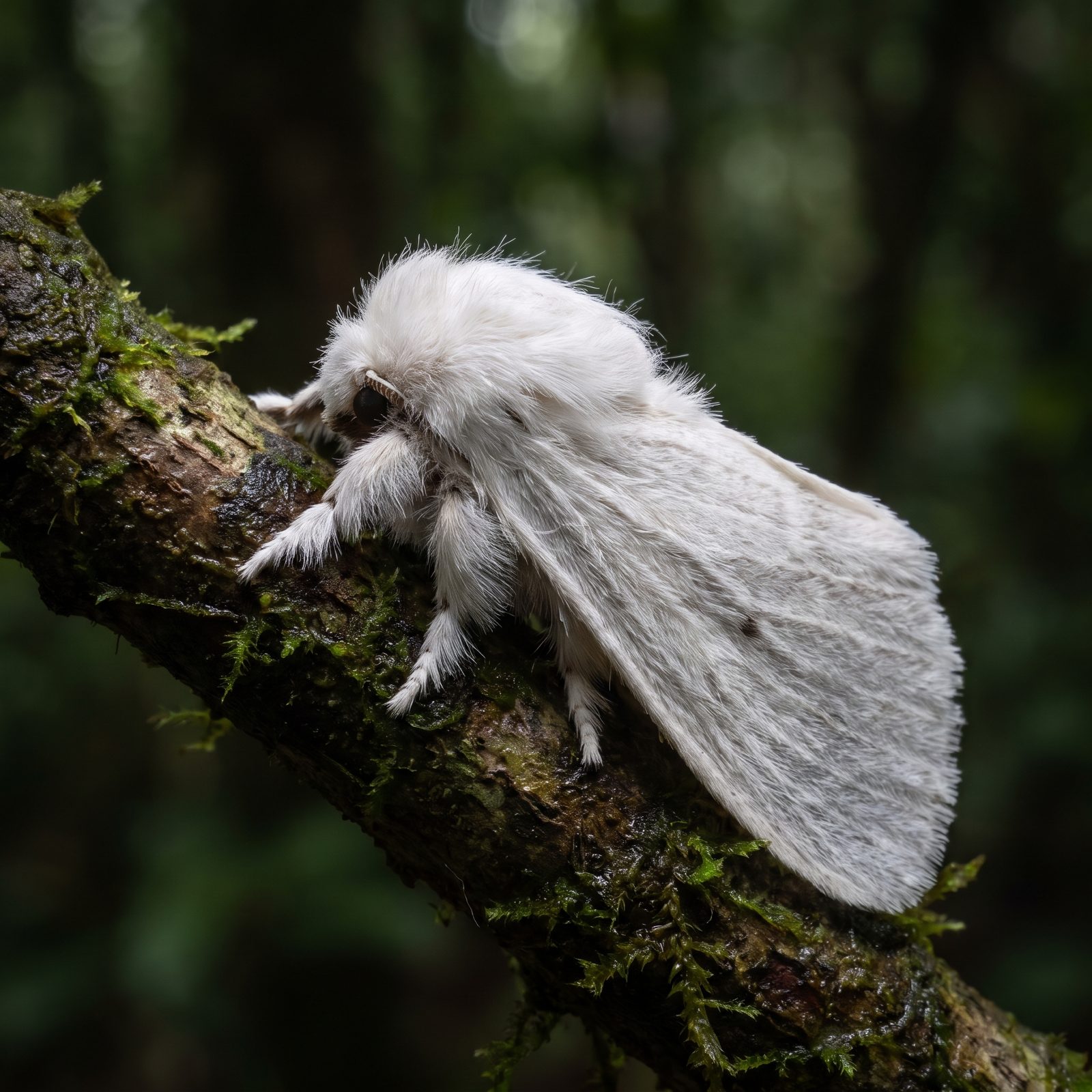
Here’s the honest version, because this one deserves it. A single photo taken in Venezuela in 2009 went viral as the “Venezuelan poodle moth,” and the fluffy white creature looked so toy-like that half the internet assumed it was Photoshop.
It isn’t fake. The photographer, a zoologist, really did snap a genuine, fuzzy moth. The catch? Nobody has formally identified the exact species, though it’s probably a member of the lappet moth family (Artace), which are famously woolly.
So: real moth, real fluff, uncertain name. That last part is what most articles quietly skip.
19. Satanic Leaf-Tailed Gecko: The Lizard That Vanishes Into a Dead Leaf
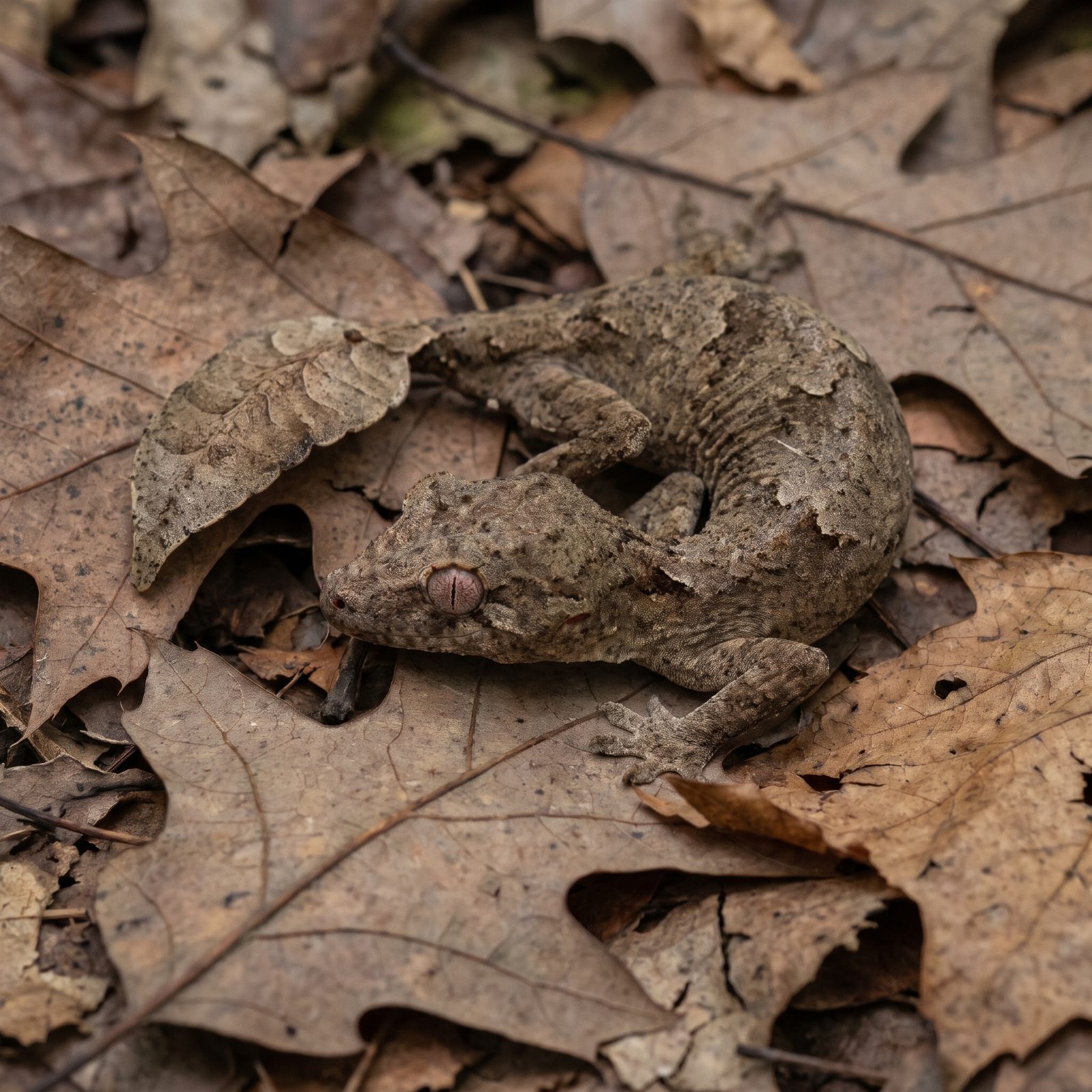
Find one in a photo and you’ll scan it twice before you spot the eyes.
Native only to Madagascar, this gecko mimics a dead leaf down to the last detail: a tail with curled edges, fake notches, even what look like holes chewed by insects. Little skin flaps along its body erase the shadow it would otherwise cast, so its outline simply dissolves into the leaf litter.
The eyes are their own marvel, laced with a reddish vein pattern that continues the dead-leaf illusion right across the eyeball. Predators look straight at it and see garden debris.
18. Red-Lipped Batfish: The Deep-Sea Fish Wearing Lipstick
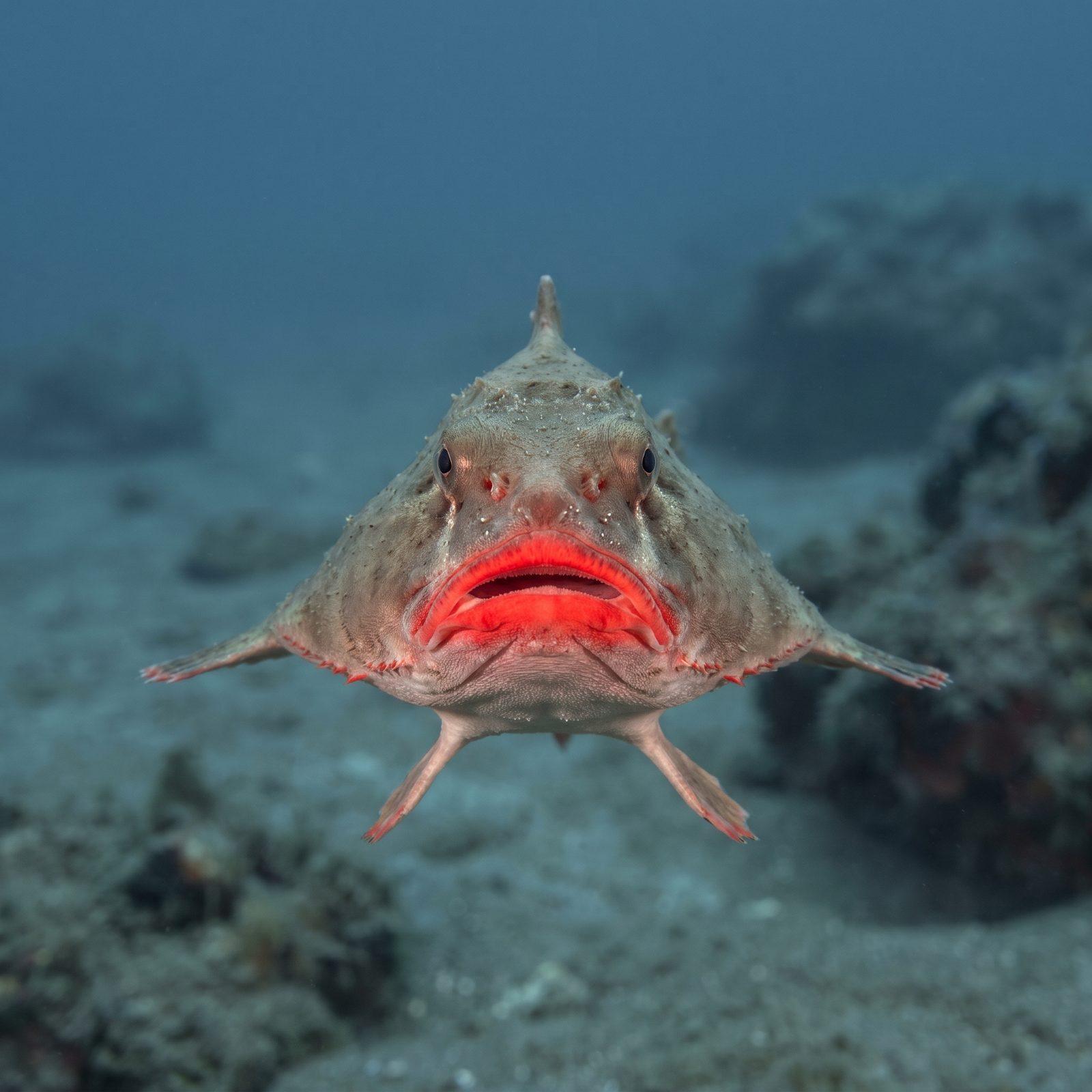
It looks like a grumpy fish got into someone’s lipstick. The red-lipped batfish, found around the Galápagos, really does wear a bright scarlet mouth that pops against its drab sandy body.
Odder still, it barely swims. Its pectoral and pelvic fins have evolved into stubby limb-like props, so it walks across the seafloor on what look like little legs. On top of its head sits a modified fin that acts as a lure, dangling bait to draw prey close.
Why are the lips so red? Nobody’s entirely sure. The leading idea is species recognition or courtship — but that’s still a working guess, not settled fact.
17. Pangolin: The Scaly Anteater That Looks Assembled From Armor Plates
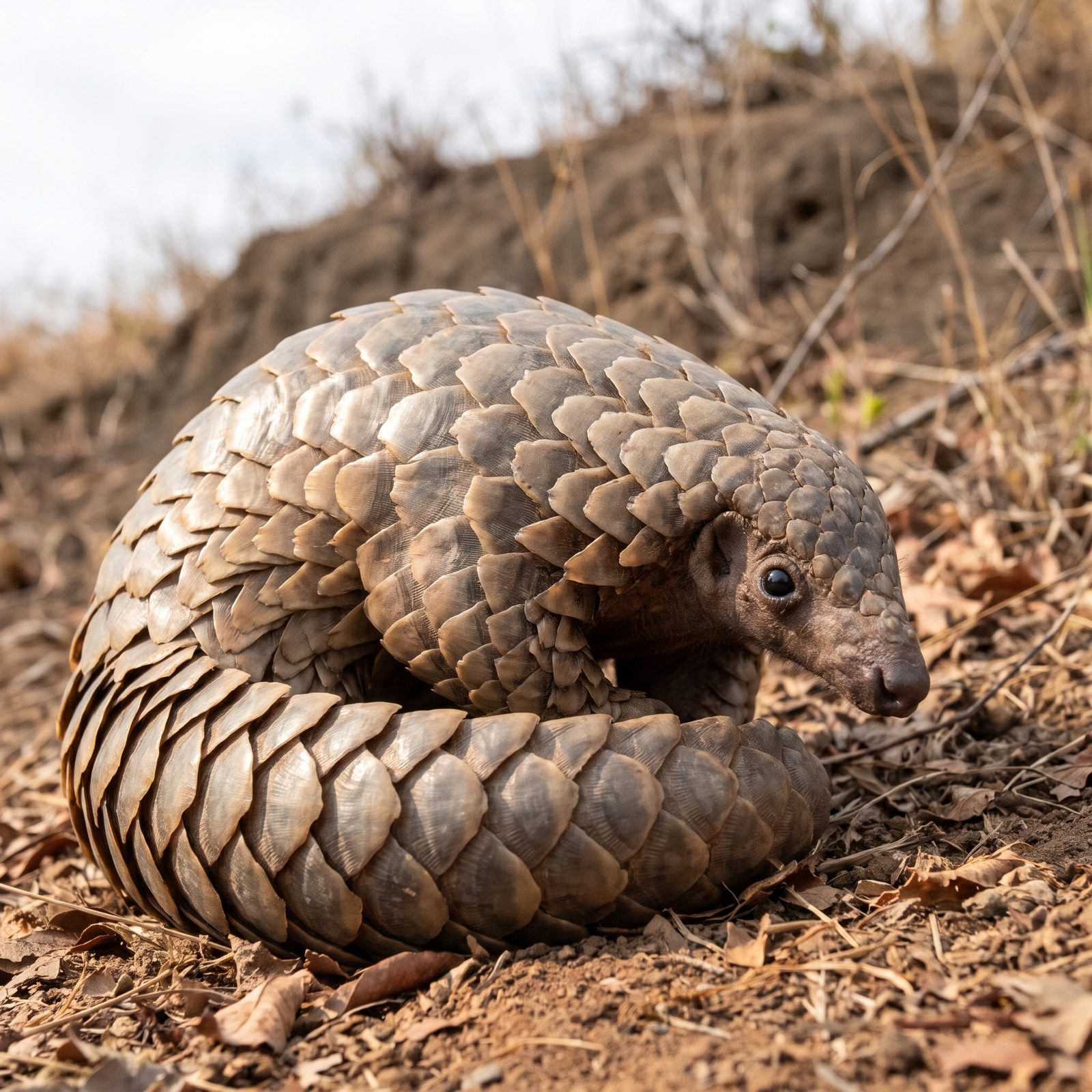
No other mammal on Earth wears scales. The pangolin does, head to tail, in overlapping plates of keratin — the same stuff as your fingernails. Threatened, it curls into a near-perfect ball, and the armor is tough enough that even lions give up and wander off.
Those scales are also its curse. Pangolins are the most trafficked wild mammals in the world, hunted for meat and for scales used in some traditional remedies, despite there being no medicinal value whatsoever. All eight species are now protected, several of them critically endangered.
16. Mata Mata Turtle: The Reptile Disguised as a Pile of Dead Leaves
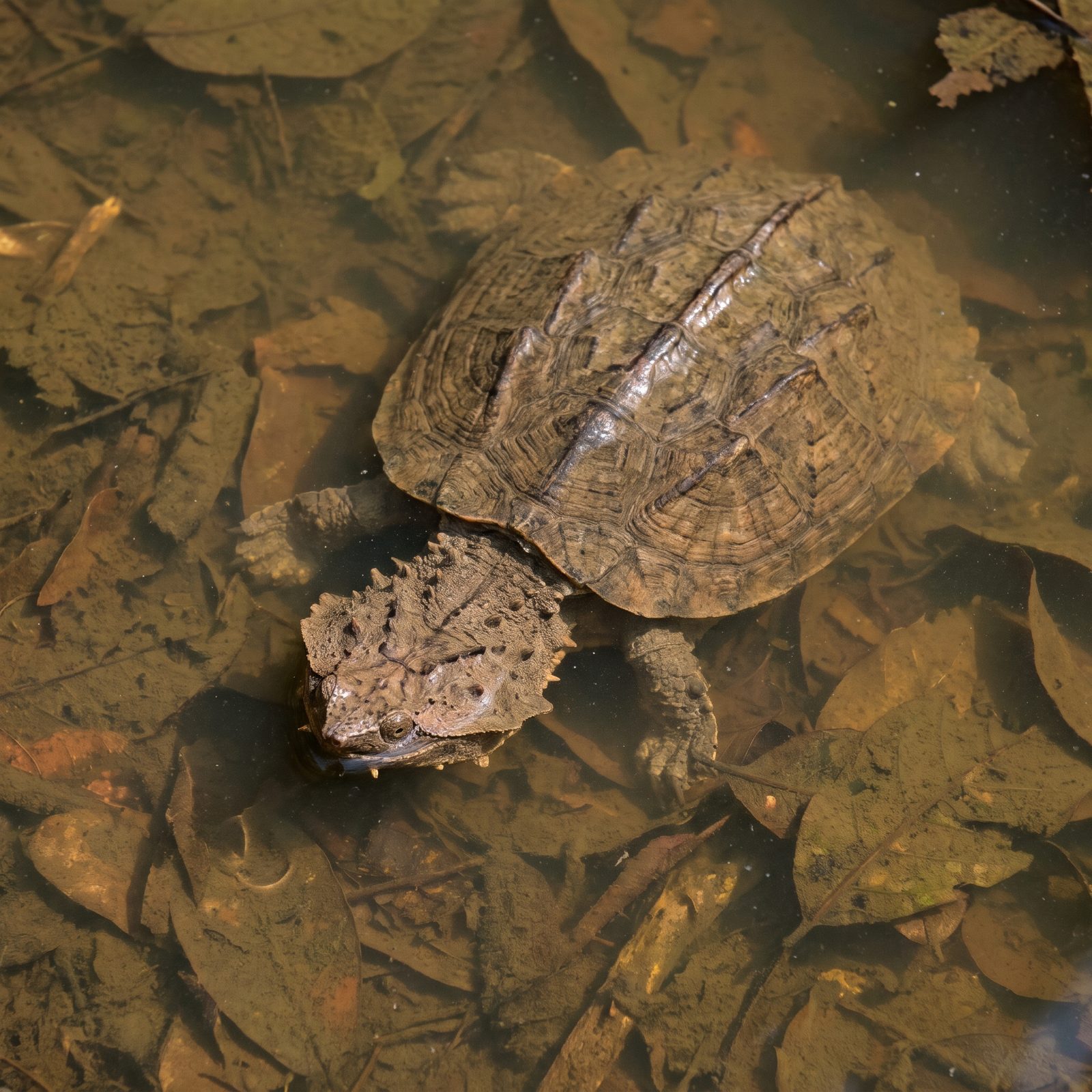
Drop one into a tank of leaf litter and it disappears. The mata mata of the Amazon looks less like a turtle and more like a waterlogged log that grew a head, with a flat triangular skull fringed in flaps of skin that sway like rotting vegetation.
It doesn’t chew. When a fish drifts too close, the turtle snaps its mouth and throat open so fast it creates a vacuum, sucking the prey in whole in a fraction of a second.
That long tube of a nose? A built-in snorkel, so it can breathe while staying submerged and motionless, waiting.
15. Gharial: The Crocodile With the Comically Narrow, Pot-Tipped Snout
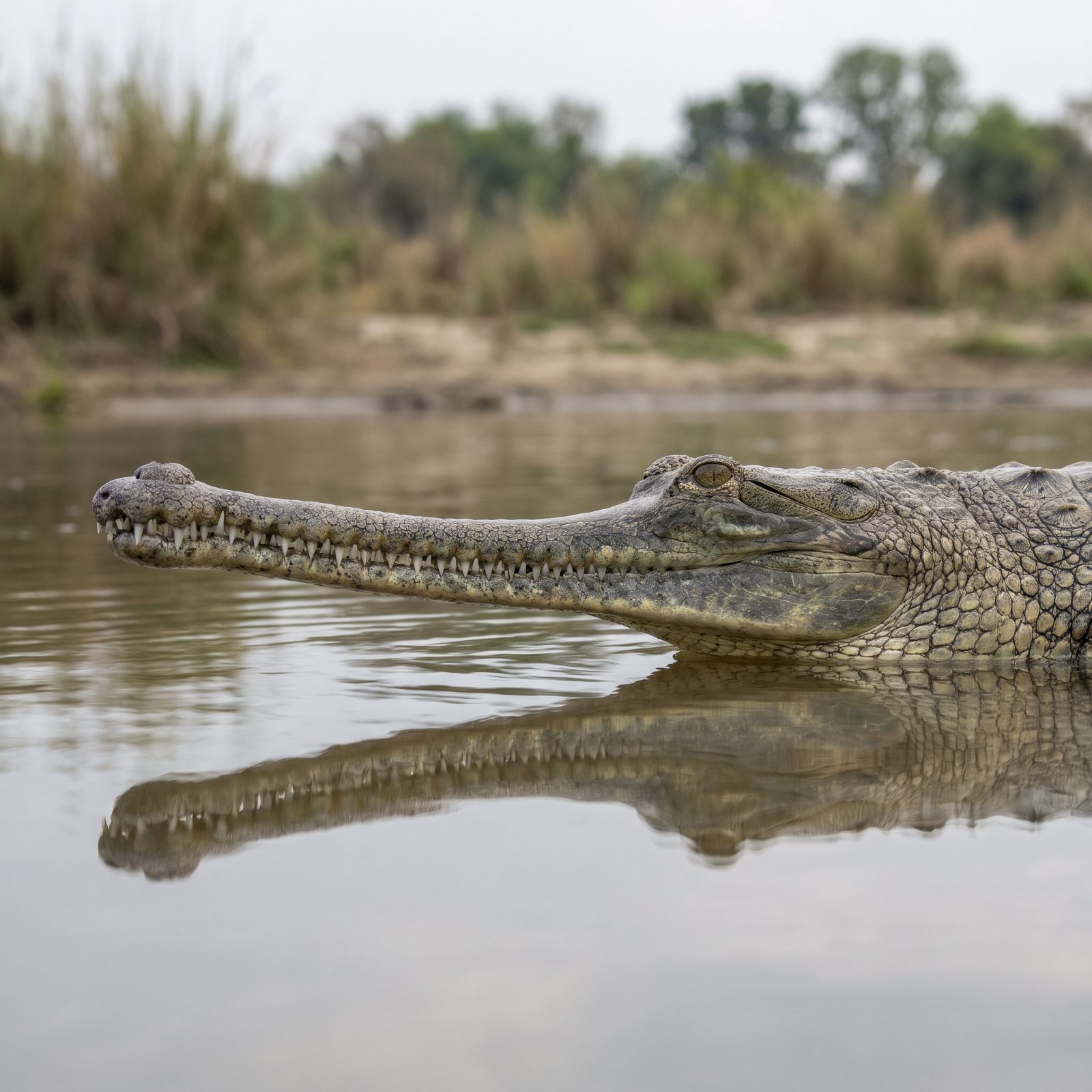
The snout looks wrong. Too thin, too long, as if someone stretched a crocodile’s face by accident and called it done.
It’s exactly right for the job. The gharial, a fish-eating crocodilian of India’s rivers, sweeps that slender jaw sideways through the water to snatch fish, and the narrowness means less drag. More than a hundred interlocking teeth clamp down on whatever it catches.
Mature males grow a bulbous knob on the snout tip called a ghara, which they use to make a buzzing mating call and blow bubbles. Critically endangered now, with only a few thousand left — so the surreal face is also a vanishing one.
14. Harpy Eagle: The Rainforest Raptor With Talons the Size of Bear Claws
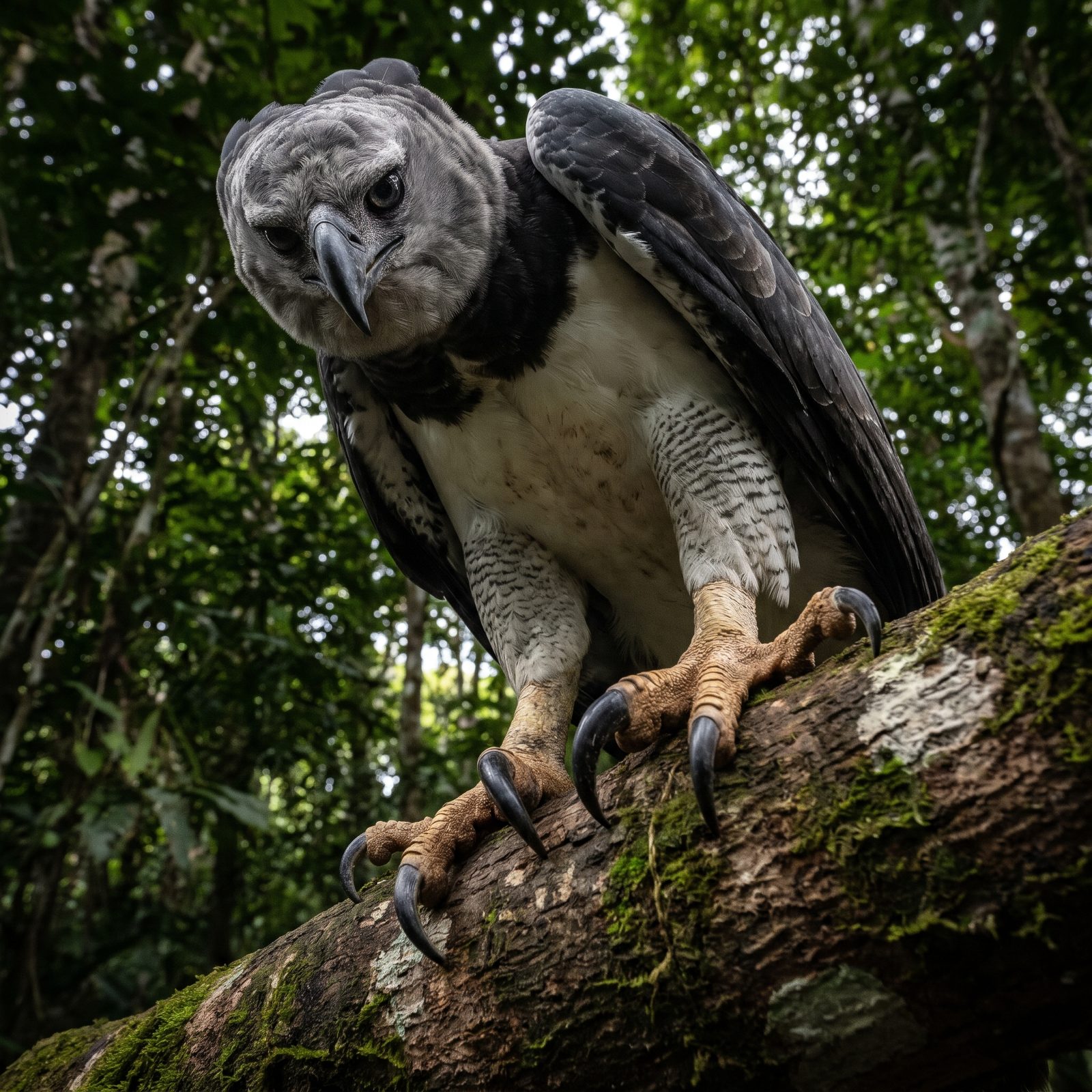
Those talons are no exaggeration. A harpy eagle’s rear claws can stretch about as long as a grizzly bear’s, and its grip is strong enough to crush bone. It hunts sloths and monkeys straight out of the canopy, snatching prey that can weigh as much as the eagle itself.
The face is pure theater — a double crest of grey feathers that flares up when the bird is alert, framing eyes that seem to size you up. For a creature this big, it’s eerily quiet in flight.
13. The Hairy Frogfish That Walks on Fishy ‘Hands’
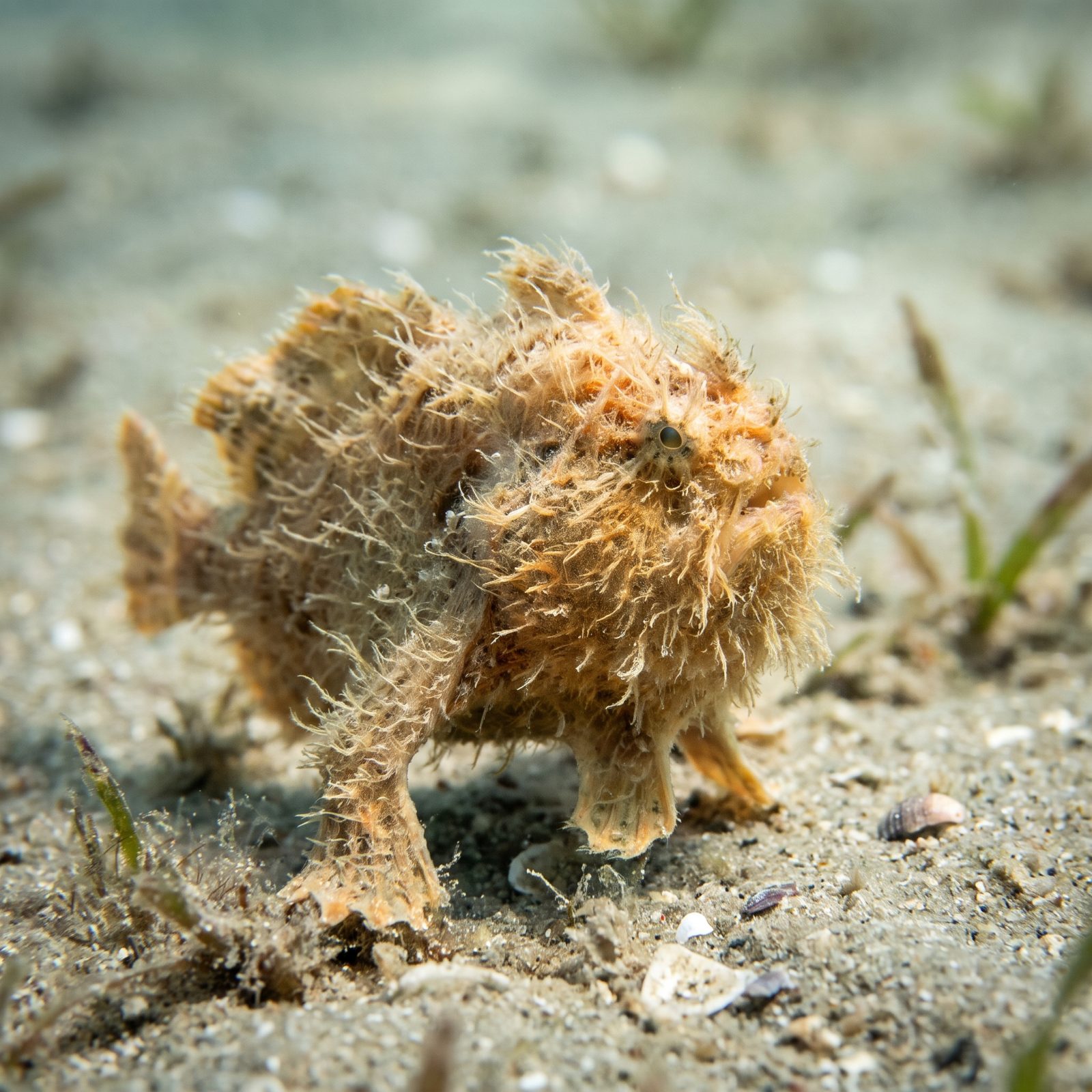
It does not swim so much as amble. The hairy frogfish walks across the seafloor on modified pectoral fins that work like stubby little limbs, and the effect is pure video-game glitch until it clicks that you’re watching a fish that simply gave up on swimming.
The hairs aren’t hairs at all. They’re skin filaments, and they drift in the current to fake the look of algae while the fish sits and waits. Then it strikes. The mouth can balloon open to swallow prey its own size in roughly six milliseconds, among the fastest feeding movements ever clocked in a vertebrate.
12. The Peacock Spider’s Rainbow Dance Flap
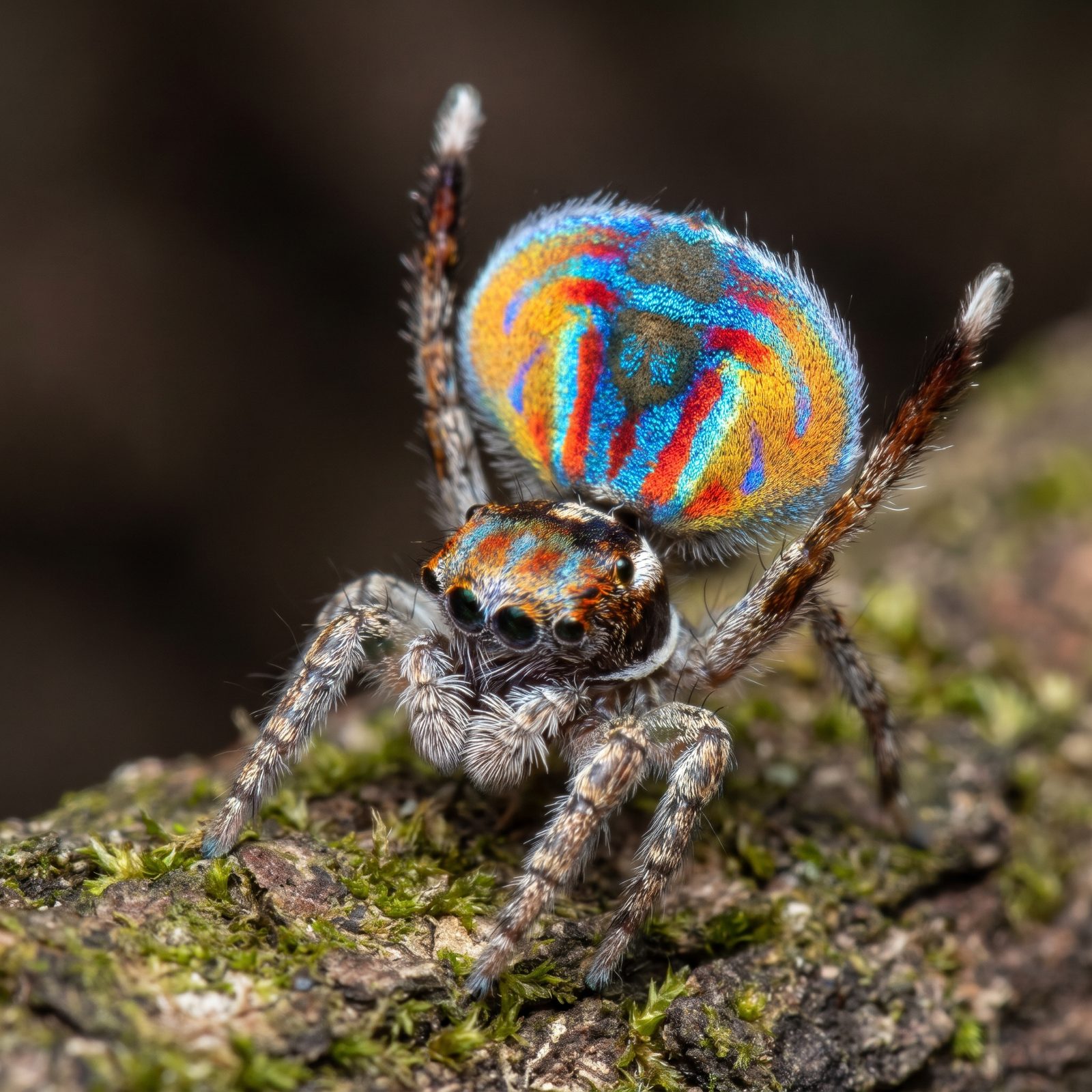
Barely bigger than a grain of rice, yet the male peacock spider wears some of the most saturated color anywhere in the animal world. That blue isn’t pigment. It’s born from microscopic scales that bend light the way a soap bubble does, which is exactly why no screen quite nails it.
He raises the patterned flap, waves his third pair of legs like tiny semaphore flags, and vibrates at the female. Unimpressed? She may just eat him. So he dances for his life, and I mean that literally.
It’s genuinely hard to believe these are real and not CGI, even after staring at far too many spider photos.
11. The Star-Nosed Mole and Its 22 Pink Tentacles
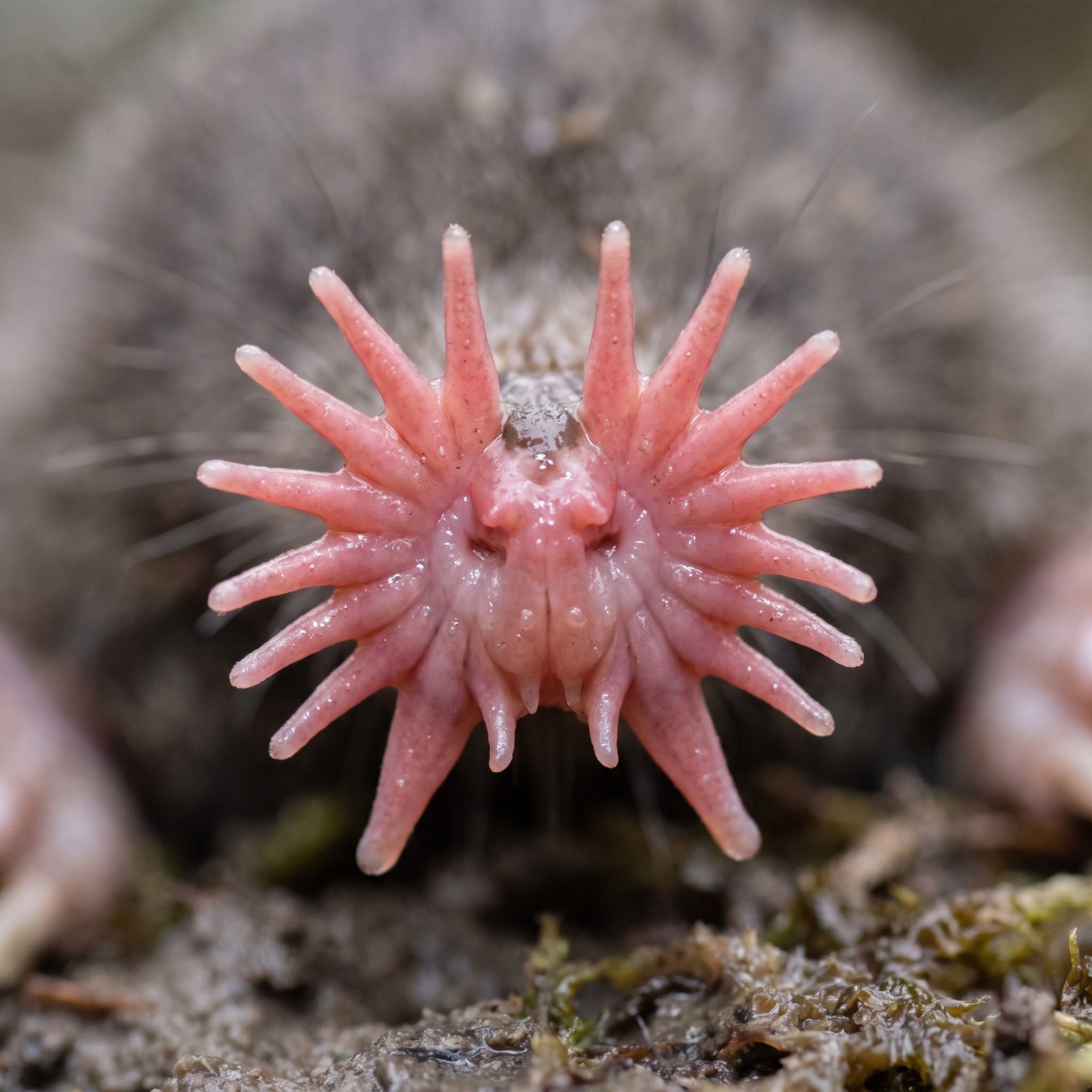
Those 22 pink rays aren’t for smelling. They’re a touch organ, the most sensitive one known in any mammal, crammed with roughly 100,000 nerve fibers in a nose smaller than your fingertip.
The mole is functionally blind and hunts in the dark entirely by feel. It can find and eat a worm in under a quarter of a second, faster than your eye can follow, and scientists needed high-speed cameras just to prove it was even happening.
10. The Okapi: Half Giraffe, Half Zebra, All Real
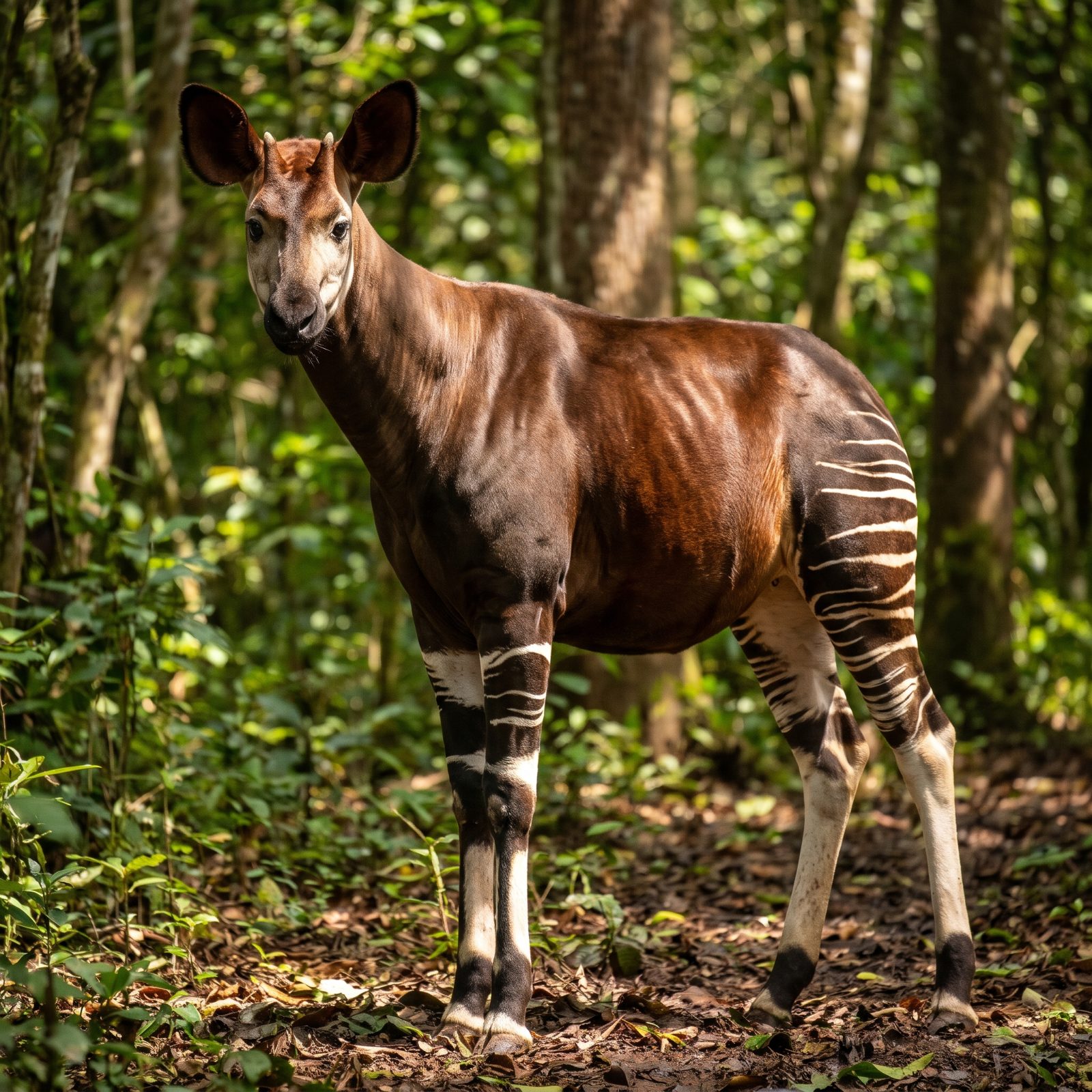
Western science didn’t confirm the okapi existed until 1901, and when the first pelts reached Europe people assumed it was a forest unicorn or an outright hoax. Striped legs, a giraffe’s build, a tongue long enough to clean its own ears. The thing reads like it was assembled from leftover parts in a drawer.
It’s the giraffe’s only living relative. The stripes probably work as camouflage in the broken light of the Congo rainforest, and they help a calf trail its mother through the gloom.
For decades locals knew it well. The rest of the world simply refused to believe them.
9. The Narwhal and Its Nine-Foot Spiral Tusk
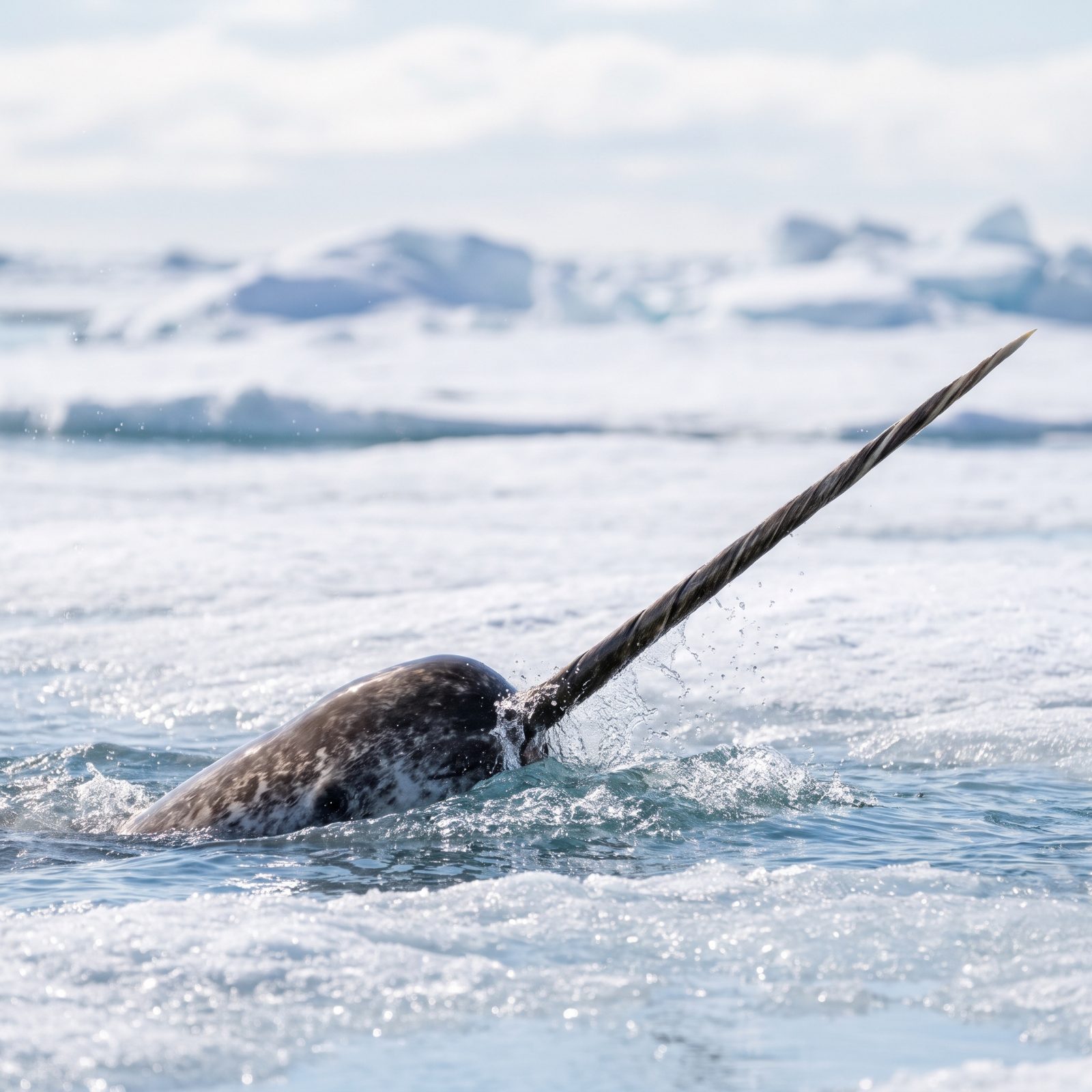
The tusk is a tooth. An overgrown left canine that spirals straight through the narwhal’s upper lip and can reach around nine feet, which is why medieval traders peddled them as unicorn horns for more than their weight in gold.
Here’s the part people miss. That tusk is packed with millions of nerve endings and is porous to seawater, and it seems to work as a sensor, reading shifts in salinity and temperature. A tooth worn on the outside of the face, wired for feeling. Nature rarely gets this strange on purpose.
8. The Dumbo Octopus That Flaps Through the Deep
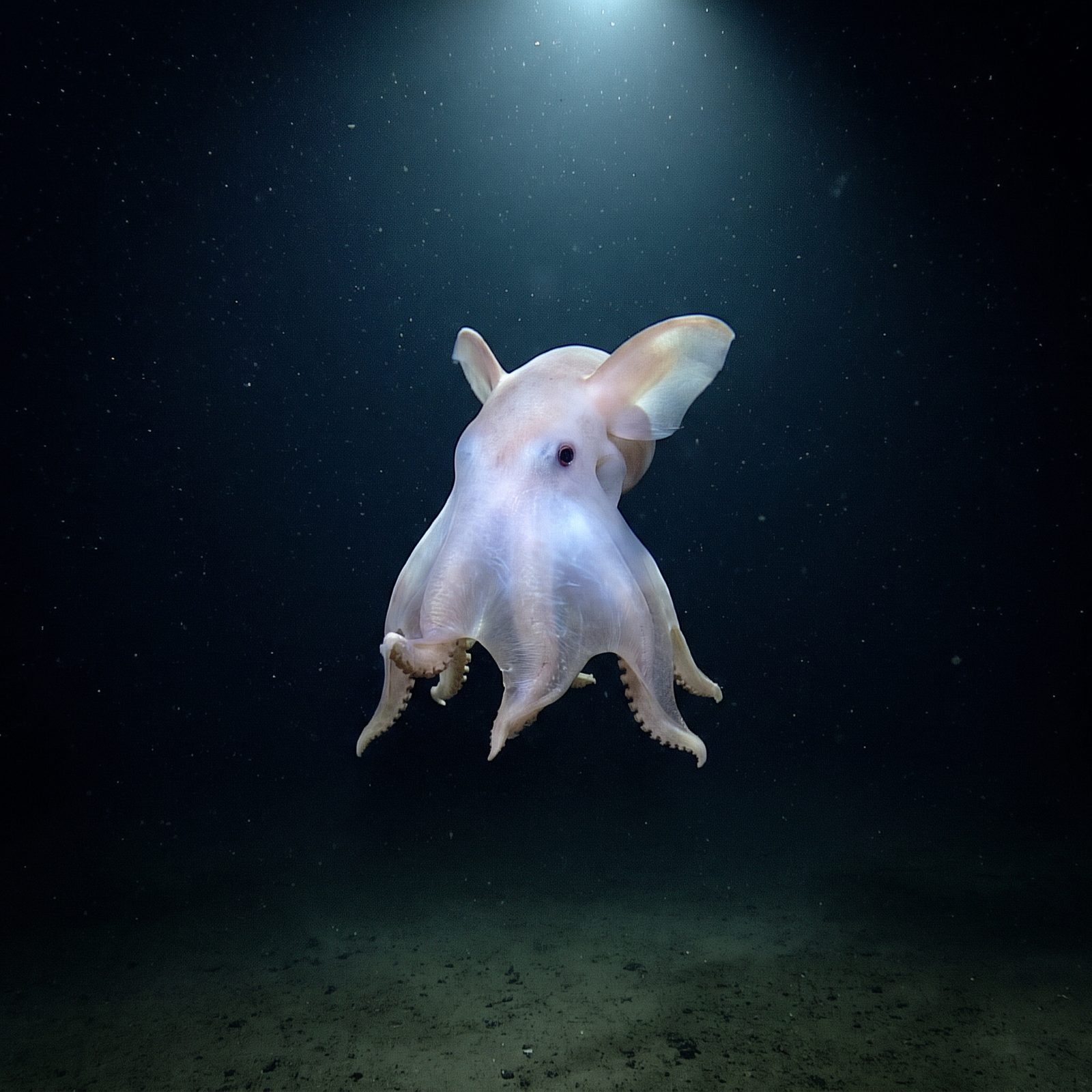
Named after the flying elephant, and it earns the name. The dumbo octopus flaps two ear-like fins to glide through water up to four miles down, deeper than almost any other octopus dares.
No ink, either. In permanent darkness ink would do nothing useful, so the animal skipped the whole system. It also tends to swallow prey whole rather than shredding it the way its shallower cousins do.
7. The Leaf Insect That Even Has Fake Bite Marks
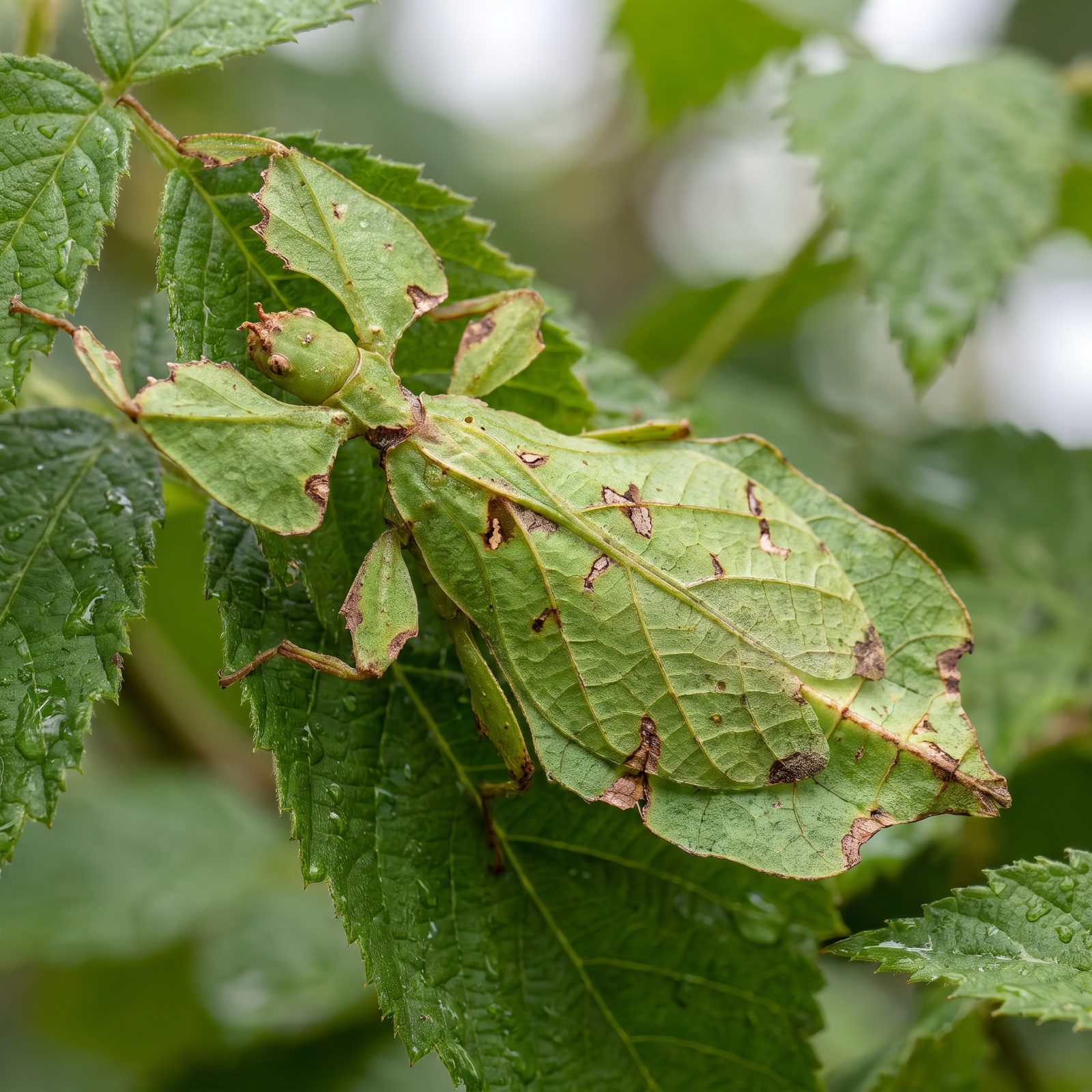
The camouflage goes further than you’d ever expect. Leaf insects don’t just resemble leaves. Some carry brown patches that fake rot, plus notched edges that imitate the exact spot where a caterpillar already took a chunk.
They even sway as they walk, copying the twitch of a leaf in a breeze. The act is so thorough that leaf insects sometimes nibble each other by mistake, convinced a neighbor is lunch.
6. The Christmas Tree Worm Spiraling Out of Coral
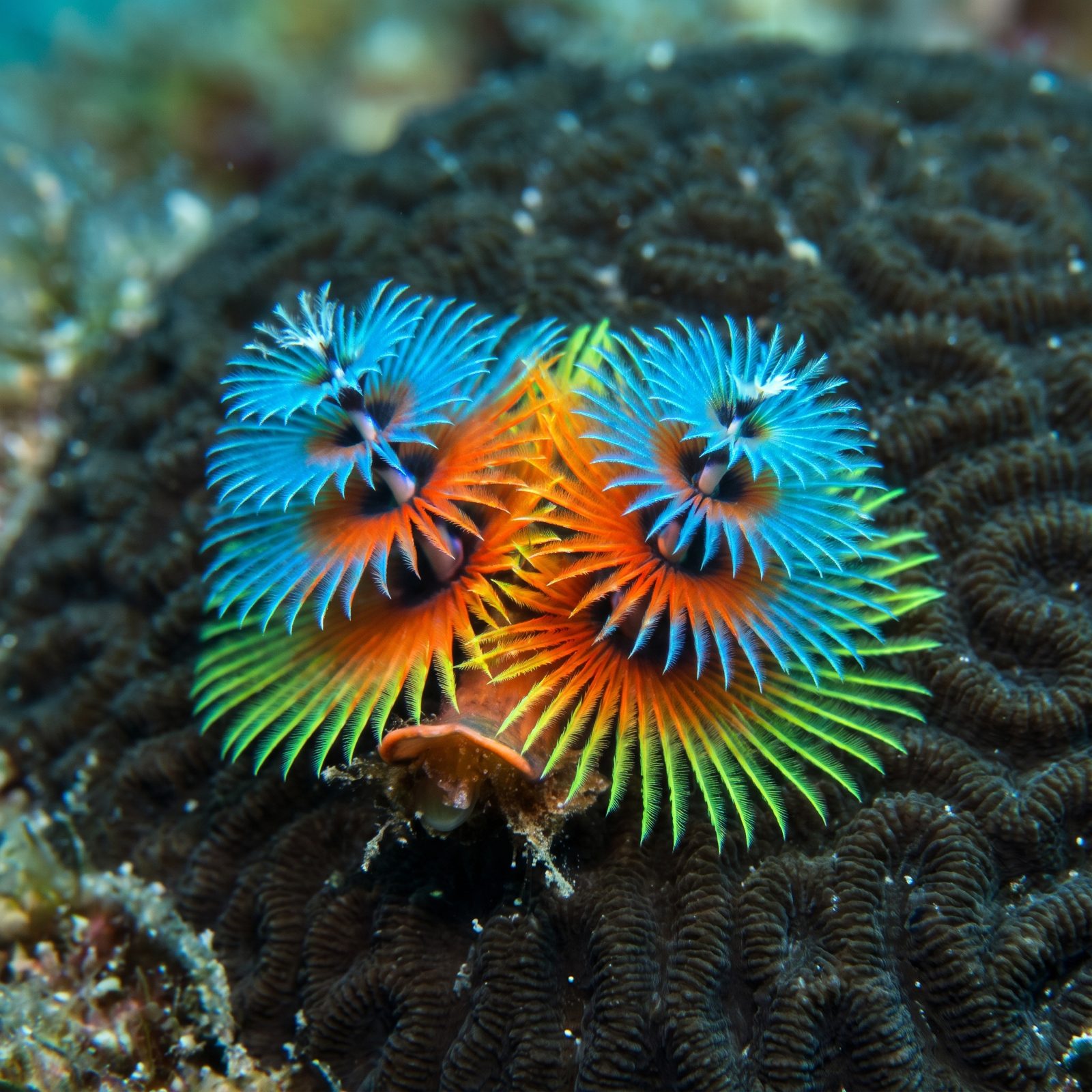
Those neon spiral trees are the only part you ever see. The rest of the worm lives buried in a tube inside the coral, sometimes for decades.
The twin crowns catch food and pull oxygen from the water, and across a single reef you’ll find them in red, blue, yellow, white, and orange. Flinch nearby and the whole thing vanishes, snapping back into its burrow and sealing the opening behind it. Hover for twenty patient minutes waiting for it to trust you again. It usually wins.
5. The Maned Wolf on Its Impossibly Long Legs
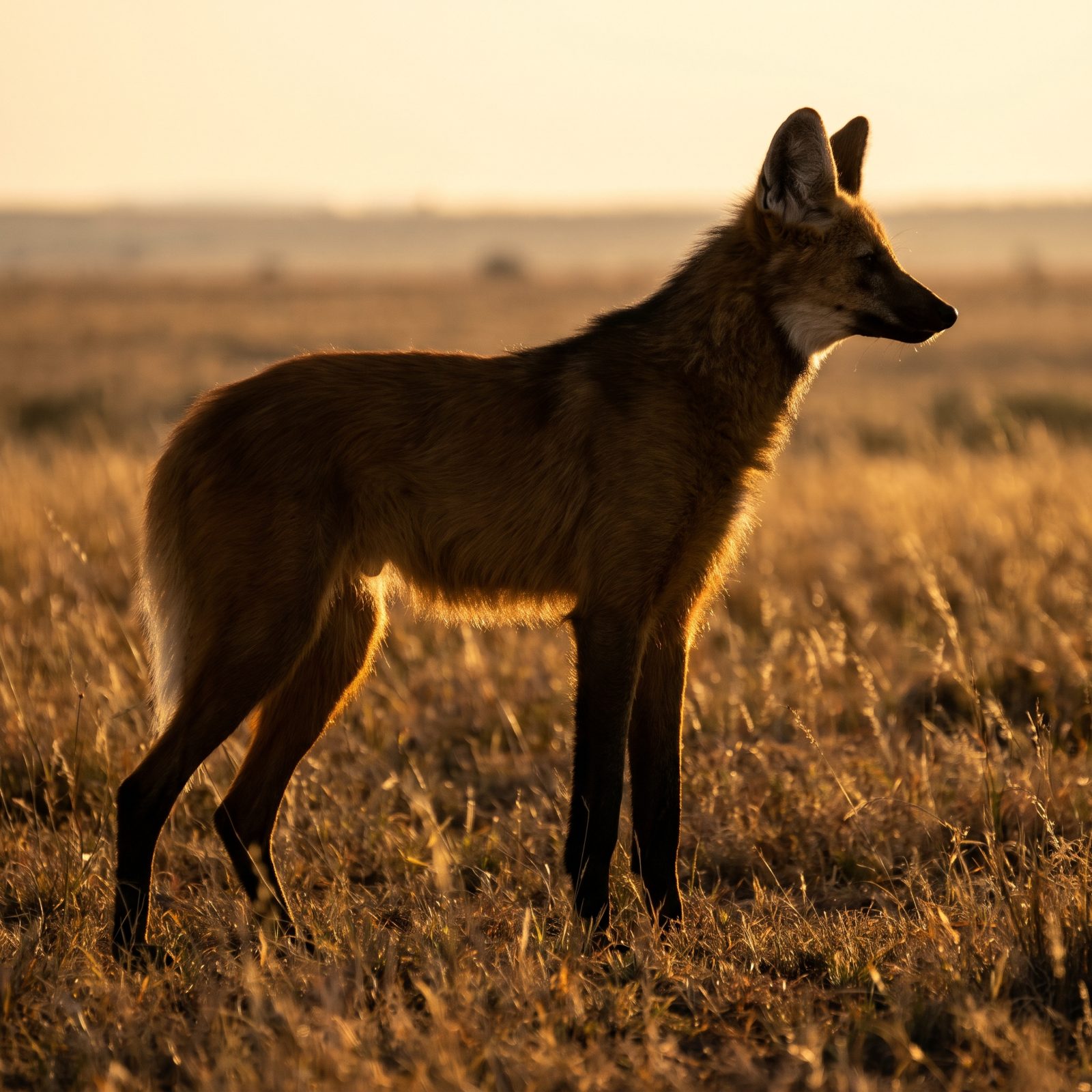
Not a fox, not a wolf, and not what you think. The maned wolf stands on legs so absurdly long it looks like someone stretched a fox in an image editor and forgot to undo it. Those legs raise its eyes clear above the tall grass of the South American Cerrado, letting it scan the savanna.
It’s the only species in its genus, a lone twig on the dog family tree. And for all the predator menace, roughly half its diet is fruit, especially a tomato-like plant called the lobeira. Its urine reeks of skunk, which has startled more than one zookeeper mid-shift.
4. The Proboscis Monkey and Its Comically Huge Nose
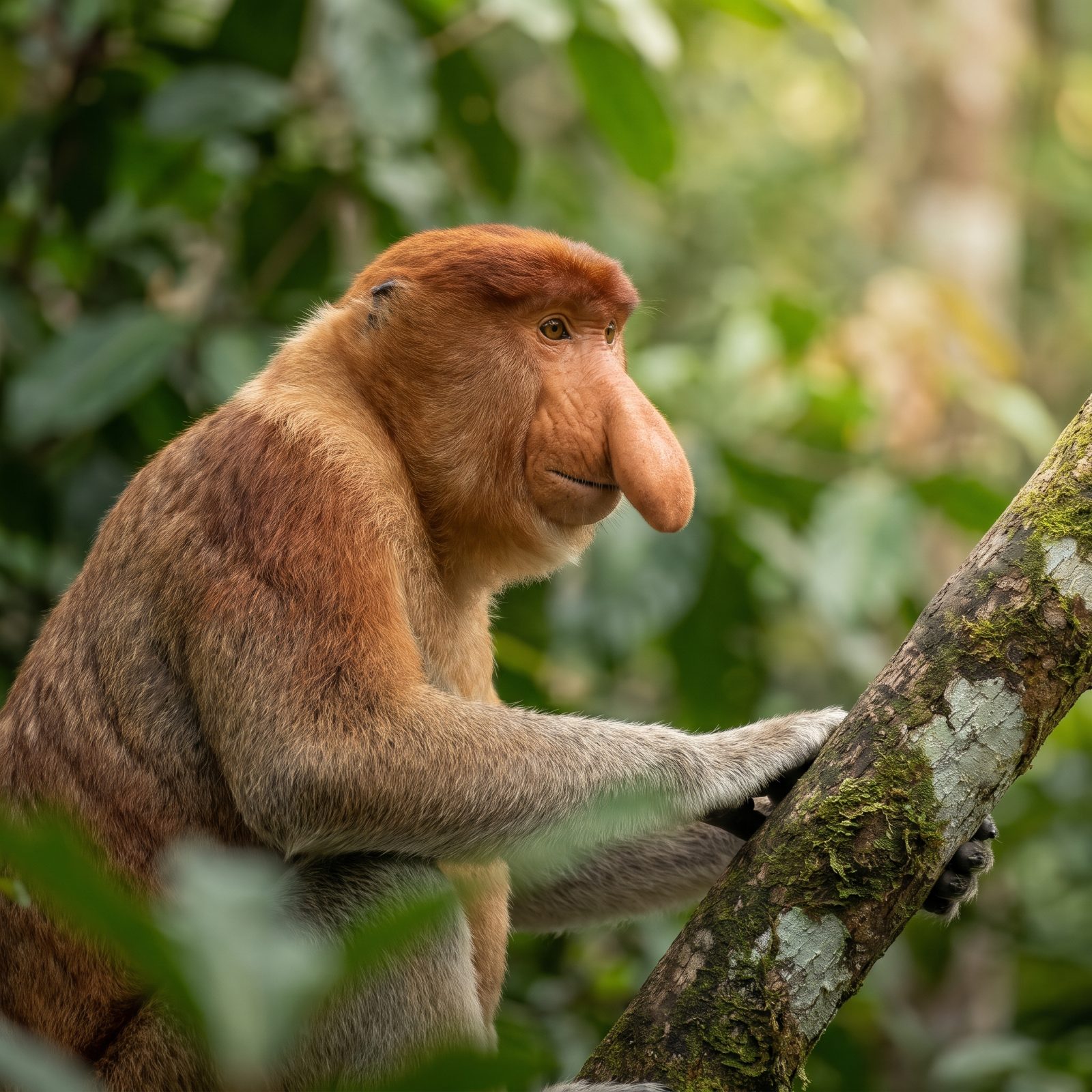
The nose is no accident. On a dominant male it can droop below the mouth, so big he has to shove it aside to eat, and the females plainly prefer it that way.
It doubles as a resonating chamber, amplifying his honking calls so they carry across the mangroves and warn off rivals. Bigger nose, louder warning, higher rank. Evolution took that idea and ran until it looked like a punchline.
They’re also surprising swimmers. With partly webbed feet, they’ll dive off branches straight into rivers to outrun crocodiles. A monkey with a swimmer’s feet and a built-in megaphone. Believe it.
3. The Tufted Deer and Its Vampire Fangs
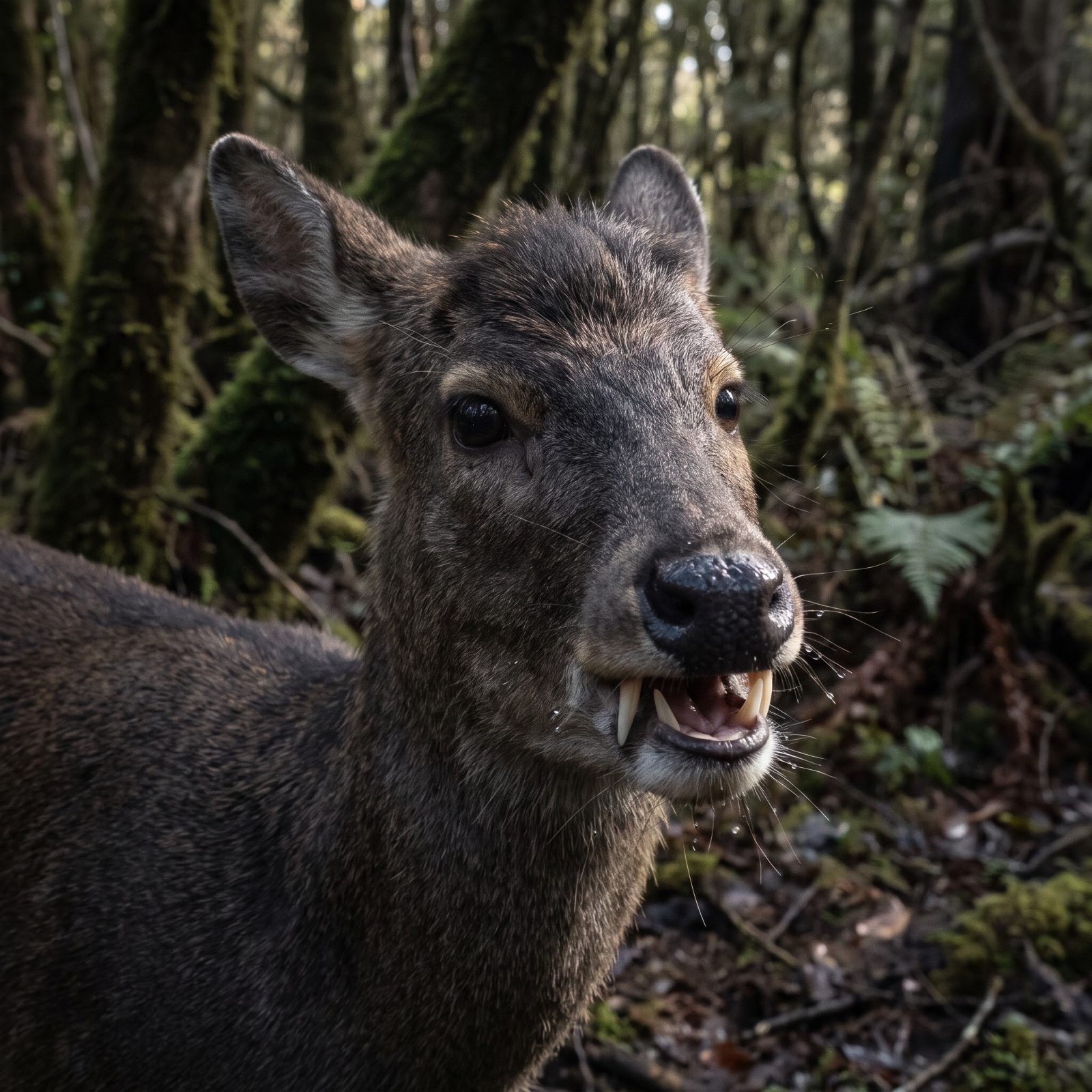
A small deer that grew fangs sounds like a design brief that got away from someone. But the tufted deer is real — it lives in the high forests of China and Myanmar, and this one bares a mouthful of fang-like teeth — long upper canines — in an open, carnivore-like snarl like something off a Halloween mask.
The tusks aren’t for eating. Males use them to fight each other over territory, and they can draw blood. Add the open-mouthed snarl beneath that tufted, dark forehead, and the whole face tips into slightly unsettling. Shy, mostly nocturnal, quick to bolt with a dog-like bark when startled. You could watch a forest for years and never see one.
2. The Royal Flycatcher’s Hidden Mohawk Crown
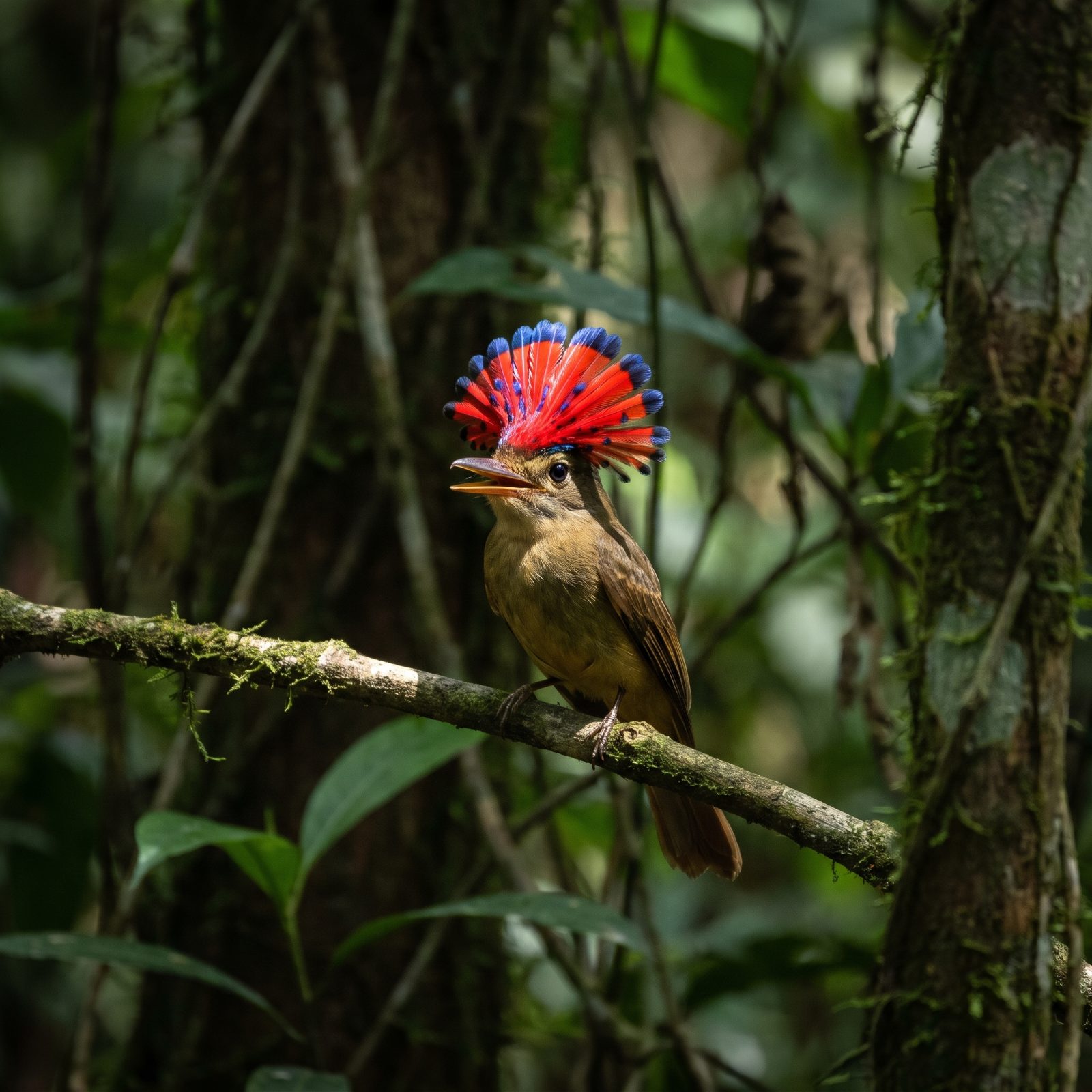
Most of the time the royal flycatcher looks like nothing much — a plain brown bird in the rainforests of Central and South America, the kind you’d walk past without a second glance.
Then it opens the crown. A fan of feathers unfolds sideways across the head, crimson-red shading into orange at the sides, with bands of electric blue running across several rows and black at the outer tips. It stretches wider than the whole bird and looks like someone painted it on in a graphics program. Here’s the catch, though: the full display is rare. The bird keeps that crest folded flat most of its life and only fans it when handled, courting, or threatened. Researchers who band them get the best view. Feels unfair to the rest of us, honestly.
A drab brown bird keeps a sunset folded on top of its head, and almost no one ever sees it open.
1. The Flamboyant Cuttlefish That Walks the Seafloor
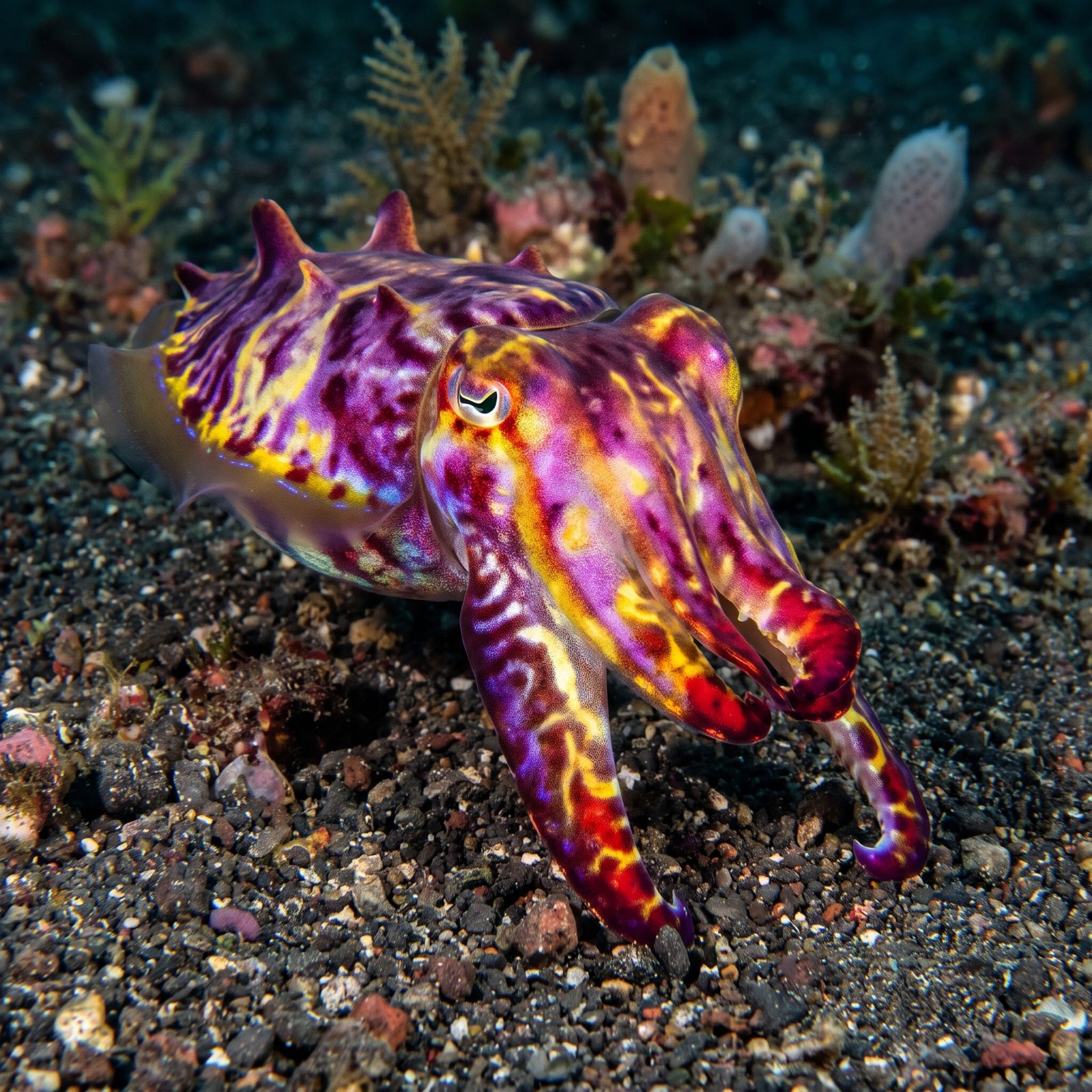
It walks. That’s the first thing that breaks your brain about the flamboyant cuttlefish. Most cuttlefish hover and jet through open water. This one, barely the size of your palm, strolls across the seafloor on two rear flaps and two arms — a little animal that seems to have forgotten it lives in the ocean.
And the skin. Waves of maroon, yellow, white and purple pulse across its body in moving bands, a colour show that looks rendered rather than alive. None of it is for show, though. It’s a warning. The flesh of this species carries a toxin found in few other cephalopods, and all that strolling pageantry is basically a sign telling predators to keep away.