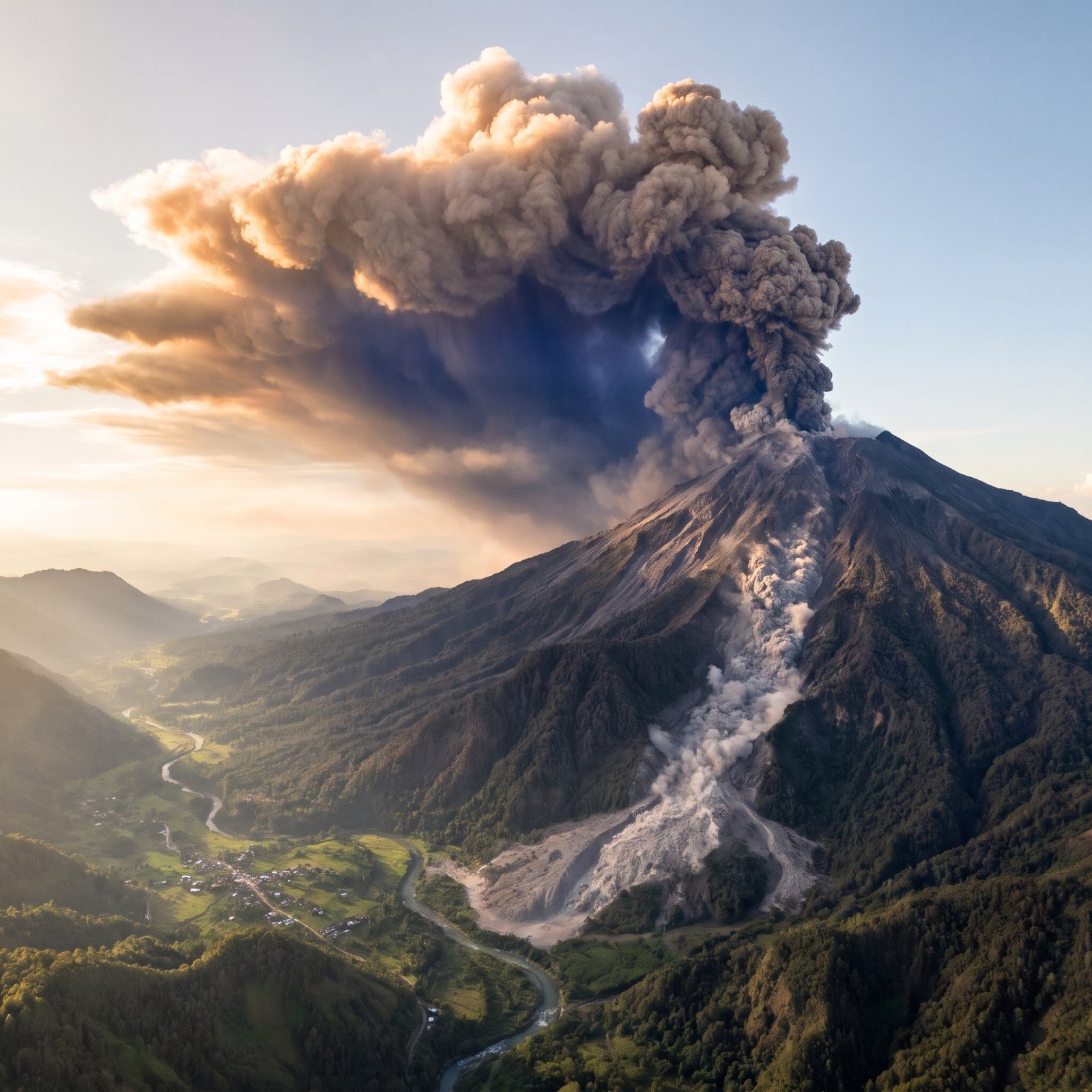
Lava gets the movie posters. It almost never gets the body count. That slow orange river you can outrun on foot kills fewer people than a dozen quieter, faster, nastier things a volcano throws at you — a wall of superheated gas moving faster than a race car, a lake that burps and smothers a valley in its sleep, mud the consistency of wet concrete that buries whole towns while they’re still standing. The real danger is rarely the fire you can see. It’s the physics you can’t. Here are the ones that actually do the damage.
24. Pyroclastic Flows: The 450 MPH Avalanche You Cannot Outrun
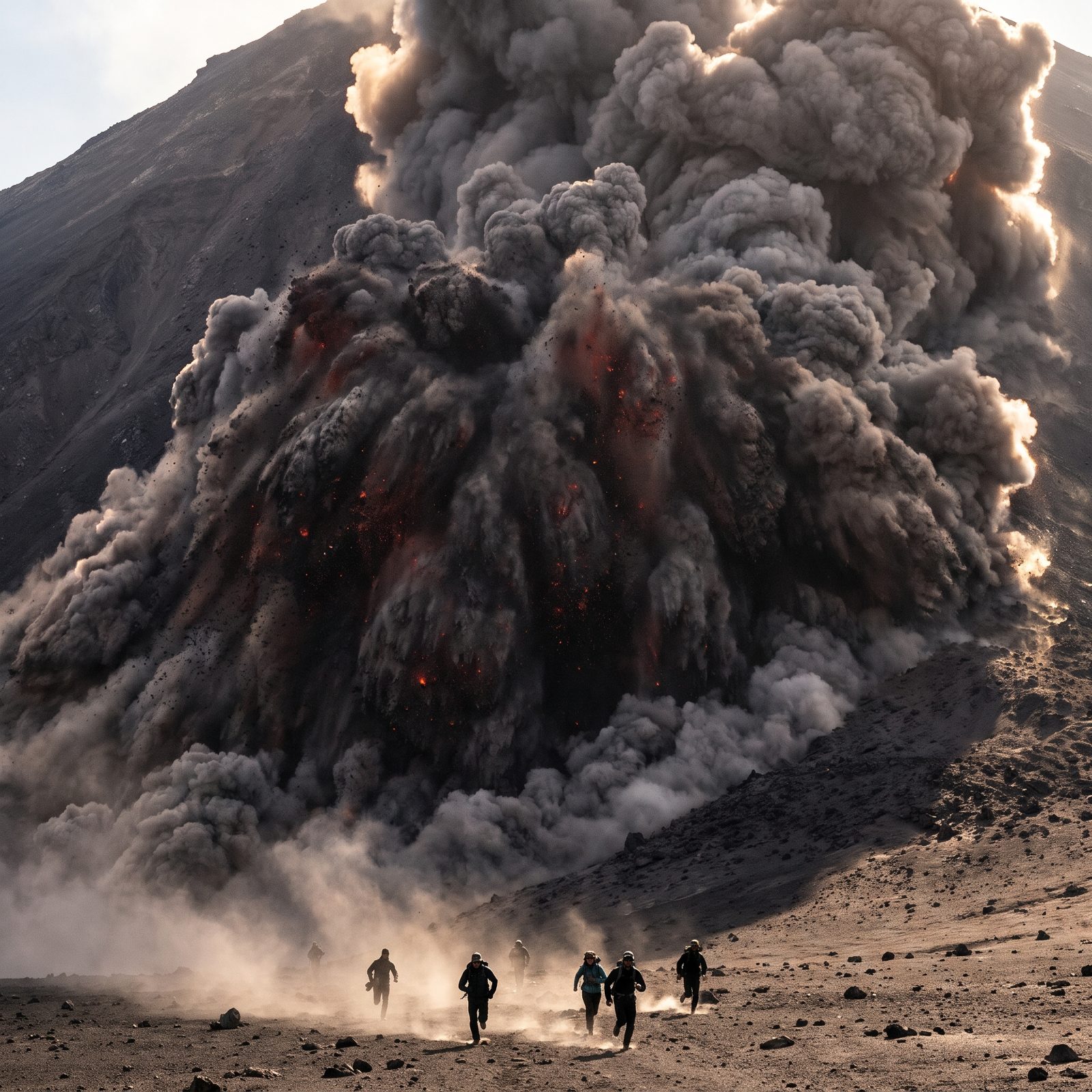
Call it the volcano’s deadliest weapon and you wouldn’t be exaggerating. A pyroclastic flow is a ground-hugging current of superheated gas, ash and rock that races downslope at hundreds of miles per hour, its interior hotter than a kiln. You do not outrun it. Nothing does.
This is what killed the people of Pompeii and Herculaneum in 79 AD, and it’s what ended the town of Saint-Pierre on Martinique in 1902, where nearly everyone died in minutes and only a handful walked away. The flow doesn’t just burn — it sucks the oxygen out of the air and packs your lungs with scalding ash.
23. Lahars: Volcanic Mud That Entombed 23,000 People at Armero
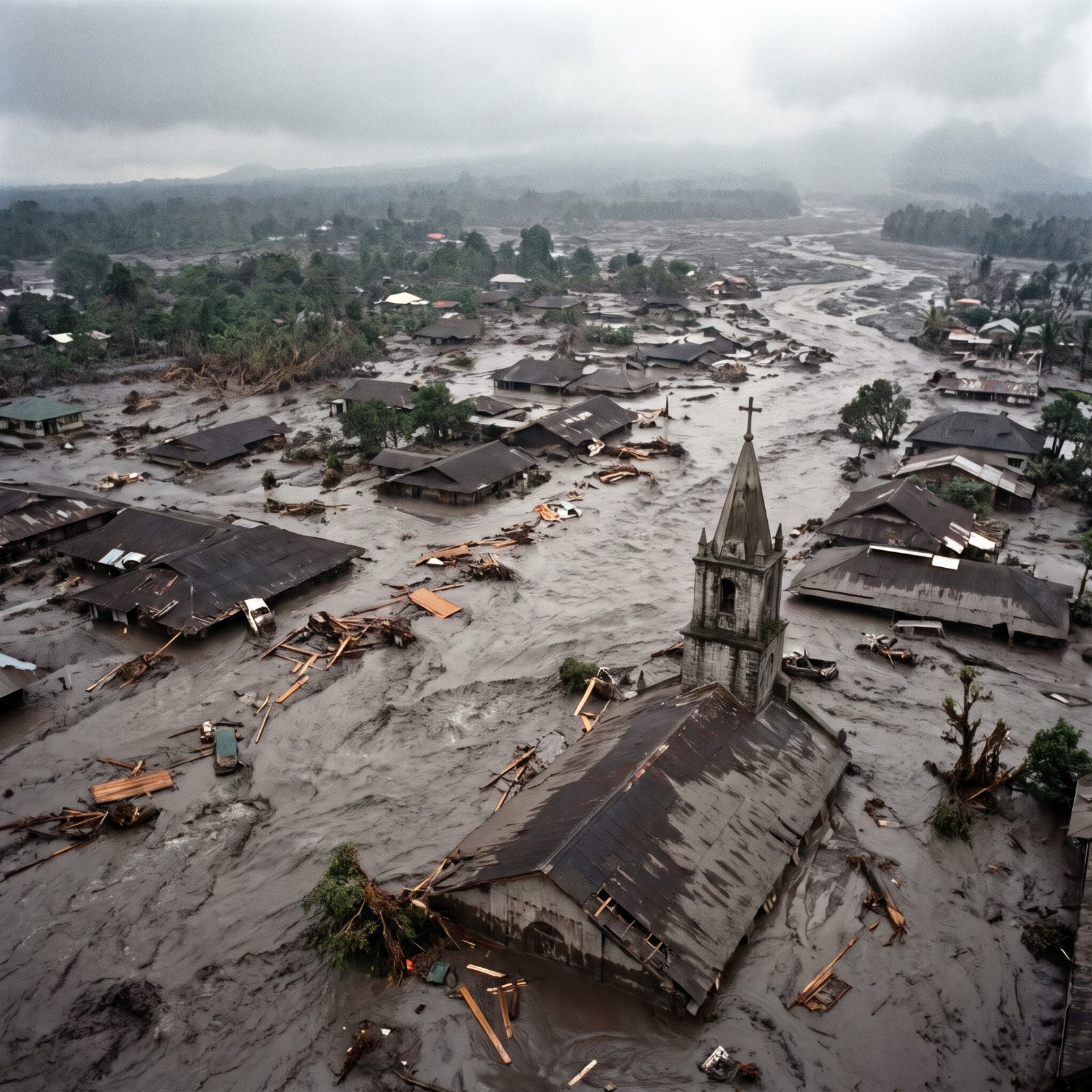
Mud shouldn’t be terrifying. This kind is. A lahar is a slurry of volcanic ash, rock and water — often meltwater from a volcano’s ice cap — that rushes down river valleys with the weight of flowing concrete, traveling dozens of miles from the mountain long after the eruption looks finished.
In 1985, the Nevado del Ruiz eruption in Colombia melted part of its summit glacier. The resulting lahars raced down the valleys and buried the town of Armero while most of its residents slept. Around 23,000 people died. The horror of it is that the eruption itself was modest. The mud did the killing, hours later, in the dark.
22. Toxic Gas Clouds: The Invisible Killer at Dieng Plateau
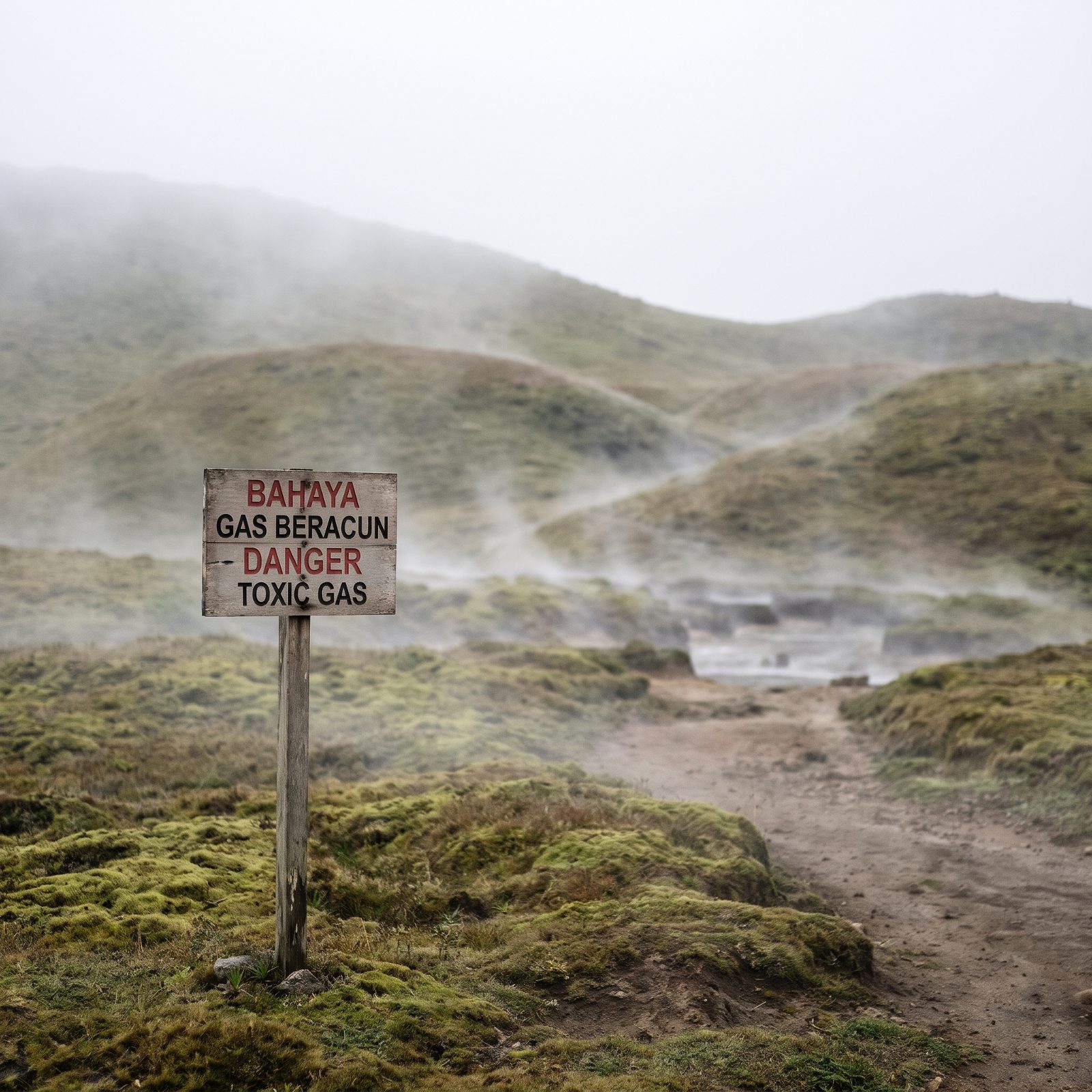
You can’t see the thing that kills you here, and that’s exactly the problem.
Volcanoes constantly leak gases — carbon dioxide, sulfur dioxide, hydrogen sulfide. Because CO2 is heavier than air, it pools in low spots: valleys, cellars, cave mouths, no smell and no warning. In 1979, a gas release on Java’s Dieng Plateau killed roughly 150 people as they fled an eruption, dropping them where they ran. Hydrogen sulfide plays a crueler trick. It reeks of rotten eggs at low doses, then deadens your sense of smell entirely at high ones, so you stop noticing it right before it stops you.
21. Lake Nyos: The Night a Lake Exhaled and 1,746 People Died
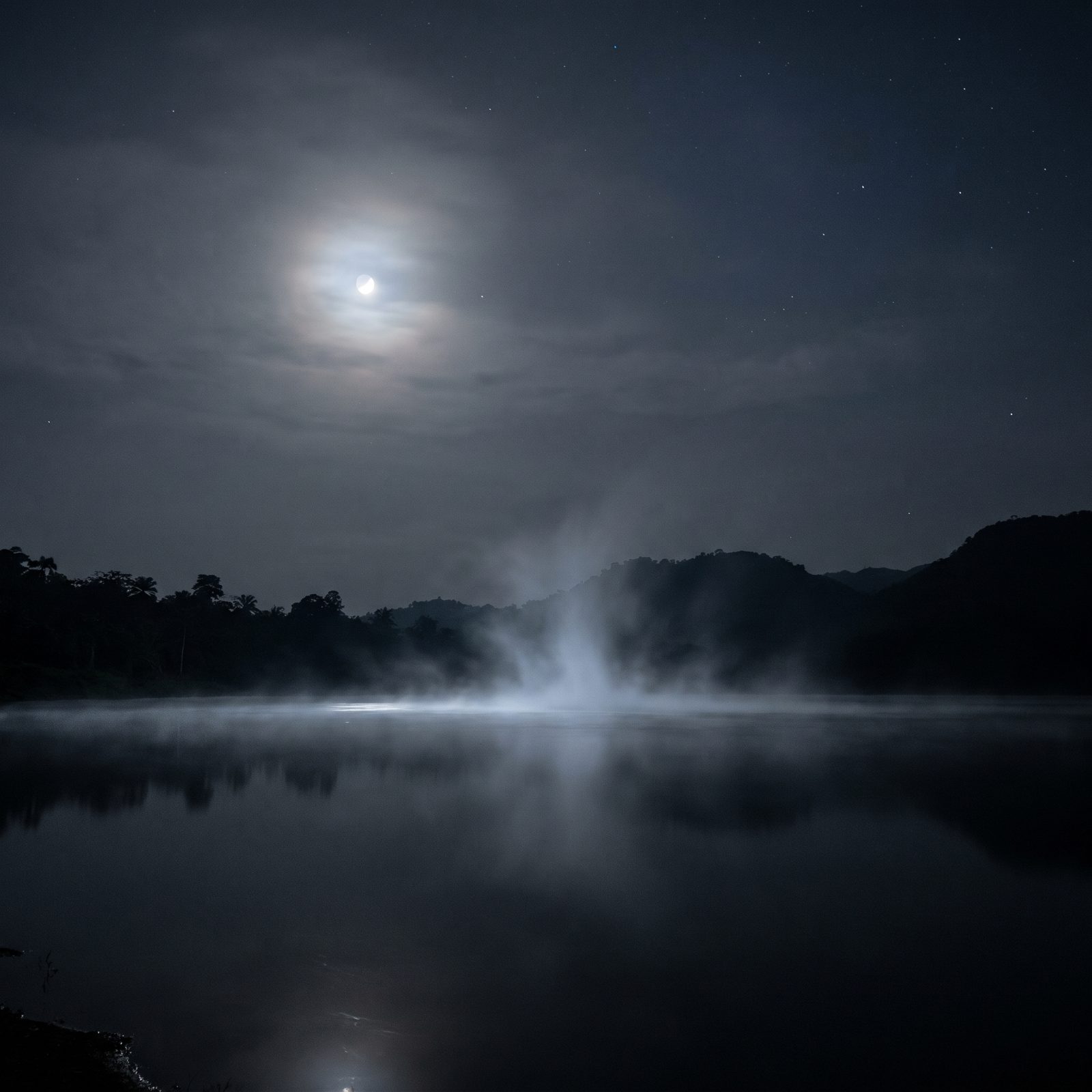
A lake killed 1,746 people in a single night, and the volcano never even erupted.
Lake Nyos in Cameroon sits in a volcanic crater. For years, CO2 from the magma below seeped into the deep, cold bottom water and stayed dissolved there under pressure, like soda in an unopened bottle. On August 21, 1986, something disturbed that layer. The lake overturned and belched a vast cloud of CO2 in minutes.
The gas, denser than air, poured down the valleys and smothered everything in its path. Villages up to 15 miles away lost nearly every person and animal. Survivors woke to silence. These limnic eruptions are rare — rare enough that engineers now run degassing pipes in Nyos to vent the gas slowly before it builds up again.
20. Volcanic Lightning: Why Ash Clouds Throw Their Own Storms
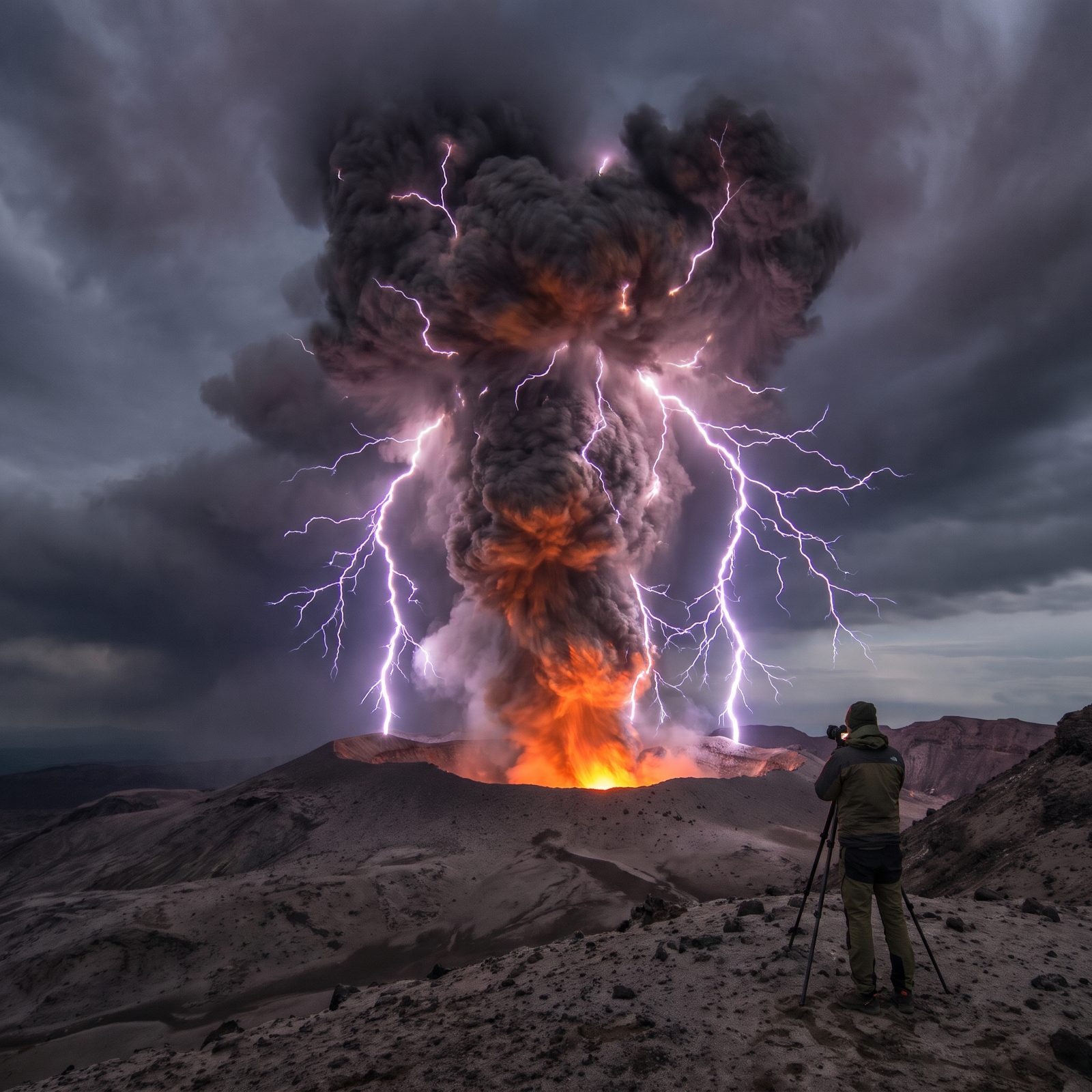
An erupting volcano can brew its own thunderstorm, right inside the ash cloud, and it’s one of the strangest sights in nature.
As ash and ice particles collide and shatter inside the plume, they build up electrical charge — exactly the way crystals do in a thundercloud. When the charge separation grows big enough, it discharges. Lightning threads through black clouds of ash, sometimes a flash a second.
Scientists call them “dirty thunderstorms,” and they’re not just spectacle. Lightning-detection networks now help track eruptions in remote corners where nobody is watching the mountain, because the flashes can be sensed from thousands of miles away.
19. Ashfall: The Soft Gray Blanket That Collapses Roofs and Stops Jets
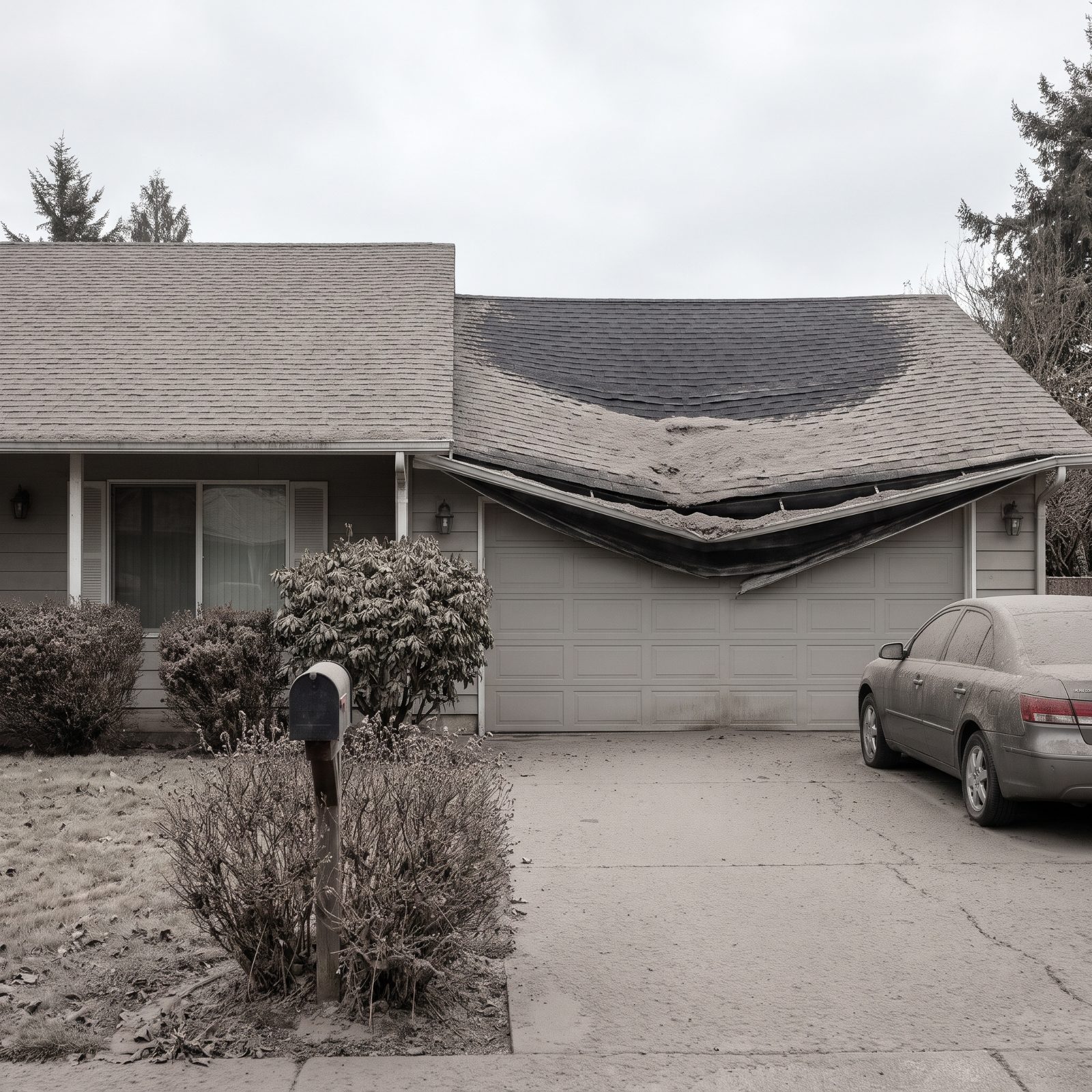
Volcanic ash isn’t soft fluffy campfire ash. It’s pulverized rock and glass — sharp, heavy, and when it gets wet it sets like cement.
A few inches is enough to crush a roof, especially after rain. Pile up enough and buildings fail across an entire region. It clogs water supplies, shorts out electrical systems and ruins engines.
In the air it’s worse. Ash melts inside a jet turbine and resolidifies as glass on the blades. In 1982 a British Airways 747 flew into an ash cloud over Indonesia and lost all four engines in the dark before the crew managed to restart them. The 2010 Eyjafjallajökull eruption in Iceland grounded European air travel for days and cost airlines billions.
18. Supervolcanoes: The Yellowstone-Scale Eruptions That Rewrite Climate
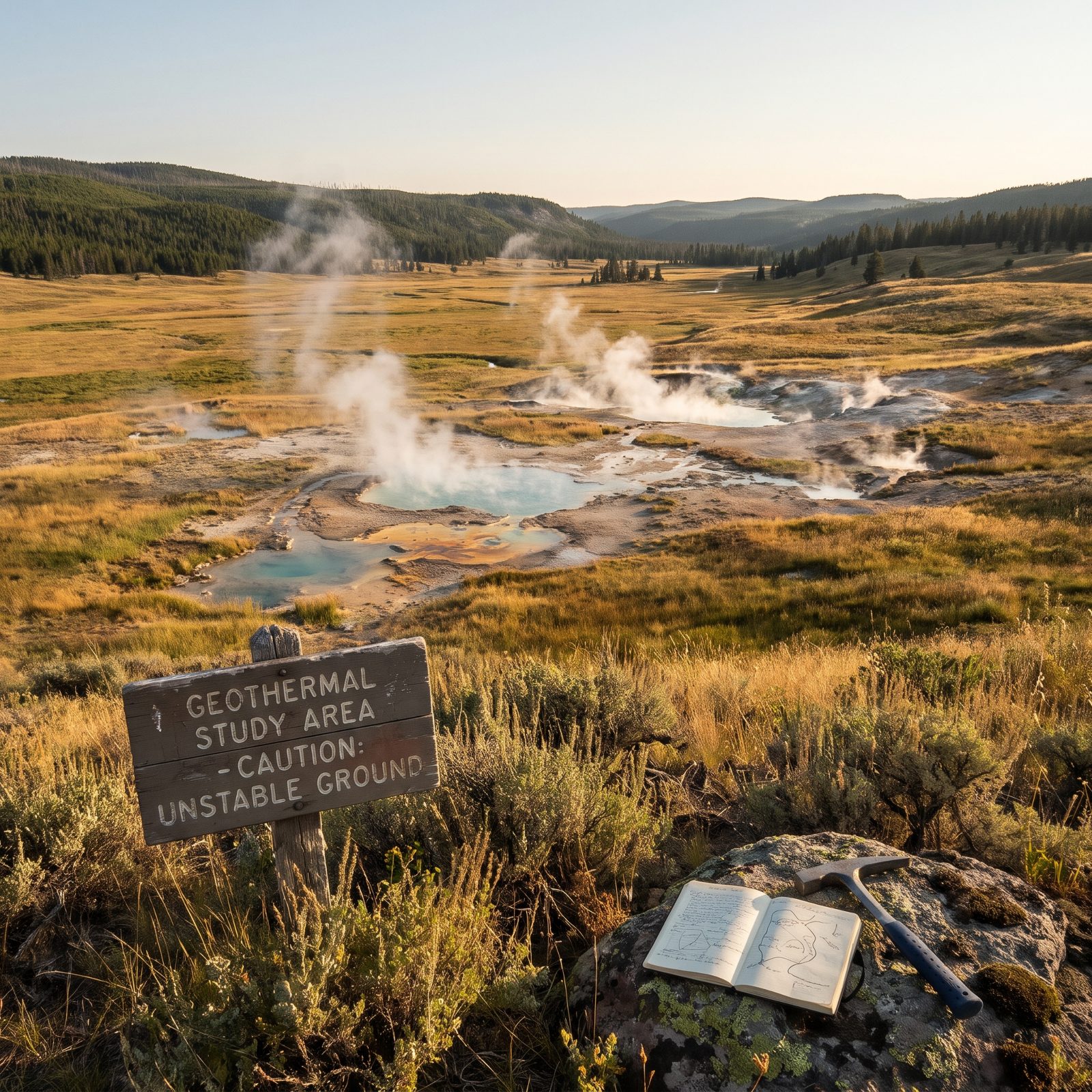
The unsettling thing about a supervolcano is that it doesn’t look like a volcano at all. It looks like a scenic valley with hot springs.
Yellowstone is the famous one. Its magma system last erupted on a colossal scale roughly 640,000 years ago, leaving a caldera dozens of miles across. An eruption that size would bury much of the continent in ash and inject so much sulfur into the stratosphere that global temperatures would drop for years.
Worth getting right, though: geologists see no sign one is due. The chance in any given year is vanishingly small, and it is not “overdue” in any meaningful sense. The hazard is real. The Hollywood timeline is not.
17. Volcanic Winter: The Year Without a Summer, 1816
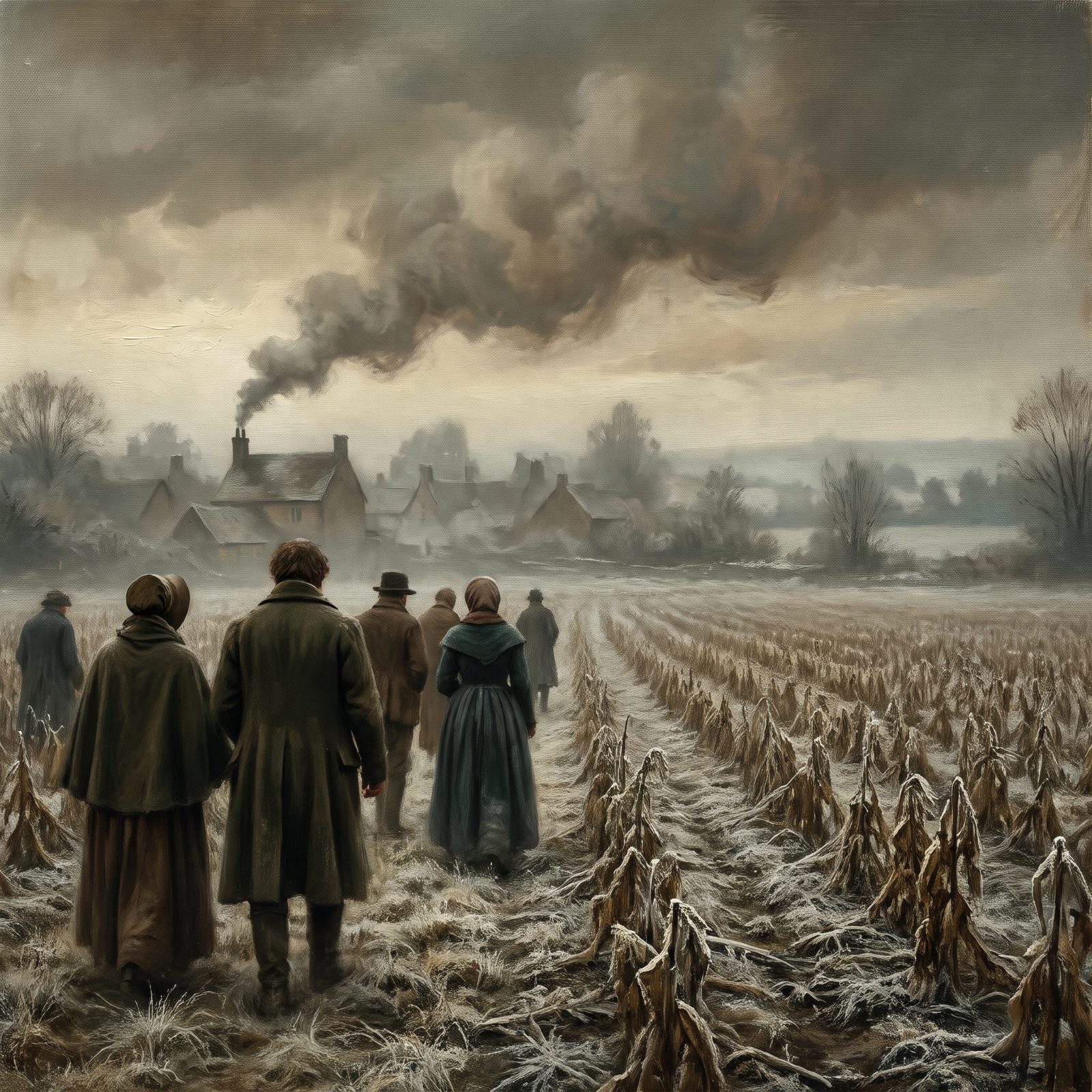
Imagine snow in June. Frost in July. Crops failing across three continents because a mountain on the other side of the world blew its top the year before.
That happened. In April 1815, Mount Tambora in Indonesia produced the largest eruption in recorded history, flinging so much sulfur into the stratosphere that a fine veil spread around the globe and dimmed the sun. 1816 became the “Year Without a Summer.”
Harvests failed from New England to Europe to China. Food prices soared, people starved, and the gloom famously drove a group of writers trapped indoors in Switzerland to pass the time with ghost stories. One of them wrote Frankenstein. A volcano half a world away shaped a season, a famine and a novel.
16. Base Surges: The Horizontal Blast That Flattens Forests Sideways
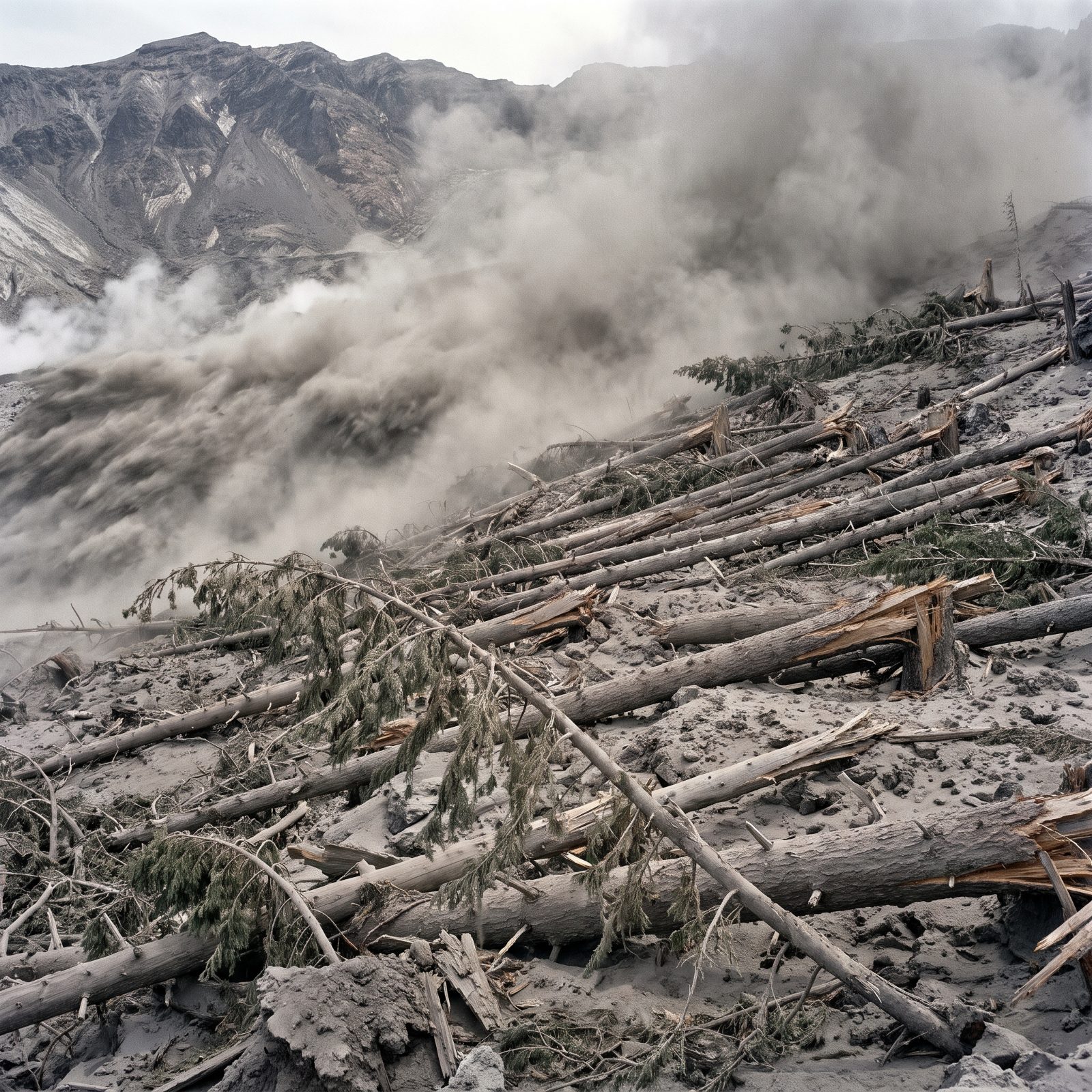
Most people picture a volcano firing straight up. Sometimes it fires sideways instead.
A base surge is a low, fast, turbulent cloud of hot gas and rock that races outward across the ground rather than up into the sky. When Mount St. Helens erupted in May 1980, its north flank collapsed and the blast went lateral. A ring of superheated debris flattened old-growth forest across hundreds of square miles, snapping mature trees like matchsticks and laying them out in neat radial rows pointing away from the mountain.
Fifty-seven people died, several of them miles away, in zones no one had expected the volcano to reach. That’s the lesson of the base surge. The danger line is wider, and lower, than it looks.
15. Volcanic Tsunamis: When a Collapsing Island Drowns the Coast
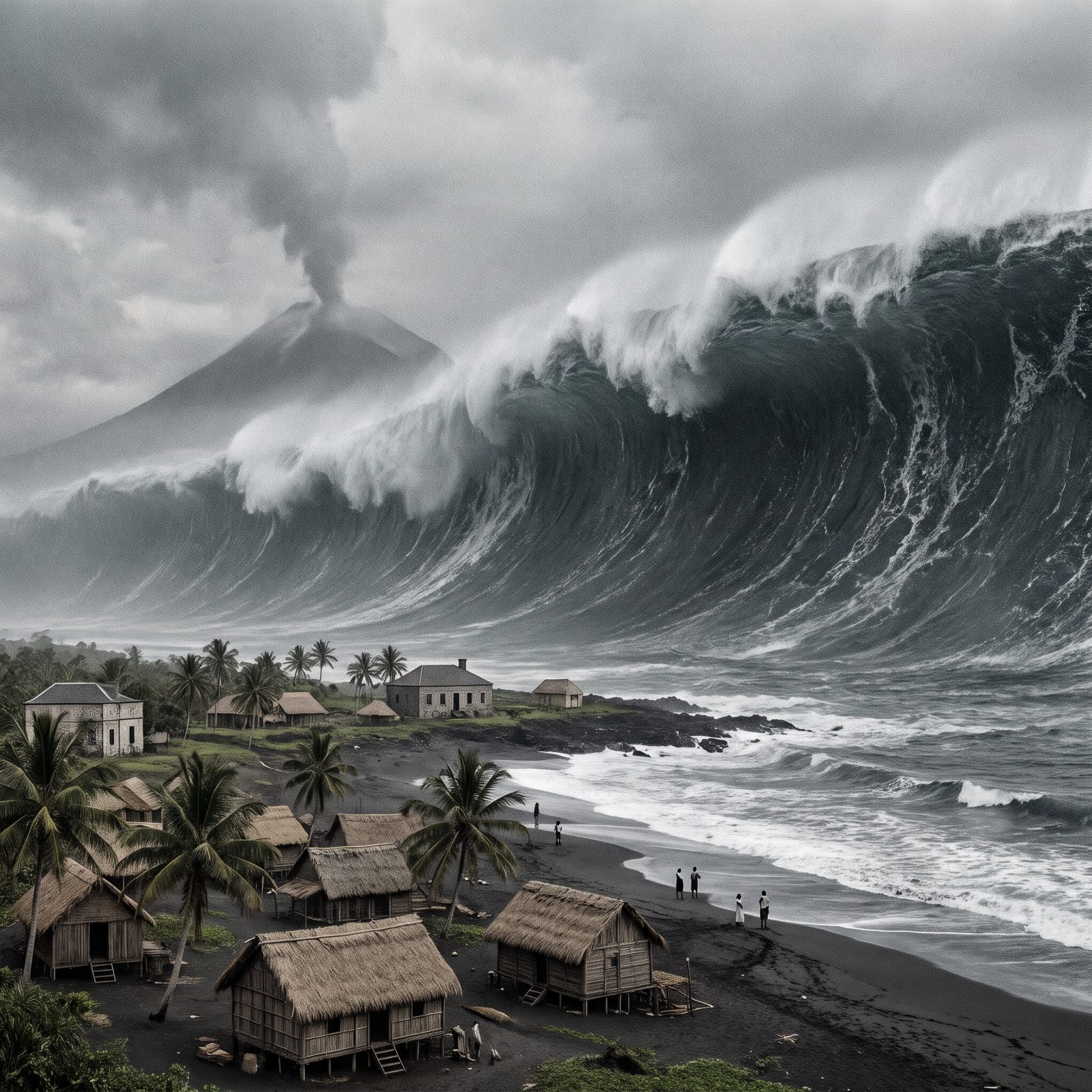
A volcano doesn’t need to be on the coast to drown one. It just needs to fall into the sea.
When Krakatoa erupted in 1883, much of the island collapsed into the ocean, displacing an enormous volume of water. The tsunamis that followed towered over a hundred feet high and killed most of the tens of thousands who died in that disaster. They never saw lava at all. They saw the water come in.
It happened again in 2018, when a flank of Anak Krakatau (“Child of Krakatoa”) slid into the sea and sent a wave onto the Sunda Strait coast at night, with no earthquake to warn anyone. Hundreds died. Volcanic tsunamis give almost no notice, which is precisely what makes them so lethal.
14. Phreatic Steam Explosions That Come With No Warning
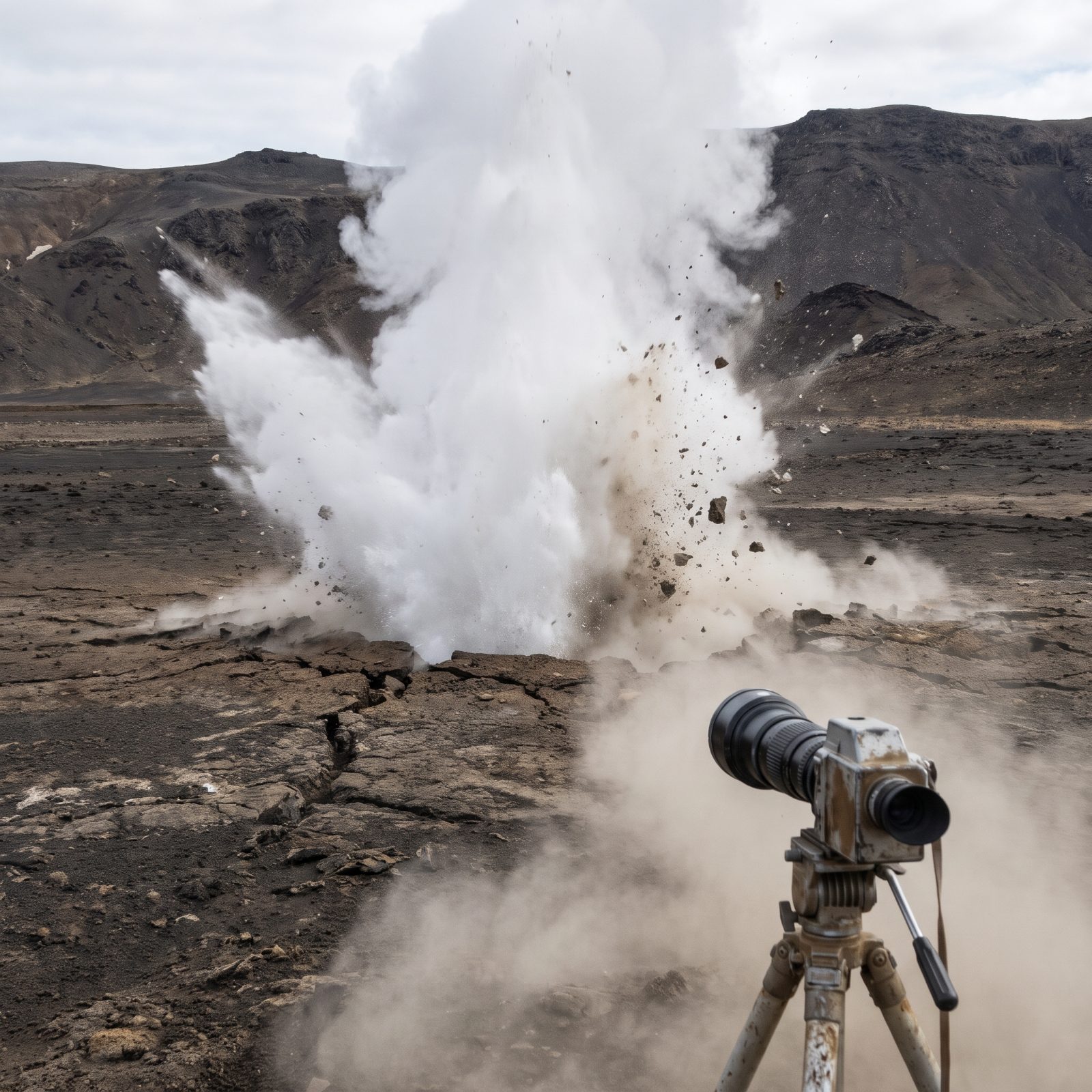
Water heated by magma doesn’t need the magma itself to reach the surface to kill you. Trap it, pressurize it, and let the lid fail. The flash to steam is near instant, and the ground above shatters outward like a cannon.
New Zealand’s Whakaari (White Island) proved the cruelty of this in December 2019. No new lava, no obvious buildup — just superheated steam and rock, and 22 people dead from a volcano that had barely twitched on the monitors.
13. Volcanic Bombs Thrown Miles From the Vent
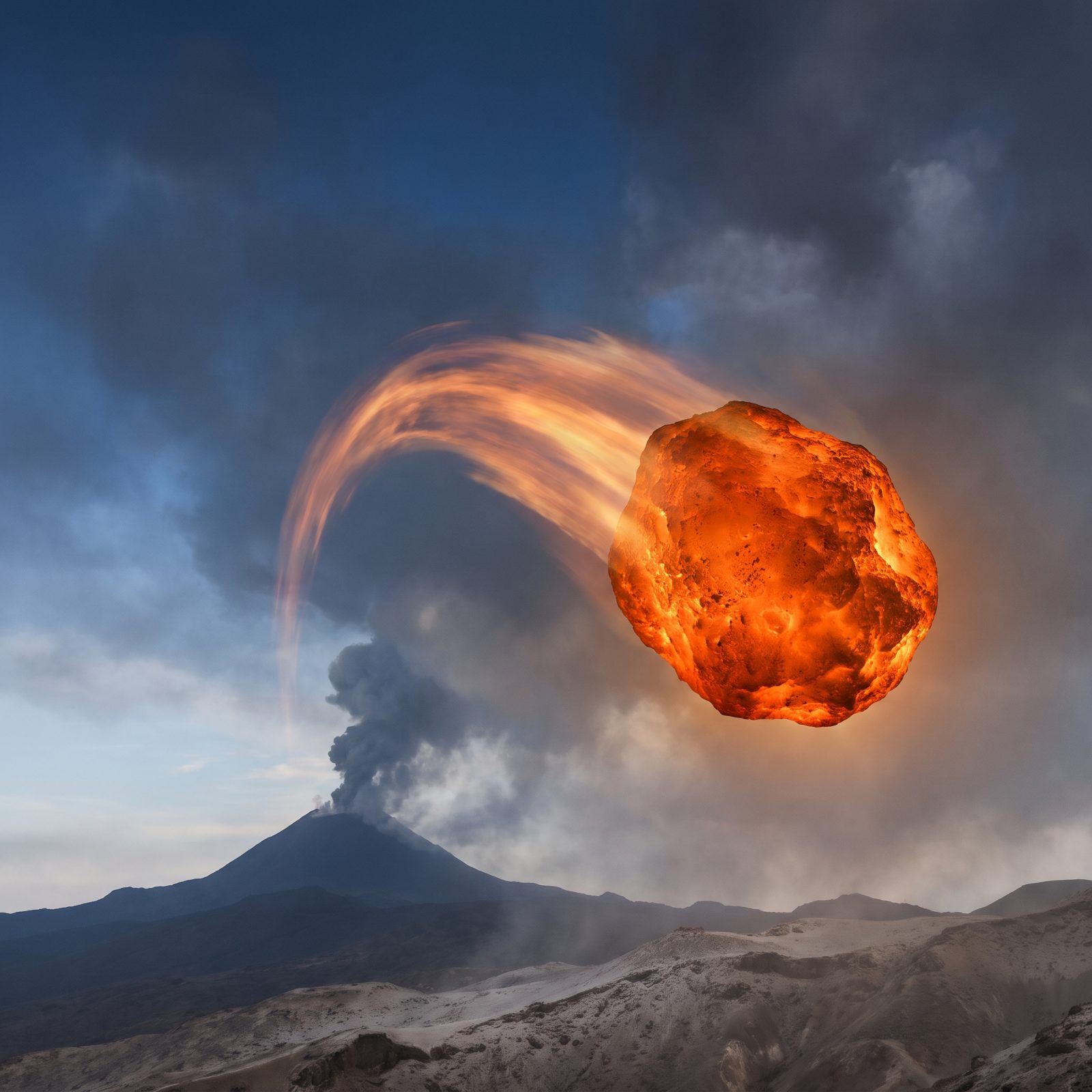
Picture a chunk of molten rock the size of a house, launched out of a crater and still soft enough to flatten into a pancake when it lands. That’s a volcanic bomb. The big ones can travel more than a mile; the smaller ones go further still.
They cool in flight, twisting into spindle and breadcrust shapes that geologists collect like trophies. Standing near a strombolian vent is a game of watching the sky and trusting your legs to carry you out of the way. We’d rather not test ours.
12. Caldera Collapse That Swallows the Ground Whole
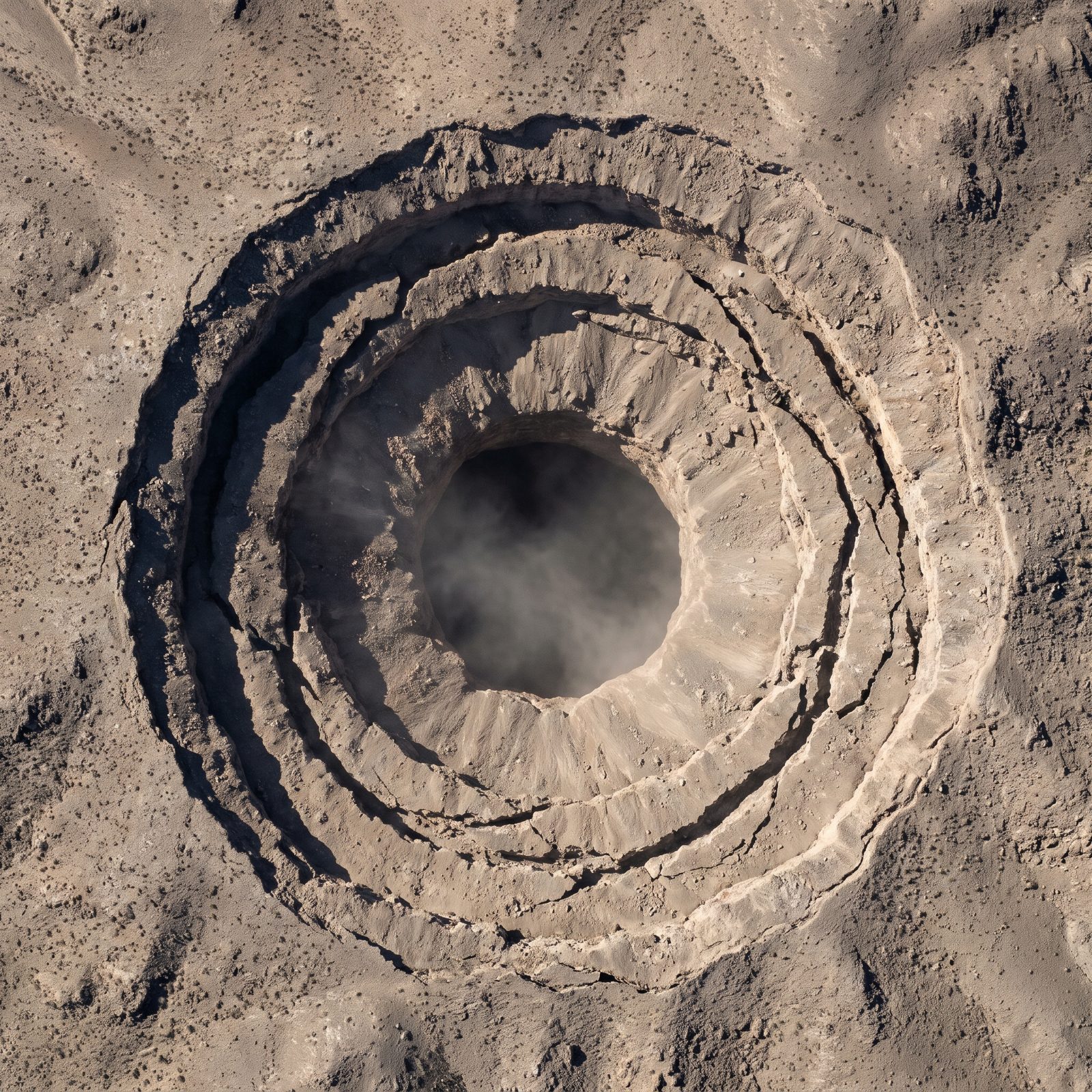
Sometimes the ground doesn’t blow up. It falls in.
When a magma chamber empties faster than it refills, the roof above loses its support and drops. The summit caves into the void below, leaving a crater that can be miles wide.
Kilauea did exactly this in 2018. Over three months the summit floor collapsed in dozens of stair-step events, each one jolting the island with an earthquake, until the caldera had deepened by hundreds of feet. The mountain ate its own top.
11. Vog, The Volcanic Smog That Travels for Miles
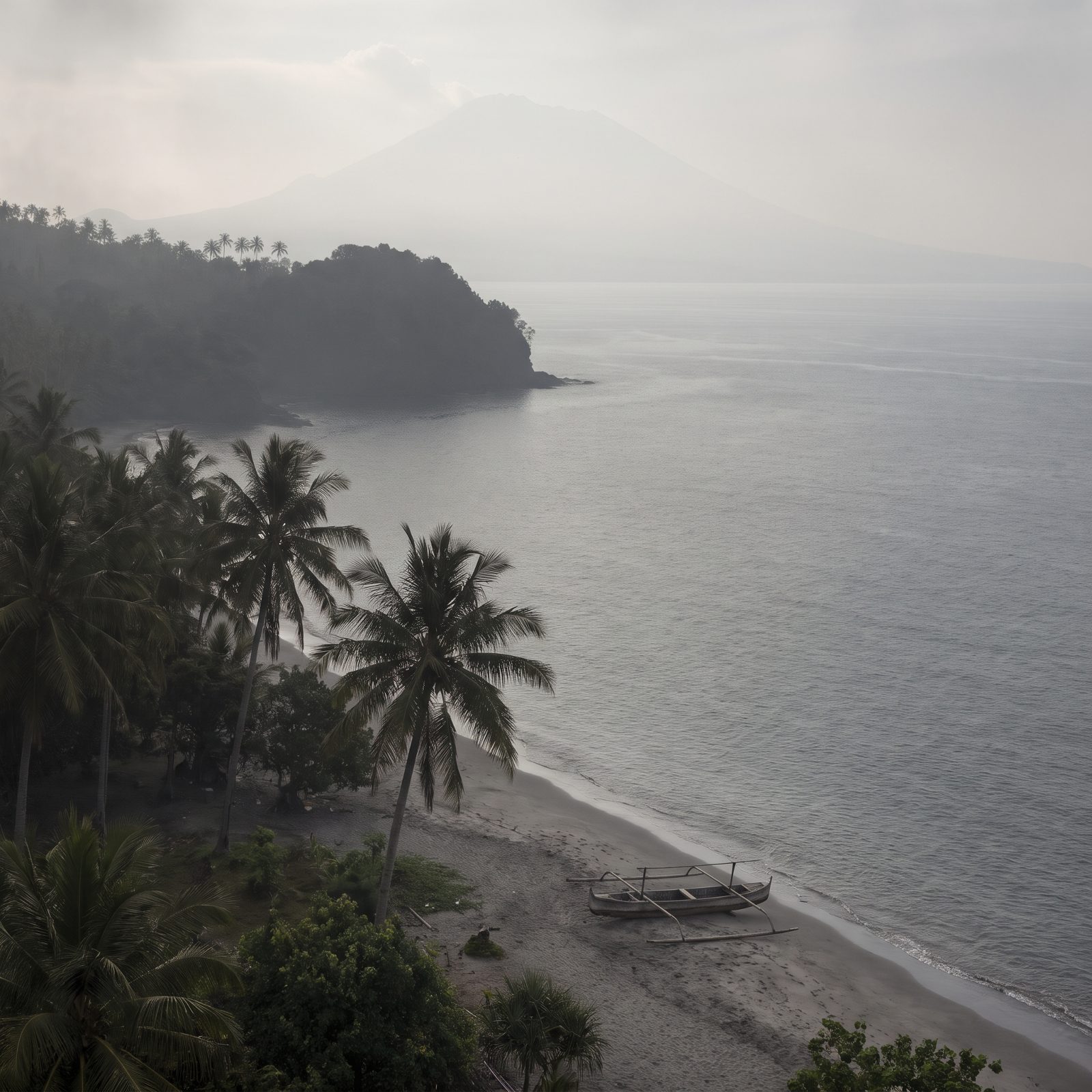
The eruption can be on the far side of the island and still send you to the hospital. Vog is the smog volcanoes make — sulfur dioxide gas reacting with sunlight, oxygen and moisture into fine acidic droplets that hang in the air and ride the wind for miles.
Hawaii knows it intimately. On bad days during Kilauea’s long eruptions, communities downwind report burning eyes, headaches and tightened chests, and people with asthma feel it first and worst. The volcano doesn’t have to reach you. Its breath does.
10. Laze, Acid Clouds Where Lava Meets the Sea
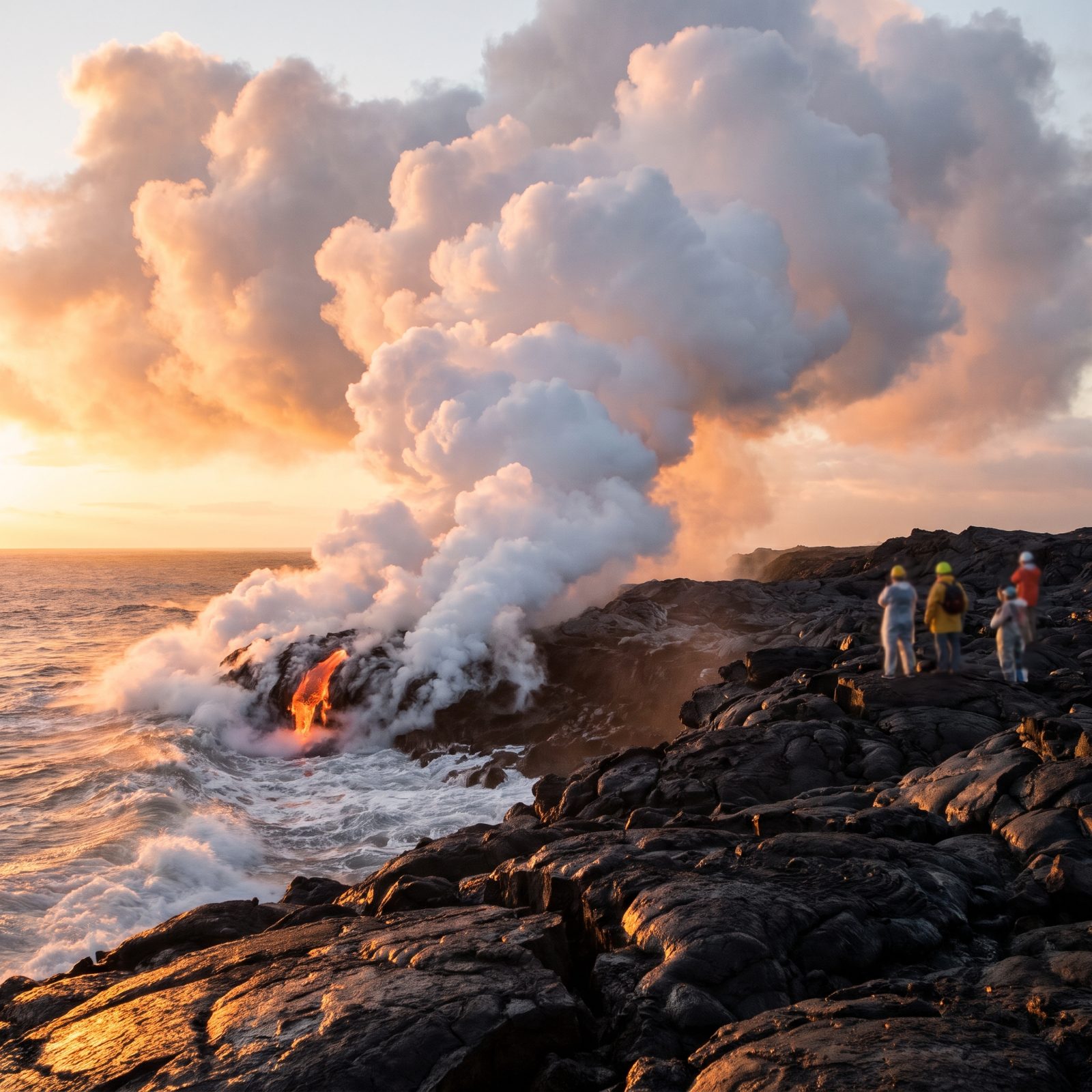
Where lava enters the ocean, it looks like a postcard. Get close, though, and you’re breathing hydrochloric acid.
Laze, short for lava haze, forms when molten rock boils seawater and the chemistry turns sour. The plume carries hydrochloric acid, steam and tiny shards of volcanic glass sharp enough to irritate skin, eyes and lungs — about as acidic as what’s sitting in your car battery.
In 2018 a tour boat ventured too near a Kilauea ocean entry and a lava bomb punched through its roof, injuring nearly two dozen people. That pretty white cloud is a warning, not an invitation.
9. Acid Rain Brewed in an Eruption Plume
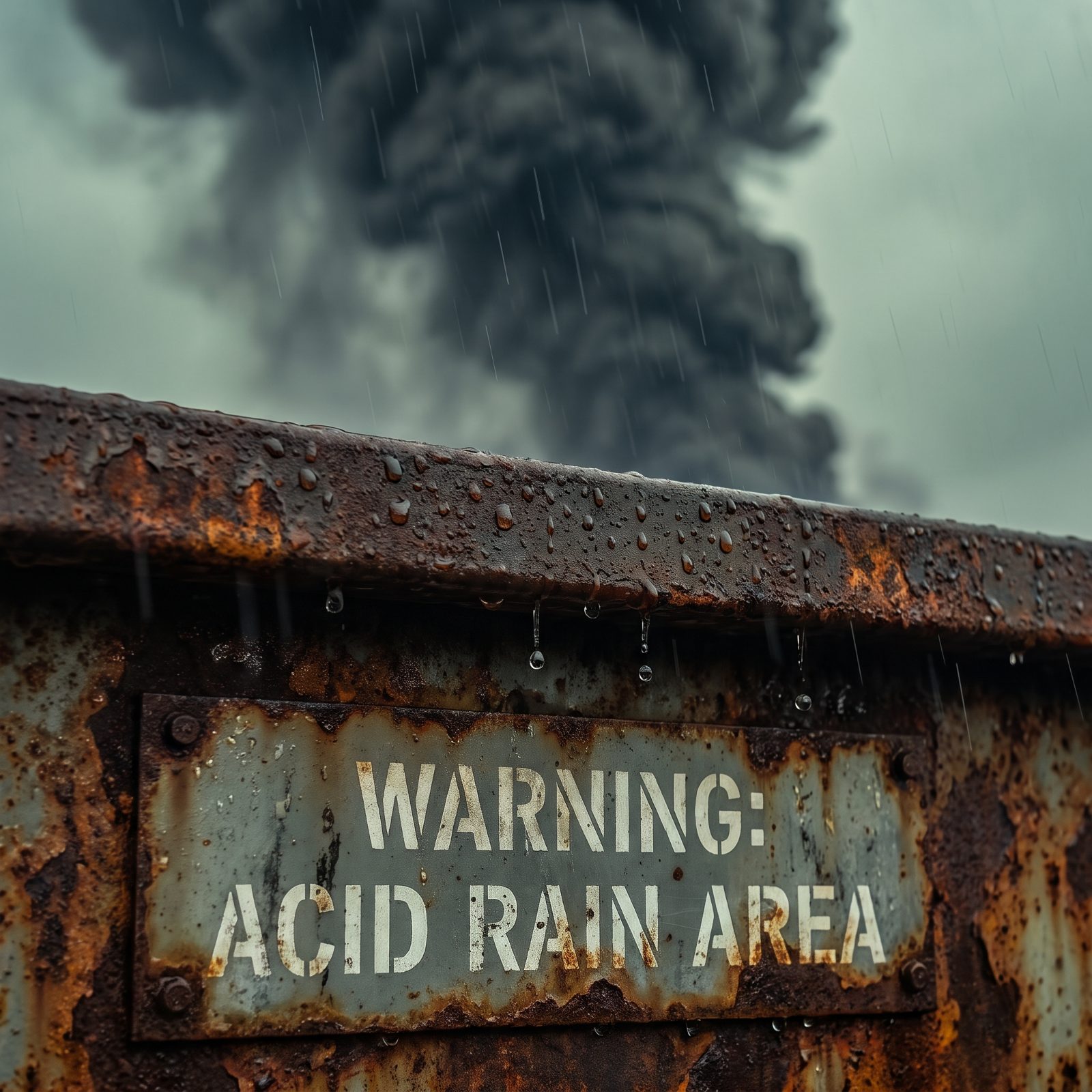
Rain is supposed to clean the air. Near an erupting volcano, it does the opposite.
Eruptions pump sulfur dioxide and hydrogen chloride into the sky, and those gases dissolve in water vapor and come back down as acid rain — corrosive enough to burn plant leaves, pit metal roofs and foul the drinking water people collect in catchment tanks.
Communities around active volcanoes in Hawaii and the Philippines have watched gardens blacken and gutters rot. Then the eruption ends and the chemistry keeps falling for a while after.
8. Flank Collapse and the Landslide That Reshapes an Island
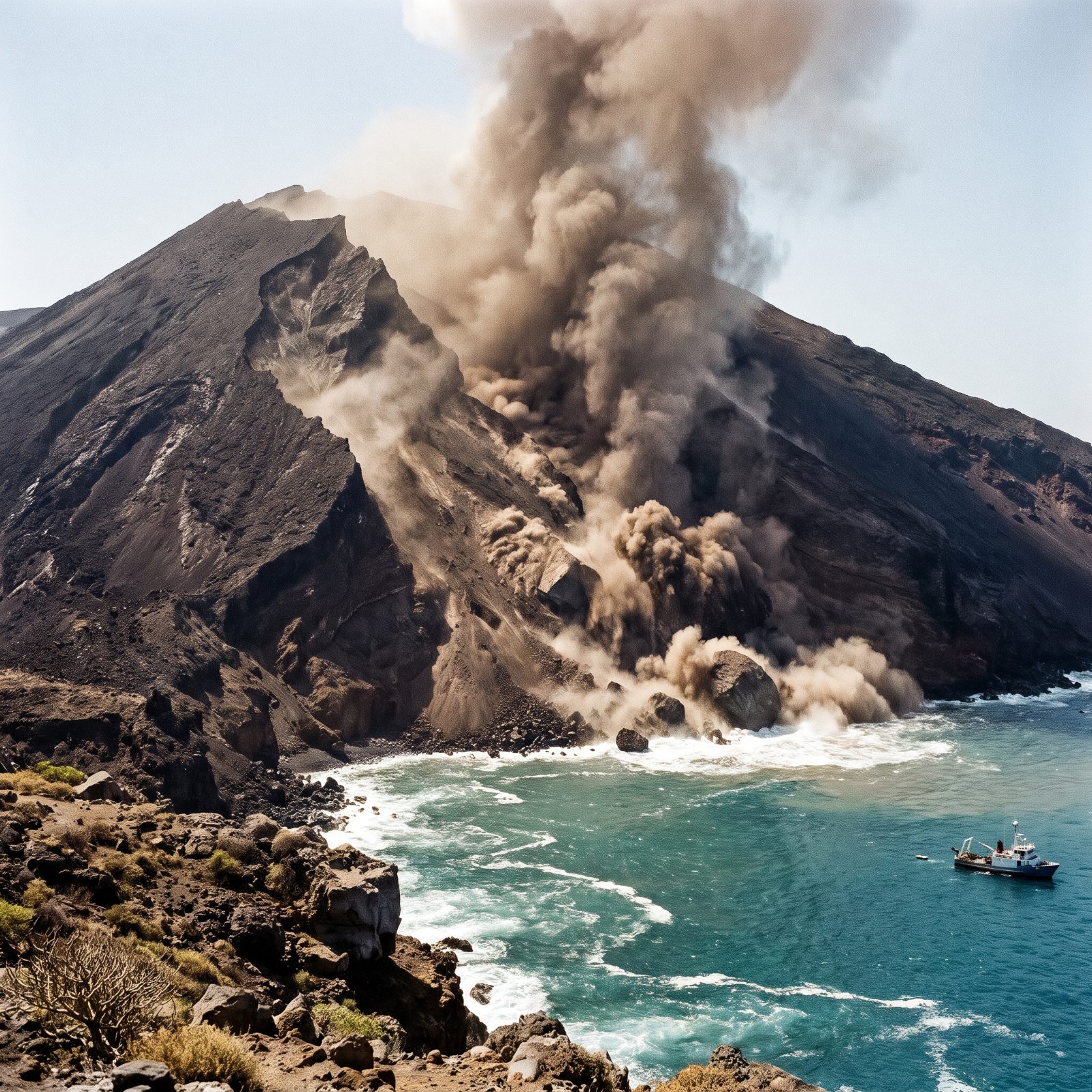
A volcano is a pile of loose rubble that happens to be shaped like a mountain.
Steepen it, soak it with groundwater, shake it with earthquakes and swell it with rising magma, and one whole side can let go at once. The 1980 Mount St. Helens eruption began with the largest landslide in recorded history — the north flank sliding away in seconds and uncorking the blast beneath it.
When a flank collapses into the sea, the danger multiplies. The sliding mass can shove the water into a tsunami, as happened at Indonesia’s Anak Krakatau in 2018, killing hundreds along nearby coasts with almost no warning.
7. Jökulhlaups, The Glacial Floods Born Under Ice
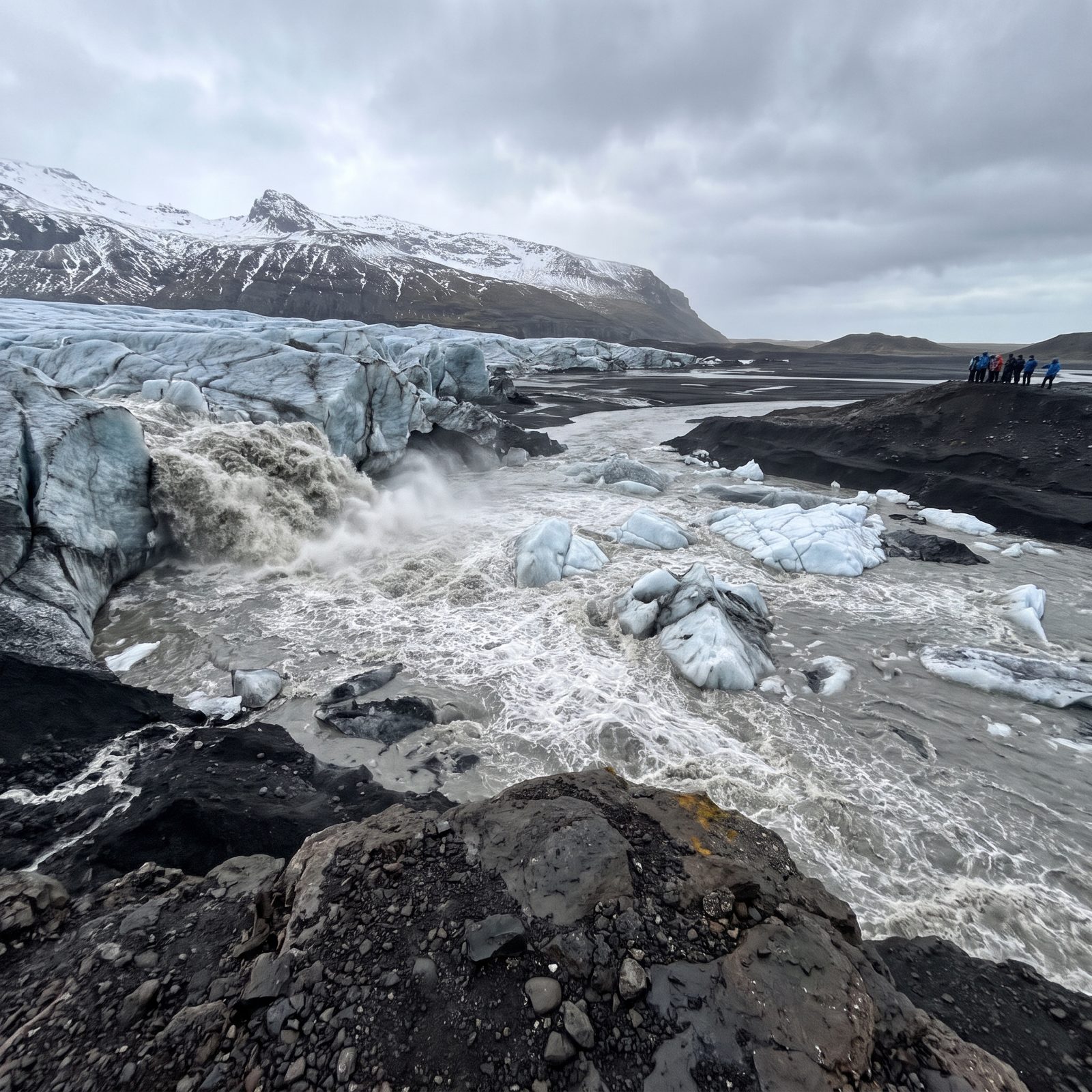
Iceland gave the world the word: jökulhlaup, roughly “glacier leap.” When a volcano erupts under an ice cap, it melts enormous volumes of ice from below. The meltwater pools until it breaks free, then races downhill as a flood carrying icebergs, boulders and whole bridges.
The 1996 Gjálp eruption beneath Vatnajökull sent a flood across the sandur plains at a peak discharge rivaling the Amazon’s, tossing ice blocks the size of houses and wiping out highway spans. Icelanders build their roads expecting it.
6. Ballistic Blocks Raining Down on the Curious
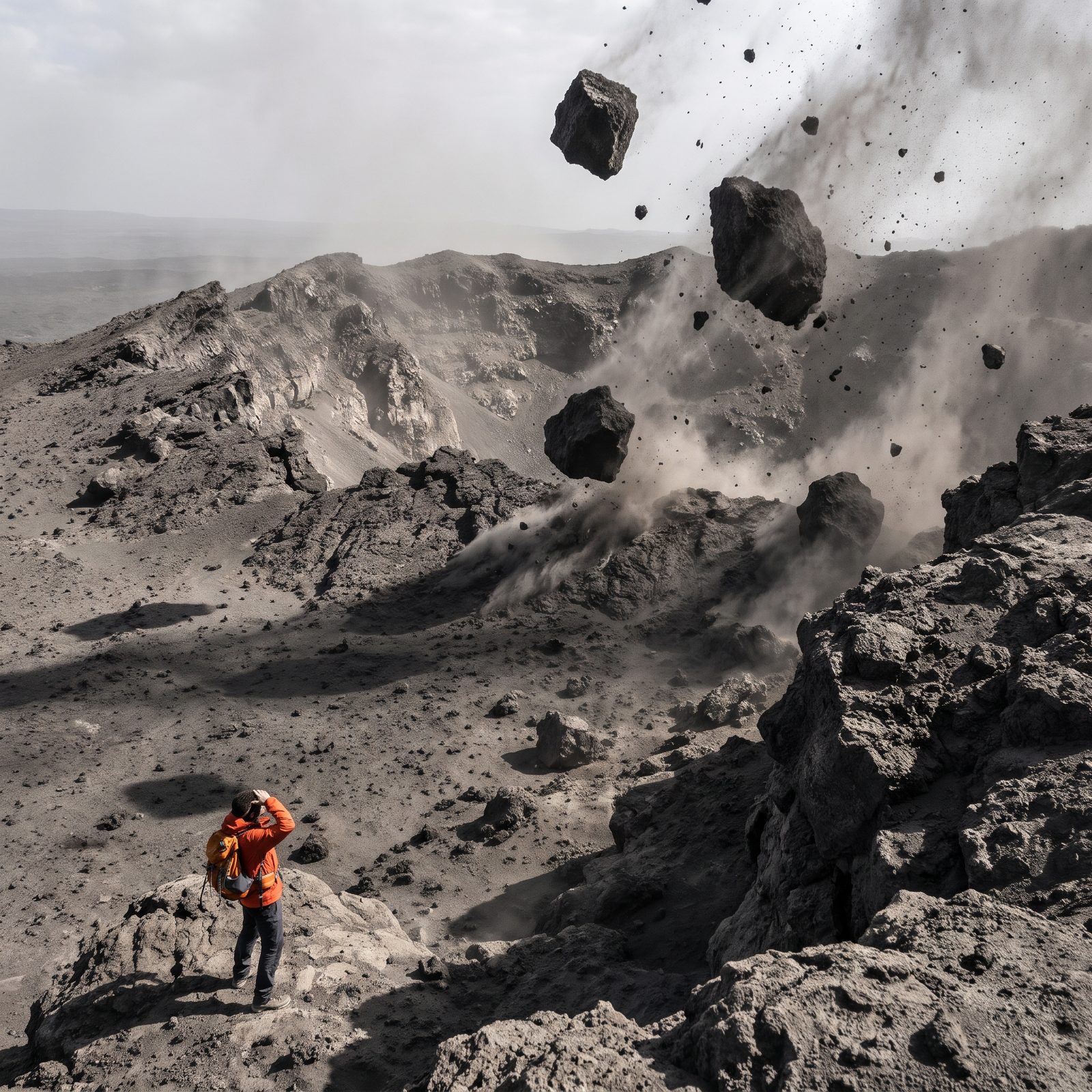
Ballistic blocks are the bombs that have already hardened: solid chunks of old rock ripped from the vent and flung out on steep arcs. No warning scream, no smoke trail — just a dark shape dropping out of the ash cloud.
Japan’s Mount Ontake killed more than 50 hikers in 2014, most of them struck by these falling blocks during a sudden phreatic eruption near the busy summit. It was a clear autumn weekend. The mountain had given almost no notice.
5. Earthquake Swarms: The Ground Telling You What’s Coming
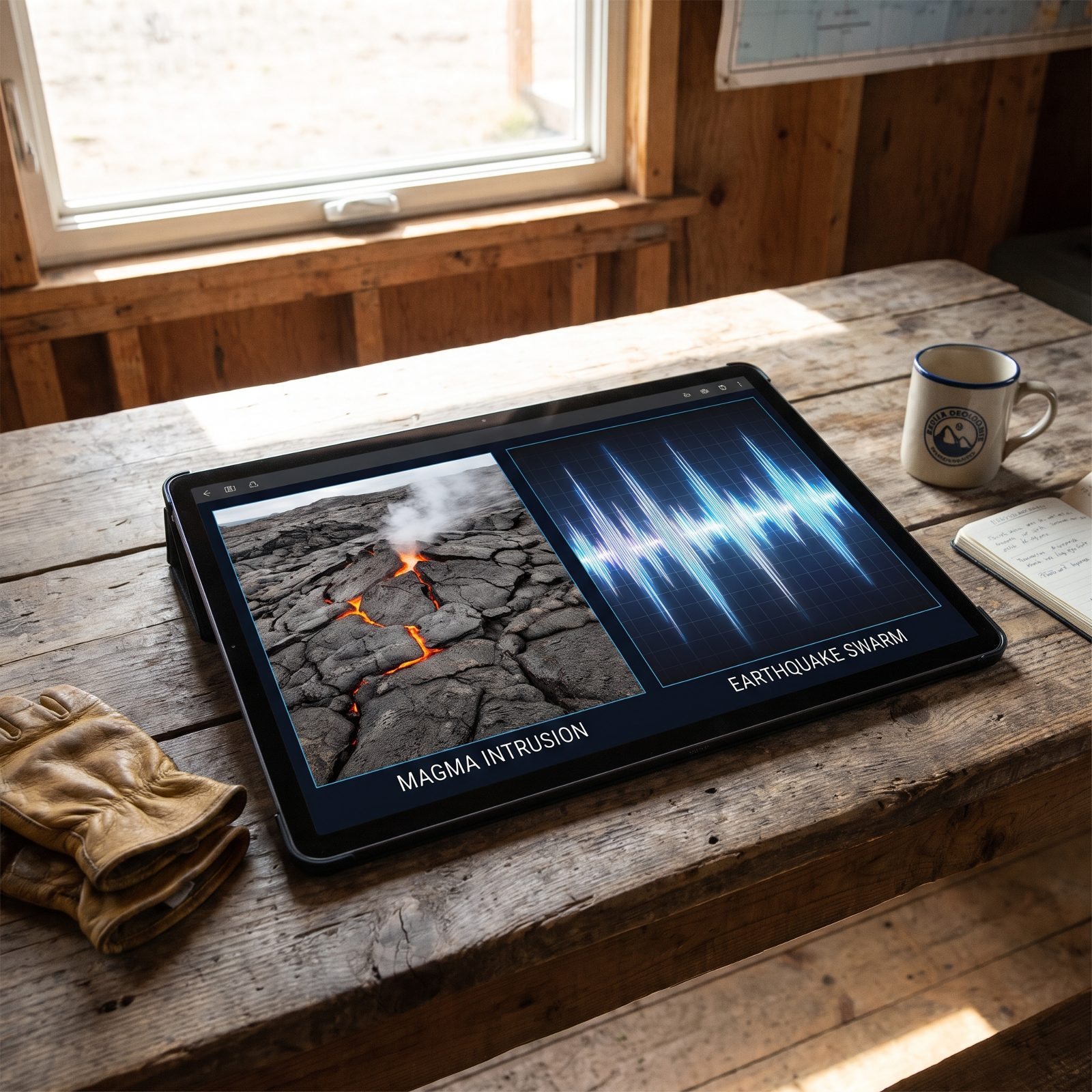
Before a volcano does anything you can see, the rock below it starts to crack. Magma shoulders its way upward and snaps the crust, and each snap registers as a tiny quake — hundreds a day, sometimes thousands.
No other warning sign beats it. Kilauea, Mount St. Helens in 1980, Iceland’s Reykjanes fissures in 2021 — the swarms handed observatories days to weeks of lead time. The quakes themselves rarely pack enough punch to hurt anyone. It’s what they mean that should worry you.
4. Pele’s Hair: Glass Spun So Fine the Wind Carries It for Miles
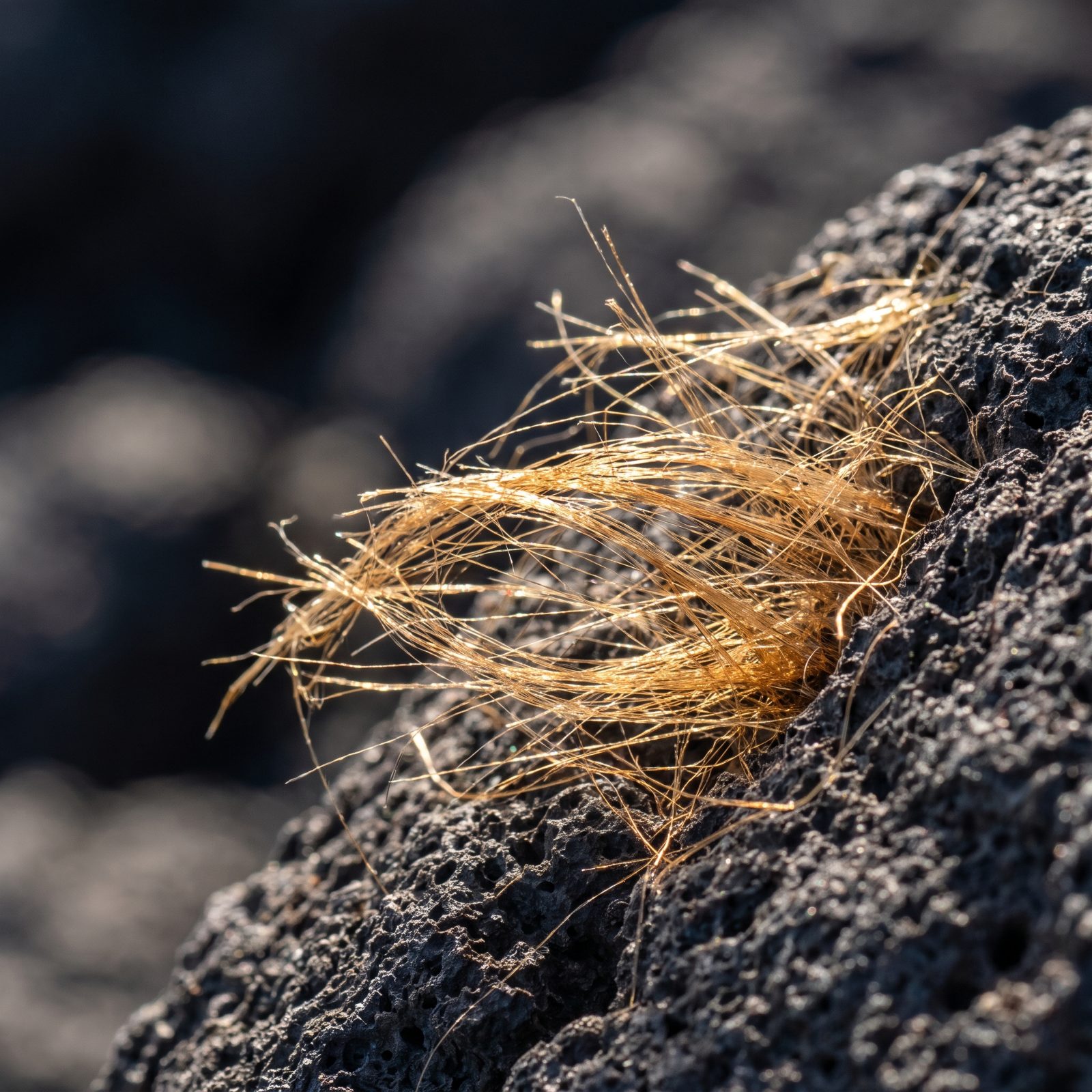
Lava fountains don’t just spit rock. When molten droplets fly and the wind stretches them, they cool into threads of actual glass — thin as a human hair, gold in the afternoon light. Hawaiians named it after Pele, the volcano goddess. It looks almost pretty.
It isn’t. The fibers are brittle volcanic glass that drifts downwind, collects in gutters and on car hoods, and works its way into skin and eyes. Downwind of Kilauea, residents have found it coating their yards after a big fountaining episode. Rub your eye after handling it and you’ll regret it.
3. Fissure Eruptions: When the Earth Opens in a Line Instead of a Cone
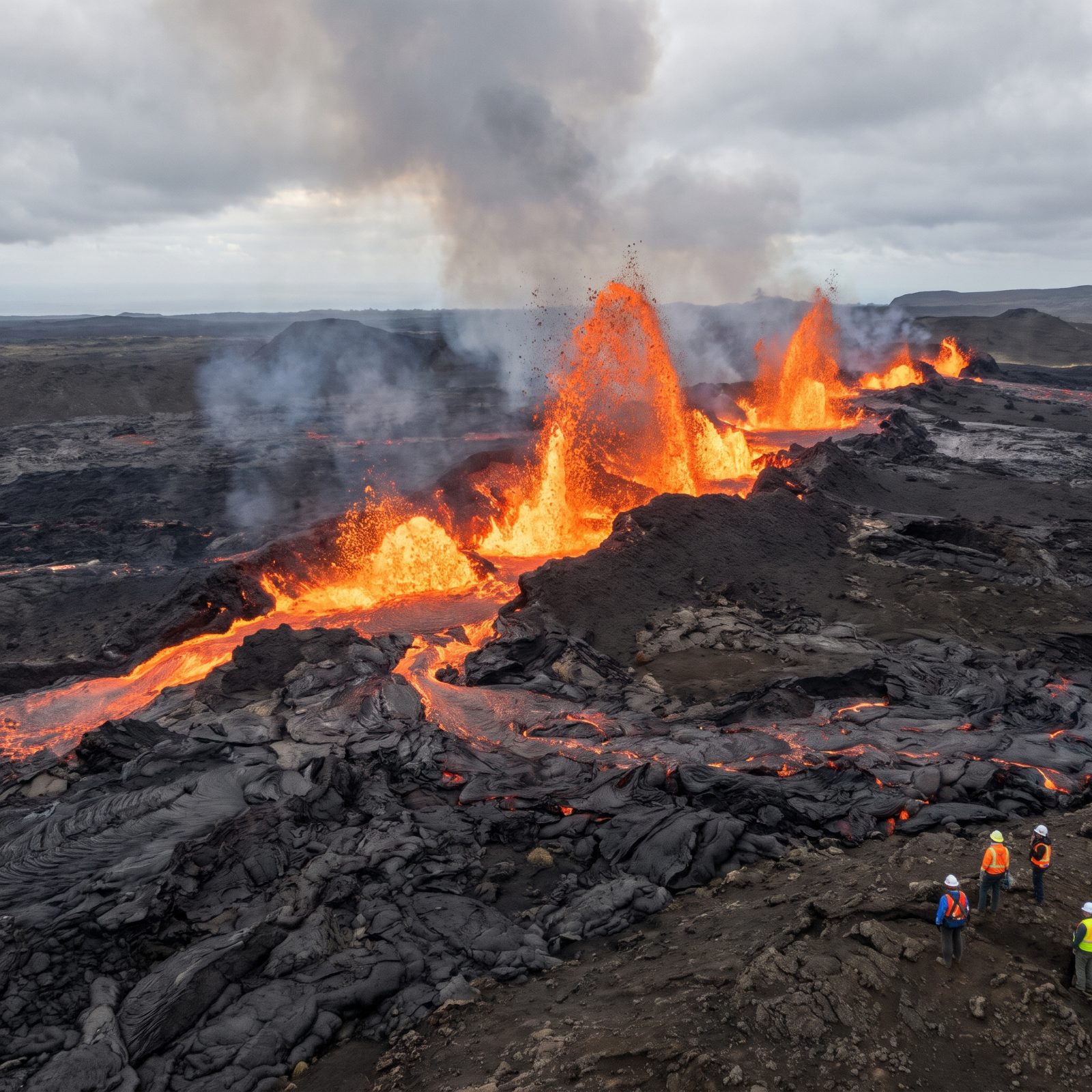
Forget the tidy cone from the children’s book. Many of the planet’s largest eruptions come from a crack, not a peak. The ground tears open along a line and lava pours out in a curtain that can run for miles.
Iceland’s Reykjanes eruptions between 2021 and 2023 did exactly this, and the 2014 Holuhraun fissure laid down a lava field roughly the size of Manhattan over half a year. But the lava often isn’t the real danger. It’s the sheer volume of gas a fissure belches out — day after day, with no sign of stopping.
The biggest lava flows in Earth’s history came from fissures, not famous mountains.
2. Sulfur Dioxide in the Stratosphere: The Gas That Can Cool the Whole Planet
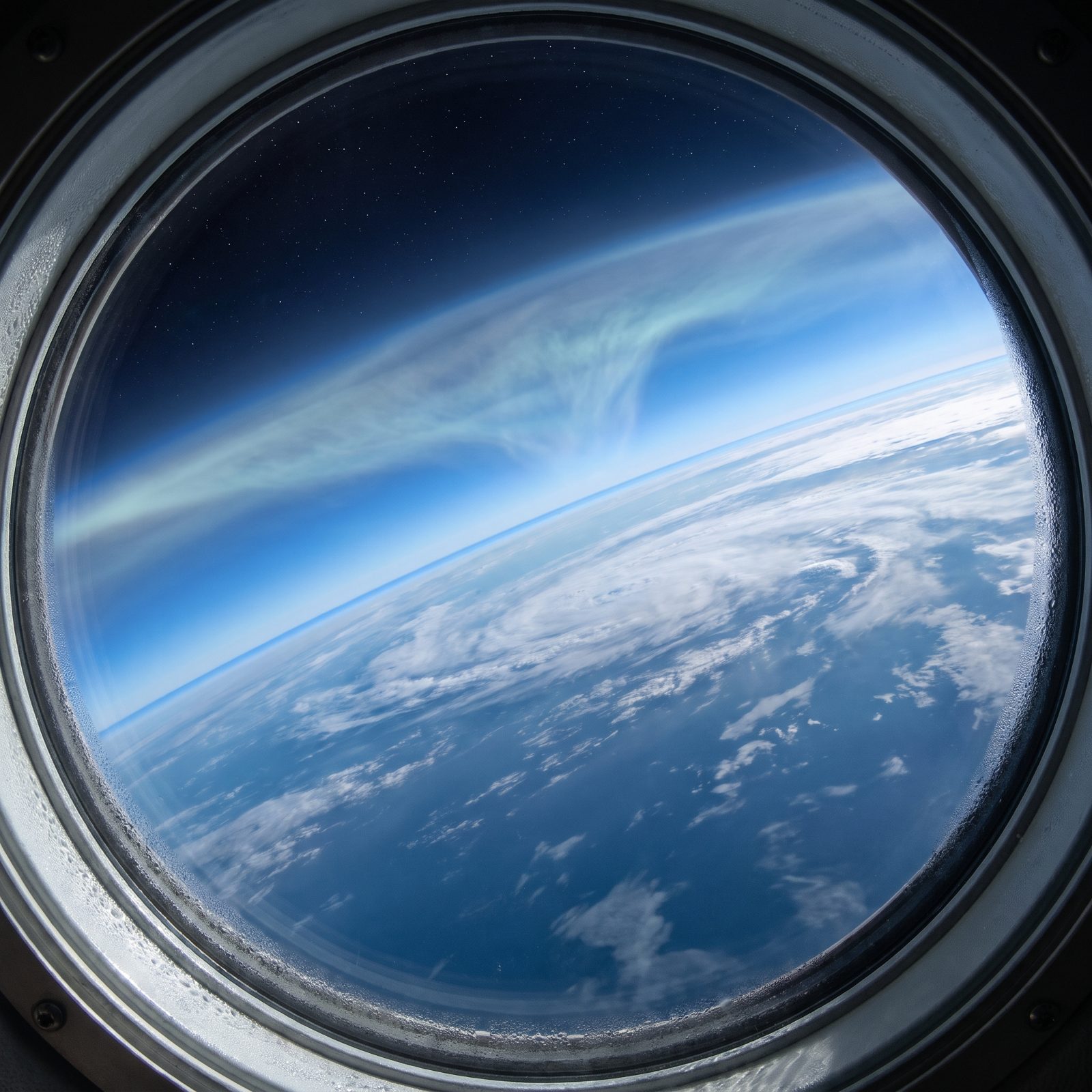
The scariest thing a volcano can do might be invisible. A big enough eruption injects sulfur dioxide miles up into the stratosphere, where it reacts to form a haze of tiny sulfate droplets — and that haze bounces sunlight straight back to space.
When Pinatubo blew in 1991, it flung roughly 20 million tons of sulfur dioxide up high, and global temperatures sagged about half a degree Celsius for more than a year. Go back to 1815: Tambora’s eruption gave the Northern Hemisphere the “Year Without a Summer” in 1816, and crops failed on a continental scale.
1. Ash in the Water Supply: The Hazard That Outlasts the Eruption
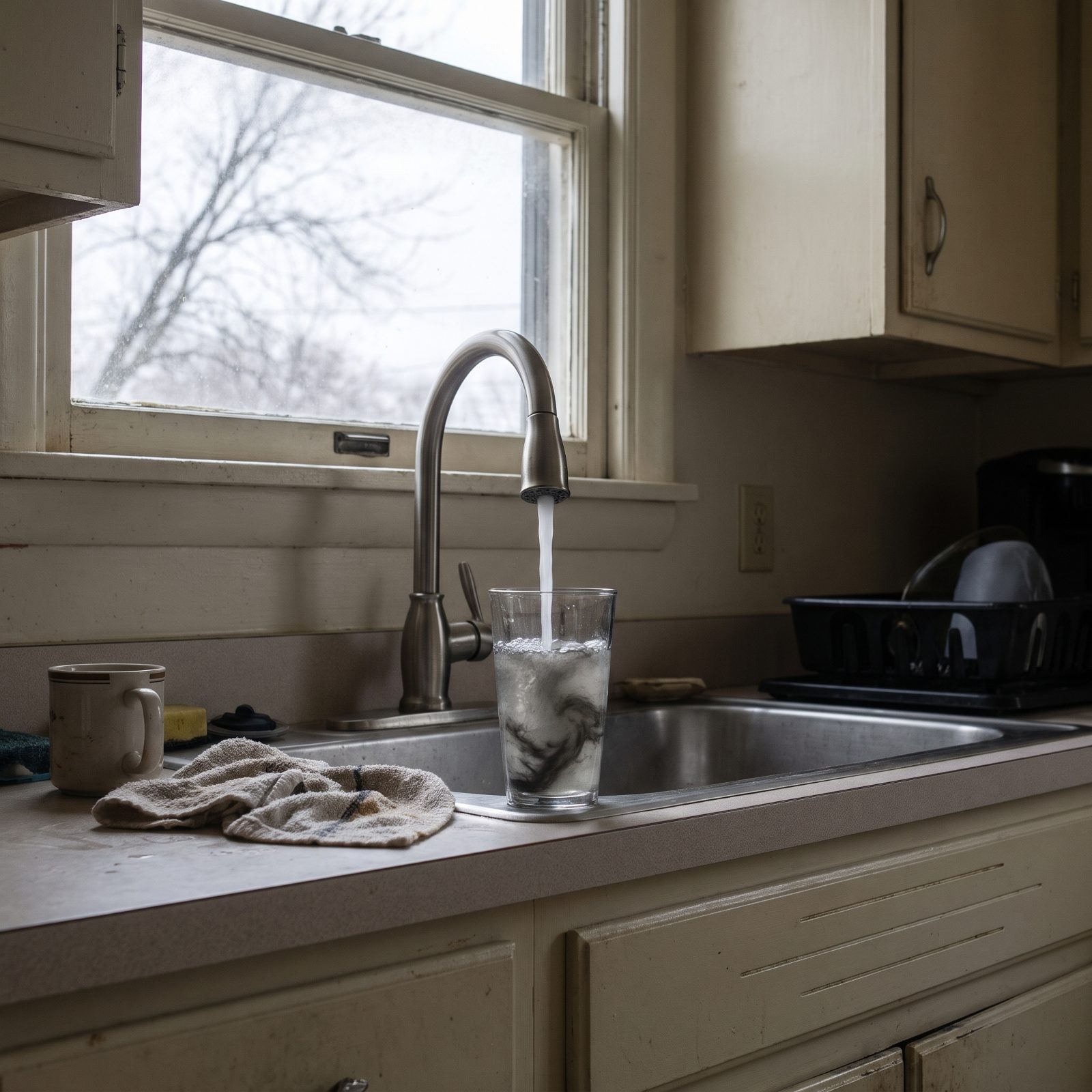
Lava stops. Ash doesn’t. Fine volcanic ash settles into rivers, reservoirs and rooftop rain tanks, turning water acidic and loading it with fluoride and other elements leached straight out of the glass.
After the Soufriere Hills eruptions on Montserrat in the mid-1990s — and again and again in Iceland and across the Pacific — communities faced clogged filters and water nobody could safely drink for days, sometimes weeks. In Iceland, fluoride-laden ash has poisoned grazing livestock, killing sheep that cropped contaminated grass. The eruption makes the news. The water crisis afterward usually doesn’t.