Boil it, freeze it, fire radiation at it, suck out all the air, leave it bone-dry for a decade. Life still shrugs and says no thanks, I’ll pass. All over the planet there are animals built for conditions that would kill you in seconds and fry most lab gear in minutes. Some rewrite their own blood chemistry. Some turn to glass and simply wait it out. And some run across sand hot enough to cook an egg without ever breaking a sweat, because sweating is a luxury they can’t afford. Meet Earth’s hardest residents — the science behind them is weirder than any monster story.
29. The Tardigrade That Took a Space Vacuum and Came Back
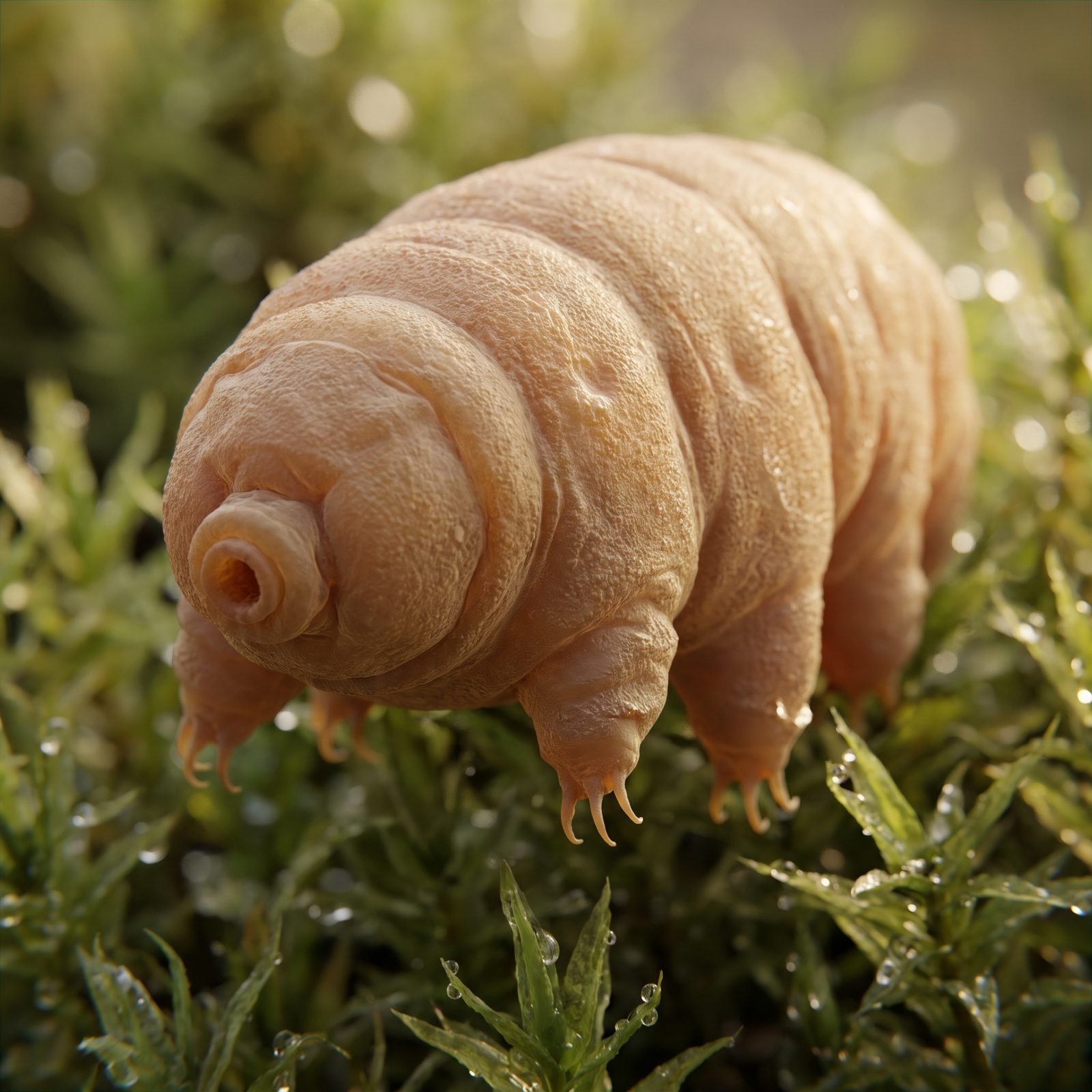
About the length of a grain of salt — and it has survived the open vacuum of space. In 2007, live tardigrades rode outside a satellite into orbit, took a beating from solar radiation, and some came home and calmly reproduced. The trick is a state called cryptobiosis, where the animal expels nearly all its water, curls into a dried-out ball called a tun, and swaps its fluids for a sugar that turns its insides to glass.
No metabolism. No aging. A pause button held down for years. Radiation that would shred your DNA barely dents it, partly thanks to a protein that physically wraps around its chromosomes like a shield.
28. The Pompeii Worm Living With Its Tail in the Fire
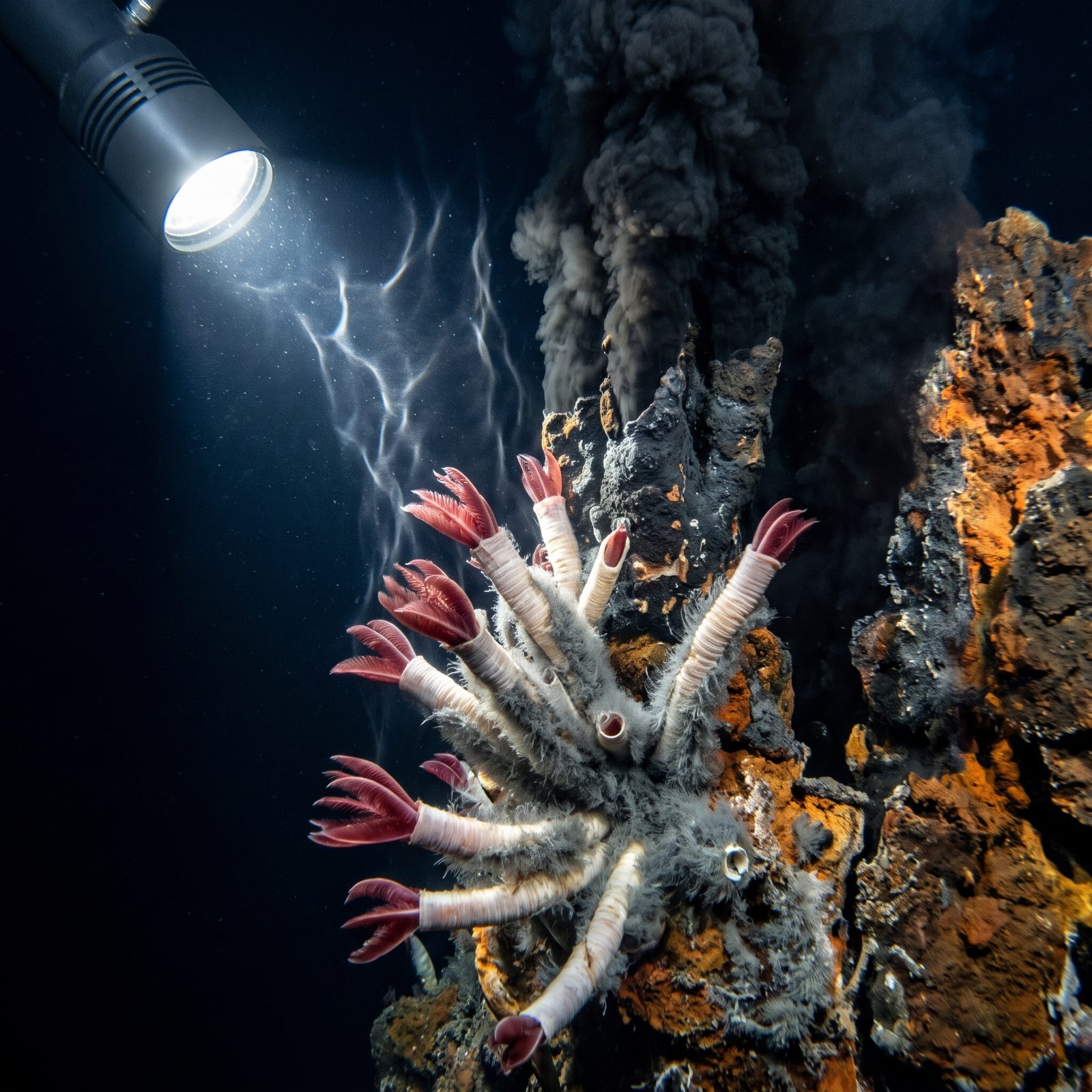
Picture an animal with its head in cool water and its tail pressed against something near 176°F. That’s the Pompeii worm, clinging to the chimneys of deep-sea hydrothermal vents in the Pacific, roughly two miles down.
It builds a papery tube on the vent wall, pokes its gilled head out into the cooler current, and leaves its back end baking in the scalding gradient. A grey fur of bacteria coats its body like a wool sweater, and scientists suspect those microbes help it ride out the heat. Few multicellular animals on Earth put up with a steeper temperature gap from one end to the other.
27. The Wood Frog That Freezes Into a Frog-Shaped Ice Cube
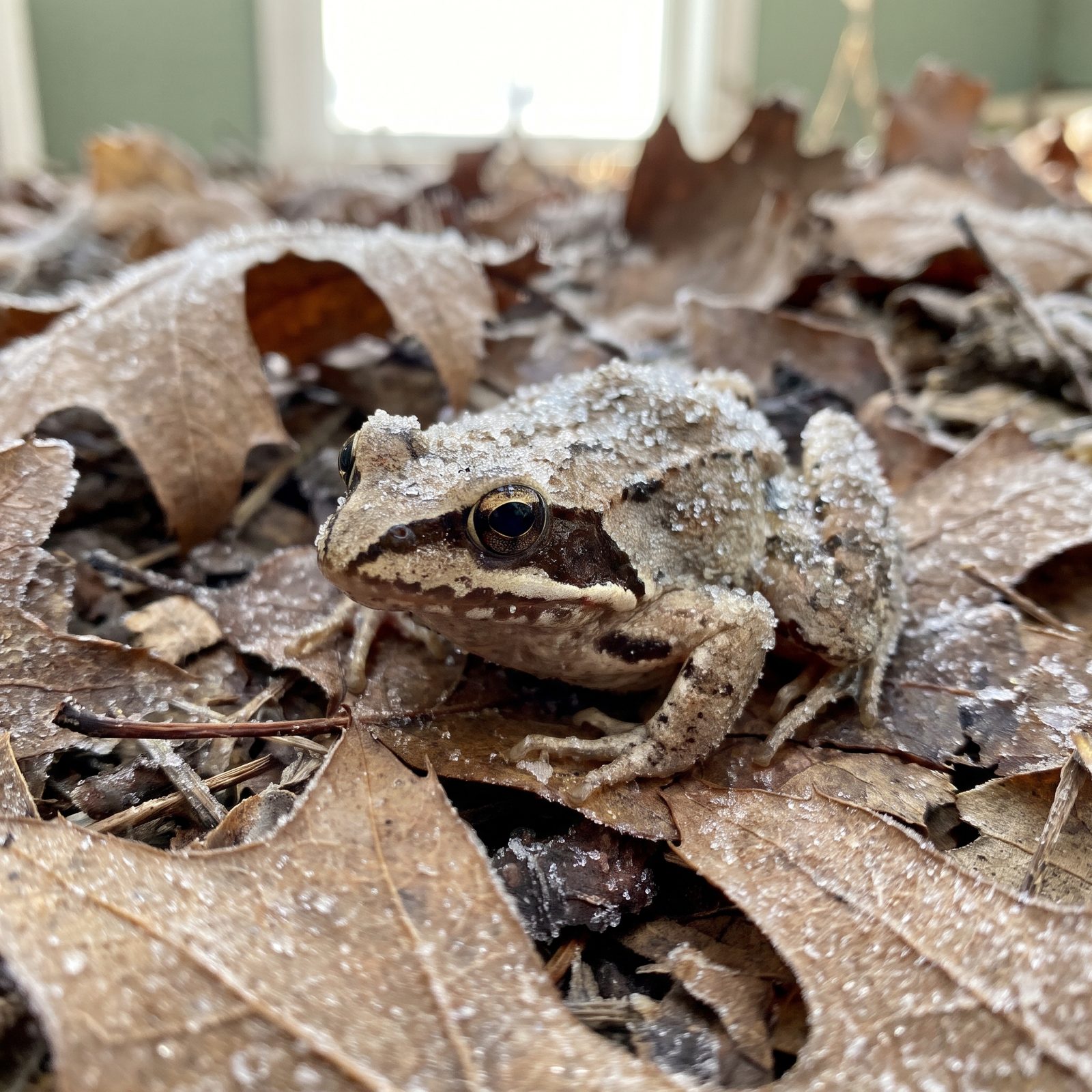
Most of its body can turn to ice, and it feels fine about it. Come winter, the North American wood frog stops its heart, stops breathing, and lets ice fill the spaces between its cells. Technically, for weeks at a stretch, it’s a corpse.
The secret is a flood of glucose dumped into its cells just before the freeze. That glucose works like antifreeze, keeping sharp ice from puncturing the delicate machinery inside. When spring warms the ground, the frog thaws from the inside out, the heart kicks back in, and off it hops to the breeding pond as if nothing happened.
26. The Antarctic Icefish With Ghost-White, Hemoglobin-Free Blood
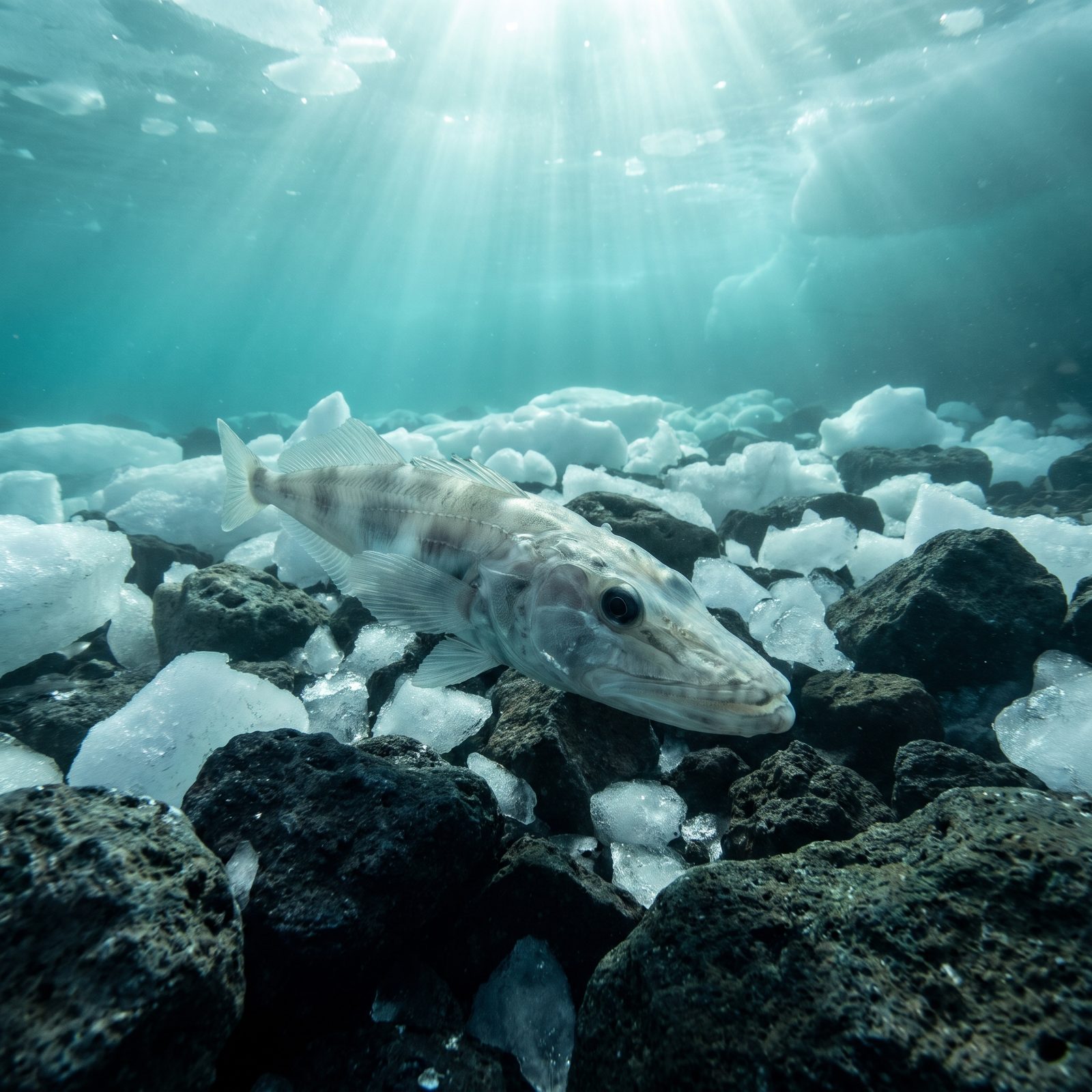
Every other vertebrate on Earth carries hemoglobin, the iron-rich molecule that reddens blood and ferries oxygen around the body. The Antarctic icefish threw it out. Its blood runs clear and almost milky, its gills and heart gone pale.
So how does it breathe? The Southern Ocean sits near freezing, and cold water holds far more dissolved oxygen, so the icefish soaks it straight through its skin and giant gills, then shoves huge volumes of thin blood around with an oversized heart. It’s the only vertebrate we know of that lacks red blood cells as an adult — a biological accident that only pays off because its world stays permanently cold.
25. The Bar-Headed Goose That Flies Over Everest’s Shoulder
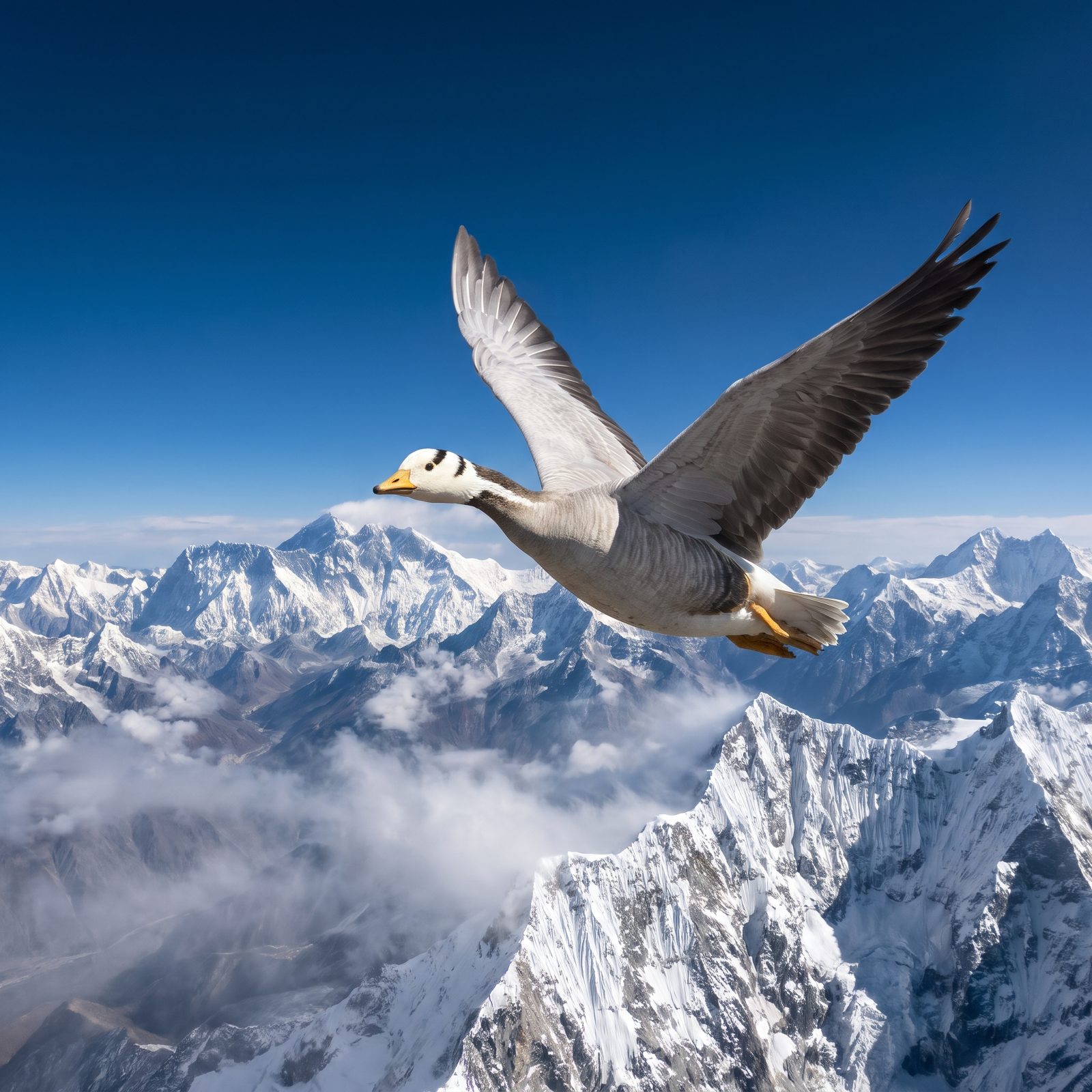
On their migration between Central Asia and India, bar-headed geese cross the Himalayas where the air holds a fraction of the oxygen you’d want — a zone that leaves human climbers gasping and hallucinating.
They’ve been tracked well above 20,000 feet, and they manage it under their own muscle power, flapping hard in frigid thin air. Credit a finely tuned engine: a hemoglobin variant that grabs oxygen more greedily, denser blood capillaries feeding the flight muscles, and a breathing system that wrings more out of every lungful than any mammal ever could.
24. The Desert Pupfish That Lives in a Puddle That Should Kill It
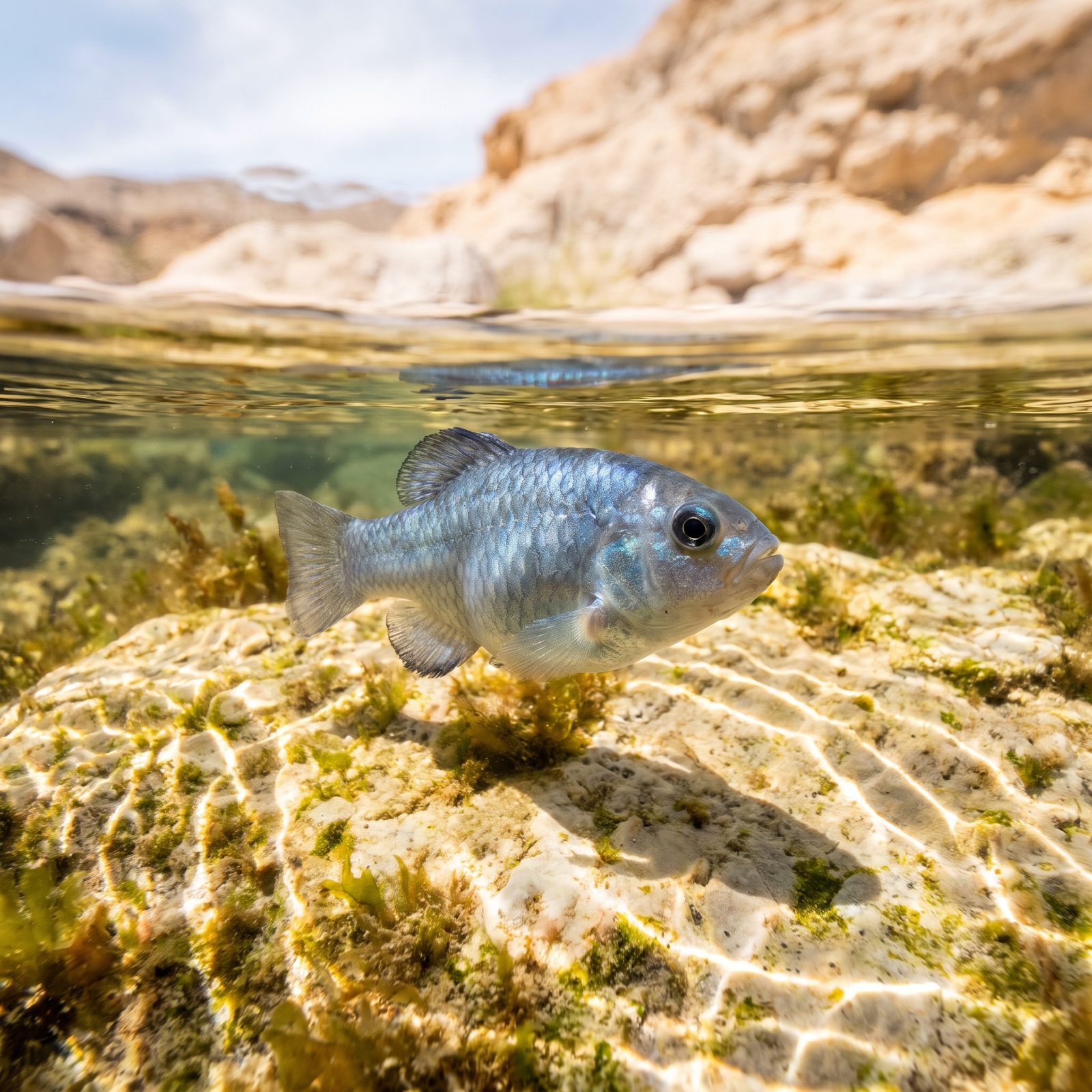
Desert pupfish make their living in pools and springs scattered across the American Southwest — water that swings from scalding to salty enough to pickle most fish.
Some shrug off temperatures above 100°F and salinity several times that of seawater, conditions where almost nothing else holds on. The most famous of the bunch, the Devils Hole pupfish, survives in a single flooded limestone cavern in Nevada — one of the smallest wild ranges of any vertebrate anywhere. A whole species hanging by a thread in one hot, dark, mineral-laden pool.
23. The Camel That Loses a Third of Its Body Water and Walks It Off
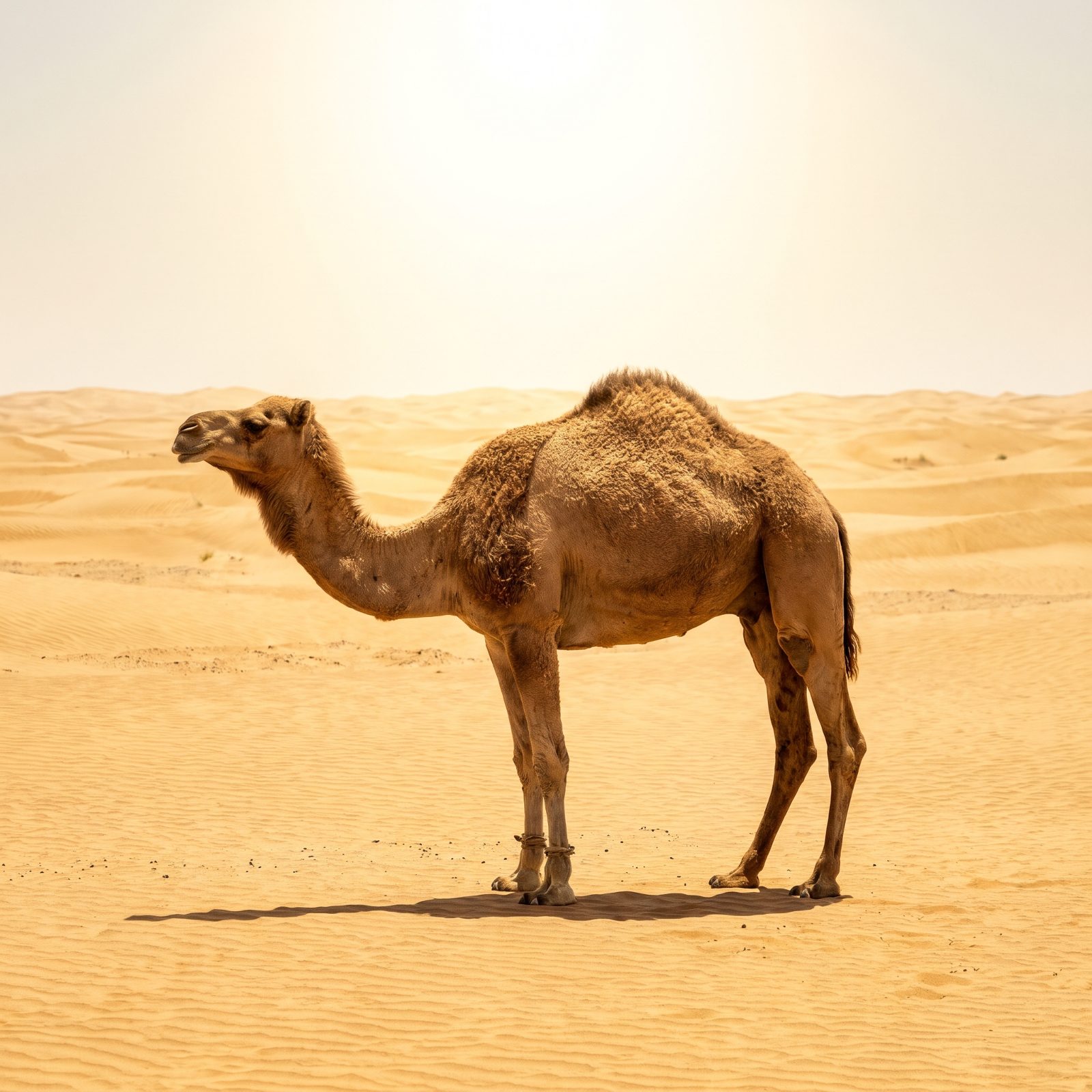
The hump is not a water tank. That myth deserves to die already. It’s a fat store — fuel the camel burns when food runs dry.
The real water sorcery happens in the camel’s blood. It can shed roughly a quarter to a third of its body water and keep plodding along, a loss that would drop you into fatal shock. Its blood stays fluid where yours would thicken, its oval red blood cells flex to keep squeezing through vessels, and it lets its body temperature climb through the day rather than sweat to cool off, dumping all that stored heat once night falls. And when it finally reaches water, it can gulp enormous volumes in minutes without rupturing its own cells.
22. The Sahara Desert Ant That Sprints Across Sand Hot Enough to Cook
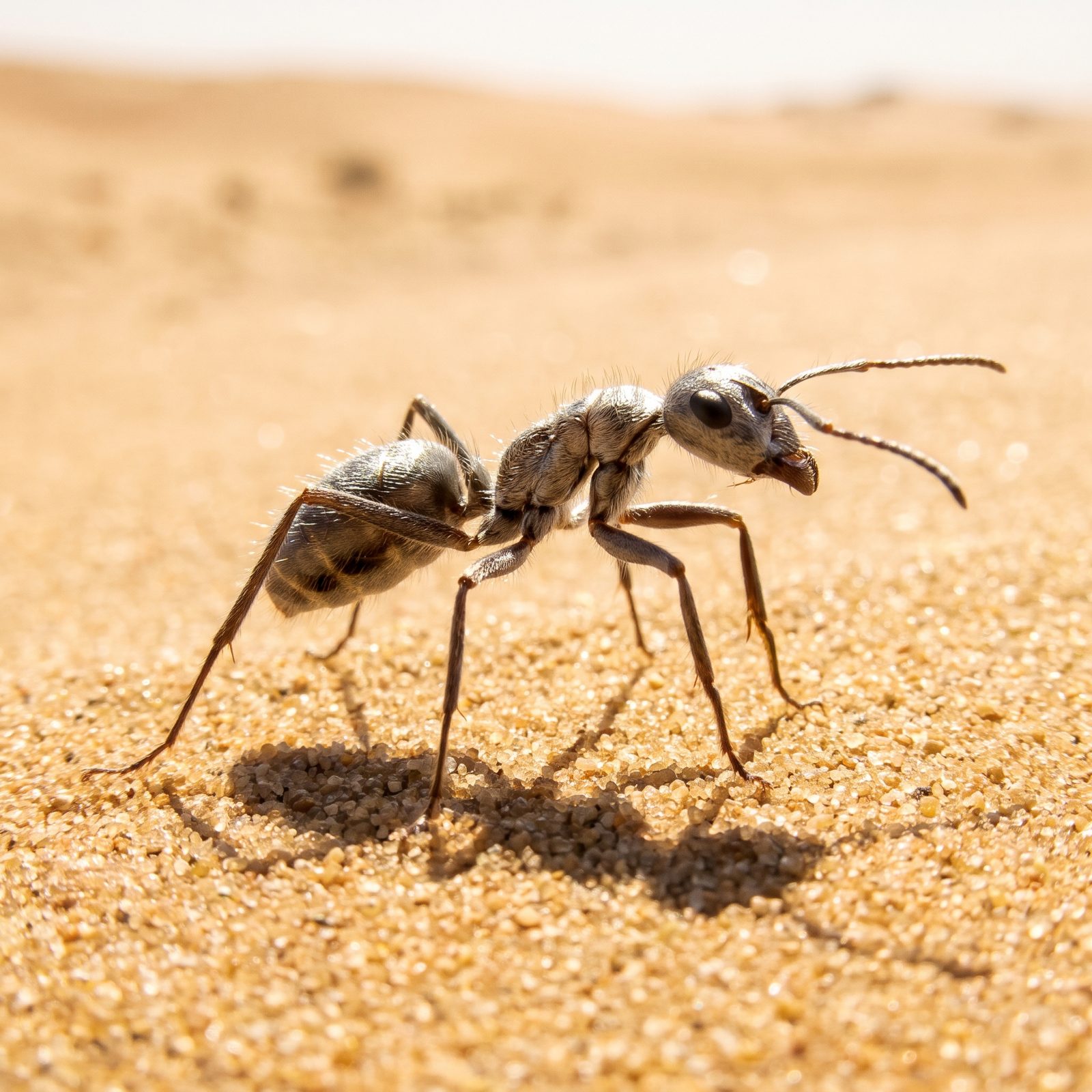
Most insects die the moment the sand turns lethal. The silver Saharan ant waits for exactly that moment and charges out into it.
It forages at high noon, scavenging the bodies of creatures the heat has already killed, timing its dash for the window when predators are hiding and competitors are dead. Pulling that off takes three tricks at once. It sprints on stilt-like legs that hoist its body above the worst of the ground heat. It can briefly let itself warm to around 120°F. And its back is coated in tiny reflective silver hairs that bounce sunlight away like a mirrored suit.
21. The Kangaroo Rat That Never Takes a Single Drink
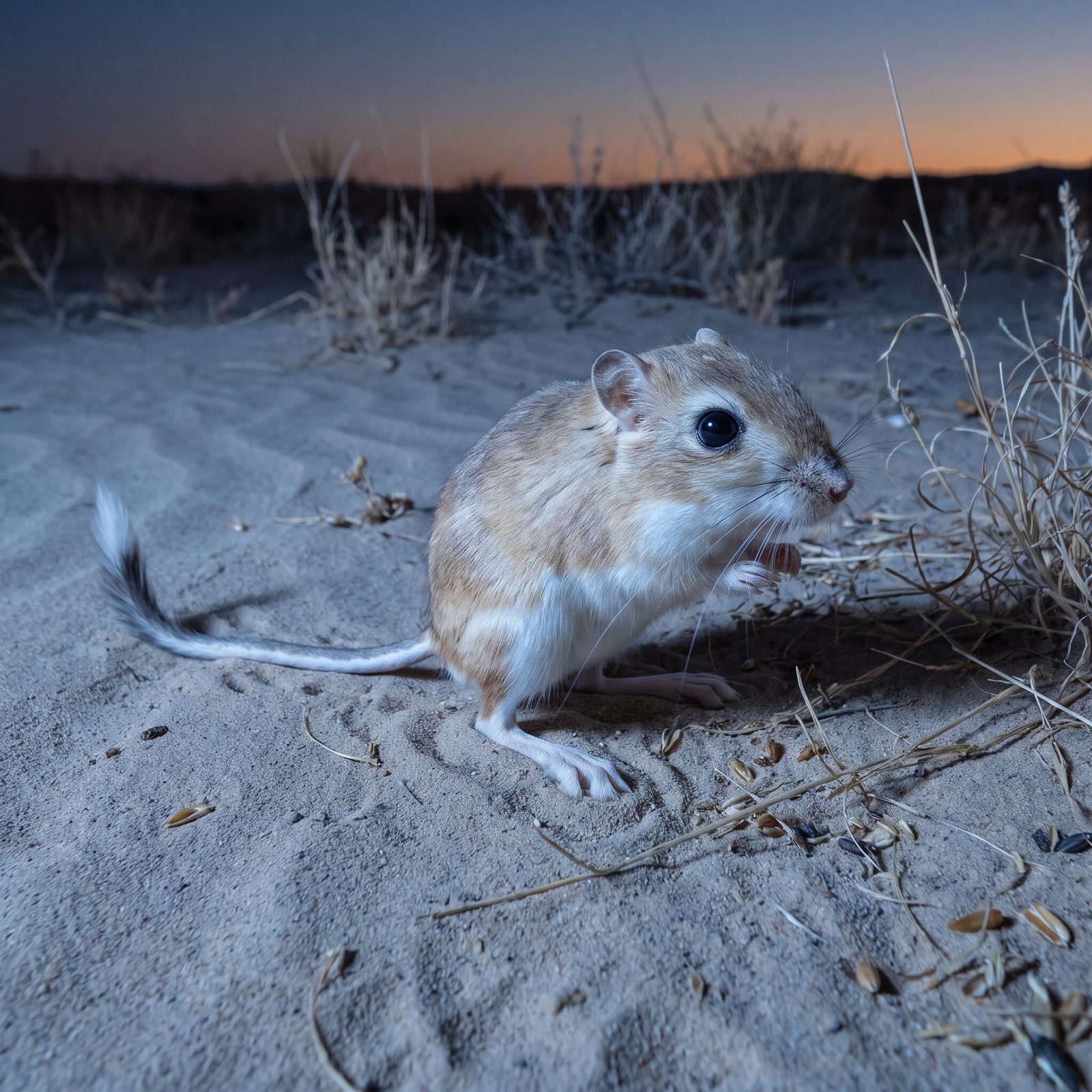
Set a bowl of water in front of a kangaroo rat and it mostly ignores you. This little desert rodent goes its entire life without drinking, manufacturing all the water it needs from the dry seeds it eats — pulling moisture straight out of chemistry.
Every trick it owns points the same way: hoard water, lose none. Its kidneys crank out urine so concentrated it’s nearly a paste. Its nasal passages work like a heat exchanger, recapturing moisture from each breath before it slips away. It hides underground through the furnace of the day and only ventures out in the cool dark. An animal that beats the desert not by storing water, but by almost never letting any go.
20. The Bdelloid Rotifer That Dries to Dust and Wakes Up Years Later
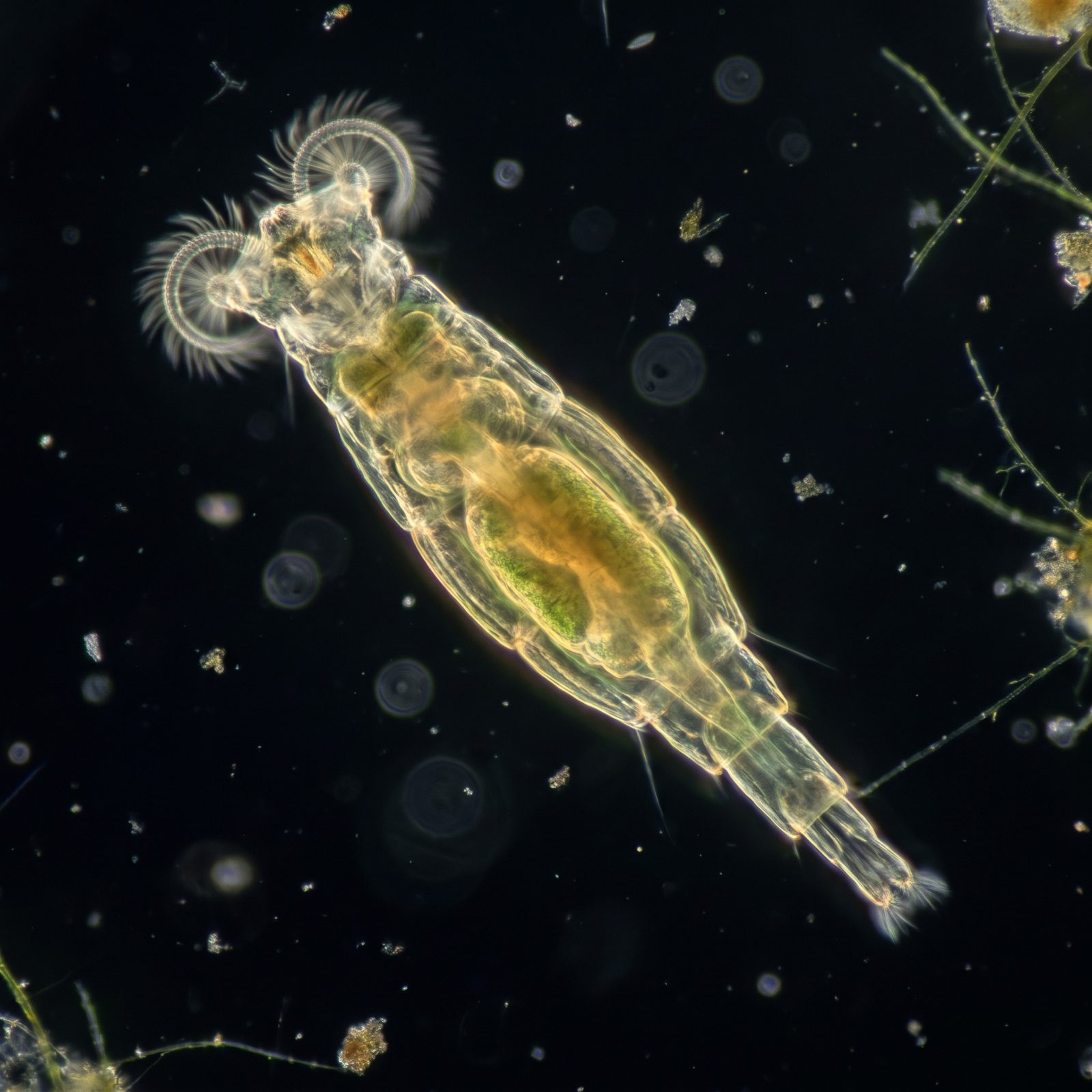
These microscopic animals live in gutter moss, puddles, and damp soil, and when their water vanishes they simply refuse to die. They dry into a hardened speck, metabolism switched off, and wait. Researchers have revived individuals after many years in storage.
Now the part that genuinely spooks biologists. Bdelloid rotifers appear to have reproduced without males for millions of years, which by every textbook rule should be an evolutionary dead end. They seem to cheat the odds by scavenging foreign DNA from their surroundings and stitching new genes into their own genome. Drying out may even help, snapping their DNA in ways that let them soak up outside genetic material as they patch themselves back together.
An animal that outsources half its genetic toolkit to whatever happens to be lying in the mud with it.
19. Nematode Worms Thawed Back to Life After 46,000 Years in Permafrost
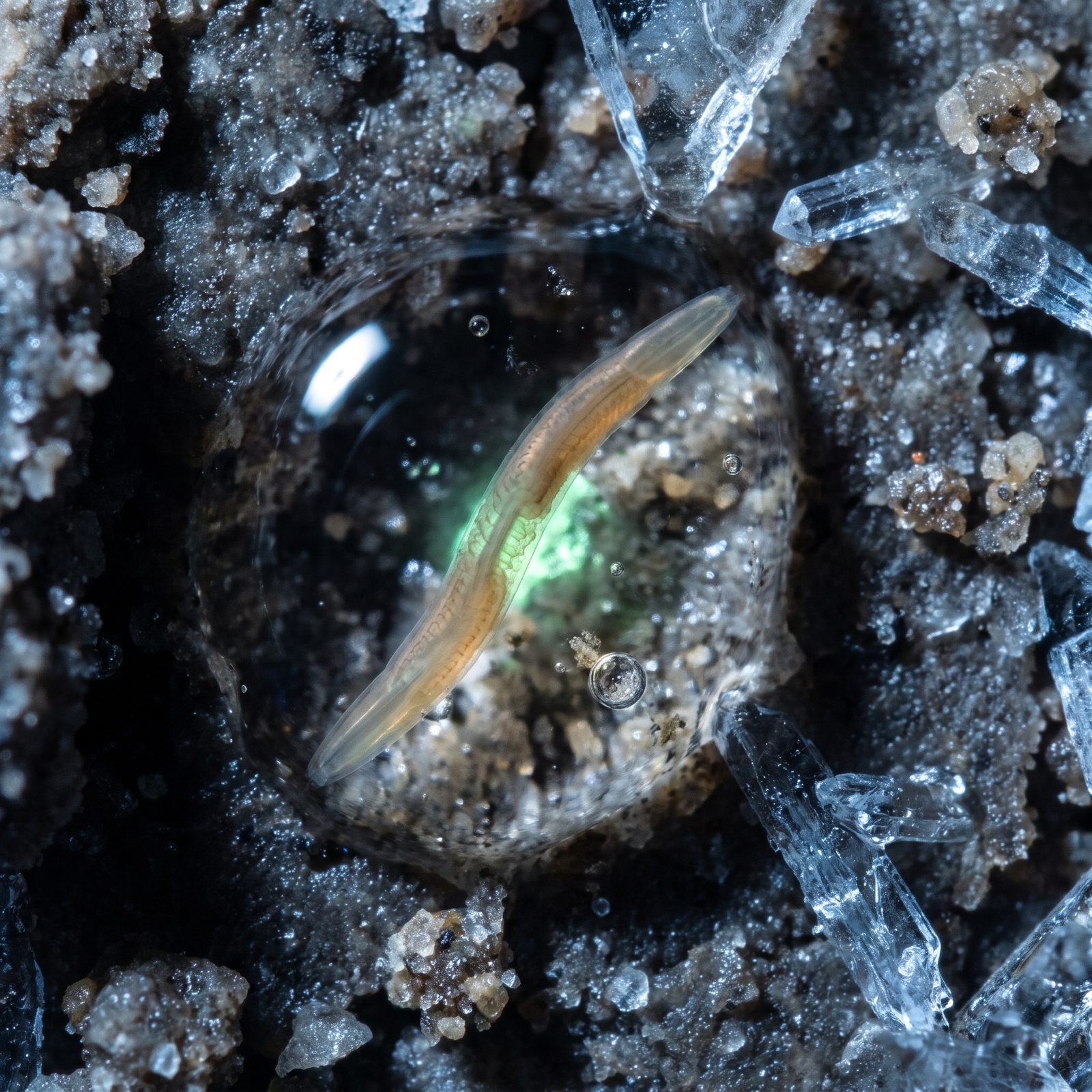
In 2018, researchers pulled a scoop of Siberian permafrost from 130 feet down, warmed it in a lab, and watched something impossible start wriggling. Dating of the surrounding plant matter put it at roughly 46,000 years old. These roundworms had been frozen solid since the Pleistocene, back when mammoths still walked the tundra.
The trick is cryptobiosis. The worm drops its metabolism to a near-zero flicker and floods its tissues with a protective sugar called trehalose, essentially pausing life without ever quite dying. Thaw it gently and the machinery restarts.
18. Brine Shrimp Eggs That Survive Being Dried to Dust for Decades
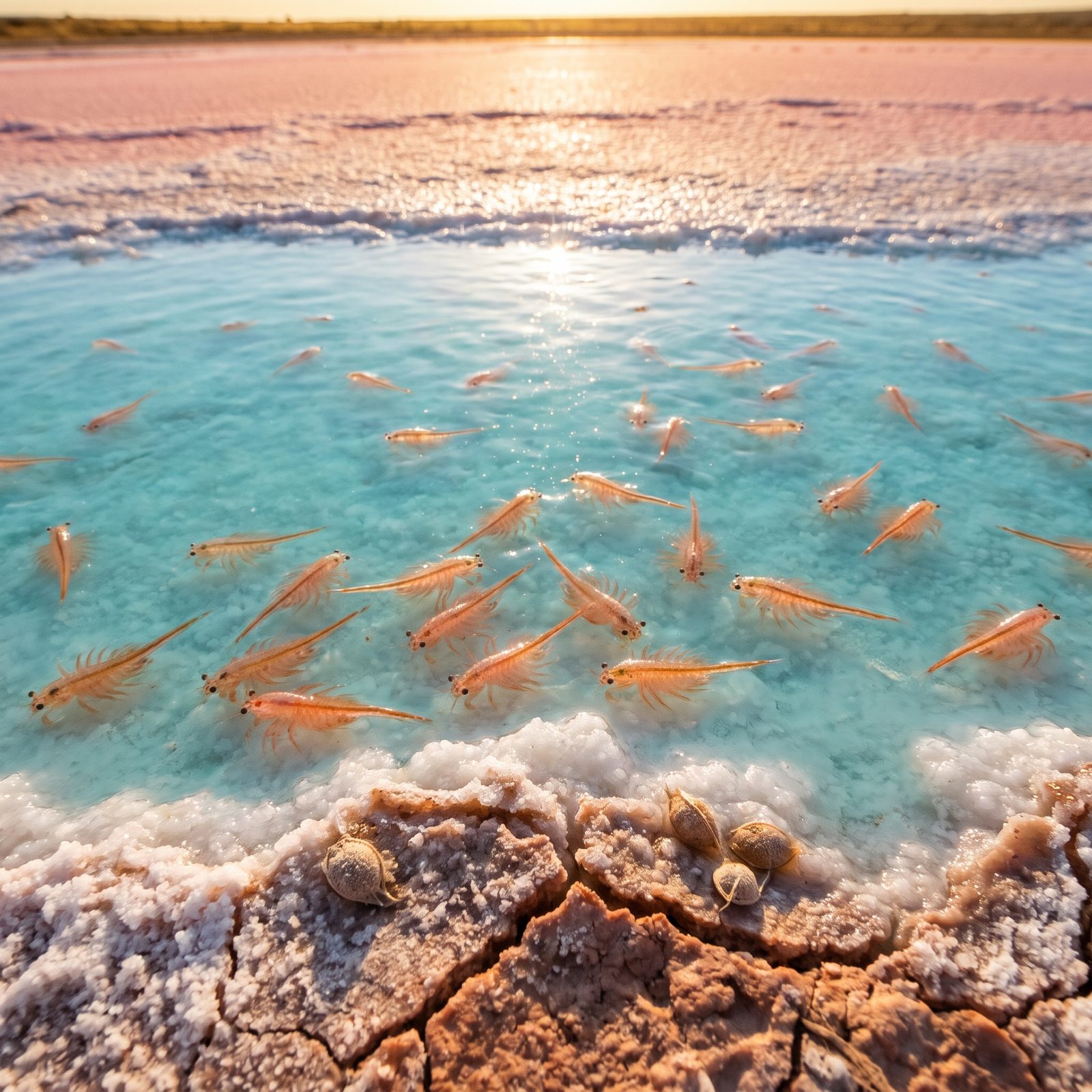
The novelty pets sold as Sea Monkeys are real animals, and the gimmick works because of genuinely strange biology. Brine shrimp lay eggs called cysts that dry out completely, lose nearly all their water, and shut down. In that state they can sit on a shelf in a packet for years.
Add salt water and they rehydrate and hatch within hours. The cysts shrug off boiling heat, freezing, even the vacuum of space in actual experiments. They thrive in brutal salt lakes like Utah’s Great Salt Lake and California’s Mono Lake, where almost nothing else can breathe. The ad on the back of the comic book oversold the castle. It undersold the biology.
17. The Giant Tubeworm That Eats Chemicals in Total Darkness
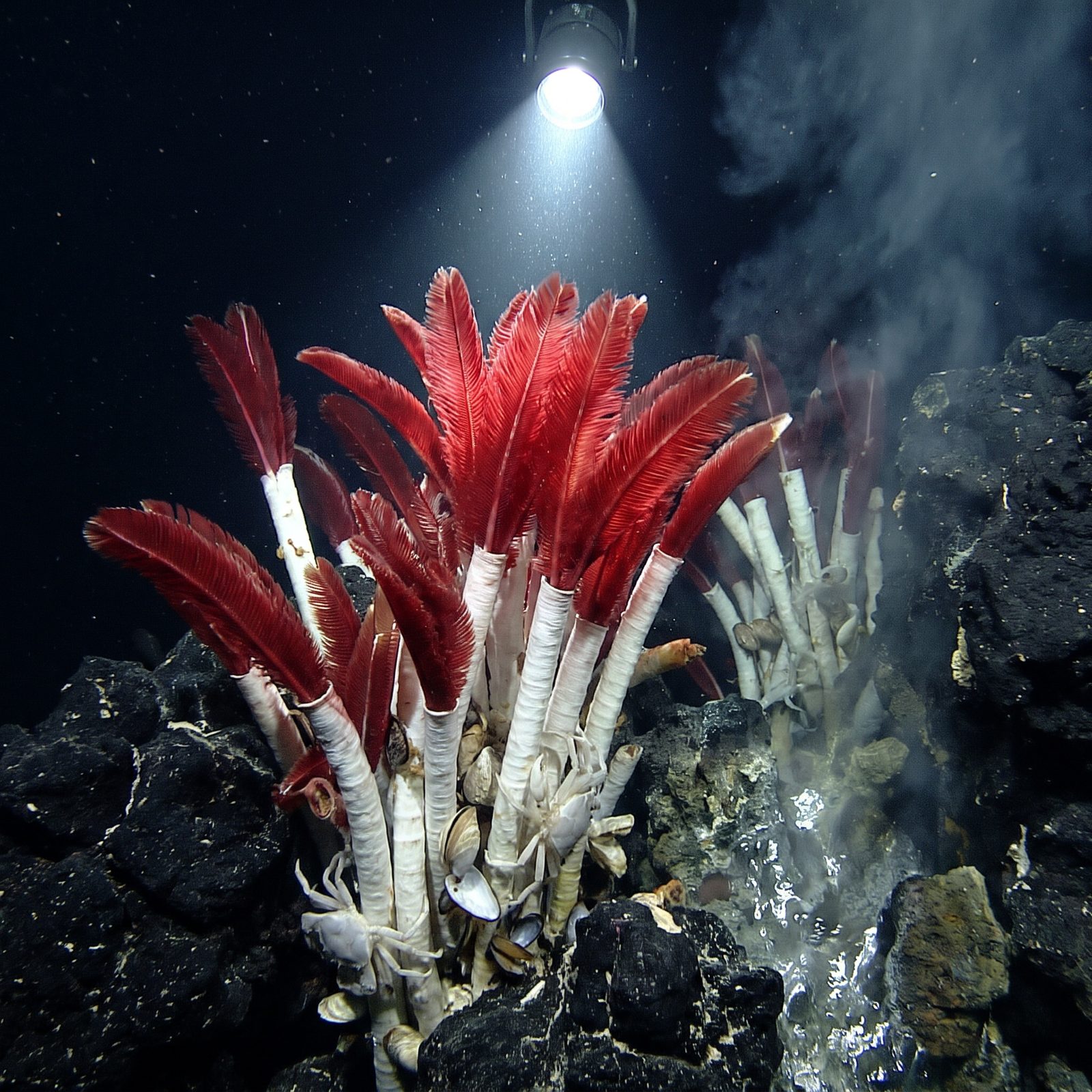
Eight thousand feet down, where sunlight has never reached, these worms shoot up to eight feet tall in a matter of years. No sunlight means no plants, no photosynthesis, no food chain built on the sun. So how do they live?
An adult tubeworm has no mouth, no gut, and no anus. It doesn’t eat anything, ever.
Inside its body sits a specialized organ packed with billions of bacteria. The worm feeds them hydrogen sulfide pumped up from the vent, the same rotten-egg gas that poisons most life, and the bacteria turn it into food. That red plume is loaded with hemoglobin that grabs oxygen and sulfide at once. When we stumbled onto these colonies in 1977, they rewrote what biologists thought life even needed.
16. The Weddell Seal That Dives Half a Mile Down on One Breath
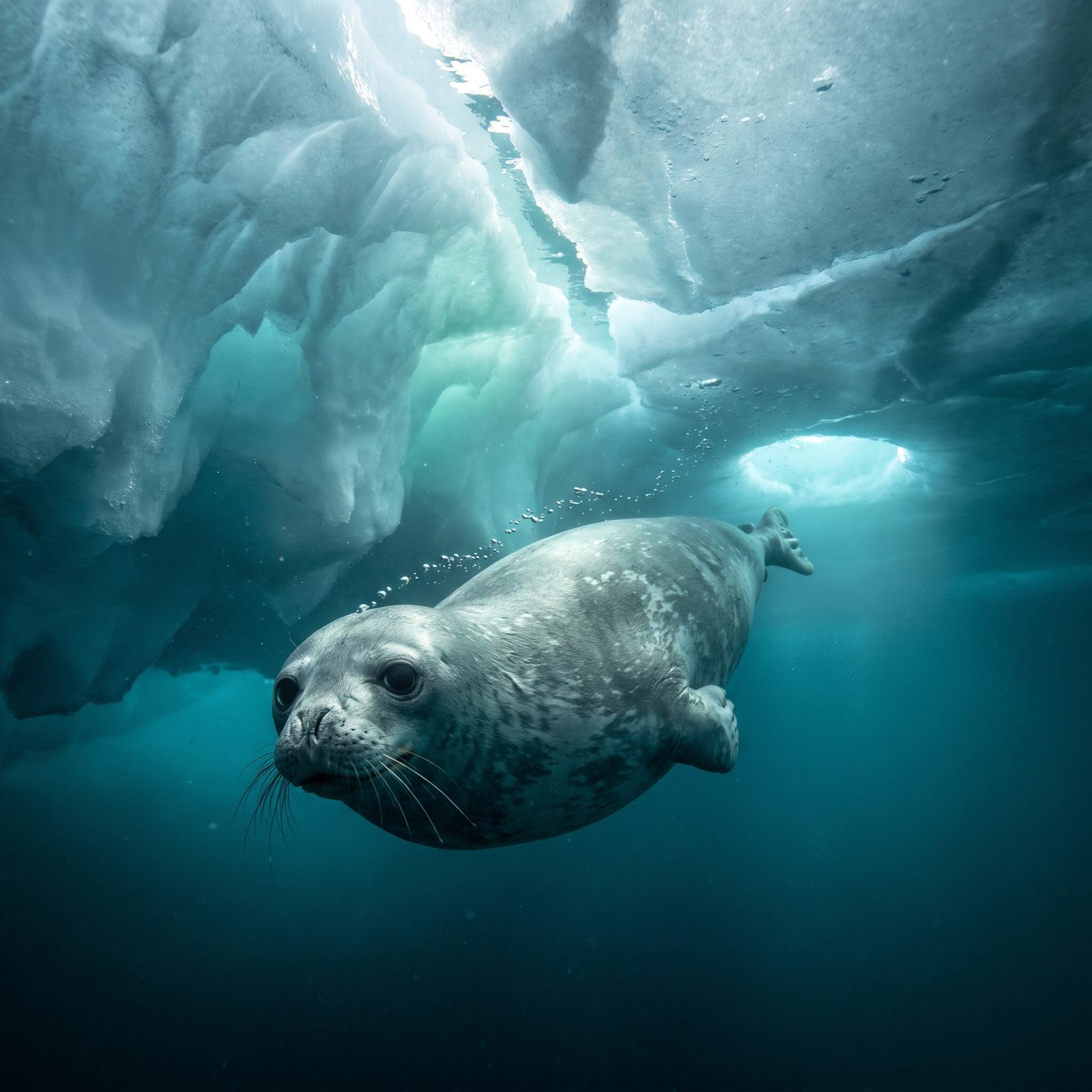
Trapped under solid Antarctic sea ice, this seal faces a problem most predators never do: the surface is a sealed lid. To hunt, it swims out into the dark, catches fish, and has to find its way back to a breathing hole before its lungs give out.
Dives of 2,000 feet and 80 minutes on a single breath have been recorded. The seal collapses its lungs on the way down, slows its heart to a crawl, and reroutes blood to brain and heart. Its muscles are packed with so much myoglobin, an oxygen-storing protein, that the tissue would look nearly black in a human.
15. The Emperor Penguin That Stands Through a Winter Humans Couldn’t Survive
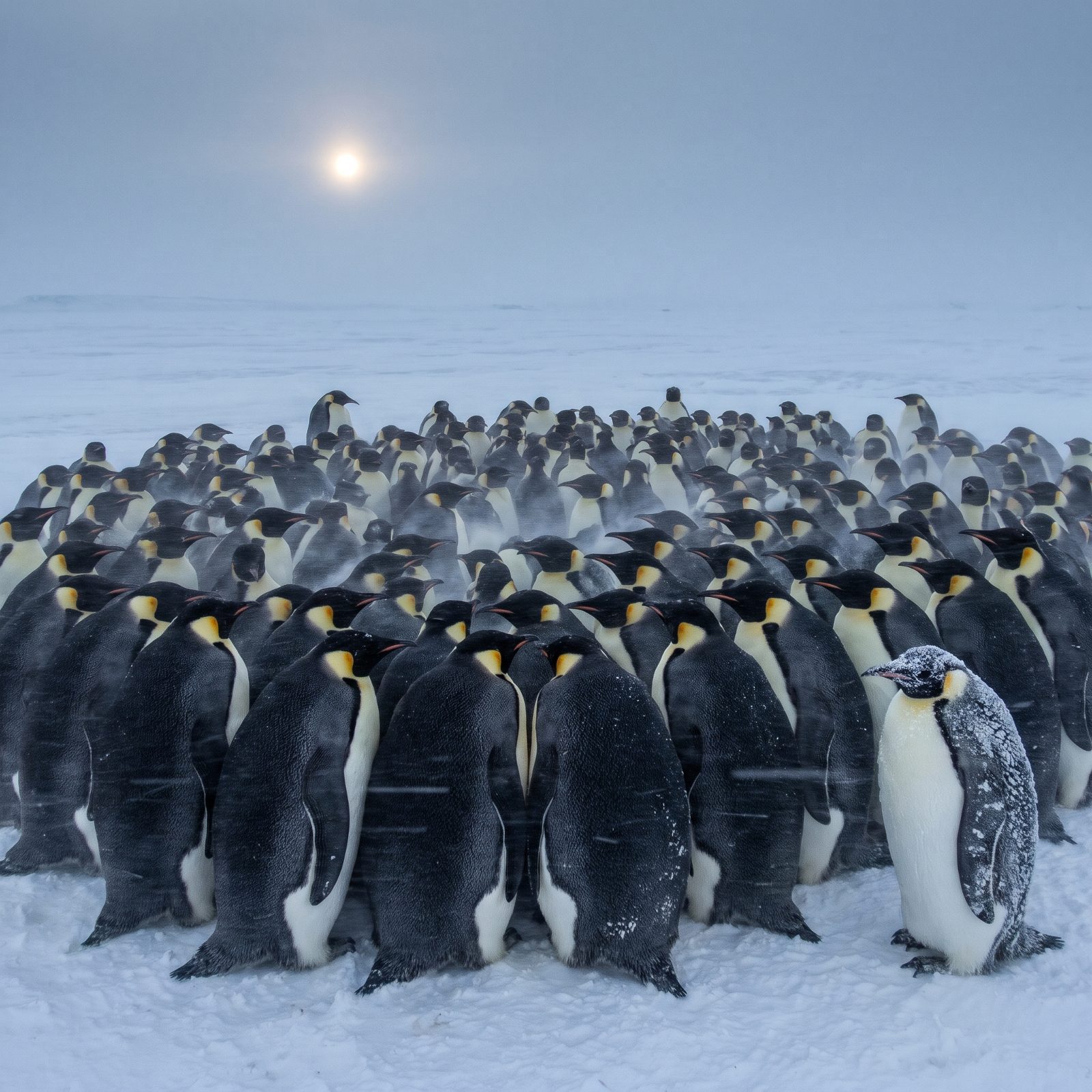
Male emperor penguins spend the dead of Antarctic winter standing on open ice in temperatures down to minus 76 Fahrenheit, in winds that can top 100 mph, balancing a single egg on their feet for over two months. They don’t eat the entire time. They lose almost half their body weight.
The survival hack is the huddle. Thousands of birds pack together so tightly that the ones at the warm center roast while a storm rages outside. And the huddle never sits still. Birds on the frozen windward edge shuffle inward in slow, rolling waves, so everyone gets a turn in the middle. It’s cooperation enforced by physics, and it’s the only reason the species exists.
14. The Greenland Shark That May Be Older Than the United States
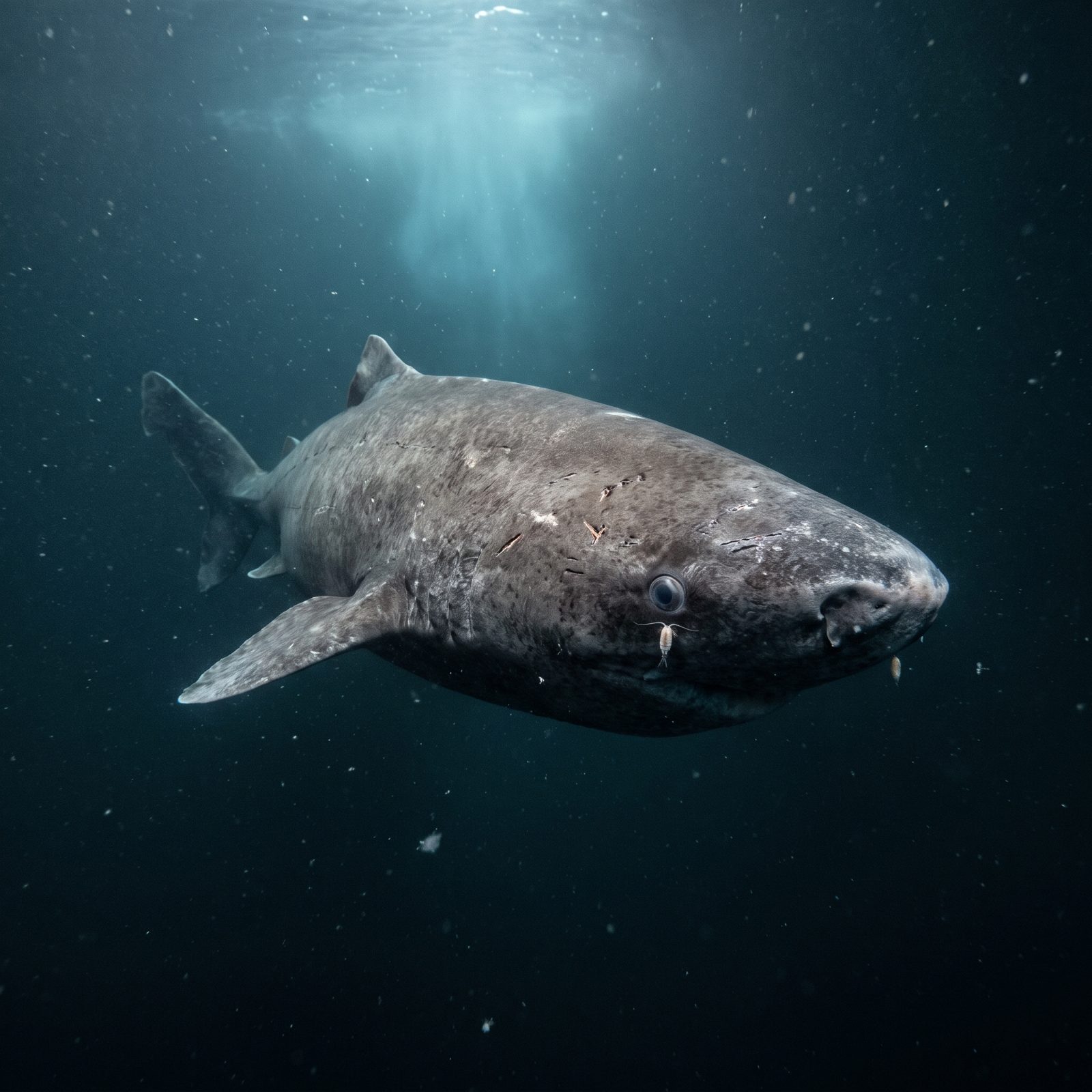
In water that hovers around freezing, this shark lives in extreme slow motion. It swims at a shuffling pace, barely faster than a mile an hour, and grows less than half an inch a year.
That glacial pace adds up. Radiocarbon dating of the lenses in Greenland shark eyes suggests the largest individuals could be 300 to 500 years old, which would make them the longest-lived vertebrates known. One studied shark came out at roughly 400 years. It would have been born before anyone had heard of Isaac Newton.
13. The Cuttlefish and the Crush of the Abyss
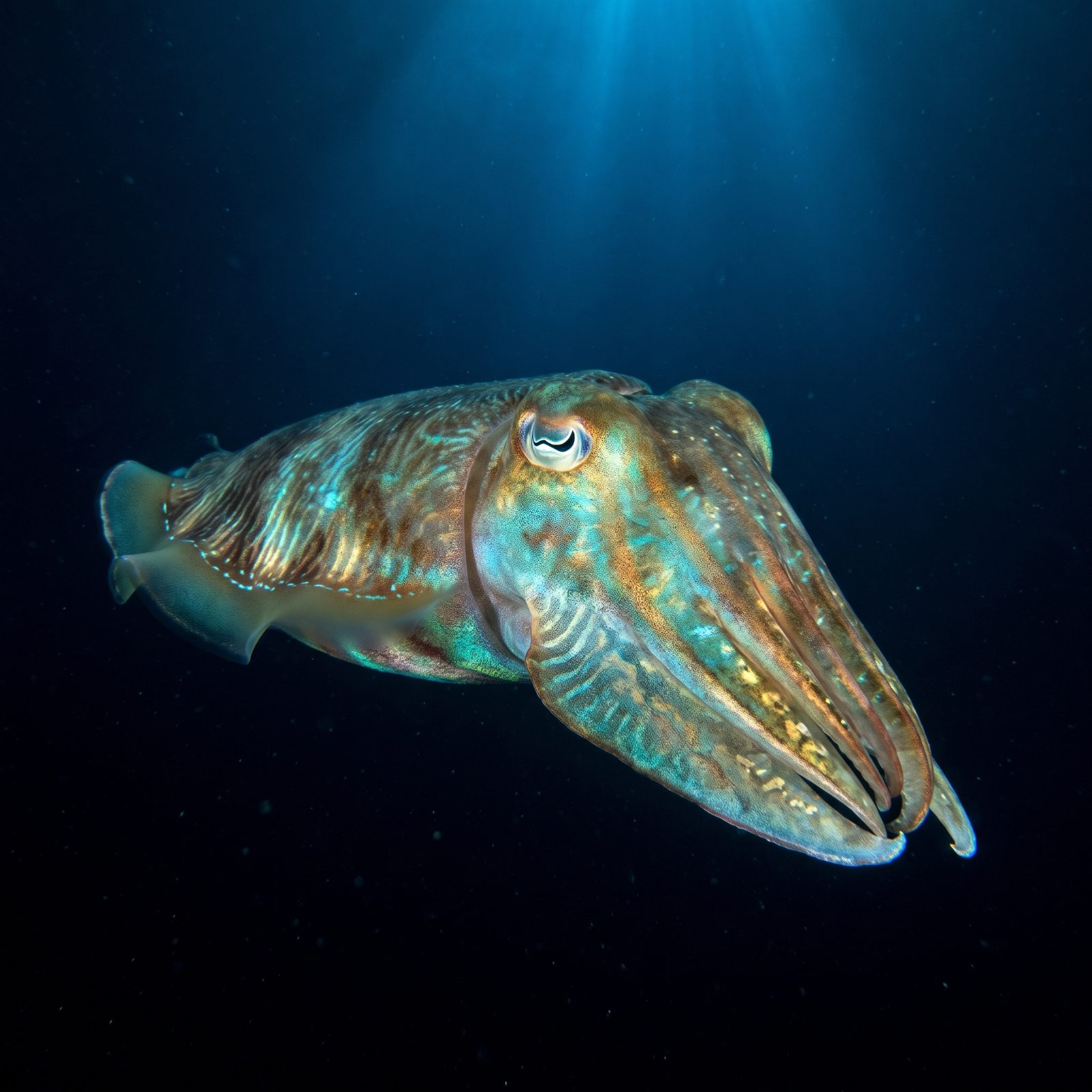
Go down a few thousand feet and the water presses in with the force of hundreds of atmospheres. Drop an unprotected human diver there and the pressure crushes them. Yet soft-bodied animals thrive in it, and the reason is almost disappointingly simple.
No air spaces. Gas compresses and collapses under pressure; water doesn’t. A deep squid or an octopus is mostly water and incompressible tissue, so the pressure outside is matched by the pressure inside and nothing caves in. Even their cell membranes and enzymes are built differently to keep working when squeezed.
The catch is they can’t cross that boundary fast. Deep-sea animals hauled up quickly often die not from the surface itself but from the pressure vanishing, the way a rule only protects you while you obey it.
12. The Hairy-Chested Yeti Crab That Grows Its Own Food
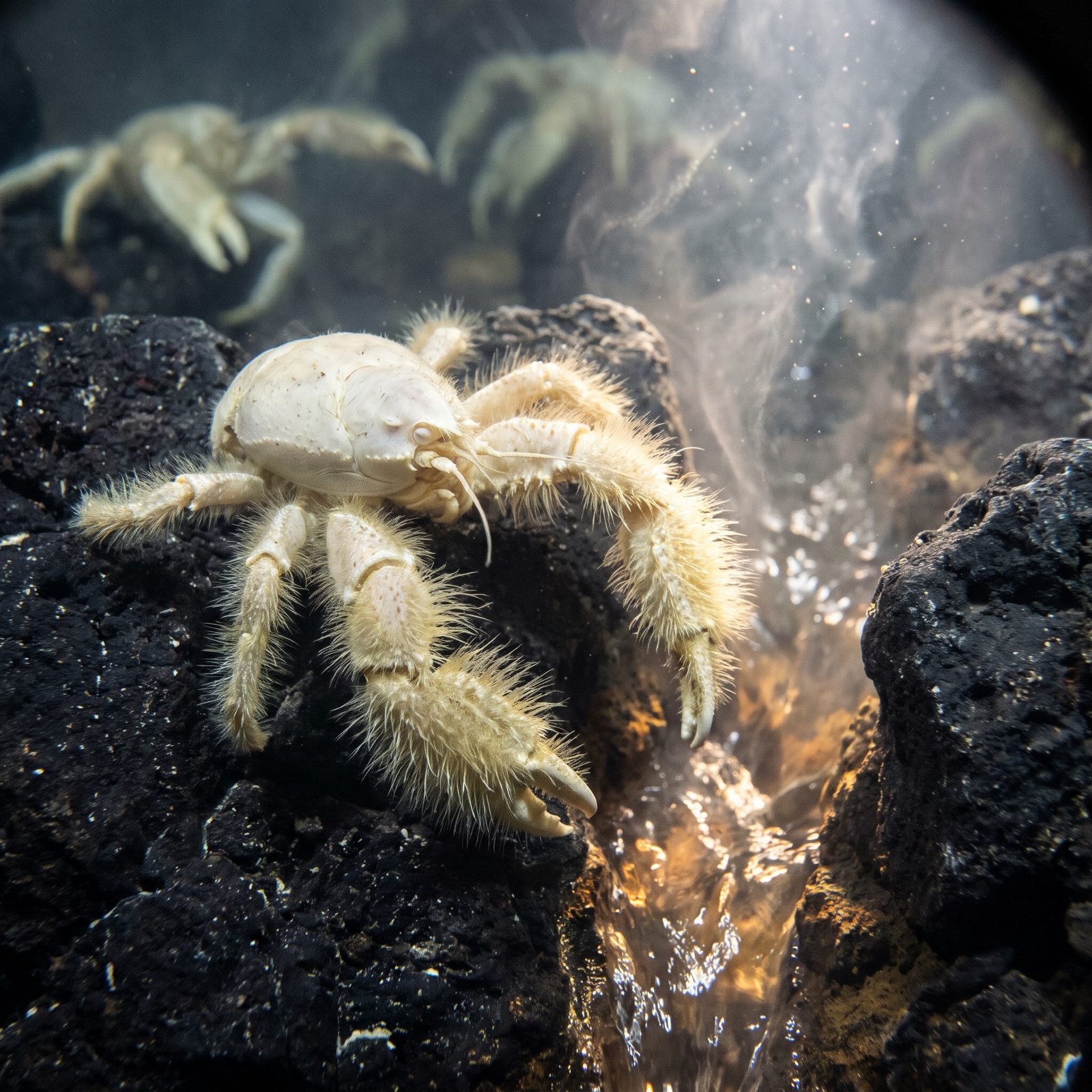
Discovered in 2005 near vents in the deep Pacific and Antarctic seas, this ghost-white crab has arms covered in dense bristles that look exactly like fur. Those bristles are a garden.
The crab cultivates colonies of bacteria on its hairs, the same chemical-feeding microbes that power the whole vent ecosystem, then harvests them, scraping the crop off with special mouthparts and eating its own livestock. Some species have been filmed waving their furry claws back and forth over the vent flow in a slow rhythm, almost like stirring a pot, to feed the crop the chemicals it needs. Farming, invented independently miles underwater by a blind crab in the dark.
11. The Mudskipper That Walks on Land and Breathes Through Its Skin
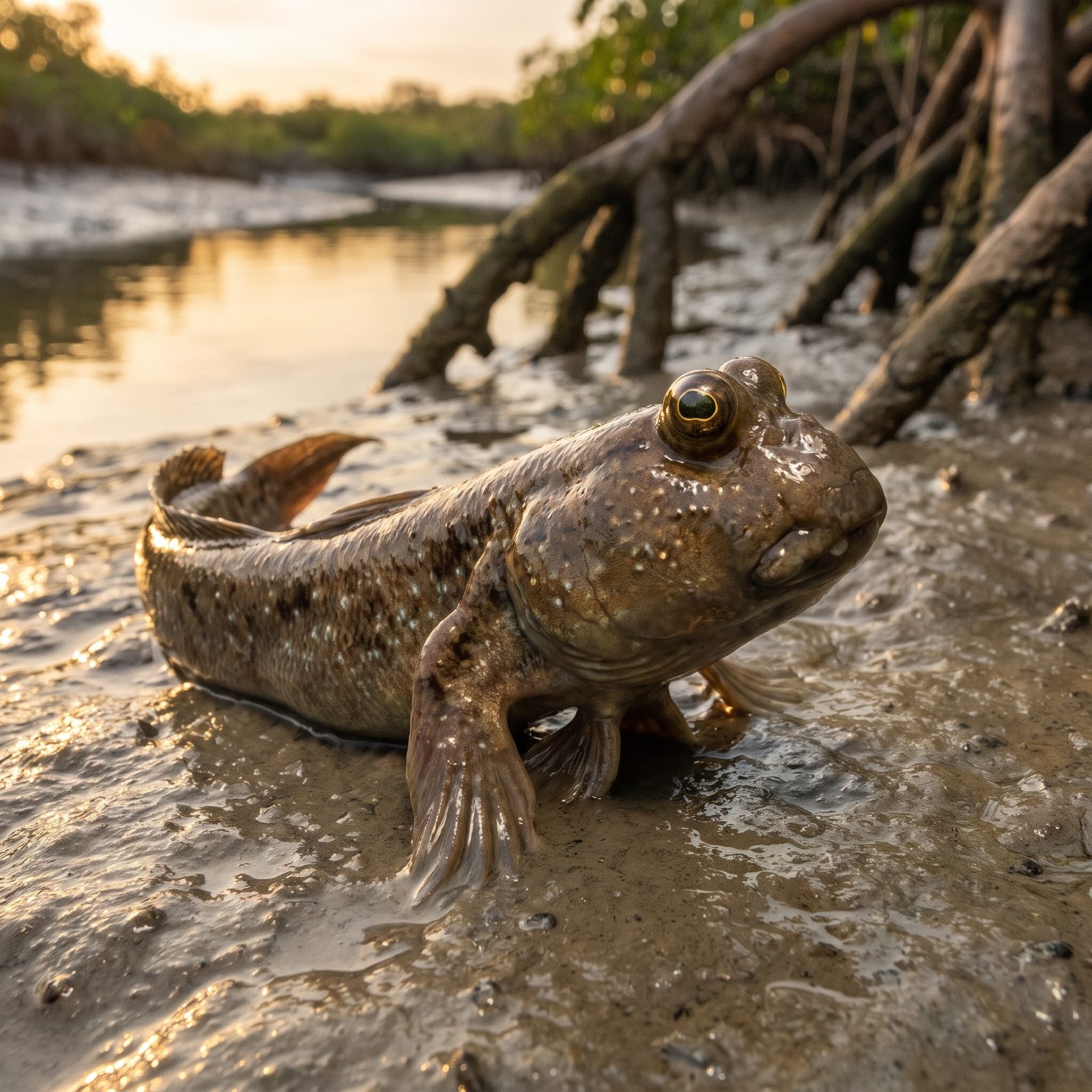
Watch a mangrove mudflat at low tide and you’ll see fish out of the water, crawling around on purpose. The mudskipper spends most of its life out of its element and seems completely unbothered by the fact.
It breathes partly through its skin and the lining of its mouth and throat, as long as everything stays damp, so it carries a mouthful of water like a diver’s tank and refreshes it often. Its stubby pectoral fins work like crutches, letting it hop, climb mangrove roots, and even scramble up rocks. And those high-mounted eyes swivel independently, giving it near-360-degree vision to catch predators sneaking up on land.
10. The African Lungfish That Sleeps Through a Four-Year Drought in Dried Mud
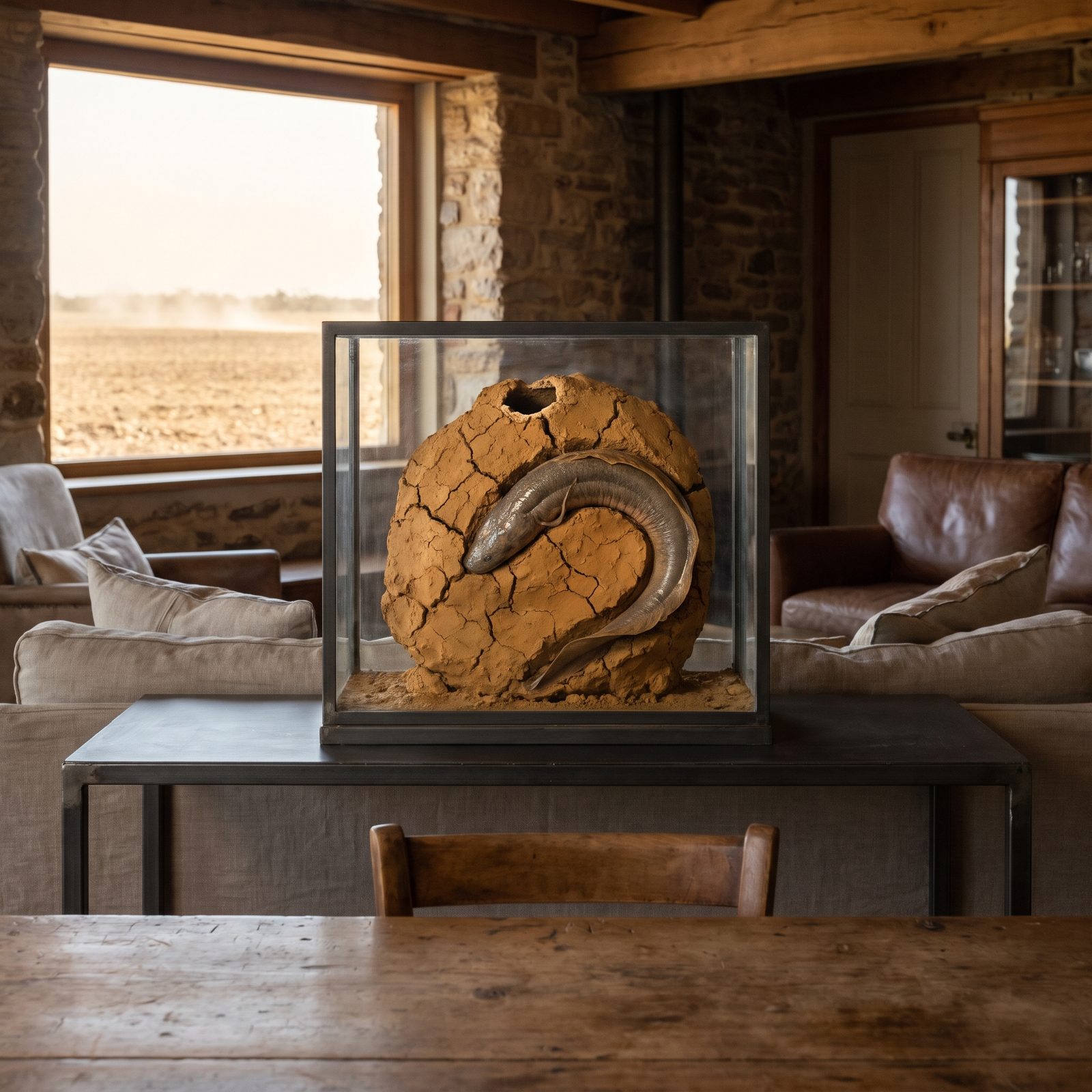
When the rivers of Africa dry up and the mud bakes into cracked brick, most fish die. The lungfish digs into the mud, coils its body, and waits.
In the wild, it secretes a cocoon of mucus that hardens around its body, leaving a small tube open to the surface so it can breathe air through actual lungs. While dormant, its heart rate drops to almost nothing and its metabolism starts burning its own muscle tissue for fuel. It can hold out like this for months, and in lab conditions some have survived several years sealed in dried mud.
When the rains finally return and soften the ground, the lungfish stirs, breaks out, and swims off as if nothing happened. One of the oldest survival strategies on Earth, and lungfish have been pulling it off, more or less unchanged, for over 400 million years.
9. The Himalayan Yak That Breathes Thin Air at 20,000 Feet
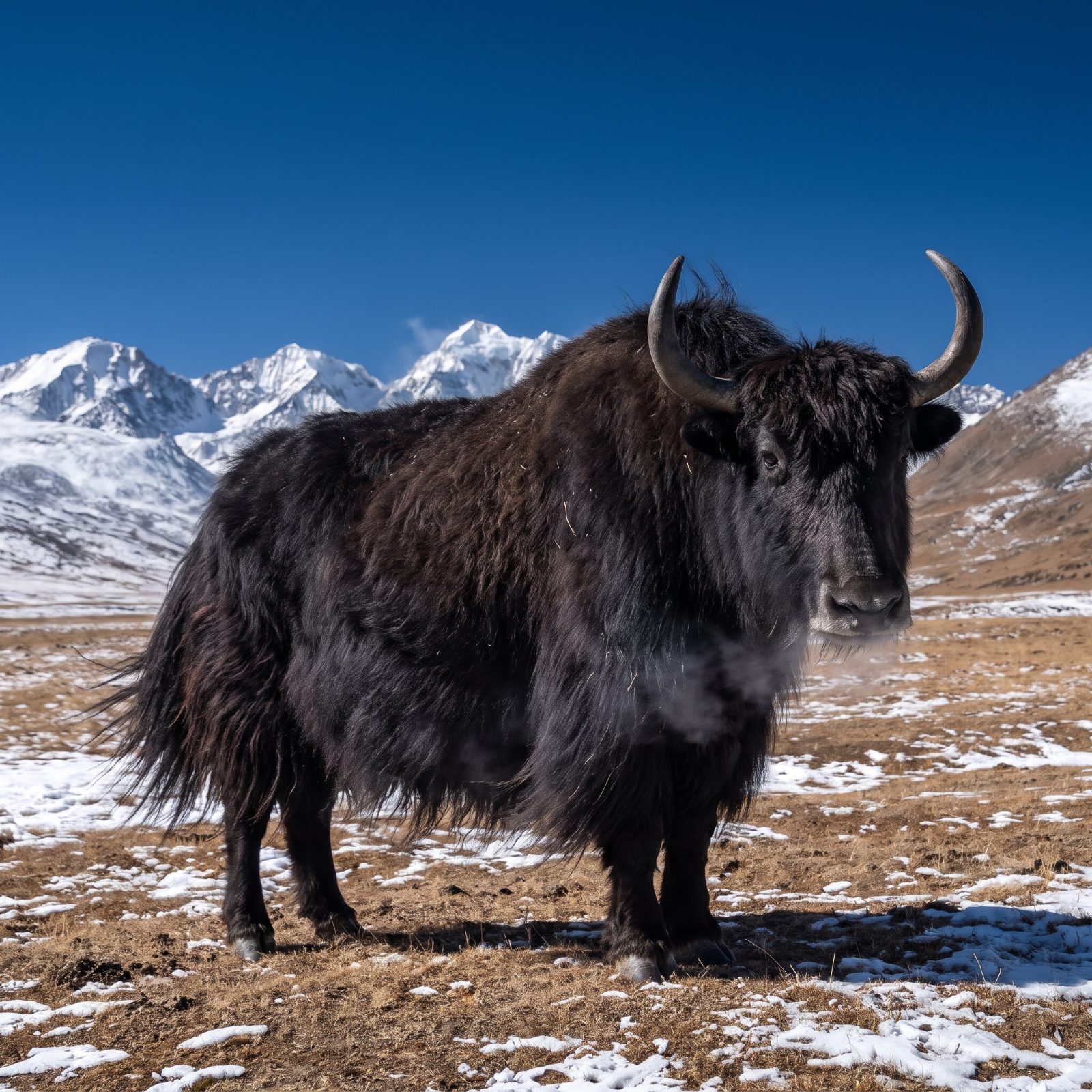
Up where the air holds barely half the oxygen you get at sea level, a yak does something your lungs simply cannot. Its blood carries hemoglobin that grabs oxygen far more aggressively than ours, the lungs are proportionally huge, and the heart runs oversized to match.
Here’s the part people miss. Yaks don’t build the thick-walled lung arteries that doom cattle at altitude — the same vessels that cause fatal pulmonary hypertension in lowland animals hauled up high. The yak just never grows them. Born, in other words, already solving a problem that kills everything else.
8. The Snow Leopard Built for Cold That Would Kill a House Cat in an Hour
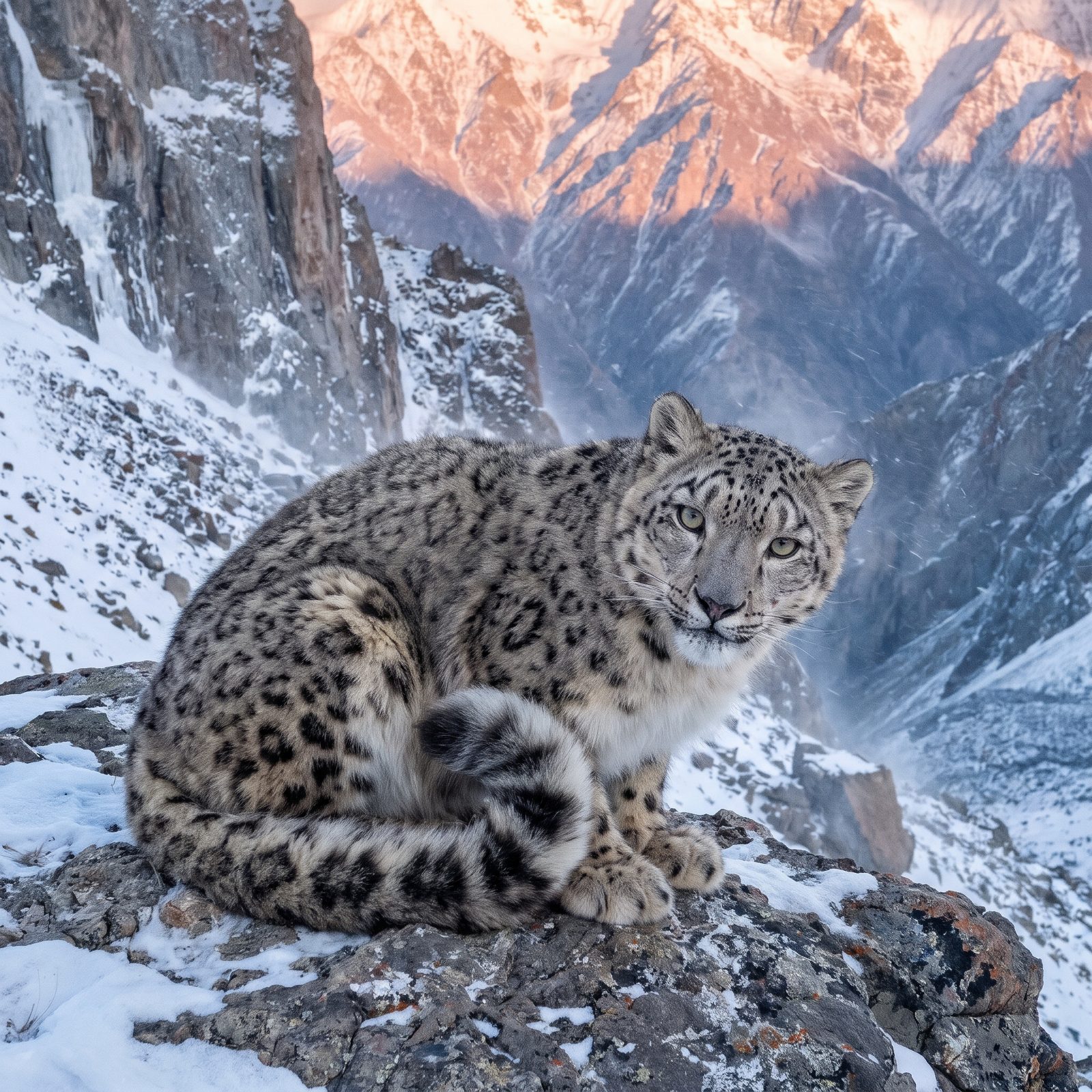
That tail everyone photographs is survival gear. Nearly as long as the cat itself, it doubles as a scarf — a snow leopard sleeping on bare rock at minus 25 drapes it over its nose and mouth, warming each breath before it reaches the lungs.
The fur handles the rest. It runs deep and absurdly dense on the belly, thousands of hairs crammed into a patch the size of a fingernail. And those dinner-plate paws? They spread the cat’s weight across powder, so it floats where its prey sinks.
7. The Naked Mole-Rat That Lives Like a Plant When the Oxygen Runs Out
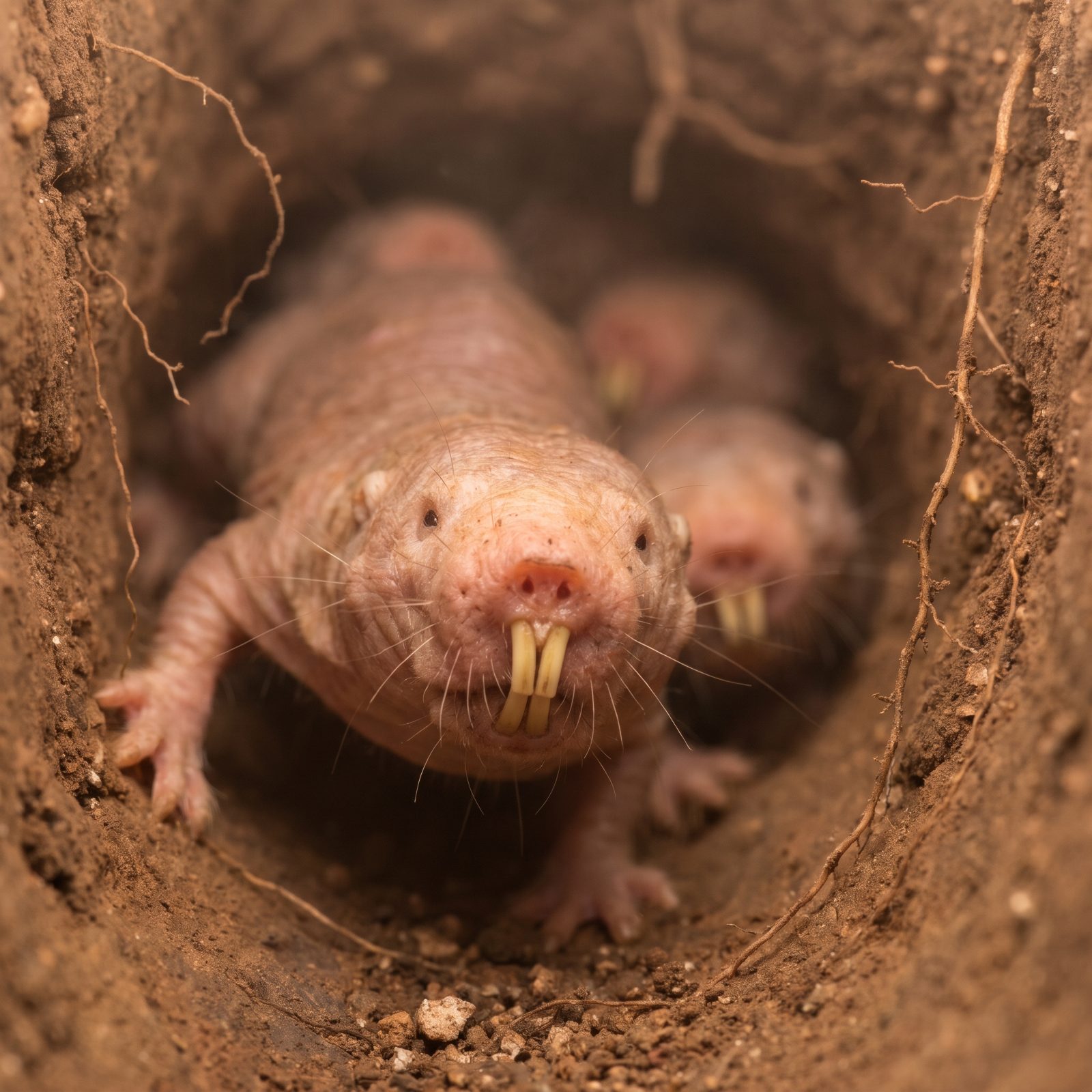
Seal a lab rat in a chamber with almost no oxygen and it dies in minutes. Do it to a naked mole-rat and the thing shrugs, slows down, and waits it out.
When oxygen vanishes, its body stops burning glucose and switches to fructose — the same fuel plants run on. No other mammal pulls this off. It can idle at single-digit oxygen levels for hours and survive total deprivation for a quarter of an hour or so with no brain damage.
6. The Baby Painted Turtle That Freezes Solid and Thaws Out Alive
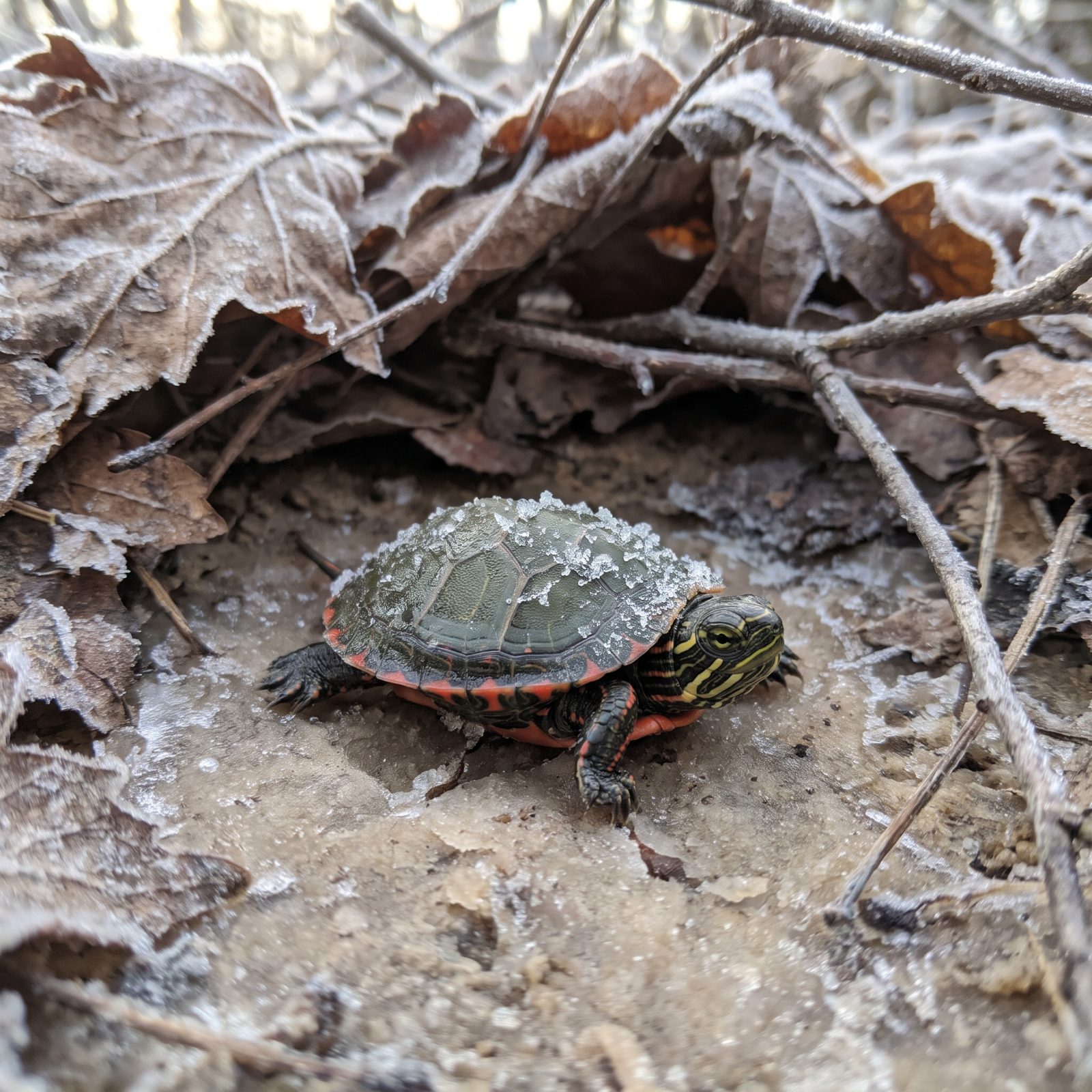
Painted turtles lay eggs in summer, the babies hatch in fall, and then they do something reckless: they stay in the nest all winter, inches below the surface, where the temperature plunges well below freezing.
Ice forms in the spaces between their cells. Up to half the water in a hatchling’s body can turn solid. The heart stops. Breathing stops. By any normal definition, the animal is dead.
Then spring warms the soil, the ice melts, the heart kicks back on, and the turtle claws its way out and walks to water. The trick? They flood their tissues with glucose and police exactly where ice is allowed to form, and nowhere else.
5. The Diving Bell Spider That Builds Its Own Scuba Tank Underwater
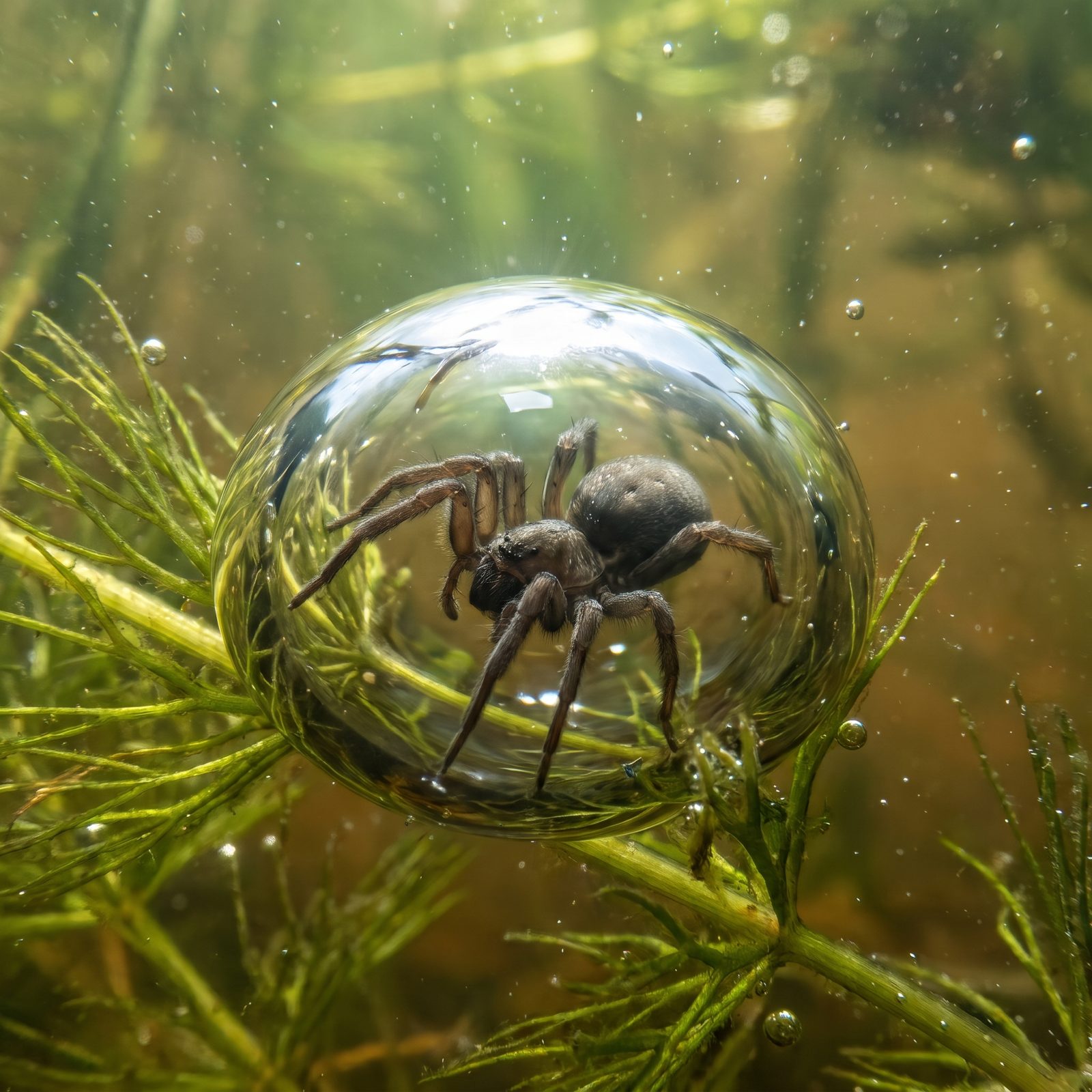
This is the only spider on Earth that spends its entire life underwater — no gills, no compromise.
It ferries air down from the surface trapped on its hairy abdomen, building a round bubble among the water plants that looks like a tiny glass sphere. Inside that pocket it eats, mates, and lays its eggs, every bubble hauled down one trip at a time.
And here’s the elegant part: the air bubble works as a gill. Oxygen diffuses in from the surrounding water while carbon dioxide leaks out the other way. A spider can sit tucked in its bell for over a day before it has to surface for a refill.
4. The Antarctic Springtail That Makes Its Own Antifreeze
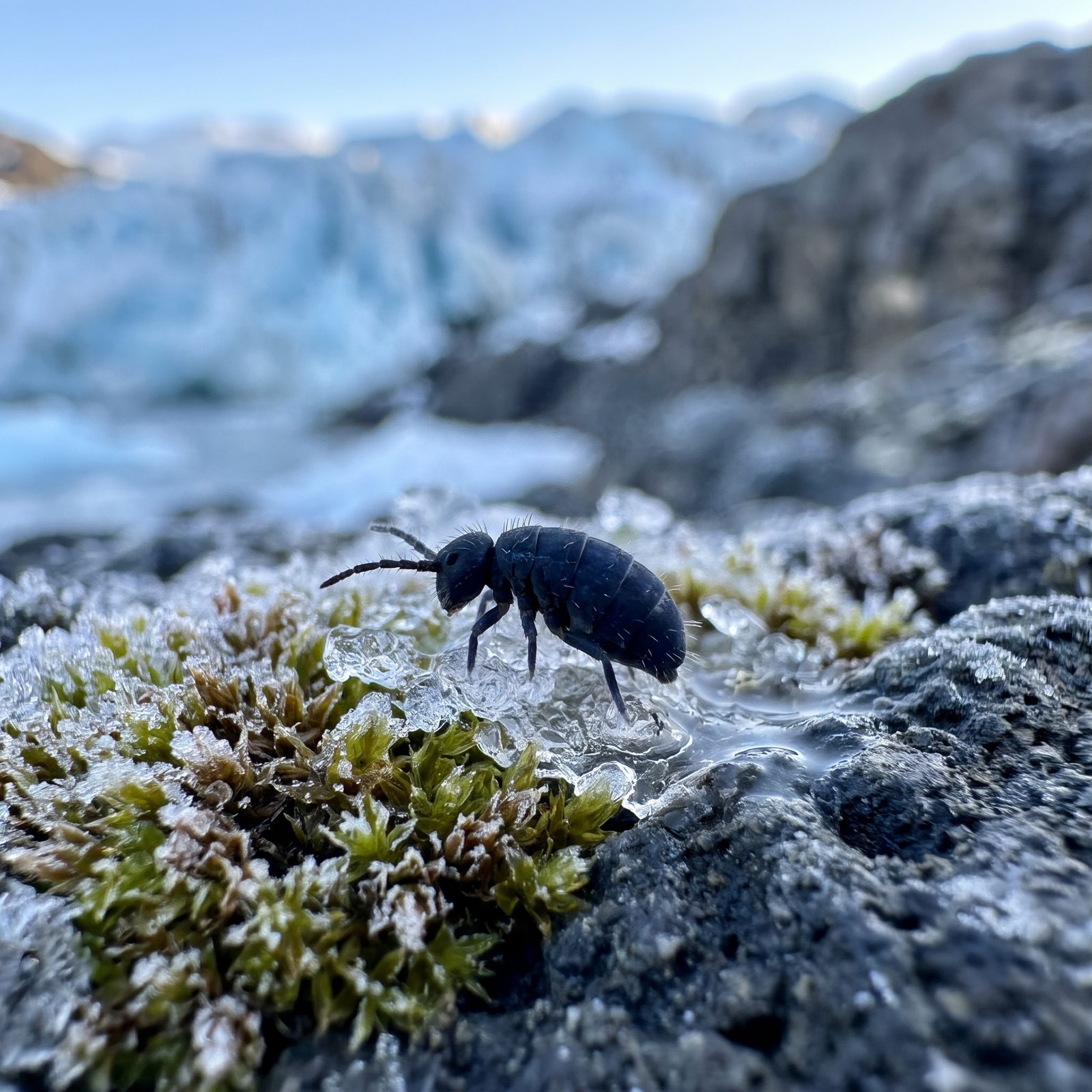
One of Antarctica’s largest permanent land animals is smaller than a grain of rice. The springtail spends its winters locked in frozen soil, and it flatly refuses to freeze.
Its body is loaded with compounds that behave like the stuff you pour into a car radiator, dropping the temperature at which ice can form inside it. Down to around minus 30 Celsius it stays liquid. Some populations go further and dehydrate themselves on purpose, wringing out water until there’s almost nothing left to crystallize. No water, no killer ice.
3. The Flat Bark Beetle Larva That Laughs at 100 Below
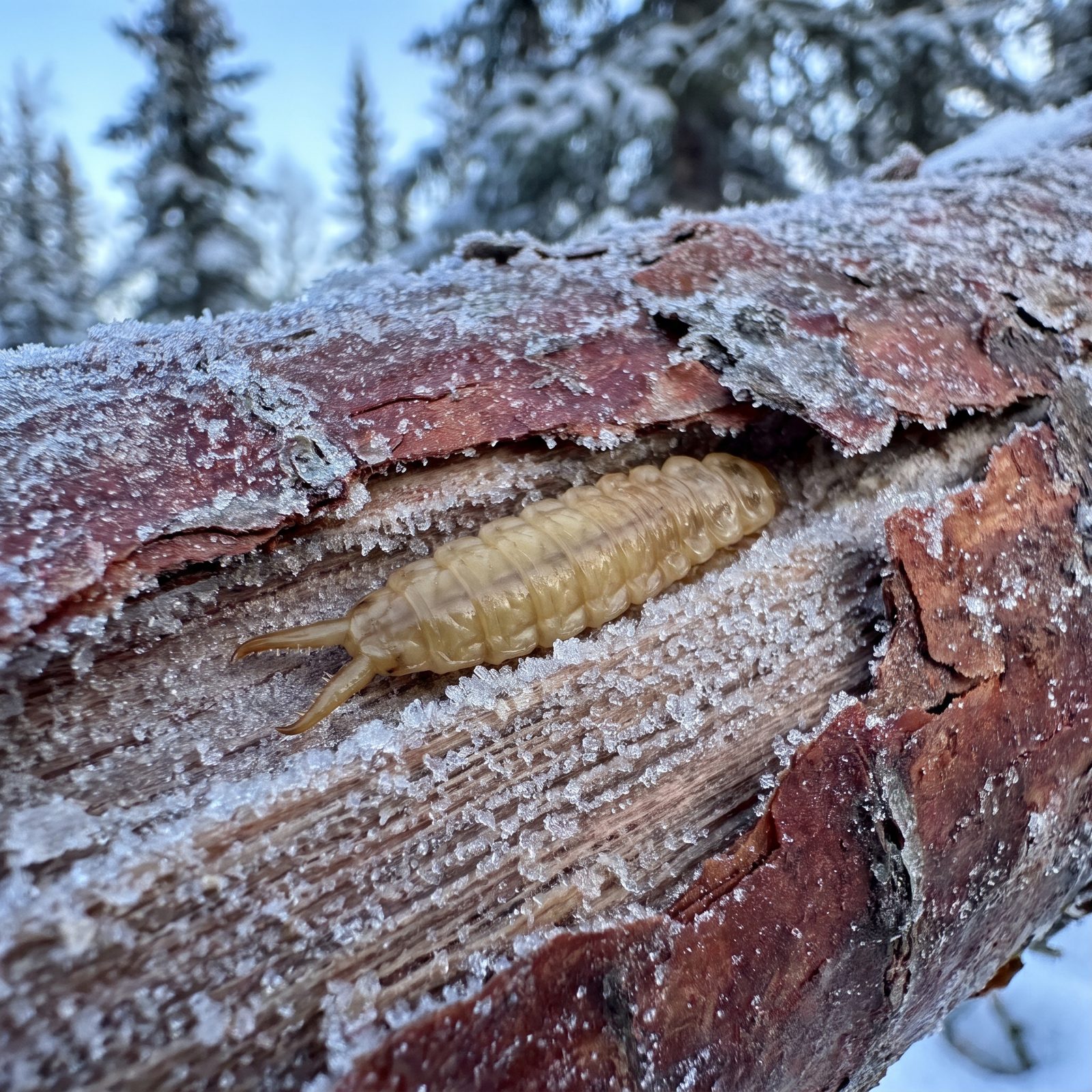
In a smooth gouge in split, frost-covered Alaskan wood lies a glossy, swollen larva that survives cold most liquids can’t.
In the lab, flat bark beetle larvae have endured temperatures near minus 150 Celsius through a trick called vitrification. Rather than let water freeze into jagged, cell-shredding crystals, their bodies set into a glassy solid, molasses-stiff, where nothing can crystallize at all.
Natural winters never come close to that, which is the unsettling part. This insect packs far more cold tolerance than its home has ever once demanded.
2. The Himalayan Jumping Spider That Hunts Higher Than Any Other Animal

Climbers on Everest have stumbled onto a predator living higher than anything else on land. The Himalayan jumping spider turns up above 22,000 feet, well past the altitude where plants give up entirely.
So what does a hunter eat where there’s no vegetation and nothing obvious to chase? It waits for the wind. Frozen gusts carry small insects up out of the valleys and dump them across the ice, and the spider lives on that steady delivery of accidental tourists, snatching them up in the thin, brutal air.
As far as anyone knows, it holds the highest permanent address in the animal kingdom.
1. The Cockroach That Can Shrug Off Radiation and Go a Month Without Food
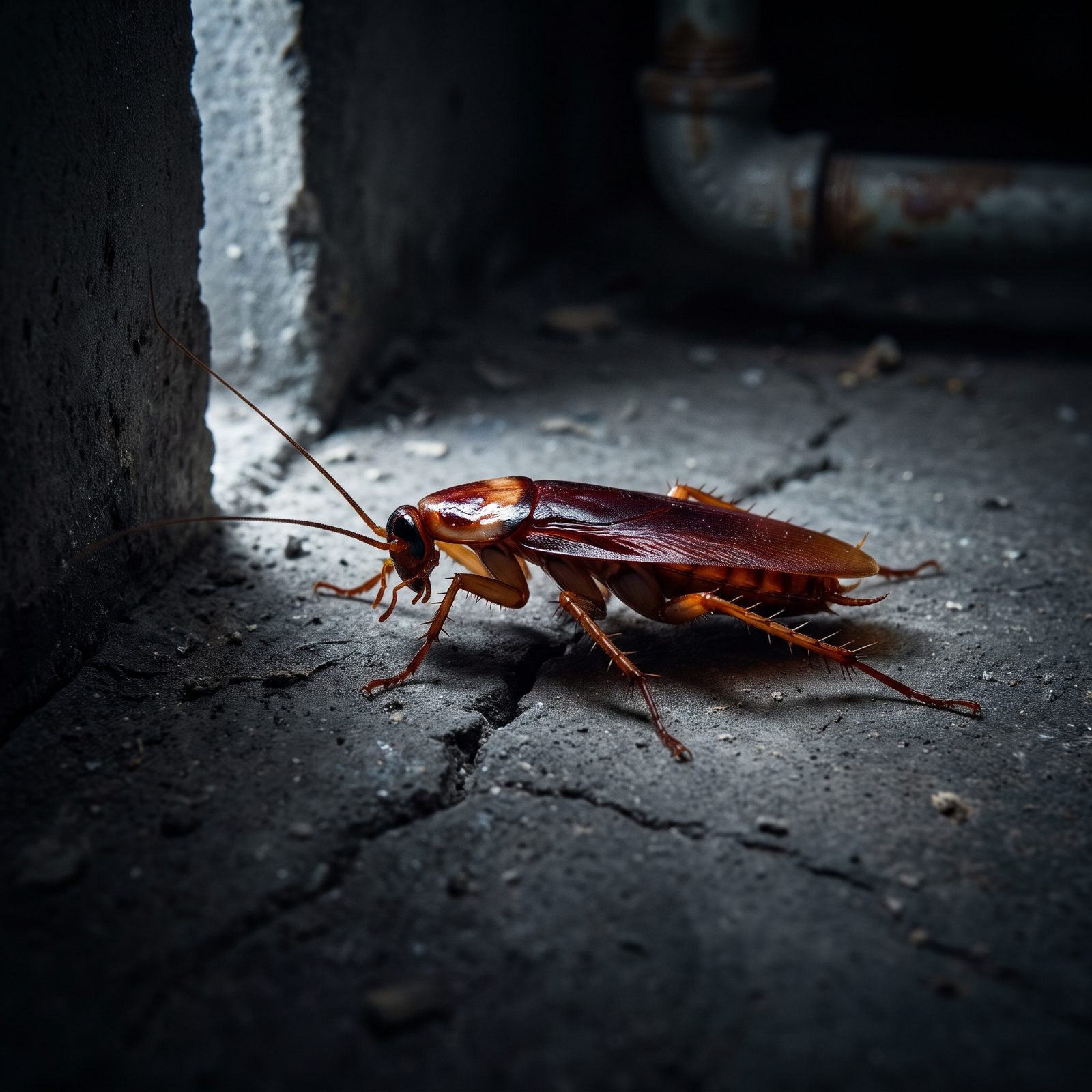
The old line about cockroaches inheriting the Earth has real science behind it — just not the version you’ve heard.
They shrug off radiation doses that would kill you several times over, partly because their cells divide slowly and only during molting, and radiation does most of its damage mid-division. A roach can live about a week without a head, dying of thirst rather than the missing head. Give it a sealed room and it’ll go roughly a month without food, and it can survive being submerged for over half an hour.