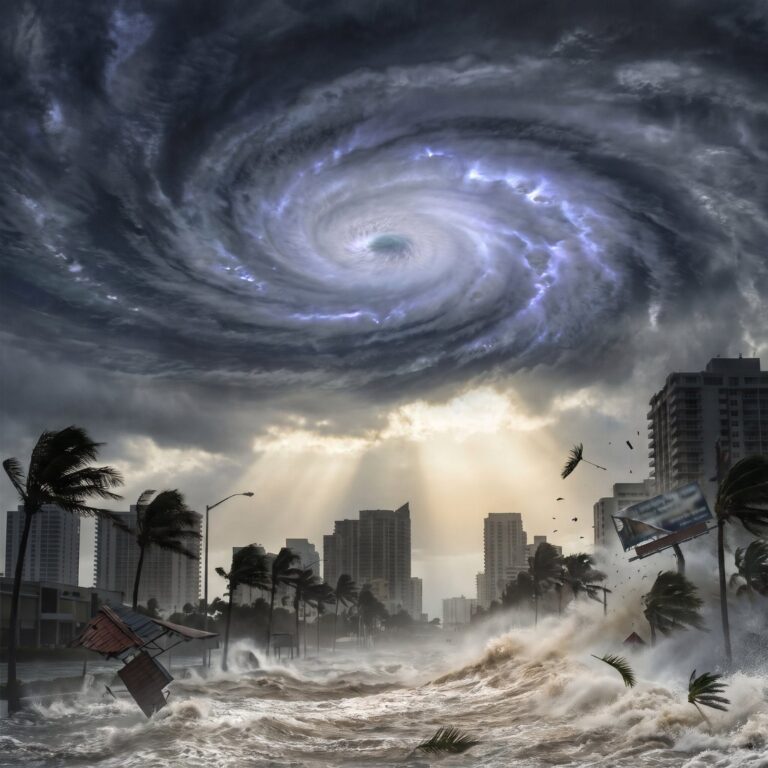

A town in Honduras built a festival around it. Every year, usually after a violent storm, the streets of Yoro fill with live fish, and people bag them up to fry for dinner. Sounds like a tall tale your weird uncle swears happened to a friend of a friend. It isn’t. Fish fall from the sky. So do frogs, spiders, rust-colored rain, and chunks of ice heavy enough to crush a car hood. Most of it has a solid explanation. Some of it still has scientists scratching their heads. Here’s the strange, documented catalog of what the sky drops on us.
24. Fish Rains Carried Inland by Waterspouts
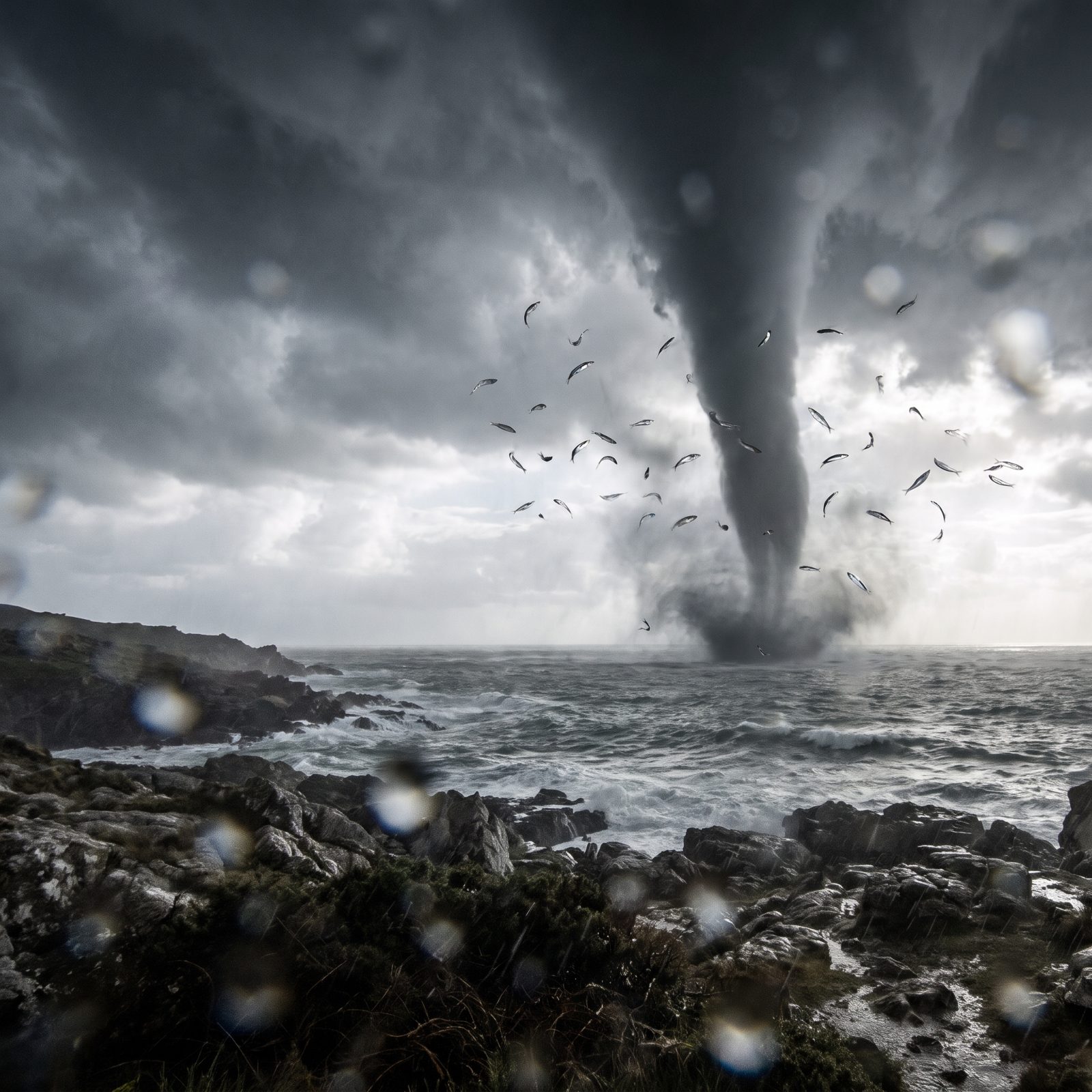
The mechanism is less magical than it sounds. A powerful waterspout or tornado passes over a shallow lake or ocean, sucks up water along with whatever happens to be swimming in it, and hauls the whole load inland before dropping it. Fish, being heavier than rain, often fall separately once the winds weaken.
Yoro, Honduras, has reported these falls so reliably that it throws an annual festival, the Lluvia de Peces. Scientists mostly accept the waterspout theory. But nobody has ever filmed a Yoro fall start to finish, and that gap is exactly why the legend survives.
23. Frogs and Toads Dropping Mid-Storm
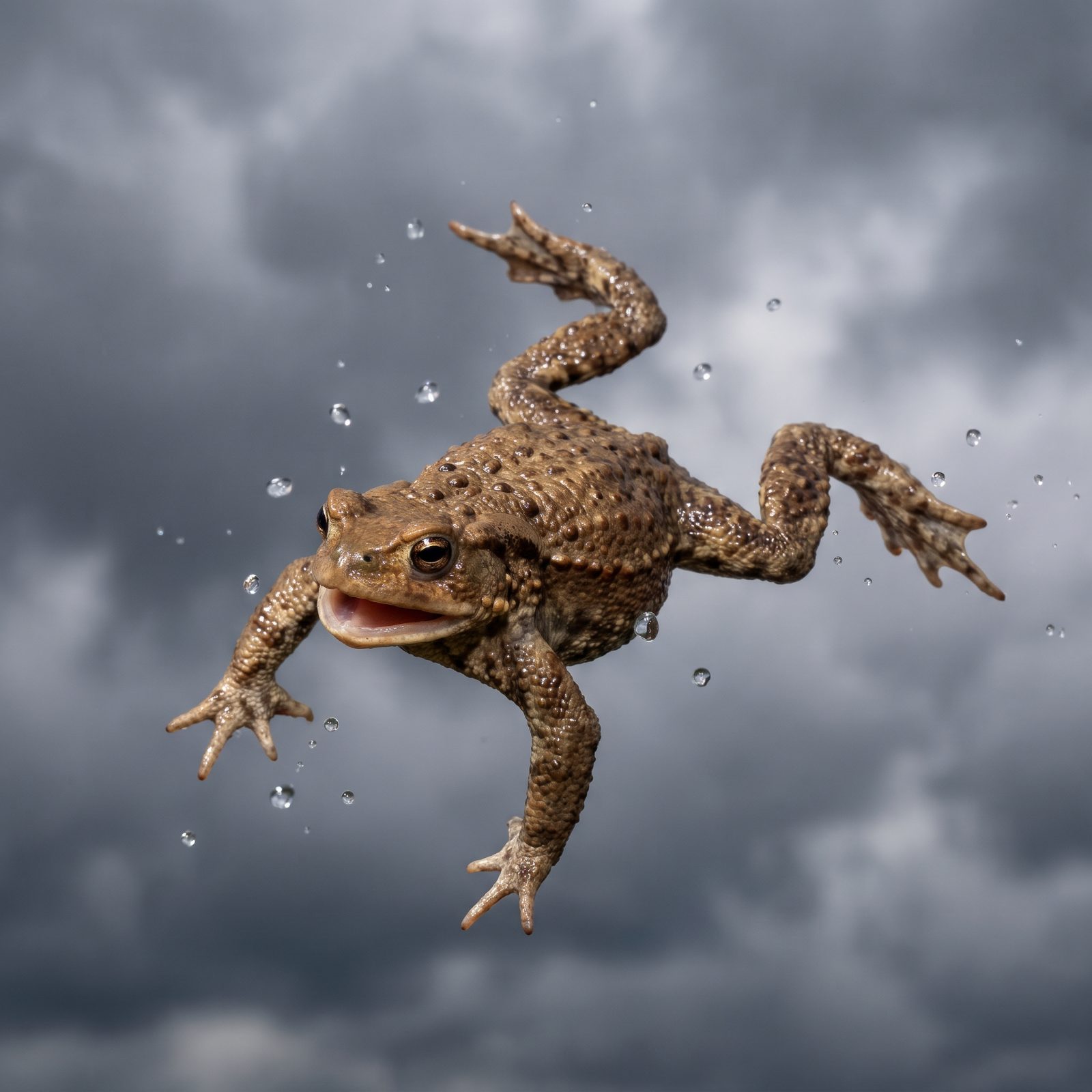
Frog falls follow the same waterspout logic as fish, and the records go back centuries. Serbia reported a toad rain in 2005. England logged frog falls in the 1800s that got written up in serious scientific journals of the day.
Here’s the detail nobody mentions. A lot of “frog rains” aren’t rains at all. Heavy downpours flush frogs out of ponds and ditches, and they hop onto roads en masse right as the storm hits, so people see frogs everywhere and assume they dropped from above. Both things happen. Telling them apart after the fact is nearly impossible.
22. Blood-Red Rain Tinted by Algae and Dust

In the summer of 2001, red rain fell over Kerala, India, on and off for weeks. It stained clothes and freaked people out. One researcher even floated the theory that the red particles were alien life, which grabbed far more headlines than it ever deserved.
The accepted explanation is less dramatic and, honestly, more interesting. The rain carried spores of a local airborne algae, Trentepohlia. Elsewhere in the world, red rain comes instead from fine iron-rich desert dust lofted into the clouds. Same scary color, two completely different causes. The alien idea? Still a fringe hypothesis with zero supporting evidence.
21. Hailstones the Size of Grapefruit
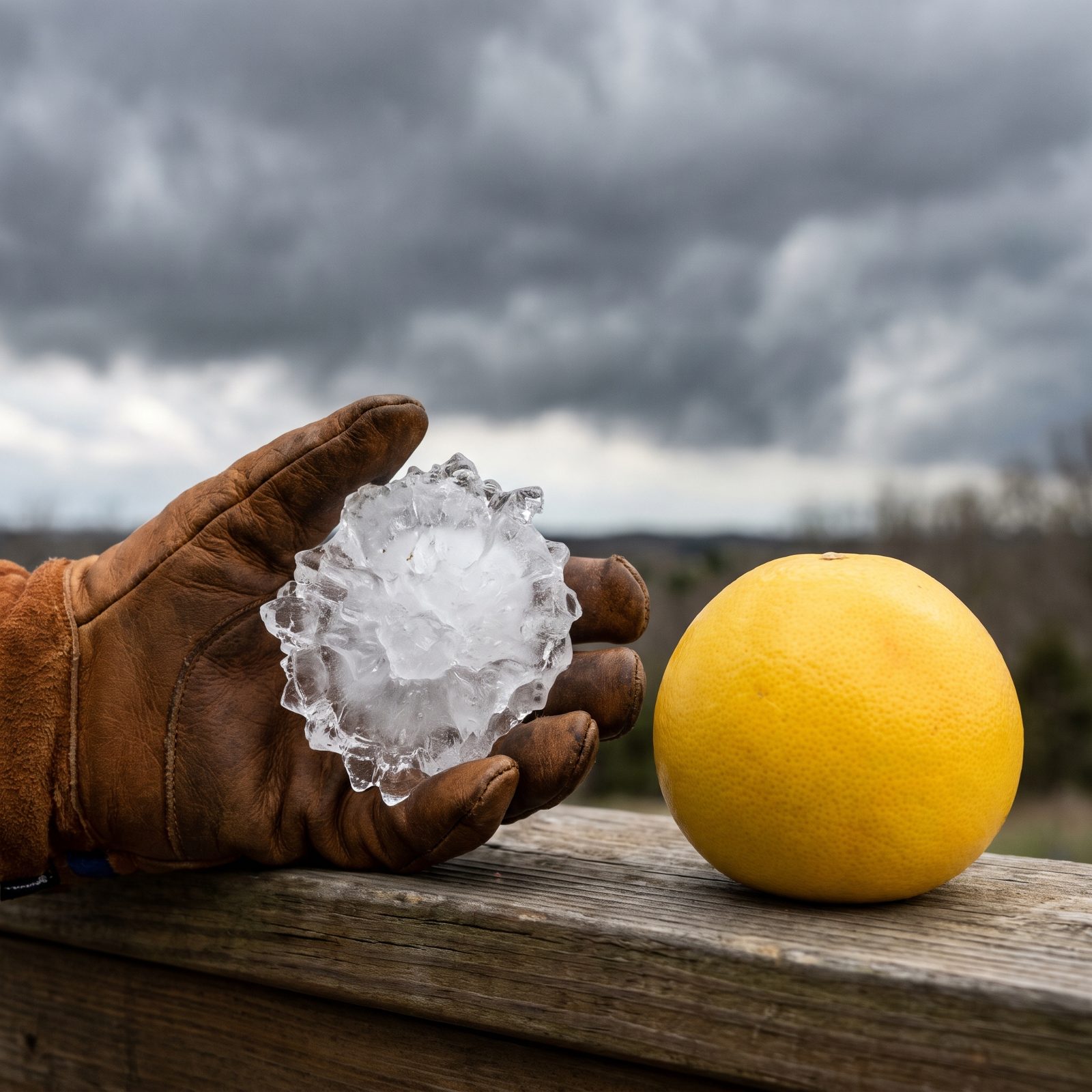
The largest hailstone ever officially recorded in the US fell in Vivian, South Dakota, in 2010. It measured 8 inches across and weighed nearly two pounds. A stone that big hits the ground at well over 100 miles per hour.
Giant hail forms when strong updrafts in a thunderstorm hold ice aloft, letting it gather layer after layer of water that freezes on contact. Cut one open and you’ll see rings like a tree, each one a trip up and down inside the storm. The bigger the stone, the more violent the storm that built it.
20. Megacryometeors: Mystery Ice Blocks From Clear Skies

These are the genuine head-scratchers. Chunks of ice weighing anywhere from a few pounds to several thousand have slammed into the ground from clear skies with no storm, no plane, nothing to explain them.
For years the easy answer was “blue ice,” frozen leaks from aircraft lavatories. But megacryometeors turn out to be chemically pure water ice, not the telltale blue of toilet waste, and some have fallen where no planes flew. Spanish scientist Jesús Martínez-Frías coined the term in 2000 and proposed they form under anomalous conditions high in the atmosphere. It stays an open hypothesis. Nobody has fully cracked how a massive block of ice assembles itself in a cloudless sky.
19. Spiders Falling From the Sky During Ballooning Migrations
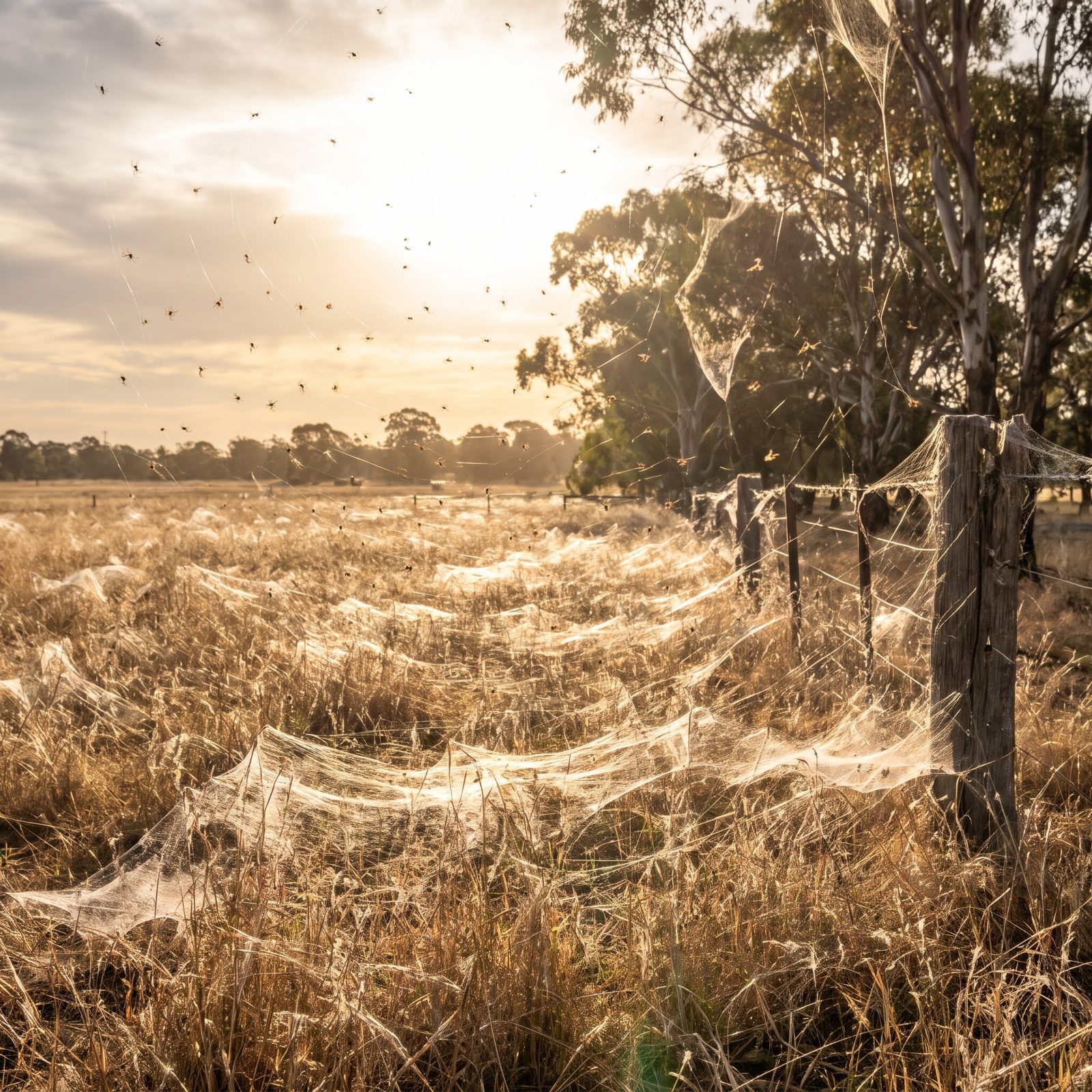
In 2015, residents of Goulburn, Australia, woke to find their town blanketed in silk, with spiders drifting down from above like snow. It looked apocalyptic. It was just a mass migration.
Tiny spiders disperse by a trick called ballooning. They climb to a high point, release strands of silk, and let air currents and even the planet’s electric field lift them skyward, millions taking off at once. When the air calms, they rain back down, silk and all. They can travel for miles, and have turned up drifting thousands of feet overhead.
18. Saharan Dust Turning Skies and Rain Orange

Every so often the sky over Spain, France, or the UK turns the color of a faded photograph, dim and orange, like someone slid a filter over the sun. The culprit is sand. Dust from the Sahara, specifically, lifted thousands of feet by African winds and carried north across the Mediterranean.
Rain through that dust comes down muddy and leaves a gritty film on everything. And the same plume does real good elsewhere, fertilizing the Amazon rainforest and the Atlantic Ocean with iron and phosphorus. One of the planet’s biggest dust highways runs straight from a dried-up lakebed in Chad to the far side of the world.
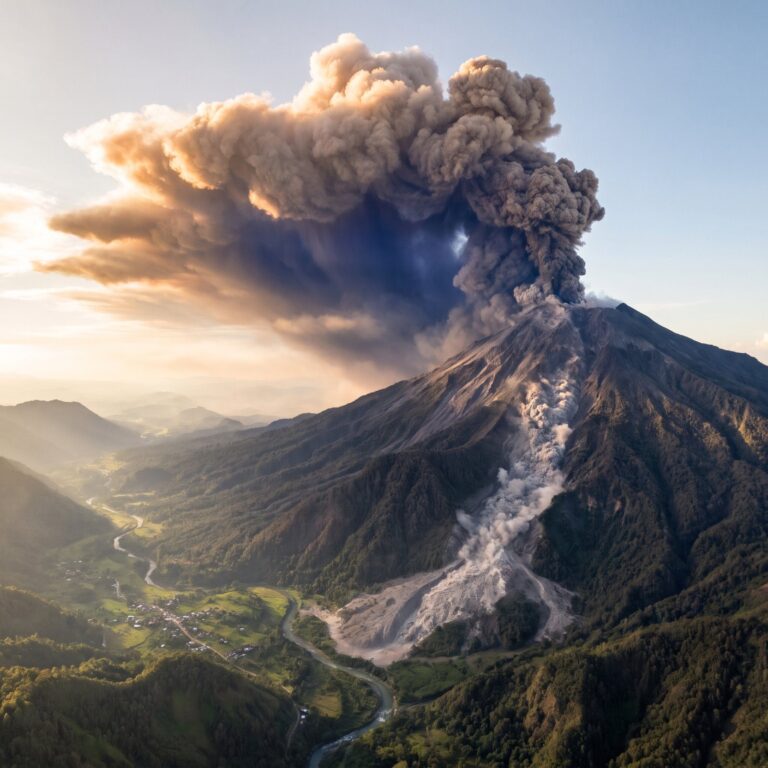
17. Volcanic Ash Drifting Hundreds of Miles From the Eruption
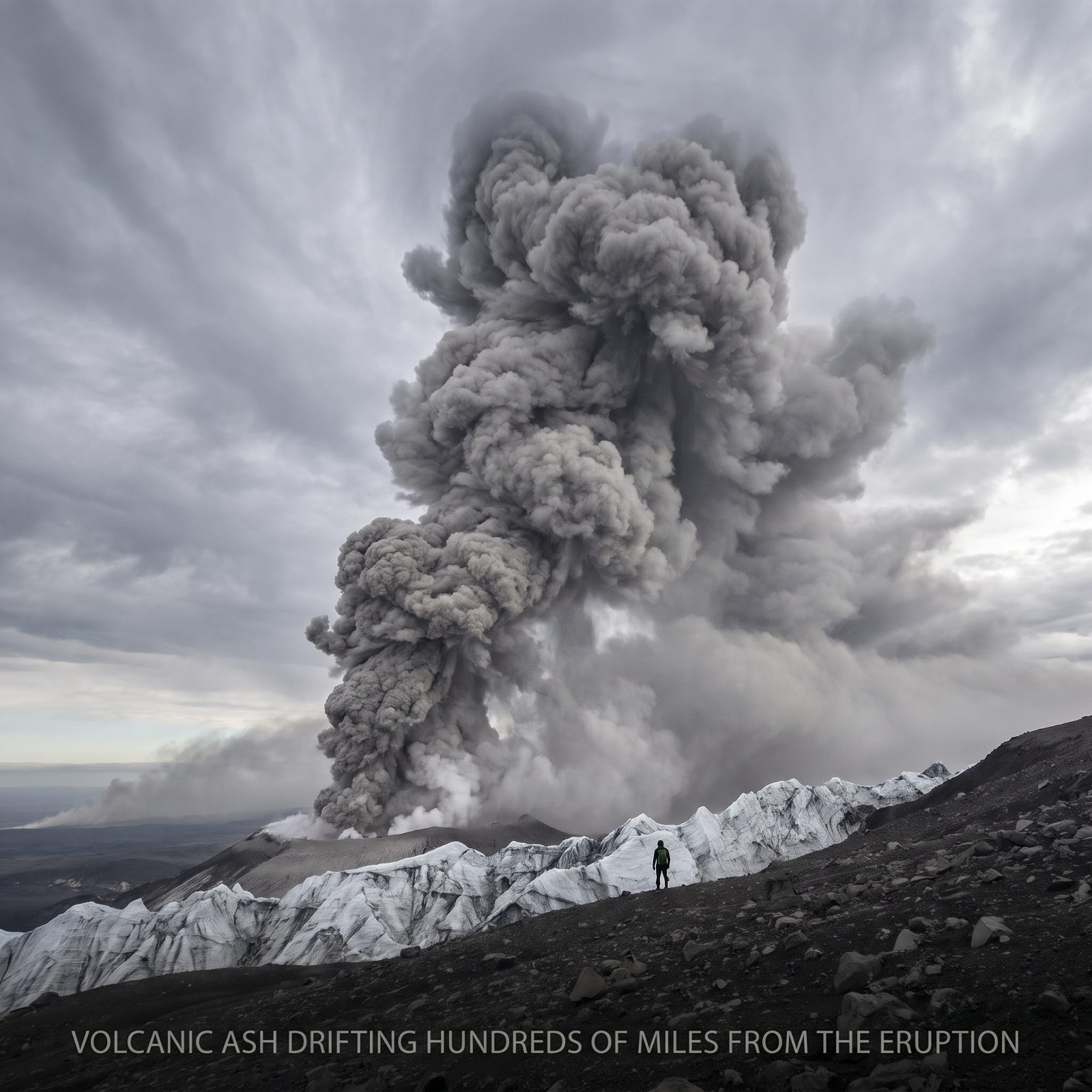
When Iceland’s Eyjafjallajökull erupted in 2010, its ash cloud grounded European air travel for days and stranded millions of passengers. And the volcano wasn’t even that large by historic standards.
Volcanic ash isn’t soft like campfire ash. It’s pulverized rock and glass, abrasive and sharp, and it shreds jet engines, which is why planes dodge it entirely. Fine ash can ride the jet stream for hundreds, sometimes thousands, of miles before settling. The 1883 Krakatoa eruption threw ash so high it tinted sunsets red around the globe for years and pulled down average temperatures worldwide.
16. Diamond Dust: Ice Crystals Glittering in Clear Air
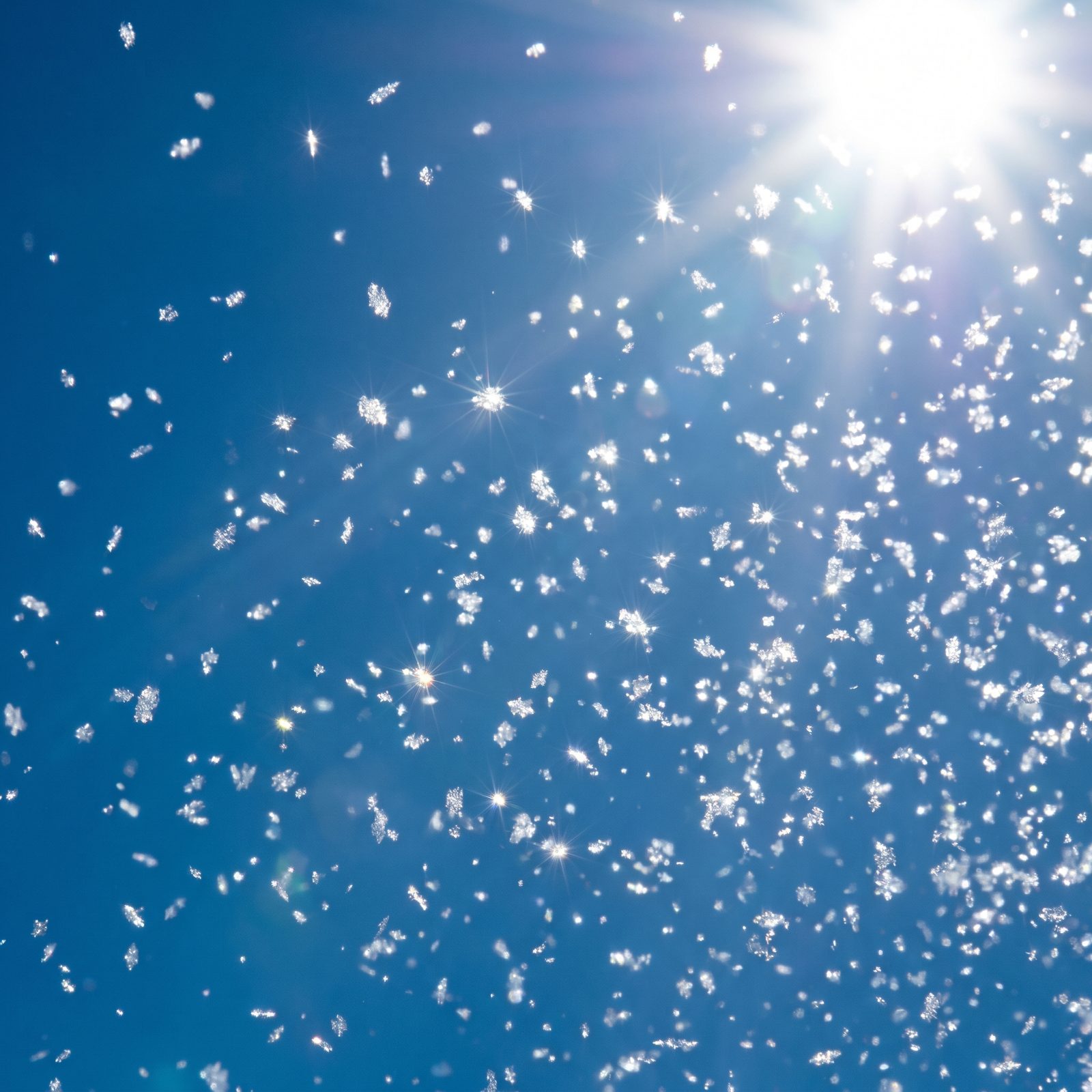
Snow needs clouds. Diamond dust doesn’t. On brutally cold, clear days in polar and high-altitude regions, water vapor freezes straight into tiny ice crystals that hang in the air and drift slowly down, flashing in the sunlight like scattered glitter.
It’s so fine you barely feel it. What you notice instead are the light shows it throws: sun pillars, halos, and sundogs, all of them made by sunlight bending through those floating crystals. Usually it takes temperatures well below zero. If you’re ever somewhere cold enough to catch it, stop and look up, because the whole sky sparkles.
15. Birds Falling From the Sky After Storms and Toxins
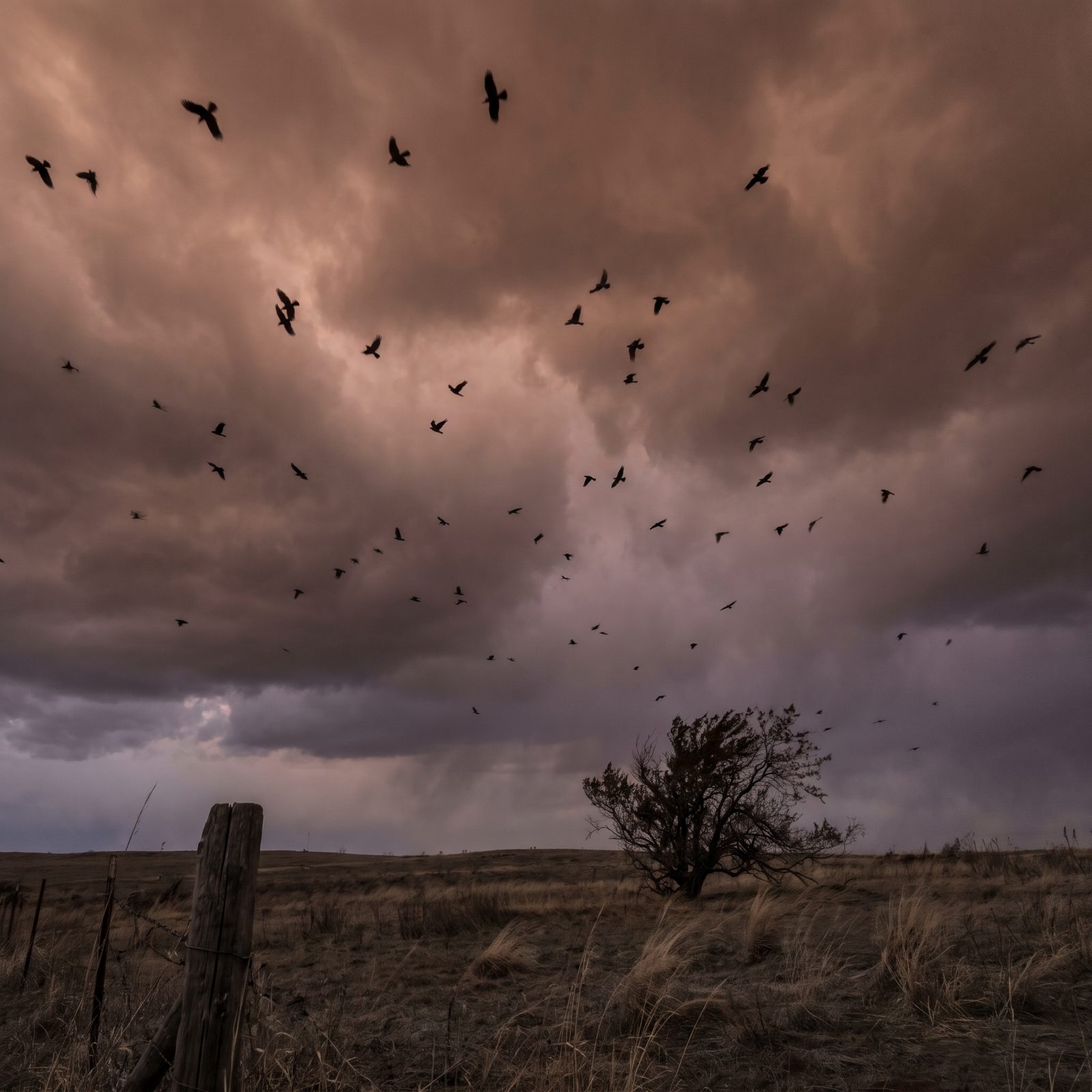
On New Year’s Eve 2010, thousands of red-winged blackbirds dropped dead over Beebe, Arkansas. The internet promptly lost its mind with end-times theories.
The real cause was mundane and sad. Fireworks startled the roosting flock into the dark, and blackbirds don’t see well at night, so they panicked and flew into houses, trees, and the ground. Mass bird deaths happen for ordinary reasons: hail, lightning, toxins, sudden temperature drops, collisions. A migrating flock caught in severe weather can be killed off by the hundreds.
It looks like a biblical sign. It’s almost always physics and bad luck. The sky isn’t warning us. It’s just cold, or electric, or full of something that was already there.
14. Black Rain Stained by Soot and Wildfire Smoke
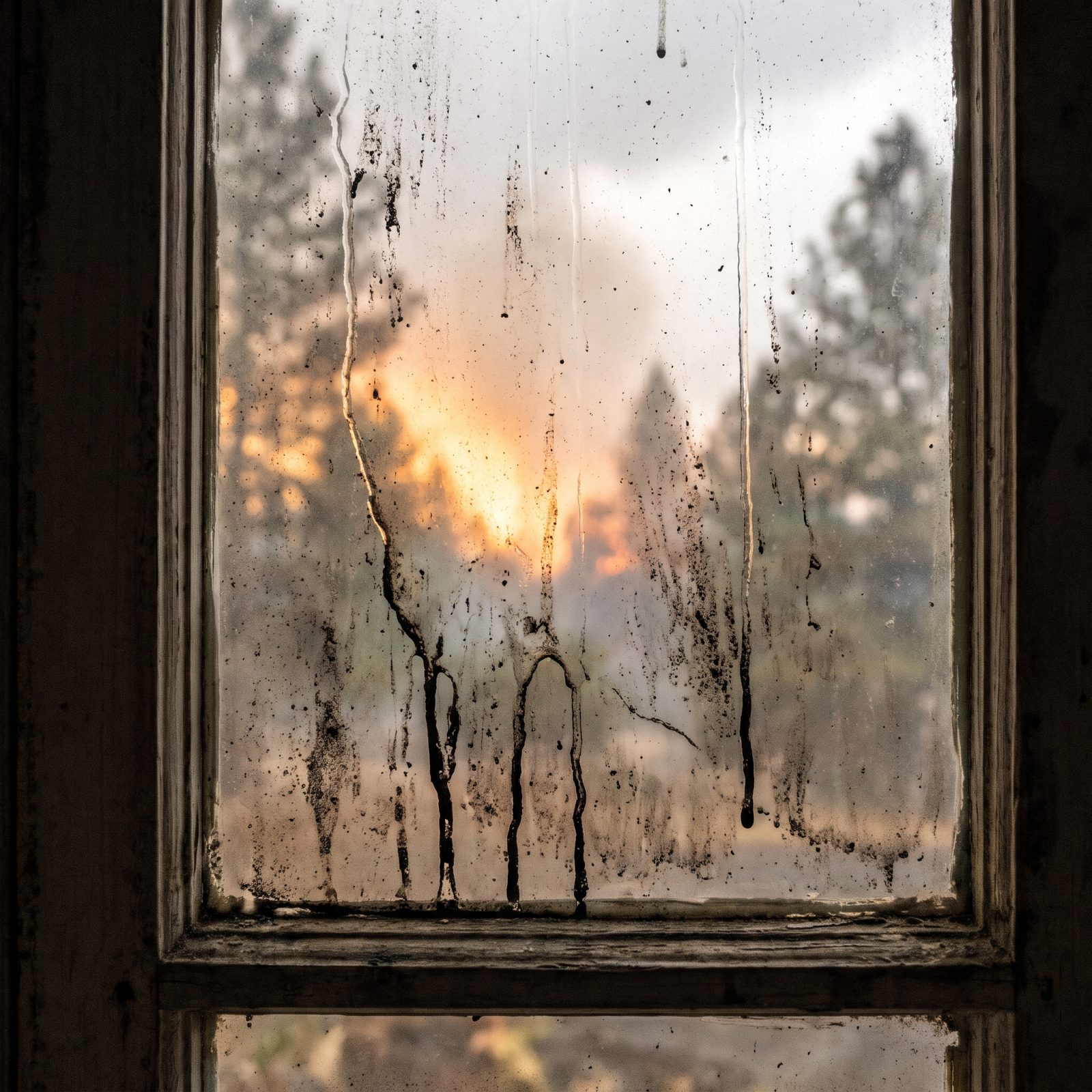
Rain cleans the sky by dragging whatever floats up there back down with it. Fill the air with soot from wildfires, volcanic ash, or heavy industry, and the drops come down gray or outright black.
Japan recorded black rain after the Hiroshima bombing, carrying radioactive fallout and ash. Milder versions happen downwind of major fires every year. The water itself is perfectly ordinary — it’s a mirror of what we’ve pumped into the air, and it paints the proof onto your car in dark streaks.
13. Graupel: The Soft Hail Everyone Mistakes for Snow
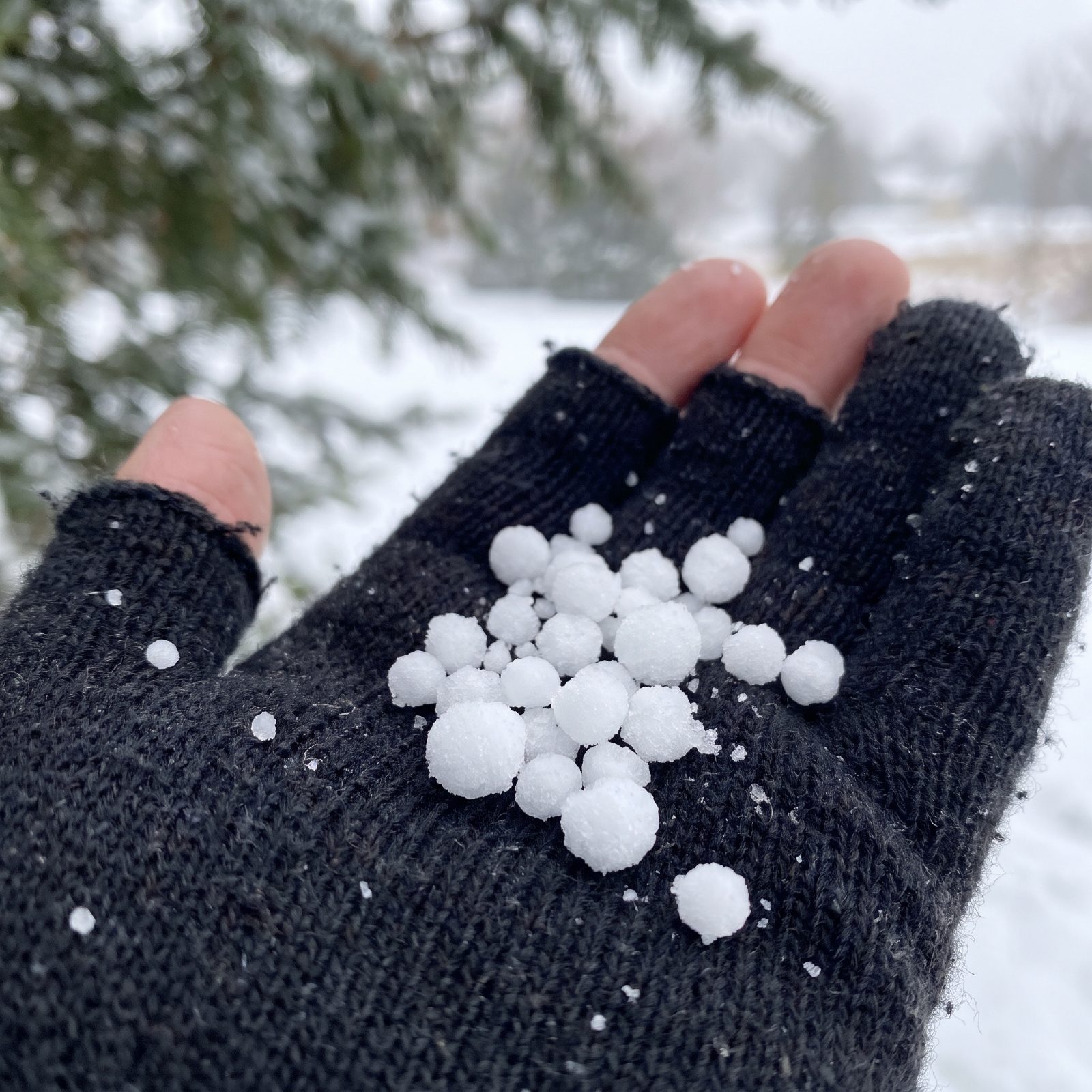
It isn’t snow and it isn’t hail. Graupel is the awkward middle child of winter precipitation, and once you can spot it, you’ll notice it every cold snap.
It forms when a snowflake drifts through a cloud of supercooled water droplets that freeze onto it instantly, coating the crystal until it’s a soft white pellet. Step on one and it crushes like a tiny foam ball rather than crunching like ice. Meteorologists call it snow pellets. It tends to show up right before or after a real snow shower, and plenty of people spend their whole lives calling it “that weird snow” without ever learning it has a name.
12. Yellow Rain Tinted Gold by Pine Pollen
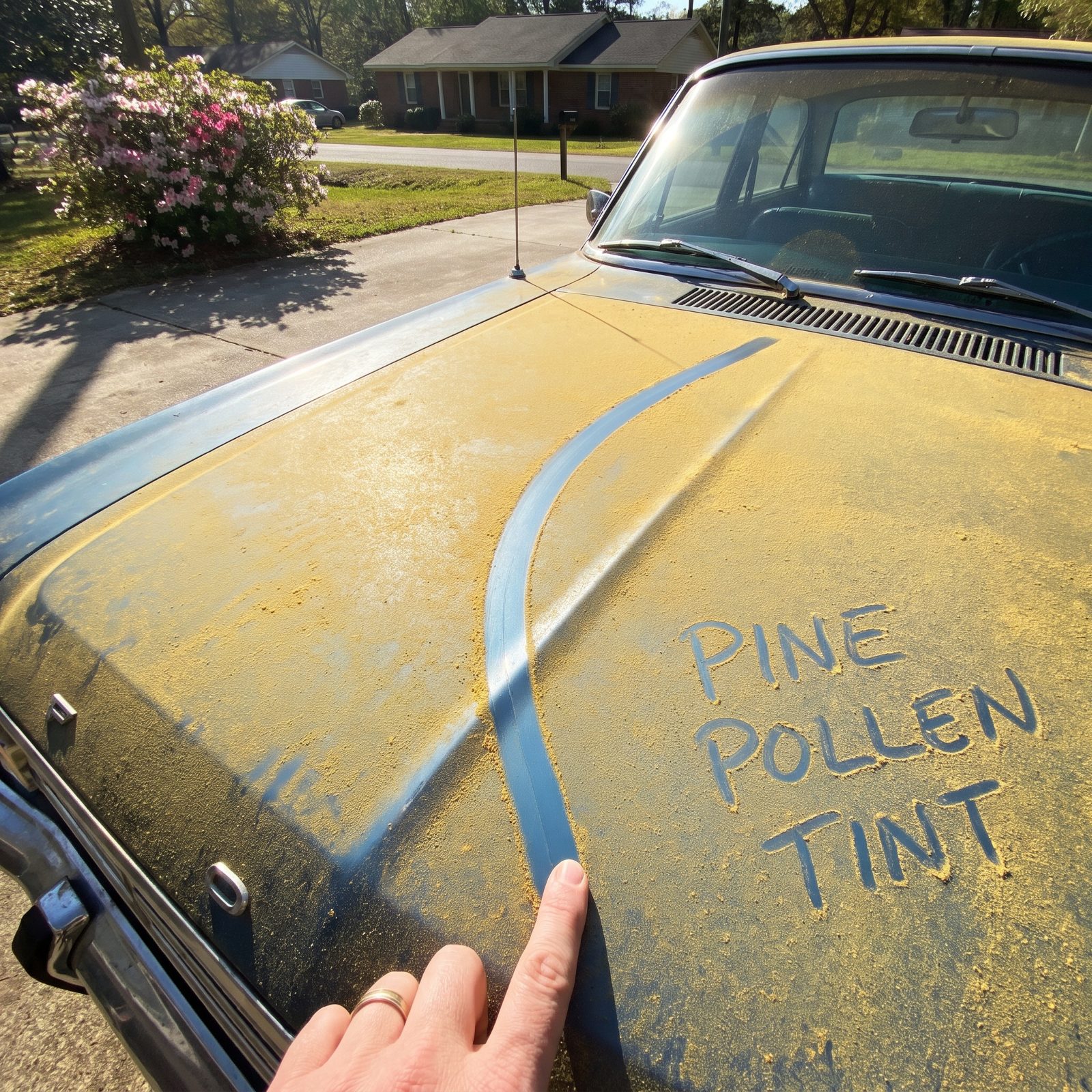
Every spring in the American Southeast, cars, porches, and puddles turn the color of mustard. Pine trees release pollen in such volume that it coats entire towns, and when rain falls through all of it, the drops land yellow.
People panic about “chemical rain” or some mysterious fallout. It’s tree reproduction, running wild. In parts of the Carolinas and Georgia the April pollen count climbs into the thousands of grains per cubic meter, thick enough to see drifting in the sunlight like gold dust before it settles on everything you own.
11. Carpets of Worms Washed Out of the Ground
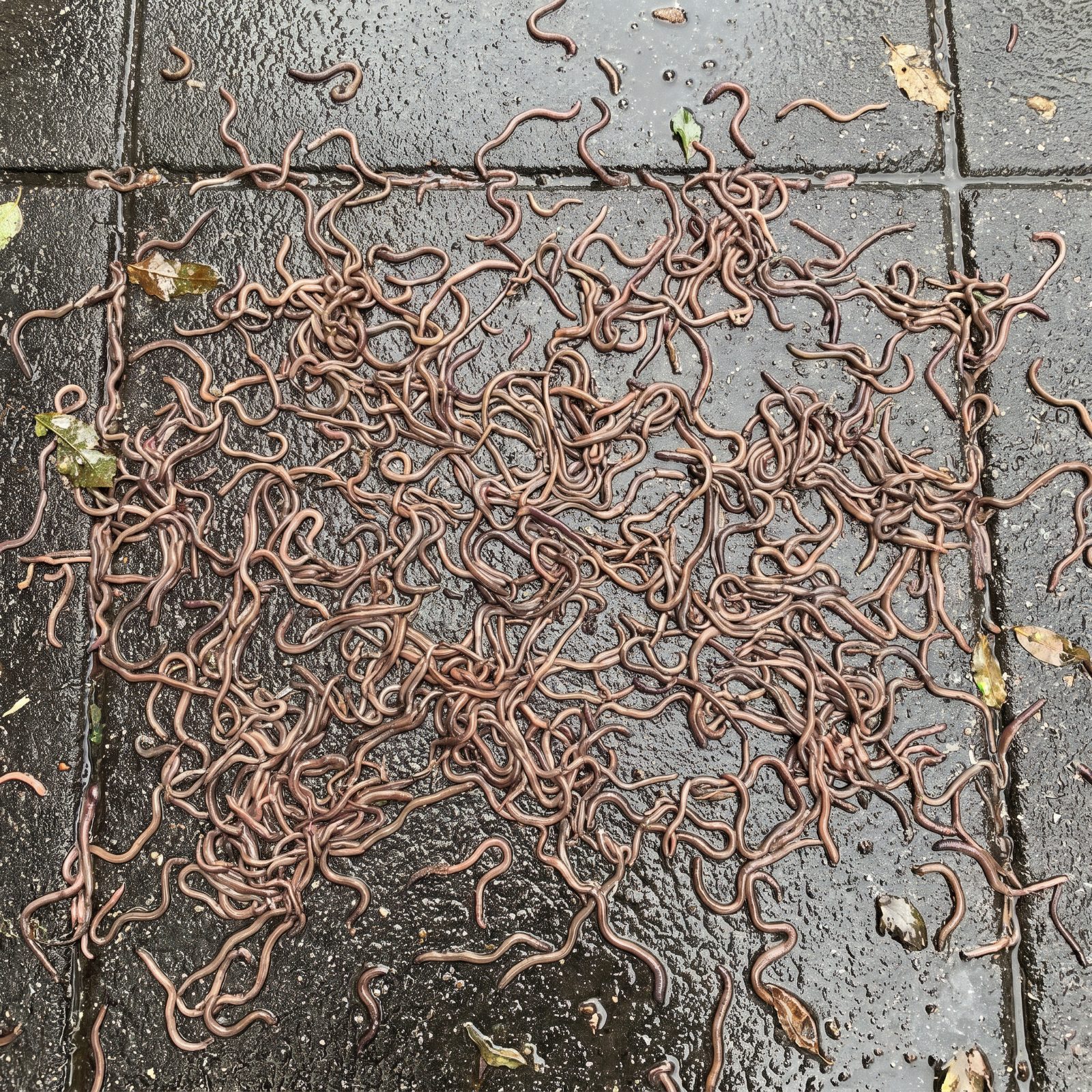
You step outside after a storm and the sidewalk is crawling. The old explanation — that worms flee flooded burrows to avoid drowning — is mostly wrong, because earthworms breathe through their skin and can survive underwater for days.
The leading idea now is stranger. Rain vibrations mimic the rumble of a digging mole, their main predator, and send the worms bolting to the surface in a panic. Other researchers think the wet ground simply hands them a rare chance to travel long distances without drying out, something they can’t pull off when the soil is baking. Either way, the drowning story is a myth that refuses to die.
10. Meteorites: Rocks That Fall From the Solar System Itself
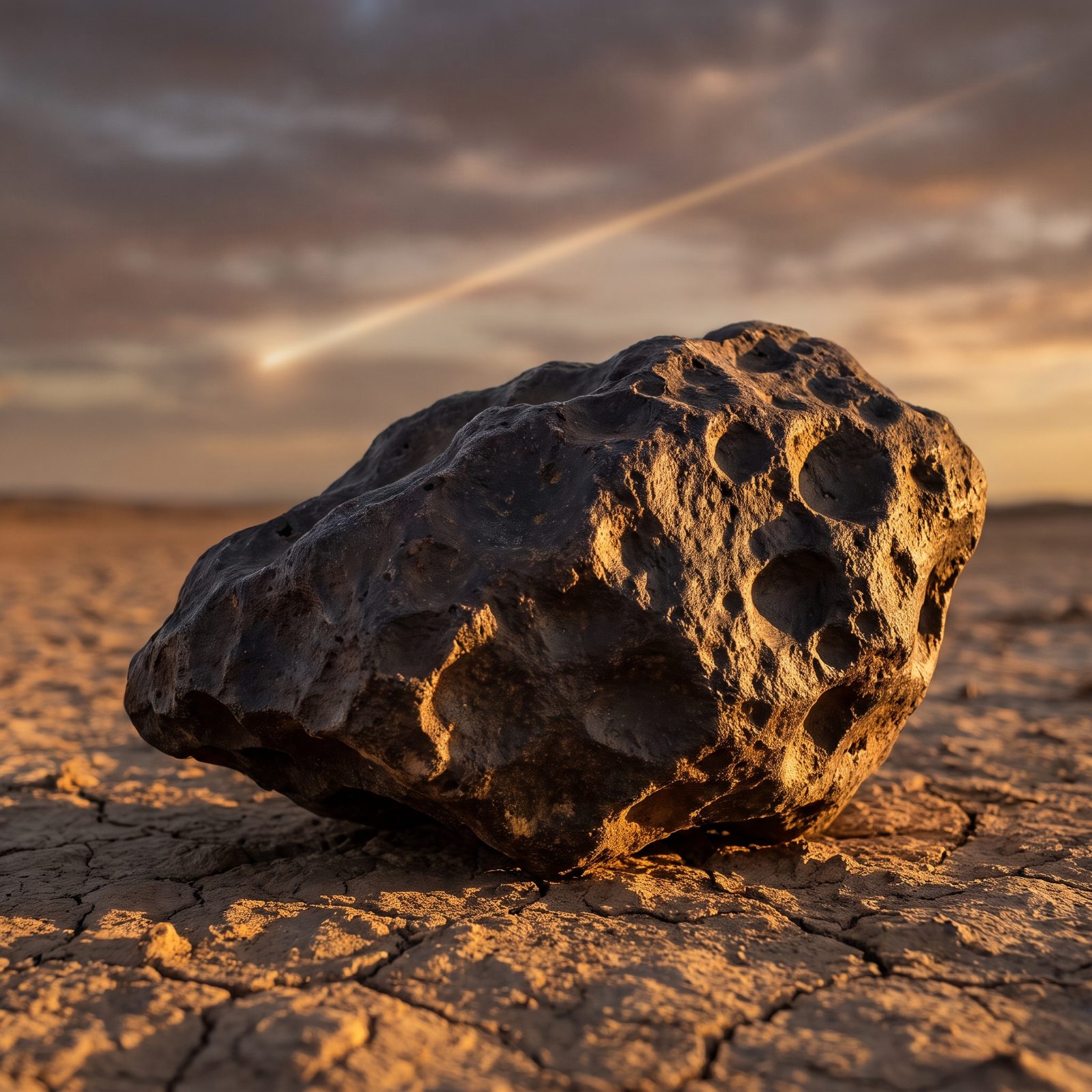
Thousands of meteorites reach the ground every year, but most splash into oceans or vanish into deserts and forests, never found. The ones that make headlines usually land near people.
The 2013 Chelyabinsk event over Russia was a brutal reminder of what’s really at stake. A rock roughly 60 feet across exploded in the air with the force of a large nuclear bomb, and the shockwave shattered windows across six cities, injuring around 1,500 people. Almost nobody saw it coming, because it arrived out of the glare of the sun. The fragments that landed are now prized collector specimens.
9. Space Debris and Dead Satellites Coming Back Down
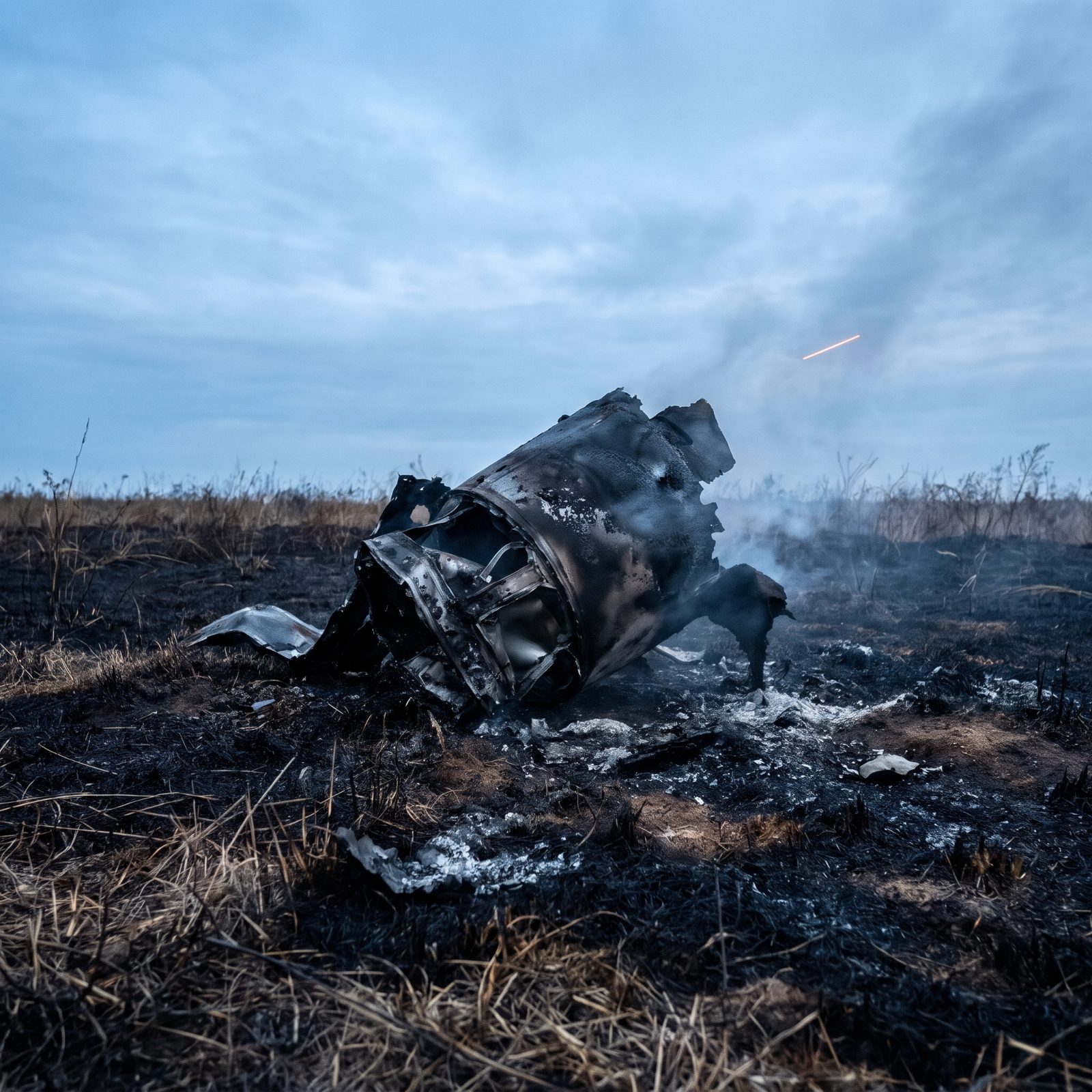
Roughly one large piece of tracked space junk tumbles back to Earth every day. Most of it burns up. The denser parts — titanium tanks, fuel spheres, engine components — sometimes survive the plunge and land intact.
Charred fragments have turned up on farms in Australia, Texas, and Kenya. The odds of a piece hitting any one person are vanishingly small, but the amount of hardware in orbit keeps climbing. In 2024, a chunk of debris from the International Space Station punched clean through the roof of a home in Florida. Nobody was hurt. Still, it was a solid reminder that what goes up does, eventually, come down.
8. Blue Ice: The Frozen Mystery That Drops From Airplanes
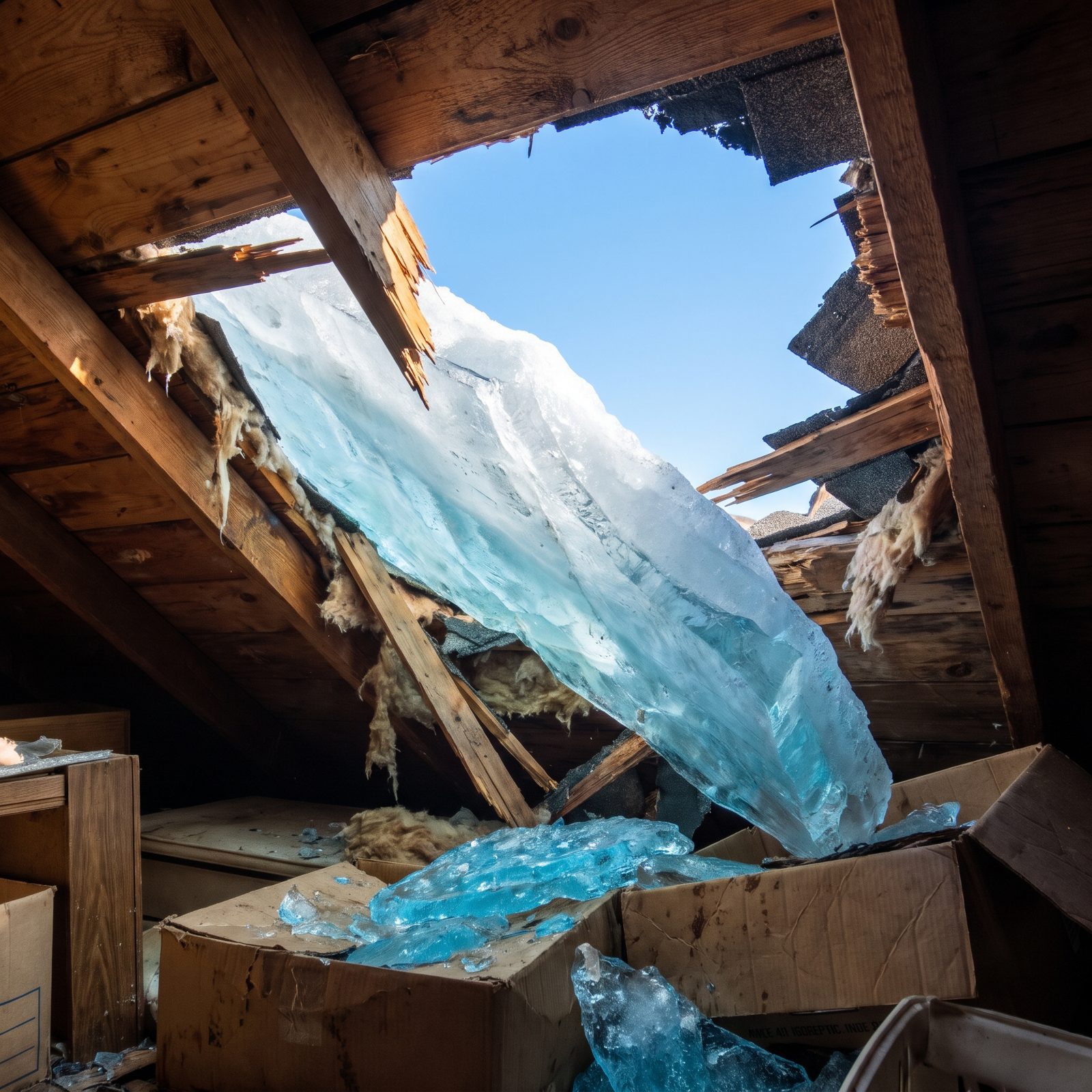
Sometimes a towering block of ice, taller than a grown man, drops out of a clear sky and smashes through a roof into the attic below. Unlike true megacryometeors, these have a far less mysterious source.
Blue ice is frozen leakage from an aircraft’s waste system, tinted by chemicals once used in airplane toilets. A seal gives way at altitude, the fluid freezes onto the fuselage, grows, and eventually breaks free. By the time it reaches the ground it’s clean, hard, and massive enough to tear open a roof and splinter the rafters. Modern systems leak far less than they used to. It still happens, though.
7. Freezing Rain That Coats the World in Glass
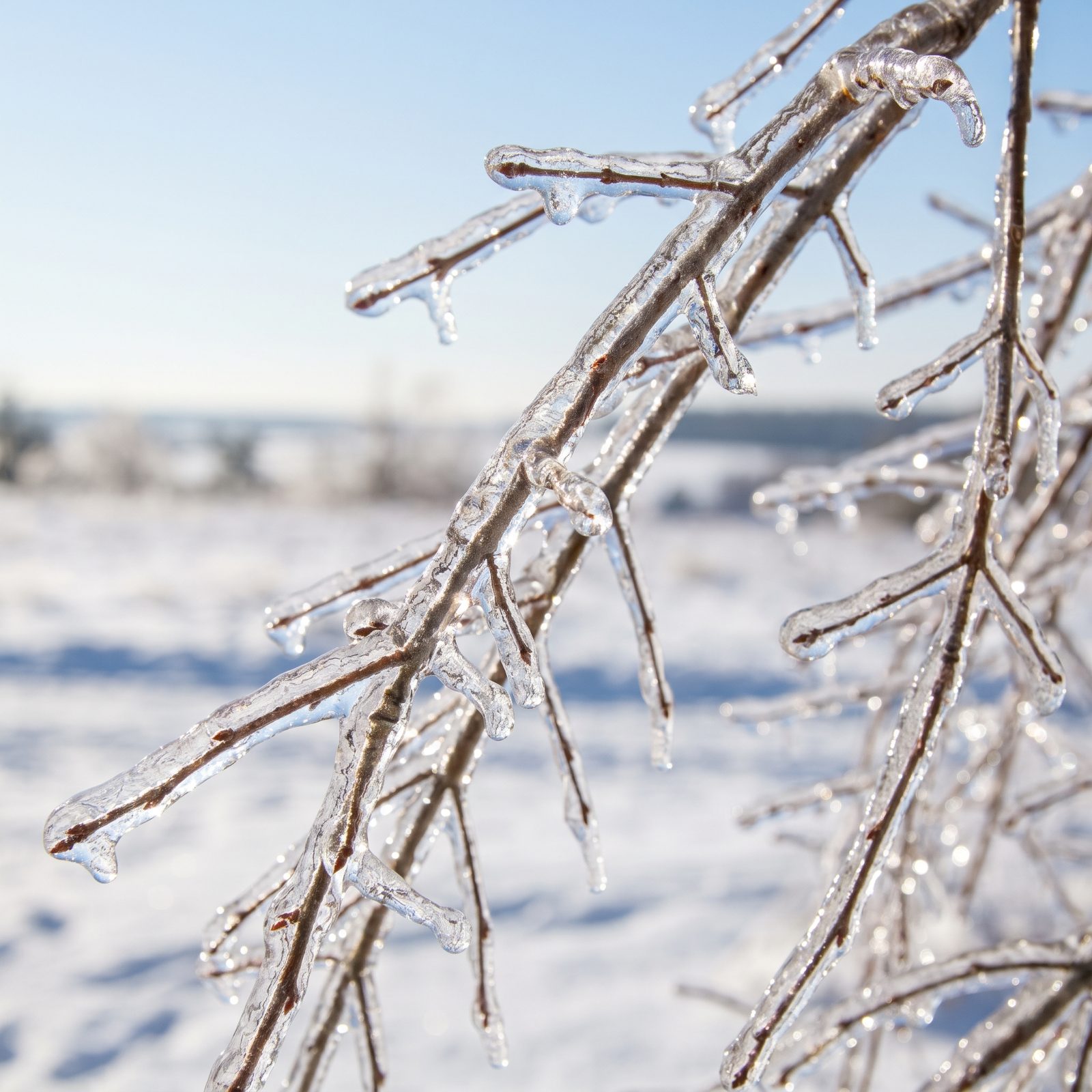
Freezing rain is the quietest disaster in weather. It falls as liquid, then freezes the instant it touches anything below 32 degrees, building a clear glaze over every surface it lands on.
A quarter-inch of ice can add hundreds of pounds to a tree limb and drop power lines across whole regions. The 1998 ice storm that hammered Quebec and the northeastern US left millions without power for weeks and remains one of the costliest weather events in Canadian history. It looks like a fairy tale and behaves like a wrecking ball.
6. Milky Rain Loaded With Mineral Dust
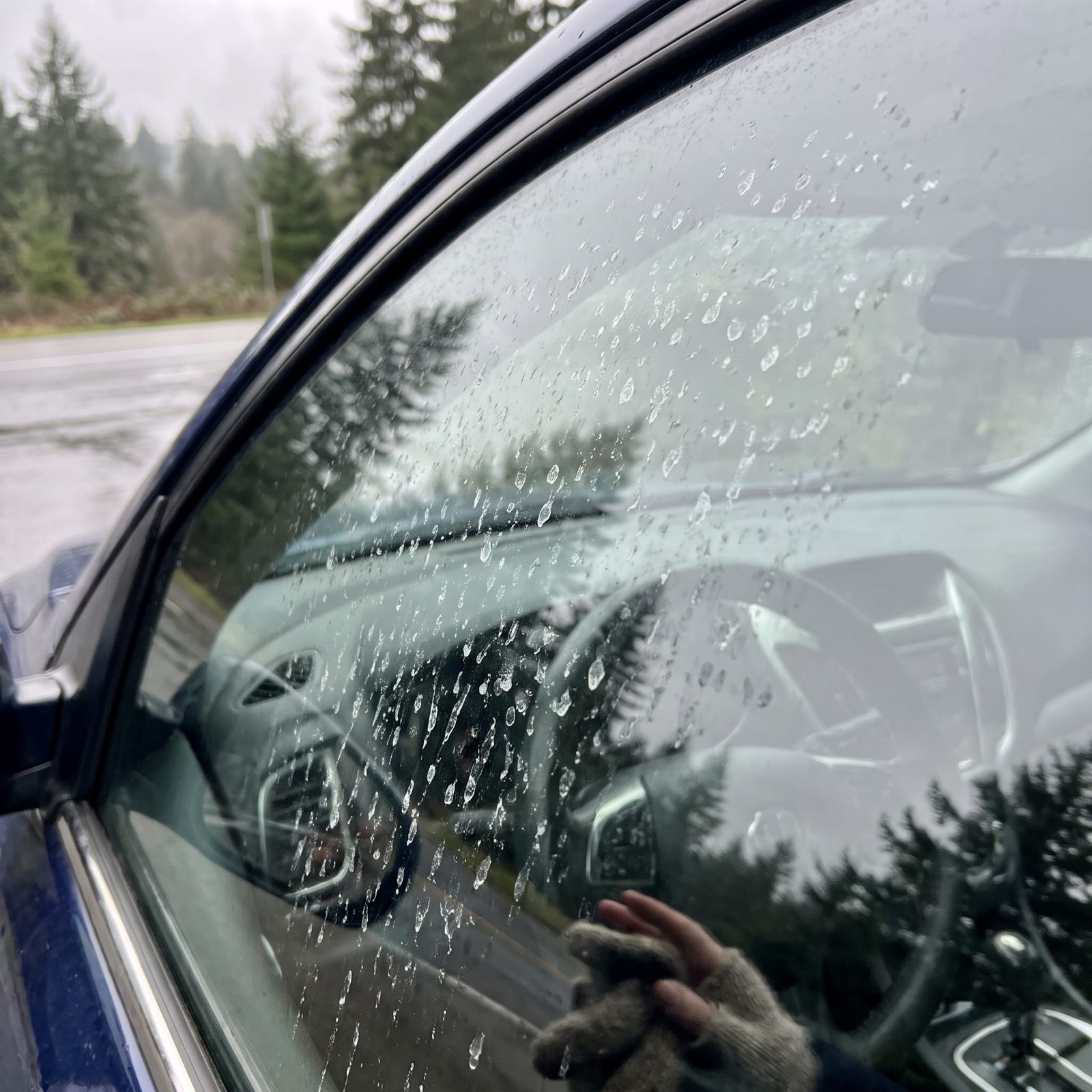
In 2015, a wide stretch of the Pacific Northwest woke up to cars coated in a strange milky residue. Officials eventually traced the “milky rain” to dust lofted off a dried lakebed in southern Oregon, carried hundreds of miles and dumped with the rain.
Saharan dust pulls the same trick on a far grander scale, riding the wind across the Atlantic to leave a reddish-tan film on cars in Florida and the Caribbean. The rain scrubs fine mineral particles out of the high atmosphere, and even while the glass is still wet and dotted with droplets and melting ice, that dust shows up as pale, chalky streaks — a quiet record of exactly how far air can travel.
5. Snails Dropping from Storm Clouds in the English Countryside
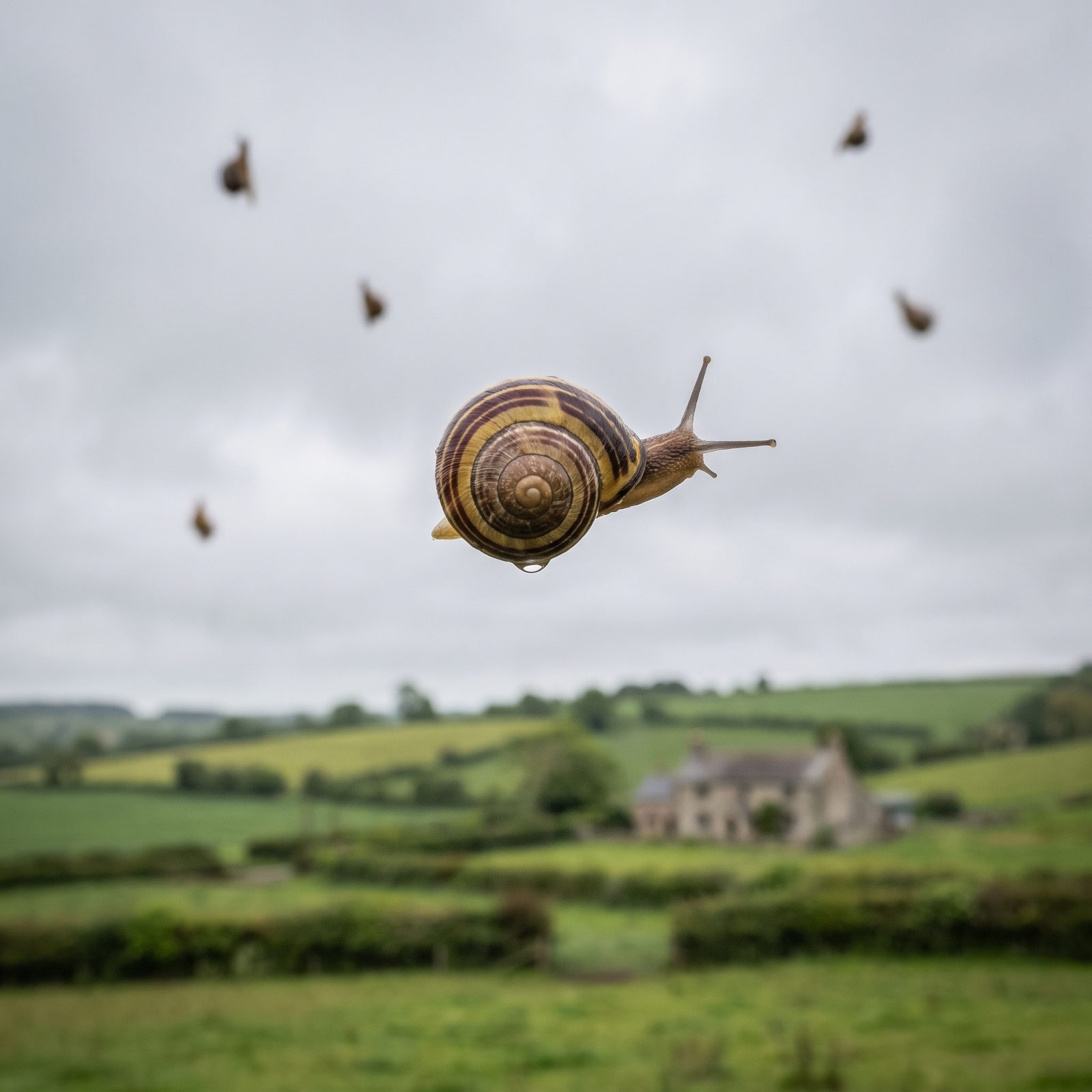
Snail falls are rare, but they happen. The mechanism is the same one behind fish and frog rains: a waterspout or a powerful updraft plucks small animals off a pond or field, hauls them up inside a storm cell, and dumps them miles away once the air runs out of lift.
The famous reports trace back to 19th-century England, with scattered modern sightings across Europe. Someone steps outside after a downpour and finds the wall, the path, the car bonnet crawling with live snails that have no earthly business being there.
4. Burning Cinders Falling Like Snow During California Wildfires
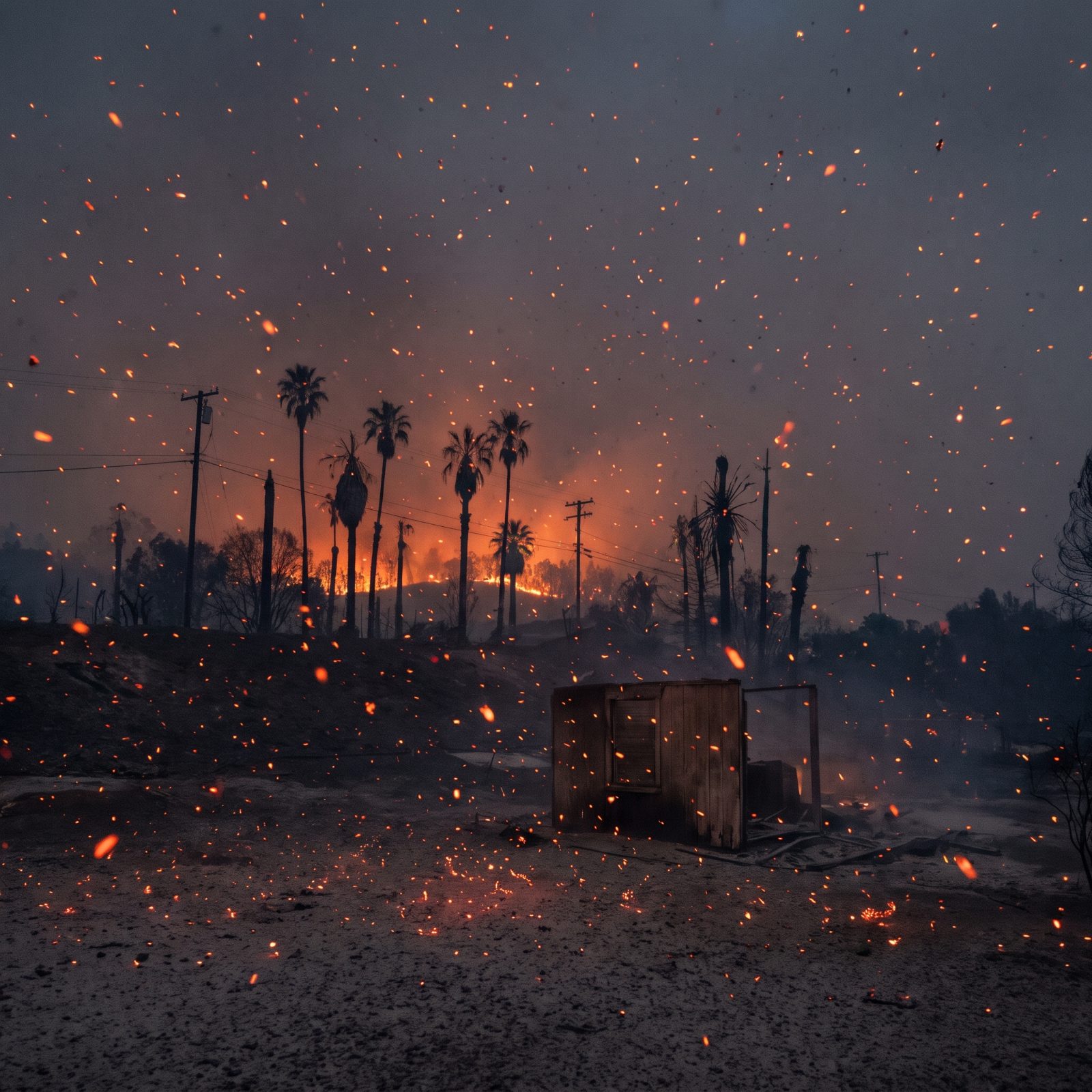
Ash rain is the quiet terror of a megafire. Long before the flames reach a neighborhood, the sky goes orange and a fine grey powder settles over cars, patios and the surface of the pool. That powder is burned vegetation and burned houses, lifted thousands of feet by the fire’s own heat column.
The real danger is the ember cast. Burning cinders ride the wind and the pyroconvection plume a mile or more ahead of the front, and each glowing fleck can start a brand-new blaze. That’s how fires leapfrog highways and rivers that should have stopped them cold.
Wildfire ash has nothing in common with the stuff in your fireplace. It carries charred metals and chemicals from whatever happened to burn, and public health agencies warn you not to sweep it up dry.
3. Bats Dropping from the Sky in an Australian Heatwave
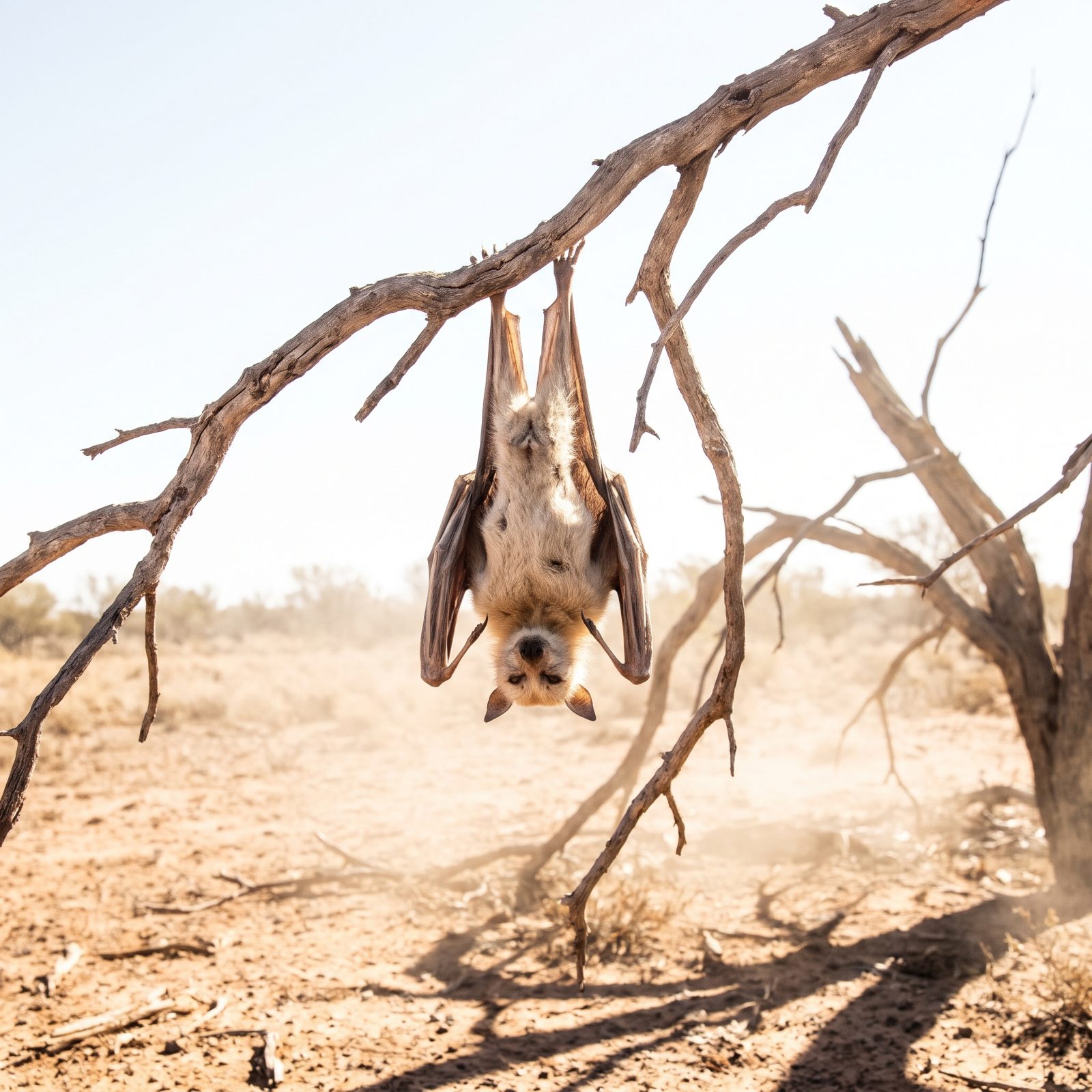
During extreme heatwaves, Australian flying foxes drop out of their roost trees. Once air temperatures climb past about 42°C (108°F), the bats simply can’t shed heat fast enough. They fan themselves, pant, shuffle lower into the shade, and then they start falling.
These mass die-offs are brutally well documented. A single heat event has killed tens of thousands of grey-headed and black flying foxes in a day. Rescuers describe the ground under a colony carpeted with bodies, a handful of animals still clinging to life in the lowest branches.
It’s one of the grimmer signatures of a warming world. And it hammers a species that already does enormous, unpaid work pollinating native forests.
2. Frozen Iguanas Thudding Out of Florida Trees on Cold Nights
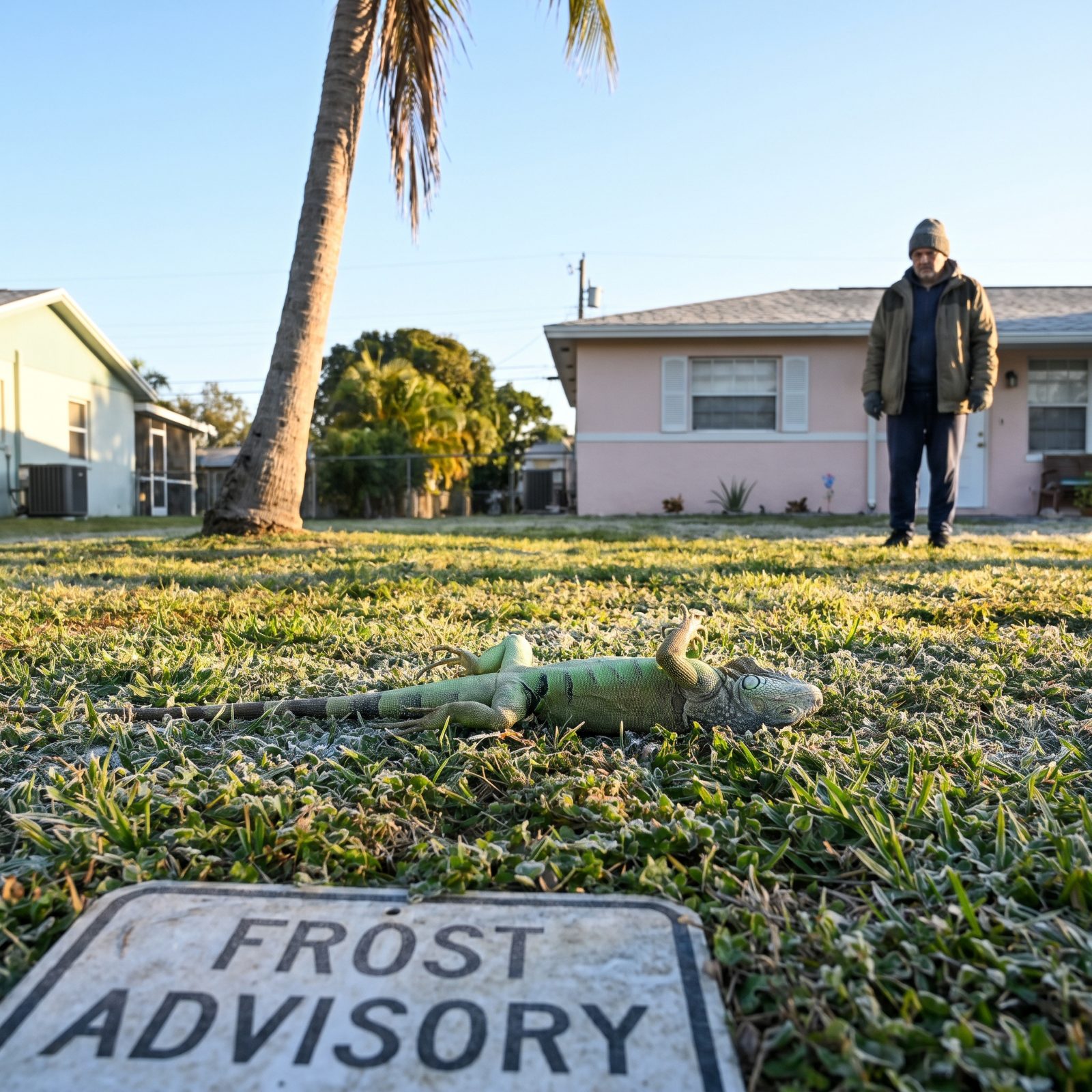
When a hard cold snap hits South Florida, the National Weather Service has actually issued “falling iguana” advisories. Sounds like a joke. It isn’t.
Green iguanas are cold-blooded, and they aren’t native to Florida in the first place. Drop below roughly 40°F (4°C) and their systems slow so severely that they go limp and lose their grip, so an iguana napping in a palm just lets go and hits the lawn with a thump.
Here’s where people go wrong, though: most of these iguanas aren’t dead. They’ve slumped into a cold-stunned torpor, and as the day warms, plenty of them revive and stroll off like nothing happened. Don’t pick one up. A startled iguana coming back to life can bite and scratch hard.
1. Star Jelly: The Glistening Goo That Appears After Meteor Showers
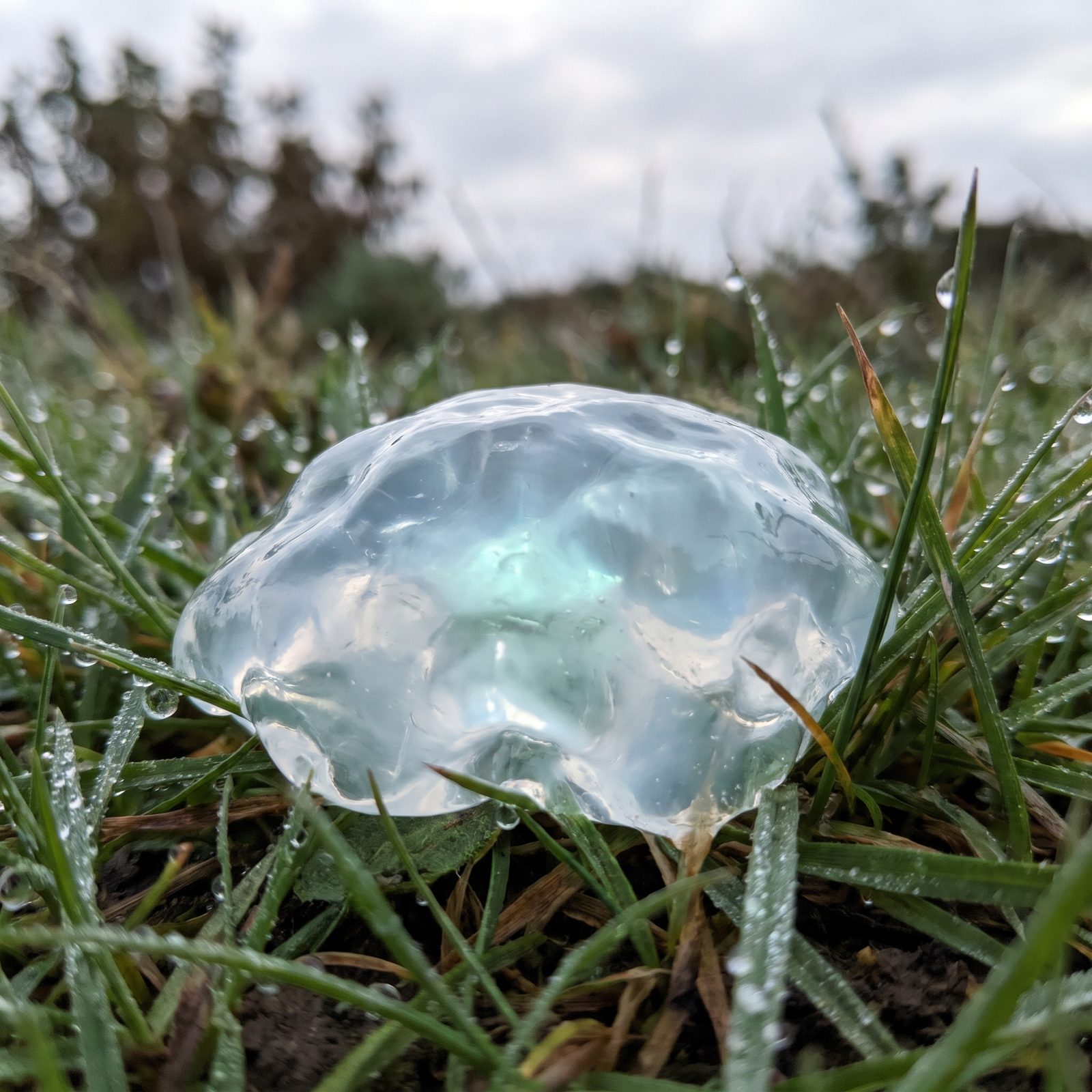
For centuries, people found strange translucent jelly on the ground after watching shooting stars, and swore blind it had fallen from the heavens. The folklore name is star jelly, or in the old texts, “star rot.” Medieval writers pinned it on meteors because it kept turning up right after a streak of light crossed the sky.
The science is less romantic, and still not fully settled. Analysis of different samples has fingered a handful of thoroughly mundane sources: the swollen egg masses of frogs and toads (the leftover jelly coating after a predator eats the rest), certain cyanobacteria like Nostoc that balloon up when wet, and a few slime molds.
No verified sample has ever contained a scrap of anything extraterrestrial. The meteor connection is pure coincidence. Both the goo and the shooting stars just happen to show up in damp autumn weather.