

An octopus named Inky slipped out of his tank at New Zealand’s National Aquarium one night, slid across the floor, and poured himself down a drainpipe to the sea. Staff found the empty tank in the morning. No alarm, no struggle, just a wet trail and an escape route only a problem-solving mind could have planned.
That is not a cartoon. It happened, and it is one of many times wild animals have read a human system and beaten it. Below are cases backed by researchers, wildlife agencies and more than a few embarrassed engineers. Each one proves the same uncomfortable truth: we are not the only clever ones out here.
25. The Octopus That Escaped a Sealed Tank and Slid Into the Sea
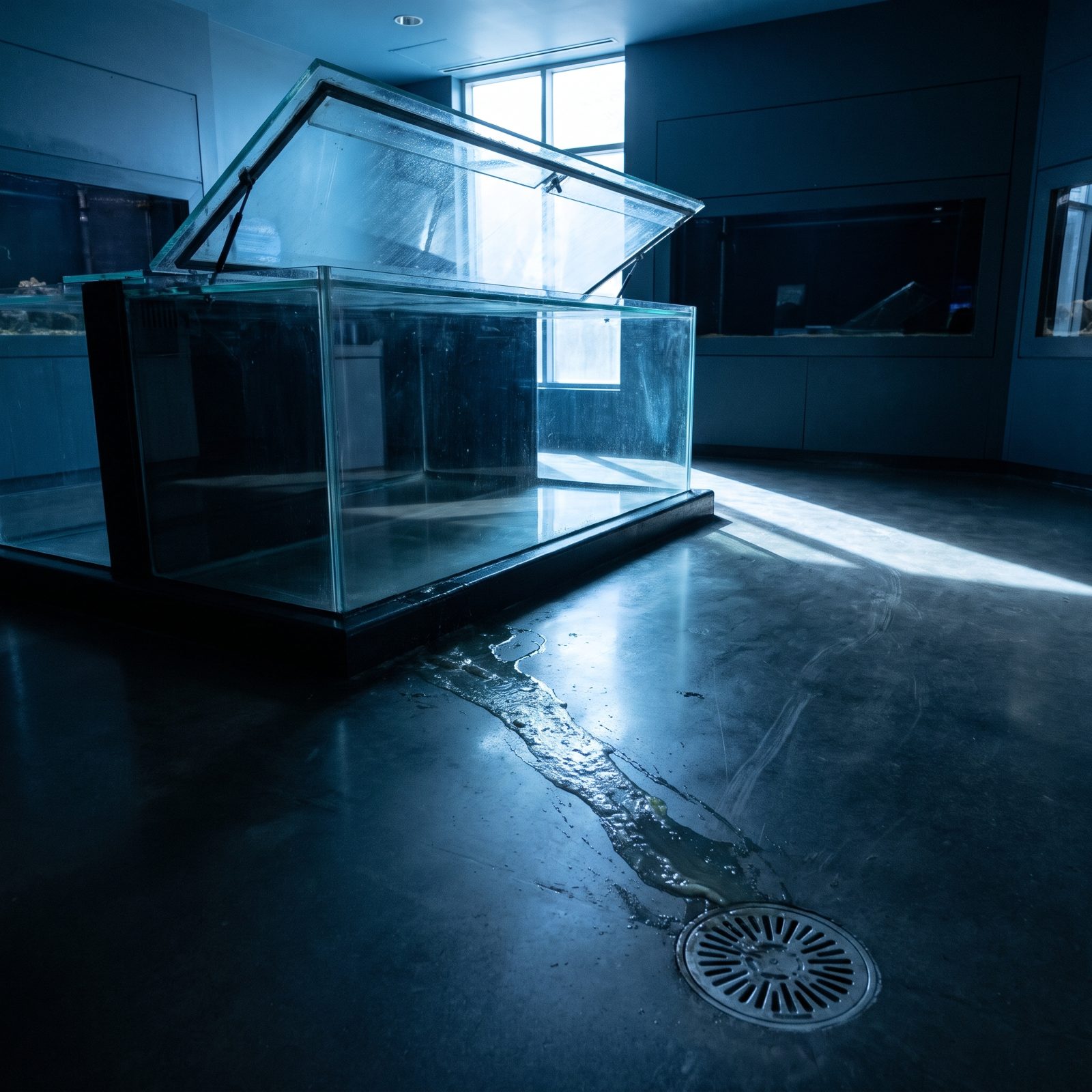
Inky’s 2016 breakout from the National Aquarium in New Zealand is the famous one, but octopus escapes happen often enough that aquarists plan for them. An octopus has no skeleton, so it can pour its whole body through any gap wider than its beak — and on a big animal, that beak is about the size of a coin.
What makes it cunning rather than mere squirming is the reconnaissance. Keepers have watched octopuses wait until nobody’s looking, time their moves to the dark, and home in on the one unsecured corner of a lid. They case the joint first.
24. Sydney’s Cockatoos That Cracked the Wheelie Bin Lid
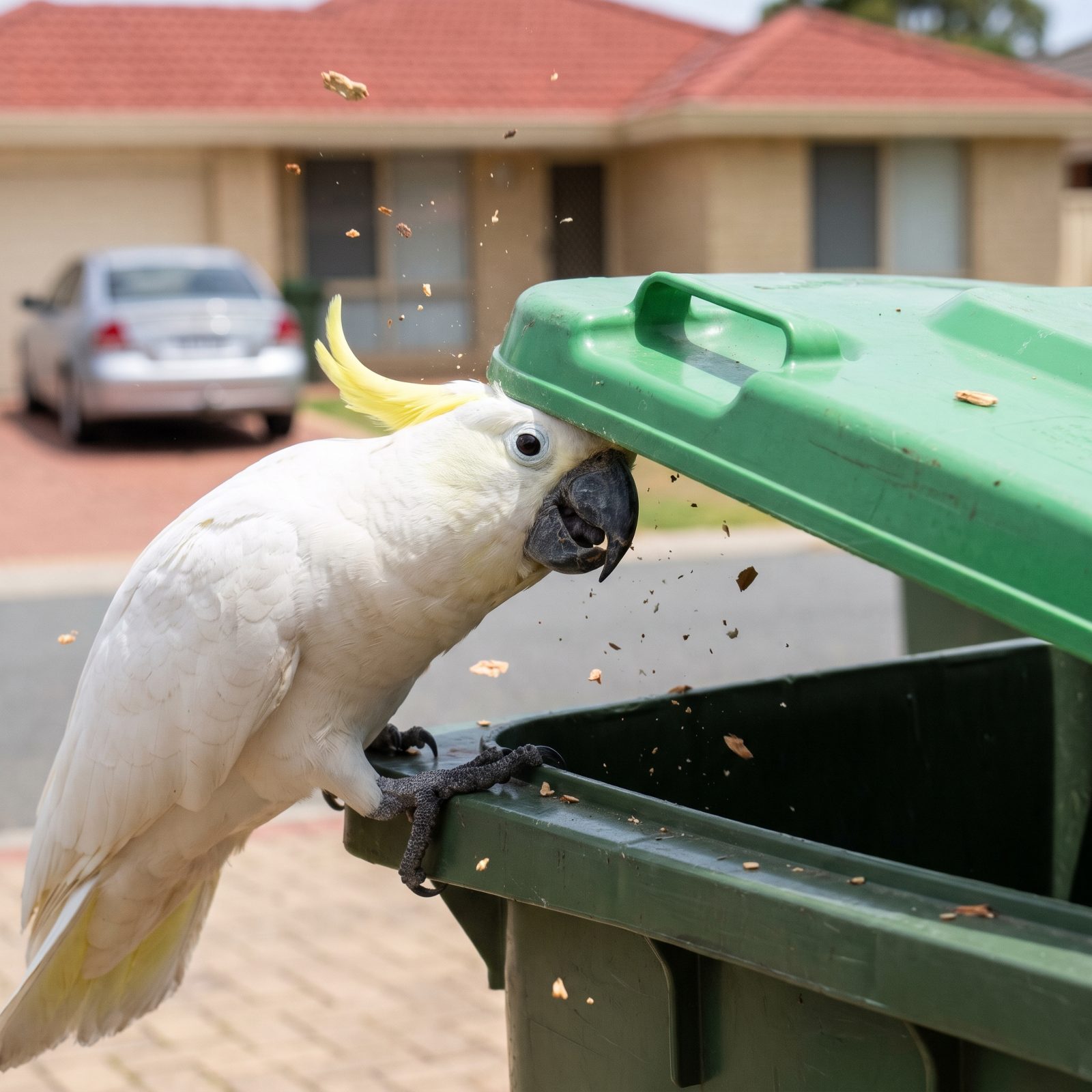
Around 2018, researchers tracking sulphur-crested cockatoos in Sydney documented something textbook-worthy: a bin-opening technique spreading from suburb to suburb like gossip. The birds learned to lift the lid with beak and foot, walk it open, then flip it back to reach the scraps inside.
The clever part is social. A 2021 study in Science mapped the behaviour jumping neighbourhood to neighbourhood, with local variations in grip and stance. Call it cultural learning — the same mechanism behind human fashion.
Residents fought back with bricks and bungee cords. The cockatoos learned to shove those off too. What you’ve got now is a slow arms race between a bird brain and a hardware store, and we wouldn’t bet on the hardware store.
23. Crows That Drop Walnuts Into Traffic and Wait for the Light
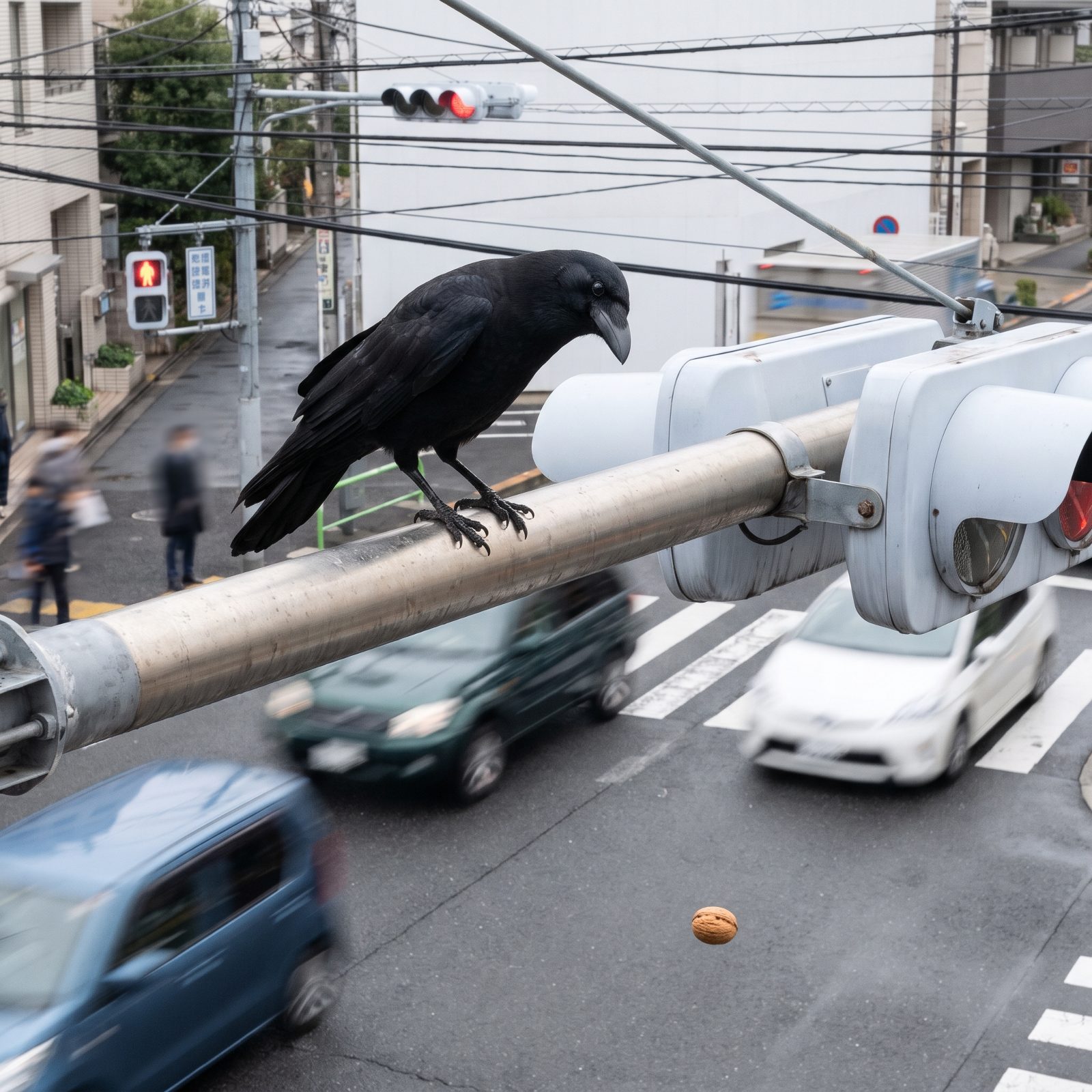
In Sendai, Japan, carrion crows figured out the whole machine. They drop walnuts onto the road, let passing cars do the cracking, then wait for the pedestrian signal to turn green before hopping down to collect the meat in safety. Red means stay put. Green means dinner.
Reading a traffic light is not instinct — it’s cause-and-effect reasoning layered on top of tool use, with two-tonne vehicles playing the role of the tool. Crows score alongside great apes on problem-solving tests, and this is exactly why.
A bird the size of your forearm learned to make automobiles work a night shift cracking its nuts.
22. Raccoons That Pick Latches, Locks and Child-Proof Bins
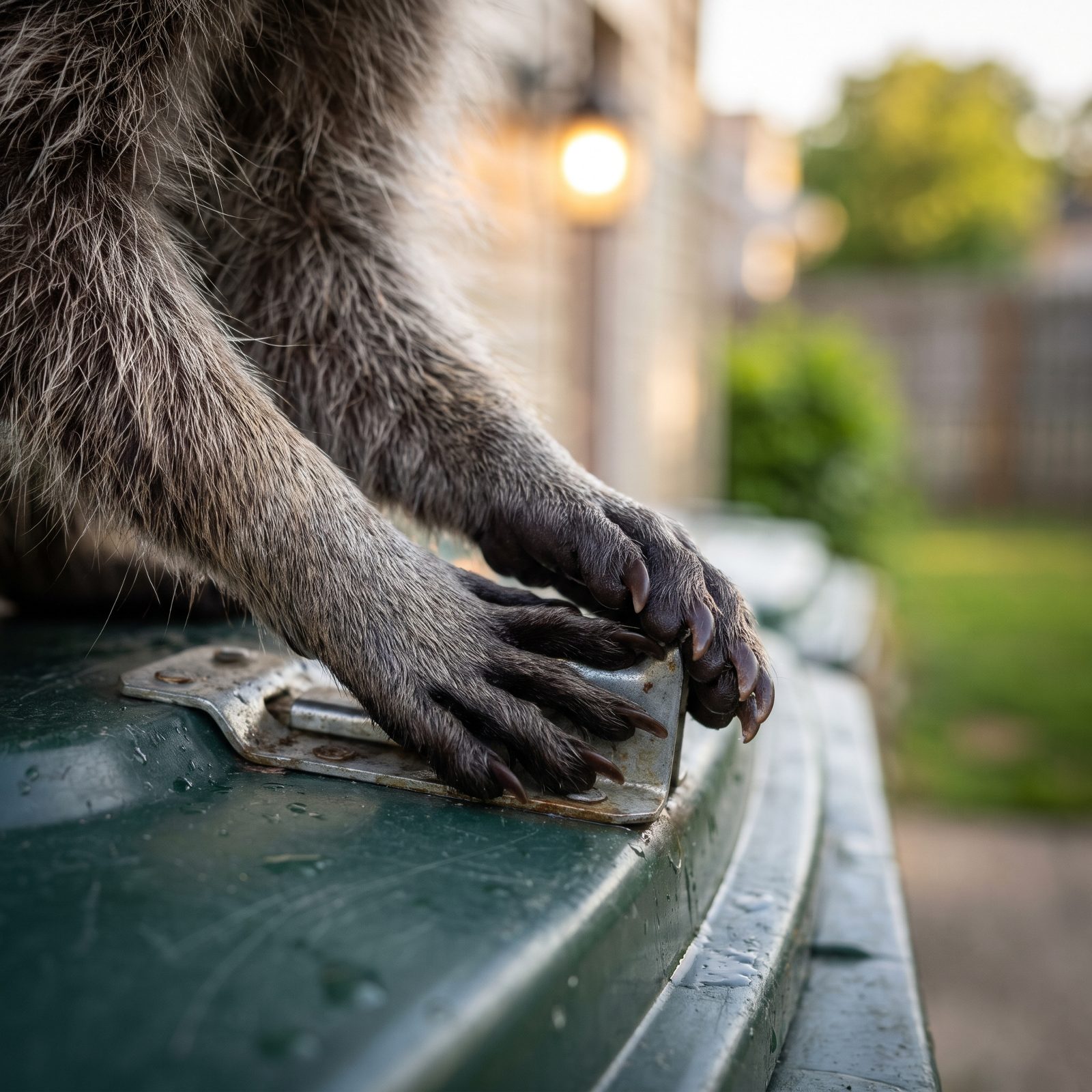
Raccoons have hands that embarrass most toddlers. Their front paws carry several times more sensory receptors than their hind paws, and they explore objects by touch with a precision that lets them crack latches they’ve never seen before.
In a classic study from the early 1900s, a researcher found raccoons could solve complex locks — and worse, they remembered the solutions for years, and could run them in reverse. Modern “raccoon-proof” bins get beaten within weeks of hitting a new neighbourhood.
21. Orcas That Strip Fish Off Longlines Like a Buffet
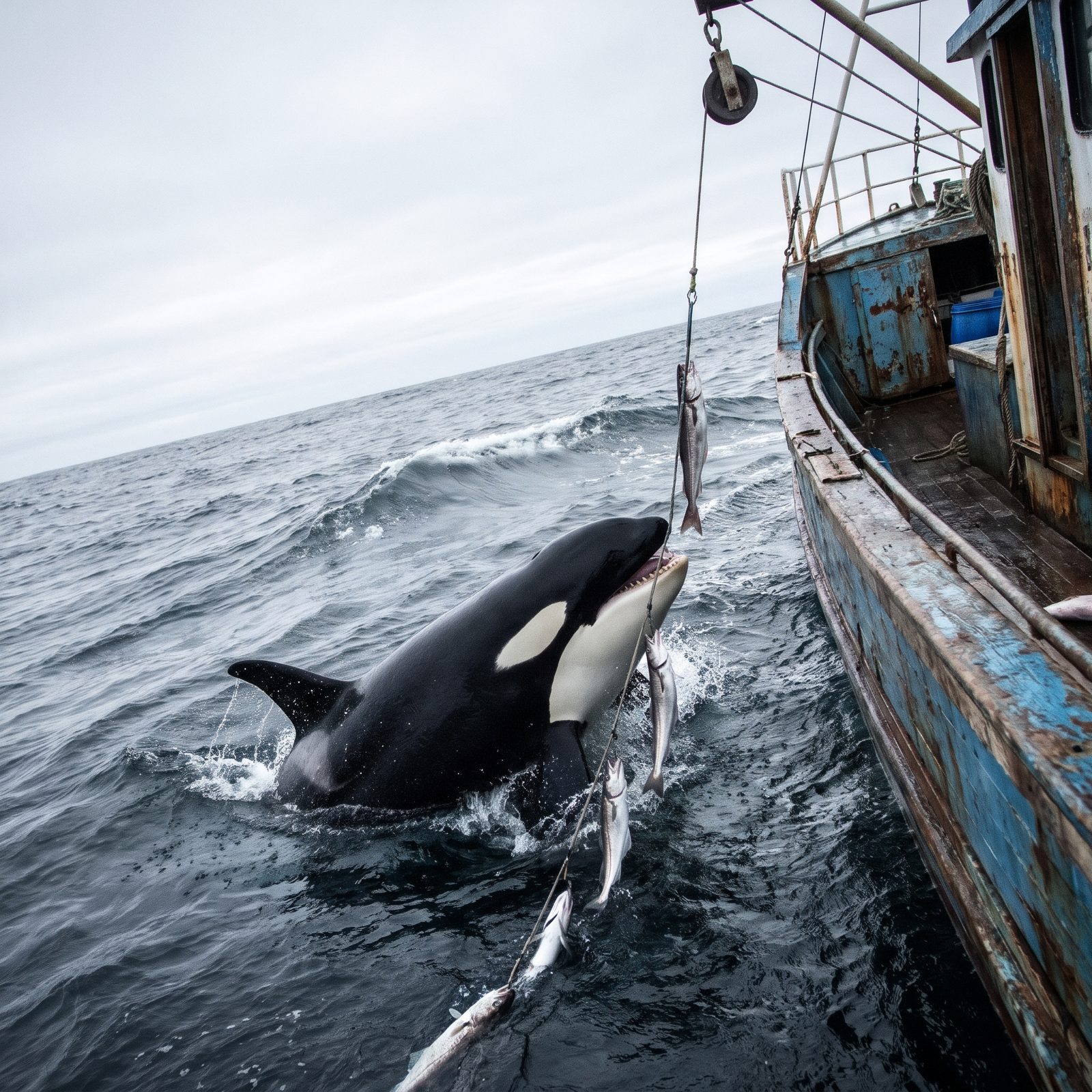
Off Alaska and around the Crozet Islands, pods of killer whales learned to shadow commercial longliners and pluck hooked sablefish and toothfish straight off the lines before the crew can haul them aboard. The fishermen call it depredation. The orcas call it room service.
They can tell the sound of a boat hauling gear from one merely steaming past, and come running only for the former. Some pods now trail specific vessels for days on end.
Fishing fleets have thrown everything at them — acoustic deterrents, decoy boats, the lot. The whales treated each countermeasure as a fresh puzzle and cracked most of them.
20. Bali Macaques That Steal Phones and Hold Them for Ransom
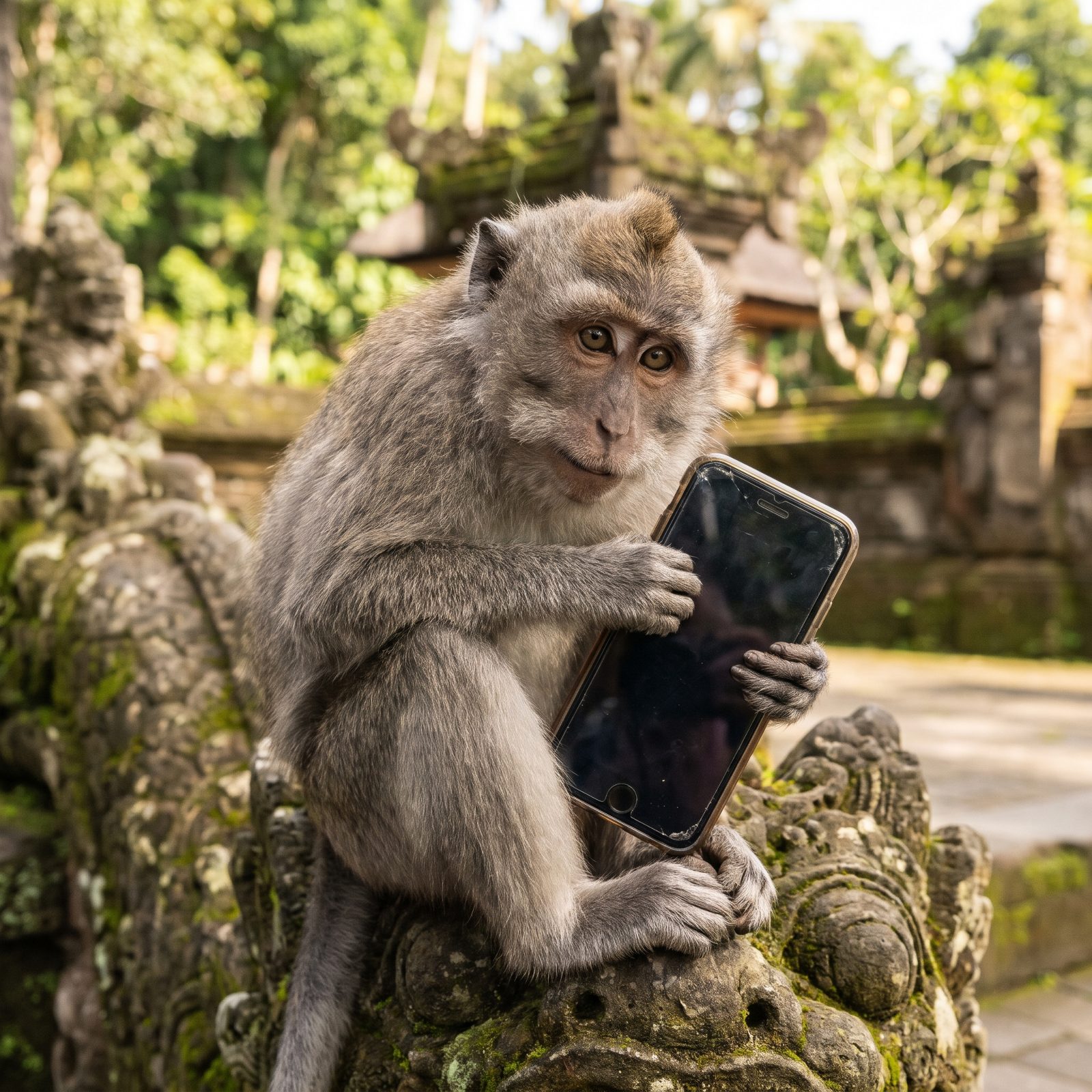
The long-tailed macaques at Uluwatu Temple in Bali run a protection racket. They snatch sunglasses, phones and wallets from tourists, retreat to a safe perch, and refuse to give the item back until temple staff offer food. Hand over fruit, get your phone. It’s barter, and they understand the exchange rate.
A long-term study found that older, more experienced monkeys target higher-value items — the ones humans will pay most to recover. Juveniles grab anything. The adults grab the iPhone.
19. Bears That Open Car Doors and ‘Bear-Proof’ Canisters
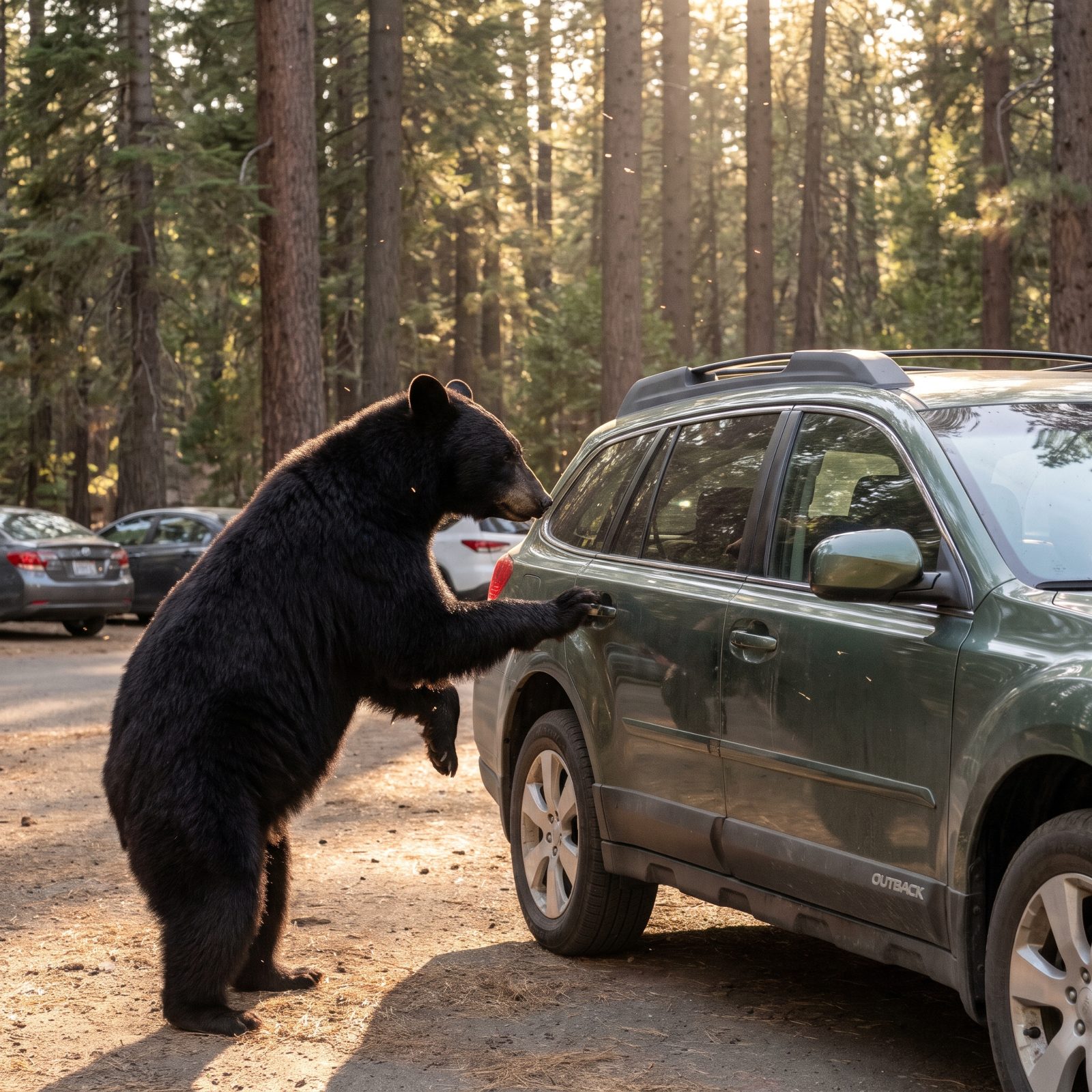
In Yosemite and around Lake Tahoe, black bears learned to open unlocked car doors by hooking a claw under the handle — and they prefer minivans, because the handles are easier and the back seats are where kids drop snacks. Rangers have logged bears peeling door frames open like tin cans for a single granola bar.
So-called bear-proof canisters get a rating, not a guarantee. One famous Adirondack black bear nicknamed Yellow-Yellow kept defeating a canister model that had already passed testing, over and over, until the design had to be revised.
Give a bear one reward and it will remember your campsite for years. That’s why rangers say a fed bear is a dead bear.
18. Squirrels That Treat ‘Squirrel-Proof’ Feeders as an Obstacle Course
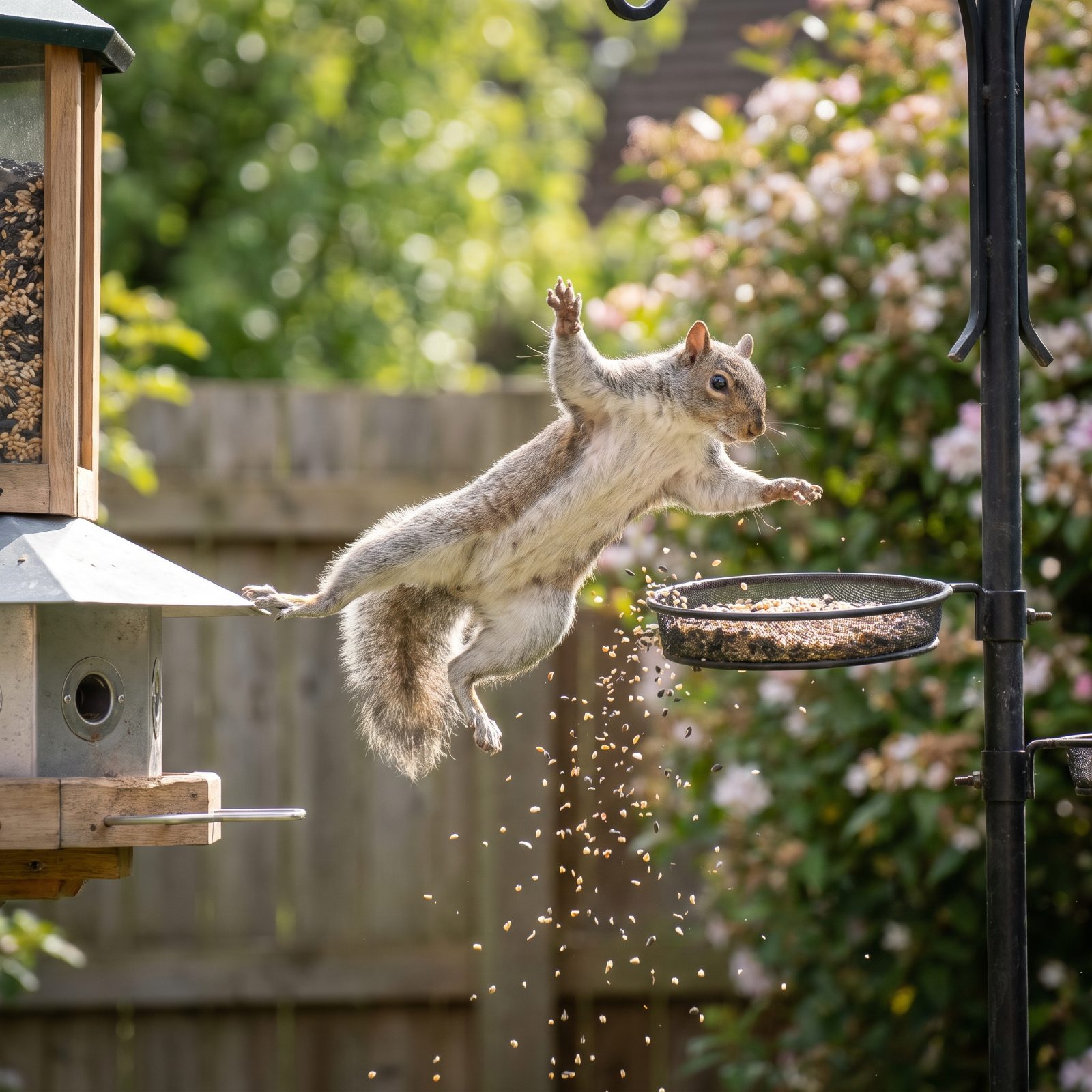
Give a grey squirrel a feeder marketed as impossible and you’ve handed it a hobby. In one widely shared BBC experiment, squirrels cleared an elaborate obstacle course of levers, tunnels and swinging arms within days to reach a pile of nuts.
The acrobatics are only half of it. Squirrels plan ahead. They cache thousands of nuts each autumn and recover them using spatial memory plus smell, and here’s the sly bit — they’ll stage fake burials when they think a rival is watching. Deliberate deception, in a rodent.
17. Chimpanzees With a Toolkit for Beehives and Termite Mounds
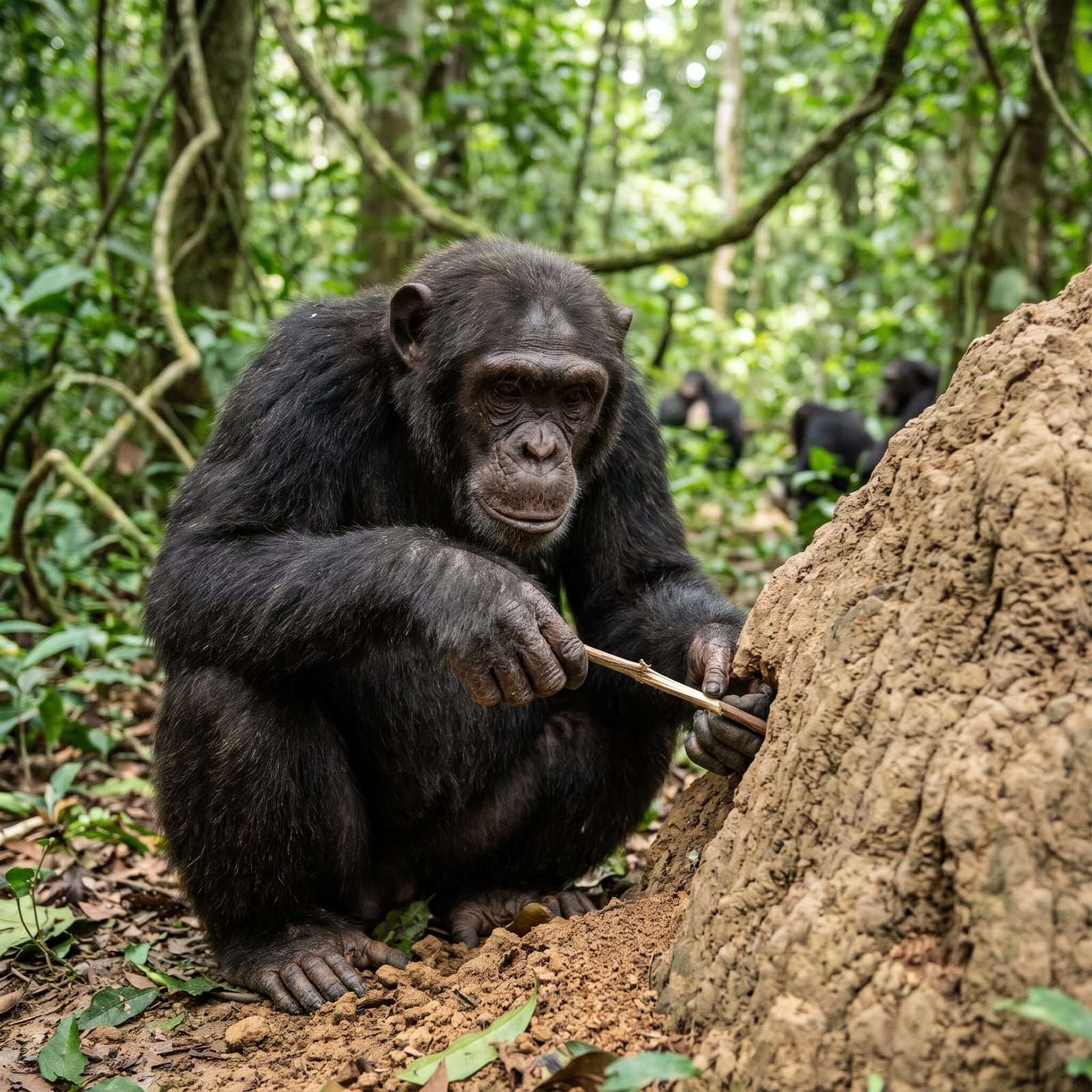
Jane Goodall’s 1960 observation of chimps stripping twigs to fish termites out of mounds shattered the idea that tool use made humans unique. Her mentor Louis Leakey famously replied that we must now redefine tool, redefine man, or accept chimpanzees as human.
It gets better. Some populations run through a sequence of different tools for a single job: a stout stick to break open a beehive, then a thinner probe to extract the honey. That’s a composite toolkit, chosen and ordered for the task, and youngsters learn the sequence by watching their mothers for years before they get it right.
Different chimp communities carry different tool traditions — the way different human towns guard different recipes.
16. Dolphins That Learned to Game the Reward System for More Fish
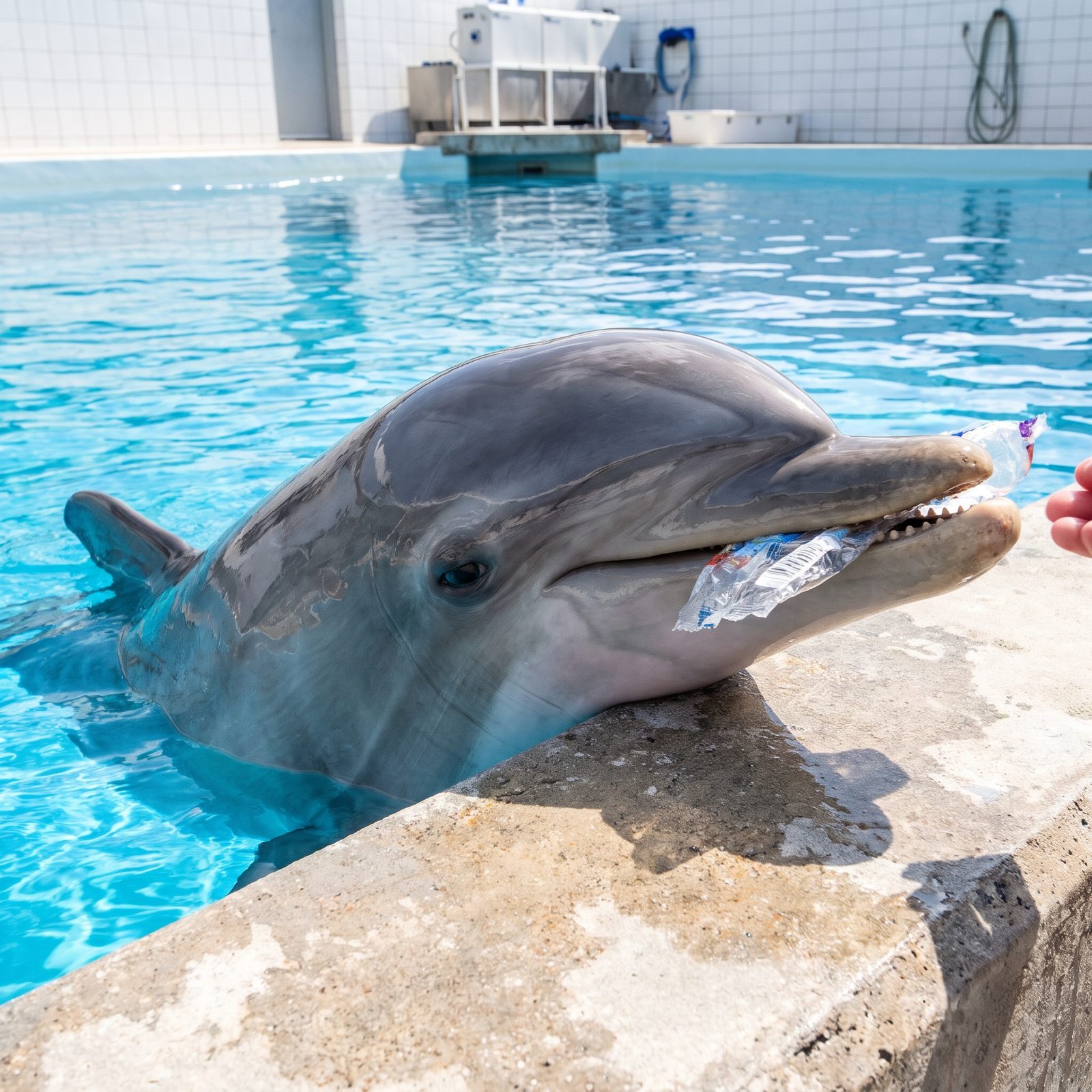
At the Institute for Marine Mammal Studies in Mississippi, dolphins were trained to trade litter from their pool for fish. One dolphin, Kelly, worked out that the reward didn’t scale with the size of the litter. So she started hiding large pieces of paper under a rock and tearing off small bits to hand over one at a time, milking the system for more fish.
Then she got entrepreneurial. She lured gulls down with fish, caught them, and traded the birds for even bigger rewards — then taught the whole trick to her calf.
The researchers set out to teach a dolphin to clean the pool. The dolphin taught herself to run a business.
That’s no reflex. That’s a creature reading the rules of a human-made economy and finding the loophole.
15. Rats That Learn From the Last Rat’s Mistake
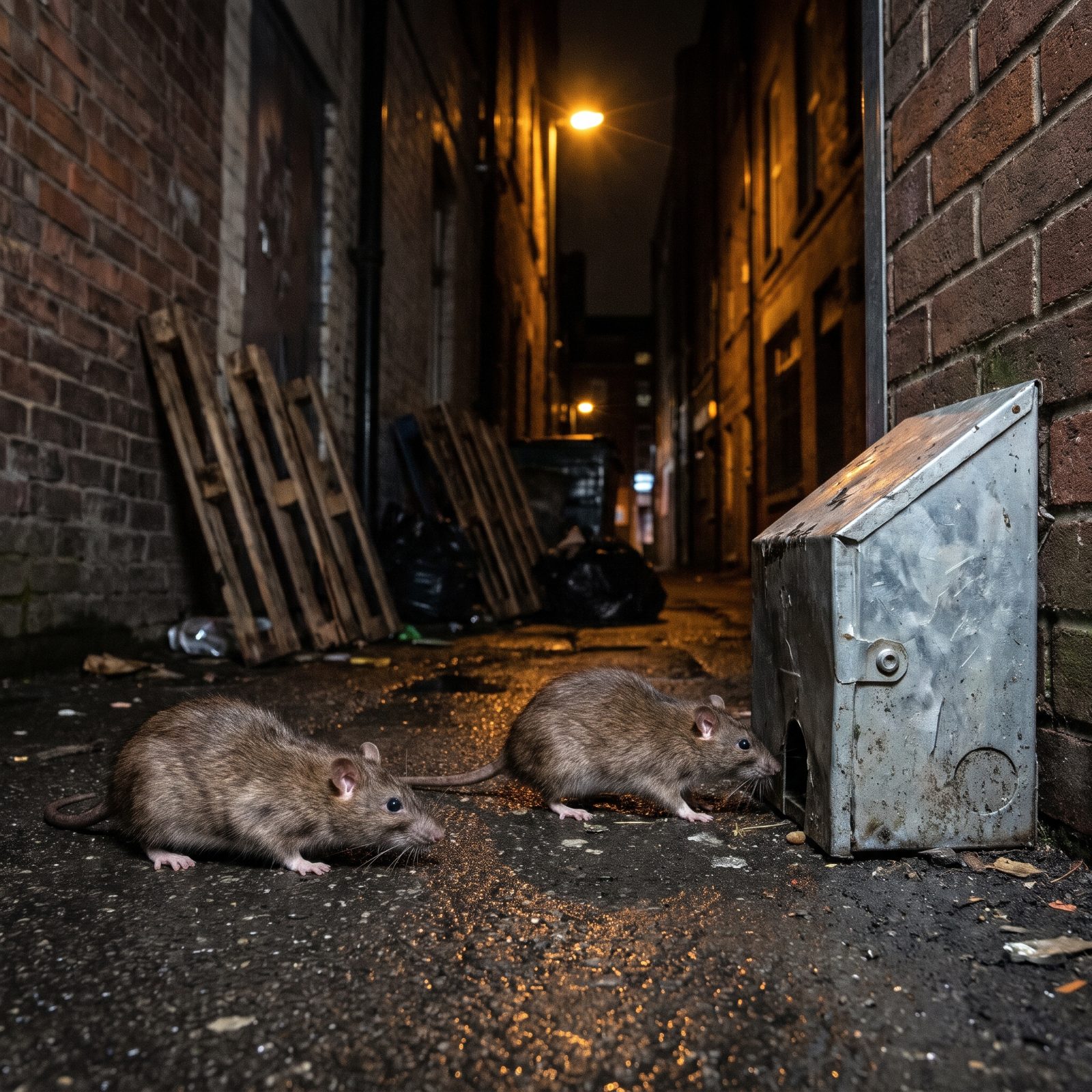
Lab rats and city rats share a trait called neophobia, a built-in suspicion of anything new on their turf. Drop a shiny trap into their run and they’ll avoid it for days, sometimes weeks, purely because it wasn’t there yesterday.
The social side is where it gets slippery. Rats read information off other rats, picking up on behavior and even the chemical cues left on food. A colony that watches a member get snapped, or catches the scent of its alarm response, grows warier around whatever did the snapping.
So a trap that works once often never works again. You aren’t outsmarting one rat. You’re rewriting the whole colony’s threat map.
14. Herring Gulls That Read Your Face Before Stealing Lunch
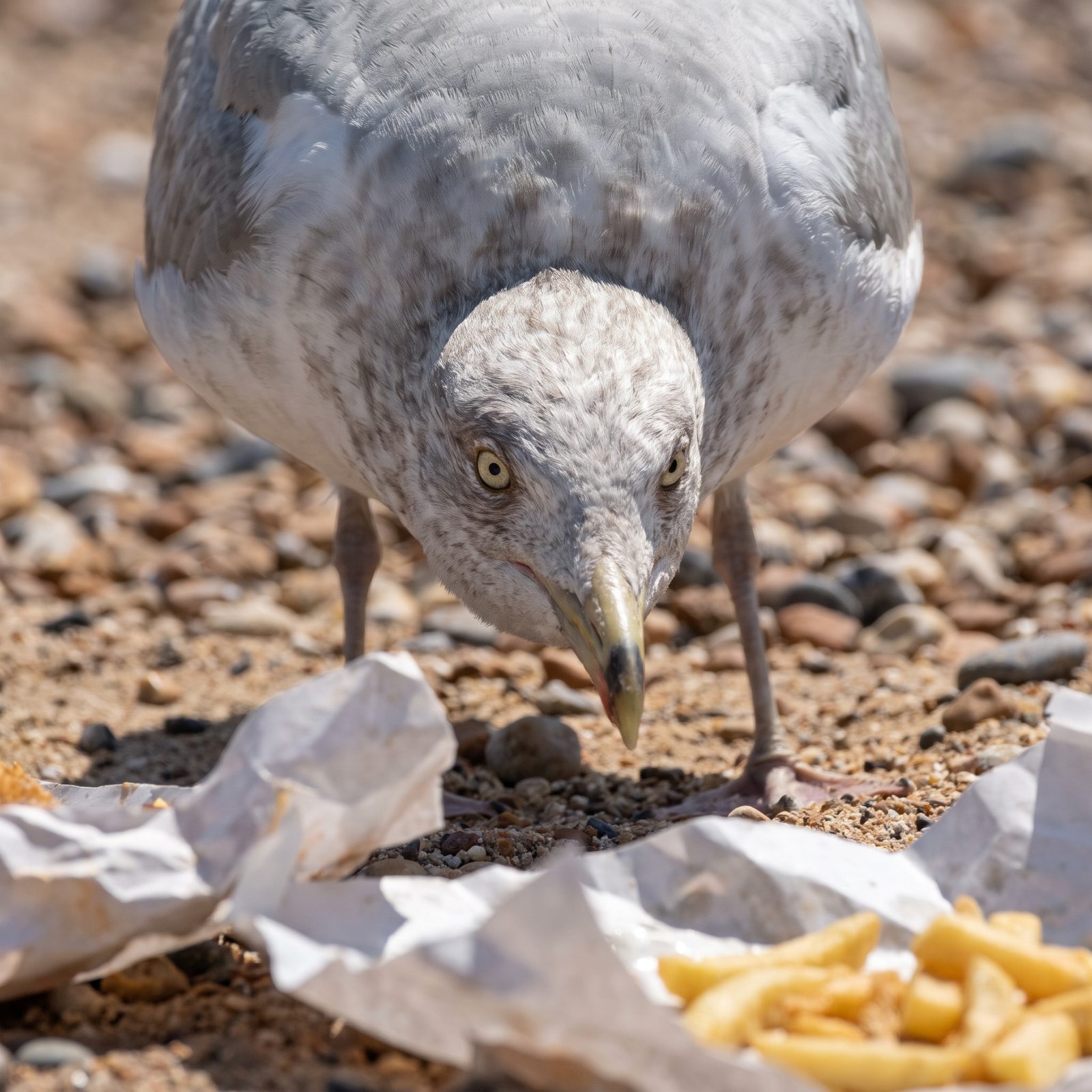
Gulls are watching your eyes. Experiments on English beaches found that herring gulls went for unguarded food far faster when a person looked away. Stare the gull down and it hesitates; turn your head and the clock starts.
They also time their raids to human routine, having learned that the pier gets careless around lunchtime. What reads as aggression is really patient surveillance. The bird isn’t bold — it’s done the math on when you stop paying attention.
13. Coyotes Learning to Live Between Your Streetlights
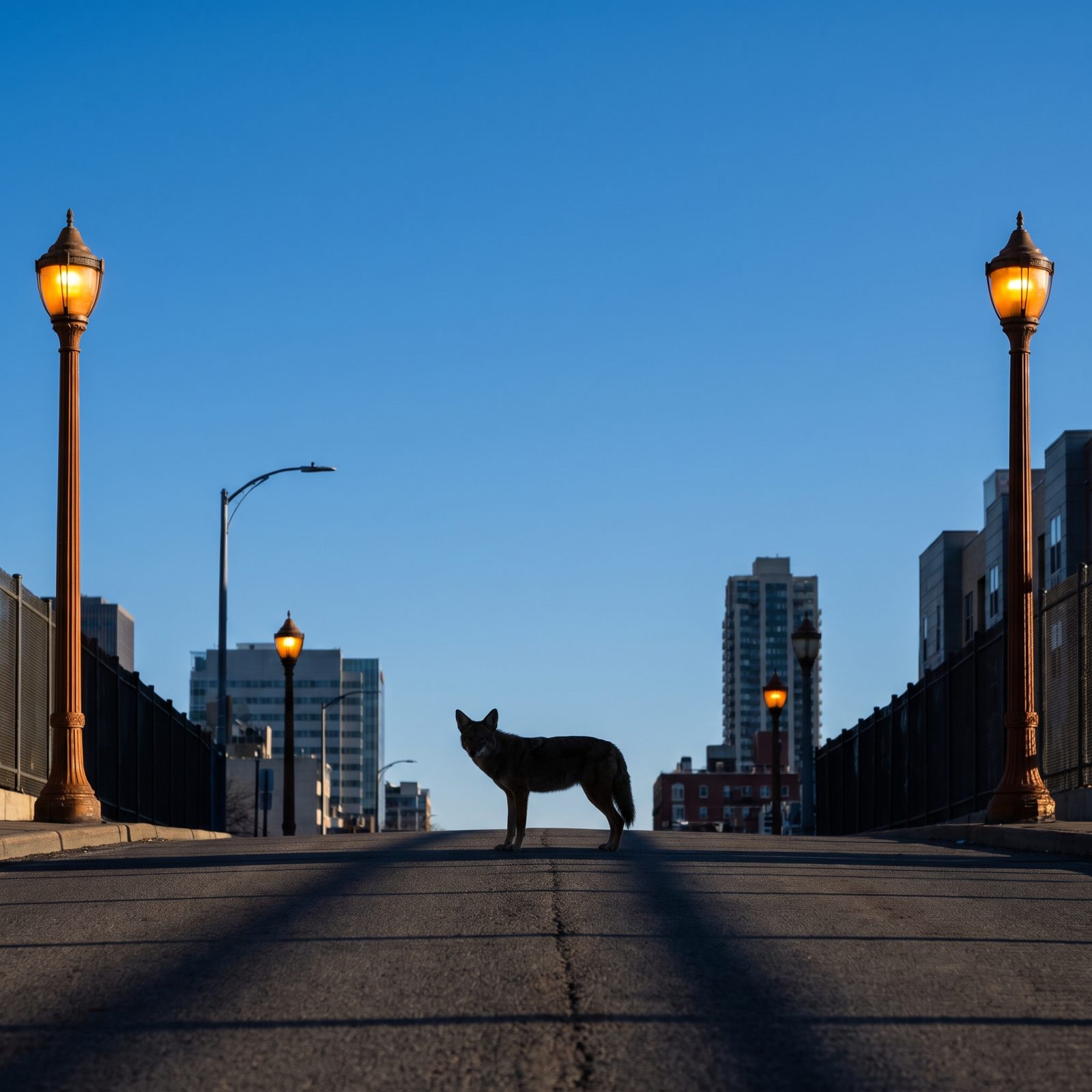
Coyotes now live in nearly every large city in North America. In the heart of Chicago, researchers have radio-collared hundreds of them over the years, and the city animals have picked up tricks their country cousins never needed.
They clocked onto the night shift, moving once the streets empty out. Some learned to cross roads by watching traffic, and whole packs hold territories that overlap parks, golf courses and rail lines without a single resident ever clocking them.
The surprising bit? Urban coyotes are often more faithful to their mates and live longer than rural ones. The city, for all its traffic and poison and noise, feeds them well.
12. Foxes That Know Which Morning the Bins Go Out
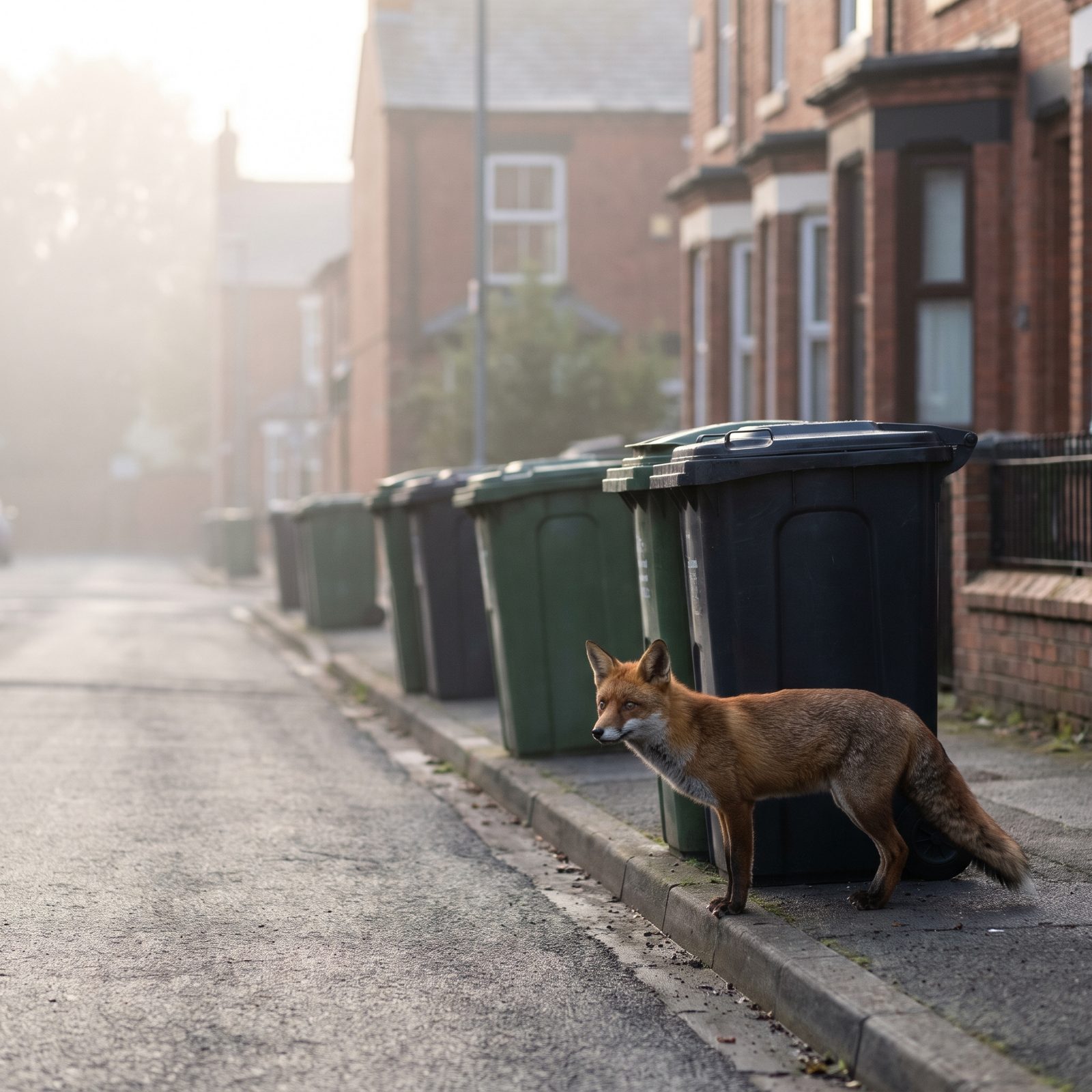
Urban foxes don’t rummage at random. Across Britain, and increasingly in North America, foxes seem to track the weekly rhythm of garbage collection, turning up the night before bins go out when the pickings are richest.
A fox reads patterns. Its territory is a mental map layered with the best food spots and their timings — the chip shop that closes late, the house that always overfills its recycling, the school bins emptied every Thursday.
Whether they genuinely “count days” or just follow scent and habit is still an open argument among the people who study them. Either way, the result is a predator that has folded your routine into its own.
11. Sperm Whales That Changed Tactics Against the Whalers
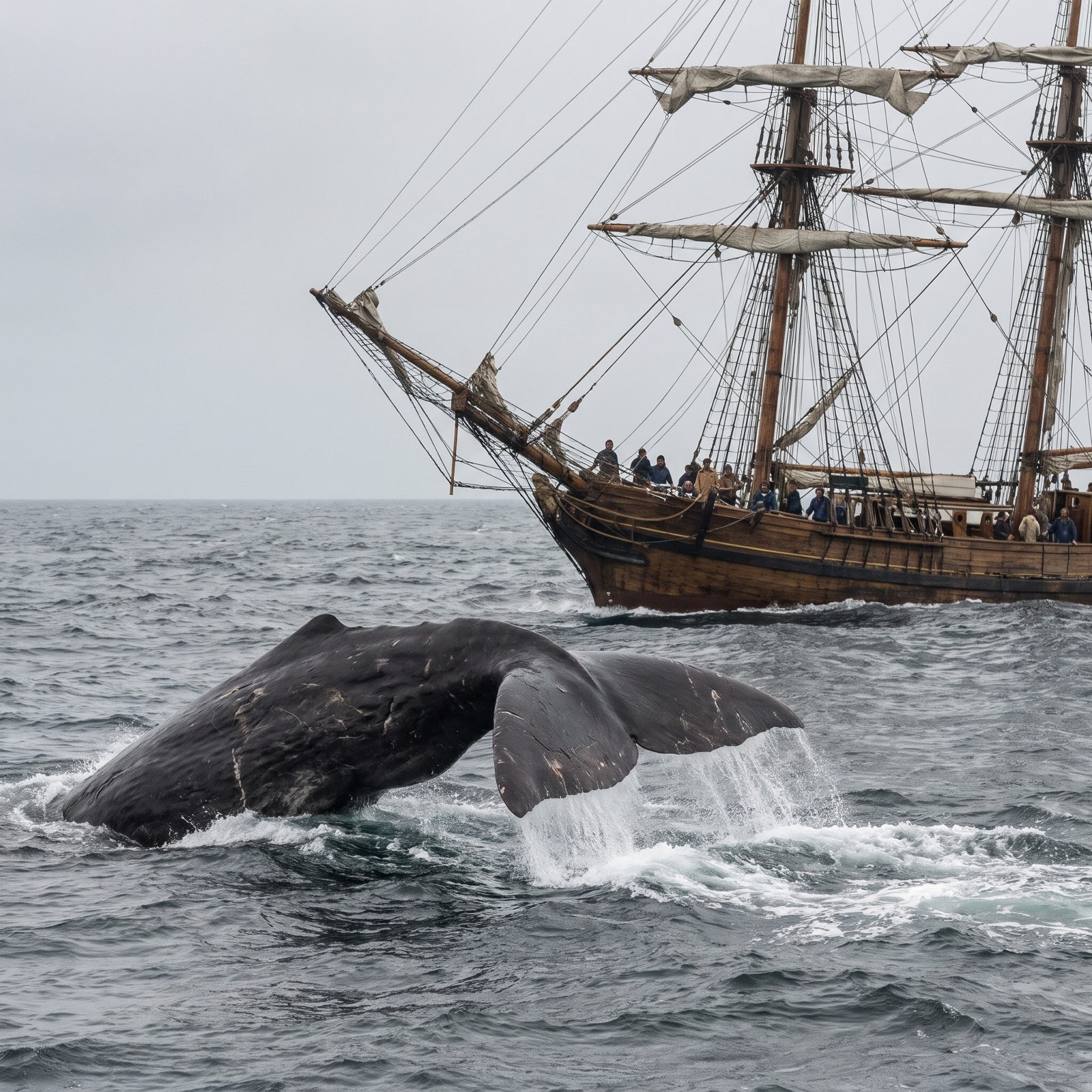
The whales seemed to pass the warning along, and the strike rate of the hunters dropped.
A study of 19th-century whaling logs from the North Pacific turned up something uncanny. When American whalers first arrived, sperm whales behaved predictably — and within a few years, the hunters’ catch rate had cratered.
The whales had switched tactics. Instead of forming the defensive circles that worked against orcas, they started swimming fast upwind, away from the sail-powered ships, and scattering. Researchers think the knowledge spread socially through these deeply communicative animals, pod to pod, far faster than any genetic change could manage.
They worked out the new enemy’s weakness and taught each other. Call it what it is: culture, running inside the largest brain on Earth.
10. Parrots That Learn Exactly Which Words Get Them a Treat
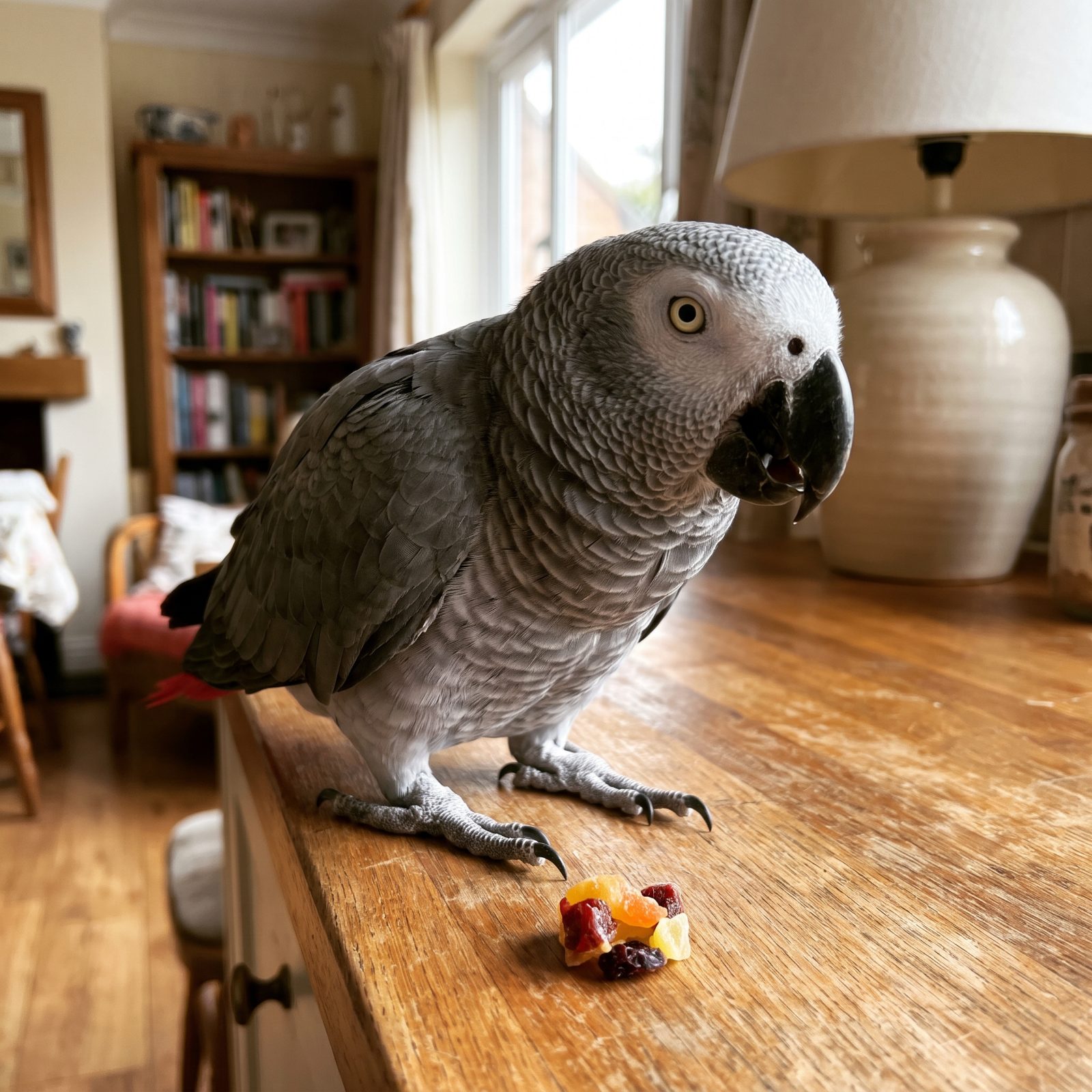
African greys and Amazons don’t just copy sounds. They learn which sounds work. A parrot that says “want a nut” and gets a nut will deploy that phrase on purpose, and some birds pin down the exact whine or word that brings a human running.
They mimic voices for leverage, too. A bird that calls the dog in its owner’s voice, then settles back to watch the chaos, is running a little experiment in cause and effect. Vocabulary of a toddler, schemes of a toddler — the resemblance is uncomfortable.
9. Goats That Treat Every Fence as a Puzzle to Solve
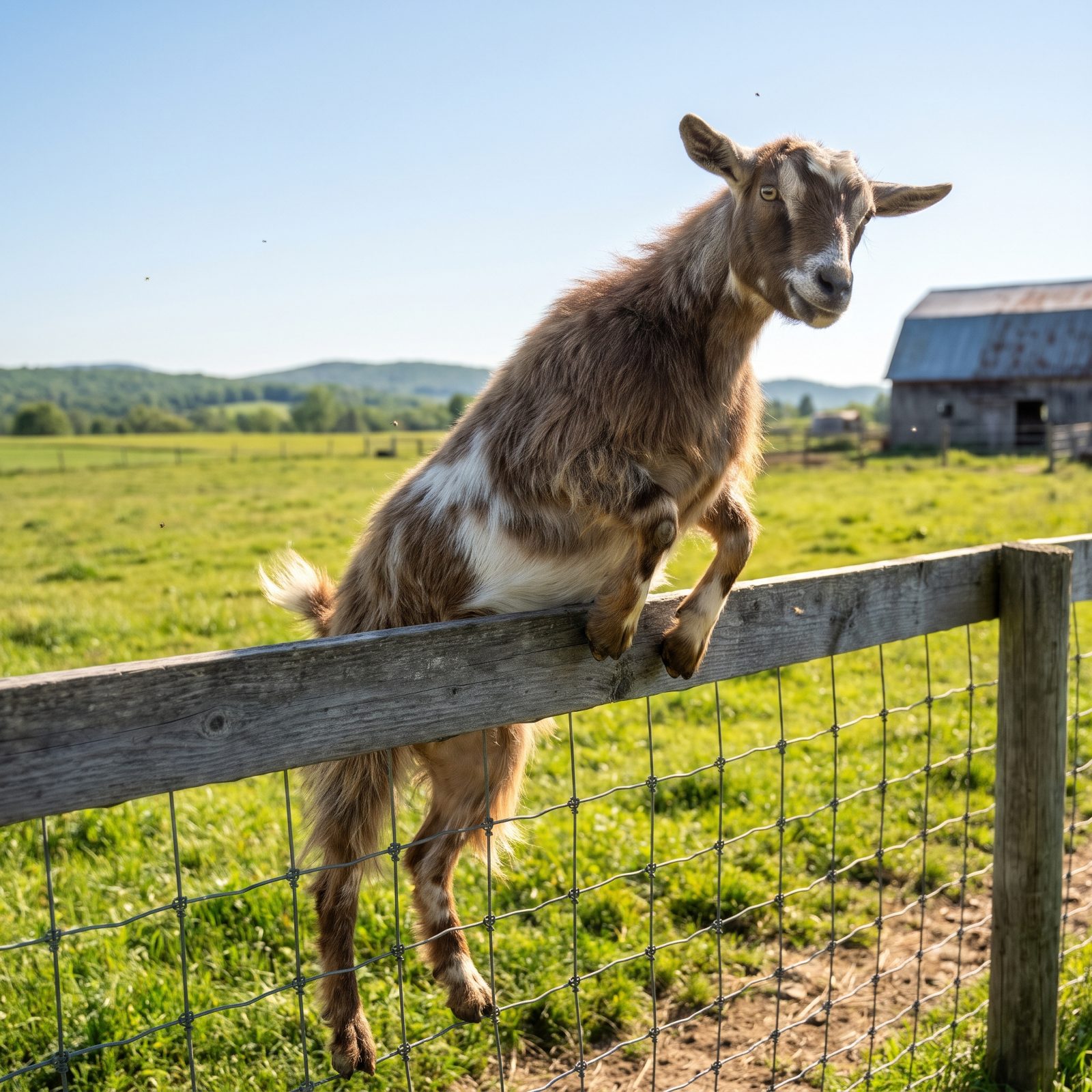
Ask any farmer and you’ll hear the same line: if a fence will hold water, it might hold a goat. These are relentless little problem-solvers with the balance of mountain climbers and the curiosity of toddlers.
In a University of London study, goats learned to work a lever-and-lid box for food, and most of them remembered how to do it ten months later with barely a pause. That’s the kind of long-term memory nobody expects from a barnyard animal.
They test gates with their lips. They lean on weak posts, and they climb anything with a toehold. To a goat, the fence isn’t a barrier. It’s the day’s entertainment.
8. Pigs That Can Beat a Toddler at a Video Game
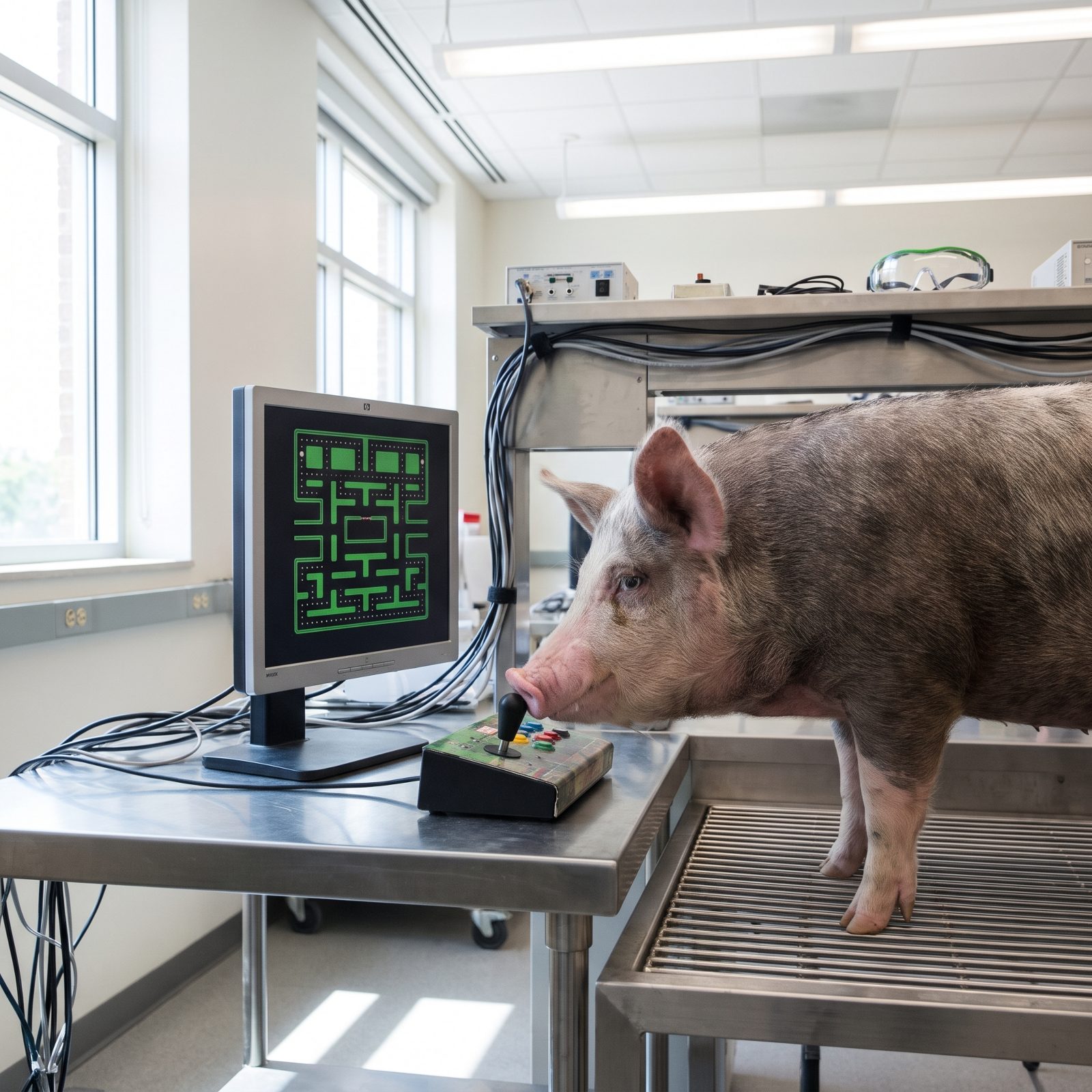
Pigs genuinely played a joystick video game. In a 2021 Purdue University study, domestic pigs learned to steer a cursor to a target using their snouts, and they kept at it even after the food-reward machine broke down. That’s not reflex — that’s gripping the goal and chasing it anyway.
They crack open puzzle feeders, work levers for treats, and remember the solutions for months. Some research even suggests pigs can use mirrors to locate hidden food, a flash of spatial reasoning few animals pull off.
Spend an afternoon around them and the farmyard stereotype just collapses. Curious, scheming, fast learners who get bored fast — which, honestly, is exactly why they keep escaping.
7. Honey Badgers That Treat Every Enclosure as Temporary
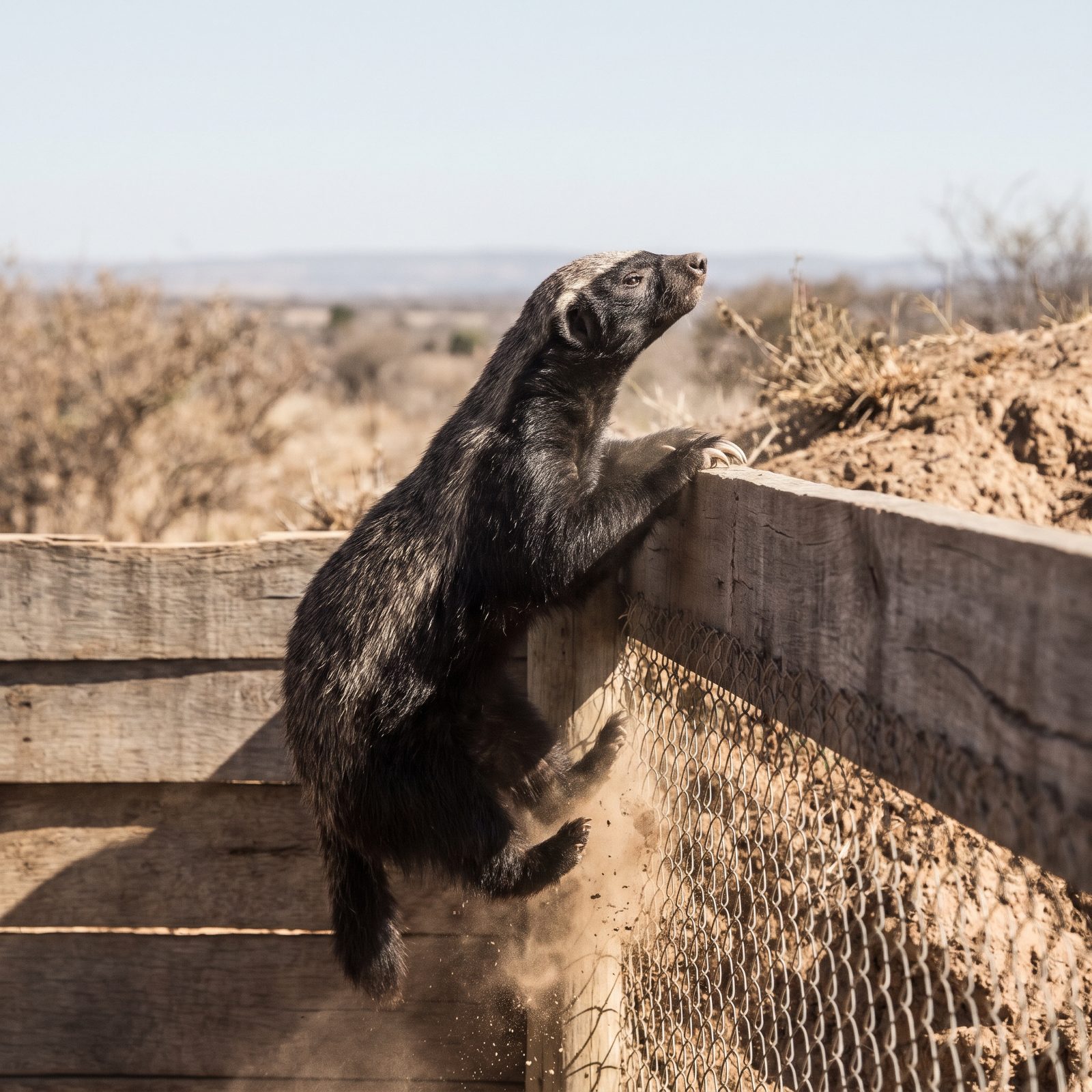
No animal has embarrassed more zookeepers than the honey badger. At South Africa’s Moholoholo sanctuary, one named Stoffel became famous for breaking out of every enclosure built for him. He stacked rocks into ladders, rolled balls of mud to stand on, and pried open gates with his claws.
Give a honey badger a wall and it will find a tool. They’ve been filmed using branches and debris as makeshift steps — one of the cleanest cases of tool use ever recorded in a carnivore.
Fearless, absurdly strong for their size, maddeningly inventive. A honey badger simply refuses to believe a problem has no solution. It just hasn’t found it yet.
6. Seals That Shadow Fishing Boats to Rob the Nets
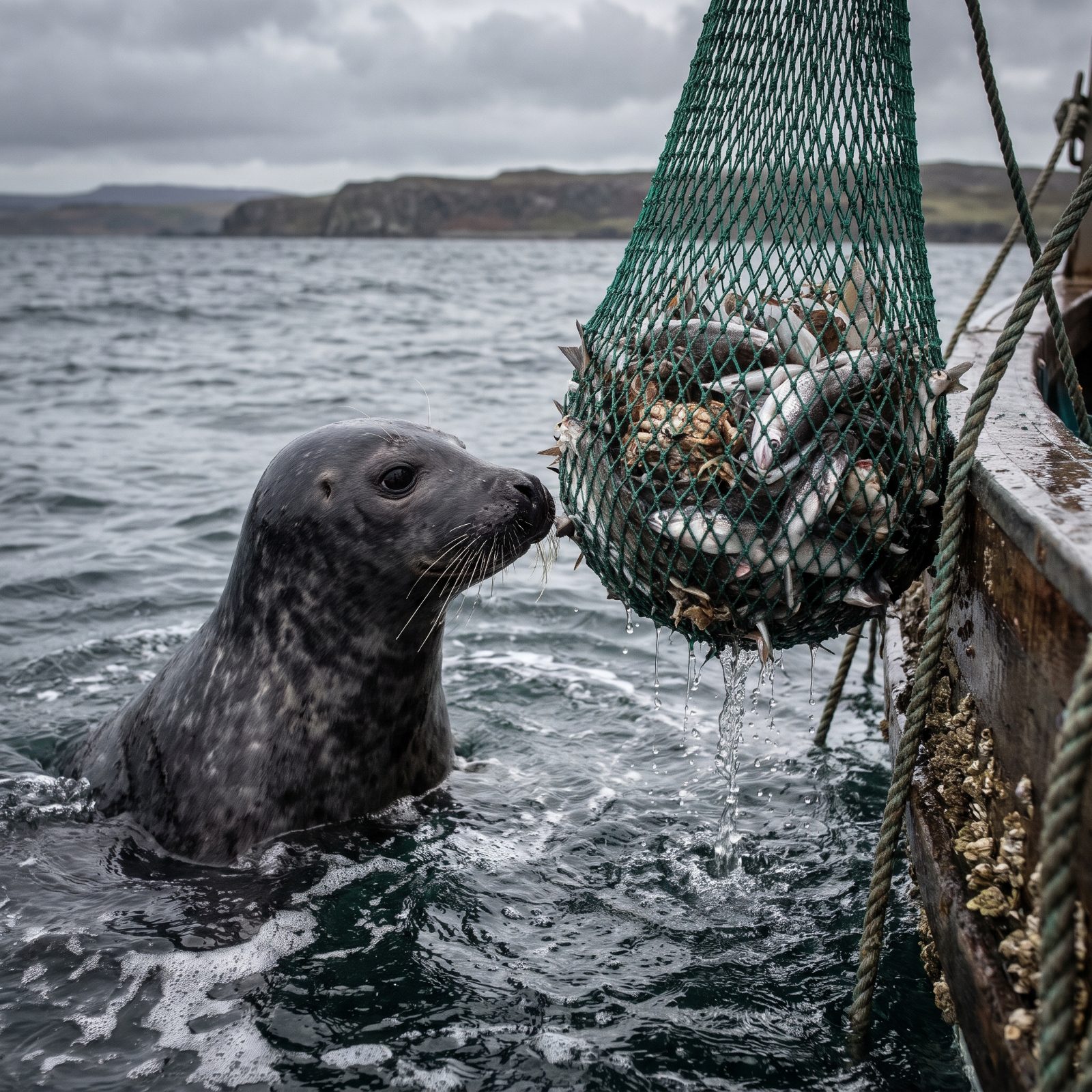
Grey seals around Scotland and the North Sea have turned fishing fleets into a floating buffet. They learn the sound of one specific engine, trail the boat out past the breakwater, and loiter at the gillnets waiting for the catch to come up. Why hunt when breakfast arrives by boat?
Fishermen call them clever thieves, and they’re not wrong. A seal can strip a net of its best fish and leave the shredded mesh behind, which costs real money in ruined catches and torn gear. Stranger still, some of them recognize individual vessels and ignore everything else on the water.
5. Wild Boar That Raid Crops Only After Dark
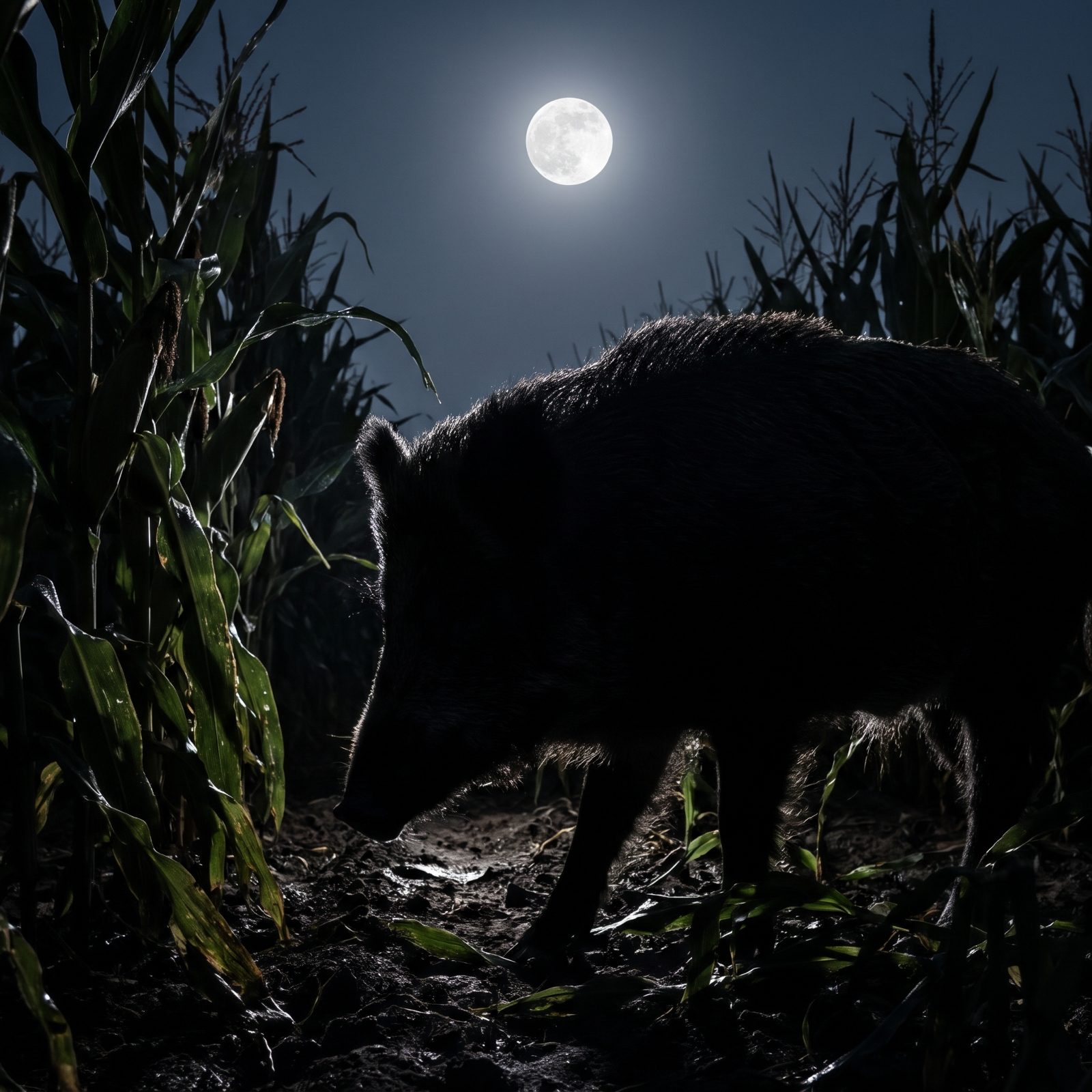
Boar aren’t born nocturnal. They become it. Where hunting pressure runs high, wild boar shove their crop raids into the dead of night, slipping into fields long after the farmhouse lights go dark and clearing out before the first hint of dawn.
It’s a learned schedule, taught sow to piglet through the sounder. Study after study across Europe turns up the same stubborn pattern: the more humans hunt them by daylight, the more completely they melt into the dark. You can’t shoot what you can’t see.
The damage is real. One night of rooting flattens a cornfield and leaves the soil looking plowed.
4. Capuchin Monkeys That Hurl Stones at Researchers
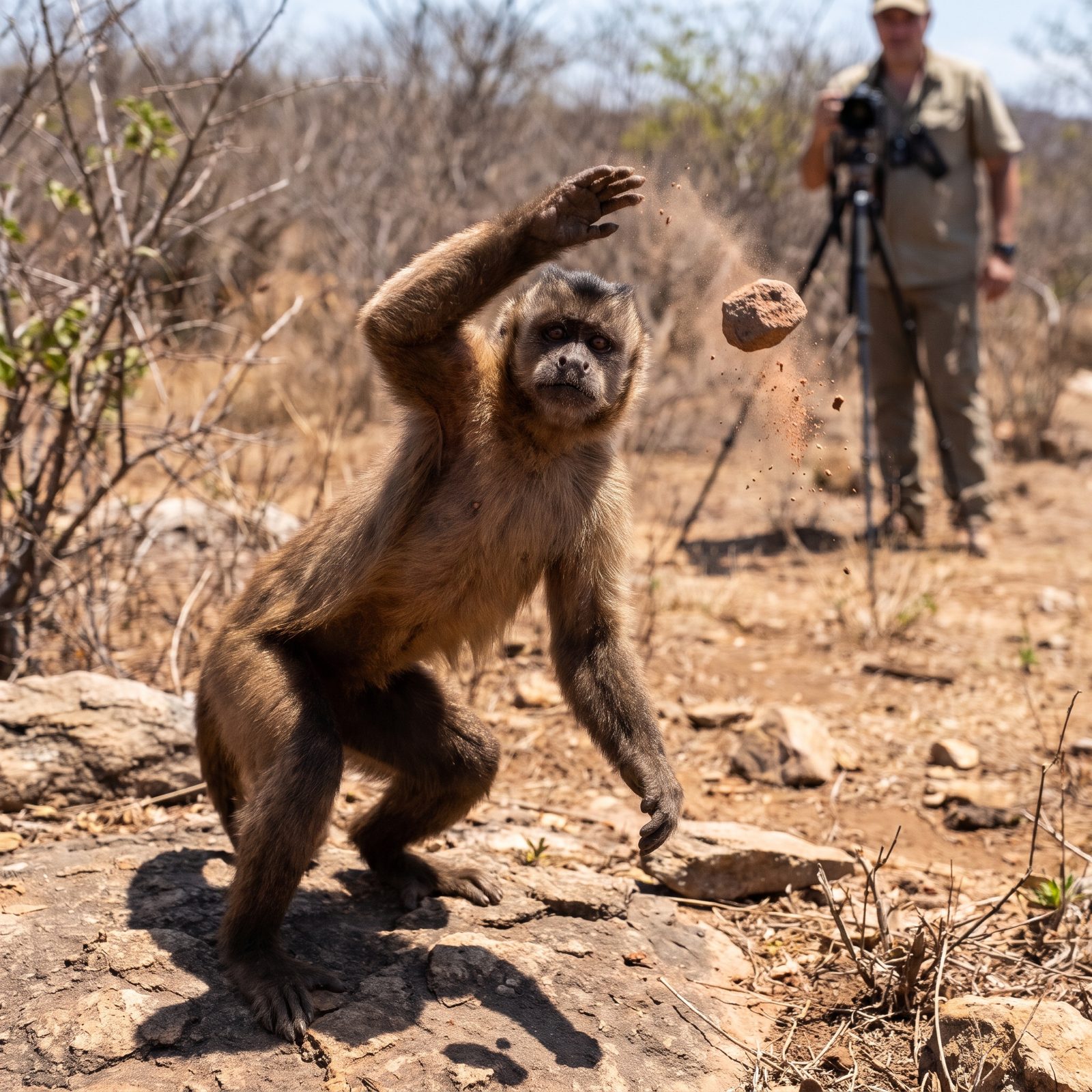
Bearded capuchins in Brazil are famous for cracking open palm nuts with stone hammers. Less famous: they’ll chuck those same stones at anyone who wanders too close to the action, scientists included.
Females have been filmed lobbing rocks during displays, and the whole troop reads an intruder near their anvils as a threat that deserves an answer. Tool use slides into tool-as-weapon fast.
So much for the idea that animal intelligence is always gentle. Sometimes it’s a quartz cobble sailing toward your head.
3. Elephants That Plug Irrigation Pipes to Make Them Spill
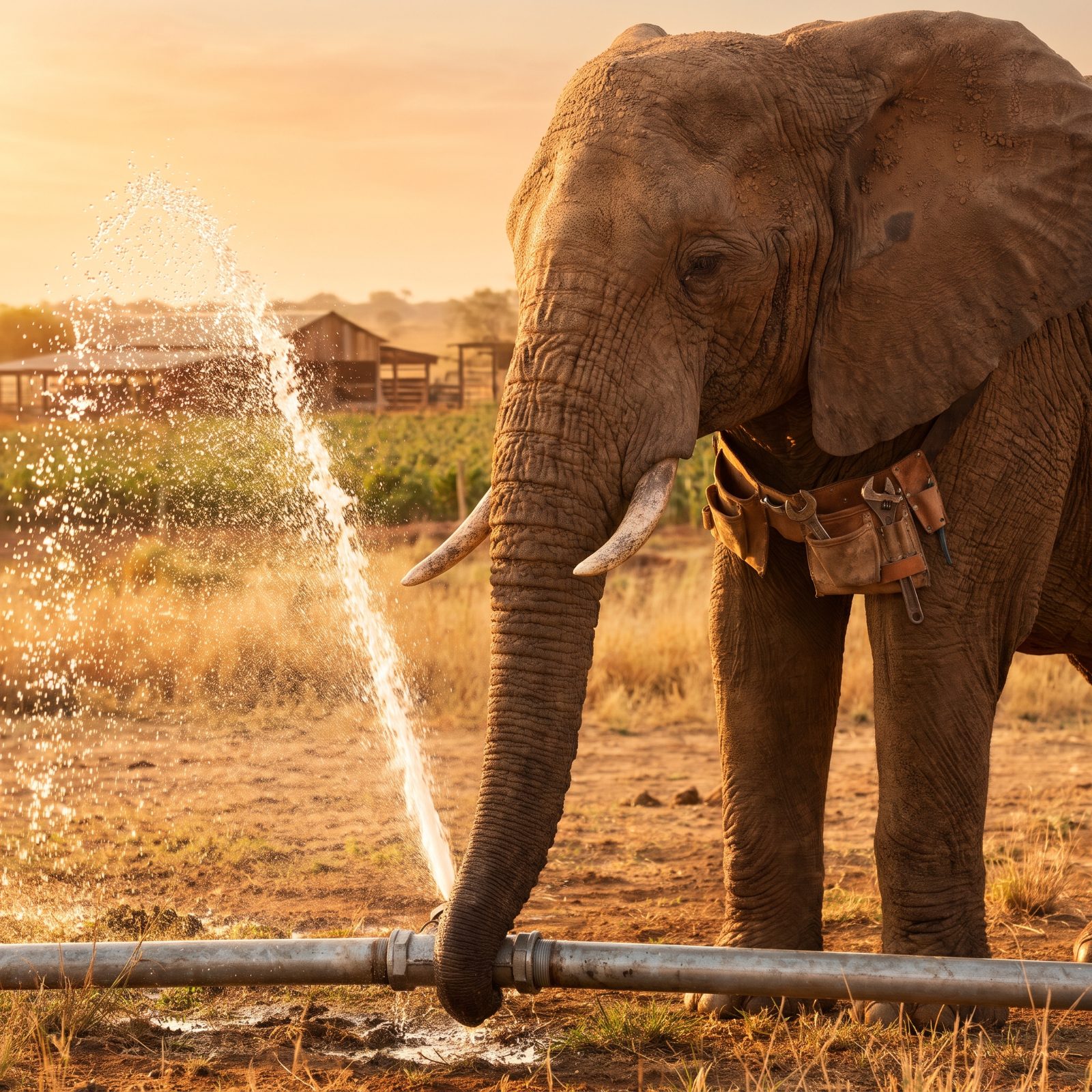
Thirsty elephants in parts of India and Africa have cracked the plumbing. Instead of wandering off to find open water, some will cap or jam irrigation pipes and village taps so the backed-up pressure forces water out right where they’re standing.
Others skip the finesse and simply rip the fittings clean off. The patient ones figured out that a plugged pipe — or a snapped valve — converts farmland infrastructure into a drinking fountain on demand.
2. Pigeons That Memorized Train Schedules to Ride for Free
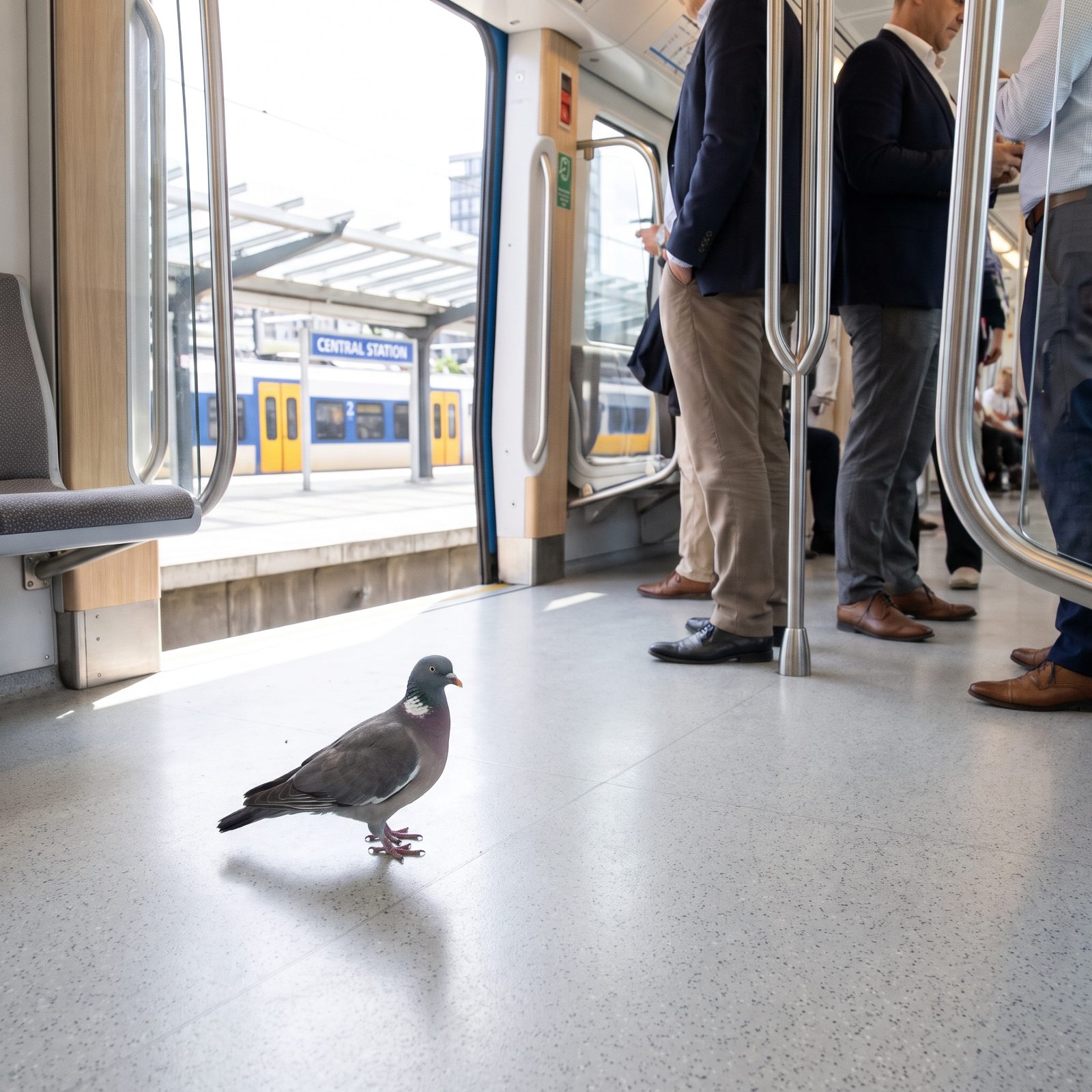
Commuters from Tokyo to London have watched a pigeon hop aboard a train, ride a stop or two, and step off at a dependable food spot. Birdwatchers swear certain individuals pick the right line every time and disembark at the same station like clockwork.
Whether they’ve genuinely “memorized” a timetable is a lot harder to prove than the viral clips make it look. What’s solid is a pigeon’s knack for spatial memory and routine — these are the descendants of birds that carried wartime messages across enemy lines, after all.
So are they reading the schedule? Almost certainly not. Are they riding human transport with unnerving consistency? The footage speaks for itself.
1. Dogs That Fake a Limp to Win Sympathy

Plenty of owners have caught it red-handed: a dog limping pitifully until it clocks that nobody’s watching, then trotting off perfectly sound. Vets see it all the time. The injury heals, but the sympathy routine lingers because it worked.
This isn’t a dog running a con the way a person would. It’s associative learning at its sharpest — lift the paw, get fussed over, score a treat, repeat. Reward the behavior and it sticks around.