
Somewhere a bull is charging a red cape, and the cape has nothing to do with it. Textbooks got a lot of animals wrong — not maliciously, just early. A guess hardened into a fact, the fact made it into a classroom, and the classroom lodged it in your head where it sat for decades. Then cameras got better, microphones picked up sounds below human hearing, and genetics cracked open family trees. One by one, the tidy old stories fell apart. Here are the ones most people still repeat at dinner parties, and what the animals were actually doing the whole time.
Please note that some of the images in this article were created with the assistance of AI.
48. Wolf Packs Aren’t Ruled by a Tyrant Alpha, They’re Families Run by Mom and Dad
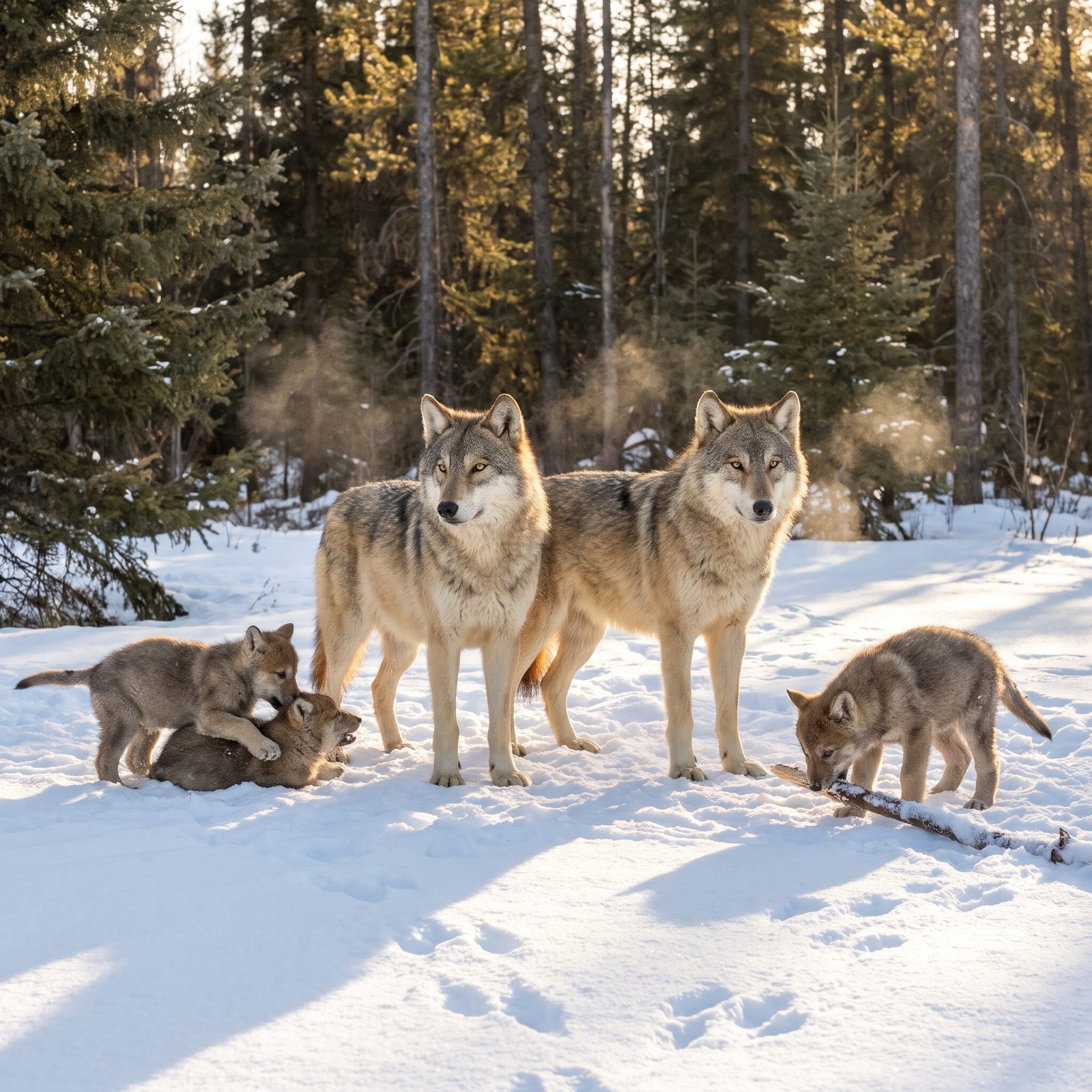
The whole “alpha wolf” idea came from watching unrelated wolves crammed into captivity, fighting over space and food like strangers stuck in a crowded elevator. In the wild it falls apart. A pack is almost always a family — a breeding pair and their offspring from the last few years. The “alphas” are just mom and dad.
David Mech, the biologist who popularized the term back in the 1970s, spent later decades trying to kill it off. He even asked his own publisher to stop printing his old book. The dominance you were taught to admire? Mostly an artifact of a cage.
Comparing a wild pack’s breeding male to a human dad, a longtime wolf researcher says “He’s just the father of the family. And that’s exactly the way it is with wolves.”
47. Bats Aren’t Blind, Even the Echolocating Ones Can See Just Fine

“Blind as a bat” has to be one of the most confident wrong things people say. Every bat species on Earth has working eyes, and plenty of them see better than we do in dim light. The big fruit bats barely echolocate at all — they get around by sight and smell, with eyes like soft dark marbles.
The echolocators use sound to hunt insects in total darkness, where eyeballs would be useless anyway. That’s not a disability. It’s a second sense layered right on top of the first.
46. Bulls Don’t Hate Red, They’re Reacting to the Cape’s Movement
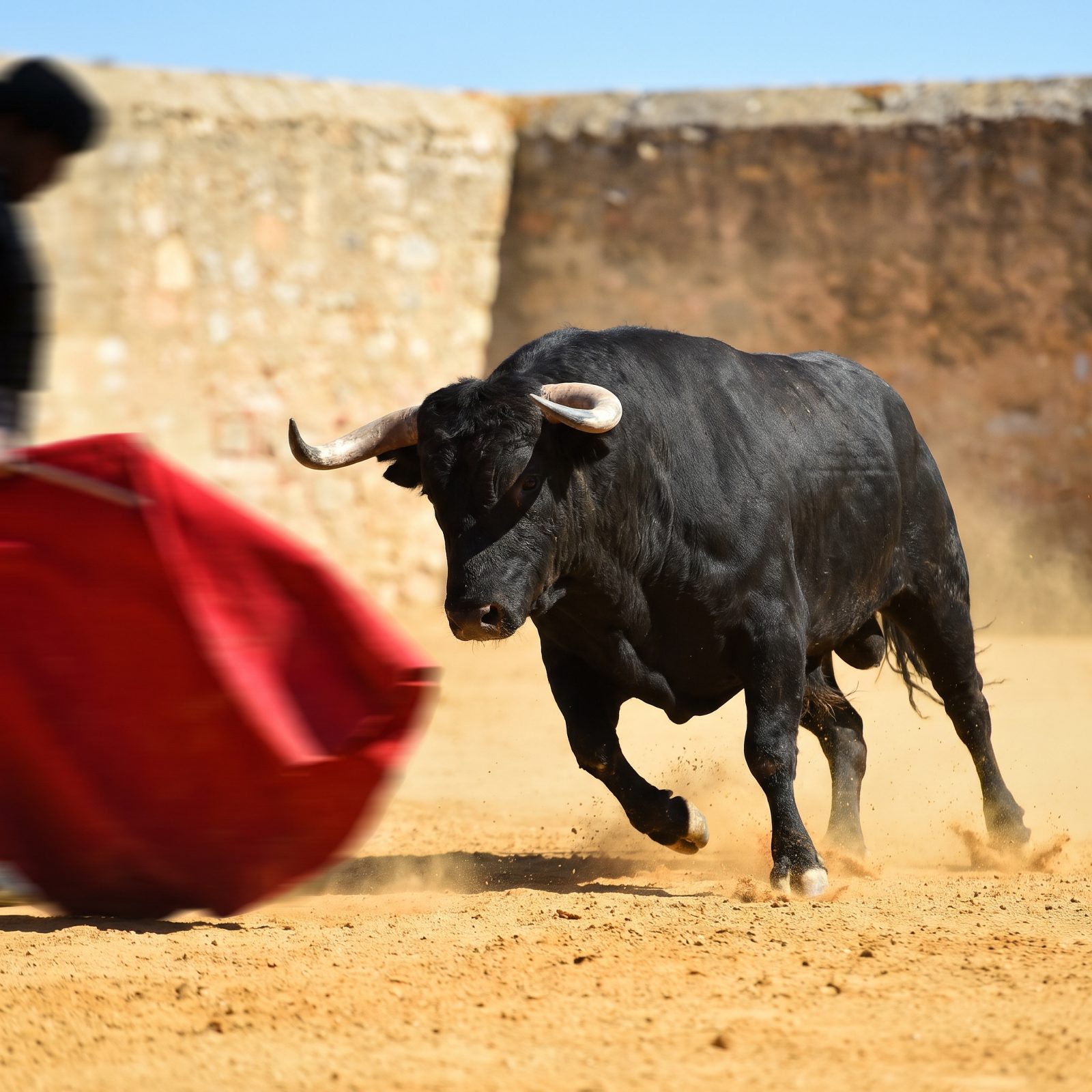
Cattle are red-green colorblind. The bull literally cannot see the cape as red the way you do. What sets it off is the motion — the snapping, swirling fabric being flapped in its face.
Matadors chose red for a grim practical reason: it hides the blood. Swap in a yellow cape or a blue one and the bull charges exactly the same. The color was always for the crowd, never the animal.
45. Ostriches Don’t Bury Their Heads in Sand, They’re Tending Their Eggs
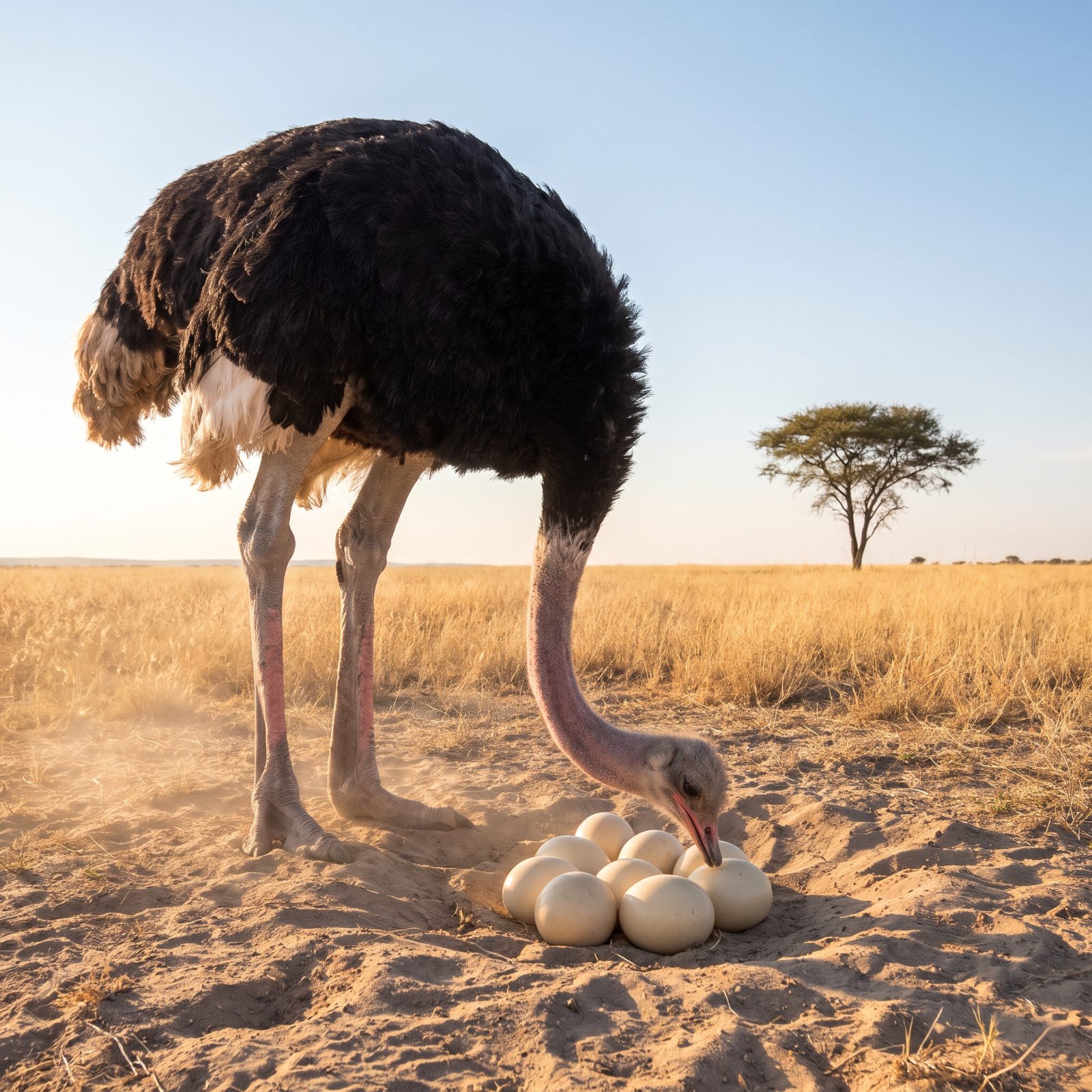
No ostrich has ever buried its head to hide from danger. It would suffocate, and it would also look absurd — which is probably why the myth stuck.
Here’s what people actually saw and misread. Ostriches dig shallow nests in the ground, and several times a day a parent lowers its head to turn the eggs with its beak. From a distance, head down near the earth, it looks like the bird planted its face in the dirt. When a real threat shows up, though, an ostrich does the sensible thing. It runs, fast enough to outpace most predators, and if cornered it kicks hard enough to kill.
44. Lemmings Don’t Commit Mass Suicide, That Scene Was Staged
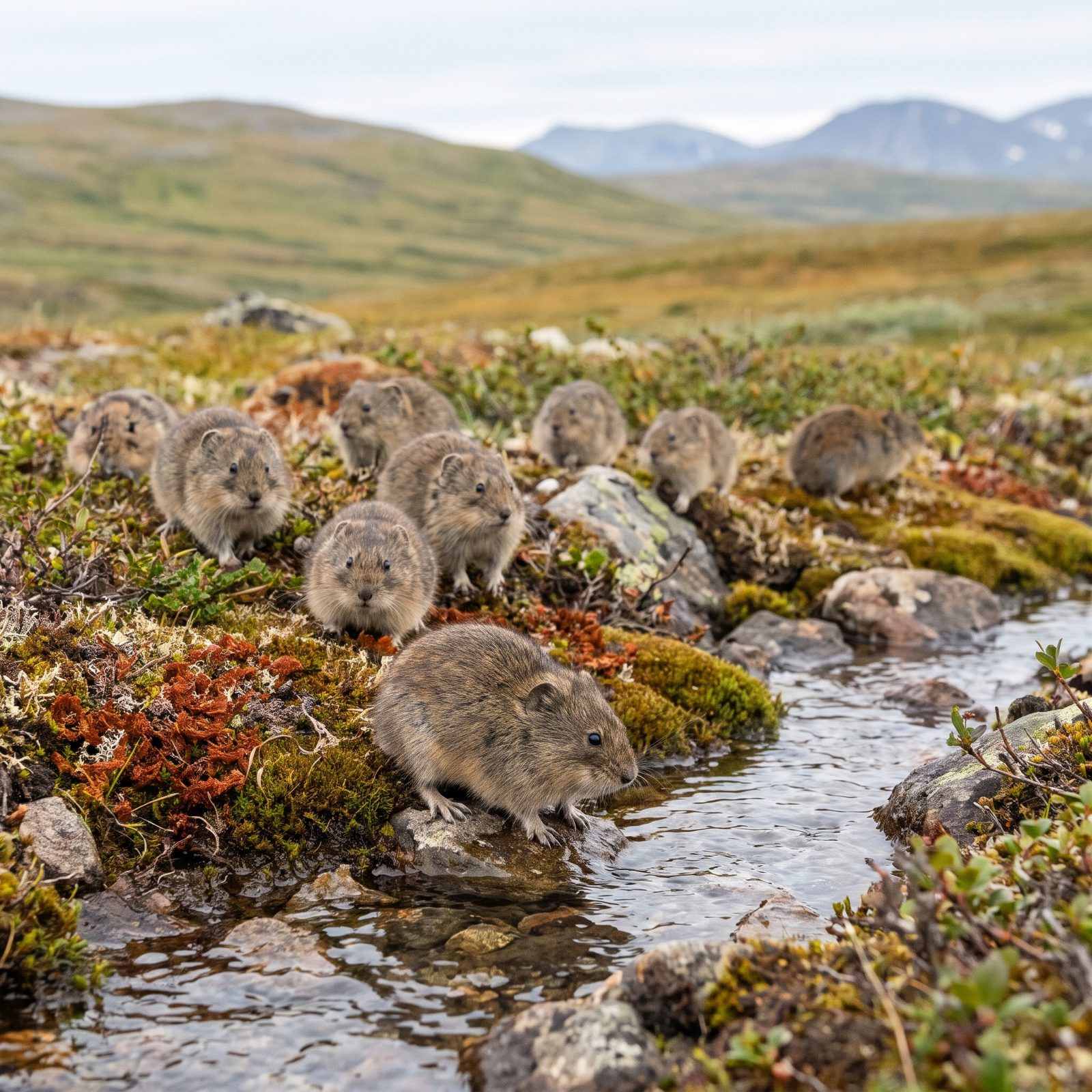
Every bit of “lemmings jump off cliffs on purpose” traces back to a 1958 Disney documentary called White Wilderness. The filmmakers bought lemmings, trucked them to a river, and herded them off a cliff for the camera. Staged, start to finish. The narrator sold it as instinct.
What’s real is stranger. When populations boom, lemmings scatter in large numbers hunting for food and space, and some drown trying to cross rivers or lakes they misjudge. No death wish — just a lot of small animals moving at once and the plain math of bad luck.
43. Chameleons Don’t Change Color to Hide, They’re Talking and Thermoregulating
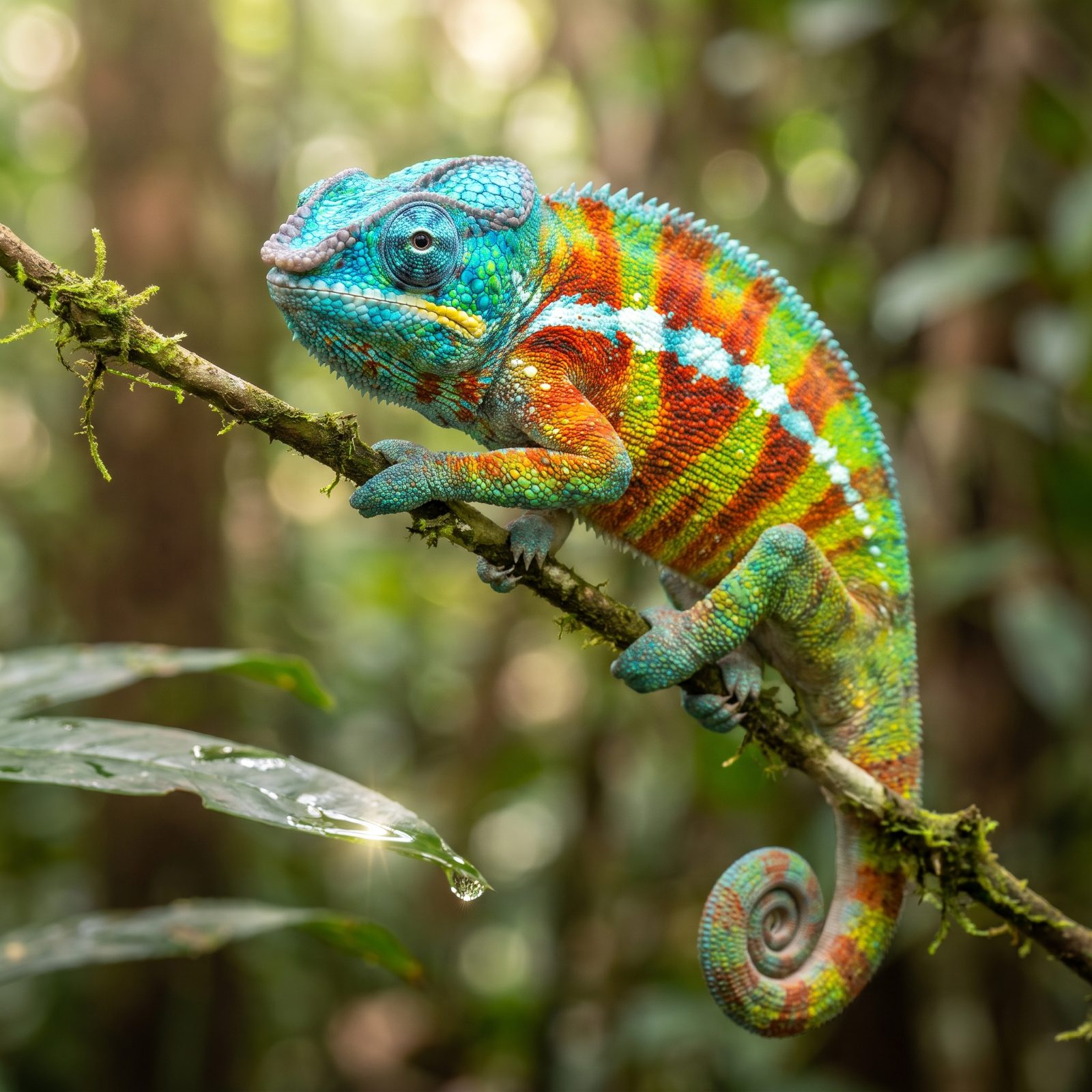
The camouflage story got cause and effect backwards. Chameleons do blend in sometimes, but their big color shifts are mostly about mood and temperature, not hiding.
A male flares electric orange and blue to warn off a rival or court a female. A cold chameleon turns dark to soak up heat; a hot one goes pale to bounce it away. And the mechanism itself is wild — nanocrystals in the skin spread apart or pull together, changing which wavelengths of light bounce back. That’s structural color, closer to a soap bubble than to pigment.
42. Camels Don’t Store Water in Their Humps, Those Are Packed With Fat
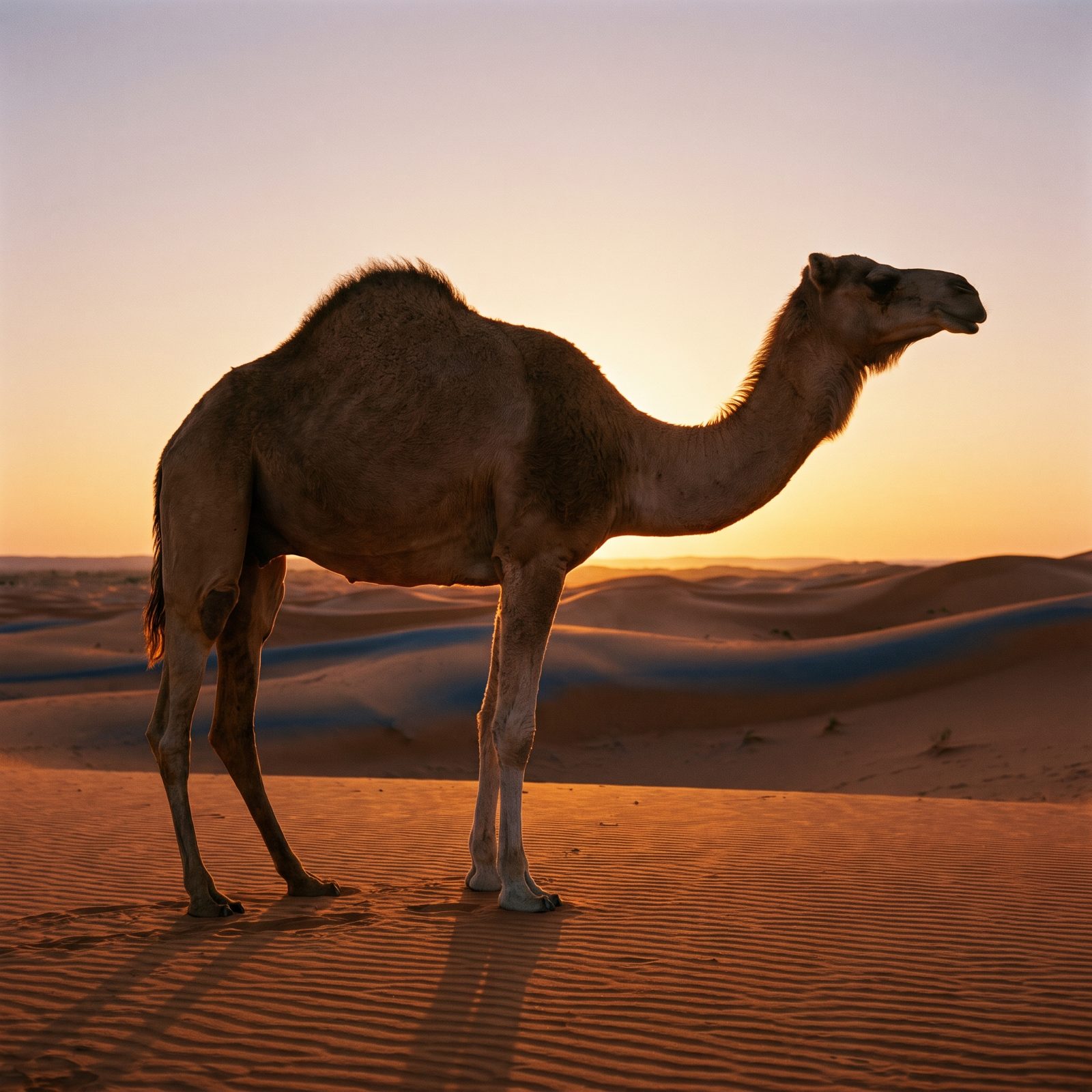
Slice open a camel’s hump and you won’t find a canteen. You’ll find fat — a lot of it, stored high on the back so the rest of the body can shed heat more easily. When food gets scarce, the camel burns that fat for energy, and a drained hump actually sags and flops to one side. Kind of sad-looking, honestly.
The real desert survival trick lives elsewhere. Camels ride out huge swings in body temperature, pee out something close to syrup, and gulp enormous amounts of water the moment they find it. The hump is a pantry, not a water tank.
41. Porcupines Can’t Shoot Their Quills, They Just Come Off on Contact
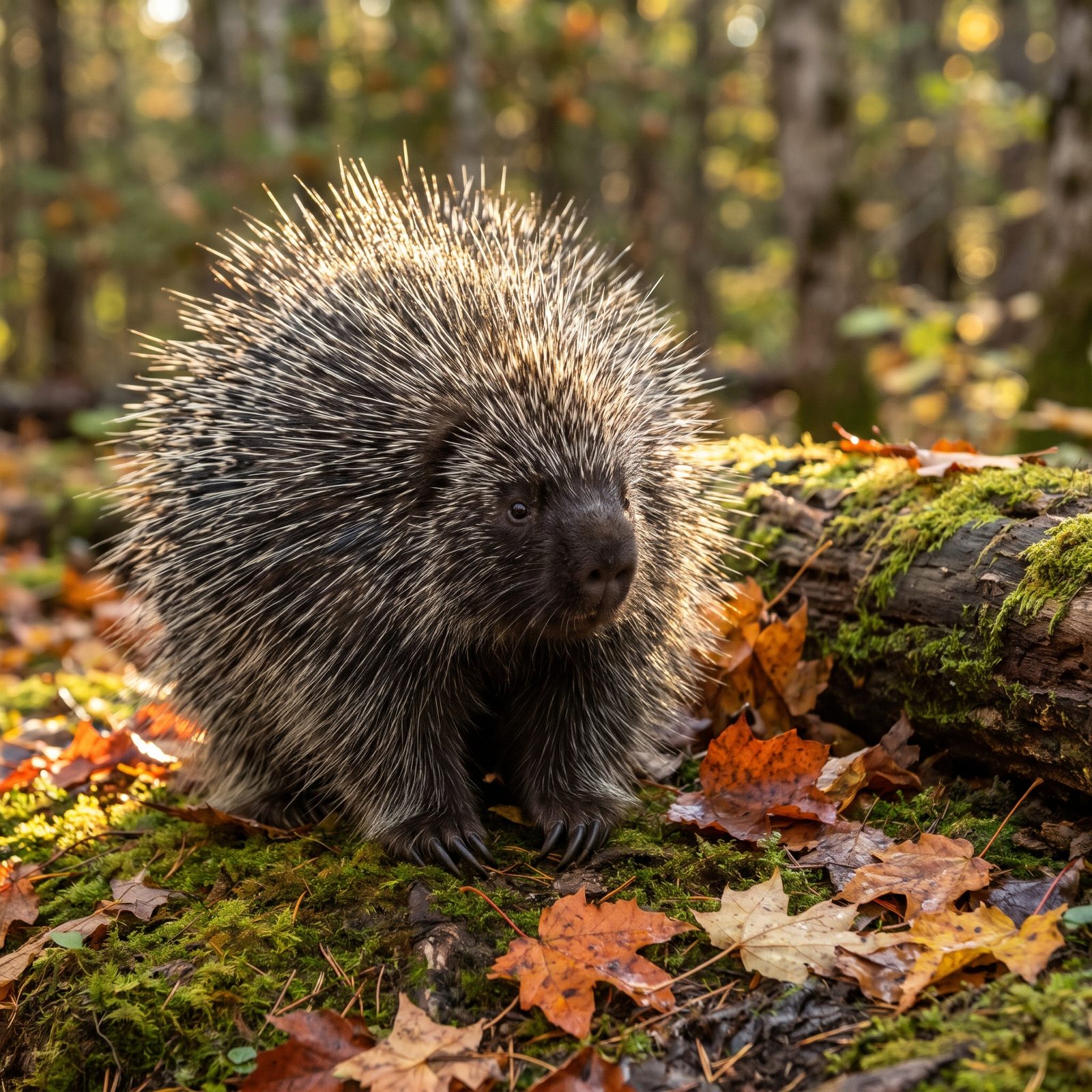
Nobody has to worry about a porcupine firing a volley of quills across a clearing. It can’t launch anything. The quills sit loosely rooted and barbed at the tip, so the moment something touches them, they pop free and stay lodged in whatever did the touching.
A porcupine’s defense is patient, not explosive. It raises its quills, swings its backside toward the threat, and sometimes slaps its tail. The attacker does the rest by lunging into a wall of needles. And yes — the quills grow back.
40. Giraffes Aren’t Mute, They Hum, Snort, Grunt, and Bellow
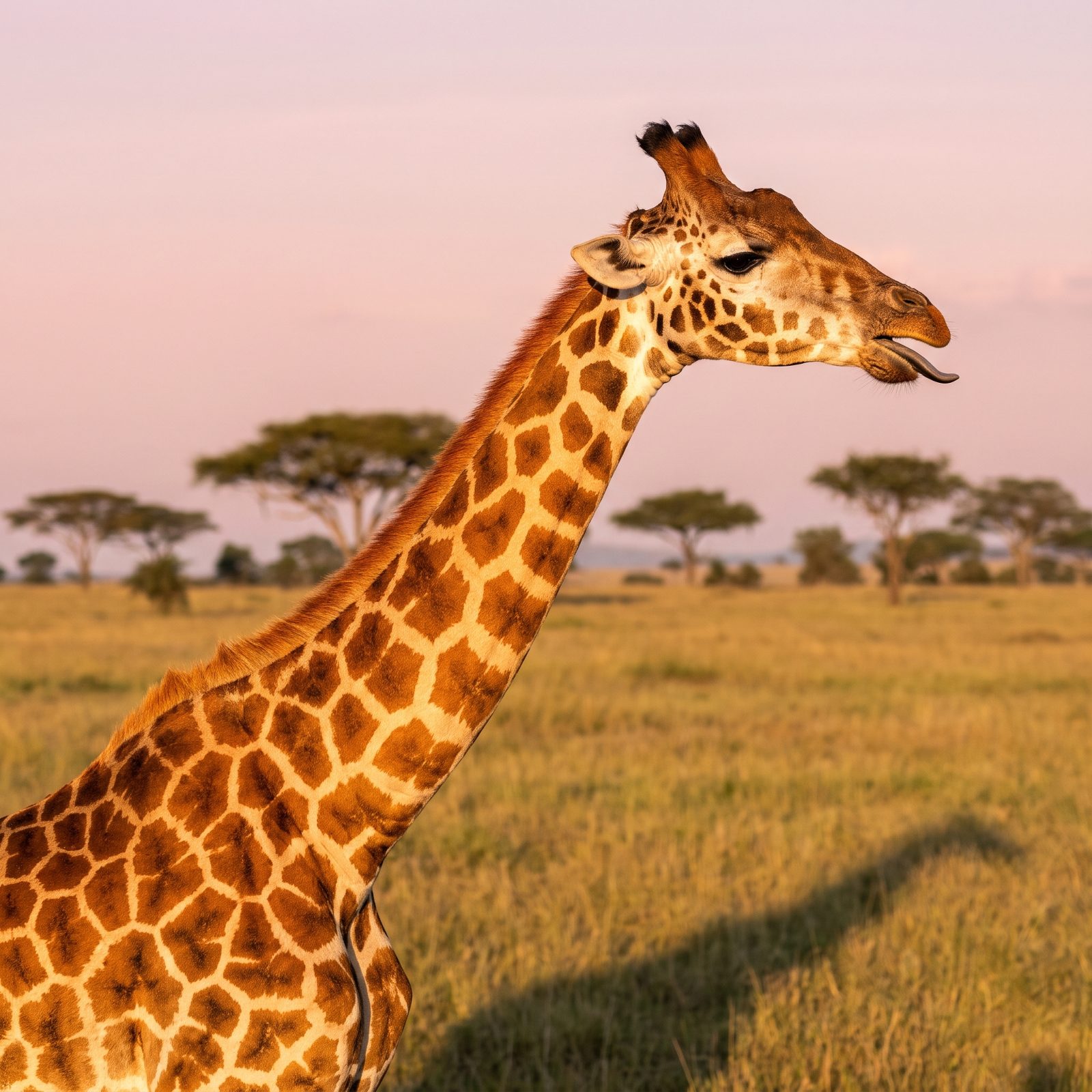
For a long time people assumed giraffes were basically silent — too tall for sound to travel up and down that neck, the thinking went. Never true. Keepers always reported snorts, grunts, moans and the occasional bellow from calves.
Then researchers recorded zoo giraffes at night and caught something eerie: a low, steady humming, happening mostly after dark. Why they do it is still an open question. It might be communication during the quiet hours, it might be something else entirely. Either way, the silent giraffe was a myth built on nobody bothering to listen closely enough.
The animal we called mute was humming in the dark the whole time.
39. Hippos Don’t Sweat Blood, Their Skin Makes a Red Sunscreen
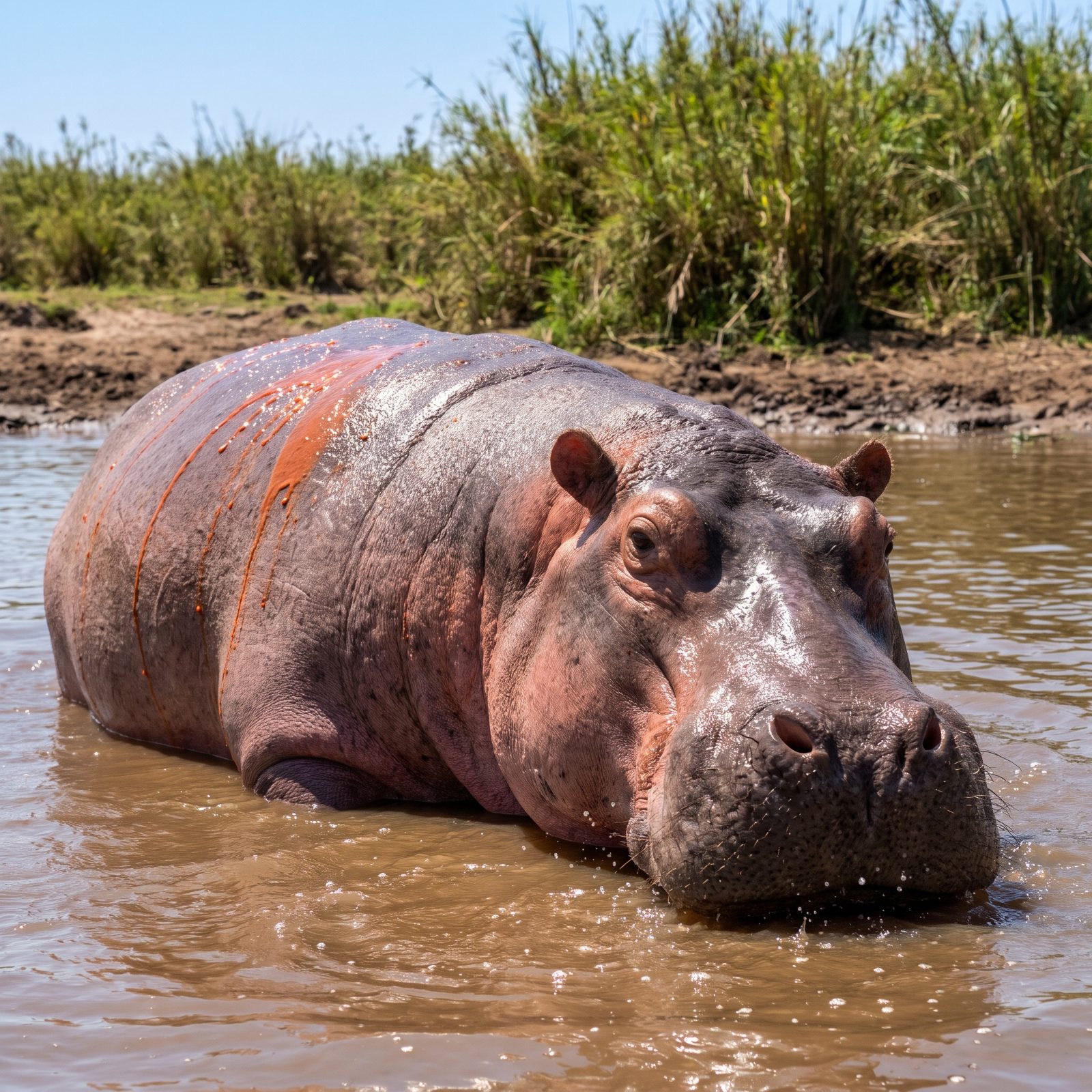
The old line is that hippos “sweat blood.” They have no sweat glands at all, and there’s no blood anywhere in sight. What you’re actually seeing is a secretion the skin pumps out that starts colorless, flushes red within minutes, then fades to brown.
Chemists who analyzed the stuff found two pigments, nicknamed hipposudoric and norhipposudoric acid. One works as a sunscreen, soaking up ultraviolet light. The other fights bacteria — which matters enormously when you spend your whole life wallowing in warm, muddy water with open skin. So the “blood” is really sunblock and antiseptic rolled into one. The hippo was making it long before we worked out what either one was.
38. Moles Are Completely Blind (Those Pinprick Eyes Still Read Light and Motion)
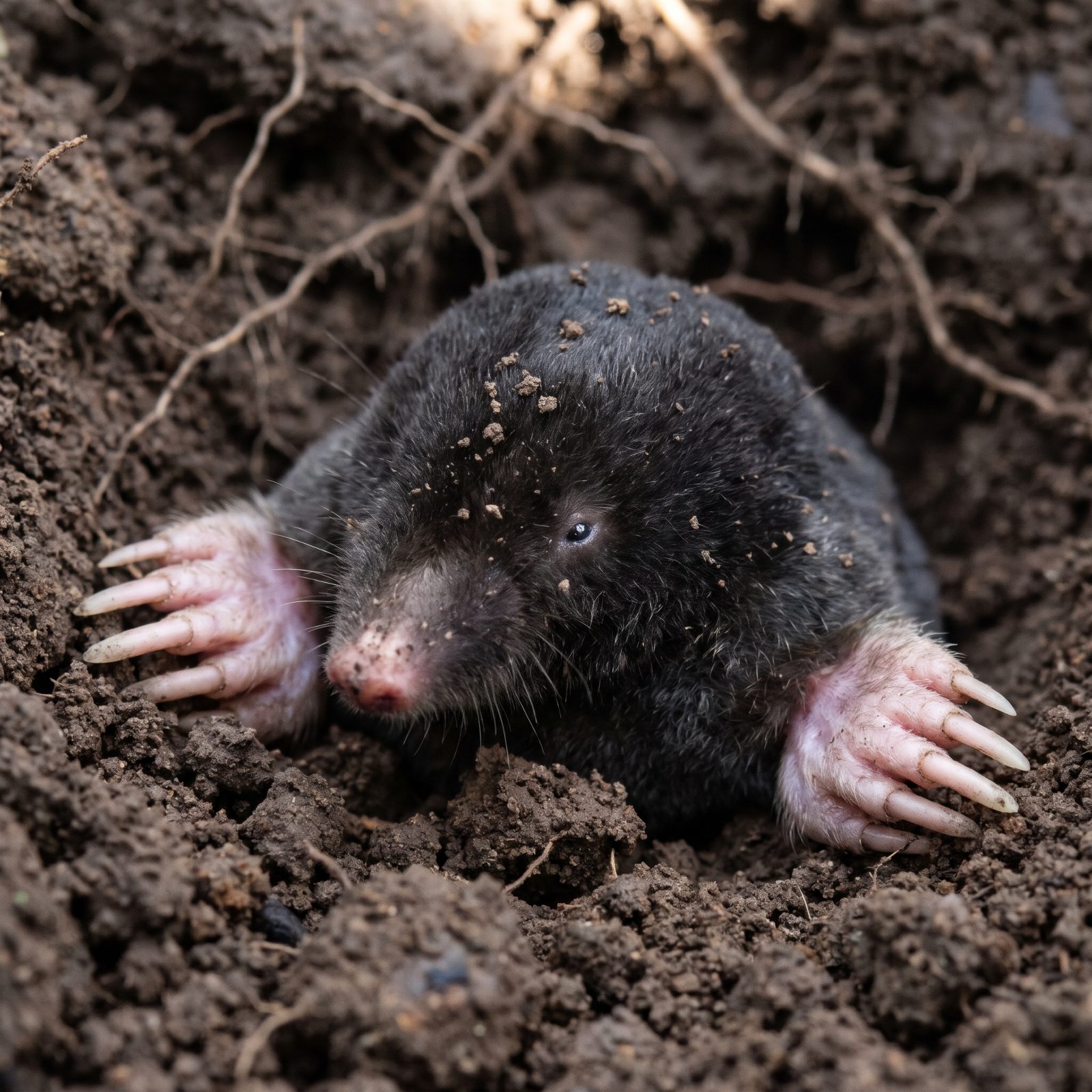
Pull a mole’s fur back and you’ll find eyes — small ones, often smaller than a lentil, sometimes tucked under a thin flap of skin. But they work. Those eyes carry functioning retinas, and the animal can tell light from dark and catch movement, which matters an awful lot the moment a predator rips open your tunnel and the sky suddenly appears overhead.
What they gave up in sharpness they banked in touch. The star-nosed mole’s snout carries more than 25,000 sensory receptors spread across those pink tentacles, and calling it blind would honestly be a demotion. It reads the underground through a fingertip-sized nose faster than you can blink.
37. Every Armadillo Rolls Into a Ball (Only Two Species Actually Can)
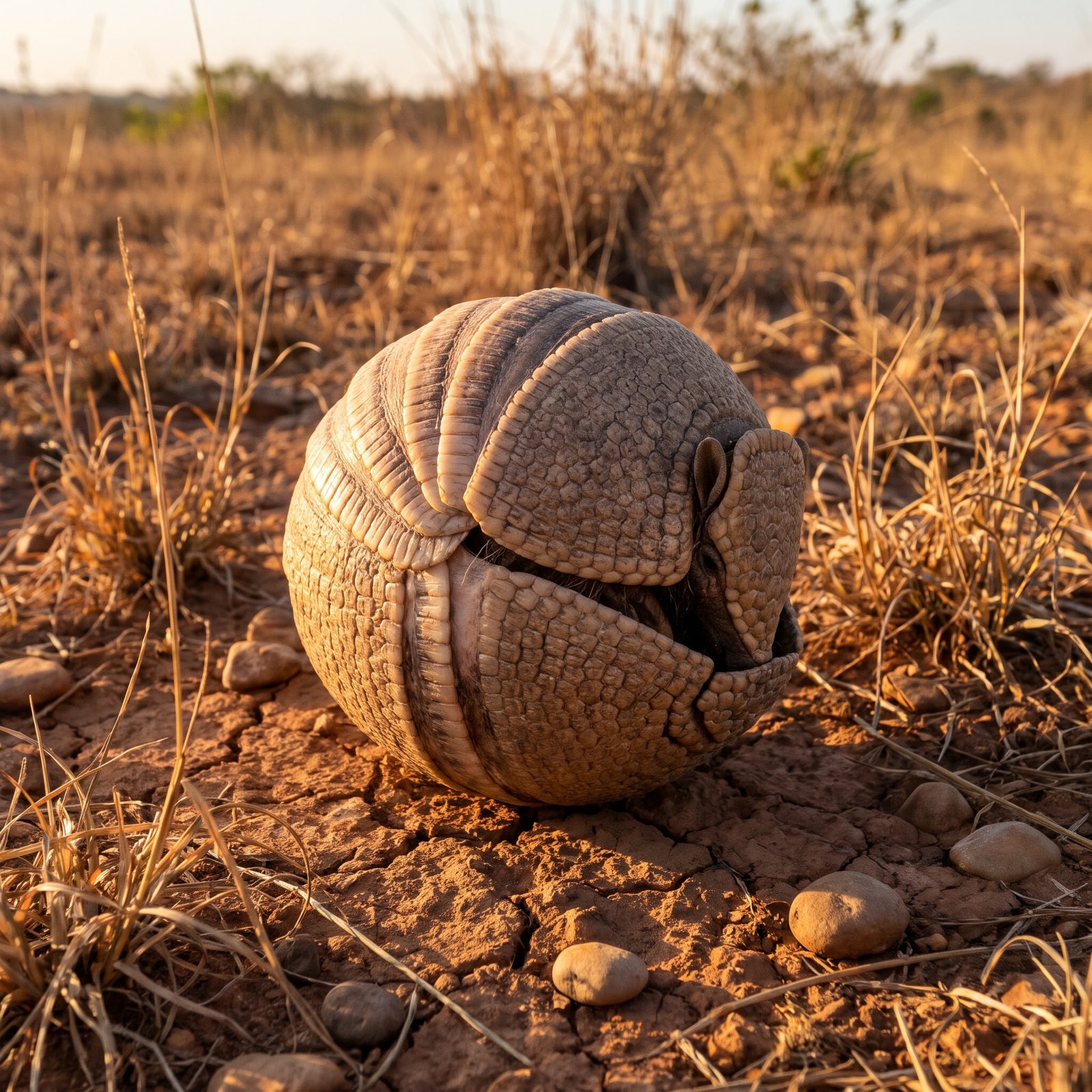
Cartoon armadillos tuck into tidy bowling balls. Real ones mostly can’t.
Out of the roughly twenty armadillo species, only two species pull off a near-complete sphere, curling their head and tail armor in toward each other, though a gap can still leave soft fur and skin showing at the center. The many flexible bands around their middle give them a hinge the others simply don’t have. That nine-banded armadillo you see flattened along Texas highways? Its shell is too rigid and its body too long, so when threatened it runs, digs, or launches itself straight up — exactly the wrong move in front of a car, and a big reason they end up as roadkill.
36. Spotted Hyenas Are Cowardly Scavengers (They Hunt Most of Their Own Food)
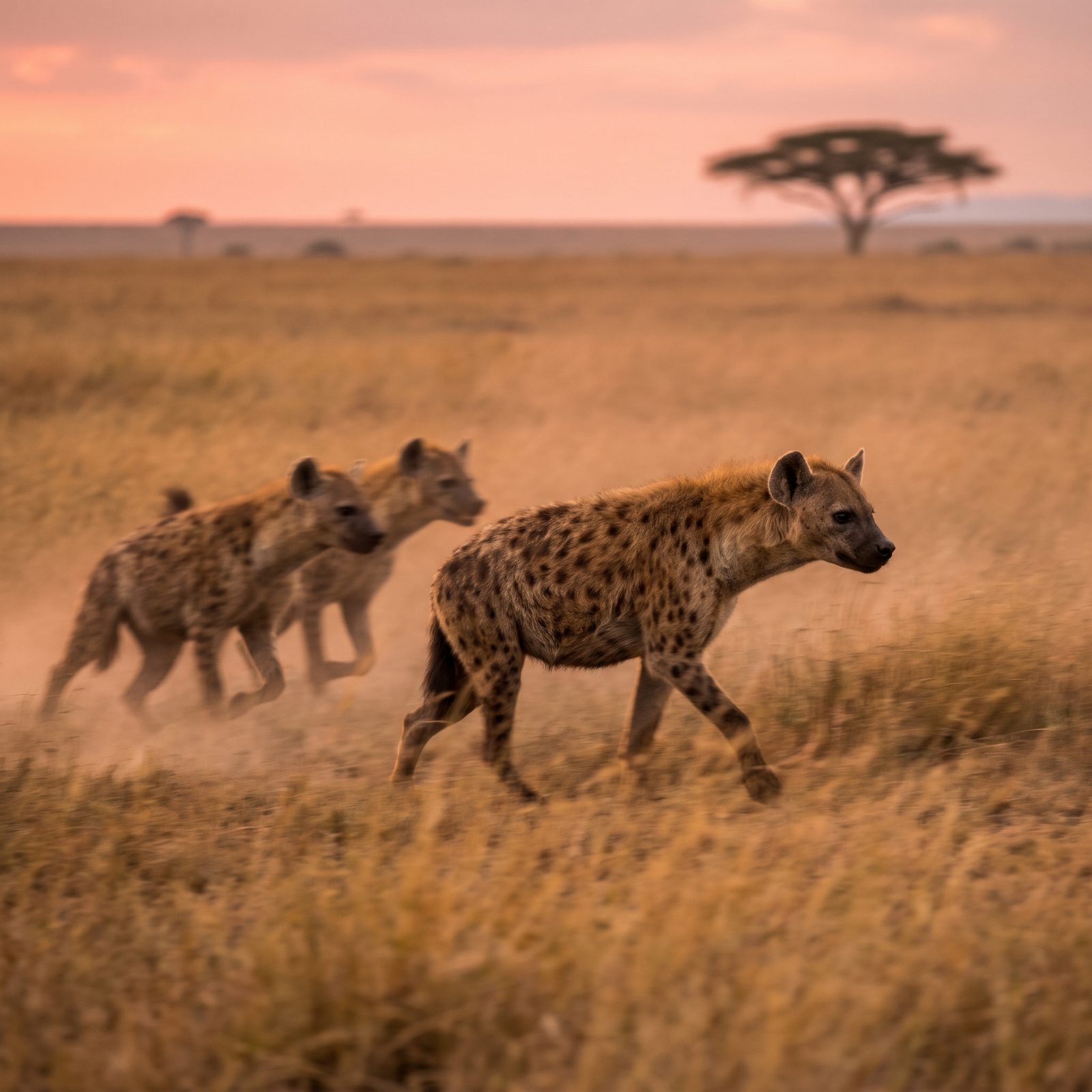
We owe the hyena an apology that’s decades overdue.
Field studies in the Ngorongoro Crater and the Serengeti flipped the old story on its head. Spotted hyenas hunt most of what they eat, often the bulk of it, chasing down wildebeest and zebra in organized clan pursuits. And here’s the part the textbooks got backwards: lions are frequently the thieves, lifting kills from hyenas rather than the other way around. The clan runs on female dominance, a dense vocal vocabulary, and cooperative tactics that rival wolves.
The scavenger label stuck because early observers watched hyenas at kills and assumed the kill wasn’t theirs. It usually was.
Their jaws crack giraffe femur. They digest bone. And they coordinate in total darkness with a repertoire of whoops and giggles researchers are still decoding.
35. Giant Pandas Are Just Big Raccoons (DNA Puts Them Squarely Among the Bears)
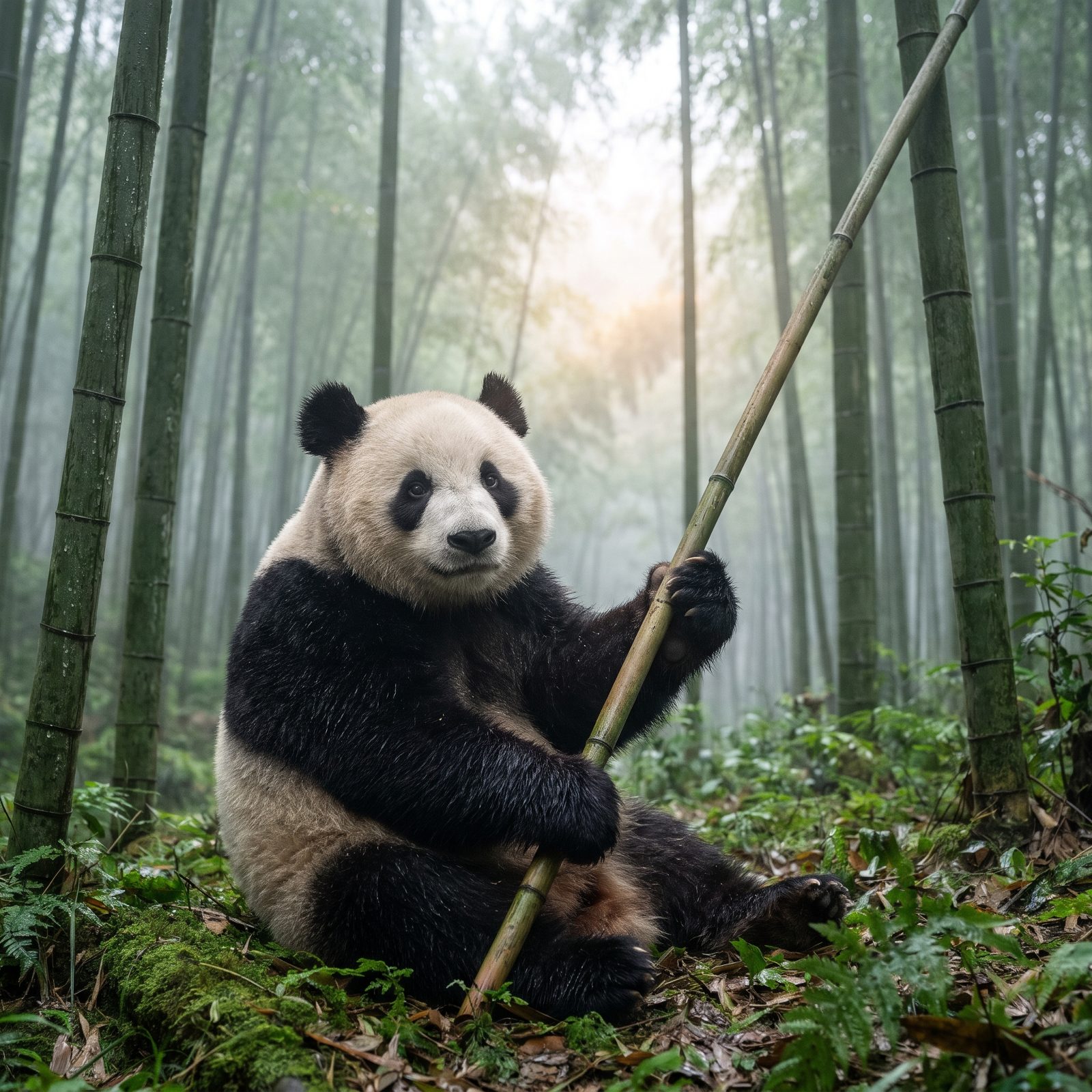
For most of the twentieth century scientists genuinely fought about this. The coloring, the diet, that odd extra thumb — all of it muddied the picture, and plenty of experts lumped the panda in with raccoons or stuck it off in a family all its own.
Then molecular genetics walked in and settled the argument. The giant panda is a true bear, a member of Ursidae, having split from the rest of the bear line roughly 19 million years ago. That famous “thumb” it uses to strip bamboo isn’t a finger at all. It’s an enlarged wrist bone, a sesamoid, repurposed into a gripping pad. Evolution didn’t grow a new digit — it drafted an old bone into new work.
34. Whales Spout Seawater (That Plume Is Warm Breath and Condensation)

Stand on a whale-watching boat and you’ll hear someone say it: “Look, it’s spouting water!” Not quite.
A whale’s blowhole connects to its lungs, not its mouth or the sea. When it surfaces and exhales, warm air from deep inside its body slams into cooler outside air and condenses into that visible plume — the same way your breath fogs on a January morning. A little seawater sitting in the blowhole’s rim gets flung up too, along with some mucus and oils, but the column itself is mostly breath and vapor.
The shape even tells you the species. A blue whale’s blow stands tall and straight. A humpback’s spreads into a bushy V.
33. Corals Are Underwater Plants (Reefs Are Built by Millions of Tiny Animals)
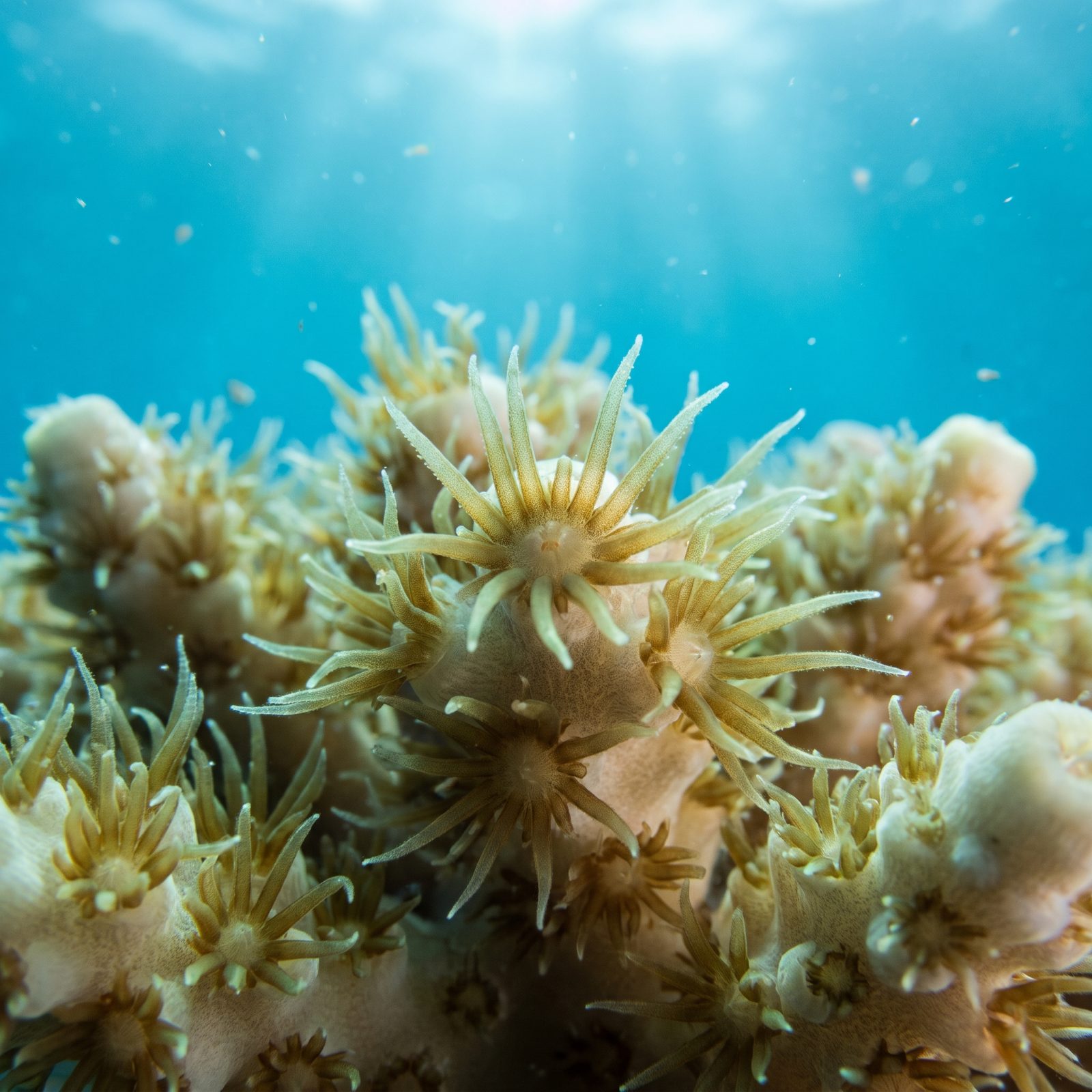
A coral reef looks like a rock garden and behaves like a city.
Each coral is a colony of thousands of individual animals called polyps — soft little creatures related to jellyfish and sea anemones, each one ringed with stinging tentacles and anchored in a cup of limestone it builds beneath itself. Stack generations of those limestone cups over centuries and you get a reef.
The green color throws people. That comes from zooxanthellae, microscopic algae living inside the coral’s tissue, trading food for shelter. When the water heats up and the coral evicts its algae, it loses its color. That’s bleaching, and the white you see is the animal’s bare skeleton showing through starving tissue.
32. Sharks Never Get Cancer (Researchers Have Catalogued Plenty of Shark Tumors)

This one did real damage. The myth fueled a cartilage-supplement industry that sold ground-up shark as a cancer cure, and millions of sharks died to feed it.
The claim was always false. Scientists have documented tumors in sharks and their relatives, malignant ones included, across dozens of species. A 2013 case even found a tumor growing from the jaw of a great white. Sharks get cancer — they just don’t get it as often, or in the ways we once assumed, and nothing you can grind out of them protects a human cell.
Real talk: eating shark cartilage has never been shown to cure or prevent any cancer in people.
31. Goldfish Forget Everything in Three Seconds (They Hold Memories for Months)

Three seconds would be a cruel way to live. Good news for the goldfish: it’s nonsense.
Lab studies have taught goldfish to push levers for food, to work their way through mazes, and to link specific sounds or colors with feeding time. They hang onto that learning for weeks, sometimes months. In some experiments researchers trained a fish to respond to a signal, left it alone for a long stretch, then came back and found it still remembered the drill.
They recognize their owners. They crowd the glass at feeding time. The three-second myth probably stuck around because it let people feel better about keeping a sharp little animal in a bowl the size of a cereal box.
30. Turtles Can Crawl Out of Their Shells (The Shell Is Their Own Fused Spine and Ribs)
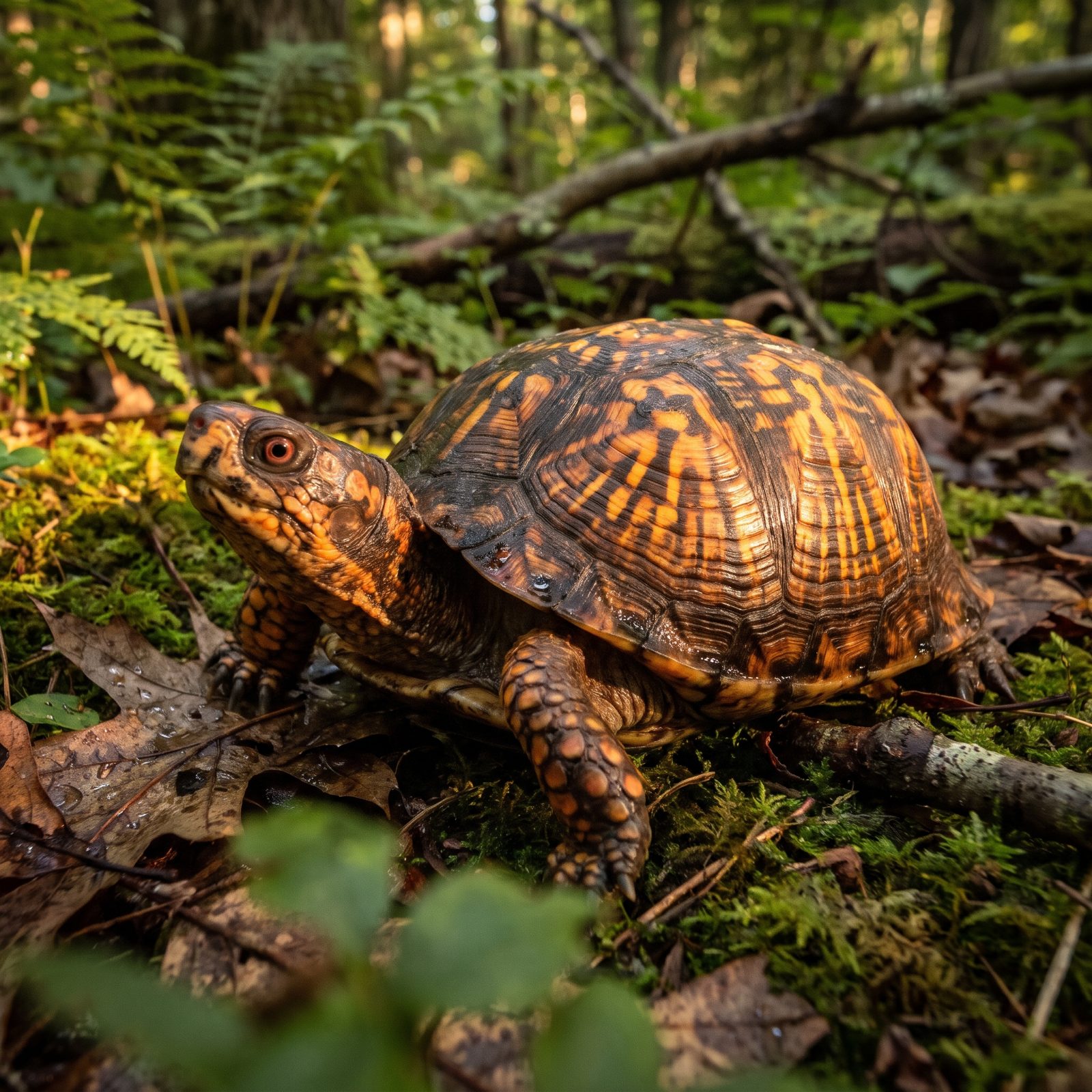
Every cartoon that shows a turtle stepping out of its shell like a coat tells a lie bones can’t commit.
The shell isn’t armor the turtle wears. It is the turtle. The upper carapace is the animal’s ribs and spinal vertebrae, flattened and fused into a bony plate and then covered in keratin scutes. The lower plastron is built from parts of the shoulder girdle and other bones. A turtle is sealed to its shell at the spine, and it can no more leave it than you could step out of your own ribcage.
Which is also why a cracked shell is a cracked skeleton — a serious injury that can bleed and get infected, not a house you simply swap for a new one.
29. Frogs “Drink” Through a Patch of Skin on Their Rear End
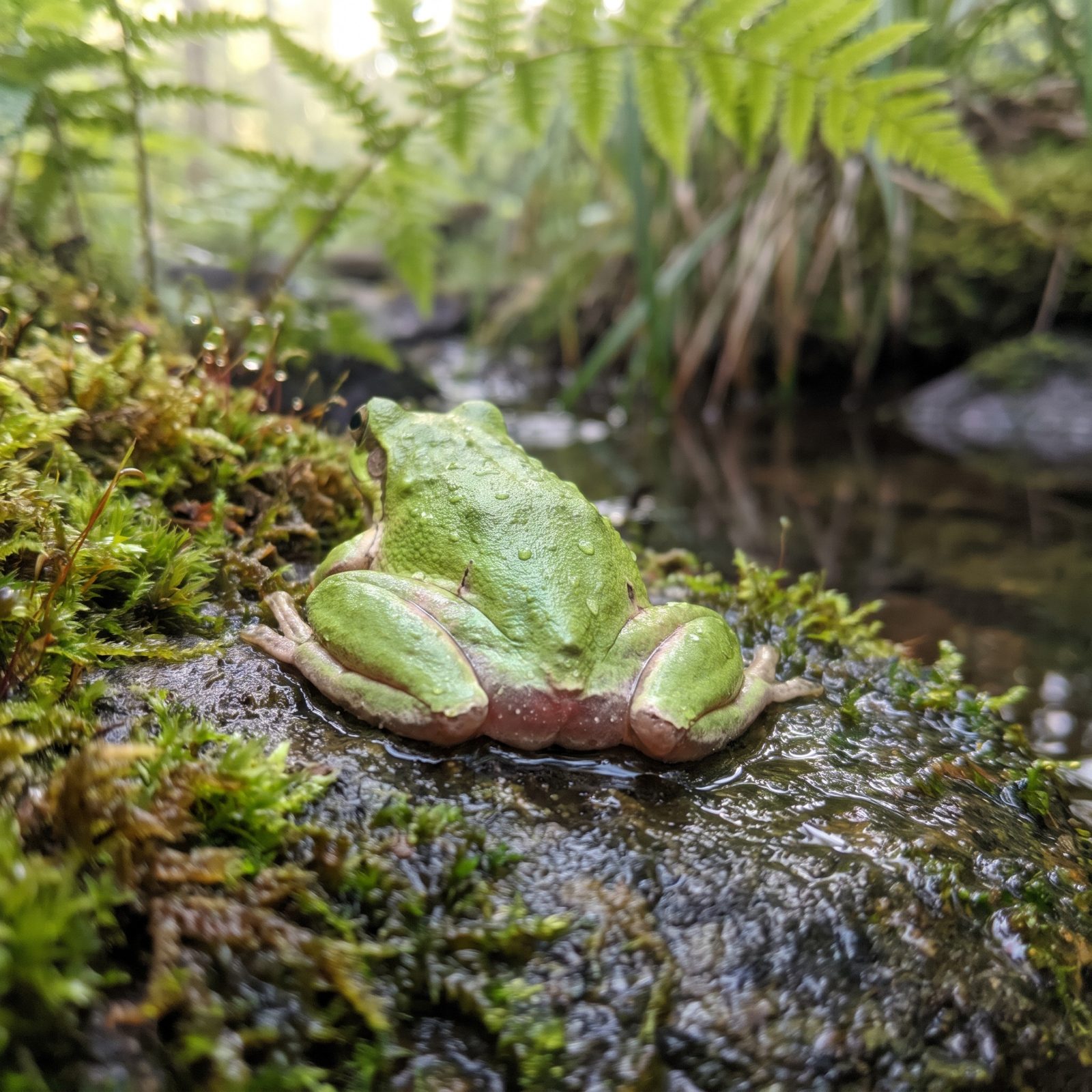
Frogs don’t gulp water. Their mouths are built for catching prey, not hydrating, so the real work happens on a specialized patch of thin skin along the belly and thighs that biologists nickname the “drinking patch” or seat patch.
Press that region against wet ground or a dewy leaf, and water moves straight through the skin into the body. It’s why you’ll catch a frog sitting in a puddle rather than lapping at it. But there’s a cost. The same permeable skin that lets water in also makes frogs dangerously sensitive to pollution, and what soaks in isn’t always clean.
28. The Common Housefly Lives Weeks, Not a Single Day
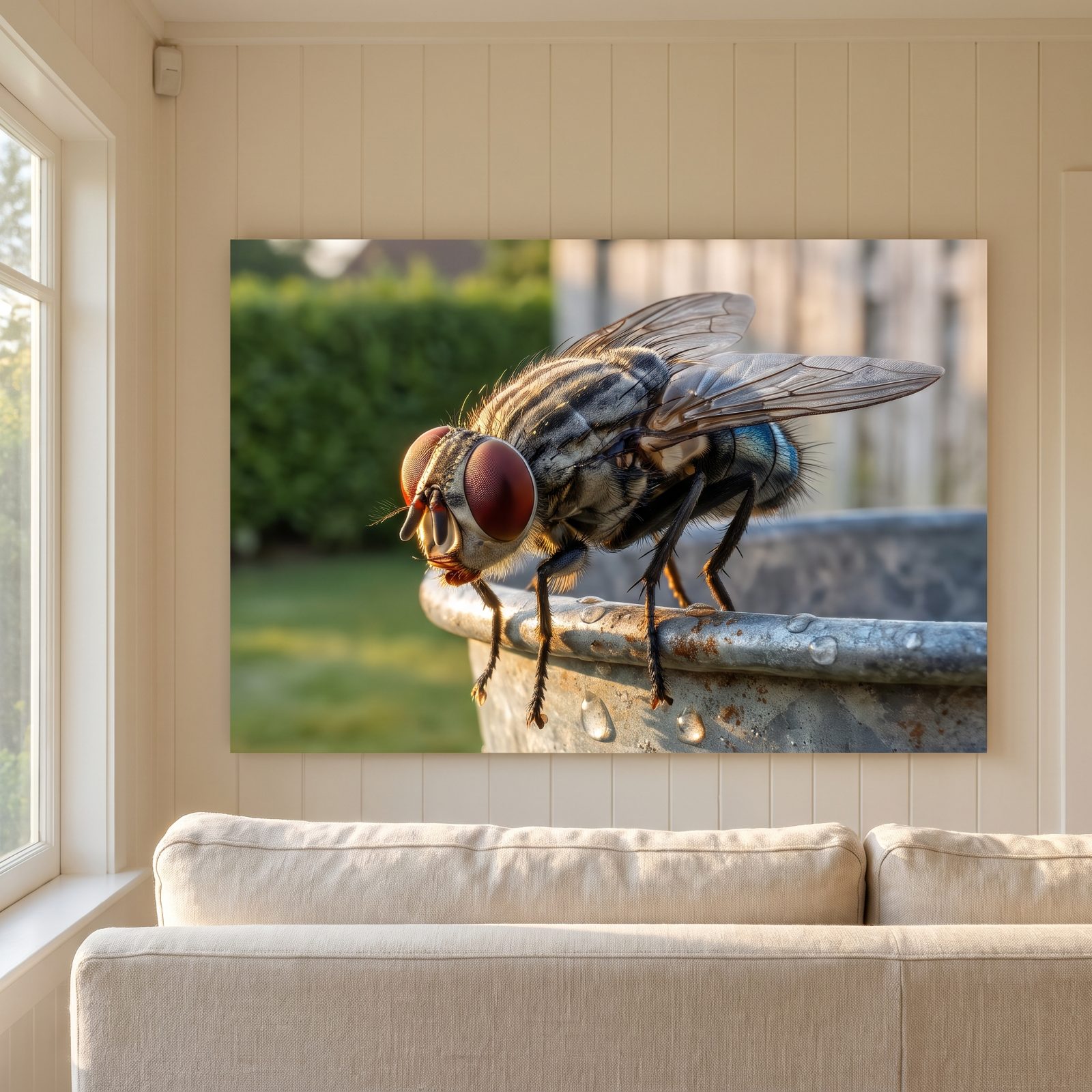
Somewhere along the way, “mayfly” and “housefly” got tangled in the public imagination, and the fly ended up saddled with a 24-hour death sentence it never earned.
An adult housefly usually lives around two to four weeks when it’s warm. Mayflies are the ones living fast and dying young — some adult species last less than a day because they don’t even have working mouthparts. Houseflies? The opposite. They eat constantly, breed relentlessly, and have all the time in the world to find your kitchen. That smear on the window wasn’t some creature running out the clock in a single afternoon.
27. Penguins Waddle on Beaches in Africa, Not Just Antarctic Ice
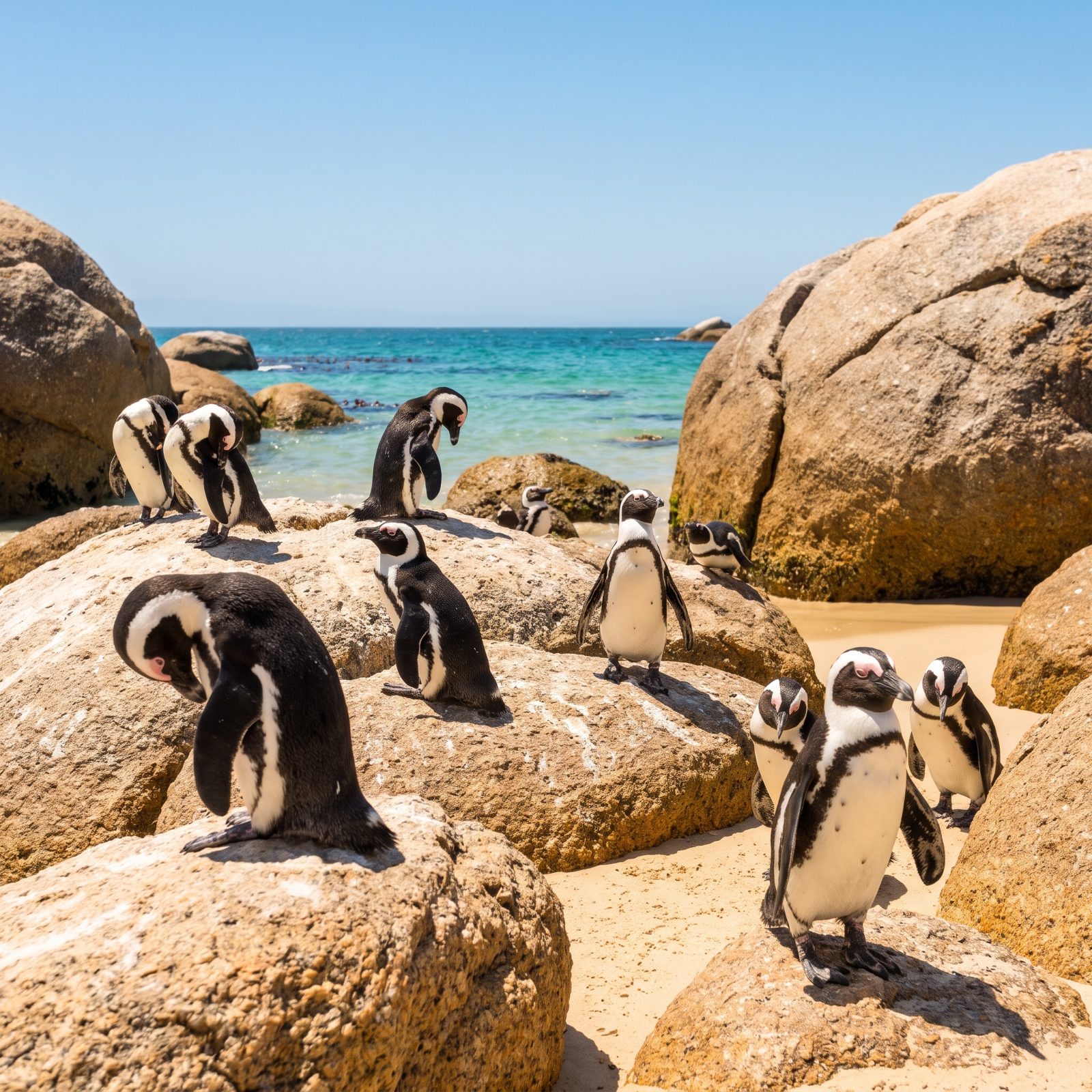
Penguins and snow go together in the picture books. Reality runs a lot warmer.
Of the eighteen or so penguin species, most live nowhere near Antarctica. African penguins bake on South African beaches, Galápagos penguins loaf at the equator, little penguins nest along Australian and New Zealand coasts, and Humboldt and Magellanic penguins patrol the South American shores.
What they actually share is the Southern Hemisphere. Not a single wild penguin lives naturally in the Arctic, or anywhere in the north. So if you want to watch one tolerate sand and sun, leave the parka at home.
26. Hummingbird Feet Grip, Scratch, and Shuffle Sideways
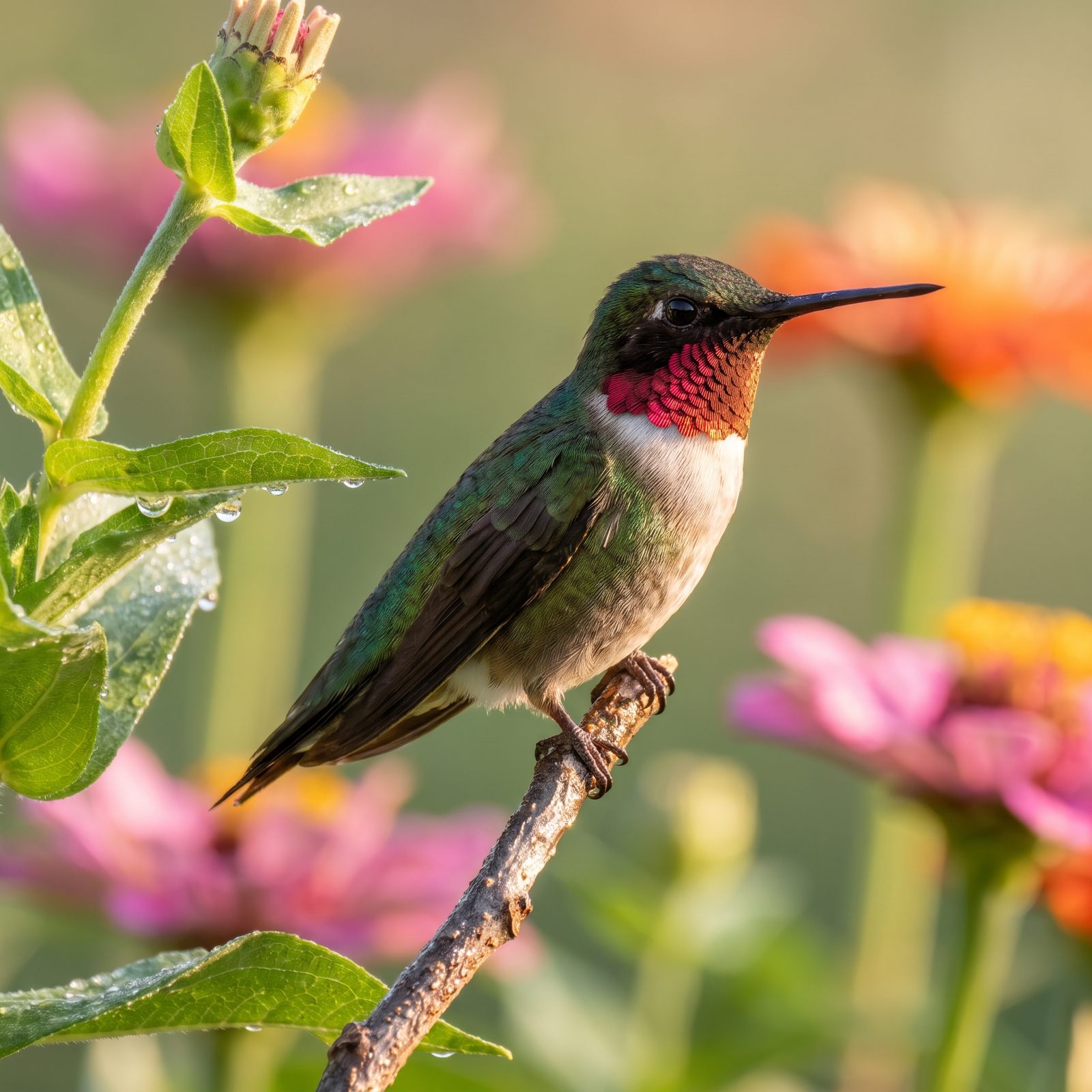
The old line claims hummingbird feet are useless, good only for sitting still. Here’s what happened: the feet are usually tucked out of sight in flight, and unseen got mistaken for useless.
No, a hummingbird can’t walk or hop across the ground the way a sparrow does. But those thick, scaly toes and hooked claws grip twigs with real strength, scratch an itchy head mid-perch, shuffle sideways along a branch, and even play a part in courtship. Their order name, Apodiformes, literally means “without feet” — a naturalist’s inside joke more than an honest anatomy report. The feet are there. They’re working. You just have to look closely to catch them at it.
25. A Woodpecker’s Skull Doesn’t Cushion the Blow, It Passes It Through
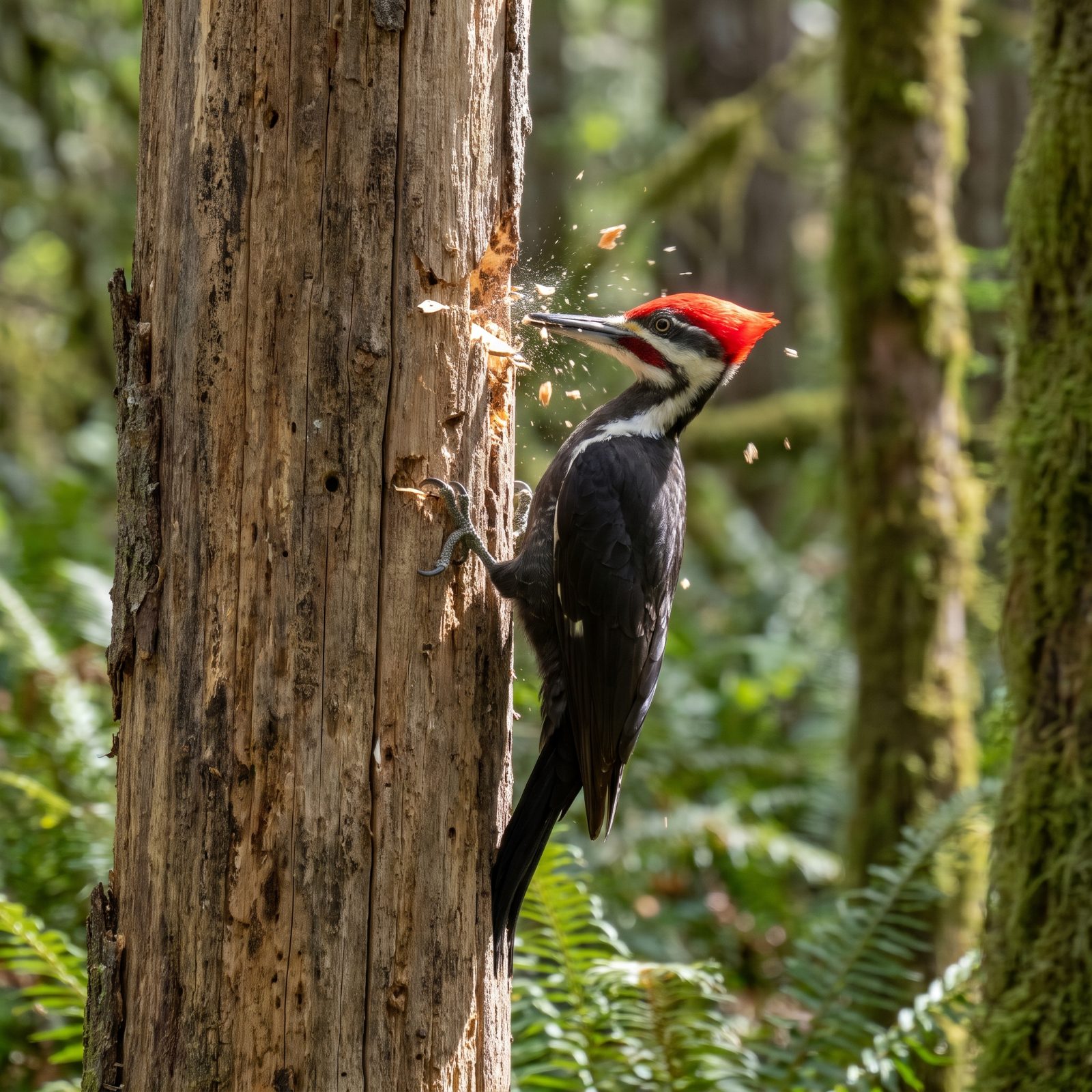
For decades the woodpecker was the poster child for natural shock absorption, the bird that supposedly cushioned every strike with a built-in helmet. High-speed cameras ruined that story.
Biomechanists filming woodpeckers found almost no cushioning at all. The skull behaves more like a stiff hammer, driving pecking force efficiently into the wood instead of soaking it up — and that’s the point, because absorbing the impact would waste energy and weaken the blow. So why do their brains survive? Size and physics. A brain that tiny, snugly packed, simply doesn’t experience the damaging pressure a human brain would at the same speed.
24. Owls Max Out Around 270 Degrees, Not a Full Spin
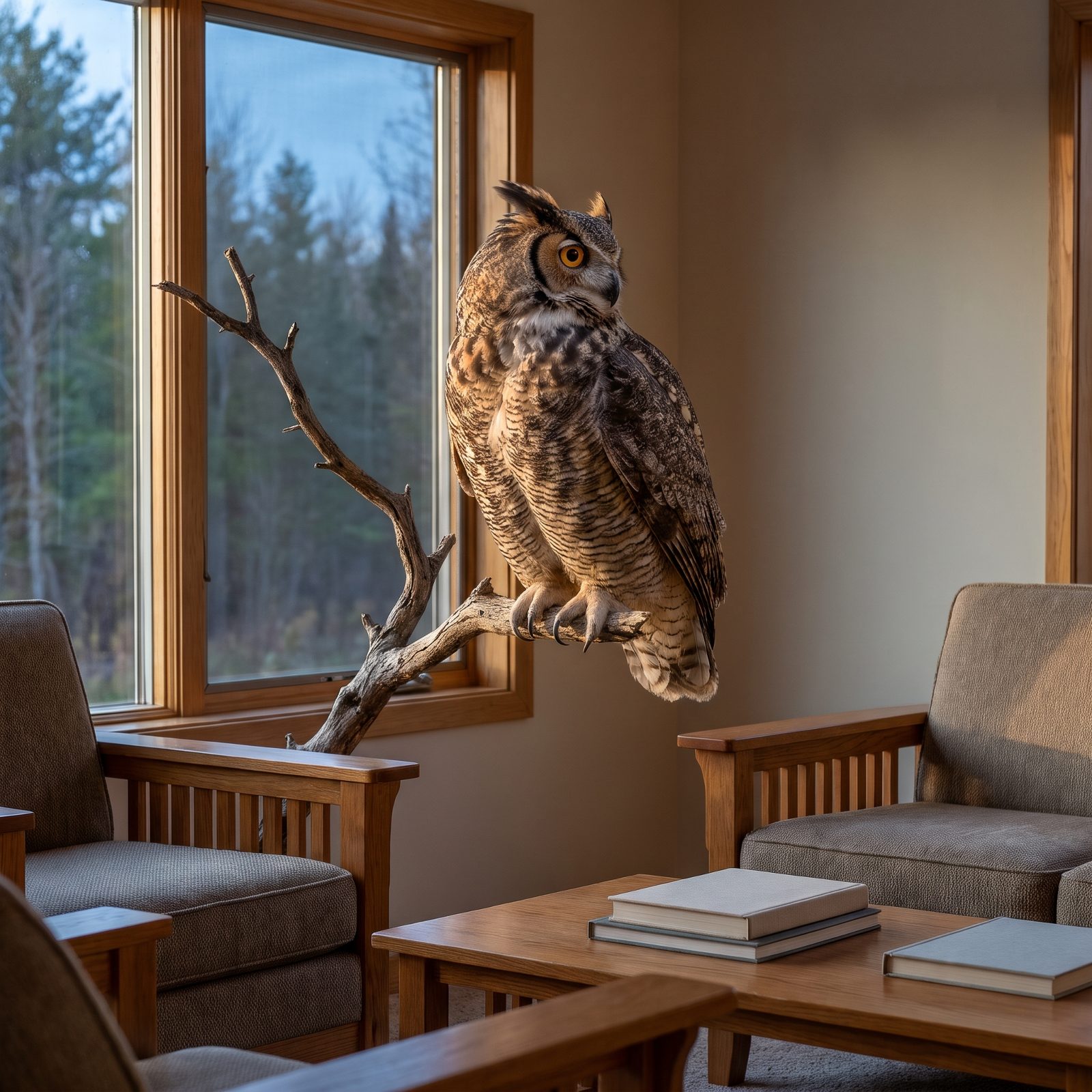
No owl exorcist-spins its head all the way around. The record is impressive but finite: roughly 270 degrees in each direction.
That still beats anything you could manage, and the owl genuinely needs the range. Its eyes are fixed tubes, locked in their sockets, so it can’t flick its gaze the way you can — rotating the whole head is the only way to look around. Anatomists have found the neck rigged with blood-vessel reservoirs and extra bony cushioning that keep the brain supplied even through those violent turns. A full rotation would be a party trick. Three-quarters is the real, remarkable number.
23. Dinosaurs Weren’t Slow, Cold-Blooded Lizards After All
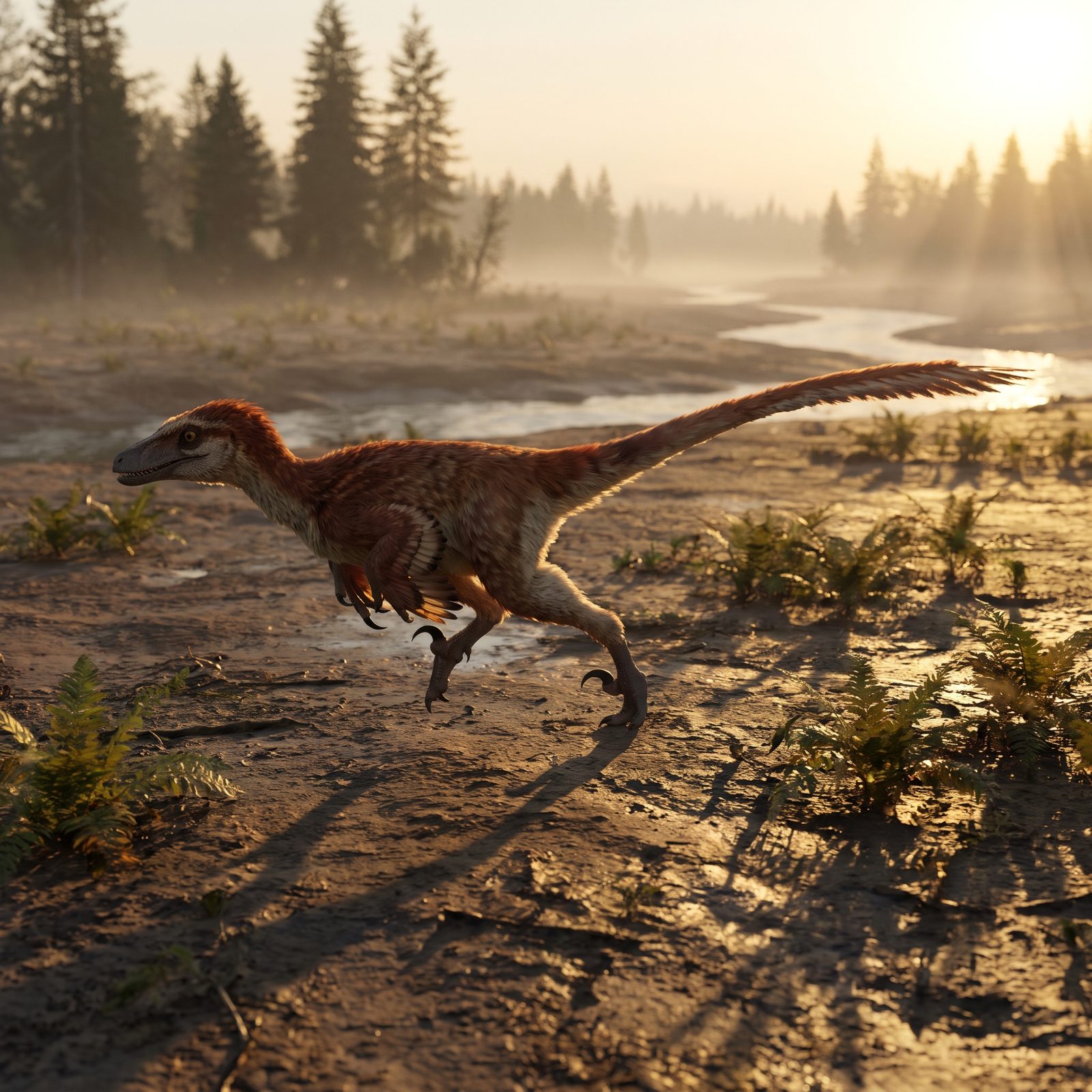
The classic image is a lumbering, swamp-bound reptile dragging itself through a hot Mesozoic afternoon. Growth rings, bone chemistry, and the discovery of insulating feathers blew that apart.
Many dinosaurs grew fast, moved fast, and ran metabolisms closer to a bird’s than a crocodile’s. And the group was wildly varied — some likely ran warm and active, others sat somewhere in the middle, a strategy researchers sometimes call mesothermy. Feathers on the small predators point squarely to body heat worth hanging onto. Over the years “dinosaur” became shorthand for obsolete and sluggish. The actual animals were anything but.
Birds didn’t descend from dinosaurs. Birds are dinosaurs, the one lineage that made it through.
22. T. Rex Walked Level, Tail Off the Ground
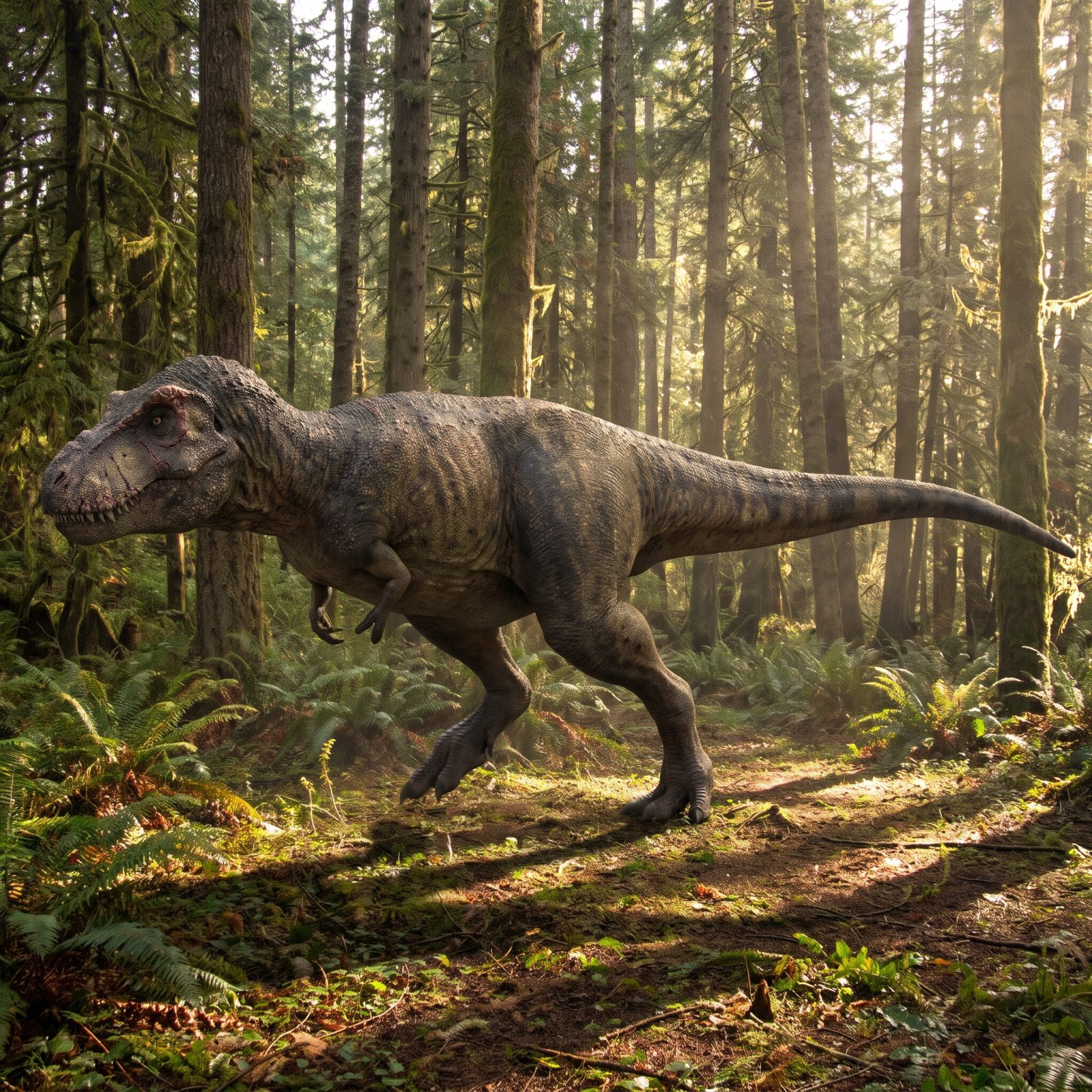
Every old museum mount had it wrong, and the wrong version stuck for generations.
The tripod pose — standing tall and upright with the tail scraping the dirt like a kangaroo — would have snapped a real T. rex’s spine. Once anatomists studied the vertebrae and the center of mass, a different picture emerged: the body balanced like a seesaw over the hips, head and torso pitched forward, tail held out stiff and nearly horizontal behind.
And the trackways back it up. No drag marks appear beside the thousands of theropod prints ever found. The tail rode in the air. Picture it level, and the running, the biting, the whole animal suddenly makes sense.
21. Brontosaurus Was Declared a Mistake, Then Brought Back
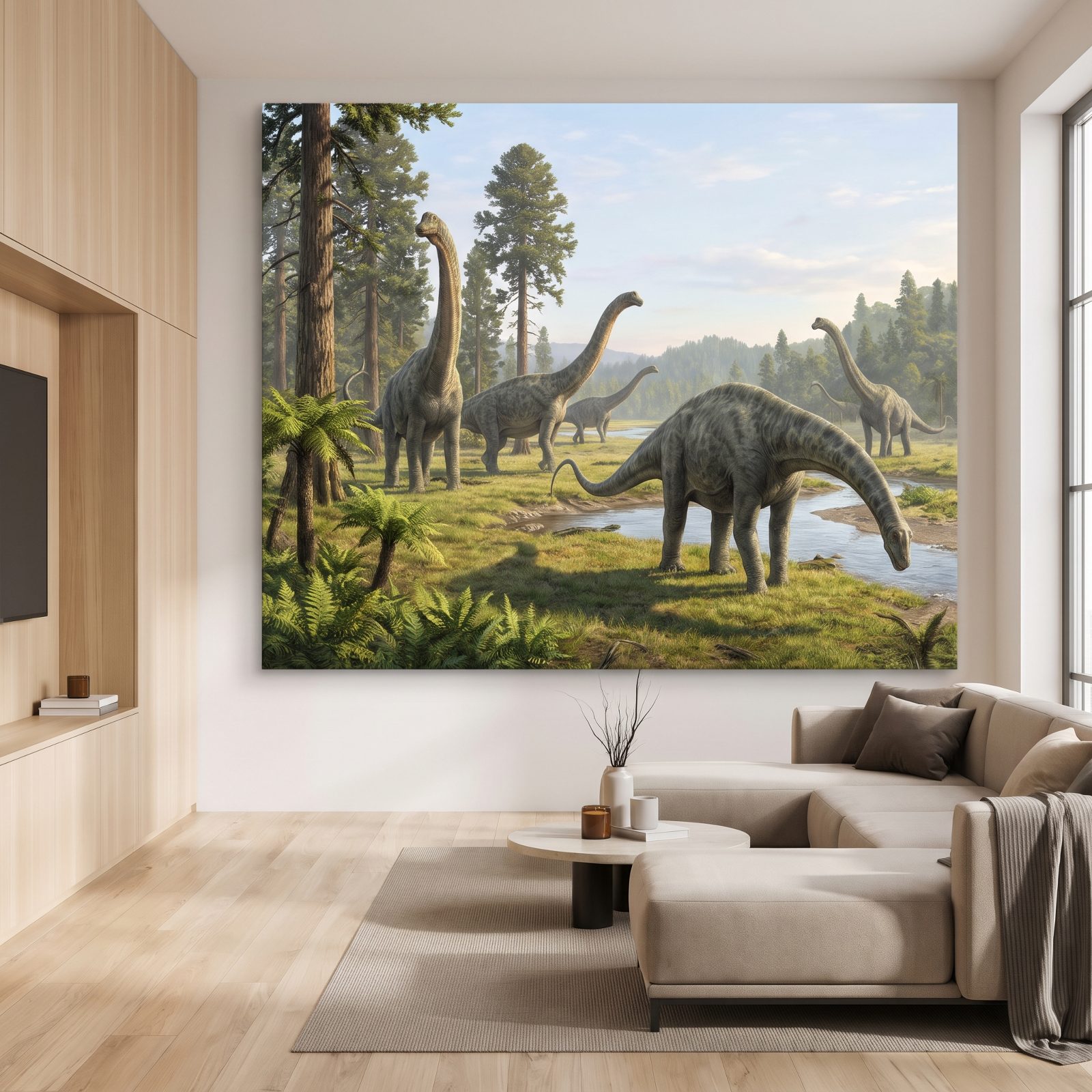
For over a century, schoolkids were told Brontosaurus was a goof — a skeleton assembled from the wrong head on the wrong body, with Apatosaurus as the proper name.
Then in 2015 a huge statistical study of sauropod bones reexamined the whole family. The researchers found Brontosaurus different enough from Apatosaurus — slimmer neck, distinct proportions — to stand as its own genus after all. And just like that, the “thunder lizard” that generations had written off as a clerical error strolled back into the textbooks. Science corrected the correction. That’s not weakness in the method. That’s the method doing exactly what it’s supposed to do.
20. Pterosaurs Flew, But They Weren’t Dinosaurs
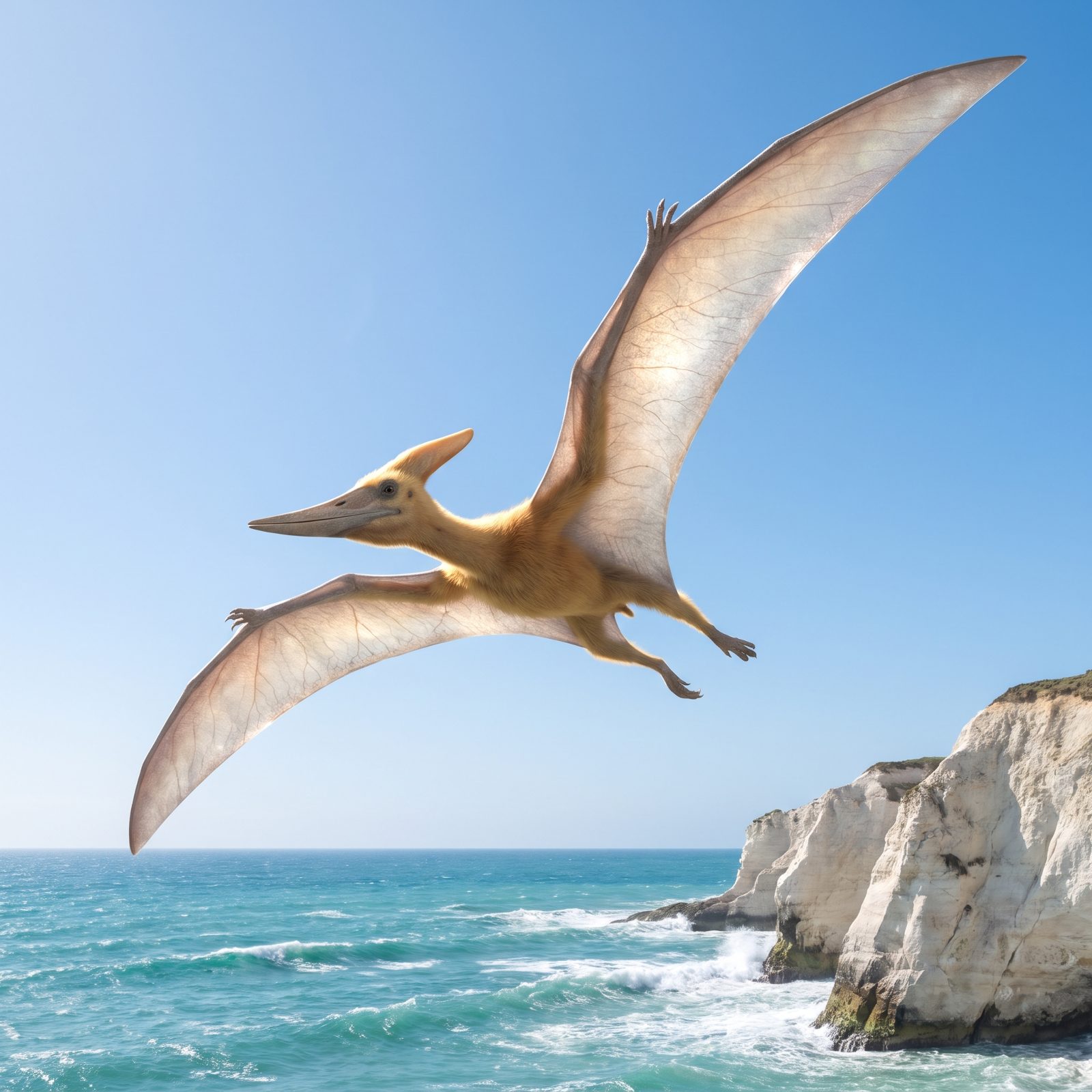
They ruled the Mesozoic skies, so everyone filed them under “flying dinosaurs.” Wrong branch of the family tree entirely.
Pterosaurs were archosaurs, cousins to the dinosaurs but a separate lineage that split off and evolved flight on its own terms. The giveaway hides in the wing. A bird or a bat spreads its wing across several digits; a pterosaur stretched its membrane along one monstrously elongated fourth finger. These weren’t feathered dinosaurs gliding overhead — they were their own experiment in getting airborne, and the biggest of them spread wings as wide as a small plane.
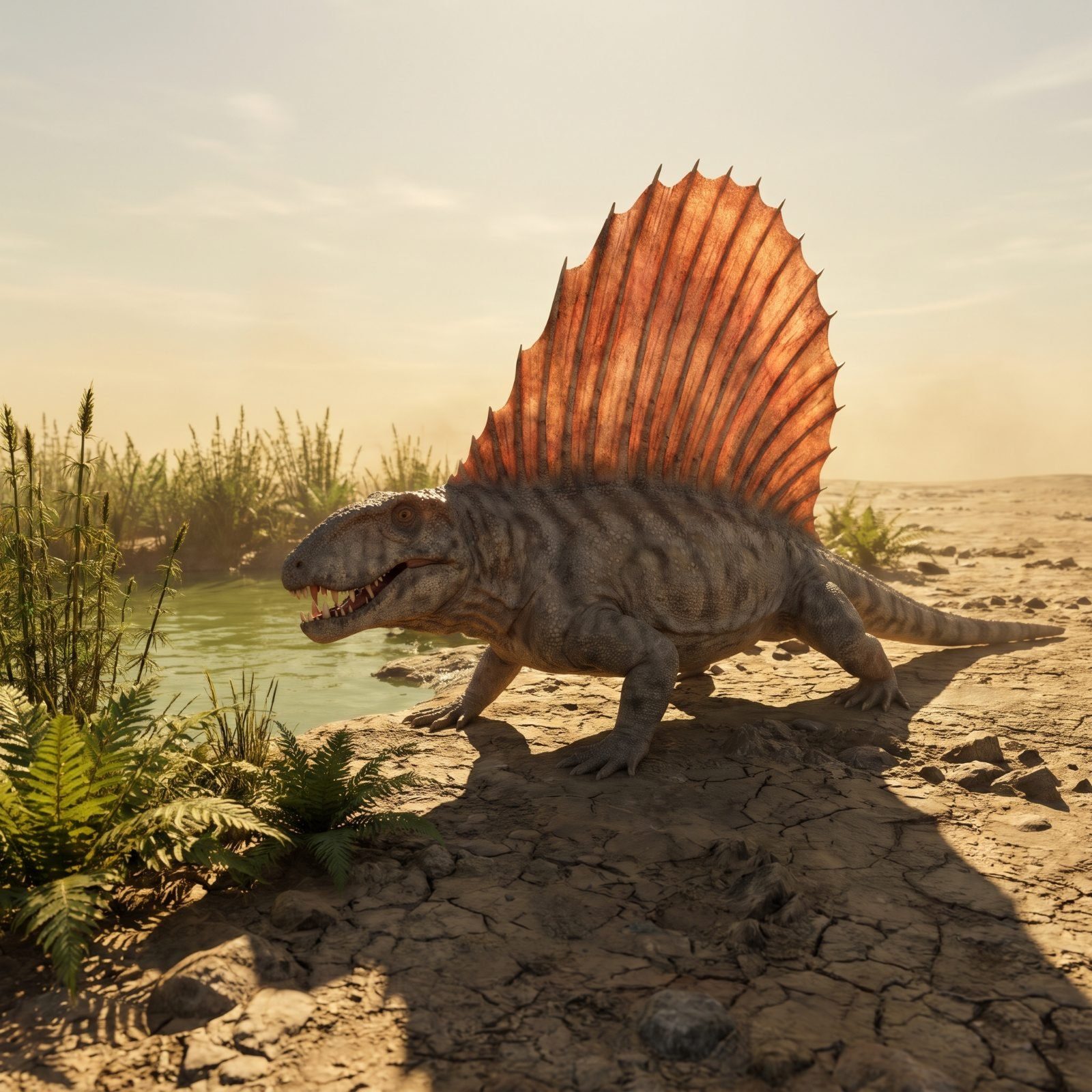
19. Dimetrodon Was a Dinosaur, Actually It Was Closer to You Than to T. Rex
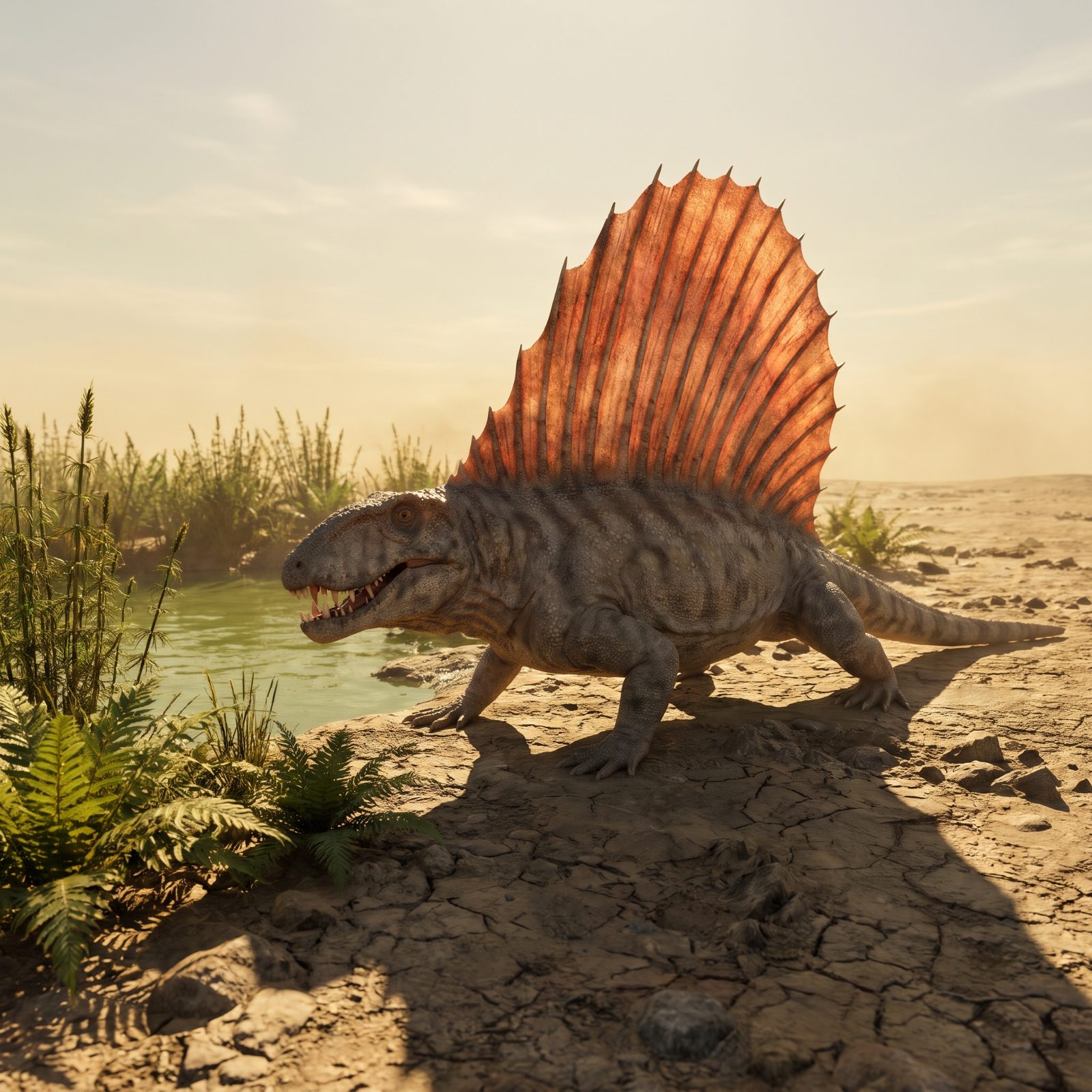
Dimetrodon died out before the first dinosaur ever walked. The gap between Dimetrodon and T. rex is wider than the gap between T. rex and us. Yet it ended up in every dinosaur toy bucket because of that sail.
Here’s the twist. Dimetrodon is a synapsid, part of the lineage that eventually produced mammals, and it carried a single opening behind each eye socket — a mammal trait. True dinosaurs had two. On the family tree, that strange sailed hunter sits on your branch, not the reptile branch.
18. The Platypus Is a Living Fossil ‘Missing Link’, It’s Nothing of the Sort
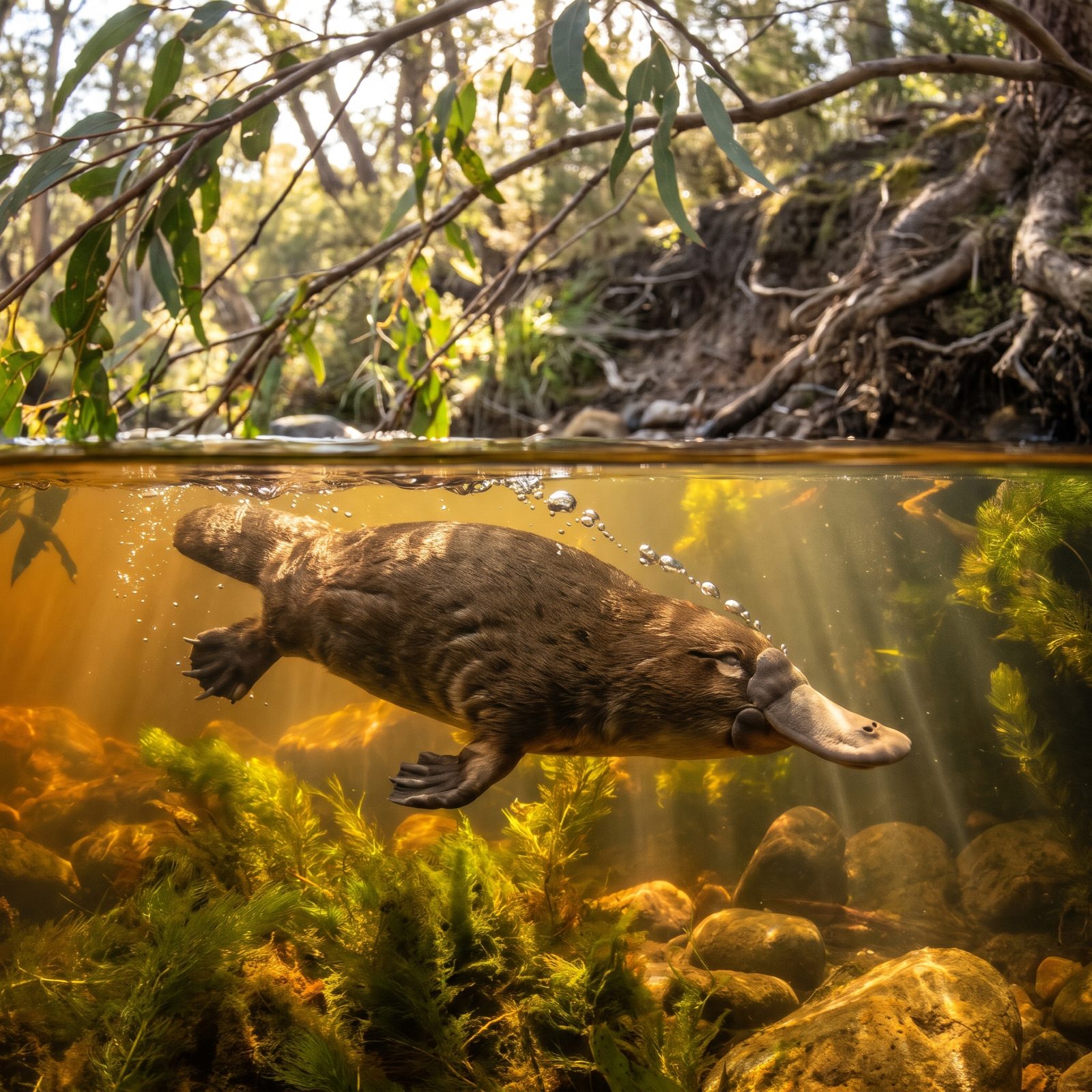
Call it a missing link and a biologist will quietly sigh. The platypus isn’t a sloppy halfway house between reptile and mammal. It’s a modern animal that has spent a hundred million years getting very, very good at being exactly what it is.
Sure, it lays eggs and makes milk. But its electroreceptive bill hunts the faint electrical signals of prey in muddy water with the eyes shut, a precision instrument found in almost nothing else alive. That bill isn’t leftover plumbing. It’s one of the most specialized sensory tools in the animal world.
17. Cows Have Four Stomachs, Count Again, It’s One Stomach With Four Rooms
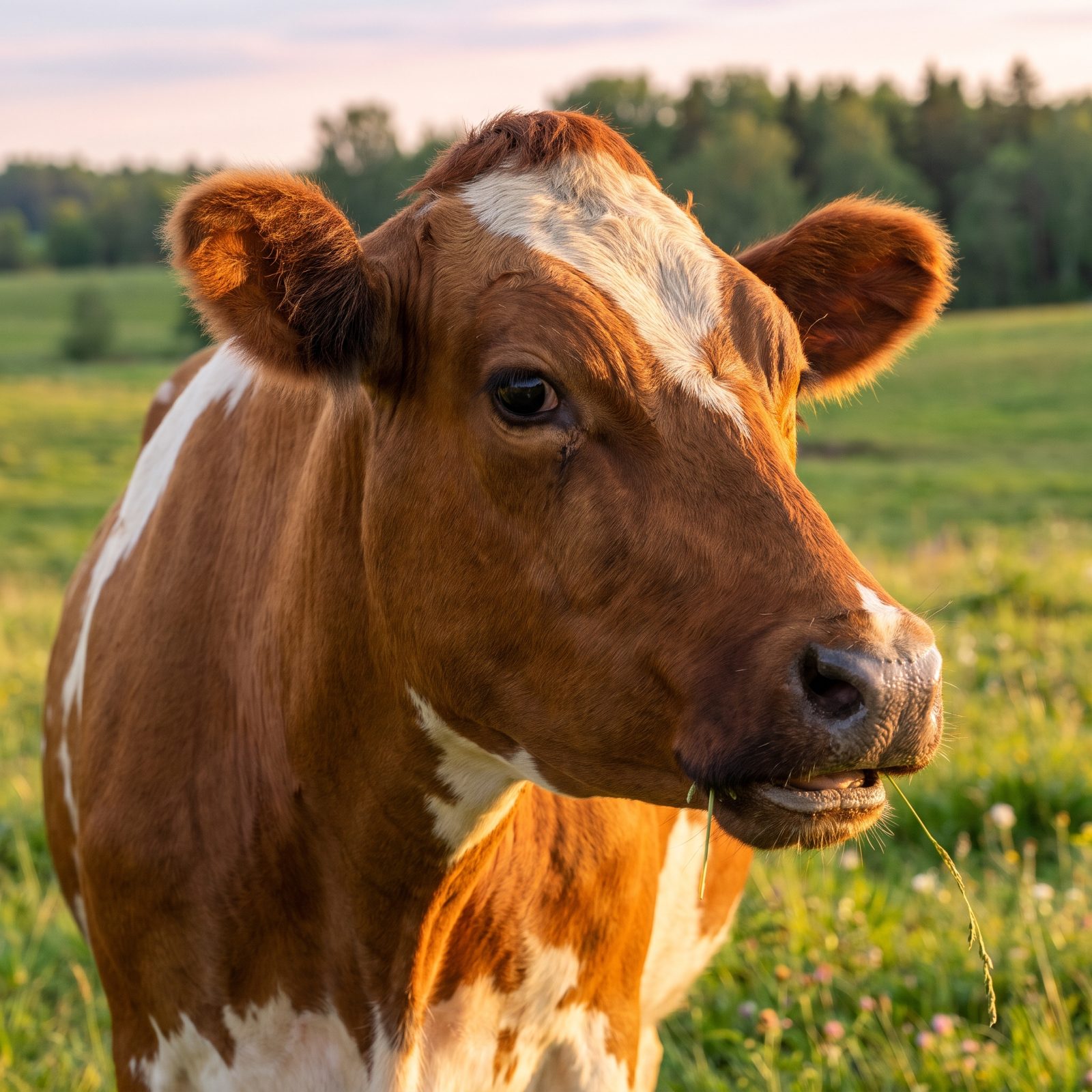
The four-stomach line feels true because it’s so weirdly specific. It’s also wrong in a way anatomy makes obvious.
A cow has one stomach split into four chambers: rumen, reticulum, omasum, abomasum. Only the last one does the acid-and-enzyme digestion your own stomach does. The other three are a fermentation vat where microbes break down grass the cow can’t tackle alone. Food comes back up, gets chewed again, goes back down. That’s cud — one organ, four jobs, no spares.
16. Dogs See Only in Black and White, Their World Is Blue, Yellow, and Dull in Between

Dogs aren’t watching life on a black-and-white TV. That myth lingered for decades, mostly because it sounded plausible and nobody could ask a dog.
Retinal studies tell a different story. Dogs have two types of color-sensing cones instead of your three, which makes them red-green colorblind, like some people. Blues and yellows read cleanly; reds and greens blur toward muddy gray-brown. So that bright red toy you threw into the grass? To your dog, it practically vanishes. Throw a blue or yellow one and watch the difference.
Debunking the black-and-white myth, a veterinary ophthalmologist says “All the evidence we have is consistent with dogs having color vision that is similar to people that are red-green colorblind”
15. Horses Sleep Standing Up, True, But They Still Have to Lie Down to Truly Rest
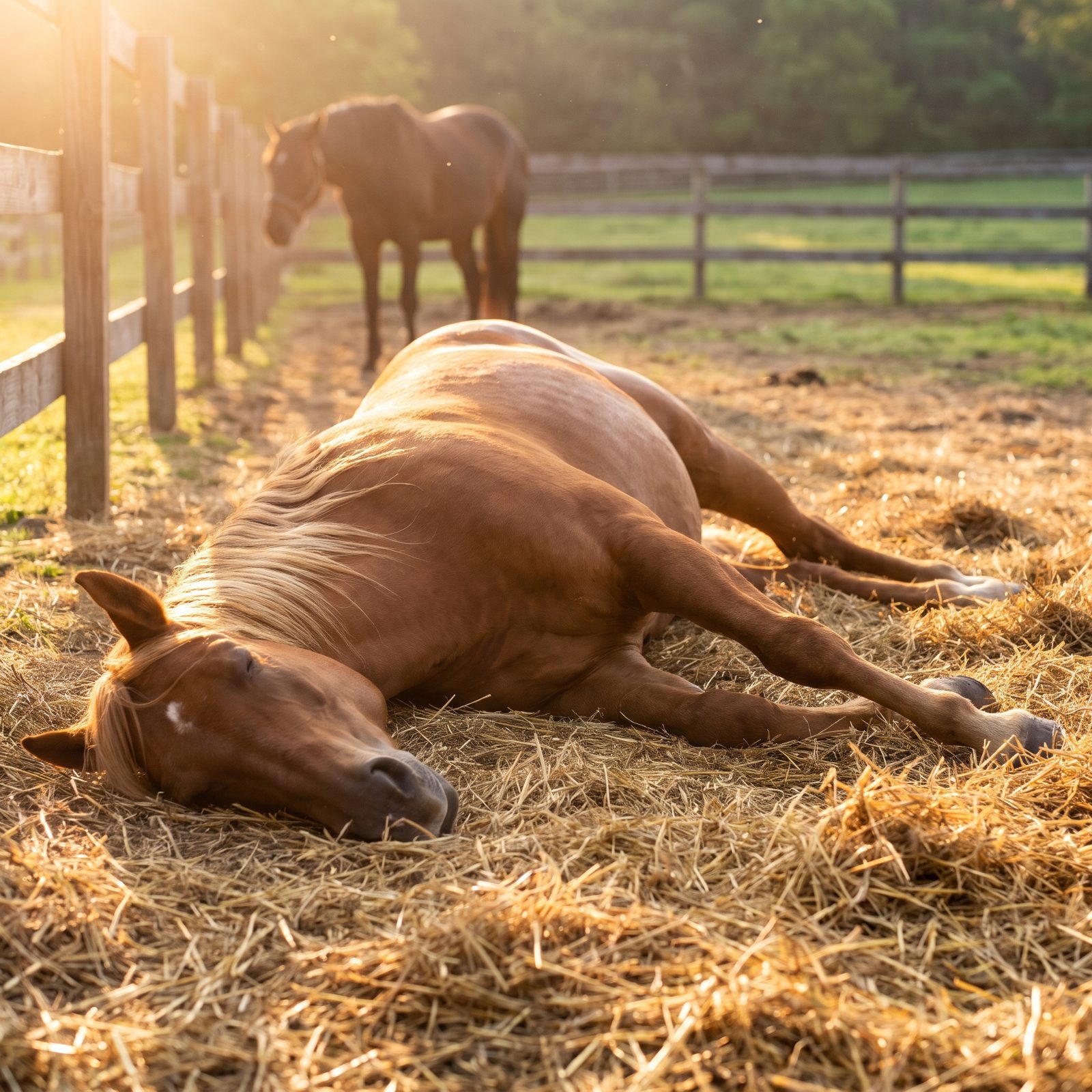
Horses can doze on their feet, locking their legs with a clever ligament arrangement called the stay apparatus so they don’t topple over while half-awake. That part’s real. The problem is what people tack onto it.
Standing sleep is light sleep. To reach proper REM — the deep, muscle-slack stage — a horse has to lie down fully, and if one in a herd never gets a safe chance to flop out, it becomes sleep-deprived and starts collapsing from exhaustion. So when you see a horse stretched flat in the sun, it isn’t sick or dead. It’s finally getting the rest standing could never give it.
Explaining why standing dozes aren’t enough, an equine sleep veterinarian says “So for REM sleep, the horse needs to be either lying chest-down or on his side”
14. Raccoons Wash Their Food Because They’re Tidy, The Water Is Actually Doing Something Else
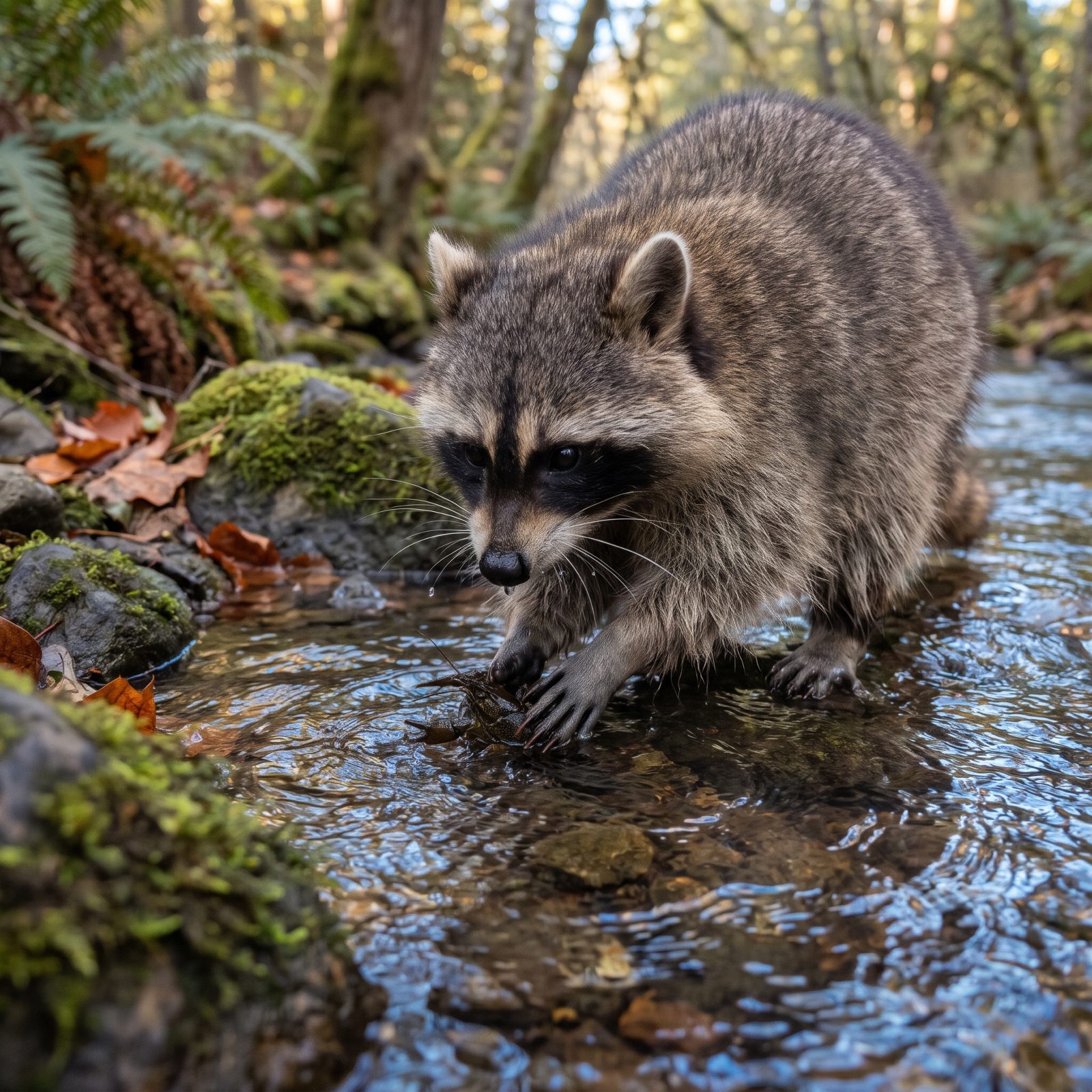
Raccoons aren’t germaphobes. The hand-dunking that looks like washing is about touch, not cleanliness.
Their forepaws are packed with sensory nerve endings, and wetting them seems to sharpen that sense dramatically. Soaked paws send richer information to the brain, which is why captive raccoons will dunk food that was already clean, and even dunk objects that aren’t food at all. A creature feeling the world through its fingertips, cranked to maximum. The German name for them translates roughly to wash-bear — which tells you how long humans misread the behavior.
13. Sloths Snooze 20 Hours a Day, In the Wild They Barely Crack 10
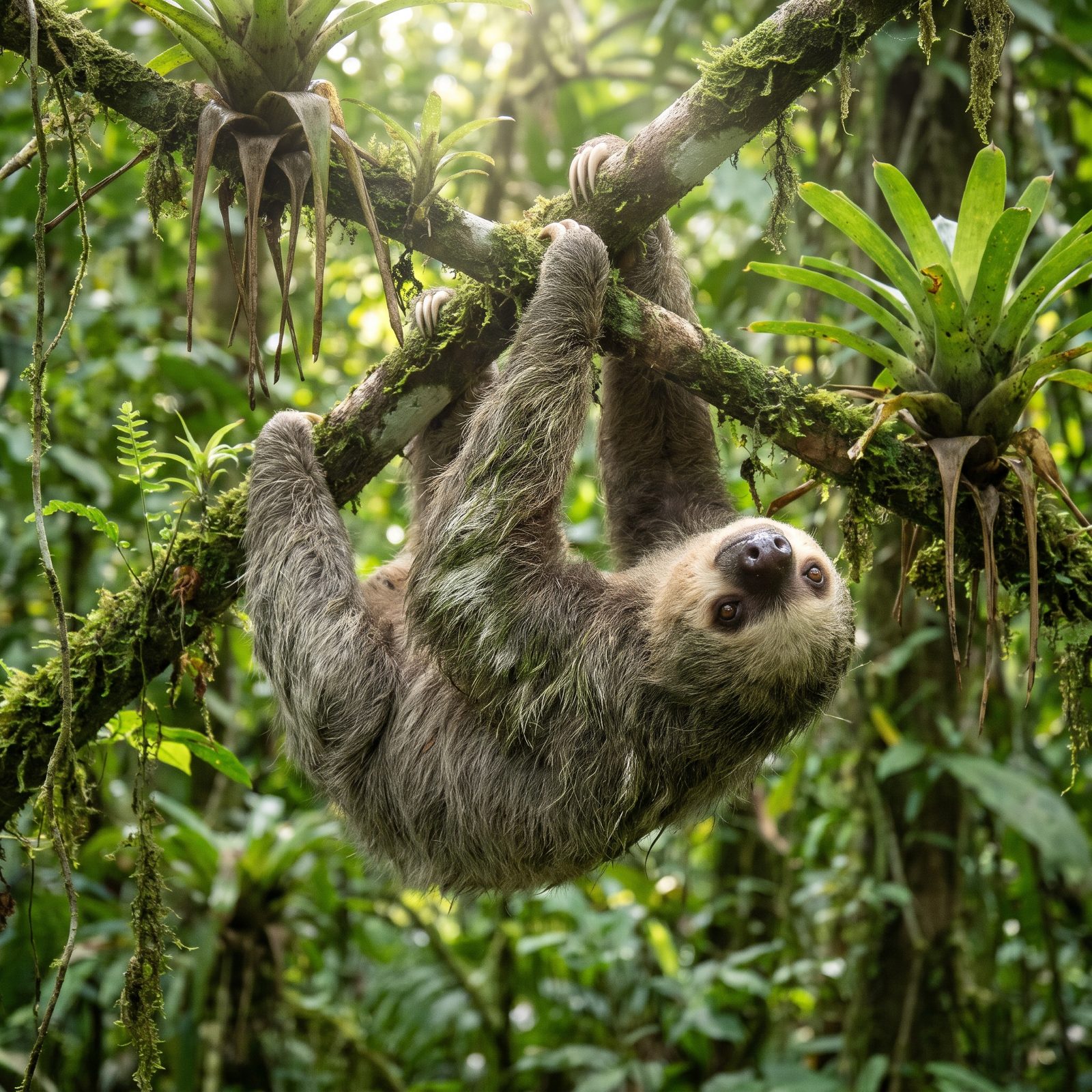
The twenty-hour sloth is a zoo sloth. That number came from captive animals with no predators, no foraging pressure, and nothing much to do.
When researchers fitted wild three-toed sloths with tiny brain-activity recorders and tracked them in the canopy, the real figure came in far lower — closer to a normal human night. Out in the forest, a sloth has to find leaves, dodge harpy eagles, and manage its body heat. Slow, yes. Lazy, no. The famously sleepy animal turns out to be no sleepier than you after a decent night.
12. Zebra Stripes Hide Them From Lions, The Better Evidence Points at Flies
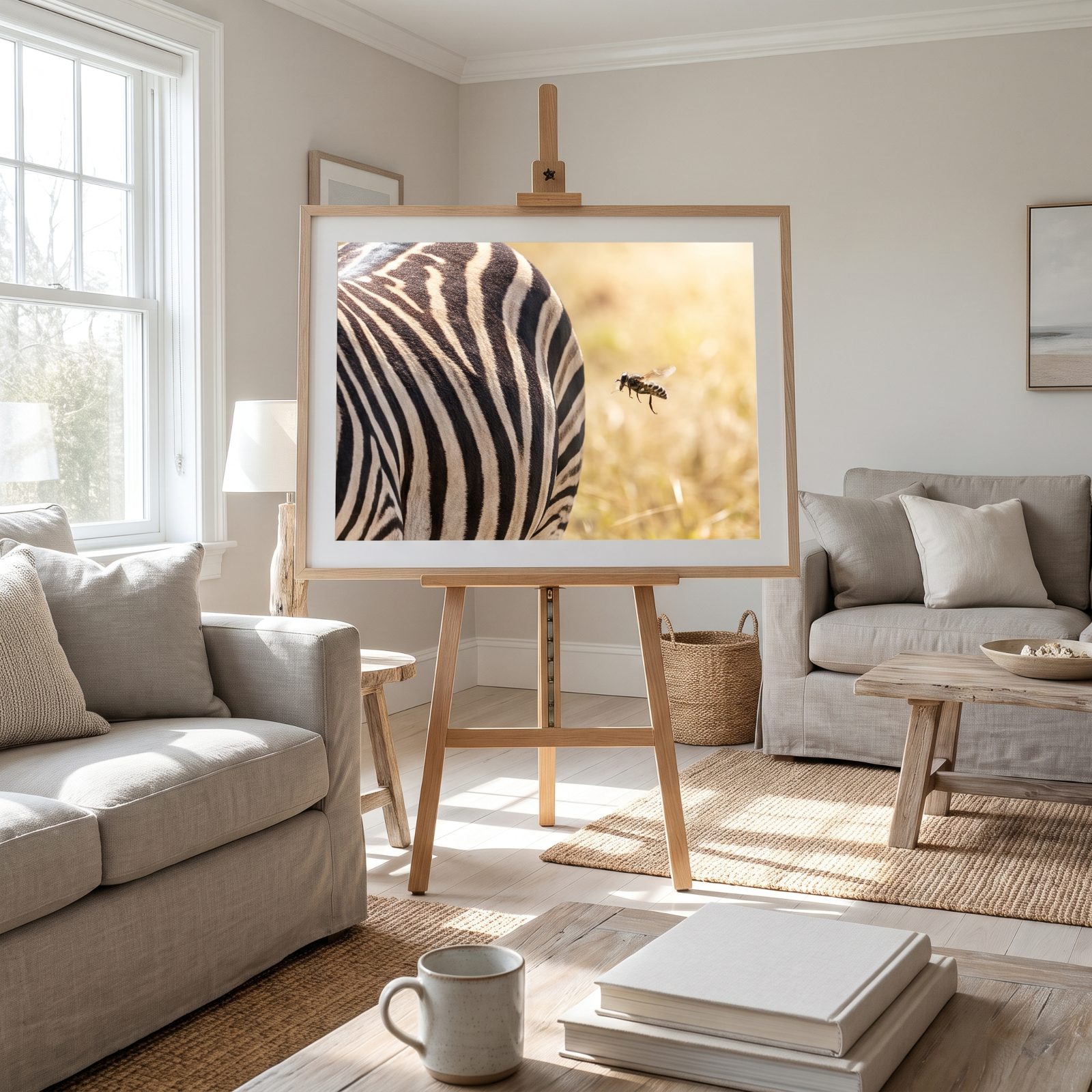
Camouflage never made much sense for a zebra. Lions are largely colorblind and hunt partly by smell and sound, and a herd of high-contrast stripes on open grassland is hardly hiding.
Then field experiments changed the conversation. When horses were dressed in striped coats, biting flies struggled to land, aborting their approaches and veering off at the last second. The stripes seem to scramble how the insects judge a surface as they come in to bite. And in Africa, those flies carry nasty diseases, so dodging them matters a great deal.
The stripes may be less about fooling a predator’s eyes and more about confusing an insect’s landing gear.
Describing how horseflies behaved around zebras on a British horse farm, a wildlife biology professor said “Once they get close to the zebras, however, they tend to fly past or bump into them”
11. Chimpanzees Are Gentle Vegetarians, They Hunt, Coordinate, and Eat Meat
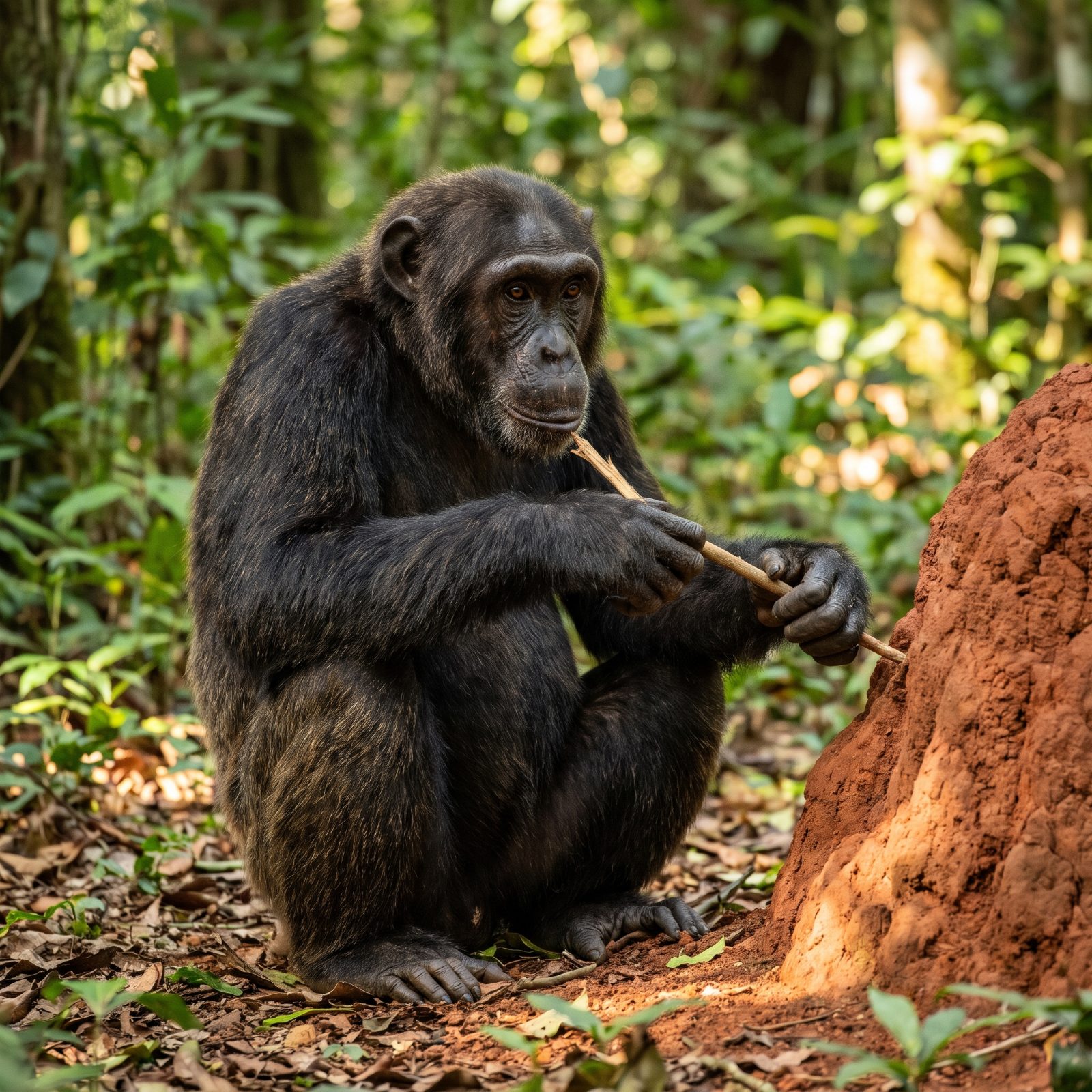
For a long time chimps were painted as peaceful fruit-eaters. Then Jane Goodall watched them do something that rewrote the textbook.
Chimpanzees hunt. Groups coordinate to chase down colobus monkeys, young bushpigs, and small antelope, then share the kill along social lines. They also make tools, stripping twigs to fish termites out of mounds. Meat is a real, if occasional, part of their diet. The gentle-herbivore image survived because early observers didn’t watch long enough — and because we badly wanted our closest relatives to be nicer than they are.
10. Orangutans Are Total Loners, Turns Out They Keep a Social Network

Of all the great apes, orangutans got filed under hermit. Long-term tracking in Borneo and Sumatra complicated that label.
They’re less gregarious than chimps, true. But adults recognize their neighbors, tolerate overlapping ranges, gather at big fruiting trees, and sometimes travel and feed in loose company. Mothers and offspring stay together for years, among the longest childhoods anywhere in the animal kingdom. What looked like isolation turns out to be a spread-out, flexible social web, shaped by a forest where food grows scattered and thin. Being alone a lot isn’t the same as being a loner.
9. Lionesses Do All the Hunting? Male Lions Hunt Too, Especially in Thick Cover
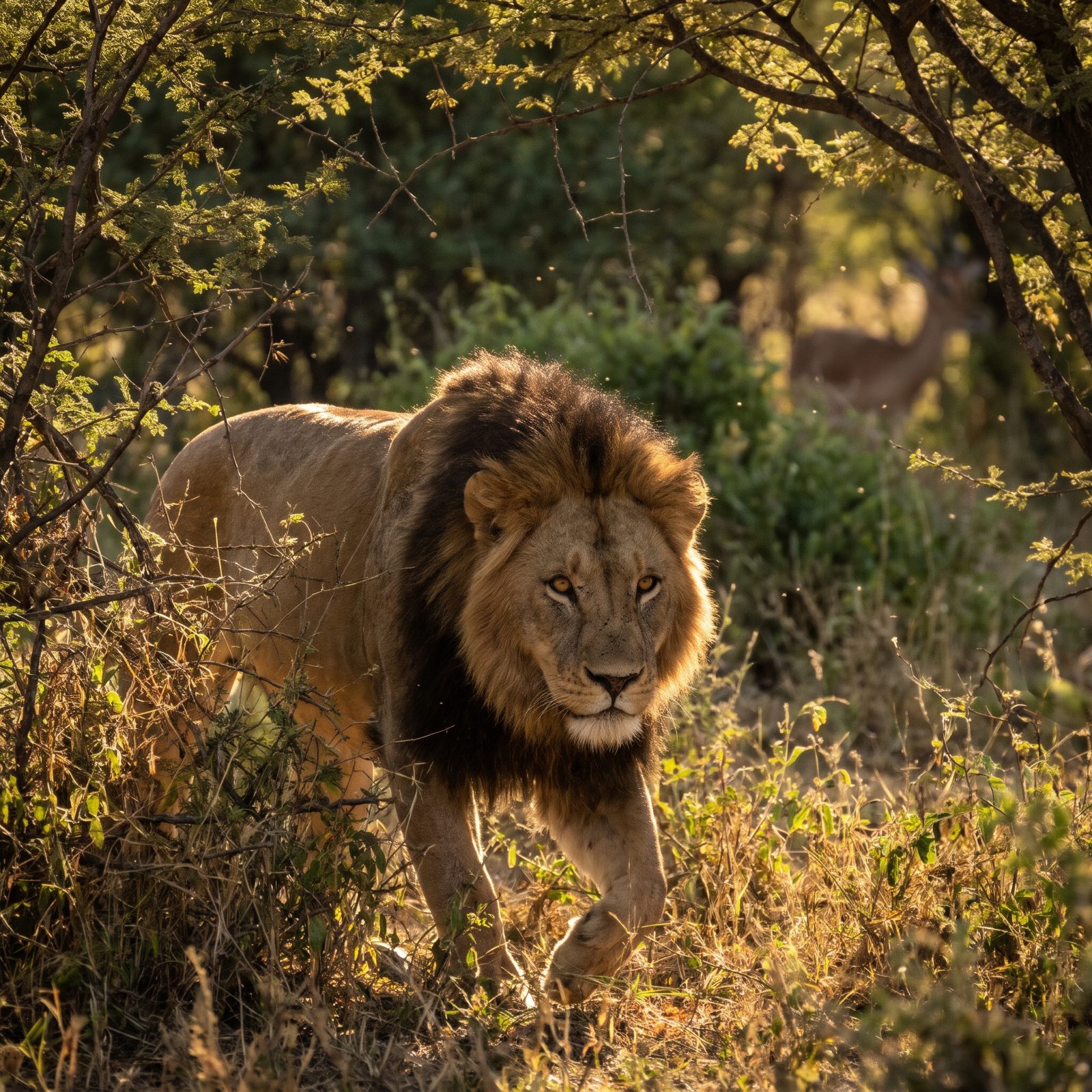
You learned it as gospel: females hunt, males lounge and eat. The classic open-savanna footage backs it up, but that footage got filmed where filming was easy.
Move into dense bush, riverine thickets, the tangled margins of the Okavango, and the story changes. GPS collar studies there show males doing plenty of their own killing. Thick cover lets a solitary male stalk close before the final rush, and his size handles bigger prey like buffalo. So the lazy-male version of lion hunting was partly just an accident of what researchers could actually see.
8. Vultures Spread Disease? Their Guts Are a Pathogen Furnace
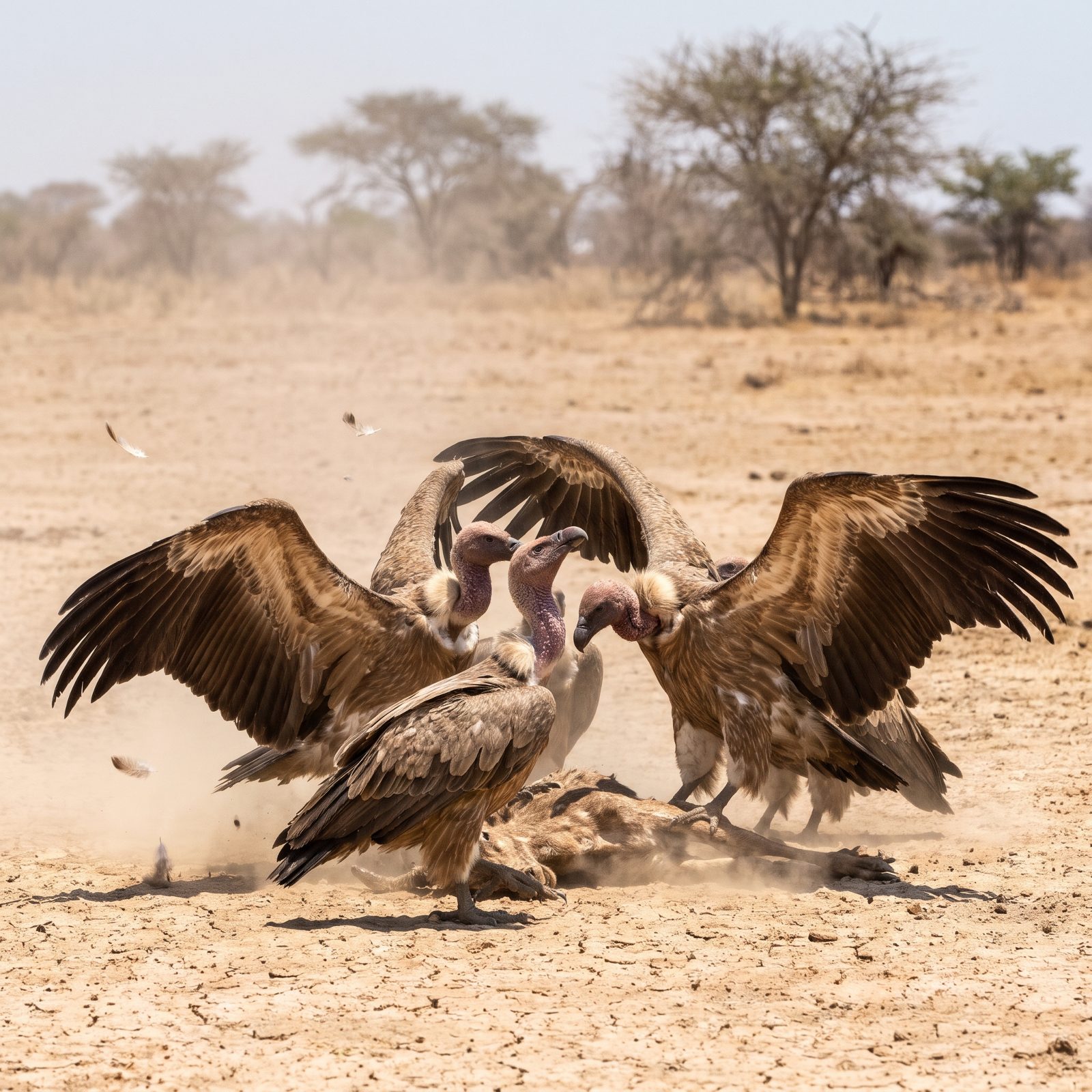
Vultures eat rot that would kill almost anything else, and the old assumption was that they must carry all of it right back out into the world.
The opposite is closer to true. Their stomach acid is ferocious — strong enough to neutralize anthrax, cholera, and the botulinum toxin that would floor other animals. Strip a carcass fast and a flock removes rotting meat before it turns into a disease factory. When vulture populations crashed in India after diclofenac poisoning, feral dog and rat numbers rose, and so did rabies exposure. These birds are nature’s cleanup crew, and we noticed only once they vanished.
7. The Dodo Was Too Dumb to Survive? It Was Just Unarmed for the Wrong War
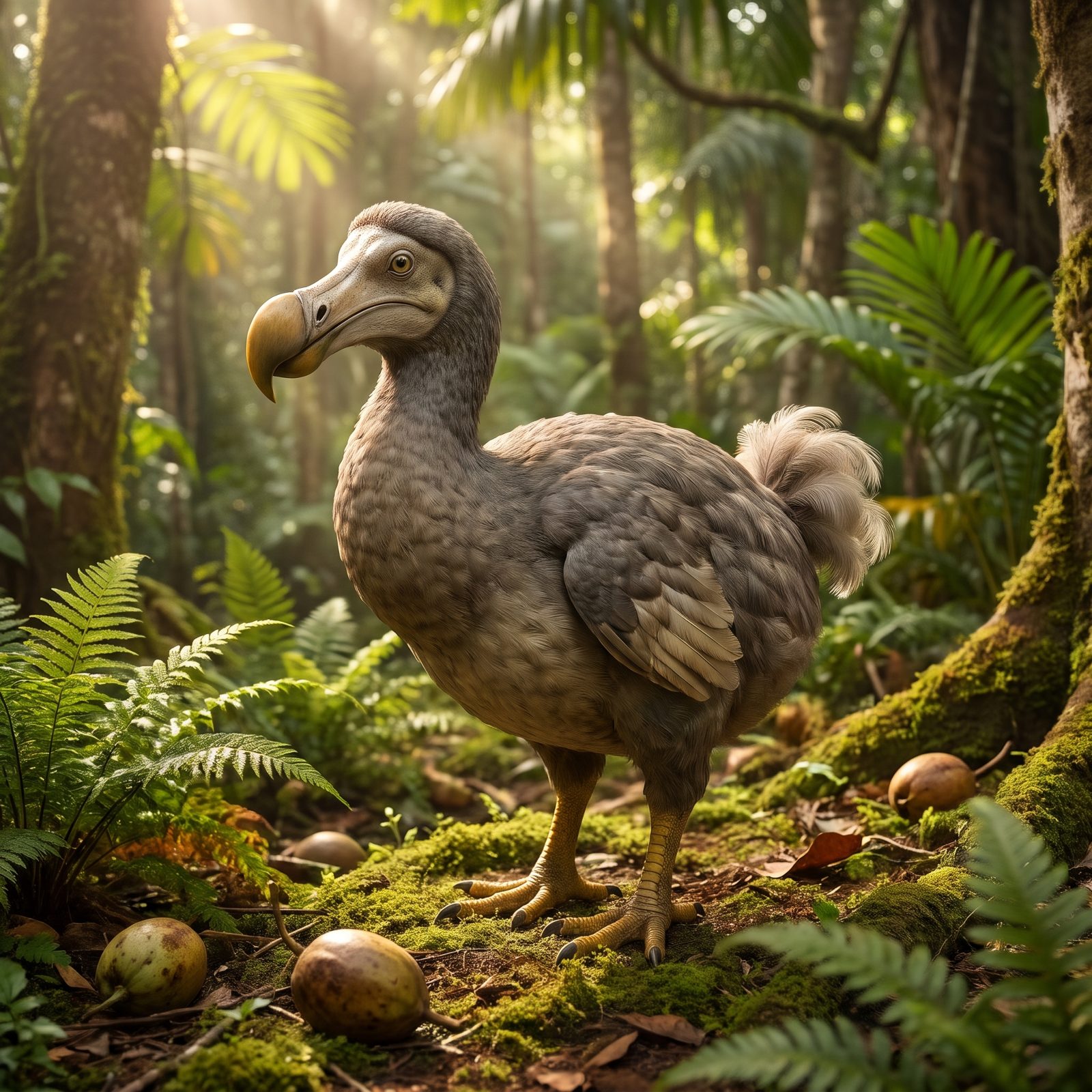
Call someone a dodo and you mean an idiot. The bird earned that slander by walking right up to the sailors who clubbed it.
That wasn’t stupidity — it was evolution. The dodo spent millions of years on Mauritius with no ground predators, so fear of large approaching animals never got built in. When Dutch ships arrived around 1600, they brought pigs, rats, monkeys, and dogs that ate its eggs and chicks right off the ground. The bird was gone within roughly eighty years, not because it couldn’t think, but because it had no defense against a threat it had never met.
6. Bumblebees Break the Laws of Physics? The Math Was Just Wrong
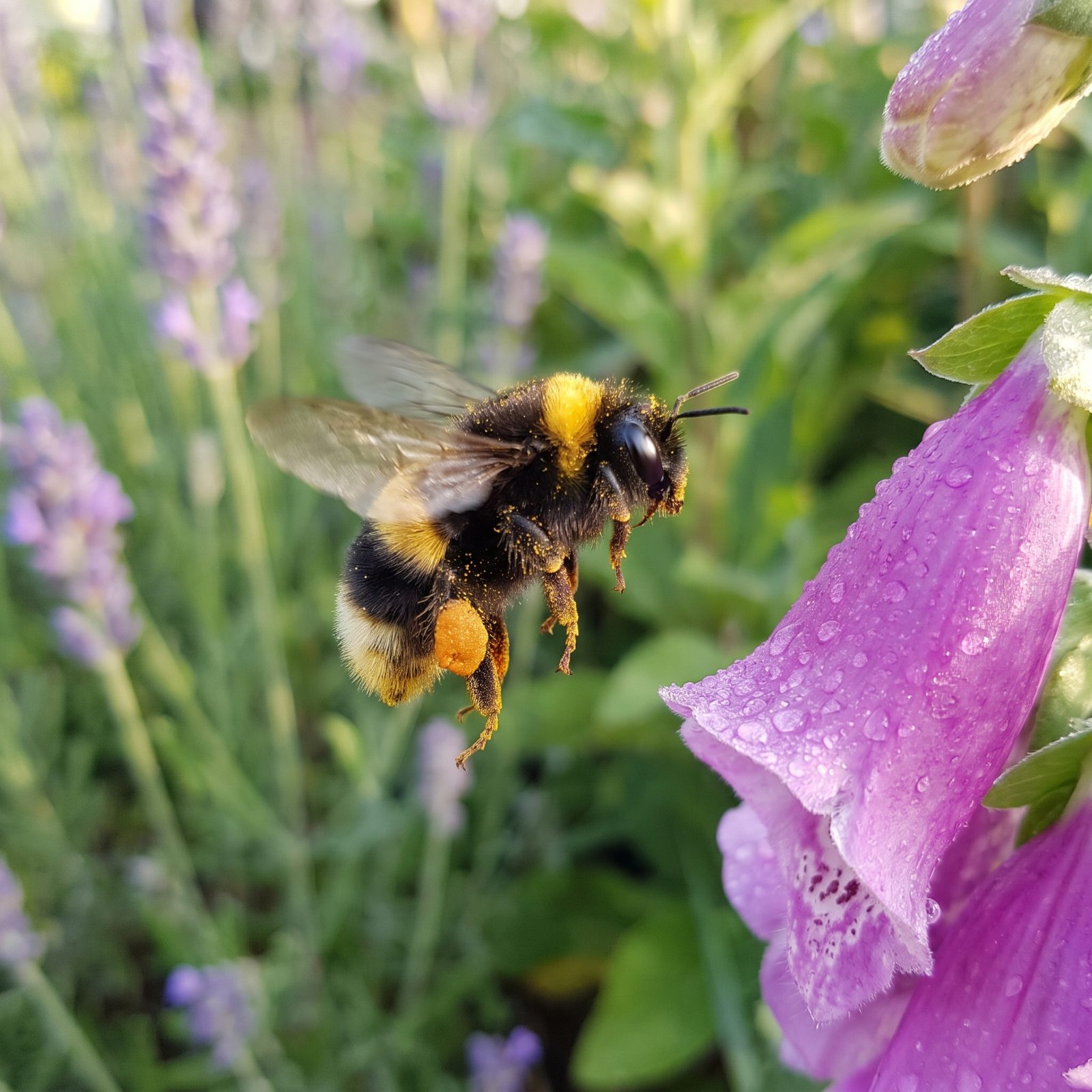
The claim shows up on inspirational posters: science says bumblebees can’t fly, but they don’t know that, so they do anyway.
It traces to a 1930s back-of-the-napkin calculation that treated the bee’s wing like a rigid airplane wing. On those terms, sure, it fails. But a bee wing isn’t rigid, and it doesn’t flap straight up and down — it sweeps and rotates, flipping over at the end of each stroke to spin up little vortices of low pressure that haul the insect skyward. High-speed cameras and tiny robotic wings in oil tanks pinned the physics down years ago. The bee was never cheating. Our equation was.
5. Termites Are White Ants? They’re Closer to Cockroaches
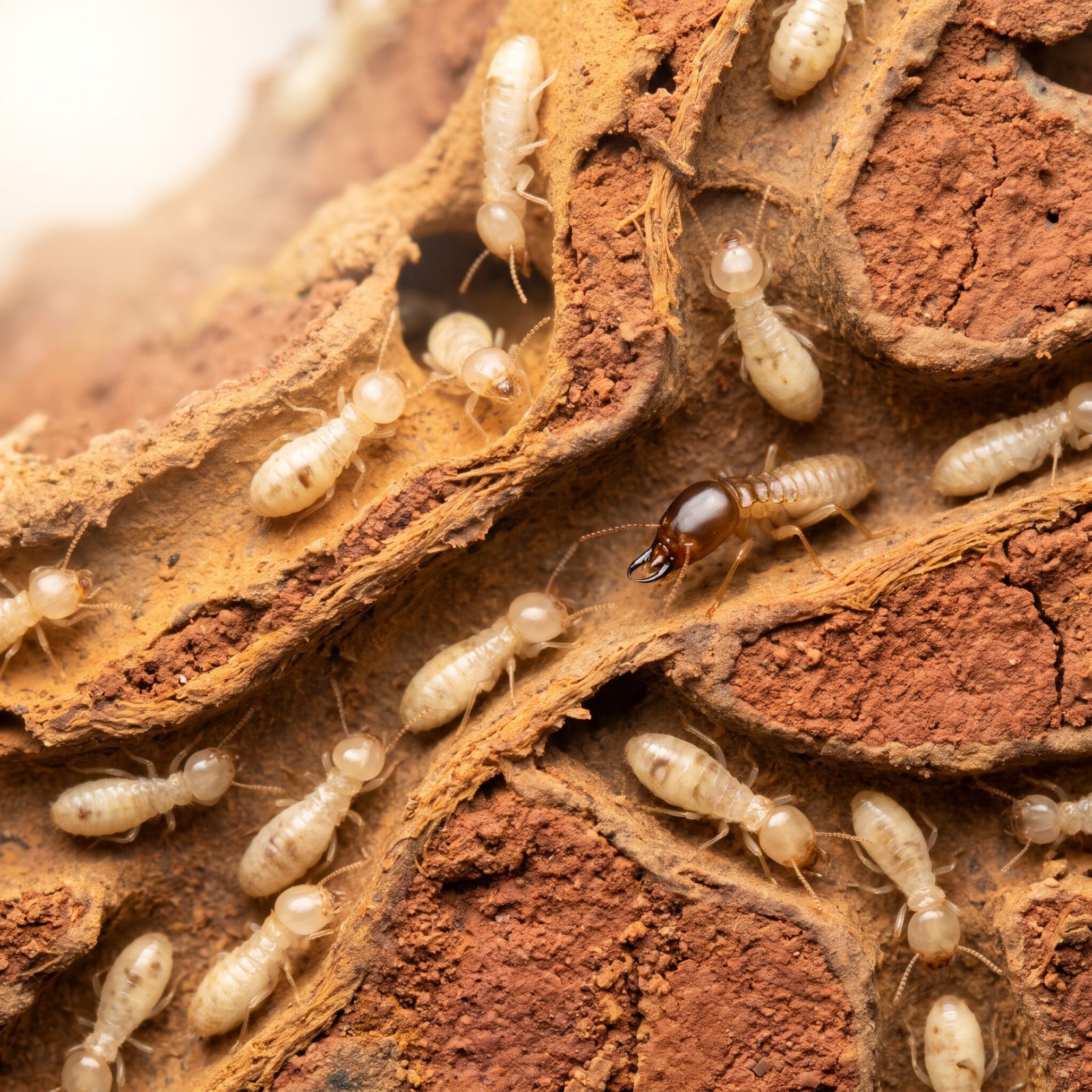
They’re pale, they swarm, they live in colonies with workers and soldiers and a queen. White ants, right?
Not even close. Genetics planted termites firmly inside the cockroach family tree, with wood-eating roaches as their nearest living relatives — modern classification now folds them into the roach order entirely. The ant resemblance is pure convergence: two unrelated groups arriving at the same social blueprint because it works. Look closer and the tells are obvious. Termites have straight antennae and a broad waist; ants have elbowed antennae and a pinched one. A termite is basically a roach that decided to farm wood and live in a tower.
4. Cut a Worm in Half and Get Two Worms? Usually You Get One Death
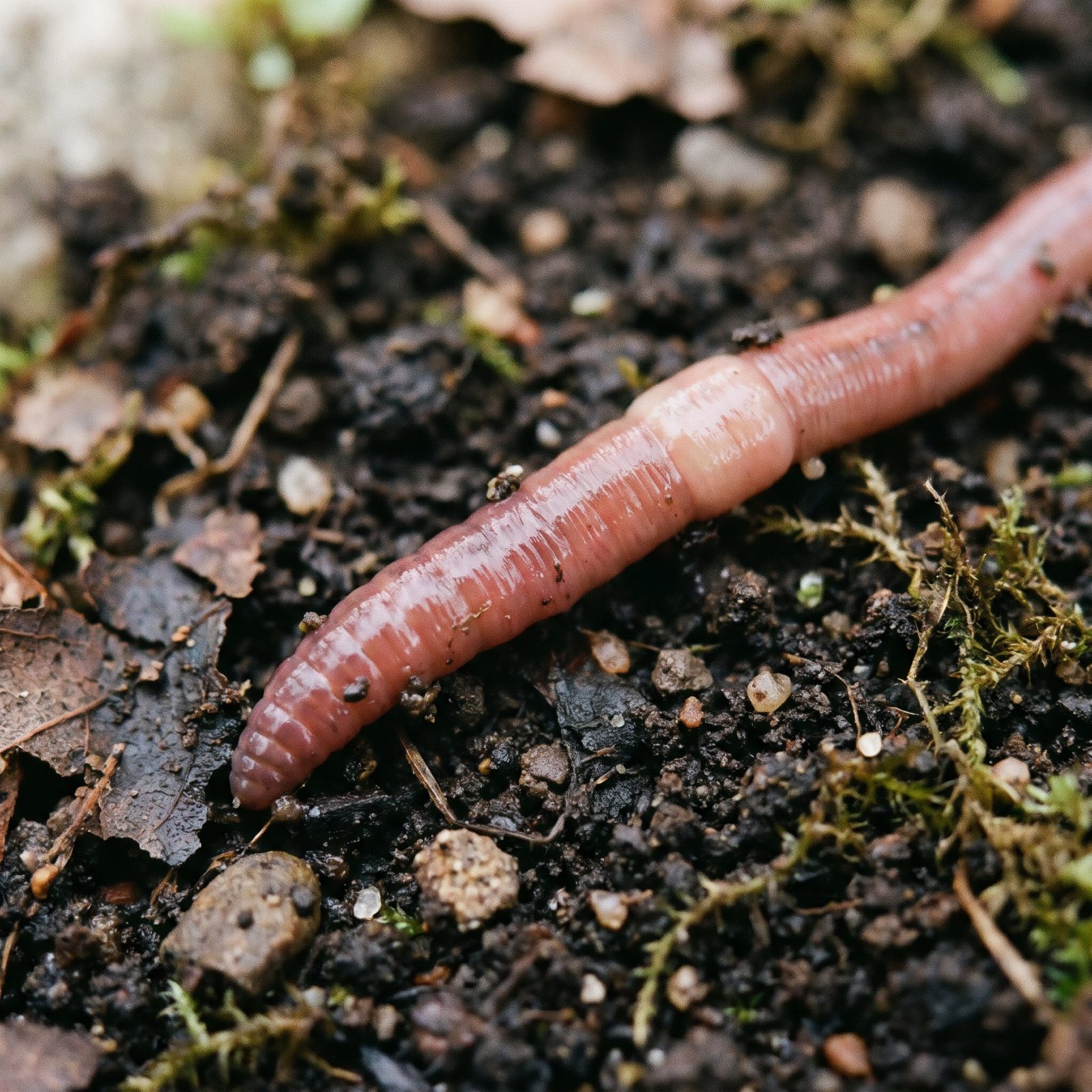
The schoolyard myth is tidy: slice an earthworm, walk away, come back to twins.
Reality is grimmer. Cut a common earthworm in two and you usually kill it, or at best the front half limps on while the tail end dies. The head portion holds the brain-like ganglia, the heart-like aortic arches, and the clitellum it needs, and it can sometimes regrow a stubby tail. The back half almost never regrows a head. A few other creatures — certain planarians, a handful of annelids — really can rebuild themselves from fragments. The garden earthworm is not one of them. Chop it in half and all you’ve done is chop it in half.
3. Female Mantises Always Eat the Male? It Depends on the Species and the Day
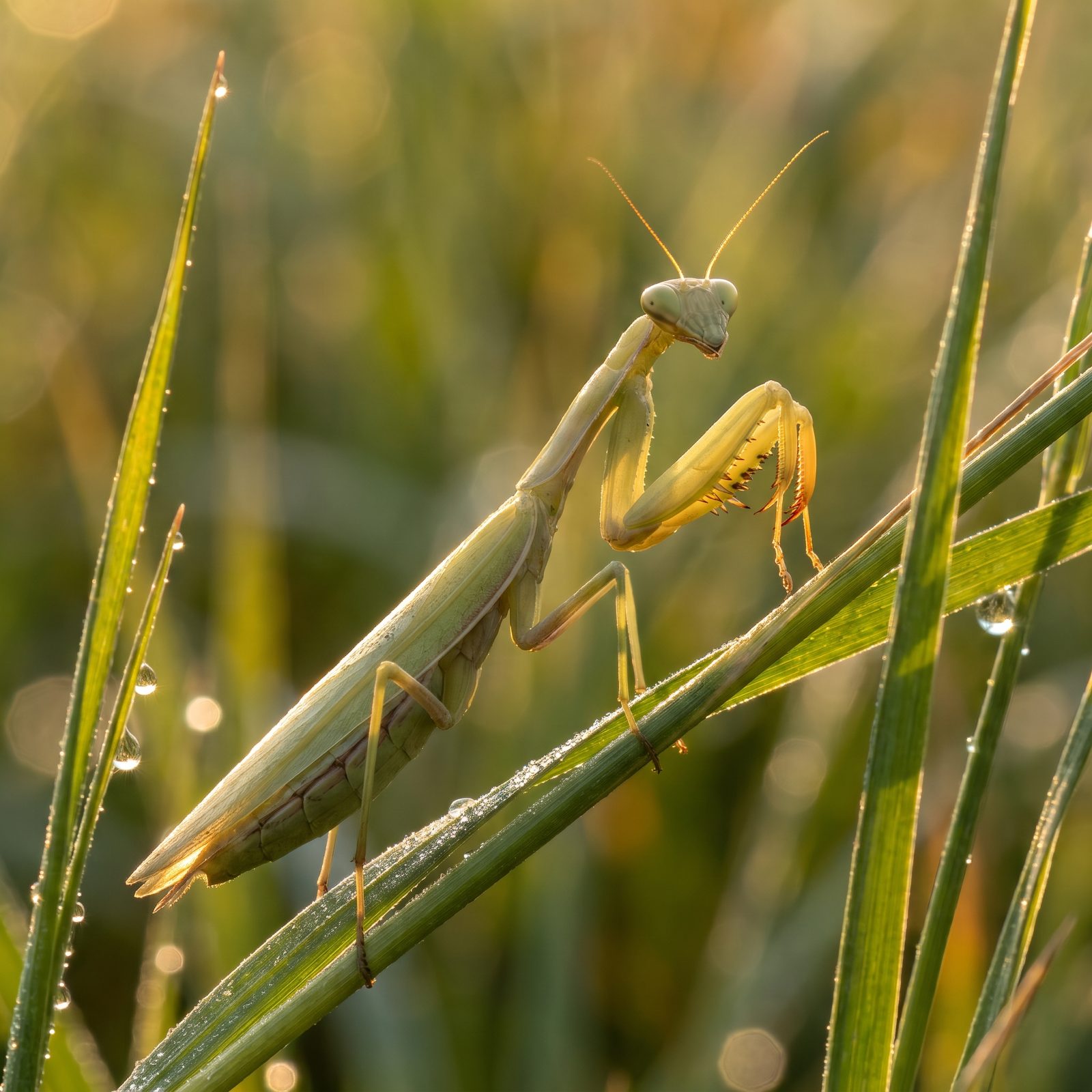
The image is famous: she bites his head off mid-courtship and he carries on regardless.
It happens. It is not the rule. Sexual cannibalism in mantises varies enormously between species, and even within one species it hinges on circumstance — a hungry female is far likelier to lunge than a well-fed one. Much of the early evidence came from lab setups where males had nowhere to flee and females were starved, which stacked the deck badly. Out in the field, males often mate and leave intact. Where cannibalism does occur, the male’s body can boost her egg production. A cold kind of parental investment, sure, but hardly the inevitable horror story.
2. The Electric Eel Is an Eel? It’s a Giant Knifefish
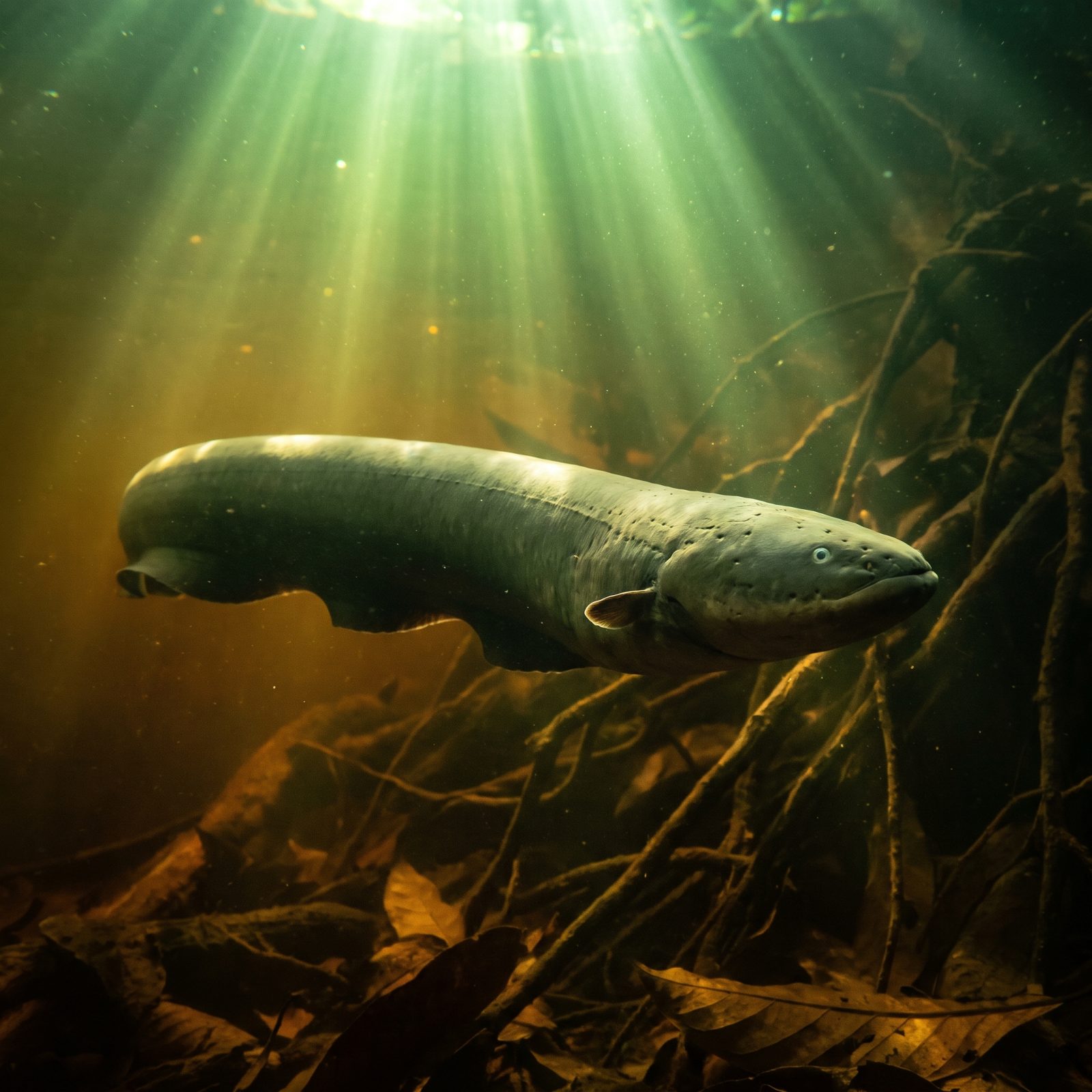
It looks like an eel, swims like an eel, and got named like an eel. It is nothing of the sort.
The electric eel is a knifefish, native to the slow waters of the Amazon and Orinoco, more closely related to catfish and carp than to any true eel. That long eel-like body is convergence again — a shape that works for sliding through tangled flooded forest. The real headline is the electricity. It fires jolts over 600 volts from stacked rows of specialized cells, enough to stun prey and rattle a horse. Scientists recently found it can even leap clear of the water to deliver shocks directly into a threat.
1. Clownfish Stay One Sex for Life? The Boss Becomes a Female
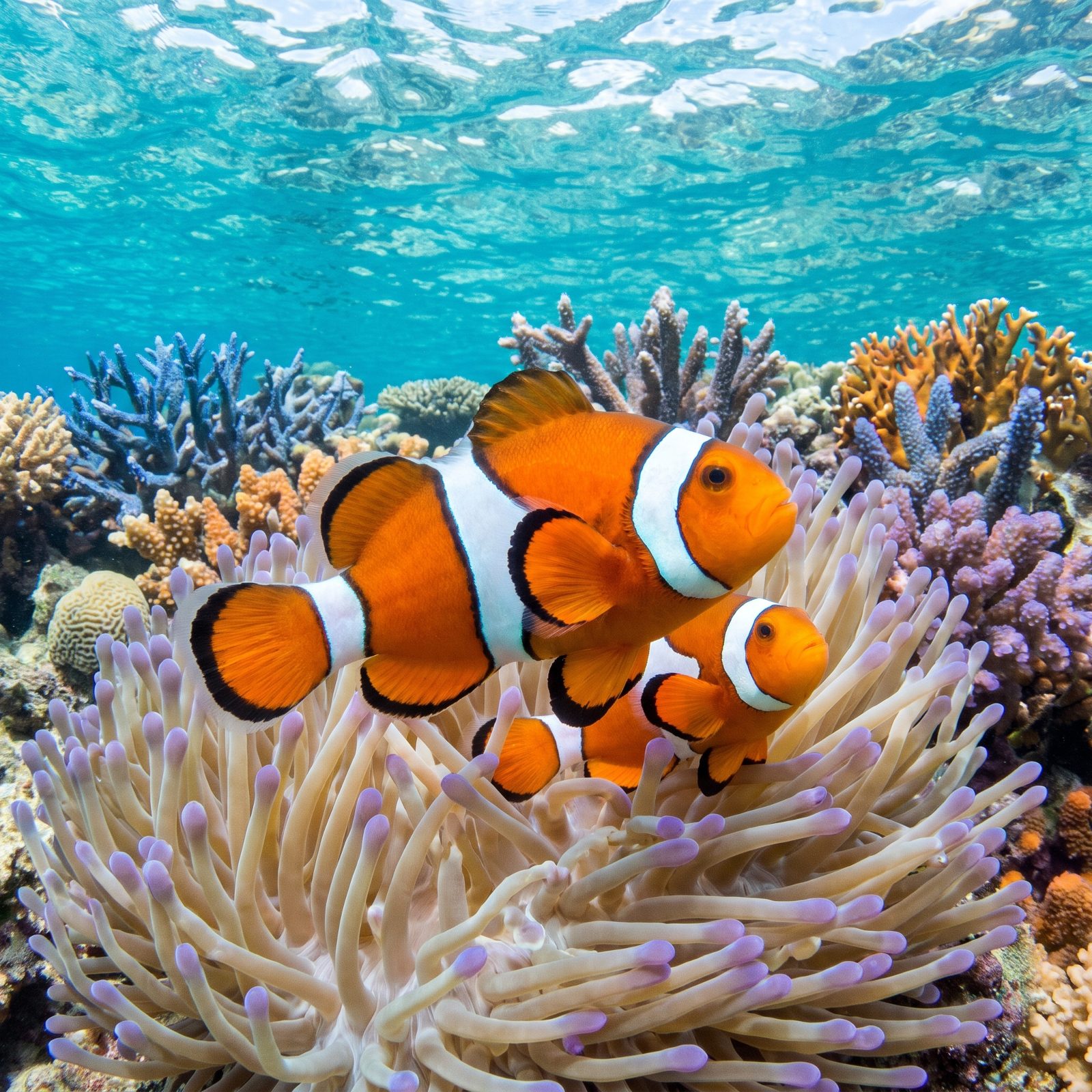
The lovable striped fish from every reef documentary lives a stranger life than the cartoon let on.
Every clownfish is born male. A single anemone runs a strict pecking order — one dominant breeding female, one breeding male, and smaller non-breeding males waiting their turn. When the female dies, the breeding male doesn’t go looking for a new partner. He changes sex, becomes the new female, and the next male in line steps up to breed. Permanent, hormonal, and completely routine for the species. The real version of that famous fish story would have had a very different second act.