
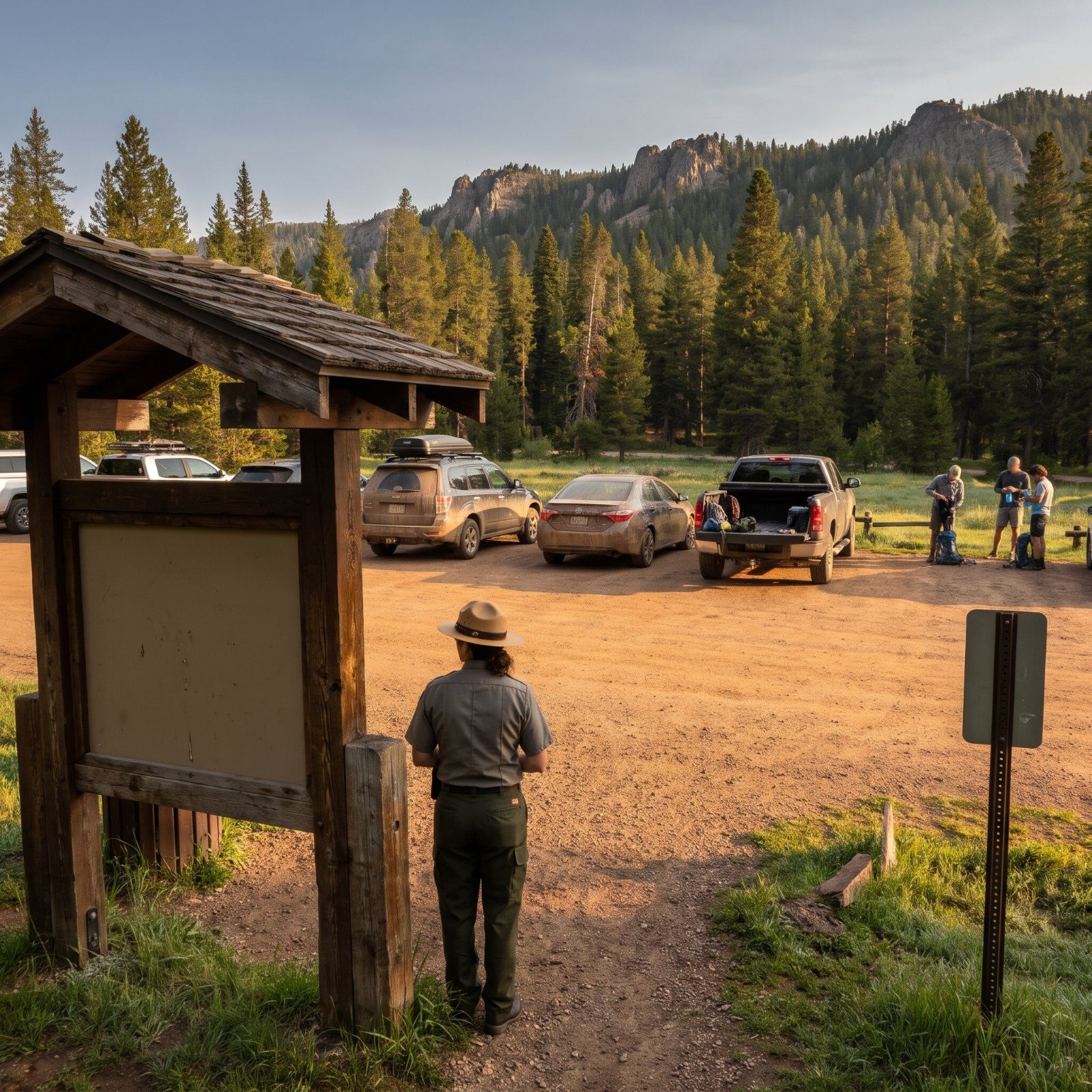
A ranger standing near a trailhead kiosk at seven in the morning reads the lot the way a lifeguard reads a crowded pool — not judging, just scanning. Every arriving car tells a short story about who is prepared and who will be the subject of an afternoon radio call. The shoes, the water, the start time, the dog with no leash: the clues are almost always there before anyone laces up, and none of it requires a conversation. Most of it the visitors never notice they’re broadcasting. Here’s what trained eyes catch in the first thirty seconds, and why each small tell matters more than it looks.
Please note that some of the images in this article were created with the assistance of AI.
37. Footwear That Does Not Match the Terrain
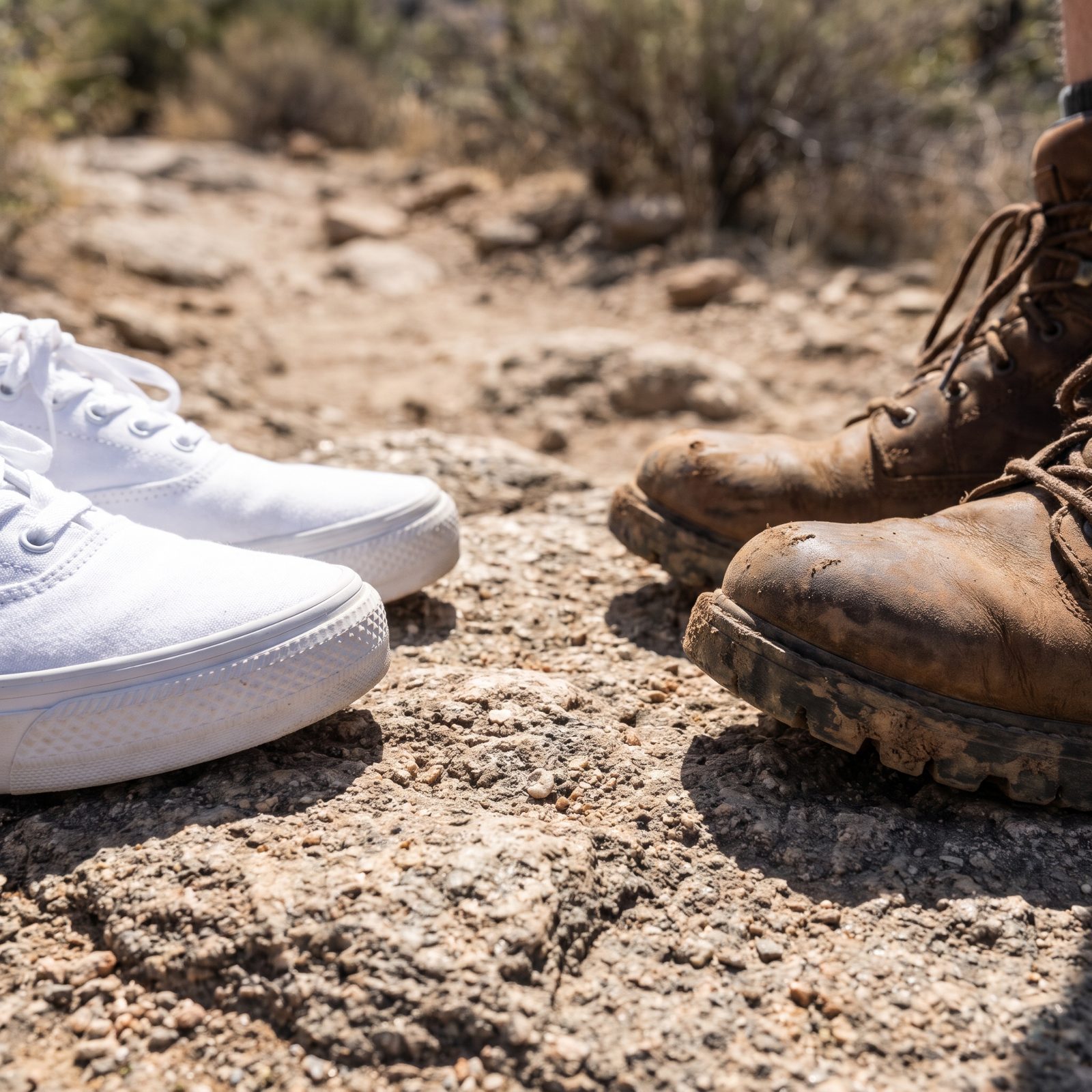
Shoes are the first tell, and the easiest. A ranger doesn’t need to see your knees to know how your day ends — white canvas sneakers in a scree field means blisters by mile two and a slow, miserable descent on ankles that were never supported.
The giveaway is the sole. Flat smooth rubber on loose granite is walking downhill on marbles, while trail runners or boots with deep lugs bite into the rock. Fashion sneakers slide. Rangers watch new arrivals cross the gravel lot, and the ones already stepping gingerly on flat ground are the ones who’ll be calling for help on the steep part.
Asked about trail footwear, a state park ranger said “Flipflops and mountain hiking trails just don’t go well together. We recommend close toed, sturdy shoes, sneakers, boots and something along those lines”
36. How Much Water Each Person Is Carrying
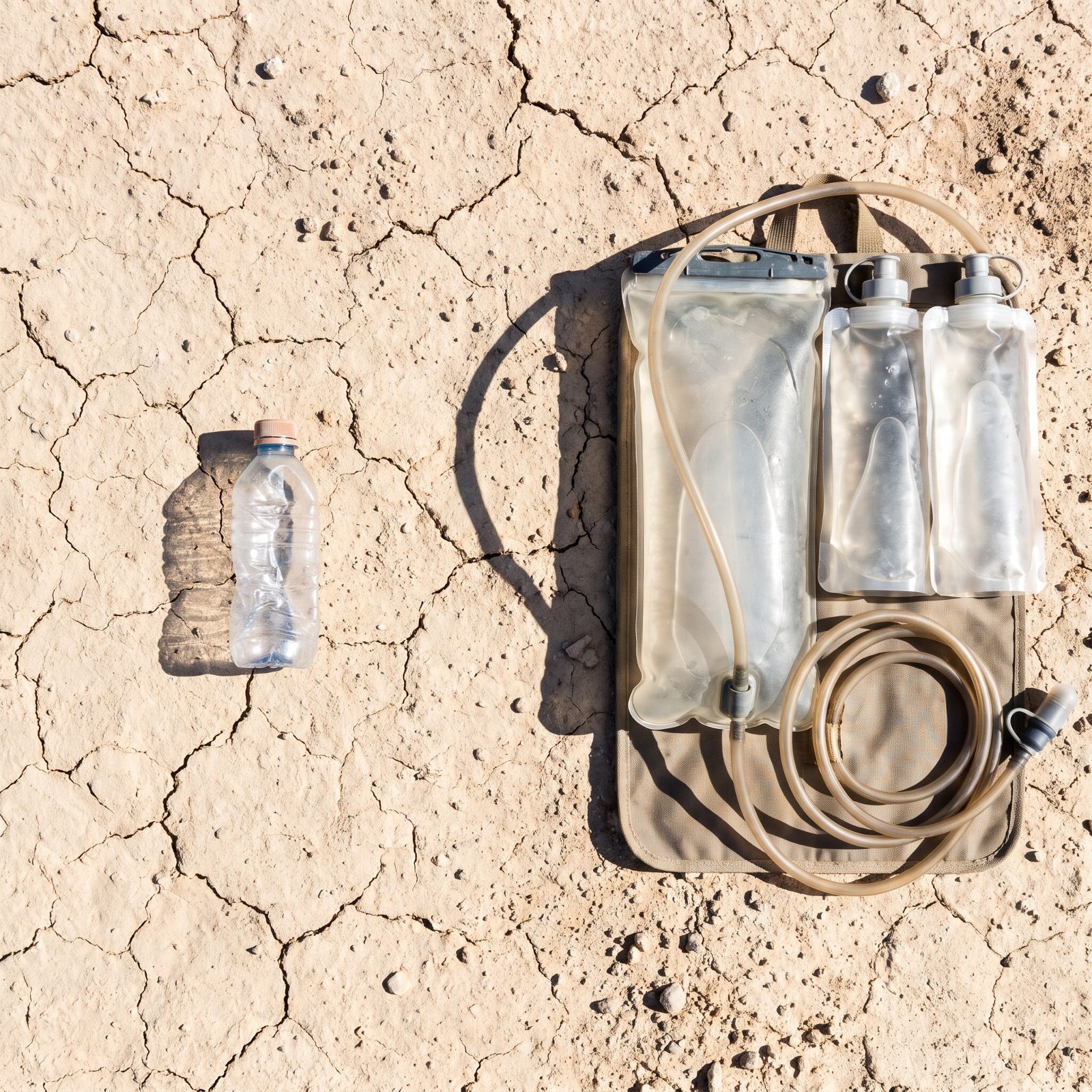
One small bottle for an afternoon in the desert reads like a countdown. Rangers do the math fast: in real heat you can sweat out close to a liter an hour, and a half-liter bottle won’t survive the first climb.
What they really watch for is the group where everybody shares one pack. Four people, one hydration bladder, no backup — that’s the configuration behind most summer rescues in dry parks, and it always looks fine in the lot where there’s shade and a cooler waiting in the trunk.
After a busy rescue season, a search and rescue official in New Mexico stressed that hikers routinely underestimate their water needs and that one small bottle is not enough for a mountain hike.
35. Whether the Group Has a Map or Downloaded Route
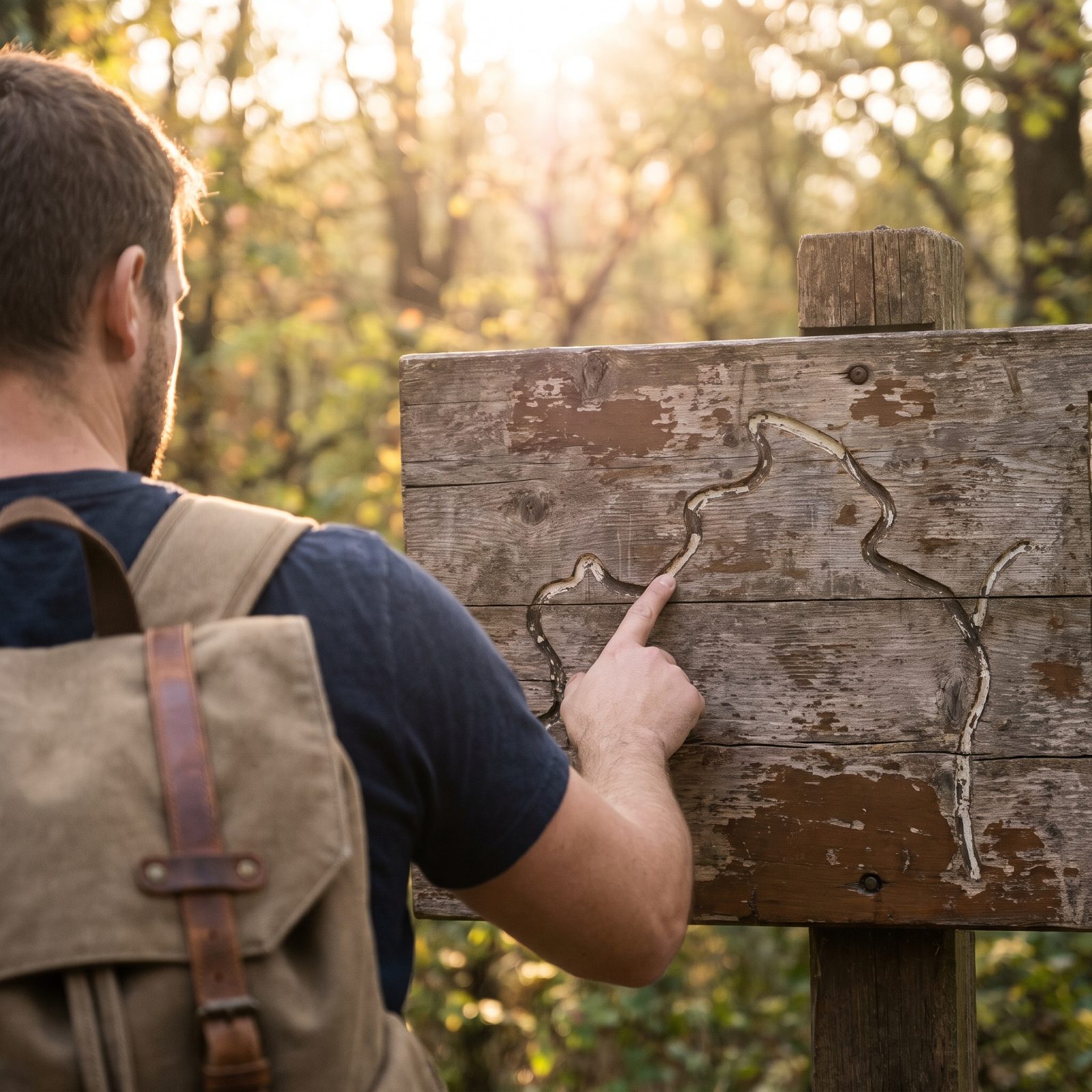
The hikers who stop at the kiosk and actually read the board aren’t the ones rangers worry about. It’s the group that strides straight past it, phones out, trusting a blue dot they never checked would still work once the signal dropped.
A photo of the posted map is good. A downloaded offline route is better. A paper map — and someone who knows how to read it — is best, and getting rarer every season.
34. A Start Time That Is Too Late for the Route
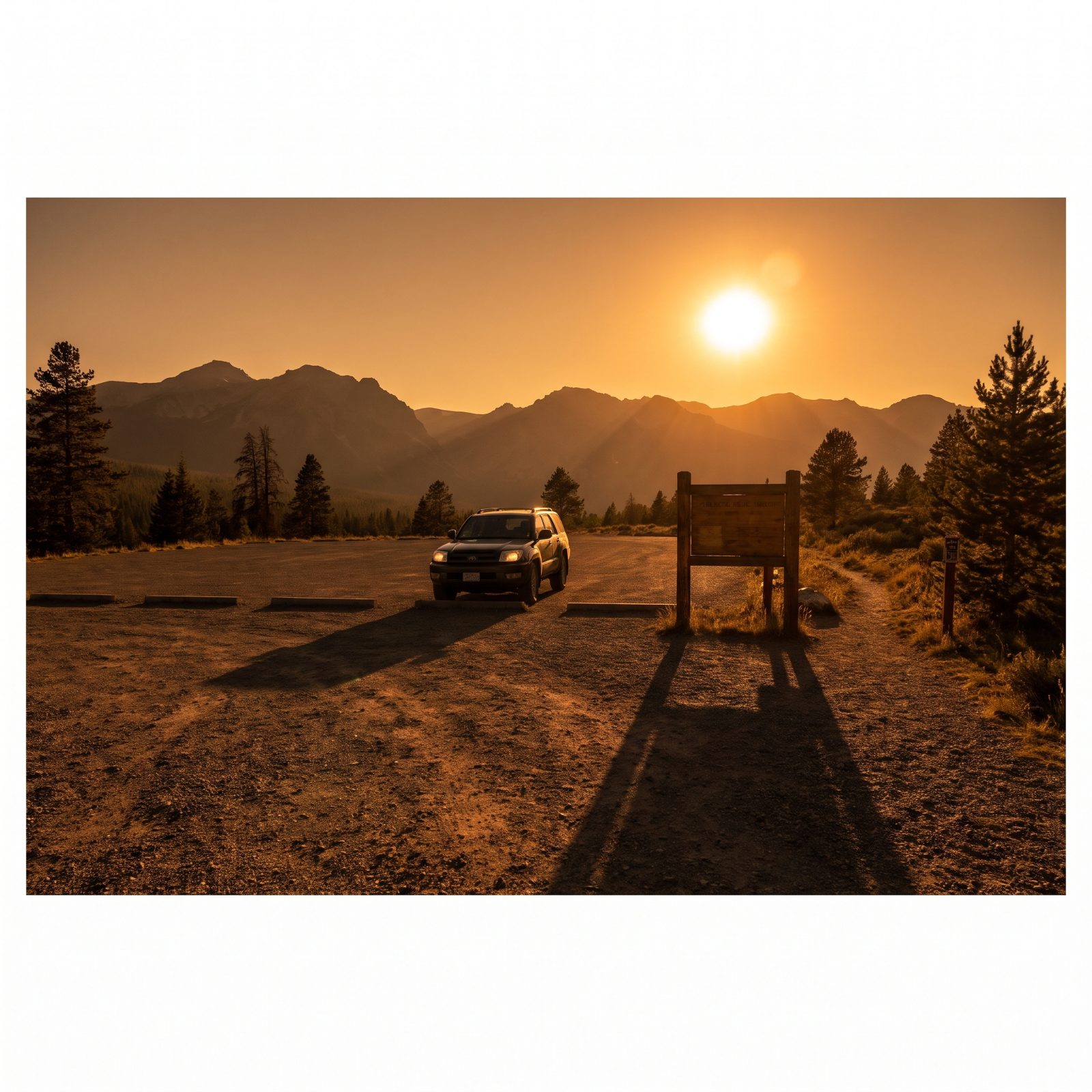
Pulling into the lot at four in the afternoon for a route that takes six hours is a decision rangers can read from across the gravel. The long shadows tell the time; the fresh daypack tells the plan.
Nobody budgets for the way a trail slows down in the dark. You descend at half speed, you miss turns, you burn the headlamp battery you probably didn’t pack. A late start isn’t dangerous at the trailhead — it goes dangerous three miles in, when the sun drops behind the ridge an hour earlier than open sky would suggest.
33. Missing Sun Hats, Sunglasses or Sunscreen
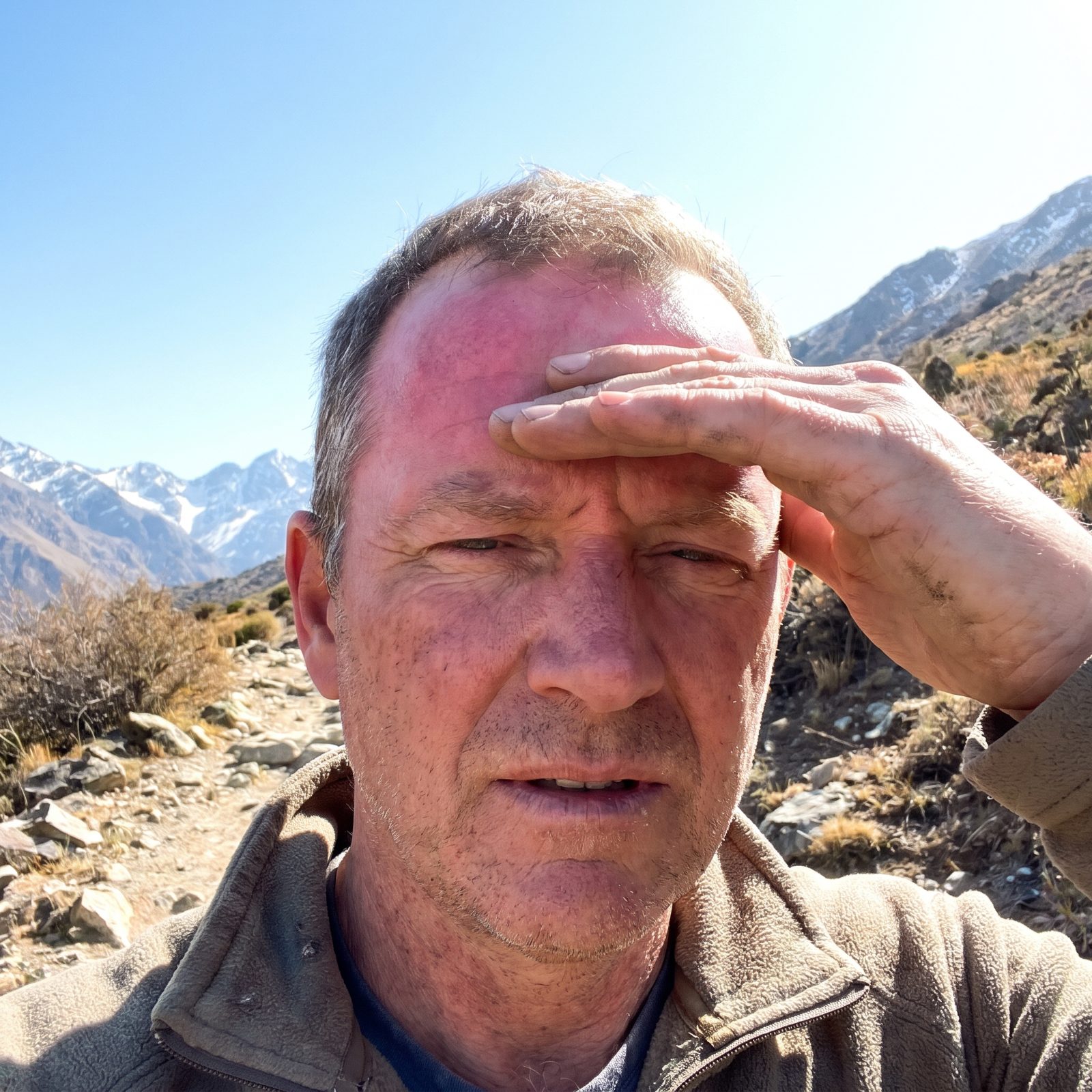
Bare heads at altitude age a person about ten years by lunchtime. Rangers notice the squint, the pink forehead already going at nine in the morning, the whole group that treated the sun like it was optional.
Up high there’s less atmosphere to filter the UV, and snow or pale rock bounces it right back under your chin. A wide brim, dark glasses, and sunscreen aren’t vanity items at elevation. They’re the difference between finishing the hike and finishing it with a splitting headache and scorched eyes.
32. Backpacks That Look Dangerously Overloaded
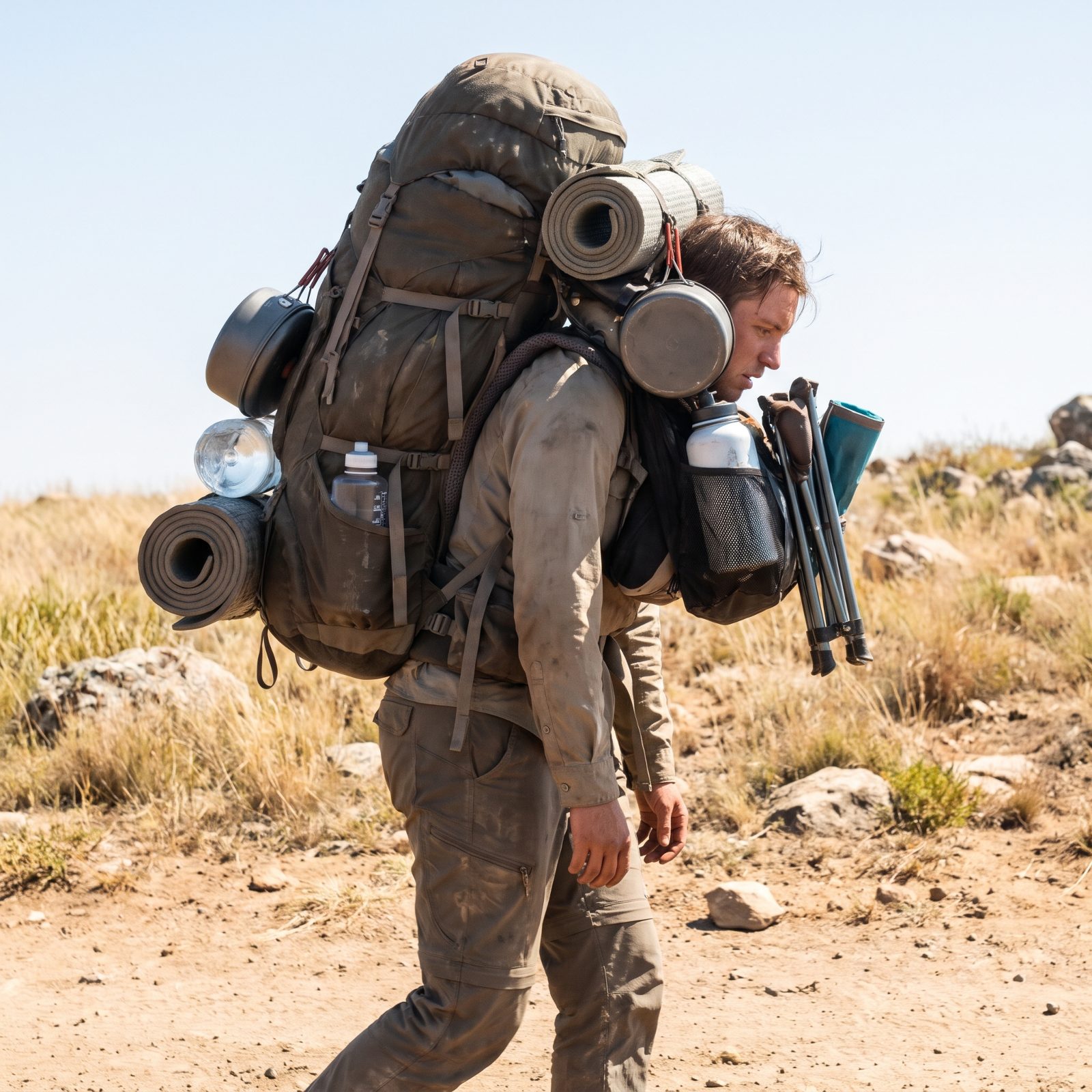
The overloaded pack is its own kind of tell, and it cuts the opposite way from the empty one. A day hiker buried under a mountain of gear isn’t prepared — they’re overwhelmed, and the weight itself becomes the hazard.
Watch how the pack sits. Stuff bungeed and swinging off the outside drags the center of gravity backward and sideways, which turns a simple rock step into a tip-over. Rangers see the lean before the first stride. Too much gear fails you the same way too little does, just slower, and with sorer shoulders.
31. Children Who Lack Their Own Water or Extra Layers
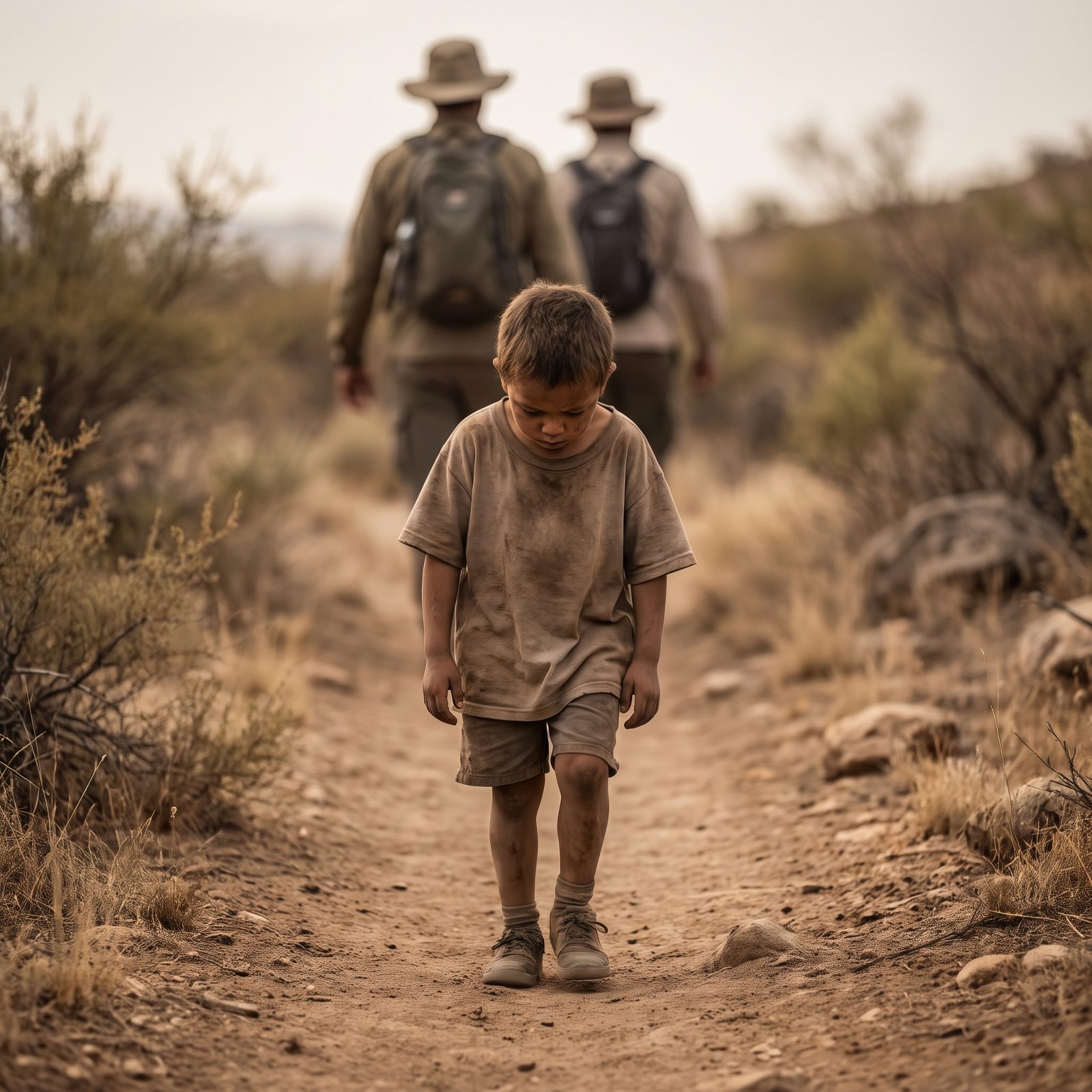
Kids lose heat and water faster than adults and mention it only once they’re already miserable — which is exactly the problem. A child in a thin cotton shirt with no layer and no bottle of their own is leaning entirely on the parent who’s carrying everything, and parents run dry first.
Rangers clock the kid with no small pack. This isn’t about the gear looking cute. A child who carries their own water drinks more of it, and a fleece knotted around a small waist is an easy fix for the shaded switchback where the temperature falls ten degrees without warning.
30. Dogs Arriving Without a Visible Leash
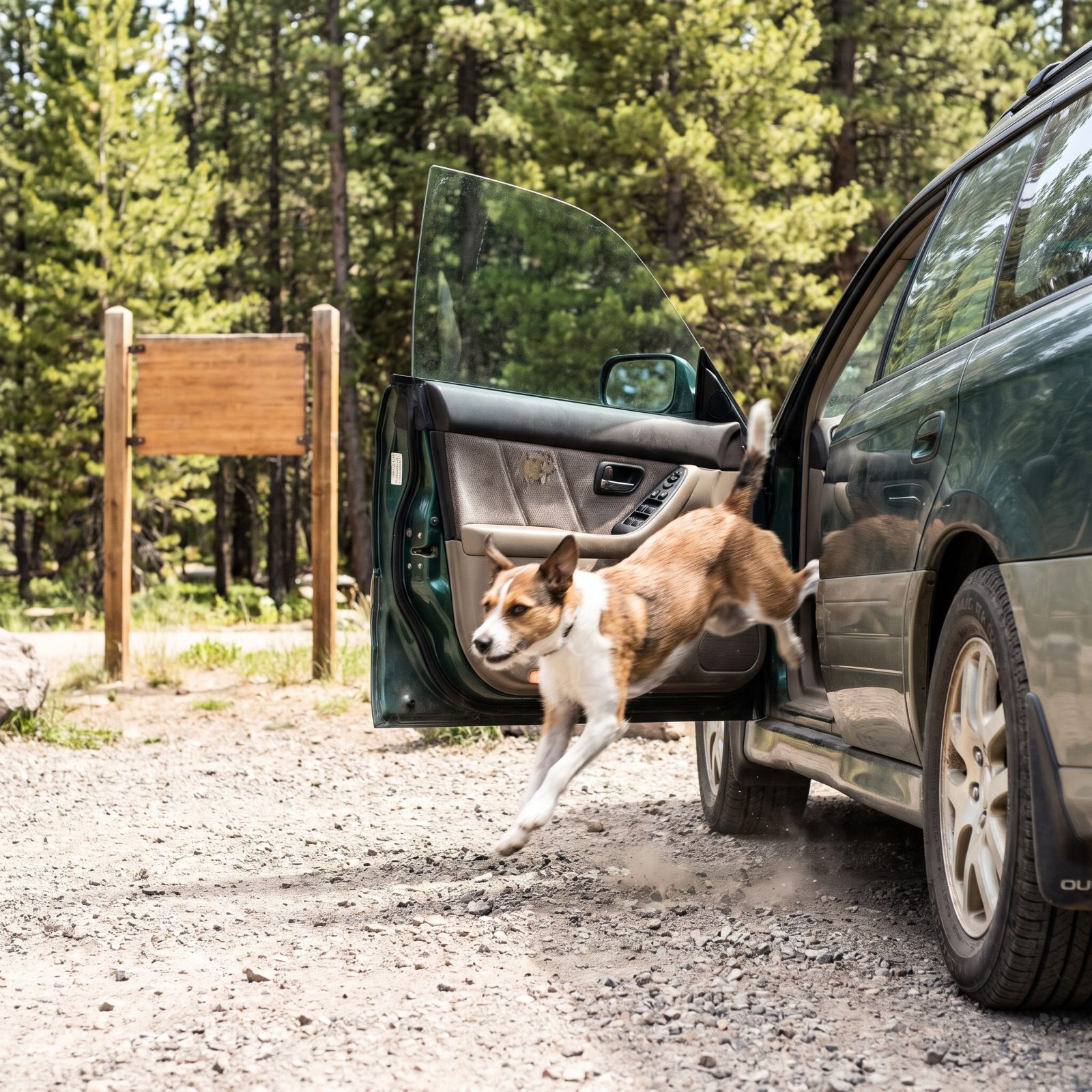
A loose dog bounding out of a car door is a radio call in the making. Rangers aren’t being killjoys here. A leash keeps the dog off cliffs, away from snakes, and clear of the ground squirrel it would otherwise chase straight over the edge — and it keeps the wildlife safe from the dog.
Most parks that allow dogs require a leash under six feet, because off-leash dogs stress nesting birds and deer even when they never catch a thing. That visible leash in the lot? First sign the owner read the posted rules and plans to follow them.
29. Pets Left Inside Parked Vehicles
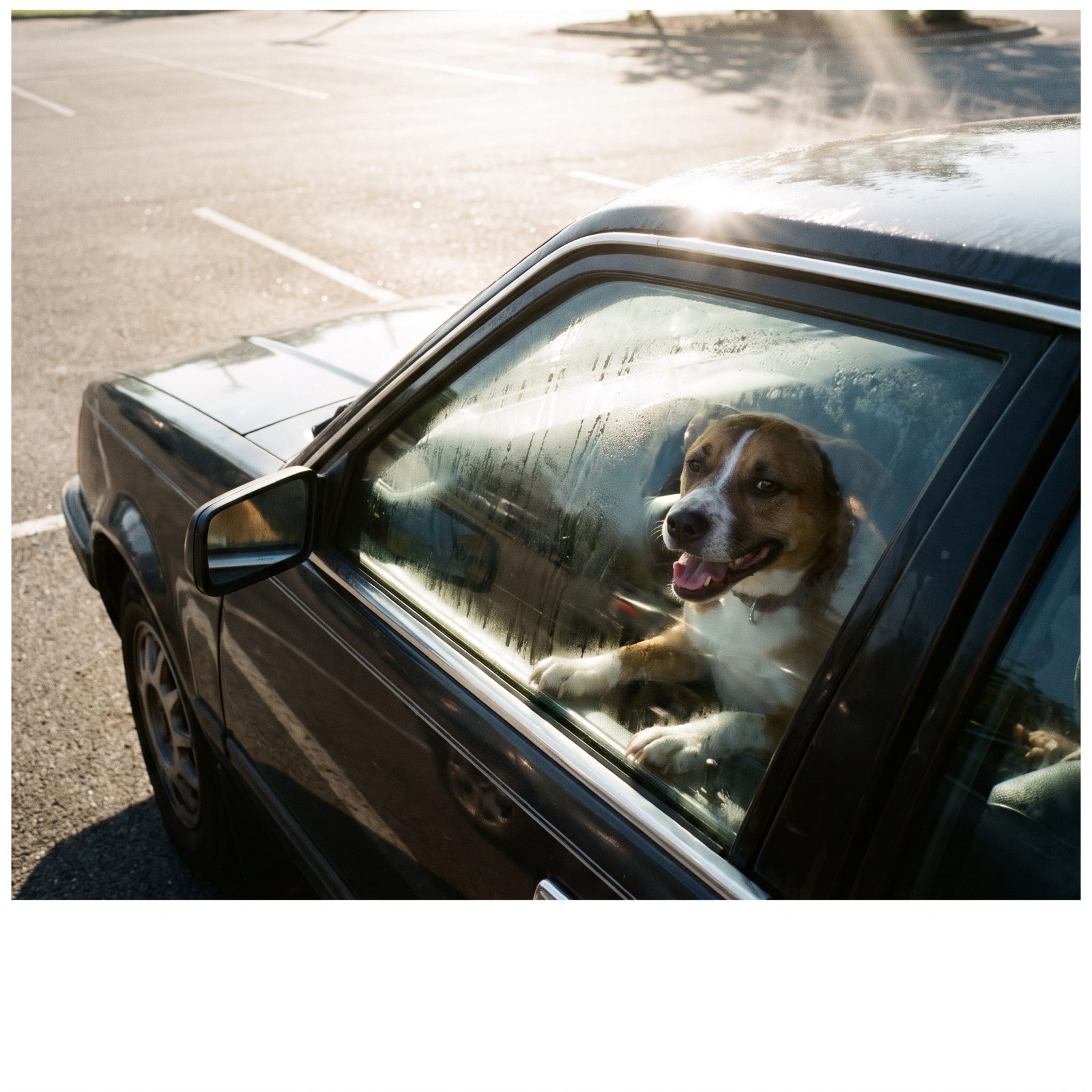
This is the one that makes a ranger walk over. A dog in a parked car on a warm day isn’t waiting comfortably — the interior climbs well past the outside temperature within minutes, cracked windows or not.
Cracked windows barely help. A car sitting in the high 70s outside can blow past 100 inside in minutes and keep climbing, which is how dogs die in parking lots every single summer. Rangers check these vehicles first because the timeline is short and it does not forgive.
To show how fast a parked car heats up, a team of park rangers baked cookies on a car dashboard in triple-digit heat, warning that hot cars are extremely dangerous for people and animals left inside.
28. Children Left Unattended Near Moving Cars
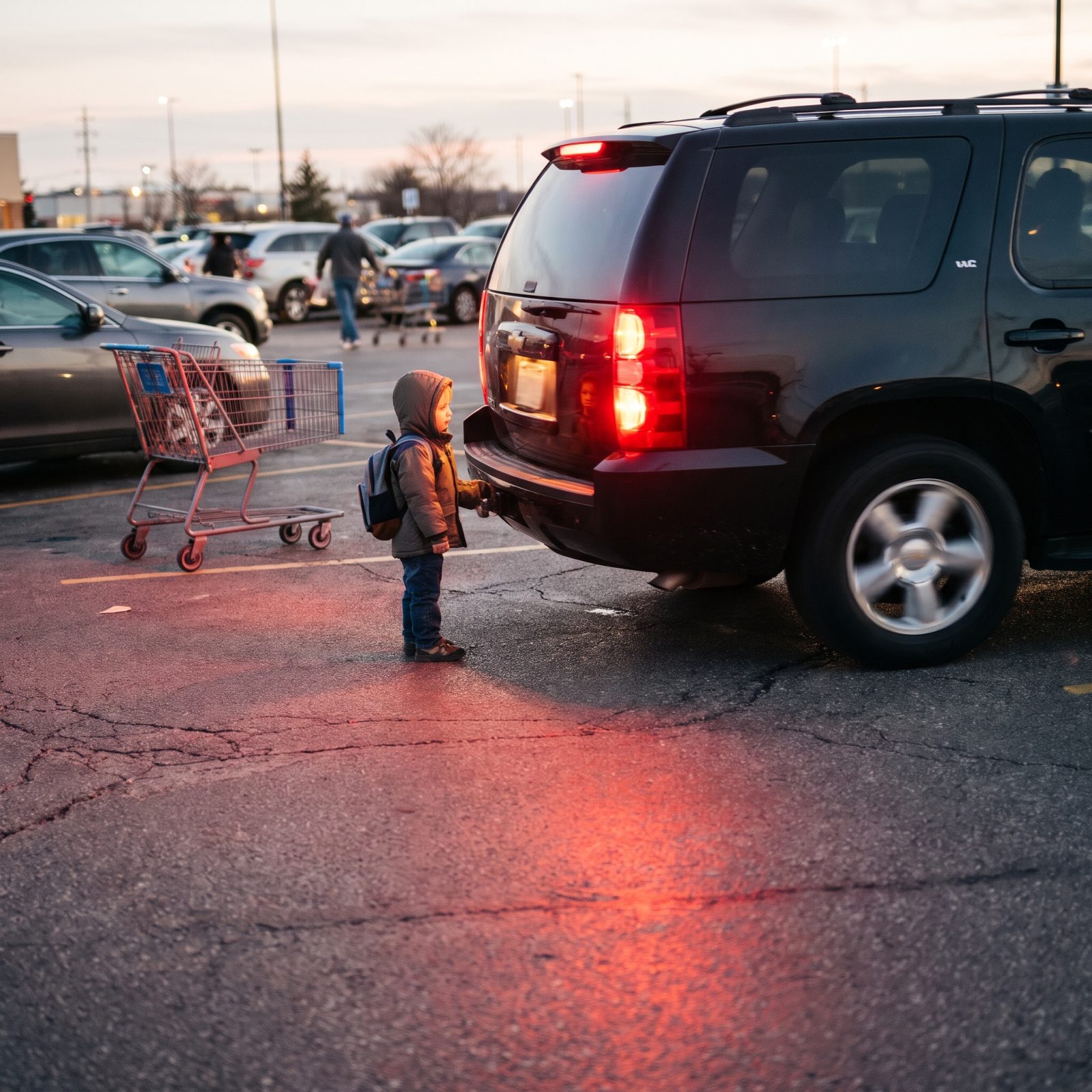
The trailhead lot is the most dangerous part of many hikes, and almost nobody treats it that way. Cars reverse blind across the asphalt while parents unload gear from the trunk, and a small kid drifts into the lane between bumpers.
Rangers watch the lot as hard as they watch the trails, for exactly this reason. A driver hunting a parking spot isn’t looking for a toddler at tire height. The hike hasn’t even started, and already the single highest-risk minute of the day is underway.
27. Trail Mix Tossed to a Begging Chipmunk
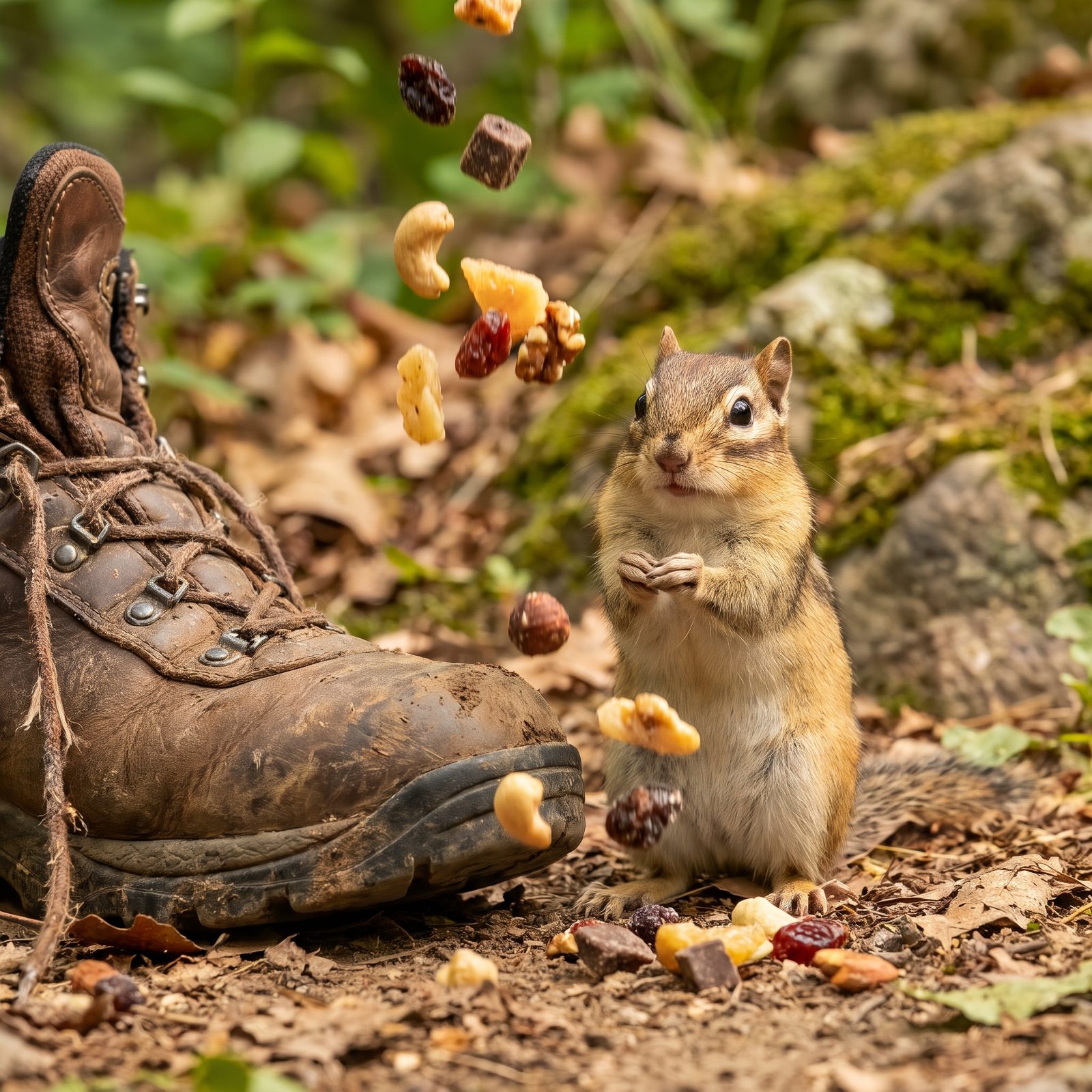
A ranger clocks this one from fifty yards. That chipmunk scurrying right up to your boot isn’t being friendly — it’s been conditioned, and a conditioned animal is already running down a slow timer toward its own death.
Here’s what the feeding sets in motion. Fed wildlife loses its fear, swarms the lot, and starts biting hands. Those cheeks packed with cashews can’t store the fat a wild diet would, so the animal that looks plump is actually starving on junk. And the rodents crowding busy trailheads carry fleas, and fleas carry plague in parts of the West. Yes, actual plague. The park isn’t being precious with those signs.
26. A Cooler Left Open on the Tailgate in Bear Country
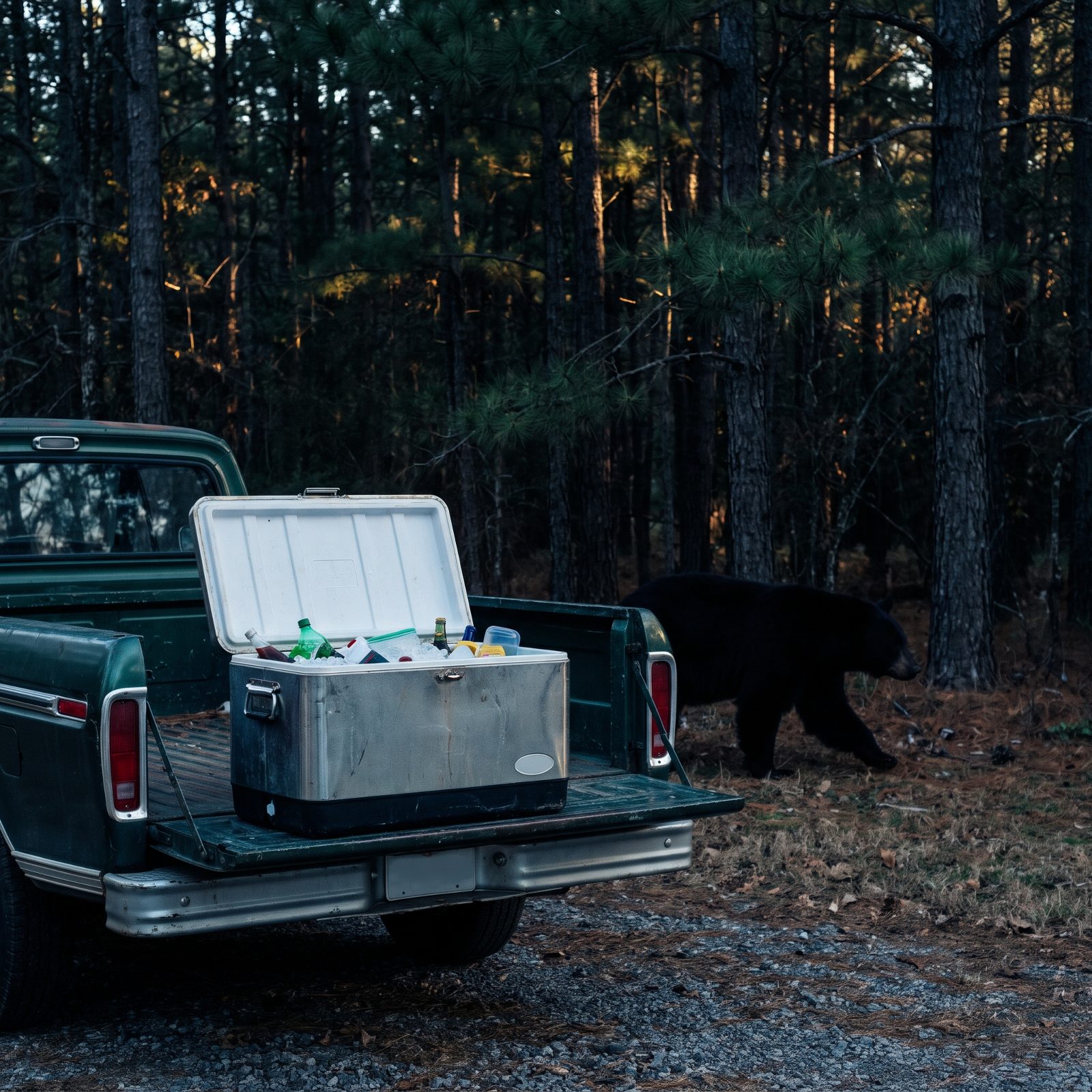
Leave the cooler out and you’ve basically rung a dinner bell. A black bear’s nose ranks among the sharpest in the animal kingdom, keen enough to catch a sealed sandwich from a mile off across still air.
Rangers walk the lots hunting for exactly this: open coolers, groceries slumped on back seats, a lone energy bar riding in a cup holder. Once a bear learns a parking lot means food, it keeps coming back. It gets bolder. It breaks a window. And that bear usually ends up relocated or killed. The old Yosemite bumper sticker still holds — a fed bear is a dead bear — and your lunch is the reason.
25. Boots So New They Still Have the Tag
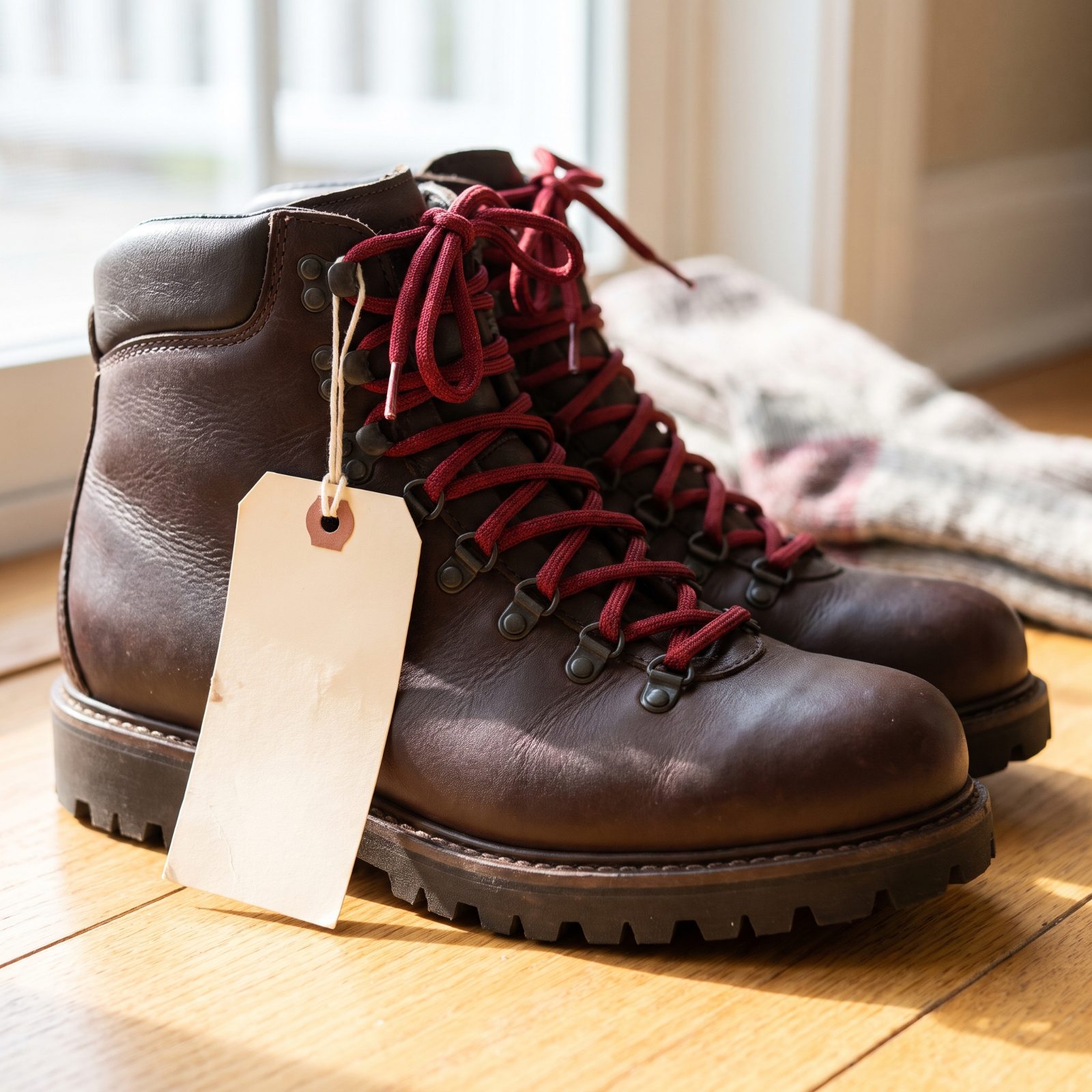
Shiny boots are a quiet red flag. New leather that’s never been broken in means blisters by mile two, and a blistered hiker moves slow and makes lousy calls.
Same story with a backpack still creased from the box, a water filter nobody’s assembled, trekking poles wearing plastic wrap on the grips. Rangers see gear getting figured out in the lot and know that figuring should’ve happened on the living-room floor. The map you’ve never unfolded. The stove you’ve never lit. First use on the trail is where small mysteries turn into real problems, miles from help.
24. A Group That Splits Before Everyone’s Laced Up
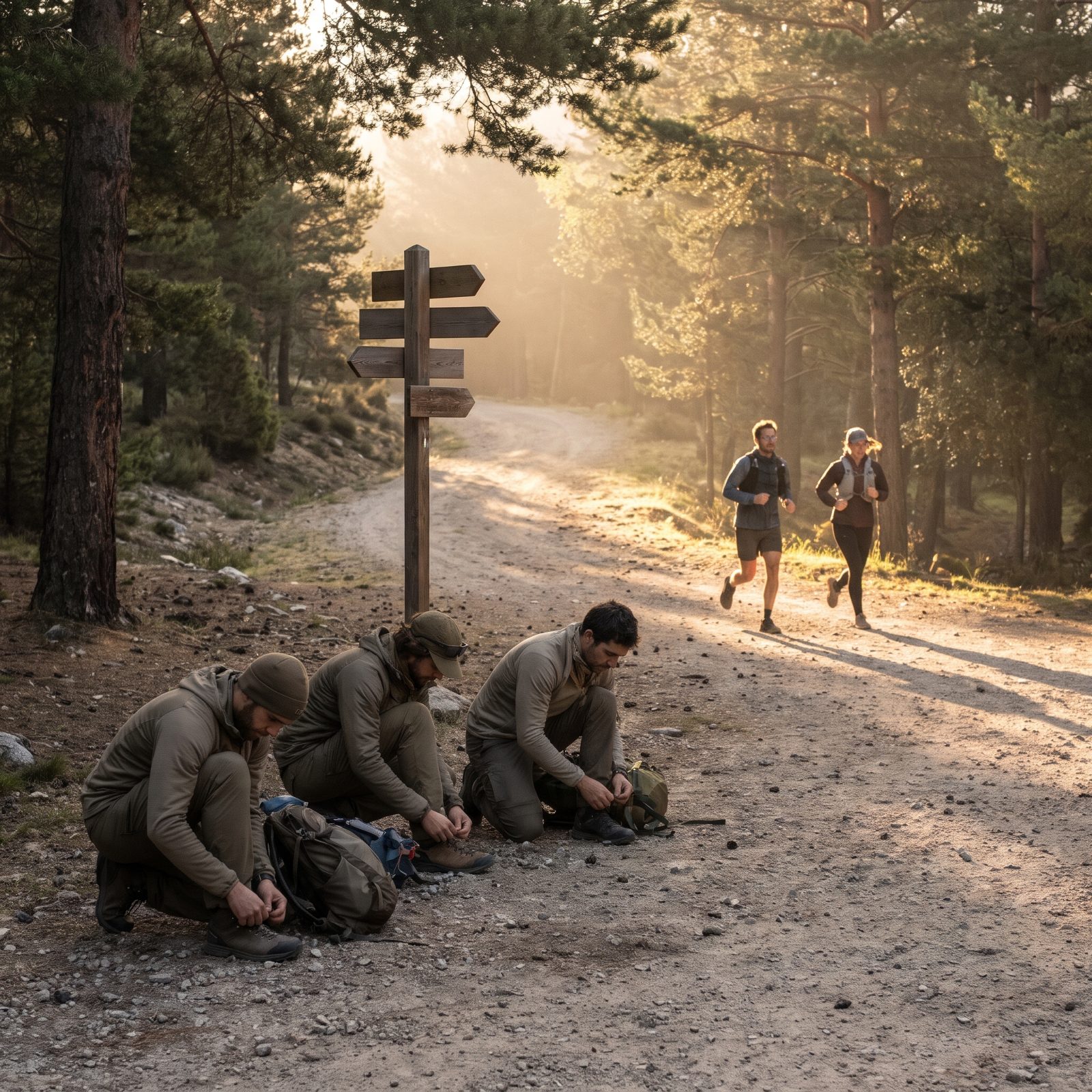
Watch a group peel out of a trailhead and you can almost script the search call. The fast ones vanish up the trail while someone’s still fishing a sock out of the car.
Split groups are how people get lost. The strong hikers pull ahead, the slowest falls behind alone, and nobody clocks that a person is missing until dusk. On an unfamiliar trail stitched with junctions, one straggler takes one wrong fork and that’s the ballgame.
23. A Dashboard With No Pass or Parking Receipt
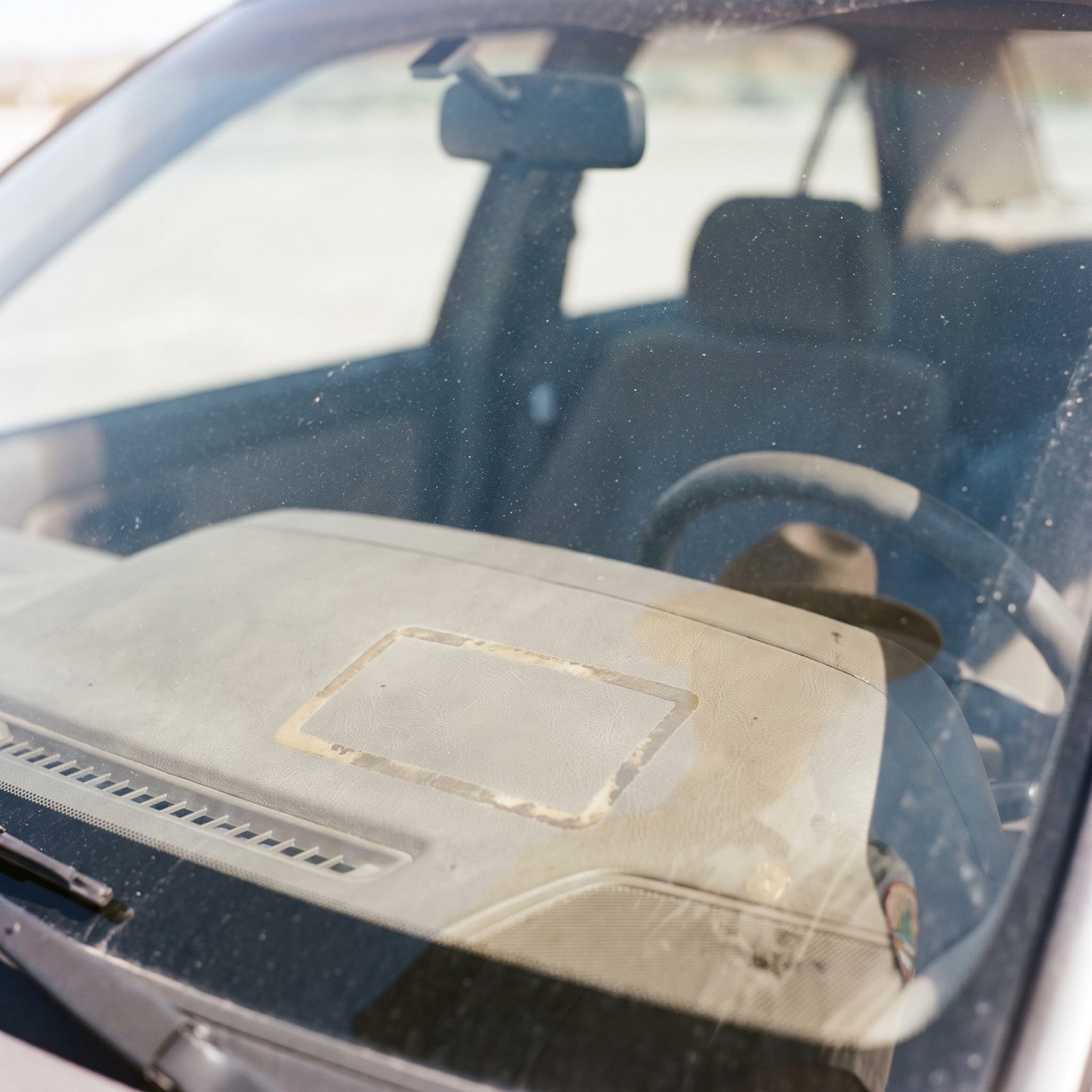
No pass on the dash is the easiest flag in the lot. Rangers walk the rows reading windshields, and a bare one stops them cold.
Fees aren’t a money grab. They bankroll the trail crews, the vault toilets, the search-and-rescue teams, the very ranger squinting at your car. Skip the self-pay station or forget your annual pass at home and you can walk back to a ticket that dwarfs the day fee. Some parks now run license-plate scanners, so the honor system has quietly grown a memory. Pay the few bucks. It’s cheaper than the fine, and it keeps the lights on.
22. A Truck Parked Across the Fire-Road Gate
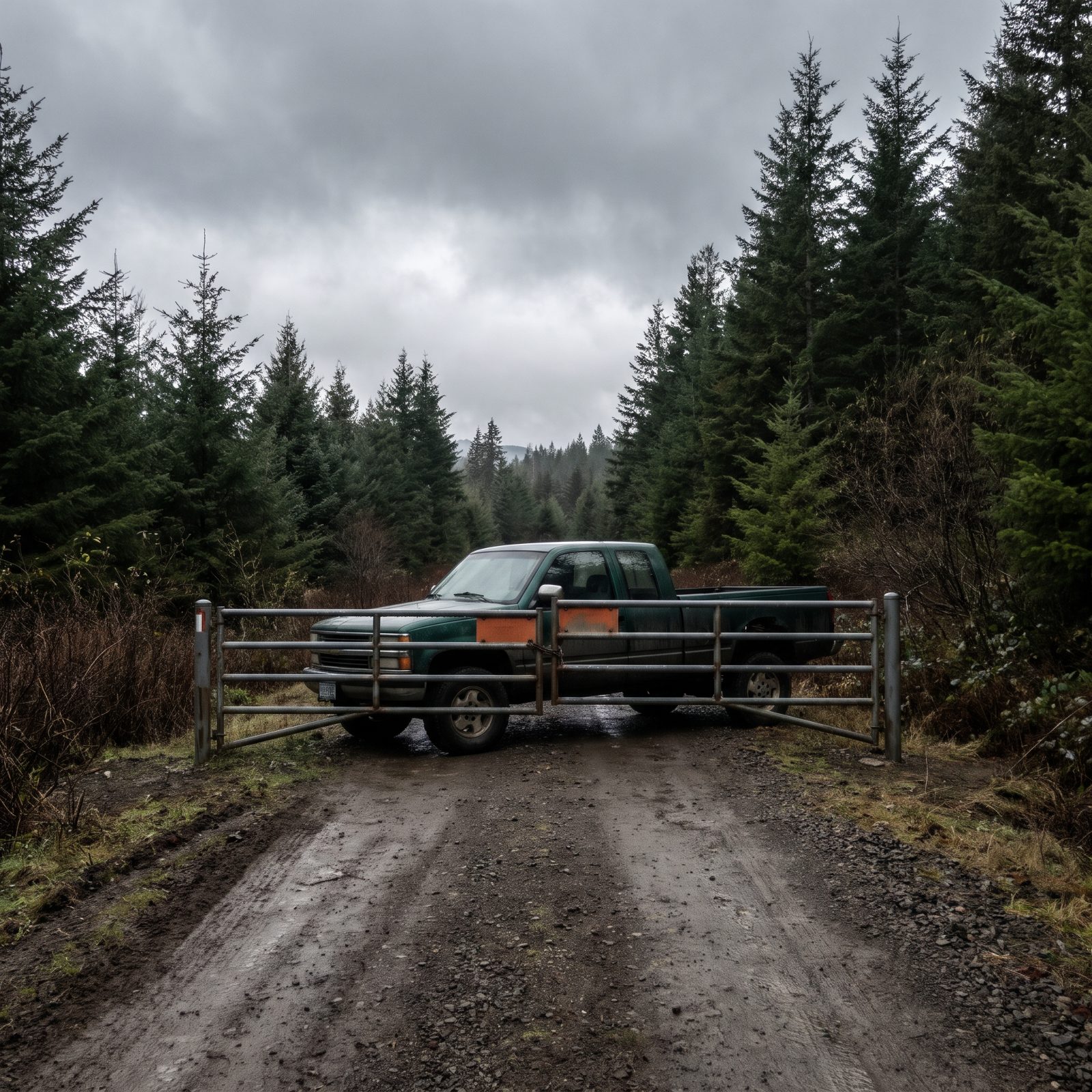
Park across a gate and you’ve done far more than snag a bad spot — you’ve corked the only route an ambulance or fire engine has into the backcountry.
Those gates and the painted lanes beside them exist so emergency vehicles can blast through fast. A ranger spotting a truck nosed across one knows that if someone snaps a leg two miles up, the response just got slower. And on a bad fire day, a blocked fire road can strand crews on the wrong side of a line. This is the flag that gets you towed, not merely ticketed — and rightly so.
21. Pulling Onto Dry Summer Grass to Park
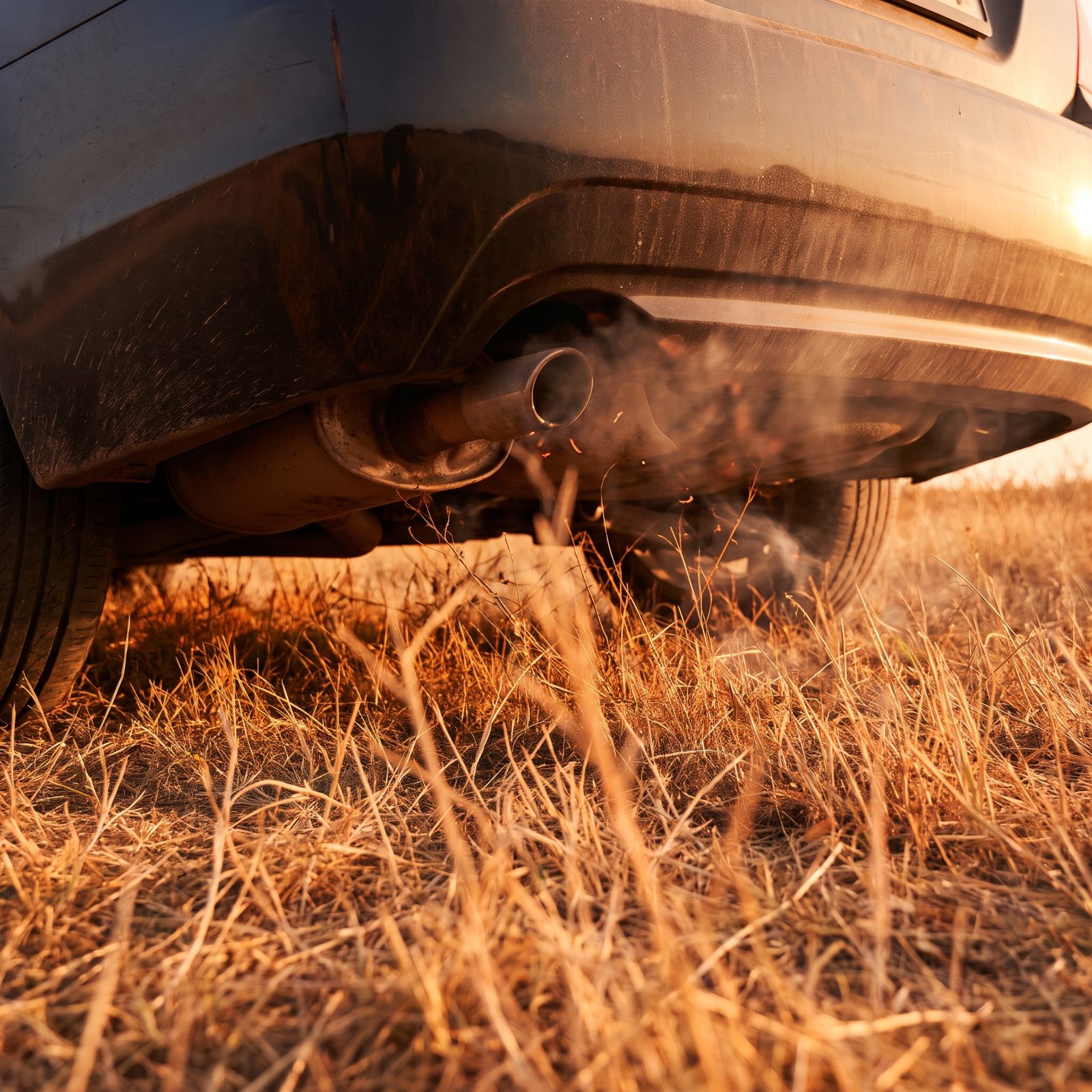
A catalytic converter runs ferociously hot, well past the point where cured grass will light. Park that over a mat of brittle August stalks and you’ve laid a fuse.
Rangers in fire country watch the overflow edges like hawks for this exact move. Dry grass under a hot exhaust ranks among the most common human-caused wildfire starts, and it doesn’t take a flicked cigarette — just a car doing nothing but sitting there.
When the lot’s full, come back later. Don’t invent a space on the grass.
20. Fresh Oil or Fuel Leaking From a Vehicle
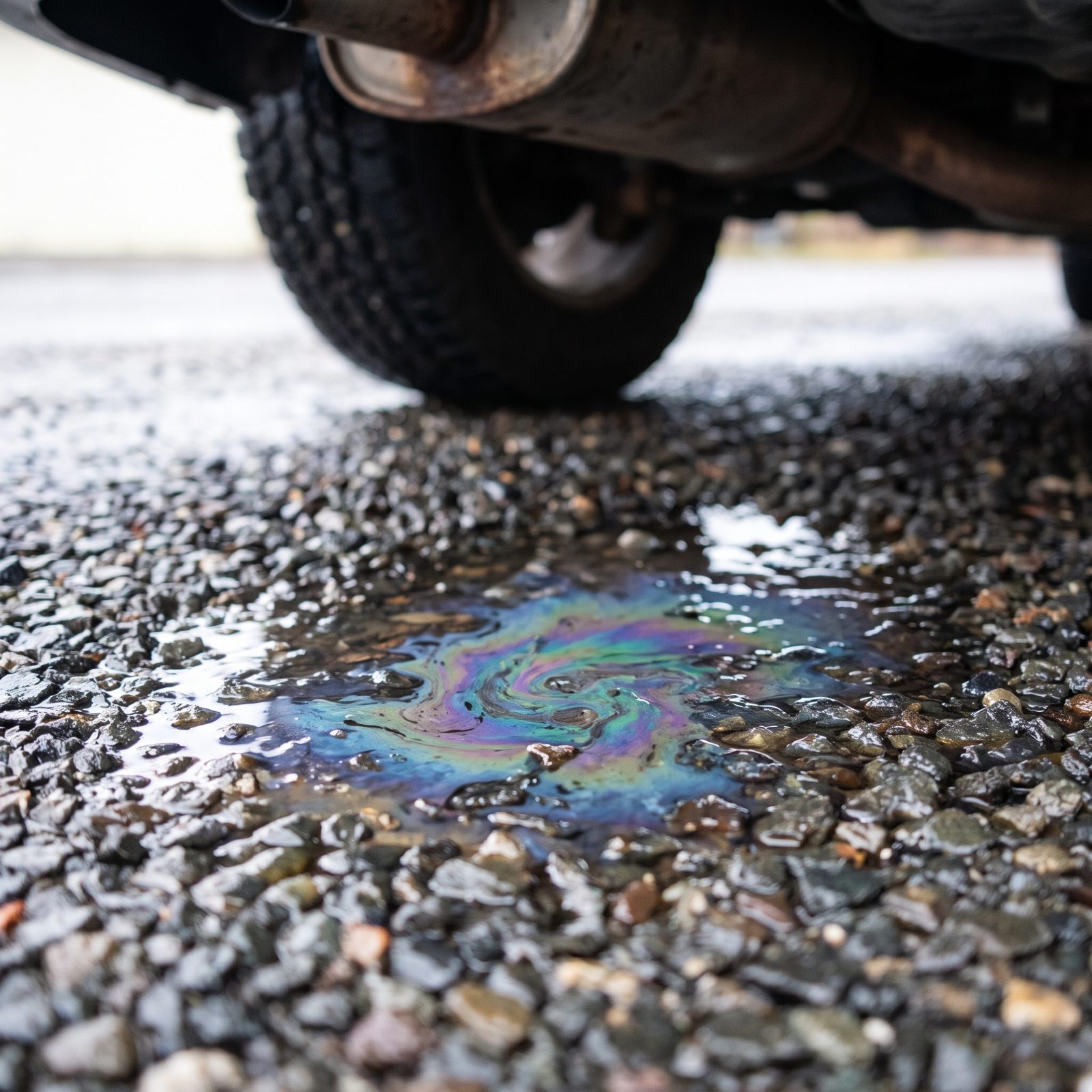
A rainbow slick on the gravel is the first thing a ranger clocks, and it says more than any bumper sticker ever could. Fresh oil or fuel pooling under a parked car doesn’t stay under the car — it rides the next snowmelt into the creek, then into the trout nobody wanted to poison.
Here’s the part people miss. A single quart of oil can foul thousands of gallons of water. Rangers aren’t judging your maintenance habits; they’re just doing the arithmetic on what runs downhill.
19. Cyclists Starting Without Helmets
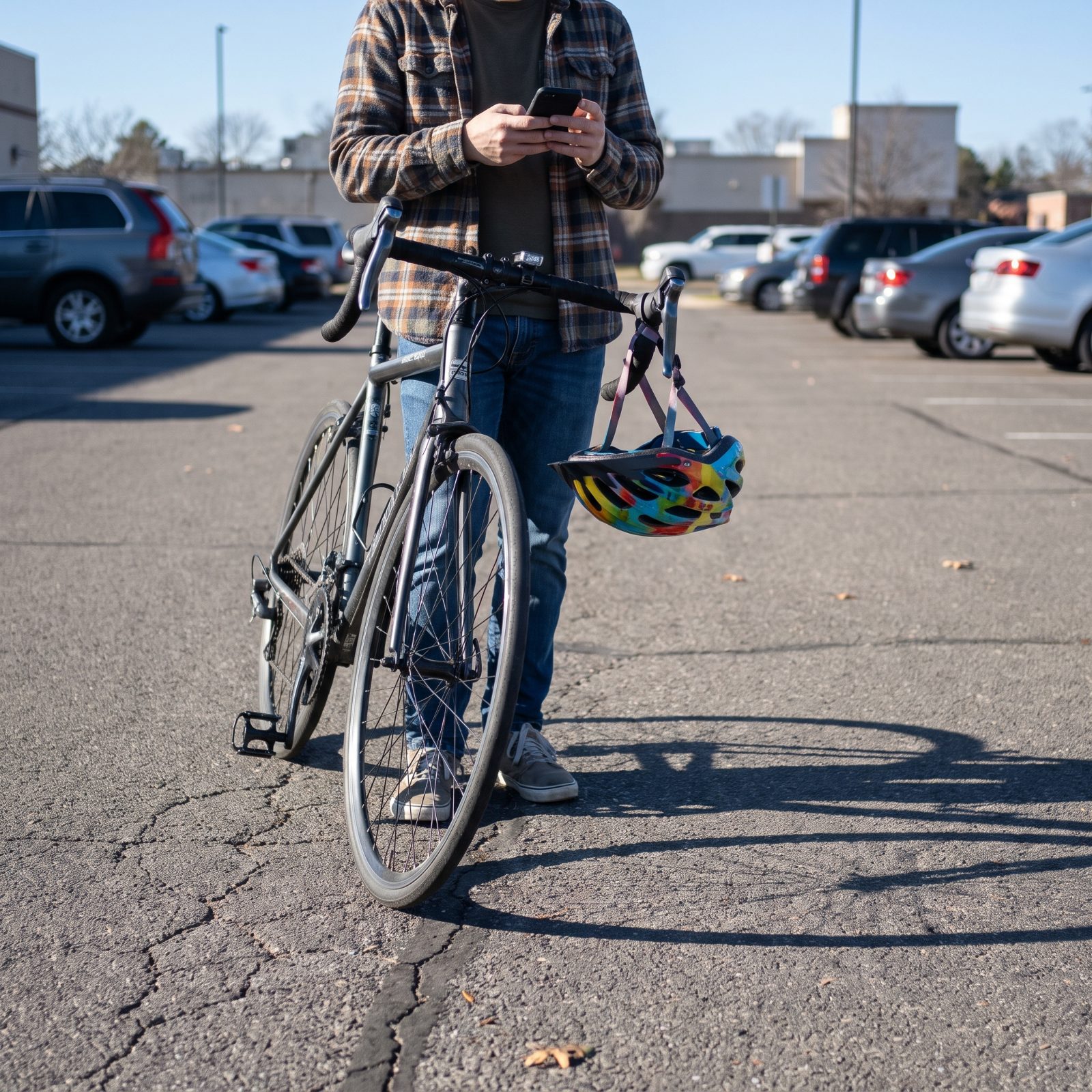
Helmets dangling from the handlebars instead of sitting on heads. That’s the tell, and rangers see it a dozen times a weekend.
From the parking lot the trail looks mellow, almost lazy. Then it drops, loosens into baby-head rocks, and the person who skipped the helmet is the one the rescue helicopter comes for — a head injury on a remote descent is how a two-hour ride turns into a day nobody forgets. Rangers aren’t scolds. They’ve just filled out the paperwork.
18. E-Bikes Being Taken Where They Are Prohibited
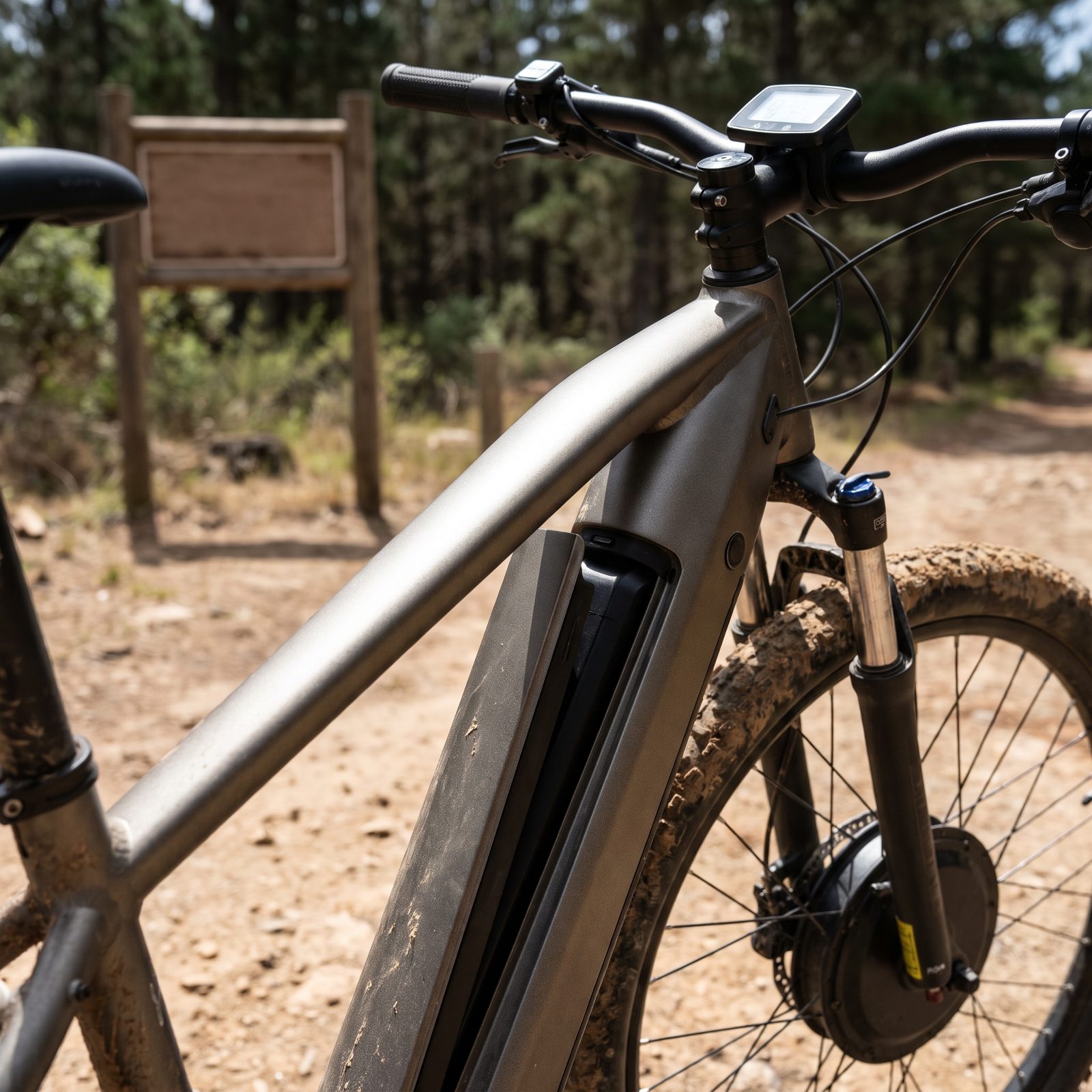
The battery pack is the giveaway. A ranger spots the thick down tube, the hub motor, the little LED display, and knows exactly which trails just became off-limits for that machine.
E-bike rules are a patchwork that would make a tax attorney weep. Class 1, 2, and 3 pedal-assists get treated differently across national parks, Forest Service land, BLM land, and state parks — sometimes within the same county. A trail that welcomes your acoustic mountain bike may ban anything with a motor to protect soil, wildlife corridors, and foot traffic.
17. A Drone Case Coming Out of the Trunk
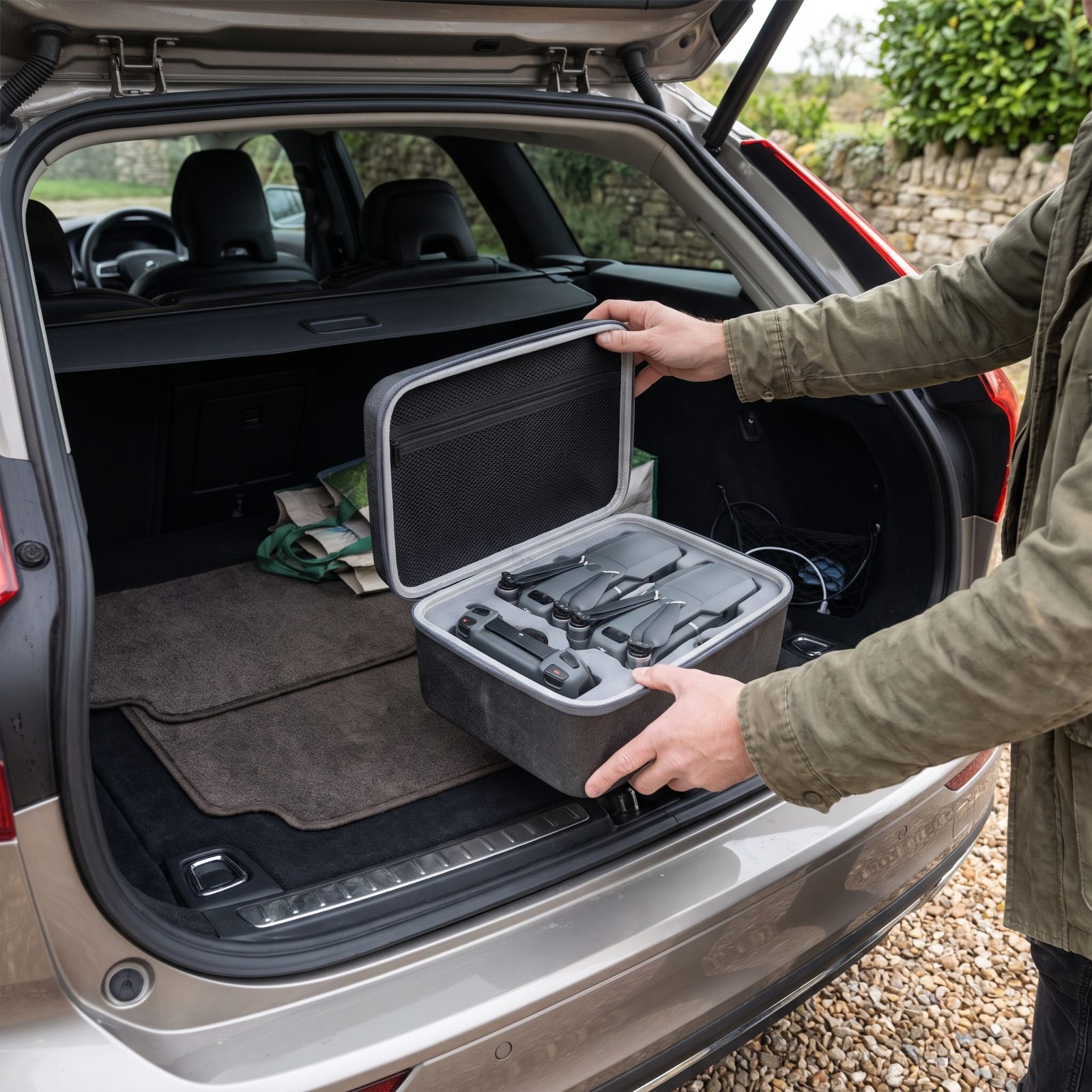
Pop a trunk, lift out a gray foam-lined case with folded props inside, and you’ve just announced your afternoon plans to anyone in uniform.
Flying a drone in a national park is flatly illegal almost everywhere. The National Park Service banned launching, landing, and operating unmanned aircraft across its lands back in 2014, and the fines are real. The reason has little to do with buzzkill and everything to do with bighorn sheep scattering off cliffs, nesting raptors abandoning eggs, and the simple fact that a whining rotor ruins the silence a thousand other people drove hours to find.
16. Firewood Transported From Outside the Area
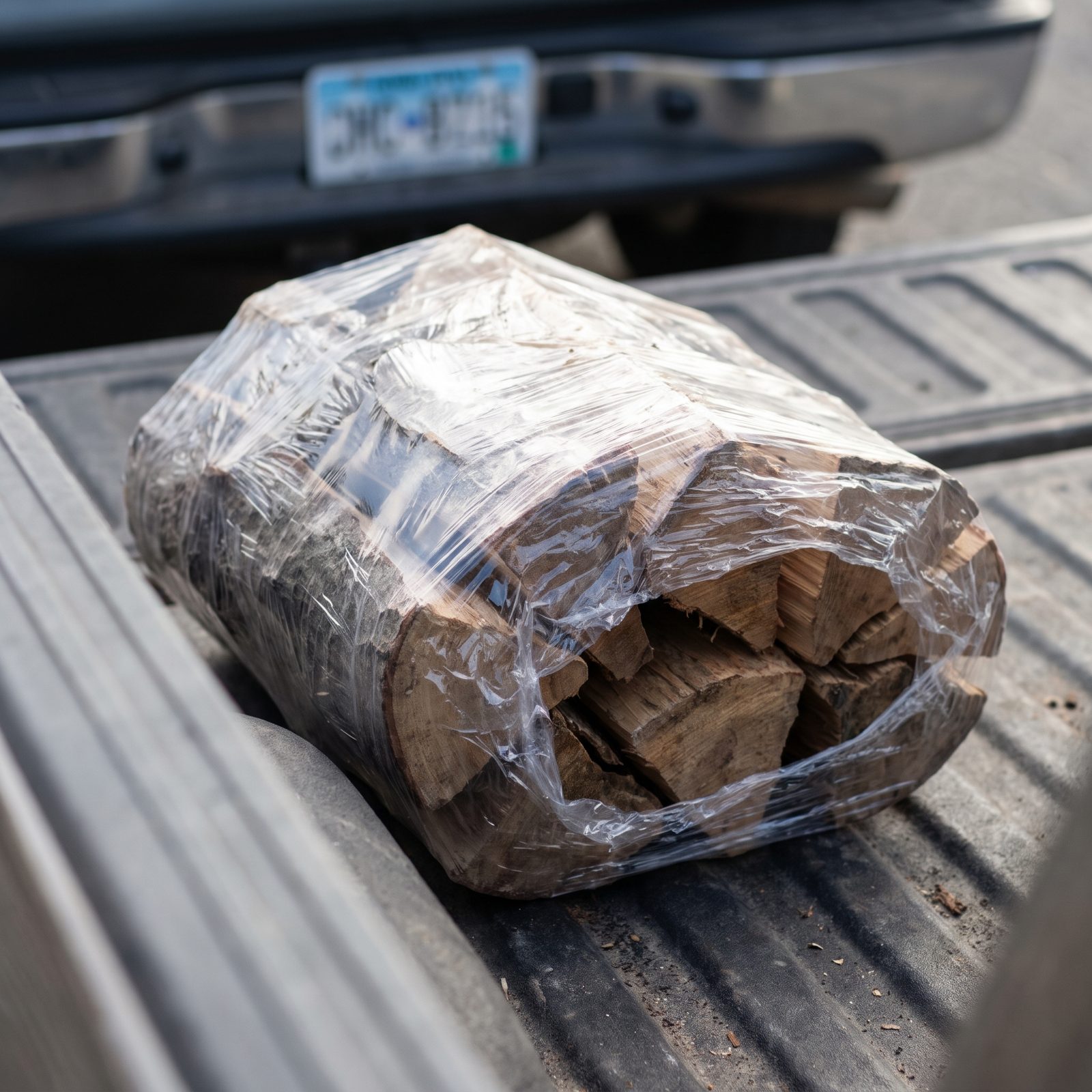
Store-bought firewood still in its shrink-wrap, hauled in from two states over. Rangers hate seeing it, and they’ll tell you why in about four seconds.
Inside that innocent-looking bundle can be the eggs or larvae of emerald ash borer, Asian longhorned beetle, or spotted lanternfly — hitchhikers that have killed tens of millions of trees across North America, with a campfire log serving as one of their favorite rides. So the rule almost everywhere now is blunt and simple: buy it where you burn it, or buy certified heat-treated wood on site.
A single bundle of infested wood can start a forest-wide die-off that outlives everyone standing in the parking lot.
15. Boats or Kayaks That Have Not Been Cleaned and Drained

Dried weeds caught on the trailer. A crust of pale residue along the hull. Water still trickling from the bilge onto the asphalt. To a ranger, that’s a welcome mat for an invasion.
Zebra and quagga mussels, each no bigger than a fingernail, can clog a water system and smother native life in a lake that was clean until they arrived — and they travel in a teaspoon of trapped water or stuck to a hull. That’s why so many launches now run mandatory inspection stations, and why one phrase gets drilled into every boater: clean, drain, dry.
14. Visitors Walking Through Vegetation Instead of Using Paths
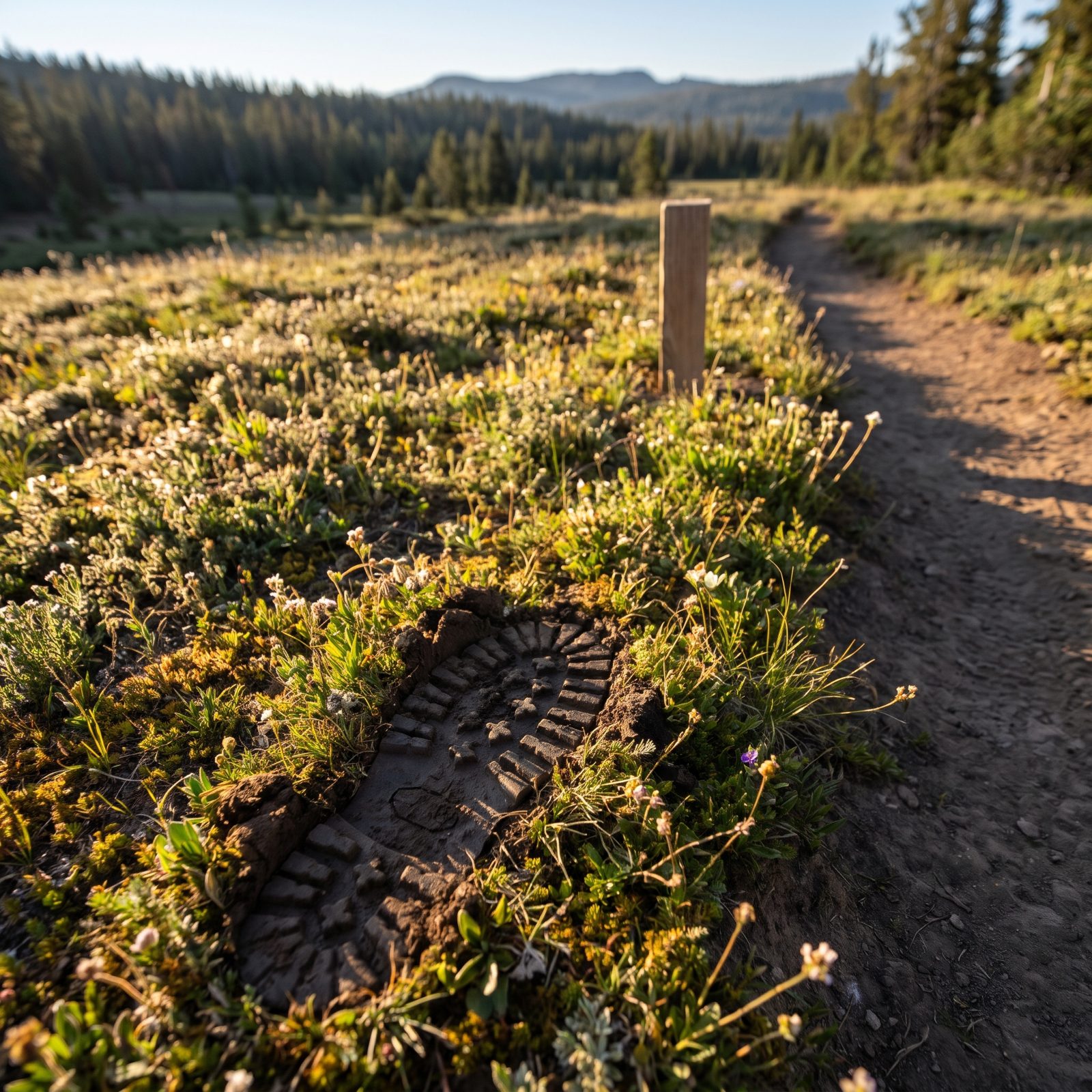
Fresh boot prints cutting straight across the groundcover while the actual trail curves ten feet away. Rangers notice the shortcut before they notice the hiker.
Out in the desert, that dark crumbly soil you’re stepping on is alive. Biologists call it biological soil crust, or cryptobiotic soil — a living mat of cyanobacteria, lichen, and moss that holds the ground together and can take half a century or more to rebuild after one careless boot. Alpine meadows face the same grim math. The path exists so the land can survive the people who love it.
Looking back on years on the job, a former park ranger said “Unfortunately, as a park ranger, I saw folks jumping off the designated path all too often”
13. Trash Being Left Beside a Vehicle
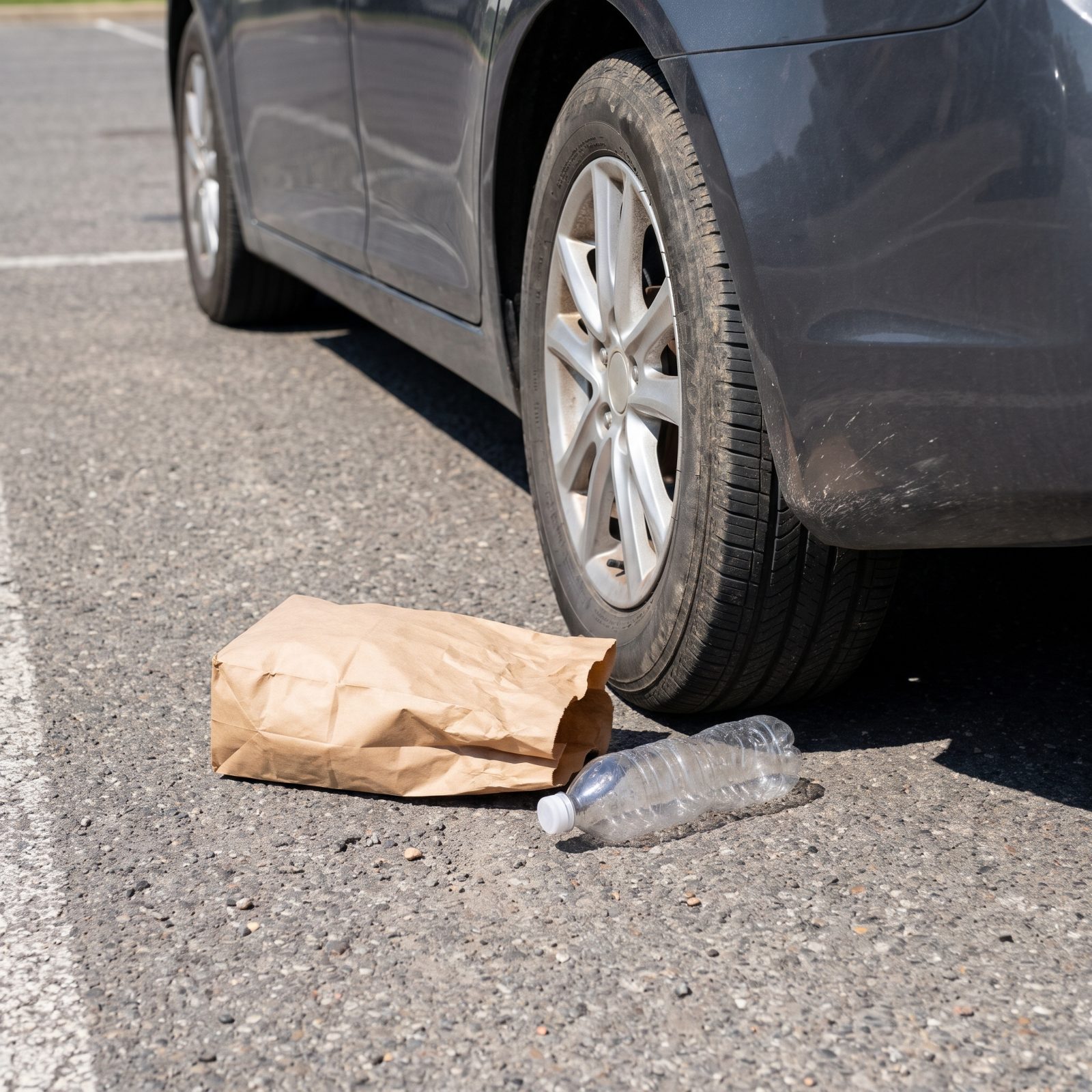
A fast-food bag by the rear tire. A water bottle rolling under the car. It reads as small, and it never is.
Once wildlife learns that parking lots mean food, the trouble starts. Ravens raid nests harder when human snacks pump up their numbers. And a bear that scores one greasy bag becomes a bear that breaks into cars, and a car-breaking bear usually ends up dead — the grim ranger shorthand holds up: a fed animal is a dead animal. That banana peel you figured was biodegradable still takes weeks to break down, and it still teaches the wrong lesson.
12. Loud Music That Masks Warnings and Disturbs Wildlife
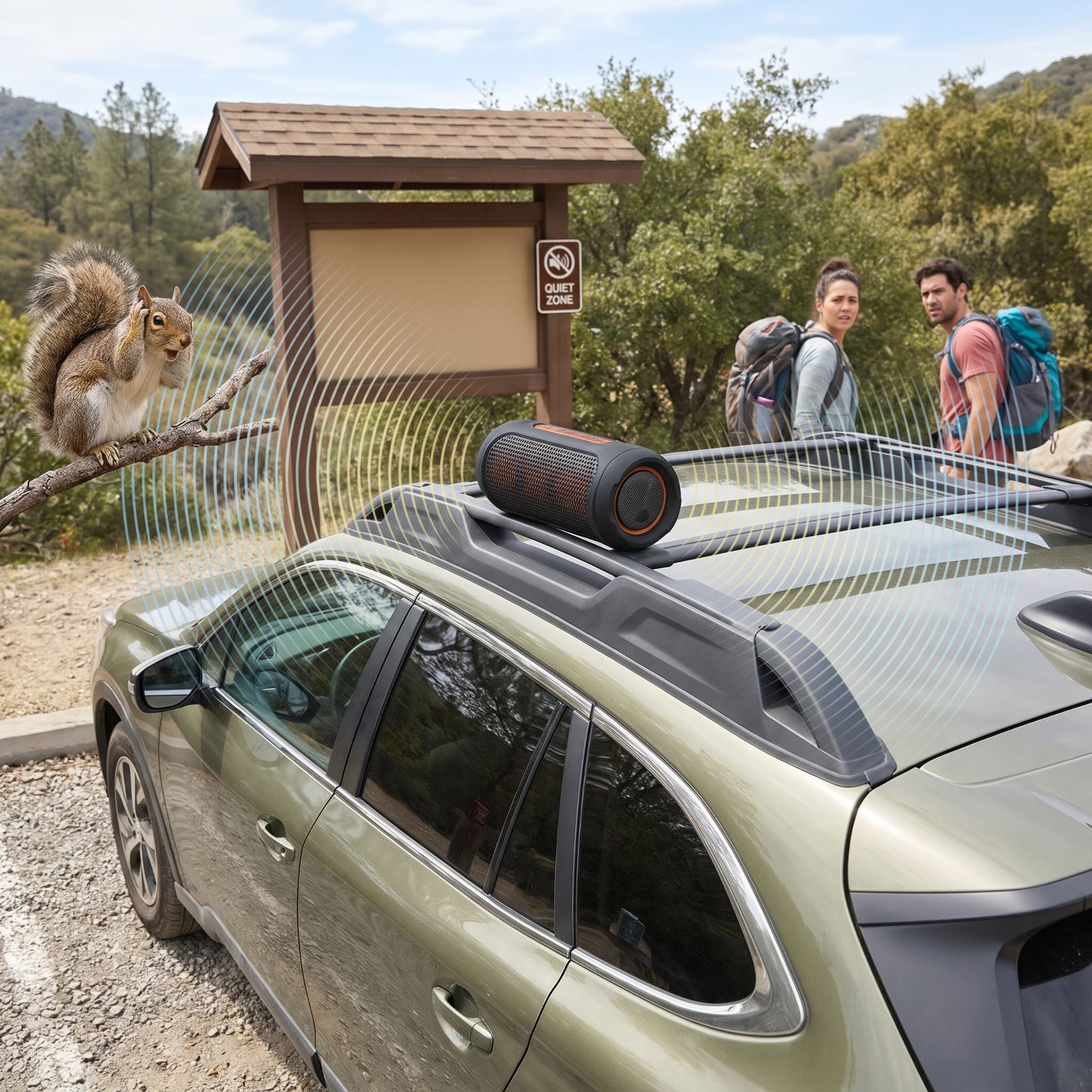
A Bluetooth speaker balanced on the roof of the car, bass carrying across the lot. Rangers wince — and not because they hate your playlist.
Sound is survival gear out there. Music drowns out the rattle of a snake, the warning call of a bird, the branch-crack that means something large is close, and it tears a hole in the quiet that wildlife reads constantly for danger. Researchers have found animals treat human noise the way they treat a predator, feeding less and staying tense long after it fades. The canyon was the soundtrack. You brought your own.
11. Both Earbuds Going In Before the Hike Begins
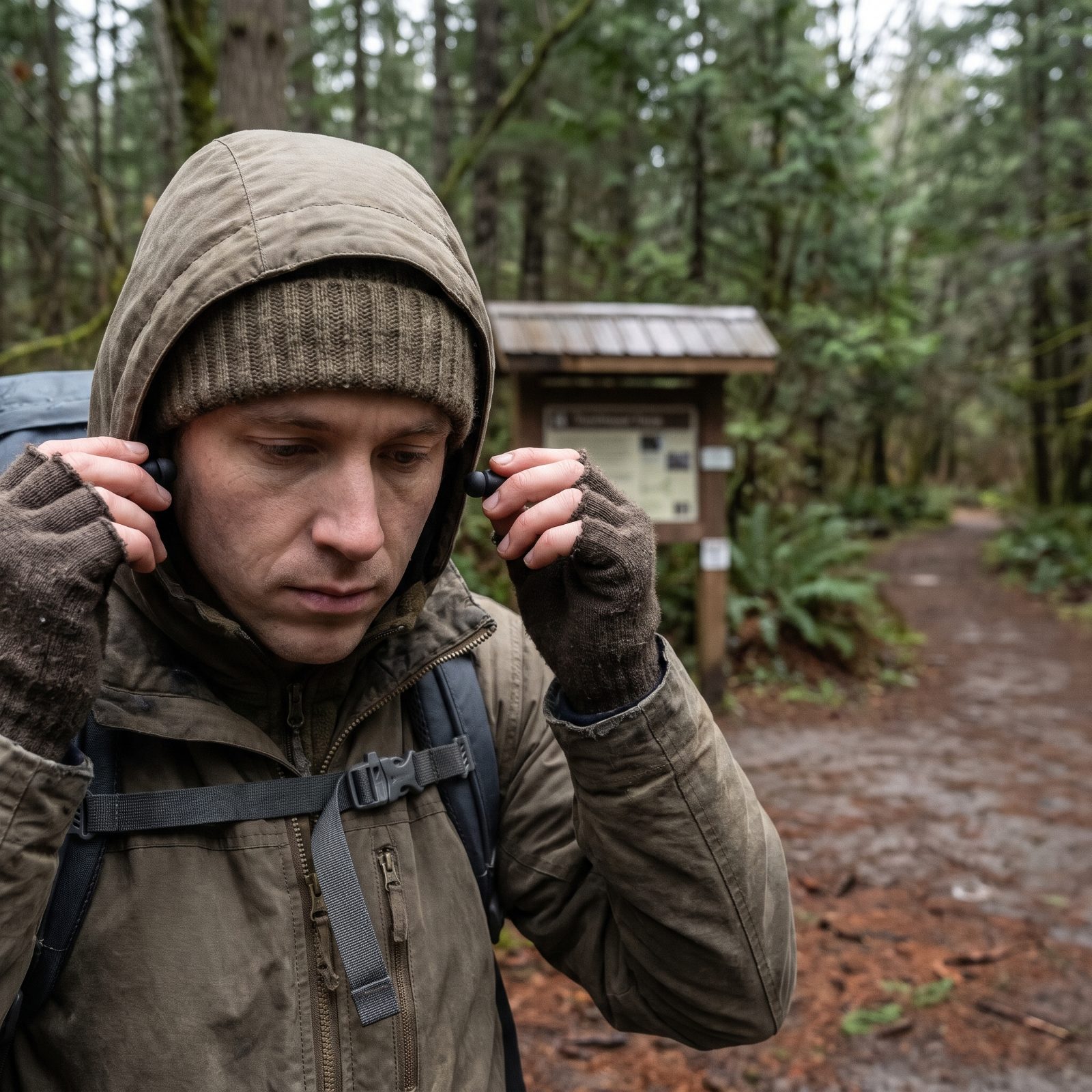
Both earbuds in before the first step on the trail. It looks harmless. It’s the one habit that worries rangers most, because it cuts off the very sense you’ll need in the backcountry.
Hearing is how you catch a mountain biker barreling down a blind corner, a rockfall above, a rattlesnake, another hiker calling for help, or the low huff of a bear that wants you to know it’s there. Earbuds erase every bit of it. If you really need the music, leave one ear open or run it low through a speaker clip. Your ears are the cheapest safety equipment you own, so don’t switch them off at the trailhead.
Writing about headphones on bear-country trails, a search and rescue team in the mountains warns “You may not hear an animal moving through the brush. You may not hear a bear huffing or moving nearby. You may not hear another hiker shouting a warning.”
10. Visible Alcohol or Signs of Intoxication
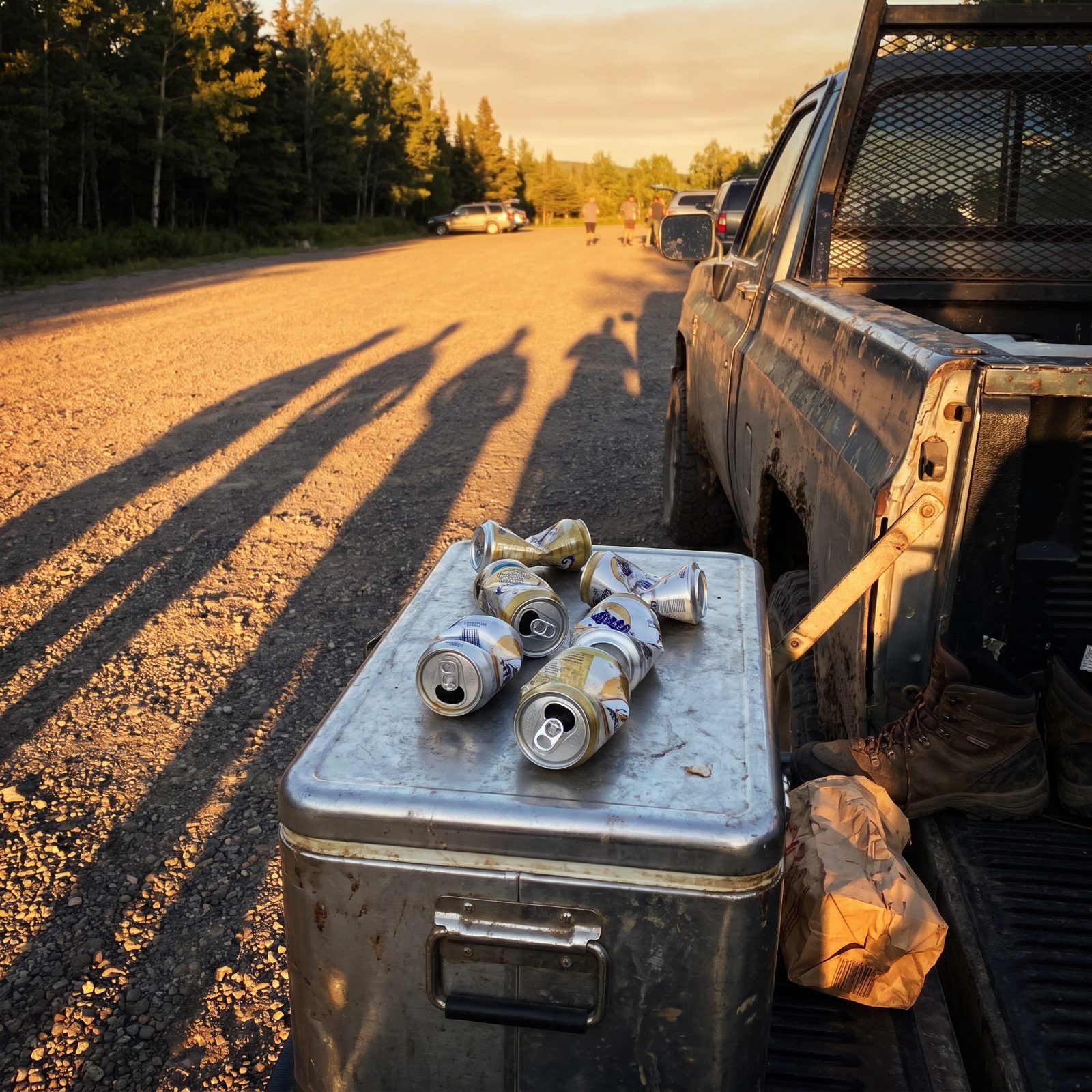
Rangers clock the cooler before they clock the car. Open cans on a tailgate tell a story that has nothing to do with a picnic and everything to do with poor judgment about to meet a few thousand feet of elevation gain.
Alcohol dehydrates you, dulls your balance, and lies to you about how cold you are. On a cliffside trail, that’s how people end up in an incident report with a helicopter attached. A laugh pitched a little too loud, an unsteady reach for the car door, a group making more noise than the parking lot deserves — none of it is illegal, and all of it gets watched.
9. Early Signs of Heat Stress
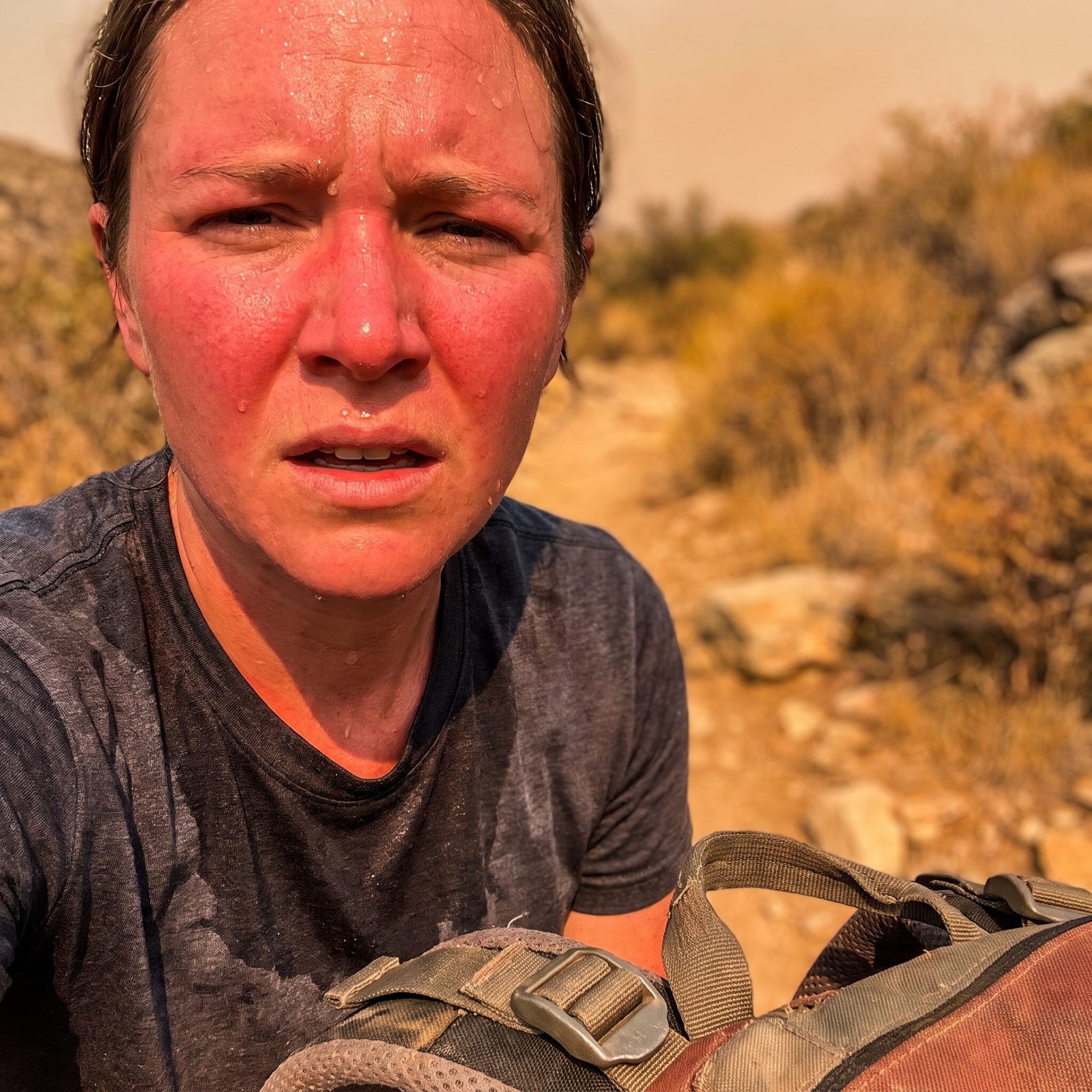
The flush gives it away first. A face gone red and shiny, a shirt soaked through before anyone has set foot on the trail, a tiny water bottle for a four-hour route in blistering heat.
Heat stress starts long before someone collapses, so rangers learn to read the early tells: heavy sweating that suddenly stops, a person lagging behind their group, a hand that keeps drifting up to the forehead. The desert doesn’t care how fit you think you are. It just turns up the dial, quietly, until your body stops keeping pace — and by the time you feel dizzy, you’re already behind.
8. Symptoms of Altitude Sickness
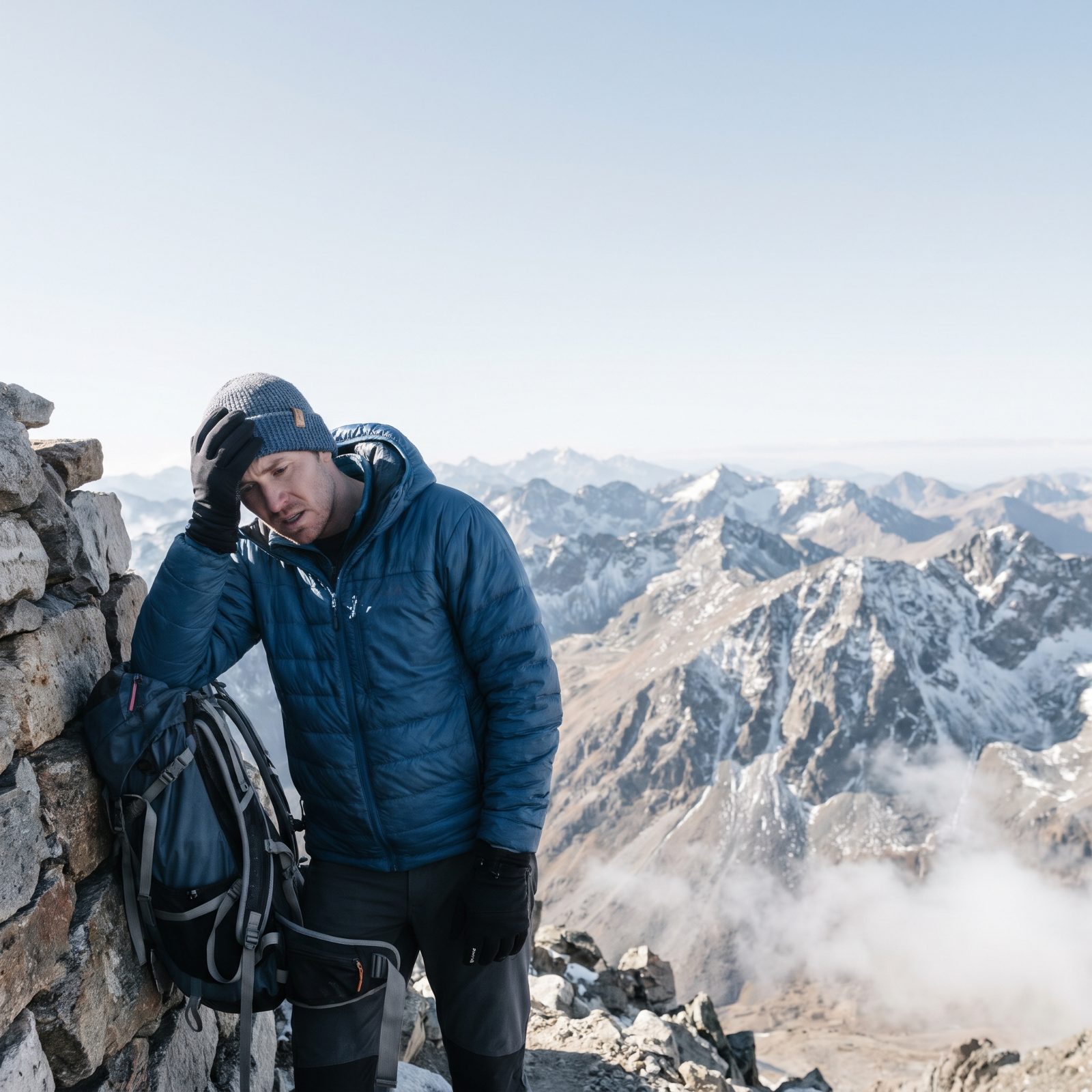
You drove up from sea level this morning, and your body hasn’t caught up. The air up here holds far less oxygen than you’re used to, and the headache that follows isn’t a hangover. It’s the first polite warning.
Rangers at high trailheads watch for the pale face, the hand at the temple, the person already looking queasy before the climb begins. Push higher with early altitude sickness and a bad headache can become fluid pooling in your lungs or brain. The fix is boring, and it works: go down. There’s no toughing this one out.
The mountain doesn’t negotiate with cardio. A marathon runner can get altitude sick while a casual hiker beside them feels fine.
7. Someone Already Limping Before the Hike Starts
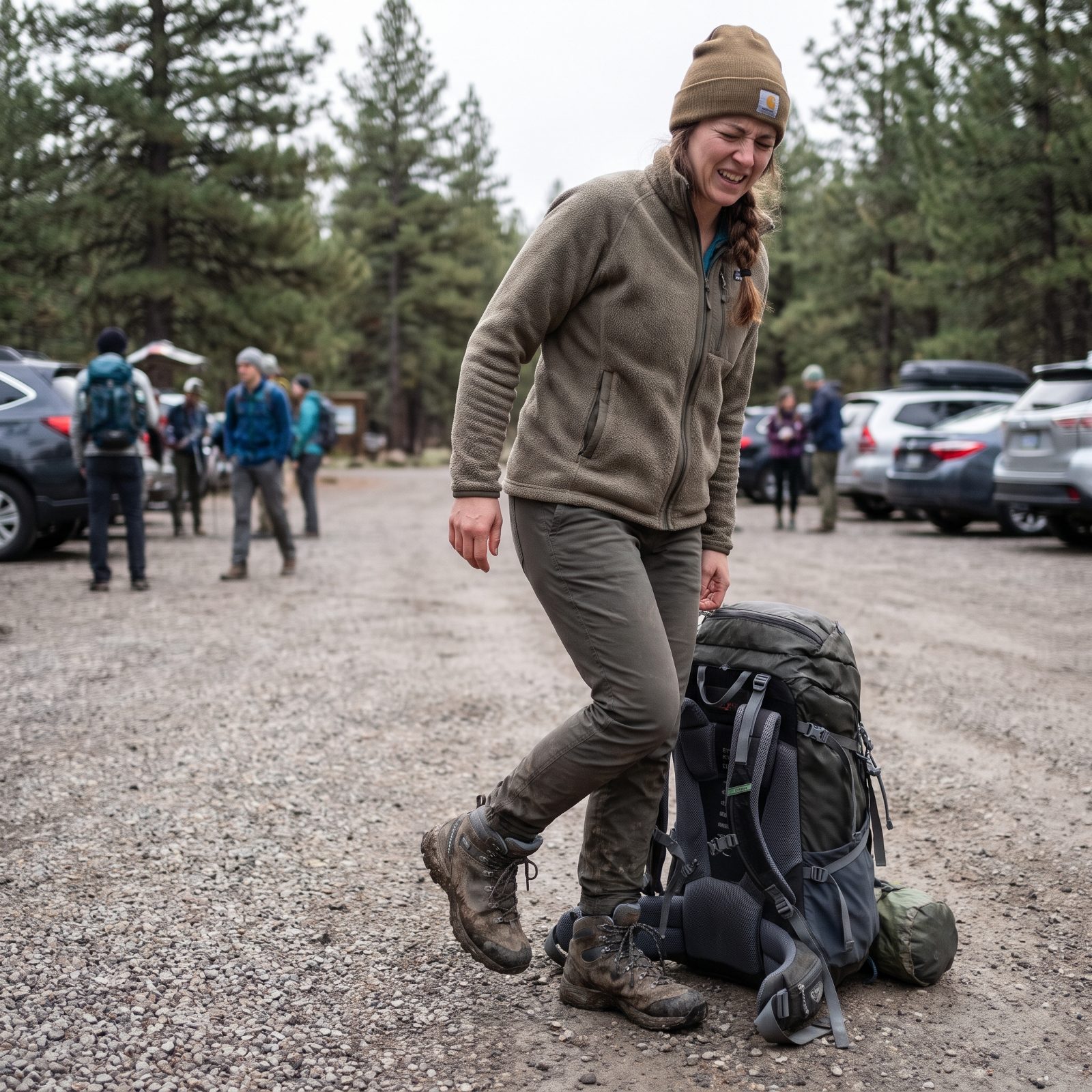
A limp in the parking lot is a limp that gets worse at mile six. Rangers notice the hiker shifting weight off one leg before they’ve touched dirt, the wince on the way out of the car, the knee brace peeking from a pant leg.
Nobody’s going to order you to turn around. But a tender ankle on flat gravel becomes a rescue on a steep switchback, miles from the car, with the light fading. Trails only ever get harder. Start hurt, and you finish in the dark — or you don’t finish at all.
6. Mobility Needs the Chosen Route May Not Accommodate
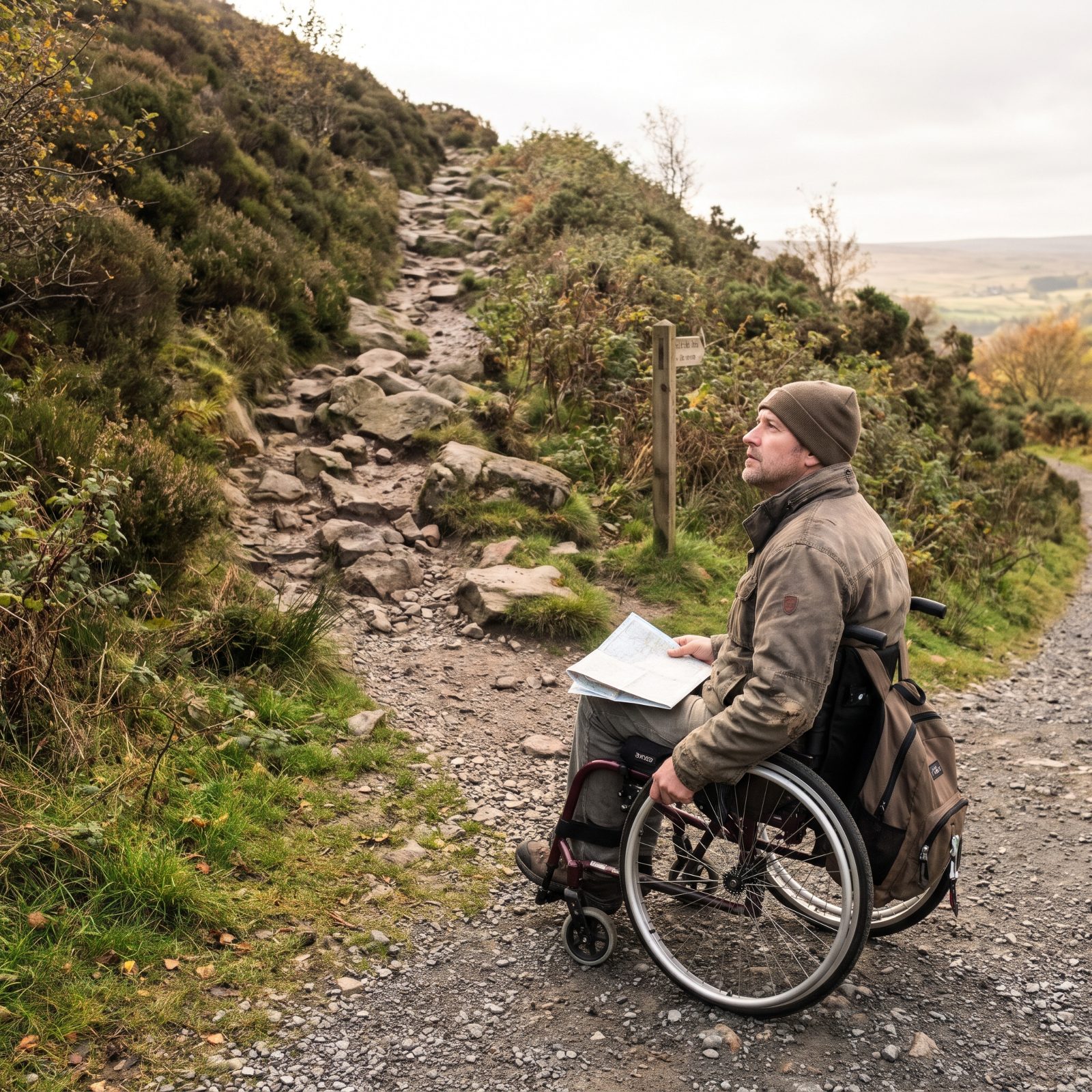
Not every trail that looks gentle on a map is gentle underfoot. Rangers watch for the mismatch between a visitor’s mobility and the route they’ve picked — a cane at the mouth of a boulder scramble, a wheelchair beside a path that dissolves into roots and stone steps a hundred yards in.
The instinct here is to redirect, not discourage. Plenty of parks now have genuinely good accessible paths: boardwalks, firm-packed loops, real views at the end. The problem is almost never desire. It’s a trail description written by someone who never had to think twice about a tripping hazard.
5. Missing Traction Devices in Icy Conditions
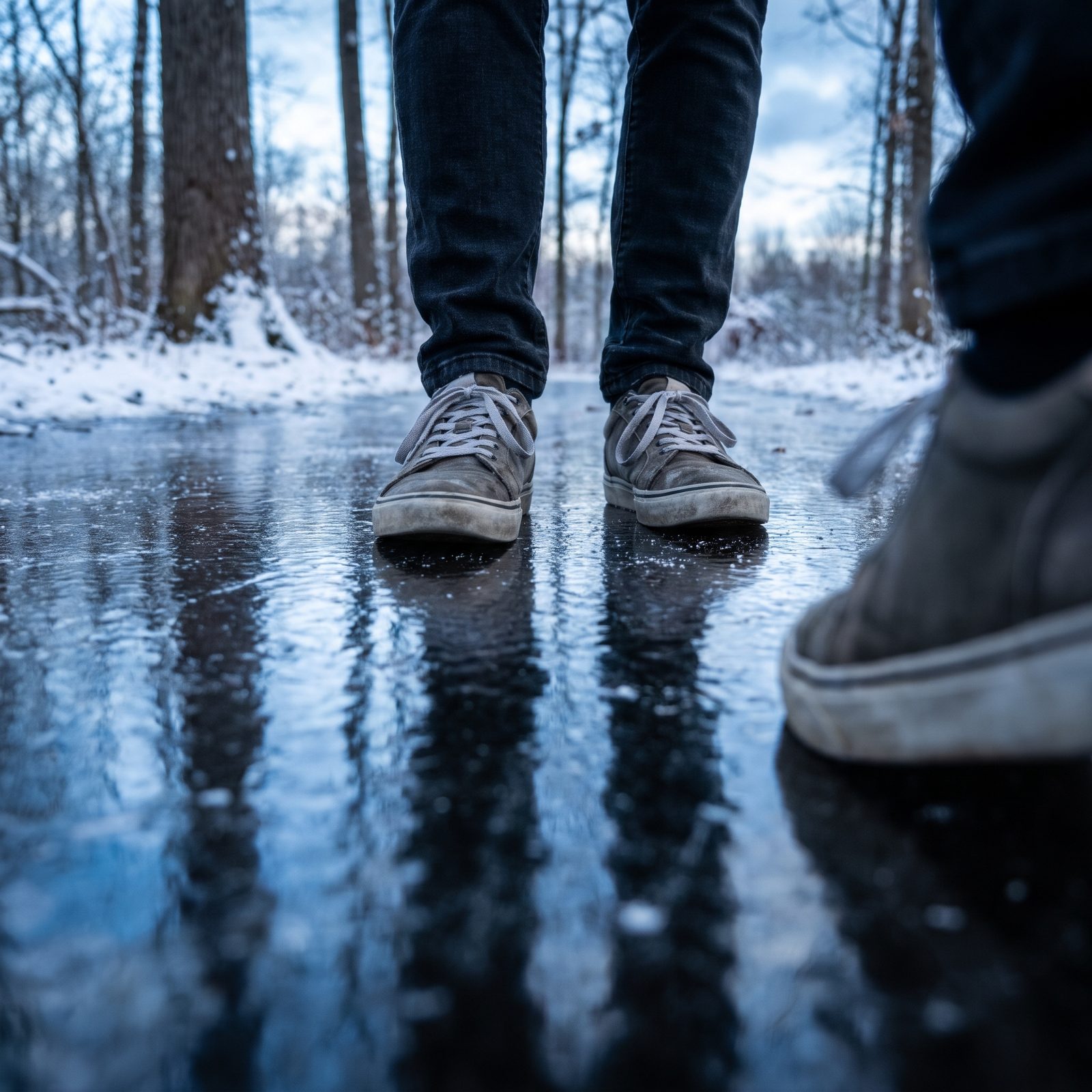
Sneakers on sheet ice. That’s the one that makes a ranger wince from clear across the lot.
When a trail glazes over in winter, the difference between a good walk and a cracked wrist is a strip of metal on the bottom of your boot. Micro-spikes cost less than a decent dinner and slip on in seconds. So rangers spot the hiker heading toward an iced-over trailhead in smooth-soled shoes with nothing for grip, and they already know how it goes — a slow, careful shuffle, then a fall anyway, usually on the way back down when legs are tired and the ice has hardened into glass.
4. No Rain Protection Beneath Building Storm Clouds
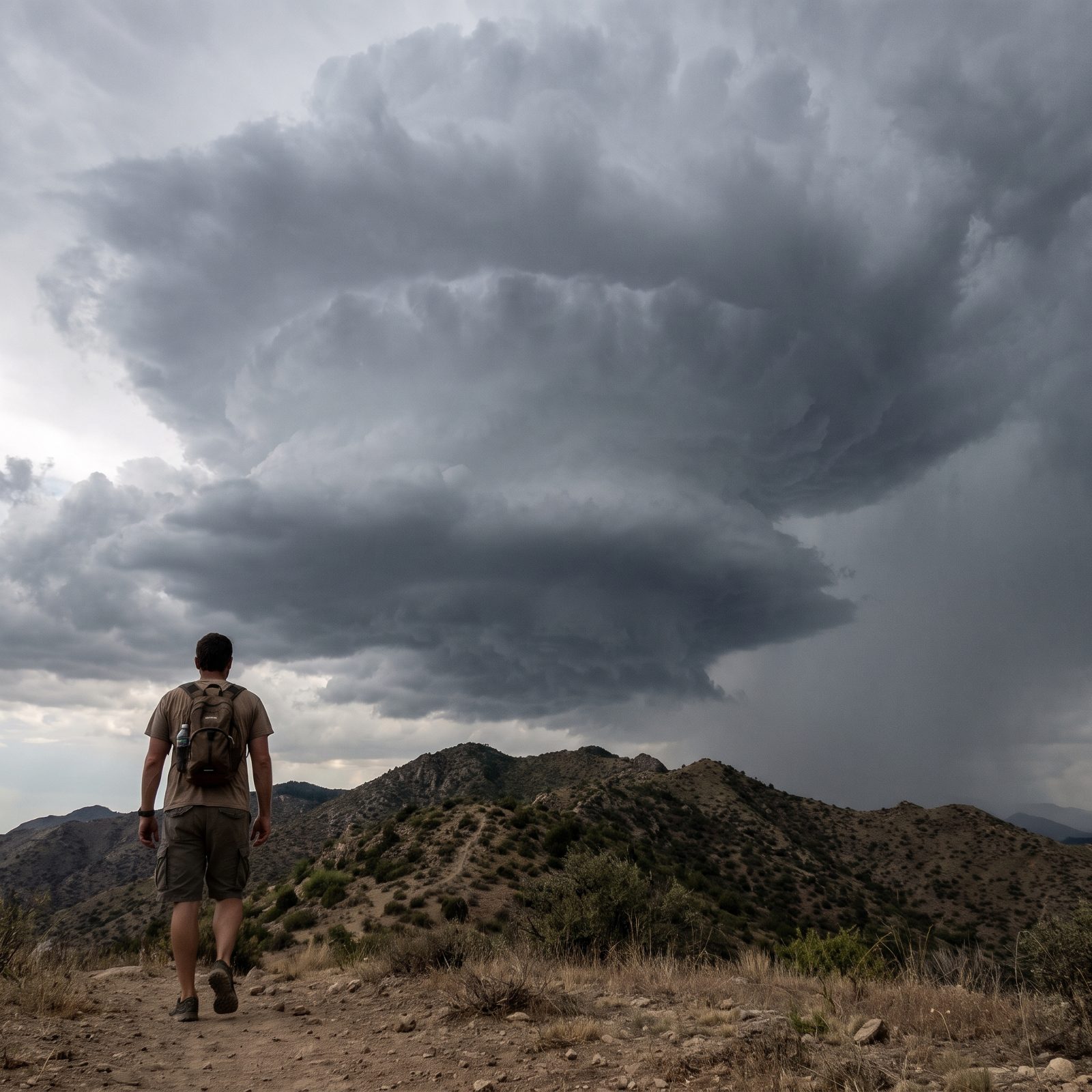
The clouds are stacking up like anvils over the ridge, and someone’s heading out in a cotton tee and shorts with a daypack that clearly holds no shell. Rangers read the sky and the gear in a single glance.
Afternoon thunderstorms in the mountains aren’t a maybe — they’re practically a timetable. Getting soaked at altitude in the wind strips body heat fast, and the person who left their rain layer in the car is the one who comes back cold, miserable, shivering. A packable jacket weighs almost nothing. Leaving it behind on a day like this is a bet against the obvious.
3. Cotton Clothing on a Cold, Wet Route
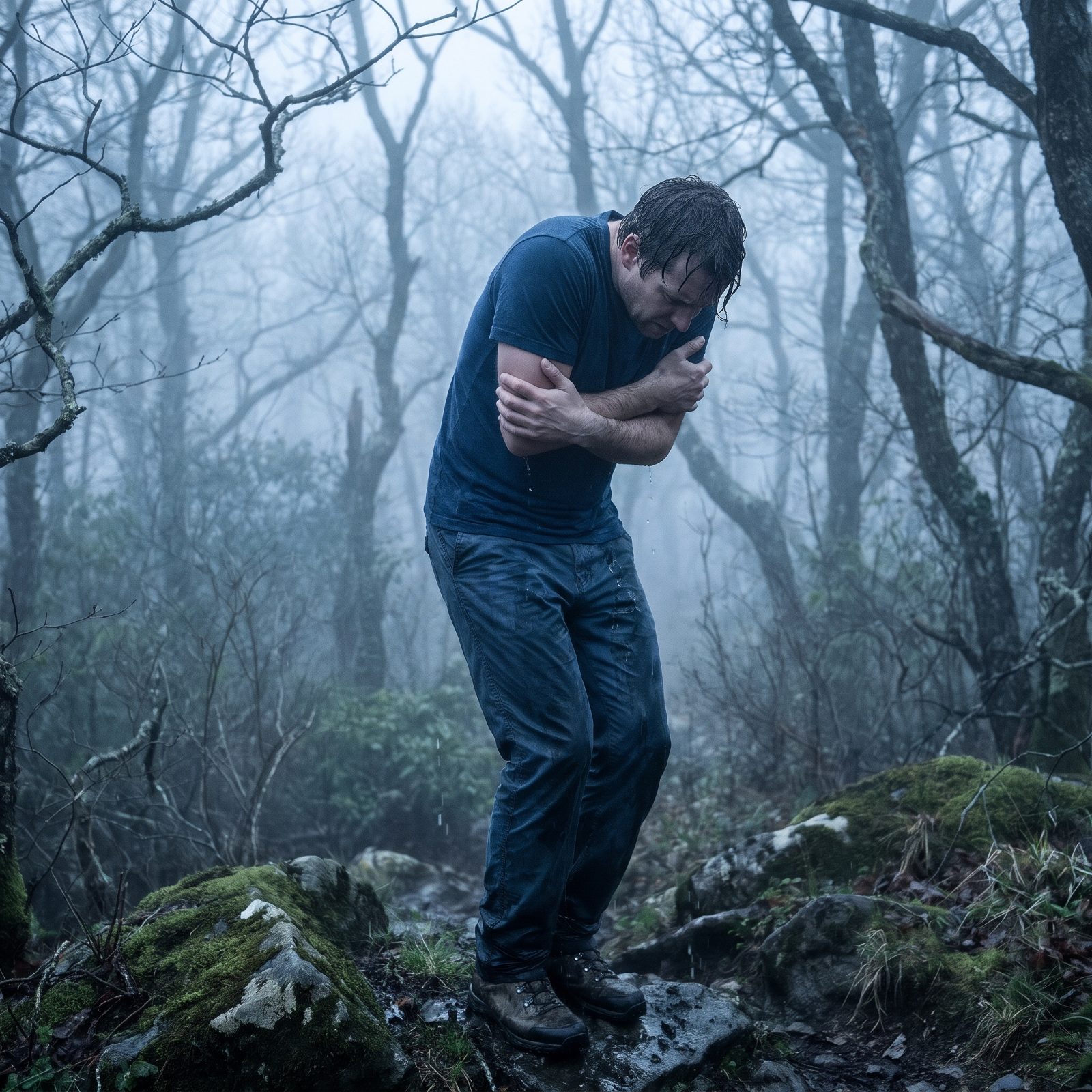
There’s an old line among search-and-rescue crews: cotton kills. Sounds dramatic until you understand the mechanics.
Cotton soaks up water and holds it against your skin, and wet cotton pulls heat out of your body faster than bare skin would. A cotton hoodie and jeans on a cold, misty trail is a hiker slowly refrigerating themselves with every mile. Rangers see the denim and the sweatshirt in a damp lot and already know how the day feels at the turnaround — clammy, chilled, a long way from warm. Wool and synthetics keep working wet. Cotton just gives up.
Explaining why cotton fails in cold, wet weather, a backpacking instructor writes “However, once cotton becomes wet, it loses 95% of its thermal properties. Yes, it will make you colder—a lot colder.”
2. No Blaze Orange During Hunting Season
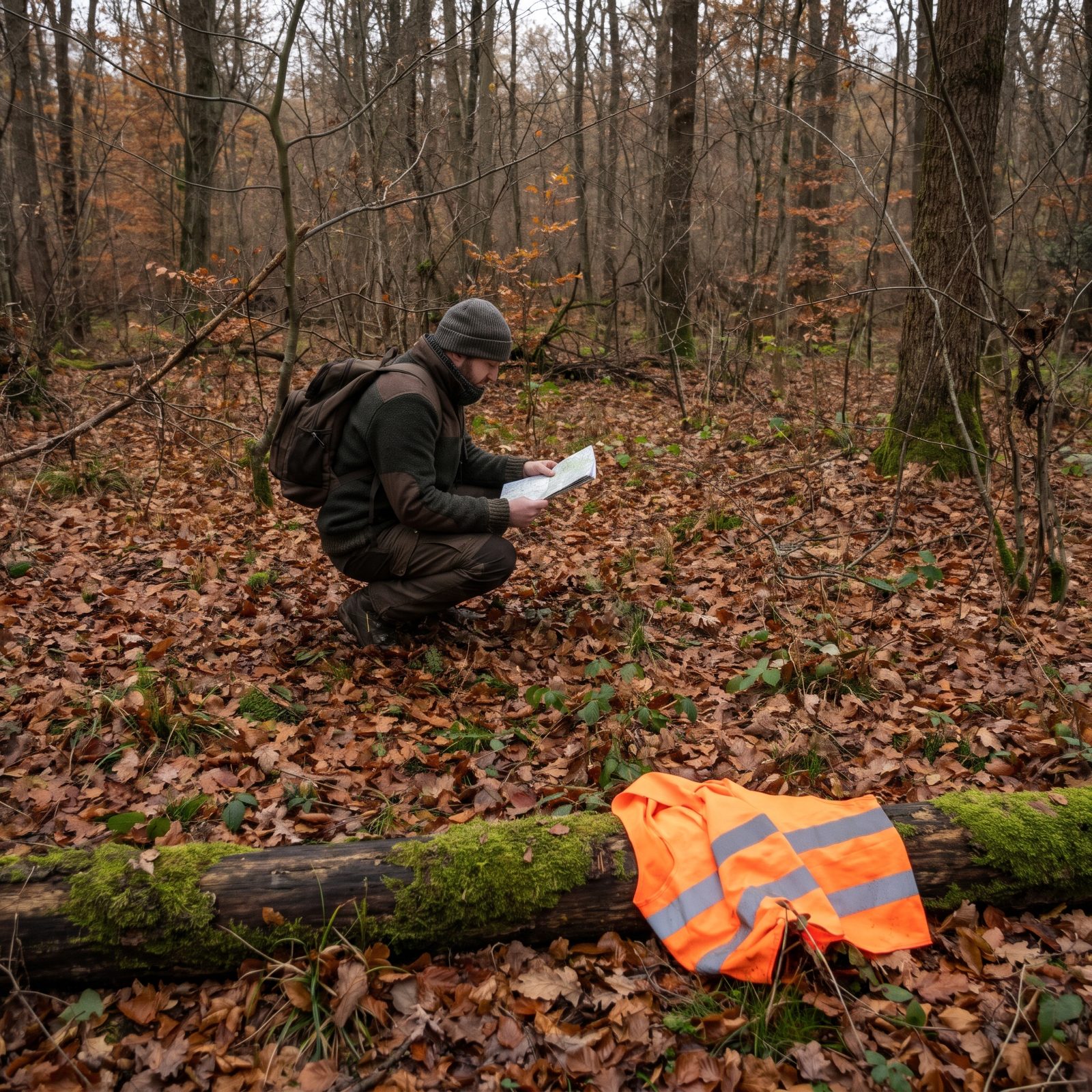
During hunting season on shared public land, the color of your jacket is a safety decision. A hiker dressed head to toe in earth tones, walking into woods where hunters are active, has effectively camouflaged themselves at the worst possible moment.
Blaze orange exists because deer can’t see it well but humans can, from a long way off. Rangers notice the visitor in brown and tan heading past a posted hunting-area sign with no orange anywhere on them. It’s a cheap vest. It takes two seconds. In the fall woods, being unmistakably human-shaped and loud with color is what keeps you from getting mistaken for a deer.
1. Visitors Approaching Wildlife Beside the Cars
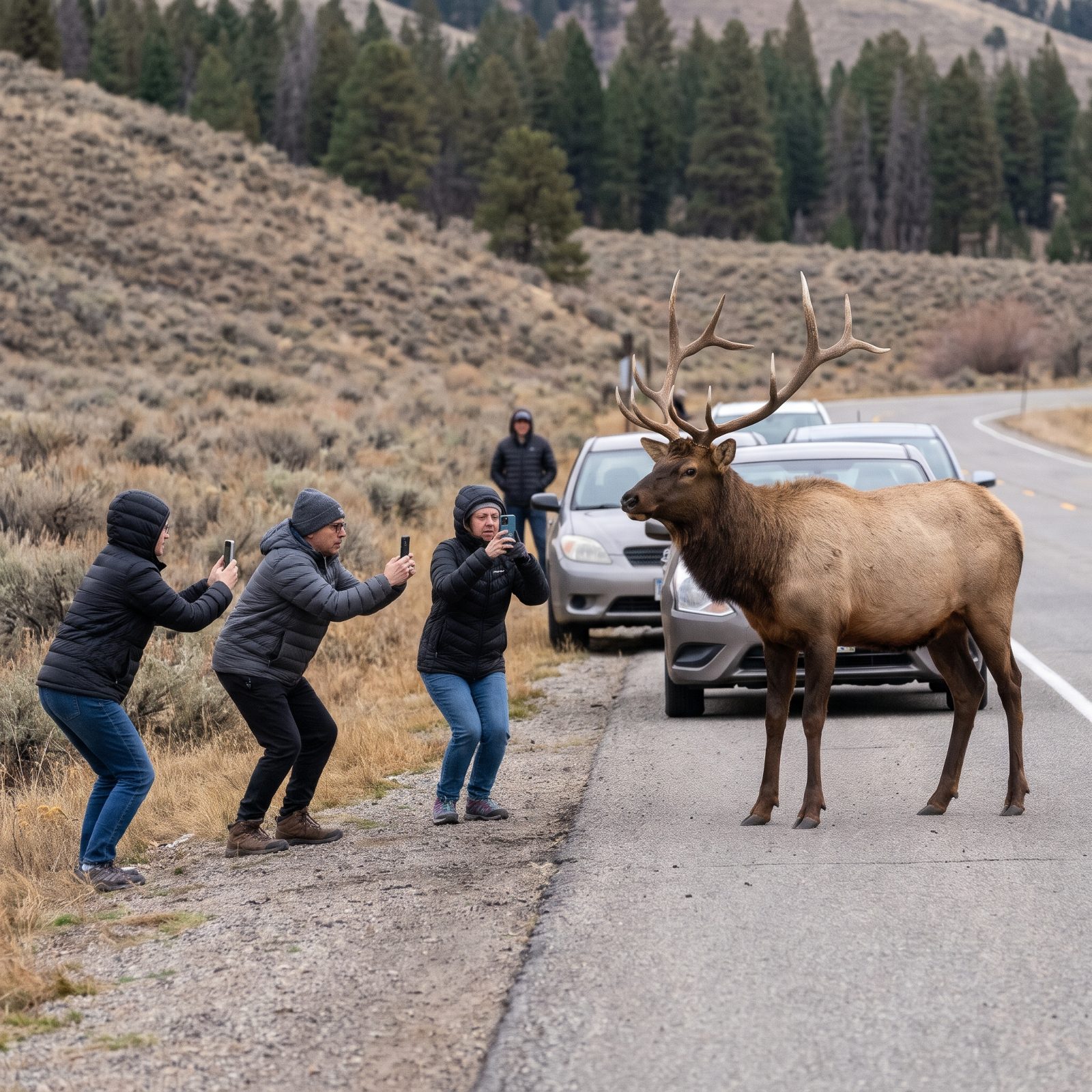
An elk the size of a horse is grazing beside the cars, and three people are inching toward it with phones up. This is the clue that makes rangers move fast, because it’s the one that turns dangerous in seconds.
Wild animals near parking lots look tame. They aren’t. A bull elk in the rut, a cow moose with a calf, a bison that weighs a literal ton — all of them will charge when crowded, and every year someone learns this the hard way for a photo. Most parks keep it simple: stay at least 25 yards from the general wildlife, 100 from bears and wolves. And if an animal reacts to you at all, you’re already too close.
The animal that lets you get close isn’t friendly. It’s deciding how it feels about you, and it can change its mind faster than you can run.
When a crowd edged toward elk grazing beside a parking lot, a park ranger stepped in and called the tourists back to give the animals more space.