

A bat just swooped past your porch light and threaded a gap the width of a playing card, in the dark, at full speed. People will still tell you it’s blind. That’s the problem with animal myths: they sound reasonable, they get repeated at campfires and in classrooms for a century, and almost none of them survive contact with the actual biology. The creatures below have been slandered for generations by half-remembered facts and bad cartoons. Here’s what’s really going on under the fur, feathers, and scales, and why the truth tends to be stranger than the story we invented.
46. Bats Are Blind (They Actually See Just Fine)
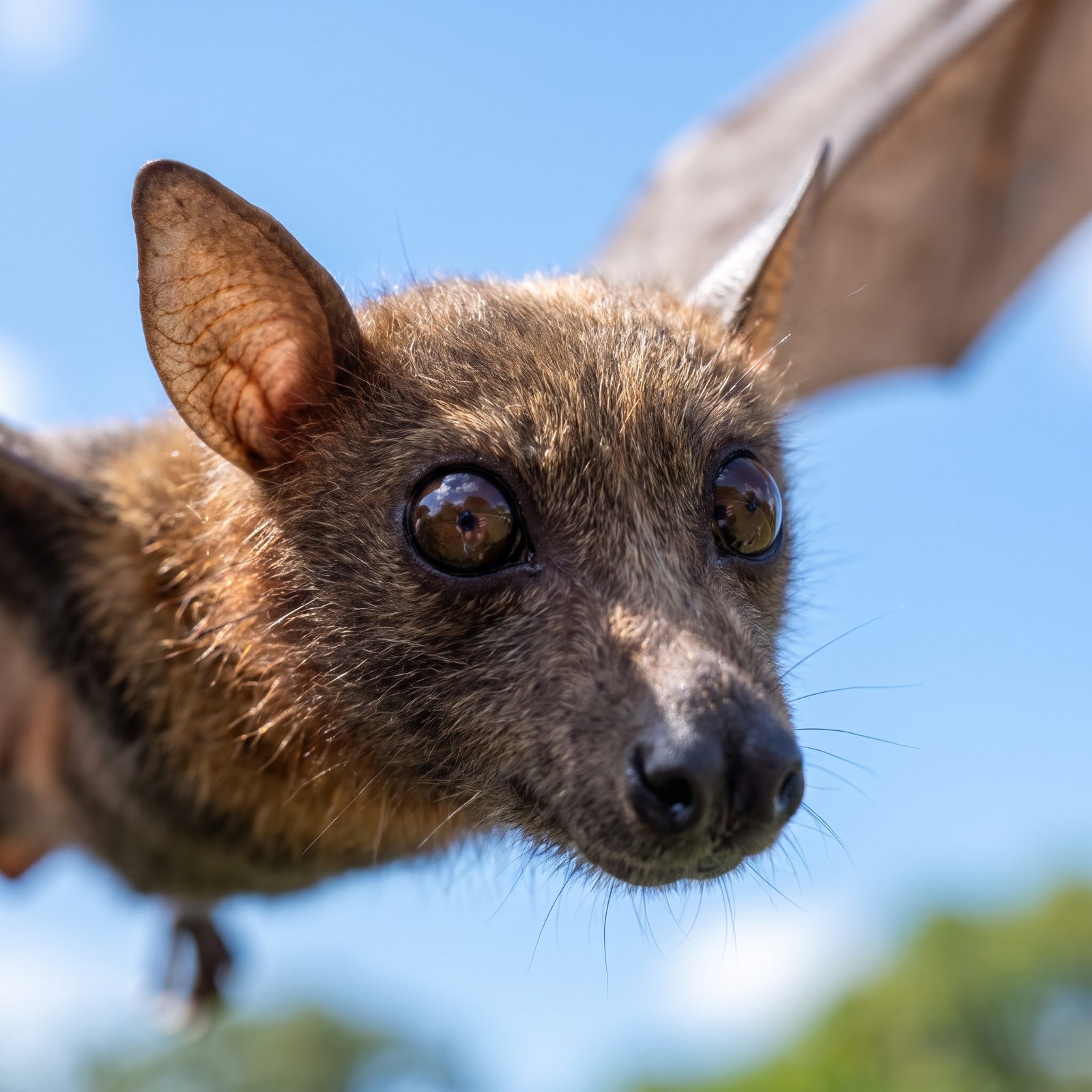
No bat on Earth is blind. Every single one has working eyes, and plenty of fruit bats see better in low light than you do. The myth grew out of echolocation, that astonishing clicking sonar insect-hunters use to map the dark, and the lazy assumption that followed it: if an animal navigates by sound, surely it isn’t using its eyes. Backwards logic.
Vision and echolocation actually run as a team. Bats lean on their eyes for long-range orientation and the moon’s position, then flip to sound for the fine work of snatching a moth out of the air. “Blind as a bat” libels one of the sharpest sensory systems anywhere.
45. Bulls See Red and Charge (They Can’t Even See Red)
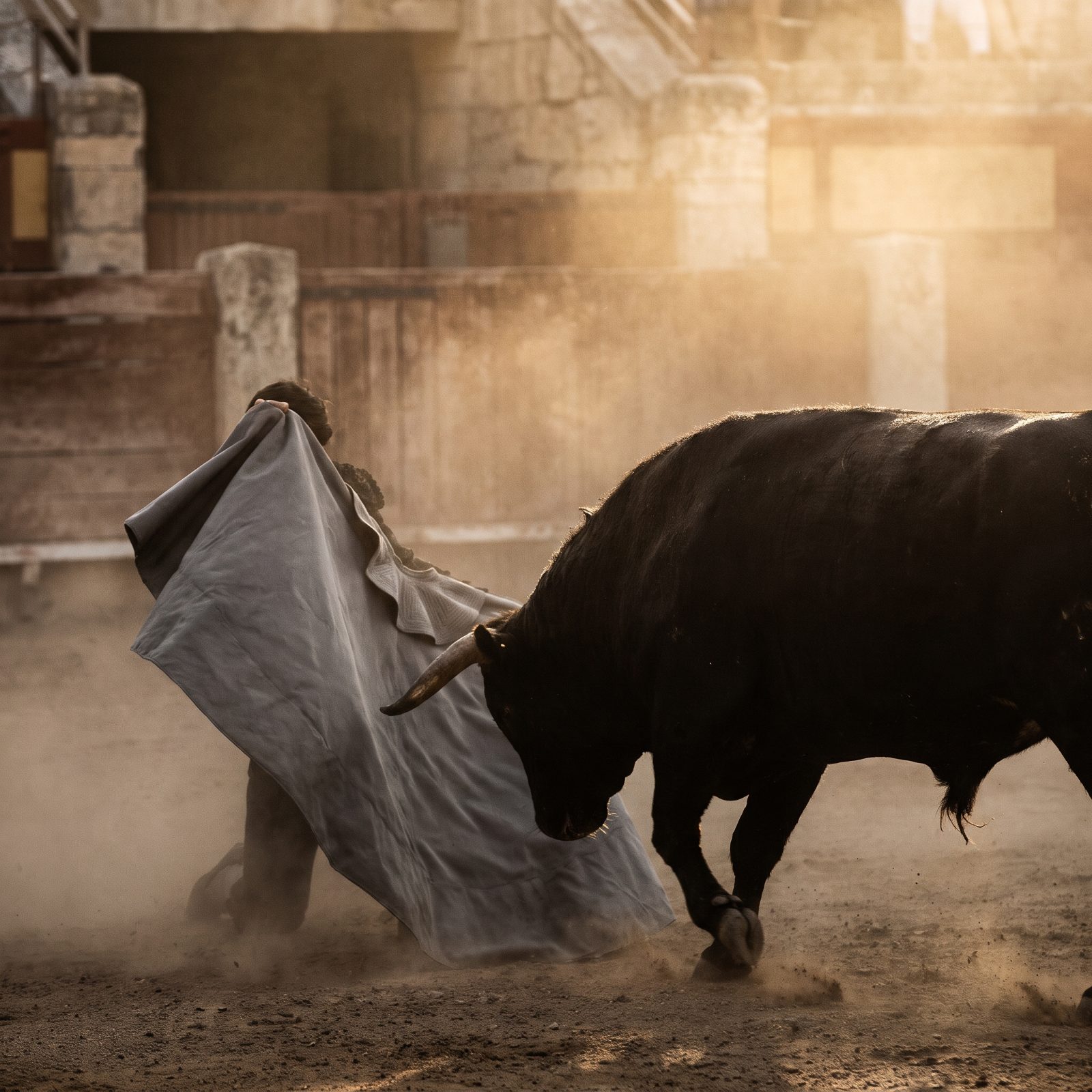
Here’s the detail that ruins the whole spectacle: cattle are red-green colorblind. A bull cannot tell the matador’s red cape from a gray one. What sets it off is the violent snapping movement of the fabric, plus the fact that by the time the cape appears, the animal is already agitated and in pain.
Red was picked to hide blood and juice up the drama. Wave a blue flag at the same speed and you’d get the same charge. The color is for the crowd, nothing more.
44. Ostriches Bury Their Heads in the Sand (A 2,000-Year-Old Misread)
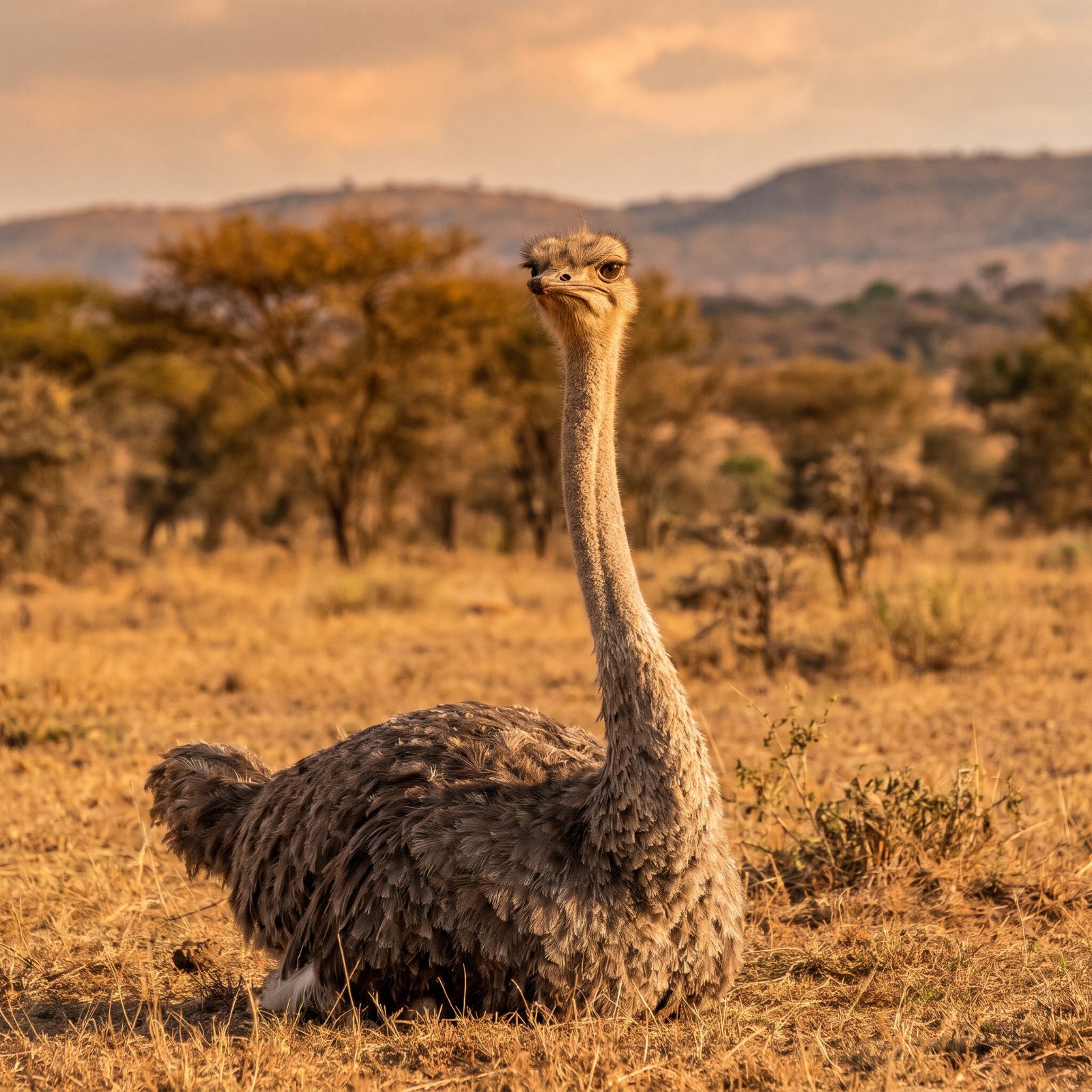
Ostriches do not, and cannot, bury their heads in the sand. They’d suffocate. The whole idea is a misreading that’s been bouncing around since the Roman writer Pliny the Elder scribbled it down.
What people actually watched was an ostrich tending its nest. These birds dig shallow pits for their eggs, and several times a day they drop their heads down to turn them with their beaks. From a distance, with the skull pressed low against the dirt, it looks like the bird made its head disappear into the earth. Spook a real ostrich and it does the opposite of hiding. It runs at close to 45 miles per hour, or kicks hard enough to kill a lion.
43. Camels Store Water in Their Humps (It’s Fat in There)
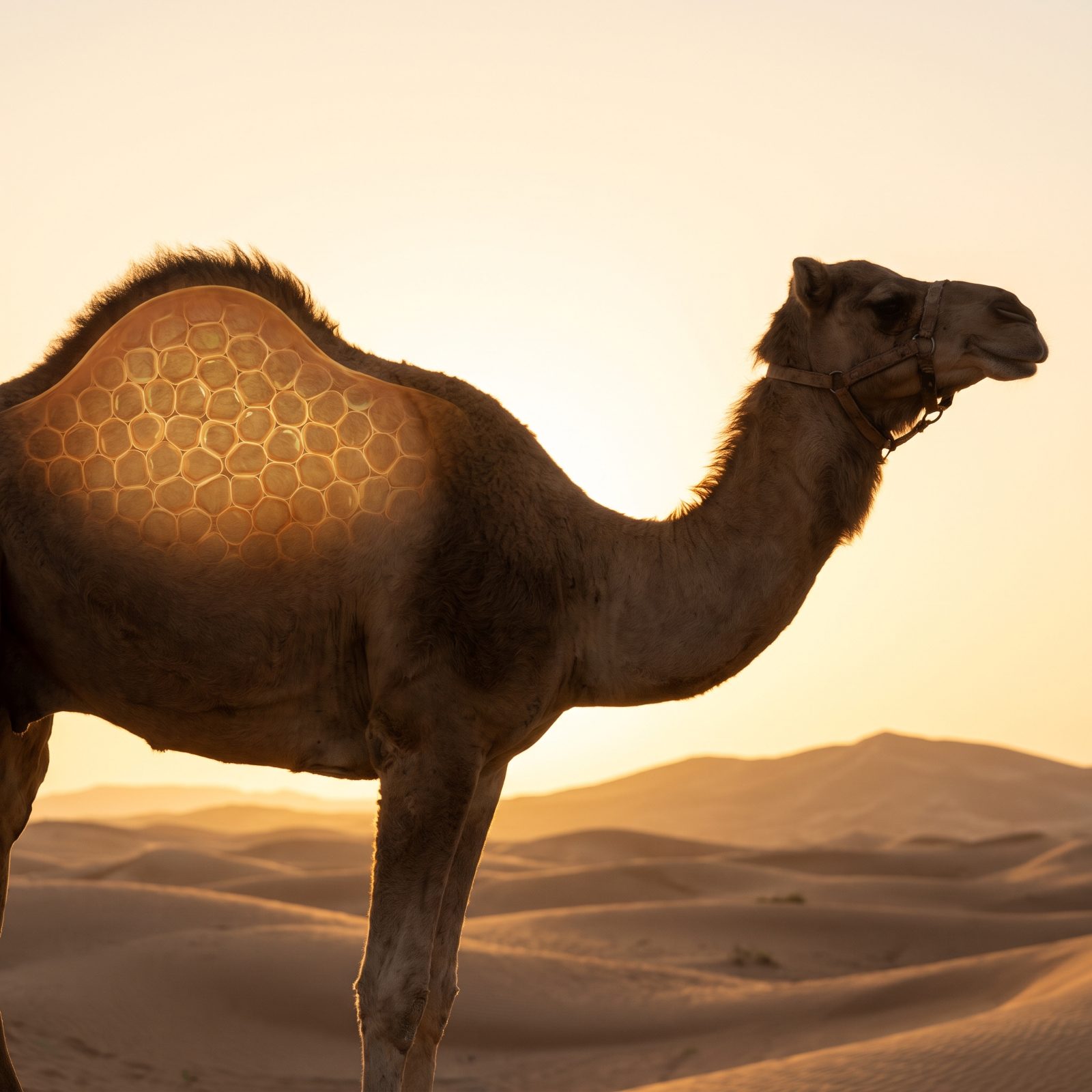
Crack open a camel and you won’t find a canteen. You’ll find fat, packed in yellow lobes like the ones in the cutaway above.
That fat is a food reserve the camel burns through lean stretches, and breaking it down does free up a trickle of water as a byproduct. The real hydration tricks live elsewhere. A camel can gulp 30 gallons in a few minutes, its oval-shaped red blood cells keep flowing even when it’s badly dehydrated, and it barely sweats. When a hump flops over and lolls to one side, that’s a camel running low on fat, not low on water.
42. Chameleons Change Color to Match Any Background (Nope)
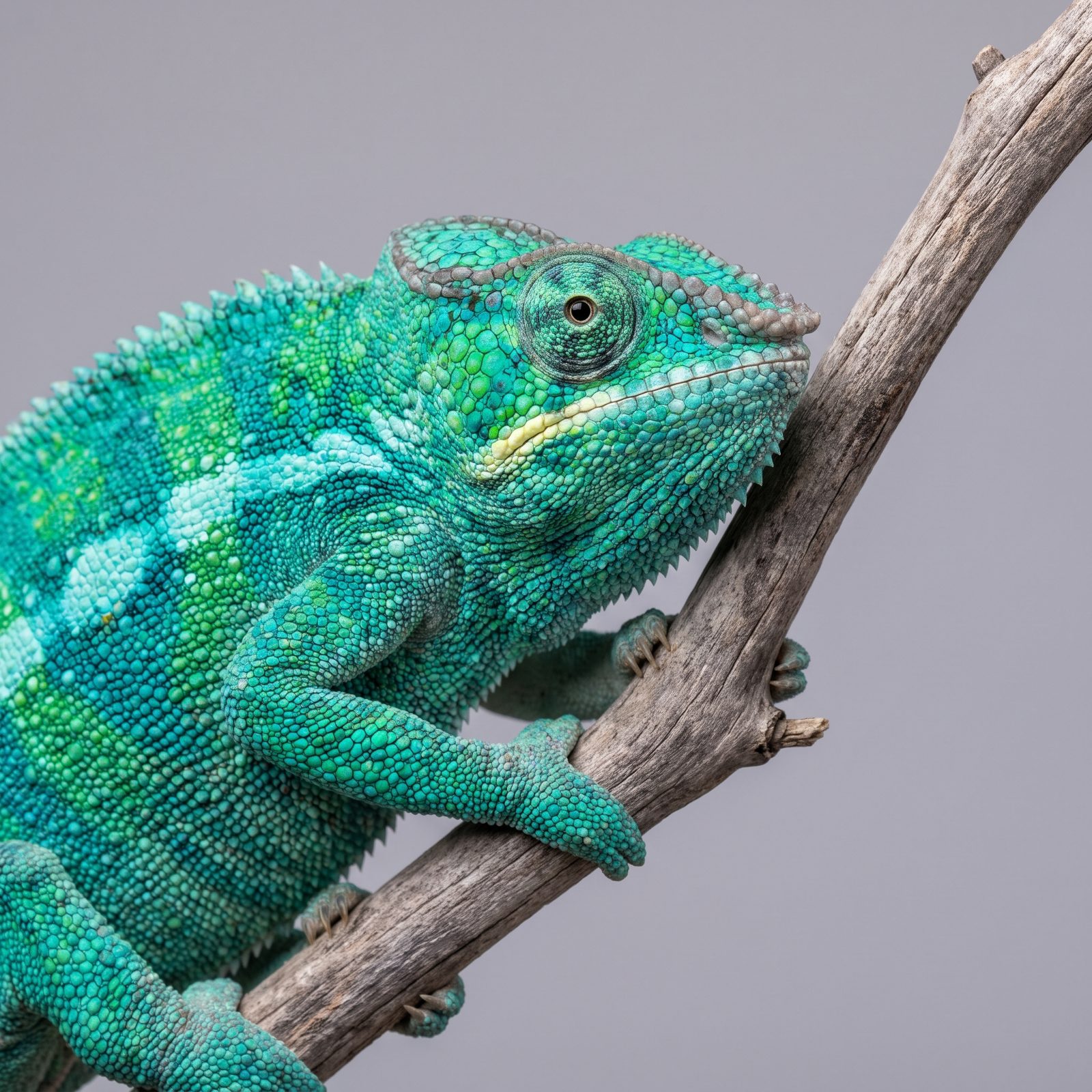
Chameleons aren’t living camouflage wallpaper. They can’t go plaid to match your couch. Their color shifts are mostly about temperature and mood.
Underneath the skin sit layers of tiny crystal-packed cells called iridophores. By stretching or relaxing the spacing between those crystals, the chameleon changes which wavelengths of light bounce back out. A cold one goes dark to drink in heat. An angry or courting one flares into bright warning signals aimed at rivals and mates. Camouflage does happen, sure, but only as a side effect of a resting palette that already matches leaves and bark. They’re broadcasting feelings, not disappearing into the fridge.
41. Porcupines Shoot Their Quills Like Arrows (They Don’t Launch Anything)
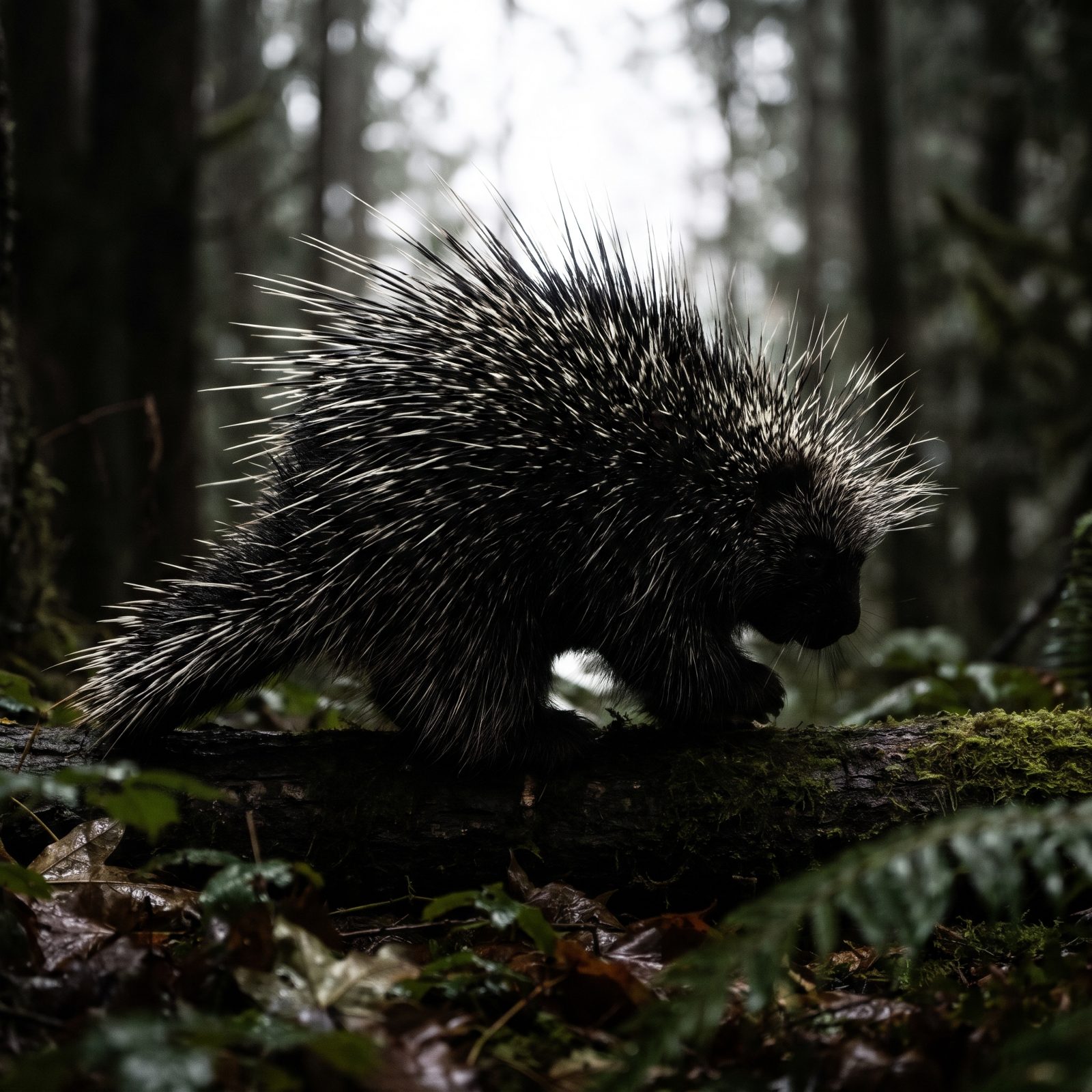
A porcupine has no quill cannon. It can’t fire, throw, or launch a single one. Those tens of thousands of quills are modified hairs, loosely rooted so they detach the instant something touches them. That’s the entire defense.
When something threatens it, the porcupine turns its back, raises the quills, and lashes that muscular tail. Make contact and the barbed quills pull free and sink in. The tips are the ugly part, angled so they burrow deeper with every twitch of your muscles. A dog that gets a snoutful learned the hard way, but nothing was ever shot. It walked into a wall of needles that was standing perfectly still.
40. Touch a Baby Bird and the Mother Abandons It (Birds Barely Smell)
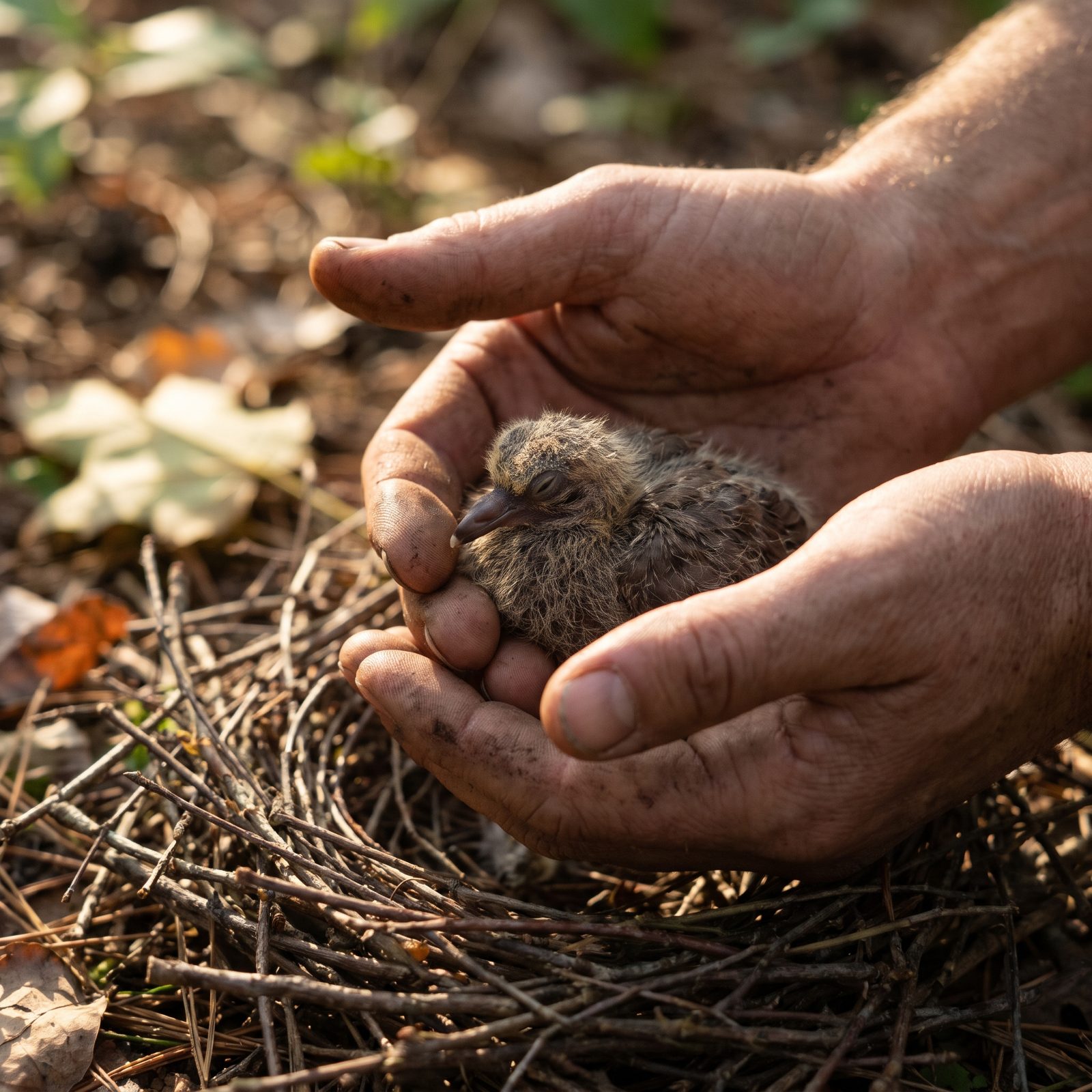
This one has probably cost a lot of baby birds their best shot at living, because it talks people out of returning a fallen chick to the nest.
Most birds have a feeble sense of smell. They read the world by sight and sound, not scent, so they genuinely don’t notice or care that a human handled their young. A parent’s drive to protect its offspring swamps any faint trace you leave behind. Vultures and a handful of seabirds are the exceptions with real working noses. Your backyard songbirds? They can’t tell you touched a thing.
39. Dogs See Only in Black and White (They See Blue and Yellow)

Your dog’s world isn’t an old black-and-white film. It’s closer to how some colorblind humans see.
Dogs carry two types of color-detecting cones in their eyes where you have three. That builds a palette made mostly of blues and yellows. Red and green smear together into a murky yellowish-gray, which is exactly why that bright red ball you lob onto green grass seems to evaporate for your dog. To him, it’s a drab lump against a drab backdrop.
Toss a blue toy instead and watch how fast he nails it. Pet companies keep cranking out red and orange toys anyway, which is honestly baffling.
38. One Dog Year Equals Seven Human Years (The Math Is Way Off)

The seven-year rule is a tidy fiction. Dogs don’t age along a straight line, and size scrambles the whole equation.
A dog reaches roughly human adulthood by its first birthday, which is a great deal more than seven human years of development packed into twelve months. Then the aging slows. Small breeds live well into their teens, while a giant like a Great Dane is already a senior by six or seven.
Researchers have mapped dog aging onto human years by tracking chemical changes in DNA, and the real curve climbs steeply early, then eases off. Why does the seven-times trick survive? Because it’s easy to say and fits on a bumper sticker, not because it’s accurate.
37. Cats Always Land on Their Feet (Physics Says Usually, Not Always)
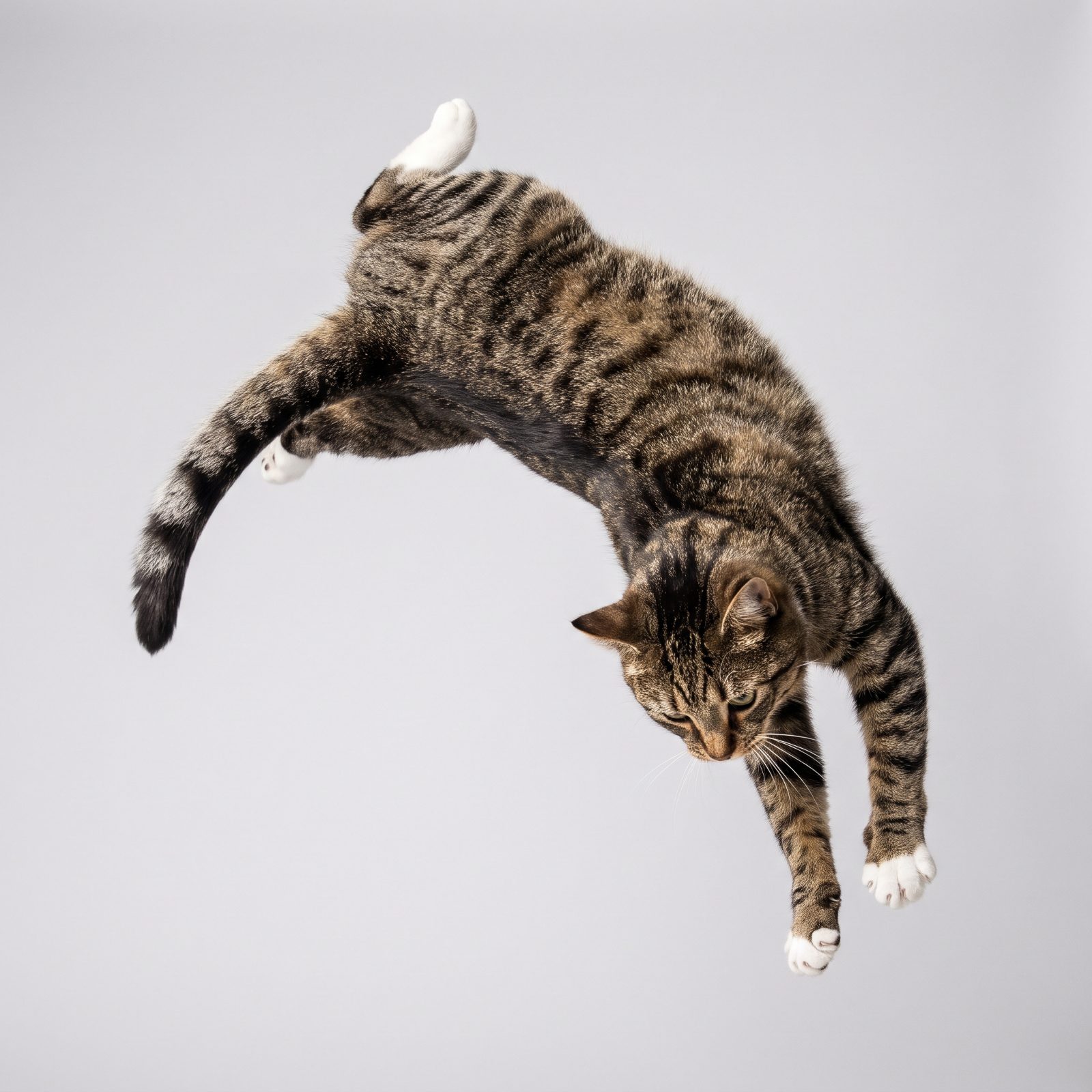
Cats do have a genuine superpower, the righting reflex. An inner-ear balance system tells them which way is down, and a bendy spine with no rigid collarbone lets them spin the front and back halves of the body in opposite directions until the feet face the floor. It’s real, it’s fast, it’s remarkable.
But “always” is where it all falls apart. A cat needs a minimum height, around a foot or so, to finish the twist. Fall from lower than that and there’s simply no time. And landing on your feet isn’t the same as landing unharmed. Cats break legs, jaws, and ribs from high falls constantly.
Here’s the strange wrinkle vets have documented: above a certain height, survival rates can actually improve, because the cat relaxes, spreads out like a parachute, and slows its fall. Doesn’t make it safe. Screen your windows.
36. Cats Do Not Actually Need Bowls of Milk
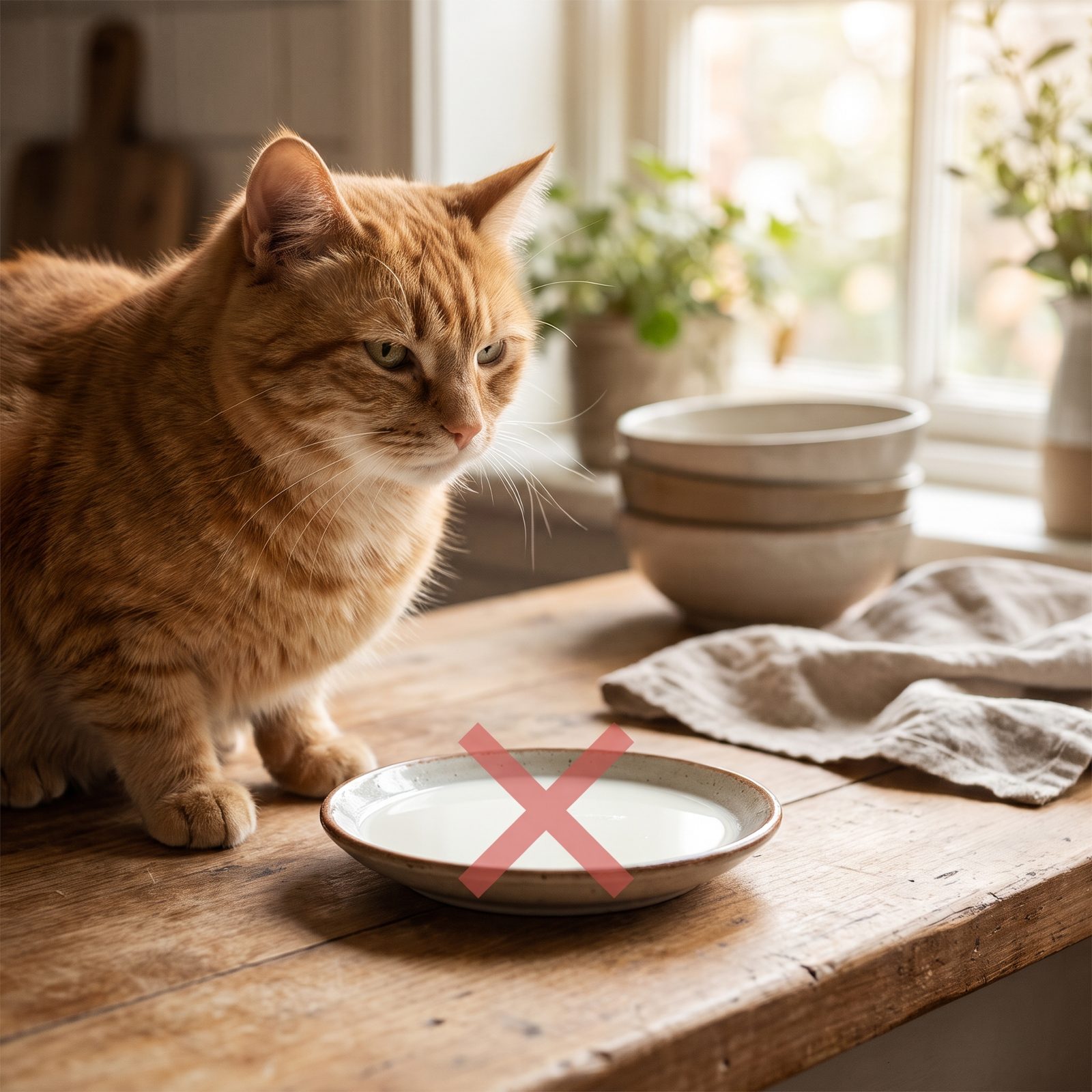
Most adult cats are lactose intolerant — they lose the enzyme that breaks down milk sugar once they’re weaned, exactly like a lot of humans. So that saucer the storybook cat adores? It buys the real cat gas, cramps, and a trip to the litter box nobody enjoys.
The myth traces back to a time when cats loitered around dairies and lapped up the cream skimmed off raw milk. Cream carries far less lactose than whole milk, so they handled it better. What your cat actually needs is water. The milk was always a treat it paid for afterward.
35. Mice Would Pick a Dozen Foods Over Cheese
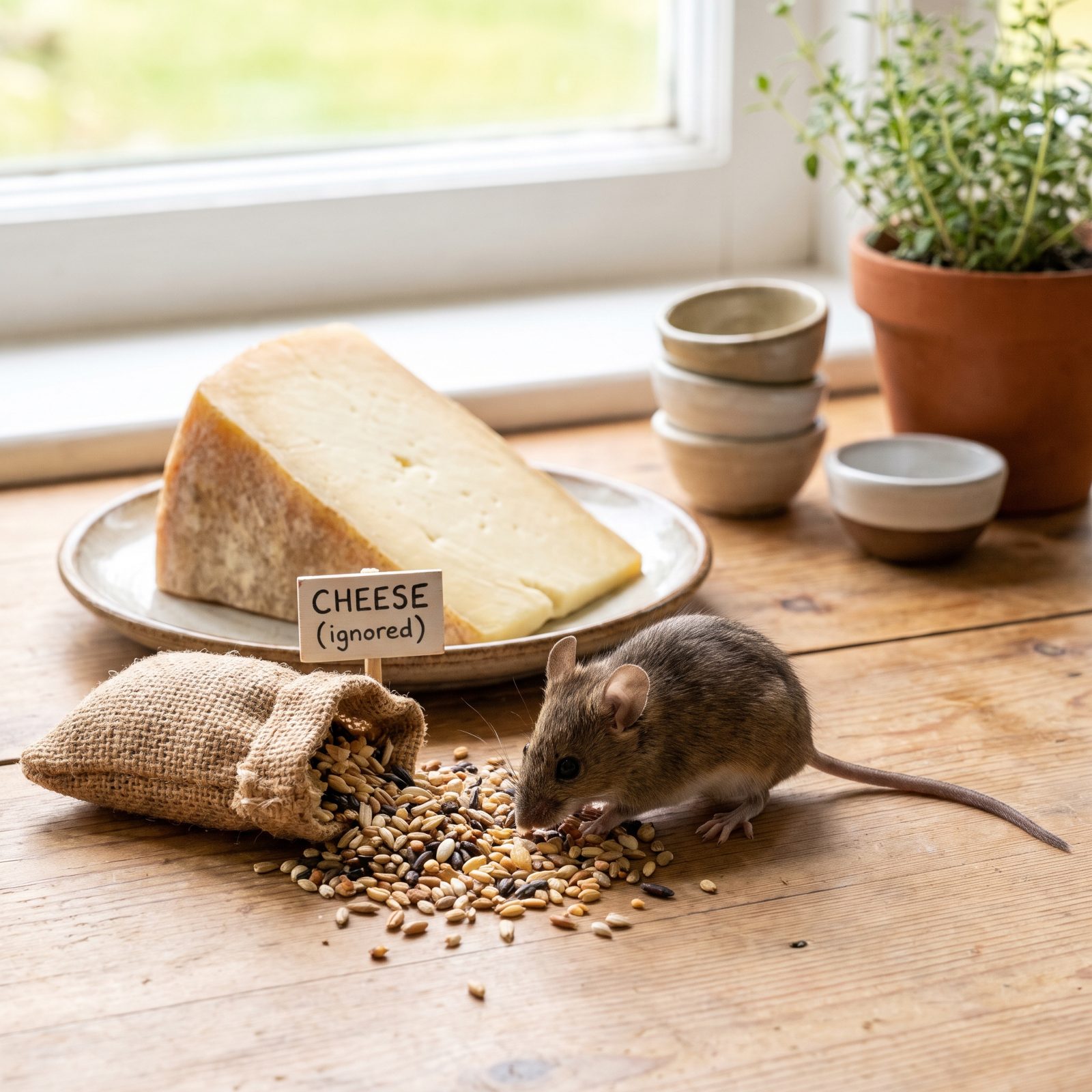
Put a slice of cheese next to a scoop of seeds, grain, or anything sugary, and the cheese loses nearly every time. Mice are built for carbs. Their natural diet runs on grains, fruit, and seeds, and they go absolutely wild for sweets. Pungent cheese can even repel them.
That cartoon trap baited with a wedge is pure theater. Pest control pros reach for peanut butter or chocolate, because those gum up the trigger and smell like something a mouse genuinely craves.
34. Lemmings Never Hurl Themselves Off Cliffs on Purpose
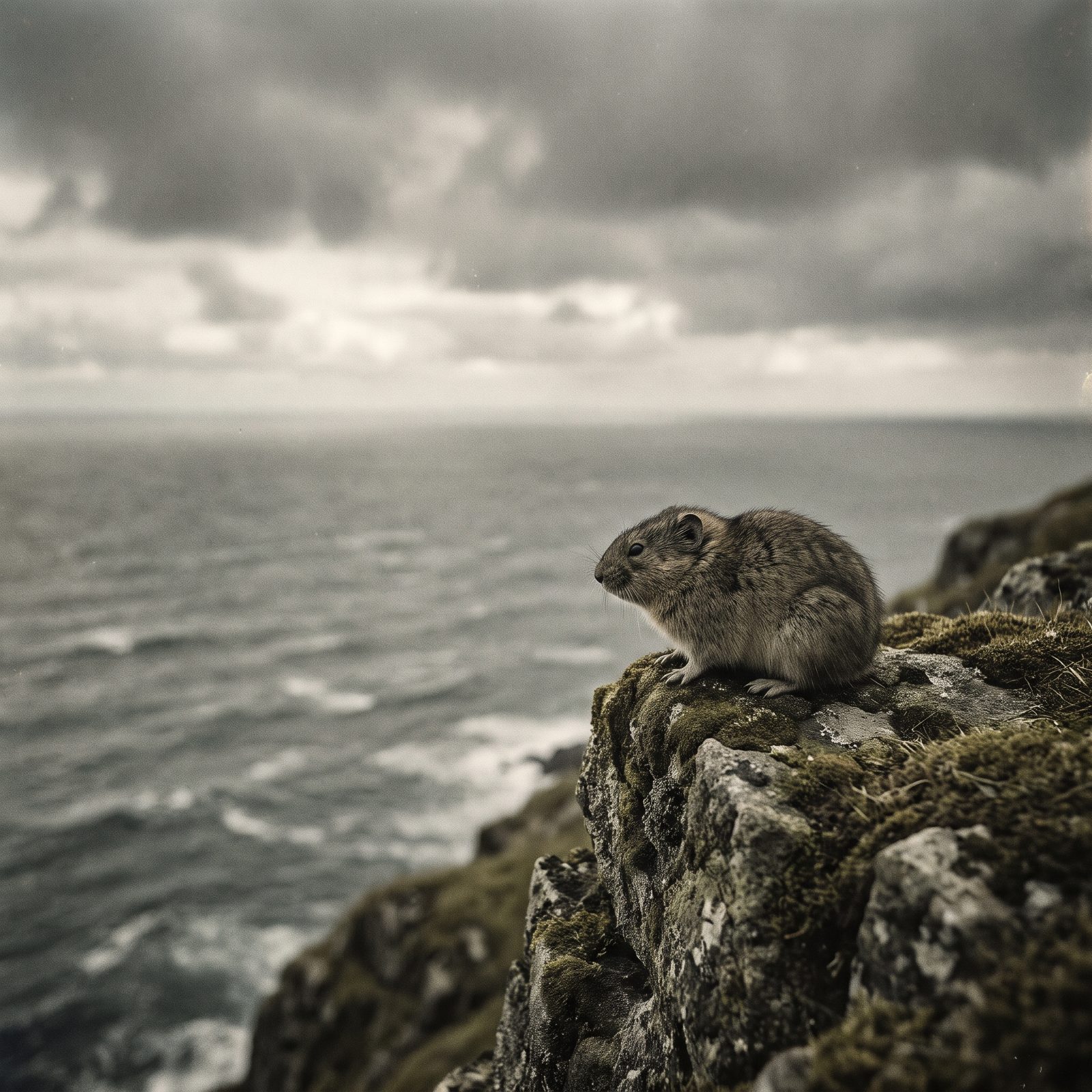
This one actually has a culprit. A 1958 Disney nature film staged the whole spectacle — crews reportedly herded lemmings off a cliff into the water, then filmed it as a natural death march. Generations grew up convinced these little rodents choose mass suicide.
Here’s what really happens. Lemming populations boom, and when food runs thin, huge numbers scatter off to find new territory. Some drown crossing rivers or lakes they badly misjudge. It’s an accident of migration, not a death wish. Nobody signs up for it.
The famous lemming plunge wasn’t instinct. It was a film crew with a deadline.
33. Owls Turn Their Heads Far, but Not a Full Circle
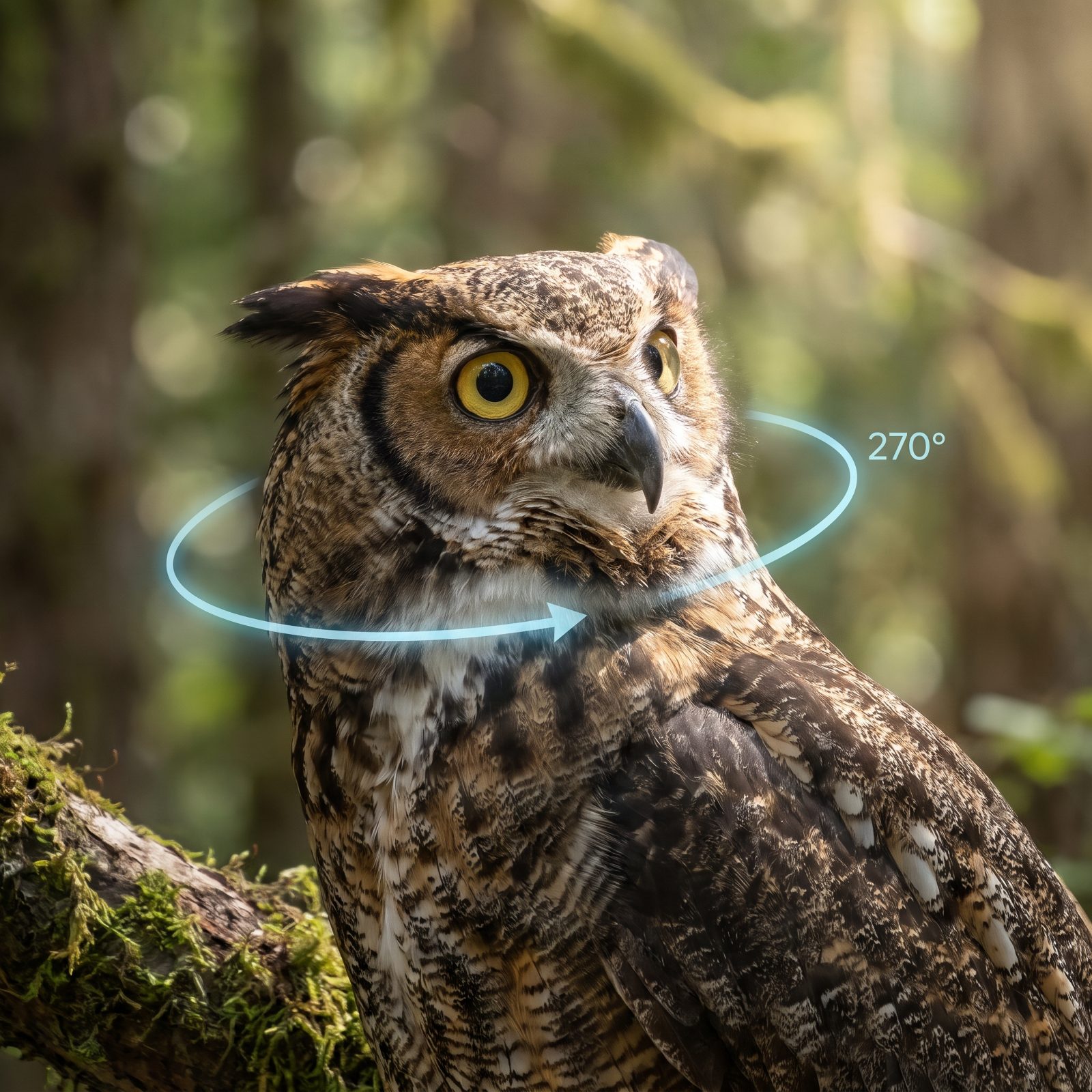
An owl can swing its head roughly 270 degrees — remarkable, sure, but short of the full 360 the myth promises. The illusion is convincing enough to fool anyone watching one track movement without turning its body.
Why so much range? Because their eyes are fixed tubes locked right into the sockets. An owl can’t roll its eyes around the way you can, so it swivels the whole head instead. Special bony channels and spare blood reservoirs in the neck keep the arteries from pinching shut mid-twist, so the brain never loses its supply.
32. Touching a Toad Will Not Give You a Single Wart
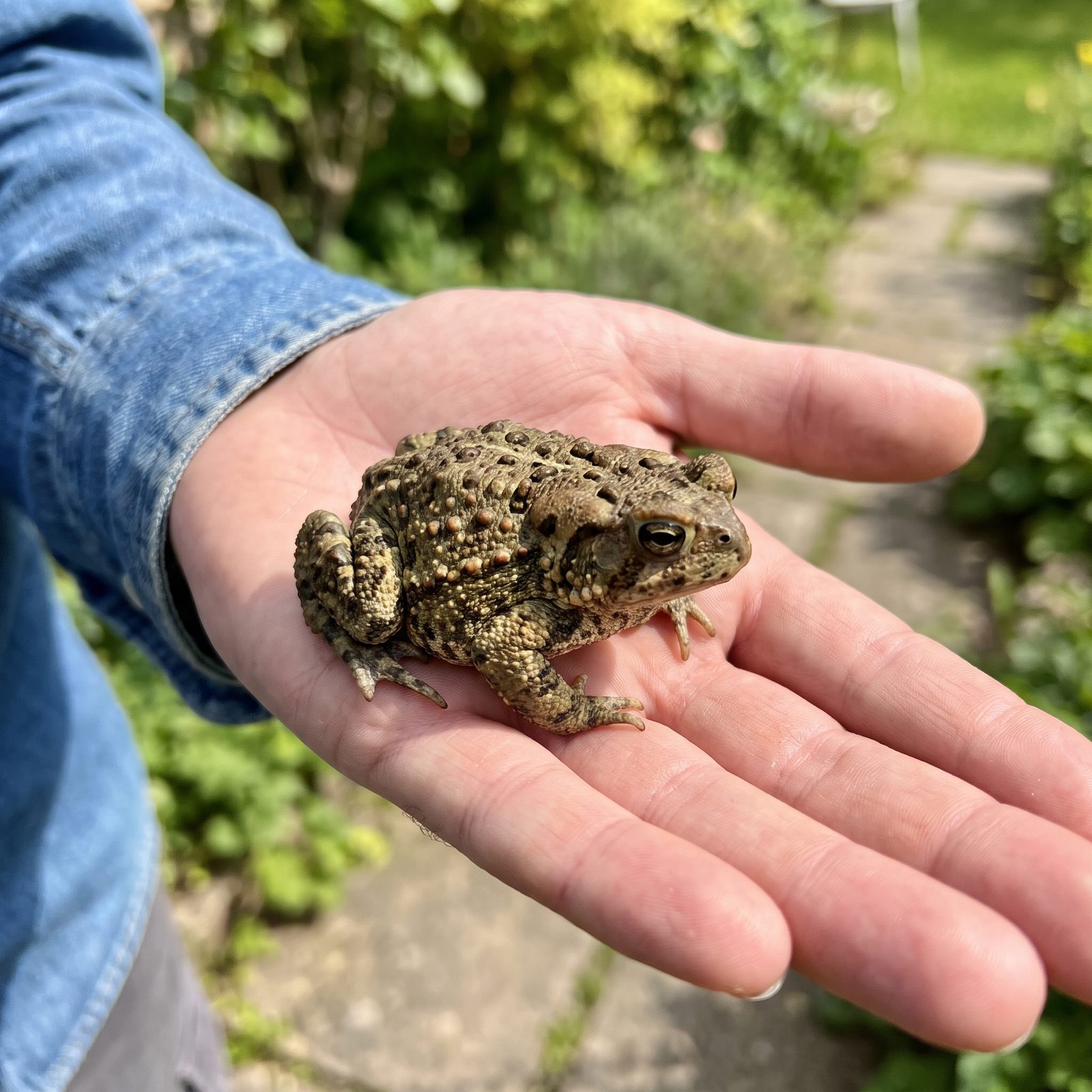
Warts come from a human virus. Toads don’t carry it. You could handle a toad all day and never sprout a single one, because the two things have nothing to do with each other biologically.
The story probably stuck because of the bumps on a toad’s skin, which do look wart-ish, plus those big glands sitting behind the eyes. Those glands secrete a mild toxin to put off predators, and it can irritate your eyes or mouth — so wash your hands afterward. That’s the only genuine caution here, and it has zero to do with warts.
31. Snakes Are Dry and Smooth, Never Slimy
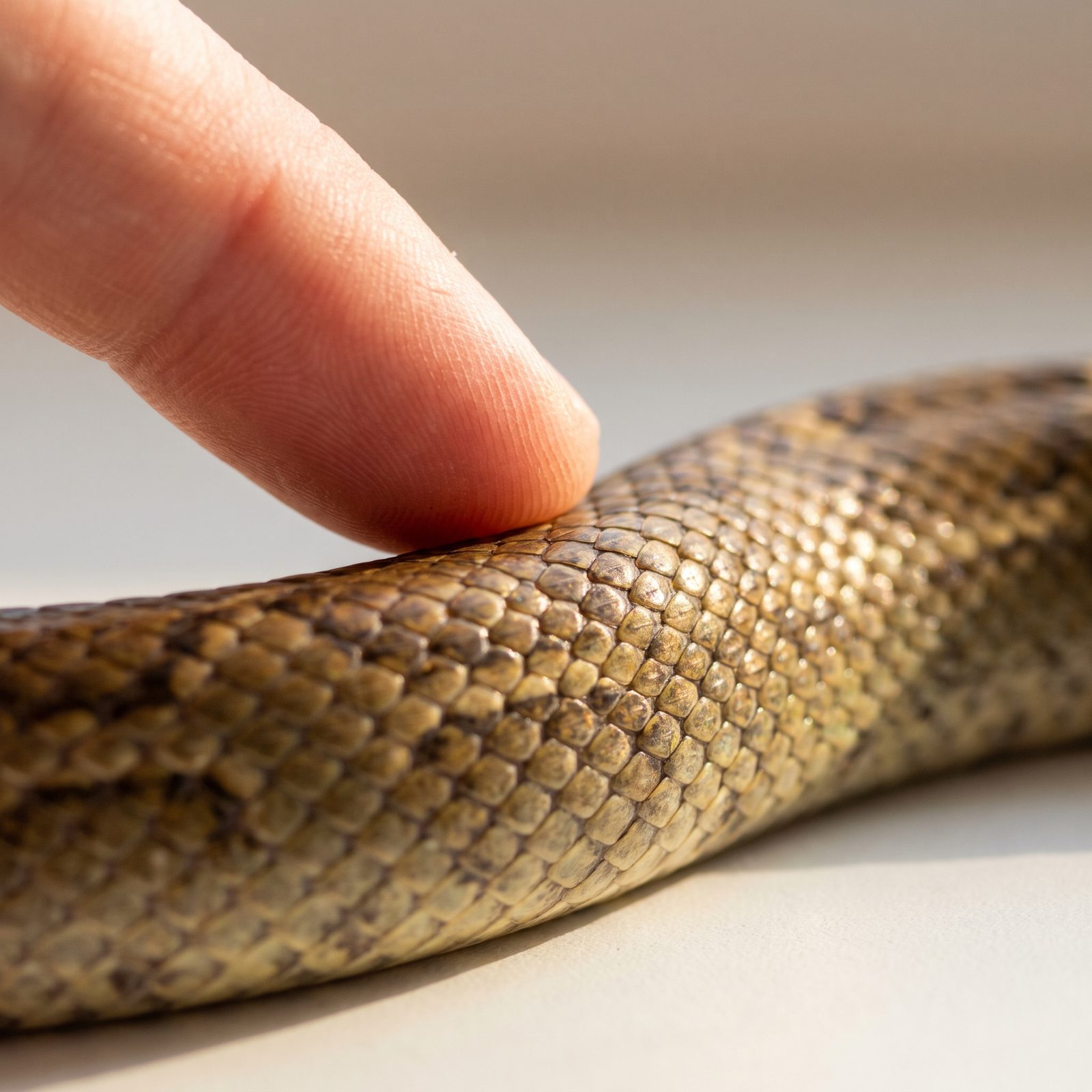
Hold one, and the first thing people blurt out is how dry it feels. Snake skin is covered in overlapping keratin scales — the same stuff as your fingernails. No mucus, no slime, nothing wet about any of it.
The slimy assumption probably got borrowed from frogs and fish, which really do produce mucus coatings. A healthy snake runs cool and smooth, sometimes almost silky when the scales are polished, and right after a fresh shed it can feel glossier still. That slick, cold-and-wet creature of nightmares? It simply doesn’t exist.
30. Sharks Smell Blood Well, but Not From Miles Away
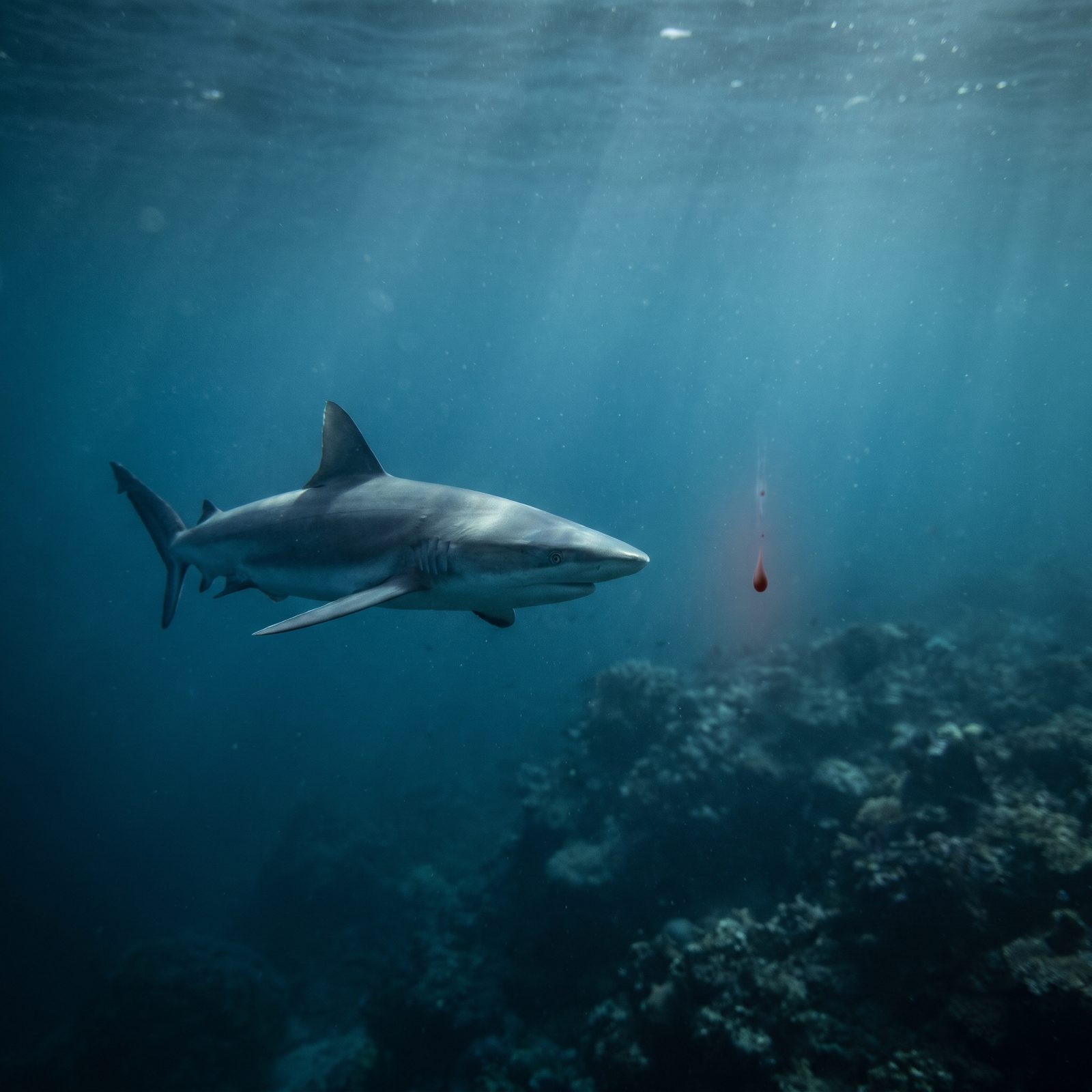
Sharks do have a keen nose. The miles-away, single-drop claim is where it tips into legend. Depending on the species, a shark may pick up blood at concentrations around a drop in a backyard pool — impressive, not supernatural.
And scent rides on currents, never in a straight beeline. A shark has to wait for diluted molecules to drift its way, then follow the trail upstream. From miles off, that drop has already dispersed into nothing. The real hunting edge comes from patience and water movement, not some magic nose.
29. Not Every Shark Dies the Moment It Stops Swimming
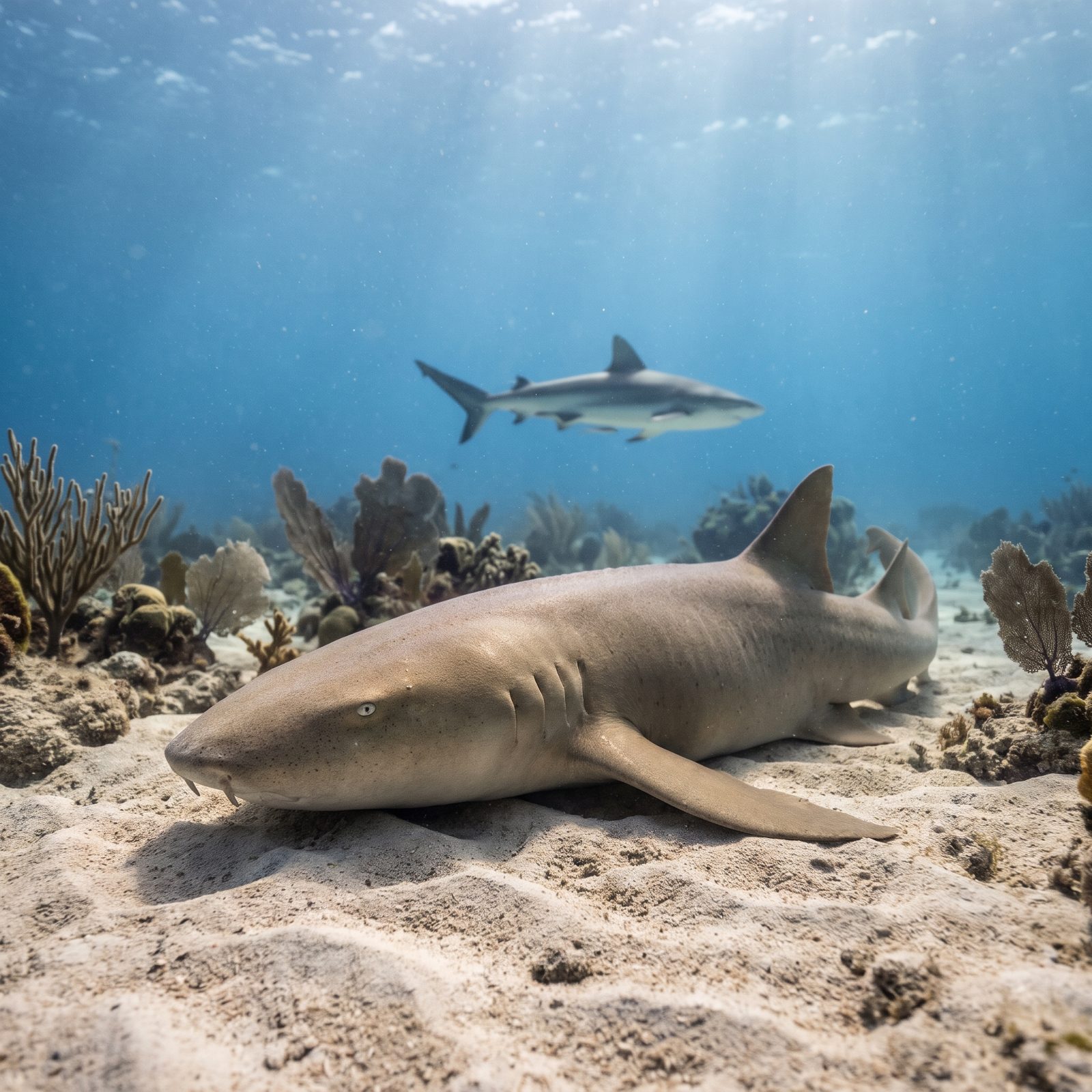
Some sharks genuinely can’t stop. Great whites and makos breathe by ram ventilation, forcing water over their gills by swimming, so going still would suffocate them. That’s where the myth was born, and for those species it holds up.
Plenty of sharks shrug off the rule, though. Nurse sharks, wobbegongs, and others have muscles that pump water across the gills while they lie flat on the seabed. You’ll find them parked under ledges for hours, breathing just fine. The ocean, as usual, refuses to hand over one tidy answer.
28. Dolphins Are Wild Animals, Not Guaranteed Friends
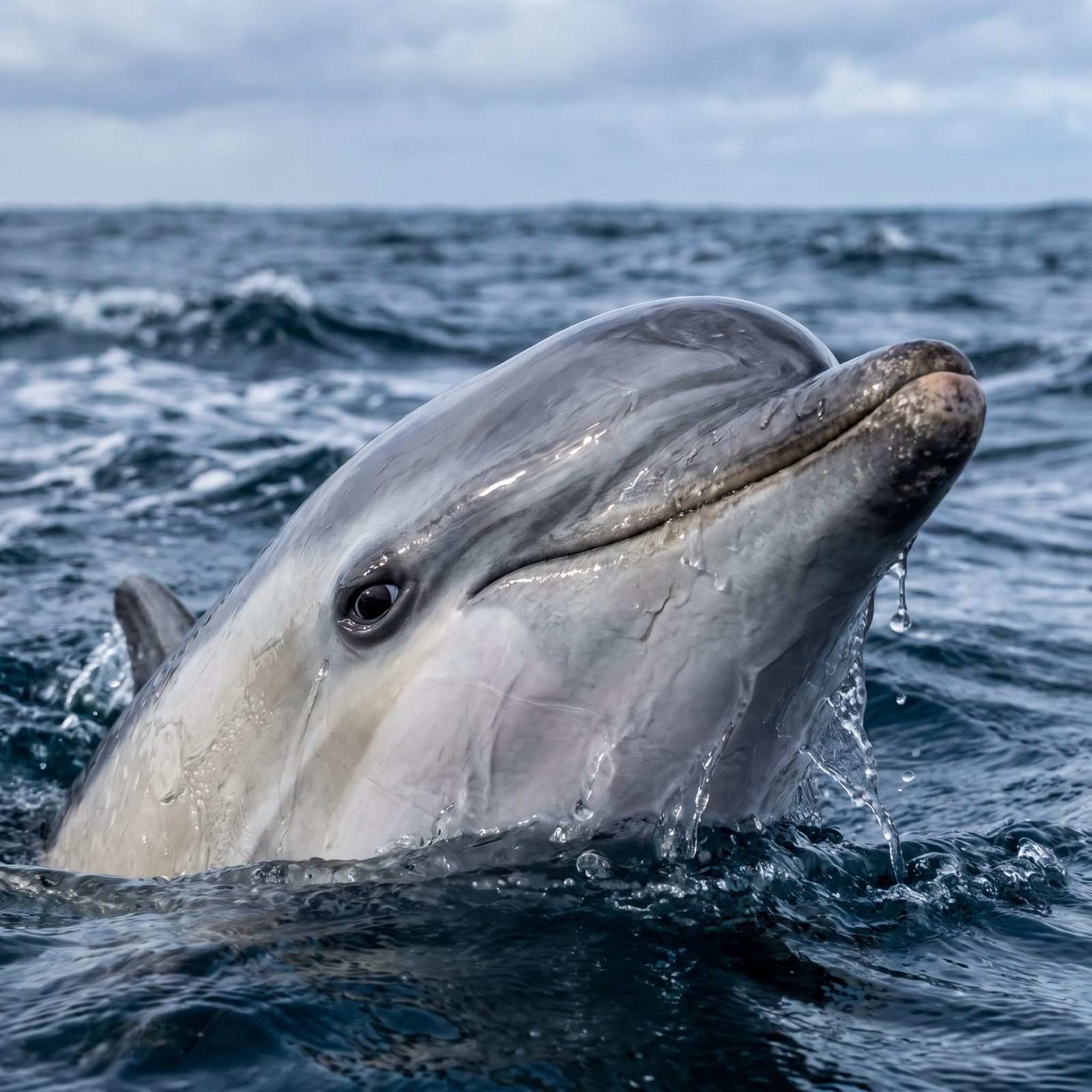
Dolphins are smart, social, and often genuinely curious about us — and that curiosity gets mistaken for friendship. They’re large, powerful wild predators with their own agendas, perfectly capable of ramming, biting, or harassing a swimmer when they feel crowded or territorial.
Males especially can get rough, with each other and now and then with people. Marine biologists warn against chasing or touching wild dolphins for very good reason, on both sides. And the smiling face? It means nothing. That fixed curve is just the shape of the jaw.
27. A Blue Whale Could Never Swallow a Human
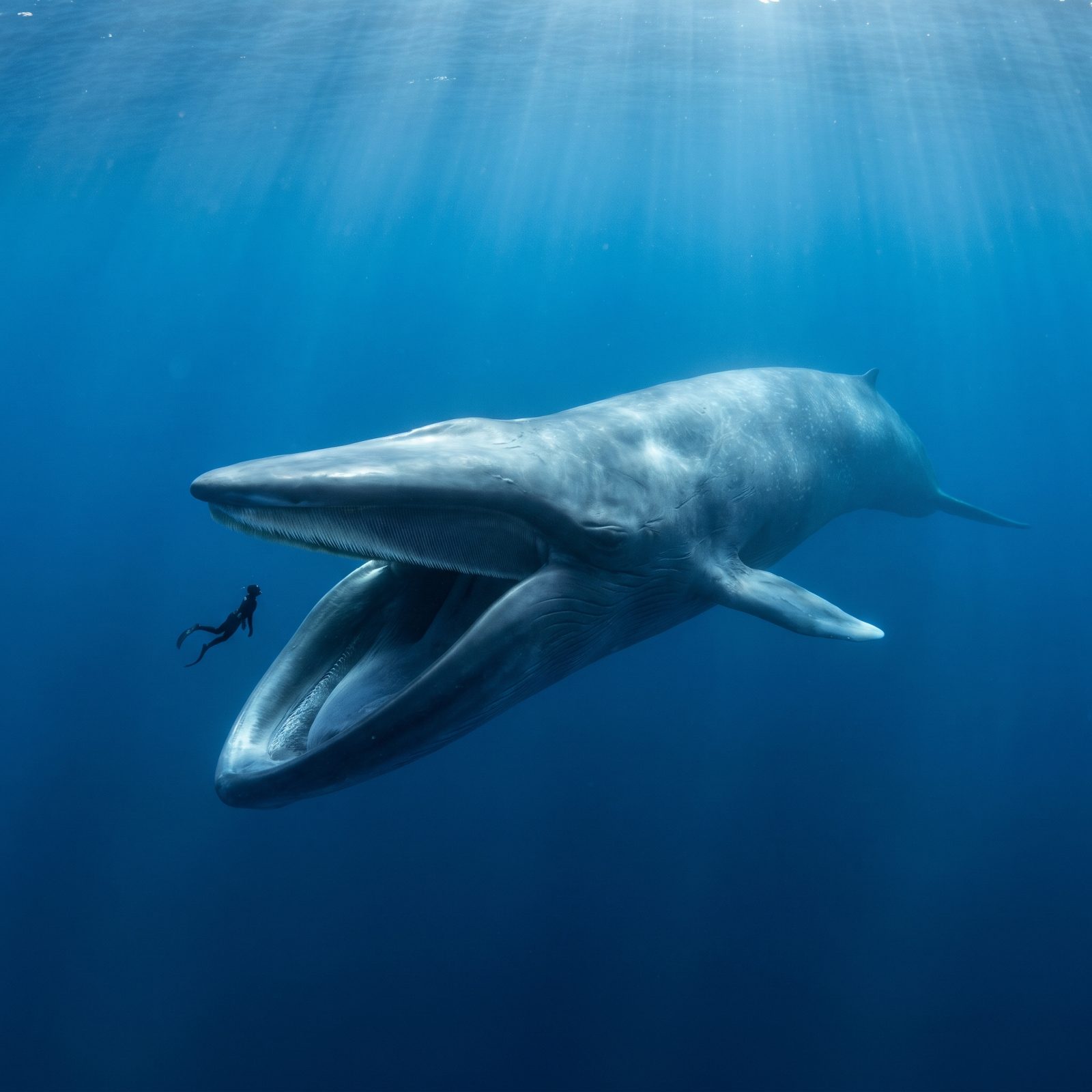
Here’s the twist everyone misses. A blue whale is the largest animal that has ever lived — and it still couldn’t swallow you. Its throat is astonishingly narrow for its size, stretching only to about the width of a beach ball. Anything much bigger than a beach ball physically cannot pass through.
Blue whales are filter feeders. They gulp down enormous mouthfuls of water, then force it back out through baleen plates that strain out tiny krill a few inches long at most. The biggest mouth on Earth exists to eat some of the smallest prey going. A person wouldn’t even clear the first stretch of the tube.
26. Piranhas Strip a Cow to the Bone in Seconds
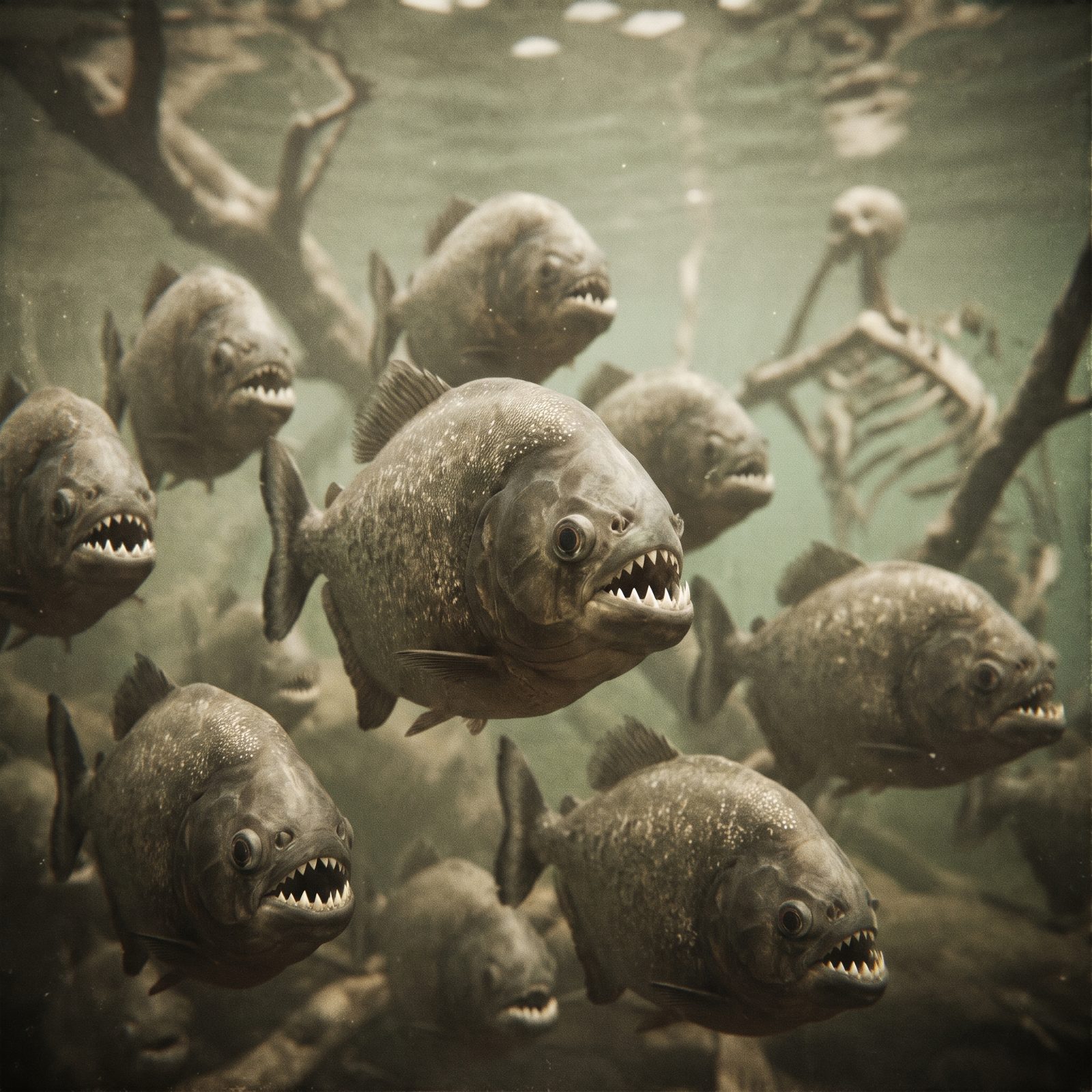
Blame Teddy Roosevelt. He watched locals herd starving piranhas into a river, dropped a cow carcass in, and recorded the water boiling red, then crowned it the most ferocious fish on earth. What he left out: the fish had been penned and starved for days to put on exactly that show.
In the wild, piranhas are mostly scavengers and opportunists, eating other fish, insects, seeds, and the occasional dead animal. A healthy large mammal wading across a river isn’t on the menu. Most of the time they scatter the second something big enters the water.
The teeth are real. The appetite for a living cow is pure theater.
25. Peeing on a Jellyfish Sting Makes It Worse, Not Better
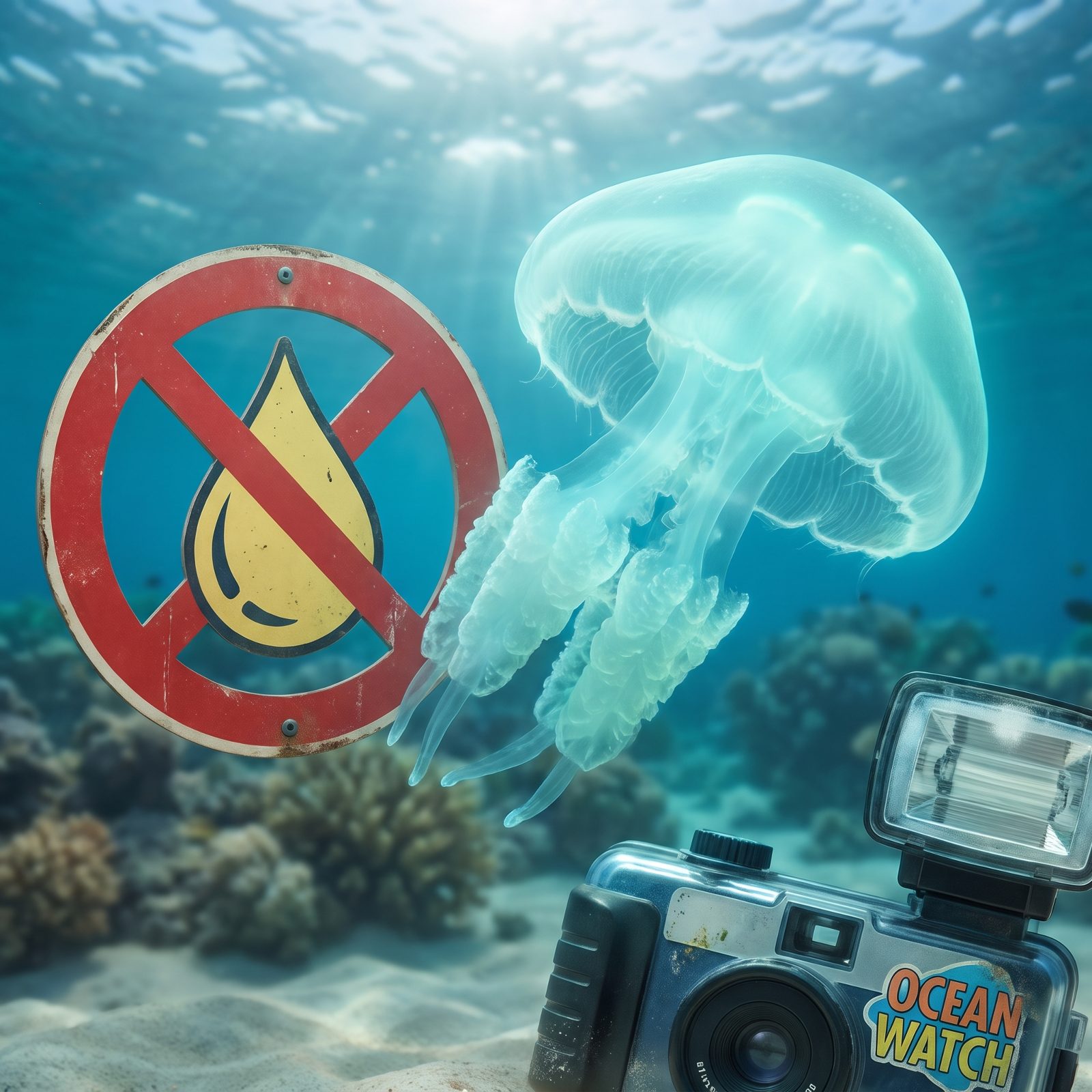
A single Friends episode did more for this myth than any textbook ever could. The science disagrees, loudly.
A jellyfish sting fires from nematocysts, which are microscopic venom-loaded harpoons, and plenty of those capsules stay unfired on your skin after the initial contact. Here’s the trouble with urine: its salt balance swings from hour to hour, and the wrong balance can trigger those leftover capsules to discharge a fresh round. Congratulations, you’ve turned one sting into several.
Rinse with vinegar or plain seawater instead. Freshwater can set off the stingers too, so skip the bottled-water dunk. And whatever happens, keep your friend from being a hero on the beach.
24. Touching a Butterfly’s Wings Does Not Doom It
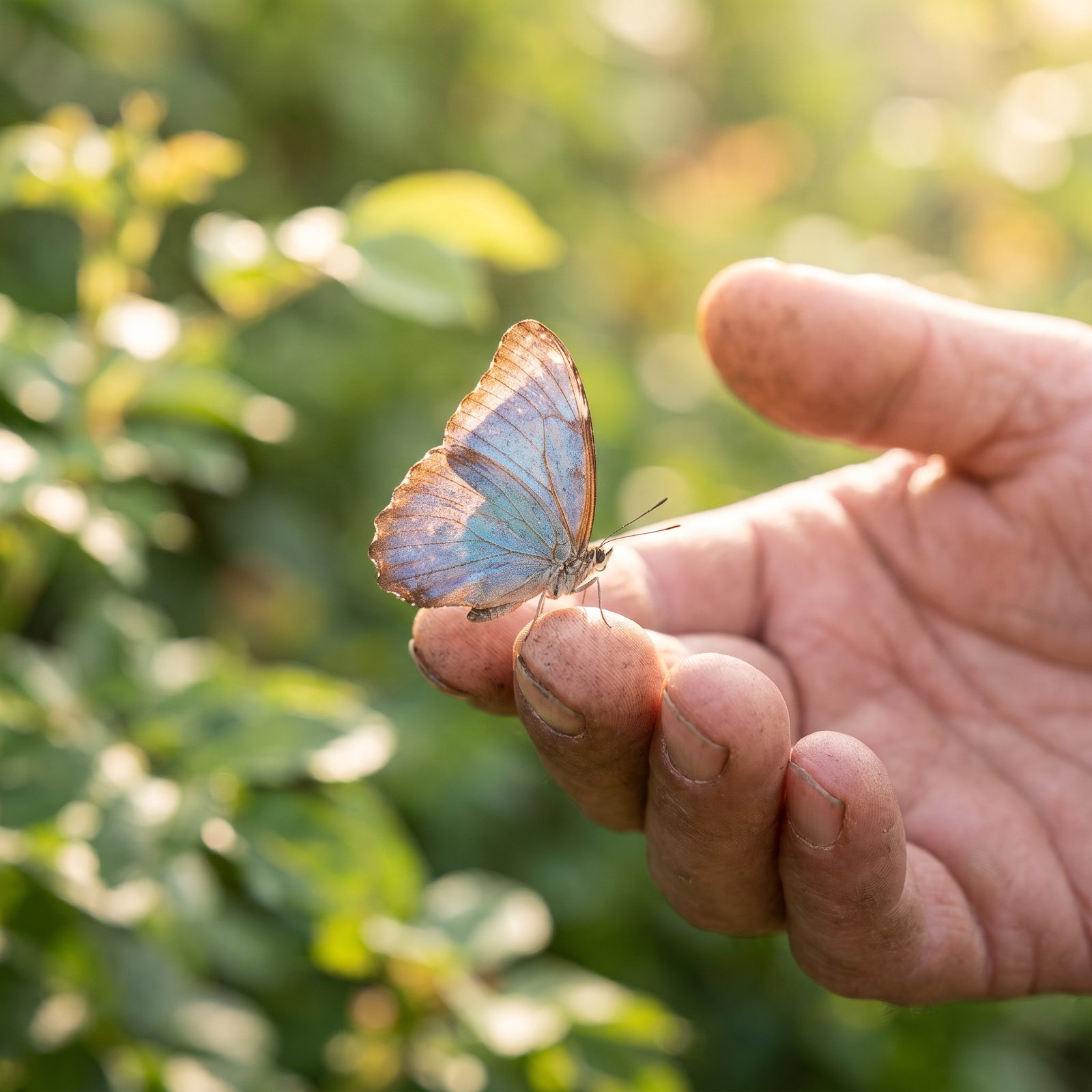
Pinch a butterfly’s wing and a fine dust comes off on your fingers. Those are thousands of tiny scales, and the myth insists that losing them grounds the insect for good.
Not quite. Butterflies shed scales constantly across their entire adult life, bumping leaves, brushing past each other, getting rained on. A little scale loss is just normal wear, and the wing membrane underneath keeps working.
Grab hard enough to bend or tear the wing itself and yes, you cause real harm. The scales aren’t the problem. Your grip is. Let one land on your hand of its own accord and it’ll leave fine, wings intact.
23. Daddy Longlegs Are Not Secretly the Deadliest Spider Alive
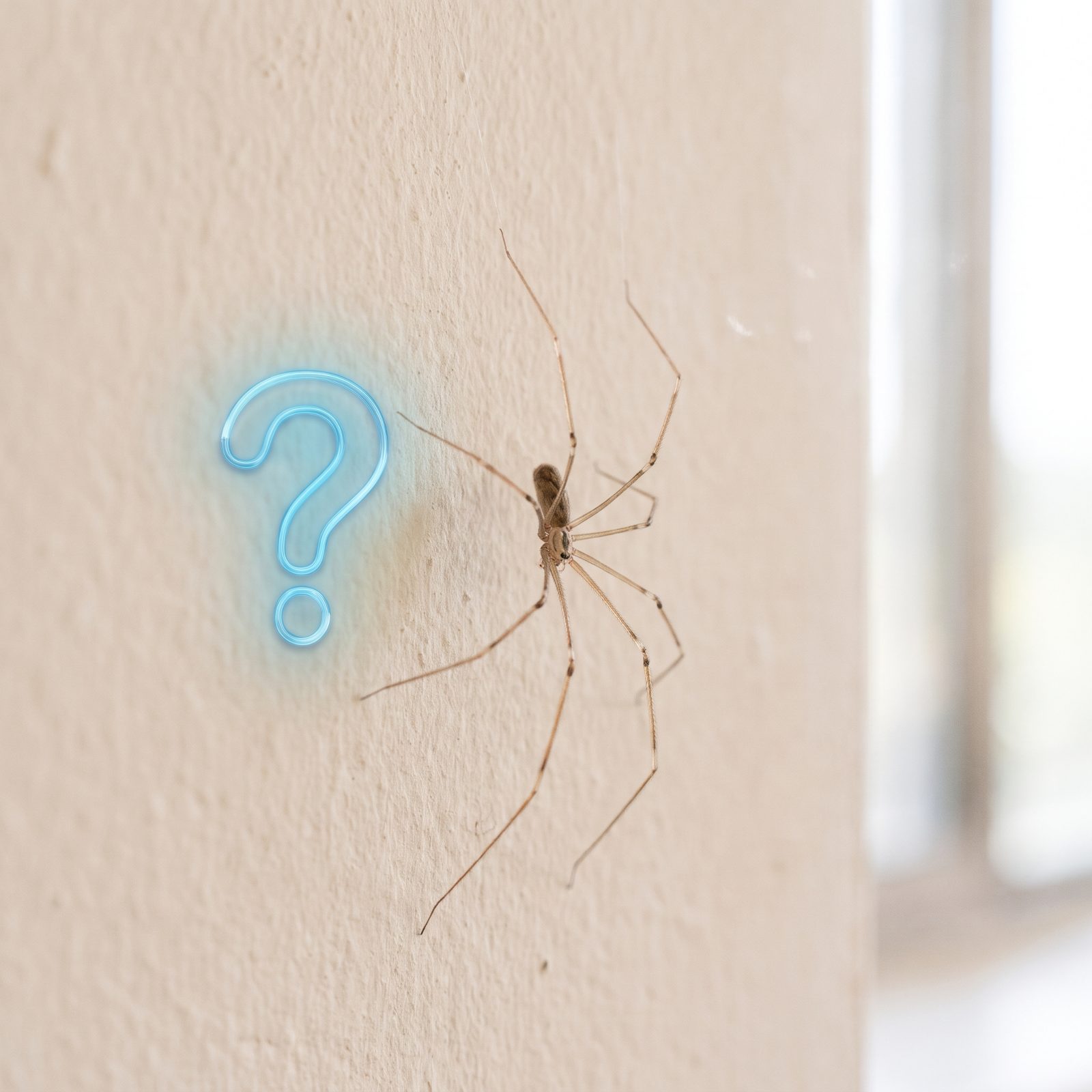
The schoolyard legend goes like this: daddy longlegs carry the most potent venom in the spider world, but their fangs are too short to break human skin. A perfect, unfalsifiable brag. It’s wrong on nearly every count.
The creature most people call a daddy longlegs is a harvestman, and it isn’t even a spider. One body segment instead of two. No fangs, no venom glands, no silk. It eats decomposing matter and small insects, and that’s its whole résumé.
There is a true spider, the cellar spider, that shares the nickname. Its venom is mild and its bite barely registers. Nobody ever tested the deadly claim because there was never anything to test.
22. You Do Not Swallow Spiders in Your Sleep
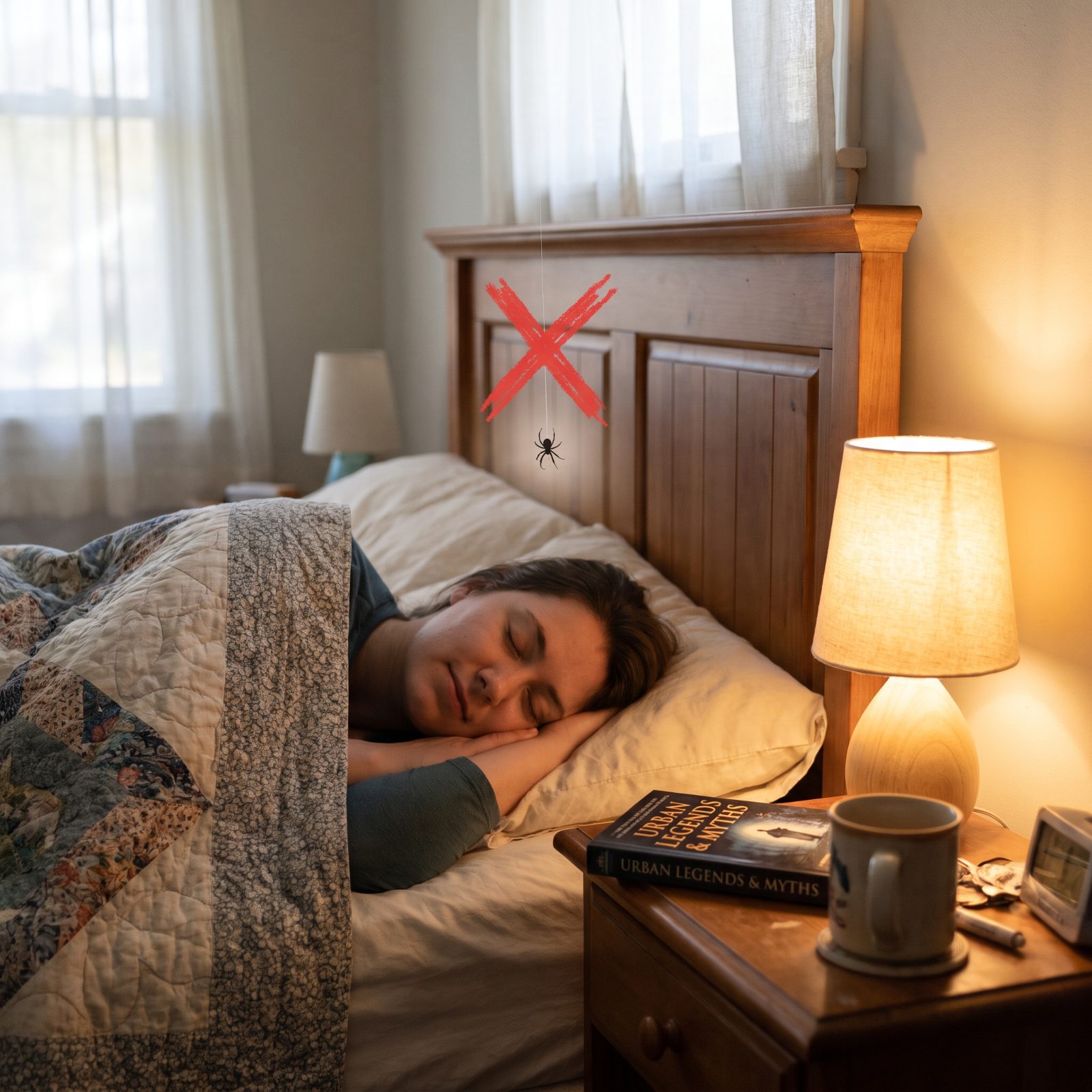
You’ve heard the stat: the average person swallows eight spiders a year while sleeping. It gets trotted out at dinner parties as if someone actually measured it.
Nobody did. The claim is often traced to a 1990s piece illustrating how easily fake facts spread online, and the invented spider number was itself the fake. People shared it precisely because it sounded true.
Think about what a spider actually wants. A sleeping human is a warm, breathing, vibrating landmass with a heartbeat that thrums through the mattress, and every bit of that screams predator, or at least danger. A spider’s entire survival strategy is avoiding exactly that. It wants your quiet ceiling corner. Not your open mouth.
21. Not Every Bee Dies When It Stings You
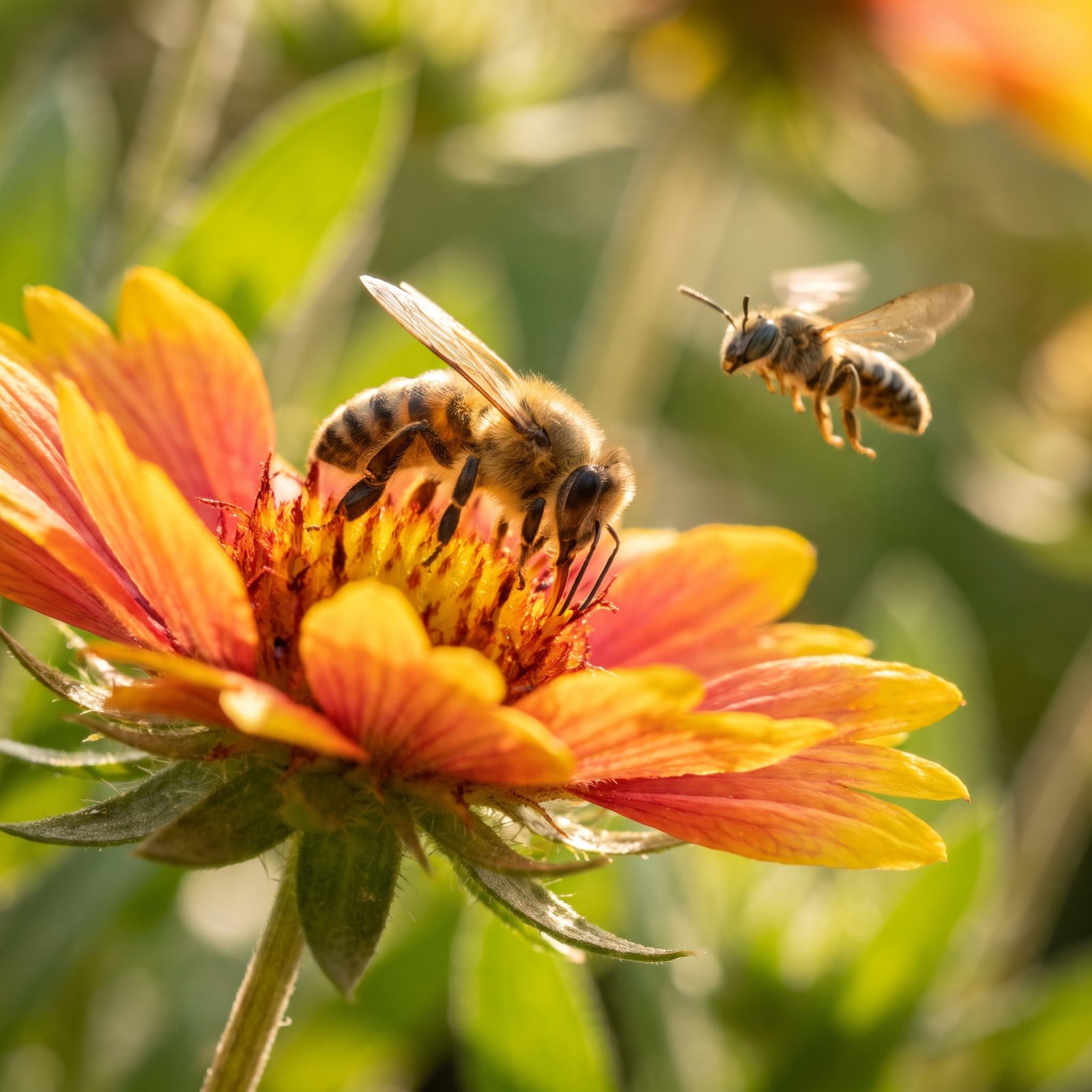
The dramatic sacrifice is real, but it’s narrow. Only honeybee workers die after stinging a person, and only because their barbed stinger lodges in our thick, elastic skin and tears loose when they pull away.
Sting another insect with a thinner exoskeleton and even a honeybee can usually withdraw cleanly and survive. The barb only catches on mammals.
Wasps, hornets, and bumblebees carry smooth or lightly barbed stingers, so they can jab you repeatedly and fly off unbothered. A queen honeybee can too. The suicidal sting belongs to the worker bee alone, and only against creatures built like us.
20. Cockroaches Would Not Inherit a Nuclear Wasteland
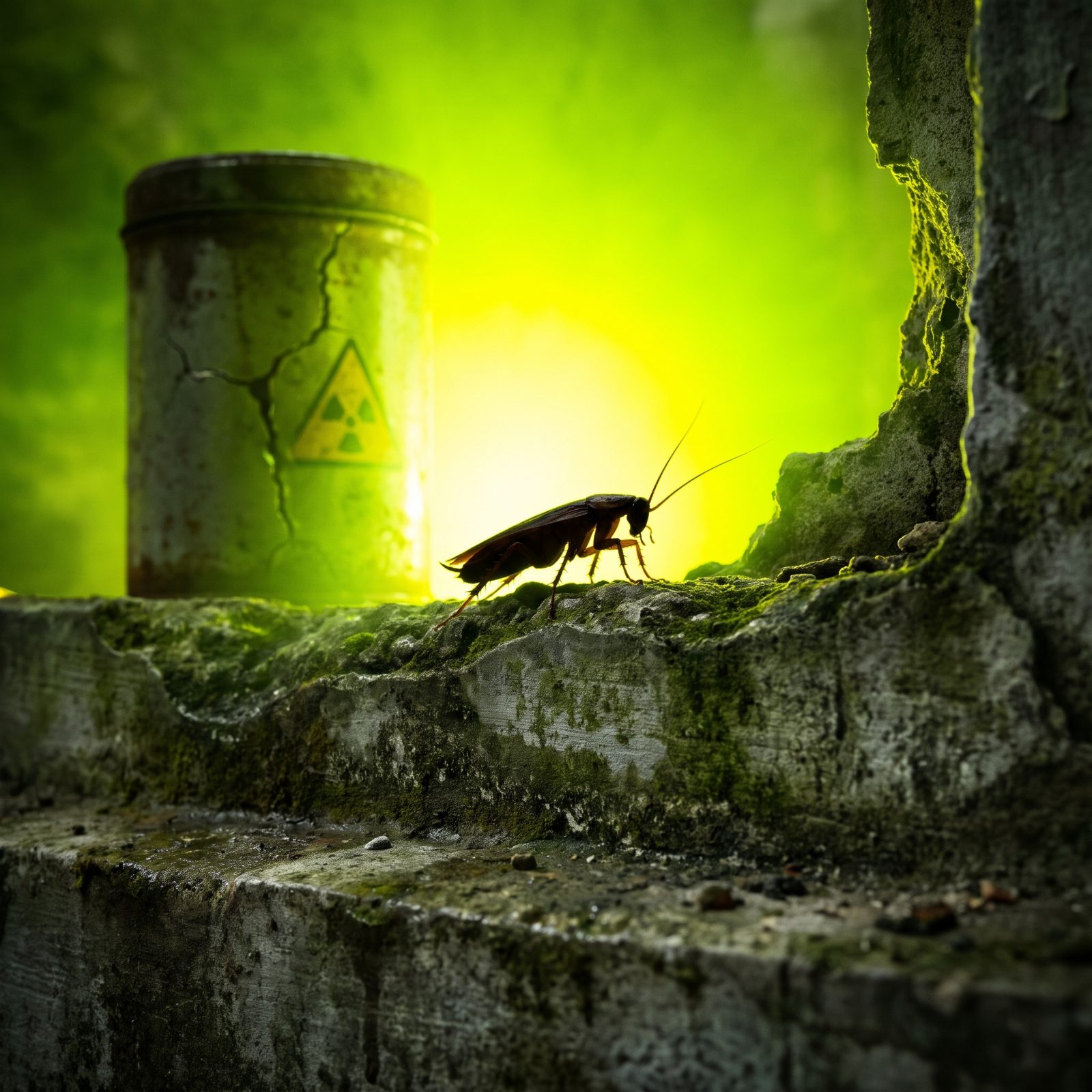
Cockroaches are genuinely tough. They can live weeks without a head and shrug off radiation doses that would kill a person several times over, and that resilience is where the myth sinks its roots.
Tougher than us isn’t the same as indestructible, though. Tests have shown that insects like the flour beetle withstand far more radiation than cockroaches do. And at the blast levels of a nuclear detonation, the heat and shockwave flatten everything regardless of radiation tolerance. A roach near ground zero cooks like anything else.
They’d outlast us by a comfortable margin. They would not stroll out of the rubble to rebuild civilization.
19. Female Praying Mantises Rarely Eat Their Mates
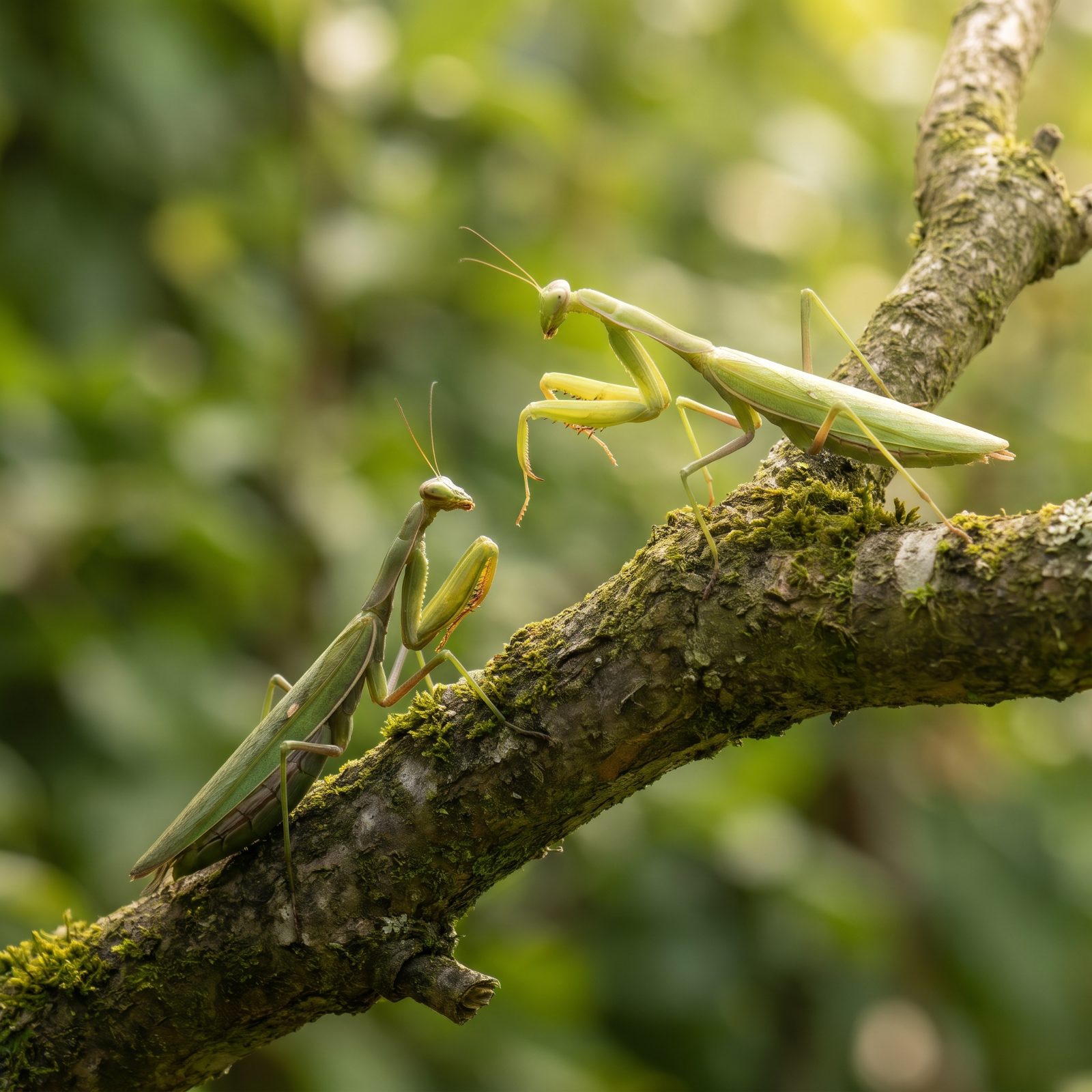
Sexual cannibalism in mantises is real and it does happen. The myth lives in the word always.
A lot of the horror story traces back to lab studies where mantises were kept hungry in cramped enclosures under bright lights, stressed and starving. Starve any predator and it starts seeing everything as food. Those conditions shoved cannibalism rates far above what the wild actually delivers.
In the field, with room to maneuver and a well-fed female, most males mate and leave in one piece. And when she does eat him, there’s a cold logic to it: the extra protein can boost the number and health of the eggs he just fertilized. Grim, sure. Just not the default.
18. Penguin Couples Cheat, Divorce, and Move On
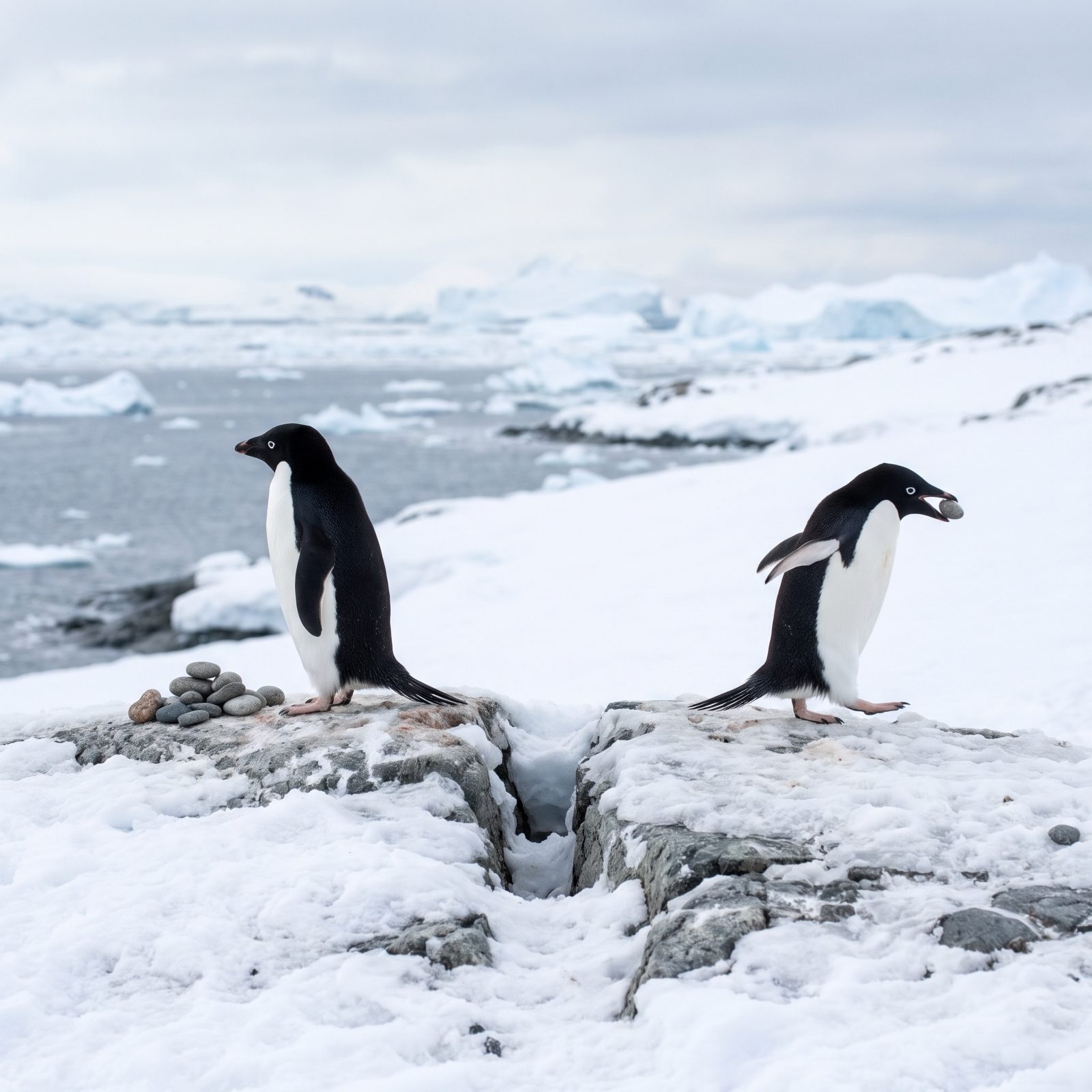
The devoted penguin couple is a greeting-card favorite. The penguins never read the card.
Many species do pair up for a single breeding season and cooperate like champions, trading incubation shifts and feeding runs. That part is true and genuinely touching. The lifelong-soulmate part is mostly invented.
Studies of colonies show high “divorce” rates between seasons. Birds whose previous nest failed often swap partners the next year, chasing a better reproductive outcome. Some species bed-hop within a season. In certain penguins, females have been documented trading sex for extra nest stones with males that aren’t their partner.
Loyal for a summer. Not married for life.
17. Wolf Packs Have No Alpha Male Fighting for the Top
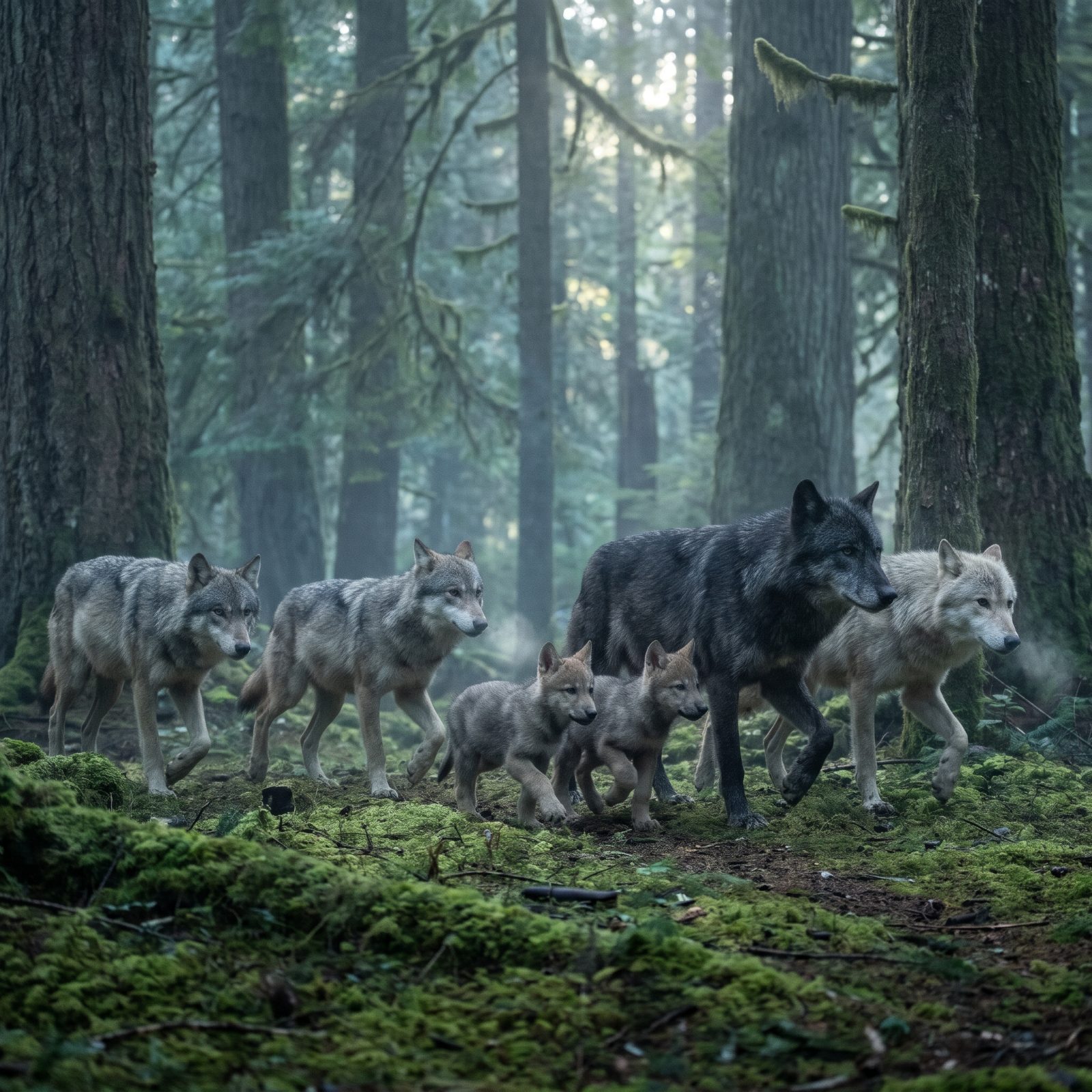
The whole alpha-wolf framework, the ruthless male who fights his way to the top and keeps the pack in line, came from a 1940s study of unrelated captive wolves crammed together in a zoo enclosure. Strangers under stress form brutal hierarchies, and that artifact is what the study measured.
Wild packs are families. The “alpha pair” are simply the breeding parents, and everyone else is their offspring from previous years. No throne to fight over. Just a mom, a dad, and their grown kids.
David Mech, the researcher who popularized the alpha idea, spent decades trying to take it back. He even asked his publisher to stop printing his own book. The myth outran him anyway.
A wolf pack isn’t a boardroom coup. It’s a family dinner that lasts a few years.
16. Elephants Travel to Secret Graveyards to Die
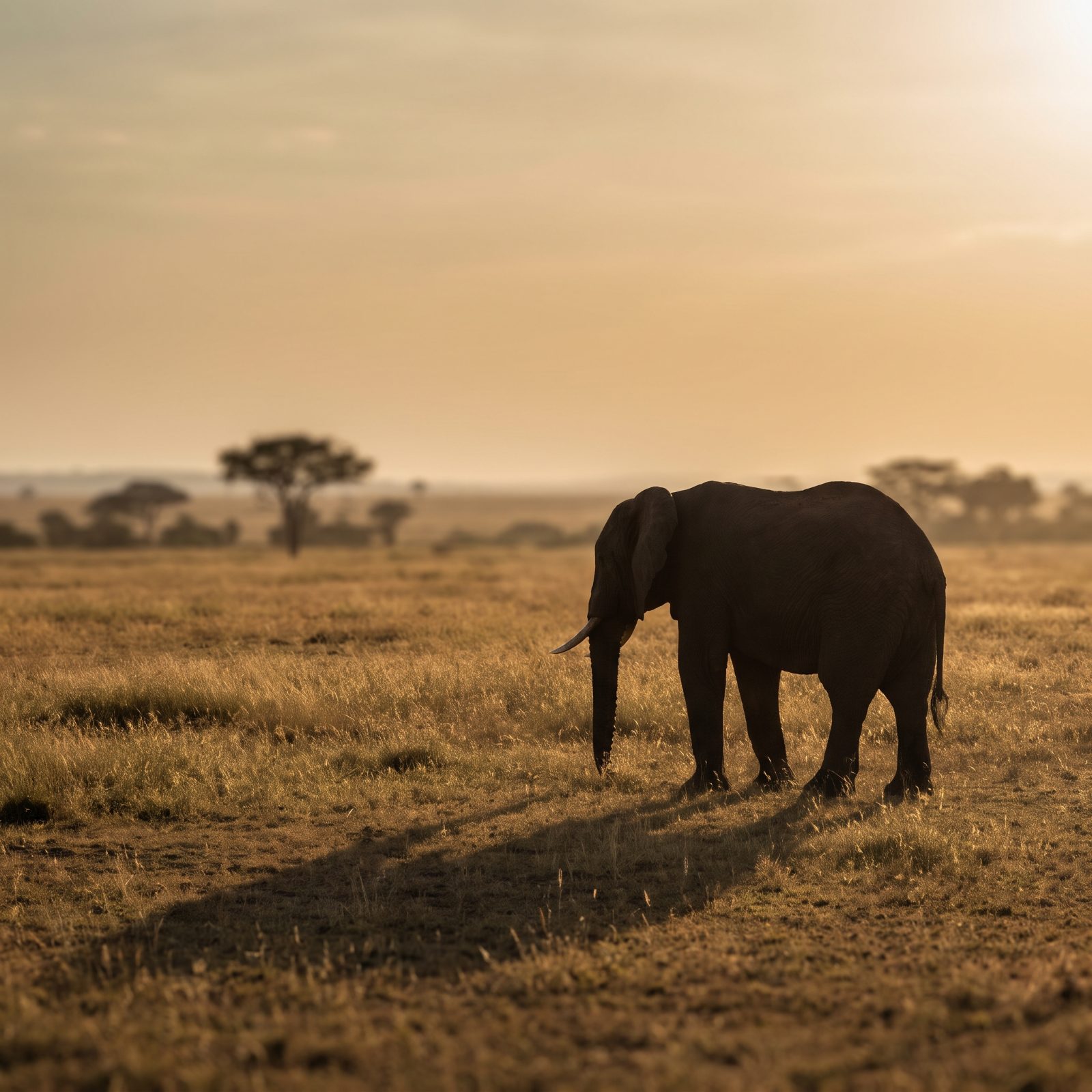
There is no hidden boneyard, no sacred valley where old elephants shuffle off to die together. The myth probably grew from the real clusters of bones found near water sources and old migration routes, where sick and elderly animals ended up for the same practical reason every thirsty creature does.
What elephants actually do is stranger and sadder than any legend. They investigate the dead. A herd will stop at the bones of their own kind, running trunk tips over skulls and tusks, sometimes standing silent for long stretches. They can even tell elephant bones from other species. Calling it a graveyard misses the point entirely. This is closer to grief.
15. Elephants Are Terrified of Mice
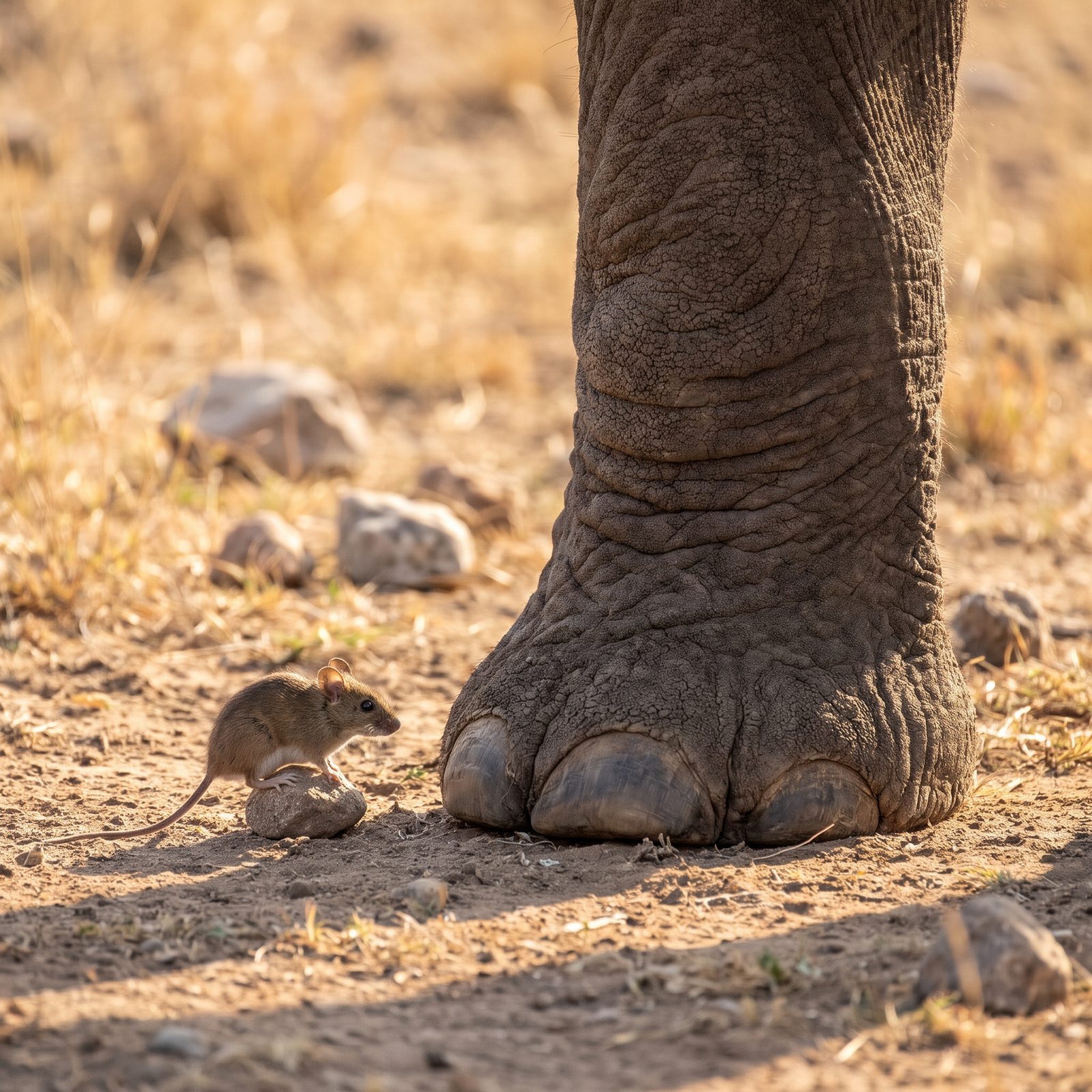
Blame the cartoons. A six-ton animal does not lose its mind over something that weighs less than a slice of bread.
The tests tell a mixed story. Elephants can startle at a sudden small movement near their feet, the same way you would flinch at anything darting out unexpectedly — that’s a reaction to surprise, not some species-wide dread of rodents. Their eyesight is poor at close range, so a quick scurry registers as a threat worth checking before anything else. Put a stationary mouse in front of a calm elephant and nothing dramatic happens. The terror is Hollywood, not biology.
14. Hyenas Survive Mainly by Stealing Other Animals’ Kills
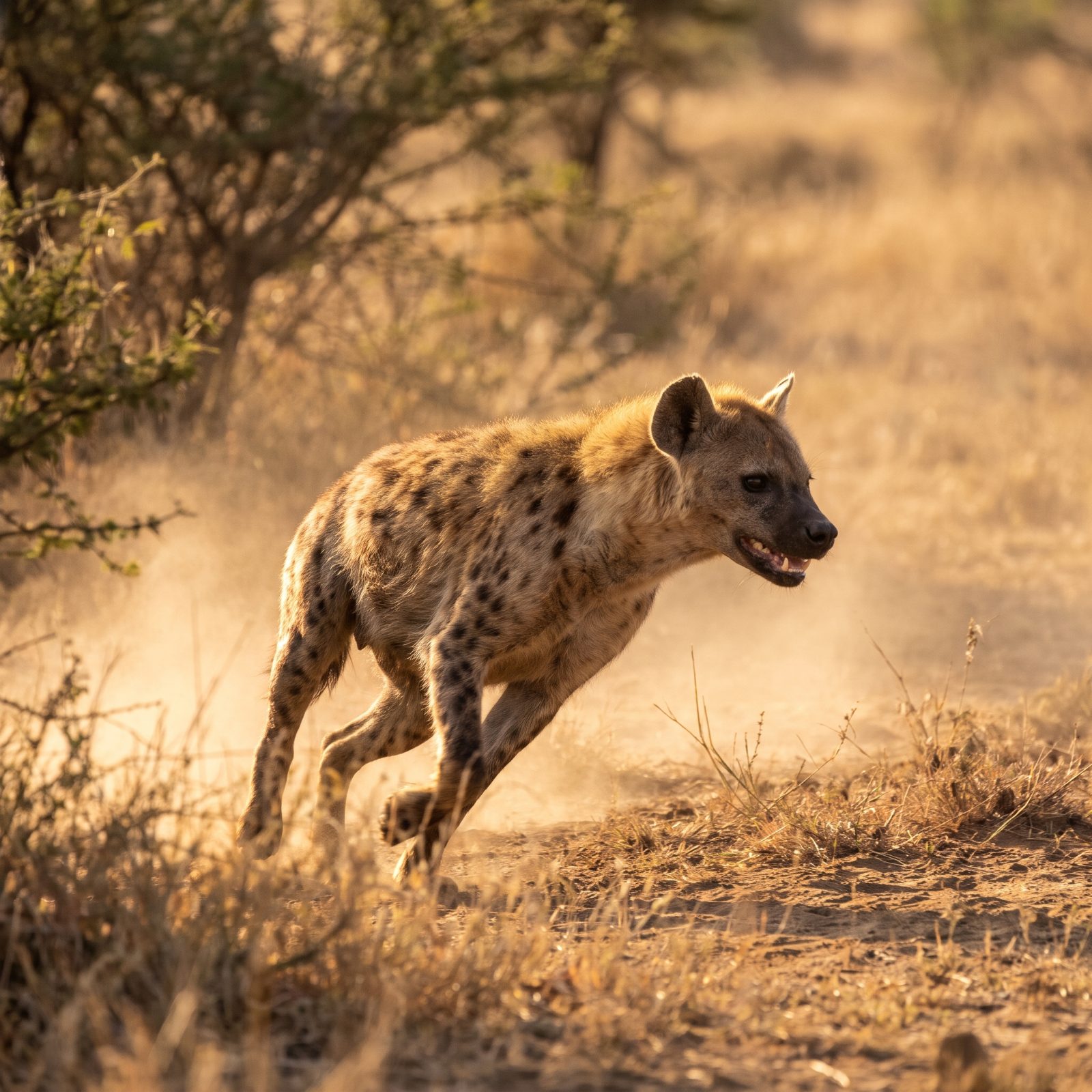
Flip the whole story. Spotted hyenas rank among Africa’s most effective hunters, and lions turn out to be the thieves far more often than anyone assumes.
Studies across the Serengeti and Ngorongoro Crater found hyenas kill the majority of what they eat, running down wildebeest, zebra and gazelle in coordinated clan pursuits that can cover miles. Then the lions, bigger and lazier, muscle in and take over a hyena kill by sheer force. The reputation got reversed somewhere in the retelling — probably because we watched hyenas scavenging once and decided that defined them.
Their bone-cracking jaws, some of the strongest of any mammal, let them eat what nothing else can. Scavenging is a bonus skill, not the main job.
13. Lions Naturally Live in Jungles
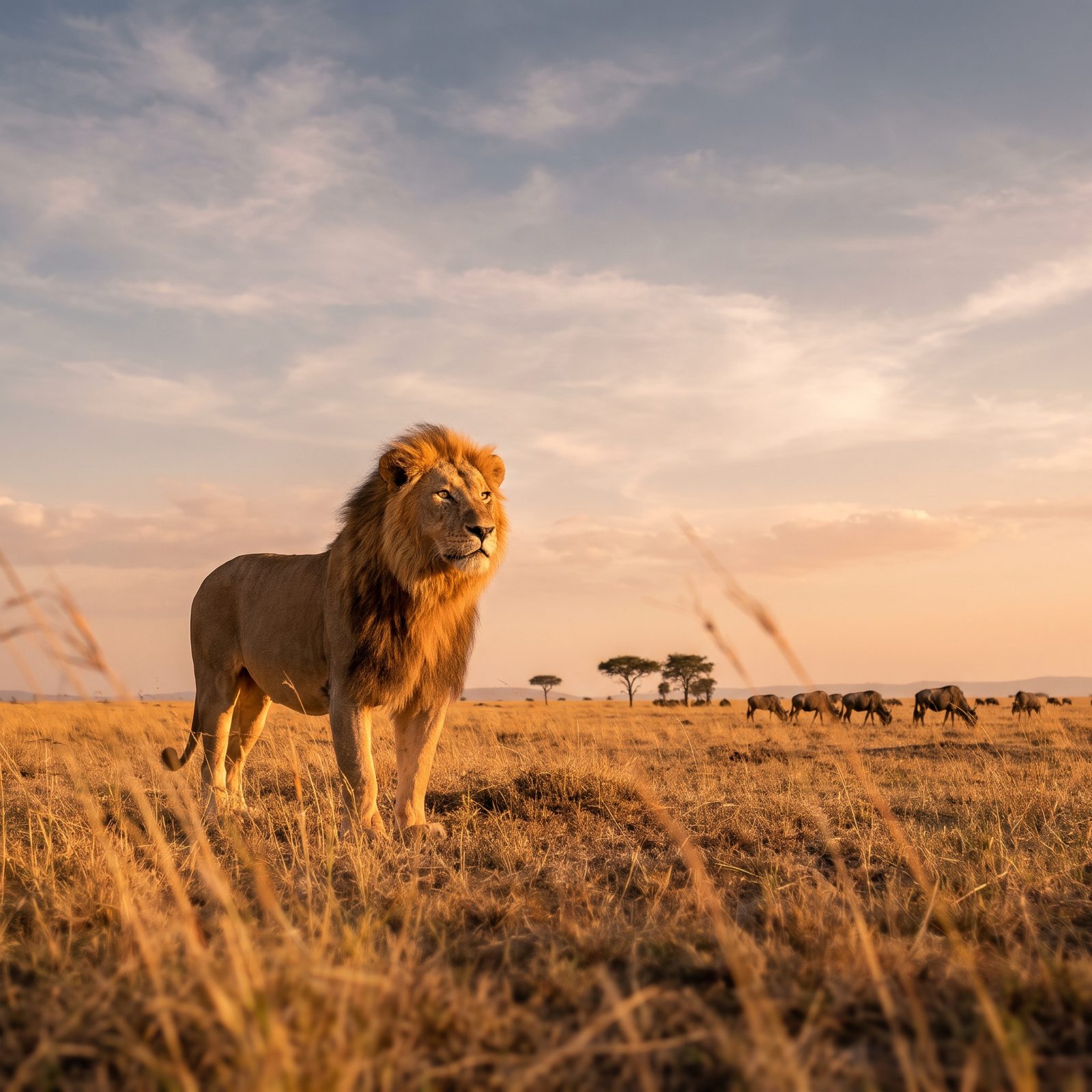
The King of the Jungle has almost certainly never seen a jungle.
Lions belong to grassland, savanna and scrub — the wide open country where they can spot prey across long distances and work as a team. Dense tropical forest would be miserable hunting ground for a predator built around coordinated plains ambushes. And the handful of lions still clinging on in India? They live in dry deciduous forest and scrub, not rainforest either.
So where did the jungle idea come from? Old poetic use of the word. For centuries “jungle” loosely meant any wild, untamed land, and the phrase stuck long after the word narrowed in meaning. Great title, wrong address.
12. Koalas Are Bears
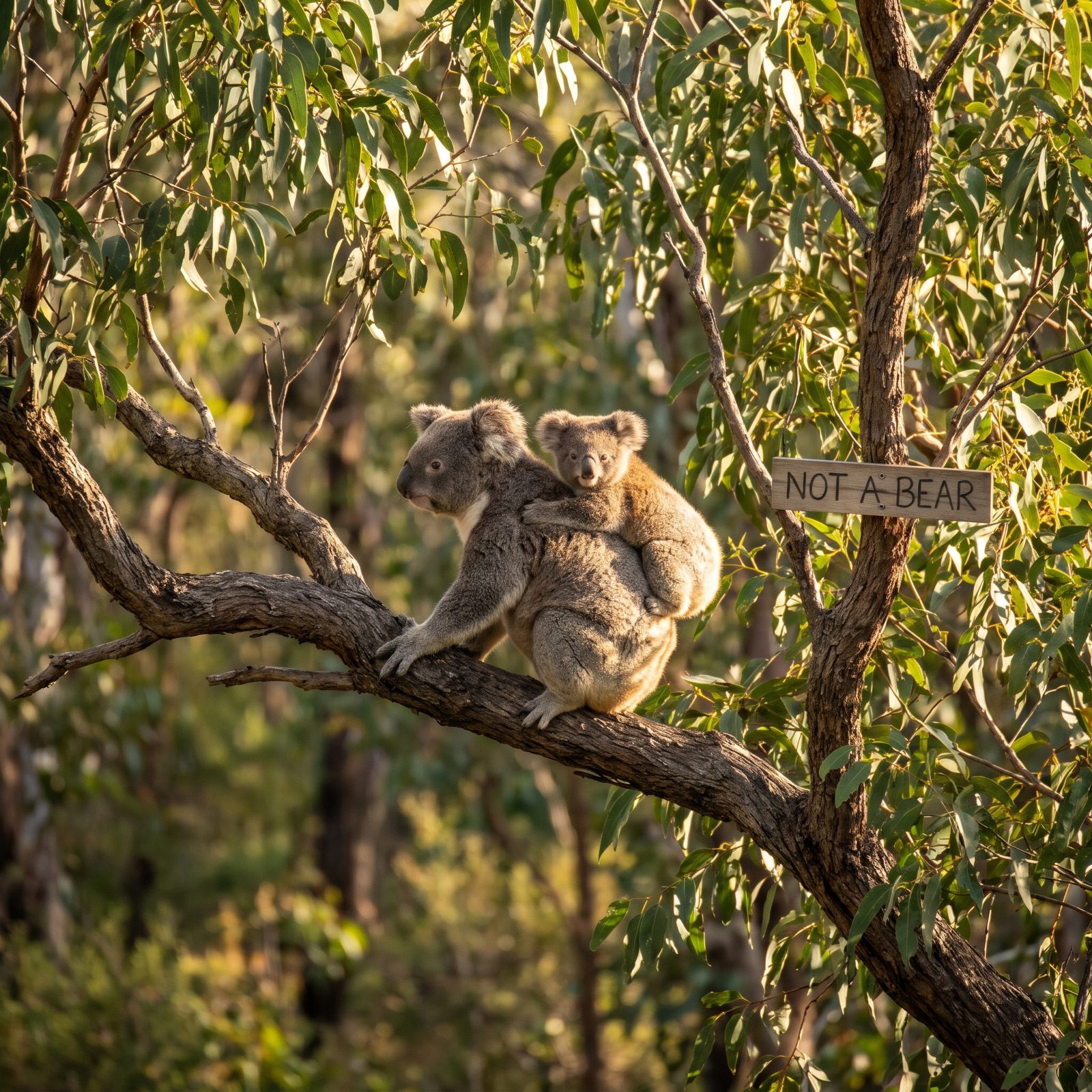
Cuddly, round-eared, tree-dwelling. None of it makes a koala a bear.
Koalas are marsupials. Their babies, called joeys, are born tiny and underdeveloped, then crawl into a pouch to finish growing — closer kin to kangaroos and wombats than to anything in the bear family. The “koala bear” label came from European settlers grabbing for the nearest familiar animal that looked vaguely similar.
Their whole biology is built around one punishing diet: eucalyptus leaves, which are toxic, fibrous and nearly worthless as fuel. That’s why koalas sleep up to twenty hours a day. They’re not lazy — they’re conserving every calorie from a food that barely pays its way.
11. Carrots Are the Ideal Everyday Food for Rabbits

Bugs Bunny has a lot to answer for.
Carrots are candy for rabbits. They’re packed with sugar, and a rabbit’s digestive system runs on fiber, not fructose. The staple should be grass hay — endless amounts of it — plus leafy greens, with carrots and other sugary vegetables reserved as the occasional treat.
Overload a rabbit on carrots and you court digestive upset, obesity and dental problems, because chewing tough hay is also what keeps their ever-growing teeth worn down. The cartoon handed us an adorable image and terrible nutritional advice in the same frame.
10. Moles Are Blind
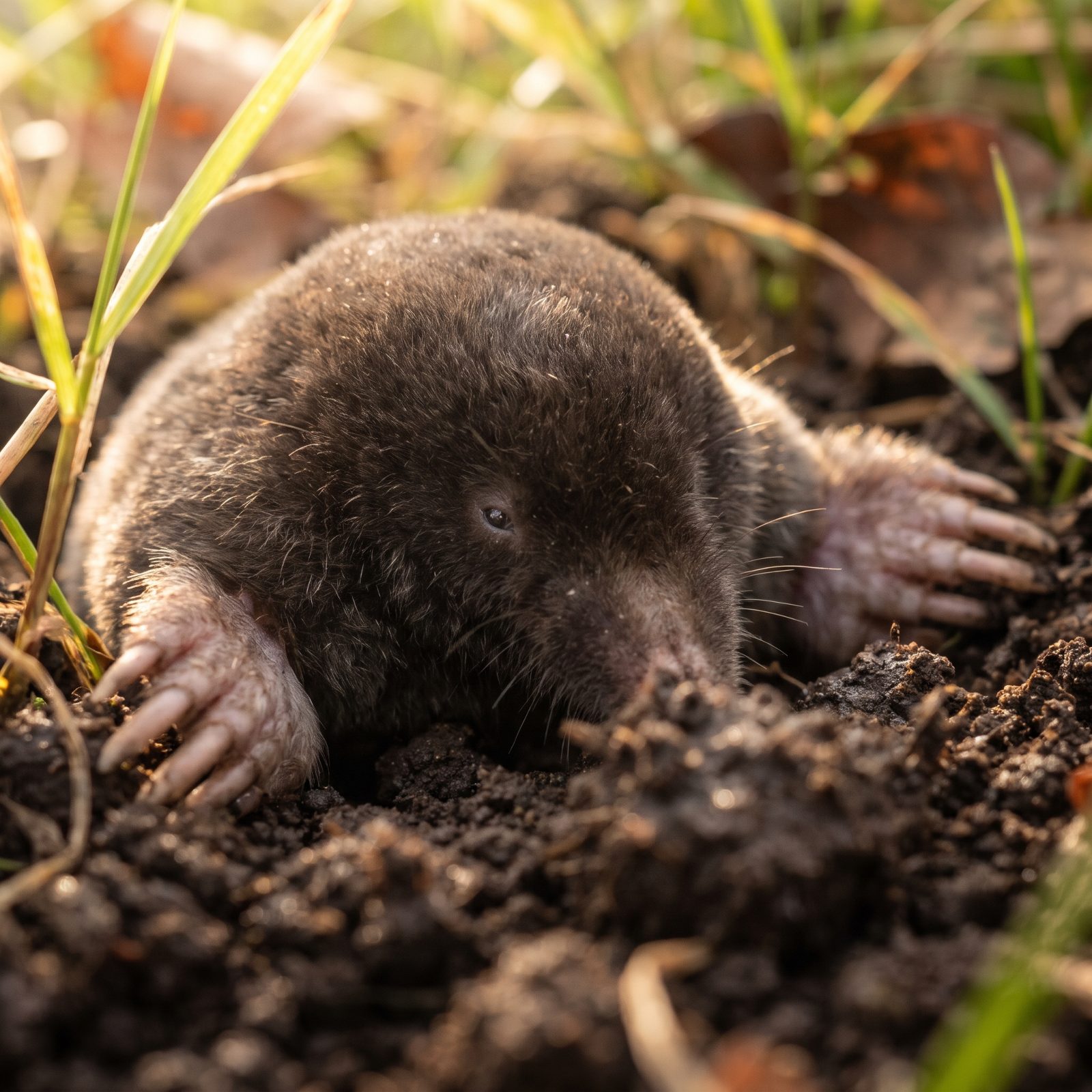
Moles have eyes. Small ones, often tucked under fur, but functional enough to tell light from dark and detect movement.
Underground, vision barely matters, so evolution spent its budget elsewhere. A mole’s nose and paws are the real instruments. Take the star-nosed mole, with twenty-two fleshy tentacles ringing its snout, each one packed with touch sensors that let it identify and swallow prey in a fraction of a second — among the fastest feeding ever recorded in a mammal.
Blind is the wrong word entirely. A mole reads the world through touch, and does it at a speed your eyes could never match.
9. Uncooked Rice Makes Birds Explode

The wedding rule that launched a thousand bubble-blowing alternatives rests on nothing.
The idea goes like this: a bird eats dry rice, the rice swells in its stomach, the bird bursts. Sounds plausible. It’s complete fiction. Birds eat raw grains and seeds all the time, and rice is just another seed their digestive systems handle without drama.
Science settled this years ago. Tests found uncooked rice poses no special danger, and plenty of wild birds — including rice-field species — eat it routinely with no ill effect.
8. A Duck’s Quack Does Not Echo

Of course it echoes. Sound is sound, and a quack obeys the same physics as a shout.
Acoustic researchers recorded ducks in echo chambers and the echo was plainly there. Why does the myth survive? It’s sneaky. A quack is a soft, fading sound with no sharp start or stop, so the echo blends into the tail end of the original call and your ear struggles to pull the two apart.
Make the sound in the right space, measure it properly, and the echo shows up every time. It was never missing. Just hiding in plain sound.
7. Flamingos Are Born Pink
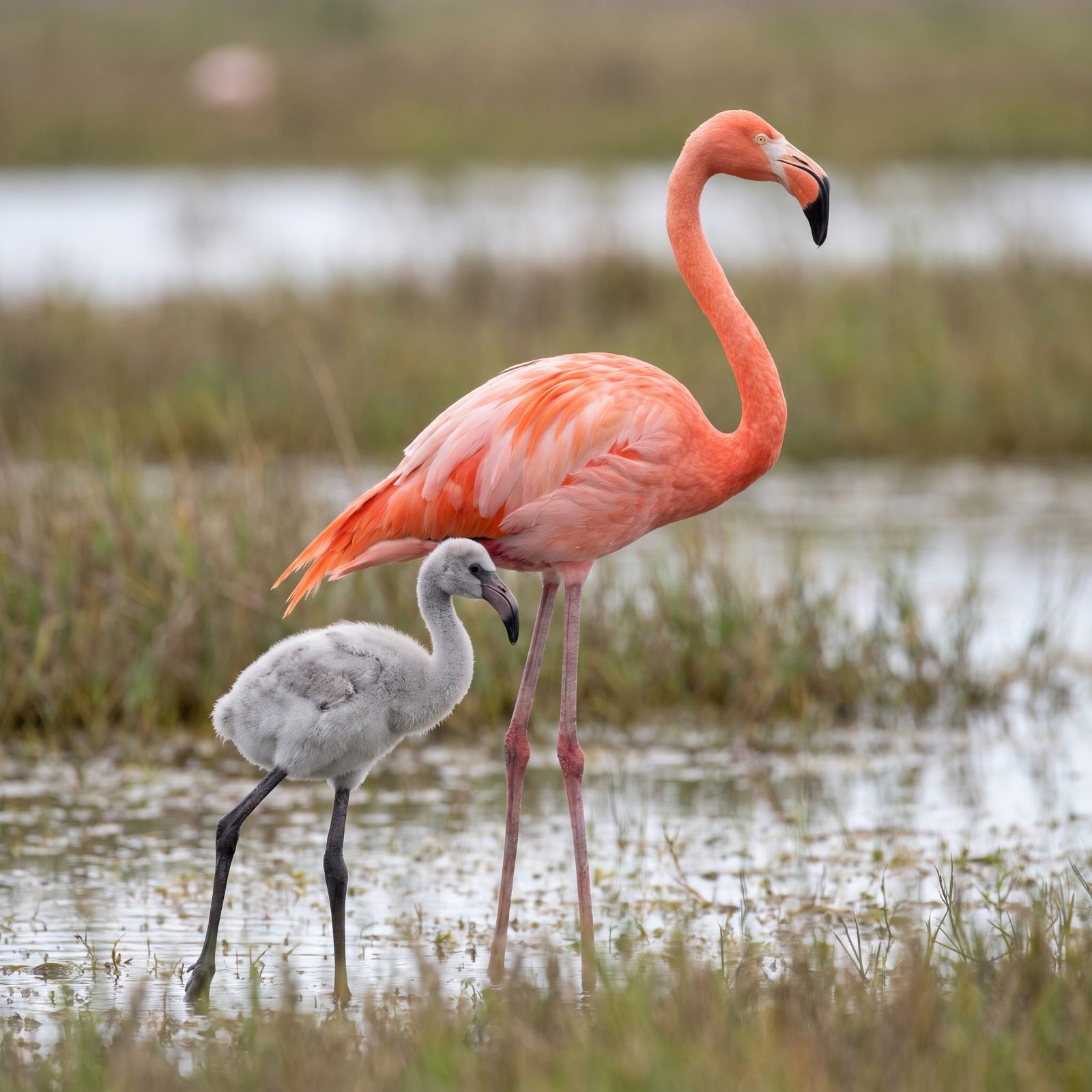
They show up grey. Dull, fuzzy, unremarkable grey.
The famous pink is earned, not inherited. Flamingos eat algae, brine shrimp and other tiny organisms loaded with pigments called carotenoids — the same family that makes carrots orange. Their bodies break those pigments down and deposit the color into feathers, skin and bill over months and years.
Diet is everything here. Starve a flamingo of carotenoids and it fades back toward pale. Zoos learned this the hard way and now add the pigments to captive diets to keep their birds vivid. A flamingo’s color is, quite literally, a report card of what it has been eating.
6. A Frog Will Sit Still in Water Slowly Heated to Boiling

You’ve heard it in boardrooms and self-help books. Drop a frog in boiling water and it jumps, but heat the water slowly and it stays put until it cooks. A tidy metaphor for ignored danger. Also completely wrong.
Real frogs bolt. As the water warms past comfortable, they get agitated and leave long before anything lethal happens. The myth traces back to sloppy 19th-century experiments, some of them performed on frogs whose brains had been removed — which, fair enough, does tend to sap your motivation to go anywhere.
5. Turtles Can Abandon Their Shells and Crawl Away
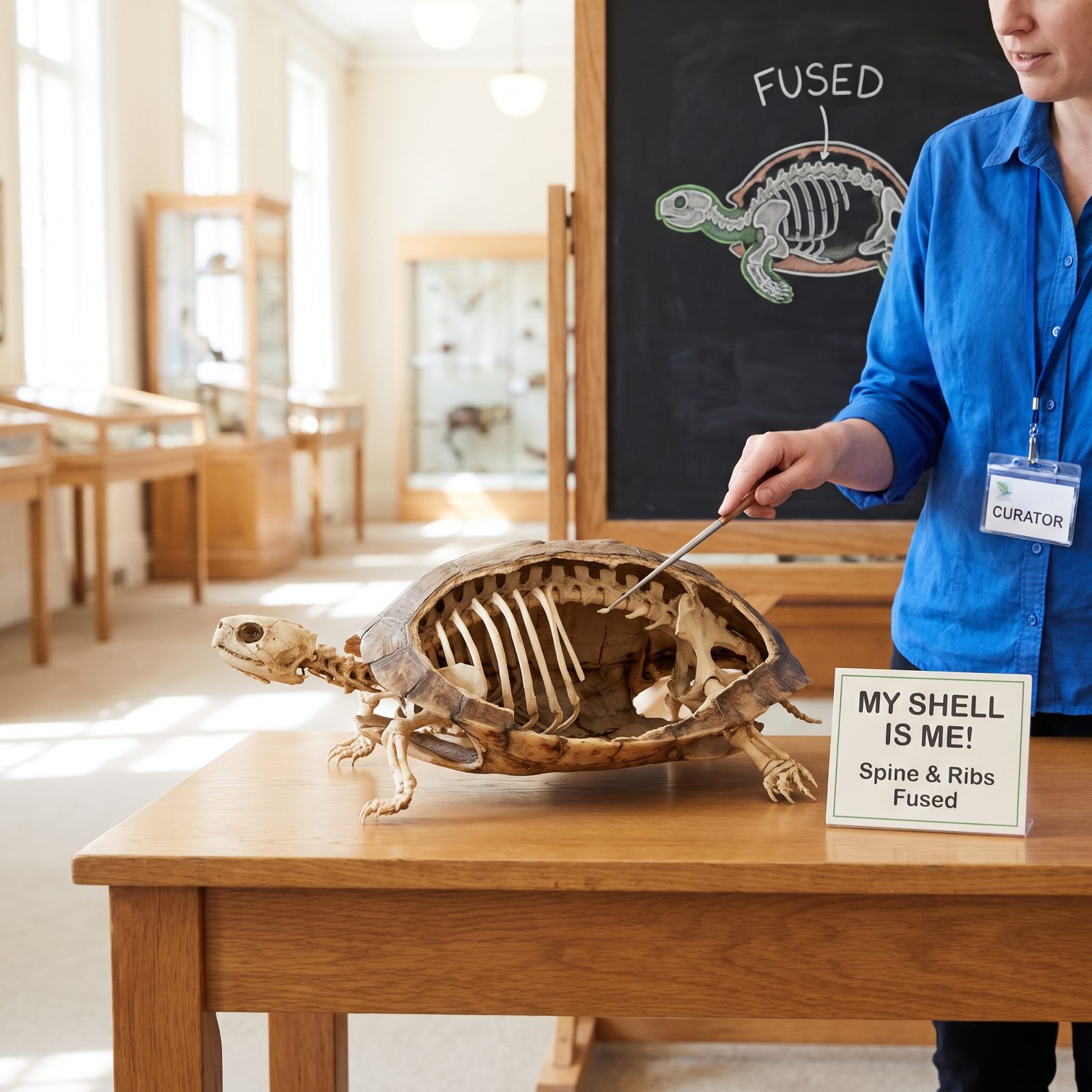
Cartoons gave us a turtle sliding out of its shell the way you’d shrug off a backpack. Charming. Anatomically impossible.
Real turtles aren’t built that way. A turtle’s shell is its spine and ribcage, fused and flared outward — roughly 50 bones, vertebrae and rib bones grown sideways into a bony dome, laced with nerve endings and blood vessels. Pulling a turtle from its shell isn’t undressing it; it’s filleting it. And the thing grows with the animal from hatchling to adult, never swapped, never outgrown. No shell, no back.
4. Fish Feel No Pain When Hooked
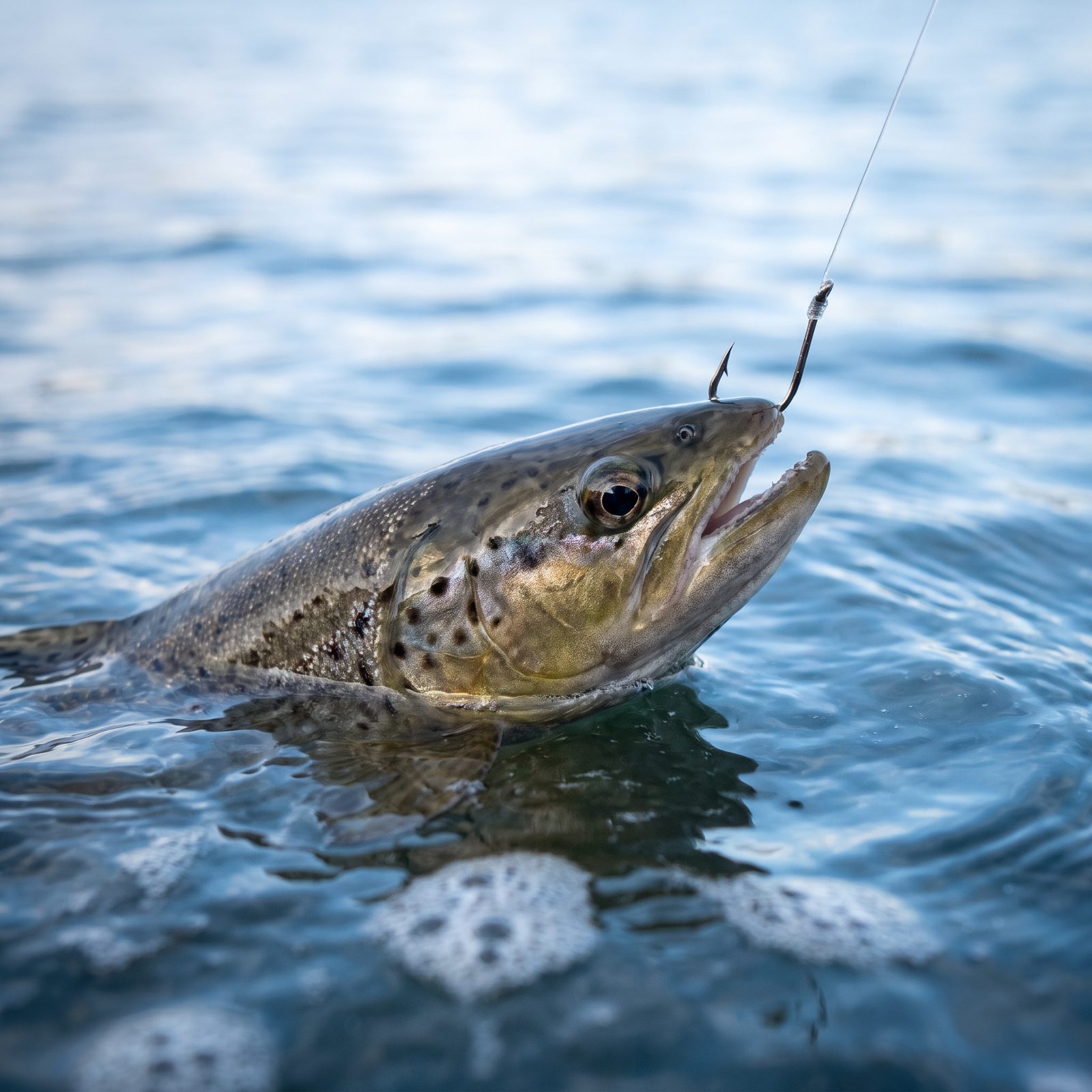
Fish have nociceptors — the same nerve receptors that signal tissue damage in you. A landmark 2003 study found them in rainbow trout, clustered around the head and snout, right where this trout’s hook pierces. Inject something noxious into a trout’s lip and the fish rubs the spot on gravel, rocks back and forth, and stops feeding. Offer pain relief and all of that fades.
Whether that adds up to suffering the way a mammal suffers is still argued among biologists. What’s settled is that fish detect harm and respond to it deliberately. The old picture of a fish hooked through the snout as reflexive meat on a line? It didn’t survive the data.
3. Lobsters Never Age and Cannot Die of Old Age
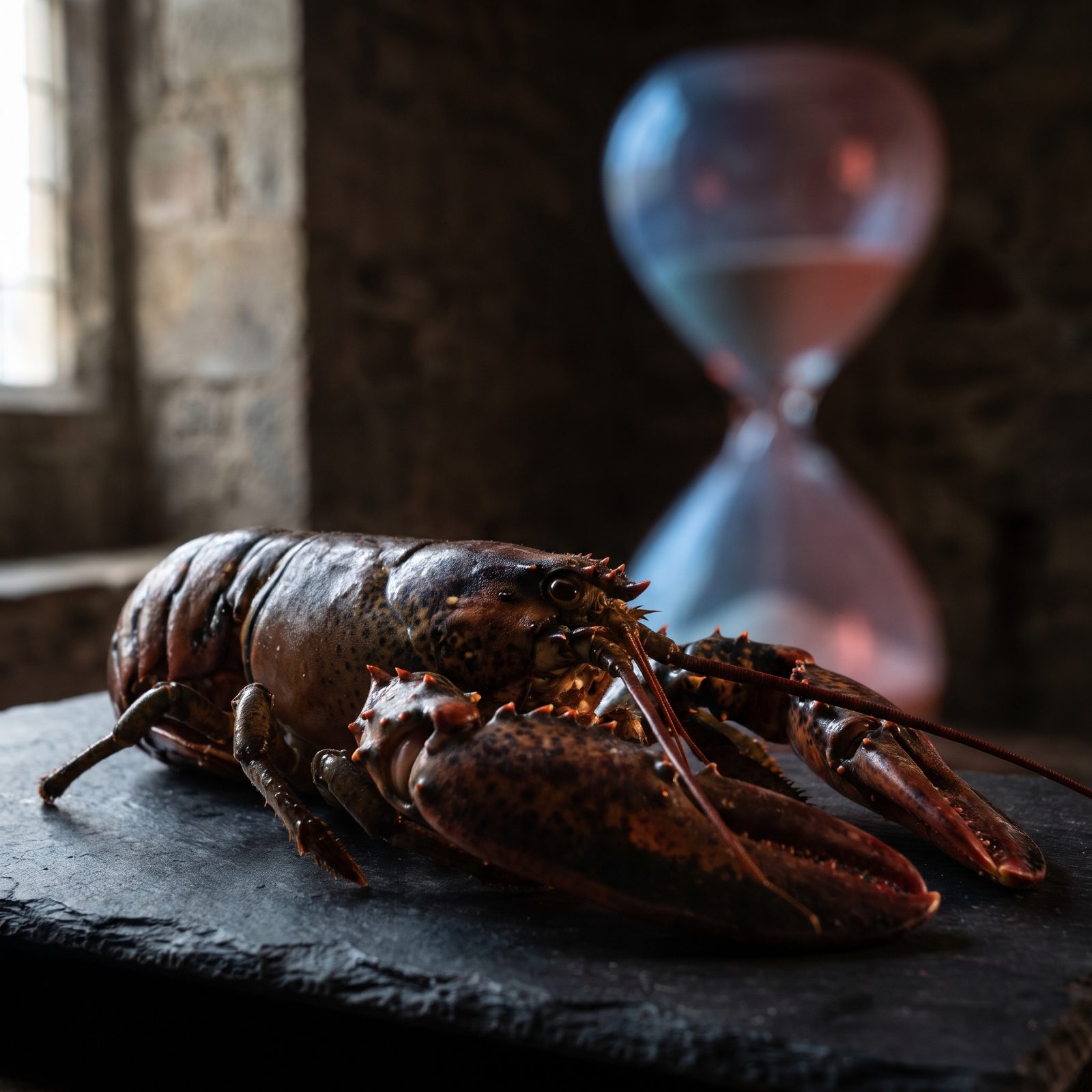
The internet adores this claim. Lobsters are immortal, supposedly kept forever young by an enzyme called telomerase that keeps resetting the biological clock. Catch one and you’re holding a creature that could live forever.
They do keep growing, and they stay fertile at ages when most animals are long finished. But immortal? No. Growing means molting — shedding the whole shell and dragging the body out of it — and that gamble gets riskier and more exhausting the bigger a lobster gets. Many die mid-molt, or from exhaustion, disease, or shell damage once they can’t molt at all. They don’t age like we do. They still run out of road.
2. Slice an Earthworm in Half and You Get Two Worms
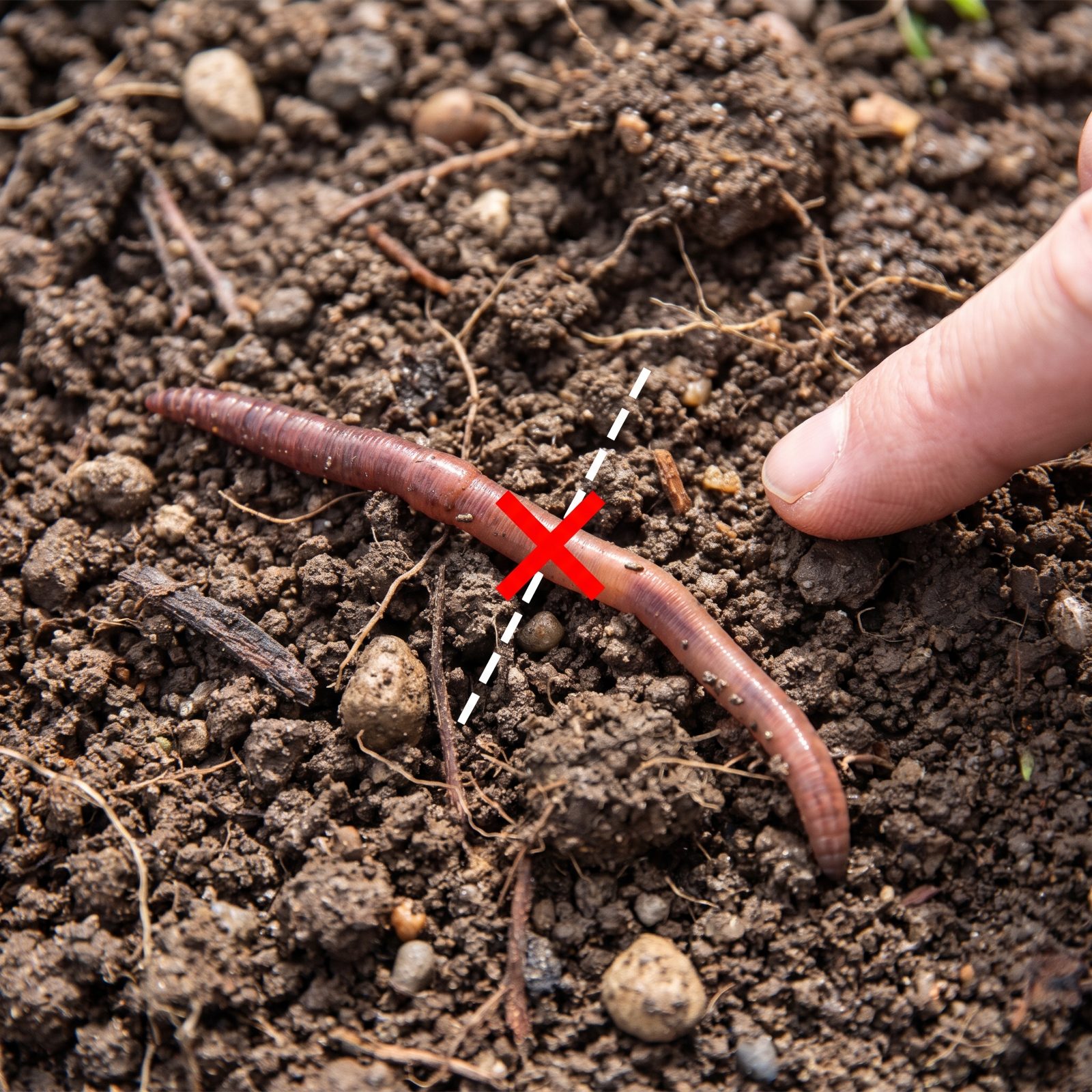
Every kid who ever dug in a garden believes it: cut the worm, get two worms, both wriggling off to live full lives. The truth is grimmer, and honestly more interesting.
Chop an earthworm and you typically end up with one injured worm and one dead piece. The front end — the one carrying the vital organs and the clitellum, that raised band near the head — can sometimes regrow a lost tail. The tail end can’t grow a new head. No brain, no heart segments, nothing to rebuild from. It writhes for a while, which looks convincingly like life, and then it dies.
So the real headline isn’t two worms. It’s one worm with a decent shot at partial regeneration, plus a severed back half going nowhere.
1. A Goldfish Forgets Everything Within Three Seconds
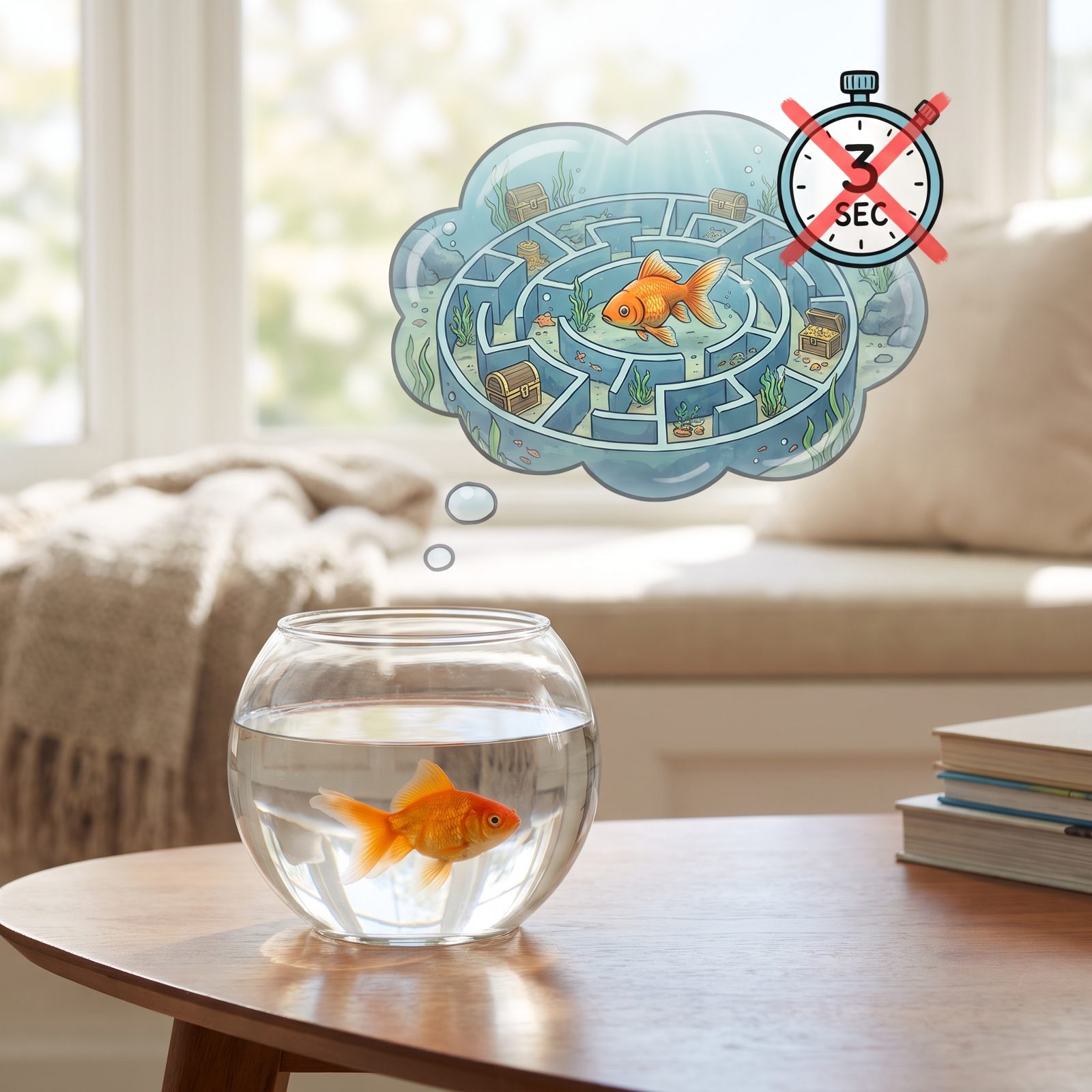
The three-second goldfish is the excuse we hand every forgetful friend. It’s also an insult the fish never earned.
Goldfish remember for months. Researchers have trained them to push levers for food, to work through mazes, and to tell shapes and colors apart. In one well-known school experiment, fish learned to swim to a feeder at a particular time of day and then kept turning up right on schedule. Some studies even hint they recognize whoever feeds them.
Three seconds was never a measurement. It was a punchline that stuck because it gave us permission to keep them in bowls too small to bother remembering.