

Point a Geiger counter at your fruit bowl and it clicks. Nothing’s wrong. A banana is, in the most literal sense, a tiny radioactive object, and so is the person eating it. Radiation isn’t some exotic contaminant we accidentally spilled on the modern world — it’s baked into the dirt, the dinnerware, the salt shaker, the old camera on the shelf. Most of it sits so far below harmful that scientists use these very objects to calibrate their equipment. What follows is a tour of the familiar stuff in your kitchen, garage and junk drawer that gives off measurable radiation, and why none of it should keep you up at night.
25. Bananas Glow With Potassium-40 (So Do You)
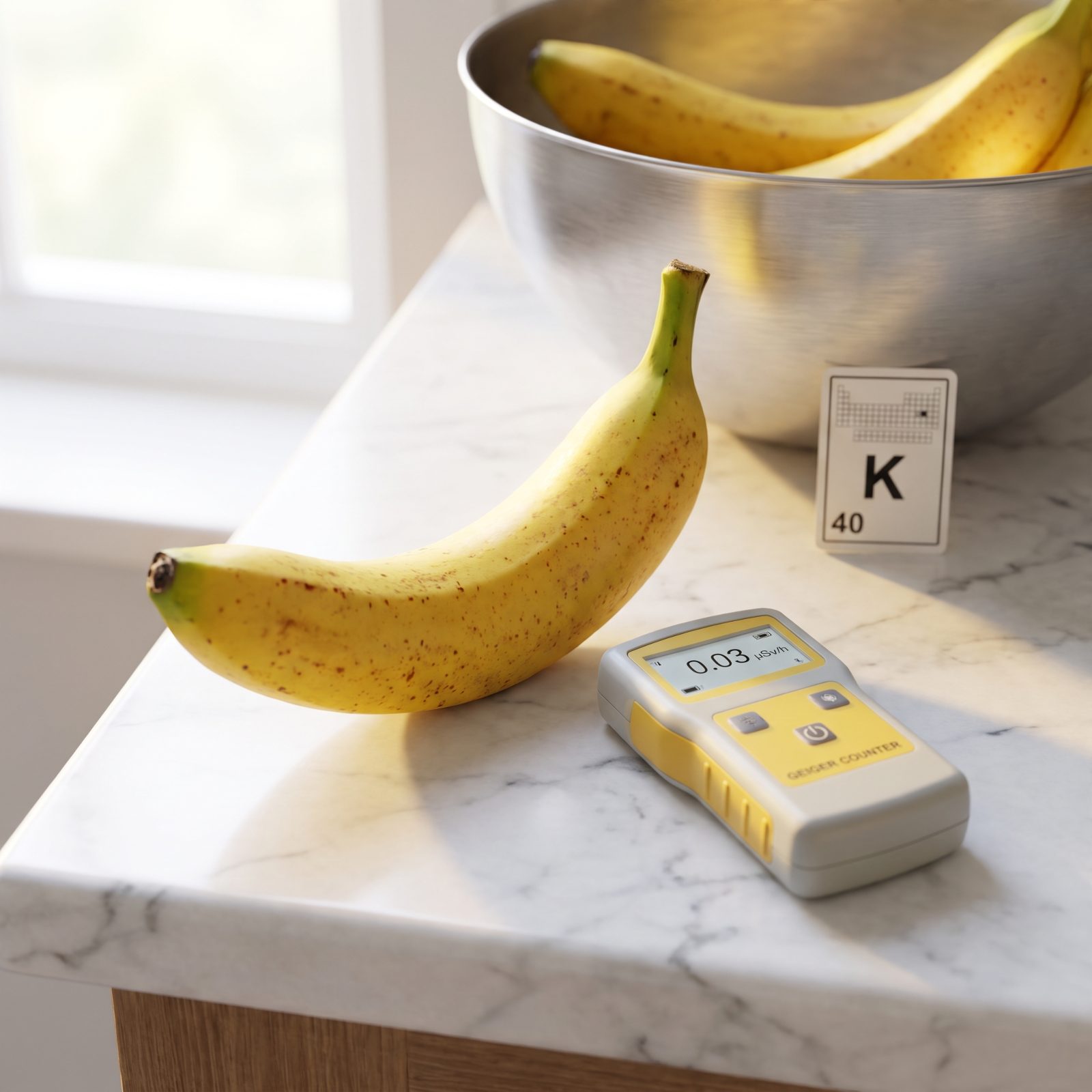
Every banana carries potassium, and a sliver of all the potassium on Earth happens to be potassium-40, which is radioactive. It decays whether it’s sitting in a banana, a bag of soil, or your own muscle tissue.
Scientists joke about the “banana equivalent dose” to explain radiation in human terms. Eating one gives you a dose so small it’s measured against a cross-country flight or a chest X-ray — and loses every time.
Here’s the part nobody mentions. Your body regulates its own potassium, so you can’t stockpile radioactivity by gorging on a bunch; the surplus just leaves. Right now, you are more radioactive than the banana you’re about to peel. Sorry.
24. Your Smoke Detector Runs on Americium-241
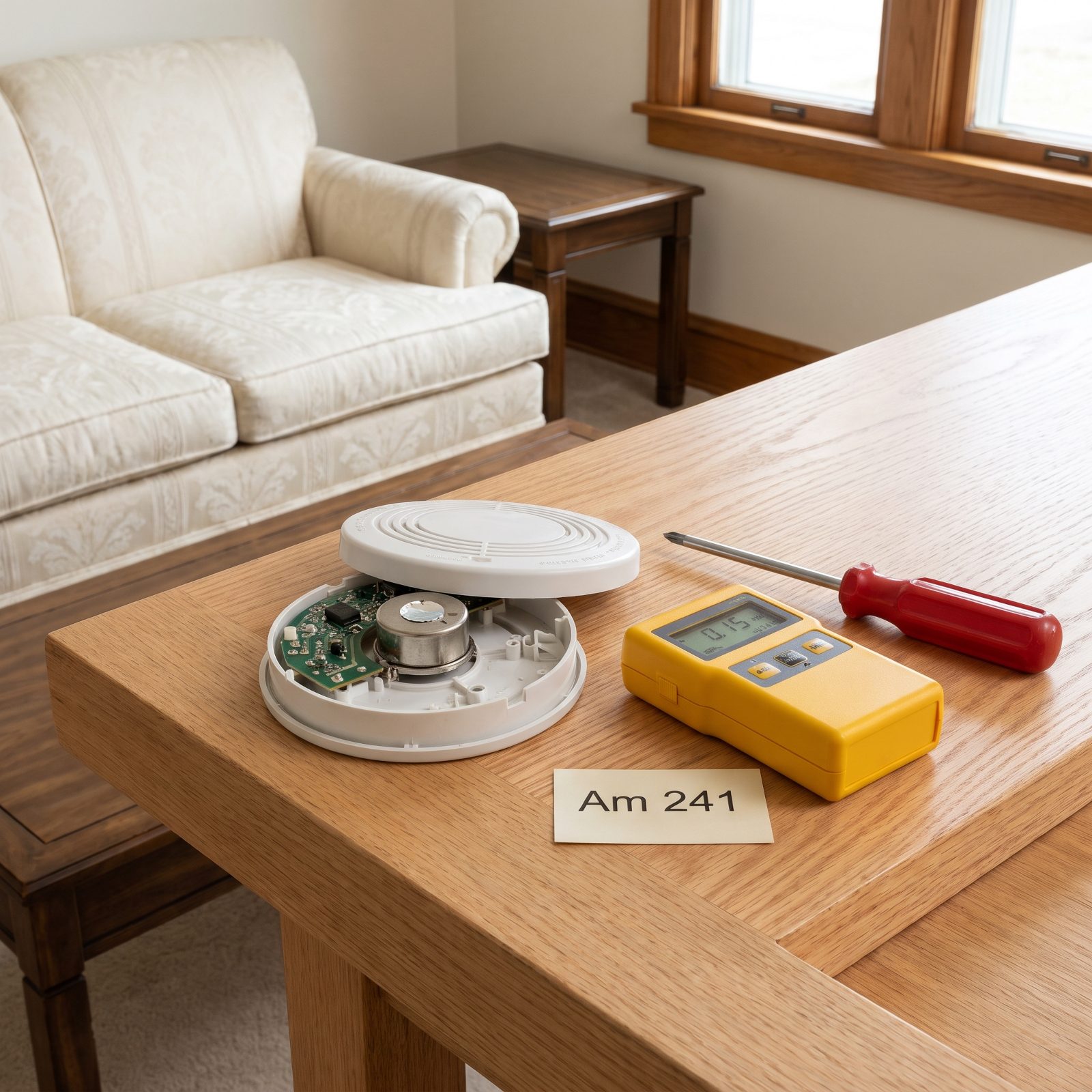
Pop open a cheap smoke detector and you’re holding a speck of americium-241, a man-made isotope that doesn’t exist in nature. It sits inside an ionization chamber, quietly charging the air so that smoke particles disrupt the current and trip the alarm.
The amount is microscopic, sealed in foil, shielded by the chamber itself. It poses essentially no risk while the detector hangs on your ceiling doing its job.
One rule worth respecting: don’t crack the source open, and don’t chuck old detectors in the regular trash if your area runs a takeback program. Harmless on the ceiling, pointless to disturb.
23. Granite Countertops That Breathe Out Radon

Granite formed deep underground, and underground is where uranium and thorium like to hide. As those elements decay, some stone gives off low-level radiation and, more notably, trace radon gas.
Most granite countertops emit almost nothing you’d ever notice. A small percentage of exotic, heavily patterned slabs run higher, and in a sealed, stuffy room the radon could nudge your home’s levels up a touch.
The fix is boring and it works: ventilate, and test your home for radon no matter what your counters are made of. Radon seeping up from the soil beneath your basement is a far bigger deal than your kitchen island will ever be.
22. Brazil Nuts Pull Radium Up From the Deep Soil
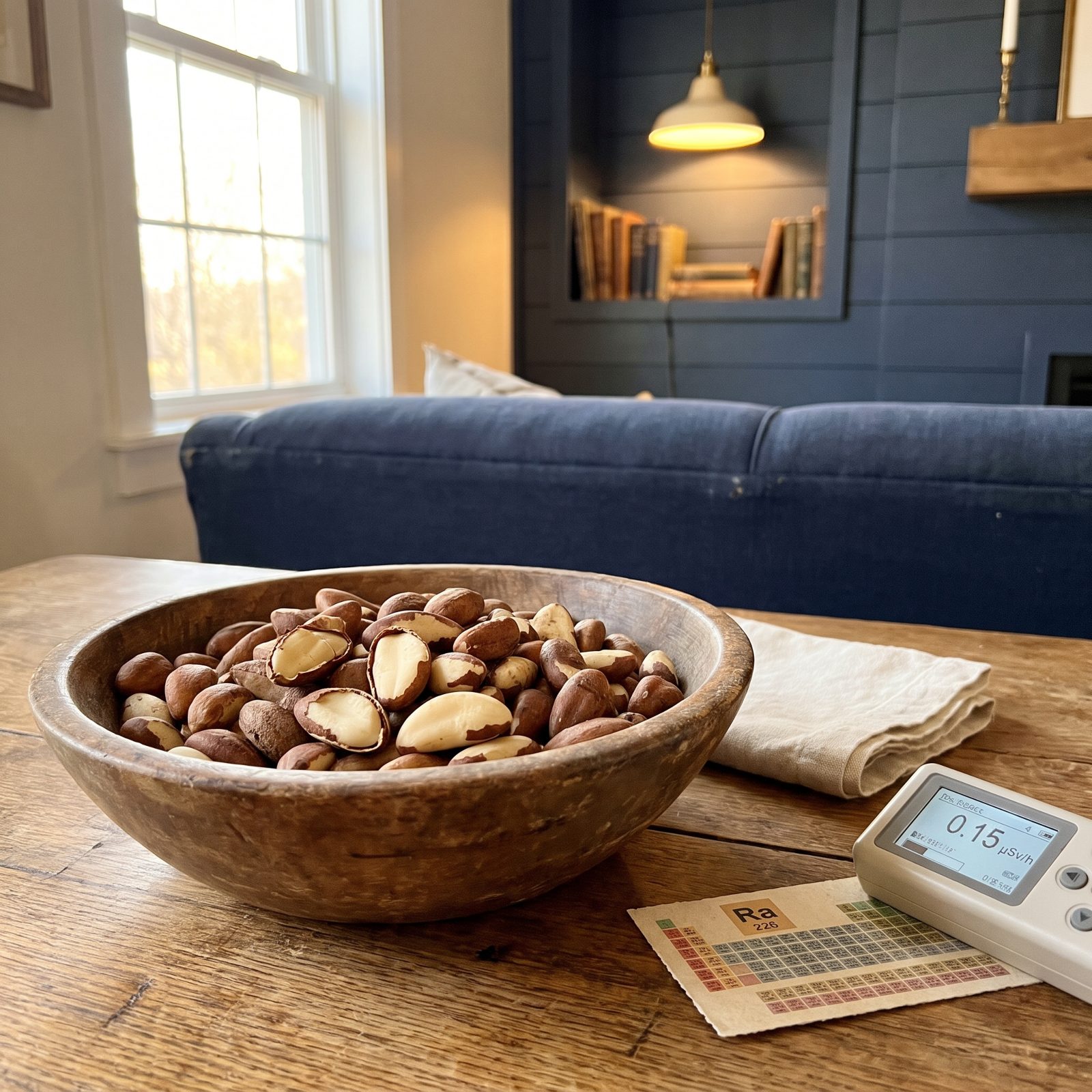
Brazil nut trees send roots far down into soil naturally rich in radium, and the trees drink it up. The result is the most radioactive common food you can buy — often many times hotter than anything else on your plate.
That sounds alarming until you remember what “many times a very small number” still equals. A very small number. You’d have to eat an absurd quantity, nonstop, to approach anything meaningful.
We love them anyway. A handful at a time, radium and all, is a genuinely good snack. The tree just happens to moonlight as an excellent miner.
21. Antique Alarm Clocks With Radium-Painted Dials
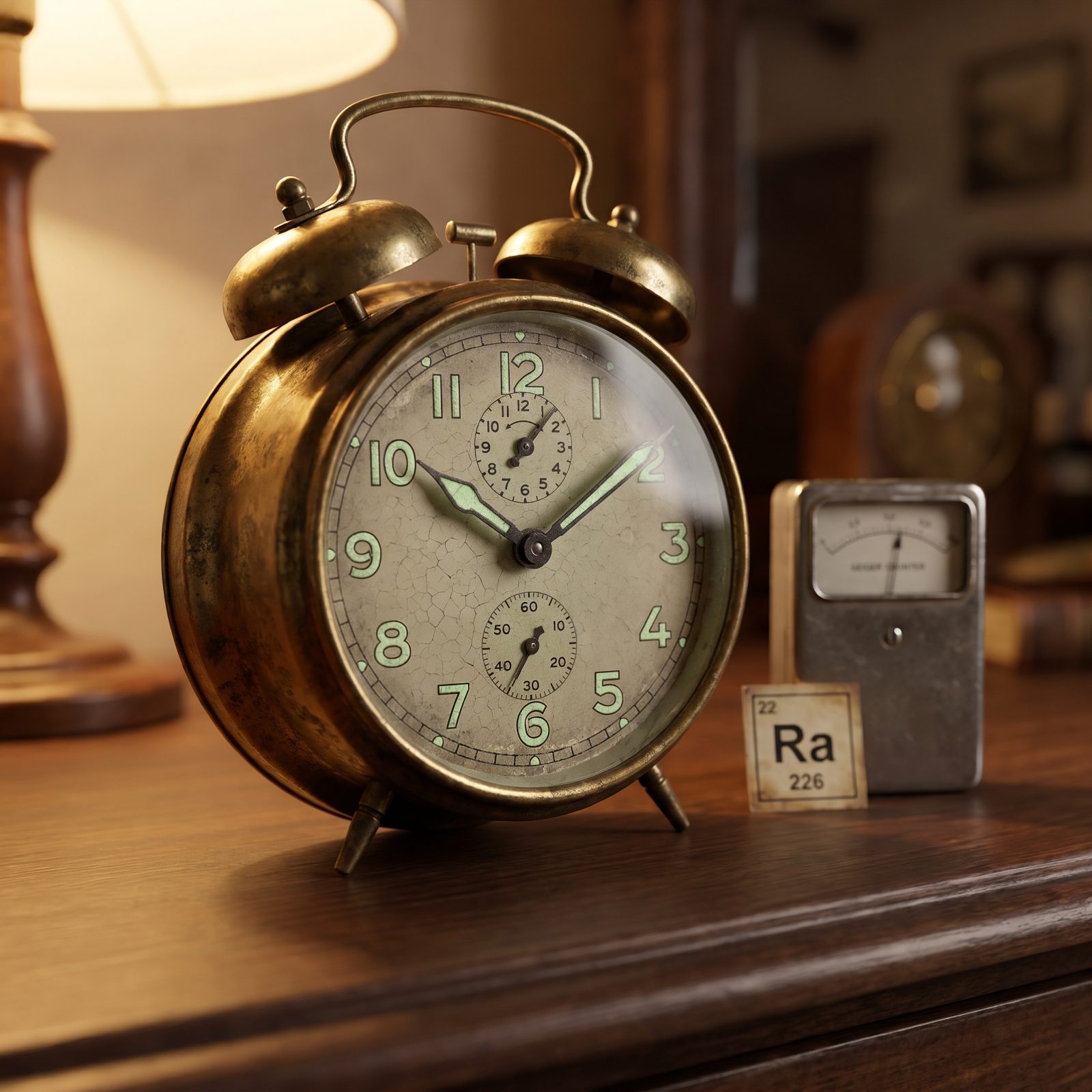
For decades, watch and clock dials glowed in the dark thanks to radium paint, mixed by hand so the numbers would shine all night. The glow may have faded, but the radium hasn’t gone anywhere — it has a half-life of roughly 1,600 years.
So that charming deco alarm clock on your shelf is almost certainly still radioactive, quietly, for the rest of your life and several lifetimes after it.
The history behind these dials is genuinely dark. The young women who painted them, tipping their brushes with their lips to get a fine point, suffered terribly, and their case reshaped American labor law. The clock itself is safe on a shelf. Don’t grind, sand, or pry open the dial, and you’re fine.
20. Vintage Orange Fiesta Dinnerware and Its Uranium Glaze
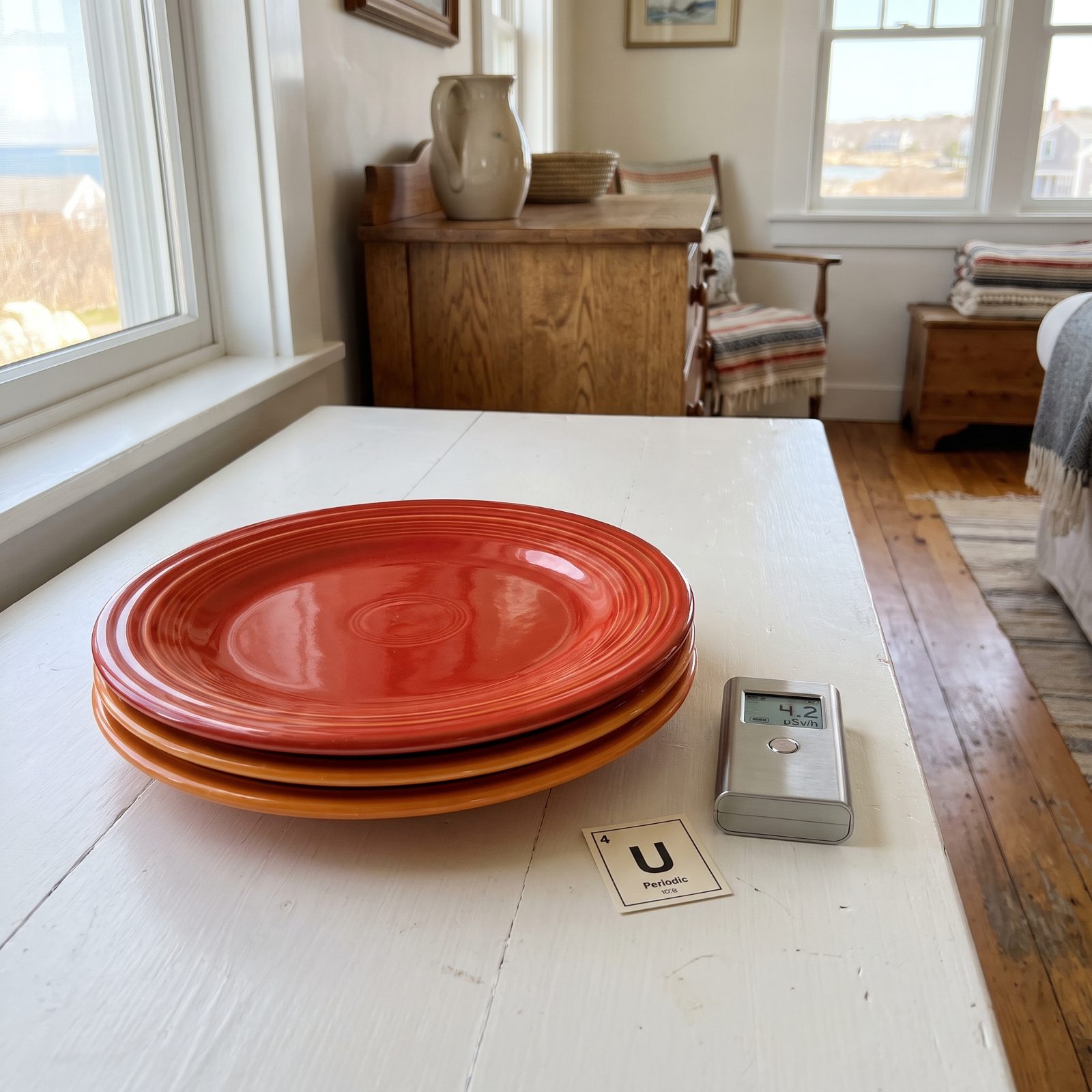
That famous bold orange-red of early Fiesta ware wasn’t just a styling decision. The glaze got its color from uranium oxide, which is exactly why collectors sometimes call it “radioactive red.”
Older pieces, made before the government requisitioned uranium stocks during World War II, give off a real, measurable reading. A Geiger counter held near a genuine vintage plate will chatter in a way your modern dishes never do.
The catch worth knowing: display them, admire them, photograph them to your heart’s content. Just don’t serve acidic food on them day after day, because acids can leach uranium out of the glaze. Lemon juice on an antique radioactive plate is the one pairing to skip.
19. Tobacco Leaves Quietly Collect Polonium-210
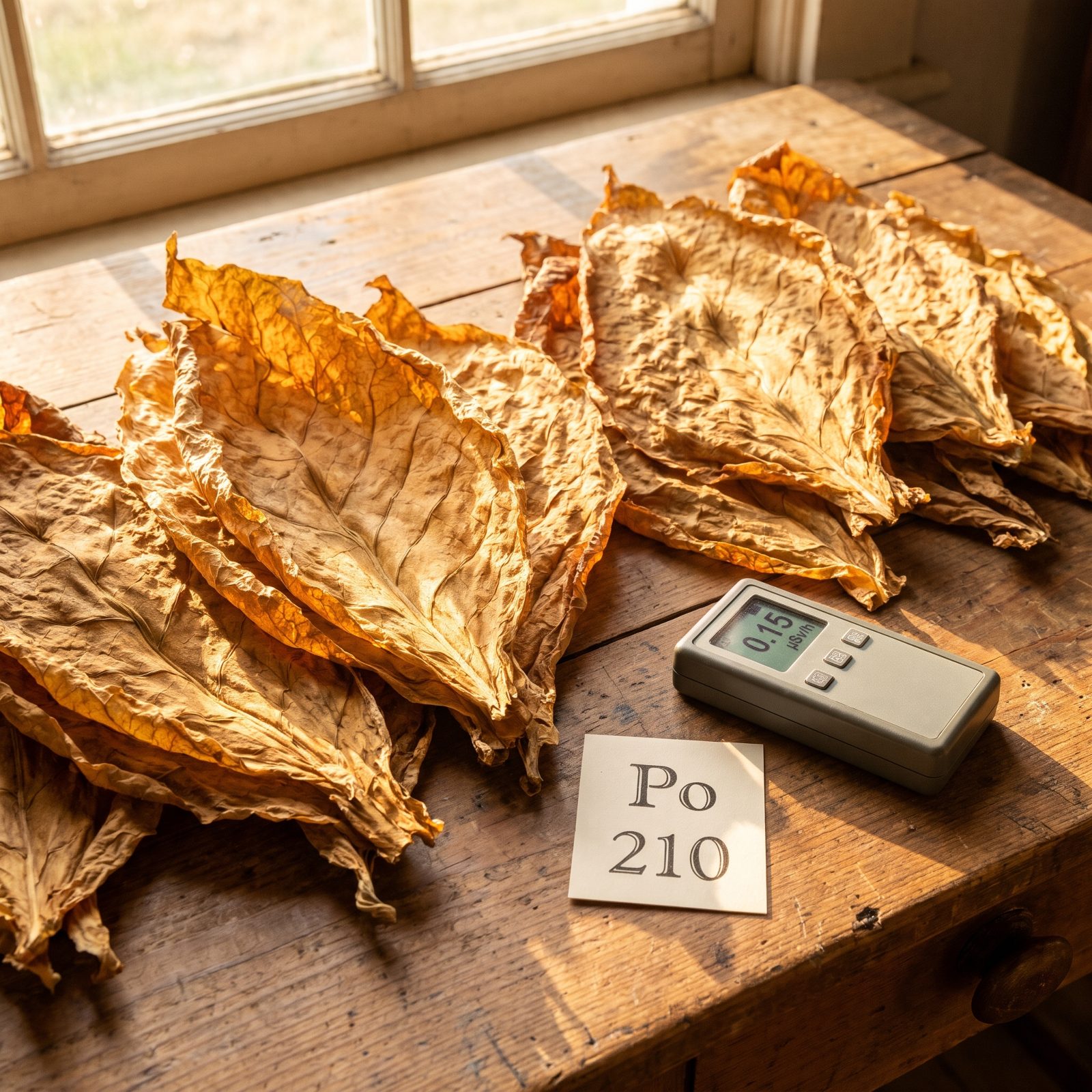
Tobacco plants have sticky leaves that trap airborne particles, including decay products from the natural radium in fertilizer and soil. One of those products is polonium-210, a genuinely nasty isotope.
When a leaf burns, that polonium rides the smoke straight into lung tissue and settles in. Unlike the banana, this radiation doesn’t just pass through on its way out. It parks in sensitive spots and stays.
It’s one of the lesser-known reasons smoking is so damaging. And it’s the rare entry on this list where the radioactivity is a real, serious part of the harm rather than a harmless curiosity.
18. Self-Powered Exit Signs That Glow With Tritium
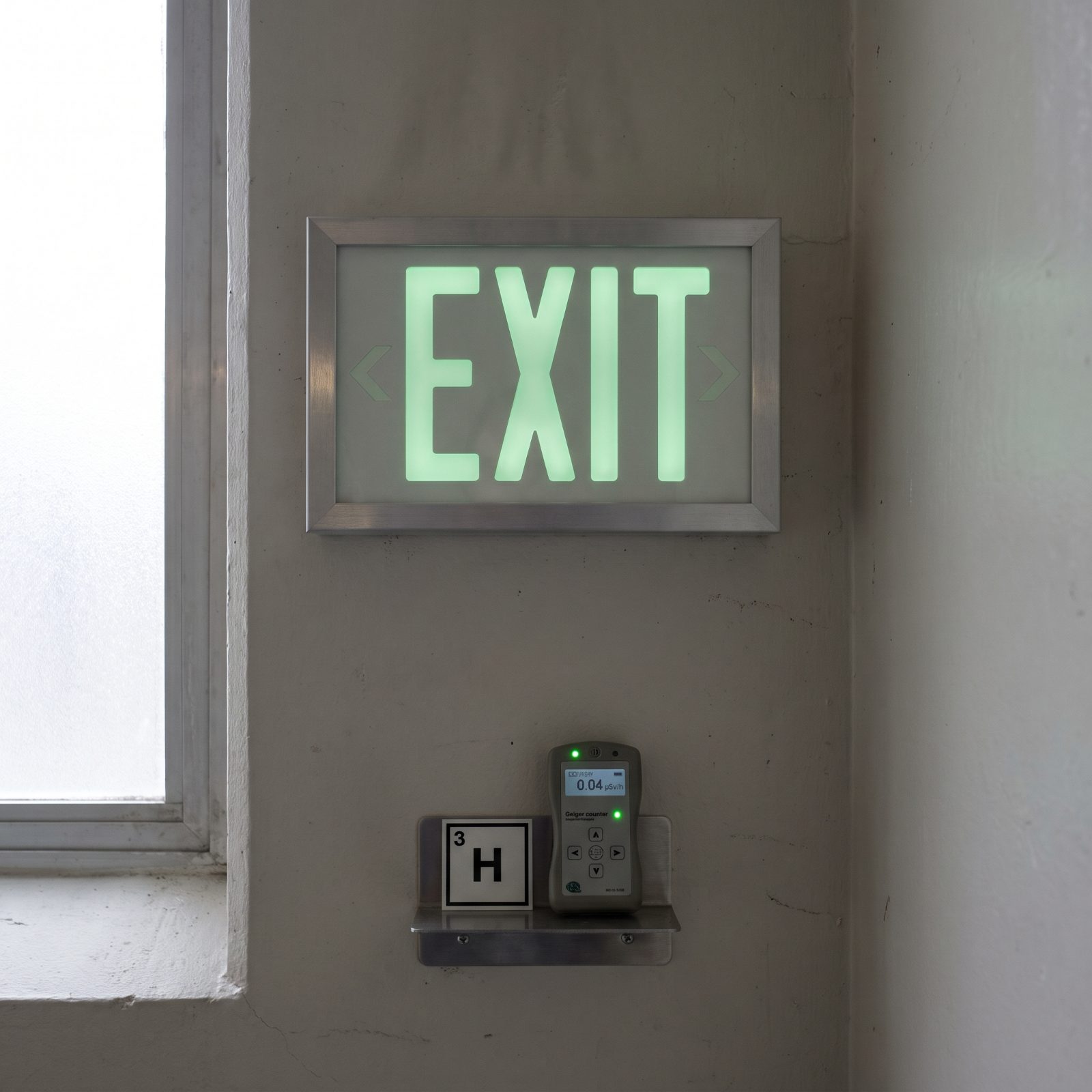
Some green exit signs glow without any wiring, batteries, or bulbs. Look closely — there’s no power source at all. The light comes from sealed tubes of tritium, a radioactive form of hydrogen, exciting a phosphor coating on the inside of the glass.
They’re brilliant for buildings where a power failure is the exact moment you need the sign to work. No electricity required, for a decade or more.
The tritium is sealed in glass and emits radiation so weak it can’t even penetrate skin. The only genuine worry is a broken sign leaking tritium gas, which is why damaged ones get treated as a cleanup job rather than a casual sweep-up.
17. Salt Substitute That Beats Table Salt on the Geiger Counter
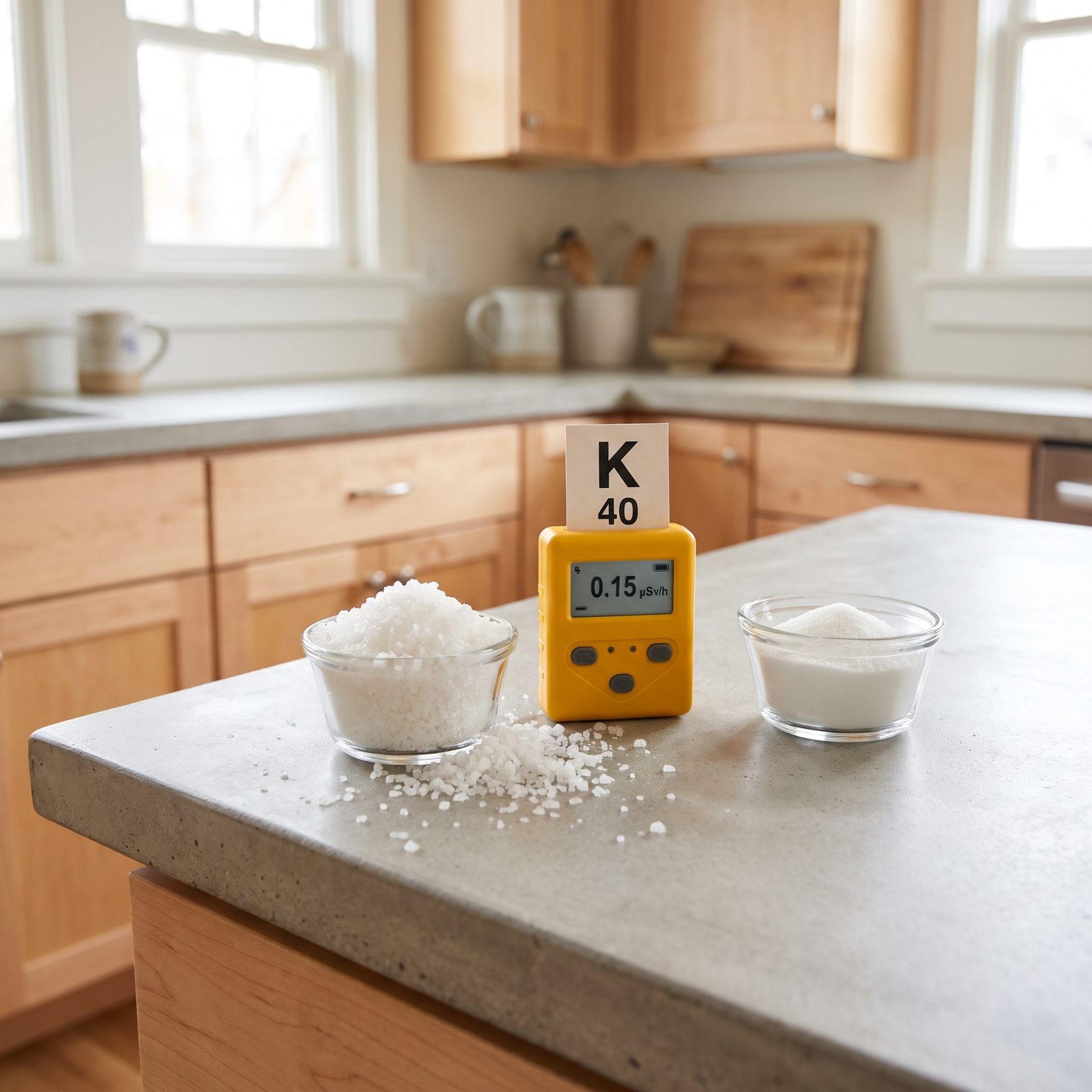
Flip over a container of “lite” or no-sodium salt substitute and you’ll usually find potassium chloride, swapped in for the sodium. Remember potassium-40 from the banana? Same deal, now concentrated.
A Geiger counter held over salt substitute clicks noticeably faster than it does over regular table salt. Science teachers adore this demo precisely because it feels backwards — the “healthier” salt is the hotter one.
None of which makes it unsafe. The radiation is trivial. But it’s a perfect little lesson in how radioactivity hides in the most mundane corners of a pantry, and how far apart “radioactive” and “dangerous” really sit.
16. Vintage Camera Lenses With Thorium Glass
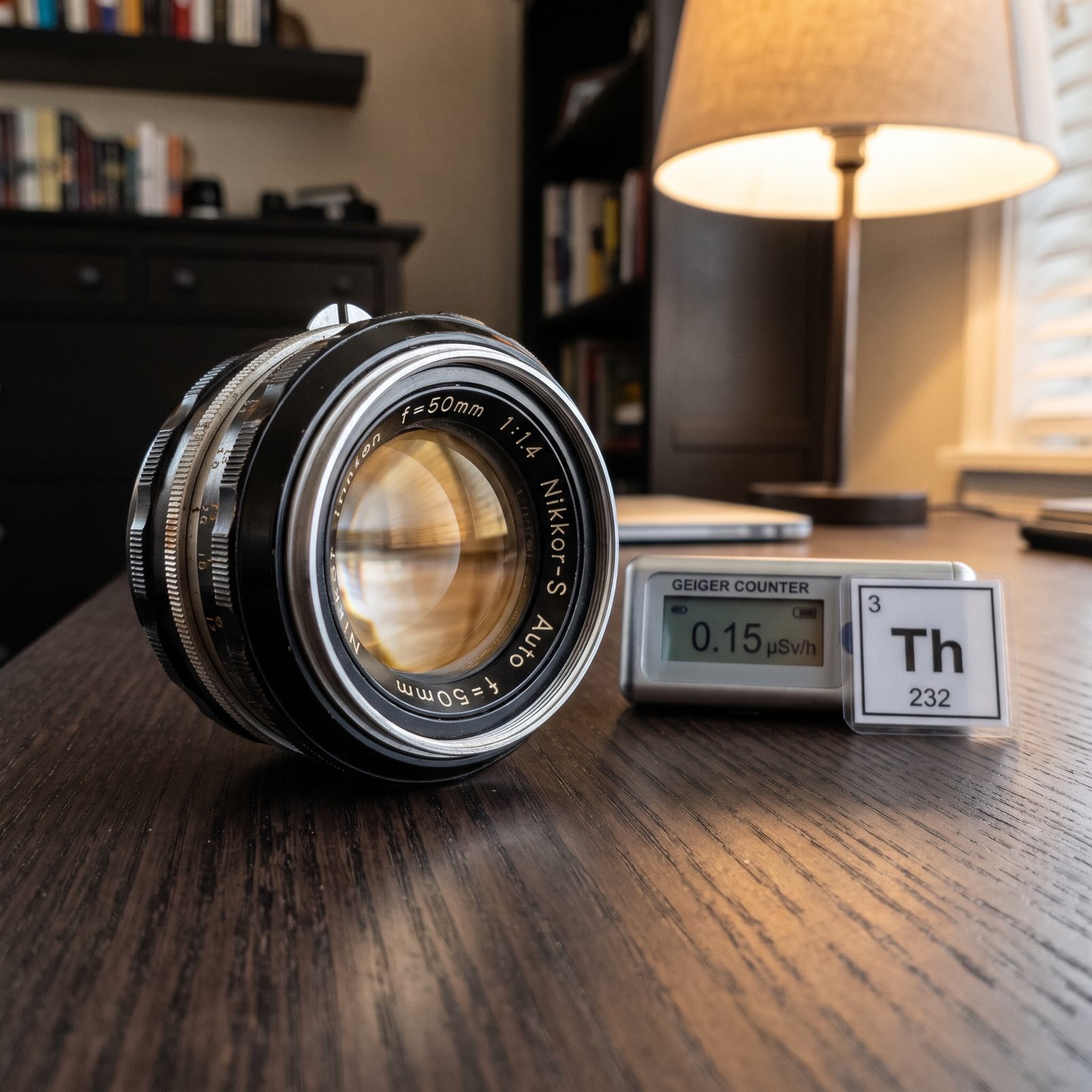
Camera makers once added thorium oxide to lens glass because it bent light beautifully and produced sharp, high-end optics. Decades later, those thorium elements are mildly radioactive and often tinted a telltale amber-yellow from age.
Photographers still prize these old lenses for their rendering,.
The radiation is low and the glass is sealed, so shooting with one is perfectly fine. Here’s the quirk collectors swear by: leave a yellowed lens in sunlight for days and the UV bleaches the amber tint back toward clear. The thorium stays. The color goes.
15. The Air in Your Basement Can Fill Up With Radioactive Radon
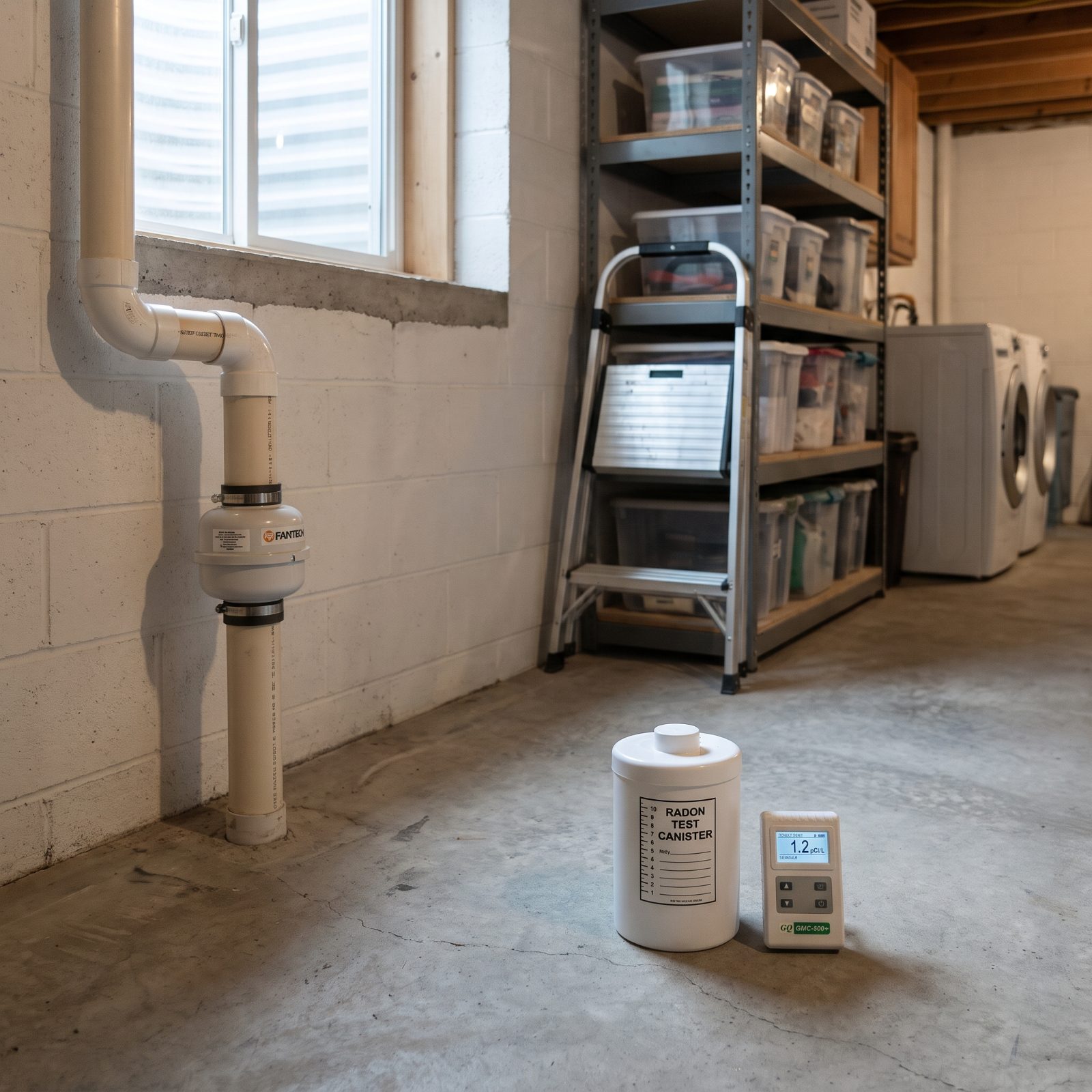
Radon ranks as the second leading cause of lung cancer in the U.S. after smoking, seeping up invisibly through your foundation from uranium in the soil. You can’t see it, smell it, or taste it. A basement traps it like a bucket under a slow drip.
Here’s the frustrating part. Your neighbor can test clean while you sit above a hot spot, all because it depends on the geology under your specific slab, and the only way to know for sure is a cheap charcoal test kit left out for a few days.
14. Clumping Cat Litter Is Made From Faintly Radioactive Clay
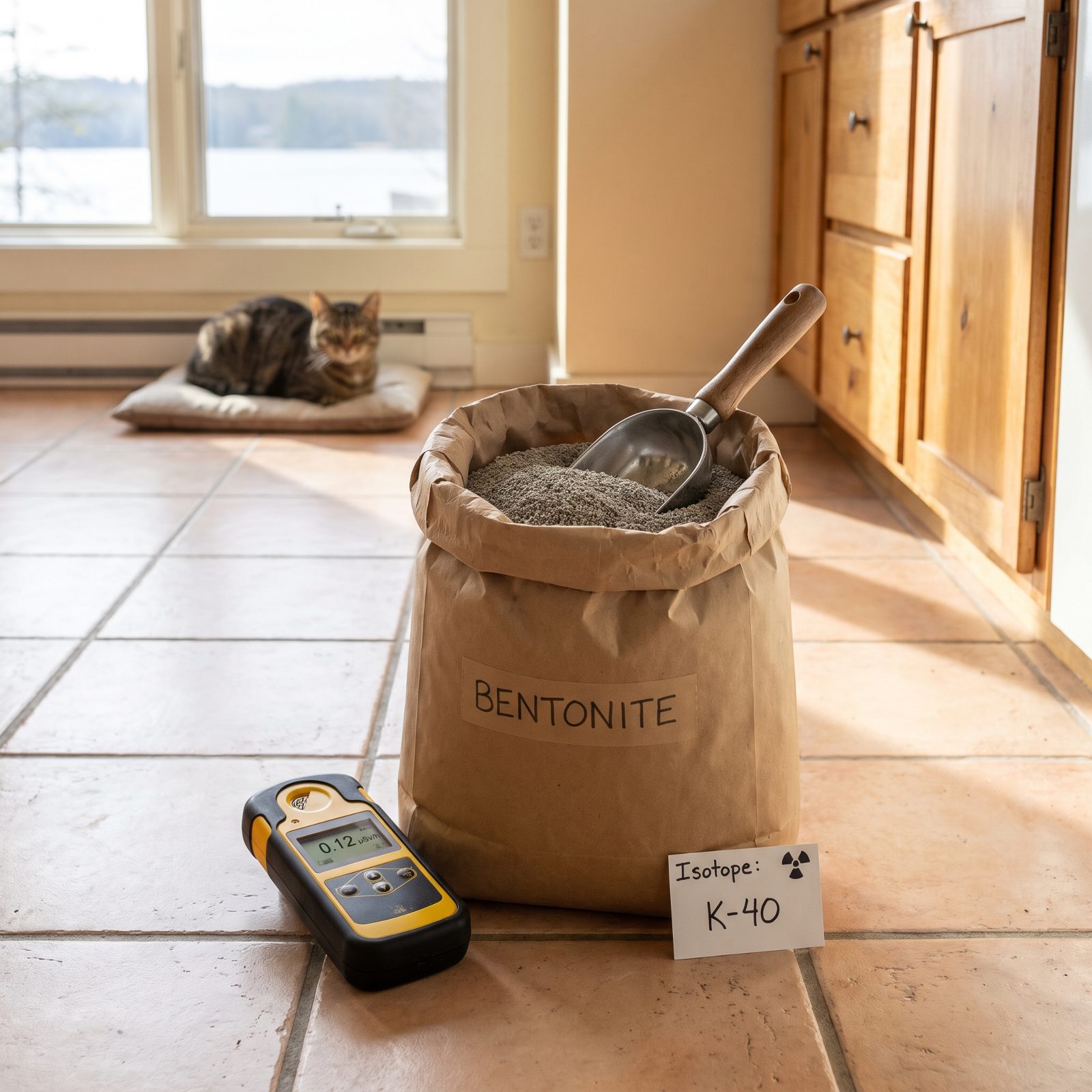
Bentonite, the clay that gives clumping litter its magic, forms from weathered volcanic ash. That ash carries trace uranium, thorium, and potassium-40, so a big bag of the stuff reads measurably above background on a sensitive detector.
Don’t panic and switch to crystal litter just yet. The dose is trivial, less than you’d soak up on a cross-country flight or from eating a bunch of bananas. Radioactivity here is a curiosity, not a hazard. Still, it’s a tidy little reminder that “natural” and “zero radiation” almost never mean the same thing.
13. Vintage Lantern Mantles Glowed Thanks to Thorium
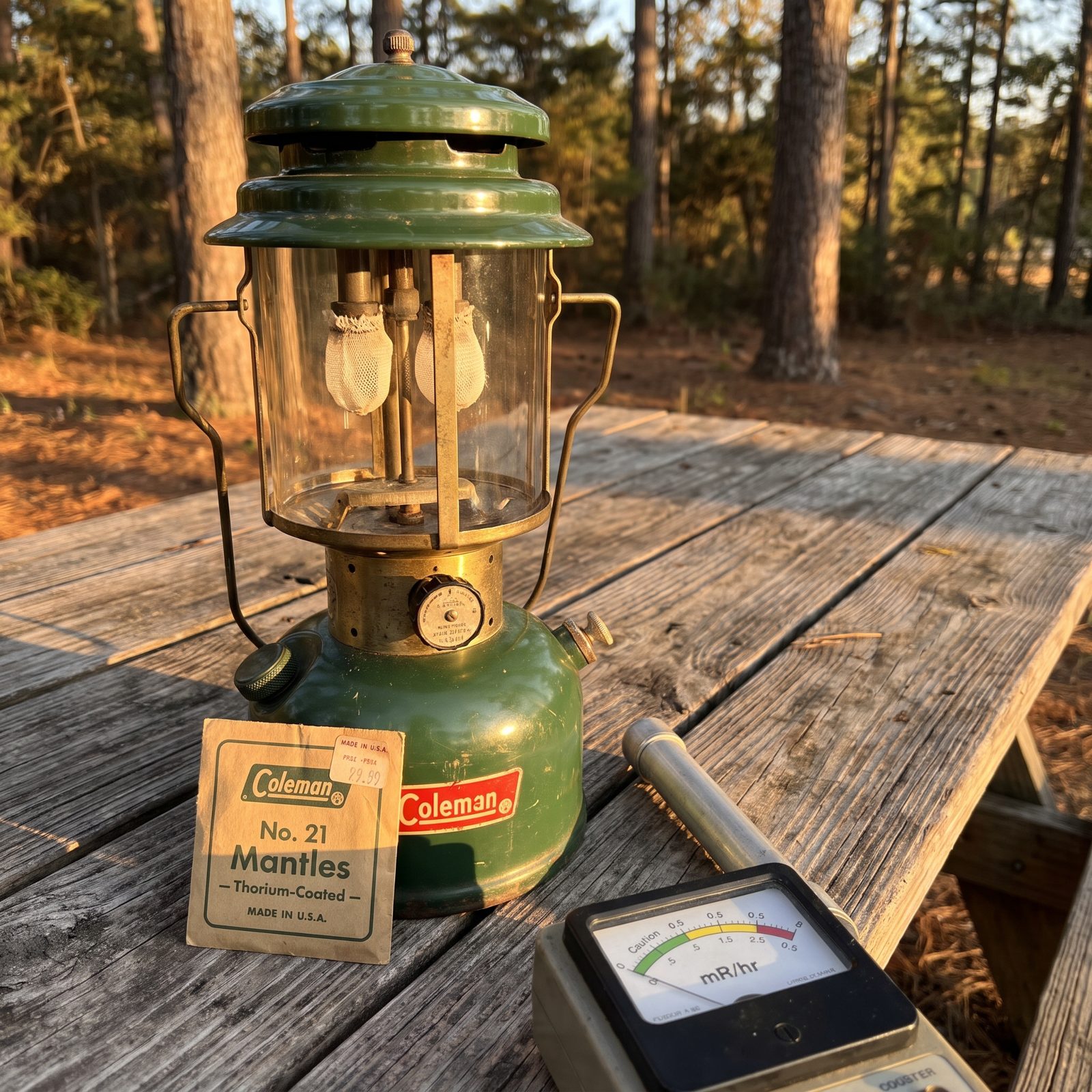
That soft white glow from an old gas lantern had a secret ingredient: thorium dioxide. Manufacturers soaked the mantle fabric in thorium because it incandesces beautifully when heated. The fabric burns away on first use, leaving behind a fragile, mildly radioactive skeleton.
Most mantles sold today switched to yttrium or went thorium-free, but plenty of old stock still floats around garage sales and dusty camping bins. Holding one was never the real worry. It was the glovebox full of spares crumbling into inhalable dust.
12. Uranium Glass Is Radioactive Whether or Not It’s Fluorescing

Collectors love the party trick: shine a UV light on uranium glass and it blazes neon green. But here’s what people miss. That glow is just fluorescence. The radiation sits there in full daylight too, lamp on or off.
Glassmakers going back to the 1830s added uranium oxide to tint their work that lovely “vaseline” yellow-green, and a whole shelf of it will nudge a detector without a trace of UV in sight. The dose from a single goblet gathering dust? Negligible. Eating acidic food off a cracked piece every single day is an entirely different conversation.
11. The Fertilizer in Your Garden Shed Carries Uranium and Radium

Phosphate rock, the backbone of most fertilizers, naturally concentrates uranium and its decay product radium. So the bag you spread across the lawn is faintly radioactive, and the soil you’ve been feeding for years is now faintly radioactive right along with it.
Per application, the amounts are tiny. Scale is where it gets interesting. Industrial agriculture moves millions of tons of this stuff, and the leftover waste, called phosphogypsum, comes out radioactive enough that the EPA restricts how it can be reused. One scoop in your tomato bed is nothing. A mountain of mining byproduct is a regulated problem.
10. Your Private Well Might Be Serving Radon or Uranium With Every Glass
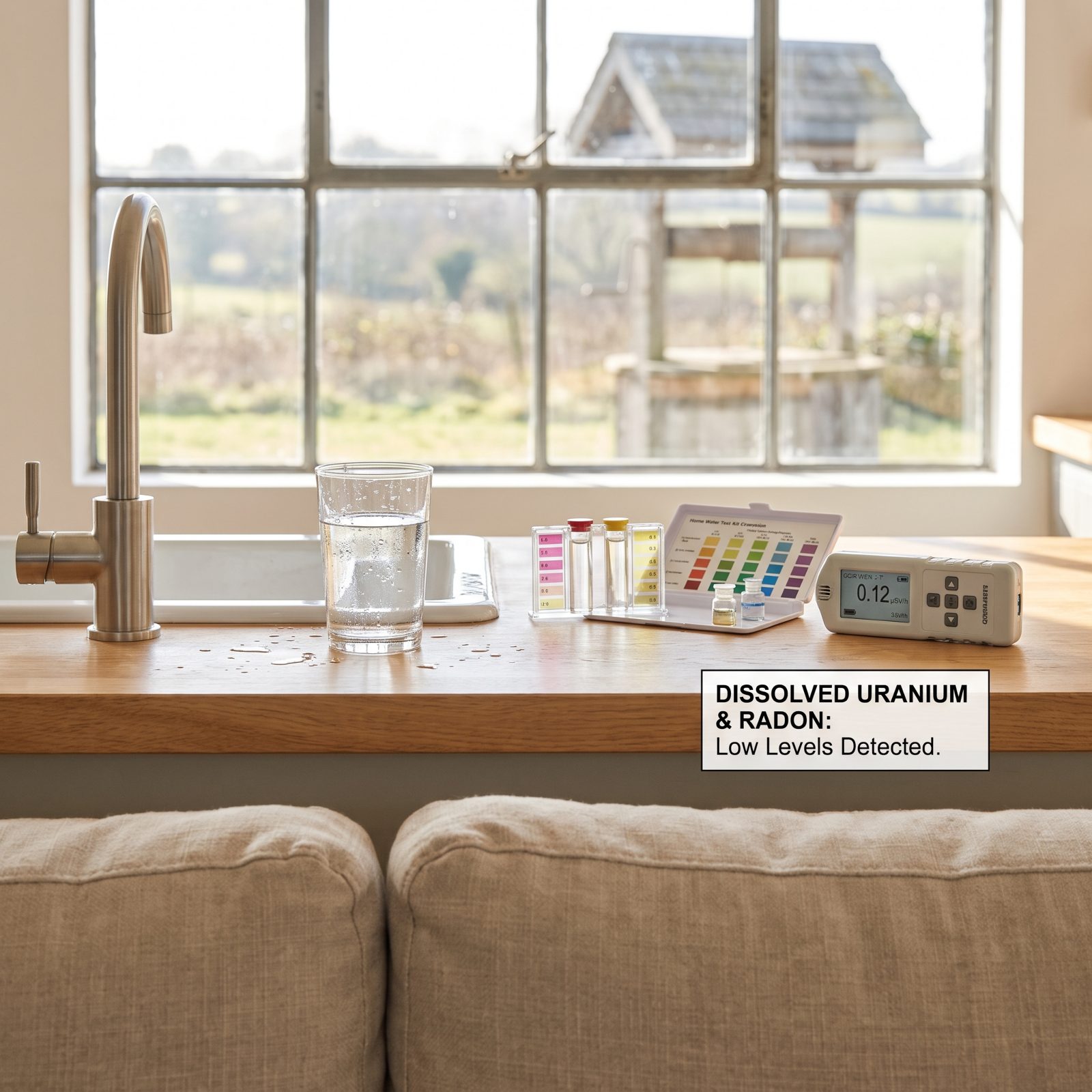
City water gets tested constantly. Your private well is on you, and the bedrock it draws from can leach dissolved uranium or radon straight into the tap.
Radon in water is sneaky twice over. You drink a little, but you also release it into the air every time you run a hot shower, turning the bathroom into a tiny radon chamber. Uranium plays a different game. At well-water levels it’s more of a kidney concern than a cancer one.
9. Welders Keep Boxes of Radioactive Thoriated Electrodes
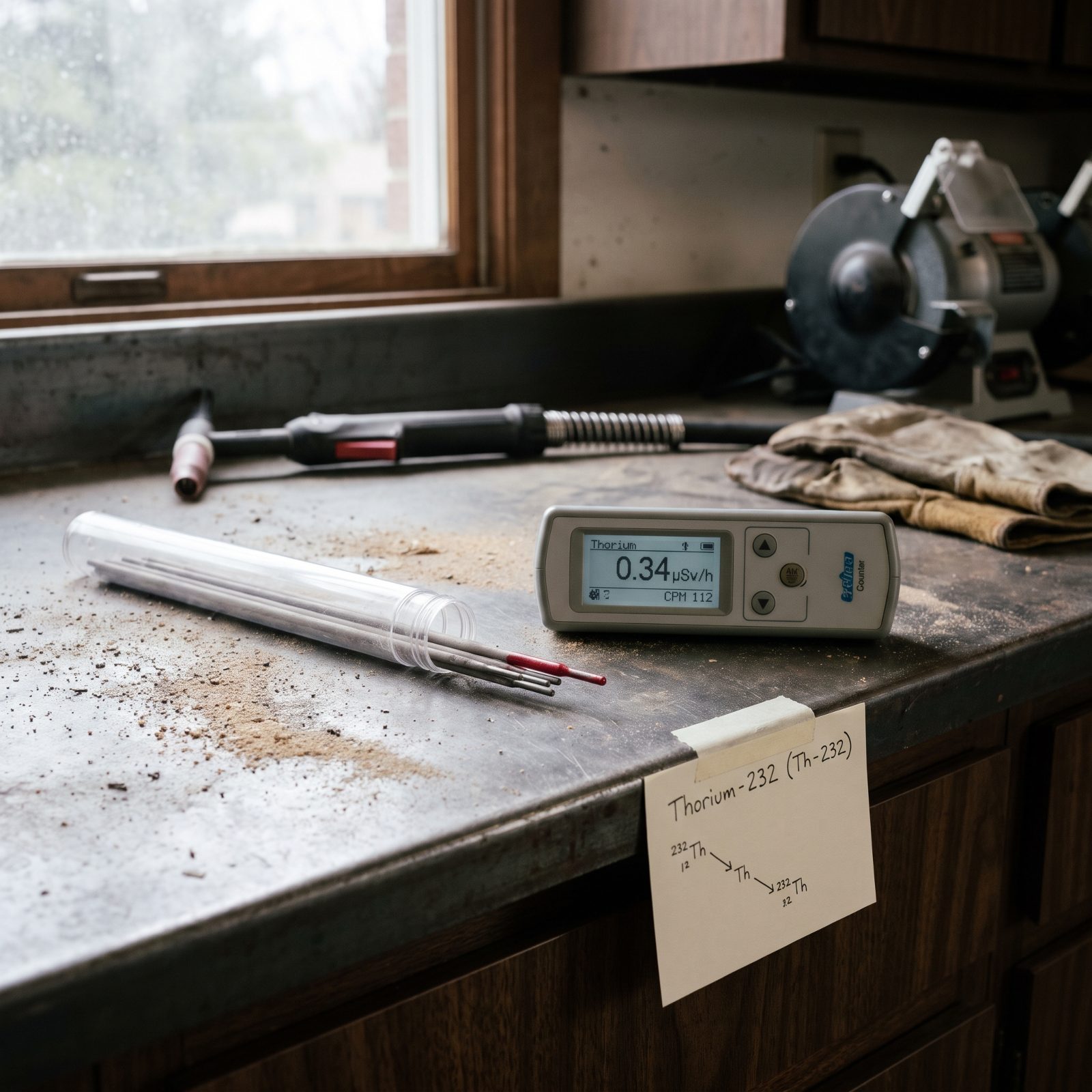
The TIG welders among you already know the red-tipped electrodes. That red band means 2% thorium, added because it helps tungsten start an arc more easily and hold a sharper point. It also makes the rod measurably radioactive.
Holding one does almost nothing to you. The real exposure comes from grinding those tips to a point, which throws thorium dust into the air you breathe. That’s why shops have been quietly moving to lanthanated or ceriated electrodes, which weld nearly as well without the inhalation worry. Honestly, good ventilation had most of the problem licked decades before anyone bothered to swap the rods.
8. Some Porcelain Toilets and Tiles Hide Trace Uranium in the Glaze

Here’s one for the next time someone calls your bathroom boring. Certain ceramic glazes, especially older ones and some colored or iridescent finishes, used uranium compounds to produce rich reds, oranges, and that faint pearly sheen.
Run a sensitive detector over an old pale crackle-glazed tile or a plain white porcelain fixture and the readout can tick up slightly. Even a plain white toilet tank or cream-colored wall tile can register a trace.
7. Black Beach Sand Can Be Loaded With Radioactive Monazite
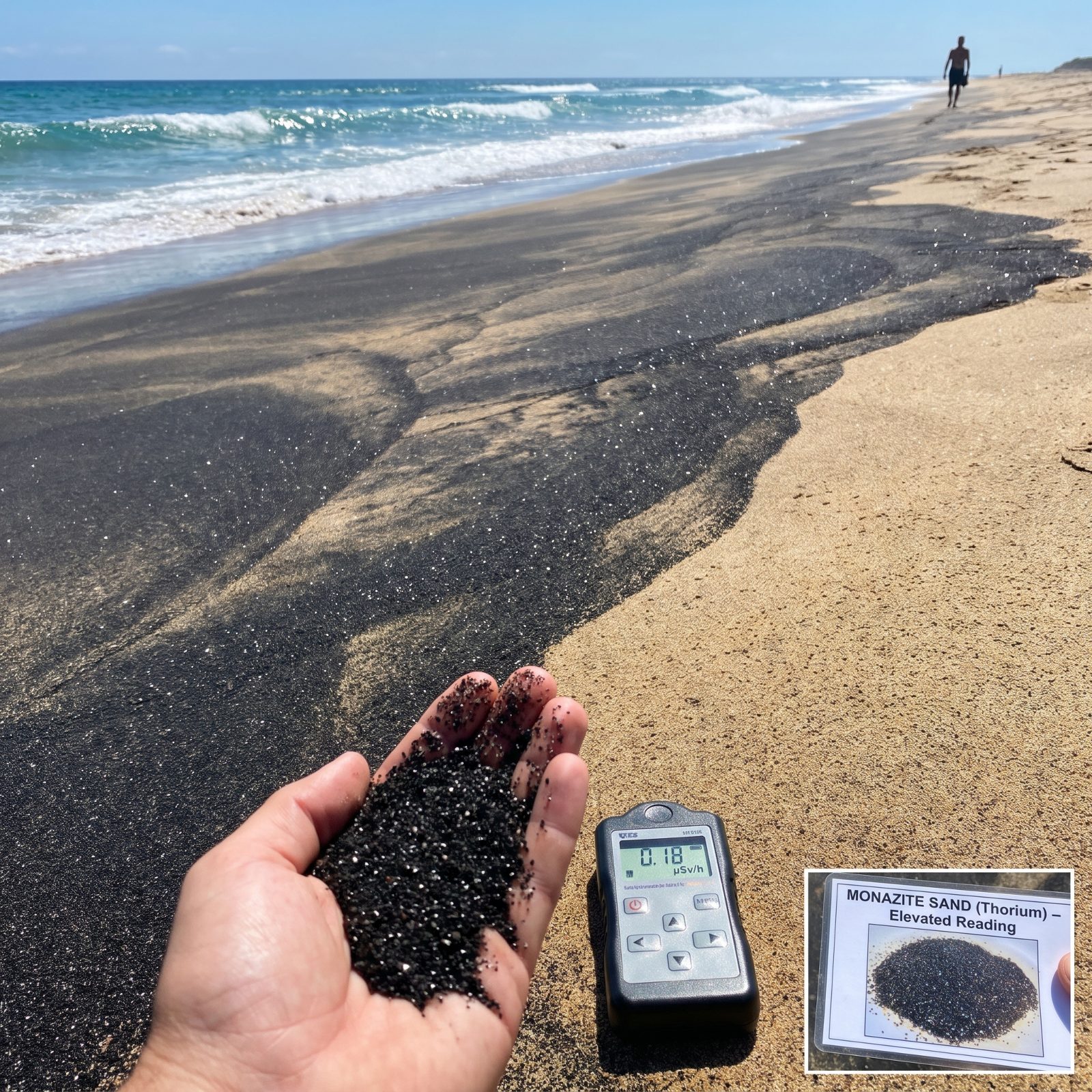
Those dark, heavy streaks you’ve scuffed through on certain beaches are placer deposits, spots where the waves have sorted out the densest minerals. One of them, monazite, is rich in thorium and rare earths, and it can send a Geiger counter climbing right there on the shore.
Beaches in Brazil, India, and Florida read dramatically high. High enough, in fact, that researchers study the people living on them. Scooping a handful is harmless. What’s genuinely unsettled is the bigger question: does a lifetime on these natural high-background beaches measurably raise cancer risk? Decades of studies still haven’t nailed it down.
6. Some Drywall Is Made From Radioactive Phosphogypsum Waste

Drywall is gypsum, and gypsum has a twin. The natural kind gets mined. The synthetic kind, phosphogypsum, is a byproduct of making phosphate fertilizer, and it carries that same inherited radium, which is exactly why the EPA generally bans it from building materials in the U.S.
The notorious case was imported drywall in the mid-2000s that off-gassed sulfur compounds and corroded wiring in thousands of homes. Radioactivity wasn’t the headline, but it rode along as one more reason cheap industrial gypsum makes building officials nervous. Standard American drywall is regulated and tested. Just vet the source on anything imported and oddly cheap.
5. Coal Ash Concentrates the Radioactivity Already in the Ground
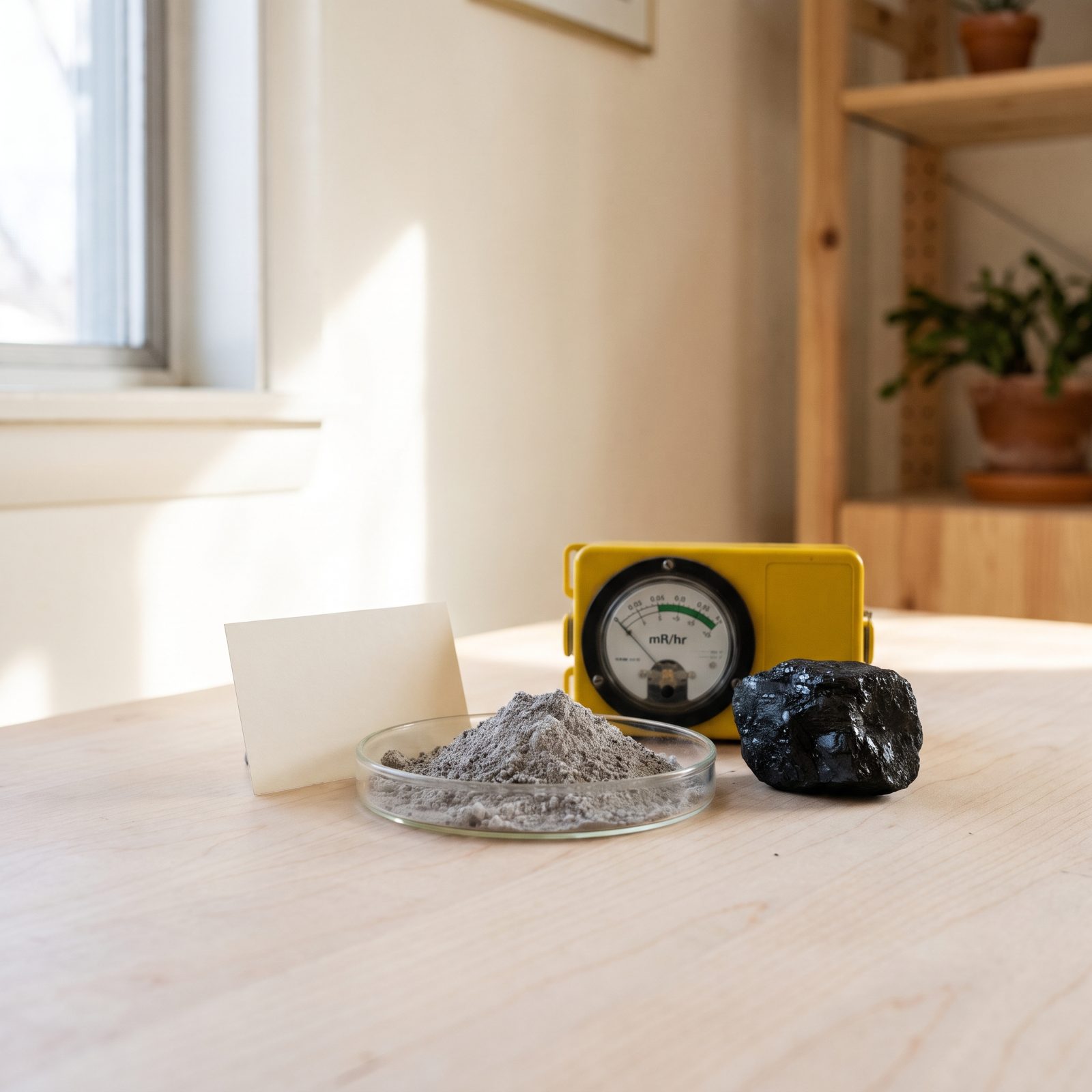
Burn coal and the carbon leaves as smoke, but the uranium and thorium trapped inside don’t. They stay behind, concentrated in the ash, sometimes several times more radioactive per pound than the coal ever was.
Coal fly ash ends up in concrete, in drywall, in cinder blocks, in the lightweight stuff holding up ordinary buildings. The dose is small and nobody’s telling you to move. But here’s the part that surprises people: a coal plant quietly spreads more radioactive material across the landscape than a working nuclear plant does, because the nuclear plant keeps its fuel locked up while the coal plant just sends it up the stack.
4. Vintage Antistatic Brushes Hid a Sliver of Polonium-210

Photographers and audiophiles had a static problem. Dust clings to film and vinyl because of static charge, and somebody figured out the fastest way to neutralize it was a brush with a tiny strip of polonium-210 tucked in the handle.
Polonium throws off alpha particles that ionize the air and bleed the charge away. It worked beautifully, and it also decays fast, with a half-life of about 138 days, so an old brush you find at an estate sale is almost certainly inert by now. Whatever made it useful has long since burned itself out.
We find these fascinating because they’re a perfect little lesson in half-life. The same property that made the brush work is exactly what makes it harmless on your shelf today.
3. That Vivid Blue Topaz Was Blasted in a Reactor
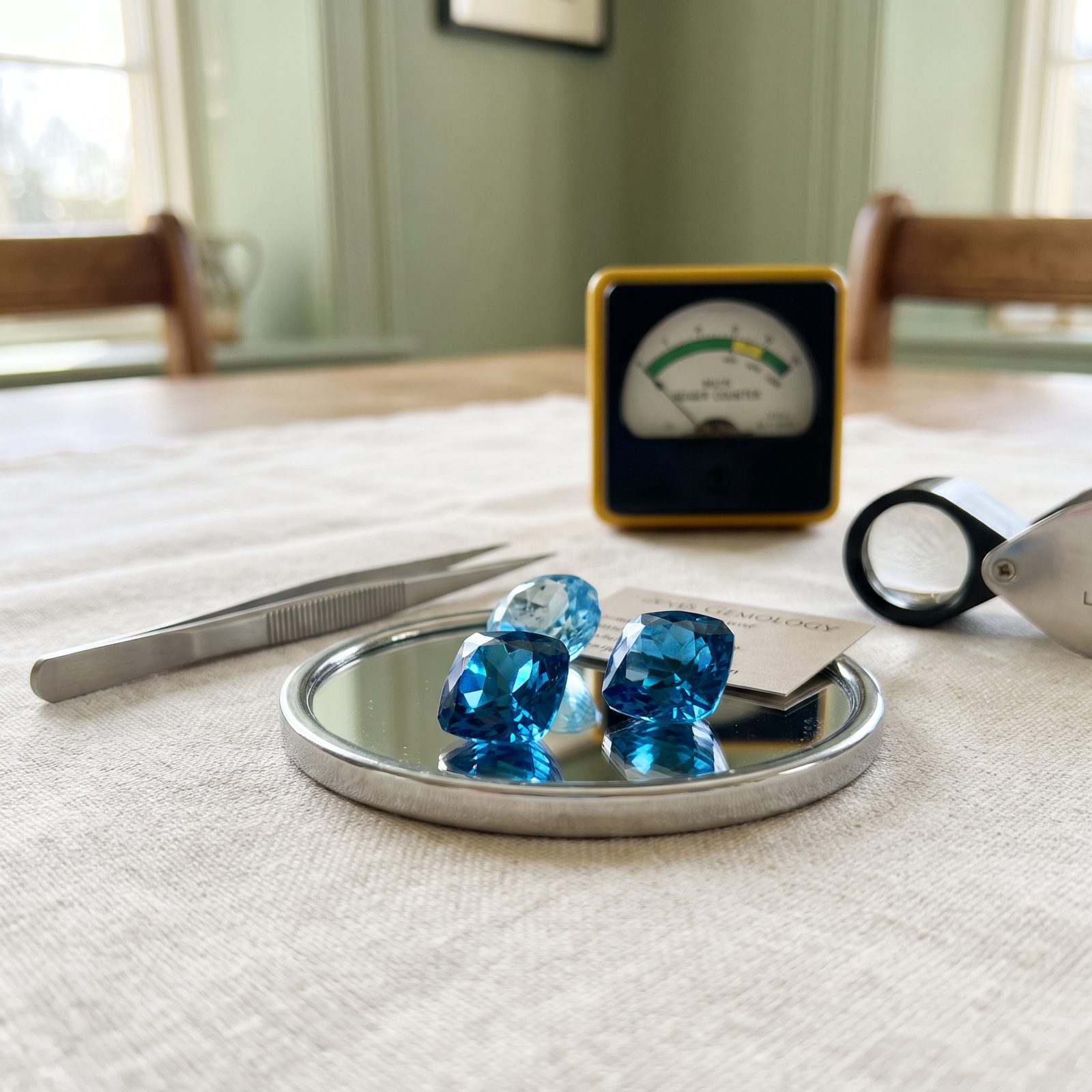
Natural topaz is mostly pale or colorless. That intense London-blue stone in a shop window got its color from a reactor, bombarded with neutrons until its structure shifted and the color locked in.
The process can leave a stone faintly radioactive, so irradiated topaz sits in a lab for months, sometimes up to a year, while the activity decays to a safe level before anyone’s allowed to sell it. In the US the stones are regulated and checked before sale.
By the time one reaches your finger, it reads at background levels. The color is real and permanent, while the radioactivity that briefly rode along has mostly gone quiet.
2. Antique False Teeth Were Tinted With Uranium to Fake a Natural Glow
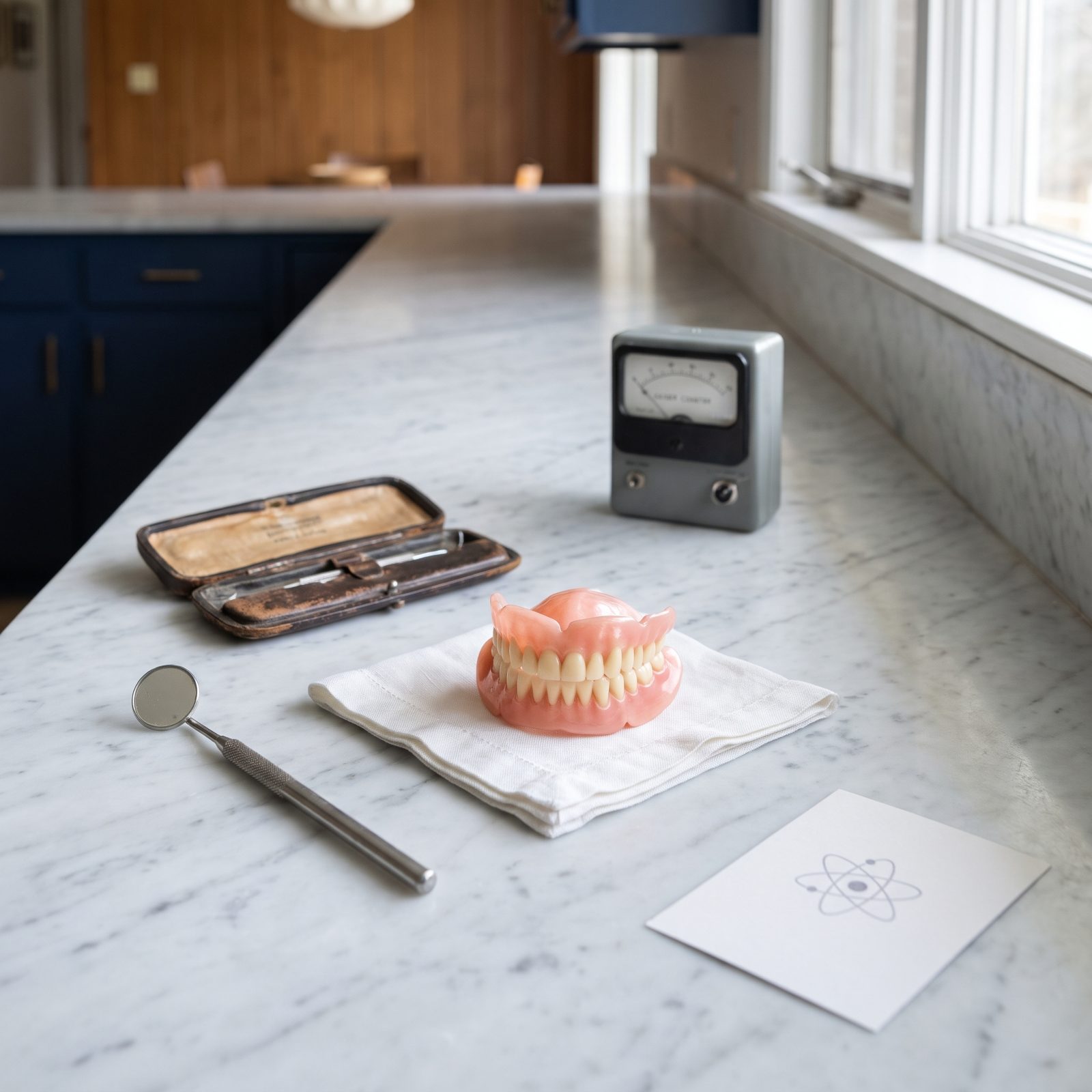
Dentists had a problem. Pure white porcelain teeth looked dead in the mouth, because real teeth have a faint fluorescence under natural light, a subtle liveliness that plain ceramic simply couldn’t fake.
The fix, for decades, was uranium. A trace of uranium oxide in the porcelain gave false teeth that convincing glow under daylight and a gentle green shimmer under UV, and suddenly a denture looked like it belonged there.
The amounts were tiny and the practice faded out by the 1980s. If your grandparents’ old dentures turn up in a drawer, they’re more curiosity than concern. Still, strange thought, isn’t it? People walked around for years with a whisper of uranium in their smile and never knew it.
1. The Pumice Stone by Your Bathtub Carries Trace Radioactive Minerals

Pumice is cooled volcanic froth. Magma traps gas, hardens fast, and leaves a stone so light it floats. It came up from deep in the earth, and it brought the earth’s company along with it.
That means trace amounts of uranium, thorium and potassium-40, the same natural isotopes scattered through most rock on the planet. The pumice stone scrubbing your heels reads barely above background. Nothing to lose sleep over.
What’s interesting is how ordinary this is. Granite countertops, beach sand, the gravel in your driveway, all of it carries a faint signature of the same elements. Volcanic rock just happens to make it show up on proper radiation-detection equipment.