

A single flock of them once took three days to pass overhead and blotted out the sun. Within a human lifetime, that same bird was gone. Abundance guarantees nothing. The animals here weren’t rare curiosities clinging to some remote cliff — they were common, numbering in the billions, the trillions, the countless millions, and they defined their landscapes. Then a rifle, a plow, a ship’s galley or a warming climate found a way in, and the floor fell out from under them with terrifying speed. Here is how the ordinary became the impossible.
Please note that some of the images in this article were created with the assistance of AI.
49. Passenger Pigeon, Industrial Hunting Erased Flocks of Billions
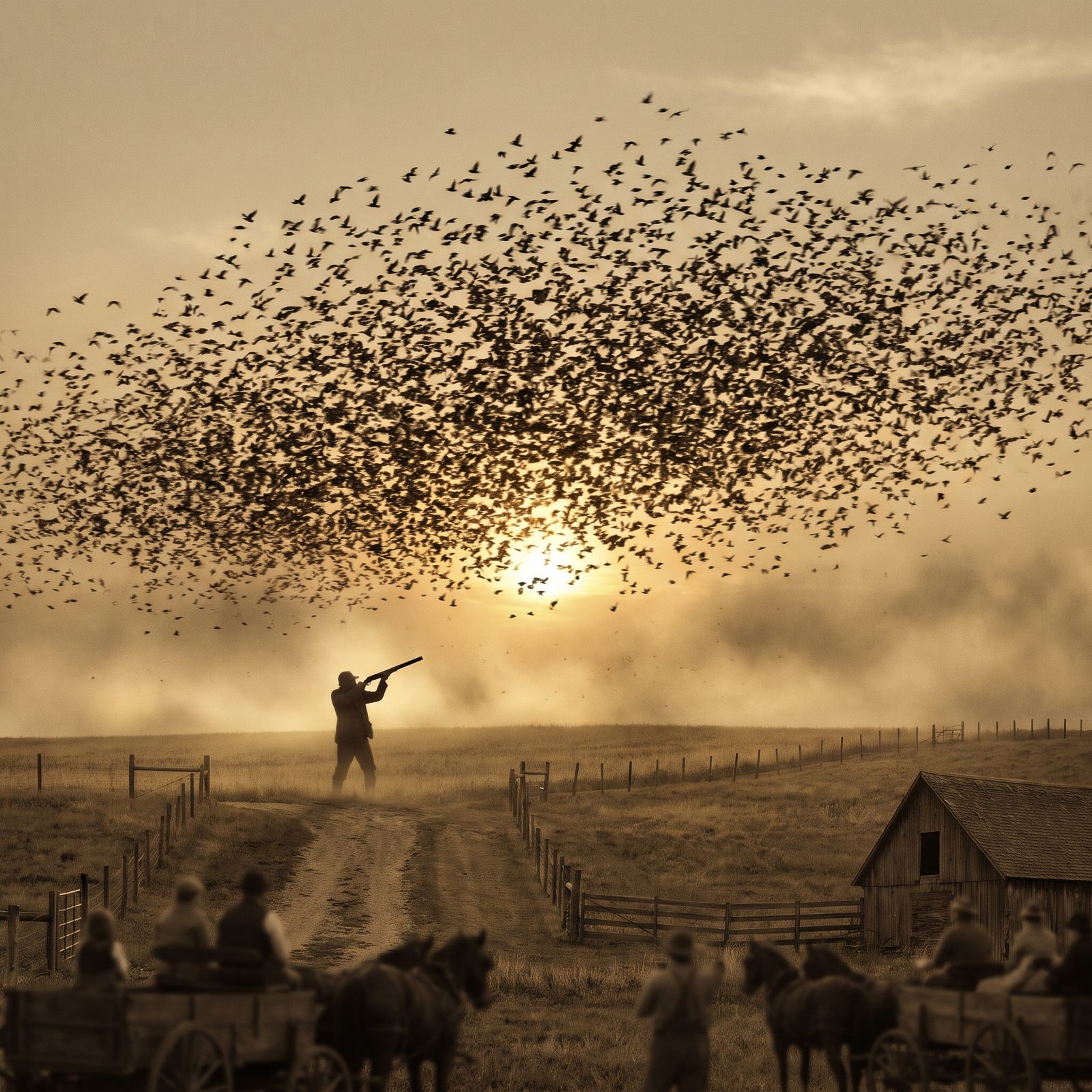
Nobody believed you could kill them all. That was the whole problem. In the early 1800s the passenger pigeon may have been the most abundant bird on the planet, with flocks running into the billions. They nested in colonies covering hundreds of square miles, and branches snapped under their weight.
Then the railroads and telegraph arrived. A hunter could pinpoint a nesting colony and ship barrels of birds to city markets by the trainload. These pigeons needed massive flocks to breed, so as the numbers thinned, reproduction collapsed faster than anyone expected. Martha, the last one, died in a Cincinnati zoo in 1914.
Discussing museum specimens all shot from a single flock in 1860, a de-extinction biologist says “So the population was probably around three billion birds at that time.”
48. Rocky Mountain Locust, Farming Erased Swarms Containing Trillions
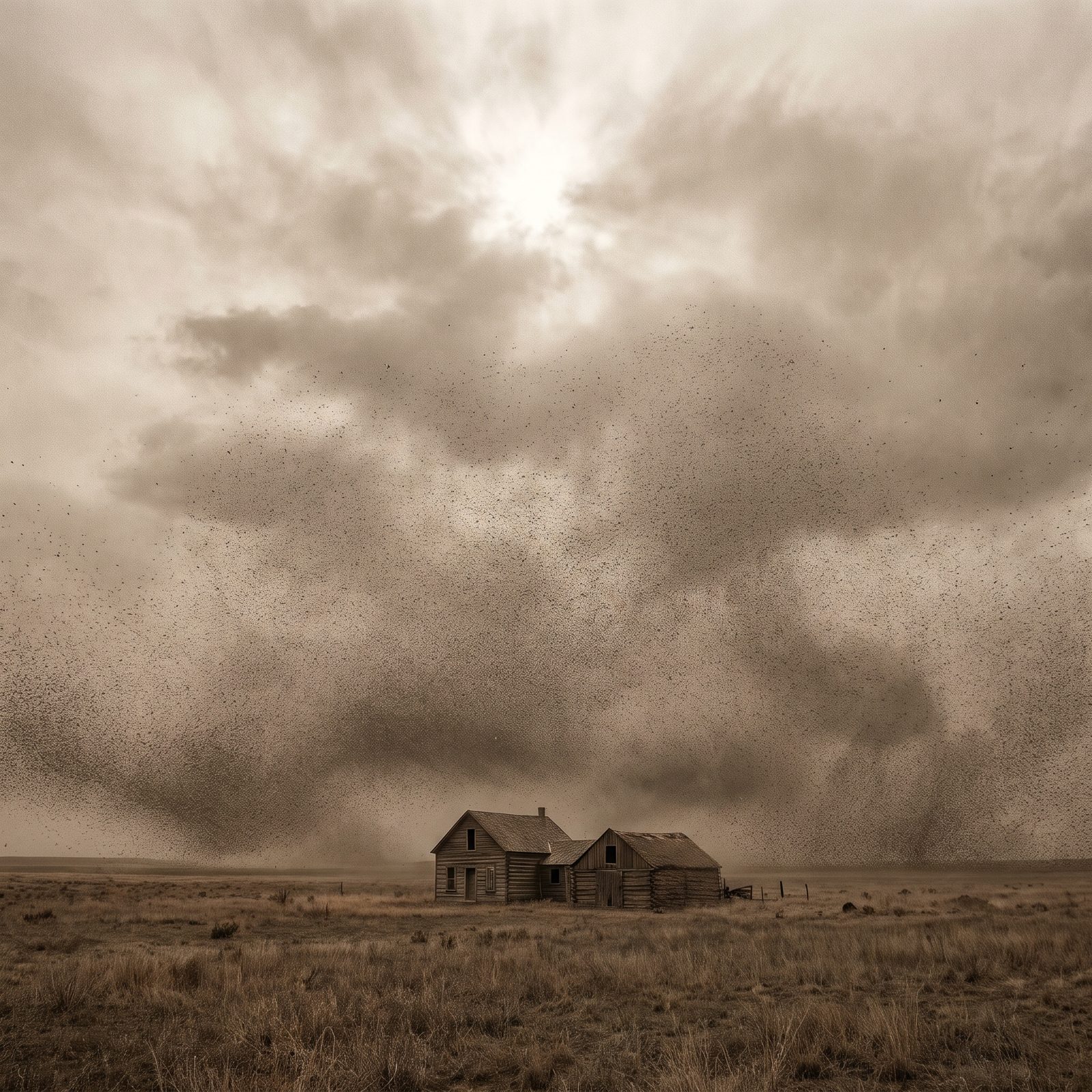
The largest animal swarm ever recorded wasn’t birds or mammals. It was a grasshopper. In 1875 a swarm over the Great Plains was estimated to stretch larger than California, holding trillions of insects. Pioneers described the sound as a hailstorm and watched them eat fence posts, the wool off sheep, and the handles off tools.
And then it simply stopped existing. The last living specimen was collected in 1902. The leading explanation is quietly brutal. The locust bred in the moist river valleys of the Rockies — the exact valleys settlers plowed, irrigated and grazed first. Farming wiped out the nursery, and the swarms had nowhere to come from.
In his book on the species’ collapse, a grasshopper and locust researcher concluded that “The agriculturalists who arrived in the river valleys of the West managed to drive their most severe competitor to extinction in a matter of a few years”
47. Great Auk, Sailors Harvested Entire Breeding Colonies
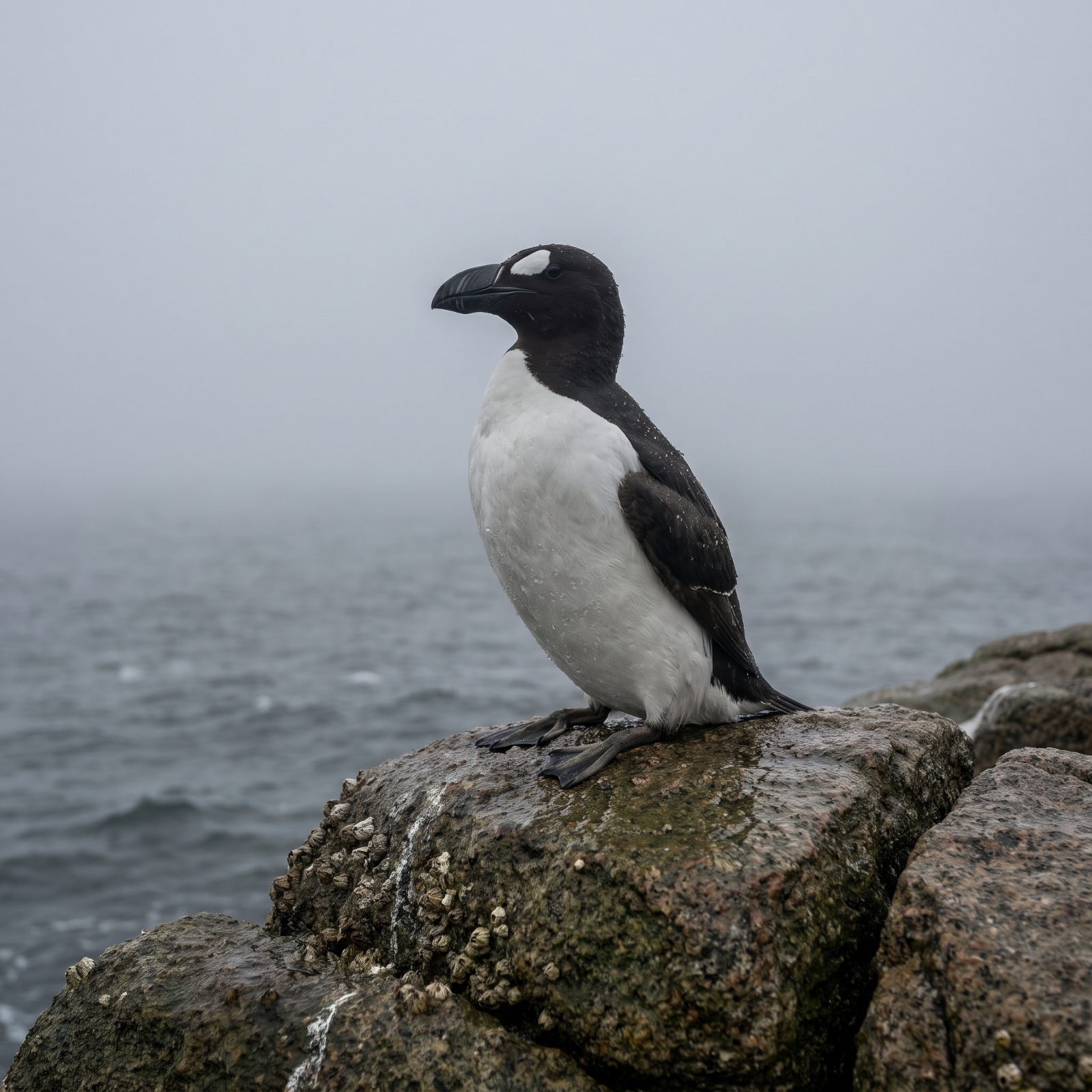
Imagine a penguin living in the North Atlantic, and you have the great auk. Flightless, clumsy on land, utterly at home in cold water, it bred in dense colonies on remote islands — colonies that doubled as a floating larder for passing ships. Sailors herded the birds up gangplanks by the hundreds for meat, feathers and oil.
The last confirmed pair was killed on the Icelandic island of Eldey in 1844, strangled by collectors because the bird had grown so rare that museums and wealthy buyers would pay handsomely for a specimen. Rarity, perversely, sped up the killing.
46. Quagga, Commercial Hunting Removed Southern Africa’s Striped Grazer
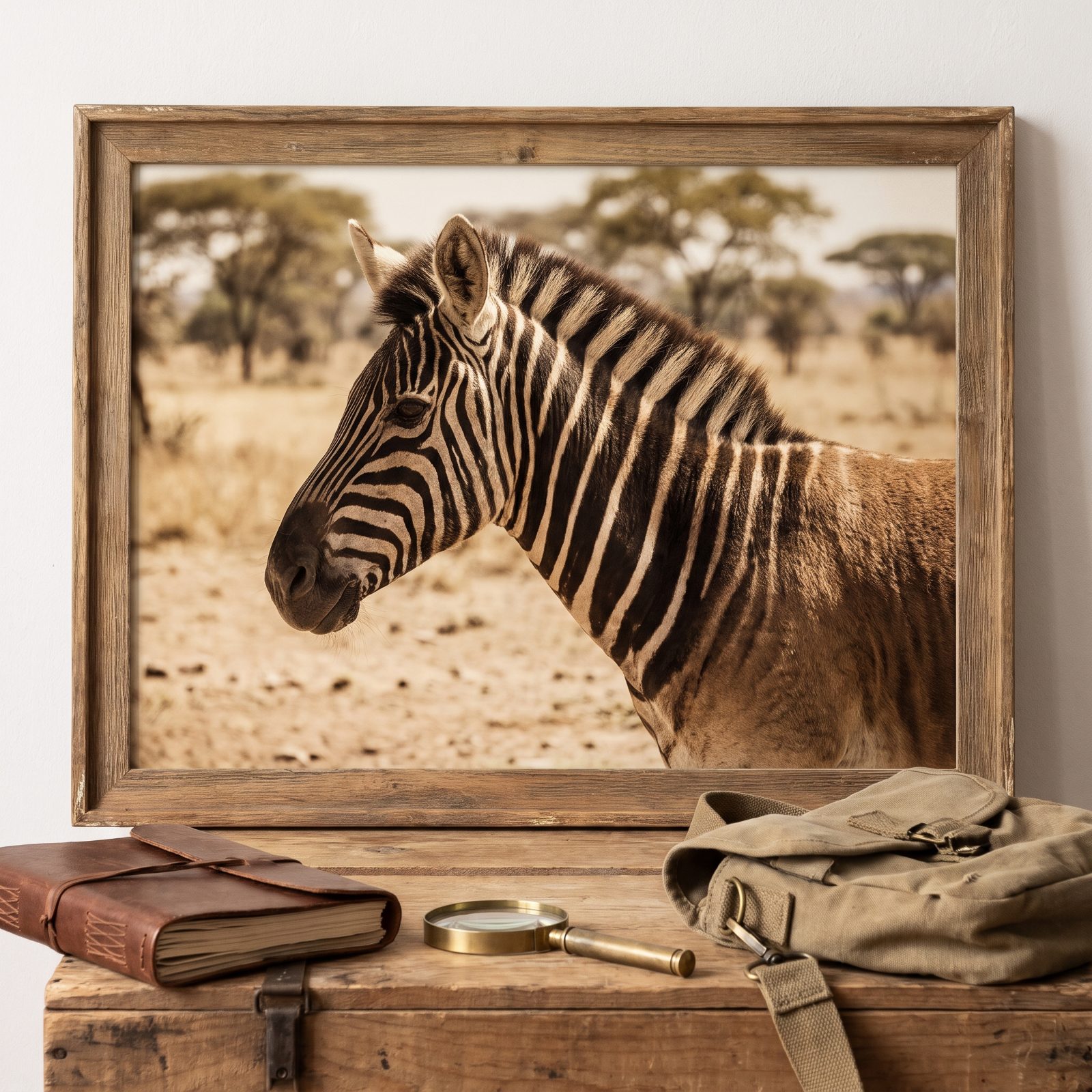
Half zebra, half not. The quagga wore its stripes only on the front of its body, the pattern dissolving into a plain brown rump like a photograph half-developed. Herds roamed the grasslands of South Africa in huge numbers through the early 1800s.
Settlers hunted them relentlessly for meat and hides, and because they competed with livestock for grazing. The quagga was so ordinary that nobody recorded when the wild ones went. The last known individual died in an Amsterdam zoo in 1883, and only later did anyone realize the species was gone.
45. Thylacine, Bounties and Persecution Finished Tasmania’s Apex Marsupial
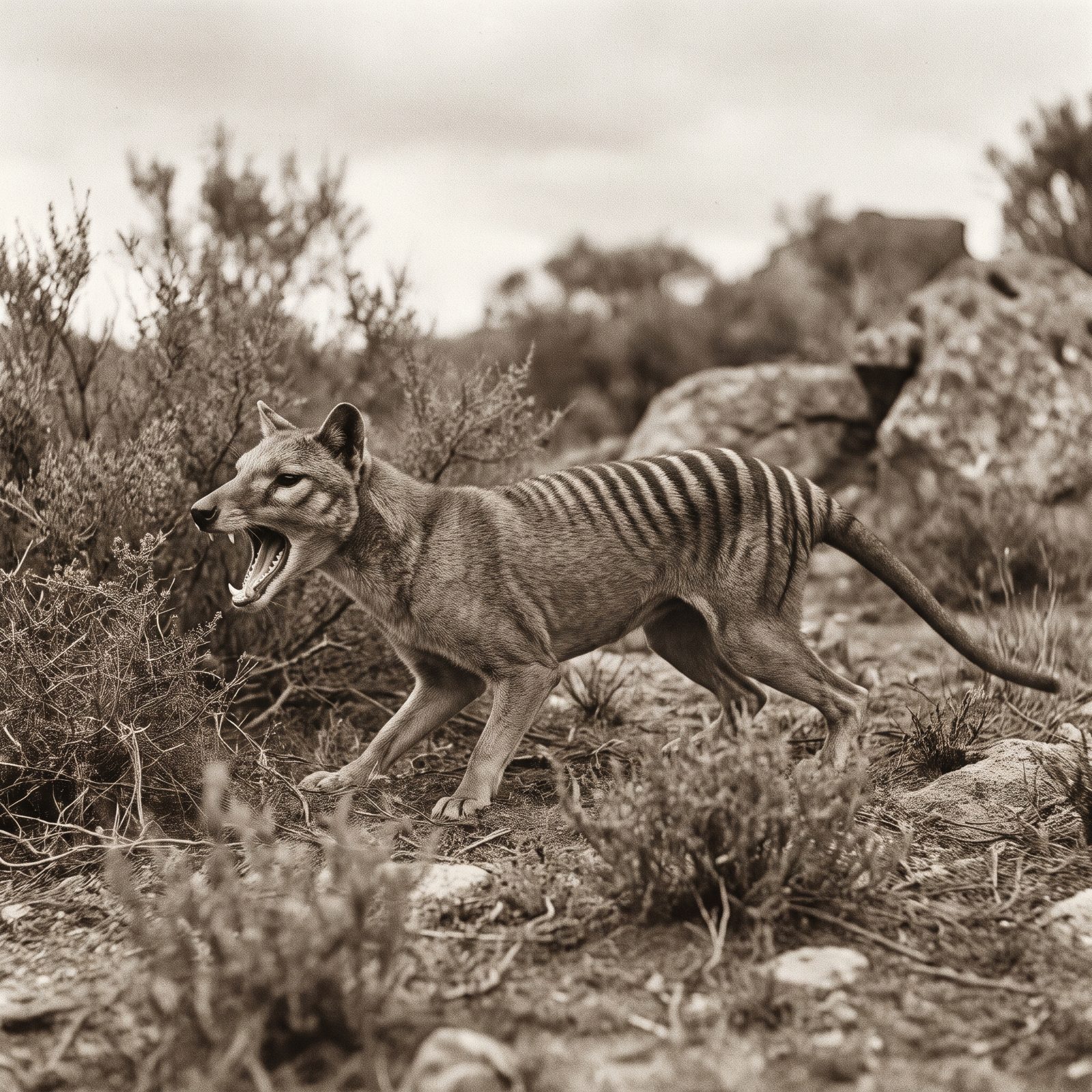
A marsupial that looked like a wolf, moved like a dog, and could open its jaws wider than almost any mammal alive. The thylacine was the top predator across Tasmania, and once mainland Australia too.
Settlers blamed it for killing sheep, often wrongly, and the Tasmanian government paid a bounty on every carcass from 1888 to 1909. Thousands were shot and trapped, and disease and habitat loss finished the job. The last known thylacine died in Hobart’s Beaumaris Zoo in 1936, reportedly from neglect — locked out of its shelter on a cold night. Here’s the gut-punch: the species was granted official protection fifty-nine days before it died.
44. Carolina Parakeet, Persecution and Forest Loss Silenced America’s Native Parrot
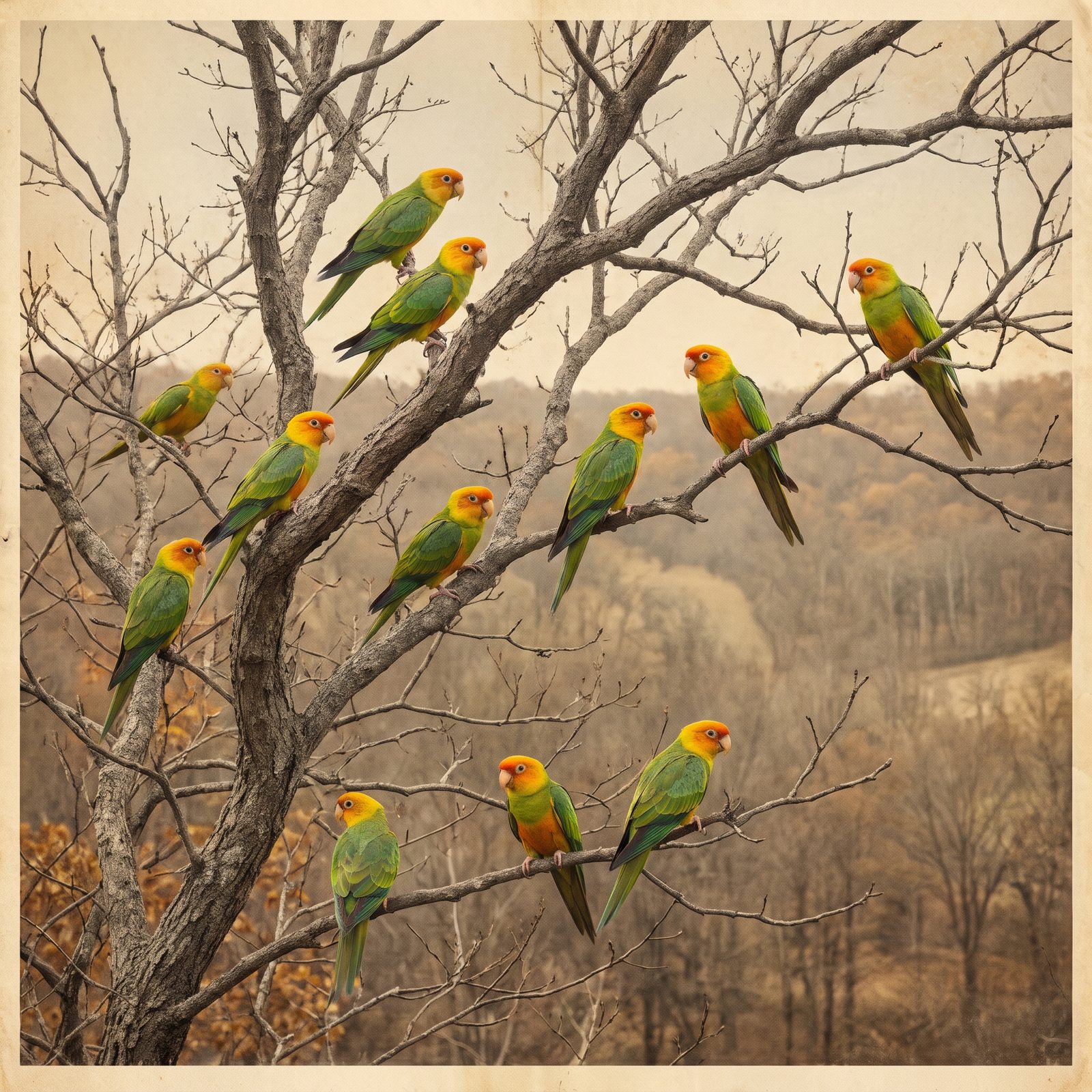
The only parrot native to the eastern United States was a riot of green and yellow and orange, and it was everywhere, from New York to the Gulf. Farmers hated it, because the birds descended on orchards and grain in noisy flocks.
Here is the detail that doomed them. When one parakeet was shot, the rest of the flock circled back to the fallen bird instead of fleeing, so a hunter could kill an entire flock from one spot. Add forest clearing and a demand for feathers to decorate hats, and the numbers crashed. The last captive died in Cincinnati in 1918, in the same aviary that had held the last passenger pigeon four years before.
Reconstructing the bird’s historical range from centuries of records, a museum bird curator says “Carolina parakeets were the only endemic parrots of North America, and they were quite abundant all over the eastern and central USA.”
43. Woolly Mammoth, Rapid Warming and Human Pressure Shrank a Continental Range
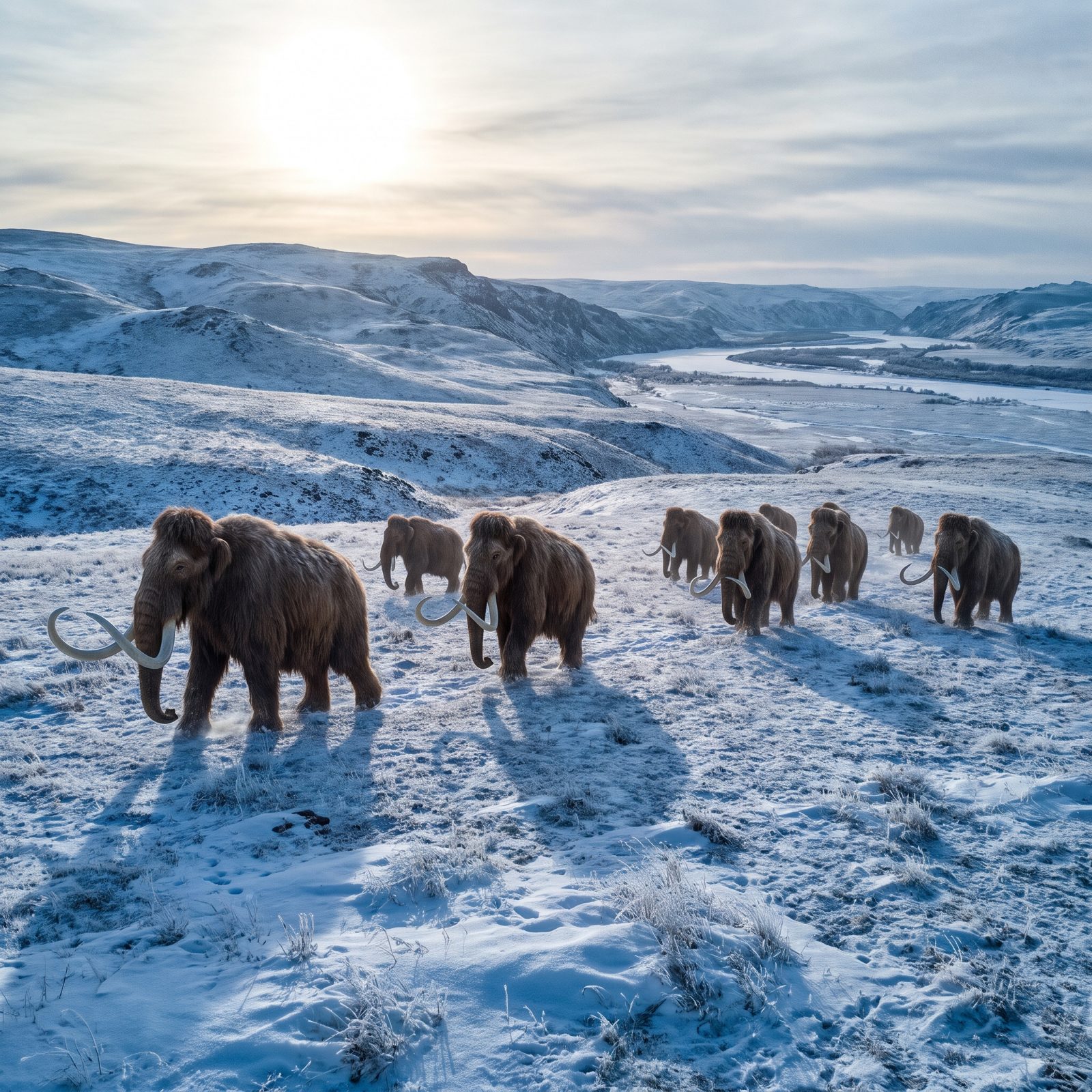
Mammoths weren’t rare before they were gone. They ranged across the enormous grassland called the mammoth steppe, which stretched from Spain to Canada in numbers that supported entire predator communities and human cultures.
Then the ice age ended. As the climate warmed around 11,000 years ago, the dry steppe grass gave way to wet tundra and forest that mammoths couldn’t feed on well. Their range fractured into shrinking islands of suitable habitat, and hunting pressure on those isolated groups was more than they could absorb. A relict population survived on Wrangel Island in the Arctic Ocean until roughly 4,000 years ago — long after the pyramids were built. Sit with that for a second.
42. Steller’s Sea Cow, Hunters Exterminated It Within Decades of Discovery
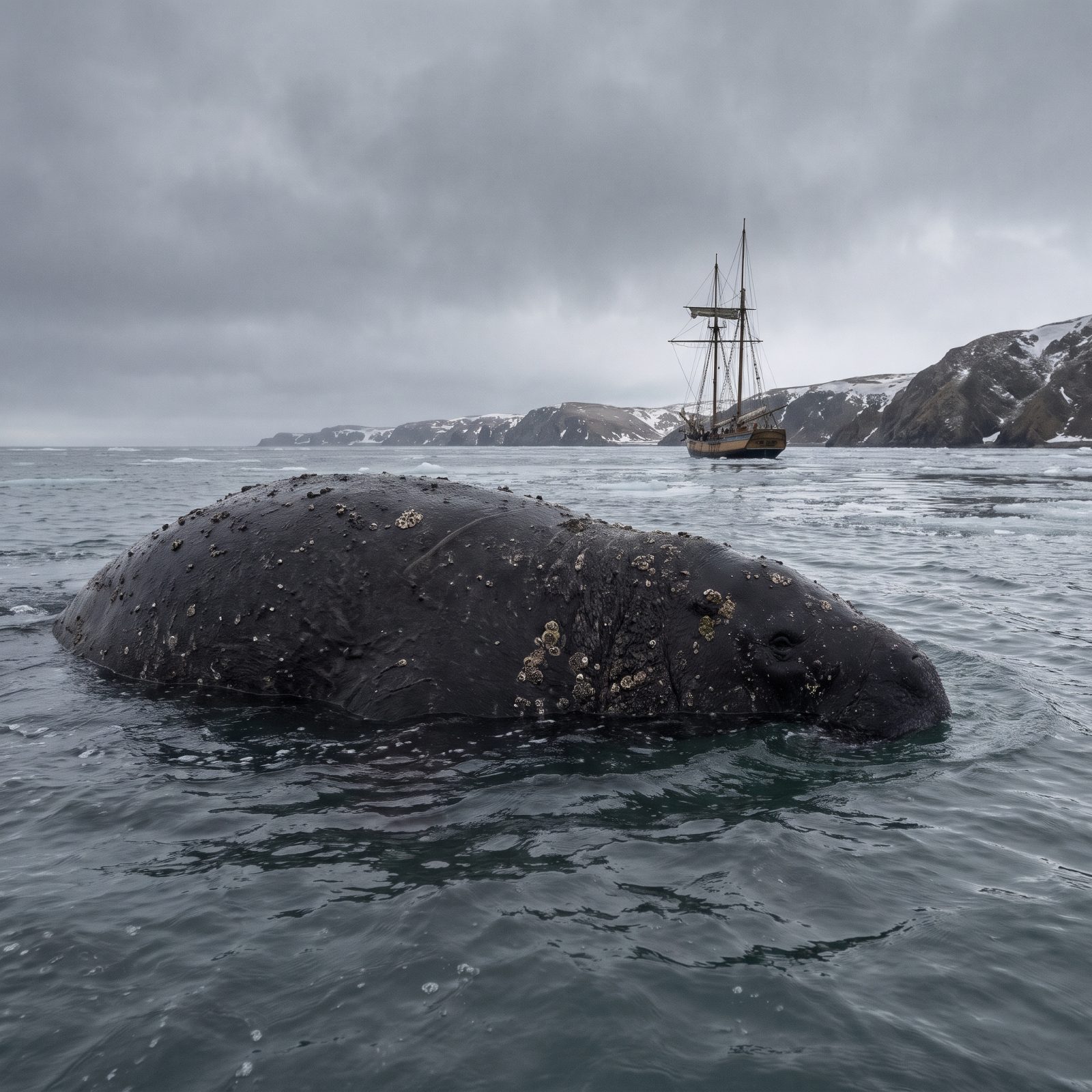
This is one of the fastest extinctions on the list. European naturalists first described Steller’s sea cow in 1741, when the German naturalist Georg Steller was shipwrecked in the Bering Sea. The animal was a gentle giant, up to 30 feet long, grazing kelp in the cold shallows around the Commander Islands.
By 1768 it was extinct. Twenty-seven years. Fur traders and sailors passing through the region hunted the slow, docile animals for meat and fat to provision their ships, and the population was already small and confined to a tiny range. It couldn’t take the pressure for even a single generation.
41. Aurochs, Hunting and Farmland Reduced Wild Cattle to One Last Forest
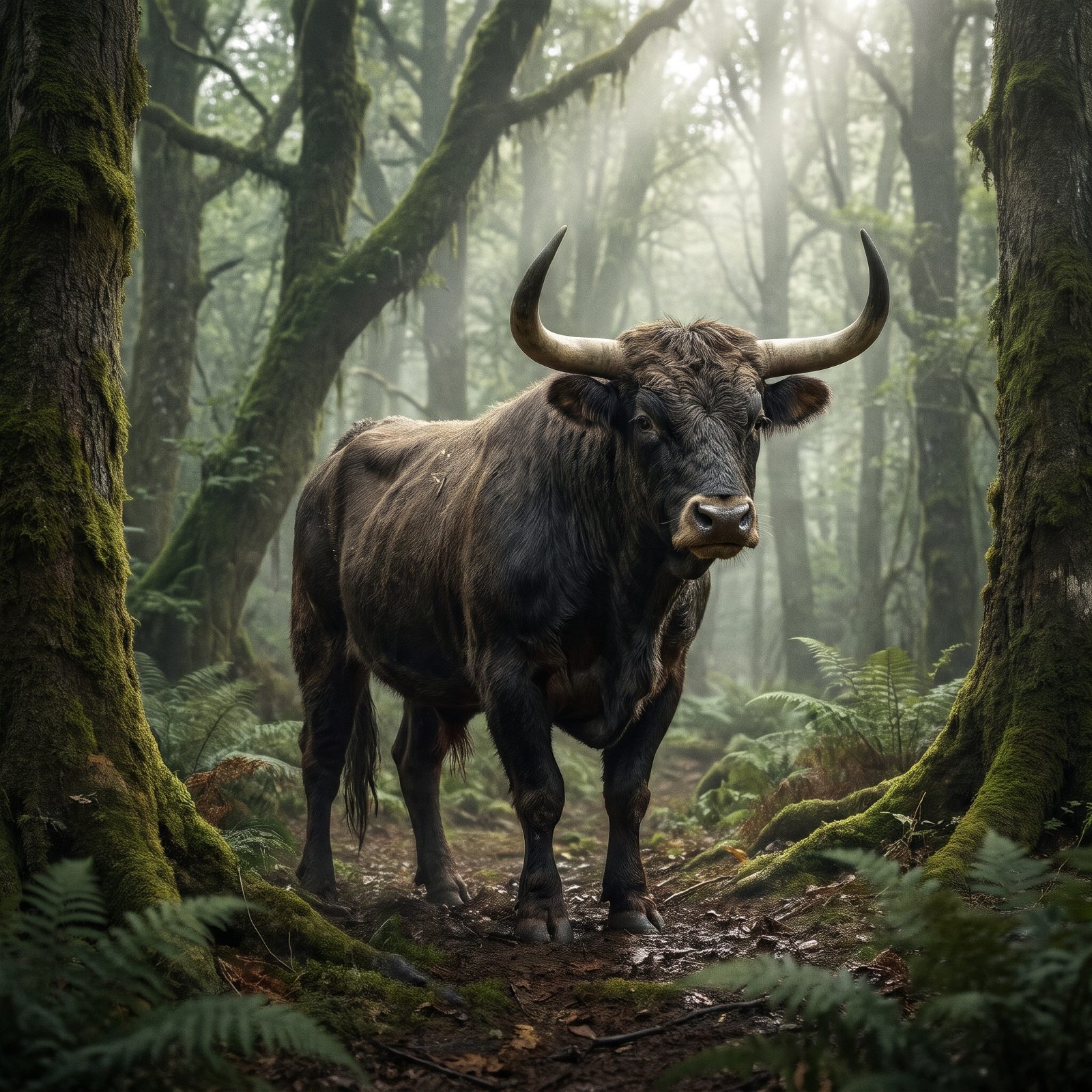
Every cow in every pasture today descends from this animal. The aurochs was the wild ancestor of domestic cattle, a huge, long-horned beast that roamed the forests of Europe, Asia and North Africa. Cave painters at Lascaux drew it. Caesar wrote about hunting it.
As humans cleared forest for farmland, the aurochs lost its habitat, and hunting did the rest. By the 1500s only one population remained, in a royal forest in Poland, protected by law for the exclusive hunting of kings. The last known aurochs, a female, died there in 1627. It’s one of the first extinctions anyone bothered to pin a date to.
40. Yangtze River Dolphin, Shipping, Nets and Development Overwhelmed the Baiji

One of the most recent on this list, and a warning. The baiji was a freshwater dolphin found only in China’s Yangtze River, pale and nearly blind, navigating muddy water by sound. It had lived there for roughly 20 million years.
No one hunted it to death. It drowned in fishing nets, was struck by boat propellers, and lost its world to dam construction, dredging and relentless ship traffic that filled its river with noise. A 2006 survey of the entire river found none. The baiji was declared functionally extinct — the first dolphin species driven out by sheer human busyness.
It did not take a rifle or a bounty. It took a river too busy to leave room for anything else.
39. The Dodo: An Island Bird That Never Learned to Fear
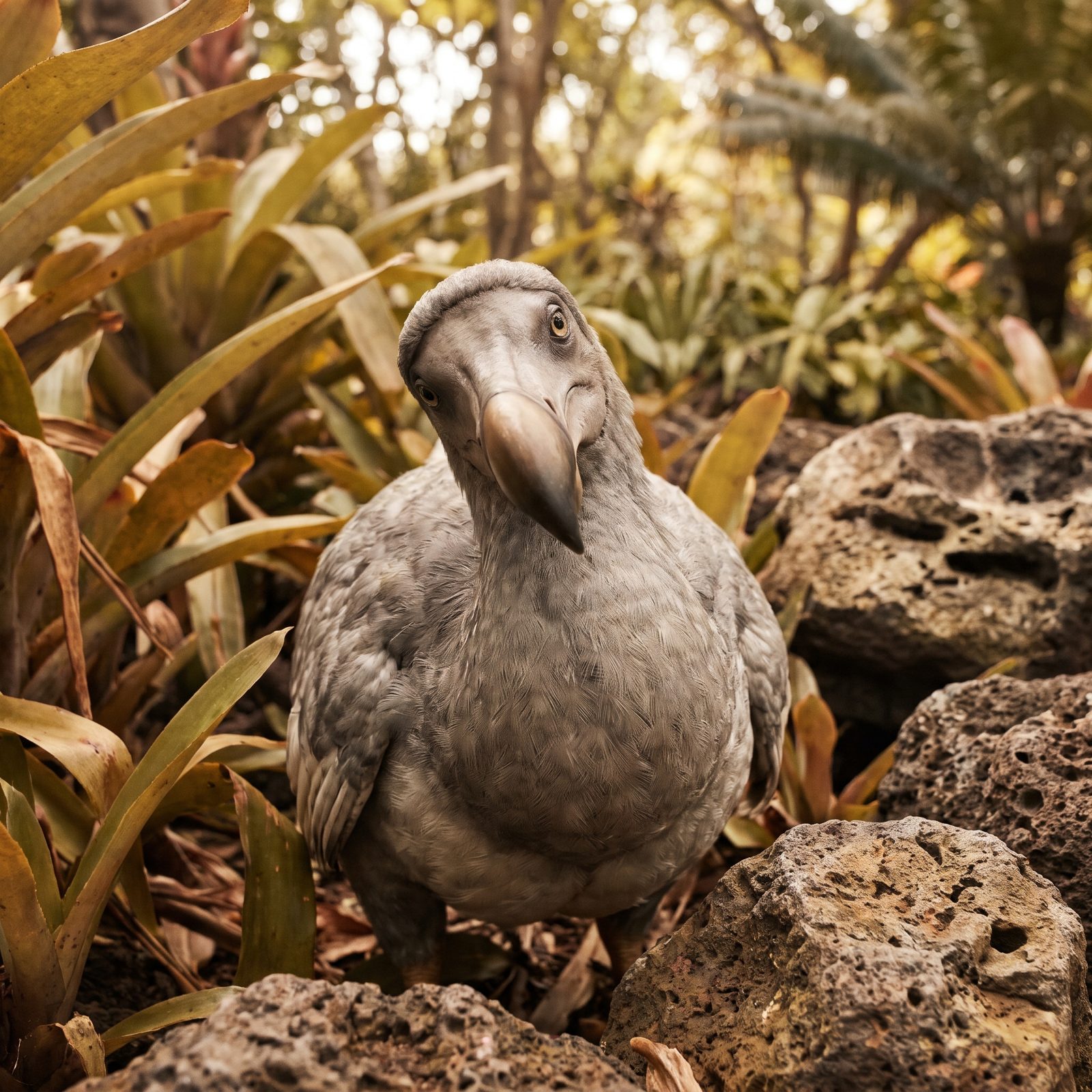
The dodo gets remembered as stupid. It wasn’t. It was trusting, which on an island with no predators amounts to the same thing as smart — right up until the day a ship arrives.
These flightless pigeons, close relatives of modern doves, lived only on Mauritius. When Dutch sailors landed around 1598, the birds walked right up to them. The sailors ate some, but the real damage came from the pigs, rats, monkeys and dogs let loose on the island, which devoured dodo eggs and chicks on the forest floor where the birds nested with no defense whatsoever.
By roughly 1681 the dodo was gone — less a slaughter than a collapse, finished in under a century.
38. The Caspian Tiger: Vanished From the Reed Beds of Central Asia
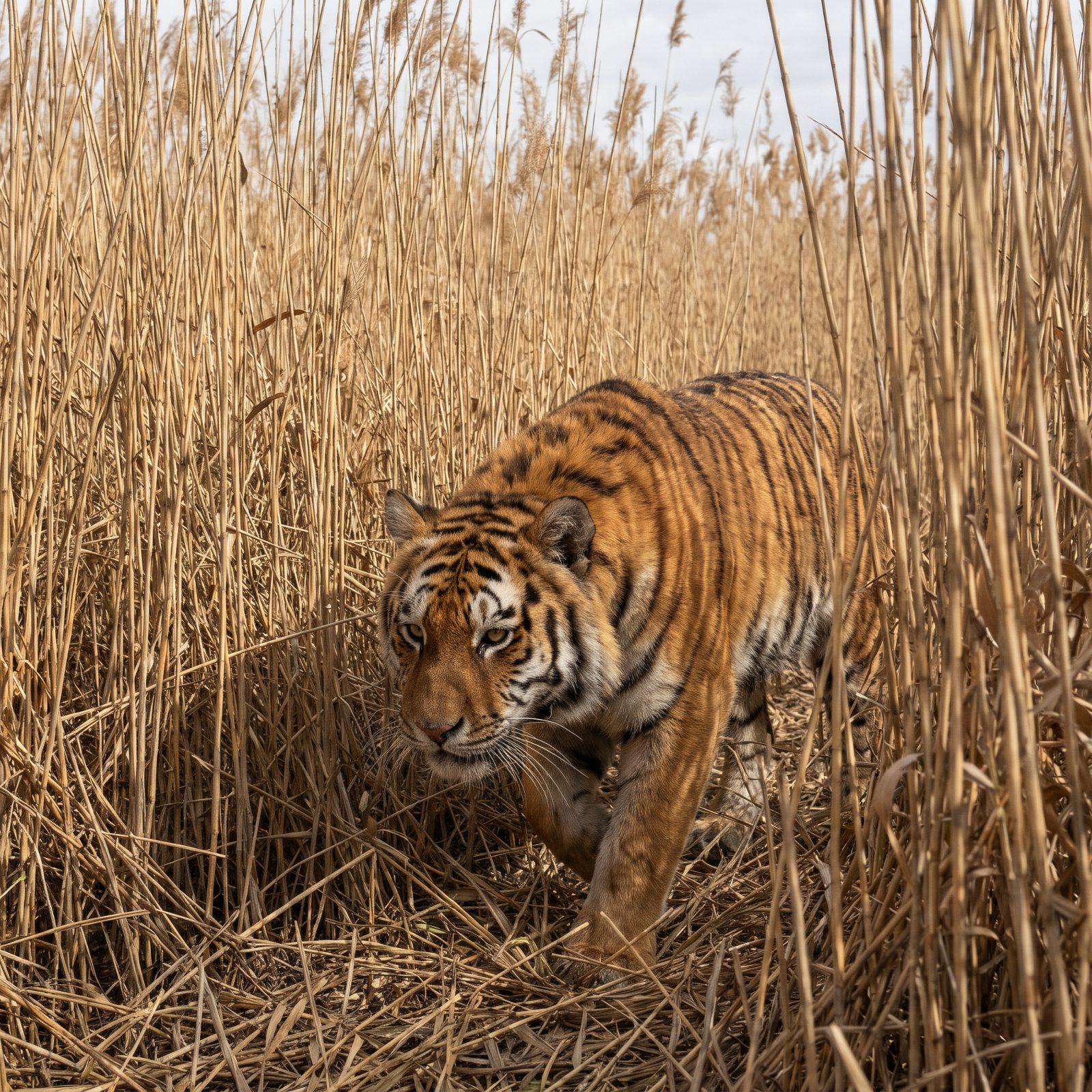
Picture the river corridors of Central Asia a century ago. Dense riverside thickets called tugai, choked with reeds and willow, ran from the Caspian Sea east through Iran, Afghanistan, Turkmenistan and toward western China. All of it belonged to the Caspian tiger.
Then the thickets got cleared for cotton. The Soviet drive to farm the river valleys tore out the tiger’s forest and its cover, and hunting finished what farming started — organized campaigns to wipe out the big cats as agriculture crept across the valleys.
The last confirmed animals died out around the 1960s and 70s. Genetic work later showed the Caspian tiger was nearly identical to the Siberian tiger, which is why there’s now serious talk of returning that lineage to Central Asia. Habitat loss shrank the cat’s world until there was simply nowhere left to be a tiger.
37. The Caribbean Monk Seal: Hunted Out of Warm, Clear Waters
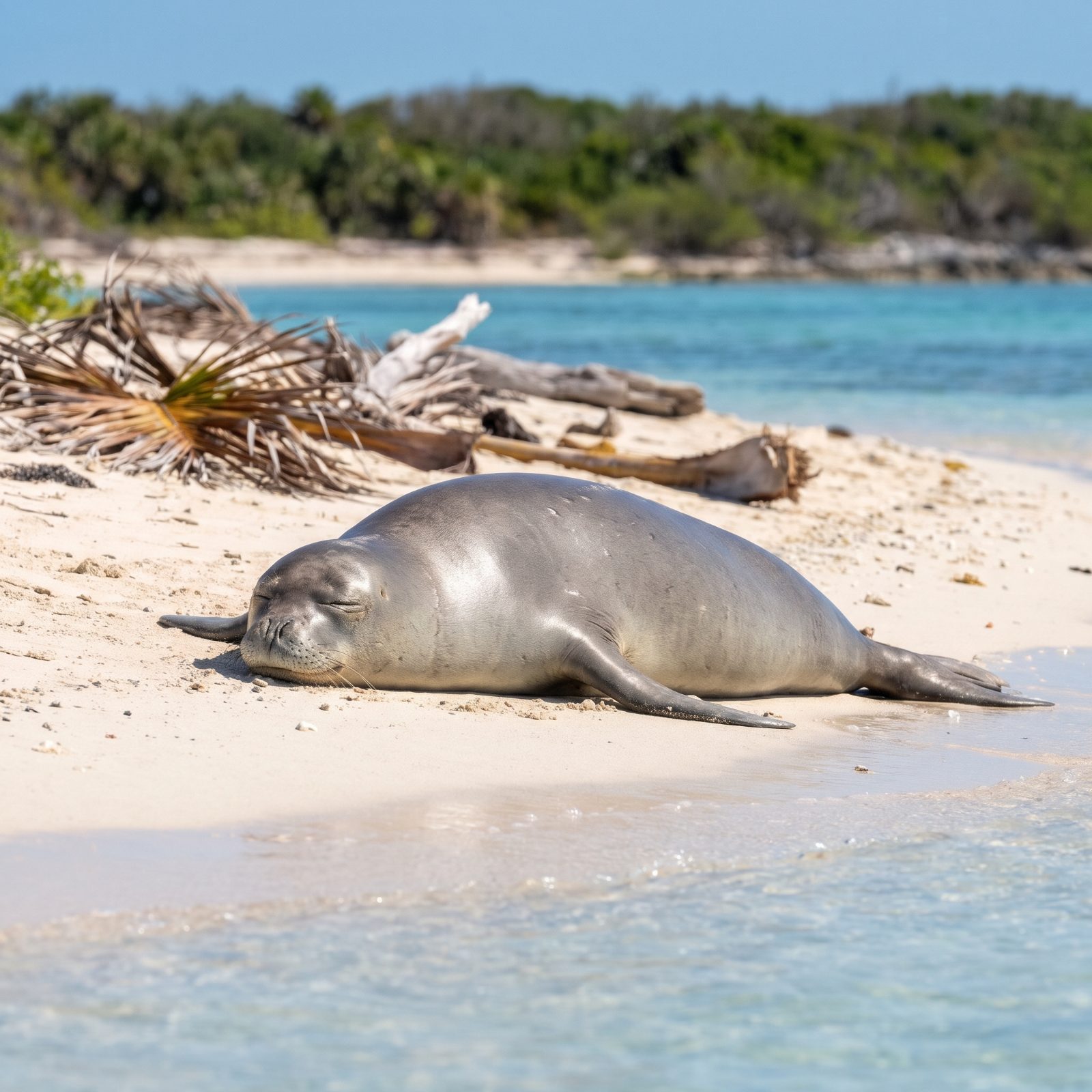
Columbus’s crew killed eight of them on his second voyage in 1494. That sets the tone for everything that followed.
The Caribbean monk seal lounged on sandy cays and reef flats from the Gulf of Mexico through the Bahamas and down to Central America. Slow, curious and fond of basking in the open, it was almost designed to be easy prey, and colonists hunted it relentlessly for oil — rendering the blubber into lamp fuel and lubricant. Overfishing then hollowed out the reefs the seals fed on, so even the survivors ran short of food.
The last reliable sighting came in 1952 at Serranilla Bank, out between Jamaica and Nicaragua. In 2008 it became the only seal species pushed to extinction entirely by human hands.
36. The Western Black Rhino: A Poaching Toll With No Survivors
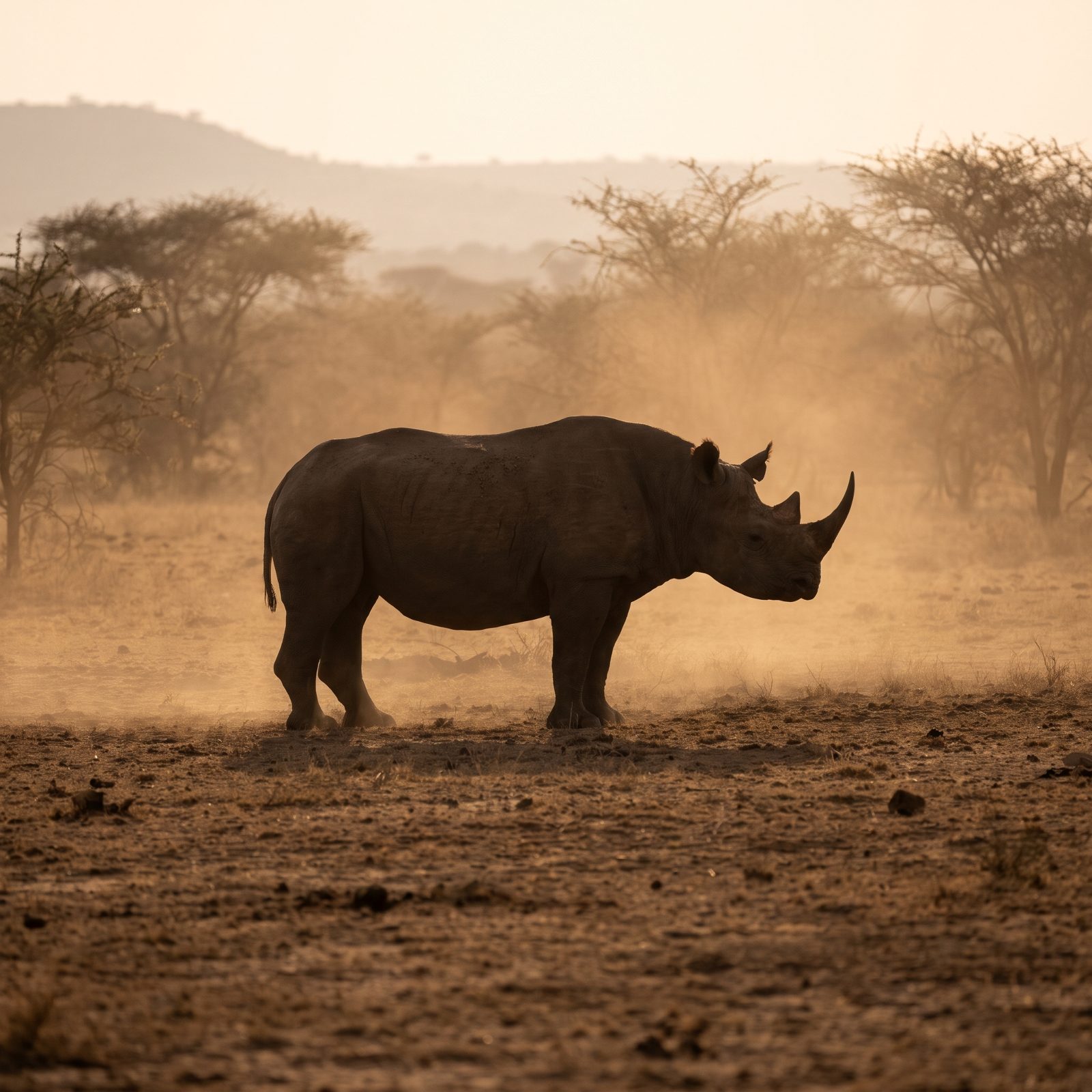
This one is recent enough to sting. The western black rhinoceros ranged across the savannas of Central and West Africa, a subspecies of black rhino that once numbered in the many thousands.
Poaching drove the whole thing to zero. Demand for rhino horn, pushed by traditional medicine markets and status buying, sent hunters into the last strongholds in Cameroon, and protection came too late and far too thin on the ground to stop any of it.
Surveys through the 2000s found nothing. The IUCN declared the western black rhino extinct in 2011 — no zoo population, no captive animals, no genetic bank. A large, conspicuous mammal, gone inside a single human lifetime, killed off almost entirely for a horn made of the same stuff as your fingernails.
35. The Heath Hen: Millions Strong, Then Cornered on One Island
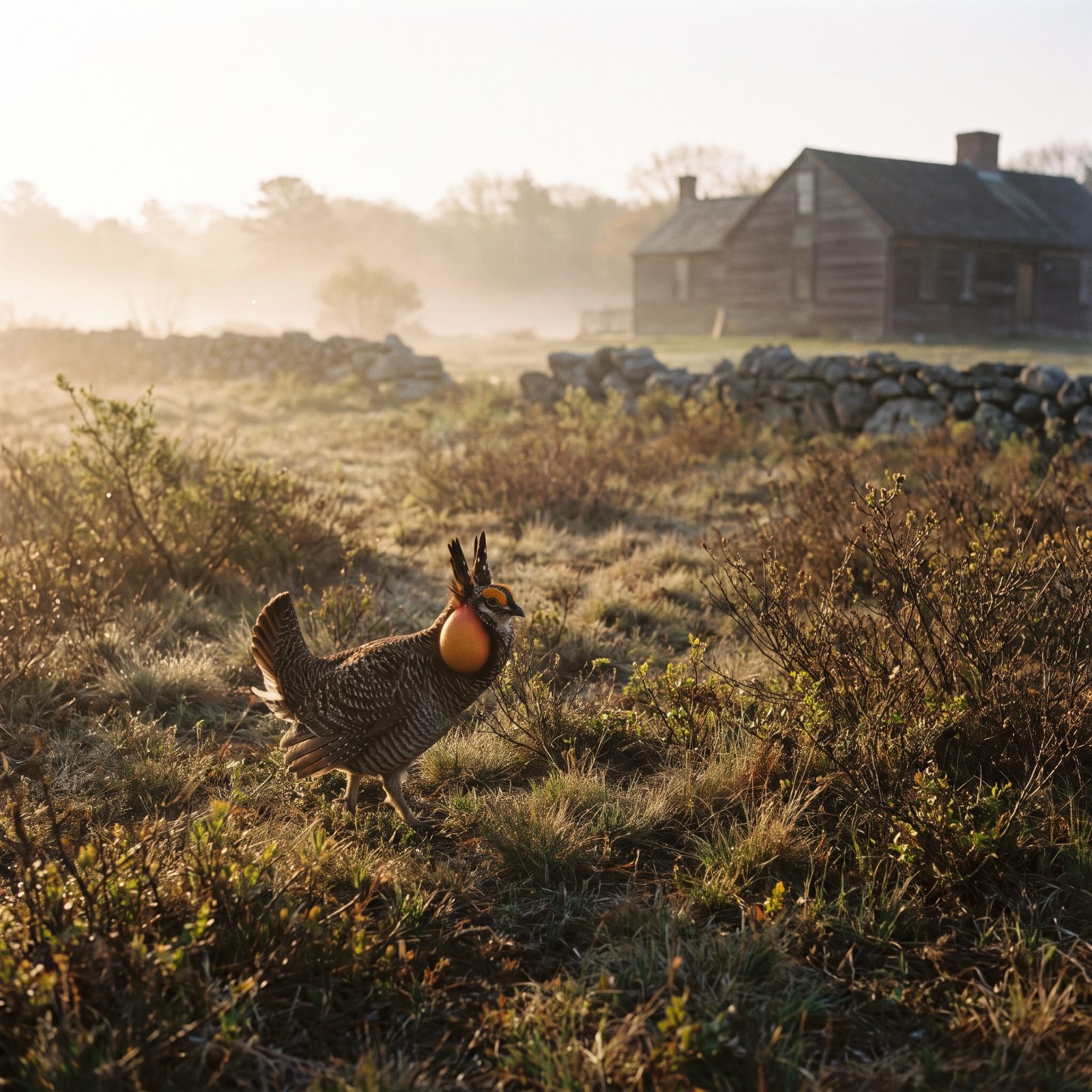
Heath hens were so common in colonial America that servants reportedly complained about eating them too often. These grassland grouse covered the sandy barrens of the eastern seaboard from New England to Virginia, and cheap meat was their undoing: market hunting shot them off the mainland until the only survivors clung to Martha’s Vineyard.
A reserve was set up. Numbers rose into the thousands, and it looked like a save.
Then came a fire across the breeding grounds, a brutal winter, a sudden influx of goshawks, and a poultry disease. A tiny population has no slack for bad luck. The last known heath hen, a male nicknamed Booming Ben, was seen in 1932 — with no mate left to display for.
34. The New Zealand Quail: Caught Between Guns and New Predators
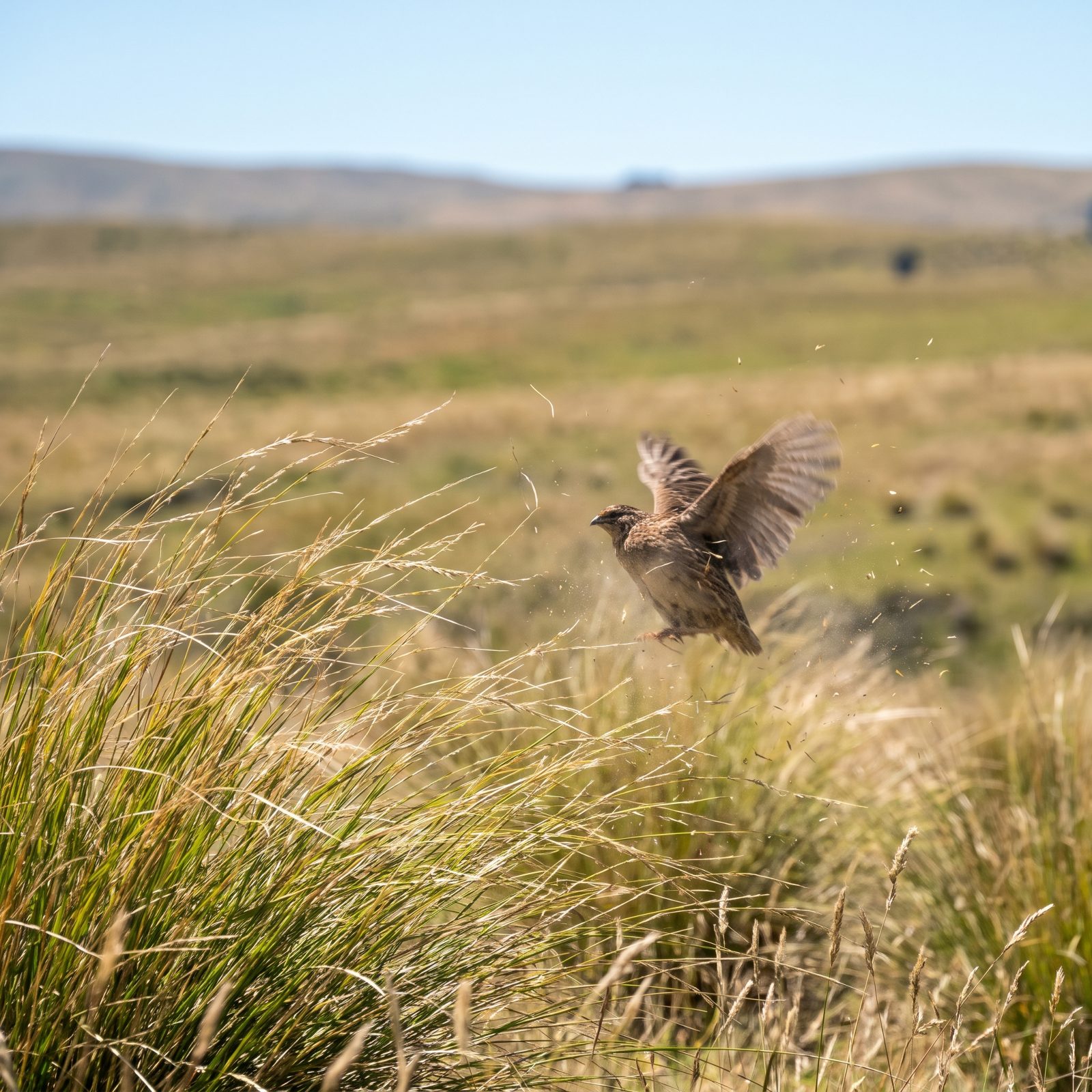
The New Zealand quail was everywhere the grass ran open. Early settlers described flushing them in large numbers across the tussock lands and fern country of both main islands.
Everywhere turned to nowhere fast. Sport and market shooting hammered the flocks, with huge bags taken in a few short decades. At the same time, settlers brought cats, rats and dogs — brutal news for ground-nesting birds — while introduced grazing animals reworked the grasslands the quail depended on, and diseases from imported game birds may have added the final blow.
The last confirmed New Zealand quail was recorded around 1875. A bird common enough to fill a hunter’s bag in the 1850s was simply gone within a generation.
33. The Laughing Owl: A Native Hunter Outrun by Imported Ones
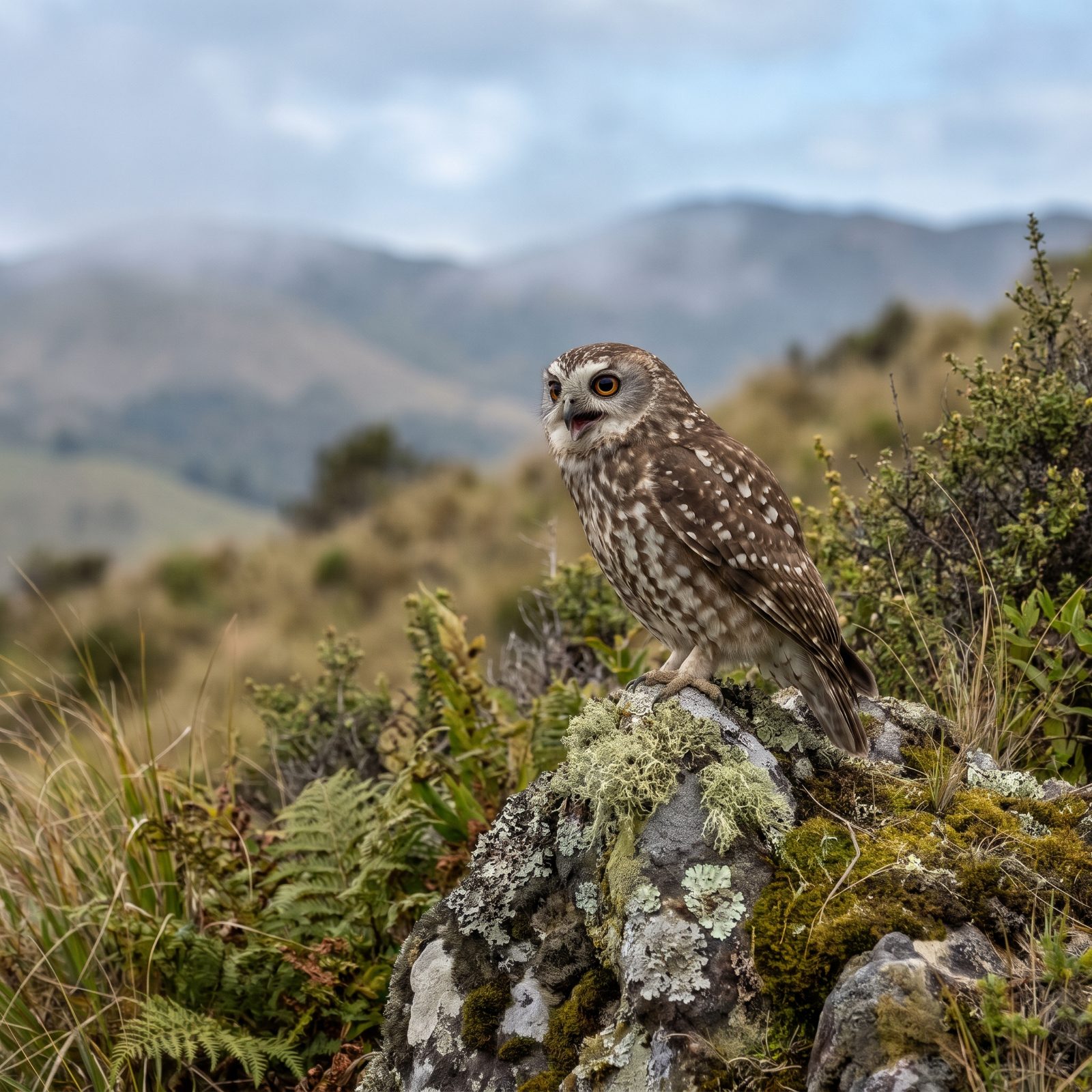
It was named for its cry — a weird series of yelps and chuckles that settlers heard echoing across the hills on damp nights. The laughing owl hunted the open country of New Zealand, feeding on beetles, lizards and small native creatures, plus the birds and rodents around it.
Then the ground shifted beneath it. Introduced stoats, cats and rats preyed on its nests and competed for food. Imported rats and mice briefly fattened its diet, but the same predators that followed them overran the owl’s breeding sites, and collectors kept taking specimens as the bird grew scarce — which never helps a dying species.
The last widely accepted record is a dead owl found in 1914. Its laugh went quiet across an entire country.
32. The Huia: Killed for the Feathers in Its Own Tail
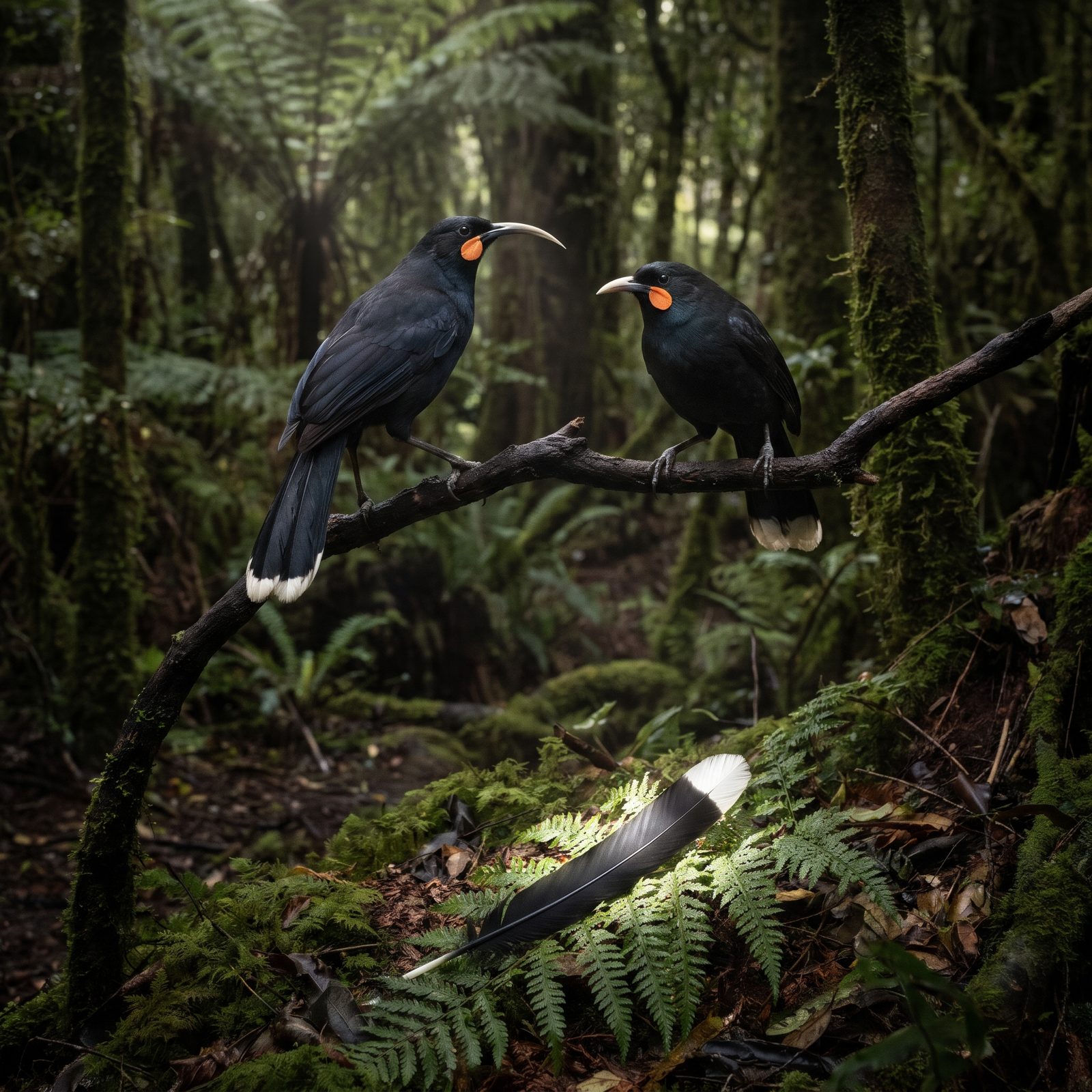
The huia had a trick no other bird shares so dramatically. The male carried a short stout bill, the female a long curved one, and the pair worked together to dig grubs out of rotting wood. Each needed the other to feed well.
Māori prized the white-tipped tail feathers for ceremonial use, worn as marks of rank, and that was sustainable. What came next wasn’t.
When a visiting royal wore a huia feather in his hat in 1901, the feathers became a fashion craze and prices soared. Hunters stripped the forests of the birds. Add the clearing of native lowland forest and introduced predators on top of that, and the huia had no room left anywhere. The last confirmed sighting came in 1907.
A bird that depended on its mate to eat, finished off by the fashion for the feather in its tail.
31. The South Island Giant Moa: A Flightless Giant Hunted to Nothing
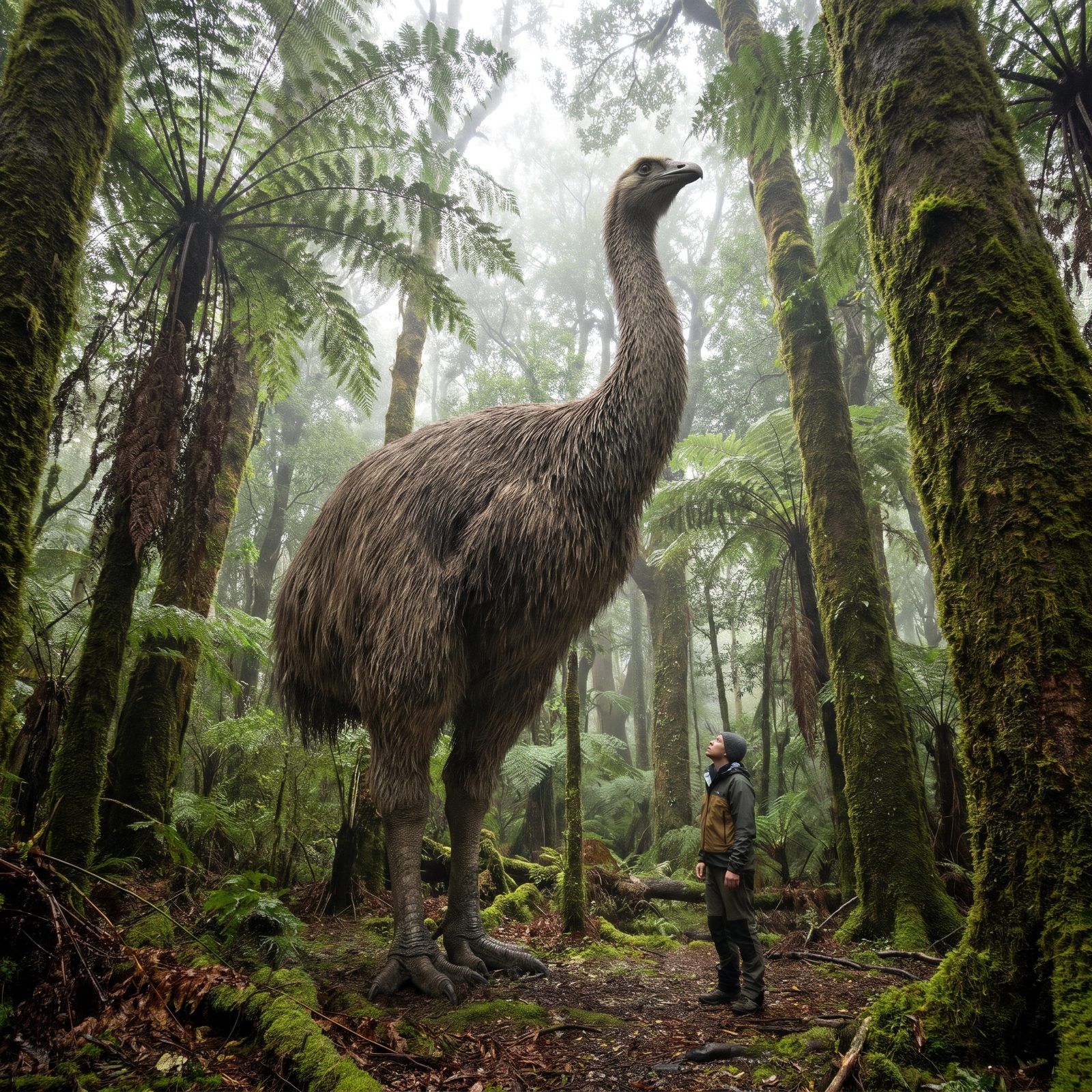
Imagine a bird taller than a basketball hoop, no wings at all, browsing shrubs in a forest that had never seen a land mammal. That was the South Island giant moa, the tallest bird that ever lived, females towering around twelve feet, about twice a person’s height, with the neck stretched up.
Before people, it had exactly one natural predator: the giant Haast’s eagle. For millions of years, that was the whole arrangement.
Māori arrived around 1300. The moa had no fear and nowhere to hide, and it bred slowly, laying few eggs. Hunting, egg collecting and forest burning hit a slow-breeding giant harder than any fast-multiplying rodent could ever withstand. Within a century or two, every moa species was gone — one of the fastest megafauna collapses on record.
30. The Elephant Bird of Madagascar: The Heaviest Bird That Ever Lived
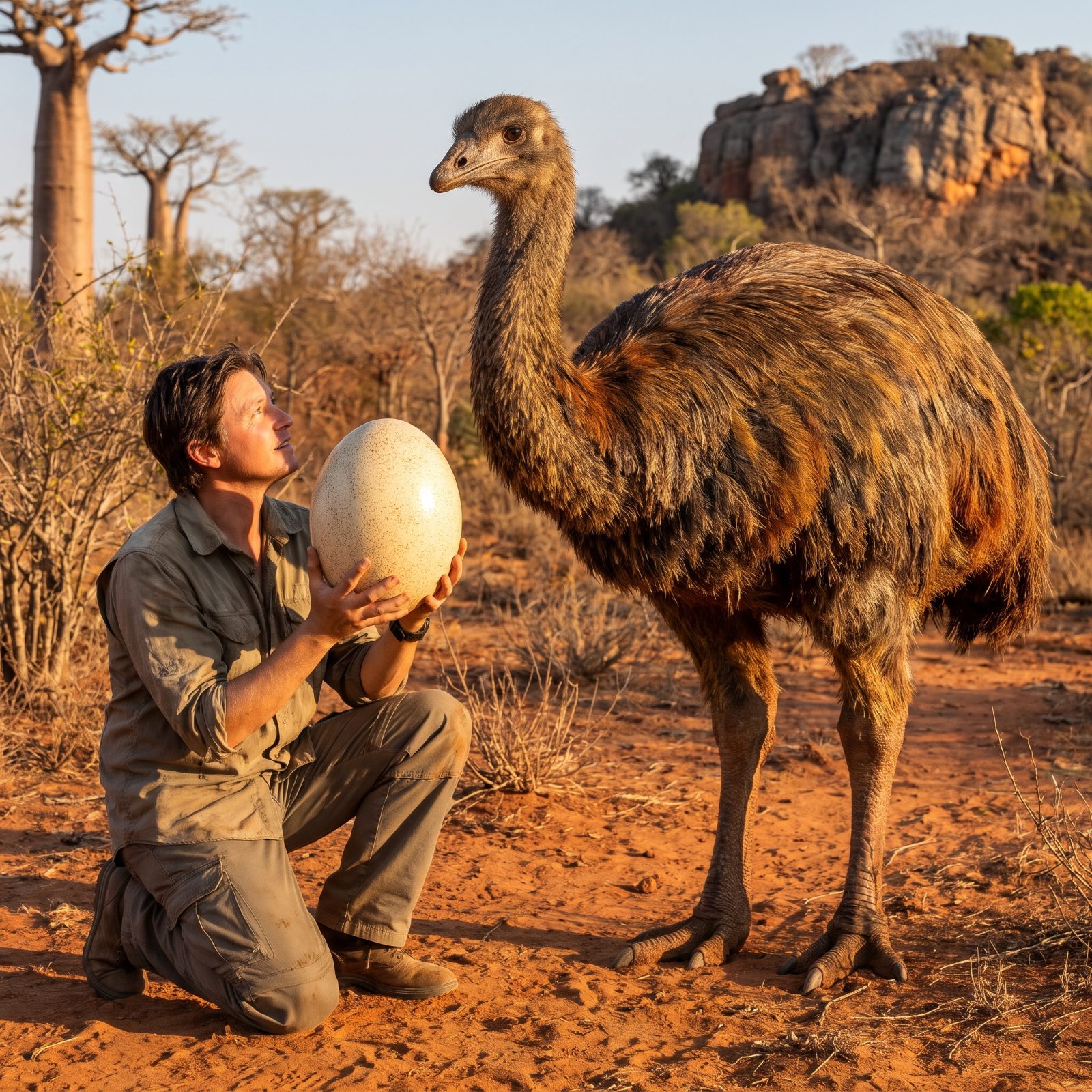
The elephant bird didn’t just go extinct. It left behind the single largest eggs any animal has ever laid, each one holding the volume of roughly 150 chicken eggs — and people in Madagascar still turn up fragments of the shell in the sand today.
Aepyornis maximus was the heaviest bird ever to walk the earth, a flightless giant of Madagascar’s forests and grasslands, far bulkier than any moa. Here’s the odd twist: DNA later revealed its closest living relative is the chicken-sized kiwi. Island evolution does strange things.
Humans reached Madagascar, and the giant birds began to fade. Hunting of adults and eggs, forest clearance and burning, and introduced livestock reshaping the land all pressed in together. By around the 1600s the elephant bird was gone, leaving only the shells and a tangle of folklore about a giant bird that darkened the sky.
29. Arabian Ostrich, Firearms Finished a Bird Once Spread Across the Desert
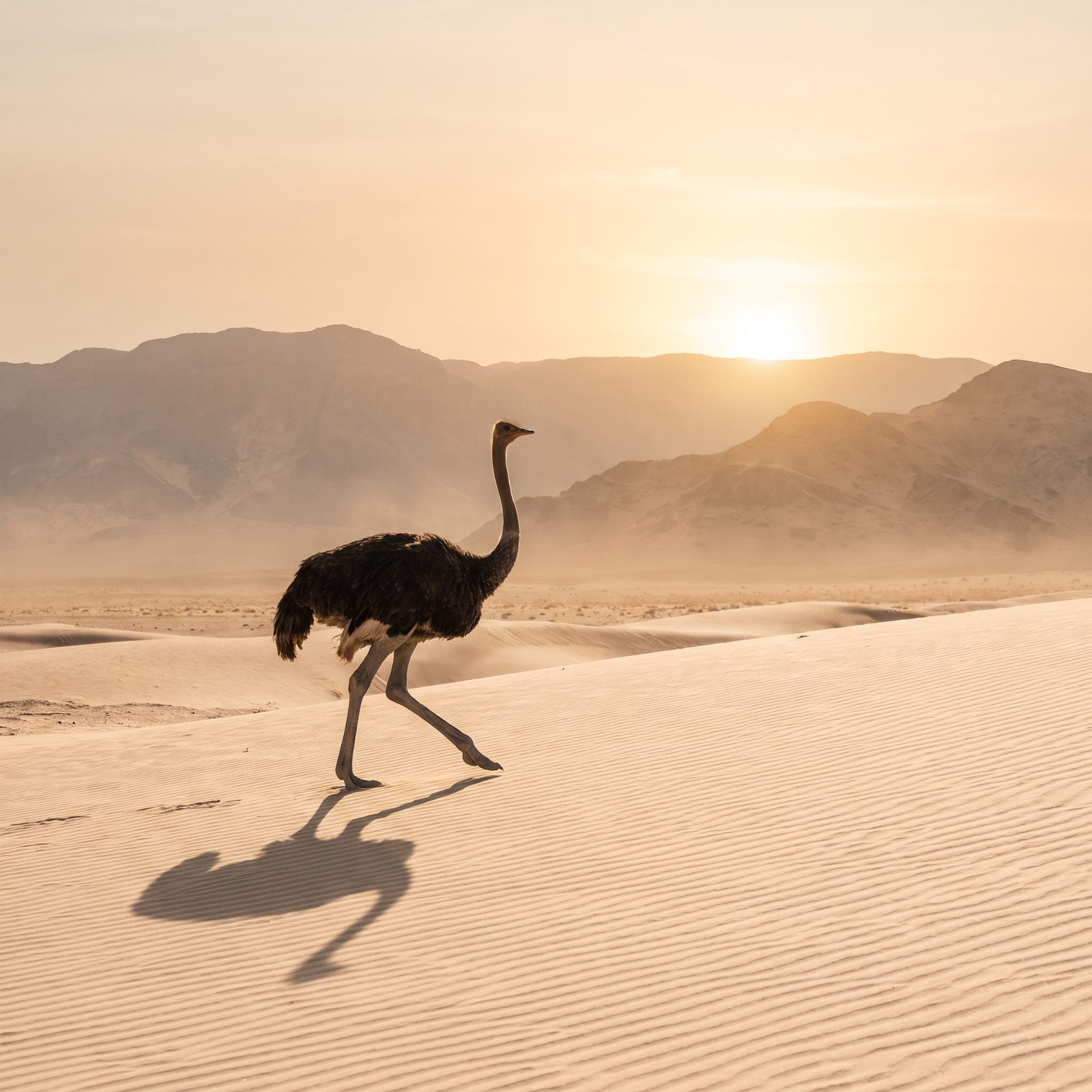
This was once the ostrich of the Middle East, ranging from the Syrian steppe down through Arabia, and people knew it so well that its feathers and eggs turned up in markets for centuries. Hunters chased it on horseback for generations without emptying the desert.
Then the rifle arrived, and later the motor car. A bird built to outrun saluki dogs and wolves had no answer for a hunter firing from a vehicle fifty yards off. The last confirmed Arabian ostrich turned up drowned in a flood around 1966, in what is now Jordan.
28. Spectacled Cormorant, Relentless Harvesting Emptied Its North Pacific Islands
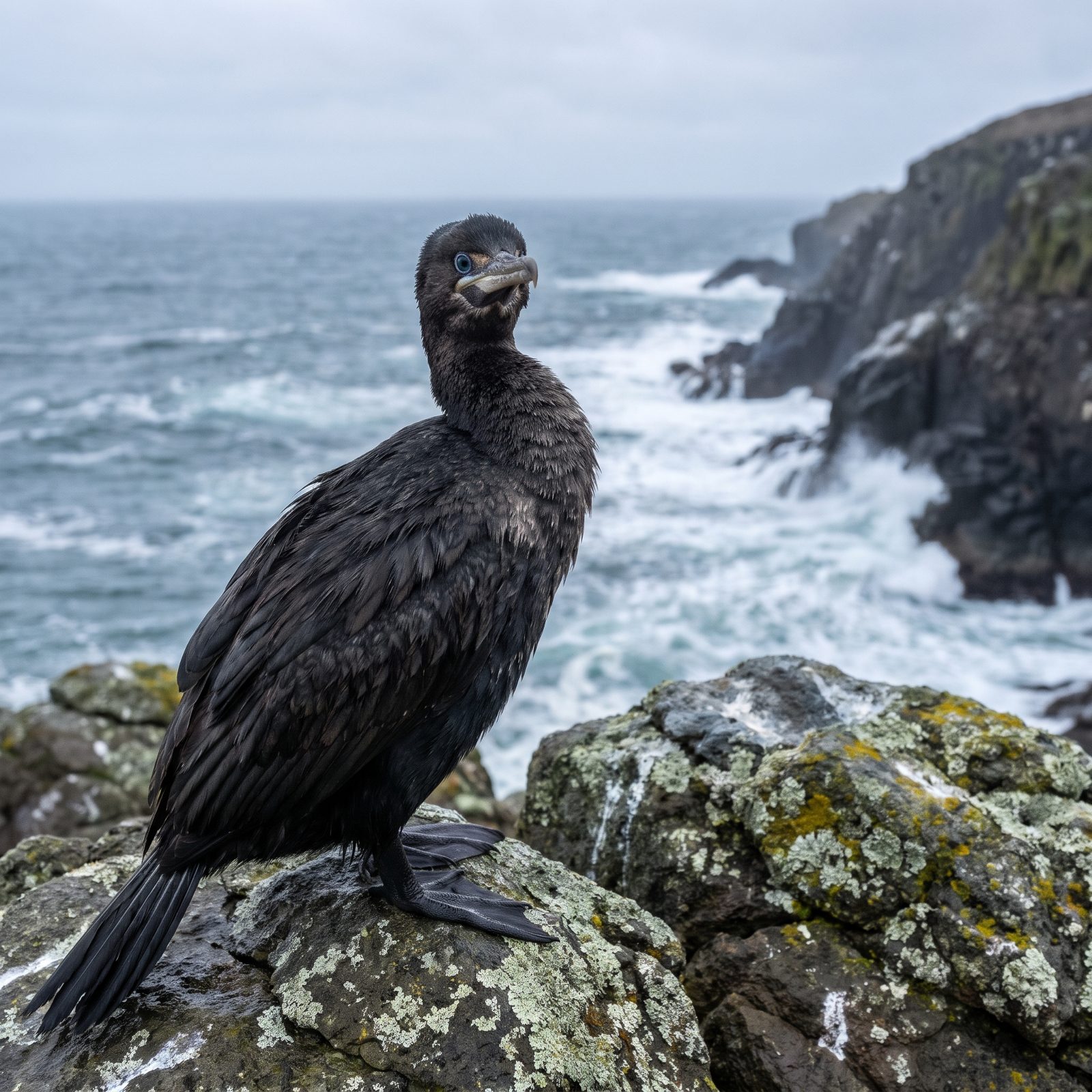
Big, slow and almost flightless, the spectacled cormorant lived on a handful of islands in the cold Bering Sea and nowhere else on Earth. Georg Steller described it in 1741 during the same doomed expedition that gave us Steller’s sea cow.
A bird this heavy and this reluctant to fly was easy meat. One cormorant could feed three men, so passing ships and Aleut hunters simply took what they wanted, and the whole species was gone by around 1850 — roughly a century after it was first written down.
27. Kauaʻi ʻŌʻō, Disease, Forest Loss and Hurricanes Silenced Its Song
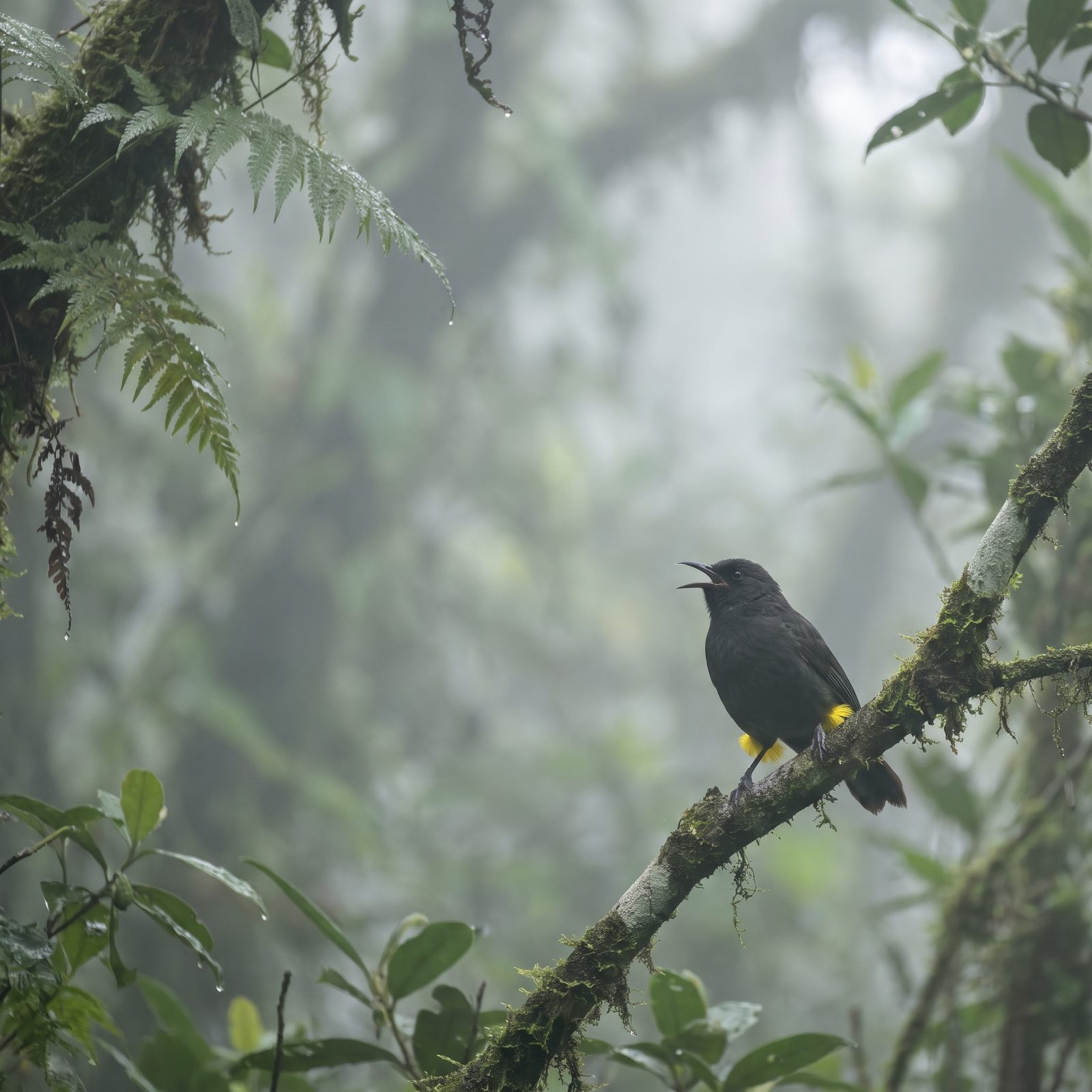
The last of these birds was a male, singing a mating call into an empty forest. Researchers recorded him in the late 1980s, answering a female who no longer existed.
Mosquitoes carried the real killer. Avian malaria crept up the Hawaiian mountains as the climate warmed, and the birds had no immunity. Logging stripped the lowland forest, feral pigs churned the understory, and Hurricane Iwa in 1982 followed by Iniki in 1992 flattened what little remained.
26. Japanese Sea Lion, Commercial Killing and Fisheries Conflict Drove Its Decline
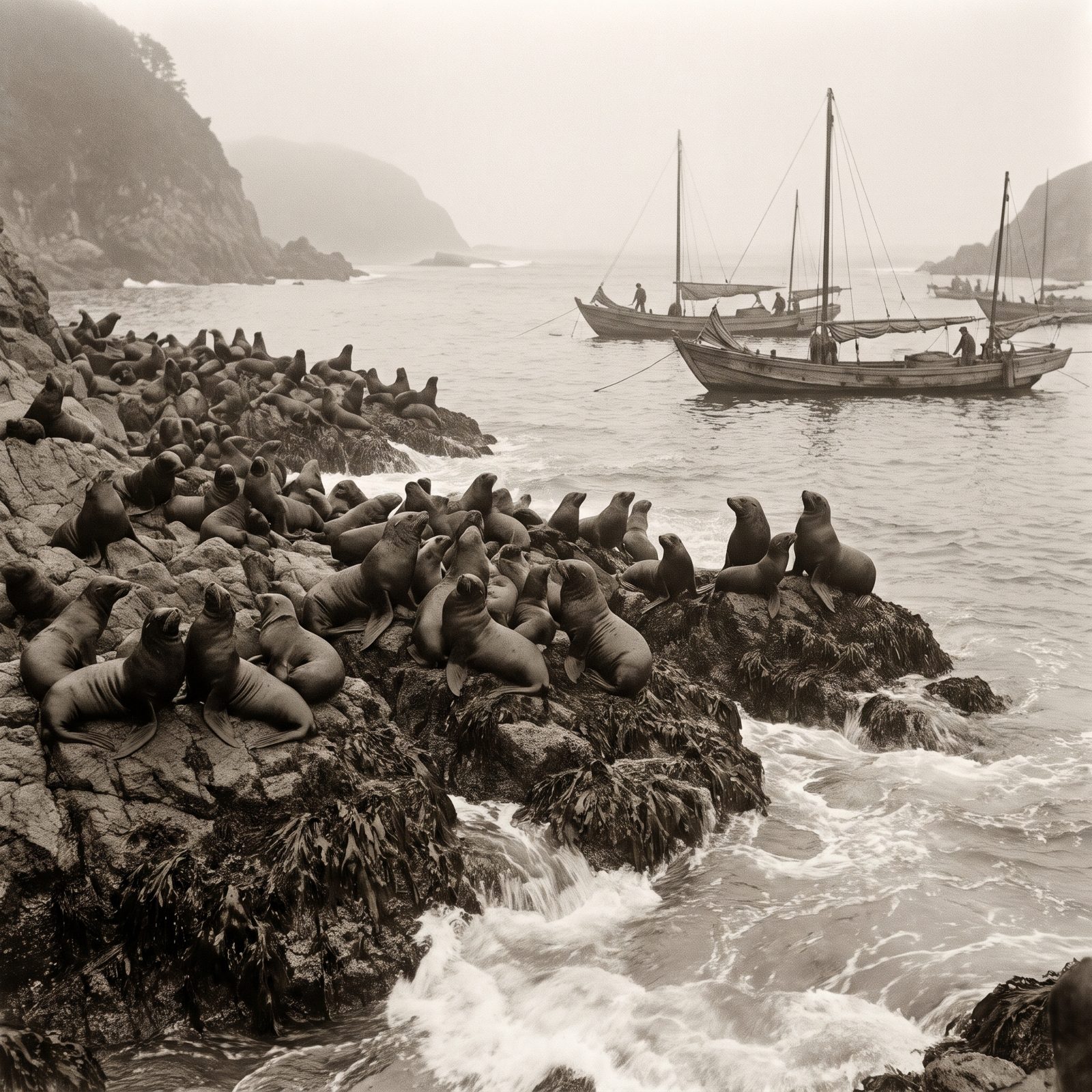
You could find these sea lions all along the coasts of Japan and Korea, with huge rookeries on the Liancourt Rocks in the Sea of Japan. In the early 1900s, Japanese harvesters were taking them by the thousands each year for hides, oil and whiskers.
Fishermen saw them as competition and killed them on sight. Then came the submarine warfare of the mid-twentieth century, which wrecked their breeding rocks. Sightings dried up by the 1950s. A small coastal sea lion, hunted and crowded out, vanished almost without comment.
25. Falkland Islands Wolf, Settlers Eradicated the Islands’ Only Native Land Mammal
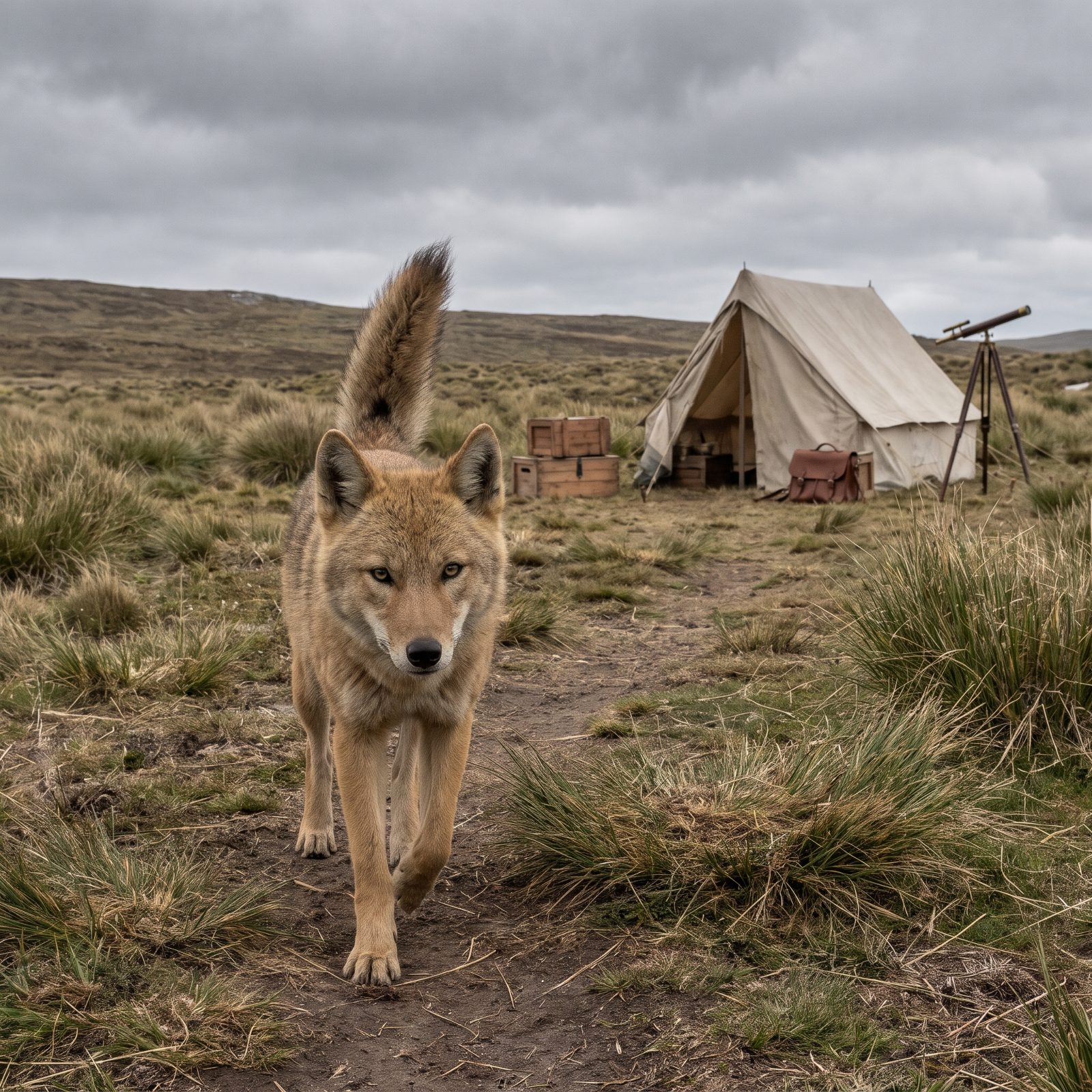
Darwin met this animal in 1833 and predicted its end. He watched the wolves walk right up to people, utterly tame, having evolved on islands with no predators and no reason to fear anything.
That trust killed them. Settlers arriving with sheep saw the wolves as a threat to lambs, and gauchos lured them in with meat in one hand and a knife in the other. By 1876 the only native land mammal of the Falklands was gone — the first known canid to go extinct in recorded history.
A tameness that took thousands of years to evolve became a death sentence in a single human generation.
24. Sea Mink, The Fur Trade Hunted a Coastal Predator to Extinction
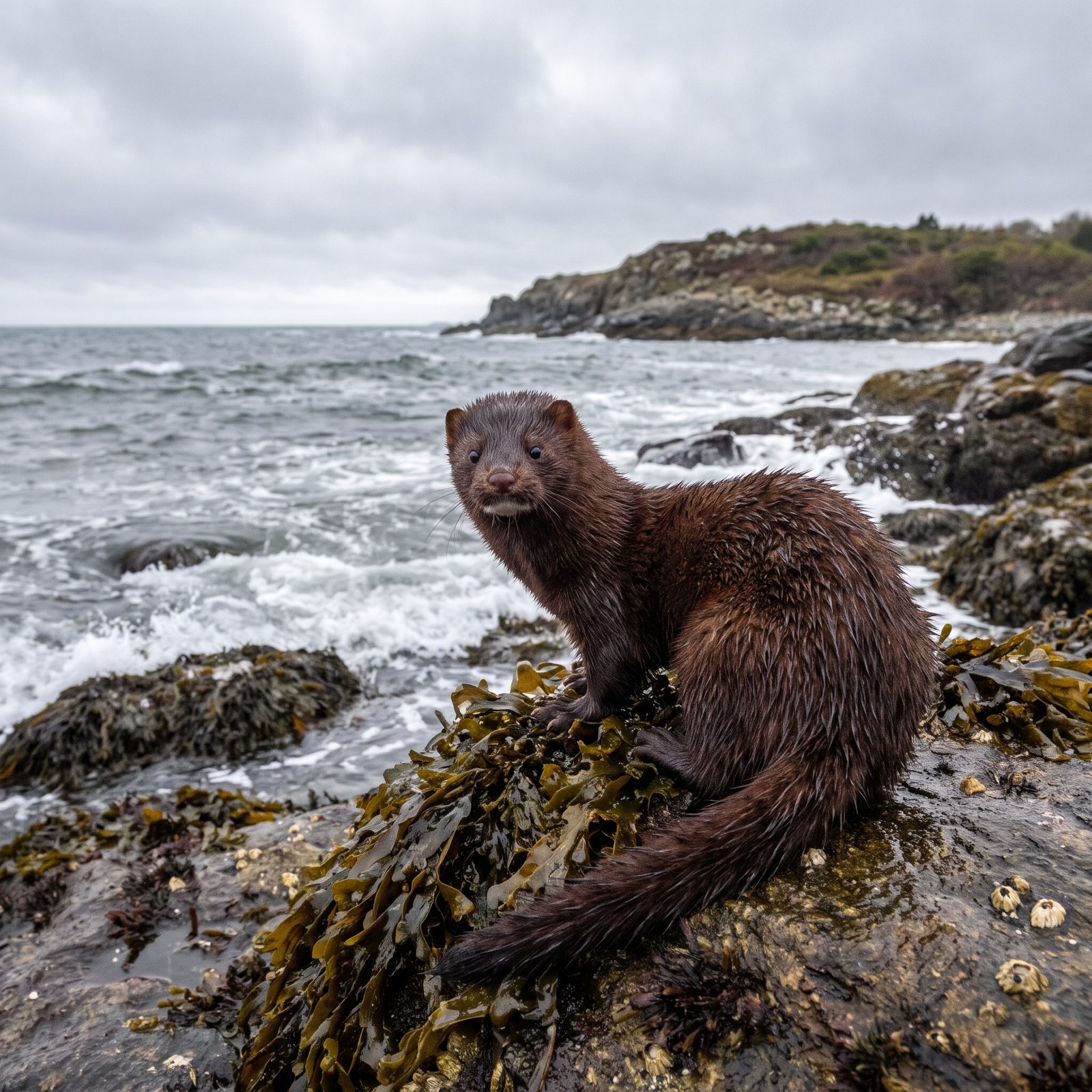
Here is an animal we barely got to know before it was gone. The sea mink prowled the rocky coast of New England and the Canadian Maritimes, a larger, coarser cousin of the familiar mink, and it carried one fatal asset: a bigger pelt.
Trappers wanted that extra size. They dug the minks out of rock crevices, smoked them out, shot them on the shoreline. No scientist ever studied a living one. By about 1860 they were extinct, and nearly everything we know comes from bones in Native American shell middens.
23. Bubal Hartebeest, Colonial-Era Hunting Eliminated North Africa’s Antelope
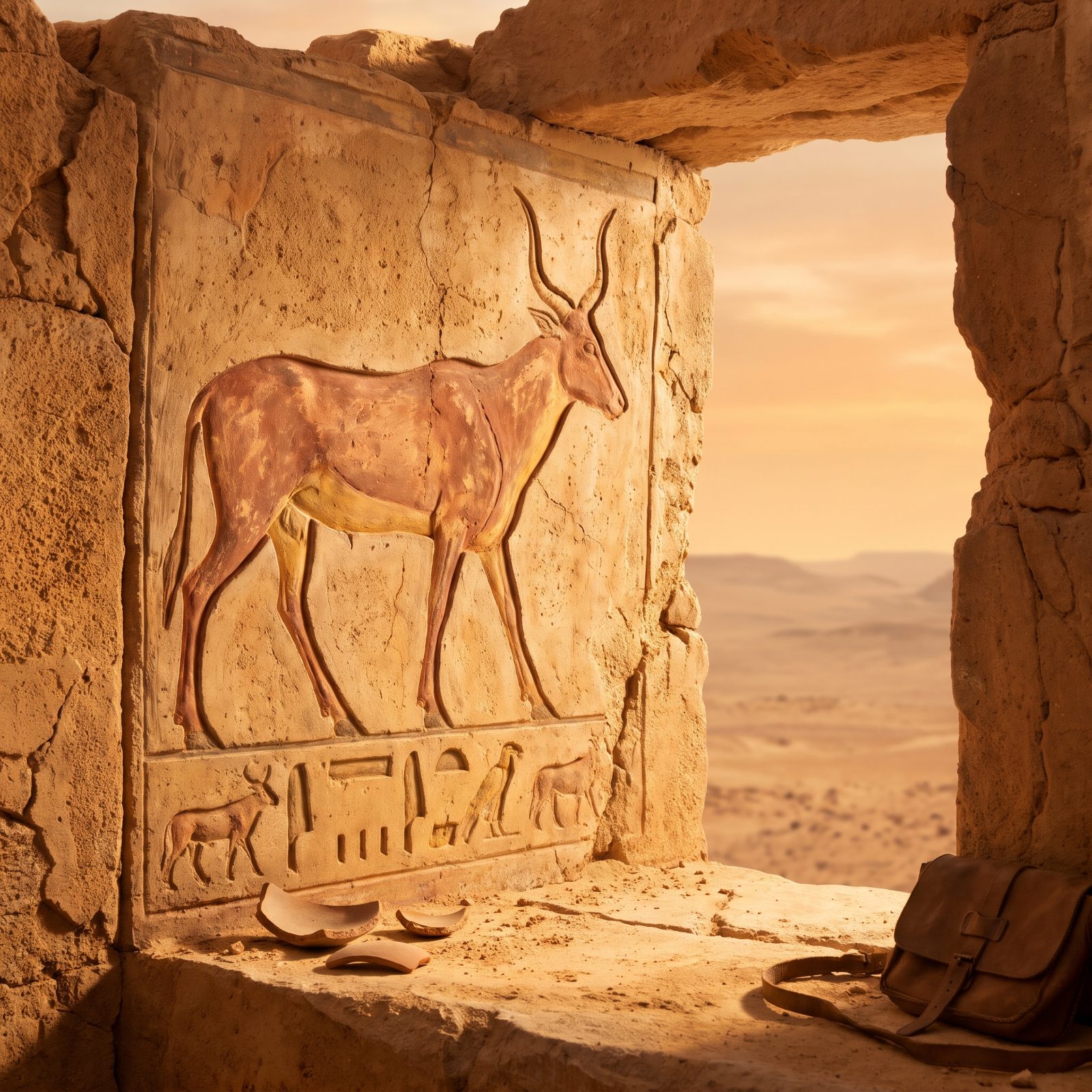
The ancient Egyptians knew this antelope well enough to carve it into tomb walls and herd it in semi-captivity. It ranged right across North Africa, from Morocco to Egypt, moving in large herds through the grasslands north of the Sahara.
European colonization brought organized hunting with modern rifles, and the herds thinned fast across the late 1800s. The last known individual, a female, died in the Paris zoo in 1923 — a common African antelope reduced to a single caged animal in a European capital.
22. Syrian Wild Ass, Hunting and Livestock Competition Ended Its Freedom
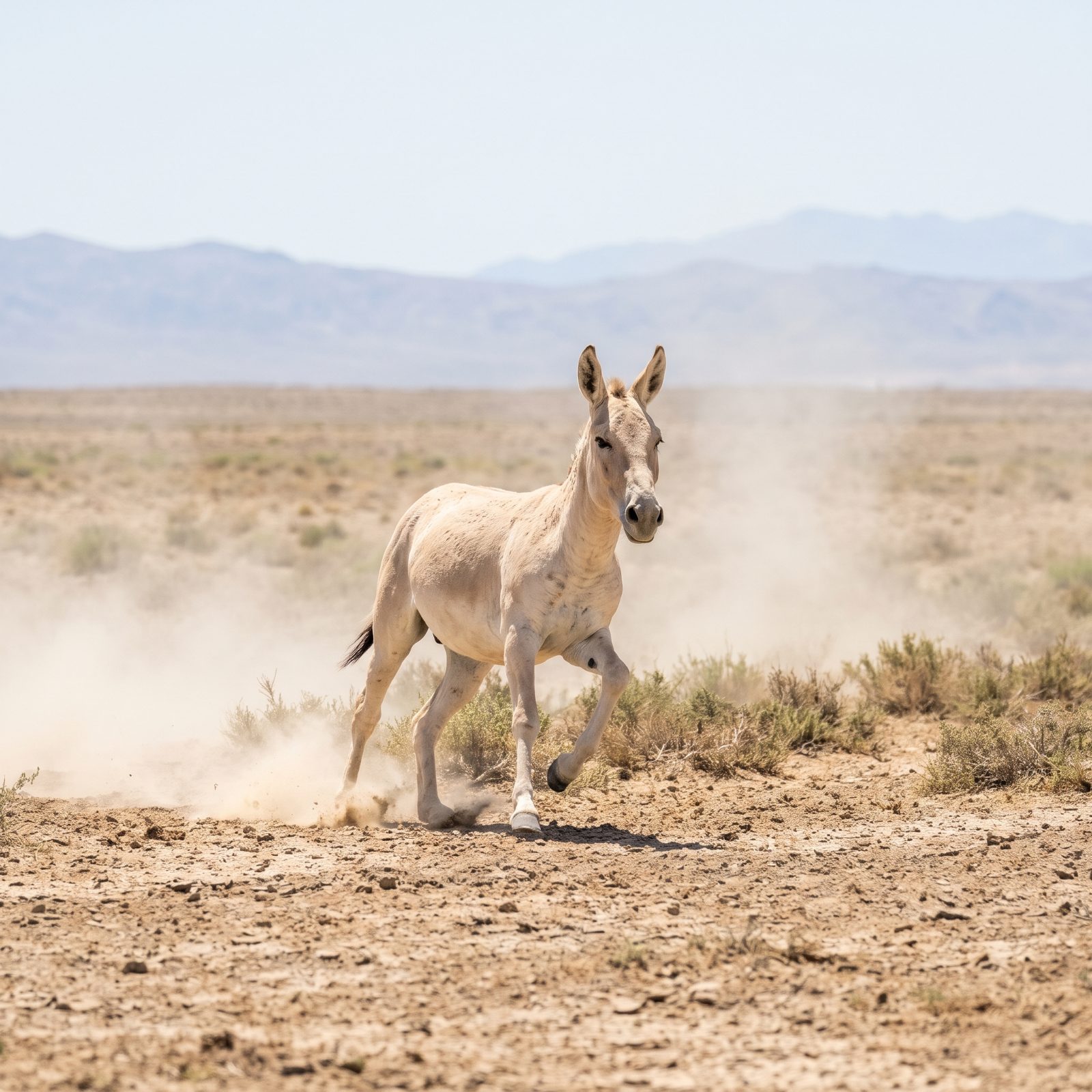
Picture the smallest wild horse relative on Earth, barely taller than a large dog at the shoulder, sprinting across the Syrian desert faster than any man could follow on foot. For millennia that speed kept it safe.
Then rifles outran it. Hunters on horseback and later in vehicles picked off the herds, while growing flocks of sheep and goats stripped the sparse grazing these asses depended on. The First World War accelerated the slaughter. The last known Syrian wild ass died in 1927 at a zoo in Vienna.
21. Toolache Wallaby, Hunting and Agricultural Conversion Destroyed Its Strongholds
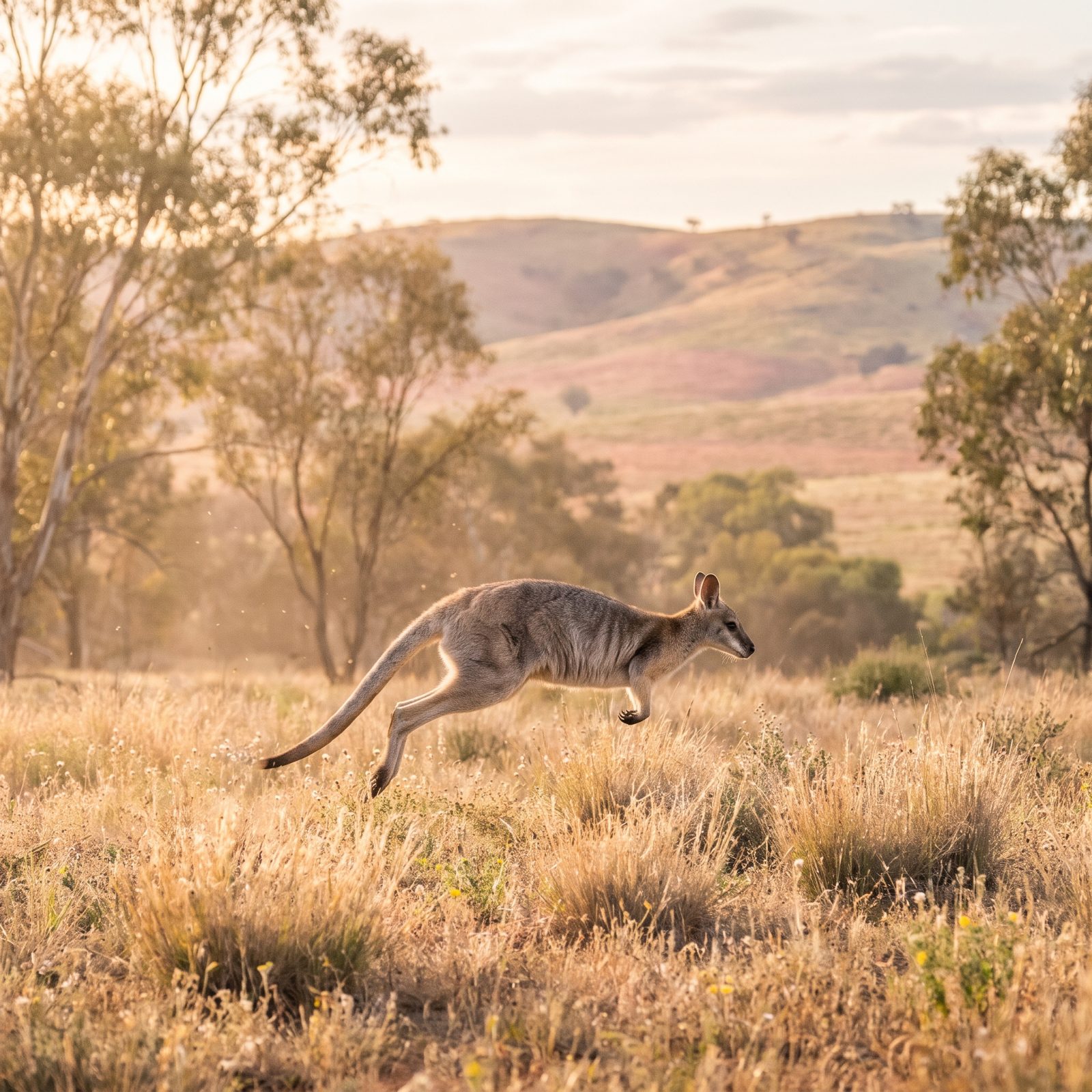
Settlers called this the prettiest of all the wallabies, with soft banded grey fur and a bounding gait so smooth that people hunted it purely for sport and for its pelt. It lived in the grassy swamplands of South Australia and across the border in Victoria.
Farming drained those swamps and plowed the grasslands into paddocks, and then foxes arrived to finish the job. In a final blunder, a rescue team tried to catch the last wild survivors in 1923 and chased most of them to death. The last known animal died in captivity in 1939.
20. Pig-Footed Bandicoot, Grazing, Fire and New Predators Unraveled Its Country
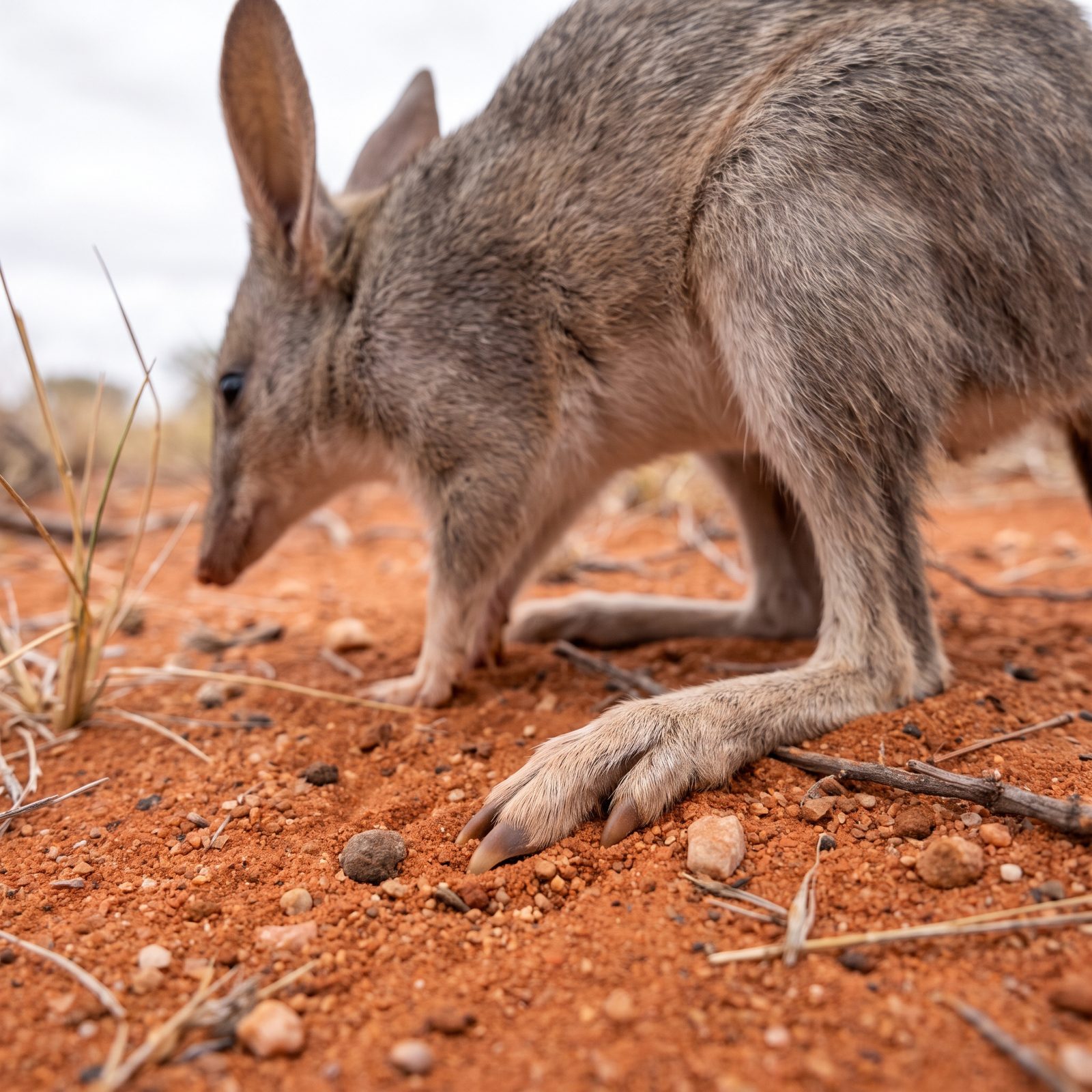
Only a handful of living specimens were ever examined, yet this little marsupial once ranged across a huge sweep of inland Australia. Its feet gave it the name, with just two large, hoof-like toes on each forefoot, looking very much like a tiny pig’s trotter.
It fed on grasses, roots and insects across the plains. Then cattle and sheep cropped the ground bare, the old Aboriginal fire patterns broke down, and foxes and cats arrived. A delicate grazer with nowhere to hide doesn’t last long against all three at once. By the 1950s it was gone.
19. Lesser Bilby, Cats and Foxes Overran a Vast Desert Range
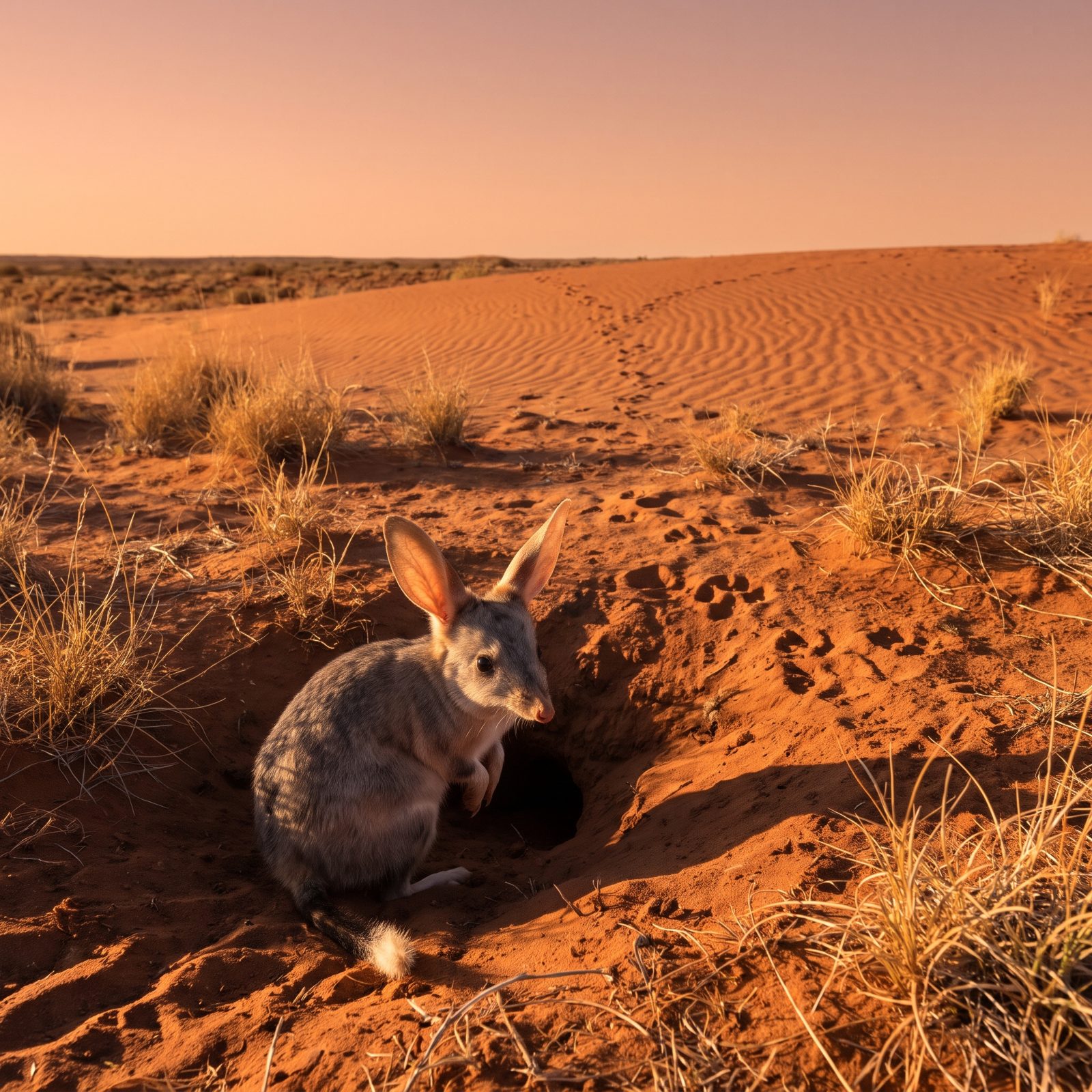
Picture a desert so empty that one small digger could spread across a range the size of a European country. The lesser bilby did exactly that — a nocturnal burrower that slept out the heat and emerged after dark to dig for seeds, insects and small rodents.
Its burrows went deep and sealed against the sun, and that was never the problem. Foxes and feral cats were. They poured through the arid interior faster than any native predator the bilby had evolved alongside, and the bilby simply had no playbook for them. The last confirmed specimen dates to the early 1930s, though skulls turned up in predator dens for years after. A big range counts for nothing when the whole thing turns hostile at once.
18. White-Footed Rabbit-Rat, Cats and Broken Fire Patterns Emptied the Woodlands
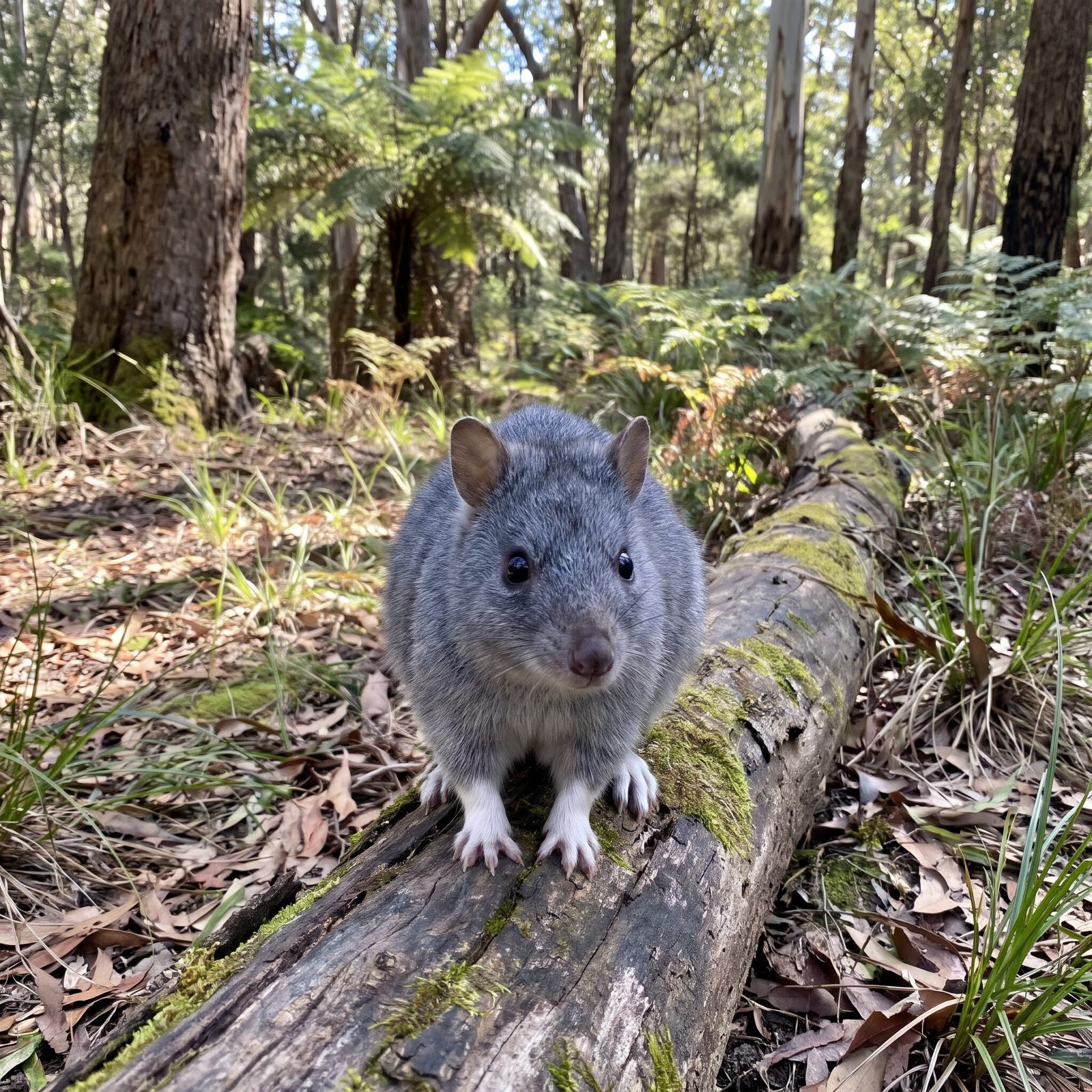
Early colonists reported them as common. The white-footed rabbit-rat — a handsome blue-grey native rodent with a brushy black-and-white tail — lived through the open woodlands and grassy forests of eastern Australia in real numbers.
Then two things shifted. The traditional burning that kept the understory varied and productive stopped, and cats spread into every corner of the bush. The rat lost its food mosaic and its cover in the same stretch of decades. It vanished from the mainland by around the 1860s, one of the first native mammals to go after European settlement, and most people never knew it existed.
17. Maclear’s Rat, Black Rats and Disease Swept Christmas Island
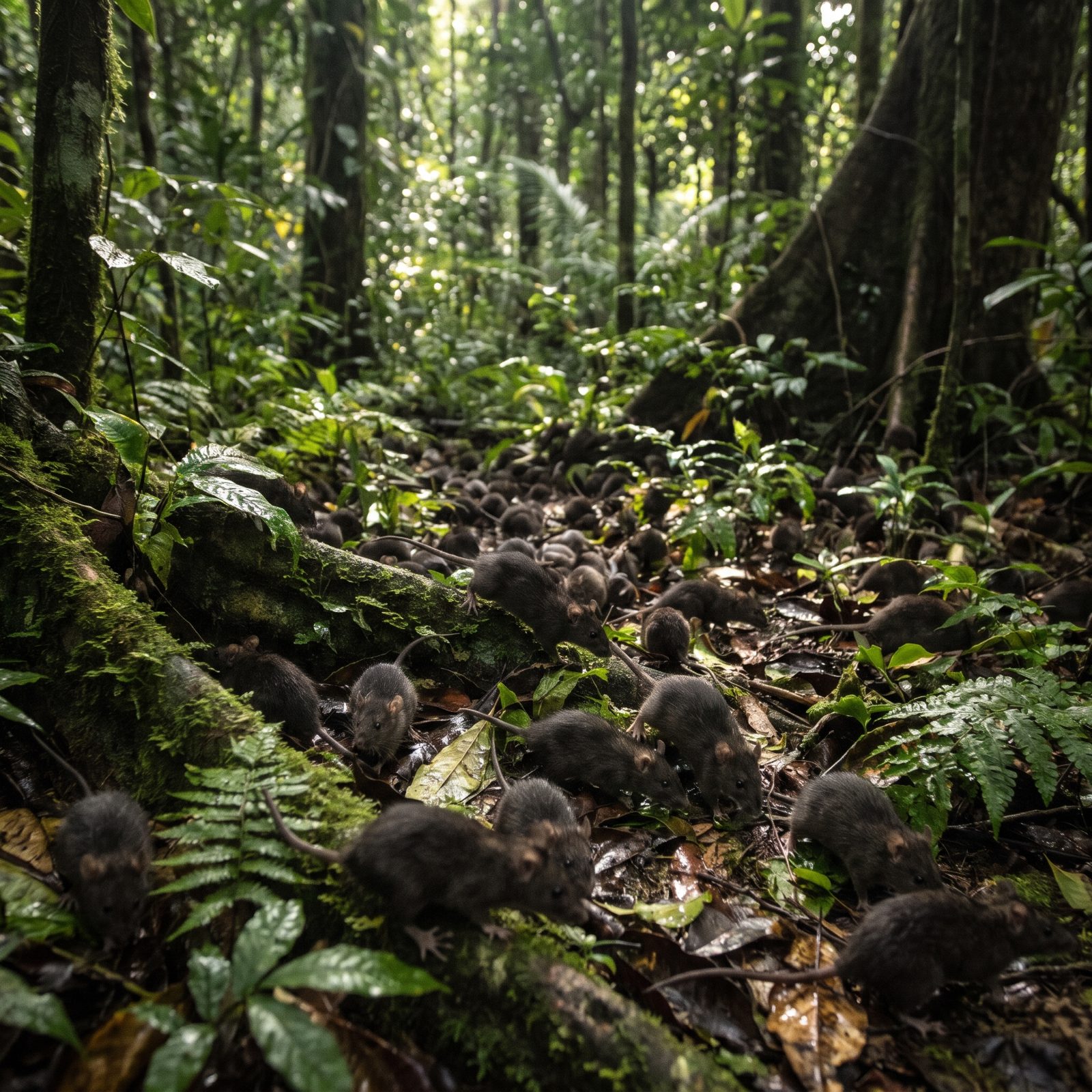
They swarmed. Nineteenth-century accounts describe this large native rat pouring through the rainforest of Christmas Island in such numbers that it ran over sleeping people’s beds at night — a dominant animal, utterly at home.
Black rats came ashore from ships around 1900, almost certainly carrying a trypanosome parasite the native rats had no defense against. The collapse was shockingly fast. Within a few years the forests that had teemed with them fell silent. Abundance, it turned out, was no shield at all. It may even have made things worse, every crowded burrow a highway for infection.
16. Christmas Island Pipistrelle, A Sudden Collapse Noticed Too Late
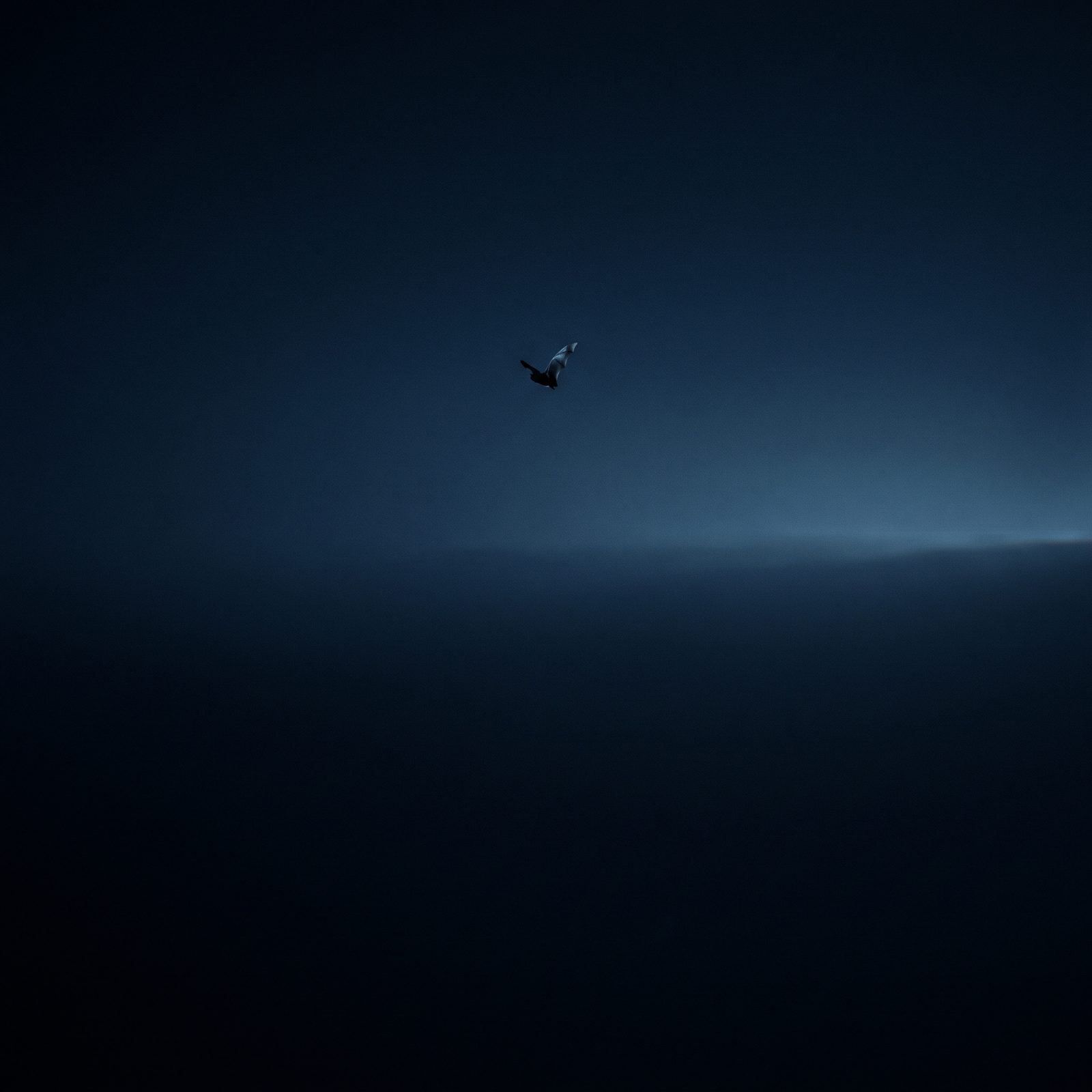
This one stings, because people watched it happen. The Christmas Island pipistrelle was a tiny forest bat, and through the 1980s you could find it across much of the island.
Through the following two decades its numbers slid, then crashed. Introduced predators, invasive ants scrambling its insect food, habitat change — all were suspected, though the exact trigger stayed murky. Calls for an emergency captive-breeding program came, got debated, got delayed. And then the window shut. A bat detector picked up the last known individual in August 2009. It called a few more times. Then nothing, ever again.
A species can be studied, counted and understood, and still slip away while the paperwork is being argued over.
15. Woolly Rhinoceros, A Warming World Erased Its Frozen Grasslands
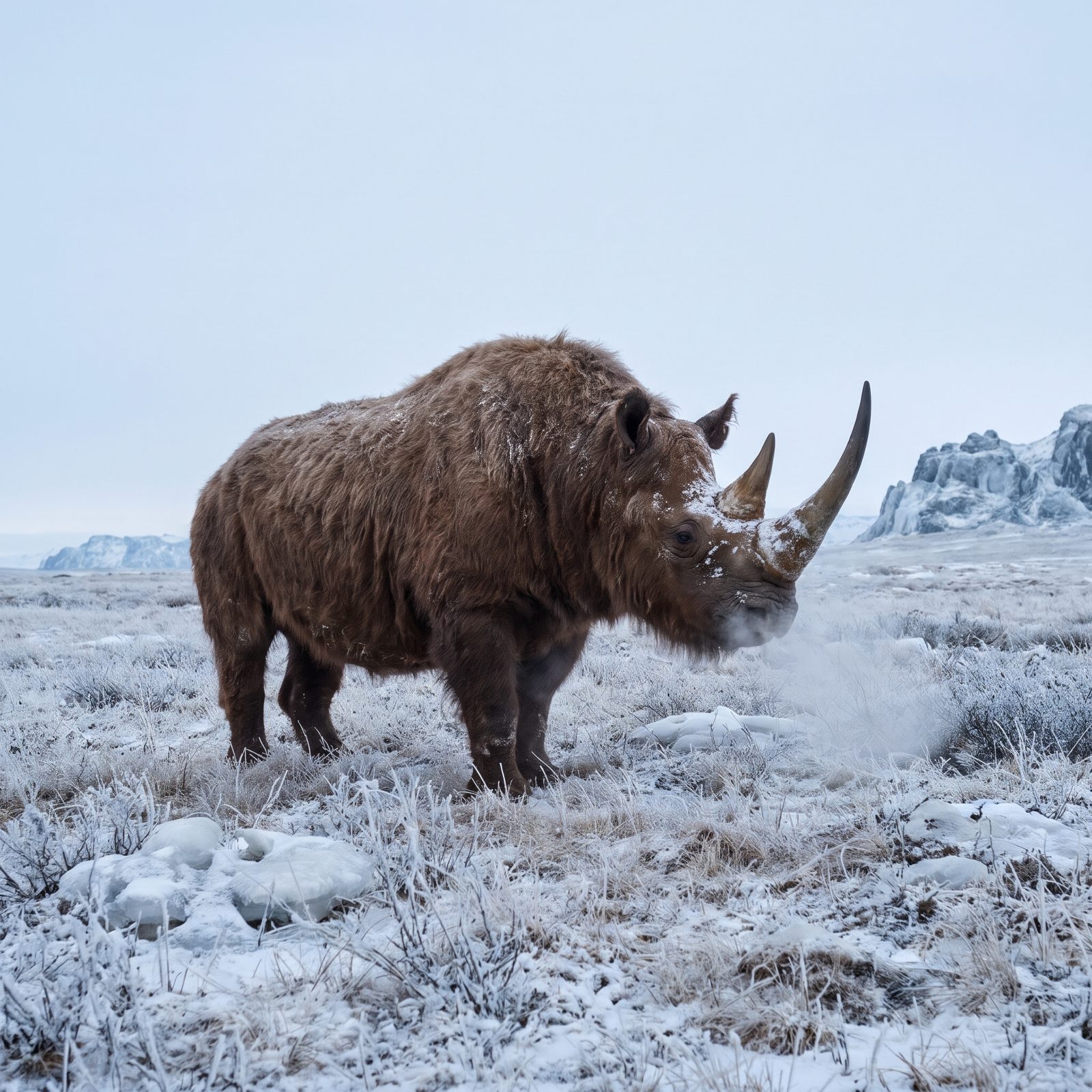
We’re not guessing about this animal. Frozen carcasses pulled from Siberian permafrost preserve the fur, the skin, the horn, even stomach contents, so we know the woolly rhino grazed the cold, dry grasslands scientists call the mammoth steppe.
That grassland was the whole story. As the last Ice Age ended, warming and rising moisture turned the firm, grassy steppe into wet tundra, bog and spreading forest. The rhino lost its food and its footing in one go. It clung on in scattered pockets until roughly 10,000 years ago. Human hunting played a part, sure — but the ground itself was melting out from under it.
14. Cave Lion, An Apex Predator Lost Its Prey and Its World
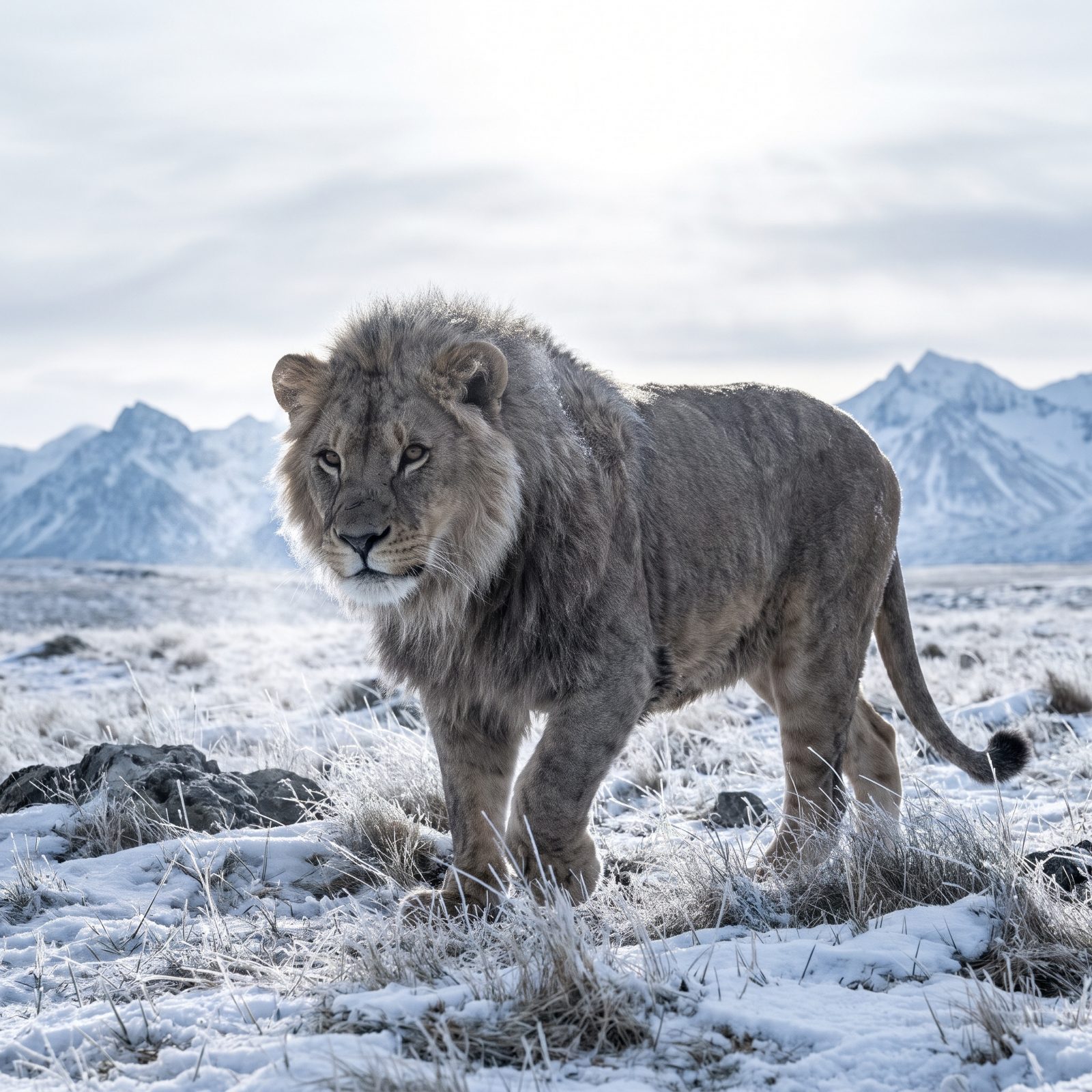
Ice Age Europeans painted the horses and deer this cat hunted on rock, so we have their eyewitness view of its world. The cave lion ranged across Eurasia and into North America, bigger than today’s African lions and built for cold open country.
A top predator lives and dies by its prey. As the mammoth steppe broke apart, the herds of bison, horses and young mammoths it hunted thinned and scattered, and the whole food web beneath it buckled under climate upheaval and competition. Frozen cubs recovered from Siberian ice — perfectly preserved down to the whiskers — give us the only close look we’ll ever get. It was gone by around 13,000 years ago.
13. Steppe Bison, Shifting Climate and Hunters Remade the Northern Plains
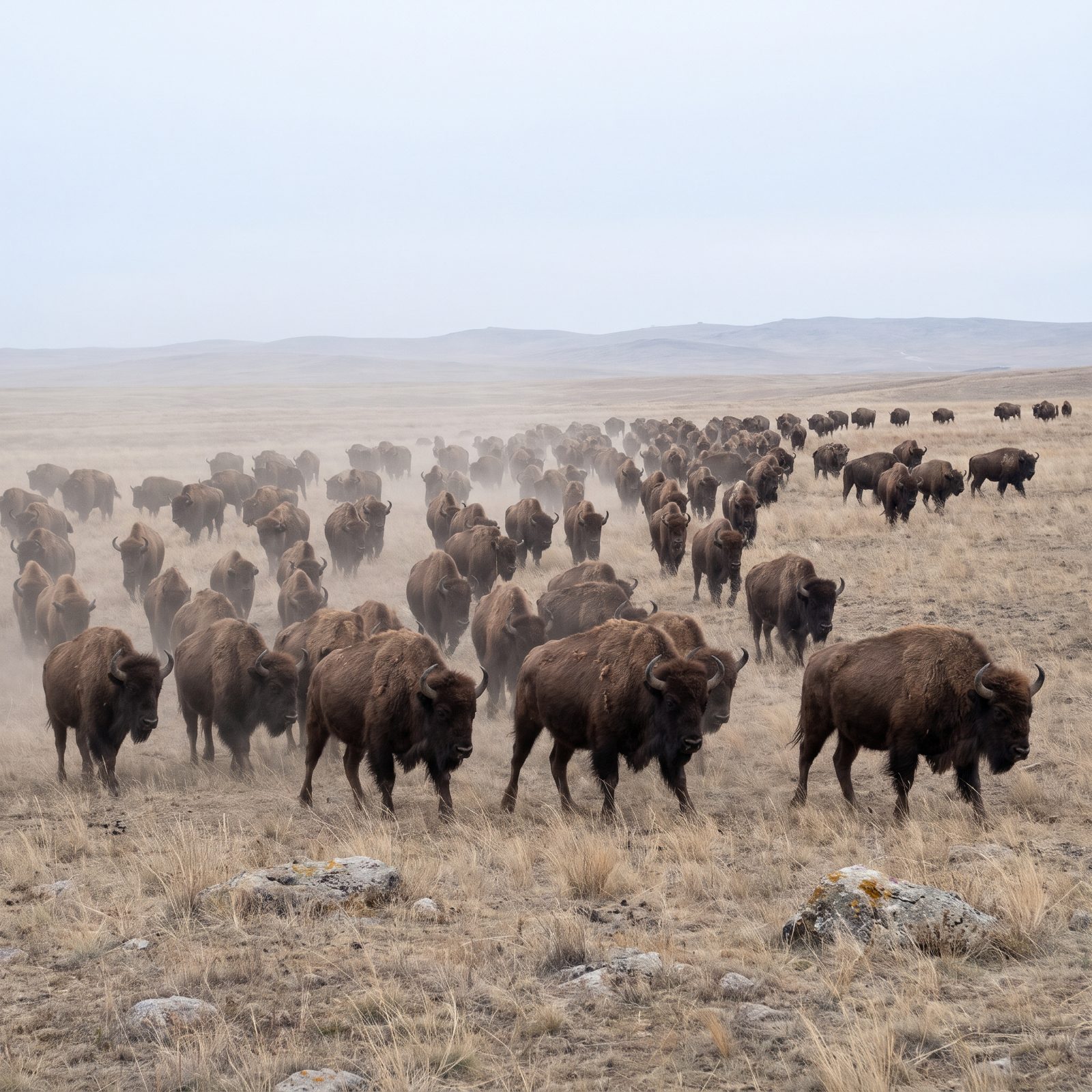
Picture the American bison, then widen the horns and raise the shoulders. The steppe bison roamed in enormous numbers across the grasslands of Eurasia, Beringia and into North America, one of the most abundant large grazers of the whole Ice Age.
DNA from frozen specimens — including the famous mummified “Blue Babe” found near Fairbanks — tracks its slow decline. The grasslands shrank as the climate warmed, splitting and whittling down the populations, while human hunters pressed in from the other side. Here’s the twist, though. The steppe bison didn’t simply die out everywhere. In places it gave rise to the lineages that became today’s bison, a rare extinction that left living descendants behind.
12. American Mastodon, Warming Forests and Human Pressure Closed Its Long Chapter
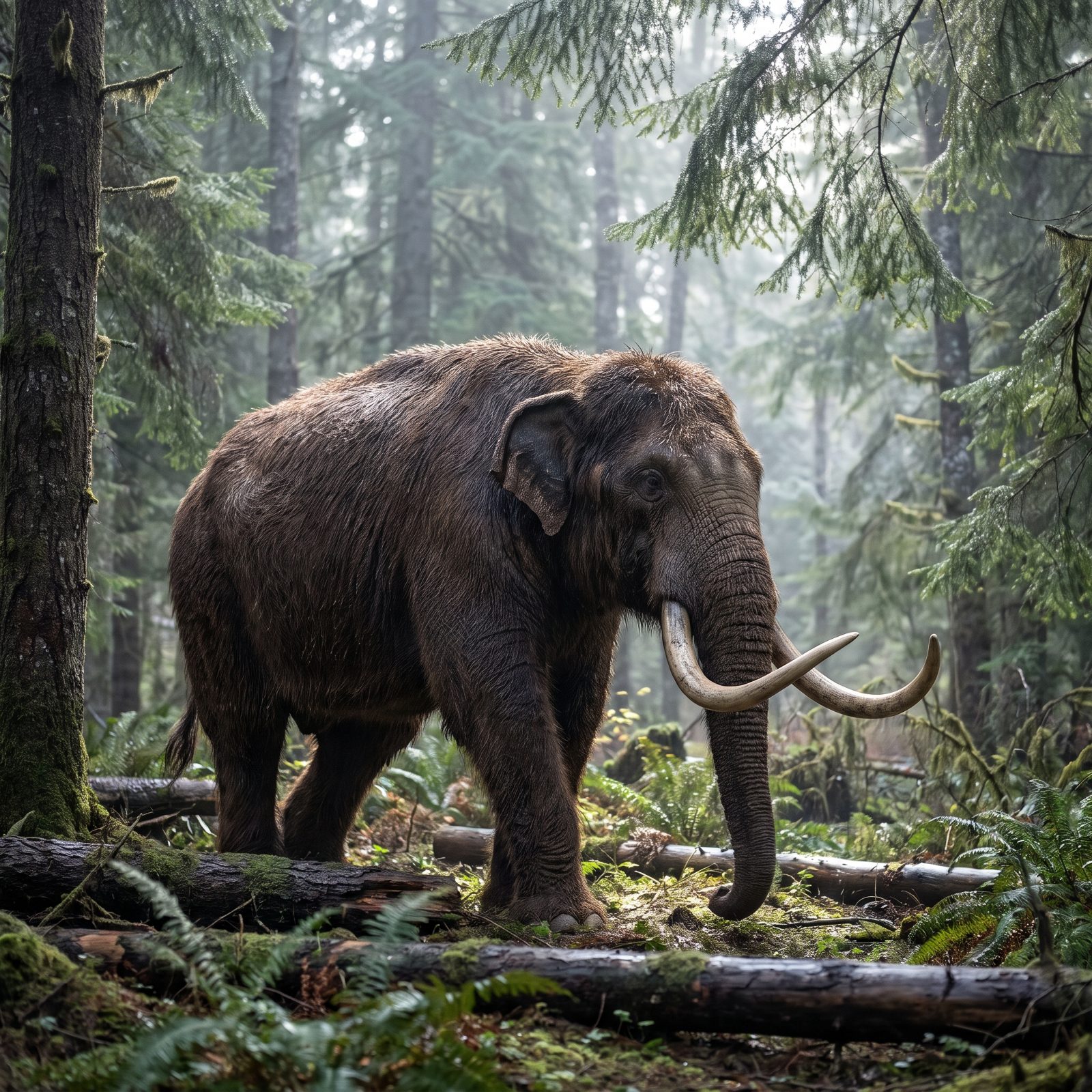
Mastodons were not mammoths, and the difference matters. Shorter, stockier, with blunt cone-shaped teeth, the American mastodon was a forest browser — spruce, twigs and leaves in the woodlands and swamps of North America, for millions of years.
Its teeth tell the end of the story. As the Ice Age wound down, the cool conifer forests it depended on shifted and contracted, and human hunters arrived across the continent. The two pressures landed together around 11,000 to 10,000 years ago.
11. Eremotherium, Climate and People Reshaped the Giant Ground Sloth’s Range
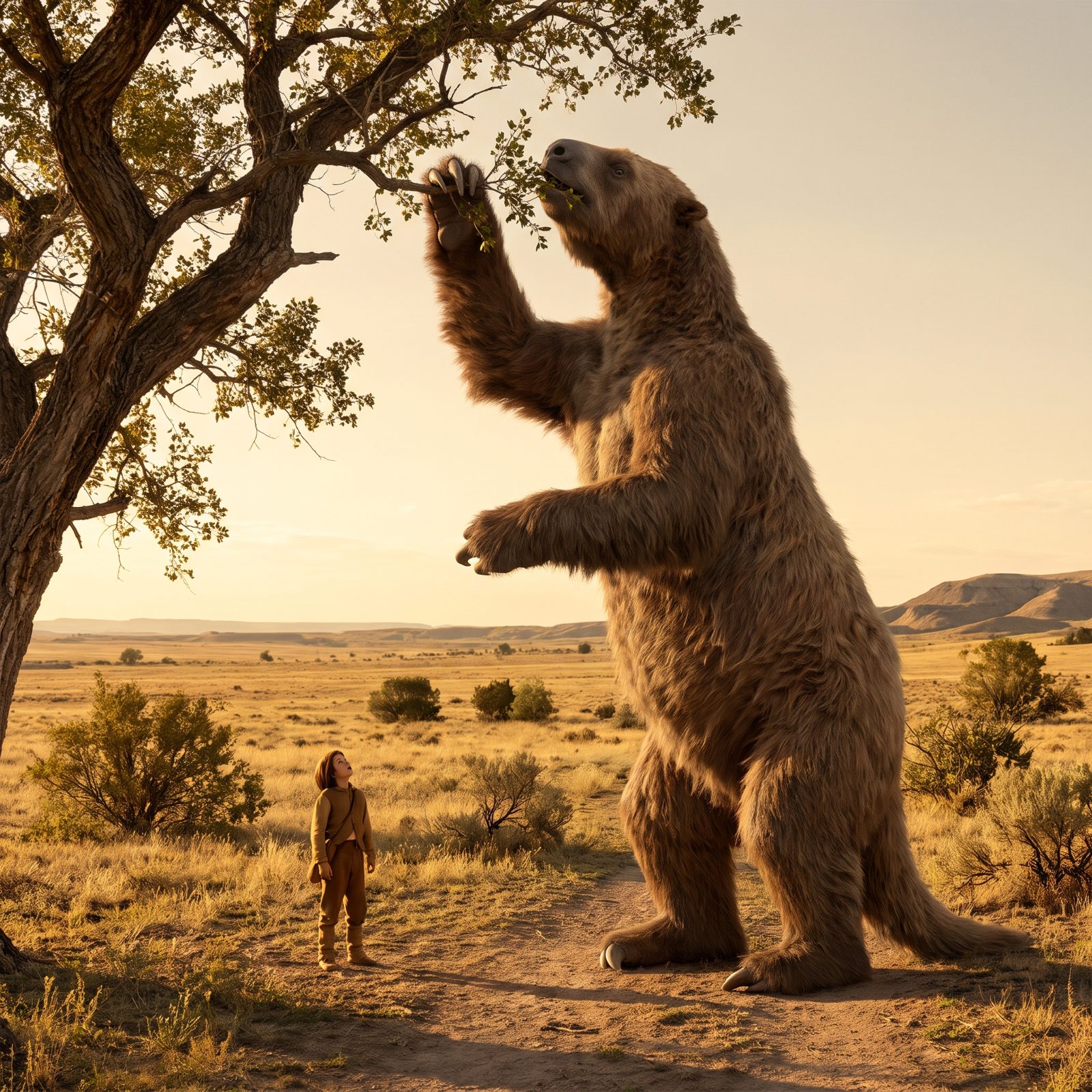
This one stood as tall as a giraffe when it reared up to feed. Eremotherium was a giant ground sloth of the Americas, reaching some 20 feet in length, hauling itself upright on huge clawed limbs to strip branches across warm savanna and woodland.
It was widespread, ranging from South America up into the southern United States. Then the Ice Age ended. Warming and drying reworked the plant communities it browsed, and the first people spread through its range. A slow, enormous, low-reproducing animal has no answer to both forces at once. It was gone by around 11,000 years ago, leaving fossil claws big enough to make you doubt your own eyes.
10. Glyptodon: The Volkswagen-Sized Armadillo That Grazed the Pampas by the Thousands
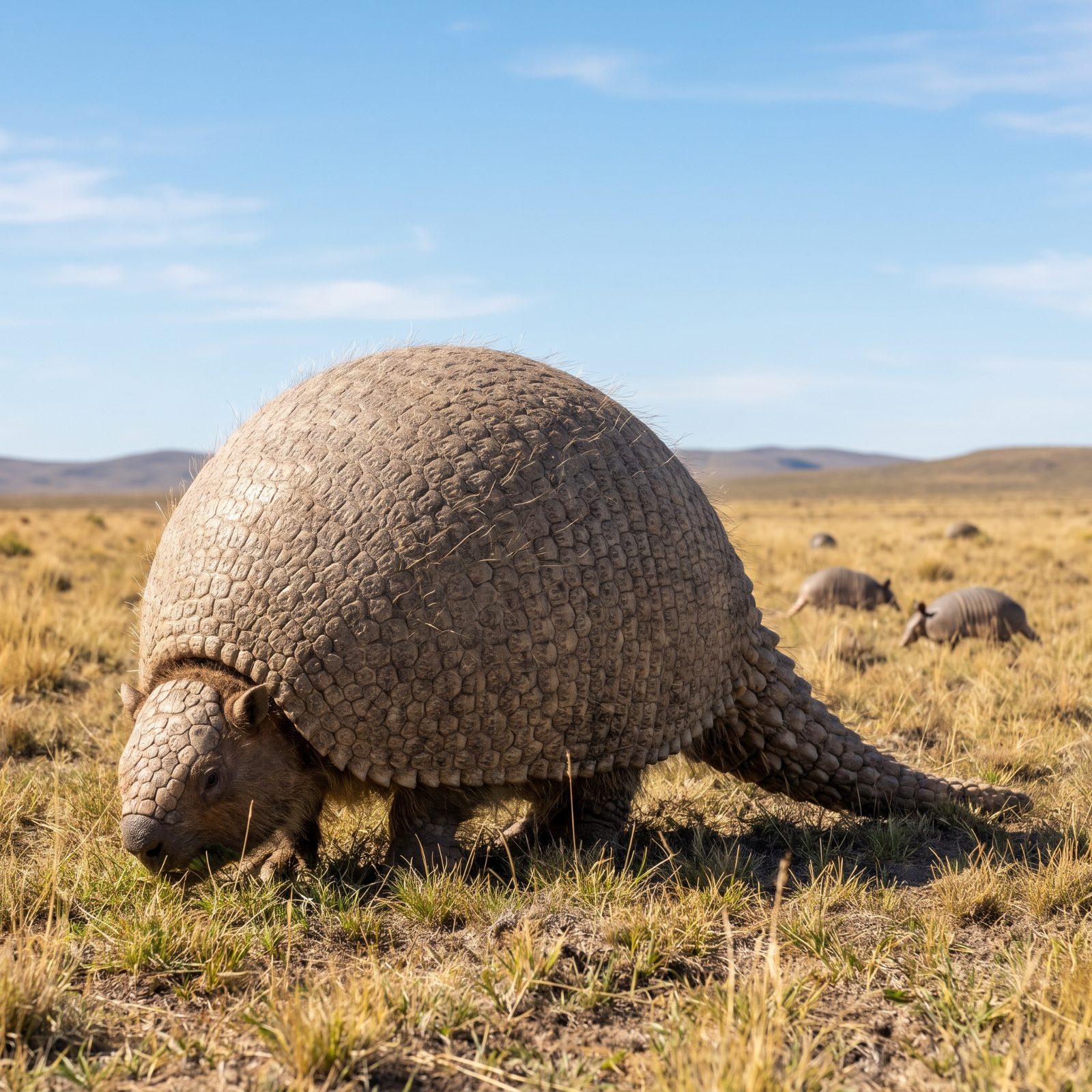
Picture an armadillo the size of a Volkswagen Beetle, shell and all. That was Glyptodon, and it wandered the grasslands of South America in real numbers until around 10,000 years ago.
The armor that protected it from everything was no match for a changing world. As the last Ice Age wound down the climate swung, the grasslands shifted, and the first humans reached the continent carrying spear tech. There’s solid evidence people hunted Glyptodon, and a few may even have sheltered under the empty shells once the animal inside was gone.
A grazer that solved every problem evolution threw at it got undone by two it never saw coming: a warming planet and a new predator that thought ahead.
9. Diprotodon: Australia’s Rhino-Sized Marsupial That Browsed Across a Whole Continent
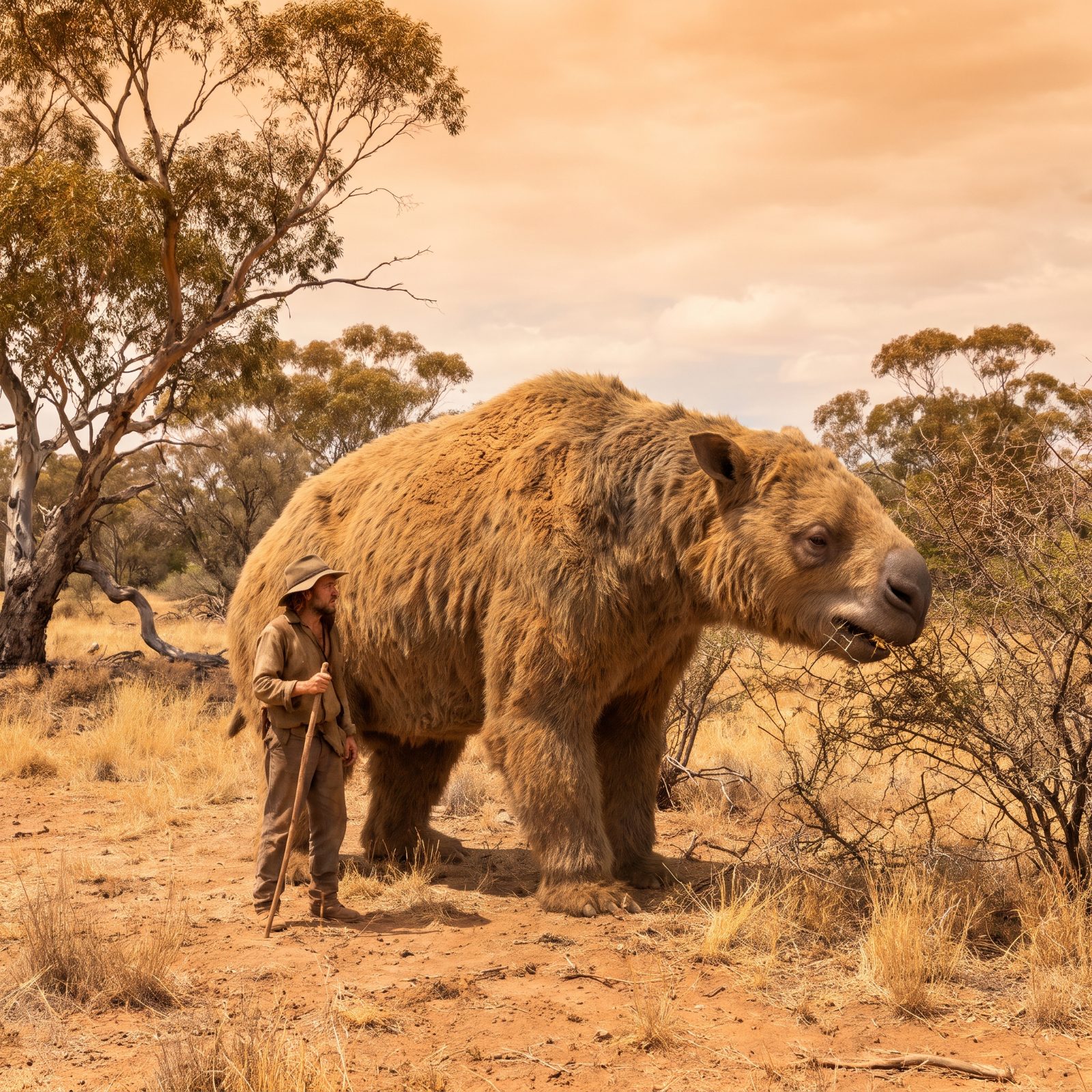
This was the heavyweight champion of marsupials. Diprotodon stood about as tall as a person at the shoulder, weighed close to three tons, and ranged across most of Australia for an enormous stretch of time.
Then, around 45,000 years ago, it vanished. The timing is the whole argument, because it lines up closely with the arrival of the first people on the continent, the Aboriginal Australians, tens of thousands of years before any European settler. Hunting, fire-stick land management that reshaped the vegetation, a drying climate — all of it lands in the same window.
Scientists still argue over which factor did the heavy lifting. What they agree on is simpler: an animal this big and this slow to breed had almost no margin once something started pulling it down.
8. Genyornis: A Flightless Giant Undone by Humans Eating Its Eggs
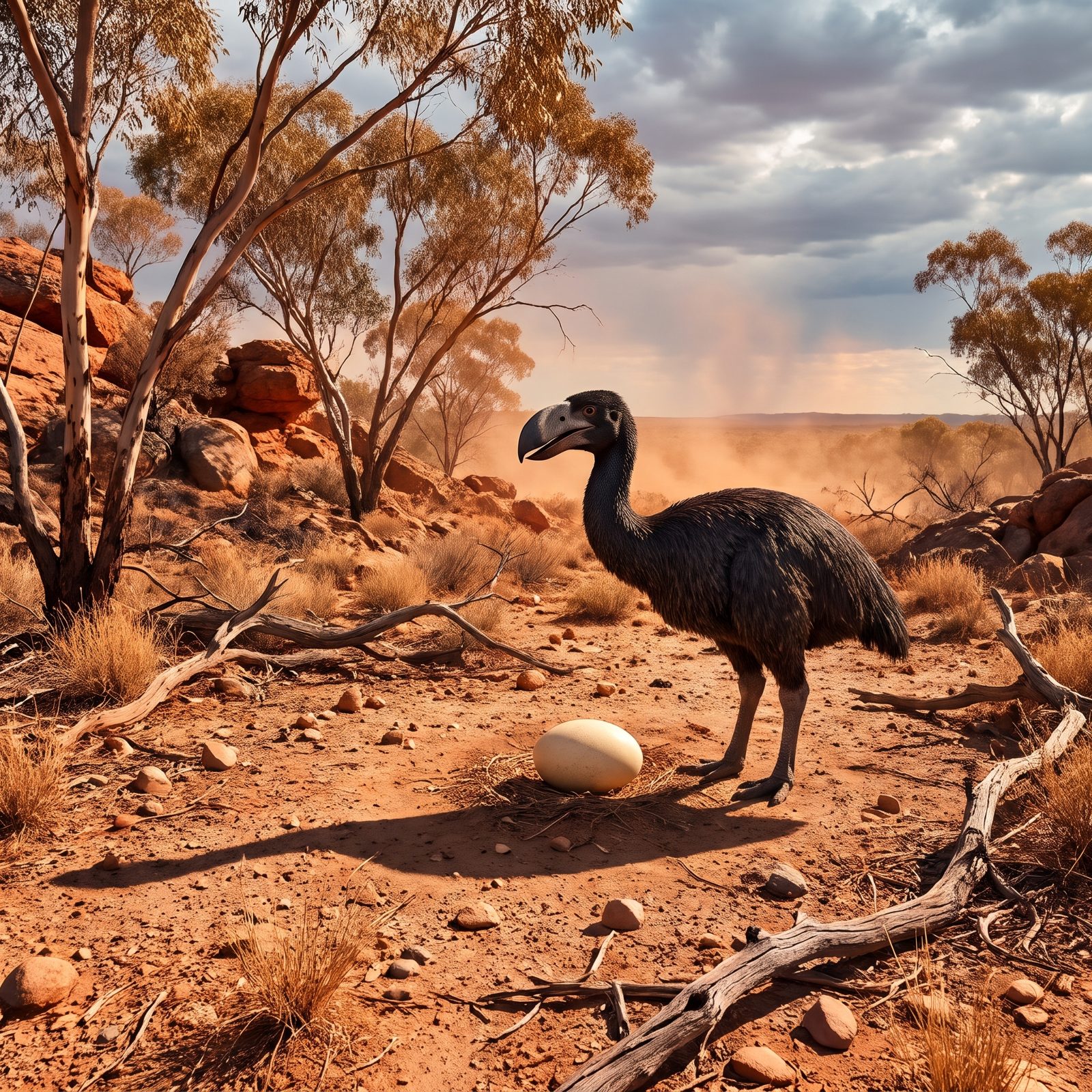
Genyornis was a seven-foot flightless bird with a beak like a hatchet. It should have been untouchable. Its weakness sat in the nest.
Burned fragments of Genyornis eggshell turn up at ancient campfire sites across Australia, scorched in a pattern that points to people cooking them. An animal that laid a handful of eggs a year cannot afford to have them taken at scale, and that’s where the arithmetic turns against a giant.
Add a drying climate that shrank its water and feeding grounds, and things went grim fast. You don’t need to kill the adults to end a species. Keep eating the next generation before it hatches, and the job finishes itself.
7. Chinese Paddlefish: A 23-Foot River Giant That the Yangtze’s Dams Finally Starved Out
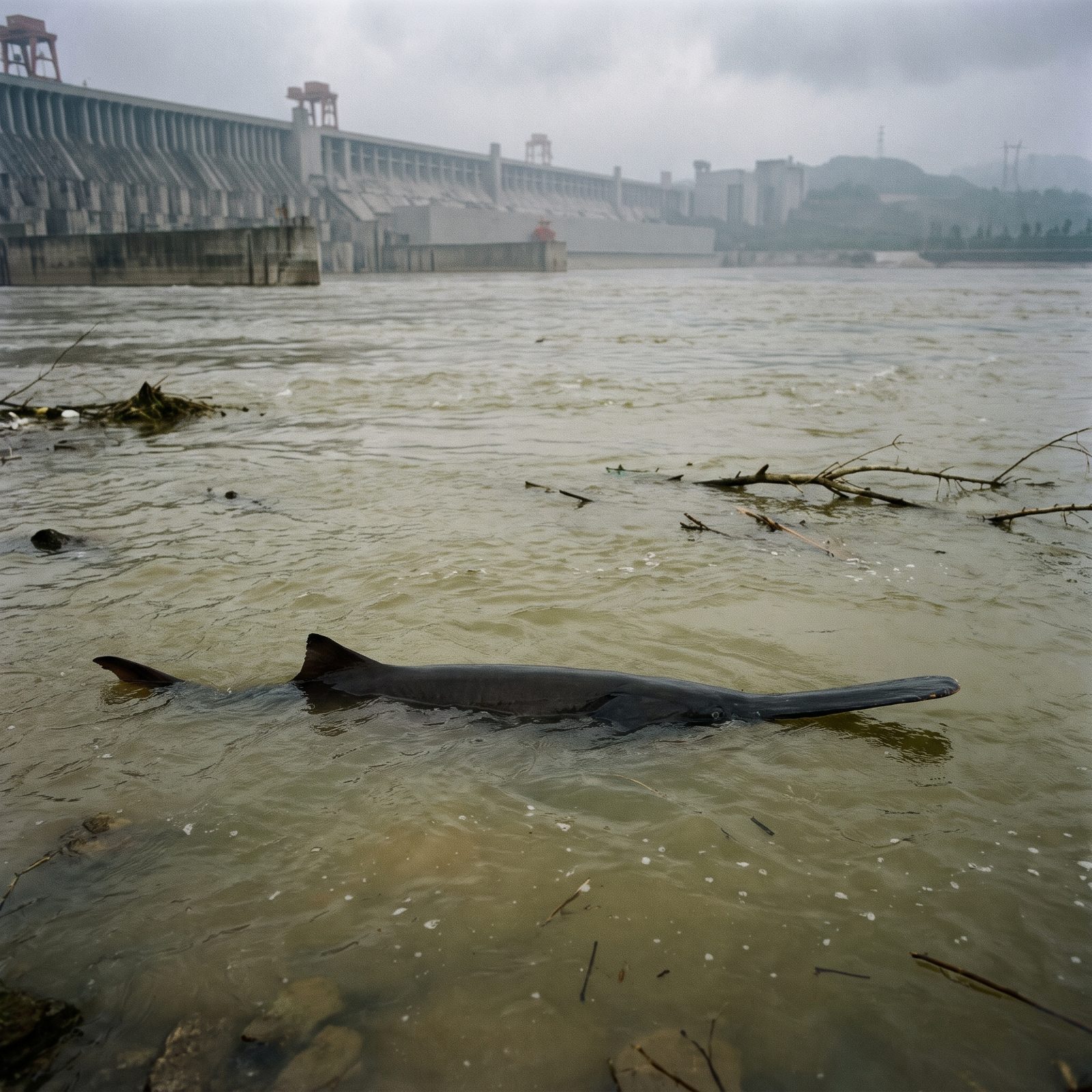
Twenty-three feet of fish with a snout shaped like a canoe paddle. The Chinese paddlefish ranked among the largest freshwater fish on Earth, and the Yangtze was its entire world.
Then that world got cut into pieces. The Gezhouba Dam, completed in the early 1980s, blocked the paddlefish from the upstream spawning grounds it needed, overfishing thinned the adults, and a fish that migrated hundreds of miles to breed suddenly had nowhere to go.
No confirmed sighting after 2003. Declared extinct in 2022. A giant that had navigated that river since the age of dinosaurs couldn’t get past a wall of concrete.
6. Blue Walleye: Lake Erie’s Signature Catch Fished and Polluted Into Nothing
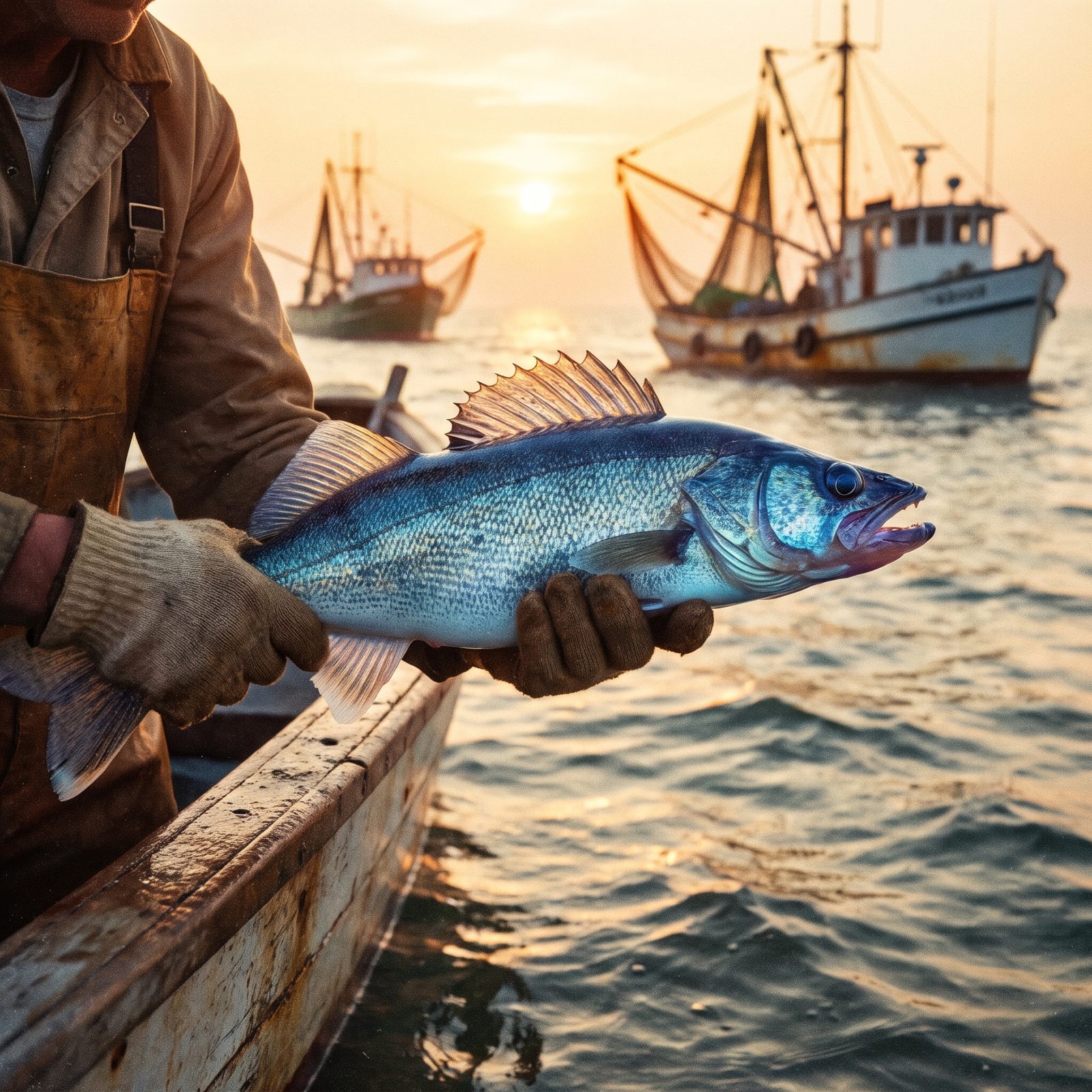
Once, the blue walleye fed a commercial fishery pulling in millions of pounds a year. It was a staple catch, a known quantity, the fish that paid the bills around Lake Erie.
But common is not the same as safe. Relentless commercial netting, worsening pollution, and sweeping changes to the lake’s ecosystem crushed the population through the mid-twentieth century. By the 1980s it was gone.
Here’s the part that lands hardest: it was so ordinary nobody thought a fish you could buy by the barrel needed protecting. That assumption is exactly how you lose one.
5. Thicktail Chub: California’s Most Common Fish Erased by Rerouted Rivers
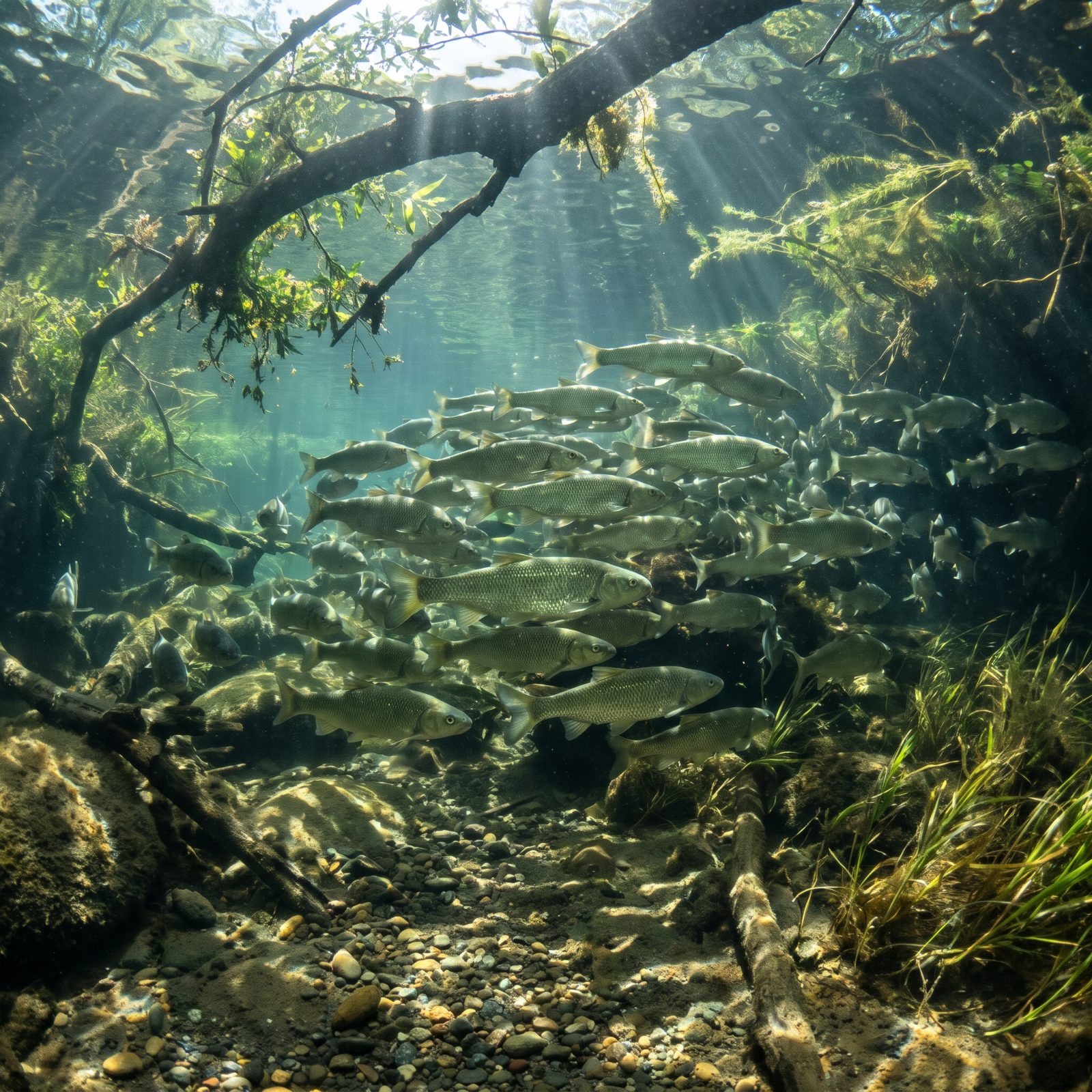
The thicktail chub may have been the single most abundant fish in California’s Central Valley. Native people harvested it in huge numbers, and its bones still show up by the thousands in ancient middens.
Then the valley’s water got re-plumbed. Dams, canals, drained wetlands, and diverted rivers dismantled the slow marshy habitat the chub depended on. Introduced species moved into what was left.
Last seen in 1957. A fish that fed people for thousands of years disappeared inside a single human lifetime, undone not by a hunter but by an irrigation map.
4. Gravenche: Lake Geneva’s Everyday Fish Overfished Off the Dinner Table

The gravenche was a whitefish that spawned deep in Lake Geneva in the dead of winter. For generations it anchored local tables, a reliable catch pulled from the cold Alpine water.
Reliable right up until it wasn’t. Heavy fishing targeted the spawners exactly when they gathered to breed, while nutrient pollution and shifts in the lake’s chemistry hammered the deep-water grounds they needed.
By the 1950s the gravenche was gone. An everyday catch — nothing exotic, nothing rare — fished steadily until there was simply none of it left to pull up.
3. New Zealand Grayling: Vast Spawning Runs Wiped Out by Trout and Dams
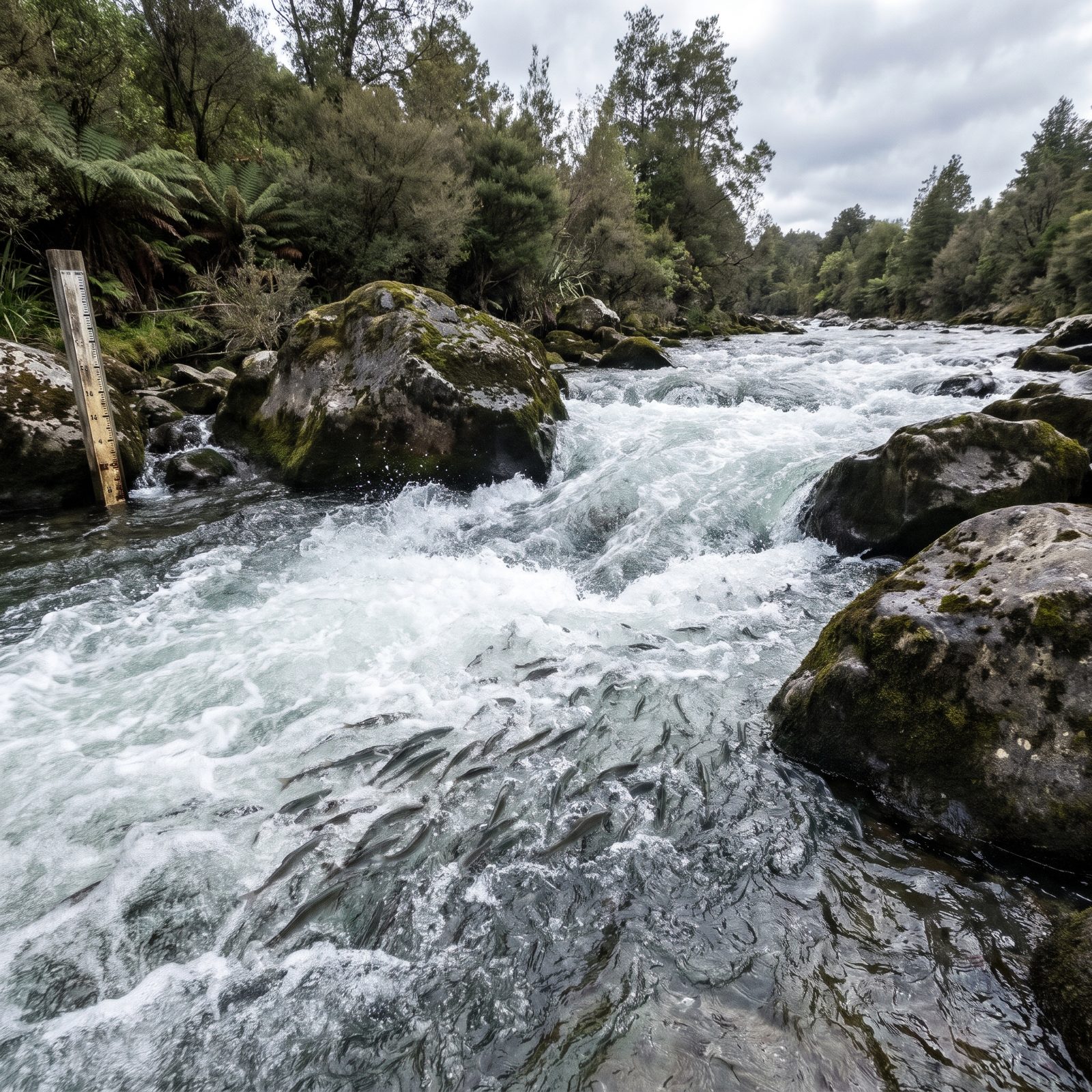
Settlers described the New Zealand grayling moving upriver in runs so dense you could scoop them out by the bucketful. It was one of the country’s most familiar freshwater fish.
Everything that could go wrong did. Introduced trout ate the young and competed for food. Dams blocked the migration routes the grayling needed to breed. Forest clearance choked the clear streams with silt. Each pressure alone was bad; stacked together, they were fatal.
The last confirmed grayling turned up around 1923. A fish you could once catch by the armload became New Zealand’s only freshwater fish to go fully extinct.
2. Christmas Island Forest Skink: A Common Lizard Reduced to a Single Survivor
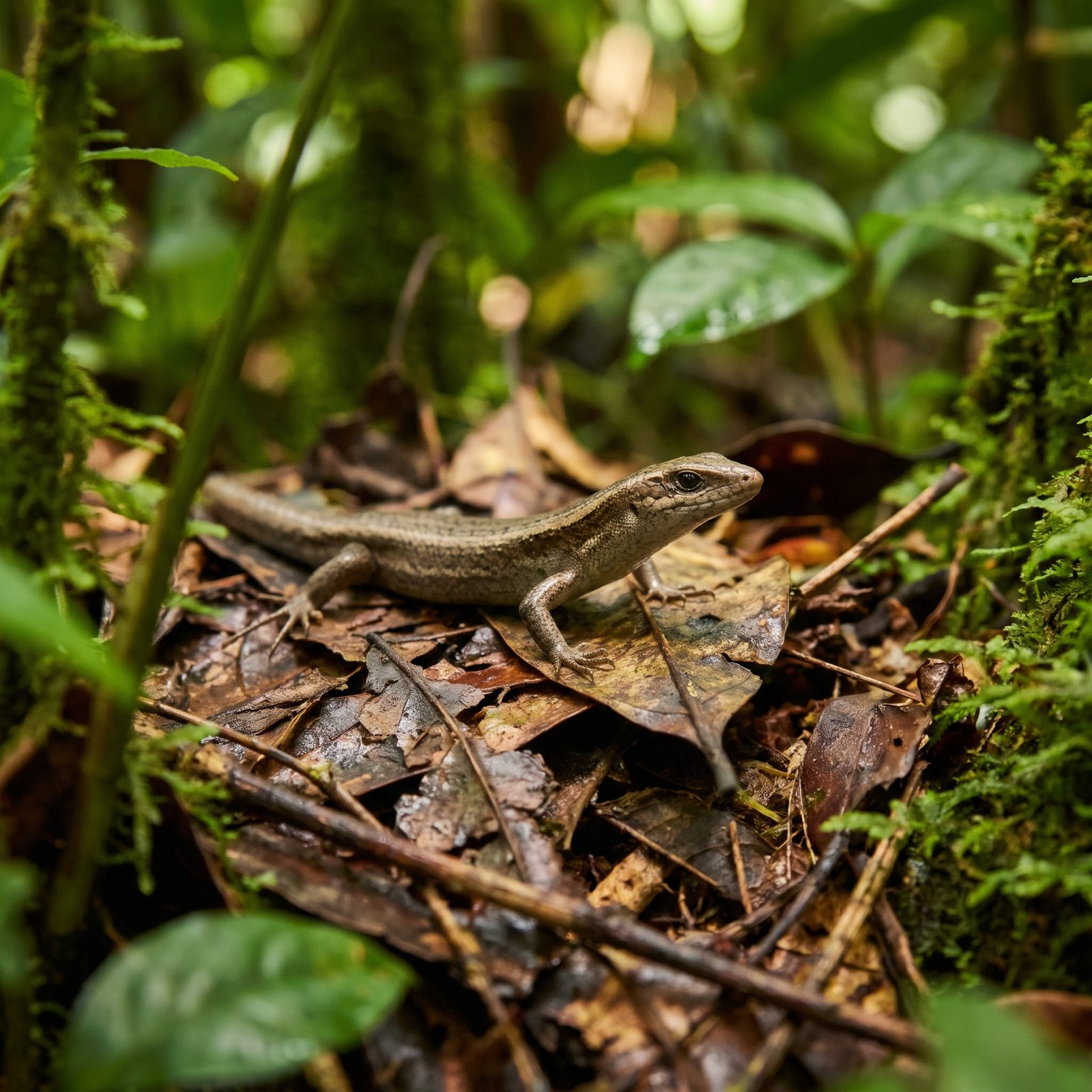
In the 1970s, the Christmas Island forest skink was everywhere, sunning on the forest floor across the whole island. Nobody counted them because nobody imagined they’d need to.
Within two decades they crashed. The likely culprits are invasive predators — the wolf snake and possibly the yellow crazy ant, both introduced to the island, both deadly to a small ground lizard with no defenses against them.
The decline ran so fast that by the time anyone acted, almost nothing was left. The last known individual, a female kept in care and named Gump, died in 2014. The species was declared extinct in 2017.
From common across an entire island to one lizard in a tank. That’s how quickly an invasive predator can run through a population that never evolved to fear it.
1. Xerces Blue Butterfly: San Francisco’s Dune Jewel Paved Over by a Growing City
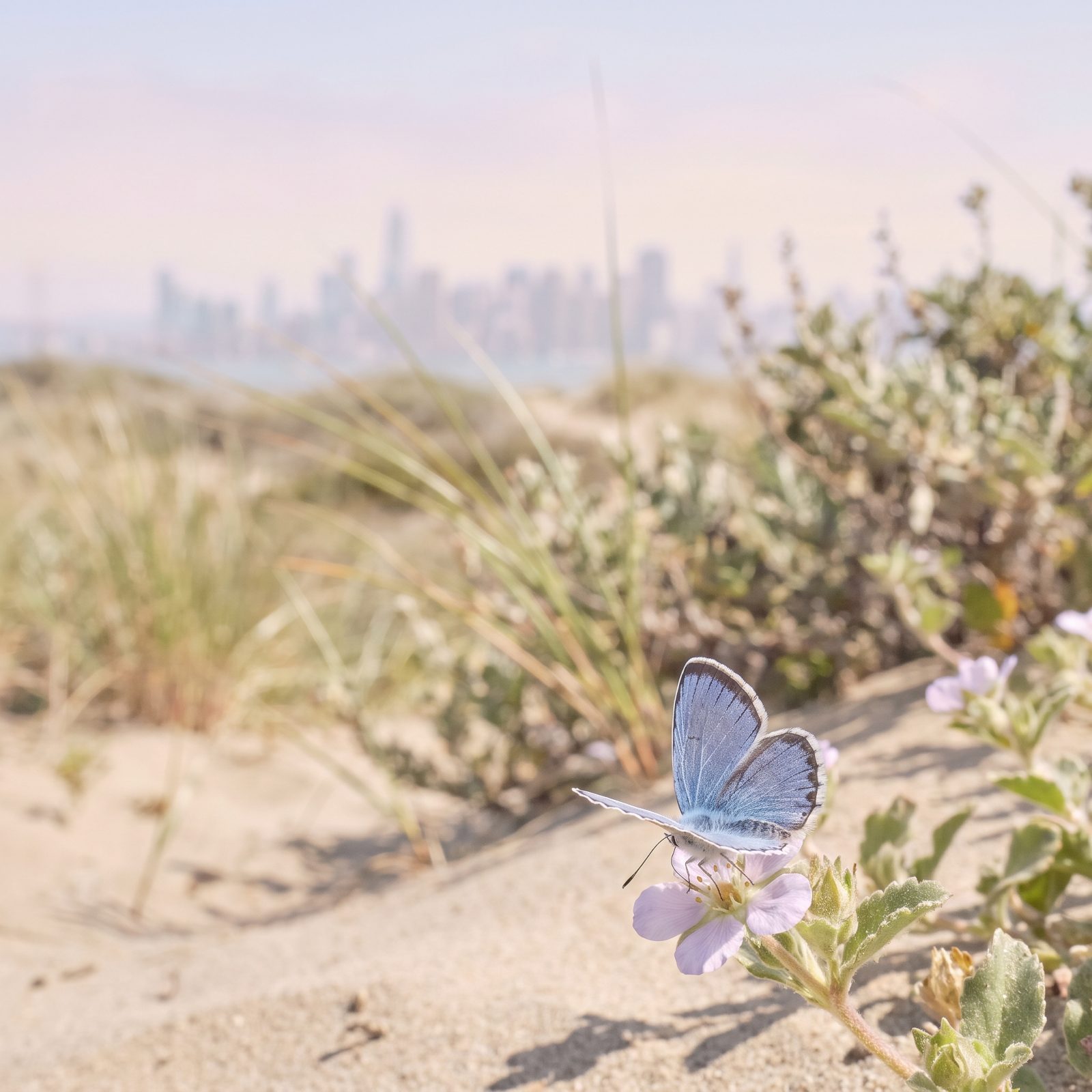
A butterfly the color of a hazy summer sky, barely an inch across, that lived in one place on Earth: the coastal sand dunes of San Francisco.
That turned out to be the worst possible address. As the city grew through the early twentieth century it paved over the dunes, cleared the native lupines the caterpillars fed on, and fragmented what little remained. The Xerces blue had nowhere else to go because there was nowhere else it had ever been.
The last one was seen in the early 1940s, making it the first American butterfly driven extinct by urban development. Scientists have since confirmed from museum specimens that it was a full, distinct species, not just a local variety.
A species named Xerces now lends its name to the world’s largest invertebrate conservation group. The butterfly is gone. The warning it carries is not.
After her team analyzed DNA from a 93-year-old museum specimen, an entomologist studying its DNA says “We sort of lost a piece of the biodiversity puzzle that made up the tapestry of the San Francisco Bay area when this species was driven to extinction”