
A ranger once found a car parked on a meadow of blooming shooting stars in Yosemite, the owner certain the flowers would bounce back. They didn’t. That meadow was decades in the making. Most park rules aren’t posted at the gate — they live in the gap between what you assumed and what the place actually demands, and that gap has a way of embarrassing good people who meant no harm. The visitor who missed the timed-entry window. The hiker who turned around too late. Nobody warns you about these things until you’ve already done them, and they’re worth knowing before you go.
Please note that some of the images in this article were created with the assistance of AI.
37. A Reservation Gets You In. It Doesn’t Save You a Parking Spot
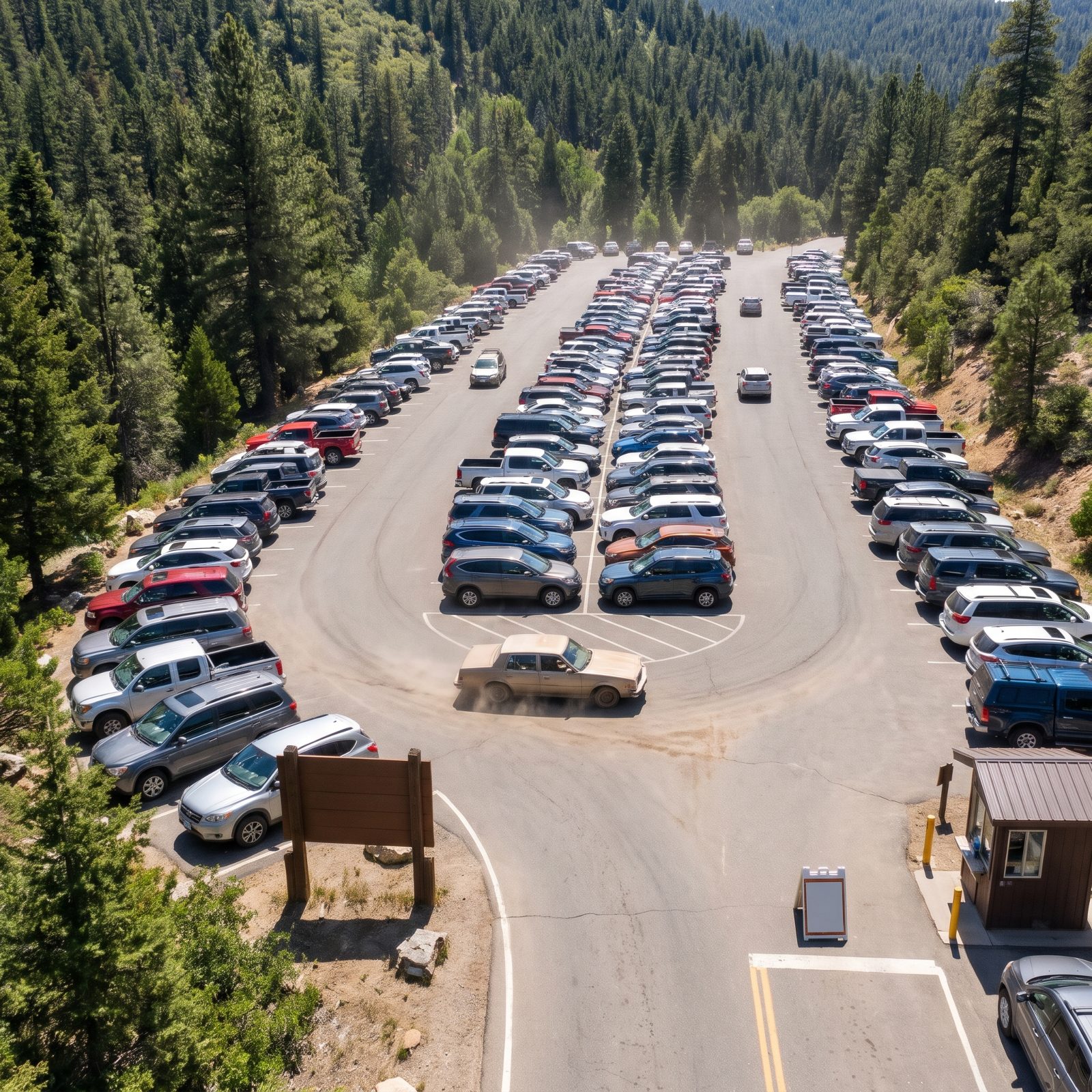
The timed-entry window tells you when you may enter. It promises nothing about where you’ll put the car once you’re in.
At popular trailheads, the lot fills by 7 or 8 a.m. in summer, so a midday reservation plus a famous destination means circling the same loop for forty minutes while your kids melt in the backseat.
36. Download the Map Before the Bars Vanish
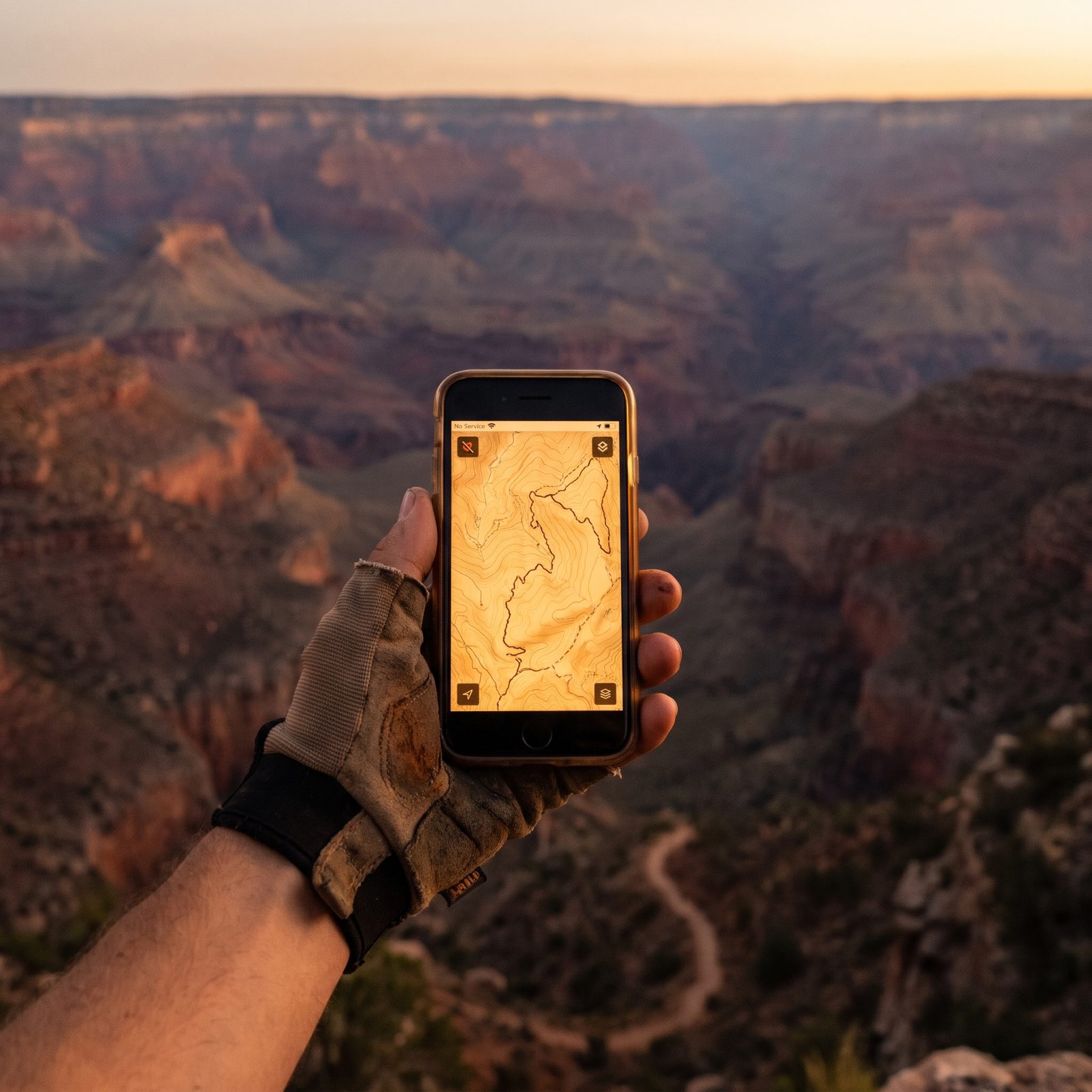
Cell coverage inside most national parks is a rumor. The moment you drop below a ridge or into a canyon, your maps app becomes a blank grey square and a spinning wheel.
Download the offline area in Google Maps or a dedicated app like Gaia or AllTrails while you still have service, ideally the night before over hotel wifi. Then grab the free paper map at the entrance too. Batteries die. Phones take a swim in creeks. I’ve done both, and the paper one never once asked me to log in.
Speaking from 37 years in the park service, a former park ranger says “GPS will commonly not work in remote areas like national parks. Carry maps and know how to read them”
35. The Afternoon That Felt Tropical Can Freeze You by Dusk
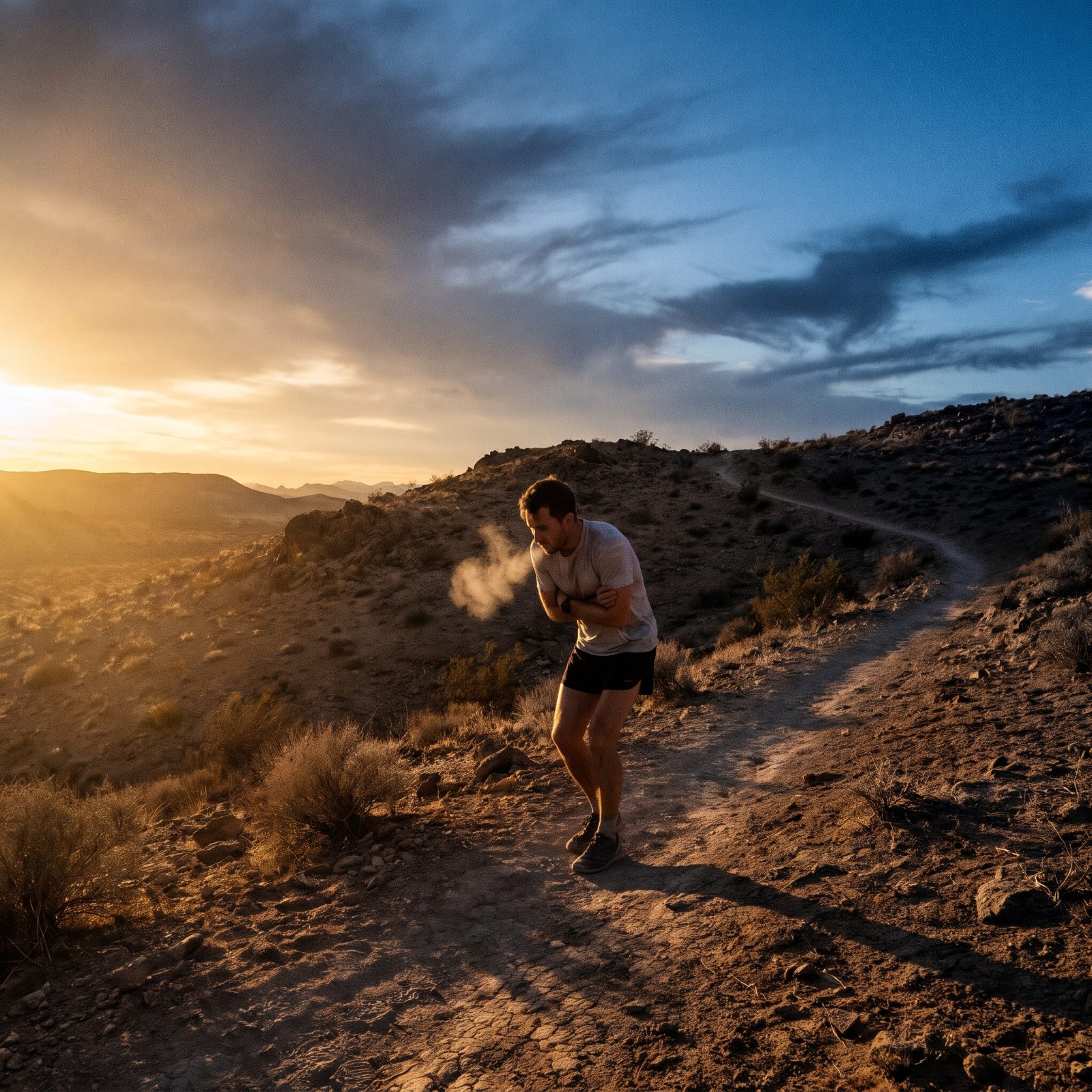
Desert and mountain parks don’t do gentle. A 90-degree afternoon at the Grand Canyon can swing 30 or 40 degrees once the sun drops behind the rim, and hikers who started in a t-shirt get caught shivering on the climb out.
Pack a layer you didn’t think you’d need. A light fleece and a windbreaker weigh almost nothing and turn a miserable descent into a comfortable one. Thin dry air holds no heat once the sun quits — and it quits fast in canyon country.
34. Altitude Will Humble You Before You Even Feel It
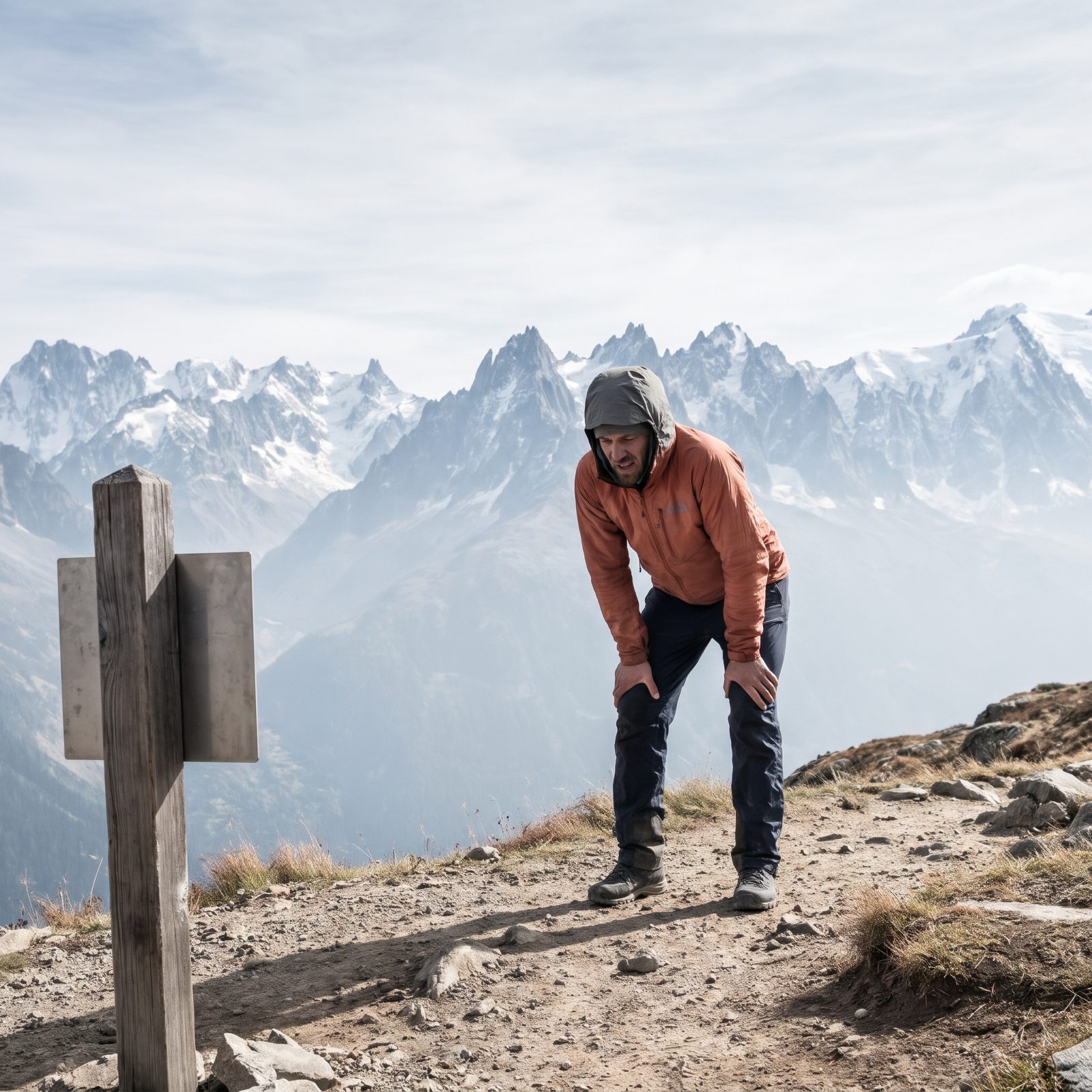
You can be a marathon runner at sea level and get flattened by a flat trail at 10,000 feet. Altitude doesn’t care about your fitness.
Above roughly 8,000 feet, the headache, nausea and bone-deep fatigue of mild altitude sickness can hit within hours. The fix is boring and it works: arrive a day early, go easy, drink far more water than feels necessary, skip the alcohol the first night.
If symptoms get worse instead of better, the only real cure is going down. No summit is worth ignoring that.
33. The ‘Short’ Trail That Sends People Home Dehydrated
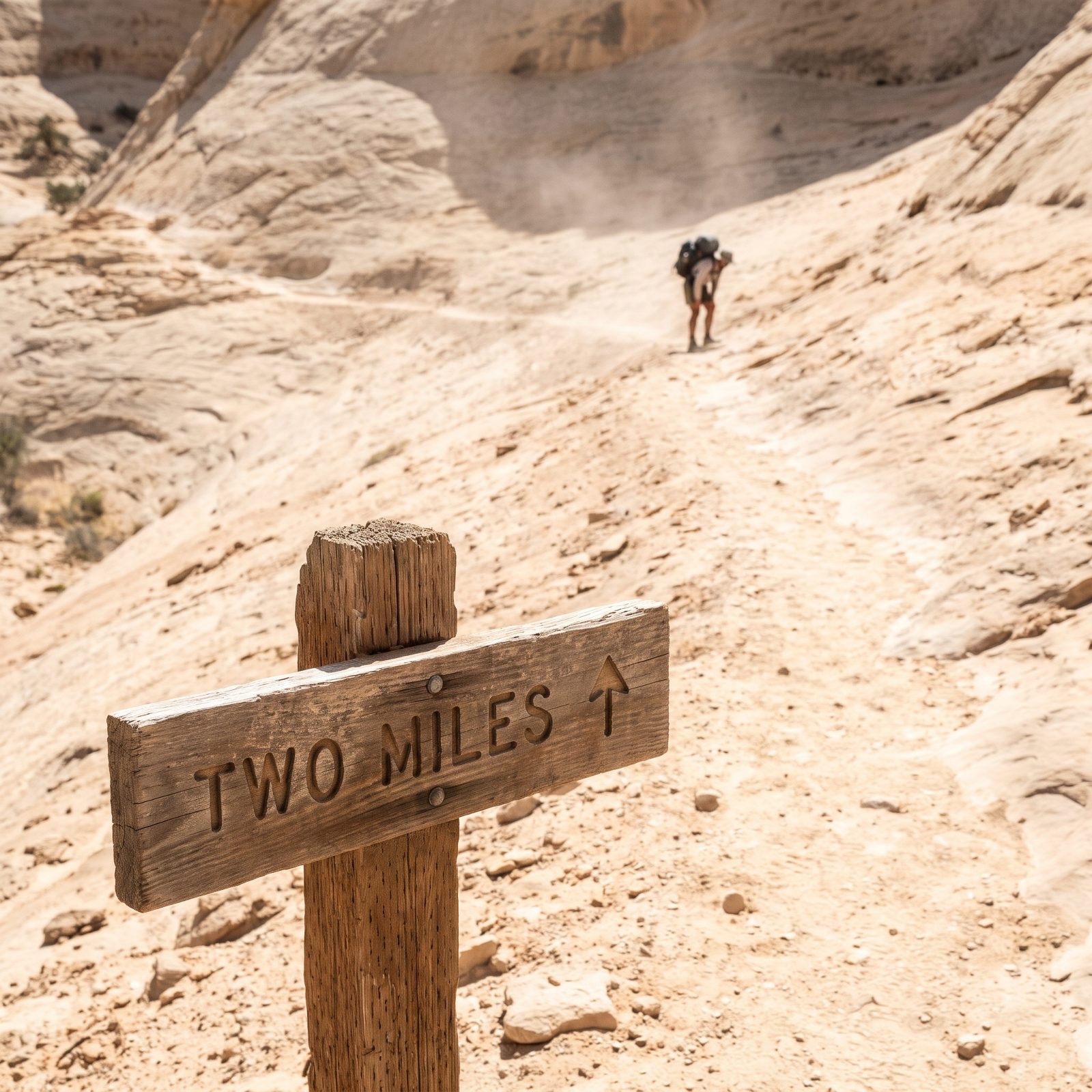
Two miles sounds like nothing. Then it’s two miles of full sun, loose sand and a 1,000-foot climb at the end, and suddenly that single water bottle is a cruel joke.
Distance tells you almost nothing about difficulty in a national park. Exposure, grade and heat do. The rule of thumb that saves people: at least half a liter per hour in hot conditions, more if you’re climbing. Carry what you think you need, then add some.
Search-and-rescue calls in desert parks spike for exactly this — the easy little walk that wasn’t.
32. Pick Your Turnaround Time Before You Take the First Step
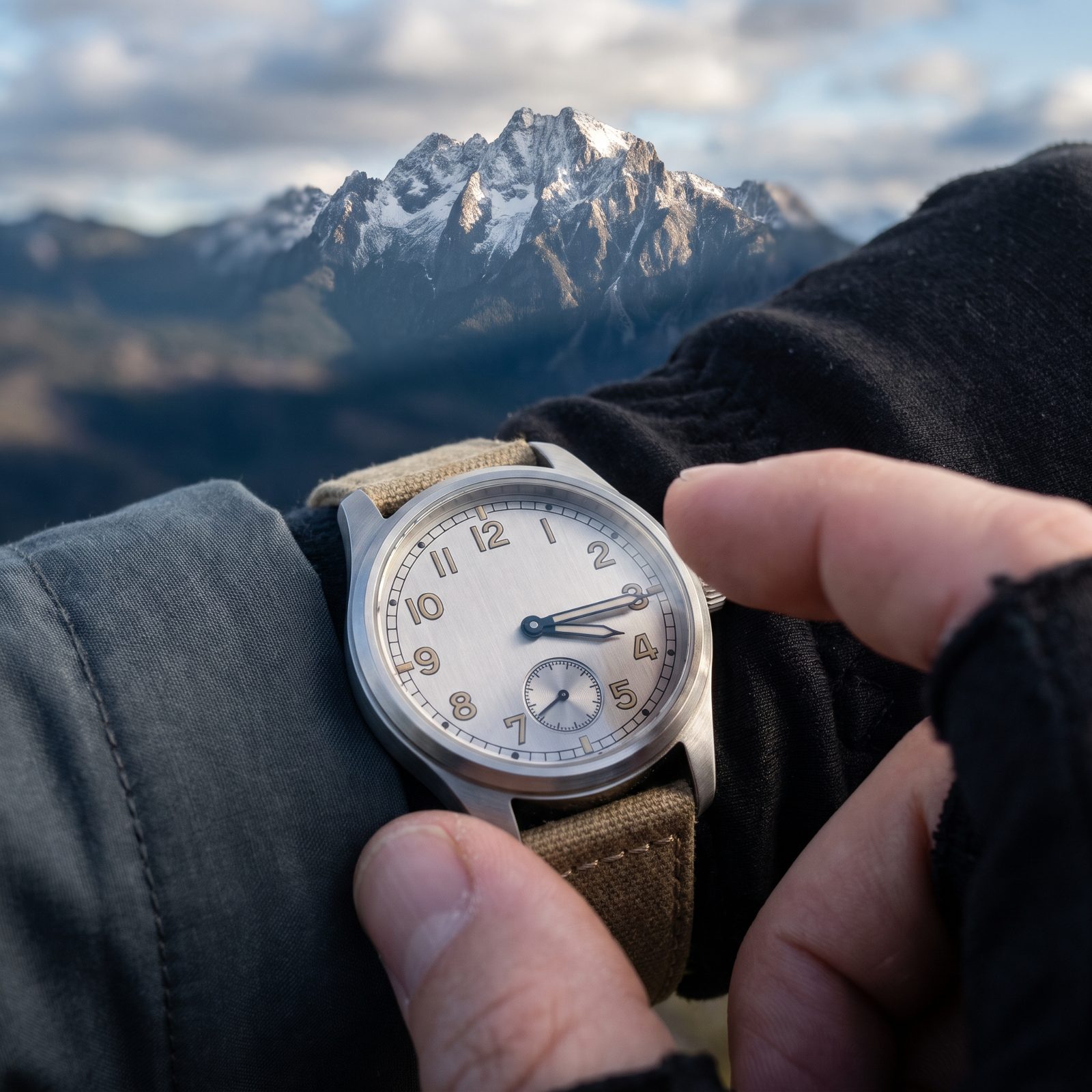
Most trouble in the backcountry isn’t a dramatic fall. It’s good people pushing for the summit an hour too long and walking out in the dark.
Decide before you start: at what time do you turn around, no matter how close the top looks? Then honor it. The mountain will still be there next year.
The summit is optional. Getting back to the car is not.
I’ve turned around three switchbacks from a peak because the clock said so, and I was grumpy the whole hike down. I was also home before the storm hit the ridge I’d just left.
31. That Closed Sign Isn’t a Dare
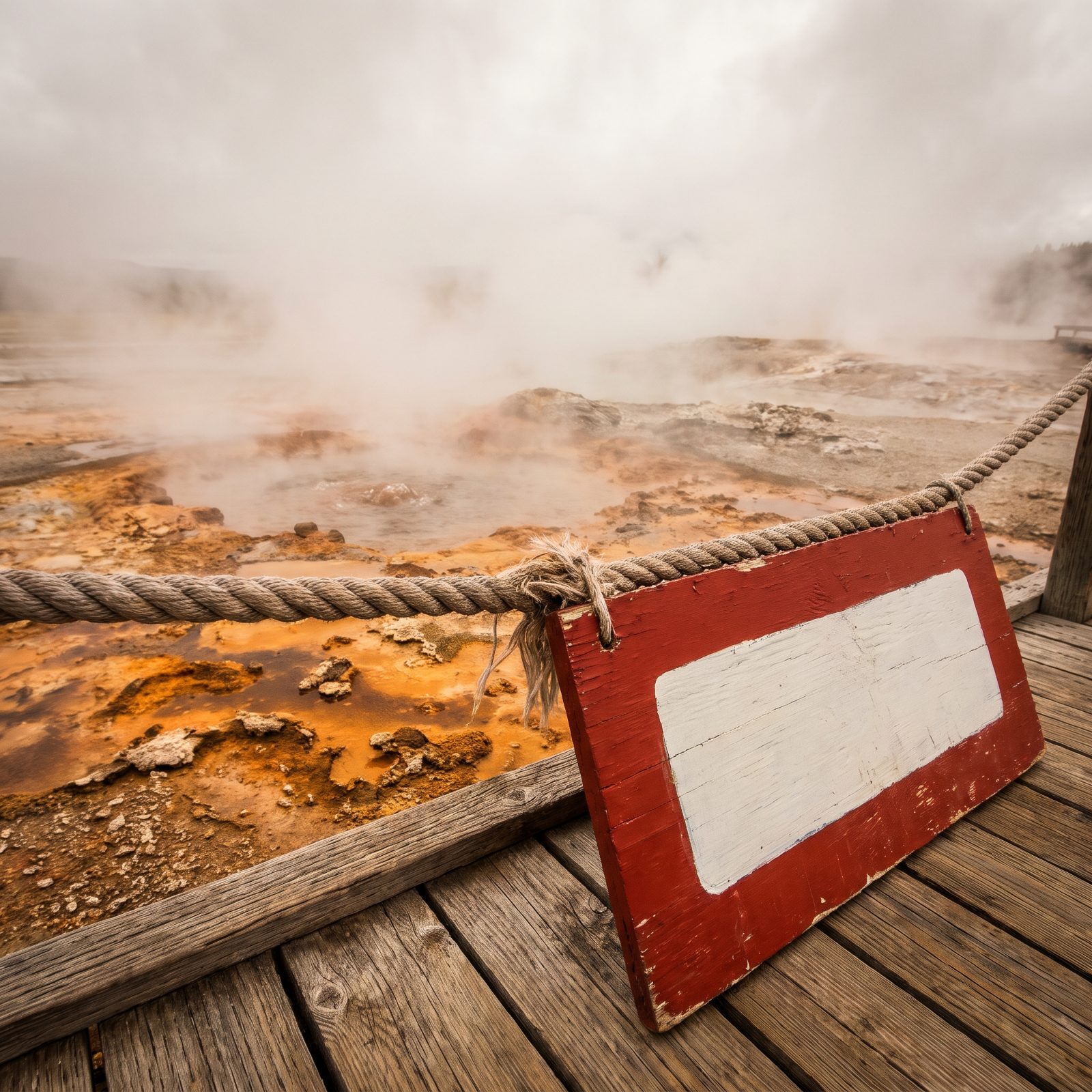
Closures in parks aren’t bureaucratic fussiness. A roped-off boardwalk at Yellowstone means the thermal crust ahead is thin enough to break through into water hot enough to kill, and it has killed.
A closed trail might sit above an active rockfall zone or cross nesting habitat during a critical few weeks. The reasons aren’t always posted, and they don’t have to be.
Fines are real. So is the damage. Stay on the open side.
Explaining why visitors shouldn’t stray onto closed ground, one former park ranger notes “Several areas of these trails were often closed to protect rare or sensitive plant species or to help mitigate land issues, including erosion.”
30. The Pretty Roadside Shoulder Is Crushing Something
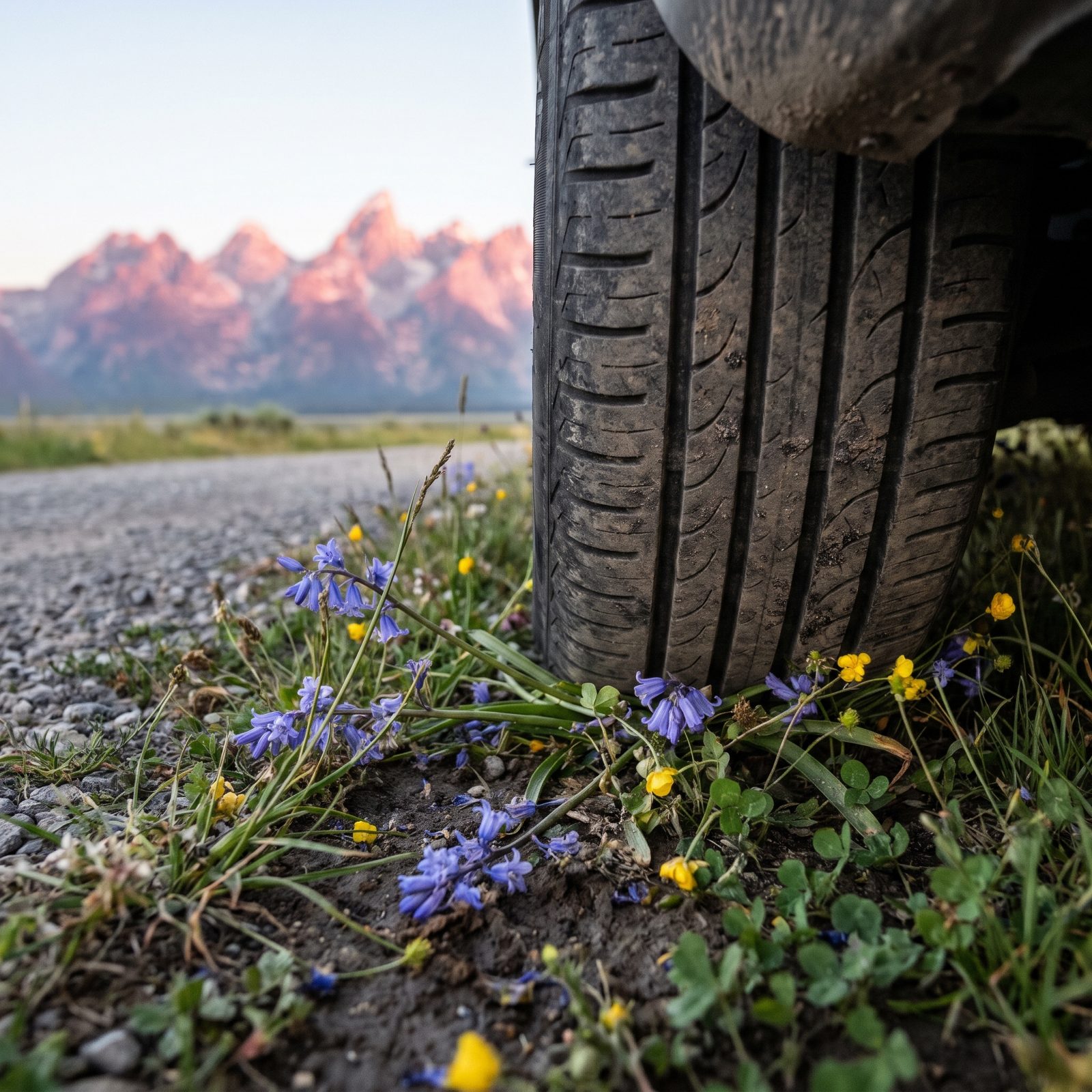
You round a bend, the peaks light up, and there’s a grassy patch right there begging you to pull over. Don’t.
What looks like a convenient shoulder is often fragile meadow, revegetation in progress, or the roots of trees the park is trying to keep alive. Alpine plants grow back on a timescale measured in decades, not seasons, and tire tracks in a Teton wildflower meadow can scar it for years.
Use the marked pullouts, even if it means driving another quarter mile and walking back. And if there’s no legal spot? That’s the park telling you this view is best admired through the windshield. Take the hint and go find the next one.
29. A Bear by the Roadside Is No Excuse to Block Traffic
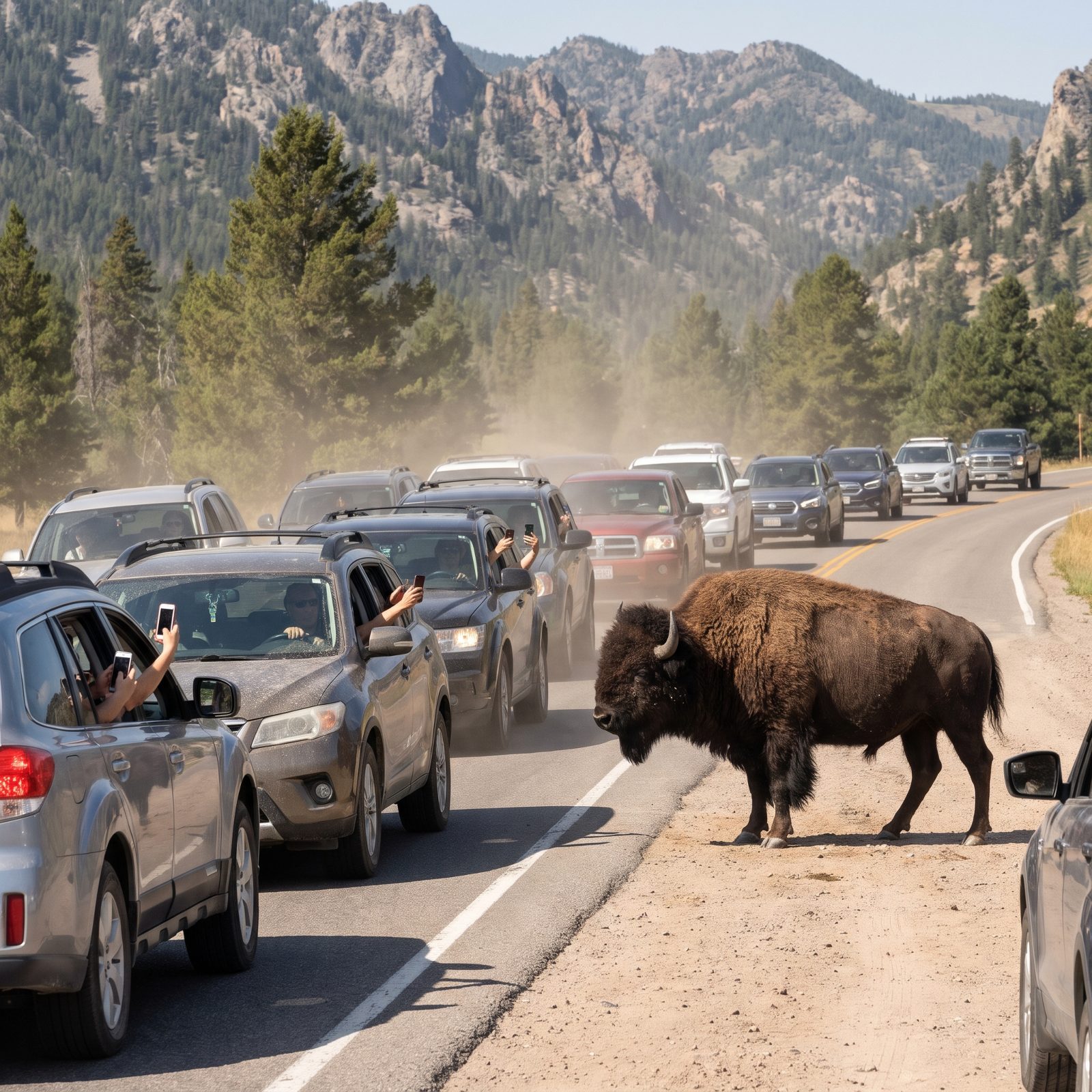
You round a bend and there it is: an elk, a bear, a bison the size of a pickup. The instinct is to stop right there, and everyone obeys it. That’s how a “bear jam” forms — a stationary clot of cars that can stretch half a mile and block an ambulance trying to squeeze through.
Pull all four wheels off the pavement. Stay in your vehicle. The animal was fine before you arrived and will be fine after, and a photo is not worth gridlocking a road that emergency crews need open.
28. Walk Through the Mud, Not Around It
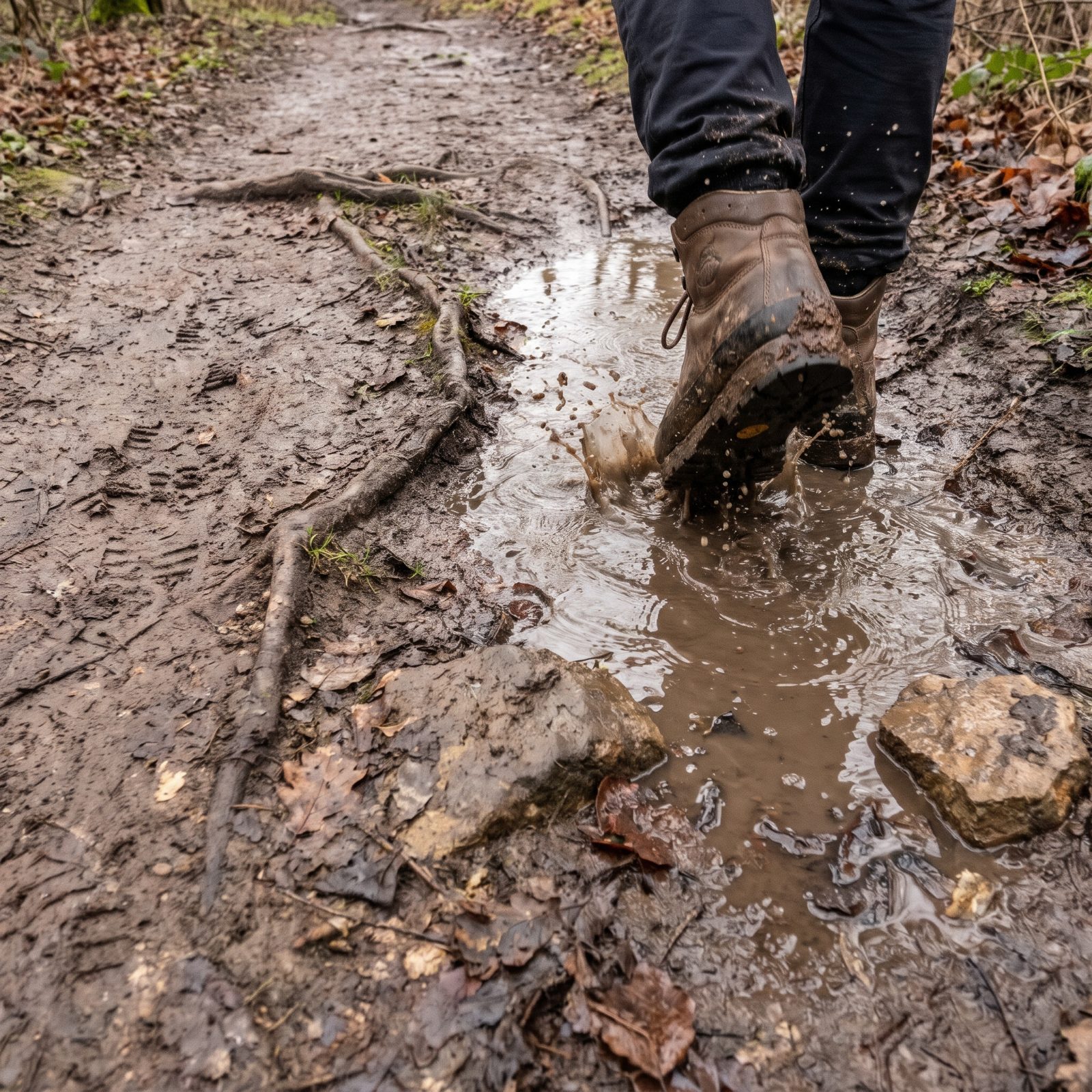
Mud feels like a reason to detour. It isn’t. Every time a hiker steps around a puddle onto the plants at the edge, the trail gets a little wider. Do it a thousand times — which a popular trail easily sees in a single summer — and a two-foot path swells into a six-foot scar of dead vegetation and exposed roots.
Waterproof boots and gaiters exist for this exact moment. Walk straight through the middle. Your socks might protest. The meadow won’t.
27. Never Cut Across a Switchback
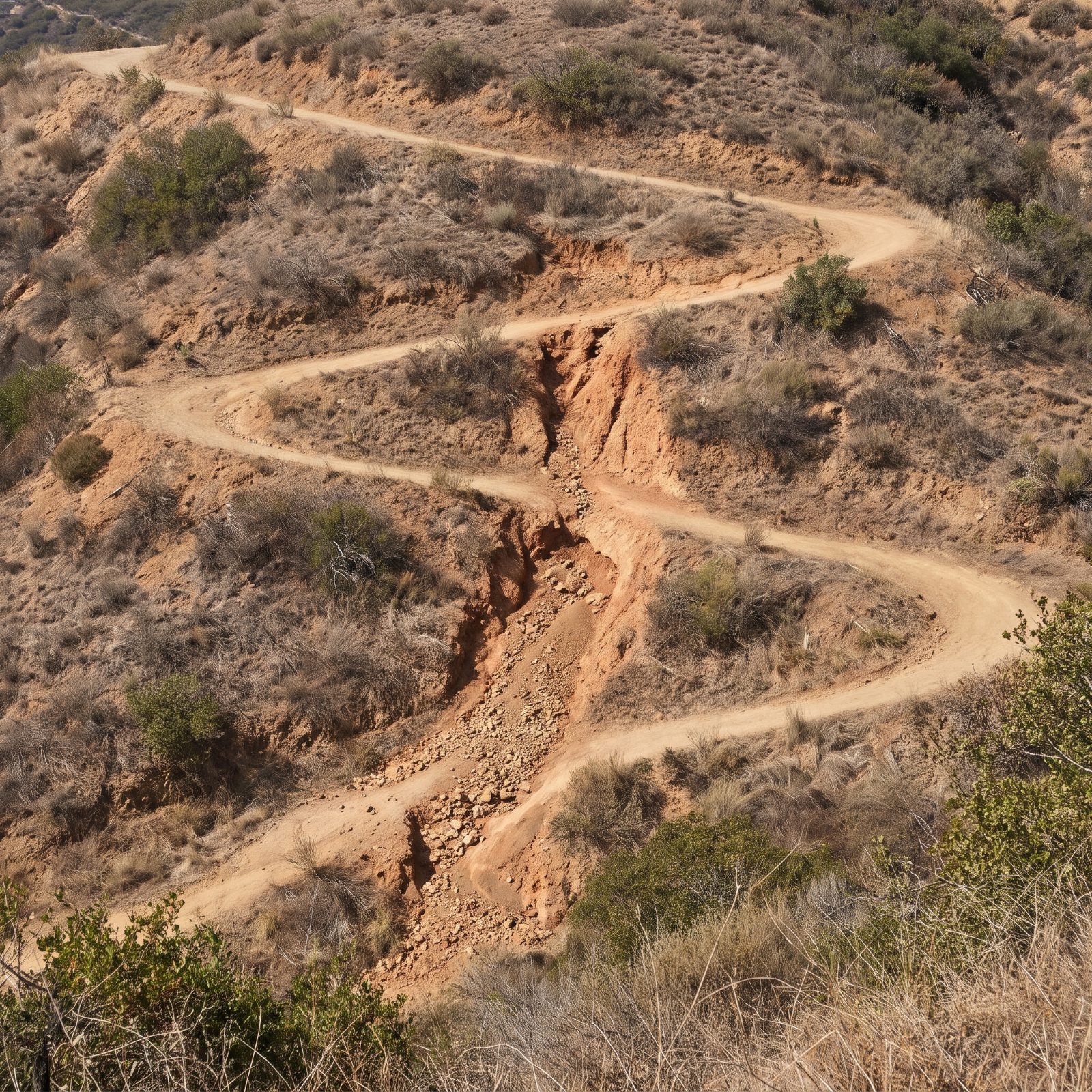
The shortcut straight down the hillside saves you maybe ninety seconds. It also carves a channel that funnels rainwater like a gutter, and that channel chews through the whole slope until the real trail starts washing out from under everyone.
Switchbacks aren’t the trail crew being fussy. They spread your descent across a grade gentle enough that the mountain stays put. I’ve watched a single season of cutting turn a tidy path into a braided mess that eats a volunteer weekend to repair.
26. Uphill Hikers Usually Get the Right of Way
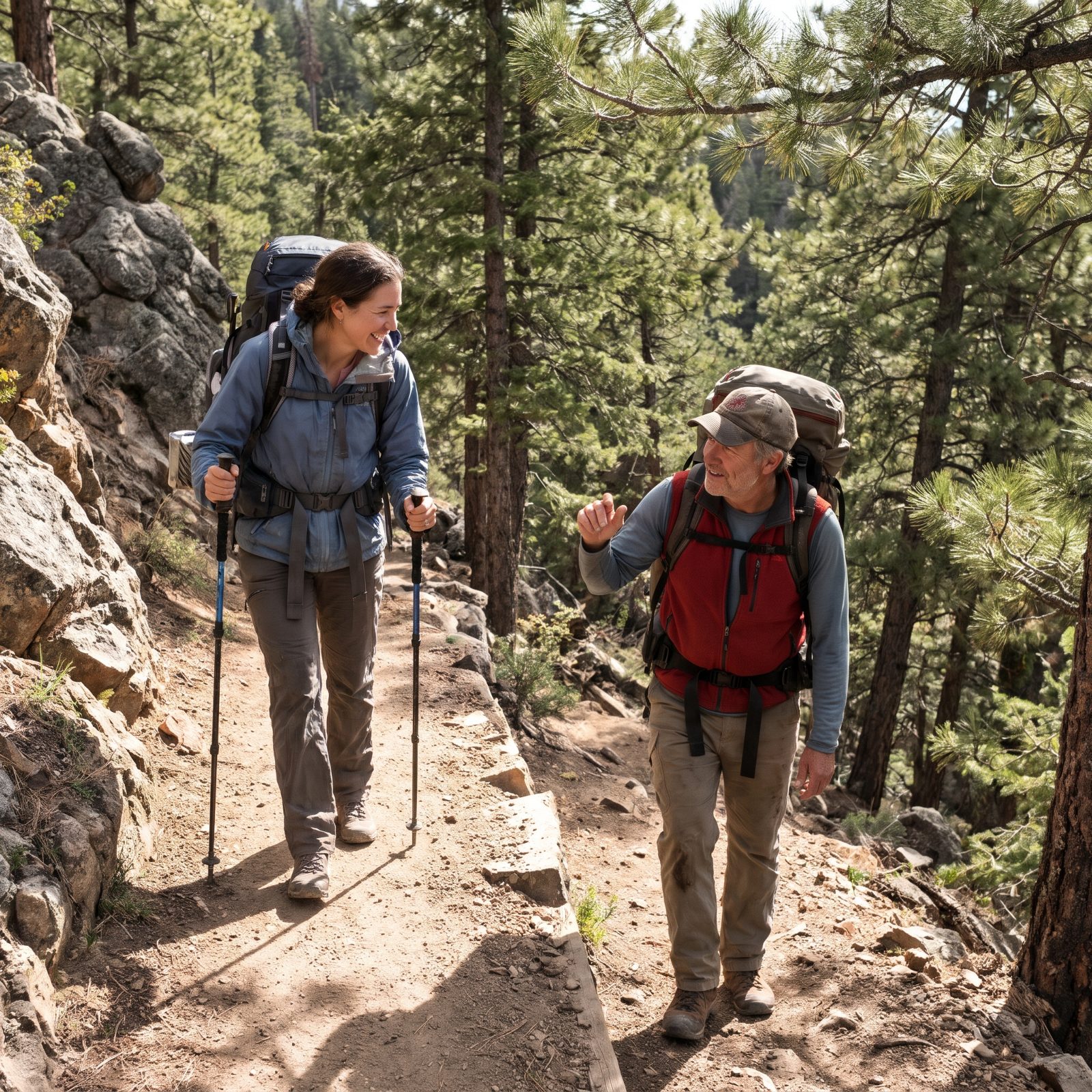
Climbing is harder than descending. The hiker grinding uphill has a rhythm, a heart rate, and a hard-won momentum they’d rather not break, so by convention they get the right of way. Heading down? You step aside and let them keep churning.
It’s not a hard rule. Sometimes the uphill hiker is gasping and thrilled to pause, and a quick “you go ahead” sorts it out. But default to yielding uphill and you’ll almost never read the moment wrong.
25. Everyone Yields to Horses and Pack Mules
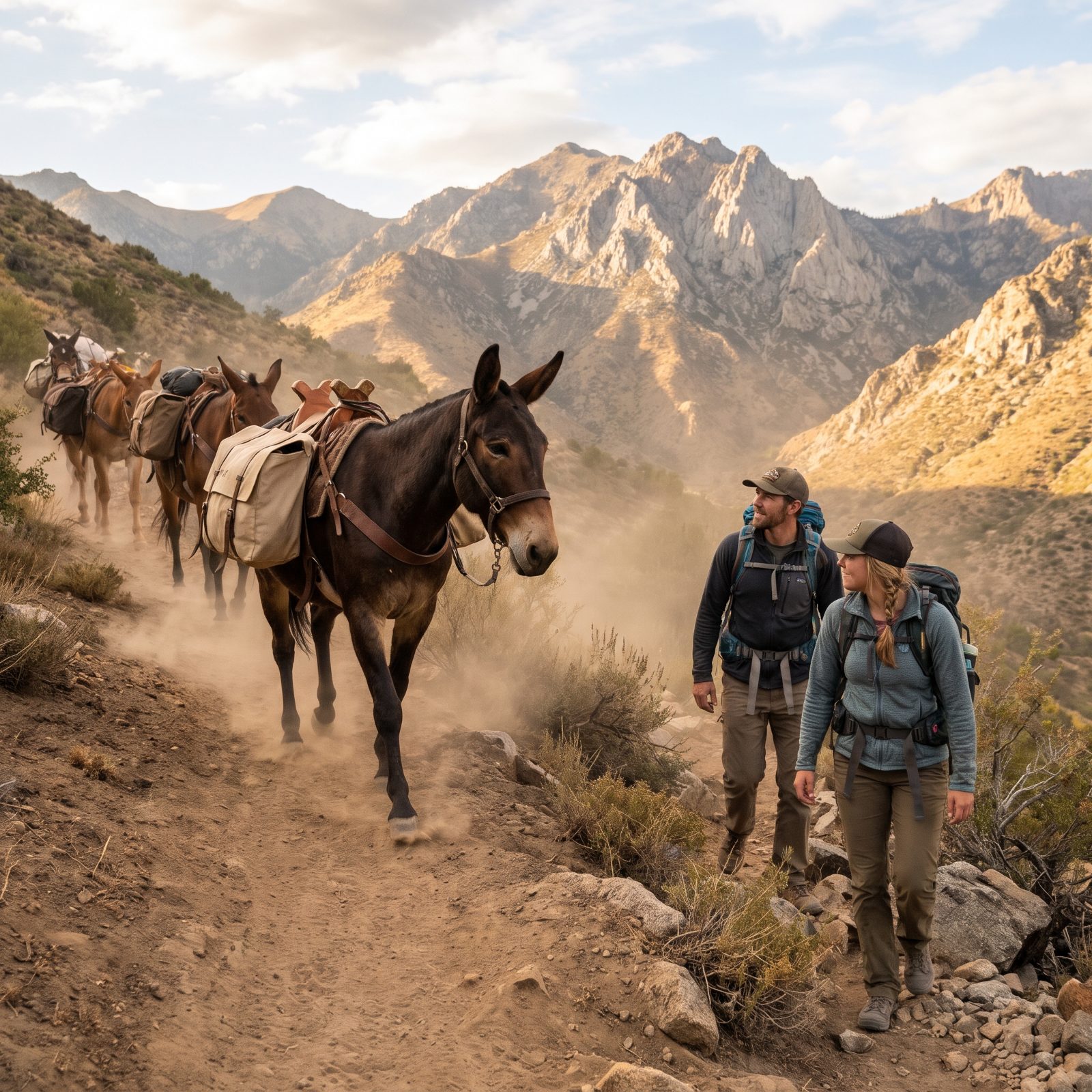
Horses and mules spook. A hiker appearing suddenly uphill — backlit, strange-shaped with a bulging pack — can send a half-ton animal lurching sideways on a trail with a serious drop. So livestock outranks absolutely everyone: uphill, downhill, bike, or boot.
Keep to the downhill side if you safely can, since a frightened animal tends to bolt uphill. Move slowly and steadily, stay quiet, and give the string as much room as the trail allows, even when no wrangler is in sight. Talking softly is fine — it actually helps the animal clock you as a person rather than a predator.
24. Step Aside Only Where the Ground Can Take It
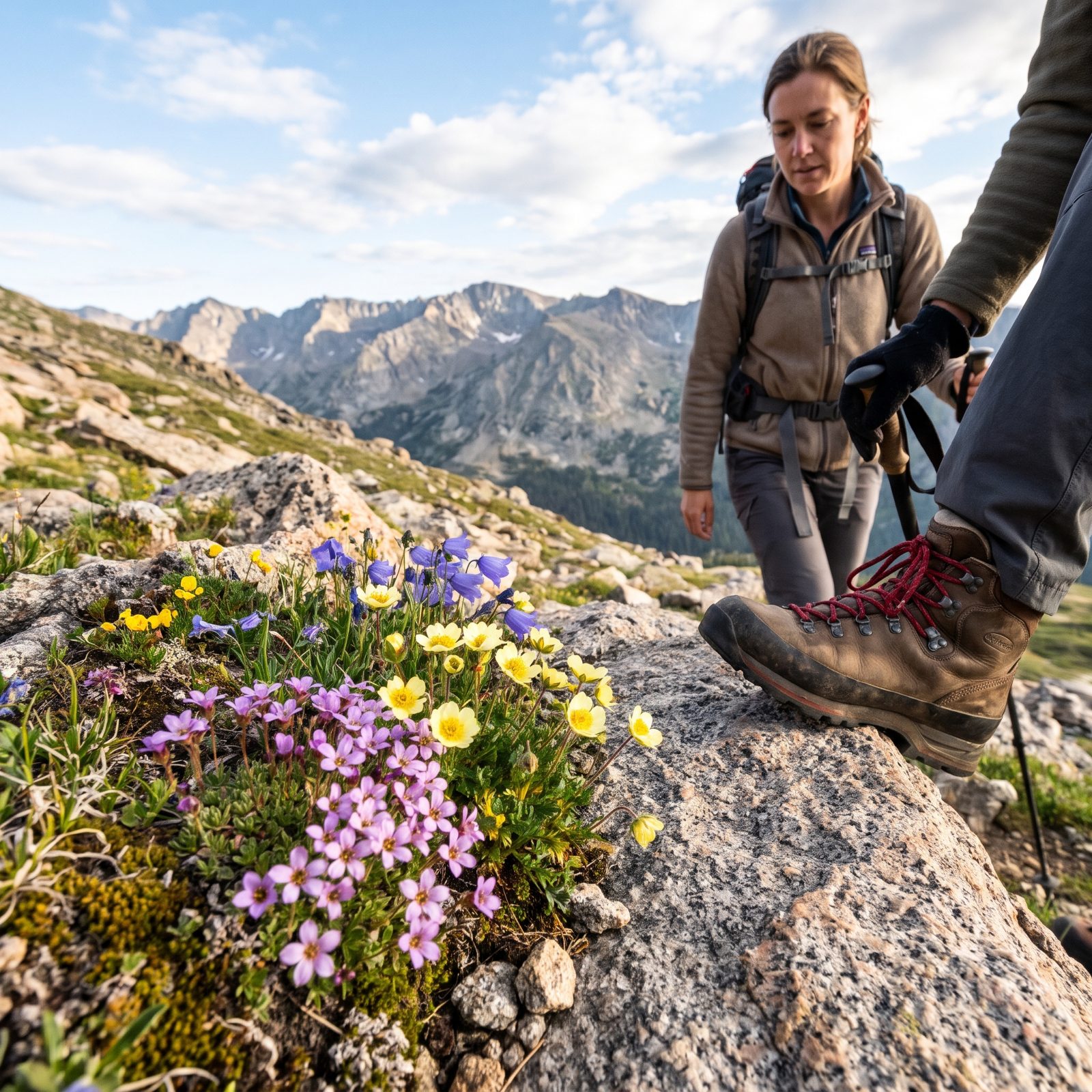
Yielding is polite. Yielding onto a bed of alpine wildflowers is not. Above treeline, those cushion plants hugging the ground can be decades old, and one boot print scars them for years, because the growing season up there is measured in weeks.
Look before you step off. Rock, gravel, sand, a patch of dead needles — all fine. Living tundra, soft moss, cryptobiotic desert crust — find somewhere else to stand. When in doubt, pause on the trail and let the other party pick their own footing.
23. Keep Your Group Single File on Narrow Trails
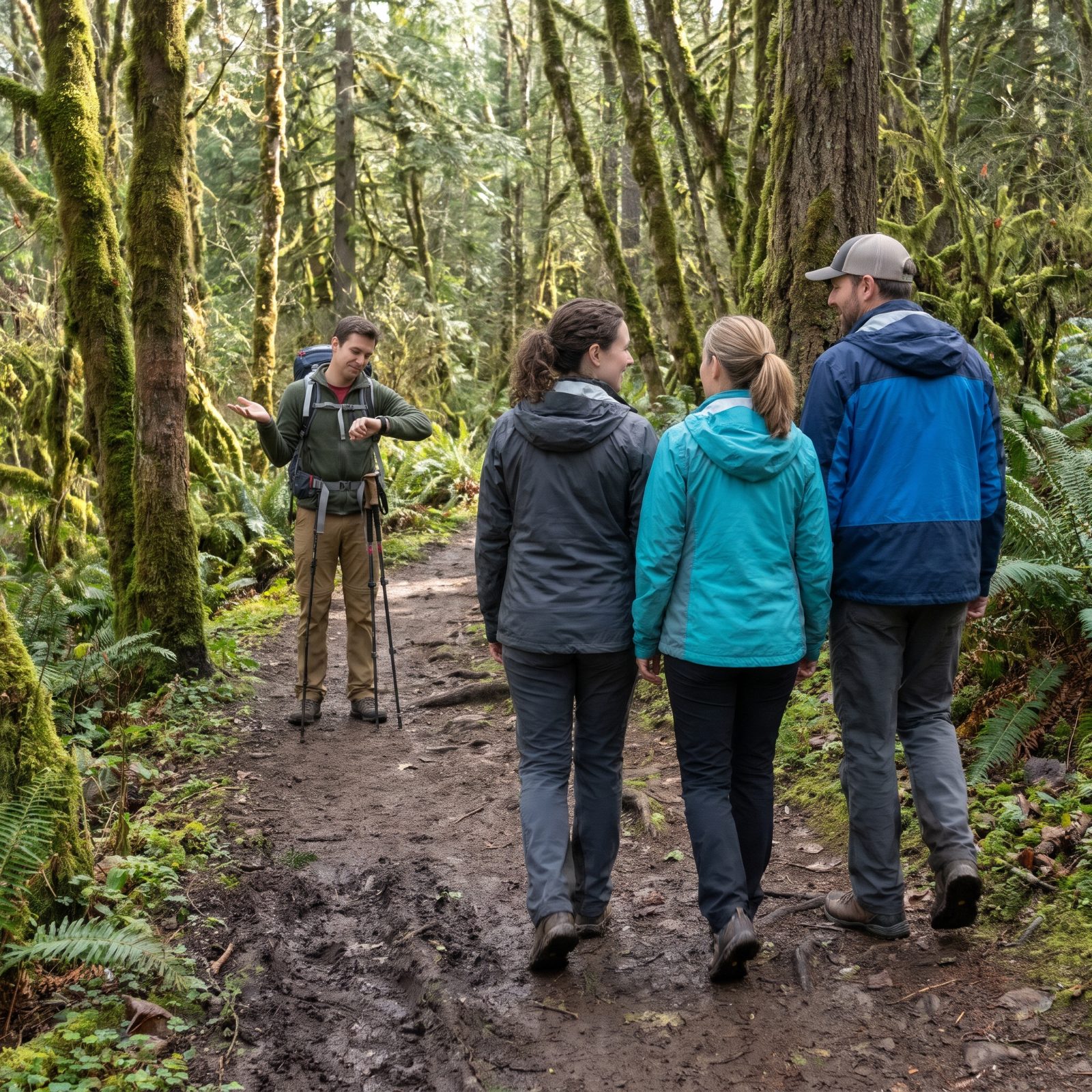
Three people walking abreast on a single-track trail is the hiking version of stopping at the top of an escalator. Nobody can get past, and to make room, oncoming folks end up trampling the plants at the edge.
On anything narrow, drop into a line. Two seconds of courtesy, and the trail doesn’t widen into a double-wide dirt road over a season of busy weekends. Spread out and chat all you like on the wide stuff.
22. Leave the Bluetooth Speaker in the Car
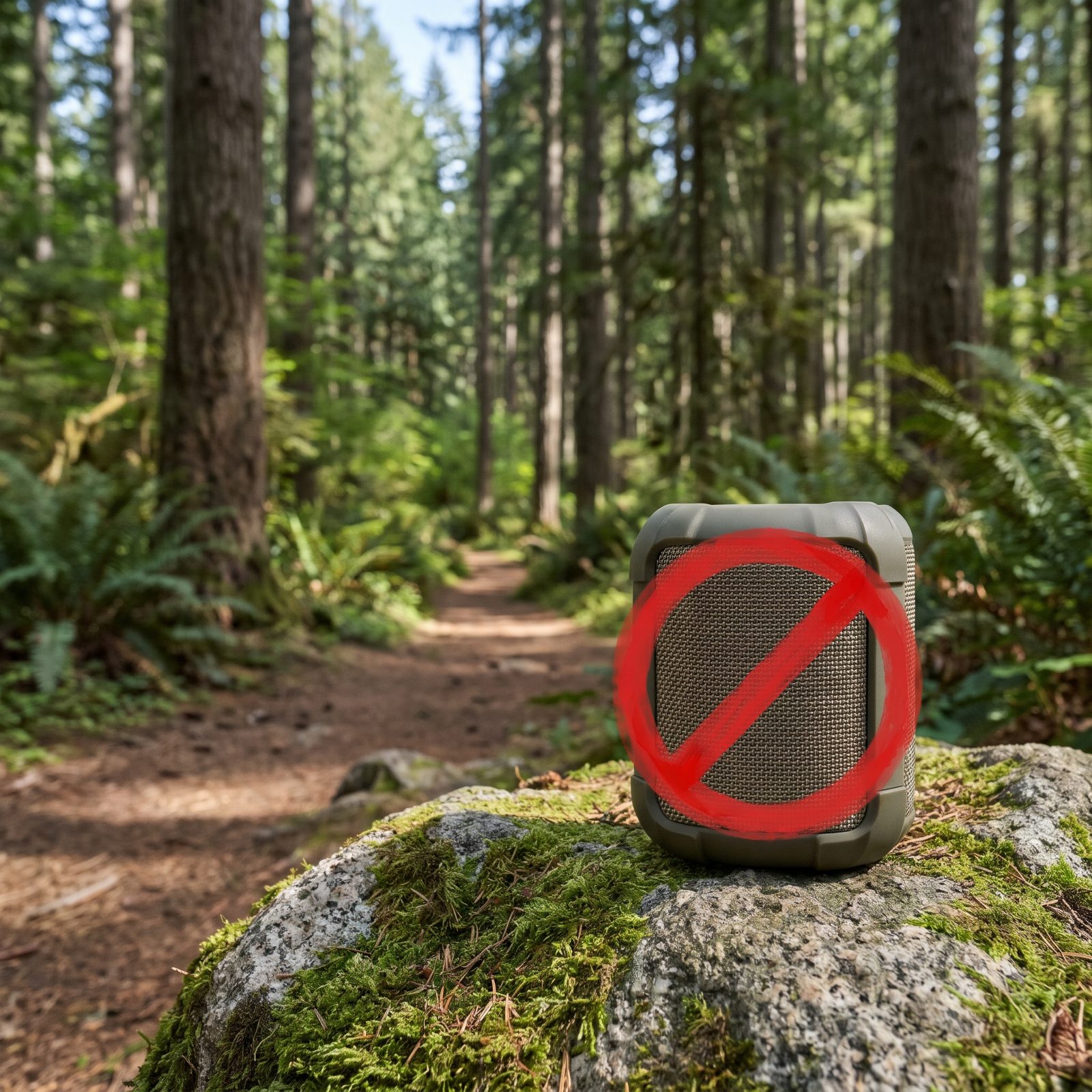
There’s a word for playing music out loud on a trail: no. People drive hours and hike miles to hear wind, water, and a thrush doing its thing. Your playlist, however good, is noise pollution to every one of them, and it drifts a startling distance across open ground.
Wildlife hates it too. Constant human sound pushes animals off their routines and out of territory they depend on. Bring earbuds if you need a soundtrack. The marmot did not ask for one.
Natural quiet is one of the few things a park can offer that a city never will. A speaker erases it for everyone within earshot, not just you.
21. Don’t Hog a Viewpoint for a 20-Minute Photo Shoot
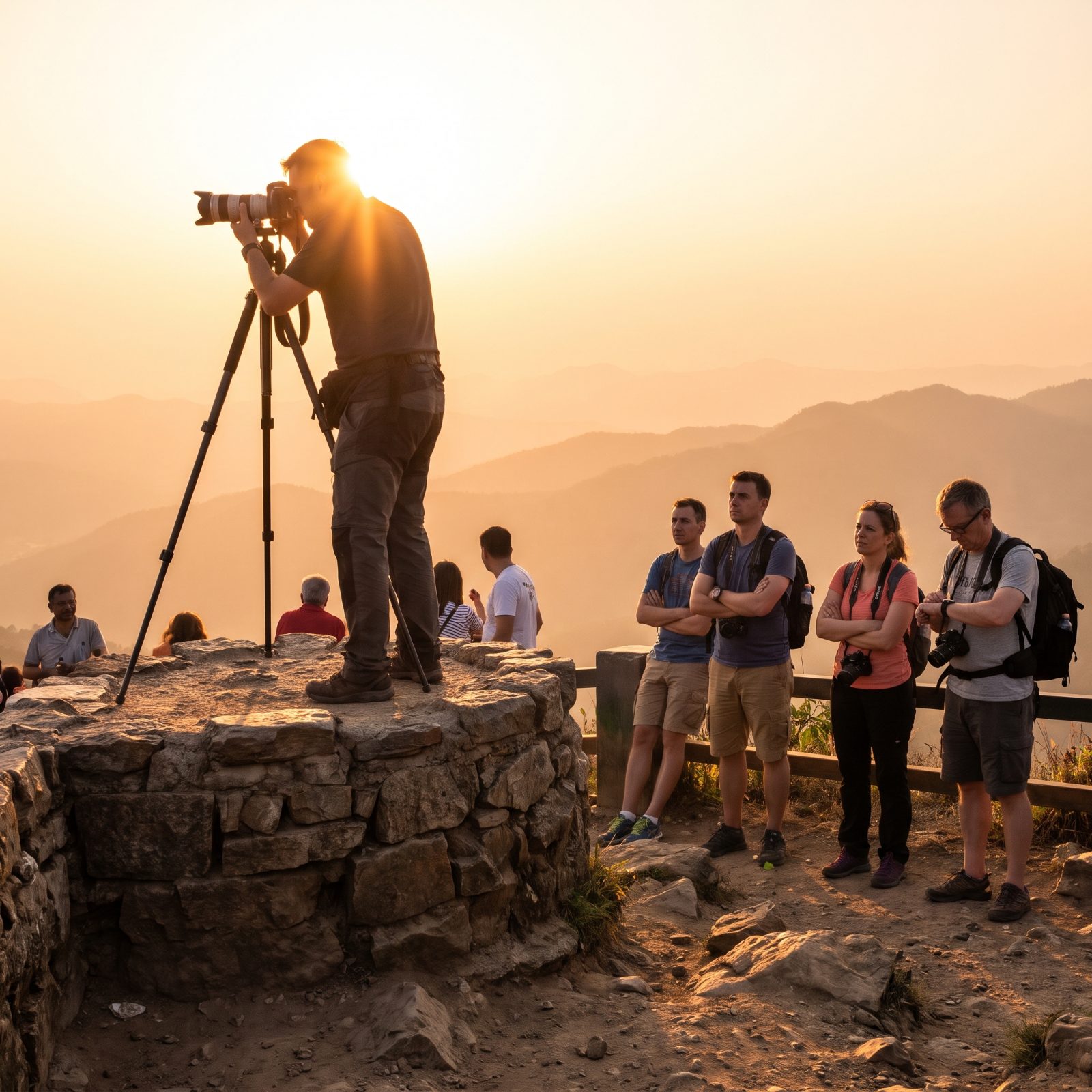
A famous overlook at sunset is a shared resource, like a bench or a water fountain. Set up a tripod, swap outfits, and run a full twenty-minute shoot from the single best spot, and everyone else just stands around watching you instead of the canyon they drove hours to see.
Grab your shots and rotate out. The light belongs to all of us. Want the deluxe session with props and poses? Go early, go late, or find the angle nobody’s fighting over. The crowd behind you will remember which kind of visitor you were.
20. Keep Tripods, Strollers and Backpacks Out of the Trail Traffic
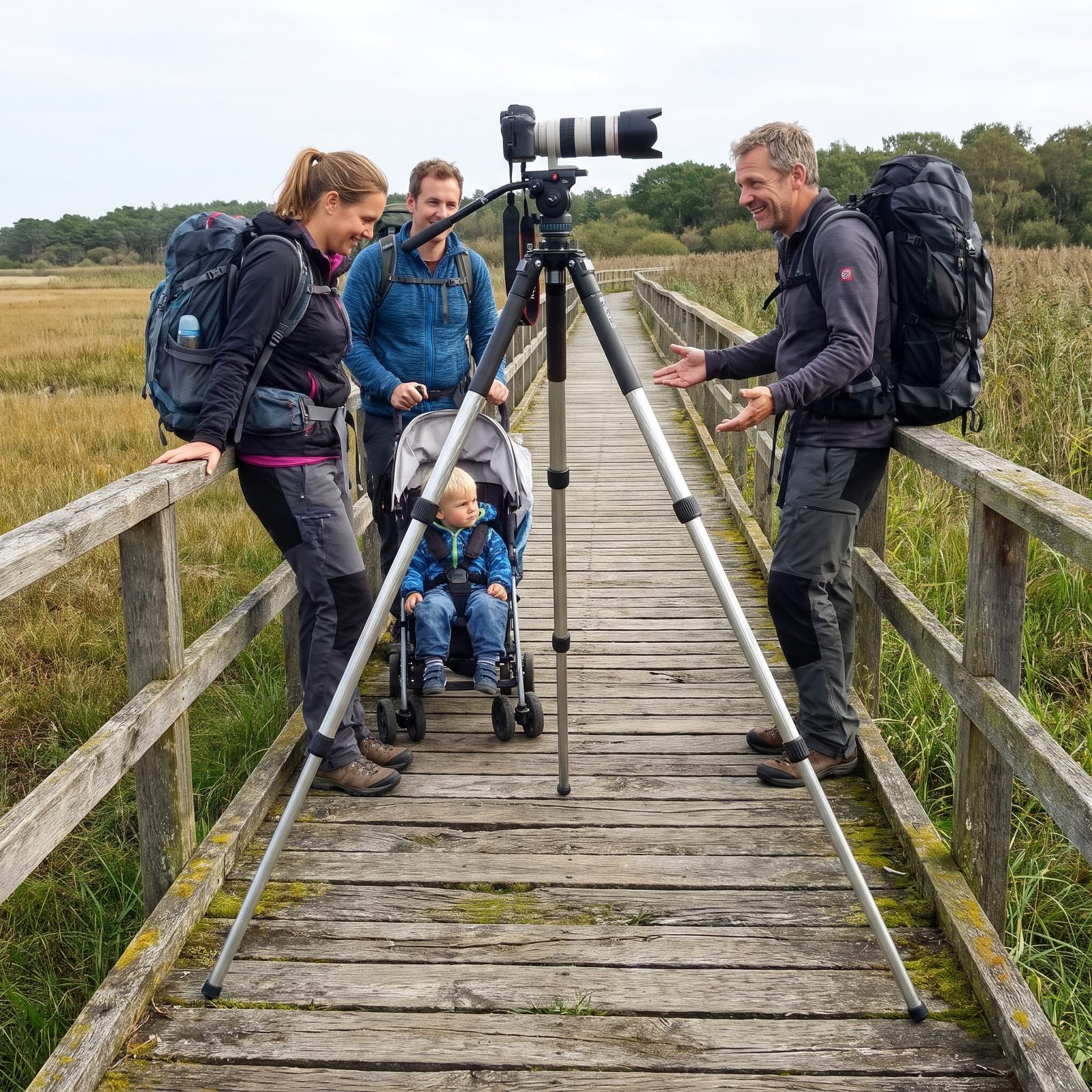
You’ve seen the bottleneck. One tripod, legs spread like a card table, parked dead center on a boardwalk that’s three feet wide, and behind it a slow conga line of people shuffling past one at a time.
Nobody tells you this until a stranger sighs loud enough to make the point. Gear belongs off to the side, against a rail, out of the walking lane. Drop a pack in a doorway or chokepoint and everyone stops, and on a popular overlook that’s dozens of people a minute left standing there.
19. Give Wildlife Far More Space Than a Photograph Suggests
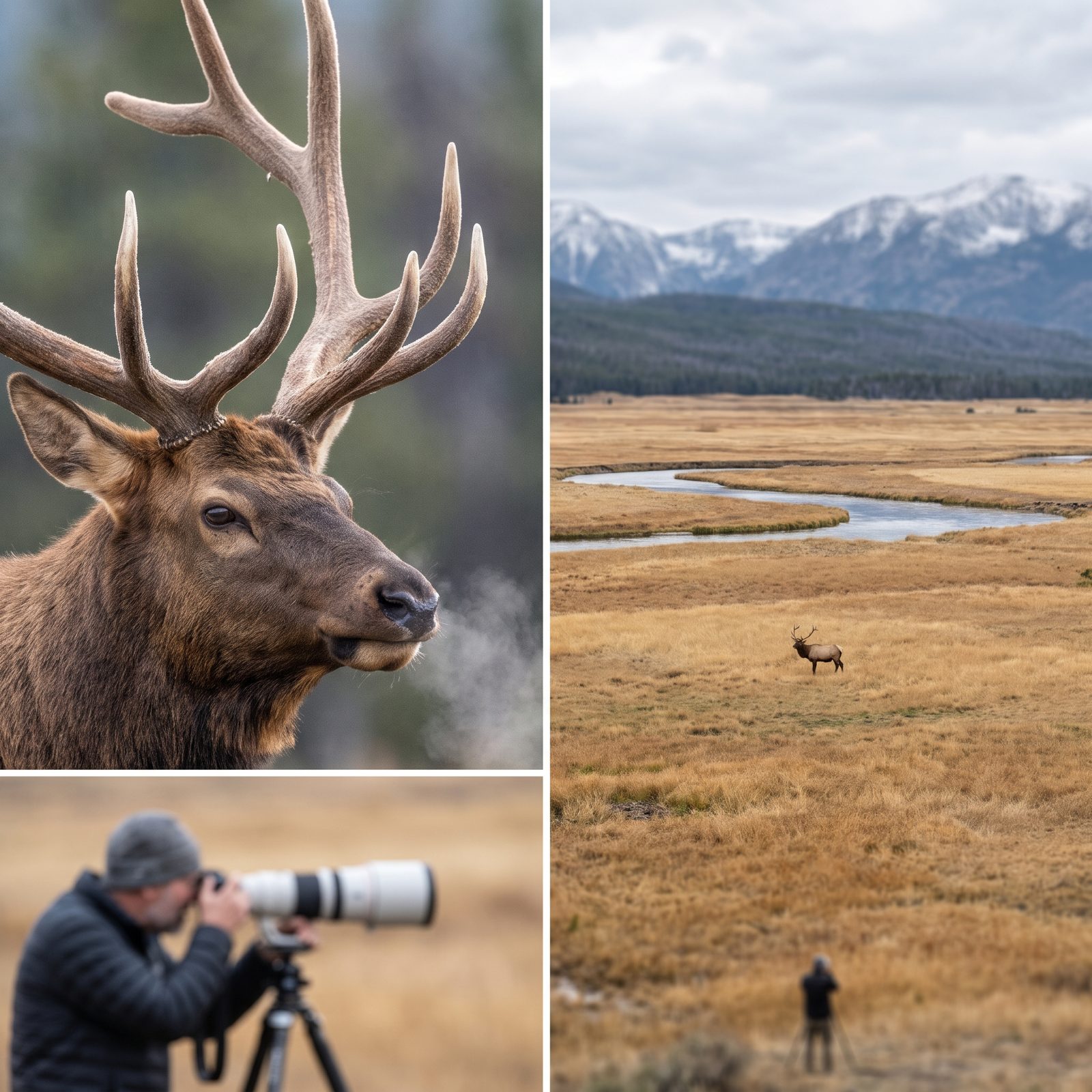
A zoom lens lies to you. That elk filling your frame, looking close enough to touch, was actually the length of a basketball court away.
Most parks ask for at least 25 yards from large animals like elk, bison and deer, and 100 yards from bears and wolves. Those numbers weren’t pulled from a hat. A bison can hit 35 miles per hour and turn on a dime, and in Yellowstone they gore more people than any other animal — usually someone who crept up for a selfie.
18. Never Crowd an Animal’s Route of Escape
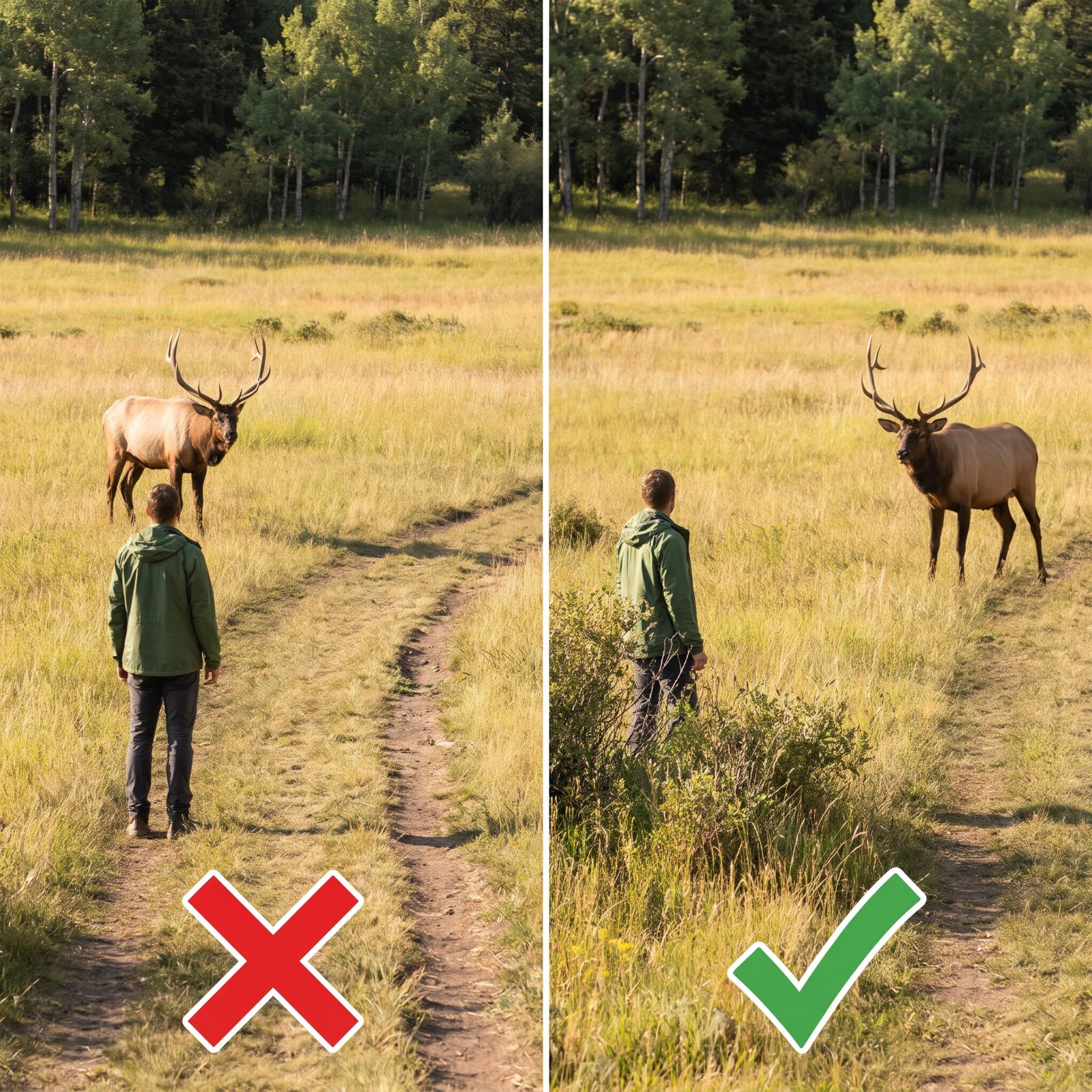
Here’s the part people skip. It’s not just how close you get — it’s where you stand relative to the way out.
Every animal needs a clear path to leave. Block the gap between a bear and the treeline, or ring a herd so there’s no open lane, and you’ve turned a nervous creature into a cornered one, which is exactly when calm animals stop being calm. Rangers watch for this constantly, because a surrounded animal that feels trapped will go through whatever’s in its way, and that’s often a person.
Leave the exit open. Let the animal pick its route and it’ll almost always pick away from you.
17. Feeding Wildlife Includes Dropping a Crumb for the Shot
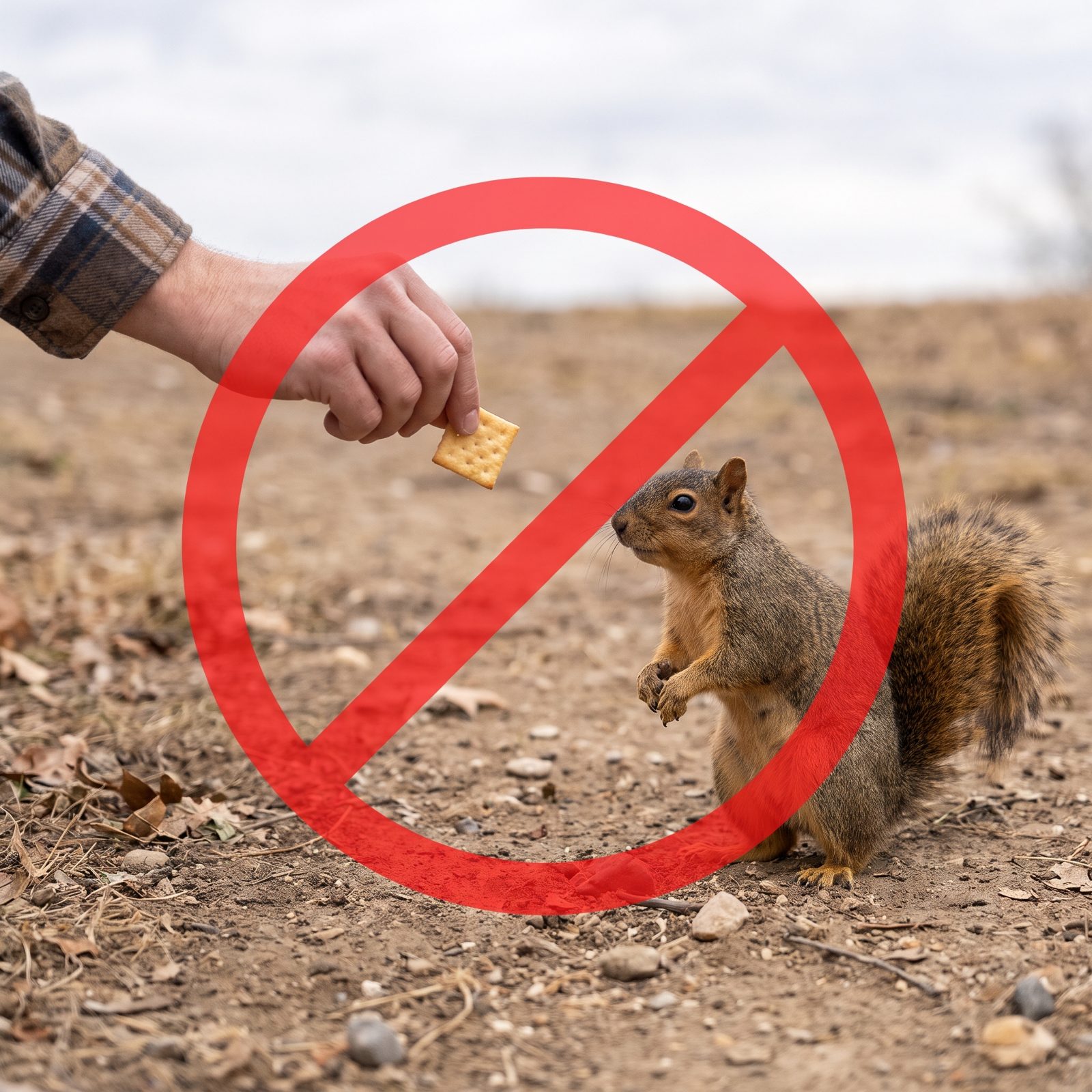
Tossing a cracker to get the squirrel to pose counts as feeding. So does the sandwich crust you leave behind for the jay. The park doesn’t grade on intentions.
Fed animals lose their fear of people and start begging, raiding, sometimes biting. A chipmunk that learns picnic tables mean food becomes a chipmunk that gets relocated or euthanized. There’s a grim ranger saying you’ll hear repeated across every park in the country, and the awful thing is it holds up.
A fed animal is a dead animal.
Even one dropped crumb for a cleaner shot teaches the exact lesson you don’t want taught.
16. Store Food, Toiletries and Every Scented Thing Exactly as Directed
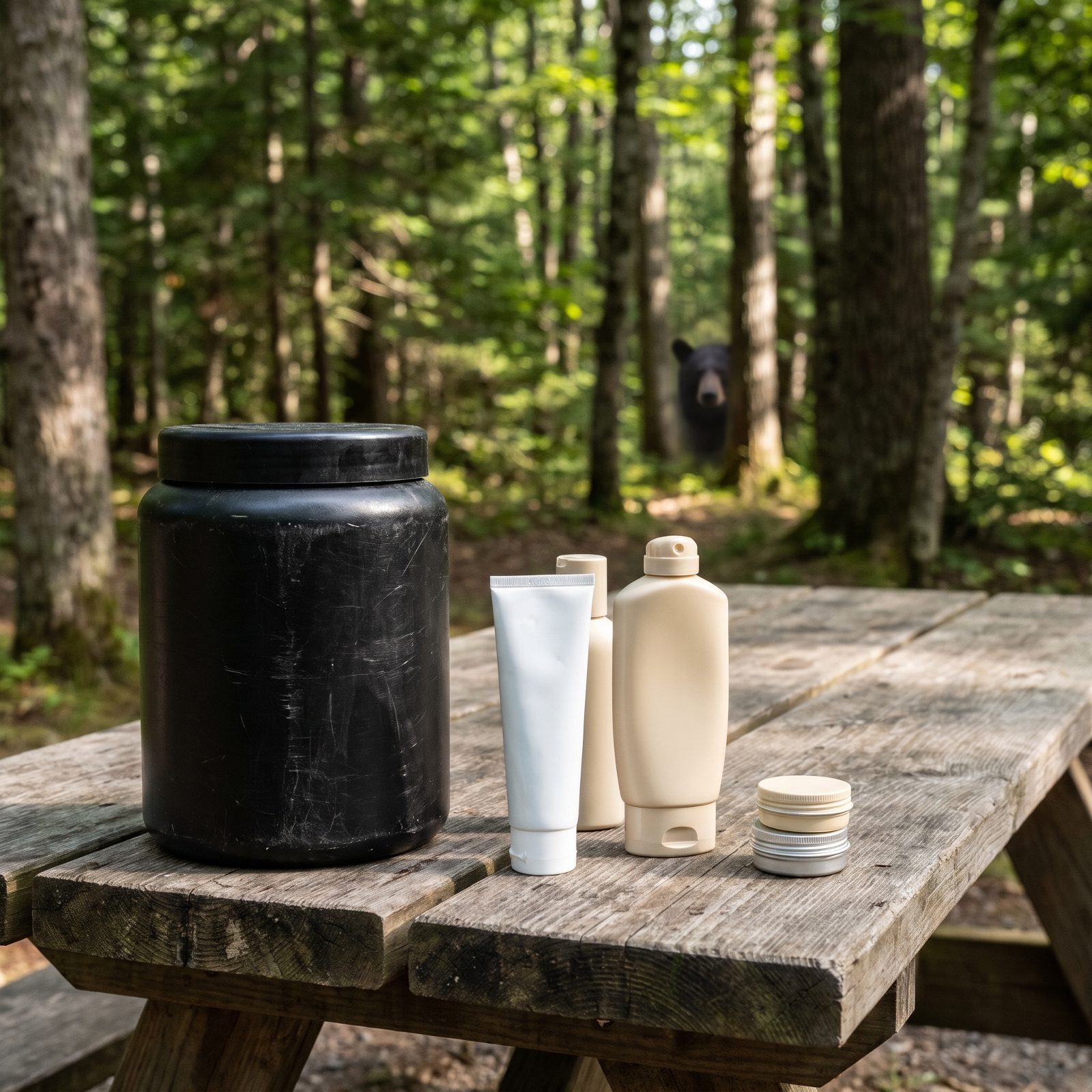
A bear’s nose can pick up food from more than a mile off, and to a bear, “food” means toothpaste, sunscreen, lip balm, deodorant, and the empty wrapper crumpled in your jacket pocket.
So the metal locker at your site isn’t optional storage — it’s the rule, and parks like Yosemite will cite you for leaving scented stuff in the car or tent. A bear that scores one cooler comes back. Then it starts peeling into vehicles. Then it’s a management problem that rarely ends well for the bear.
15. A Leash Does Not Make Every Trail Pet-Friendly
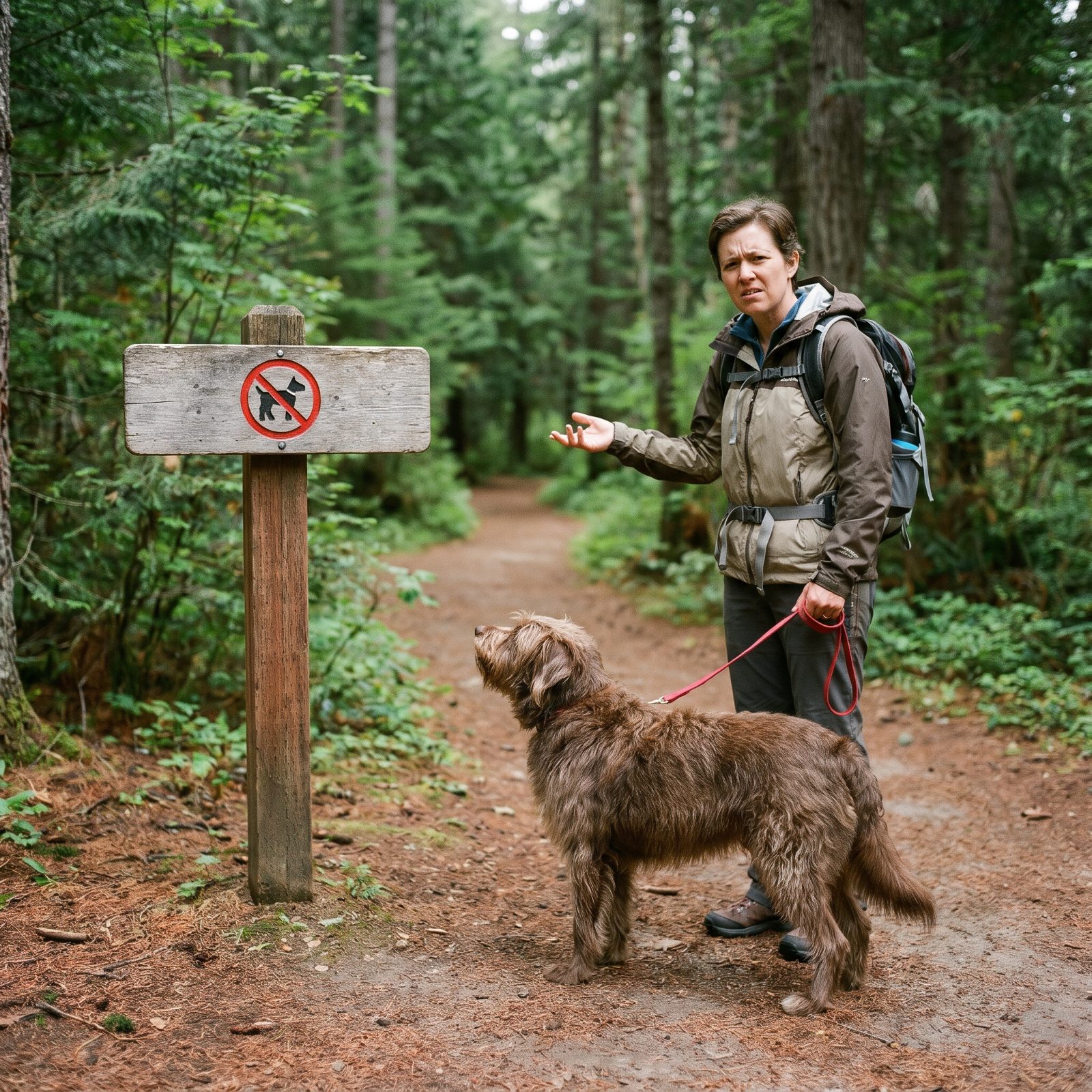
Leashing the dog feels like it should cover you. On most national park trails, it doesn’t.
Pets are usually confined to paved roads, parking lots, campgrounds and a handful of specific paths. Backcountry trails, meadows, and most of the actual park are off-limits to them, leash or no leash. Blame wildlife. A dog’s scent and barking spook animals and can draw predators, and even the gentlest, best-behaved pup reads as a threat to a mother elk standing between you and her calf.
Check each park’s pet rules before you load the car. They vary wildly — a trail that rolled out the welcome mat for your dog in one park bans it outright in the next.
14. Never Leave a Pet in a Parked Vehicle
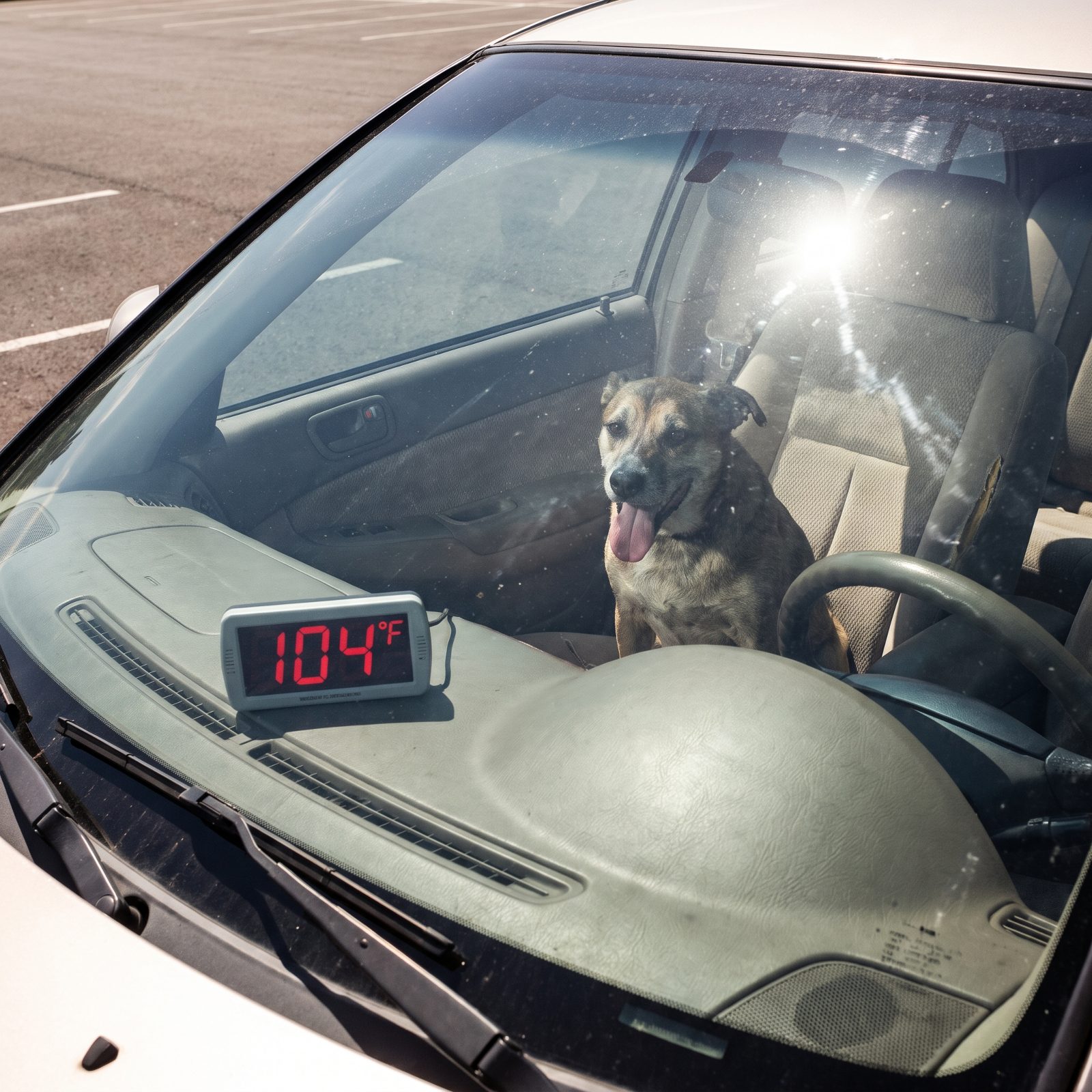
On a mild 70-degree day, the inside of a parked car can climb past 100 within minutes, and cracking the windows barely slows it.
Since so much of a park is closed to pets, people leave the dog in the car and walk in anyway. Rangers find these animals panting, in distress, sometimes worse — and they will break a window to pull one out. Plenty of places will cite or charge you for it.
13. Drones Are Grounded in Nearly Every National Park
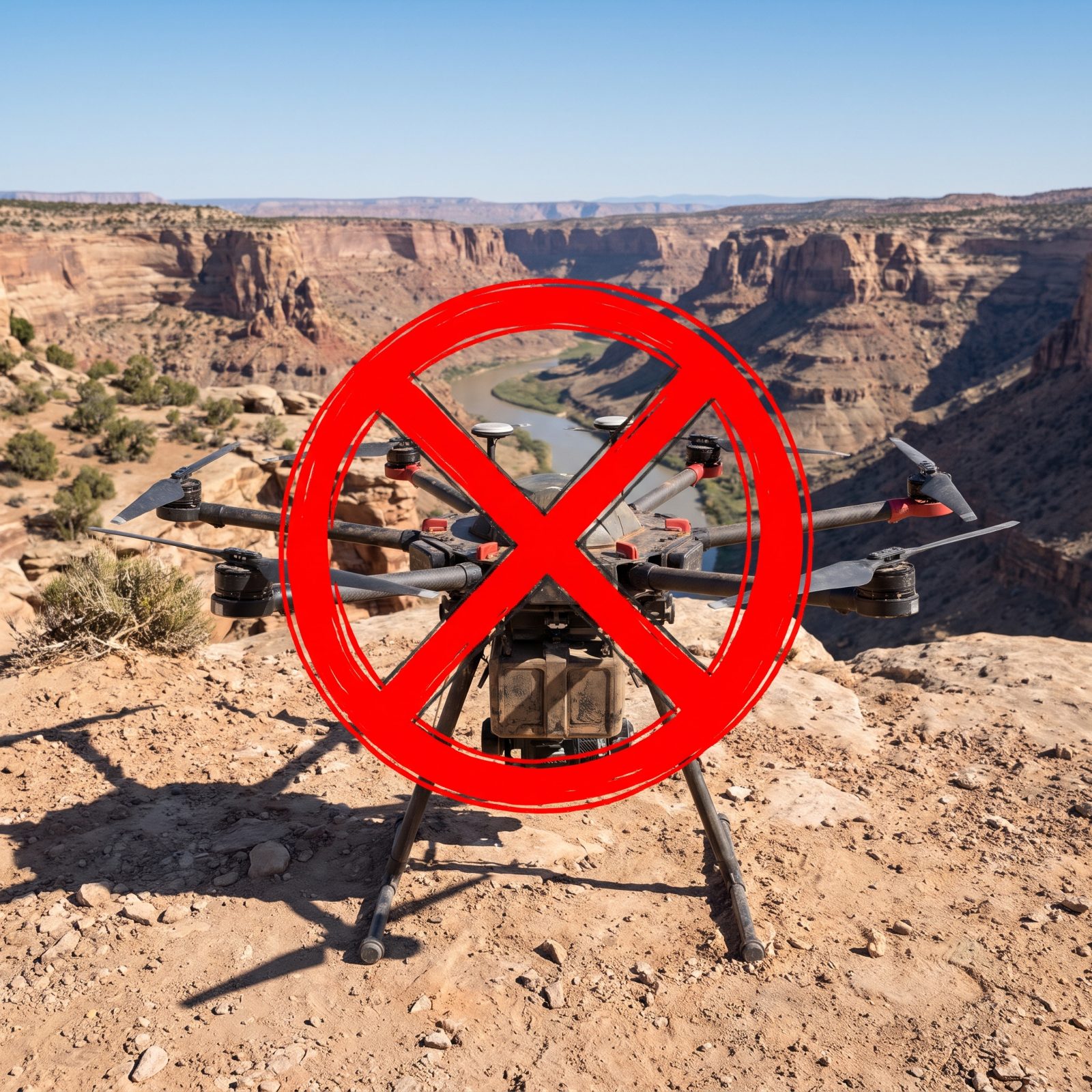
That sweeping aerial shot you’re itching for? Flying a drone to get it has been banned across the National Park System since 2014.
Launch, land or operate one from park land and you’re looking at a hefty fine plus confiscation. The buzz stresses wildlife and wrecks the quiet everyone else came for, and drones have smacked into thermal features and tumbled off cliffs. A few parks hand out special-use permits for specific professional jobs, but for the average visitor the answer is just no. Leave it in the car. Better, leave it at home.
12. Leave Rocks, Flowers, Antlers and Pinecones Where They Lie
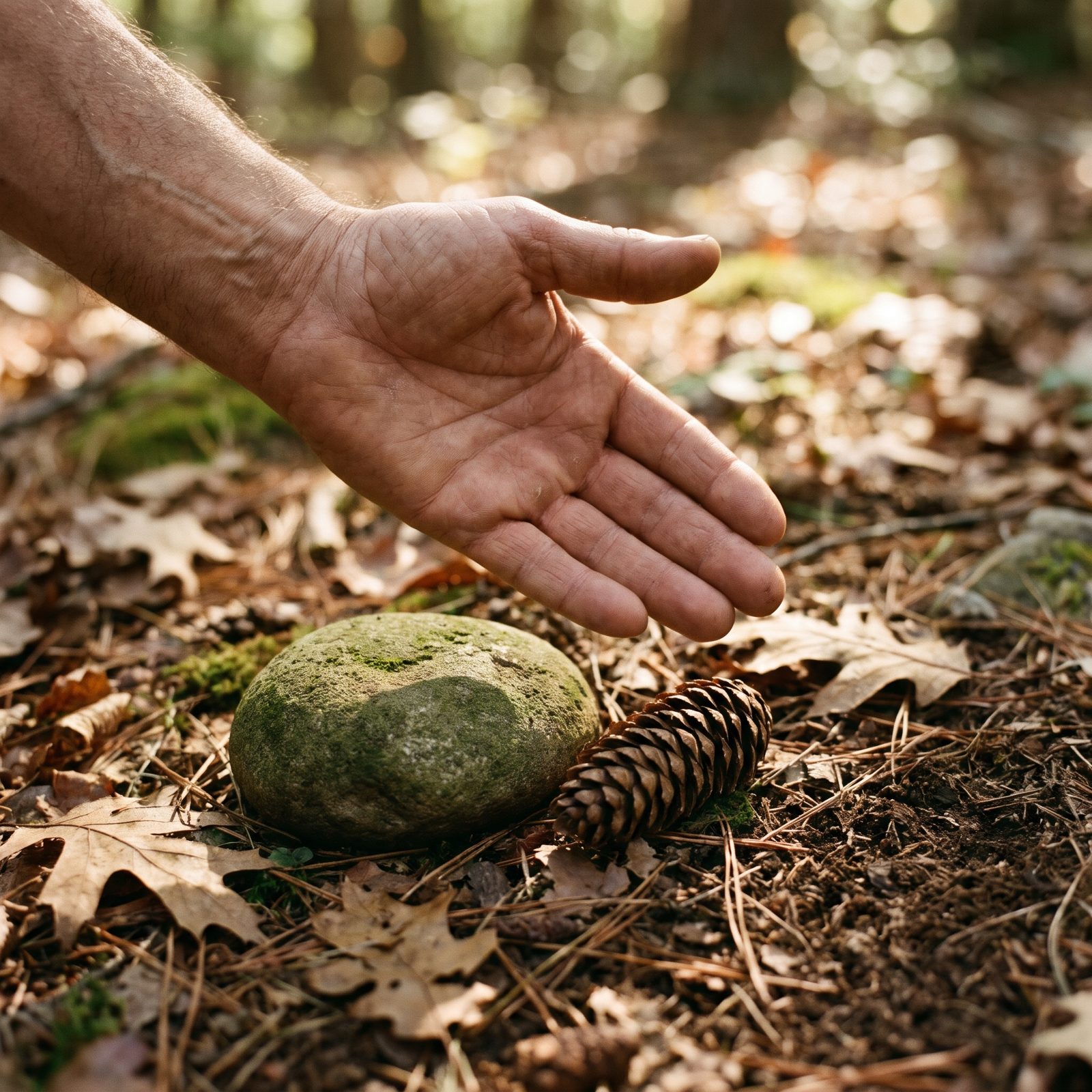
The pretty rock in your pocket seems harmless. Multiply it by the millions of people who come through every year and a park loses whole landscapes, one souvenir at a time.
Taking anything natural — rocks, wildflowers, feathers, pinecones, shed antlers, petrified wood — is illegal in national parks. Antlers feed mice and porcupines their calcium. Flowers reseed the meadow. And Petrified Forest keeps a drawer of “conscience letters” from people who mailed stolen wood back after their luck went bad, swearing up and down the curse was real.
11. Don’t Build or Add to Unofficial Rock Stacks
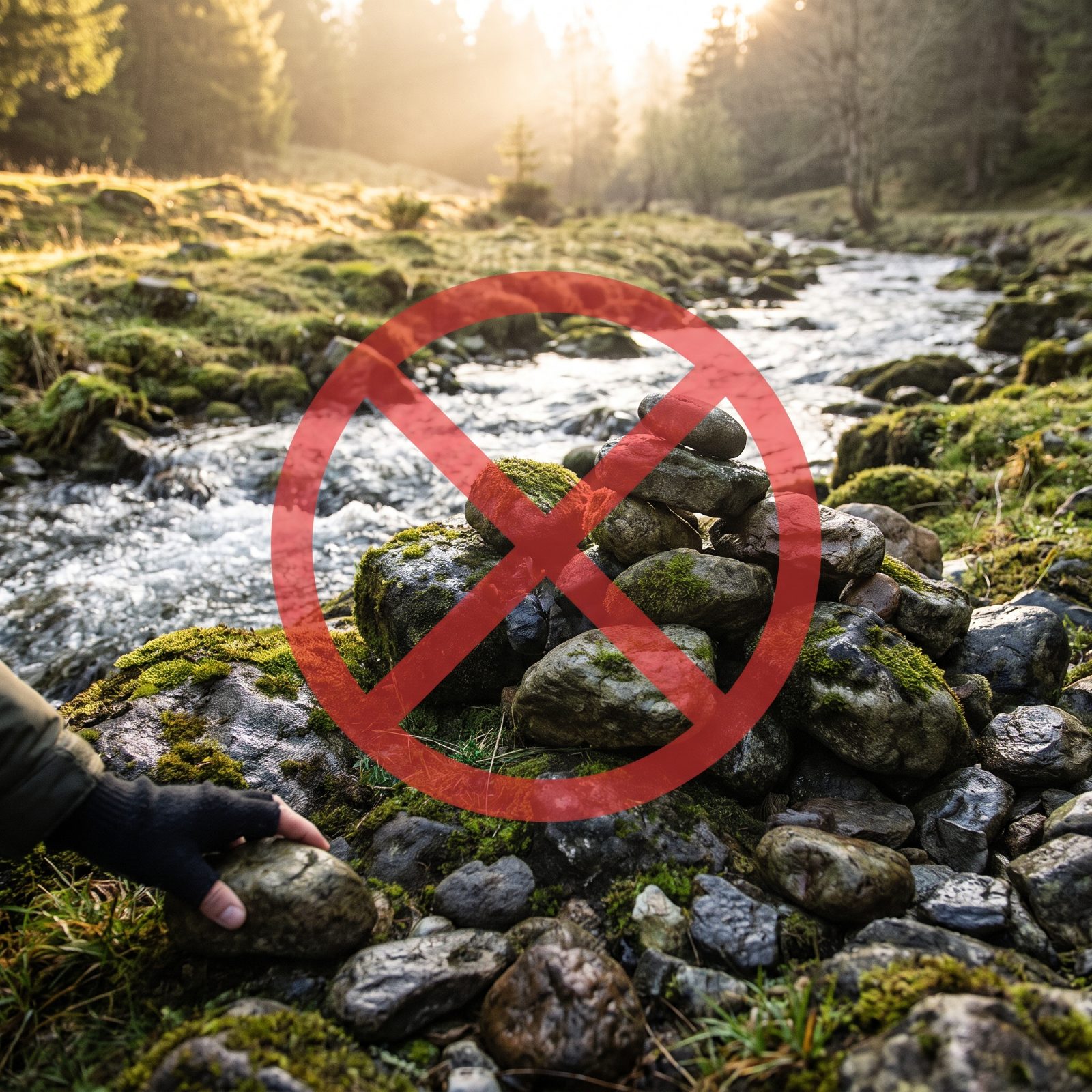
Stacking a few streambed stones into a little tower feels like leaving your mark. It is. That’s the problem.
Every rock you lift out of a creek bed was shelter for something — insect larvae, salamander eggs, the tiny food web the fish depend on. Flip enough of them and you quietly strip a whole stretch of stream. And there’s a second hazard most stackers never consider. Legitimate cairns mark the route on faint trails, and hikers above treeline navigate by them, so a field of decorative fakes can send someone walking confidently in the wrong direction.
Official trail cairns stay. Yours doesn’t need to exist. See a pointless stack? The kind move is to scatter it back where it came from.
10. Never Touch Petroglyphs, Pictographs or Historic Structures
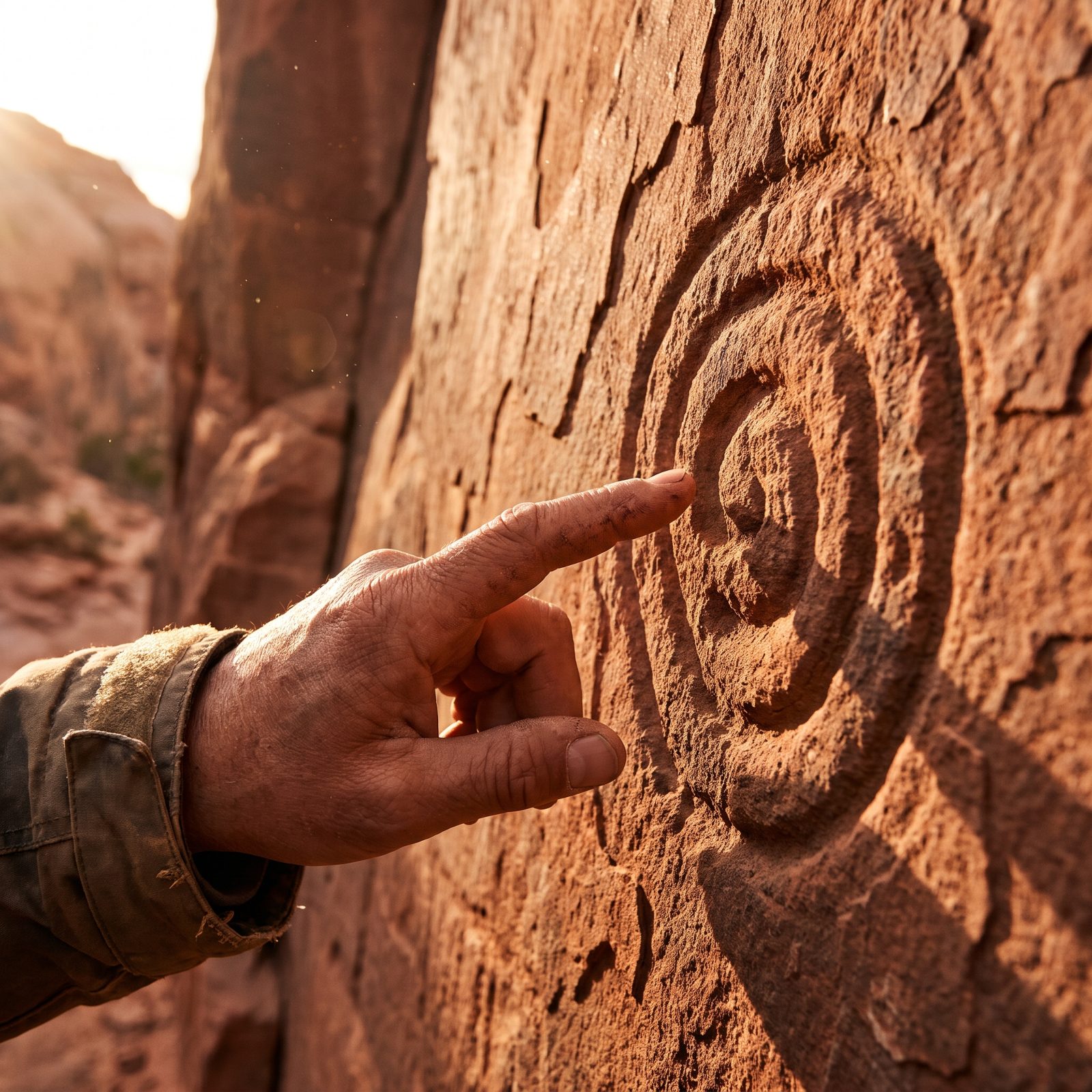
The oils on your fingertips are the problem. A single touch leaves a trace of skin oil and salt that pulls moisture into the rock, and over hundreds of hands that film darkens, flakes and lifts pigment that survived a thousand years of weather just fine.
Chalking an outline to make a photo pop, pressing a wet rag on it, taking a rubbing — all of it speeds up the loss, and most of it is a federal crime under the Archaeological Resources Protection Act.
9. Thermal Ground Is Never Safe Unless the Park Says It Is
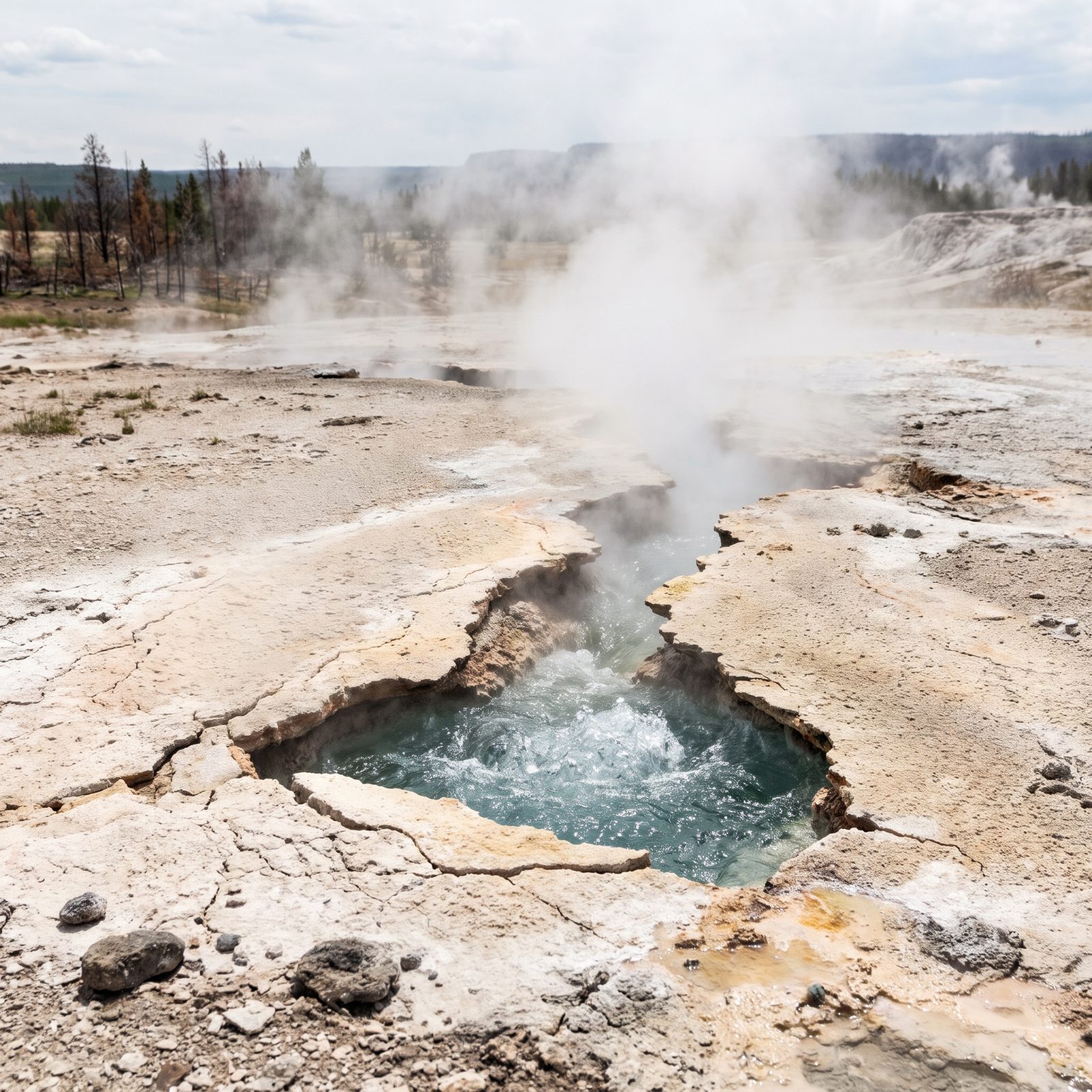
That crust is a lid, not a floor. The pale ground around a hot spring can be a thin shell of sinter over water hot enough to cause third-degree burns in seconds. People have died stepping off boardwalks in Yellowstone, and some bodies were never recovered because the water is acidic as well as boiling.
Stay on the boardwalk even when the shot looks better from two feet over, and keep dogs and kids within arm’s reach. The park marks safe ground for a reason, and the reason is horrifying.
8. Check Local Rules Before Swimming, Wading or Soaking
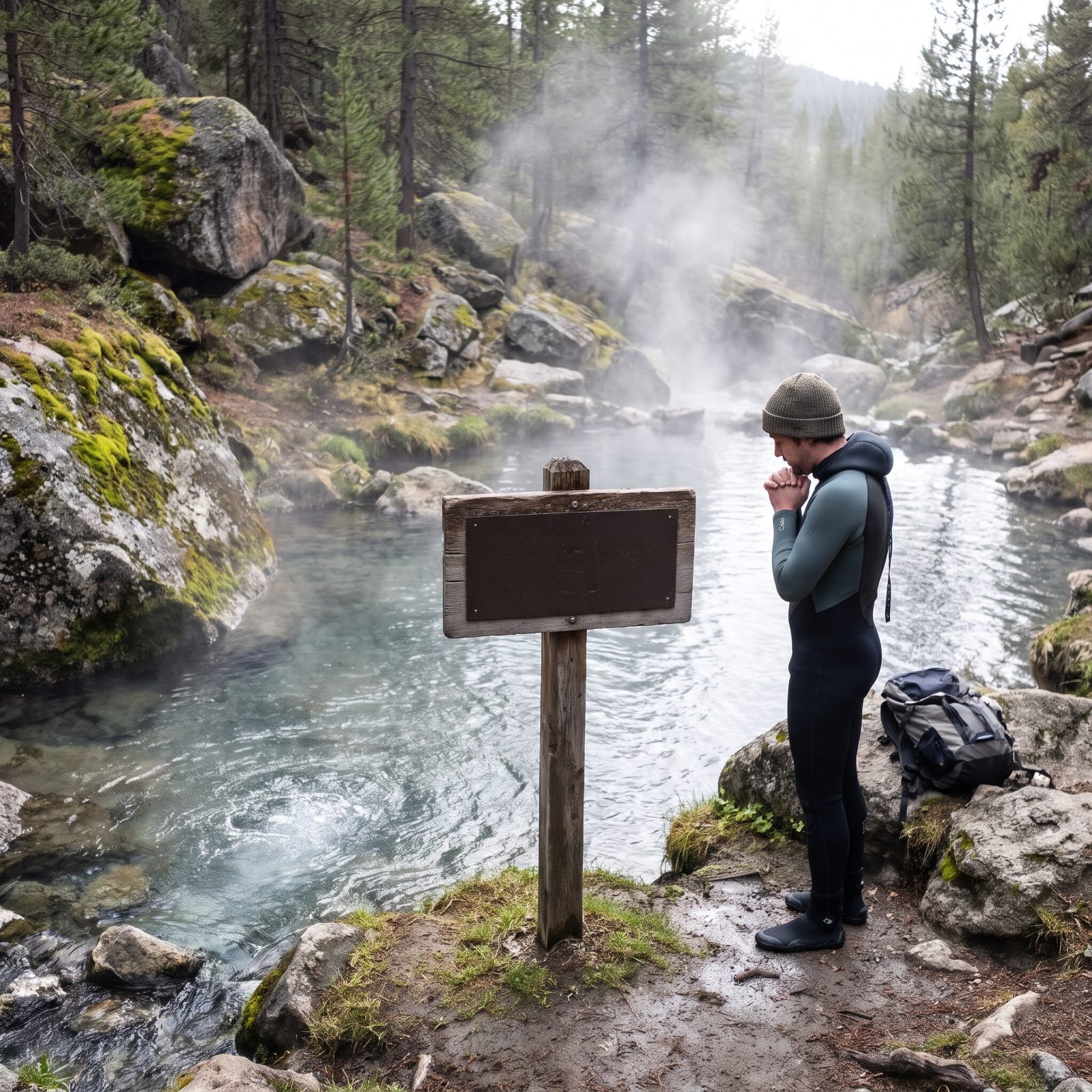
Water rules change from pool to pool inside a single park. Some warm springs in the West are closed to soaking because of a brain-eating amoeba that lives in warm freshwater. Canyon pools shut after flash-flood season. And some lakes ban swimming outright to protect drinking-water intakes or nesting birds.
A posted closure usually means someone already got hurt or something fragile got trampled. Read the sign at the trailhead, not the comments on a hiking app.
7. Pack Out Fruit Peels, Seed Shells and Other Food Scraps
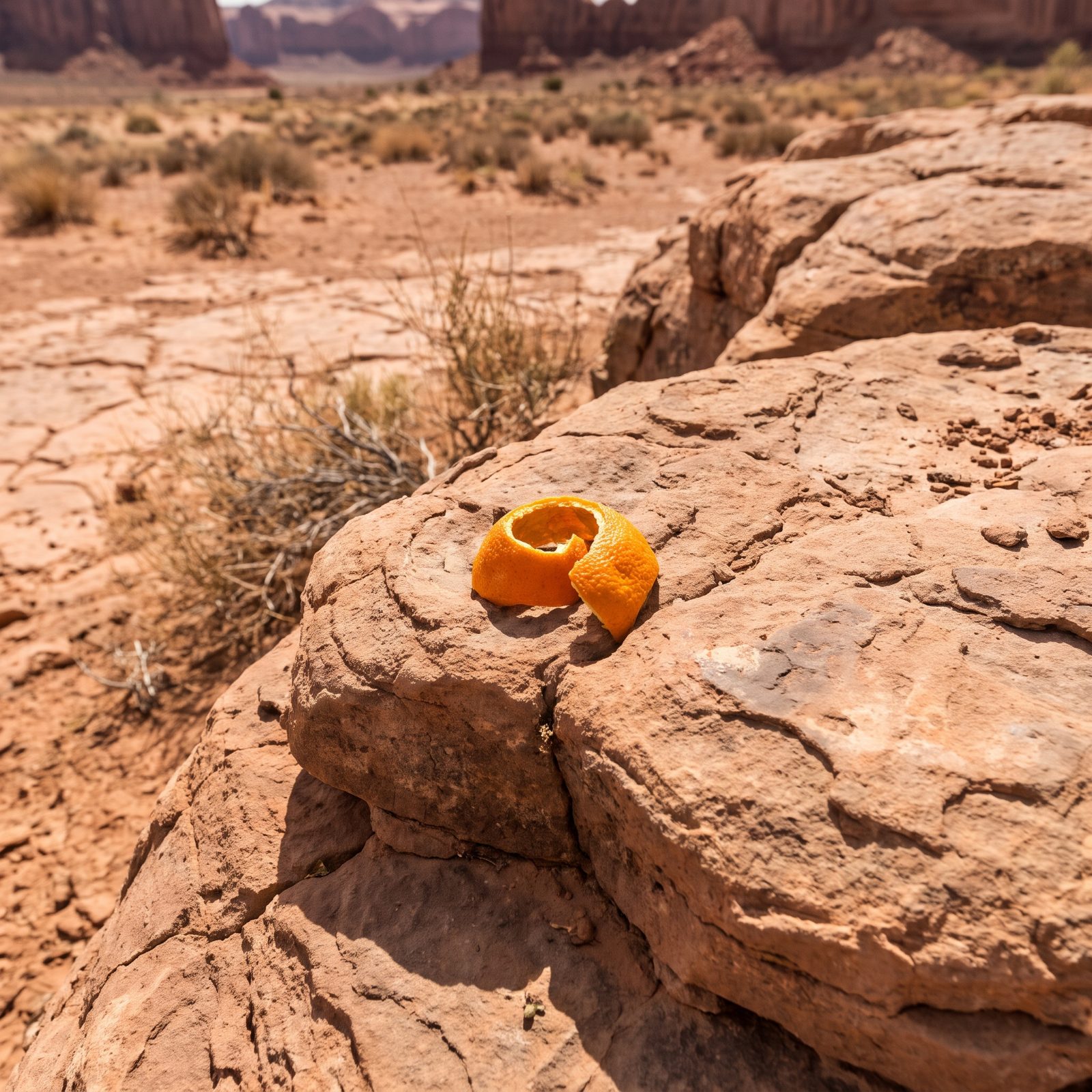
An orange peel does not vanish because it once grew on a tree. Up high and out in the desert, that peel can sit for two years, and long before it rots a chipmunk has learned your trail means free food. That’s how a healthy wild animal turns into a begging nuisance that eventually gets relocated or shot.
“It’s natural, it’ll break down” — everyone says it, and it’s wrong. Pack it all out, shells included.
6. Follow the Park’s Exact Rules for Human Waste and Toilet Paper
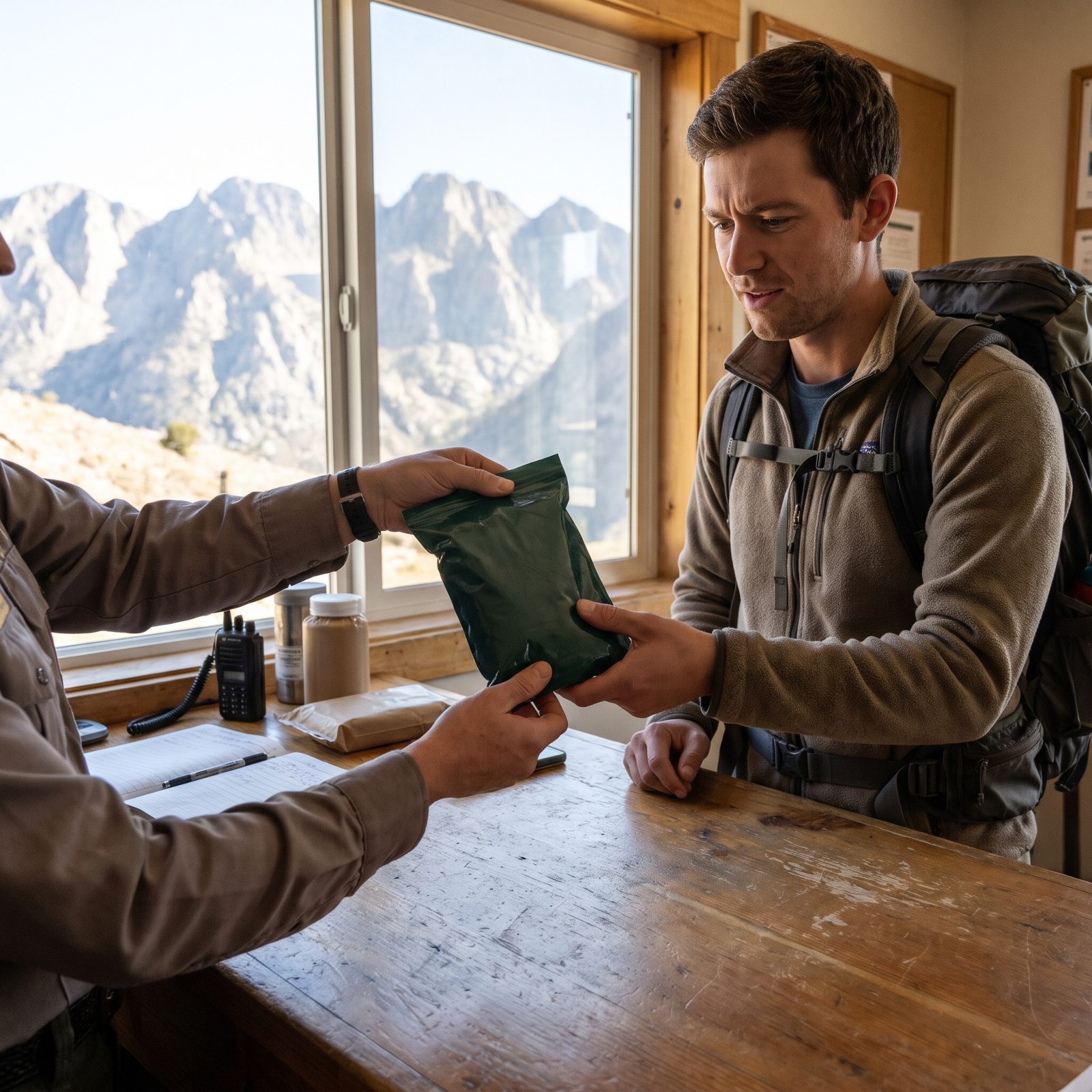
The rules get oddly specific, and they are not suggestions. Some parks hand you a WAG bag at the permit desk and expect every bit of human waste carried out. Canyon rivers require it. High peaks where nothing decomposes require it.
Where burying is allowed, the standard is a cathole six to eight inches deep, well back from any water, with the trailhead distance posted on the board. Toilet paper usually comes out with you in a zip bag — it does not biodegrade at altitude, and buried paper gets dug up by animals and blown across the meadow you came to see.
5. Keep Soap and Dishwater Out of Lakes and Streams
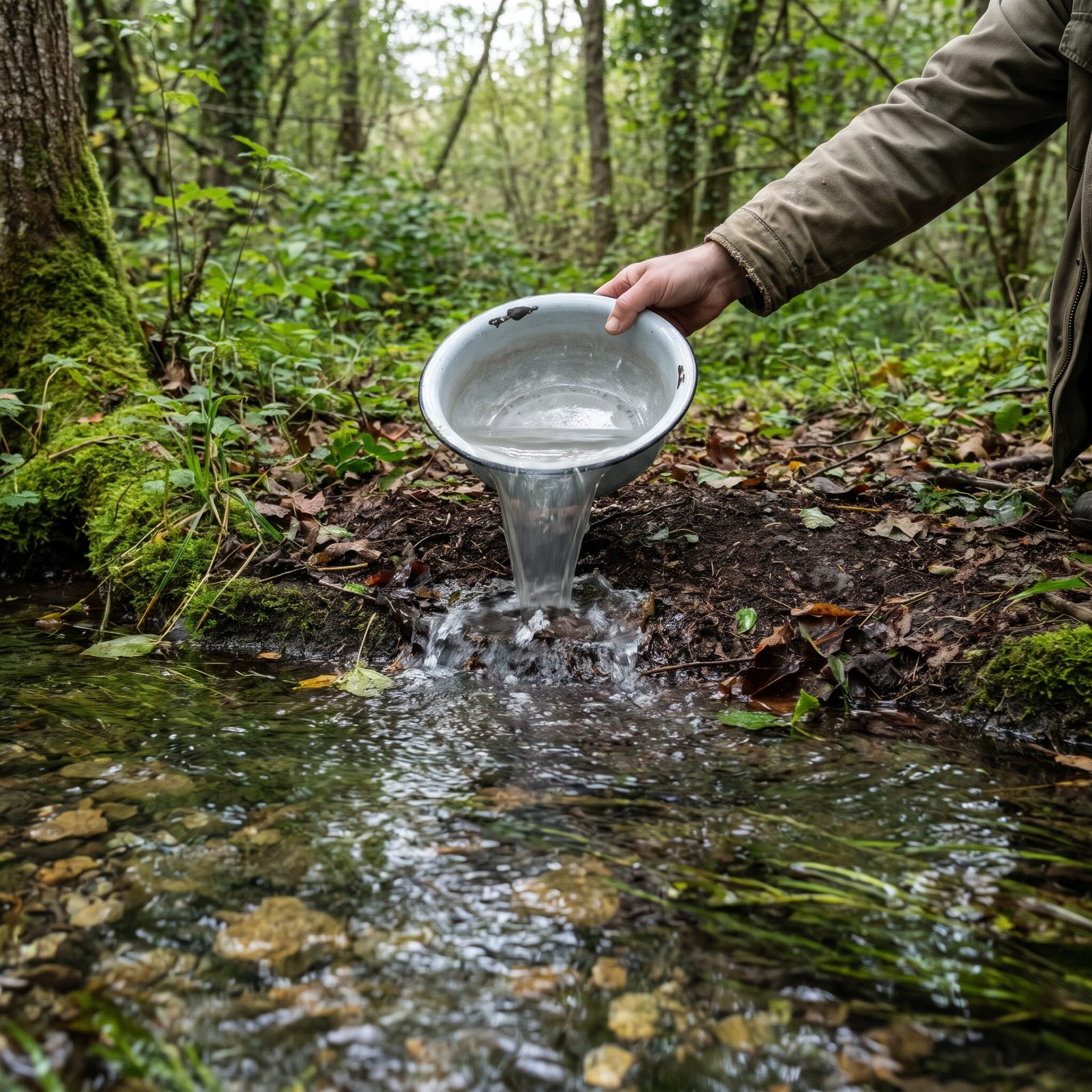
Even soap labeled biodegradable is bad news in a stream. Biodegradable just means it breaks down eventually in soil, given time and microbes. Dumped straight into water it still feeds algae, burns fish gills and coats the bottom where tiny creatures live.
Pouring a basin of soapy gray water in one concentrated stream onto bare ground a few feet from the bank is exactly the mistake to avoid. The backcountry standard is simple: carry water at least two hundred feet from the source, wash there, strain out the food bits to pack out, and scatter the gray water. You barely need soap for dishes anyway. A scrub and a rinse does most of the job.
4. Build Fires Only Where and When They Are Explicitly Allowed
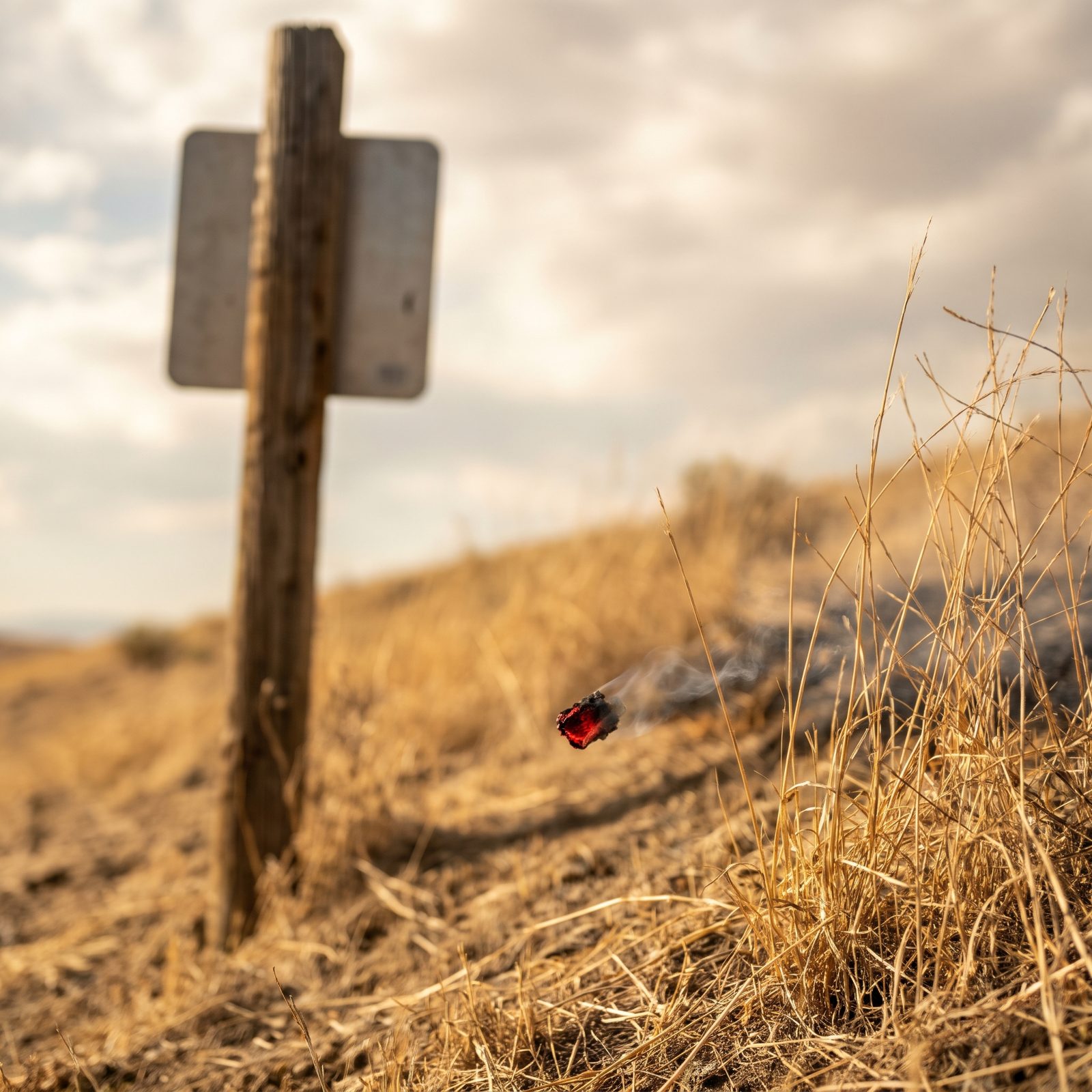
A fire ban is not the park being fussy. In dry season a single spark in cured grass can put a whole mountainside on the news with your name attached, and the bill for a human-caused wildfire can run into the millions.
Rules shift week to week with conditions. One day you can have a fire in a steel ring only. The next day no open flame at all, sometimes down to no stoves. Check the current fire stage posted at the entrance, not what the rules were last summer.
3. Do Not Gather Firewood Unless the Park Permits It
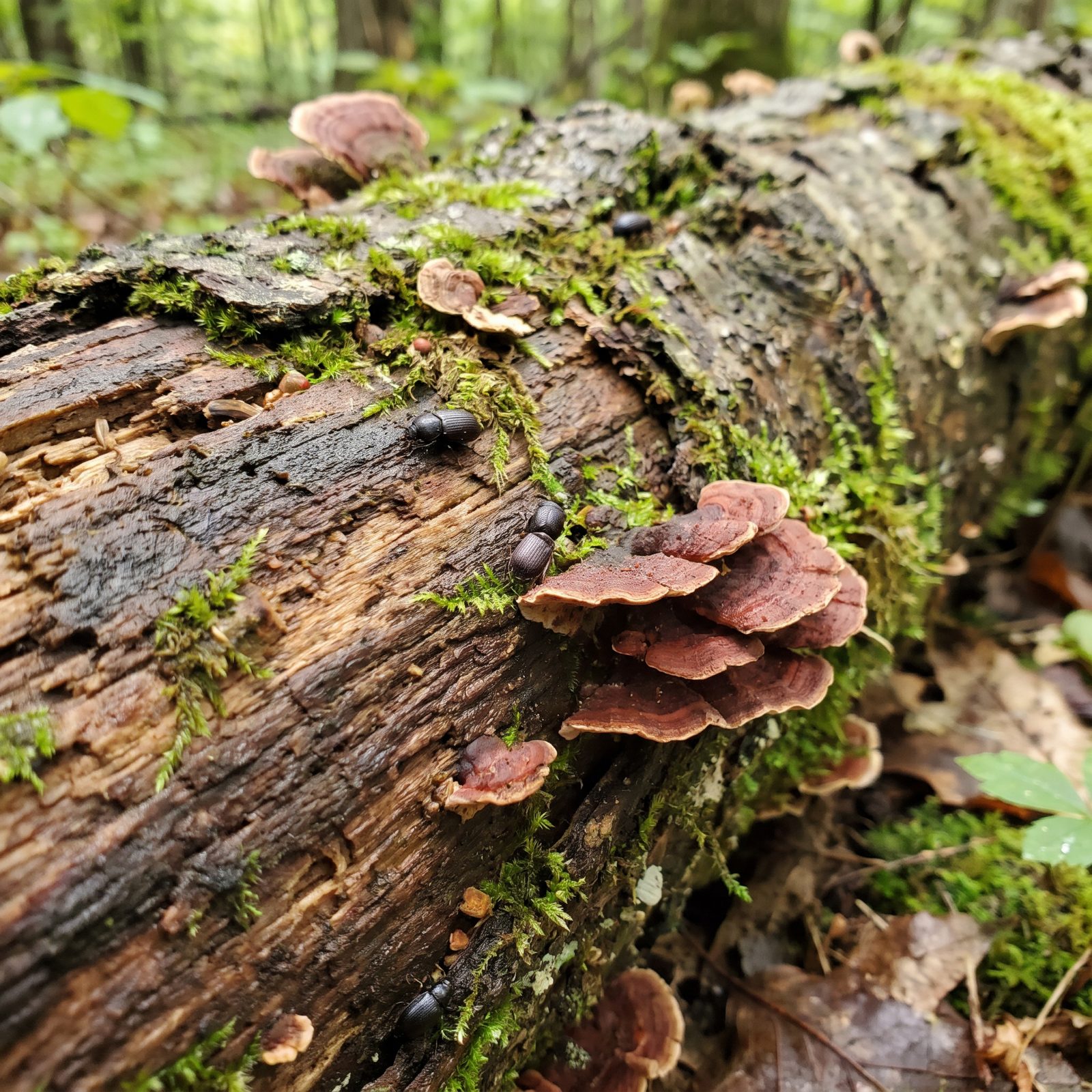
That dead log on the ground is not trash waiting to be burned. It’s a slow-release nursery feeding beetles, fungi, salamanders and the next generation of trees. Strip the ground of deadwood and you strip the forest of its compost and its wildlife.
Hauling your own wood in creates the other problem. You can carry tree-killing insects like the emerald ash borer hundreds of miles in a single bundle. Which is exactly why so many parks say buy it local, burn it there, bring none, take none.
2. Protect Trees When Hanging Hammocks or Clotheslines
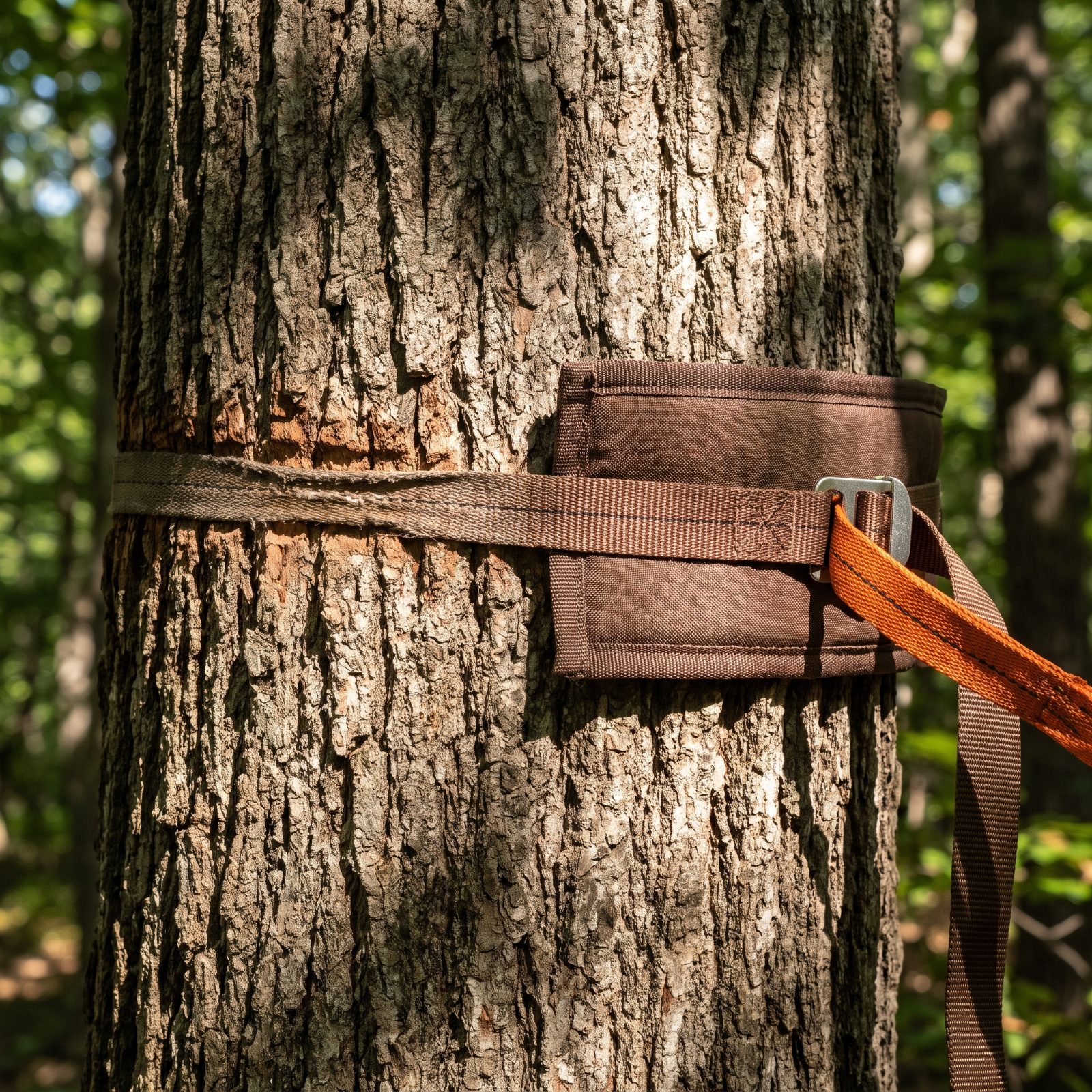
Thin rope or bare webbing cinched around a trunk does real damage. It saws through the bark and into the cambium — the thin living layer just underneath that moves water and food up and down the tree. Girdle that ring all the way around and the tree dies, sometimes years later, so nobody ever connects the rope to the dead oak.
Wide tree-friendly straps, at least an inch across, spread the load and leave the bark intact. Some parks ban hammocks on young or signed trees entirely. Check before you sling.
Answering a reader’s question about hanging a hammock between trees, a longtime garden expert explains “If an adult sits or swings in the hammock, your chain links will inevitably press into the bark, damaging the cambium layer underneath.”
1. Observe Campground Quiet Hours and Generator Limits
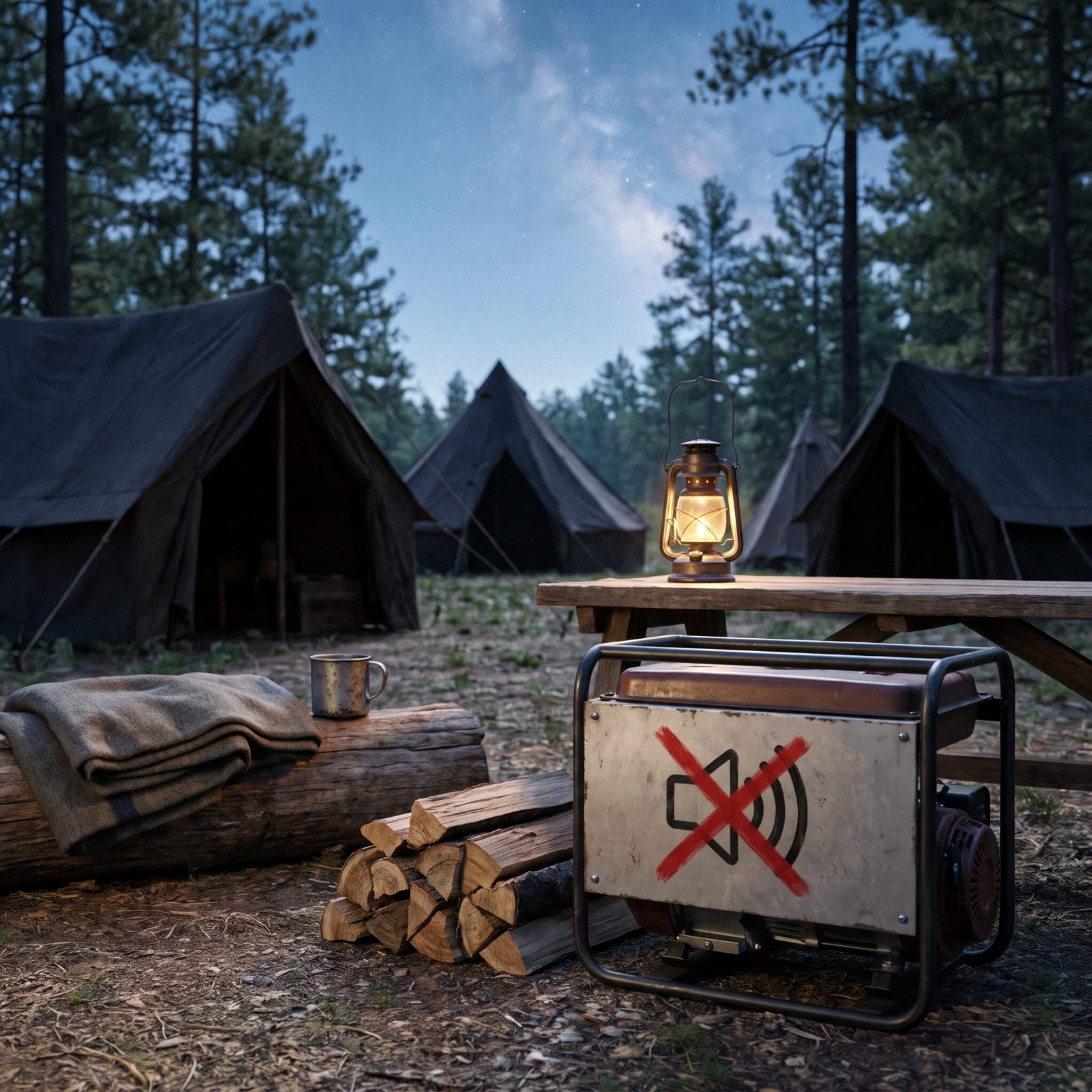
Quiet hours exist because sound carries absurdly far in still night air. A generator two sites over, a car door, a loud phone call — all of it travels across a whole loop in the dark, and the person who drove four hours for one night of silence is now awake at 1 a.m. listening to your playlist.
Most campgrounds set quiet hours around 10 p.m. to 6 a.m. and limit generators to posted windows. Rangers do walk the loops, and they do hand out warnings. The nicest thing you can do for every stranger near you is just go quiet when the sign says to.