

The wounded hero turns, the lion roars, and there’s just enough time to react. Hollywood built that beat because it plays well on screen. Real predators don’t warn you — they work in silence, in ambush, in the half-second before you know anything is wrong. The misconceptions below have been repeated so often on film that people treat them as survival rules. Some are merely wrong. A few will turn a tense encounter into a deadly one. Here’s what actually happens, and what the science says to do instead.
Please note that some of the images in this article were created with the assistance of AI.
48. Expecting a Big Cat to Roar Before It Attacks
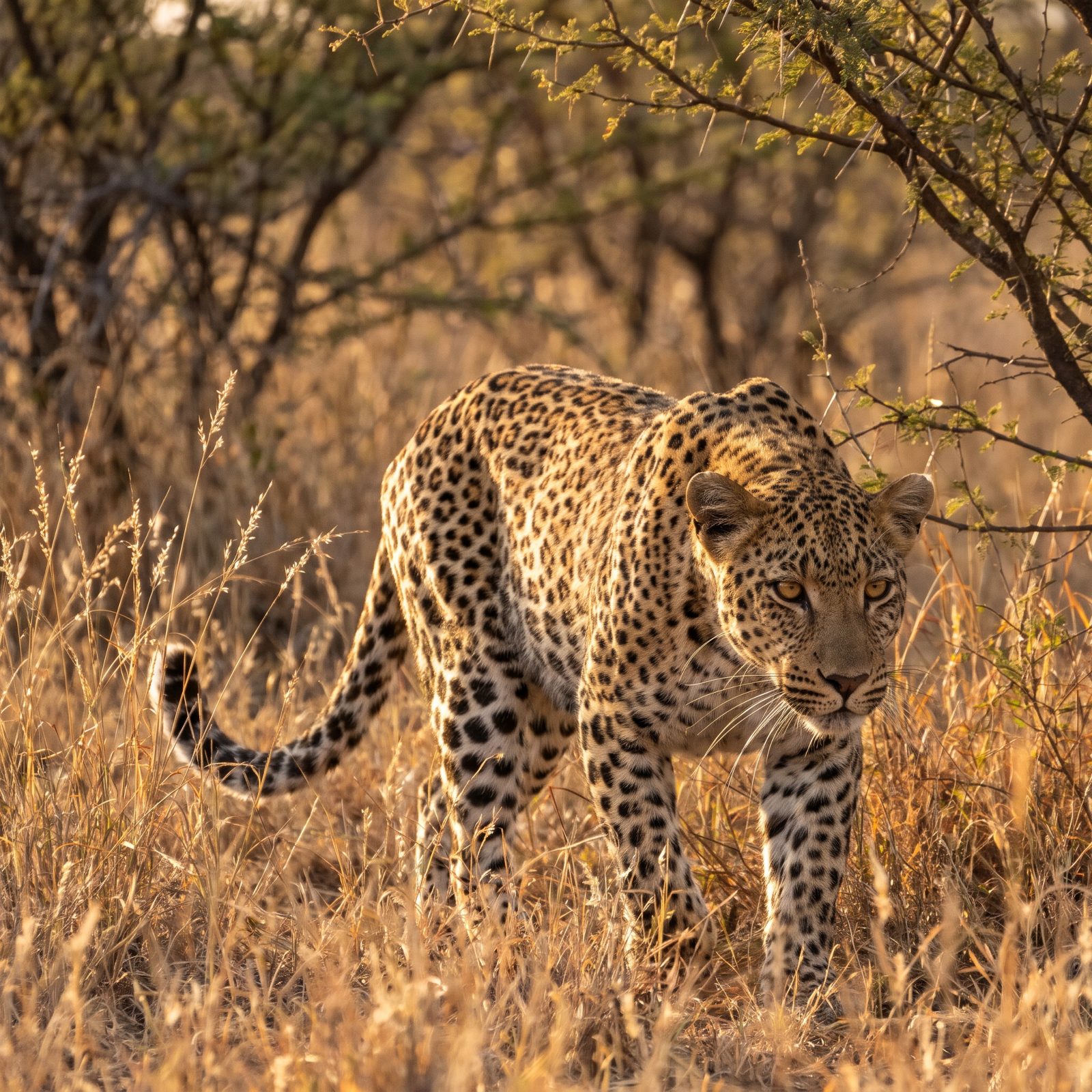
The movie roar is a courtesy that doesn’t exist. On screen, the big cat announces itself, chest rumbling, giving the hero a dramatic second to spin around. In the field, a hunting leopard, cougar or tiger does the opposite — it goes quiet. Vocalizing is for territory and mating, not for killing, and an ambush predator’s entire strategy depends on you not knowing it’s there.
Believing the roar will come makes people scan for sound when they should be scanning for stillness. By the time most people register a stalking cat, the distance is already closed.
In cat country, trust your eyes and your peripheral vision, not your ears. Watch for a crouched silhouette, a flicking tail tip, a head held low and fixed on you. Those are the real warnings, and they’re easy to miss.
47. Running From a Mountain Lion Because the Movies Make It Look Smart
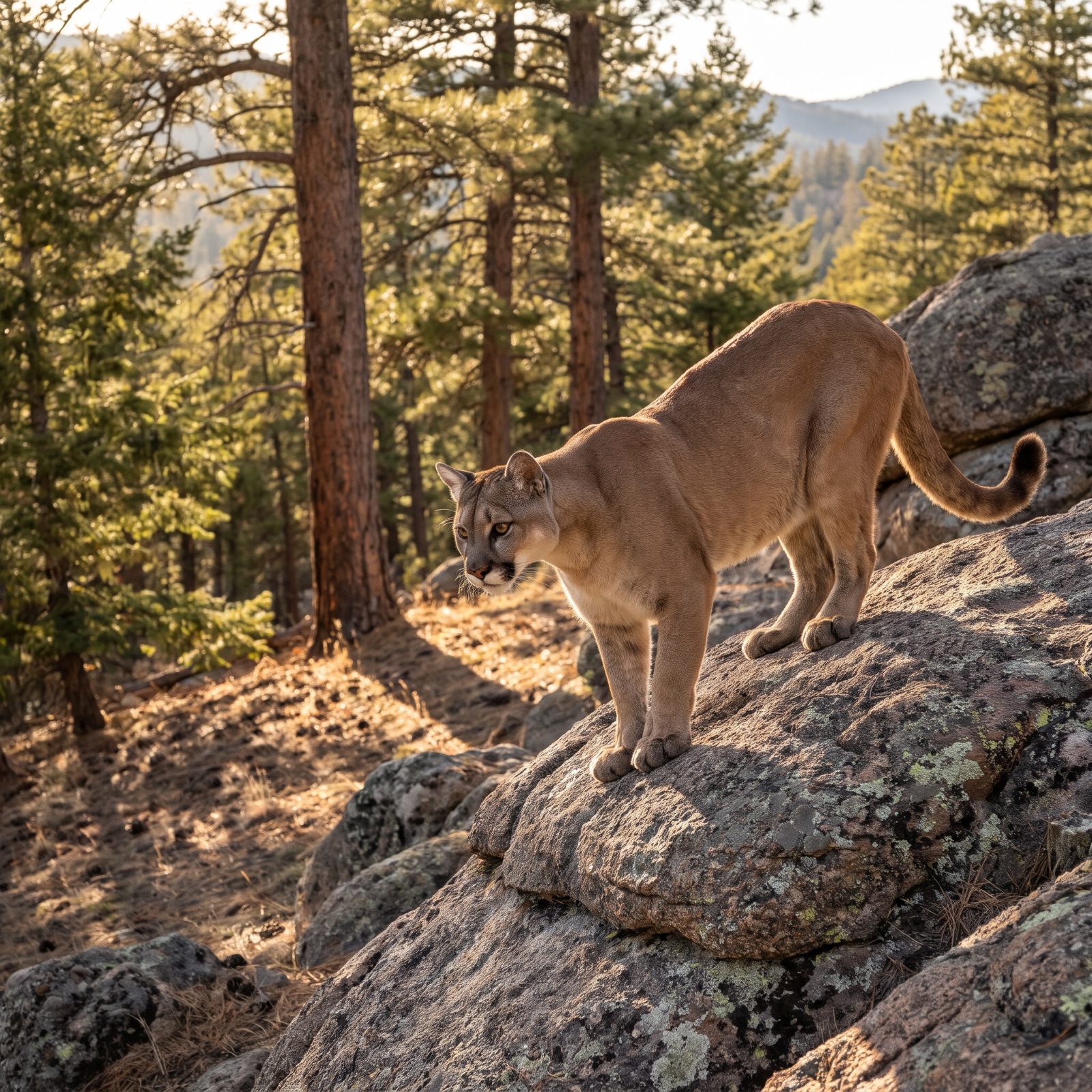
Action films love the sprint. Hero bolts, predator chases, tension spikes. Do that with a mountain lion and you’ve just handed it the one cue it’s wired to respond to.
A cougar’s pursuit instinct keys on fleeing prey, so turning your back and running can flip a curious, hesitant cat into a committed one. You cannot outrun it. Nothing on two legs can.
Face it instead. Stand tall, open your jacket, raise your arms, and make yourself look as large as possible. Speak in a firm, loud voice, and back away slowly if you can while keeping your eyes on the animal. If it attacks, fight back hard and aim for the eyes and face. People have driven off cougars with rocks, sticks and bare hands by refusing to act like a meal.
46. Playing Dead in Every Bear Encounter

Playing dead is the right move in exactly one situation, and never universally. Movies turn it into a magic trick that works on any bear, anytime. It doesn’t.
Here’s where it actually belongs: a defensive grizzly that charges because it feels threatened, often a surprised mother with cubs. Lie flat on your stomach, hands over the back of your neck, legs spread so you’re hard to flip, and stay still until it leaves.
Use that on a black bear, or on any bear that’s stalking you or breaks into your tent, and you may have just lain down for a predatory attack. In those cases you fight with everything you have.
45. Scrambling Up a Tree to Escape a Bear
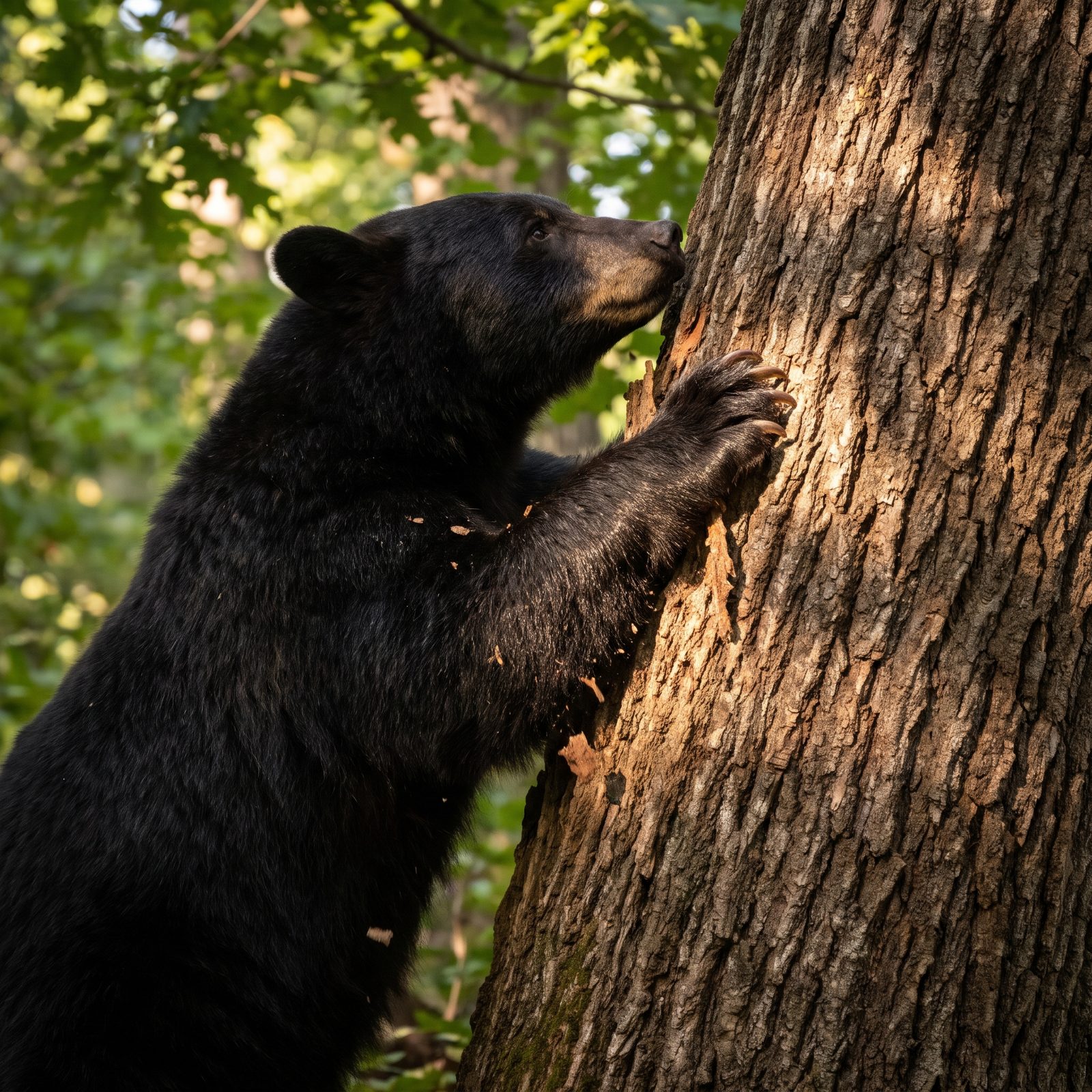
The tree is Hollywood’s go-to escape hatch. Up the trunk, out of reach, cue relief. Try it with a black bear and you’ll meet it at the top.
Black bears climb beautifully from cubhood. Curved claws, short legs, serious upper-body strength. A frightened bear goes up a tree to feel safe, and one that’s chasing you will follow you up without much trouble. Even grizzlies, far clumsier climbers, can haul themselves up a low or branchy tree.
Climbing wastes energy you’ll need and traps you with no exit. The standard guidance holds: identify the bear, respond to its behavior, and in most defensive black-bear situations stand your ground, look big, make noise and be ready to fight back if it makes contact.
According to a large carnivore specialist with a state wildlife agency, “Both bear species (grizzlies and black bears) can and do climb trees, black bears actively climb trees as a defense mechanism”
44. Spotting a ‘Brown Bear’ and Assuming It’s a Grizzly
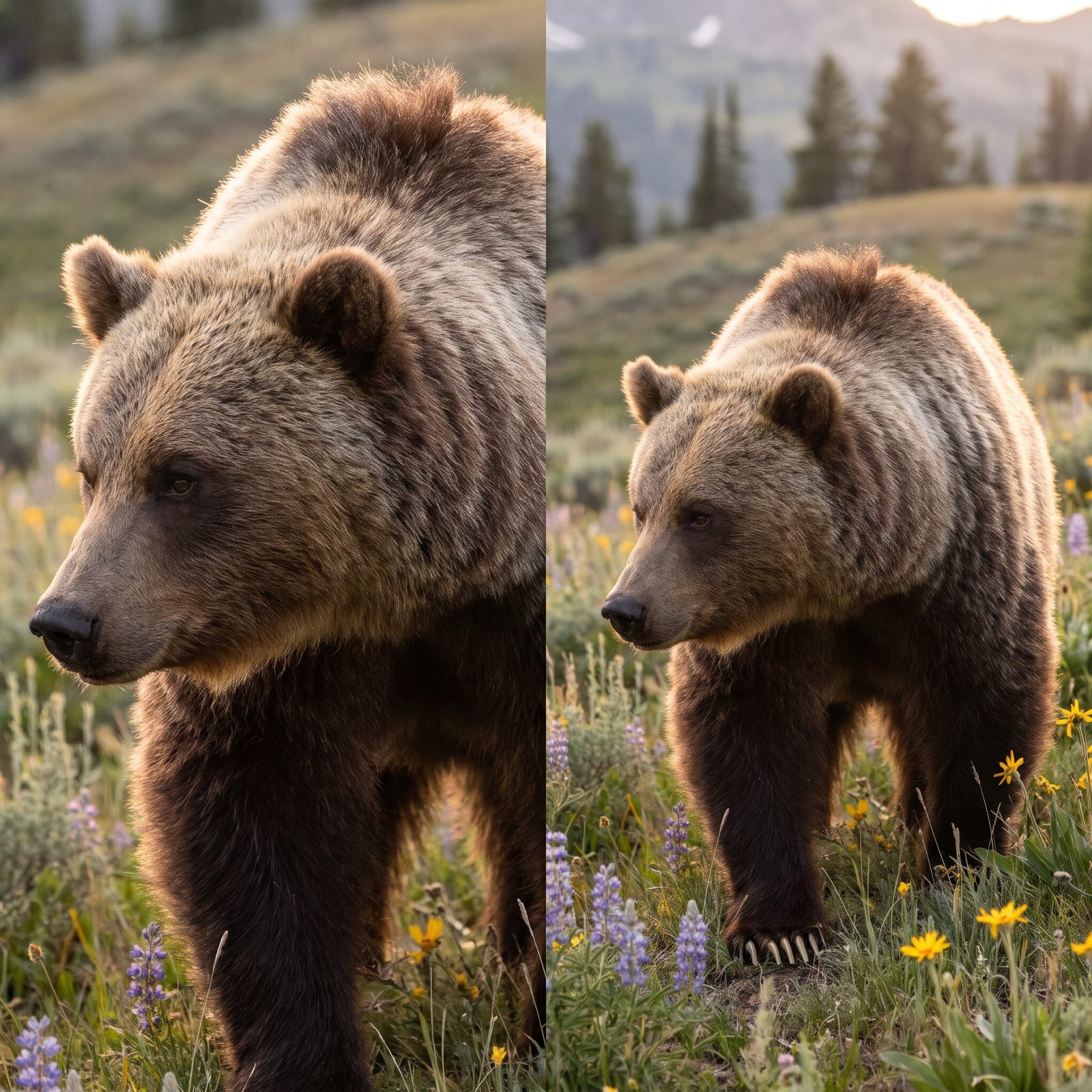
Color is the worst possible way to tell these bears apart, and it’s the one films lean on. Call the brown one a grizzly and the black one a black bear and you’ll guess wrong constantly.
Black bears come in cinnamon, blond, chocolate and even bluish-gray. Grizzlies range from near-blond to almost black. So a “brown bear” could be either, and mislabeling matters because the two species call for completely different responses.
Read the body, not the coat. Grizzlies have a pronounced shoulder hump, a dished (concave) face, short rounded ears and long claws. Black bears have no hump, a straighter facial profile, taller ears and shorter curved claws. Those shape cues hold regardless of fur color.
43. Treating Wolves as Routine Man-Eaters
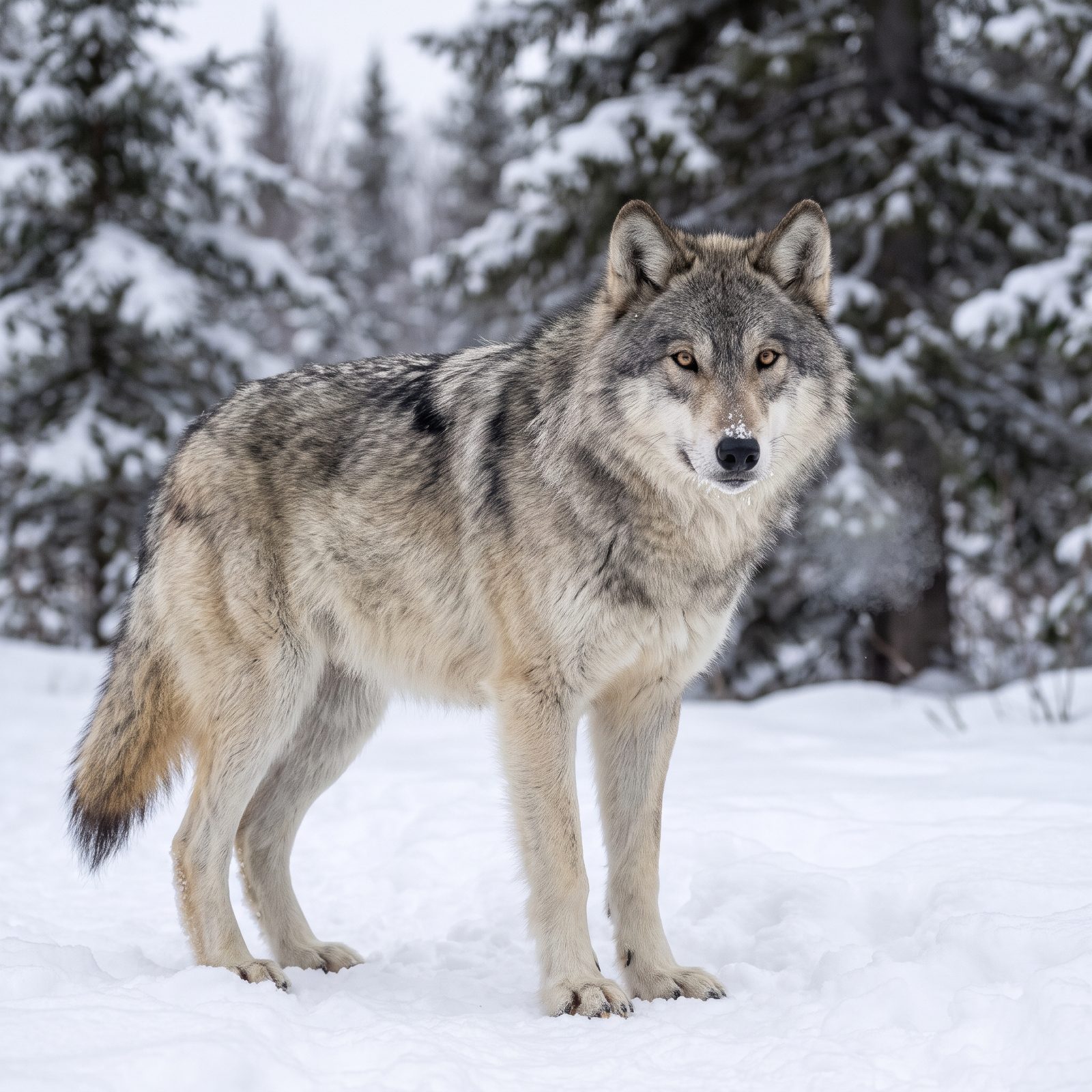
The pack that circles the campfire, eyes glowing, waiting to pick off the weak? Pure folklore, dressed up for the screen. Wild, healthy wolves generally avoid people, and documented fatal attacks in North America are extraordinarily rare.
The real danger isn’t the storybook man-eater. It’s a wolf that has lost its fear of humans, usually because people fed it, left garbage out, or let it associate camps with easy food. A habituated wolf is a different and genuinely risky animal.
Never feed wolves, never leave food or scraps accessible, and keep dogs leashed and close in wolf country. If a wolf approaches without fear, make yourself large, make noise, back away without running, and report the animal. Respect the real risk without buying the myth.
42. Running From a Coyote Like It’s a Pint-Sized Wolf
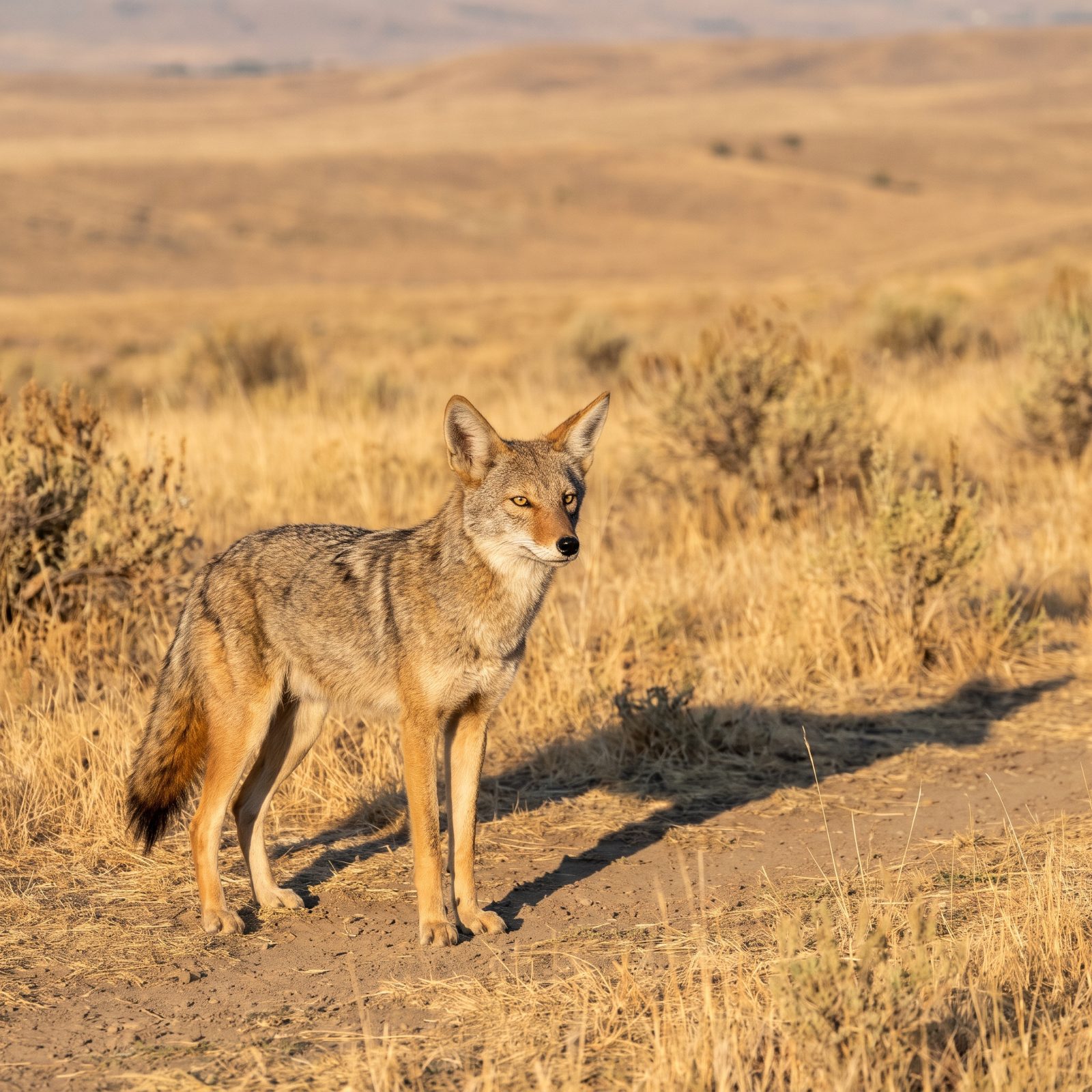
Bolt from a coyote and you’ve just taught it the game. Running turns you into prey in its eyes, and a coyote bold enough to approach is usually one that’s been fed, deliberately or by accident.
The fix is hazing, which is the exact opposite of fleeing. Stand tall, wave your arms, shout, stomp, throw small objects toward (not at) the animal, snap open an umbrella — be loud and unpredictable. You’re re-teaching the coyote that people are to be avoided.
Keep small pets leashed and close, secure trash and pet food, and never hand-feed wildlife. A coyote that fears humans is a safe neighbor. A coyote that’s been fed into boldness is the one that bites.
41. Writing Off Hyenas as Cowardly Scavengers
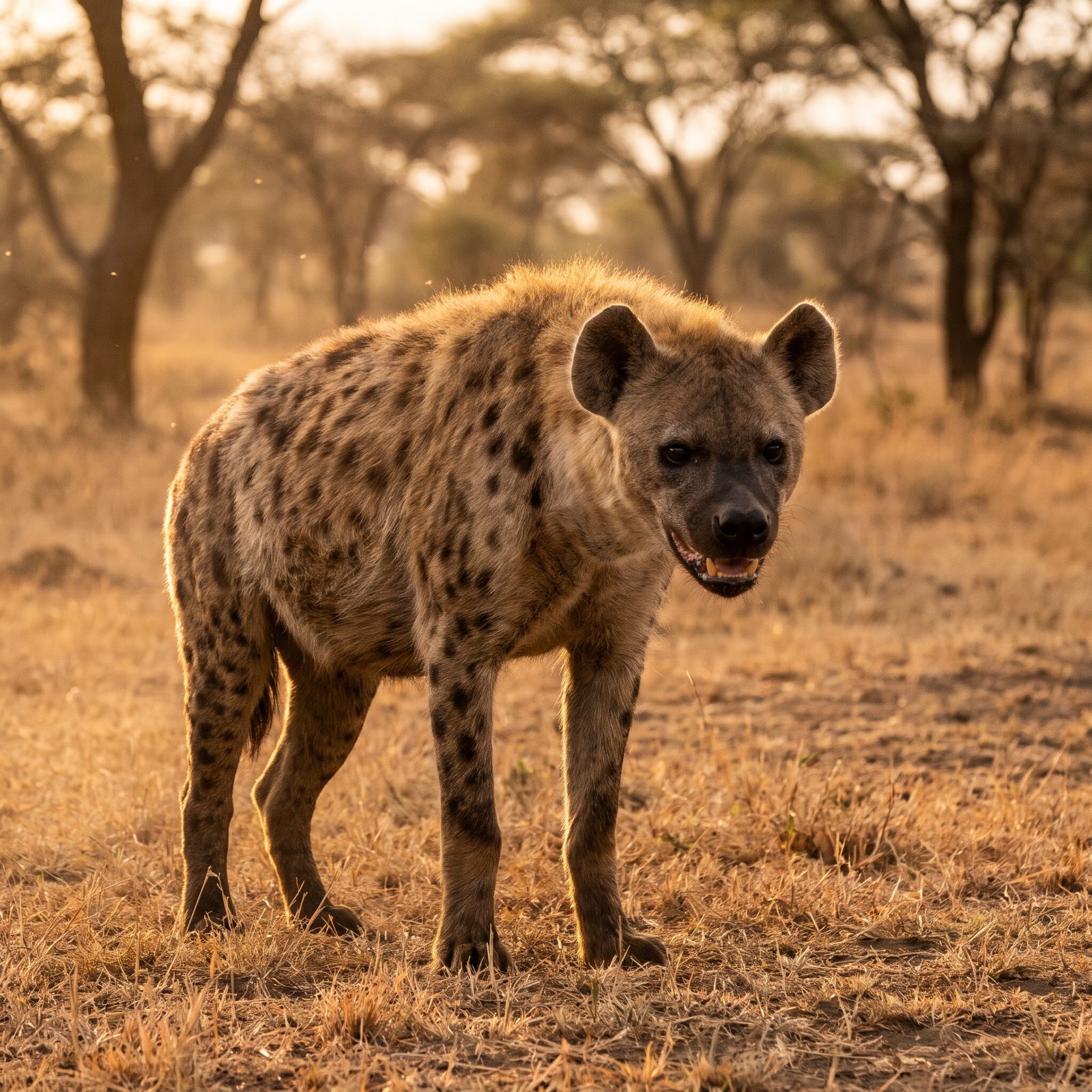
Cartoons made the hyena a sniggering coward slinking after lions for scraps. The science says the slander runs backwards. Spotted hyenas are accomplished hunters that kill most of what they eat, and lions regularly steal from them, not the other way around.
Their jaws generate some of the strongest bite force of any mammal their size, strong enough to crack open thigh bones and skulls to reach the marrow. That’s no scavenger’s party trick. That’s apex-predator hardware.
Underestimate a hyena clan near a kill or a den and you’ve made a serious mistake in the field. Give them wide berth, never approach a carcass they’re on, and treat a bold, well-muscled predator with the respect it has clearly earned.
The animal cartoons taught you to laugh at can crush bone like it’s a breadstick.
40. Thinking Hippos Are Gentle River Grazers
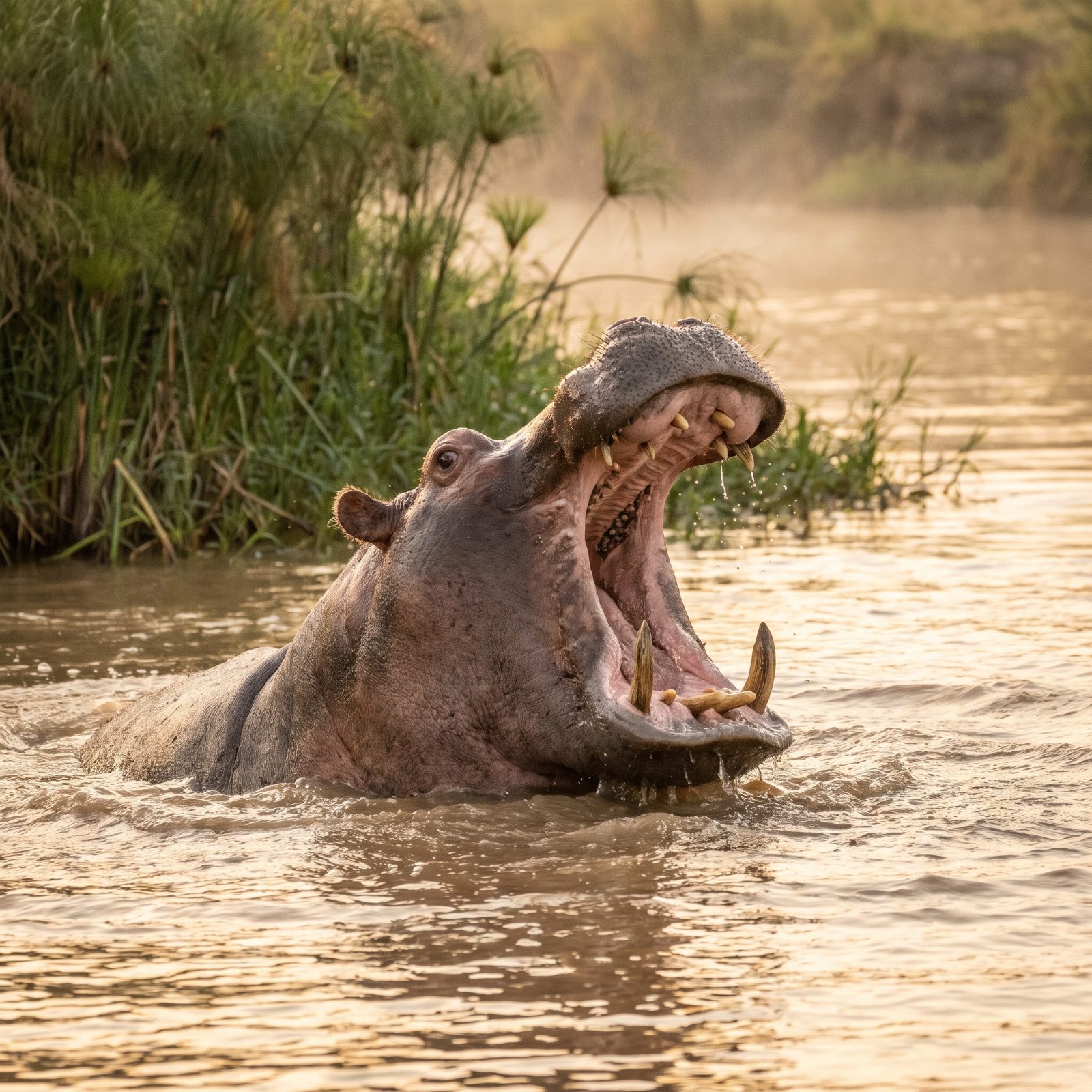
They look like fat, sleepy balloons dozing in the shallows. That image gets people killed. The hippopotamus ranks among the most dangerous large animals in Africa, responsible for a grim toll of human deaths across the continent every year.
Despite that bulk, a hippo can outsprint a person over short distances on land, and it’s fiercely territorial in water. These animals will capsize boats, and a bull’s jaws, armed with long canine tusks, can bite straight through small craft and cause catastrophic injuries.
Never put yourself between a hippo and deep water, which is its escape route, and never between a mother and her calf. Keep a wide margin on riverbanks, give them room at dawn and dusk when they graze, and don’t mistake stillness for calm.
39. Assuming a Rhino Is Easy to Dodge Because It Can’t See
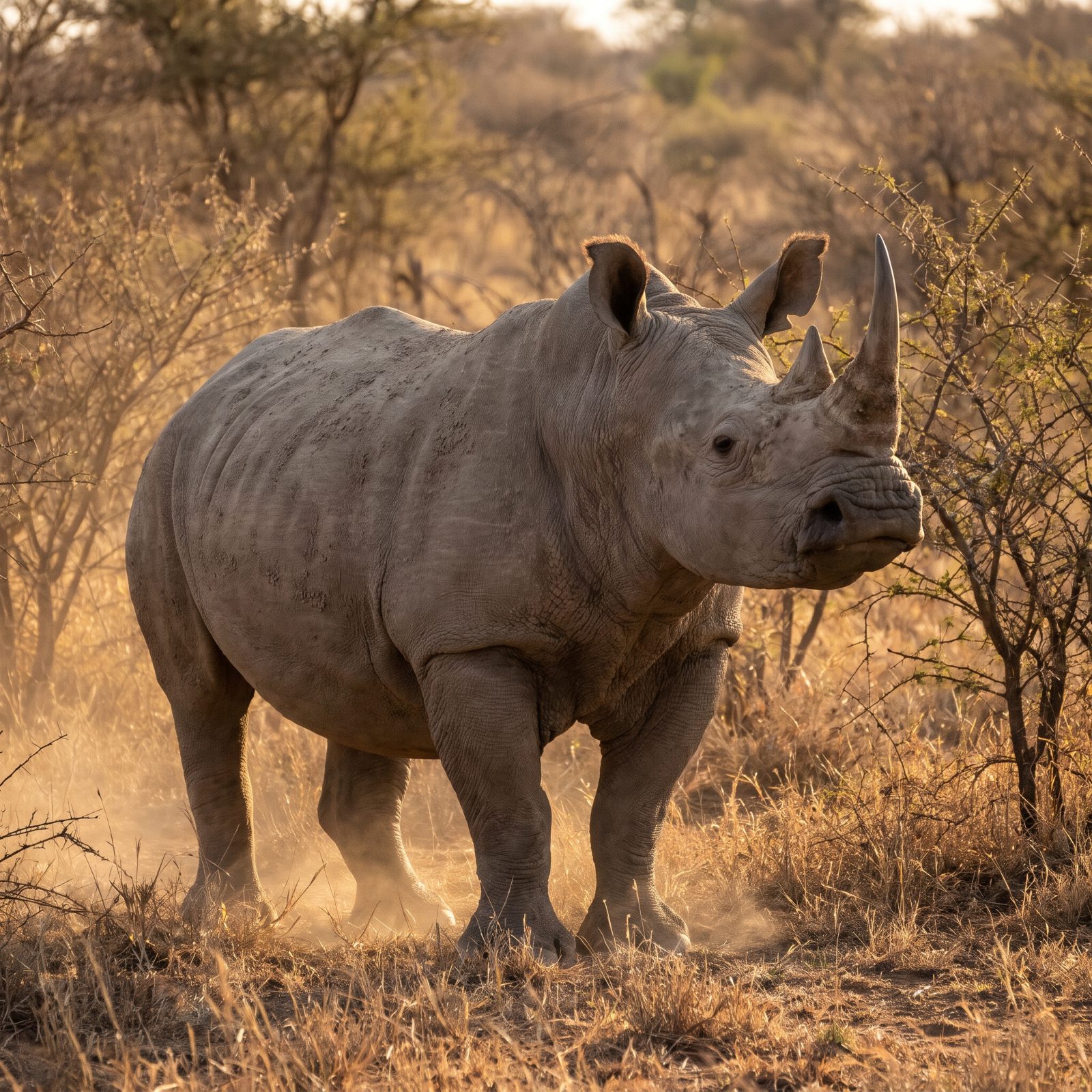
Poor eyesight gets mistaken for an easy escape. The thinking goes: it can barely see me, I’ll just step aside. The rhino’s other senses make that a terrible bet.
Its vision is weak beyond a short range, sure. But its hearing is sharp, its sense of smell is superb, and for an animal that can weigh more than two tons, it’s startlingly quick — charging fast and turning far tighter than you’d ever expect.
A rhino locks onto a target using sound and scent, not just sight, so sidestepping a committed charge is far harder than the movies suggest. Keep your distance, stay downwind, and never get between a mother and calf. If one charges, your best option is solid cover — a vehicle or a stout tree. Agility that size doesn’t need good eyes to find you.
38. Trusting an Elephant Because It Looks Calm
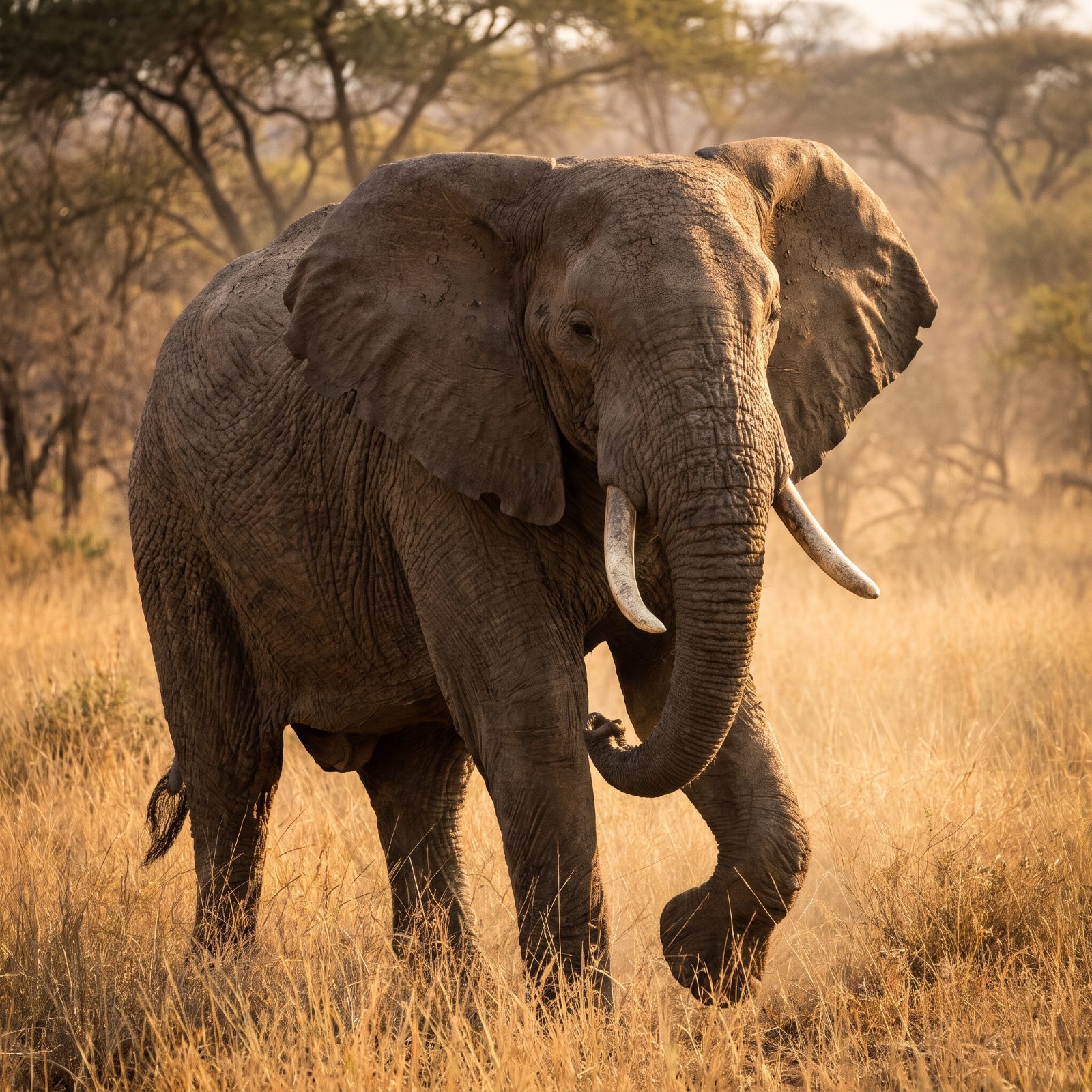
A still elephant is not a relaxed elephant. Before a charge the warnings go quiet: ears pinned flat, trunk tucked, a sudden freeze, dust kicked up by a swinging foot. Movies adore the gentle giant who lets a hero stroll up and pat its trunk, but reality hands you a six-ton animal that can go from stationary to sprinting in a heartbeat.
The cost is simple — by the time the obvious signs show up, you’ve already run out of room. Give elephants a wide buffer, never get between a female and her calf, and back off slowly the second you see a head-shake or hear a trumpet. Respect the quiet. The quiet is where the danger lives.
37. Reading a Chimpanzee’s Grin as a Friendly Smile
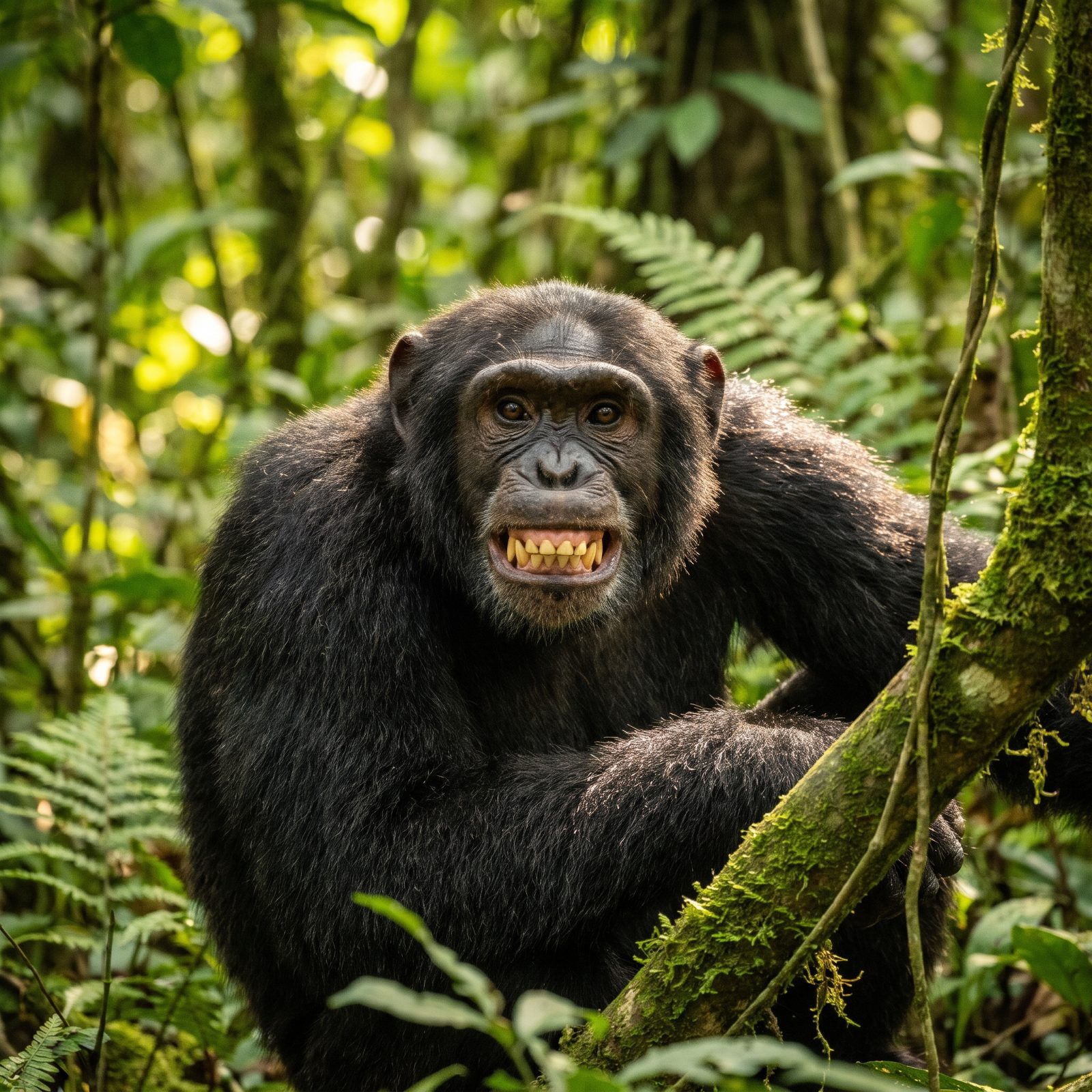
That toothy chimp “smile” splashed across birthday cards and comedies? Primatologists call it a fear grimace. Bared teeth, tight lips, wide eyes — it signals stress, submission or alarm, never joy. We paint a human expression onto a primate face and get it exactly backwards.
The consequence is ugly. Chimps are considerably stronger than an adult human and have inflicted horrific injuries on people who mistook agitation for affection. Don’t approach a wild chimp, don’t corner one, and treat a visible grin as a flashing warning rather than an invitation. If a captive or sanctuary animal shows it, give staff room to manage the moment. You really don’t want to be the person who leaned in.
36. Feeding Wild Monkeys to Win Their Trust
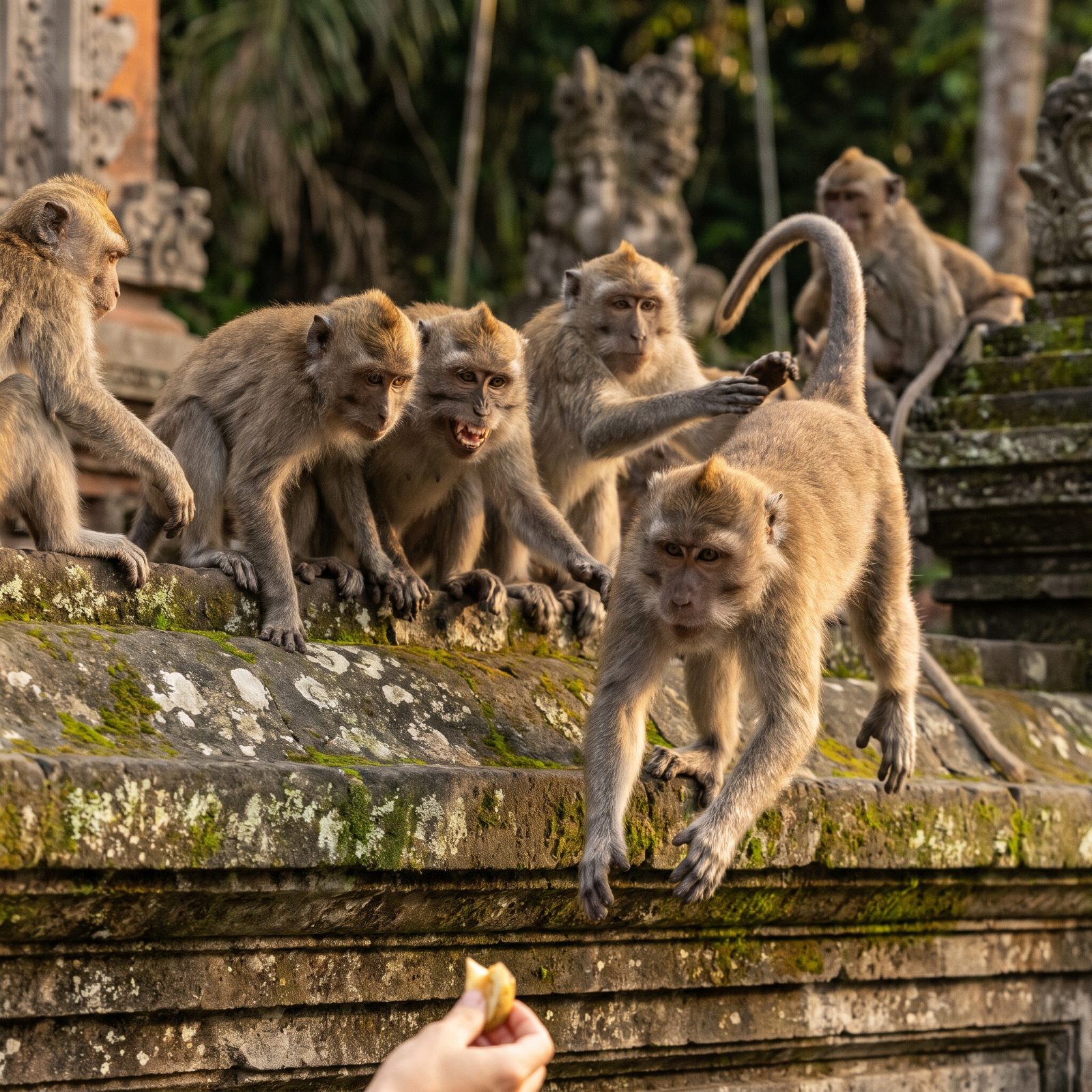
Hand a monkey a snack and you haven’t made a friend. You’ve made a mugger. Wild monkeys that connect humans with food stop asking and start grabbing — lunging, scratching and biting for whatever’s in your hand or bag.
And the real risk goes well beyond a nip. Macaque bites can transmit herpes B, rare but potentially deadly in people, and troop feeding fuels aggressive mobbing at temples and parks across Asia. Keep food sealed and out of sight, avoid eye contact (a stare reads as a challenge), and never offer anything by hand. The monkey that trusts you to feed it is the one that bites you the day you stop.
35. Treating a Moose Like a Placid Forest Cow

Big ears, goofy nose, those improbable antlers — a moose looks like a cartoon of a gentle animal. It is nothing of the sort. In parts of North America a moose injures more people than bears do, mostly because folks underestimate the thing and wander too close.
An agitated moose drops its ears, raises its neck hair and licks its lips before it strikes, usually with the front hooves hard enough to break bone. Cows with calves and bulls in fall rut are especially short-tempered. Keep a long distance, put something solid like a tree or car between you if one charges, and if it knocks you down, curl up and stay still until it wanders off.
34. Walking Up to Bison Because They Look Slow
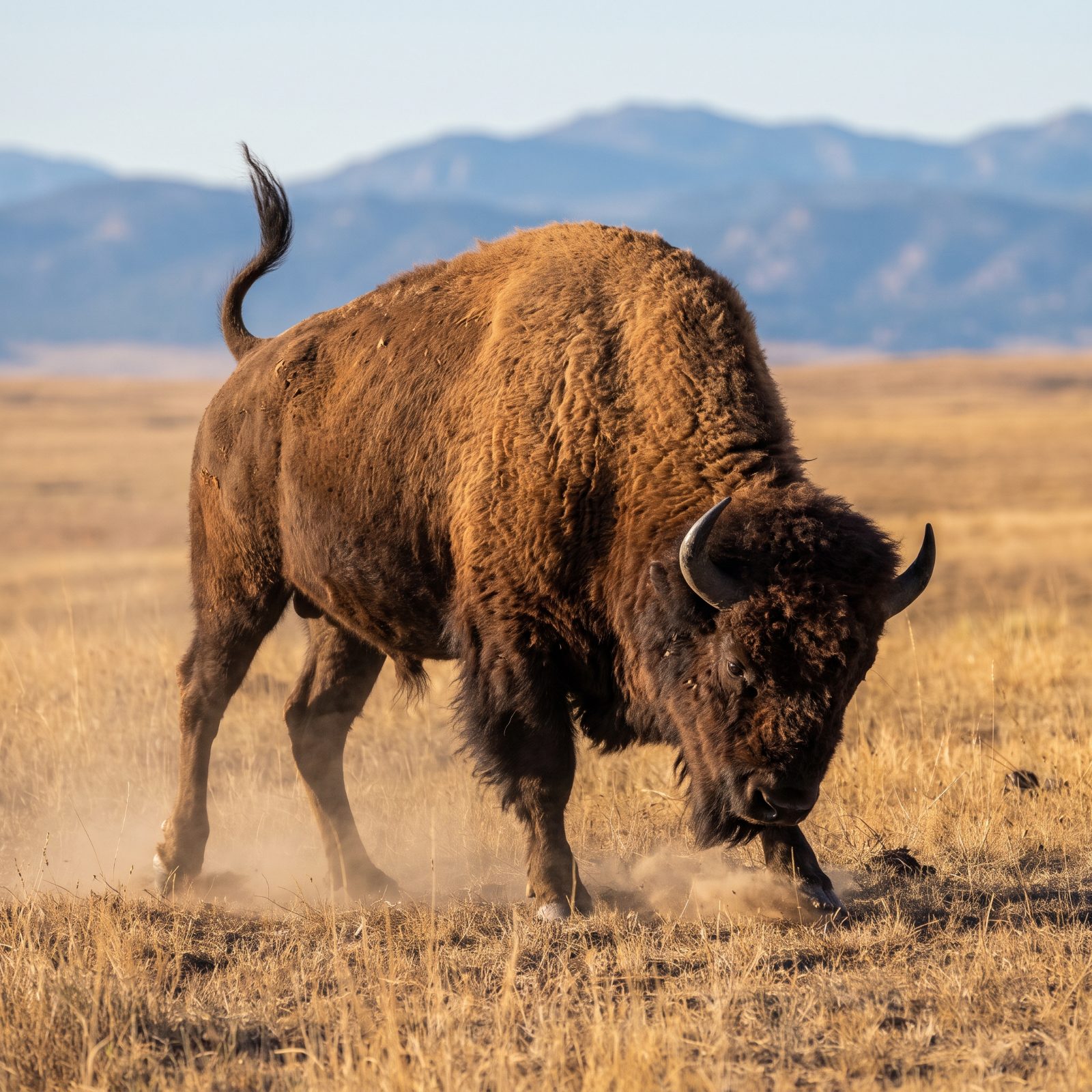
A bison grazing in a meadow reads as a slow, placid lump of muscle. That read gets people gored in national parks every year, usually within a few feet of a parking lot, usually mid-selfie.
Here’s the math nobody checks. A bison weighs up to a ton and can hit roughly 35 miles per hour. You can’t. When that tail stands straight up and the animal starts pawing or snorting, it has already made up its mind. Stay at least 25 yards back, never walk toward one, and if it starts moving at you, get behind something solid. The slow-looking animal is exactly the one that catches you.
33. Assuming Deer and Elk Are Harmless
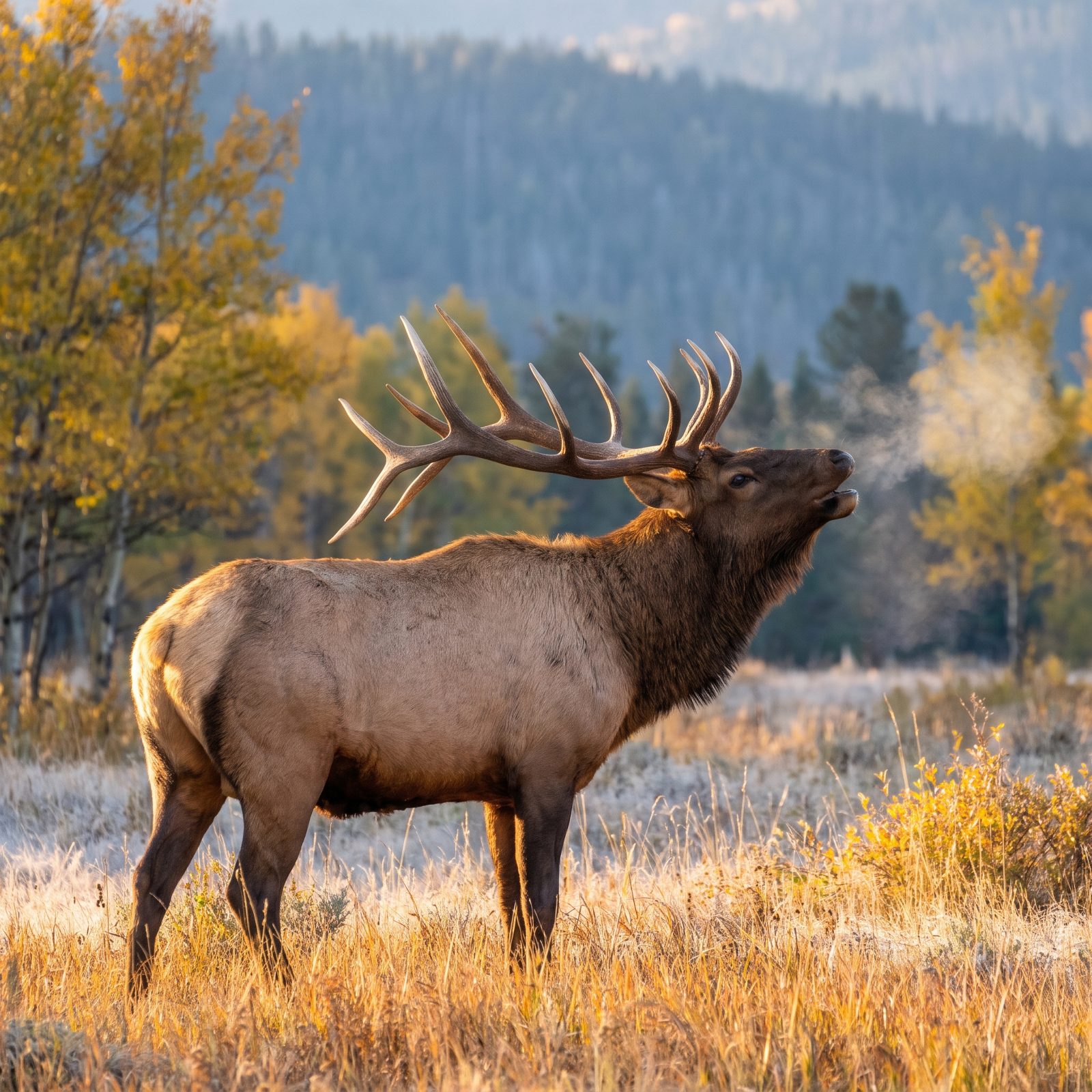
Deer and elk carry a reputation for being skittish and sweet — the Bambi effect in full force. For most of the year, that’s mostly true. Come fall rut and spring fawning season, though, the reputation turns dangerous.
Rutting bull elk run hot on testosterone and will charge people, dogs and cars with those antlers. Does and cows guarding young strike with sharp front hooves to drive off anything they read as a threat. And habituated deer in towns and campgrounds lose their fear, which makes them bolder, not safer. Give them wide space in fall and spring especially, keep dogs leashed, never try to pet or feed one. The tame-looking buck in the campground is carrying a weapon on its head.
32. Believing Wild Boars Charge Only After Being Wounded
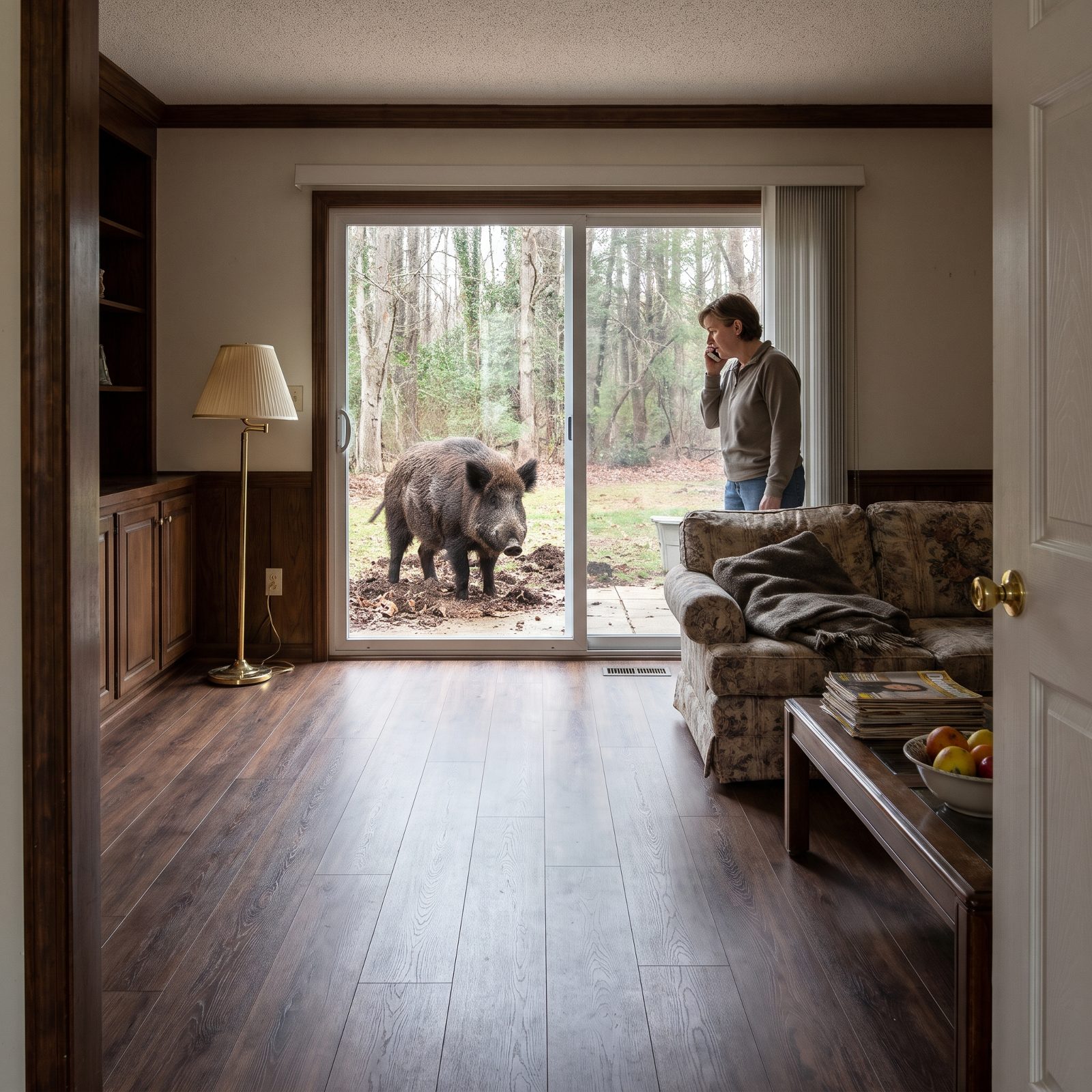
Movie logic says the boar only turns deadly after a bullet grazes it. Real boars skipped that script. A cornered boar, a sow defending piglets, or a male in rut will charge with no injury and no slow buildup at all.
Those tusks, and the sheer muscle driving them, cause serious leg and groin wounds. Boar numbers are booming across Europe and the southern United States, which means more run-ins near trails and suburbs. If you meet one, don’t run — it triggers the chase — and don’t get between a sow and her piglets. Back away slowly, give it an exit, and climb or put a barrier between you if it commits. Assume it doesn’t need a reason.
31. Treating Kangaroo Boxing as Harmless Comedy

Cartoons handed us the kangaroo in little red gloves, bouncing around like a lovable prizefighter. A two-meter male red kangaroo is not bouncing. He’s a wall of muscle who grapples with his forearms, rakes with long claws, and delivers a two-footed kick powered by legs built for crossing deserts.
Those kicks can disembowel. Males that have been fed by people shed their wariness and turn aggressive toward anyone without a handout. Never feed a wild kangaroo, never corner one, and if a big male stands tall and locks eyes with you, back away without turning your back. The “boxing” is a lethal martial art that only looks silly from a safe distance.
30. Rescuing Every Wild Baby Found Alone

You find a fawn lying alone in the grass, or a fledgling hopping on the ground, and every instinct screams rescue. Hold that instinct. A fawn tucked motionless in the grass is almost always fine — mother feeding nearby, returning on a schedule precisely so she doesn’t draw predators to it.
Scoop it up and you may orphan a healthy animal, interrupt its feeding, or get charged by a returning parent that absolutely will defend its young. Plenty of “rescued” babies die in human hands from stress and the wrong food.
Watch from a distance for a few hours instead. If the baby is clearly injured, cold, or lying beside a dead parent, call a licensed wildlife rehabilitator rather than hauling it off yourself. Doing nothing is usually the kindest thing you can do.
Explaining why a doe leaves her fawn alone, a wildlife rehabilitation director says “She leaves no scent in an open spot. She’ll go forage for food. She is big and can be noticed. This way won’t alert predators to the area”
29. Believing Snakes Chase People for Revenge
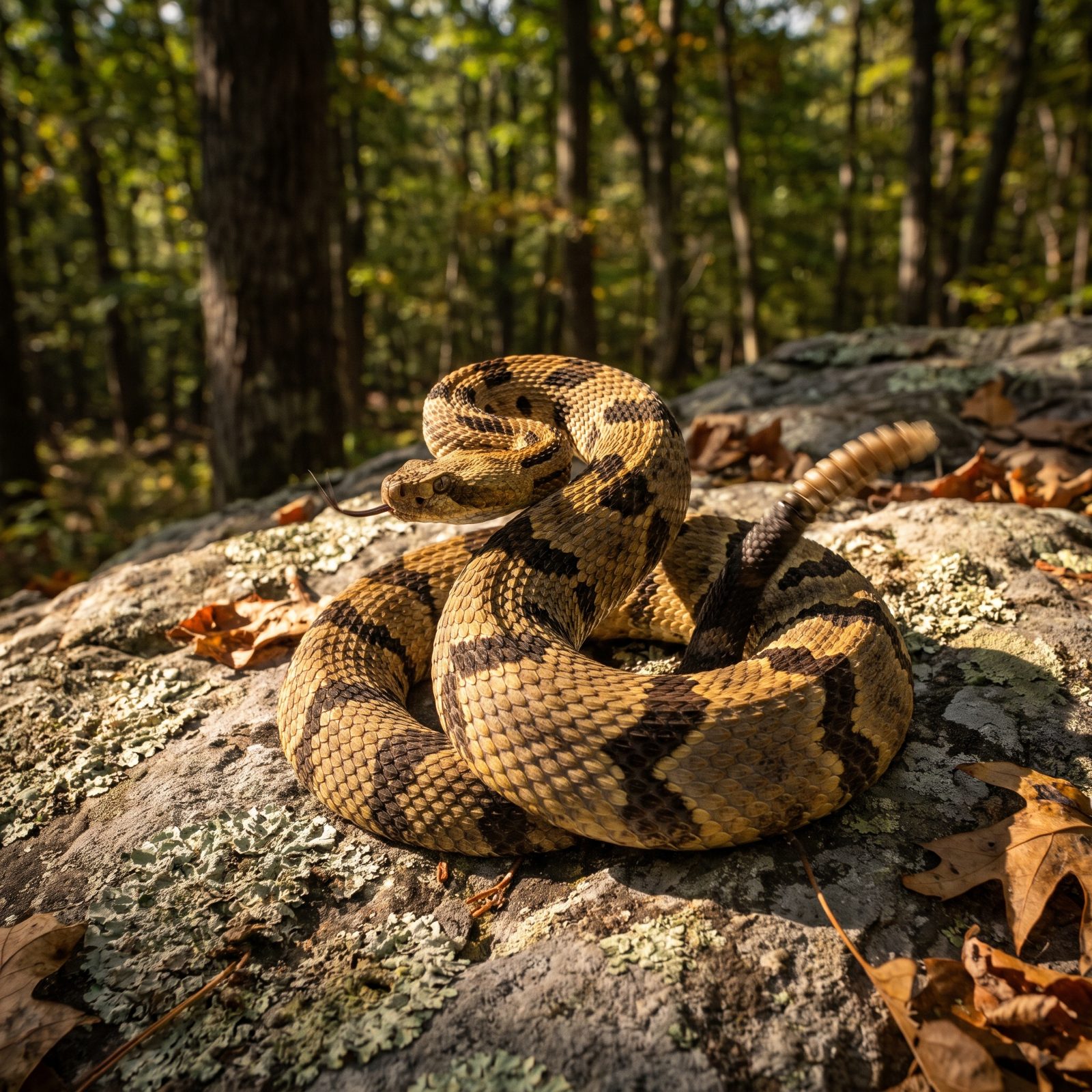
The vengeful snake slithering after a fleeing hero is pure movie invention. Snakes have zero interest in hunting you down. A snake that seems to “come at” you is almost always bolting for the nearest cover, which just happens to sit in your direction.
The real danger is your own panic. Most bites happen when people try to kill, handle or photograph a snake, or when they flail and stumble backward into a second one. Give any snake a wide berth, freeze and locate it before you move, then step calmly away and let it go. If bitten, stay still, keep the limb roughly at heart level, and get to a hospital for antivenom. No tourniquets, no cutting, no sucking. The snake wants nothing to do with you — return the favor.
28. Expecting a Rattlesnake to Rattle Before It Strikes
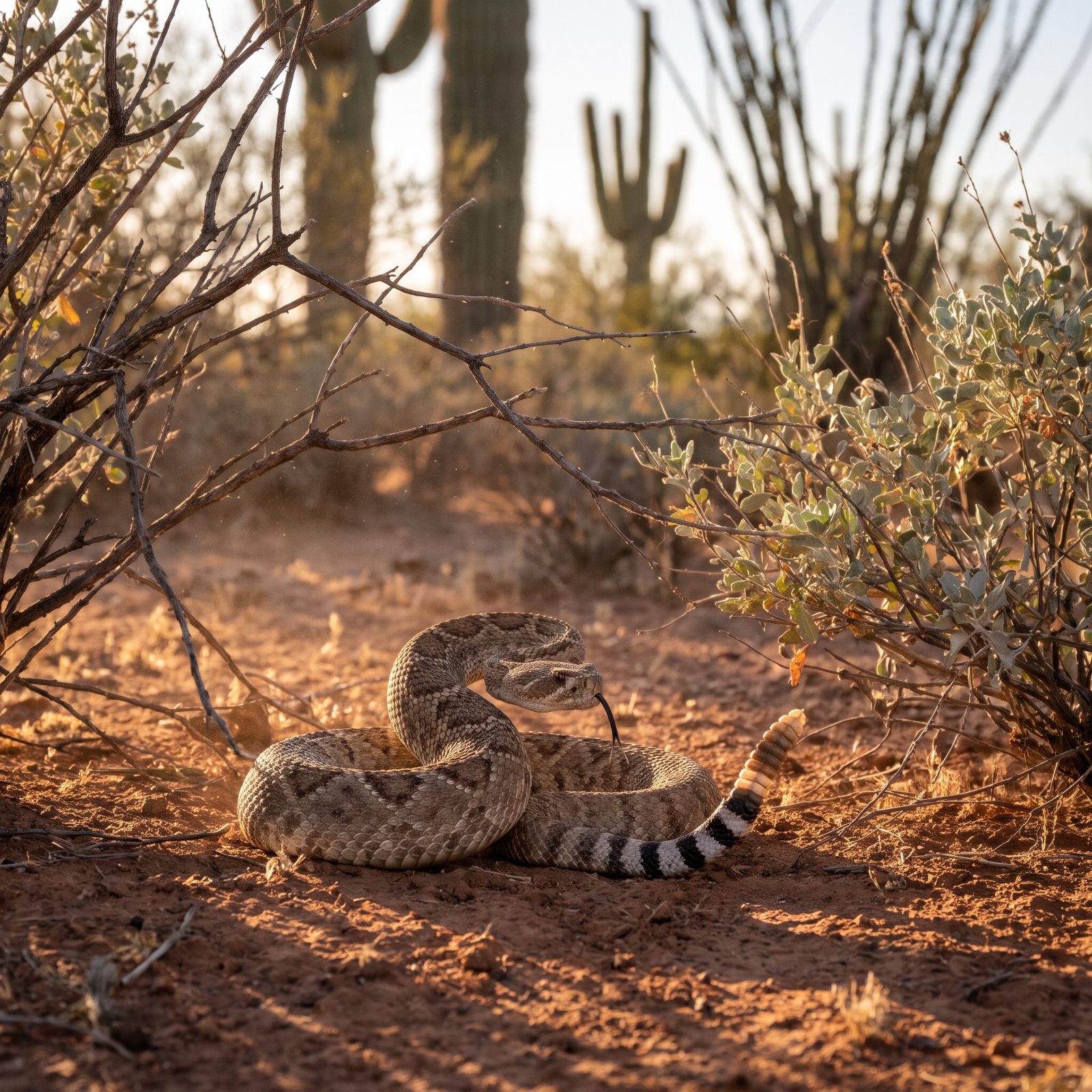
The movie beat is always the same: a dry buzz, a slow pan, a character freezing just in time. Real rattlesnakes never read the script.
A rattlesnake rattles when it feels cornered and happens to have time to warn you — which is often not the case. They strike from ambush, strike when you step on them, and plenty of the time the rattle stays silent the whole while. Juveniles may barely buzz at all. Counting on that warning is how people walk straight onto a snake they never heard.
So watch where you put your hands and feet out there. Step on logs, not over them. Carry a light at dusk, when they’re on the move. The rattle is a courtesy, not a smoke alarm — don’t wait for it.
Talking about bites that came with no warning rattle, a rattlesnake removal business owner says “Sometimes they’ll skip the posturing part, especially if someone puts their hand right on it while they’re reaching for a golf ball. They might just go straight to a bite.”
27. Trusting a Triangular Head to Tell You a Snake Is Venomous
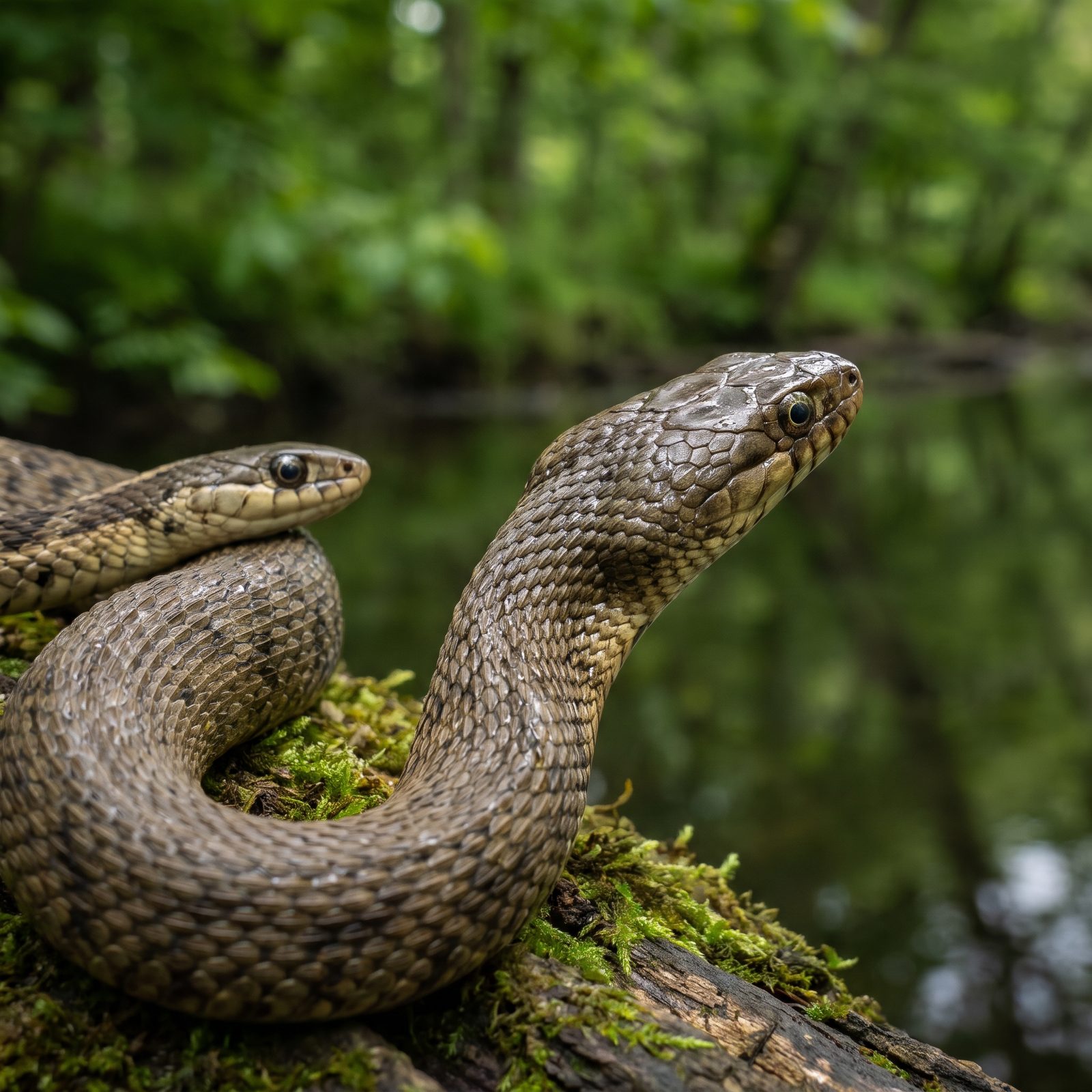
Someone taught us all that venomous means triangular head, harmless means round. It’s one of the most repeated and least reliable rules in the woods.
Plenty of harmless snakes flatten their heads into a wide triangle to bluff predators — hognose and water snakes do it constantly. Meanwhile, some genuinely dangerous animals, like coral snakes and many elapids worldwide, have slim, rounded heads that break the rule outright. Judge a snake by head shape and you’ll guess wrong in both directions.
The real move is simpler. Don’t identify snakes by handling them. Learn the specific dangerous species in your own region by pattern and color, keep your distance from anything you can’t name, and let it go. A snake crossing a trail wants nothing to do with you.
26. Believing Snake Venom Drops You on the Spot
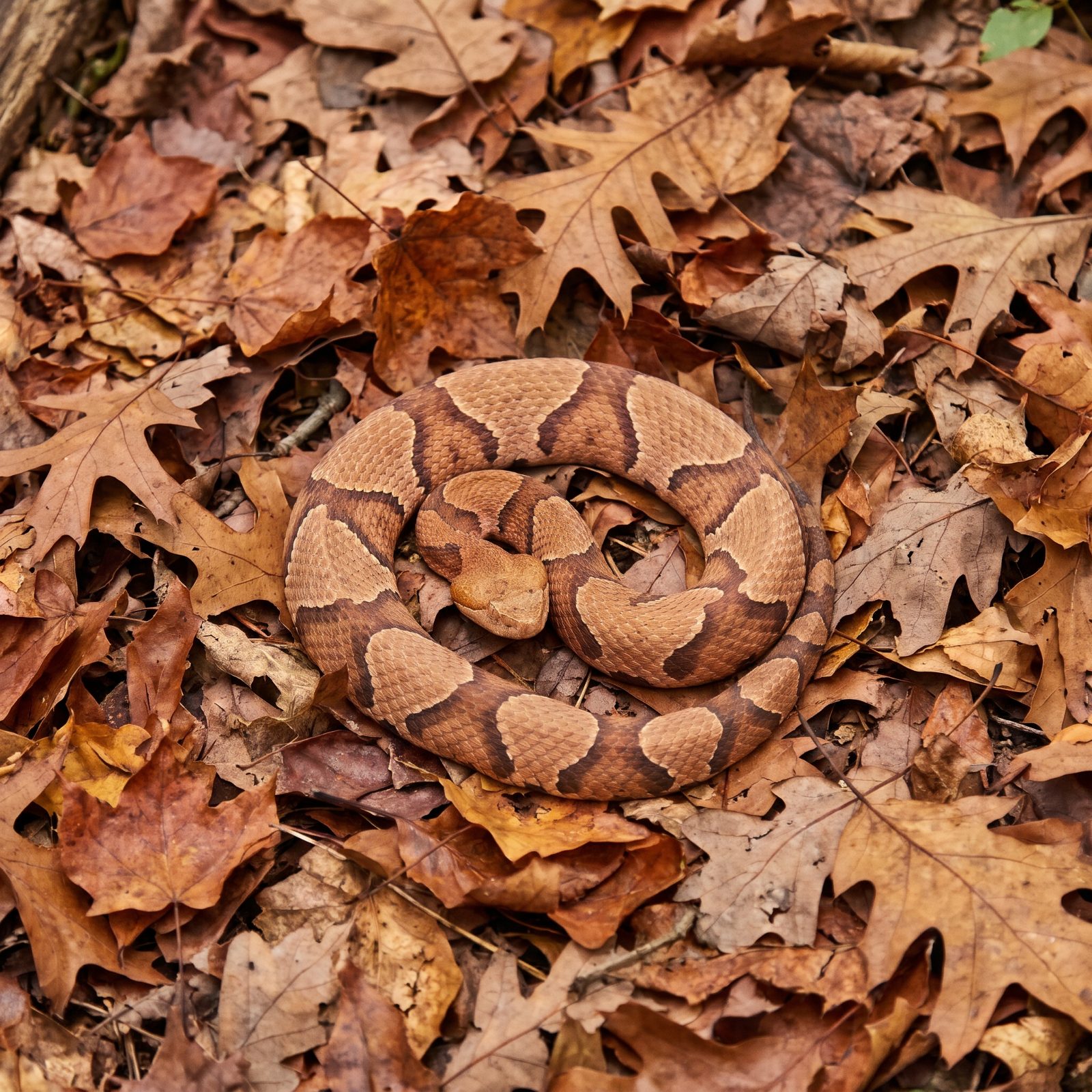
In films the bite lands and the victim crumples within seconds, clutching their neck, eyes rolling. Dramatic. Mostly fiction.
Most snakebite symptoms build over minutes to hours, not instants. Swelling, pain, nausea, bruising, tissue damage — it all creeps in gradually, and that delay is dangerous precisely because it feels survivable. People talk themselves out of the hospital. They walk it off, wait to see. By the time things turn serious, the clock has already been running a while.
A bite that feels mild in the first ten minutes can still become a medical emergency by hour two.
Treat every venomous bite as a 911 situation, immediately. Get the person calm, keep the bitten limb still and roughly at heart level, strip off rings and watches before swelling sets in, and head for a hospital with antivenom. Speed of transport beats any field heroics.
25. Cutting, Sucking or Tying Off a Snakebite Like an Old Western

The cowboy slashes an X over the fang marks, sucks out the venom, spits dramatically, and the hero lives. In reality that routine stacks damage on top of damage.
Cutting the wound invites infection and worsens the tissue injury. Mouth suction pulls out almost no venom and adds bacteria. Tourniquets and tight constriction bands can concentrate venom in one spot, killing tissue and sometimes costing a limb — and ice does the same by choking off blood flow. None of it helps. Most of it actively harms.
What actually works is boring. Keep the person still and reassured, immobilize the limb, let it sit near heart level, remove anything constricting, mark the swelling’s edge with a pen, note the time, and get to a hospital. Oh, and don’t chase the snake to identify it. That’s just two emergencies instead of one.
Taking apart the old cut-and-bleed remedy, a snake rescue squad chief with a fire department warns “The venom is already in the body system. Cutting the wound to let the blood out will not remove the venom but instead will only cause an added injury to the person”
24. Draping a Giant Constrictor Around Your Neck for the Camera
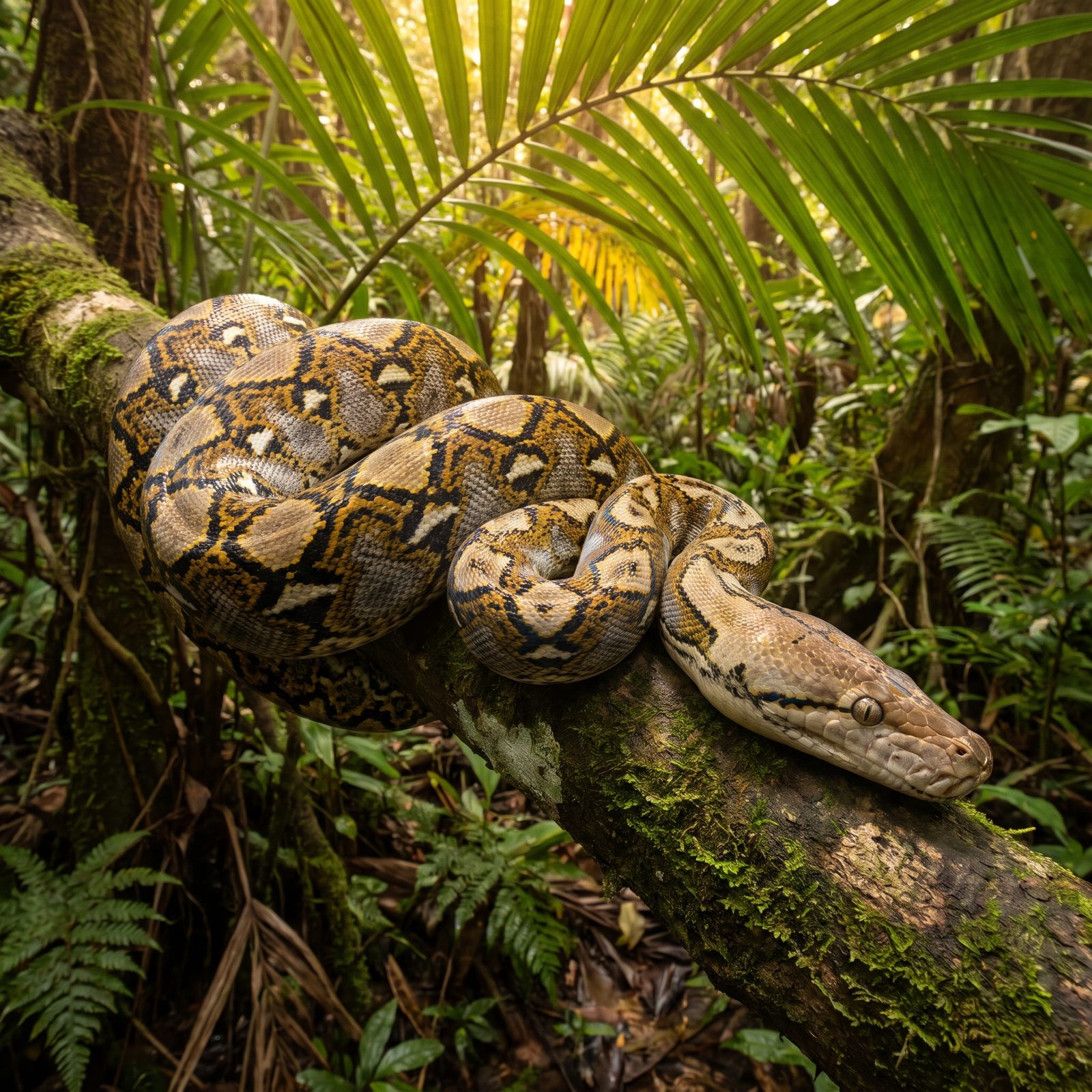
You’ve seen the photo op — someone with a big python slung around their shoulders, grinning like it’s a feather boa. Few ideas in the animal world are worse.
Large constrictors — reticulated pythons, Burmese pythons, the big boas — are built to kill by holding on and squeezing. Wrapped around a neck, a snake that feels insecure will tighten to steady itself, and a startled one can constrict in seconds. These animals are far stronger than they look. A person alone simply cannot peel a determined one off their own throat.
Anyone handling a large constrictor needs at least one other able-bodied person present, ideally roughly one handler per few feet of snake, and the animal nowhere near anyone’s neck. Want to admire one? Admire it on the branch where it lives.
23. Zigzag Running From a Crocodile Because a Movie Told You To

The myth is oddly specific: if a crocodile chases you, run in a zigzag because they can’t turn. Somewhere along the line a half-truth hardened into survival gospel.
Crocodilians are ambush hunters built for short bursts near water, not long pursuits across land. Zigzagging only slows you down and keeps you in the danger zone longer. The animal isn’t going to chase you across a field — it’s going to lunge once, close to the shoreline, if you were foolish enough to be there.
Run straight, directly away from the water, and keep going. Distance and dry land are the whole strategy. Better still, stay back from murky edges where you can’t see what’s waiting, give nesting mothers a wide berth, and never assume a still log is just a log.
22. Assuming a Crocodile or Alligator Is Too Slow to Bother You
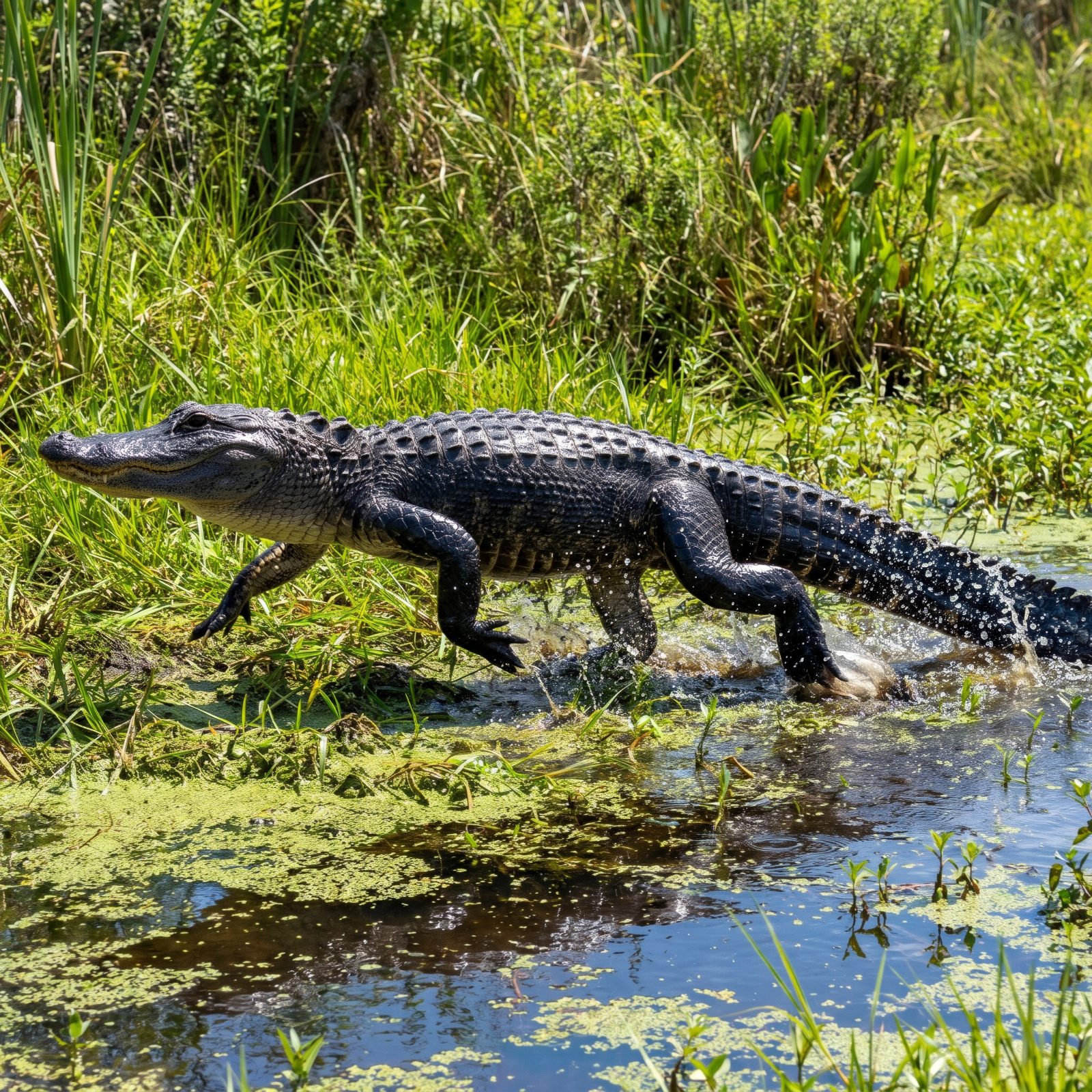
They lie there like old leather for hours, and that stillness fools people into creeping up close for a photo. The stillness is the trap.
Both crocodiles and alligators can fire off a short, explosive burst of speed over a few yards, launching from a dead rest faster than anyone expects. They can’t keep it up, but they don’t need to. The whole thing happens in the first second or two, right at the water’s edge — exactly where that casual photo gets taken.
Give any crocodilian a wide buffer, well beyond lunging range from both the animal and the water. Don’t fish, swim, or let pets linger at marshy edges in gator country. The slow reptile and the fast one are the same animal, a second apart.
21. Picturing the Komodo Dragon as a Lumbering Garbage Eater
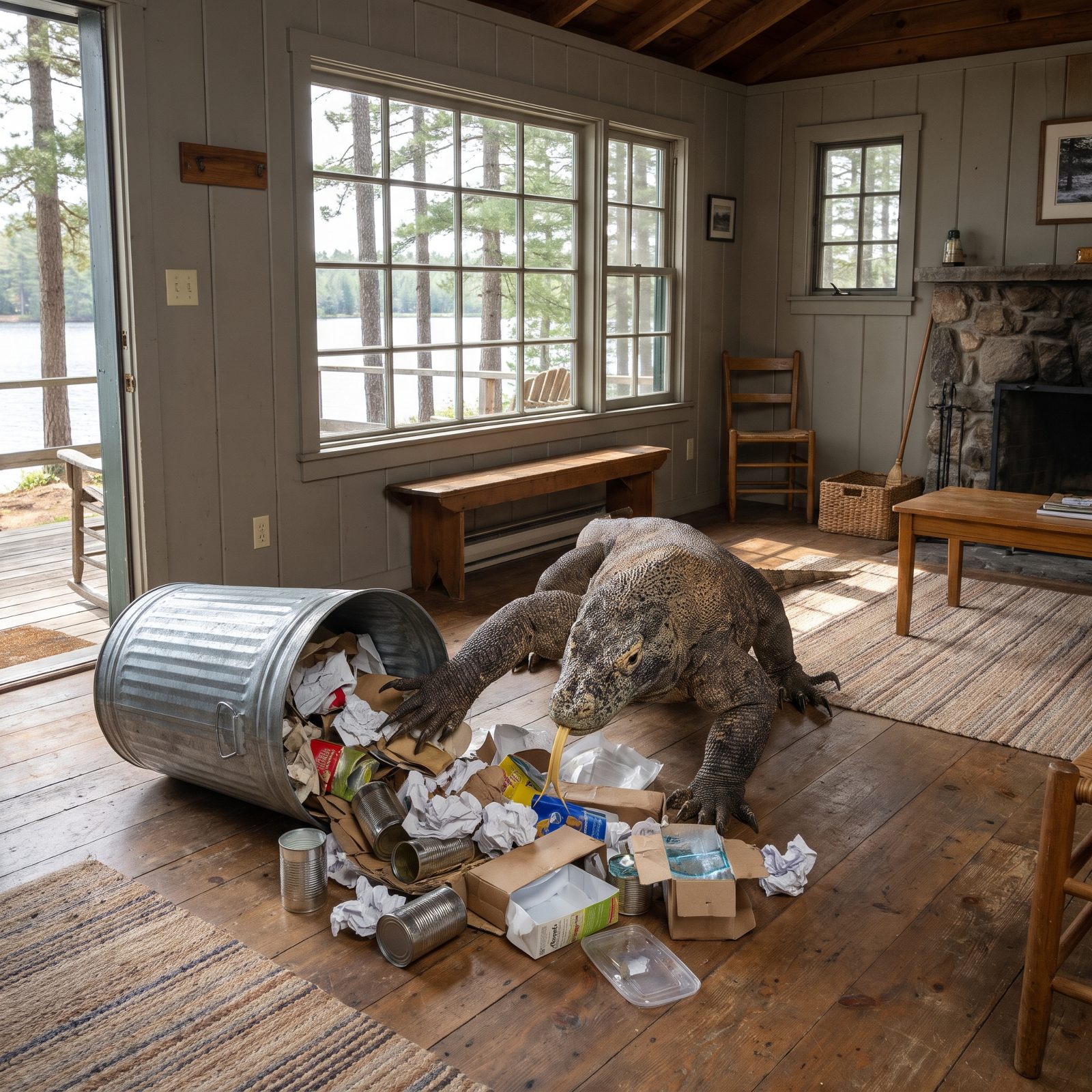
Old documentaries sold the Komodo dragon as a plodding scavenger that simply waited for prey to die of infection from its filthy bite. The science has long since moved on. The stereotype stuck anyway.
Komodos are fast, capable ambush predators that sprint in short bursts and take down living deer and water buffalo. Research has since confirmed they produce actual venom from glands in the lower jaw — it lowers blood pressure and prevents clotting, speeding the decline of bitten prey. That old “dirty mouth bacteria” story? Mostly wrong.
So treat a Komodo as the apex predator it is. Keep a serious distance, never turn your back on one, and remember that a lizard this size moving “slowly” can close the gap alarmingly fast. On their home islands, people are told to give them genuine respect rather than amusement.
20. Waiting for the Fin to Break the Surface Before You Worry
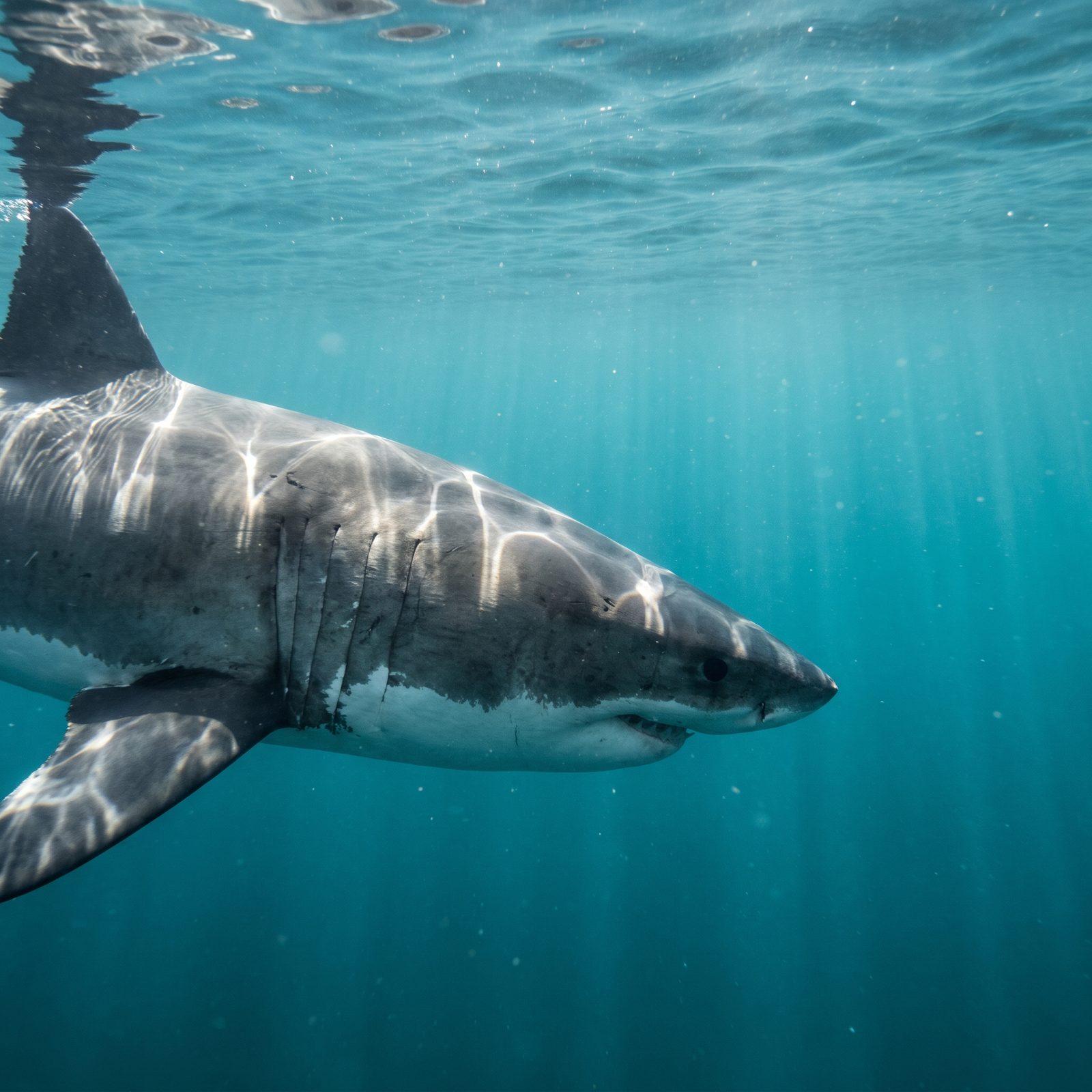
The dorsal fin slicing the water with ominous music behind it is pure cinema. The ocean almost never hands you that warning.
Sharks spend their lives below the surface, not announcing themselves with a visible fin and a soundtrack. Most bites happen because a shark investigates something unfamiliar, often in murky water near shore, with no dramatic buildup whatsoever. That fin-above-the-water image has trained people to scan for exactly the wrong thing.
Lower your risk with ordinary caution instead. Avoid swimming at dawn and dusk, when many sharks feed. Stay out of murky water and river mouths. Skip shiny jewelry that flashes like fish scales, and don’t swim near bait-fish schools or fishing activity. The warning you were promised isn’t coming, so manage the odds ahead of time.
19. Thinking One Drop of Blood Draws Sharks From Miles Around

A paper cut in the water and every shark in the county comes running. That’s the lore. The real biology is more interesting, and far less apocalyptic.
Sharks have superb senses — smell, electroreception, vibration detection — but they aren’t magic. Scent disperses through moving water and dilutes fast, and a tiny amount of human blood does not ring a dinner bell across miles of open sea. Sharks respond far more to splashing, erratic movement, and the chemistry of a struggling fish than to a drop from a swimmer.
The lesson isn’t that blood is harmless. It’s that overblown fear fixates on the wrong cue entirely. Avoid thrashing, stay calm, and swim smoothly if a shark is nearby. Keep clear of active fishing and bait. Respect sharks as the finely tuned predators they are, and drop the supernatural version.
18. Punching a Shark’s Nose Is Not the Guaranteed Escape the Movies Sell
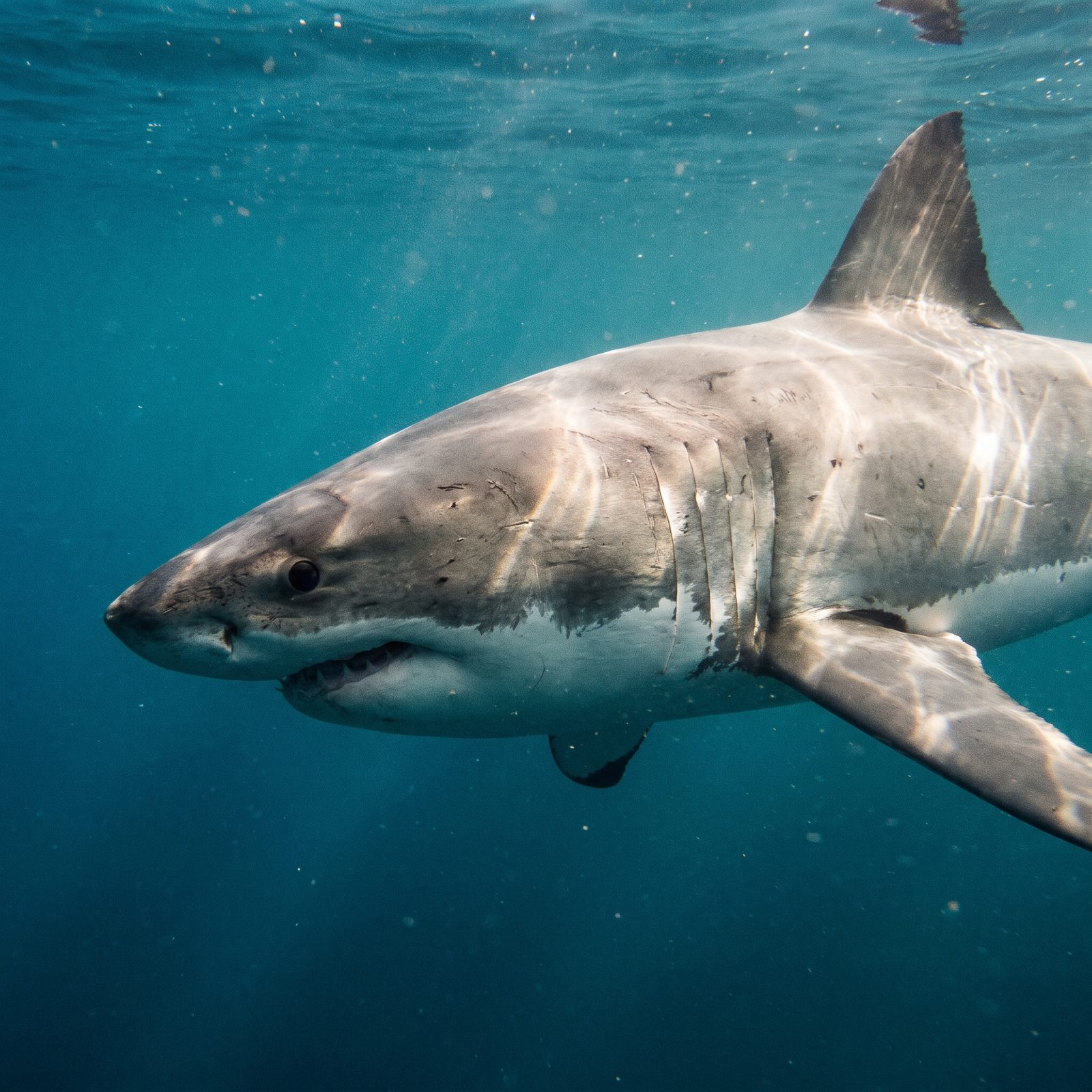
Hollywood loves the heroic jab. A swimmer in trouble throws a quick fist to the shark’s snout, and suddenly the water is safe again — a clean beat on screen that happens to be close to useless underwater.
A shark’s nose is cartilage and muscle, not a glass jaw. Reaching for it puts your hand inches from a mouth full of serrated teeth, and most people miss anyway. The real soft spots are the eyes and the gills, both genuinely sensitive, both something a shark will react to defensively.
If a shark actually makes contact, go for the eyes or the gill slits with whatever you have — a hand, a dive knife, a camera housing. Then back away facing the animal, slow and deliberate. Never thrash. Panic splashing reads like a wounded seal.
17. Wild Dolphins Do Not Owe Anyone a Rescue

The gentle dolphin pushing a drowning sailor to shore is one of the most repeated images in film. It happens. It is also wildly oversold.
Dolphins are large, intelligent predators with their own motives, and those motives are not always friendly. They have rammed swimmers, bitten people who crowded them, and been documented holding porpoises and even their own calves underwater. A bull defending territory or a female guarding young does not care that you saw a nice movie once.
Watch them from a respectful distance and let them choose the interaction. Never corner one, never grab a fin, never swim at a pod with calves. Admiration at arm’s length is how both of you stay comfortable.
16. Sea Lions Are Not Ocean Golden Retrievers
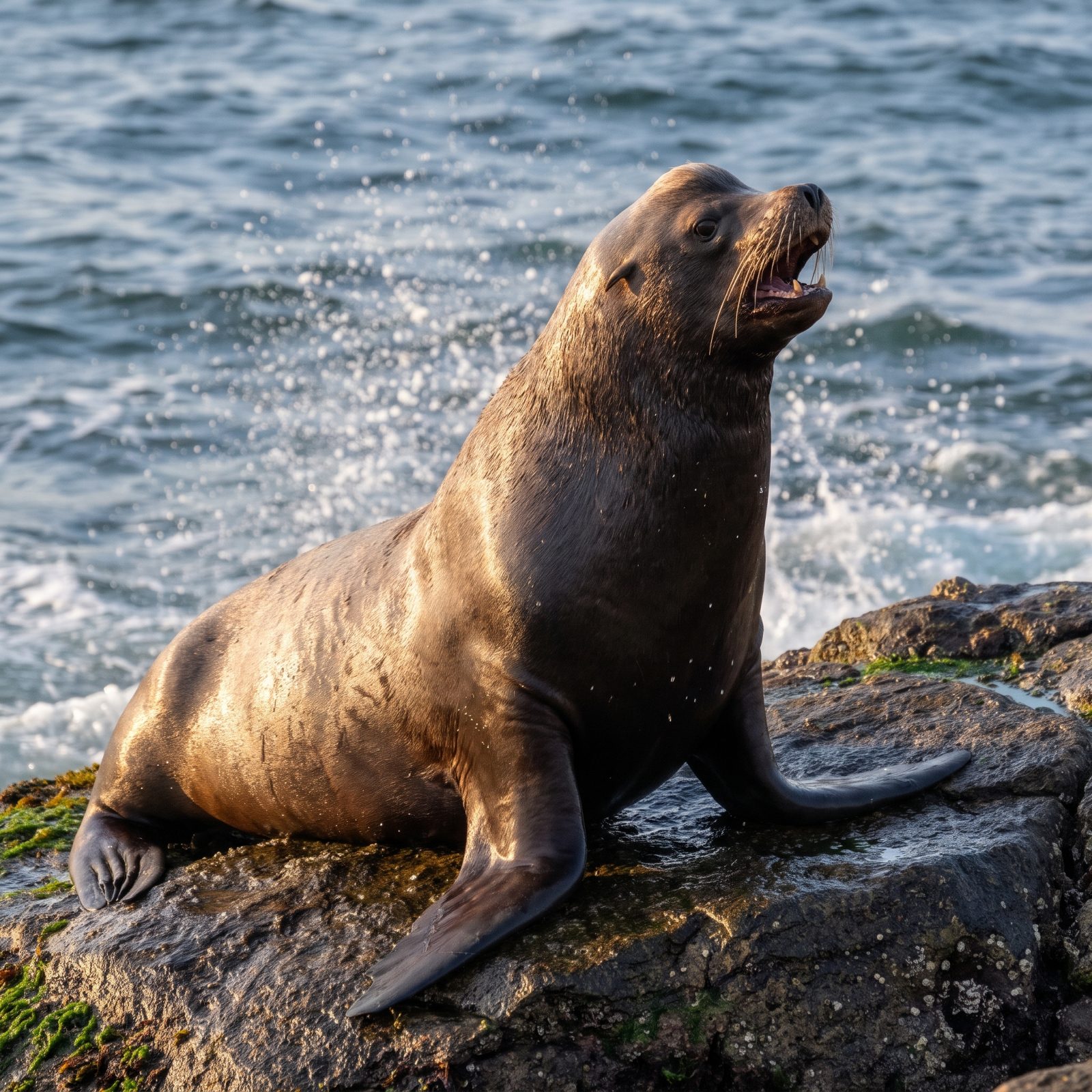
A barking sea lion looks like it wants to play. It usually wants you gone.
On screen they clap and honk and balance balls, so people wade toward them at the beach expecting a wet, blubbery dog. An adult bull can weigh well over 600 pounds, moves faster on land than you would ever believe from something shaped like a water balloon, and defends its stretch of sand with real conviction. Bites happen every summer at crowded haul-out spots, and a sea lion bite carries a nasty bacterial infection divers nicknamed “seal finger.”
Give any hauled-out pinniped a wide berth — a hundred feet, minimum. If one approaches in the water, stay calm and swim away steadily. And feeding them, which some tourists still do, is the single fastest way to turn a wild animal into an aggressive one.
15. Stingrays Are Not Hunting You With That Barb
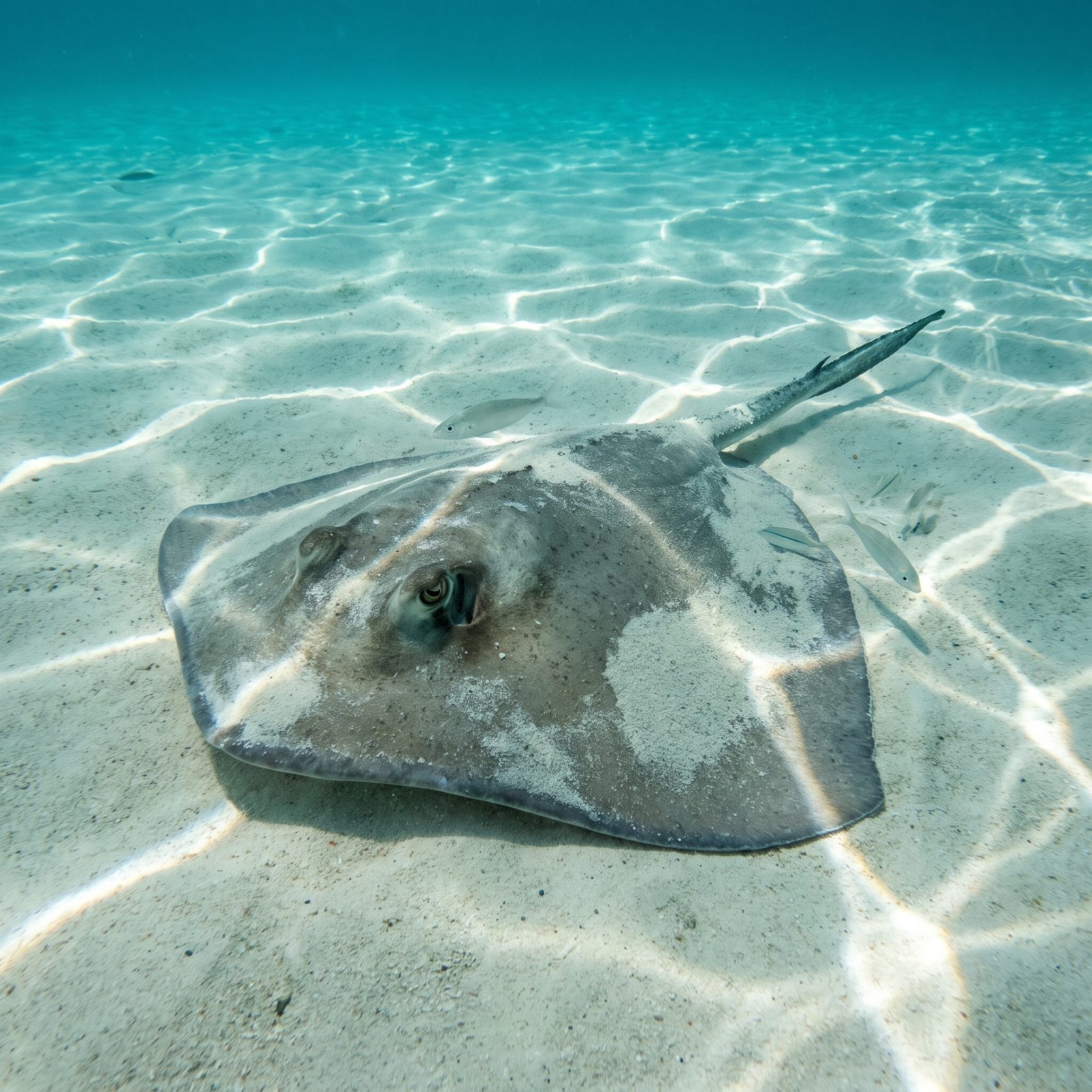
Movies and lurid headlines turned the stingray into an aggressor that targets people with a venomous spear. The truth runs exactly the other direction.
Stingrays bury themselves in sand and wait, with no interest in you whatsoever. Nearly every sting comes from a person stepping directly on a hidden ray in shallow water, and the barb goes up as a reflex of pure self-defense. The injury lands on the foot or ankle because that is what landed on the animal.
The fix is almost comically simple. Do the “stingray shuffle”: slide your feet along the bottom instead of stepping down, so you nudge a buried ray and give it time to flee. If you are stung, soak the wound in hot water — as hot as you can stand — and get medical help, because the spine can break off and the venom responds to heat.
14. Urinating on a Jellyfish Sting Is Worse Than Doing Nothing

This one has lived in pop culture since a certain sitcom episode, and it refuses to die. Someone gets stung, a friend confidently offers to pee on it, and everyone nods like it is folklore with a medical degree.
Urine can actually make things worse. Fresh water and many other liquids change the salt balance around unfired stinging cells and can make them discharge even more venom into your skin. You are not neutralizing anything — you are potentially loading a second round.
Rinse the sting with seawater, never fresh water. For many species, vinegar deactivates the stinging cells, so carry a small bottle to the beach. Then pluck off visible tentacles with tweezers or a gloved hand, and soak the area in hot water. Save the bathroom for the bathroom.
On the sitcom cure for jellyfish stings, an emergency medicine specialist cautions “You might mean well by peeing on a sting, but putting the wrong substance on it can really make things worse.”
13. A Beached Jellyfish Can Still Reach Out and Sting You
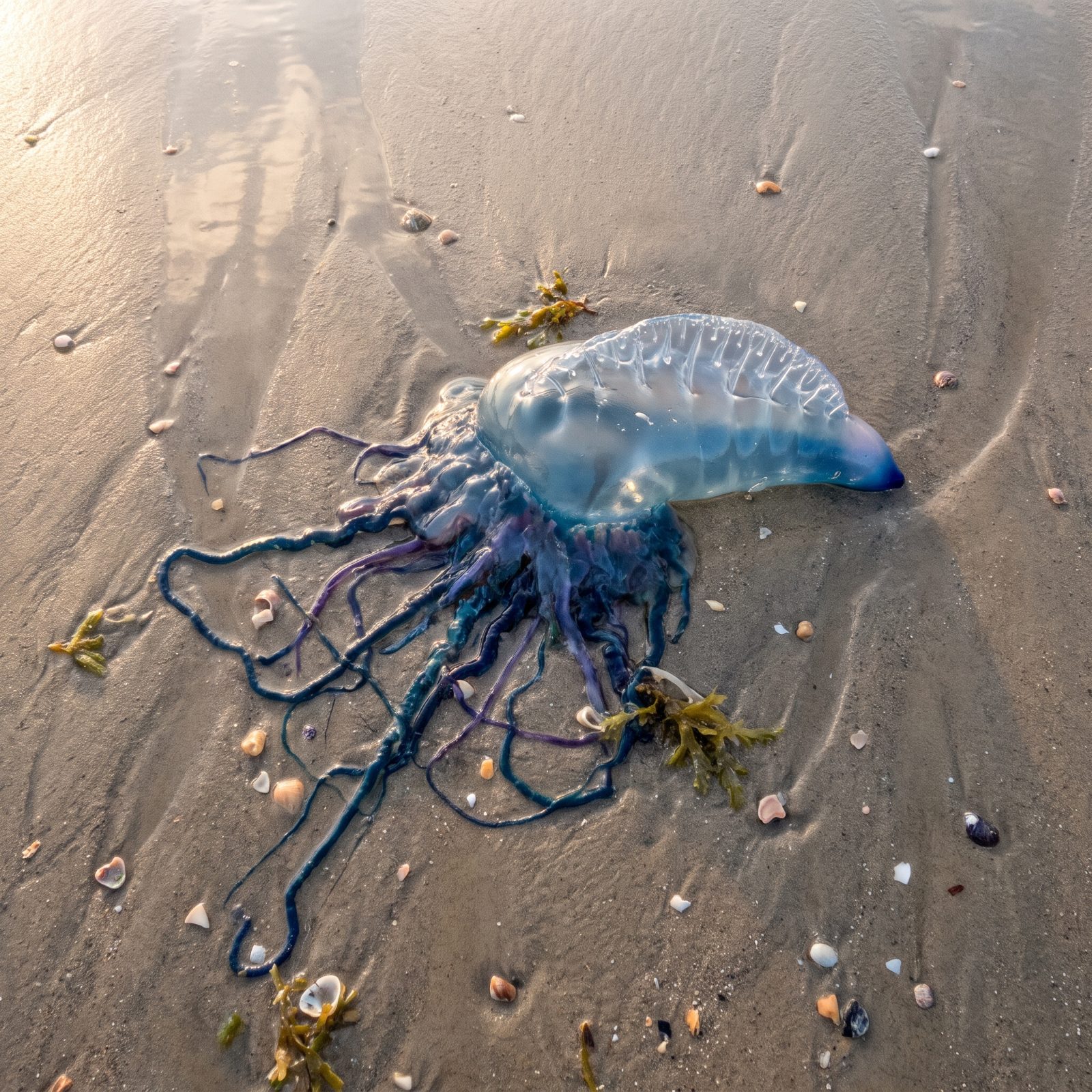
You find a jellyfish washed up on the sand, flattened and clearly not going anywhere. It looks finished. Kids poke it. Someone picks up a stray tentacle to toss it back.
Here’s what the poking crowd misses: stinging cells don’t need the animal to be alive, or even attached. A jellyfish nematocyst fires on contact and chemical trigger, not on orders from a brain. A dead jelly, a broken-off tentacle, even fragments drying on the sand can still inject venom hours after the animal stranded. Portuguese man o’ war washed up on beaches cause stings constantly.
Treat anything jellyfish-shaped on the beach as live. Don’t touch it with bare skin, don’t let dogs or kids handle it, and steer clear of long translucent threads lying loose in the sand or shallows. Those strings are the business end.
12. That Gorgeous Cone Shell Might Be a Loaded Harpoon

The prettiest shell on the reef can kill you, and that is not hyperbole.
Cone snails are everything a shell collector wants — smooth, glossy, patterned like calligraphy. The trouble is that a living cone snail hunts with a venom-tipped radular tooth it fires like a harpoon. The geographer cone, Conus geographus, carries a cocktail potent enough to be genuinely life-threatening to humans, and there is no antivenom. People get hit exactly the way you would guess: cupping a live one in a bare palm.
Beautiful cone-shaped shells in the tropics deserve to be admired and left where they sit. If you must handle a shell, make absolutely sure it is empty, hold it only by the broad back end, and never carry a live one in a pocket or a wet bag against your body.
11. Don’t Wait for the Blue Rings to Light Up
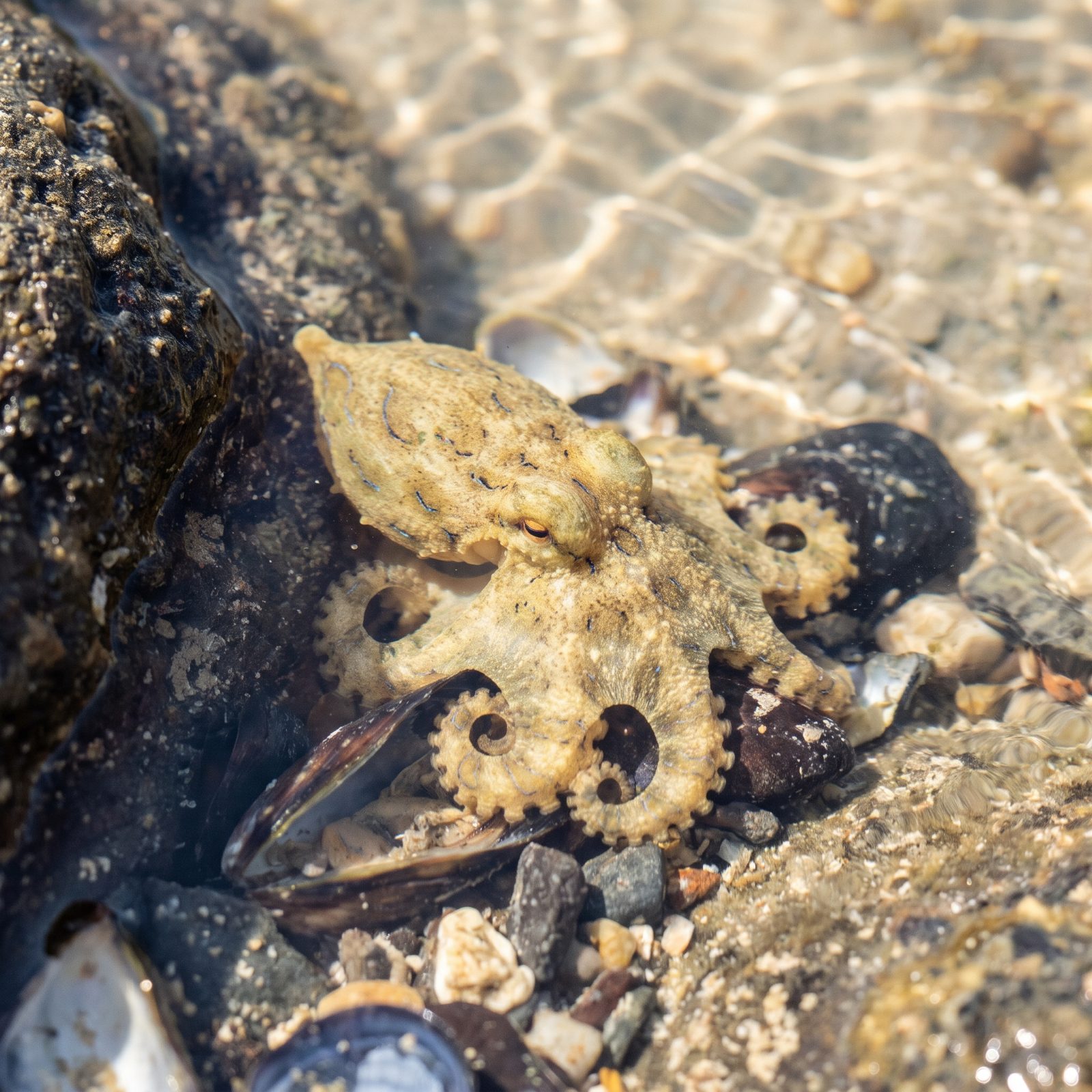
The image everyone carries is a tiny octopus glowing with electric blue rings, a built-in warning sign flashing “stay back.” Those rings are real. The assumption that you will always see them in time is the dangerous part.
A relaxed blue-ringed octopus is pale and mottled, camouflaged against sand and rubble, rings barely visible or gone entirely. The bright display is a late-stage threat shown when the animal is already alarmed, sometimes seconds before it bites. Its venom contains tetrodotoxin, the same paralytic toxin found in pufferfish, and there is no antidote beyond keeping the victim breathing.
Treat every small octopus in a rock pool or under a shell as potentially this one. Don’t scoop them up, don’t let children keep them in a bucket, and never handle a palm-sized octopus in Indo-Pacific waters. The warning you are waiting for may never come.
10. The Bat Near Your Head Is Not Trying to Nest in Your Hair

Old cartoons and horror films planted the idea decades ago: a bat gets near a person and immediately tries to tangle itself in their hair. People still flail and swat the second one swoops close.
Bats are using echolocation precise enough to snag a mosquito in the dark. They are not aiming for you. One flying near your head is almost always chasing insects drawn to your warmth or a nearby light, with zero interest in landing on a person. The real danger is the swatting itself — flailing hands increase the odds of contact, a defensive bite, and exposure to rabies, which in bats can come from a bite so small you might never notice it.
So stay calm and still, or walk away slowly, and the bat will route around you on its own. If one does make physical contact, or you wake up with it in the room, don’t shrug it off. Capture it safely if you can and call public health, because rabies is preventable before symptoms but not after.
9. Assuming Every Rabid Animal Foams at the Mouth
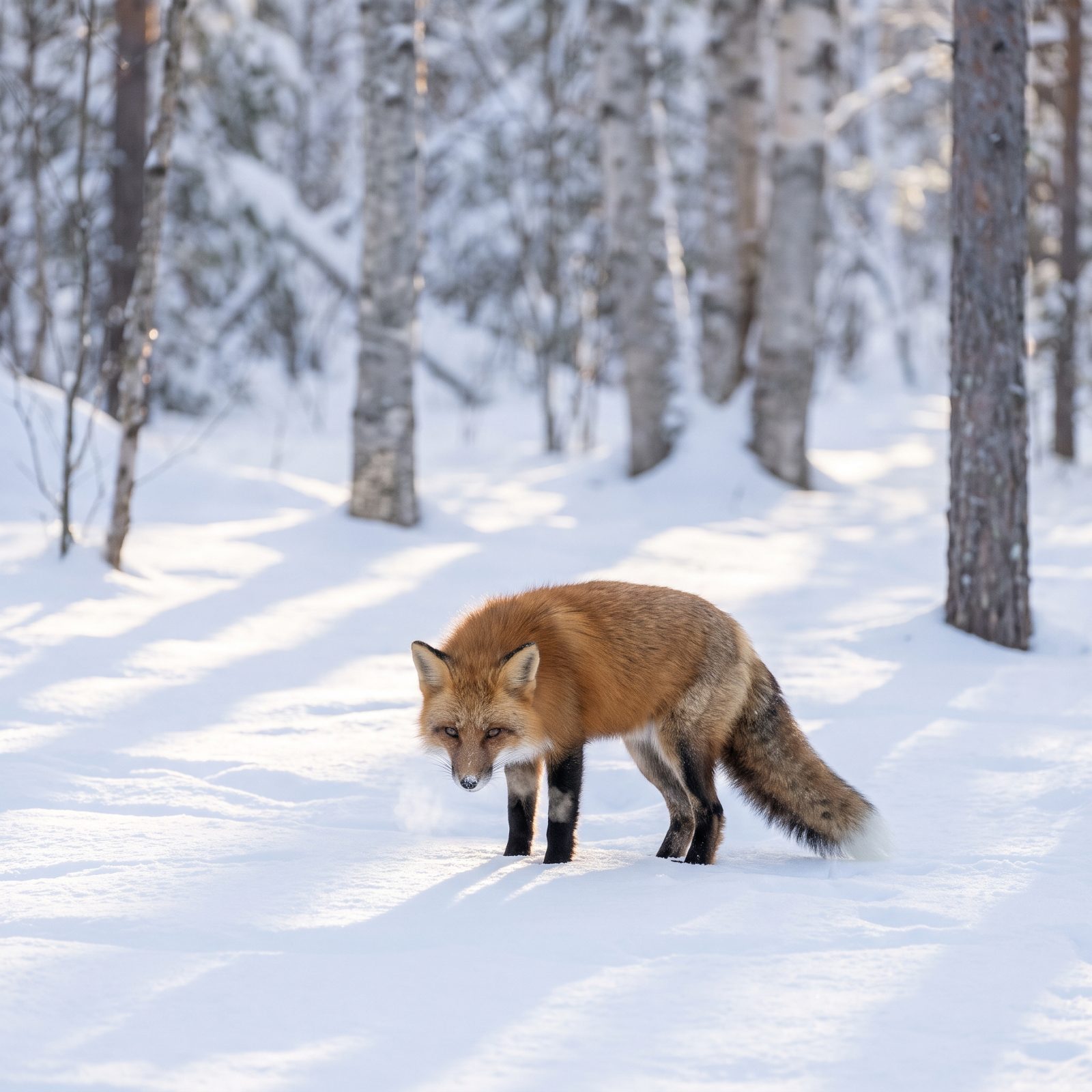
The movie version of rabies never changes: snarling jaws, white foam, a creature lunging at anything that moves. Real rabies often runs backward. There’s a “dumb” form far more common than the “furious” one, and it looks like an animal that seems calm, dazed, unsteady, or weirdly tame.
That’s the trap. A fox wandering in daylight, a bat on the ground, a raccoon that lets you walk right up — those are the ones to leave completely alone. Foam shows up late, if it ever shows up.
The move is simple. Any wild animal acting unafraid of people, out at the wrong hour, or stumbling around gets distance and a call to animal control. Don’t touch it, dead or alive.
8. Approaching a Calm-Looking Raccoon Because It Seems Friendly
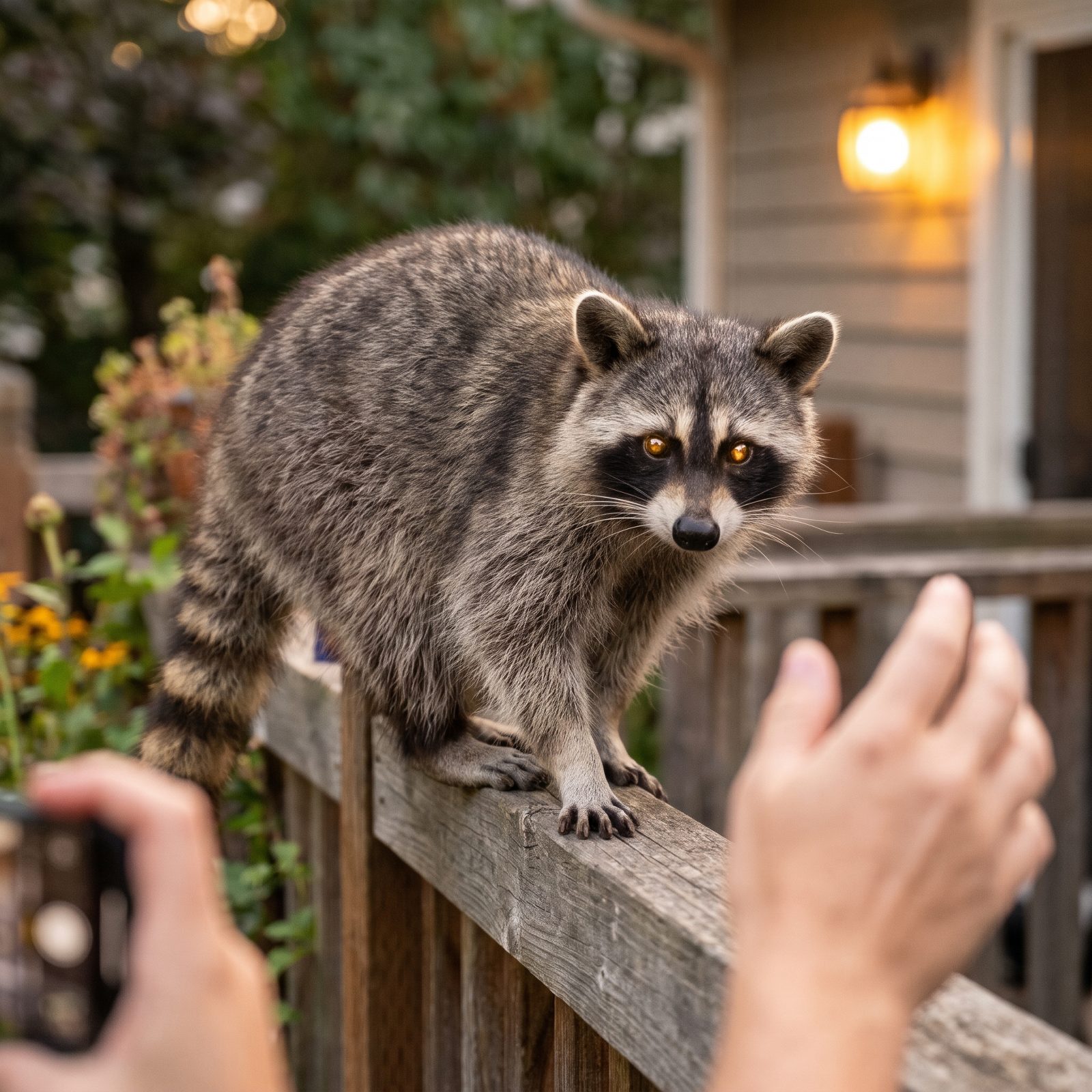
Raccoons read as cartoon-cute — hand-like paws, that bandit mask, the head tilt. Films lean on every bit of it, which is how people end up offering a cookie to a wild carnivore that bites like it means it.
Looking healthy proves nothing. Raccoons are a leading rabies carrier in parts of the US, and they host a roundworm whose eggs survive in their droppings for a long time. A relaxed one can still open your hand to the bone, and the ones that stroll up to people are usually the ones with something wrong.
Watch. Photograph if you want. Keep the gap. A genuinely wild raccoon keeps its own distance, so a bold one is a red flag — not an invitation.
7. Believing Porcupines Launch Their Quills Like Arrows
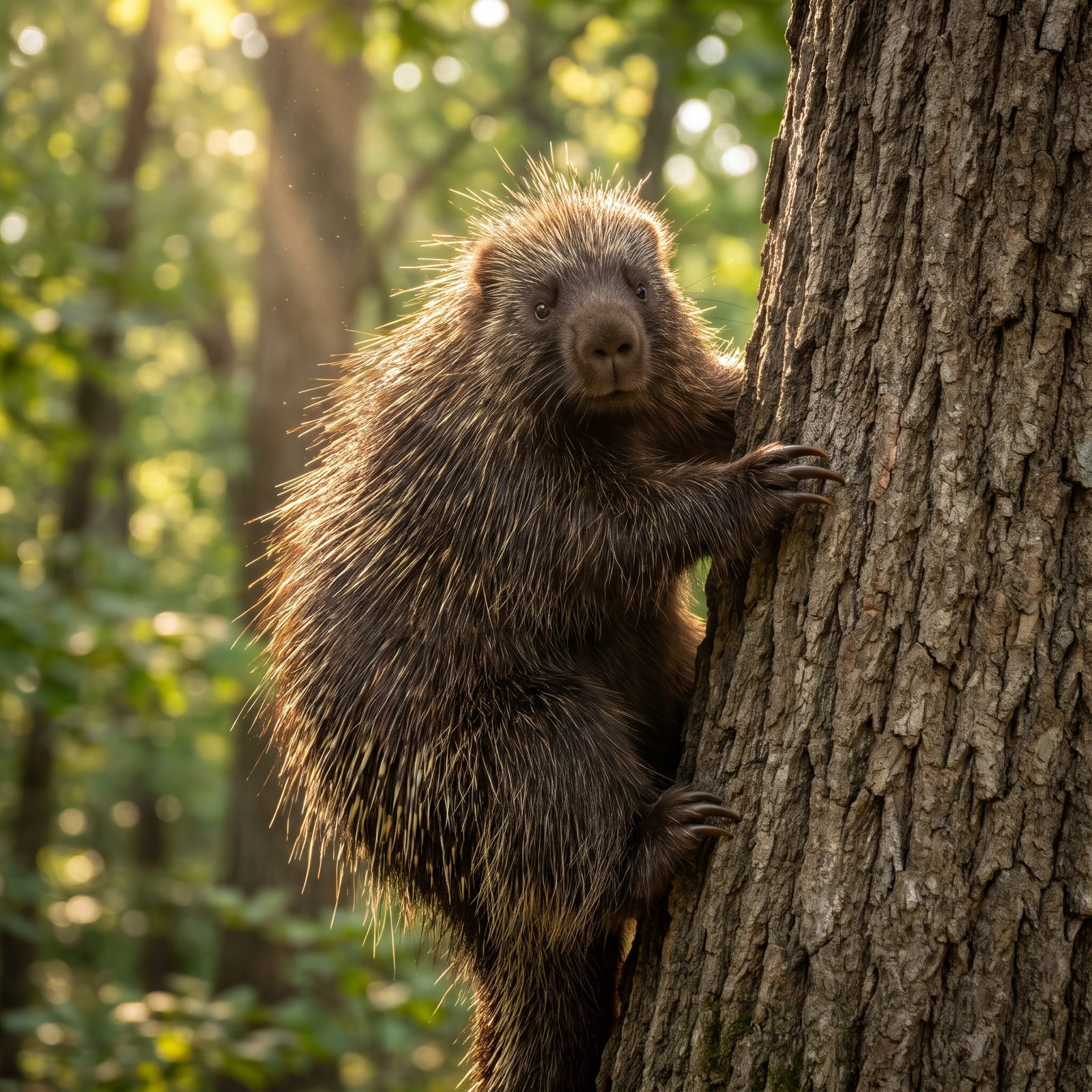
Nobody fires quills. Porcupines can’t shoot them, flick them, or aim them. The arrow-launching porcupine is pure invention, repeated so often it feels like biology.
Here’s what’s actually true, and it’s worse for the curious. The quills detach on contact. A threatened porcupine turns its back, raises the quills, and lashes with a surprisingly fast, muscular tail. Touch that tail, or let a dog nose in, and you get a face full of barbed quills that work deeper into tissue over hours. Miserable to pull out, and they can creep toward nerves and organs if you don’t.
So give a porcupine room to waddle off. They’re slow and want nothing to do with you. The danger lives entirely in the last few inches.
As naturalists at a wildlife center who run porcupine encounters put it, “Porcupines can’t shoot their quills. If they could, there’s no way we’d let people anywhere near them! Those quills are sharp, sure—but they only come off if the porcupine makes direct contact.”
6. Thinking a Skunk Can Only Spray You

The whole skunk reputation hangs on one thing: the smell. So people treat a skunk like a stink bomb on legs, a problem only if it turns around. Bad math.
Skunks are a significant rabies reservoir, especially across the central US, and a rabid one won’t follow the usual script. They also bite. A skunk out in daylight acting bold, disoriented, or unbothered by you has crossed from nuisance into real hazard.
Read the warning first. Stamping front feet, raised tail, a quick hop forward — that’s your cue to back away slowly and quietly, long before scent enters the picture. Never corner one. And keep pets leashed in skunk country at dusk.
5. Expecting a Tranquilizer Dart to Drop an Animal on Contact
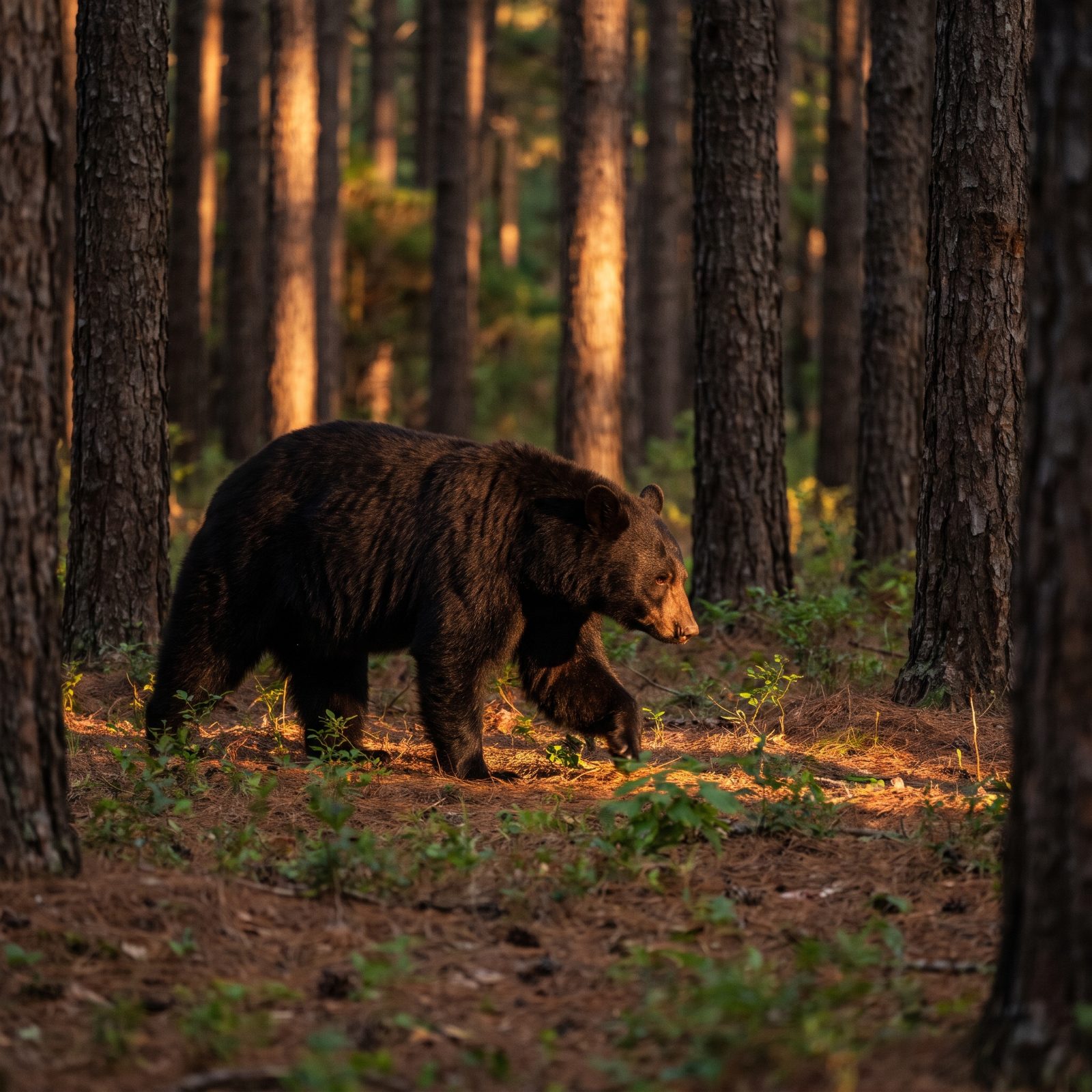
Dart hits, animal crumples. Every action movie, every nature-show re-enactment. It’s a lie that gets people hurt around real wildlife work.
Sedation takes time. Depending on the drug, the dose, and the animal’s size and adrenaline, a darted bear, deer, or big cat might stay on its feet and fully capable for several minutes, sometimes a good deal longer. That window is the most dangerous stretch of the whole operation, because a stressed, half-drugged animal can run, charge, or thrash with full strength and zero judgment.
This one’s less about your backyard and more about why you stay far back from any wildlife capture. The professionals clearing the area aren’t being dramatic — they’re handing a powerful, confused animal the room to go down safely.
The dart is the start of the process, not the end of it.
4. Treating a Campfire as a Wall No Predator Will Cross
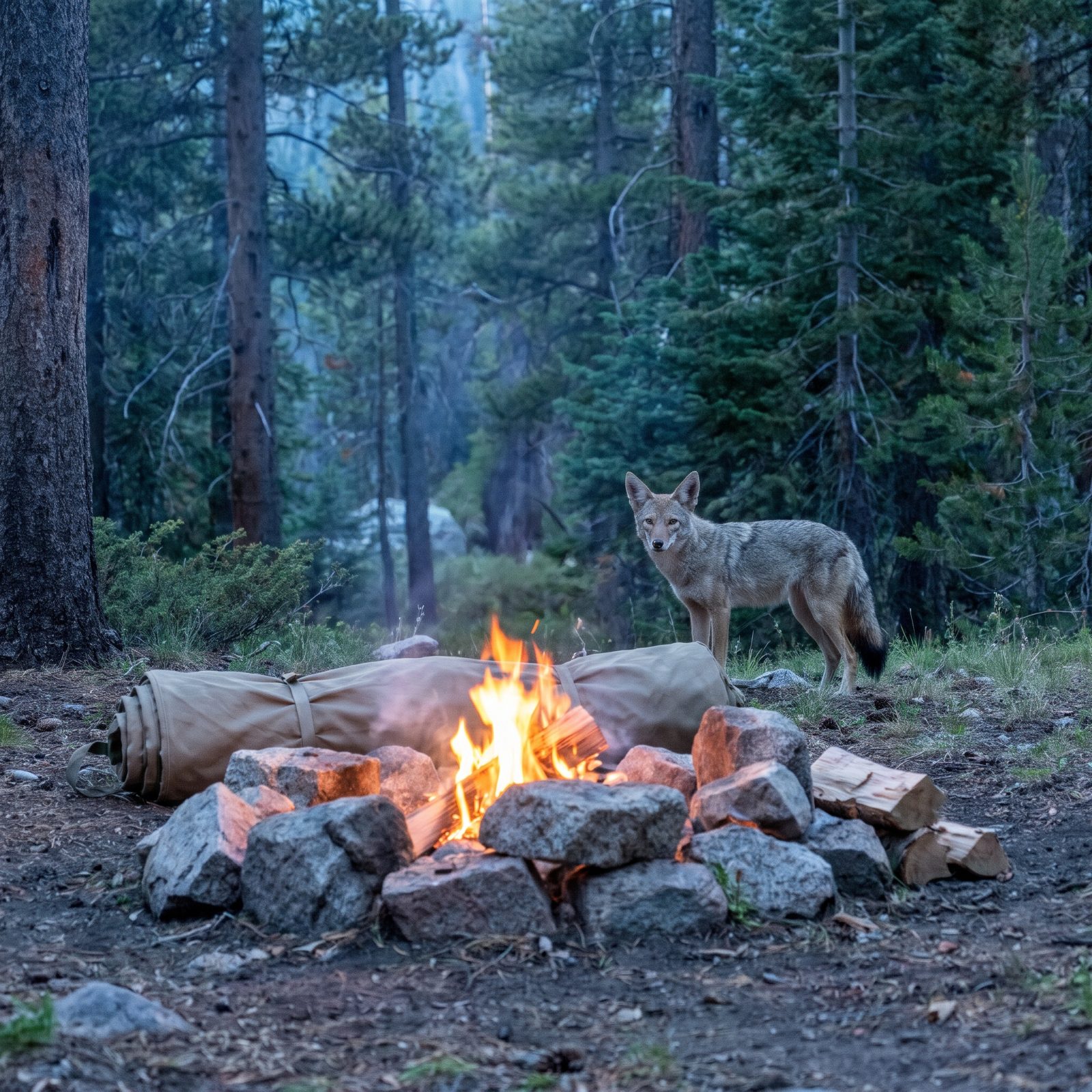
Old survival lore insists a fire keeps the animals out, and movies adore a glowing camp with the monsters pinned just past the light. Reality is less tidy.
Fire helps a little. Plenty of animals are wary of it. But hunger and habituation beat caution every time. A bear that has learned campsites mean food will stroll right past the flames, and scavengers like coyotes and raccoons barely register it at all. The glow and the smell of cooking can pull animals in rather than shove them away.
What actually protects you is boring. Store food in a bear canister or hang it well away from the tent, cook far from where you sleep, keep a clean camp. The fire is for warmth and morale. The food locker is the real defense.
3. Assuming a Stunned or Injured Animal Is Safe to Handle
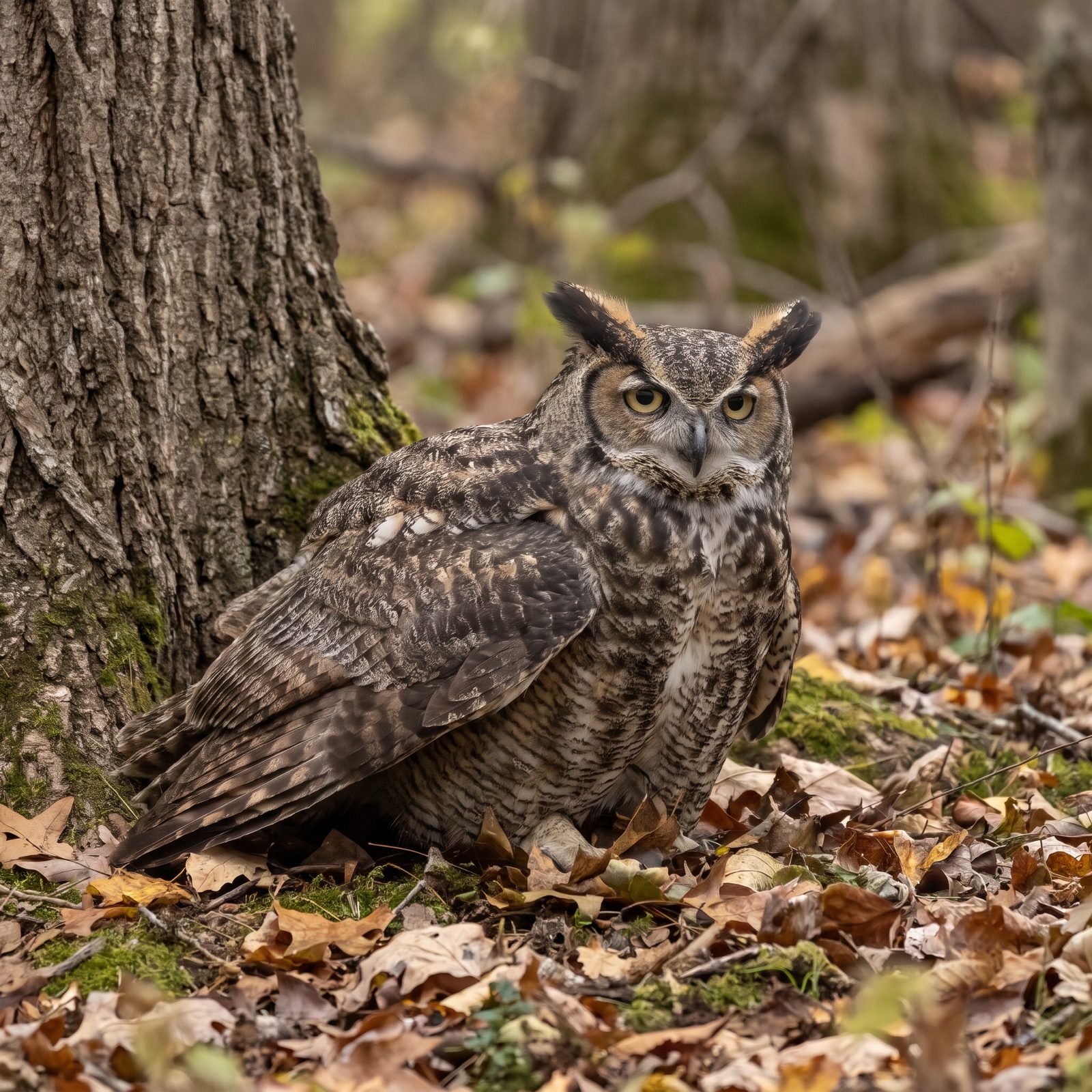
An animal clipped by a car, or one that flew into a window, can look finished. Limp, glassy-eyed, still. The instinct is to scoop it up and help. That instinct can land you in the hospital.
Stunned isn’t harmless. A dazed raptor comes back online with talons and a beak built to crush bone. A deer on the roadside can revive mid-rescue and kick hard enough to break your ribs. Shock wears off fast, and a frightened animal waking up in your arms defends itself the only way it knows.
Note the location, keep your distance, and call a licensed wildlife rehabilitator or animal control. If you absolutely must move a small bird out of traffic, drop a towel over the whole animal and ease it into a ventilated box, then hands off. The pros carry the gloves and the training for a reason.
2. Believing Wild Animals Only Attack When They’re Hungry

Hollywood gives predators one motive: appetite. If the beast isn’t hungry, you’re safe. Nature runs on a much longer list of reasons to come at you, and most attacks have nothing to do with you being lunch.
Surprise tops the list. Step between a bear and her cubs, spook a moose in the willows, crowd a bull elk in rut, block any animal’s escape route — and you can trigger a defensive charge from a creature with zero interest in eating you. A cow moose with a calf ranks among the most dangerous animals in North America, and she’s a vegetarian.
So the rules hold whether the animal looks fed or fierce. Give space, never approach young, don’t block the exit, read body language. Pinned ears, stamping, a lowered head, a huff — those are warnings, and they arrive long before teeth.
1. Assuming Loud Noise Always Sends Wildlife Running
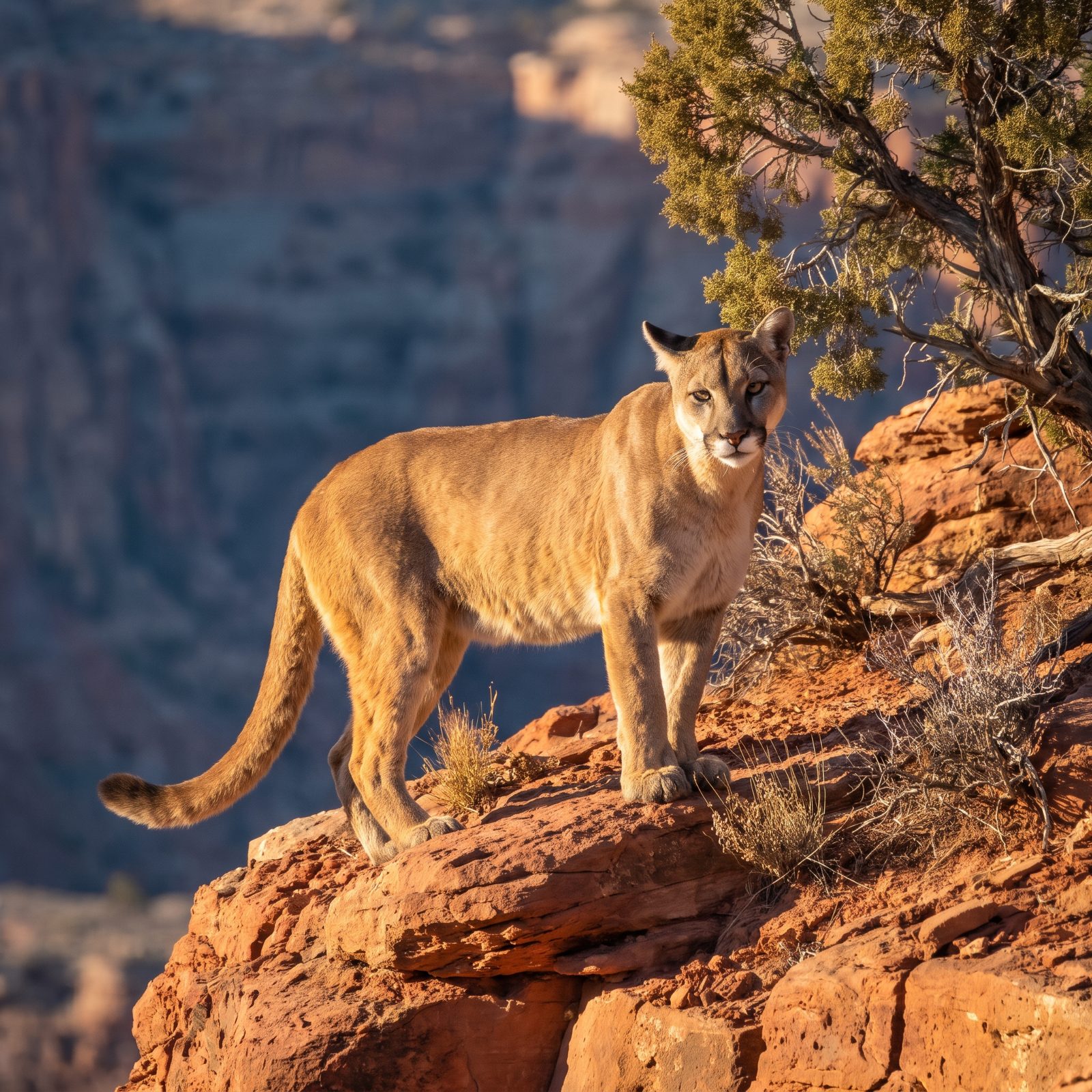
The standard advice sounds universal: yell, bang pots, make yourself loud, and the animal bolts. Sometimes it does. The trouble is that “make noise” is the right answer for some situations and the wrong answer for others, and the movies never bother to sort them out.
Noise and big arm movements can back off a mountain lion or a surprised black bear. Try the same on a startled moose or a defensive mother, though, and you can escalate a tense standoff into a charge. With a grizzly, acting large and loud at close range can register as a threat and provoke the exact attack you’re trying to avoid. Species and context decide everything.
Learn the handful of rules for your region before you go. Black bear in your face: stand tall, be loud, fight back if attacked. Defensive grizzly contact: play dead. Mountain lion: look big, don’t run. Moose: get behind a tree and give ground. One wrong default turns a safe encounter into a dangerous one.