
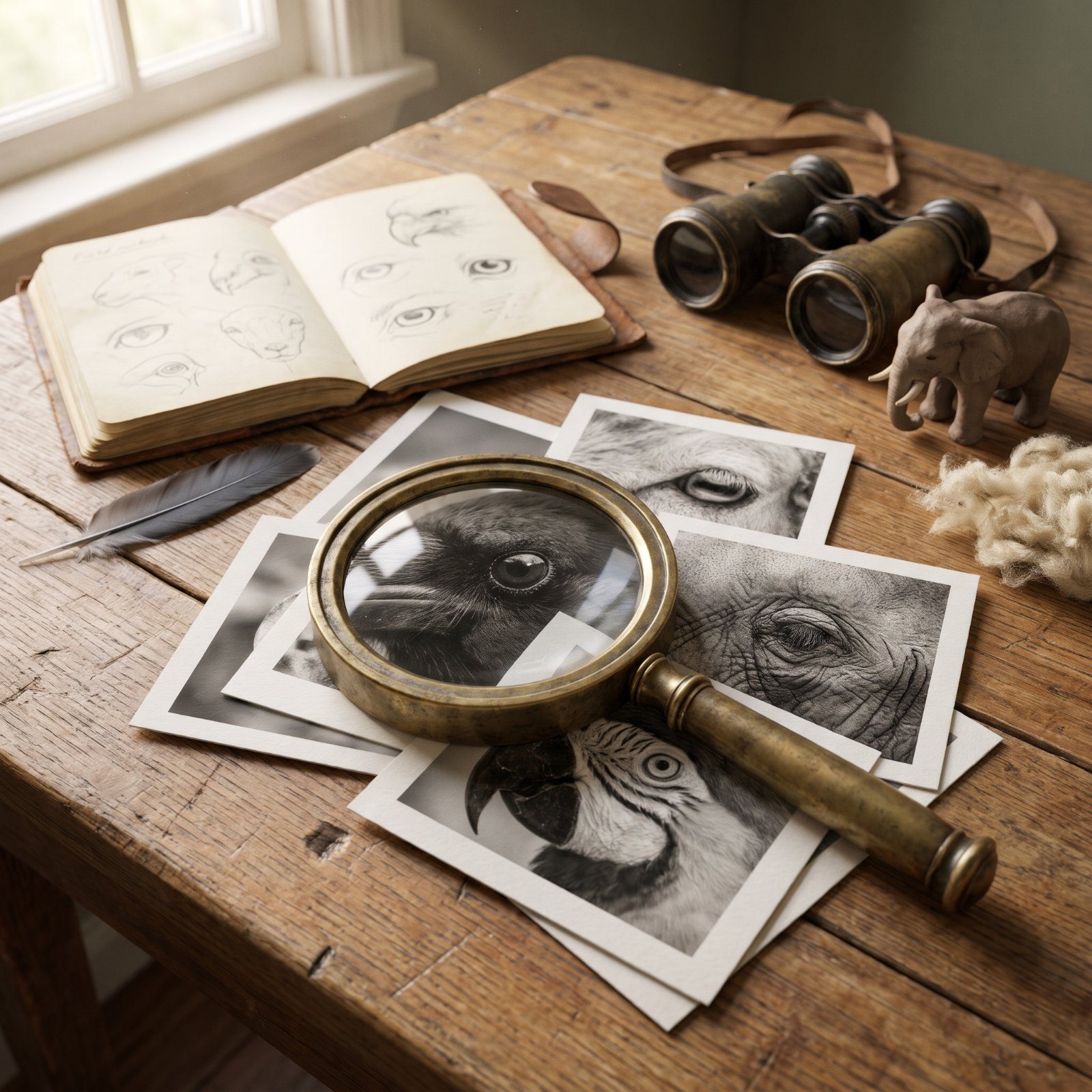
A crow holds a grudge longer than most people hold a job. Insult one and it won’t just remember your face, it’ll teach the neighbors to hate you too, passing your description down the block like a wanted poster. Face memory was supposed to be a primate thing, part of what made us special. Then researchers started testing crows, sheep, elephants and pigeons, and the special club got crowded fast. Below are the creatures scientists have actually caught in the act of knowing exactly who you are, sometimes years after you last crossed paths. The receipts are real.
Please note that some of the images in this article were created with the assistance of AI.
28. American Crows Remember a Threatening Human Face for Years
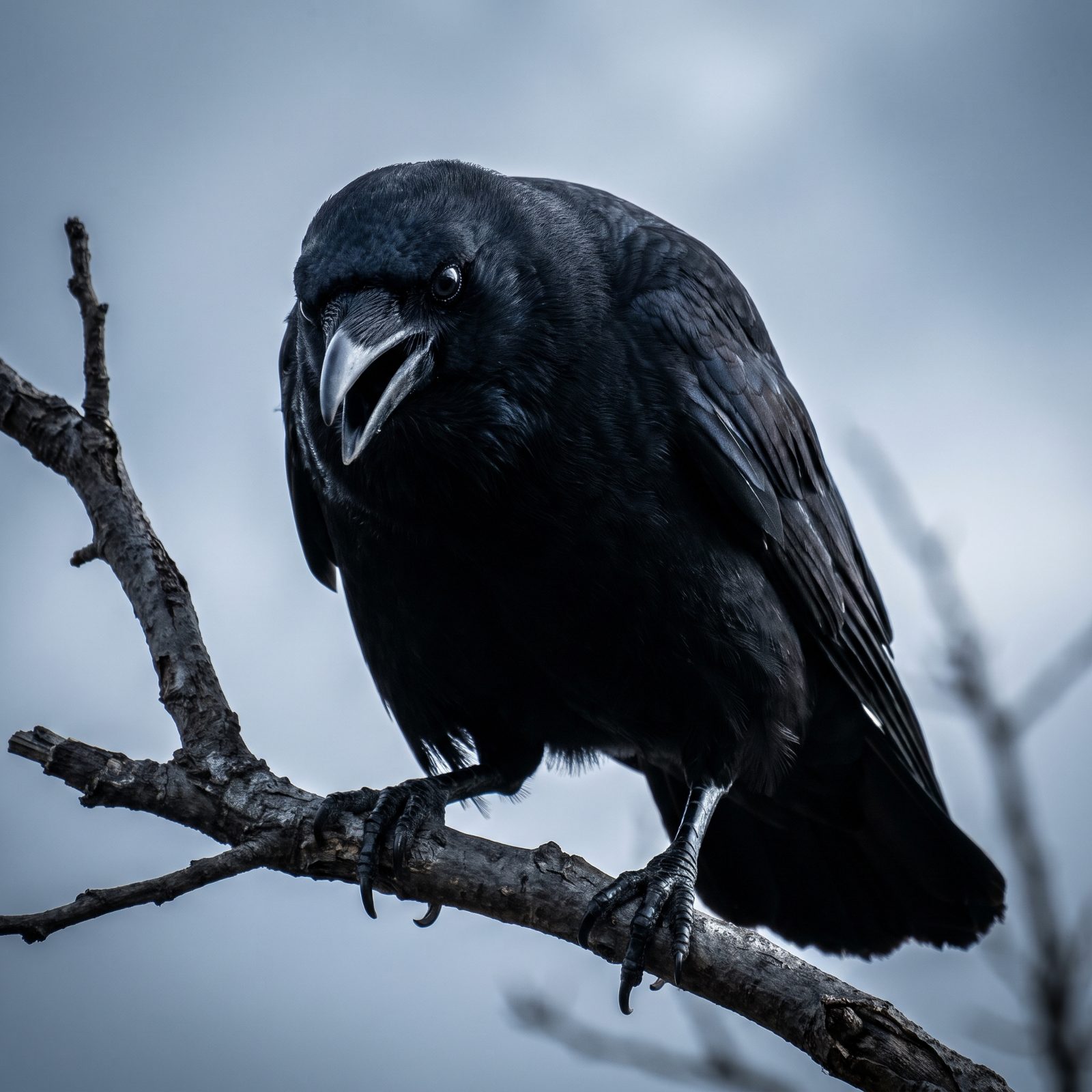
John Marzluff at the University of Washington ran the experiment that made crows famous. Researchers wore a particular rubber mask while trapping and banding wild crows, and for years afterward anyone wearing that same “dangerous” mask got scolded, dive-bombed and mobbed on sight, while a neutral mask strolled by in peace.
Here’s the unsettling part. Crows who were never trapped learned the grudge anyway. The birds pass the threat around socially, so a face can become infamous across a whole neighborhood of crows the offender never personally wronged.
27. Common Ravens Recognize Trusted Handlers After Long Separations
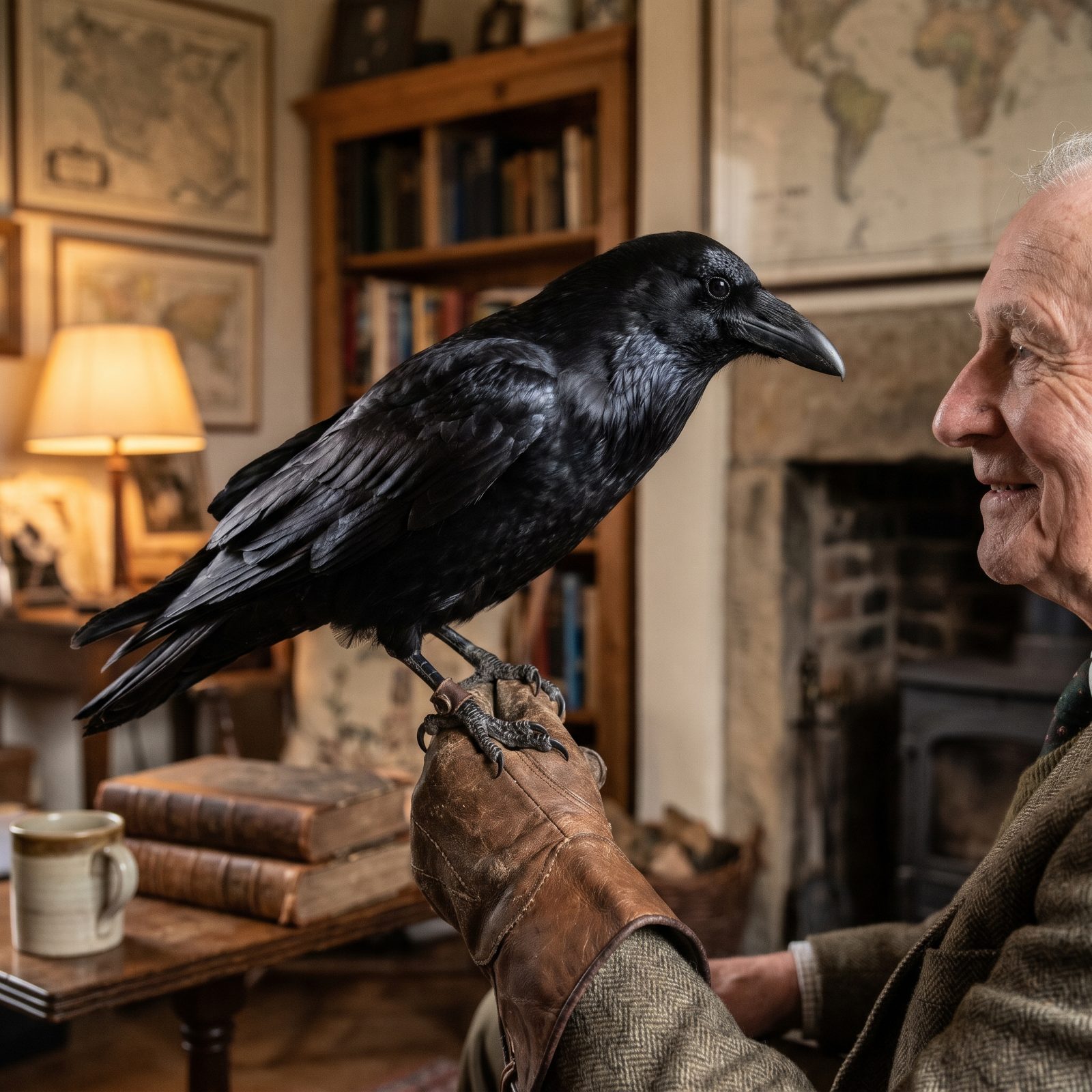
Ravens treat relationships like ledgers. They track who cheated them, who shared, and, crucially, who they trust. Captive and semi-wild ravens greet familiar handlers with relaxed, soft calls and will wander right up to them while keeping strangers at a nervous distance.
Work out of the Konrad Lorenz research station in Austria found ravens remember the quality of a past interaction with a specific partner and act on it much later. The memory isn’t just “I know this face.” It’s “I know this face, and I remember exactly how it treated me.”
26. Sheep Retain Memories of Human Faces for More Than Two Years
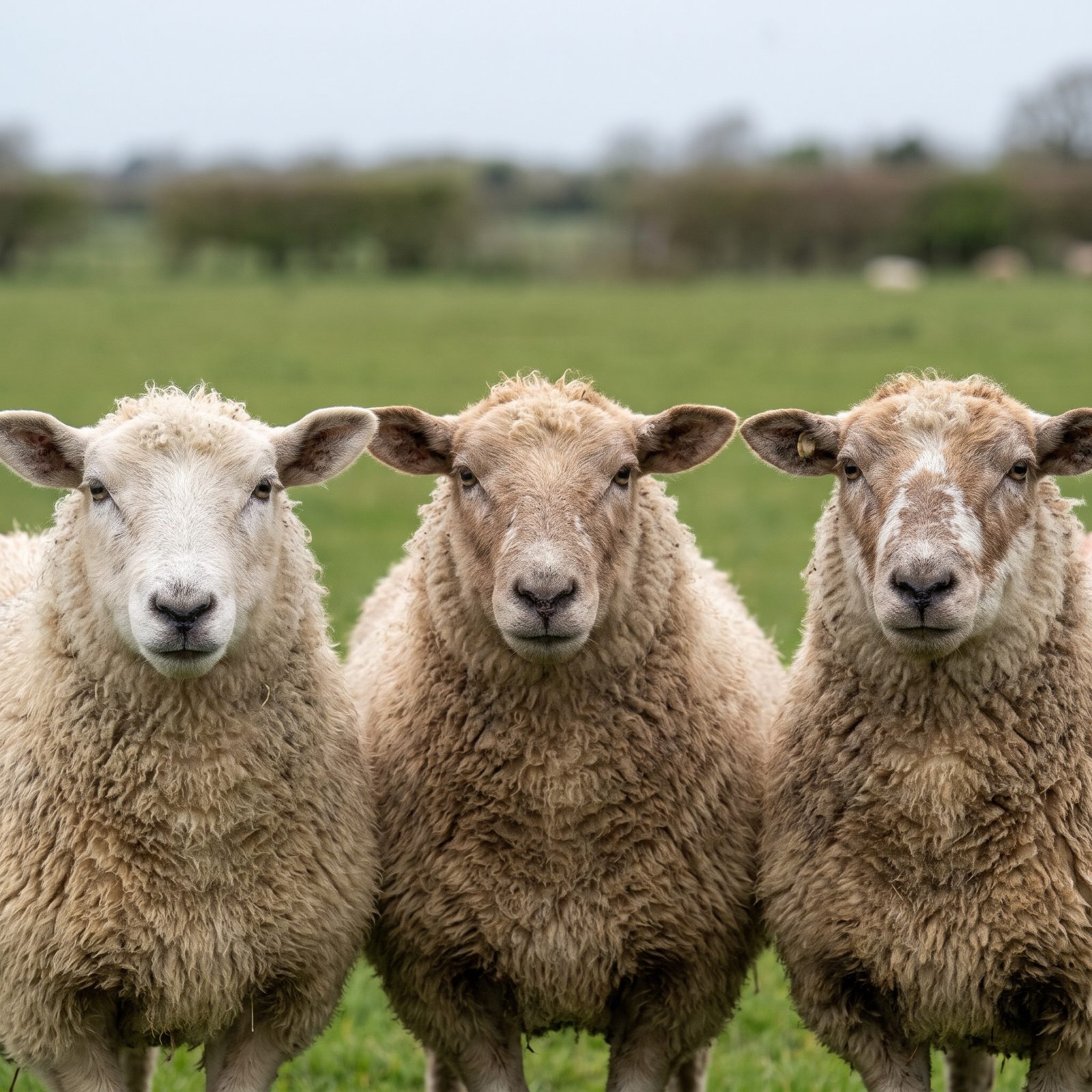
Sheep are not the blank-faced lawnmowers everyone assumes. Keith Kendrick’s team at the Babraham Institute trained sheep to recognize photographs of individual sheep faces, then human faces, and the animals turned out to be remarkably good at it.
They held onto up to fifty different faces for over two years. Two years. That beats how long some of us remember a coworker’s name.
The brain regions sheep lean on here look strikingly like the ones we use, which is exactly why neuroscientists keep dragging them into the lab to study face recognition in the first place.
25. Northern Mockingbirds Single Out People Who Disturbed Their Nests
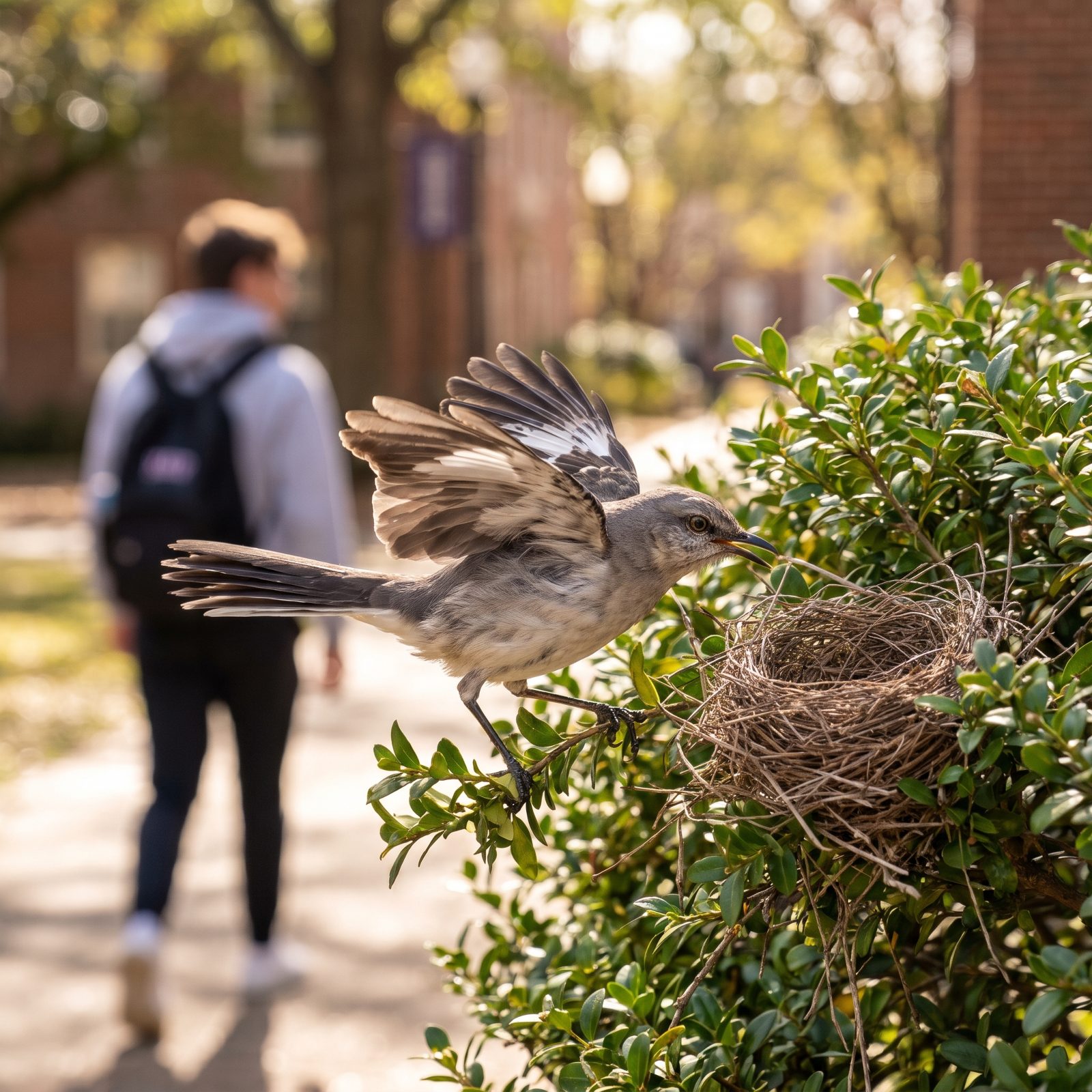
On a university campus in Florida, researchers walked up to mockingbird nests once a day and touched the rim. By the fourth day the birds flushed sooner, scolded louder, and even dive-bombed the one person who kept bothering them.
Then a brand-new person approached the very same nest. The mockingbirds stayed calm.
So they weren’t reacting to “a human near the nest.” They had pinned one individual’s face and clothing out of a city full of strangers streaming past, and it took them only a handful of encounters to add you to the list.
24. Dogs Recognize Their Owners by Face Alone
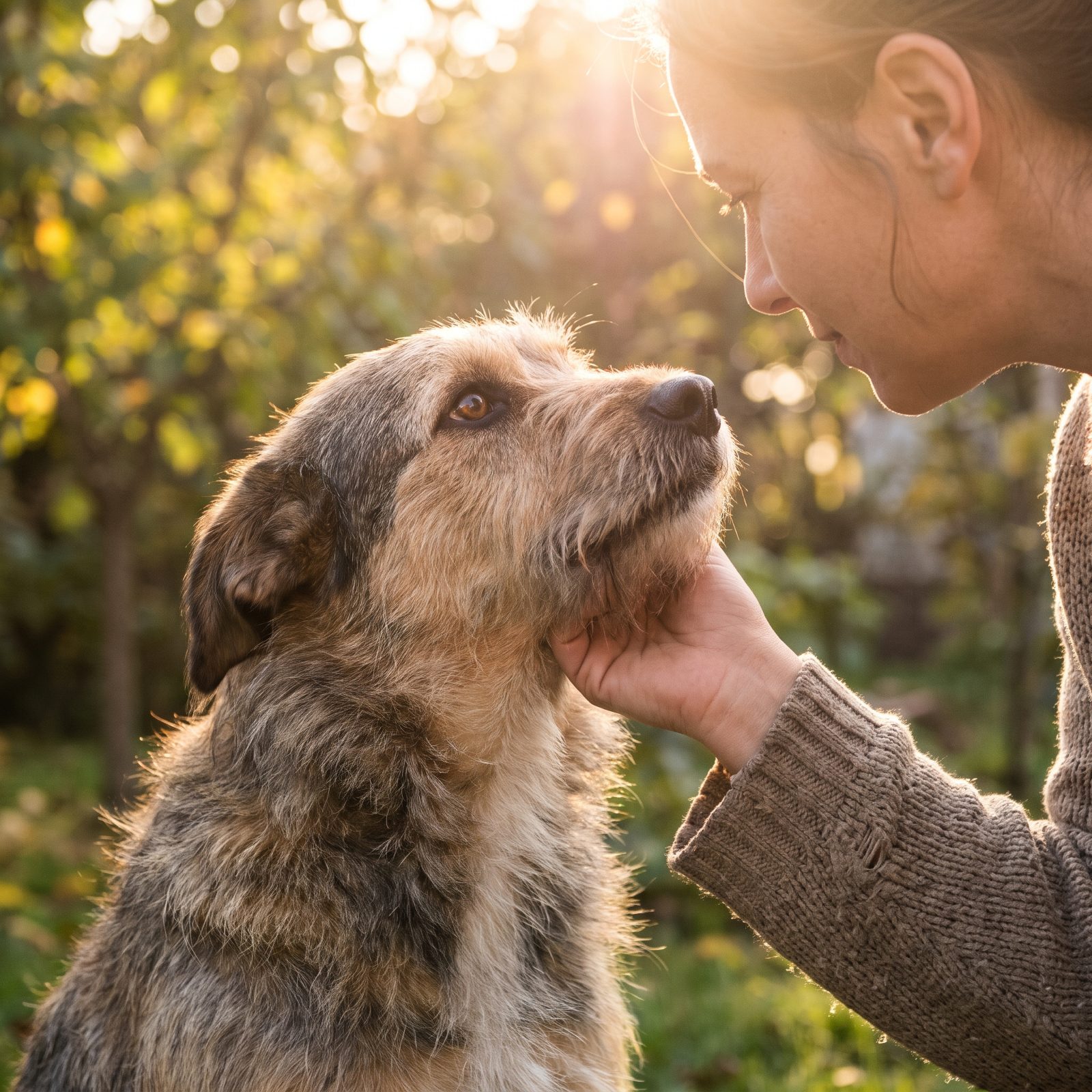
Your dog doesn’t just sniff you out. Eye-tracking and brain-imaging studies show dogs attend to human faces, lock onto the eyes, and light up a face-selective patch of the brain when a familiar one appears.
Control for scent and sound, and dogs still pick their owner’s photographed face over a stranger’s. They even read the right side of our face first, the same quirky bias we use on each other.
And here’s the part that stings a little: your dog is reading your expression constantly, far more closely than you’re reading theirs.
23. Horses Match a Familiar Human Face to the Correct Voice
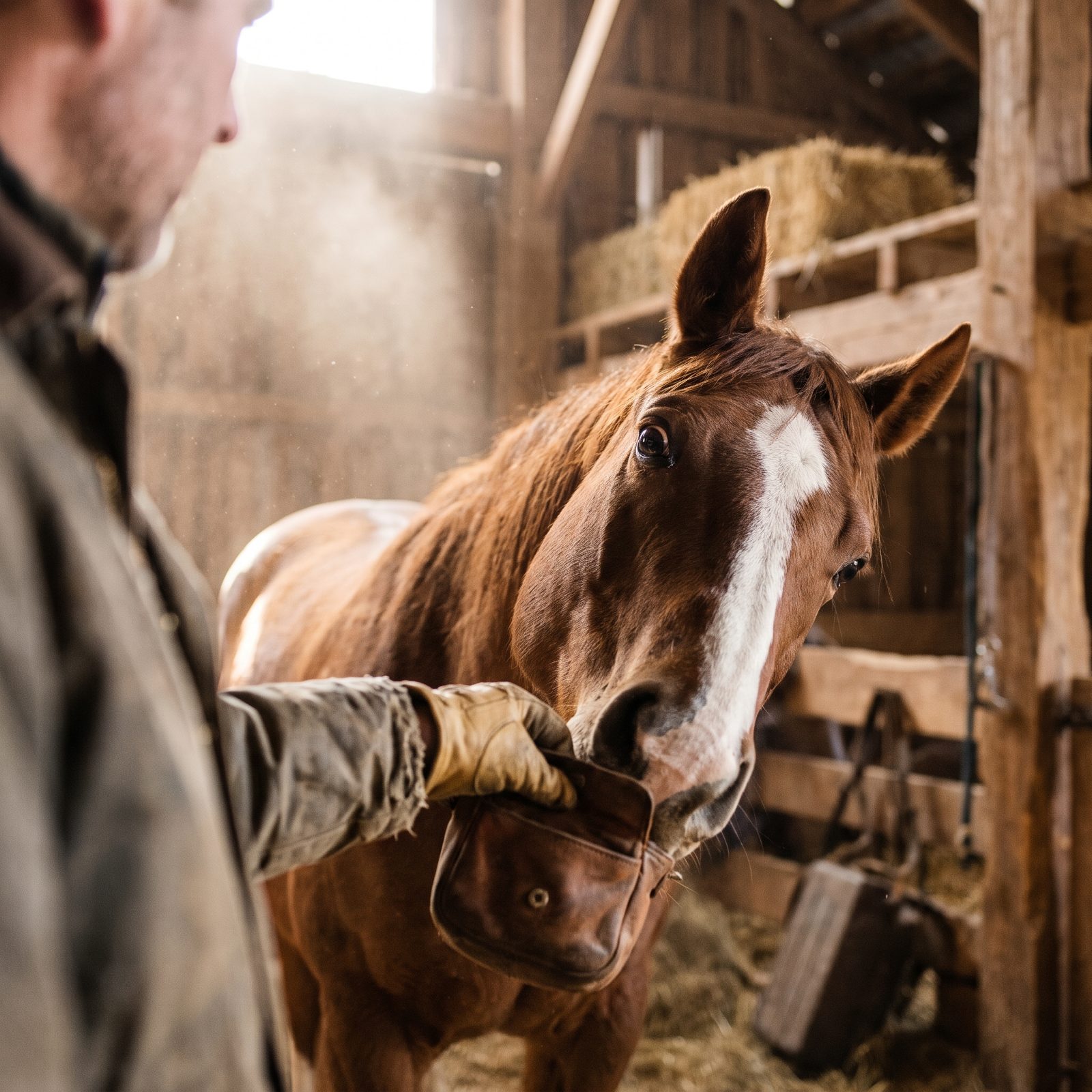
Horses run a cross-check most people never notice. In one clever setup, researchers played a recording of a familiar person’s voice from a hidden speaker while that person, and a stranger, stood nearby.
When the voice didn’t match the face in front of them, the horses stared longer and looked baffled, exactly the reaction you’d have if a friend’s mouth moved but someone else’s voice came out. That means they’d stored the face and the voice together, as a package, and clocked it the moment the pieces stopped lining up. They also remember whether you treated them kindly, and they hold on to it.
22. African Grey Parrots Remember Familiar Caregivers After Years Apart
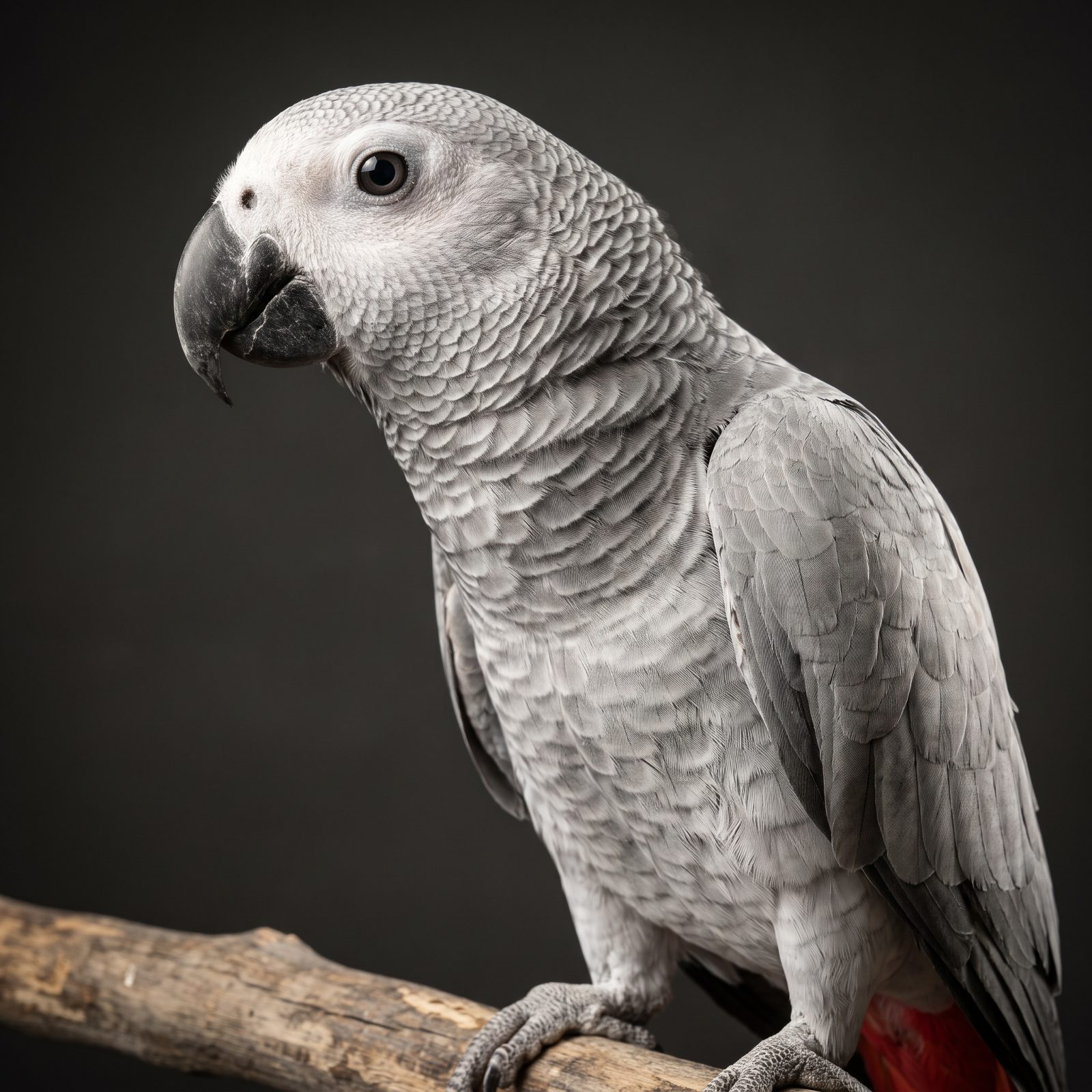
African greys are the parrots that make researchers rethink the word “birdbrain.” Alex, the famous grey Irene Pepperberg studied for three decades, learned concepts of color, shape and number that embarrassed a lot of mammals.
These birds form tight bonds with specific people. They show visible distress with strangers and settle into calm recognition with trusted faces, even after long gaps apart. Keepers who return after years away report being greeted rather than ignored.
A parrot can live sixty years. At that lifespan, remembering faces isn’t a bonus feature. It’s built for the long haul.
21. African Elephants Combine Human Faces, Voices, and Scent in Lasting Memories
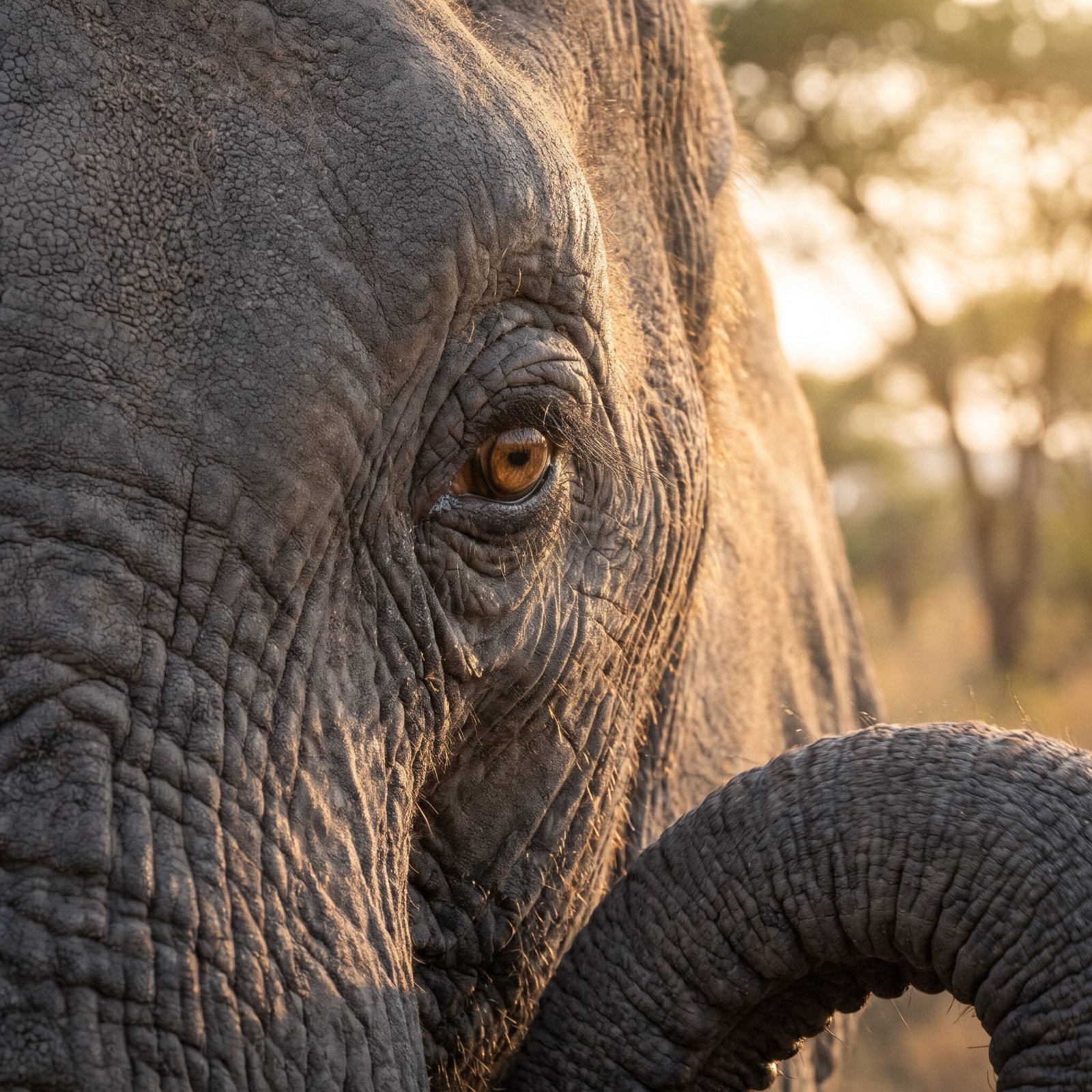
The cliché is true, and it runs deeper than you think. Research in Kenya’s Amboseli found elephants can tell human groups apart by the language they speak and the scent of their clothing, reacting with alarm to the smell tied to people who historically hunted them. They fold voice, smell and visual cues into a single lasting impression of “friend” or “threat,” and the matriarchs carry decades of it. The herd leans on that memory during droughts and dangers.
Get on an elephant’s bad side and you’re not forgotten by lunchtime. You’re filed away, possibly for life.
20. Rock Pigeons Can Learn and Reliably Sort Human Faces
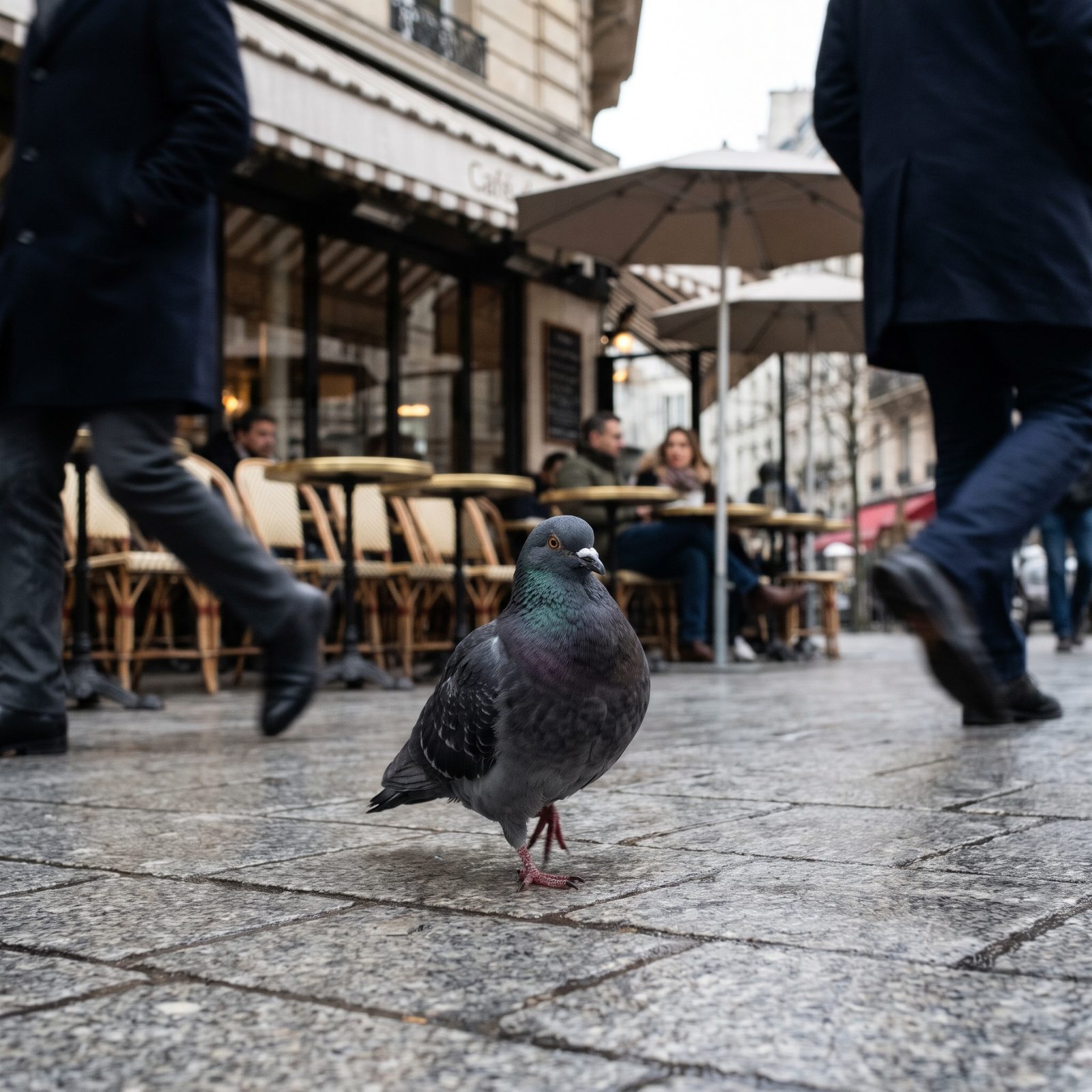
The bird you step around on the sidewalk has been underestimated for centuries. In Paris, a study found feral pigeons could tell apart two people wearing identical lab coats, dodging the one who had previously chased them off while tolerating the one who ignored them.
Swap the coats, swap the hats, change the posture, and the pigeons still sorted correctly. They were reading the face. And in the lab, pigeons learn to classify photographs of people by category, a task that sounds trivial right up until you try teaching it to almost any other animal.
19. Donkeys Remember Former Handlers After Years Apart
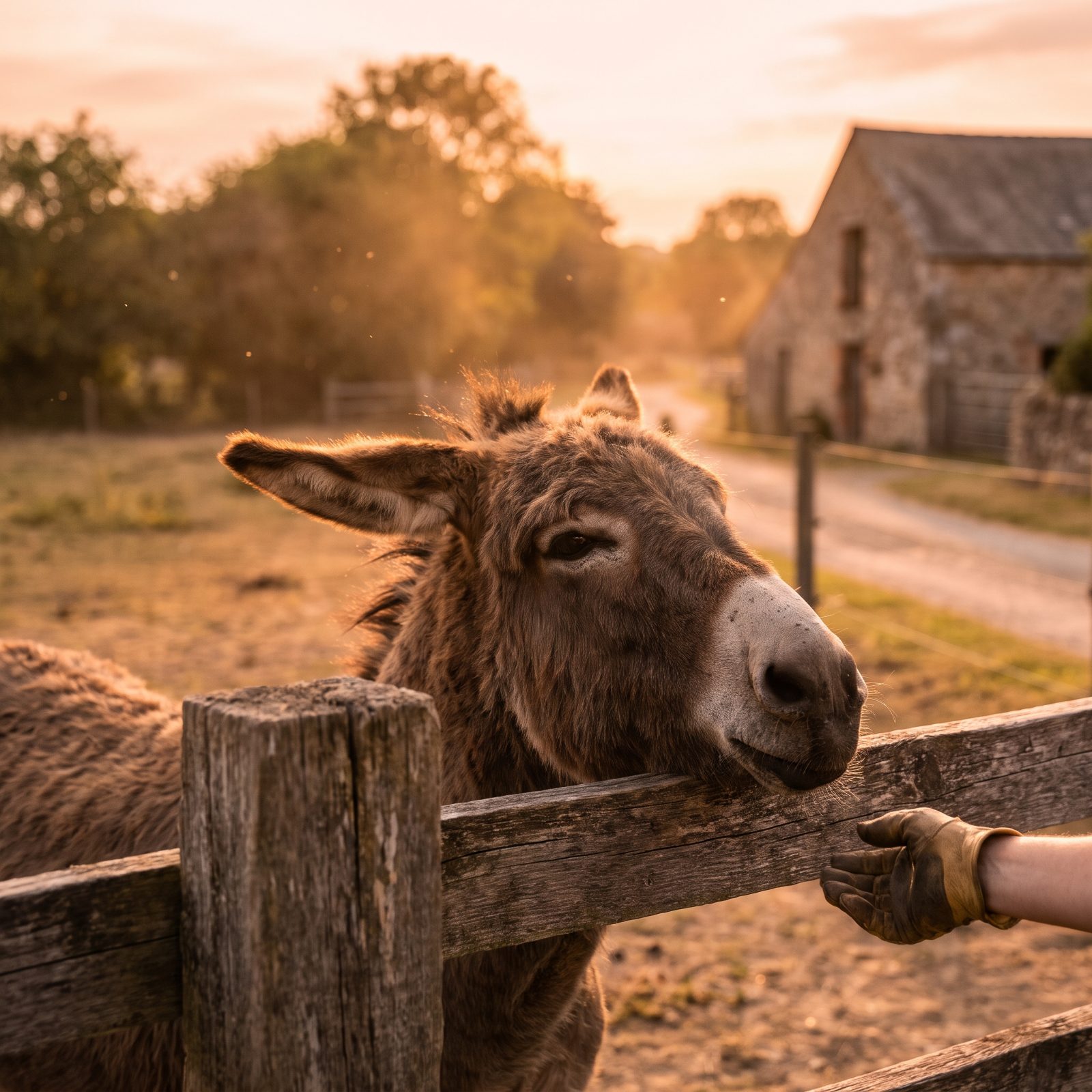
Donkeys get written off as stubborn. What looks like stubbornness is usually a long, careful memory doing its job.
Sanctuary workers and behavior researchers keep reporting the same thing: donkeys recognizing former handlers and companions after separations of years, greeting a returning familiar person with ears forward and visible calm instead of the wariness they hand to strangers.
They bond slowly and remember who earned it. A donkey that trusts you has decided something, and that decision tends to stick. Treat one badly even once, and you may be paying for it a very long time.
Asked about the abused and neglected donkeys taken in over the years, a donkey sanctuary co-founder explains “Donkeys can remember people, places and other donkeys for over 20 years, so they can remember bad experiences for a long time.”
18. Eurasian Magpies Distinguish Familiar Keepers From Strangers
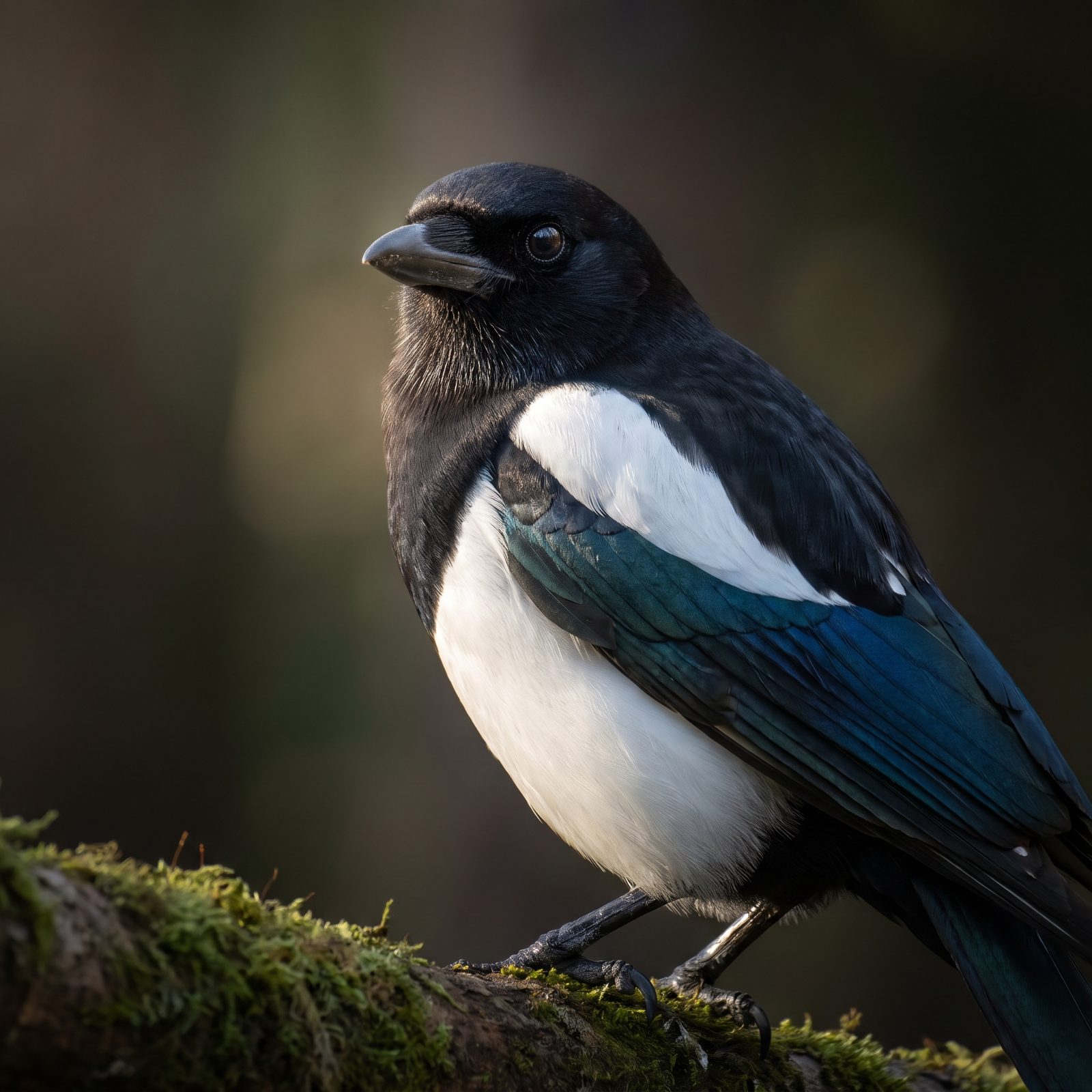
Magpies run a mental lineup, and they are rarely fooled. In studies of marked individuals near nests and feeders, these birds react calmly to the person who handles them daily but sound off at a stranger who looks almost identical — same clothes, same build. The bird still knows.
What people miss is the corvid brain behind it. Magpies passed the mirror self-recognition test, one of the few non-mammals ever to do so, so facial memory is small change for a mind like that. They log the faces that feed them and the faces that once chased them. And they hold a grudge.
17. Bottlenose Dolphins Remember Individual Trainers Over Long Absences
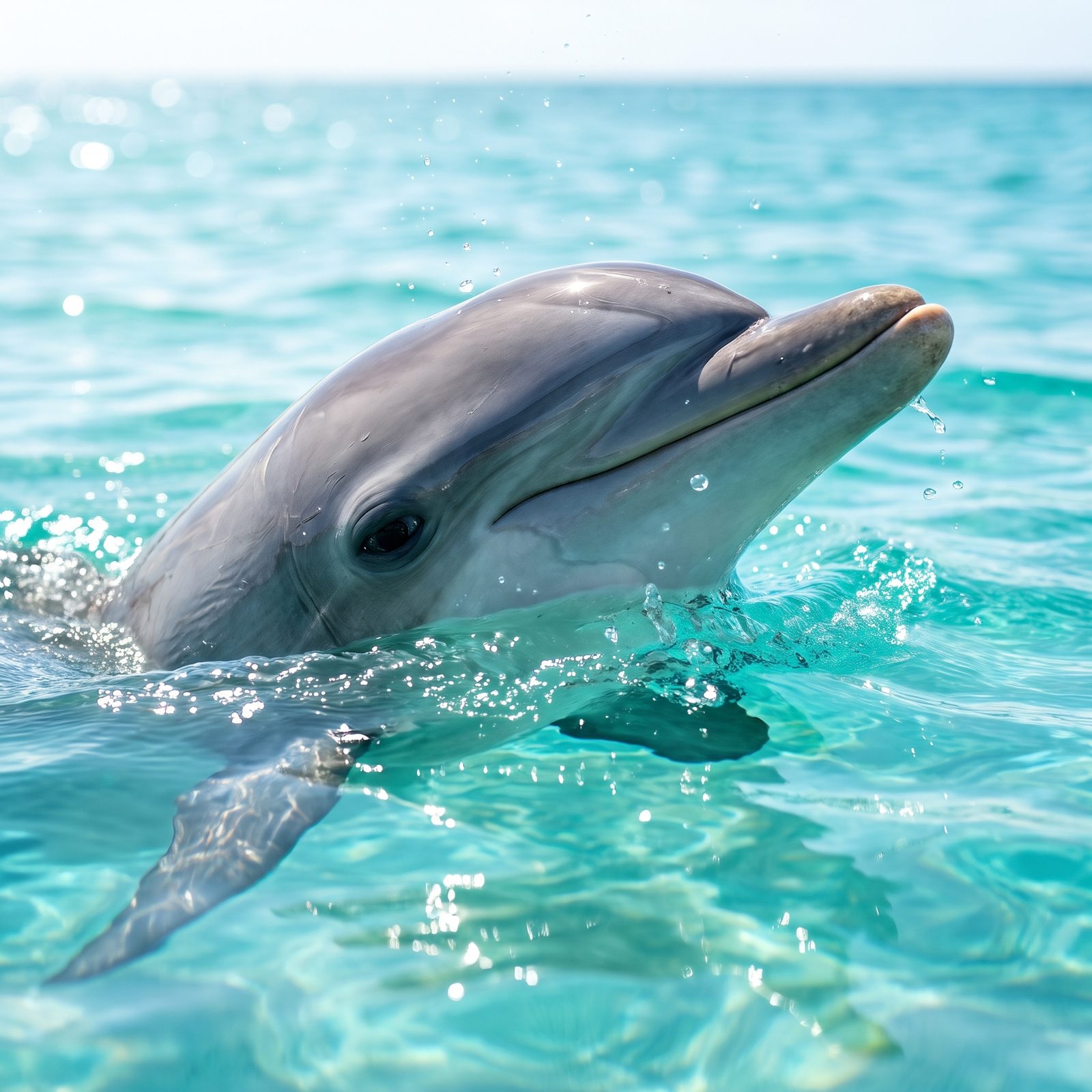
Dolphins remember each other by signature whistle for at least twenty years — the longest social memory ever measured in a non-human animal. That same machinery extends to people.
Trainers returning after long gaps report dolphins approaching with the specific behaviors they shared before, no retraining needed. The recognition likely runs on more than faces: voice, posture, the rhythm of how a person moves at the pool edge. A dolphin reads the whole package and files it away.
Twenty years of social memory. We lose phone numbers faster than that.
16. Bornean Orangutans Recognize Familiar Caregivers Years Later
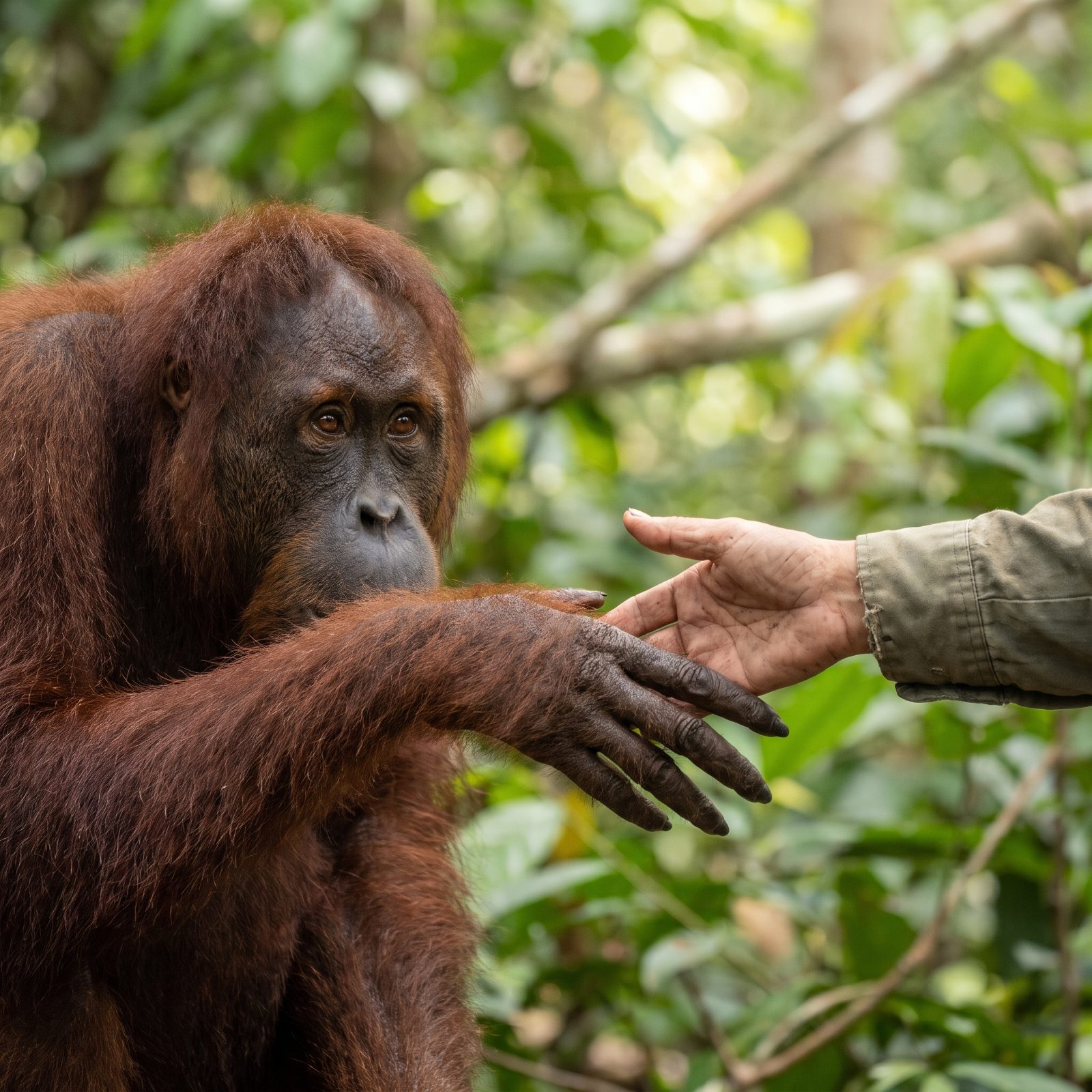
Great apes do not forget the people who raised them. Orangutans at rehabilitation centers have greeted former caregivers after separations of several years, singling them out of a crowd and seeking contact the way they always did.
And here’s what makes it stranger: orangutans are the loners of the ape world. They spend most of life semi-solitary, which should blunt the whole business of remembering a face, yet a mind that doesn’t need many relationships still clings to the ones it formed. Recognition in orangutans is slow and deliberate. Unmistakable once it clicks.
15. Sulphur-Crested Cockatoos Form Lasting Memories of Their Handlers
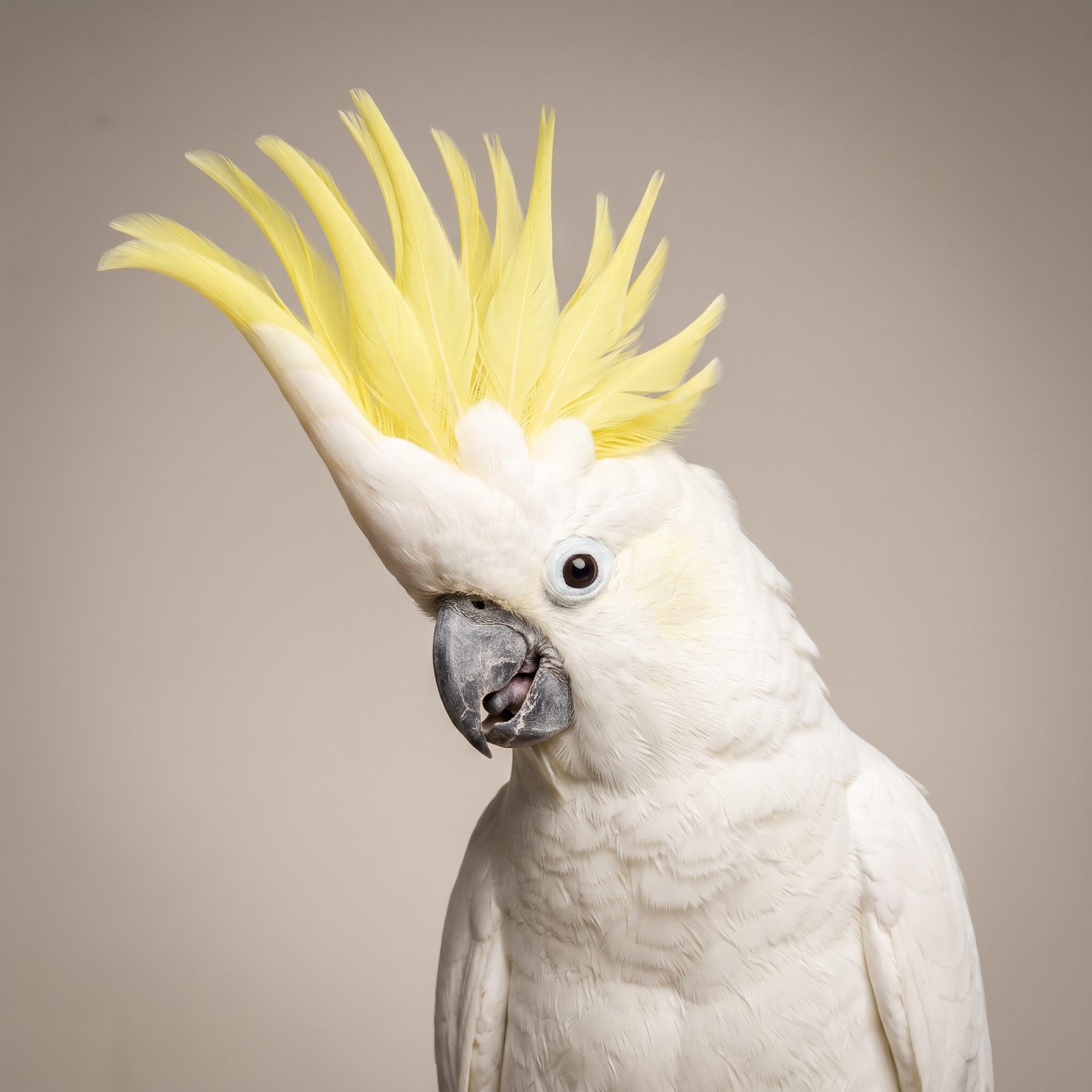
A cockatoo that trusts you will remember you for the rest of a very long life, and these birds live fifty years or more.
Handlers describe parrots that pine when a familiar person leaves and light up the moment they return, even after months apart. The flip side is uglier. A cockatoo wronged once can refuse a specific person indefinitely while staying sweet with everyone else in the room.
14. Japanese Macaques Remember Individual Researchers Who Feed or Study Them
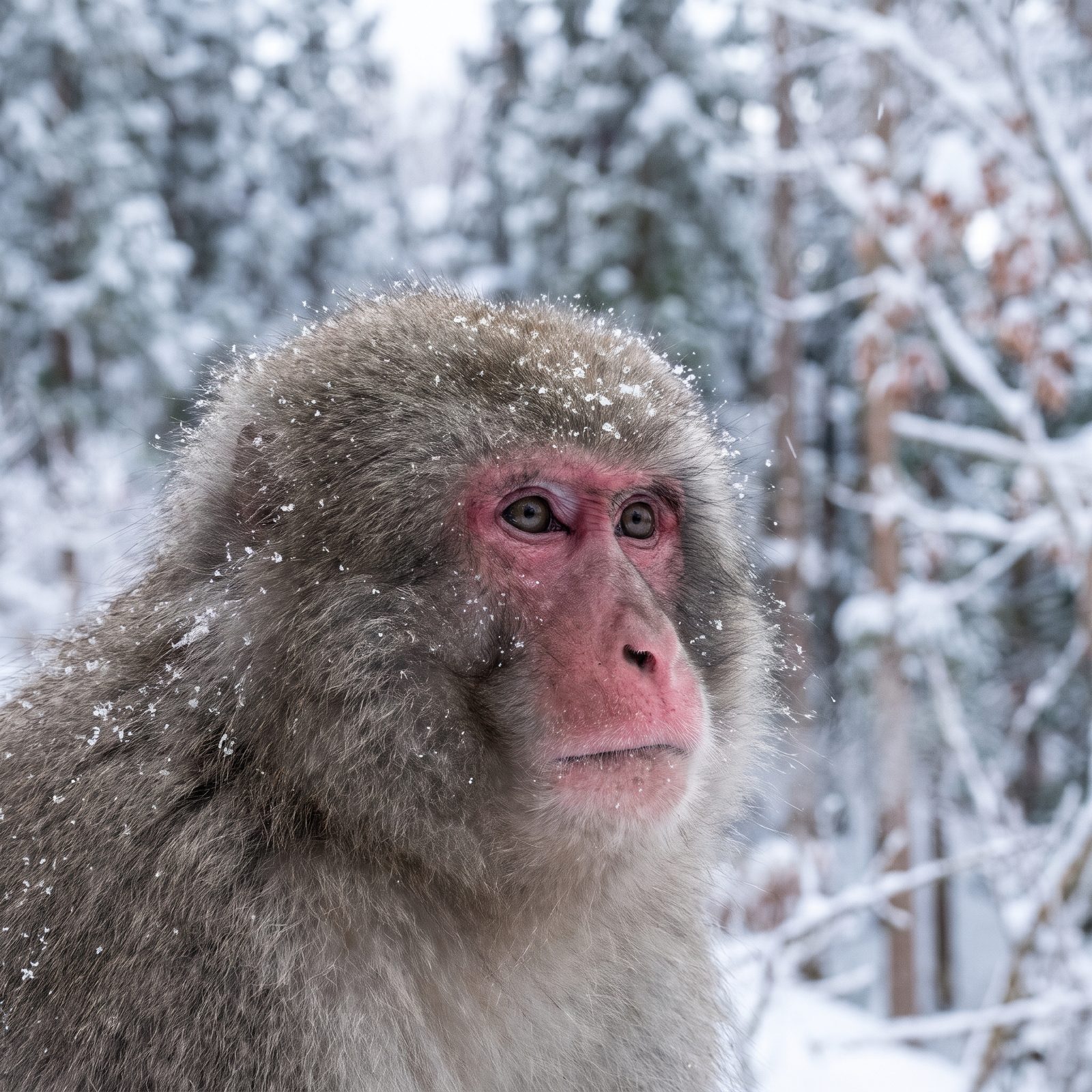
Long-running macaque field studies — some stretching back decades across generations of the same troop — depend on the fact that these monkeys clock individual humans.
A researcher who has worked a troop for years gets treated differently than a newcomer. The macaques relax their vigilance, tolerate closer approach, and watch that person with a kind of familiarity, while new faces draw stares, alarm, and distance. The monkeys are not reading your field notes. They’re reading you, and they’ve been doing it since before you learned their names.
13. Goats Visually Distinguish Familiar Human Caretakers
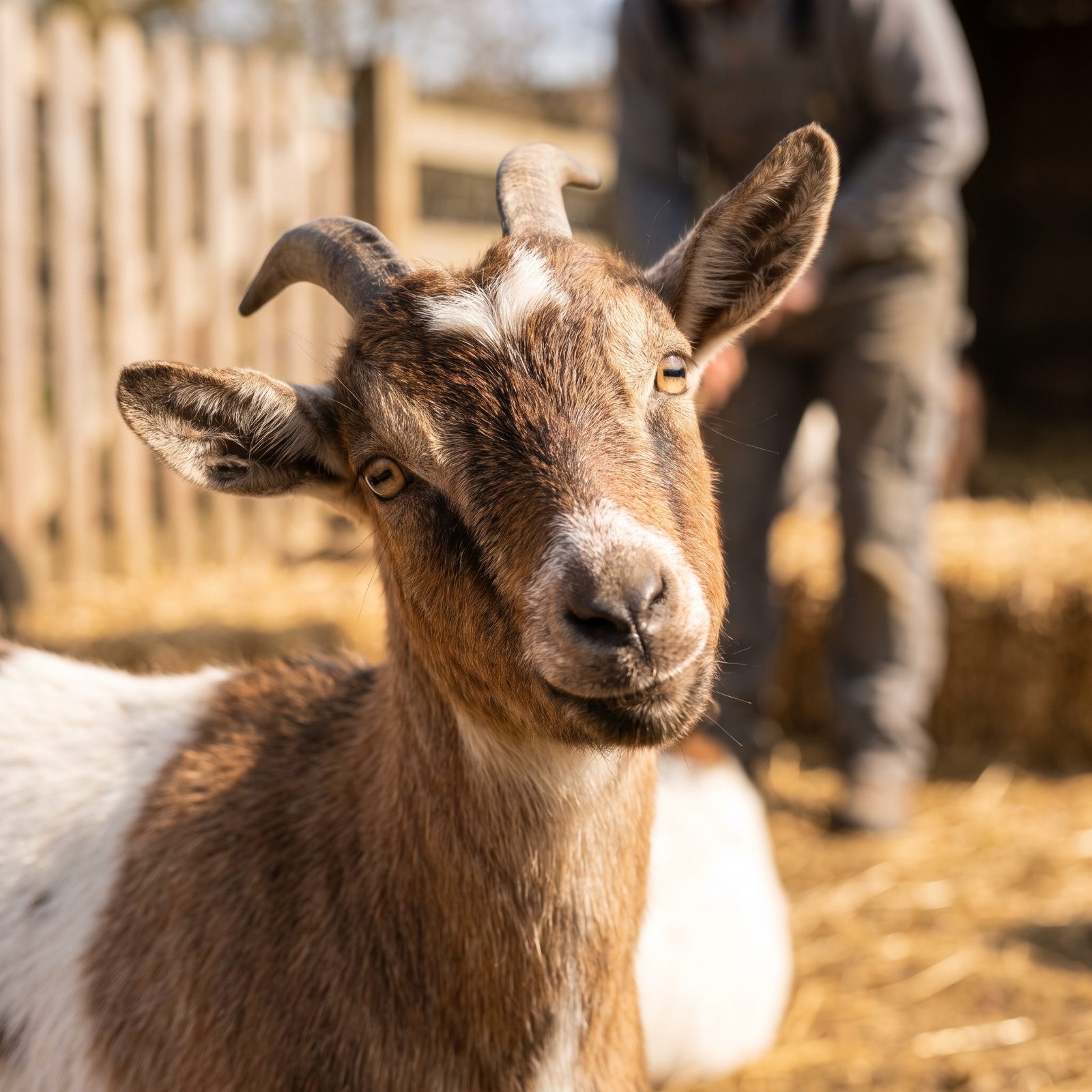
Goats sort people into friend and stranger using the face itself, not just smell or voice. Research shows they prefer images of a happy human face over an angry one, and they linger longer near the smile.
Here’s the part that surprised everyone. When a goat hits a problem it can’t solve, it turns and looks at a nearby person — the way a dog does. Nobody expected that from an animal written off as stubborn, food-motivated livestock.
Describing an experiment that showed goats pairs of happy and angry human faces, an animal behavior researcher says “Here, we show for the first time that goats do not only distinguish between these expressions, but they also prefer to interact with happy ones.”
12. California Sea Lions Recognize Former Trainers Years Later
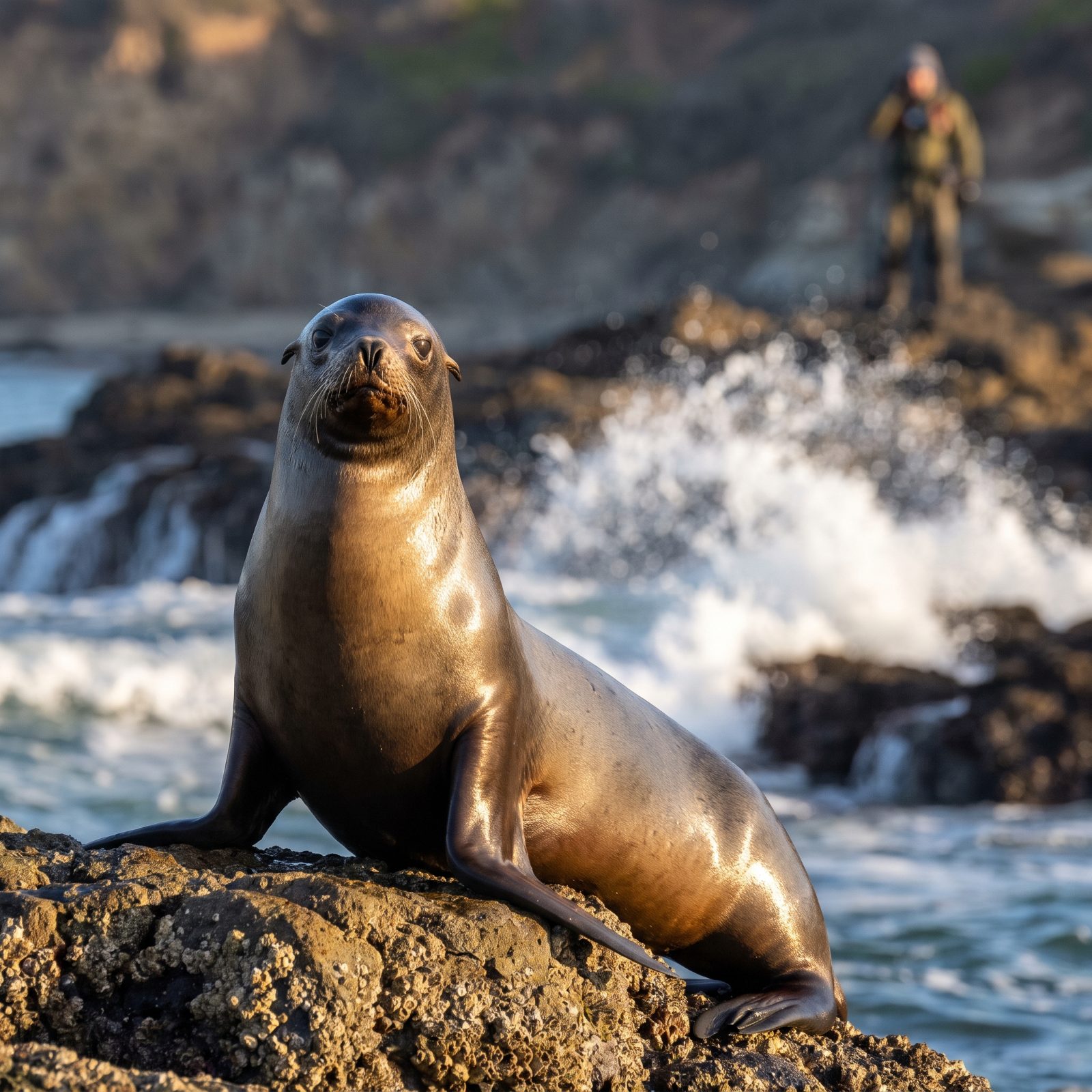
Sea lions have memories that embarrass most college students. One famous sea lion named Rio remembered a learned logic task a full decade after last performing it.
Trainers who return to former animals after years away are often met with the old recognition behaviors, the specific sounds and movements that belonged to their shared routine. These are smart, socially sharp predators with a strong head for faces and voices — they file people away and keep the file. Walk back in after three years and the sea lion picks up roughly where you left off.
11. Western Lowland Gorillas Remember Former Keepers and Trainers
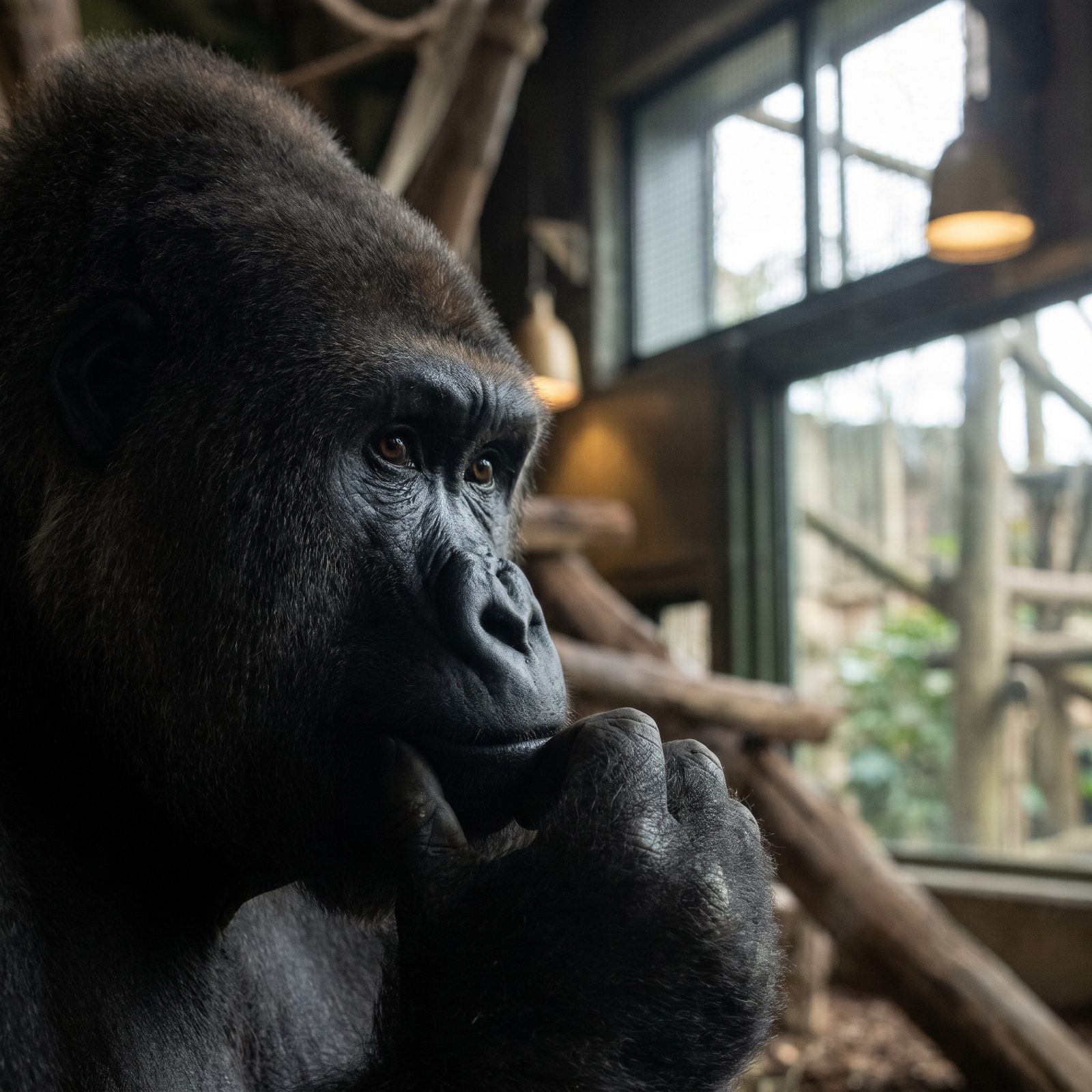
Gorillas carry long, specific memories of the humans who mattered to them. Keepers reuniting with gorillas they raised years earlier describe immediate, unmistakable recognition: soft vocalizations and calm approach that strangers never get.
The signal travels both ways. A gorilla that disliked a particular person tends to keep disliking that same person on sight, long after the last encounter. These are individuals with grudges and favorites, and the face triggers the file. There’s nothing generic about how a gorilla greets someone it knows.
10. Jackdaws Read Familiar Human Faces and Eye Direction
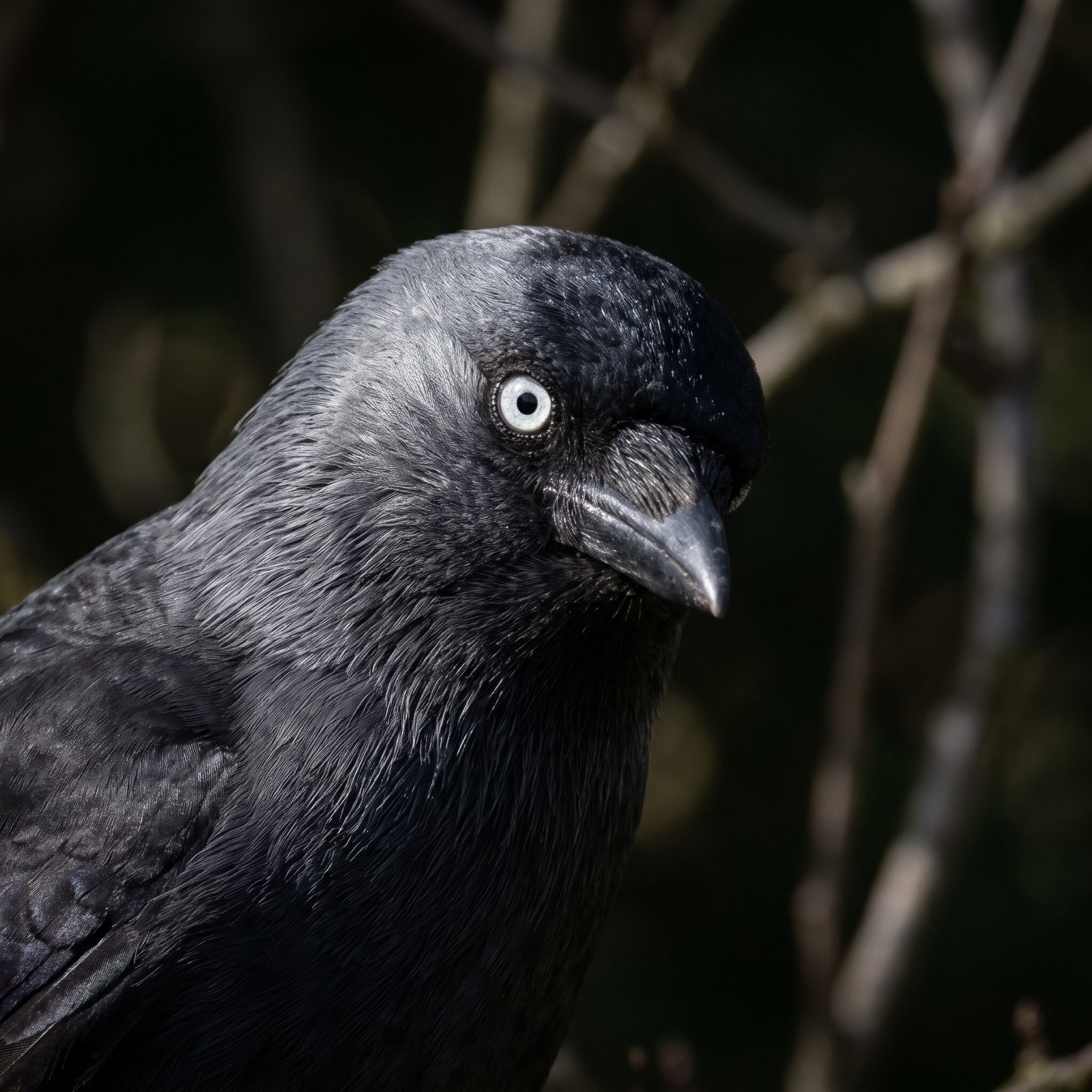
Jackdaws do something even sharper than face memory. They track where your eyes are pointed.
Experiments found that a jackdaw hesitates to grab food if a familiar person stares straight at it, then moves confidently once that same person looks away. Strangers don’t get the same read. The bird has learned which humans are worth watching, and then it watches their eyes in real time. For a small corvid with a pale, piercing stare of its own, that is an unnervingly social skill.
9. Domestic Pigs Remember Familiar People and Their Treatment
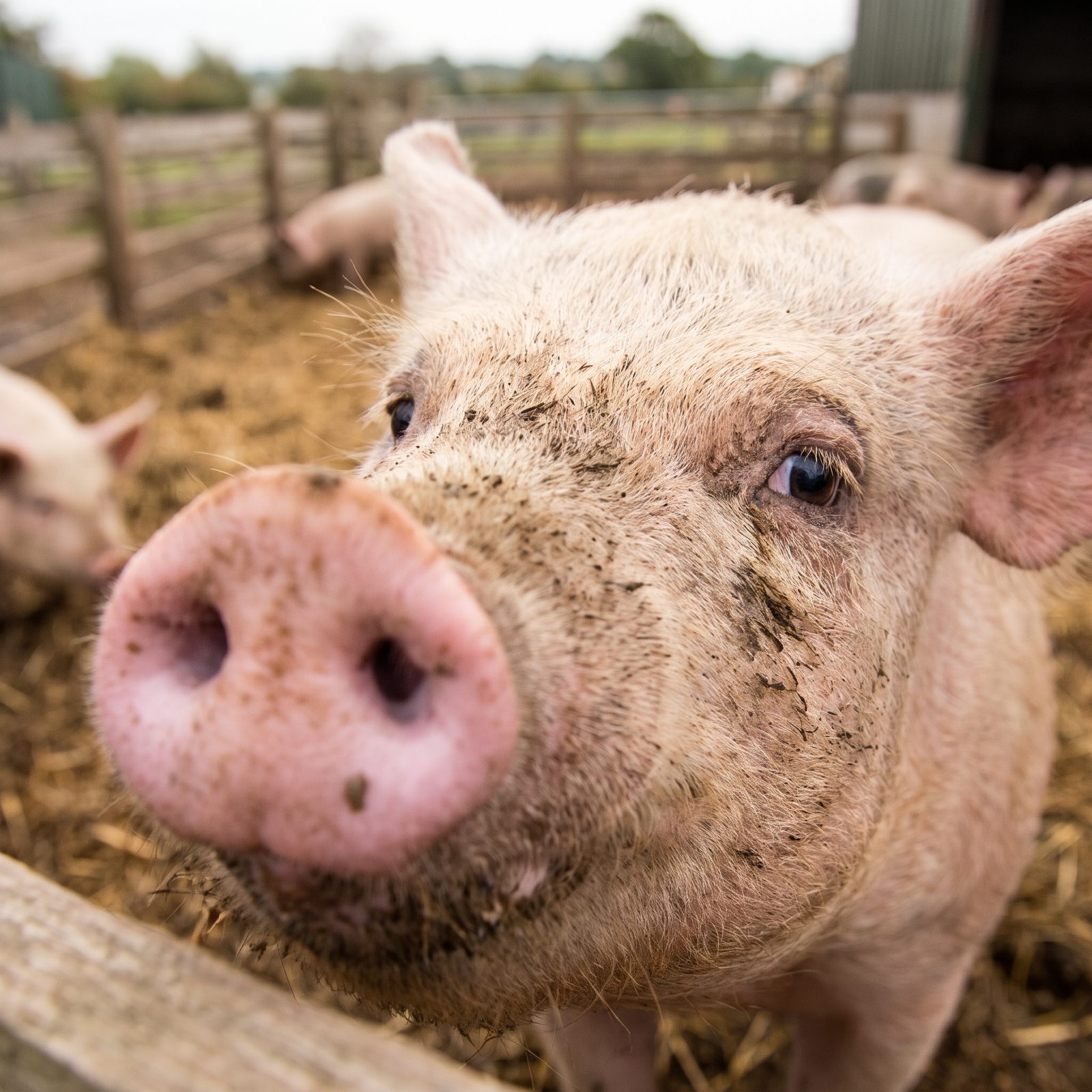
Pigs rank among the most cognitively capable farm animals, and they do not forget how you treated them.
Studies show pigs approach a person who handled them gently and hang back from one who was rough, holding onto the difference across time. They distinguish individual humans by appearance and voice, then adjust their behavior per person. A pig that trusts you comes running; a pig that learned to be wary of someone keeps its distance from that specific someone.
We eat animals that can hold a grudge over how they were handled. That’s worth sitting with for a second.
8. Rhesus Macaques Rapidly Distinguish Familiar Human Faces
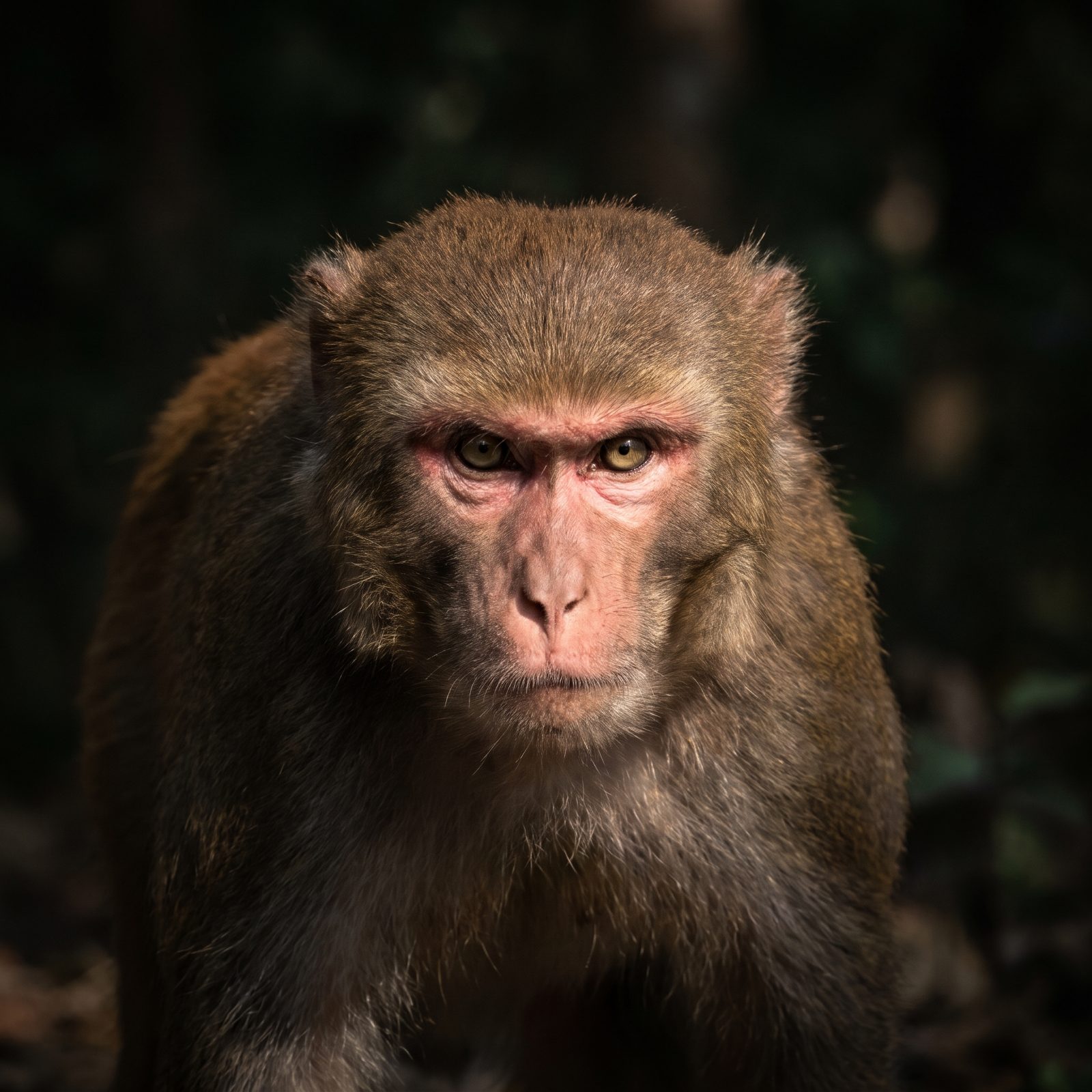
Flash a photo of a familiar keeper next to a stranger, and a rhesus macaque sorts them in a fraction of a second. These are the same monkeys that built much of what we know about the primate brain, and their face-processing circuitry turns out to be startlingly close to ours.
What people miss is the social math behind it. A macaque that recognizes you isn’t just filing a face away — it’s tracking whether you’ve been fair, rough, or generous with food, and adjusting accordingly. The face is a key. The memory of how you treated it is the lock.
7. Blue-and-Yellow Macaws Remember Long-Absent Caregivers
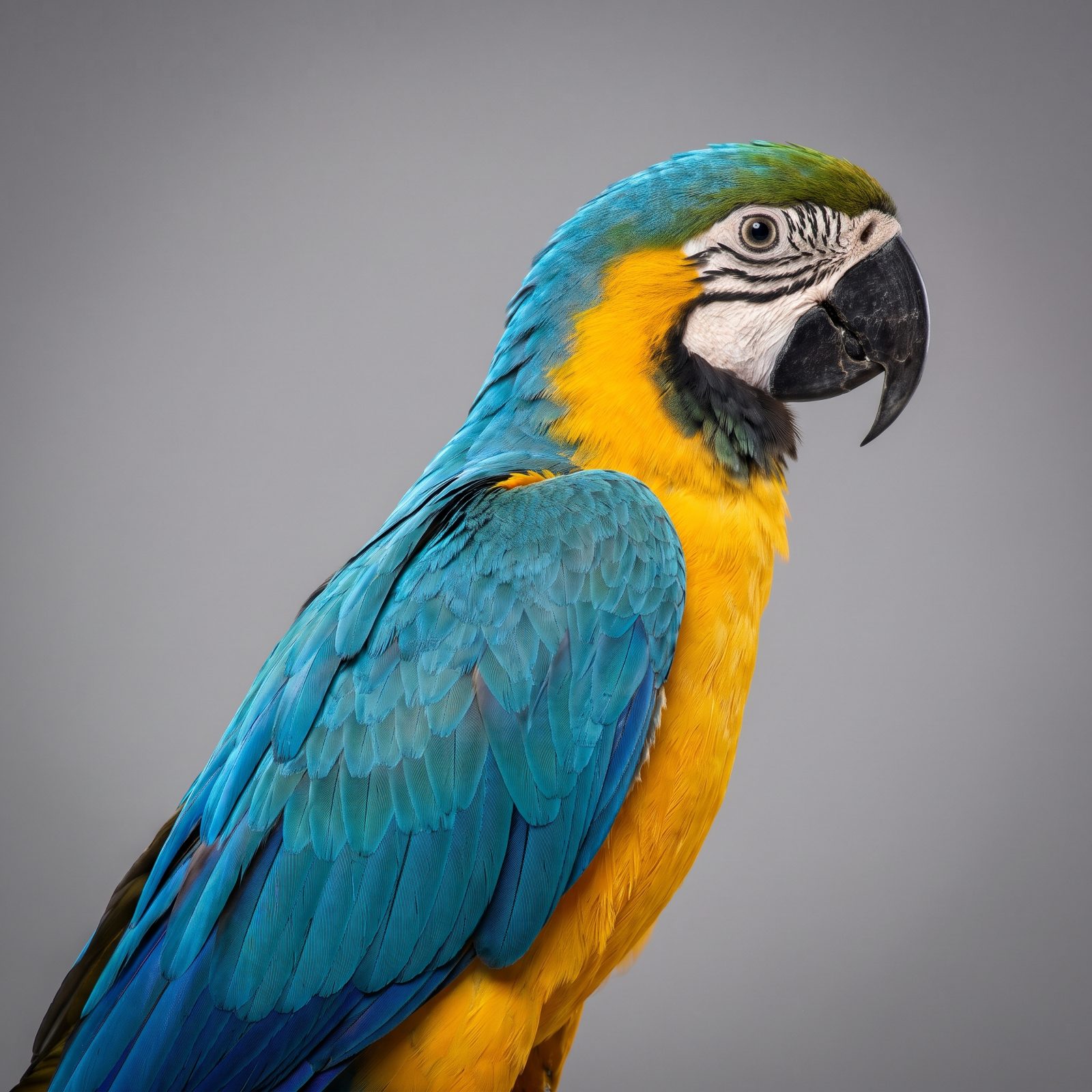
Parrots outlive a lot of their relationships, and they remember the people who filled them. Blue-and-yellow macaws can live sixty years or more, and caregivers returning after long gaps describe the birds greeting them with the exact calls and body language they used before the separation — no warm-up, no hesitation.
Rigorous lab proof for parrots runs thinner than for primates. But the behavioral evidence stacks up and resists easy explanation. A macaw that flat-out ignores strangers will fluff, vocalize, and lean in for one specific returning person. For an animal this long-lived, holding onto a trusted face across the years isn’t a party trick. It’s survival wiring.
6. Grey Seals Remember Individual Human Caregivers
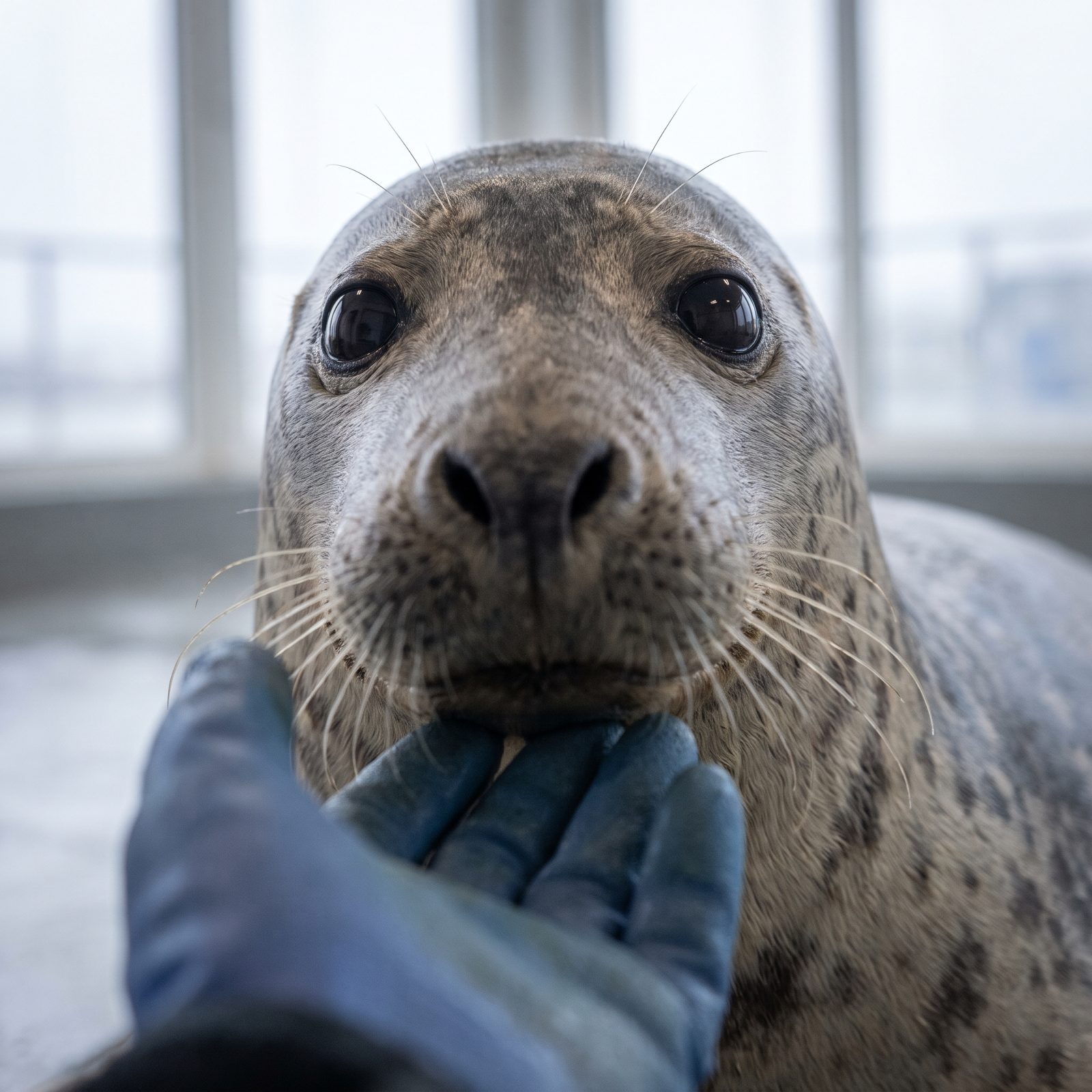
Seals read faces better than most people expect. Research at marine centers shows grey seals can learn to tell handlers apart, responding differently to a familiar caregiver than to a newcomer and matching the cues to whoever feeds and treats them.
Here’s the part that surprises visitors. Seals also post remarkable scores on visual and memory tests, picking apart subtle shapes and patterns. Now picture their social lives on crowded breeding beaches, where thousands of near-identical bodies pack the shore — a brain tuned for telling individuals apart suddenly makes perfect sense.
5. Tufted Capuchins Recognize Familiar Human Experimenters
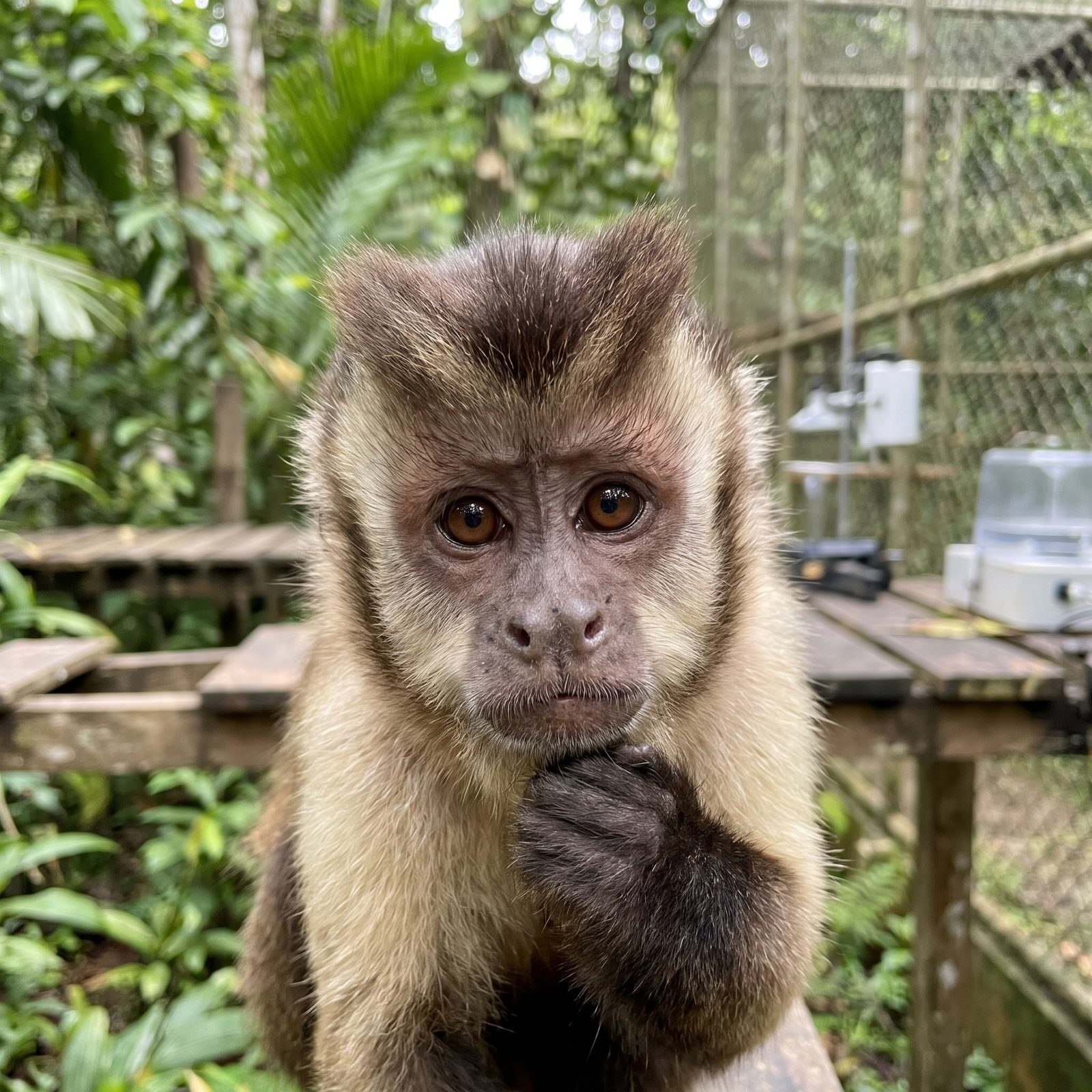
Pound for pound, capuchins pack one of the biggest brains in the monkey world, and they spend it keeping tabs on who’s who. In recognition studies, tufted capuchins reliably pick familiar experimenters out of a lineup of strangers and shift their behavior toward the people they know.
What fascinates me is how much of their social intelligence spills into these tasks. These are the tool-users of the New World — cracking nuts with stones, watching each other constantly, forever scorekeeping. A monkey that tracks reputations in its own troop has no trouble slotting a human handler into the same mental ledger.
4. Cattle Learn to Recognize the People Who Handle Them
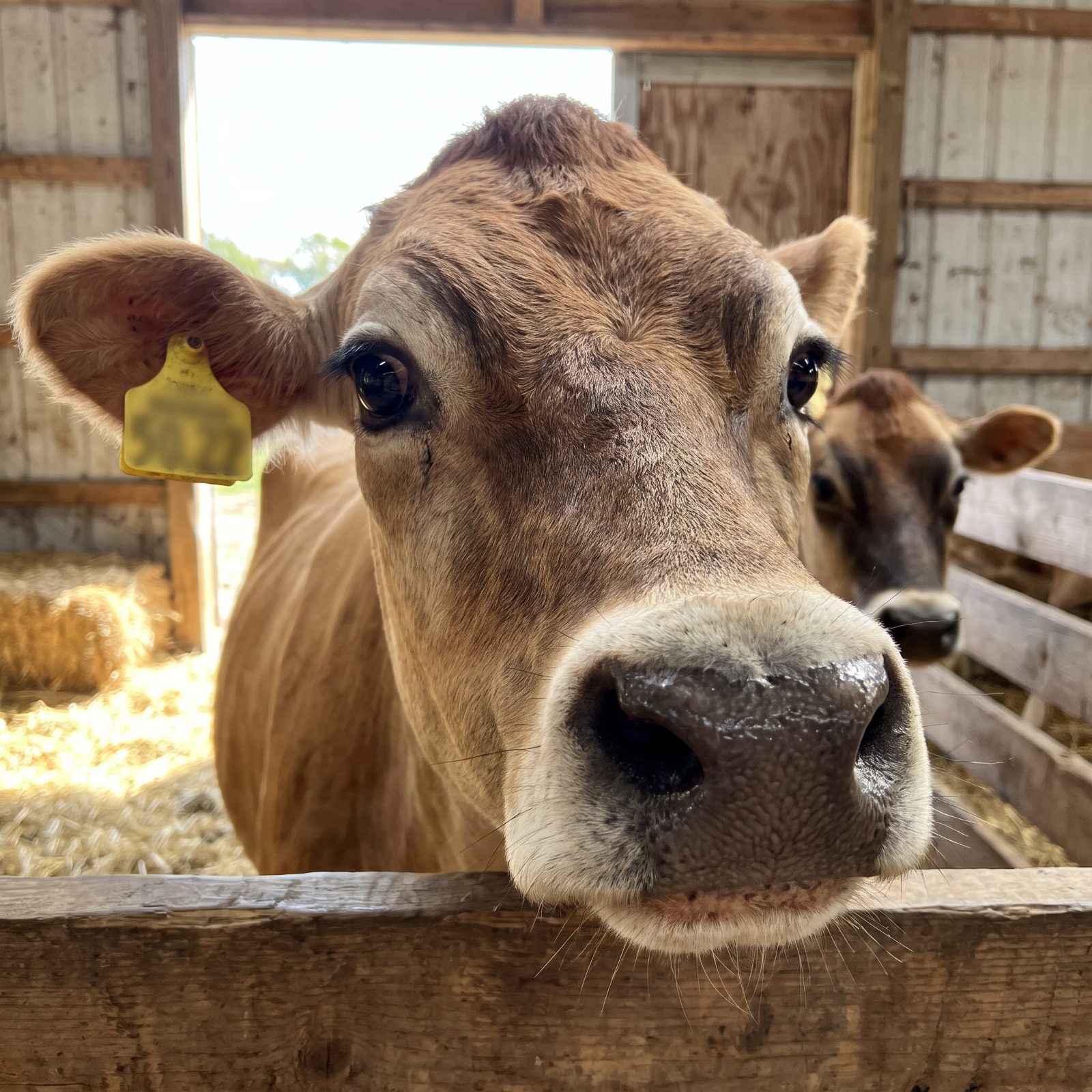
The barn gossip is right — cattle know their people. Studies show cows can distinguish individual humans by face, pulling a familiar handler out from a stranger even in photographs, and they file away who’s been gentle and who’s been rough.
This runs deeper than a cute fact. A cow handled calmly shows lower stress around that specific person, with measurable drops in heart rate and flight distance. A cow that’s been shouted at or shoved? It remembers that face too. Handling quality isn’t abstract welfare language to a cow. It’s a memory pinned to your face.
3. Common Marmosets Learn the Faces of Their Regular Caregivers
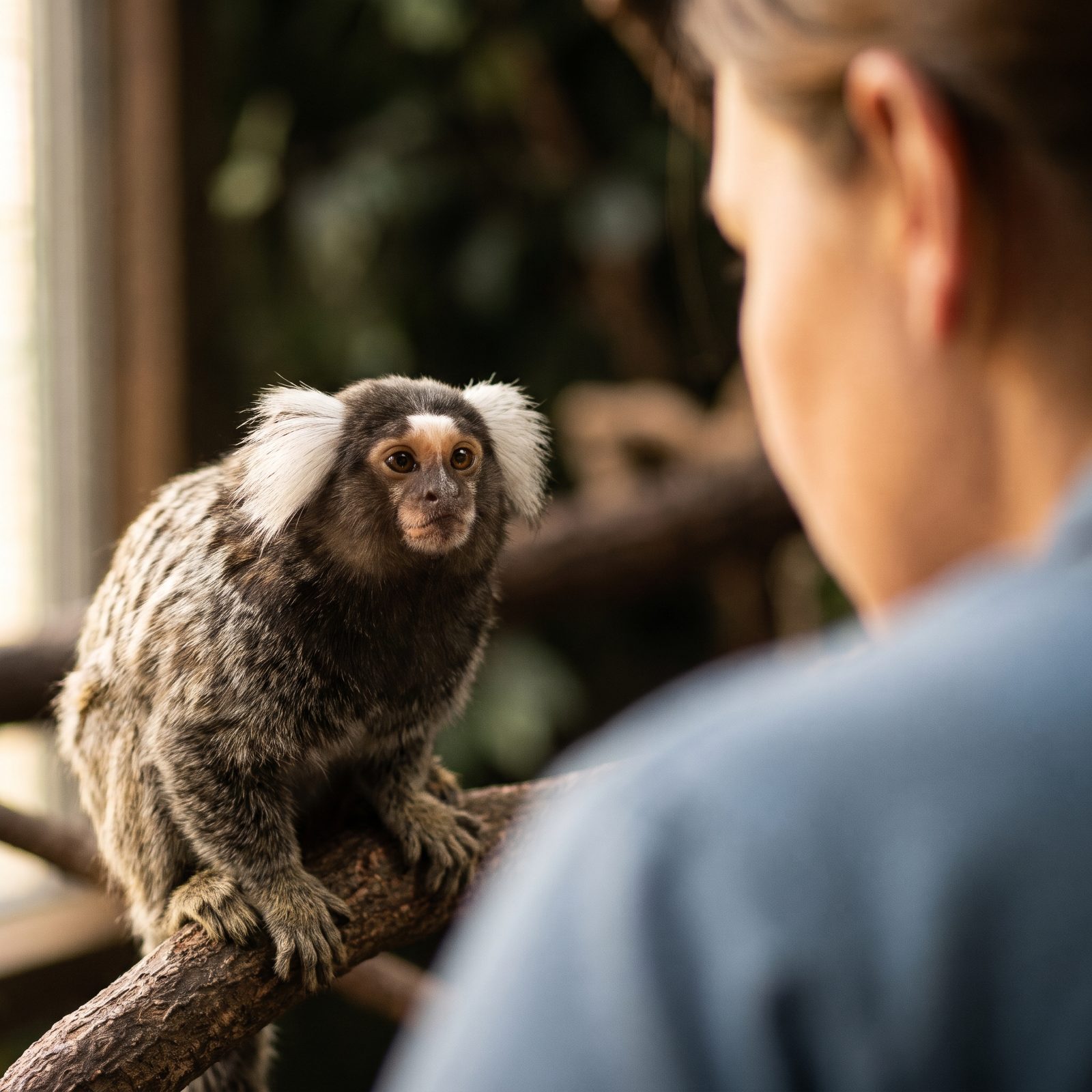
No bigger than a squirrel, the common marmoset has become a neuroscience-lab favorite partly because of its social brain. These tiny primates learn their regular caregivers and respond differently to a familiar face than an unknown one, and researchers have mapped the brain activity behind it.
They also chatter in distinct calls, almost like names for group members. A monkey that labels its companions out loud is clearly tracking individuals closely. Add a human to that world, show up every day, and you become one more recognized member of a very small, very attentive society.
2. Bonobos Recognize Long-Absent People From Photographs
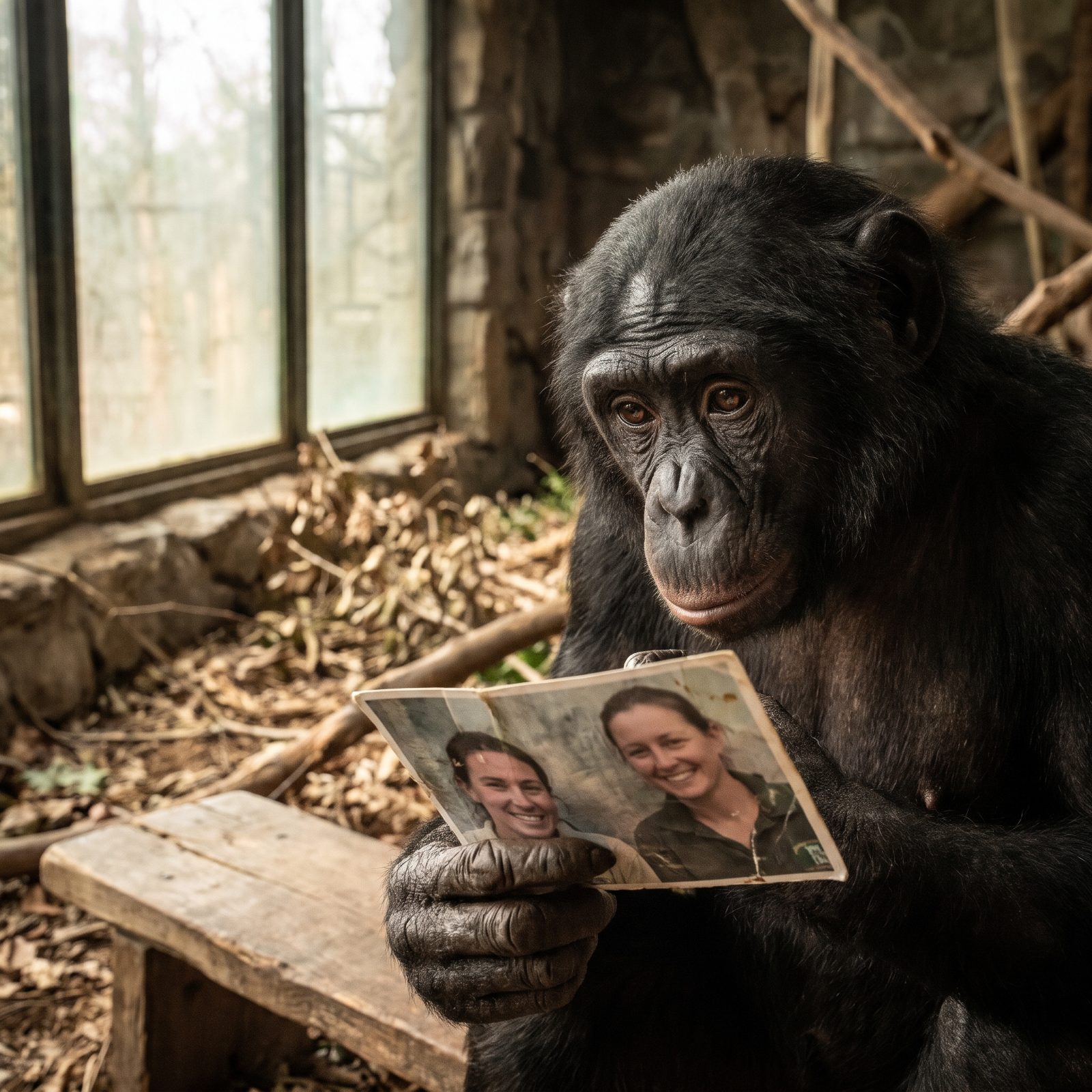
Our closest cousins don’t just remember faces. They remember your voice paired with your face, after years apart. Studies show bonobos and chimpanzees can match a photo of a long-absent groupmate to the sound of its call, and that same cross-sensory memory reaches out to cover familiar humans too.
Watching a bonobo reunite with a departed caregiver is hard to do without feeling something crack open in your chest. Decades of separation, and the recognition lands in an instant. For an animal that shares nearly all of our DNA, holding a face across time isn’t surprising at all. It would be stranger if they couldn’t.
Bonobos and chimps can match a photo of a long-absent groupmate to a familiar call, pulling face and voice from the same memory, a skill once assumed unique to humans.
After eye-tracking apes shown photos of long-separated groupmates next to strangers, a comparative psychologist reports “And we found that, yes, they are looking significantly longer at the pictures of their previous groupmates.”
1. Chimpanzees Remember Familiar Human Caregivers Decades Later
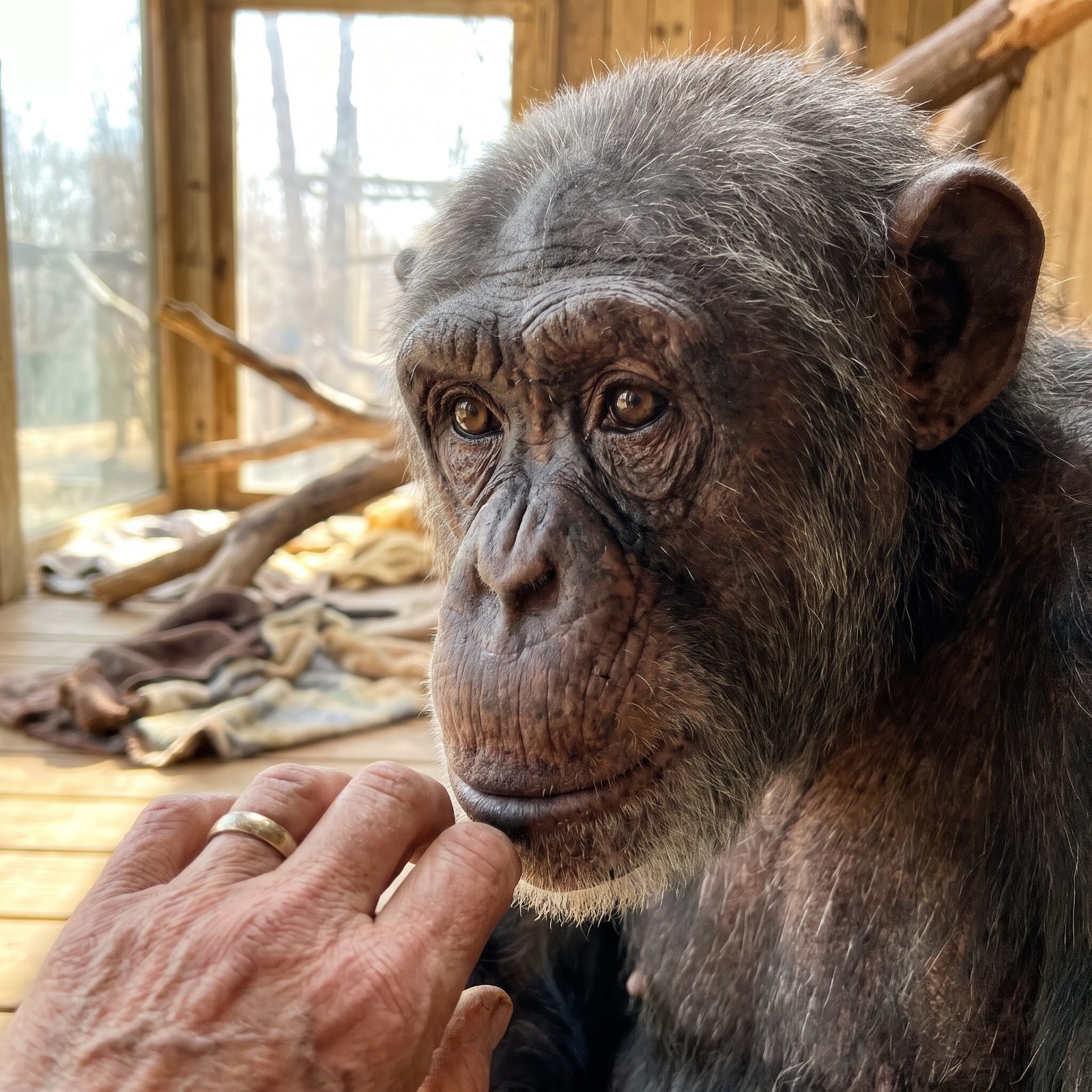
Thirty years can pass, and a chimpanzee still knows your face. Documented reunions between chimps and former caregivers, confirmed in research settings, show the apes greeting specific people with excitement and calm trust after decades out of contact.
The science backs the anecdotes. Chimpanzees breeze through face-matching tests, and like us, they hang onto faces better when those faces once mattered socially. A keeper who raised or rehabilitated a chimp occupies a different slot in that memory than any stranger ever will.
Which reframes what we owe these animals. If a chimp can carry your face for half its life, the relationship was never one-sided — it was mutual, and it was remembered.
Research led by a comparative psychologist grew out of a longtime observation that primate researchers returning after months or years away found bonobos and chimpanzees acting as if they were picking up right where they left off.