
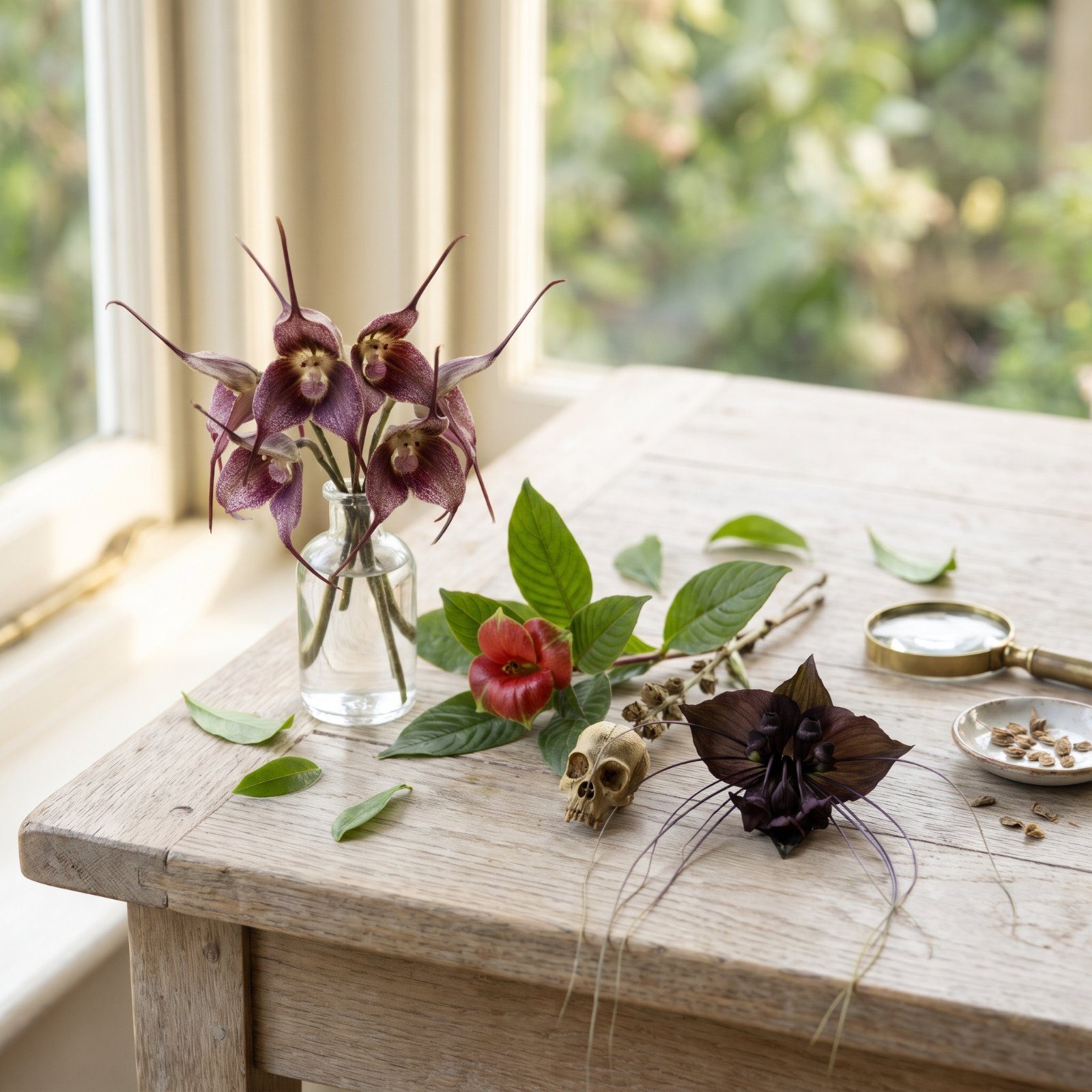
A face. That’s what your brain grabs onto when you stare into a monkey face orchid, and it won’t let go. Two dark eyes, a little snout, that startled expression belongs on a mammal rather than a flower. Nature keeps pulling this stunt, growing blooms shaped like ducks mid-flight, shrubs with glossy red lips, seed pods that dry into tiny screaming skulls. None of it is photoshopped, and none of it is a costume. Every plant below is a documented species you could find, grow or photograph, and the science behind why they look this way turns out stranger than the pictures.
Please note that some of the images in this article were created with the assistance of AI.
44. Monkey Face Orchid: A Primate Staring Out From the Petals
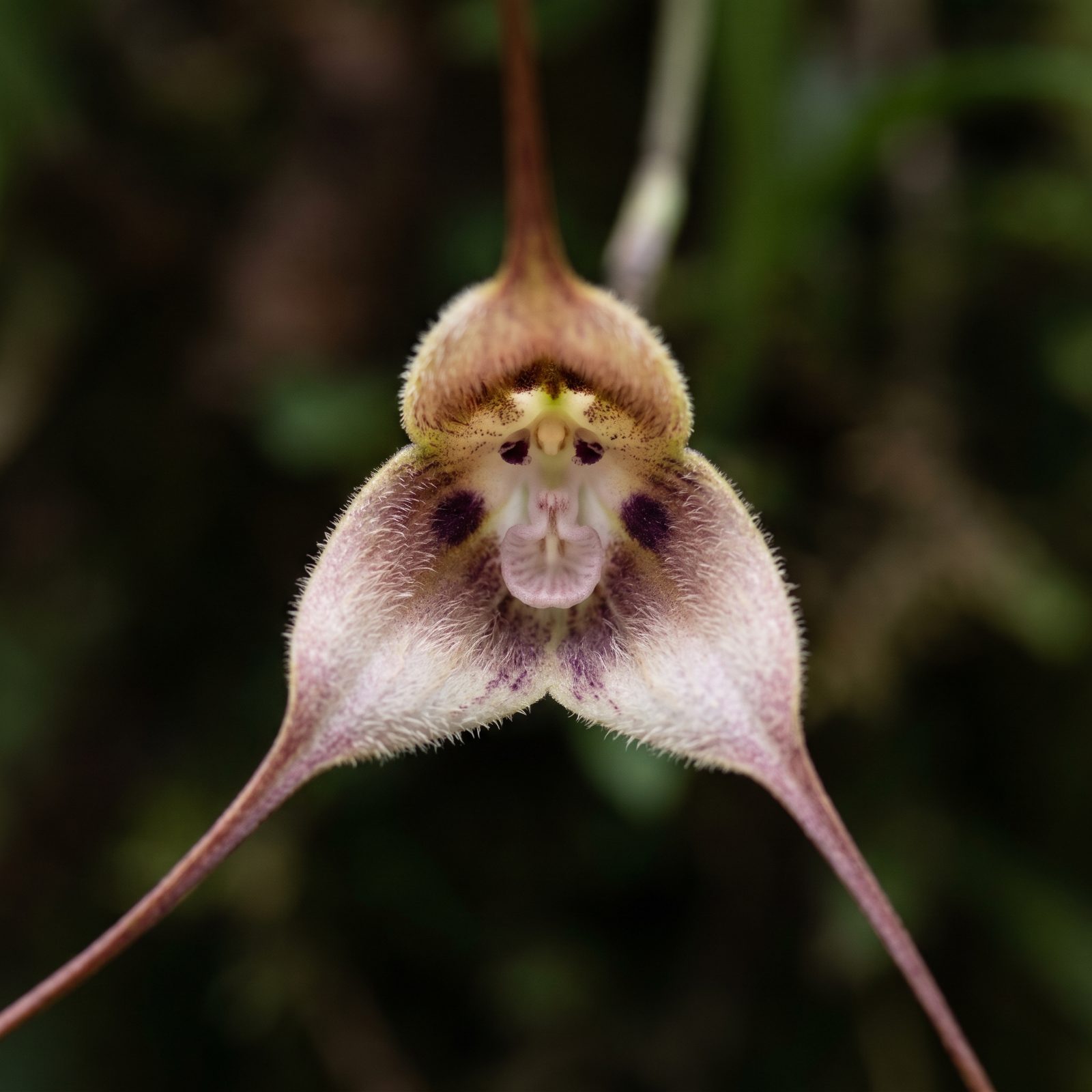
Your brain sees the monkey before it sees the flower. Here, pareidolia does all the work: the center of this bloom only suggests a monkey face, with two dark purple spots for eyes, a pale column for a nose and a ruffled pink lip for a mouth, framed by fuzzy, pale pink-white sepals flecked with purple.
The species is Dracula simia, and it lives in the cold, wet cloud forests of Ecuador and Peru. The face isn’t for us. Nobody knows for certain why the column looks the way it does, though the bloom smells faintly of ripe orange, which likely does the real work of pulling pollinators in. As this bloom shows, the face is only suggested by the petals, column and lip, and that monkey is a coincidence we can’t unsee.
43. Hooker’s Lips: The Shrub With a Perfect Red Pout
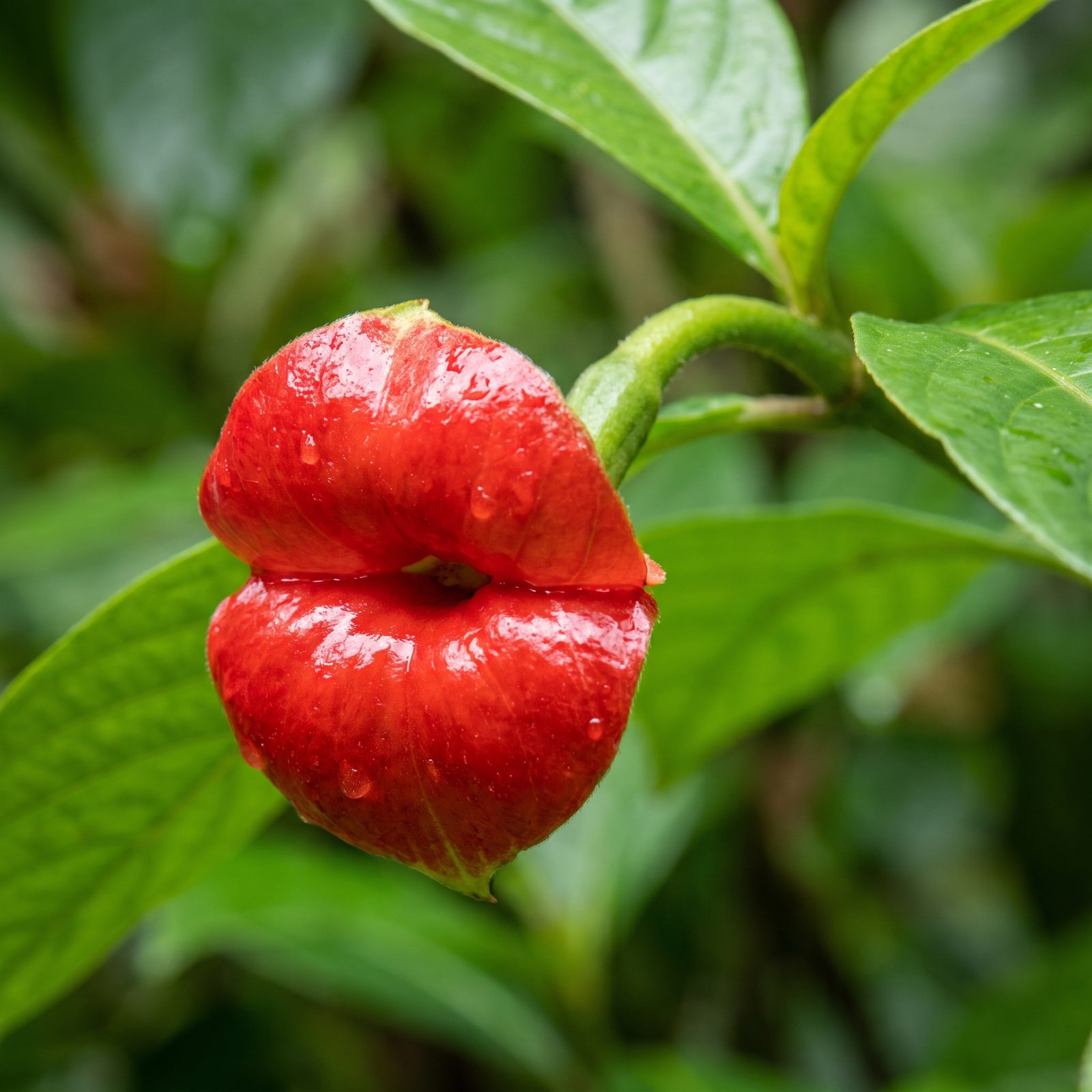
Those aren’t the flowers. The lips everyone photographs are actually modified leaves called bracts, and they only hold that pout for a few days before parting to reveal the small, unremarkable star-shaped blooms tucked inside.
Psychotria elata grows in the rainforests of Central and South America, from Costa Rica down into Colombia. The red color advertises to hummingbirds and butterflies, the pollinators the plant actually wants. And here’s the part worth sitting with: deforestation has made this showy little shrub increasingly hard to find in the wild, a grim irony for a plant whose whole strategy is being impossible to ignore.
42. Flying Duck Orchid: A Tiny Bird That Appears Airborne
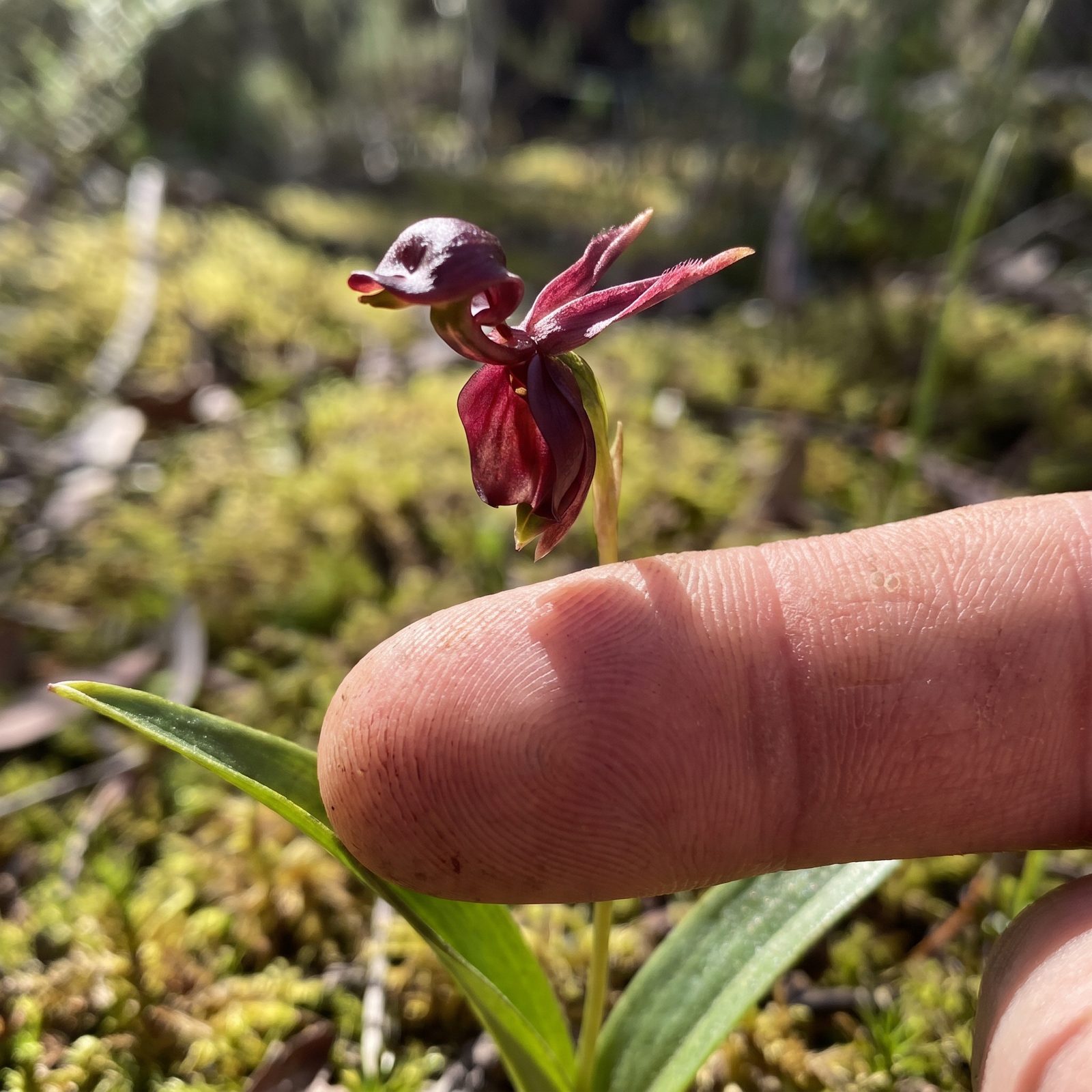
Scale is the shock here. A flying duck orchid is barely half an inch long, so the perfect little duck you see in photos is smaller than your thumbnail, and you could walk right past a whole colony of them.
Caleana major grows only in Australia, and the resemblance isn’t decoration. That hinged “head” is a trigger. When a male sawfly lands, lured by a chemical mimic of a female, the labellum snaps down and briefly pins the insect against the pollen. The duck shape is a machine built to fool one species of wasp, and we just happen to find it adorable.
41. Naked Man Orchid: Tiny Human Figures Growing on a Stem
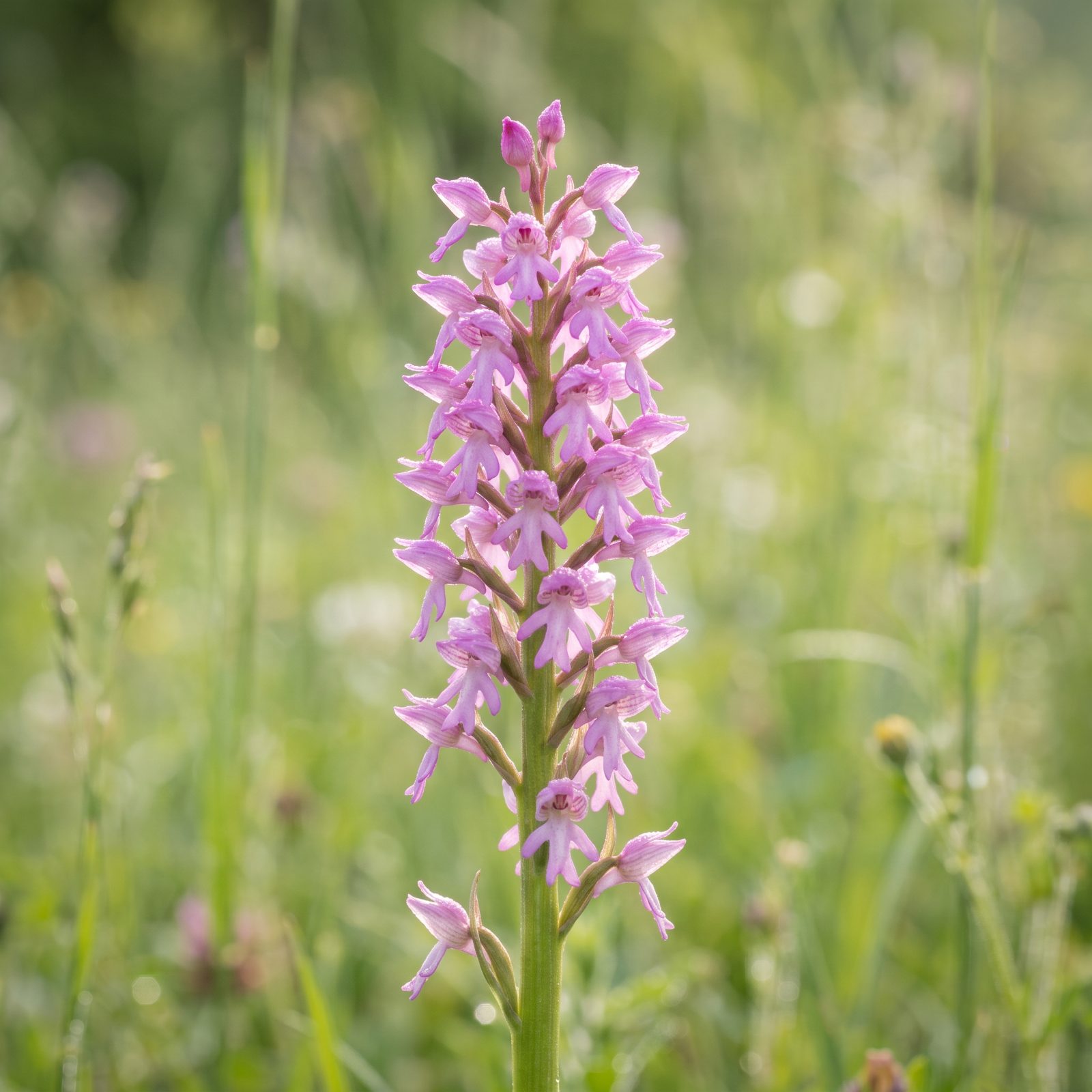
Lean in close to the flower spike of Orchis italica and you’ll count dozens of little figures, each with a hooded head, splayed arms and dangling legs, all a soft blush pink. The nickname is blunter than we’ll be here, but the human shape is undeniable.
This one grows across the Mediterranean, happy in dry grassy hillsides from Portugal to Turkey. It flowers in spring and can throw up a dense cone of these tiny bodies on a single stem. The pink tones and the general silhouette help pull in insect pollinators. We get the uncanny crowd of little people as a bonus.
40. Bee Orchid: A Flower Disguised as Its Own Pollinator
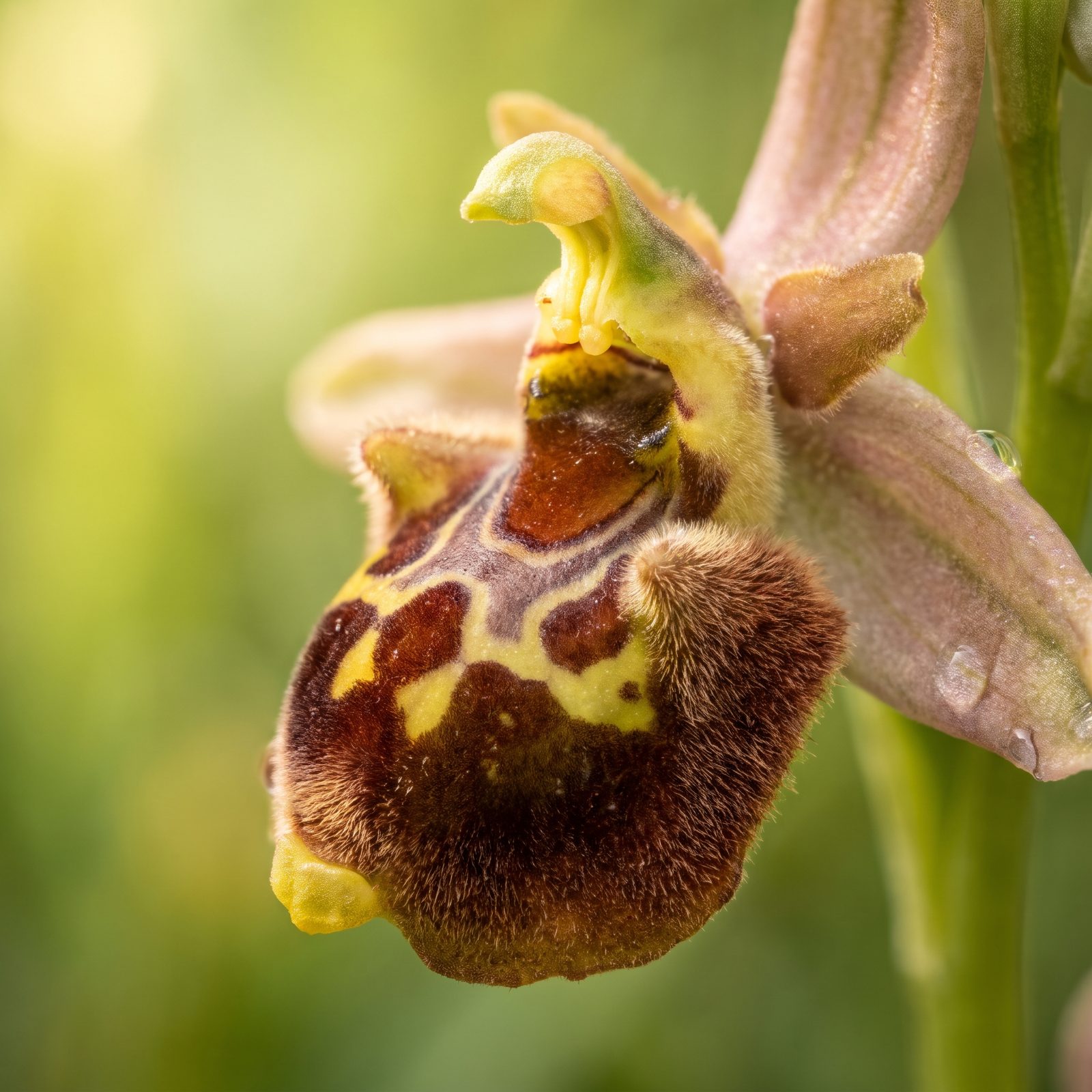
The bee on this flower is the flower. Ophrys apifera grows a velvety brown-and-gold lip that mimics the body of a female bee so convincingly that male bees try to mate with it, picking up pollen in their confusion. The strategy is called pseudocopulation, and it’s as ruthless as it sounds.
Here’s the twist. Across much of Britain and northern Europe, the specific bee it evolved to fool doesn’t actually live there anymore. So the plant pollinates itself, hedging its bet while still wearing a costume for a partner that never shows up. A disguise, kept on long after the party ended.
39. Darth Vader Flower: A Bloom Wearing a Masked Face
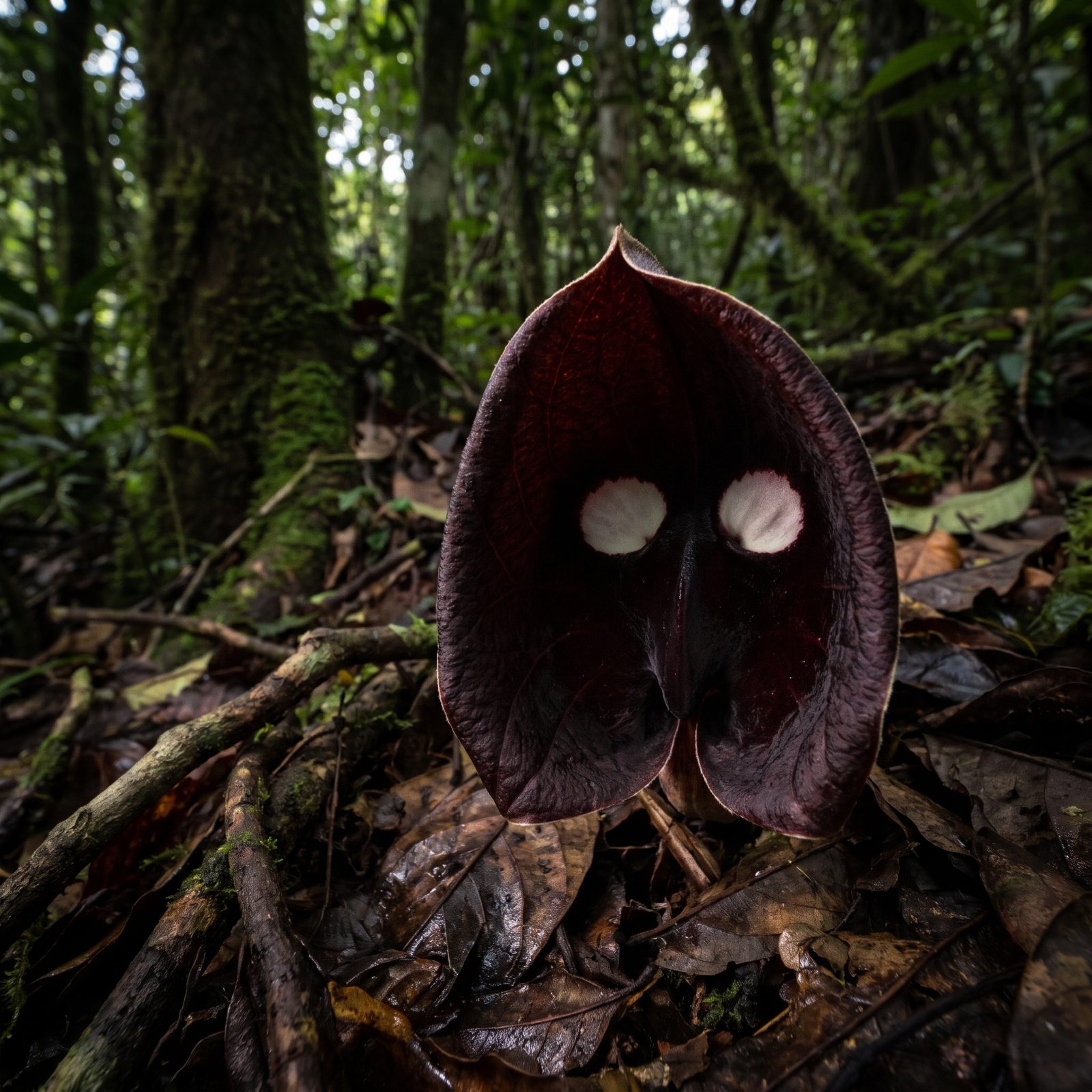
Found in the forests of Brazil, Aristolochia salvadorensis went viral the day someone noticed its hooded bloom looks exactly like a certain cinematic helmet. Two pale eye-spots, a dark sculpted hood, a face staring back from the plant kingdom.
The genus is better known as Dutchman’s pipe, and this one is no gentler than its cousins. Flies do the pollinating, lured in by a scent most of us would call rotten, and the flower briefly traps them inside until the pollen transfer is done. The sinister look fits the method better than the movie reference does.
38. Black Bat Flower: Near-Black Wings With Trailing Whiskers
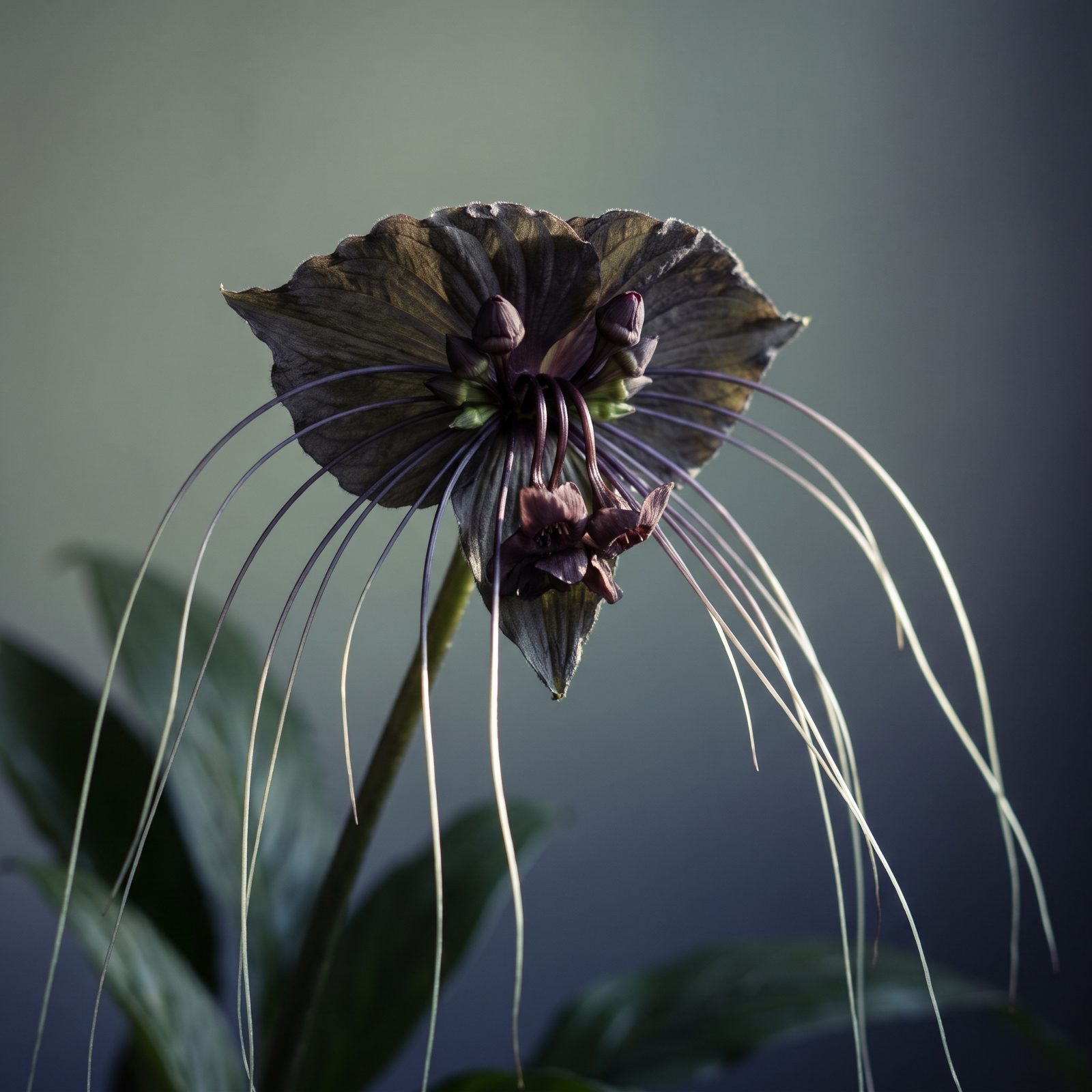
Almost nothing in the plant world comes this close to true black. The black bat flower, Tacca chantrieri, spreads two dark wing-like bracts over a cluster of deep purple-black blooms, then drops long whisker-like filaments that can trail nearly a foot below. In dim jungle light it reads as a bat frozen mid-swoop.
Its home is the shaded understory of Southeast Asian rainforests, in Thailand, Malaysia and nearby regions. For years people assumed those dramatic whiskers helped lure pollinators. The honest answer? Researchers still aren’t sure what they’re for, and some studies suggest the plant relies heavily on self-pollination. A spectacular feature with no confirmed job.
37. Devil’s Hand Tree: Blood-Red Flowers With Fingerlike Claws
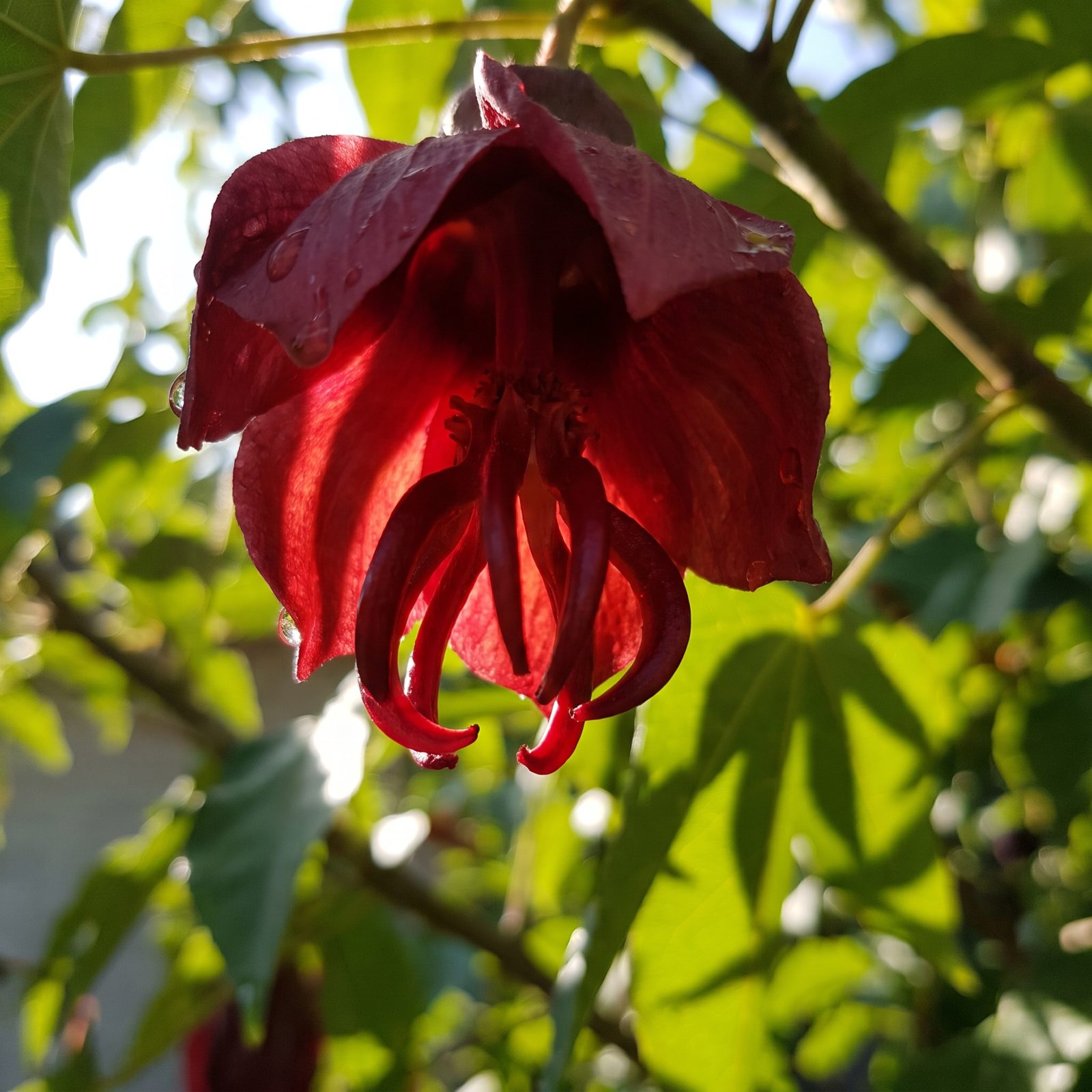
Five curved fingers, deep maroon at the base and tipped in bright red, reaching out of a flower like claws grabbing at the air. The devil’s hand tree, Chiranthodendron pentadactylon, takes its species name from the Greek for “five fingers.”
Native to the cloud forests of Mexico and Guatemala, this tree was sacred to the Aztecs, who used it in traditional medicine. Here the “fingers” are curved, tentacle-like stamens, fused together at the base, arranged to brush pollen onto visiting birds and bats. Count them next time you see a photo. There are five, curling in every direction, part of why the thing looks so deliberately designed.
36. Skeleton Flower: White Petals That Turn to Glass in the Rain
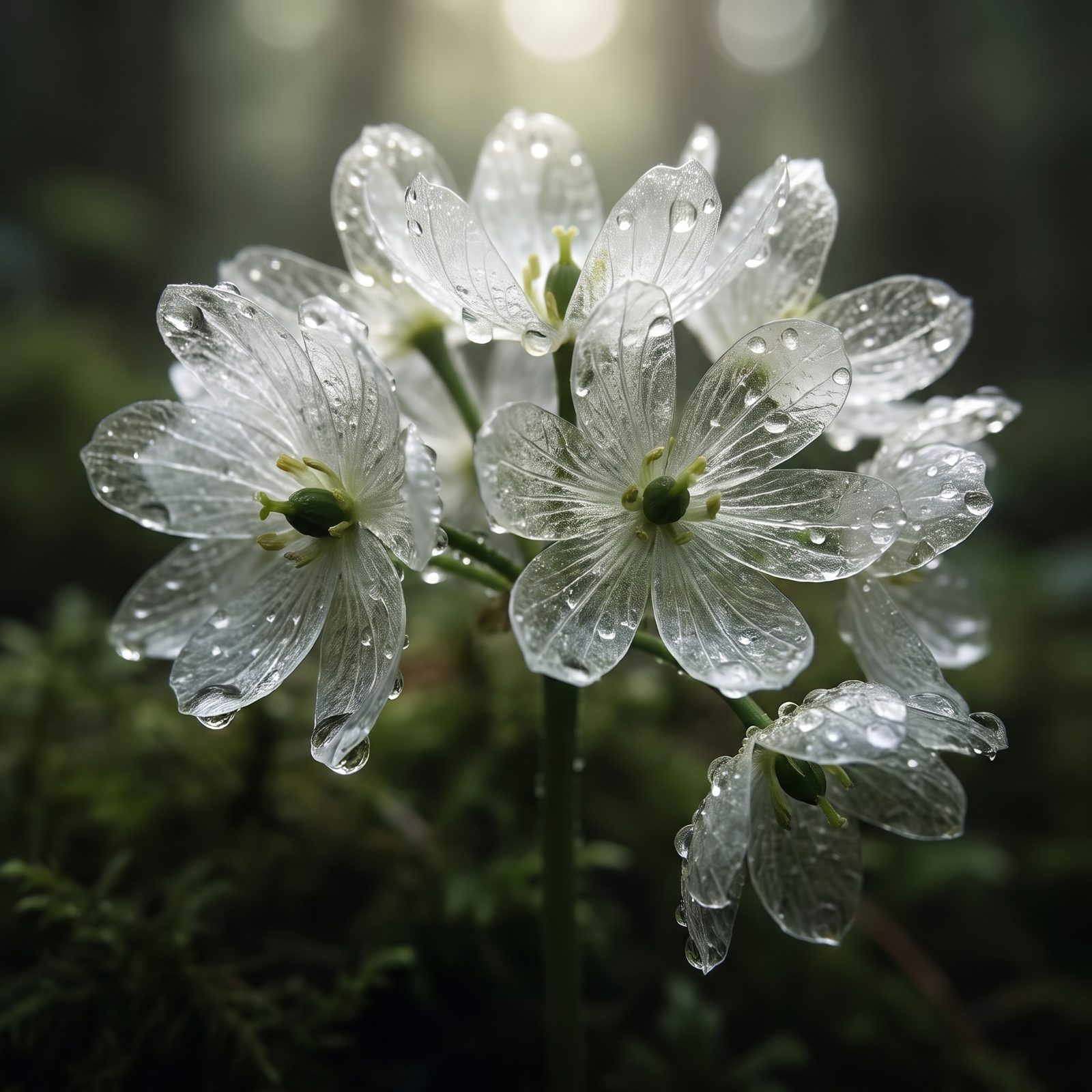
Most flowers wilt in the rain. This one disappears. The skeleton flower’s petals are so thin that when water saturates the tissue it fills the air gaps between cells, and the whole petal turns to glass — veins and all, you can see straight through.
Dry them out and the white comes back. Soak them again and they vanish again. It’s a quirk of structure, not pigment, and it works every time rain sweeps through its damp Japanese and Appalachian woodlands.
35. Doll’s Eyes: White Berries That Seem to Stare Back
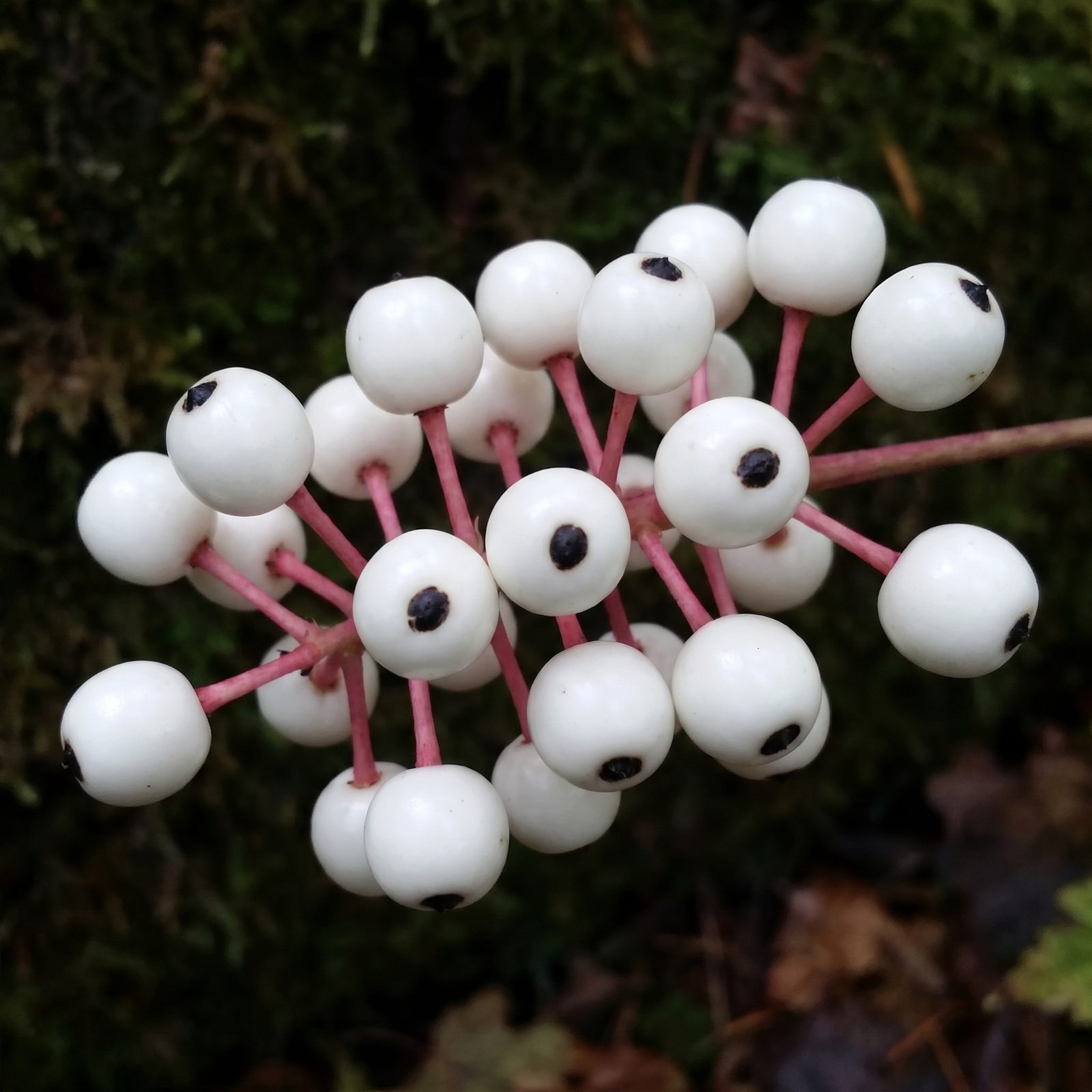
You will not forget seeing these. Each white berry carries a single black scar where the stigma once sat, and the whole cluster looks like a handful of old doll eyes mounted on neon-pink stalks. The common name writes itself.
That pink stalk is the giveaway, thicker and brighter than any stem has a right to be. And yes, they’re toxic to us, though birds eat them without trouble. Your instinct to not touch is correct and probably ancient.
34. Parachute Plant: A Flower Shaped Like a Tiny Umbrella
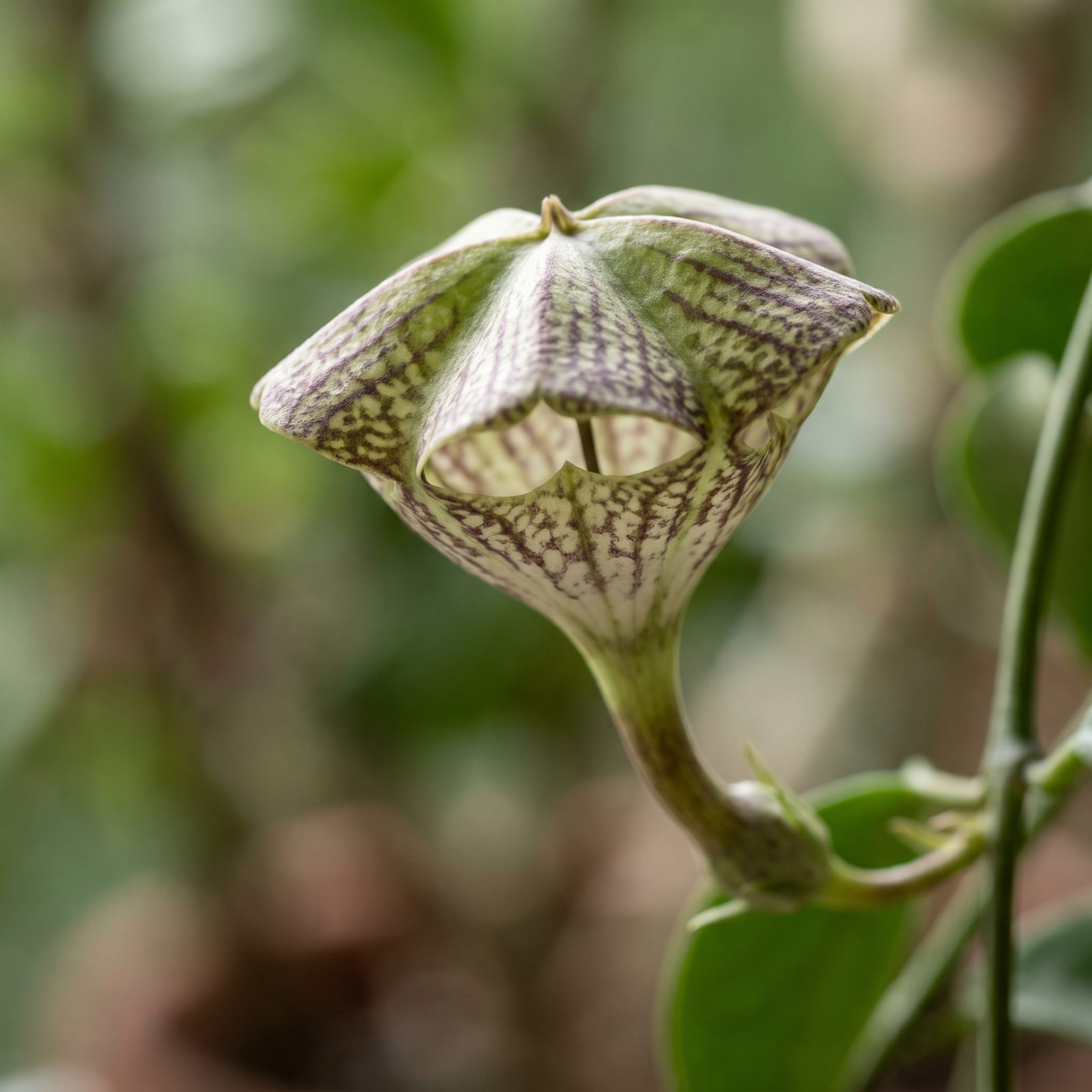
It really does look like something you’d pop open in a rainstorm. The parachute plant’s flower flares into a domed canopy held aloft on a single slender central pole rising from the mouth of the flower tube, just like an umbrella shaft.
And it’s a trap. Tiny flies crawl in, get temporarily held by downward-pointing hairs, pick up pollen, and leave once the hairs relax. The whole umbrella is a one-way turnstile dressed up as a gazebo.
33. Passionflower: A Bloom That Looks Like Alien Machinery
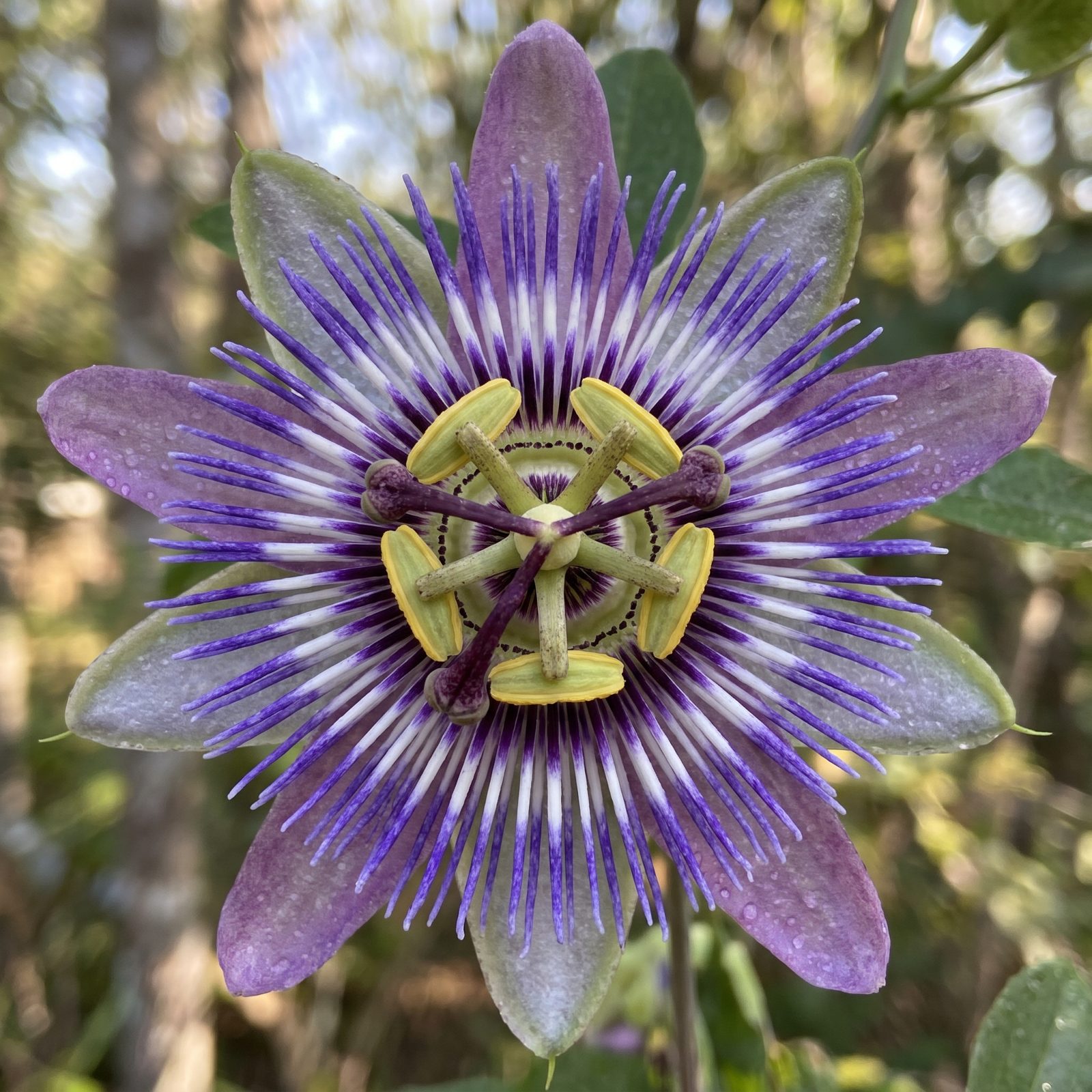
Stare into a passionflower and your brain starts hunting for the maker’s mark. The banded purple-and-white filaments radiate out in flawless symmetry, and dead center a raised column lifts five anthers and three curved styles like components on a tiny spacecraft.
Every part has a job. The fringe guides pollinators, the column dusts them with pollen, the styles bend down to receive it. Spanish missionaries once read Christian symbolism into those parts. Carpenter bees read a landing pad. Both are looking at the same impossible-seeming machine.
32. Checkered Lily: Petals Printed With a Near-Perfect Grid
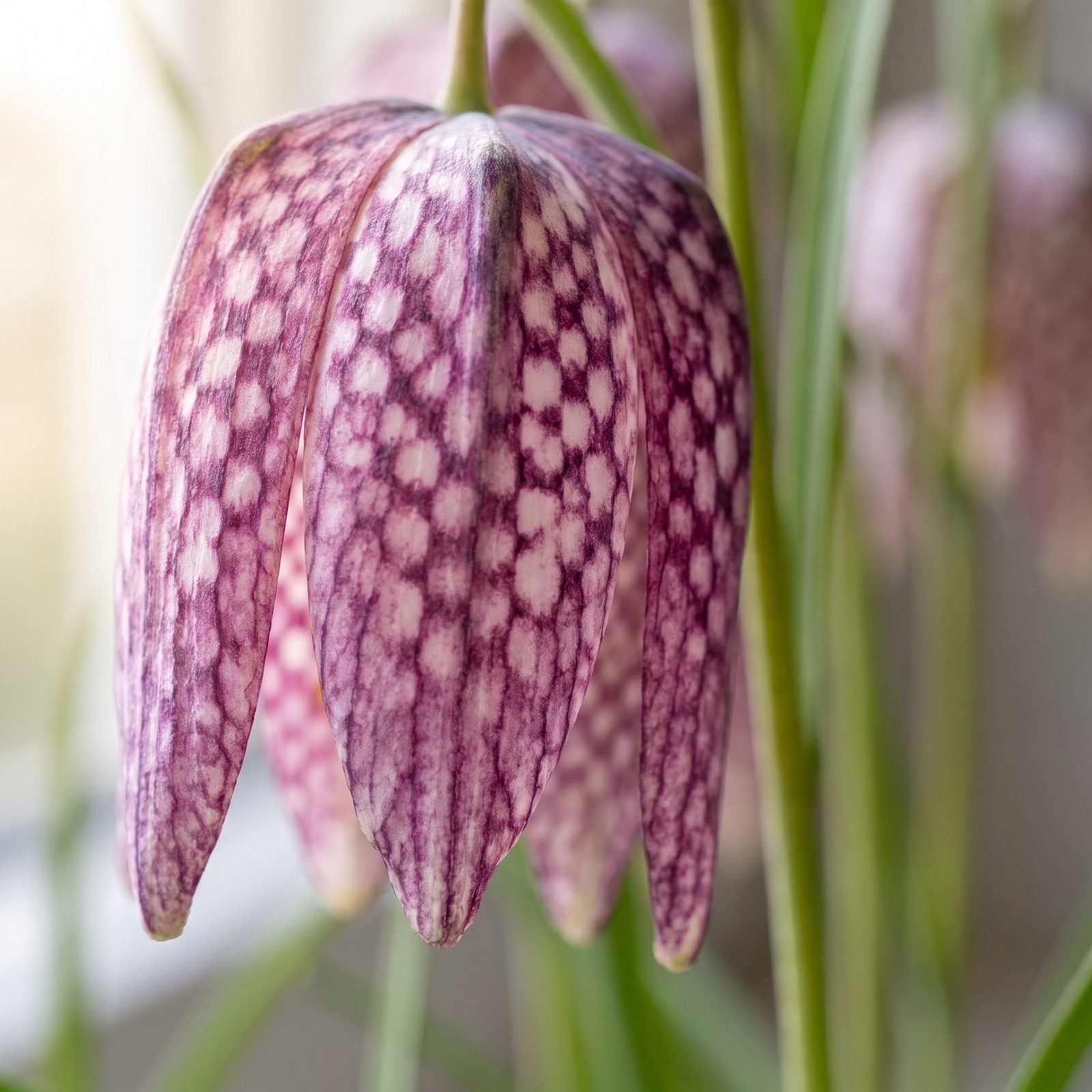
Someone looked at this flower and thought “snake scales.” Someone else thought “chessboard.” Both were right. The checkered lily wears a grid of alternating plum and pale squares so even it looks screen-printed.
The pattern comes from how pigment deposits across the petal cells, tessellating into those neat blocks. In wild European meadows they nod in drifts, each bell slightly different, none of them quite as regular as you first think. Look twice and the grid loosens. That’s the tell that it’s alive.
31. Jade Vine: Turquoise Claws Hanging in Glowing Chains
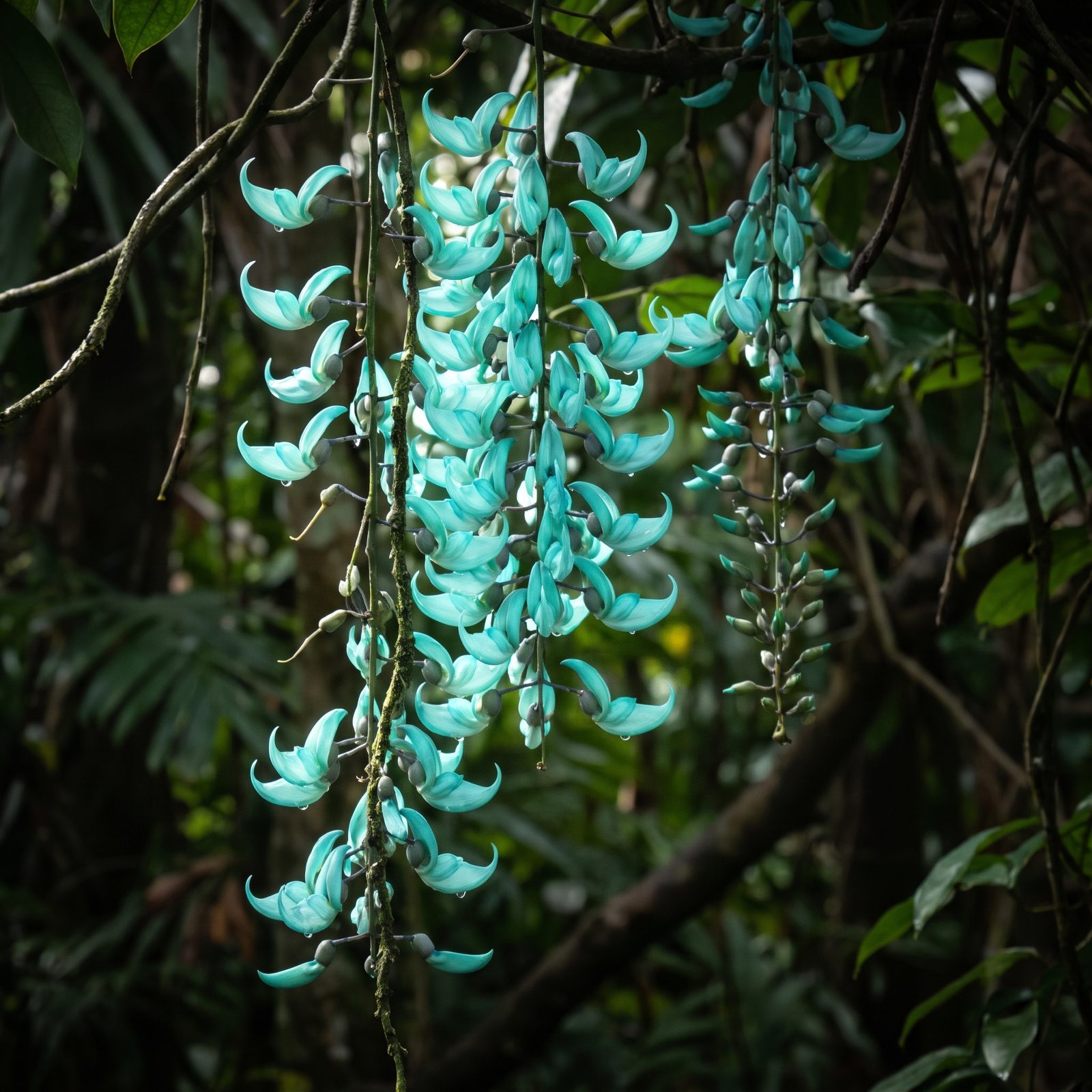
This color should not exist, and yet there it is. The jade vine drips long chains of claw-shaped flowers in a turquoise so electric it looks lit from within. Down in the dim rainforest understory of the Philippines, that glow does real work.
Bats pollinate it, and the luminous blue-green reflects what little light reaches the forest floor, guiding them in. The pigment behind it is a rare pairing of blue and yellow compounds in the petal cells. It’s one of the only true turquoise flowers on Earth, and it’s critically endangered in the wild.
30. Lotus Seed Pod: A Geometric Cluster of Circular Chambers
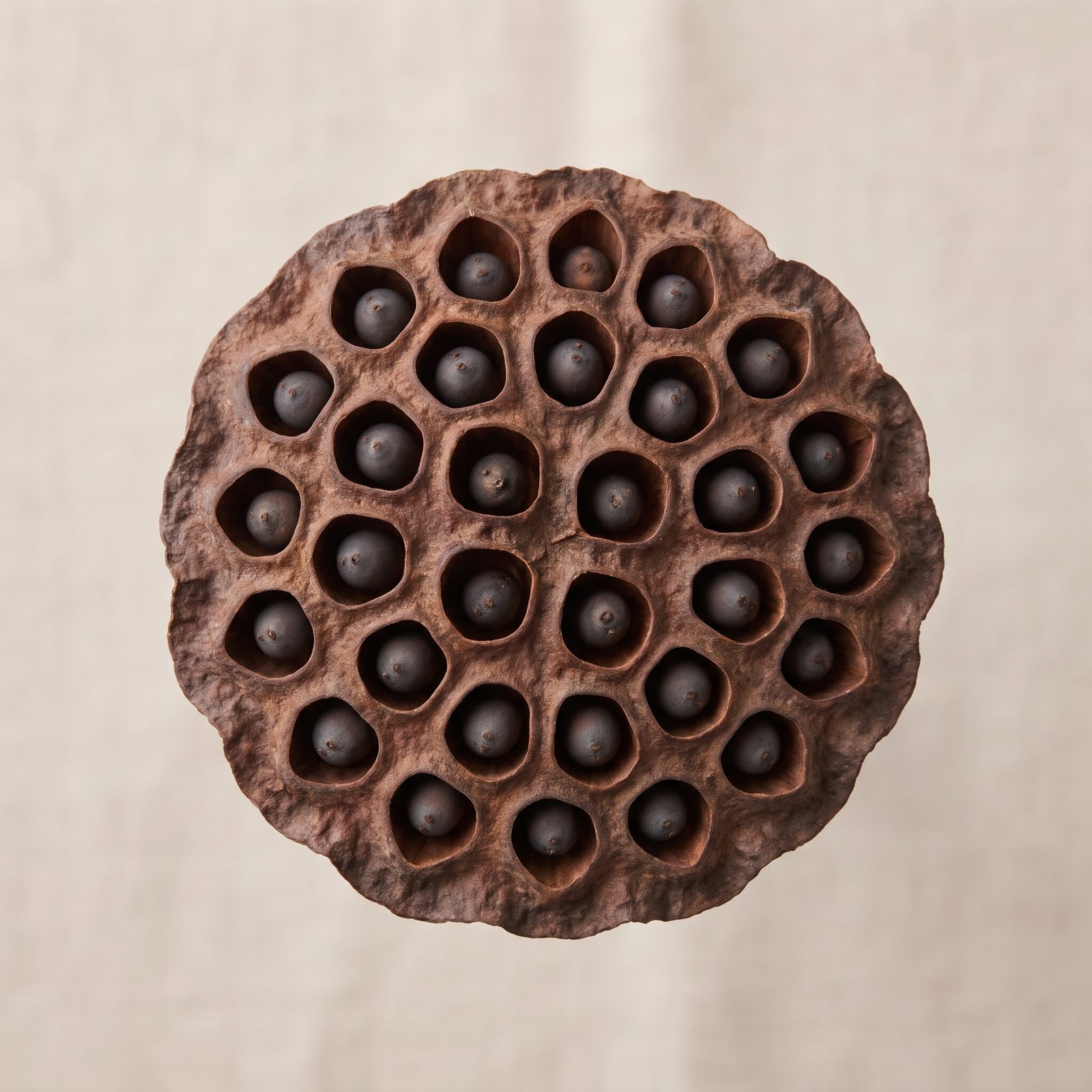
Flat-topped, pocked with neat circular wells, each cradling a dark seed, the lotus pod looks less like fruit and more like a showerhead someone ran off a printer. The chambers sit in a loose scatter across a dried, brown-grey disc with a rough, crumbly surface.
Those seeds are famous for patience. Lotus seeds have germinated after more than a thousand years buried in dry lakebeds. The pod’s whole job is to dry, tip over, and spill them into the water, where they can wait out entire centuries before deciding to grow.
29. Lobster-Claw Heliconia: Scarlet Bracts Stacked in a Zigzag
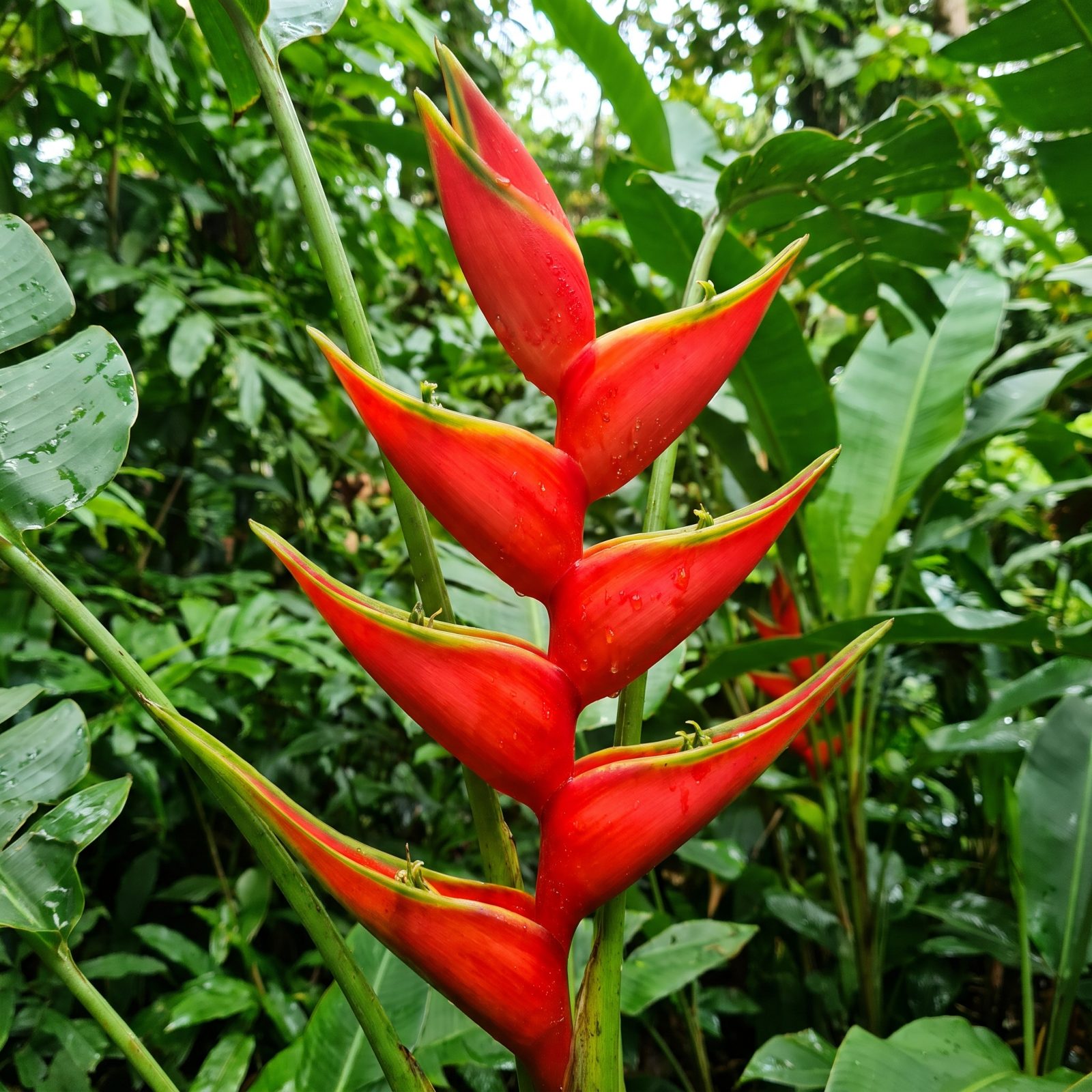
The zigzag is what gets you. Those glossy scarlet bracts, each tipped in yellow and green, stack in a strict alternating pattern up an upright stem, rigid enough to look assembled. Nobody assembled it.
The real flowers hide inside the bracts, tucked so deep that only long-billed hummingbirds can reach them. Bracts are billboard and cup at once. In the right light they’re so saturated, so precisely spaced, that your eye wants to call them plastic. They’re waxy, living, and dripping with nectar.
28. Bleeding Heart: Identical Pink Hearts Hanging in a Row
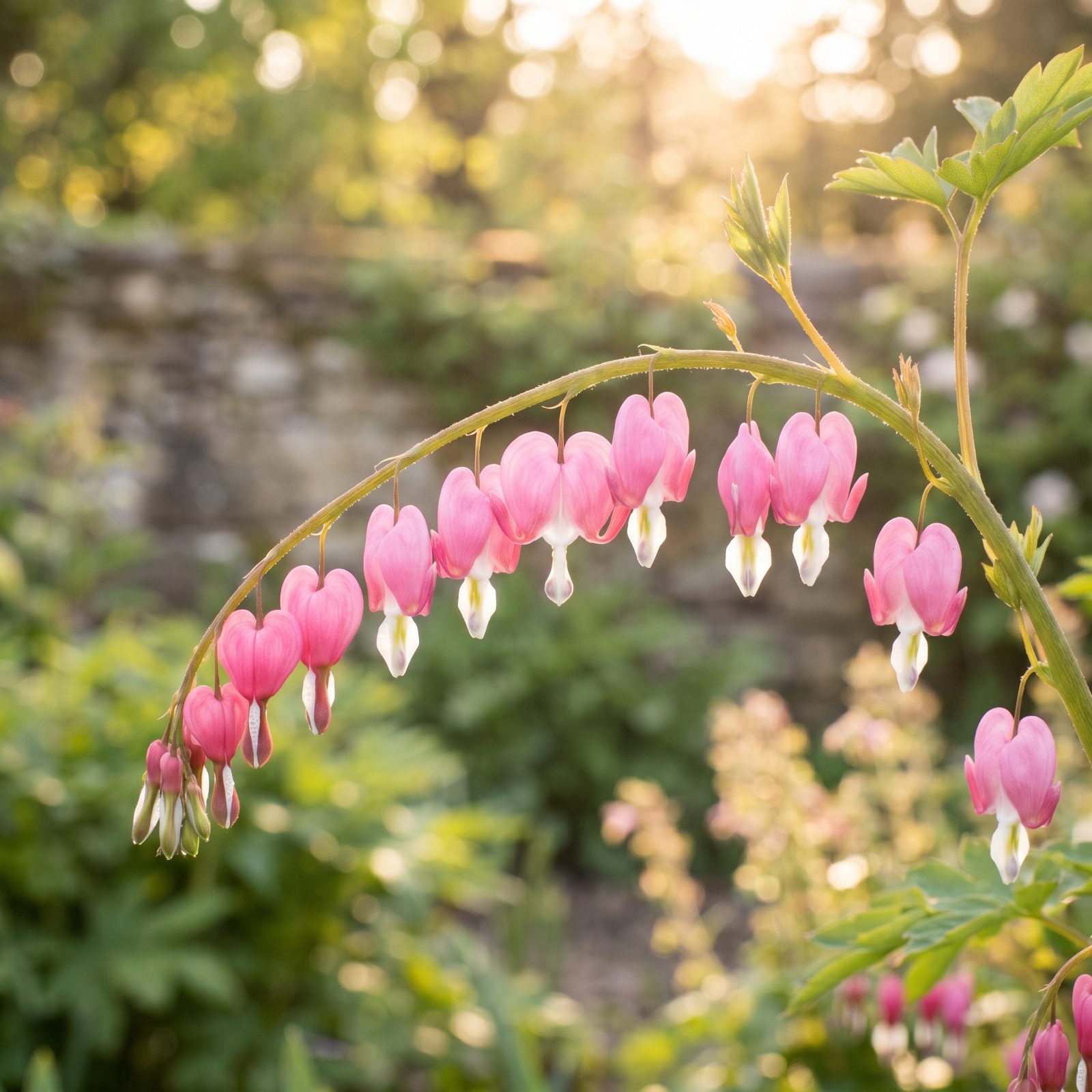
A row of hearts, each dangling from an arched stem, each nearly identical to the last, each with a little white teardrop poking out the bottom. It’s almost too on-the-nose for a plant to pull off.
The shape comes from the fused outer petals, which balloon out and curl up into those twin lobes. Gently pull one apart and the story unfolds inside — a trick Victorian gardeners loved to show children. The flowers open in sequence down the stem, so you get a cascade of pink hearts on a single graceful arch.
27. Starfish Flower: A Giant Carrion Bloom With Reptilian Skin
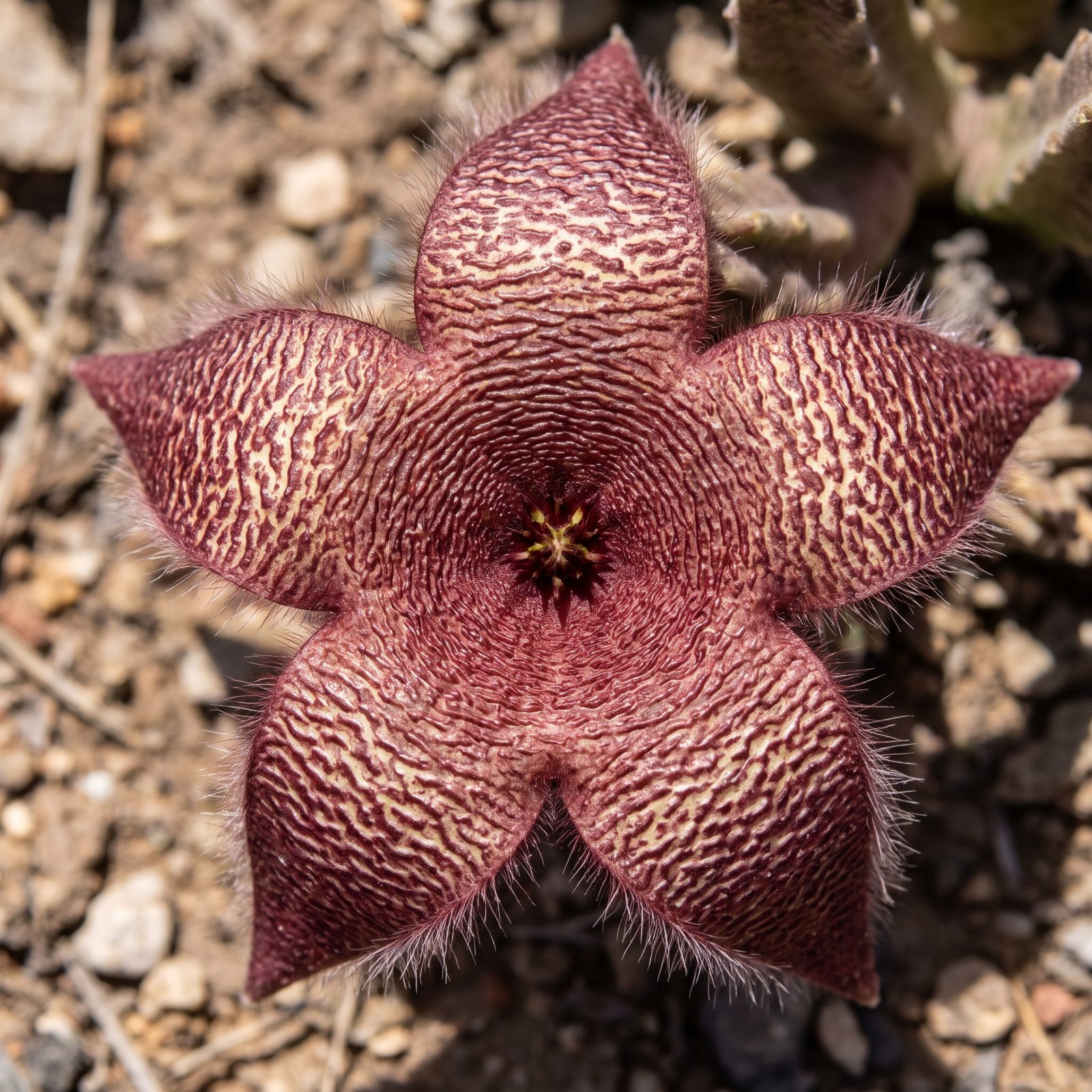
One of the strangest on this list to meet in person. The starfish flower opens into a five-pointed star the size of a dinner plate, wrinkled and banded and furred with fine hairs until it looks like the belly of a lizard.
Then there’s the smell. It reeks of rotting flesh, on purpose, to summon blowflies that pollinate it and sometimes lay eggs on it by mistake. Reptilian skin and carrion stink come as a package, a con aimed squarely at flies. To us it’s grotesque and mesmerizing in equal measure.
26. Corpse Flower: A Towering Spadix Wrapped in a Purple Frill
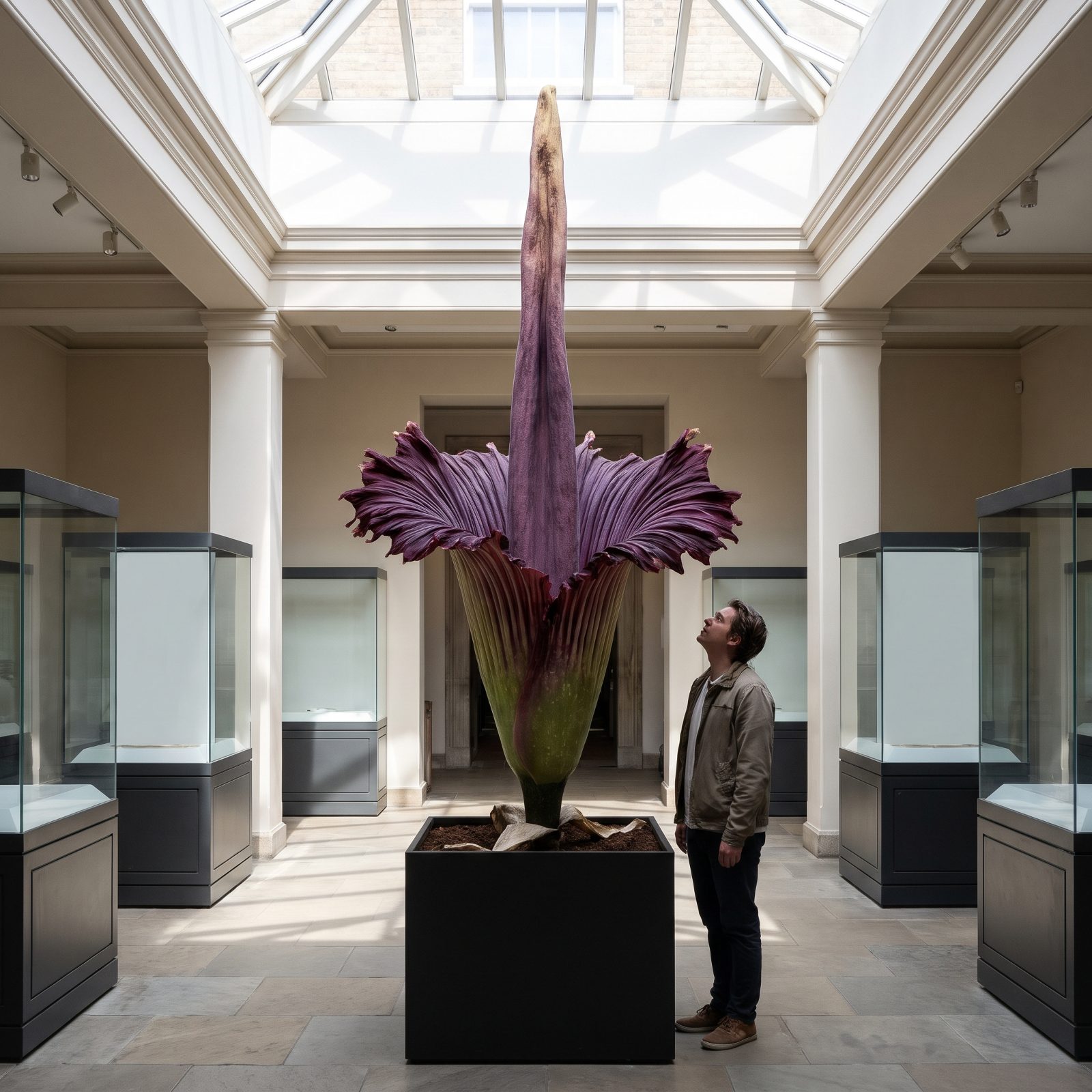
It can clear a room in seconds. The corpse flower earns its name by pumping out the reek of rotting meat, and it does this on purpose — carrion beetles and flesh flies arrive expecting a dead animal and leave dusted with pollen instead.
Here’s the part nobody warns you about. That single “flower” isn’t a flower at all. The towering purple-grey spike is a spadix holding thousands of tiny real flowers at its base, and the purple frill is a modified leaf. A bloom lasts a day or two after years of waiting underground.
Describing one especially rank bloom, a botanical horticulturist at a college greenhouse said “This bloom is the most offensive smelling of the 13 corpse flower blooms I have witnessed in my career as a botanical horticulturist”
25. Rafflesia: An Enormous Speckled Flower With No Visible Plant
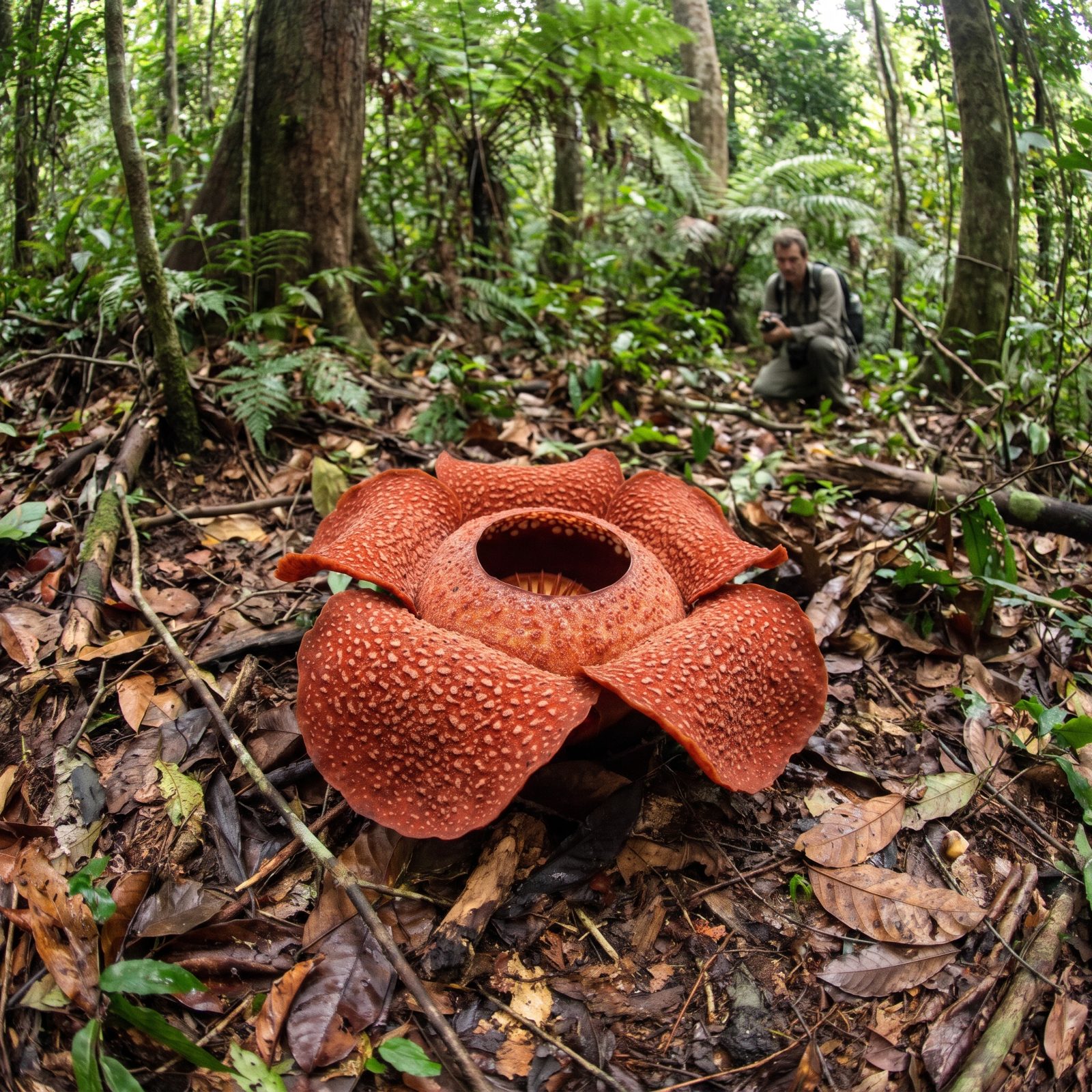
No leaves. No stem. No roots. Rafflesia is a parasite that spends almost its entire life as thread-thin strands living inside a jungle vine, completely hidden — and then, with no warning, a giant flower erupts straight out of the host.
At over three feet across, it’s the largest single flower on Earth, and it smells like roadkill to pull in the flies that pollinate it. Miss the few days it’s open and you’d never know a giant was hiding in that vine at all.
24. Hydnora Africana: A Fleshy Mouth Emerging From the Ground
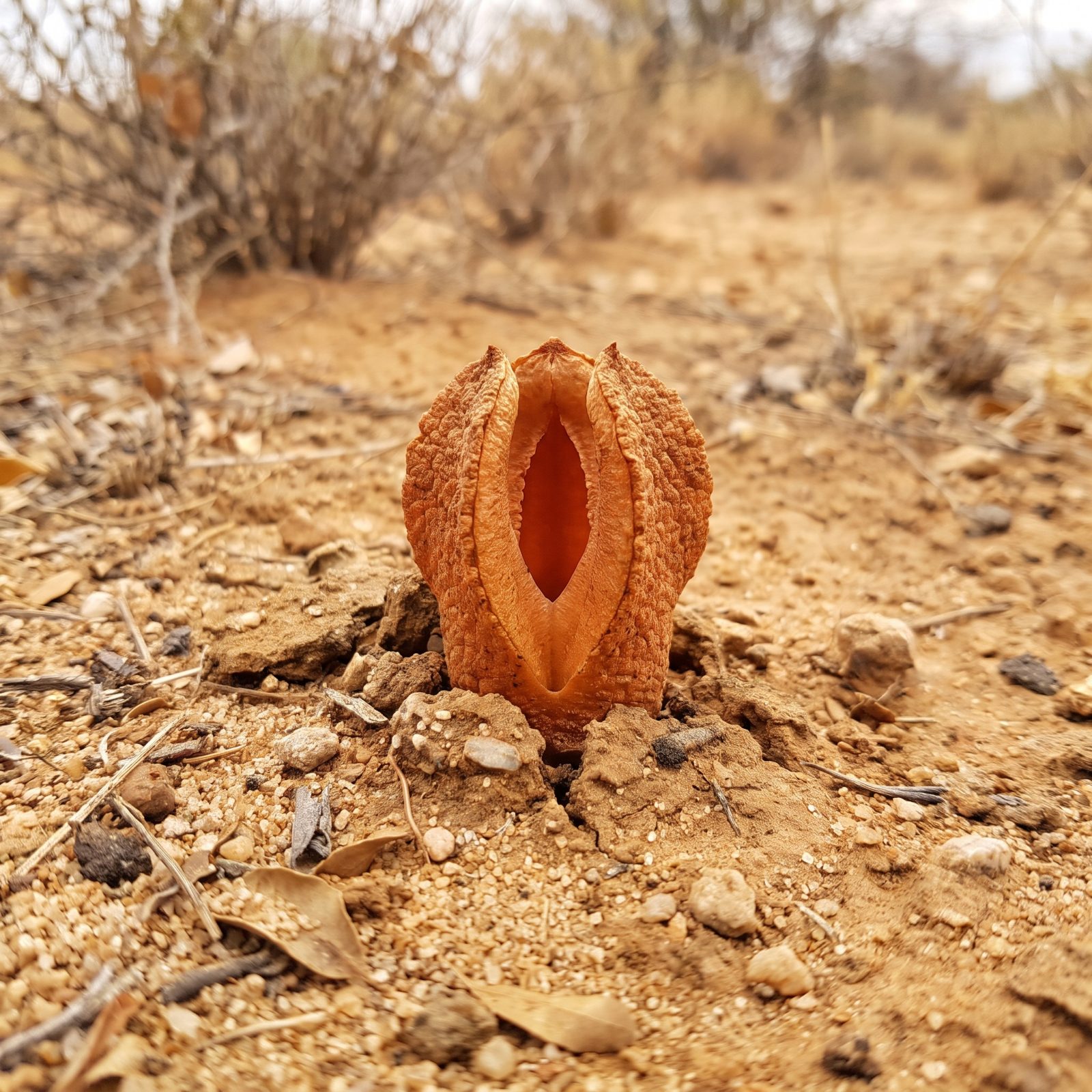
This one looks like something that crawled halfway out of the earth and got stuck. Hydnora africana is a parasite with no leaves and no green parts, feeding entirely off the roots of nearby euphorbia plants underground.
What breaks the surface is the flower, a fleshy orange thing that splits into lobes like a gaping mouth. Beetles climb inside, the flower holds them briefly while they shuffle pollen around, then lets them go. And yes, people eat the fruit. It reportedly tastes like a potato — which feels like an insult to the drama of it all.
23. Ghost Plant: A Waxen White Plant Without Chlorophyll
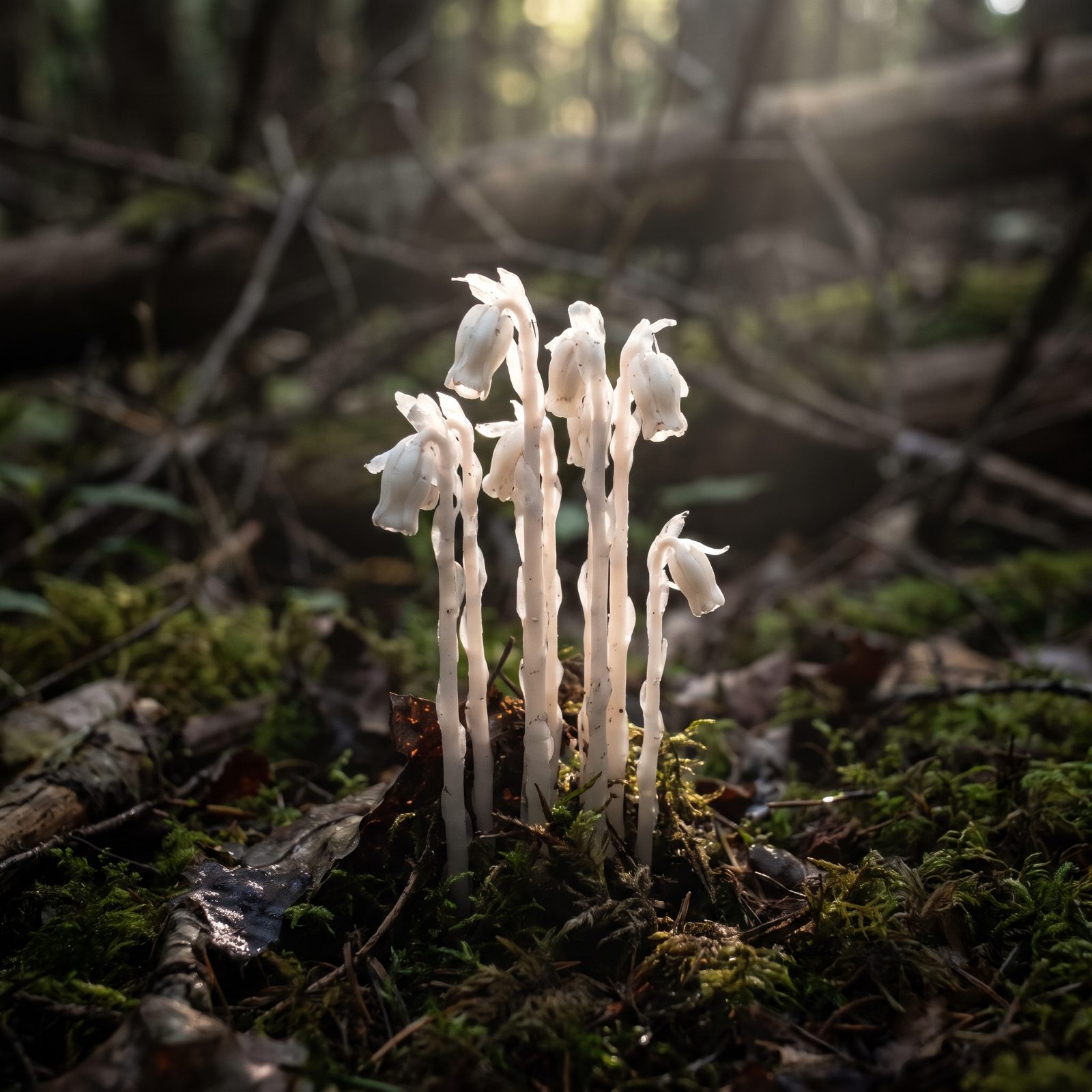
A plant that gave up on sunlight entirely. The ghost plant is ghost-white because it carries no chlorophyll, so it can’t photosynthesize like almost every other plant you’ve ever met.
So how does it live on the dark forest floor where nothing green survives? It cheats. It taps into underground fungi, which are themselves plugged into tree roots, and siphons sugars secondhand from the trees nearby — a plant stealing food through a fungal middleman. Touch one and it bruises black, then dissolves. They don’t dry into neat souvenirs.
22. Venus Flytrap: Hinged Leaves Armed With Interlocking Teeth
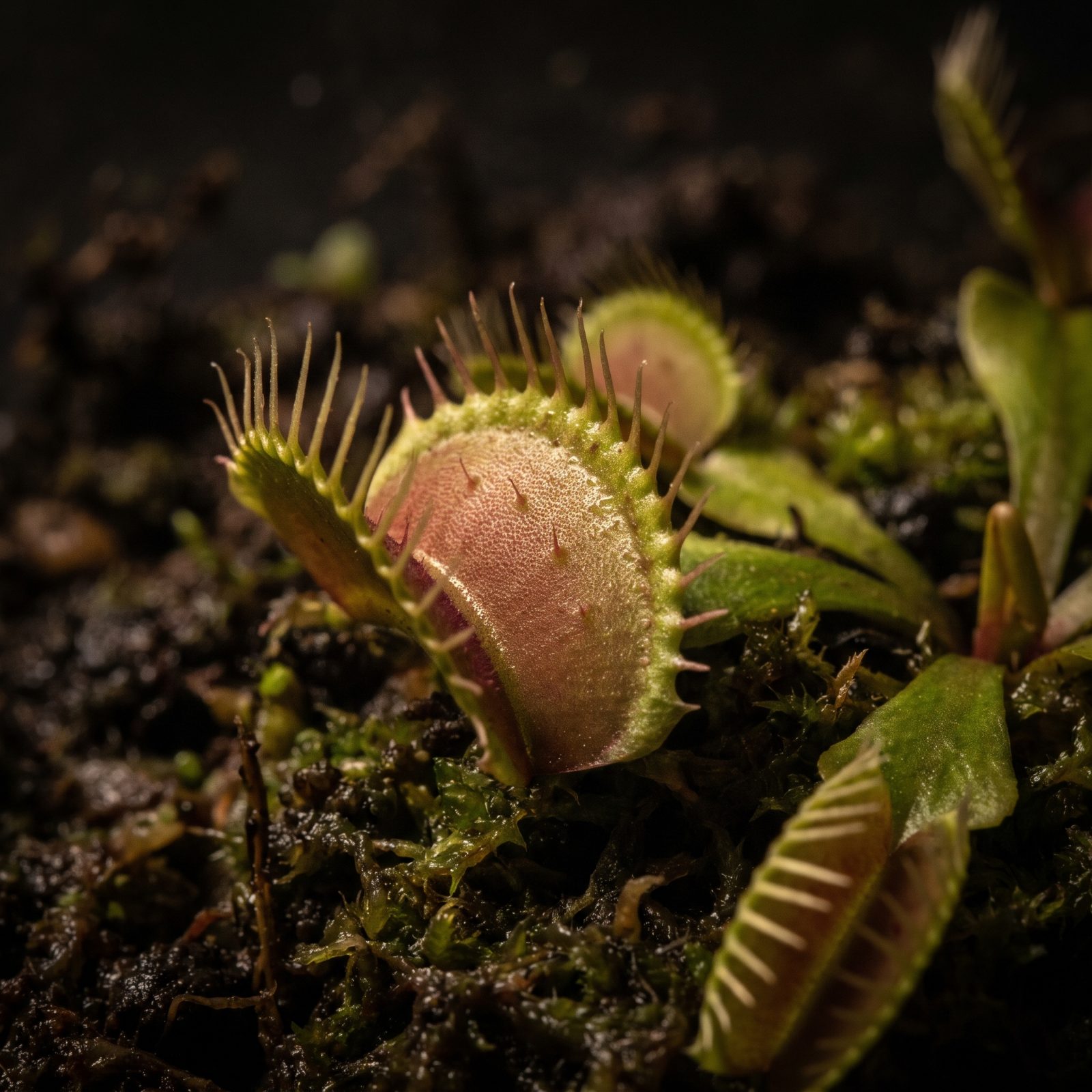
Everyone thinks the trap snaps the instant something lands on it. It doesn’t. Those trigger hairs inside have to be touched twice within about twenty seconds before the leaf slams shut, which is the plant’s way of ignoring raindrops and debris.
Here’s the detail that surprised me: closing on nothing costs energy the plant can’t spare. A trap that shuts on empty air a few times too often simply dies off. It’s counting, and it hates wasting its move. All this from a plant native to a tiny slice of the Carolinas and nowhere else on the planet.
In a science Q&A, a zoologist turned science educator explains that two trigger hairs must be touched within 20 seconds of each other before a Venus flytrap springs shut, a safeguard against raindrops.
21. Cobra Lily: A Hooded Pitcher With a Forked Tongue
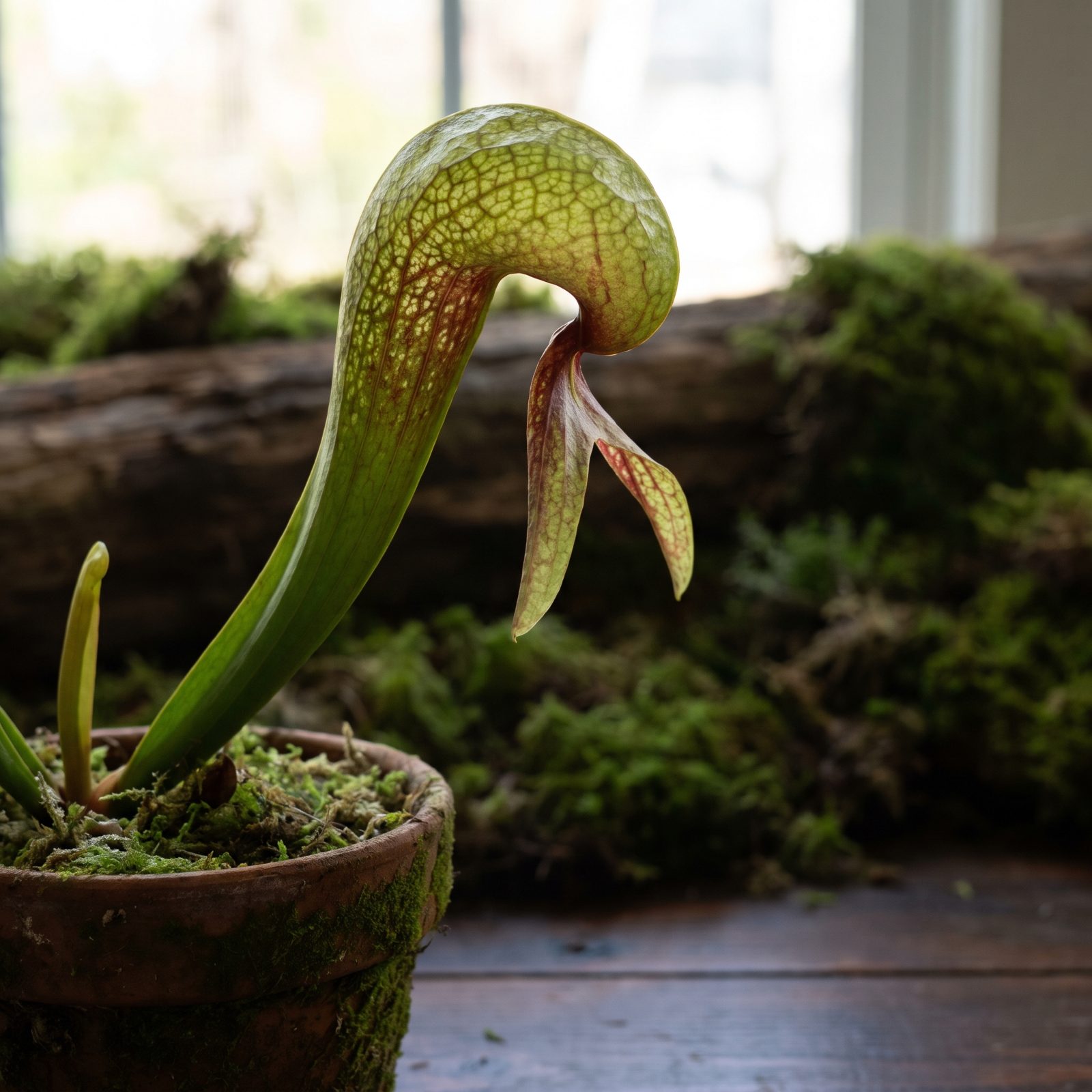
It looks like a snake mid-strike, forked tongue and all. The cobra lily is a pitcher plant, and that dangling two-pronged “tongue” is where it spreads nectar to lure insects toward the hooded opening.
Once inside, the trick gets cruel. The dome of the hood is dotted with translucent false windows. A trapped insect flies toward the light, bashes into the walls, and tires out instead of finding the real exit. Downward-pointing hairs do the rest. Clever, and a little horrifying — roughly the mood of this entire list.
20. Sundew: Leaves Covered in Glistening Carnivorous Tentacles
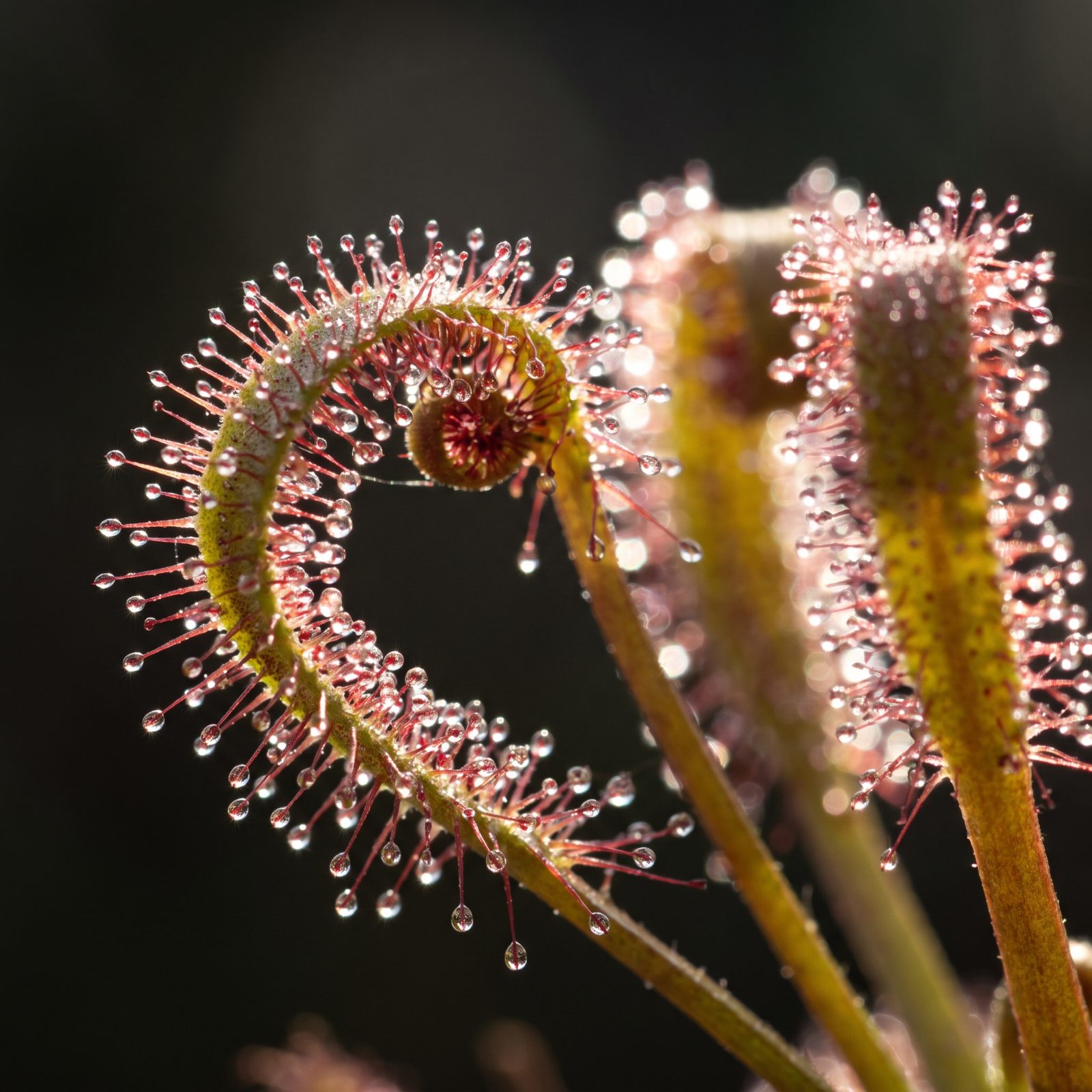
Those sparkling dewdrops are a lie. Every glistening bead on a sundew is glue, and the sweet shine that pulls an insect in is the same stuff that holds it fast once it lands.
Then the leaf goes to work. The tentacles slowly bend inward, wrapping the prey and smothering it in digestive fluid over hours. Watch a time-lapse once and you’ll never trust “dew” again. Charles Darwin was so taken with these plants that he spent years on them and declared sundews more interesting to him than the origin of all the species on Earth.
19. Spiral Aloe: A Perfect Living Fibonacci Swirl
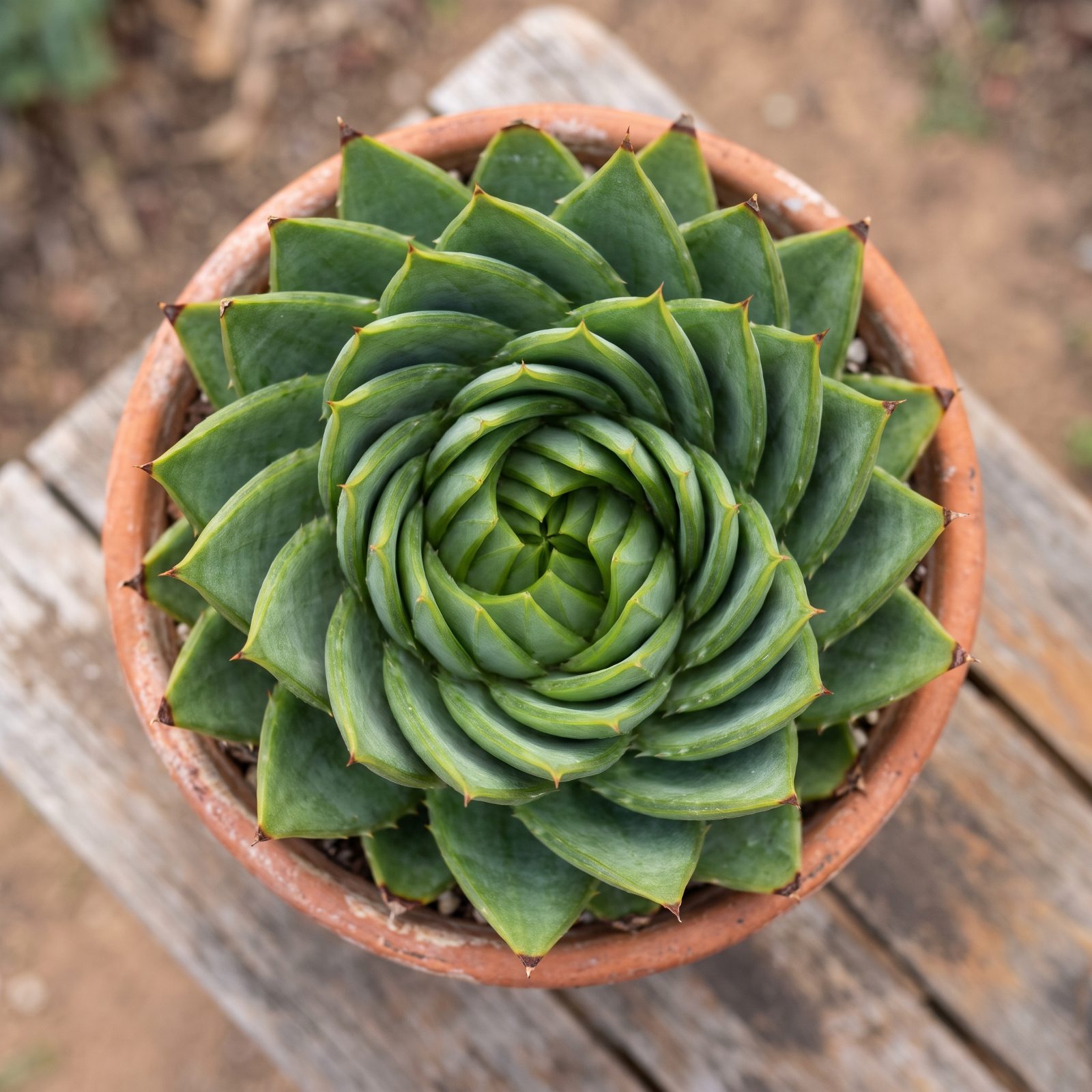
You’ll swear someone arranged it by hand. The spiral aloe grows its thick blue-green leaves in a mathematically precise swirl, usually five neat rows curling either clockwise or counterclockwise, and the symmetry is almost suspiciously exact.
It comes from one place — the high Drakensberg mountains of Lesotho, up where snow falls on rocky slopes. People try to grow it everywhere and mostly fail, because it wants cold nights, sharp drainage, and mountain air. Buy one and expect to be humbled. Plenty rot in pots that are too kind to them.
18. Cooper’s Haworthia: Succulent Leaves With Transparent Windows
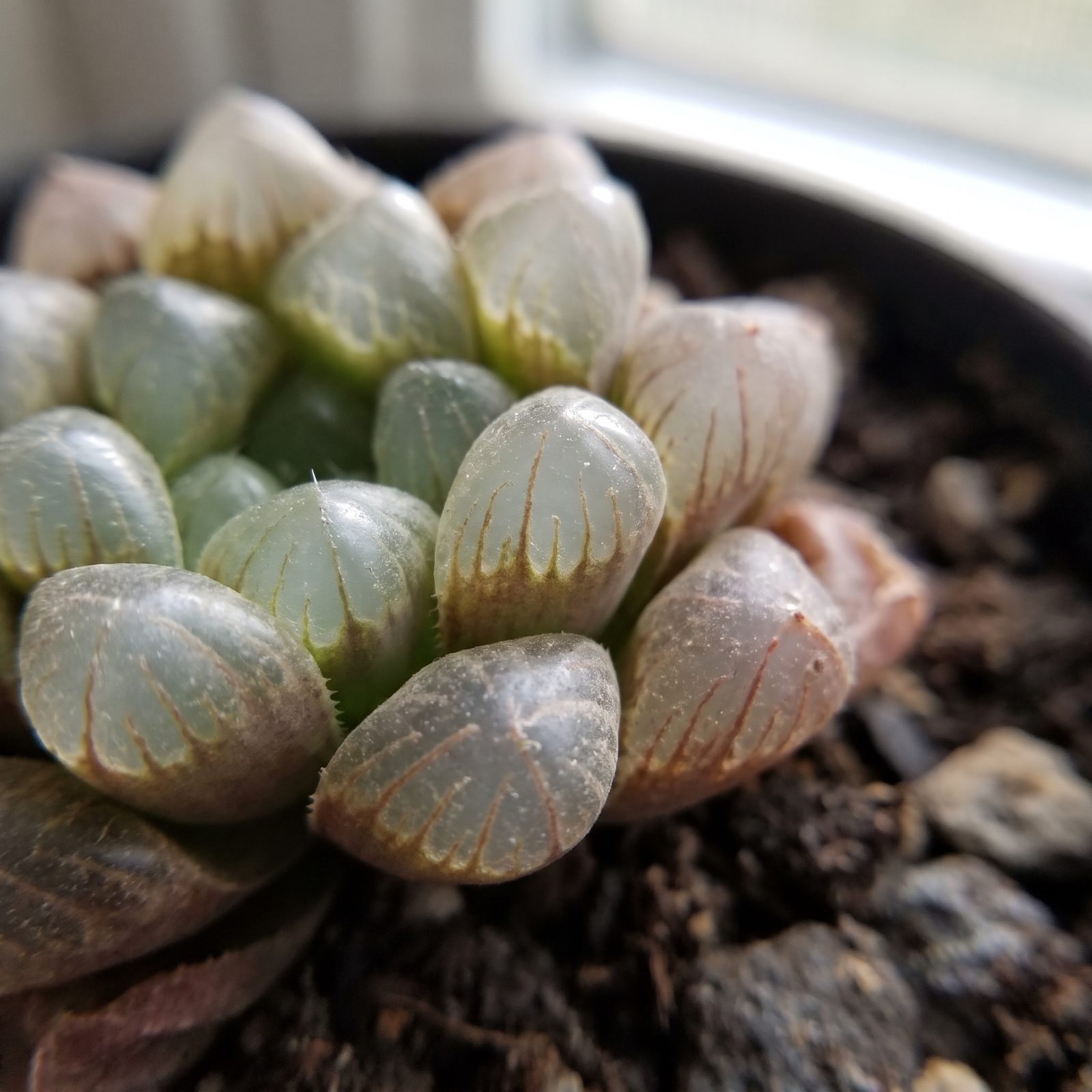
The leaf tips look like clear jellybeans, and you can genuinely watch light pass through them. Cooper’s haworthia grows plump translucent leaves topped with what botanists actually call “windows” — little panes of clear tissue.
There’s a reason. In its native South African habitat, this succulent buries itself nearly flush with the soil to hide from the sun and from grazing animals, and the windows let filtered light reach the photosynthetic tissue deep inside the buried leaf. A living skylight. On a windowsill it looks like somebody set out a bowl of green glass beads, which is half the appeal.
17. Bunny Succulent: New Growth Resembling Tiny Rabbit Ears
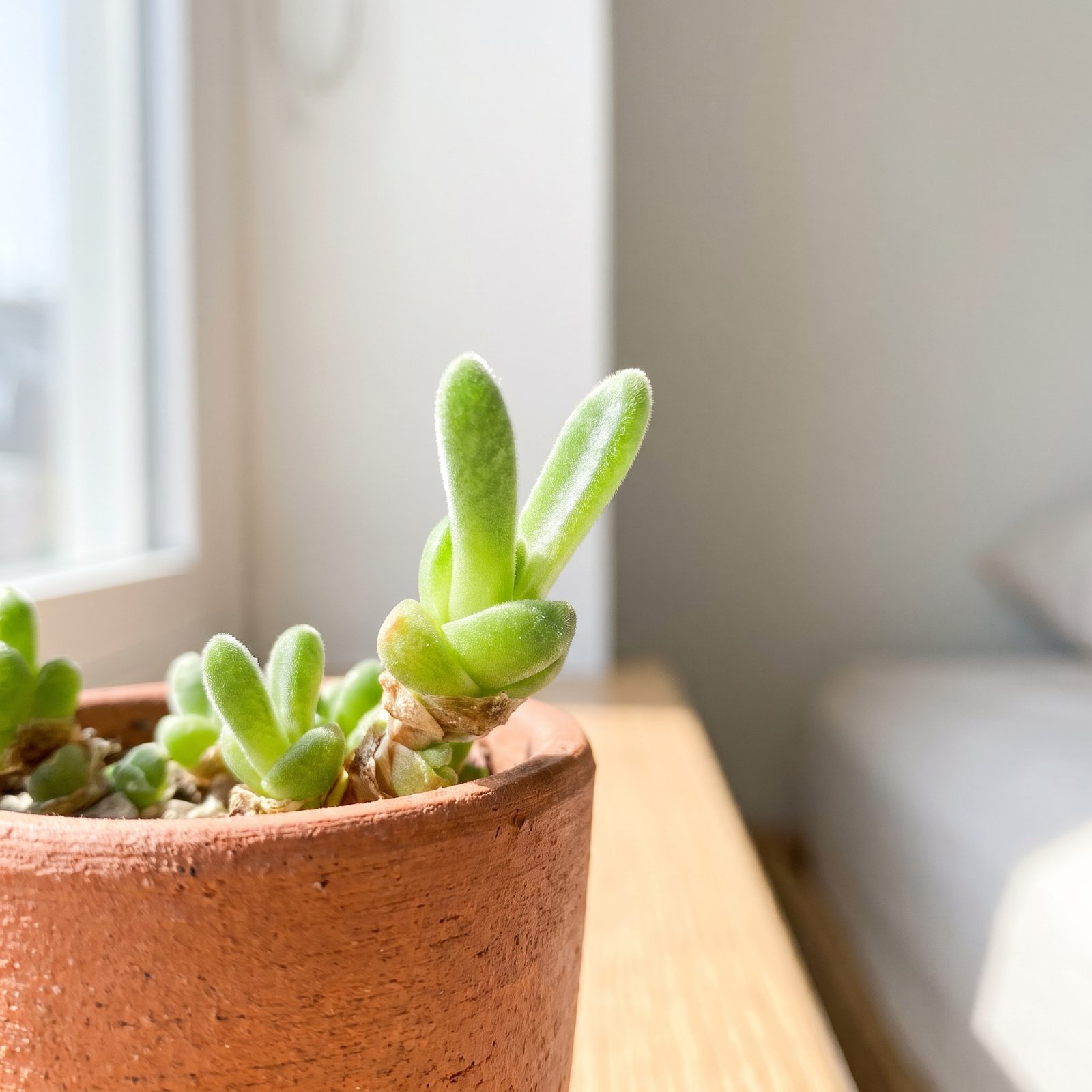
These went viral for an honest reason: the fresh spring growth sprouts in pairs that stand straight up, looking uncannily like little rabbit ears poking out of the soil. No filter, no breeding trick — just how Monilaria obconica wakes up each season.
Bad news for the gift-shop crowd. Those ears don’t last. As the plant matures the paired leaves flop, fatten, and lose the bunny look entirely. The cuteness is a phase. Catch it young or you’ve just bought a slightly lumpy green succulent wondering what all the fuss was about.
16. Trachyandra Tortilis: Leaves Twisted Into Green Ribbons
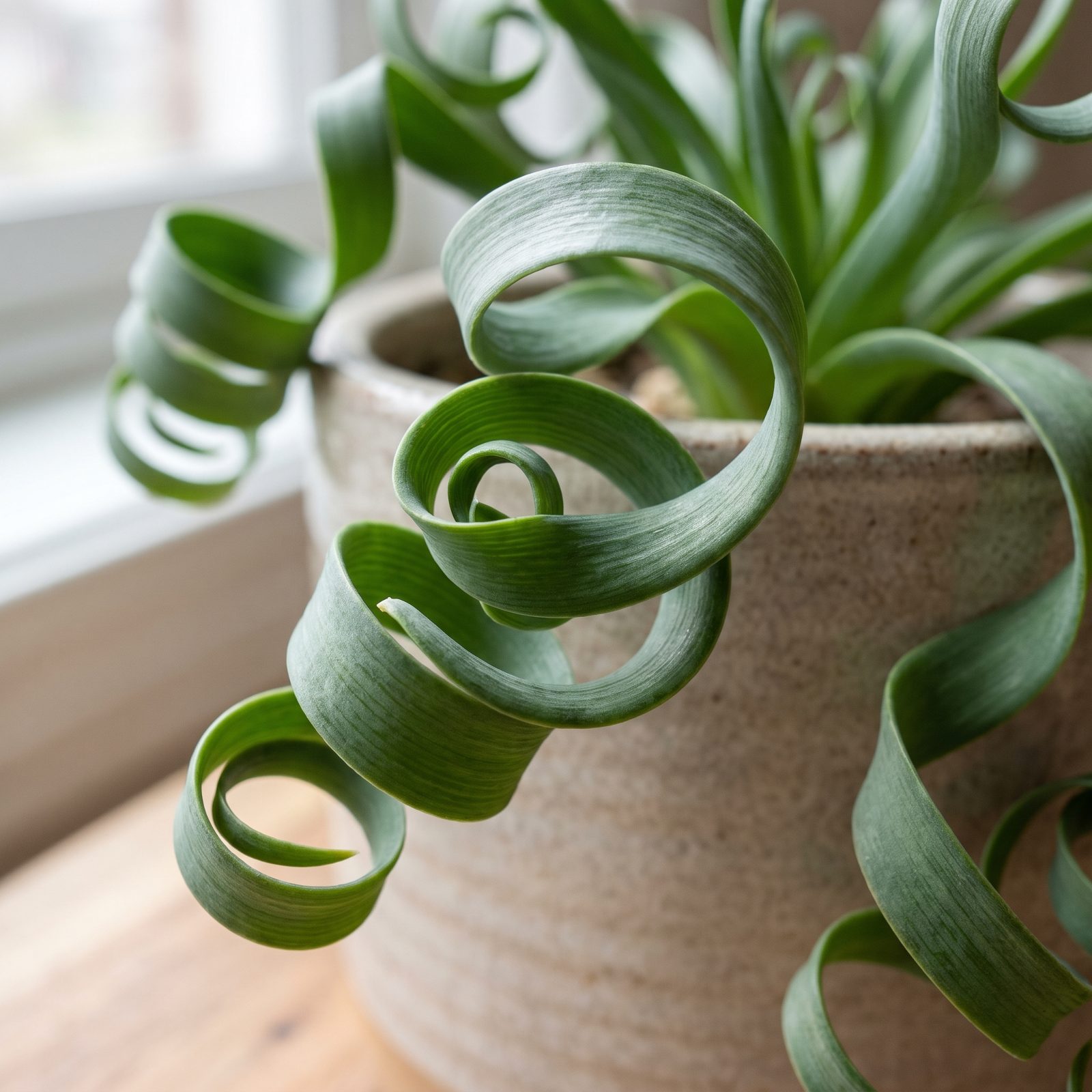
You’d swear someone ran these leaves through a pasta machine and gave up halfway. Trachyandra tortilis grows wild in the dry scrub of South Africa and Lesotho, and nobody has a tidy answer for why its leaves spiral the way they do. The leading guess? That the corkscrew shape shades the plant from brutal sun while trapping the little moisture that drifts past.
Collectors pay a premium, then kill it fast, because the thing hates wet feet and sits dormant all summer looking exactly like a corpse. Beginners routinely water perfectly healthy dormant ones straight into mush.
15. Lithops: Living Stones That Split Open to Flower
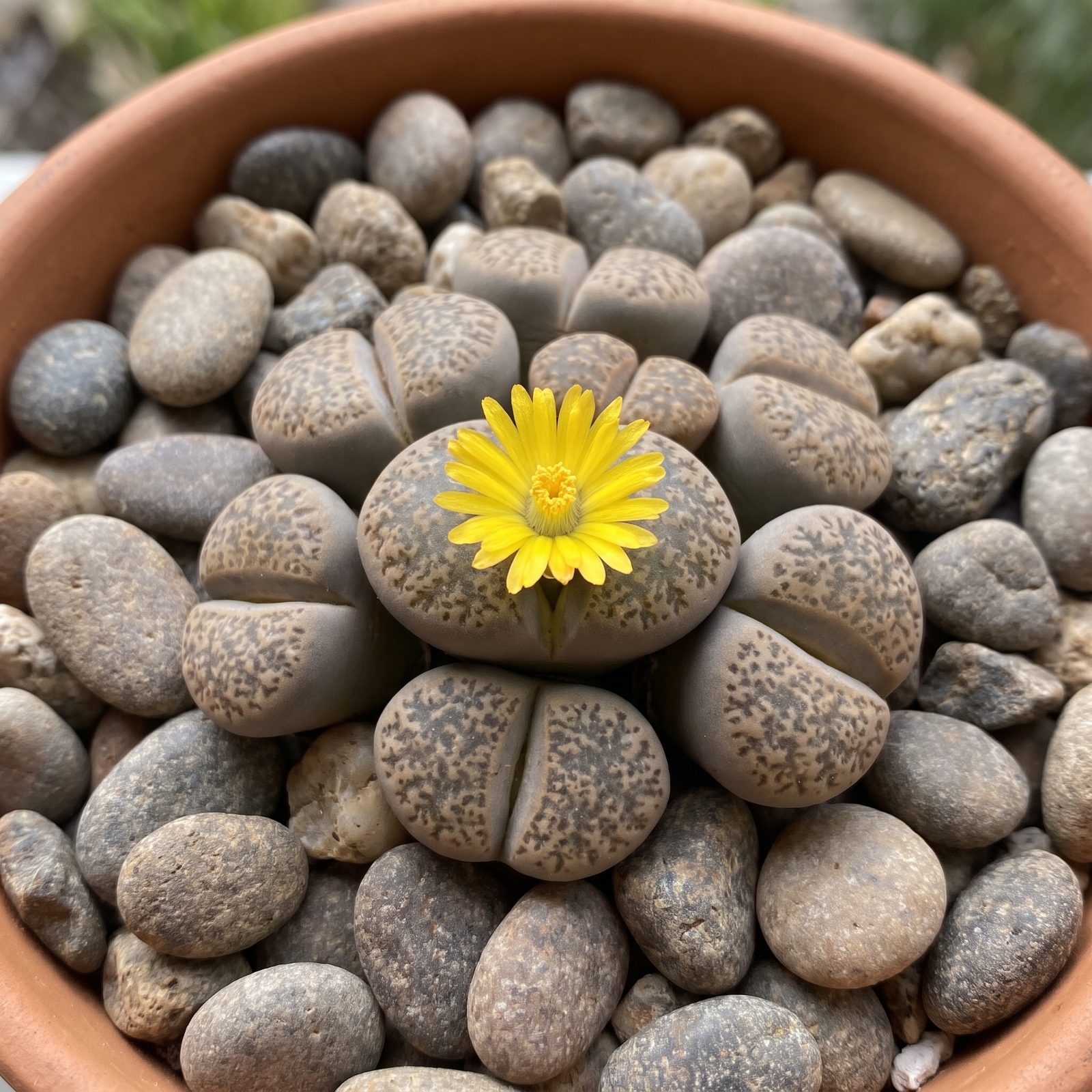
Point to a Lithops and you’ll probably point at the wrong pebble. That’s the whole survival trick. These tiny South African succulents evolved to look like the stones around them so grazing animals stroll right past without a second glance.
Then autumn arrives and the disguise cracks open. The fused pair of leaves splits down the middle and a flower nearly as wide as the entire plant shoves its way out, usually white or gold, usually bigger than seems structurally possible. Here’s the odd part: each plant only ever carries two leaves. It swallows the old pair to grow the new one, so a Lithops never gets larger, just newer.
14. Conophytum Burgeri: A Translucent Succulent Resembling Jelly
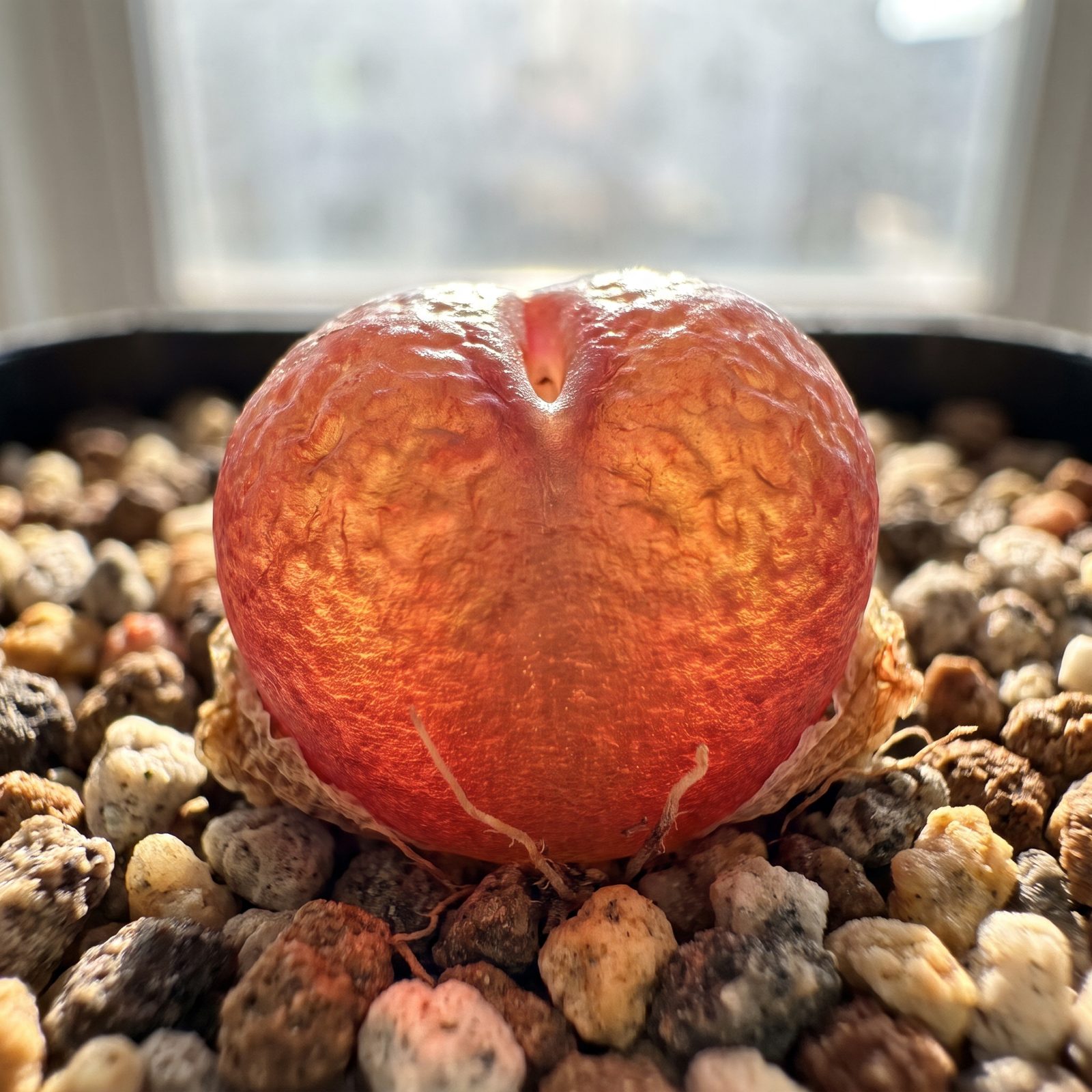
It looks like a gumdrop somebody dropped in the gravel. Conophytum burgeri comes from one tiny patch of quartz hills in South Africa, and in the right light its little ball goes translucent and flushes ruby, like a candy you’d be tempted to pick up.
That glow isn’t decoration. The skin acts like a window, letting light filter into the plant’s whole round body as it sits on top of the quartz gravel, which keeps the roots cool beneath it. Trouble is, it’s so localized and so collectible that wild poaching has become a genuine threat.
13. Buddha’s Temple Crassula: Leaves Stacked Into a Square Pagoda
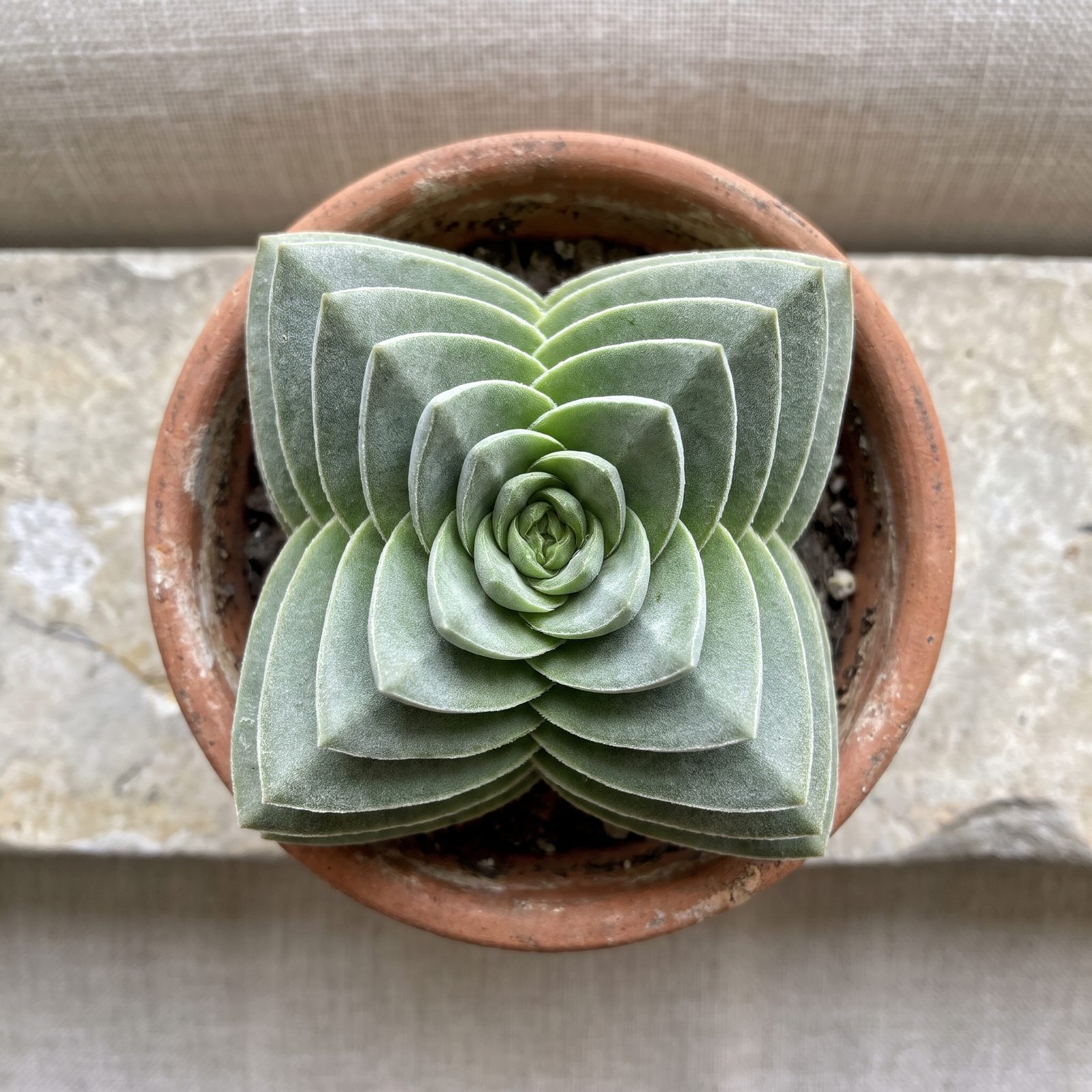
This one is a hybrid, bred on purpose, and the result looks more like architecture than botany. The leaves of Buddha’s Temple fold over each other at near-perfect right angles, stacking into a single grey-green column: seen from above it is squared off like a stone pagoda carved at thumbnail scale, its four-cornered layers tightening into a rose-like spiral of cupped leaves at the centre.
See that matte, velvety, dusty grey-green finish? Each fleshy leaf is outlined by a fine pale edge. Handle them gently all the same, because a bruised or scarred leaf won’t repair itself. The whole tower tops out around six inches, then sometimes crowns itself with a knot of pink flowers.
12. Pseudolithos: A Cubic Succulent Covered in Alien Skin
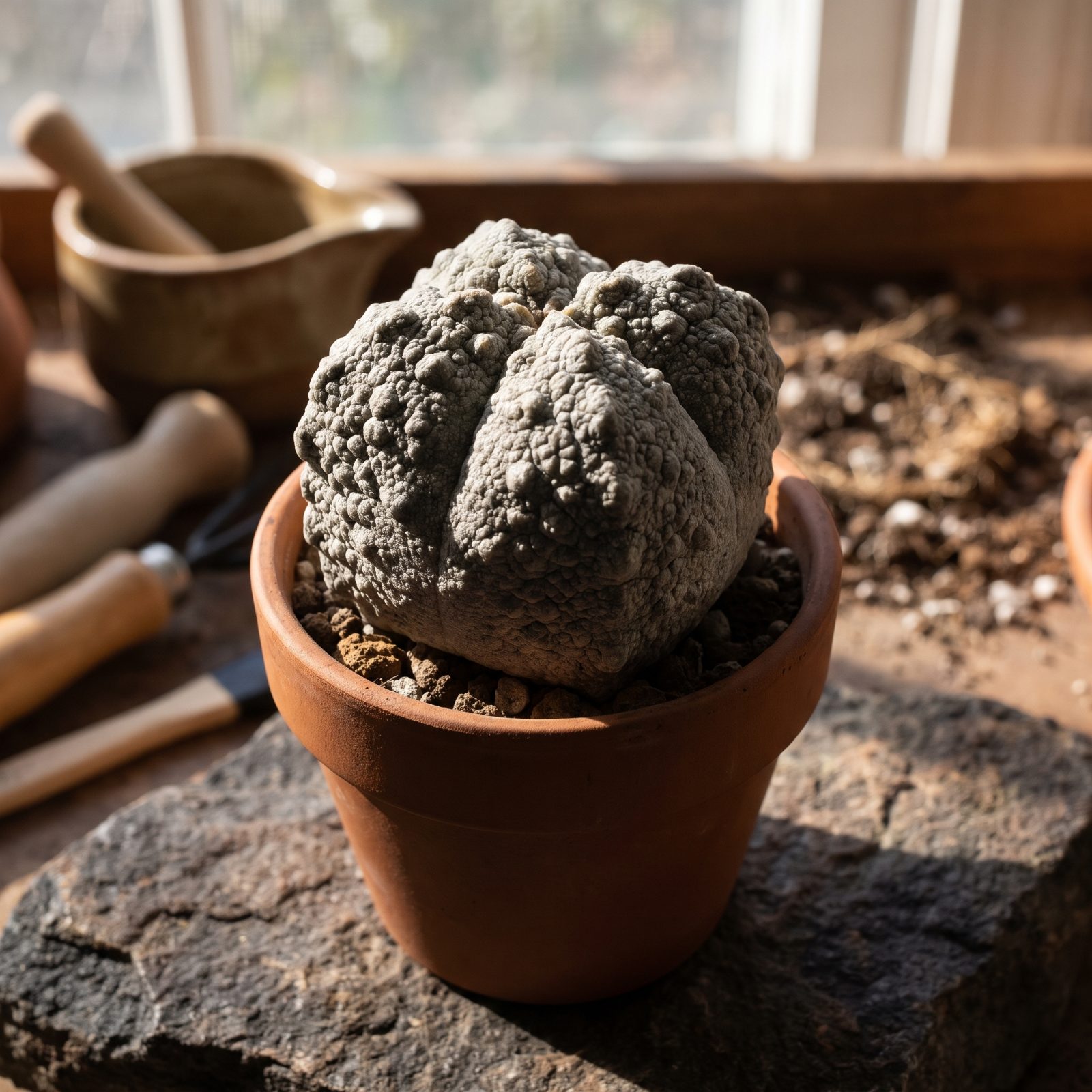
No leaves. No branches. Just a lumpy grey cube that looks like a prop from a creature feature. Pseudolithos grows in the baking deserts of Somalia, Yemen and Oman, and the whole plant is basically one swollen, water-storing body wrapped in skin that mimics cracked ground.
Those raised bumps and grooves aren’t random, either. The textured surface breaks up the plant’s outline and scatters harsh light, handy when you live somewhere with almost no shade. It’s notoriously difficult to keep alive outside a greenhouse, and it rots at the first hint of overwatering.
11. Brain Cactus: A Plant Folded Like Cerebral Tissue
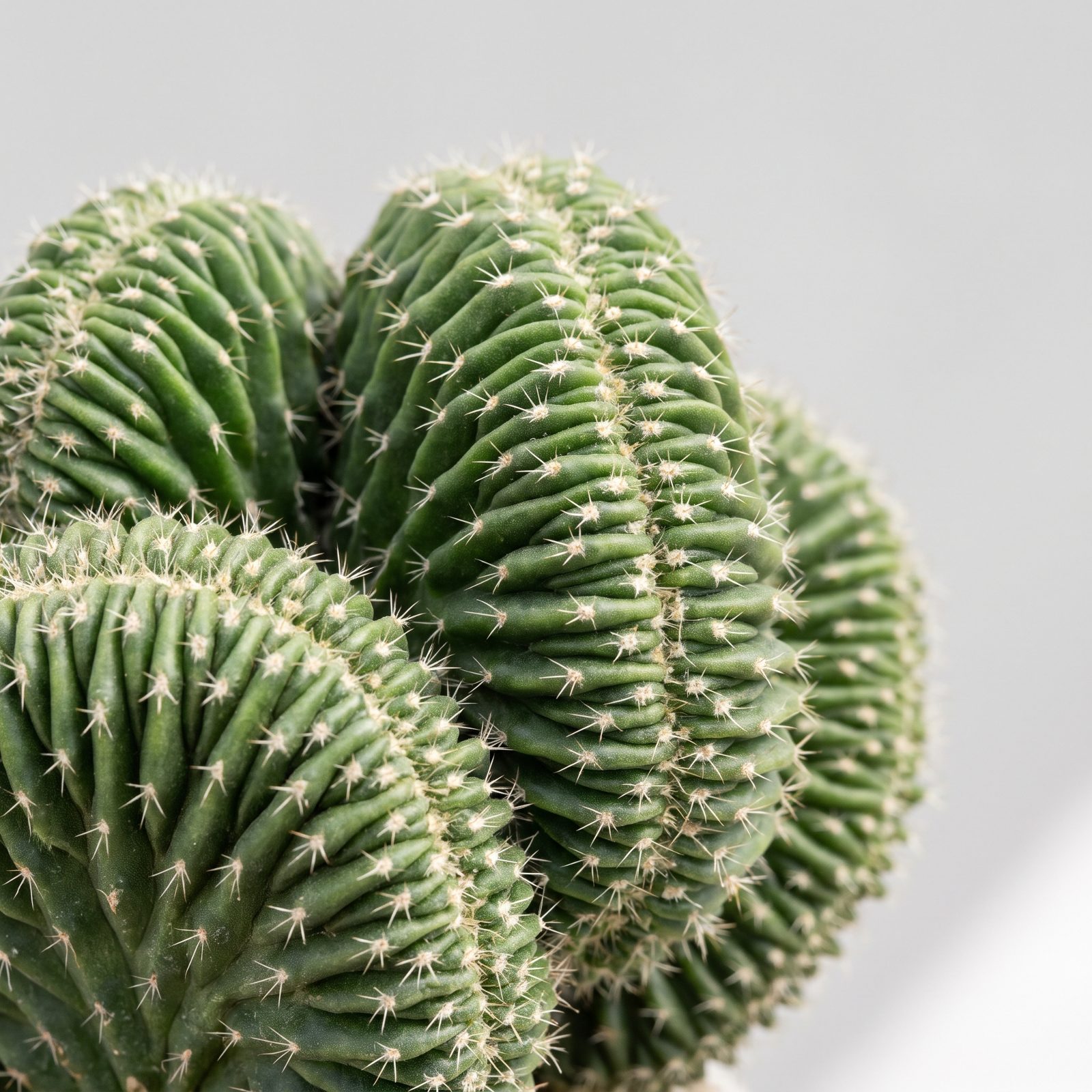
The resemblance is almost too on the nose. The so-called brain cactus is a crested form of Mammillaria, and the crest is the entire story. Normally this cactus grows as neat little round clumps, but something in the growing tip misfires, the single growth point stretches into a line, and the plant begins folding in on itself in wavy ridges that stack up exactly like cerebral tissue.
That mutation goes by cresting or fasciation, and it crops up across many plant families, not just cacti. Nobody can reliably force it. It just happens, which is why a well-formed brain cactus costs more than its plain-growing cousins.
10. Queen Victoria Agave: White Lines Drawn Across Perfect Leaves
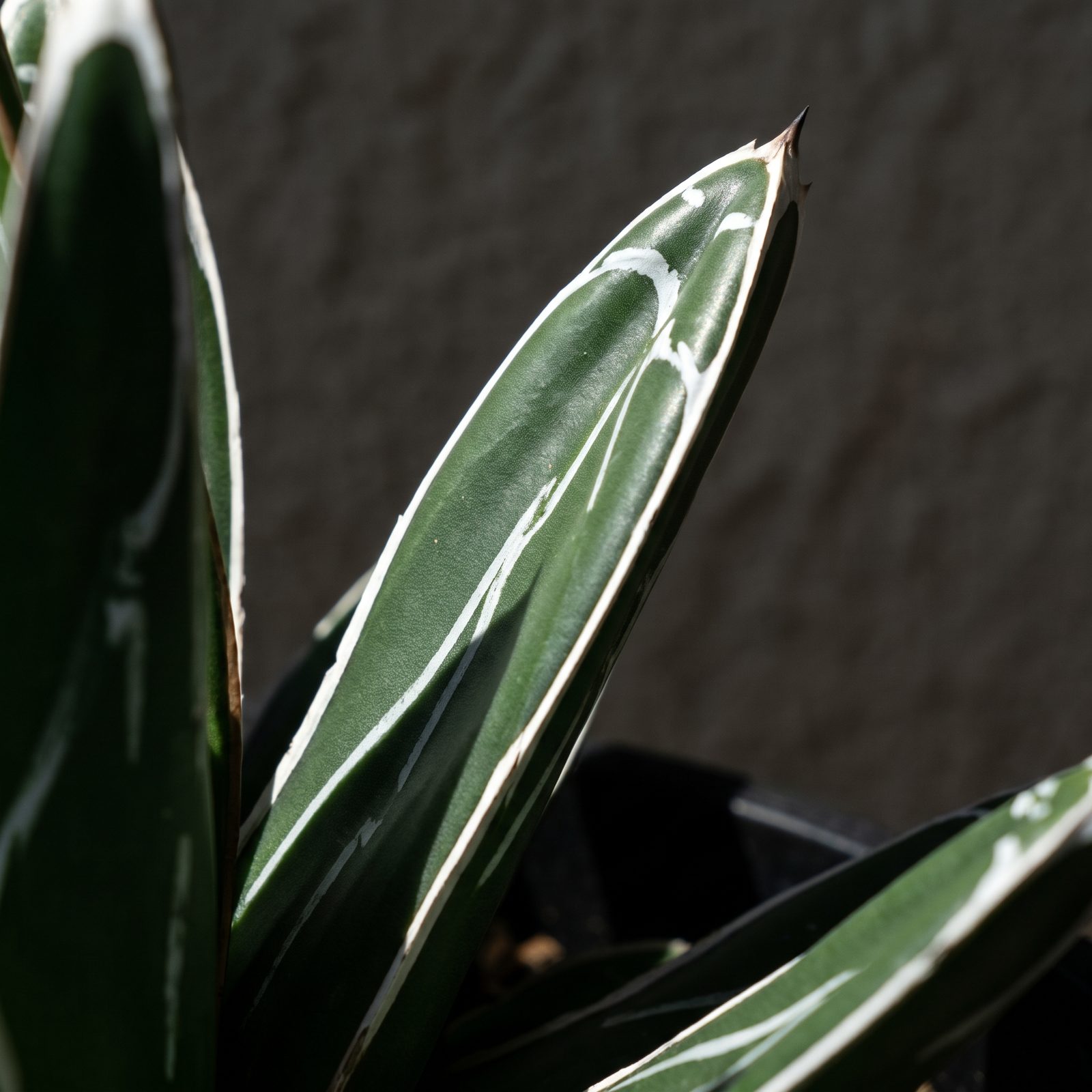
Someone clearly got out a white paint pen. That’s the first thought, and it’s wrong. Those crisp pale lines on Agave victoriae-reginae are imprints, left by neighboring leaves pressing against each other as the tight rosette forms, a natural kind of leaf-bud marking.
Up close, a single leaf tapers to a long, narrow point, its smooth pale margins ending in a single dark terminal spine, the white lines tracing its surface so cleanly they look drawn rather than grown. It’s native to a handful of pockets in the Chihuahuan Desert in Mexico. And it takes its sweet time. A specimen may grow for decades, flower just once on a tall spike, then die.
9. Victoria Amazonica: Giant Lily Pads With Raised Geometric Rims
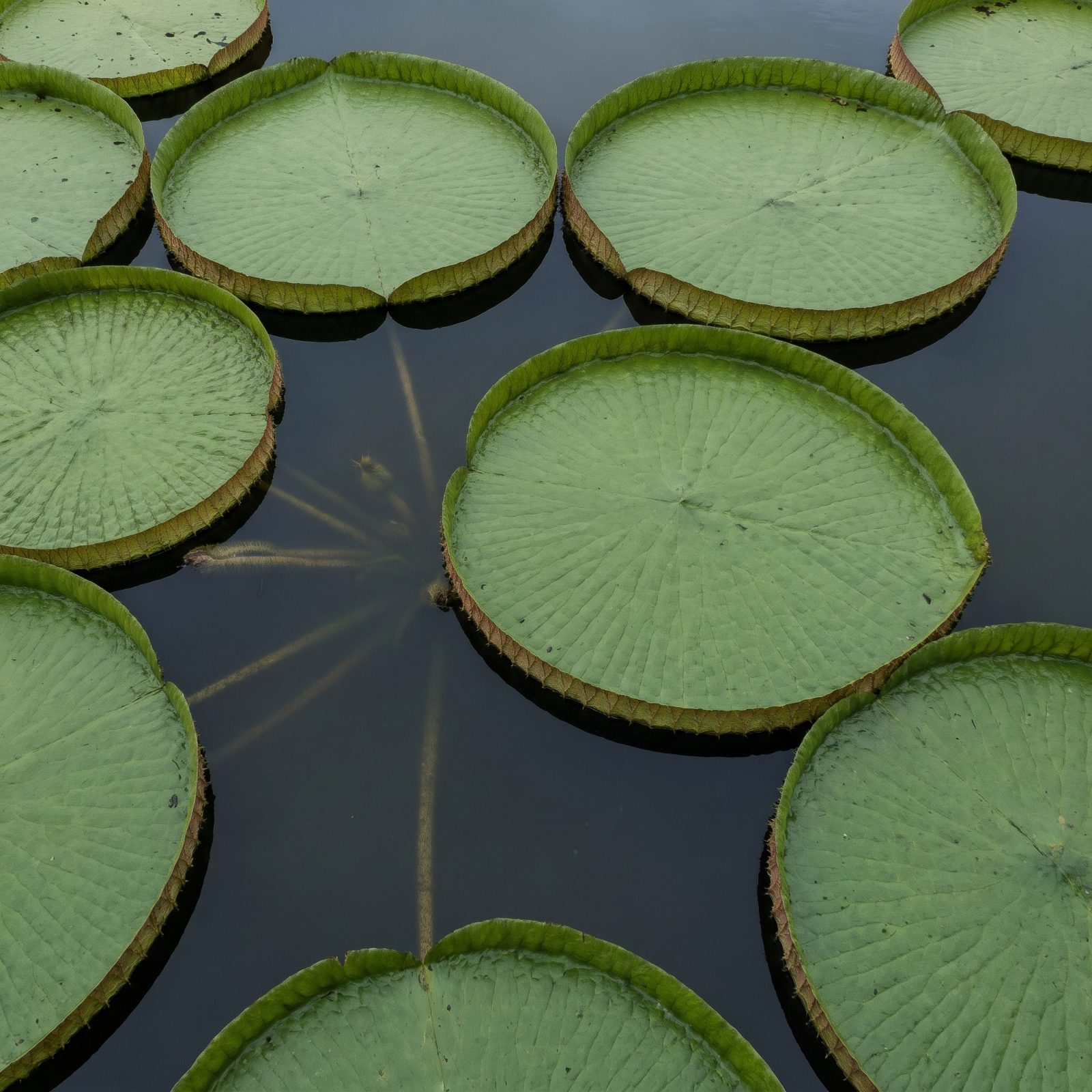
These pads look manufactured, like someone stamped out giant green pie dishes and set them afloat. Victoria amazonica, the giant Amazon water lily, grows pads that reach several feet across with a raised vertical rim running all the way round.
Flip one over and you see how it works: a lattice of thick ribs and spines holding the whole disc rigid. That skeleton can support real weight spread evenly across it, and the ribbed design famously inspired a Victorian architect building a glasshouse. The flowers pull their own stunt, opening white one night and pink the next, switching color after they’ve been pollinated.
8. Magnolia Seed Pod: A Red-Spiked Cone Resembling Alien Jewelry
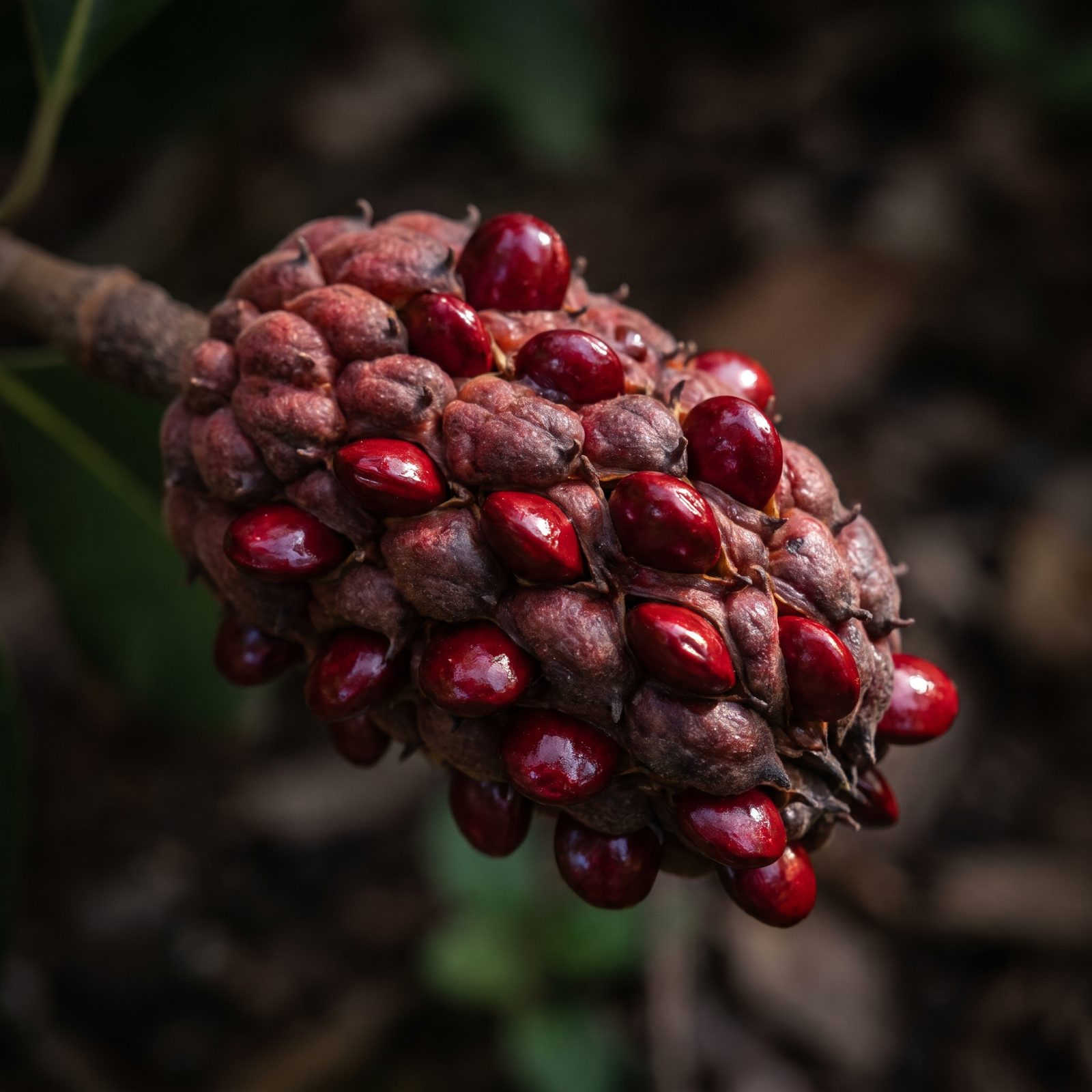
Every autumn the magnolia you walked past all summer starts producing something that looks like costume jewelry from another planet. The flower gives way to a knobbly, spiky cone, and as it ripens, glossy bright red seeds swell up and sit nestled right in its surface like set gemstones.
They glow that fierce coral for a reason. Birds pick out red easily, and the color works as a billboard advertising lunch. The fleshy red coat is the payment; the hard seed inside gets carried off and dropped somewhere new. Magnolias are ancient, pollinated by beetles long before bees existed, so these fruits are a very old design indeed.
7. Dragon’s Blood Tree: An Umbrella Crown With Crimson Sap
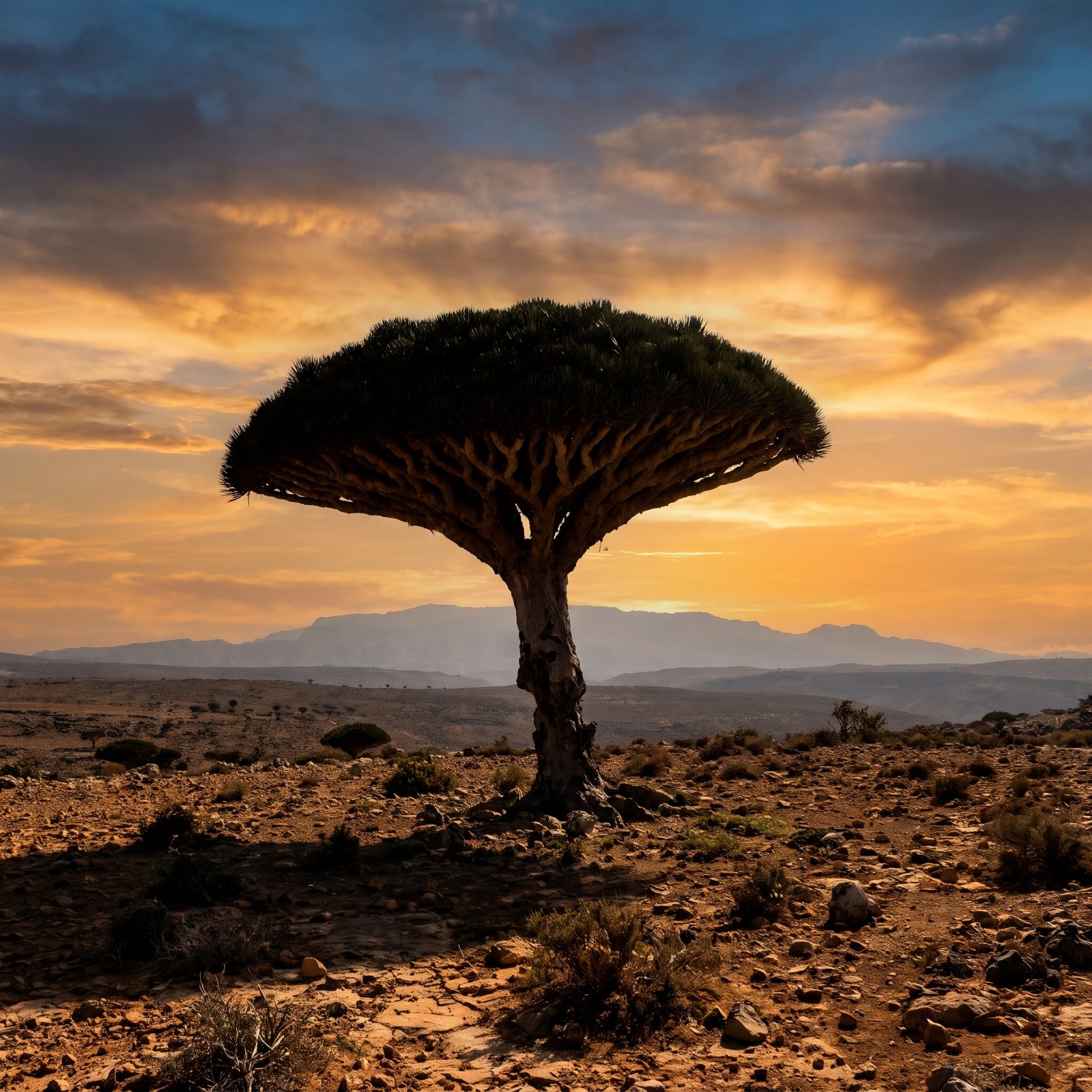
It looks like an umbrella someone blew inside out and then froze. The Dragon’s Blood Tree grows almost nowhere on Earth except Socotra, an island off Yemen so isolated that a third of its plants exist nowhere else.
The flat-topped crown isn’t for show. Packed tightly like that, it combs moisture from passing fog and funnels it down to the roots while shading the ground beneath from killing heat. Slash the bark and it bleeds a deep red resin, the “dragon’s blood” traded for medicine, dye and varnish across centuries.
The trees are in trouble. Socotra is drying out, the young saplings aren’t establishing, and a plant that can live for centuries is suddenly hard to replace.
6. Rainbow Eucalyptus: A Trunk That Looks Spray-Painted in Neon
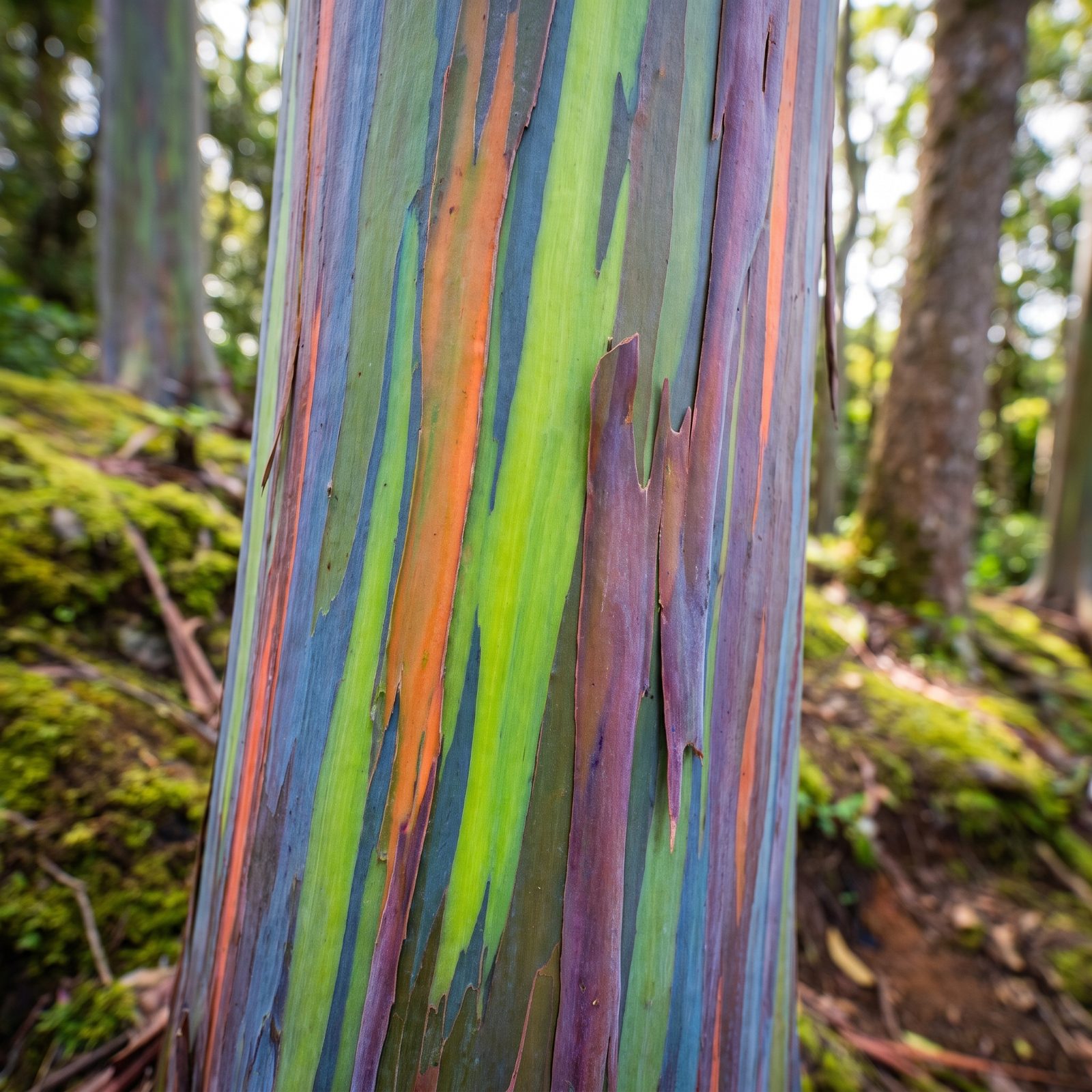
The colors are real pigments, not paint. As the outer bark sheds in strips it exposes a bright green inner layer, and that fresh surface darkens as it ages, so the blues, purples, oranges and maroons are just the same bark caught at different stages of weathering.
You find it across the Philippines, Indonesia and New Guinea — the only eucalyptus that grows naturally north of the equator. In a warm climate it can shoot up over 100 feet. The timber, though? Unremarkable. Mostly pulped for white paper, which feels like a crime against a tree that looks hand-colored.
Explaining the tree’s shifting colours, a chief botanist at a major Australian botanic garden says “It starts off as a bright green when first exposed, and then turns to red, orange and purple tones and then to brown as the bark matures – this is then shed and the process starts again”
5. Jabuticaba: Black Fruit That Erupts Straight From the Trunk
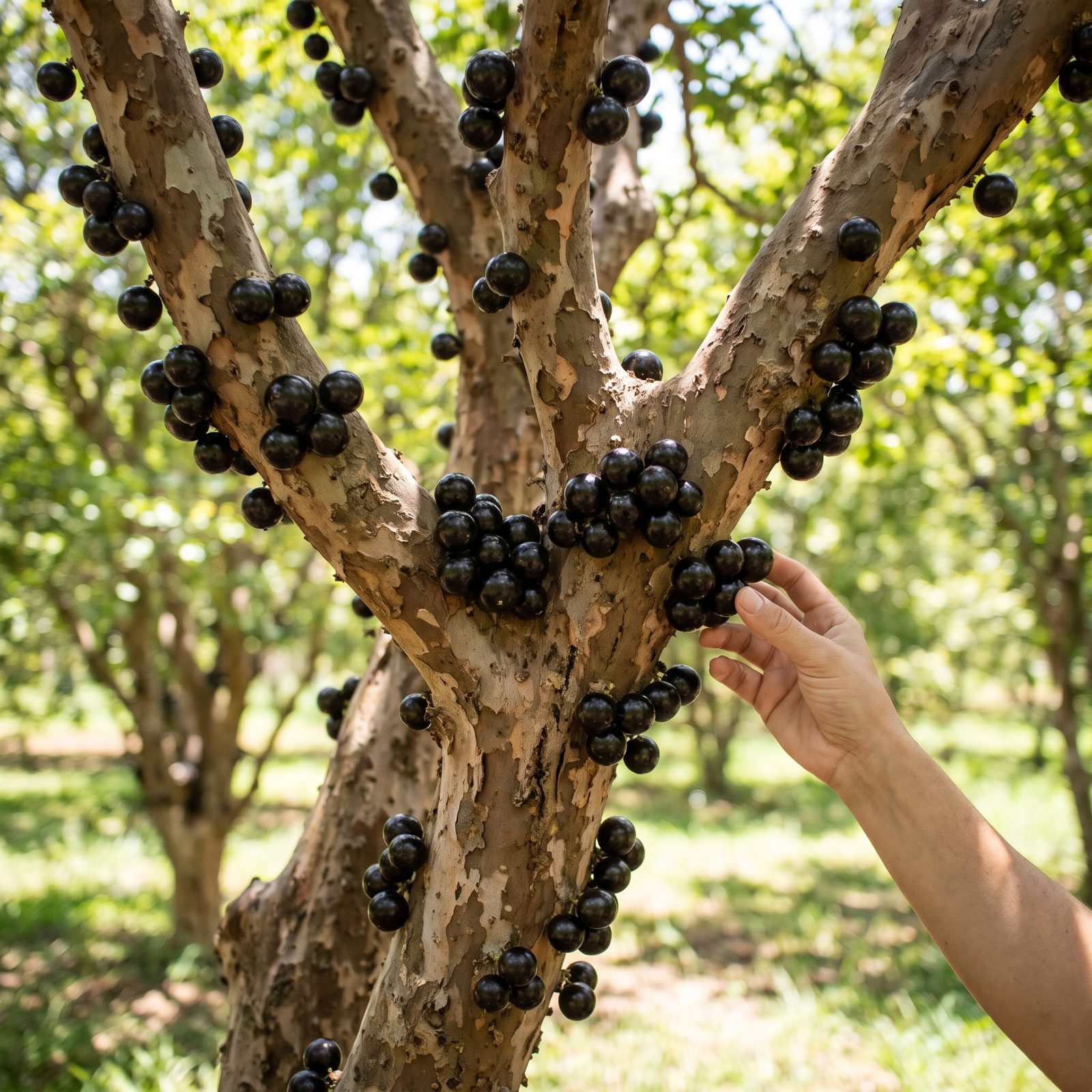
Fruit growing out of solid bark looks like a rendering glitch. Botanists call the trait cauliflory, and the Brazilian jabuticaba commits to it completely — trunk and branches coated in black grape-like orbs with no stem in sight.
Inside, the flesh is white, jelly-like and sweet. People eat it fresh or ferment it into wine and liqueur within days, because the stuff spoils fast once picked. A healthy tree flowers and fruits several times a year. Why some tropical species push fruit onto their trunks instead of their twigs isn’t fully settled, though the leading guess is simple access — easier pickings for ground-dwelling and climbing animals that spread the seeds.
4. Blue Sausage Fruit: Metallic Cobalt Pods You Can Actually Eat
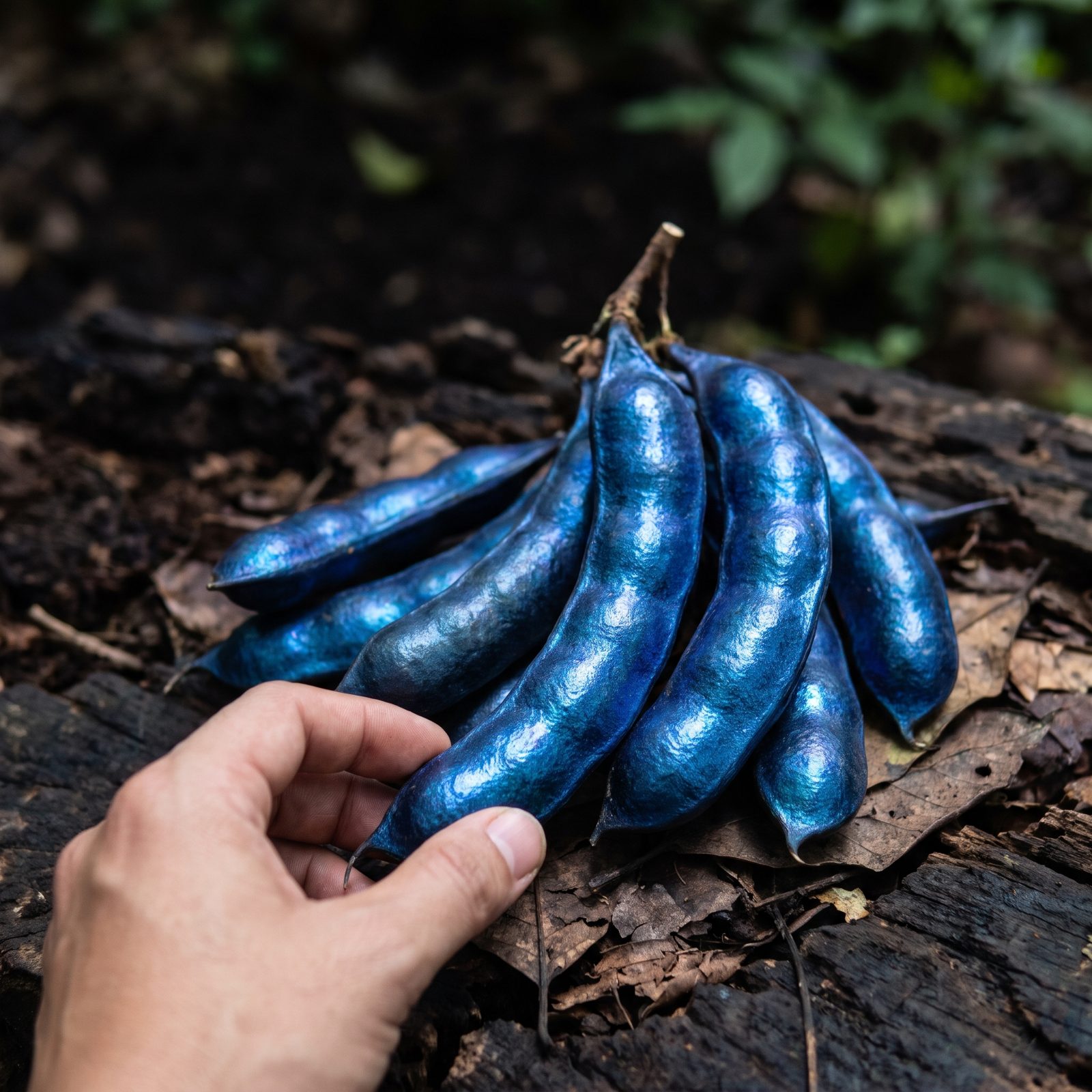
Few fruits are truly blue, and this one is almost electric about it. Native to the Himalayas and parts of China, the blue sausage fruit — Decaisnea fargesii — dangles fat cobalt pods that genuinely look machine-made.
Crack one open and the inside has nothing to do with the outside: a clear, jelly-ish pulp studded with flat black seeds, mildly sweet with a whisper of cucumber. The common name nods to the shape. That improbable blue comes from structural color in the skin rather than a plain pigment.
3. Buddha’s Hand: A Lemon That Split Into Yellow Fingers
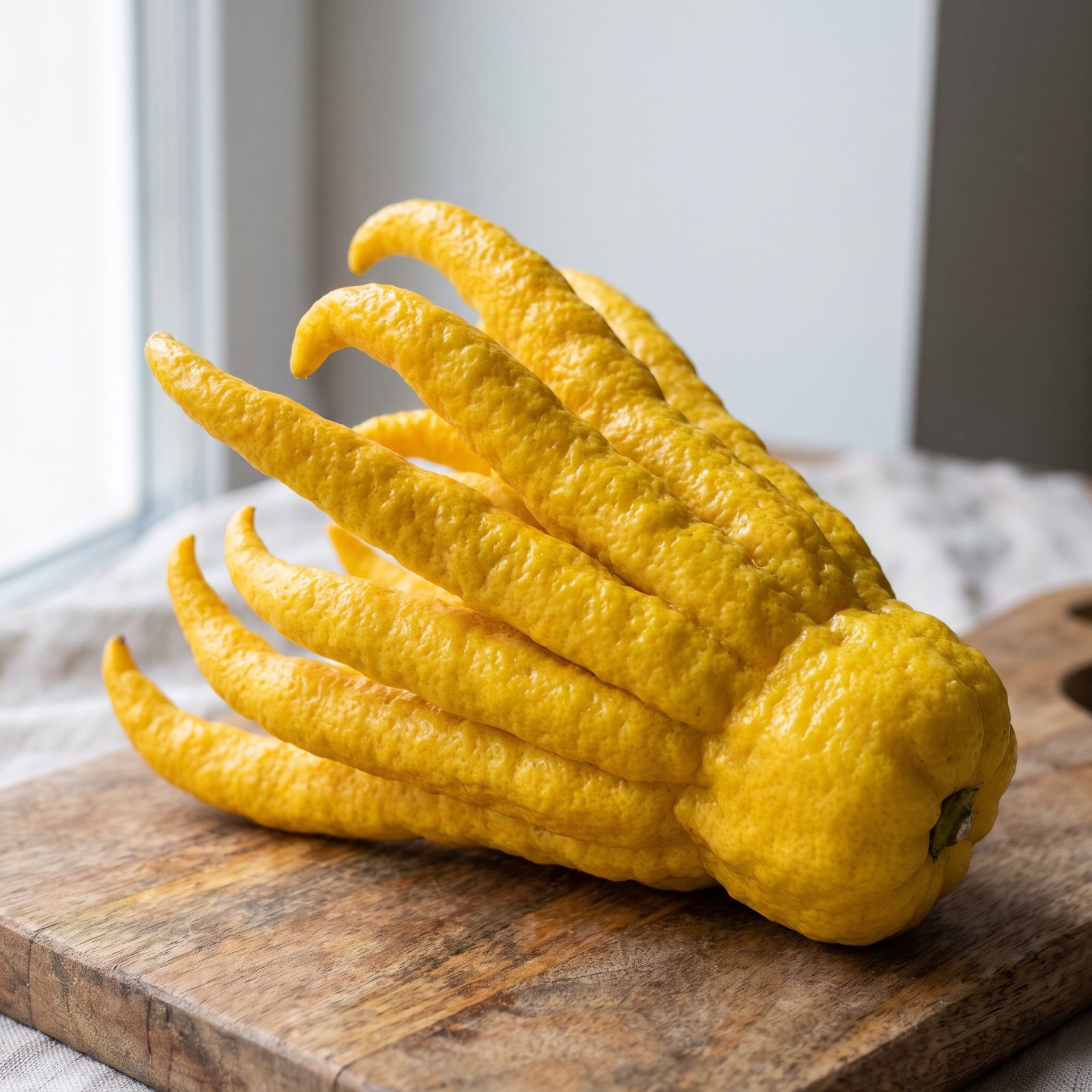
This citron forgot to grow a middle. Rather than rounding out into a normal fruit, Buddha’s hand splits into finger-like sections — sometimes a dozen of them, curling off in every direction like something reaching for you.
There’s almost no pulp or juice inside, just thick fragrant rind and white pith. Cooks zest it over dishes or candy the peel. The scent is intensely lemon-floral, strong enough that a single fruit can perfume a whole room. Grown for centuries across China and Japan, it turns up at temples and in New Year displays, and the name comes from that resemblance to a hand caught mid-gesture.
2. Glass Gem Corn: Kernels That Glow Like Polished Jewels
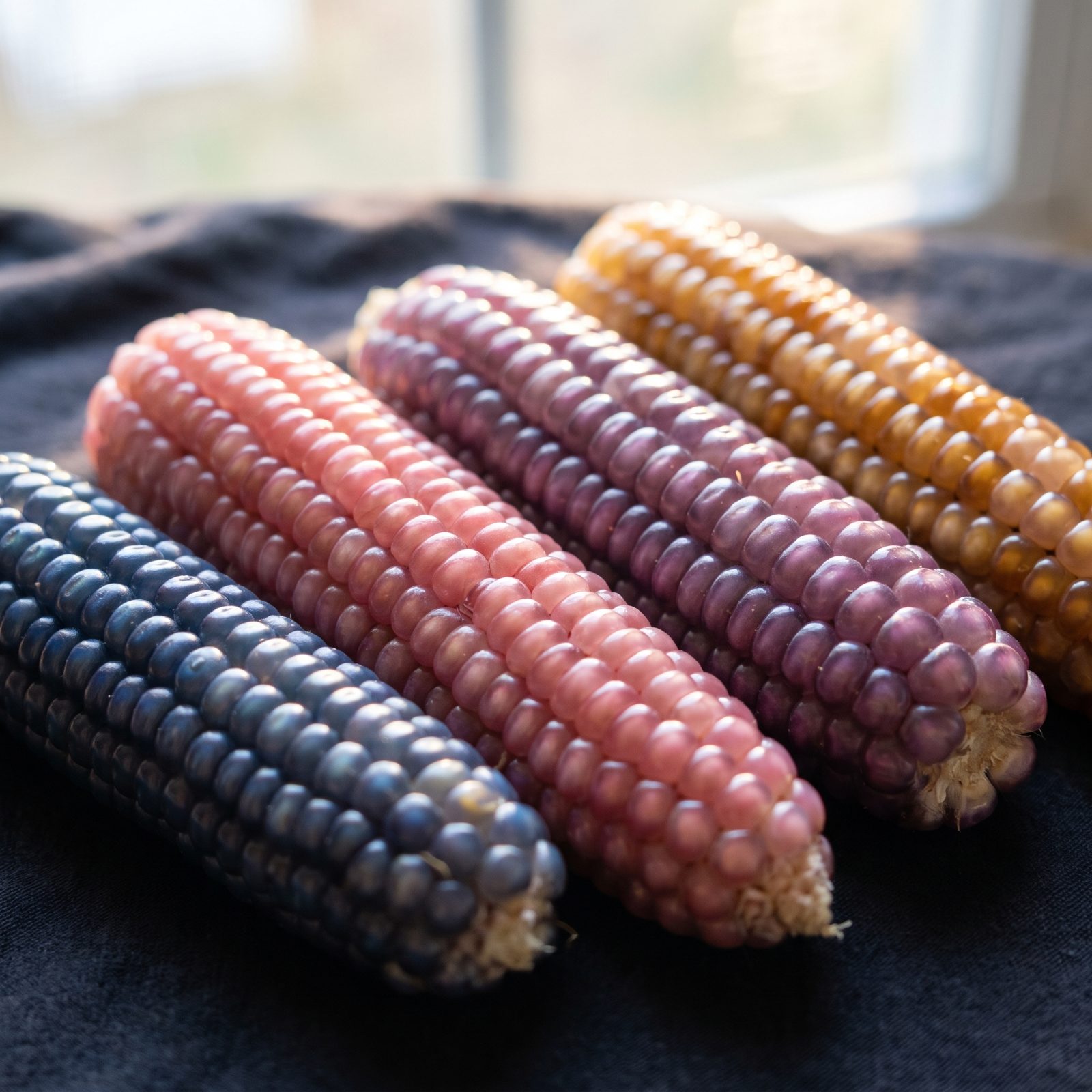
It looks like someone strung beads onto a cob. Glass Gem corn — a flint variety bred over years by a part-Cherokee farmer in Oklahoma — produces kernels in translucent blues, pinks, purples and golds that catch light like stained glass.
Those colors come from natural anthocyanin and carotenoid pigments, and some ears come out a single solid shade, so a handful of cobs can line up like a row of jewel tones. And yes, you can eat it. Most people grind it into cornmeal or pop it, though plenty of growers keep it purely for the sheer look of the thing.
Lay a few ears side by side and you get a row of jewel tones — blue, pink, purple, gold — that you can plant.
1. Romanesco: The Vegetable Built From Perfect Spiraling Fractals
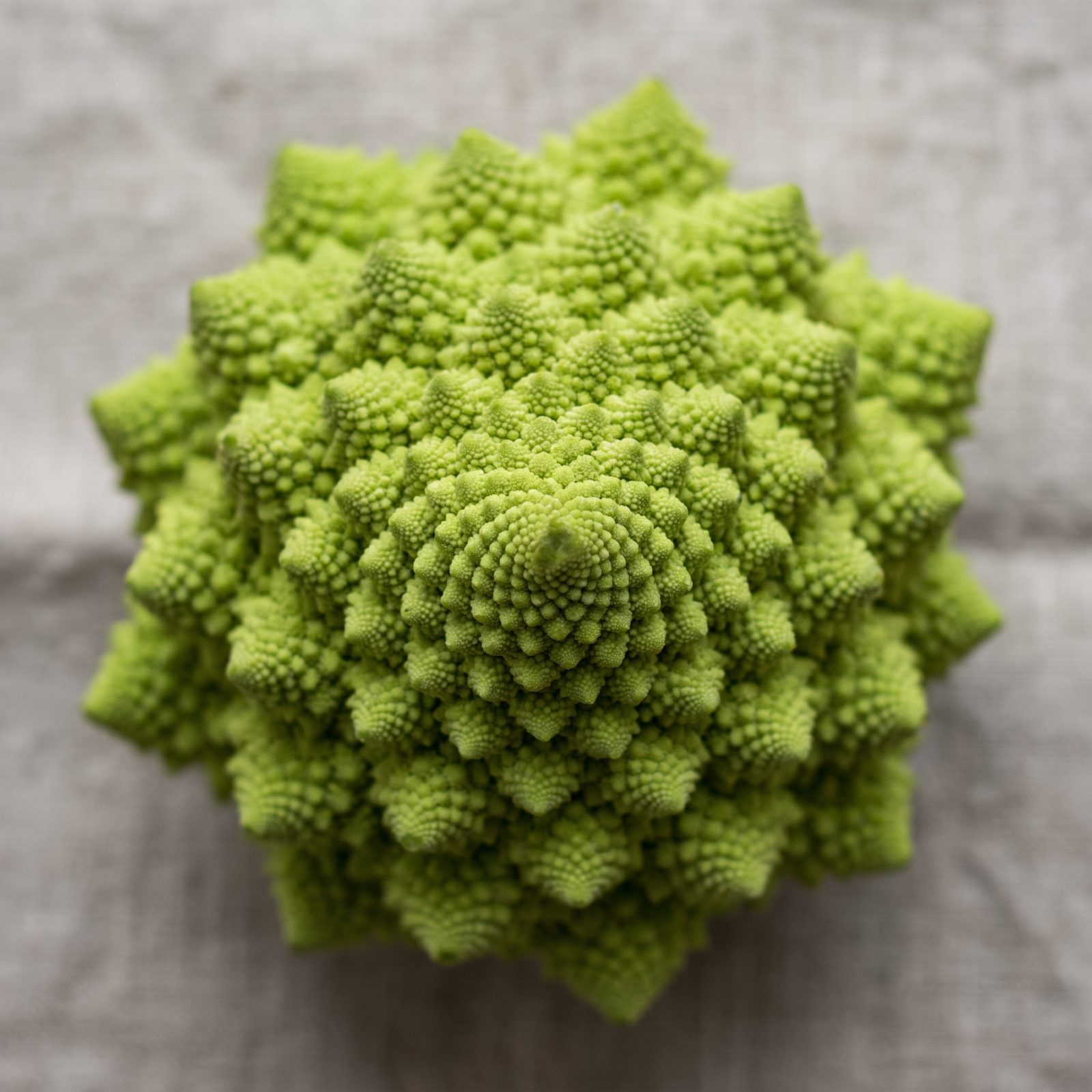
Nature does math here and shows its work. Each floret of Romanesco is a smaller copy of the whole head, and those break into smaller copies again — a self-repeating fractal you can see with your bare eyes, no microscope required.
The cones twist along a Fibonacci spiral, the same number sequence hiding in pinecones and sunflower seed heads. It’s a cultivar of the same species as broccoli and cauliflower, first documented in Italy around the 16th century. Flavor lands between its cousins — nuttier than broccoli — and it holds that absurd geometry beautifully when you roast it.