
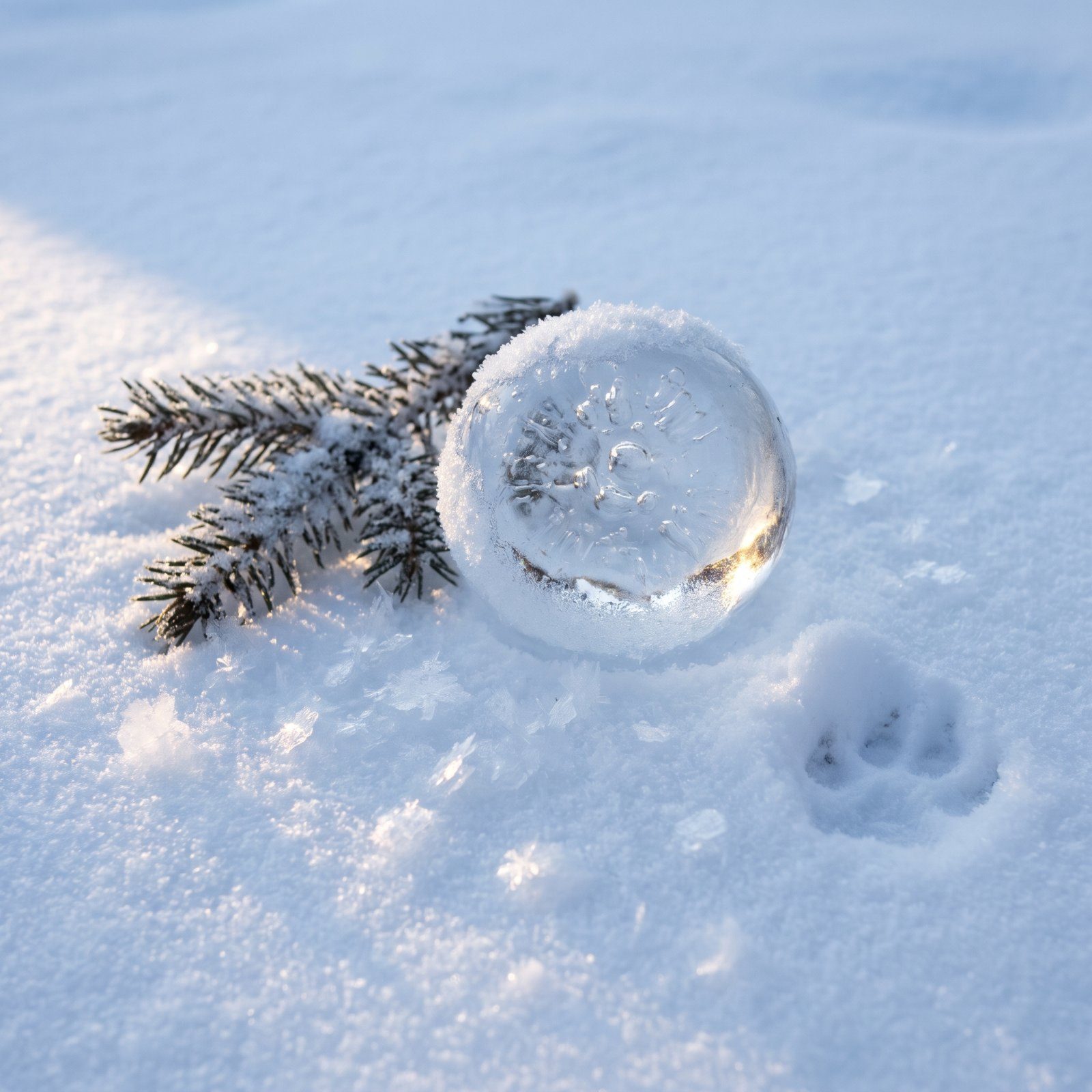
A wood frog in a Minnesota forest will stop breathing in November. Its heart quits. Ice fills the spaces between its cells, and by any reasonable definition the animal is a corpse for weeks — and then April comes, it thaws, and it hops away. Deep winter isn’t survivable by halves. The cold doesn’t negotiate, the dark doesn’t end on schedule, and the food vanishes. Yet creatures all over the frozen world have worked out answers so strange they read like science fiction written by evolution. Supercooled blood. Antifreeze made of sugar. Eyes that swap color with the seasons. Here are the ones worth staring at.
Please note that some of the images in this article were created with the assistance of AI.
26. Emperor Penguin: The Huddle That Rotates Like a Living Heat Shield
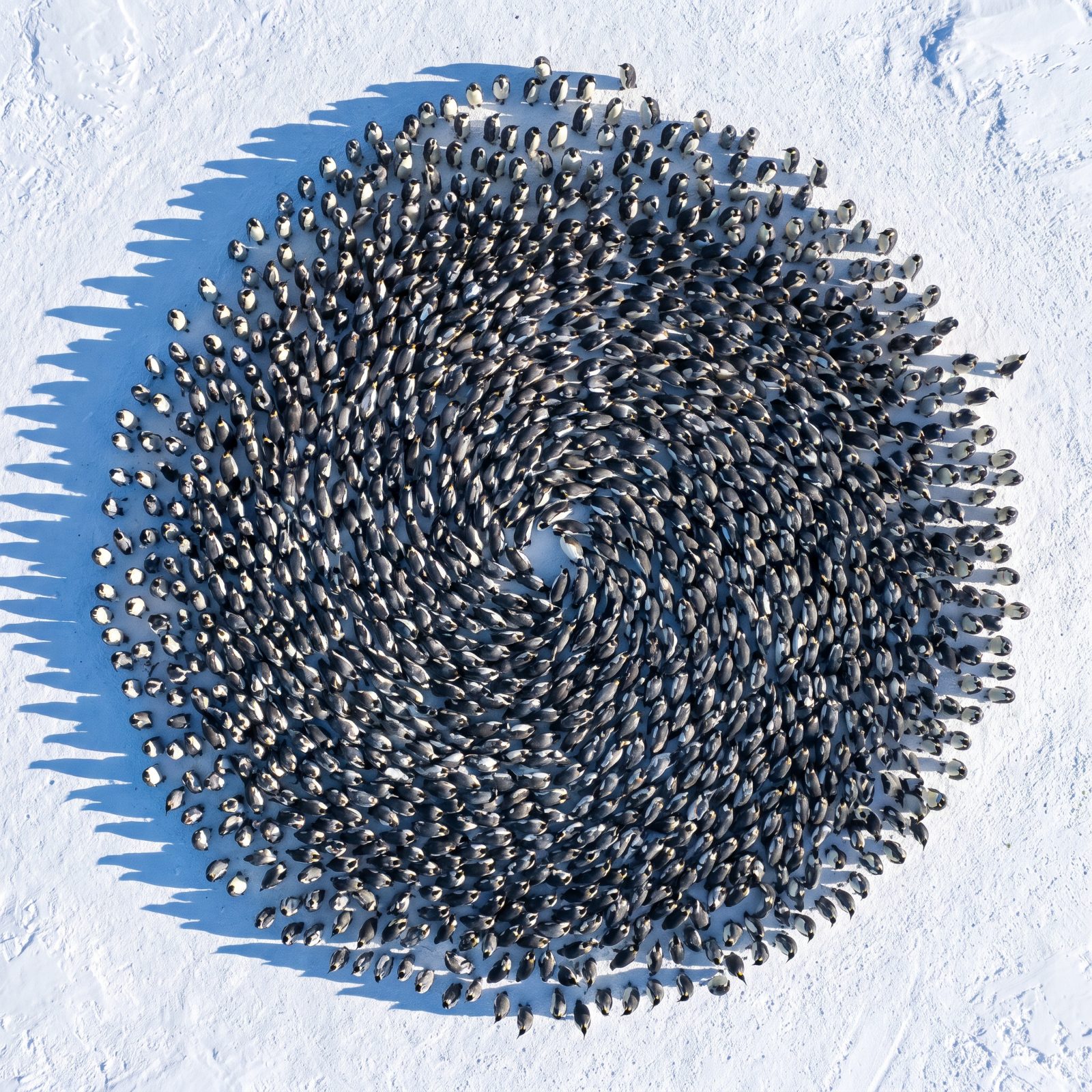
Thousands of males, no food, temperatures that drop past minus forty, a low sun that throws long shadows but little warmth. Each one balances a single egg on his feet. Drop it, lose it.
So they pack together, and the huddle becomes one organism. Birds on the frozen outer edge slowly shuffle inward while those on the inner rings rotate out to take their turn on the rim.
The movement spreads like a slow wave through the mass. No bird is in charge. No bird stays cold too long. Fairness, worked out by physics and the plain need not to die.
25. Arctic Ground Squirrel: Supercooling Blood Colder Than Freezing Seawater
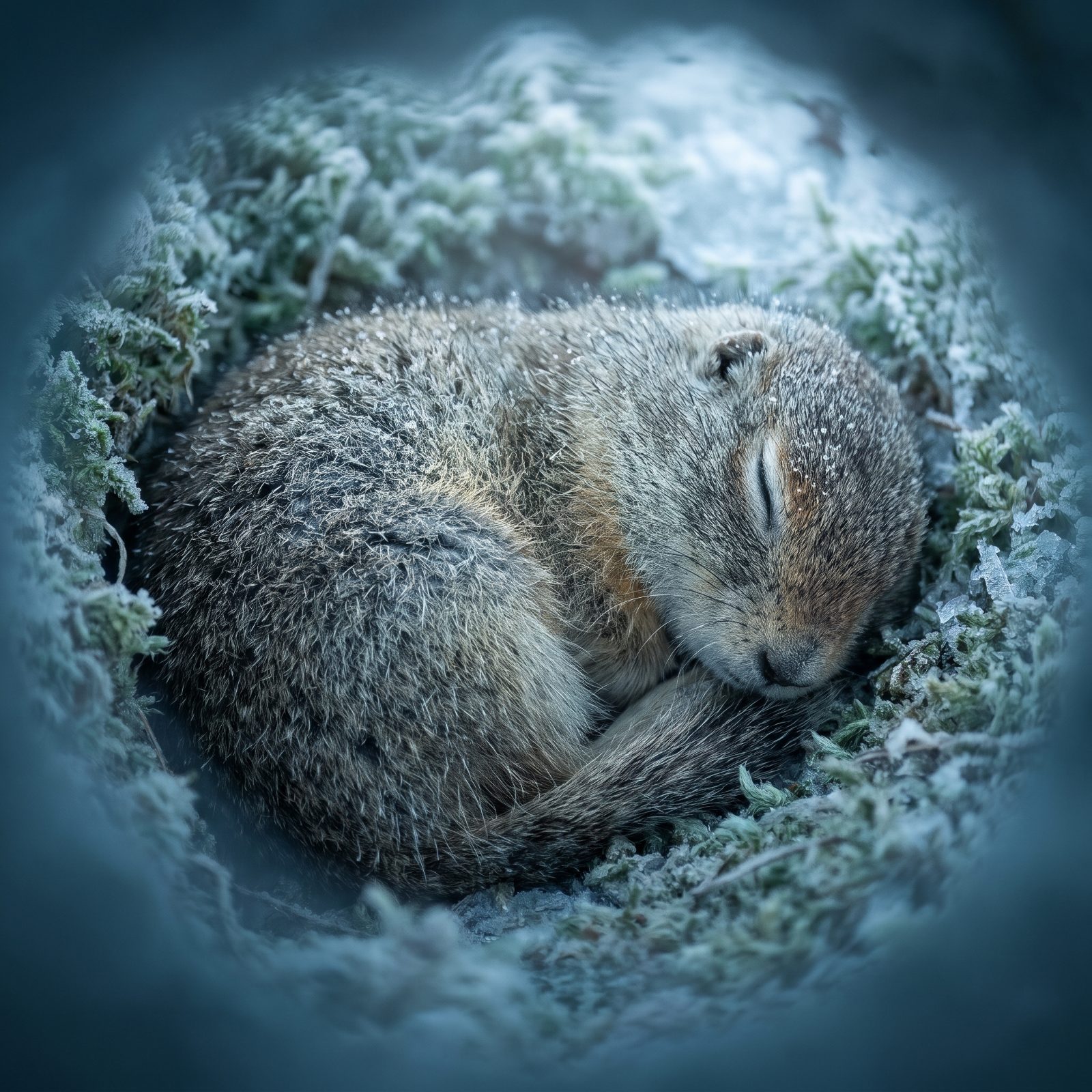
This one broke the rules we thought governed warm-blooded life. During hibernation the Arctic ground squirrel lets its body core drop below the freezing point of water, as low as around 27°F, and its blood still won’t turn to ice.
The trick is called supercooling. By scrubbing its blood of the tiny particles that ice crystals need to form around, the animal holds its fluids liquid below zero Celsius — the coldest body temperature ever recorded in a mammal.
Every couple of weeks it shivers itself briefly back to normal, sleeps a real sleep, then plunges cold again. Brain researchers can’t look away, because its neurons shrink during the deep freeze and then regrow, fully, every spring.
24. American Black Bear: Recycling Its Own Waste for an Entire Winter
Go months without peeing. Try it. You’d poison yourself in days as urea built up in your blood.
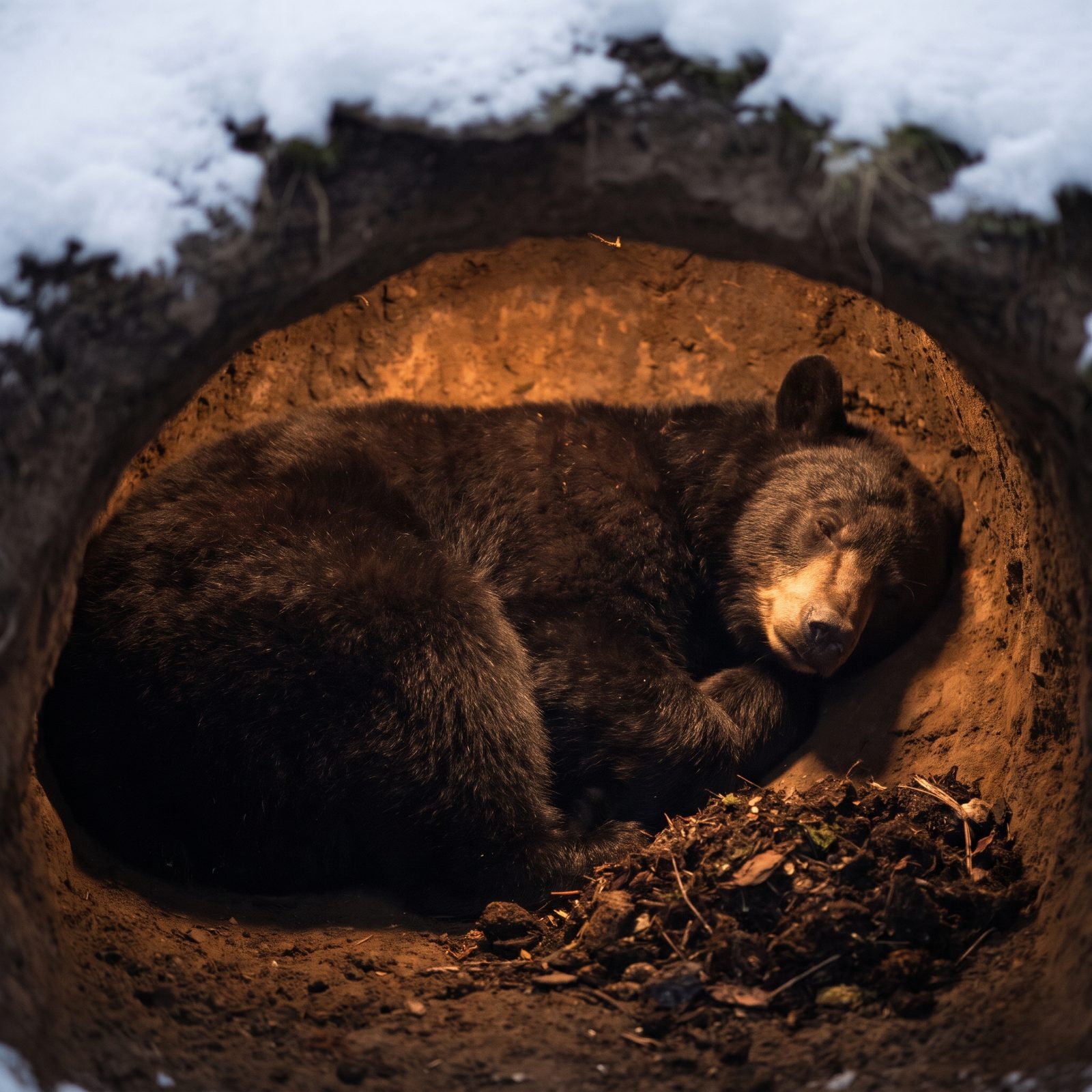
A denning black bear doesn’t. For up to seven months it neither eats, drinks, urinates nor defecates, and instead of letting toxic waste pile up, it recycles the nitrogen back into new protein — which is how it holds onto muscle while burning through fat reserves the whole winter.
And it isn’t a deep hibernator in the squirrel sense. Its body temperature drops only a few degrees, so a mother bear can wake, give birth, and nurse cubs in the dark den without ever really surfacing.
23. Reindeer: Eyes That Change Color for the Months of Darkness
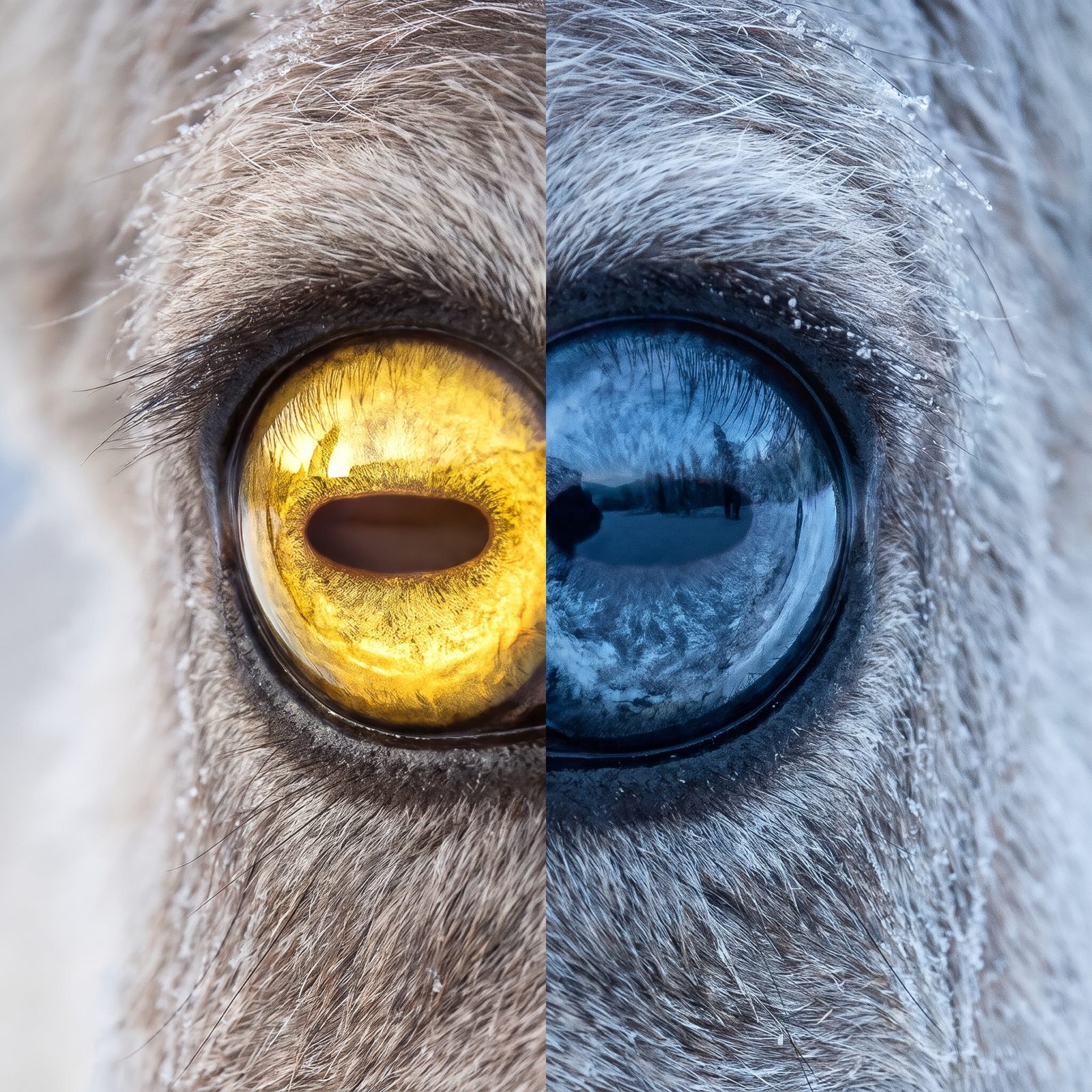
Look into a reindeer’s eye in July and it glows gold. Look again in January and it glows deep blue.
The iris doesn’t actually change. The shifting color comes from the reflective layer behind the retina, the tapetum, which physically changes color across the seasons and shows through the eye as eyeshine. Through the gold summer it bounces light back cleanly. For the long Arctic winter, when the sun barely clears the horizon for weeks, it shifts toward blue, scattering light inside the eye so more of it gets caught.
So the reindeer trades a little sharpness for a lot of sensitivity. In the blue-black polar night that’s a bargain. It lets them pick out a lichen patch, or a lurking wolf, in light that would leave your own eyes useless.
As a neuroscience professor puts it, “But then we opened up the other eyes, and that was when there was a shock, because the winter eyes were blue”
22. Alaska Blackfish: Gulping Air When the Pond Runs Out of Oxygen
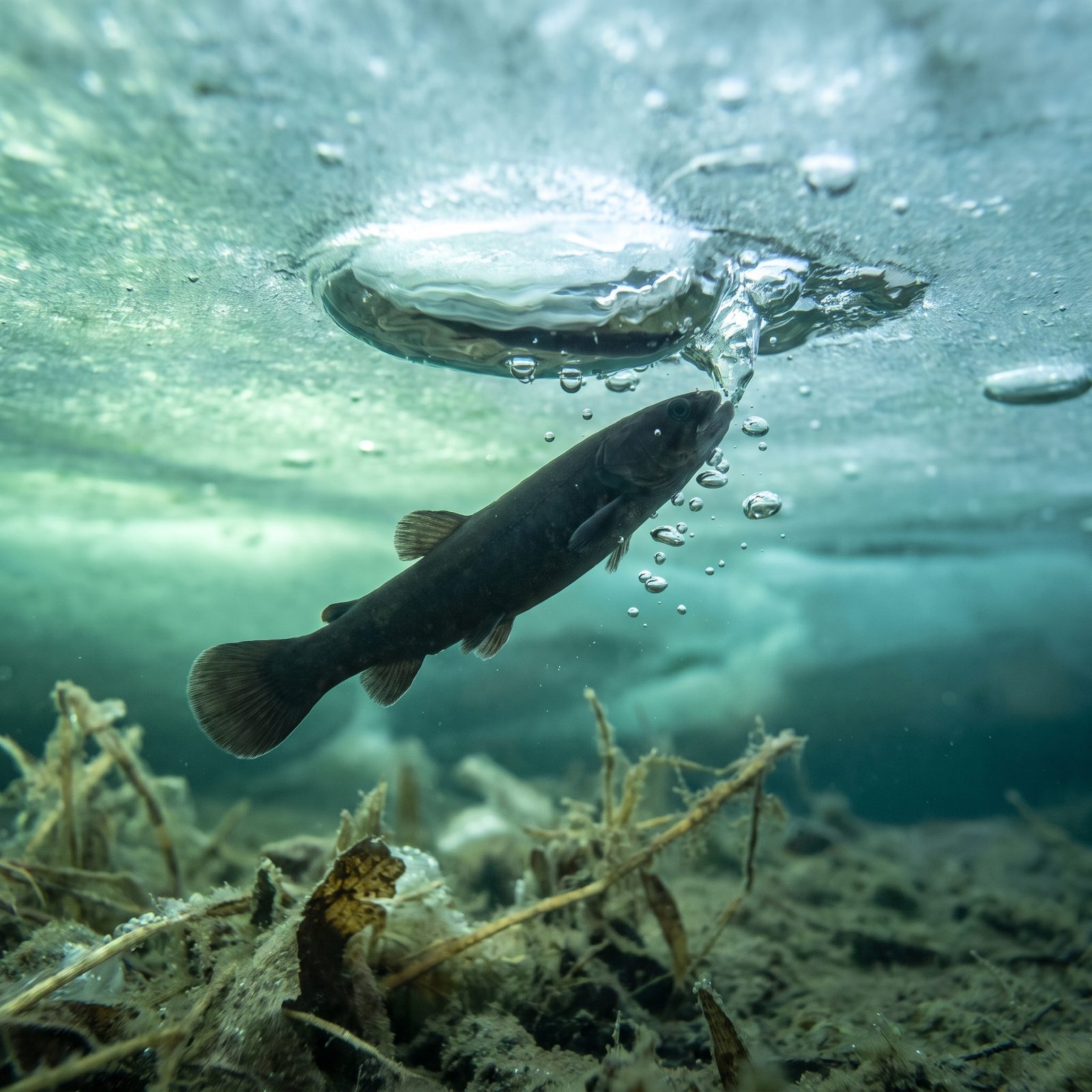
Most fish suffocate under the ice when a shallow pond goes stale. The Alaska blackfish just breathes.
It uses its esophagus as a crude lung, gulping air and pulling oxygen straight from it, then releasing the spent air in midwater as a large bubble that trails a stream of smaller bubbles back up toward the ice. In the swampy tundra pools of Alaska and Siberia, where winter water holds almost no dissolved oxygen, that single ability is the whole reason the species exists.
Old subsistence accounts tell of blackfish frozen stiff, then reviving once thawed. Biologists are skeptical of the frozen-solid-and-alive versions, but the fish is genuinely tough enough to survive conditions that would kill nearly anything else with gills.
21. Upis Beetle: A Sugar Antifreeze Found in No Other Animal
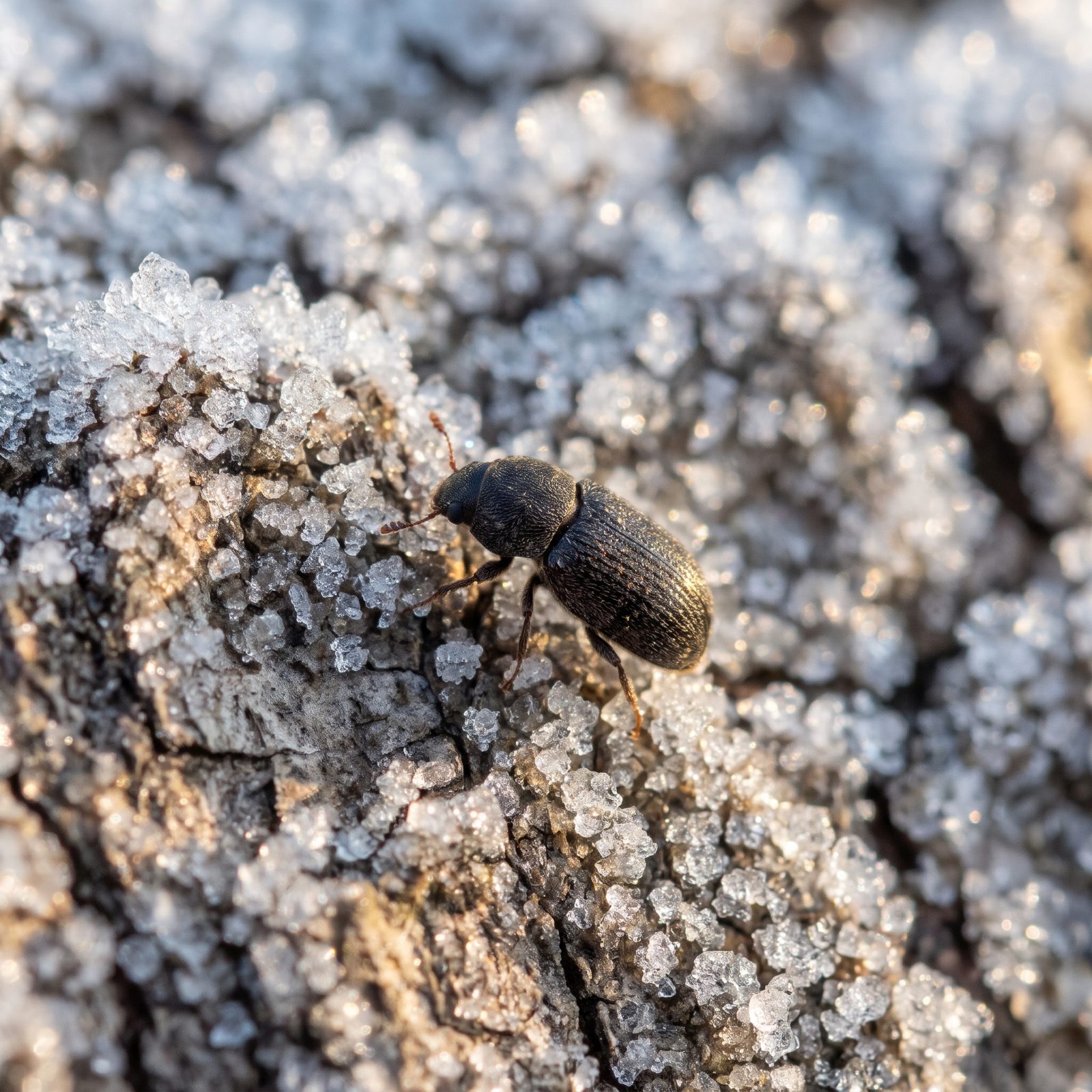
When scientists went looking for what keeps this small Alaskan beetle alive at around minus 70°F, they expected the usual antifreeze proteins. They found something else entirely.
The Upis beetle makes a cold-protecting molecule built from sugar and fatty acid, not protein, a type never identified in any other animal. It works alongside more familiar antifreeze compounds to stop ice from tearing the beetle apart from the inside.
A creature smaller than your thumbnail, surviving a cold that would shatter steel, running on chemistry we only recently learned existed. That’s the kind of thing that keeps biologists out in the dark with numb fingers, poking at bark.
20. Ruffed Grouse: Diving Headfirst Into the Snow to Sleep
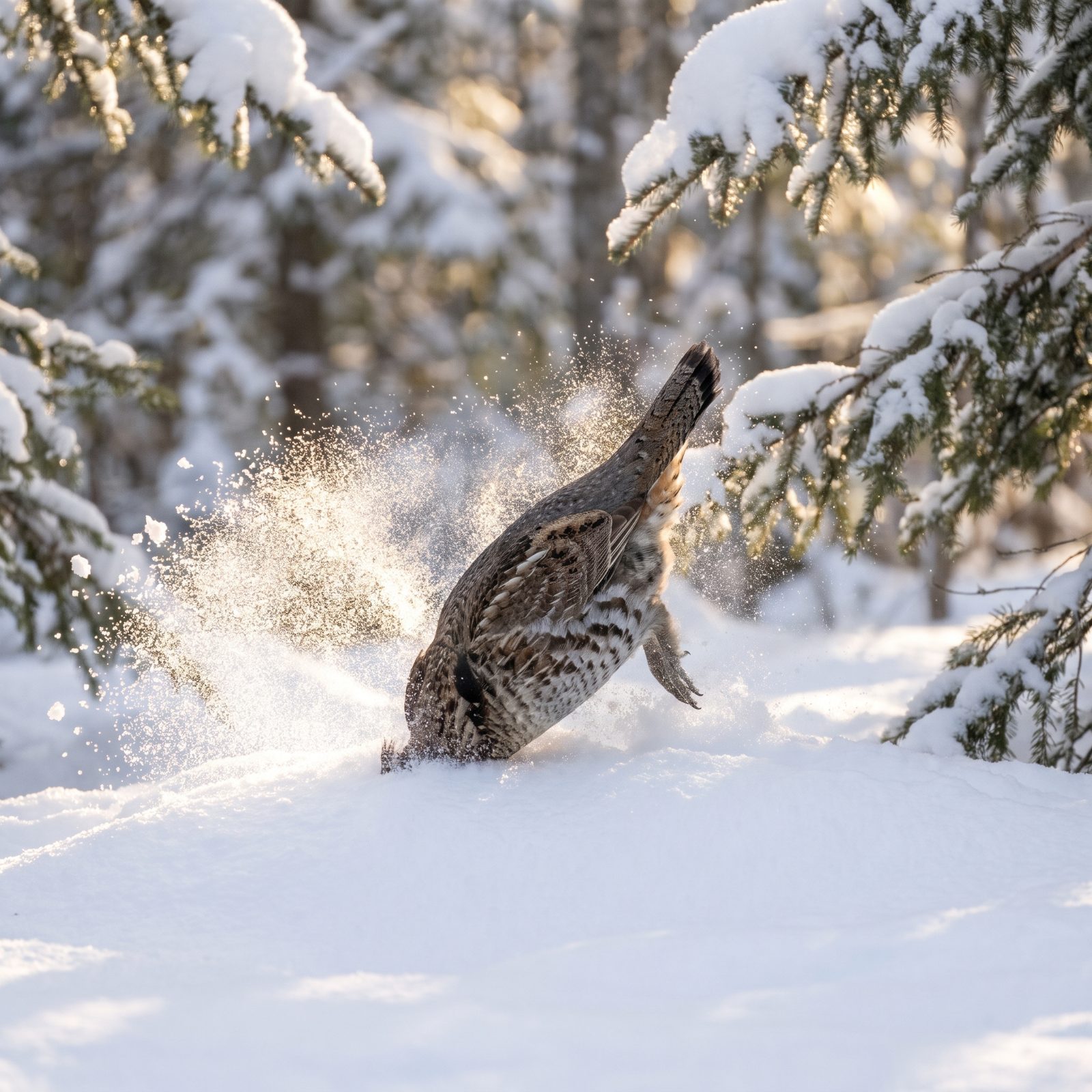
On a brutal night the ruffed grouse does something that looks suicidal. It flies straight at the snow and vanishes into it.
Deep powder insulates far better than open air. Burrowed a foot down, the bird sits in a pocket of snow-warmed stillness while the forest above drops to killing cold. Snow does the work a den does for a mammal.
The gamble is crust. If a thaw-freeze locks a hard lid over the powder overnight, a buried grouse can be trapped under its own blanket. Survival here is a bet placed every single evening, and the house occasionally wins.
19. Antarctic Krill: Shrinking Its Own Body When the Food Runs Out
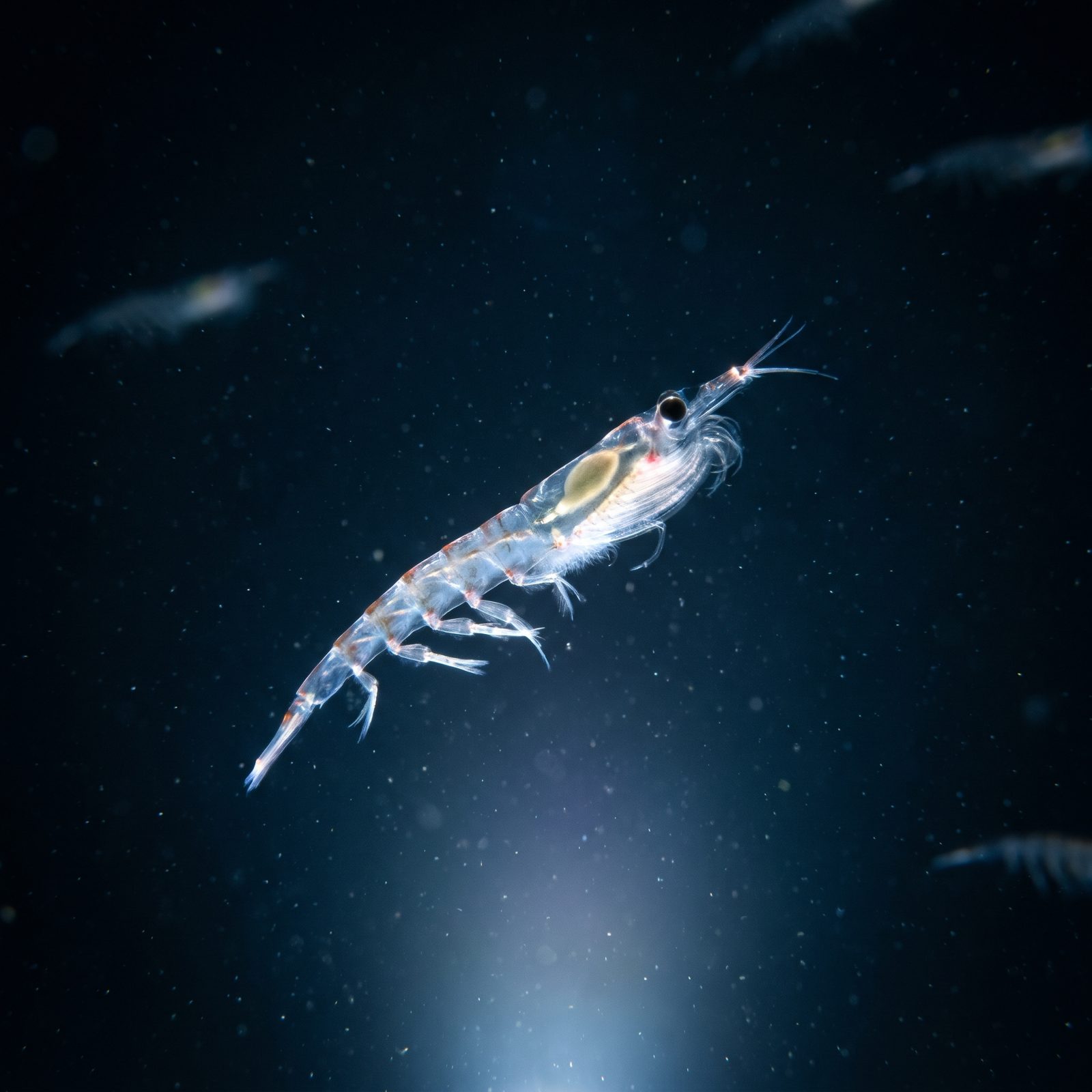
Starvation usually means waste away and die. Antarctic krill rewrote that script.
When the sea-ice algae they feed on disappears in the dark winter months, the krill don’t just lose weight — they shrink. They molt backward, growing smaller with each shed shell, dumping body mass and lowering the energy they need to simply stay alive until spring.
Consider the scale. This thumb-sized creature is thought to weigh more, collectively, than almost any other wild animal species on Earth. Whales, seals, penguins and seabirds all depend on it. The entire Antarctic food web rests on an animal whose winter strategy is to become less of itself and wait.
18. Common Garter Snake: Wintering in a Writhing Den of Thousands
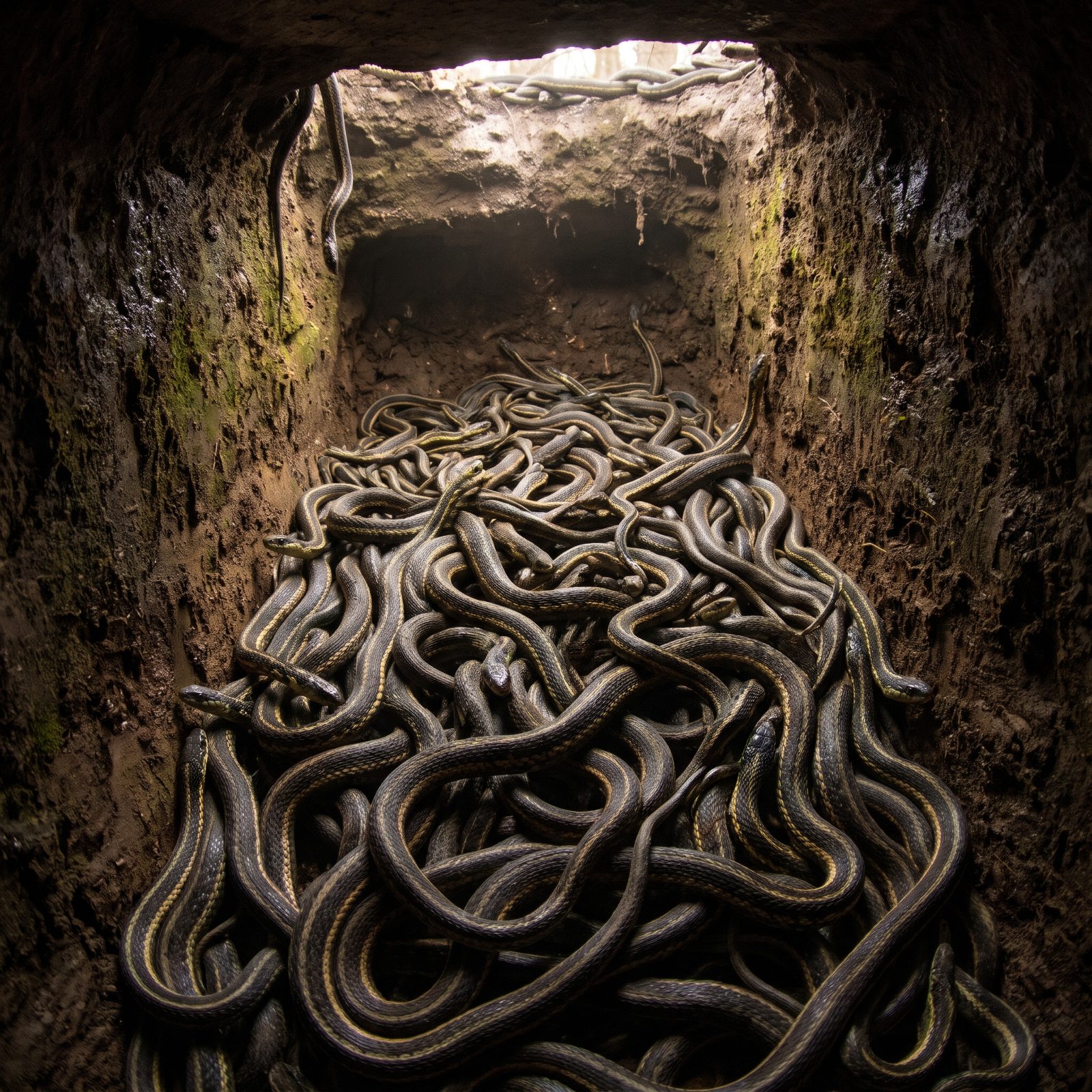
Cold-blooded means the cold decides, so a garter snake can’t generate its own winter heat. What it can do is gather.
Across the northern parts of its range, garter snakes funnel into shared underground dens below the frost line, piling into knotted masses that can number in the tens of thousands. The dens in Manitoba rank among the largest gatherings of snakes anywhere on the planet.
They aren’t socializing. They’re surviving. Packed together, they hold humidity and buffer the swings of temperature in the burrow, and a snake deep in the pile is less likely to be the one that freezes.
17. Black-Capped Chickadee, Shrinks and Regrows Parts of Its Brain
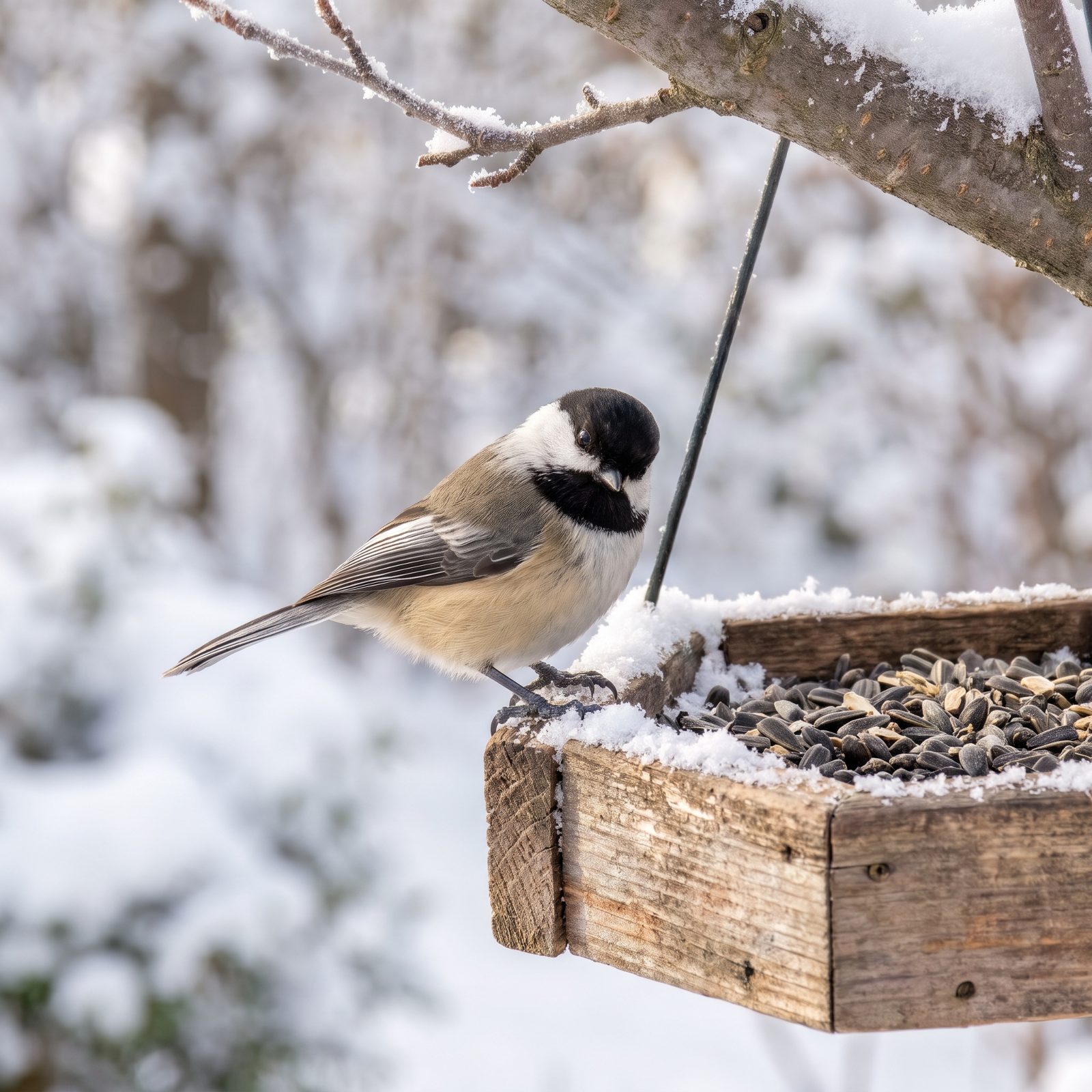
That bird raiding your feeder in January is running a memory trick no human can match. A chickadee caches thousands of seeds across its territory, one at a time, in different hiding spots, then it remembers where every single one went.
The engine behind that feat is its hippocampus, the brain region that handles spatial memory. In fall it swells and adds fresh neurons as hoarding season ramps up. Come spring, caches eaten, it shrinks back down. Grow the hardware when you need it, trim it when you don’t.
We find this genuinely humbling. A bird that weighs less than a handful of paperclips rewires its own skull on a seasonal schedule, and it never writes a thing down.
16. Weddell Seal, Maintains Breathing Holes Through Solid Sea Ice
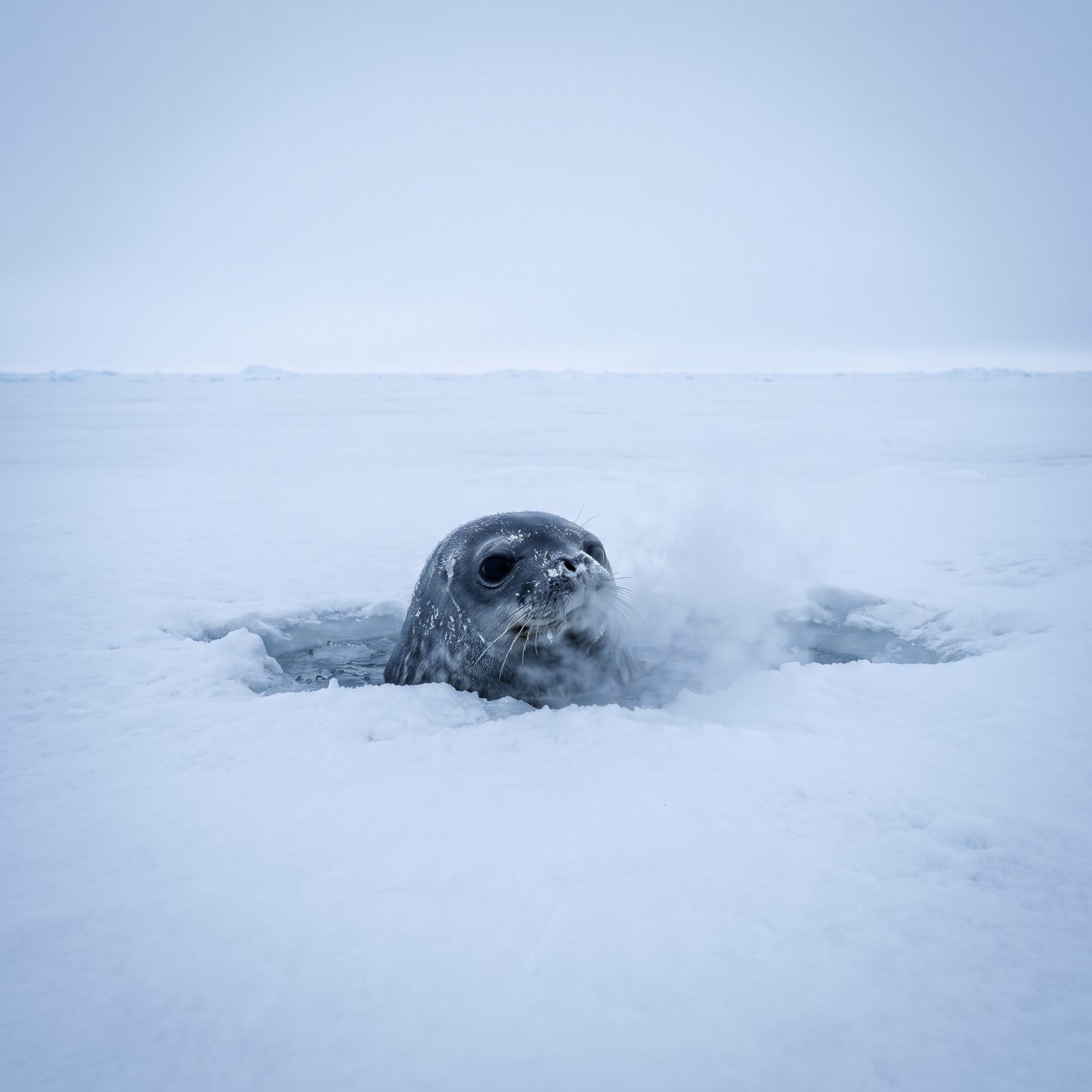
A Weddell seal lives further south than almost any mammal on Earth, and it pulls it off by chewing.
Under a meter or more of sea ice, the only way to breathe is to keep an opening clear. So the seal rasps the ice with its teeth, widening cracks and sawing holes until it can surface in the dark water below. The habit works. But there’s a cost nobody puts on the postcard: all that grinding wears their teeth down badly, and worn teeth can shorten a seal’s life.
Picture hunting fish and squid for twenty minutes beneath a solid white ceiling, then racing back to a hole the size of a manhole just to breathe. Miss it, and there’s no second ceiling.
15. Common Poorwill, Enters Torpor for Weeks at a Time
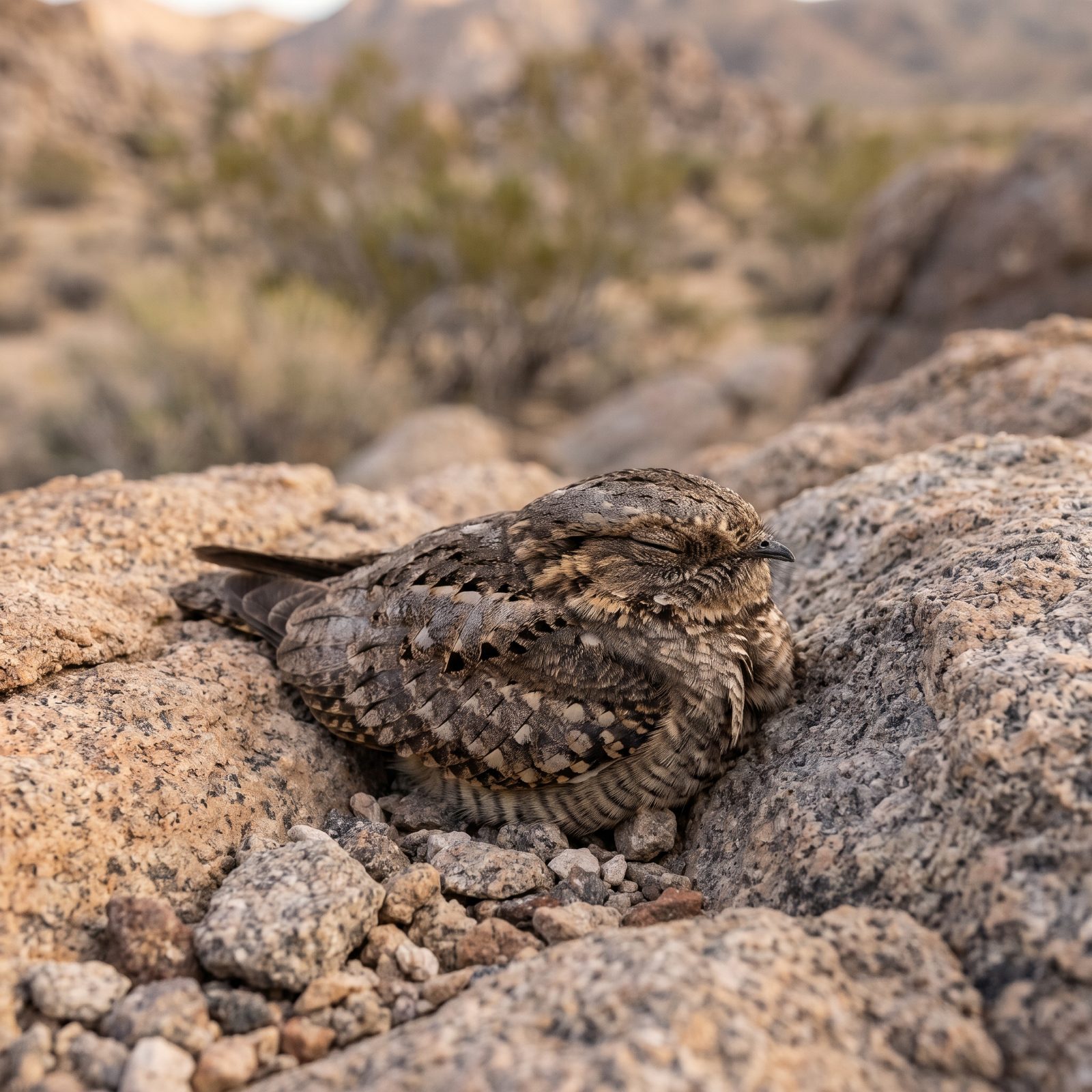
Most birds answer winter by flying away. One small nightjar of the American West does something stranger. It stops.
The common poorwill drops into torpor, a deep metabolic shutdown where its body temperature falls and its breathing nearly halts. It can hold that state for weeks on end, tucked into a rocky crevice, looking for all the world like it has given up. It hasn’t. It’s waiting.
The Hopi had a name for it that translates roughly to “the sleeping one,” long before Western science confirmed in the 1940s that a bird could hibernate. It remains the only bird known to do this for such stretches. Everything else just packs up and migrates.
14. Canada Jay, Glues Frozen Food to Tree Bark With Sticky Saliva
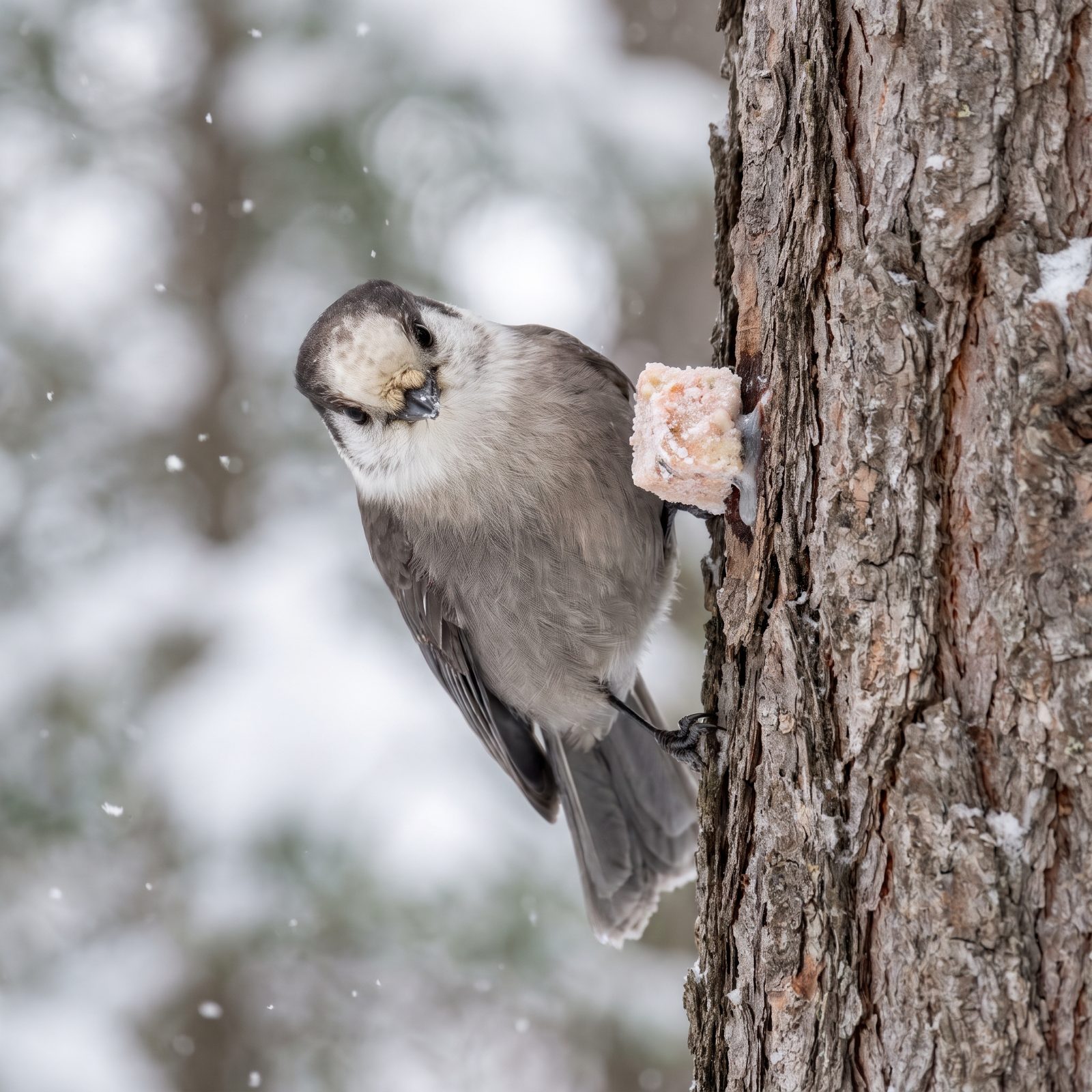
This jay doesn’t bury its food. It glues it.
The Canada jay coats scraps of meat, berries and insects in sticky saliva, then plasters them onto bark, into crevices, under lichen, high up where snow won’t bury them. Each parcel is a little meal cemented in place for the lean months ahead, and one bird makes thousands of these caches across its territory.
Here’s the twist. They breed in late winter, laying eggs while snow still blankets the ground, feeding chicks on food stored months earlier. The whole family runs on a pantry made of spit and a good memory.
13. Fat-Tailed Dwarf Lemur, Hibernates Despite Living in the Tropics
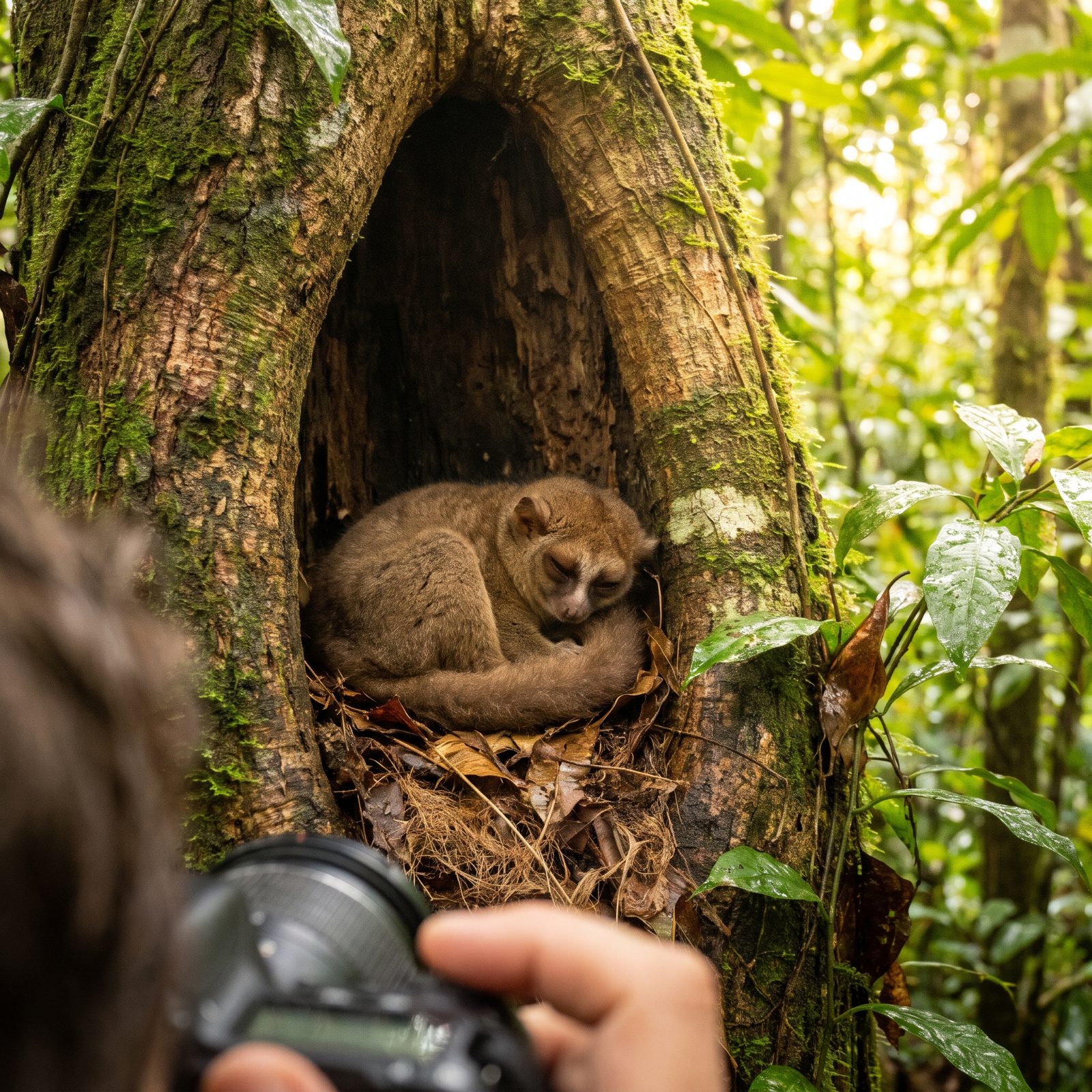
Hibernation belongs to cold places. Someone forgot to tell this lemur.
The fat-tailed dwarf lemur of Madagascar hibernates for up to seven months through the island’s dry season, when fruit and water run short. It’s the only primate known to go dormant for such long stretches, and it manages the whole thing in a tropical forest where the air can stay warm.
The secret is right there in the name. Before the dry season, it fattens its tail into a fuel tank, storing enough to coast through months of torpor while its body temperature swings along with whatever hollow it happens to be sleeping in. As our closest hibernating relatives, these lemurs have scientists paying close attention, partly for what they might teach us about slowing human metabolism down.
12. North American Beaver, Stores an Underwater Forest of Food
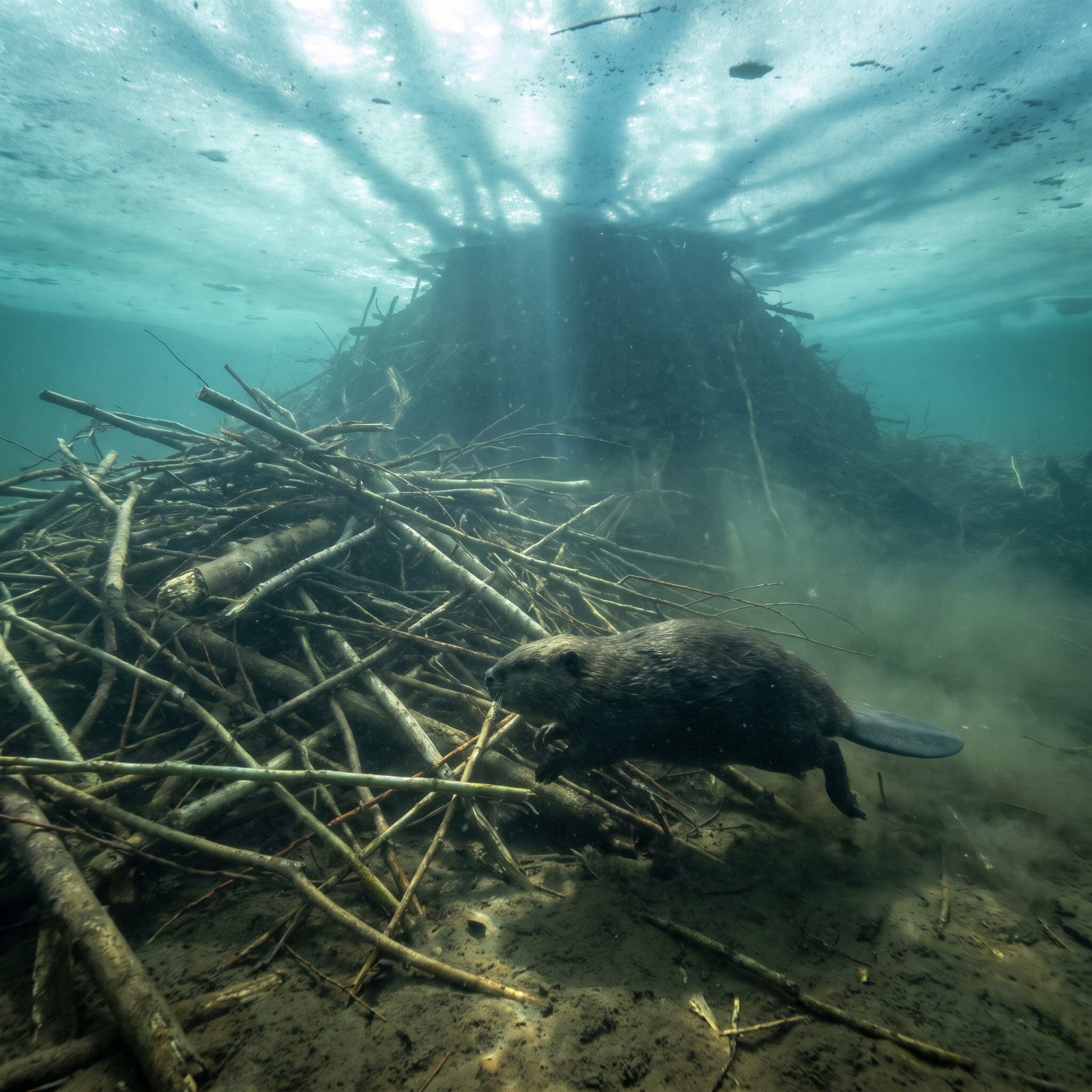
A beaver can’t forage once the pond freezes over, so it does its shopping in the fall.
Through autumn, beavers cut branches and saplings, drag them underwater, and jam the butt ends into the muddy bottom near the lodge entrance. This food raft can be enormous, a submerged thicket of edible bark anchored below the ice line.
Then winter seals the surface. The family just swims out the underwater door, grabs a branch, and gnaws the bark in the warmth of the lodge. No surface trips, no predators, groceries kept cold and fresh all winter under a roof of ice.
11. Antarctic Midge, Survives Dehydration, Freezing and Months Without Food
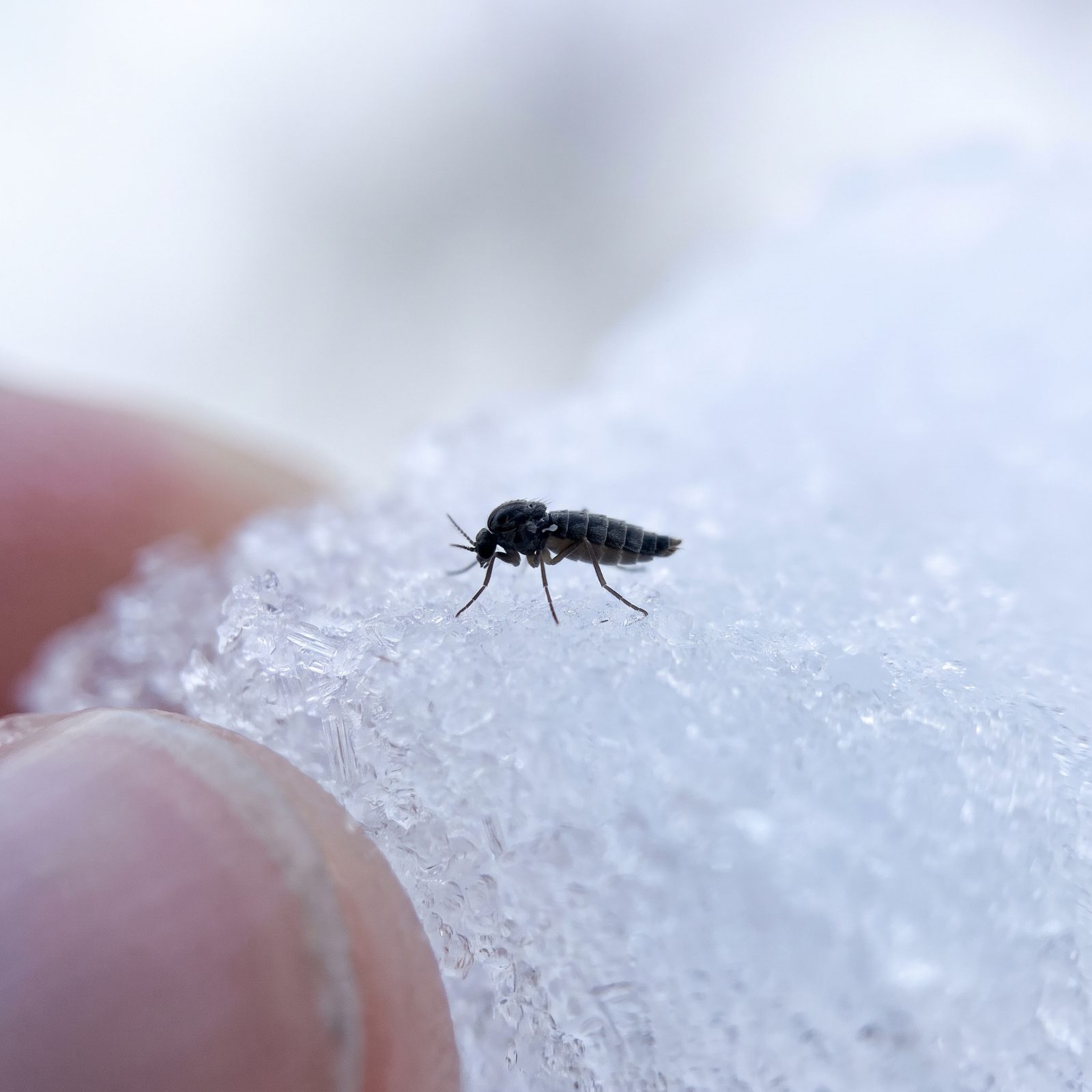
The largest land animal that lives on Antarctica full-time isn’t a penguin. It’s an insect you could lose under your fingernail.
Belgica antarctica, the Antarctic midge, is wingless, dark, and a few millimeters long. Its survival kit is brutal. It can shed most of its body water on purpose, riding out the freeze dried out so ice crystals can’t shred its cells. It spends most of its two-year life frozen solid as a larva, going months without a bite, then surfaces briefly to breed.
Dehydrate yourself, freeze solid, starve for the better part of a year, and still wake up to reproduce. That’s the resume of the continent’s toughest full-time resident.
10. Polar Bear, Pregnant Females Fast for Months in Snow Dens
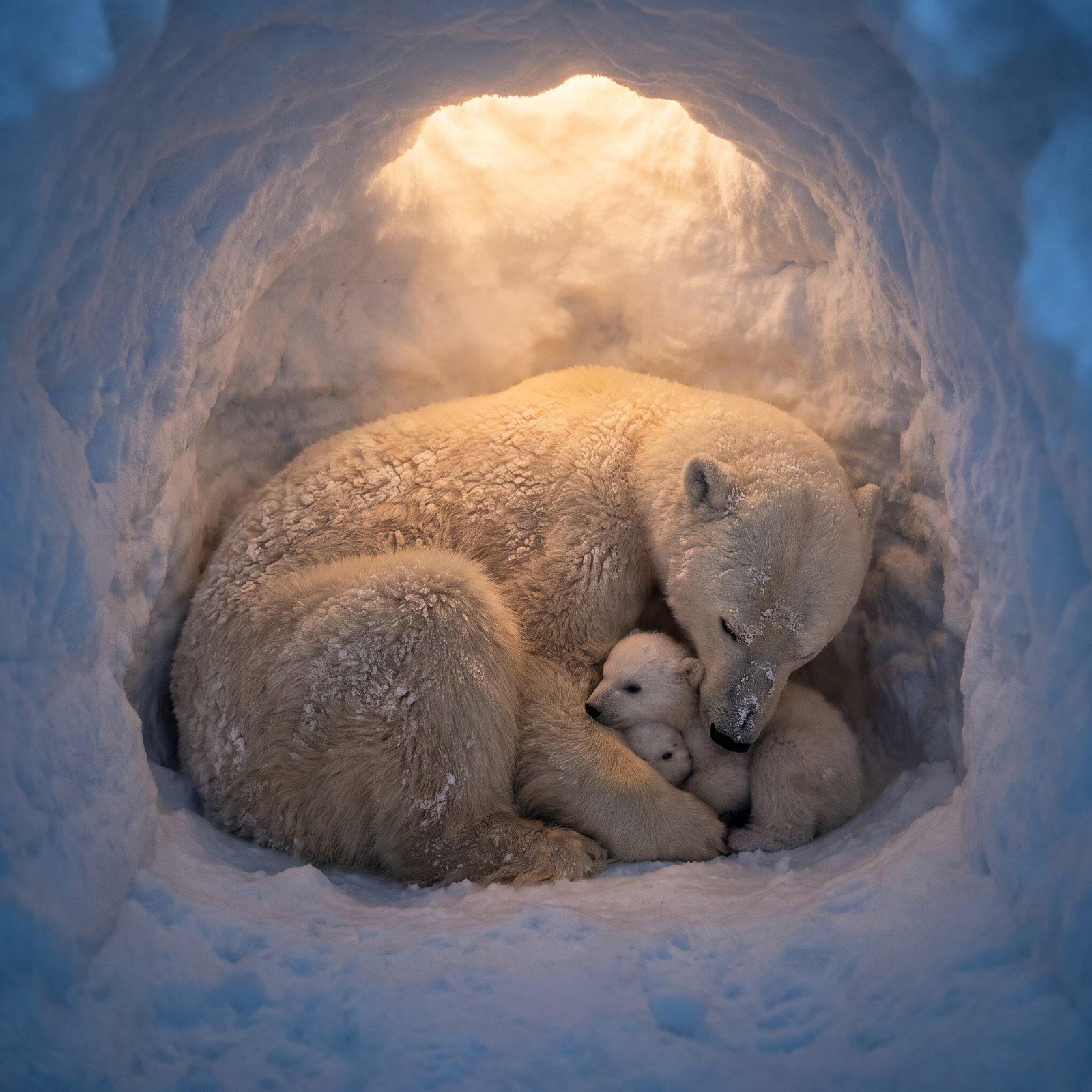
A pregnant polar bear digs herself into a snowbank in autumn and doesn’t eat again until spring.
Inside that den she gives birth, usually to twins the size of a guinea pig, nurses them on fat-rich milk, and keeps them warm, all while eating nothing. She lives entirely off the blubber she packed on during the summer hunting. By the time she breaks out of the den, she may have fasted for several months straight.
And here’s what most people miss. This isn’t true hibernation. Her body temperature stays high, which is exactly why she can rouse instantly to tend her cubs. She’s not asleep. She’s running a months-long fast at nearly full alertness.
9. Wood-Boring Beetle Larva, Removes Ice-Nucleating Microbes From Its Gut
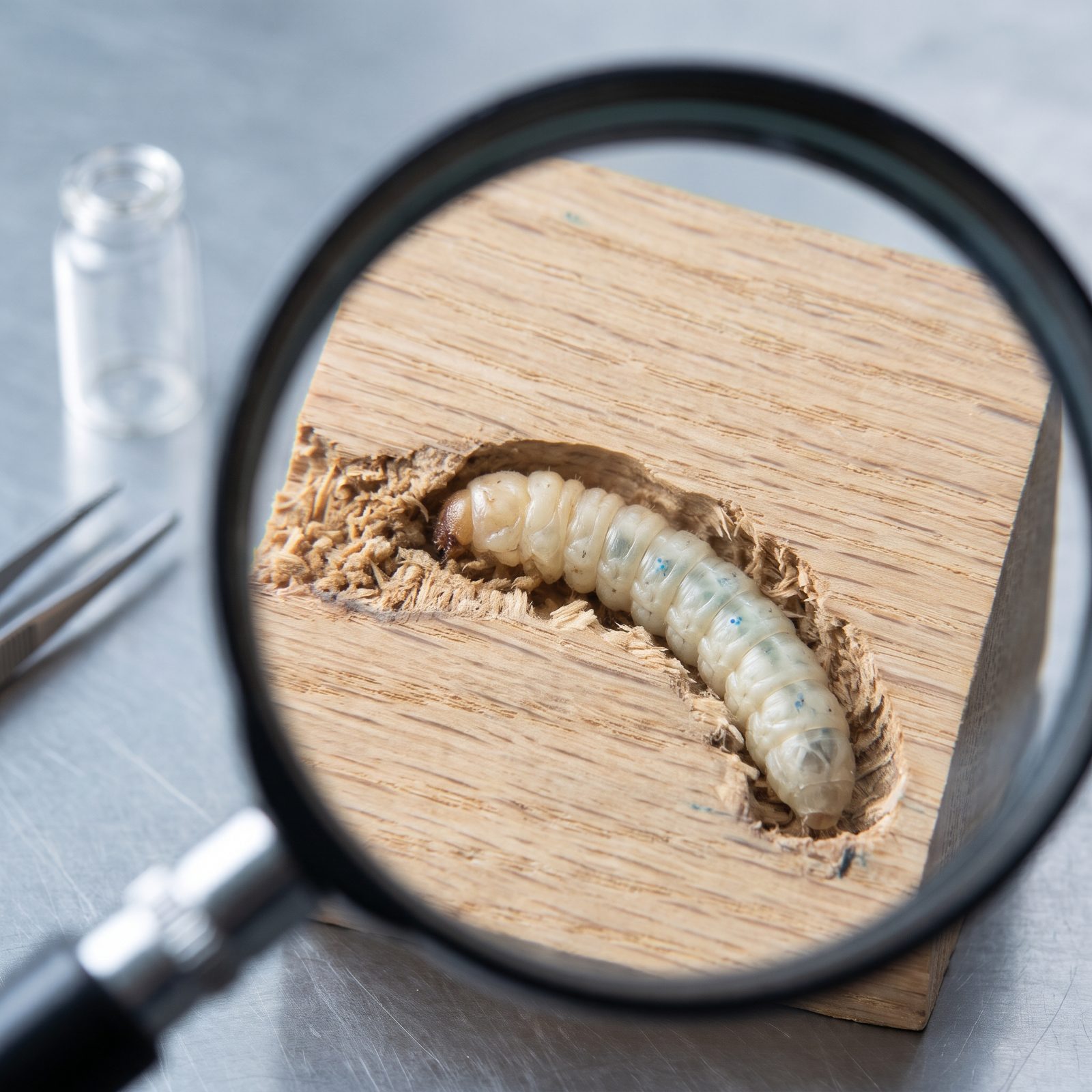
Some insects don’t just resist freezing. They clean out their own gut and evict the tenants first.
Certain wood-boring beetle larvae that overwinter deep in logs face a hidden danger: microbes and food particles in the digestive tract that act as tiny seeds for ice to form around. One stray ice crystal can trigger a lethal freeze. So before winter, the larva empties and purges its gut, flushing out those ice-nucleating agents so no ice gets a foothold inside its body.
Pair that with antifreeze compounds flooding its blood and the grub can supercool, staying liquid at temperatures well below freezing. The lesson is simple and strange. To avoid freezing, first clean house.
8. Muskrat, Builds a Breathing Shelter on Frozen Wetlands
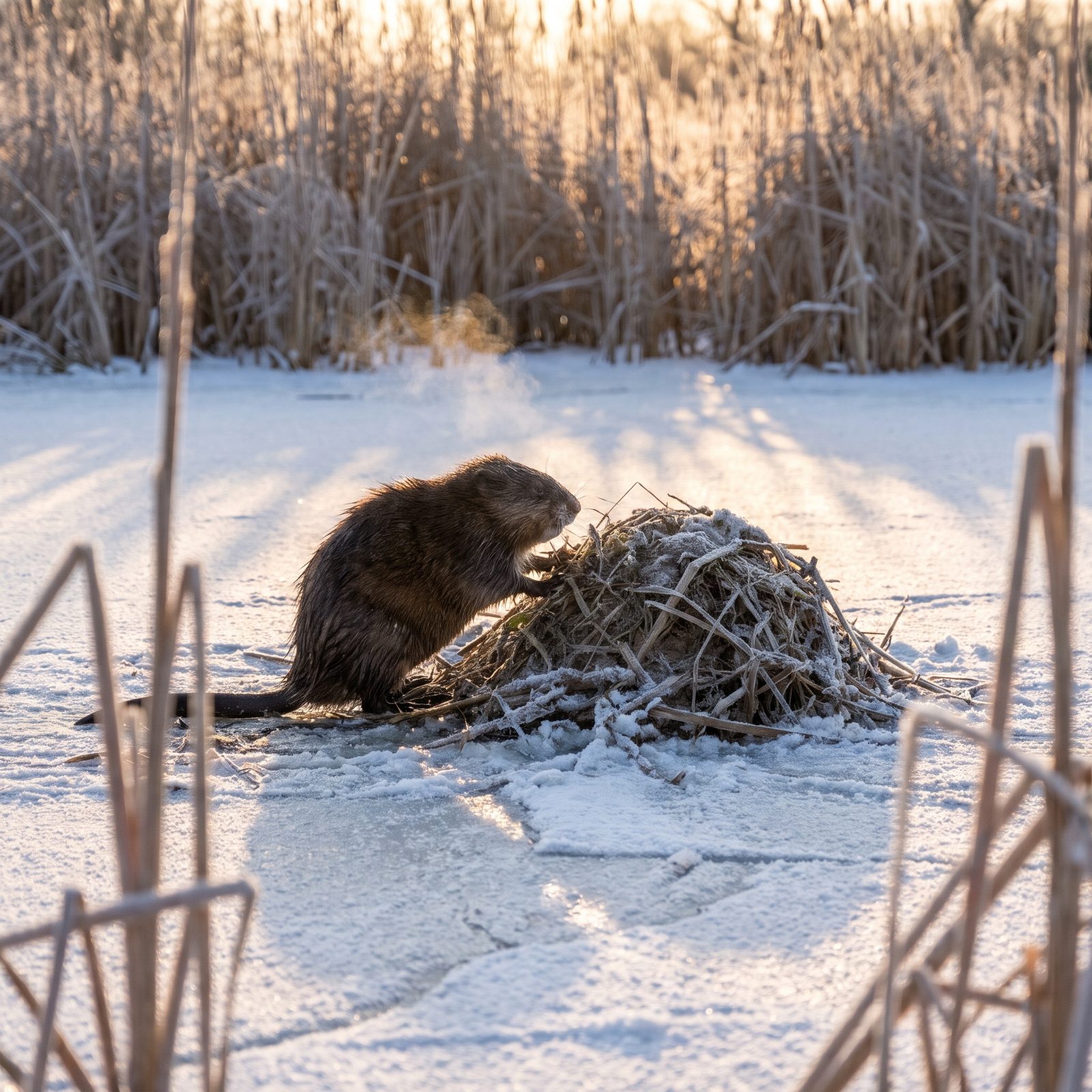
When a marsh freezes over, a muskrat doesn’t want to surface in open air every time it needs a breath. So it builds roadside rest stops under the ice.
These structures, called push-ups, are domes of vegetation and mud the muskrat heaps over a hole in the ice. Inside sits a small pocket of trapped air, just enough to rest, breathe and gnaw a meal between swims. A muskrat keeps several going across its range, little igloos of cattail and muck dotted over the frozen wetland.
Not bad for a rodent most people write off as a swamp pest. Between the push-ups above and the plant roots below, it only has to brave the killing cold of the open surface when it hauls out to tend its domes.
7. The Arctic Woolly Bear Caterpillar That Freezes Solid and Lives Anyway
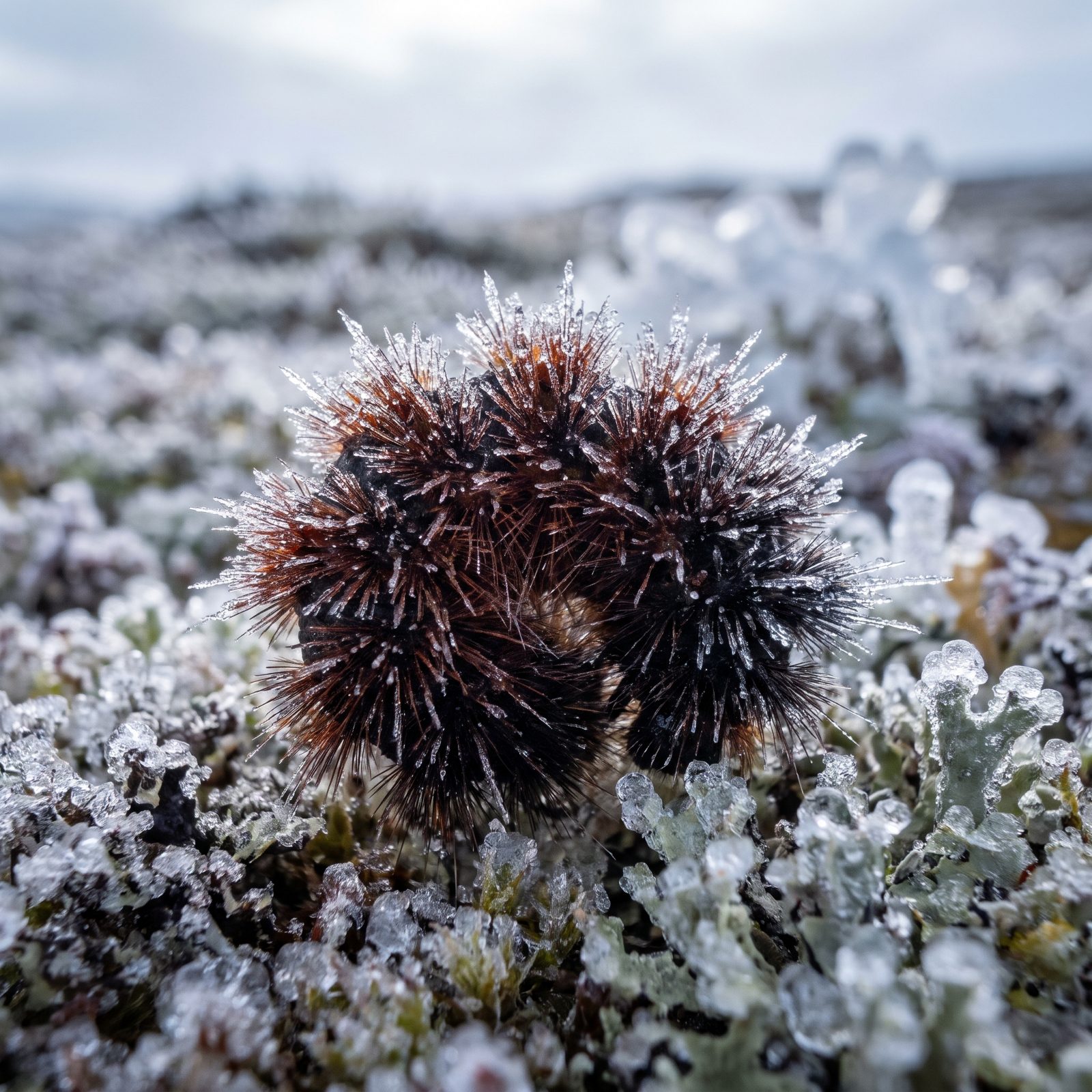
Most caterpillars race from egg to moth in a single summer. This one takes its time — up to seven years, sometimes more, spent almost entirely frozen.
It lives on Ellesmere Island and across the high Arctic, where the growing season lasts barely a few weeks. So it eats what it can, then lets winter have it. The caterpillar floods its body with cryoprotectants, stops its own heart, and freezes solid at temperatures that would shatter most living tissue. Come the brief summer, it thaws, nibbles, and freezes again the following fall.
It spends roughly 90 percent of its life as a block of living ice.
Only after years of this stop-start existence does it finally spin a cocoon. The adult moth lives days. The caterpillar lived years to earn them.
6. The Wolverine That Buries Dinner in a Snowbank Freezer
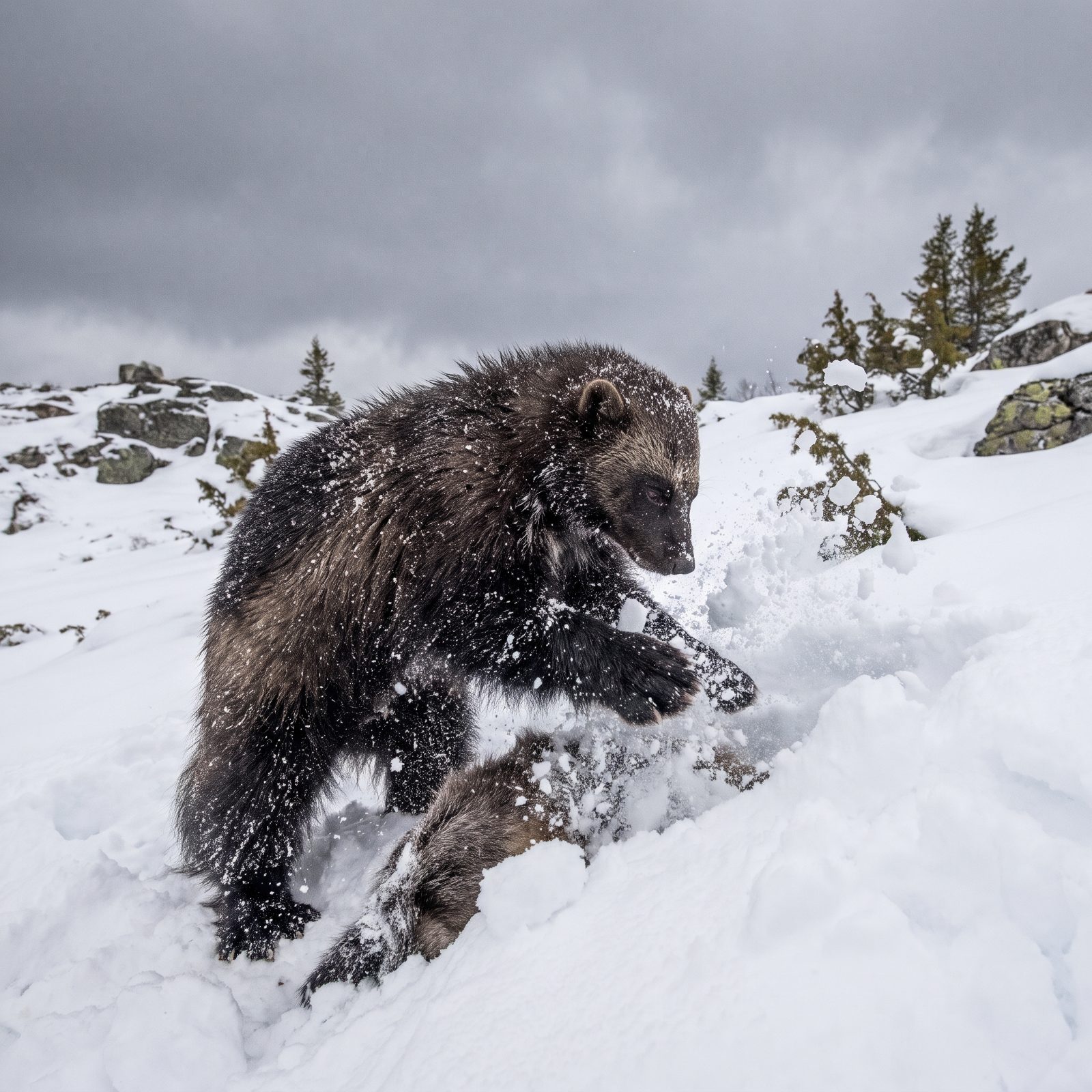
A wolverine ranges across territory the size of a small country, and in that empty cold it can’t afford to waste a single meal. So it invented the refrigerator.
When it kills or scavenges more than it can eat, it drags the surplus into snowbanks, crevices and frozen ground, where the cold keeps the meat from rotting and the permafrost and packed snow keep rivals from smelling it out. Months later, back it comes to dig up its own stash.
This matters more than it sounds. Research on denning females suggests those snow caches may help feed kits through late winter, tying wolverine survival directly to deep, lasting spring snowpack. Warmer winters melt the freezer — a quiet problem nobody mentions when we talk about this animal’s famous toughness.
5. The Icefish With Clear Blood and Built-In Antifreeze
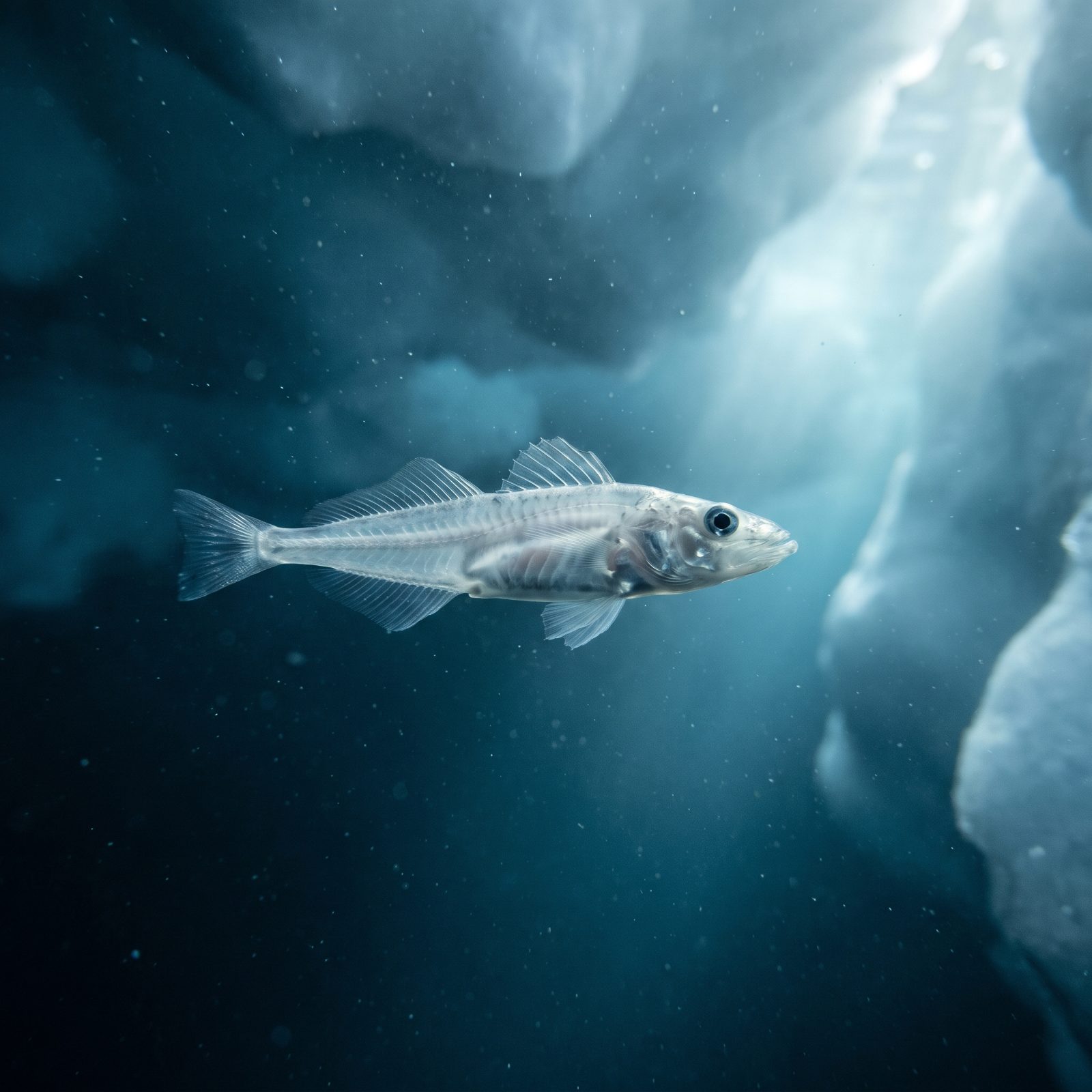
Pull blood from an icefish and it runs clear. No red, no hemoglobin. It’s the only known vertebrate on Earth that gets by without the molecule that carries oxygen in every other animal with a backbone.
It manages this because the Southern Ocean it lives in sits right around 28 to 29 degrees Fahrenheit — cold enough that oxygen dissolves freely into the water and straight into the fish. Its blood carries antifreeze glycoproteins that latch onto tiny ice crystals and stop them growing, so its body fluids never lock up even below the normal freezing point of blood.
The trade-off is a heart the size of the problem it solves: oversized, pumping huge volumes of thin, colorless blood just to move enough oxygen. Lose the frigid water and the whole clever system collapses.
4. The American Pika and Its Summer Haystack Pantry
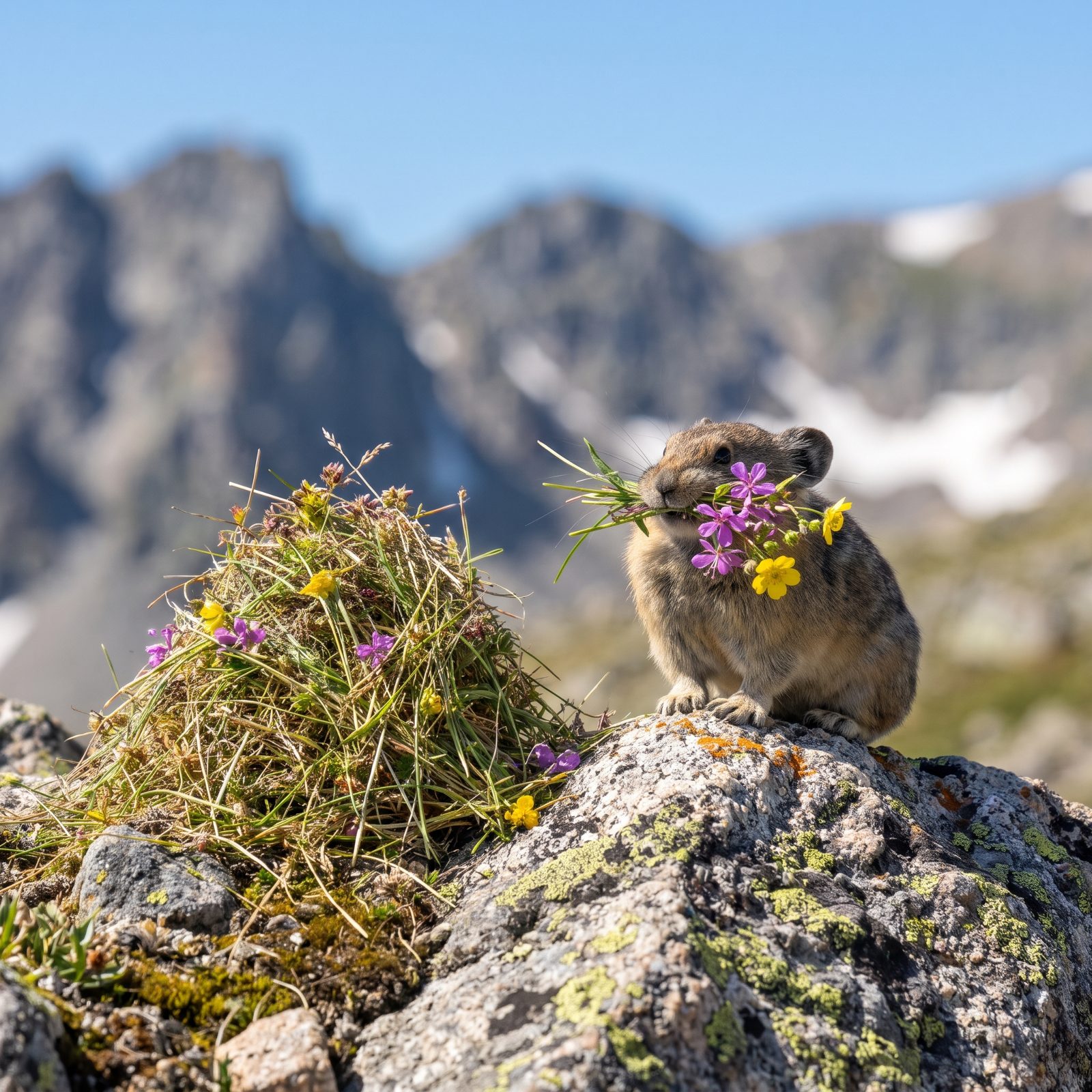
A pika doesn’t hibernate, and it doesn’t migrate down the mountain either. It stays put through a brutal alpine winter, wide awake the whole time, which means it has to plan ahead like nothing else its size.
All summer it makes dozens, sometimes hundreds, of frantic runs to gather wildflowers and grasses, hauling mouthfuls back to its talus pile. Then it spreads the greens in the sun to cure, like a tiny hay farmer, and stores the dried stacks under rocks. Some plants it picks specifically because their chemistry keeps them from rotting — a built-in preservative for the pile.
Here’s the cruel part. A pika overheats and dies at temperatures that wouldn’t bother most animals, so the very thing that lets it survive winter — living high and cold — is exactly what warming summers threaten. It can freeze or it can cook, and the window between is narrowing.
3. The Ringed Seal That Hides Its Pups in a Snow Cave
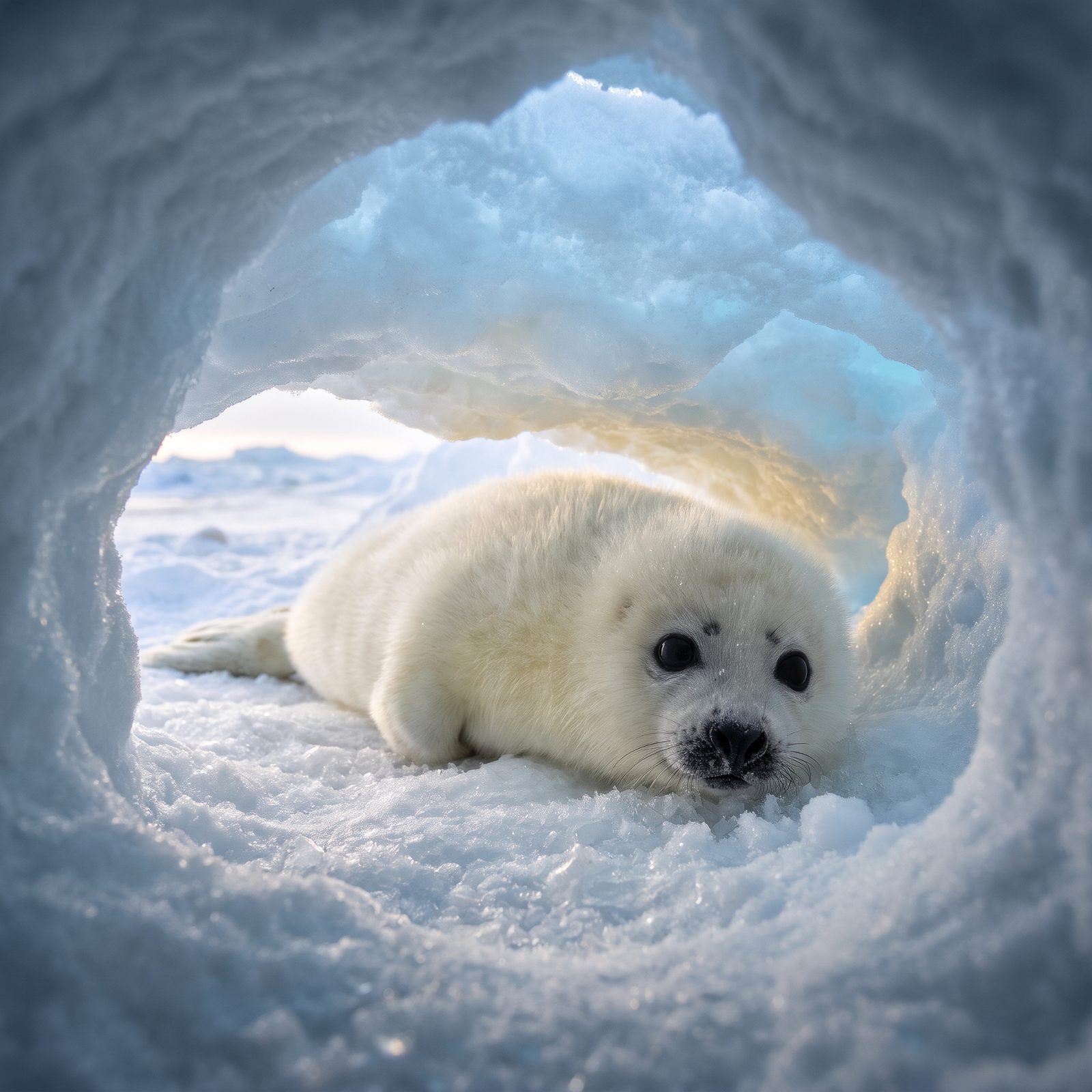
On open Arctic ice there’s nowhere to hide. Polar bears patrol it, Arctic foxes cross it, and a newborn seal has no defense at all. So the mother builds one out of the only material she has: snow.
She finds a drift piled against a pressure ridge, hauls herself up through a breathing hole and hollows out a hidden chamber inside it. The snow roof conceals the pup from above and traps body heat, keeping the lair far warmer than the air outside, and the hole in the floor gives mother and pup a private escape straight into the water.
It works until the snow fails. Thin spring snowpack and early rain can collapse these lairs, exposing pups to the cold and to bears. The whole nursery hangs on getting enough snow at exactly the right time.
2. The Alpine Marmot That Chills Its Own Body Near Freezing
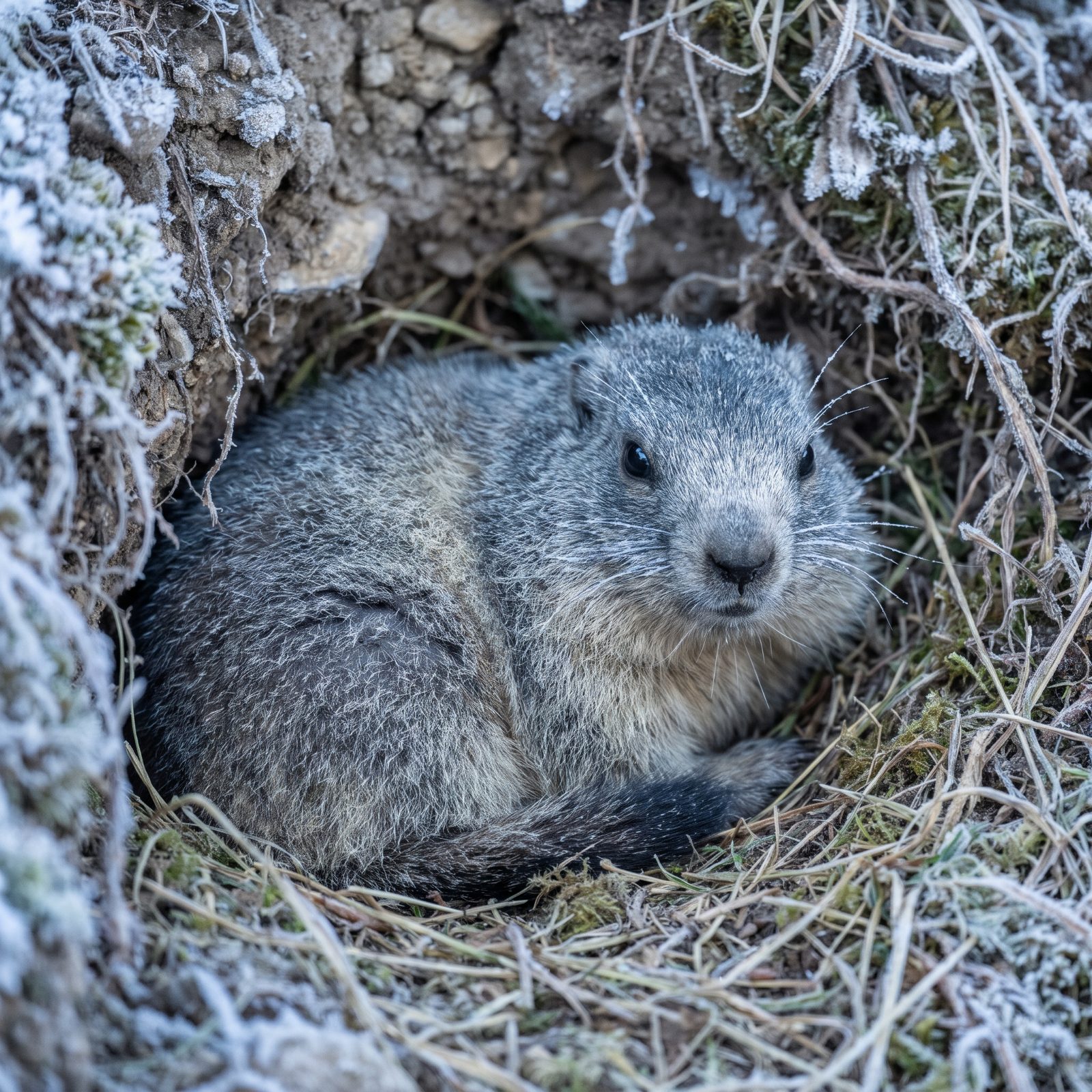
An alpine marmot sleeps through winter so hard it nearly stops being warm-blooded at all.
During deep hibernation its heart can slow to a handful of beats a minute, its breathing drops to almost nothing, and its body temperature falls to just a few degrees above freezing. For most of the winter it runs cold, cheap and barely ticking over, living entirely off the fat it packed on all summer.
Every couple of weeks, though, it does something odd. It briefly rewarms its whole body back toward normal, burns a chunk of precious fat doing it, then cools right back down. Why? Nobody fully agrees. One leading idea is that running cold for too long is itself damaging, so the animal pays a steep fuel cost to reset. Through all of it the marmots huddle in family groups, and the youngest — warmed by the pile — survive the winter far better than they ever could alone.
1. The Honeybee Cluster That Shivers All Winter to Keep the Queen Warm
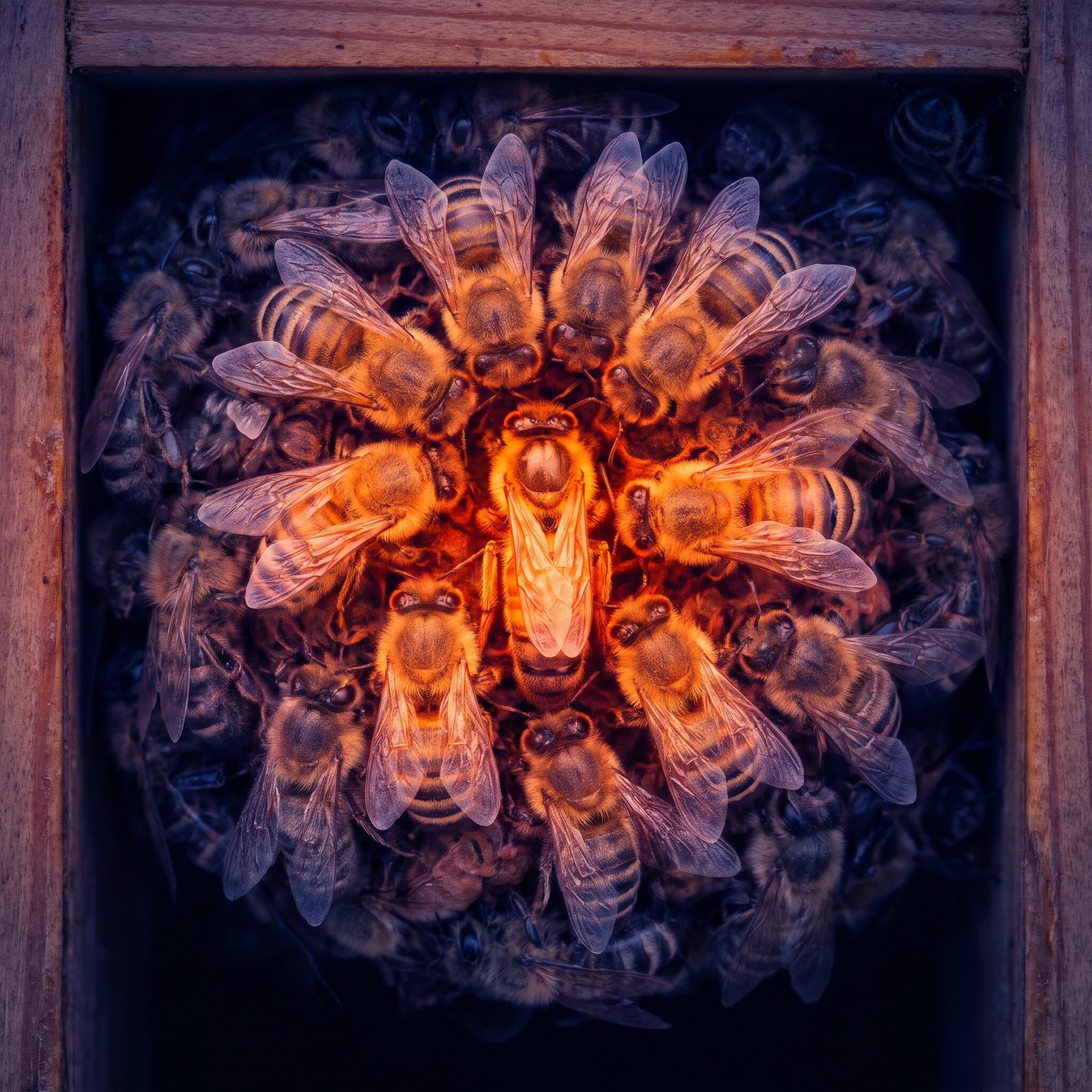
Honeybees don’t hibernate and they don’t fly south. They turn the whole hive into a furnace powered by muscle.
When temperatures drop, the colony packs into a tight ball around the queen. Bees on the inside uncouple their wings and vibrate their flight muscles, shivering to generate heat, and the core of that cluster can stay surprisingly warm even when the outside world is well below freezing. Bees rotate from the chilly outer shell to the warm center and back, so nobody freezes on the edge indefinitely.
All of this runs on stored honey, the fuel they spent summer making — a colony burns through pounds of it over a season just to shiver. Open a hive in January and you’ll feel heat rolling off a box sitting in the snow. That warmth is thousands of insects refusing, collectively, to let the queen go cold.
As a beekeeping supply blogger puts it, “Instead of producing the alternating up- and downstrokes needed for flight, they contract these muscles against one another to heat their thorax with little to no wing movement.”