
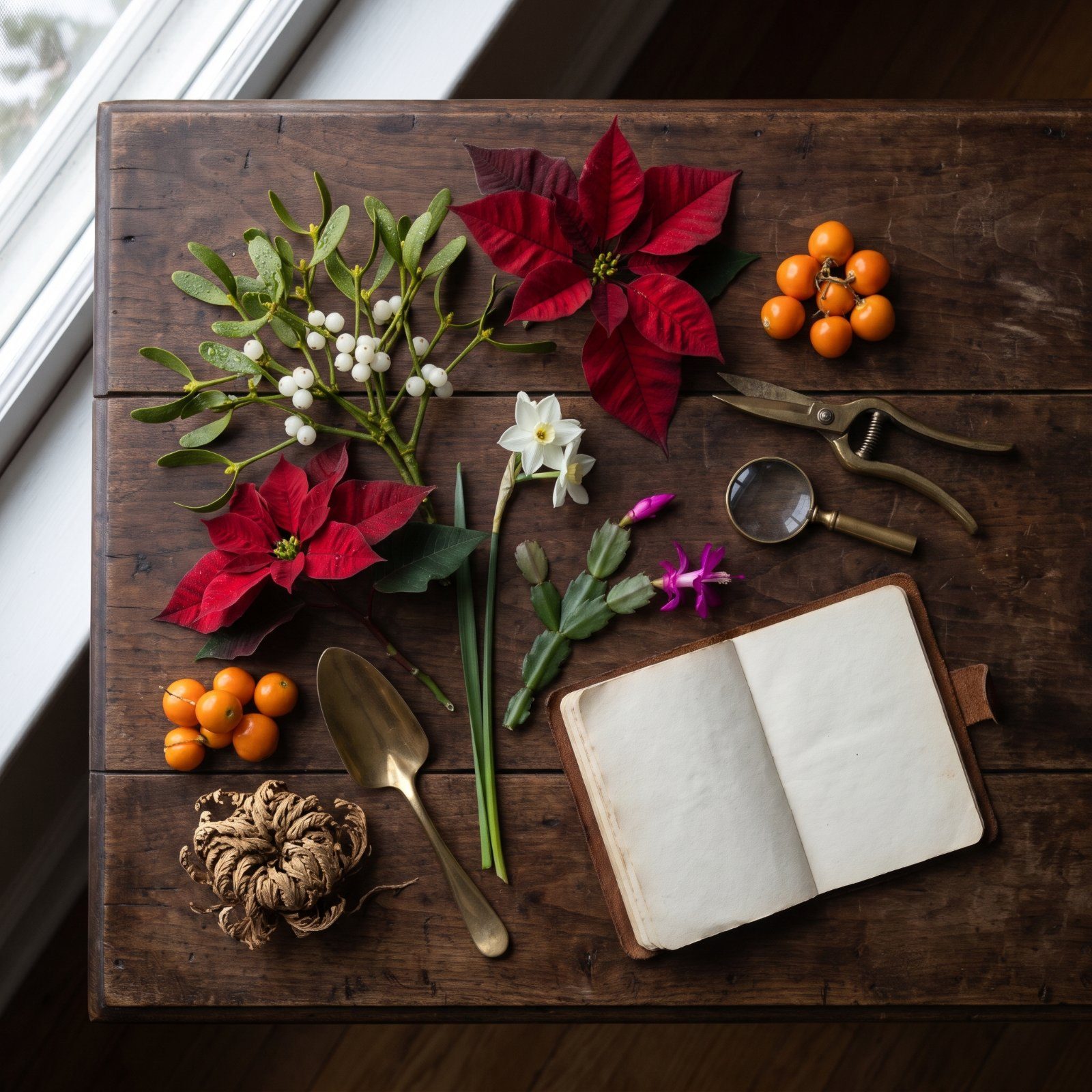
Some of the plants on your mantel this December are liars. One steals water from its neighbors through tubes jammed into their roots. Another fires sticky seeds like a tiny shotgun. A desert-looking cactus turns out to be a rainforest creature. And a cheerful little plant covered in red berries could put a child in the hospital. The holiday greenery we treat as harmless decoration carries a longer, stranger record than any ornament, and behind the fairy lights sits real biology, real danger, and a few genuinely bizarre tricks of survival. Here are the hidden stories packed into the plants you thought you knew.
28. Mistletoe: The Kissing Plant That Fires Sticky Seeds Like a Shotgun
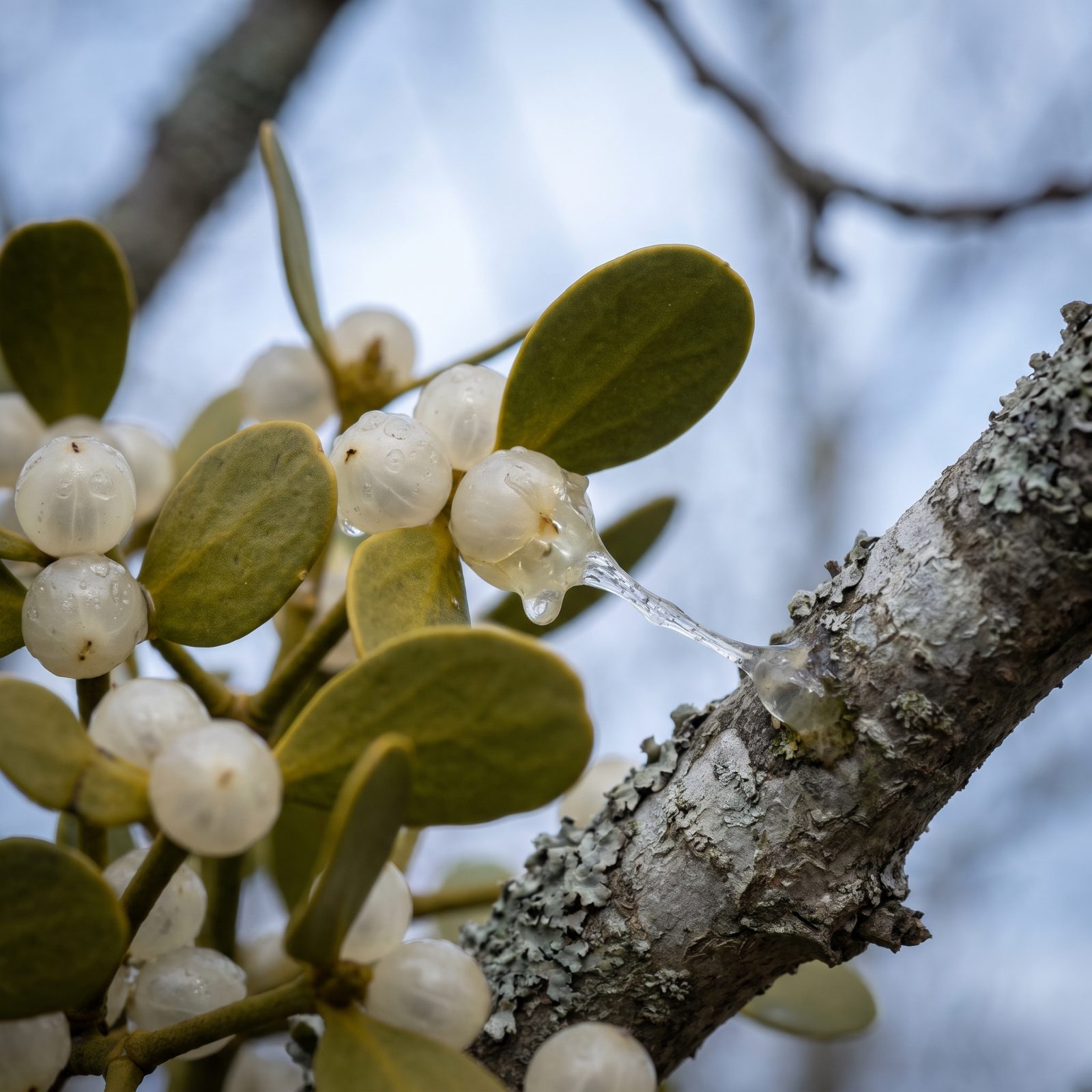
Forget the romance for a second. Mistletoe is a parasite that taps into tree branches and siphons off water and nutrients through root-like structures called haustoria. It makes its own food but leeches everything else.
The seed delivery is the wild part. Those white berries are packed with a goo called viscin, and when a bird eats one, the sticky seed often ends up smeared on a branch after a trip through the gut. Some species skip the bird entirely and explode, launching seeds at speeds that clear several feet, and the glue sets them firmly in place, ready to drill in.
27. Australian Christmas Tree: The Golden Giant That Drinks Its Neighbors Dry
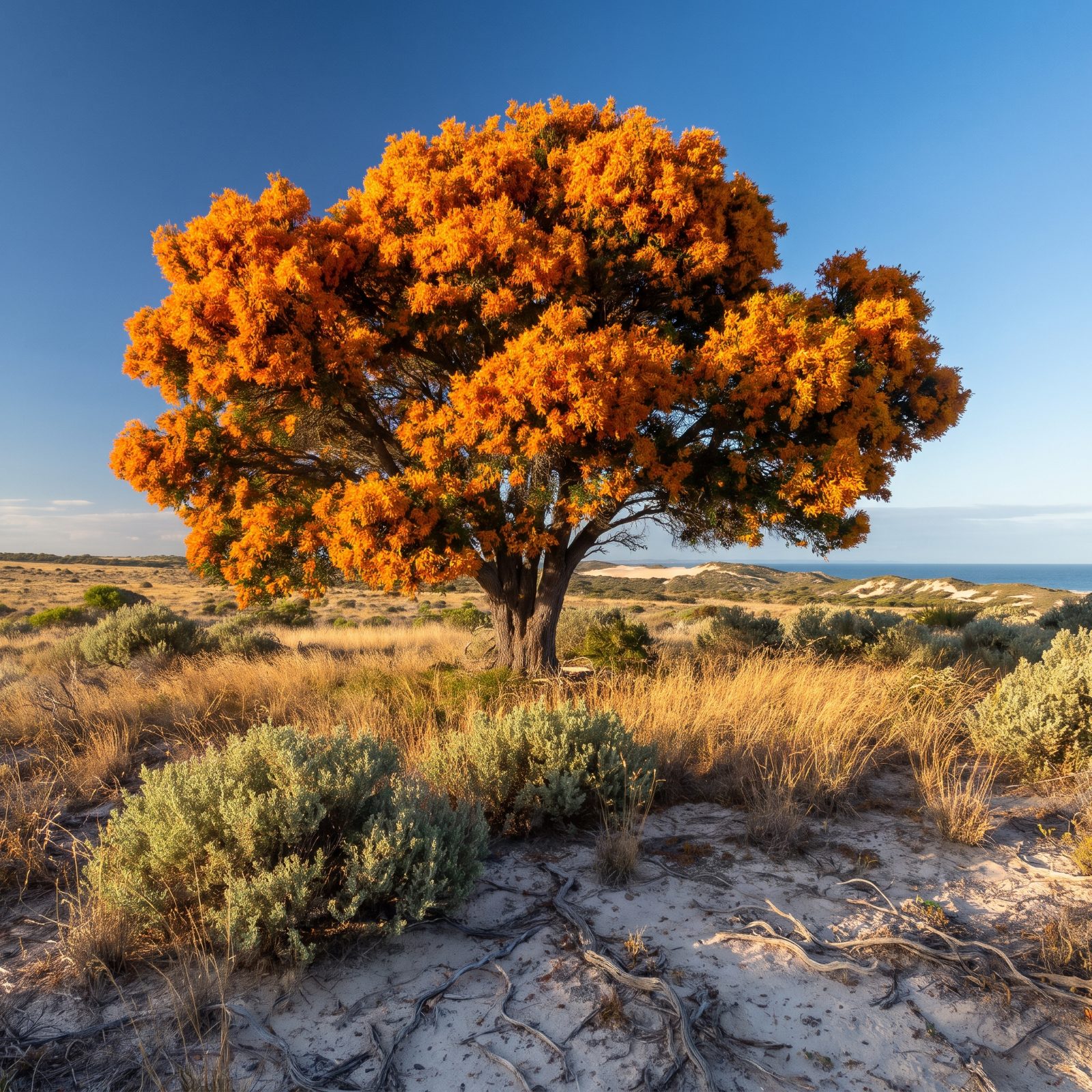
It flowers gold at Christmas, which in the Southern Hemisphere lands in blazing summer, earning this Western Australian native its festive name. Pretty. Also a thief.
Nuytsia floribunda is one of the largest parasitic plants on Earth, and it doesn’t care whose roots it hijacks. It sends out underground attachments that clamp onto nearby grasses, shrubs, and anything else within reach, then drains their water supply. Here’s the unsettling part: those attachments have been found latched onto buried electrical cables and plastic pipes, cleanly severing them with a built-in cutting mechanism. A tree that mistakes your underground wiring for a root is not one you want anywhere near the garden.
26. Rose of Jericho: The Resurrection Plant That Comes Back From the Dead

Buy one dried and it looks dead on arrival. A brown, brittle fist of curled stems that could pass for a tumbleweed somebody swept up off a desert road.
Add water and it opens. Within a few hours the whole thing unfurls into a flat green rosette, soaking up moisture and turning the color of life. Let it dry out again and it curls back into a ball, happy to wait months or years for the next drink. The trick is called desiccation tolerance, and it lets the plant survive near-total water loss that would kill almost anything else.
25. Paperwhite Narcissus: The Holiday Bloom You Can Get Tipsy to Keep Short
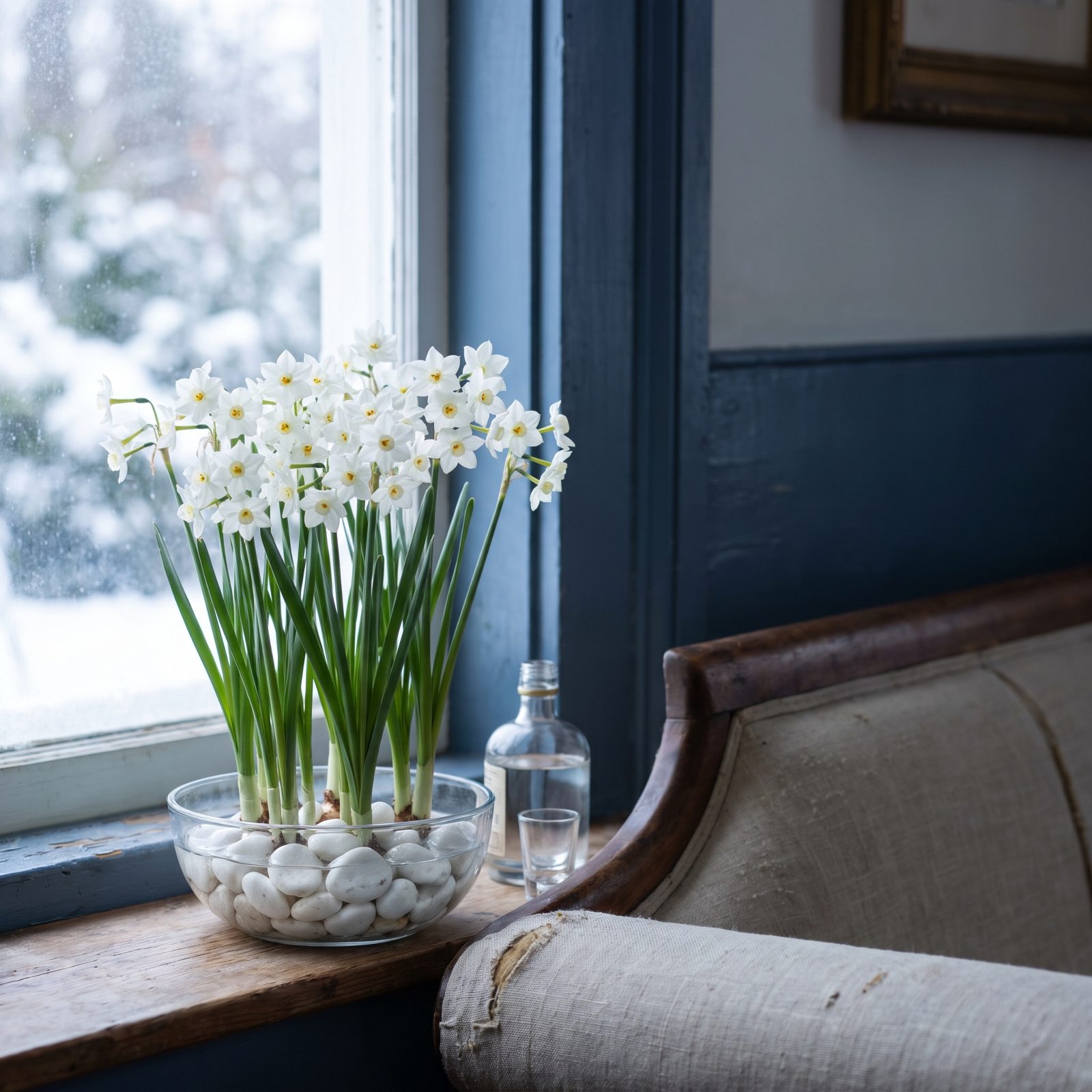
Paperwhites are the easiest bulb to flower indoors and the floppiest. Force them in water and the stems shoot up tall, then flop over under the weight of their own blooms. Annoying.
Now for the genuinely odd fix that horticulturists at Cornell tested and published. Once the shoots are a few inches high, swap the water for a dilute alcohol solution, roughly one part hard liquor to seven parts water. The mild stress stunts the stems by a third or so without harming the flowers, so the plant stays short and upright, slightly drunk and perfectly behaved.
Beer and wine don’t work the same way, by the way. The sugars make things worse.
24. Norfolk Island Pine: The Elegant Tabletop Tree That Flunked Its Navy Audition
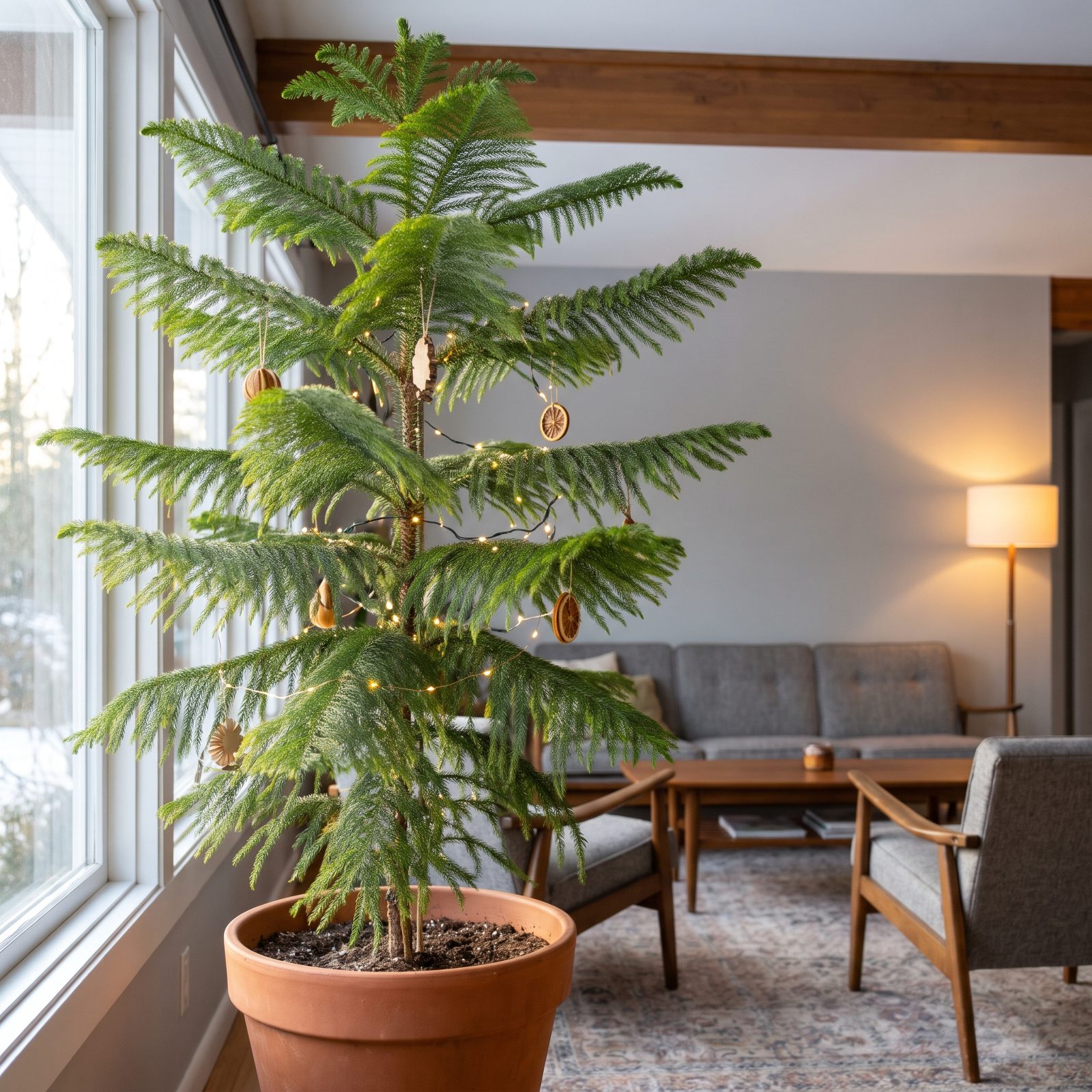
When Captain Cook’s expedition reached Norfolk Island in 1774, those towering straight conifers looked like a navy quartermaster’s dream. Tall, dead-straight trunks: perfect for ship masts and spars. The British even planned a settlement partly around harvesting them.
The timber turned out to be too brittle and weak for the job. The masts split. The grand maritime plan quietly collapsed.
The tree got its revenge as a houseplant. Those tidy, evenly stacked tiers make it the go-to living tabletop Christmas tree, especially where real firs refuse to grow. It isn’t a true pine at all, and it will never survive a frost. Keep it warm and it’ll outlive the ornaments.
23. Poinsettia: The Mexican Weed Named for a Diplomat With a Dark Record
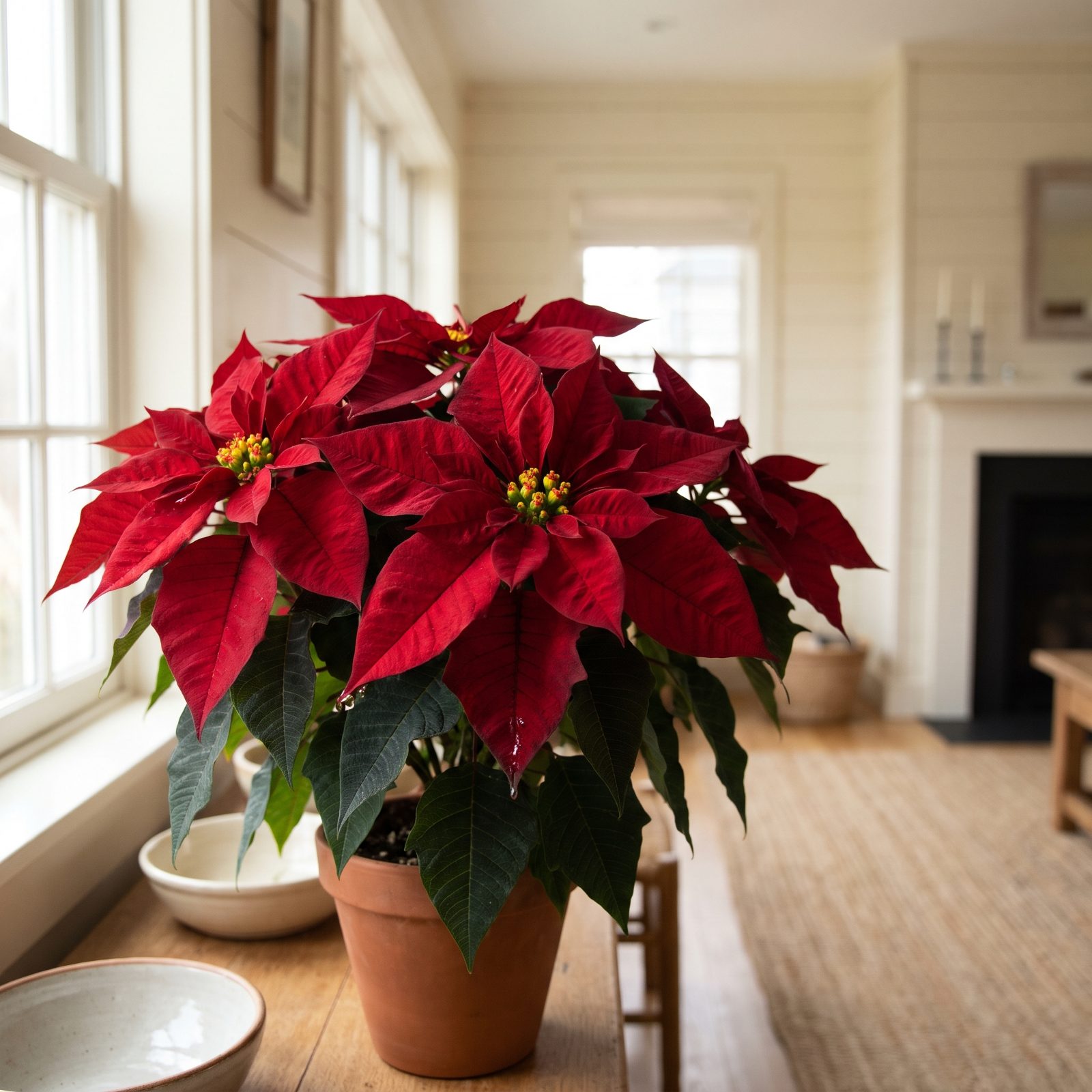
In the wild, this is a leggy Mexican shrub that can hit ten feet. The vivid red parts aren’t petals at all. They’re modified leaves called bracts, and the actual flowers are the unremarkable yellow nubs clustered at the center.
The name honors Joel Roberts Poinsett, the first US minister to Mexico, who sent cuttings home in the 1820s. He was also an amateur botanist who meddled in Mexican politics so thoroughly that a Spanish word, poinsettismo, came to describe pushy, intrusive behavior. Quite a thing to staple onto a Christmas flower.
22. Christmas Cactus: The Rainforest Native Pretending to Be a Desert Plant

It’s called a cactus, and technically it is one. But treat it like a desert plant and you’ll kill it.
Schlumbergera comes from the humid coastal mountains of southeastern Brazil, where it grows not in sand but perched on tree branches and mossy rocks in the shade. It wants humidity, dappled light, and regular water — the opposite of what the word “cactus” tells most people to do.
Those famous flowers are triggered by cool nights and long darkness, which is exactly why they open around the holidays. Mess with the light cycle and they sulk. We’ve killed one by overwatering and another by forgetting it existed, so we’re not throwing stones here.
21. Jerusalem Cherry: The Cheerful Little “Tomato” That Can Land You in the ER
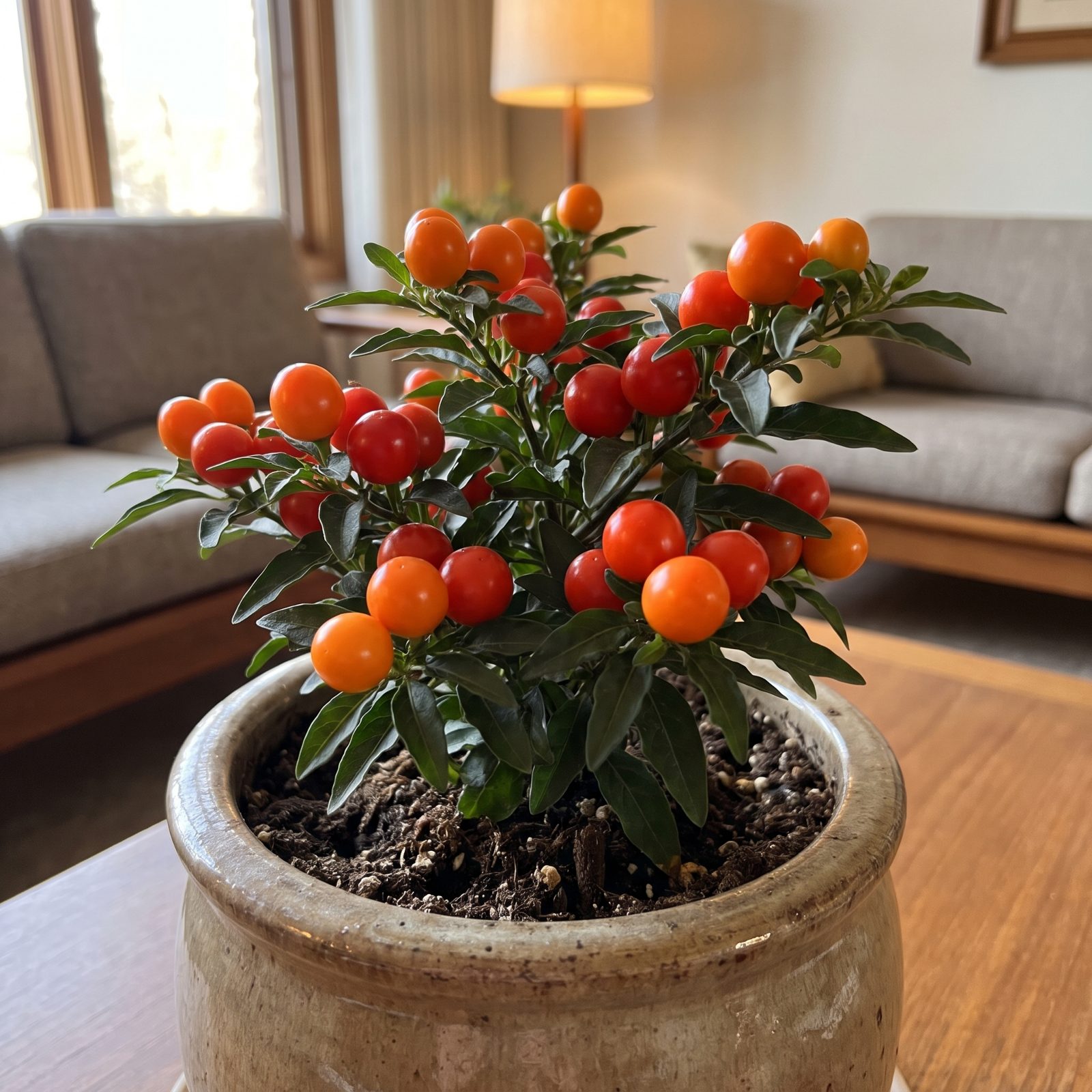
Those glossy orange berries look like someone shrank a cherry tomato. They’re sold as cheerful winter decoration, often right next to the holiday produce, and that resemblance is the whole problem.
Jerusalem cherry belongs to the nightshade family, and the fruit contains solanine and related toxic compounds. The berries aren’t food. Eating them can cause stomach pain, vomiting, drowsiness, and worse in larger amounts. Poison control centers get calls about this plant every holiday season, usually involving curious children or pets who mistook the fruit for a snack.
20. Monkey Puzzle Tree: The Spiky Conifer Named for a Climb No Monkey Ever Tried
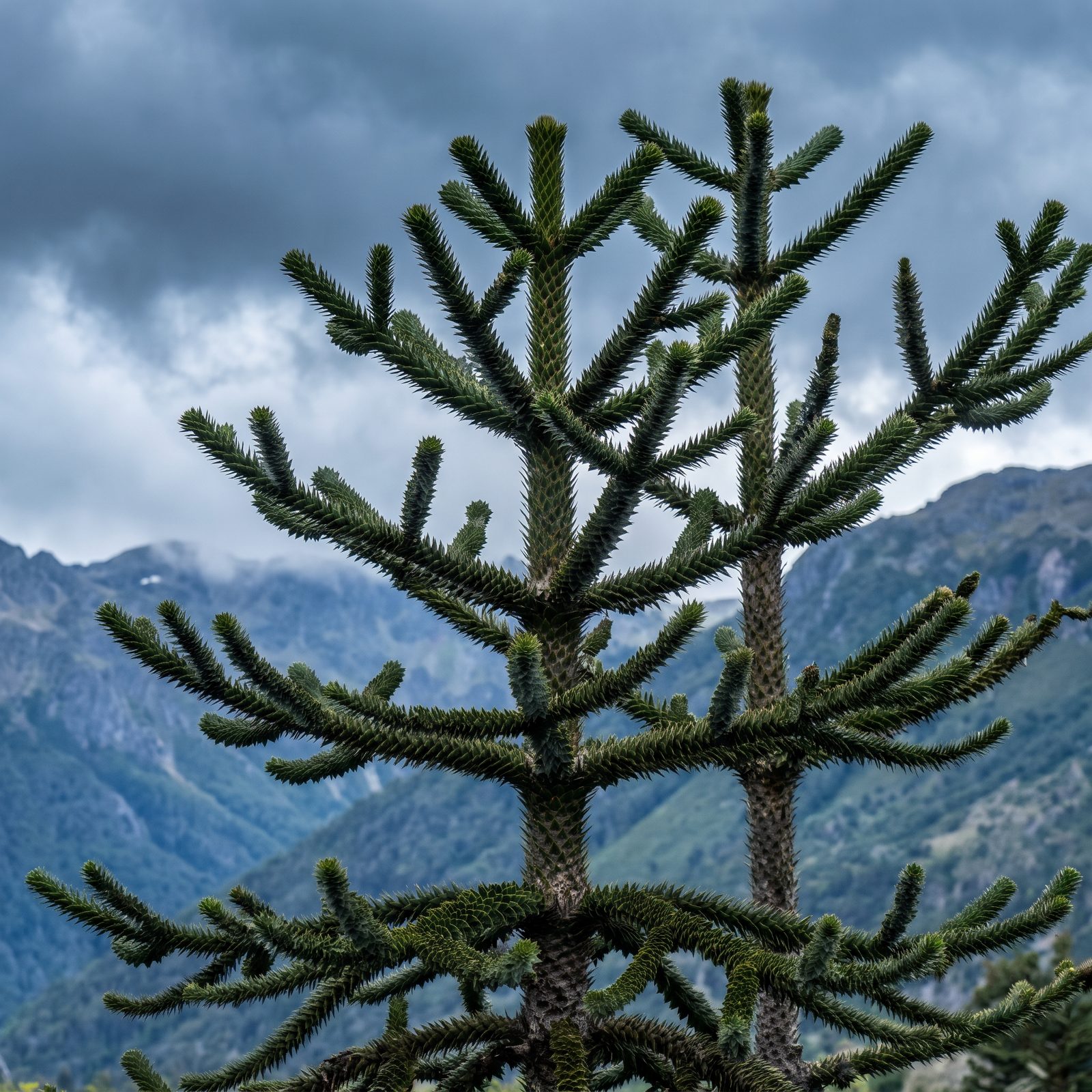
Picture a tree armored in overlapping, spike-tipped scales so dense and sharp that climbing it would shred your hands. A Victorian gentleman in Cornwall supposedly looked at one and remarked it would puzzle a monkey to climb. The name stuck, which is odd, because the tree is native to the Andean slopes of Chile and Argentina, where no monkeys live at all.
This is a living fossil. Its ancestors date back to the age of dinosaurs, and those armored branches likely evolved to fend off browsing animals that vanished long ago. It grows slowly, lives for centuries, and is now endangered in the wild. A Christmas curiosity with a Jurassic pedigree.
19. Christmas Rose: The Snow-Defying Bloom That Doubled as a Poison
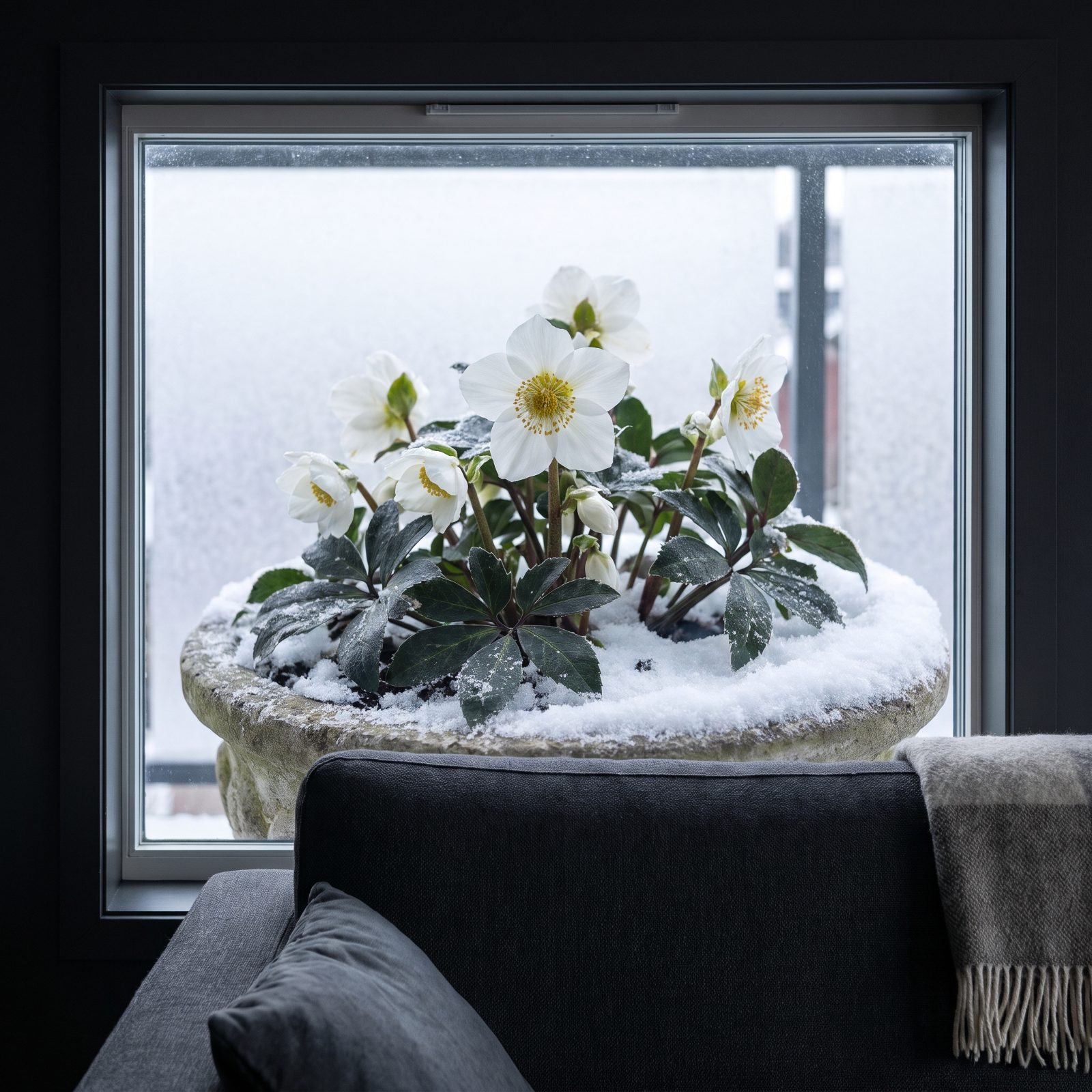
Most flowers hide from the cold. The Christmas rose, Helleborus niger, pushes open white, faintly pink-blushed blooms in the dead of winter, sometimes straight through snow, and that midwinter timing earned both its holiday name and a place in old nativity legends.
It is also poisonous from root to petal. For centuries, hellebore was dosed as a purgative and a treatment for madness, with results that ranged from unpleasant to fatal. One account even blames it for the death of Alexander the Great, though that’s unproven and probably legend.
Gorgeous in the garden. Not something to brew into tea. Enjoy it from the business end of a pair of gloves.
18. Butcher’s Broom: The Evergreen Whose “Leaves” Are Actually Flattened Stems
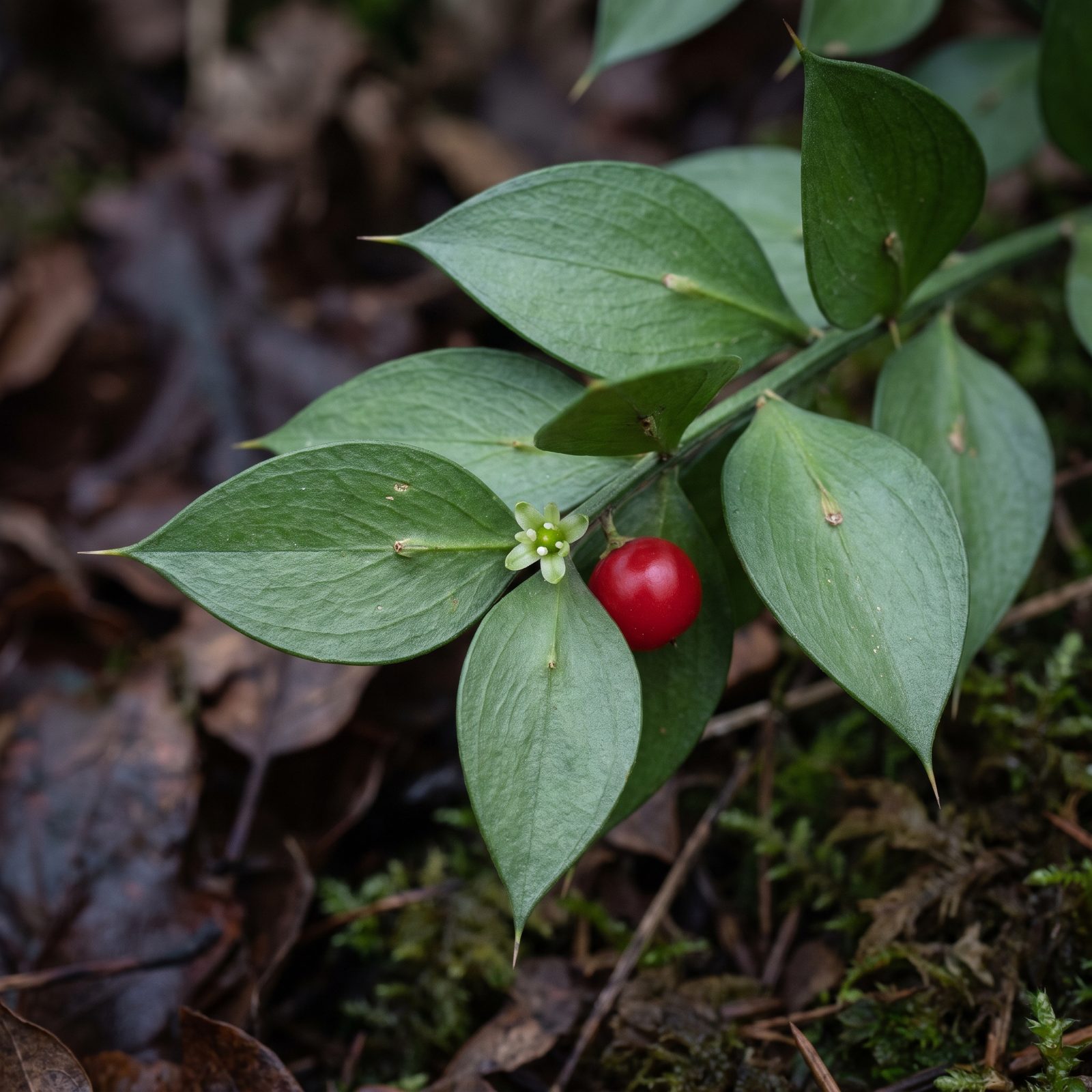
Here is a plant built to trick you. Those little dark spiny ovals you take for leaves are nothing of the sort — they’re cladodes, flattened sections of stem doing the job leaves normally do. Look closely and you’ll spot a tiny flower sitting smack in the middle of one.
The name is literal. Butchers once bundled the stiff, prickly stems and scoured their chopping blocks clean with them, and that lone red berry, perched right in the middle of a cladode, is why the plant gets hauled indoors at Christmas, filling in for holly when holly runs short.
17. Reindeer Moss: The Christmas Decoration That Isn’t Moss At All
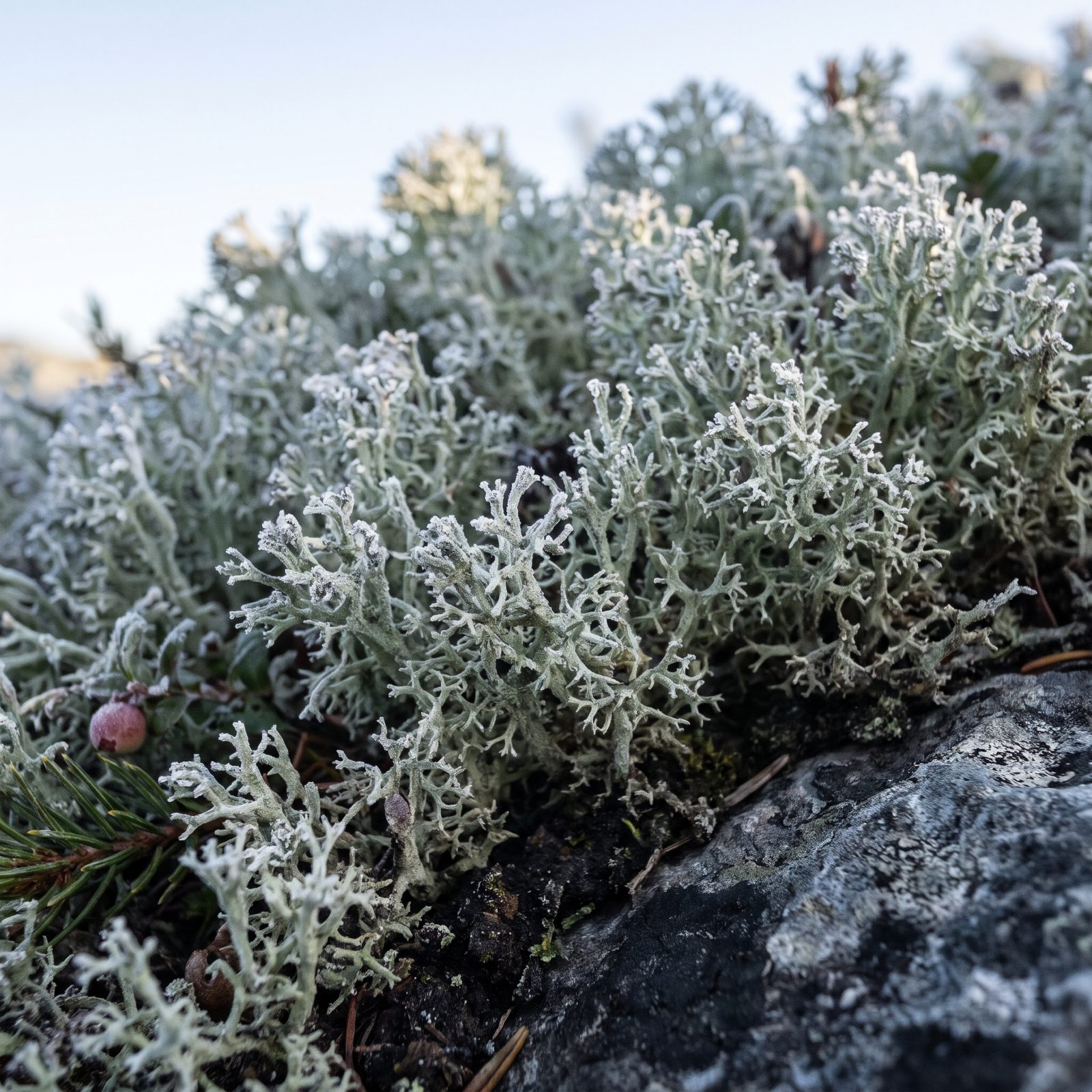
That puffy grey-green stuff tucked into wreaths, nativity scenes and model railways under the tree gets sold as reindeer moss. It isn’t moss. It’s a lichen — two organisms living as one, a fungus and an alga fused into a partnership so tight scientists still argue about whether to call it a single thing at all.
Reindeer really do eat it, pawing through arctic snow to reach it in the dead of winter. And it grows at a crawl, sometimes just a few millimeters a year, so the handful decorating your mantel took far longer to make than it did to pick.
16. Yew: The Churchyard Evergreen Poisonous Enough to Kill Livestock and People
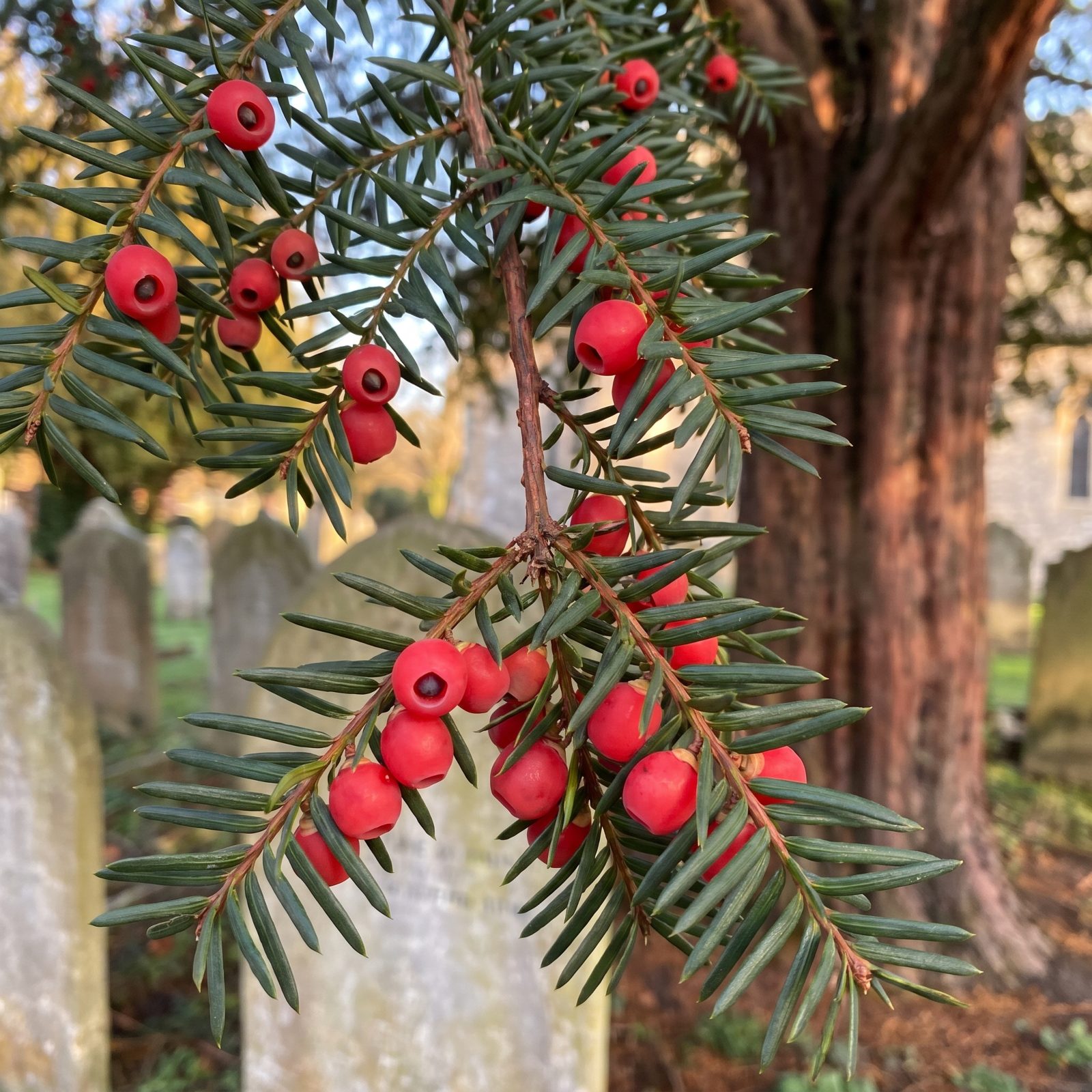
Nearly every part of a yew can kill you. Needles, bark, the seed inside those cheerful red berries — all loaded with taxine alkaloids that stop the heart cold. Farmers have lost whole rows of cattle to a few branches carelessly tossed over a fence.
The one exception is the soft red flesh of the aril, which birds gulp down happily and pass the deadly seed through unharmed. That’s the plant’s bargain with the birds: free lunch, free delivery.
And why do English yews haunt churchyards? Nobody fully agrees. Some say the trees predate the churches built beside them. Others reckon they were planted to keep livestock off sacred ground, since any animal foolish enough to graze there wouldn’t survive the lesson.
15. Clove: The Dried Flower Bud People Jabbed Into Oranges to Fight the Plague
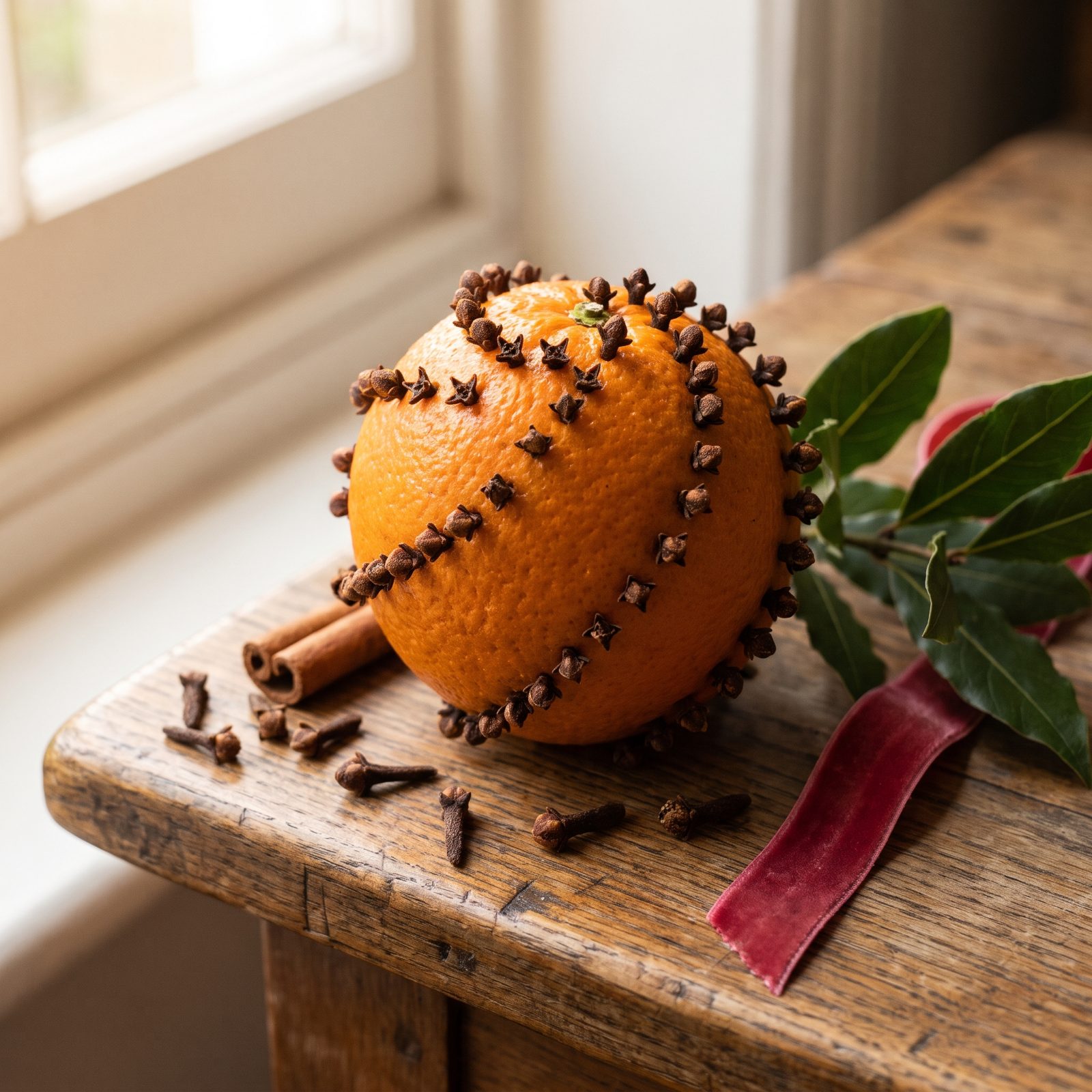
Push a clove into an orange and you’re copying a plague-era superstition. Those spiky brown bits are dried, unopened flower buds from an evergreen tree, picked long before they ever bloom. Jabbed into citrus, they made pomanders that people carried against the “bad air” they blamed for disease.
The medicine was nonsense. The instinct wasn’t — not entirely. Clove oil contains eugenol, a real antiseptic still used in dentistry today for its numbing bite. Nobody sniffing those pomanders got any protection from infection. What they got was a fragrance strong enough to drown out a city with no sewers to speak of.
14. Cinnamon: The Christmas Spice Once Sold With Tales of Nest-Guarding Winged Serpents
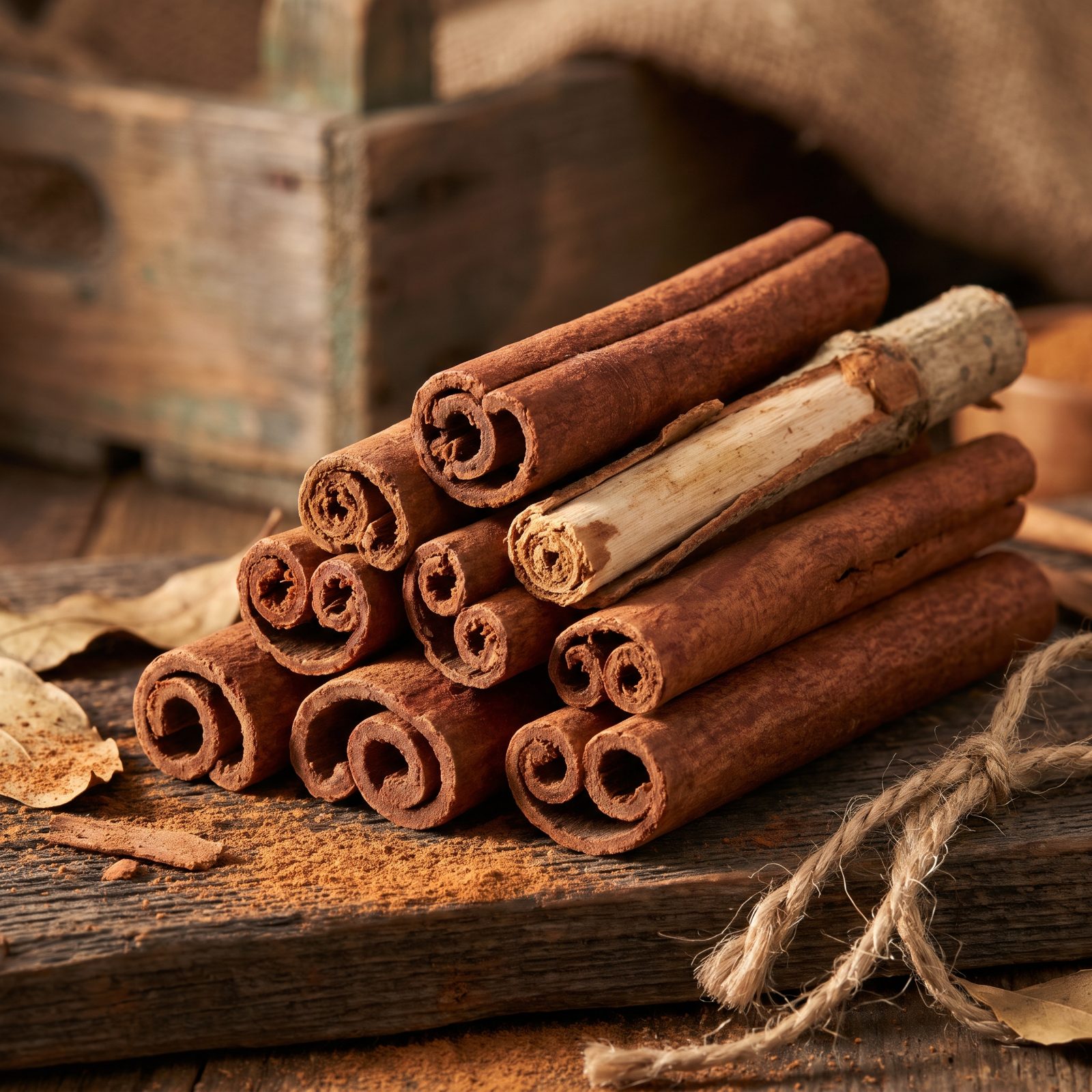
For centuries nobody in Europe knew where cinnamon came from, and the Arab traders who supplied it preferred to keep it that way.
Herodotus recorded that giant birds built their nests from cinnamon sticks on cliffs no man could climb, and that harvesters lured them down with chunks of meat.
Another version starred winged serpents coiled around the groves. All of it was marketing. The tales kept buyers from asking inconvenient questions and kept the price obscene.
The truth is humbler. Cinnamon is the inner bark of a tree — peeled, dried, and left to curl into those familiar quills on its own. No monsters. Just bark and a very good sales pitch that held for a thousand years.
13. Frankincense: The Desert Tree Deliberately Wounded to Weep Precious Resin
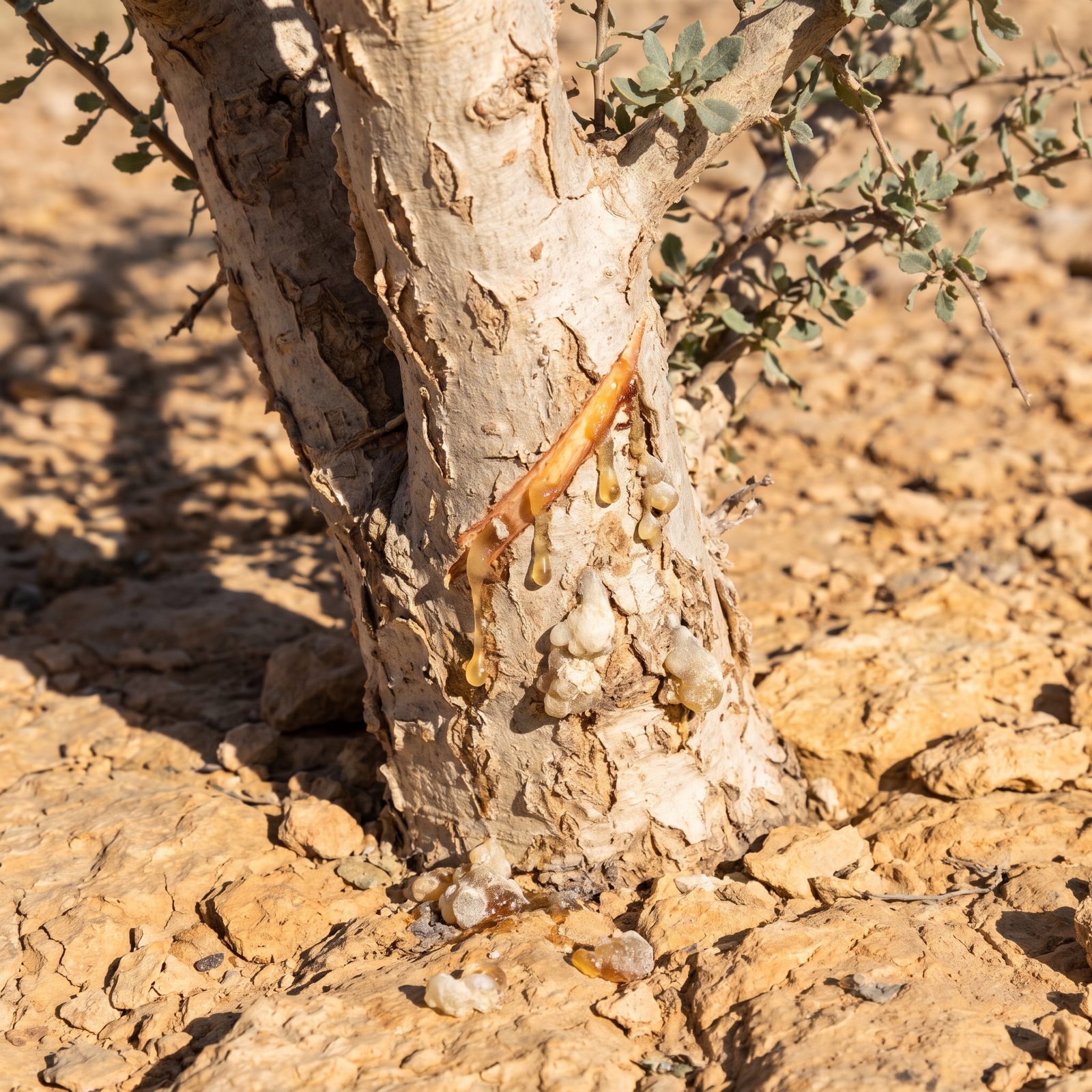
Frankincense begins with a wound. A harvester slashes the bark of the scrubby Boswellia tree, and the plant bleeds a milky sap to seal the cut, which hardens in the dry desert air into cloudy golden lumps called tears. Those get scraped off and sold.
Then the harvester cuts the same tree again. And again, across a whole season, each slash coaxing out better resin than the one before.
These trees cling to some of the harshest rock and heat on Earth — Oman, Yemen, the Horn of Africa. So a gift of frankincense in the nativity story was no sentimental afterthought. Pound for pound it rivaled the value of gold, which is exactly why the three gifts arrive together.
12. American Chestnut: The Roasting-Fire Tradition an Imported Fungus Nearly Wiped Out
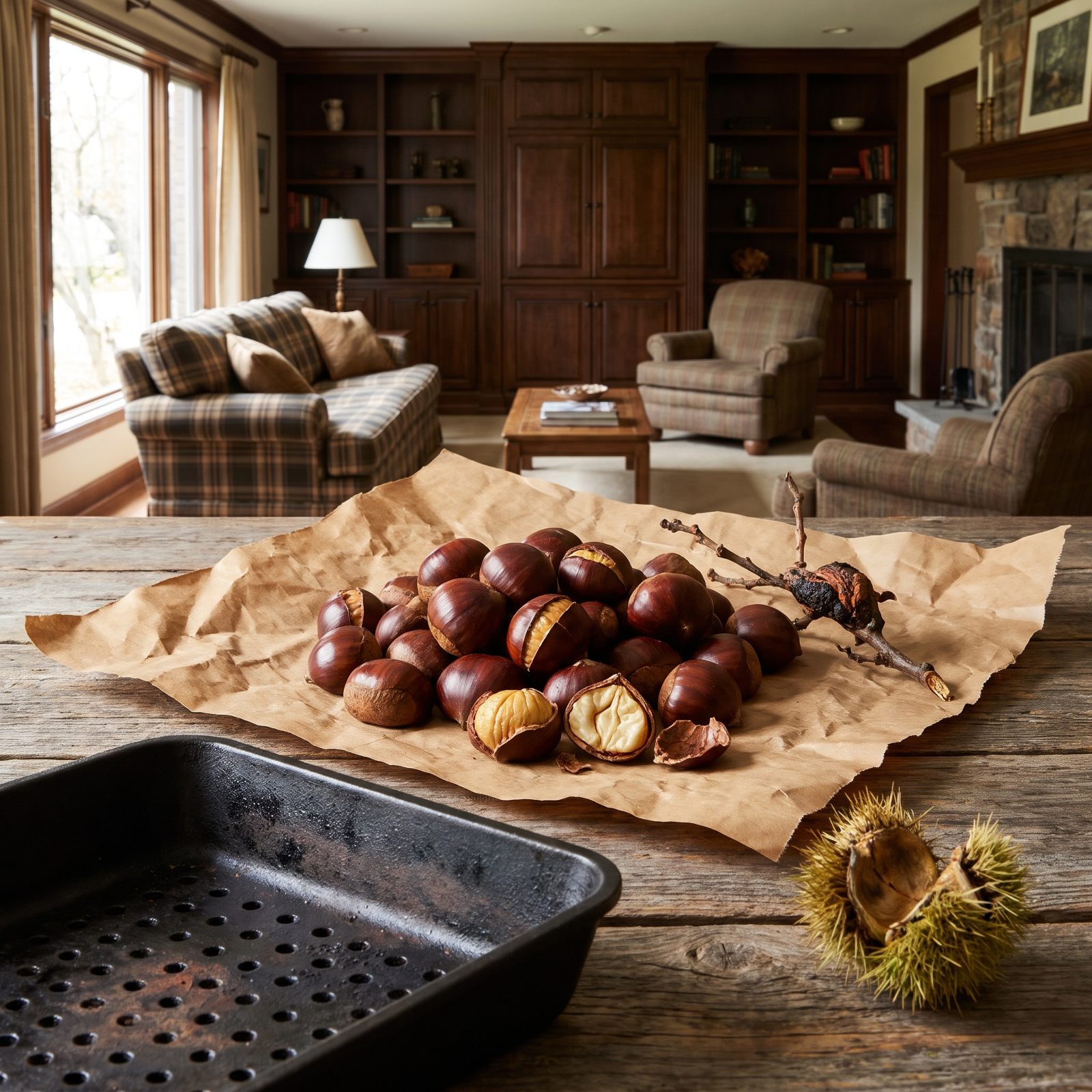
The chestnuts you roast today are almost certainly European or Asian. The American chestnut — the tree that once filled the song and the winter streets — is functionally gone.
It fell to a fungus. A blight arrived around 1904 on imported Asian nursery stock and tore through the eastern forests. Within a few decades it had killed billions of trees and collapsed a species that had been one of the most common hardwoods on the continent.
The roots often survive, sending up doomed sprouts that die back before they can ever fruit. Breeders are still fighting to bring the tree back. For now, when you catch chestnuts roasting on a cold street corner, you’re smelling a stand-in for something America lost.
11. Cranberry: The Holiday Fruit Farmers Test for Ripeness by Bouncing It
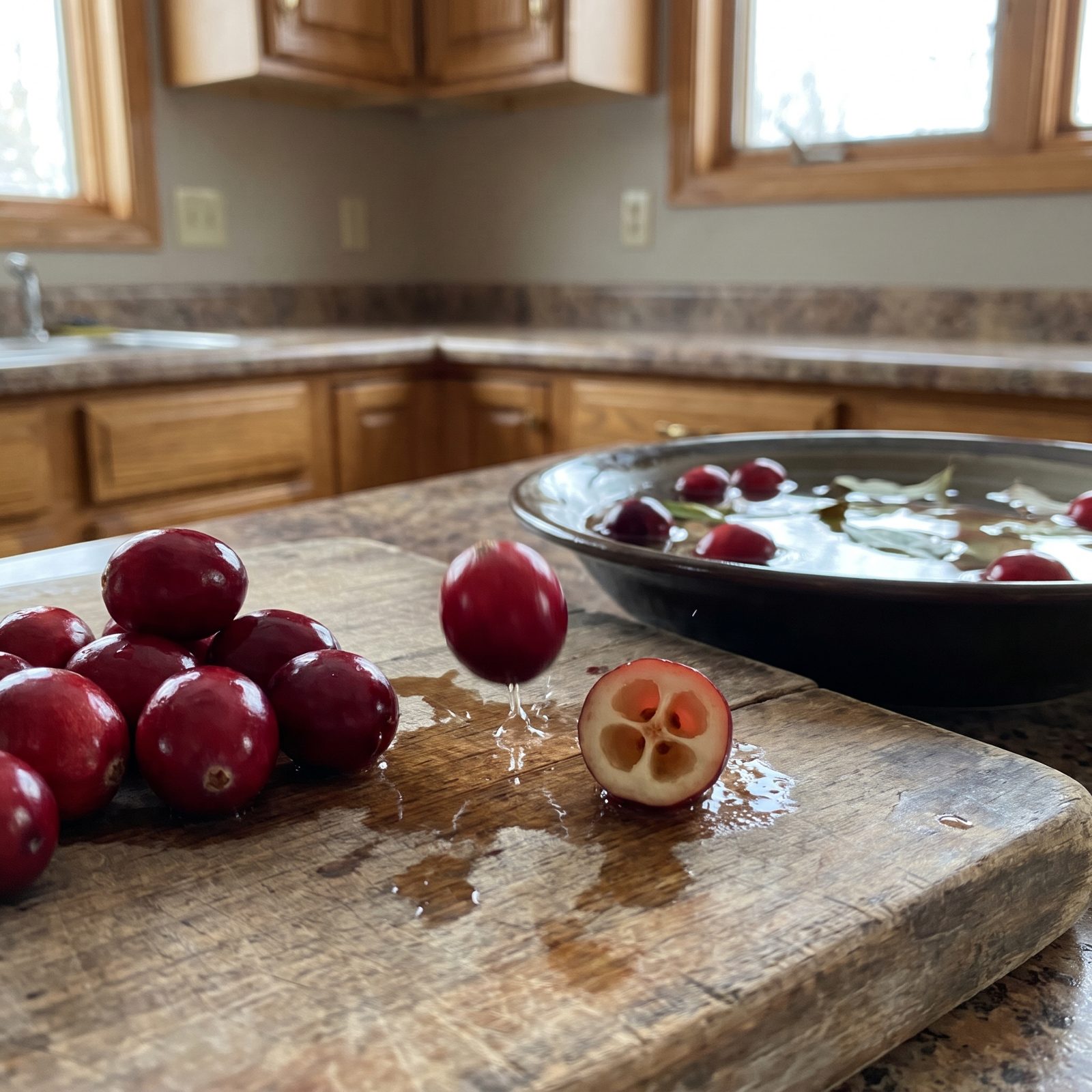
A good cranberry bounces. That’s not folklore — it’s the actual industry test. Each berry holds four small air pockets, so a ripe, firm one will spring off a hard surface like a little rubber ball, while a soft or rotten one just flops and stays put.
The trick even has a name. Grading machines called bounce boards send berries tumbling down a series of wooden steps. The firm ones hop the gap and get collected; the duds drop straight through and are tossed. No human hands required.
10. Pomegranate: The Fruit Greeks Smash on the Doorstep for New Year’s Luck
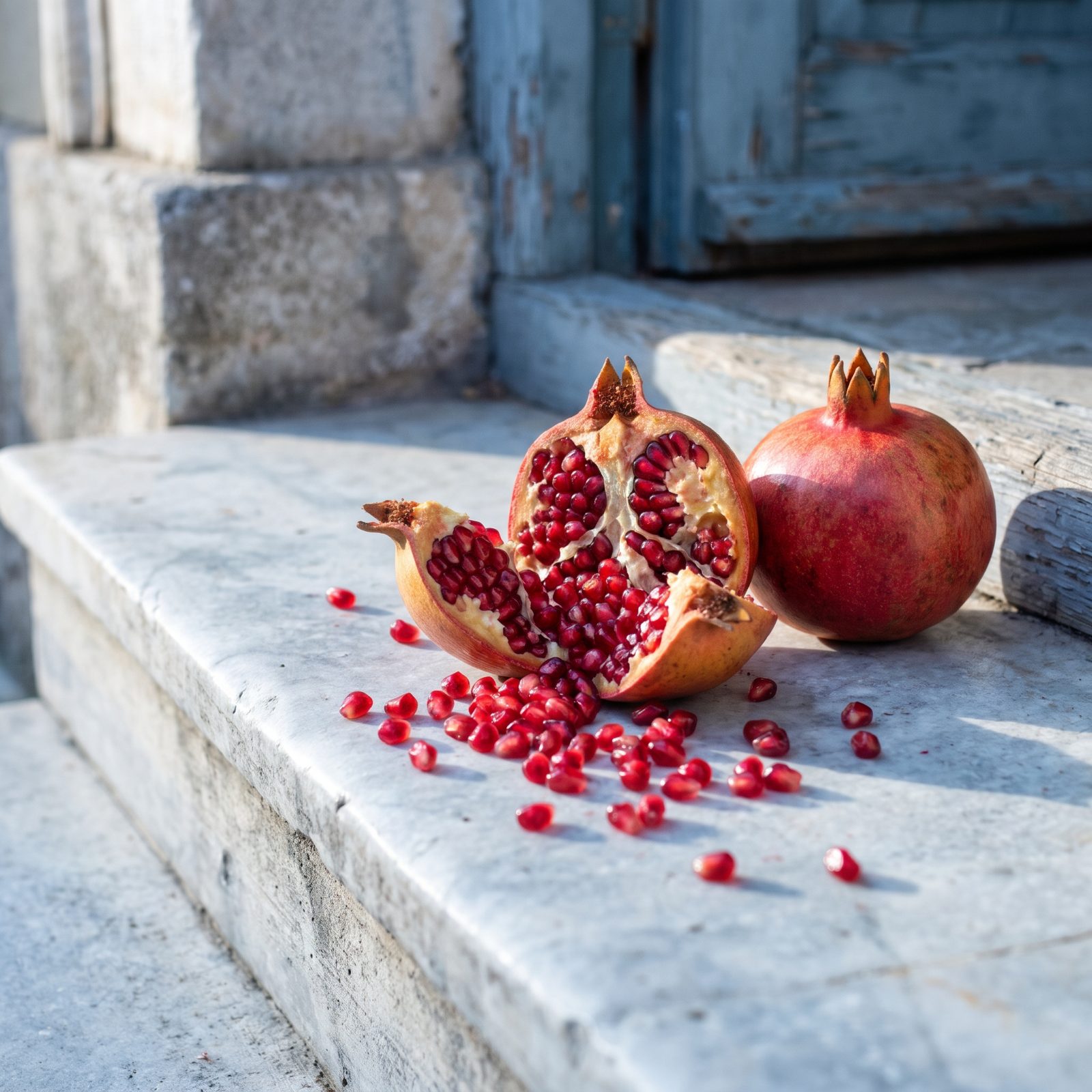
In parts of Greece, New Year’s Day opens with a controlled act of destruction. Someone hurls a pomegranate against the front door hard enough to burst it, and the more seeds that scatter across the threshold, the more luck and abundance the household can expect for the year ahead.
The fruit earned its symbolism honestly. Cut one open and you find hundreds of seeds packed into glistening chambers — a tidy stand-in for fertility and plenty that cultures from ancient Persia to Rome seized on.
And you’re supposed to step inside afterward on your right foot. Enter on the left and the luck, apparently, doesn’t count.
9. Grapevine: The Source of Spain’s Frantic Twelve-Grapes-at-Midnight Dash
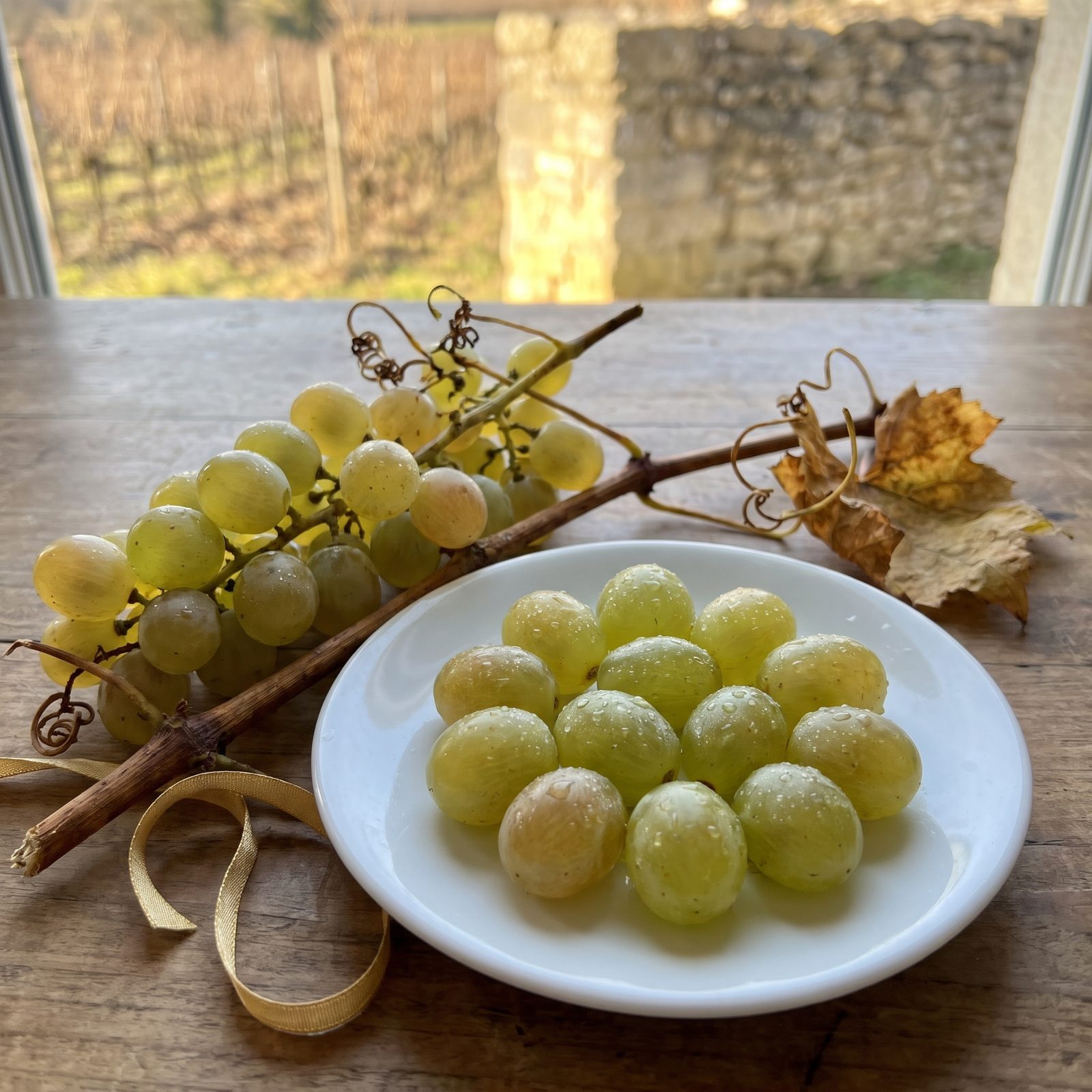
Picture midnight on December 31st across Spain. Millions of people cramming grapes into their mouths against the clock — one grape per chime, twelve chimes, twelve grapes, each one standing for a month of the coming year. Finish them all in time and good fortune is yours. Choke, laugh, or fall behind, and the year gets off to a comic start.
The whole thing most likely began as a clever bit of marketing. Around 1909, grape growers in the Alicante region had a bumper harvest to shift and pushed the midnight ritual to clear the surplus.
It worked spectacularly. A sales gimmick became a national ritual nobody questions anymore, which tells you something about how the best traditions actually get made. Good luck getting twelve grapes down in twelve seconds, by the way. It is a lot harder than it sounds.
8. Cherry: The Bare Branch Cut on Saint Barbara’s Day to Force Christmas Blossoms
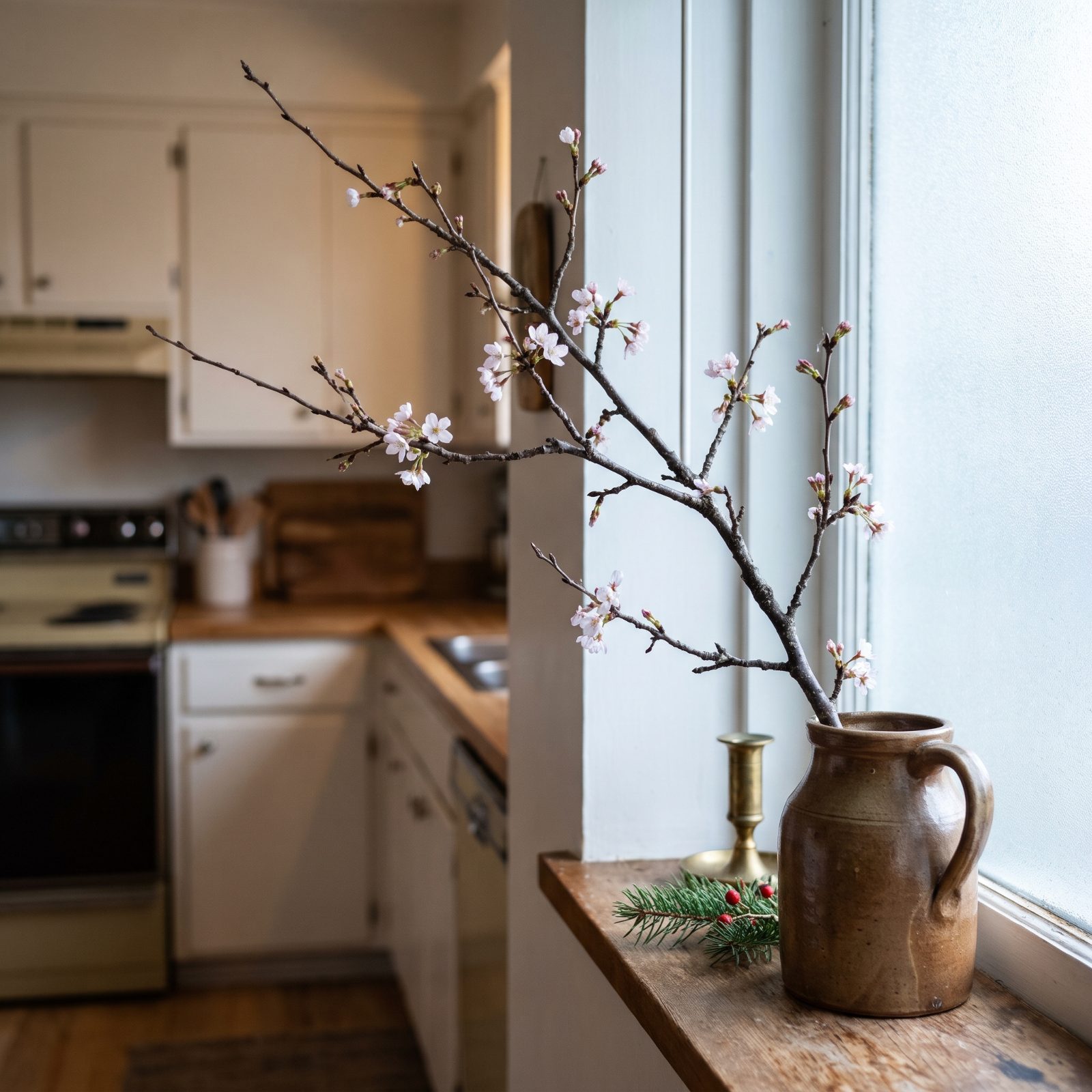
On December 4th, across parts of Germany, Austria and the Czech Republic, people cut a bare cherry branch and bring it indoors. Kept in water in a warm room, the twig is coaxed into bloom, and if the blossoms open by Christmas Eve, folklore counts it as luck for the year ahead.
The branch is a Barbarazweig, named for Saint Barbara. The science is real. Winter dormancy breaks only after a branch has had enough cold, so a warm windowsill fools it into flowering weeks early. Try it with fresh autumn branches that never felt a chill and you’ll get nothing but a dead stick. Timing is the whole trick.
7. Walnut: The Christmas Nut Once Cracked Open to Predict Health and Fortune

Crack a walnut at Christmas and, for centuries, you were doing more than snacking. Across parts of Europe the condition of the kernel was read as an omen. A plump, clean nut promised health and good fortune; a shriveled, rotten one meant trouble ahead.
What really fascinated people was the shape. A walnut’s folds look uncannily like a human brain, and that resemblance fed an old belief called the doctrine of signatures, the idea that a plant’s form hinted at what it could cure. So walnuts got prescribed for head ailments on exactly that logic. Dead wrong, of course. The funny part is the nut turns out to be genuinely good for you anyway.
6. Vanilla: The Christmas Flavor Produced by an Orchid Often Pollinated by Hand
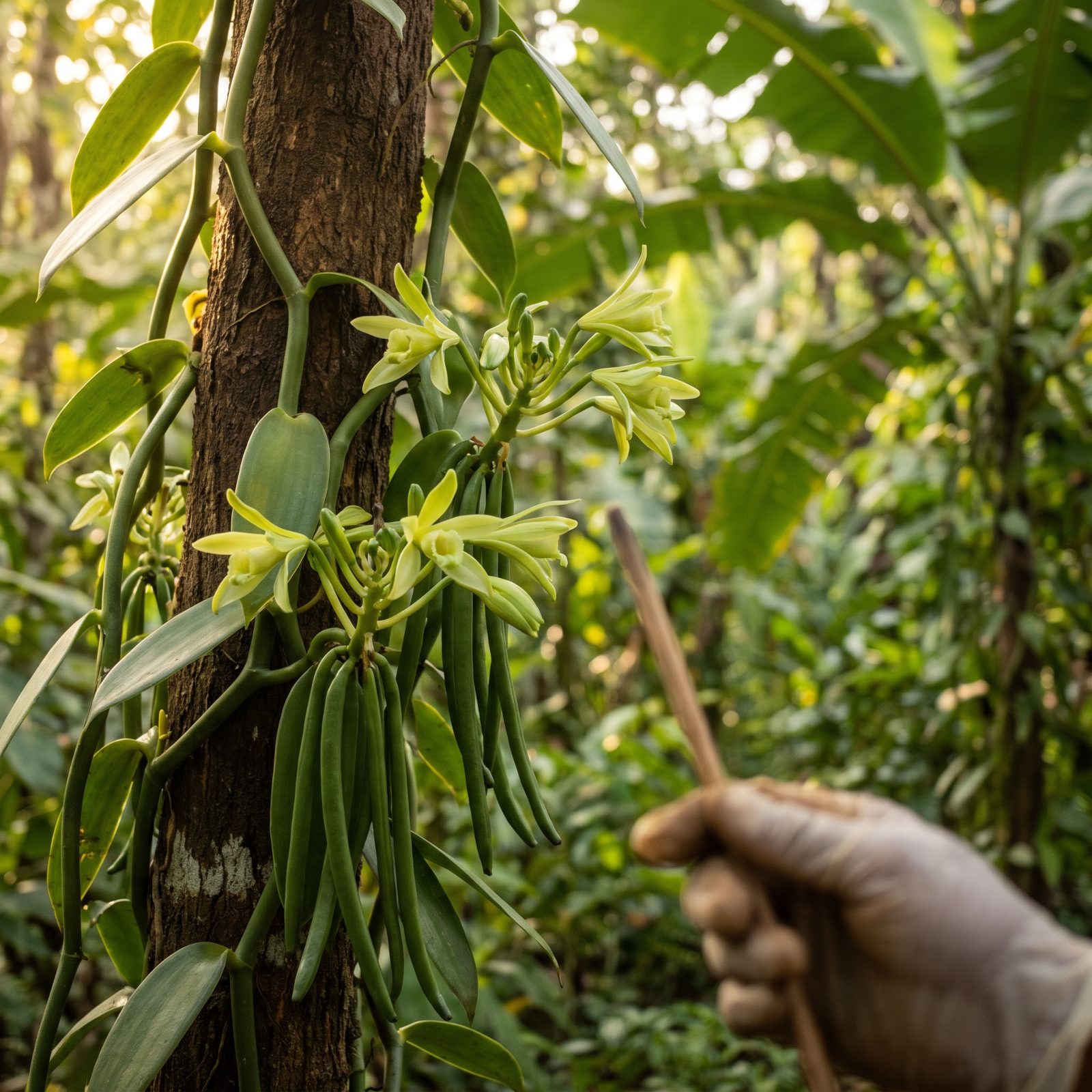
Real vanilla is one of the priciest spices on Earth, and the reason is sex. The vanilla orchid opens for roughly a single day. In its native Mexico it depends on specific local bees to get pollinated. Grow it anywhere else, which is most of the world now, and those pollinators simply aren’t there.
So people do the bees’ job themselves, flower by flower, with a tiny splinter of wood or bamboo, racing the clock before each bloom shuts. And then the green pods need months of curing to develop that familiar warm aroma. Every scoop of real vanilla ice cream carries all that labor folded inside it.
5. Star Anise: The Festive Spice With a Lookalike Dangerous Enough to Cause Poisonings
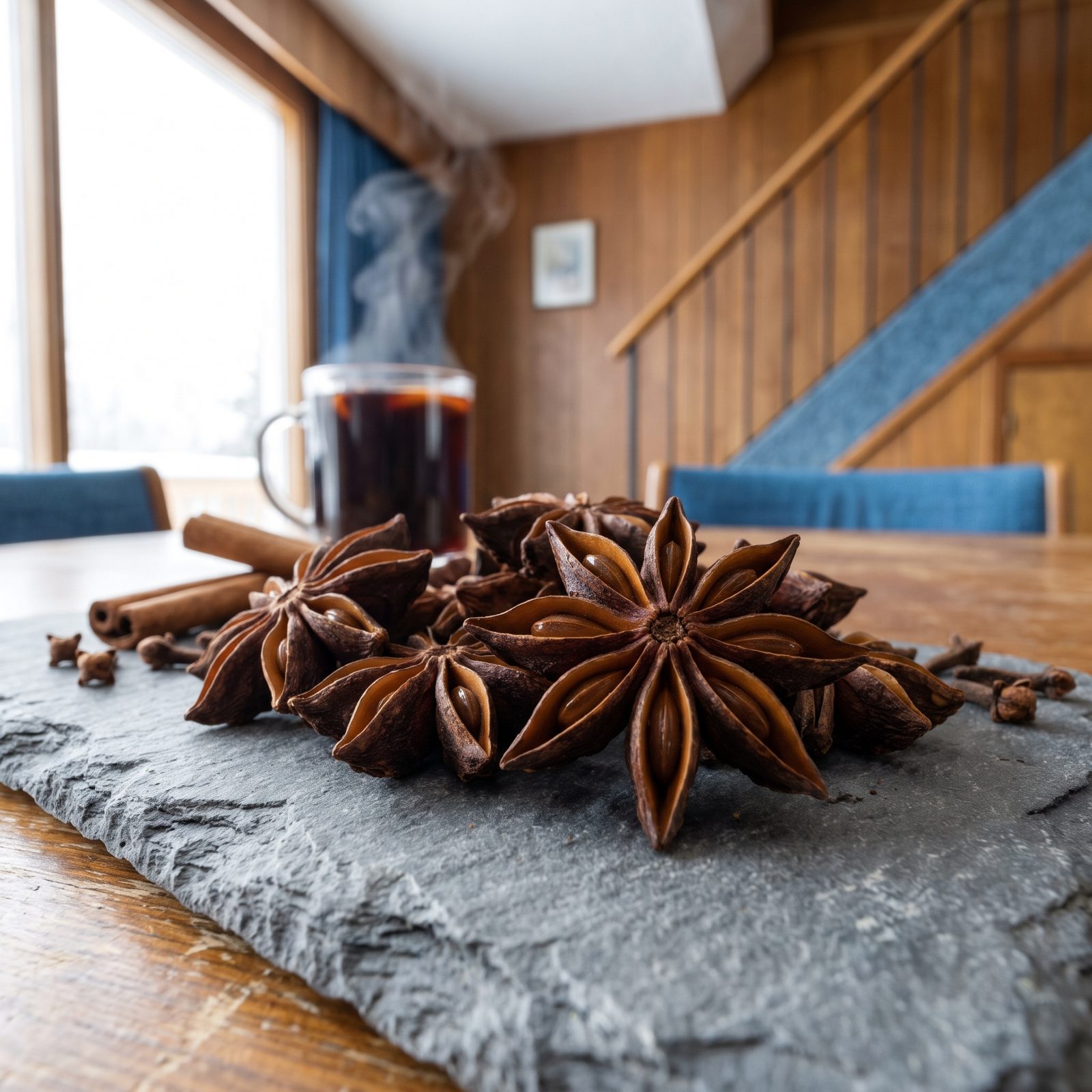
That eight-pointed star in your mulled wine looks harmless, and true Chinese star anise is. But it has a near-identical cousin, Japanese star anise, that happens to be toxic. Once dried, the two are almost impossible to tell apart by eye, and contamination has caused real poisonings.
In 2003 the FDA warned consumers off star anise teas after a cluster of illnesses, including seizures in infants given it for colic. The dangerous one carries compounds that attack the nervous system.
None of which means you should fear the spice jar on your shelf. Reputable culinary star anise is tested and safe. The risk hides in loose, unlabeled anise bought from informal markets.
4. Cacao: The Christmas Treat Once Valuable Enough to Serve as Currency
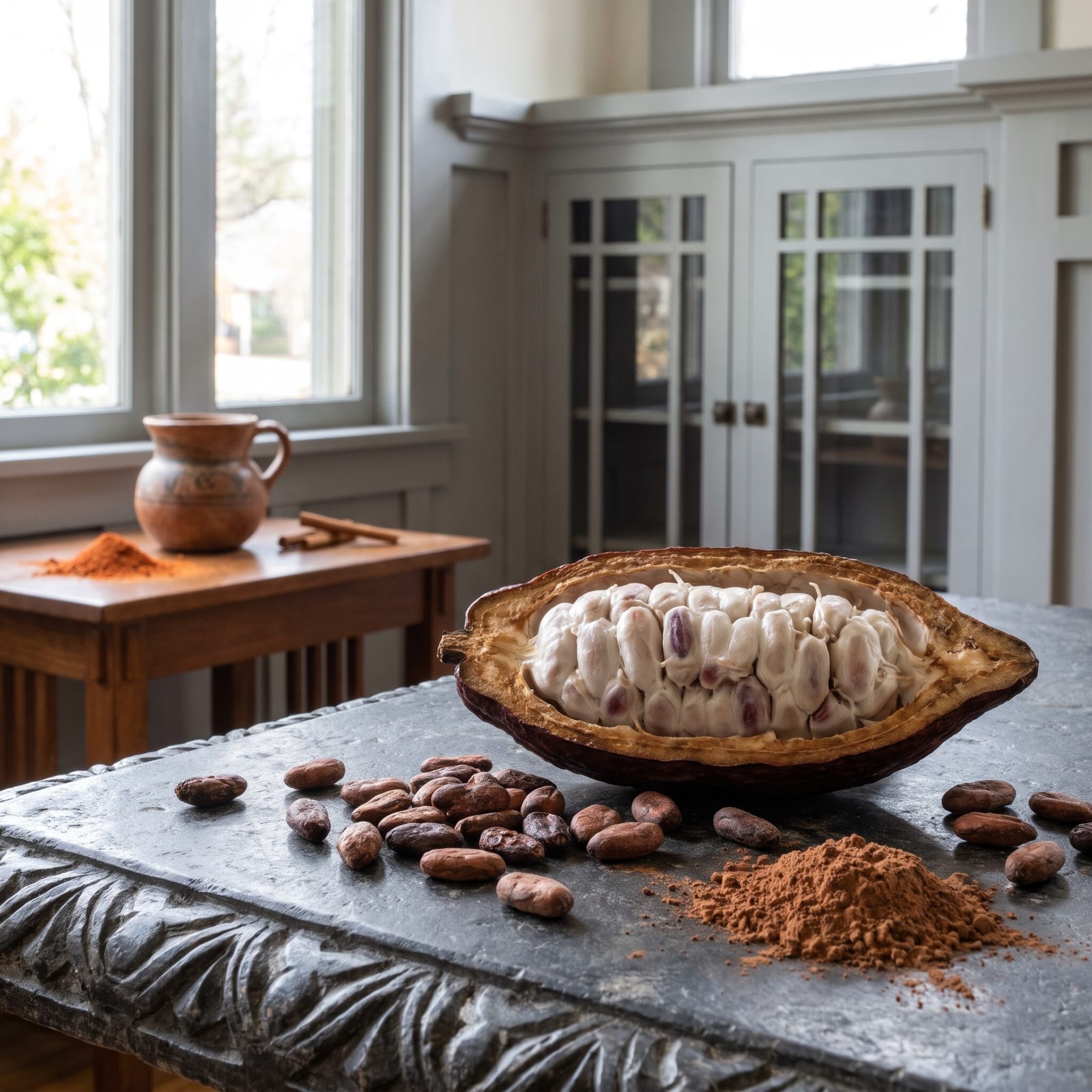
Before chocolate was a stocking treat, it was money. The Aztecs and Maya spent cacao beans as currency, and historical records put real prices on things: so many beans for a turkey, a handful fewer for an avocado.
Which, inevitably, meant counterfeiting. People hollowed out cacao shells and stuffed them with dirt to pass as the real thing. Fake cash, centuries early.
The original holiday chocolate wasn’t sweet either. Picture a bitter, frothy, spiced drink, often laced with chili, nothing like the stuff in your advent calendar. Sugar came much later, after the beans crossed the Atlantic. That little square of foil-wrapped chocolate is a European rewrite of something once treated as sacred.
3. Christmas Bells: The Australian Wildflower Once Picked by the Wagonload for Holiday Markets
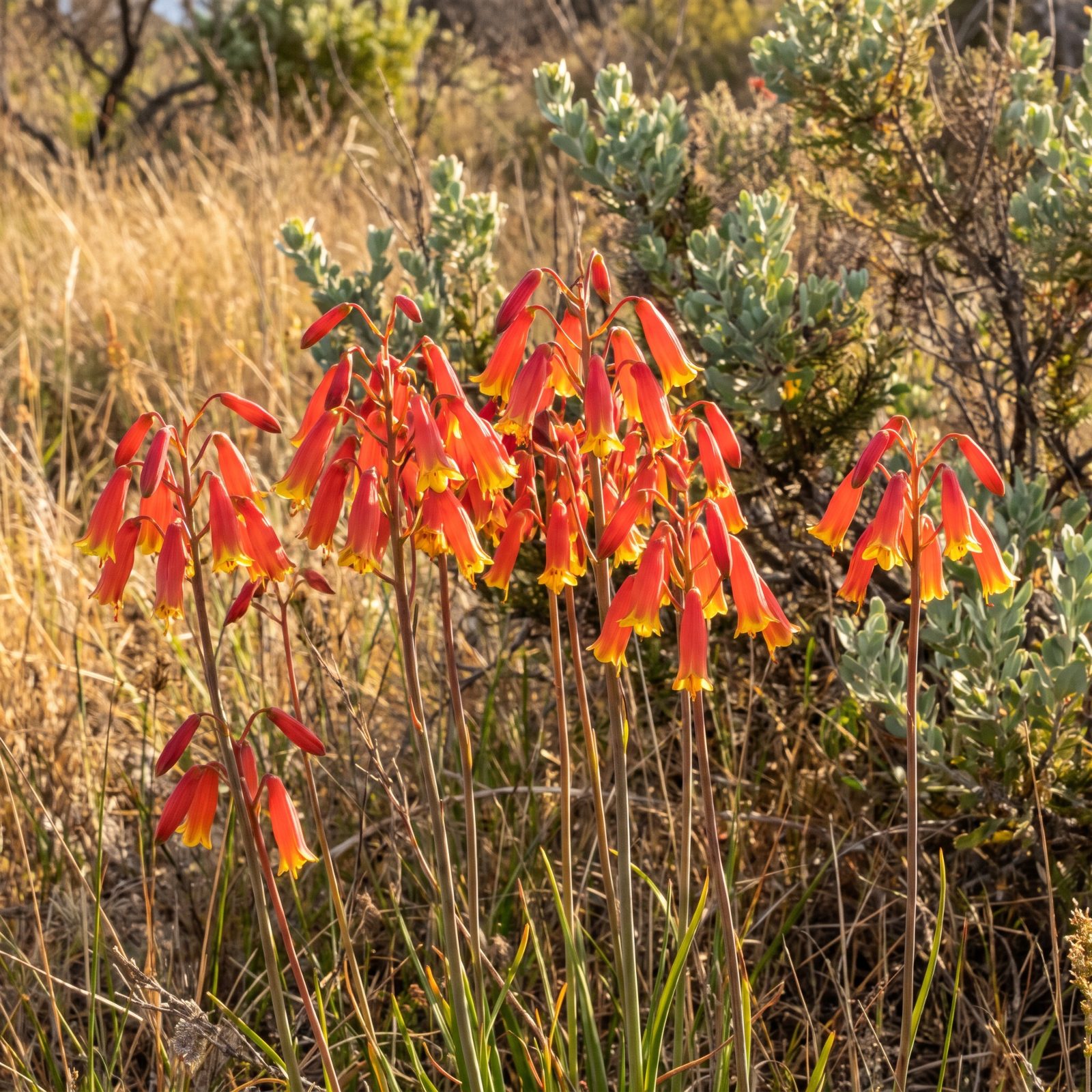
Christmas in Australia lands in high summer, and the plant that got the name flowers right on cue. Blandfordia, the Christmas Bell, dangles its red-and-gold tubular blooms through December across the eastern heathlands.
Then came the harvest. In the late 1800s and early 1900s, pickers stripped wild stands and hauled them to city markets by the cartload for festive decoration. The flowers were so prized, and taken so heavily, that some local populations crashed.
Several species are protected now, and picking them in the wild is restricted. Proof that a plant can be loved almost to death.
2. Fraser Fir: The Holiday Favorite Named for a Plant Hunter Killed During an Expedition
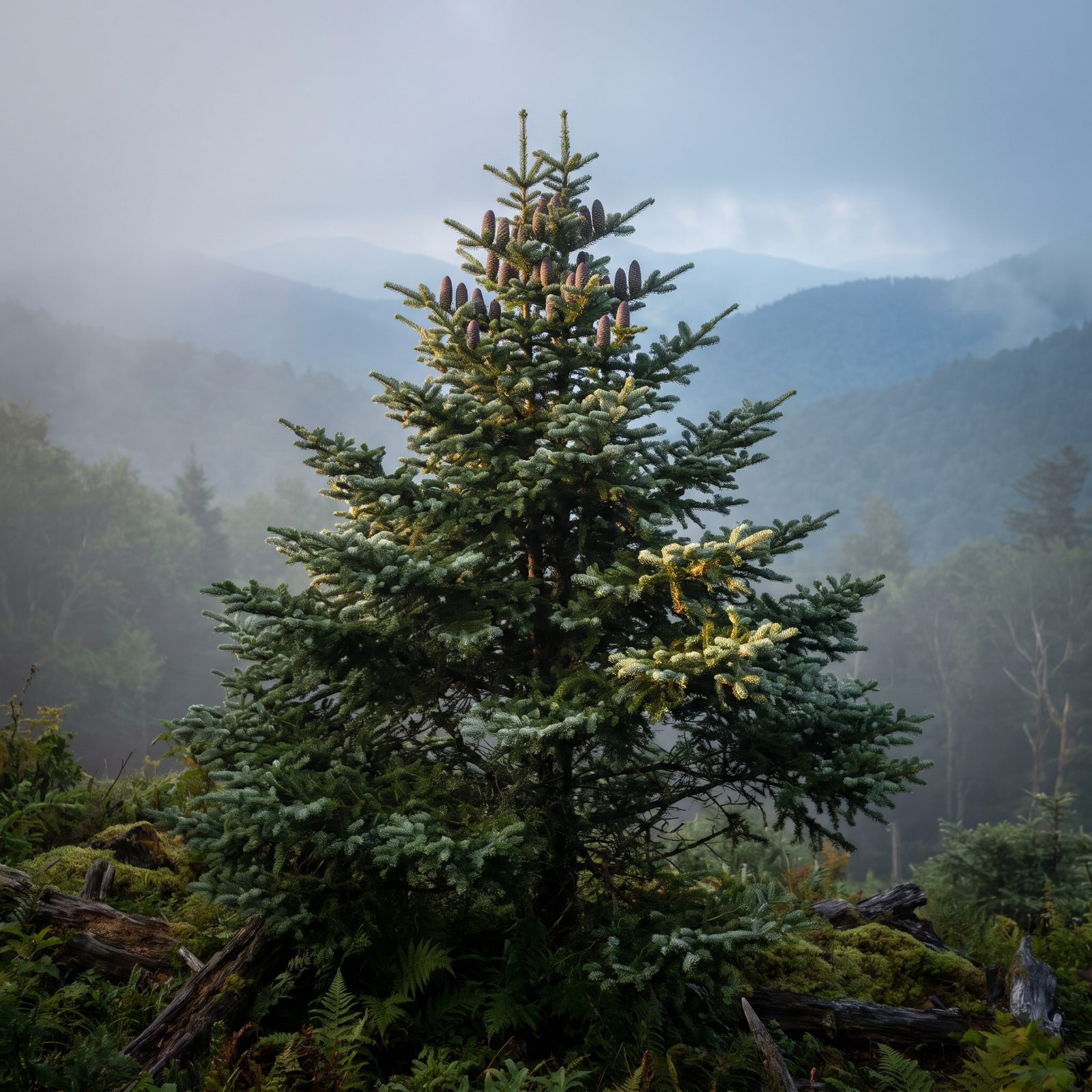
The tree in a lot of American living rooms carries the name of a Scottish botanist, John Fraser, who collected plants across the southern Appalachians in the late 1700s. His fir holds its soft needles long after cutting, which is exactly why it became a holiday staple.
Fraser lived the hard, often fatal life of an early plant hunter, braving storms, wrecks and illness to chase specimens. He died in 1811 of injuries picked up on his travels.
And here’s the cruel wrinkle. The real Fraser fir now grows naturally only on a few high peaks, and those wild stands have been hammered by an invasive insect, the balsam woolly adelgid. The Christmas tree thrives on farms while its native forest quietly falls apart.
1. Nutmeg: The Holiday Spice That Helped Trigger Colonial Massacres and Island Warfare
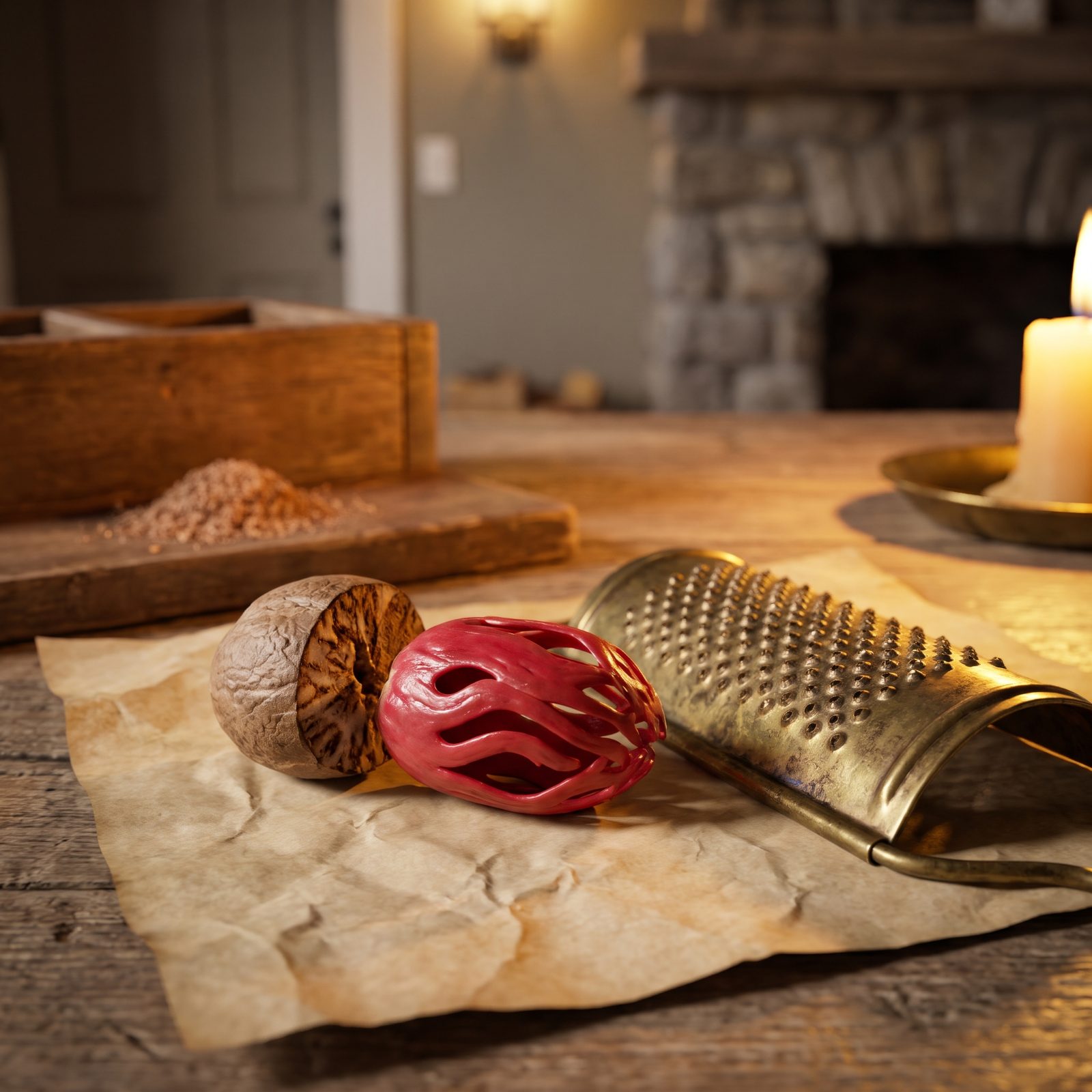
Your eggnog is flavored with a spice people once killed over. For centuries nutmeg grew in only one place on Earth: the tiny Banda Islands, in what’s now Indonesia. In Europe it was worth a fortune, believed to ward off plague and treasured at the table.
The Dutch East India Company wanted the whole supply. In 1621 its forces seized Banda in a campaign of massacre and enslavement that nearly wiped out the islands’ population. One of the last holdouts, an island called Run, eventually passed from English to Dutch hands. In exchange, the English kept a swampy little place called Manhattan.