Cut a scrap of land off from the mainland for a few million years and evolution starts improvising. No predators to run from, no rivals to beat, no rulebook. So a parrot gives up flying, a lizard learns to swim the open sea, a mammal grows a finger like a dowsing rod. None of this is science fiction. These are real animals, alive right now (or very nearly gone), each one proof of what happens when a species gets left alone long enough to invent its own version of normal. Here are the islands that built creatures you’d swear somebody made up.
37. Madagascar: The Aye-Aye That Taps Trees With a Skeletal Middle Finger
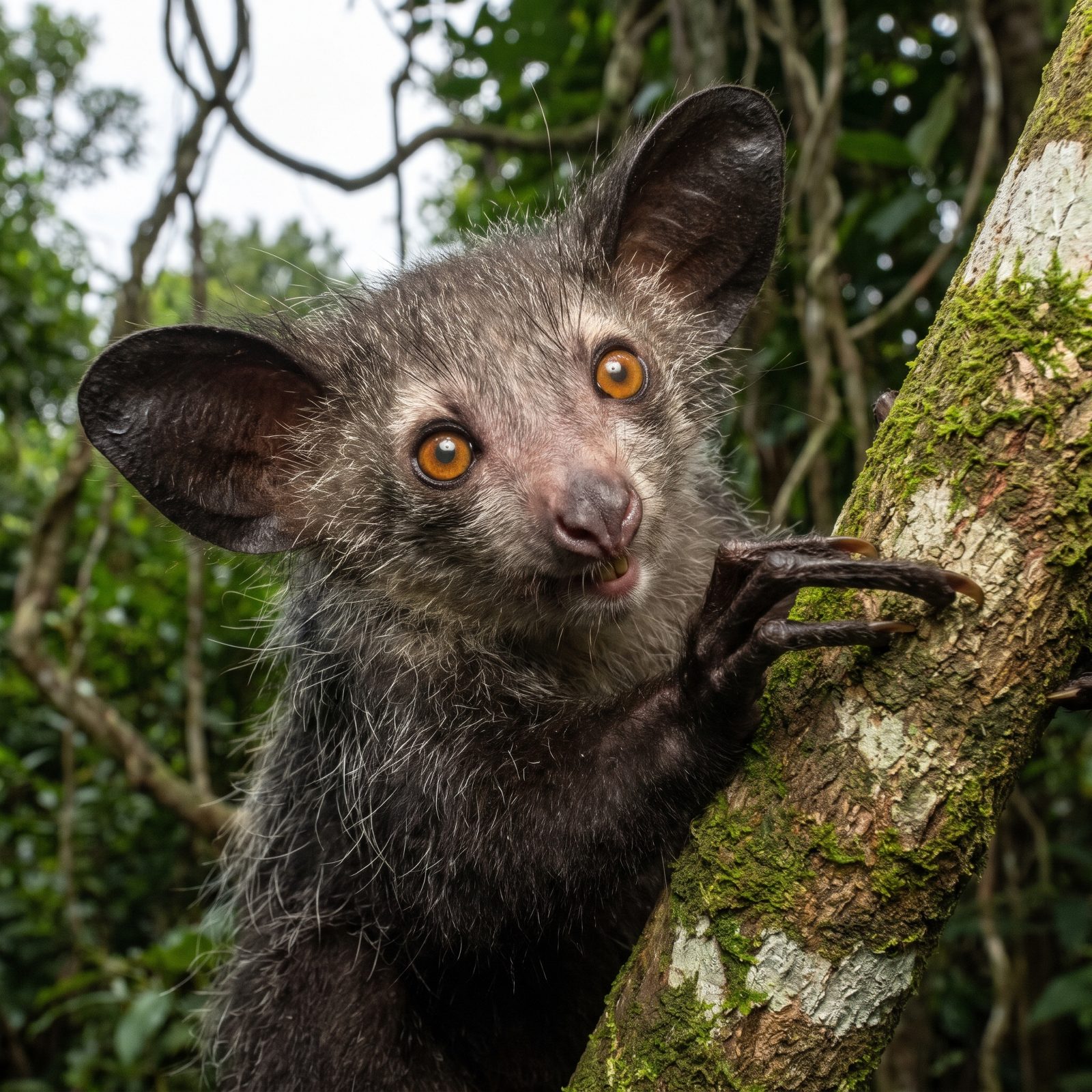
The aye-aye is a lemur that evolved into a woodpecker without the wings. That skeletal middle finger — thinner than the others, jointed like a dry twig — is a feeding tool unlike anything else in the mammal world. It taps the bark several times a second, listening for the hollow echo of a grub tunnel underneath.
Then it gnaws a hole with ever-growing incisors and fishes the larva out with that same finger. Percussive foraging, scientists call it. No other primate pulls this off.
36. The Galápagos: The Only Lizard on Earth That Dives Into the Open Ocean
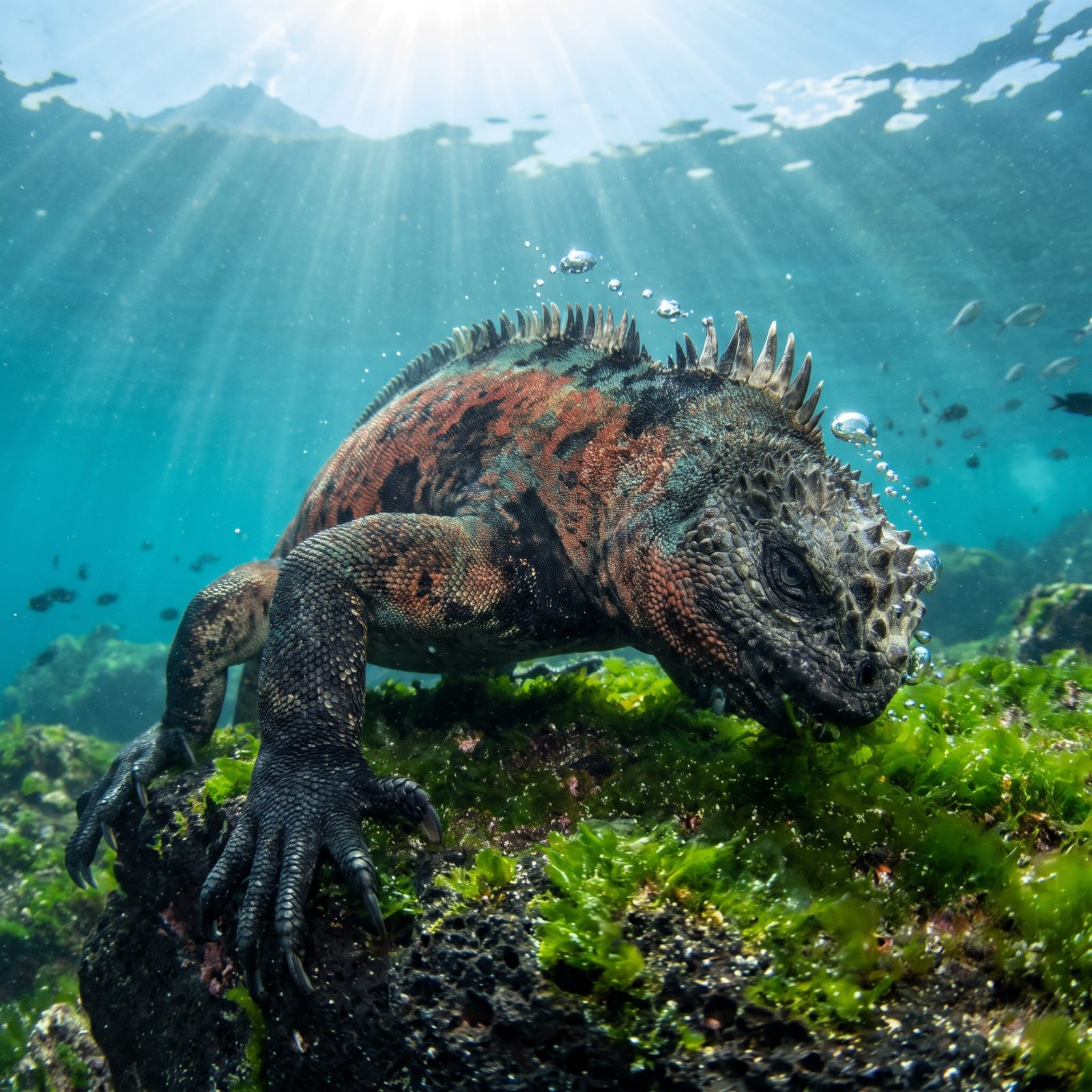
No other lizard feeds in the sea. The marine iguana dives deep, clamps its blunt face against submerged lava, and scrapes off algae while the cold water slows its cold-blooded body to a crawl.
Here’s the part people miss. During lean El Niño years, when the algae vanishes, these iguanas actually shrink — their skeletons reabsorb bone and they get physically shorter, then grow back when food returns. A vertebrate that resizes itself to outlast a famine. Darwin called them ‘imps of darkness,’ and clearly did not appreciate them.
35. New Zealand: The Giant Night Parrot That Gave Up Flying Altogether
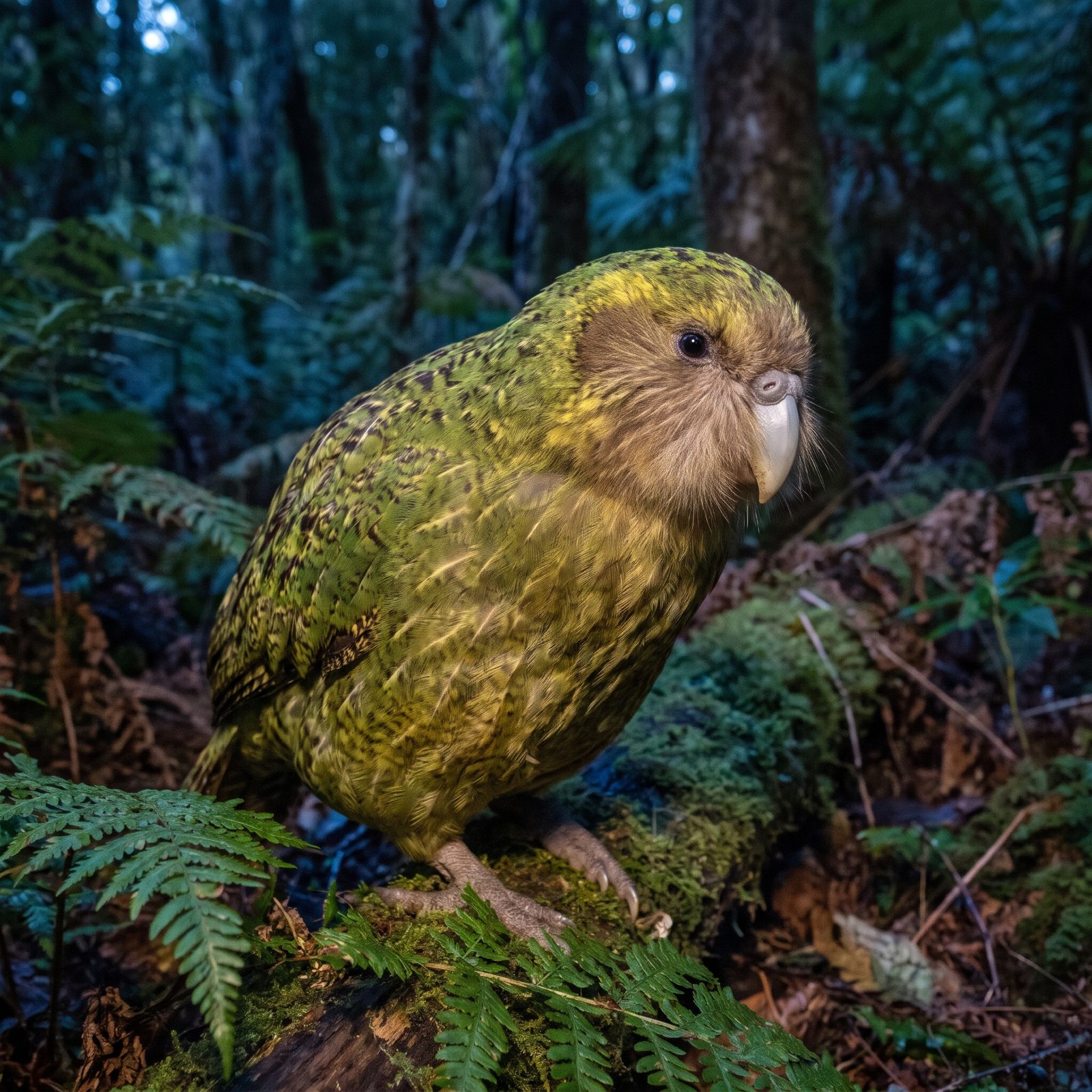
The kakapo is the heaviest parrot alive, and it cannot fly a single inch.
With no mammalian predators for millions of years, flight became an expensive habit worth dropping. So it got fat, nocturnal and gentle, climbing trees with its beak and gliding clumsily back down. At night the males boom, inflating like a feathered bagpipe to call across the valleys.
Then humans arrived with rats, cats and stoats, and a bird that evolved to fear nothing was suddenly defenceless. Every surviving kakapo now has a name and gets tracked individually. The whole species would fit comfortably in a school gymnasium.
34. Komodo Island: The Dragon That Weaponized Both Serration and Venom
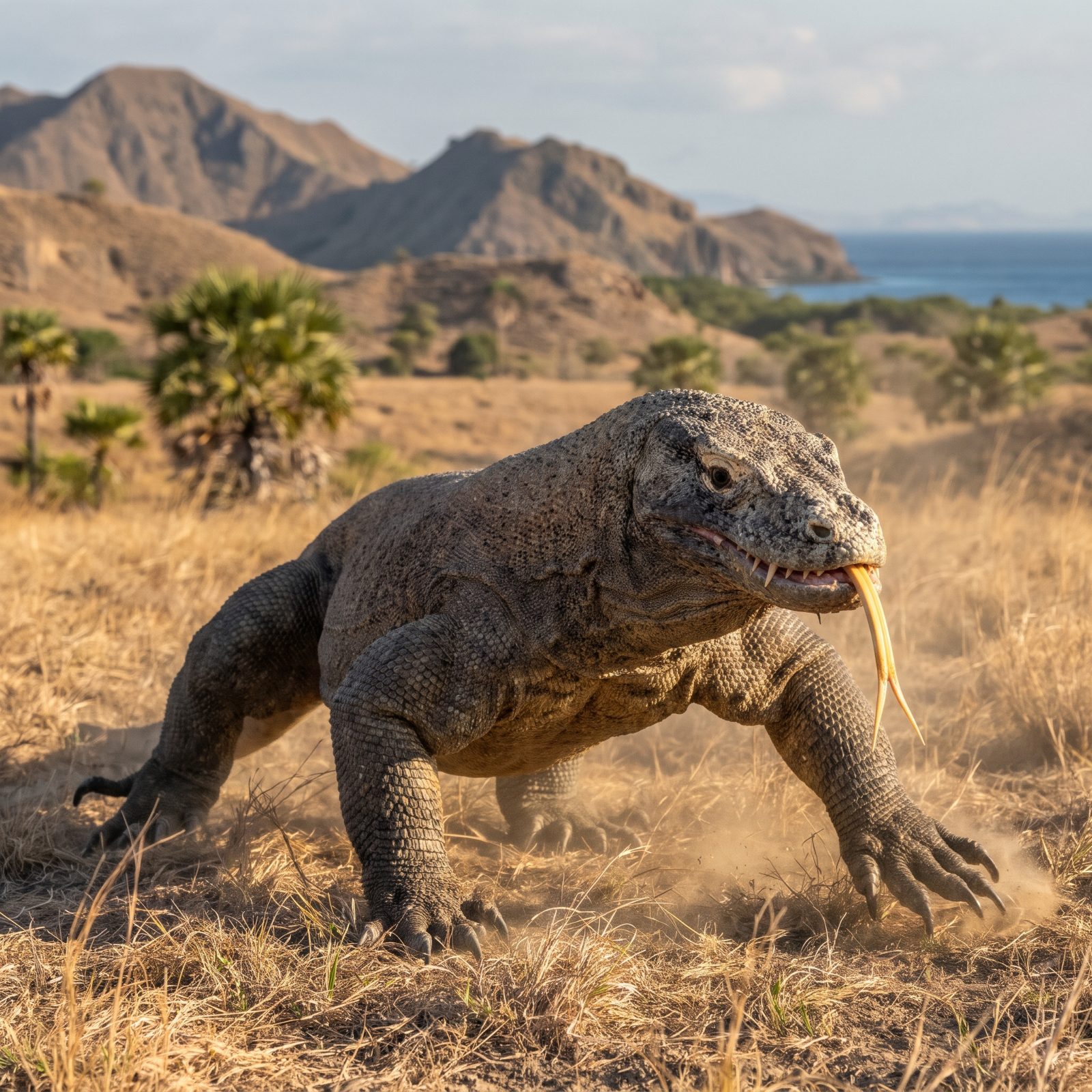
For years the story was simple: Komodo dragons kill with filthy, bacteria-ridden bites, and the prey dies slowly of infection. Nice story. Mostly wrong.
Research in 2009 found venom glands in the lower jaw. The bite delivers proteins that stop blood from clotting and drop blood pressure, sending bitten prey into shock, and when you pair that with serrated, curved teeth that tear ragged wounds, a water buffalo doesn’t stand much of a chance. The largest lizard on Earth became the apex predator of its islands with no competition and nothing to limit how big it got.
33. Christmas Island: The Red Crabs That Paint the Whole Island Scarlet
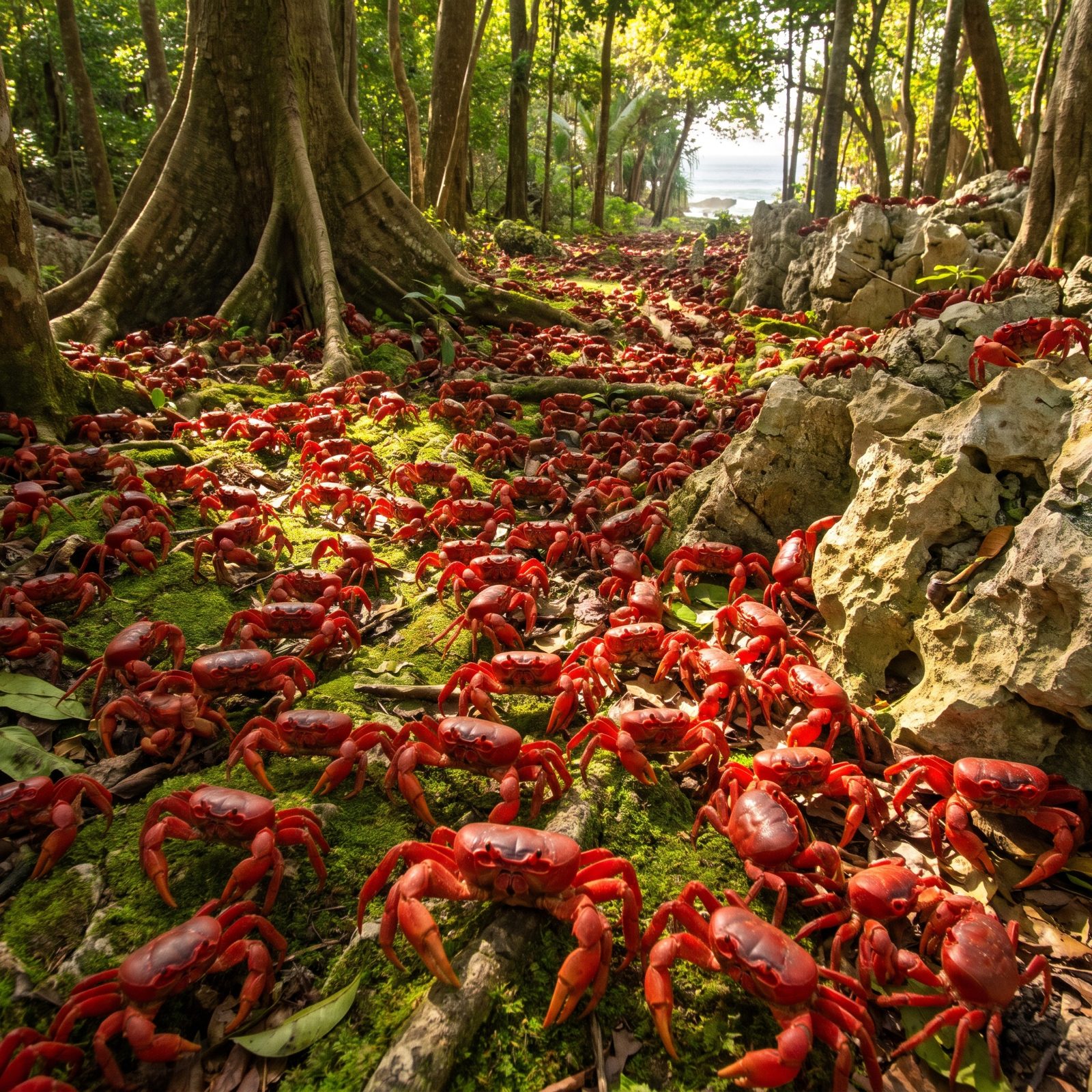
Once a year, triggered by the first monsoon rains, millions of red crabs leave the forest and march to the sea in a tide of moving scarlet. Roads close. Bridges get built just for them. The island turns red.
These are land animals that still breed in the ocean, so the whole species has to walk — sometimes for over a week — to spawn at exactly the right moon and tide. Get the timing wrong and a generation drowns or dries out on the way.
32. Hispaniola: The Venomous Shrew-Relative That Outlived the Dinosaurs
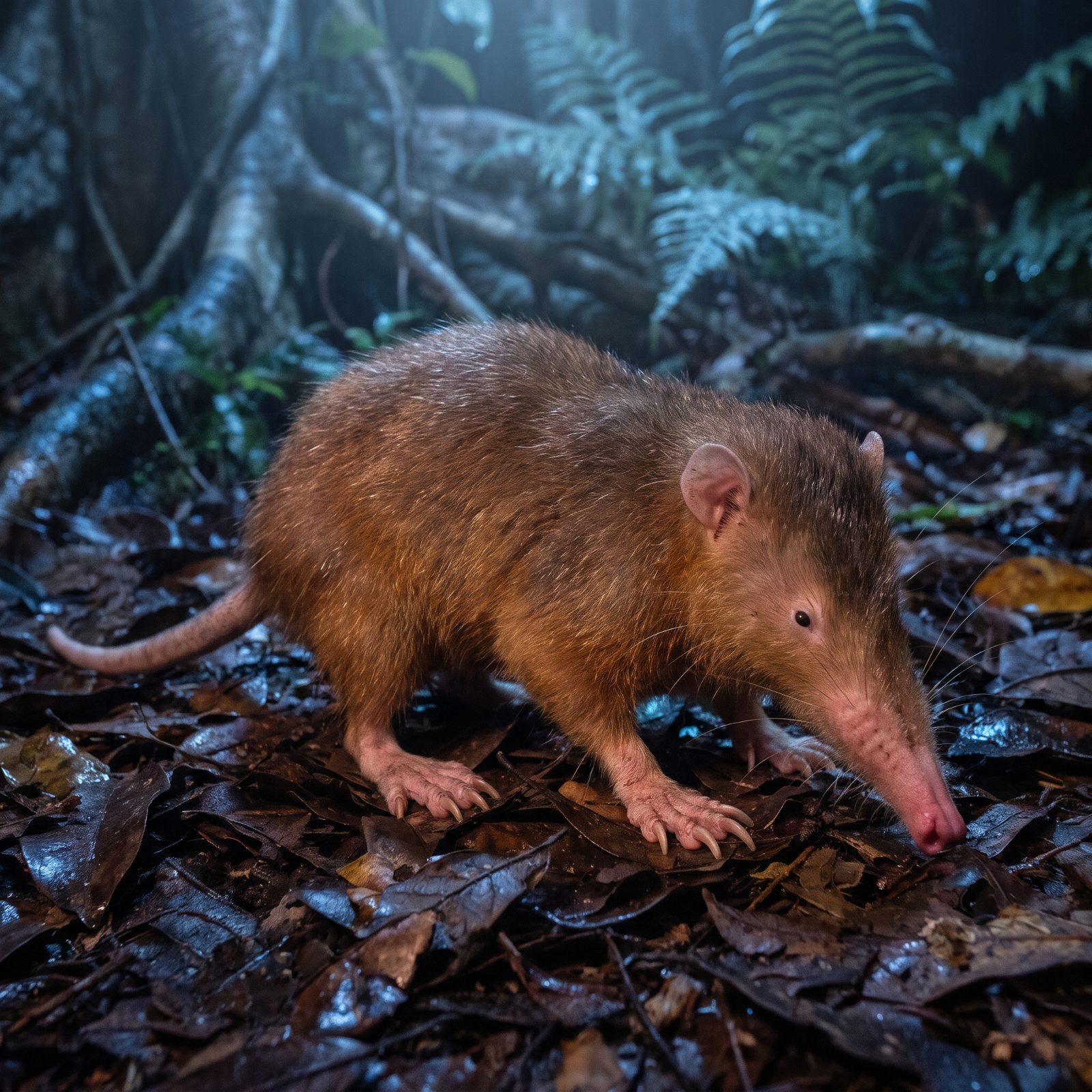
The solenodon looks like an oversized shrew with an extension cord for a nose, and its lineage split off from other mammals somewhere around 70 million years back. It was scurrying around while T. rex was still breathing.
It’s one of the very few venomous mammals, delivering toxic saliva through a groove in its second lower incisor — the same trick a snake uses with a fang. And that bizarre snout? It sits on a ball-and-socket joint, letting the animal swivel it into crevices like a living joystick. A survivor from the age of dinosaurs, still tapping along the forest floor on Hispaniola tonight.
31. Sulawesi: The Pig Whose Tusks Curve Up and Threaten to Pierce Its Own Skull
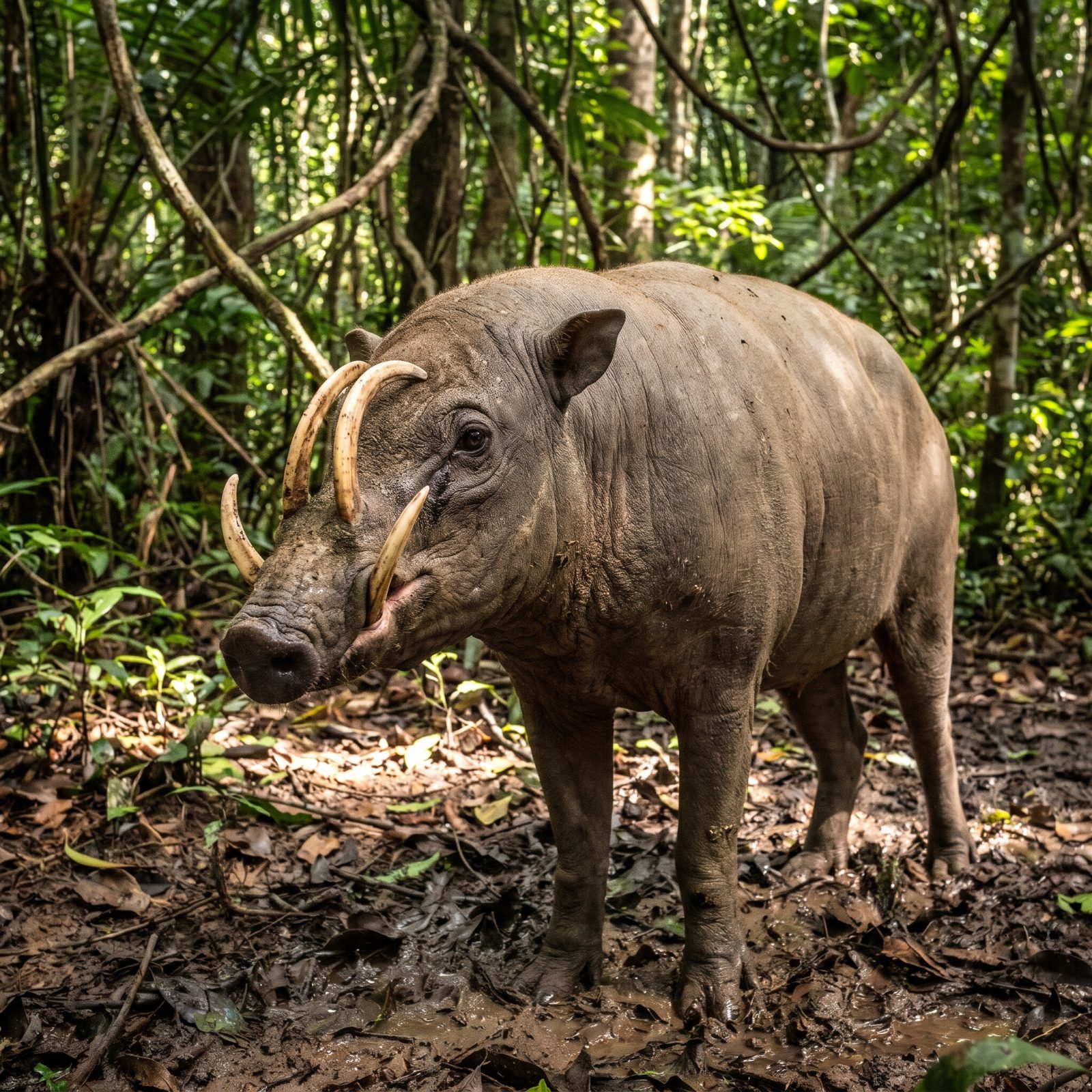
Imagine growing a tooth that curls back toward your own face for your entire life.
The male babirusa’s upper canines don’t point outward like a boar’s. They rotate upward, punch straight through the skin of the snout, and arc back toward the forehead. In old males, left unworn, they can theoretically curve far enough to touch the skull.
Nobody fully agrees what they’re for. They’re too brittle for real fighting, so the leading guess is display — a visual readout of a male’s age and vigor. Evolution handed this pig a pair of built-in ornaments and let them grow in the strangest possible direction.
30. Lord Howe Island: The Giant Stick Insect That Came Back From the Dead
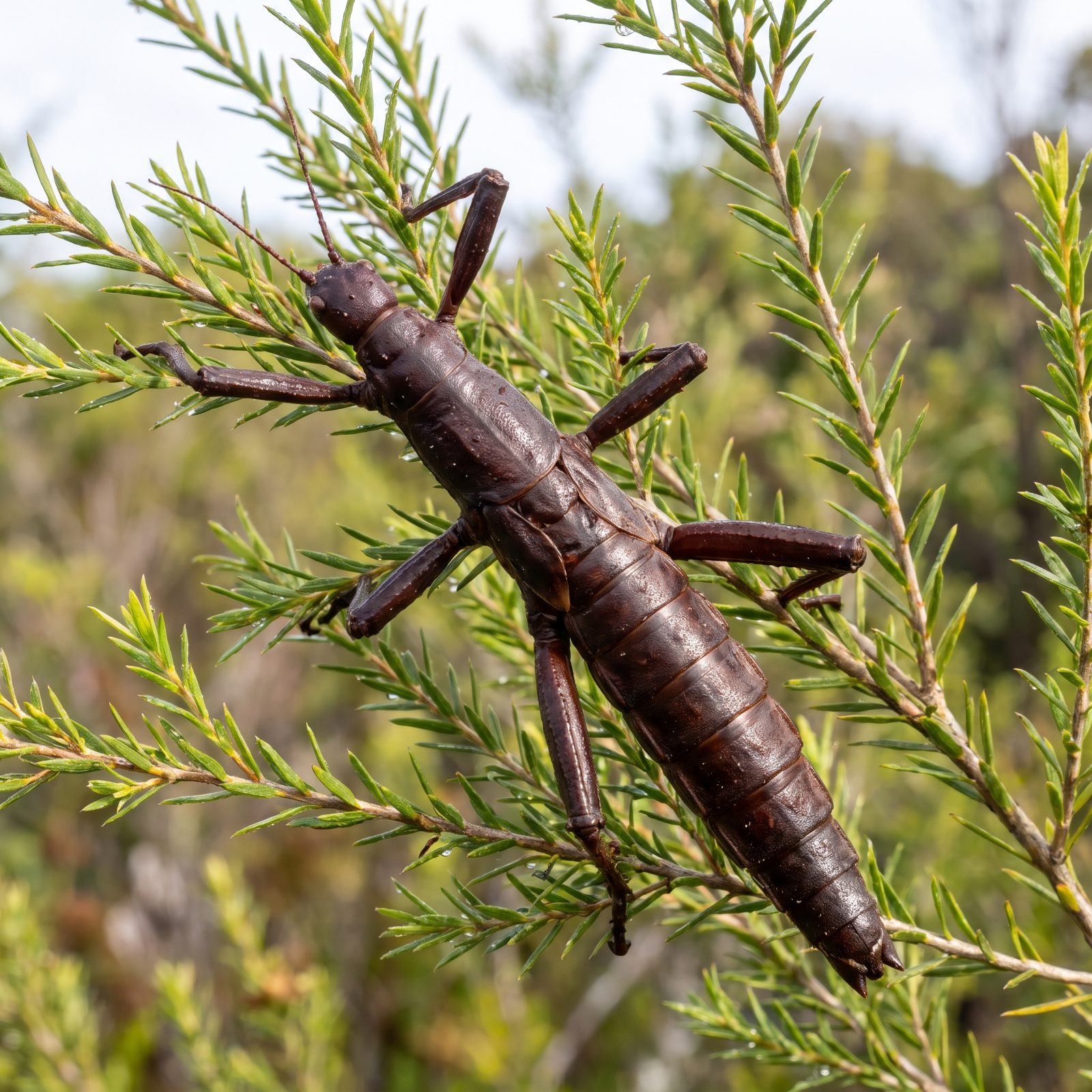
They called it the ‘tree lobster’ — a flightless stick insect the size of your hand. Rats jumped ship on Lord Howe Island in 1918 and ate it to extinction within a couple of years. Done. Gone.
Except it wasn’t. In 2001, climbers on Ball’s Pyramid — a sheer volcanic spike jutting out of the sea miles from shore — found a tiny population surviving on a single shrub clinging to the cliff. A handful of insects, hanging on by one plant.
29. Cuba: The Bee Hummingbird, the Smallest Bird Alive Anywhere
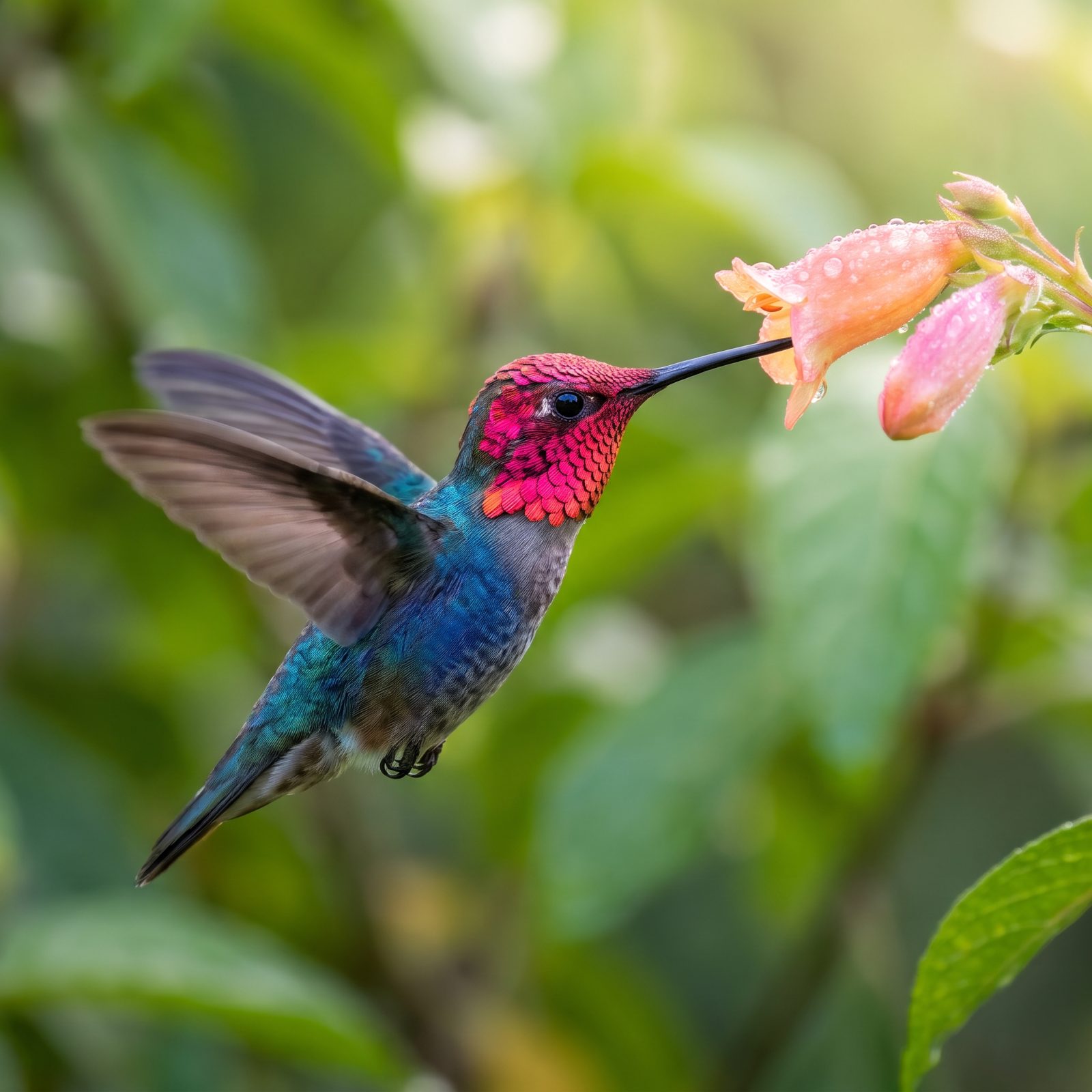
Barely over two inches long and weighing less than a dime, the bee hummingbird is so small it gets mistaken for an actual bee. Its heart gallops along at over a thousand beats a minute. The wings hum fast enough to vanish.
To fuel a body that tiny, it has to visit hundreds of flowers a day, drinking roughly half its own weight in nectar and snapping up small insects along the way. Found only in Cuba. The planet’s smallest warm-blooded engine, running flat out from sunrise to dark.
28. Aldabra Atoll: The Giant Tortoises That Rebuilt an Entire Ecosystem
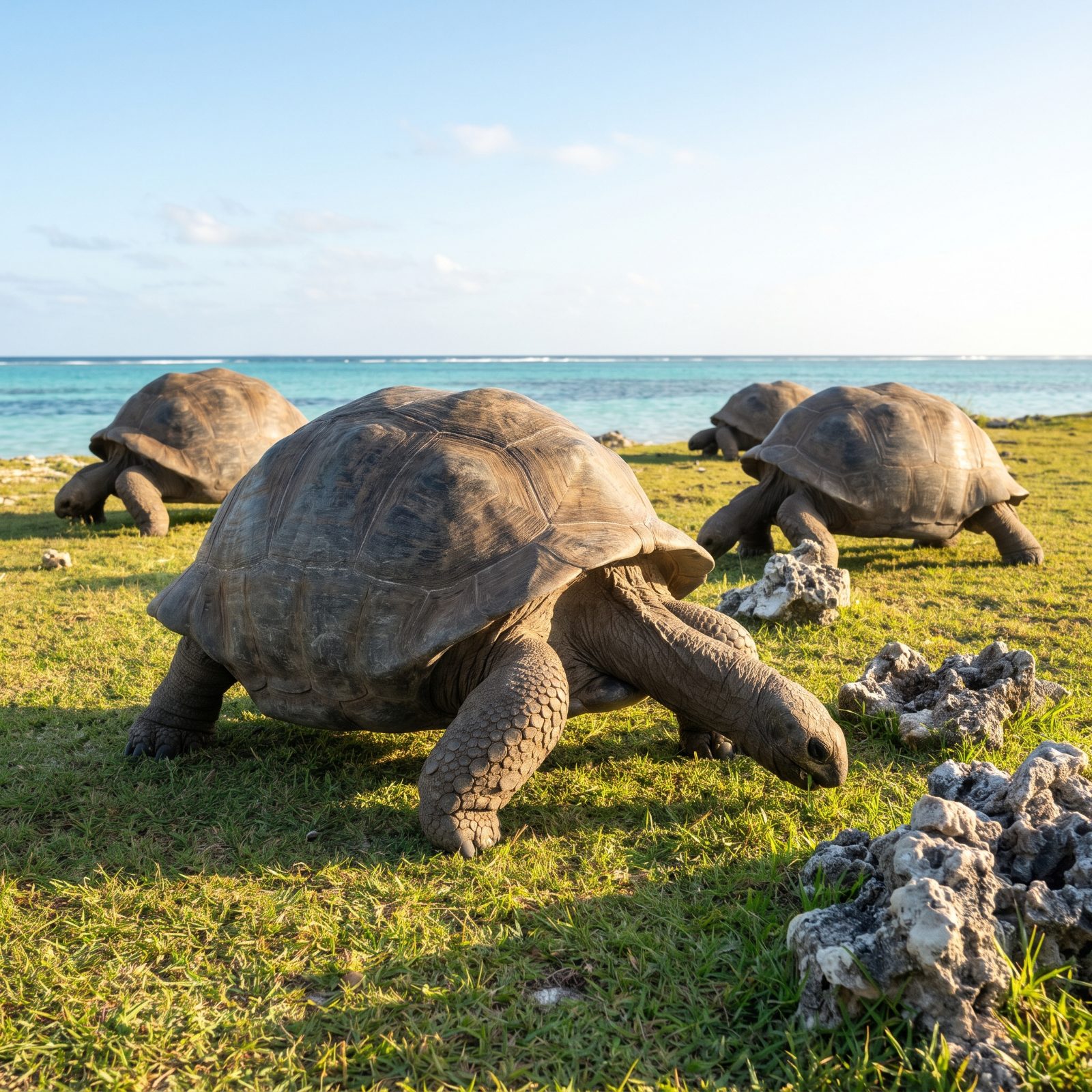
Aldabra holds tens of thousands of giant tortoises — more than live on all of the Galápagos combined. And they don’t just live on the atoll. They shaped it.
By grazing relentlessly, these tortoises created something scientists call ‘tortoise turf’, a tight, specialized lawn of dwarf grasses and herbs that evolved to survive constant cropping. They disperse seeds, fertilize the soil, clear paths through the scrub. Pull the tortoises out and the whole landscape unravels.
27. New Caledonia: The Kagu, a Ghost-Grey Bird With Corns in Its Nostrils
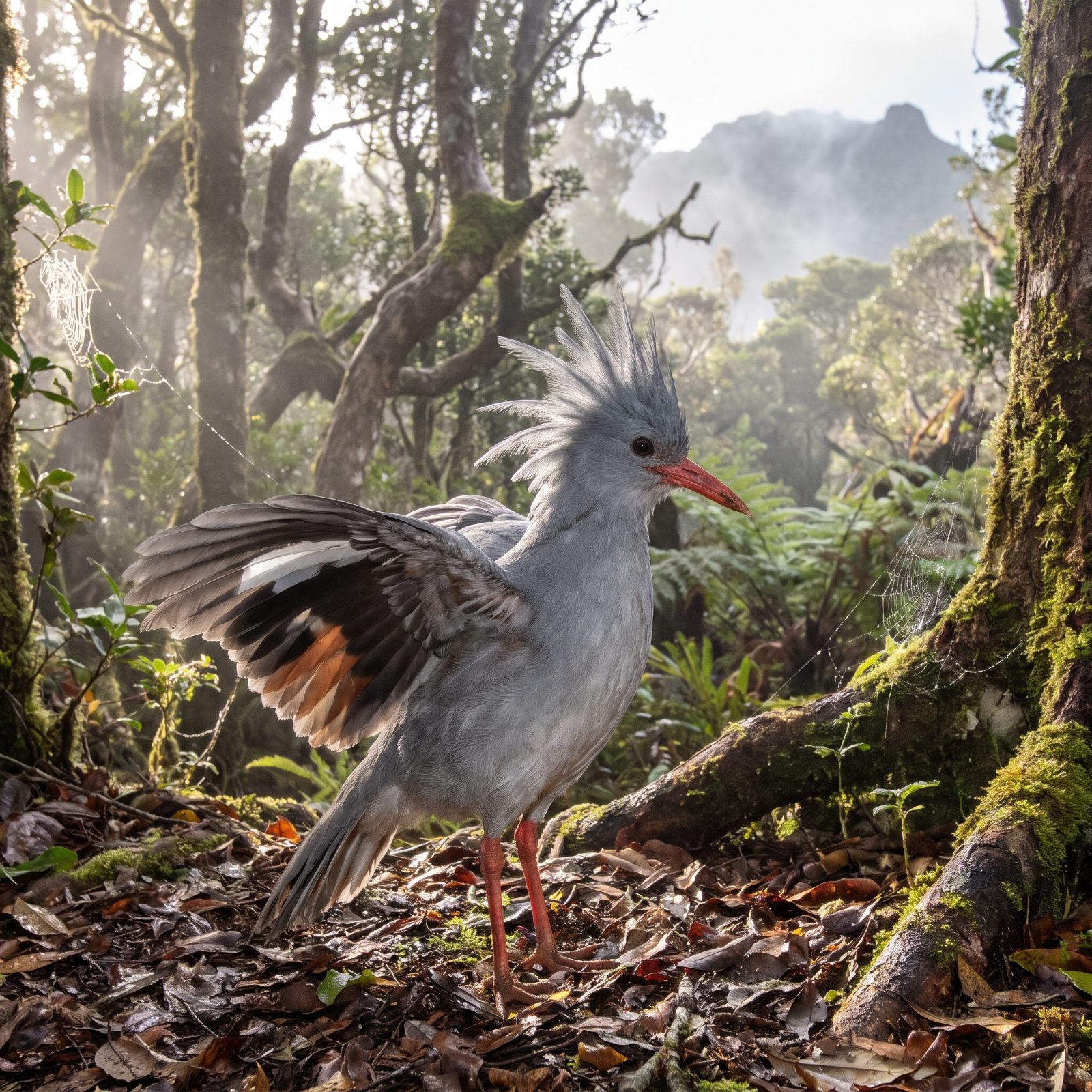
Almost everything about the kagu feels borrowed from a bird that shouldn’t exist. It can’t fly, yet it keeps full-sized wings that it fans open like a painted fan to startle rivals, and it barks like a puppy at dawn. Then there are the little skin flaps sealing its nostrils, a feature no other bird on Earth carries, thought to keep soil out while it probes the leaf litter for worms.
Found only on New Caledonia, it survived for millions of years with no ground predators. Then came rats, cats and dogs. A bird that never needed to flee suddenly had everything to run from.
26. Borneo: The Proboscis Monkey, Big-Nosed and Built for Mangrove Swimming
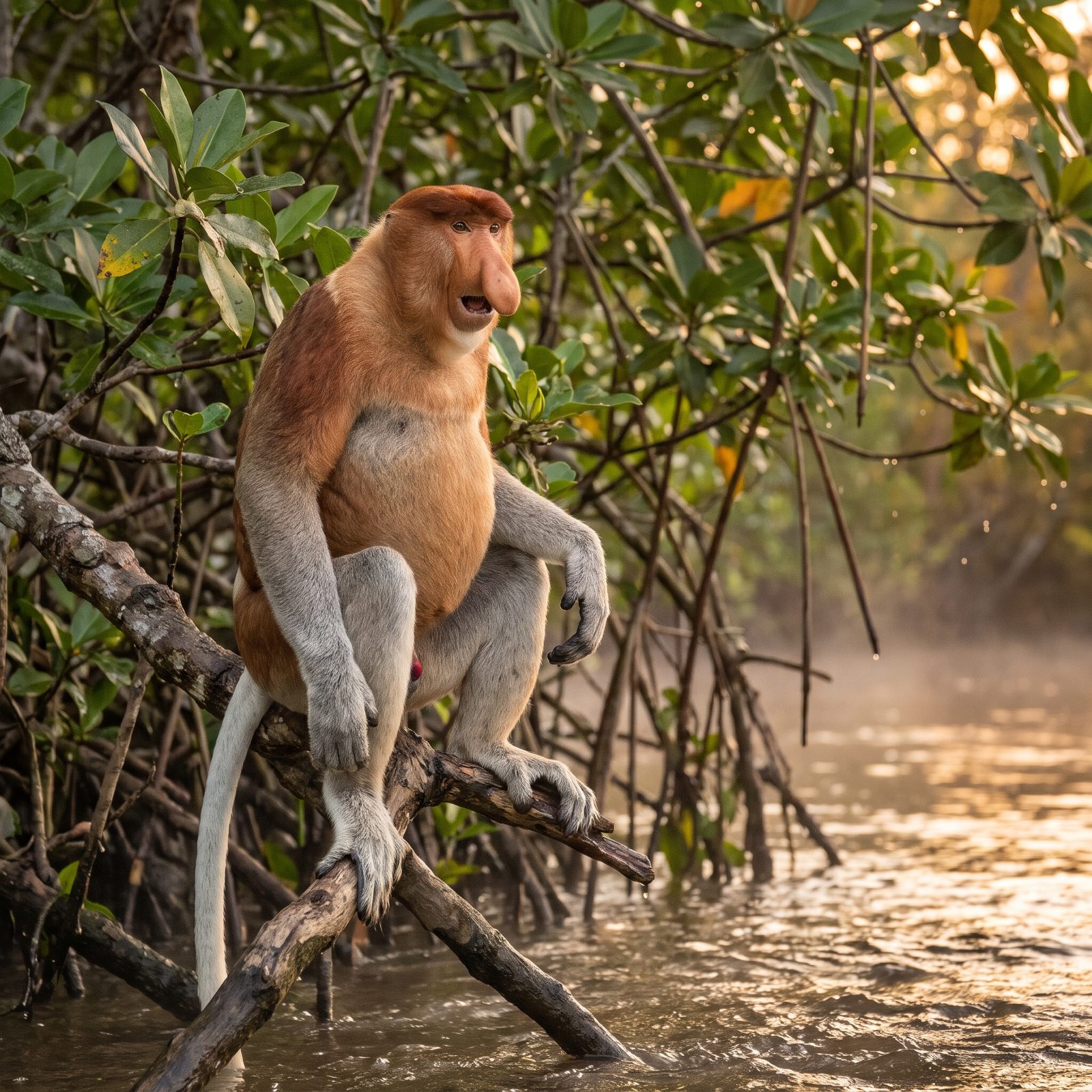
The nose is the headline, and it earns it. A dominant male’s conk can reach the length of a dinner knife, a resonating chamber that amplifies his honking calls and, researchers believe, advertises his fitness to females. Bigger nose, better mate. Evolution is rarely subtle about these things.
Less famous but just as strange: the webbed feet. Proboscis monkeys rank among the finest swimmers in the animal kingdom, belly-flopping off branches and paddling across crocodile-filled rivers to reach new feeding grounds. And that pot belly? Not fat. It’s a multi-chambered stomach fermenting unripe leaves, so full of bacteria that ripe fruit can literally kill them.
25. Inaccessible Island: Home to the World’s Smallest Flightless Bird
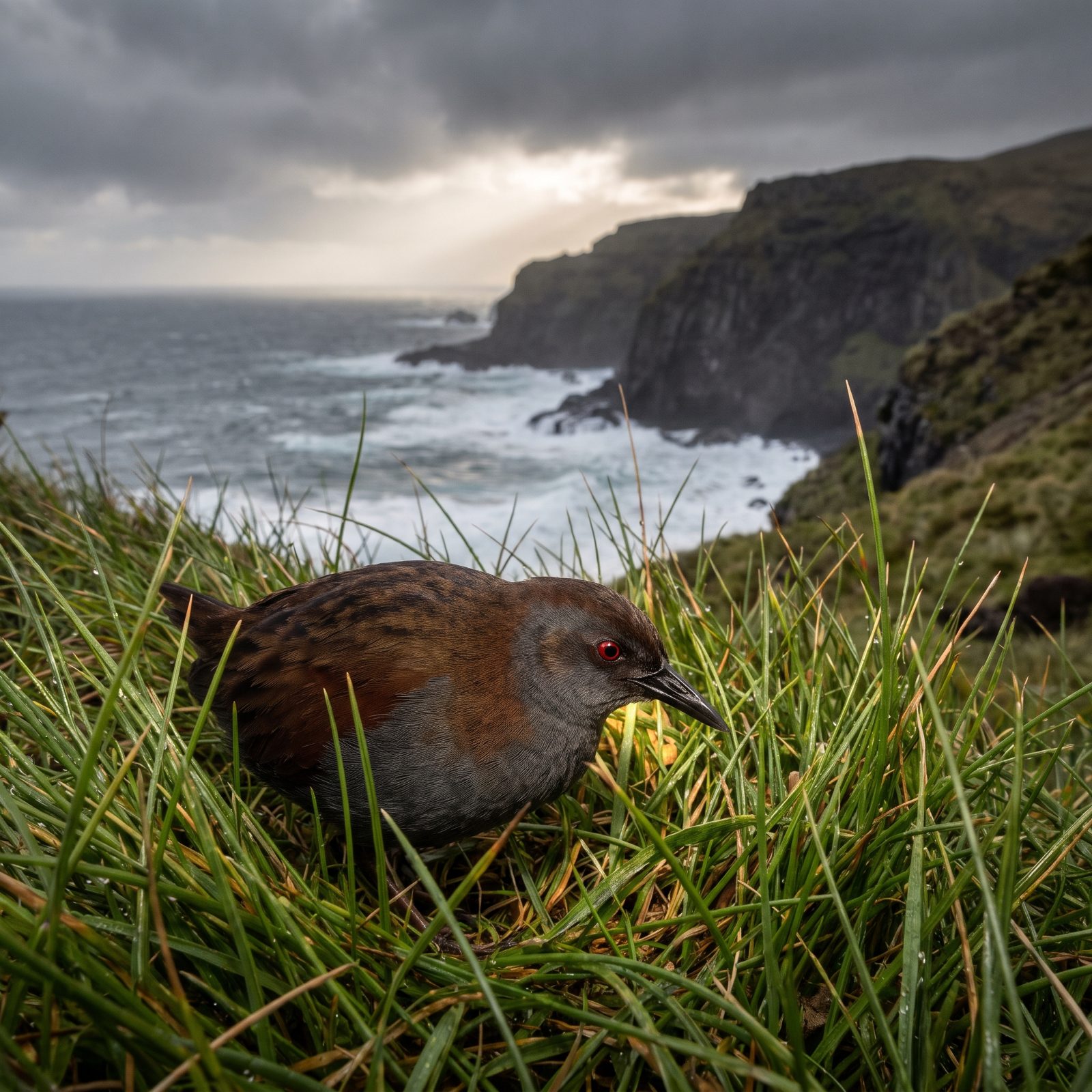
No bigger than a newly hatched chick and barely the weight of a couple of coins, this is the smallest flightless bird alive. It scurries through the tussock grass of a single speck of volcanic rock in the South Atlantic, well over a thousand miles from the nearest continent.
Here’s the part that stops biologists cold. Inaccessible Island has never, as far as anyone can tell, been connected to land. So how did a flightless bird get there? The best answer is that its ancestors flew in, then lost the ability over generations because they simply never needed it. Use it or lose it, written across a few million years.
24. Amami Ōshima: The Ancient Black Rabbit That Time Forgot
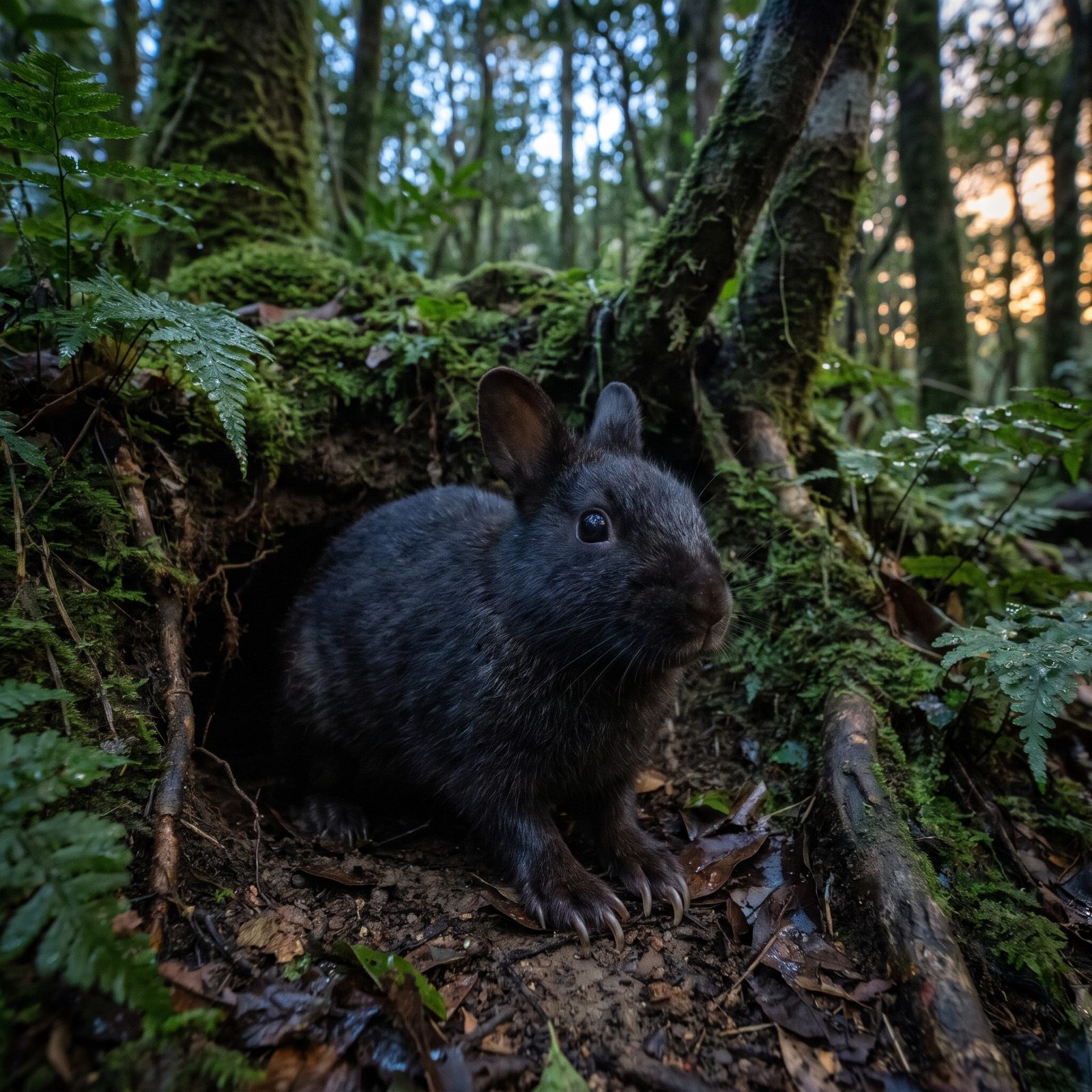
Forget the fluffy pet-store rabbit. This one is dark, almost black, with stubby ears and long curved claws it uses to dig and climb. Scientists call it a living fossil. Its lineage once ranged across mainland Asia and then vanished everywhere except two small islands in southern Japan, where it survived unchanged for millions of years.
It only comes out at night, digs burrows, and makes strange clicking calls to its young. Nearly everything it does breaks the mental image of what a rabbit is supposed to be, which is exactly what isolation does. Cut off the gene flow, remove the competition, and the oldest version of a thing just keeps on existing.
23. California’s Channel Islands: The Fox You Could Hold in Two Hands
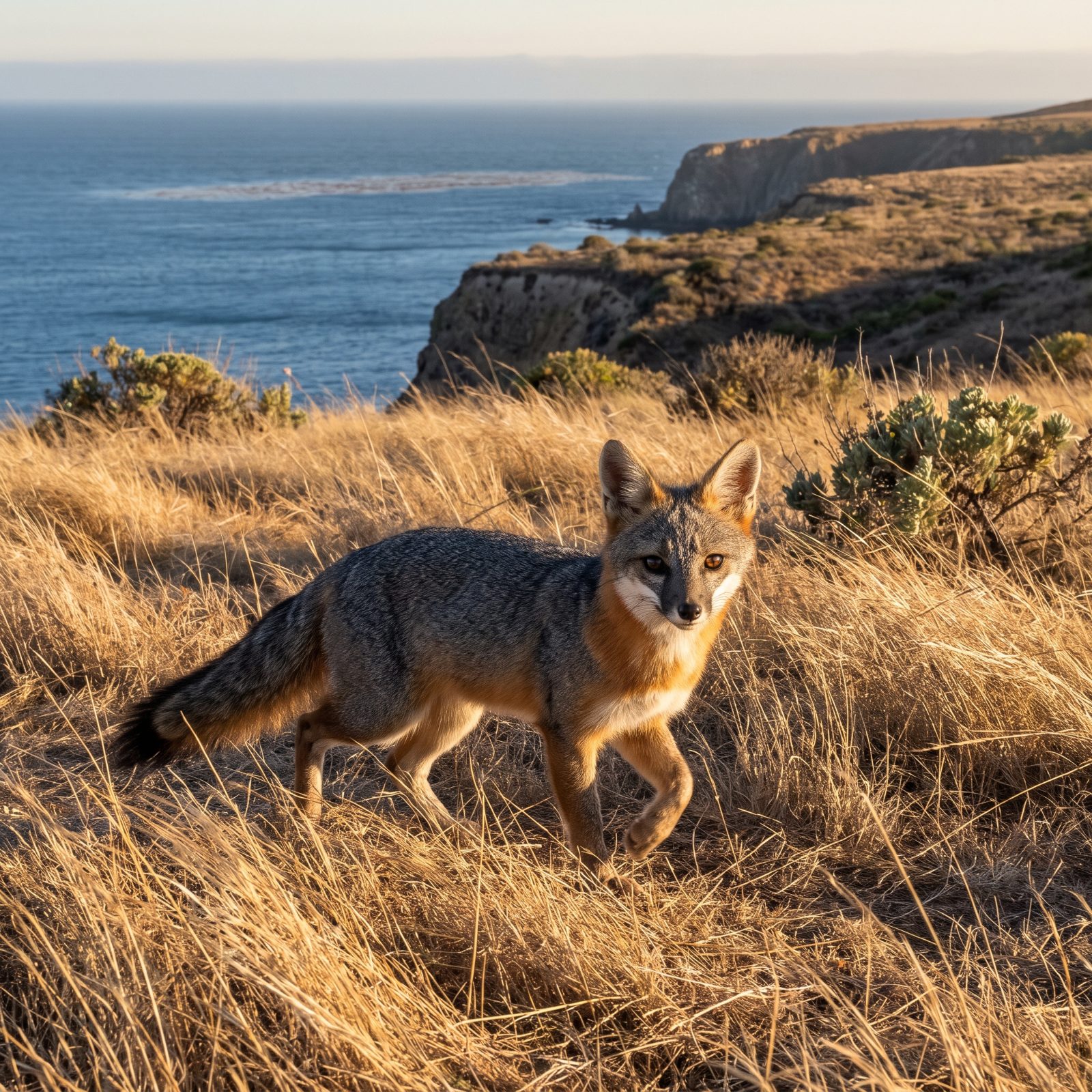
About the size of a house cat and light enough to lift in two hands, the island fox is the smallest fox in North America. It shrank. Its mainland ancestors, the grey fox, washed over to the islands long ago, and on a landmass with limited food and no large predators, each generation got a little smaller. Biologists call this island dwarfism, the flip side of the gigantism that turns other island species huge.
In the late 1990s, several subspecies crashed toward extinction after golden eagles moved in. The rescue that followed became one of the fastest recoveries for any mammal on the continent.
22. São Tomé: The Blazing-Yellow Caecilian That Isn’t a Worm At All
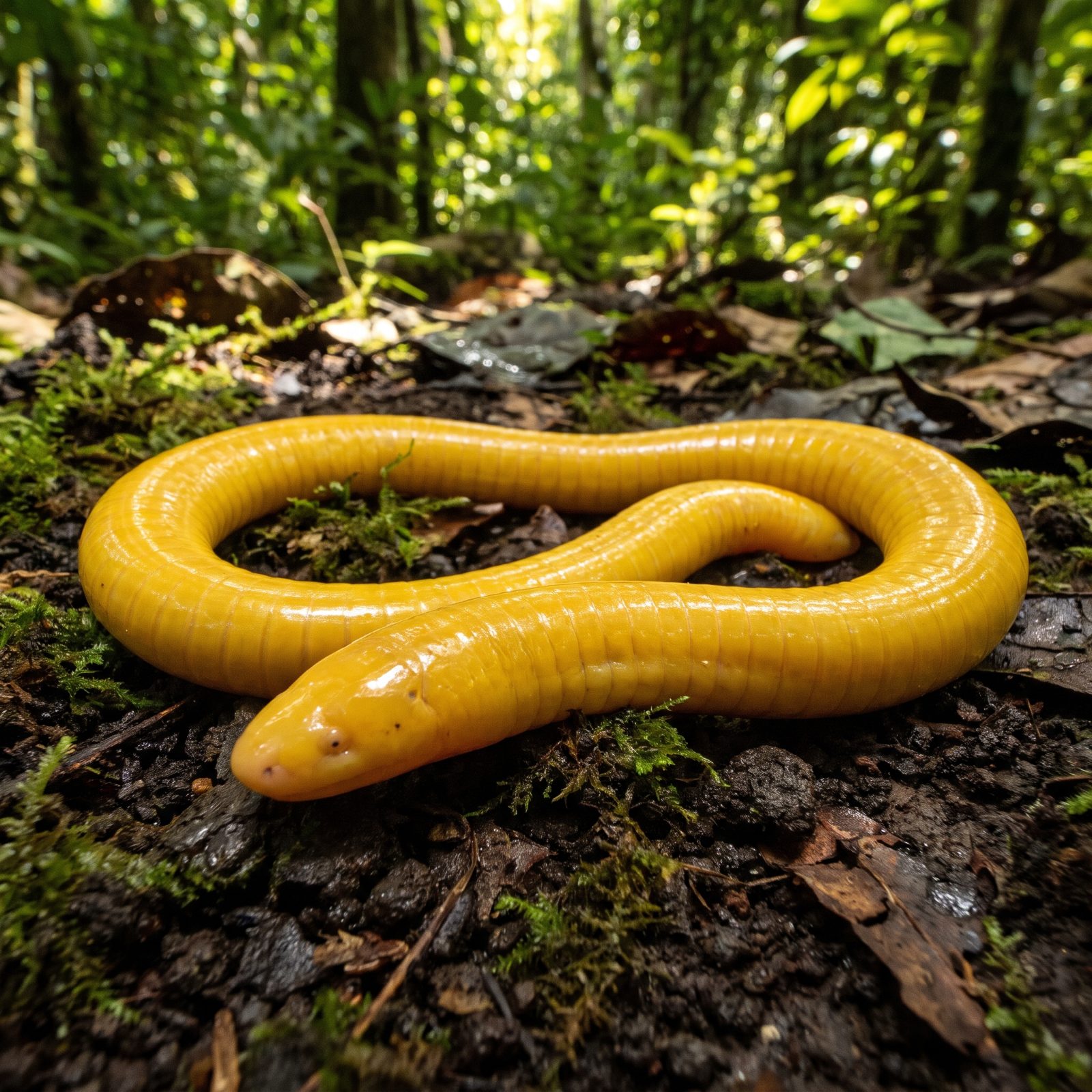
Pull one from the soil and your first thought is earthworm. Your second thought should be: why is it yellow enough to stop traffic?
It’s a caecilian, a limbless amphibian, far more closely related to frogs and salamanders than to anything in the worm world. On São Tomé, an island in the Gulf of Guinea, it evolved that electric egg-yolk colour most burrowing animals, living in the dark, would never bother with. Nobody is entirely sure why. The leading guess is a warning signal, telling predators its skin secretions taste terrible. Underground, where almost nothing has eyes to see it, it somehow chose to be impossible to miss.
21. Niuafoʻou: The Bird That Incubates Its Eggs in Volcanic Soil
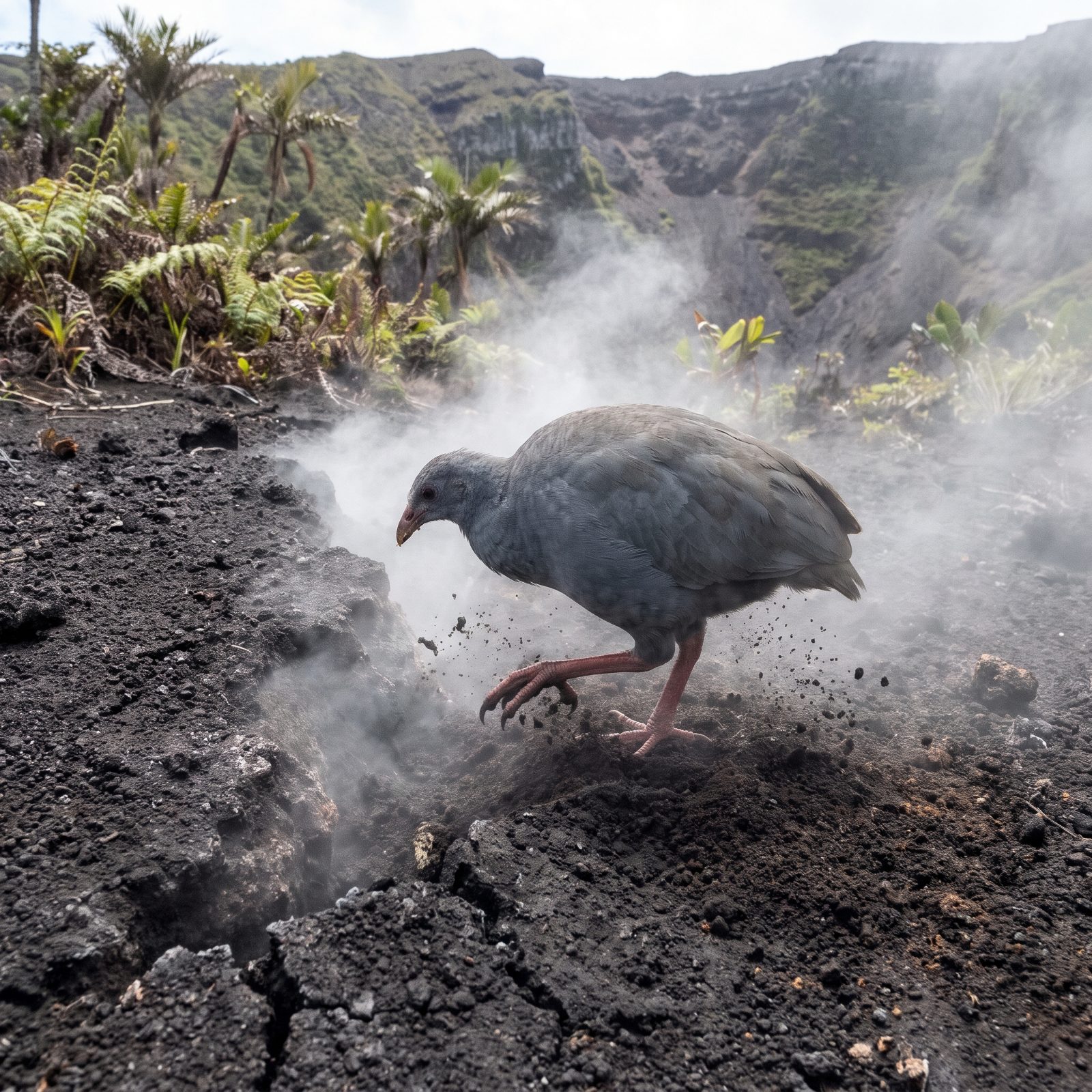
Most birds sit on their eggs. The megapode outsources the whole job to a volcano.
On Niuafoʻou, a remote Tongan island built from an active volcano, these birds dig deep burrows into soil warmed from below by geothermal heat, lay an egg, bury it, and walk away. The warm ground does the incubating. Weeks later a fully feathered, fully independent chick digs itself out of the earth, able to run and even flutter within hours. No parenting, no nest-sitting, no feeding.
The eggs are enormous relative to the bird, which is why the chicks hatch so advanced. They have to be. There’s no mother waiting at the surface.
20. Haida Gwaii: Black Bears With Jaws Powerful Enough to Crush Shells
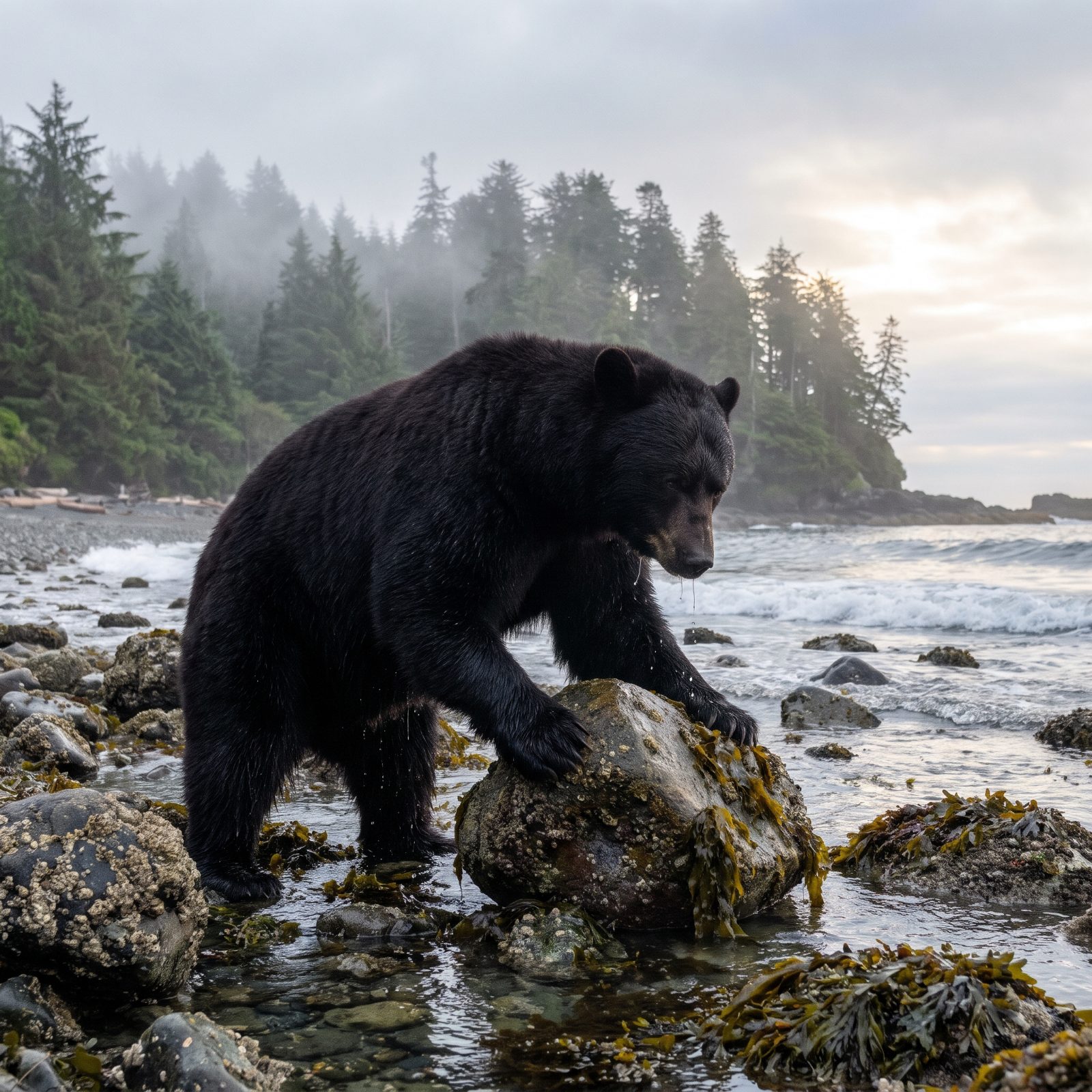
Cut off on the misty archipelago of Haida Gwaii off British Columbia, these black bears evolved into their own subspecies, and the standout feature is the skull. Their heads and jaws run strikingly larger than those of mainland black bears, strong enough to crack open crabs, mussels and barnacles from the intertidal rocks.
The reason is dinner. With fewer land-based food sources on the islands, the bears turned to the shoreline, and generations of crushing hard-shelled prey selected for heavier bite machinery. Natural selection, written in bone. Hand a biologist one of these skulls and they can tell you where the bear lived from the size of its jaw alone.
19. Fiji: The Emerald Crested Iguana a Film Crew Accidentally Discovered
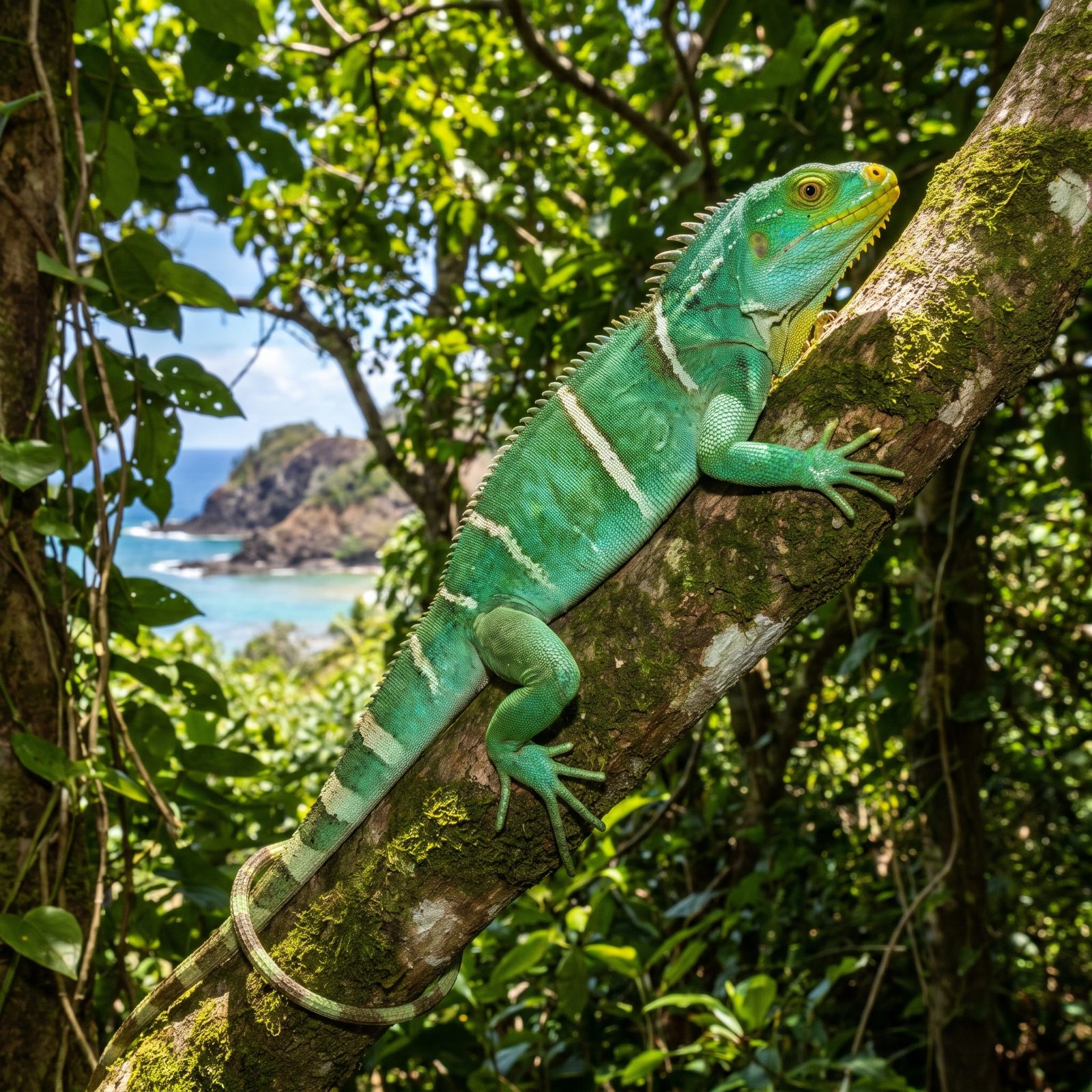
Here is one of the stranger origin stories in herpetology. This iguana was unknown to science until around 1980, when a scientist spotted it lurking in the background footage of a film shot in Fiji and realised nobody had ever described it.
The animal itself is worth the discovery. Vivid emerald green crossed with pale cream bands, a spiny crest, a face that looks almost painted on. When threatened or courting, it can shift to a darker, near-black colour. It lives high in the dry-forest canopy of a handful of Fijian islands, so secretive that a camera crew found it before any naturalist did.
18. Luzon: Giant Cloud Rats That Live Their Whole Lives in the Treetops
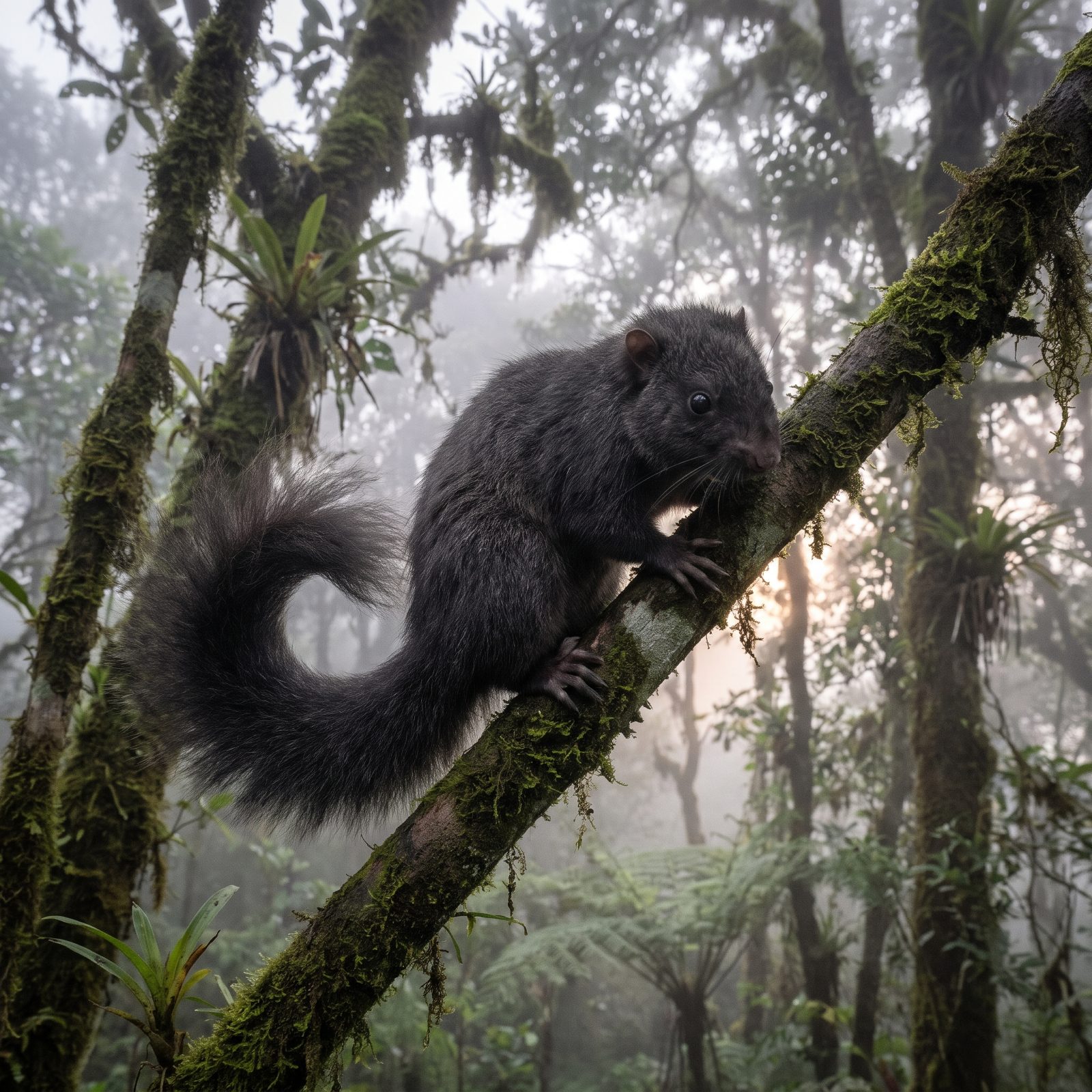
Say the word rat and nobody pictures this. Cloud rats run the size of a small cat, swathed in long soft fur, topped with a tail so thick and bushy it looks borrowed from a squirrel that went to the gym. Some species are nearly black. Others are patched white and grey like a skunk.
They live in the mossy mountain forests of Luzon, feeding on leaves and fruit up in the canopy and almost never touching the ground. Isolation on a single island let the humble rodent grow large, go vegetarian, and dress for the cold. Several species are so poorly known that new ones are still being described, turning up in forests that fewer people reach every year.
17. Santa Catalina Island: The Rattlesnake That Lost Its Rattle
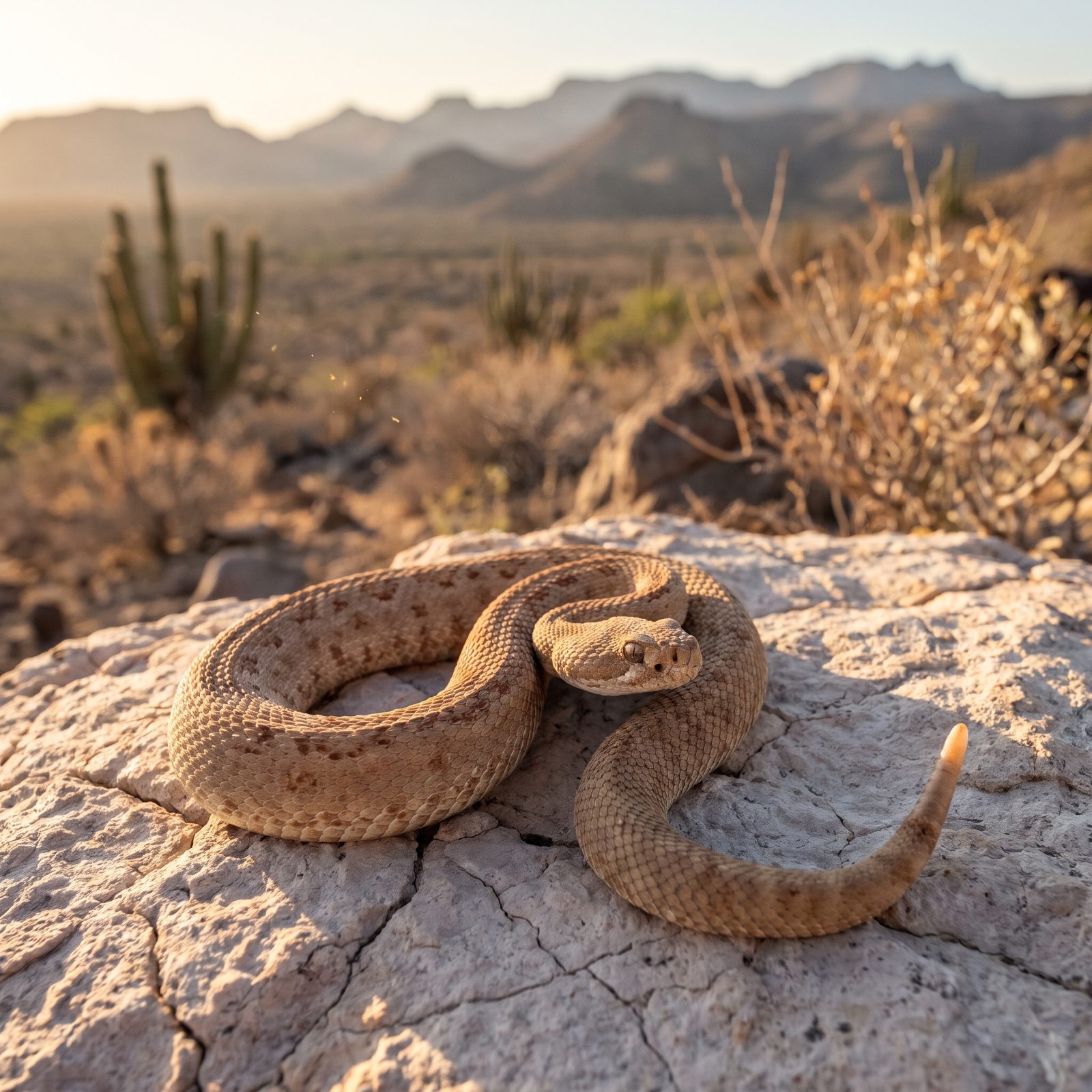
Every other rattlesnake on Earth announces itself. This one goes silent. On the small, isolated island of Santa Catalina in the Gulf of California, the rattlesnake evolved away its signature rattle, and that loss tells you how the whole place works.
Out on the mainland, a rattle warns off hooves before they land. No big grazers ever reached this island, so the warning stopped earning its keep. The snake also hunts birds up in the brush, and a dry buzzing tail is a terrible idea when you’re trying to ambush something with ears and wings. One molt at a time, selection shushed it.
16. Fernando de Noronha: The Island Skink That Sips Flower Nectar
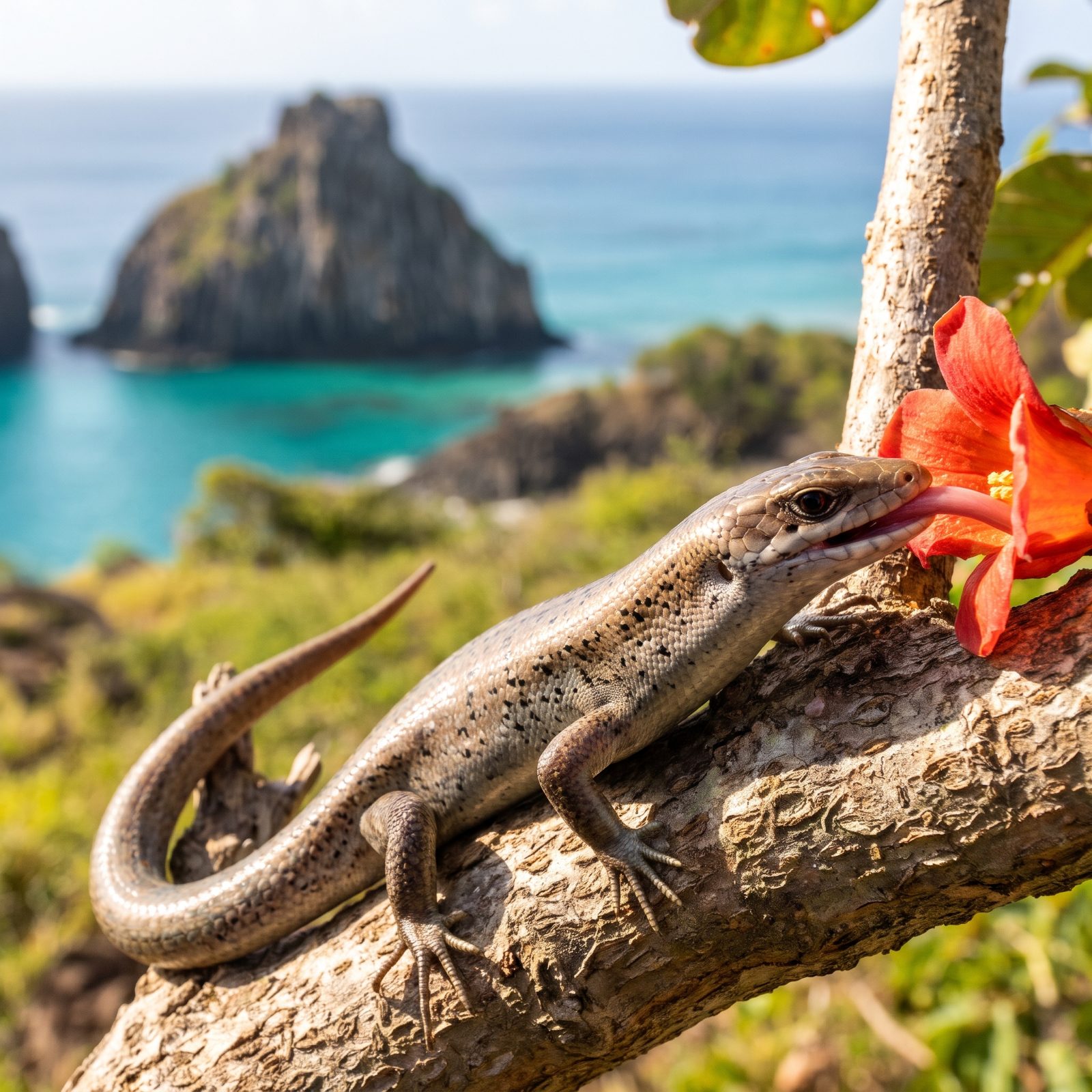
A lizard with a sweet tooth sounds made up. It isn’t. Out on Fernando de Noronha, a volcanic speck hundreds of miles off the Brazilian coast, the local skink spends part of its day doing something few reptiles bother with: drinking nectar straight from flowers.
Islands are stingy places. Fewer insects, fewer options, so a clever animal takes whatever calories are going. The Noronha skink raids blossoms for sugar and, in the bargain, ferries pollen from tree to tree. A reptile moonlighting as a bee. That’s the sort of job-swapping isolation forces on the creatures stranded there.
15. Mindoro: The Dwarf Buffalo Found Nowhere Else on Earth
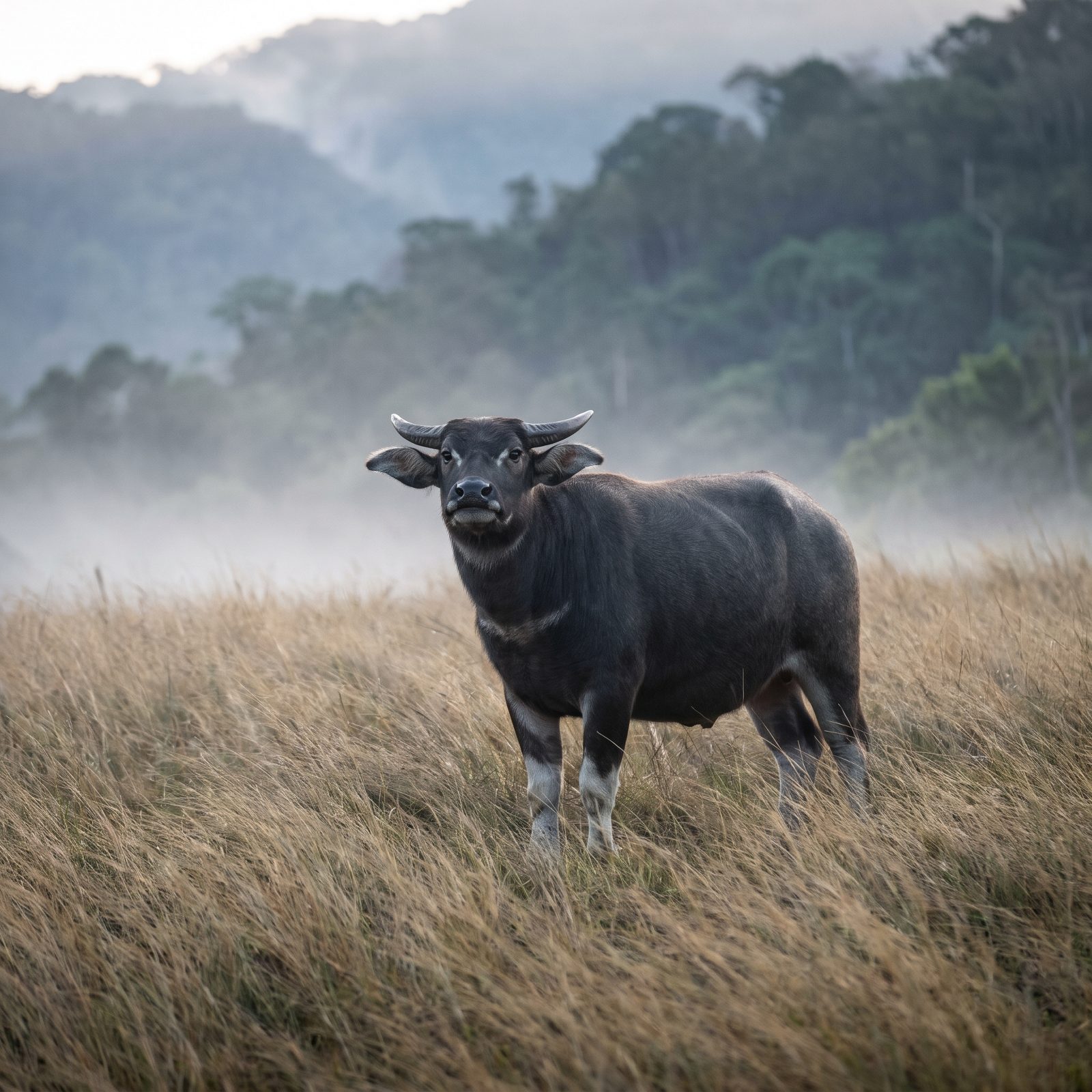
There is only one wild cattle species native to the Philippines, and it lives on a single island. The tamaraw, a stocky dwarf buffalo barely waist-high at the shoulder, survives in the wild only on Mindoro.
Island animals often shrink. Limited food favors a smaller body that needs less of it, a pattern biologists watch play out again and again on isolated land. The tamaraw took that route, trading the bulk of its mainland relatives for a compact frame and short, V-shaped horns that sweep upward and back.
Only a few hundred remain. One island, one species, a thin margin between it and gone for good.
14. Guadalcanal: The Monkey-Faced Bat With Bone-Crushing Teeth
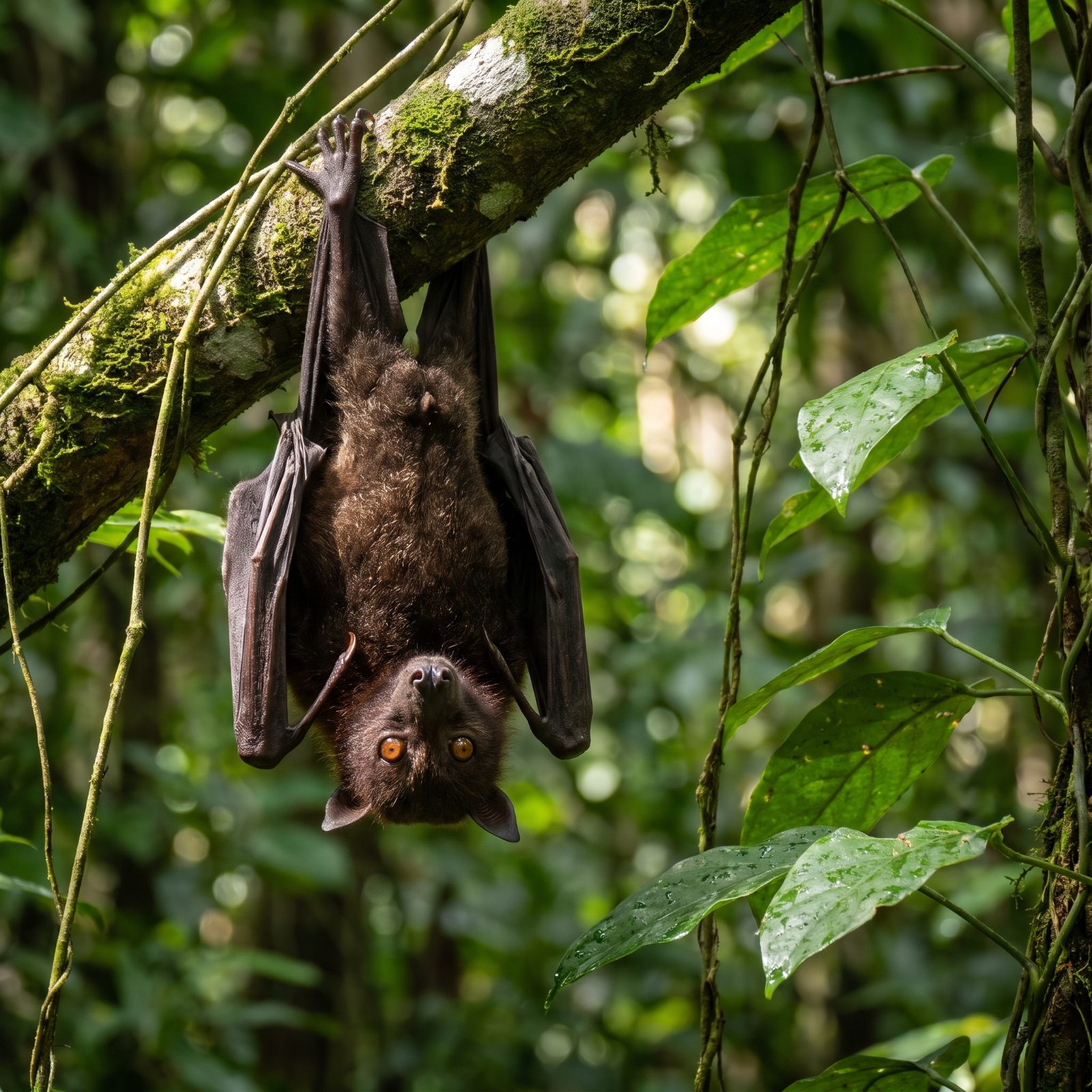
Most fruit bats look like flying foxes. This one looks like a startled monkey dangling from a branch, and its mouth holds a genuine surprise. The monkey-faced bats of Guadalcanal and the wider Solomon Islands carry heavy, blunt teeth and jaws powerful enough to crush hard unripe nuts and tough rainforest fruit that softer-mouthed bats can’t touch.
Those big forward-facing orange eyes give the face its oddly primate look. On an island, you eat what the others can’t, and strong teeth open a pantry closed to everybody else. Several of these species now rank among the rarest bats alive, tied to forest that keeps shrinking.
13. Kauaʻi: The Eyeless Cave Wolf Spider That Hunts Blind
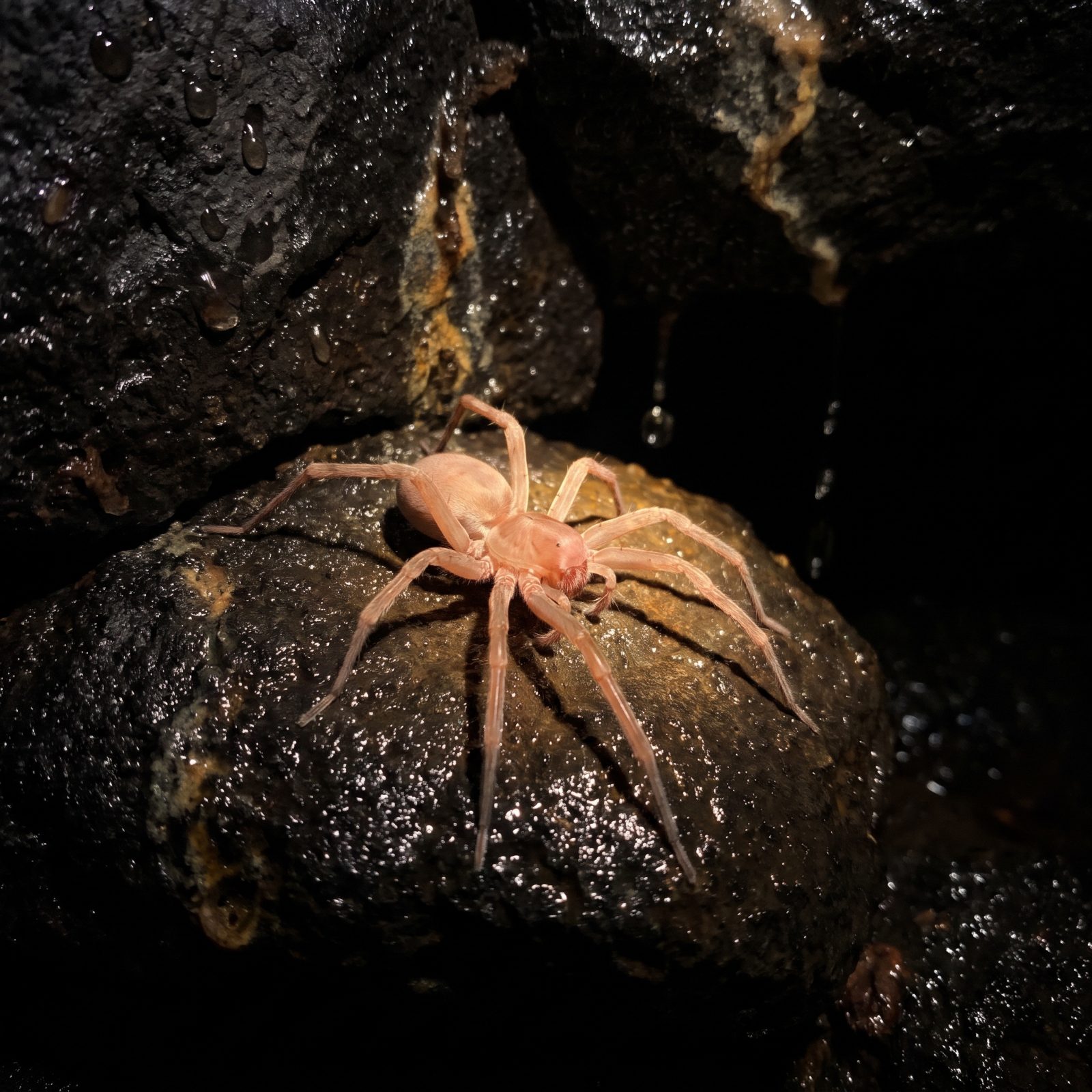
Lose the light long enough and your body stops building eyes. In the lava caves of Kauaʻi lives a wolf spider with none at all. Its mainland cousins have eight eyes and hunt by sight; this one is smooth-faced and completely blind, and it does just fine.
In perfect darkness, vision is dead weight. The spider reads its world through touch and vibration, feeling prey skitter across the rock. Eyes cost energy to grow and maintain, so where there’s no light to see by, evolution quietly stopped footing the bill.
The whole species lives in a handful of caves. Blind, pale, and found nowhere else.
12. Kodiak Island: Home to the Largest Brown Bears on Earth
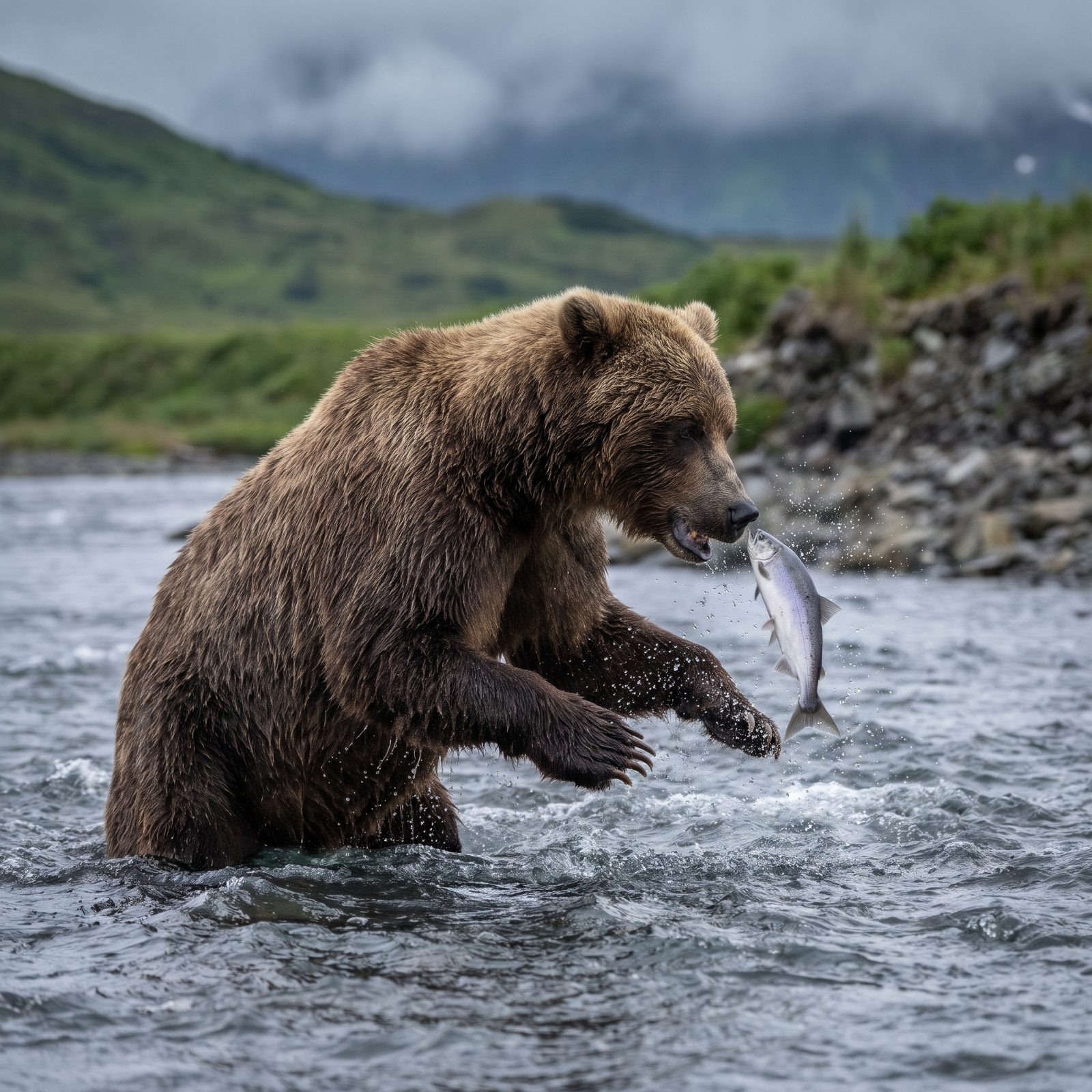
Give a bear its own island and endless salmon, and it grows into something nearly the size of a small car. The Kodiak brown bears of Alaska are the biggest on the planet. Large males stand around ten feet tall reared up on their hind legs and, in a good year, push well past half a ton.
They’ve been cut off from mainland brown bears for roughly twelve thousand years. Fat-rich salmon runs, few competitors, and no reason whatsoever to stay small let their bodies balloon. Same species as a grizzly, built to a wholly different scale on an island diet.
11. Samoa: The Tooth-Billed Pigeon With a Beak Like the Dodo’s
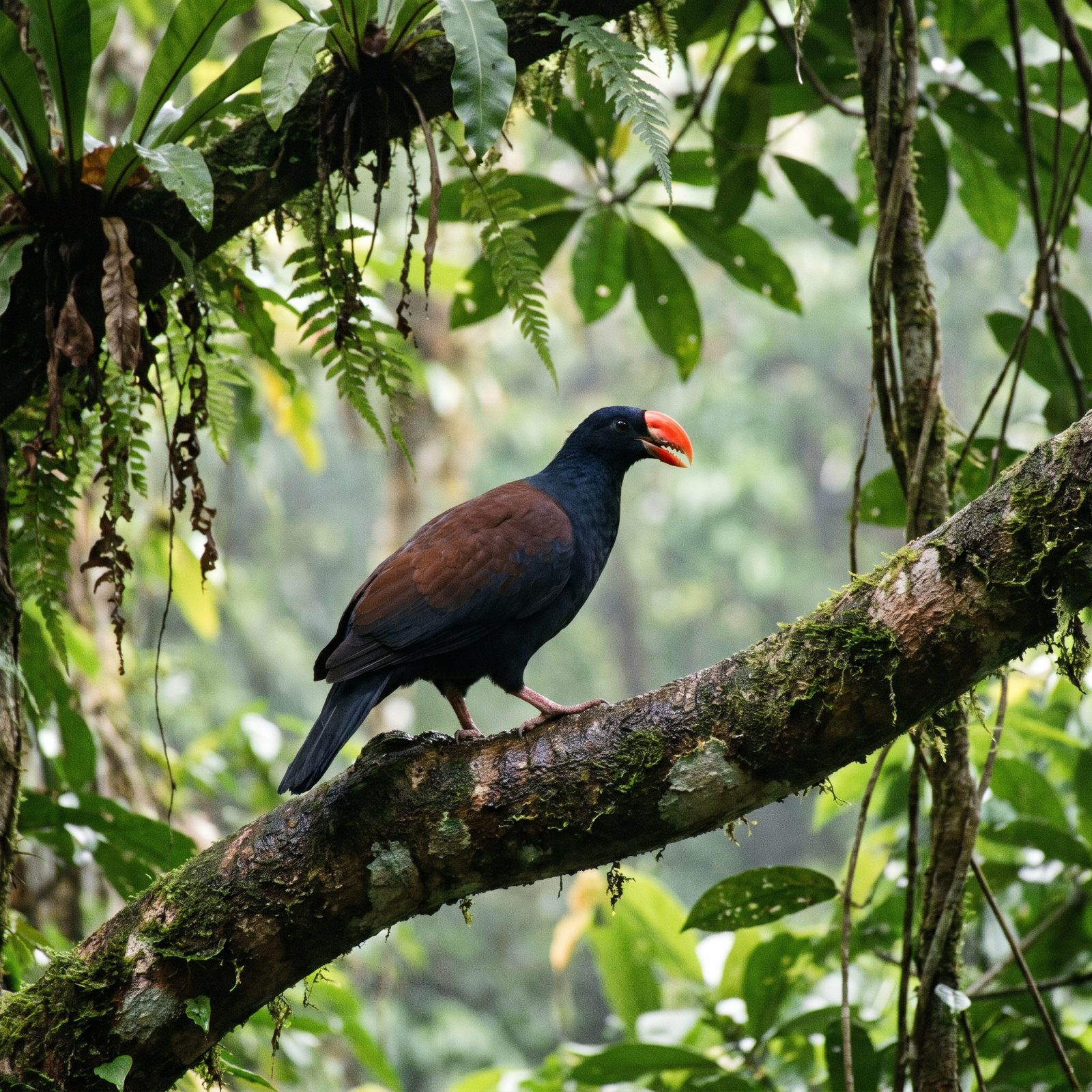
The dodo has one living relative that keeps its memory right there in its face. The manumea, or tooth-billed pigeon of Samoa, carries a heavy red-orange hooked beak edged with little toothlike serrations, a tool built to saw through tough tropical fruit.
Its scientific name, Didunculus, literally means “little dodo.” And the resemblance runs deeper than looks. Both descend from the pigeon family, both evolved on islands, both grew stout and strange far from any predator.
Here’s the hard part. The manumea is now critically endangered, with likely only a few hundred left. Samoa’s national bird is drifting toward the same ending its famous cousin already met.
10. Narcondam Island: The Hornbill That Lives on One Dead Volcano
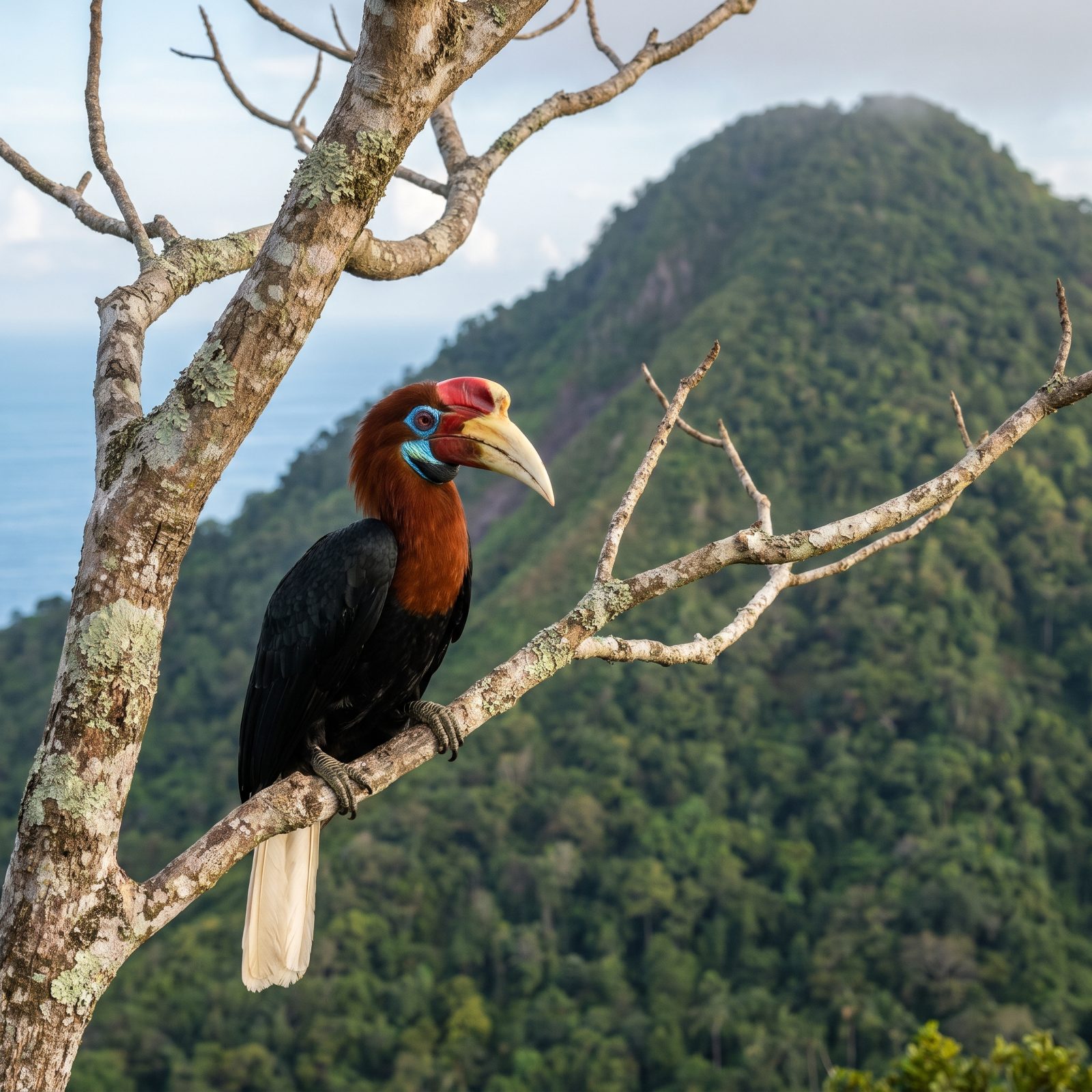
This bird’s entire world is a single extinct volcano poking out of the Andaman Sea. The Narcondam hornbill lives only on Narcondam Island, a forested cone of barely five square miles, and nowhere else.
As wild ranges go, that’s about as small as it gets. A few thousand birds, one modest patch of jungle, no backup habitat if anything goes sideways. The casque on its bill, that hollow helmet of a crest, helps it throw its calls through the dense forest it never leaves.
Guard the island, keep it rat-free, and the hornbill holds on. Lose the island, and you lose the whole species in a single stroke.
9. Barbados: The Threadsnake Small Enough to Curl on a Coin
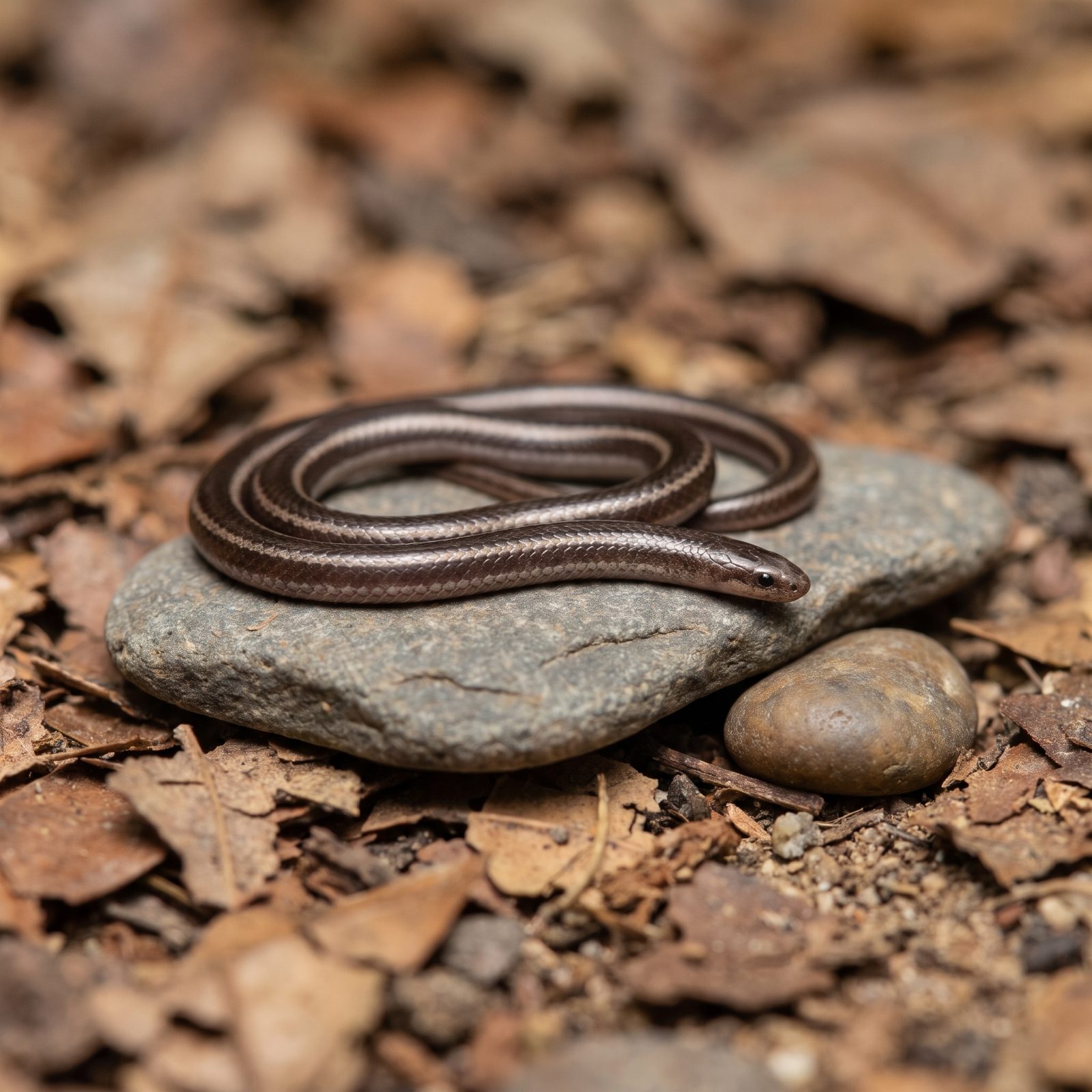
You could lose this snake in your pocket. This Barbados snake is a small, secretive creature, roughly four inches long and about as thin as a strand of spaghetti. A full-grown adult coils comfortably on a coin.
It’s so small it bumps up against a physical floor. A female lays a single egg, because there’s simply no room inside her for more. Shrink much further and a newborn wouldn’t be big enough to catch the termites and ant larvae it lives on.
Discovered on Barbados in 2008, it hides under stones in the island’s last scraps of native forest.
8. Iriomote: The Tiny Wildcat That Hunts in Mangrove Swamps
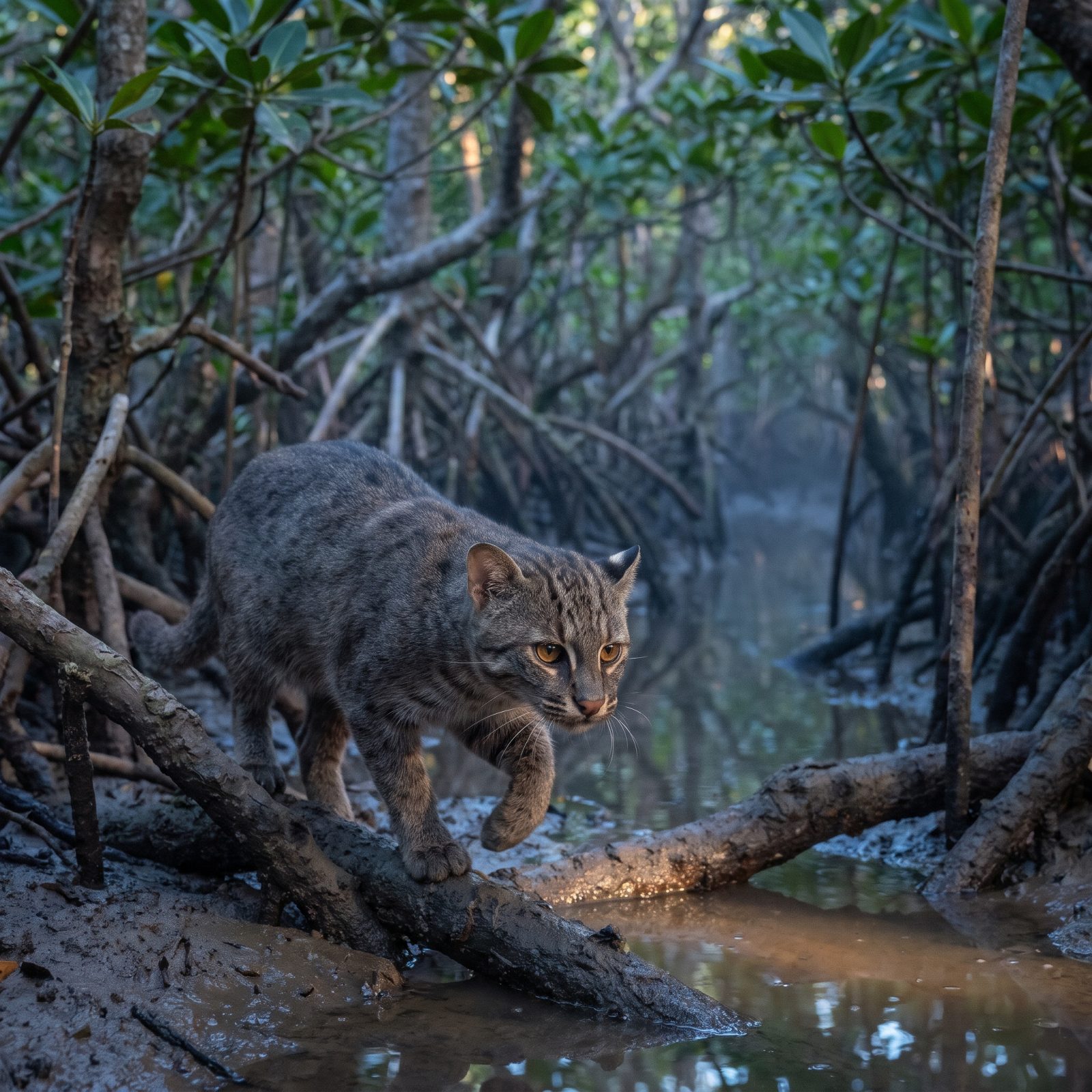
A wildcat that wades is a rare thing. On Iriomote, a subtropical island off the far southern tip of Japan, the local cat does exactly that, slipping through mangrove swamps after frogs, crabs, skinks, and the odd unlucky bird.
Most small cats steer clear of water. This one leaned in, working the tidal tangle of roots and mud that blankets much of its tiny home. The entire population lives on one island barely 110 square miles across, and only around a hundred cats remain.
Science didn’t even know it existed until 1965. A living wildcat, hiding in plain sight on a Japanese island, turned up within living memory.
7. Phillip Island’s Giant Centipede That Eats Seabird Chicks
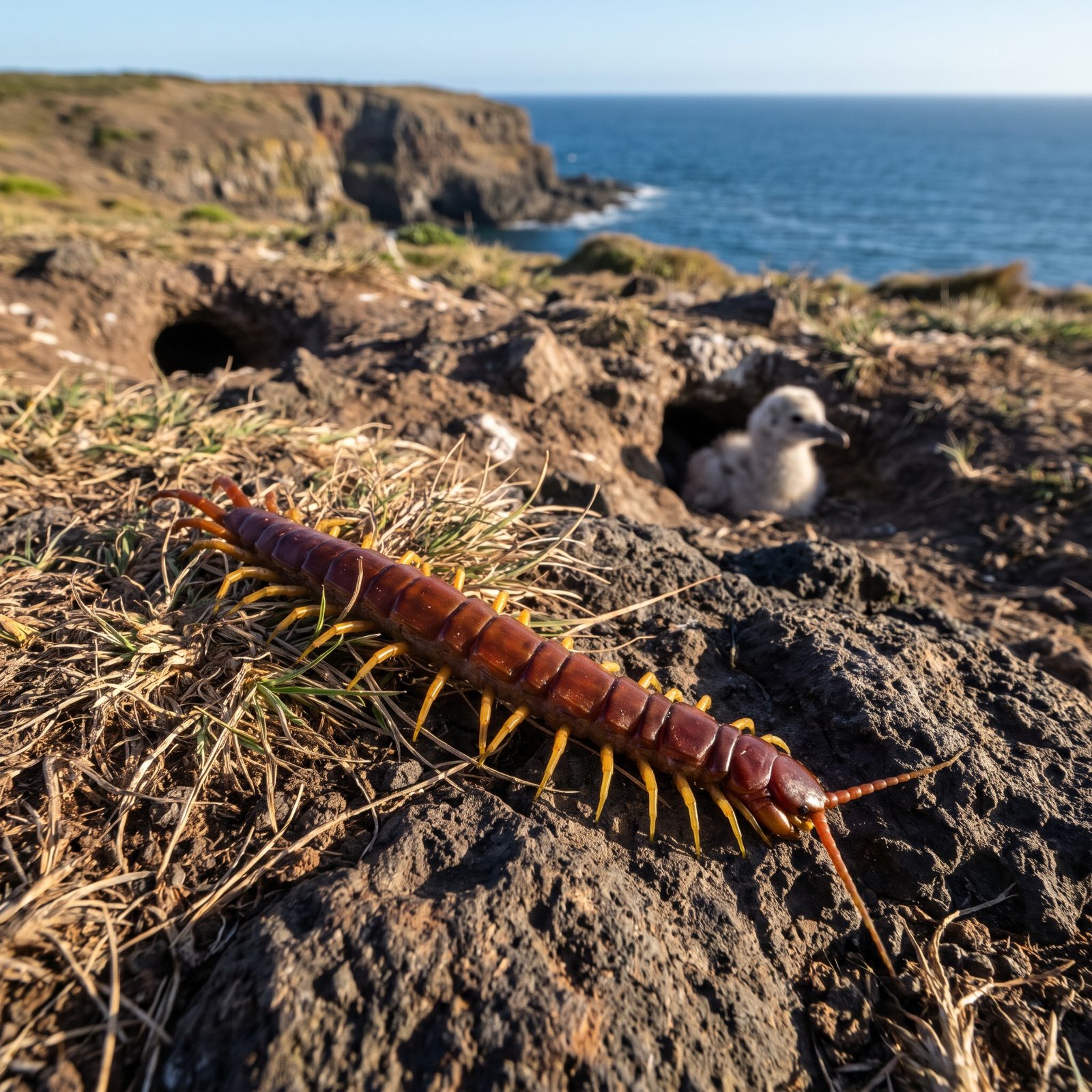
Most centipedes settle for insects. This one, found only on Phillip Island near Norfolk Island, climbs down into the burrows of petrels and kills the chicks. It grows to about 25 centimeters — nearly a foot of armored muscle and venom.
Researchers have watched it hunt black-winged petrel chicks after dark, driving its forcipoles (modified front legs that pump out venom) into prey far larger than itself. On an island with no native mammal predators, the centipede simply moved into that empty job. These days it takes a steady toll of chicks every year, and here’s the twist — it belongs. No invader. A homegrown monster doing exactly what the ecosystem built it to do.
6. Robinson Crusoe Island’s Firecrown, Where the Females Flash the Brighter Colors
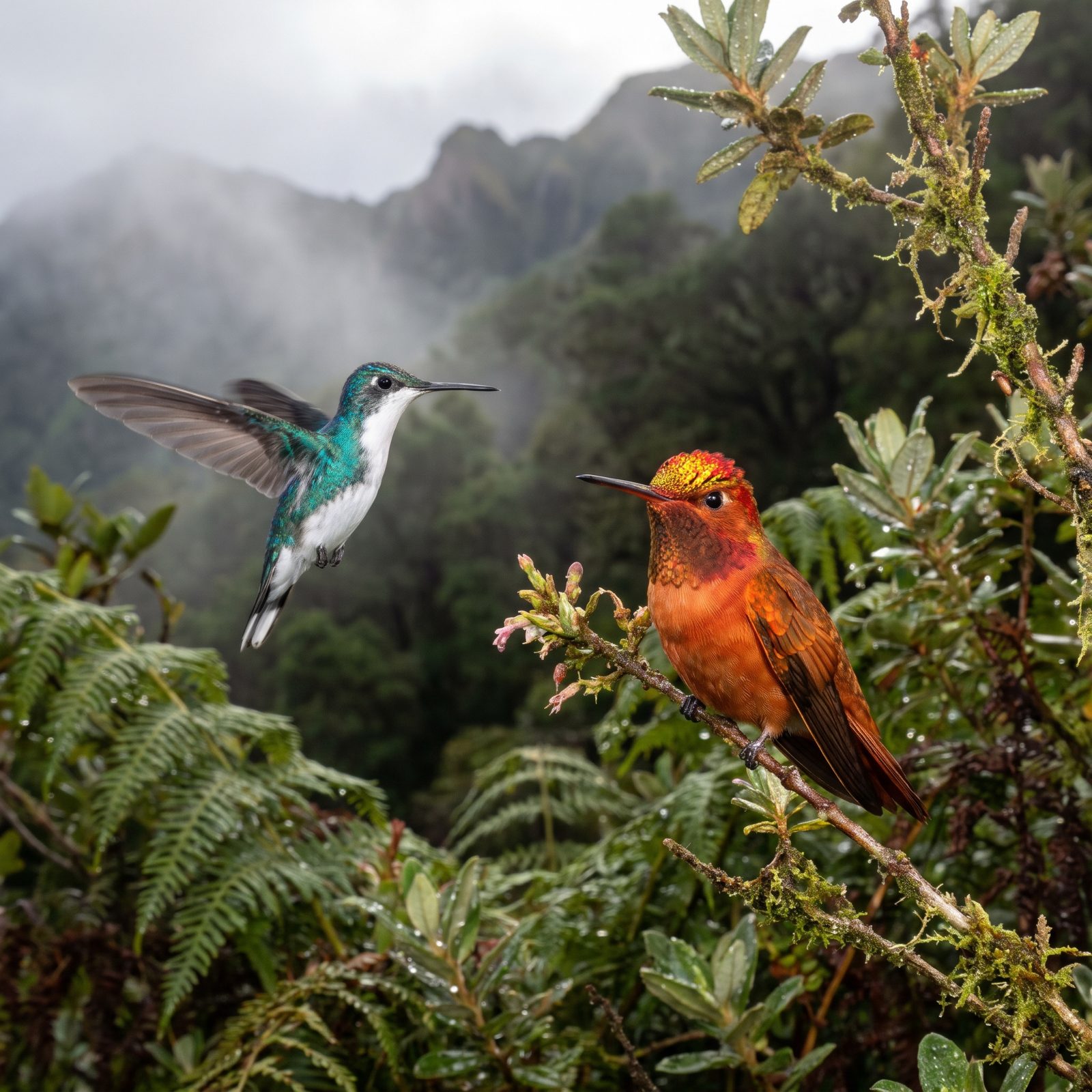
The firecrown breaks a bird rule. Usually the males carry the show-off colors while females stay drab for safe nesting, but here both sexes blaze — and they look like two completely different birds doing it. Males burn orange-red. Females wear blue-green and white.
It confused the early naturalists enough that they filed the pair as separate species. They live only on Robinson Crusoe Island, one of the Juan Fernández group, where fewer than a few thousand hang on. Introduced plants, cats, and rats have squeezed them into shrinking patches of native cloud forest. One tiny island, one spectacular bird, and almost no margin left to spare.
5. The Antipodes Parakeet, a Green Parrot That Stalks Nesting Seabirds
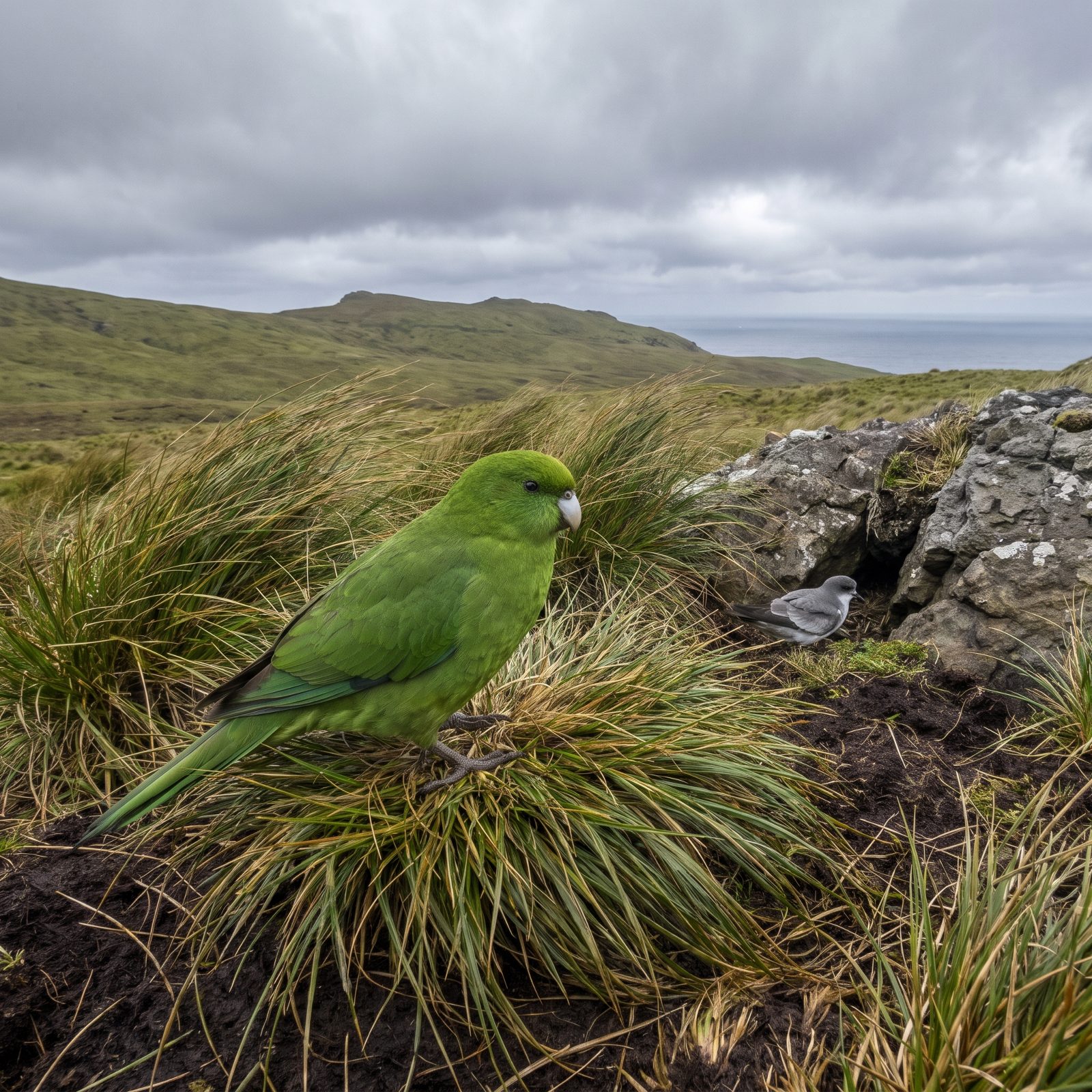
You picture a parrot cracking seeds. This one goes hunting.
The Antipodes parakeet, a solid green parrot found only on a cluster of frozen islands south of New Zealand, has been documented crawling into the burrows of grey-backed storm petrels and killing the adults inside. It scavenges carcasses too, and raids other birds’ nests when the chance comes. On a windswept rock with scarce food and no trees, a vegetarian diet just doesn’t pay the bills — so the parrot turned opportunist and eats whatever the grim place coughs up.
4. Saint Helena’s Giant Earwig, Longer Than Your Index Finger
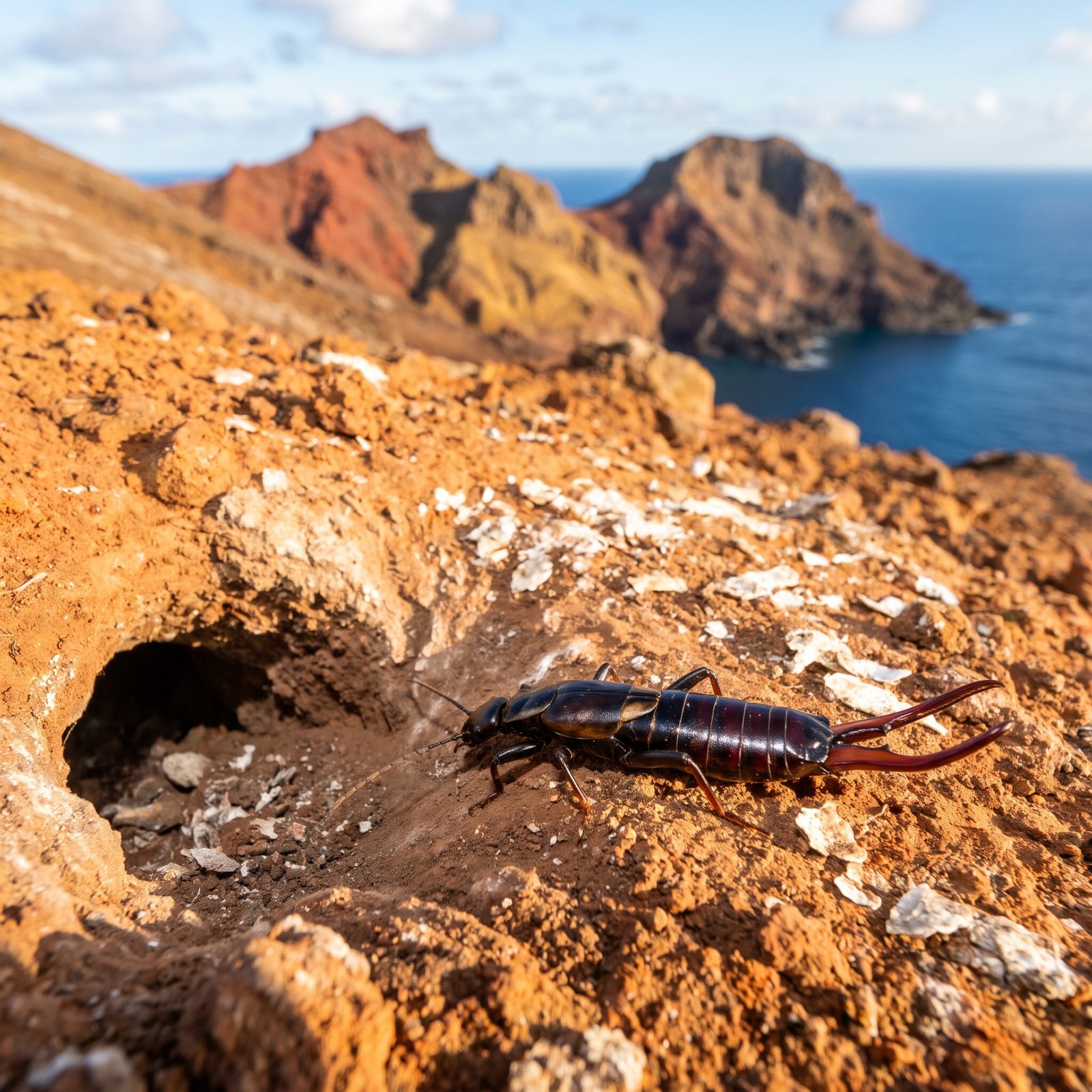
Eight centimeters of earwig. Pincers and all, it ran longer than a grown adult’s finger — the biggest earwig ever recorded — and it lived nowhere but the volcanic rock of Saint Helena, out in the South Atlantic.
The last confirmed sighting came in 1967. Searches through the 1980s turned up only old pincers lying in the soil, like relics. In 2014 the IUCN called it extinct, finished off by habitat loss and by introduced centipedes and mice it had no defense against.
An island gives you time to grow strange and beautiful. It rarely gives you time to adapt when the rules change overnight.
3. The Pygmy Sloth of Escudo de Veraguas, Marooned in the Mangroves
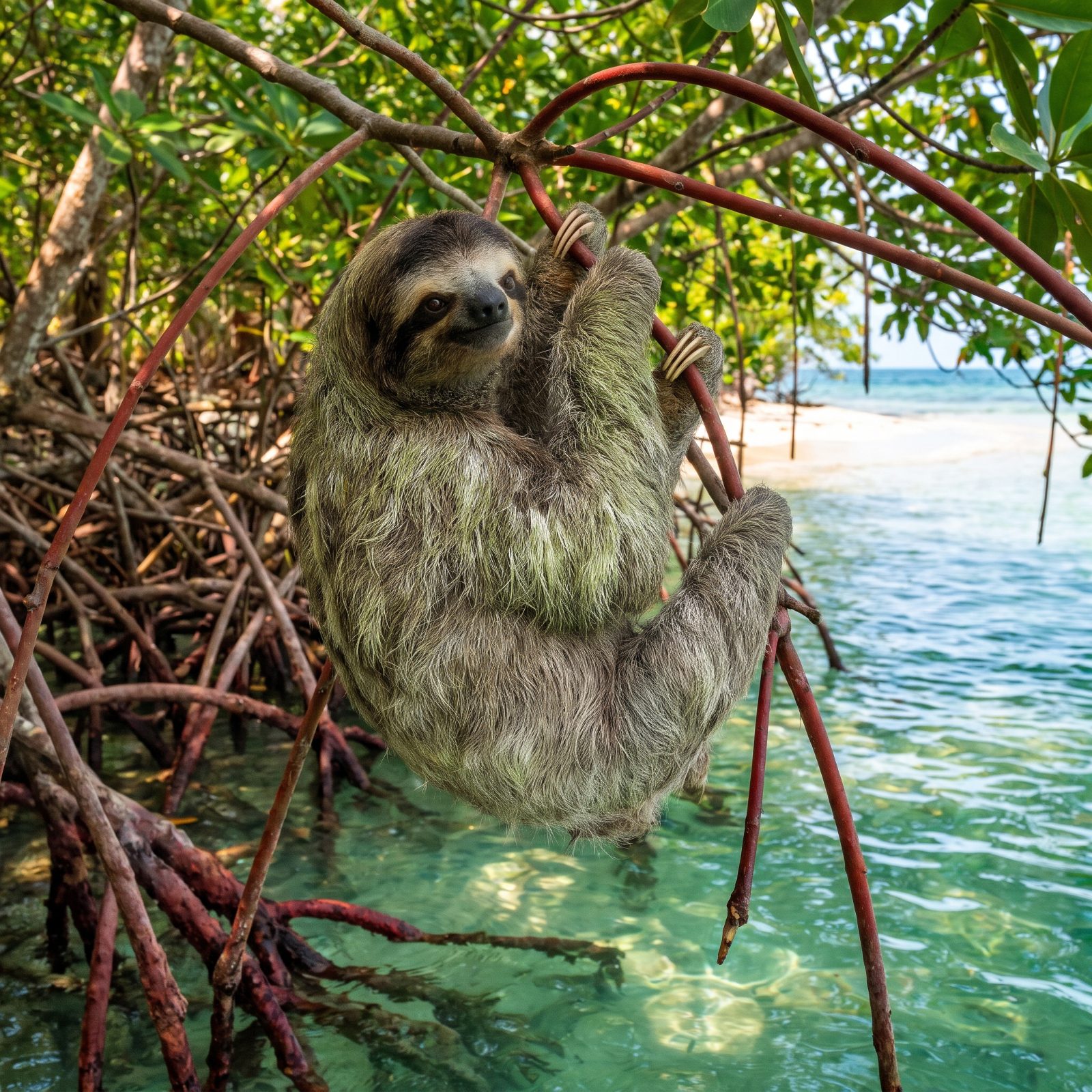
About the size of a small cat, and happiest in a tree that grows in saltwater. The pygmy sloth lives on Escudo de Veraguas, a speck of an island off Panama’s Caribbean coast, and absolutely nowhere else on the planet.
Isolation shrank it. Cut off from the mainland for thousands of years, it dwindled down to a far lighter animal than its cousins — a textbook case of island dwarfism. It feeds almost entirely in the red mangroves ringing the shore, and only a few hundred may still cling to those branches. One small island, one small sloth, a very thin thread.
2. Seychelles’ Gardiner’s Frog, One of the Smallest on Earth, That Hears With Its Mouth
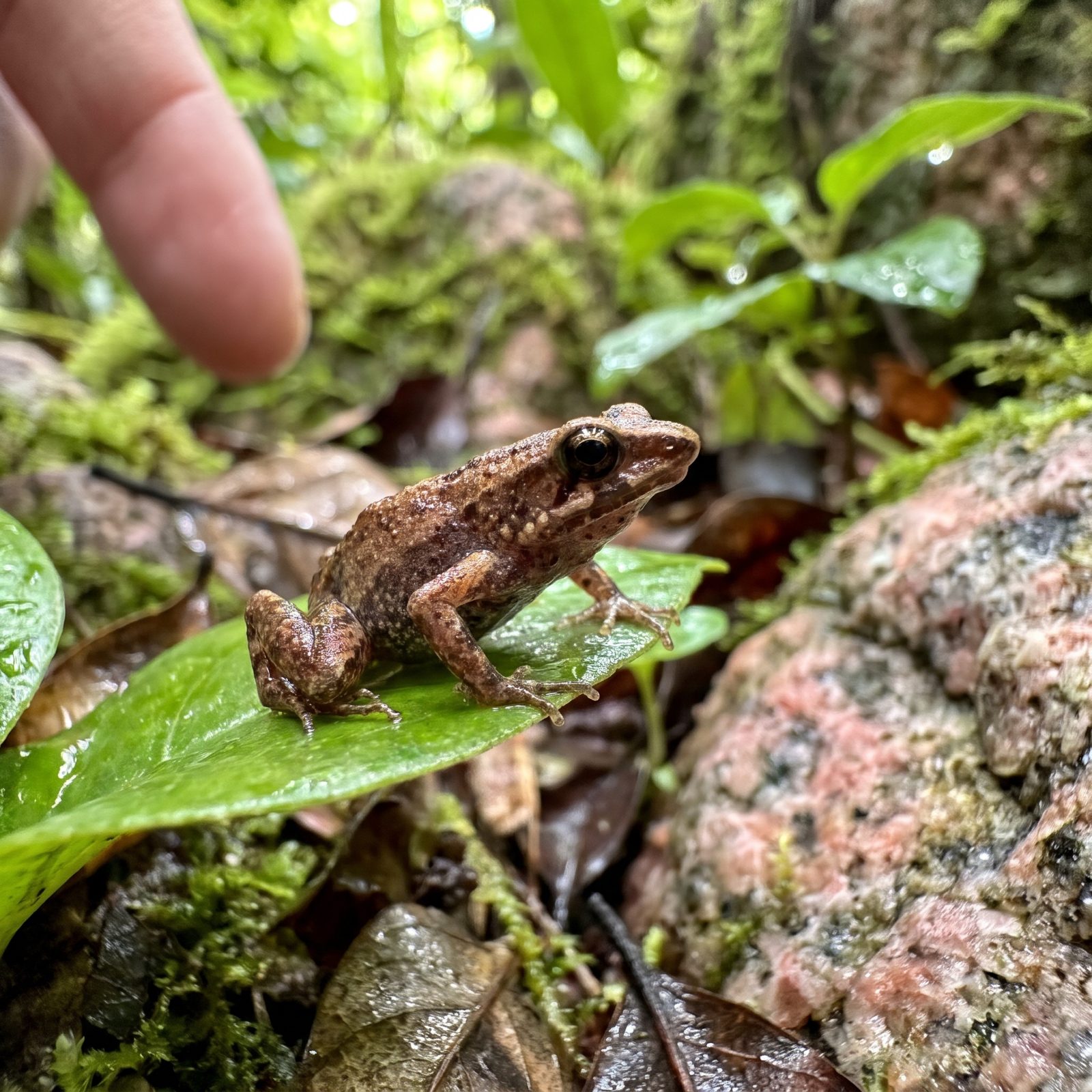
This frog has no middle ear — no eardrum, no sound-conducting bones, none of the standard hearing kit most frogs rely on. Yet it calls to other frogs and clearly answers back when they call to it. For years that made no sense at all.
Researchers finally cracked it in 2013 with X-ray imaging. Sound travels through the frog’s mouth cavity, which resonates and shunts the vibration straight to the inner ear by way of the thin tissue and bone of its head. The animal hears, in effect, through its own open mouth. Found only in the Seychelles, Gardiner’s frog ranks among the smallest vertebrates alive — a full-grown adult sits comfortably on a fingernail.
1. Palau’s Golden Jellyfish, Millions Trapped in a Lake That Follow the Sun
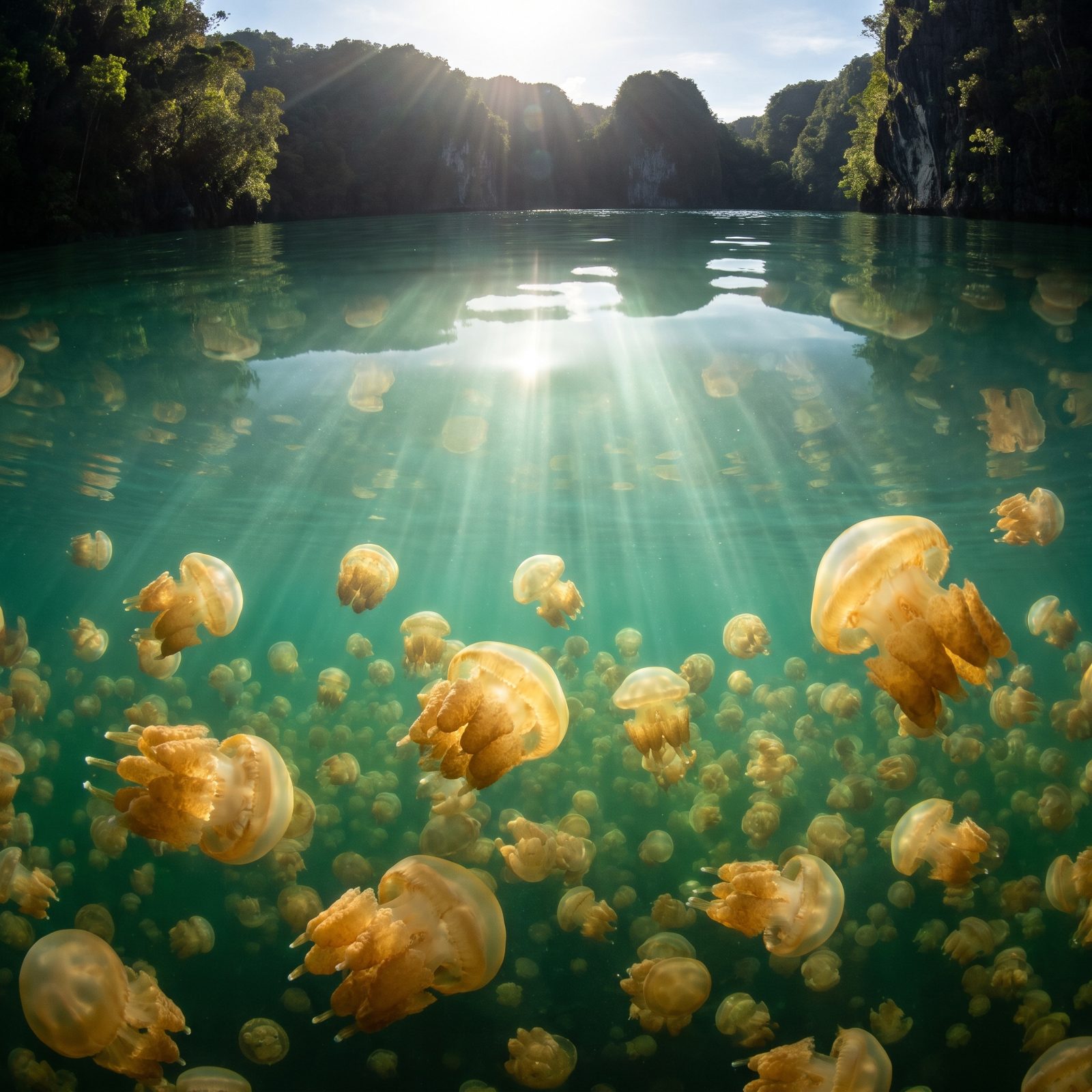
Millions of jellyfish, one lake, and a daily commute you could set your watch by. Jellyfish Lake on Eil Malk Island in Palau sits cut off from the open sea, fed only through cracks in the limestone, and it holds a swarm of golden jellyfish found nowhere quite like this.
Isolation rewrote their routine. Every day they drift east to west and back again, chasing the sun — and not for warmth. These jellies farm algae inside their own tissues, and the algae need light, so the whole swarm shifts to keep its tiny solar gardens fed. With most predators gone, the jellies have nearly lost their sting.