
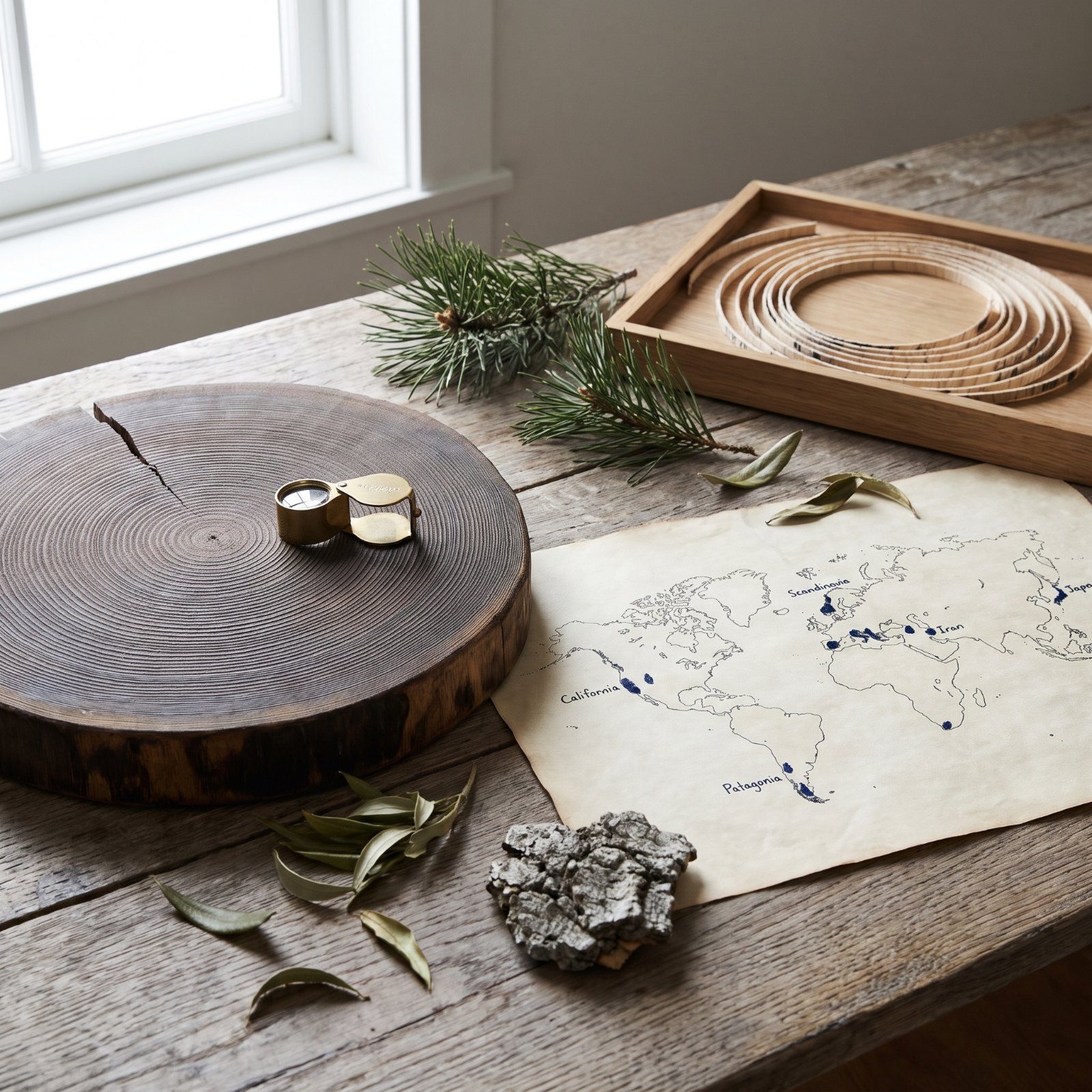
Somewhere in the White Mountains of California, a pine has been dropping needles since before the pyramids got their final casing stones. It was middle-aged when Troy fell, and still alive when the first Christmas came and went, barely registering the event. Trees keep time differently than we do. A few scattered across the planet were already old, gnarled veterans centuries deep when the calendar we use got reset to year one. Some of their ages are nailed down by ring counts you can trust. Others rest on educated guesswork and a fair amount of argument. Here are the elders, and the honest story of how we know what we think we know.
23. Methuselah, the Secret Bristlecone Pine in California
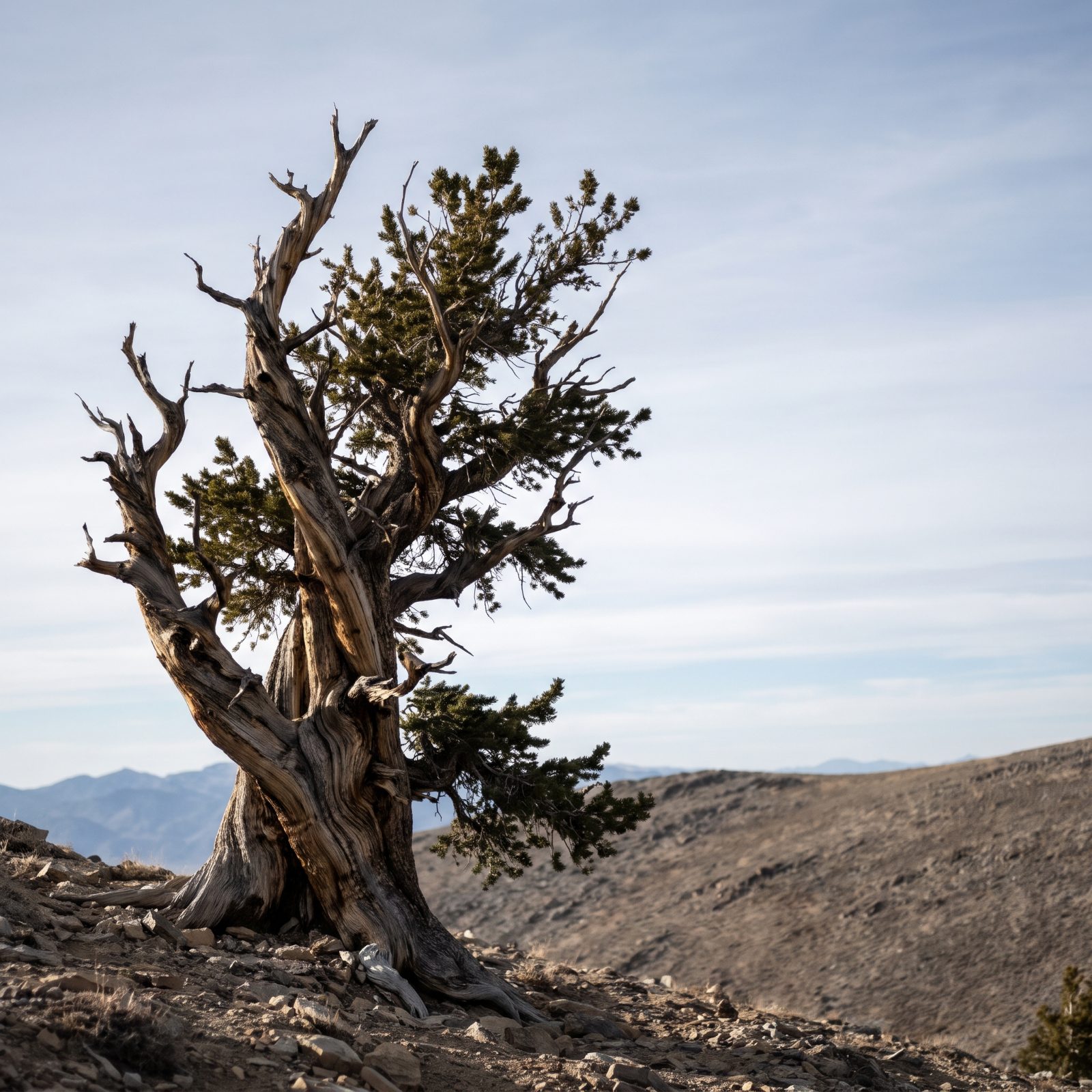
Nobody will tell you which tree it is. The US Forest Service keeps Methuselah’s exact location secret, and for good reason. Vandals and souvenir hunters have killed old trees before, so this one stands unmarked and alone on its open, rocky slope, looking like any other wind-tortured bristlecone.
Its age, roughly 4,850 years, comes from a core sample taken by dendrochronologist Edmund Schulman in the 1950s. That’s ring counting, not guesswork, which makes Methuselah one of the few trees here with an age you can genuinely trust. It was already over 2,800 years old at the first Christmas.
22. Gran Abuelo, Chile’s Ancient Patagonian Cypress
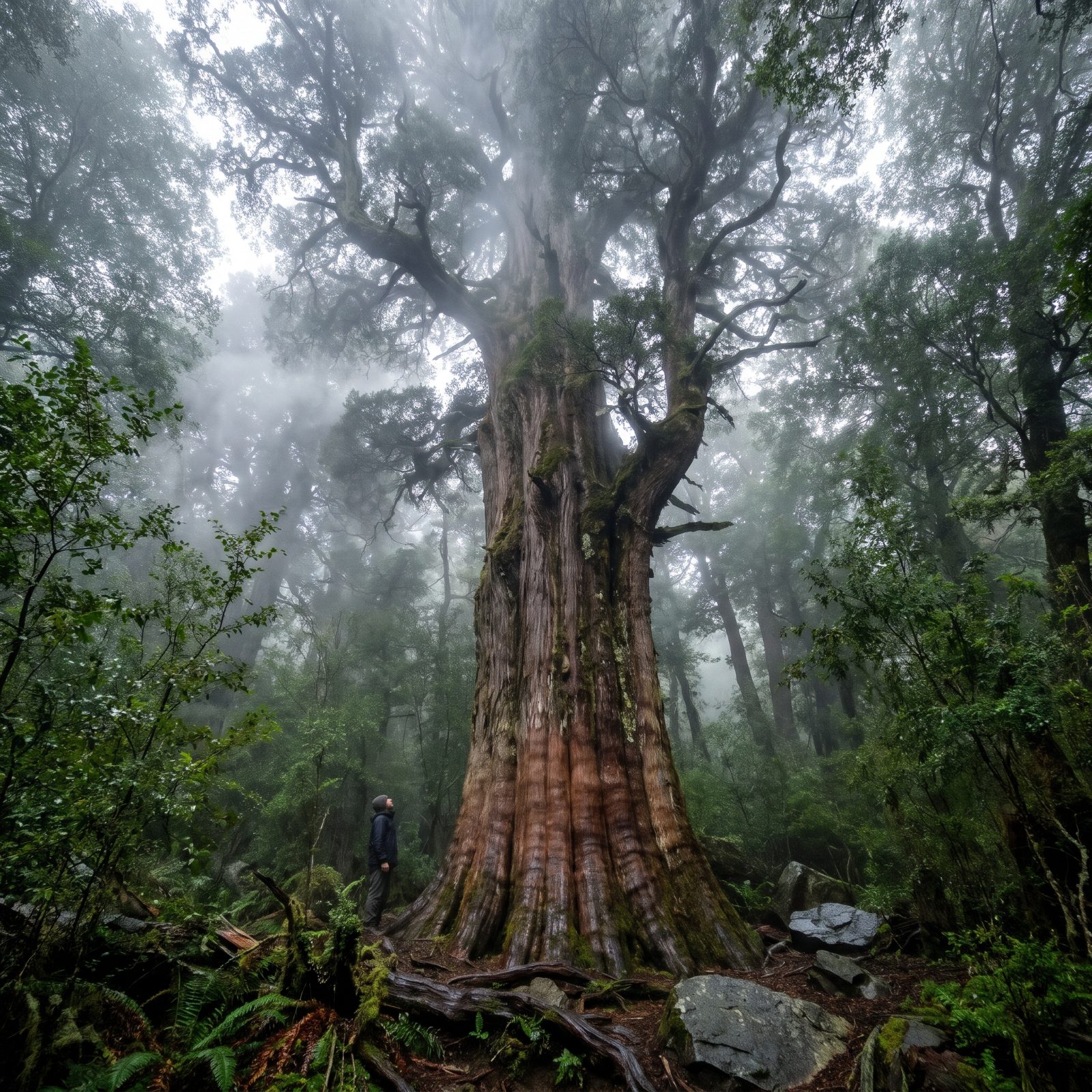
This one is rewriting the record books, and the record books are arguing back. A 2022 study used a partial core plus statistical modeling to estimate Gran Abuelo at over 5,400 years, which would crown it the oldest known living tree on Earth.
Here’s the honest part. The researcher couldn’t reach the center of the trunk, so the age leans on a computer model rather than a full ring count, and plenty of scientists are skeptical. What nobody disputes is that this alerce is ancient, a giant of Patagonia’s rainforest that was already a graybeard long before the Caesars.
Not every expert accepts the modeled estimate, and a tree-ring laboratory founder put it bluntly: “The ONLY way to truly determine the age of a tree is by dendrochronologically counting the rings and that requires ALL rings being present or accounted for”
21. Old Tjikko, Sweden’s 9,500-Year-Old Clonal Spruce
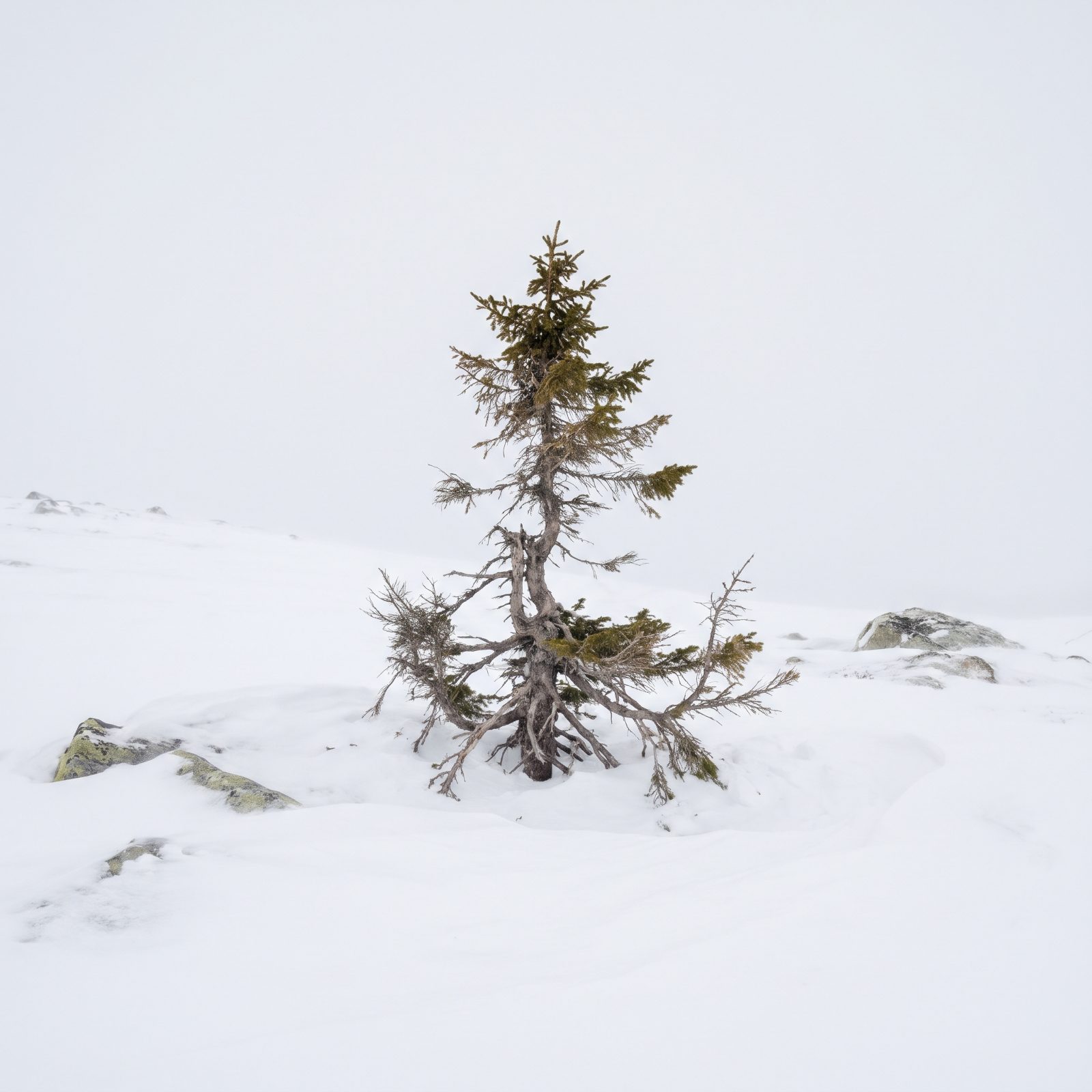
Old Tjikko looks like a scruffy little Christmas tree someone forgot on a mountainside. That’s the trick of it.
The visible trunk is only a few hundred years old. Underneath, though, the root system has been cloning itself for an estimated 9,500 years, sending up fresh stems as old ones die. Radiocarbon dating of the roots gives the age, not ring counting of the trunk.
So is it one tree or ten thousand? Depends how you define “tree.” The genetic individual is ancient beyond comprehension, while the wood you can touch is young. Both things are true.
Explaining why clonal trees like Old Tjikko can outlast their trunks, a tree-ring scientist says “The above-ground portion of the tree gets burned off, but the below-ground portion can generate a new tree.”
20. Sarv-e Abarkuh, Iran’s Monumental Desert Cypress
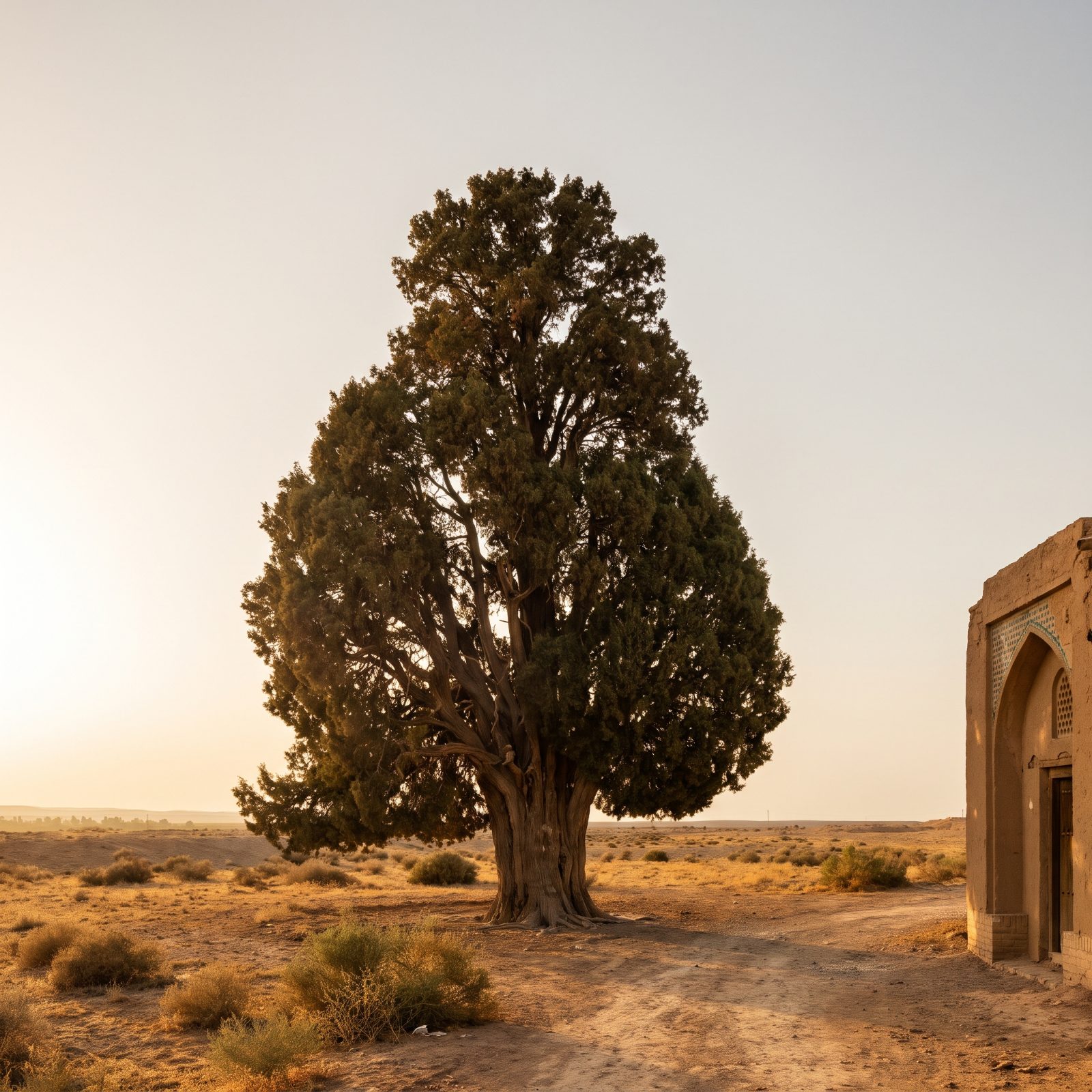
Iranians call it Sarv-e Abarkuh, and locals will tell you the prophet Zoroaster planted it. That’s tradition, not science, and it deserves saying plainly.
Estimates run from 4,000 to 4,500 years, based mostly on size and growth-rate comparisons rather than a clean ring count, so the exact figure is soft. The sheer presence of the thing is not. A cypress this massive in a desert that unforgiving had to survive four millennia of drought, conquest and swinging climate. It was centuries old when the first Christmas arrived, and it’s still throwing shade in the Yazd heat.
19. Jōmon Sugi on Japan’s Yakushima Island
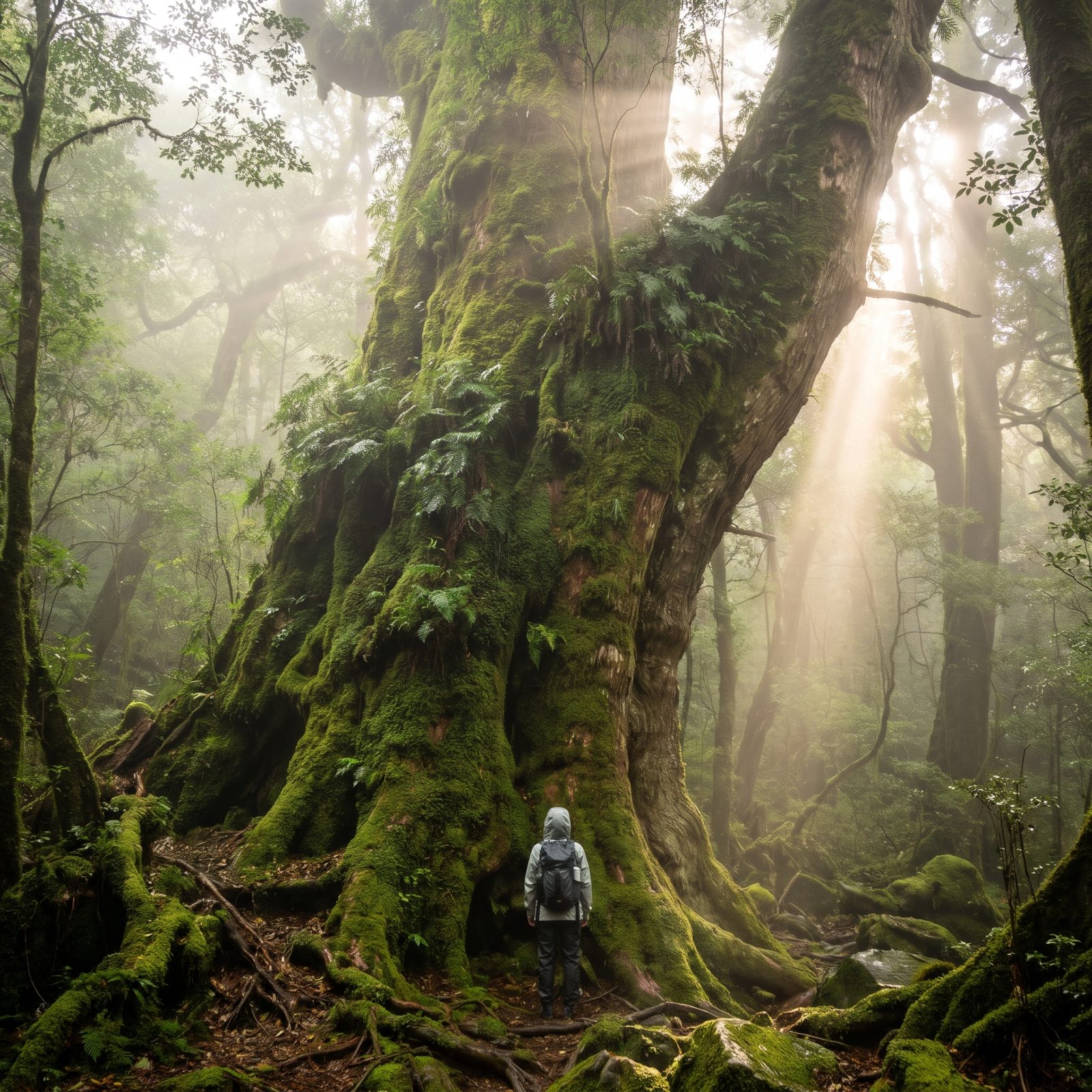
The hike to see it takes most of a day, through dripping cedar forest where the moss glows like something out of an animated film. Jōmon Sugi earns the walk.
Age estimates for this Japanese cedar swing wildly, from a conservative 2,000 years to claims of 7,000. The low end comes from counting rings in dead sugi of similar size; the high end is more speculative. Call it at least two millennia, possibly far more.
Even the cautious number lands it before the first Christmas, which on this fog-soaked island feels about right.
18. The President, a Giant Sequoia in California
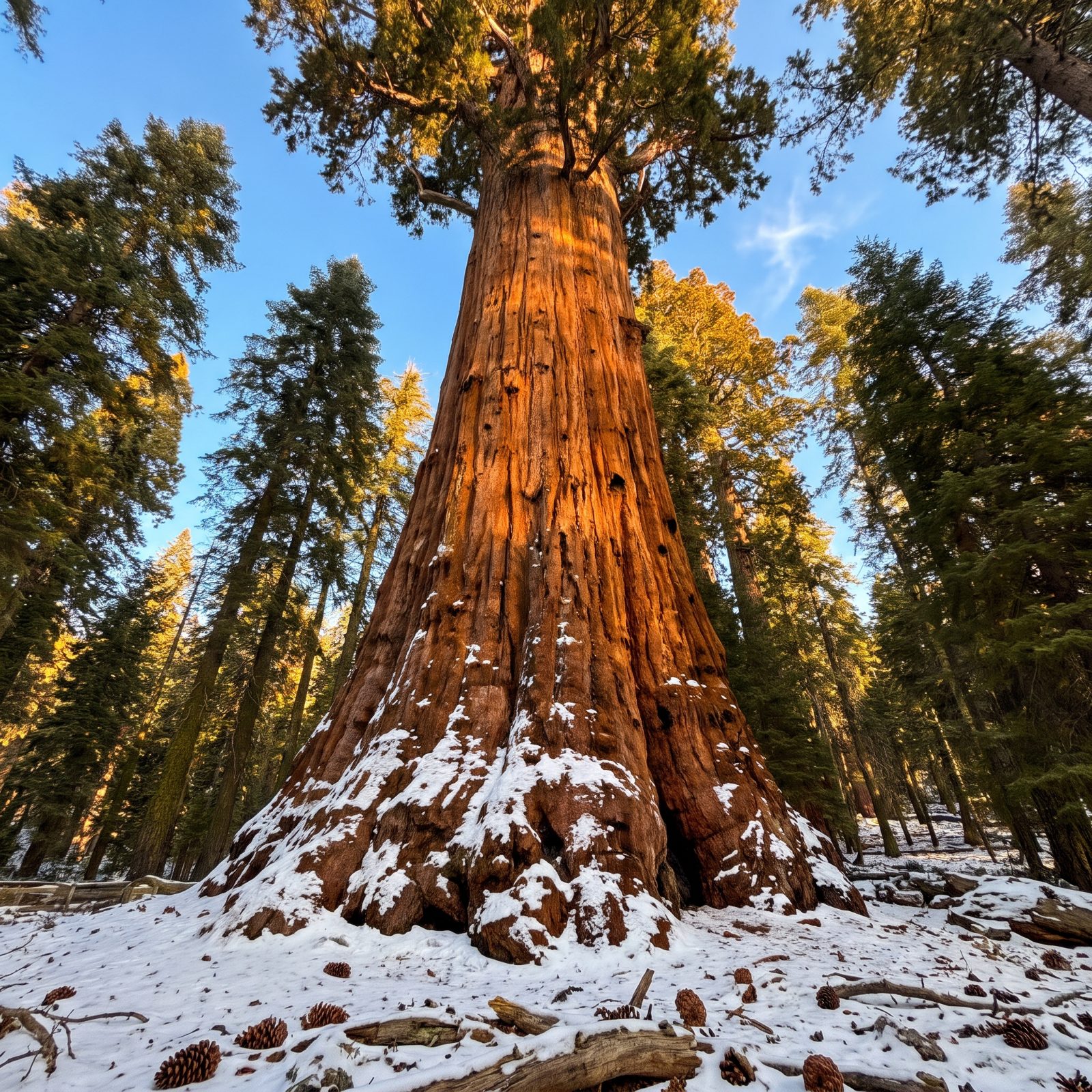
Scientists counted the rings on a fallen sequoia nearby and pinned The President at around 3,200 years. Solid dating, not a guess, which makes this redwood one of the better-documented ancients here.
What floors people is that it’s still growing fast. Even past 3,000, The President adds more wood every year than most younger trees, because volume compounds. A thin layer wrapped around that colossal trunk is a staggering amount of timber.
17. The Fortingall Yew in a Scottish Churchyard
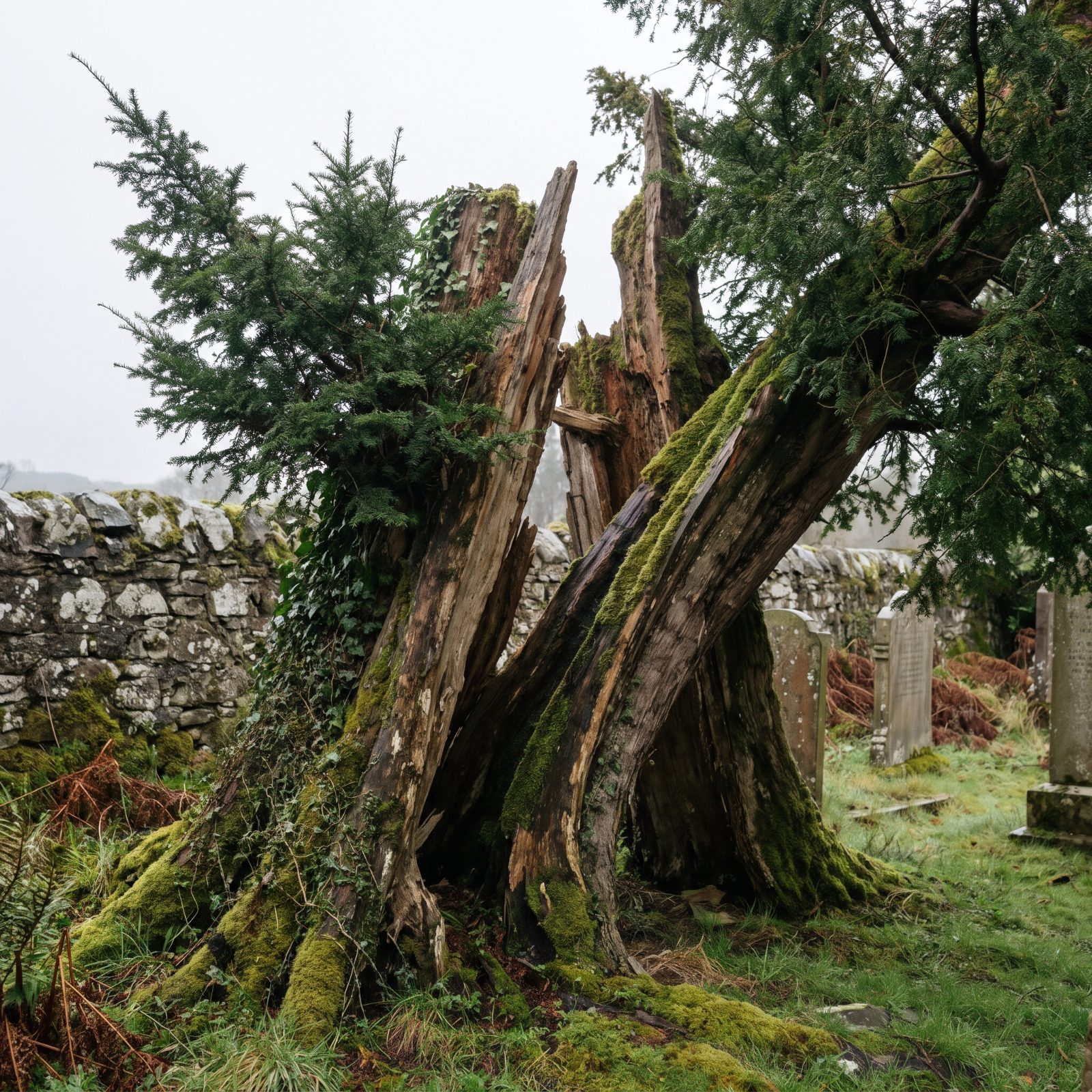
You could walk past it. The Fortingall Yew doesn’t look like one tree anymore, it looks like several leaning stumps in front of a stone wall, among the gravestones, because its ancient hollow core rotted away centuries ago and cracked the trunk into pieces.
That’s the dating nightmare with yews. No center, no rings to count. Estimates range from 2,000 to an eyebrow-raising 5,000 years, and nobody can prove any of them. The cautious scholars say two to three thousand. Even that drops it in the ground before the first Christmas, quietly outliving every king and kirk that came near it.
Writing about the Fortingall Yew’s disputed age, a botanic garden botanist noted “In old yews the definitive evidence in the form of annual growth rings has long since rotted away.”
16. General Sherman, the World’s Largest Tree by Volume
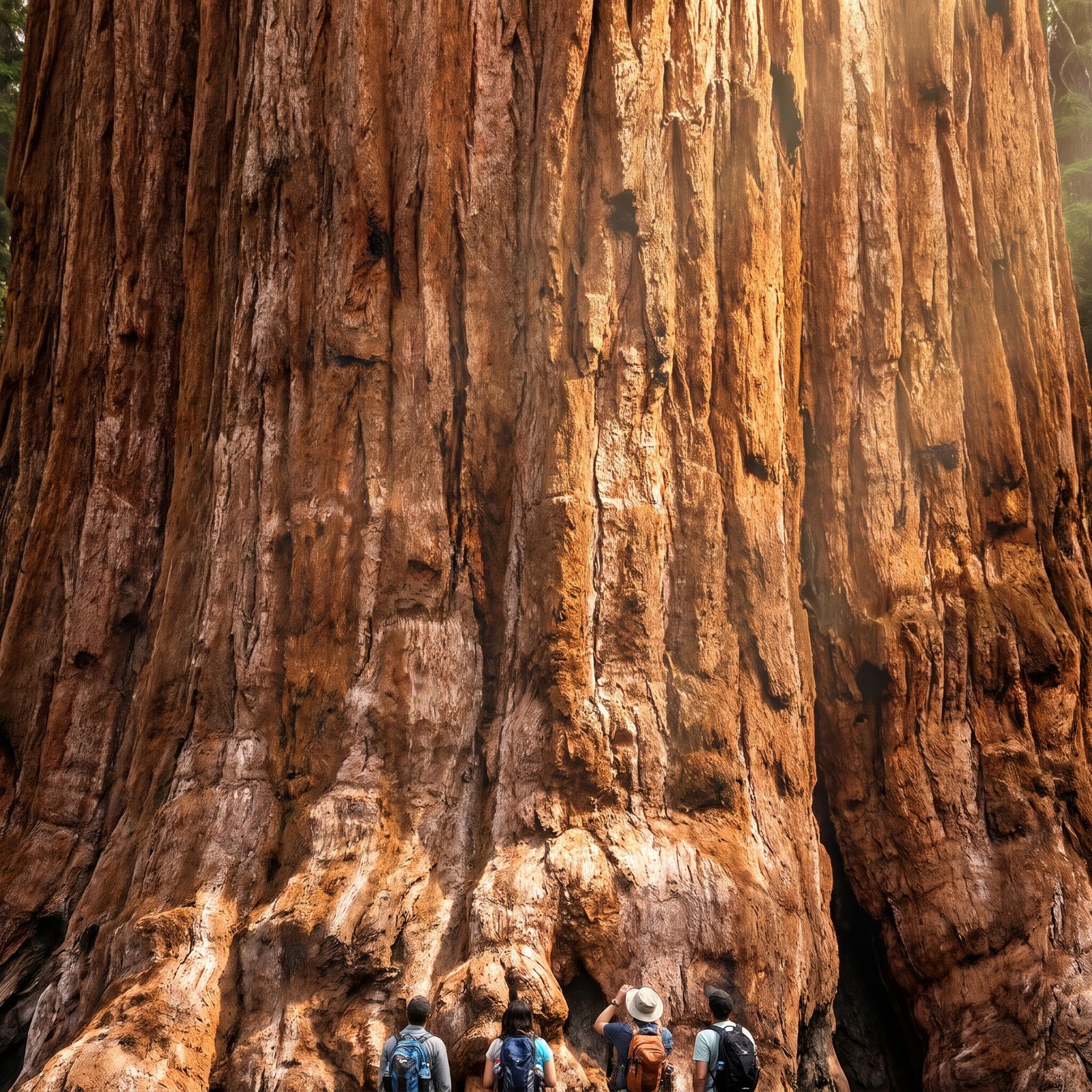
Not the oldest. Not the tallest. The biggest by sheer wood, and it isn’t close.
General Sherman holds an estimated 52,000 cubic feet of trunk volume, roughly 275 feet tall with a base over 36 feet across, and its age is pegged at around 2,200 to 2,700 years by ring comparison with fallen giants.
Do the math and it was a young adult sequoia at the first Christmas, already impressive but with most of its growing still ahead. Which tells you something humbling about scale. The largest living thing on the planet was, 2,000 years ago, merely enormous.
15. The Bennett Juniper in California’s Sierra Nevada
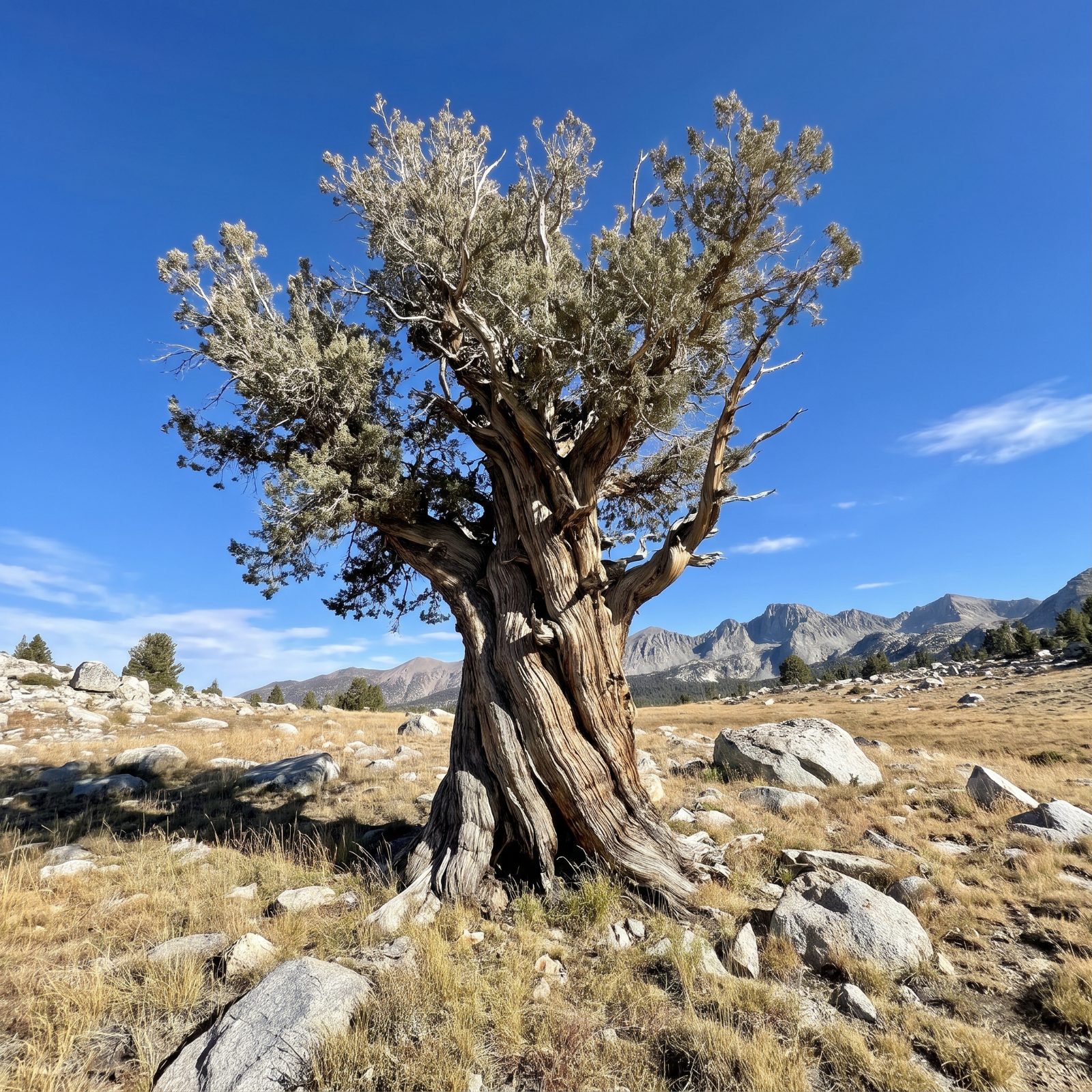
Tucked on a Sierra meadow, the Bennett Juniper is the largest known western juniper, with a gnarled, deeply furrowed trunk that twists upward like a wrung-out rope before spreading into a silvery-green crown.
Its age is genuinely unsettled. Old estimates ran to 6,000 years, but more careful work suggests somewhere between 2,000 and 3,000. Junipers grow in a maddening, lobed way that defeats simple ring counts, so honesty demands a wide range here.
Even the conservative figure means it was a sapling, or older, around the time the calendar started. Not the most famous tree on this list, and maybe the most underrated.
14. The Olive Tree of Vouves on Crete
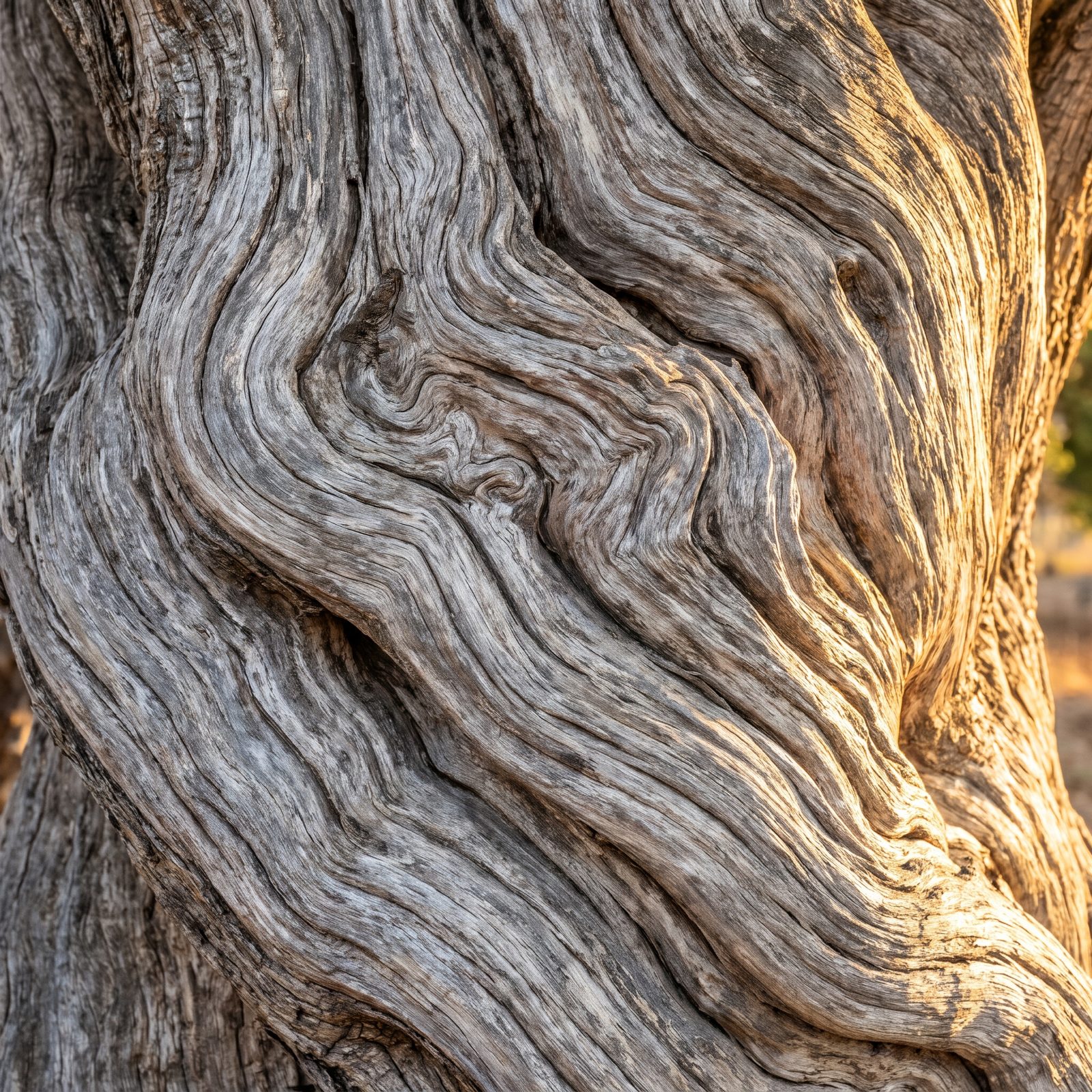
The trunk looks less like wood and more like something poured, cooled and frozen mid-swirl. Centuries of growth have folded the Olive Tree of Vouves into a living knot, hollow at the heart and gnarled past belief.
Estimates put it at 2,000 to 3,000 years, possibly more, though the hollow core makes precise dating impossible. One thing is certain and lovely. It still produces olives. Every autumn, this near-prehistoric tree drops fruit you could press into oil, the same job it has done since before the first Christmas.
A tree old enough to predate the Gospels, still handing out breakfast every autumn. That’s the quiet miracle of the olive.
13. The Hundred Horse Chestnut on Mount Etna
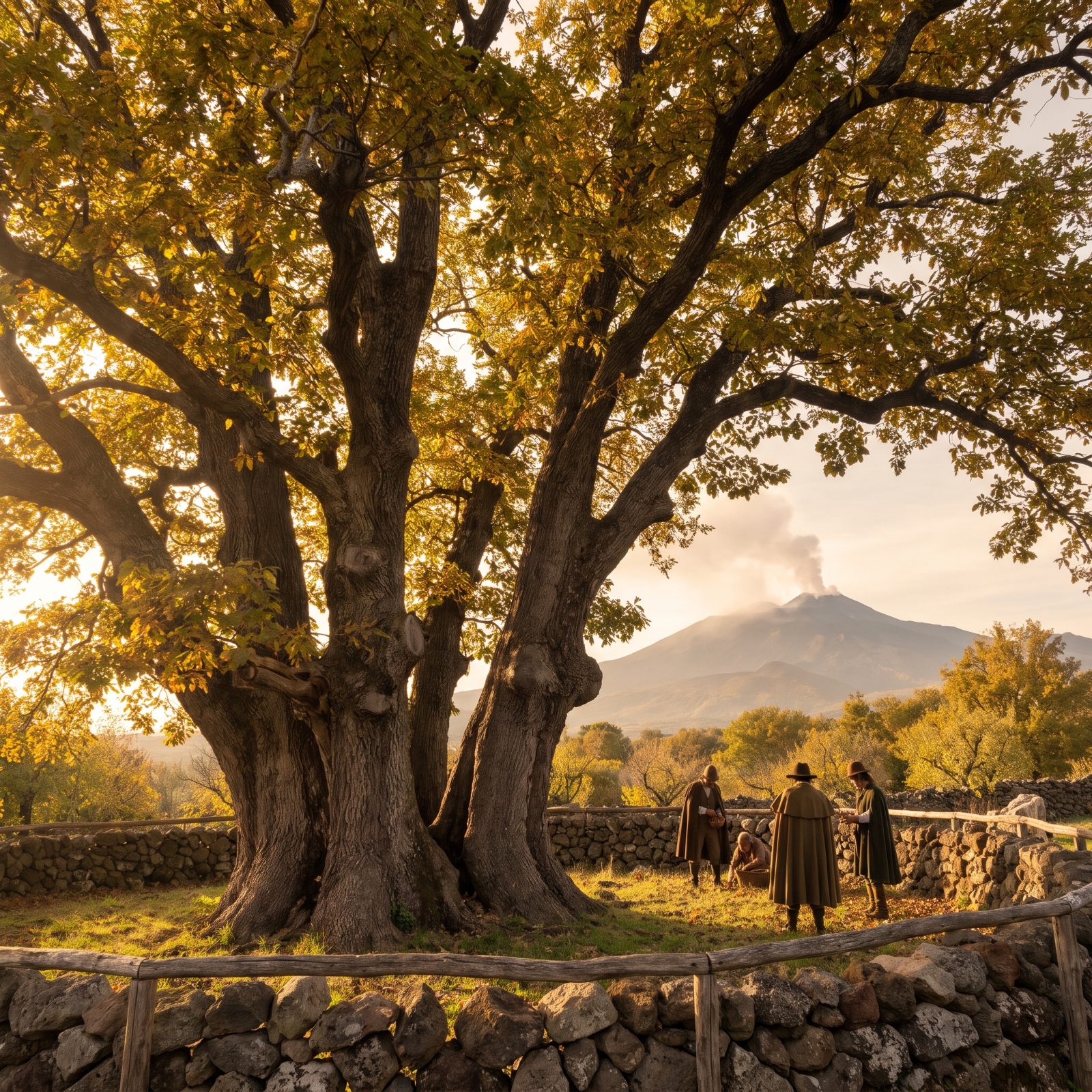
Legend says a queen and a hundred knights once sheltered under this single canopy during a storm. That’s where the name comes from, though nobody is entirely sure it’s true.
The size, though, is real. Measured around its multiple trunks, the circumference tops 190 feet, which earned it a Guinness record for the thickest girth ever recorded on a tree. Estimates put its age anywhere between 2,000 and 4,000 years, and that wide spread is exactly why pinning it down is so hard. Those separate-looking trunks all grew from one organism, so you’re really measuring a single living thing that has spent millennia slowly tearing itself apart.
12. The Xuanyuan Cypress at China’s Yellow Emperor Mausoleum
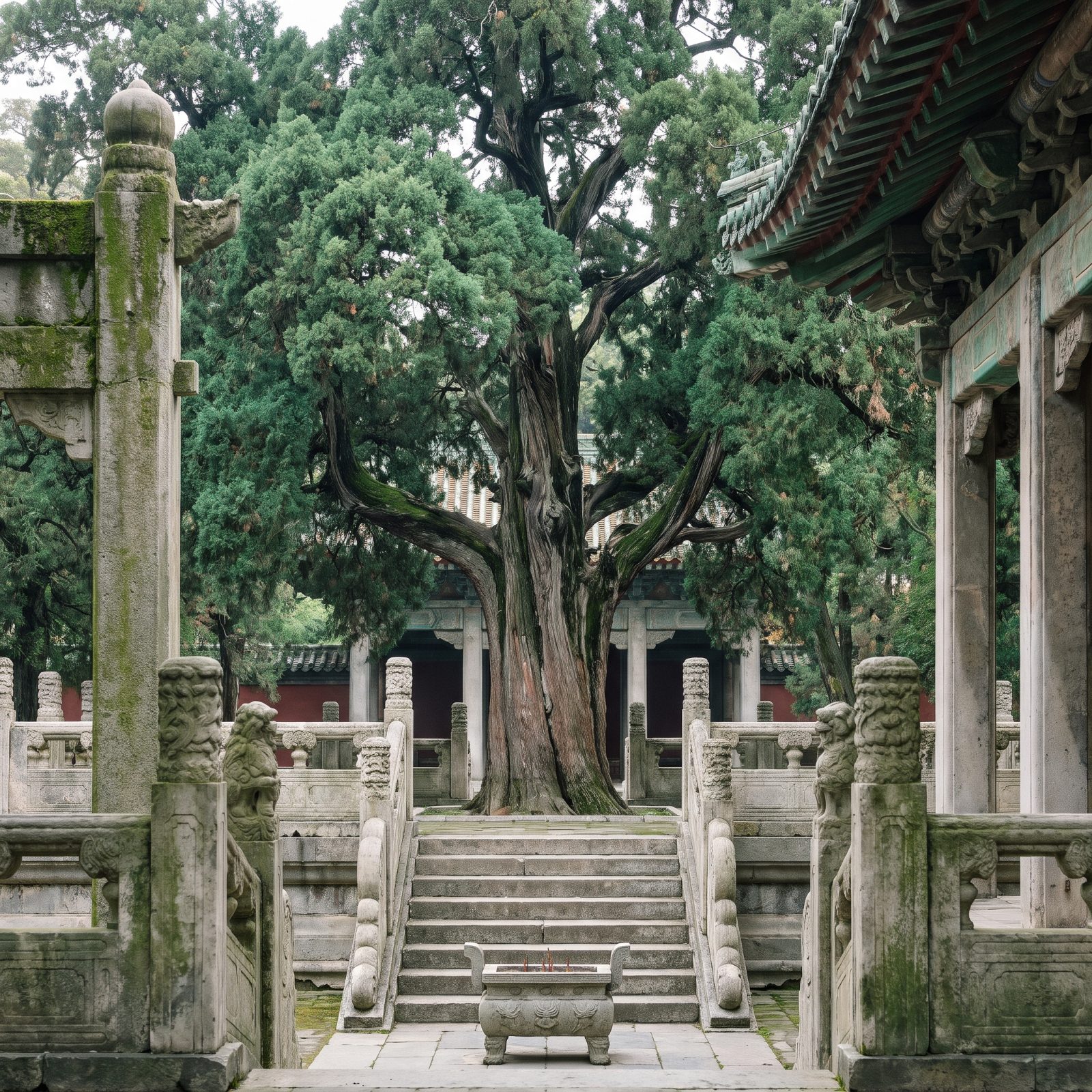
Chinese tradition credits this cypress to the Yellow Emperor himself, a mythic ancestor said to have planted it some 5,000 years ago.
Take that number as legend, not measurement. Botanists will say with more confidence that this ranks among the oldest and largest cypress trees in China, likely well past 2,000 years and plausibly older. It stands at a site that has drawn ritual for millennia, and that reverence is what saved it. Trees near sacred ground survive precisely because nobody dares raise an axe to them. Here the cultural story and the biological reality blur into each other, and honestly, teasing them apart isn’t what you came to do while standing beneath it.
11. The Llangernyw Yew in North Wales
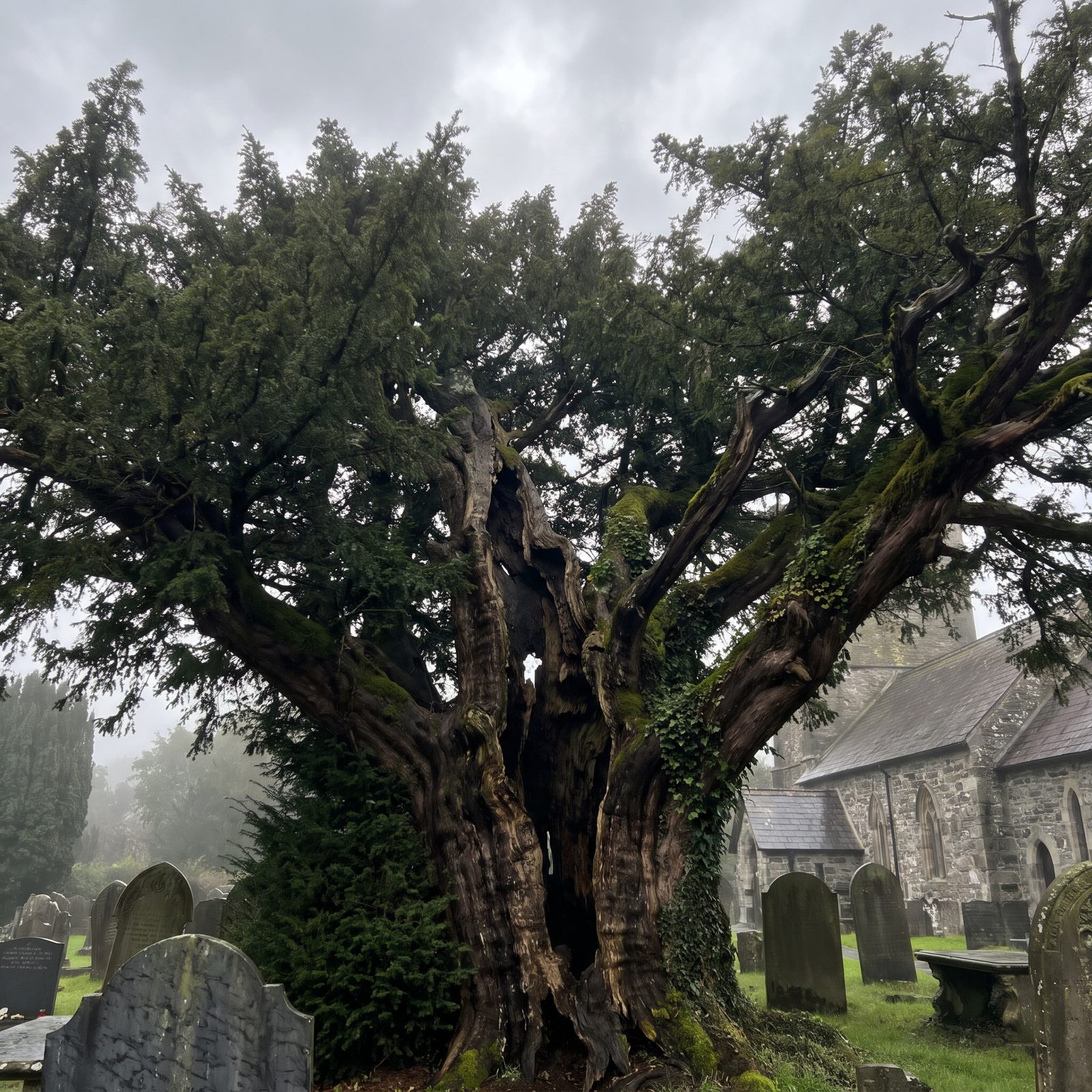
This one may predate the pyramids, and that’s not a figure of speech.
Estimates for the Llangernyw Yew run to around 4,000 years, possibly as much as 5,000. Yews are a dating nightmare. The oldest wood at the centre rots away entirely, leaving a hollow shell, so counting rings is simply off the table. Researchers fall back on girth, growth rate, and the tree’s stubborn habit of sending fresh stems up out of old wood.
It grows in a tiny village churchyard, and that’s no accident. Early Christian sites across Britain were often built beside yews that were already ancient when the first stone went down.
10. Takeo no Ōkusu, Japan’s Colossal Camphor Tree
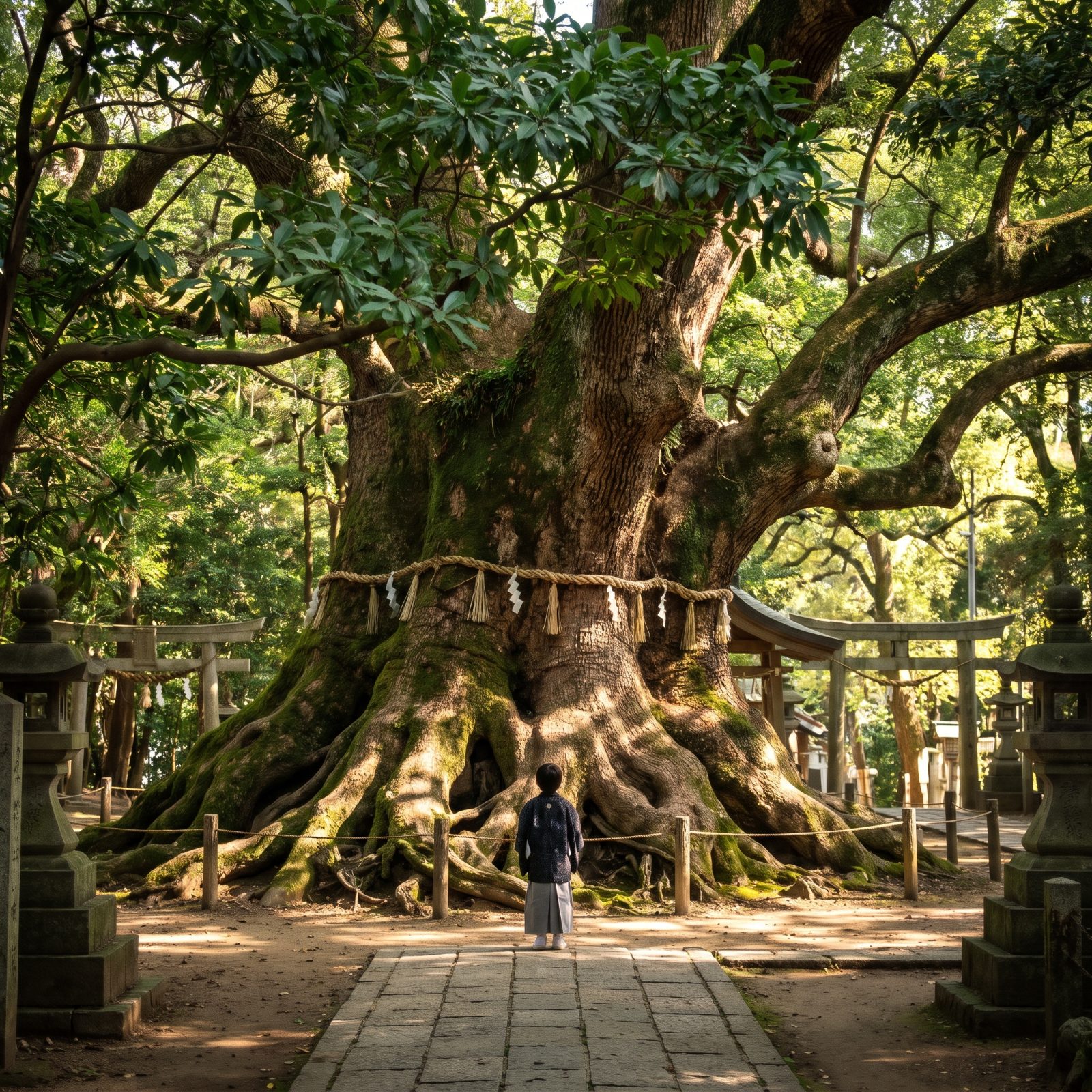
Walk the path behind Takeo Shrine and the tree announces itself before you’ve seen all of it. The base runs over 65 feet around, and the hollow inside is big enough to hold a small shrine, which it does.
Camphor trees grow fast and fragrant. Crush a leaf and you’ll catch the same compound once packed into mothballs. This one is reckoned at around 3,000 years old, though camphor dating is loose at best, since the very hollowing that makes it so dramatic also erases the inner record.
9. The Stagg Tree, a Giant Sequoia Older Than Recorded History
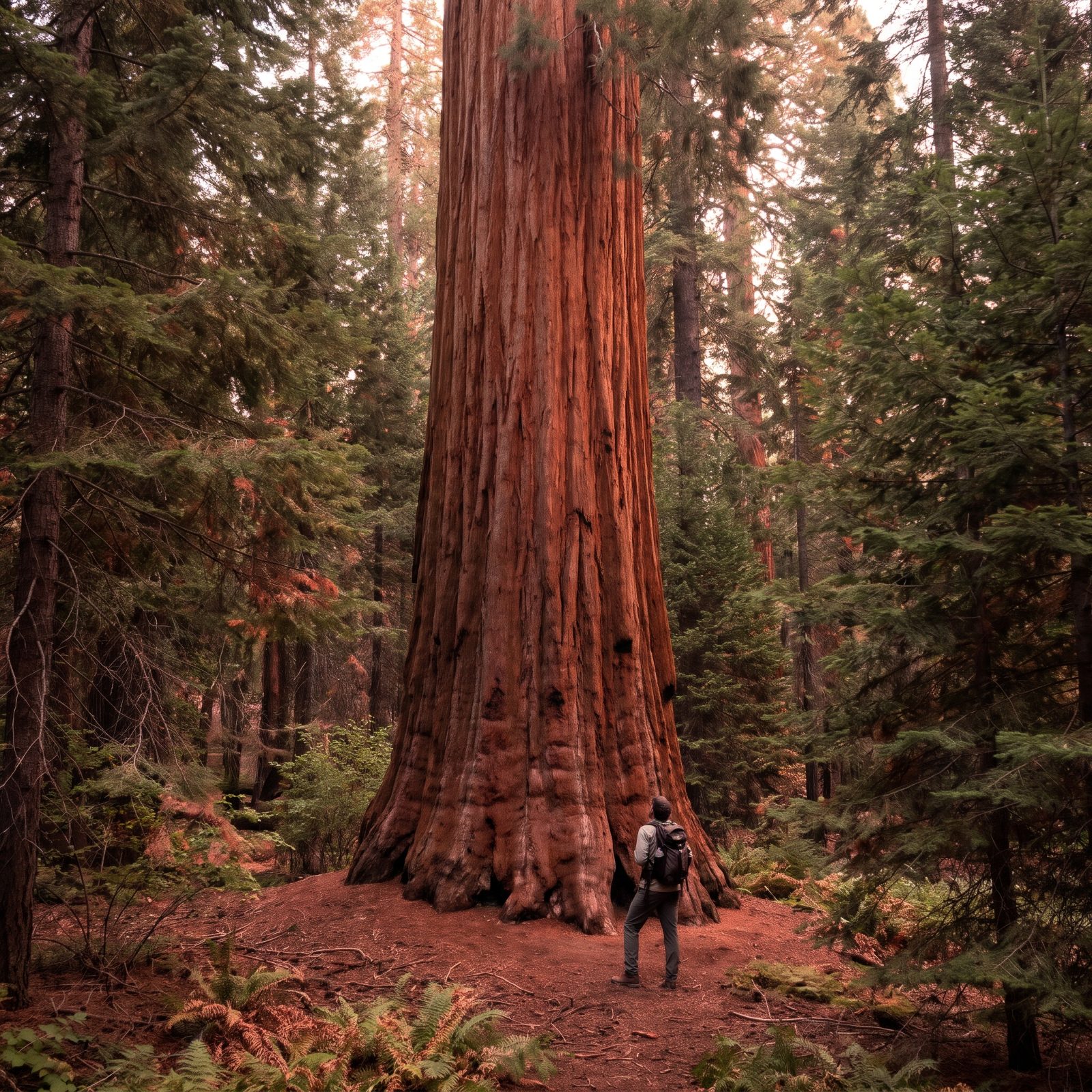
The fifth-largest tree on Earth by volume spent most of a century on private land, which is a big part of why so few people know it by name.
Giant sequoias are among the easier ancients to date, because they actually keep countable rings. The Stagg Tree comes in at roughly 3,000 years old. It survived the 2020 Castle Fire that killed thousands of sequoias nearby, saved partly by crews who wrapped the bases of the grove’s biggest trees in fire-resistant foil. Sit with that a moment. A living thing that was middle-aged when Rome was still a muddy village needed a blanket to get through one bad fire season.
8. The Ancient Olive Tree of Mouchão in Portugal
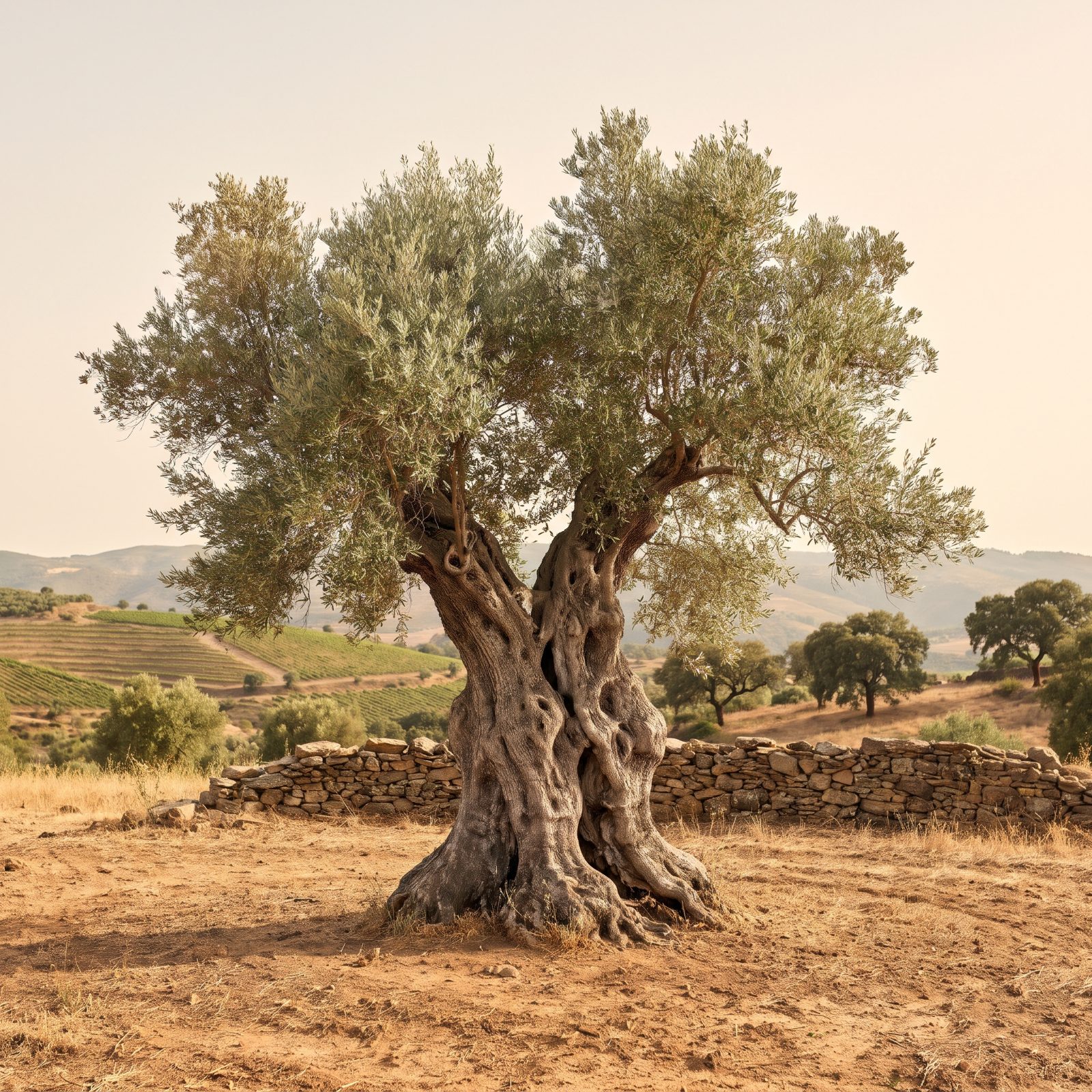
Portugal’s oldest olive tree was officially dated, and that’s rarer than it sounds.
Radiocarbon analysis of the Mouchão olive put it at roughly 3,350 years old, which means it was already ancient when the Phoenicians were trading along this coast. Olives are stubborn survivors. They resprout from a dying base, shrug off drought, and can be hacked nearly to the ground and come straight back, which is precisely why individual trees persist across millennia while the fruit keeps coming. The trunk here has twisted and hollowed into something closer to driftwood sculpture than timber. Still fruiting, by the way. Three thousand years old and it hasn’t retired.
7. The Ancient Ginkgo at Dinglin Temple in Shandong
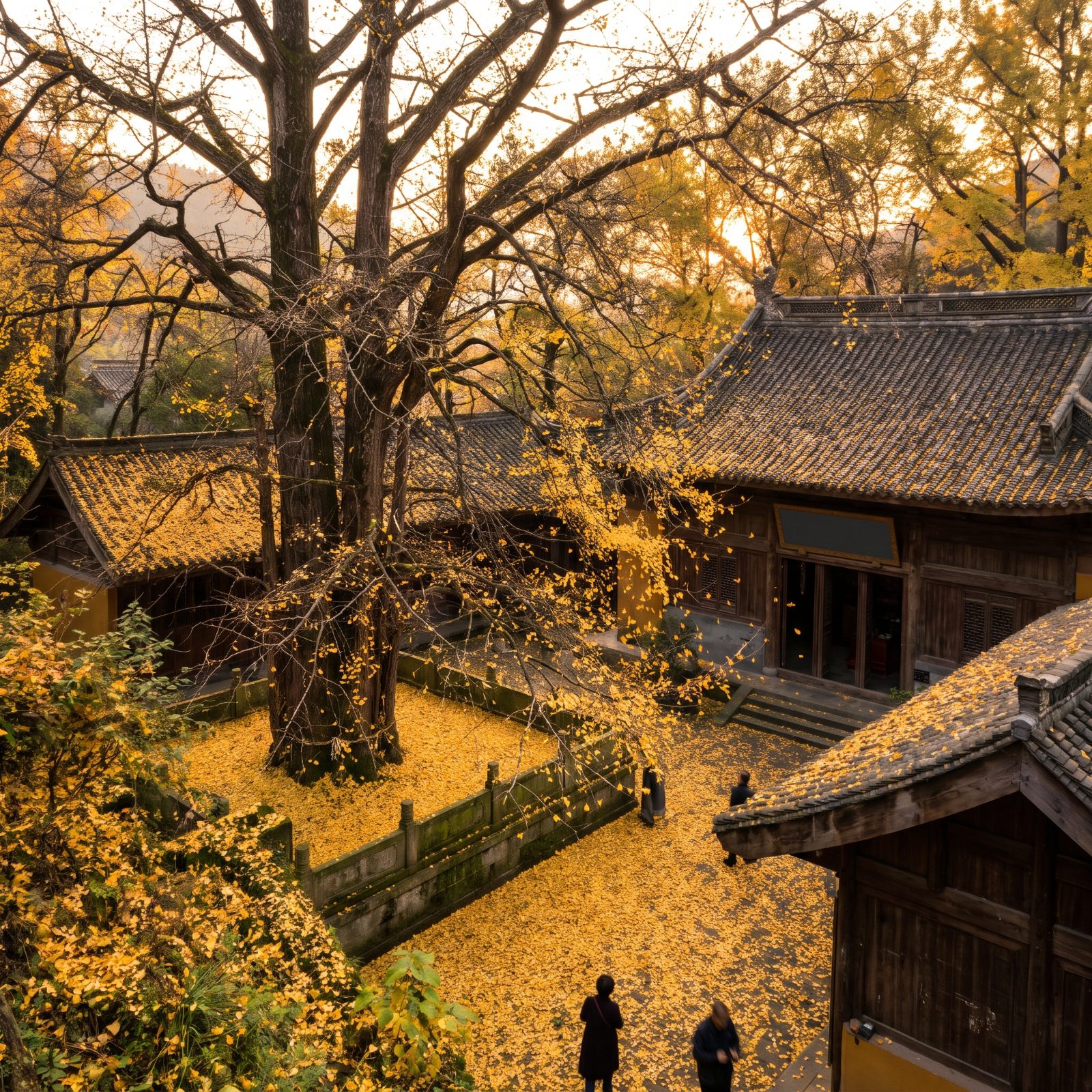
In autumn this tree drops a layer of gold so thick the temple courtyard vanishes beneath it.
Tradition holds that the Dinglin Temple ginkgo was planted some 4,000 years ago, in the era of a legendary ruler, and you should treat that exact figure gently. What’s beyond doubt is the lineage. Ginkgos are living fossils, the last survivors of a family stretching back over 200 million years, essentially unchanged since the dinosaurs. This particular specimen is one of the most famous old ginkgos in China, revered enough to have its own protective records and inscriptions. A species that outlived the dinosaurs, and a single tree that’s watched dynasties rise and crumble.
6. The Crowhurst Yew and Its Door-Like Hollow
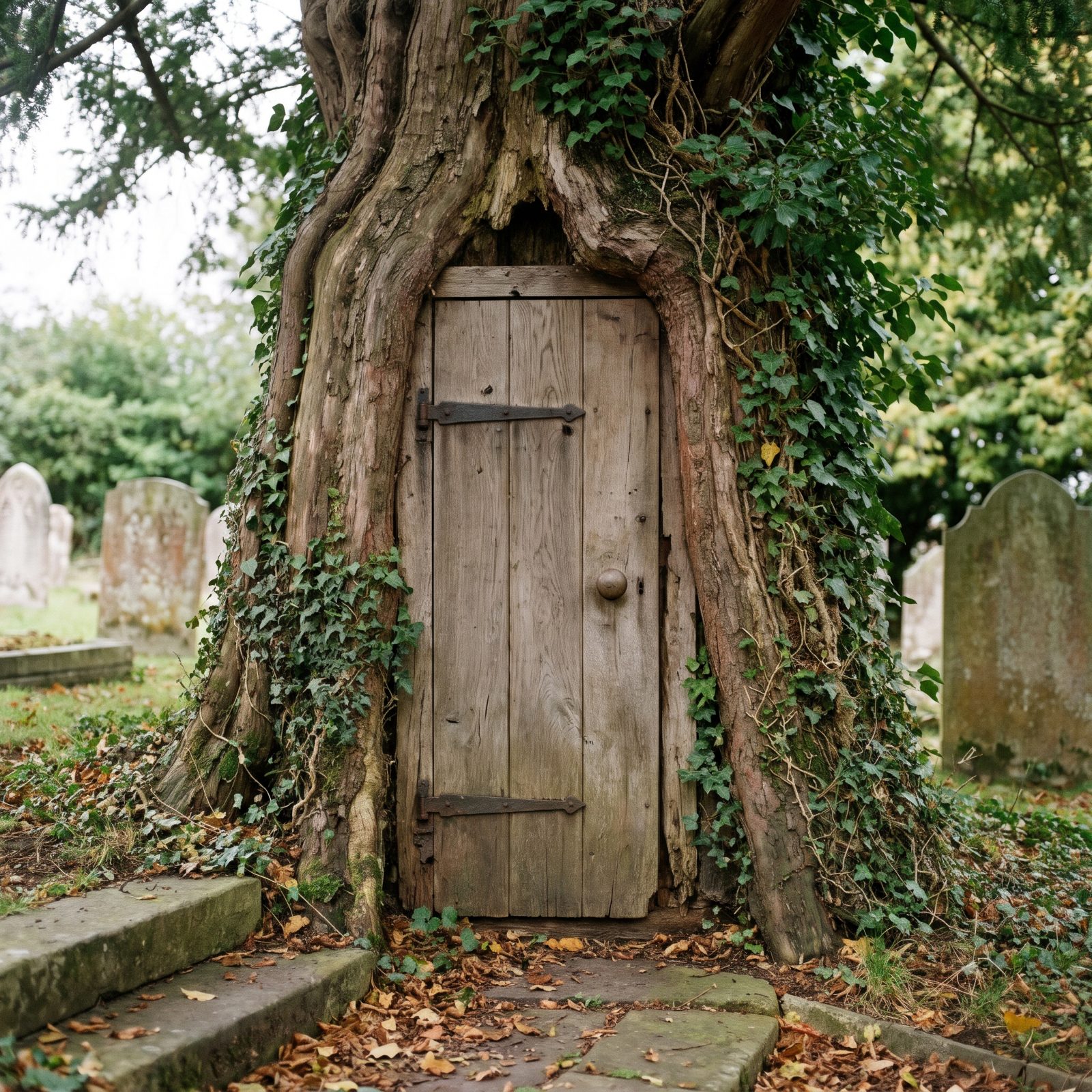
Someone fitted a door into this tree. An actual wooden door, set into the hollow trunk, so people could step inside.
That happened in the 1800s, when the hollow was cleared out and briefly pressed into service as a kind of room, bench and all. The Crowhurst Yew is pegged at anywhere from 1,500 to 4,000 years old, and that absurd range tells you everything about how hard yews become to date once the core is gone.
A cannonball from the English Civil War was reportedly found lodged in the wood. Picture it: a tree old enough to get caught up in a 17th-century skirmish, still rooted in the same quiet churchyard today.
5. Kayano Ōsugi, the Sacred Cedar of Ishikawa
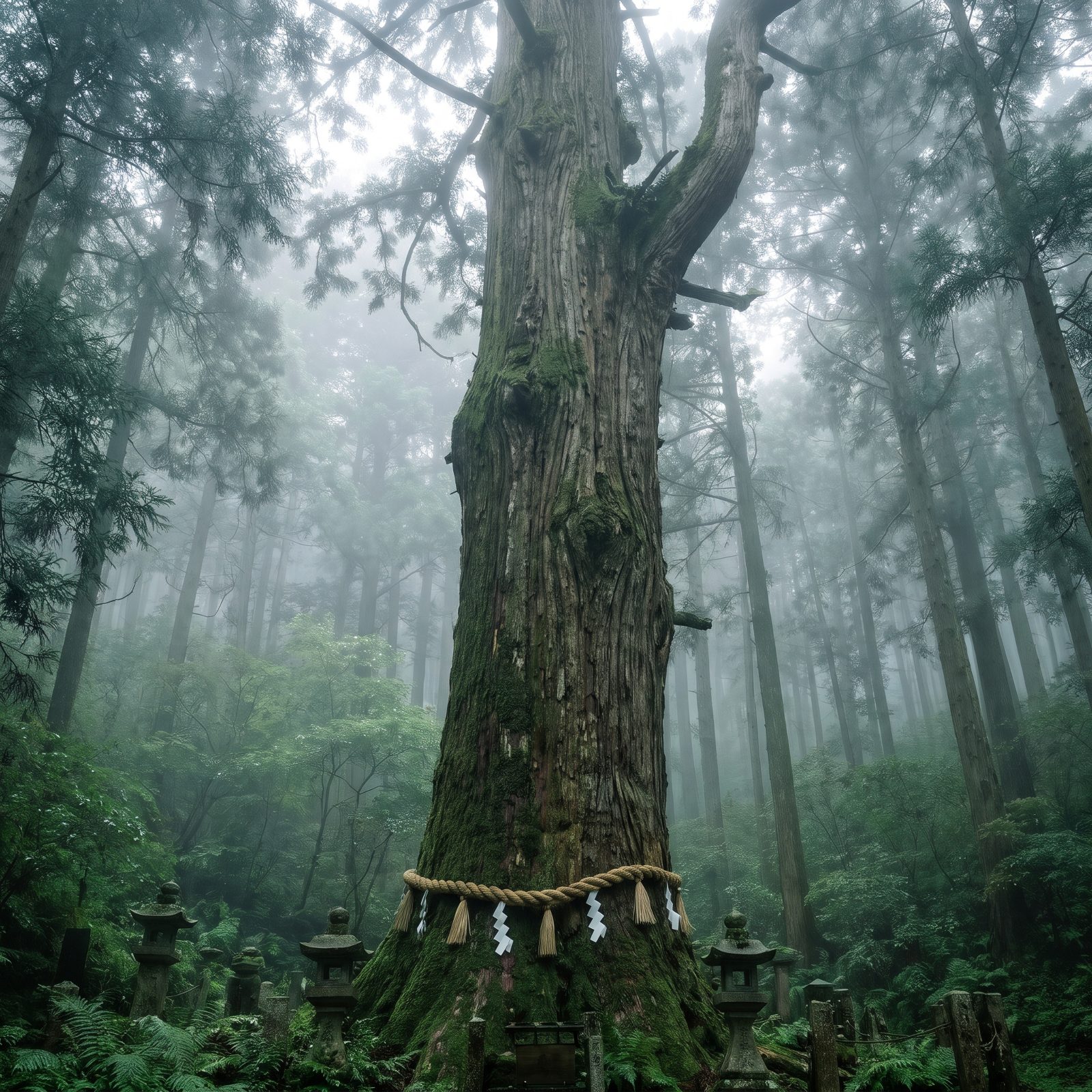
Japan guards its old cedars the way other countries guard crown jewels. Kayano Ōsugi, tucked in the hills of Ishikawa, carries local estimates running past two thousand years — which would make it a sapling when Rome was still arguing about who got to be emperor.
Now the honest part: cedar dating is slippery. The trunk rots from the center as it ages, so you can’t just pull a core and count rings. Much of the figure comes from tradition, growth-rate comparisons, and a healthy dose of faith. And the rope around it? That’s a shimenawa, marking the tree as sacred. It’s not a tape measure.
4. Stara Maslina, Montenegro’s Old Olive Tree
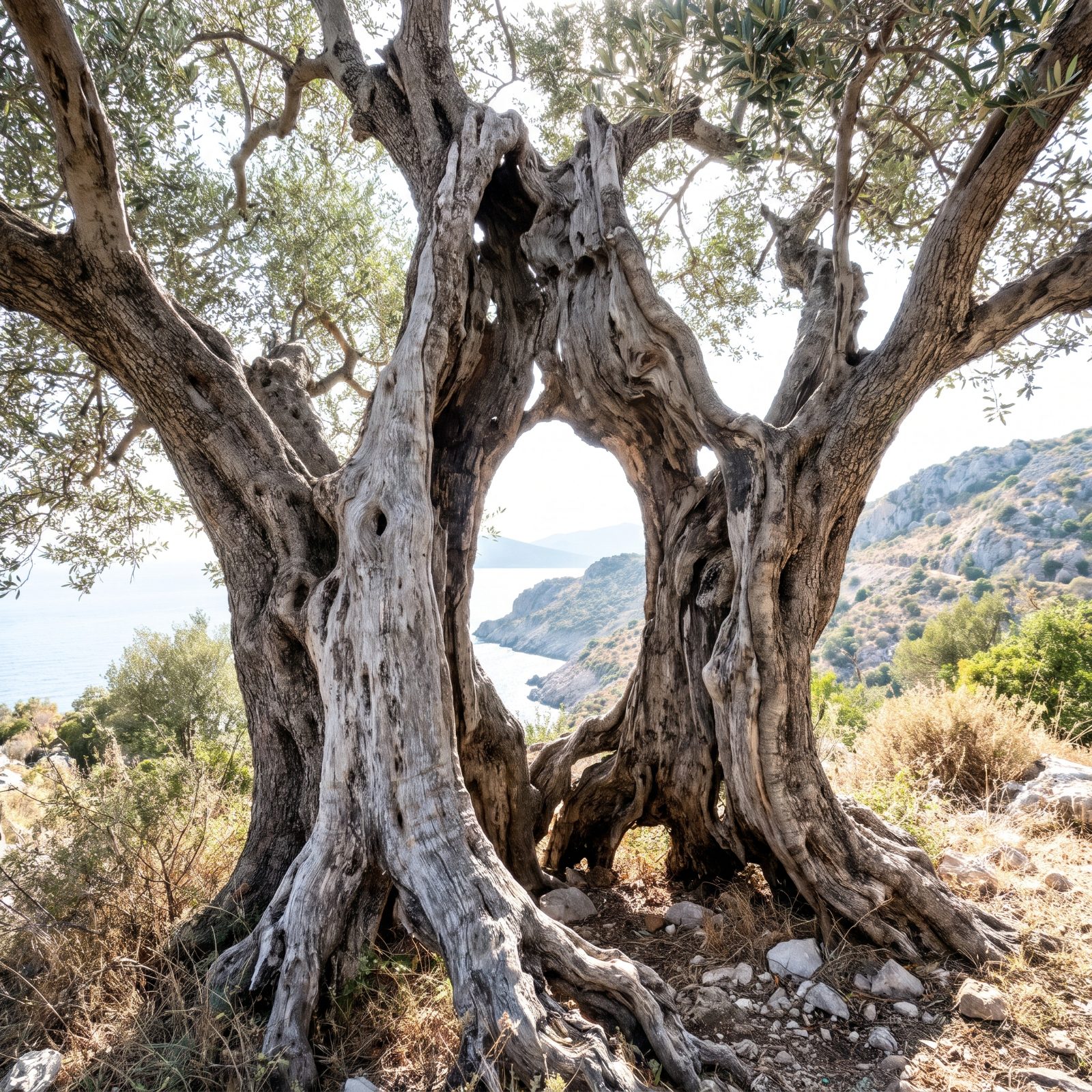
Walk up to Stara Maslina and the first thing you notice is that the tree is mostly hole. Centuries of wear have scooped out the heartwood, leaving a twisted shell of living bark that still pushes out olives every autumn.
Montenegro puts the age over two thousand years. That claim is older-tree catnip, and it deserves a raised eyebrow. Olives are notoriously hard to pin down because they regenerate from the base, so the living tissue may be far younger than the organism it belongs to. Read the date as plausible, not proven.
Either way, it was ancient when the first Christmas came and went, and it has outlived every empire that ever bothered to claim this coast.
3. The Ankerwycke Yew Near the Ruins of St Mary’s Priory
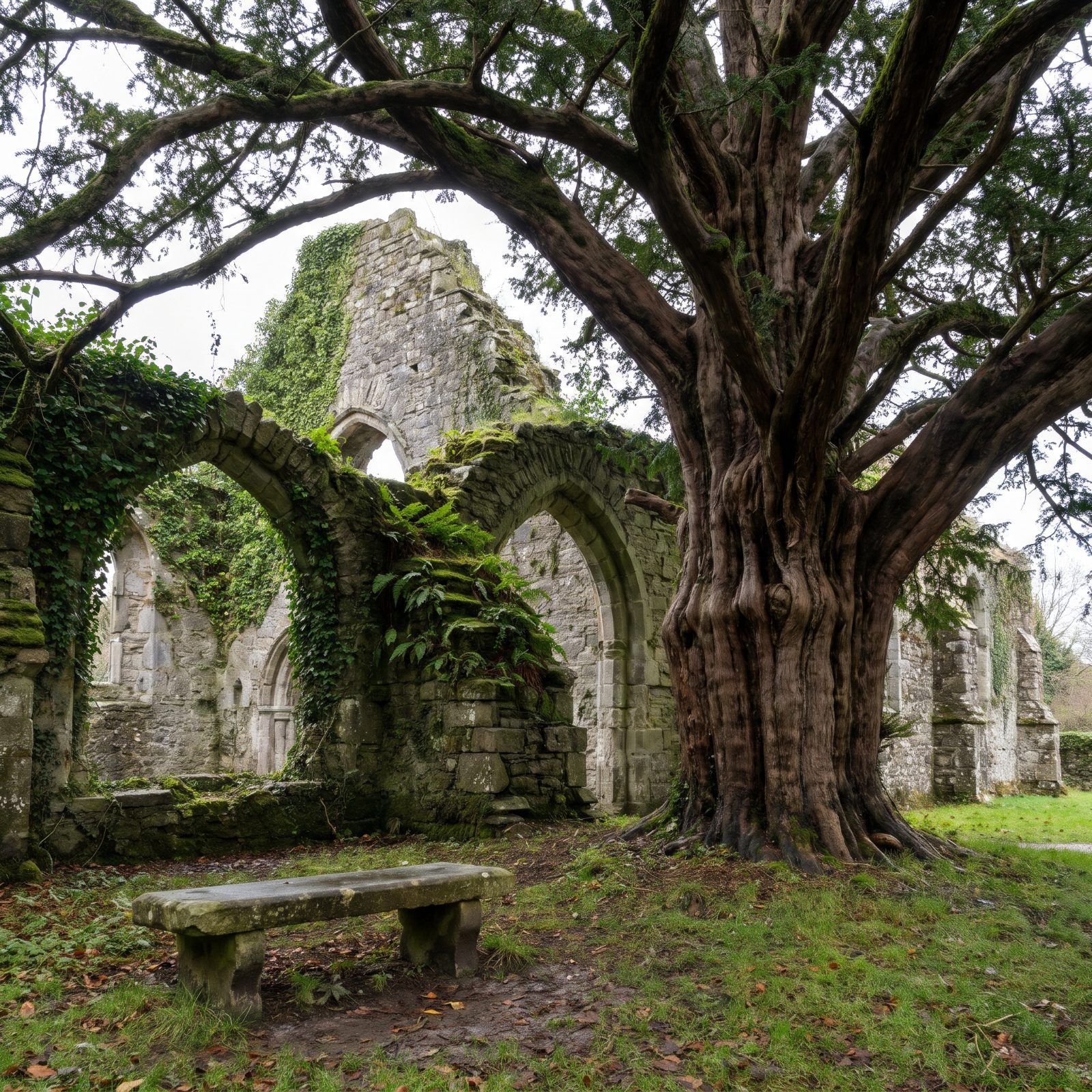
This yew may have watched the Magna Carta signed and barely noticed. It stands a short walk from Runnymede, and the age estimates run anywhere from fourteen hundred years to over two thousand.
Yews are the great frustration of tree dating. They grow slowly, hollow out completely, then send down internal shoots that fuse into fresh wood. A core sample tells you almost nothing. So dendrologists lean on girth and growth models instead, which is exactly why the range gapes so wide.
Take the high estimate and it was centuries old by the year dot. Take the low one and it’s merely very, very old. Both are worth the trip.
2. Patriarca da Floresta, Brazil’s Ancient Jequitibá
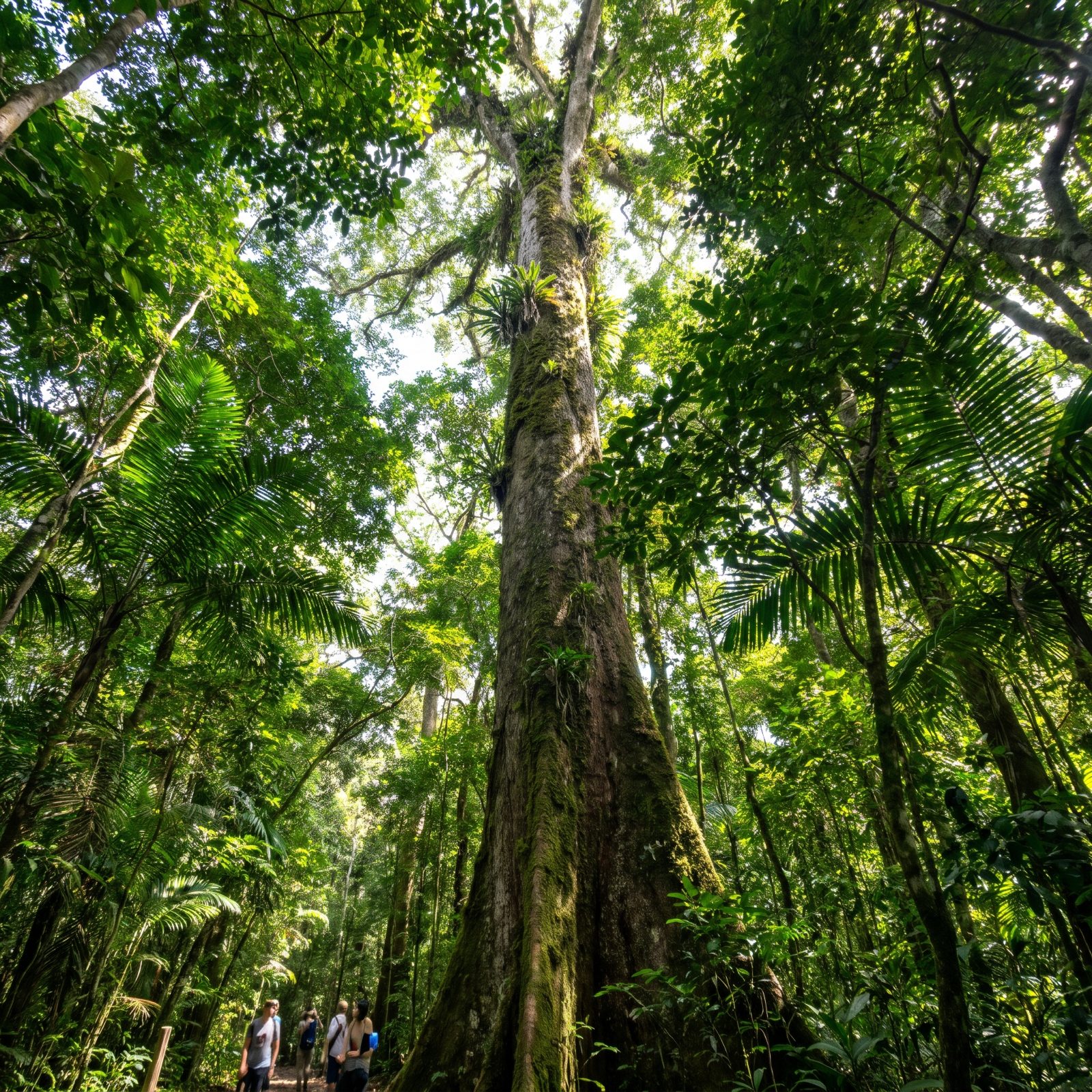
Brazil’s Patriarca da Floresta often gets called the oldest non-conifer tree in the country. Estimates hover around three thousand years, which would push its birth back well before Rome, let alone Bethlehem.
That number gets repeated constantly and verified almost never. The tree has never been reliably cored, and tropical hardwoods don’t always lay down clean annual rings the way temperate trees do — so counting becomes a guessing game. Treat three thousand as tradition wearing the costume of data.
The scale, though, is beyond argument. The jequitibá-rosa towers over what’s left of the Atlantic Forest, a habitat now shrunk to a fraction of its old range. One trunk, standing as a survivor of a forest that mostly no longer exists.
1. Jaya Sri Maha Bodhi, the Sacred Fig Planted in 288 BCE
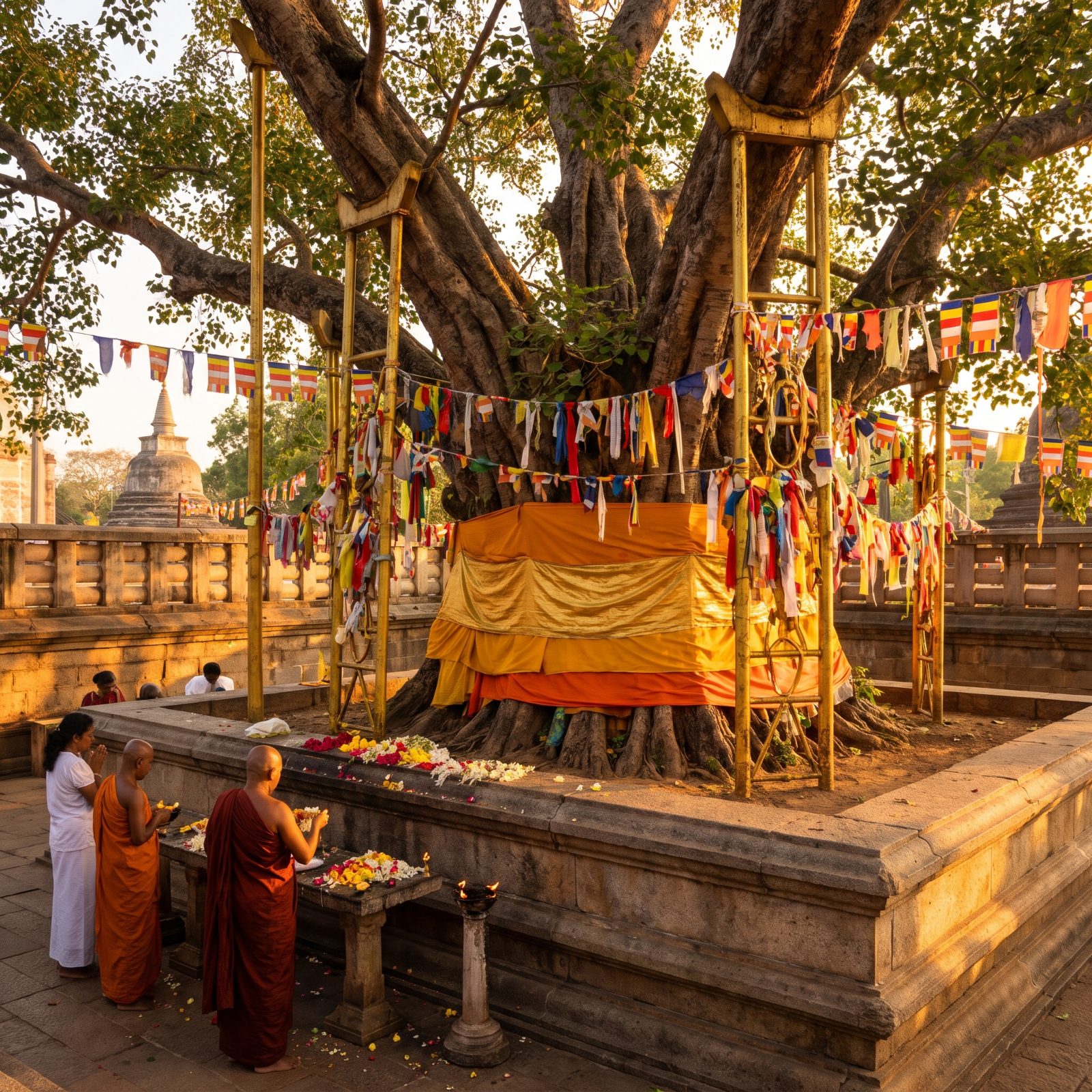
Finally, the rare one with a paper trail. The Jaya Sri Maha Bodhi in Anuradhapura was planted in 288 BCE, and that date comes from written historical records rather than a growth-rate shrug.
It is believed to be the oldest living human-planted tree with a known planting date anywhere on Earth.
The sapling was said to be cut from the very fig in India where the Buddha reached enlightenment. Guardians have tended it without pause for over two thousand years, and it was already three centuries old when the first Christmas rolled around on the far side of Asia. Those golden props holding up its ageing limbs aren’t decoration — they’re life support for a tree people have simply refused to let die.