
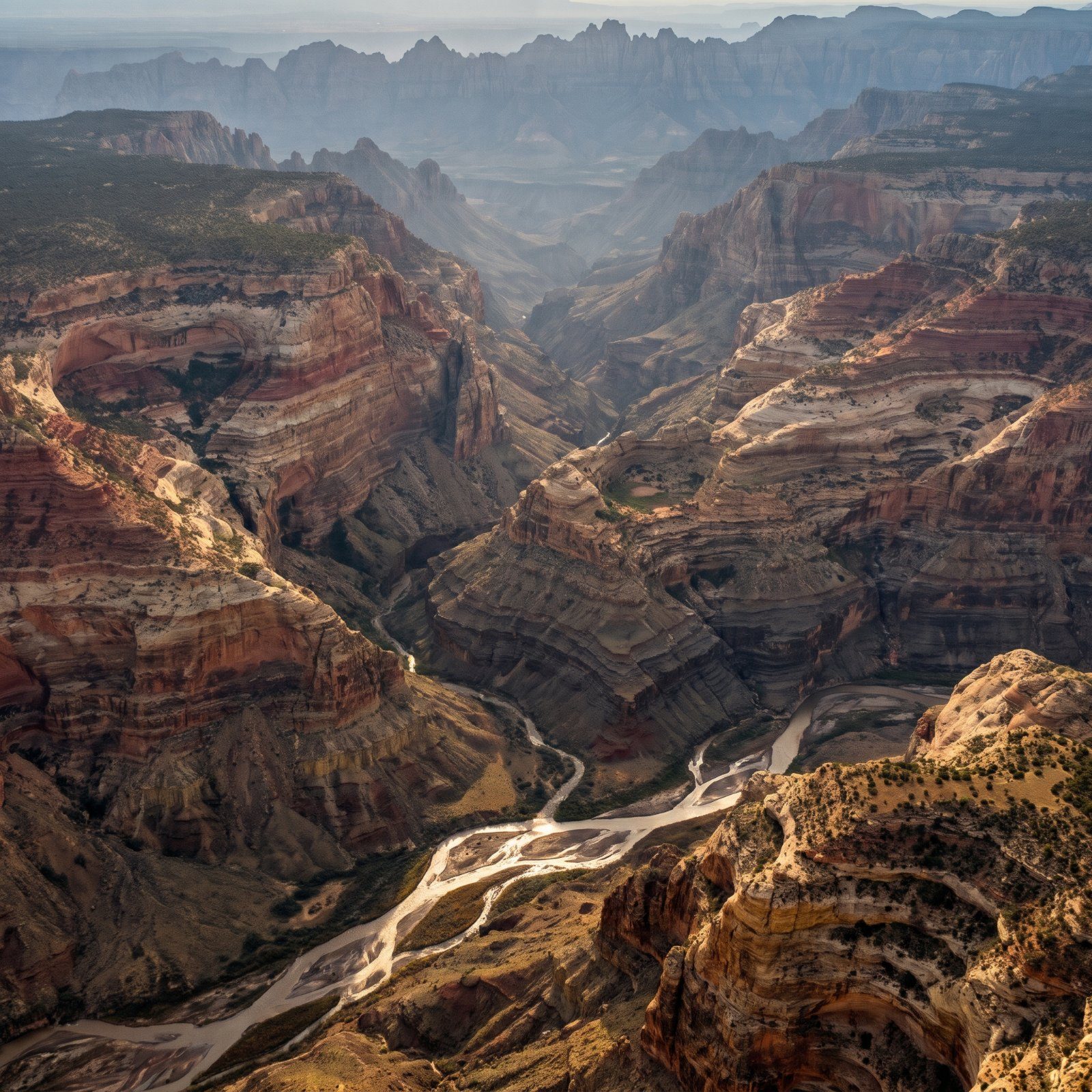
Rock doesn’t sit still. It just moves slower than we do. Since you started reading this sentence, the Colorado River has kept grinding at the Grand Canyon, and it will keep at it long after the last human name is forgotten. We fed real erosion rates, tectonic math, sea-level models and volcanic behavior into AI and asked it to paint the deep future of places you think you know. Some of these wonders will be grander. Some will be gone. All of them will be changed in ways that feel impossible until you remember that ten millennia is barely a yawn in Earth’s day.
44. The Grand Canyon: A Deeper Labyrinth Carved by a Busier Colorado
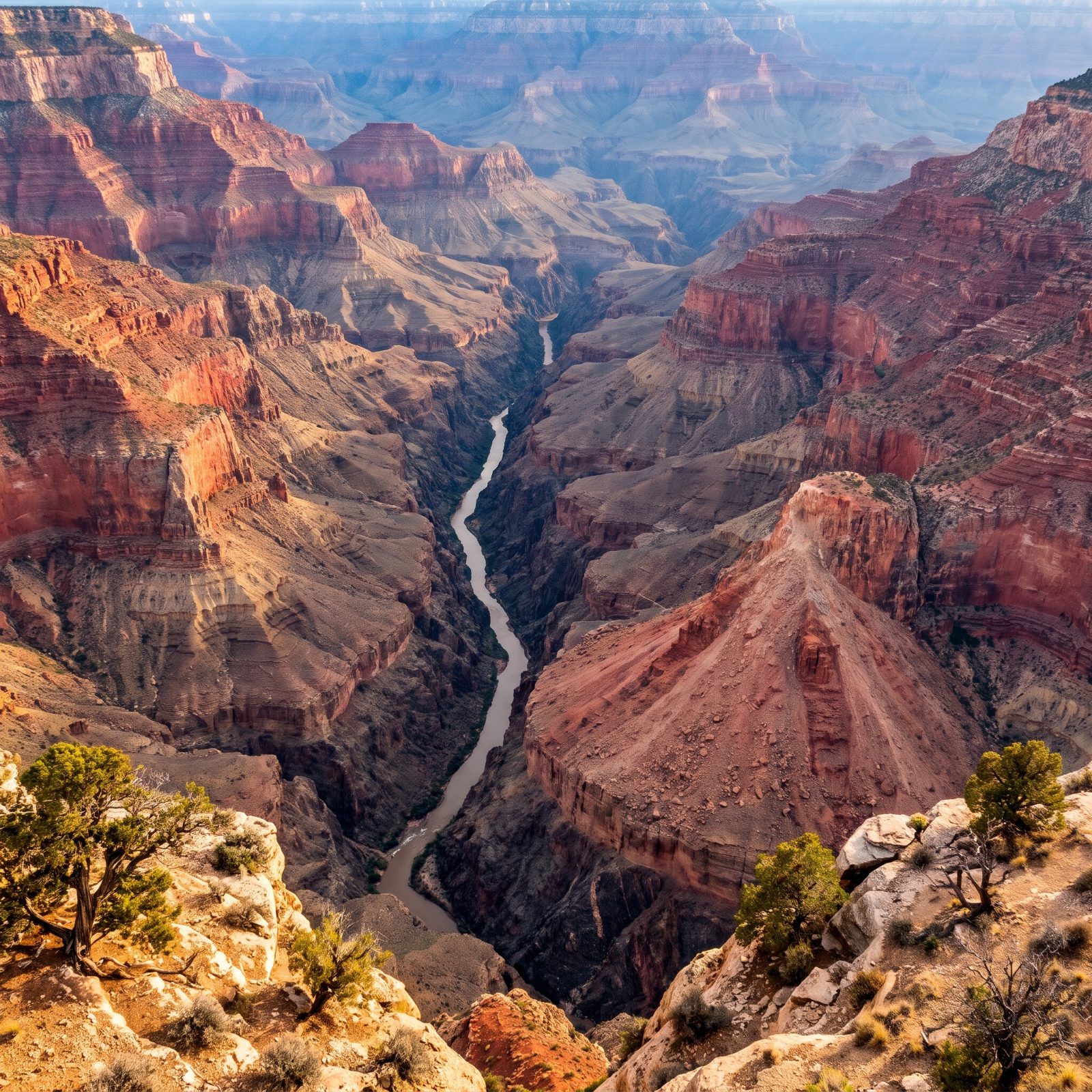
The Colorado cuts the Grand Canyon roughly the thickness of a credit card every year. Doesn’t sound like much, does it? Run that for ten millennia and the river drops another several meters, chewing the inner gorge tighter while the walls above keep collapsing outward.
So the paradox is baked in: the canyon gets both deeper and wider at once. Rivers incise down while gravity and frost pull the rims back. What you’d see is a more tangled maze of side canyons, fresh talus fans burying old trails, and a few famous buttes gone entirely, slumped into rubble.
43. The Great Barrier Reef: A Reef Rebuilt in Warmer, Higher Seas
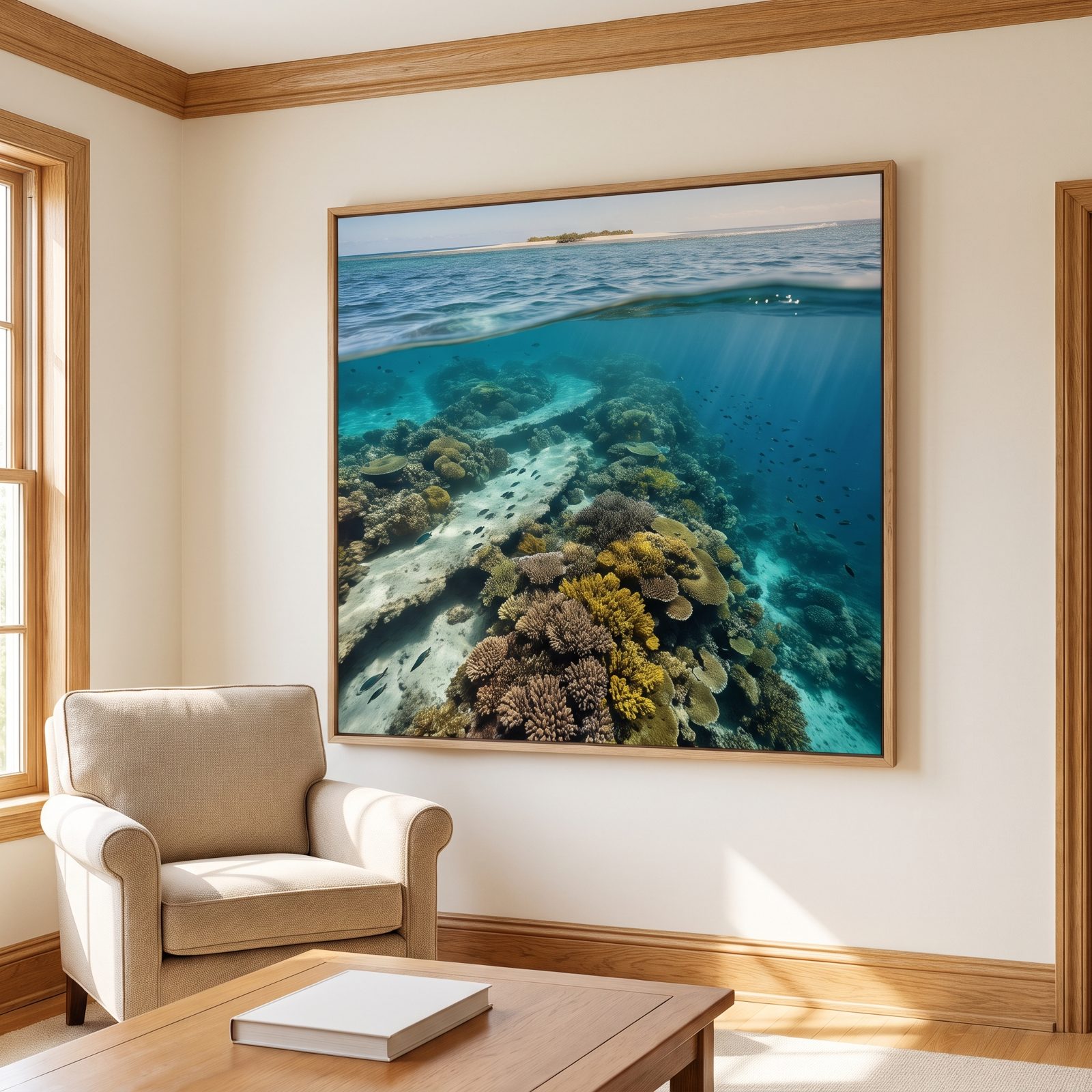
The reef we know is a cemetery and a nursery stacked on each other. Corals build on the skeletons of dead corals, which is how the whole thing survived ice ages and sea-level swings before. It has drowned and rebuilt more than once.
Give it 10,000 years of warmer water and higher seas, and the likely outcome isn’t blank rubble. It’s a different reef. Heat-tolerant species take over, the showy branching corals thin out, and the dominant colors shift toward muddy golds and greens. New growth climbs onto today’s drowned shallows. Less postcard. Still alive, still enormous, still building.
42. Mount Everest: A Weathered Crown on a Range That Keeps Climbing
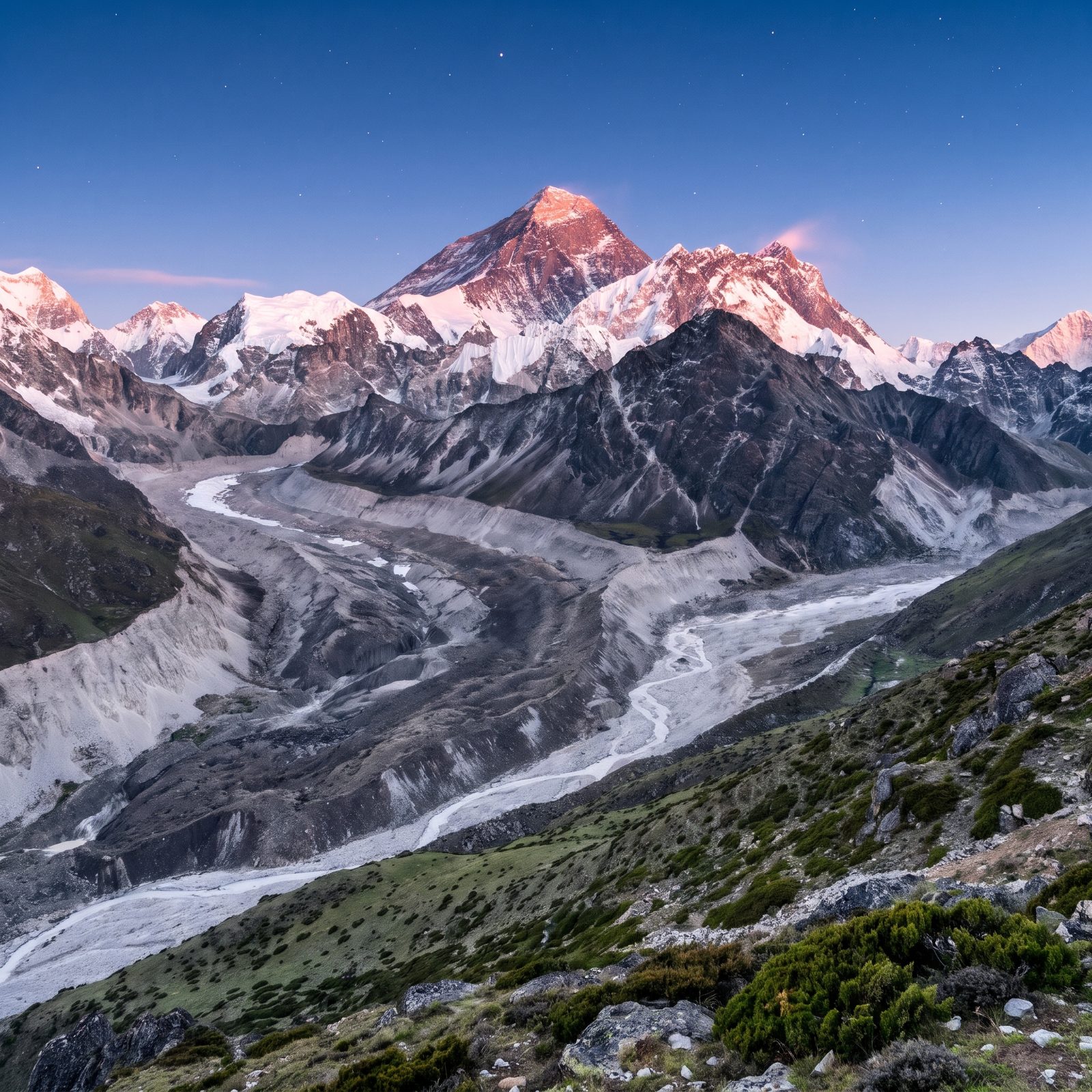
Here’s the strange part. Everest is both rising and shrinking at the same time, and it’s a close race.
India keeps ramming into Asia, shoving the whole range upward a few millimeters a year, while wind, ice and the occasional landslide grind the summit back down. Over 10,000 years tectonics probably wins by a hair, so the mountain ends up a touch taller even as the peak looks older. More weathered. Rounded ridges, fresh rubble, glaciers pulled far up the valleys they once filled. And the vegetation line creeps higher as the climate warms. Green climbs where there used to be only ice.
As a university earth scientist puts it, “Mount Everest and its neighbouring peaks are growing because the isostatic rebound is raising them up faster than erosion is wearing them down.”
41. The Amazon: A Vast Forest Remade by Rivers That Wander
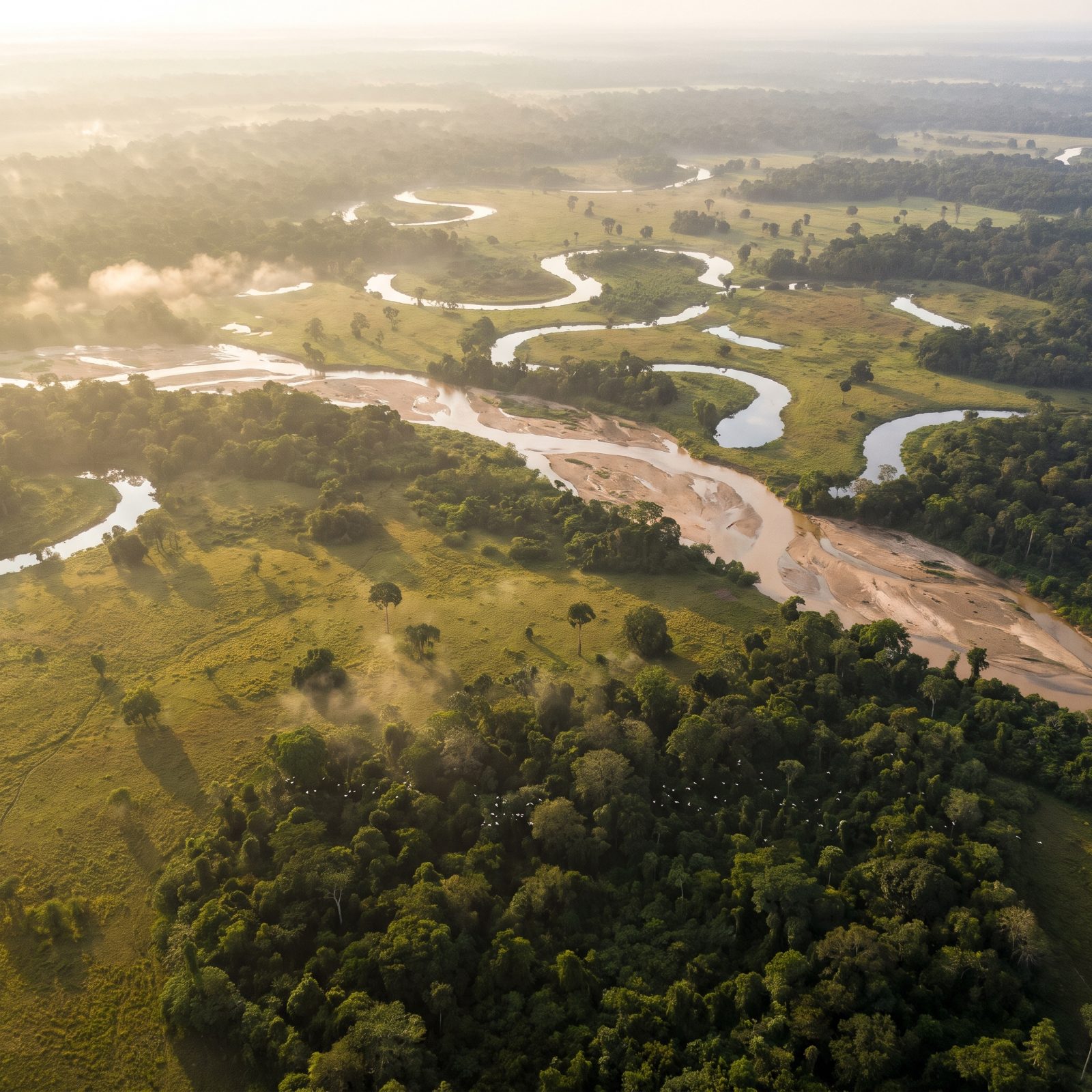
Rivers in the Amazon don’t flow so much as crawl sideways. The big channels swing across the floodplain over centuries, strangling old loops into oxbow lakes and leaving ghost rivers in the trees. Fly over it in 10,000 years and the whole plumbing diagram would be redrawn.
The bigger question is the forest itself. Push the climate past certain thresholds and chunks of rainforest could tip toward savanna, trees giving way to grassland with the canopy retreating to the wetter corners. Not a desert. A patchwork. Still one of the richest places alive, just wearing a different coat in places you’d swear were jungle today.
40. The Sahara: A Green Expanse if the Monsoon Comes Back
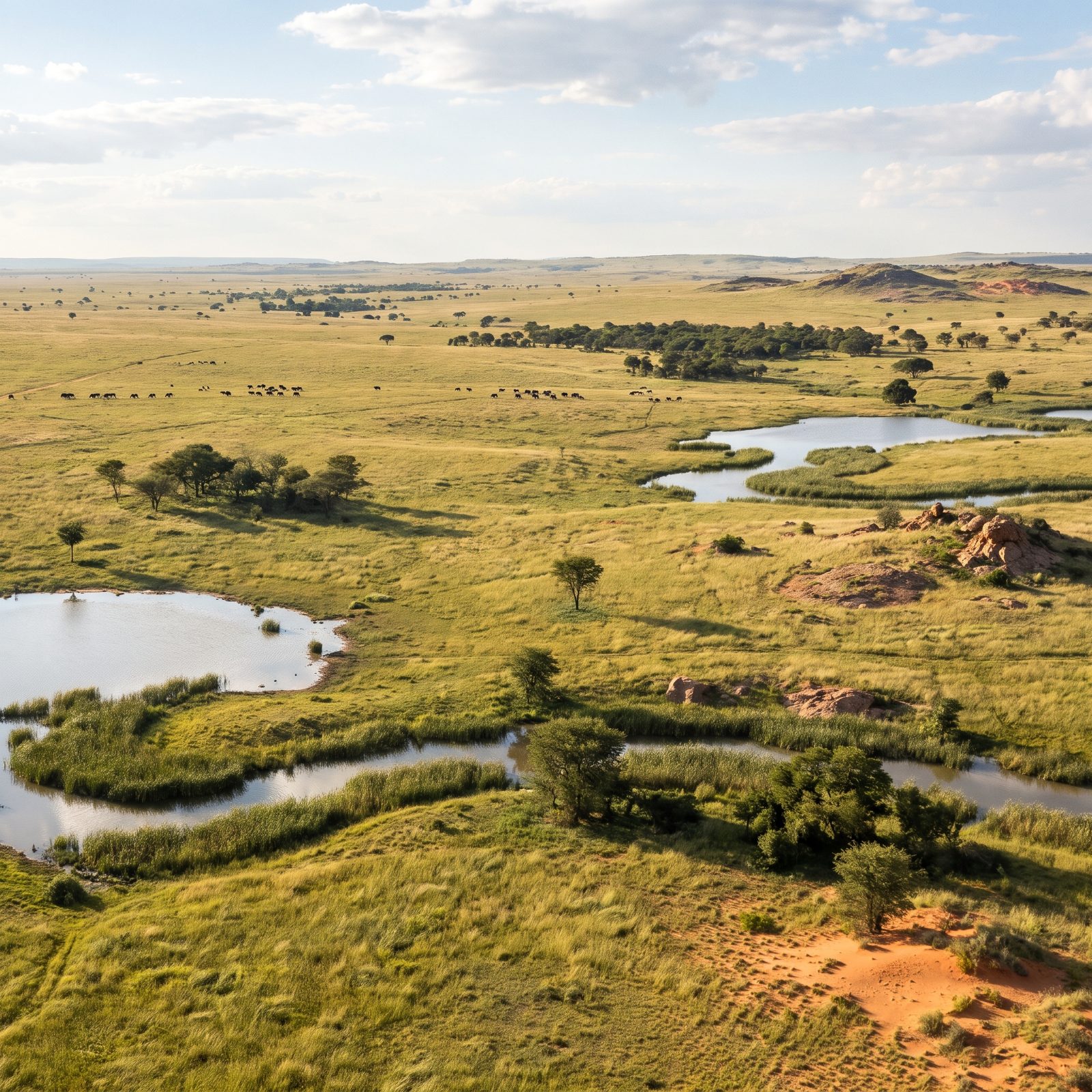
The Sahara is not permanently a desert. It has a pulse.
Every 20,000 years or so, wobbles in Earth’s orbit shift the North African monsoon and the desert turns green. It happened as recently as about 6,000 years ago, when the Sahara held lakes, hippos and human herders. Rock art in the dry hills still shows cattle where there’s now only sand. On a 10,000-year timeline the odds of the monsoon swinging back are real. Picture grasslands, shallow lakes, acacia scrub and grazing herds across ground that currently kills people who get lost on it.
As a climate scientist puts it, “The cyclic transformation of the Sahara Desert into savannah and woodland ecosystems is one of the most remarkable environmental changes on the planet.”
39. Yellowstone: Geyser Basins Reshuffled by a Restless Caldera
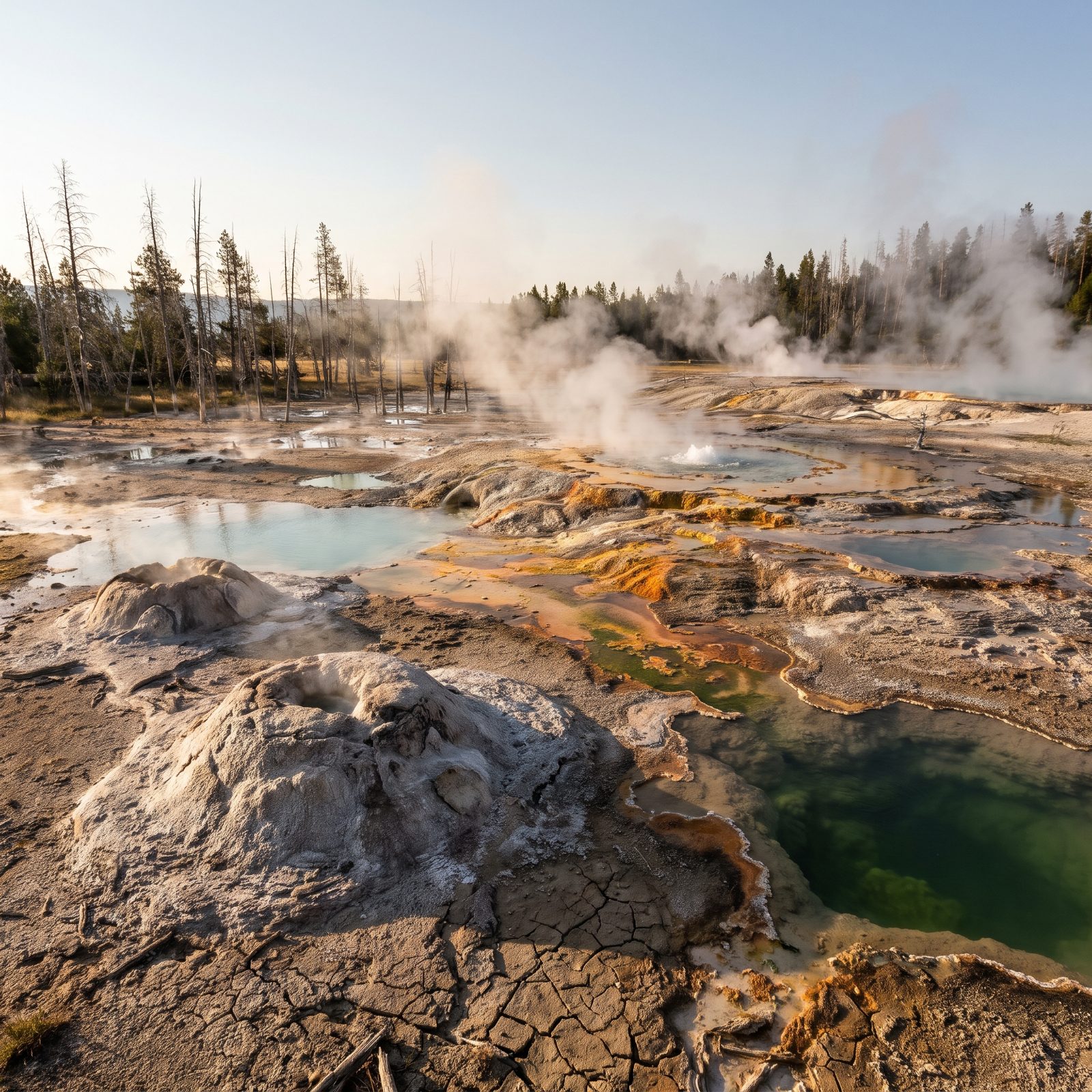
Forget the doomsday supervolcano headlines for a second. The far more likely Yellowstone of 10,000 years out isn’t a smoking crater. It’s the same park with its furniture rearranged.
The ground over the caldera breathes, rising and sinking by inches as magma and water shift below, and that movement reroutes the plumbing. Geysers plug up and die. New vents tear open across fresh ground. Old Faithful is faithful on a human schedule, not a geological one, and there’s no guarantee it survives the next ten millennia at all. What endures is the basin itself, steaming, hissing and painting the earth with microbial reds and golds somewhere nearby.
38. Niagara Falls: A Gorge Clawed Miles Farther Upstream
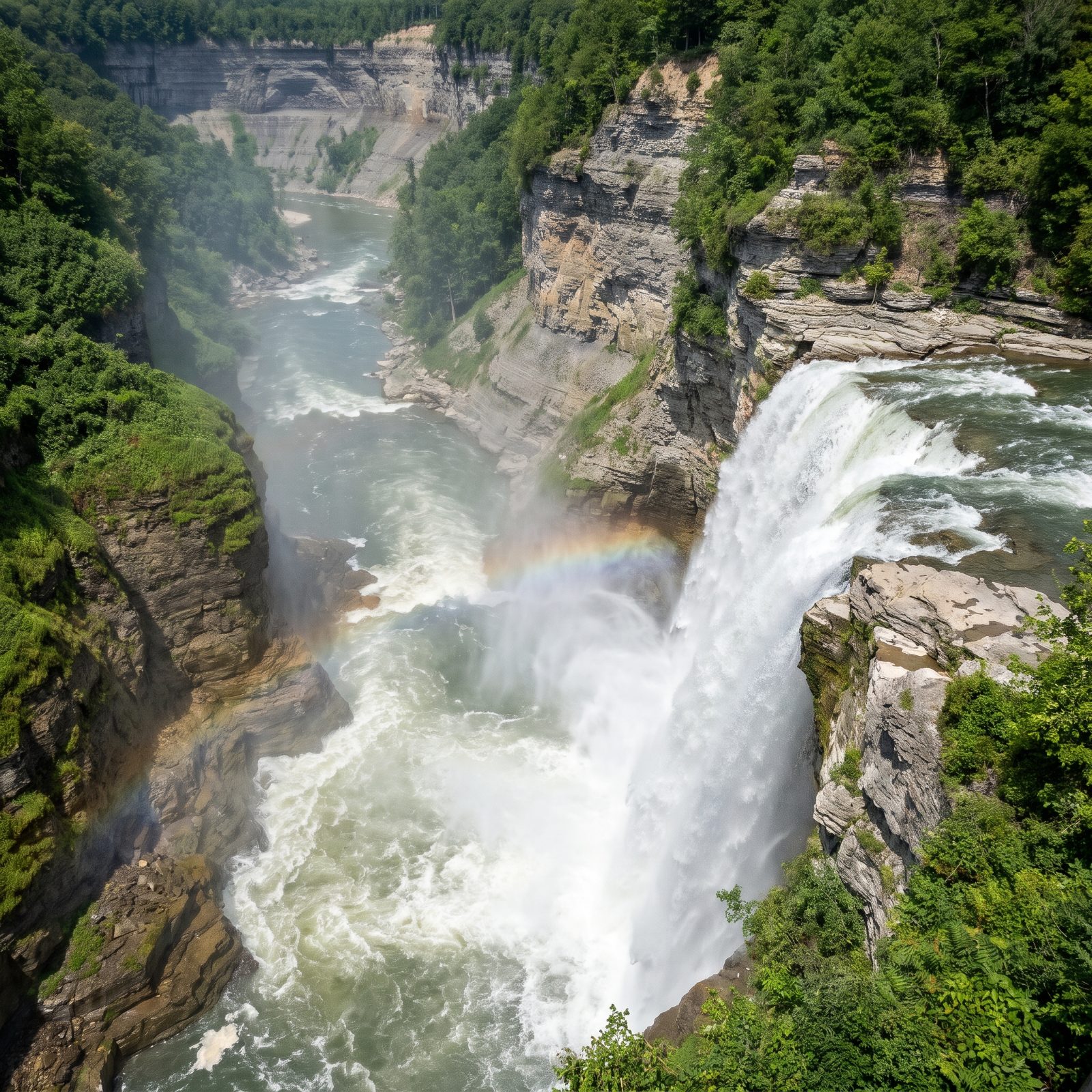
Niagara is running away from you. Slowly, but it won’t stop.
The falls erode backward as the plunging water undercuts the hard caprock until it collapses. The pace has varied with flow and human control, but historically the lip has retreated on the order of a foot or more a year, and over 10,000 years that’s measured in miles. The falls migrate upstream, dragging a longer gorge behind them, until they hit softer rock and the whole thing drops to a set of rapids instead of a cliff.
Everything downstream, viewing platforms included, becomes dry canyon. The show moves. It doesn’t wait.
37. Antarctica: Retreating Ice Unveiling Mountains and Hidden Valleys
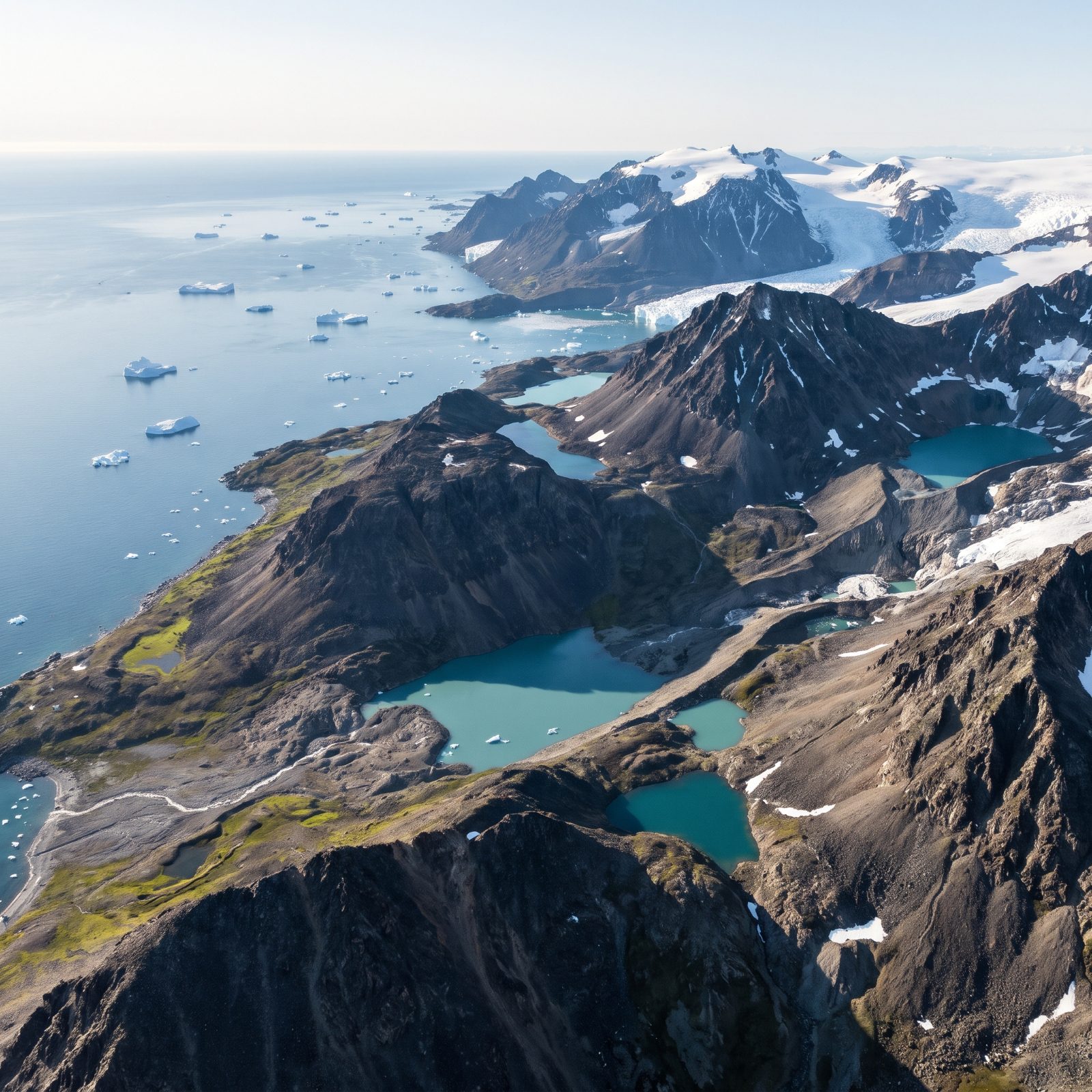
Under all that ice, Antarctica hides mountain ranges, canyons and a whole landscape most people never picture. A continent wearing a frozen coat.
A sustained warm climate over 10,000 years could pull that coat back along the edges, especially the vulnerable West Antarctic sheet. What emerges first isn’t tropical. It’s raw rock, scoured U-shaped valleys and turquoise meltwater lakes, with glaciers retreating to the high interior. Life follows slowly: moss, lichen, the quiet pioneers that colonize fresh ground anywhere on Earth.
36. The Galápagos: Old Islands Worn Down, New Volcanic Shores Born
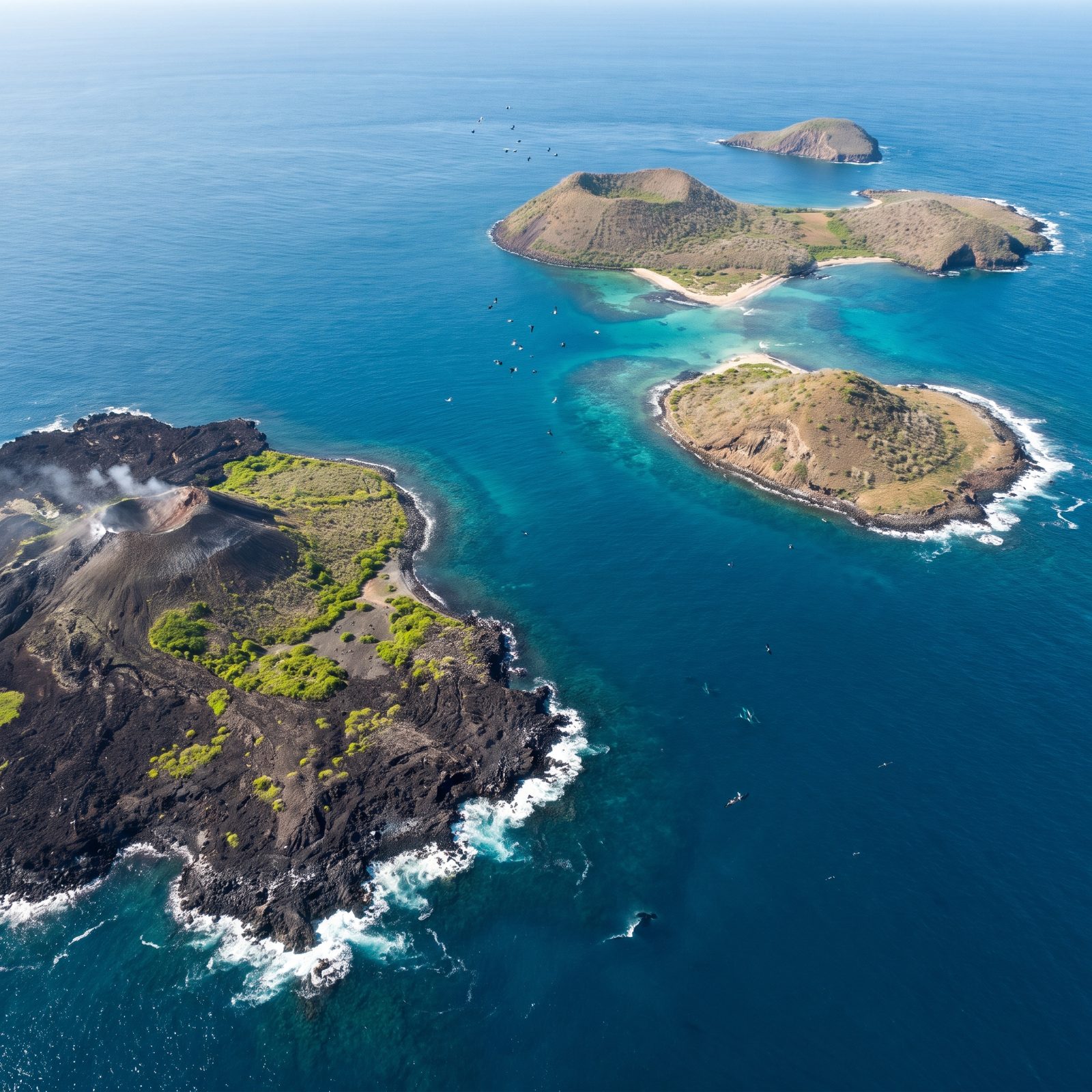
The Galápagos work like a conveyor belt. A hotspot under the Nazca plate builds fresh volcanic islands on the western end while the plate drags the older ones east, where they sink and erode into the sea.
So in 10,000 years the lineup shifts. The eastern islands, still tall tuff cones with crater rims today, slowly erode toward stubs ringed by reef. Somewhere to the west, black lava builds a new island, still steaming at its cone, where bright green patches of shrubs are already taking hold on the fresh rock. Darwin’s finches evolved to fit this restless geography, and the islands themselves are evolving too, just on a slower clock.
35. The Dead Sea: A Shrinking Salt Basin Left High and Dry
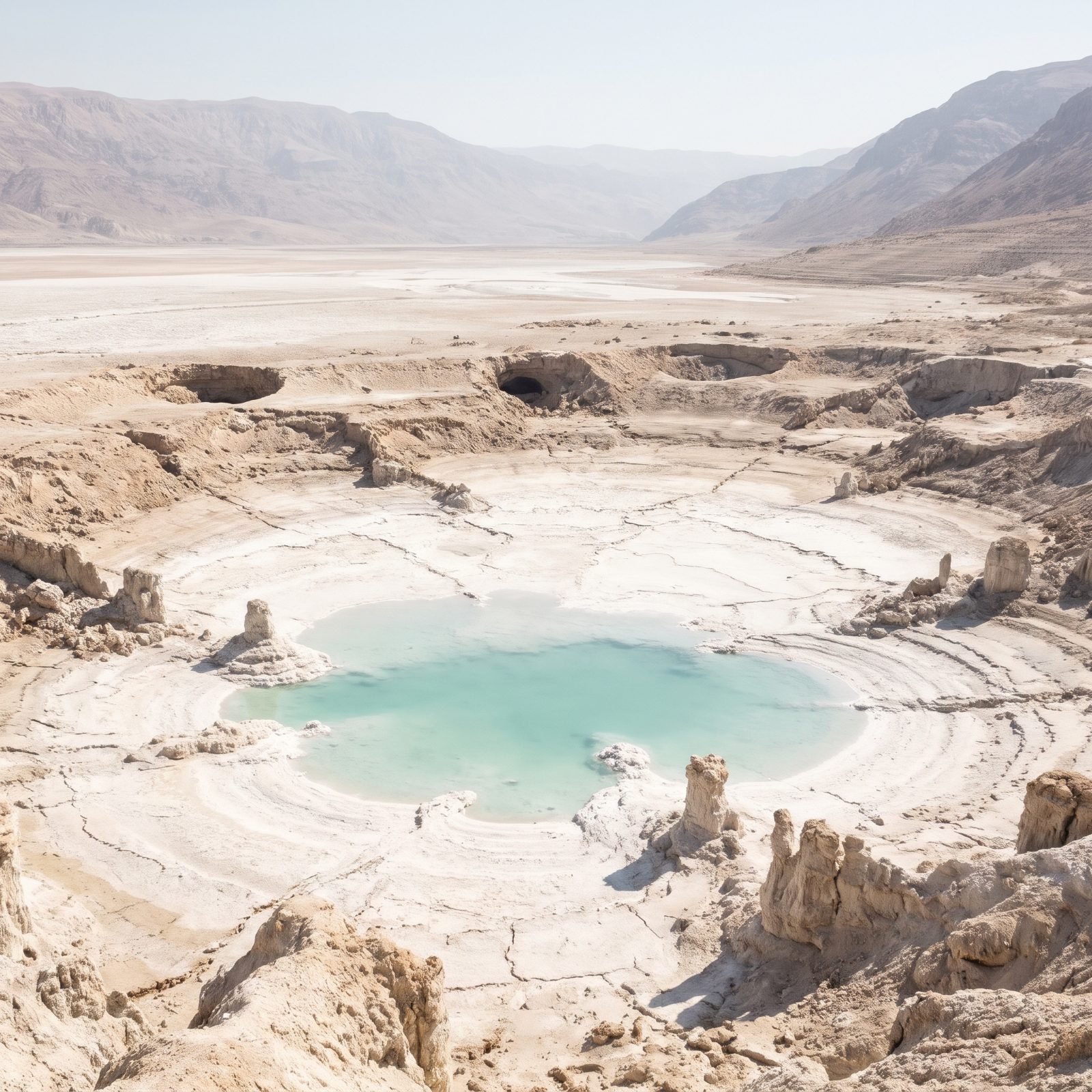
The Dead Sea is already losing. Its level has been dropping more than a meter a year because the Jordan River gets diverted upstream before it ever arrives. Less water in, the same brutal evaporation out.
Stretch that trend across millennia and the sea could shrink to a hyper-salty puddle at the bottom of a cracked white basin, ringed by salt pillars and the sinkholes that already swallow roads today. Unless the climate or the water politics change, the lowest point on land just keeps getting lower and drier.
The sea won’t vanish entirely, but a geophysicist who studies sinkholes along its shore warns, “When it reaches a new equilibrium it will be very much less than nowadays.”
34. Mount Kilimanjaro: An Ice-Free Summit Above Shifting Forest Zones
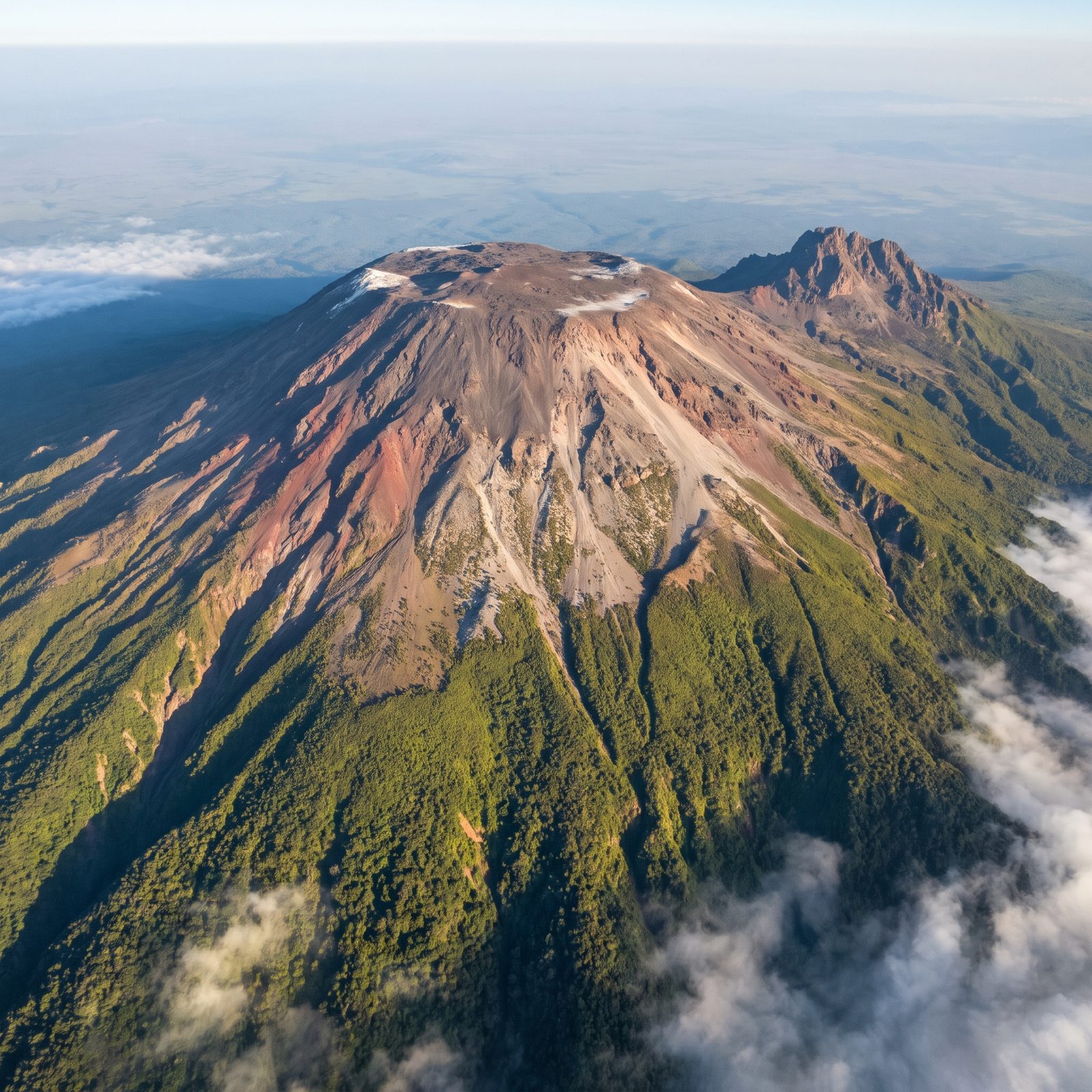
Kilimanjaro’s ice is in a hurry to leave. The remnant glaciers crowning Kibo have been shrinking for over a century, and most projections give them decades, not millennia. Run the clock forward ten thousand years and the white cap is long gone. What replaces it is more interesting than bare rock.
Warmer, wetter air shoves every vegetation band uphill. The cloud forest that now rings the mountain climbs the flanks, chasing the cool it needs, while the summit becomes a dark cone of exposed scoria — shape unmistakable, crown rewritten.
33. The Okavango Delta: Channels Rewritten Across the Kalahari
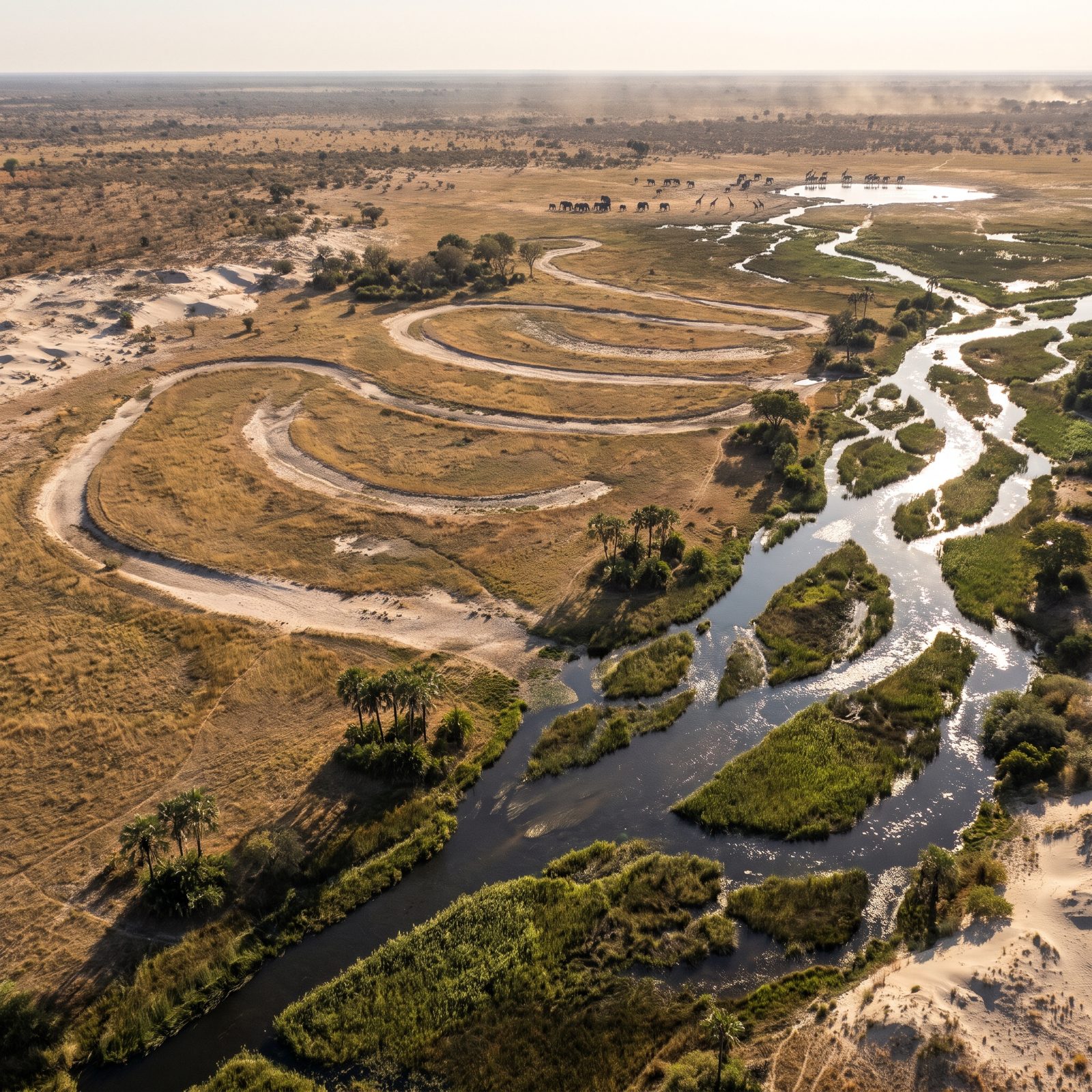
Most people miss how restless the Okavango already is. The delta sits on a slowly spreading rift, and tectonic nudges plus silt buildup send its water wandering between channels on a scale of decades and centuries. The flood you see this year may abandon its path entirely in the next.
Give it ten thousand years and the fan looks familiar but drawn by a different hand. Old channels sit dry and ghostly. New ones run full. And how much water even arrives? That’s decided far away, by shifting rainfall over the Angolan highlands, where the whole thing actually begins.
32. Ngorongoro Crater: A Weathered Caldera with a Changed Interior Lake
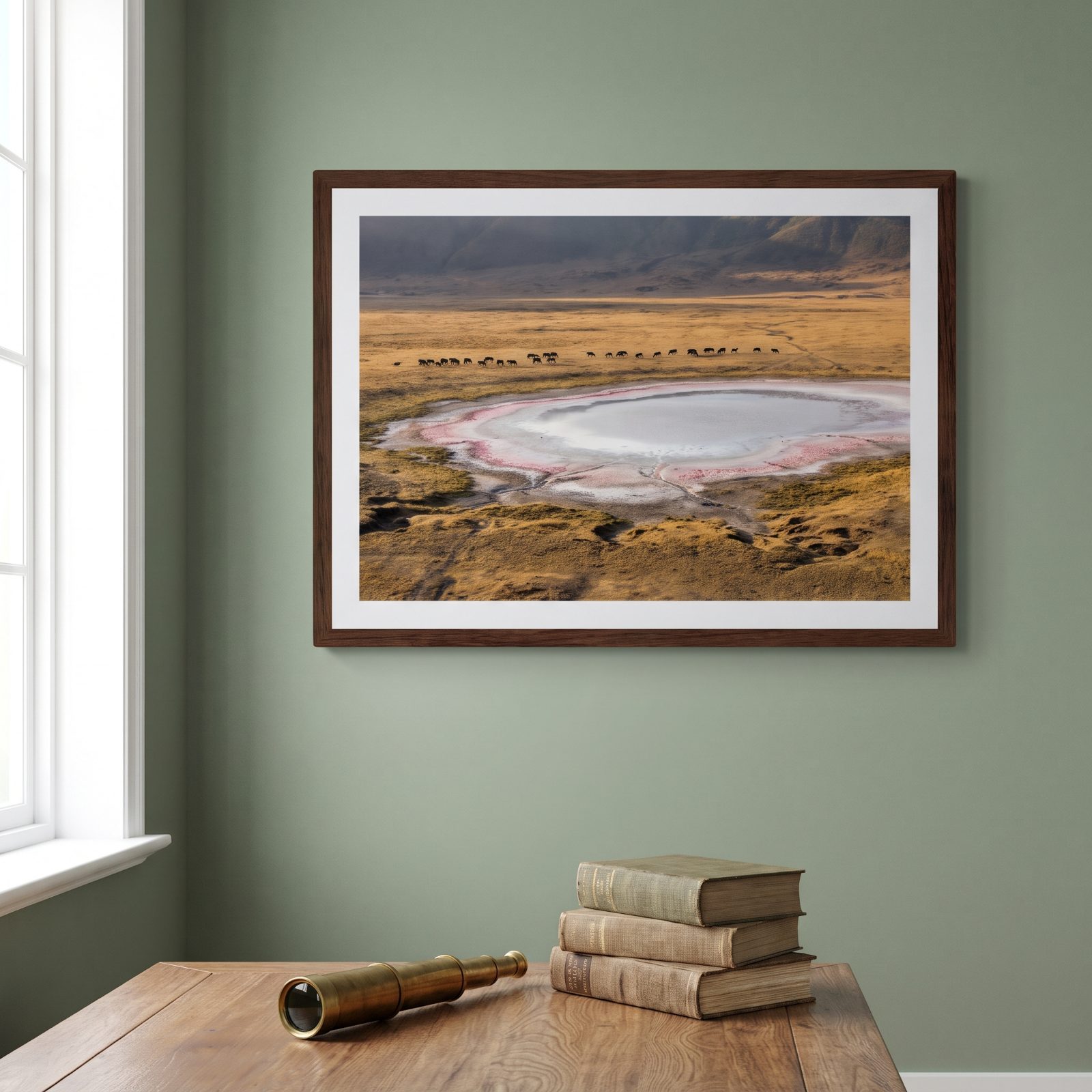
Ngorongoro is a collapsed volcano, a caldera roughly a dozen miles across, and calderas don’t stay crisp. Rain, frost and gravity are forever gnawing at the walls. In ten thousand years those rims grow gentler, their gullies deeper, their rubble piling onto the floor below.
The real wildcard is the lake. Magadi is a shallow soda pan fed by seasonal streams, and it lives or dies by rainfall — a wetter future swells it, a drier one leaves a cracked white crust. Either way, the flamingos that mob it today are chasing a target that keeps moving.
31. Ha Long Bay: Smaller Karst Towers in a Higher Sea
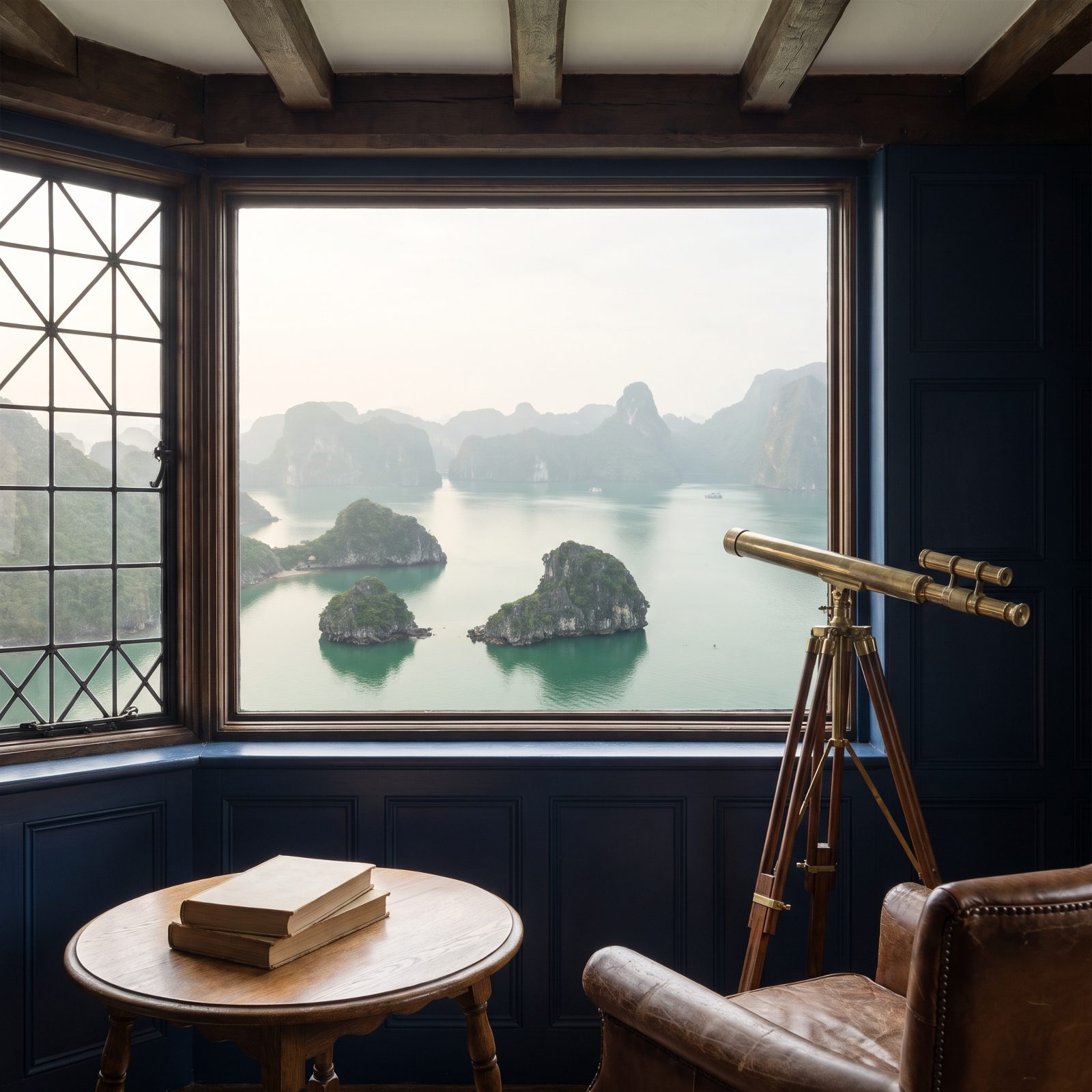
Those towers are limestone, carved over millions of years by rain and tropical weather eating the soft rock away. They’re also shrinking, slowly, constantly, grain by dissolved grain.
Now add a higher sea. Whatever the number ten thousand years out, the water climbs — and it climbs into a seascape that’s still dissolving from above. The shortest karst stubs go under. The tall ones lose their feet and stand more alone. You’d still know the place in a heartbeat, but you’d be sailing over spots that used to be dry land.
30. Zhangjiajie: Thinner Sandstone Pillars Sculpted by Erosion
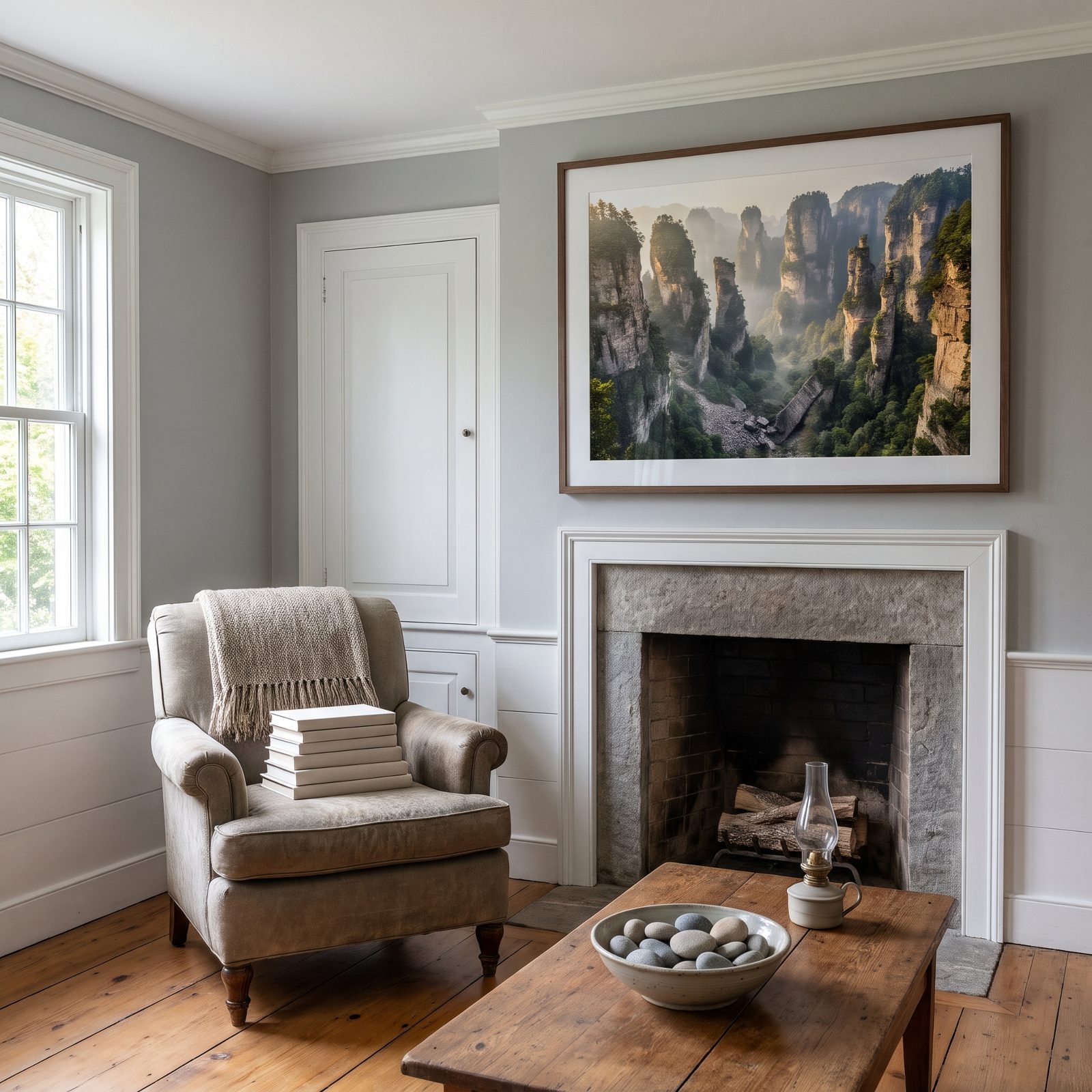
Zhangjiajie’s pillars are a work in progress, even if they look eternal. They’re quartz-rich sandstone, split by ancient fractures, then widened by freeze-thaw, roots and running water until blocks fell away and left freestanding spires. The process never stopped — not for a single century.
Fast-forward and the columns are leaner, more deeply grooved, a few gone entirely where gravity finally won. Fresh spires emerge where ridges get whittled down. It’s a forest of stone that keeps pruning itself, and the pace, by geological standards, is brisk.
Every spire you admire is a column that hasn’t fallen yet. That’s not grim. That’s just erosion keeping score.
29. The Norwegian Fjords: Ice-Carved Inlets Filled by a Higher Ocean
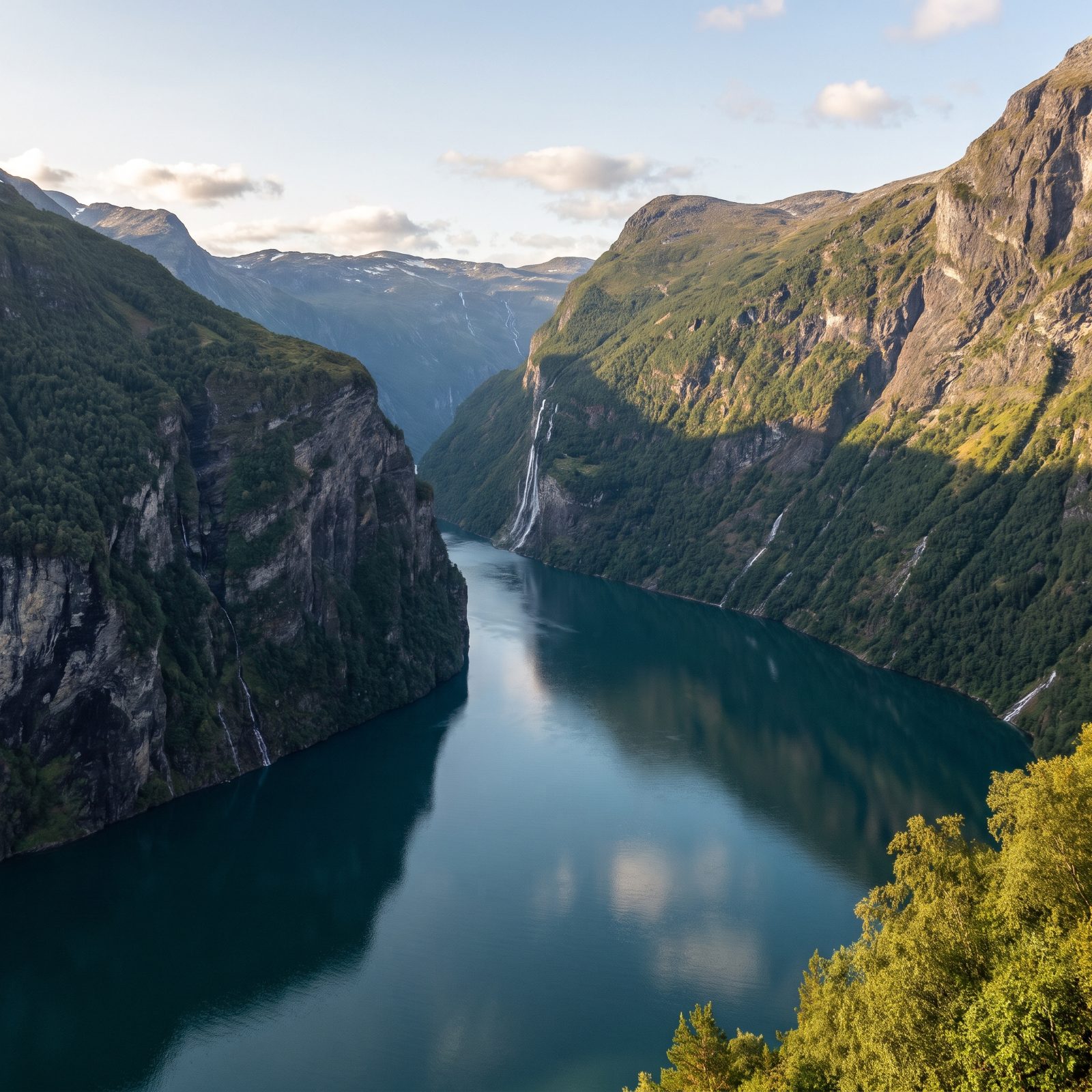
Fjords are glaciers’ handiwork. Ice gouged these valleys below sea level, then melted and let the ocean pour in — so they’re already drowned landscapes, in a sense. A warmer world with higher seas simply pushes the water further up walls that were built to hold it.
The glaciers still lingering in the Norwegian high country are retreating. Ten thousand years out, the permanent ice is largely gone from these peaks, the forest has climbed toward summits that used to be rock and snow, and the waterline sits higher on the cliffs. Same cathedral walls. Fuller nave.
28. The Great Blue Hole: A Submerged Sinkhole in a Changed Reef Shelf
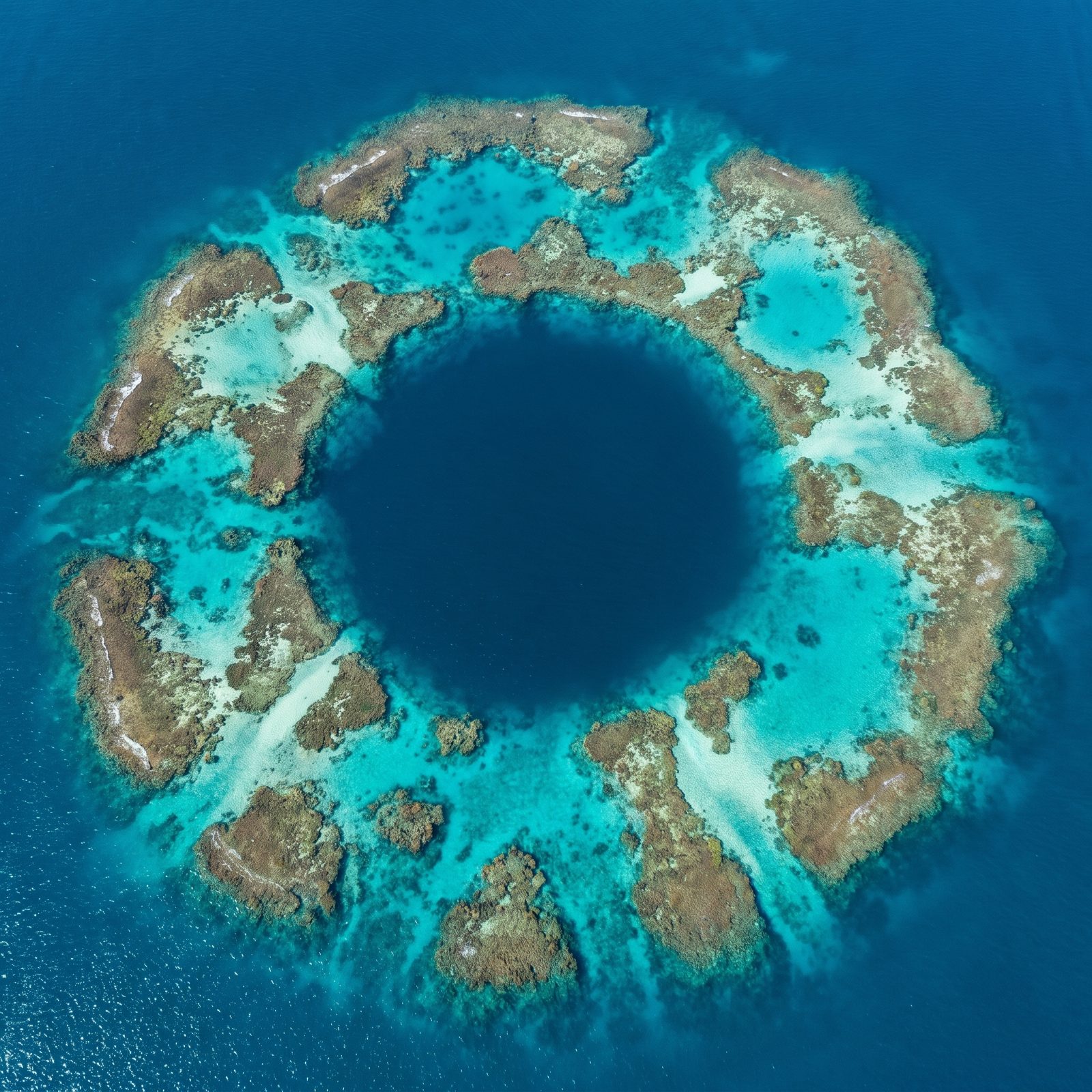
The Great Blue Hole is a cave that drowned. It formed as a dry-land sinkhole during past ice ages when seas were far lower, then flooded as the ocean rose, and its near-perfect circle now sits inside a shallow reef on the Belize shelf.
Raise the sea instead, as the rest of this deep-future picture suggests, and the surrounding reef sits deeper, with new coral climbing to keep pace. The ring stays submerged, a pale outline of shallows around that famous dark eye, still staring up from a reef shelf remade by warmer water.
27. Salar de Uyuni: A Salt Flat Reshaped by New Wet and Dry Cycles
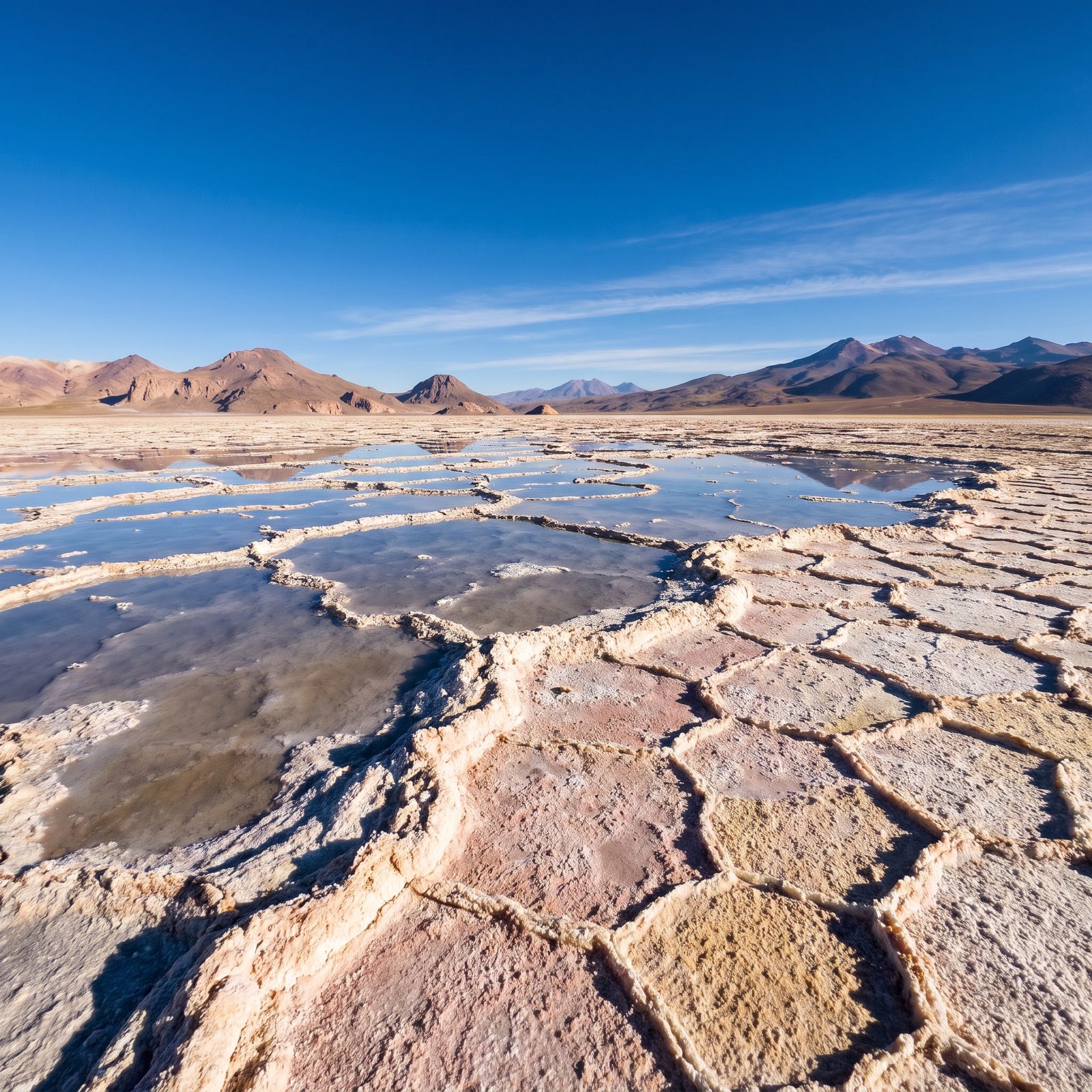
Uyuni breathes on a seasonal rhythm. Dry months give you that cracked hexagonal crust you’ve seen in photos. Wet months lay a shallow film of water over it, turning the whole flat into a mirror so clean the sky and ground swap places.
That rhythm is set by rainfall and by the ancient lakes that left this salt behind. Shift the climate over ten thousand years and you shift the recipe. Wetter stretches could hold standing water for far longer, maybe reviving pieces of the lake that once filled this basin; drier ones thicken and buckle the crust. The white stays. The pattern of water and salt gets rewritten.
26. Torres del Paine: Exposed Peaks Above Vanished Ice Fields
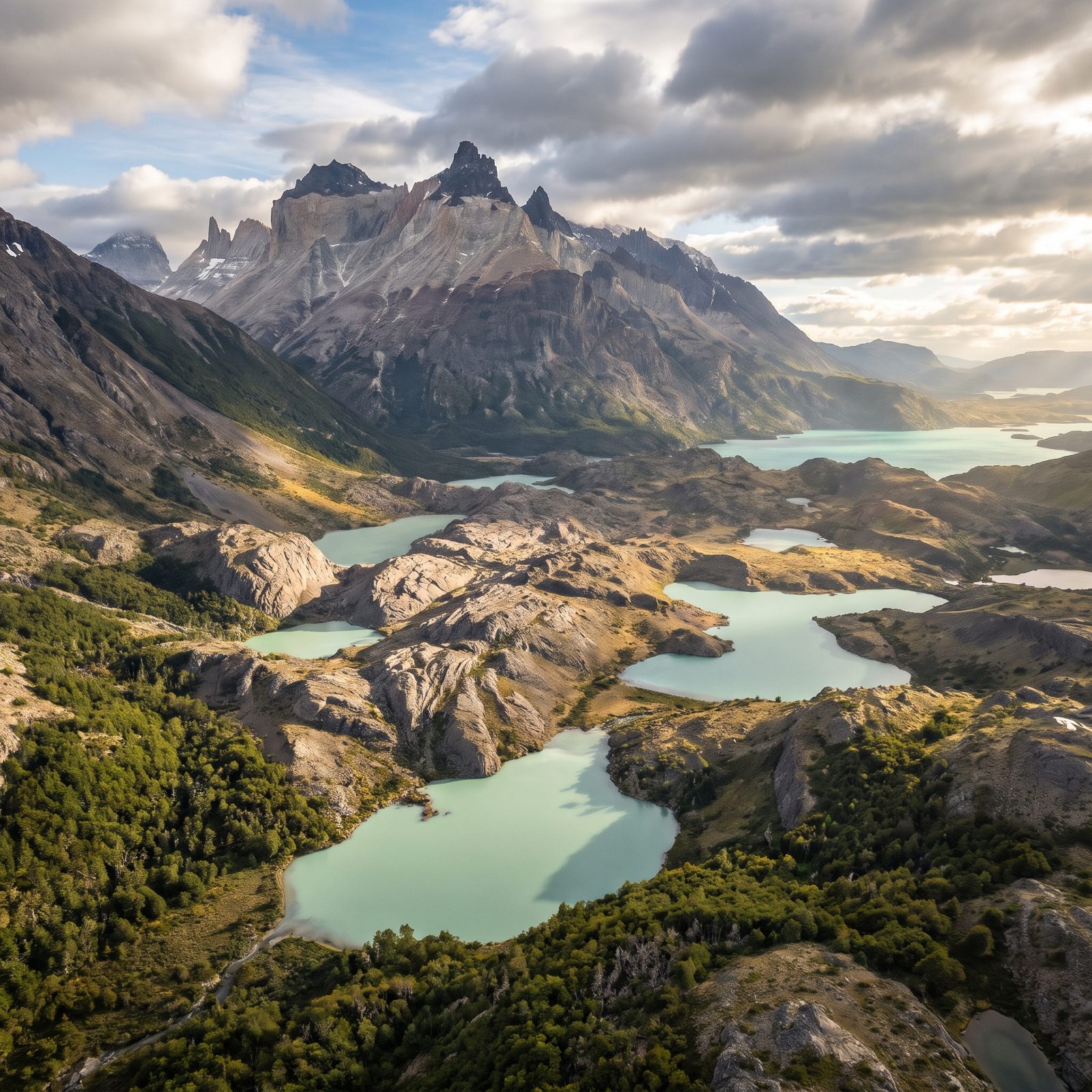
The towers themselves are hard granite, tough and slow to wear. What’s vulnerable is everything around them — the ice. The Southern Patagonian Ice Field feeds the glaciers here, and it’s losing mass fast.
Strip that ice away over ten thousand years and you reveal the land it’s been hiding. Fresh moraines, newly scraped valleys, milky meltwater pooling in basins that were solid white. The beech forests push upslope into ground that was frozen. The spires stay sharp against the sky while their frozen collar melts off the shoulders of the range.
25. Angel Falls: A Receding Tepui Edge and Altered Plunge
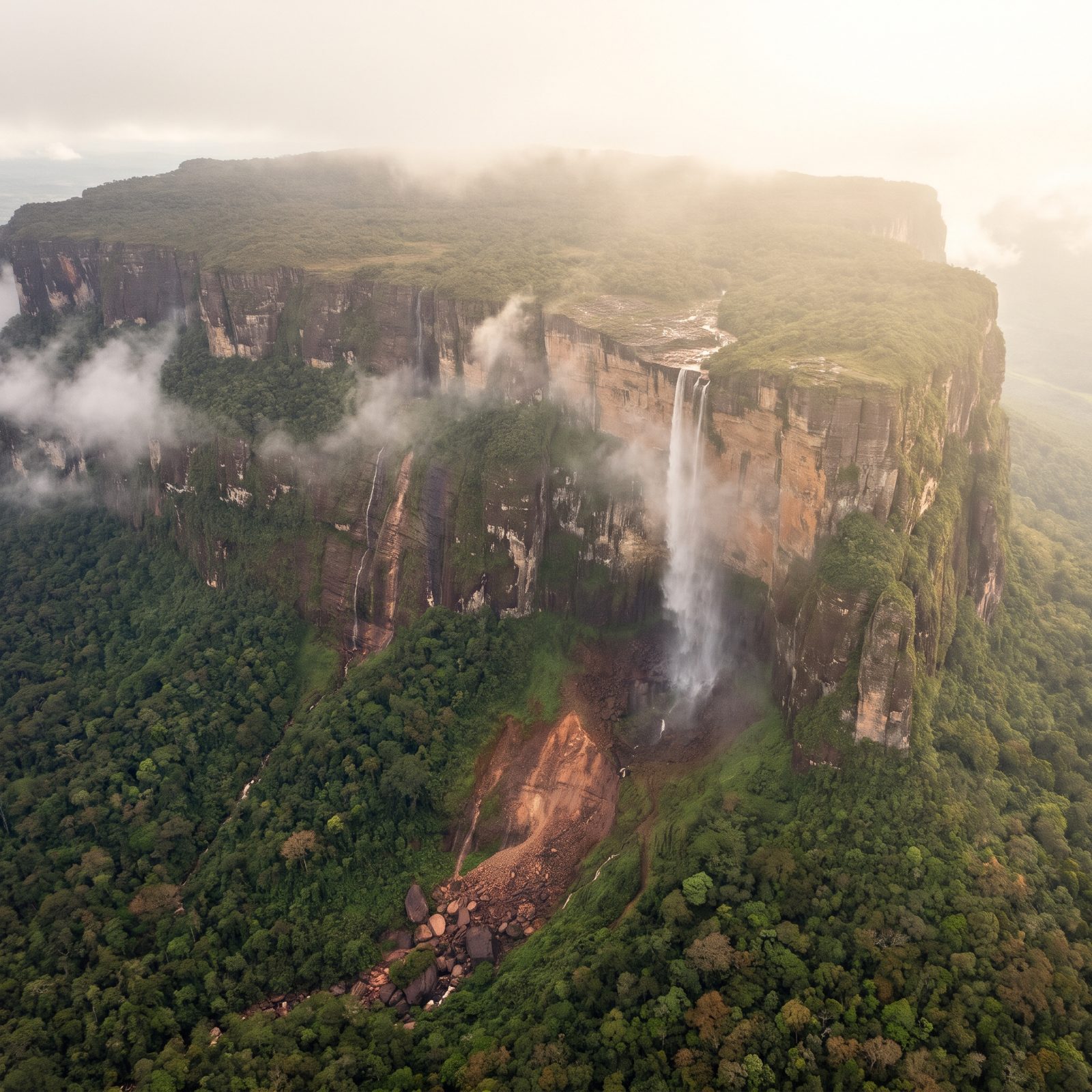
Angel Falls drops nearly a kilometer — so far that much of the water turns to mist before it ever lands in the dry season. That drop exists because the tepui’s edge is a sheer sandstone cliff, and cliffs don’t hold a fixed line forever.
Waterfalls migrate. The relentless pour undercuts the lip, chunks of overhang break free, and the edge creeps backward over the ages. Ten thousand years of that, plus shifts in rainfall feeding the river above, and the falls launch from a slightly different spot off a reshaped rim. The curtain of mist? That depends entirely on how wet the sky above the tepui stays.
24. Lençóis Maranhenses, Walking Dunes Circling Reborn Lagoons
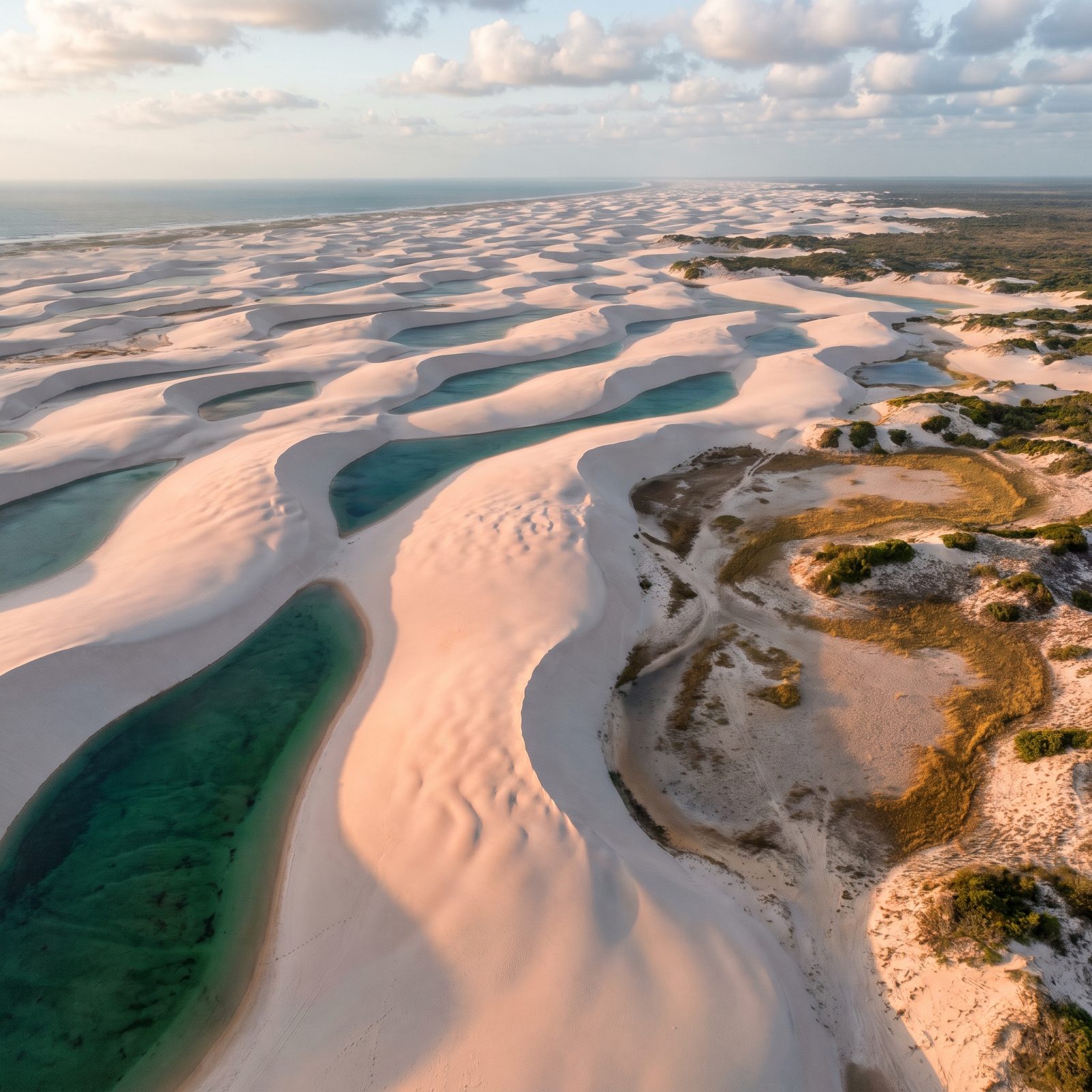
These aren’t your typical dunes. Lençóis Maranhenses fills with water only because seasonal rains get trapped in the valleys between sand ridges, turning a desert-looking place into a maze of blue pools every year.
But the whole field marches. Northeast trade winds shove the sand steadily inland, and across ten millennia the entire system drifts, abandoning old lagoon basins while carving fresh ones out of new ground. What you’d still recognize is the pattern — white sand, trapped rainwater, that impossible desert-dotted-with-pools look. What moves is the address. The lagoon you swam in now sits buried under a dune, and a new one glitters a few miles away.
23. Uluru, Softer Shoulders and Wider Erosion Channels
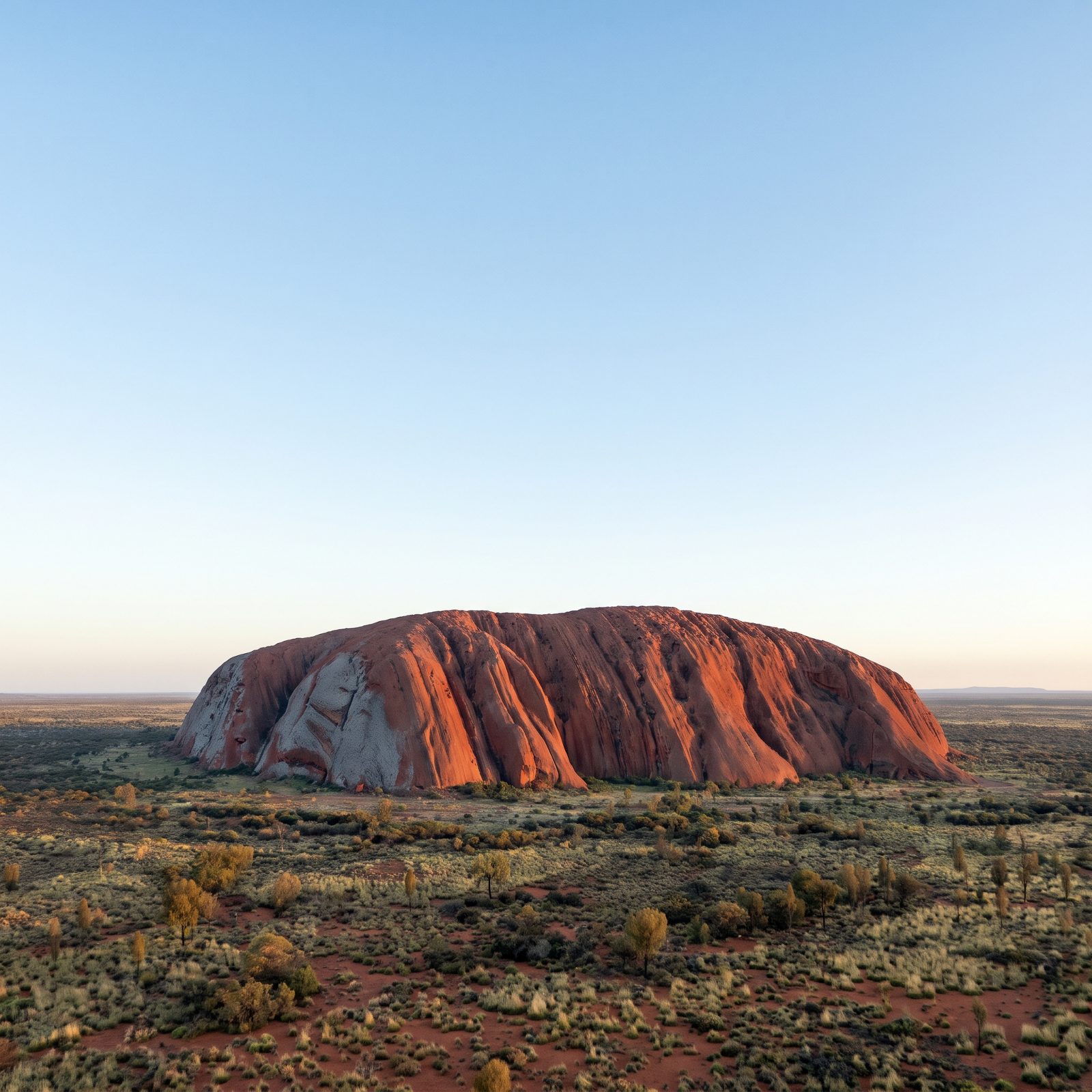
Uluru is the tip of something enormous. Most of this sandstone slab lies buried underground, which is why erosion works it so slowly from above.
Give it ten thousand years and the changes stay subtle but real. Water running off the rock keeps cutting the vertical channels you see in its flanks, widening them into deeper gullies, while the summit rounds a little more and the whole profile softens — like a bar of soap worn down by a thousand careful hands. It stays unmistakably Uluru. Just gentler at the edges, a few more scars running down its sides.
22. The Twelve Apostles, Old Stacks Collapsed, New Ones Rising
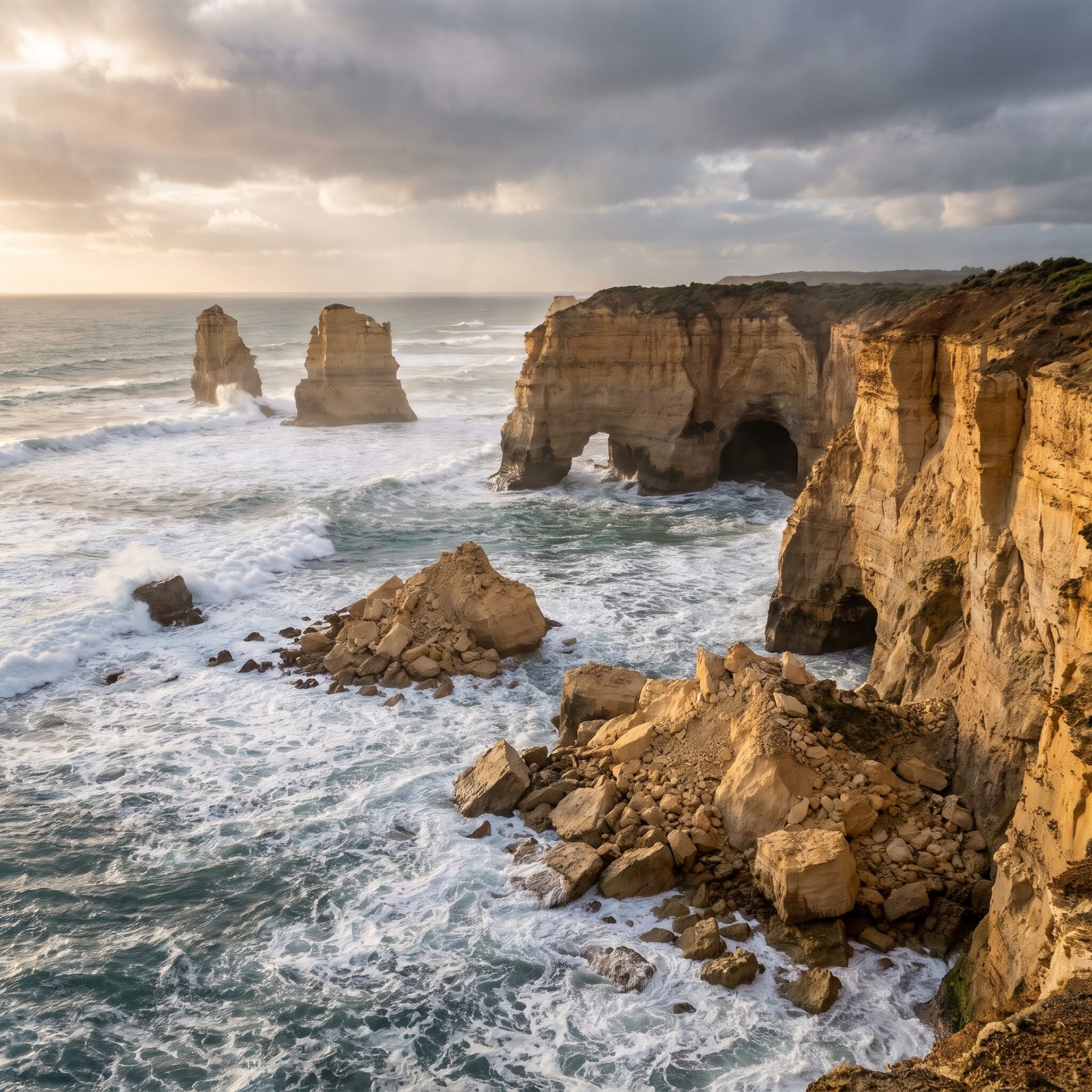
Here’s the part nobody mentions on the postcards. The Twelve Apostles are temporary, and everyone involved knows it. One already toppled in 2005, dropping fifty meters of limestone into the sea in seconds.
The Southern Ocean gnaws the mainland cliffs into caves, then arches, then freestanding stacks, then rubble — a conveyor belt, basically. In ten thousand years the stacks you’d drive out to see will be gone, flattened piles below the waterline. But the same ocean will have chiseled a whole new set from the retreating coastline behind them. Different rocks, same show.
The Apostles aren’t a monument. They’re a moment in a demolition that never stops.
As a physical geographer puts it, “Just as scientists are racing to learn from disappearing glaciers, this study is a reminder that limestone stacks are also fragile archives of past environments”
21. Waitomo Caves, Bigger Chambers and a Rerouted River of Glowworms
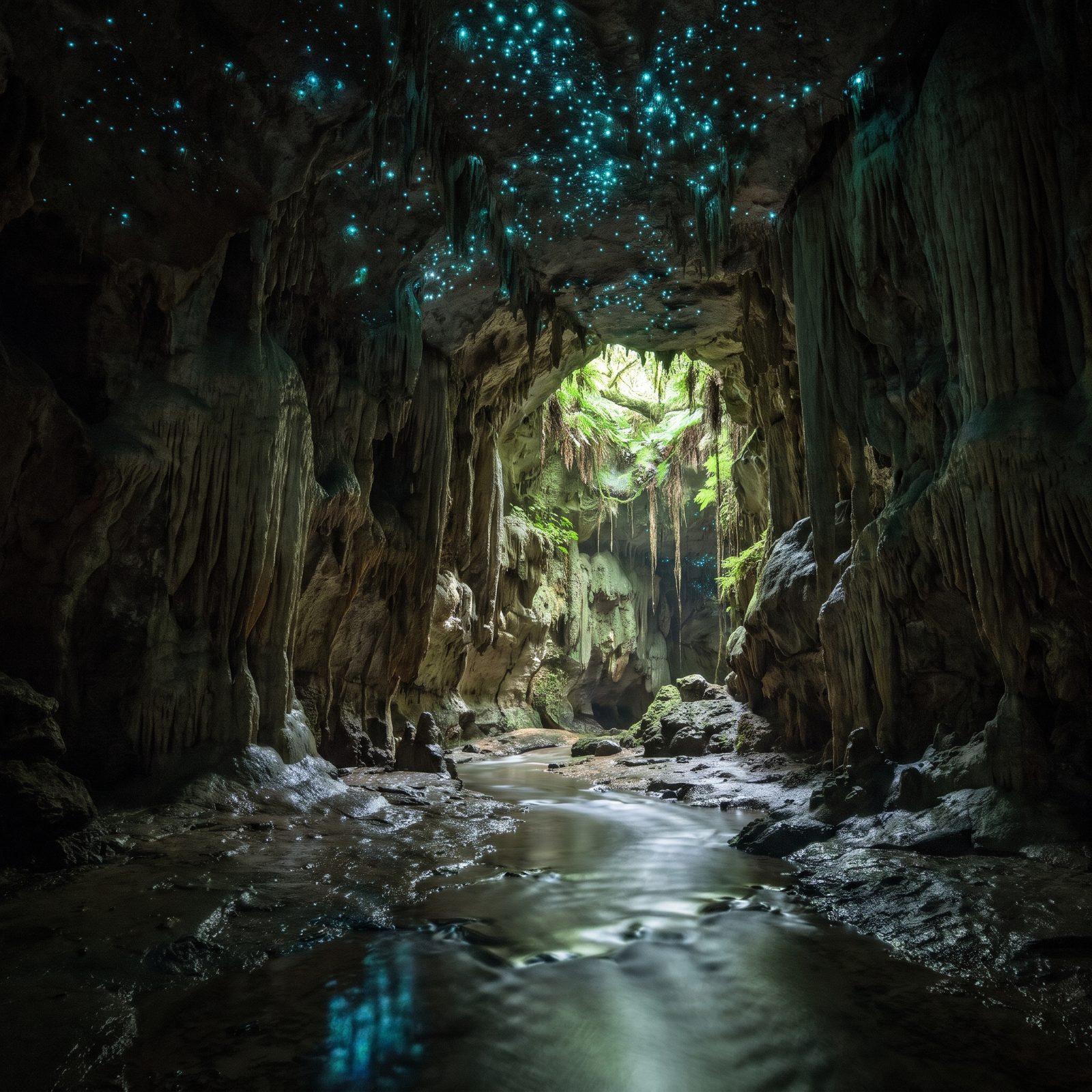
Caves are water’s long game. Waitomo exists because mildly acidic groundwater has been dissolving limestone for millions of years, and it has no intention of stopping.
Ten thousand more years means roomier chambers, a higher ceiling, streams that abandon their old channels to carve new ones through softer rock. The real question is the glowworms. These bioluminescent fly larvae need damp, dark, still air with water nearby. If the stream reroutes but the conditions hold, the living constellation on the ceiling simply follows the water to its new course. The chamber swells. The stars just hang somewhere slightly different.
20. Jeju Island, A Worn Volcanic Cone Ringed by Fresh Sea Cliffs
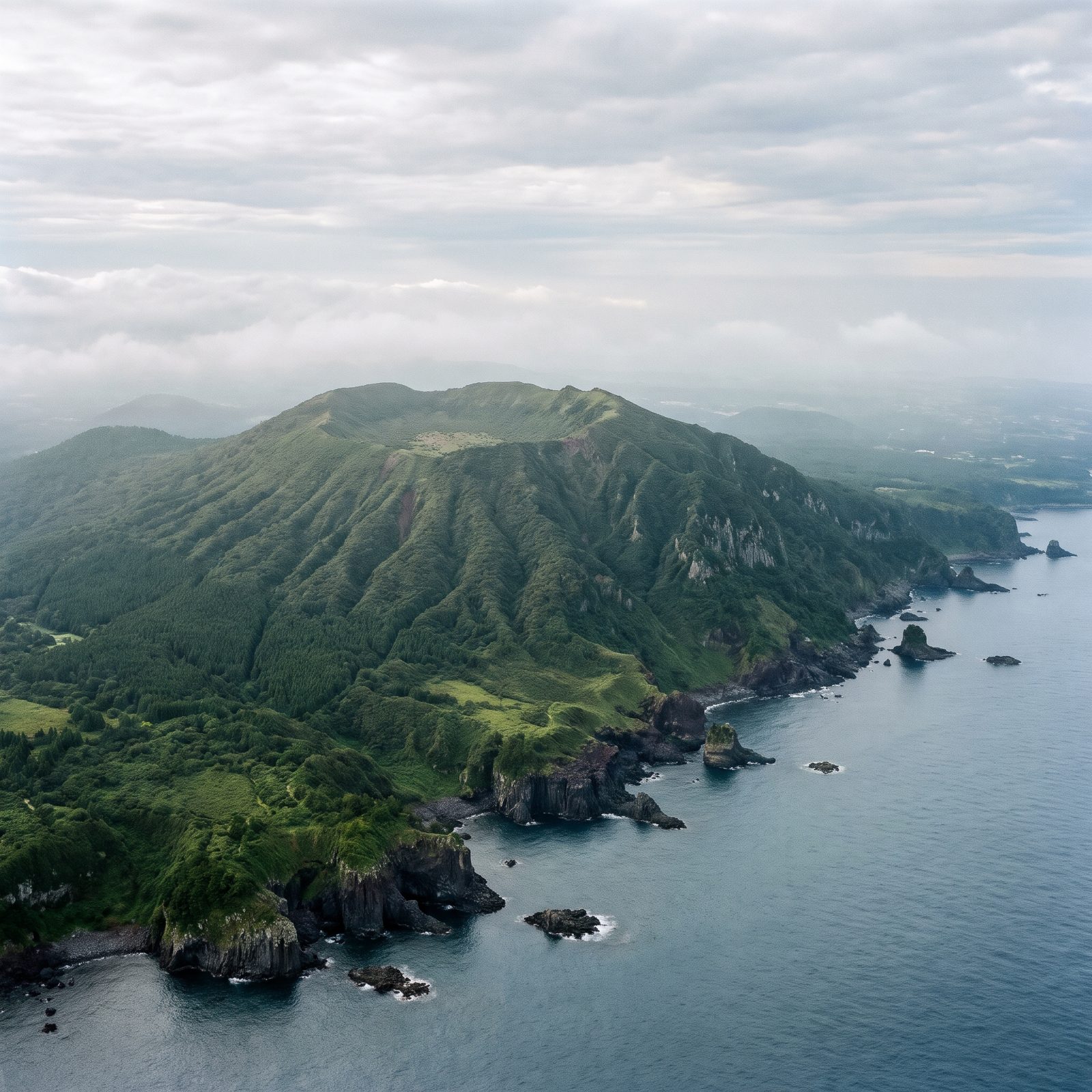
This stretch of Jeju is a volcano wearing an island costume. Its crater sits at its heart, dormant now, its last eruptions thousands of years back, while its slopes run on without a break into the lower, hazy land of Jeju stretching away behind it.
Picture it a hundred centuries on. Rain and rivers chew radial valleys into the cone, softening the crater and dragging the summit profile down, while out at the margins the rising ocean cuts fresh black basalt cliffs where gentle beaches once ran. You get a strange double act — the mountain shrinking from the top as the sea sharpens the shoreline from below. And that columnar basalt that makes Jeju famous? It keeps turning up in new cliff faces as the waves peel back more of the old lava flows.
19. Mount Fuji, An Eroded Cone Remade by Its Own Eruptions
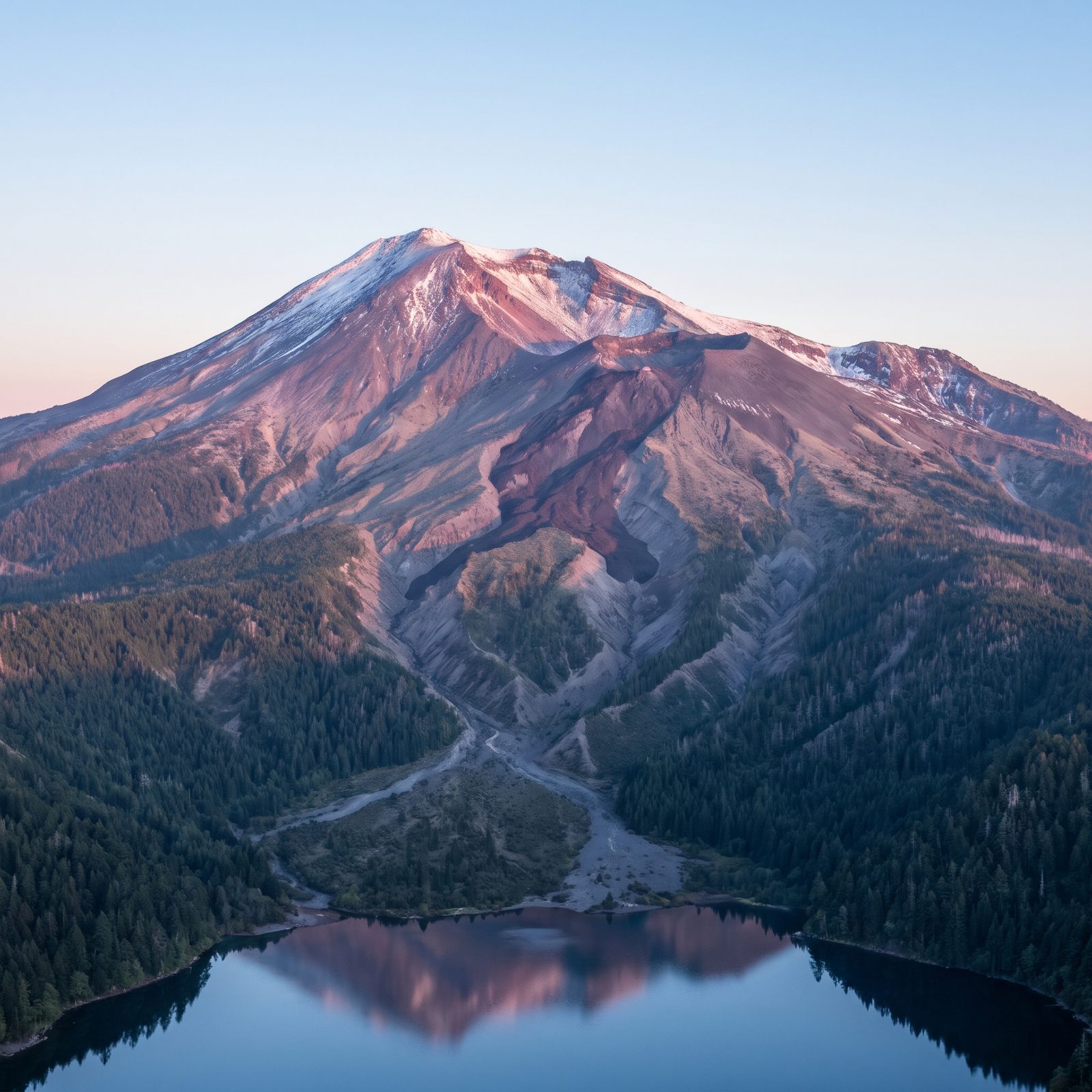
Fuji’s perfect cone is a lie of timing. We happen to be looking at it between eruptions, when it’s at its most photogenic.
Because it’s an active volcano. It last erupted in 1707, dusting distant Tokyo in ash, and it will erupt again — expect several more events over ten thousand years. Each one reshapes the summit, opens new vents on the flanks, buries old erosion scars under fresh lava and ash, and resets the slope. The mountain tears itself down and builds itself back up, on a loop. That symmetry you admire is one frame of a film that never ends.
18. Mount Etna, A Broader Giant Built From Thousands of Lava Flows
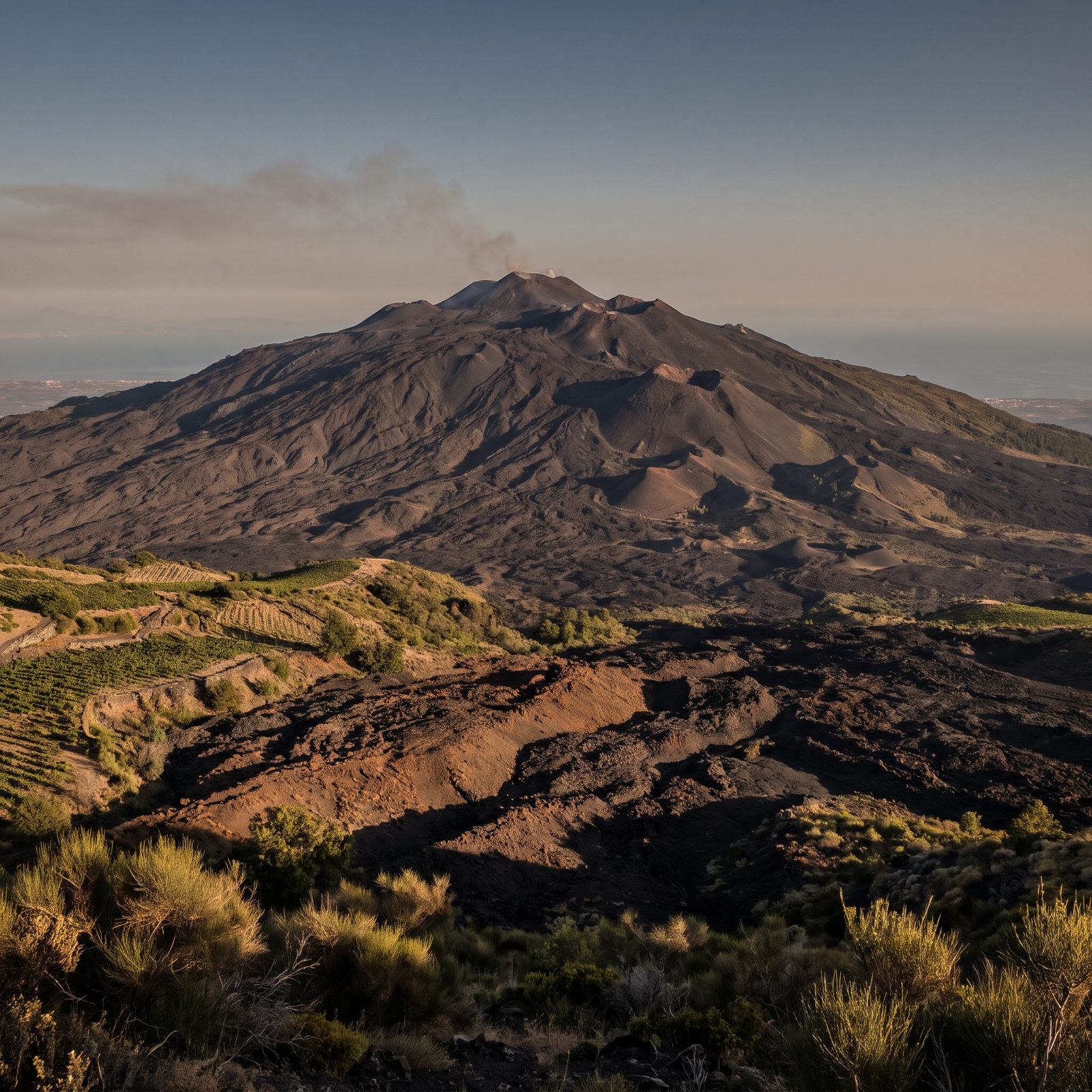
Etna doesn’t erode its way into the future. It grows into it.
Europe’s most active volcano erupts almost constantly, pouring out flow after flow of basaltic lava that hardens and stacks. Give it ten thousand years of that and the mountain spreads outward and up, a broadening shield piled from layer upon layer of its own eruptions. New craters open. Smaller cones bud on the flanks. And the lower slopes stay oddly alive, because weathered volcanic soil happens to be some of the richest farmland on Earth, so vineyards keep creeping up the old flows right behind the lava. A growing mountain with grapes at its feet.
17. Santorini, A Caldera Coast Reshaped by Eruption and Rising Water
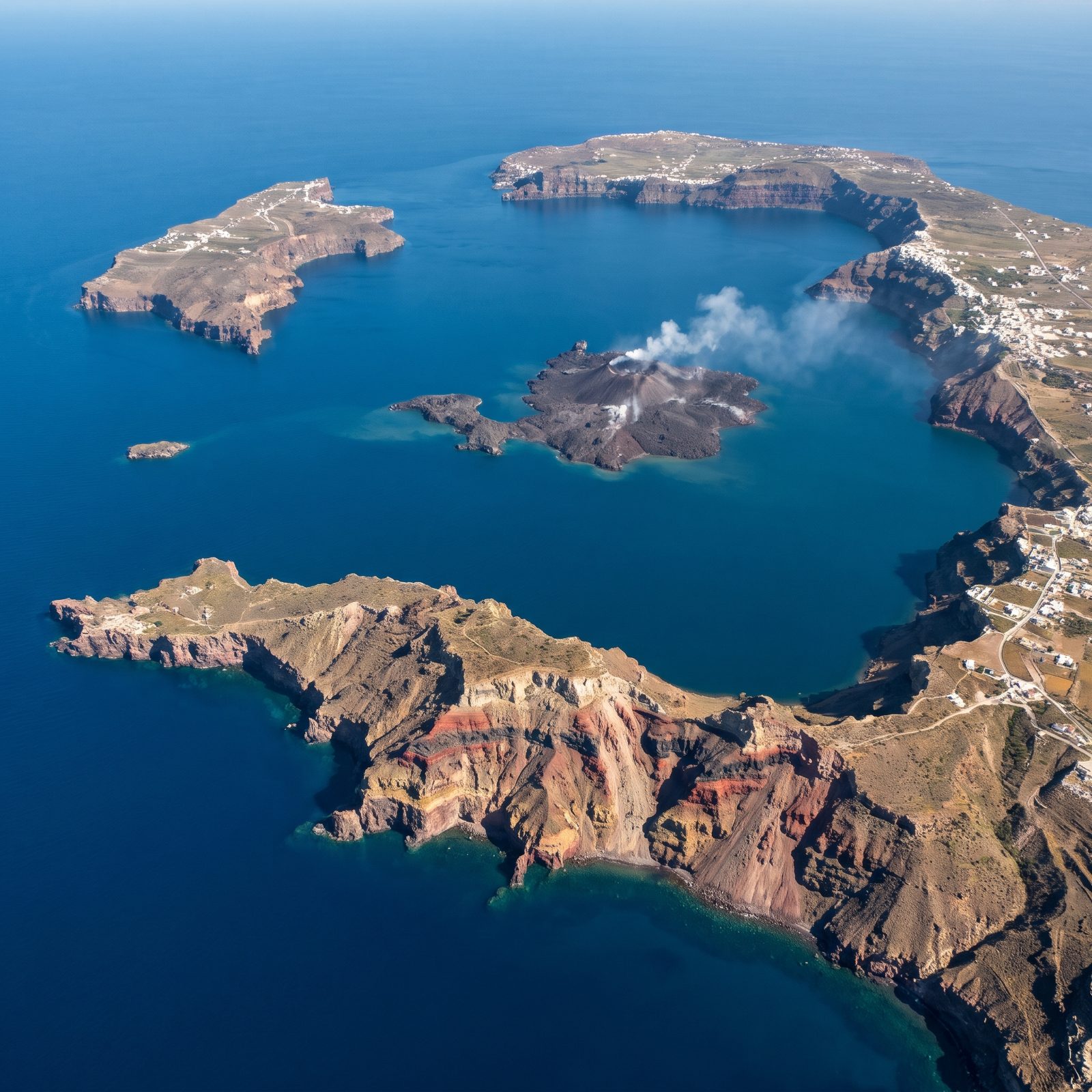
Santorini is the scar of a catastrophe. The caldera is what’s left after a colossal eruption around 1600 BC blew the center of the island into the sky and let the sea rush in.
The story isn’t over. The volcano is still active, slowly stacking up a new island in the middle of the flooded crater. Over the next ten thousand years that central cone keeps growing, maybe toward another violent blast, while rising seas press the waterline higher against those famous ringed cliffs. The broken ring of rock survives, its wide gaps letting the open sea flow freely into the inner lagoon. But the basin deepens, the central island swells, and the coastline everyone photographs climbs steadily up the rock.
16. The Matterhorn, A Sharper Fang Carved by Freeze and Thaw
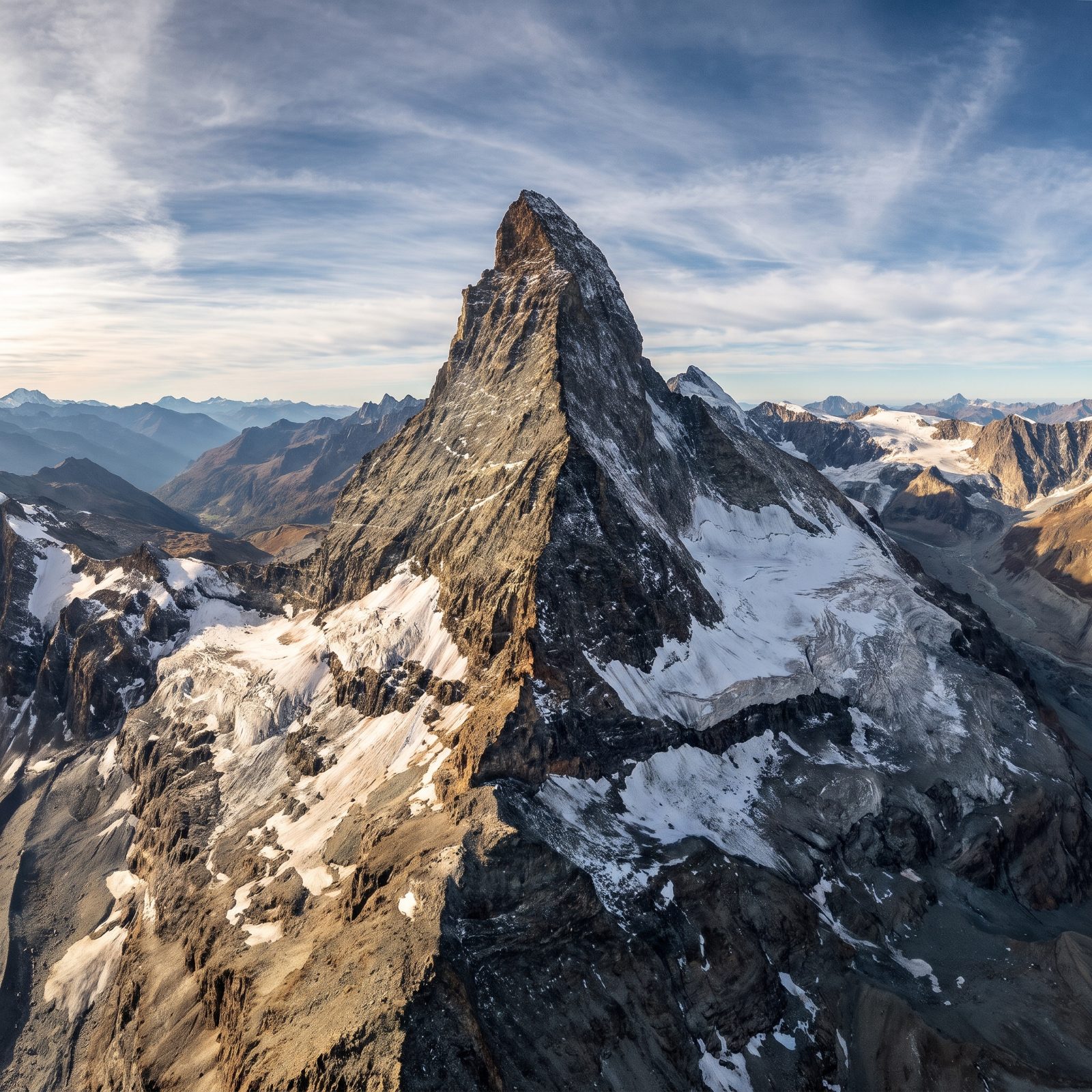
The Matterhorn got its shape from ice, and ice isn’t finished with it.
Water seeps into cracks in the rock, freezes, expands, pries the stone apart. Freeze, thaw, repeat, through every alpine winter. That relentless prying is what sharpened those four dramatic faces in the first place, and it keeps right on going, slowly steepening the ridges and loosening the occasional rockfall. For now the peak stands as we know it, its flanks still draped in snowfields and glaciers that glow in the low sun — a fang still being filed, one winter at a time.
15. Aletsch Glacier, A Valley of Lakes, Forest and Bare Polished Rock
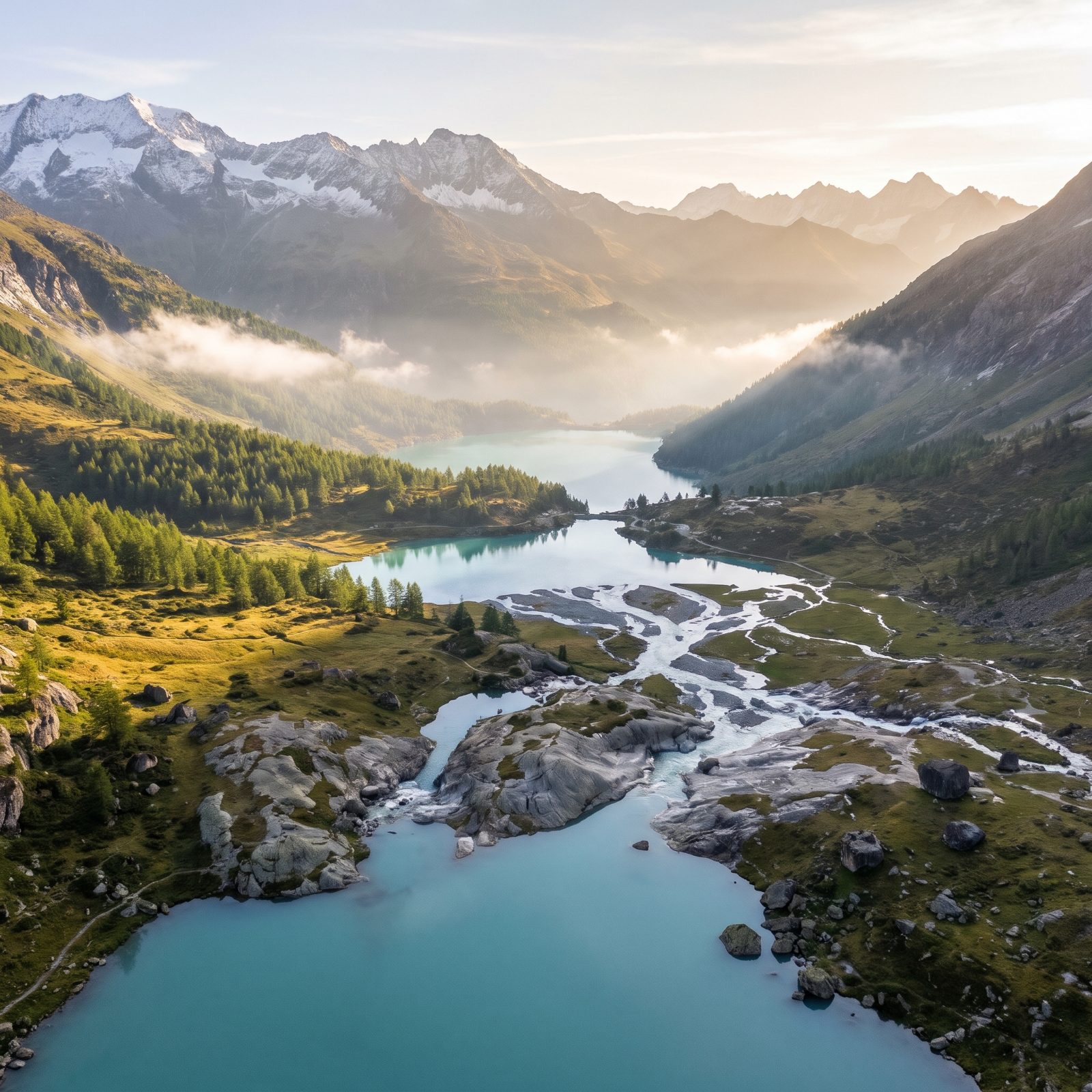
The Aletsch is the largest glacier in the Alps, a river of ice over twenty kilometers long. In ten thousand years, odds are it’s essentially gone.
What replaces it is the interesting part. Glaciers scour out long U-shaped valleys and drop ridges of rubble called moraines, and when the ice melts, those moraines dam the meltwater into chains of turquoise lakes. Then life moves in — first lichens and mosses on bare polished rock, then grasses, then larch and pine marching up the slopes decade by decade. The frozen giant becomes a green valley of lakes and forest. Loss and arrival, running on the same clock.
14. Plitvice Lakes: Travertine Dams Building an Altered Staircase
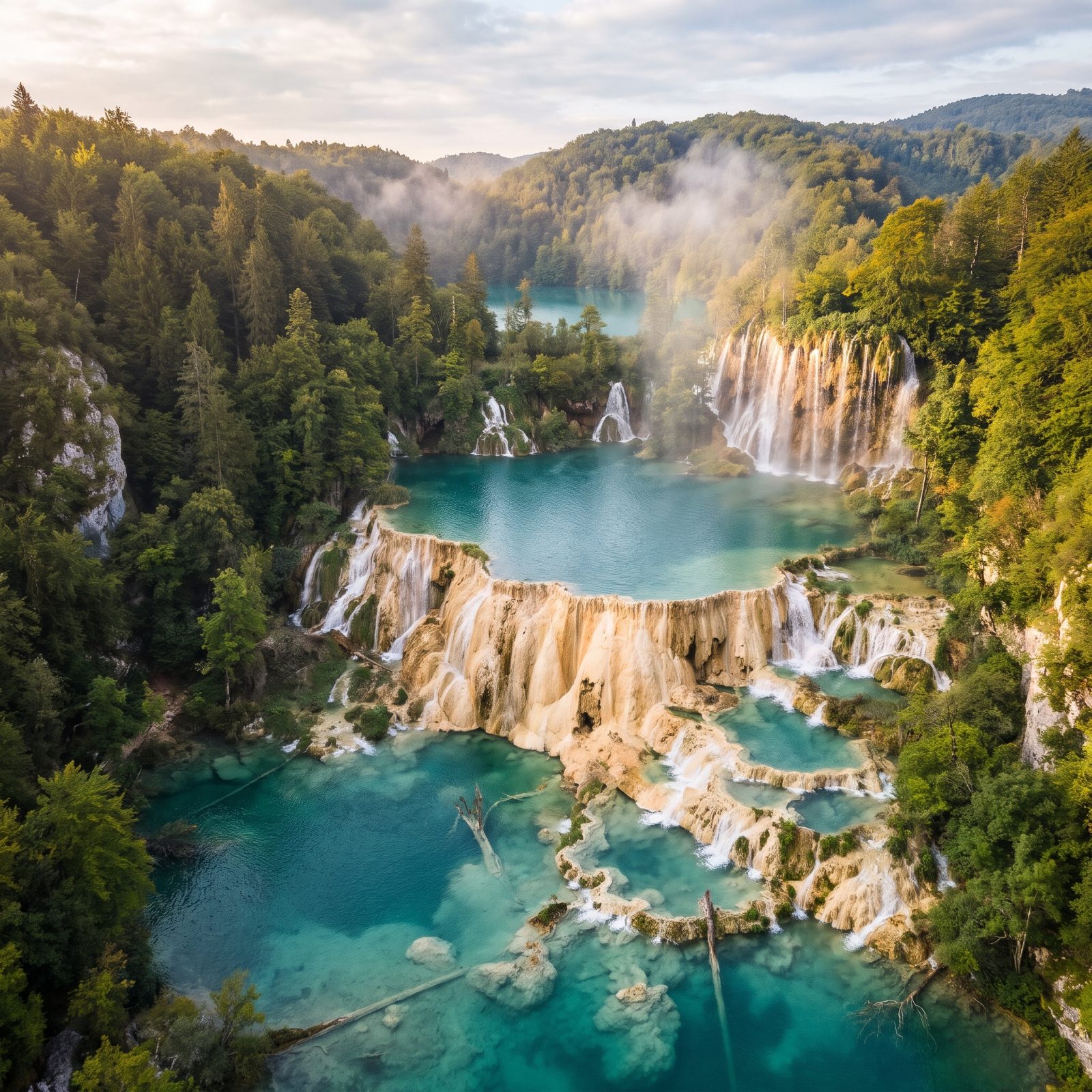
Plitvice is alive in a way most landscapes aren’t. The dams that separate those turquoise pools get built by bacteria, moss and algae pulling calcium carbonate straight out of the water, and they keep growing — roughly a centimeter a year in the good spots, stacking up like coral.
Run that forward ten millennia and the barriers you walk past today are swallowed whole. New terraces form higher up while the old ones thicken and nudge the whole staircase downstream. The lakes don’t vanish. They relocate, climbing and dropping as the limestone keeps building itself.
13. Cappadocia: Fairy Chimneys Thinned, Toppled and Reborn
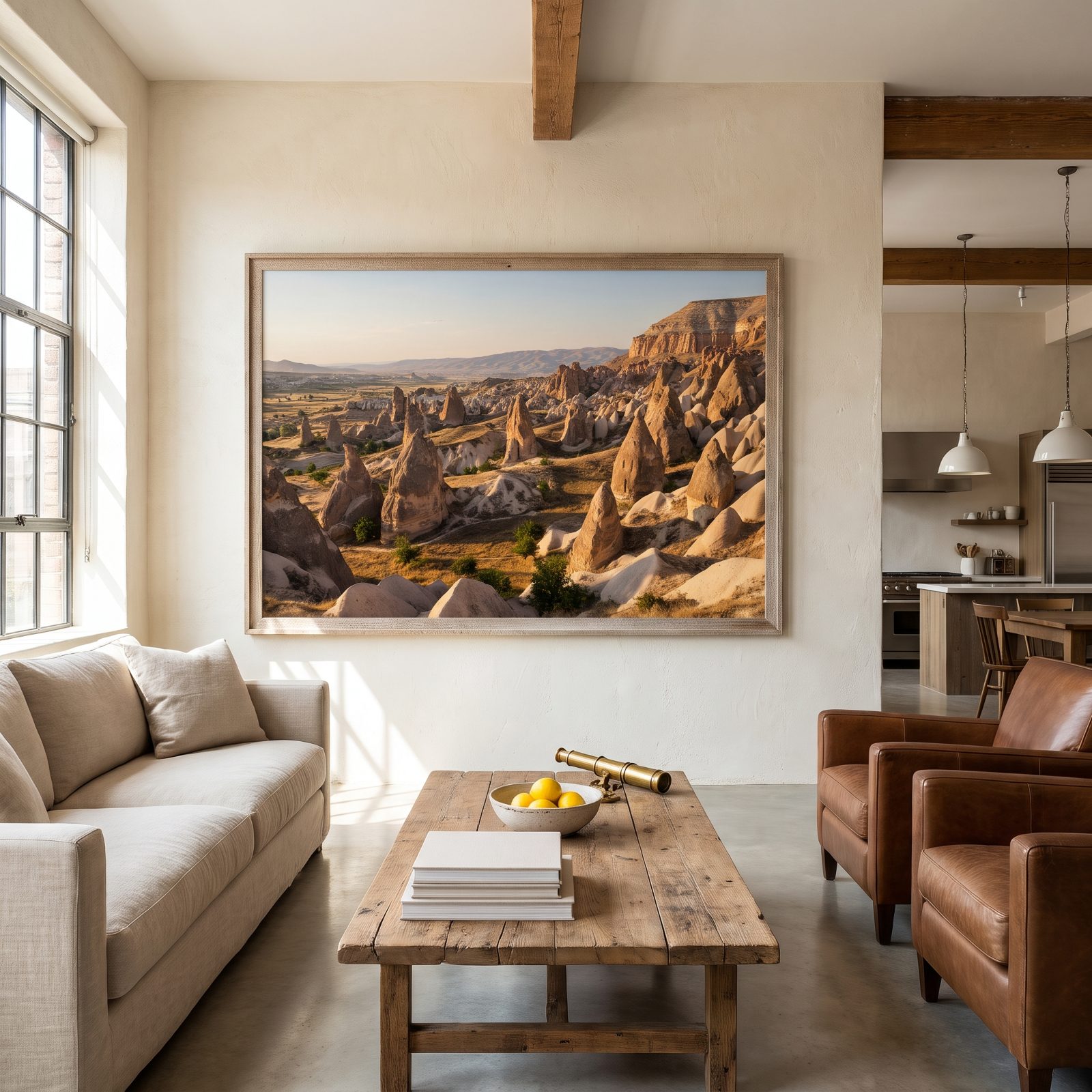
Every fairy chimney is on a countdown. The spire is soft volcanic tuff, the hat on top is harder basalt, and that cap is the only thing shielding the column underneath from the rain. Once it slides off, the pillar melts away fast.
So the dense crowd of intact cones in this postcard-perfect valley won’t last forever. These exact chimneys will one day fall, and new ones will shove up behind them from the same deep tuff beds, carved fresh by weather that never quits. A forest of stone that replants itself, one slow collapse at a time.
12. The Sundarbans: Mangrove Islands That Walked Inland
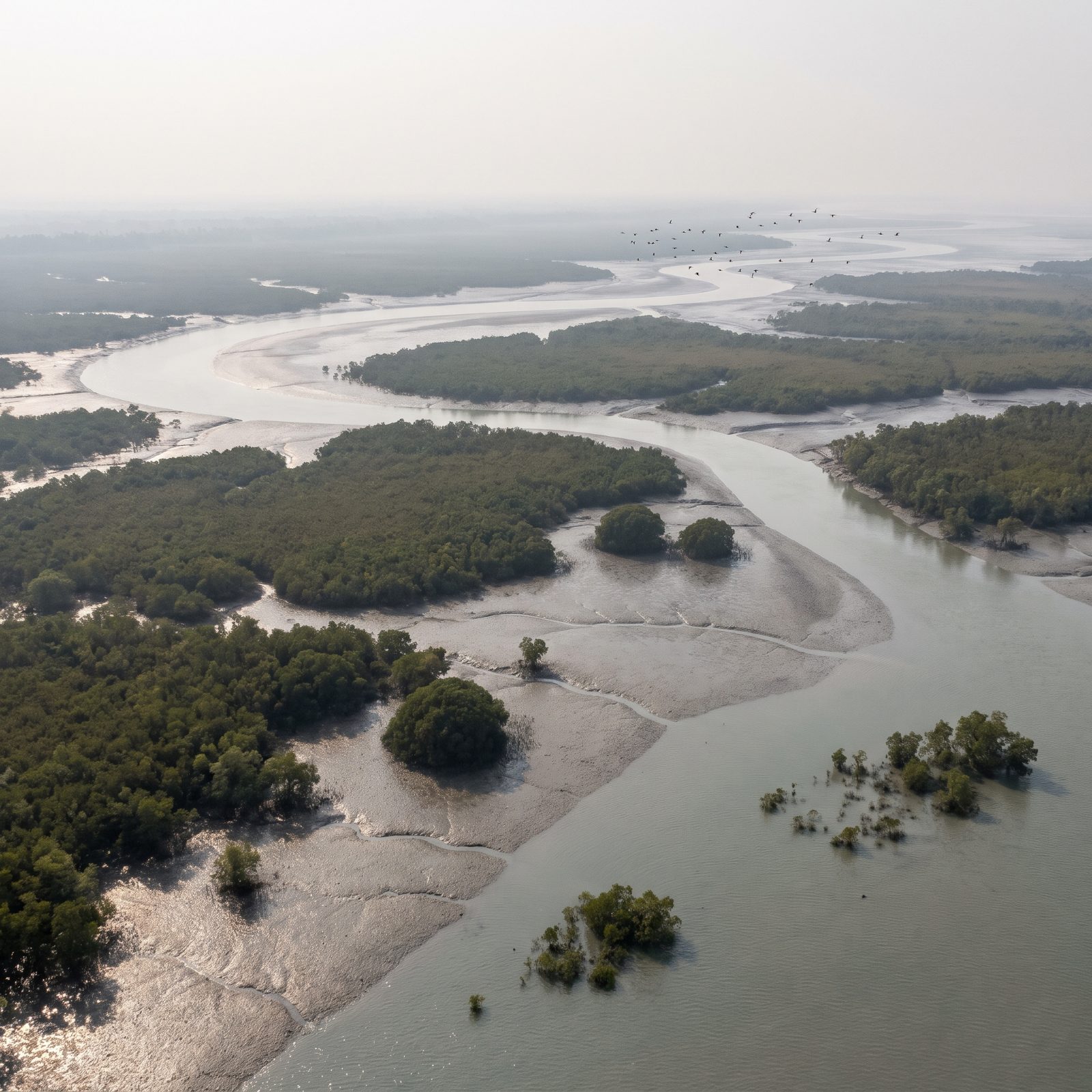
Mangroves don’t drown quietly. As the sea pushes up, the whole forest migrates landward — seedlings rooting on higher ground while the old trees go under behind them. The Sundarbans is already the planet’s largest tidal mangrove forest, and the thing is built to move.
Ten thousand years of rising water, and the delta you’d recognize is gone. The forest survives, though, just miles from where it stands now, having walked inland the only way a forest can. Tigers and mudskippers come along for the ride.
11. Lake Baikal: A Rift Lake Pulling Itself Wider
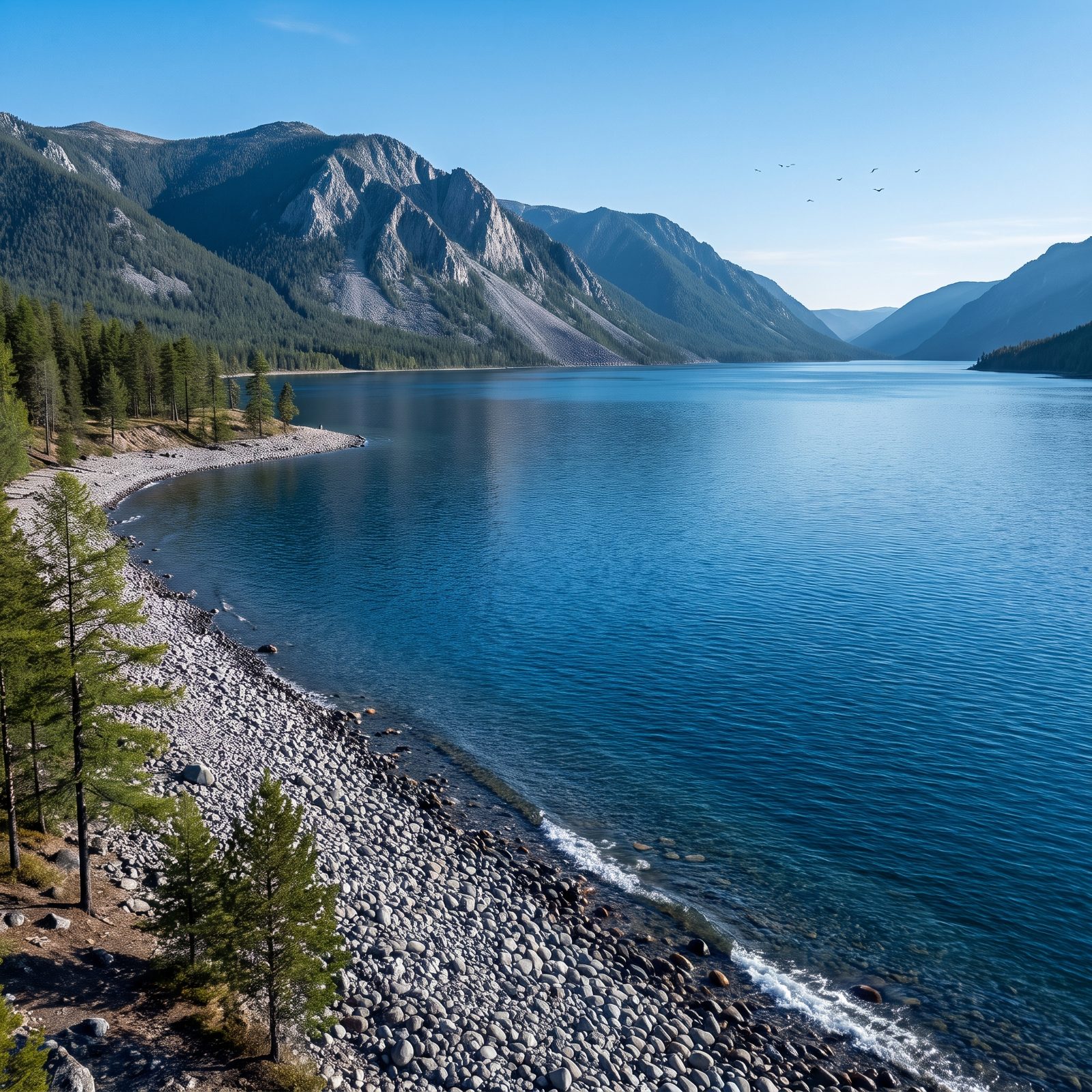
Baikal is a crack in the planet. The rift under it widens by about two centimeters a year, which sounds like nothing until you pile up ten thousand years of it. The lake gets measurably bigger, slowly tearing Siberia in two, and geologists reckon Baikal is a future ocean in its infancy.
The shore you’d stand on retreats. New bays open where taiga grows now. And the lake’s genuinely bizarre residents — the freshwater seals and translucent golomyanka fish found nowhere else on Earth — keep evolving in the extra room.
10. The Namib Dunes: Giant Sand Ridges on the March
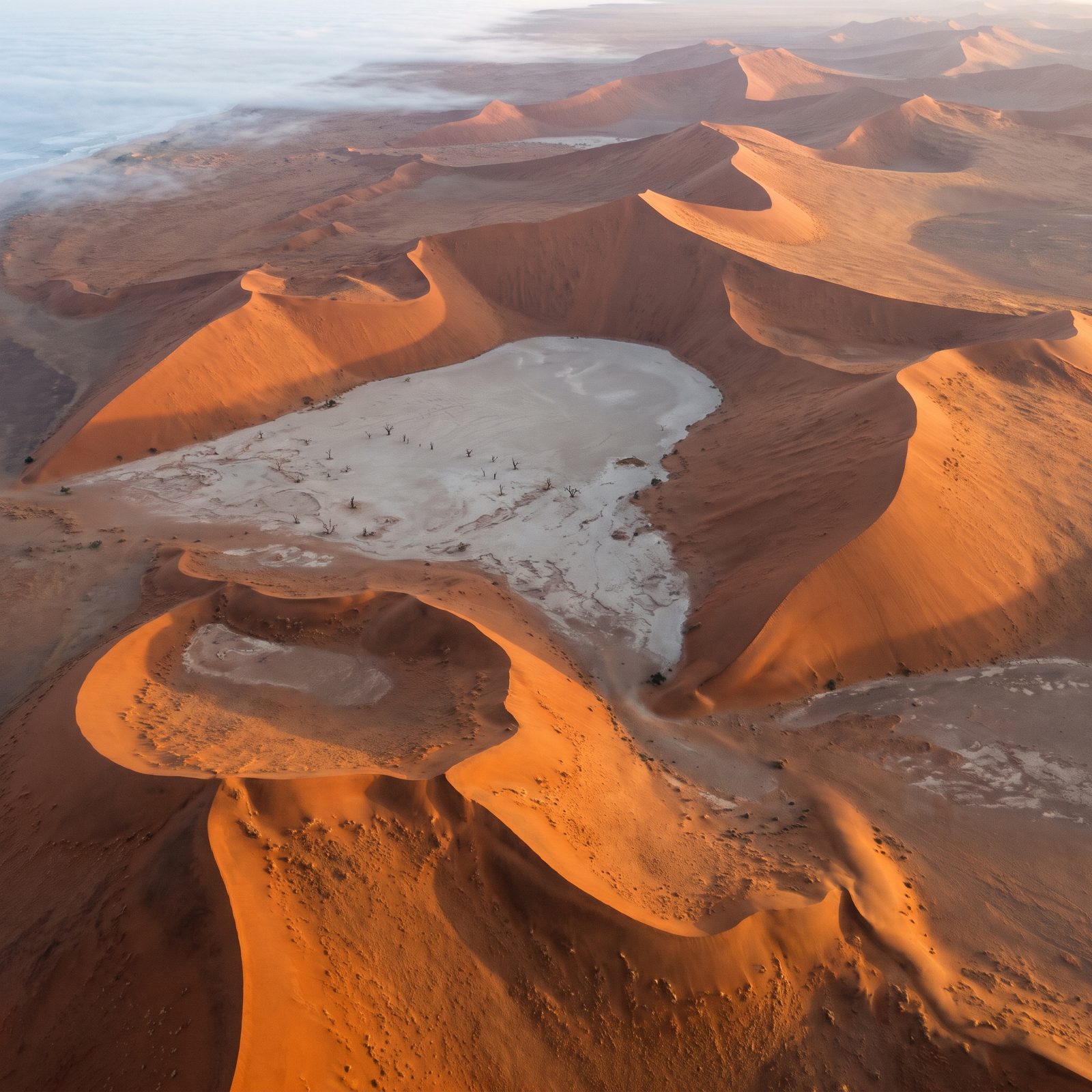
Sand doesn’t sit still. The great dunes at Sossusvlei creep downwind a few meters every year, the whole desert slowly breathing in one direction. Give it ten thousand years and the ridges you climbed today have moved on, their shapes rebuilt grain by grain.
Those famous dead camelthorn trees at Deadvlei, black skeletons on white clay, are only there because a dune once blocked a river. Shift the sand and those pans fill, drain, and relocate. Nothing here is permanent except the wind that keeps rearranging it.
9. Socotra: Dragon’s Blood Trees Retreating Uphill
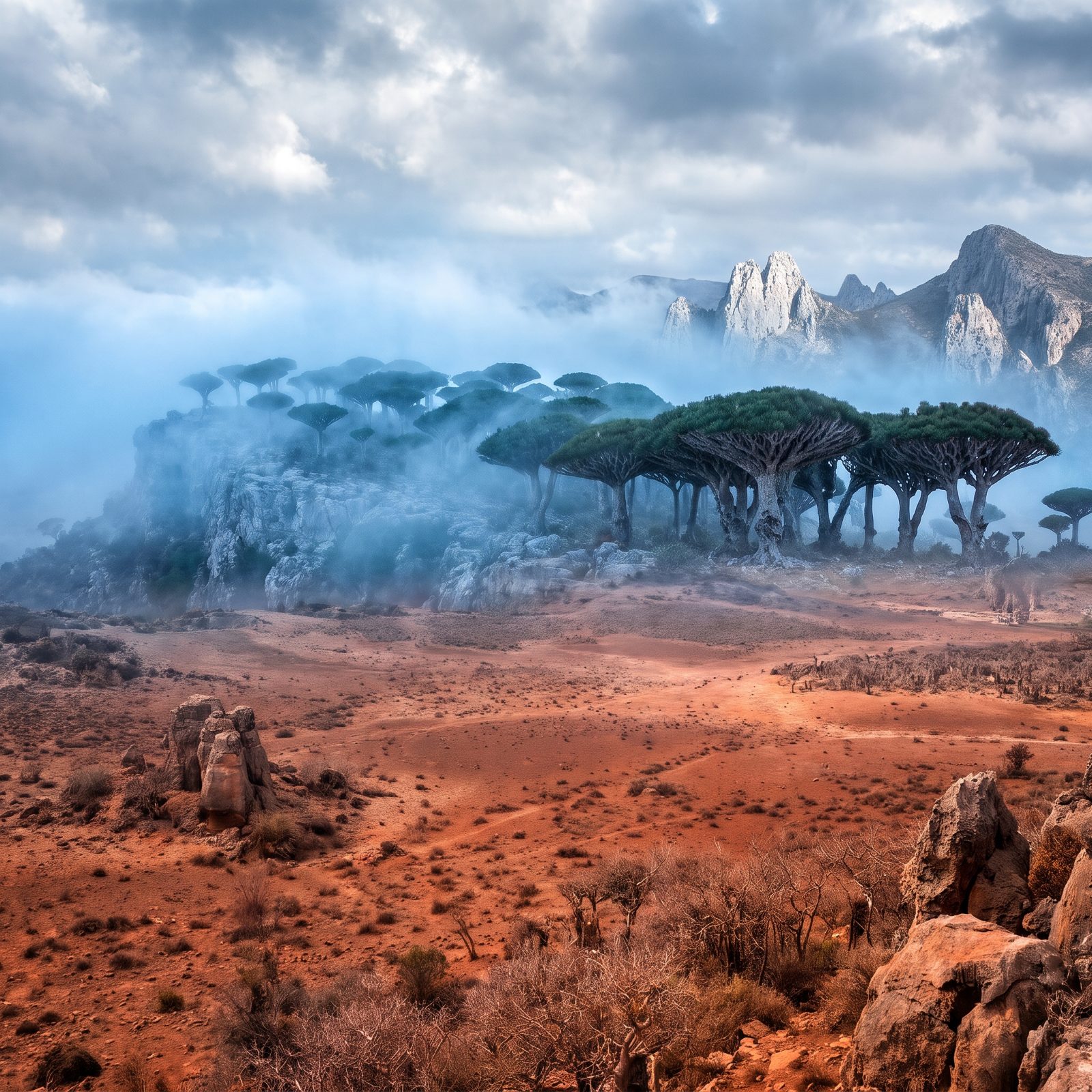
The dragon’s blood tree drinks fog. Its weird inside-out umbrella funnels mist down the branches to the roots, which is how it hangs on across an island that barely sees rain. That trick only works where the clouds still gather.
Warm Socotra up, and the mist belt climbs the mountains. The trees follow or they die. Ten thousand years from now, these alien-looking survivors are penned into the highest, coolest plateaus — the last cool corners of a baking island — while the lowland groves are red dust and memory.
8. Tsingy de Bemaraha: Limestone Blades Sharpened into a Denser Maze
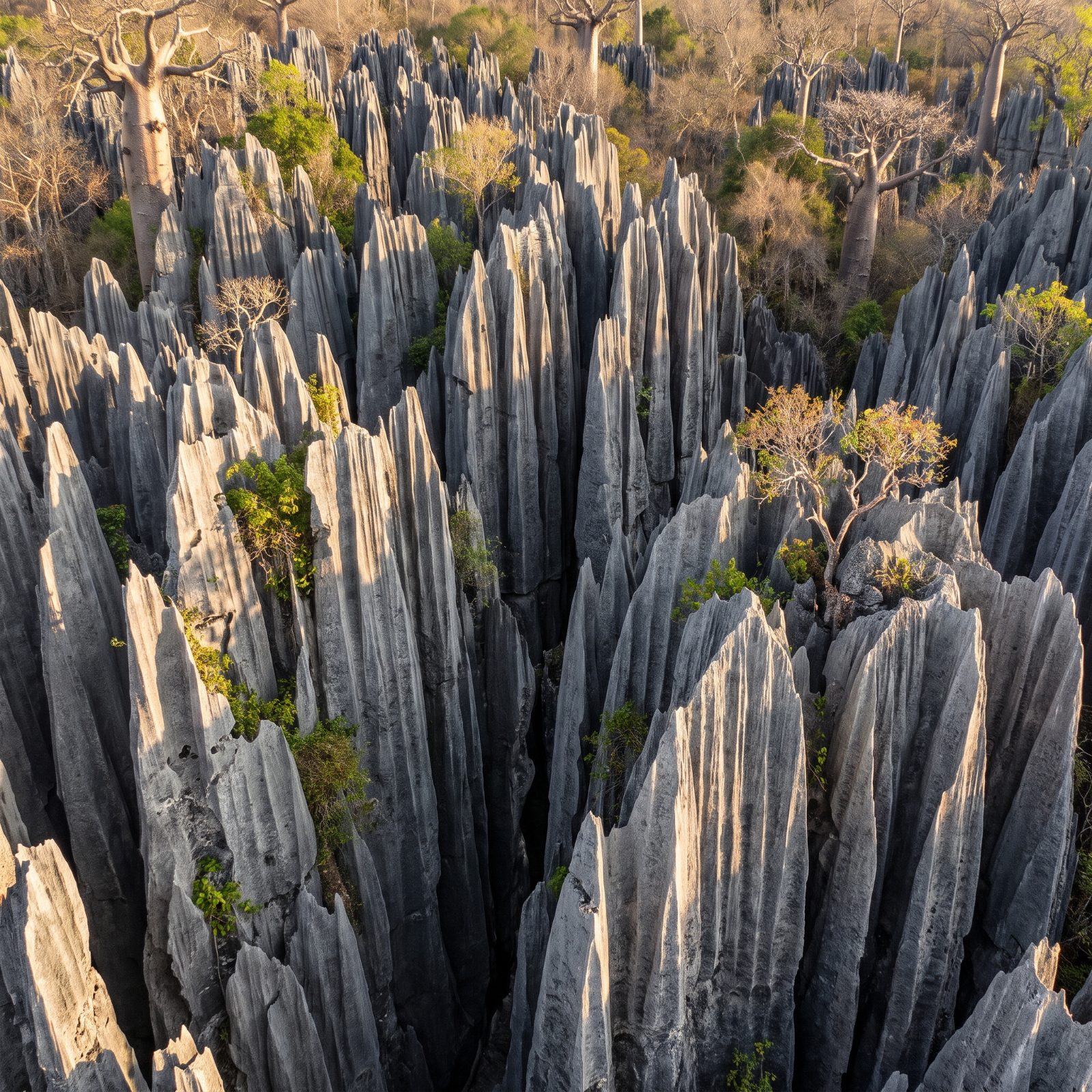
Tsingy means “where you cannot walk barefoot,” and the name is not a joke — these limestone pinnacles are sharp enough to slice a boot. Rain carved them, dissolving the soft stone along cracks and leaving the blades standing.
That process never lets up. Every monsoon eats a little more, deepening the slots and whittling the spires finer. The far-future Tsingy is taller, needle-thin, a labyrinth even nastier than the brutal one explorers currently rope their way through. The lemurs leaping between the crests have less and less room to land.
7. Wadi Rum: Collapsed Arches and Freshly Carved Sandstone
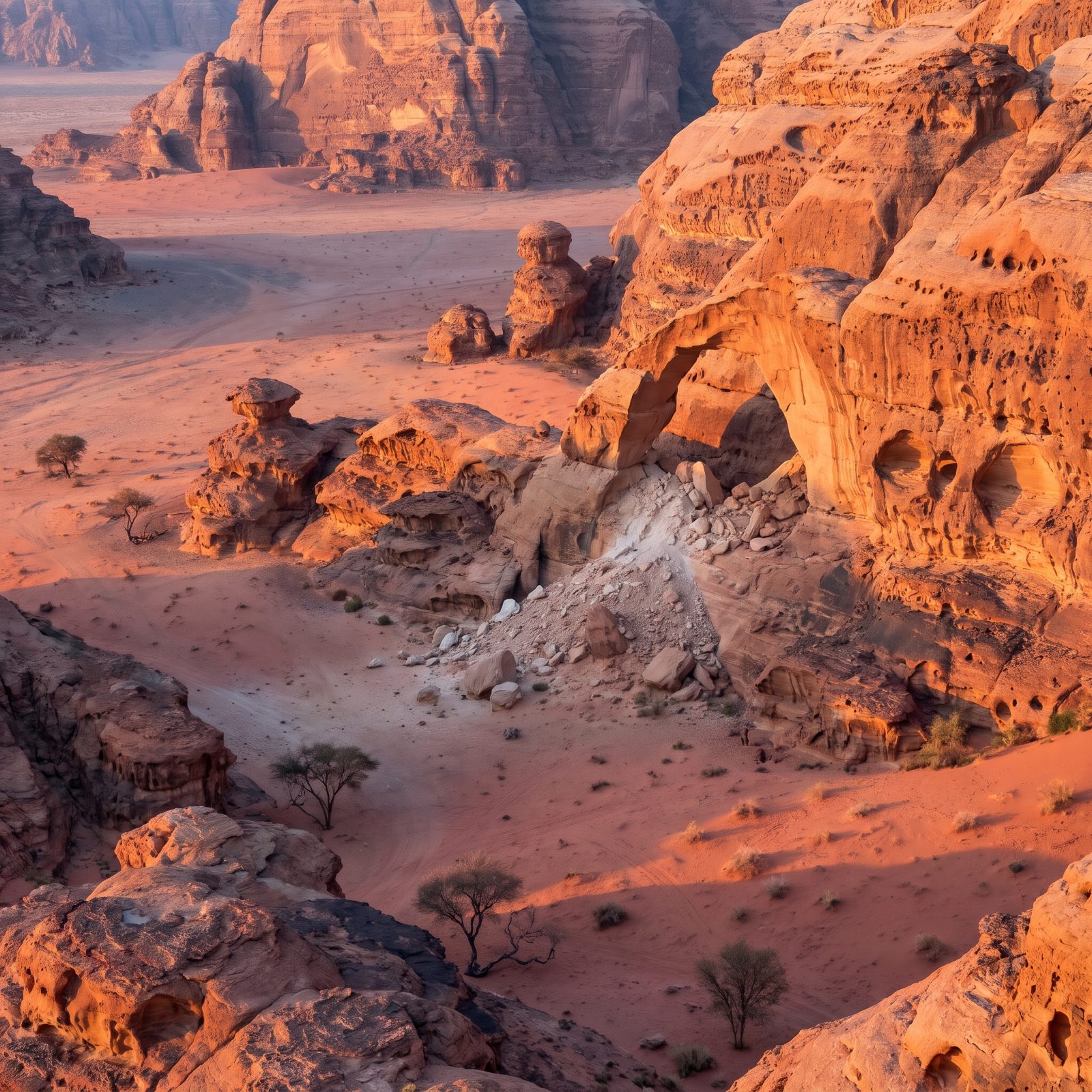
Every natural arch is a bridge on its way to becoming a pile. Wadi Rum’s sandstone is riddled with the honeycomb pitting that hollows these cliffs out, and it works faster than you’d guess in a place that bakes by day and freezes by night.
So the far-future valley has lost some of its famous spans — fallen into scree. But the same weathering that drops old arches is busy drilling new windows and balancing new pedestals somewhere down the cliff. The desert keeps sculpting whether anyone’s watching or not.
6. The Giant Sequoia Groves: Ancient Forests Climbing to Cooler Ground
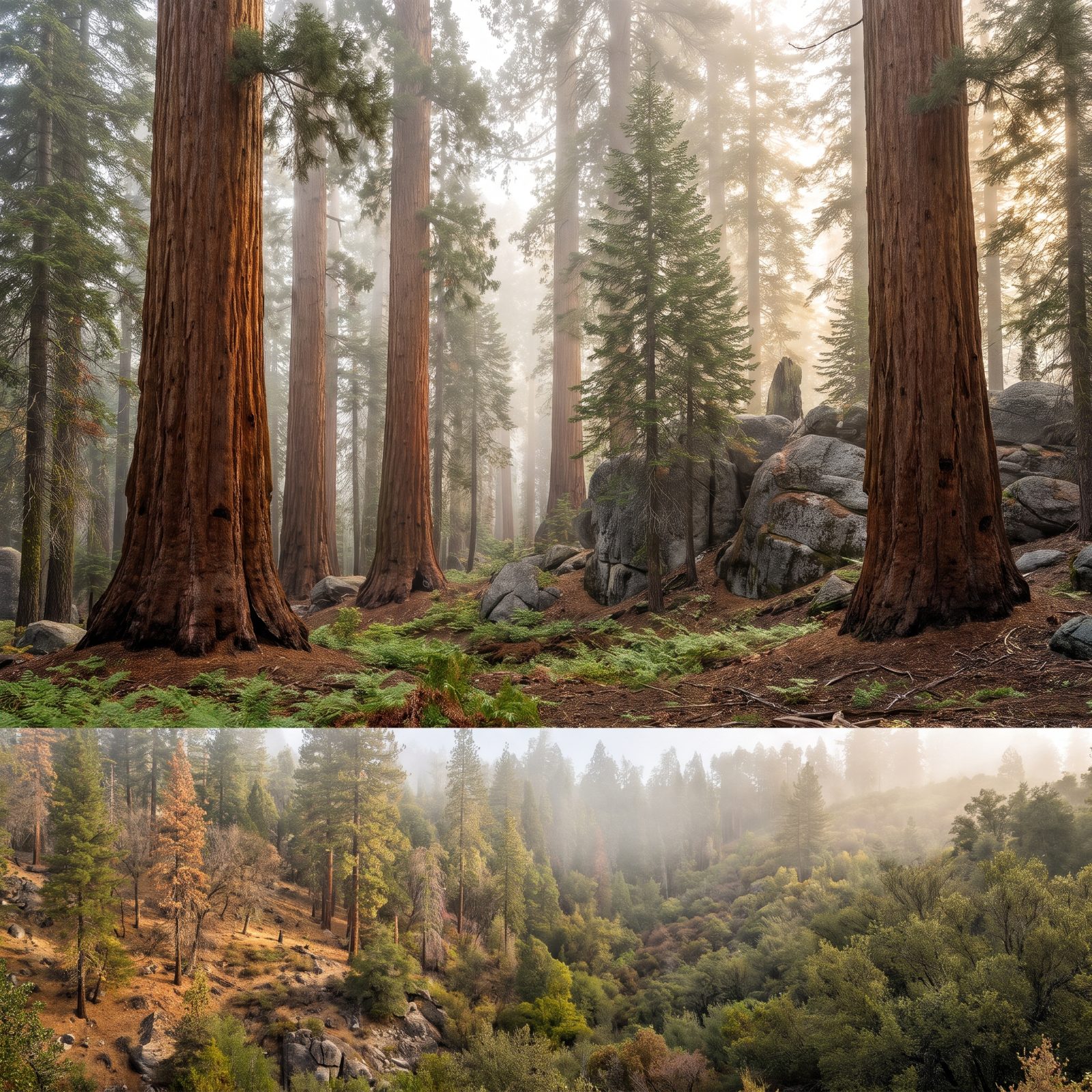
Giant sequoias are fussy. They cling to a thin band of the Sierra Nevada, somewhere around 5,000 to 7,000 feet, where the snowmelt and summer conditions happen to line up just right. That band isn’t fixed to the mountain. It’s fixed to the climate.
Warm things up and the band slides uphill. The seedlings that take over the next ten thousand years grow higher than the trees standing now, chasing the cool and the moisture their species demands.
The catch nobody mentions: a mountain only has so much height. These are the largest living things on Earth by volume, and even they can run out of mountain to climb.
5. Death Valley: Expanded Salt Flats Ringing Phantom Lakes
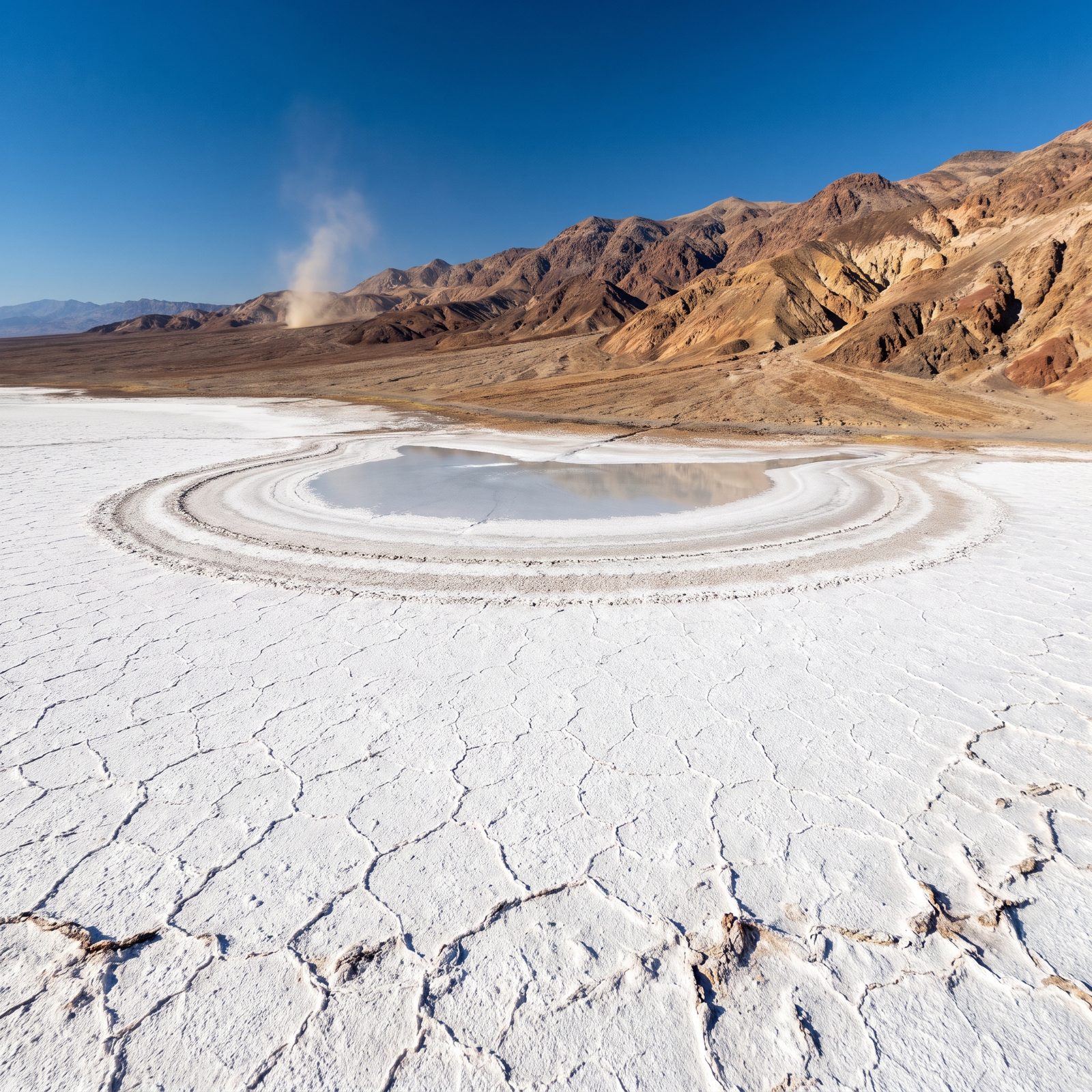
Death Valley has been underwater before. During the last ice age a lake called Lake Manly filled the basin hundreds of feet deep, and the salt flats you see at Badwater are what that lake left behind when it dried up.
The far future runs that tape again. Wetter swings fill the basin with shallow, short-lived lakes, then the dry swings that follow boil them off and leave fresh salt, spreading the white crust wider than it reaches today. The lowest, hottest point in North America keeps writing its own history in evaporite.
4. Monument Valley: The Famous Buttes Shaved Down to Slender Stone Towers
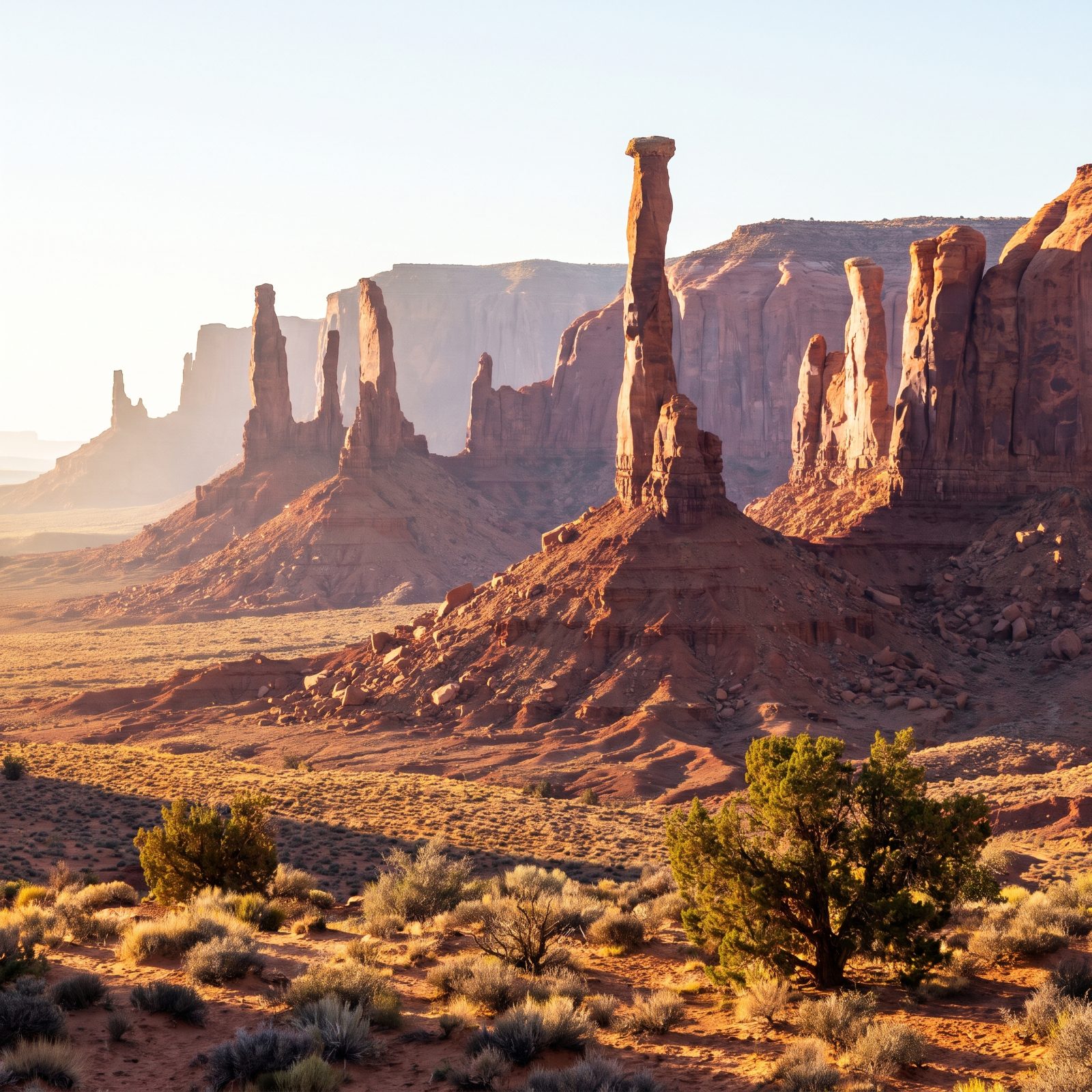
The buttes you know aren’t permanent — they’re a timer counting down. Each one is sandstone capped with a tougher protective layer, and the moment that cap erodes away, the soft rock underneath goes fast.
Run the clock forward 10,000 years and the Mittens still stand, just barely. Narrower now, and taller-looking because they’ve been whittled from the sides, with the desert floor around each one piling higher with the rubble of what used to be the tower itself.
Wind does less of this than people think. Water does most of it, those rare desert downpours cutting and carrying grain by grain until a thumb of rock becomes a splinter.
3. Bryce Canyon: Today’s Hoodoos Gone, a Brand-New Stone Forest Rising Behind Them
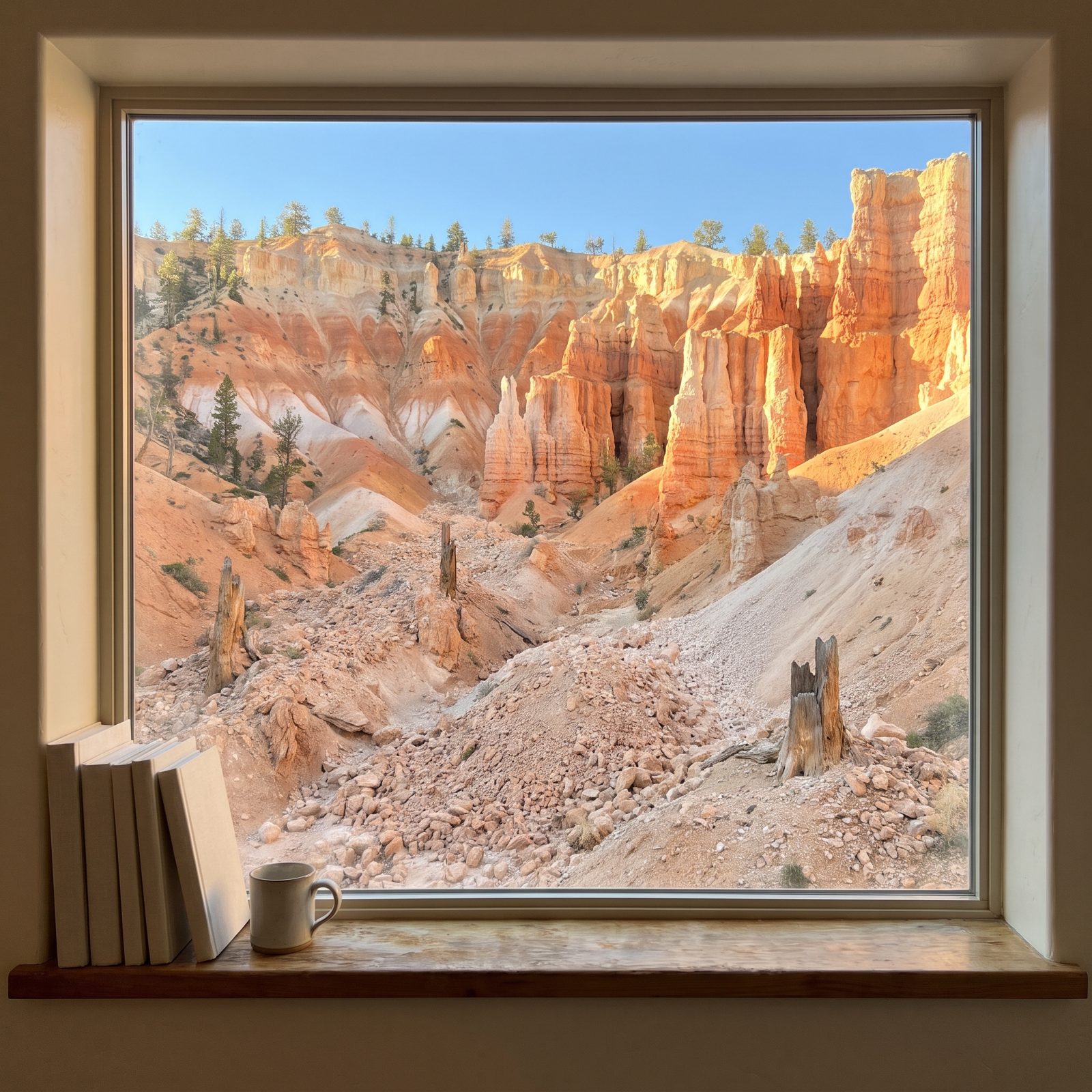
Strangest thing about Bryce? It isn’t really a canyon, and the hoodoos aren’t forever. Every spire you photograph today will be gone in a geologic blink, because the rim gnaws itself backward at a foot or two a century and drags the hoodoos along with it.
So the view in 10,000 years isn’t an empty bowl. It’s a fresh crop — the amphitheater chewed deeper into the plateau, a whole new rank of spires standing where solid rock sits right now.
Frozen water is the sculptor. Snowmelt seeps into cracks, freezes overnight, swells, and pries the limestone apart. Do that a couple hundred nights a year for a hundred centuries and you get a stone forest that never stops replanting itself.
Bryce’s hoodoos really are on a short clock. As a national park spokesperson at Bryce Canyon puts it, “I’ve seen the Owl, the Sentinel, the Chinese Lantern, various famous hoodoos topple in my time here”
2. Mammoth Cave: Longer, Deeper Passages Carved as the Water Table Drops
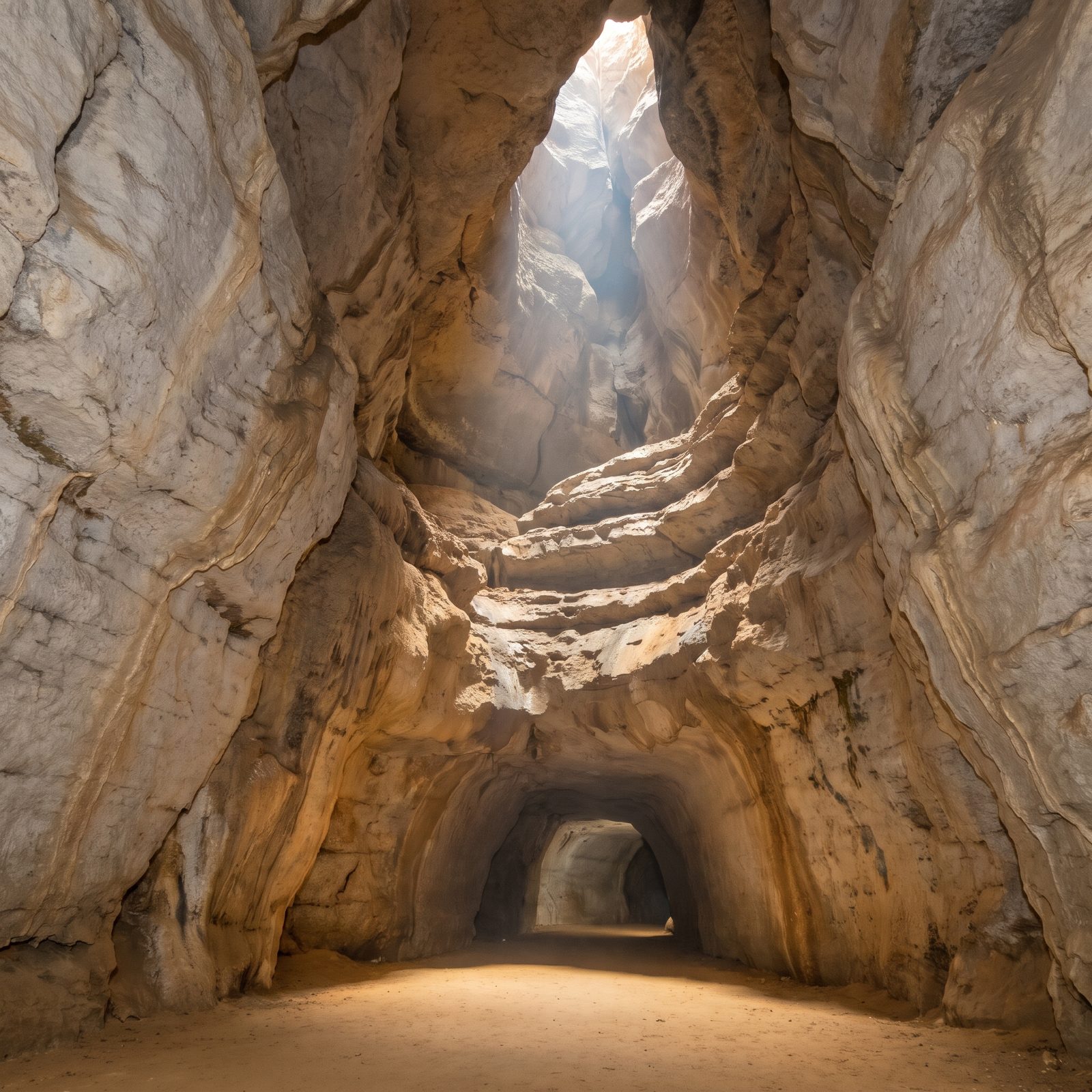
Mammoth Cave is already the longest cave system on Earth, with hundreds of mapped miles threading the Kentucky bedrock. And it isn’t done. Caves grow downward in steps, each new level carved as the river that made them cuts deeper and the water table falls.
Picture the Green River slowly lowering its bed over the next 10,000 years. Water that shapes the lower cave today drains off to carve a fresh passage beneath it, the old tunnel dries out and falls quiet, and a new one opens below.
That’s why Mammoth has stacked levels like floors in a parking garage. Every dry corridor up top was once a river in the dark too.
1. Arches National Park: The Famous Spans Collapsed as New Windows Open in the Fins
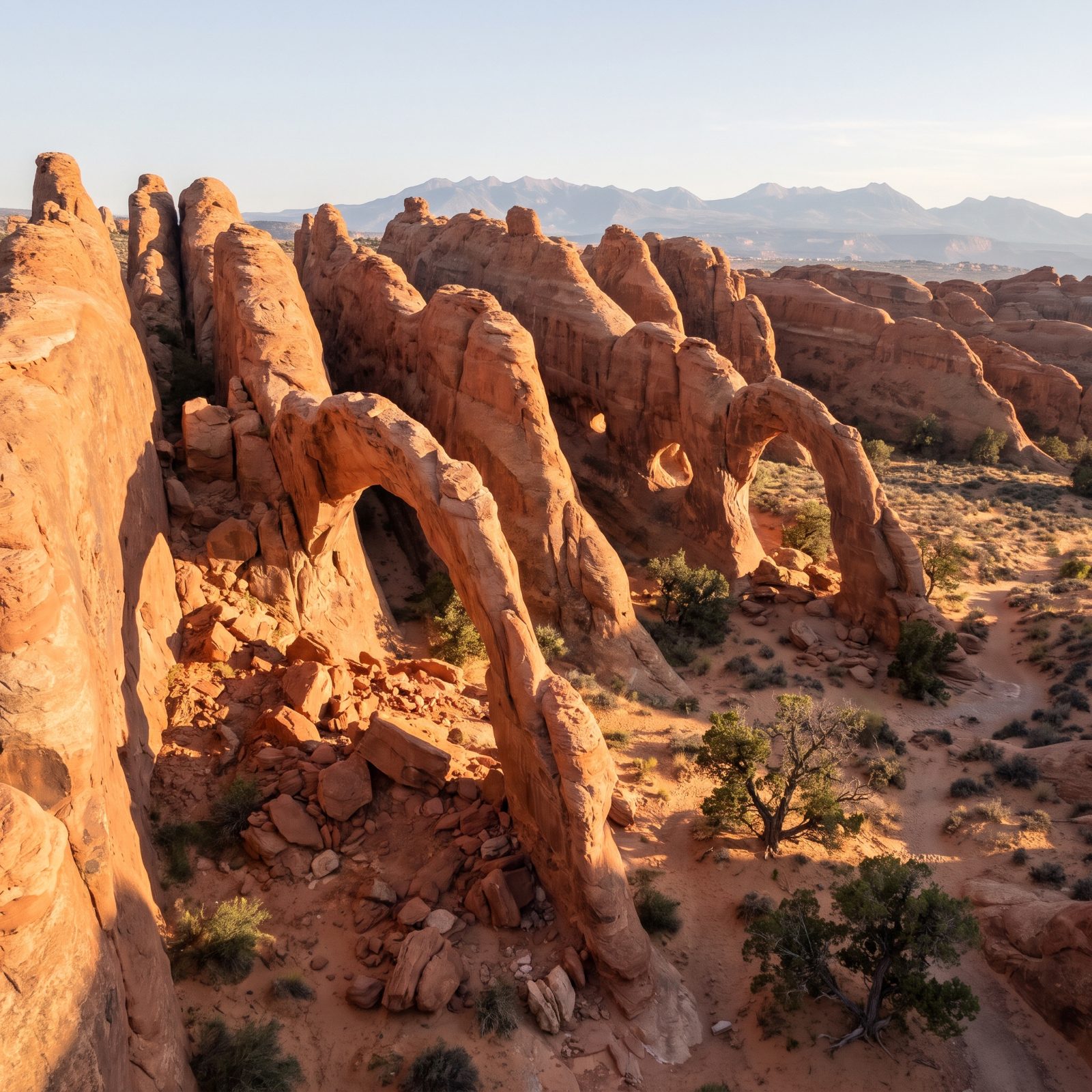
Arches are the most honest formations in any park — they tell you exactly how they’ll die. Every span is a hole that got bigger, and the hole keeps widening until the rock overhead can’t carry its own weight. Then it drops.
Delicate Arch, Landscape Arch, the whole famous cast — they’re all mid-sentence in a story that ends with rubble on the ground. Landscape Arch shed a sixty-foot slab in 1991 and thinned to a ribbon. Give it 10,000 years and most of today’s headliners are gone.
But the park keeps restocking. The same sandstone fins that lost one arch are quietly drilling the next generation of windows, a weak spot at a time.
The replacements are already in the works, according to a geophysicist who monitors arches in the park: “If you look around the park, you see so many huge fins and alcoves that are on their way to becoming the next North Window Arch”