
A retention pond behind a Florida strip mall looks like nothing — still water, a little duckweed, a heron standing in the shallows. Then a log you swore was a log blinks at you. Most wildlife encounters that go wrong in America aren’t dramatic at all. They’re quiet, close, and almost always preventable. The animal was doing exactly what it always does; the person just didn’t see it, walked too near, or drove too fast at dusk. We pulled together the creature that puts people in the local ER in each of these states, plus the plain, boring moves that keep you out of its way.
47. Florida, American Alligator Beside a Retention Pond
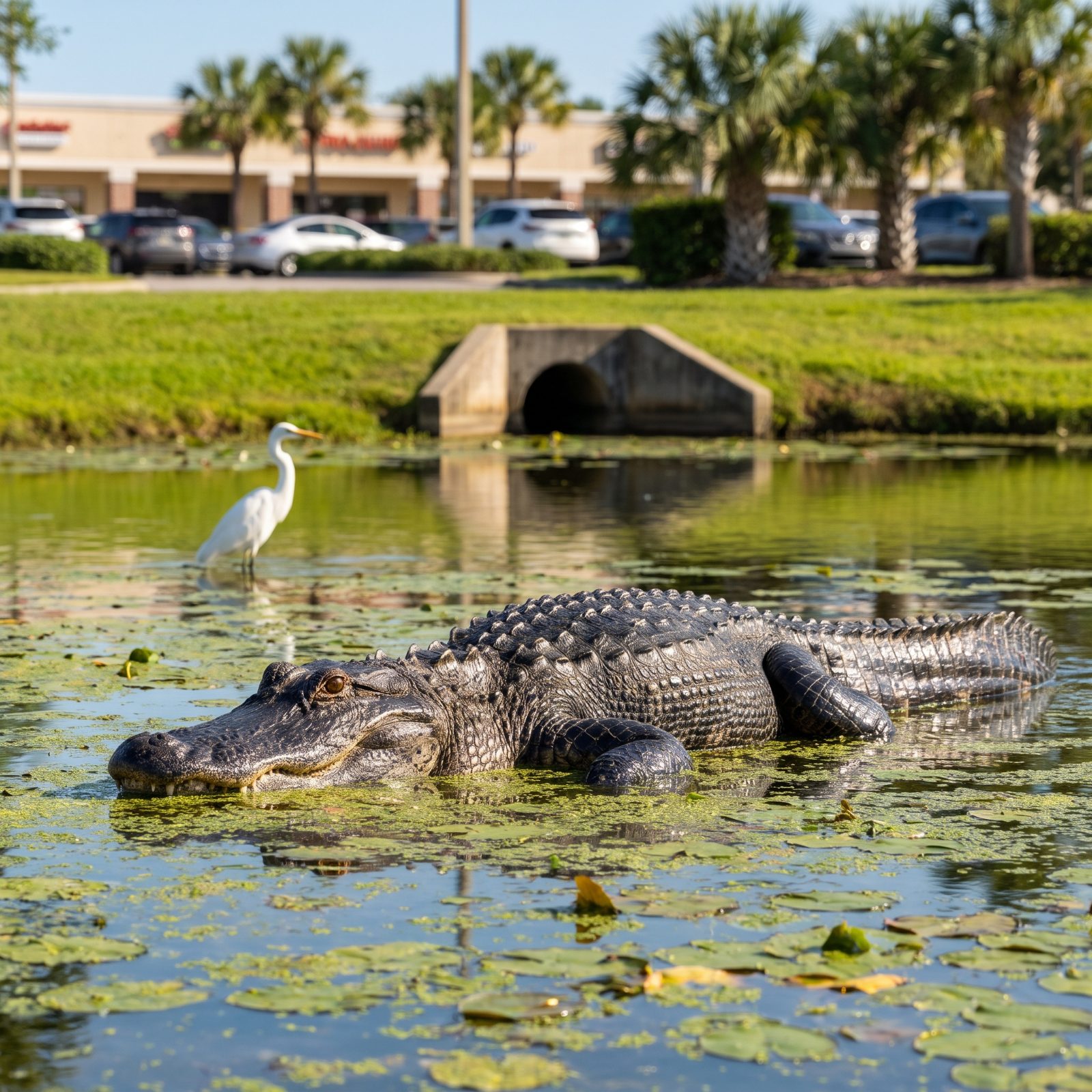
That pond behind the grocery store holds alligators more often than it doesn’t. Florida has well over a million of them, and they gravitate to exactly the still, warm, fish-filled water that developers love to dig.
The real danger isn’t a sunbathing gator. It’s a fed one. An alligator that learns to link people with lunch loses its fear, and that’s the animal that lunges across the mud at you. Keep dogs leashed and away from the bank, never toss bread or bait, and leave any gator a generous stretch of space. They can sprint in short bursts faster than you’d ever guess — they just almost never bother to.
46. Arizona, Arizona Bark Scorpion Inside a Shoe
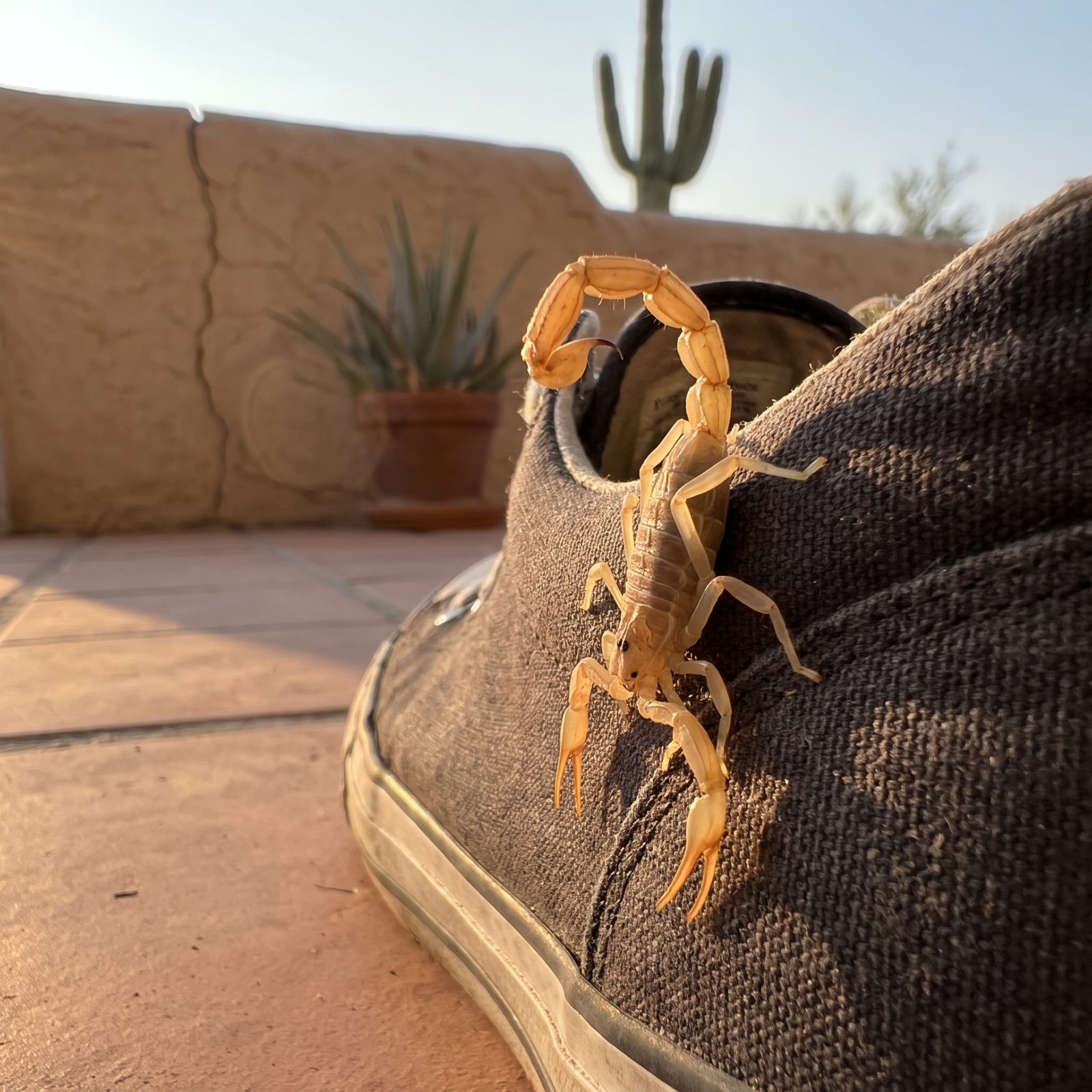
It’s the color of nothing. Pale, thin, barely two inches, and under a UV flashlight it suddenly glows an eerie blue-green. The Arizona bark scorpion is the most venomous scorpion in North America, with a maddening habit of climbing into the dark, dry, enclosed spaces we leave lying around.
Shoes. Towels. The laundry pile. Shake them out before you trust them. Most stings land on a bare foot in the dark or a hand reaching where the eyes can’t follow. It rarely kills a healthy adult, but it hurts out of all proportion to the size of the thing — and small children and the elderly can still need antivenom.
45. Hawaii, Box Jellyfish in Shallow Water

Hawaii’s box jellyfish run on a schedule. They arrive onshore in pulses roughly a week and a half after a full moon, and lifeguards on Oahu post warnings when the window opens.
The sting is severe, and the creature is almost see-through in the surf, so you won’t spot it coming. Check the posted beach flags and local jellyfish calendars before you wade in. Stung? Current guidance says rinse with vinegar, which stops any undischarged stingers from firing, then seek help. And forget the old urine myth — it does nothing but add insult.
44. Montana, Grizzly Bear Guarding a Food Source
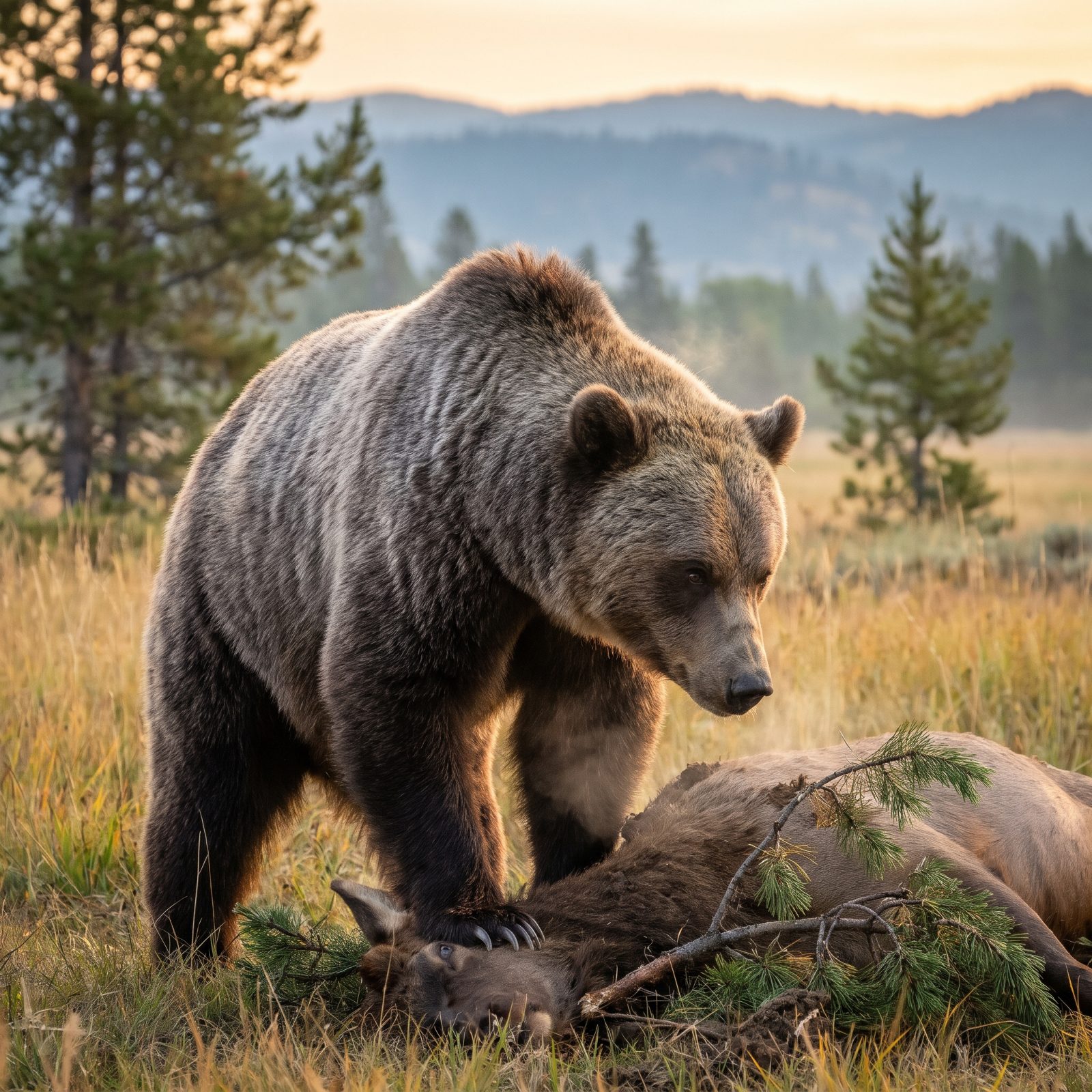
A grizzly on a carcass is the single most dangerous bear you can meet. It has sunk energy into that meal, it won’t abandon the meat, and it reads your approach as theft. These defensive encounters cause most of the serious maulings you hear about.
See a bear hunched over something and feeding, or smell carrion and spot circling ravens? Back away the direction you came. Make noise while you hike so you never surprise one at close range. Carry bear spray where you can reach it in a second, not buried at the bottom of a pack — and know it outperforms a firearm in a sudden charge, every time.
A fed grizzly doesn’t run. It defends. Your job is to never become the thing it’s defending against.
43. California, Great White Shark Beyond the Breakers
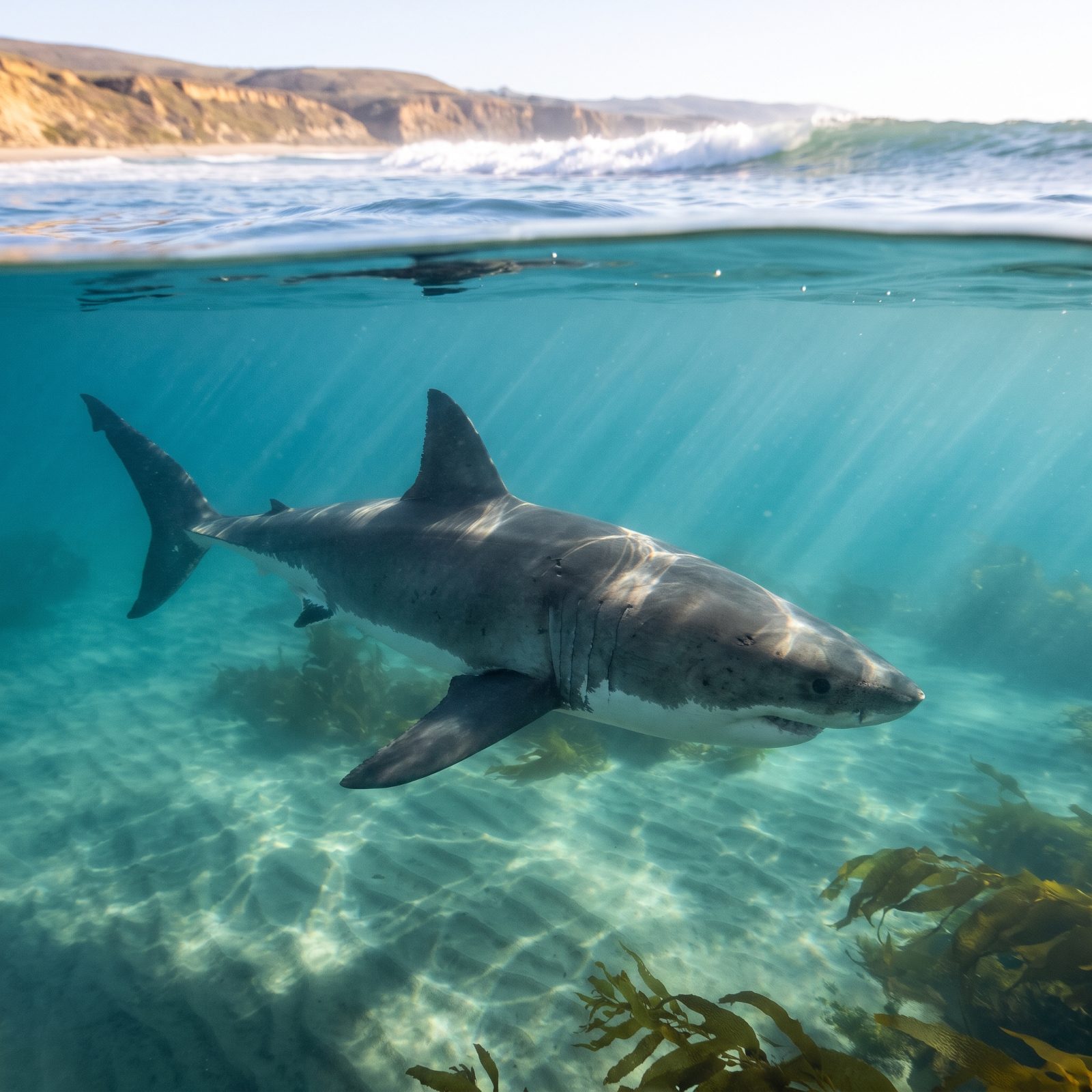
White shark numbers off California are rising. That’s a genuine conservation win, and it does nothing to make the morning swim feel better. Juveniles nursery along beaches from Santa Barbara to San Diego, often within a few hundred feet of swimmers who never know it.
Attacks stay genuinely rare. Most are a single investigatory bite — a shark mistaking a silhouette for a seal, not a hunt. Avoid dawn and dusk, murky water, and swimming near seal colonies or fishing activity. Stay in a group, because a shark is far less likely to approach several people than one lone shape paddling on the surface at feeding time.
42. Texas, Feral Hog Charging from Thick Brush
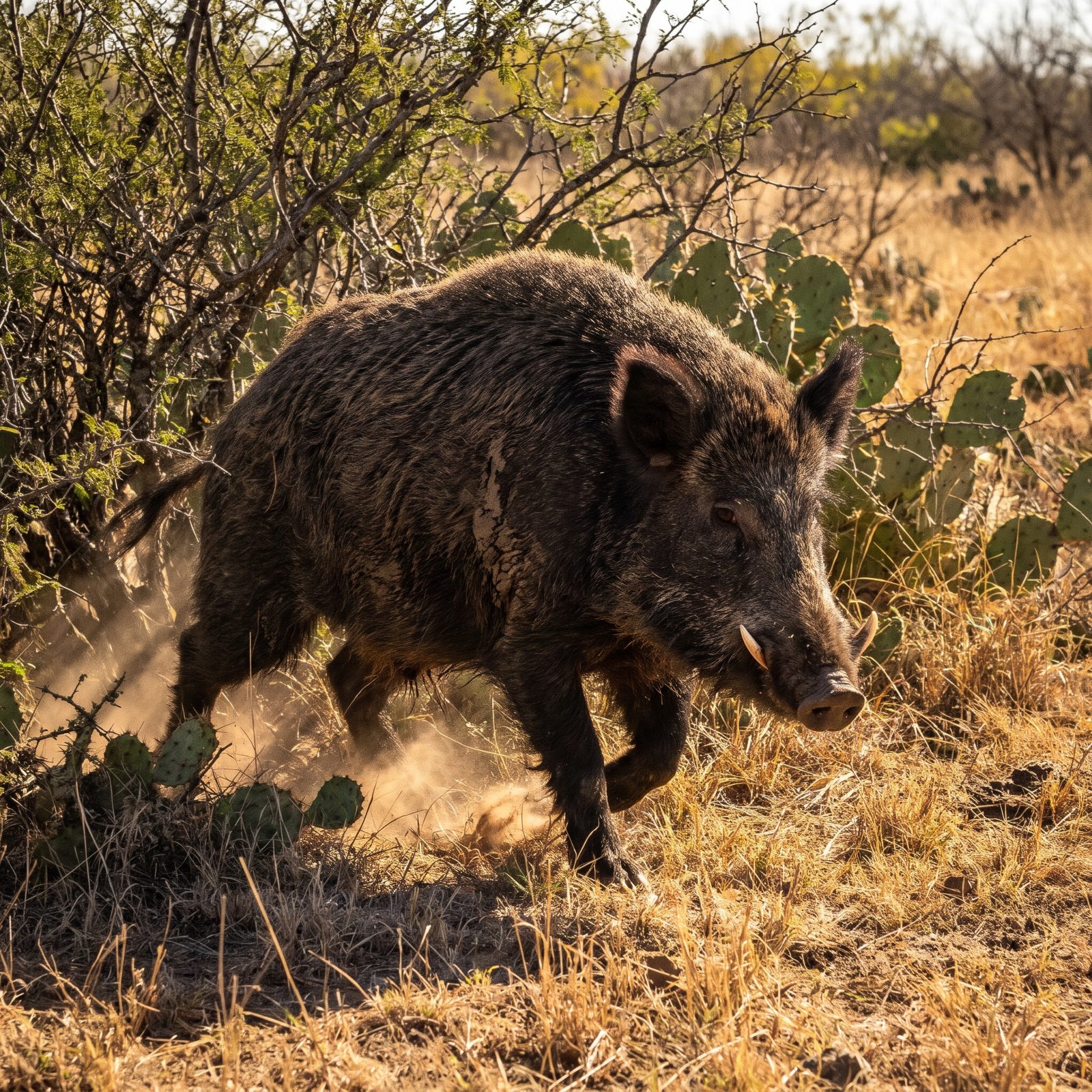
Texas has millions of feral hogs and no real way to stop them breeding. They’re smart, nocturnal, and built like a keg on legs.
A sow with piglets or a cornered boar will charge, and the tusks do real damage low on the leg. They hide in thick cover along creeks and field edges, moving mostly after dark — which is exactly when you least expect to round a corner into one. Keep dogs close in hog country, make noise, and never wedge yourself between a hog and its young or its escape route. Give it a way out and it usually takes it.
41. Colorado, Mountain Lion on a Foothill Trail
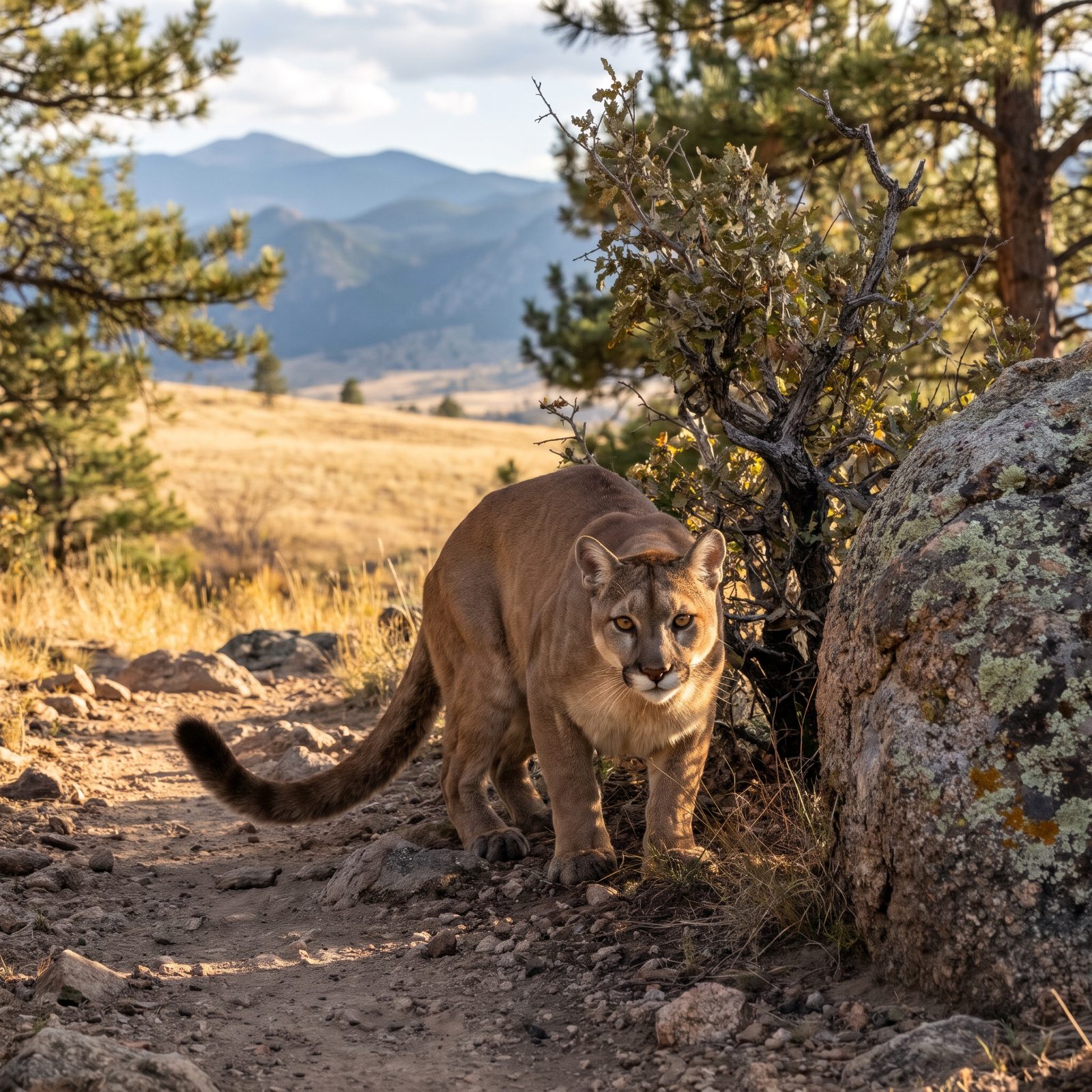
You will almost never see the lion that sees you. Mountain lions along Colorado’s Front Range watch hikers and trail runners constantly and reveal themselves almost never. Ambush predators don’t advertise.
What triggers them is prey behavior: running, moving fast and alone, a crouched small figure like a child or a dog low to the ground. Face one and your instinct will be exactly wrong. Stand tall, open your jacket to look bigger, make noise, scoop up small children, and back away slowly without turning your back. Running tells the oldest part of its brain to chase.
40. Georgia, Eastern Diamondback Rattlesnake in Longleaf Pines
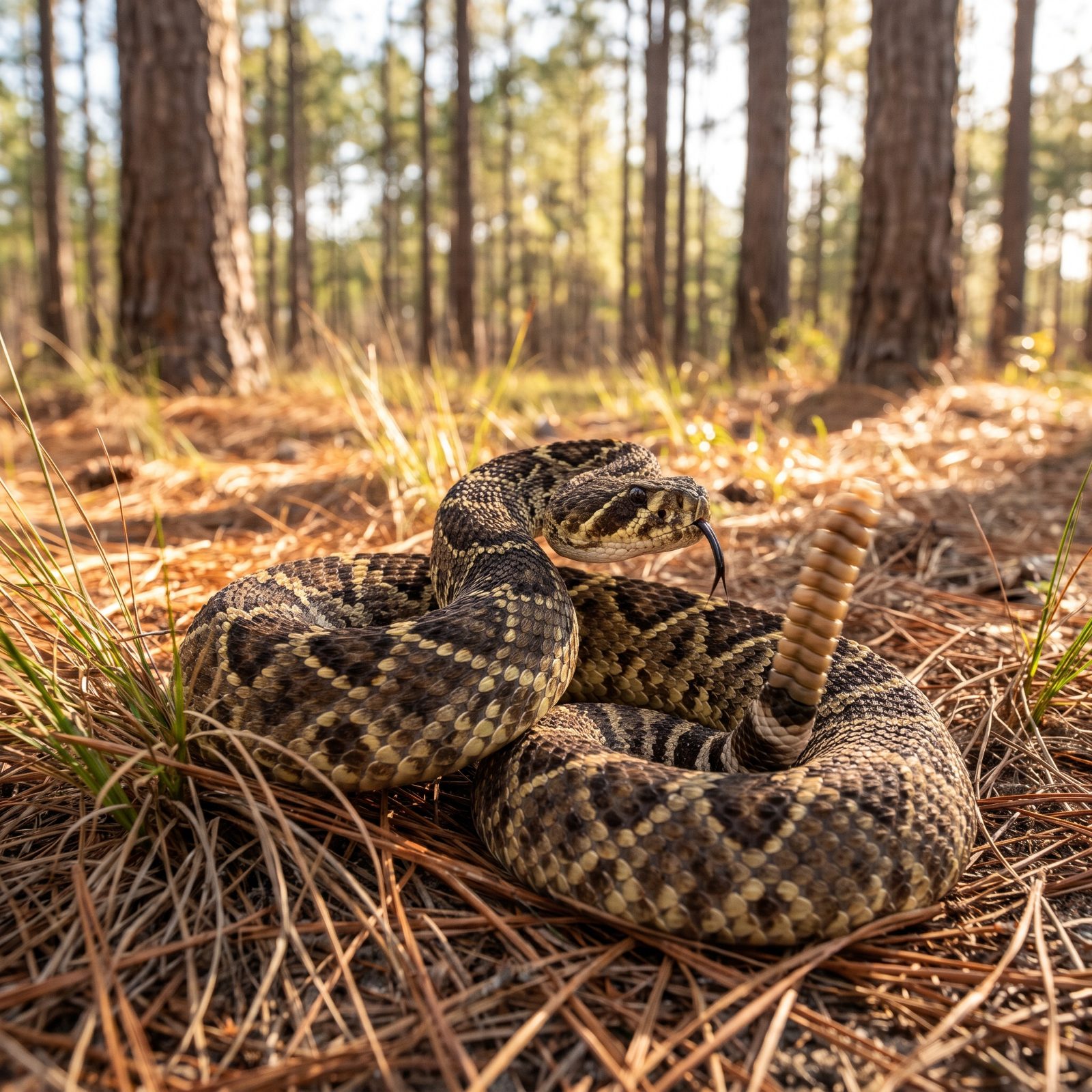
The eastern diamondback is the largest venomous snake in North America, and in Georgia’s longleaf pine savannas its pattern dissolves straight into the fallen needles. You can stand three feet away and never pick it out of the clutter.
It would far rather warn you than bite you. That rattle is a request to leave — respect it and back off. Most bites happen when someone tries to kill, handle, or move the snake, or steps blind into palmetto and brush. Watch where you put your feet and hands, wear real boots off-trail, and give a coiled, rattling snake a wide berth. It isn’t chasing you. It’s asking you to go.
39. North Dakota, Bison Blocking a Park Road
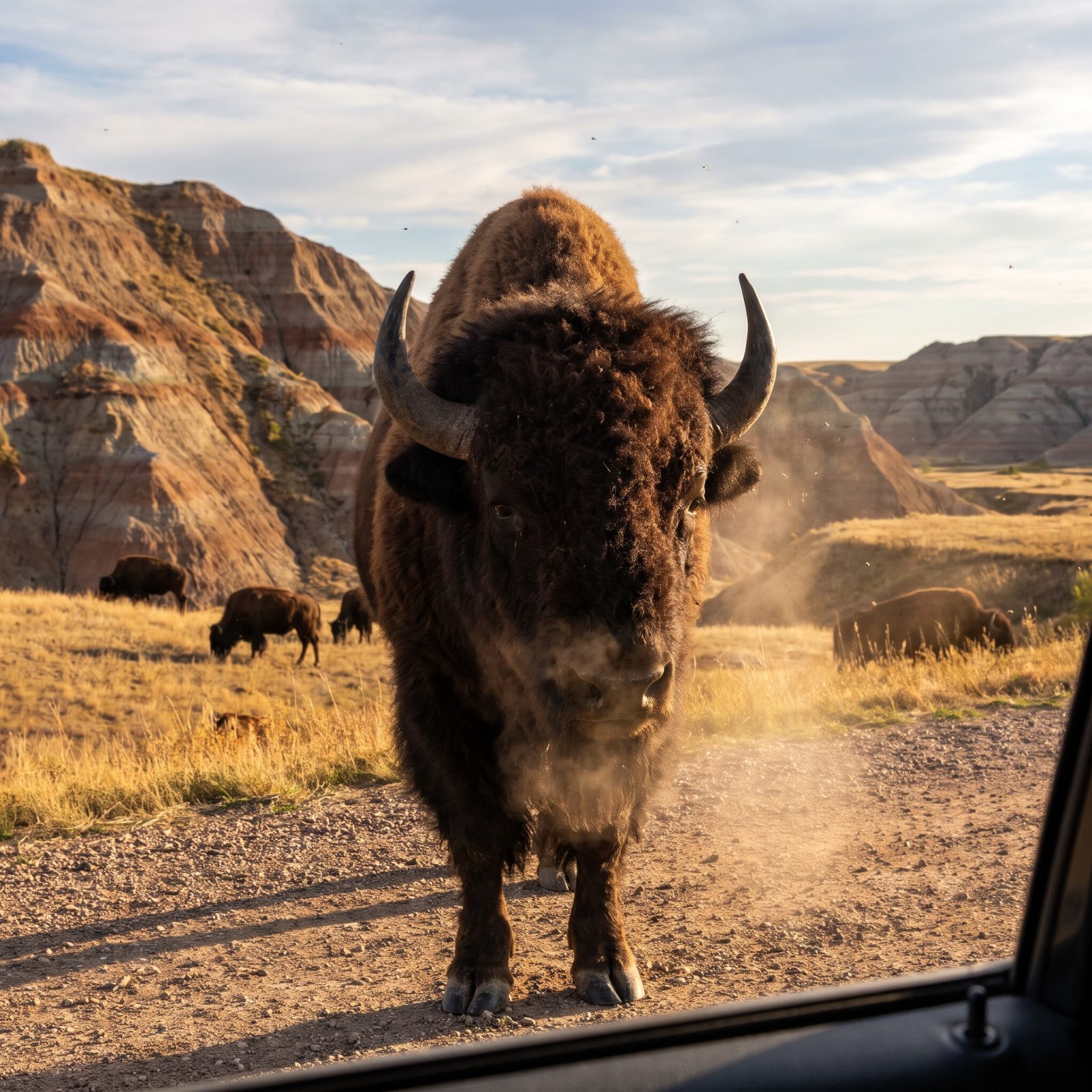
People see a bison and their brain quietly files it under cow. Slow, placid, basically furniture. That one mistake sends more park visitors to the hospital than bears and wolves combined.
A bison weighs up to a ton, pivots faster than a horse, and gores anyone who crowds it for a photo. In Theodore Roosevelt National Park they plant themselves in the roads and refuse to budge — and the smart play is to wait in your car, not squeeze past on foot. Leave the animal the length of two school buses between you. A raised tail or a head swinging side to side means you’re already too close.
38. Nevada, Mojave Rattlesnake in Desert Scrub
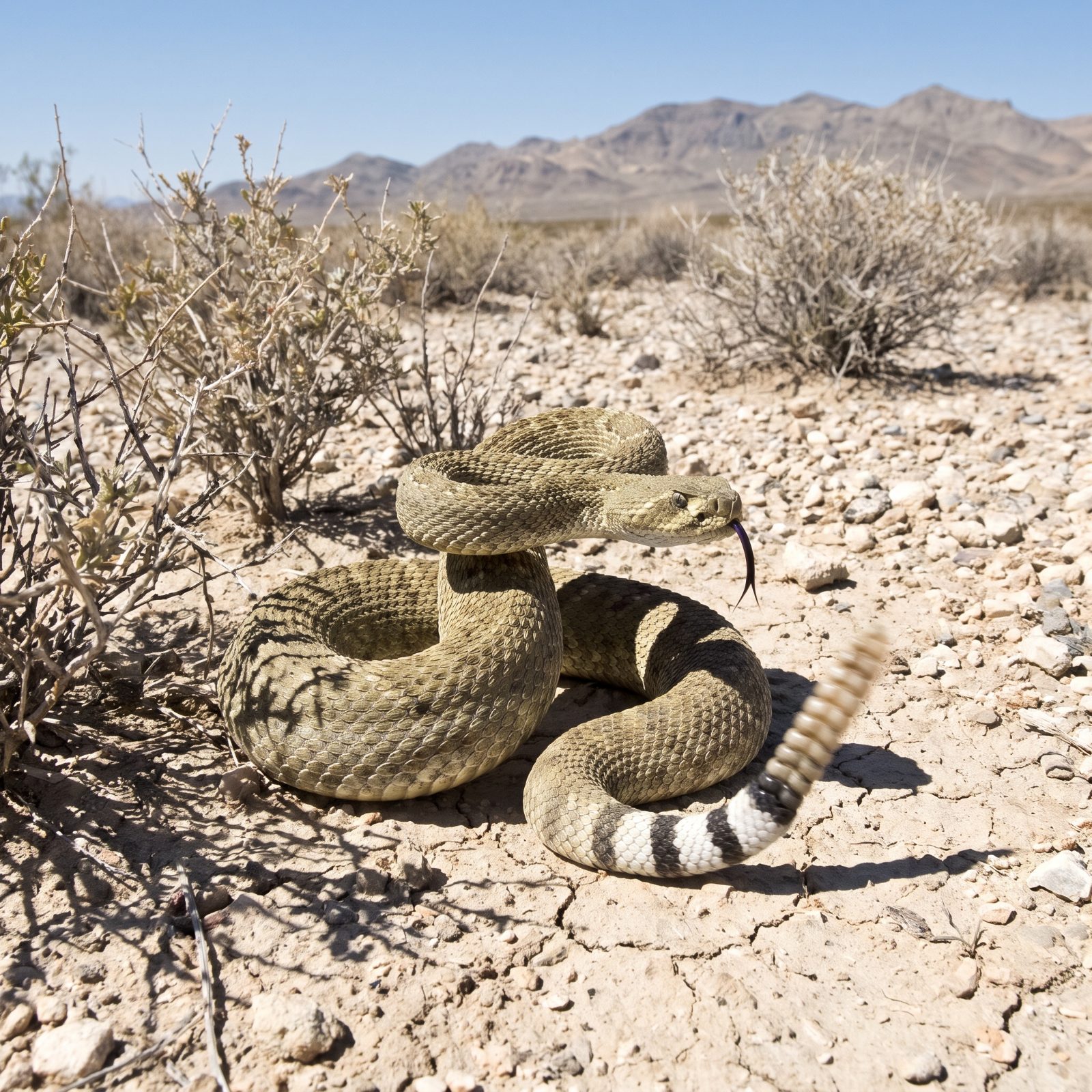
The Mojave rattlesnake earns its own entry because of what’s in the venom. Many populations carry a potent neurotoxin stacked on top of the usual tissue damage, which makes the bite nastier than its western-diamondback cousin and sometimes slower to reveal how bad it really is.
It melts into the greenish desert scrub, often wears pale tail bands near the rattle, and tends to hold its ground rather than flee. Stay on trails, carry a flashlight after dark when it hunts, and never reach into rock crevices or under scrub you can’t see into. Bitten? Stay calm, keep the limb still and at about heart level, and get to a hospital fast. Antivenom is the only real treatment.
37. Louisiana, Feral Hog Protecting Her Piglets
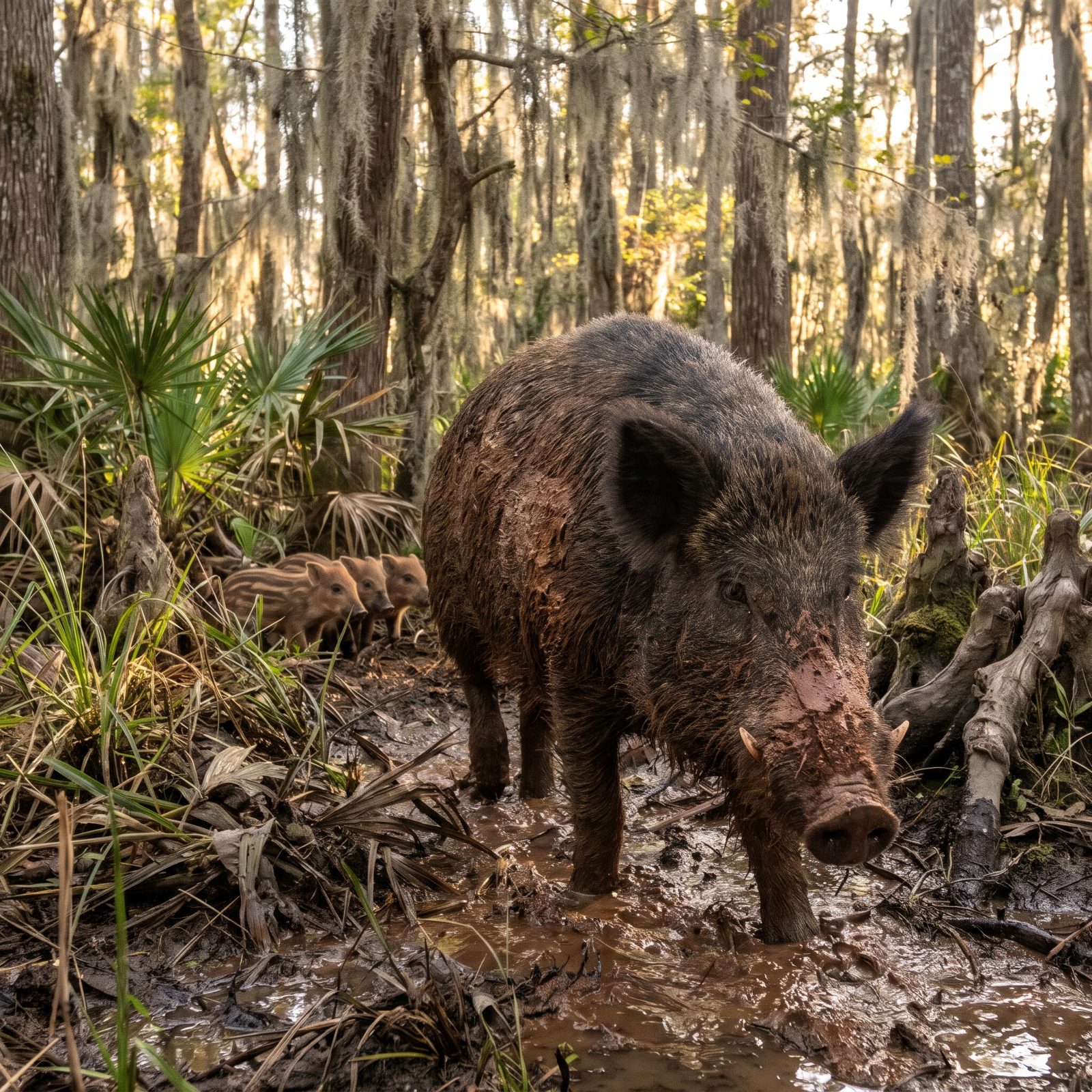
Feral hogs outnumber almost every other large-mammal problem in Louisiana. But the ones that put people in the hospital aren’t the pigs rooting through a sugarcane field at dusk — it’s a sow with a litter. She outweighs you, she’s faster than she looks, and her whole nervous system is wired to wedge herself between those striped piglets and whatever just stepped into the clearing.
Give a loose group of hogs room and they scatter. Corner one, or blunder between a mother and her young, and the math flips in a hurry. Back away the way you came. Don’t run, don’t crouch to photograph the babies, and keep a climbable tree in the corner of your eye.
36. Idaho, Grizzly Bear Near a Backcountry Campsite
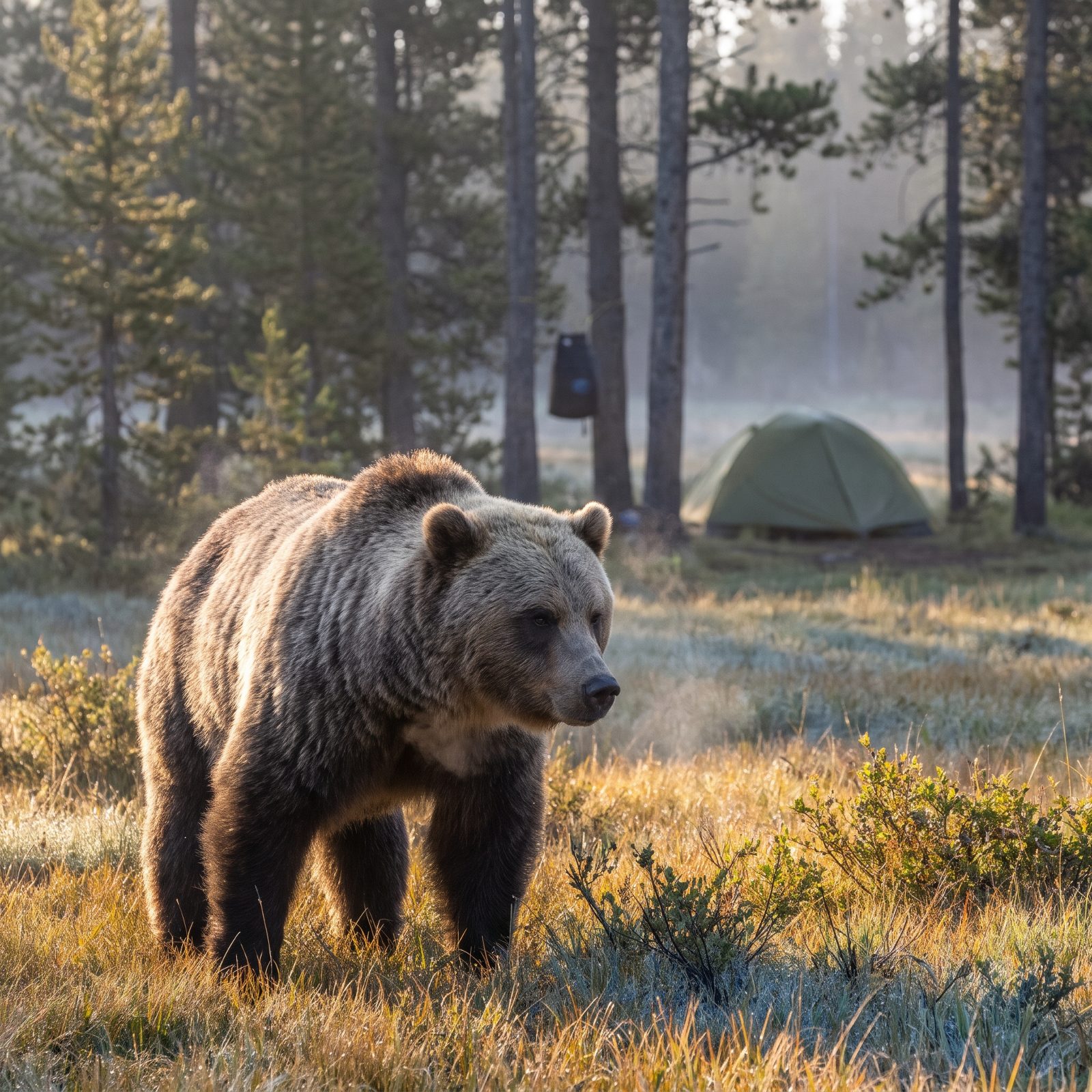
Most grizzly trouble in Idaho’s backcountry starts with a smell, not a sighting. Bacon grease on a sleeve, a candy wrapper forgotten in a jacket pocket — that’s the trigger. A bear that links humans with food stops keeping its distance, and that shift is a death sentence for the bear long before it’s a danger to you.
Cook and store food well away from where you sleep. Hang it high, or better yet carry a certified bear canister. Keep your spray somewhere you can grab it in under two seconds — not sealed at the bottom of the pack where it’s sat untouched since the day you bought it.
35. Michigan, Eastern Massasauga Rattlesnake in a Wetland
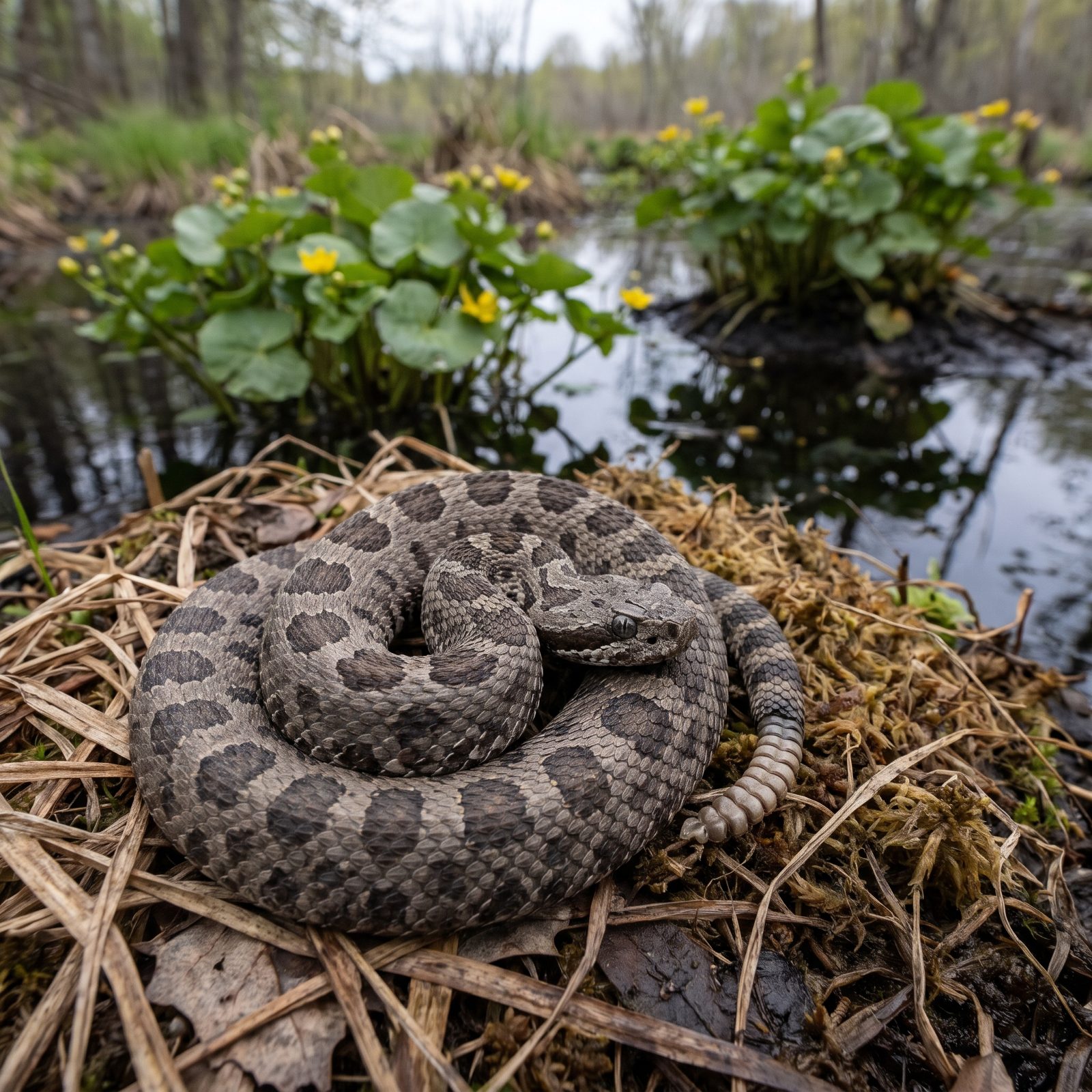
Nobody warns you about the massasauga’s real personality: it desperately wants you to walk right past it. Michigan’s only venomous snake is shy, slow to rattle, and threatened enough to carry federal protection. The rare bites almost always involve someone reaching into tall wetland grass bare-handed, or stepping off a boardwalk in sandals.
Stay on the trail in a fen or bog, and watch where your hands land while you’re birding near the water. A massasauga bite is a genuine medical emergency — yet it’s also one of the most avoidable encounters on this whole list.
34. Alabama, American Alligator at the Water’s Edge
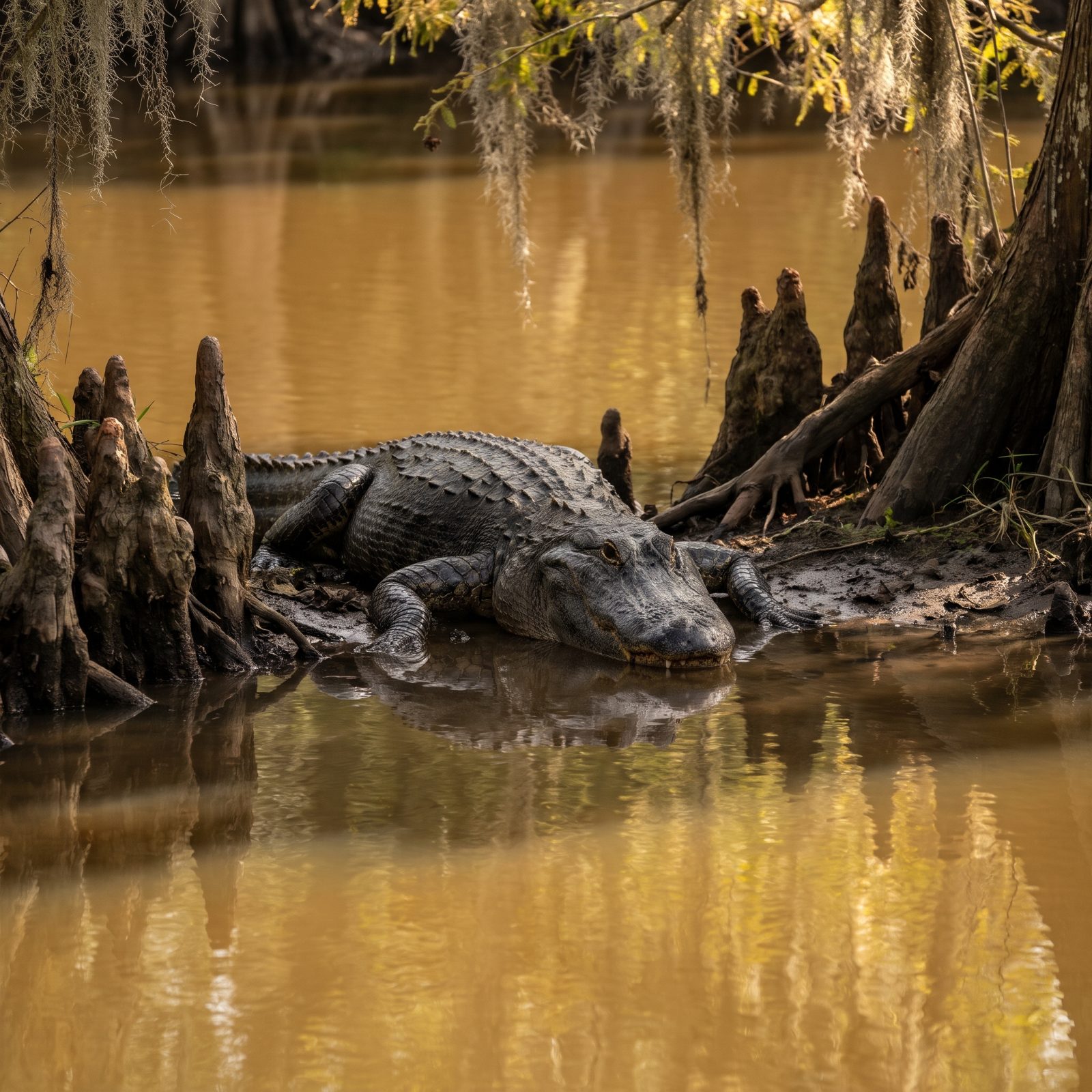
An alligator at rest looks exactly like a waterlogged log, and that resemblance is the whole problem. Nearly every serious encounter in Alabama traces back to one of two human mistakes: letting a pet or a small child drift too close to the water’s edge, or feeding the things.
A fed gator loses its fear of people. That’s why it’s illegal — and why the animal that eventually bites someone is often one that got tossed a hot dog weeks earlier. Keep a wide margin from any bank, keep dogs leashed and back from shore, and never, ever hand one food.
33. Oregon, Cougar Stalking Through Dense Timber
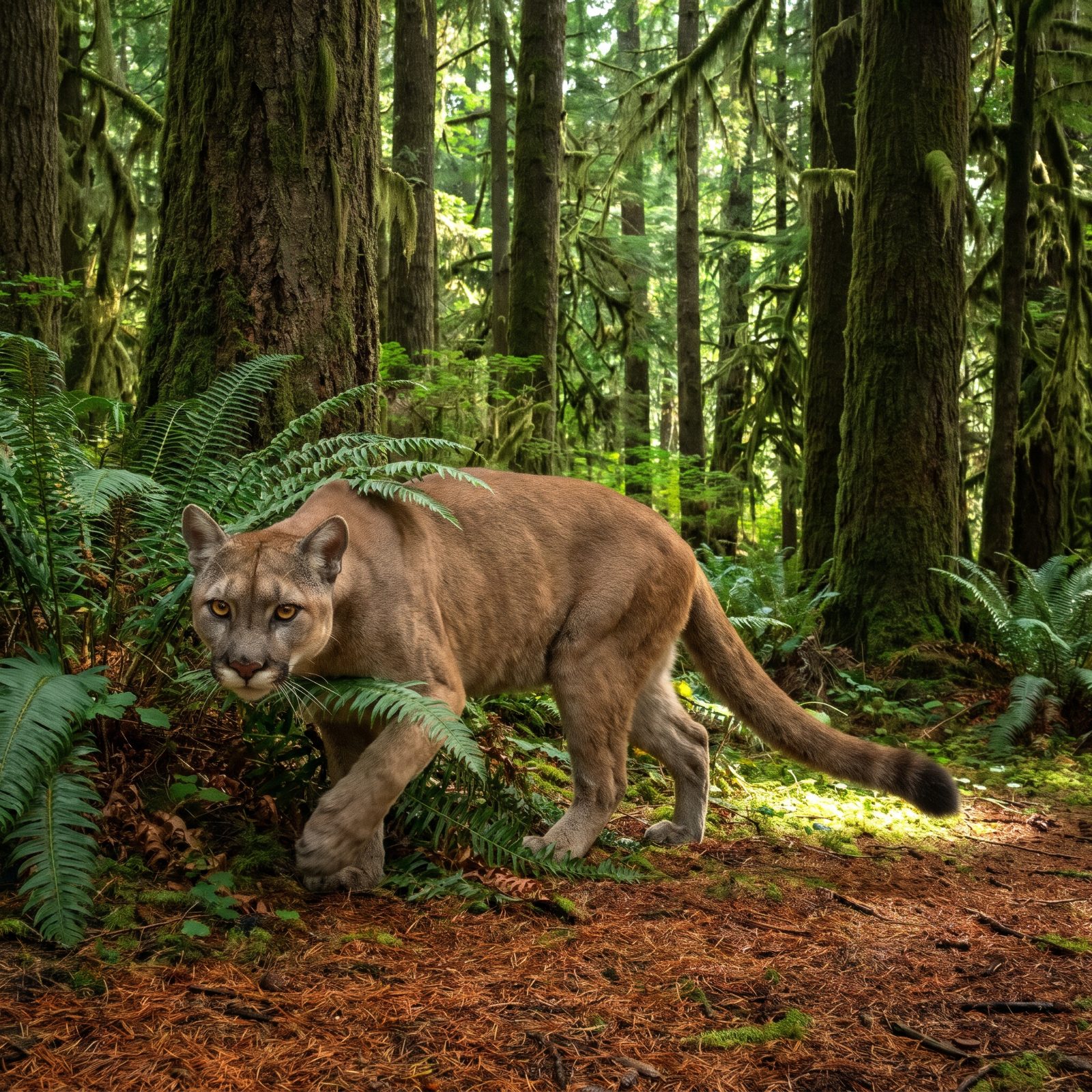
You will almost never see the cougar that’s already seen you. Oregon has thousands of them. Attacks on humans stay vanishingly rare, and that’s exactly why the advice matters — the rare event is the one nobody’s rehearsed for.
If you do meet one, your instincts will steer you wrong. Don’t crouch, don’t run, don’t turn your back. Make yourself big, make noise, hold eye contact, and back away slowly while you scoop up any small children. A cougar hunts from ambush and quits the moment its target looks like more trouble than it’s worth, so your whole job is to look like exactly that.
32. New Mexico, Western Diamondback Rattlesnake on a Warm Trail
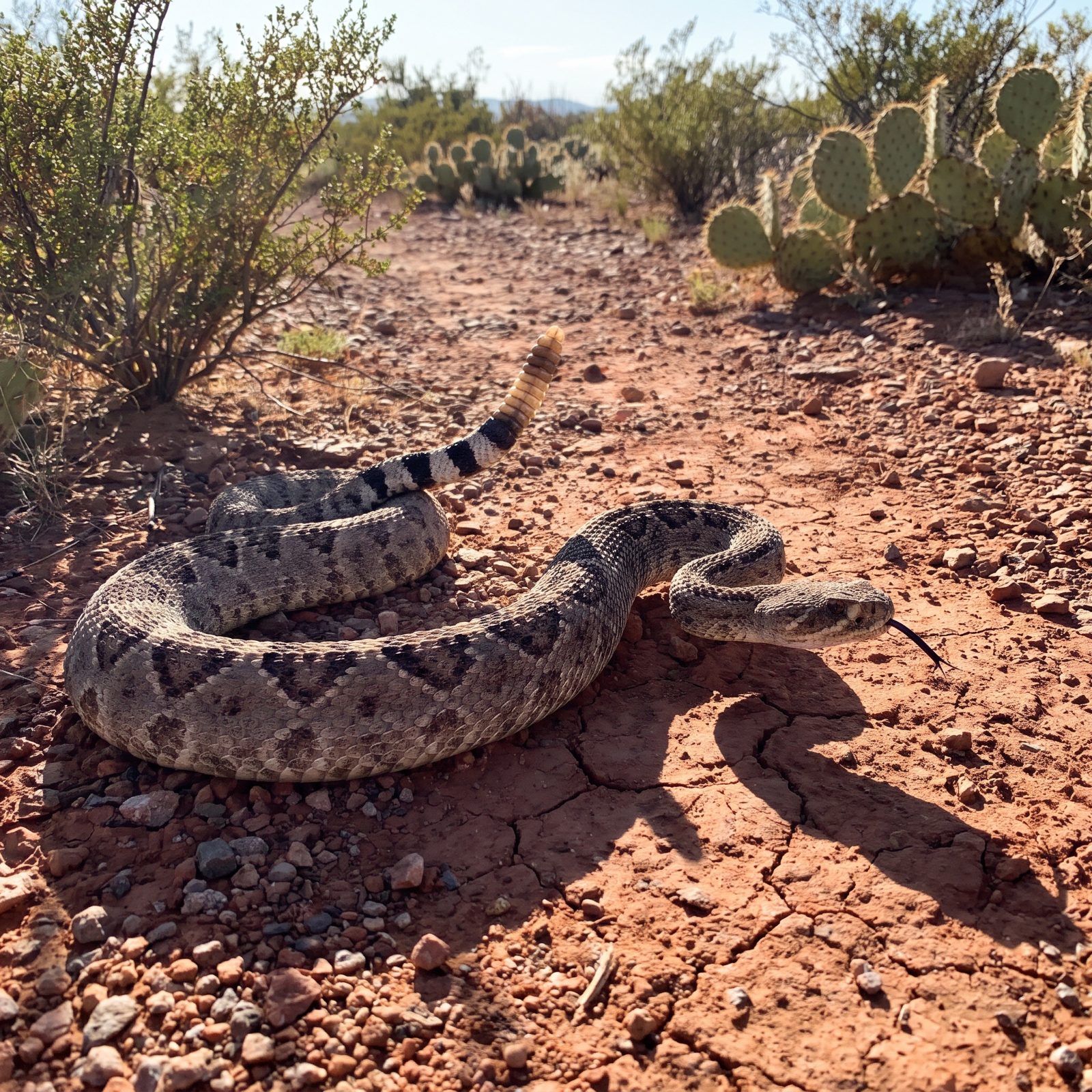
The western diamondback lands a big share of serious snakebites across the Southwest, and it isn’t because the snake is a bully. It’s because the snake is everywhere, it refuses to budge, and it adores the same warm afternoon trail you do.
Watch your feet, especially when you’re stepping over logs and rocks where you can’t see the far side. Give any rattling snake a generous berth. And skip the heroics — most hand bites happen to people trying to move, kill, or photograph a snake that was perfectly content to be ignored.
31. South Dakota, Bison Defending Its Space
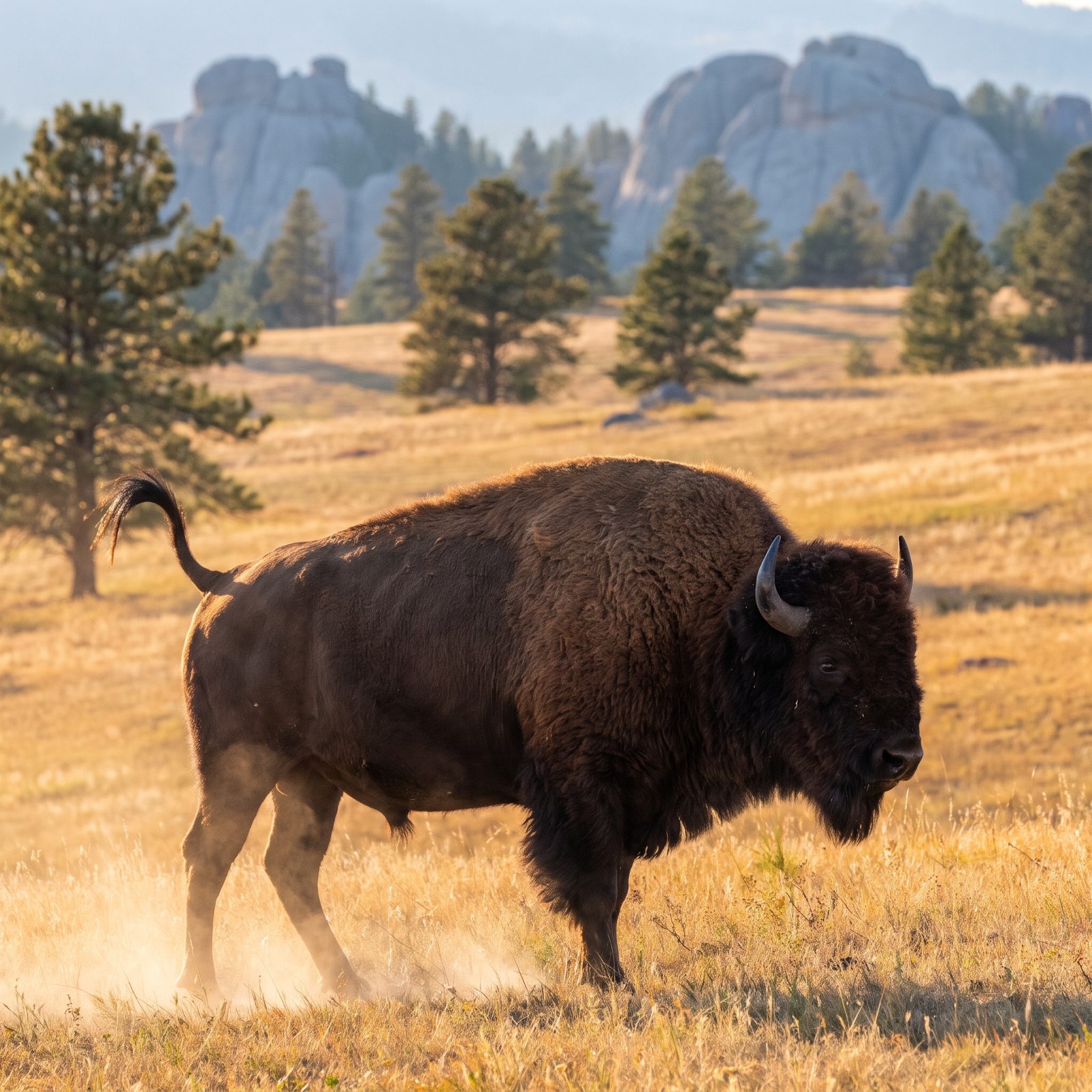
A bison looks like slow-moving furniture right up until it isn’t. This is a two-thousand-pound animal that grazes placidly for hours, then pivots and charges faster than you can sprint. Every summer, tourists learn this firsthand because the big fellow looked docile enough to walk up and pet.
The rule in bison country is embarrassingly simple and constantly ignored. Stay well back — at least 25 yards, more if the ground allows. If it stops eating to study you, lifts its tail, or paws the dirt, you’re already too close. Get back in the car.
30. Mississippi, Northern Cottonmouth Near a Cypress Swamp
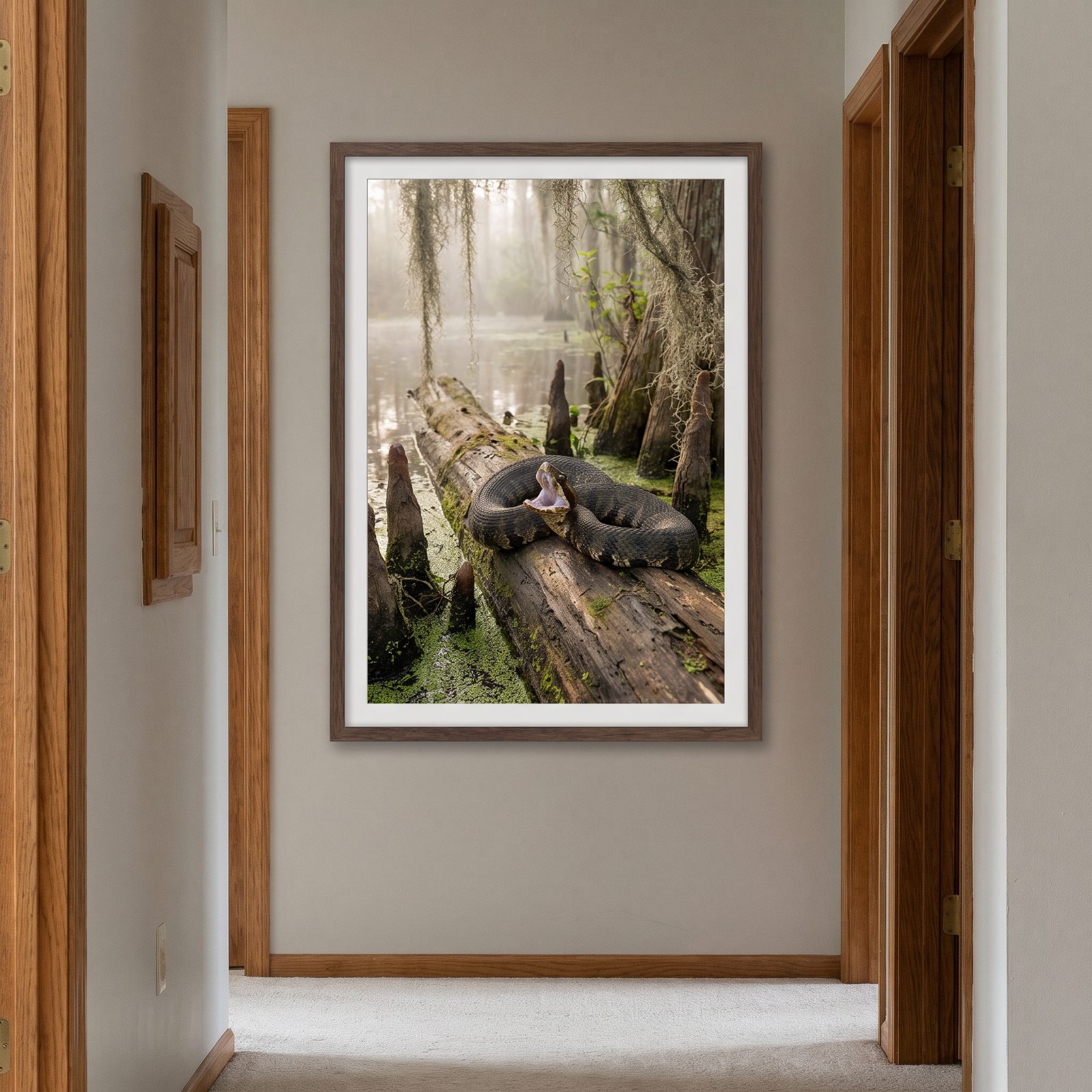
The cottonmouth earns its fearsome name less from how often it bites and more from how it behaves when it feels trapped. It gapes that cotton-white mouth wide and plants itself instead of slithering off. People read the display as aggression. It’s actually a bluff — one final warning before things go sideways.
Here’s the sad twist: most harmless water snakes end up dead because someone mistook them for a cottonmouth. Learn the broad wedge of the head and that white gape, hold your distance from logs and banks while you’re fishing, and never try to kill one. A startled snake with its mouth thrown open is precisely the animal you don’t want to push.
29. Washington, Cougar Watching from a Forest Ridge
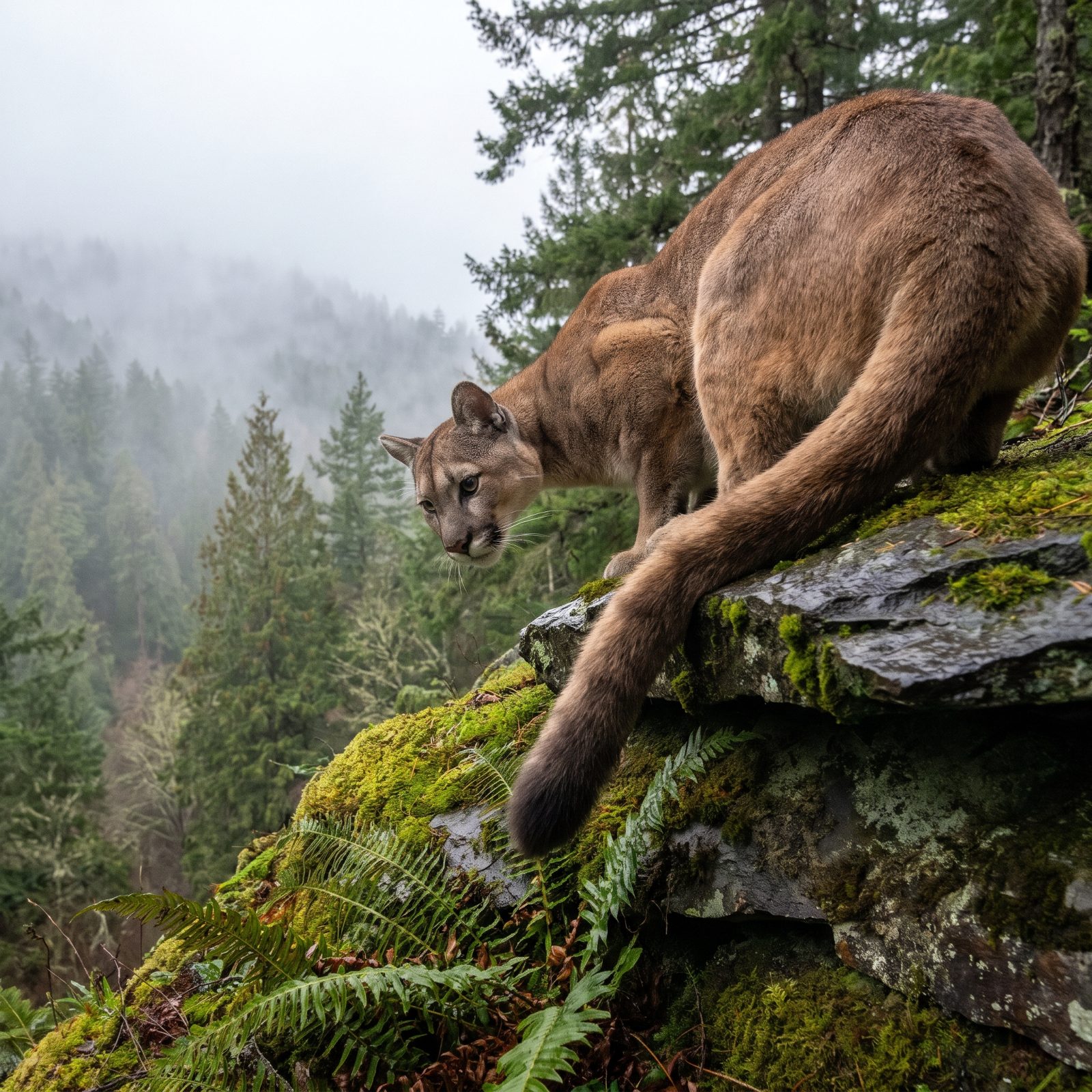
Washington carries one of the densest cougar populations in the country. The unsettling part? If you hike here often, one has almost certainly watched you from a ridge and you never knew. That’s not a horror story — it’s routine. The cats dodge people on purpose.
A few small habits tip the odds even further in your favor. Hike in a group. Keep kids and dogs close instead of ranging ahead. Talk, scuff, make ordinary noise on blind corners at dawn and dusk. A cougar that hears you coming quietly arranges to be somewhere else.
28. Arkansas, Copperhead Hidden in Fallen Leaves
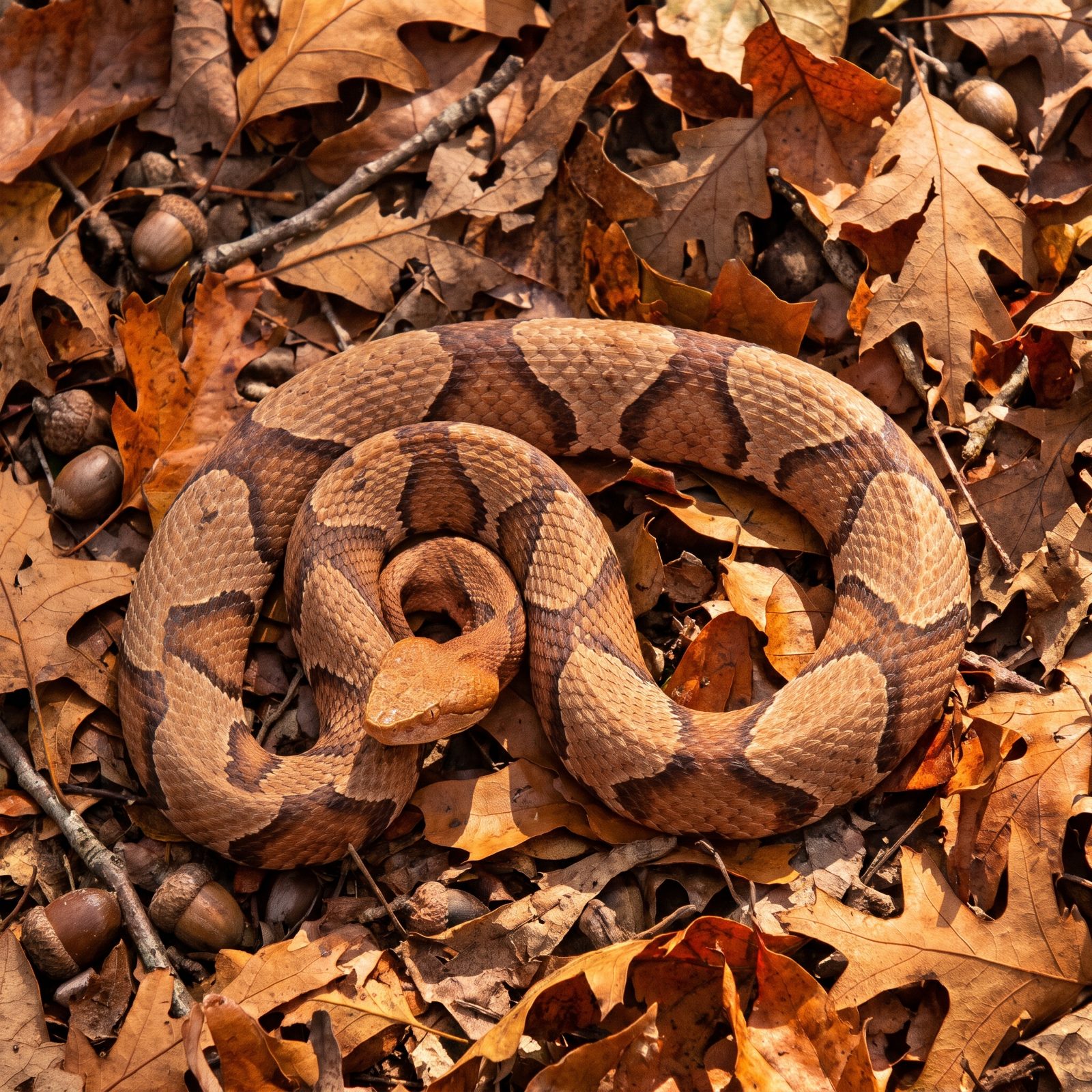
No snake in Arkansas vanishes into the ground quite like a copperhead. That coppery hourglass pattern melts into autumn leaf litter so completely that copperheads rack up more bites than any other venomous snake in the country.
And yet there’s an odd silver lining. Copperhead venom runs comparatively mild, and the snake would rather freeze than strike. Most bites happen when a hiker steps on one by accident or reaches down for firewood. So watch your footing in the leaves, carry a flashlight on warm evenings, and flip logs with a tool rather than your fingers.
27. Utah, Great Basin Rattlesnake on a Canyon Trail
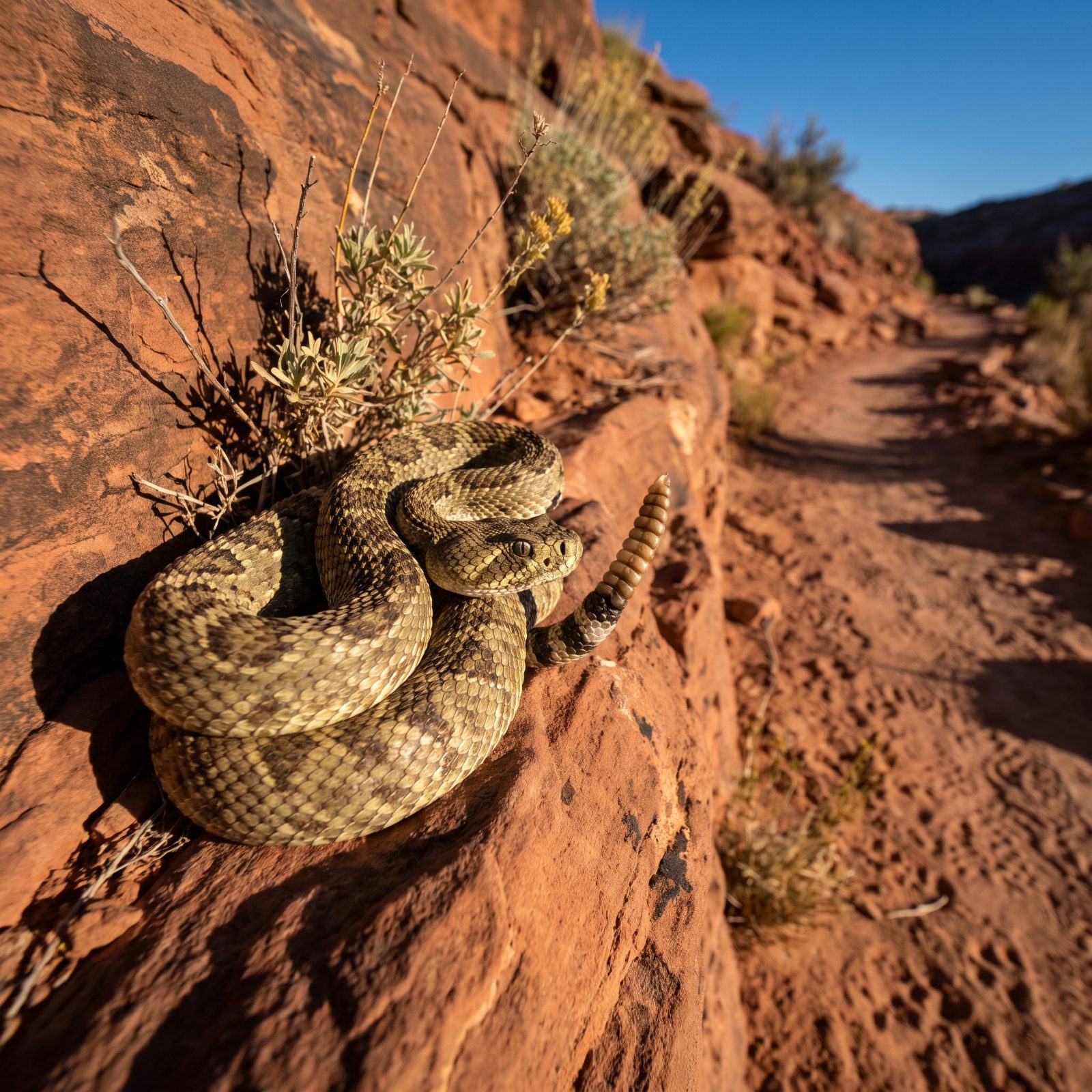
The danger here isn’t the snake. It’s assuming they’re always this easy to see. This Great Basin rattler, coiled olive-and-yellow on sunlit red sandstone, stands out plainly, but one tucked into shade or brush reads as just another smear of shadow, and you’ll step within a boot-length before your brain catches up.
They don’t want you. A rattlesnake would rather hold still and pass for a rock than waste venom on something it can’t eat, so most bites happen when a hand or ankle arrives before the warning does. On hot afternoons they tuck into shade under ledges and brush — exactly where you’d reach to steady yourself.
26. South Carolina, American Alligator Near a Lagoon
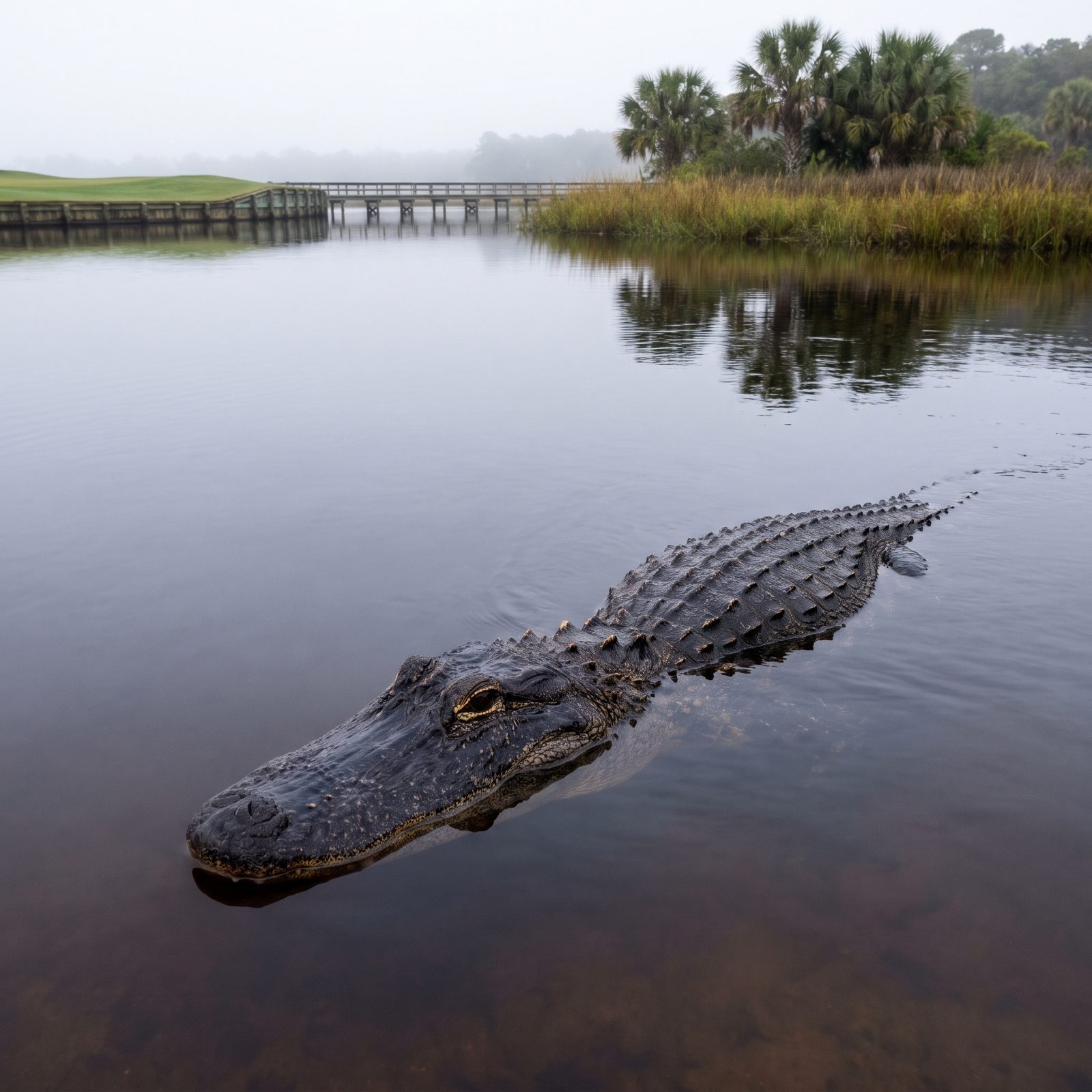
An alligator at rest looks like a floating log, and that’s the problem. South Carolina’s gators haunt golf course ponds, retention lagoons and marsh edges where people walk dogs and chase stray balls without a second thought.
Attacks on humans are rare. Most trouble traces back to one thing: a gator that stopped fearing people because somebody fed it. Teach a ten-foot reptile to connect the human silhouette with dinner and you’ve built yourself a genuine hazard. So keep small dogs leashed and well back from any pond edge in the Lowcountry, and never toss food near the water. That slow, logy-looking animal can lunge faster over a short distance than you’d ever believe.
25. Oklahoma, Western Diamondback Rattlesnake Under a Rock Ledge
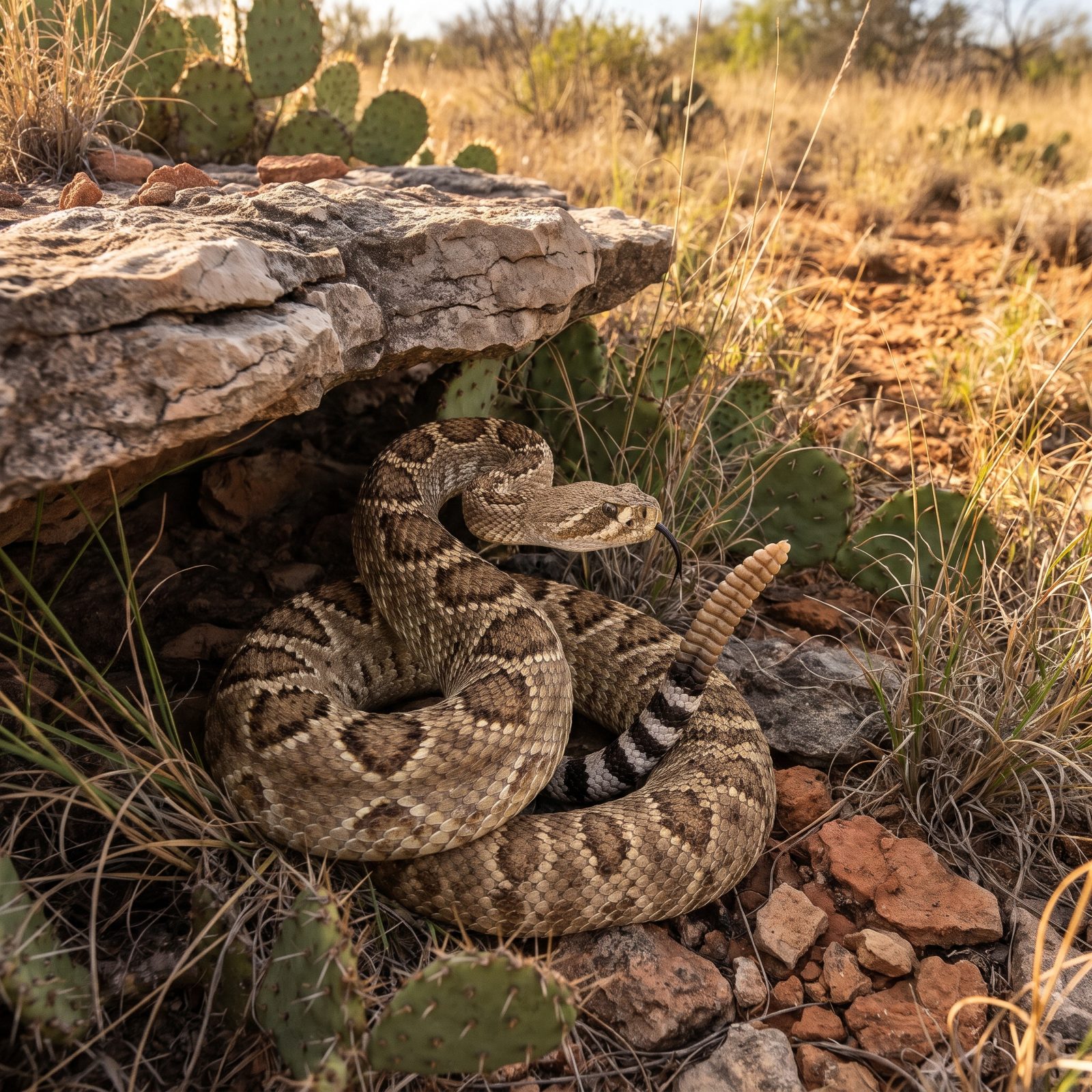
Of all the rattlers here, the western diamondback is the one that stands its ground. A big, defensive snake, and Oklahoma has plenty. The classic encounter happens at the base of a rock ledge or woodpile, where it beats the heat in shade that sits right at hand height.
It’ll rattle. Loudly. If you hear it, freeze, pin down the sound, and back away the direction you came. Don’t try to kill it or move it — a startling share of serious bites land on people who decided to handle a snake they could have simply walked away from.
24. North Carolina, Copperhead Camouflaged Beneath Pine Straw
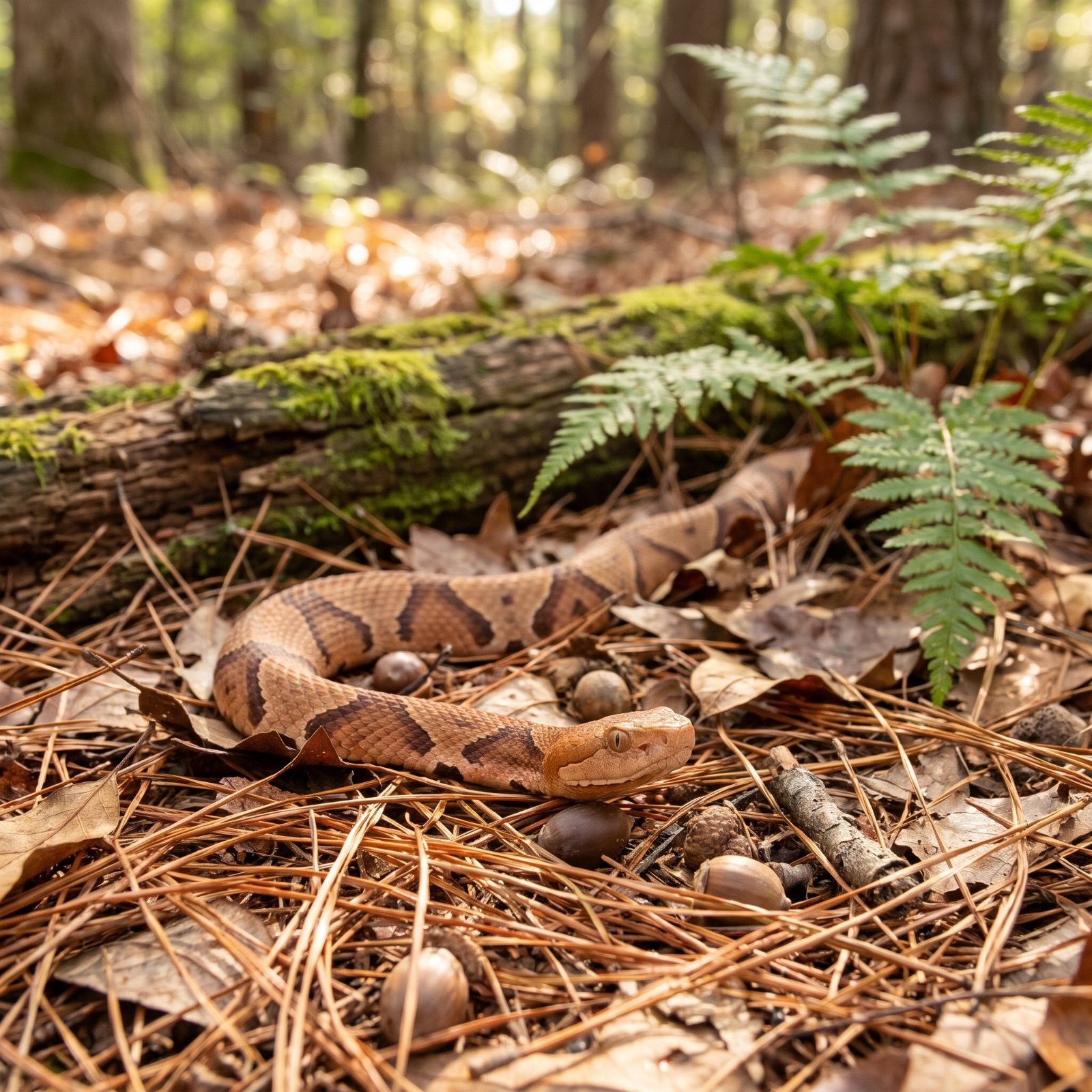
North Carolina reports more snakebites than almost any state, and the copperhead is why. Not because it’s aggressive. Because it’s invisible.
Drop a copperhead on autumn pine straw and it disappears. The hourglass bands break up its outline so well that people step on it, kneel next to it, or reach past it while gardening. Unlike a rattlesnake, it gives no warning — it leans on camouflage, holds still until the last second, then bites out of defense.
The good news: copperhead venom is comparatively mild. Bites hurt, they swell, they need a doctor, but deaths are vanishingly rare. The bad news is you won’t see it coming.
23. Kansas, Prairie Rattlesnake in Rocky Grassland
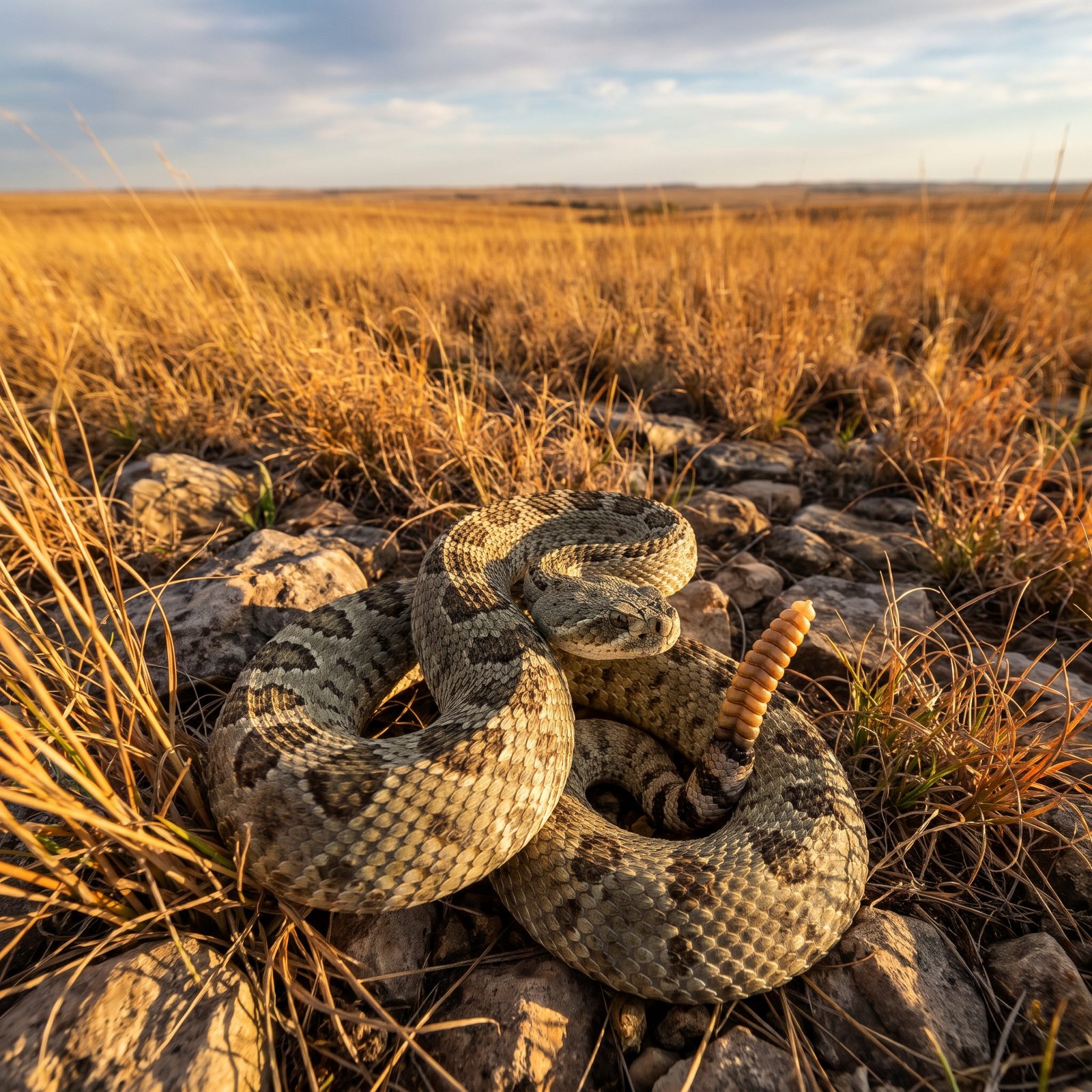
The prairie rattlesnake is the ghost of the Kansas grasslands — pale, blotchy, and the exact tone of dried bunchgrass, hunting across the Flint Hills and western plains where there’s no tree cover to flag the danger.
Here’s the catch ranchers already know. This snake wanders. It roams far from any obvious den, so you can’t assume you’re safe just because you’re standing in open grass with no rocks in sight. Tall, tawny vegetation swallows it whole. Walk the prairie in boots, and keep your eyes on the ground ahead when the grass runs thick.
22. Tennessee, Copperhead Coiled Beside a Creek
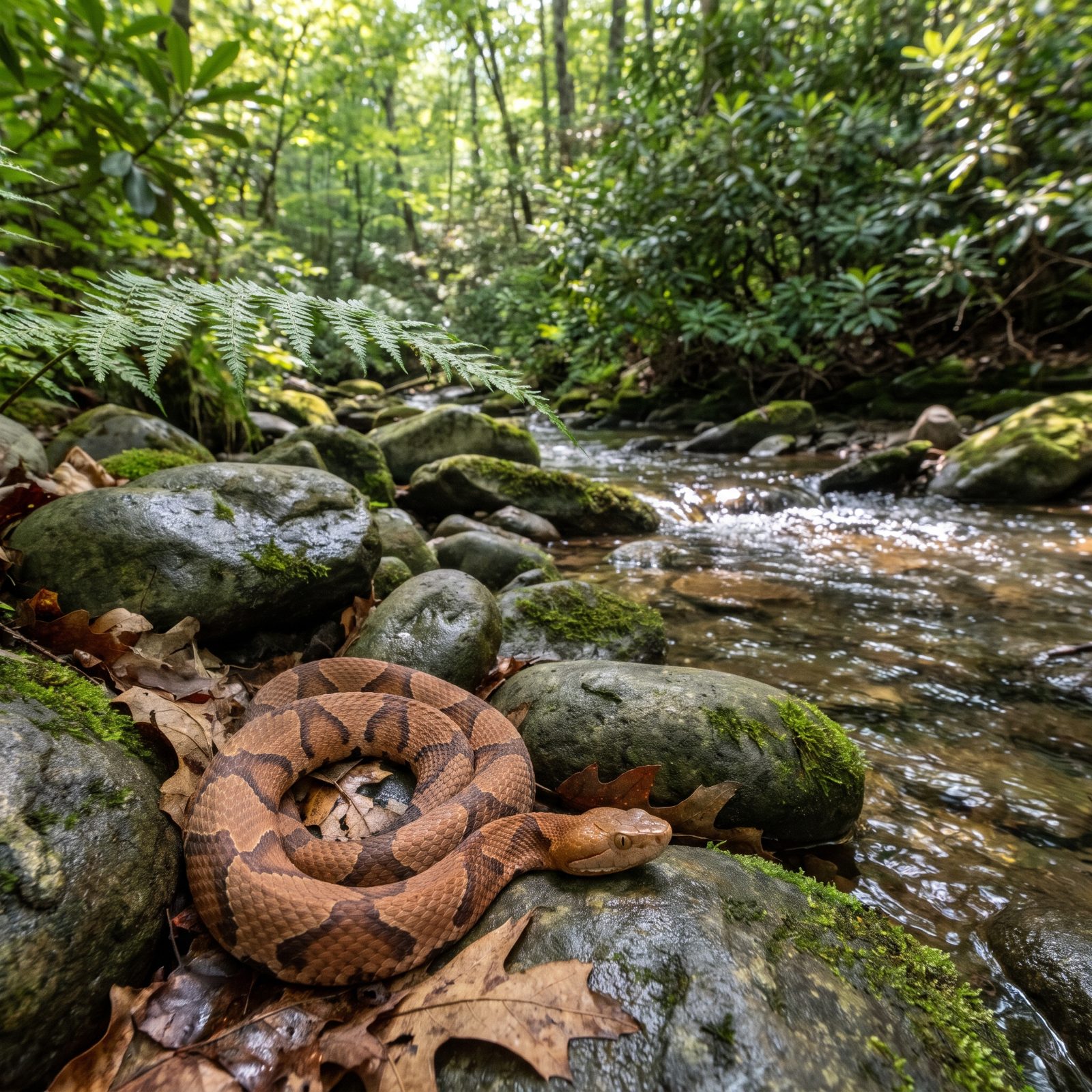
Copperheads love water’s edge, and Tennessee’s creeks are copperhead country.
Picture it. A hot day, a clear stream, flat rocks that beg to be crossed. You hop stone to stone without looking too hard. A copperhead sunning on a creekside boulder, pressed against the mottled rock, is nearly impossible to pick out until your foot is already landing. They hunt at dusk near water too, which makes evening wading barefoot a genuinely bad idea.
Wear closed shoes near creeks. And look before you grab a rock or a root to haul yourself up a bank.
21. Nebraska, Prairie Rattlesnake Near a Burrow
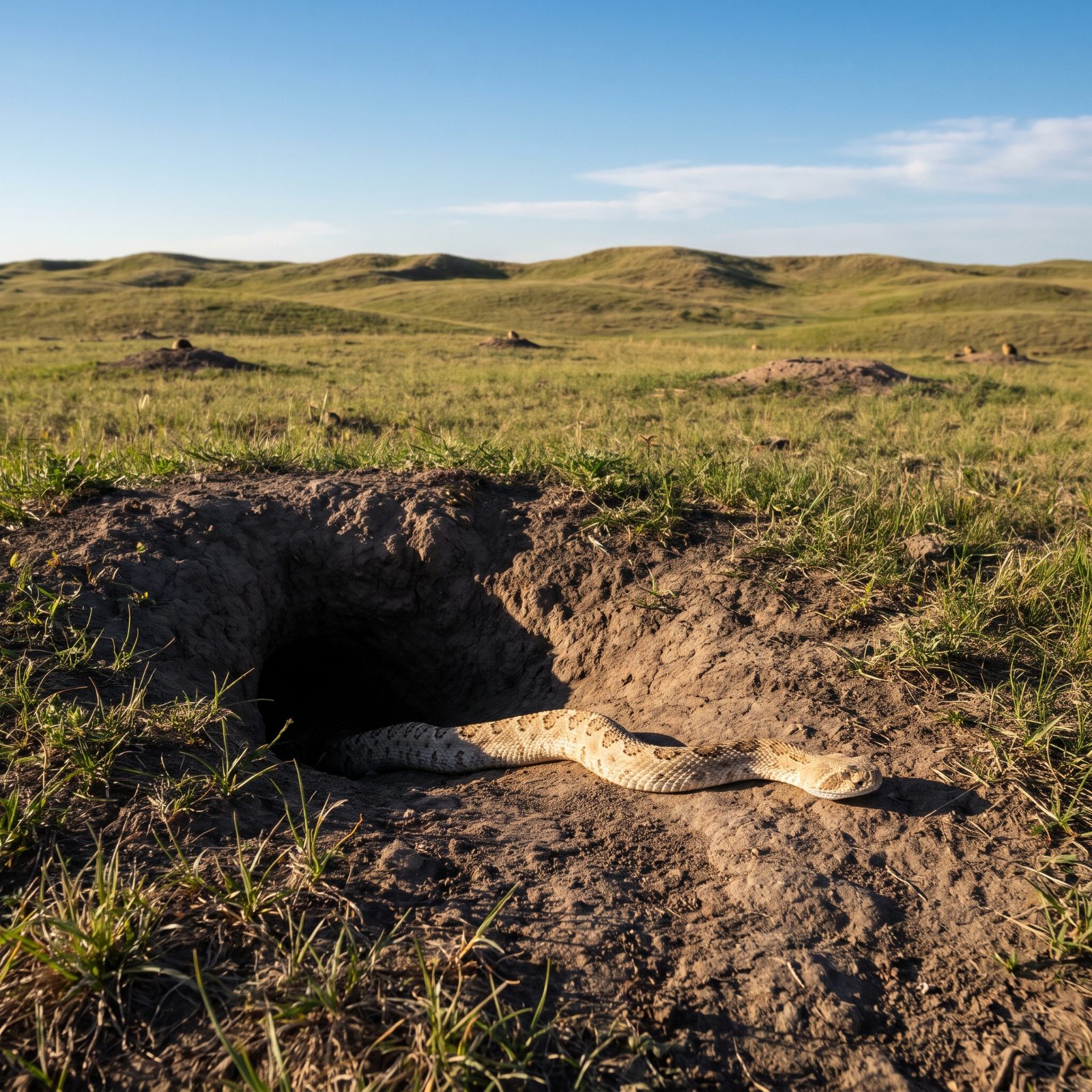
In Nebraska, prairie dog towns are rattlesnake real estate. The prairie rattler moves into abandoned burrows for shelter and cool, then hunts the very rodents that dug them. See a mound field? Assume snakes.
Curiosity is what gets people. Folks wander prairie dog towns to watch the little guys pop up — eyes on the horizon, feet on autopilot across ground riddled with holes. A snake sunning at a burrow mouth sits right where you’d place a careless step.
20. Kentucky, Copperhead Beside a Woodland Path
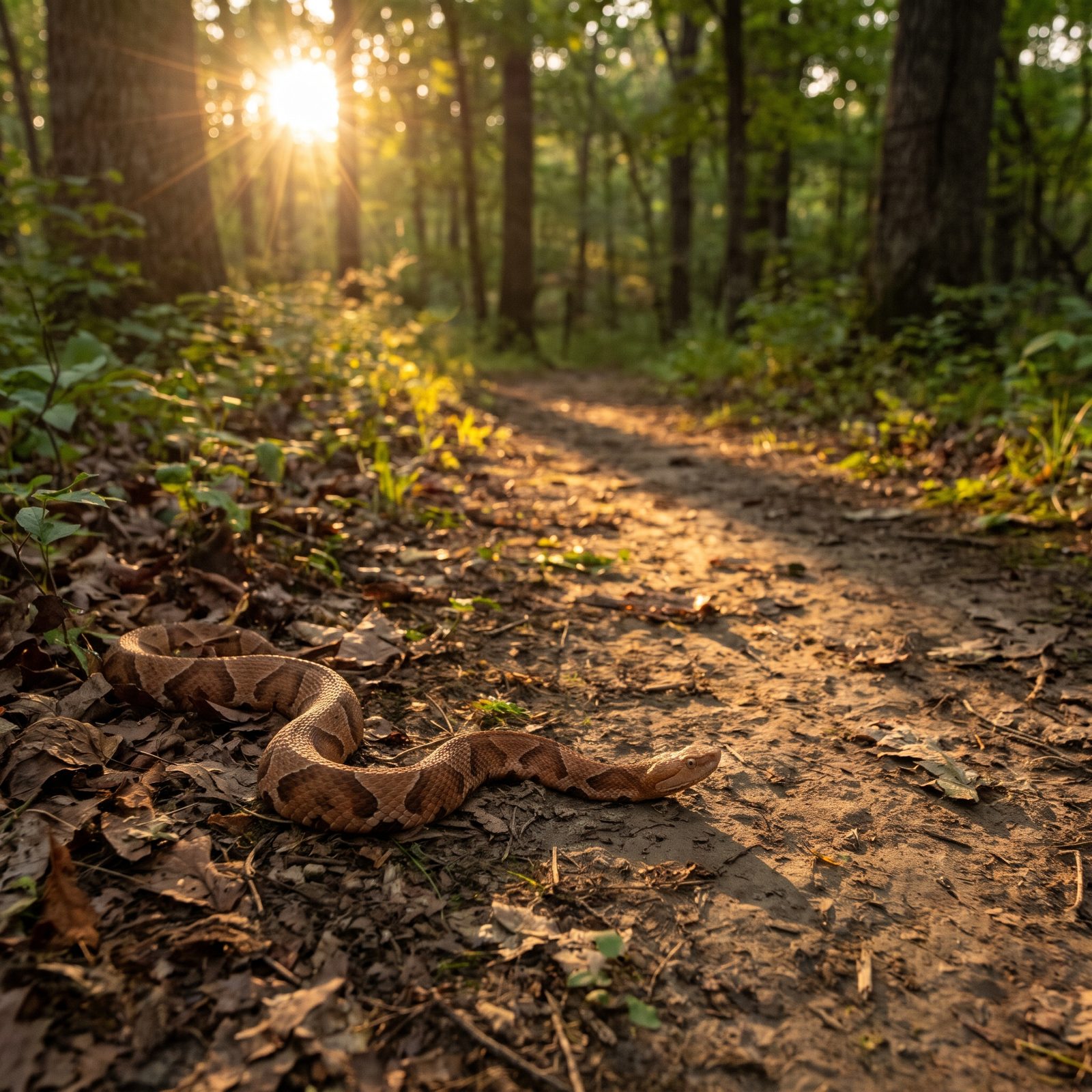
Most copperhead bites in Kentucky land on the hands and feet of people doing something completely ordinary: hiking, gardening, moving firewood, stepping off a trail to let someone pass.
The snake favors the transition zone — that strip where mowed edge meets leaf litter, where woodpiles meet wall, where path meets brush. Prey-rich borders, and exactly where human feet drift. A copperhead there won’t flee and won’t rattle. It freezes and hopes you miss it. Usually you do. The bites happen on the days you don’t.
19. Virginia, Copperhead Blending into Autumn Leaves
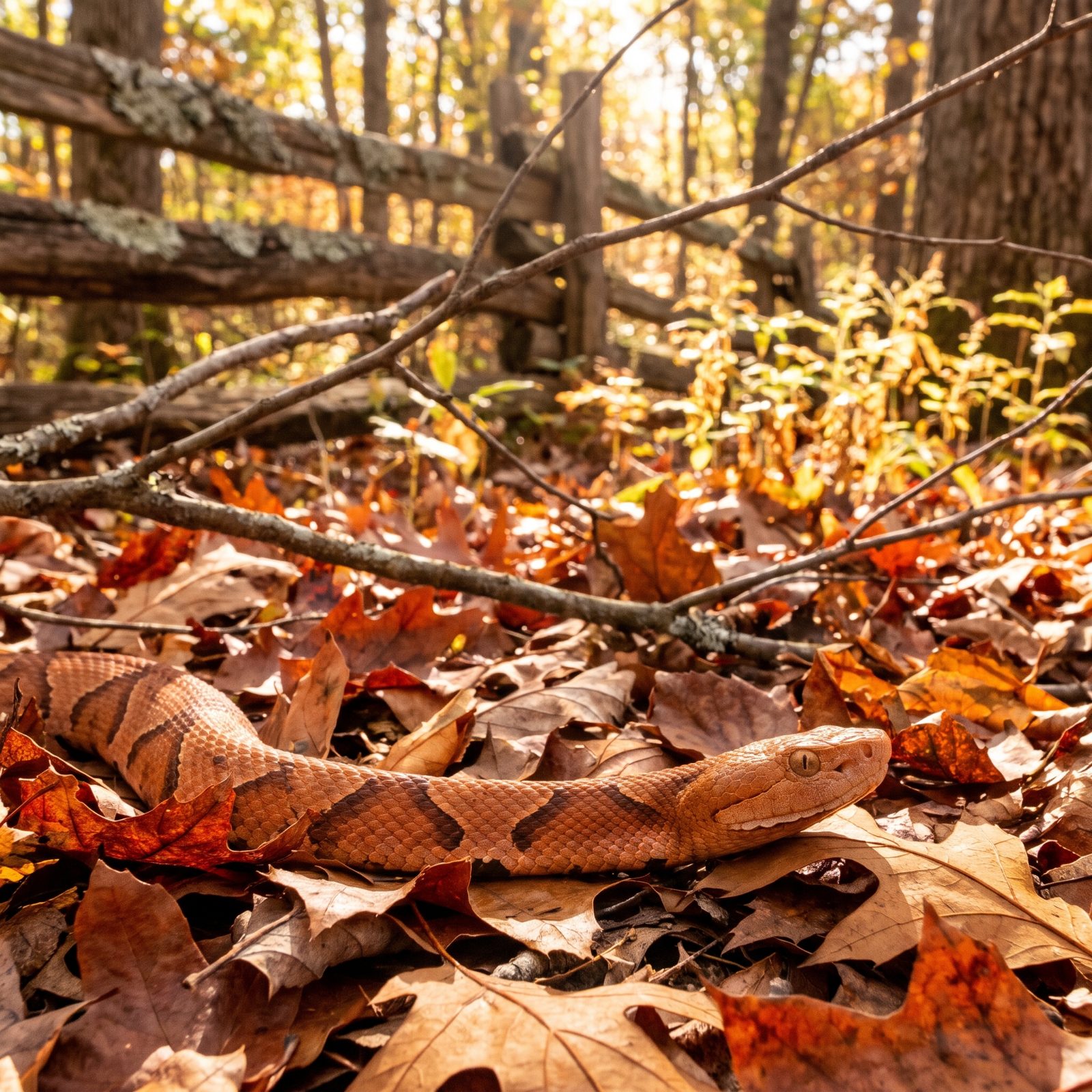
October in Virginia is peak copperhead season, and peak copperhead invisibility.
Its coloring evolved for precisely this setting: a floor of fallen oak and maple leaves. Lay one down on autumn litter and it doesn’t hide so much as stop existing as a separate object. Raking leaves, hauling a yard’s worth of debris, reaching blind into a flower bed — these are the moments bites happen. Encounters climb in fall as snakes drift toward their denning sites and people spend more time working the yard.
Gloves and a rake, not bare hands, when you pull leaf piles apart. Your eyes genuinely cannot be trusted here.
18. Minnesota, White-Tailed Deer Crossing an Icy Road
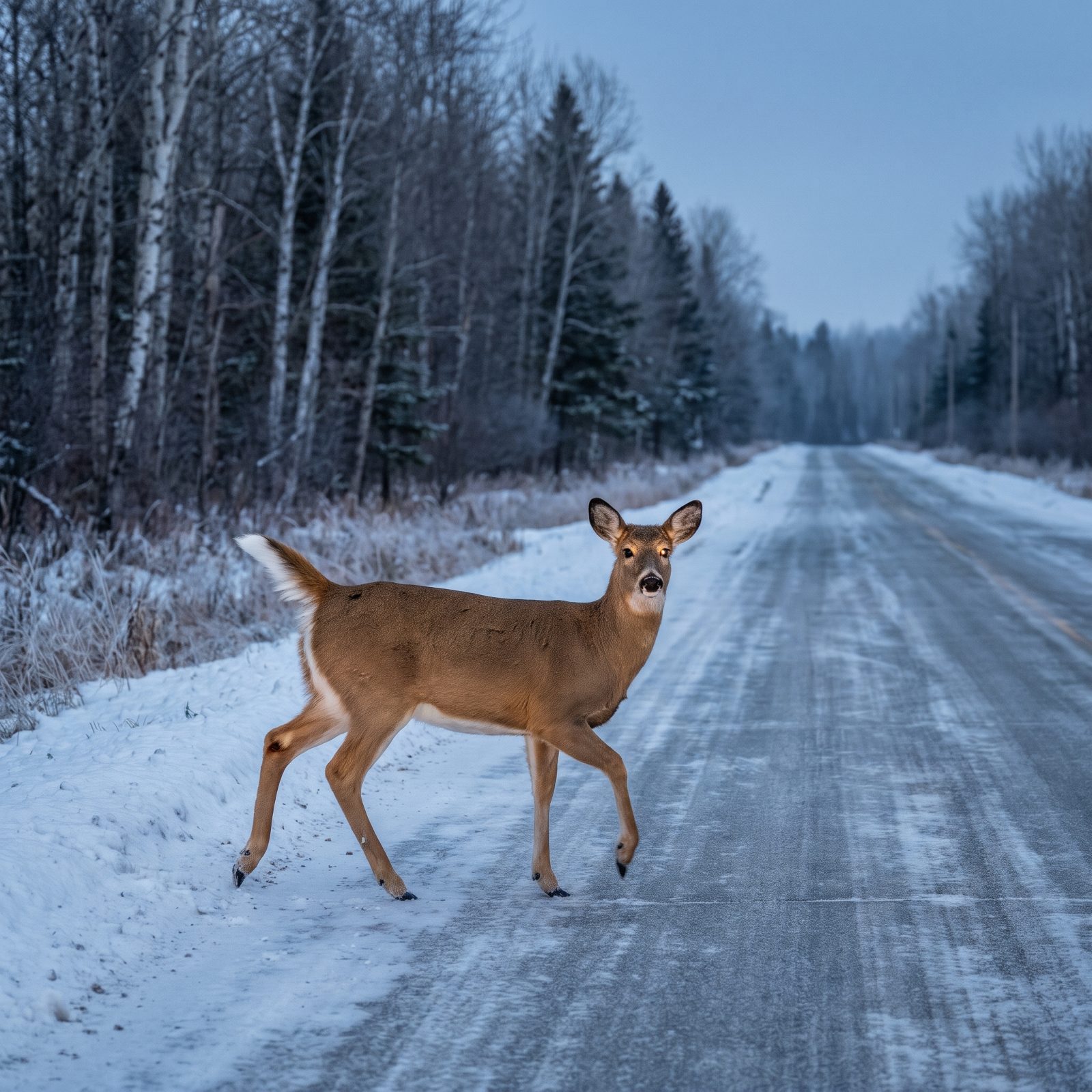
The deadliest wild animal on this list has no venom, no fangs, no claws. Just four legs and a knack for crossing roads at the worst possible moment.
Deer injure and kill far more Americans every year than snakes and alligators combined, and Minnesota is prime collision country. Crashes spike from October through December during the rut, when bucks chase does across highways with zero regard for traffic. Dawn and dusk are the danger hours.
Three things that actually help:
- If you see one deer, slow down. They travel in groups, and a second and third are usually right behind.
- Don’t swerve. Brake hard, stay in your lane. Swerving into a tree or oncoming traffic kills more people than the deer does.
- Scan the ditches and tree lines at dusk, not just the road — especially in November.
17. Illinois, White-Tailed Deer Crossing After Sunset
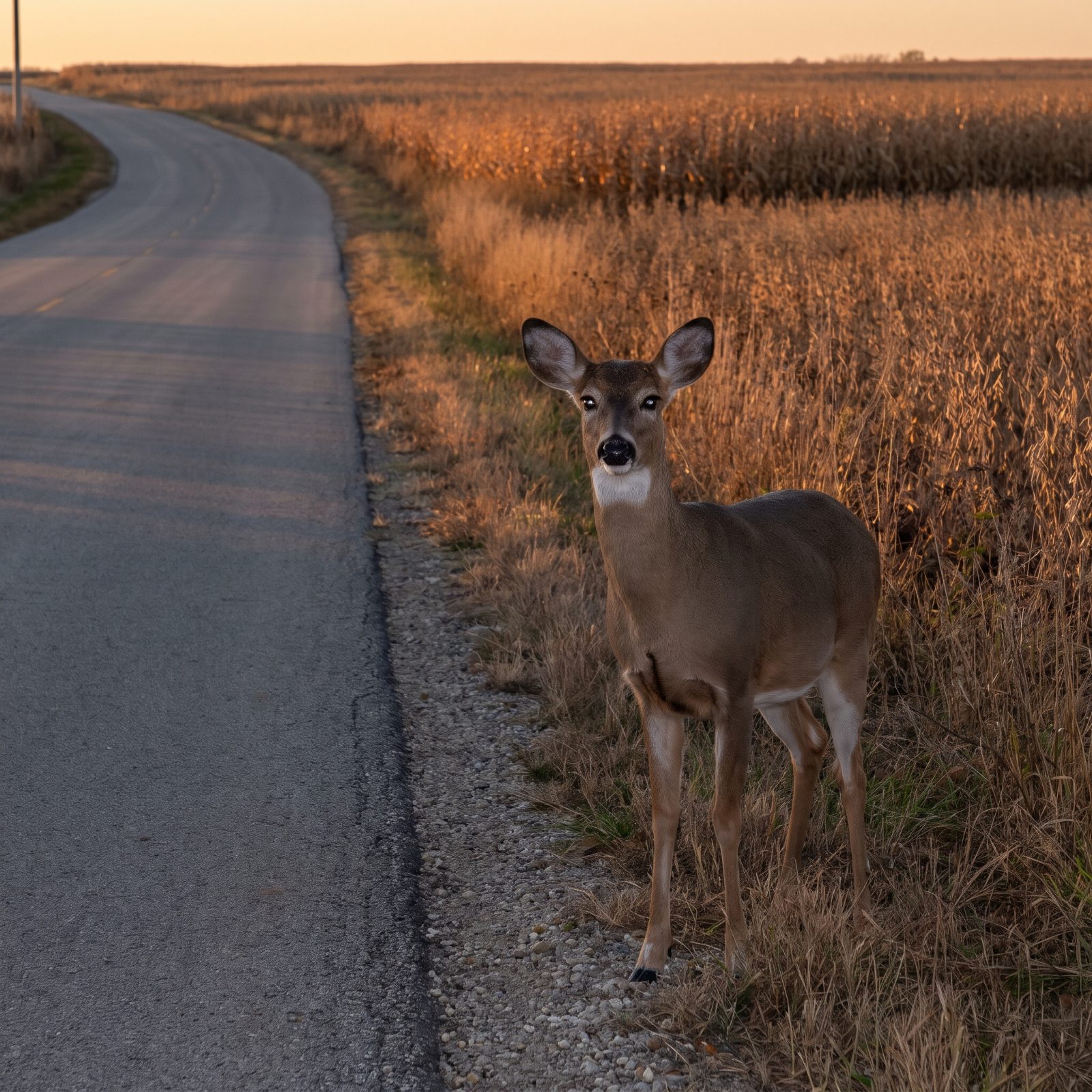
The most dangerous large animal in Illinois eats clover and weighs about 150 pounds. Deer collisions spike hard from fall into early winter, when the rut sends bucks chasing does with zero regard for traffic, and the hour on either side of sunset is the real gauntlet.
Here’s the part people get wrong. You brake for one deer, it clears the road, you relax. Don’t. Deer travel in groups, and the second and third are usually still back in the trees waiting their turn. Slow down, hold your lane, keep your hands steady on that wheel. Most serious injuries come not from the animal but from a panicked driver yanking the car into a ditch or into oncoming headlights.
16. Ohio, White-Tailed Deer Bounding Across a Highway
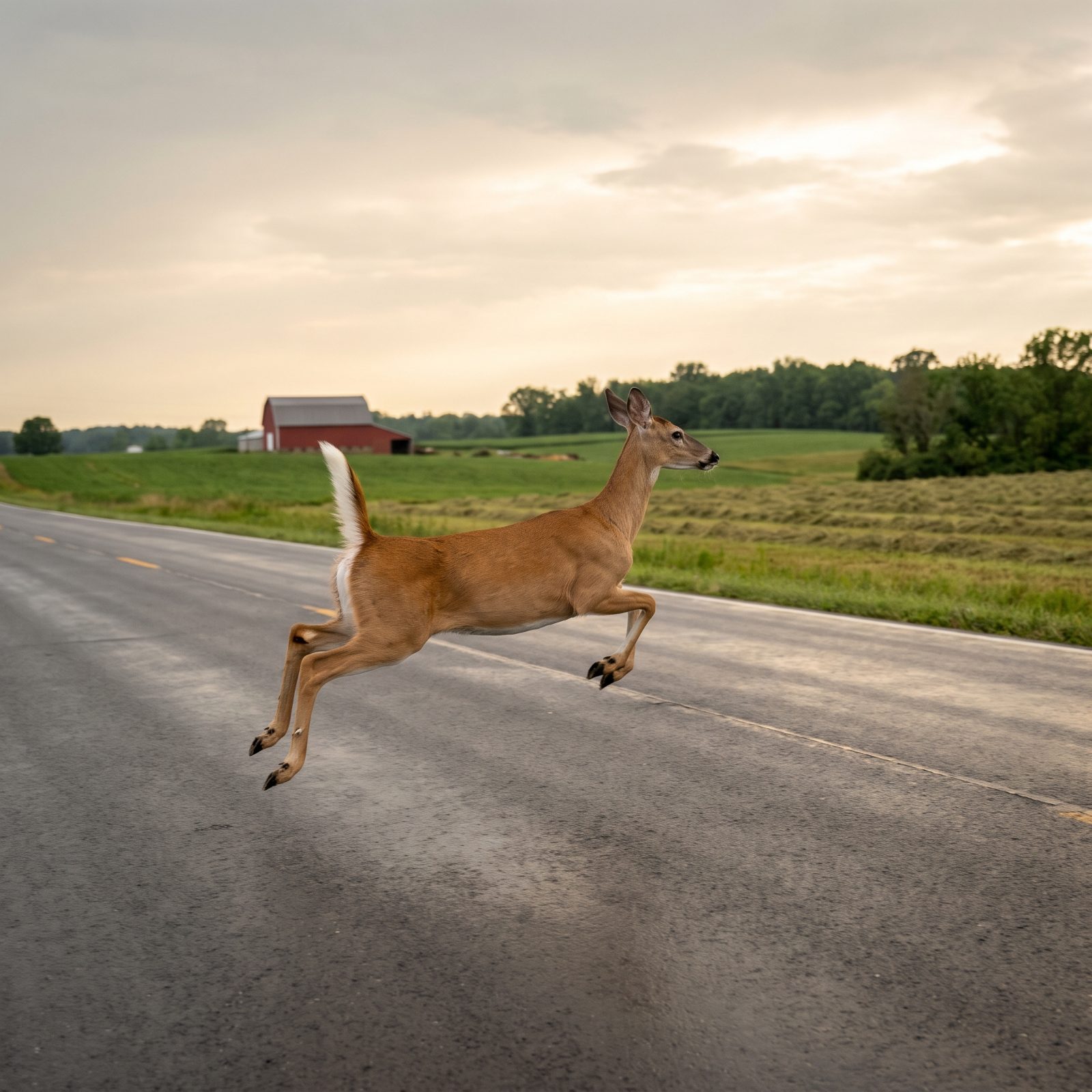
Ohio sits near the top of the national rankings for deer-vehicle crashes, and the geography spells out why: dense herds, farmland sliced apart by highways, and a whole lot of commuters. A deer can clear a four-foot fence from a dead stop and hit 30 miles an hour in a few bounds. By the time one commits to crossing, it’s already in your lane.
Dawn and dusk are the dangerous windows. Drive the same rural route every day and you already know the spots where the woods press up against the shoulder — those are the ones to ease off on. And those deer whistles bolted to your bumper? Save your money. No solid evidence they do a thing.
15. New York, White-Tailed Deer Entering a Suburban Road
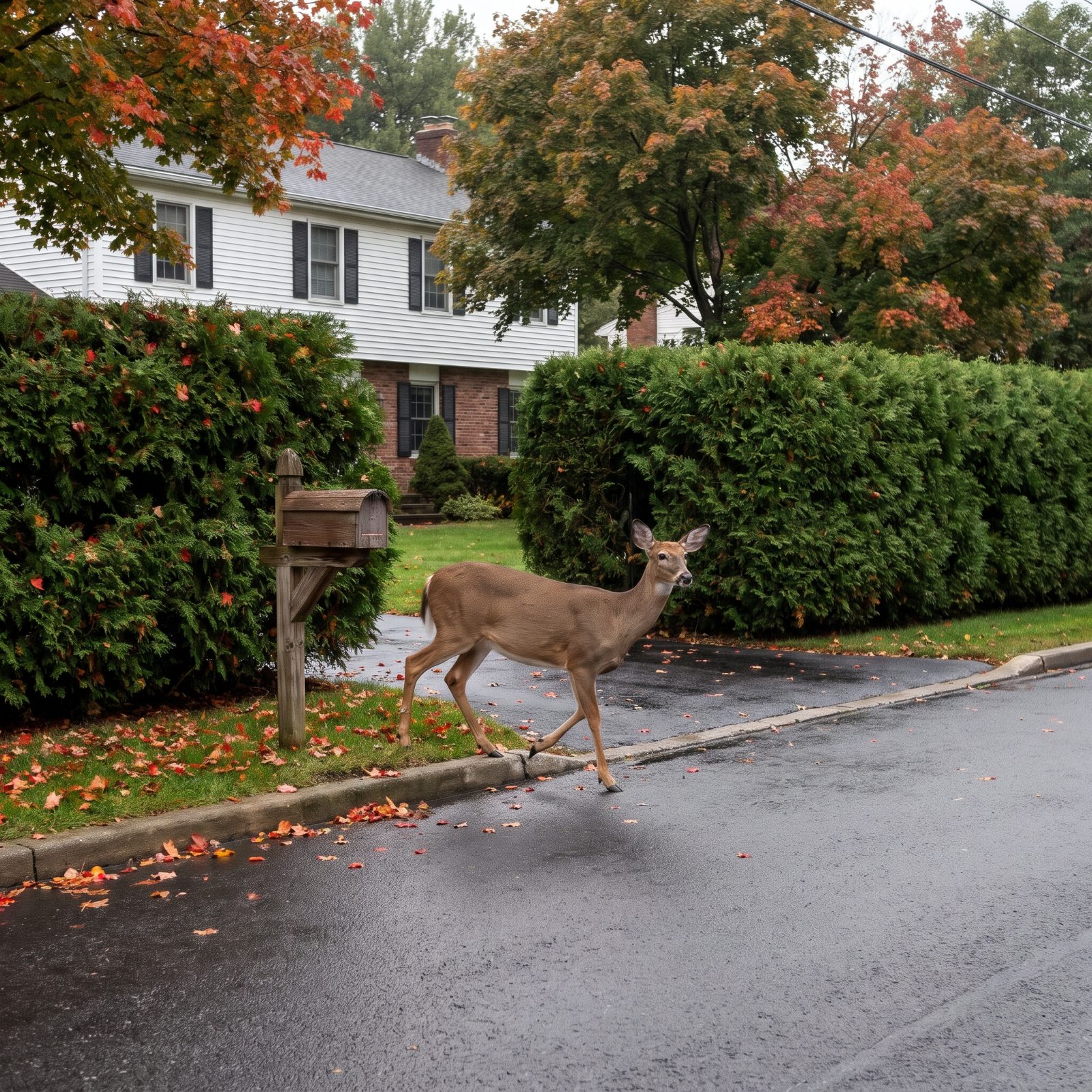
Suburbs made deer bolder, not scarcer. Across Westchester, Long Island and the Hudson Valley, they’ve worked out that backyards come with no hunters and all the hostas they can eat. One will stand in a cul-de-sac at noon like it pays the property tax.
The danger here changes shape. Lower speeds mean fewer fatal crashes but a steady drip of fender-benders — plus a second problem most people never think about. Suburban deer are tick taxis, ferrying blacklegged ticks straight into your yard. So the doe grazing by your tomatoes isn’t just a photo op. It’s a reminder to check yourself after you’ve been out in the grass.
14. West Virginia, White-Tailed Deer on a Mountain Road
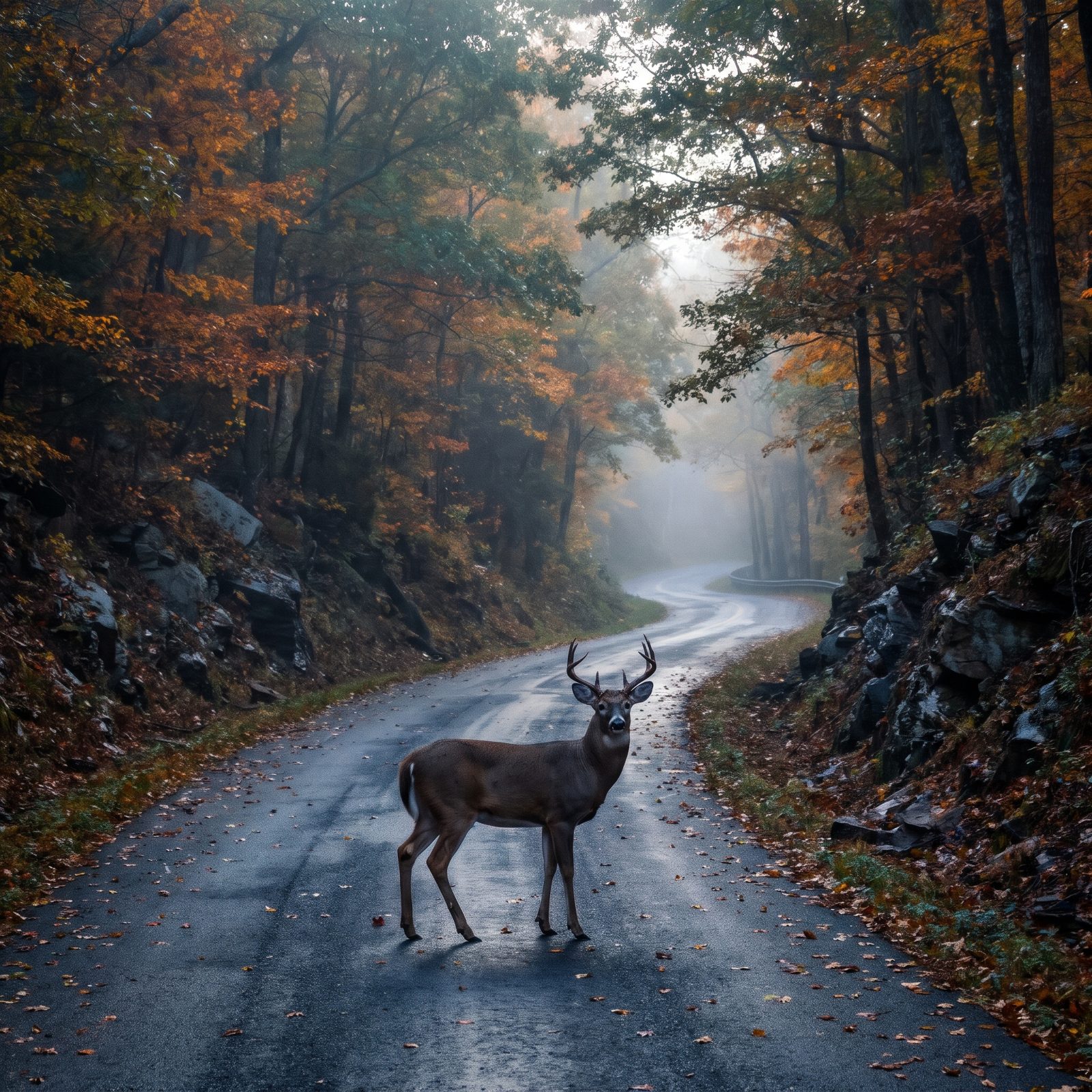
West Virginia has famously rotten odds. Year after year, insurance figures put it at or near the worst in the country for your lifetime chance of hitting a deer — roughly one in thirty-something. Blame the terrain. Narrow mountain roads with blind curves and steep banks hand you almost no sightline and absolutely nowhere safe to swerve.
So up here the rule flips. Forget the swerve-or-brake debate. Just brake, firmly, in your lane. A controlled thump with a deer beats a 40-foot plunge off a mountain shoulder every single time.
13. Delaware, Mosquito Carrying West Nile Virus
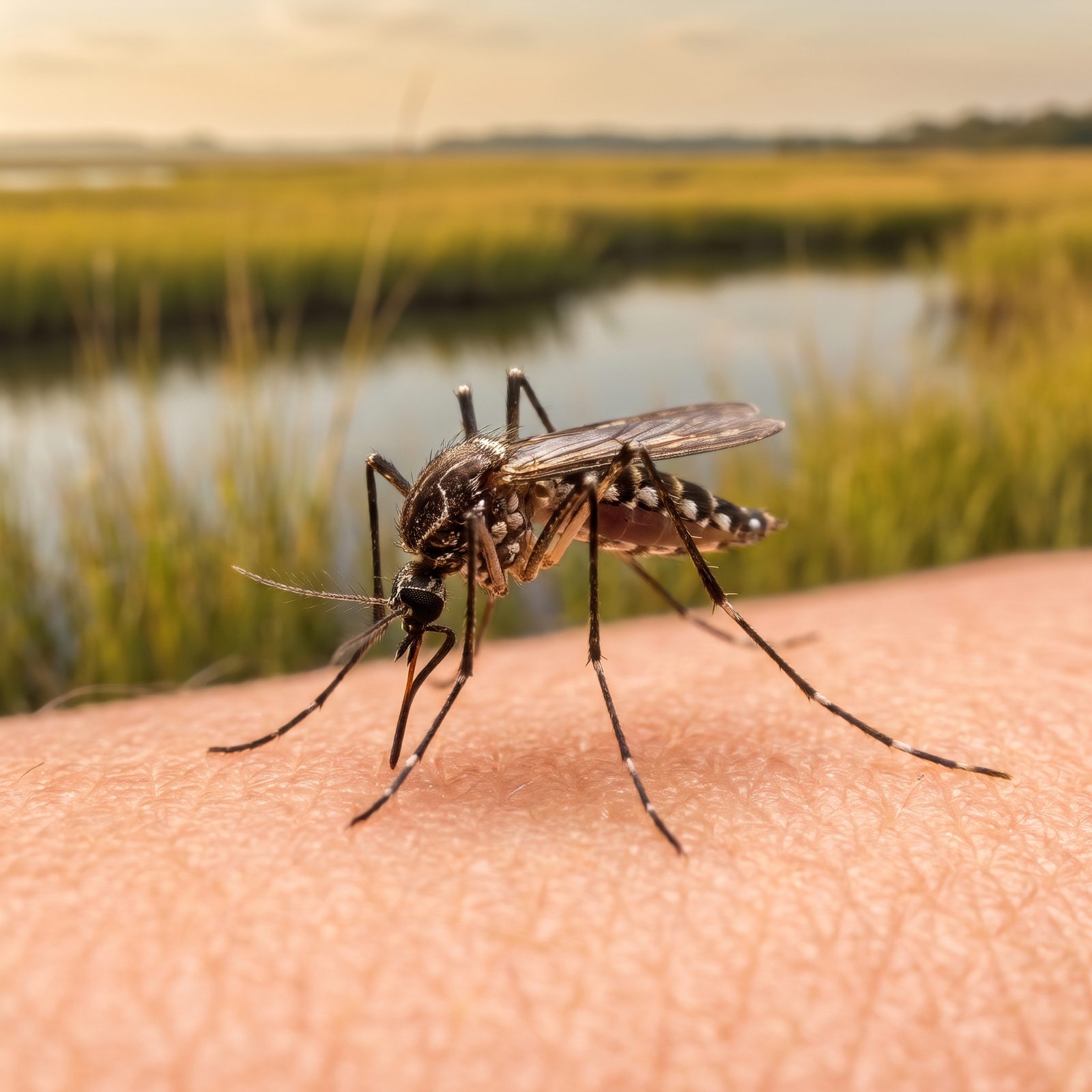
Now for a complete change of scale. The animal that sickens the most people in Delaware weighs about two milligrams — it’s a mosquito. More precisely, Culex species such as the northern house mosquito carrying West Nile virus, which surfaces in the state’s low coastal wetlands most summers.
Get bitten and you’ll probably feel nothing at all. A small fraction come down with flu-like misery, and a tiny number develop serious neurological illness, with older adults bearing the brunt. Biting peaks from dusk to dawn in late summer. The fix is unglamorous: dump the standing water around your house. A mosquito will breed in a bottle cap’s worth, and your clogged gutter is a nursery.
12. Connecticut, Blacklegged Tick in Tall Grass
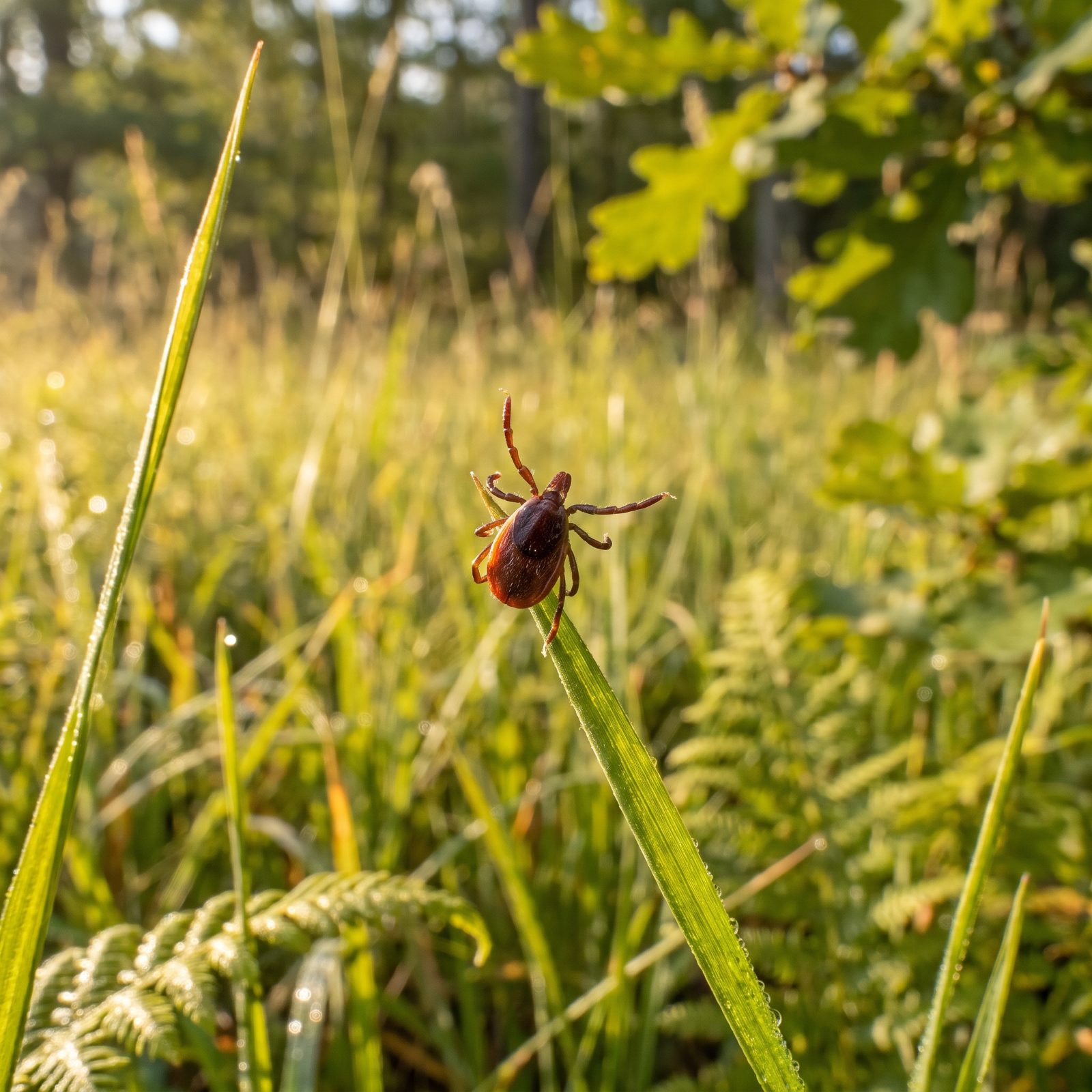
The place that named Lyme disease still lives with it every day. Lyme was first pinned down in Lyme, Connecticut, back in the 1970s, and the state remains a hot zone for the blacklegged tick that carries it.
Here’s the behavior nobody bothers to explain. Ticks don’t jump, fly, or rain down from trees. They climb a blade of grass, stretch out their front legs, and wait for something warm to brush past. Biologists call it questing. Which means the real danger lurks at ankle and shin height, in tall grass and the brushy edges of a trail — which is exactly why tucking your pants into your socks looks dorky and works anyway.
11. Maine, Blacklegged Tick Carrying Lyme Disease
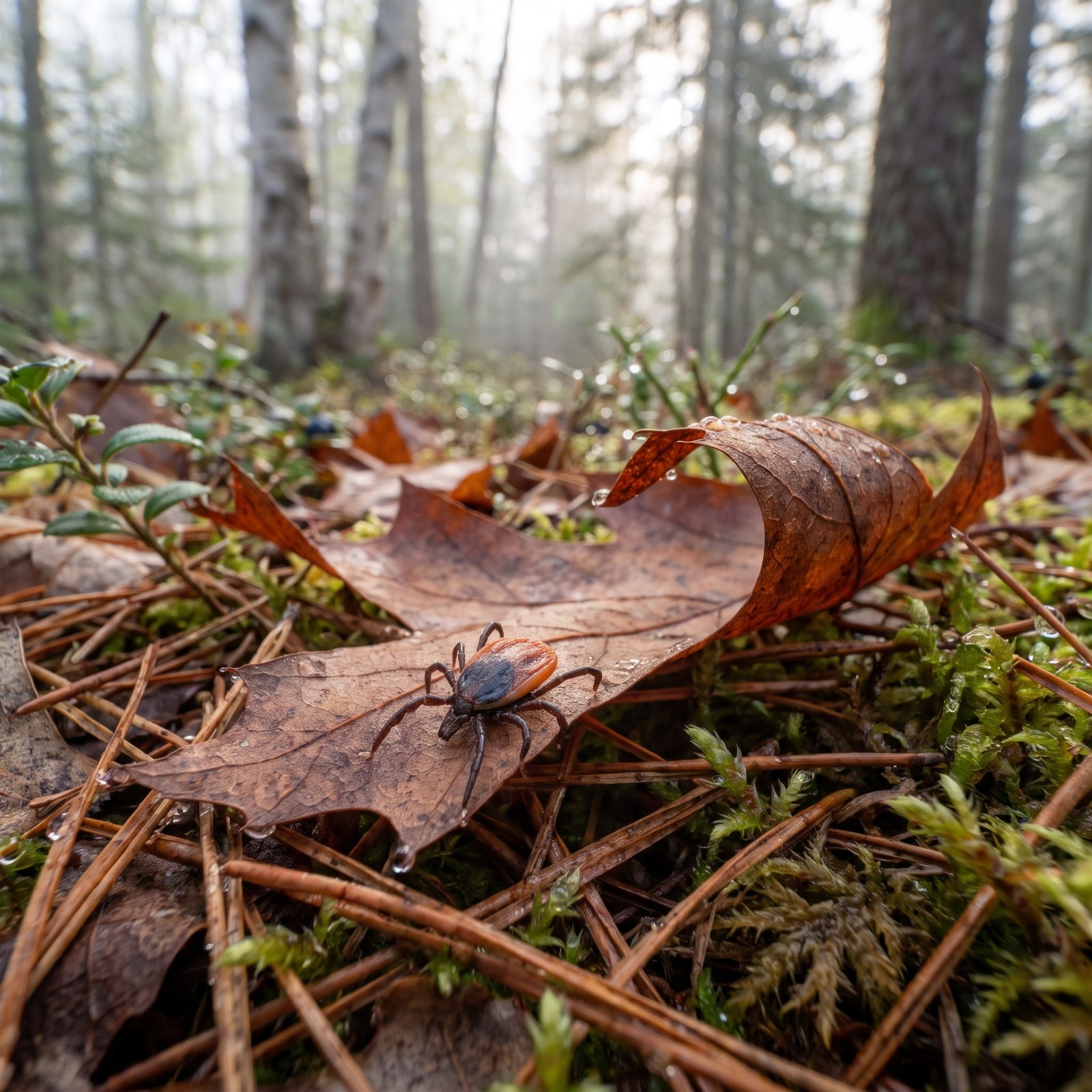
Warmer winters have pushed ticks north, and Maine has felt every mile of it. The state now posts some of the highest per-capita Lyme rates in the country — something that would have baffled anyone a generation ago, back when the deep cold kept tick numbers thin.
Timing matters more than people realize. Those tiny nymphs, the ones behind most infections, come out in late spring and early summer and happen to be the hardest to spot. But here’s your lifesaver: a tick generally has to stay latched on for a day or two before it transmits Lyme. Find it and pull it the same day and your odds are excellent. That’s the whole case for the daily check — it beats any spray in the cabinet.
10. Massachusetts, Blacklegged Tick in Coastal Brush
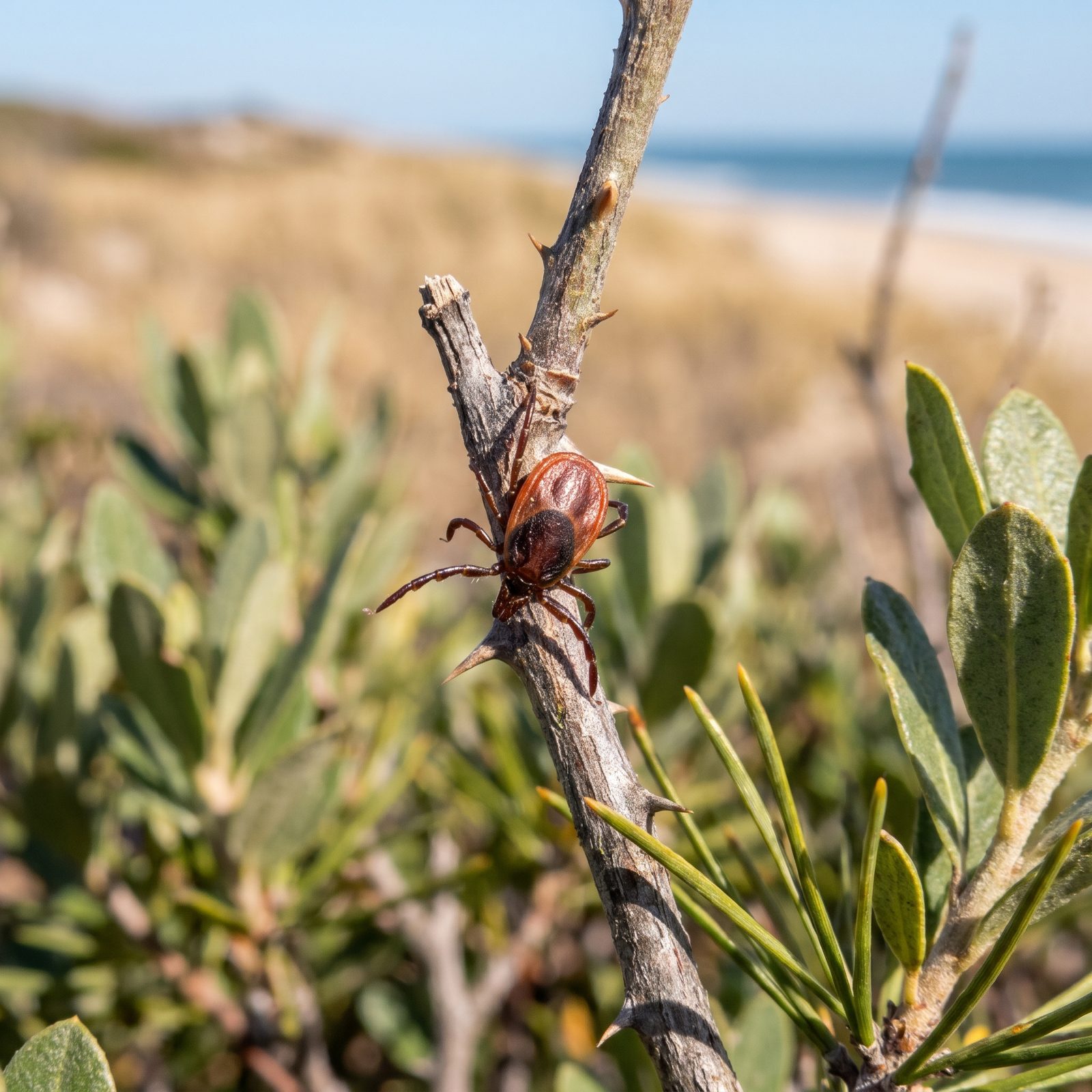
Nobody books a Cape Cod vacation expecting the wildlife threat to be too small to see. Yet the coastal scrub behind the beach — the bayberry, the dune grass — is prime blacklegged tick habitat, and these islands and shore towns carry heavy infection rates.
Massachusetts ticks also pack more than Lyme. The same species can hand you babesiosis and anaplasmosis, and when they arrive together, the illness gets slippery and hard to diagnose. Light-colored clothing out here isn’t about looking sharp. It’s so you can actually spot a dark tick before it finds skin.
9. New Jersey, Blacklegged Tick in Backyard Leaf Litter
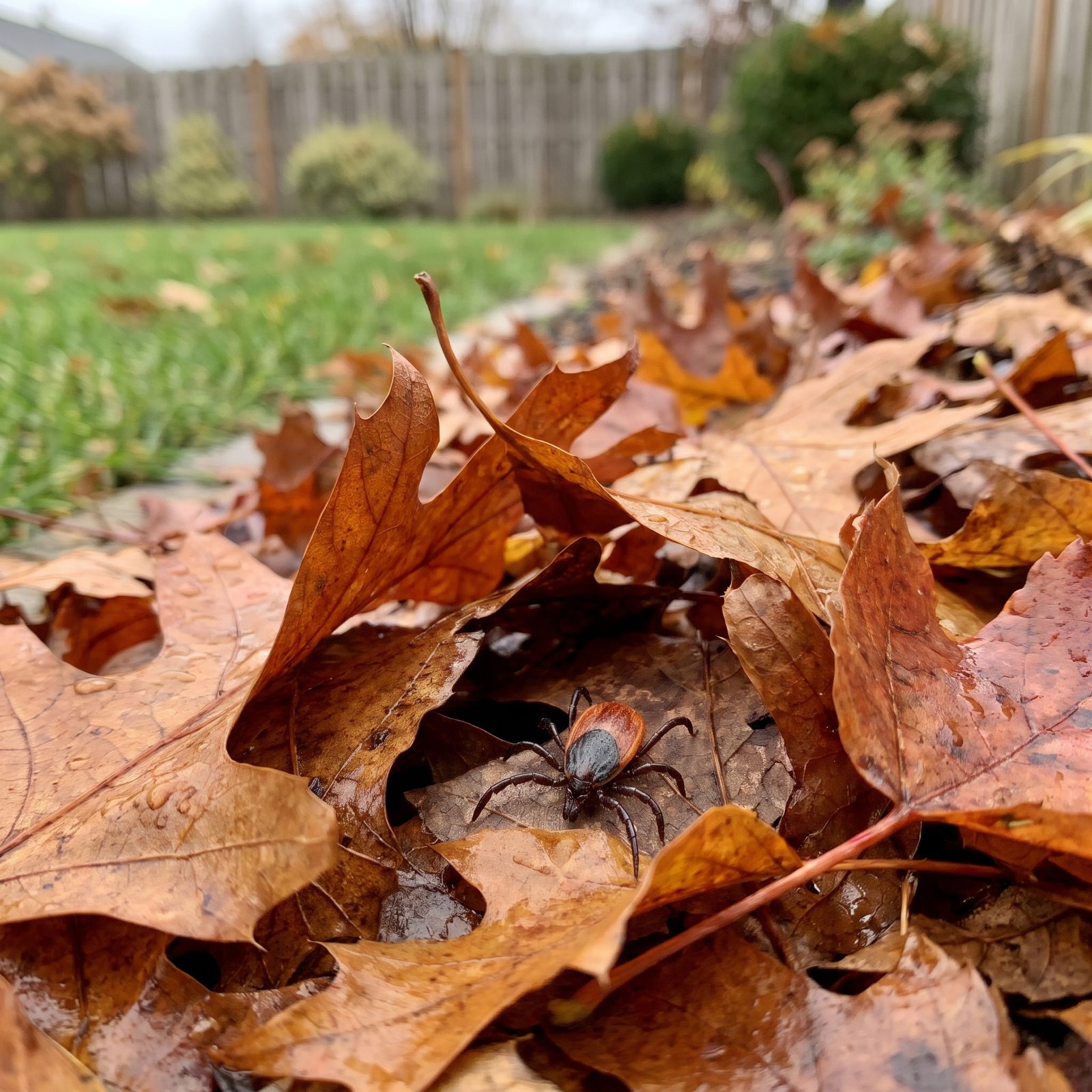
You don’t have to hike anywhere to meet this one. In crowded New Jersey, the blacklegged tick’s favorite real estate is the shaded, leafy border where your lawn surrenders to the woods or the neighbor’s unraked beds. Most backyard exposure happens right in that narrow strip.
The research-backed fix is dull and it works. Mow the lawn, rake out the leaf litter, and lay a three-foot band of wood chips or gravel between the grass and any wooded edge. Ticks dry out fast in sun and open mulch. That dry stripe is a moat they’d rather not cross.
8. Pennsylvania, Blacklegged Tick in the Poconos
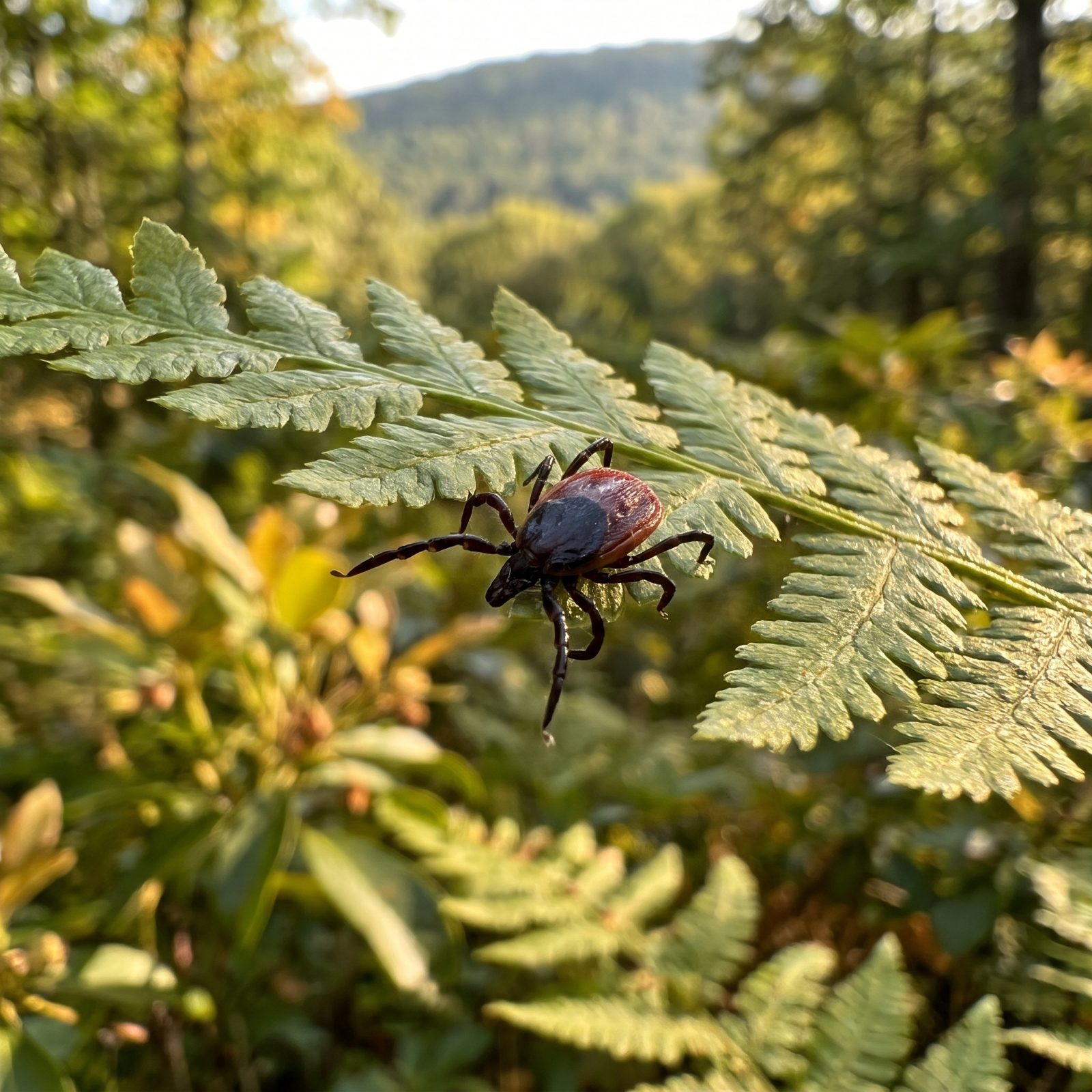
Pennsylvania has logged more confirmed Lyme cases than almost any other state in recent years, and the forested Poconos sit smack in the thick of it. Every weekend hiker, deer hunter and cabin-goer is tramping through peak tick country from spring clear through fall.
Repellent is where your effort pays off. Permethrin sprayed on clothing, boots and gear — never on skin — actually kills ticks on contact and survives several washes. Pair it with DEET or picaridin on whatever skin is exposed. Grab one, skip the other, and you’ve left your ankles wide open.
The deer in the headlights can total your car. The tick on your sock can rearrange your year. Respect the small one too.
7. Wisconsin, The Blacklegged Tick Hiding in Northwoods Undergrowth
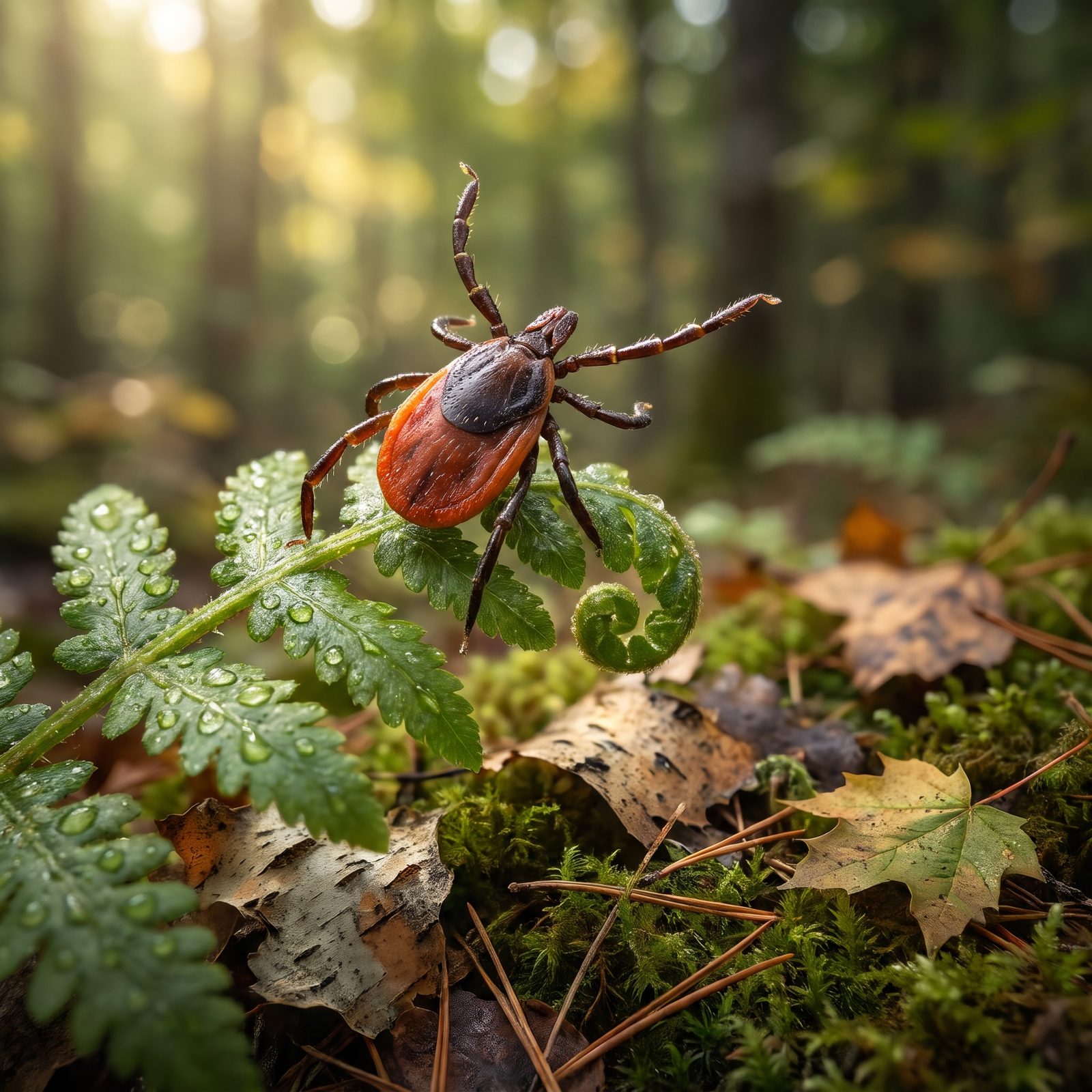
Here it looks as big as a fern leaflet, dwarfing the dew drops around it, but don’t let that fool you. The blacklegged tick carries Lyme disease across Wisconsin’s Northwoods, and the nymphs doing most of the transmitting are about the size of a poppy seed. You won’t feel the bite, and those tiny nymphs are easy to miss unless you go looking.
They wait on low vegetation with front legs outstretched — a behavior called questing — ready to grab the first warm leg that brushes past. So tuck your pants into your socks and do a full-body check within a couple hours of coming inside, paying close attention to the hairline, the armpits, behind the knees.
6. Rhode Island, The Blacklegged Tick Lurking in Coastal Beach Grass
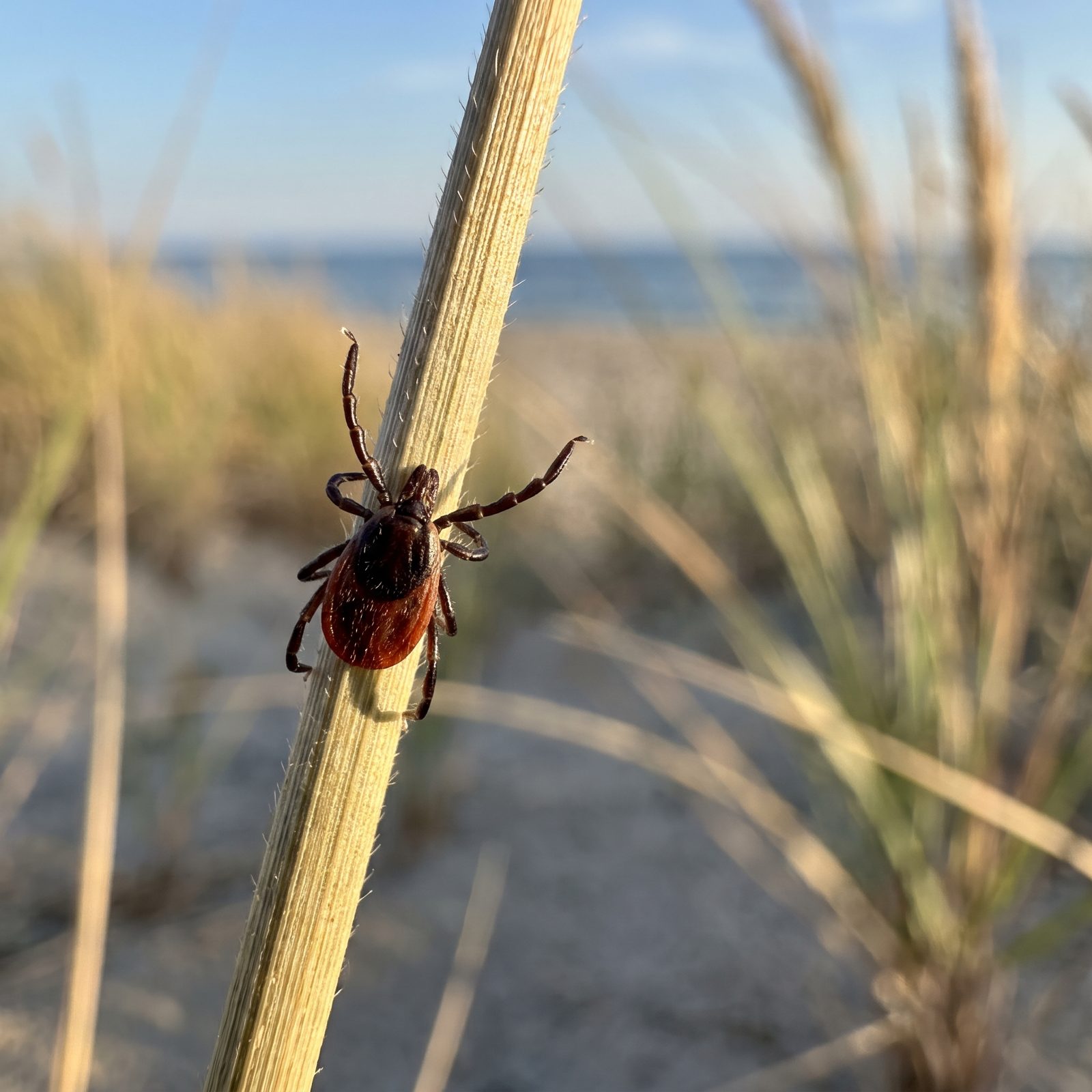
You think of ticks as a woods problem. Rhode Island begs to differ.
This tiny state carries some of the highest Lyme rates in the country, and the ticks don’t quit where the forest ends. Dune edges, the grassy fringe behind beaches, brushy coastal trails — all of it harbors questing nymphs. Deer wander these margins constantly, and where deer go, blacklegged ticks follow close behind.
Walk the center of sandy paths rather than brushing the grass. Light-colored clothing makes a dark crawling tick far easier to catch before it reaches skin. One more thing: permethrin-treated gear holds up beautifully on a beach walk and won’t rinse away in salt spray the way sprays do.
5. Vermont, The Blacklegged Tick Waiting in a Sunny Woodland Clearing
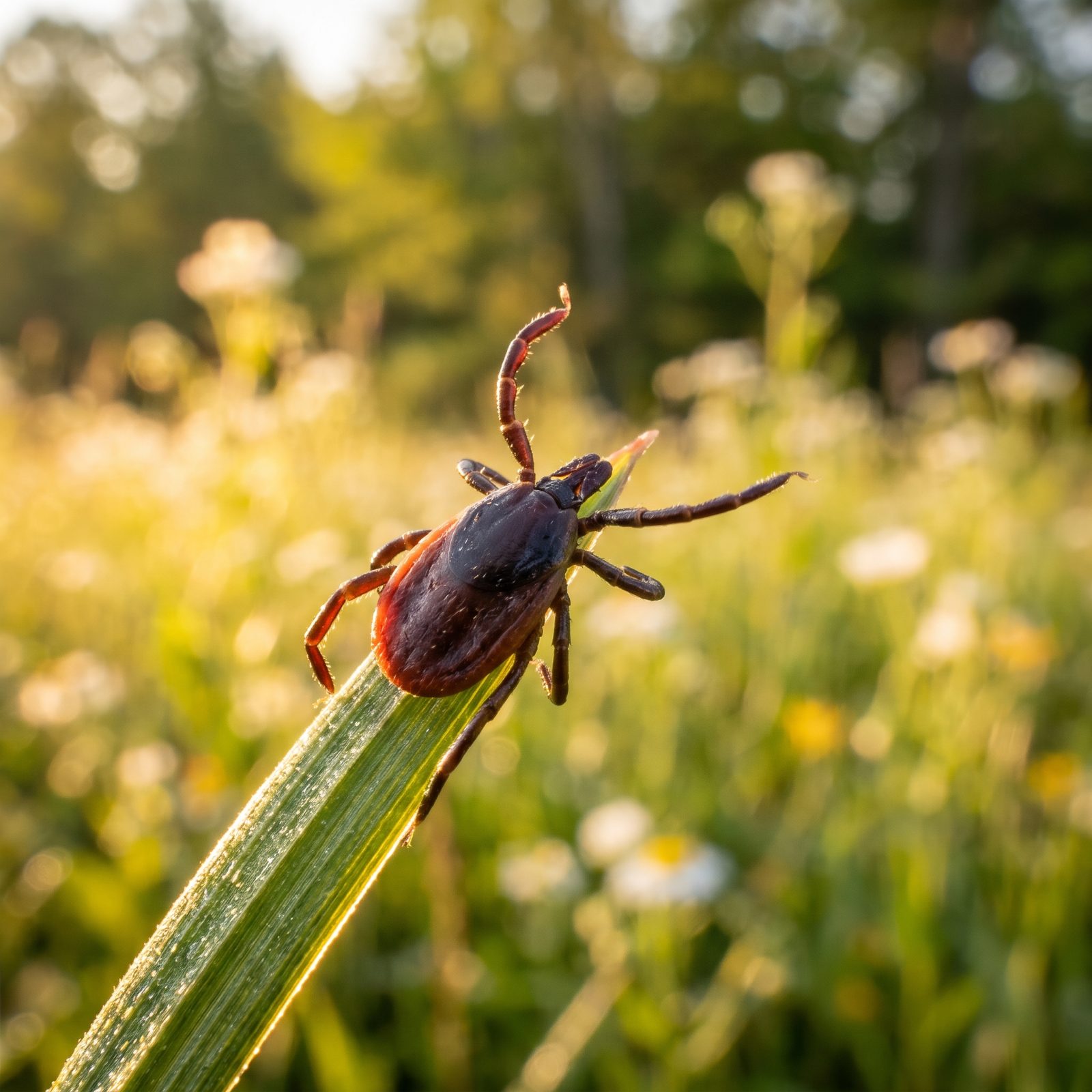
Vermont’s case counts creep up most years, and the open mouths of clearings are prime real estate. That sunny gap where forest gives way to meadow is a transition zone, and transition zones are exactly where ticks and their hosts pile up together.
Here’s the detail people miss. A bite from an infected tick often throws up a rash that looks nothing like the textbook bullseye — maybe a solid red patch, maybe nothing at all. Wait around for a perfect target shape before you act and you can blow the early, easy-to-treat window entirely.
4. New Hampshire, The Blacklegged Tick Along a Shady Forest Edge
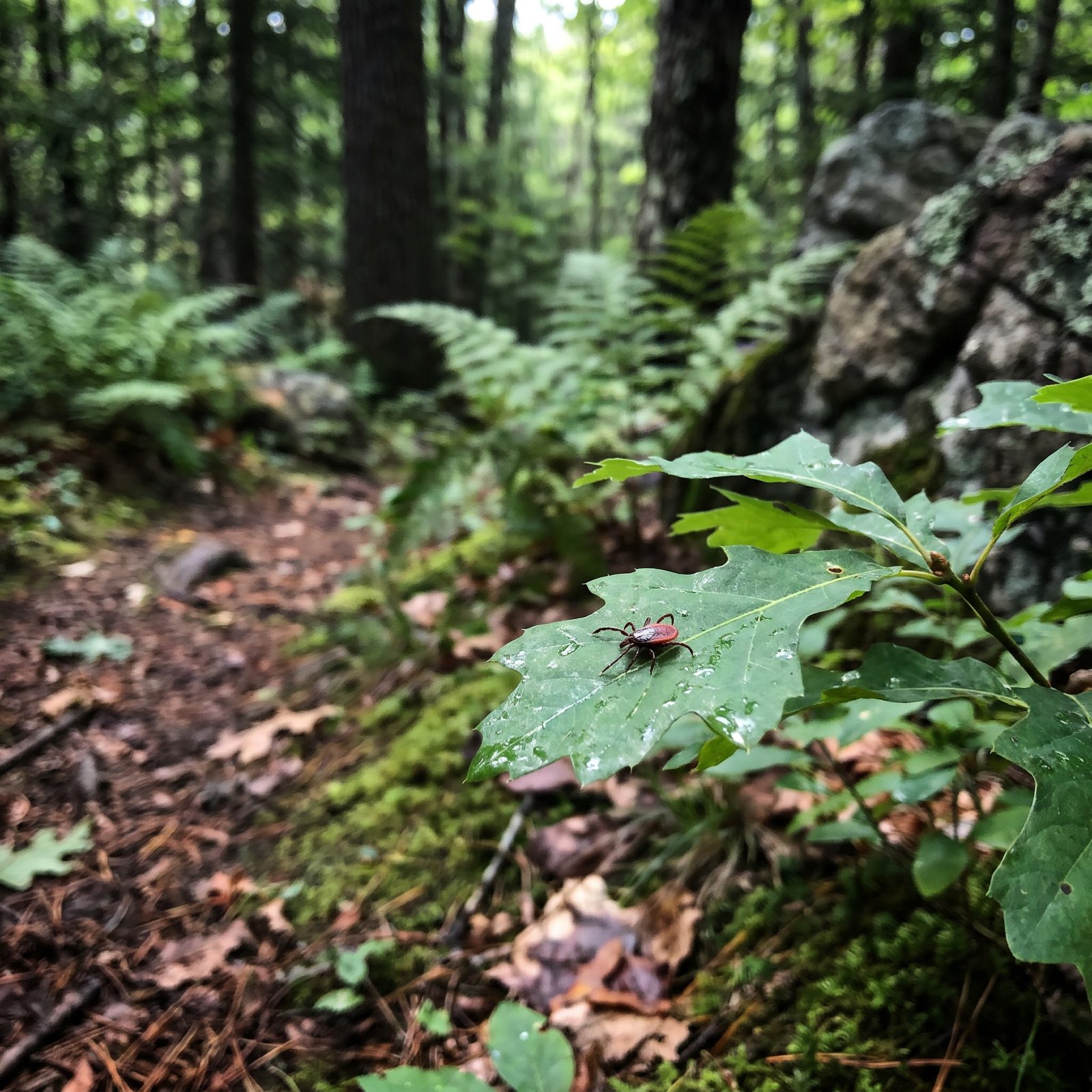
That brushy line where a trail meets the trees is the single likeliest spot to pick one up. Leaf litter there stays damp and cool, which is precisely what a tick needs to hang on while it waits for a host to wander past.
New Hampshire logs steady Lyme numbers, and the ticks stay active any time the ground sits above freezing — warm stretches in late fall and early spring included, not just the dog days of July. Brushed against greenery? Check yourself. The young nymphs are so small that running your fingertips over your skin to feel for a tiny bump beats looking for one.
3. Missouri, The Brown Recluse Spider Tucked in a Cardboard Box
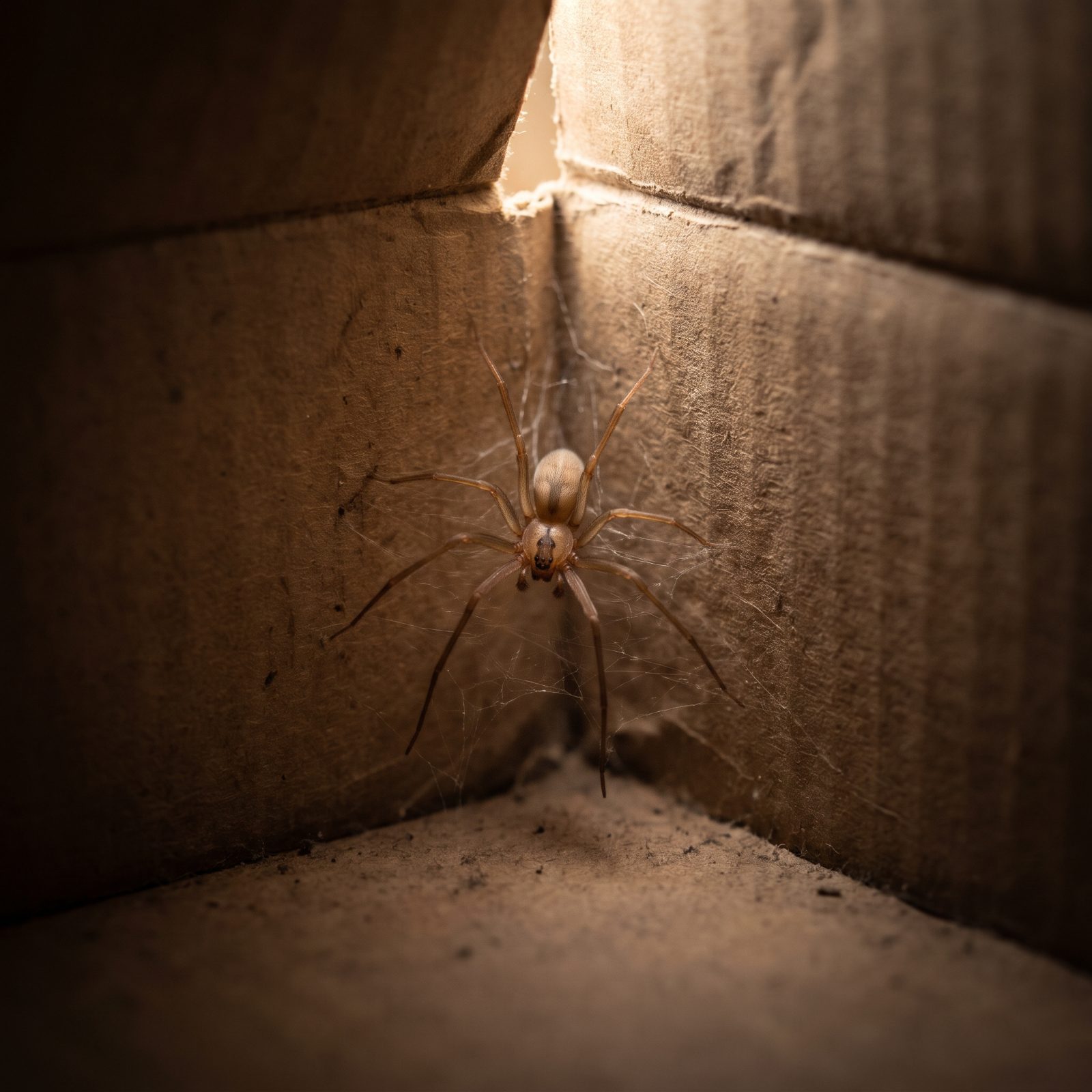
Missouri sits squarely inside brown recluse country, and the spider earns its name — it wants nothing to do with you. It hides in dark, undisturbed corners: the back of a closet, a woodpile, a box that’s gathered dust in the basement since the last move.
Most bites happen because the spider got pinned against skin. You reach into a stored box, or pull on a jacket that spent all winter in the garage, and the thing defends itself.
Its tell is a violin-shaped mark behind the head and six eyes instead of the usual eight — though nobody’s out here counting eyes on a spider the size of a quarter.
2. Alaska, The Moose Standing Guard Over Her Calf
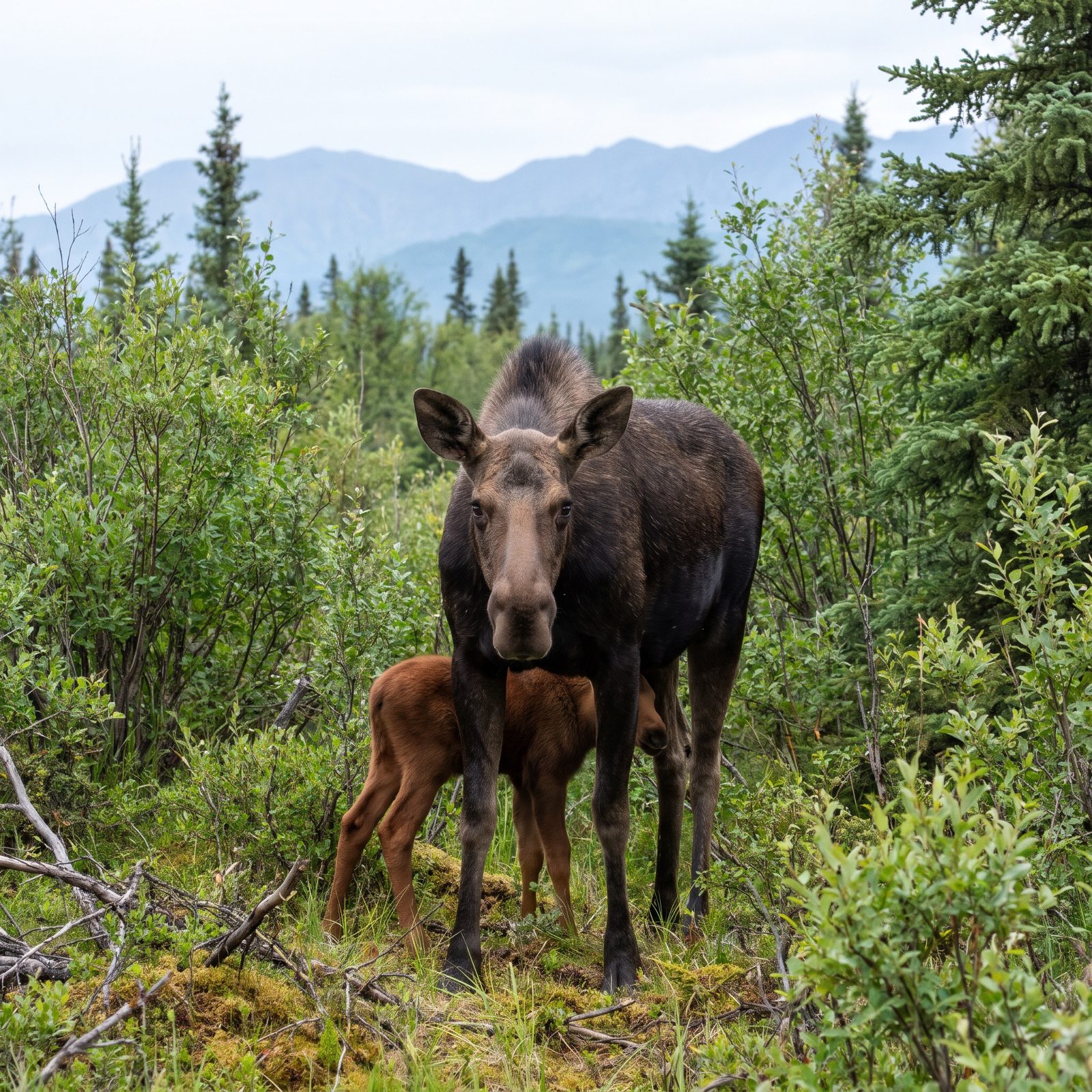
Forget the bears for a second. In Alaska, moose injure more people than bears and wolves combined.
A cow with a calf is about as defensive as any animal on the continent, and a bull in the fall rut is anybody’s guess. We’re talking enormous creatures — well over a thousand pounds — that kick with all four legs. The warnings are plain once you know them: ears pinned back, hackles standing along the neck, lip-licking, a lowered head.
If a moose charges, throw out everything you learned about bears. Run. Put a tree, a car, anything solid between you and it. Plenty of moose charges are bluffs. You really don’t want to find out which kind you’re getting.
1. Wyoming, The Grizzly Bear Encounter in Greater Yellowstone
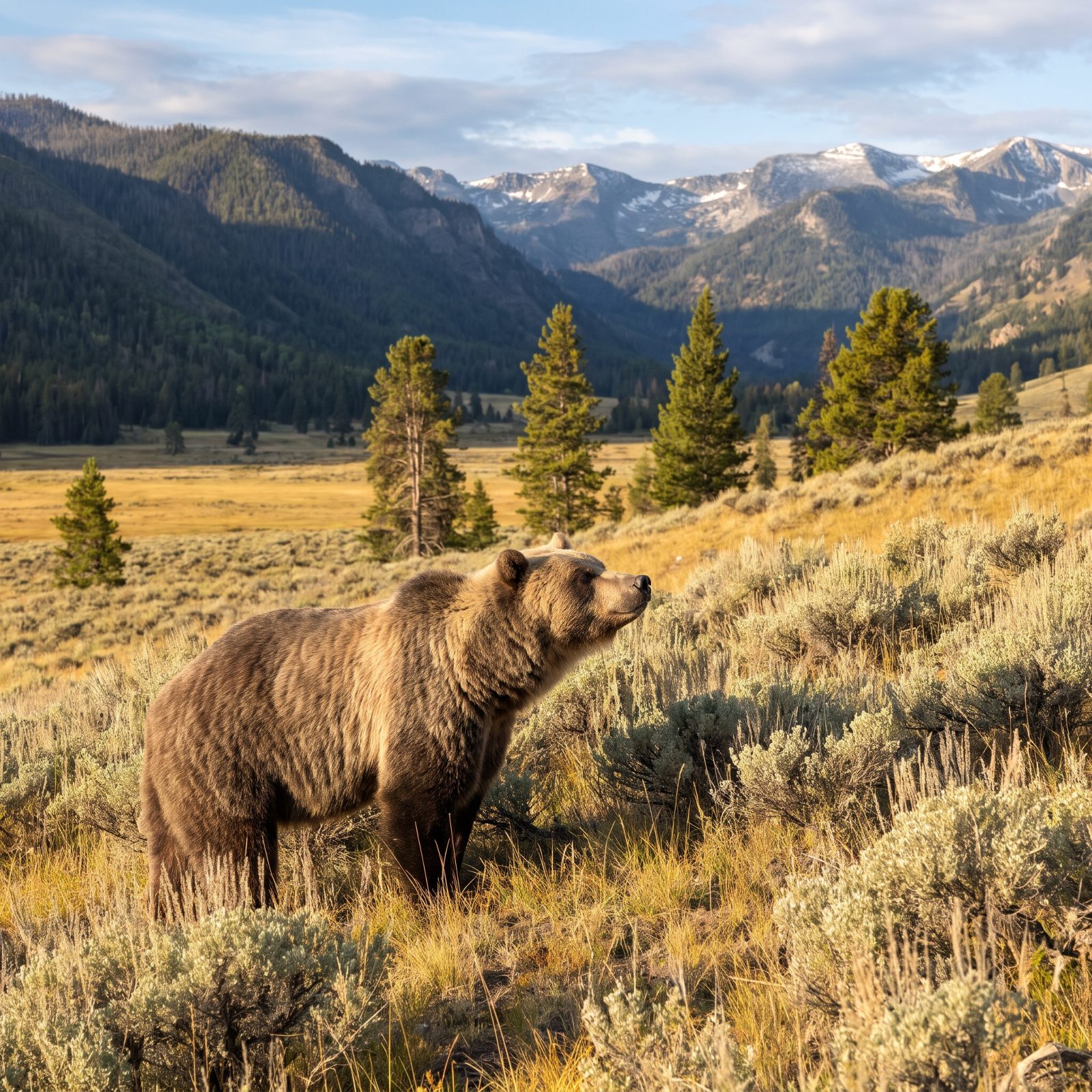
The grizzlies of the Greater Yellowstone Ecosystem are a conservation triumph and a very real reason to carry bear spray. Most people who get hurt out here surprised a bear at close range or stumbled between a sow and her cubs.
Noise beats everything. Bears want nothing to do with you, so talk, clap, call out on blind corners and in thick brush. A startled bear is a defensive bear, and a defensive bear is the dangerous one.
Carry your spray where you can grab it in a second, not buried at the bottom of a pack, and learn how to use it before the moment arrives. Give every bear a wide berth. No photo is worth closing the gap.