
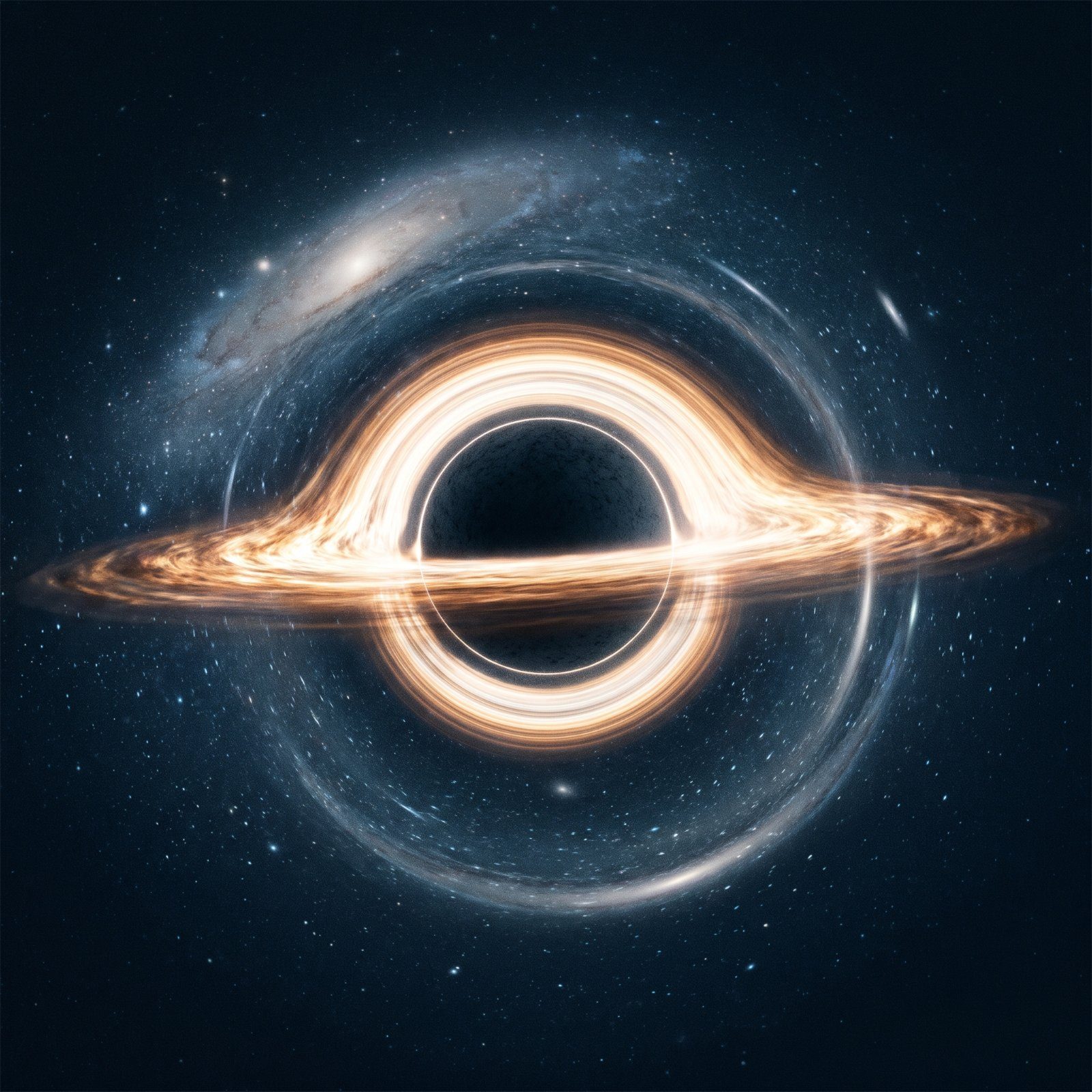
A black hole does not suck. Not in the physics sense, anyway. That whooshing cosmic drain pulling spaceships into oblivion is one of Hollywood’s favorite inventions, and astronomers have been quietly rolling their eyes at it for decades. The truth is stranger and more beautiful than the movies ever bother to show. Real black holes bend light into halos, fling stars around them like a sling and let the stars live, and come in sizes from smaller than a city to brighter than a trillion suns. Here is where the screen gets it wrong, and where the actual universe does something the screenwriters never dreamed up.
35. A Black Hole Is Not a Cosmic Vacuum Cleaner
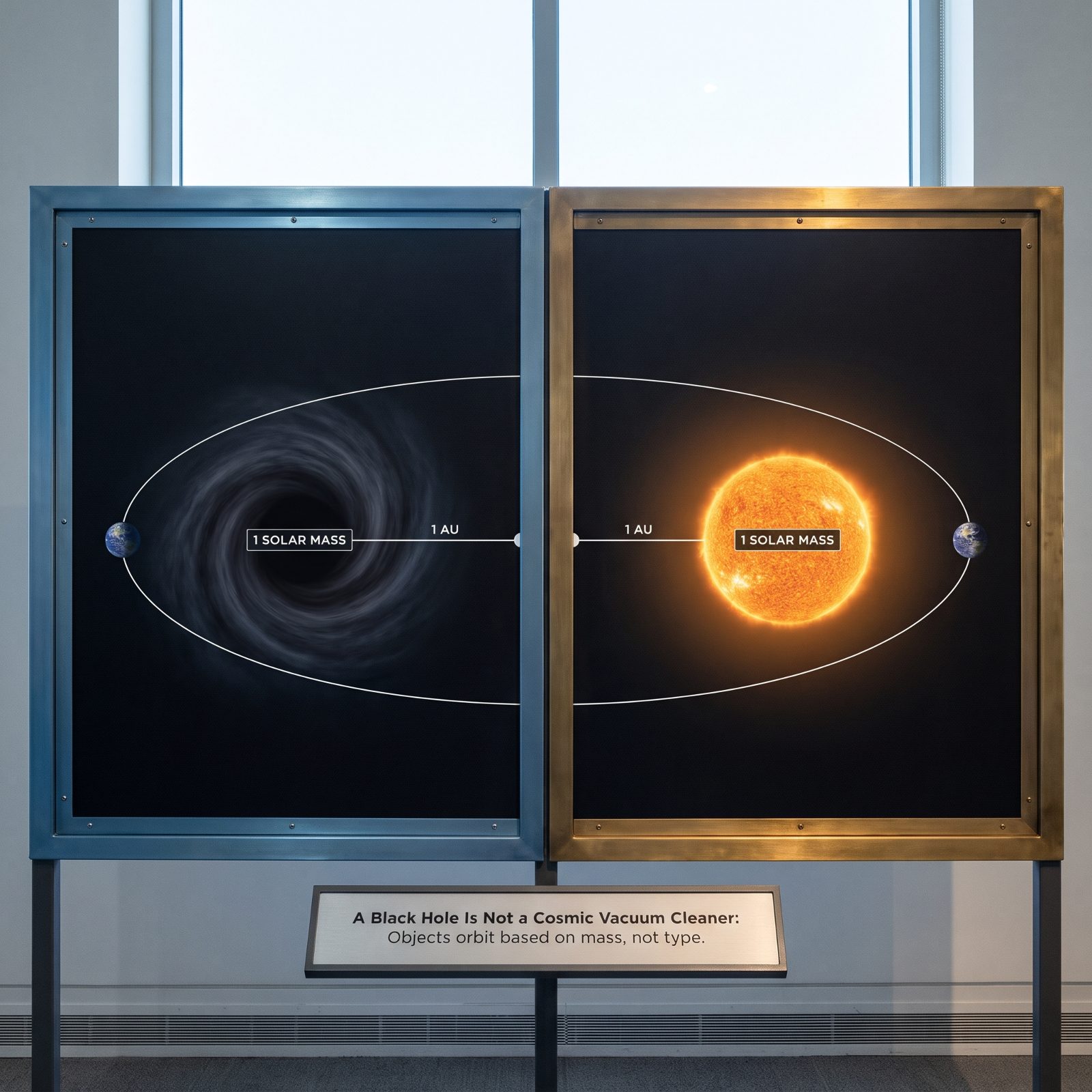
Swap the Sun for a black hole of the exact same mass and Earth would not notice. Same mass, same 1 AU distance, a colder sky, but no cosmic drainpipe yanking us in. Gravity depends on mass and distance and nothing else, and a black hole’s mass is just the mass of whatever formed it.
The vacuum-cleaner myth comes from getting close. Up near the event horizon, gravity climbs brutally fast. But from a safe distance, a black hole tugs on you no harder than a star of the same weight would. It only looks greedy because everything near one glows on its way around.
34. Objects Can Orbit a Black Hole Without Falling In
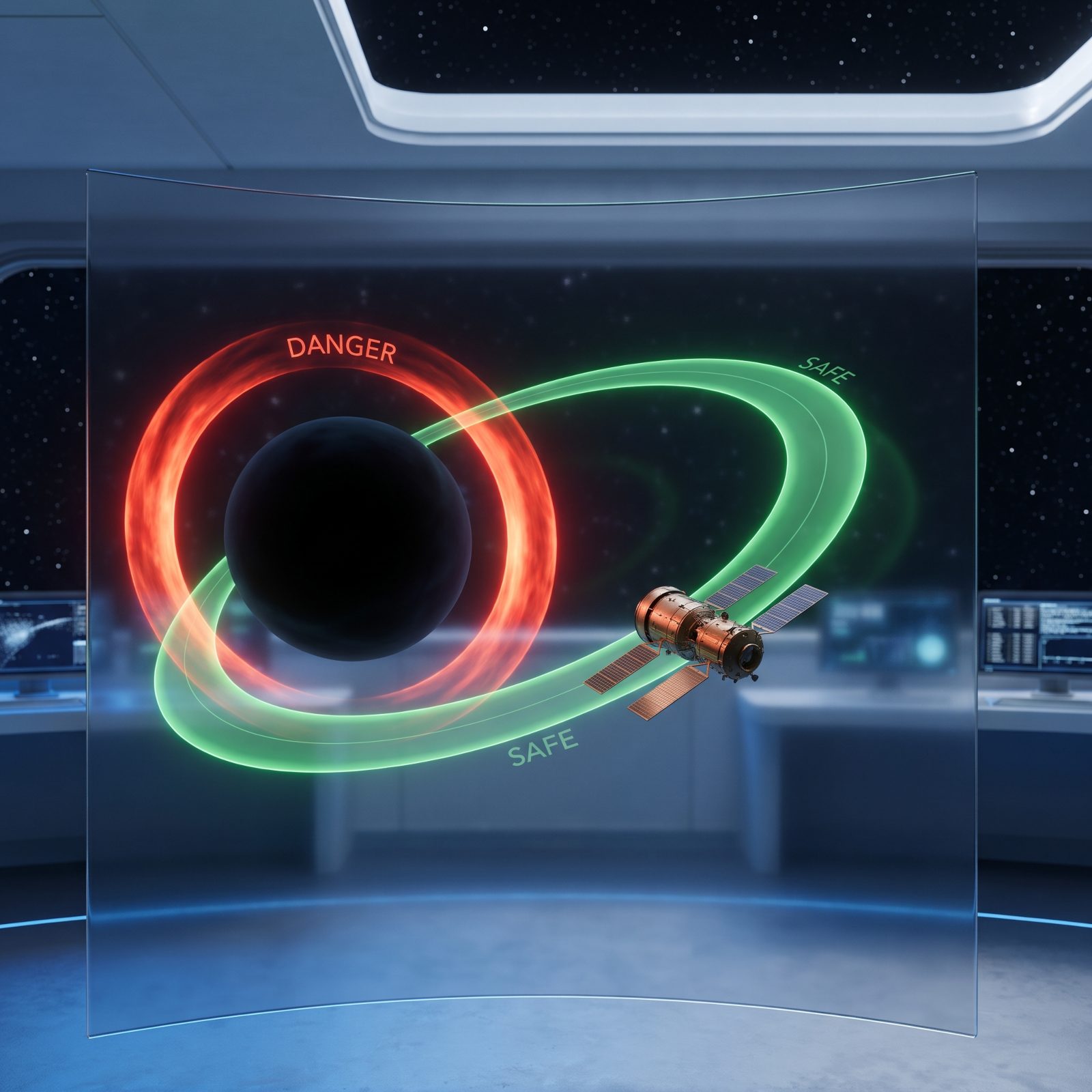
Movies never show the safe zone. But it exists. Stable orbits wrap a black hole exactly the way they wrap a star, and if you get the right speed at the right distance, you circle forever.
At the heart of our own galaxy, astronomers have tracked stars looping around the supermassive black hole Sagittarius A* for decades. Take S2: it whips past at a few percent of light speed, swings back out the far side perfectly fine, and does it again on a tight repeating clock. The real point of no return is the event horizon, and it sits much closer in than most people assume.
33. Stars Can Survive Close Encounters With Black Holes
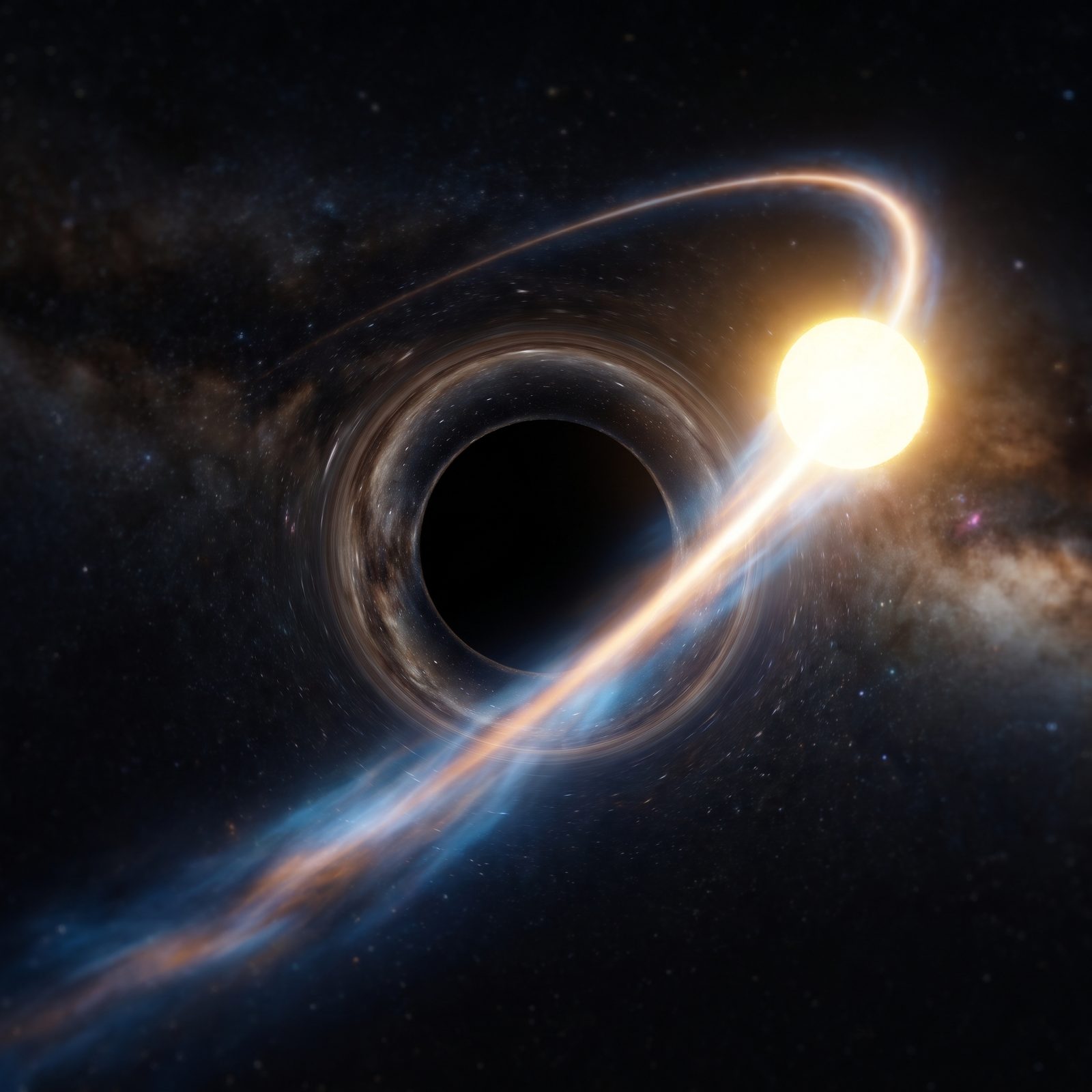
Not every close pass is a death sentence. A star that swings near a black hole but stays outside the tidal danger radius can come through the encounter intact, maybe with a bad sunburn and a chunk of outer gas stripped away, then sail off into the galaxy none the worse for it.
Live or die, it all comes down to geometry. How big is the black hole, and how close does the star actually get? To shred, the star has to cross a line where the pull on its near side massively outstrips the pull on its far side. Stay outside that line and you get flung, not torn.
32. Most Black Holes Are Far Smaller Than Movies Suggest
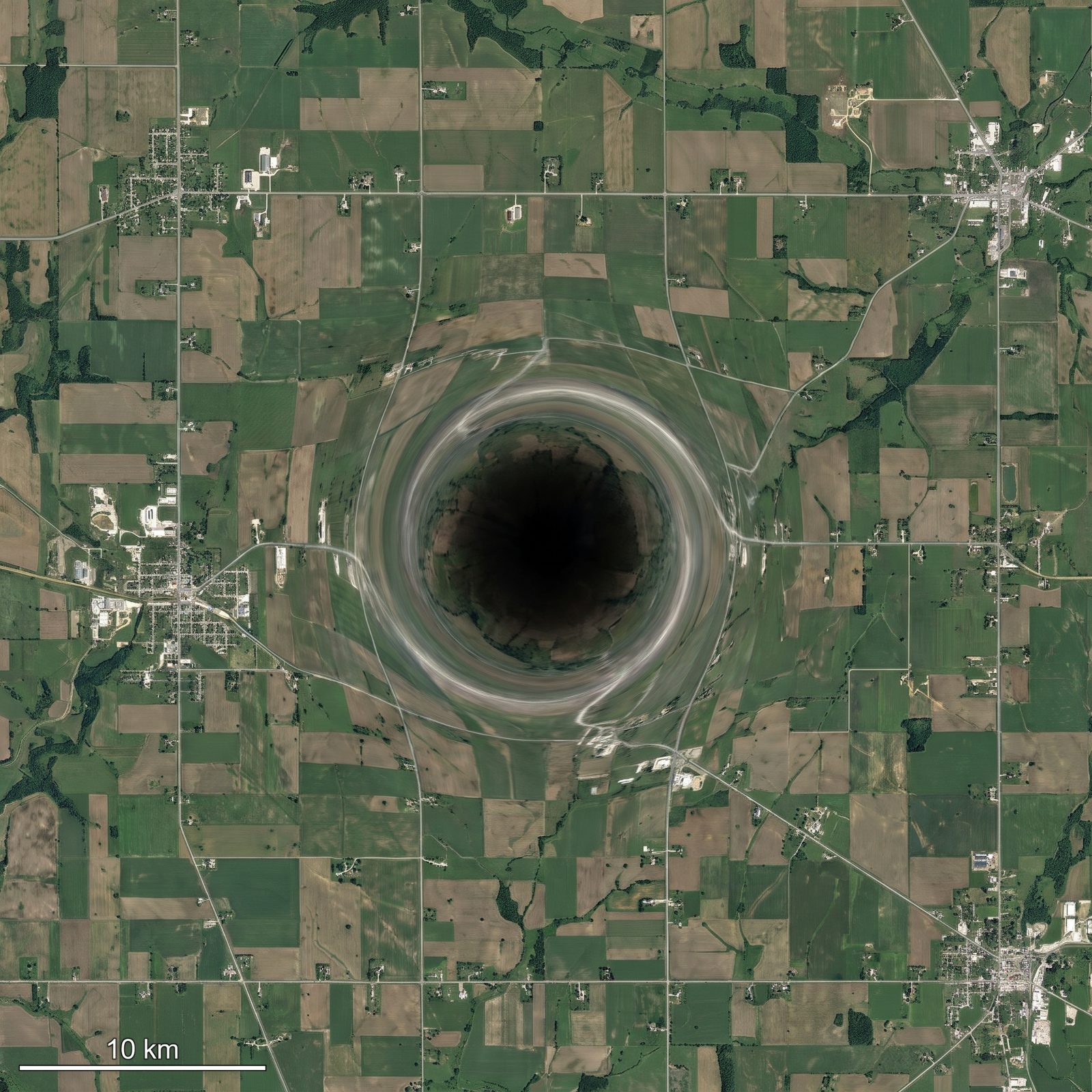
Collapse a star ten times the Sun’s mass and you get a black hole you could park inside a single county. A small stellar-mass black hole’s event horizon spans only a few dozen miles across. That is it. All that mass crushed into a sphere smaller than most metro areas.
The giants hide at galaxy centers. Sagittarius A* carries roughly four million times the Sun’s mass, yet its shadow would tuck inside Mercury’s orbit, and the one in galaxy M87, the first ever photographed, is big enough to swallow our whole solar system. But those monsters are the exception. The universe is littered with the small, dark, nearly invisible kind nobody puts on a movie poster.
31. Gravity Makes the Far Side of an Accretion Disk Appear Above and Below the Hole
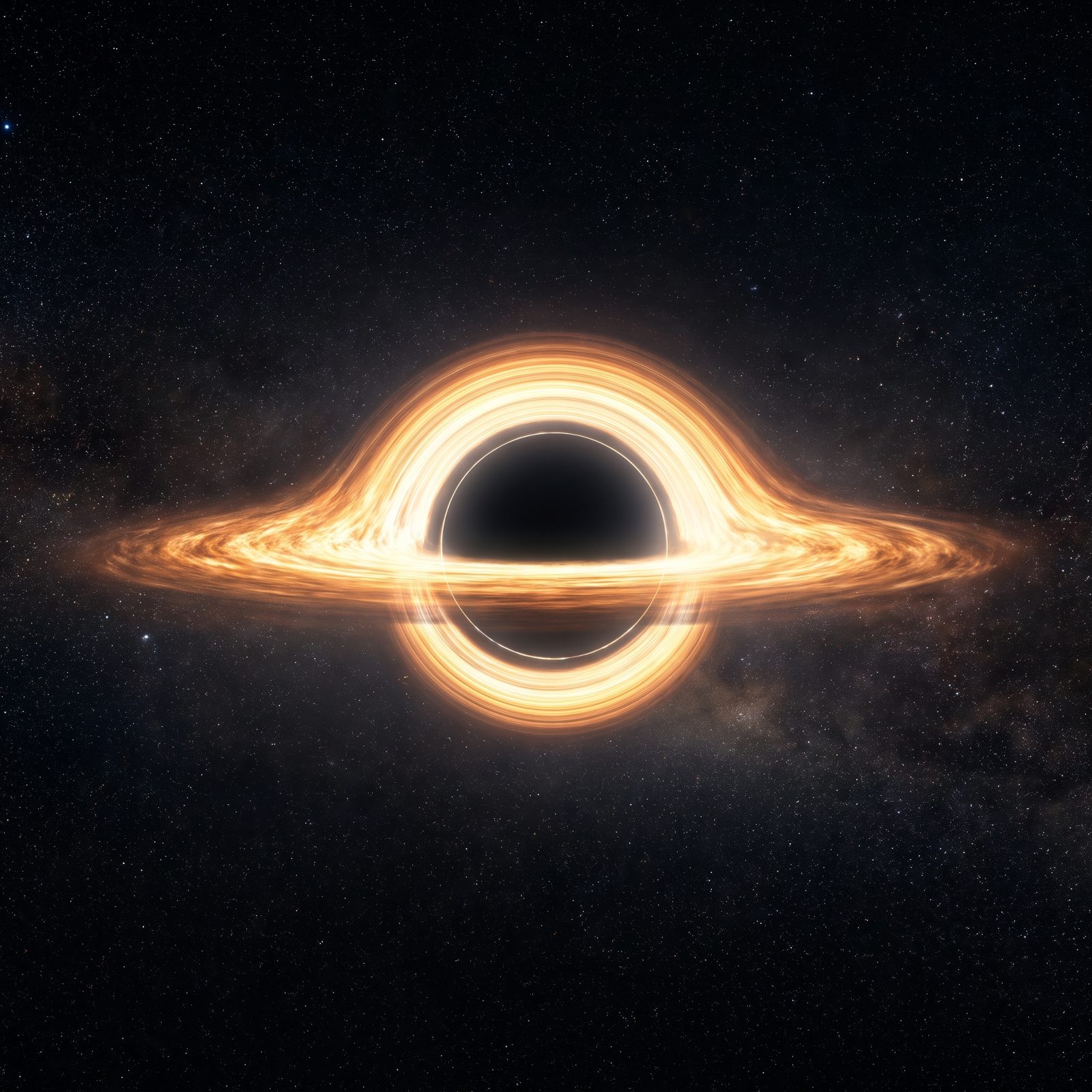
This one the movies finally got right, and it took a physicist to pull it off. The disk around a black hole is flat, like a record on a turntable. But the hole’s gravity bends the light from the far side up and over the top, so you end up seeing the back of the disk arcing above the shadow. The same light curves underneath, too.
What you get is a glowing halo that seems to wrap the black sphere completely. It looks impossible. It’s just what happens when gravity is strong enough to steer light itself.
The back of the disk isn’t hidden behind the hole. Gravity lifts its light up into view, and drops it down below too.
30. Real Accretion Disks Can Outshine Entire Galaxies
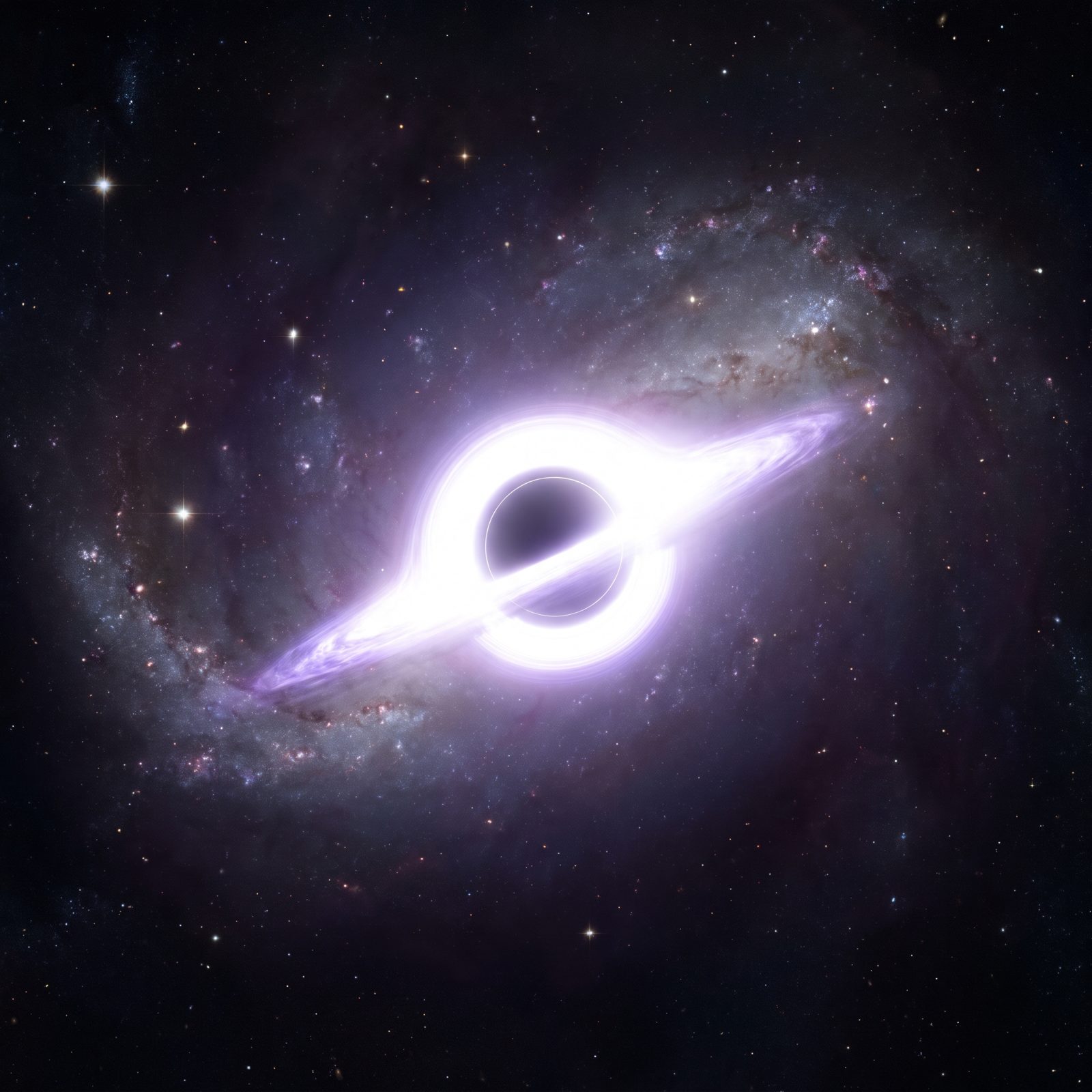
The brightest objects in the known universe are not stars. They are black holes eating. Gas spiraling inward heats to millions of degrees from friction and compression, then screams across the sky in radiation. We call these quasars, and a single one can outshine every star in its host galaxy combined.
So that blazing disk in the films? Not special-effects excess. If anything, it’s understated. The fiercest quasars throw out more light than a trillion Suns, burning from the very edges of the observable universe, powered entirely by matter tumbling toward the dark.
29. Many Black Holes Have No Visible Accretion Disk at All
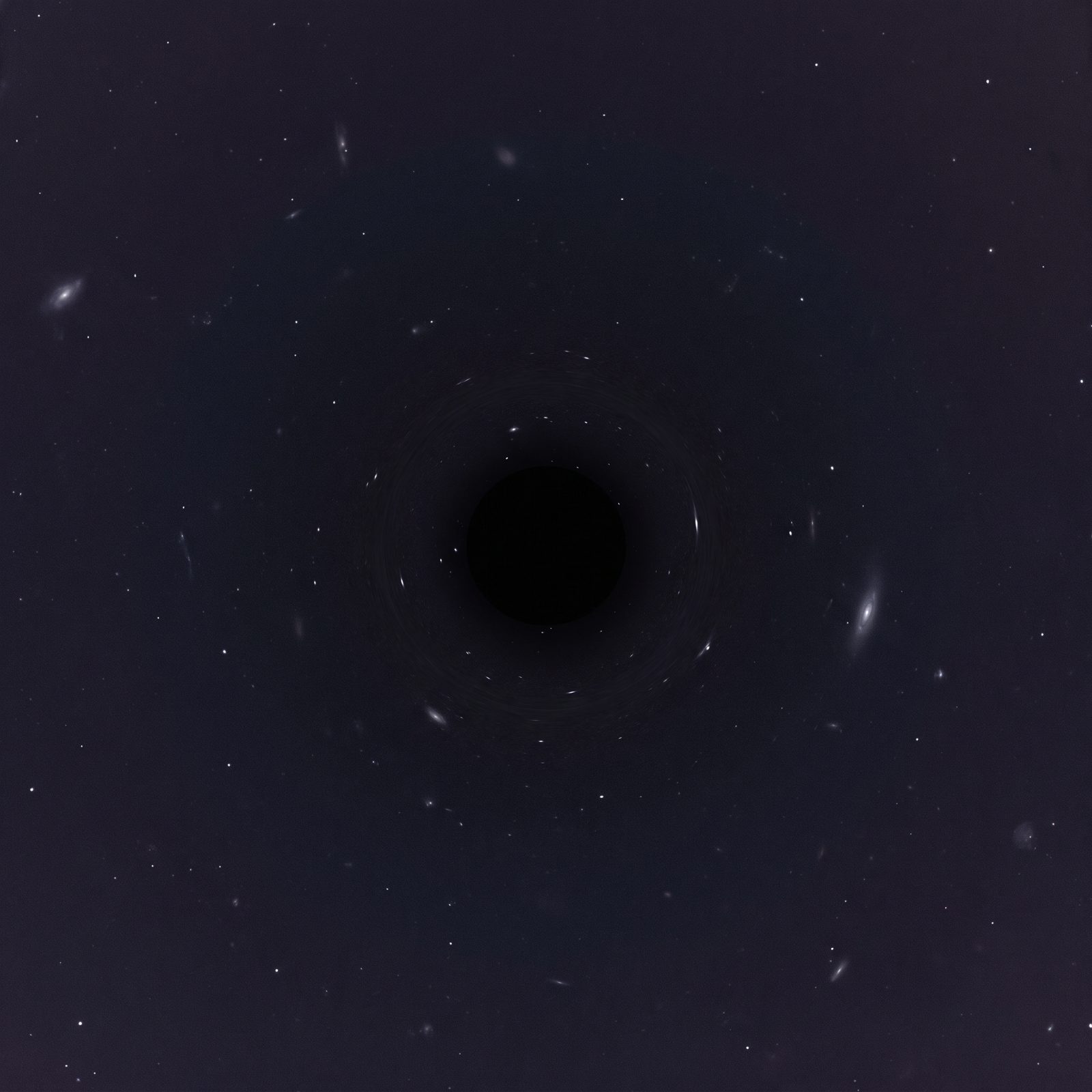
Strip away the fireworks and you hit the real puzzle: most black holes are dark. No disk, no glow, nothing falling in to light them up. One drifting alone through empty space emits no light of its own and gives off no dramatic swirl whatsoever.
So how do you find something invisible? Watch what it does to the light behind it. As a dark black hole drifts in front of distant stars, it bends and smears their light, briefly brightening and warping it on the way past. Astronomers caught one this way a few years back, a lone stellar-mass black hole wandering the galaxy with nothing to eat.
28. Tidal Disruption Events Stretch Stars Into Glowing Streams
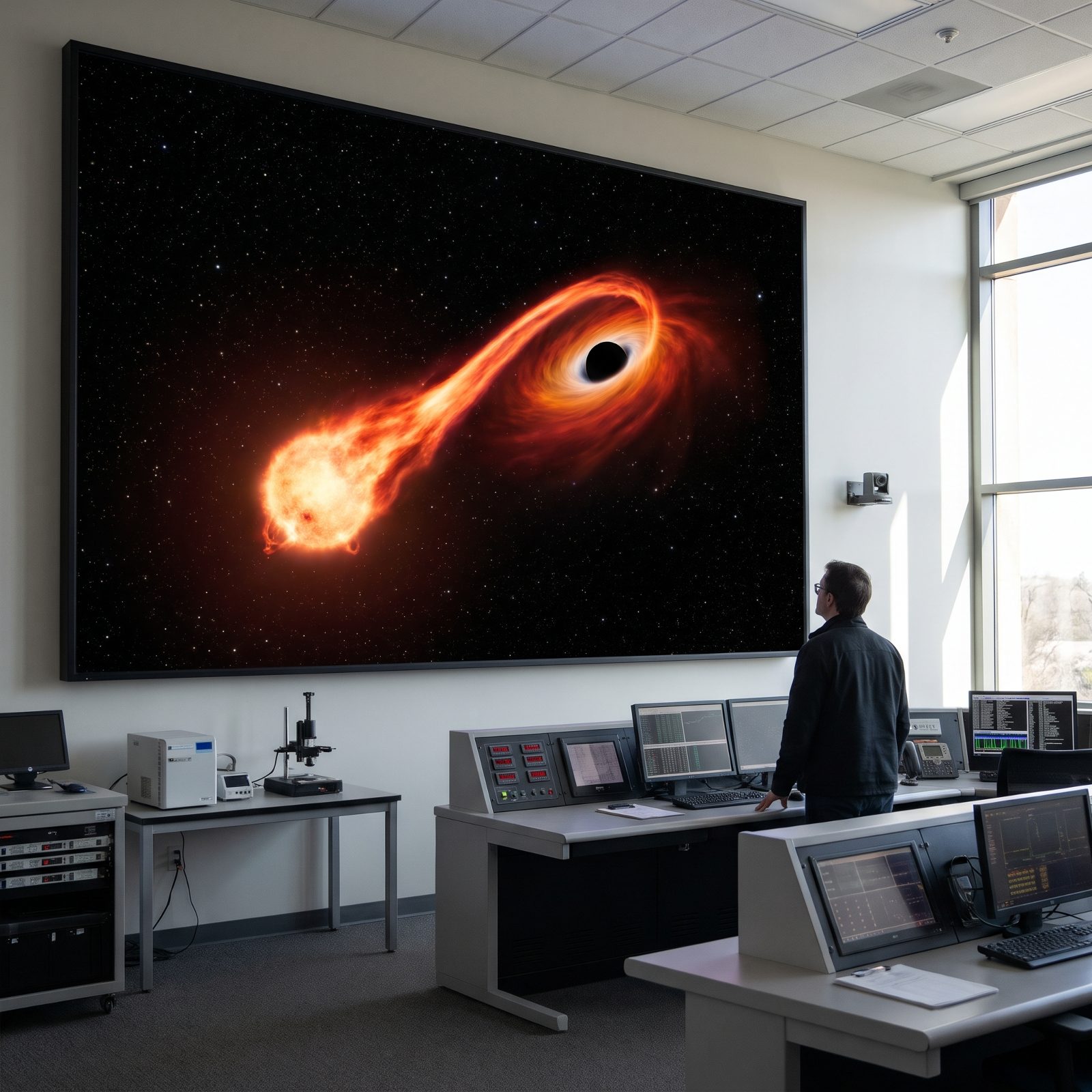
When a star wanders too close, the black hole does not swallow it whole. It stretches it. The pull on the star’s near side so badly outweighs the pull on its far side that the whole thing gets drawn into a long thin ribbon of gas. Astronomers call it spaghettification, which is the rare case where the scientific term is also the perfect description.
Roughly half that shredded star falls inward and lights up as it heats, throwing off a flare that can glow for months. We have caught dozens of these tidal disruption events now, sudden brightenings from galaxy centers that sat quiet one year and blazed the next.
27. Crossing the Event Horizon Would Not Feel Like Hitting a Wall
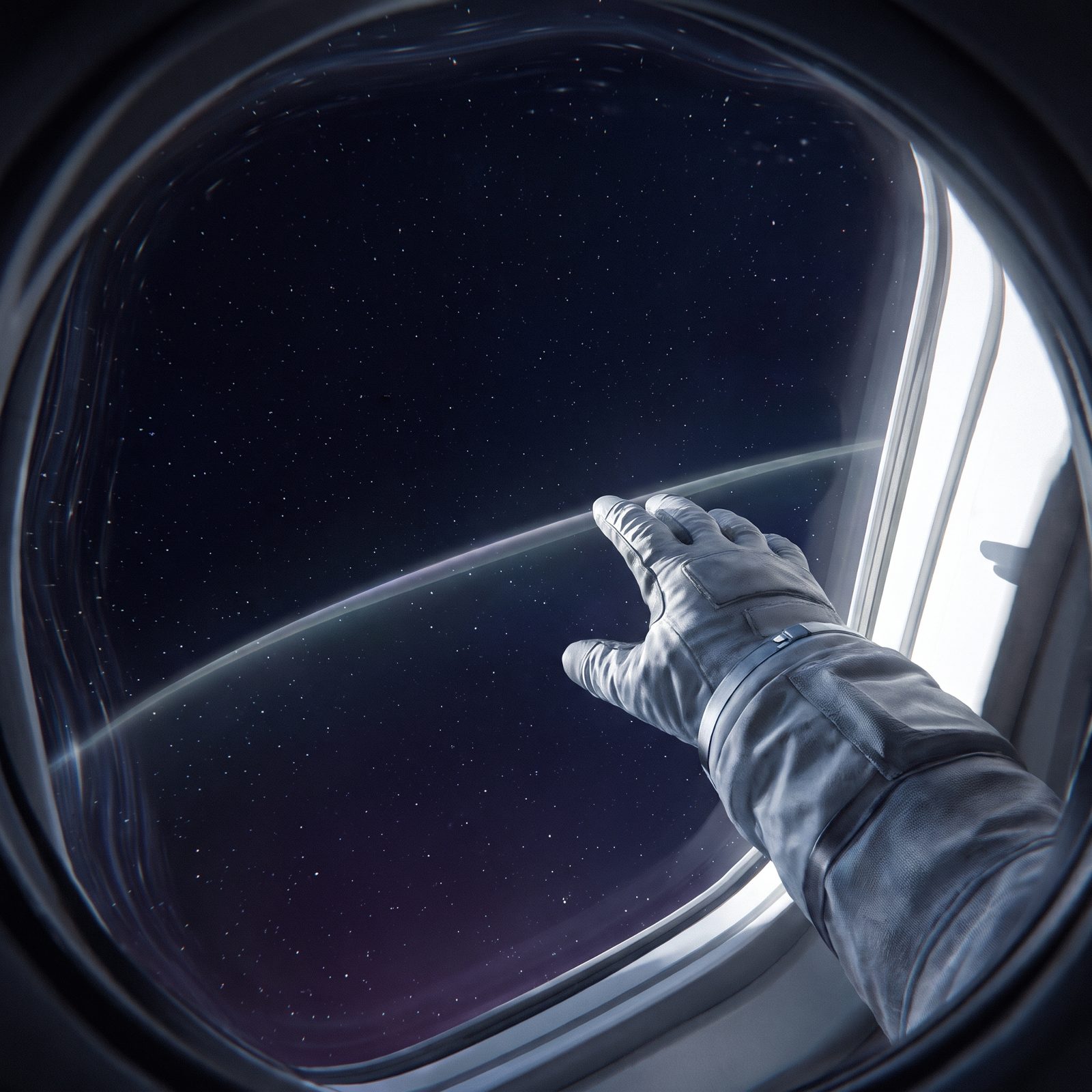
For a big enough black hole, the event horizon is not a surface. The glowing blue ribbon drawn across space here is only a visual marker; there is no real membrane or wall of energy. It is just a location in space where the escape speed hits the speed of light, and crossing it does nothing dramatic to you locally.
Fall into a supermassive black hole and the tidal forces at the horizon could be gentle enough that you’d only know you crossed because a display told you, like a HUD reading “EVENT HORIZON – CROSSING.” No bump, no jolt, no physical sense of a line. The catch is brutal: once past it, every possible path leads inward toward the center, no matter which way you point.
26. A Falling Object Appears to Slow and Redden Near the Horizon

Here is the strangest thing, and almost no film has ever shown it. Watch a friend fall toward a black hole and you never actually see them cross the horizon. From your distant vantage, time near the edge runs slower and slower, until they seem to freeze there, hovering.
And they fade. Their light stretches toward the red as it claws out of the deepening gravity, dimming until it winks out entirely. From their own point of view, nothing odd happens and they sail straight through. But to you, they linger forever at the brink, growing redder and darker, a ghost pinned to the edge of the dark.
25. A Nearby Planet Would Not Automatically Experience Extreme Time Dilation
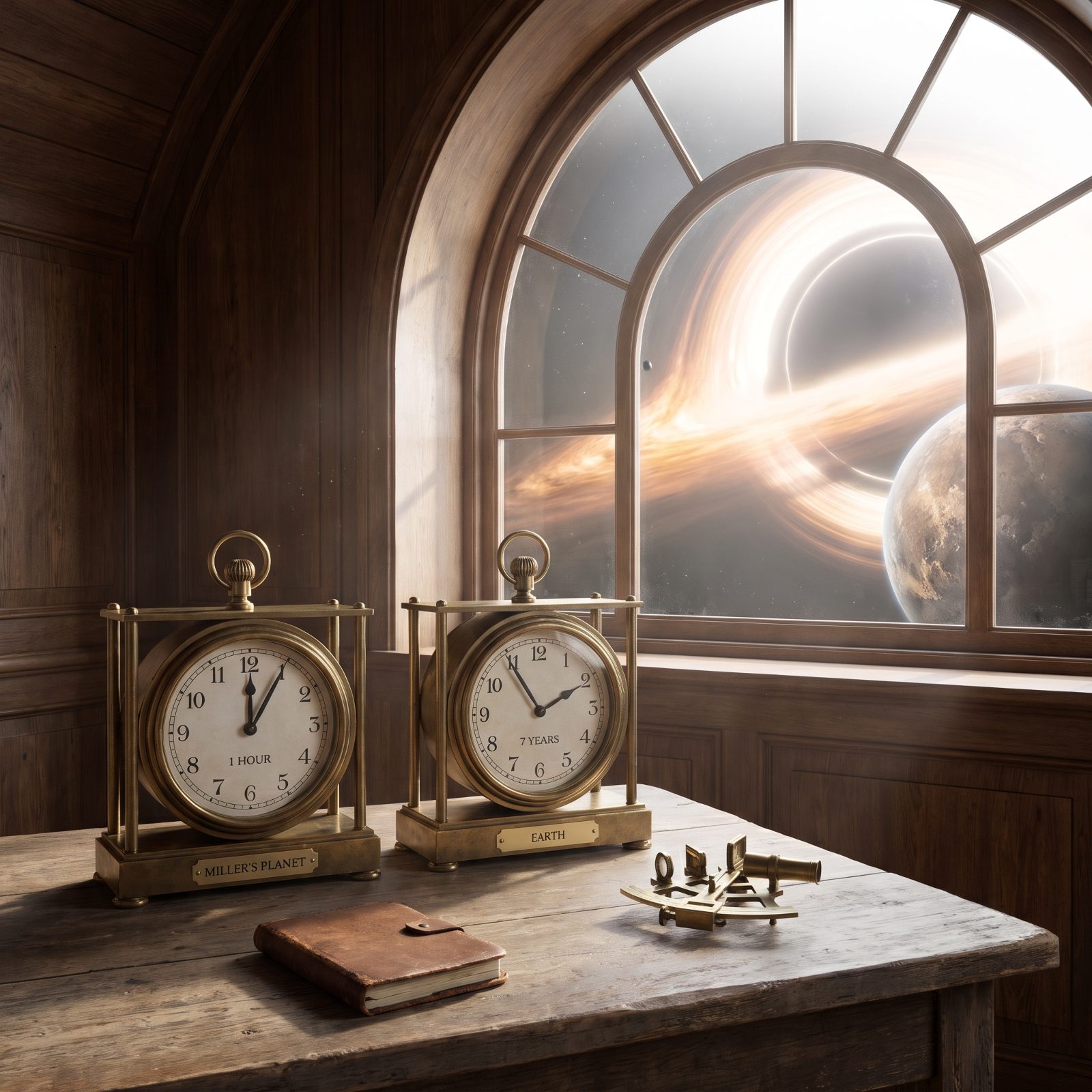
Movies love the planet where one hour costs seven years back home. Great drama. It also demands a very specific setup to be true.
Time dilation near a black hole is real, but it ramps up steeply only when you get close to the event horizon. Orbit at a safe, stable distance and the clock difference is modest. To get the big catastrophic slowdown, the planet has to hug the hole so tightly that tidal forces and radiation would be the real story, not the skewed calendar.
So the postcard version, a lush world drifting serenely beside the abyss while decades melt away elsewhere, quietly skips how extreme a setup that orbit actually demands.
24. The Photon Sphere Is Not a Safe Place to Park a Spaceship
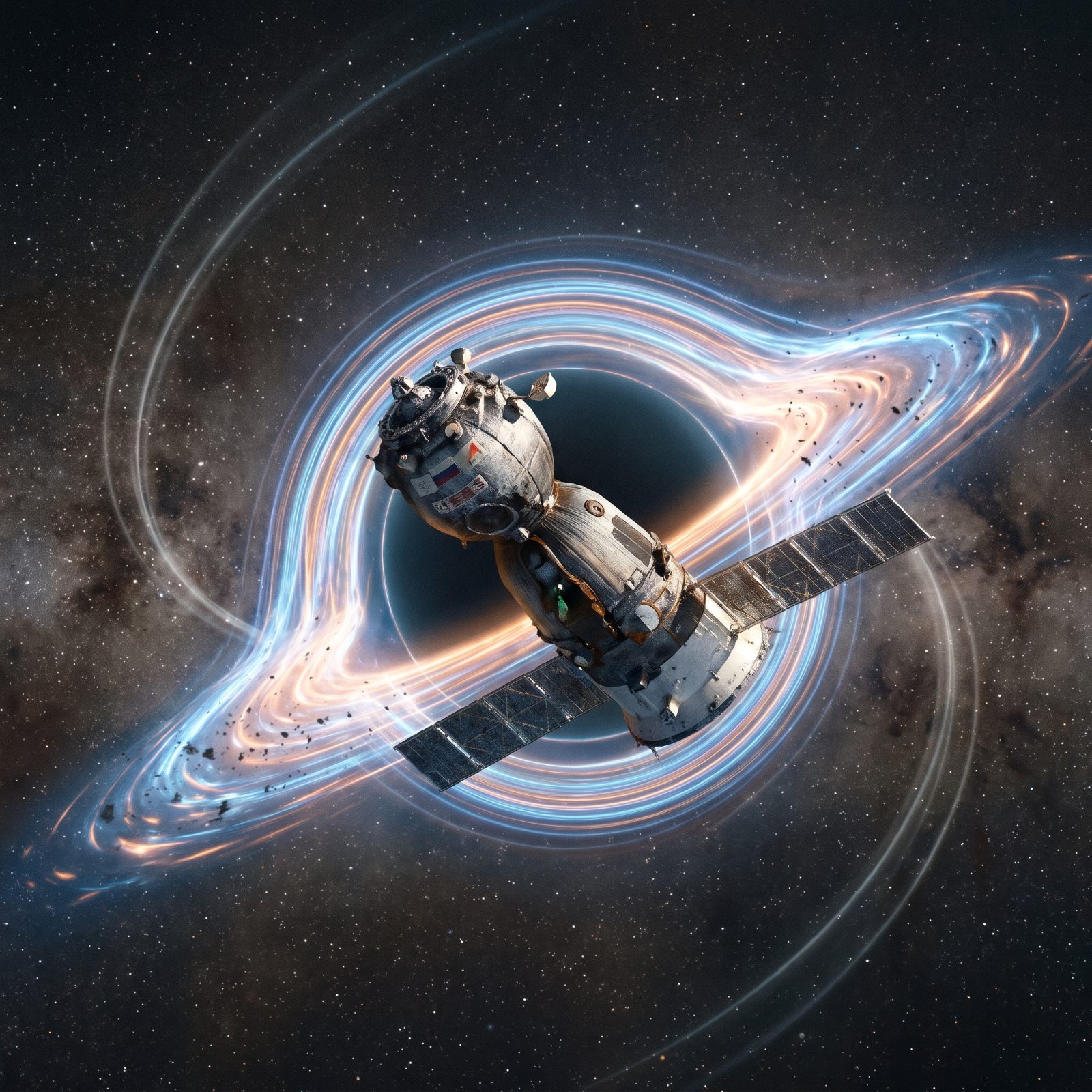
There’s a thin shell around a black hole where gravity grows so fierce that light itself gets stuck in orbit, circling the hole instead of escaping or falling in. Astronomers call it the photon sphere, and it’s the source of that bright ring you see in real black hole images.
It is not a parking spot. Any orbit there is wildly unstable — nudge in slightly and you spiral toward the horizon, nudge out and you drift away. Nothing material can hold position where even light can barely loop once before losing the fight.
If a ship ever hovered there glowing in a film, the honest version lasts a few milliseconds of standing on a knife’s edge before the fall.
23. A Black Hole’s Shadow Is Larger Than Its Event Horizon
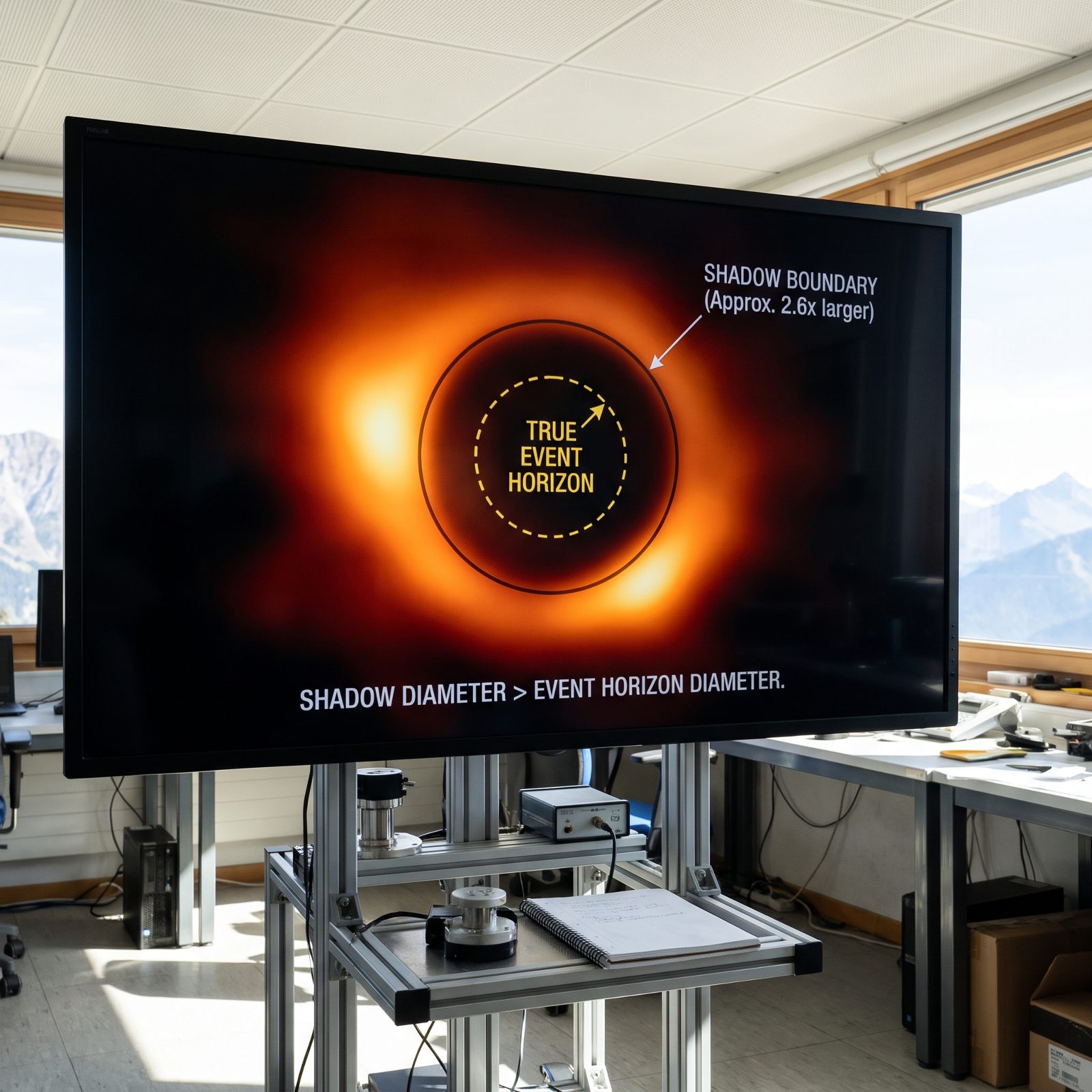
Here’s a detail almost nobody mentions: the dark circle you see in a real black hole image is bigger than the black hole itself.
The event horizon is the true point of no return. But light passing nearby gets bent so severely that the “shadow” cast on the sky swells well past the horizon’s own diameter. You’re not looking at the hole. You’re looking at the region where every photon’s path got swallowed or deflected away from your eye.
22. Sagittarius A* Is Not Devouring the Milky Way

The black hole at the heart of our galaxy sounds terrifying. Four million times the mass of the Sun, sitting 26,000 light-years away, with a name that looks like a typo: Sagittarius A*.
And yet, right now, it’s a remarkably quiet eater. It sips gas rather than gorging. From our distance its pull on the solar system is negligible, because gravity only cares about mass and distance, and 26,000 light-years is a very long way.
Stars whip around Sagittarius A* at thousands of miles per second, which is how we weighed it in the first place. But it isn’t pulling the galaxy down a drain. The Milky Way orbits its center the way it always has — calmly, for billions of years.
21. Quasars Are Powered by Infalling Matter, Not the Black Hole Itself
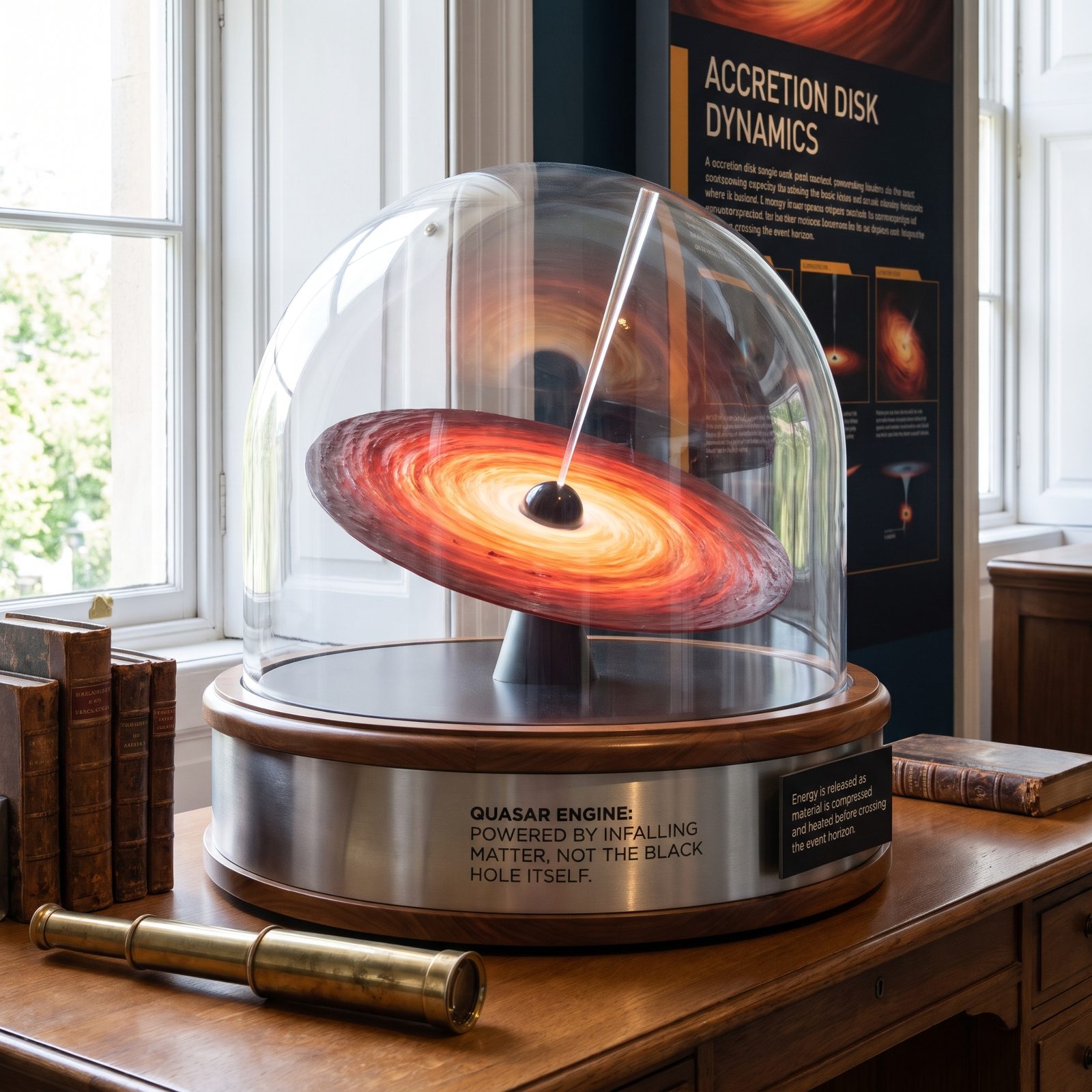
Quasars are the brightest sustained objects in the universe. A single one can outshine its entire galaxy of hundreds of billions of stars. The instinct is to credit the black hole — which happens to be the one thing in the picture that emits no light at all.
What glows is the matter falling in. Gas piles into a disk, gets squeezed and sheared, and heats to millions of degrees before it crosses the horizon. That friction and compression is the power plant. The black hole just supplies the gravity well.
The brightest things we can see are powered by the darkest things we cannot.
So the screen version of a black hole “blazing” has the cause and effect backwards. The darkness is the engine. The fireworks are just fuel on its way down.
20. Relativistic Jets Do Not Shoot Out From Inside the Event Horizon
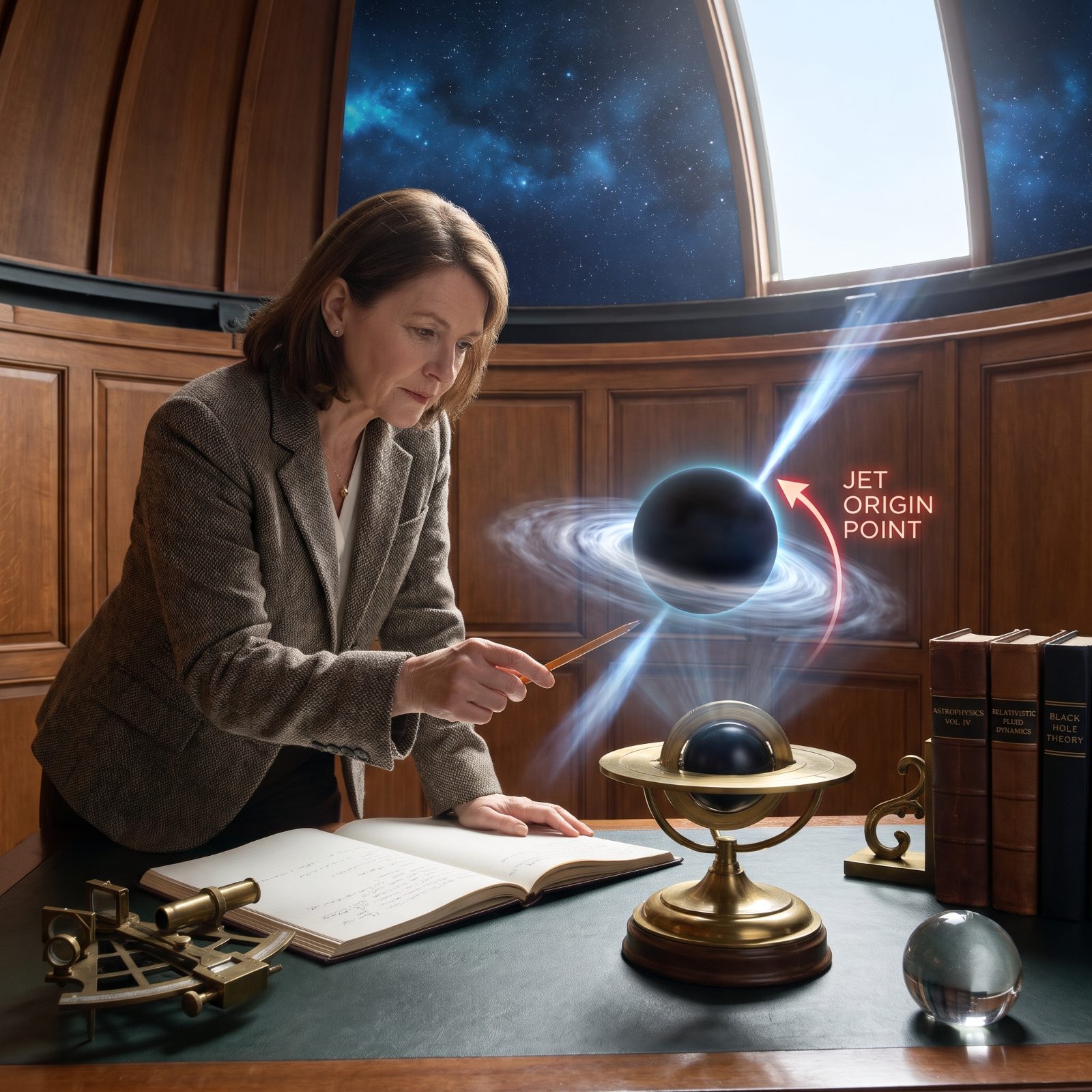
Nothing escapes a black hole once it crosses the event horizon. Not light, not matter, not information. That’s the whole definition.
Which means the jets you see firing out of black holes in films, and even some diagrams — like the hologram pictured here, whose ‘Jet Origin Point’ arrow aims right at the black sphere itself — can’t be coming from inside. They launch from just outside, in the chaotic, magnetized region around the hole, before any of that material reaches the point of no return. Twisted magnetic fields grab infalling gas and fling a fraction of it back out at nearly the speed of light.
The horizon stays the one-way door it’s always been. A jet is matter that caught a boost on the way in — not an exhaust pipe punched through the dark.
19. Black Hole Jets Emerge Along the Poles, Not Across the Disk
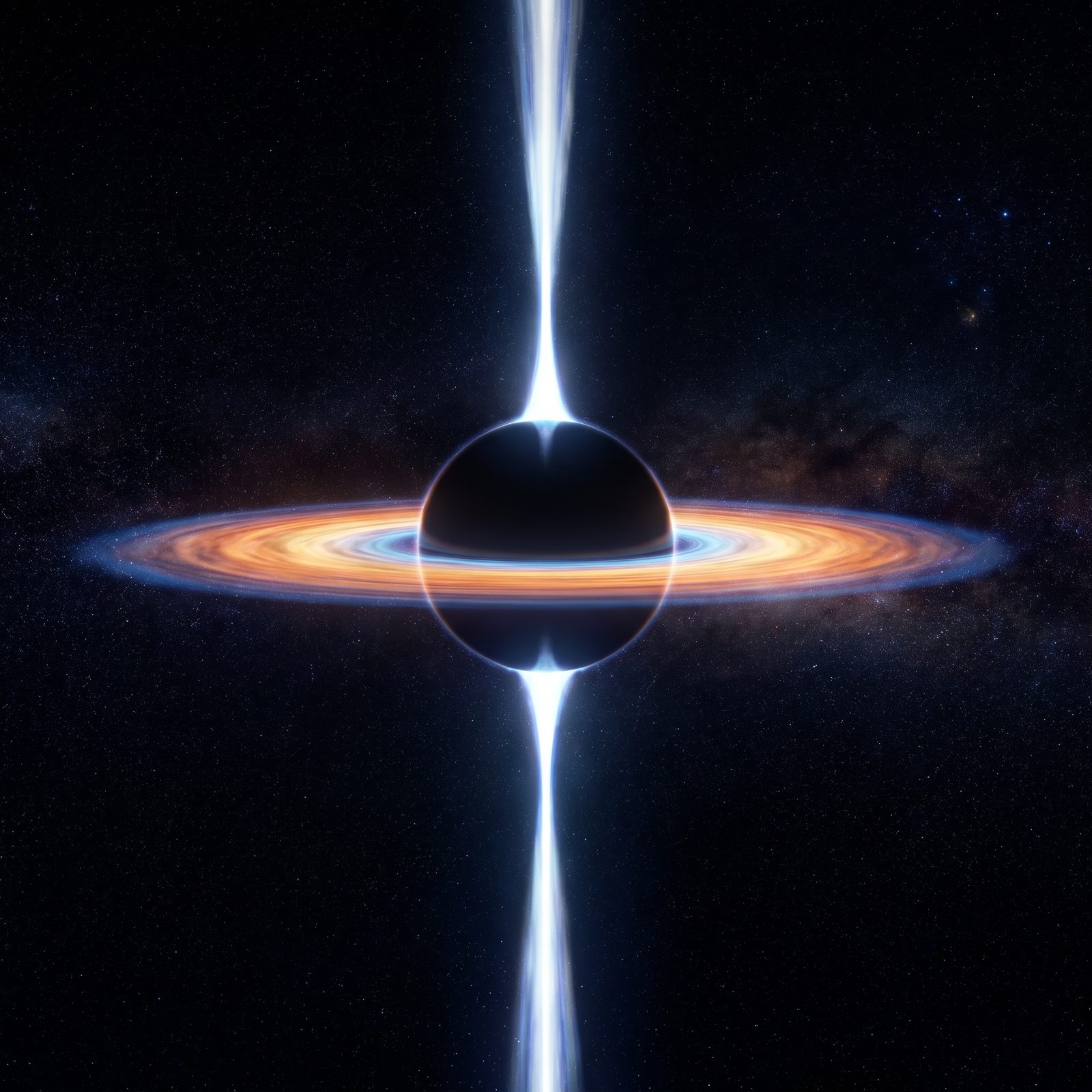
Picture the geometry. Matter spirals into a black hole along a flat disk, like water circling a drain, and the jets don’t fire out through that disk. They punch straight out the top and bottom, along the spin axis, perpendicular to everything swirling inward.
There’s a reason it looks like that. The disk is where all the chaos lives — dense gas grinding against gas. The poles are the path of least resistance, the one clear direction for twisted magnetic fields to launch plasma without fighting through the crowd.
18. Black Hole Jets Can Extend Far Beyond Their Host Galaxies
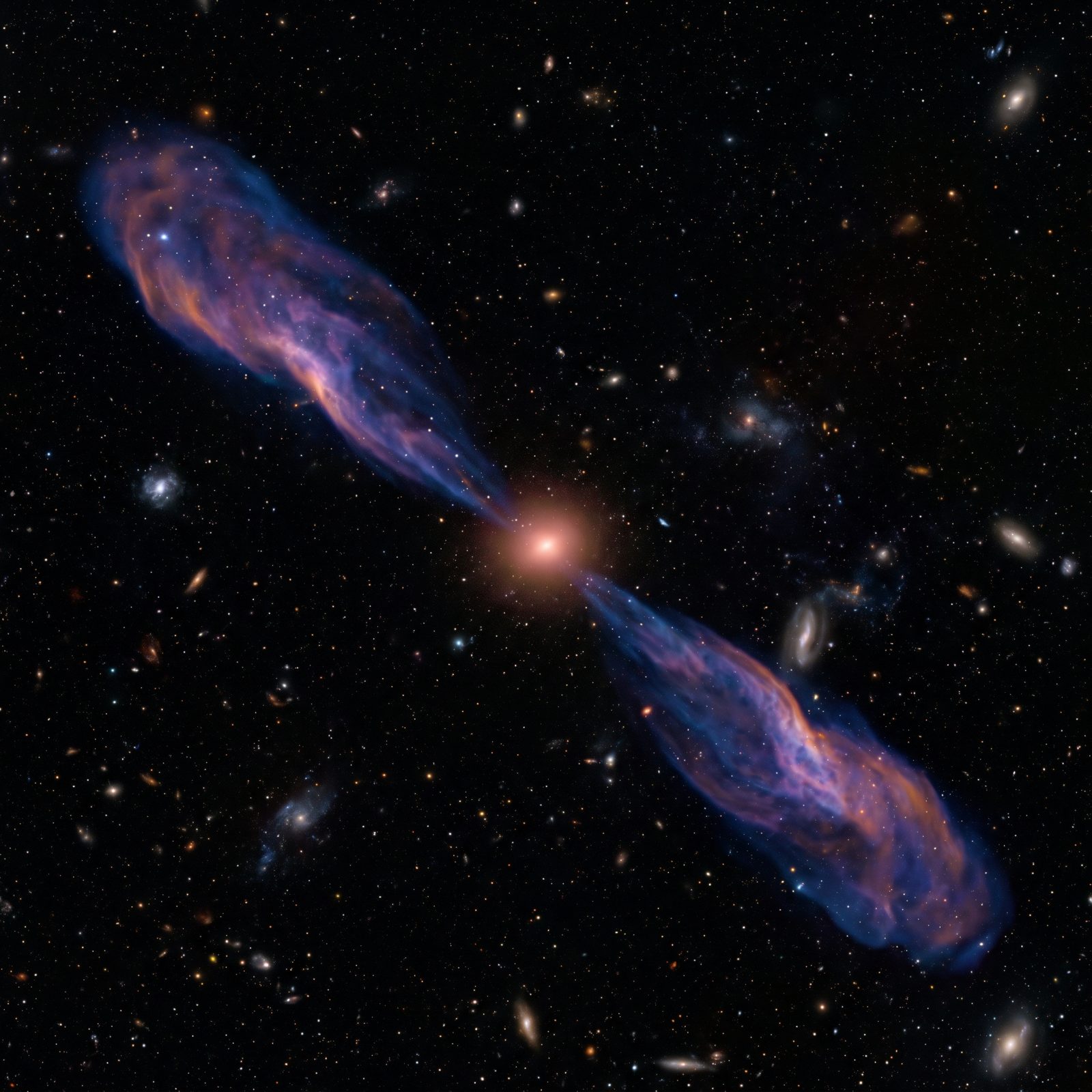
The jets from a supermassive black hole aren’t contained by the galaxy that hosts them. Some of them dwarf it.
A galaxy called Porphyrion was recently measured with jets stretching roughly 23 million light-years end to end, many dozens of times the width of our own Milky Way. The black hole launching them is a speck at the center. The output reaches across territory so vast it crosses the empty space between galaxies entirely.
And that’s the scale problem cinema can’t really convey. The engine is smaller than our solar system; the plume it drives can span a slice of the observable universe. Picture a campfire whose smoke is somehow visible from another continent.
17. Black Holes Do Not Explode Like Conventional Bombs

Black holes don’t blow up on contact like something out of an action film. Left alone, they do something far stranger and far slower.
Stephen Hawking proposed in the 1970s that black holes leak a faint radiation and very gradually shrink. This is theory, mind you, not something we’ve ever observed, and it is maddeningly slow. A star-sized black hole would take vastly longer than the current age of the universe to fade. Only in the final instant, after unimaginable time, would it release its last energy in a sharp burst.
So the dramatic detonation is fiction twice over. Real black holes don’t explode on command, and the one way they might end comes as a quiet whisper over eternities, finishing in a flash nobody will ever be around to film.
16. Black Hole Mergers Release Energy as Gravitational Waves
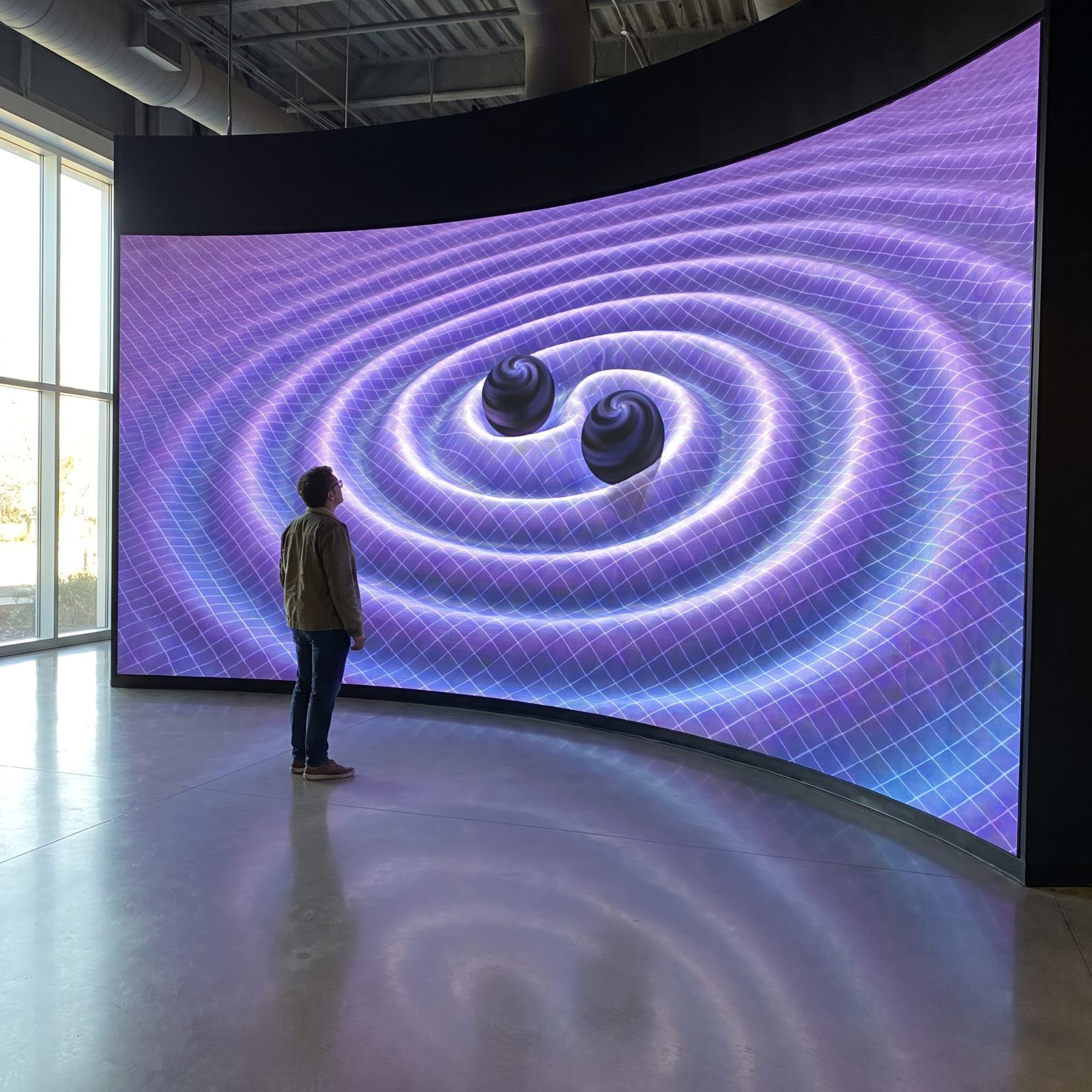
When two black holes finally collide, the universe loses weight. In one case astronomers measured, roughly three times the mass of the Sun vanished in a fraction of a second, converted into ripples in spacetime itself. For that instant it outshone every star in the observable universe combined. Not in light. In gravity.
Movies love the fireworks, but the real event is darker and stranger than anything on screen. No explosion of fire, no visible shockwave, just space stretching and squeezing as the shudder passes through it, a wave that crossed more than a billion years of emptiness before it ever touched Earth.
15. Merging Black Holes Make No Sound in Space, the Chirp Is a Sonification
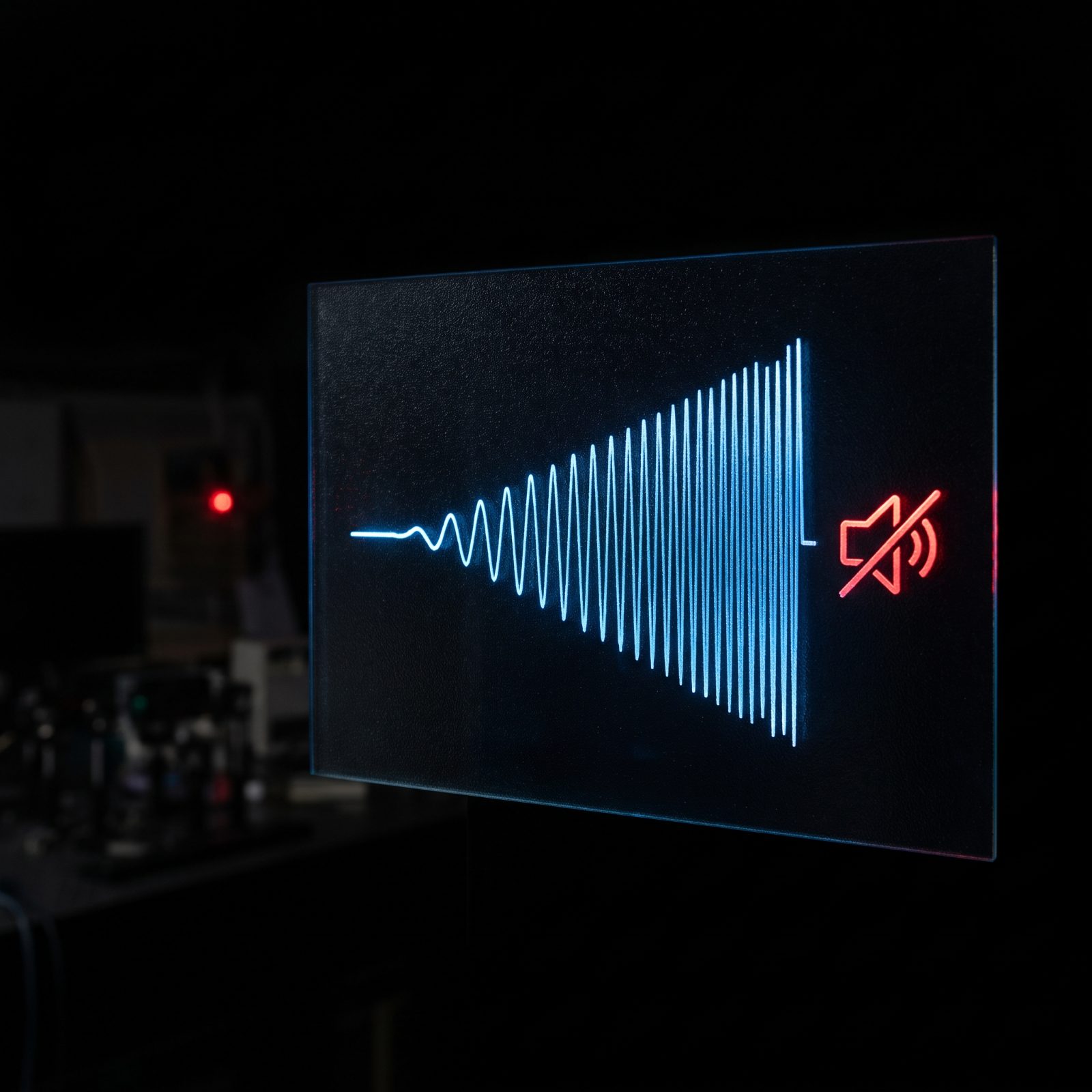
You’ve probably heard the famous “chirp”, that rising whoop scientists played when they announced gravitational waves. But space is a vacuum, and sound needs a medium to travel through. There was no actual noise out there at all.
What reached your ears was a sonification. Researchers took the faint wiggle recorded in their detectors and shifted it up into the range human hearing can reach. The pitch climbs because the two black holes orbit faster and faster as they close the gap, right up to the moment they merge. A translation, not a recording. Clever, genuinely useful for spotting patterns in the signal, but a translation all the same.
14. Black Hole Collisions Do Not Resemble Solid Balls Crashing Together

Forget billiard balls. Black holes have no surface to smack. What collides are two regions of spacetime so warped that nothing escapes them, and when they meet, their event horizons don’t bounce or shatter, they flow into each other the way two soap bubbles fuse into one bigger bubble.
For a moment the combined horizon is lopsided and shivering, ringing like a struck bell before it settles into a smooth sphere. Astronomers call that settling-down phase the ringdown. No debris field. No sparks. Just geometry rearranging itself.
13. A Merger Can Kick the Resulting Black Hole Through Space
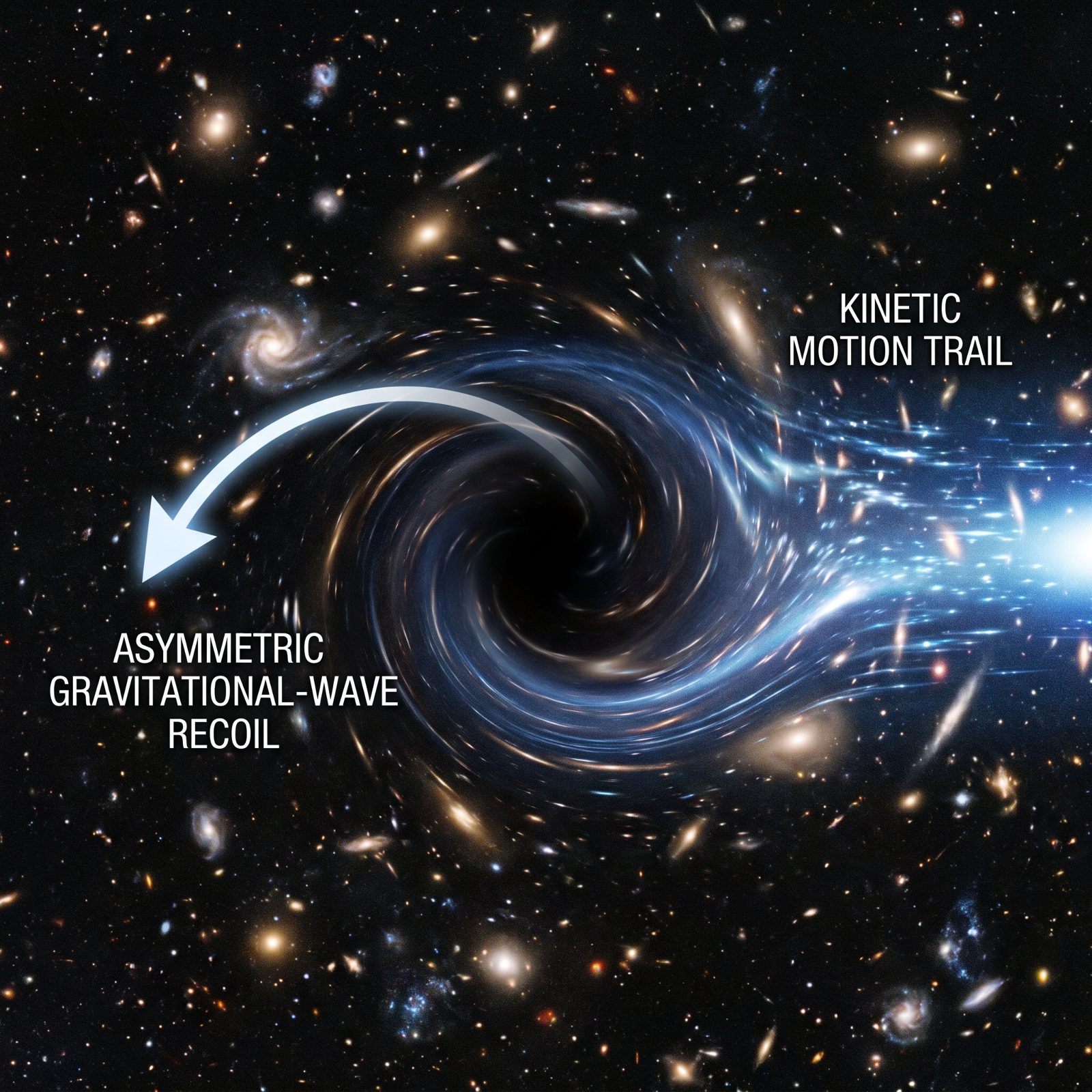
This detail still surprises me. When two black holes merge, the gravitational waves don’t always radiate evenly in every direction. If the setup is lopsided, the waves push harder one way than the other, and the newborn black hole gets a recoil kick going the opposite way.
Those kicks can be brutal. Computer simulations suggest an extreme merger can fling the leftover black hole at thousands of miles per second, fast enough to be hurled clean out of its home galaxy. Picture it: a black hole wandering off into the dark, alone. Rocket science, minus the rocket.
12. A Spinning Black Hole Drags Spacetime Around It

A spinning black hole like the glossy black sphere pictured here does something no object in everyday life can manage. It grabs the fabric of space around it and gently twists it, dragging the whole thing along for the ride. Imagine a spoon stirring honey, except the spoon is a black hole and the honey is spacetime itself.
The effect is called frame dragging. Einstein’s equations predicted it, and satellites have confirmed a far milder version by measuring the faint drag from spinning Earth. Near a fast-rotating black hole it goes wild. There’s a zone called the ergosphere where you literally cannot stand still no matter how hard you fire your engines, because the dragged space just carries you along with it.
11. Astronomers Can Find Invisible Black Holes by Tracking Companion Stars
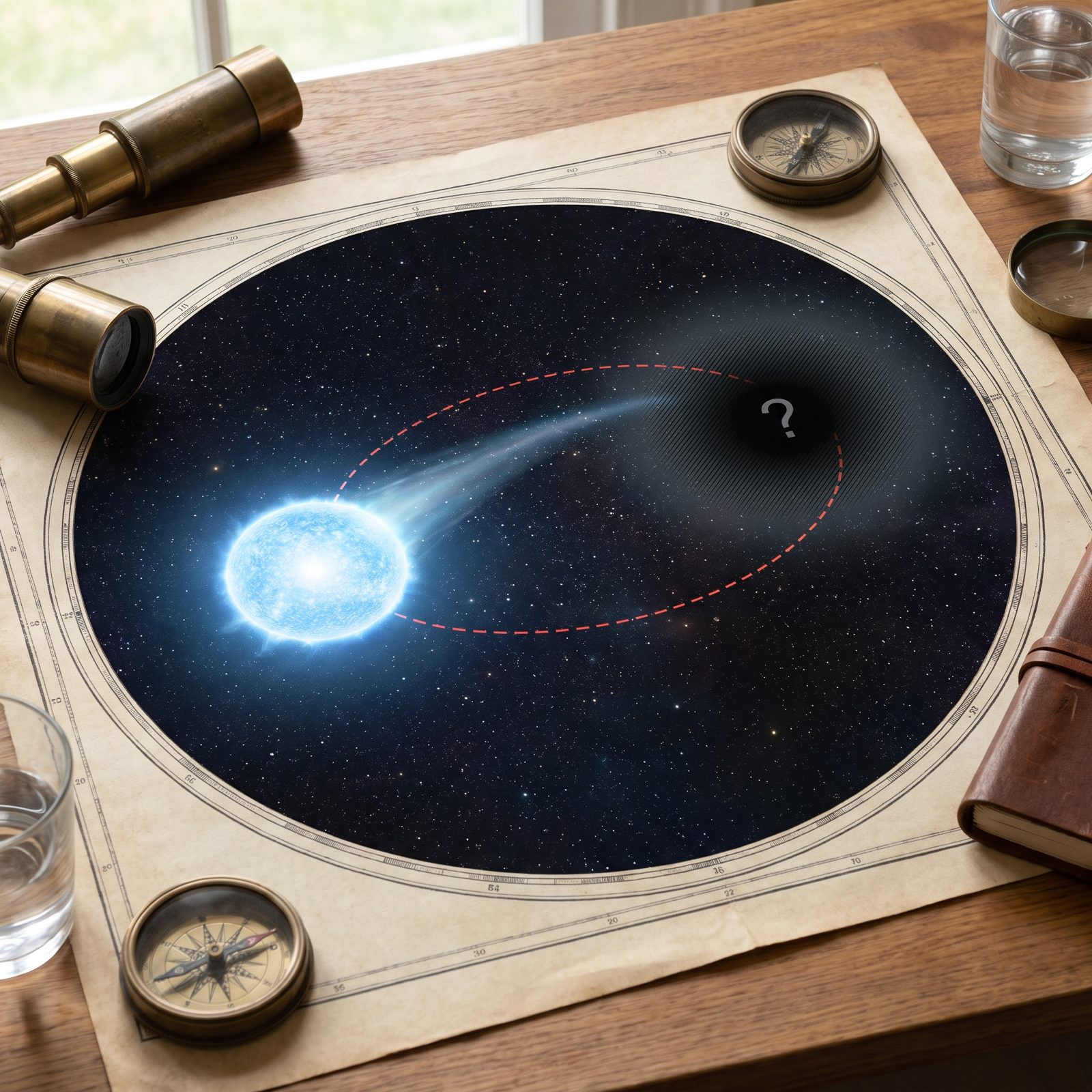
You can’t photograph a lone black hole in the dark. So how does anyone know it’s there? They watch the dance.
When a star appears to be orbiting nothing, swinging around an empty patch of sky on a tight, fast loop, something massive and invisible must be anchoring it. Measure the star’s speed and orbit, and you can weigh its unseen partner. If the math hands you ten solar masses crammed into a space smaller than a city, with not a photon coming off it, you’ve found a black hole without ever laying eyes on it.
10. The Motion of Hot Gas Can Reveal a Hidden Black Hole
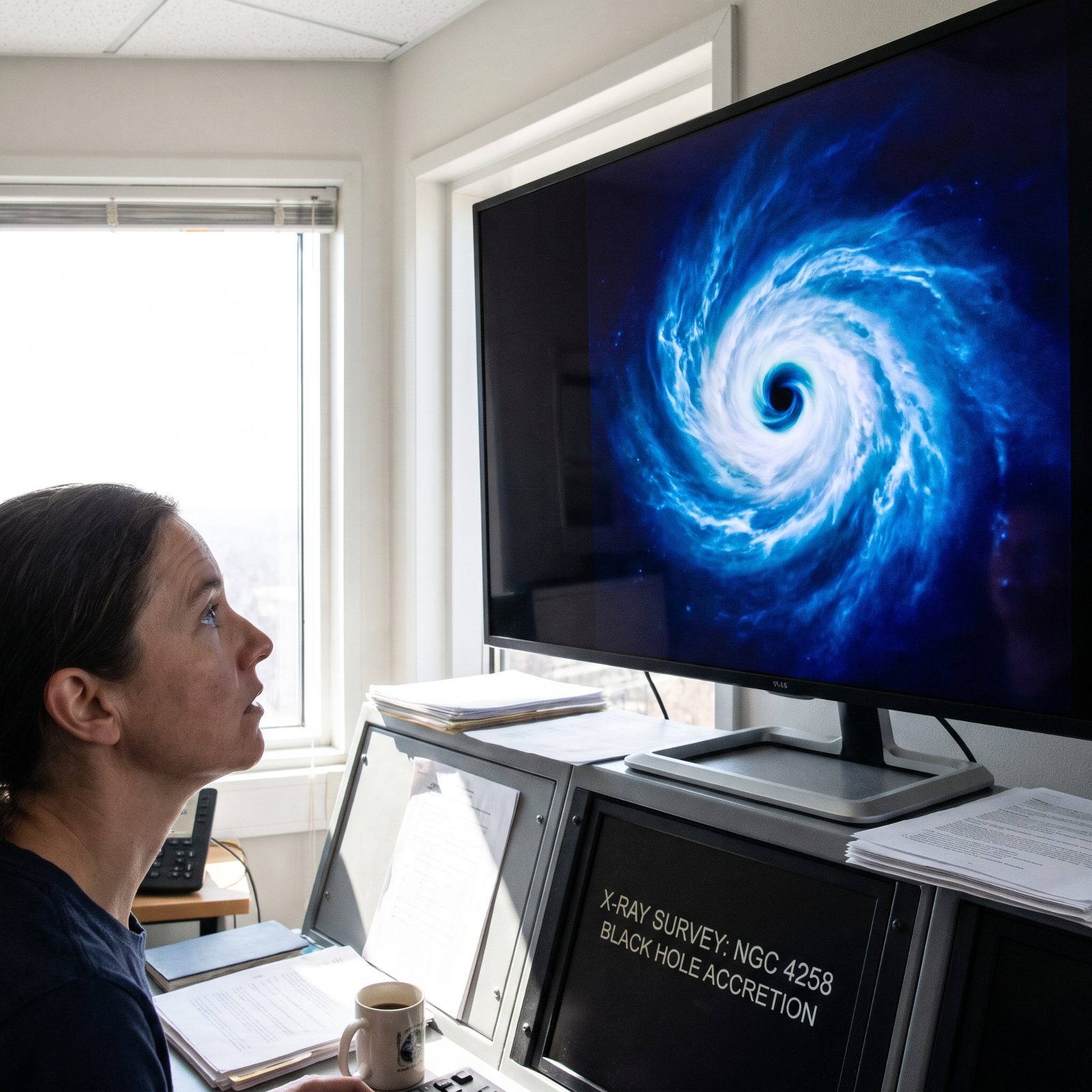
Gas spiraling toward a black hole doesn’t go quietly. It piles up, heats to millions of degrees from sheer friction, and screams in X-rays before it finally falls in. That glow is often the only thing that gives the black hole away.
Astronomers read the light from that gas like a speedometer. One side of the swirling disk rushes toward us while the other races away, and the color shifts accordingly, bluer coming, redder going. Faster spin means a deeper gravity well, so the whirling gas becomes a fingerprint for a monster nobody can see directly.
9. The Event Horizon Telescope Needed a Virtual Dish the Size of Earth
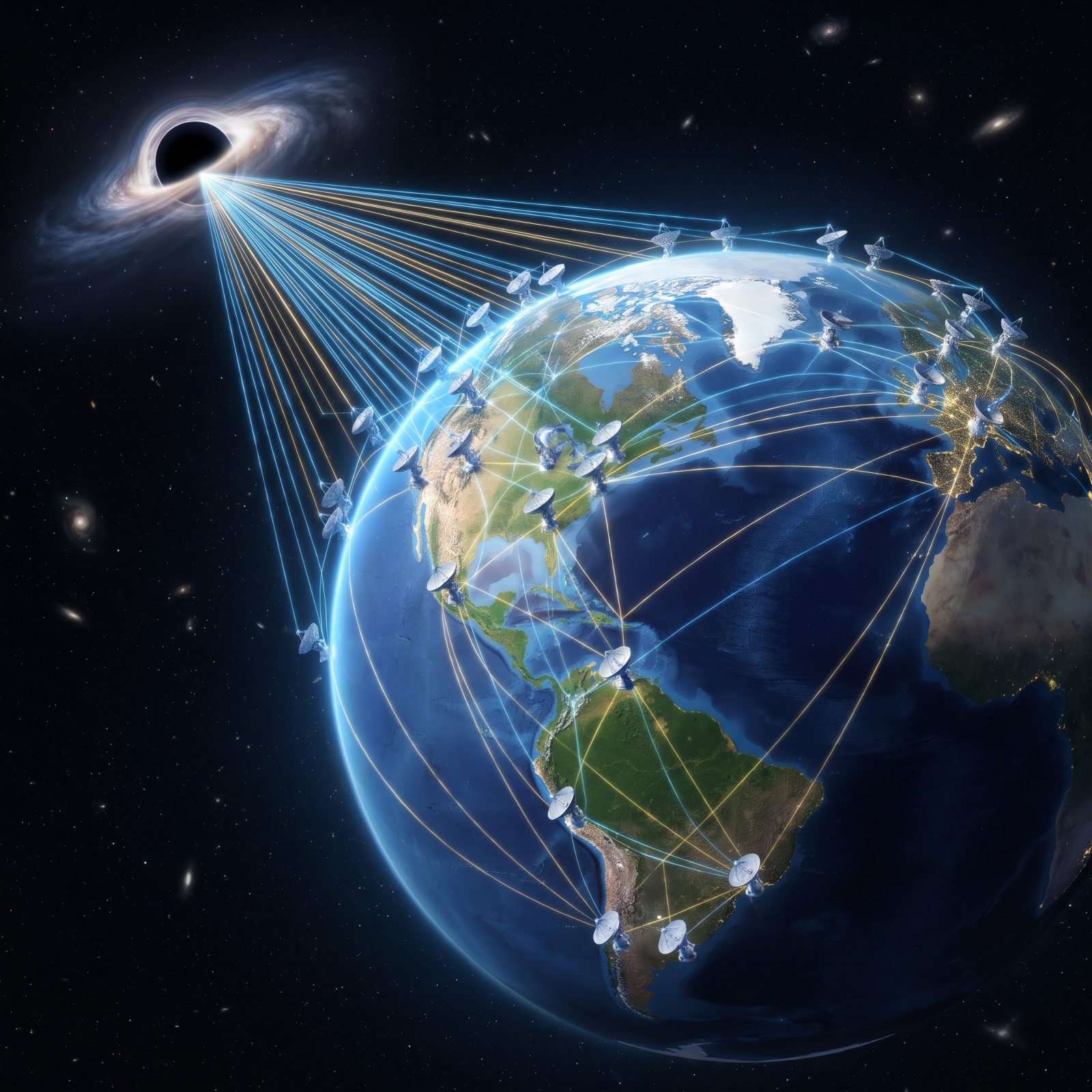
Imaging a black hole is like photographing a donut on the Moon from your backyard. The target in the 2019 image, the black hole in galaxy M87, sits about 55 million light-years away. No single telescope on Earth could resolve something that small and far.
So astronomers built one out of the whole planet. The Event Horizon Telescope linked radio dishes across North America, South America and Europe, syncing them with atomic clocks so precisely they behaved as one instrument spanning Earth’s diameter. And here’s the delightfully low-tech part: the data hauls were so enormous they had to be flown out on physical hard drives, because the internet simply couldn’t carry them. Entire planeloads of black hole.
8. The Famous Black Hole Images Use Assigned Colors
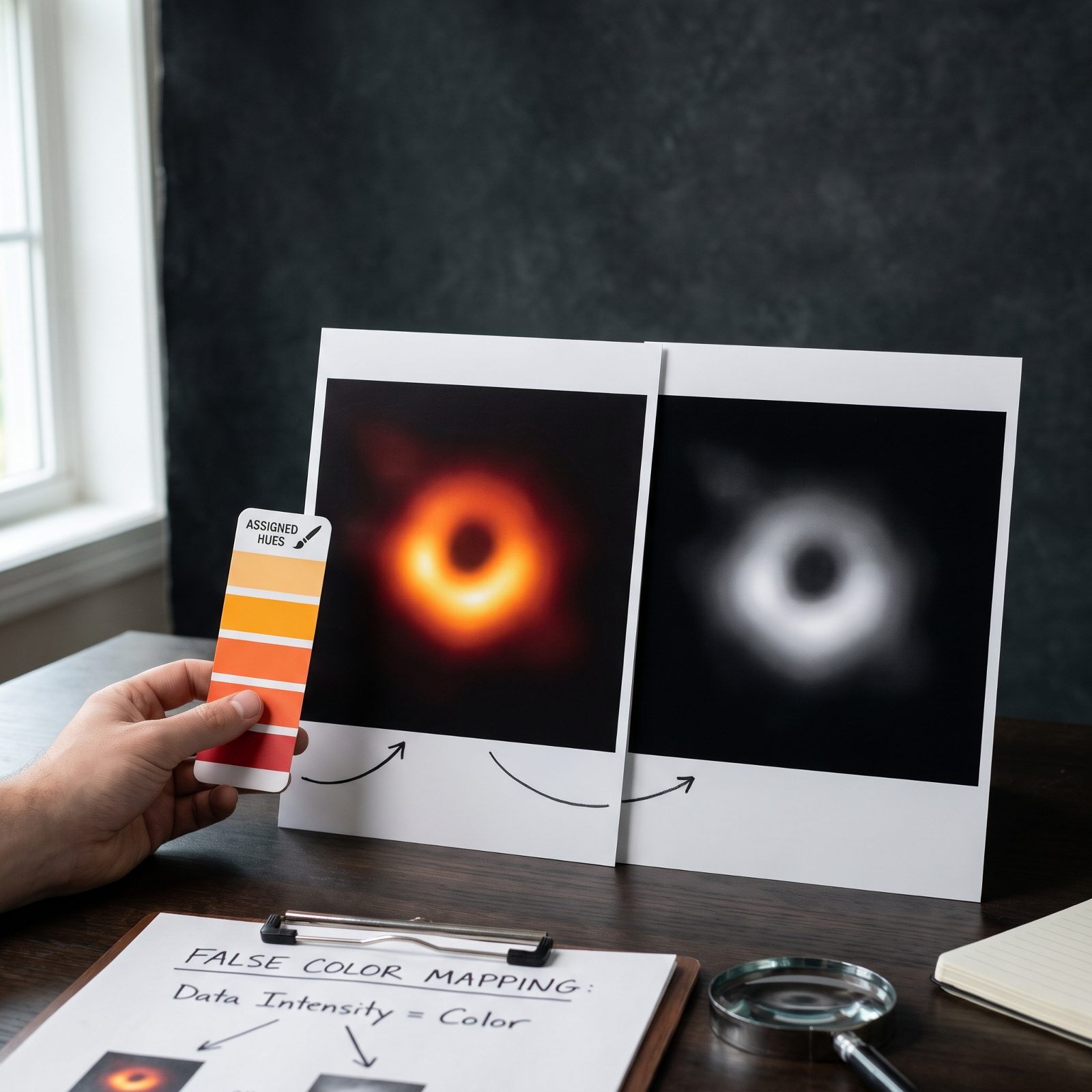
That famous fiery orange ring? Those aren’t the “true colors” of a black hole. The Event Horizon Telescope collected radio waves, which your eyes can’t detect at all. The glowing amber you remember is a color scheme scientists picked to represent brightness, hot where the signal is strongest, dark where it fades to nothing.
And no, that’s not cheating. It’s how most of modern astronomy operates. Those gorgeous nebula posters and swirling galaxy shots nearly all involve mapping invisible wavelengths onto visible color so human eyes can actually read the data.
The ring is real. The orange is a choice.
The shadow in the middle is genuine, the silhouette of the event horizon against the glowing gas behind it. So next time a movie shows a black hole blazing in cinematic color, remember what you’re really looking at: an interpretation, carefully built so the physics turns into something a human can see.
7. Black Holes Provide No Confirmed Shortcuts Across the Universe
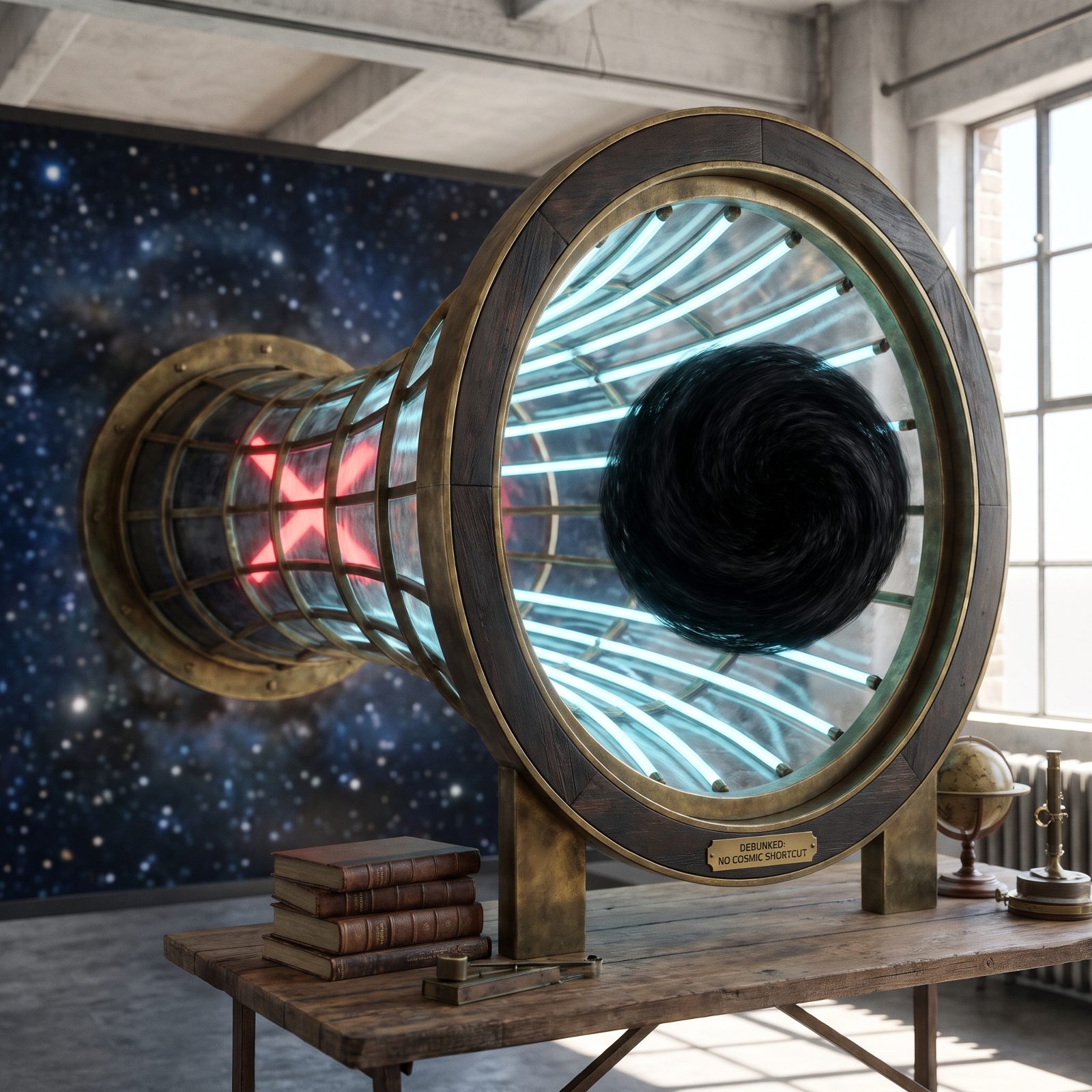
The wormhole-and-black-hole mashup is Hollywood’s favorite cheat. Fall in here, pop out across the galaxy there. Tidy. Also not a thing we’ve ever found.
Wormholes are a real solution to Einstein’s equations — but a black hole is not one of them. A standard black hole is a dead end, not a doorway. The two get fused on screen because audiences need the hero to arrive somewhere, and real black holes just keep whatever crosses the horizon.
6. A White Hole Has Never Been Observed
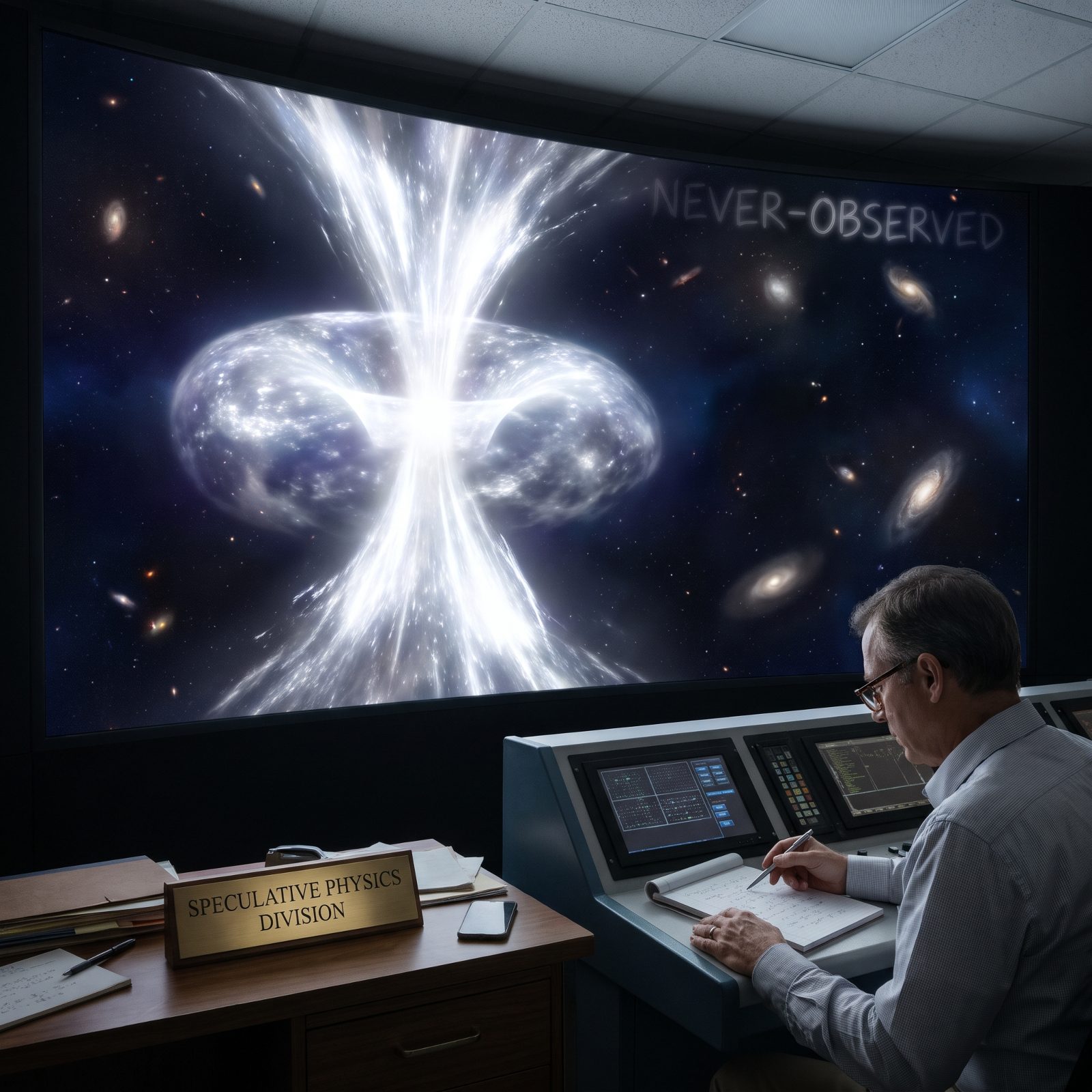
A white hole is the mathematical mirror of a black hole. Instead of swallowing everything it spits everything out, and nothing can ever enter. Run a black hole backward in time and that’s what you get.
The catch: they exist only on paper. No telescope has detected one, and most physicists think they can’t form by any natural process we understand, because they’d violate the way entropy and time actually run in our universe. Treat any screen white hole as a thought experiment wearing a costume.
5. A Black Hole Is Not a Reliable Time Machine
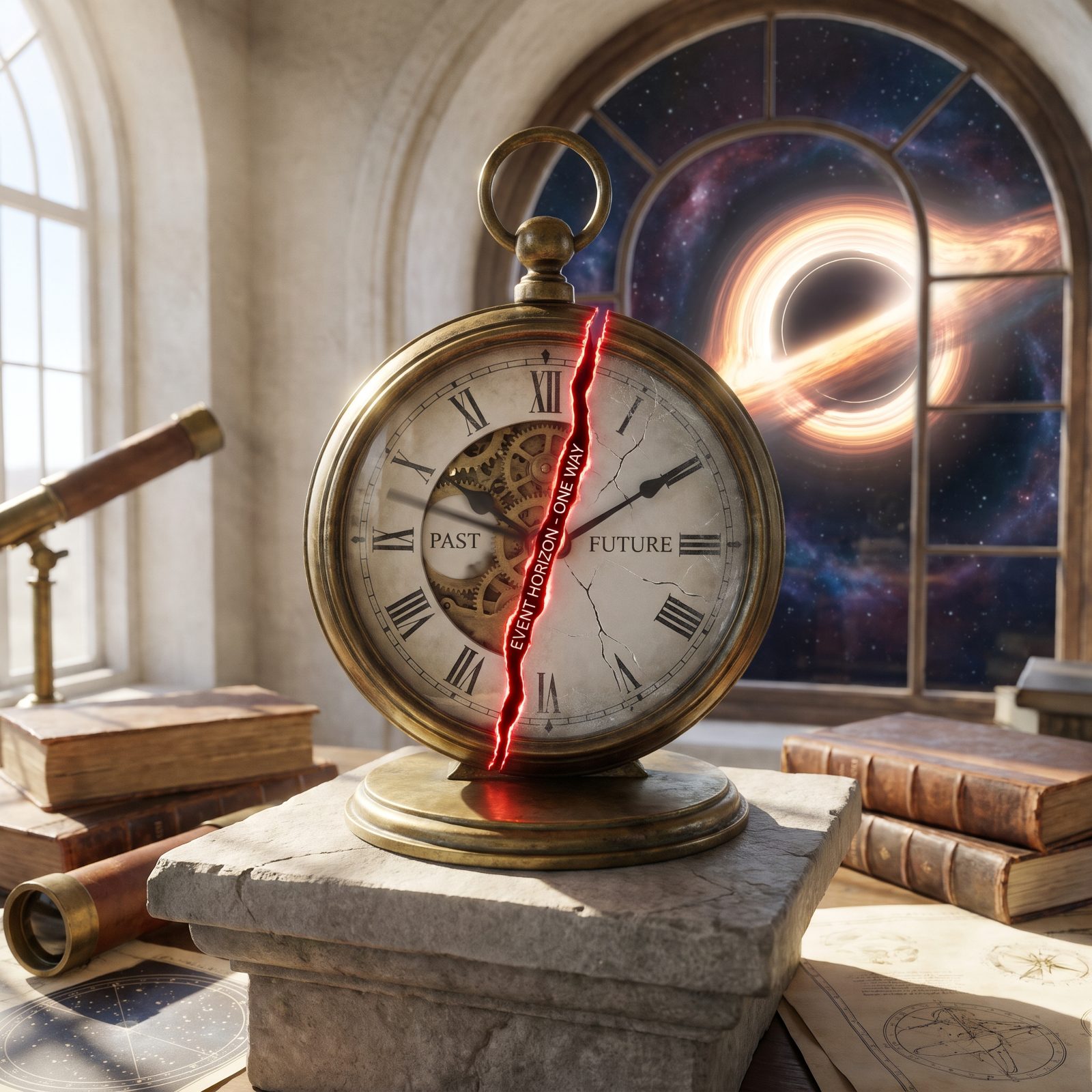
Time really does slow down near a black hole. That part films get right. Park near the horizon and clocks back home race ahead of yours. Genuine physics — measured in weaker form every day by the GPS satellites over your head.
But a one-way ticket to the future is not a time machine. You can’t steer it, you can’t come back, and the past stays off-limits. That famous movie version, where an hour near a black hole costs years on Earth, is extreme but not impossible for a rapidly spinning giant. Returning with that story, though? That’s the fiction.
4. The Singularity Is Not a Tiny Visible Ball, and Current Physics Cannot Fully Describe It

On screen the singularity is a shiny marble, or a swirling library of light you can reach out and touch. Real physics is far less satisfying.
The singularity is where our equations break. General relativity predicts infinite density at a point, and infinities are the universe’s way of telling you your theory has stopped working. To describe what truly happens there we’d need a theory of quantum gravity, and we don’t have one yet.
So the honest answer is: nobody knows what the center is. Not a glowing object waiting to be filmed — the edge of what we can currently calculate.
3. Spaghettification Pulls Lengthwise While Squeezing Sideways

The word is perfect: spaghettification. The physics is specific in a way films rarely bother to show.
On screen, it is often shown as a single body part stretching. Real tidal forces work differently. They stretch the whole body along the line pointing at the hole, feet first, while the sideways pull squeezes it narrow. You don’t just get long. You get long and thin, like dough drawn through a slot. Stretch and pinch, together.
For a stellar-mass black hole this happens before you even reach the horizon. For a supermassive one, see the previous entry. Same force, wildly different experience depending on the mass.
2. An Astronaut Could Not Radio Back After Crossing the Event Horizon
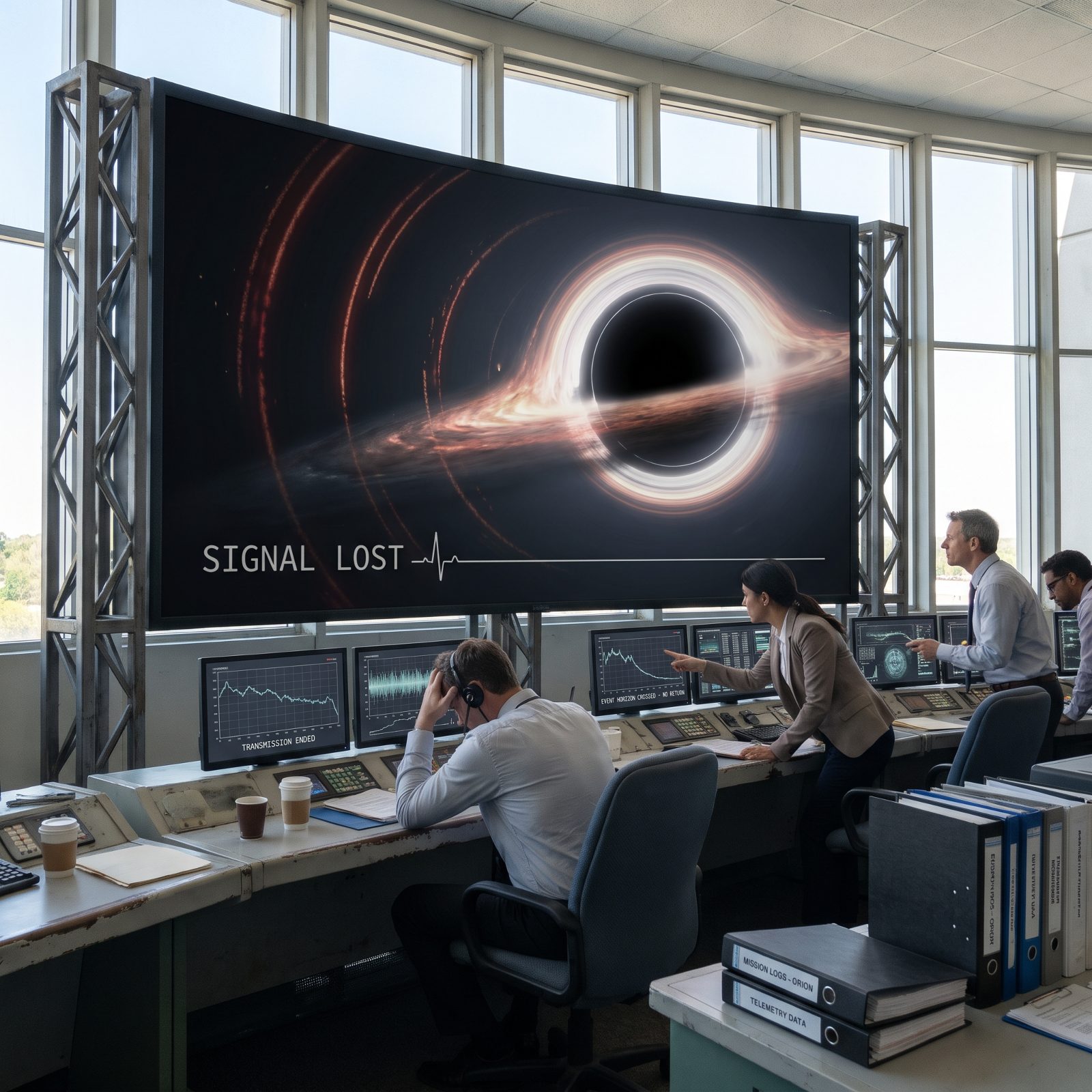
The monitor declaring “EVENT HORIZON CROSSED – NO RETURN”? That’s mission control’s inference, not something they actually watched. In reality the line goes dead at the horizon, permanently, and the big screen can only say “SIGNAL LOST.”
Radio waves are light, and light cannot climb back out past the event horizon. No signal, no telemetry, no last words make it to anyone outside. From the perspective of people watching from a safe distance, the falling astronaut appears to slow and freeze and fade red at the edge, never quite crossing, their final image stretched out and dimming forever.
1. No Engine, However Powerful, Can Escape From Inside the Event Horizon
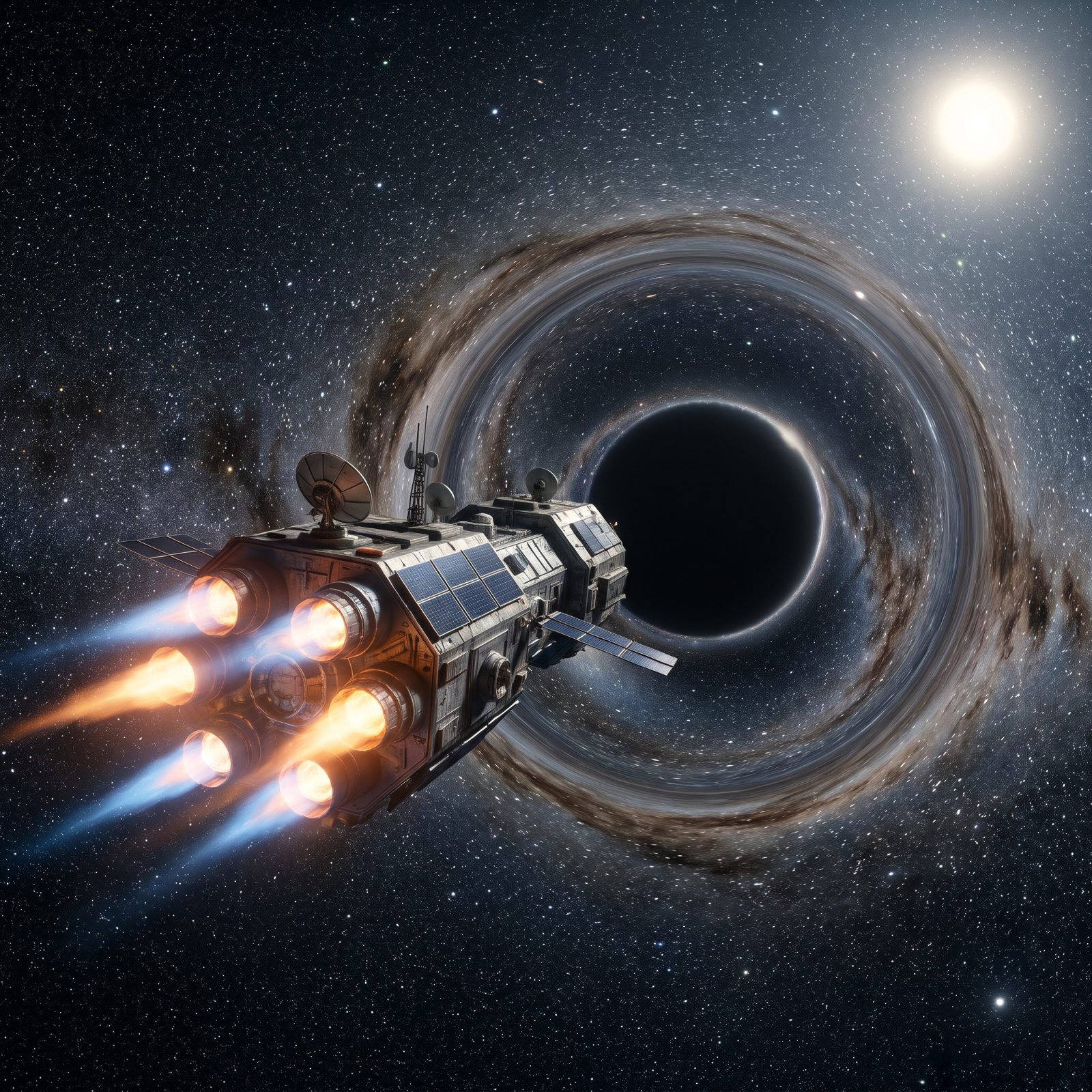
No amount of thrust saves you. This is the part movies fudge hardest, usually with a last-second burn that yanks the ship free.
Once you’re past the event horizon, the problem isn’t that gravity is too strong for your engines. It’s that there is no direction called “out.” Spacetime itself is bent so that every possible path, every way you could point the ship, leads deeper in. The center becomes your future the way next Tuesday is yours now. You can’t rocket your way out of tomorrow.