

A glacier that bleeds. Rocks that crawl across a dry lakebed and leave trails nobody has ever watched them make. A cave in Vietnam big enough to swallow a city block and grow its own weather inside. None of this is a painting or some clever edit. Every one of these places sits on a real map and obeys real physics, and still your brain stalls for a second before it accepts what your eyes are reporting. We rounded up the strangest corners of the planet, the spots where geology, water, light, and life gang up to break the rules you thought the world ran on.
42. Salar de Uyuni, Bolivia: The Salt Flat That Turns Into the Sky
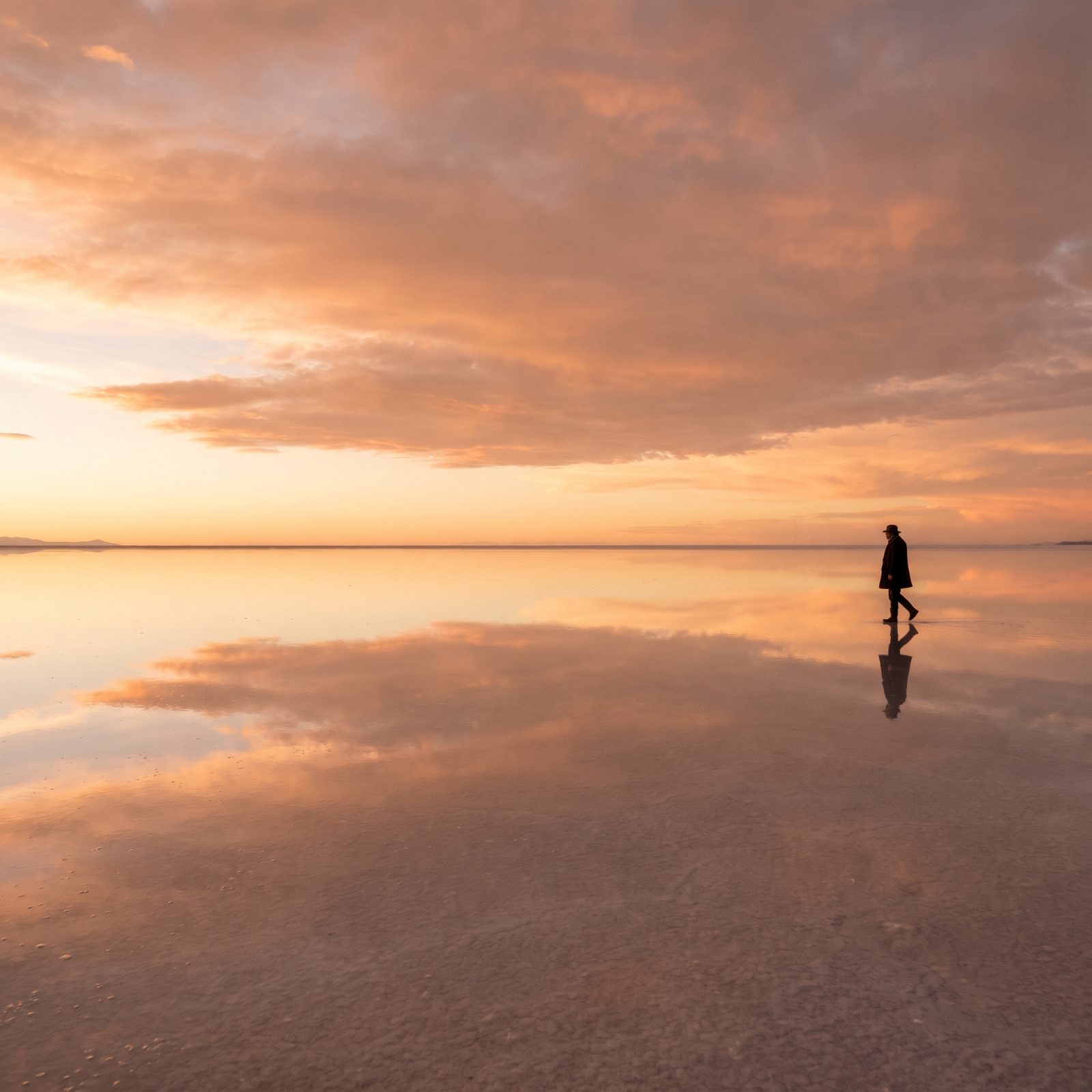
Thousands of square miles of salt, and in the rainy season between December and April a few inches of standing water turn the whole thing into the largest natural mirror on the planet. The horizon vanishes, clouds hang under your feet, and you lose all sense of up and down. Photographers lose their minds here, and you’d understand why the moment you stepped out onto it.
It sits around 12,000 feet, so the sun is brutal and the nights drop below freezing. Come in the dry season and you get something else entirely: cracked white hexagons stretching to forever, no mirror at all. Same ground, two wonders, and which one you meet depends entirely on the month you pick.
41. Blood Falls, Antarctica: A Glacier That Appears to Be Bleeding
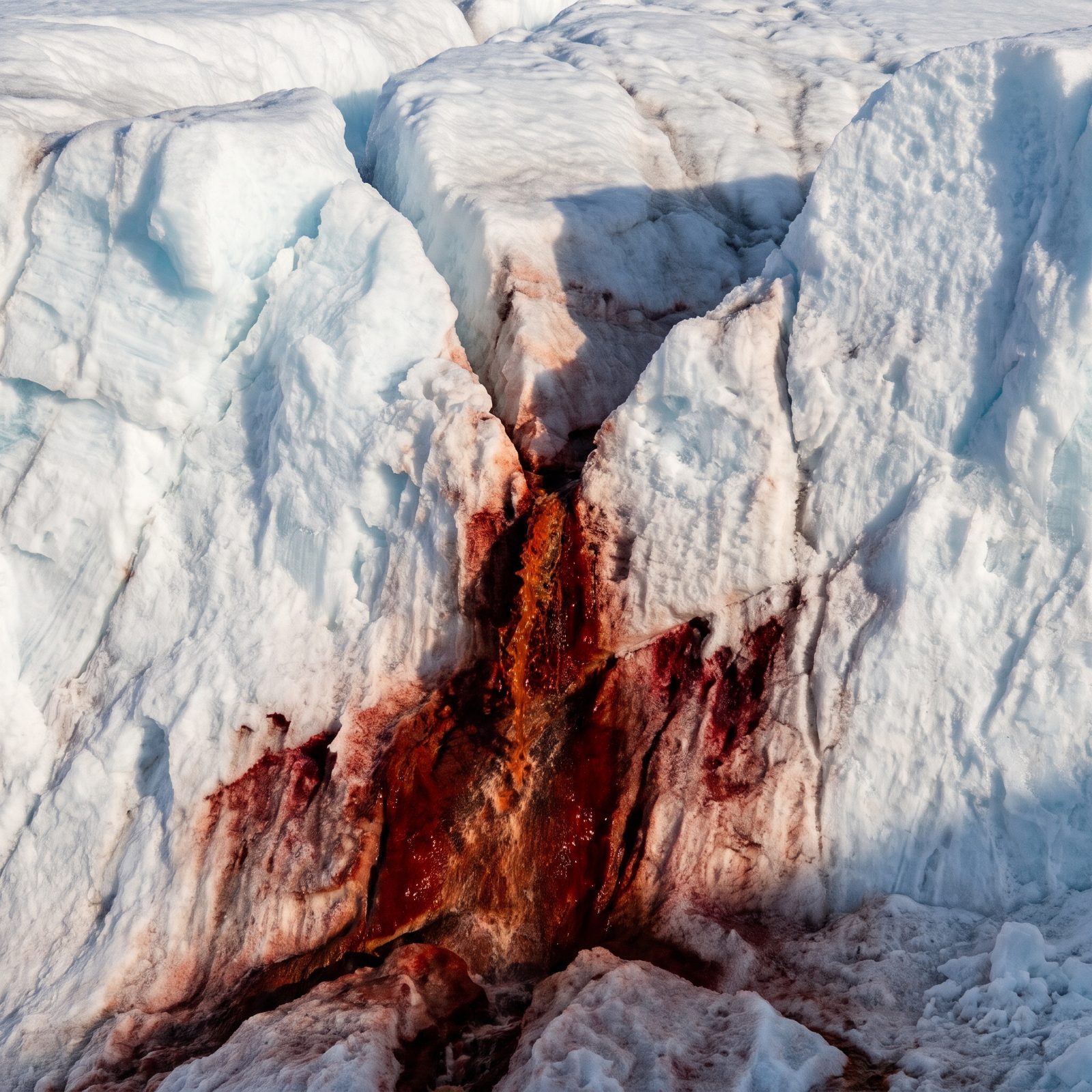
For over a century people assumed red algae painted this waterfall. They were wrong.
The color comes from iron. Trapped beneath Taylor Glacier sits a pocket of ancient saltwater, sealed off from the air for maybe a million years and loaded with dissolved iron. When that brine finally leaks out and meets oxygen, it rusts on contact, and the glacier looks like it’s been cut open.
What really gets me is what lives down there. Microbes have survived in that lightless, oxygen-free brine for geological ages, and that’s why scientists treat Blood Falls as a dry run for hunting life on frozen worlds like Europa.
40. Racetrack Playa, California: The Stones That Wander on Their Own
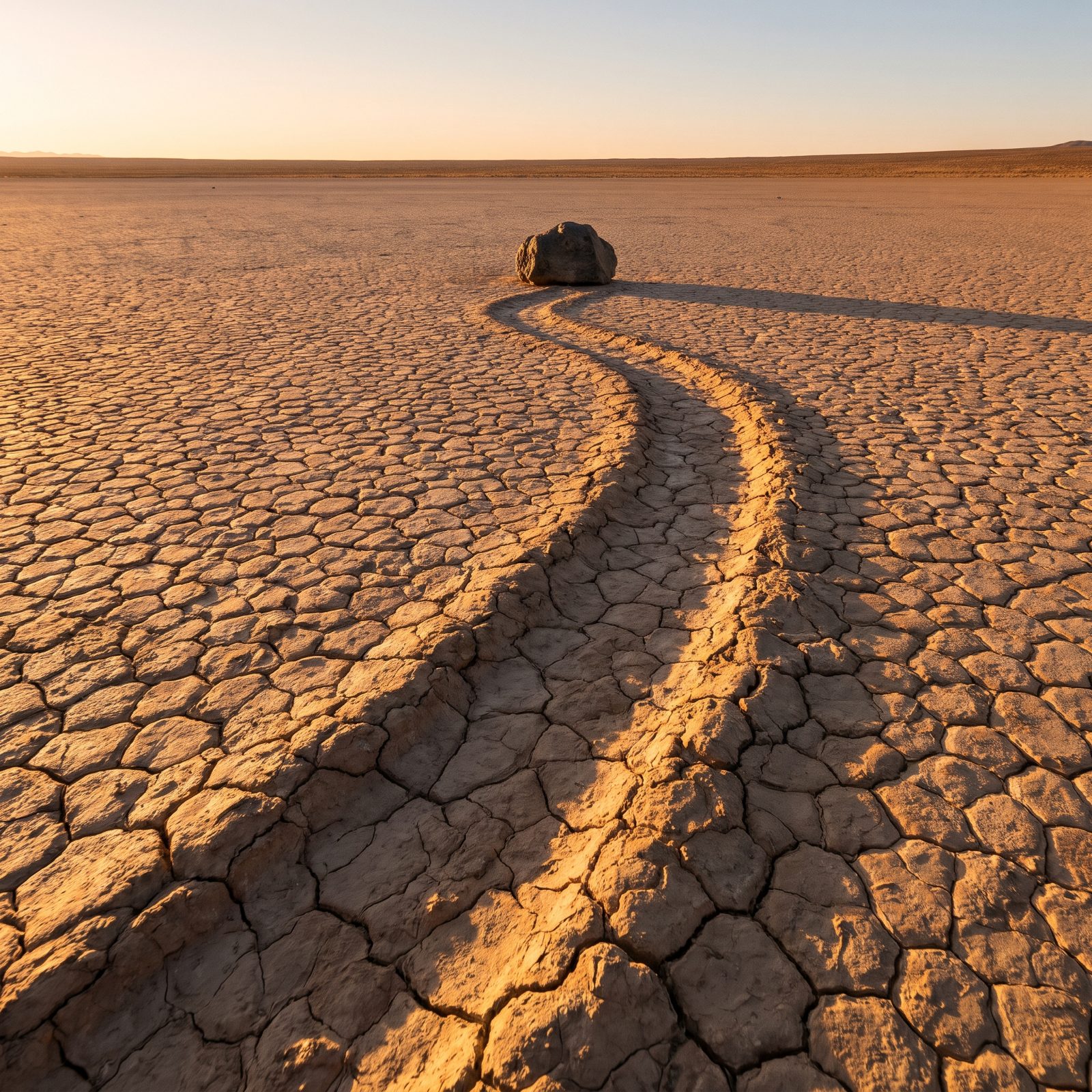
Rocks the size of microwaves leave trails hundreds of feet long across a dead-flat desert, and for decades nobody could explain it.
No footprints. No slope to roll down. The theories ran wild: wind, magnetism, pranksters with too much time. Everyone was overthinking it.
Time-lapse cameras finally caught the mechanism in 2014. On rare freezing nights a thin skin of water on the playa turns to ice, and when it thaws by day and a light breeze pushes, big rafts of that ice shove the stones along the slick mud at a crawl. You’d never catch it with your own eyes. The desert just pulls off its slow trick when nobody’s around to watch.
39. Caño Cristales, Colombia: The River That Runs in Five Colors
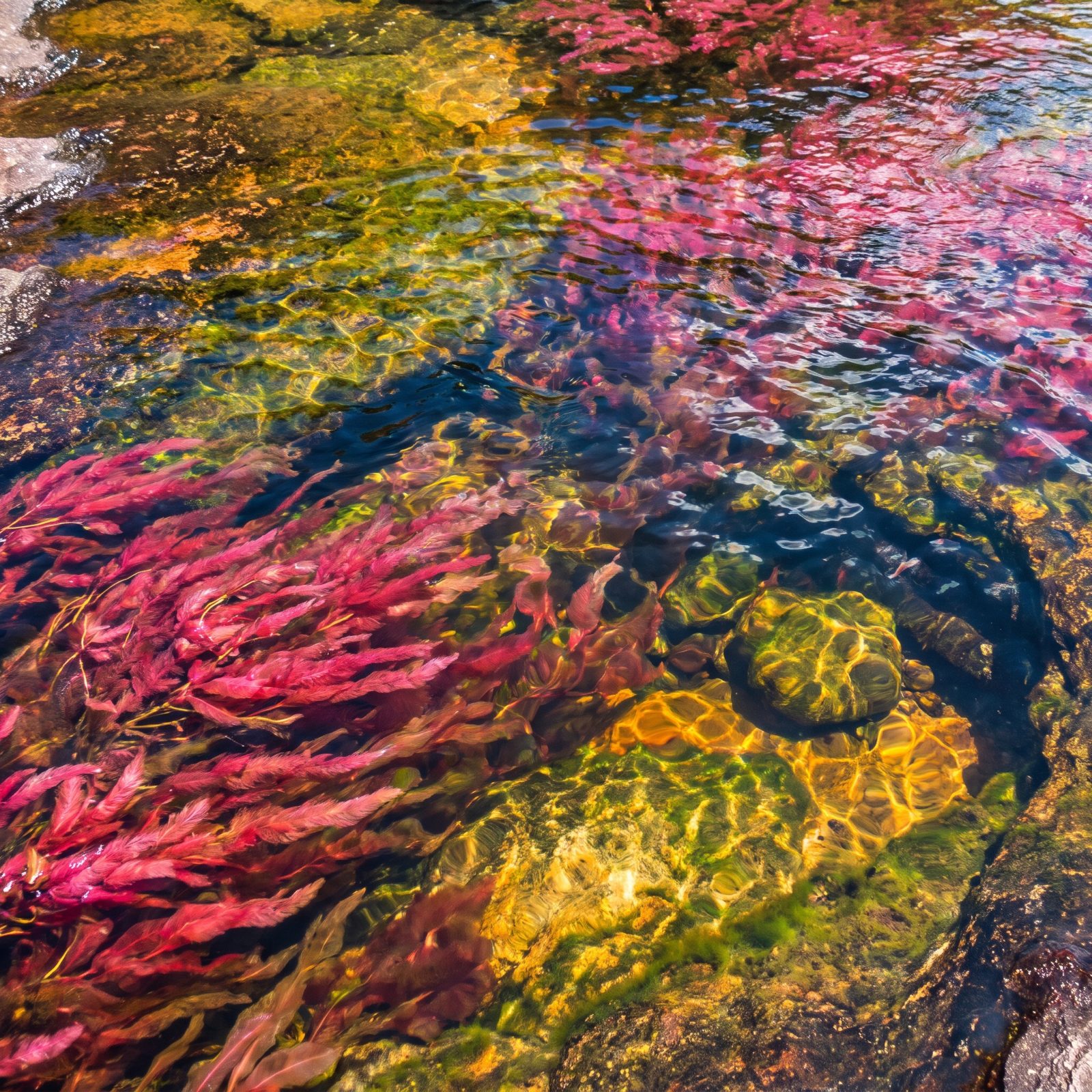
Colombians call it the river of five colors, and for a few weeks between roughly June and November, it earns the name.
The red is the showstopper. A plant called Macarenia clavigera clings to the riverbed, and when the water runs at just the right depth under just the right light, it blooms a vivid crimson. Add the green of moss, the yellow of sand, the blue of deep pools, the black of bare rock, and the whole river looks hand-painted.
Miss the window and you get a clear, pretty, ordinary stream. The plant needs its exact conditions to switch on, which makes this one of the rare natural wonders running on an actual schedule.
38. Sơn Đoòng, Vietnam: A Cave So Enormous It Grows Its Own Clouds
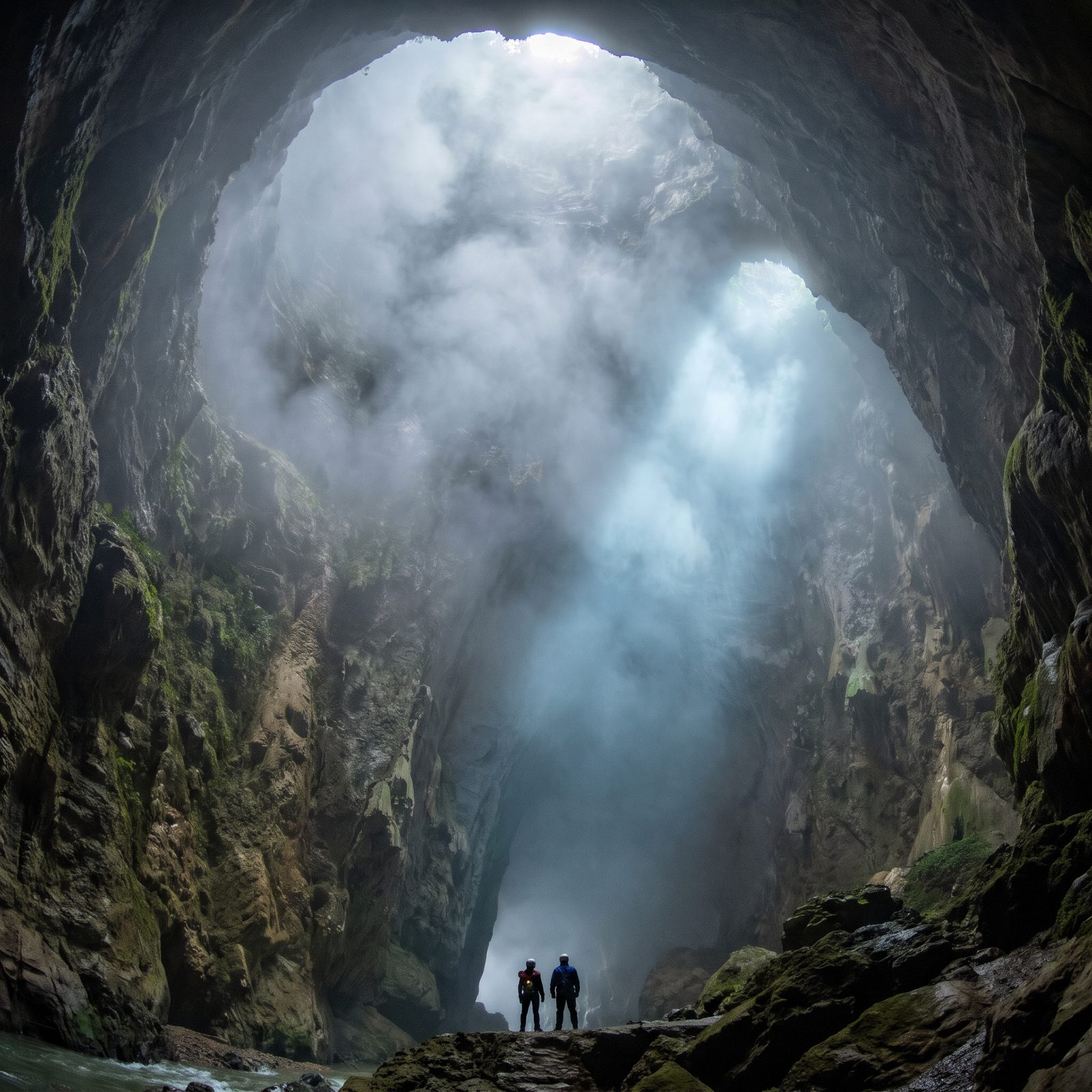
You could park a Boeing 747 inside this cave and still have room overhead. It’s that big.
Discovered in 1990 and not properly explored until 2009, Sơn Đoòng is wide and tall enough that clouds actually form inside it. Warm, humid air drifts in, meets the cooler cave, condenses, and suddenly mist is wandering through the chambers like weather in a valley. Where the roof collapsed, sunlight pours down and a full jungle grows underground, trees and all.
37. Lake Maracaibo, Venezuela: The Place Where Lightning Almost Never Stops
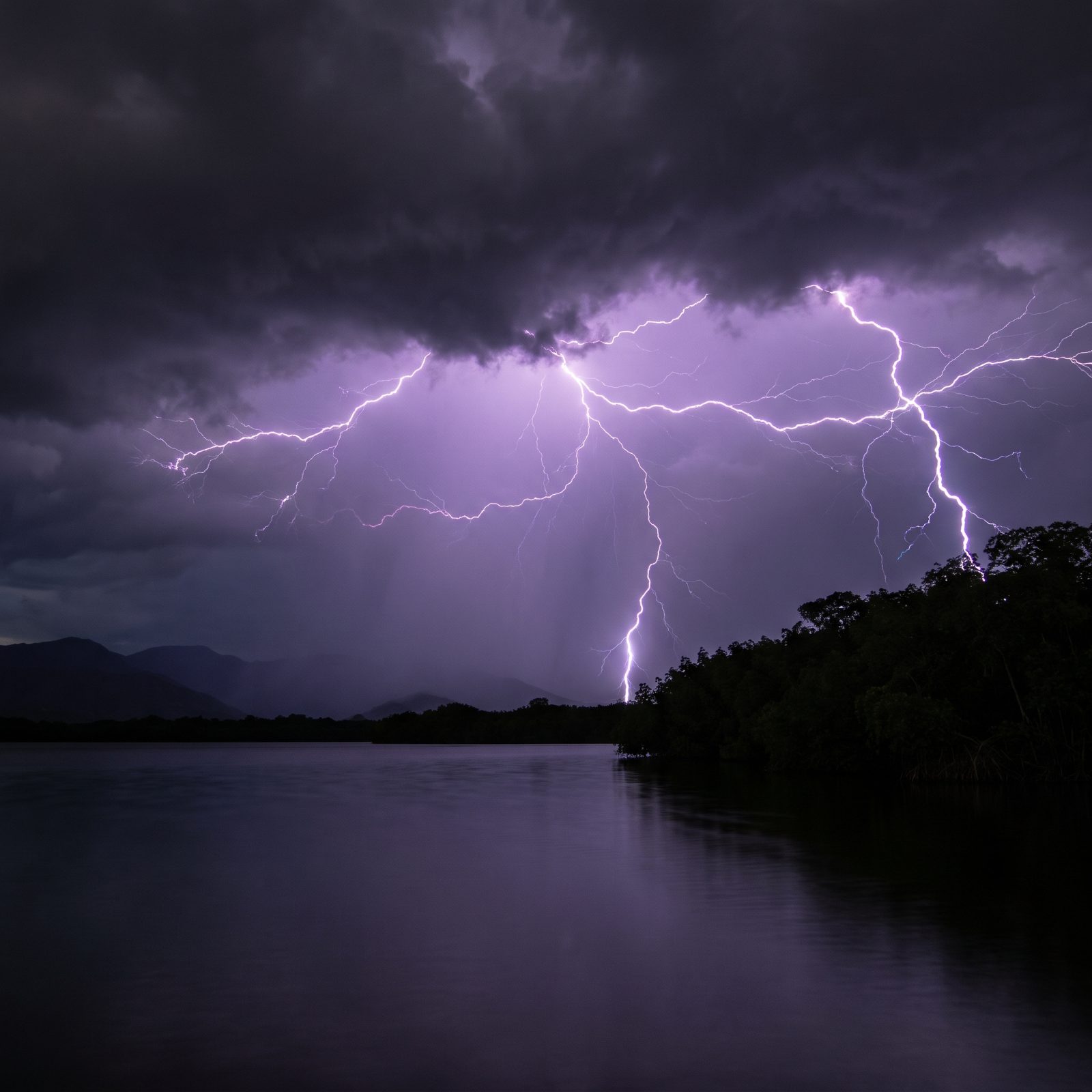
Pick a spot where a river meets a warm lake, ring it with mountains, and let the heat and moisture collide night after night. That’s the recipe for Catatumbo lightning.
Over Lake Maracaibo, storms fire off lightning on hundreds of nights a year, sometimes for nine or ten hours straight. The lake holds the record as the most lightning-struck place on the planet, lit up again and again until dawn.
Sailors once used it as a lighthouse. A natural beacon you could spot from miles out at sea, burning almost every night, powered by nothing but weather.
36. Socotra, Yemen: The Island Where the Trees Look Like Open Umbrellas
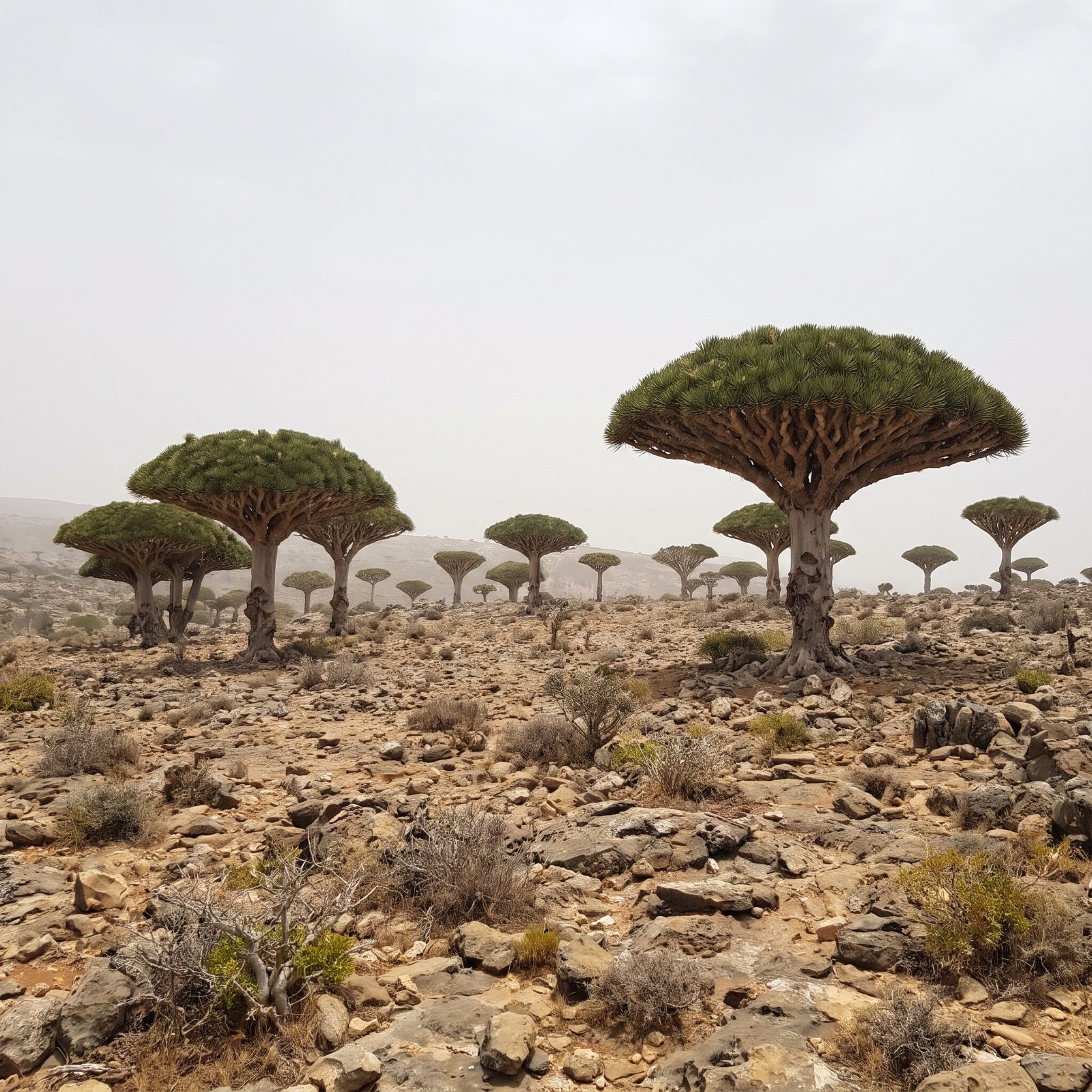
Something like a third of the plants on Socotra grow nowhere else on Earth. Isolation does that. Cut an island off for millions of years and evolution starts improvising.
The star is the dragon’s blood tree, shaped like an umbrella flipped inside out, with a canopy so dense it funnels the island’s fog straight down to its own roots. Slice the bark and it bleeds a deep red resin, used for centuries as dye and medicine.
Walking through a grove of them feels less like Yemen and more like a set someone built for a planet that doesn’t exist.
35. Gulf of Carpentaria, Australia: The Cloud That Rolls in Like a Wave
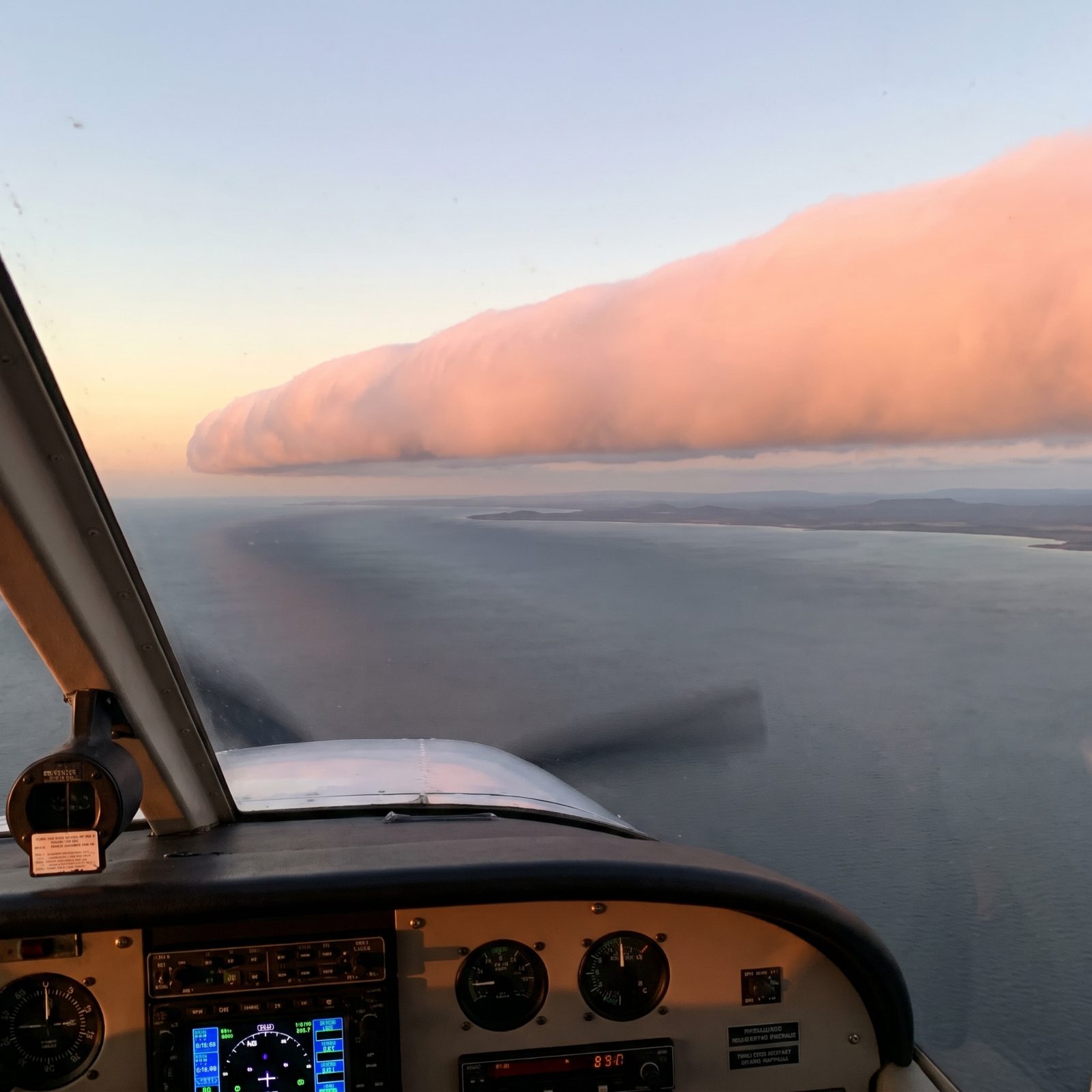
Picture one cloud shaped like a rolling tube, smooth as a pipe, stretching hundreds of miles end to end, hanging low to the ground and moving toward you like a wave in slow motion.
That’s the Morning Glory, and it shows up over the Gulf of Carpentaria most reliably in spring, roughly September through November. The physics behind it are genuinely tricky, and that’s exactly why glider pilots fly in from around the world to surf the rising air along its leading edge.
Nowhere else on Earth produces this cloud so predictably. One of the few weather events you can almost mark on a calendar.
34. Cenote Angelita, Mexico: An Underwater River Hiding Beneath the Water
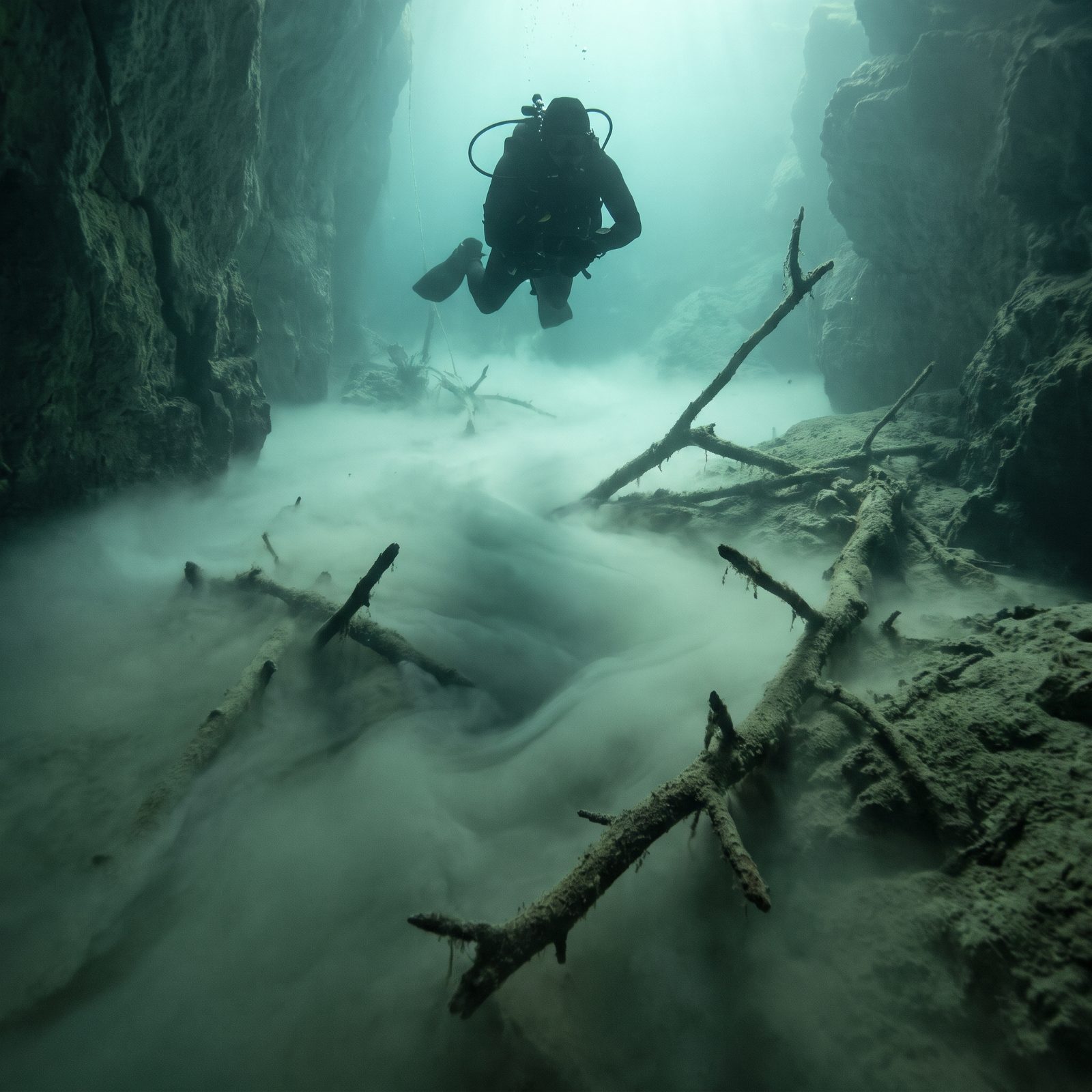
Dive into this cenote near Tulum and at about 100 feet you hit what looks like a river: flowing water, a misty bank, dead trees poking out of fog. Except you’re already underwater.
It’s a layer of hydrogen sulfide, a cloudy haze that forms where lighter freshwater sits on top of denser saltwater, fed by decaying leaves. The result is a false riverbed suspended inside a body of water, ghostly forest and all.
Swim through it and the fog swallows you whole, then spits you out into the clear salty dark below.
33. Danakil Depression, Ethiopia: A Landscape That Looks Beamed in From Another Planet
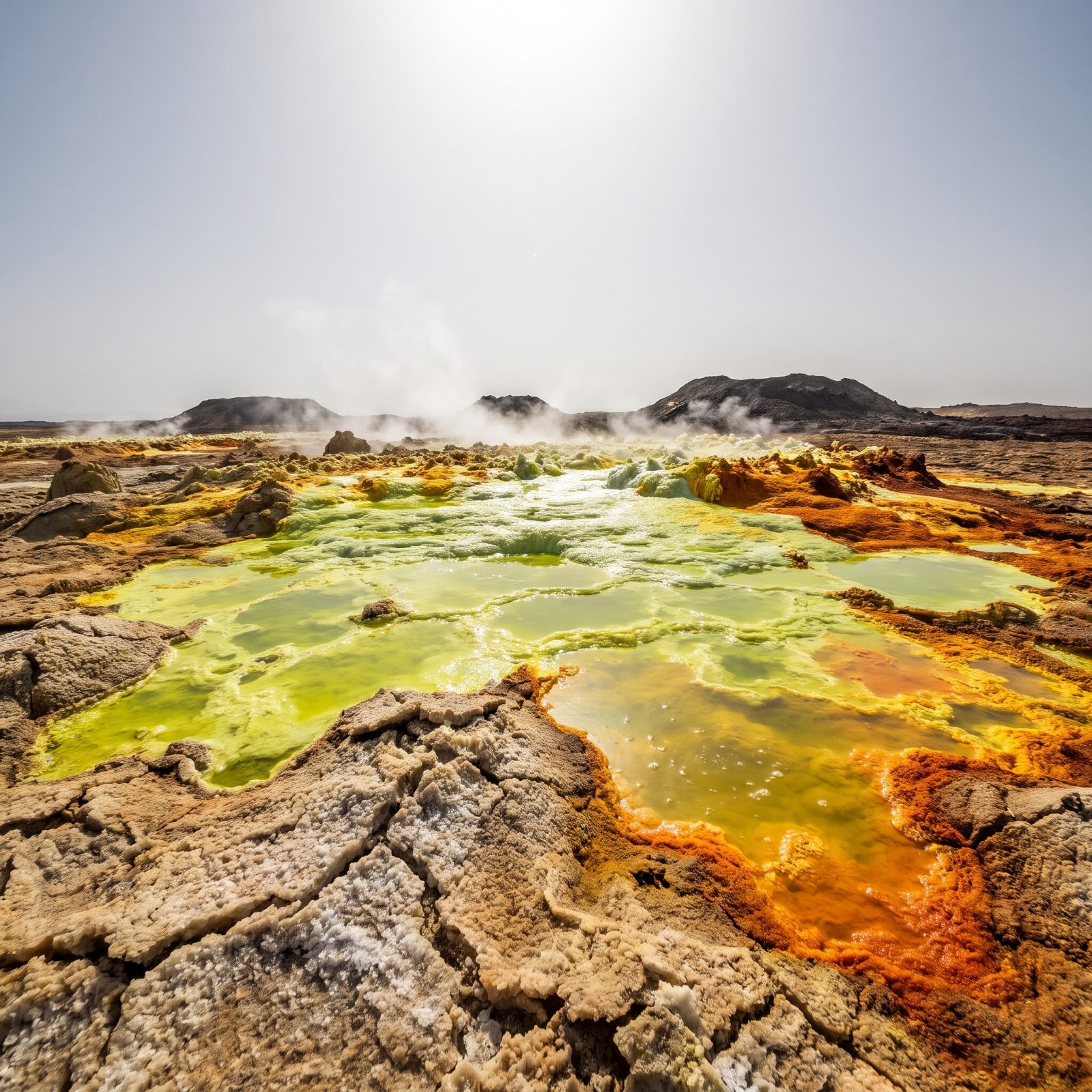
This might be the hottest inhabited place on Earth, where daytime temperatures stay brutally high all year. It sits well below sea level, in a spot where three tectonic plates are slowly tearing apart.
At Dallol, acid springs bubble up in neon yellow and lime green, sulfur crusts the ground, and salt plains run white to the horizon. It genuinely looks like NASA dropped a Mars rover photo into Ethiopia.
And yet microbes thrive in that boiling acid, which is why astrobiologists keep coming back. If life hangs on here, the thinking goes, maybe it hangs on somewhere far colder and far more distant too. The strangest ground on this planet keeps pointing us toward where else to look.
32. Lençóis Maranhenses, Brazil, A Desert Filled With Blue Lagoons
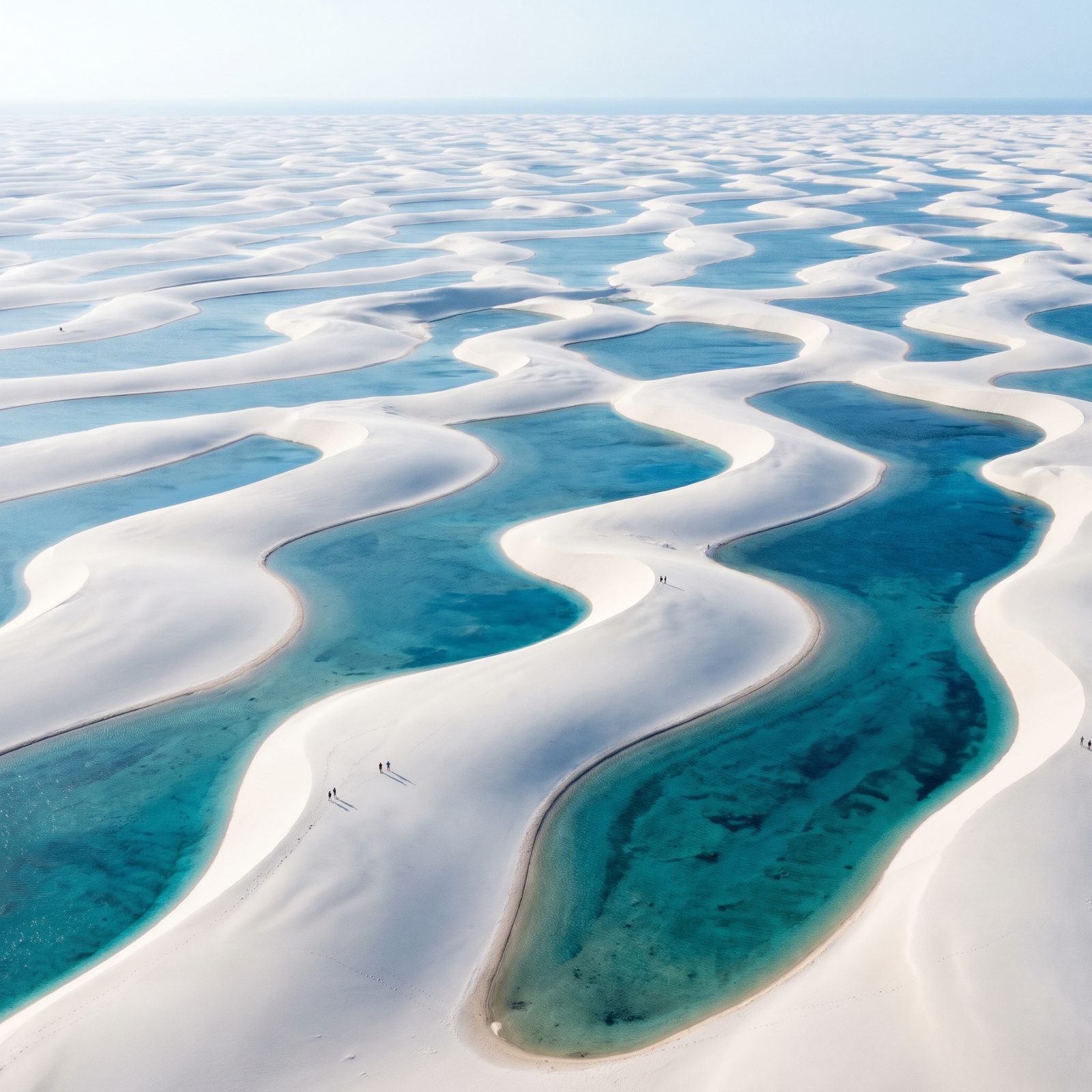
It looks like somebody spilled a box of sapphires across a bedsheet. From the air, Lençóis Maranhenses is nothing but white dunes punctured by thousands of lagoons in every shade of blue and green. The strange part? It’s technically a desert — one that gets plenty of rain, except the sand drains too fast to hold life the way soil would.
The lagoons only fill during the rainy season, roughly March through September, trapped on a shallow rock layer buried under the sand. Come in October and you’ll find half-empty basins and a dustier, duller park. Time it right and you get the postcard. Time it wrong and you’ve earned a long bumpy ride for a handful of puddles.
31. Kawah Ijen, Indonesia, A Volcano That Burns With Electric-Blue Flames
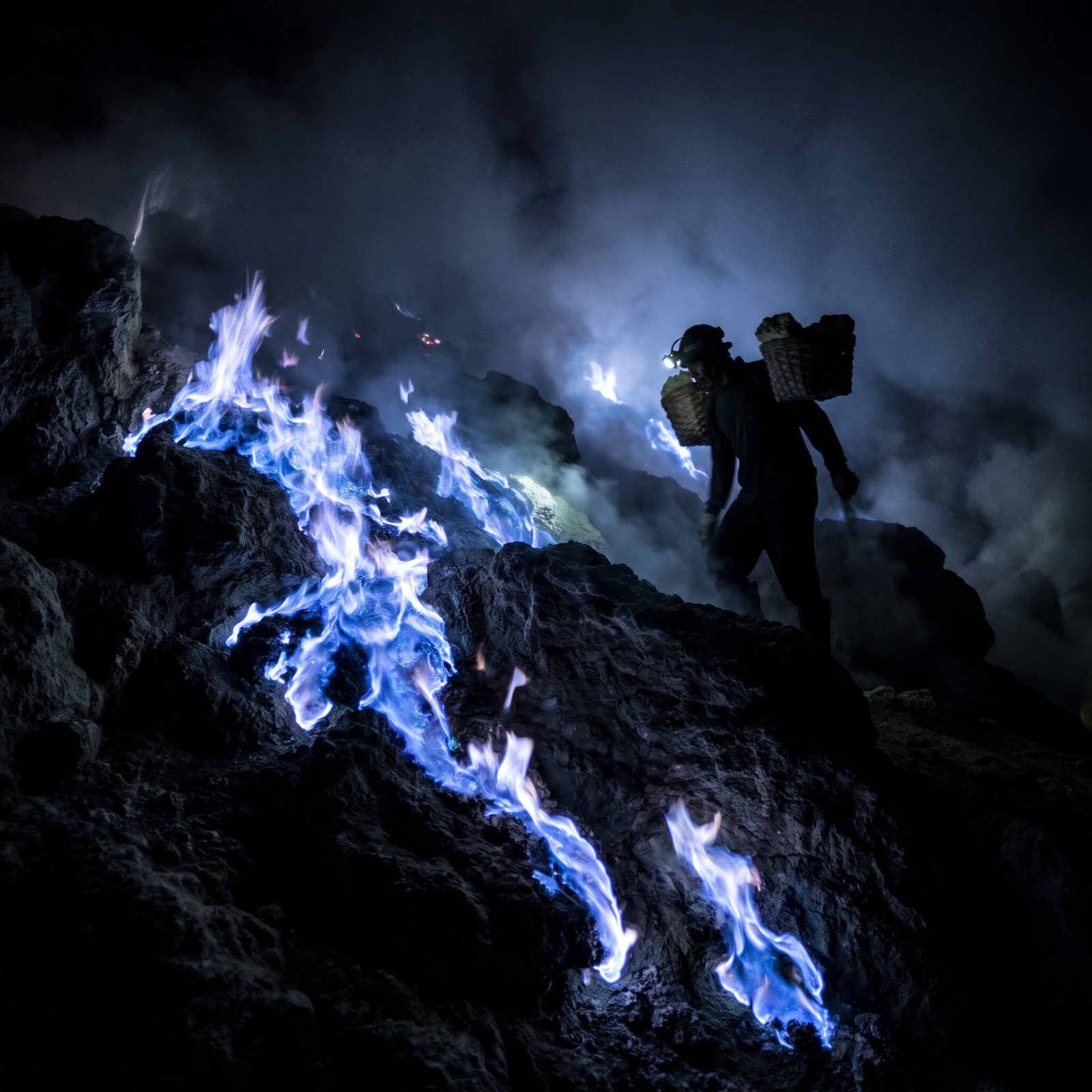
The flames aren’t lava. Kawah Ijen’s famous blue fire is burning sulphuric gas, forced out of cracks hot enough to glow and igniting the second it hits oxygen. Some of it condenses into liquid sulphur and runs downhill while still alight, so the fire literally flows like water.
You can only catch it in the dark, which means a brutal 2am hike before dawn washes it out. And those plumes are pure sulphur dioxide. The miners who haul yellow slabs out of this crater work in gas masks or soaked rags, and many don’t last long — the lungs give out. One of the harshest jobs on Earth, done beside one of its strangest sights.
30. Richat Structure, Mauritania, The Giant Eye Staring Out of the Sahara
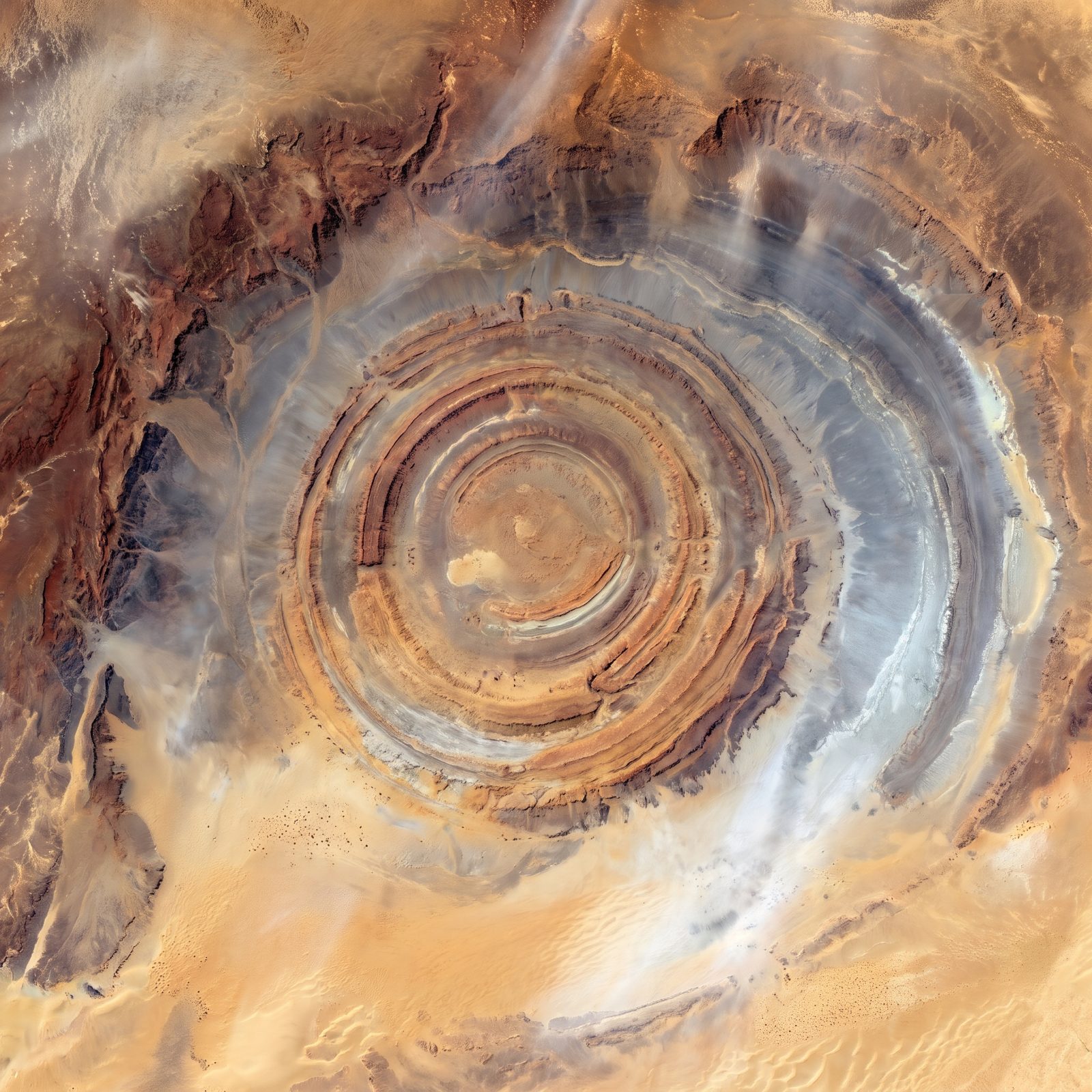
Astronauts use it as a landmark. From orbit the Richat Structure looks like a colossal eye — nearly 30 miles of rock rings staring back at space — and for decades people figured a meteor punched it into the desert.
It didn’t. No impact crater, no shocked minerals. This is a dome of ancient rock pushed up from below, then sliced flat by erosion so the layers show as rings, the way growth lines surface on a cut stump. Harder rock resists, softer rock wears away, and you’re left with a bullseye only the sky can see. Walk across it on the ground and you’d never know what you were standing in.
29. Waitomo, New Zealand, A Cave Ceiling Lit Like a Starry Sky
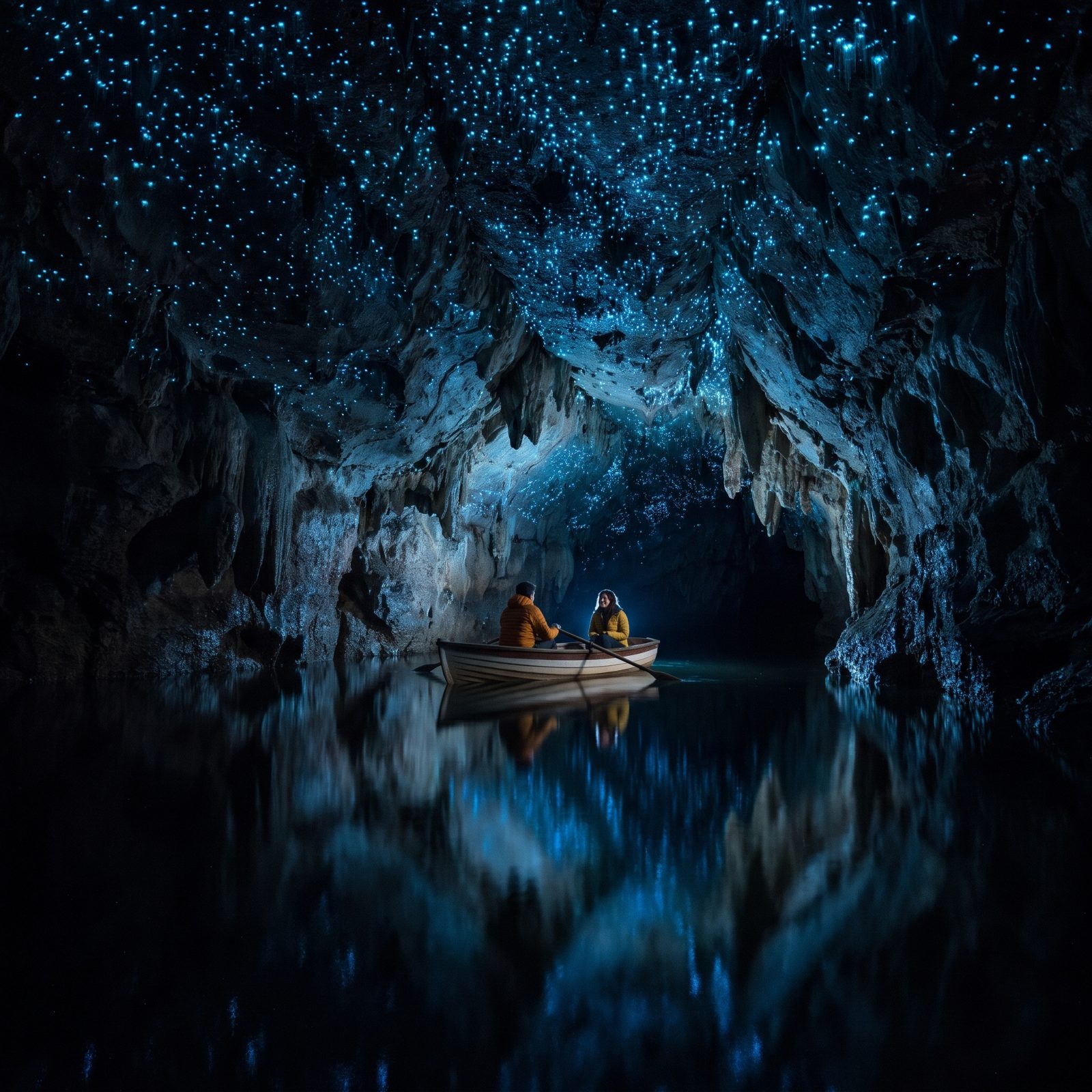
Drift into the dark on an underground river and the ceiling fills with blue-green stars. Thousands of them. Except they aren’t stars, and the light isn’t romantic — it’s bait.
Those are the larvae of a fungus gnat, glowing to lure insects into sticky silk threads they dangle like fishing lines. The hungrier the glowworm, the brighter it burns, because hunger is what drives the chemistry. So the most dazzling patch of “sky” is the one crowded with the most desperate little hunters.
Photography is banned on the boat tours, partly because flash disrupts the worms and partly because no phone camera will catch it anyway. You just sit in the black and look up.
28. Qiantang River, China, A Wall of Water Racing Upstream
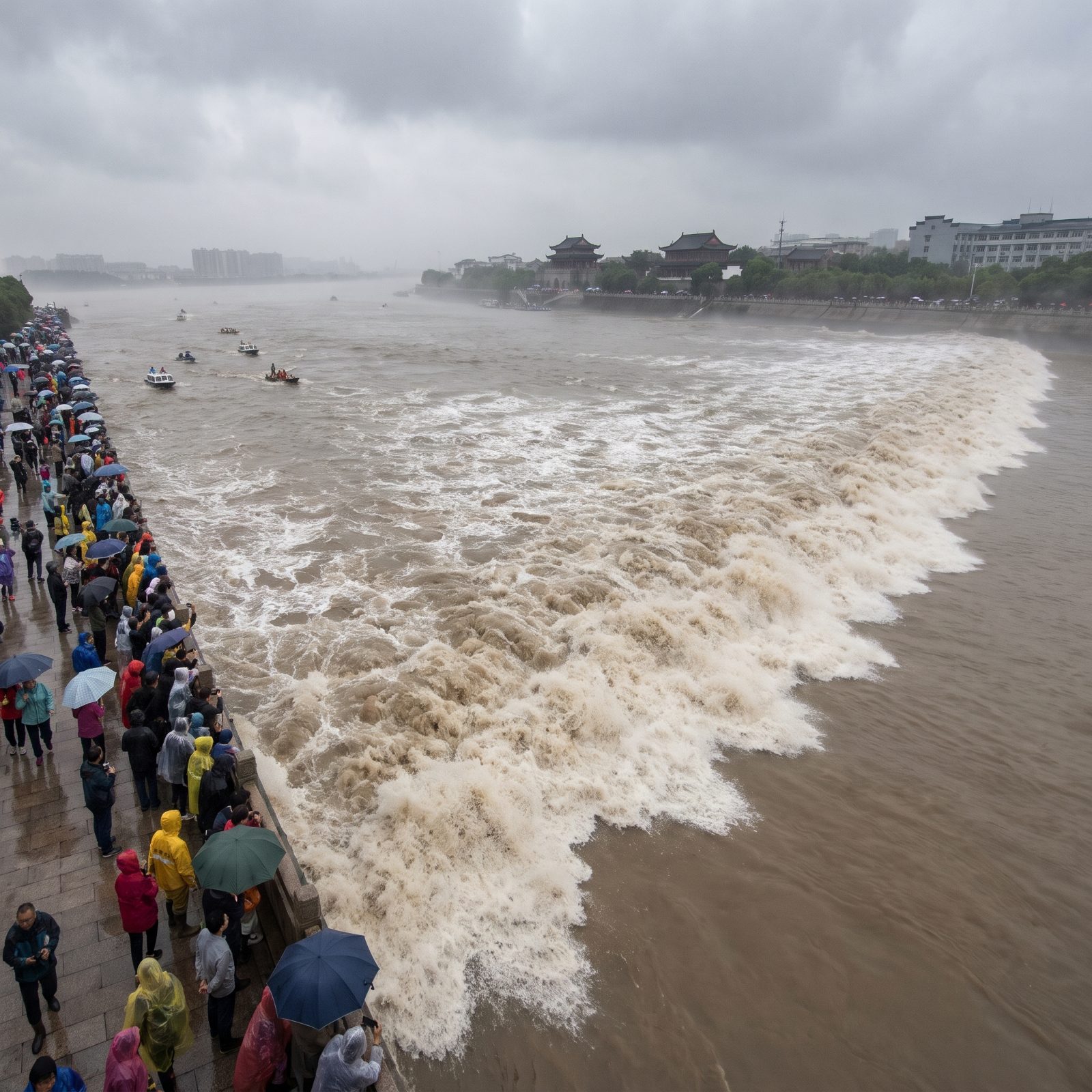
Rivers run to the sea. This one, for a few seconds at a time, runs the other way.
The Qiantang produces the largest tidal bore on the planet — a wave that can rear up high and move faster than a person can sprint, charging upstream because the river’s funnel shape squeezes the incoming tide into a single advancing wall. People have gathered to watch it for over a thousand years, usually around the autumn equinox when it peaks.
Gorgeous from behind a barrier, lethal in front of one. The bore has killed spectators who stood too close, swept off embankments by water that arrives faster than instinct.
27. Spotted Lake, Canada, A Lake That Breaks Into Polka Dots
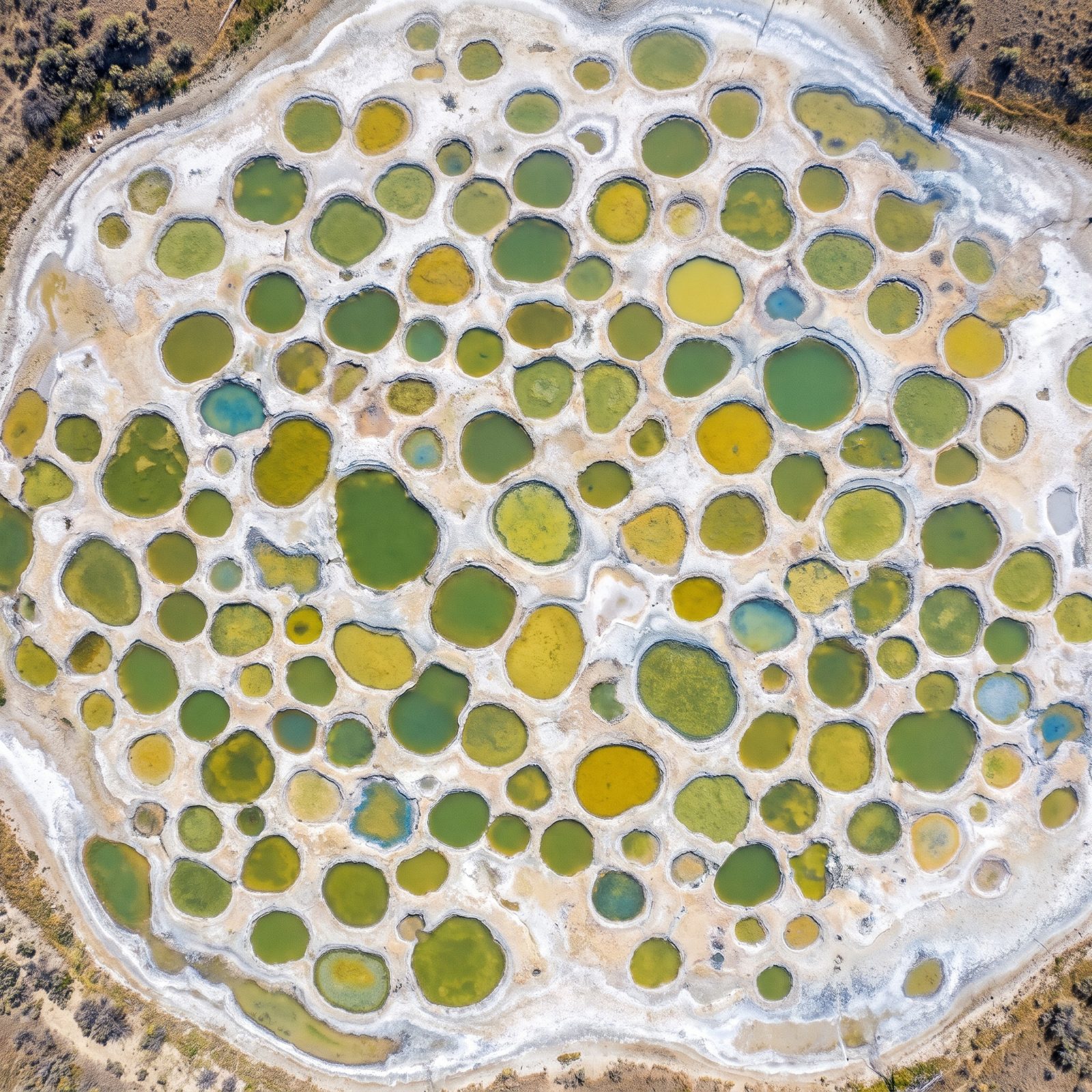
In winter it’s a plain, unremarkable lake. Come summer it breaks out in spots — hundreds of them, in green, yellow, turquoise, and rust.
As the water evaporates, it leaves behind pools of concentrated minerals: mostly magnesium sulphate, calcium, and sodium salts. Each pool borrows its color from whatever mineral dominates, and the hardened ridges between them become walkable paths. The lake is sacred to the Okanagan Syilx people, who’ve long considered its mud medicinal, and it sits on protected land. So you take it in from the roadside fence, not the shore.
26. Mount Erebus, Antarctica, Ice Towers Breathing Volcanic Steam
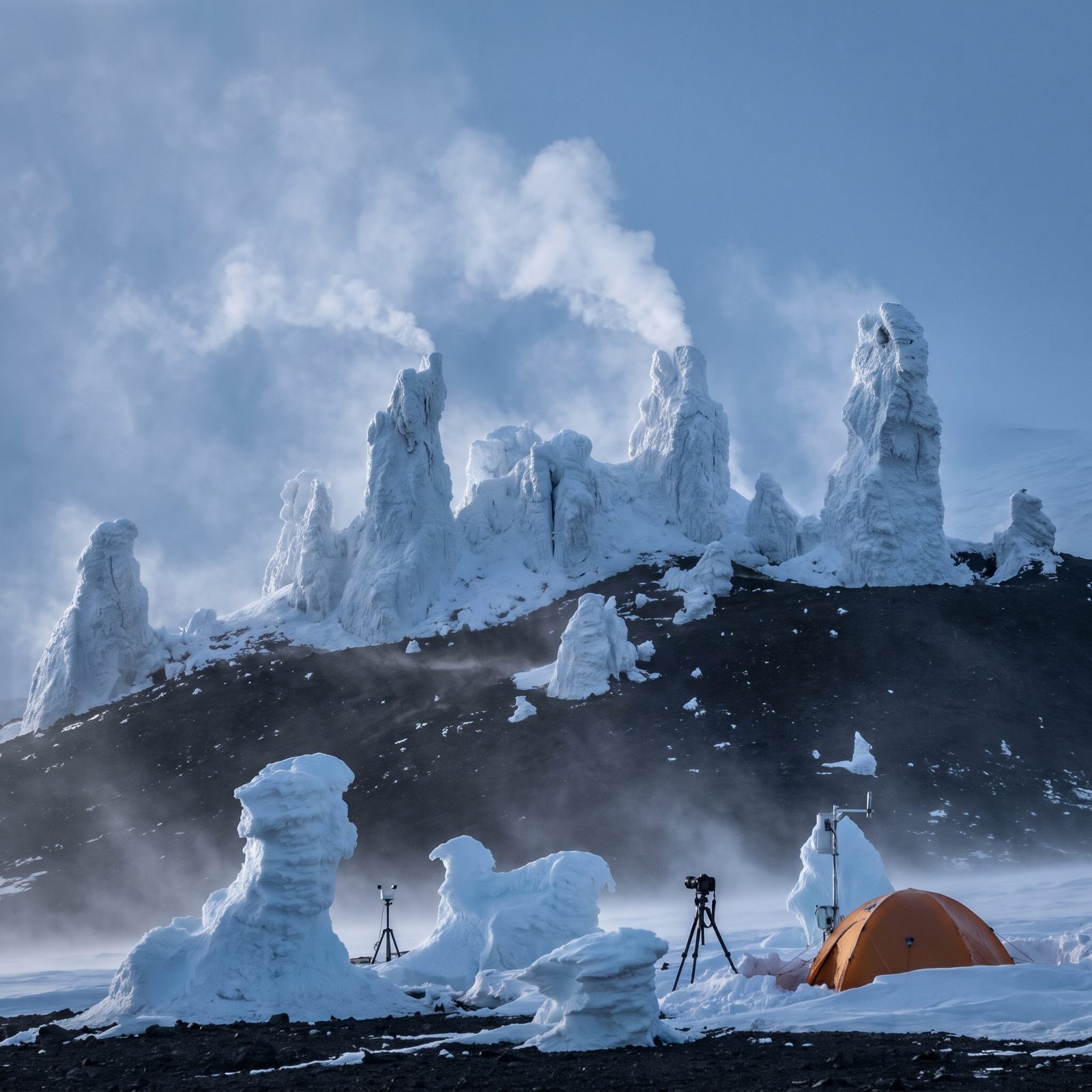
The coldest continent has a volcano, and that volcano grows ice chimneys that breathe.
Mount Erebus is the southernmost active volcano on Earth, cradling a rare permanent lake of molten lava in its crater. Where hot gas escapes through cracks in the surrounding ground, it meets air at 40 or 50 below and freezes instantly, building hollow towers of ice called fumaroles. Some climb over 10 feet, puffing steam from their tops like smokestacks blown from glass.
Fire under ice, in the most hostile place humans visit. The caves inside these towers stay warm enough to shelter microbes that live nowhere else on the planet — which is a big reason scientists keep making the brutal trip south.
25. Meeting of the Waters, Brazil, Two Rivers Flowing Side by Side Without Mixing
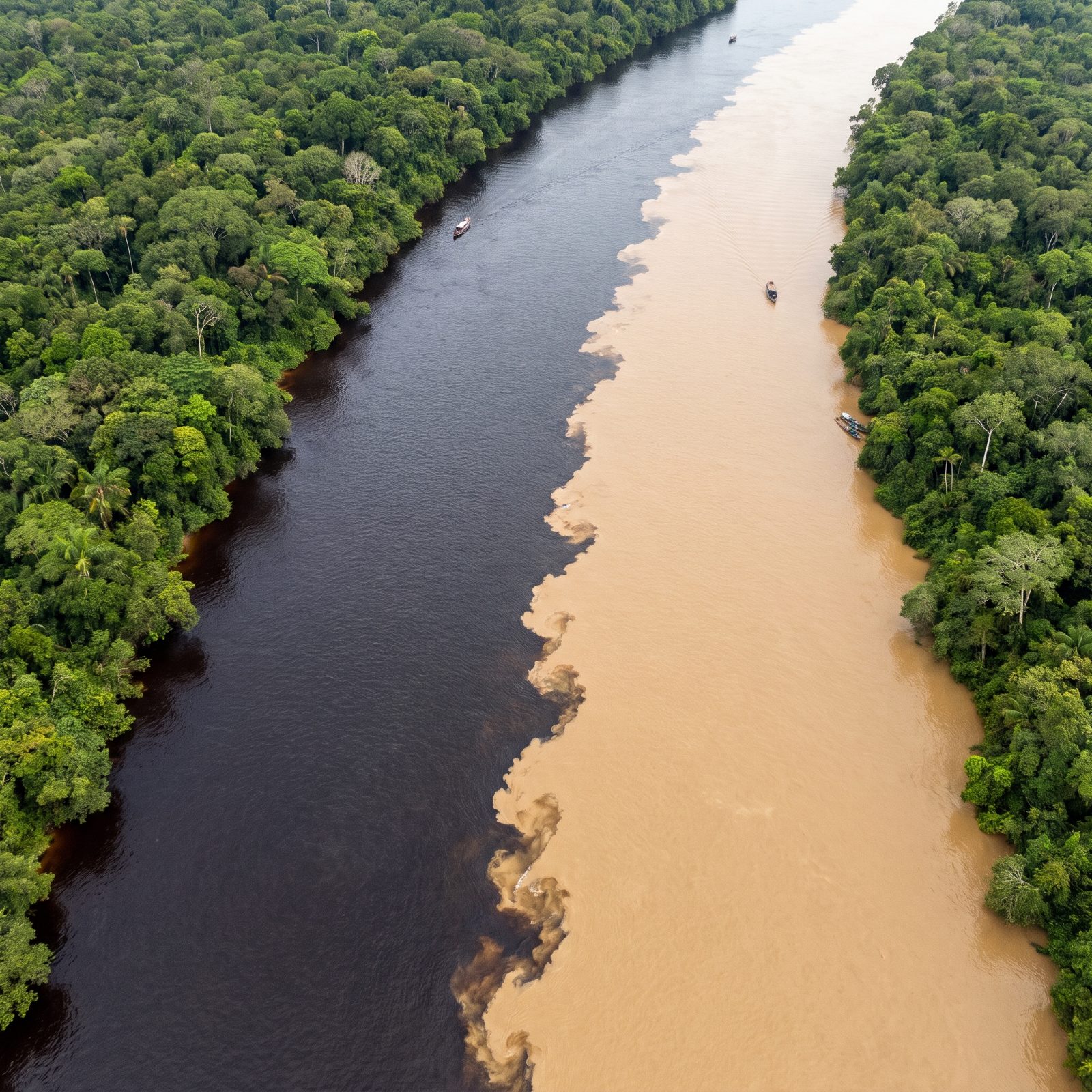
Two rivers meet outside Manaus and flatly refuse to merge. For miles the near-black Rio Negro and the sandy Rio Solimões run shoulder to shoulder, a clean line between them like someone drew it with a ruler.
The reason is physics, not magic. The rivers differ in temperature, speed, and density. The Negro runs warmer and slower, stained dark by decayed leaf tannins; the Solimões is cooler, faster, and heavy with sediment. Fluids that different take their time to blend. Eventually they do. But the border holds long enough to astonish every boat that crosses it.
24. Mount Roraima, Venezuela, A Flat-Topped World Above the Clouds
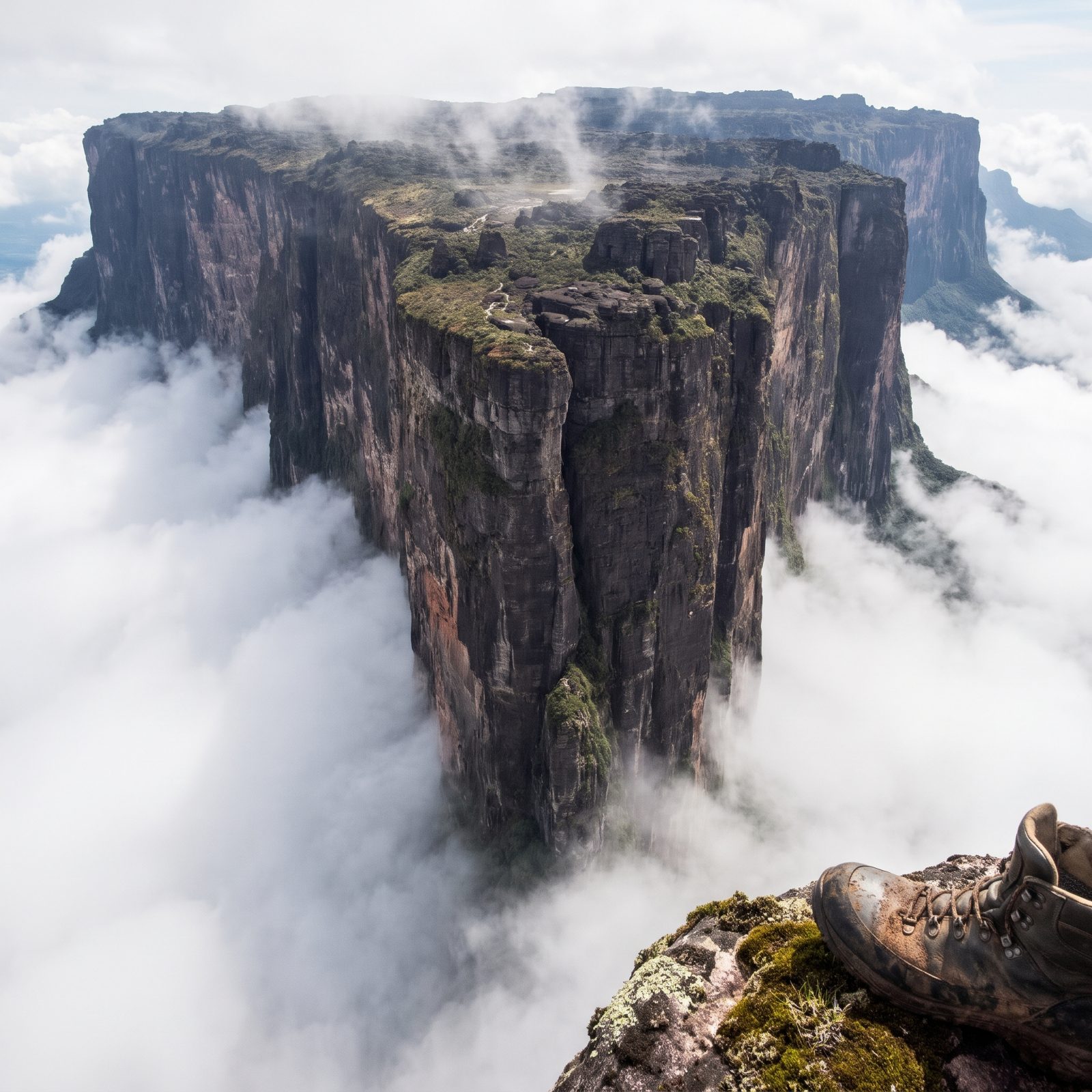
Picture a mountain with its top sheared flat, 1,300-foot cliffs on every side, and a summit so cut off it evolved its own species. That’s Mount Roraima, the most famous of South America’s tepuis, and it handed Arthur Conan Doyle the idea for The Lost World.
The flat summit is some of the oldest exposed rock anywhere, a leftover from a vanished plateau that erosion carved away around it. Up top you’ll find black rock slick with rain, carnivorous plants, and frogs found nowhere else — survivors marooned by altitude. Clouds pour over the edges without pause. There’s a hikeable route up one side, though you’ll spend much of the climb buried inside the weather.
23. Abraham Lake, Canada, Methane Bubbles Suspended in Ice
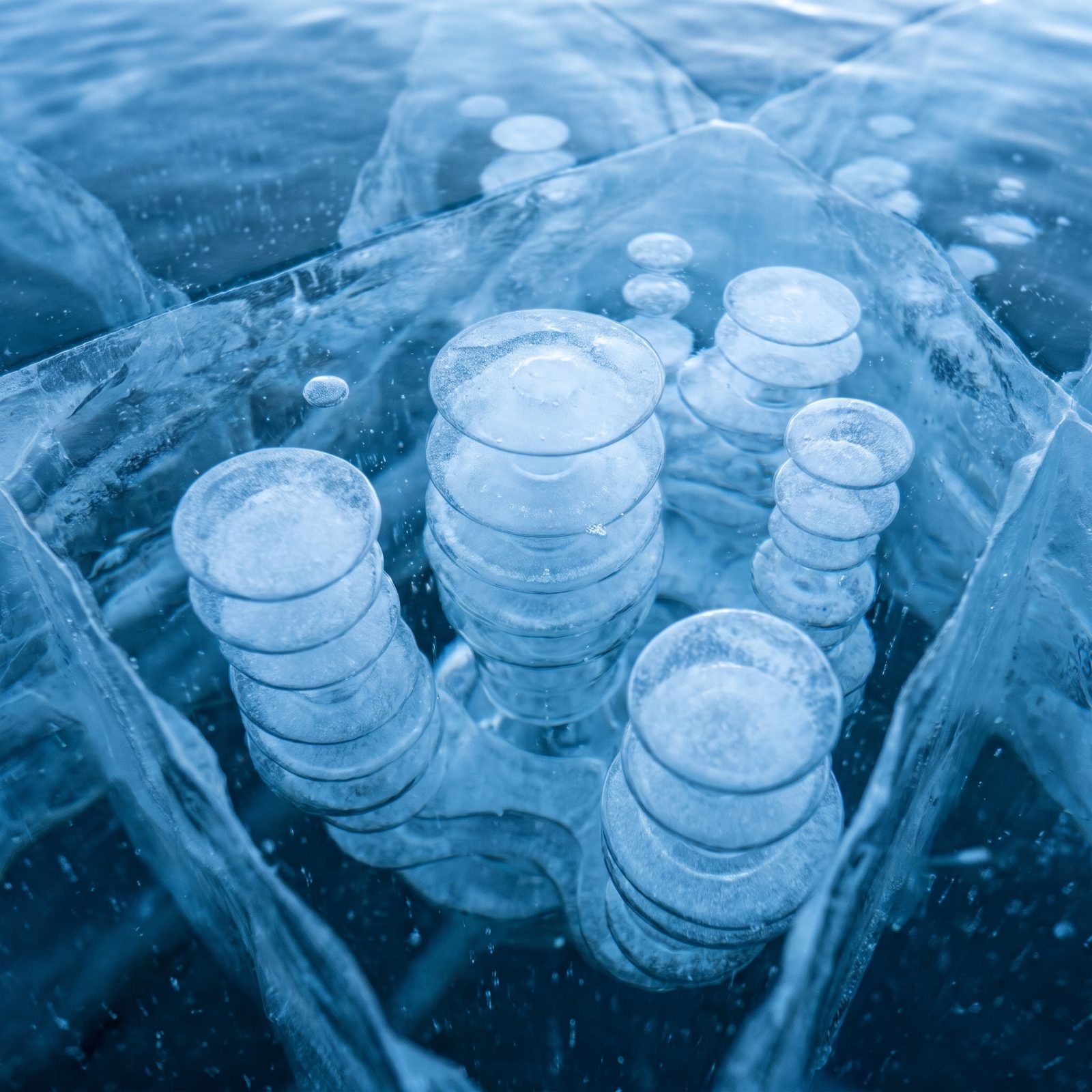
Stacks of frozen white discs hang in the ice like someone hit pause on a lava lamp. They’re bubbles of methane, released by bacteria chewing through dead plants on the lake bed, rising toward the surface and getting caught the instant the water froze around them.
Abraham Lake is a man-made reservoir in Alberta, and its fierce winter winds scour the snow clean off, leaving the ice clear enough to see bubbles stacked deep below. Light the gas and it ignites. Yes, the bubbles are flammable — which photographers love and should respect, because the ice runs thin in places and the gas is exactly what you’d expect it to be.
22. Litchfield National Park, Australia: Termite Towers That Line Up Like Compass Needles
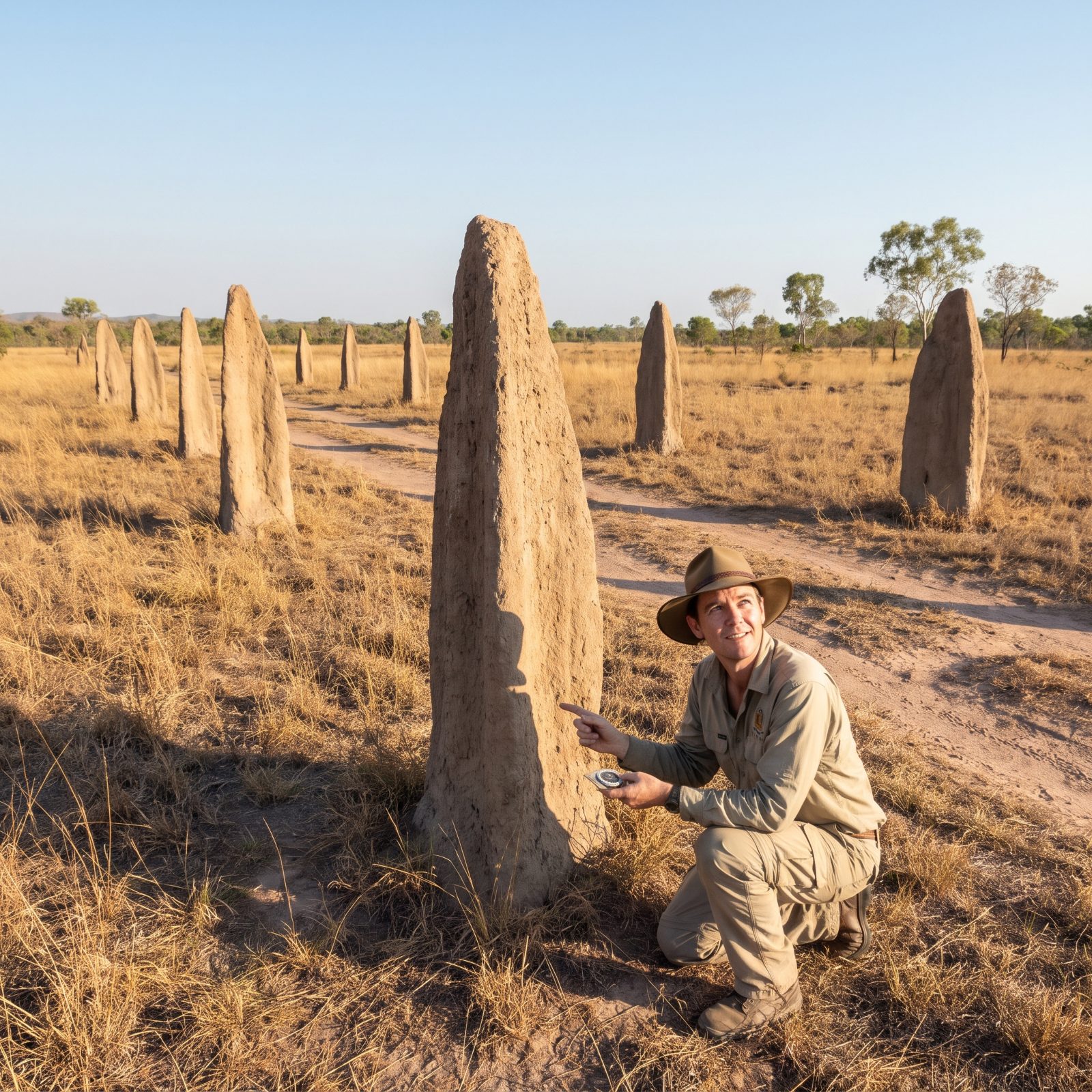
They look like gravestones in a cemetery nobody tends — thick, rounded columns of bright-orange packed earth, some taller than a grown adult, and every last one standing edge-on to the north. Not roughly north. Precisely. Walk the field with a compass and the mounds agree with the needle.
The termites that build them, Amitermes meridionalis, aren’t reading magnetic fields for the fun of it. Those flat faces catch the weak morning and evening sun while the razor edge turns away the brutal midday heat, which is climate control written in mud, built by insects working without an architect or a blueprint.
21. Shanay-Timpishka, Peru: The Amazon River That Runs Hot Enough to Boil You Alive
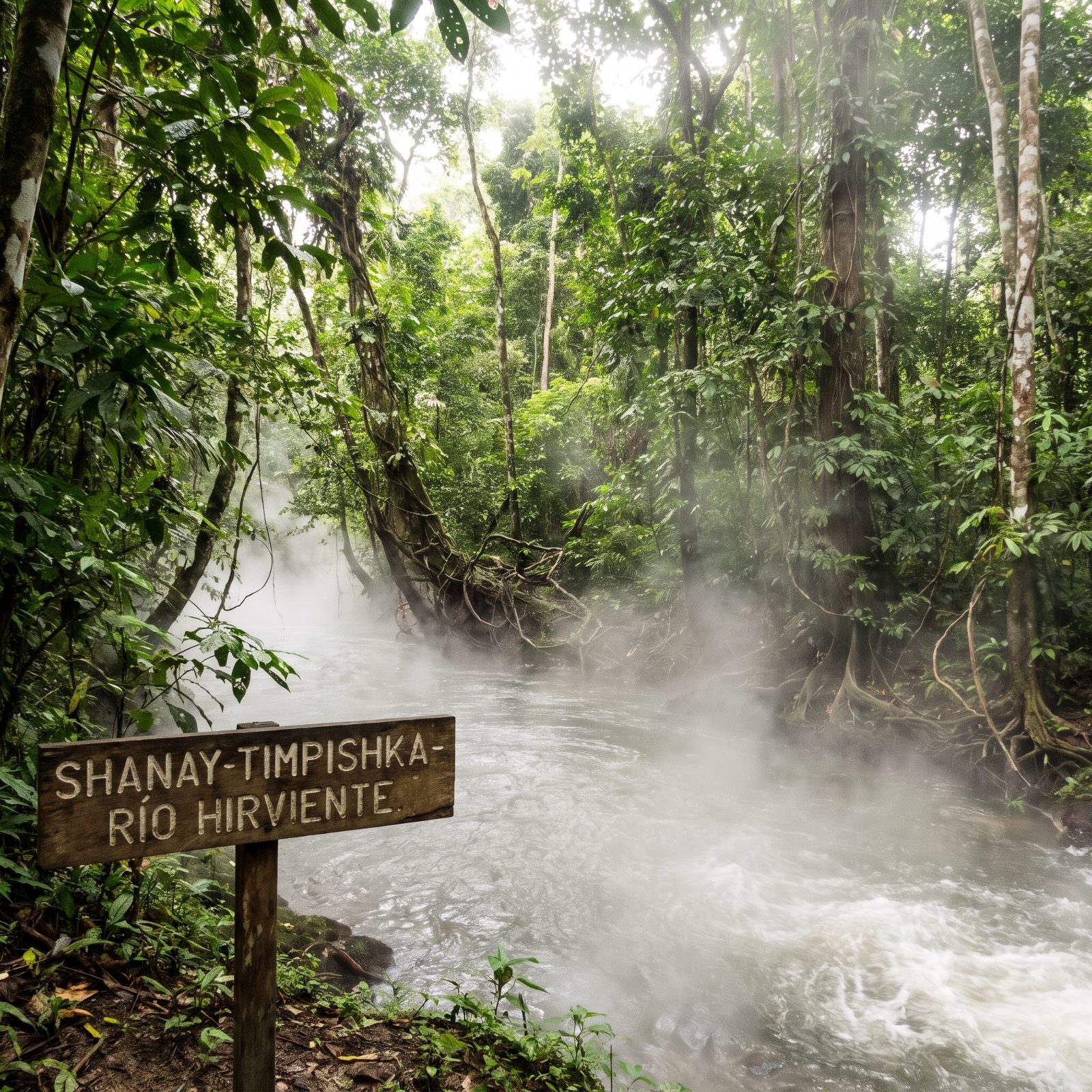
There’s a river in the Amazon that would cook anything unlucky enough to fall in. The water gets hot enough to kill a frog in seconds. Locals call it Shanay-Timpishka, roughly “boiled with the heat of the sun,” and for a long stretch geologists assumed a river this hot had to sit near a volcano.
It doesn’t. The nearest volcanic activity is hundreds of miles off. The heat comes from deep geothermal water rising through fault lines and feeding the river from below — a fault-fed hot spring stretched out for miles. Rain falls on it, steam rises back up, and if you tumble in, there’s no second chance.
20. Mauritius: The Underwater Waterfall That Is Really an Illusion of Sand
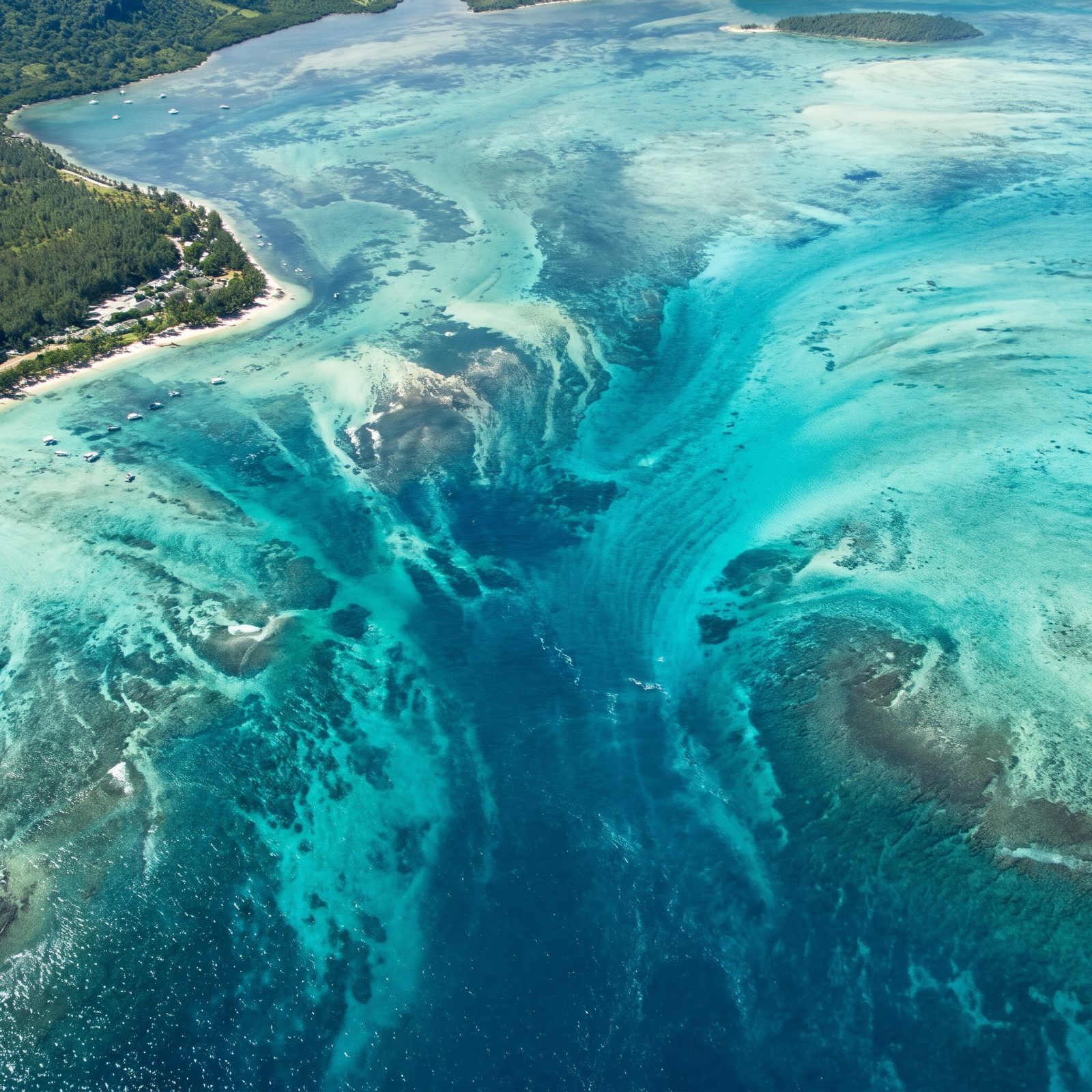
From a plane it looks like the ocean floor just falls away. A huge curtain of blue-grey water seems to tumble off an underwater cliff near Le Morne, vanishing into a dark abyss. Your brain insists you’re watching a waterfall happen beneath the sea.
You’re not. What you’re really seeing is sand and silt being dragged off the shallow coastal shelf and down a steep drop-off by ocean currents, the pale sediment pouring into the deep blue to create the whole effect. No cliff. No falling water. Just light, color, and sand doing an impression convincing enough to fool everyone who sees it from above.
19. Tsingy de Bemaraha, Madagascar: A Forest Where the Trees Are Razor-Sharp Stone
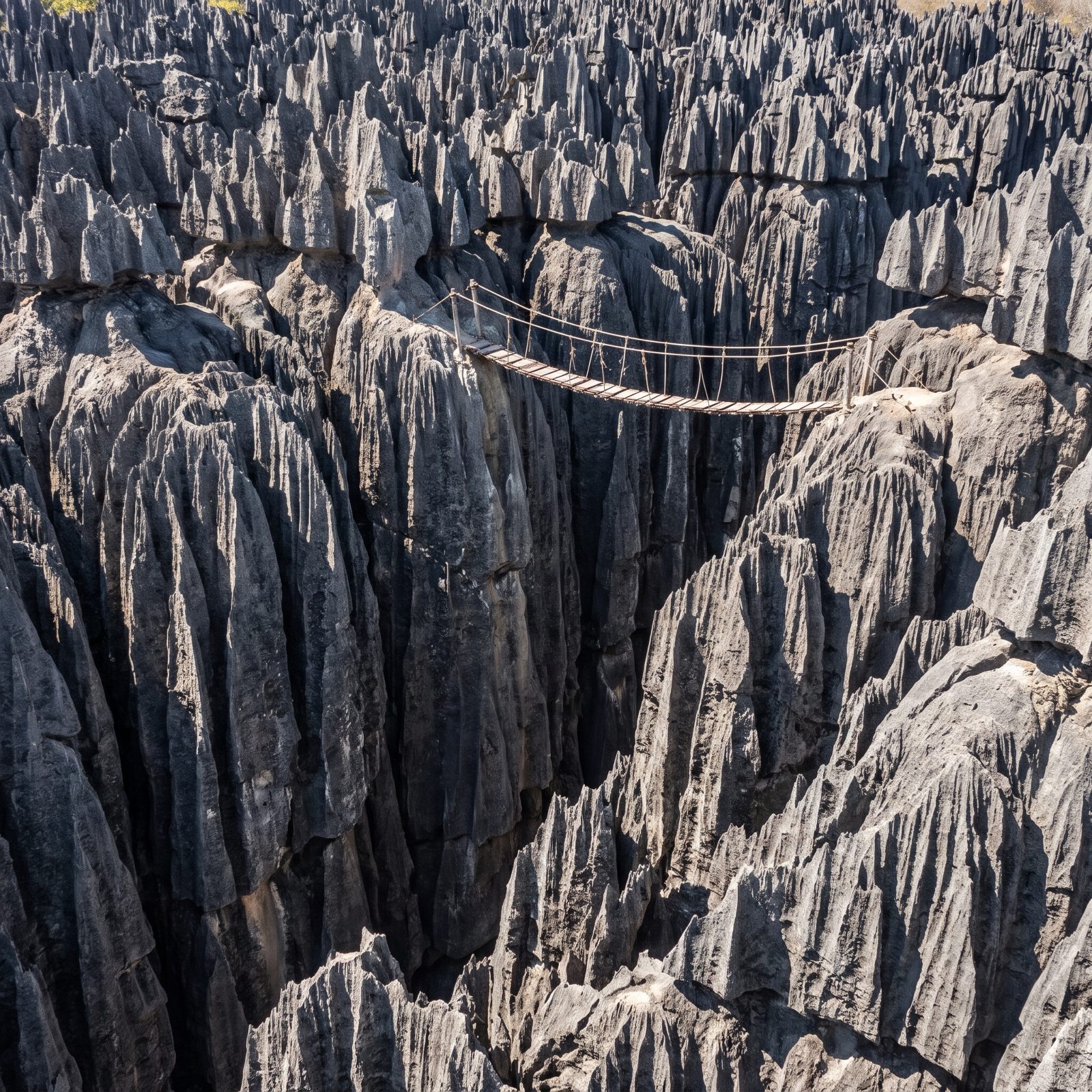
You cannot walk through it. Not without ropes, bridges, and a willingness to bleed. The word “tsingy” roughly translates to “where one cannot walk barefoot,” and the locals weren’t exaggerating. Picture a woodland where every tree has been swapped out for a blade of grey limestone sharpened to a point — some of them forty meters tall, jammed together with narrow black crevices in between.
Rain did this. Over millions of years, mildly acidic water dissolved vertical fractures in a thick limestone bed, carving down and leaving these needle-sharp spires behind. What survives up top is a sealed-off world. Lemurs leap between the pinnacles across chasms most animals would never dare, because the ground below is a maze no predator wants to enter.
18. Lake Kaindy, Kazakhstan: A Drowned Forest Whose Trees Still Stand Straight Up
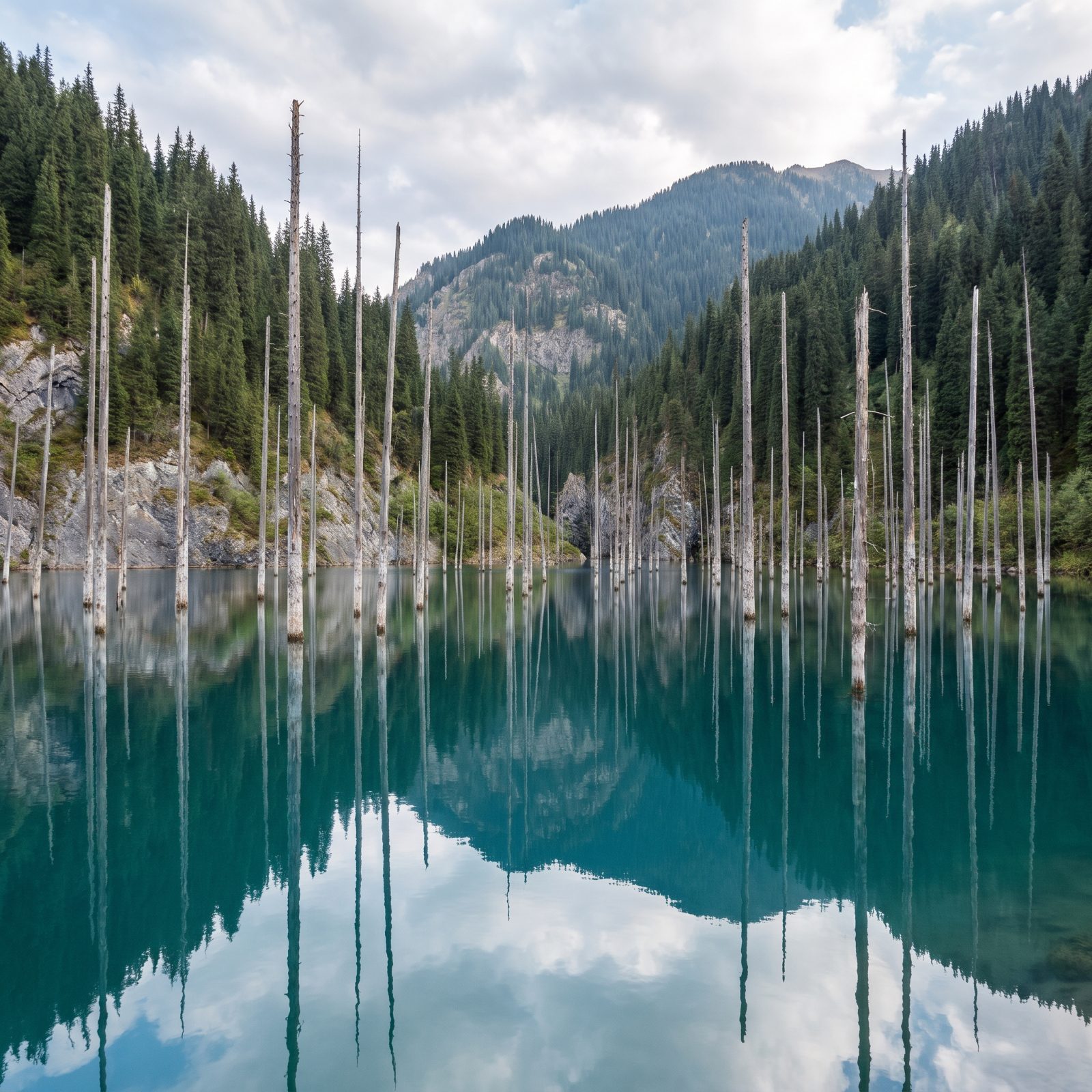
A 1911 earthquake triggered a landslide that dammed a mountain gorge, and a lake filled in over a submerged spruce forest. Normally that’s the end of the trees — underwater wood rots, topples, turns to sludge.
Not here. The water at Lake Kaindy runs so cold and so still that the trunks never fell. They’re still standing, preserved like telephone poles sunk in glass, bare tips poking above the surface while the branches below stay frozen in place beneath the clear green water. Dive down and you swim through the limbs of a drowned forest that forgot to collapse more than a century ago.
17. Eternal Flame Falls, New York: A Flame That Never Goes Out, Tucked Behind a Waterfall
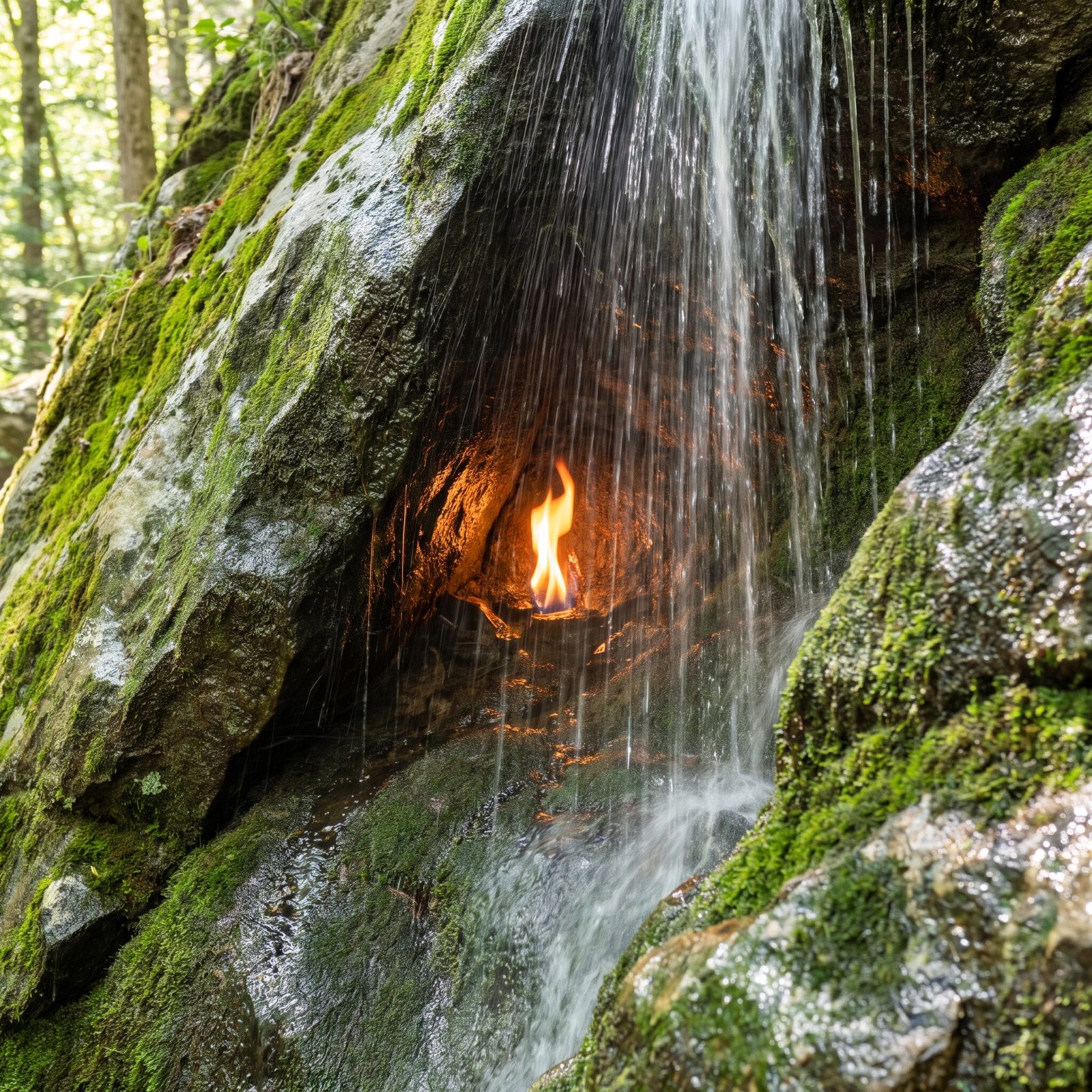
Behind a thin waterfall in a quiet New York park, a small flame burns in a notch of rock while water pours over and around it, and the thing just keeps going. People have been relighting it for generations, and it always comes back, because the fuel never stops.
Natural gas seeps up through fractures in the shale below and feeds it continuously. For years scientists figured flames like this needed scorching, deep rock to crack the gas loose. Eternal Flame Falls broke the rule. The shale here is relatively cool, yet it still produces methane, which left geologists rethinking how these seeps even form.
Bring a lighter. Wind and spray knock it out sometimes, and half the fun is coaxing it back to life.
16. NamibRand Nature Reserve, Namibia: The Grass Circles Nobody Can Fully Explain
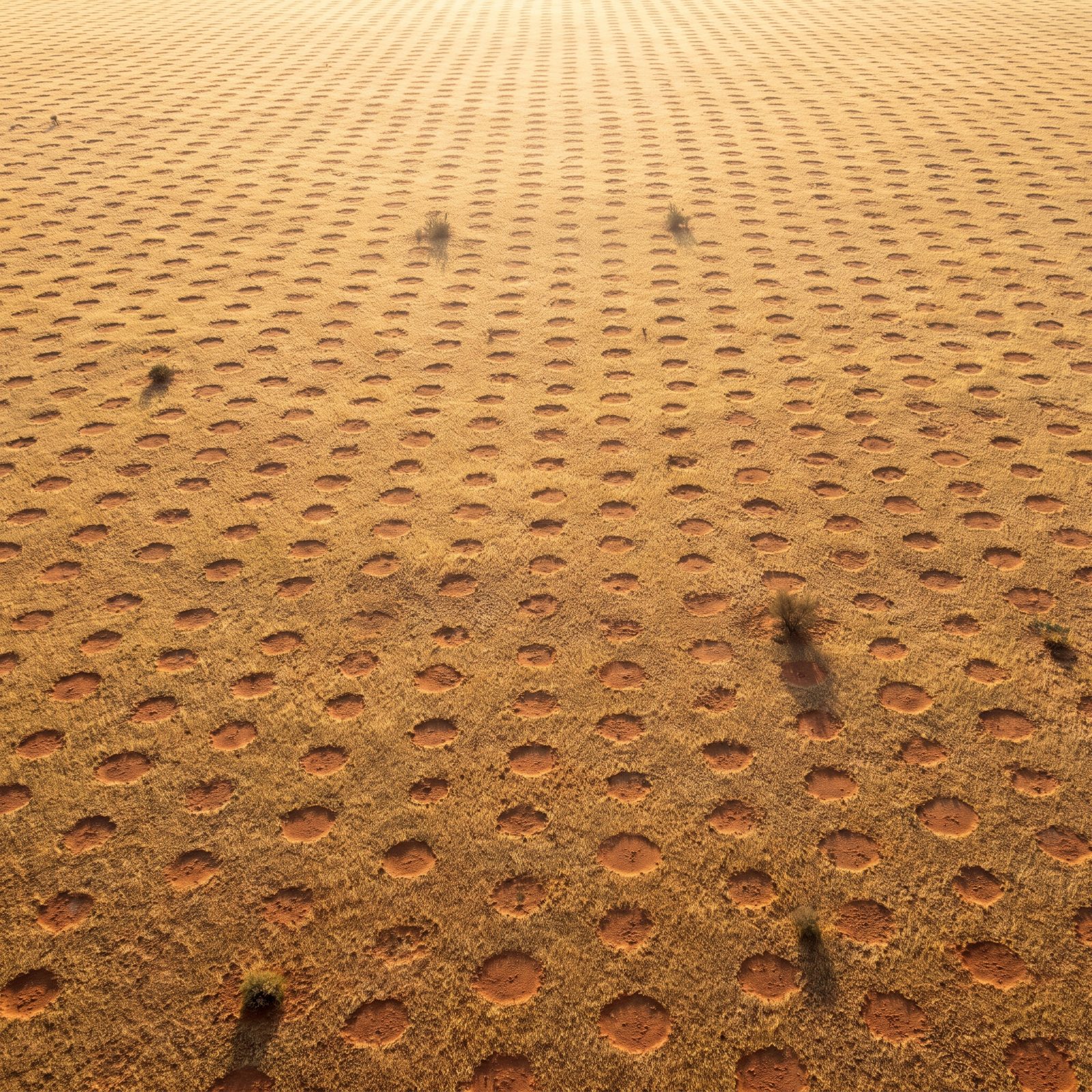
From above, the desert looks like it has chickenpox — thousands of bare circles punched into the golden grass, each ringed by a fringe of taller growth, spaced out with eerie regularity for miles. No two touch, and no one plants them.
So what makes them? Honestly, that’s still an argument. One camp says sand termites eat the roots and clear the circles. Another says the grasses self-organize, competing for scarce water until bare rings emerge on their own. The maddening part: both explanations have real evidence, and the desert refuses to settle it.
15. McMurdo Sound, Antarctica: The Underwater Icicle That Freezes Everything It Touches
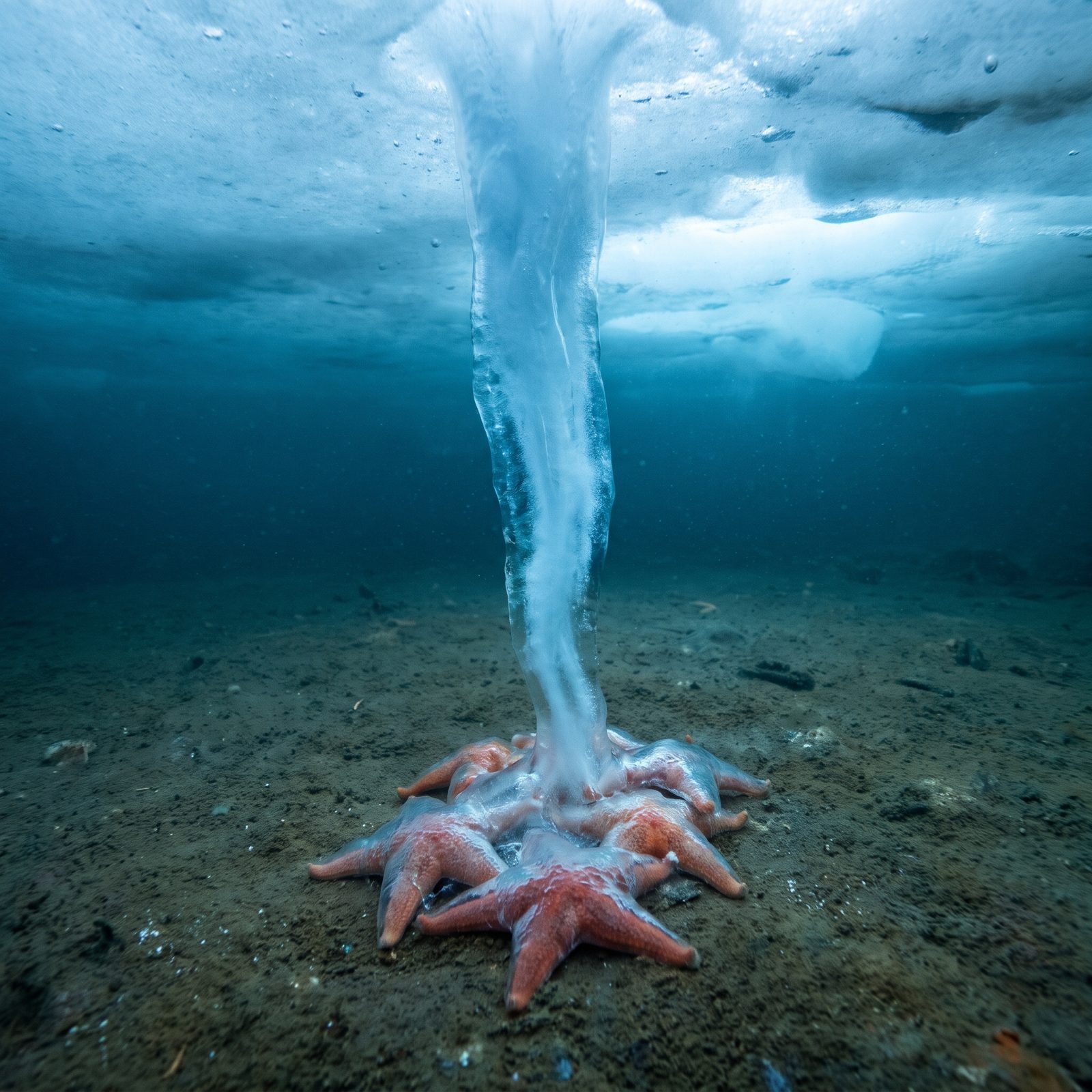
Under the Antarctic sea ice, something grows downward from the ceiling. A finger of ice reaches toward the seafloor, and wherever it touches, it kills.
It’s called a brinicle. Super-cold, super-salty water sinks out of the sea ice and freezes the ordinary seawater around it as it falls, building a hollow tube that drops toward the bottom. When it lands, the freezing spreads outward across the floor and locks starfish and sea urchins in place before they can crawl clear. Camera crews only caught one forming for the first time in 2011. Nobody was exaggerating when they called it a “finger of death.”
14. Giant’s Causeway, Northern Ireland: A Coastline Paved in Perfect Stone Hexagons
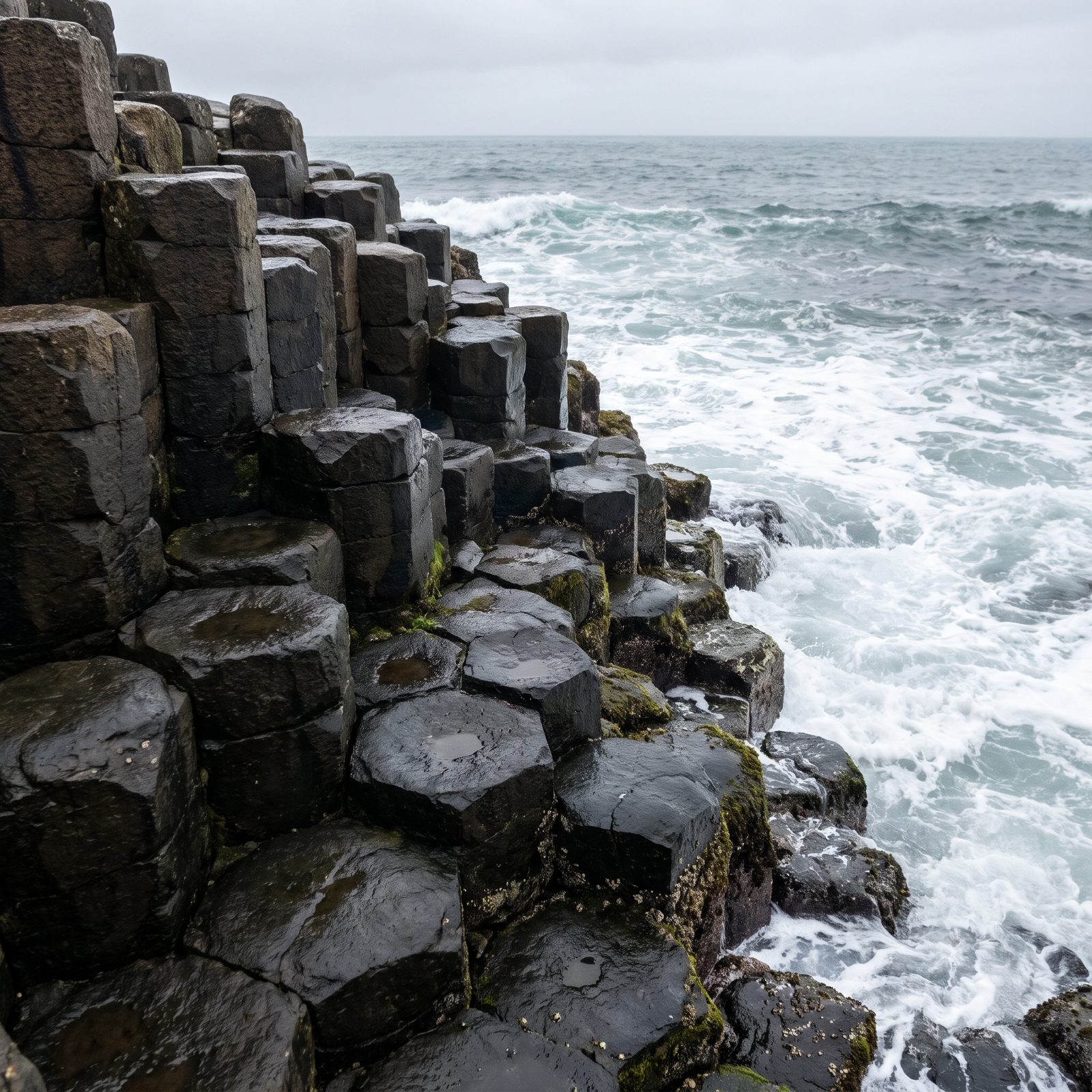
Stand on it and you’ll swear someone laid these stones by hand. Around 40,000 basalt columns, most of them six-sided, fit together so tightly they look quarried, cut, and placed on purpose. Old legend credited a giant building a road to Scotland.
The real story is cooling lava. A thick sheet of molten basalt cooled slowly and evenly, contracting as it hardened, and the cracks propagated downward into the most efficient shape for releasing all that tension — the hexagon, the same geometry a drying mud flat or a honeycomb settles into. Physics, not a giant. Though the giant plays better in the pub.
13. Lake Hillier, Australia: The Lake That Stays Bubblegum Pink All Year
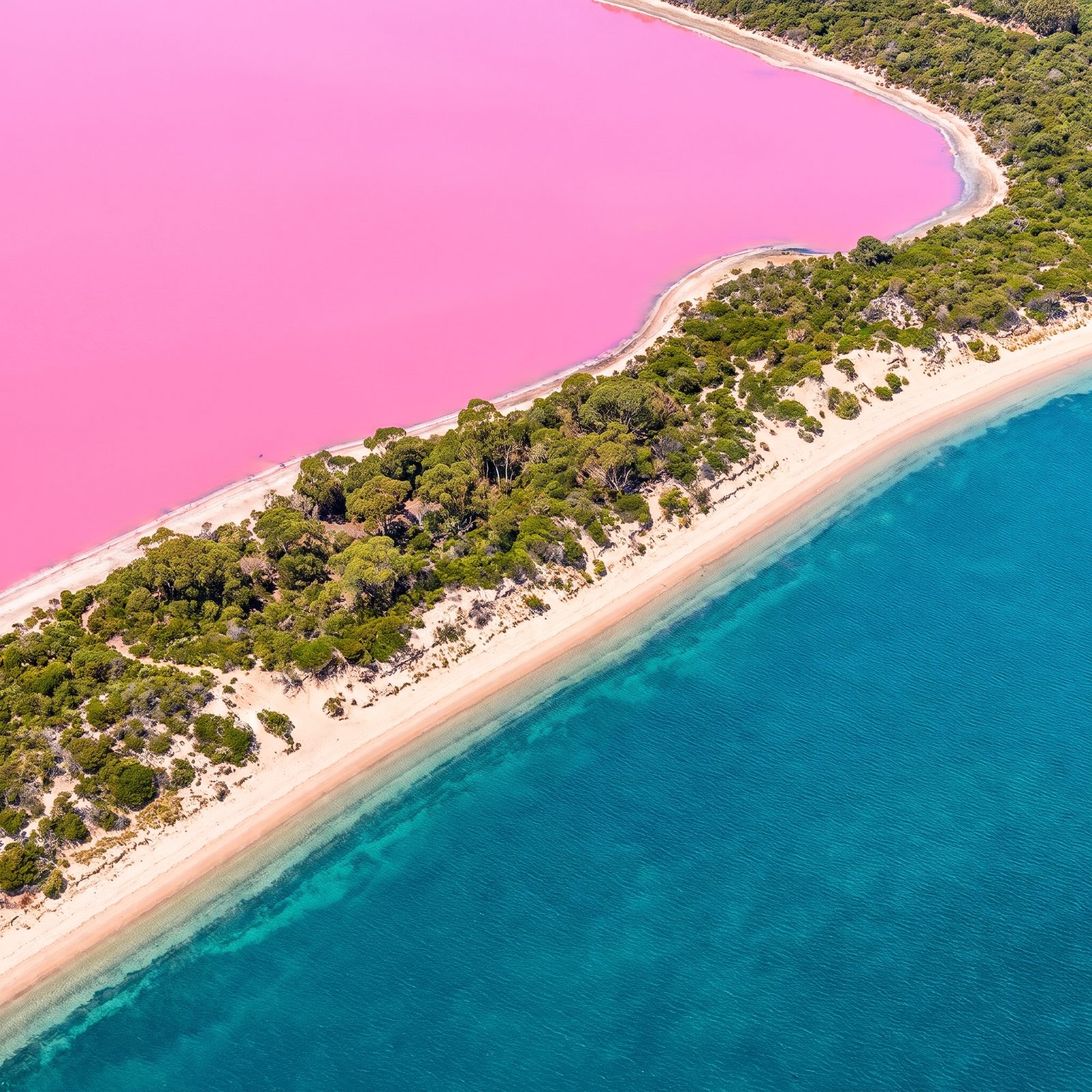
A pink lake sitting a stone’s throw from the blue ocean, separated by a thin strip of green forest. The pink doesn’t fade with the seasons, doesn’t wash out, doesn’t need the right angle of light. Scoop it into a glass and it stays pink.
The color comes from life. Salt-loving microbes and algae — especially Dunaliella salina — pump out red and orange pigments in the hypersaline water, and together with certain pink-tinted bacteria they dye the whole lake. It’s completely safe. The water just happens to be the color of a milkshake, year-round, for reasons that are biological rather than optical.
12. Guelta d’Archei, Chad: Crocodiles Surviving in the Heart of the Sahara
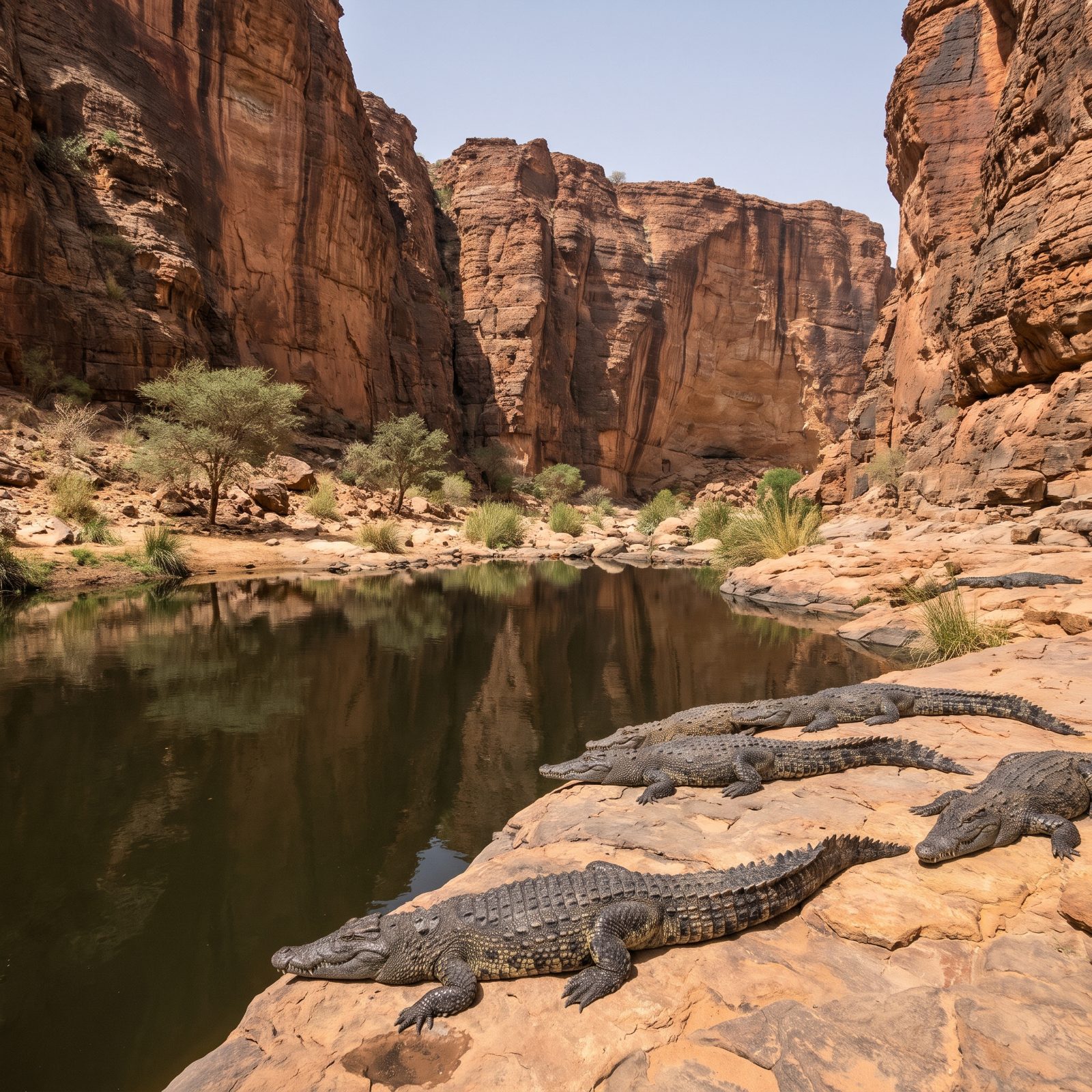
Crocodiles have no business being here. The nearest river worth the name is hundreds of miles away, the surrounding land is bone-dry rock and dune, and yet a small population of West African crocodiles holds on in this permanent pool fed by groundwater — relics of a wetter Sahara that vanished thousands of years ago.
They’ve shrunk to cope. These crocs run smaller than their river cousins, partly from limited food, partly genetics. During the harshest dry stretches they dig into cool burrows and wait it out, a trick that reads more like a survival manual than a lizard’s instinct.
11. Talbot Bay, Australia: The Waterfalls That Run Sideways
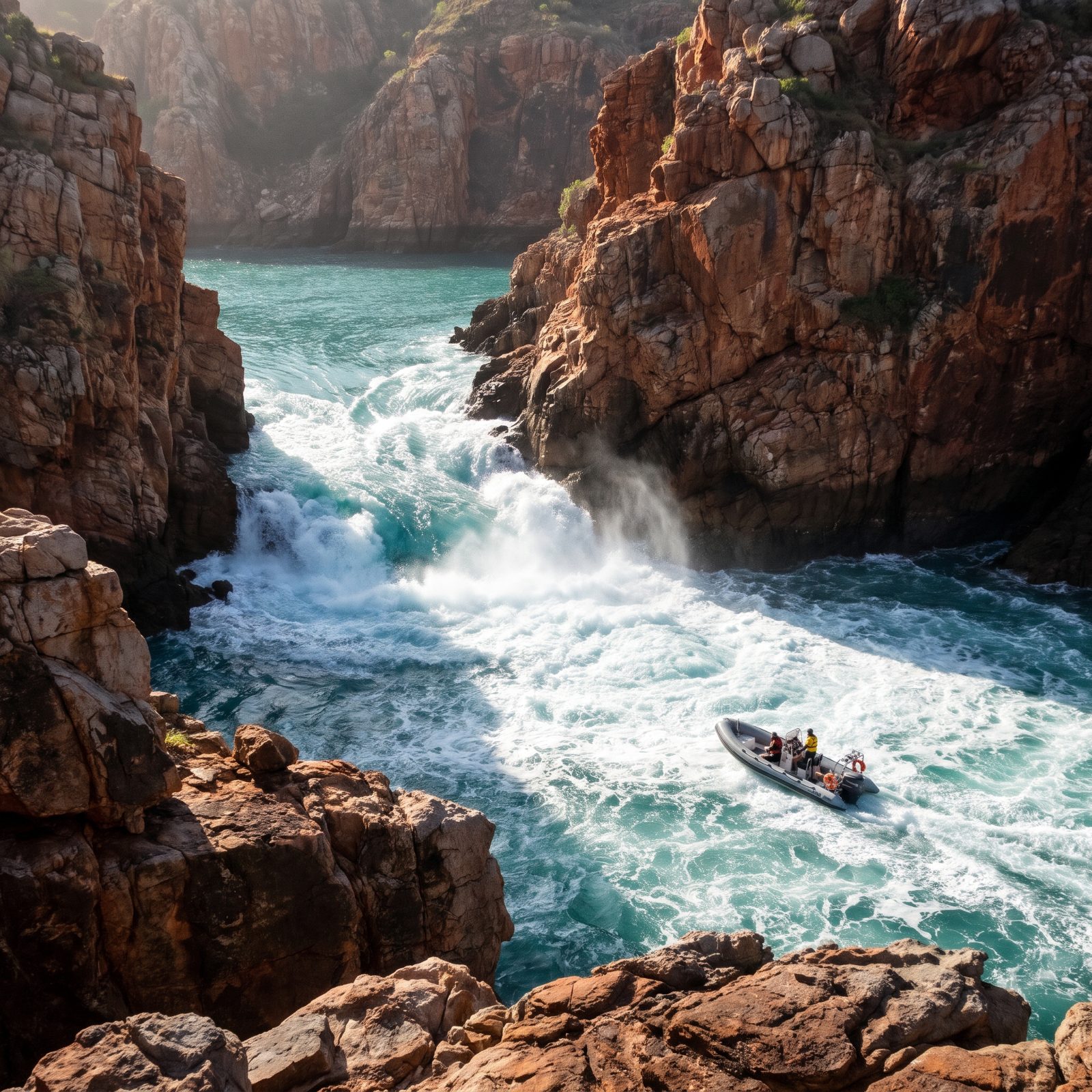
Calling them waterfalls is a stretch, but nothing else fits. Enormous Kimberley tides, among the biggest anywhere, shove seawater through two narrow gaps in a rock ridge faster than it can equalize — and the result is a drop in the water level itself, a river of ocean pouring sideways through a gap barely wide enough to pass a boat.
Then the direction reverses. One moment the water rushes one way; hours later it thunders back the other. No cliff. No plunge. Just physics bottlenecked between two walls of ancient sandstone.
10. Lake Natron, Tanzania: The Crimson Water That Calcifies the Dead
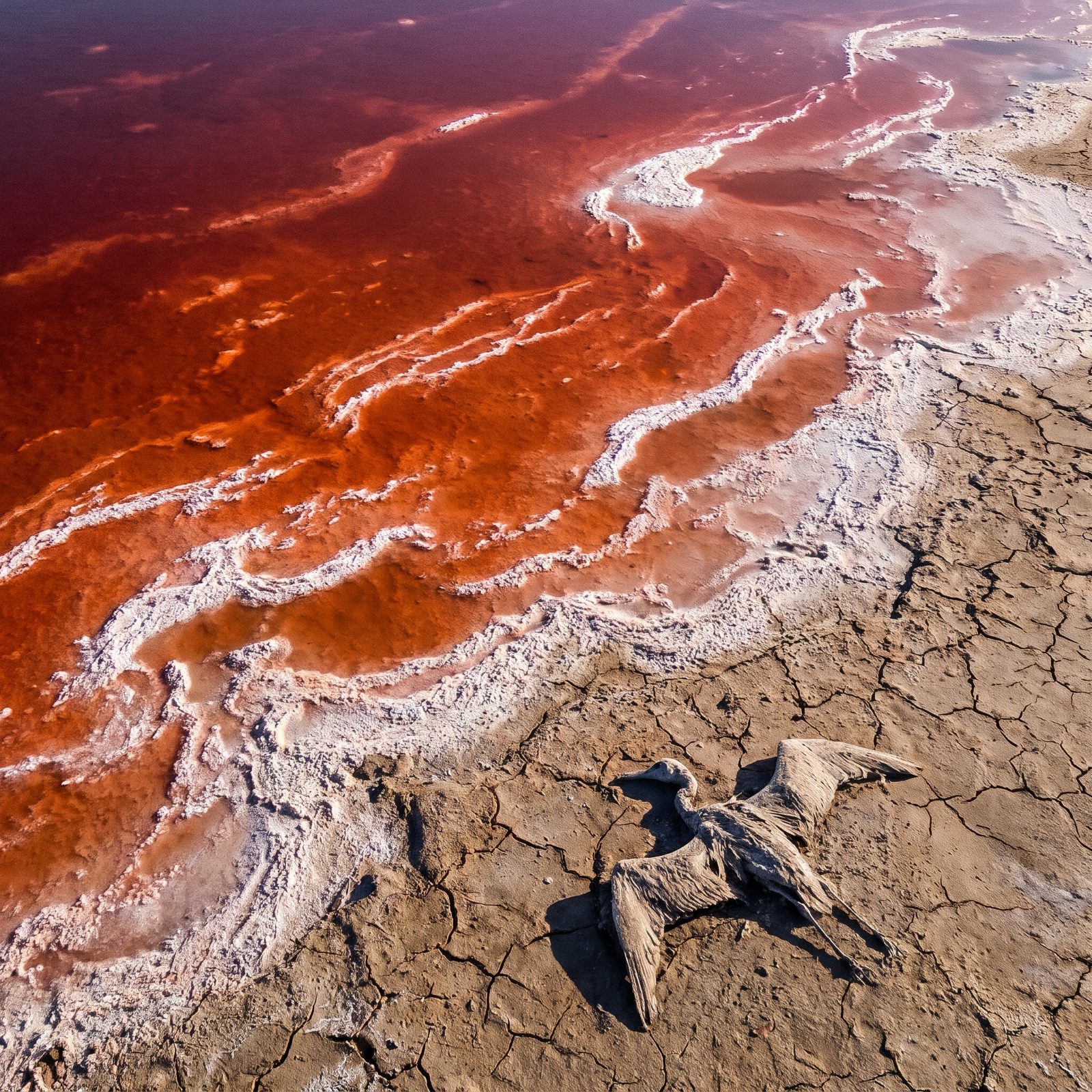
The water can reach a pH close to ammonia, at temperatures that cook most living things. Salt-loving microbes paint it red and orange, and that’s where the eerie beauty comes from. Animals that die in the lake can turn chalky and stiff, coated in sodium carbonate, which is how Natron earned its reputation for turning creatures to stone.
That story got exaggerated, so here’s the real part. Natron doesn’t petrify the living — it preserves the dead, calcifying carcasses that wash ashore.
And then the twist nobody expects: this hostile lake is the single most important breeding site on the planet for lesser flamingos. The same causticity that kills predators keeps their nests safe.
9. The High Andes: Fields of Snow Shaped Into Standing Blades
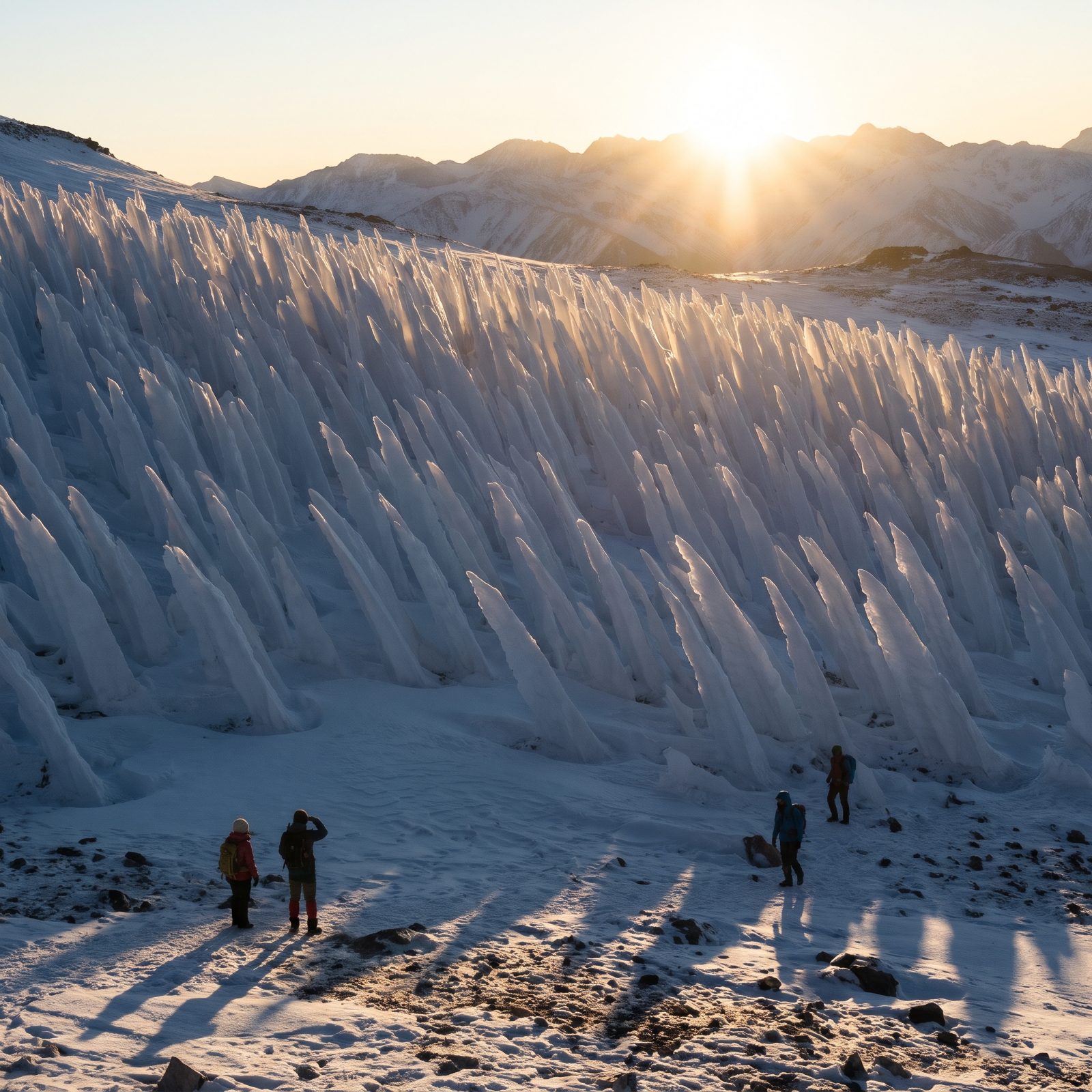
From a distance it looks like a crowd frozen mid-prayer, which is exactly why early travelers named them penitentes, after hooded monks. Up close they’re blades of compacted snow, some taller than you, all tilting the same direction as the low sun rakes across them.
They form only in cold, dry, high places where the air is too thin to melt snow the usual way. Instead the sun turns ice straight to vapor, carving the surface into these uncanny spires over weeks. Darwin trudged through a field of them in 1835 and puzzled over how they grew. The answer — sublimation feedback — wasn’t fully worked out for well over a century.
8. Pitch Lake, Trinidad: The Ground That Behaves Like a Lake of Tar
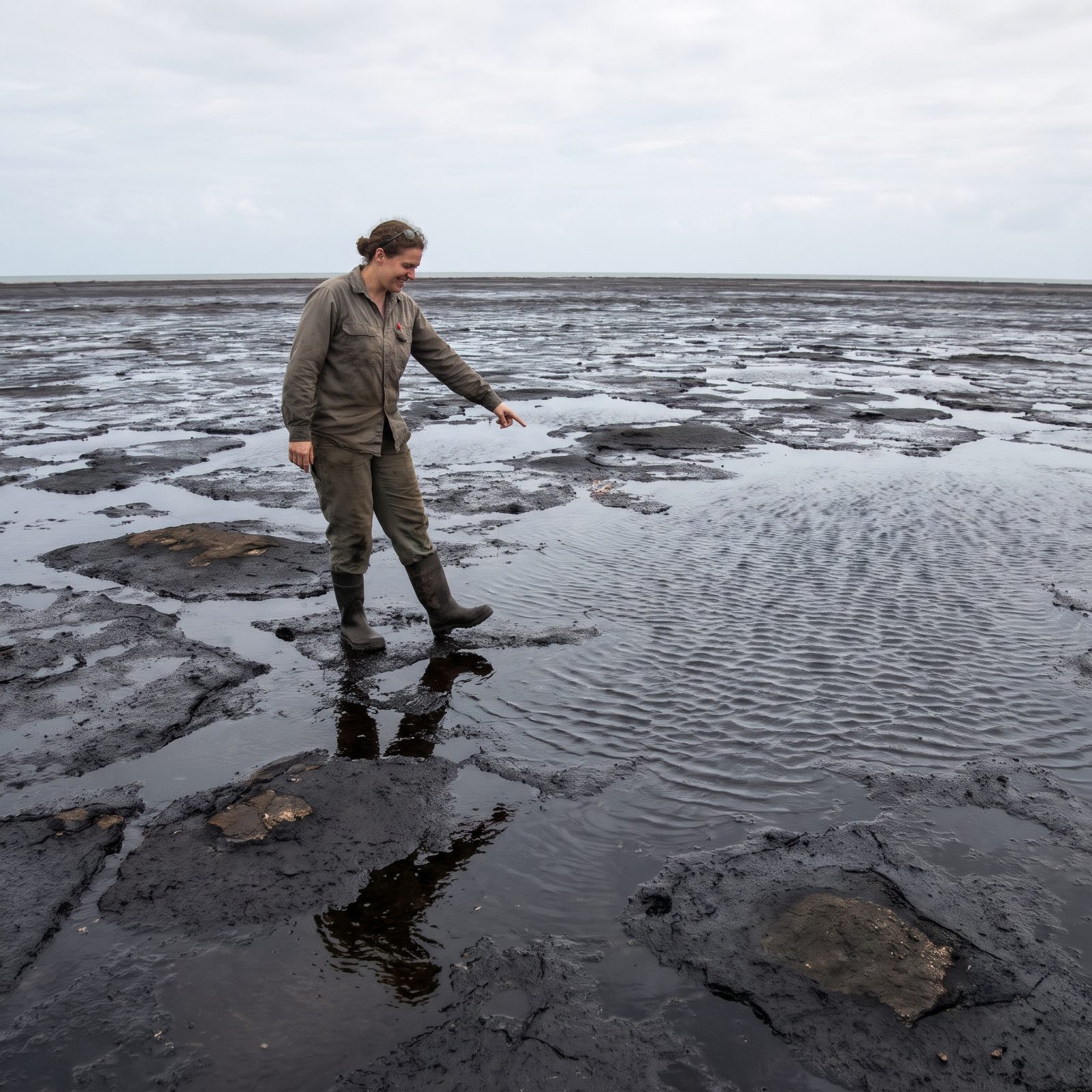
Walk out onto it and the surface feels firm, then faintly gives, like standing on cold clay that’s thinking about moving. This is the largest natural asphalt deposit on Earth — roughly 100 acres of petroleum that worked its way up over ages and congealed into a lake of pitch.
Here’s the part that gets me: it’s self-renewing. Scoop some out and the hole fills back in over weeks as fresh pitch pushes up from below. People have mined it for centuries to pave roads around the world. And the water pockets that collect on top? Some hold microbes that scientists study as stand-ins for what life might look like on other worlds.
7. Lake Cerknica, Slovenia: The Lake That Drains Away and Comes Back
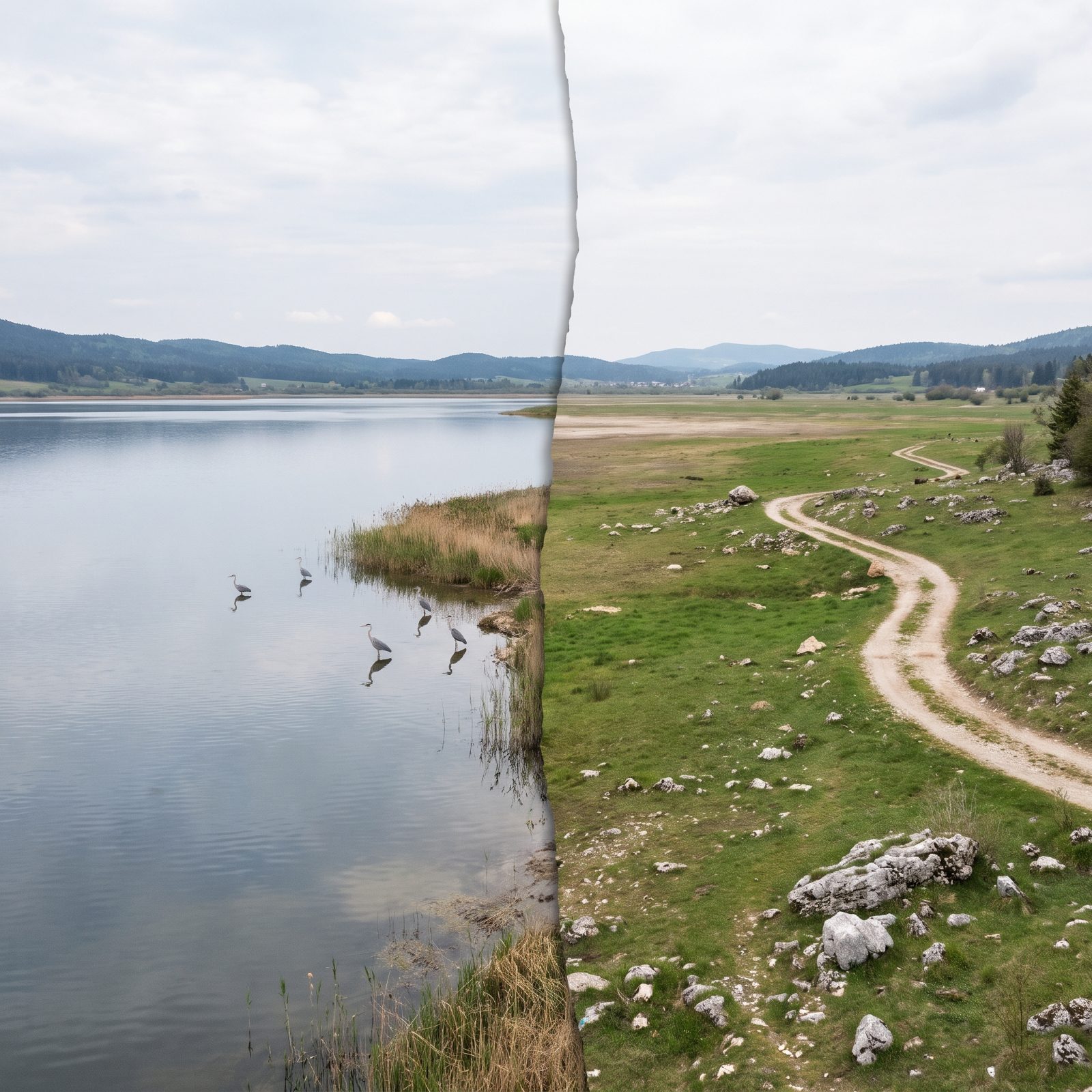
Show up in spring and you’ll find one of the larger lakes in Slovenia — full of fish, herons stalking the reeds, people out in boats. Come back in late summer and the whole thing may simply be gone, replaced by meadows where cattle graze on what was recently a lakebed.
The culprit is the limestone beneath it. This is classic karst country, riddled with sinkholes and underground channels. When rain fills the system the water backs up into the basin; when it dries, the lake quietly drains through the floor and farmers reclaim the grass.
6. Victoria Falls, Zambia and Zimbabwe: The Rainbow That Appears by Moonlight
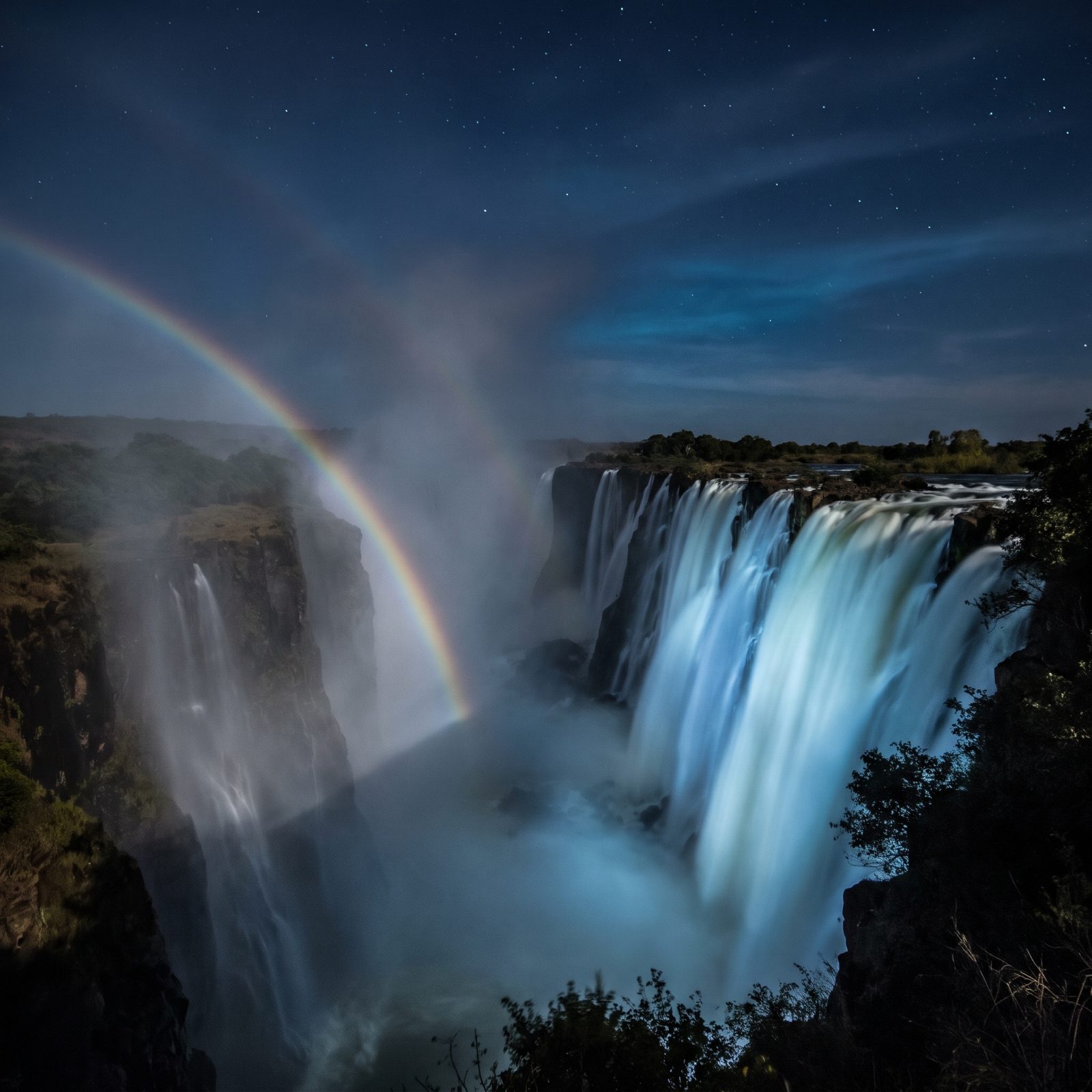
Everyone knows the daytime roar and the rainbows standing in the spray. Fewer know that on a handful of nights each month, when the full moon is bright and the spray is heavy, the falls throw a lunar rainbow instead.
A moonbow works exactly like a daytime one — light refracting through water droplets, except the light is the moon’s. The colors run so faint your eyes barely register them, usually reading as a ghostly silver arc. A long camera exposure reveals the hidden spectrum your rods and cones can’t catch.
Catch it if you can. You get a window of a few nights around each full moon, and only in the high-spray season. Miss it and you wait a month.
5. The Great Blue Hole, Belize: A Near-Perfect Dark Circle in the Open Sea
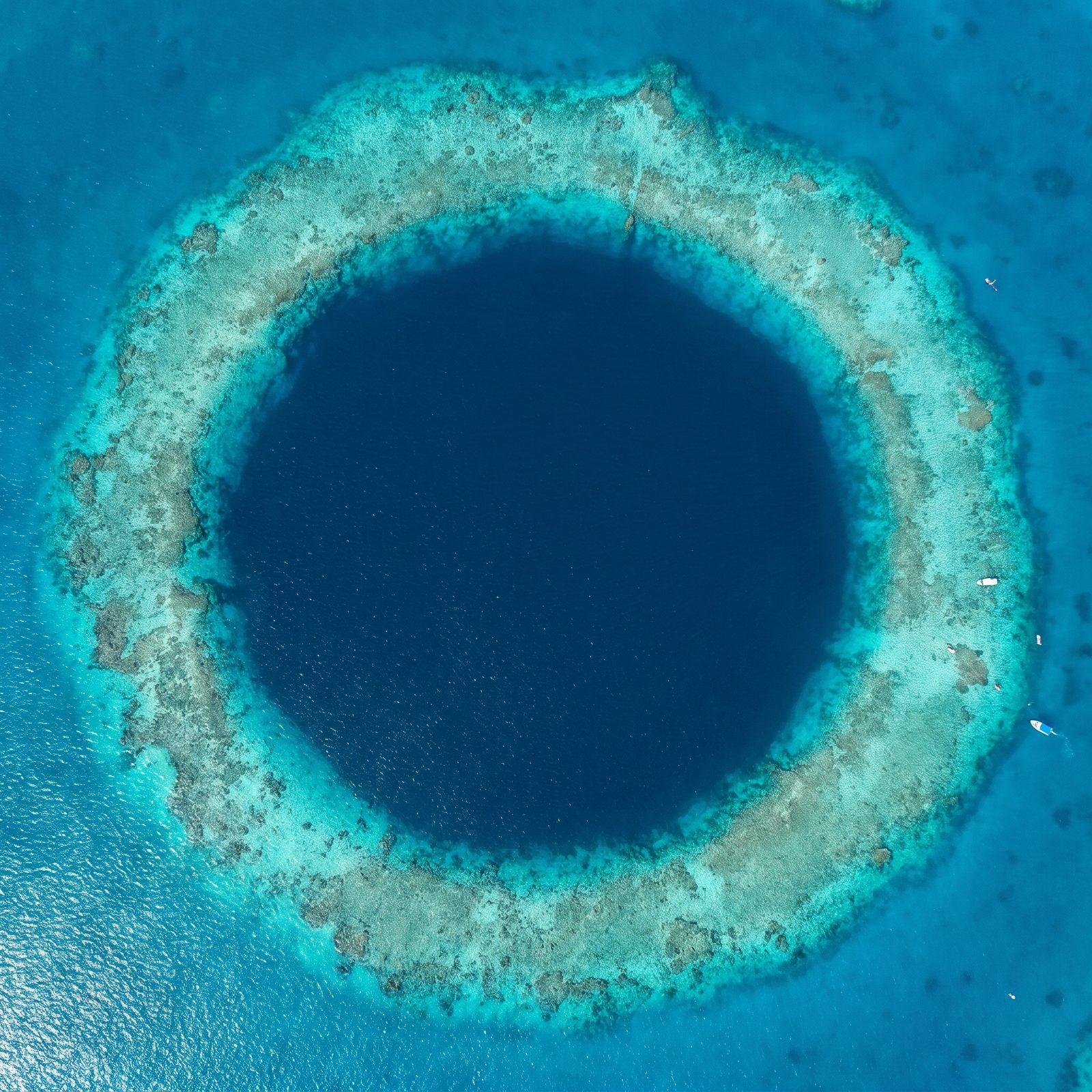
From the air it looks drilled. A dark blue circle more than 1,000 feet across and over 400 feet deep, punched clean into a bright turquoise reef, so symmetrical it seems engineered — and it’s pure geology.
Picture it as a dry limestone cave during past ice ages, when sea levels sat far lower. The roof collapsed, leaving a vertical shaft. When the oceans rose again, the sea poured in and drowned it.
Divers who descend find proof of its old life: stalactites hanging deep underwater, formations that only grow in open air, now sitting in the dark far below the waves.
4. Yosemite’s Horsetail Fall, California: The Waterfall That Burns Like Lava
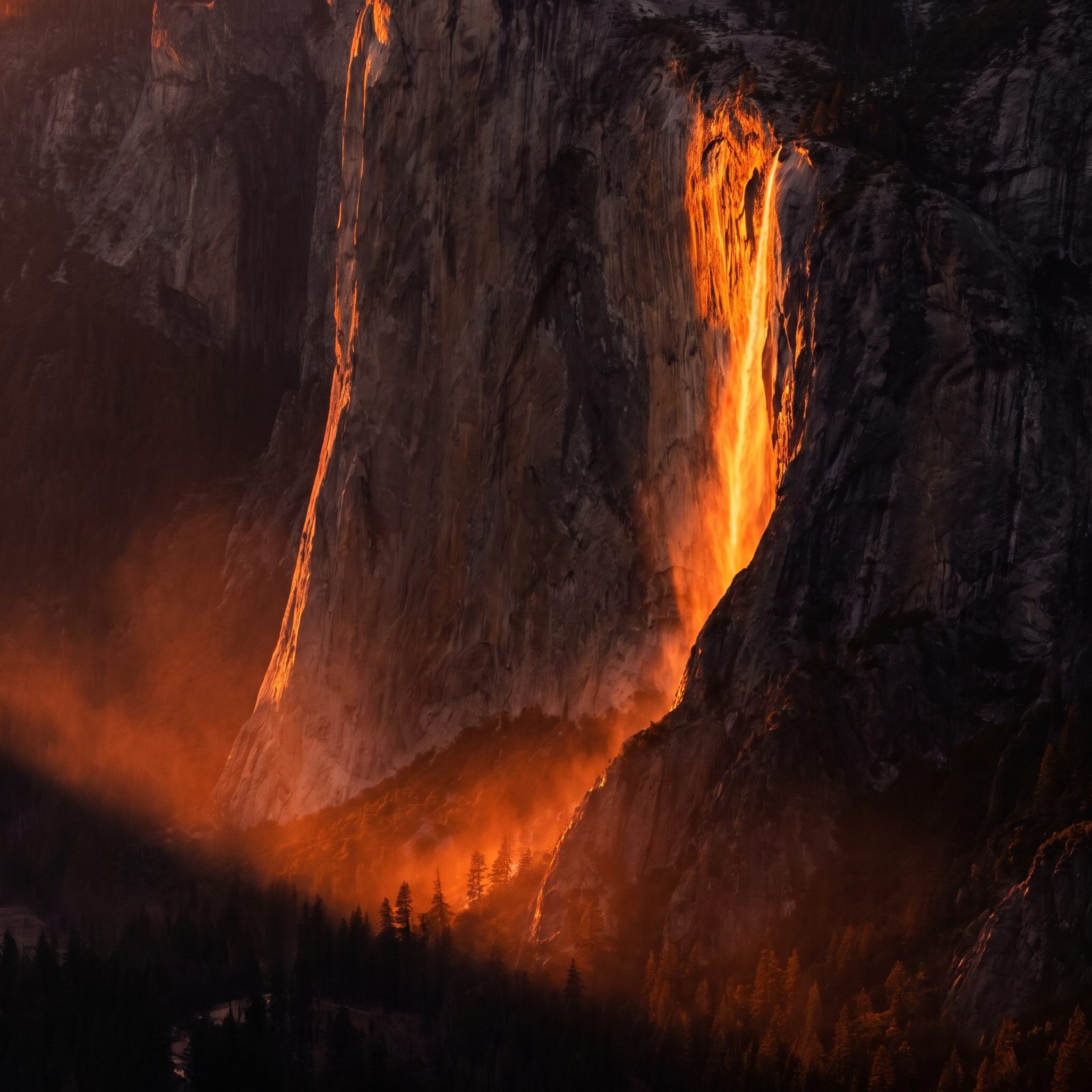
For a couple of weeks in February, if everything lines up, Horsetail Fall catches the setting sun at just the right angle and ignites. The thin stream of water glows molten orange against the dark granite of El Capitan, so convincingly it reads as lava spilling off the cliff.
It’s a fussy miracle. You need enough snowmelt feeding the fall, a clear western sky at sunset, and the sun’s seasonal position all cooperating at once. Cloud cover kills it. A dry winter kills it. Photographers stake out spots hours early, and plenty go home with nothing but cold feet.
3. Sakurajima, Japan: Lightning Crackling Inside a Column of Ash
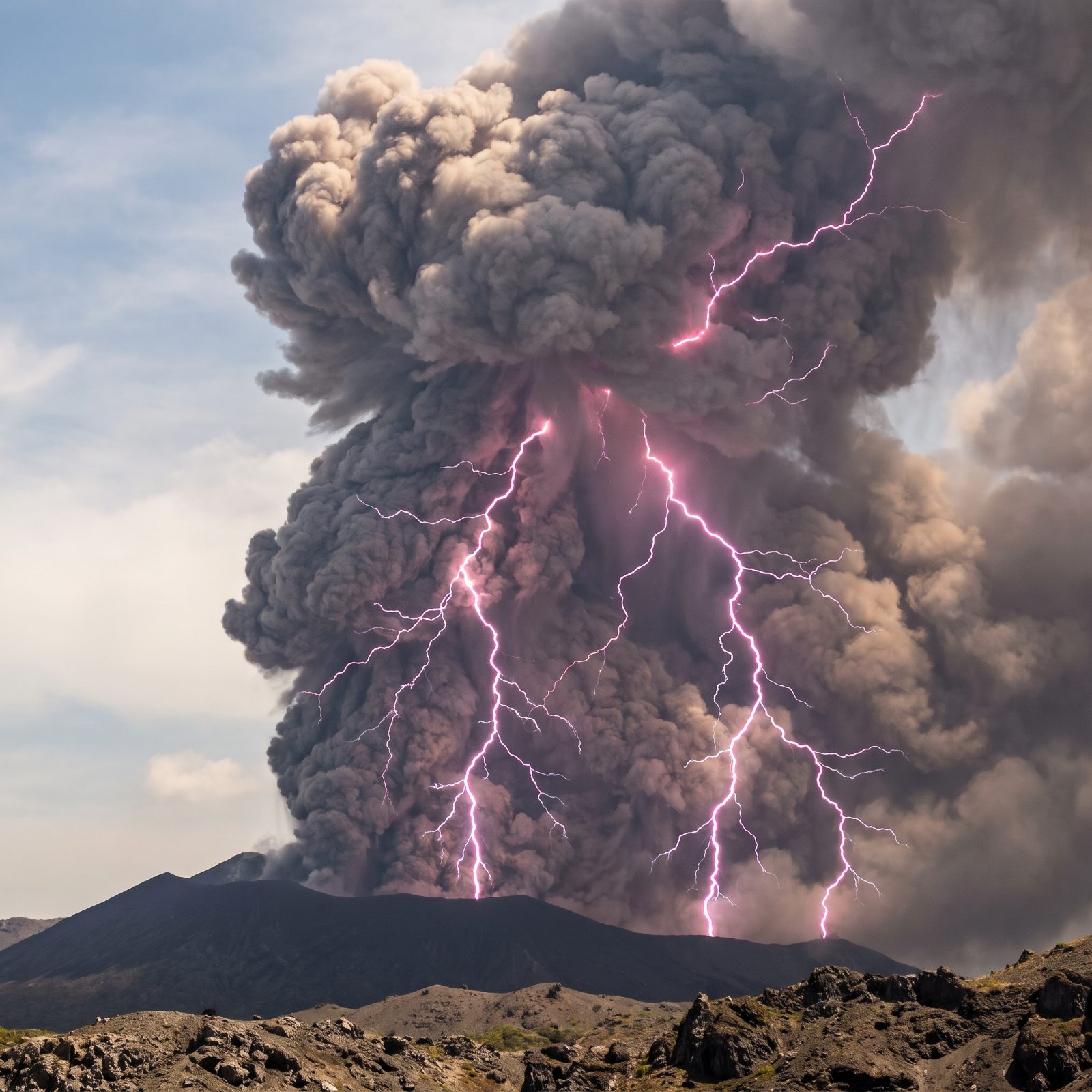
Lightning without a cloud in any normal sense. When Sakurajima erupts, the ash cloud itself makes electricity, with bolts flashing inside the churning column of volcanic debris. People call it a dirty thunderstorm, and it’s one of the strangest shows nature puts on.
The mechanism is friction. Ash and rock particles collide by the billions as they blast skyward, stripping and swapping electrical charge until the cloud can’t hold it and discharges. Sakurajima ranks among the most active volcanoes anywhere, erupting hundreds of times a year — a front-row seat, basically, for anyone willing to stand across the bay and wait.
The same spark that lit the first forests may have first jumped inside clouds of volcanic ash on the early Earth.
That last idea is speculation, not settled science. But it’s the kind of thought this volcano puts in your head while you watch it hurl lightning at the dark.
2. Badain Jaran Desert, China, Dunes That Hum, Sing, and Boom
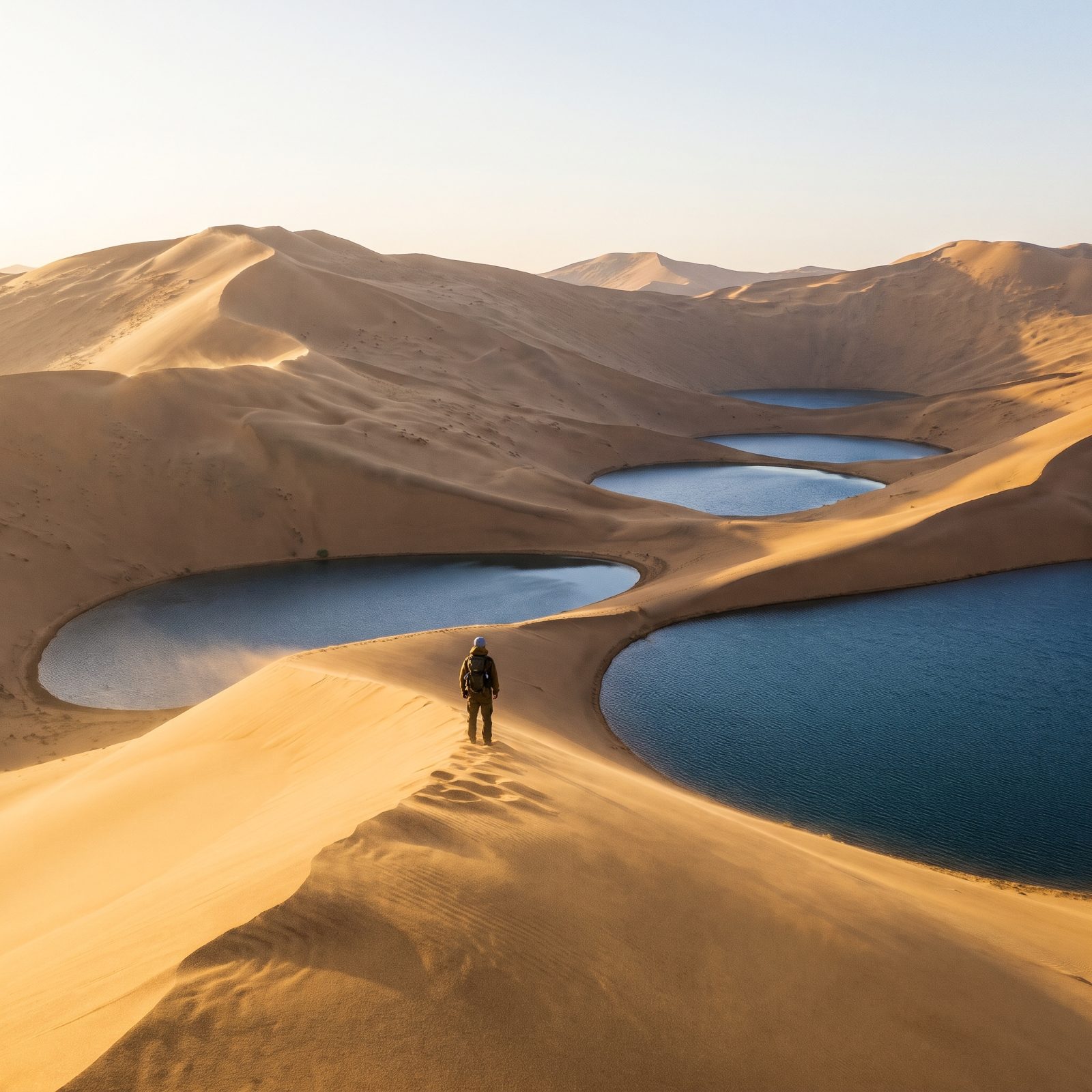
Stand on one of these dunes while a slab of sand slides down the leeward face, and the ground doesn’t just move — it sings. A low droning boom rolls up through your boots, loud enough that you’d swear a plane was passing overhead or thunder was grumbling somewhere beyond the ridge. People have reported it for centuries, and Marco Polo himself scribbled about desert sounds he couldn’t explain.
The science is settled now, and honestly it’s weirder than the legend ever was. When dry, rounded grains of one very specific size avalanche down a slope, they shear in near-unison and the whole dune face turns into a giant loudspeaker. Frequency tracks grain size. So different dunes sing in different keys.
And here’s the part the geology textbooks bury in a footnote: these are the tallest stationary dunes anywhere on Earth, with freshwater lakes pooling in the valleys between them, fed by springs nobody has fully figured out.
1. Naica, Mexico, The Cave of Crystals Bigger Than Telephone Poles
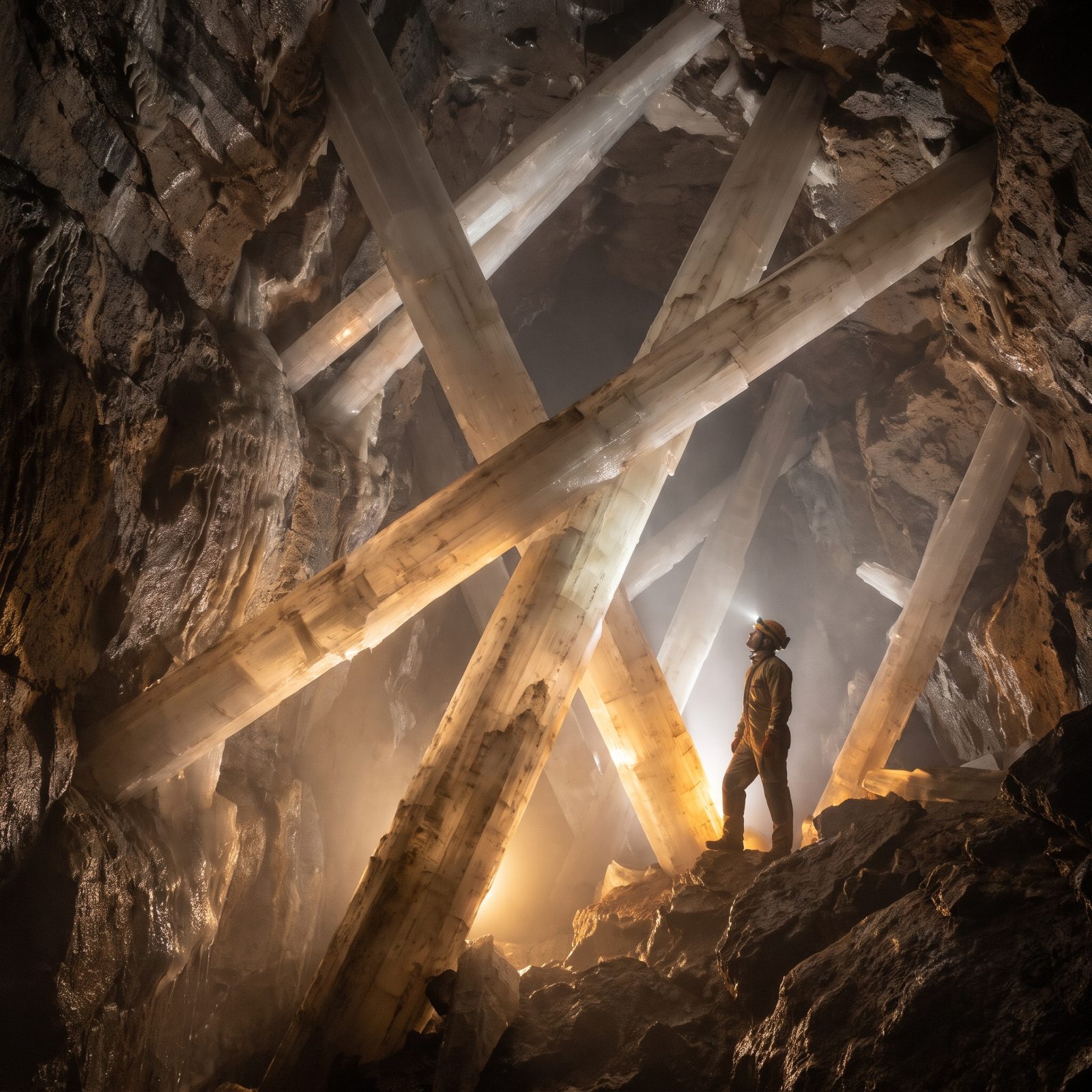
Picture a cave where the crystals dwarf you, dwarf your car, and are big enough to climb like fallen trees. That’s Naica. Nearly 1,000 feet below a working lead and silver mine in Chihuahua, miners broke into a chamber in 2000 and found selenite blades up to 36 feet long, some weighing dozens of tons — the largest natural crystals ever recorded.
Now the catch that makes the place almost impossible to visit. The chamber sits around 136°F with near-total humidity, so your lungs fill with water vapor that condenses faster than your body can shed heat. Unprotected? You get maybe ten minutes before you drop. Scientists who went in wearing ice-packed suits still lasted under an hour.
The crystals grew for hundreds of thousands of years in mineral-rich water, warmed by magma deep below and so still it barely moved. Drain it, and growth stops forever.
The mine cut its pumps in 2015, and the chamber has flooded again, sealed back under the very water that built it.