
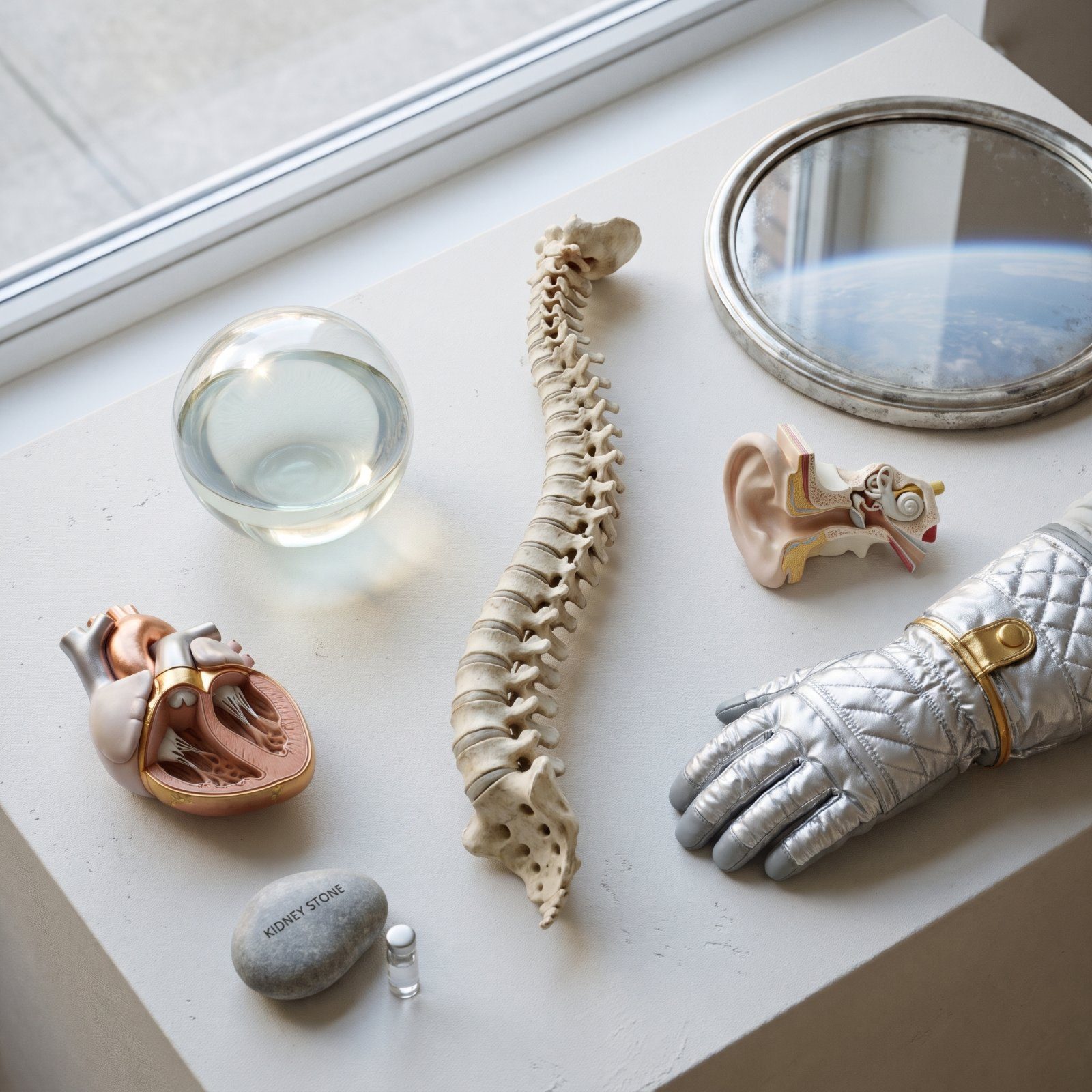
Spend six months floating above Earth and your body quietly rebuilds itself — not in the dramatic ways science fiction promised, but in quieter, stranger ones. Your face swells. Your spine stretches. Your heart changes shape, bones thin, blood thins, and the inner ear starts sending signals it has never had to send before. None of this is rare or theoretical. It happens to nearly every astronaut who leaves gravity behind, and some of it lingers long after the parachute hits the desert. The body evolved for one planet, one pull, one direction called down. Take all of that away, and here is what breaks loose.
32. Body Fluids Rush Toward the Head, Puffing the Face and Thinning the Legs
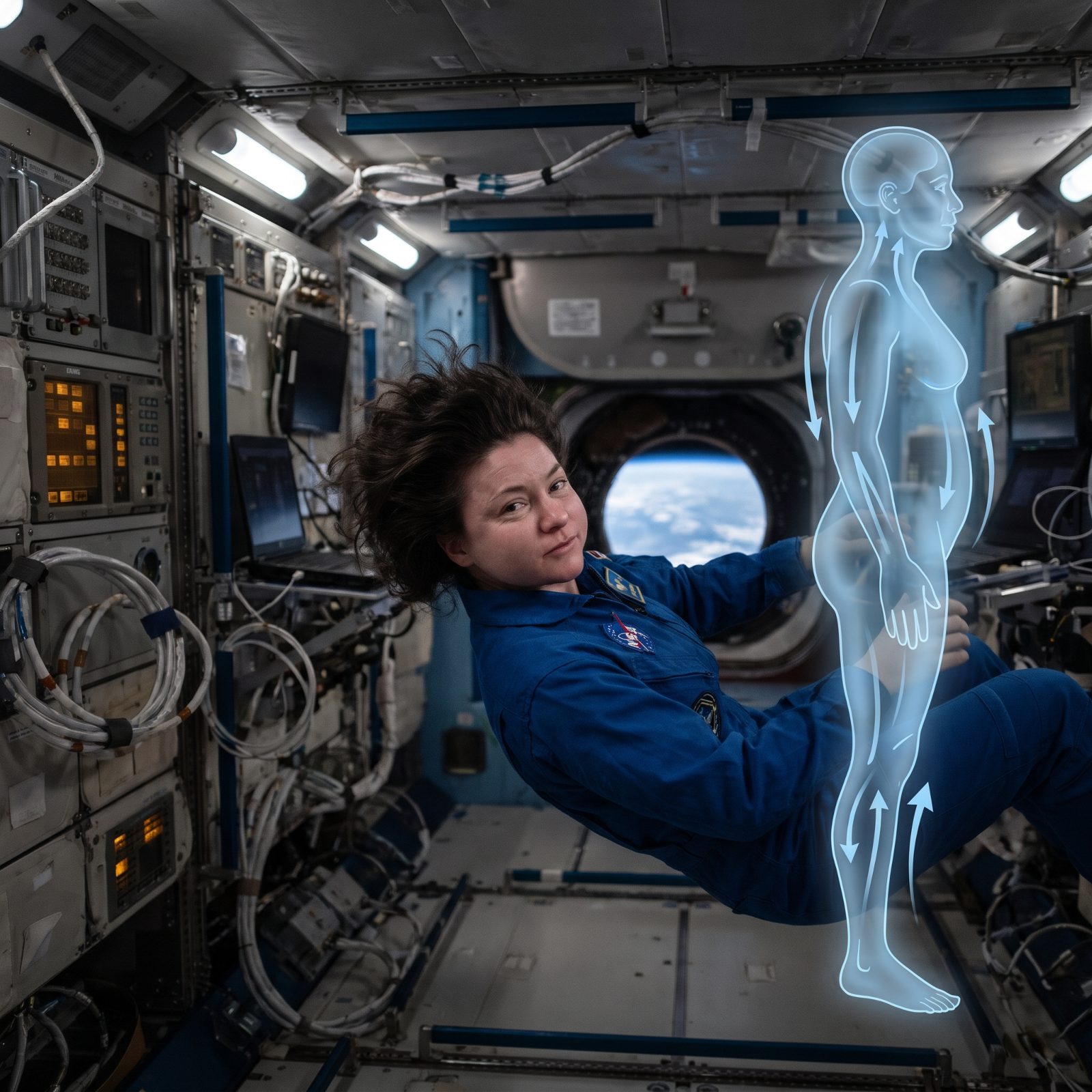
On Earth, gravity keeps most of your blood and fluid pooled in your lower half, and your heart spends all day pumping against it. Remove gravity and all that fluid floats north.
The result shows up fast. Astronauts call it “puffy face, bird legs.” Within hours the face rounds out, the sinuses clog, and the legs each lose close to a liter of fluid. The body reads this flood near the heart as too much blood and starts dumping it — which sets up a whole chain of problems later. Most of the puffiness fades within days. The downstream effects do not.
31. Astronauts Grow Taller as Their Spines Stretch
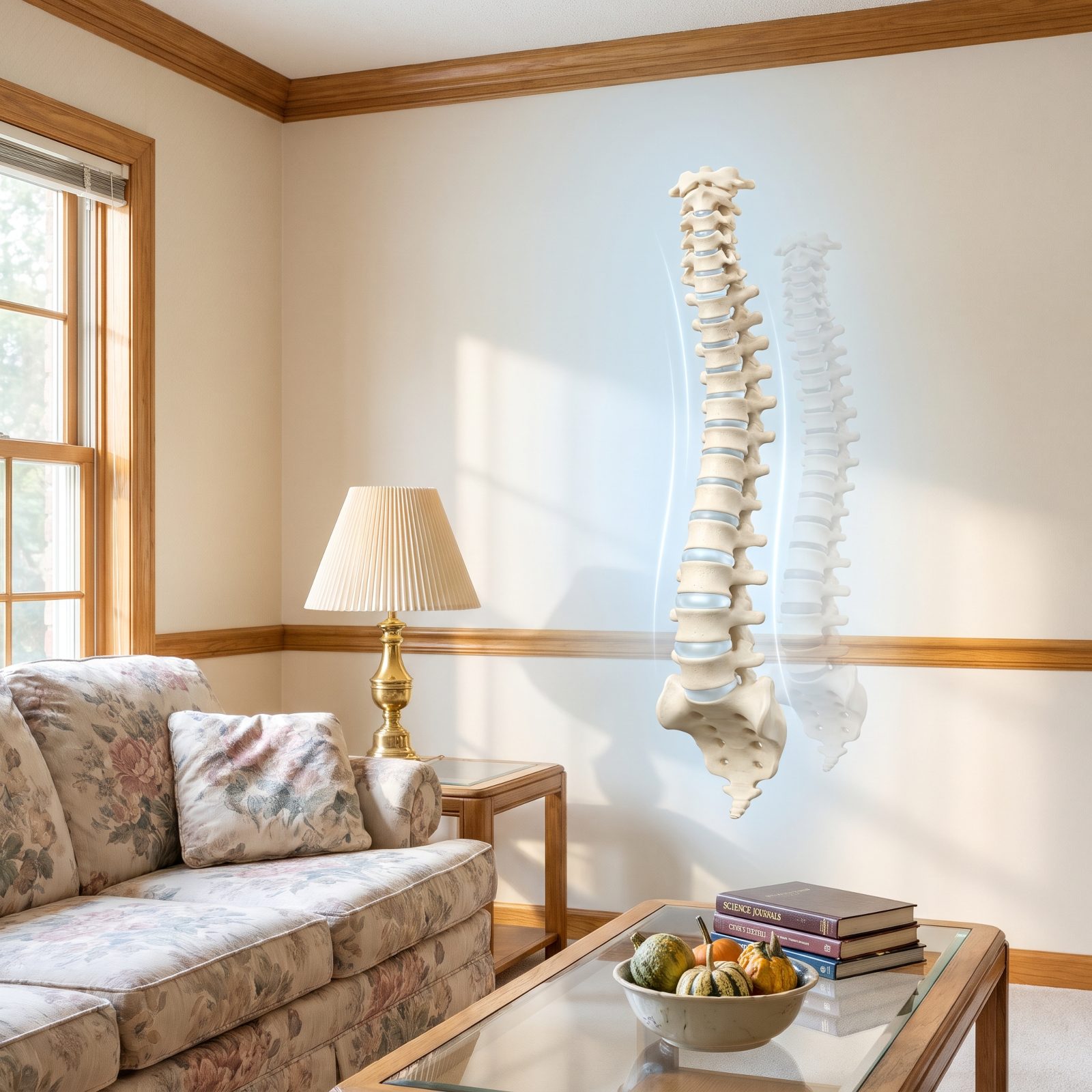
You are taller in the morning than at night. Lie down for eight hours and your spinal discs rehydrate and expand, adding a little height that gravity squeezes back out by evening. Now imagine that happening for six months straight with nothing to squeeze it back.
In orbit, the discs between the vertebrae soak up fluid and spread apart with nothing compressing them. Astronauts gain a few percent of their height — which can mean two or three extra inches. Sounds fun. It isn’t. The stretch strains the surrounding nerves, back pain spikes, and the odds of a herniated disc climb sharply in the months after landing.
30. Weight-Bearing Bones Begin Losing Density
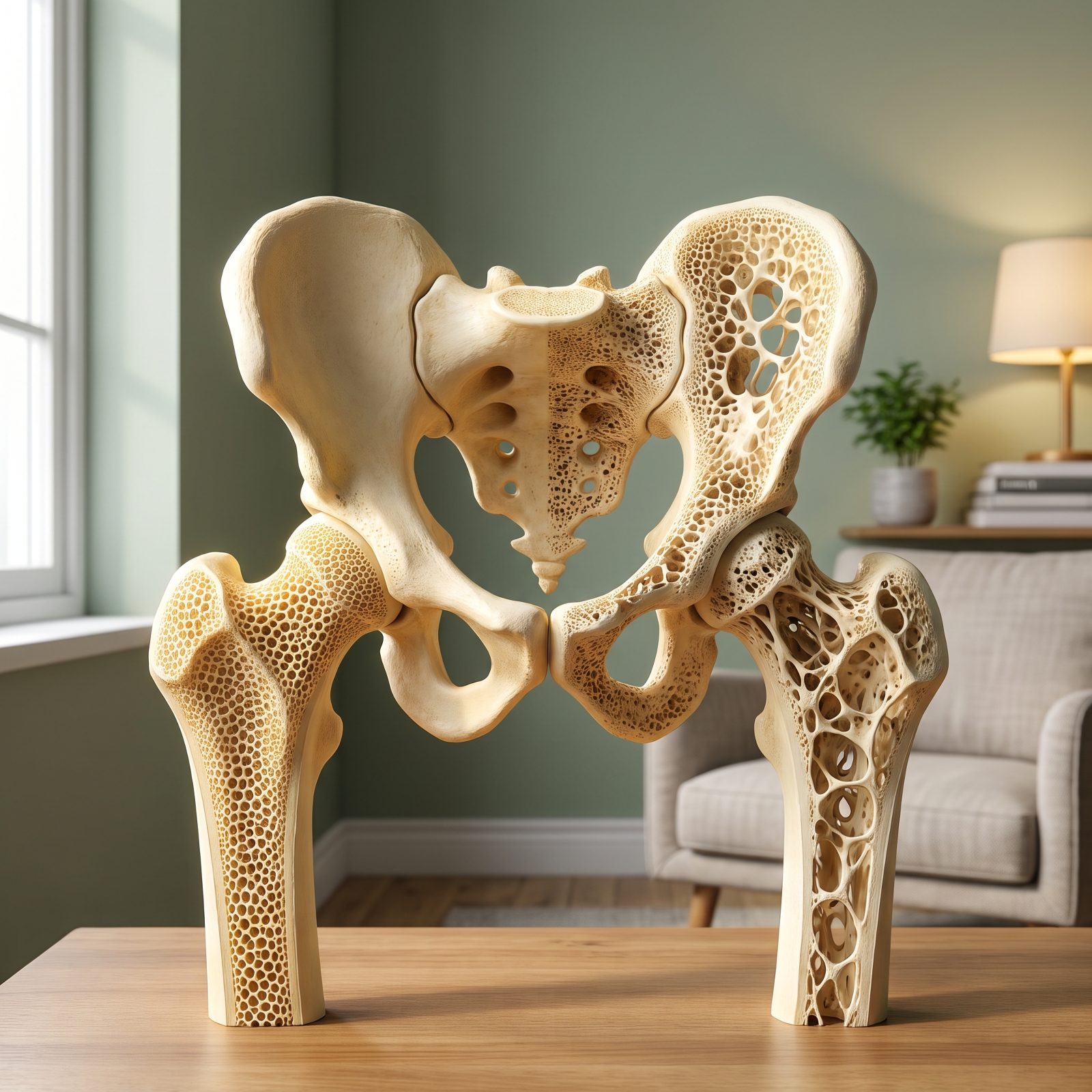
Your skeleton is not a fixed scaffold. It is living tissue that constantly tears down and rebuilds itself, and it reads the load you put on it — standing, walking, hauling groceries up the stairs. That stress is the signal telling your bones to stay strong.
In microgravity the signal vanishes. The weight-bearing bones — hips, lower spine, legs — start shedding density faster each month than a person with osteoporosis loses it on the ground. And the cruel part? It concentrates exactly where a fall after landing would do the most damage.
29. Calcium Released From Bones Raises Kidney-Stone Risk

All that calcium leaching out of thinning bones has to go somewhere. It pours into the bloodstream, gets filtered by the kidneys, and ends up in the urine at far higher concentrations than normal.
Astronauts also tend to run slightly dehydrated, partly because the body dumped fluid early on and partly because drinking in space is just awkward. Concentrated urine plus extra calcium is the recipe for crystals, and crystals become stones. A kidney stone is miserable on Earth with a hospital nearby. Hundreds of miles up, with no surgeon and no way home for days, it becomes a genuine mission threat. So hydration gets tracked almost as carefully as oxygen.
28. Postural Muscles Rapidly Weaken
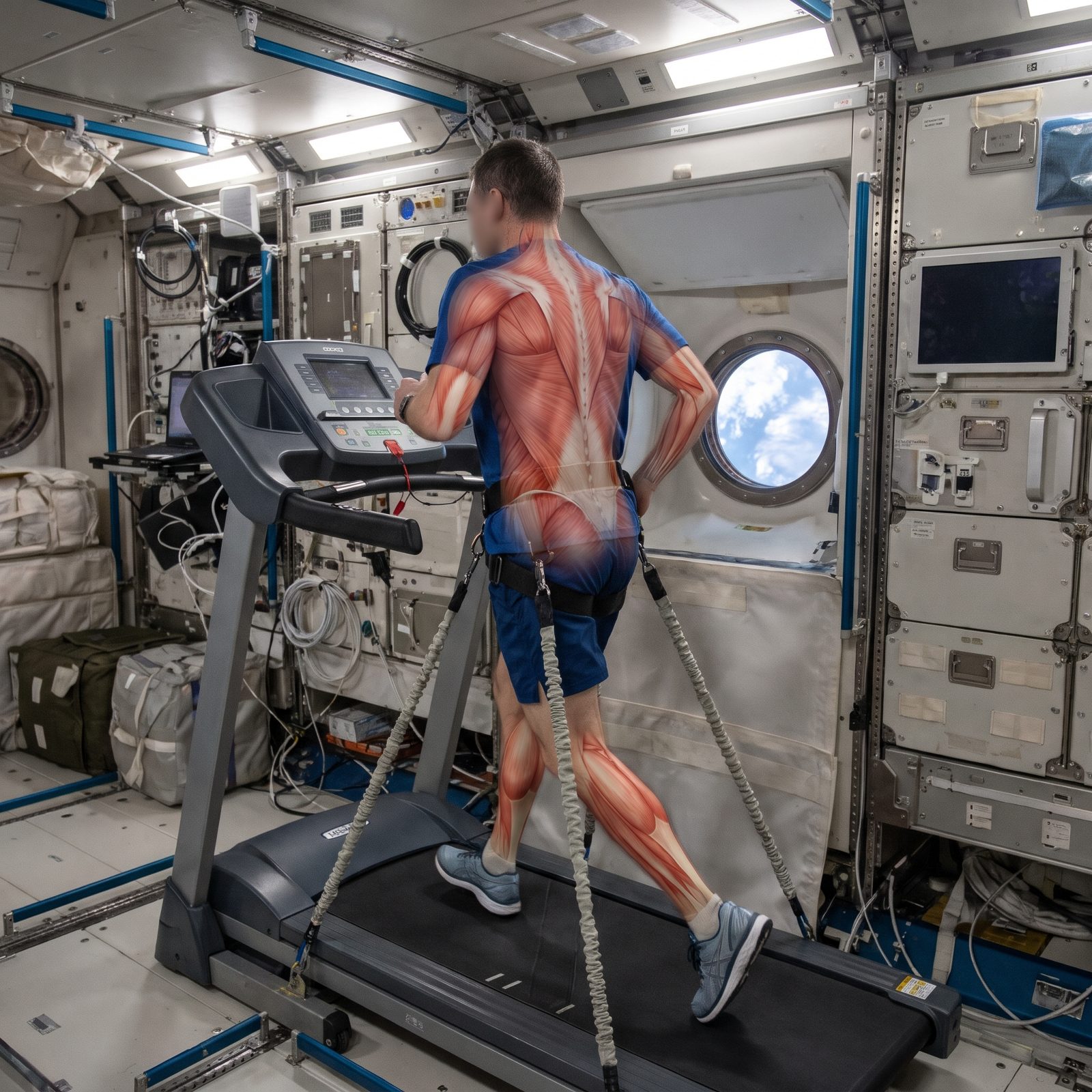
Some muscles you use on purpose. Others work all day without you ever noticing — the deep postural muscles along your spine, your core and your calves, firing constantly just to hold you upright against gravity.
Float free and those muscles have nothing to do, so they start wasting away within days, faster than the big showy ones you train at the gym. The calves and the back-straighteners take the hardest hit. Which is why astronauts exercise over two hours a day in orbit — not for fitness, but to stop their own frame from quietly dissolving. Even so, they come home weaker, and the “anti-gravity” muscles are the last to recover.
27. The Heart Becomes More Spherical
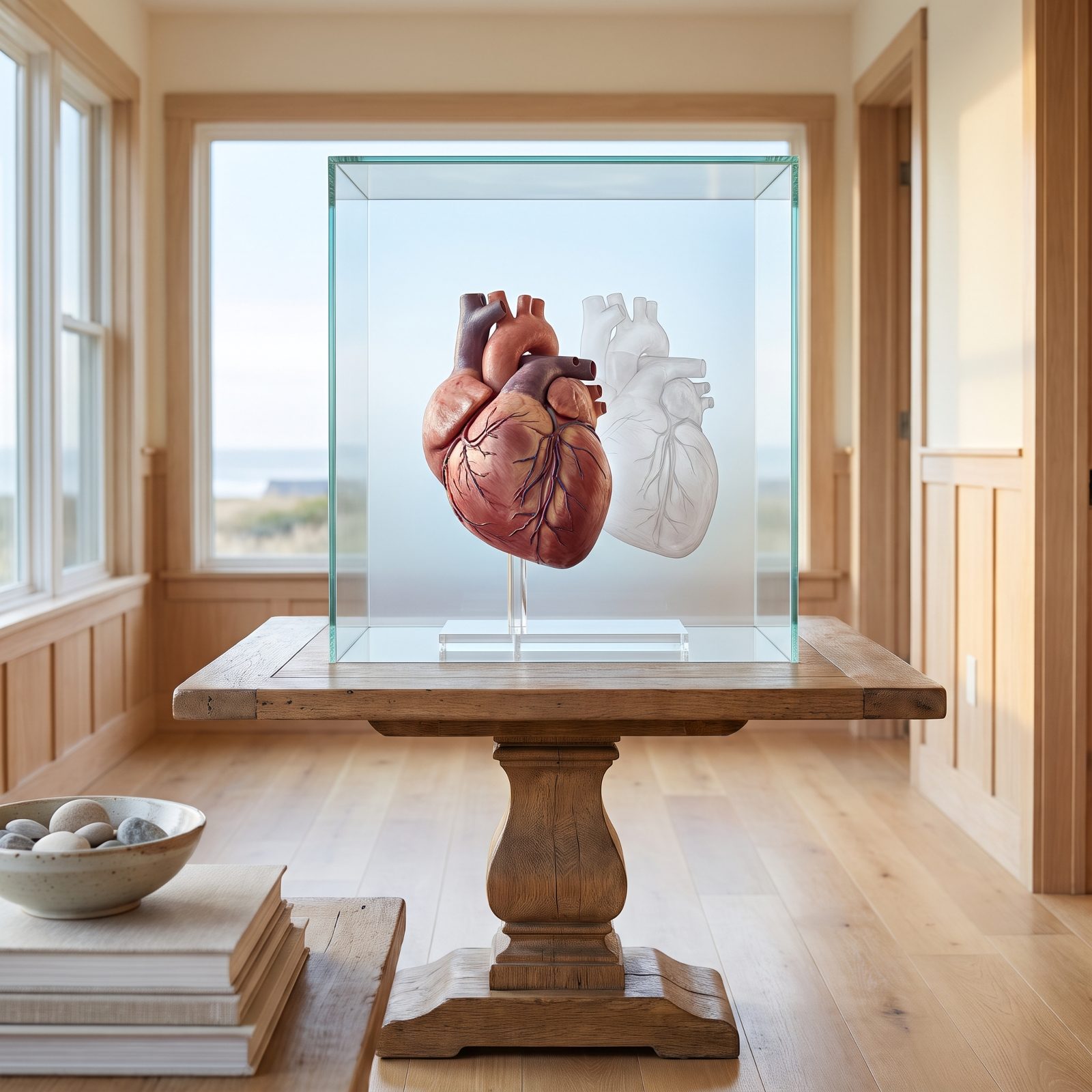
Your heart is a muscle, and muscles adapt to their workload. On Earth it pumps hard to drive blood up against gravity, and over a lifetime that effort shapes it into a slightly elongated cone.
In orbit the fight is gone, so the heart does less, and research from long-duration missions found it actually changes shape — becoming measurably rounder. A rounder heart is a less efficient one. The worry isn’t space itself; it’s the return. A heart that has grown lazy, paired with a body carrying less blood, makes the first days back on Earth genuinely brutal on the cardiovascular system.
26. Blood Volume Drops, Making Astronauts Prone to Fainting After Landing
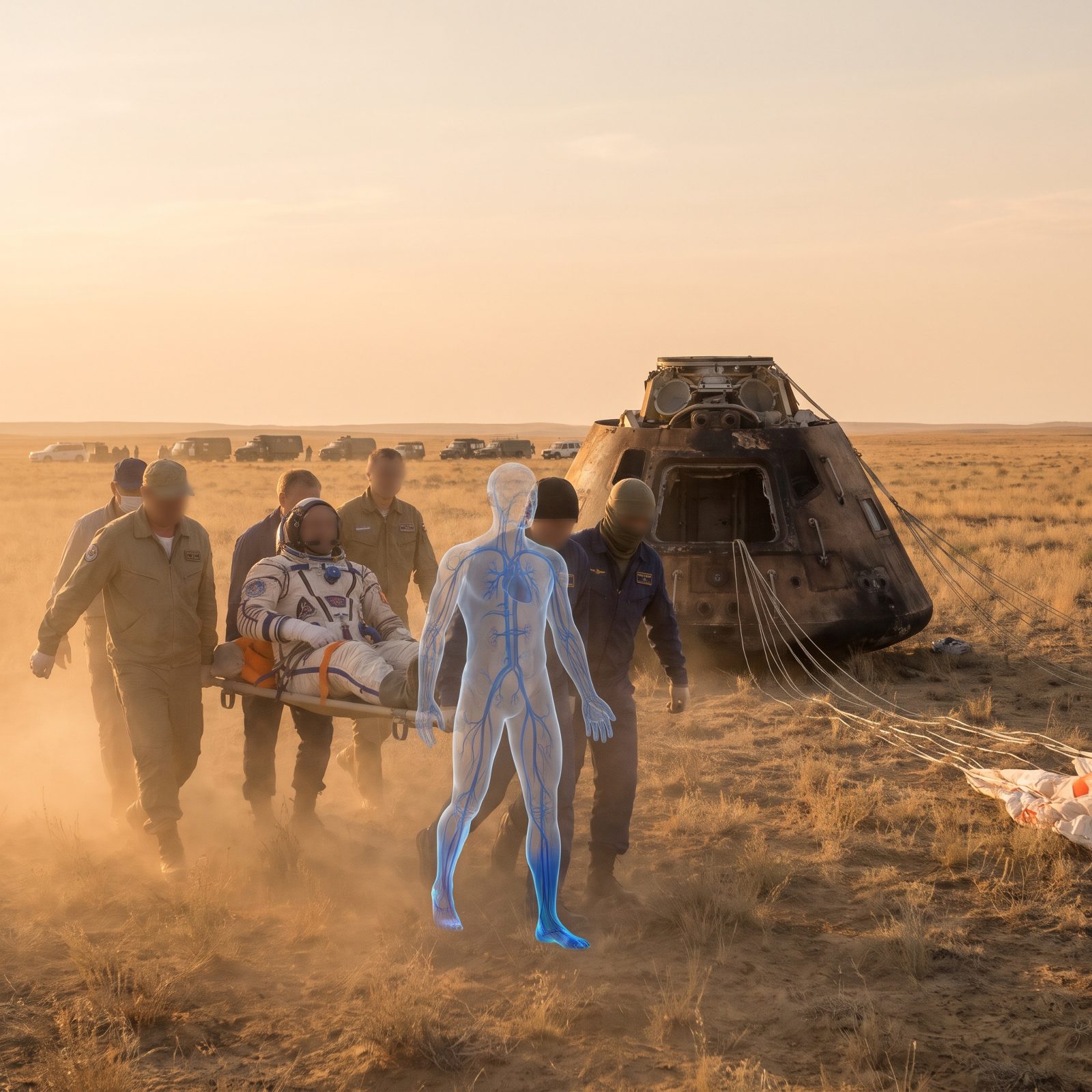
Remember that early fluid rush to the head? When the body sensed all that fluid near the heart, it decided it had too much blood and started getting rid of it. By the end of a long mission, astronauts can shed a sizable chunk of their blood volume.
In weightlessness, nobody notices. The trouble arrives the instant they stand up back on Earth. Gravity yanks the reduced blood supply straight down toward the feet, the brain is briefly starved, and the lights go out. Doctors call it orthostatic intolerance, and it is why returning crews are carried from the capsule and often cannot stand unaided for a day or two.
25. Conflicting Inner-Ear Signals Can Trigger Space Motion Sickness
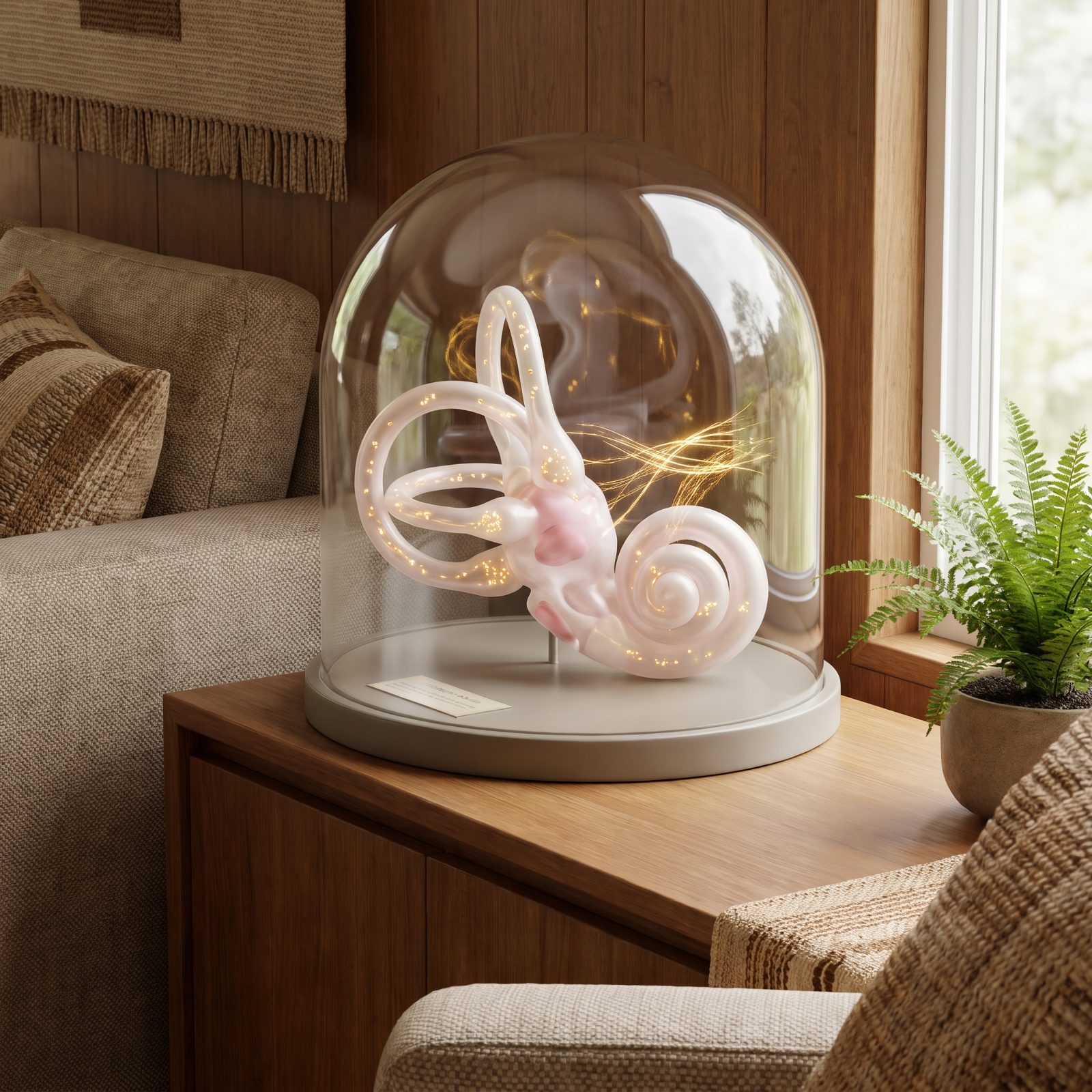
Deep in each ear sit tiny organs full of fluid and tiny calcium crystals. On Earth, gravity tugs those crystals in a predictable direction, and that tug tells your brain which way is down. It is one of your most basic orientation systems.
In orbit the crystals float. The signal goes haywire while your eyes still report a clear up and down from the cabin walls, and your brain, handed two contradicting stories, reacts the way it always does to sensory conflict: nausea, dizziness, cold sweats. About half of all astronauts get hit in the first few days.
24. Astronauts Lose Their Normal Sense of Up and Down
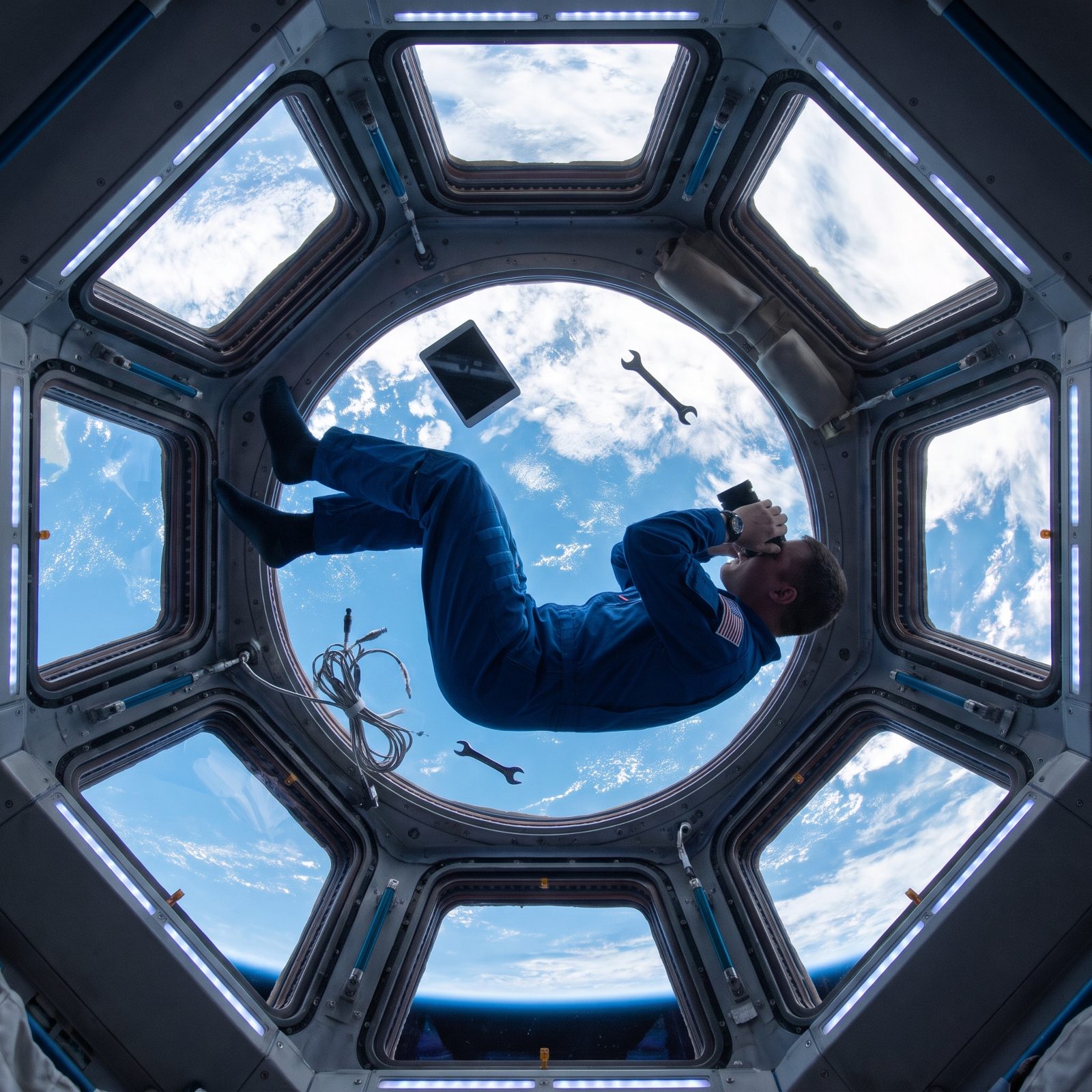
Down is not a direction in space. It is a story your body tells you, stitched together from your inner ear, your eyes, and the pressure on the soles of your feet. Take gravity away and the story falls apart.
Astronauts report that “up” becomes whatever direction their head happens to be pointing. A crewmate can float by inverted and look perfectly normal. Reach for a wall and realize it’s now the ceiling. The brain adapts within days, rewiring to lean on visual cues from the module instead. It’s a quiet reminder that your sense of a solid, oriented world was never fixed — it was always built on the fly.
23. Balance Can Feel Unreliable Back on Earth
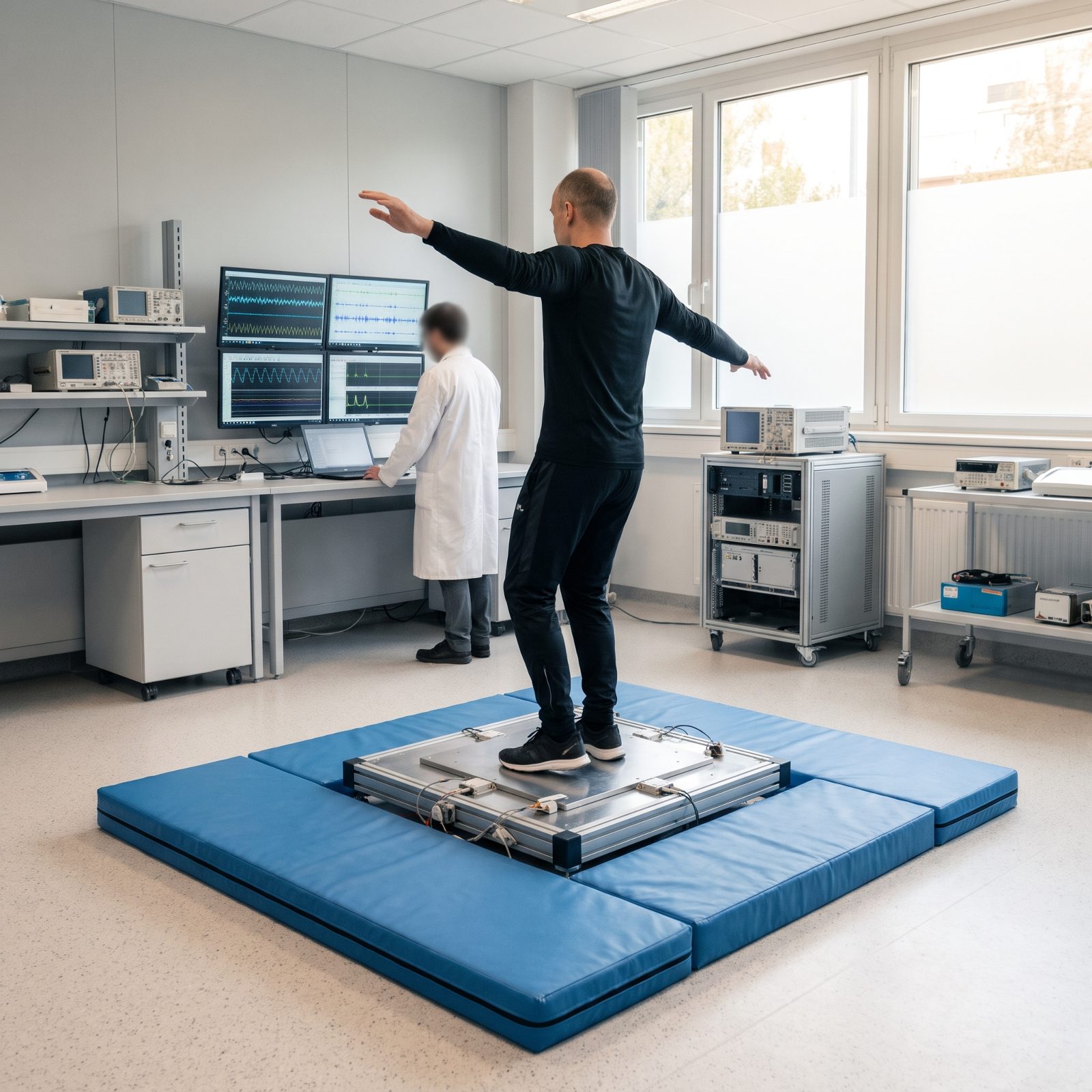
The brain spends a whole mission learning to ignore the inner-ear signals that have stopped making sense. That recalibration is brilliant while you’re weightless. It becomes a liability the moment you land.
Back under gravity, the system has to unlearn everything it just learned. For the first days, returning astronauts describe the floor seeming to tilt and lurch — struggling to walk a straight line or round a corner without stumbling. Balance tests show most are measurably impaired for days, with full recovery stretching into weeks. The longer the flight, the longer the stagger. Call it the body paying back, with interest, every adaptation that made space feel so easy.
22. Eyeballs Can Flatten, Shifting Vision Toward Farsightedness
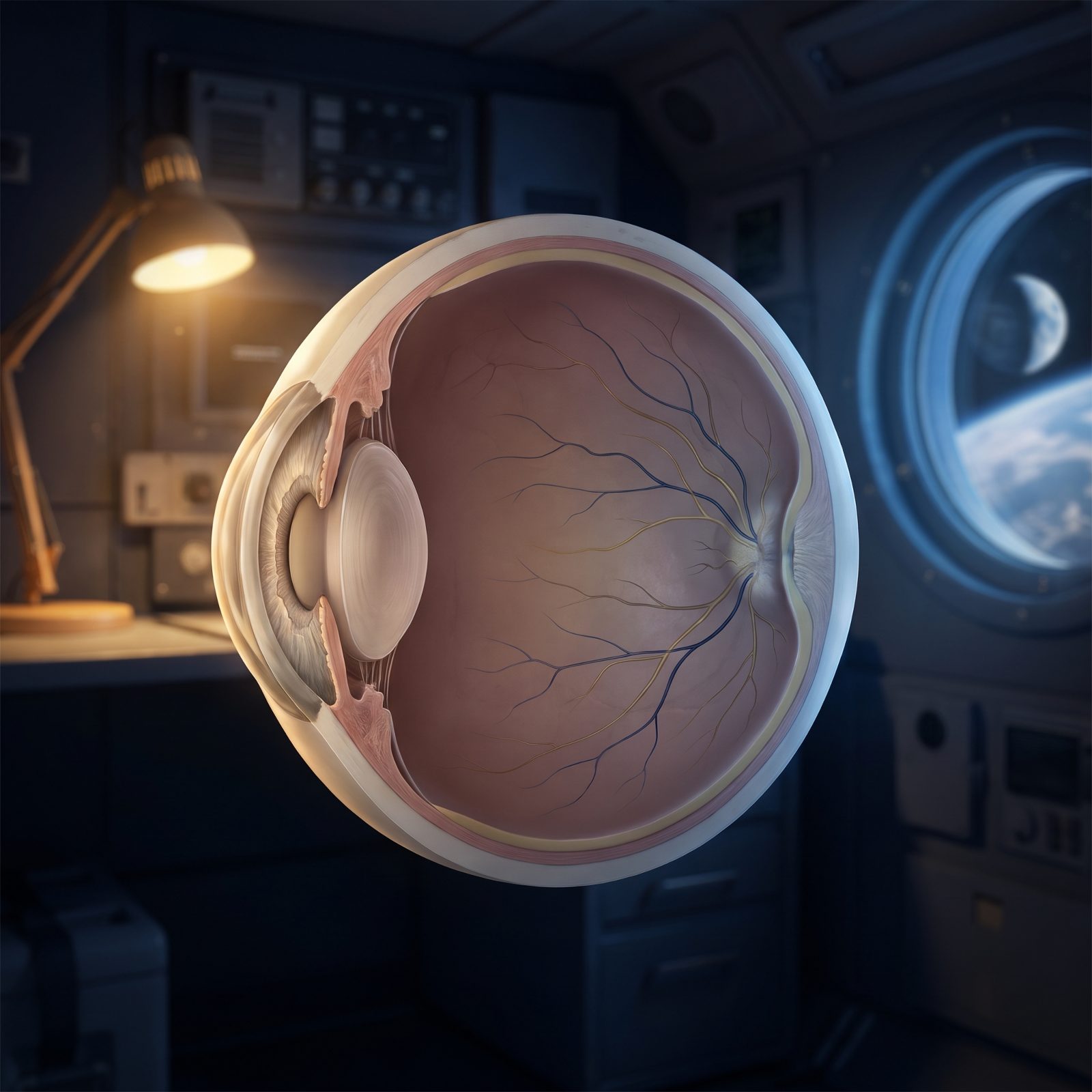
Astronauts come home needing reading glasses they never wore before. Without gravity pulling fluids toward the feet, blood and spinal fluid drift upward and press on the back of the eye. That pressure flattens the eyeball ever so slightly, shoving the focal point out of place and nudging vision toward farsightedness.
NASA files the whole cluster of changes under a mouthful of a name: Spaceflight-Associated Neuro-ocular Syndrome, or SANS. On long missions some crew members shift by a full diopter or more. For most it eases after landing. For some it lingers, which is the part nobody loves.
21. The Optic Nerve May Swell
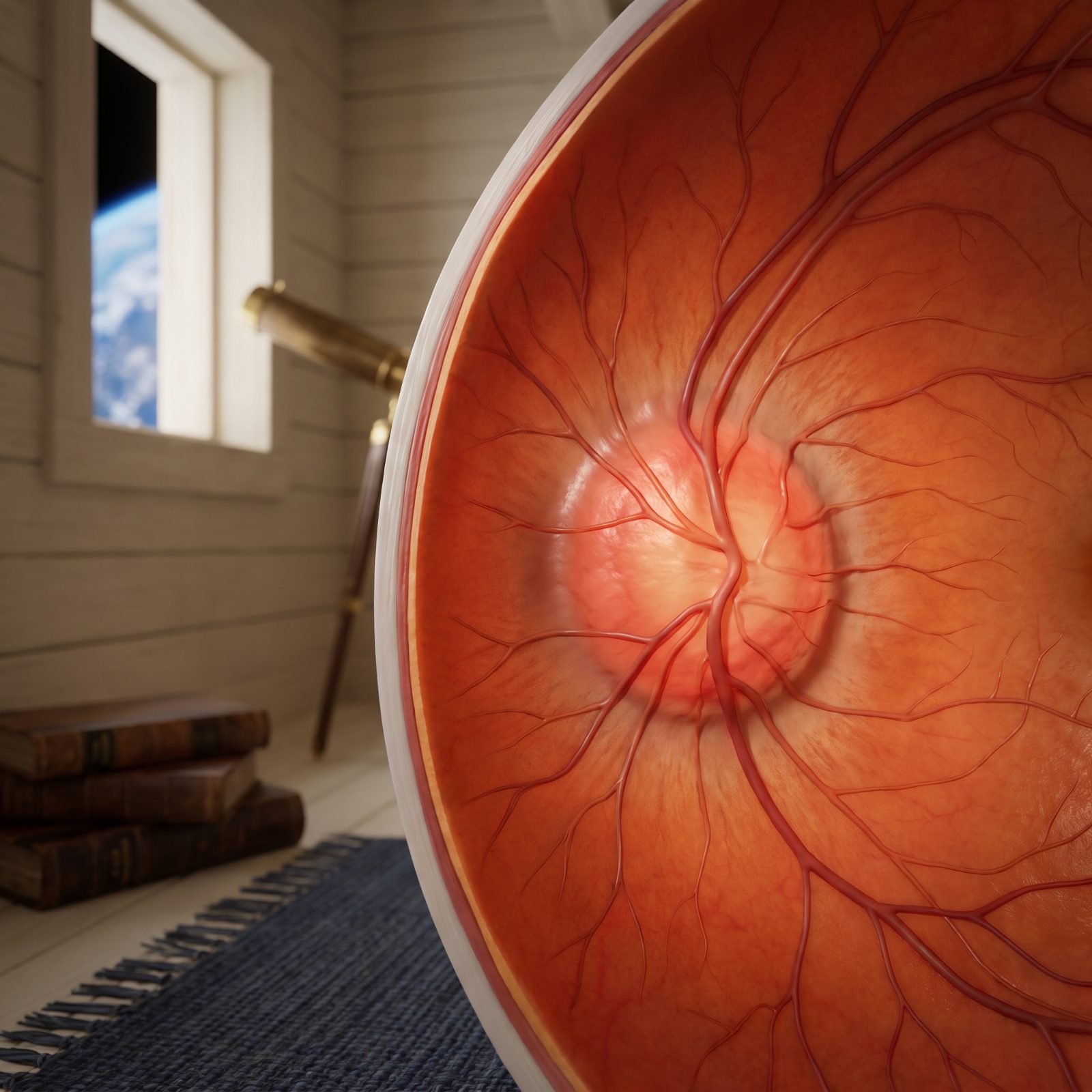
Look at the back of an astronaut’s eye after months in orbit and you may spot the optic disc bulging where it should sit flat. Doctors call this optic disc edema. On the ground it usually flags dangerous pressure inside the skull, which is why it makes flight surgeons nervous when it turns up in orbit, where the cause is murkier.
The best guess? Fluid shoved toward the head raises pressure around the optic nerve just enough to make it puff up. Still partly theory, though. We know it happens. We don’t fully know why.
20. Wrinkles Can Develop in the Retina
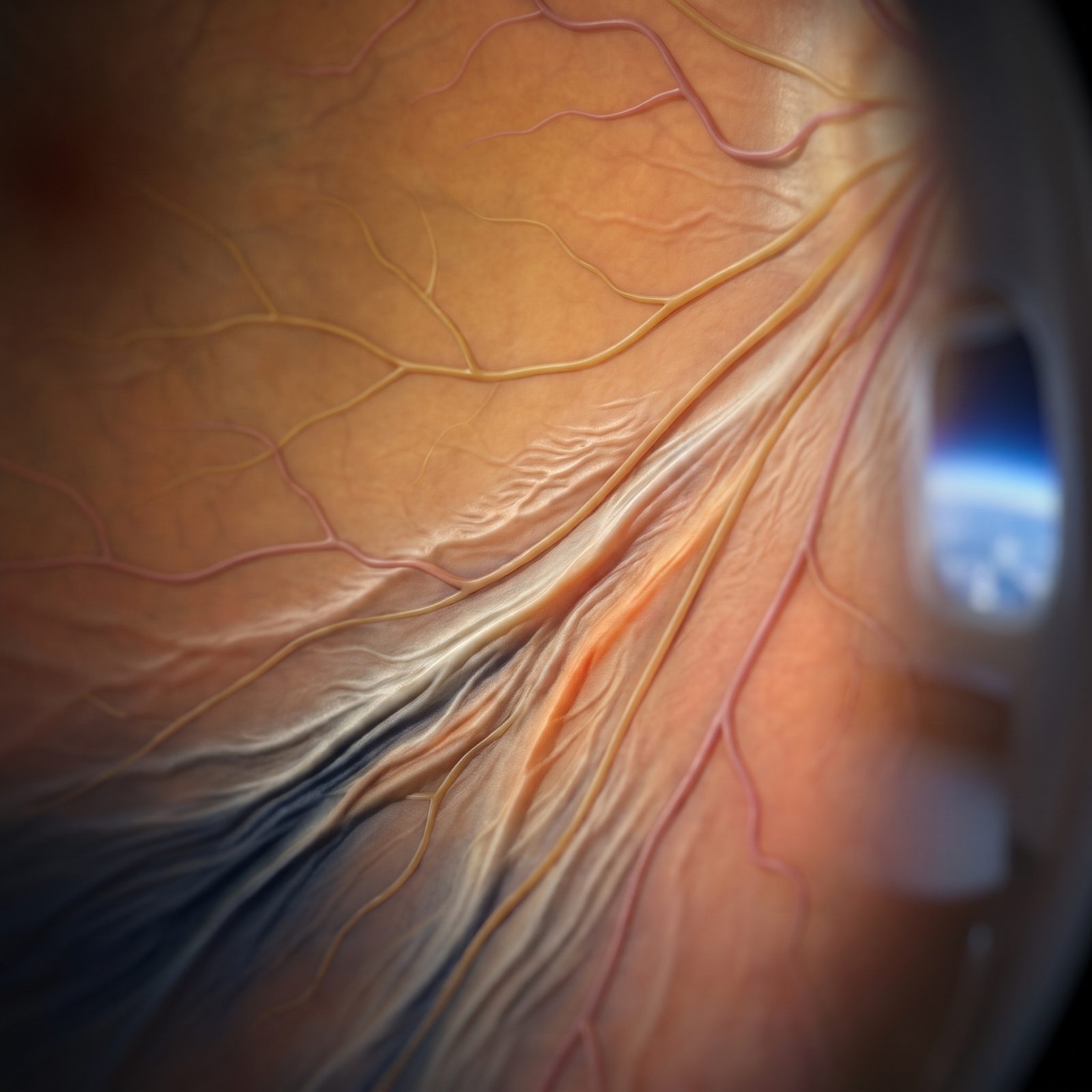
Picture the smooth lining at the back of your eye picking up creases, like a bedsheet pulled off-true. That’s roughly what shows up in some astronauts: choroidal folds, faint ridges in the tissue behind the retina.
They turn up on scans after long stays aboard the station, and in a fraction of crew they’re still visible years later. The folds can smear fine detail in central vision. Most people never notice day to day. But for a species plotting multi-year hops to Mars, “mostly fine” isn’t the same as fine.
19. Taste and Smell Can Dull, Driving Cravings for Stronger Flavors

Hot sauce is the most requested condiment on the space station, and there’s a reason crews douse everything in it.
In microgravity, fluids pool in the head, and the result feels like a permanent head cold: congested sinuses, muffled smell, flattened taste. Since most of flavor is really aroma, food goes bland fast. So astronauts chase that lost dimension with chili sauce, pungent blue cheese, dark chocolate, strong black coffee, anything that can punch through the fog.
18. Hand-Eye Coordination Can Temporarily Deteriorate
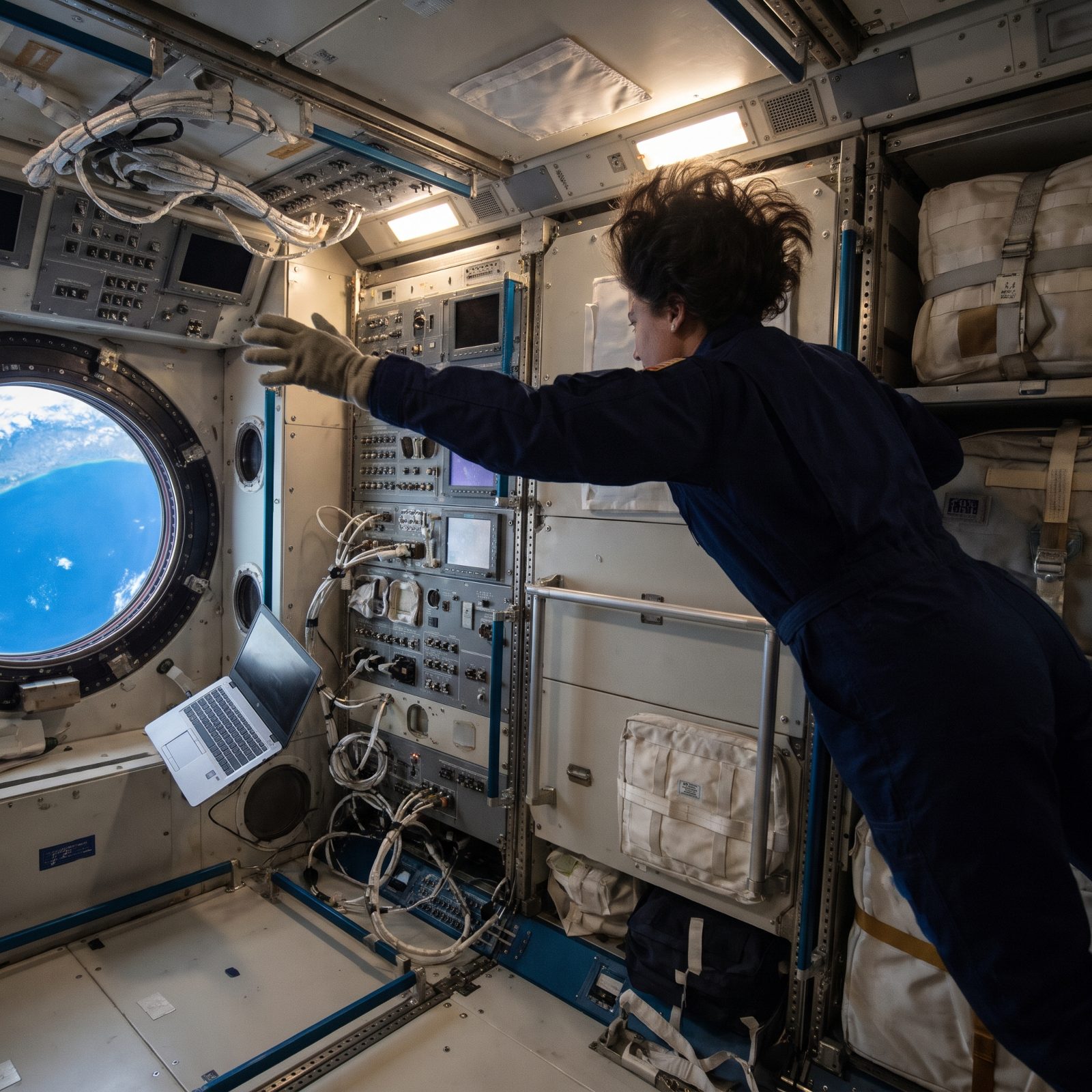
Early in a mission, astronauts reach for a switch and miss. They overshoot, correct, overshoot again. The hand knows where it wants to go; the fine-tuning is simply off.
Your brain learned every movement in gravity, so take gravity away and the calibration it leaned on no longer applies, which makes tracking a target and landing a precise motion go wobbly. Studies show hand-eye coordination and manual tracking dip in the first days, then sharpen as the brain rewrites its assumptions. The nasty bit comes on the way home, when it has to unlearn space all over again.
17. The Brain Reorganizes Its Movement Maps
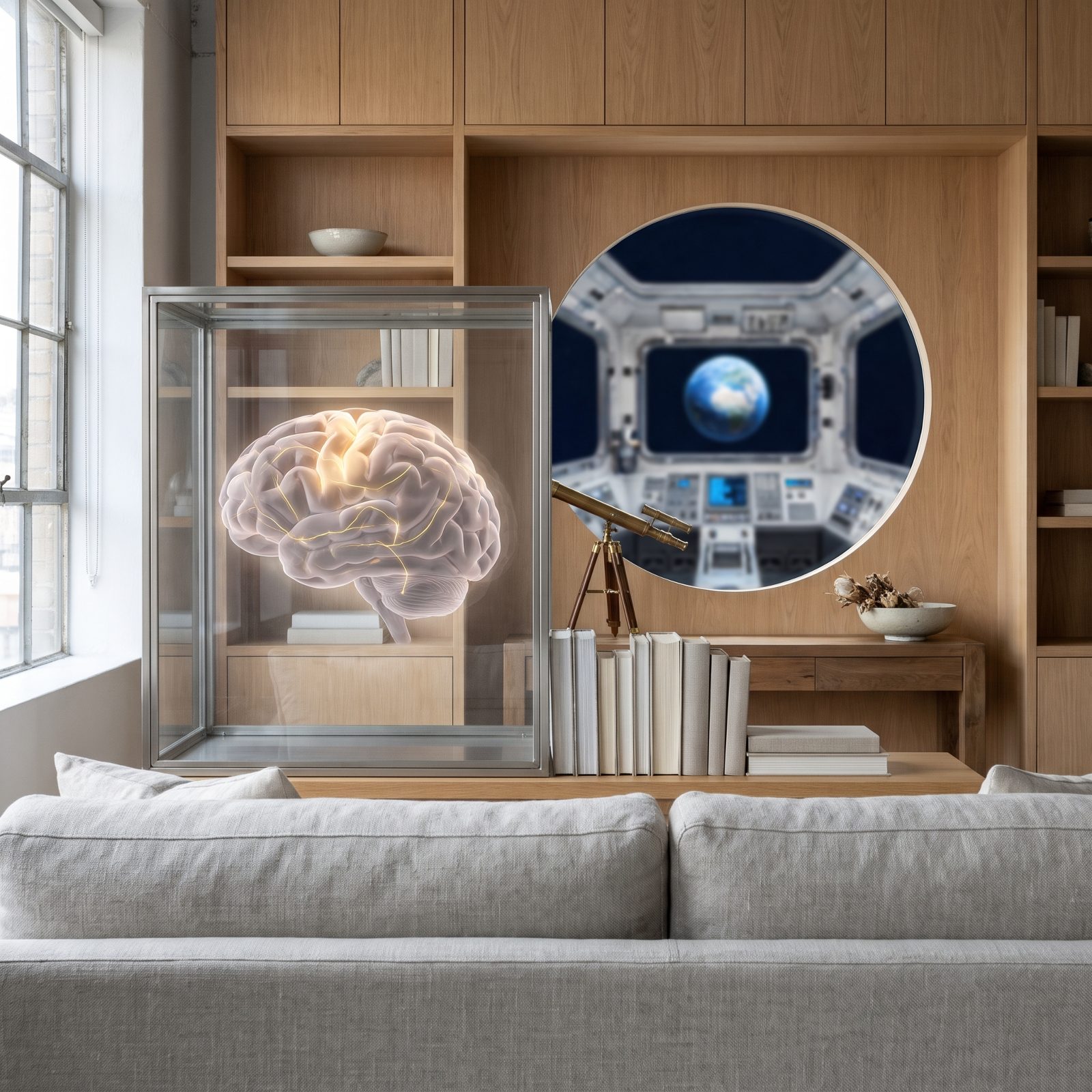
The brain treats space as a problem to solve, and it solves it structurally.
MRI scans before and after missions reveal measurable rewiring in the sensorimotor regions, the parts that plan and control movement. Gray matter shifts around. Connections between motor areas strengthen as the body learns to float, grip and navigate in a place with no up or down. Call it neuroplasticity on a dramatic clock.
And here’s the eerie part. Some of these changes are still detectable months after landing, and researchers suspect frequent flyers may need longer stretches between missions for the brain to fully reset. We are watching the human brain adapt to a world it was never built for.
The brain doesn’t just cope with weightlessness. It redraws its own wiring to live there.
16. Spaces Containing Brain Fluid May Expand
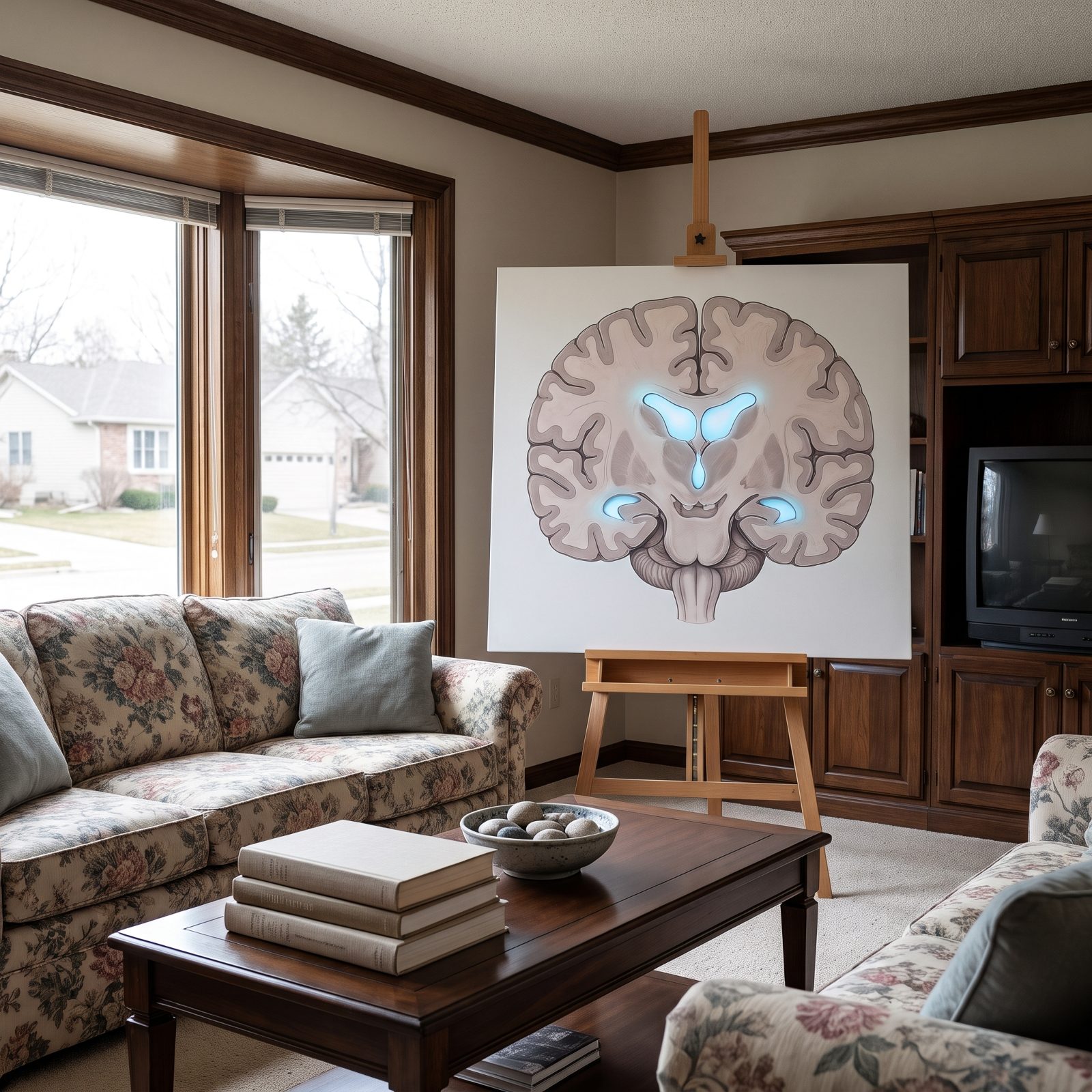
Deep inside your brain sit hollow chambers that circulate cerebrospinal fluid. After long missions, scans show these ventricles grow larger, and the longer the flight, the more they swell.
With gravity gone, fluid stops draining the way it normally would and the whole system backs up. Most of the swelling recedes after landing, but not overnight. Research suggests it can take years to return fully to baseline, which is why some experts argue astronauts should wait roughly three years between the longest flights.
15. Sunrises Every 90 Minutes Disrupt the Body Clock and Fragment Sleep
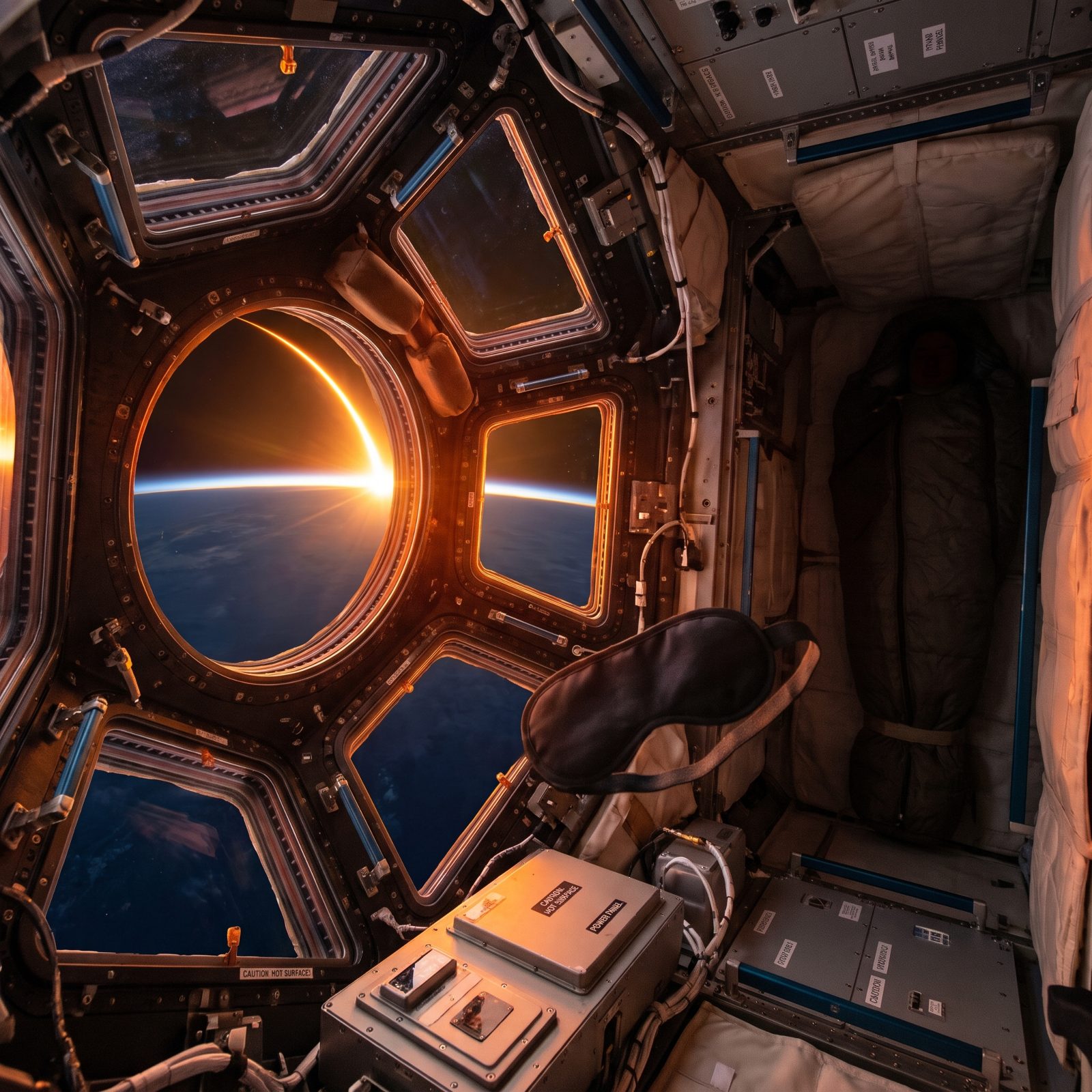
Sixteen sunrises a day sounds like a gift. For your body clock, it’s pure chaos.
The station laps the planet every ninety minutes, so the sky outside cycles from blazing dawn to pitch black and back, over and over. Human circadian rhythm runs on a roughly 24-hour cue of light and dark. Scramble that, pile on mission stress and the constant drone of equipment, and sleep shatters into fragments.
14. Snoring May Decrease in Microgravity
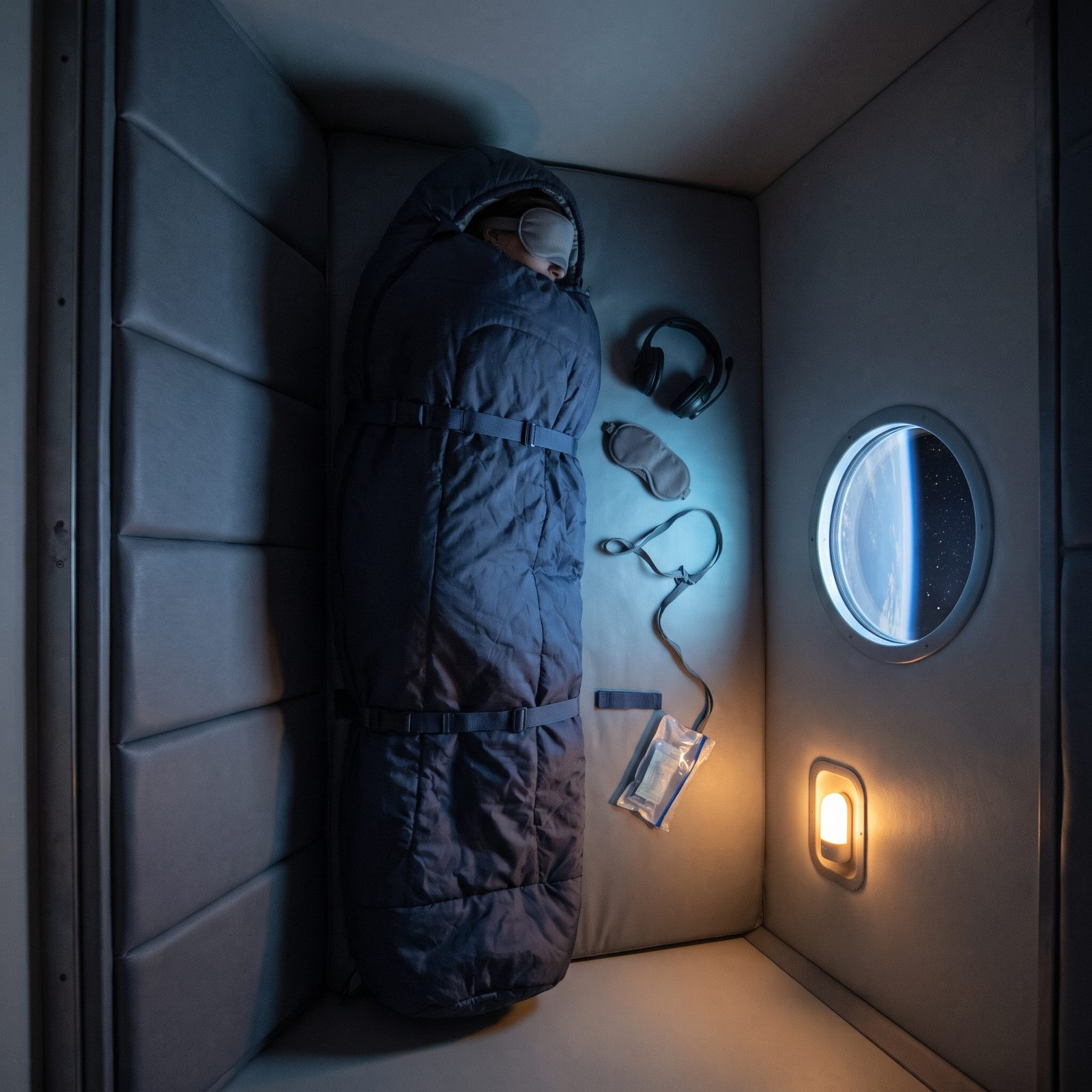
Finally, a rare bit of good news for the body in orbit: snoring tends to quiet down.
On Earth, snoring and sleep apnea are partly a gravity problem, because when you lie on your back the soft tissue in your throat sags and collapses the airway. Remove gravity and that tissue stops pulling down, so the airway stays more open. Studies comparing astronauts on the ground and in space found both snoring and apnea events dropped once crews went weightless. The sleep is still miserable, thanks to the light and the noise. The airway, at least, catches a break.
13. Dormant Viruses Can Reactivate
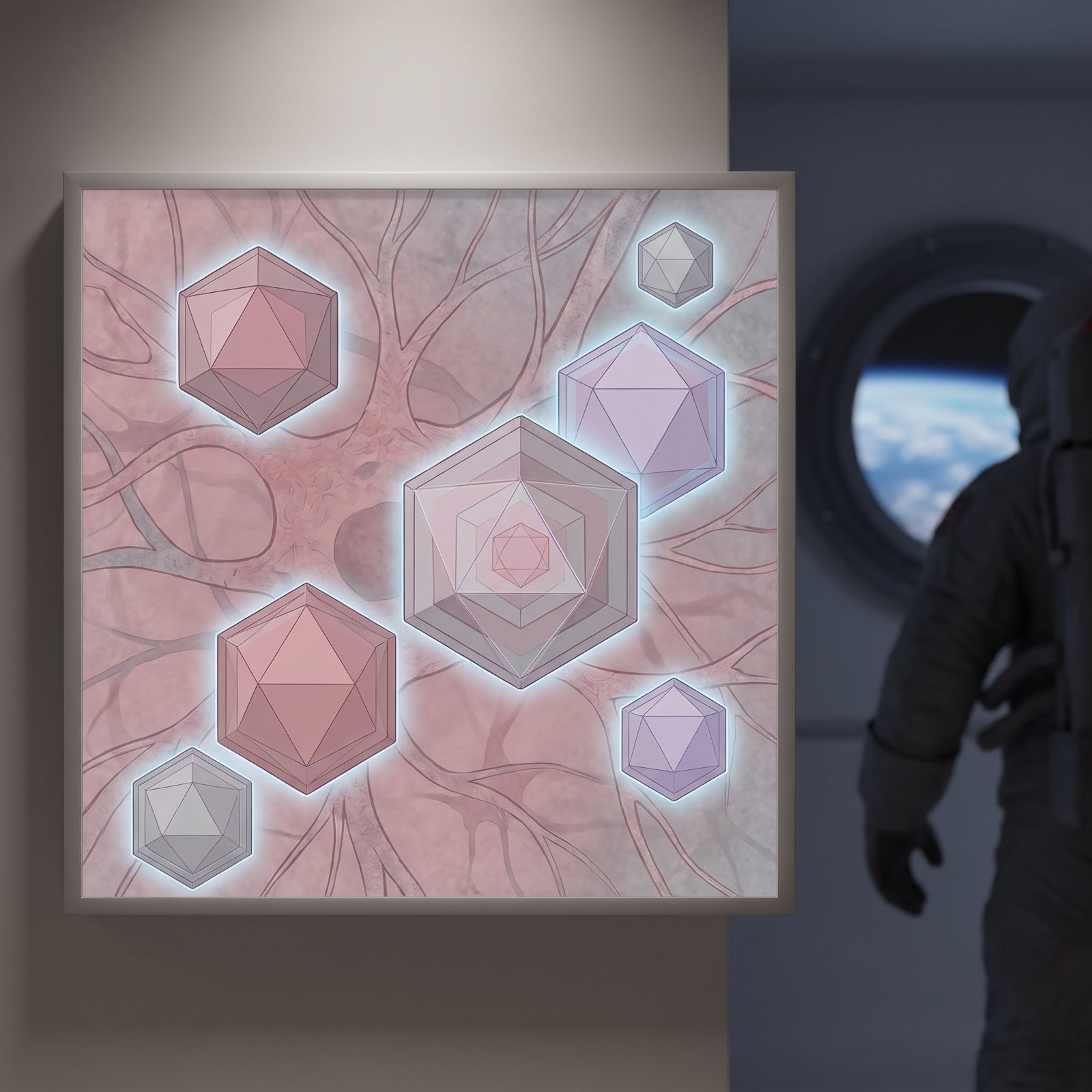
You are carrying viruses right now that your immune system has kept locked in a box for decades. Spaceflight can pop a few of those locks.
Radiation, broken sleep, isolation, the slow grind of orbital stress: all of it taxes the immune system. Under that load, dormant viruses in the herpes family, including the ones behind chicken pox and cold sores, can quietly flicker back on. NASA has detected reactivated virus shedding in a majority of astronauts on longer missions.
Most show no symptoms, and the virus clears once they readjust. But seal that same person inside a capsule bound for Mars, and a crew member shedding live virus stops being a footnote. It’s one more reason the body, not the rocket, may be the hardest part of leaving Earth.
12. Wounds May Heal More Slowly
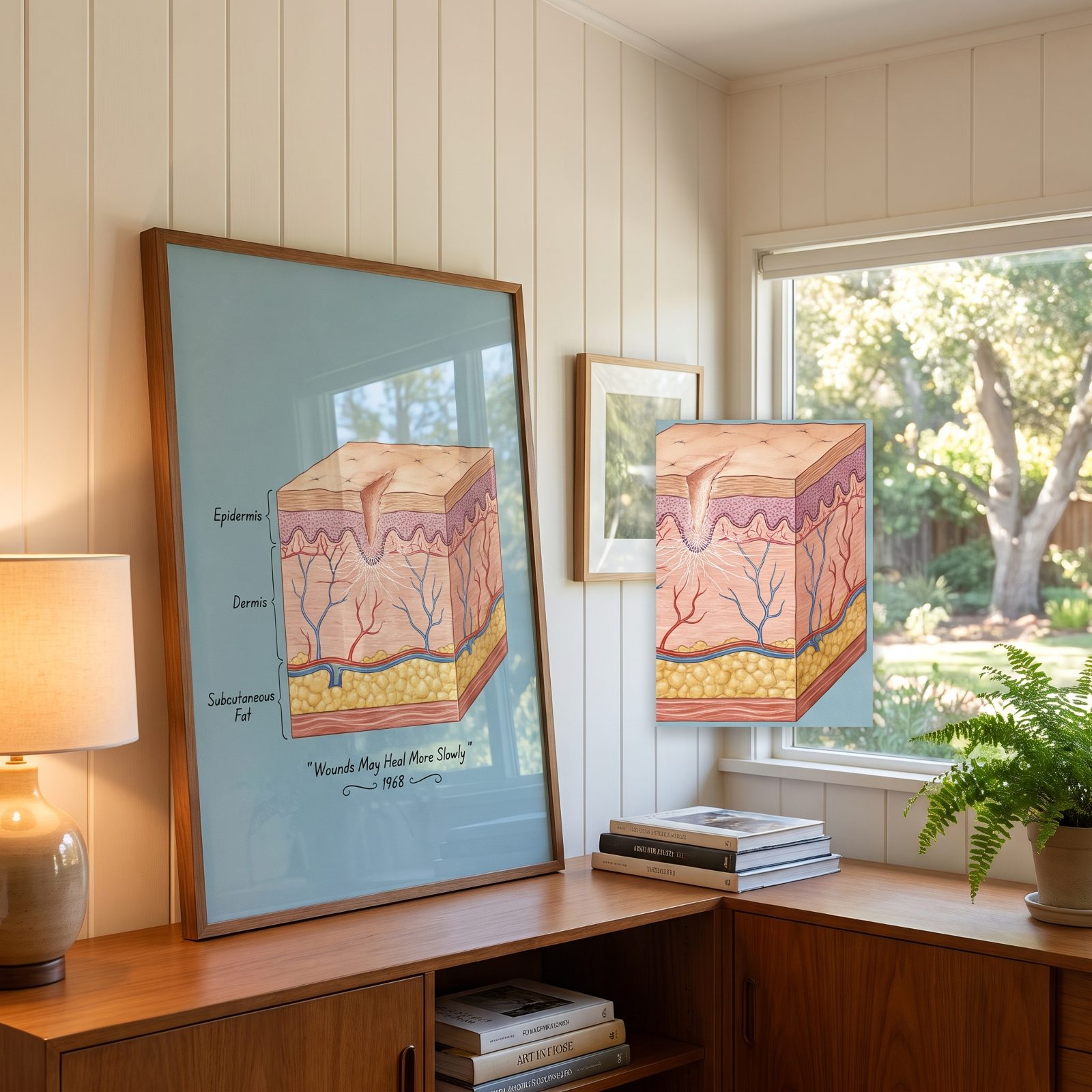
A scrape that closes in a week on Earth can drag out in orbit. Studies on the International Space Station and in rodent experiments suggest microgravity slows the traffic of immune cells and the laying down of new collagen, the scaffolding your body uses to knit skin back together.
Fluid shifts matter too. Without gravity pulling blood toward your feet, pressure redistributes, and that reshuffle changes how nutrients reach a wound bed. None of this is settled science yet. But it keeps flight surgeons planning long Mars missions up at night.
11. Gut-Bacteria Communities Can Change
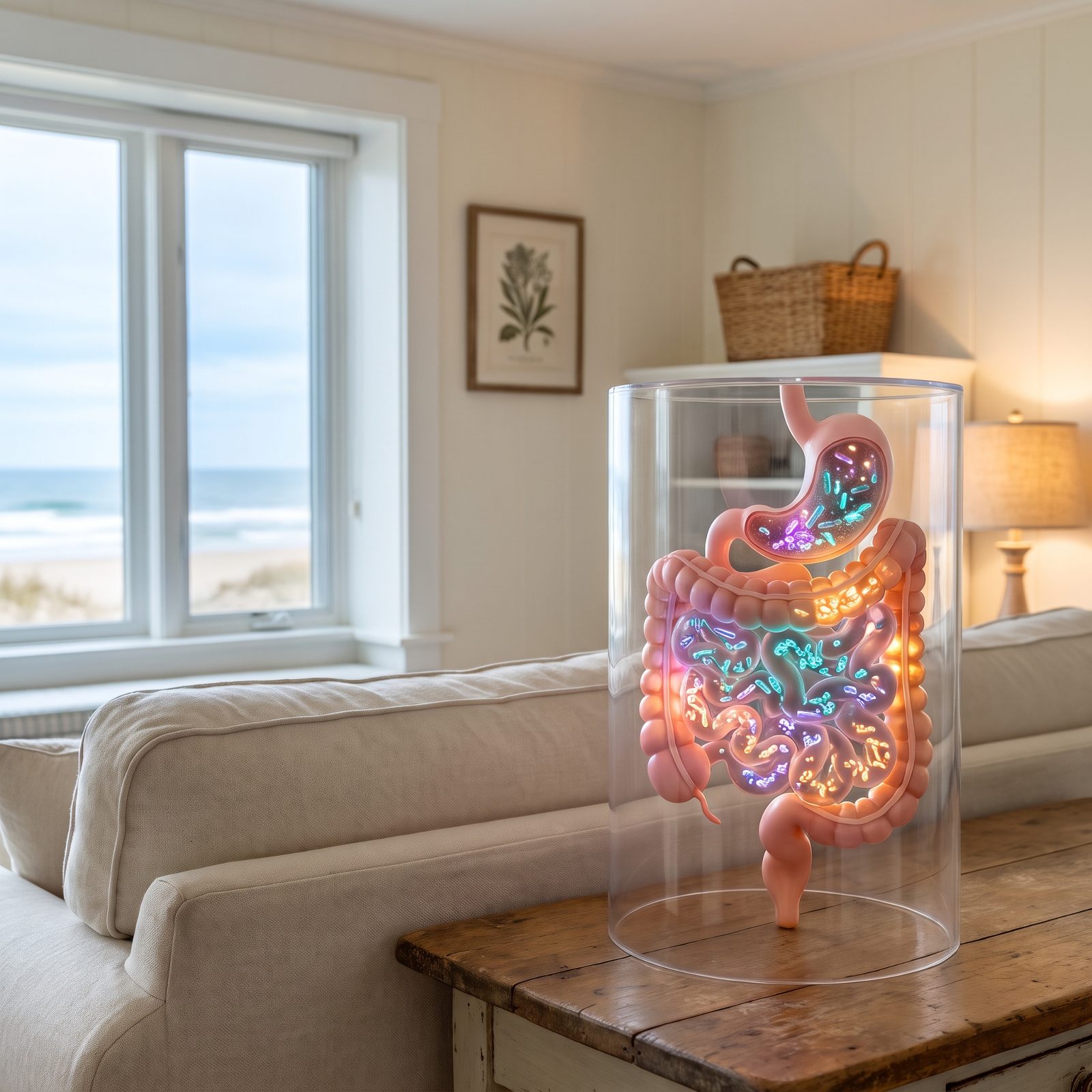
Your gut hosts trillions of microbes, and they notice when you leave the planet. Samples from ISS crews tracked before, during and after flight show measurable shifts in the balance of bacterial species, with some groups thinning out and others taking over.
Diet is part of it. Freeze-dried, shelf-stable food is not exactly a fiber-rich farmers market. Stress, scrambled sleep and radiation probably nudge the community too, though scientists are still untangling cause from effect. What they know for certain: the microbiome, which steers immunity, mood and digestion, doesn’t stay put when you do.
10. Calluses Peel From the Soles and Form on the Tops of the Feet
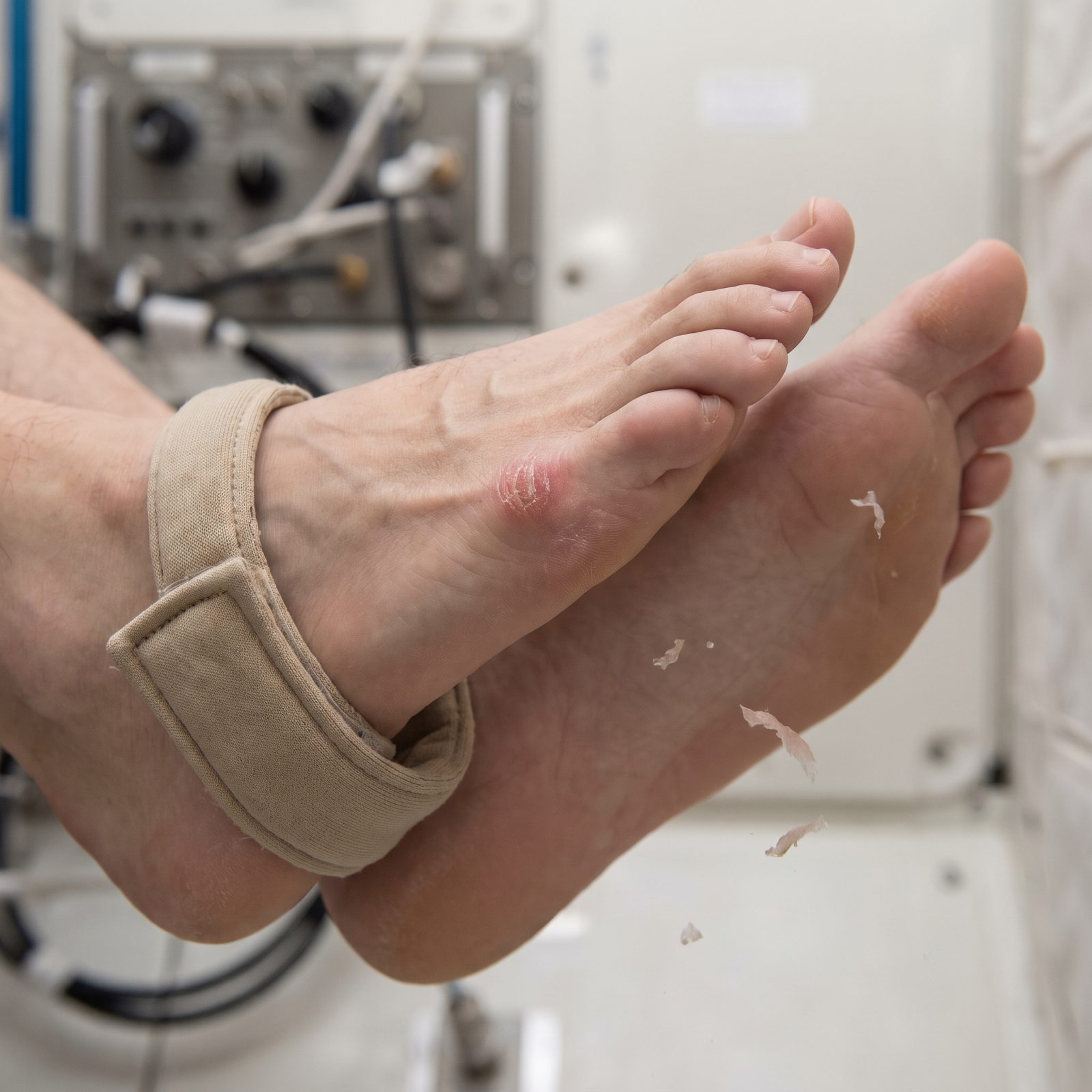
Nobody warns you about this one. On Earth your soles are the hardworking surface, thick with callus from a lifetime of standing. In orbit, you barely stand on anything, so that leathery skin softens and flakes away.
Meanwhile astronauts anchor themselves by hooking the tops of their feet under padded restraint loops, and the body does what it always does under friction: it lays down fresh callus right there, on top of the foot. Veterans describe the old sole skin peeling off in sheets. A small, strange illustration of a bigger rule — your body reshapes itself around whatever it actually uses.
9. Fingernails Can Bruise or Separate During Spacewalks
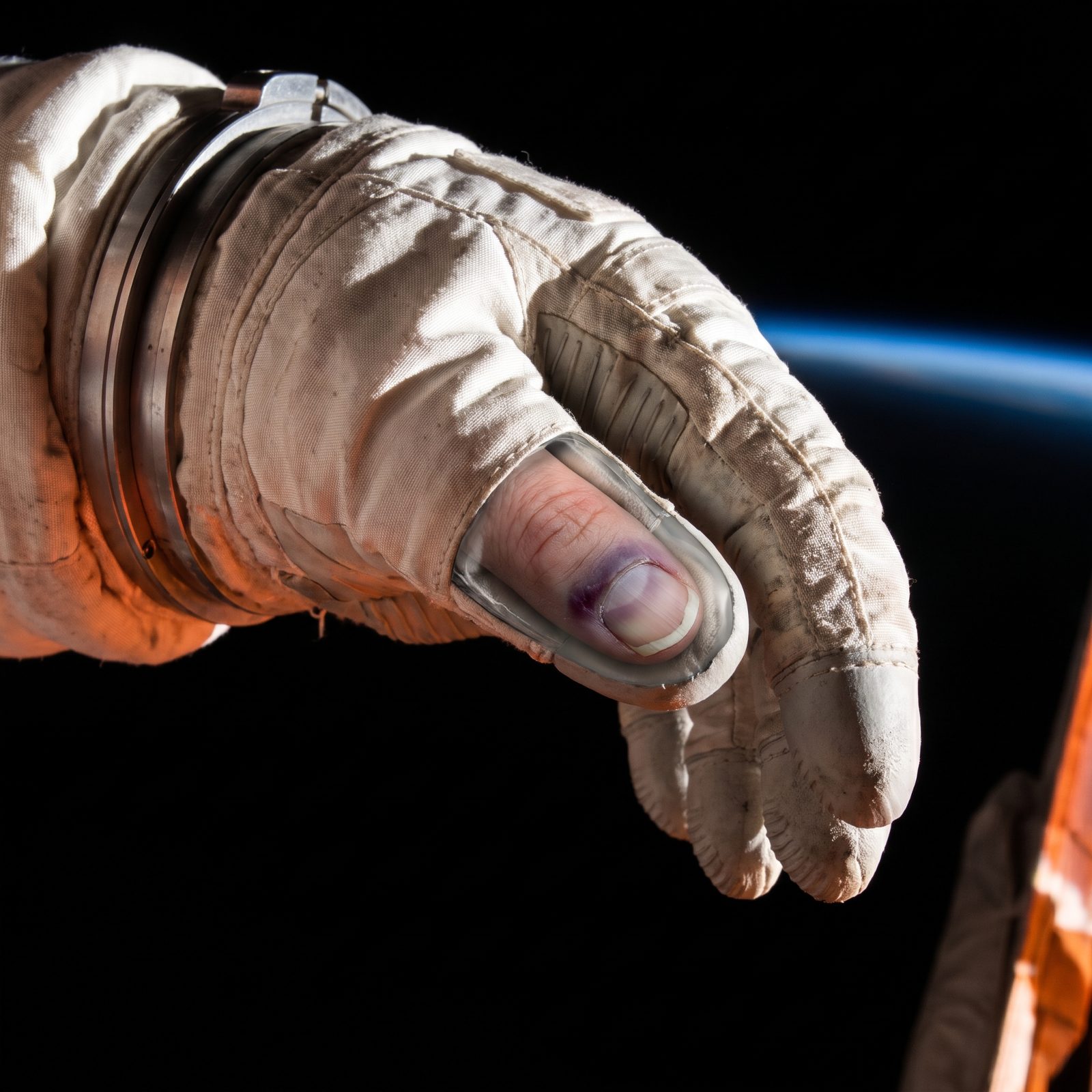
Spacewalk gloves are armored balloons. They hold pressure against the vacuum, which means every finger bend fights a stiff, inflated shell for hours on end.
All that pressure and friction concentrates at the fingertips. Astronauts have reported sore, bruised nail beds, and in some cases onycholysis, where the nail separates from the bed and eventually drops off. NASA has studied glove design for years trying to reduce it, because losing a fingernail mid-mission is more than unpleasant. Inside a sealed suit, it’s a hygiene and infection problem.
8. Astronauts Shed More Skin Into the Cabin
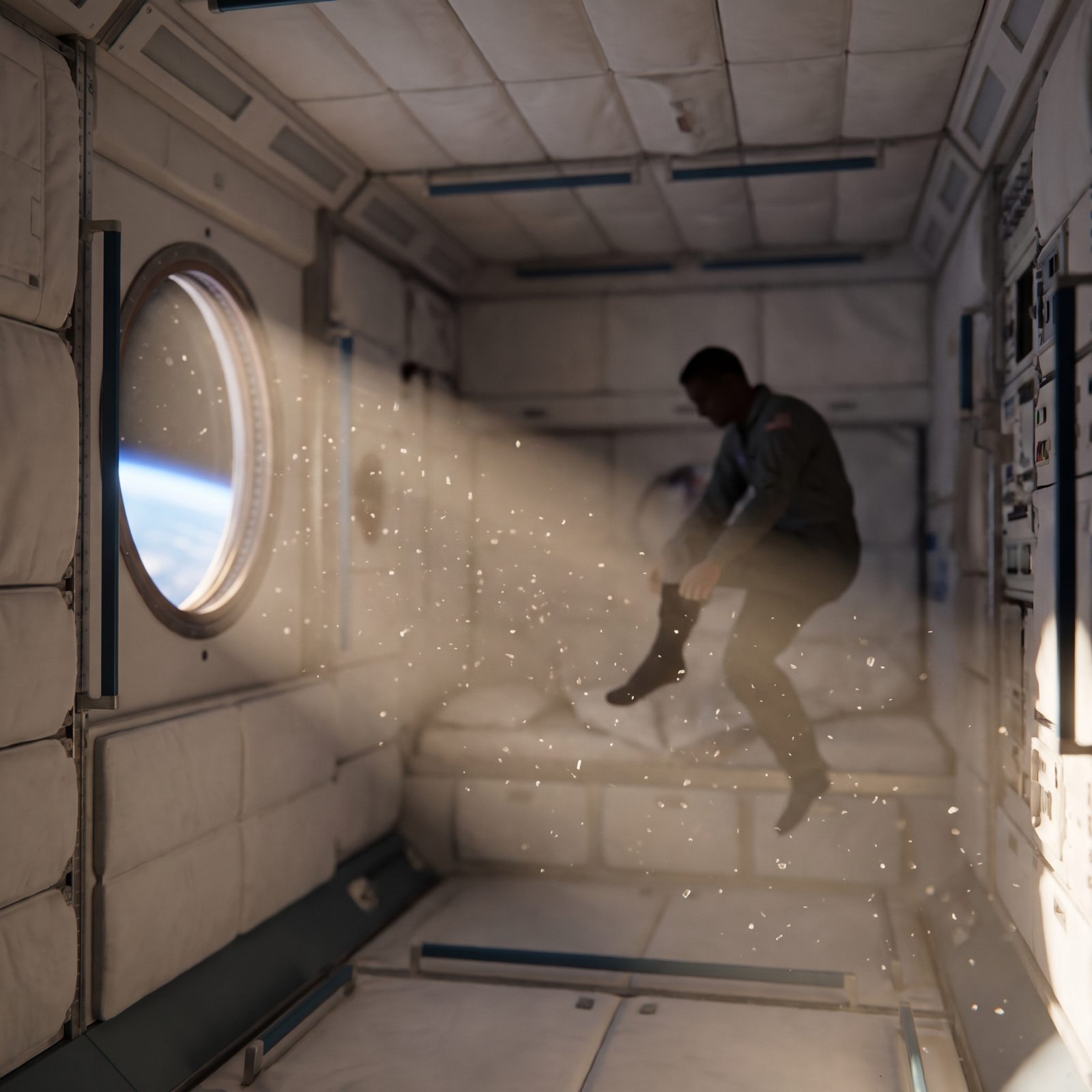
On Earth, dead skin falls to the floor and the vacuum deals with it. In space, it has nowhere to go.
You shed skin constantly, especially from the softening soles of your feet, and in a sealed cabin with no gravity and recirculated air those flakes just drift. They float until the ventilation filters catch them — or until a crewmate does. Astronauts have joked for years about the floating fuzz, but it’s a genuine air-quality issue, which is why station filters get so much attention. Not glamorous. Very real.
7. Sweat Clings to the Body Instead of Dripping Away
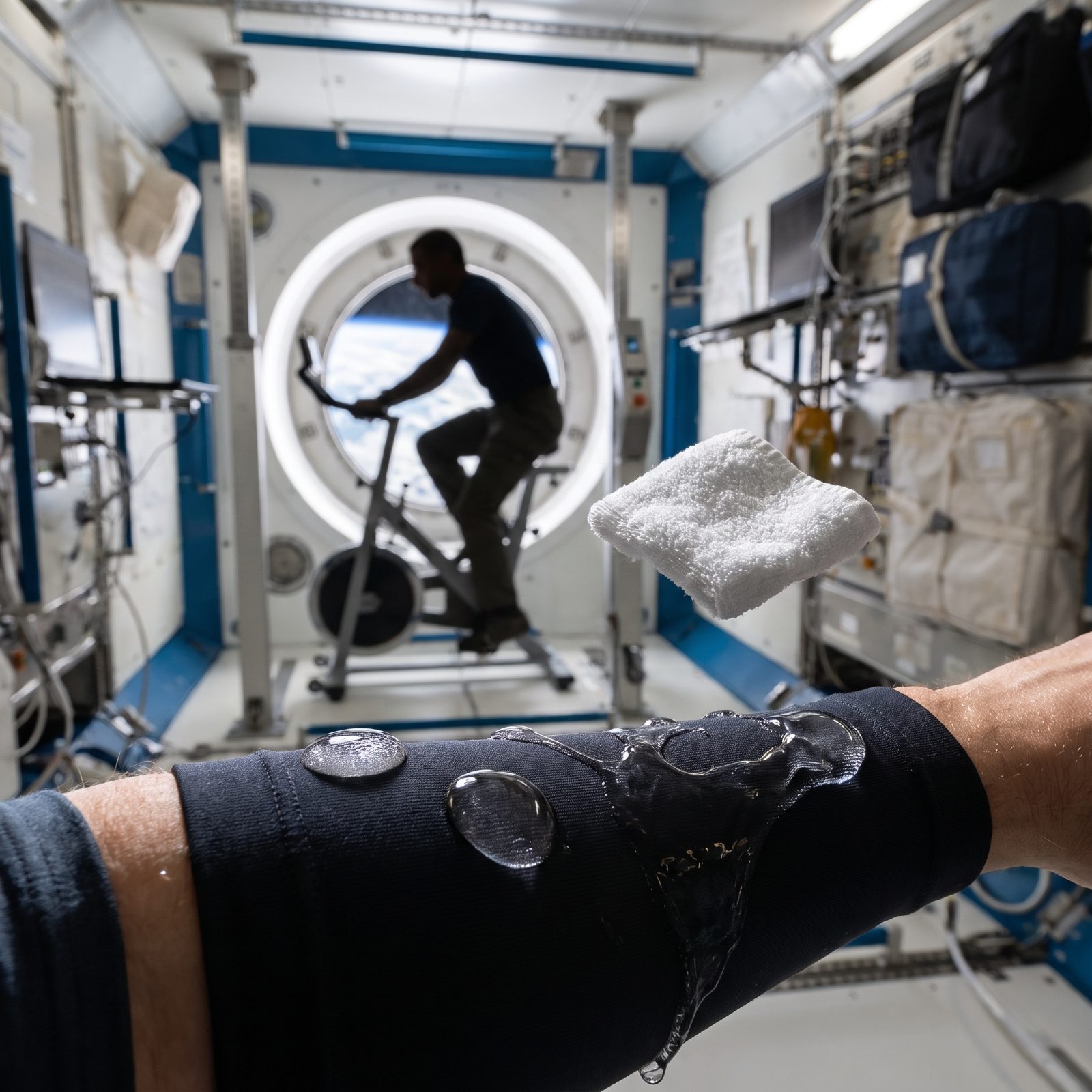
Work out hard on the station and the sweat doesn’t go anywhere. It pools on your skin in wobbling domes and spreads into a thin film that clings to your arms, your back, your scalp.
Surface tension runs the show once gravity steps out. Evaporation crawls in the humid, still pockets of air around your body. Astronauts describe large floating blobs of sweat they have to mop with a towel before the stuff drifts into equipment. One of the odder facts of orbital exercise — and crews run brutal daily workouts anyway, specifically to fight bone and muscle loss.
6. Tears Pool on the Eyes Instead of Falling
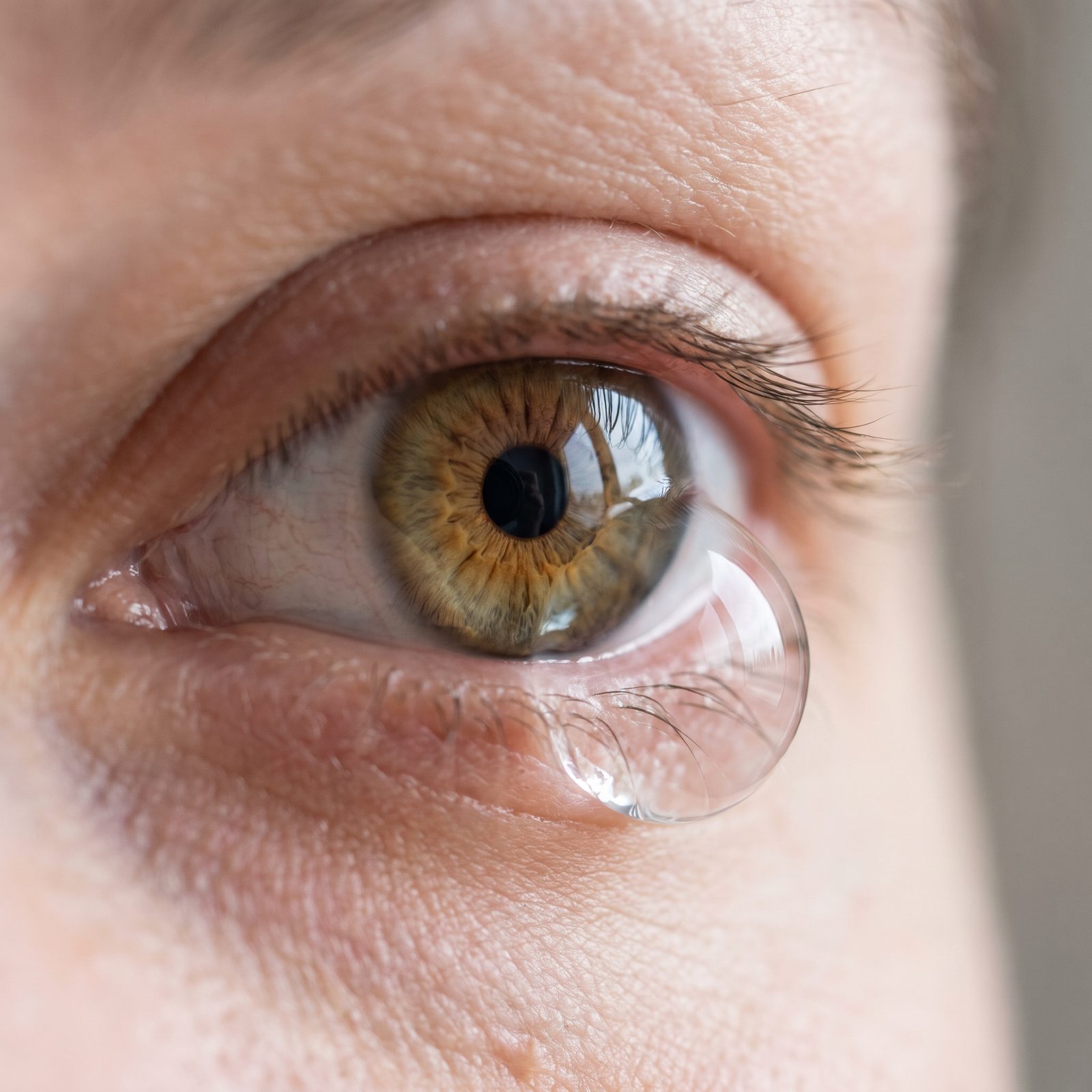
Crying without gravity doesn’t work the way you’d expect. With nothing pulling them down, tears don’t run down your face. Instead, a tear wells up along the lower lid and swells into a single large drop that clings to the lid margin and the edge of the eyeball.
The water has nowhere to fall, so instead of draining away it builds into a trembling film that can smear your vision. Astronauts mention that without gravity, tears pool on the eye and can sting — a reminder that even something as automatic as tearing up is quietly managed by a force we never think about until it’s gone.
5. Red Blood Cells Can Be Destroyed Faster, Causing Space Anemia
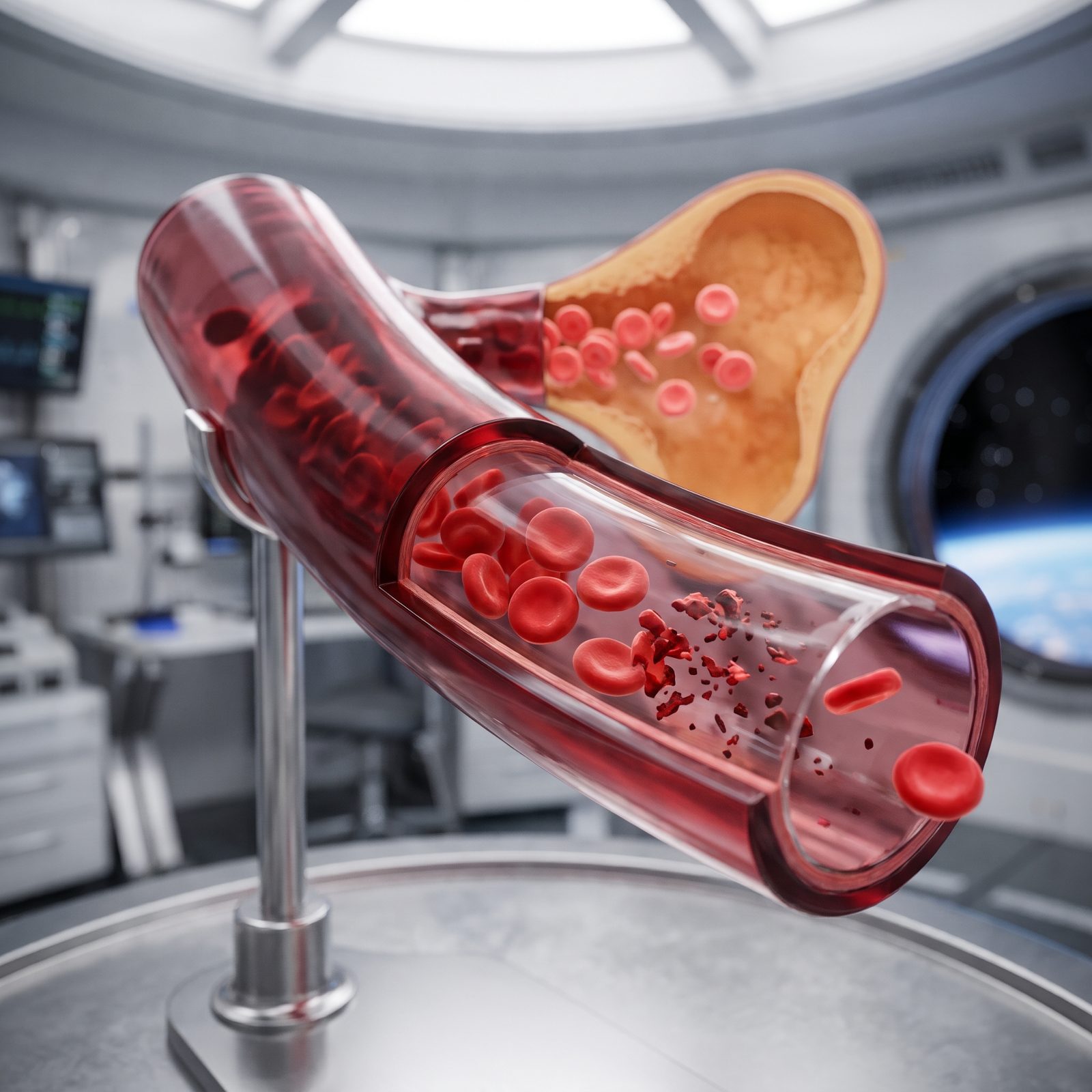
A 2022 Canadian-led study turned up something unexpected: astronauts’ bodies destroy red blood cells faster in space, well above the ground rate in the subjects measured, a condition researchers now call space anemia.
In weightlessness the shortfall barely matters, because the body is carrying less fluid anyway. Back on the ground it shows up as anemia, and the elevated destruction seems to linger for up to a year after landing. The finding reframes anemia as a side effect of adapting to space itself, not just a short-term quirk.
The body doesn’t malfunction in orbit. It adapts to orbit, and the anemia is part of the price of that adaptation.
For future missions to the Moon and Mars, that persistent red-cell loss is a real planning headache — especially on arrival, right when crews need to be sharp and physically capable.
4. Space Radiation Can Damage Cellular DNA
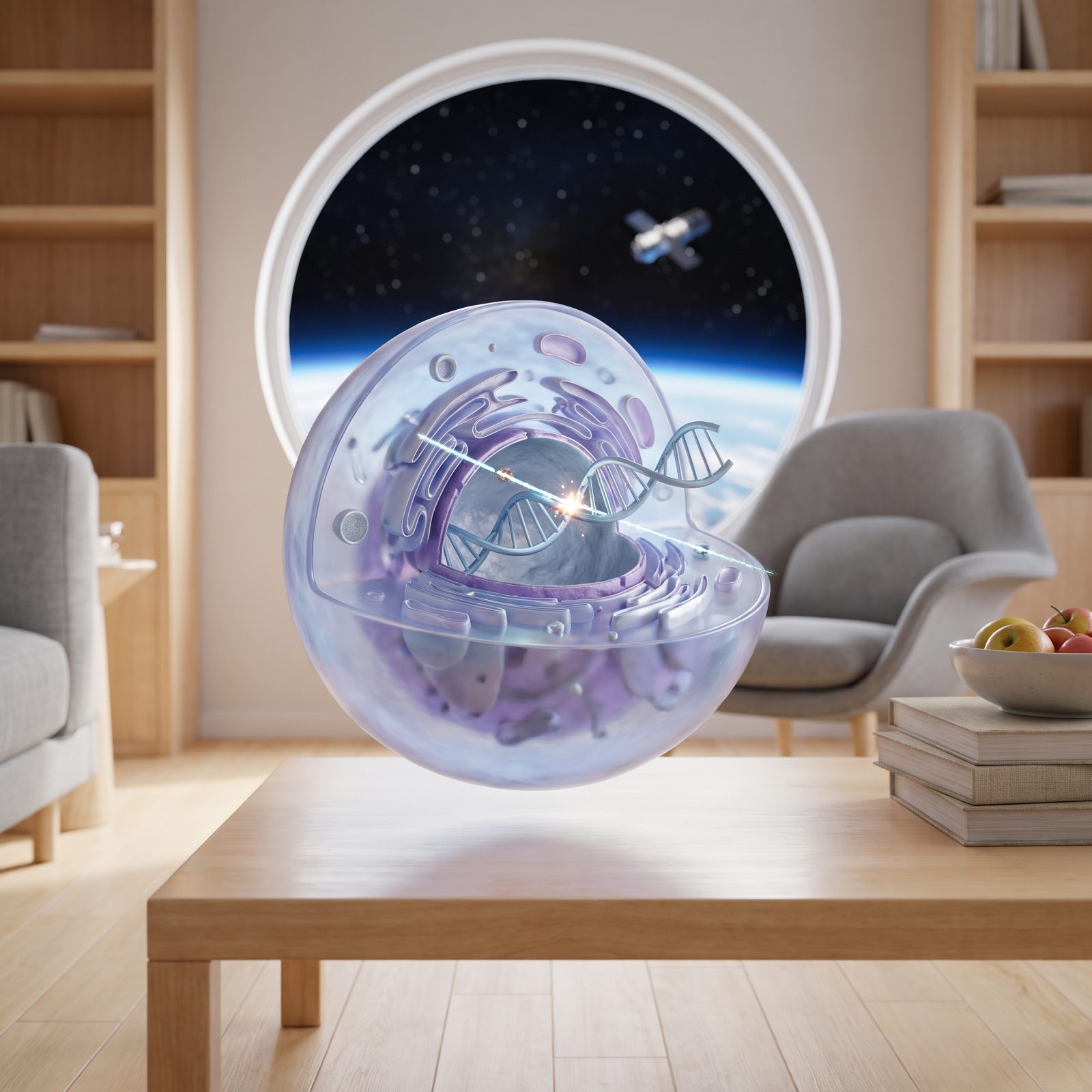
Earth’s magnetic field and thick atmosphere shield you from most of the cosmic radiation flying through the galaxy. Leave that bubble and you lose the umbrella.
Out past low Earth orbit, high-energy particles and galactic cosmic rays can slam through cells and snap strands of DNA. Your body repairs most of the damage, but repairs aren’t perfect, and over a long mission the accumulated hits push up the long-term risk of cancer and other tissue trouble. This is one of the single biggest obstacles to a crewed Mars trip.
3. Chromosome Ends Can Change Length in Space
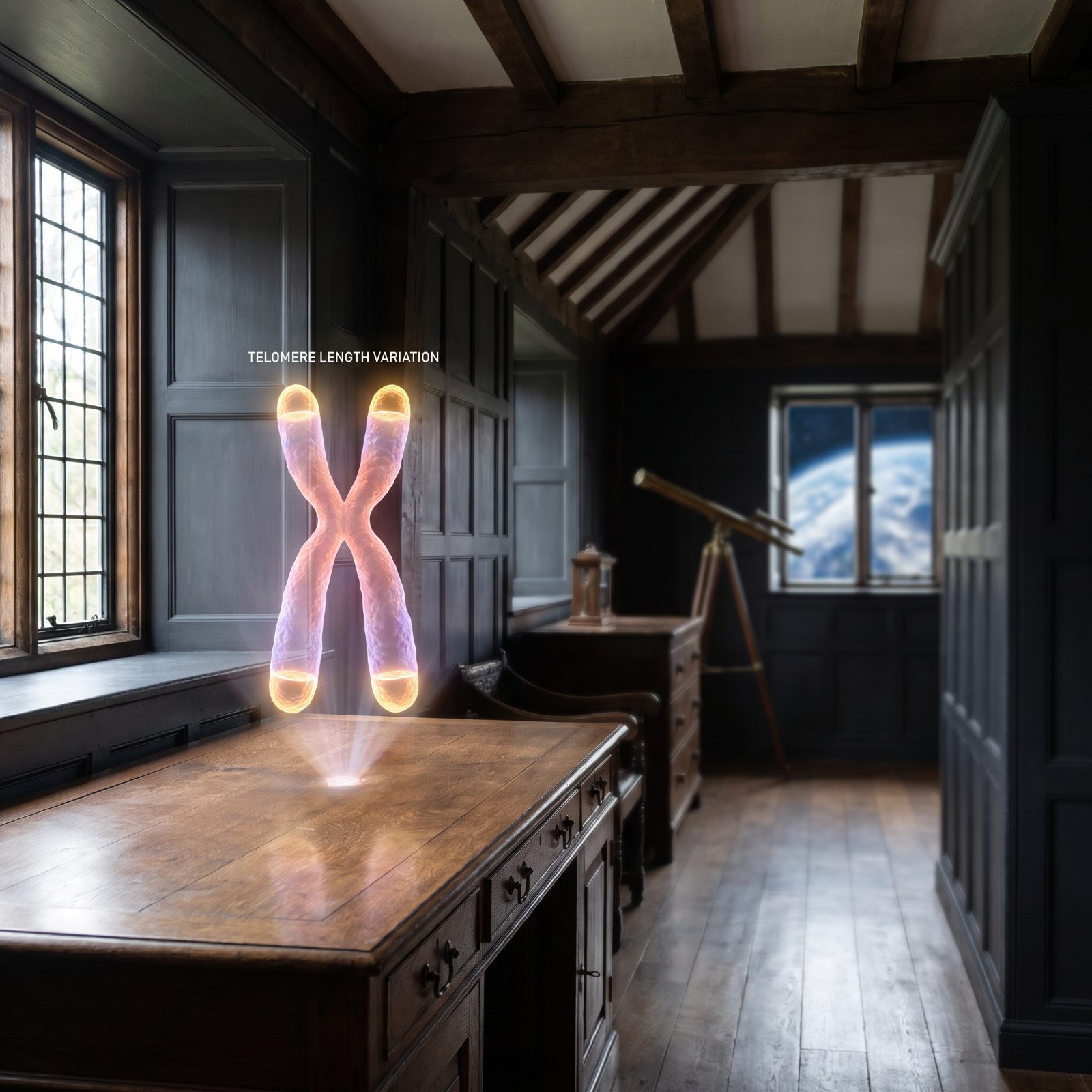
The famous NASA Twins Study delivered a plot twist. Scott Kelly spent nearly a year on the station while his identical twin Mark stayed home, and researchers tracked both.
In orbit, Scott’s telomeres — the protective caps on the ends of chromosomes — actually got longer, not shorter as scientists had expected. Then came the real surprise. Within days of landing, most of them snapped back, and he wound up with more short telomeres than before he flew. Short telomeres are linked to aging and disease, so this matters.
And nobody fully understands the mechanism yet. A vivid example of how space rewrites the body at the molecular level, sometimes in directions no one saw coming.
2. Your Core Body Temperature Runs a Little Hotter in Orbit
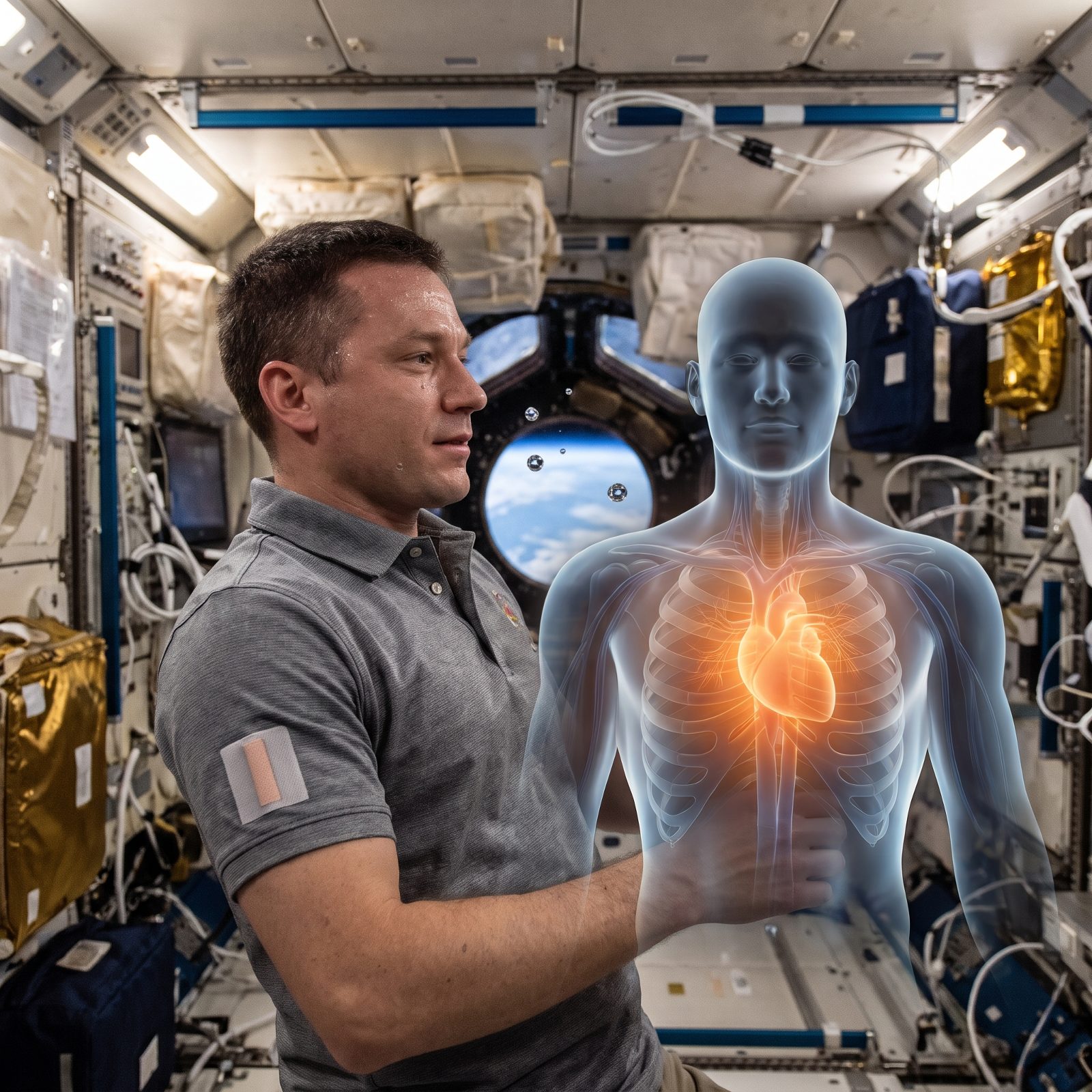
Nobody warns new crew members about this one: your thermostat drifts up once you leave the ground. Studies of long-duration crews have measured resting core temperatures settling noticeably above the textbook figure, and the number climbs further during exercise.
The culprit is plain physics. Down here your body sheds heat partly through sweat evaporating and warm air rising off your skin. Microgravity kills the convection entirely. Hot air just sits against you like a blanket that refuses to budge, sweat pools instead of running off, and your body has to work harder to lose the same heat it would lose without a second thought on Earth.
1. In Zero Gravity a Burp Brings the Liquid Up With It
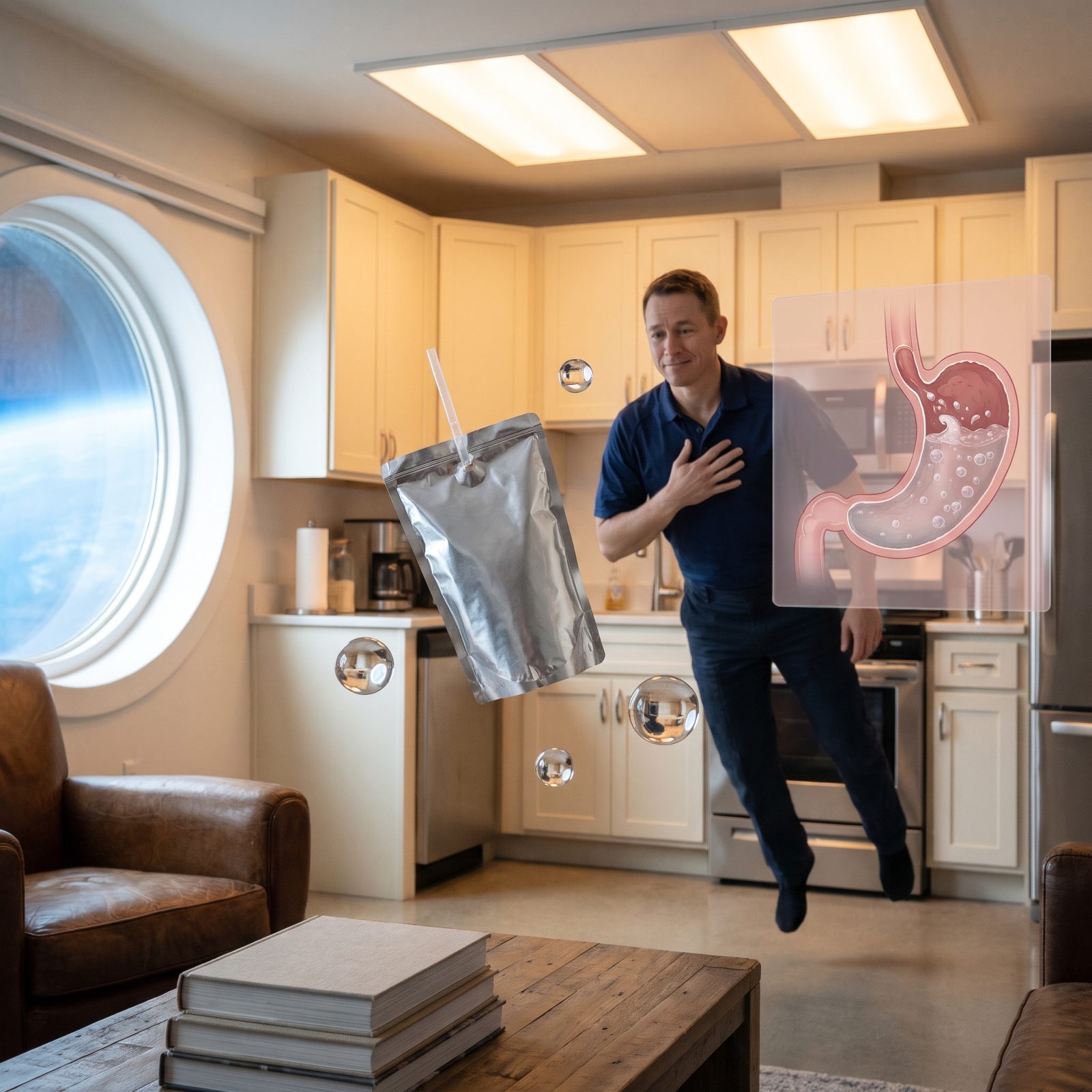
On Earth a burp works because gravity keeps the heavy stuff down and lets the gas float up and out. Clean separation: liquid settles flat at the bottom with gas pooled above it. In orbit, you can’t count on that sorting trick — liquid and gas bubbles end up mixed all through the stomach.
Float freely and the gas no longer reliably sits on top of the liquid, waiting near the exit. Try to burp and you risk what astronauts bluntly call a “wet burp” — liquid riding up with the air. Charming, right? Crews learned to steer clear of carbonated drinks for exactly this reason, and some push off a wall to fake a little gravity before letting one go.