
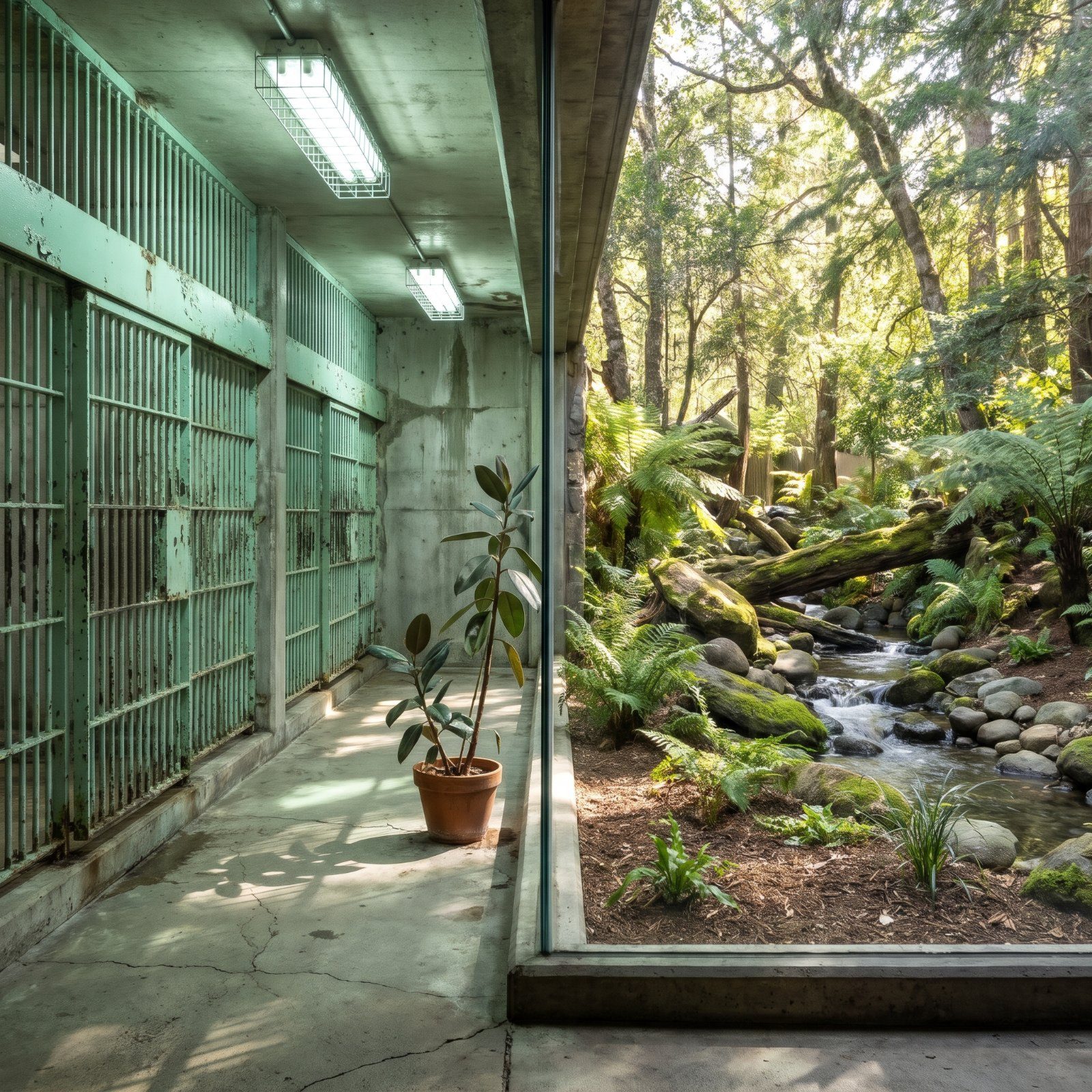
The smell is the first thing the old photographs can’t carry. Bleach, wet concrete, and the ammonia tang of an animal pacing a floor it has memorized to the inch. That was the standard American zoo in 1970: tidy rows of tile and steel, a lion lying in a grotto the size of a parking space, a sign with a Latin name and little else. What happened over the next five decades wasn’t a paint job. It was a rethinking of what an animal needs, what a visitor should feel, and what a zoo is even for. Here’s how the cage became a habitat.
Please note that some of the images in this article were created with the assistance of AI.
32. Rows of Barred Cages Gave Way to Landscape-Style Habitats
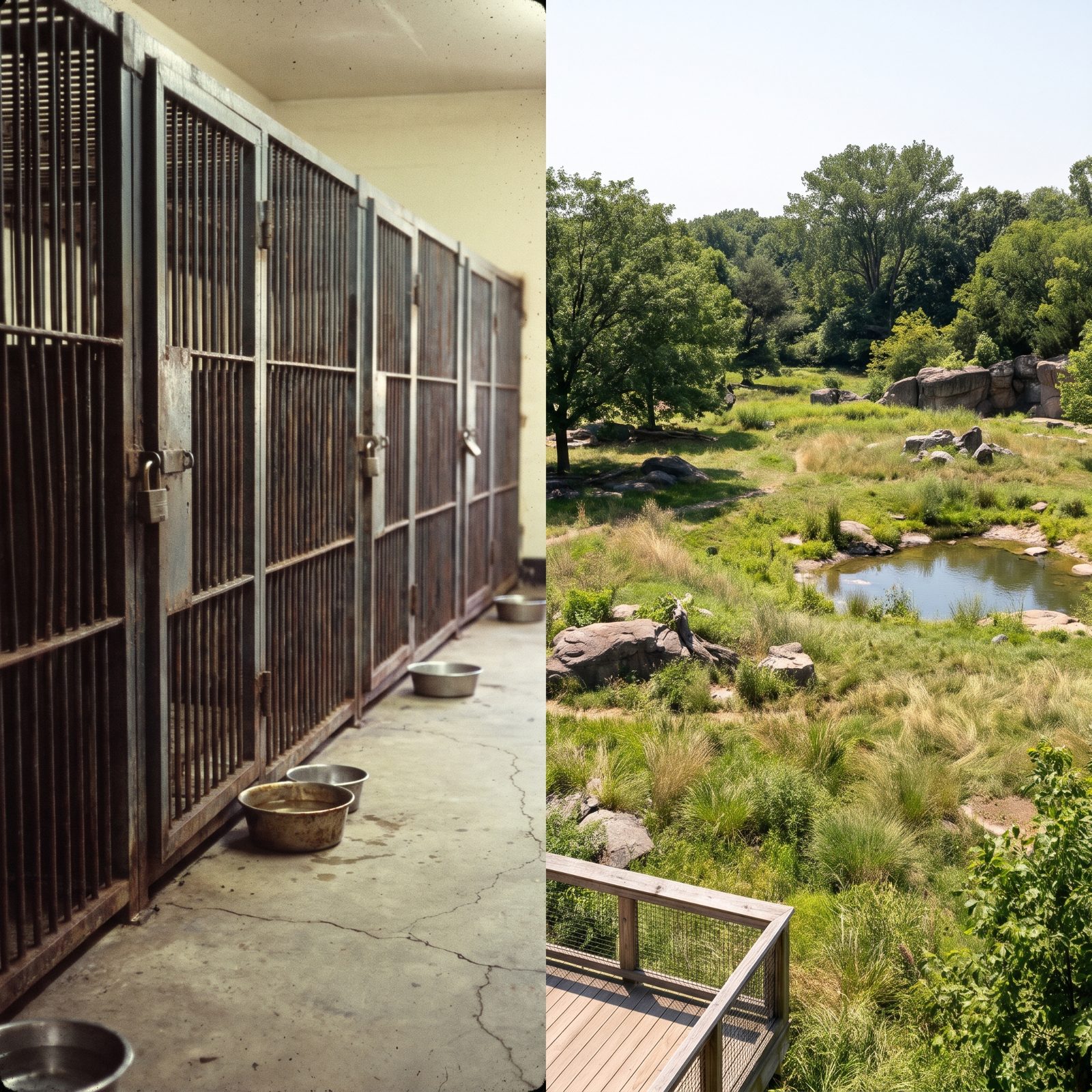
The old design philosophy was simple and brutal: show the animal, keep it clean, keep it visible. That’s why zoos in 1970 looked like filing cabinets with fur inside — steel bars, a hose-down floor, nothing to climb and nothing to hide behind.
The idea that broke it open was landscape immersion, pioneered at Seattle’s Woodland Park Zoo in the late 1970s. Hide the barriers. Build the exhibit to look like the animal’s real home, and put the viewer, psychologically, inside the habitat rather than outside a cage.
Here’s what usually gets missed. This wasn’t just kinder. Animals in complex habitats behave more like wild animals, which means you actually learn something watching them. A lion asleep on tile teaches you nothing; a lion stalking through grass teaches you everything.
31. Bare Concrete Bear Pits Were Replaced by Complex Habitats With Natural Substrates
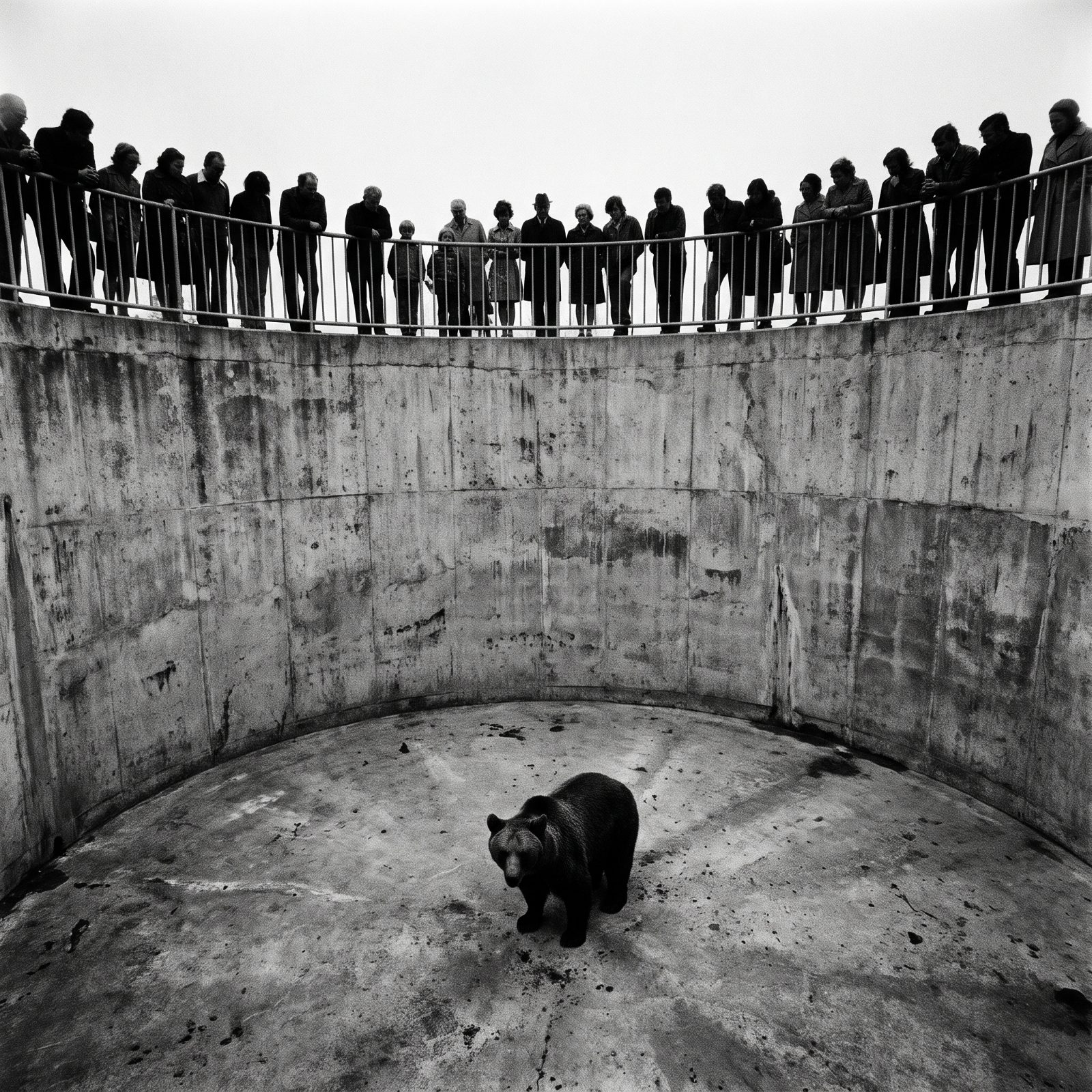
You’ve seen the old bear pit in those black-and-white photos — a deep concrete bowl, a knot of people leaning over the rail staring down, a lone bear on all fours, head low, wandering a cracked floor with nowhere to go.
That listless, head-down posture wasn’t natural. It was learned behavior from a bored animal in a featureless pit, and it told you everything about the design. Hard floors wrecked their joints. Nothing to dig, climb, or forage.
Modern bear habitats bury all of that. Deep substrate they can dig in, logs hiding food that forces them to work for it, streams, climbing structures. Keepers scatter and stash meals so the bear spends hours searching the way it would in the wild. The bear stops performing for snacks and starts being a bear.
30. Big Cats Moved From Tiled Grottos to Wooded Habitats and Overhead Trails
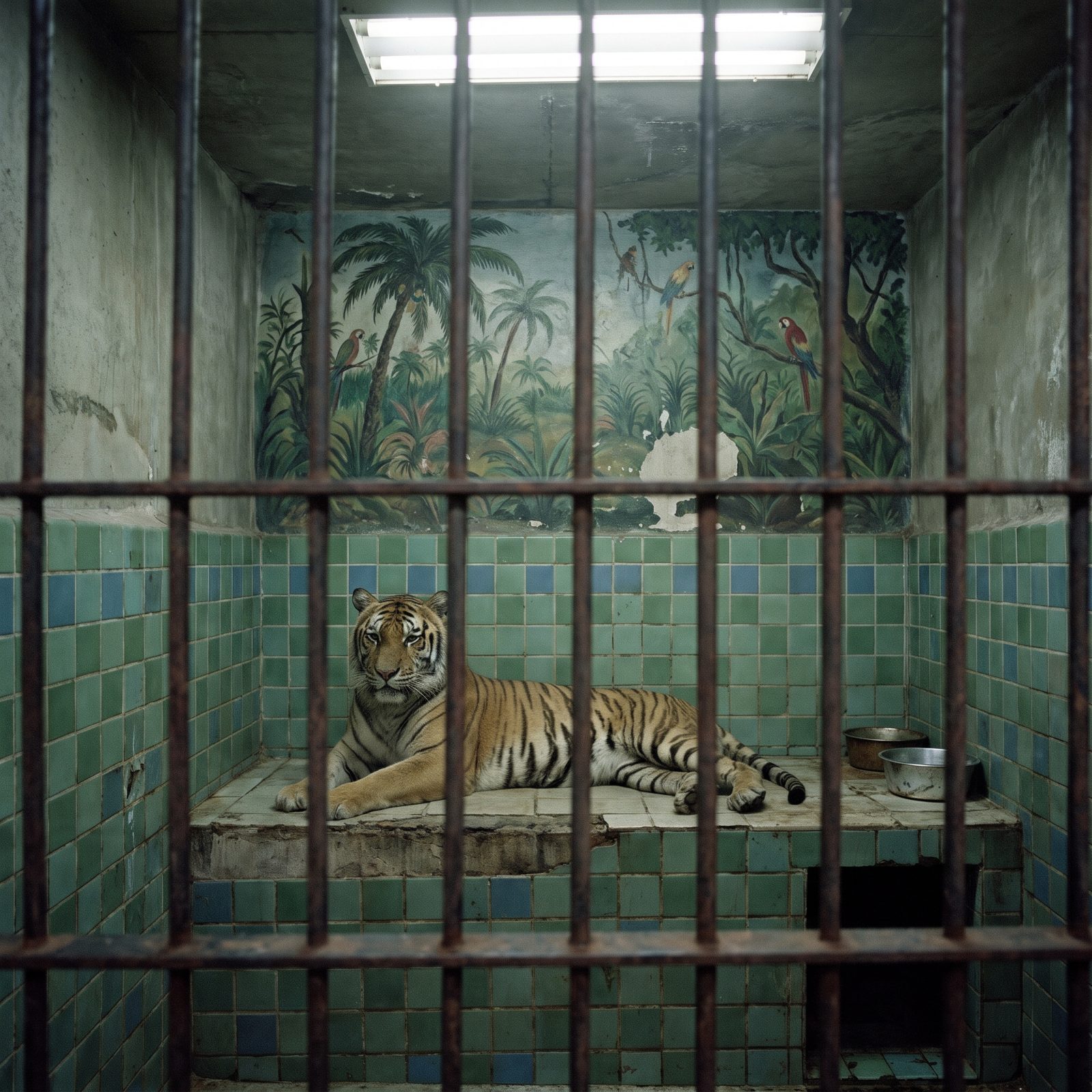
A big cat in 1970 lived in a grotto. Tiled walls, a painted jungle mural, a shelf to lie on, bars out front. Easy to clean. Impossible to be a cat in.
The leap forward was vertical and roaming. Tigers and leopards got wooded habitats with real trees, elevated platforms, pools to swim in, and — in a growing number of zoos — overhead mesh trails that let the cats travel across the park, over the heads of visitors, between connected spaces.
Philadelphia Zoo’s Big Cat Crossing opened in 2014 and became a model for exactly this. The cat chooses where to go, and that choice is the enrichment. Control over your own environment is something captive animals almost never had in the old model.
29. Great Apes Left Sterile Indoor Rooms for Social, Forest-Like Habitats
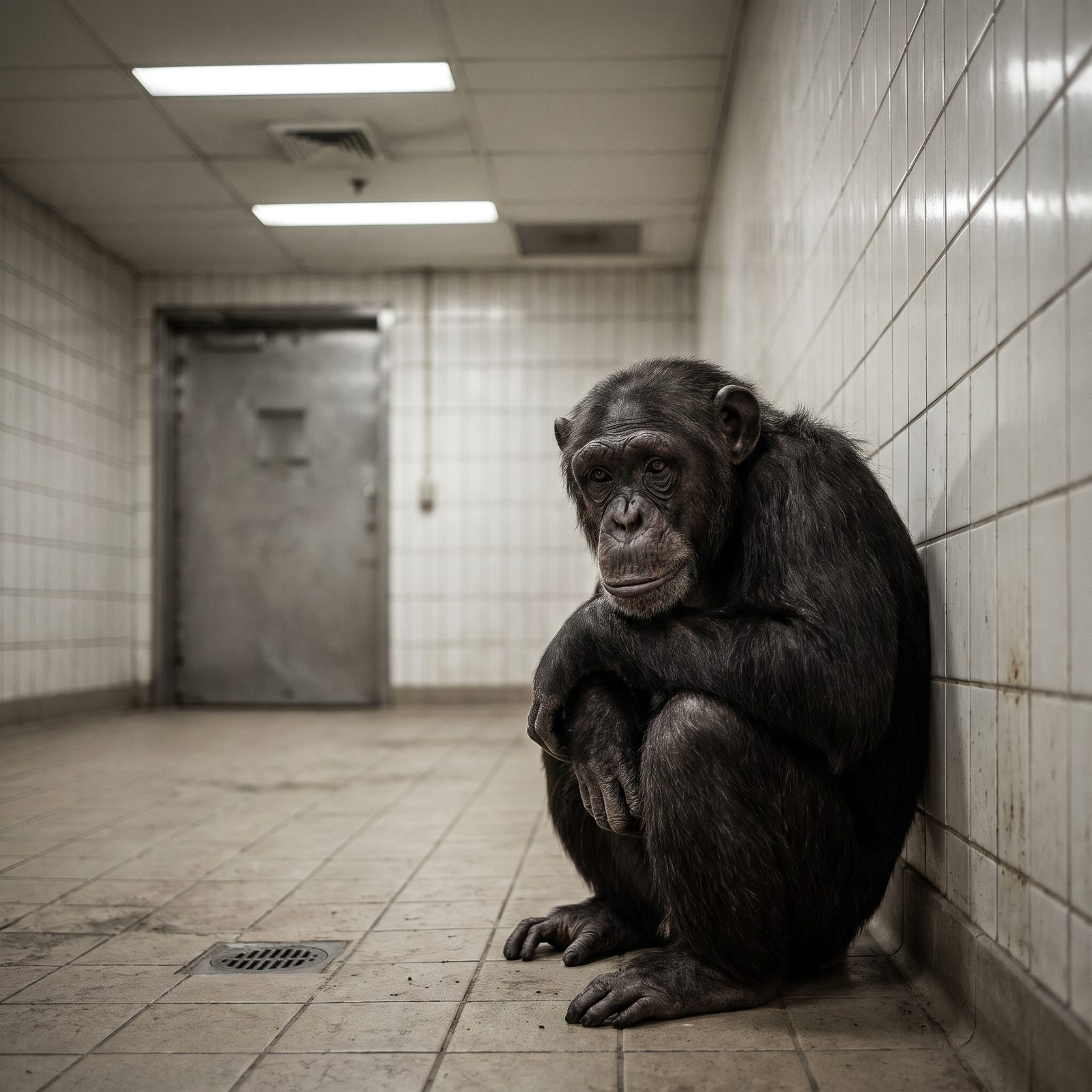
The cruelest version of the old zoo was the ape house. A great ape, cognitively close to a small child, alone in a tiled room behind glass, often with a tire swing and nothing else. Chimps in solo cells. Gorillas staring at a wall.
We understand now that these are deeply social animals whose entire well-being runs on company. The modern standard is a troop, not a specimen. Gorillas live in family groups led by a silverback, and orangutans get vertical climbing space and problem-solving puzzles that take hours.
Honestly, the behavioral science here is some of the most humbling material in the whole field. These animals grieve, scheme, reconcile after fights. The sterile room wasn’t just small. It denied them the one thing they needed most.
28. Elephants Moved From Small Yards to Larger, Herd-Based Facilities
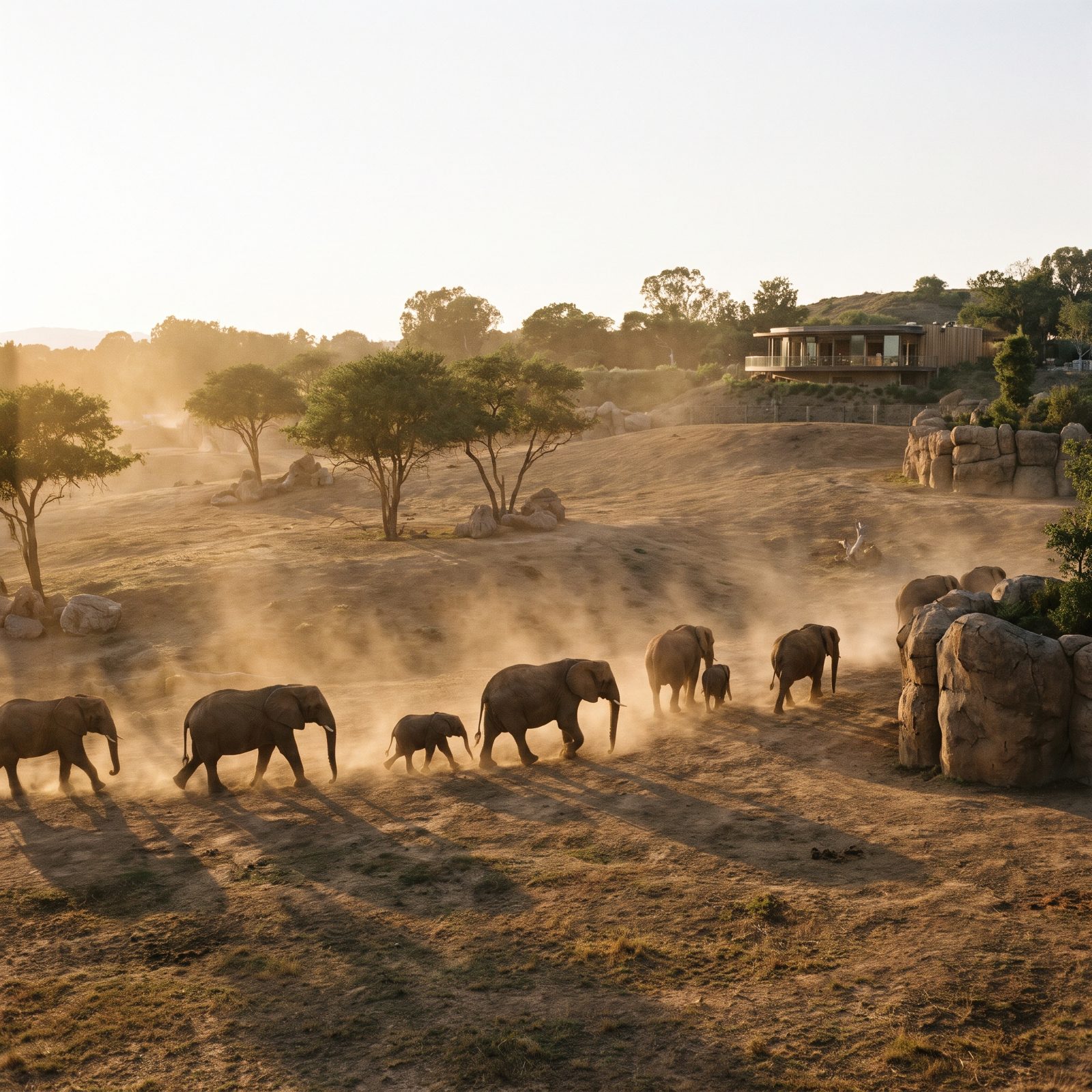
An elephant can walk many miles a day in the wild. In 1970 it got a yard you could measure in strides and, very often, a chain.
Elephant care has changed more than almost any other area, and some of that change meant admitting defeat. A number of zoos closed their elephant programs entirely, deciding they couldn’t do right by an animal that needs this much space and such complex company. The ones that stayed built big — multi-acre habitats, deep sand for the feet and joints that concrete destroyed, mud wallows, and family herds instead of lone individuals.
The other quiet revolution is how keepers work with them. “Protected contact” replaced the bullhook and dominance. The elephant participates in its own care, a foot presented for a trim through a barrier, voluntarily, no force.
27. Separately Displayed Hoofed Animals Began Sharing Mixed-Species Savannas
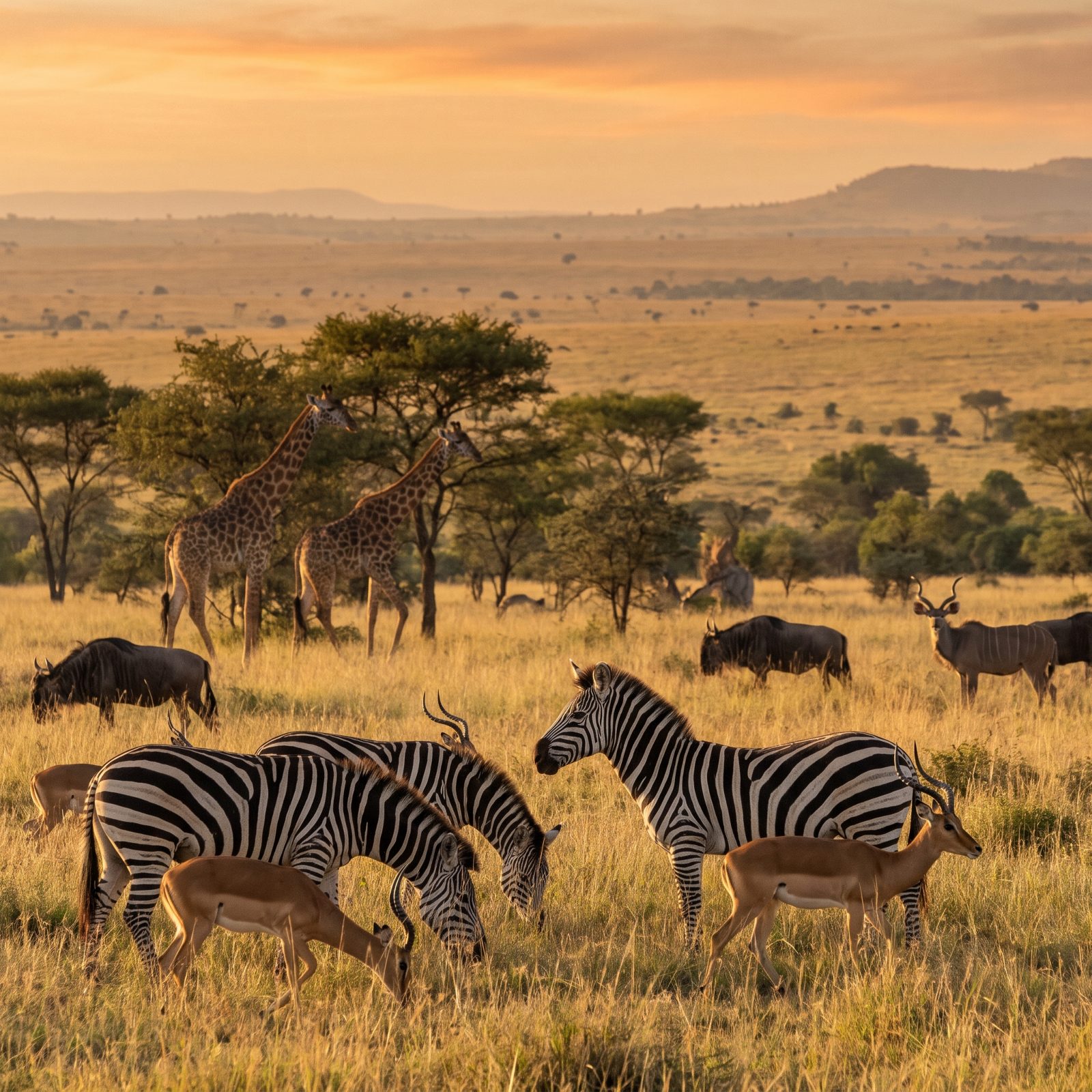
The old zoo sorted animals like a stamp collection. One species, one paddock, a label. Zebra here. Antelope there. Giraffe down the path. Tidy, and completely unlike the real world.
Mixed-species exhibits put the pieces back together. A single sweeping savanna holds giraffes, zebras, ostriches and several kinds of antelope, the way they’d actually share a plain. It’s harder to manage — you have to match temperaments and watch for conflict — but the payoff is enormous.
The animals get social stimulation and a more dynamic space, and the visitor finally sees an ecosystem instead of a lineup. You start to understand how these creatures relate: who runs from whom, who ignores whom entirely.
26. Birds With Clipped Wings Gave Way to Free-Flight Aviaries
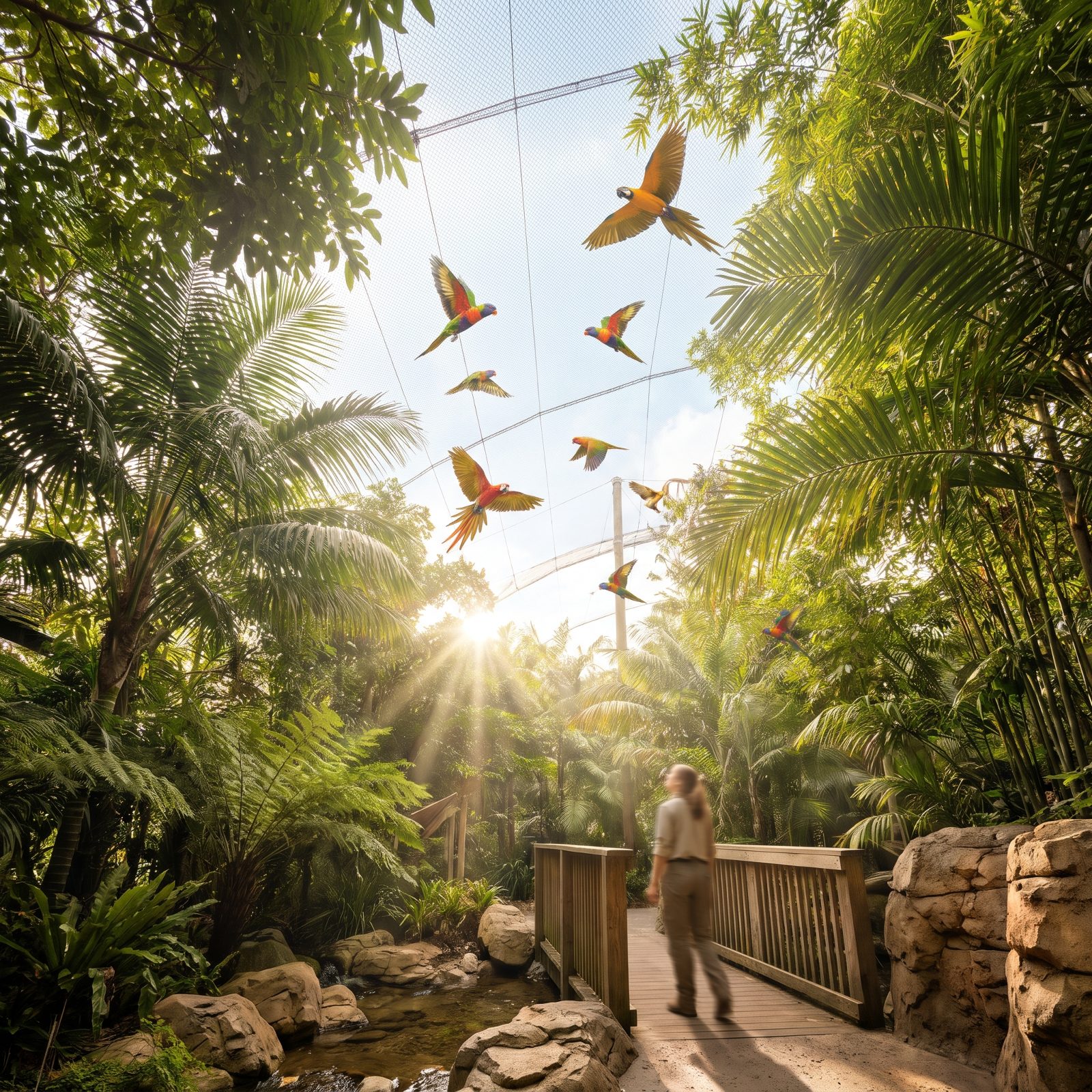
For a flying animal, the old fix was grim and routine: clip the flight feathers, or pinion the wing so it could never fly again, then display it on open ground. A bird that couldn’t do the one thing birds are for.
The free-flight aviary changed the terms completely. Net a space big enough to hold a slice of forest, put a canopy and a waterfall inside, and let the birds fly over your head while you walk a path through it. Intact wings, real flight, actual bird behavior.
You duck when a macaw crosses low. You hear wingbeats instead of reading a sign. That’s the shift in a nutshell — you’re in it with them now.
25. Reptile Display Cases Became Climate-Controlled Living Habitats
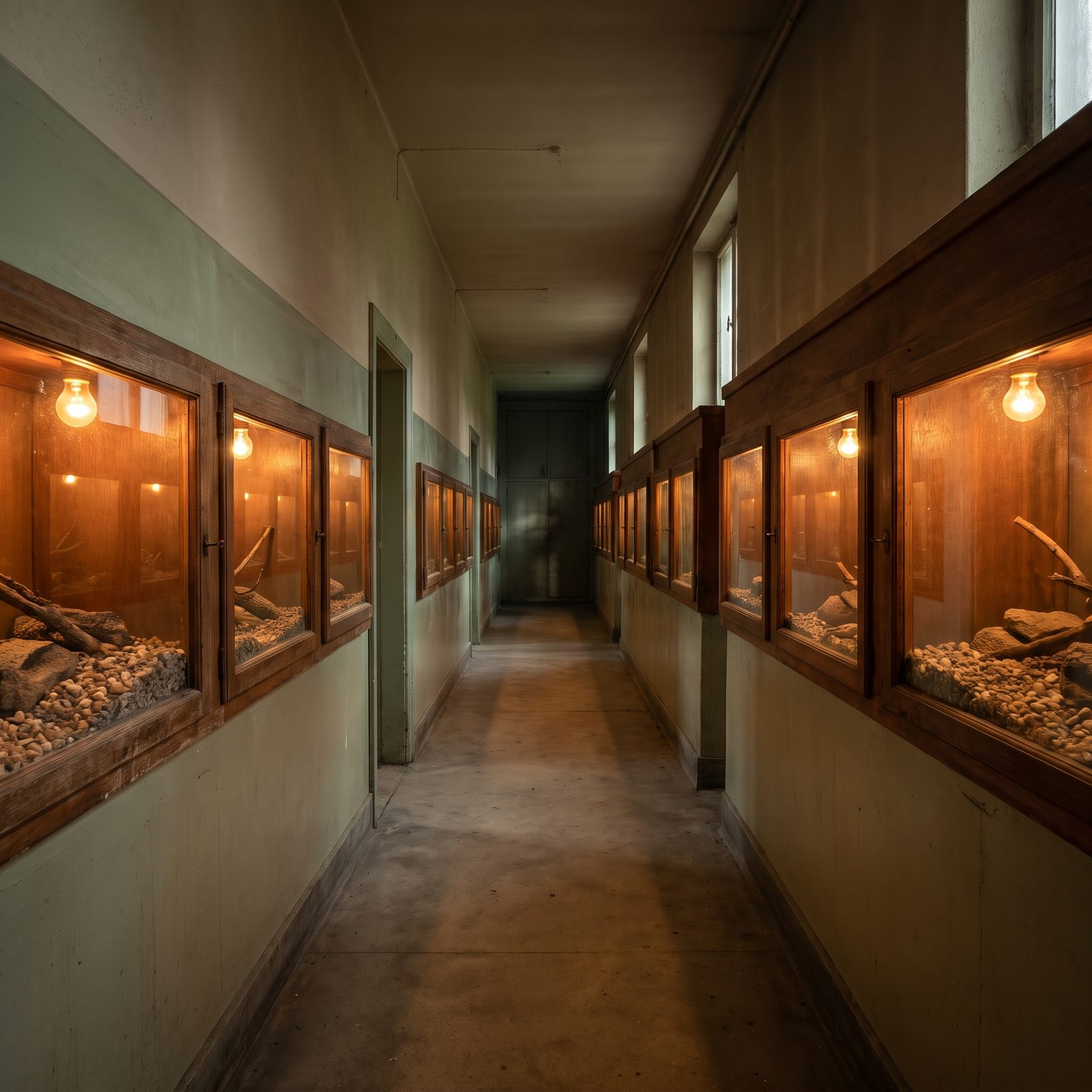
The 1970 reptile house was a corridor of glass boxes. Gravel floor, a water dish, a warm light, a snake coiled in a corner that may or may not have been alive. Functional. Lifeless.
Everything we’ve learned since runs on one word: gradient. Reptiles are ectotherms — they borrow heat from their surroundings — so a proper habitat gives them a warm end and a cool end and lets them move between the two all day. Add the right humidity, the UVB light their bones depend on, live plants, hiding spots, and a backdrop of real rock and bark.
I’ll admit reptile exhibits are the ones most visitors still walk past fastest. Shame, really, because the modern ones are tiny, precise climate machines, and the animal’s behavior changes completely once you get the temperature map right.
24. Marine Mammal Pools Added Depth, Complexity and More Natural Social Groupings
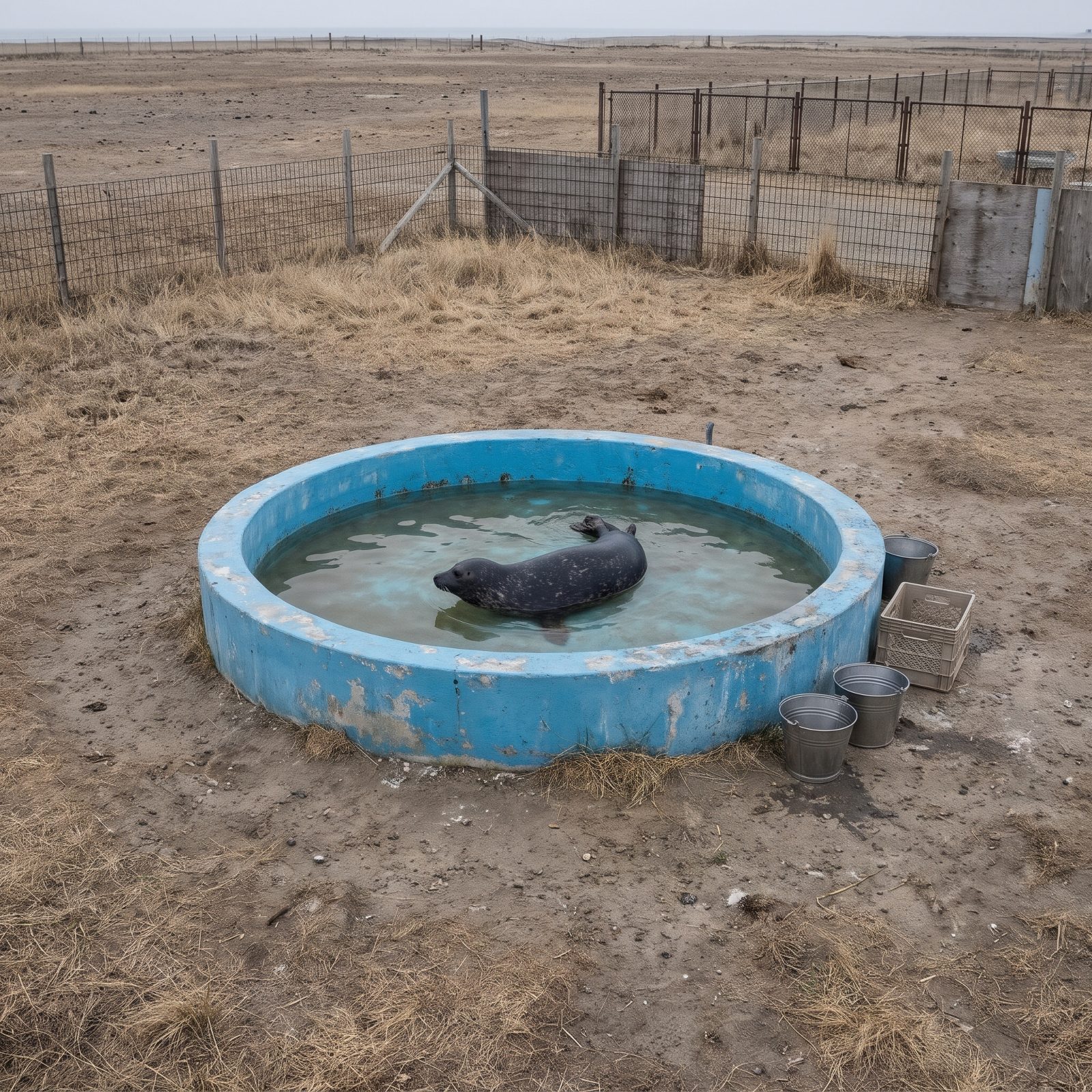
Picture the old marine mammal setup and you get a round blue tub, flat-bottomed, a few feet deep, a seal circling it endlessly. Easy to build. Easy to clean. Boring to the point of harm for an animal built for a three-dimensional ocean.
Modern marine habitats go deep and go complex — varied depths, rock structures, underwater viewing, currents, and crucially the right social groups, because sea lions and dolphins are herd and pod animals that fall apart in isolation.
This is also the corner of the zoo world where the debate runs hottest. Some species, orcas especially, are now widely considered impossible to house ethically at any scale, and the conversation about which marine mammals belong in human care at all is far from settled. That honesty is itself part of the change since 1970.
23. Polar Bears Moved From Concrete Pools to Chilled, Enriched Habitats
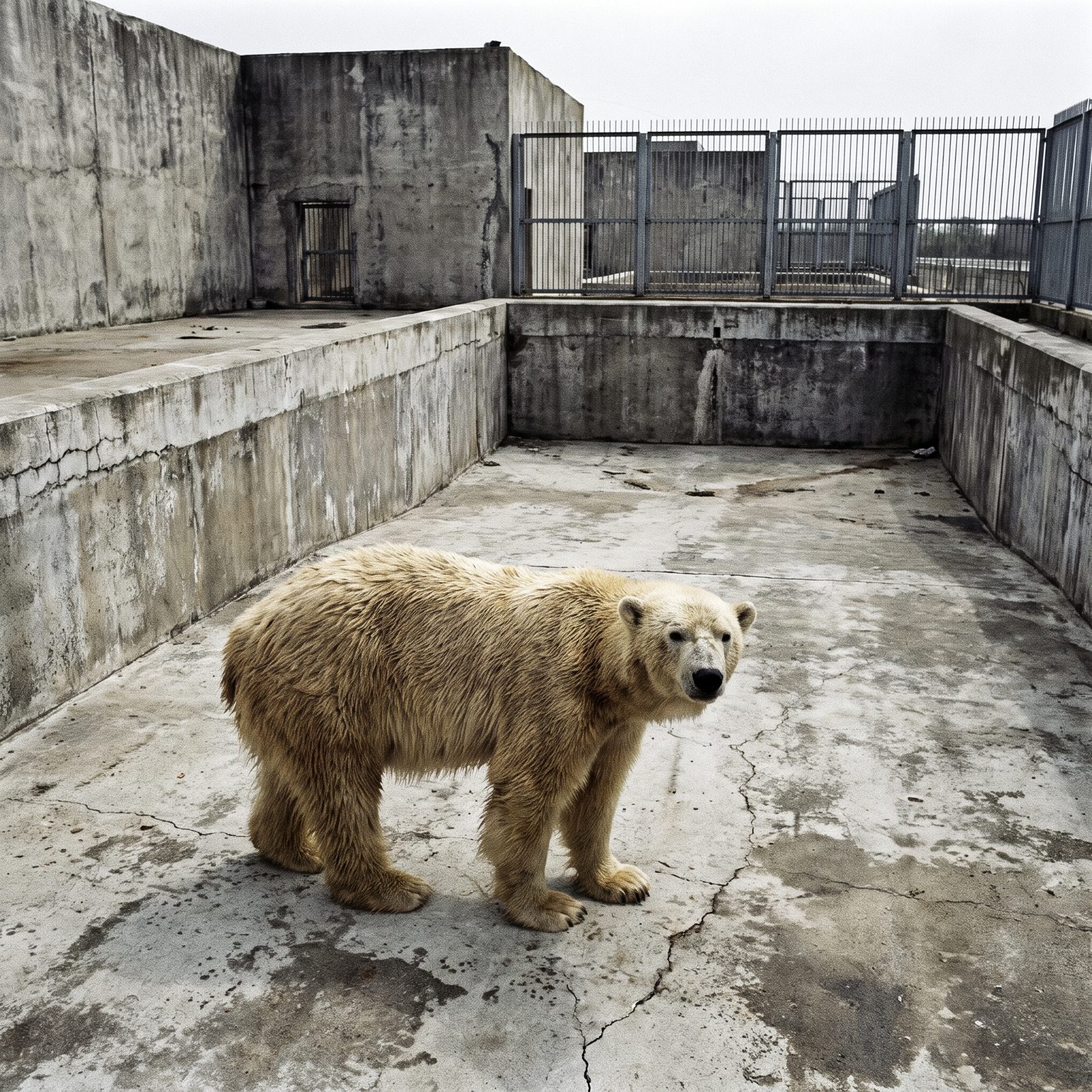
No animal exposes the old zoo’s failures like the polar bear. In 1970 it often lived in a concrete pit with a shallow pool, baking through summers it was never built for, pacing a figure-eight worn into its own memory.
The modern habitat tackles the hardest problems at once. Chilled water and cooled resting areas. Deep pools built for the powerful swimming these bears live for. Enrichment that fights the boredom that drove the pacing: frozen treats, scent trails, objects to manipulate, water features to hunt in.
And here’s the turn that defines the whole list. The best polar bear exhibits now double as climate-change classrooms, because the wild animal’s future is genuinely in doubt. The bear in front of you isn’t a trophy anymore. It’s an ambassador for a species we might be watching disappear in real time.
22. Deep Moats and Railings Were Replaced by Glass and Hidden Barriers
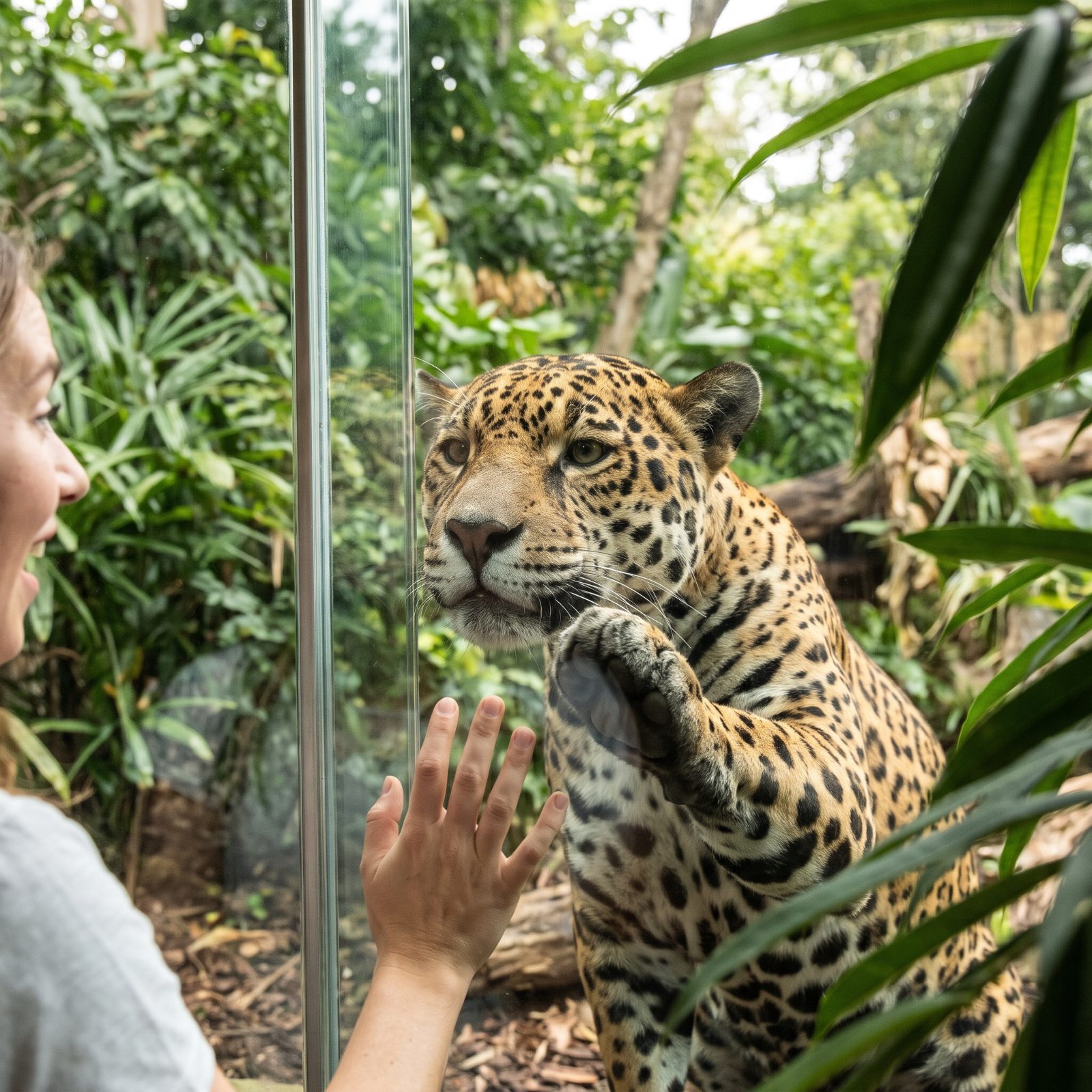
Stand at a modern jaguar habitat and you forget there’s a barrier at all. That’s the whole idea. The deep concrete moat and the galvanized pipe railing, standard issue in 1970, told you one thing loud and clear: this is a cage, and you are on the safe side of it.
Glass changed the sentence. Laminated panels hold back a full-grown jaguar while vanishing from your eyeline, so the animal reads as present instead of imprisoned. Buried barriers pull the same trick outdoors, dropping the wall below your sightline so the planted ground runs unbroken to the enclosure.
21. Animals Gained Private Retreats They Could Choose to Enter
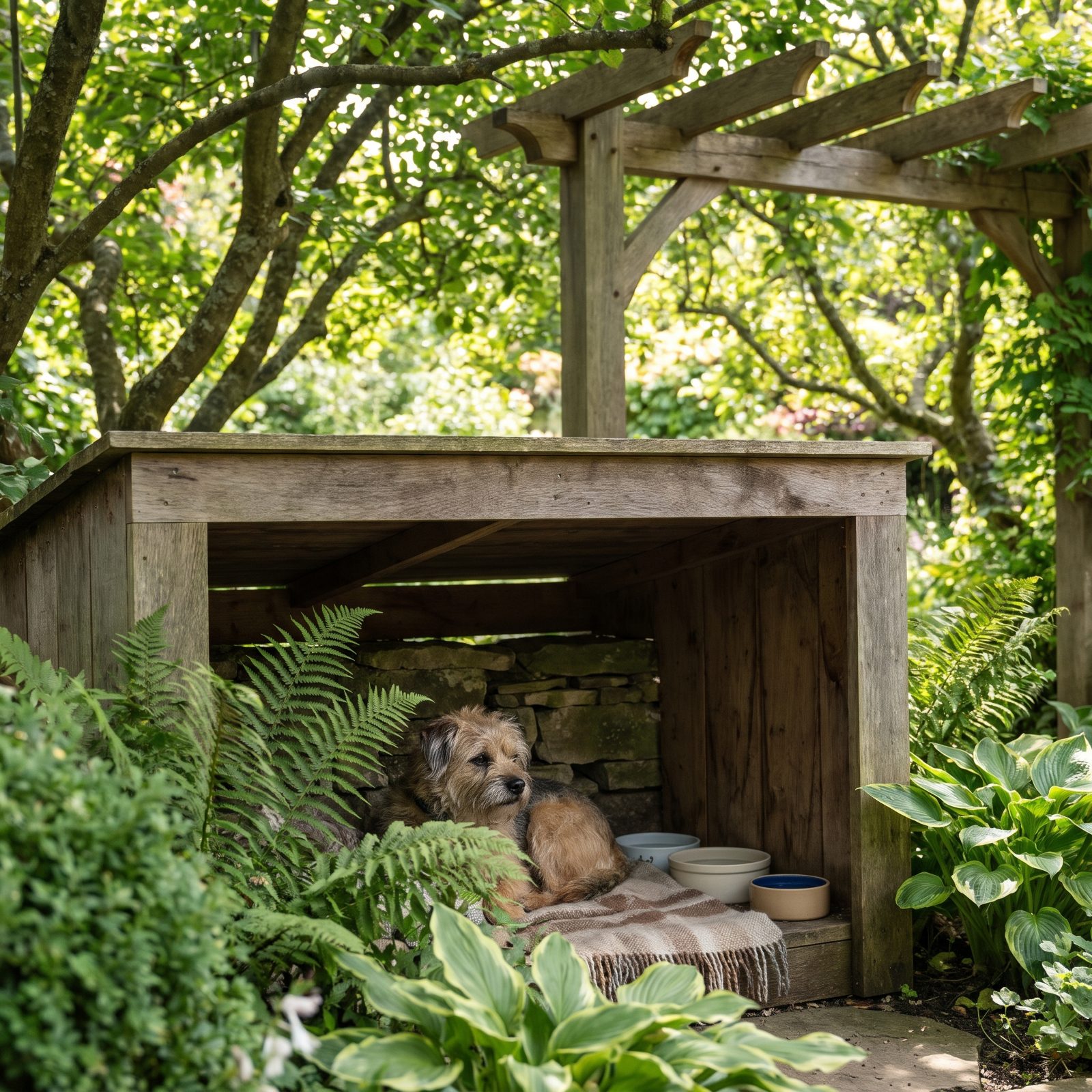
A zoo enclosure in 1970 gave the animal nowhere to hide, and that was often considered a feature. Visitors wanted to see the animal, so the animal stayed visible, pacing a concrete floor with no shade, no cover, no exit.
Modern design hands the animal a vote. Covered shelters, fern-screened nooks and off-view dens let an animal withdraw when it’s had enough of you — and here’s the counterintuitive part. Keepers found that animals given the option to disappear actually show themselves more often. Choice lowers stress. A stressed animal hides or paces; a calm one lounges in the open where you can see it.
20. Indoor Rainforest Buildings Began Recreating Entire Ecosystems Under One Roof
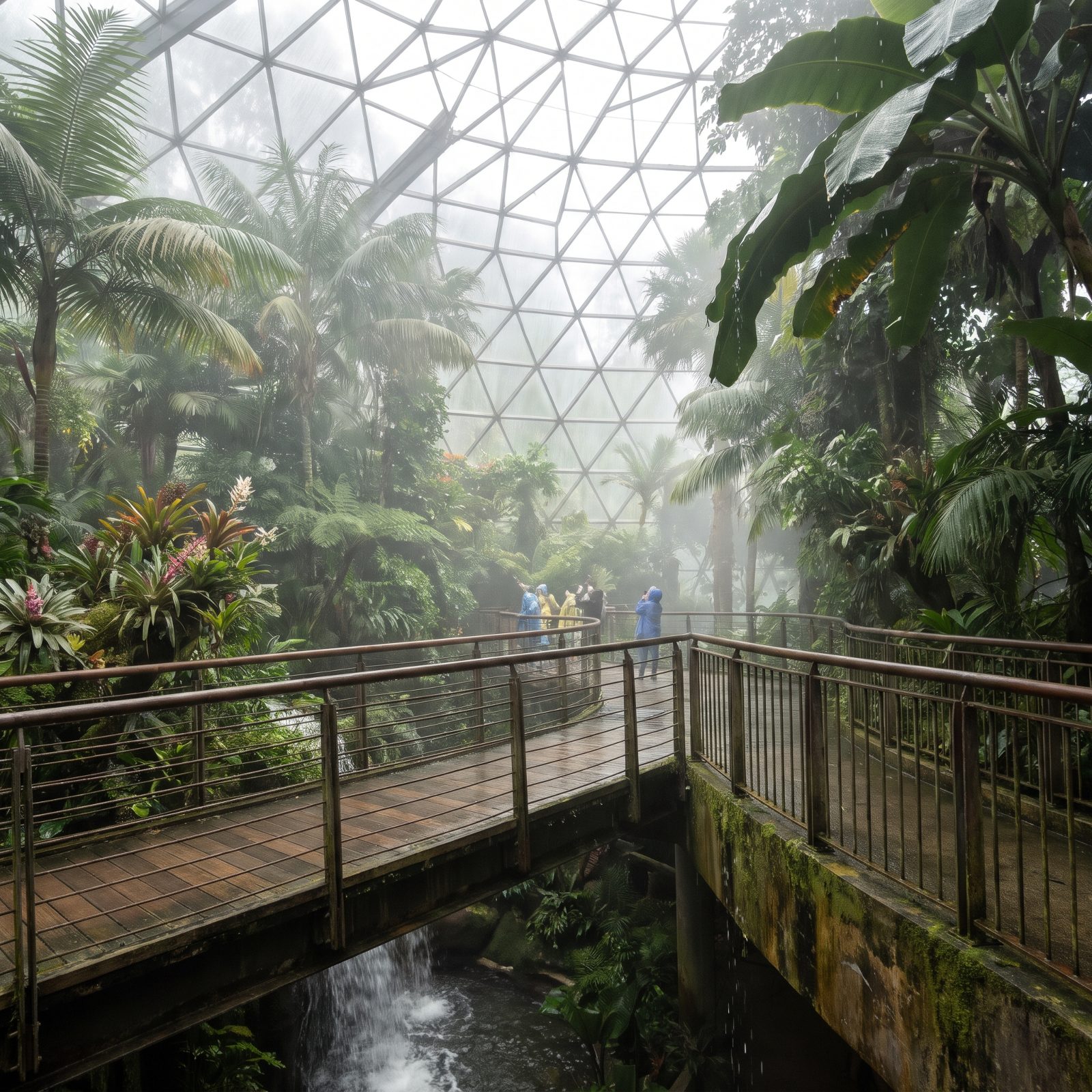
The building itself became the exhibit. Instead of a row of cages inside a brick hall, zoos started constructing climate-controlled jungles where the free-flying birds, the plants, the dripping humidity and the animals all shared one space.
You walk a boardwalk through artificial rain while a sloth works its way across a real branch overhead. The Lied Jungle in Omaha, opened in 1992, runs eight stories and ranks among the largest indoor rainforests ever built. These aren’t dioramas. They’re functioning micro-ecosystems, with the plants doing real work to keep the air and humidity where tropical species need them.
19. Old Cat and Monkey Houses Gave Way to Geographic, Ecosystem-Based Exhibits
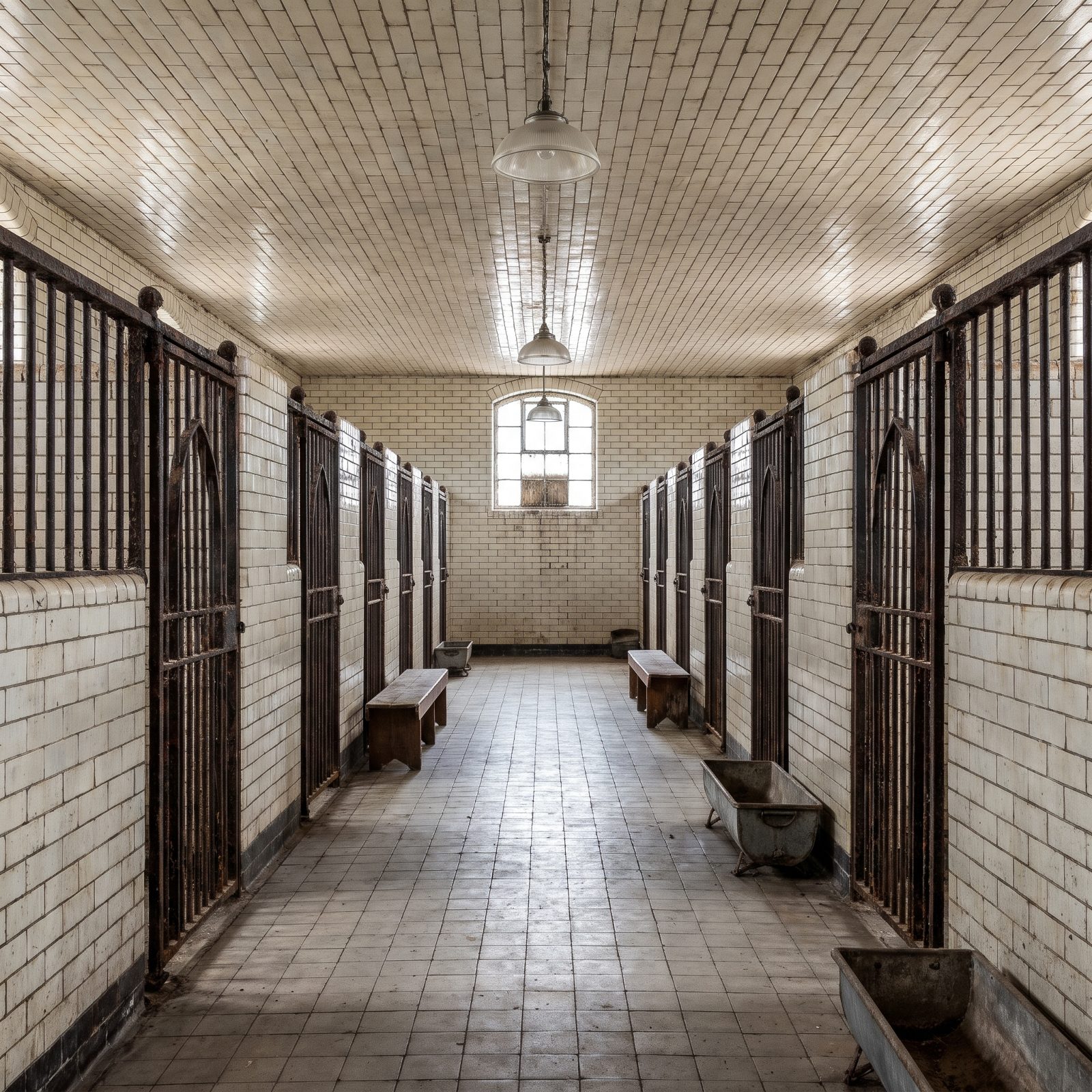
You’ve walked the old lion house in your memory even if the one you knew is long gone. White glazed tile, a row of barred boxes, a smell of disinfectant, every cat lined up for inspection like specimens in a drawer.
Geographic design threw out the taxonomy. Rather than a monkey house and a cat house, zoos built African plains and Asian forests, grouping animals by where they actually live. The Bronx Zoo’s Wild Asia and similar immersion exhibits drop you inside a region instead of in front of a species list. Costs far more to build and maintain, sure. It also, at long last, shows the animal in something resembling context.
18. Underwater Windows Created Close-Up Views Without Visible Bars
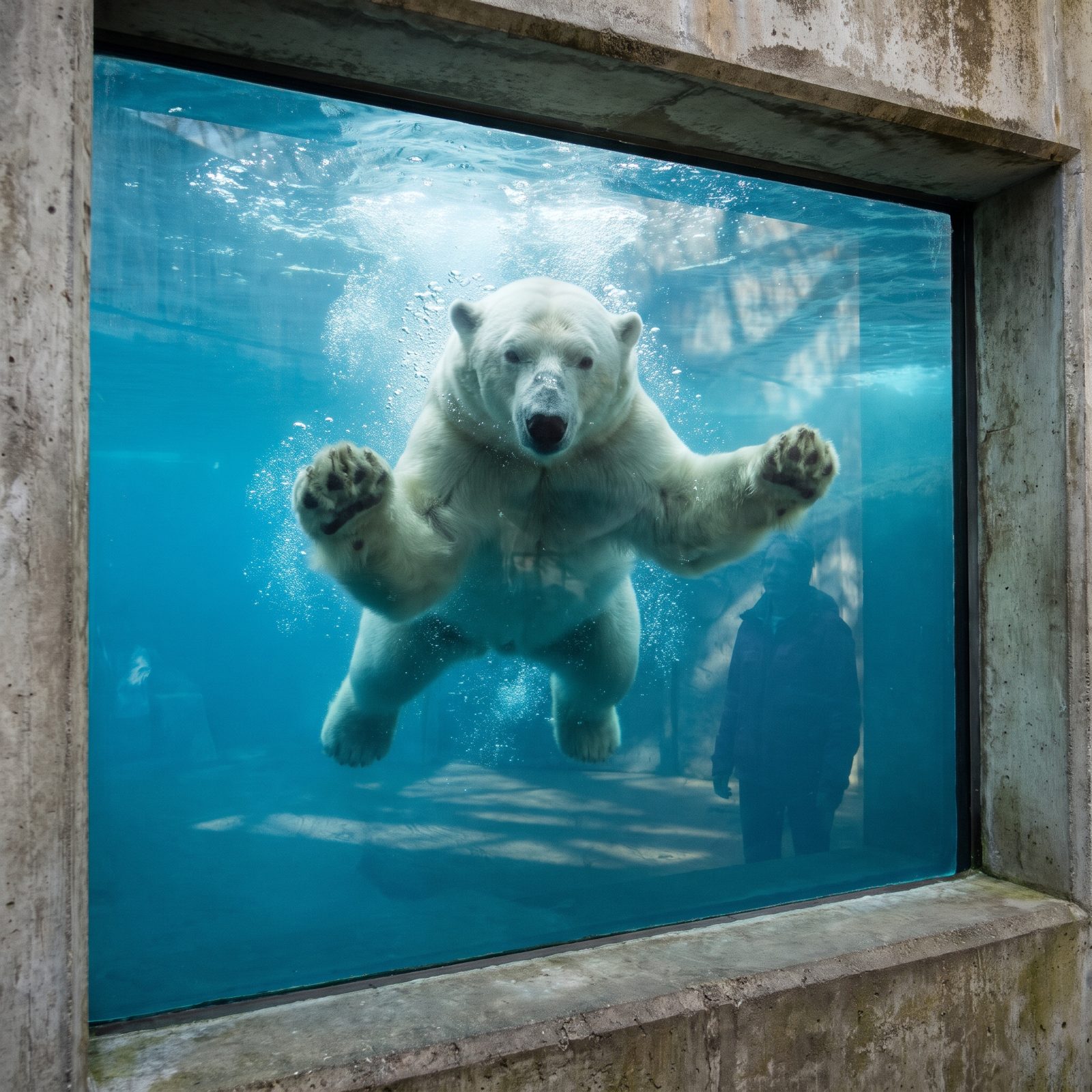
A polar bear swimming straight at your face, paws the size of dinner plates pushing water, nothing between you but acrylic. That view didn’t exist in 1970.
Underwater windows revealed animals as they move in their element. Seals, sea lions, otters, hippos and bears spend much of their lives submerged, and from a dry overlook you saw none of it. Thick cast-acrylic panels, strong enough to hold back tons of water pressure, finally let you watch the half of an aquatic animal’s life that used to happen out of sight.
17. Zoos Stopped Letting Visitors Toss Bread, Candy and Peanuts to Animals
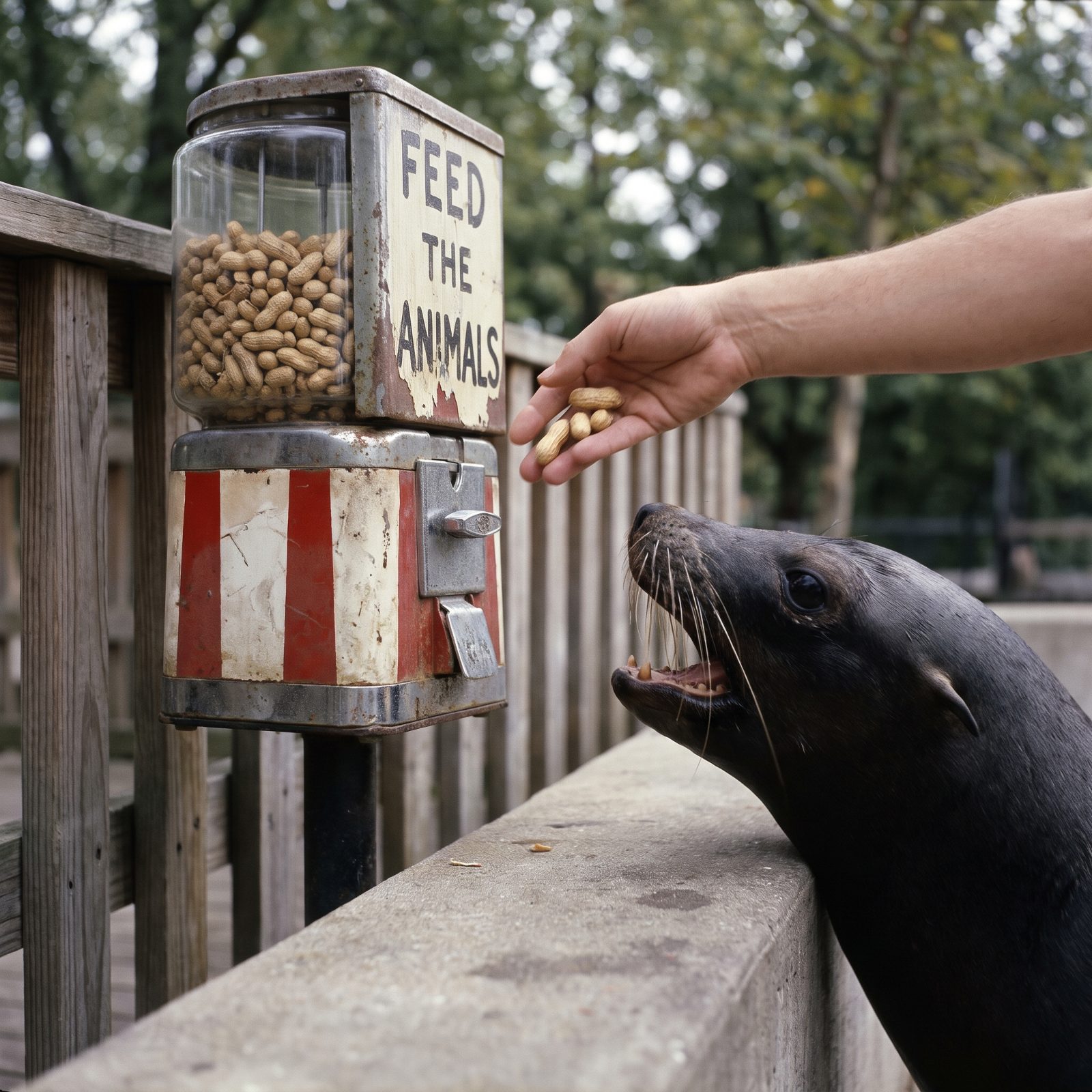
Half the fun of a 1970 zoo trip was the vending machine full of peanuts and the thrill of a seal catching a thrown fish. We didn’t know we were slowly making the animals sick.
Human snacks wrecked animal diets. Bread, candy and salted peanuts caused obesity, dental disease, deadly nutritional gaps, plus the choking hazard of wrappers and bags. Zoos now control every calorie, because getting a hippo’s diet right is science, not charity. That begging behavior you remember — the bear sitting up for a marshmallow — was a hungry animal learning a trick that hurt it.
16. Chimpanzee Tea Parties Disappeared From Zoo Schedules
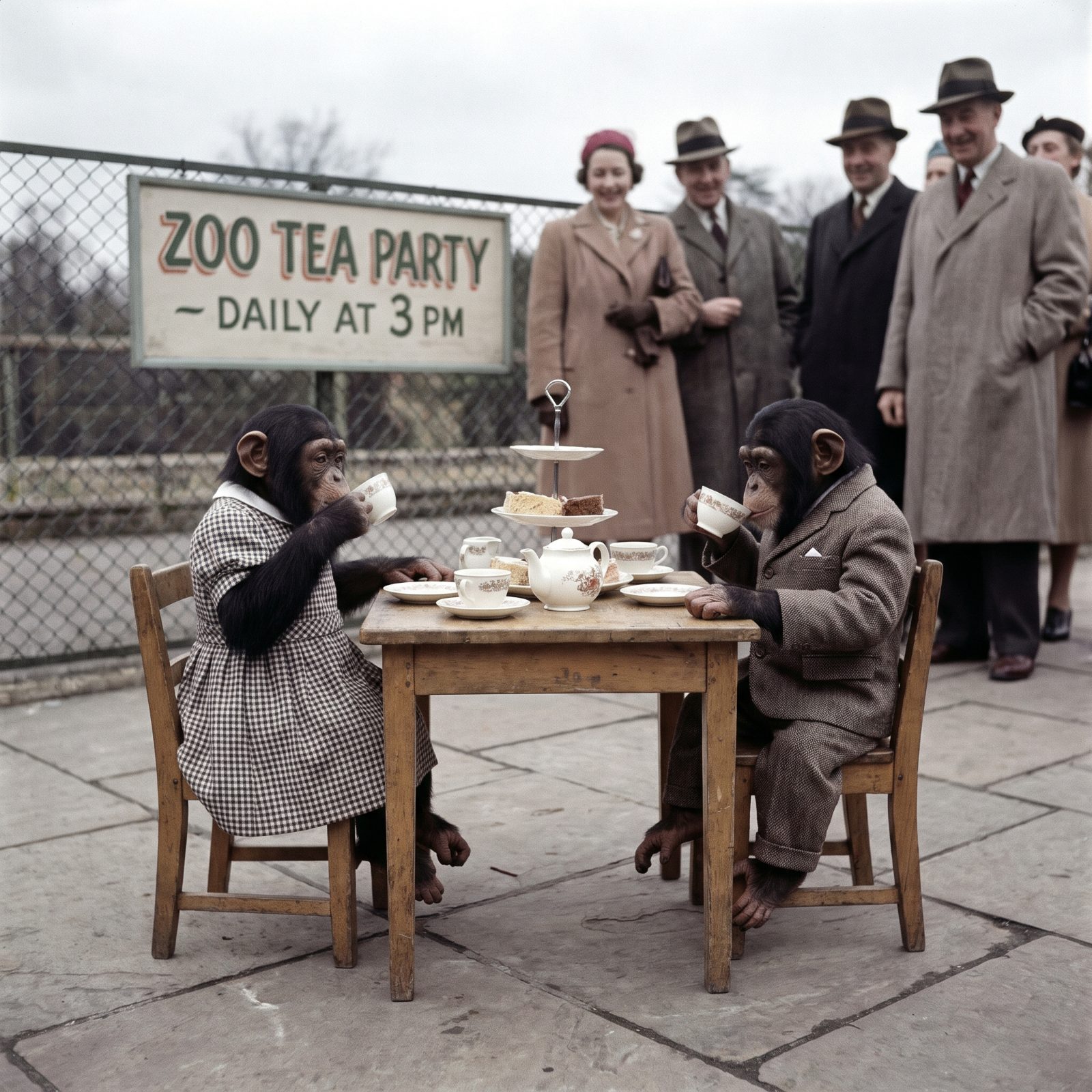
For decades, London Zoo ran a chimpanzees’ tea party, dressing young apes in clothes and sitting them at a table with crockery for the crowd. It started in the 1920s and wasn’t quietly dropped until 1972.
Here’s what the laughing audiences missed. The chimps were trained to make a mess precisely because a chimp behaving properly at a table wasn’t funny. They were taken from their mothers young, dressed against every instinct, and retired the moment they grew strong enough to be dangerous. The spectacle taught the public that a chimp was a clown — one of our closest living relatives, reduced to a party act.
15. Elephant Rides Were Phased Out at Most Major Accredited Zoos
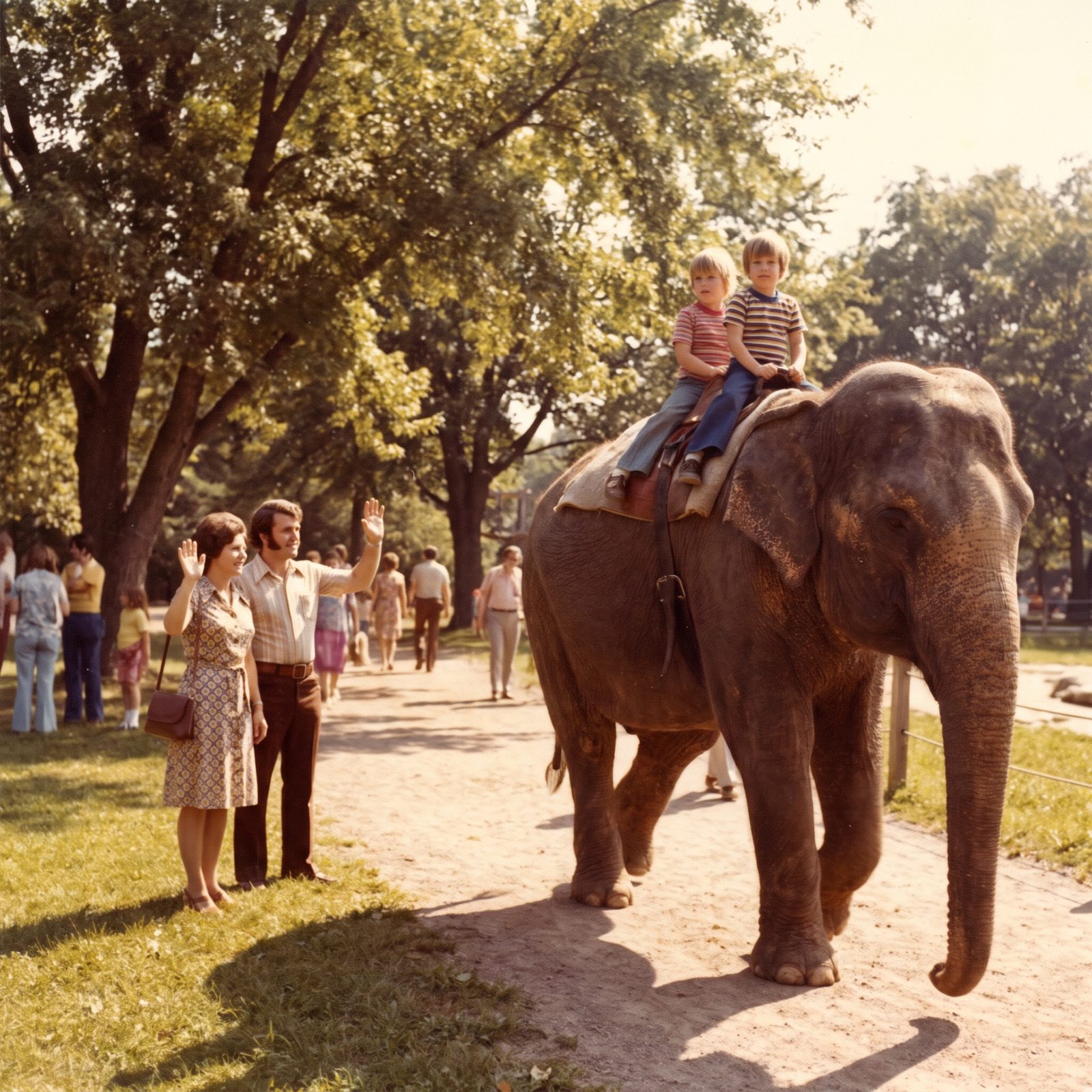
The elephant ride was a rite of passage, a few dollars for a lap around the zoo on a saddled back. Most accredited American zoos have ended it.
Two reasons converged. The welfare case came first, since the controlling tools and constant handling that make an elephant rideable are hard to square with modern care standards. Then came safety. Elephants are enormous, intelligent and occasionally unpredictable, so the industry moved toward protected contact, where keepers work from behind a barrier and never share unguarded space with the animal.
What replaced the ride is less photogenic and far better for the elephant: room to roam, deep mud to wallow in, and a herd structure that mirrors how they live in the wild.
As an elephant keeper puts it, “So we want to connect guests in different ways, in more natural ways. Because it’s not natural, you know, that a person is sitting on an elephant’s back.”
14. Costumed Chimpanzees and Performing Bears Vanished From Mainstream Exhibits
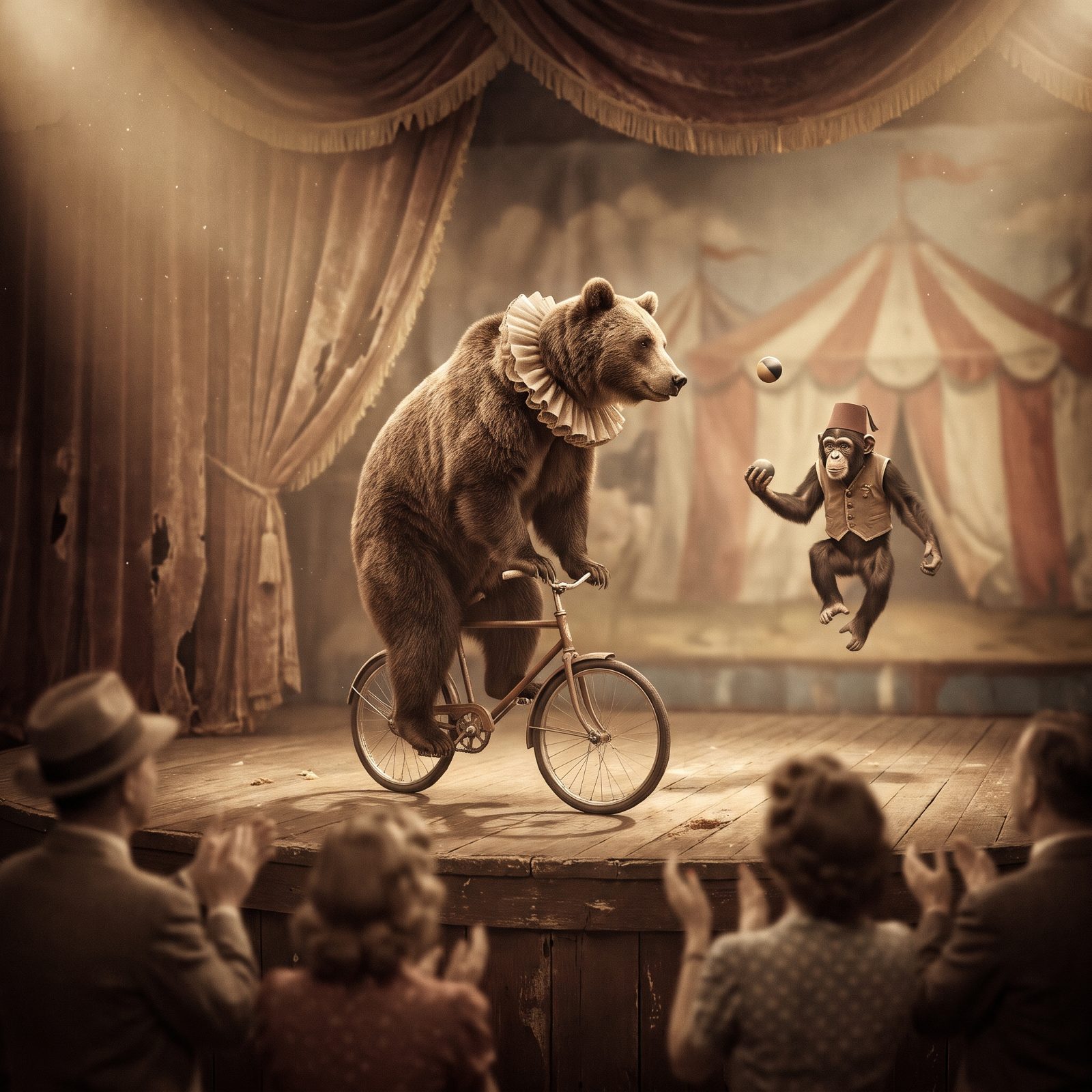
Performing animals used to be a zoo’s main draw. Bears on bicycles, chimps in overalls, seals clapping on command. A lot of it looked like fun, and almost none of it was good for the animal.
The shift tracks our understanding of what these minds actually are. Once you accept that a chimpanzee has politics, grudges and grief, dressing one in a diaper for a laugh stops reading as entertainment and starts reading as something closer to mockery. Accredited zoos redirected the showmanship into enrichment — puzzle feeders, termite mounds to fish, problem-solving that exercises the brain instead of humiliating it.
13. Cub and Chimpanzee Photo Opportunities Fell Out of Favor
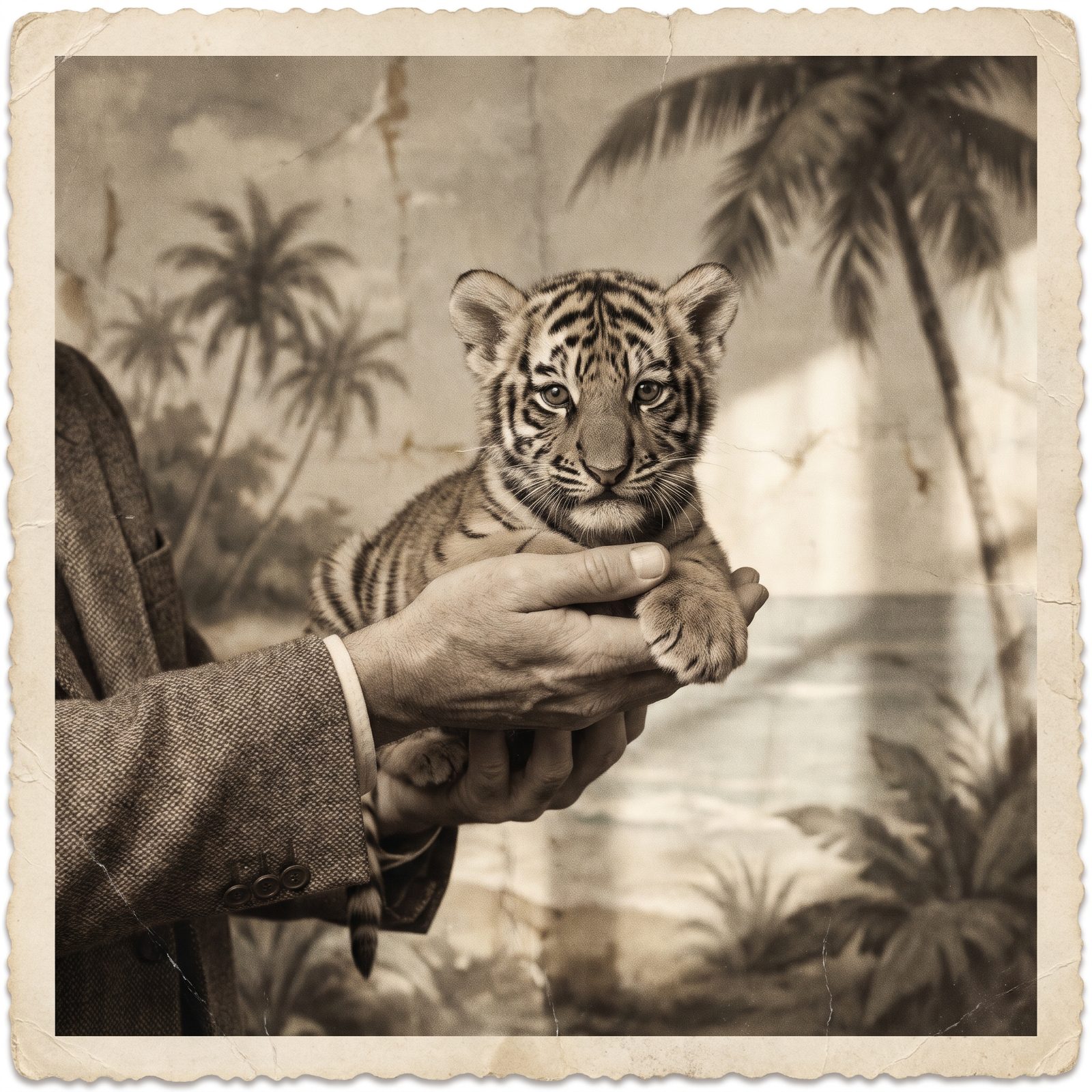
Pay a fee, hold a tiger cub, take home a photo. It felt harmless. The economics behind it rarely were.
Cubs used for photos get pulled from their mothers early, handled by strangers all day, and age out of cuteness in months. Then what? That steady flow of photo-ready cubs created a demand that encouraged constant breeding with no plan for the adults. Accredited zoos moved away from public cub contact and toward managed breeding programs that actually serve a species’ survival.
12. Animal Shows Shifted From Tricks to Natural Behaviors and Care Demonstrations
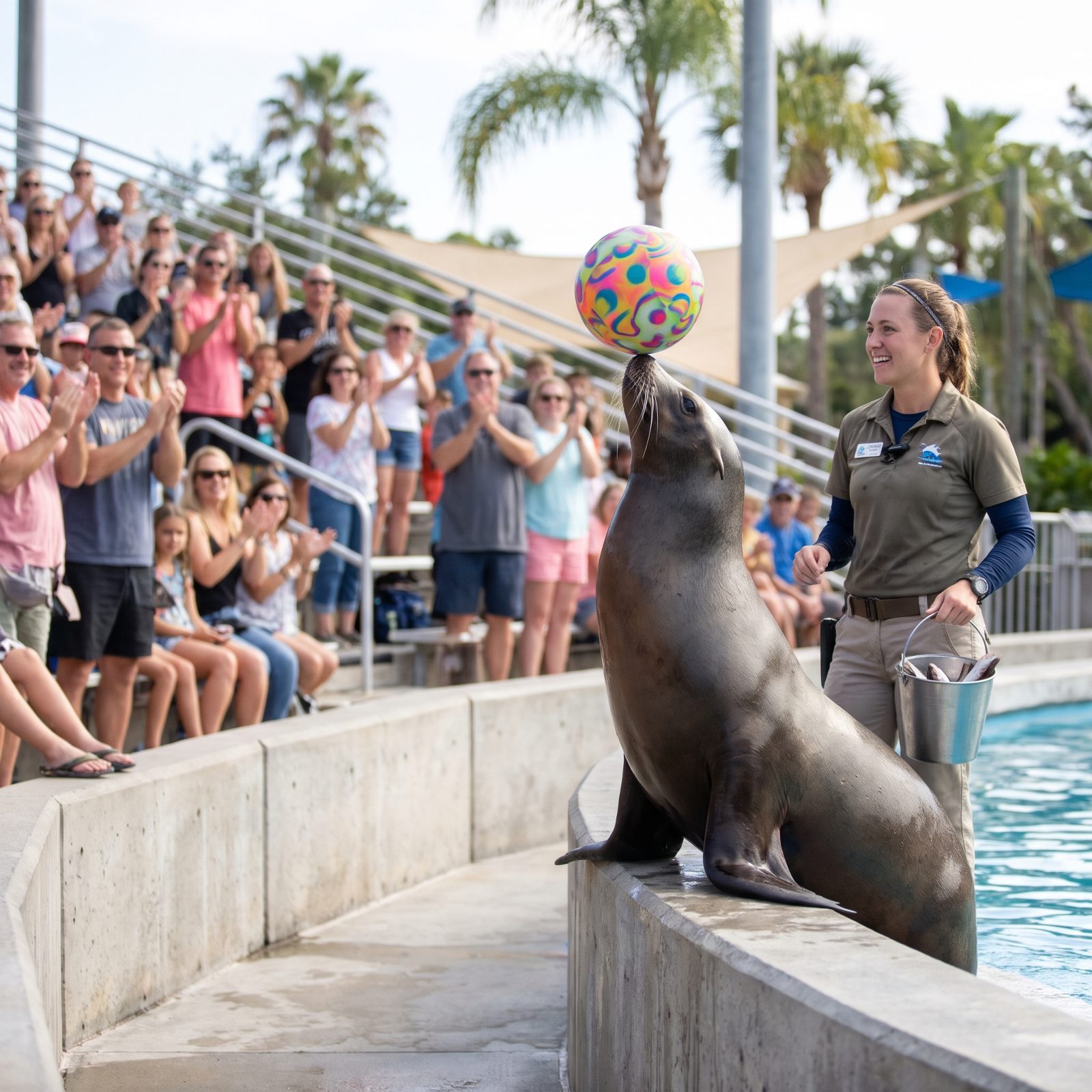
The sea lion balancing a ball on its nose is still a crowd-pleaser. Crowds clap, the trainer reaches into her bucket of fish, and everyone goes home happy, but the ball trick is no longer the whole show.
In many modern shows, that same sea lion also opens its mouth on cue so a vet can check its teeth, then holds still for a voluntary blood draw. Keepers call it husbandry training, and it means medical care happens without nets, darts or a panicking animal. The performance now doubles as a demonstration of genuine care.
11. Steps and Narrow Paths Gave Way to Accessible Routes and Viewing Areas
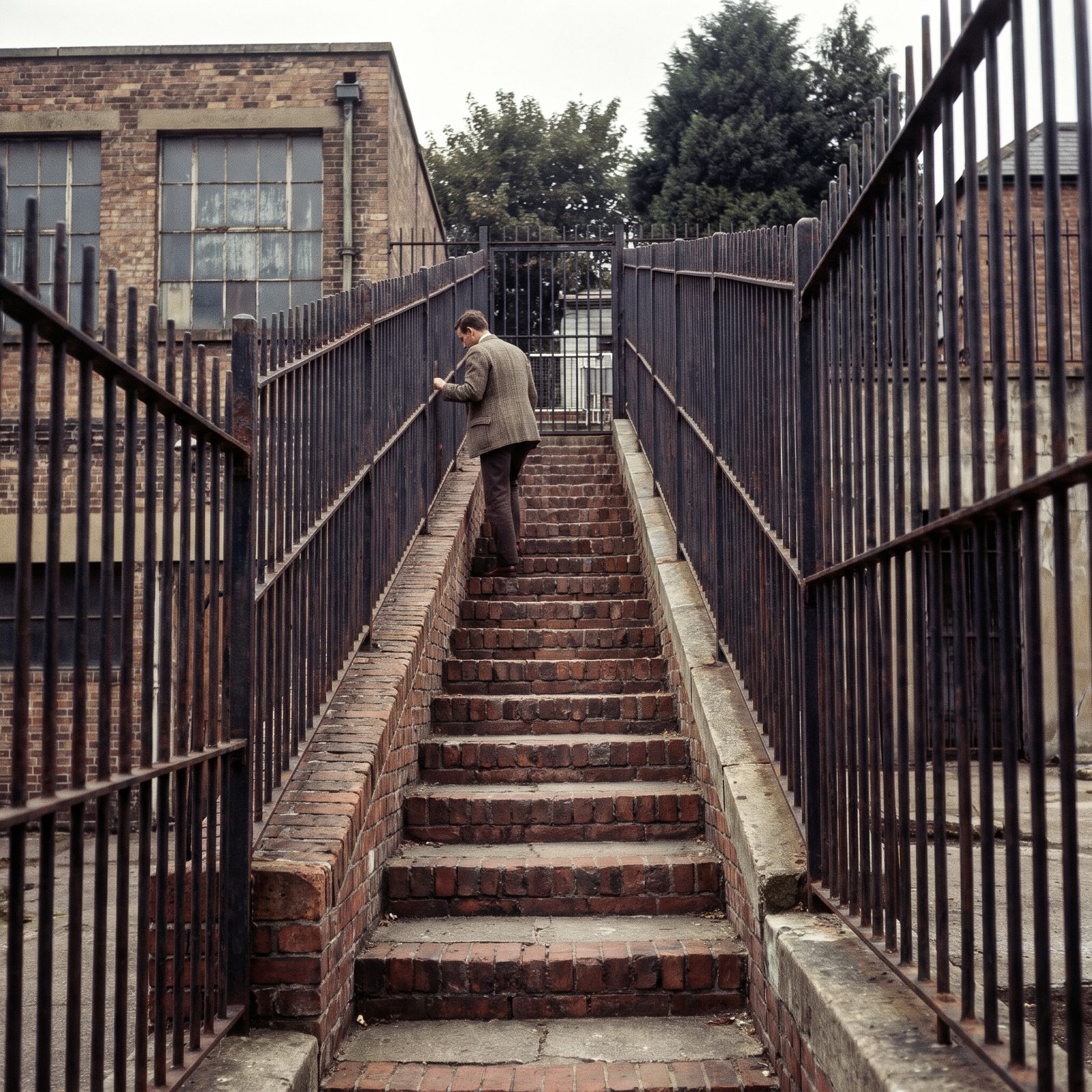
The old zoo was built for people who could climb. Steep steps ran between brick animal houses, railings towered too high for a child to see over, and a wheelchair got left stranded at the bottom of a flight of concrete.
Modern layouts run on gentle ramps, level boardwalks and glass dropped low enough for a kid or a seated visitor to press their nose against. Reaching the animal stopped being a physical test.
10. Petting Areas Added Hand-Washing Stations and Controlled-Contact Rules
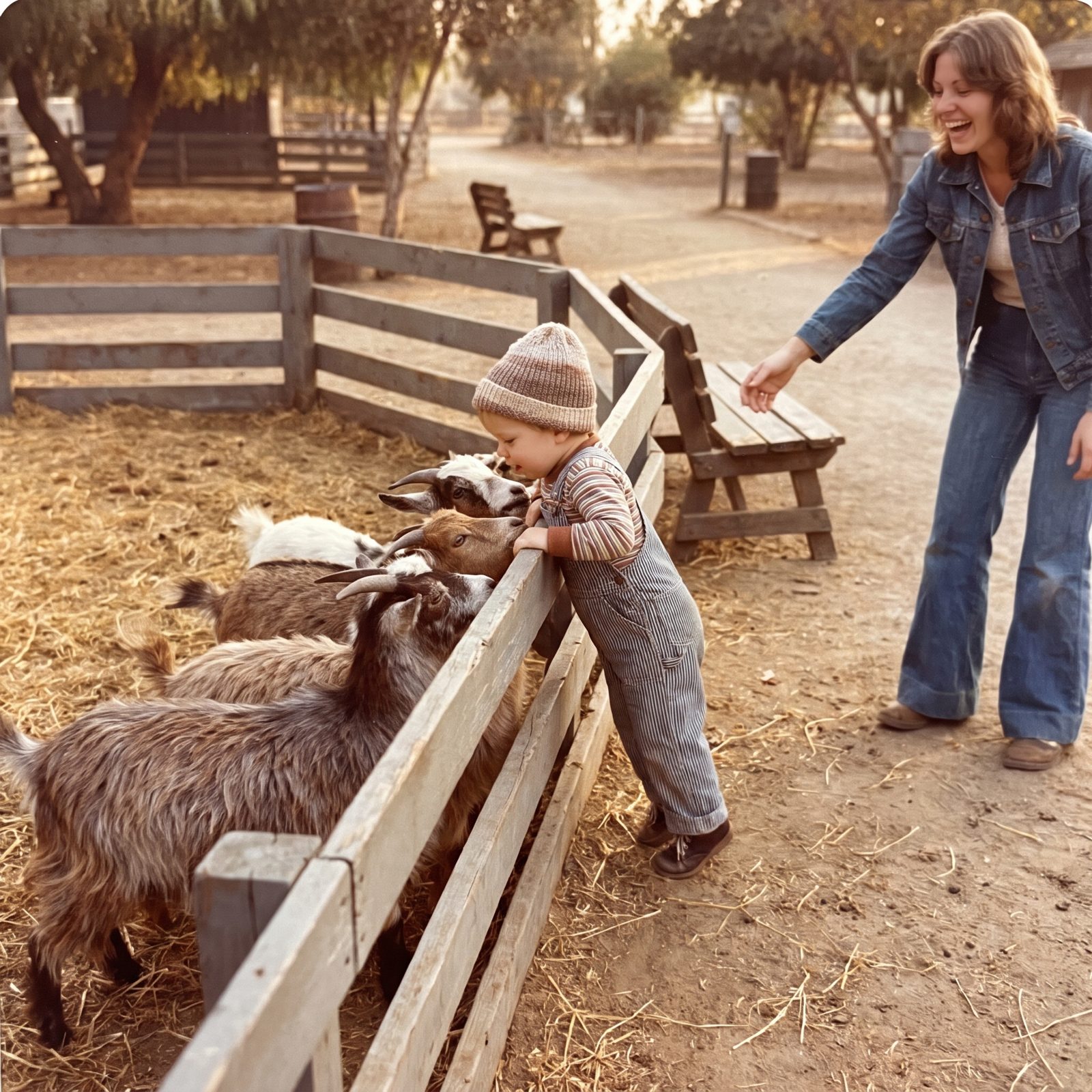
Goats, straw, a wooden fence a toddler could lean over. The 1970 petting zoo was gloriously hands-off about hygiene, and nobody thought twice about it.
Then came the understanding that a cute goat can carry E. coli and a grubby hand carries it home. Now contact yards come with sinks at the exit, keepers watching the crowd, and rules about washing before you eat. Less wild, sure. But a single outbreak traced back to a petting barn makes the whole argument for the soap.
9. Wild-Caught Animals Gave Way to Coordinated Zoo-Bred Populations

For most of the last century, a new zoo animal arrived in a crate off a ship. Caught in the wild, shipped across the world, and for every one that survived the trip, others didn’t. The stock came straight out of the forest.
That pipeline is largely closed now. Accredited zoos breed their own, and pulling an animal from the wild has to clear a serious justification. What you get is a self-sustaining population living inside the zoo system, no longer draining the wild one to fill the gaps.
8. Species Survival Plans Began Coordinating Genetic Pairings Across Zoos
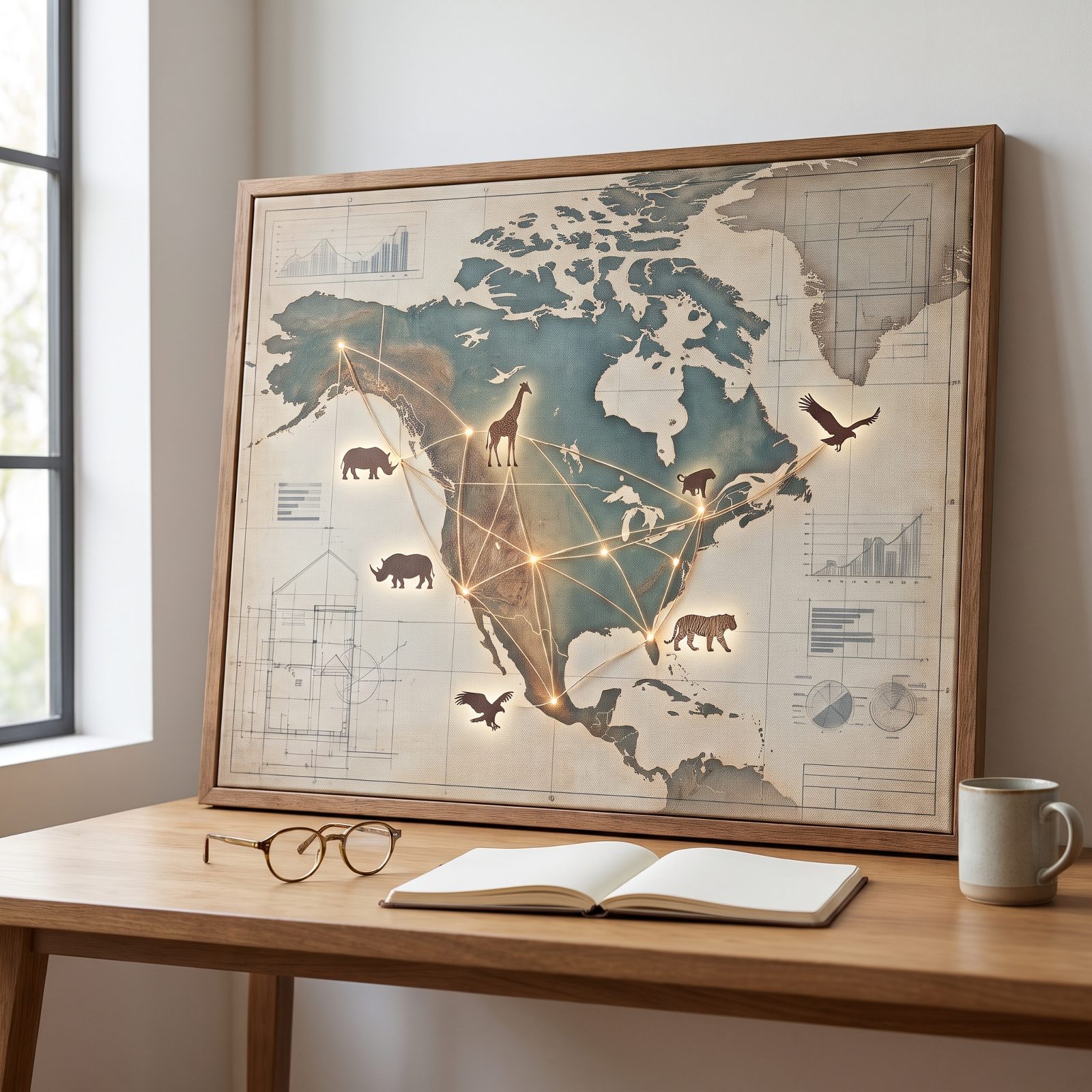
Pairing two animals used to come down to which zoo had a male and which had a female. Nobody tracked whether they happened to be cousins.
Species Survival Plans changed that with a database and a hard dose of population genetics. Every individual gets a studbook number and a kinship score, and a computer flags which leopard in San Diego should breed with which leopard three states away, all to keep inbreeding down and genetic diversity up.
Matchmaking run by math, and it matters more than it sounds. A small captive population that stops mixing its genes slowly collapses on itself. The studbook is what holds that line.
7. Contraception and Planned Breeding Reduced the Routine Production of Surplus Young
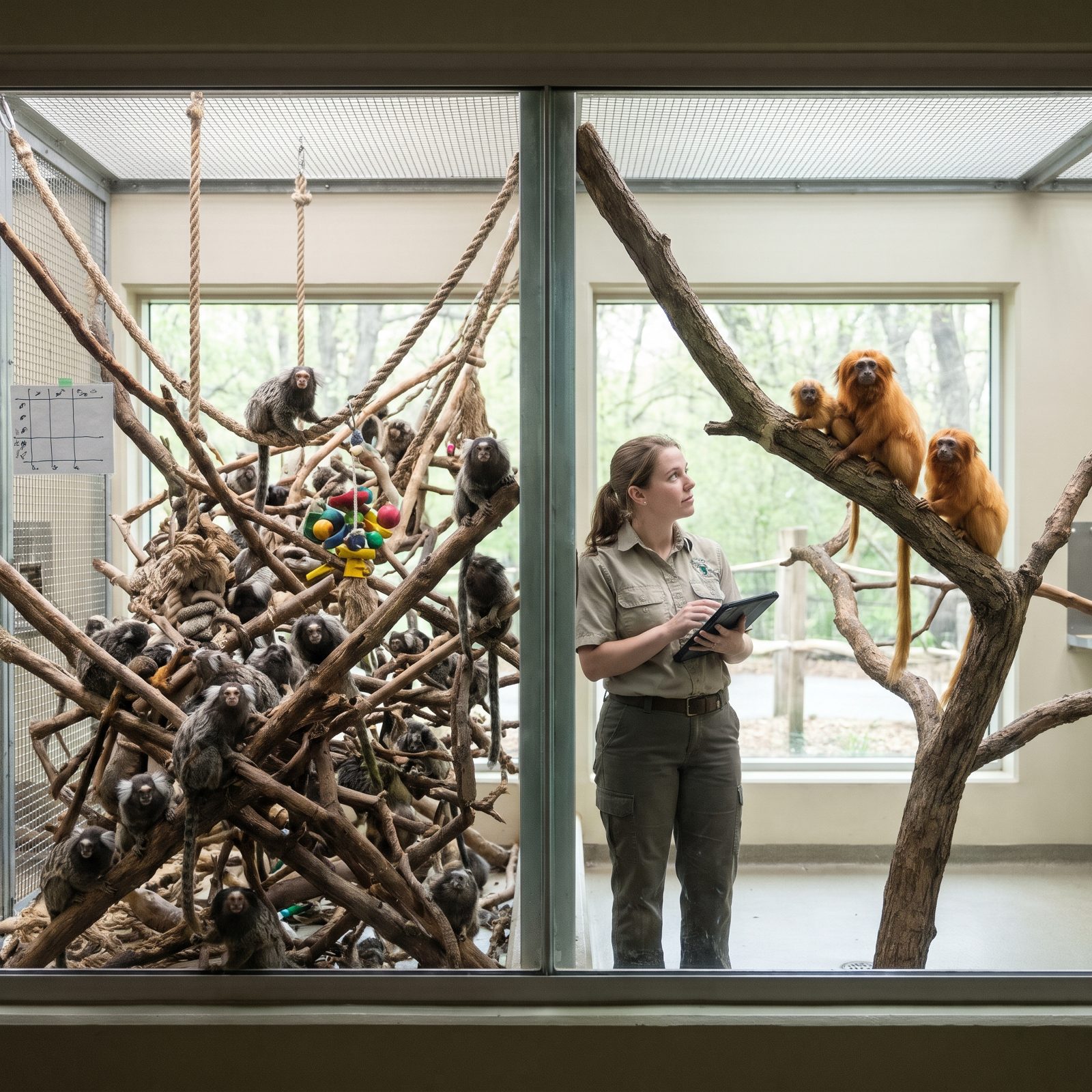
Nobody put this part on the sign in 1970: healthy animals breed, and a zoo that lets them breed freely ends up with more young than it has room for. The old answer to that math was ugly, and it was quiet.
Contraception rewrote it. Implants, hormonal treatments and carefully timed introductions let zoos decide when an animal reproduces instead of hoping nature slows down on its own. A pride stays a pride without ballooning into a crowd. Fewer surplus animals, fewer impossible decisions, and breeding that happens only when there’s genuinely a place for the result.
6. Glass-Fronted Zoo Nurseries Declined as Babies Stayed With Their Parents
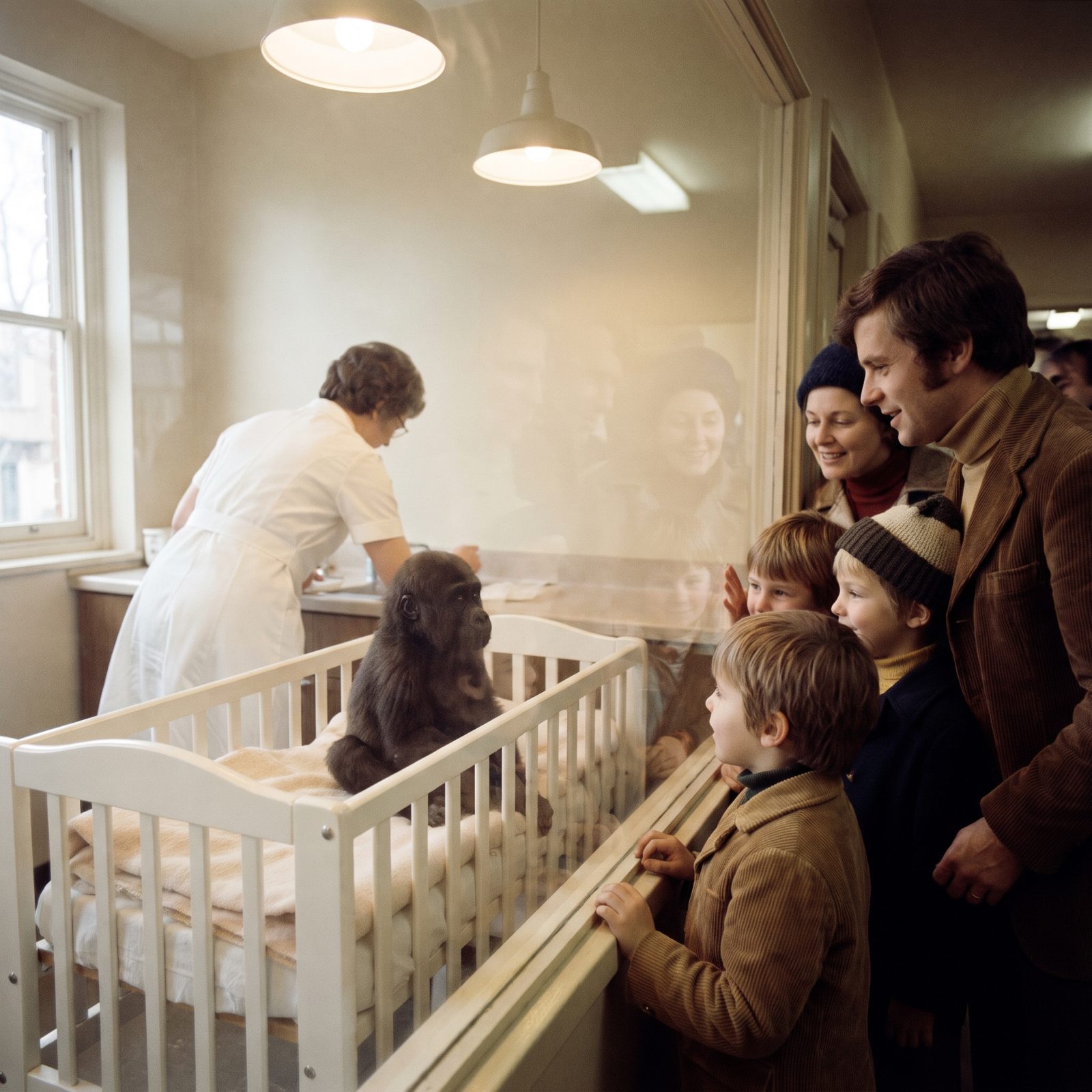
Zoos used to love a nursery window. An infant gorilla in a crib, a bottle, a caregiver in white, a crowd cooing through the glass. It pulled people in. It also raised a generation of animals that never learned how to be their own species.
A hand-reared ape often grows up unable to read other apes, mate, or raise its own young. So the nurseries emptied out. Today the aim is to keep the baby on its mother and step in only when the alternative is death. Less adorable through the glass, and far better for the animal.
Even when a struggling mother forced keepers to step in with a baby gorilla, a zoo mammals curator stressed “Hand-rearing any animal is not a decision we take lightly as our preference is always for an animal to be reared naturally by its own mother”
5. Zoos Began Reintroducing Captive-Bred Animals to the Wild
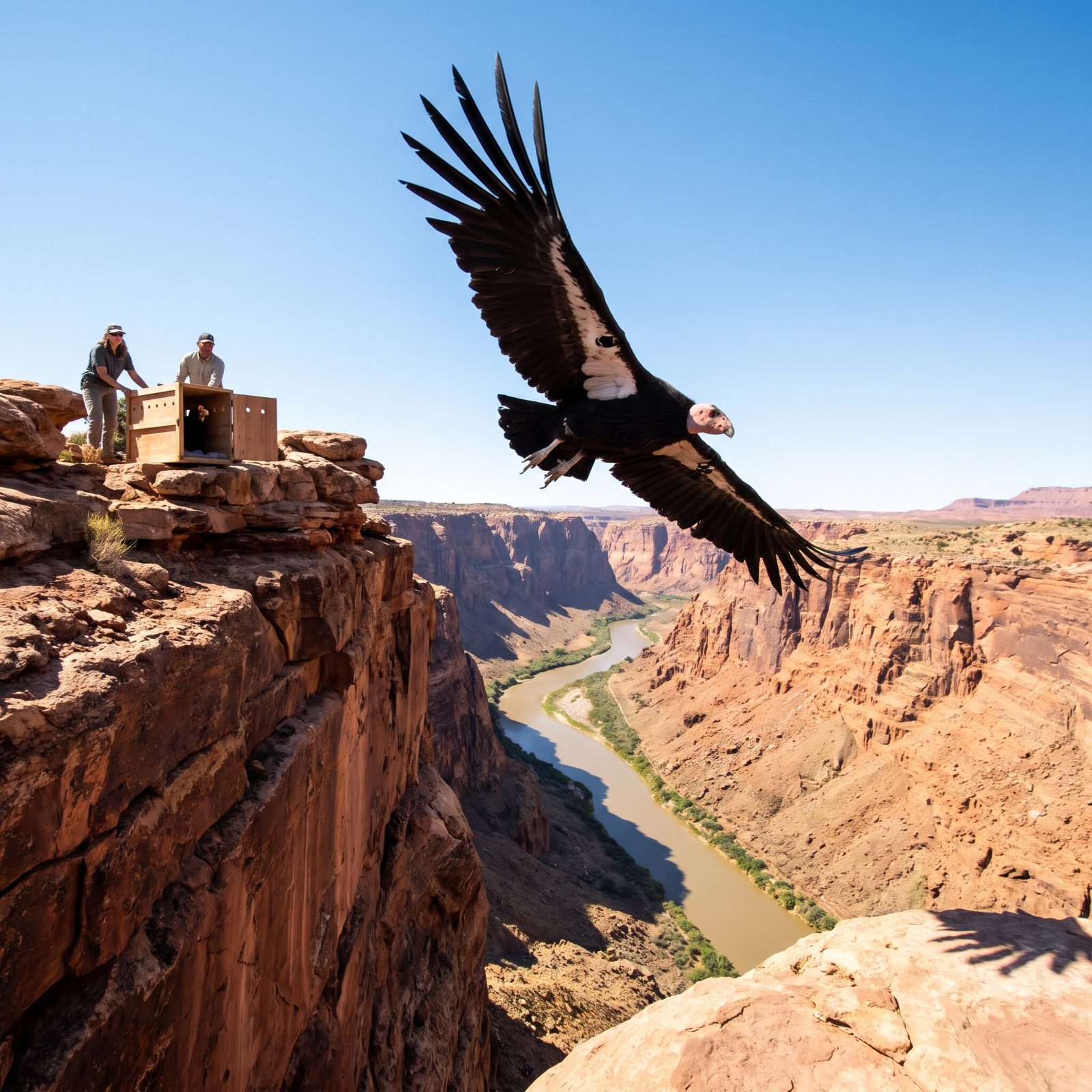
The California condor hit 27 birds. Twenty-seven, on the entire planet, in the 1980s.
Every remaining one got pulled into zoos and captive-breeding programs, a last-ditch gamble that drew fierce criticism at the time. And it worked. Chicks raised with puppet parents, to avoid imprinting on humans, went back out into the canyons of California, Arizona and Baja. The wild population now runs into the hundreds.
Here the case for zoos gets sharpest. Black-footed ferrets, Arabian oryx, Przewalski’s horse — all gone or nearly gone from the wild, all hauled back from captive stock. The zoo became the ark, then opened the door.
Decades into the condor recovery effort, a zoo conservation manager says “We’re further into the program, so the emphasis is more on producing the highest quality chicks and the ones most likely to survive and thrive in the wild, rather than just sheer numbers”
4. Environmental Enrichment Turned Mealtimes Into Foraging, Hunting and Problem-Solving
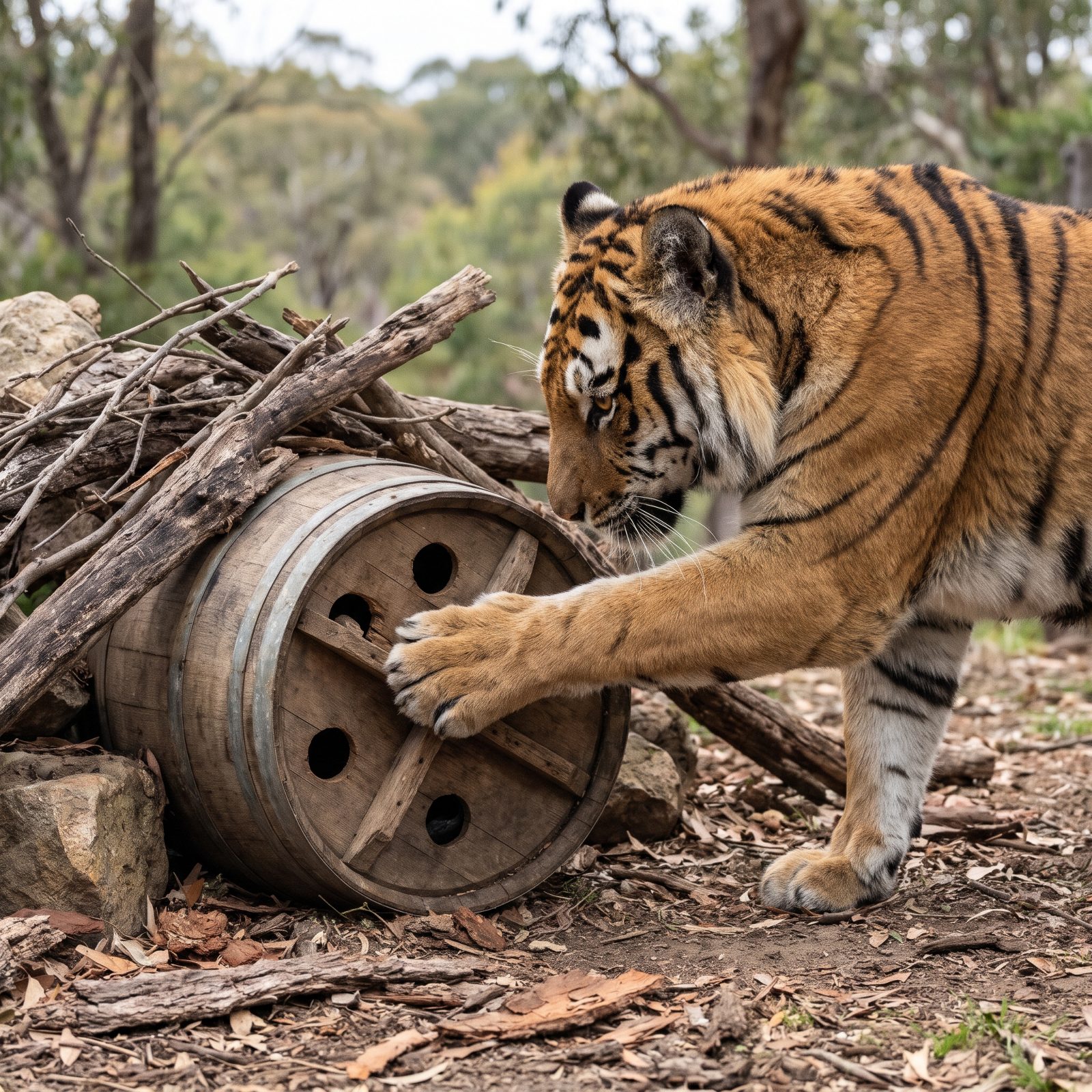
A bowl of meat set down at noon vanishes in ninety seconds. Then the big cat faces nearly a full day of nothing, which is exactly where the old pacing-in-circles behavior came from.
Enrichment broke the bowl. Food now gets hidden, hung, frozen in ice, scattered through grass, or sealed inside a puzzle the animal has to crack. A tiger shreds a scent-soaked parcel. A chimp fishes termites from an artificial mound using a stick it selected itself. Mealtime became a problem to solve, and a bored brain became a busy one.
Watch an enriched animal for ten minutes and compare it to the hollow pacing of the old concrete pits. That gap is the whole measure of how far this has come.
3. Generic Hay-and-Pellets Rations Gave Way to Species-Specific Diets and Body Scoring

Zoos used to feed by rough category. Herbivores got hay, carnivores got meat, and primates got fruit — heaps of it, because fruit seemed so obviously good for them.
It wasn’t. Modern orchard fruit is bred sugary and soft, nothing like the fibrous wild plants a monkey evolved to chew. Zoo primates were essentially getting candy three times a day. Many now get far less fruit and a lot more leaves, bark and formulated biscuits.
Explaining why bananas were taken off the monkeys’ menu, a zoo’s head veterinarian said “The issue is, the cultivated fruits have been genetically modified to be much higher in sugar content than their natural, ancestral fruits”
2. The Back-Room Vet Clinic Grew Into a Full Wildlife Hospital With CT and Ultrasound
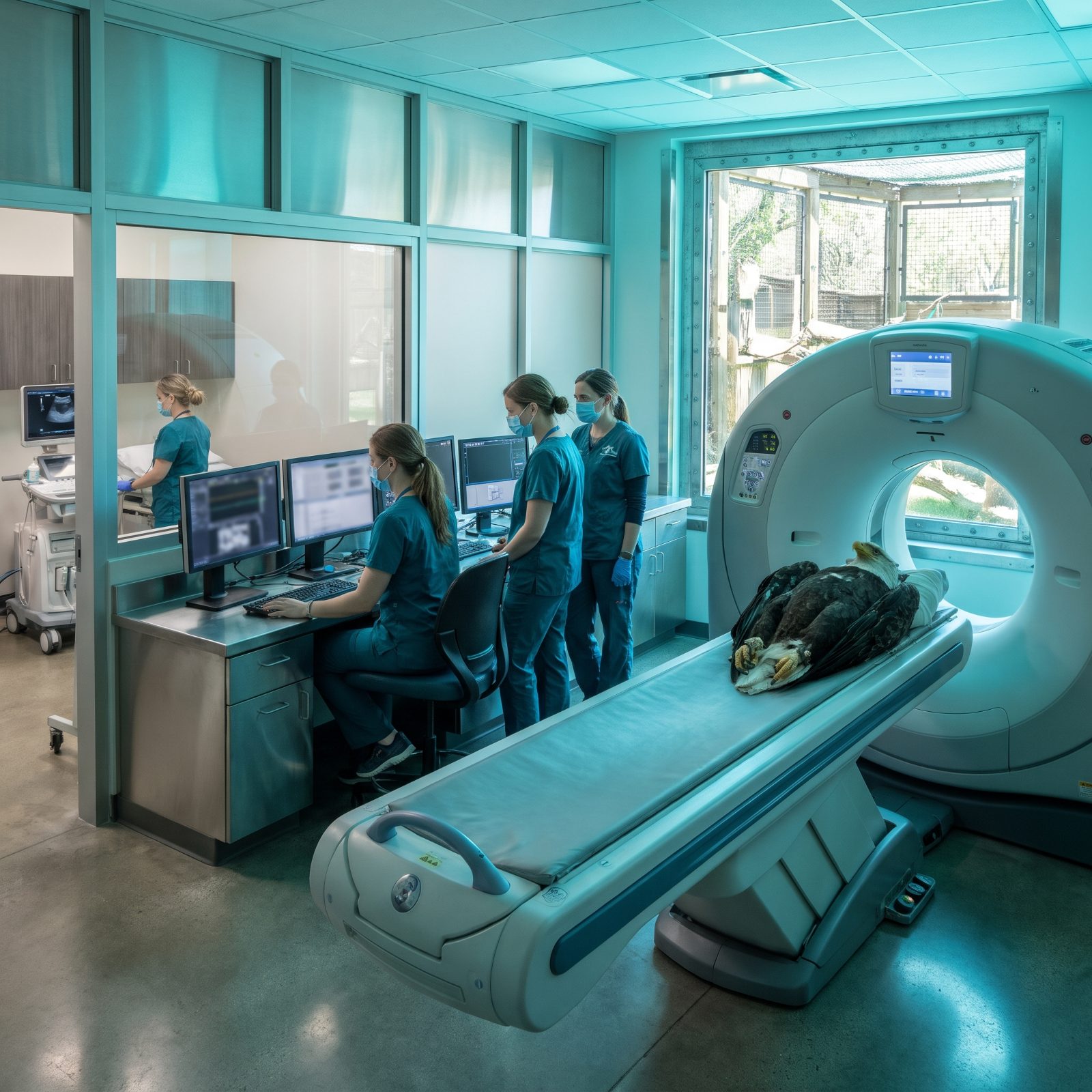
In 1970 the zoo vet often had a sink, an exam table, a cabinet of drugs, and a good deal of guesswork. Imaging meant a basic X-ray, if you were lucky. Diagnosis leaned hard on experience and hope.
Today the better institutions run hospitals that rival human clinics — CT scanners, digital radiography, endoscopy, ultrasound, on-site surgical suites. A zoo can image a gorilla’s heart, scope a snake’s stomach, or spot a tumor in a sea lion before the animal ever shows a symptom.
The dentistry is what surprises me most. Big cats crack their canine teeth constantly, and a root canal on a lion is now a scheduled, unremarkable afternoon.
After an on-site CT scanner was installed at the zoo’s animal care center, a zoo veterinary director said “It will also open new opportunities for research to improve the knowledge about and medical care for our animals.”
1. Pacing and Swaying Stopped Being Ignored and Became a Welfare Alarm
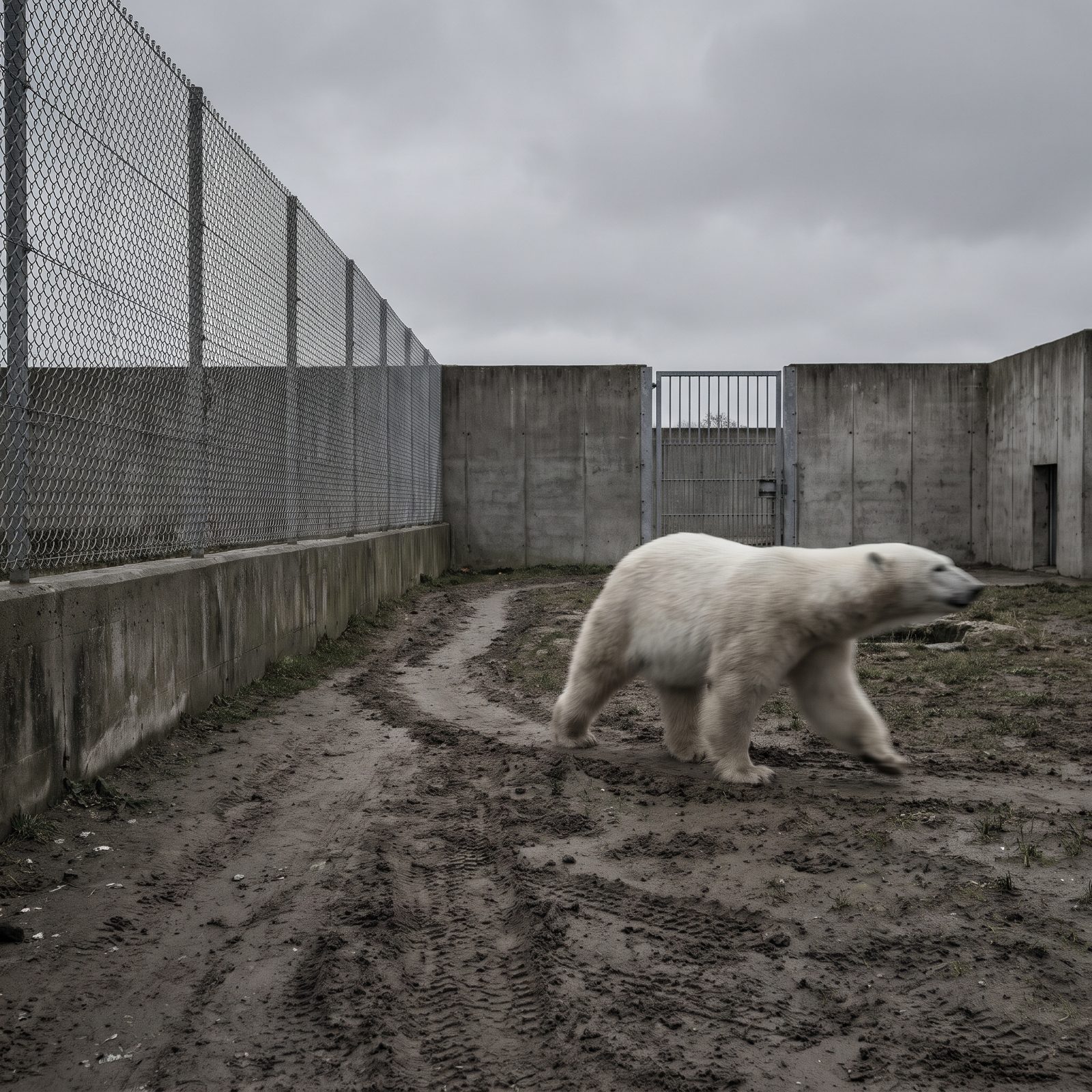
A polar bear tracing the same figure-eight for hours. A big cat swaying its head over and over. Visitors used to read all this as the animal being friendly, or restless, or simply bored.
Researchers call it stereotypic behavior, and they now understand it as a warning sign — a brain stuck running the same loop because the environment hands it nothing better to do.
That recognition reshaped how exhibits get built. Scattered feeding, puzzle feeders, scent trails, routines that change day to day, far more complex space. The goal moved past keeping an animal alive and onto keeping its mind occupied.